NOAA is breaking down how the U.S. Drought Monitor tracks drought conditions across the country and why drought can be harder to recognize than other extreme weather events. The monitor uses multiple types of data to show where drought is happening, how severe it is, and how it affects agriculture, water supplies, ecosystems, and local economies. As of late May, more than 60% of the continental U.S. was in drought, with serious concerns continuing across parts of the West, Plains, Southeast, Mid-Atlantic, and Northeast.
Why This Matters:
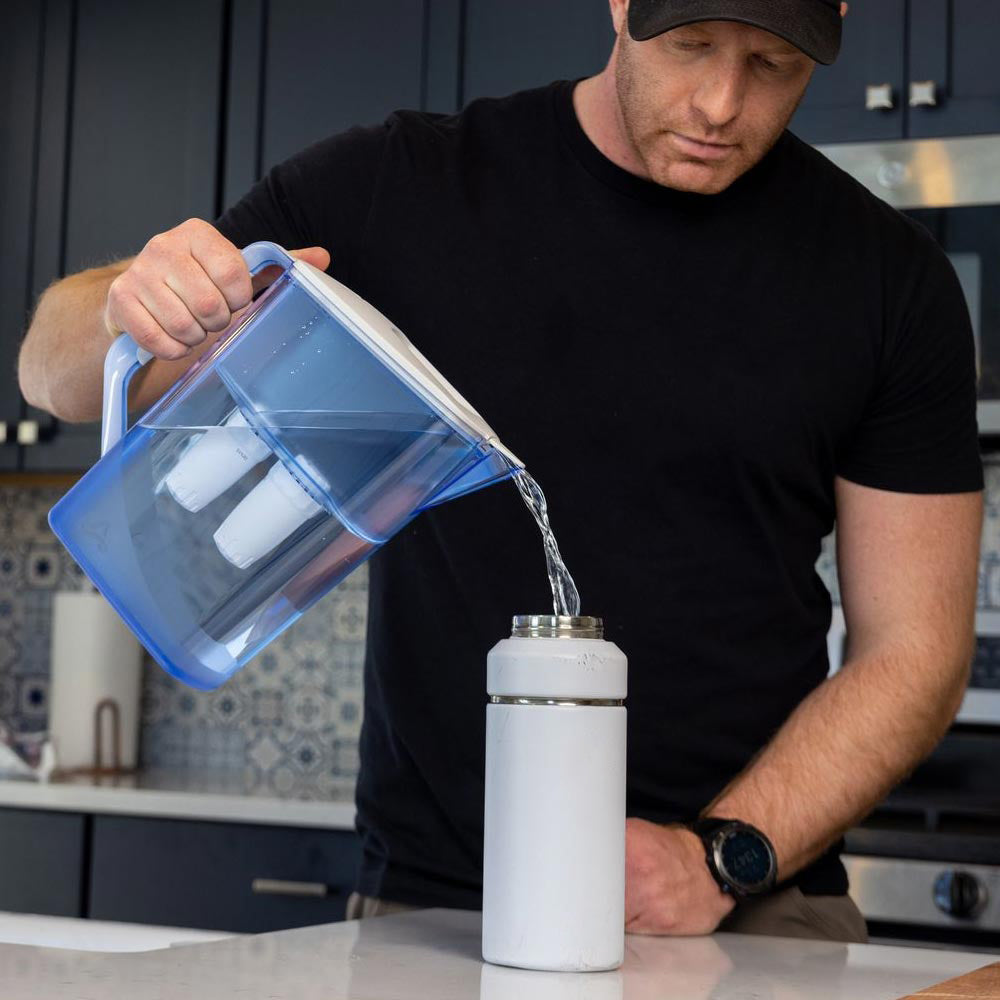
Drought often builds quietly, but the impact can be serious. It can damage crops, reduce forage, lower reservoirs, strain water supplies, increase fire risk, and pressure local economies long before most people see the effects firsthand. For households, it is another reminder that preparedness matters before drought conditions start affecting food, water, power, or everyday routines.
Read the full article here.
Source: NOAA National Centers for Environmental Information