Modern life runs on systems most of us rarely think about. Electricity powers our homes. Digital networks keep supply chains moving. Grocery stores restock daily deliveries that arrive like clockwork. But when those systems are disrupted — even temporarily — everyday essentials can suddenly become difficult to access. Preparedness isn’t about fear or extreme scenarios. It’s about making sure your family has dependable access to the basics when normal systems aren’t working the way they should.
The 4 Pillars of Smart Preparedness
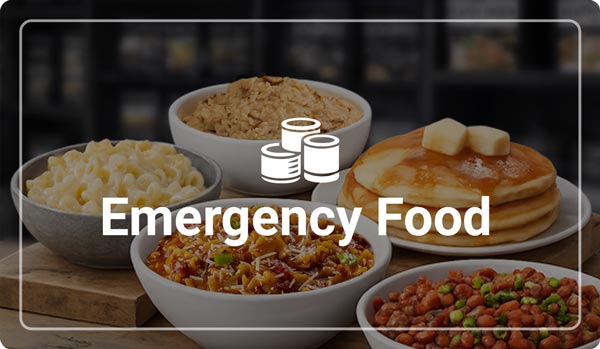
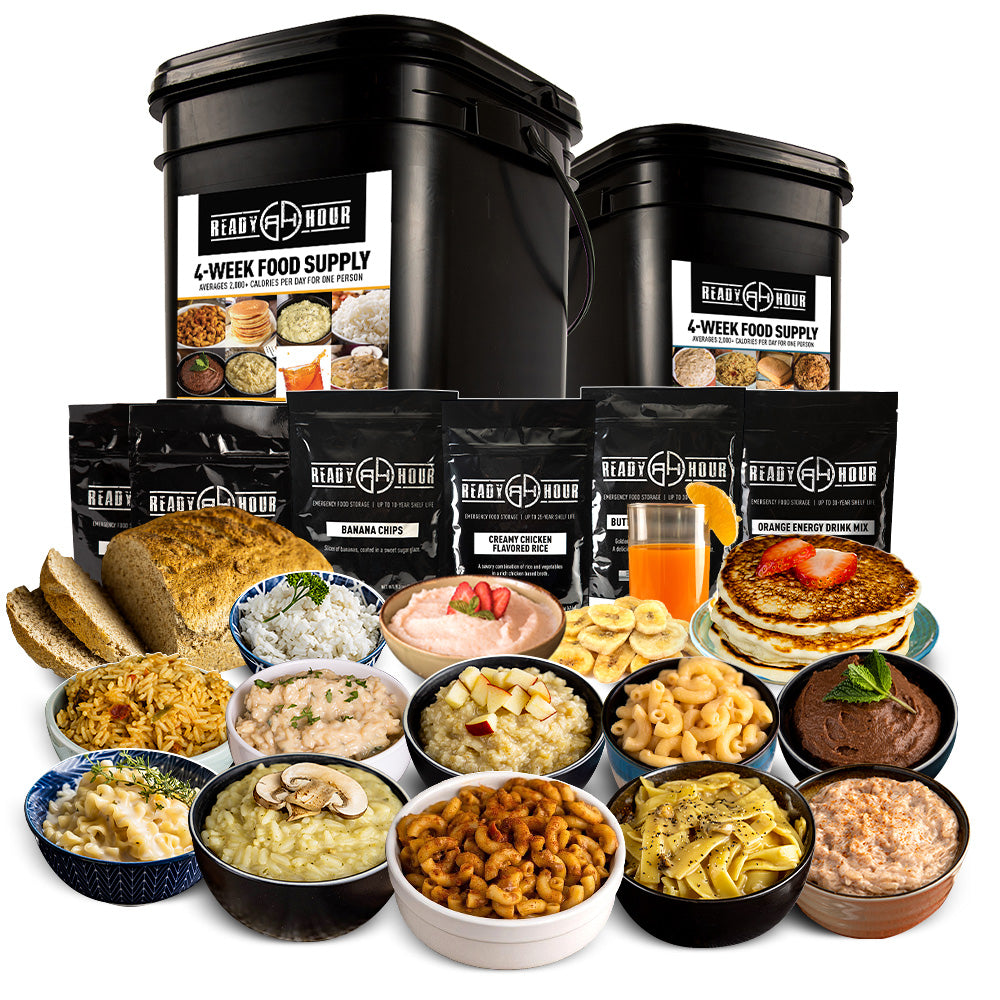
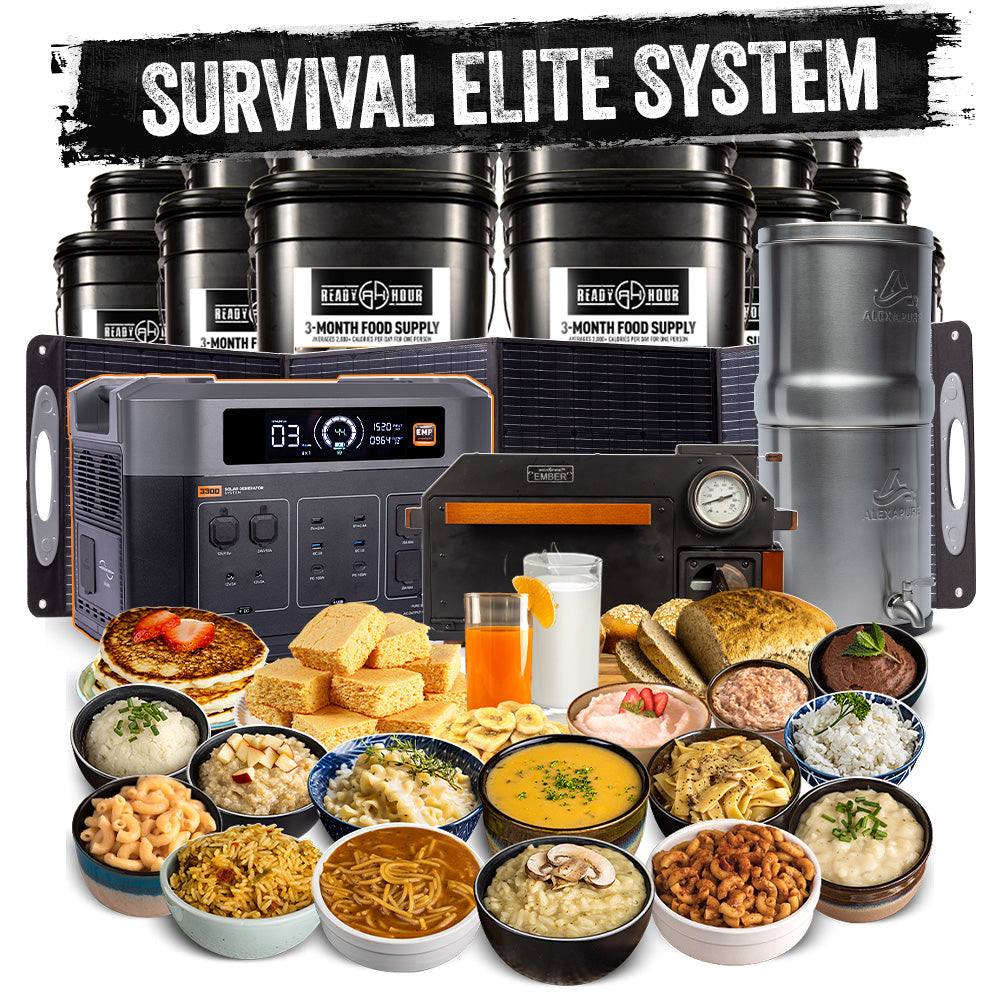
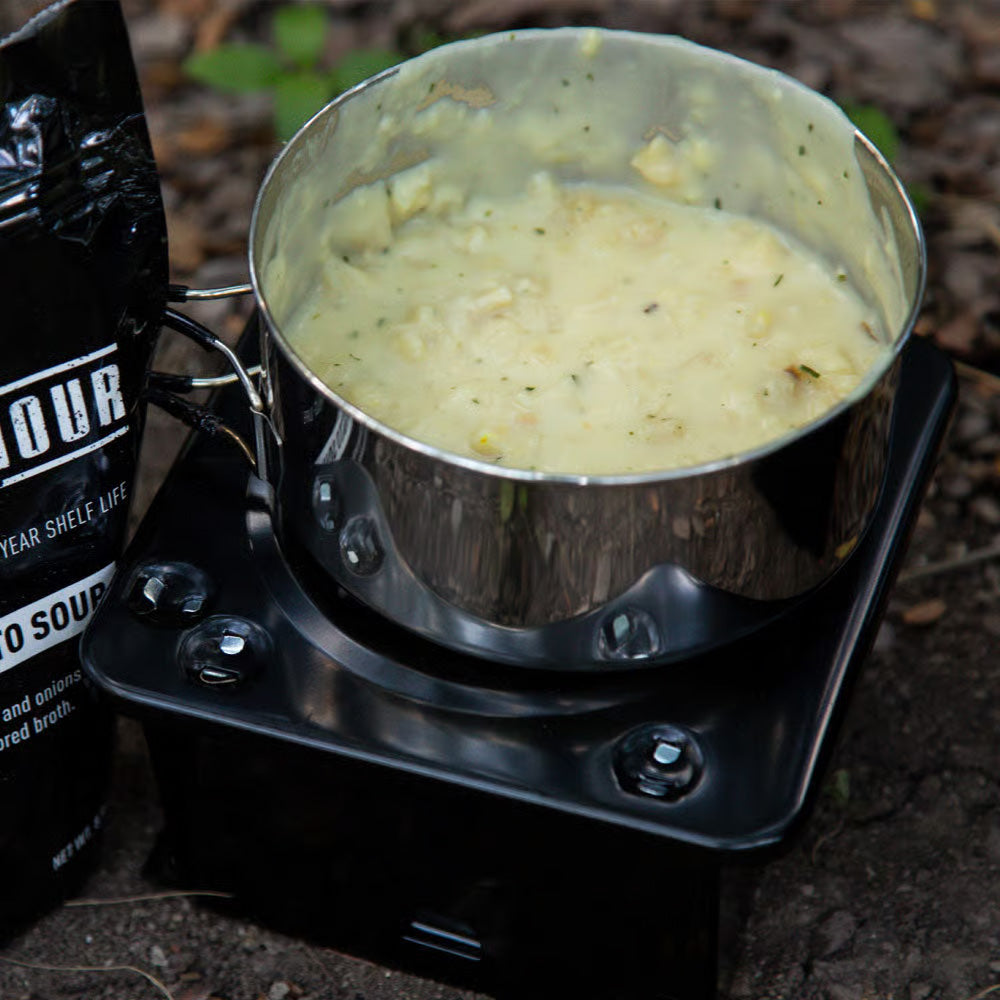
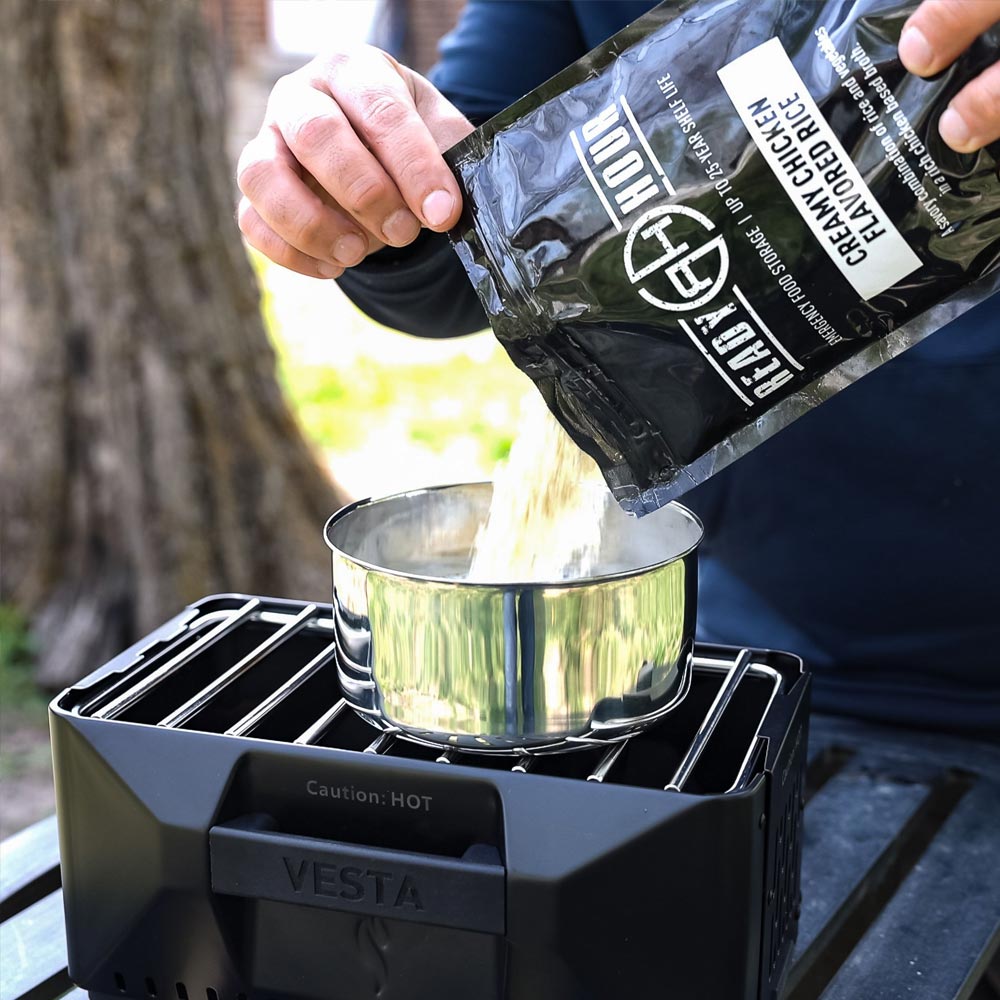
When supply chains slow down or stores run low, having reliable food at home becomes essential. Emergency food is designed for long-term storage, easy preparation, and dependable nutrition.
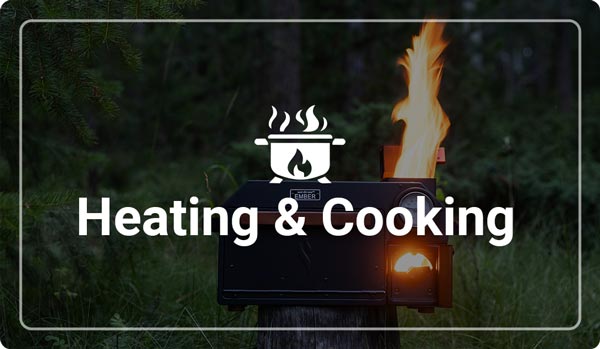
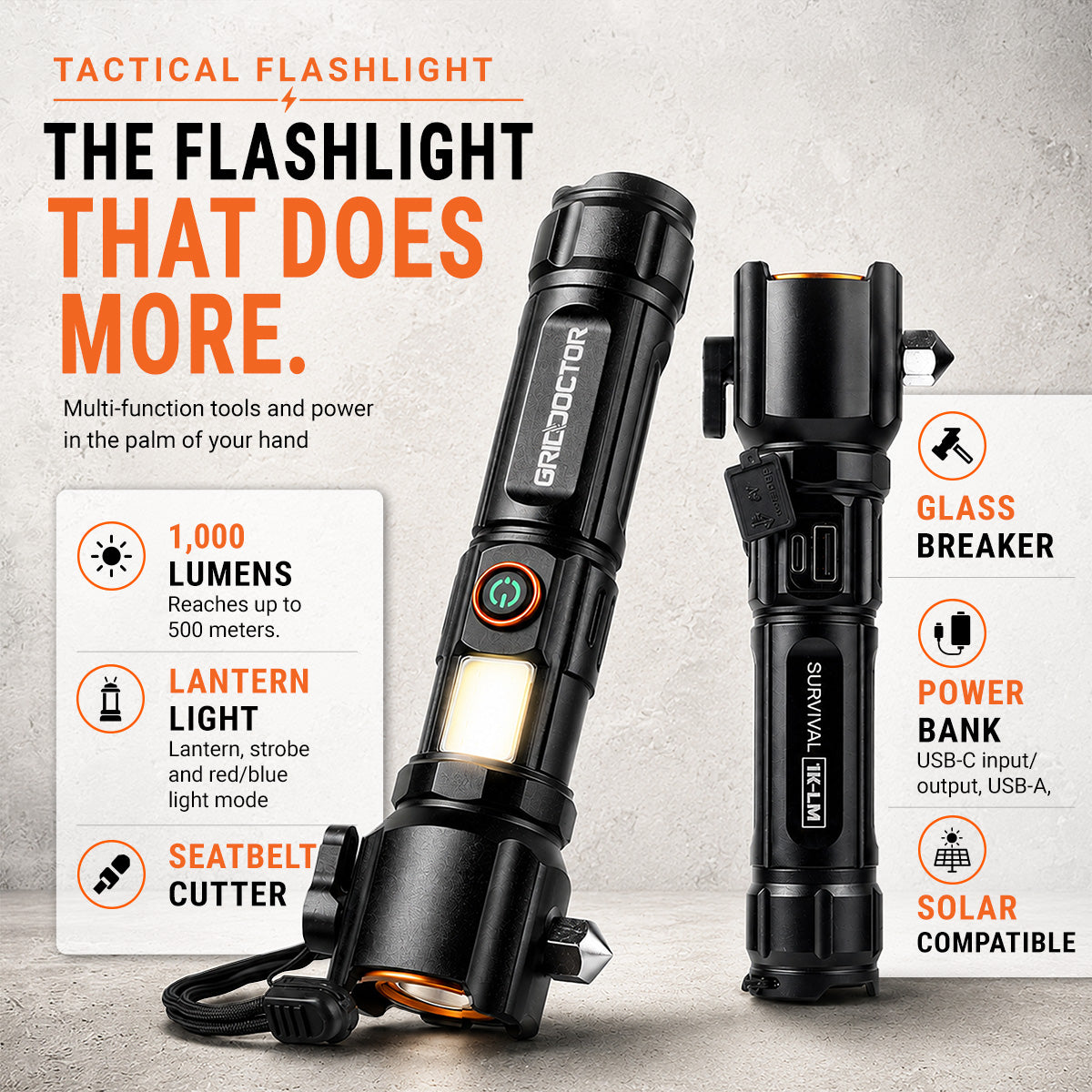
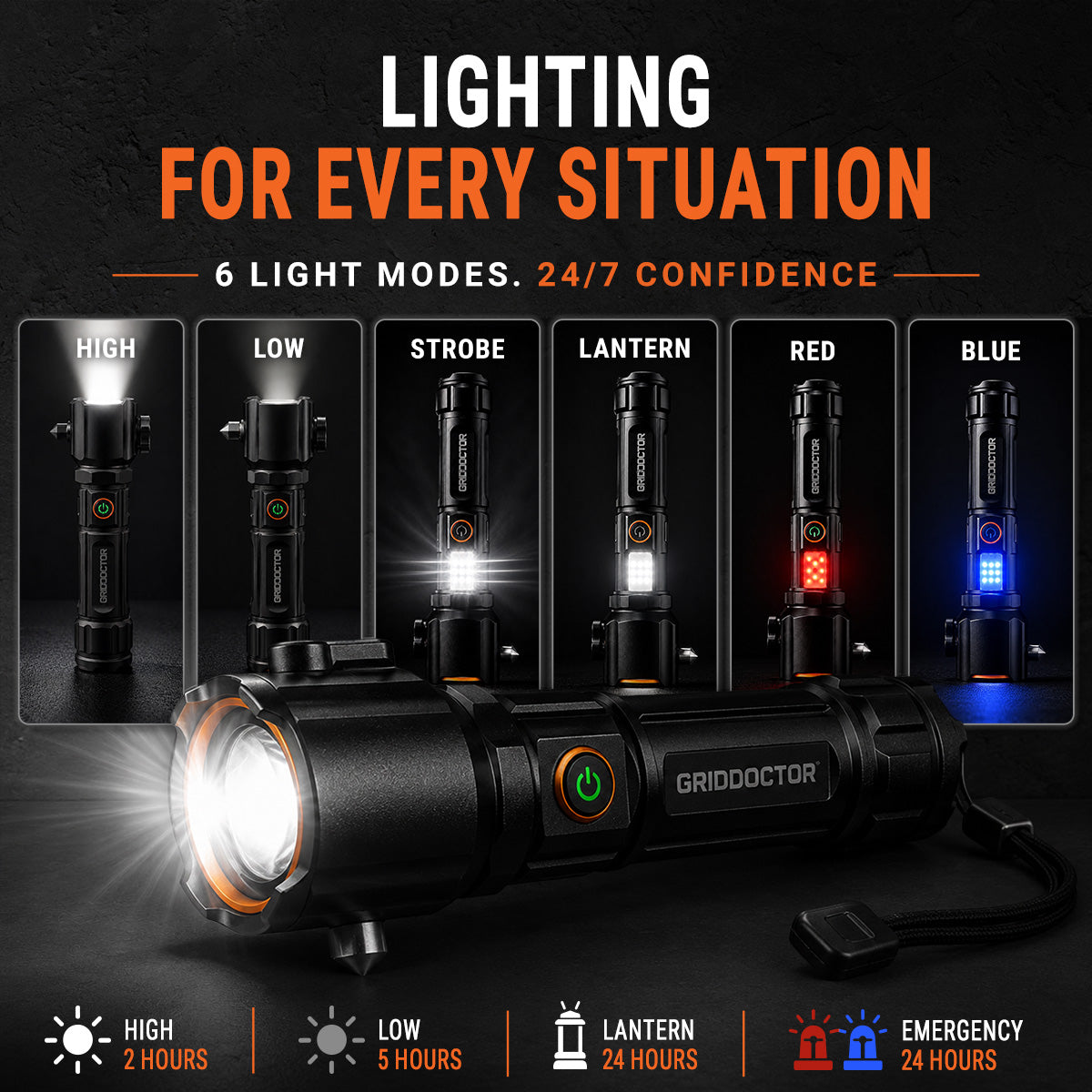
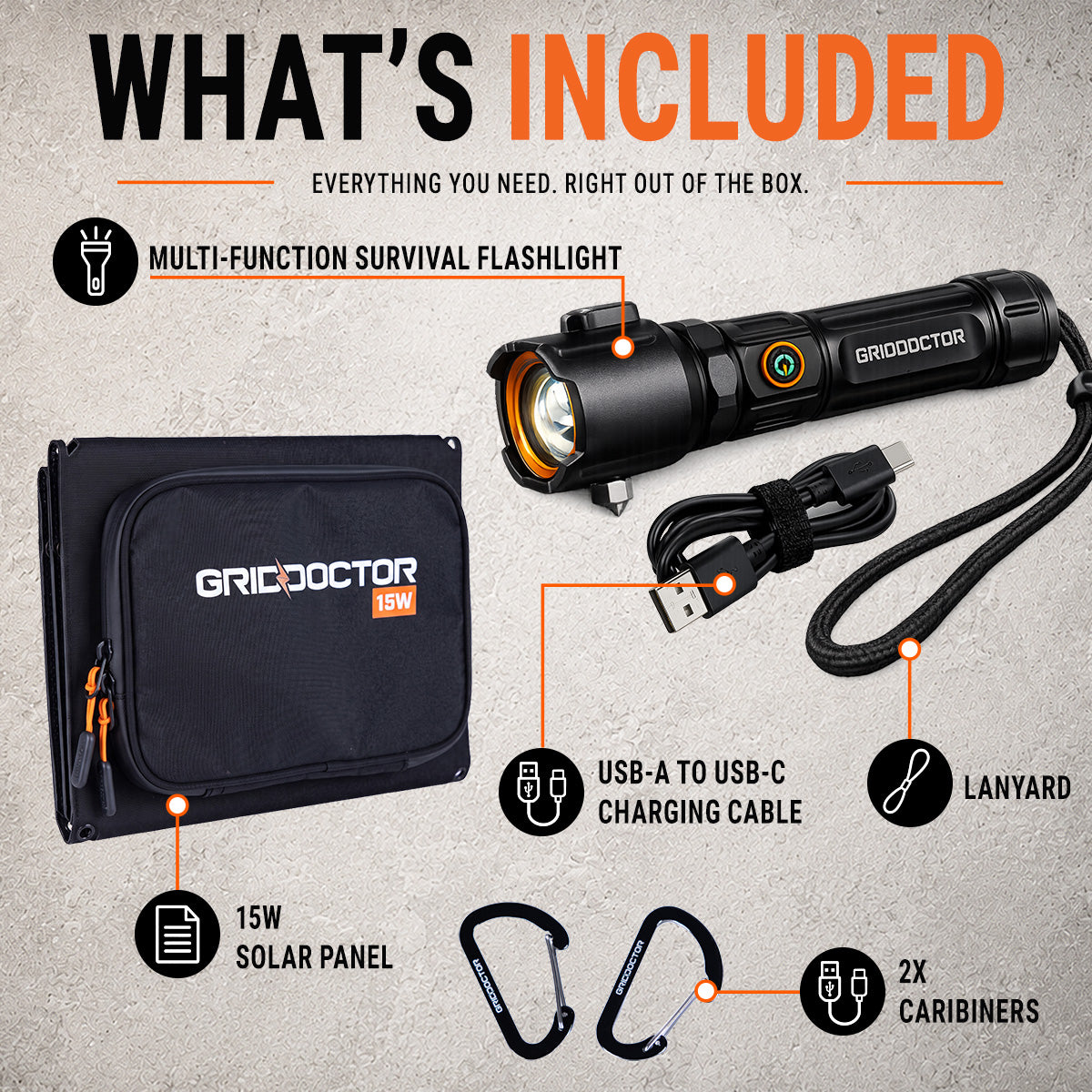
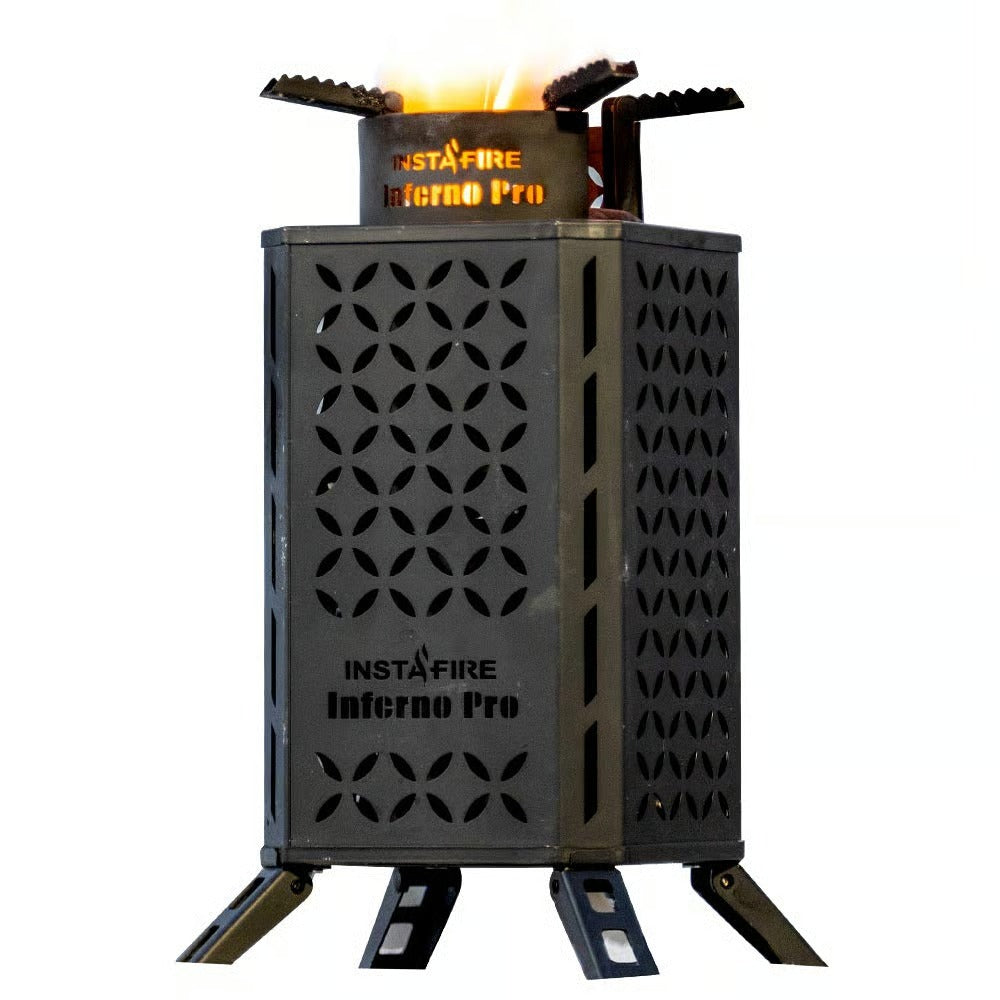
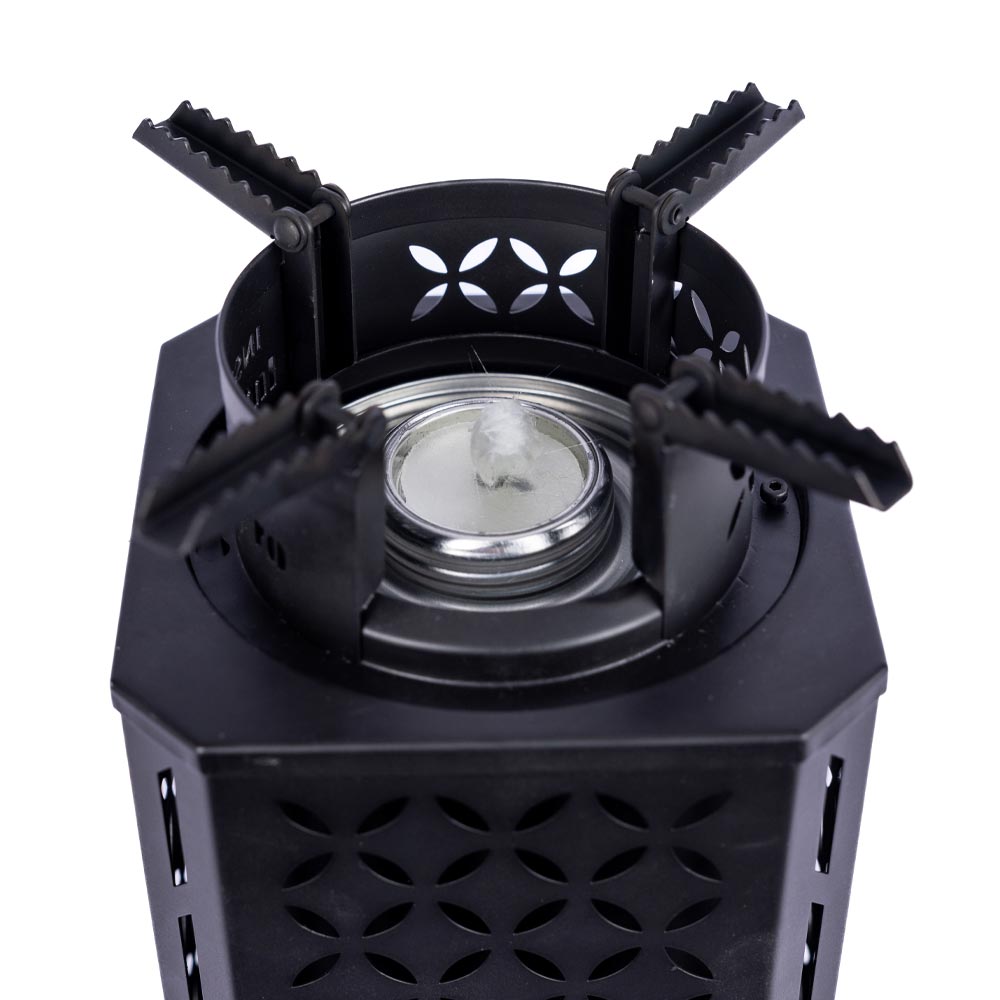
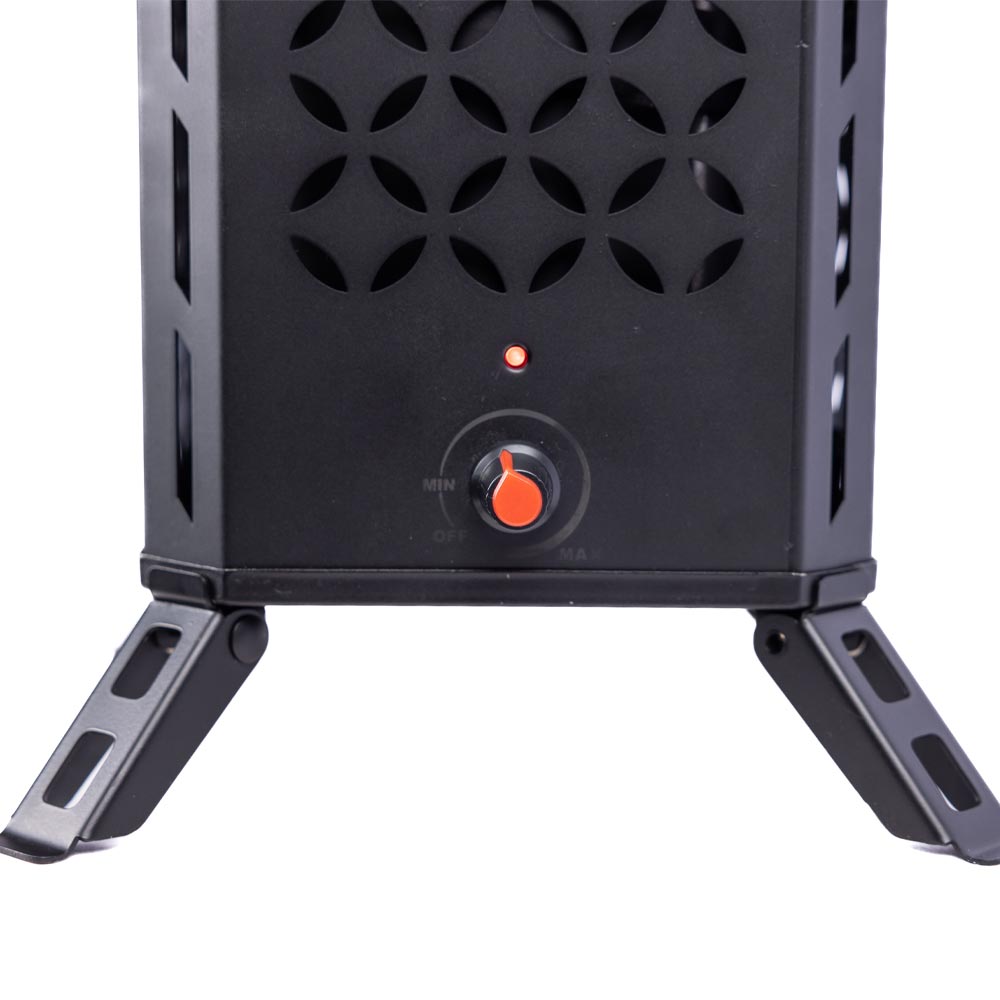
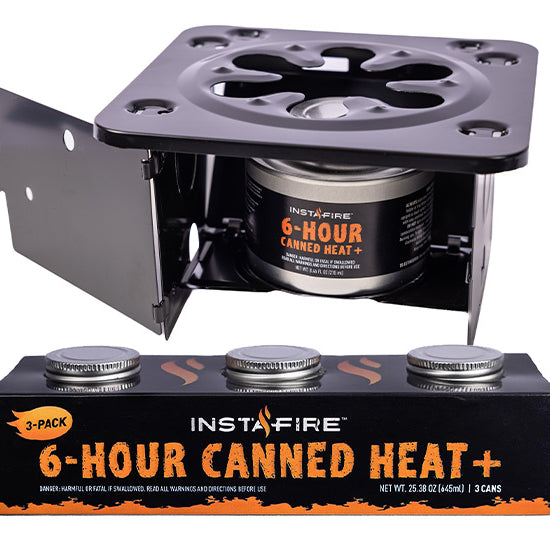
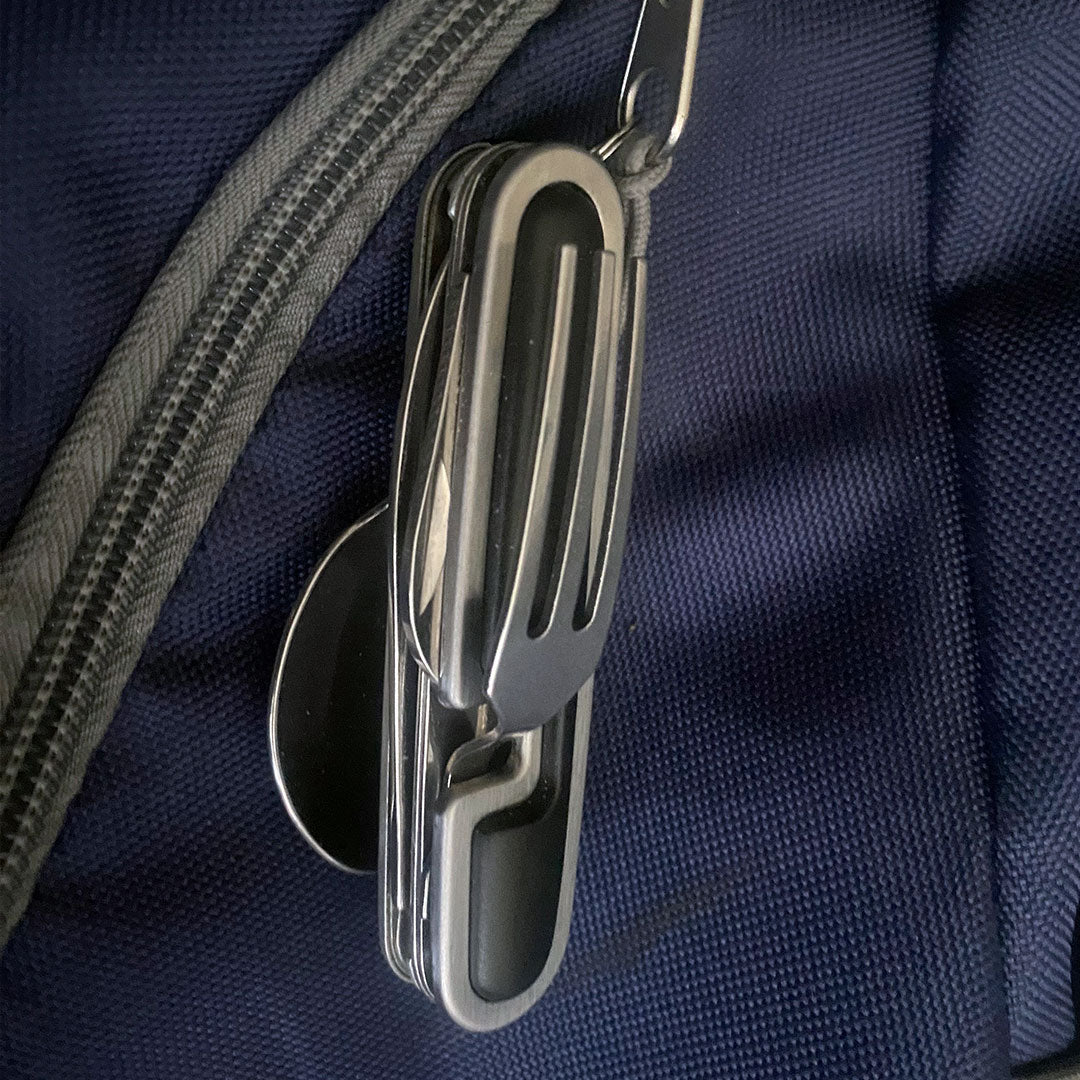
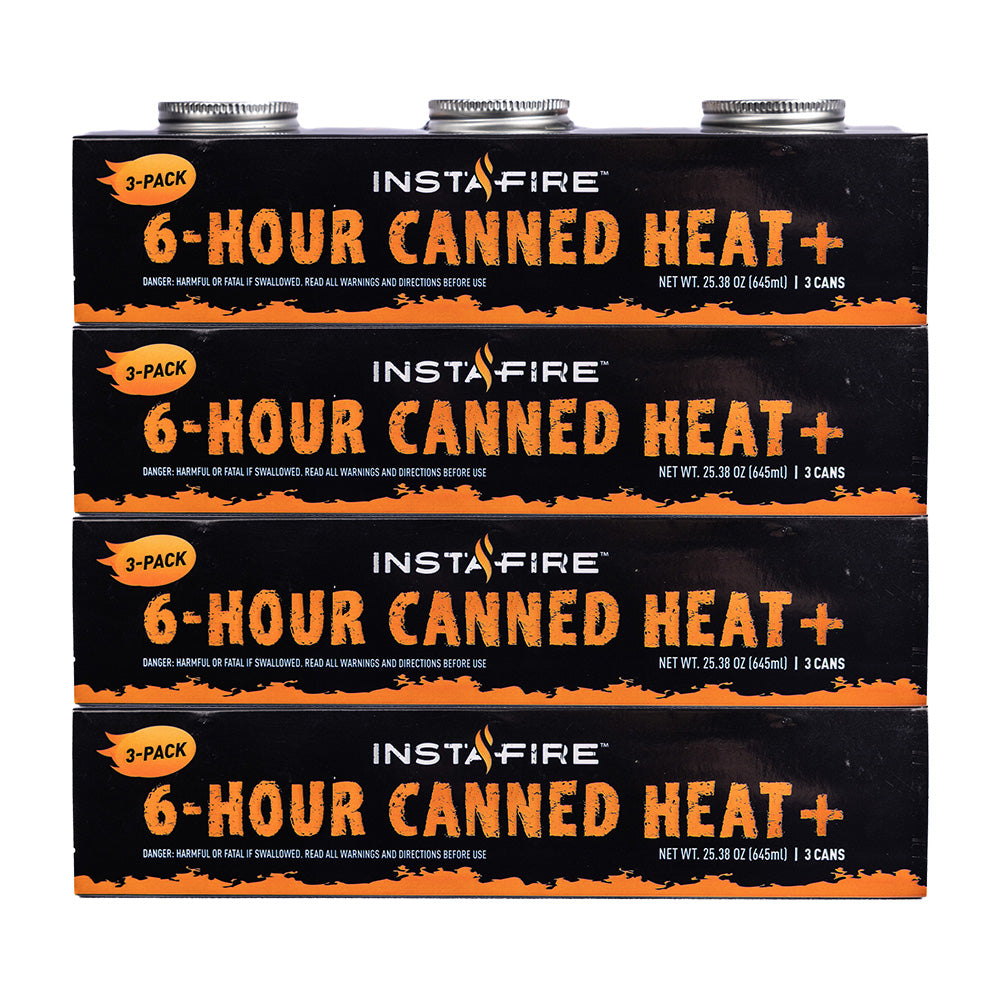
Preparedness also means having the right tools on hand. From heating and cooking solutions to first aid and survival gear, these essentials help you safely manage situations where everyday services are unavailable.
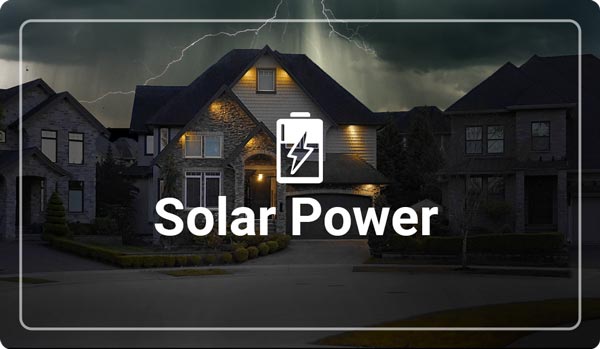
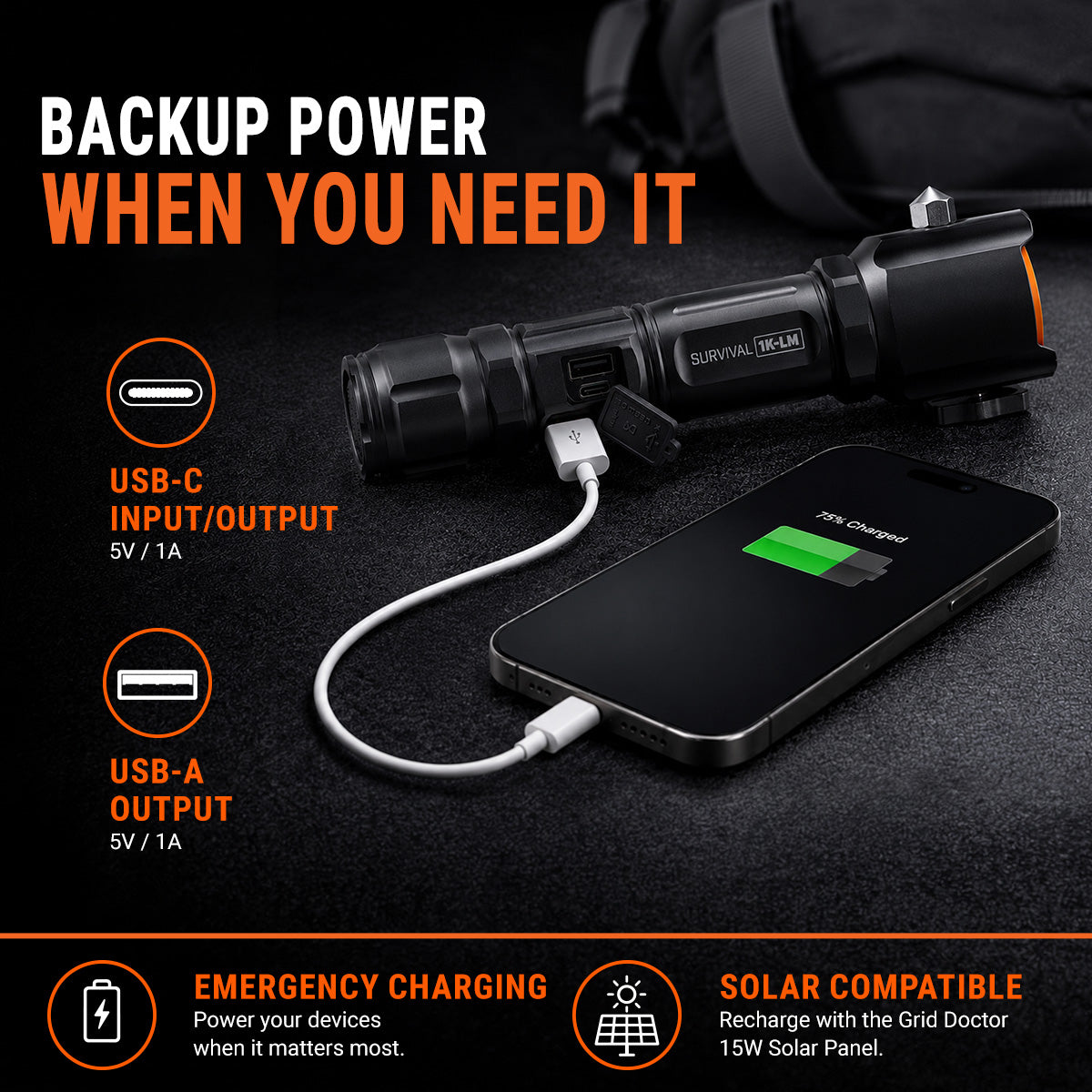
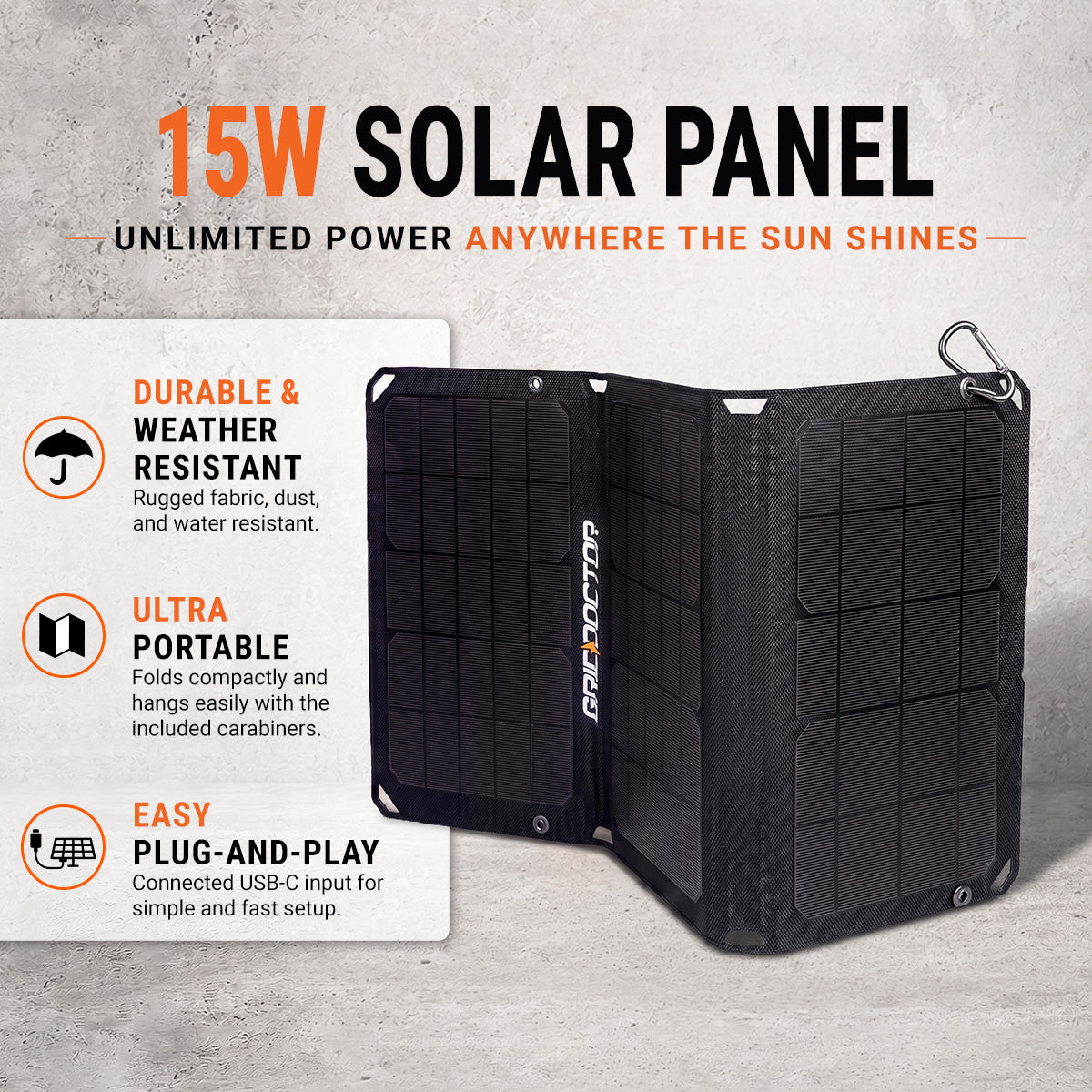
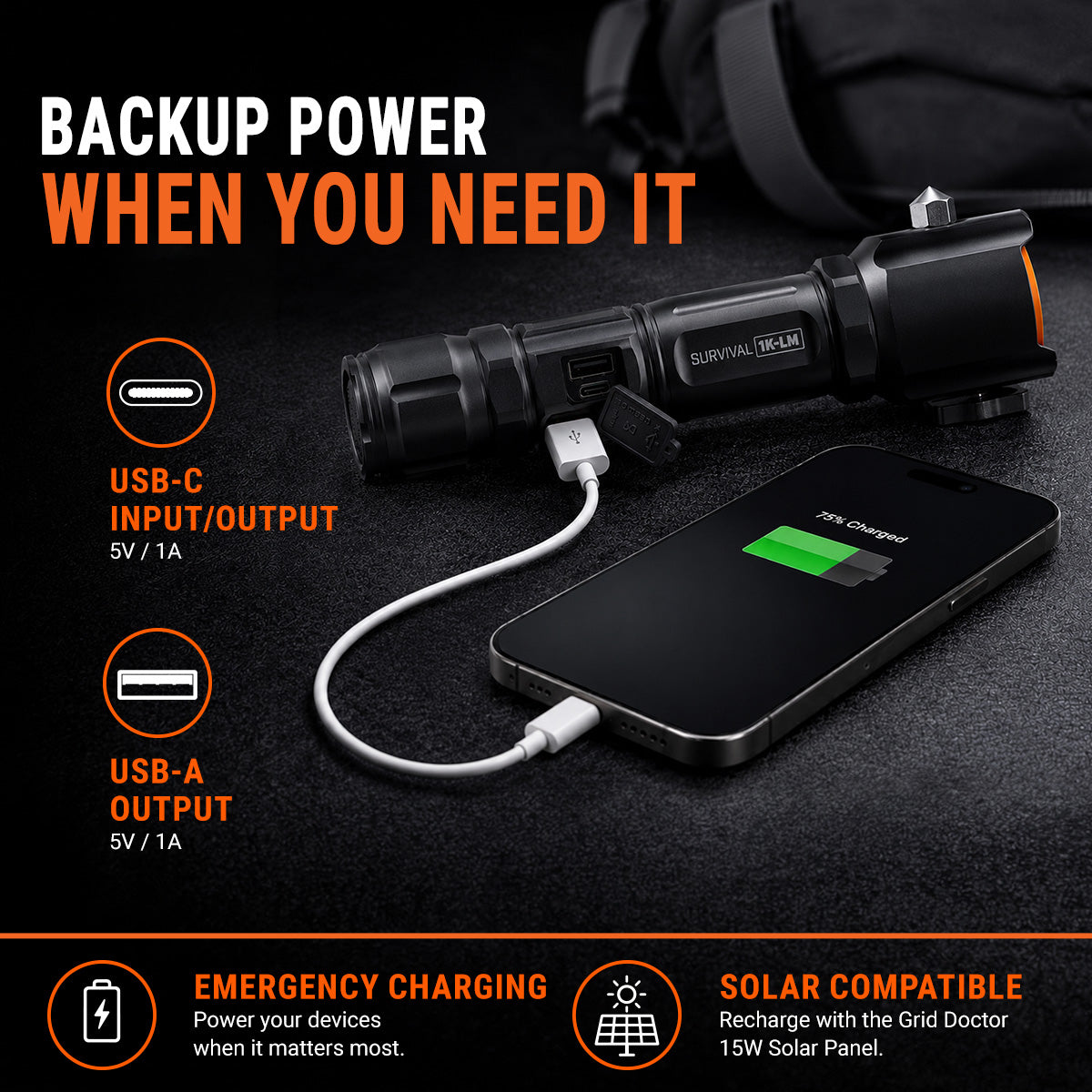
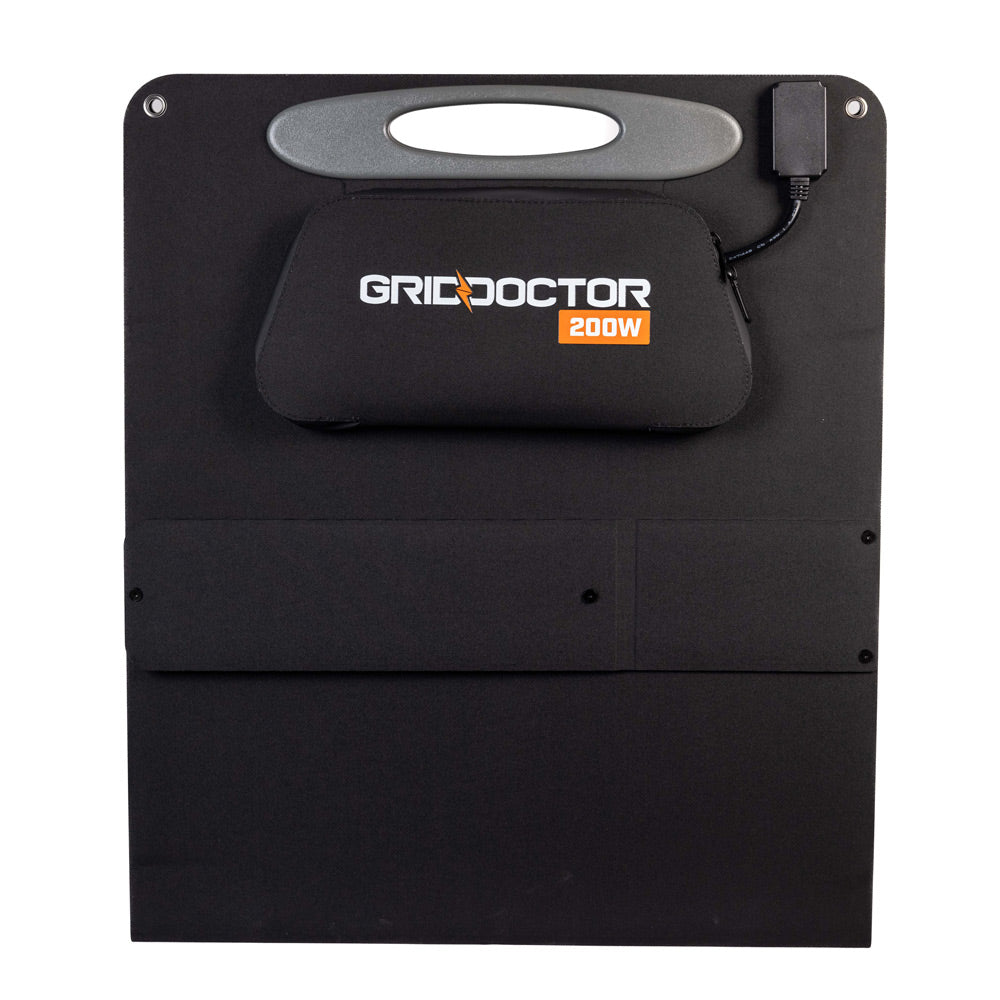
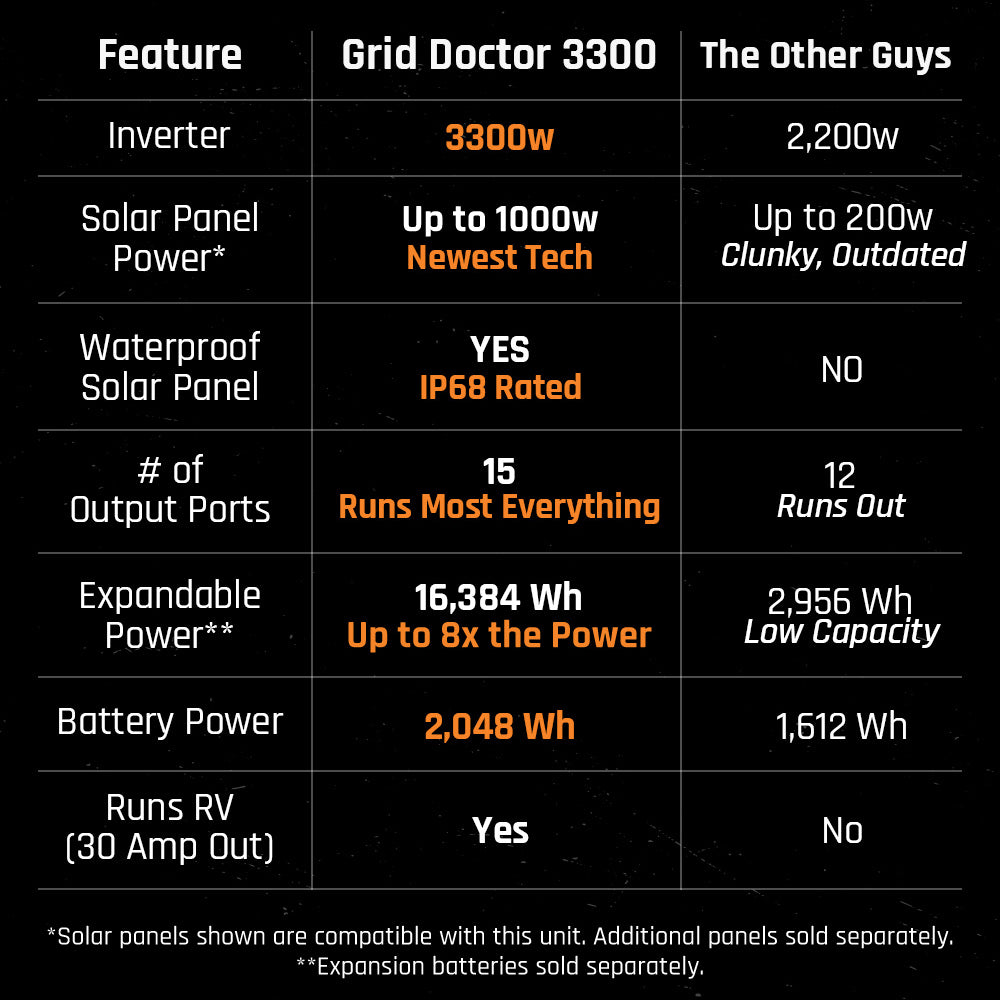
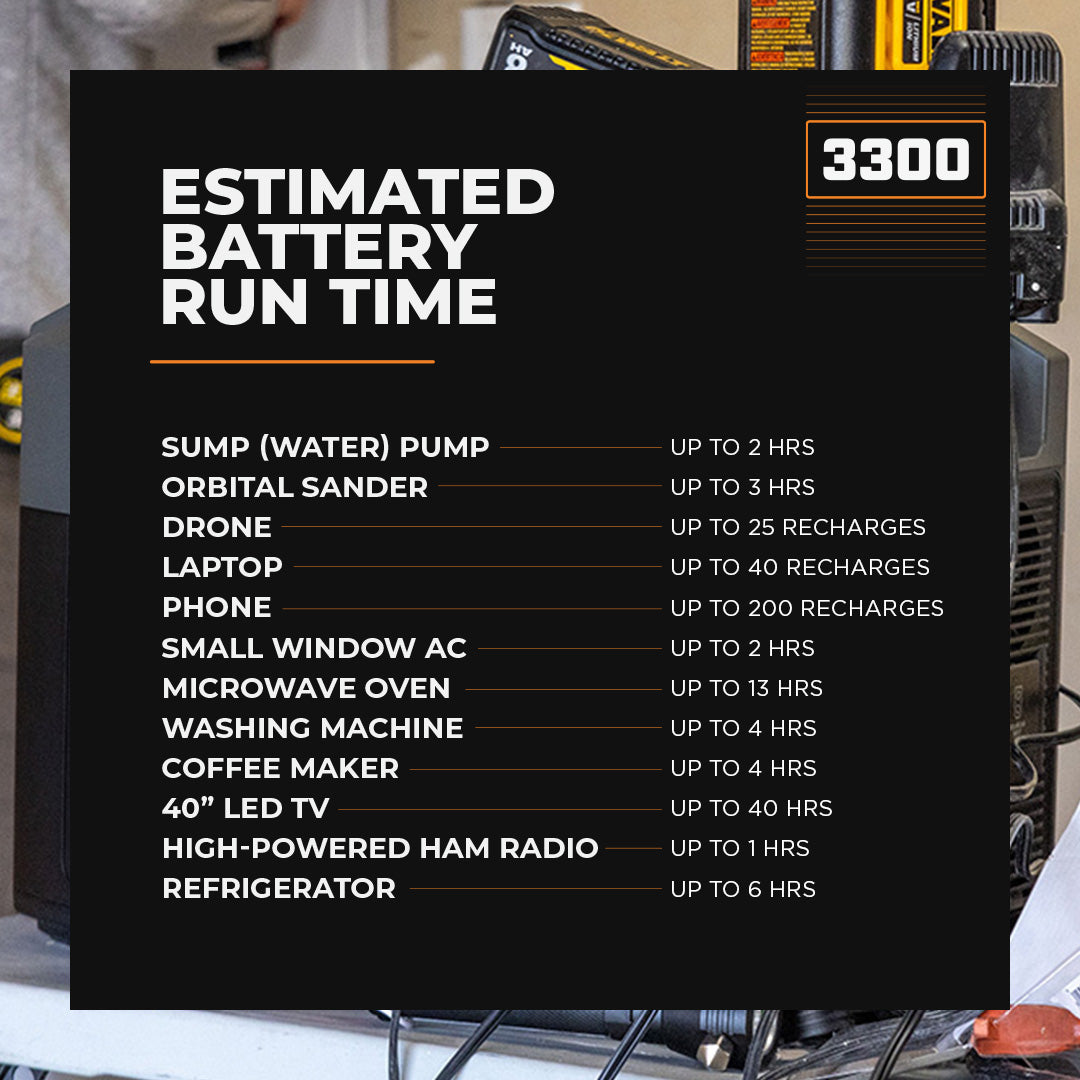
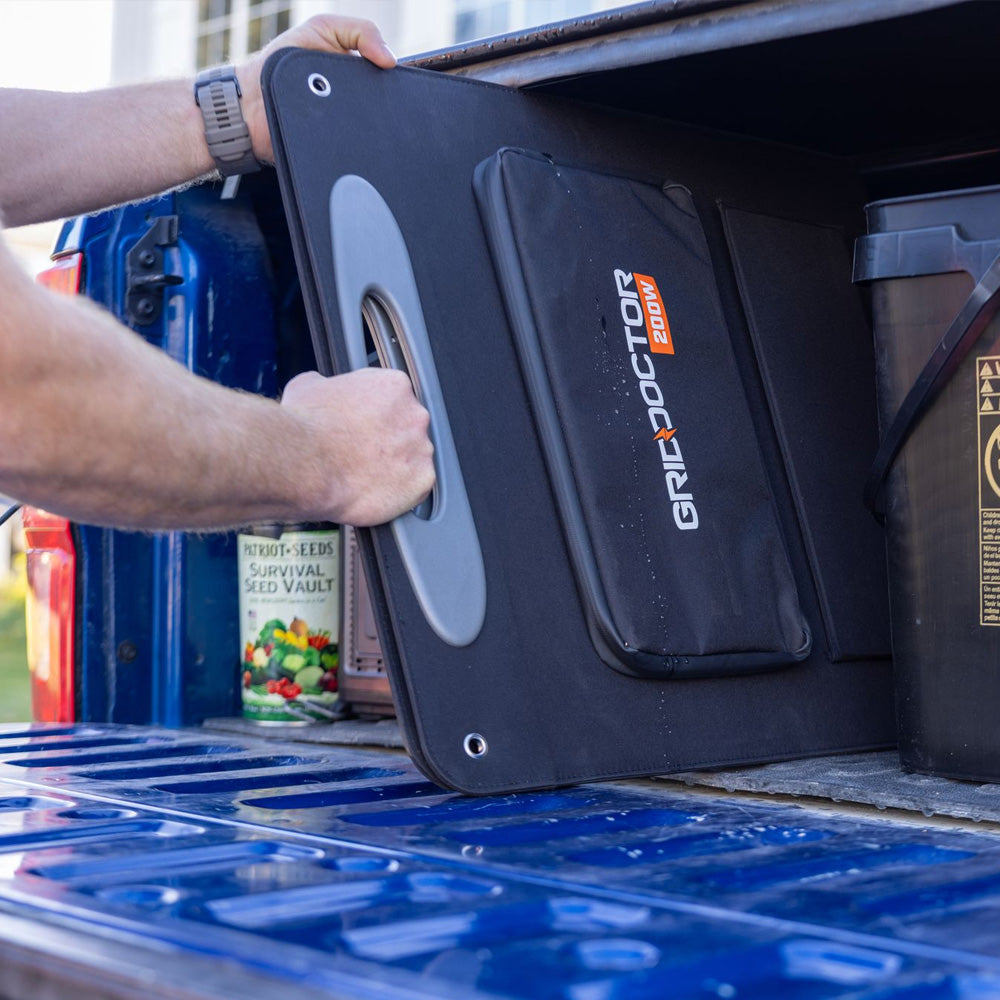
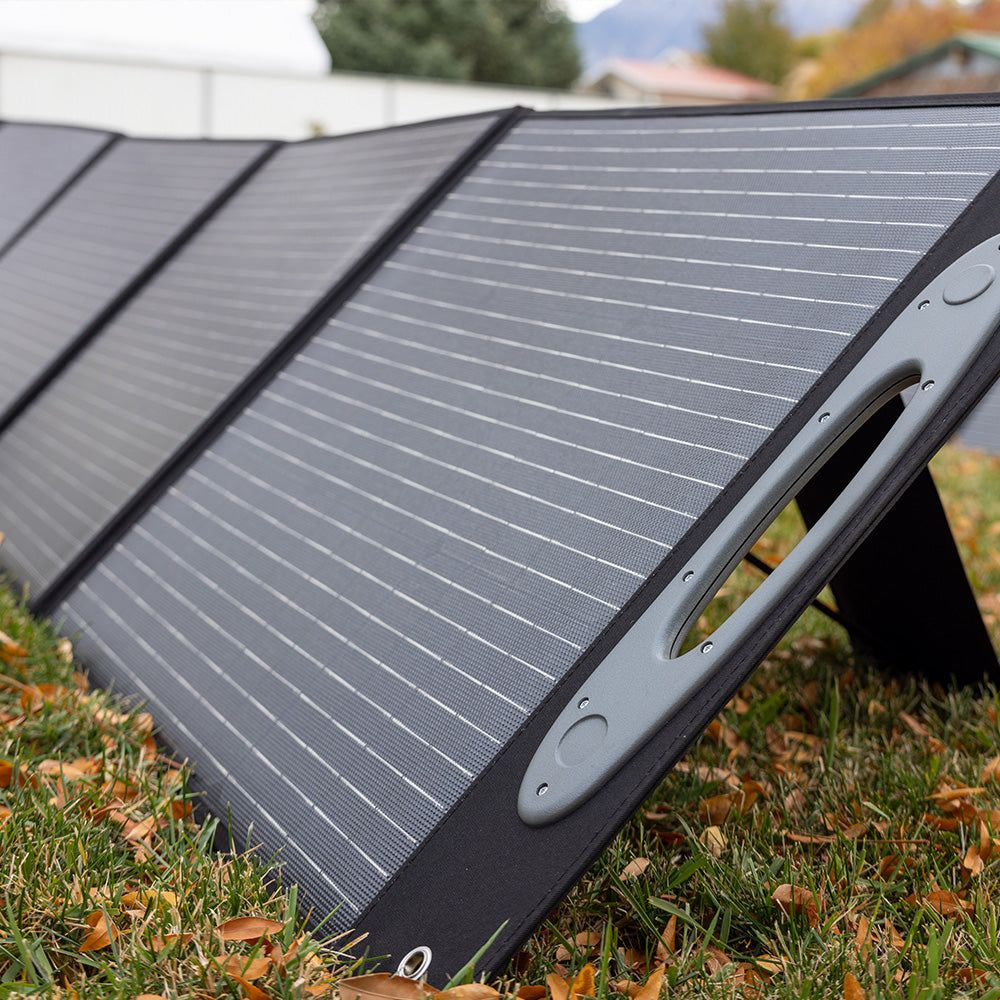
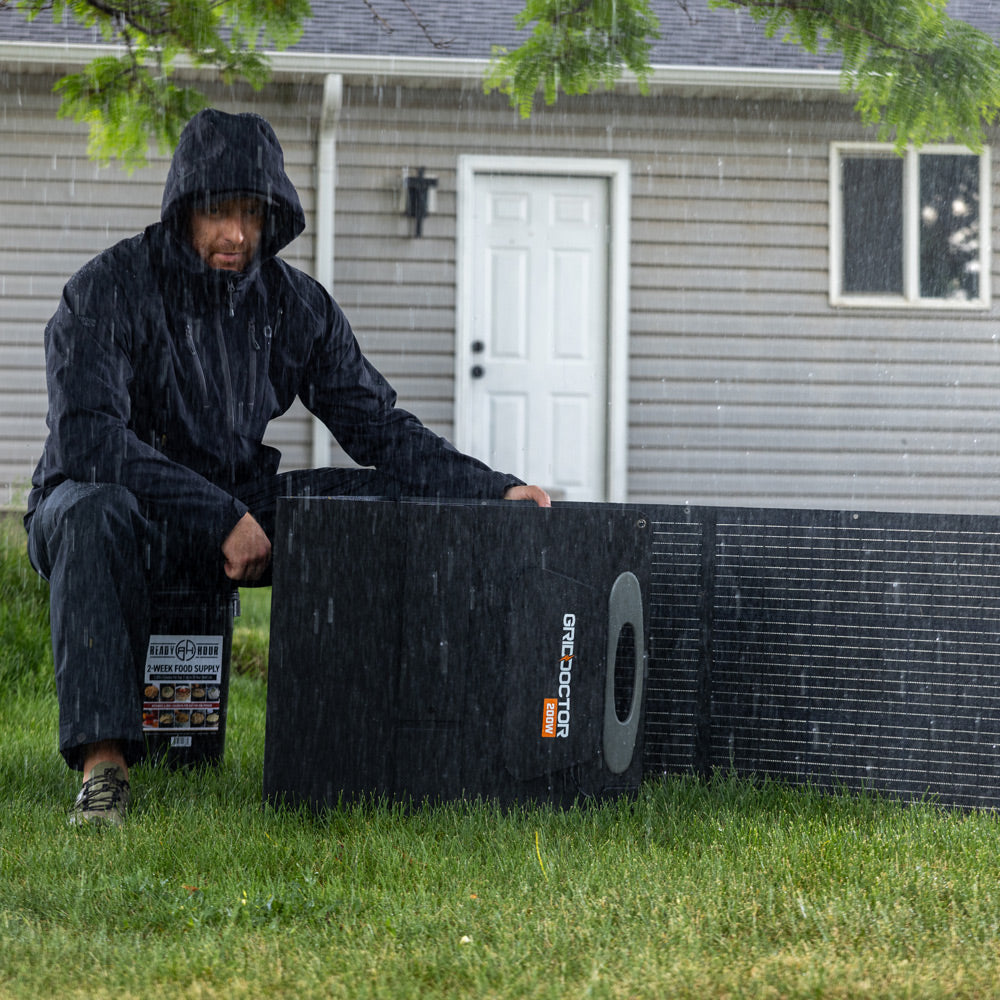
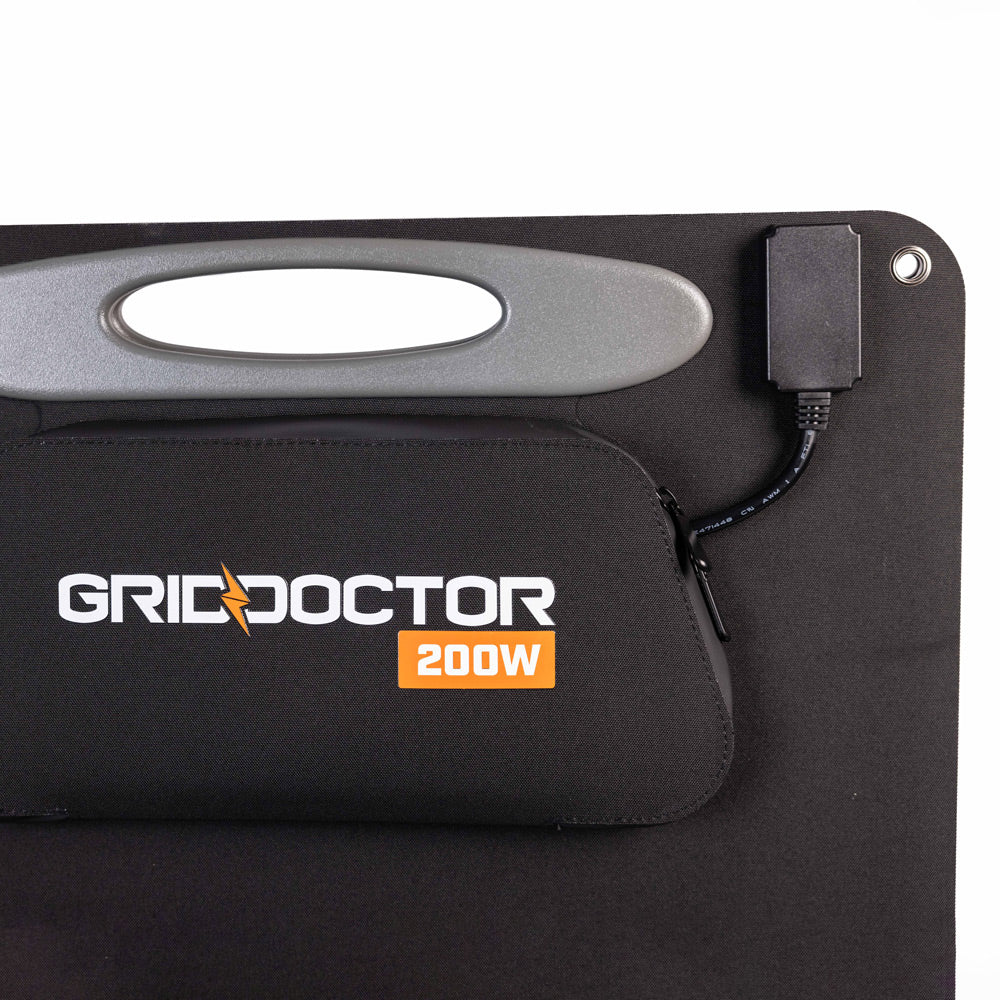
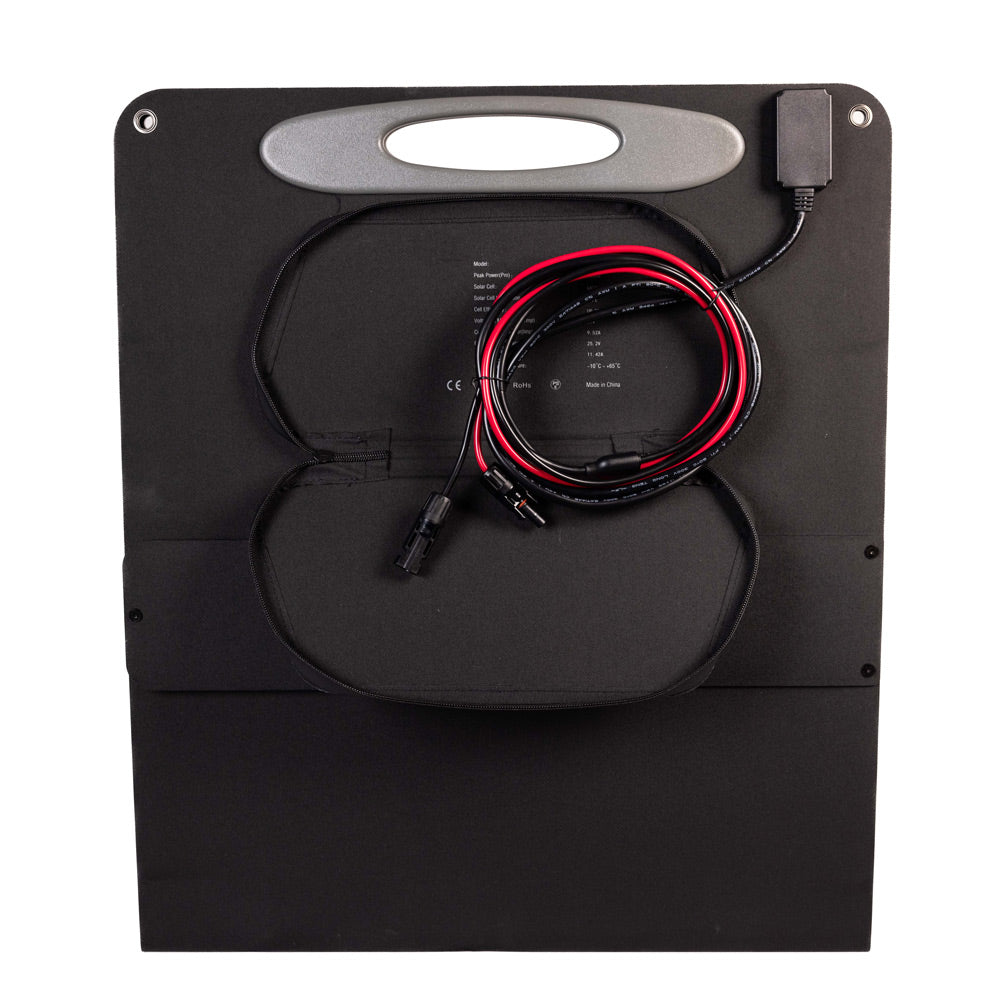
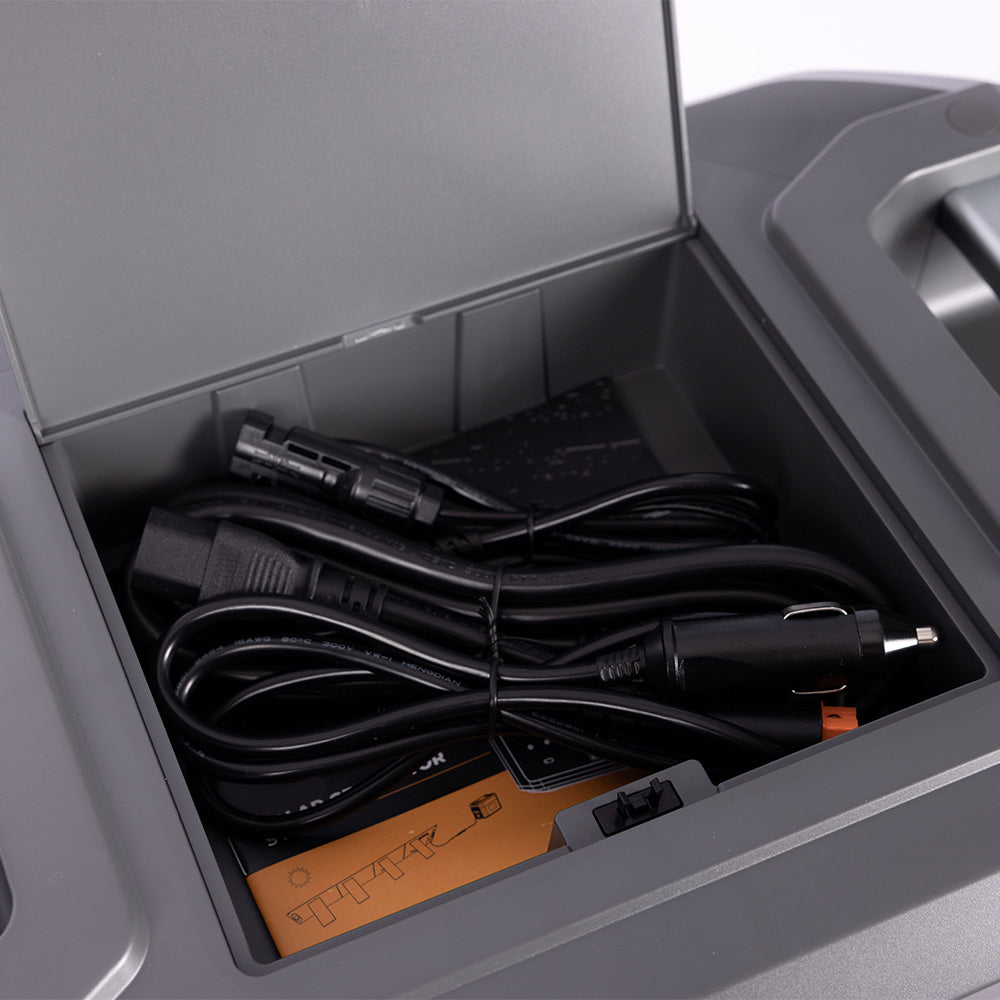
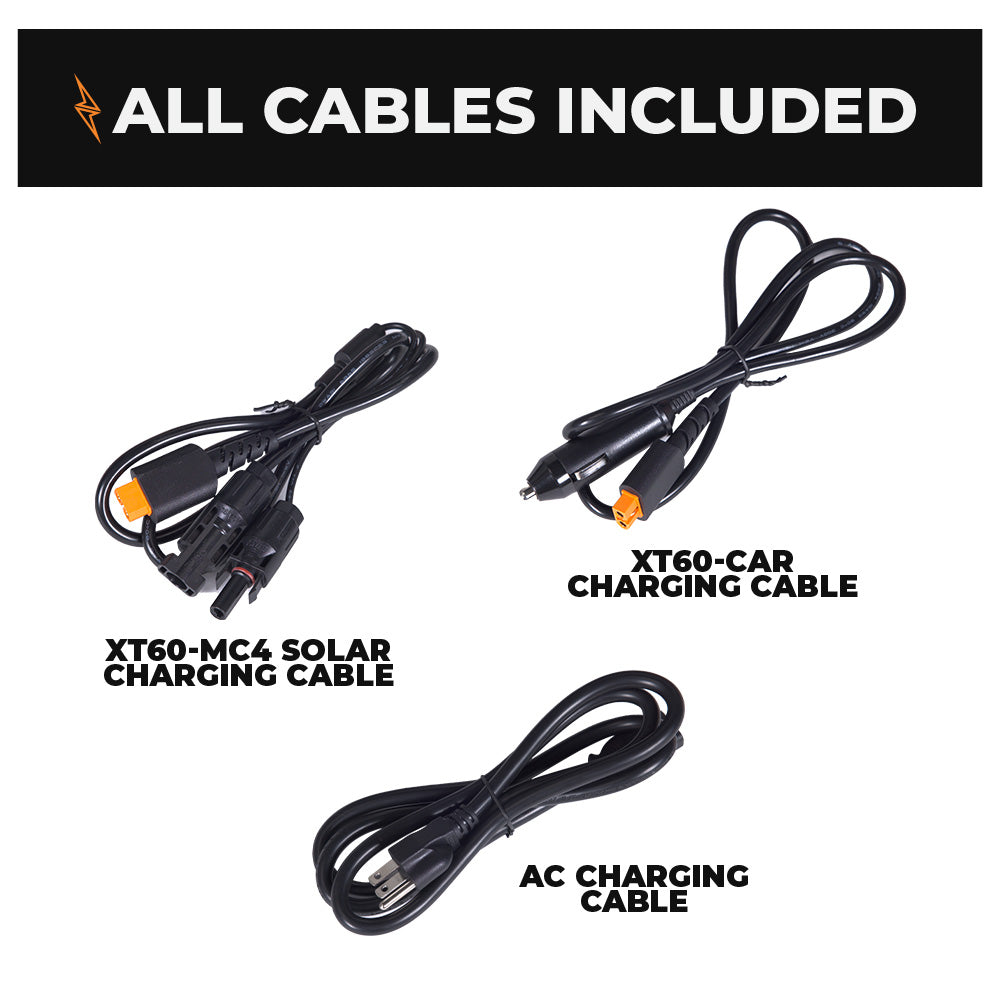
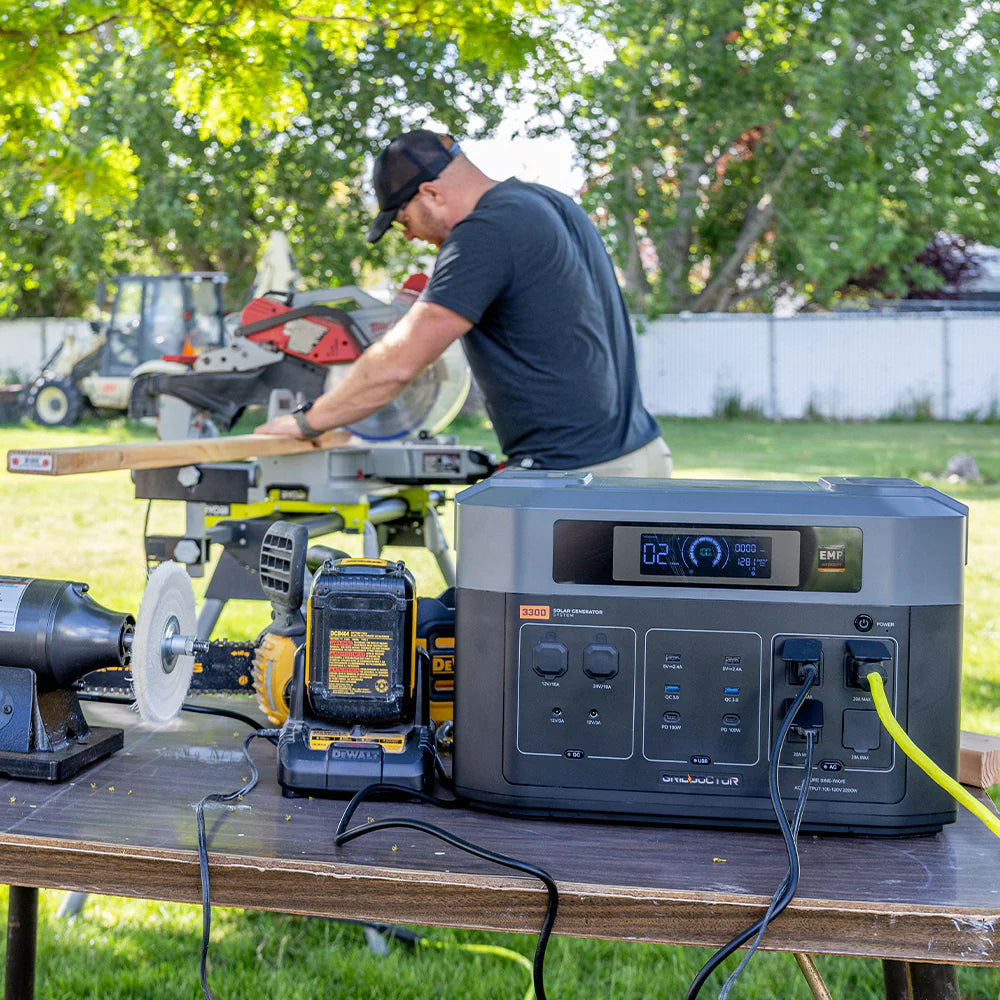
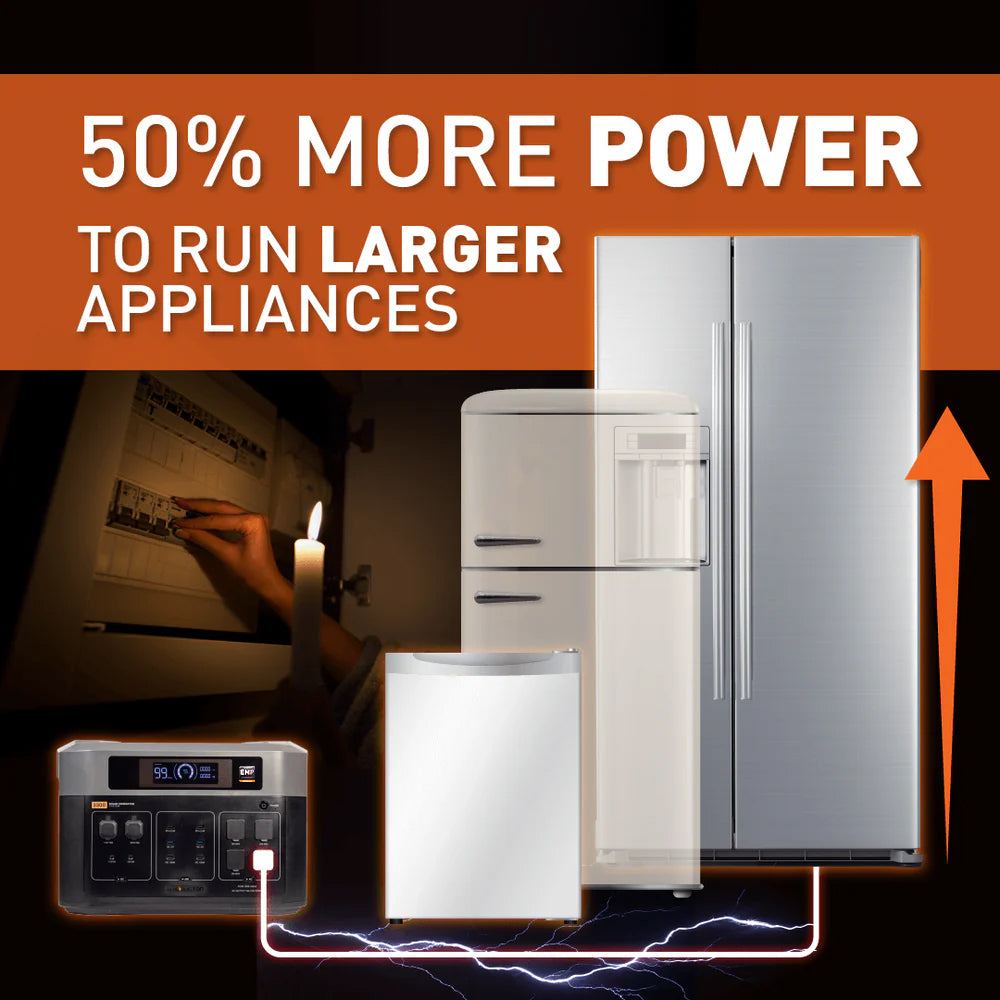
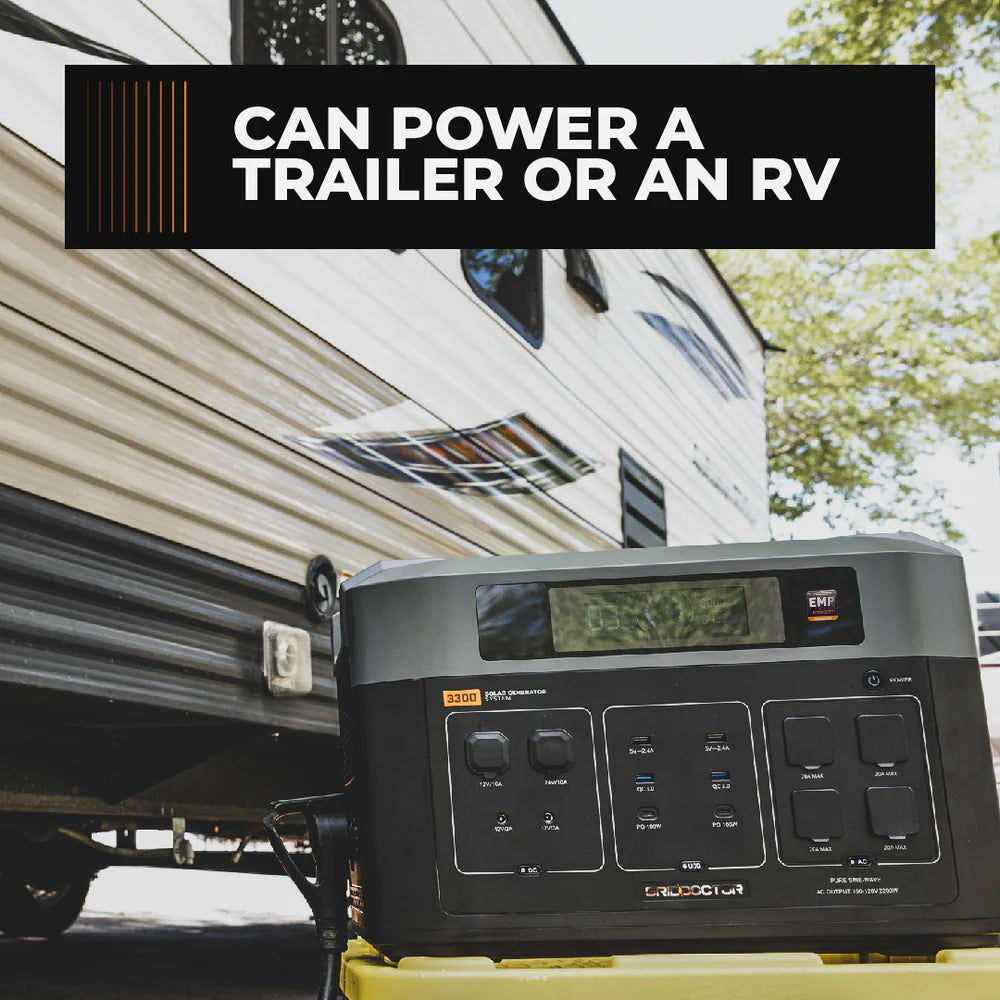
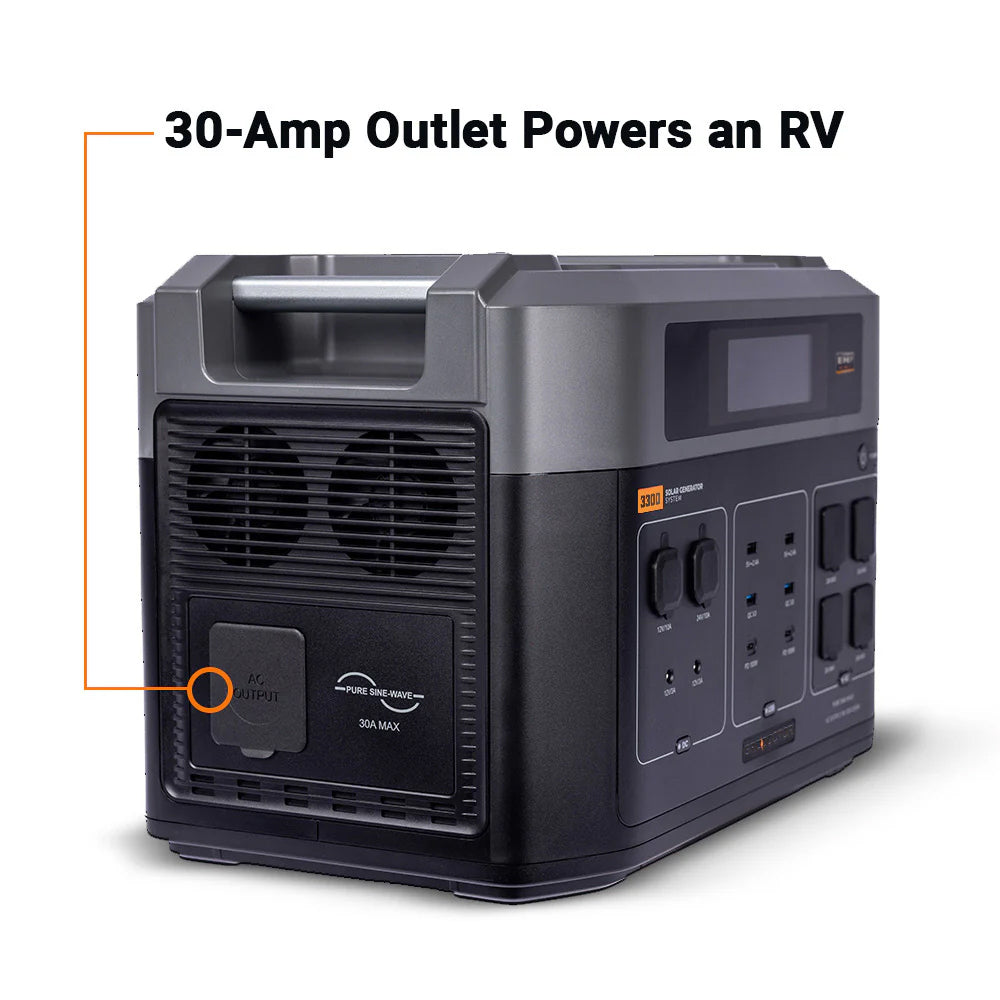
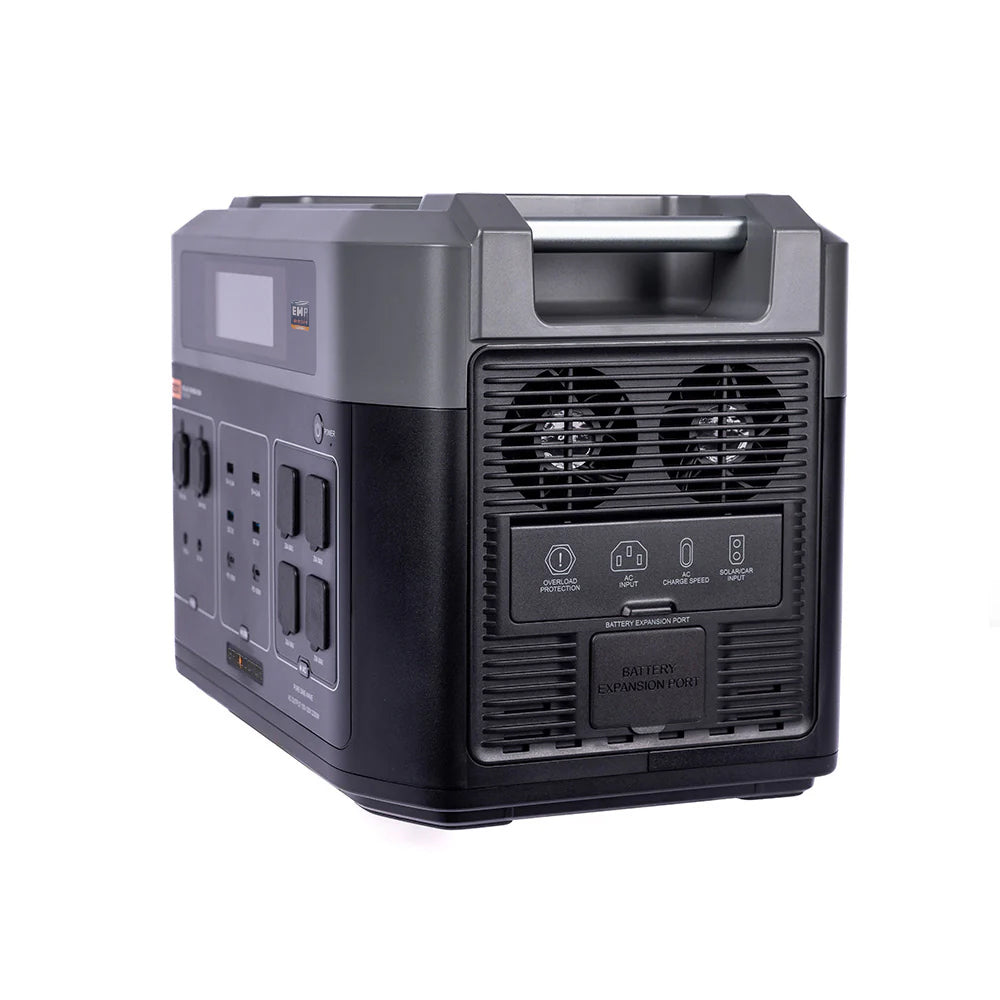
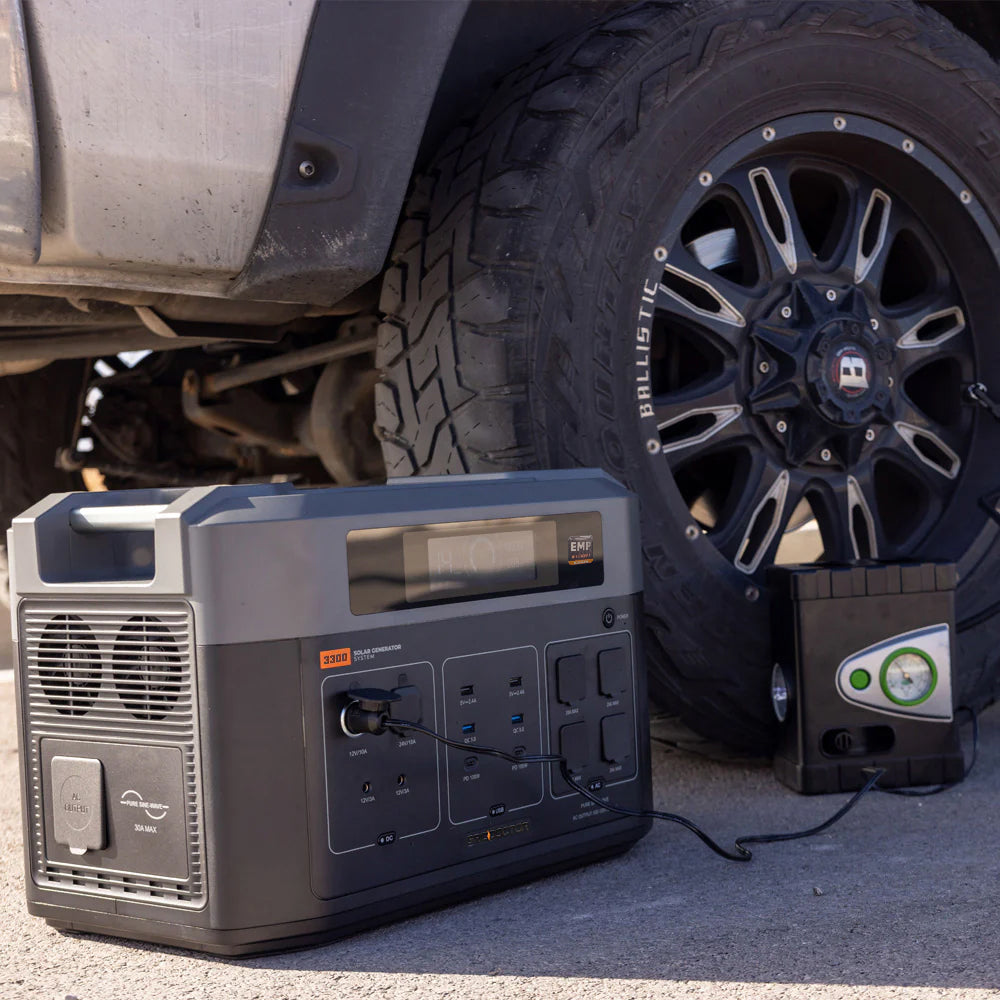
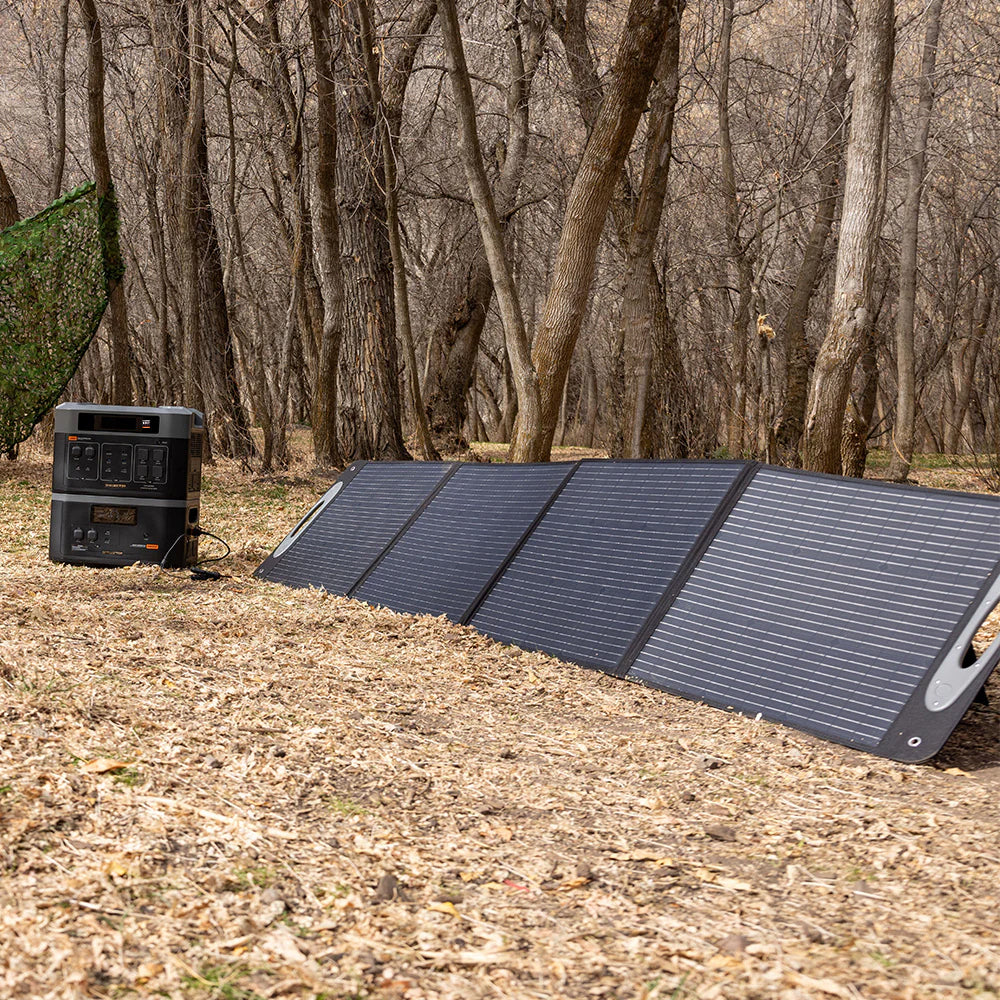
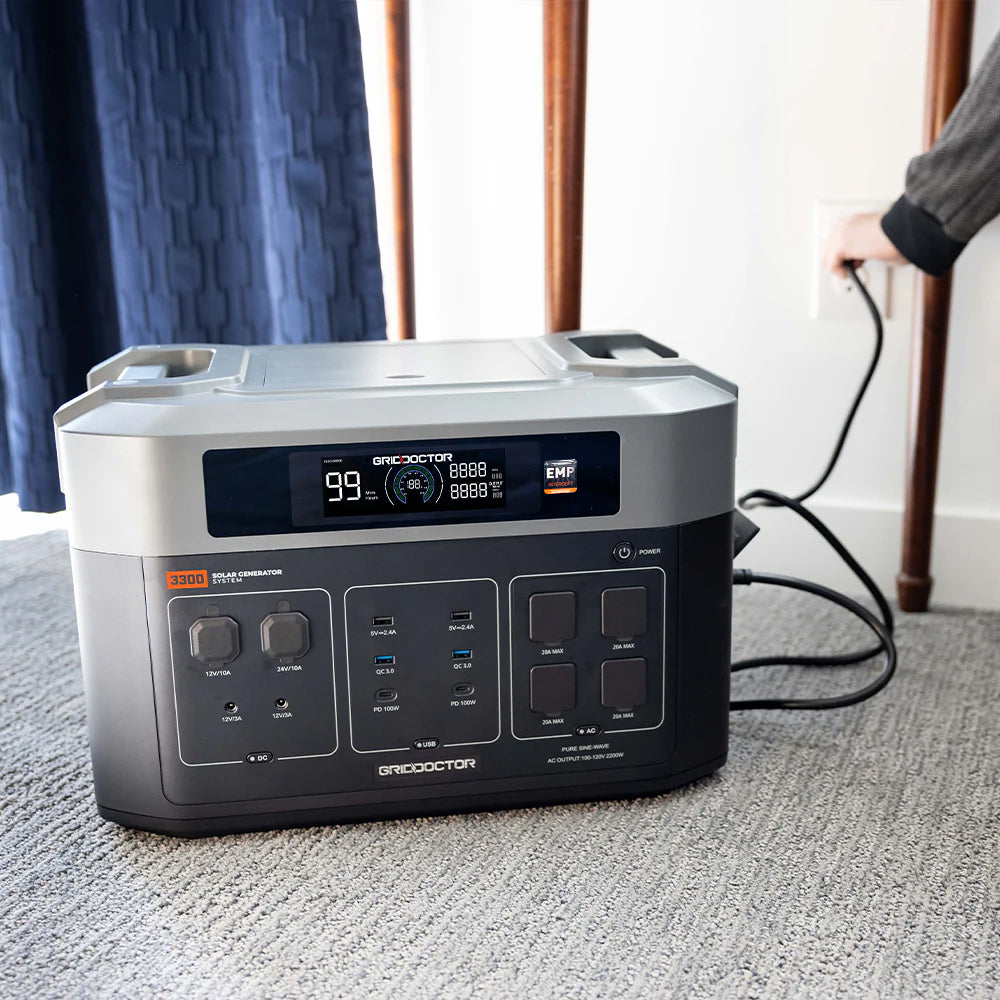
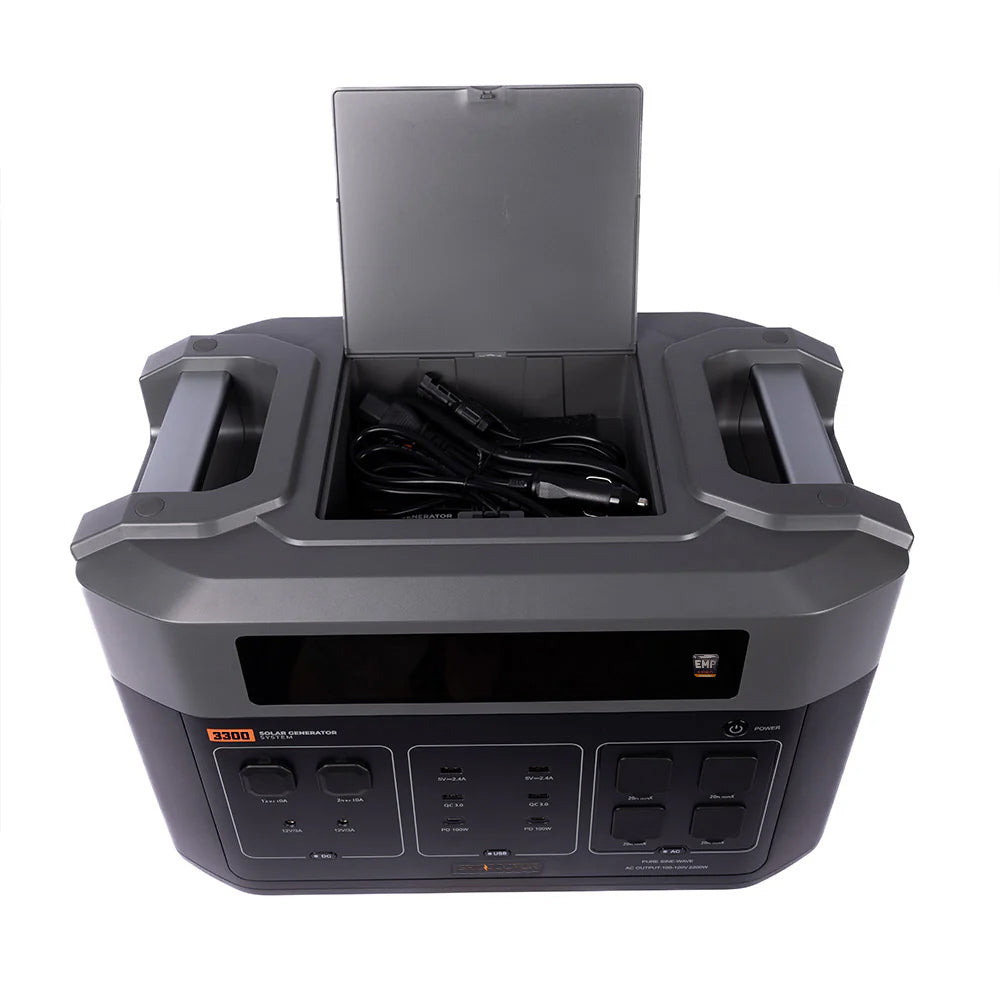
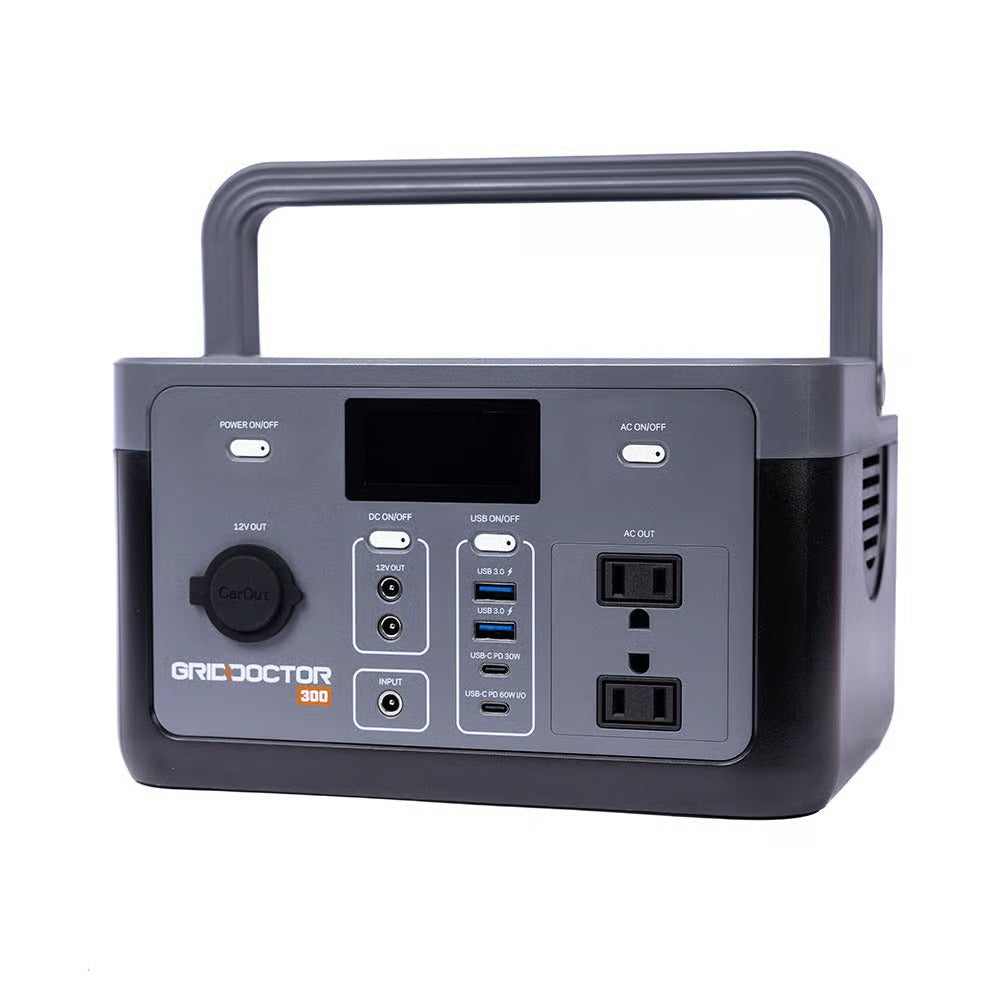
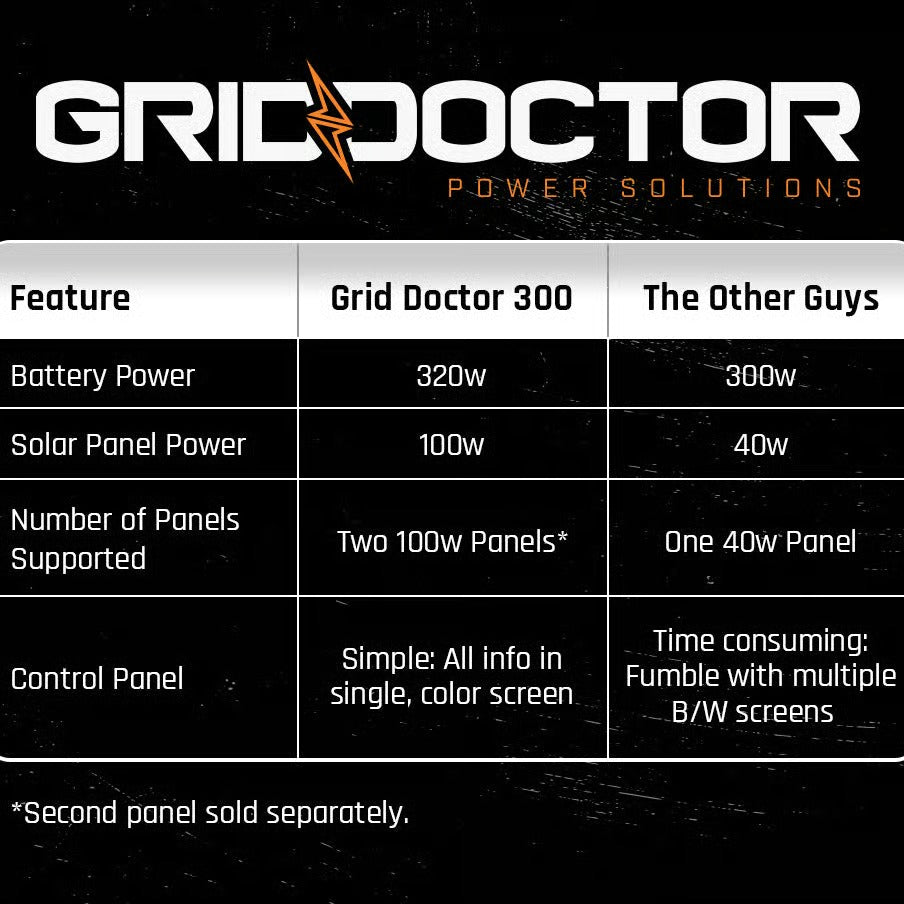
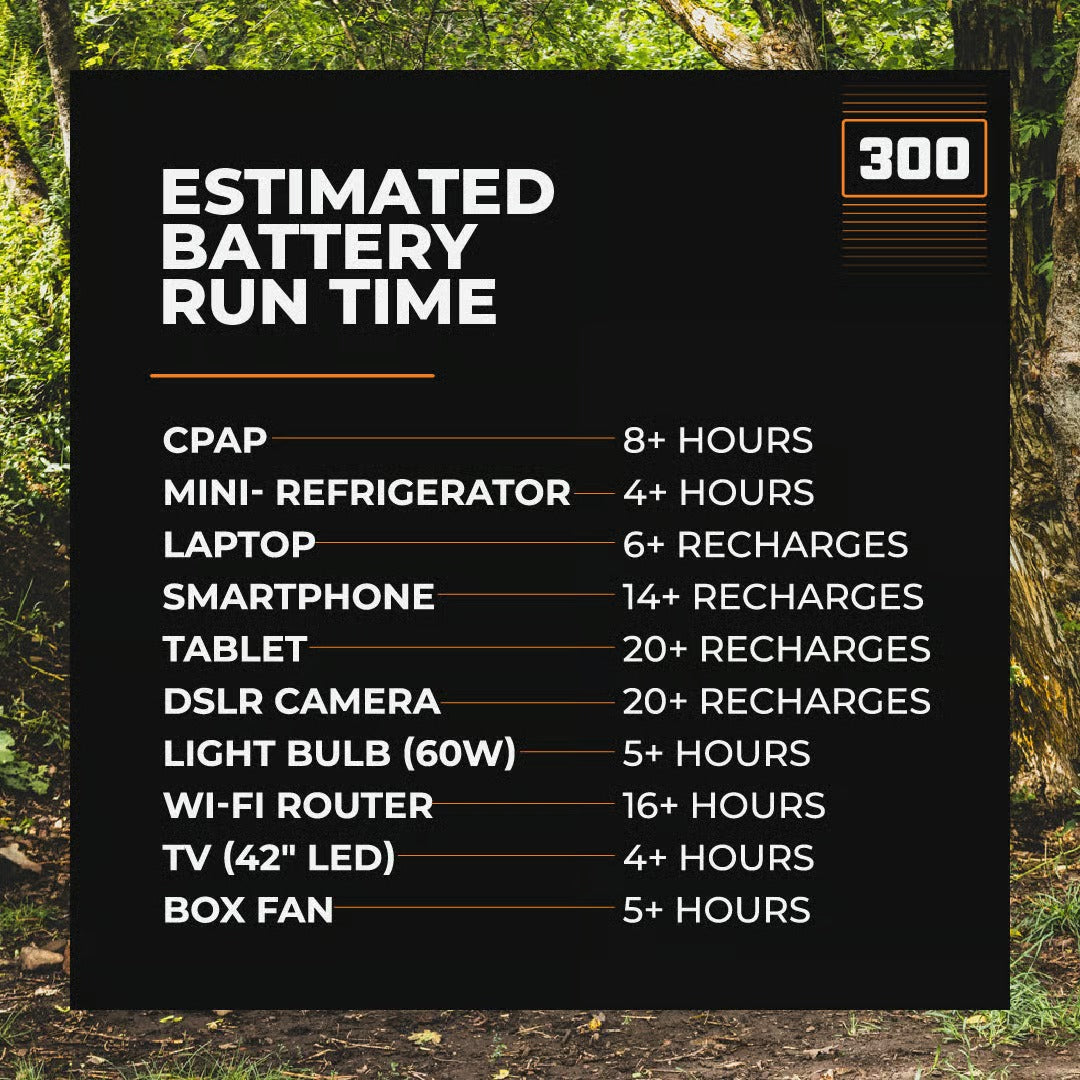
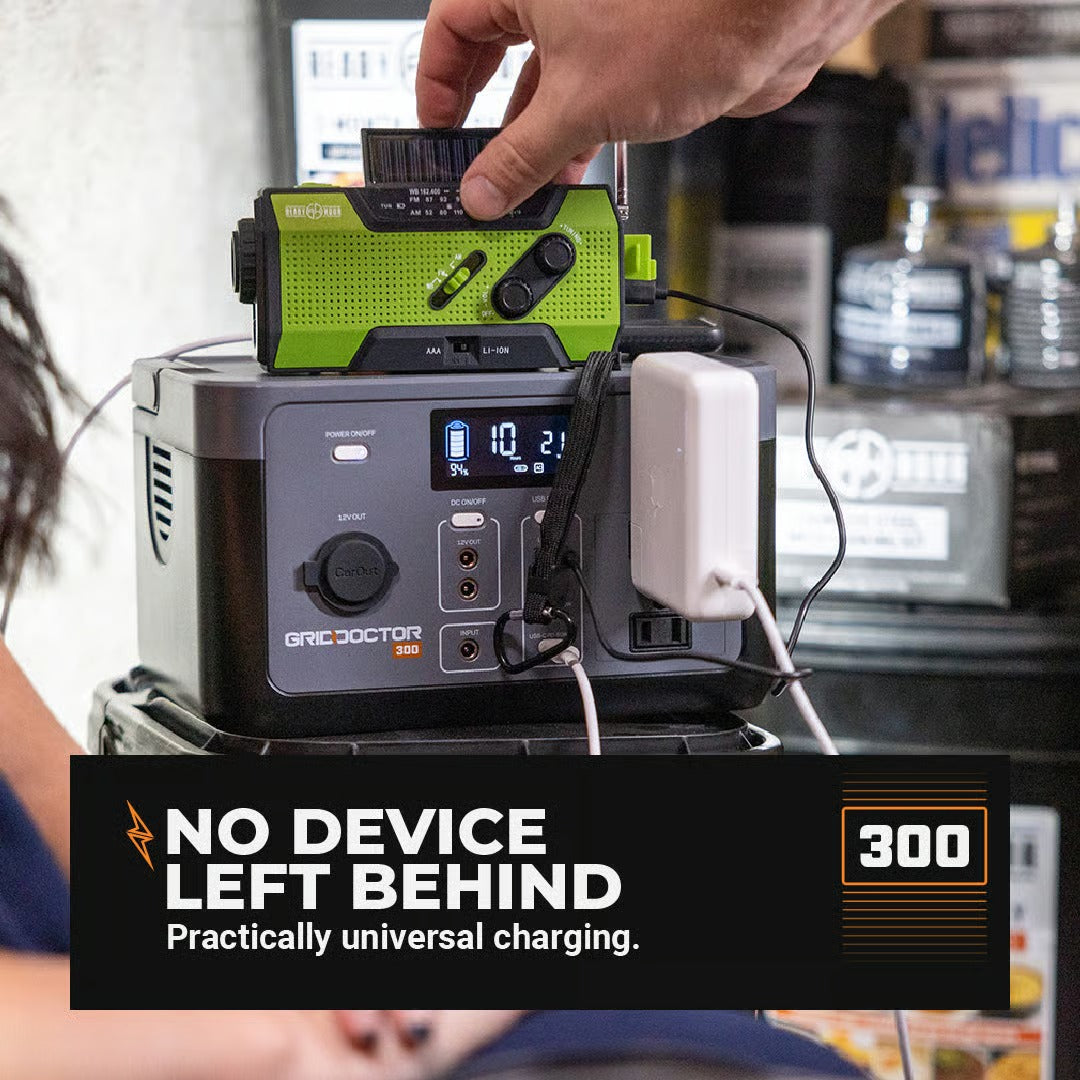
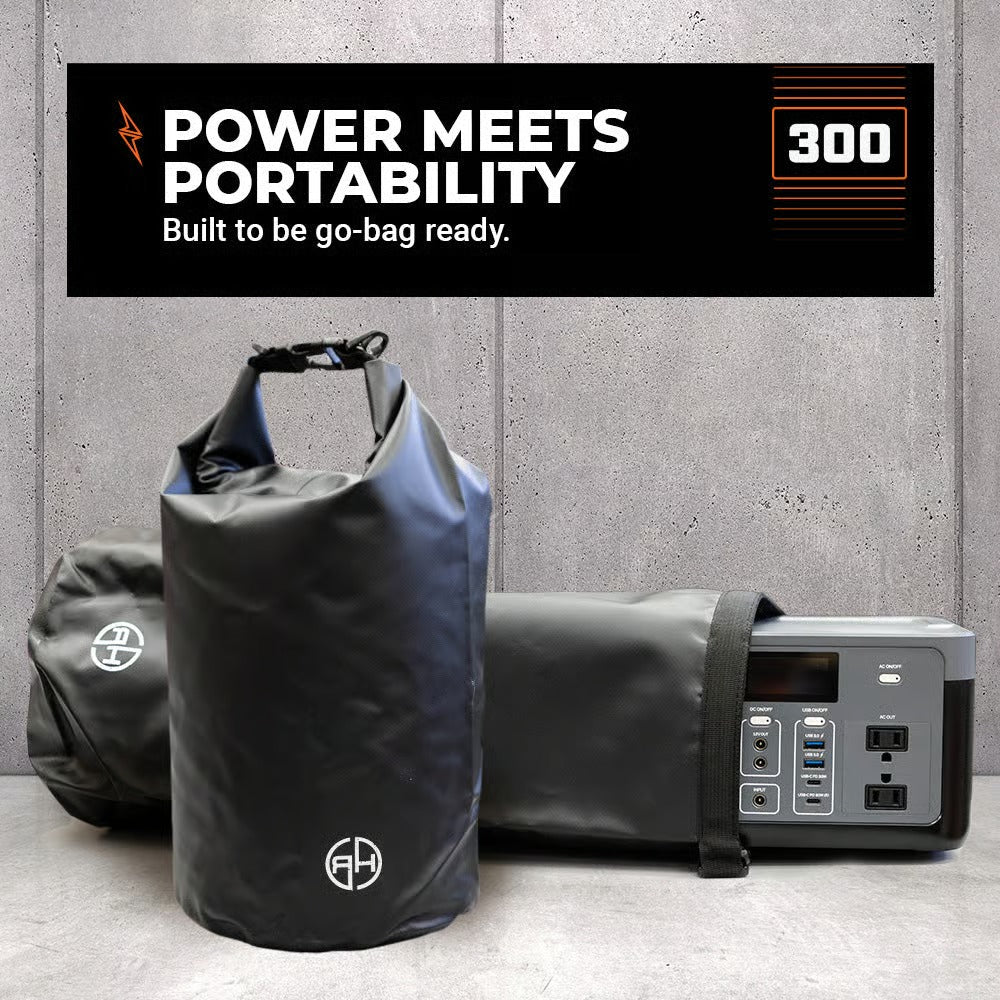
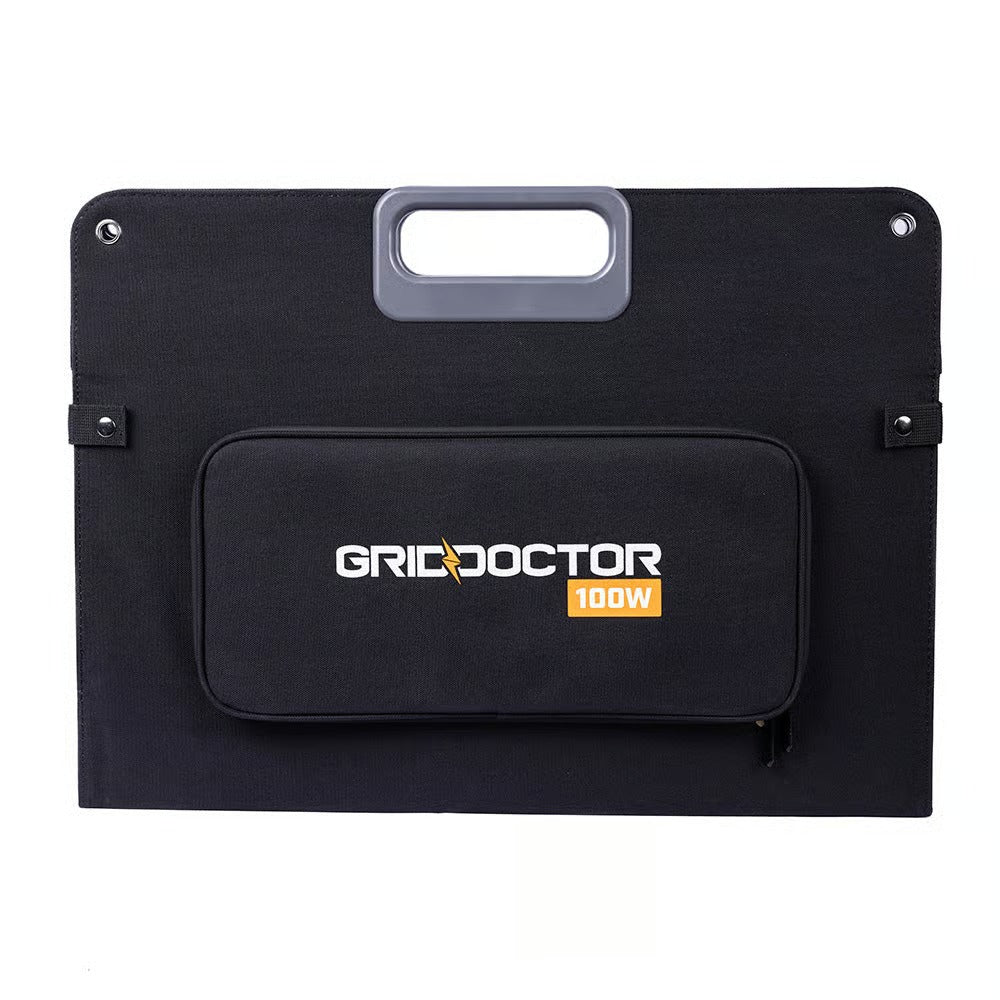
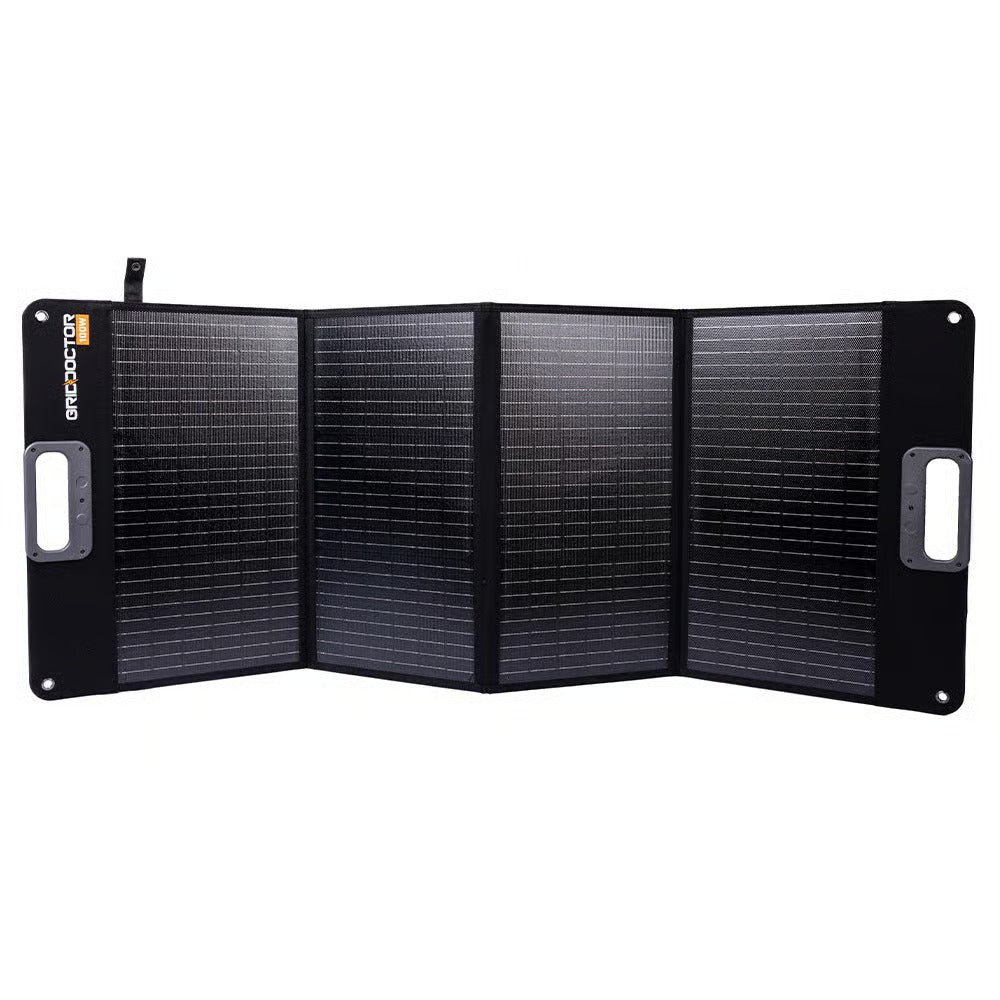
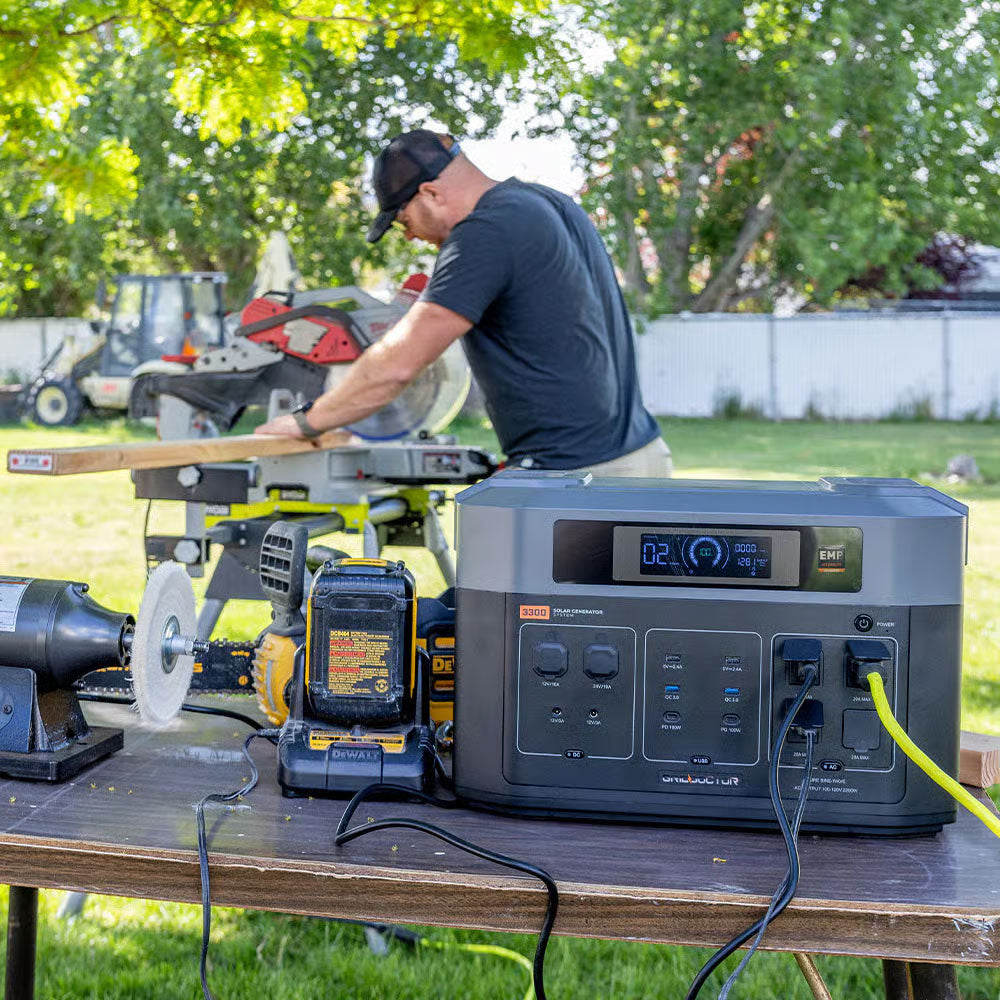
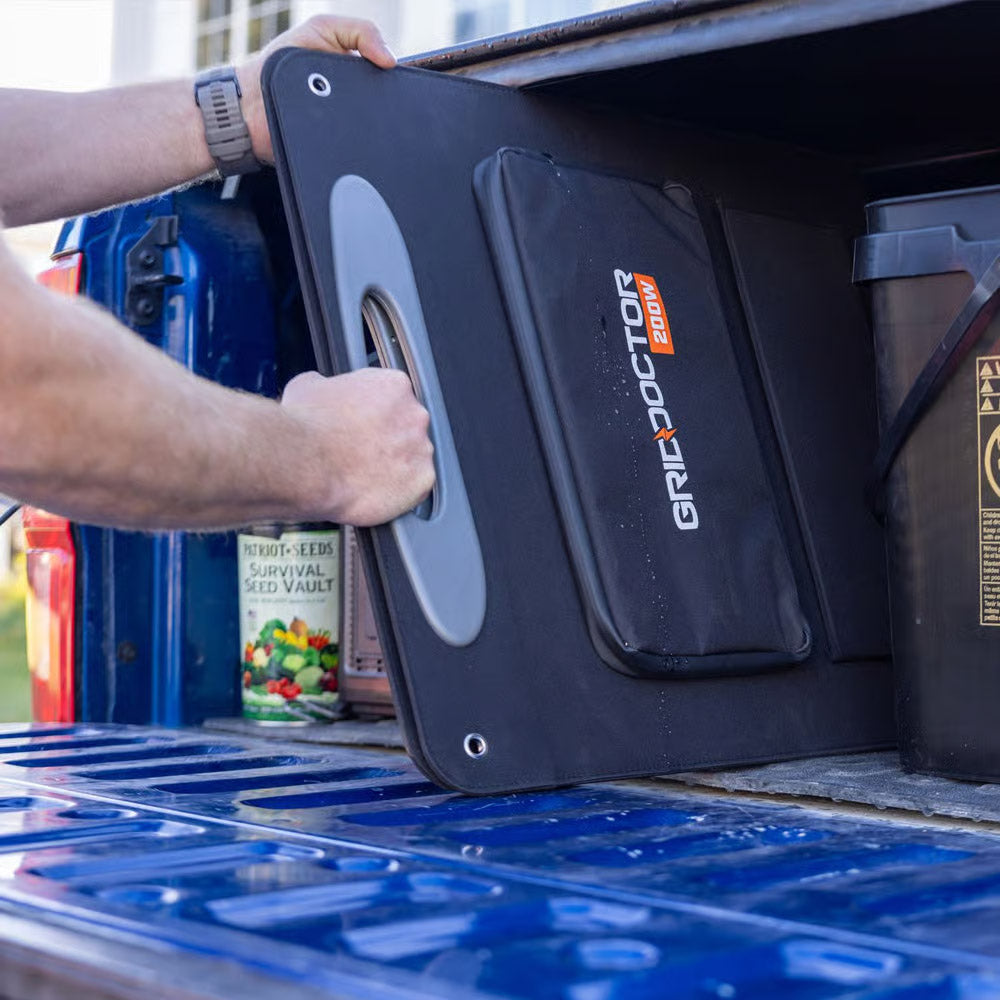
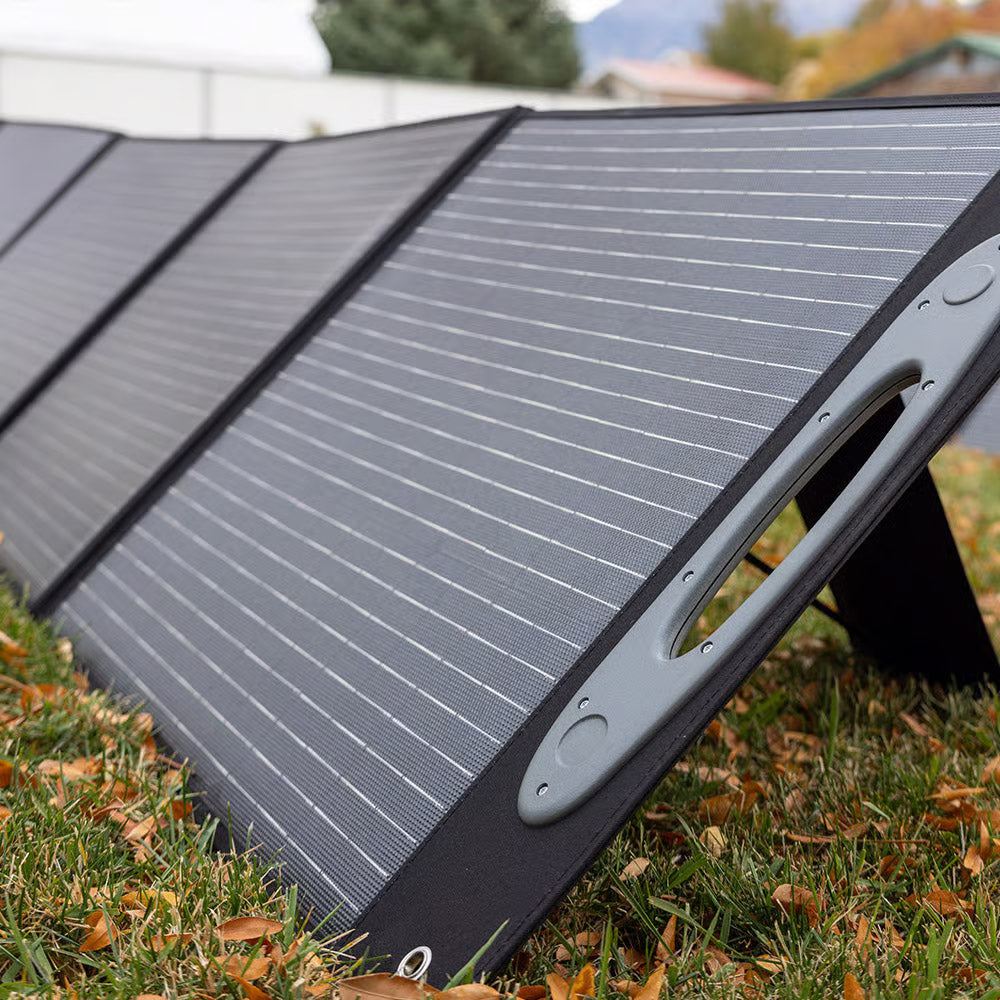
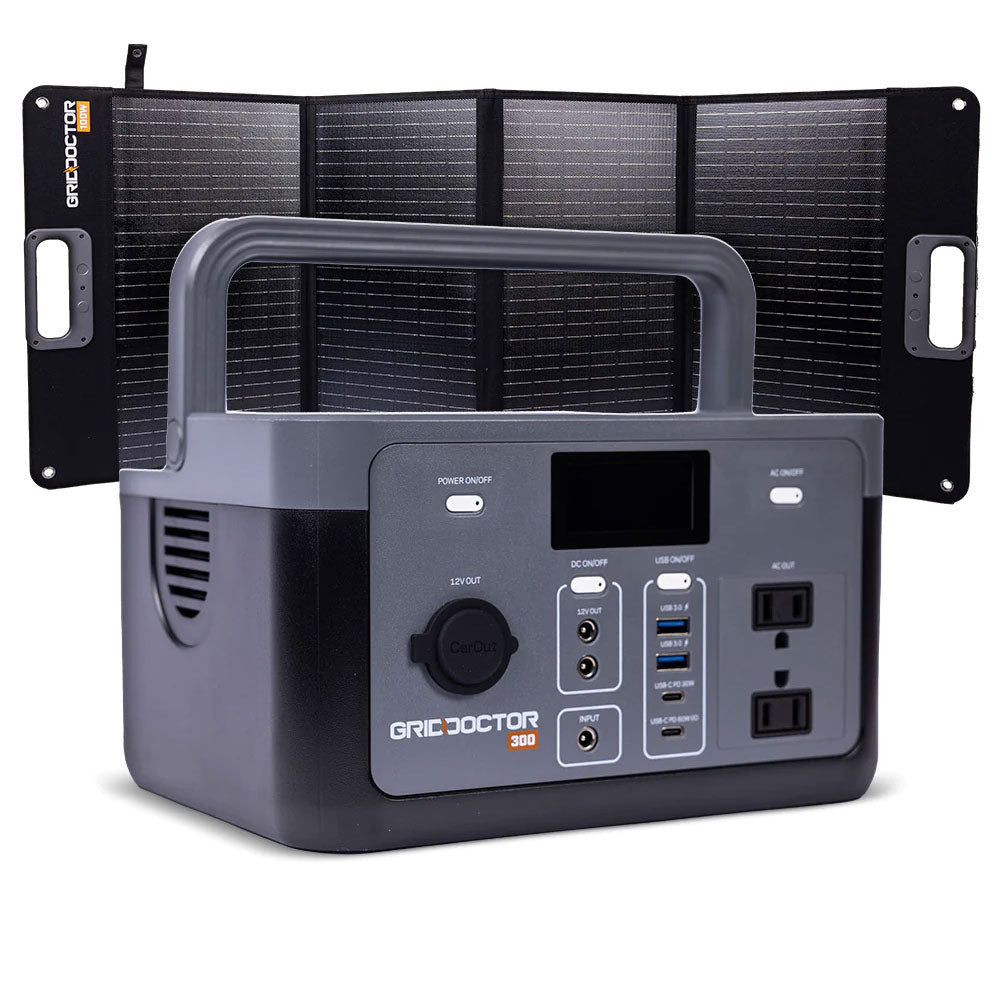
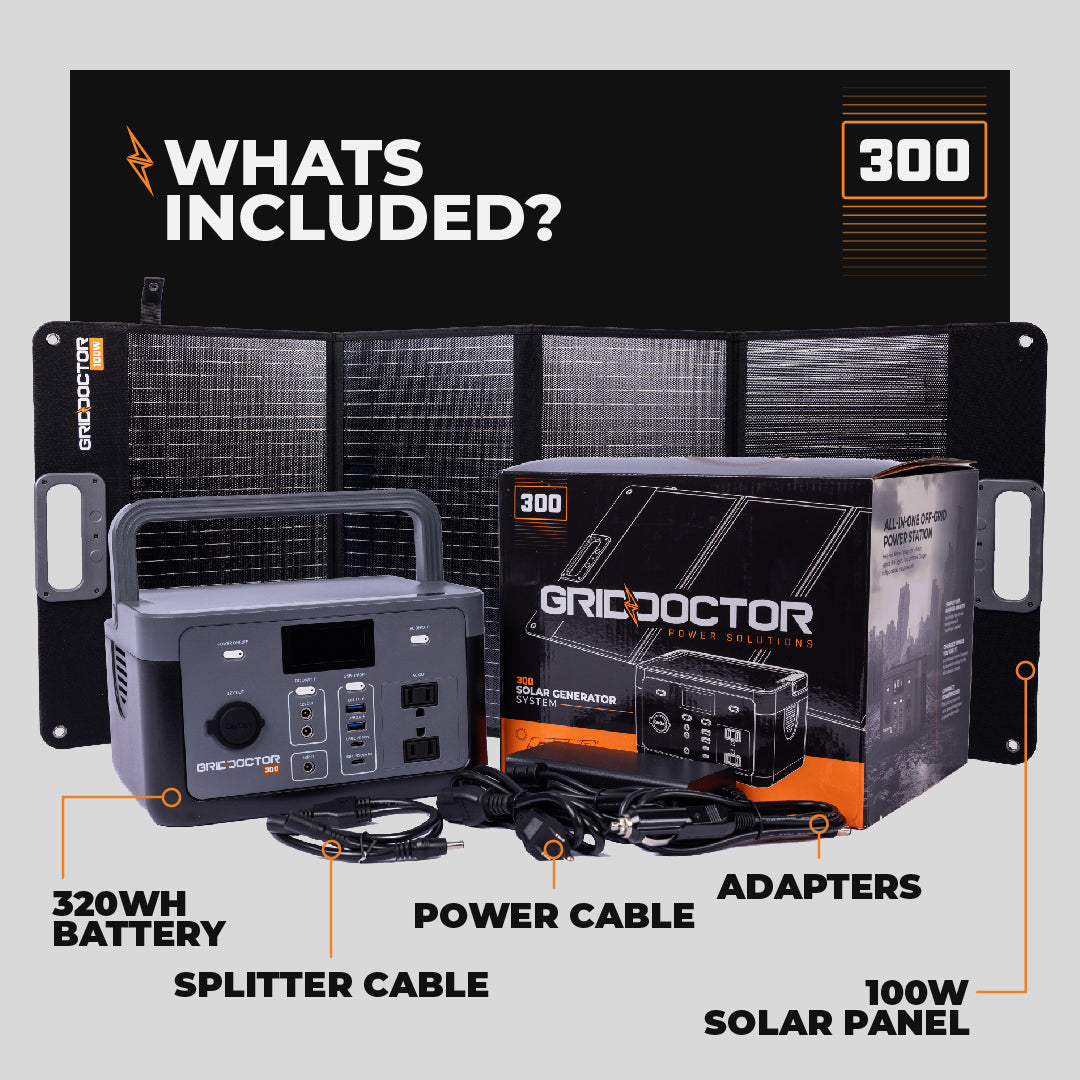
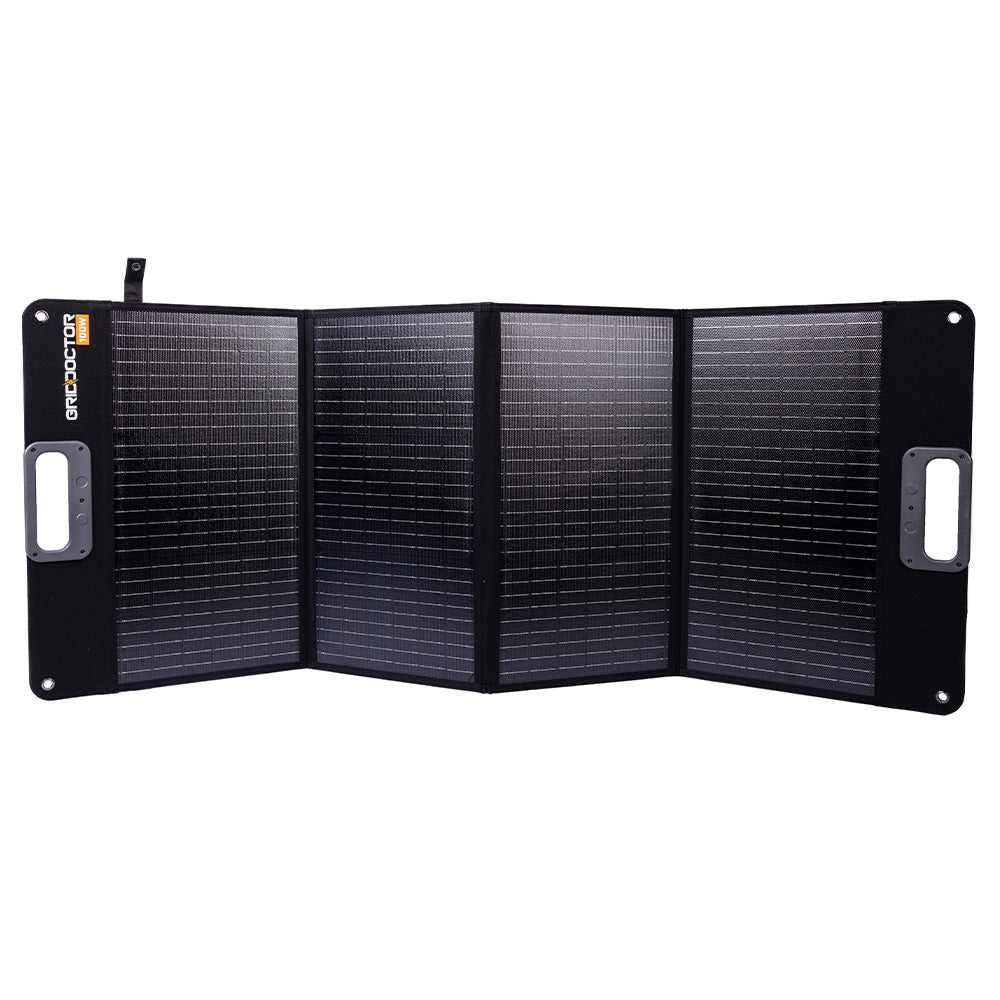
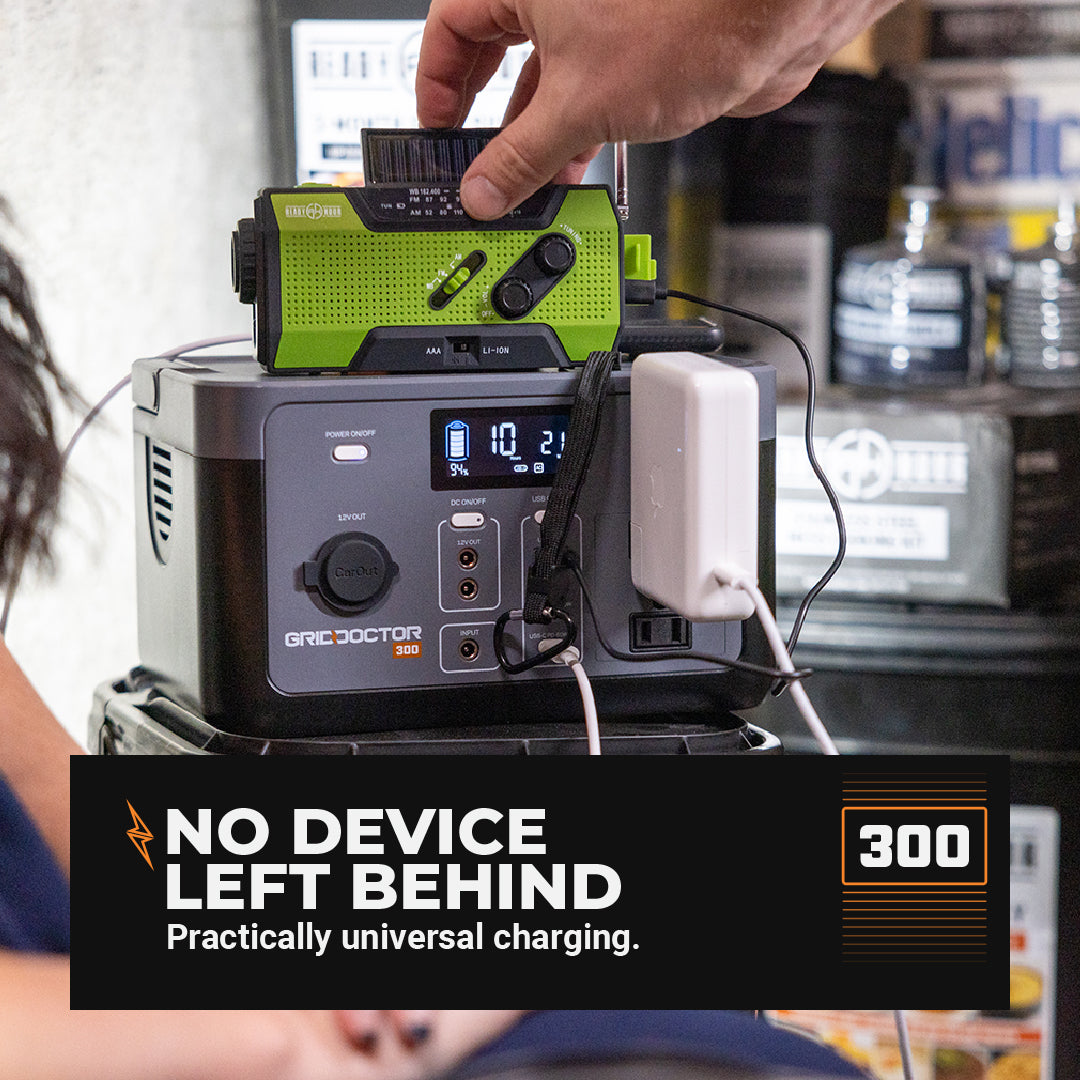
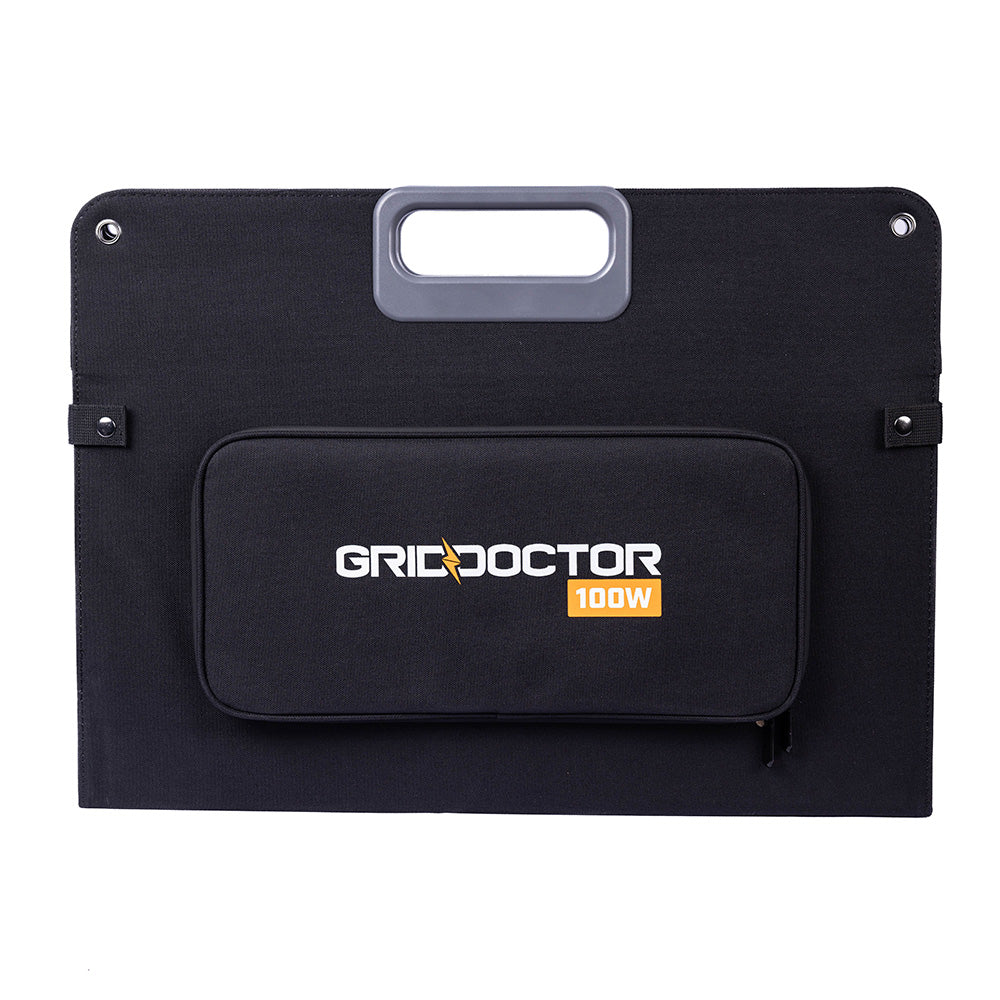
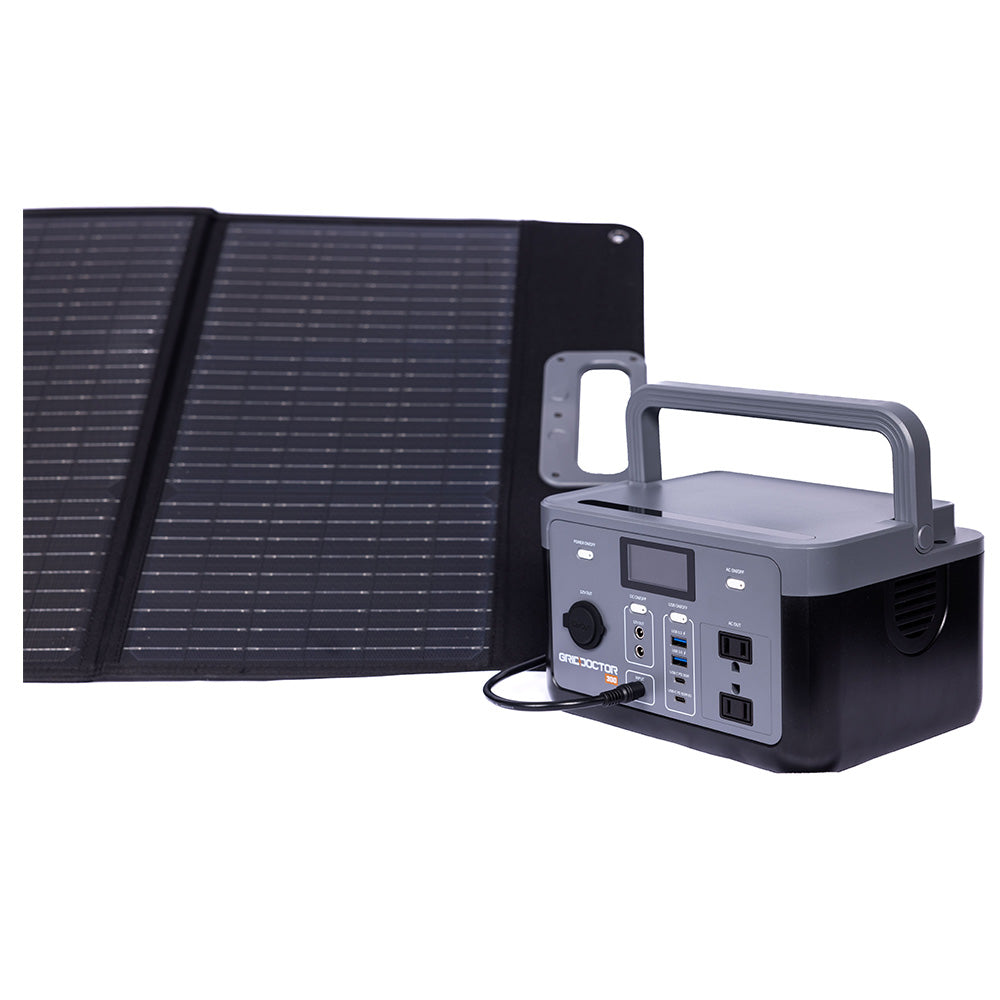
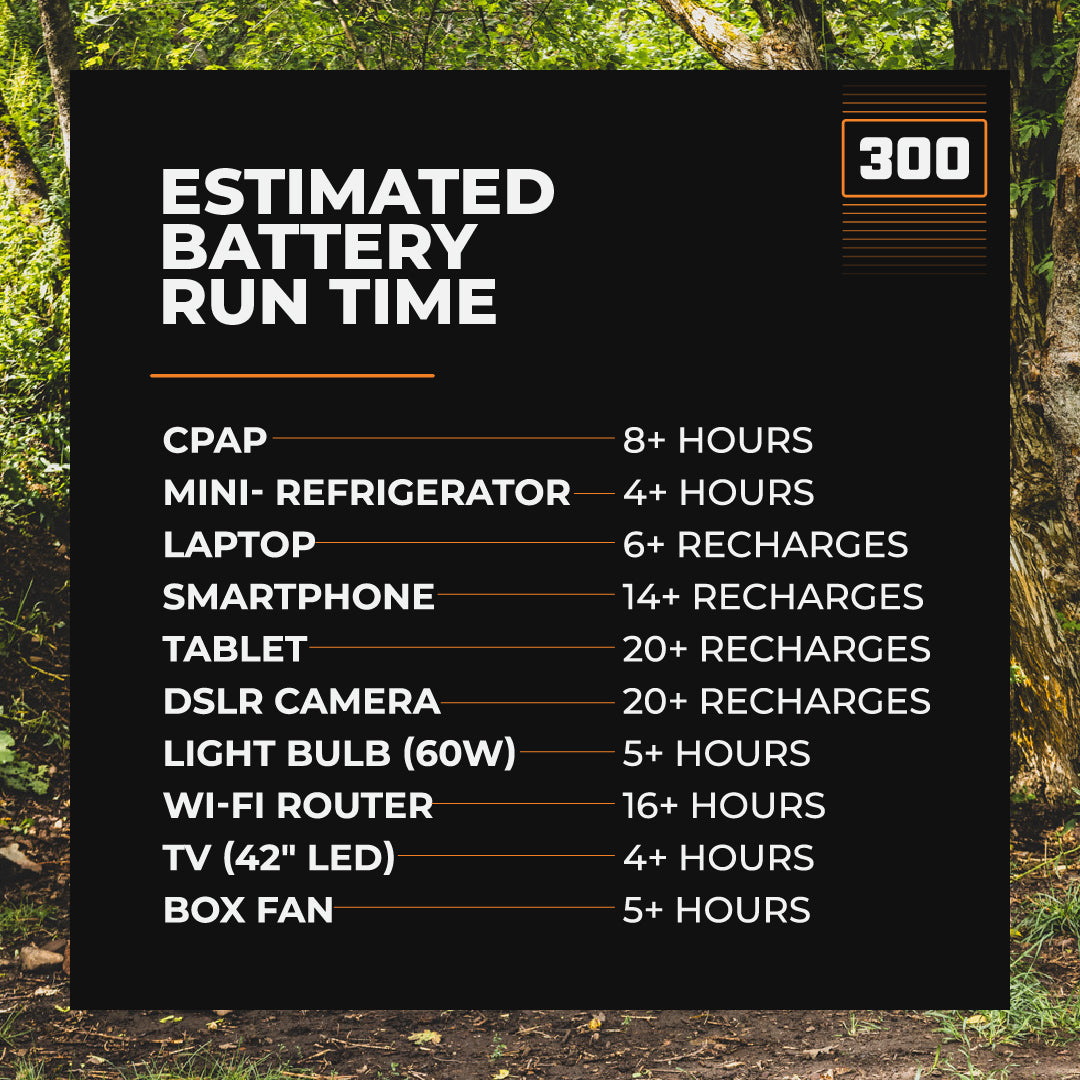
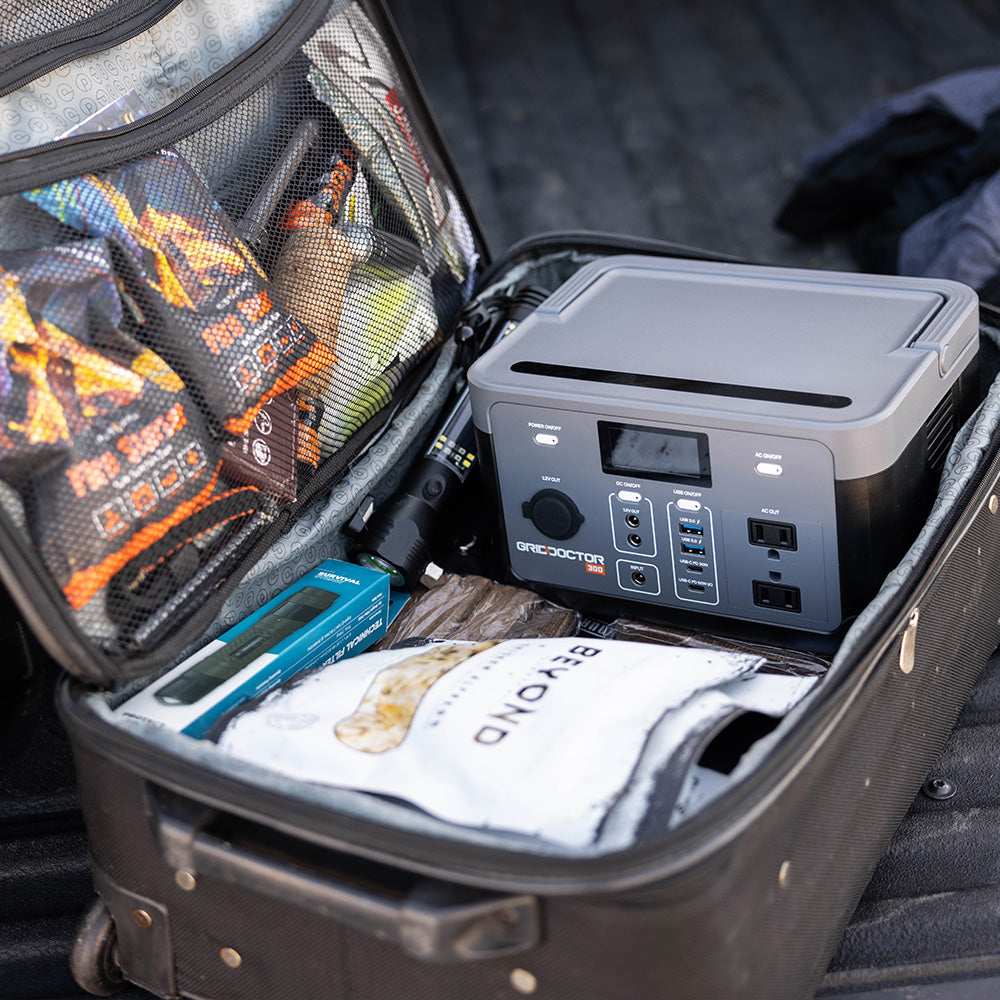
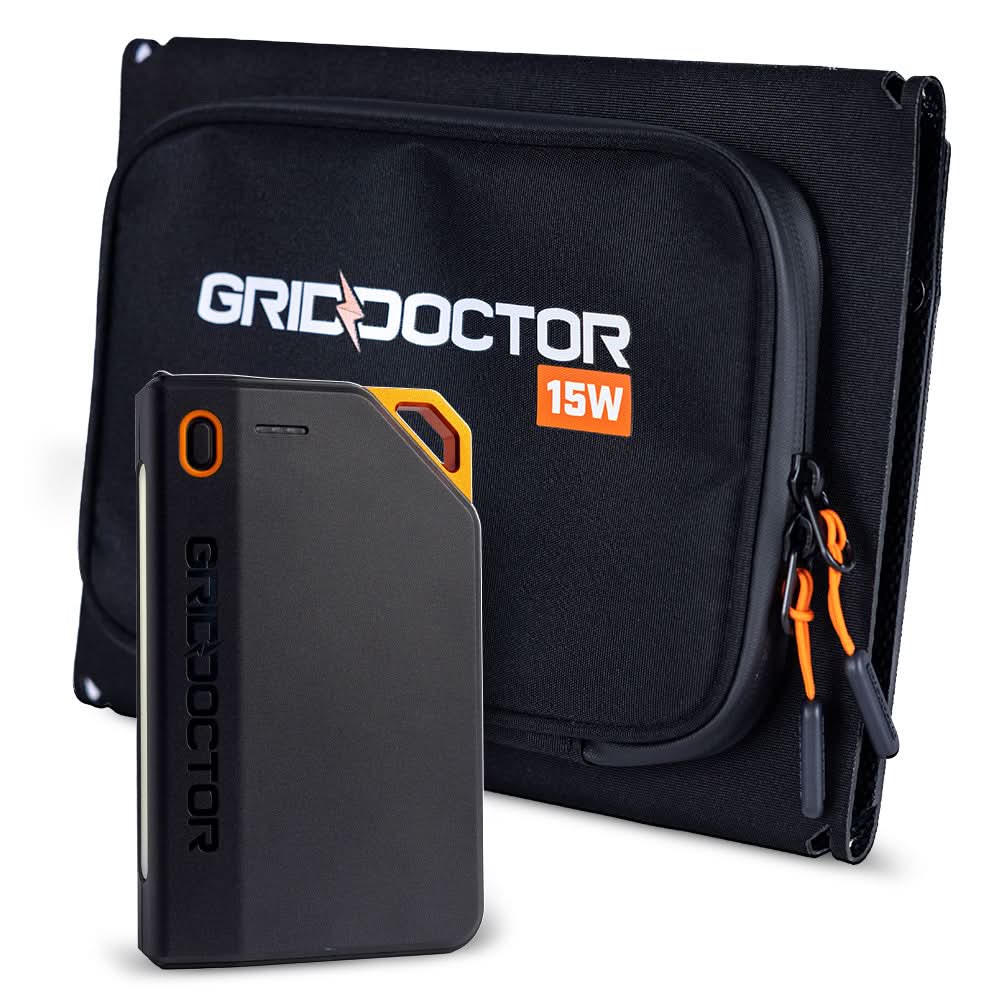
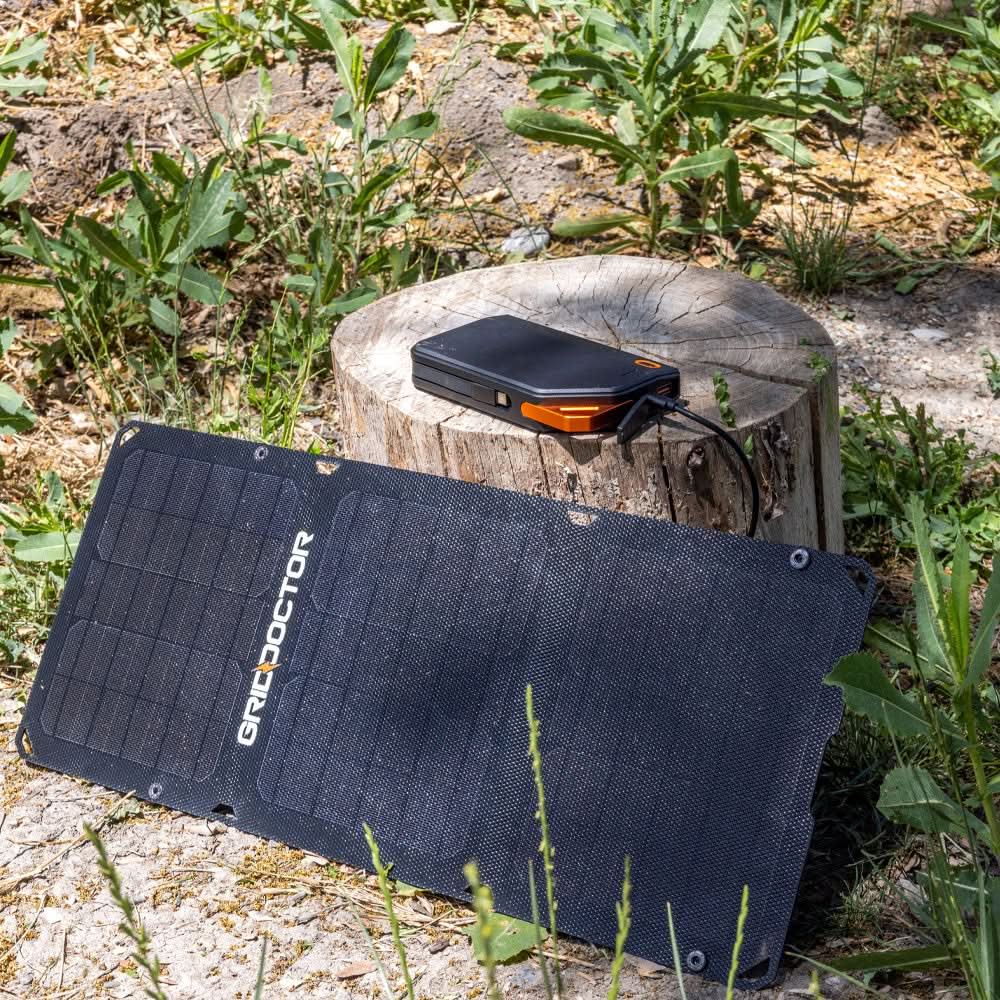
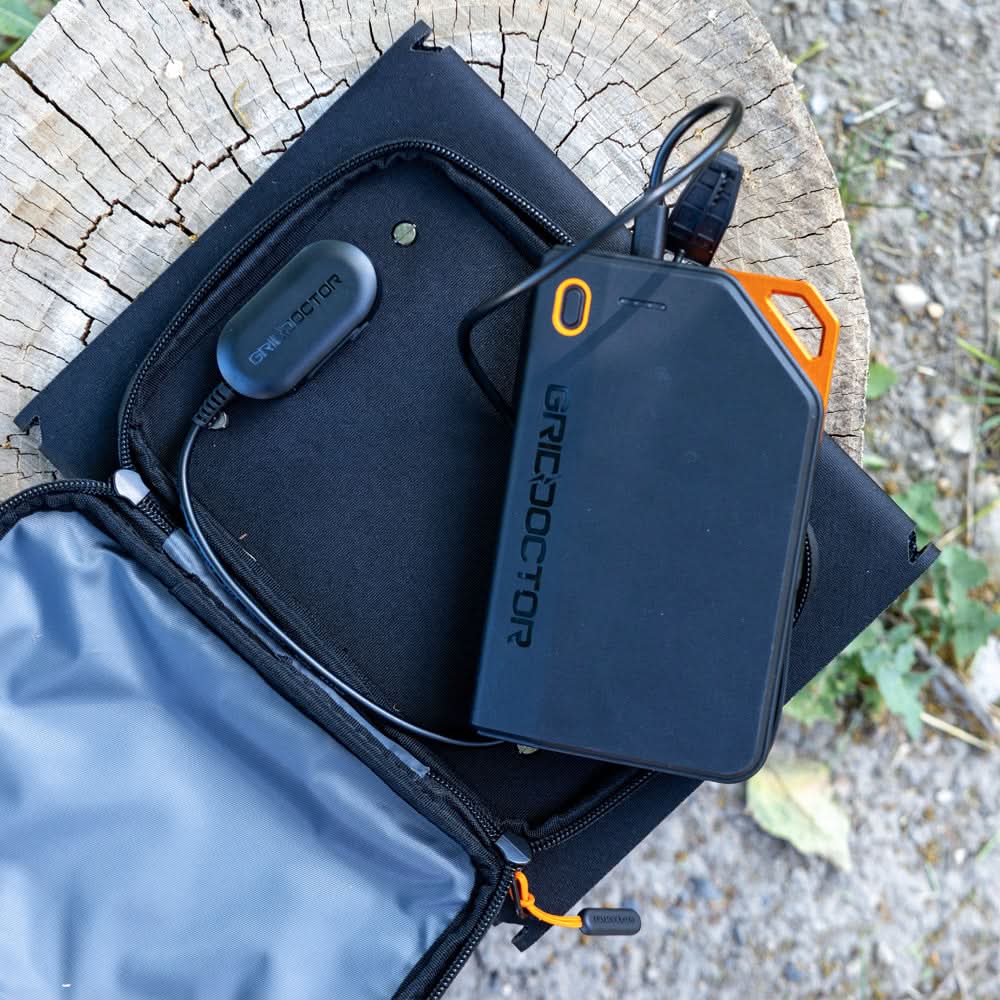
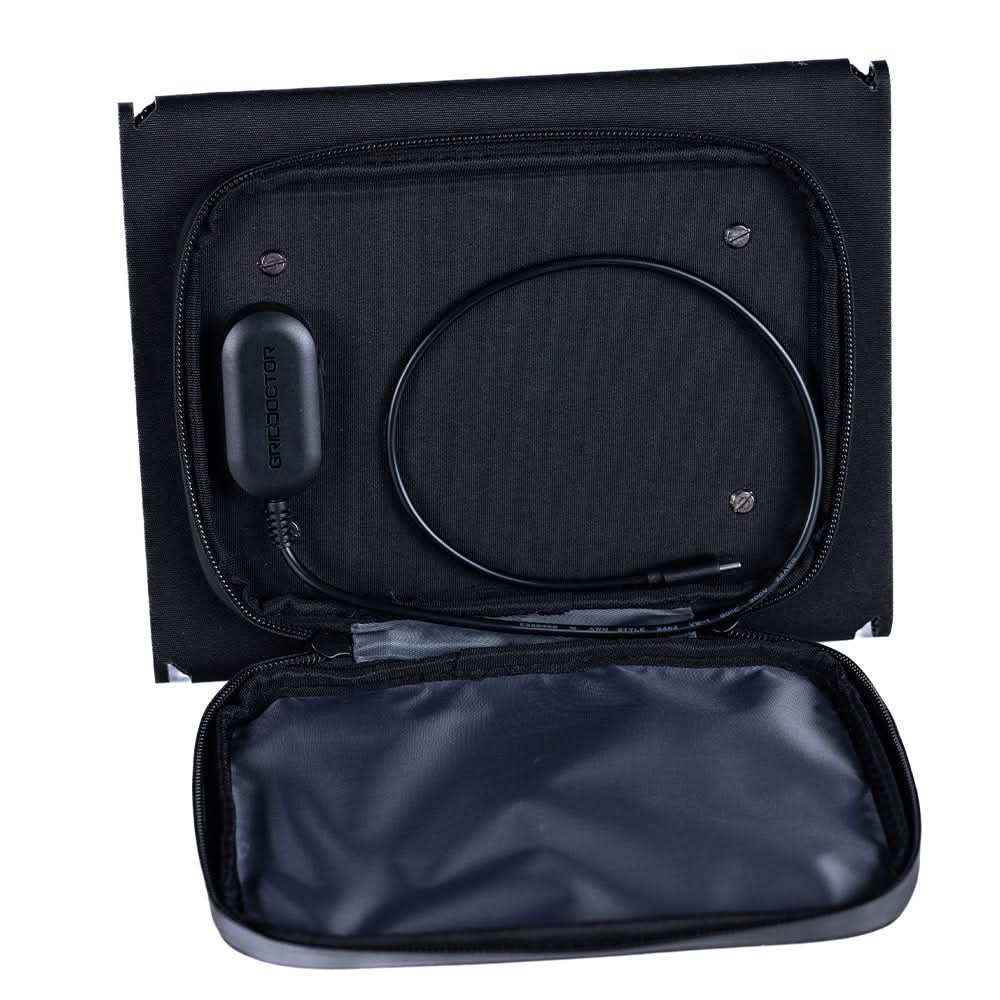
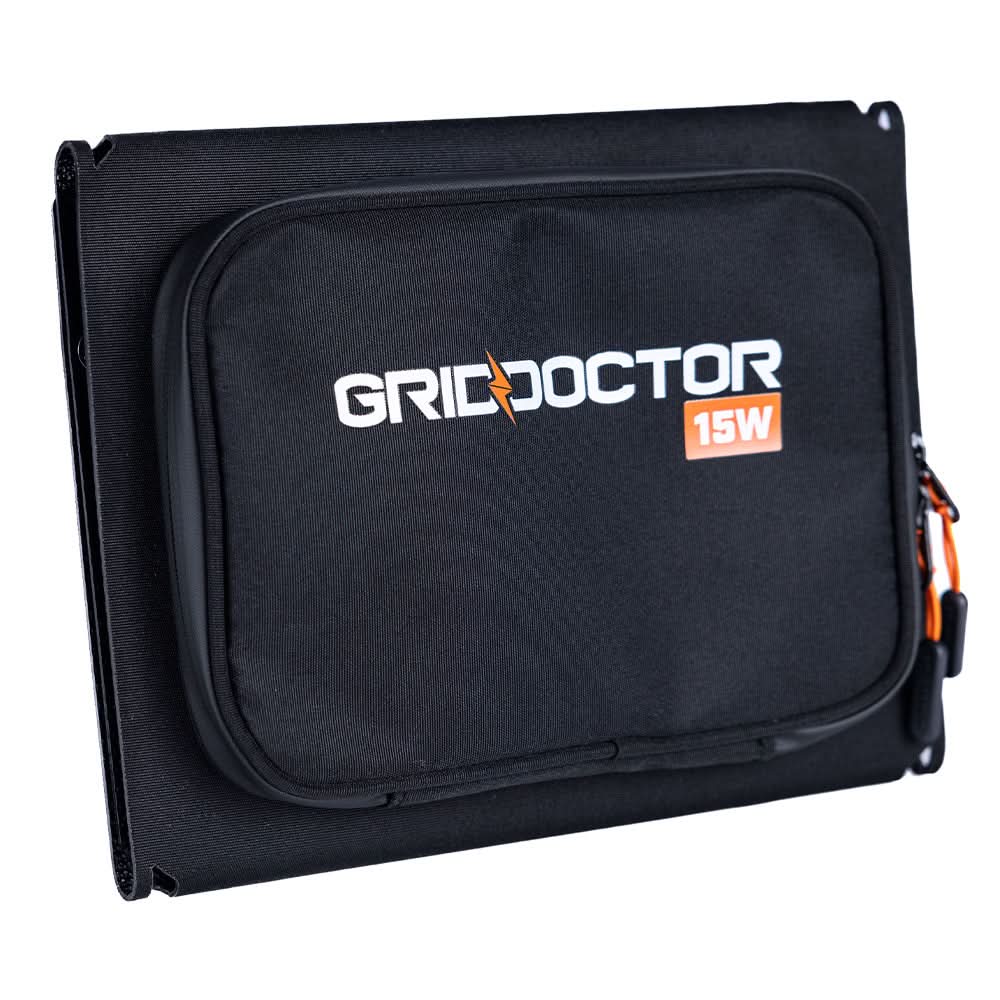
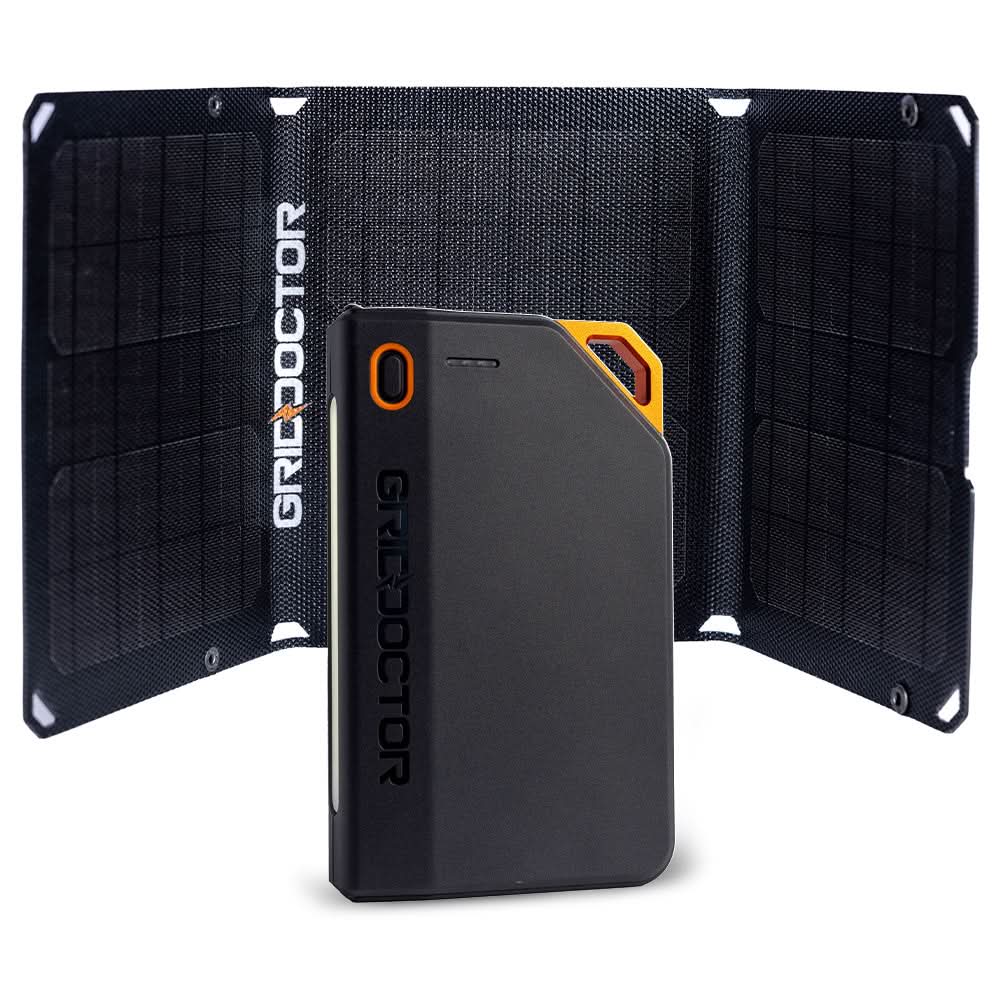
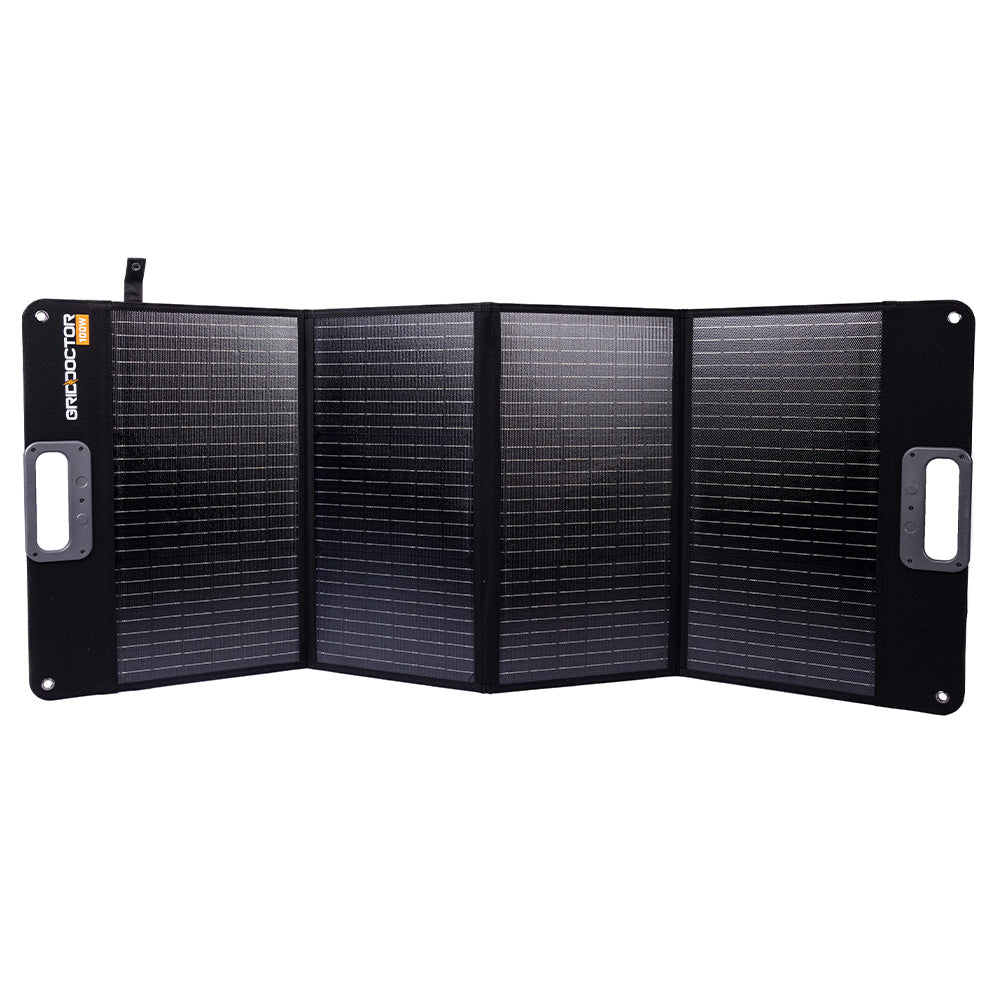
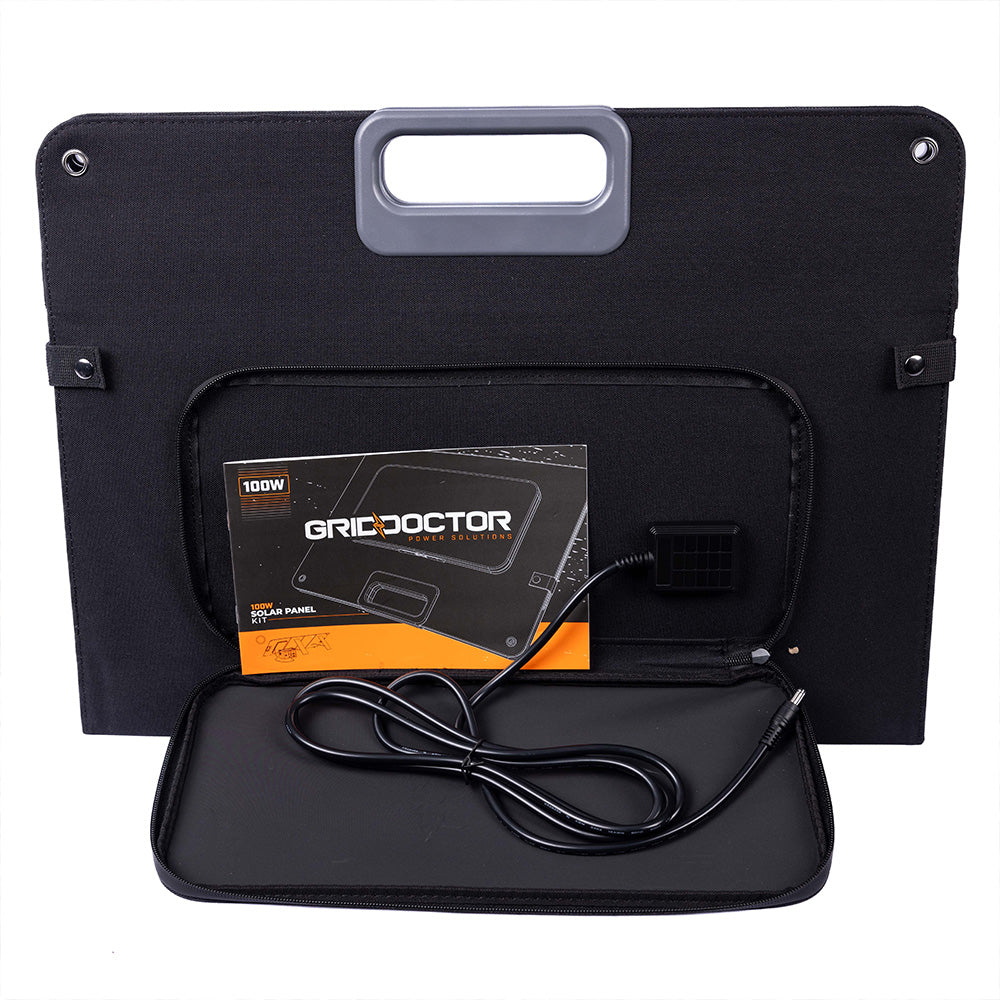
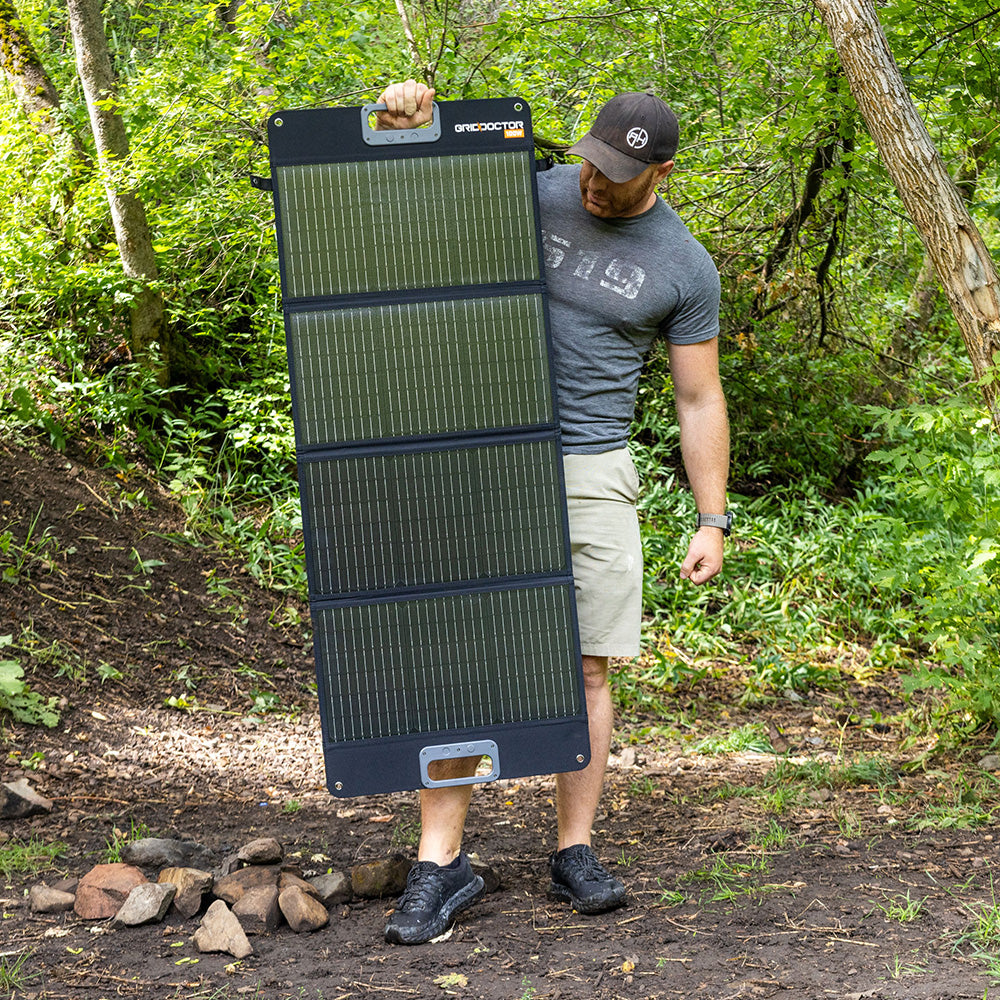
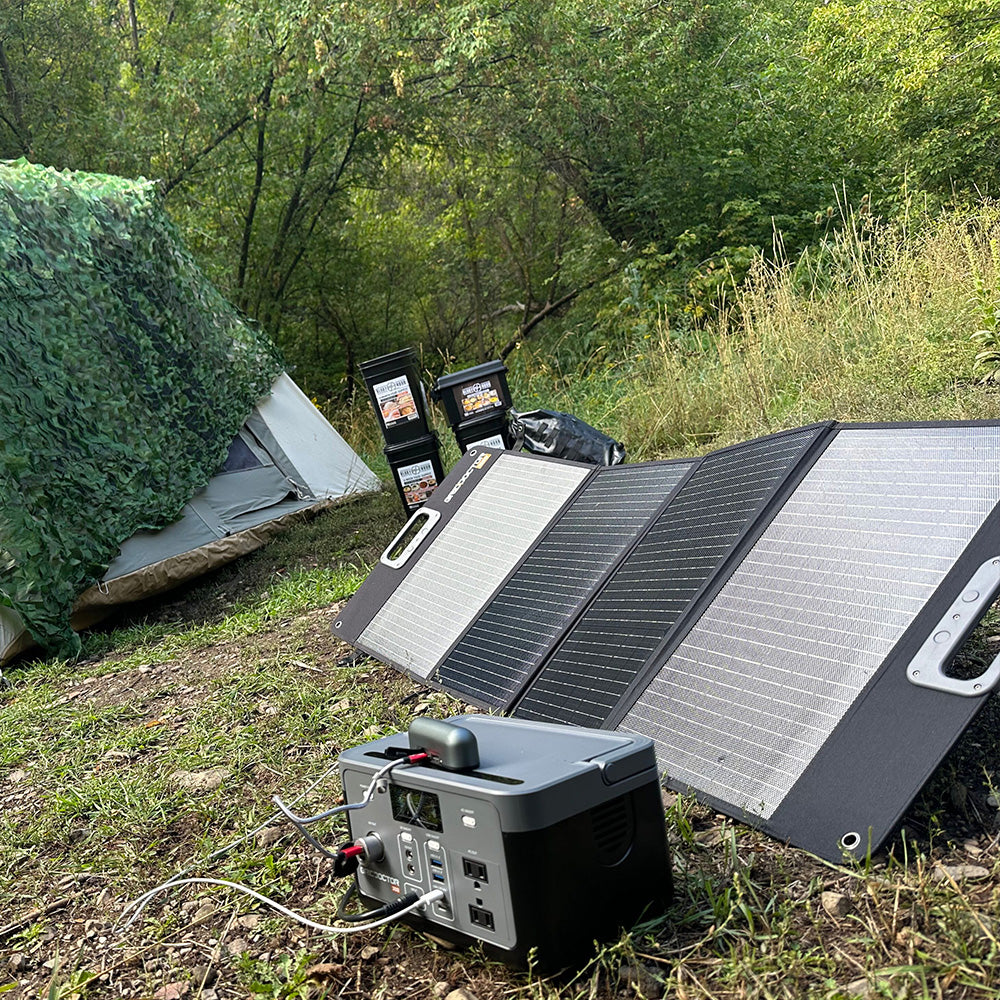
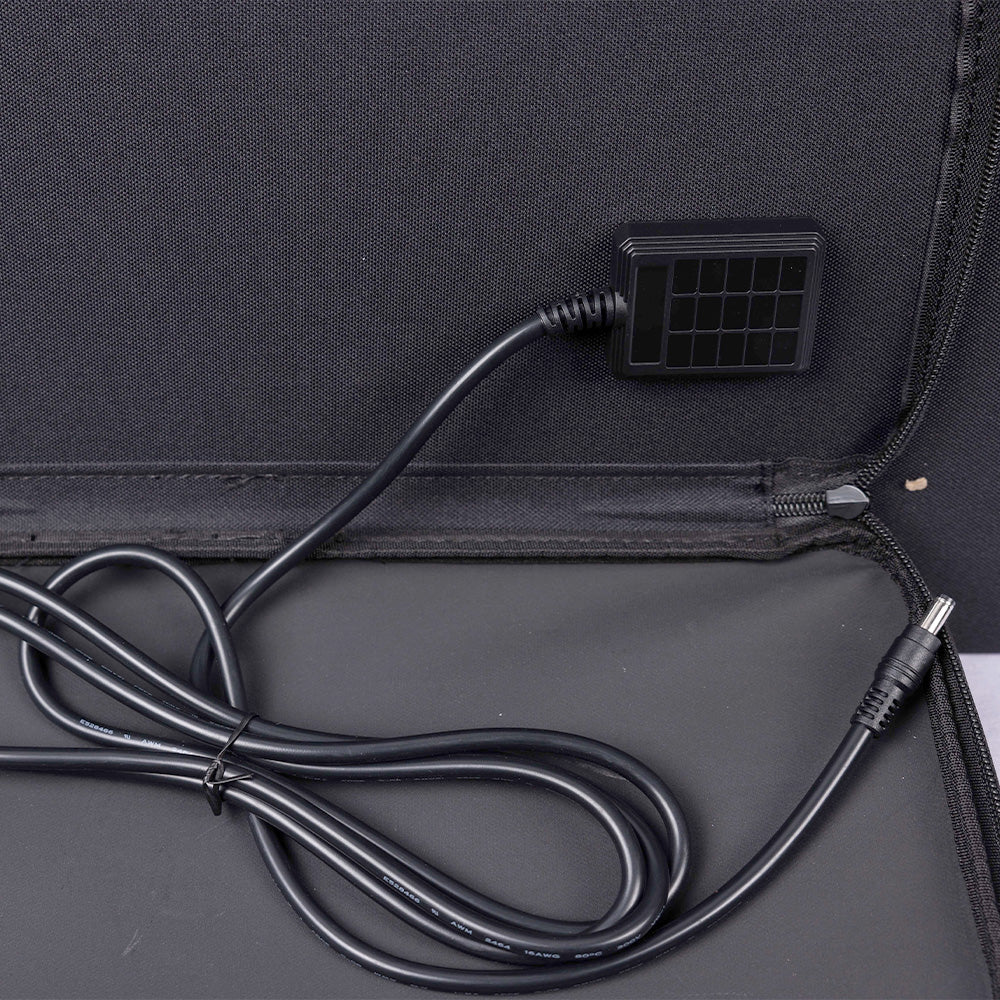
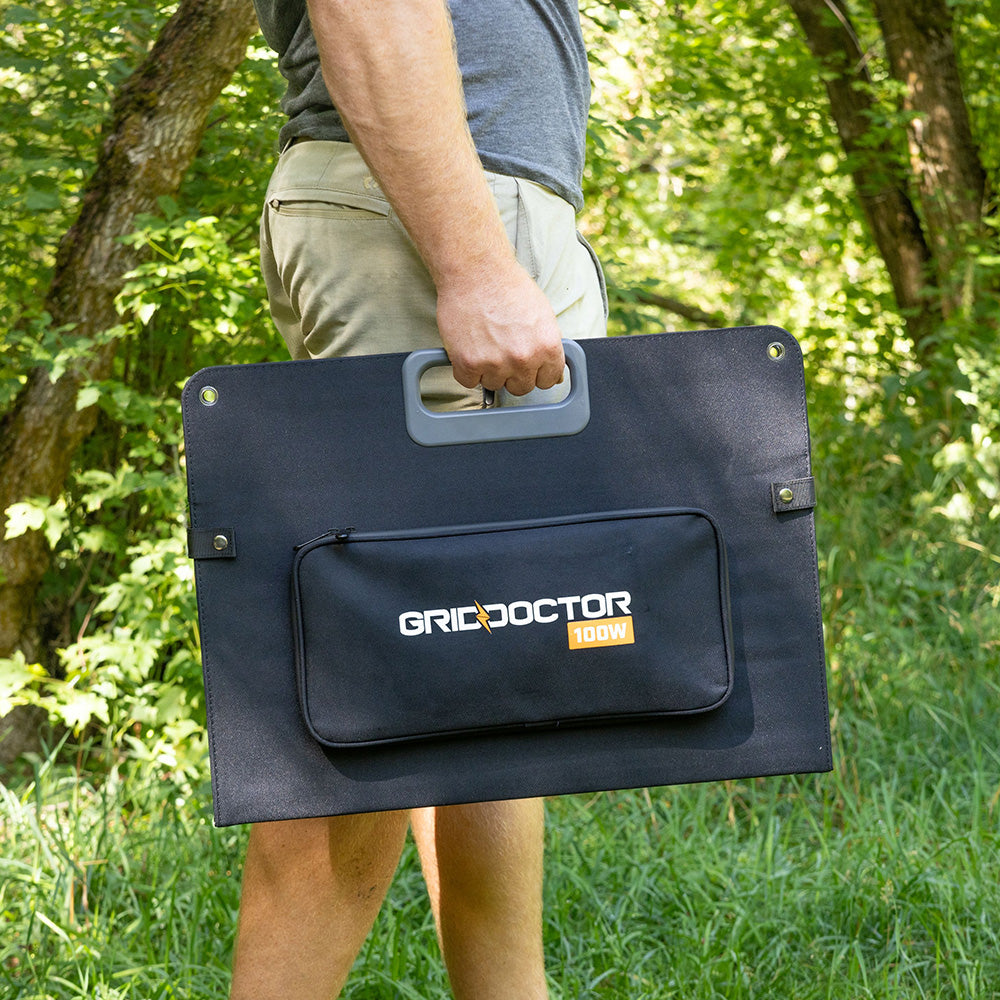
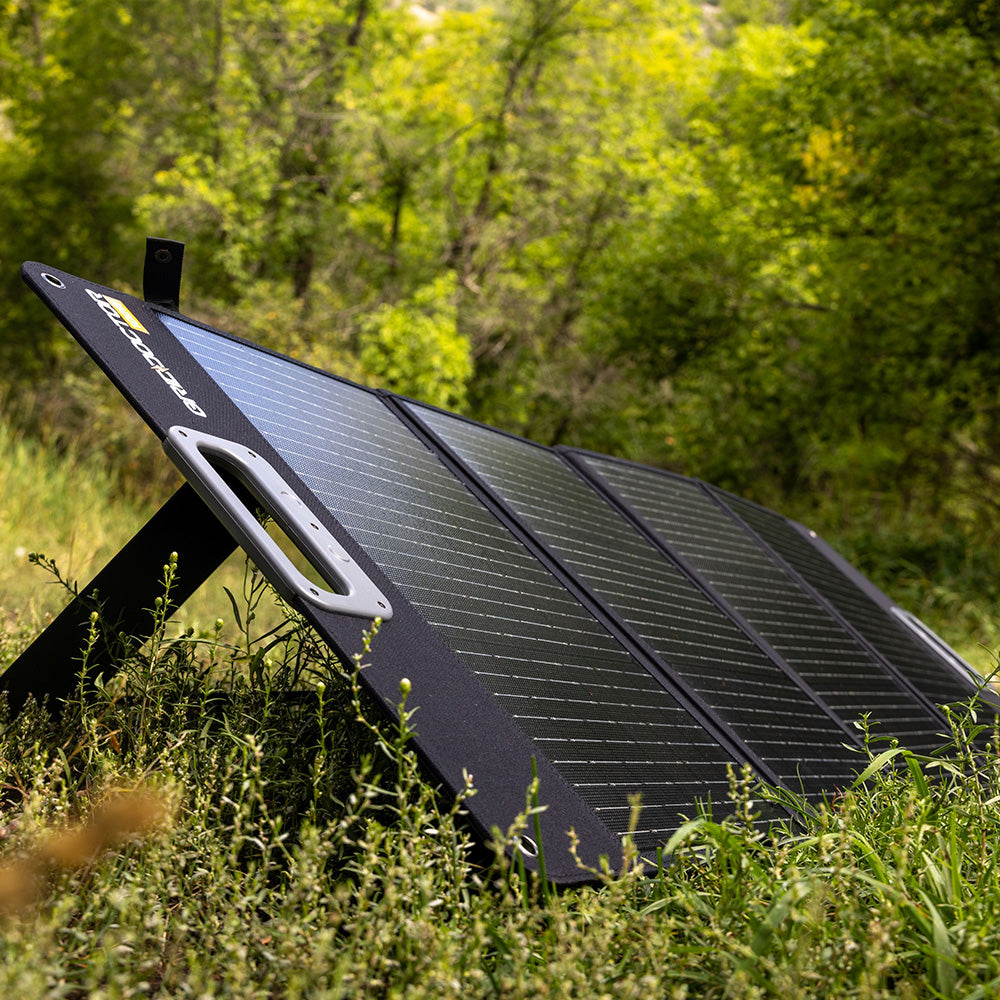
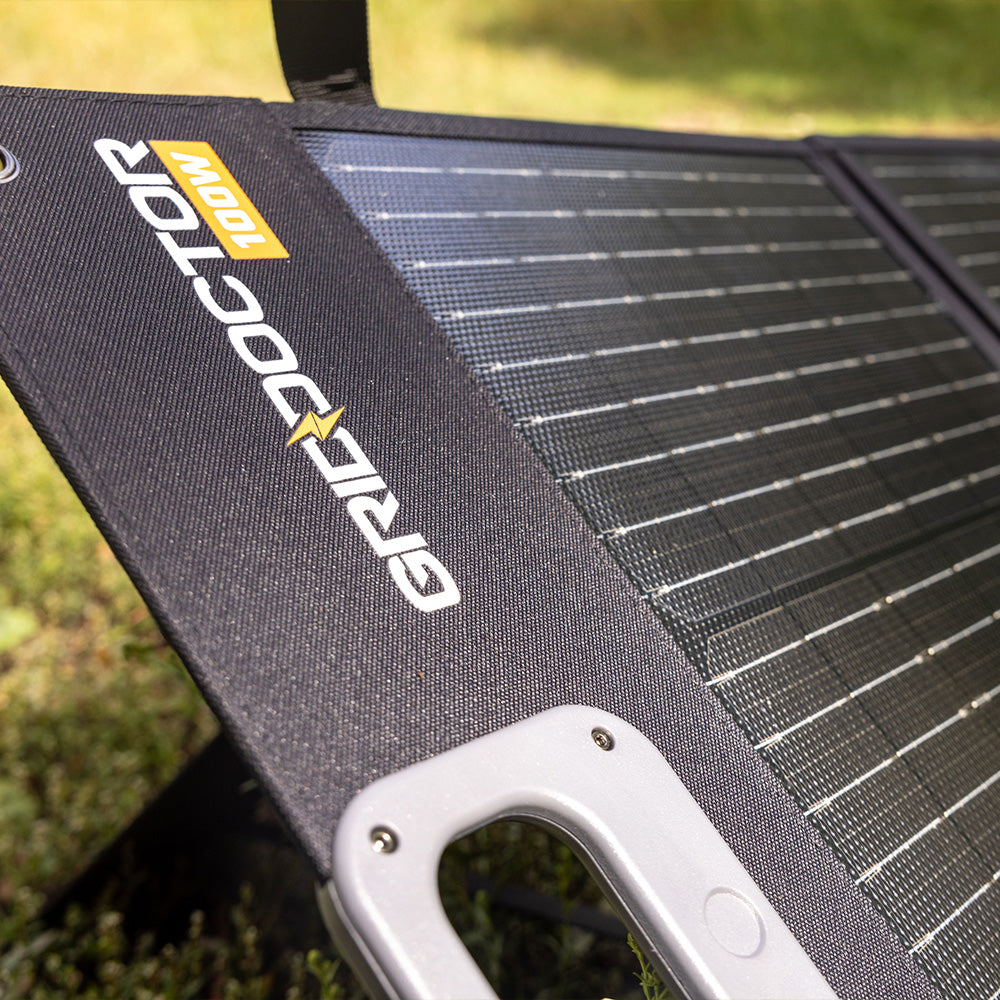
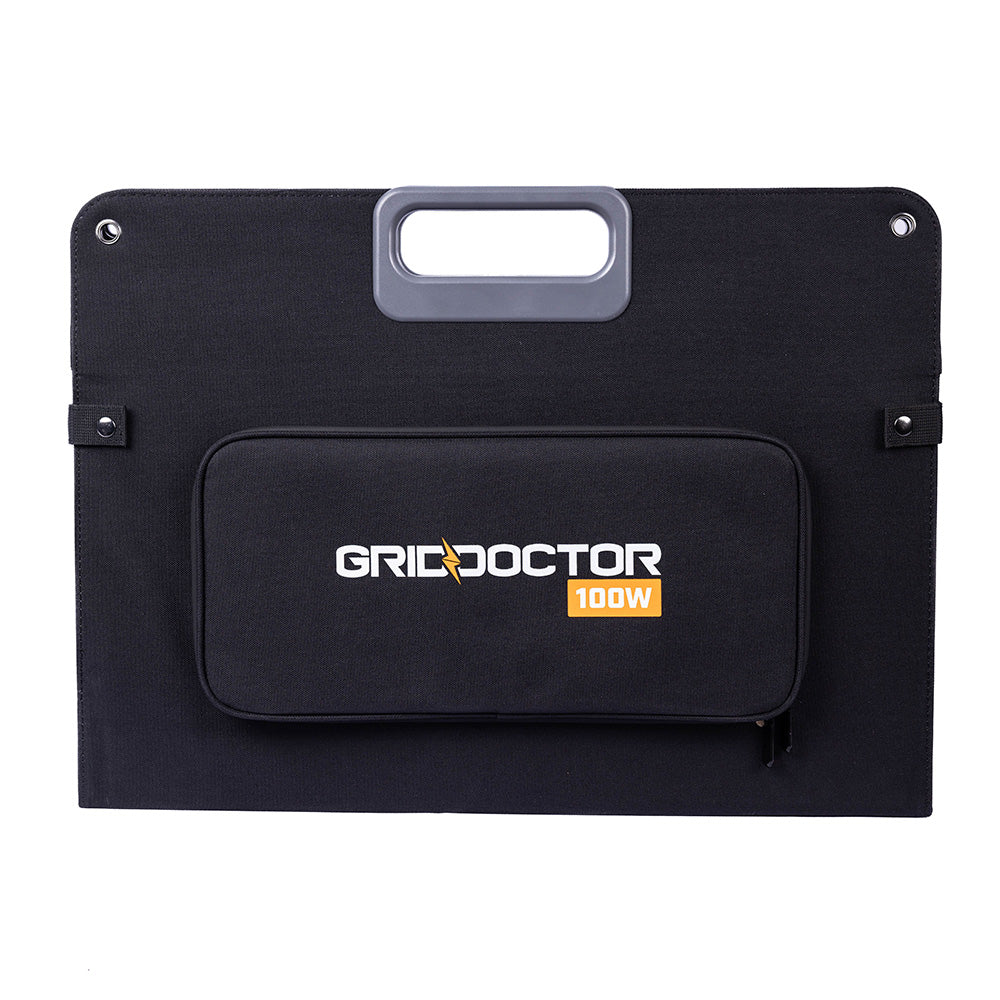
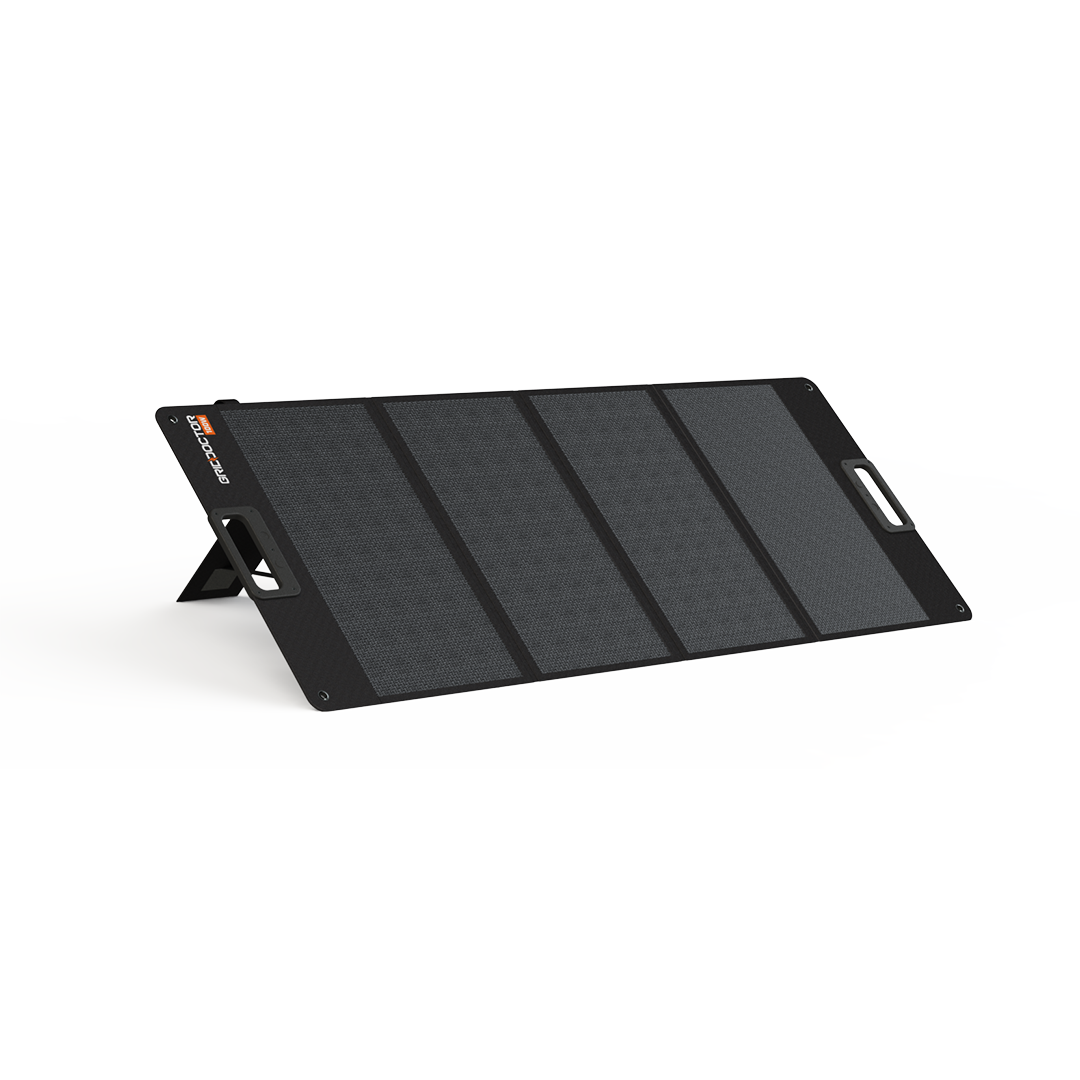
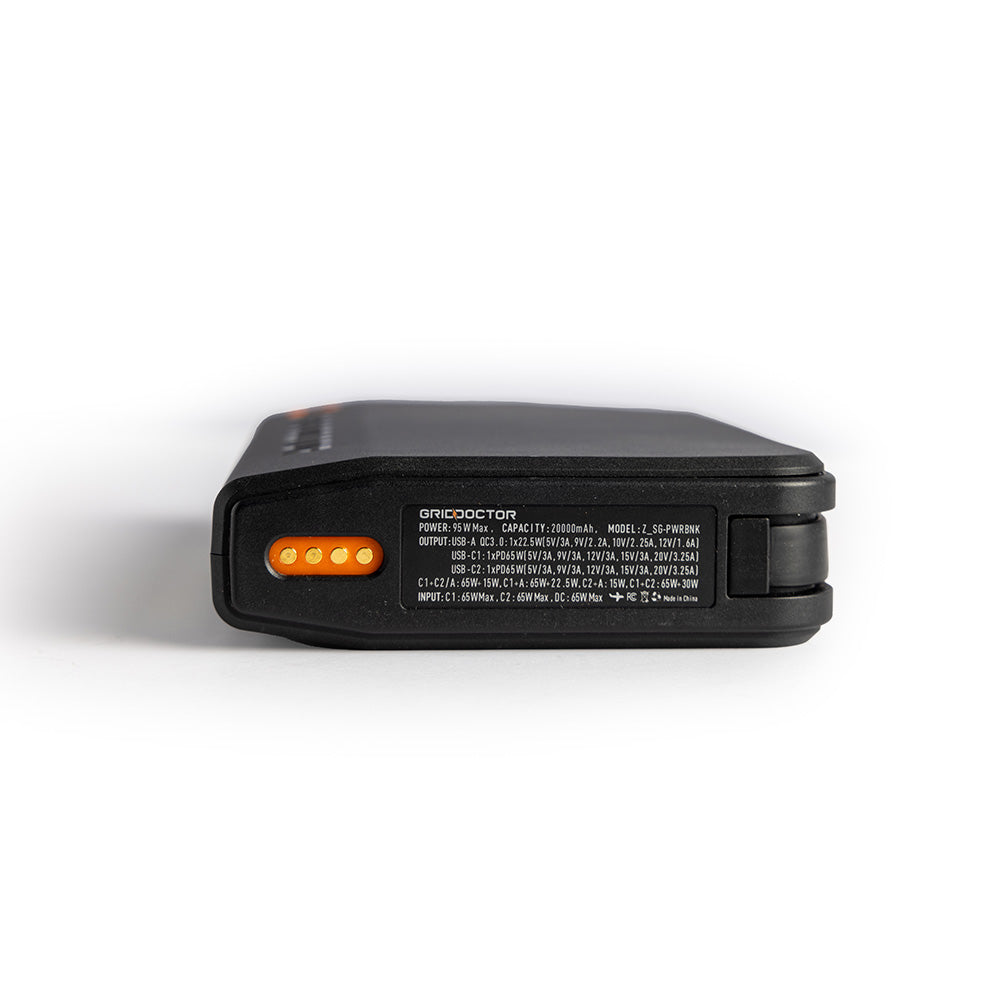
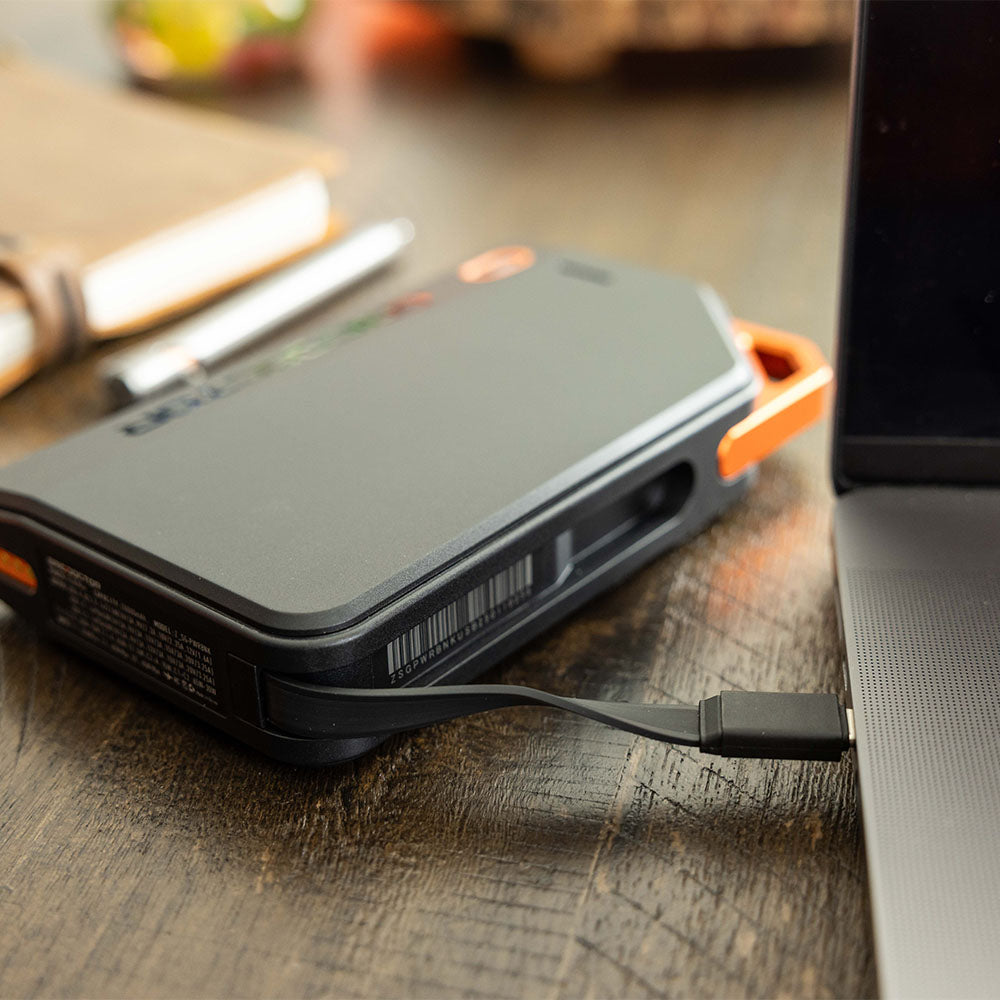
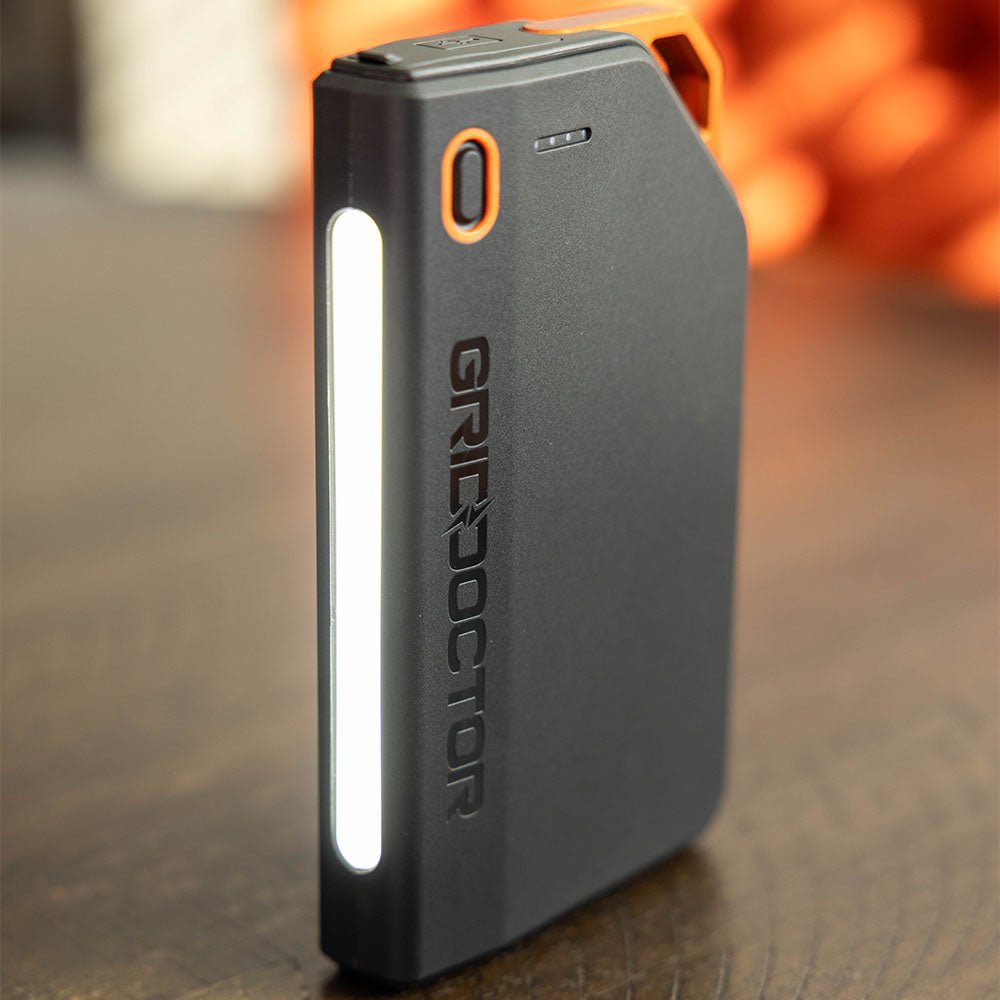
Electricity supports more than just convenience — it keeps communication, refrigeration, and essential devices running. Backup power solutions like solar generators and portable power bank systems help maintain normalcy when outages disrupt the grid.

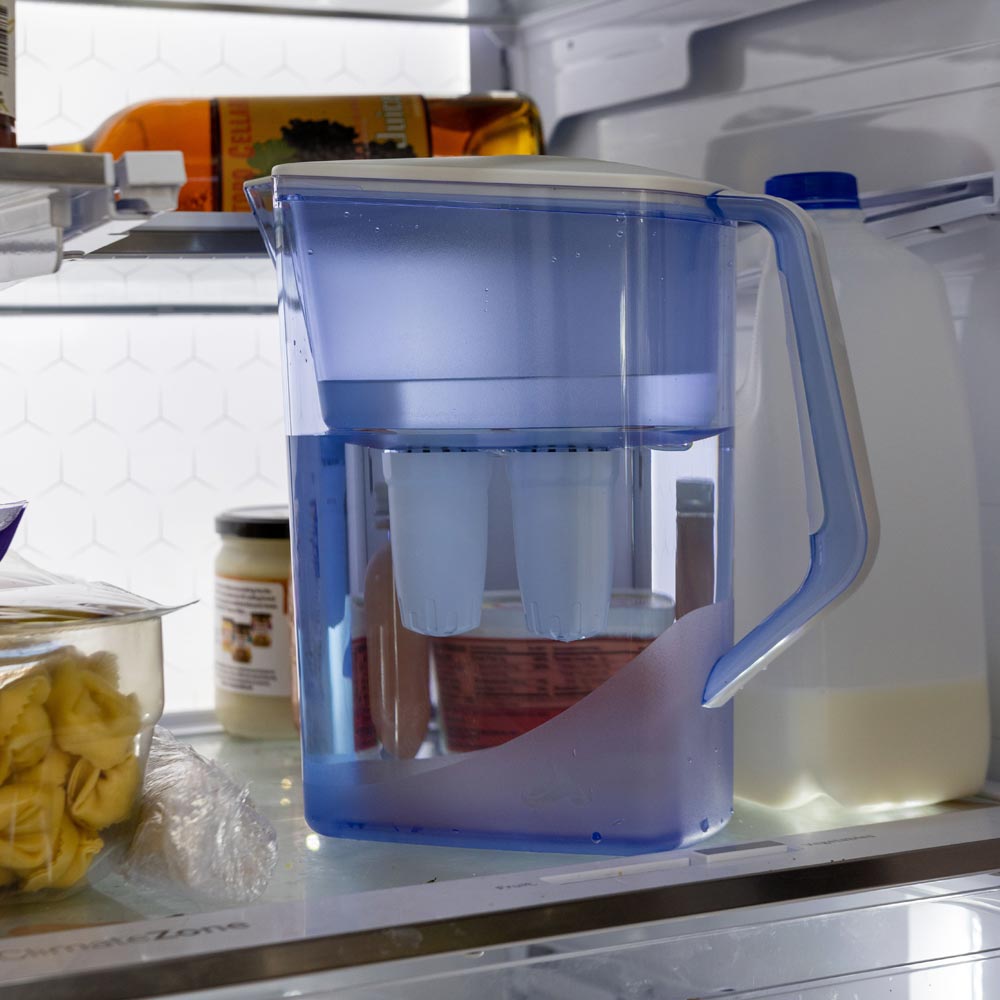
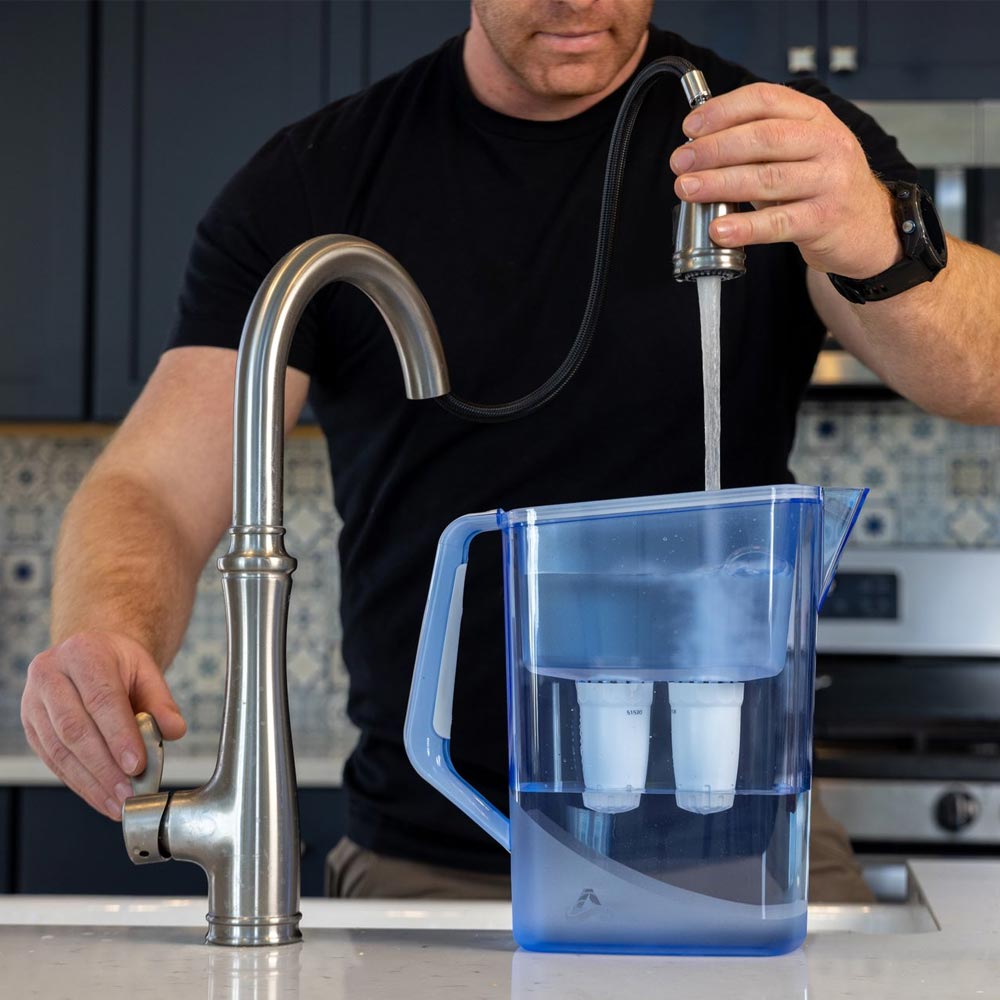
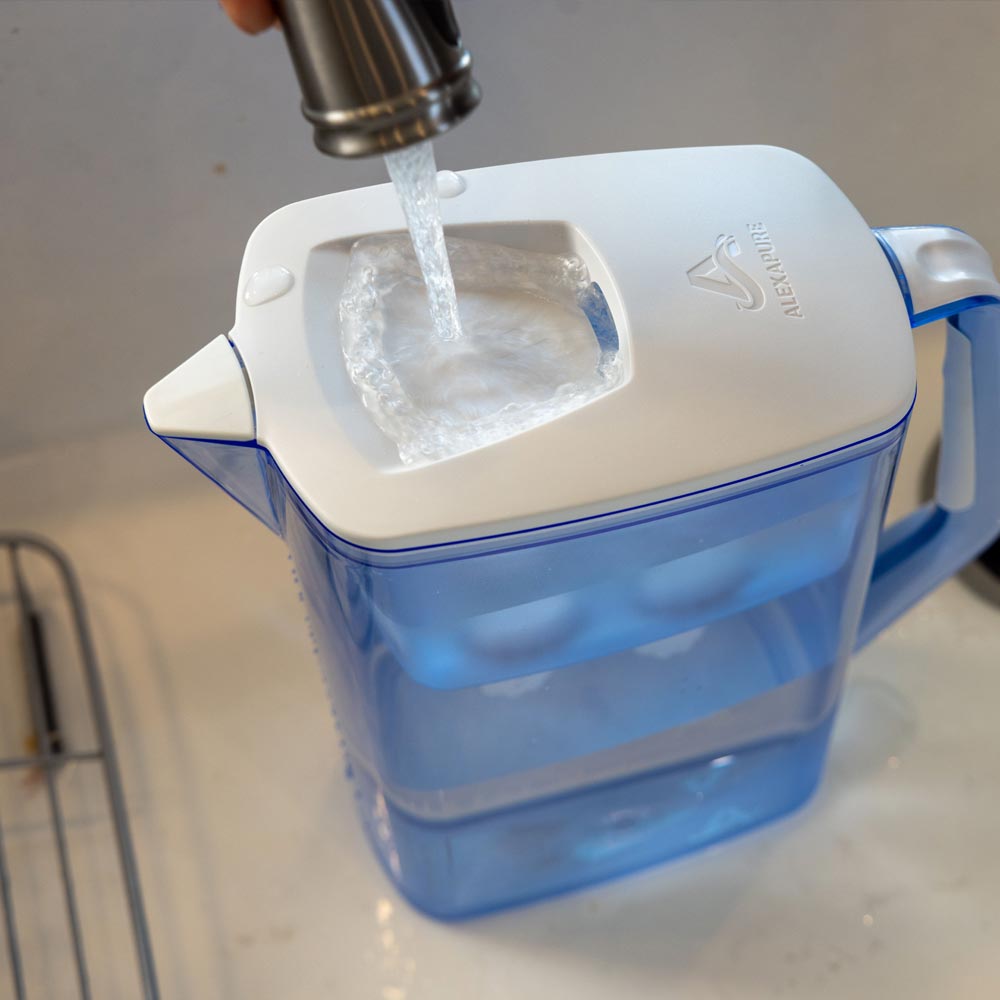
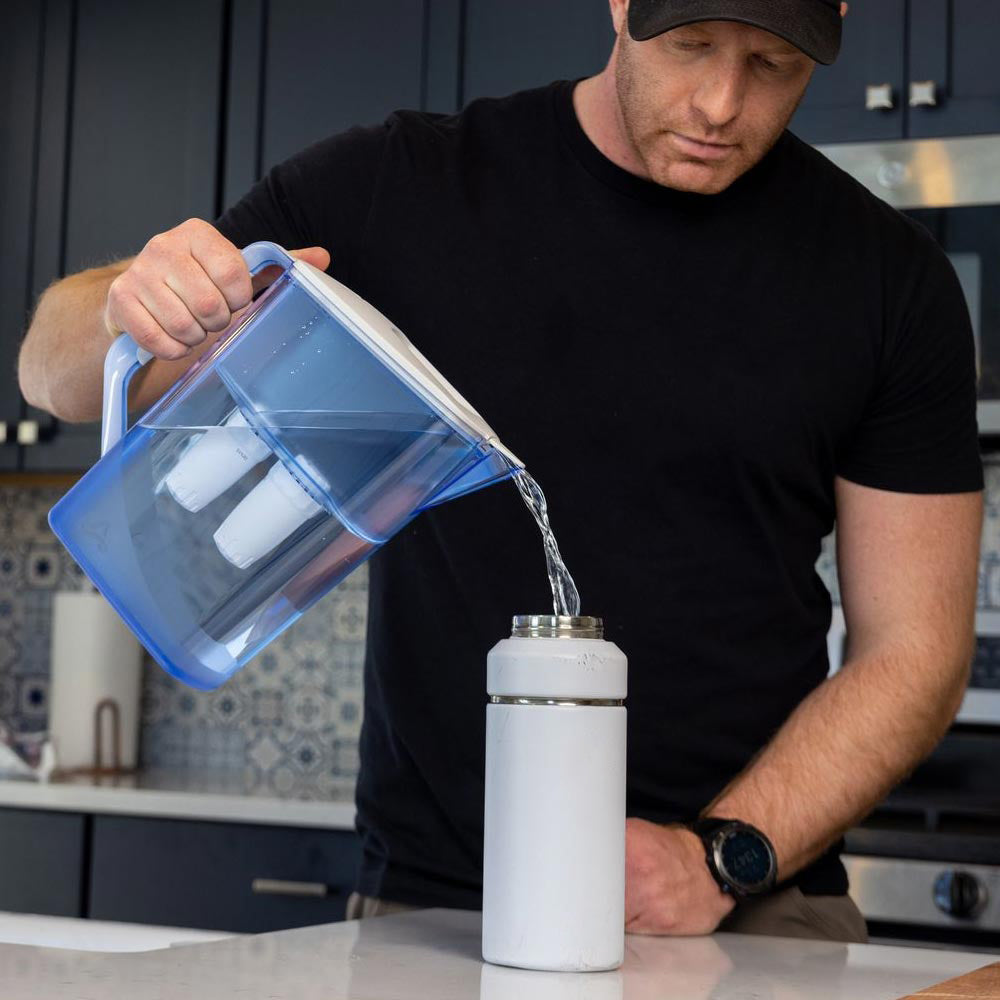
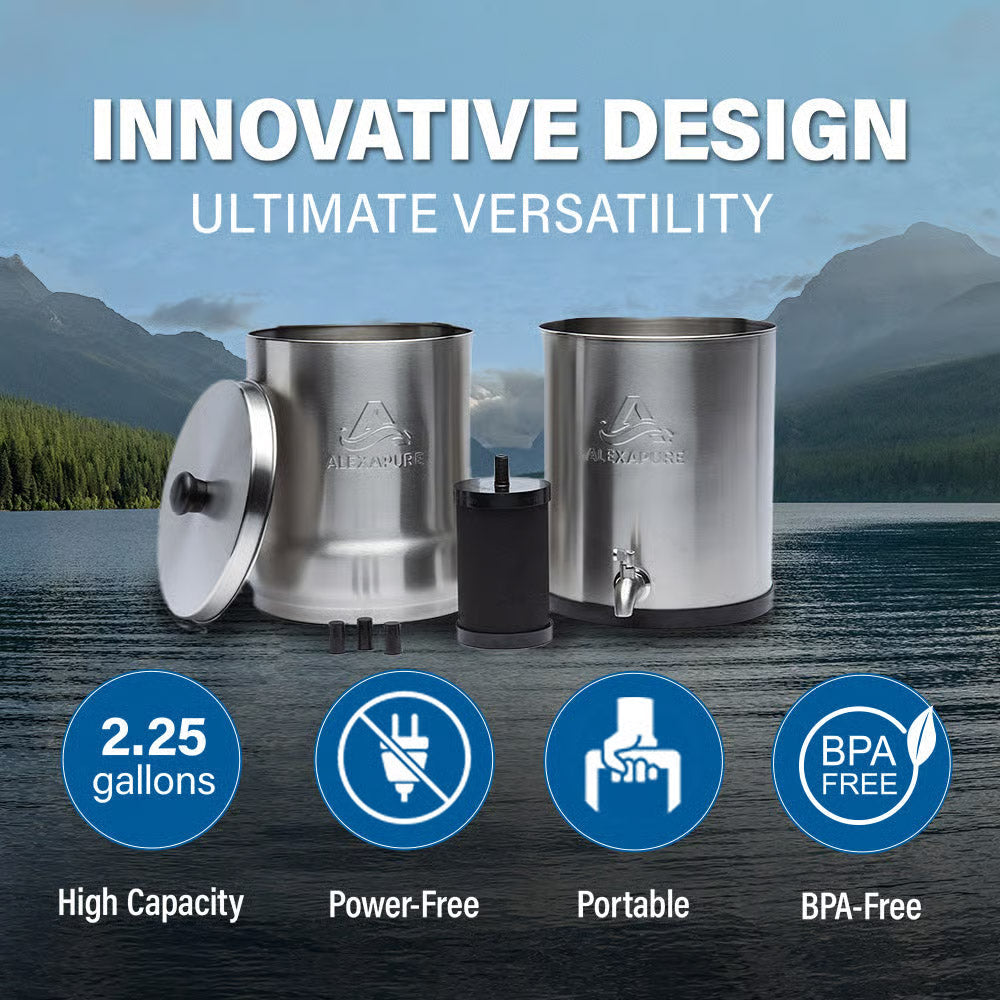
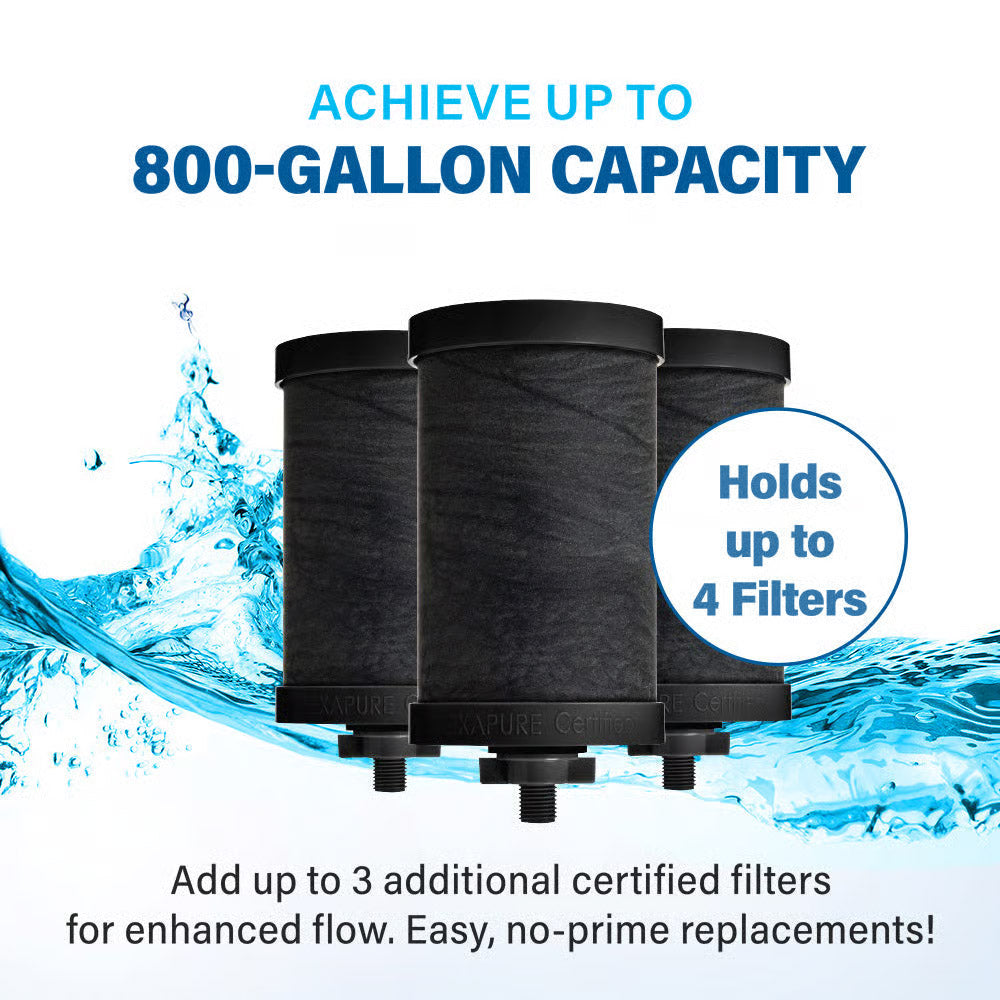
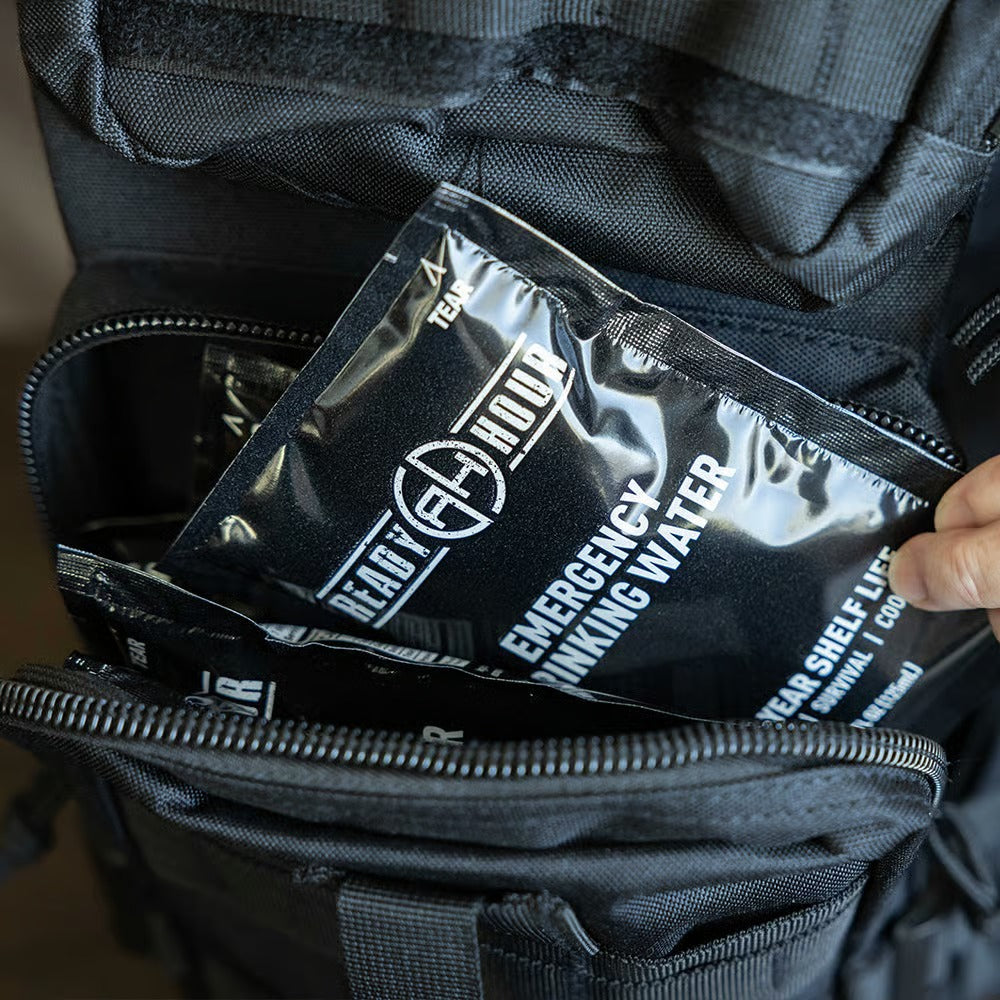
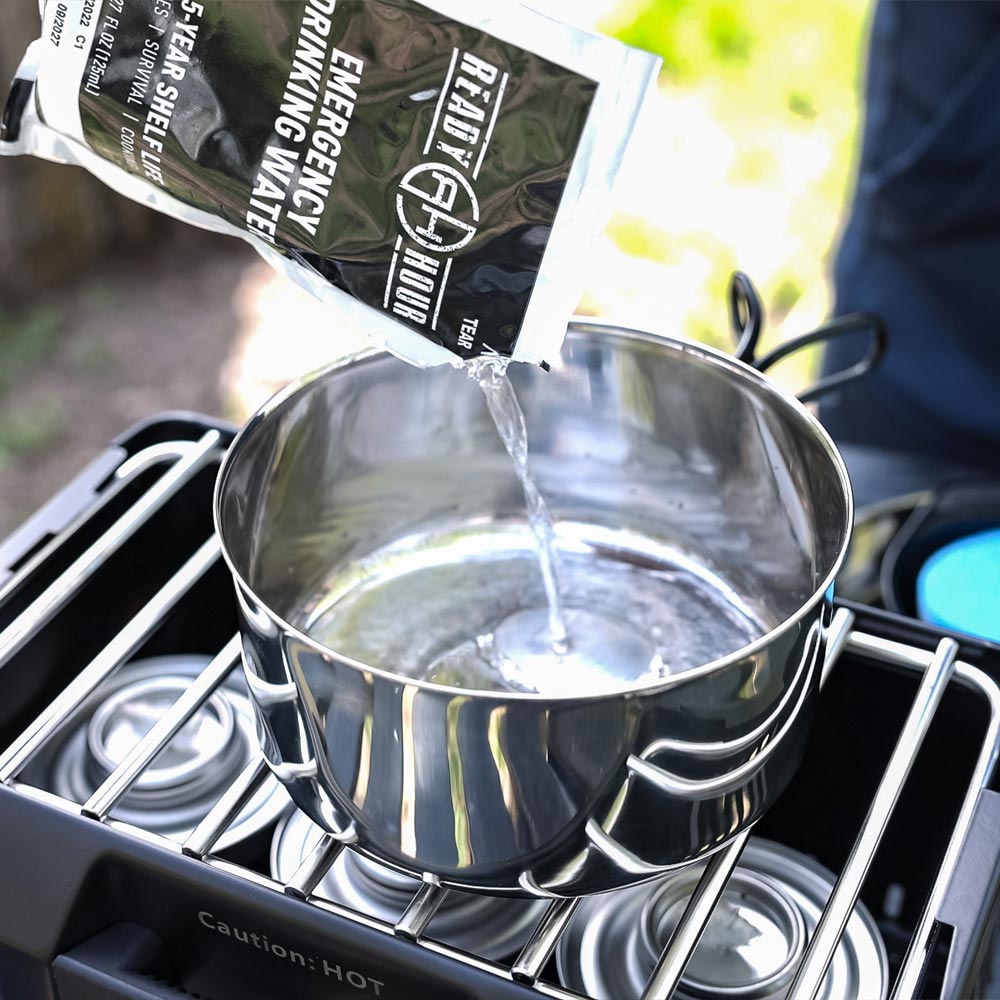
Water is the most critical resource in any emergency. Stored supplies can run out quickly, and untreated sources may not be safe to drink. Filtration and treatment solutions help ensure you always have access to clean, safe drinking water.

Start with a Simple Preparedness Plan
Preparedness experts often recommend building your emergency supplies step by step. You don’t need to do everything at once. Most families begin with a 72-hour emergency supply, then expand gradually over time. A typical preparedness plan looks like this:
- Step 1 — 72-Hour Emergency Supply
The basic essentials to support your household for three days. - Step 2 — 1 Week Reserve
Provides additional security for longer disruptions. - Step 3 — 4 Week Food Supply
Allows your household to remain self-reliant for extended periods. - Step 4 — Long-Term Preparedness
Expanding to multi-month food and supply reserves.
Each step strengthens your household’s ability to remain comfortable and secure during unexpected events. The key is simply starting.

Common Preparedness Mistakes
Many people assume preparedness requires complicated systems or massive stockpiles. In reality, most preparedness challenges come down to a few simple oversights.
- Waiting Until an Emergency Is Already Happening: Once disruptions begin, supplies can quickly become difficult to find. Preparing ahead of time ensures you’re not competing for limited resources.
- Relying Completely on Grocery Stores - Most grocery stores only carry a few days’ worth of inventory. Long-term emergency food storage allows your household to remain independent from supply chain disruptions.
- Assuming Utilities Will Always Be Available - Power outages and water disruptions can happen for many reasons. Backup solutions, from solar power to emergency water storage and filtration, help keep your household functioning when utilities are unavailable.
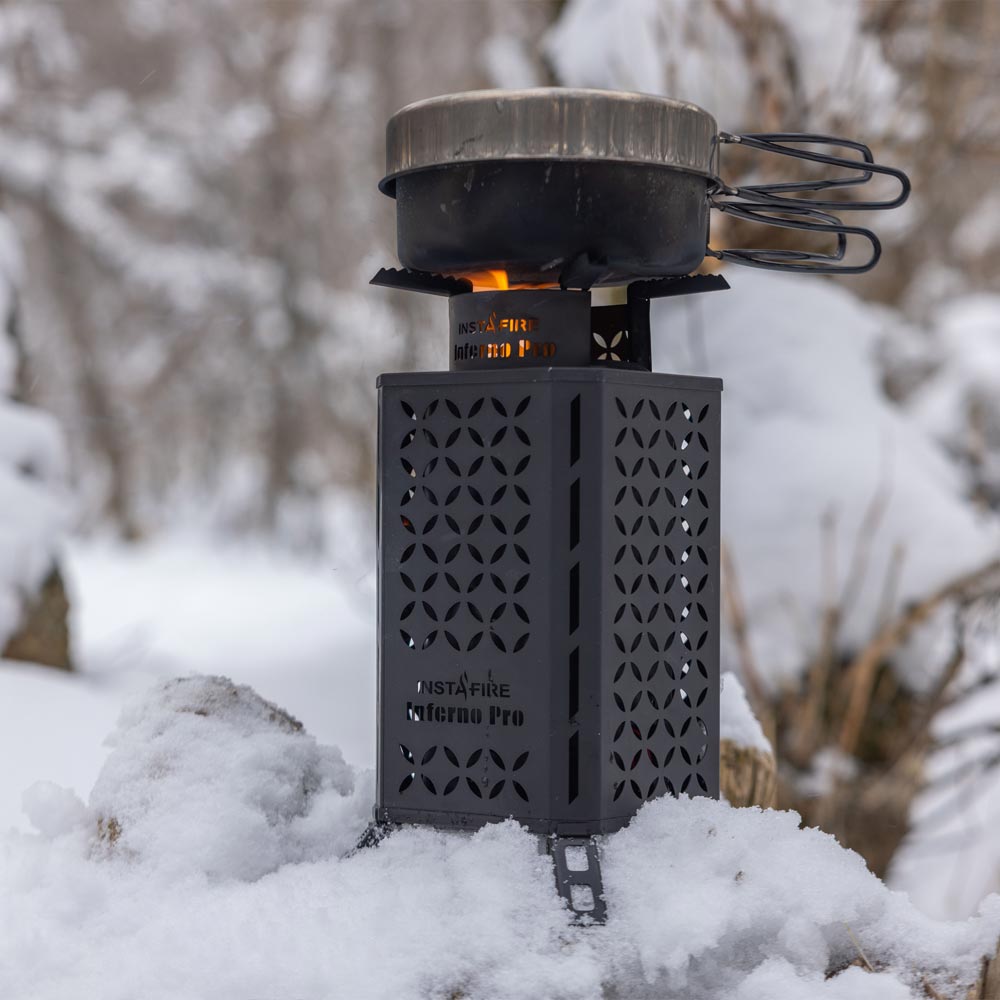
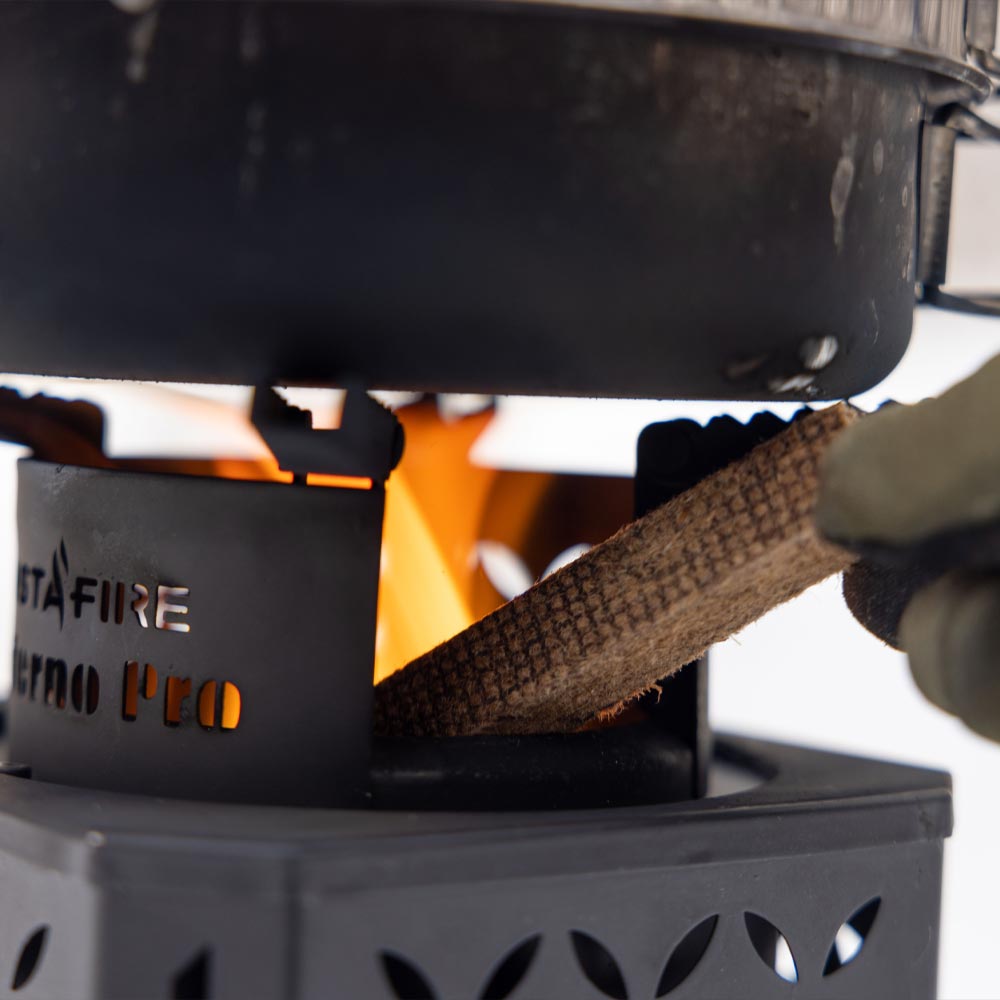
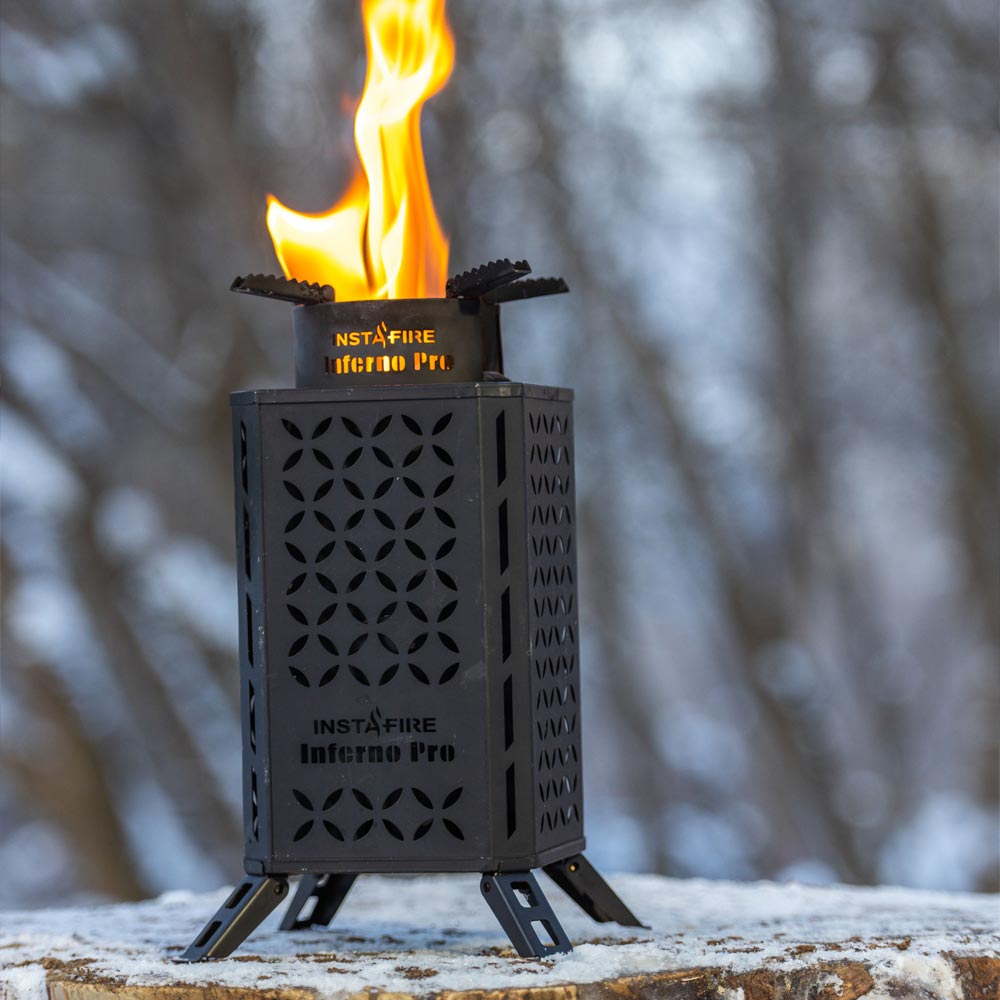
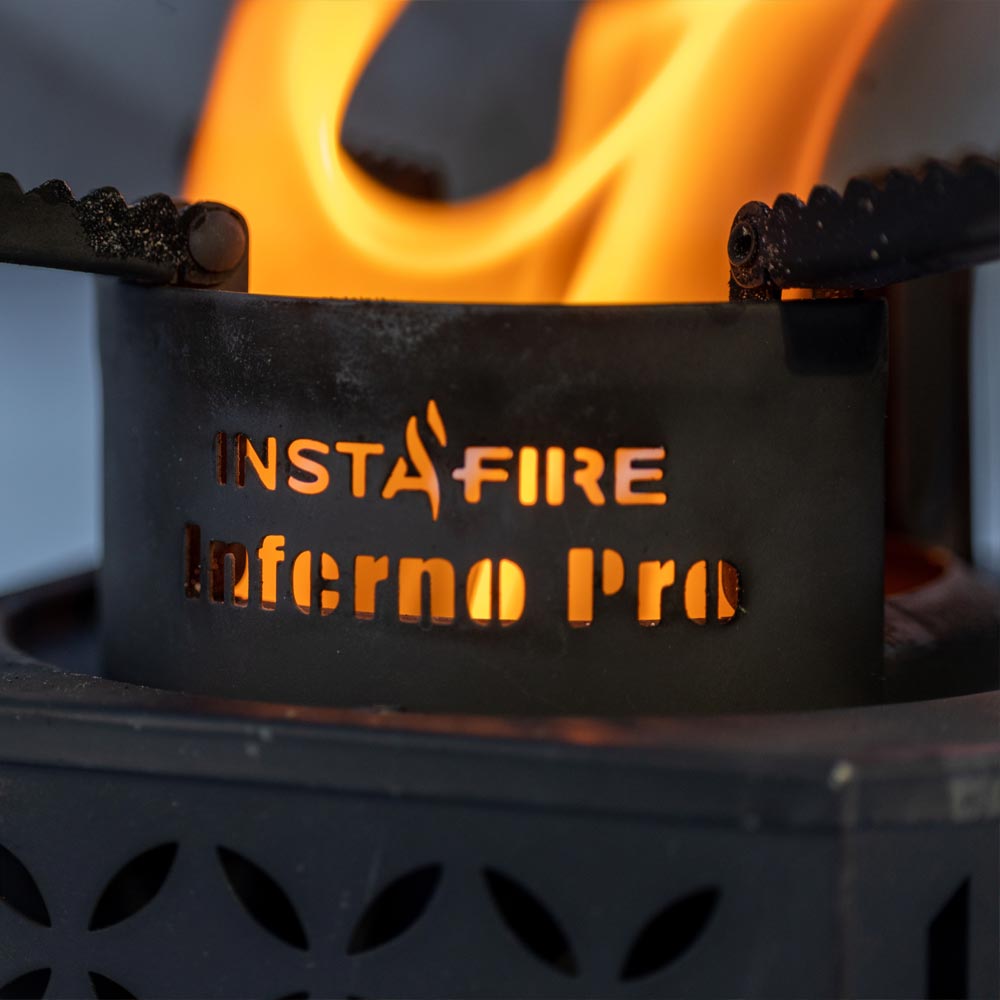
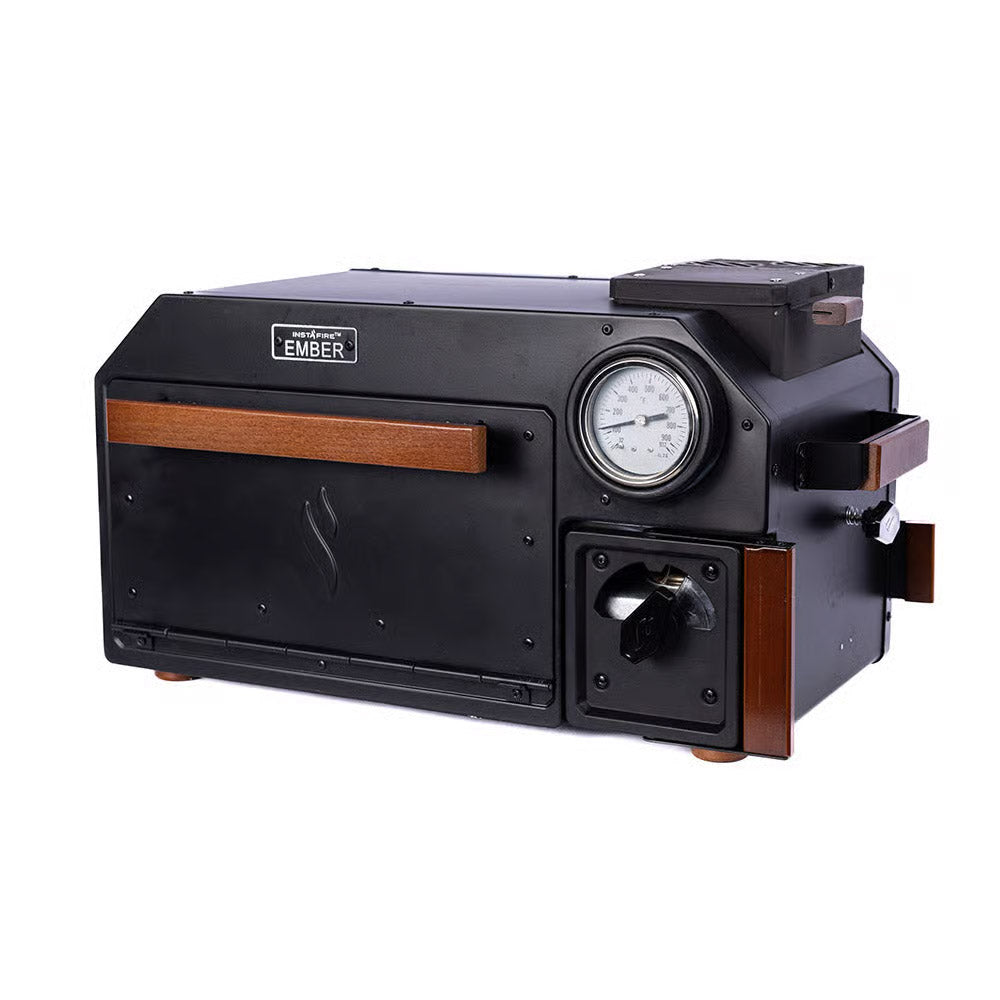
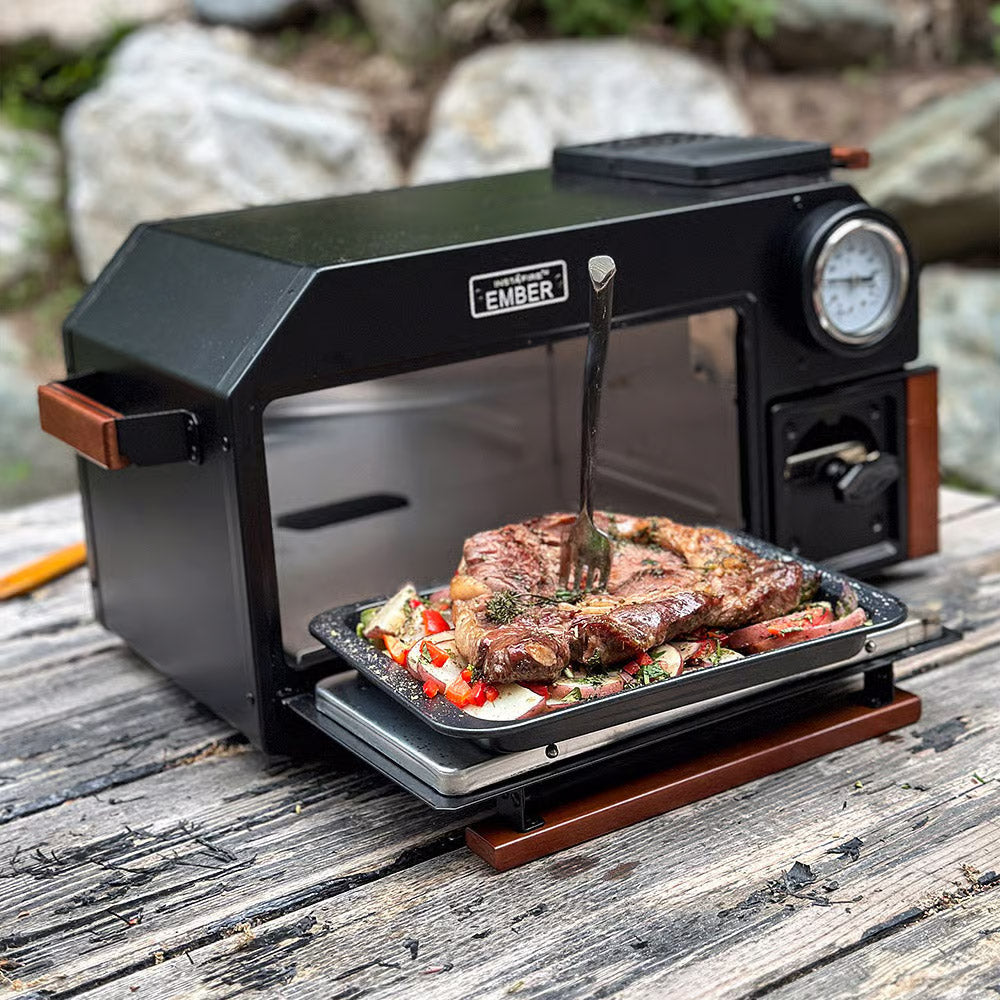
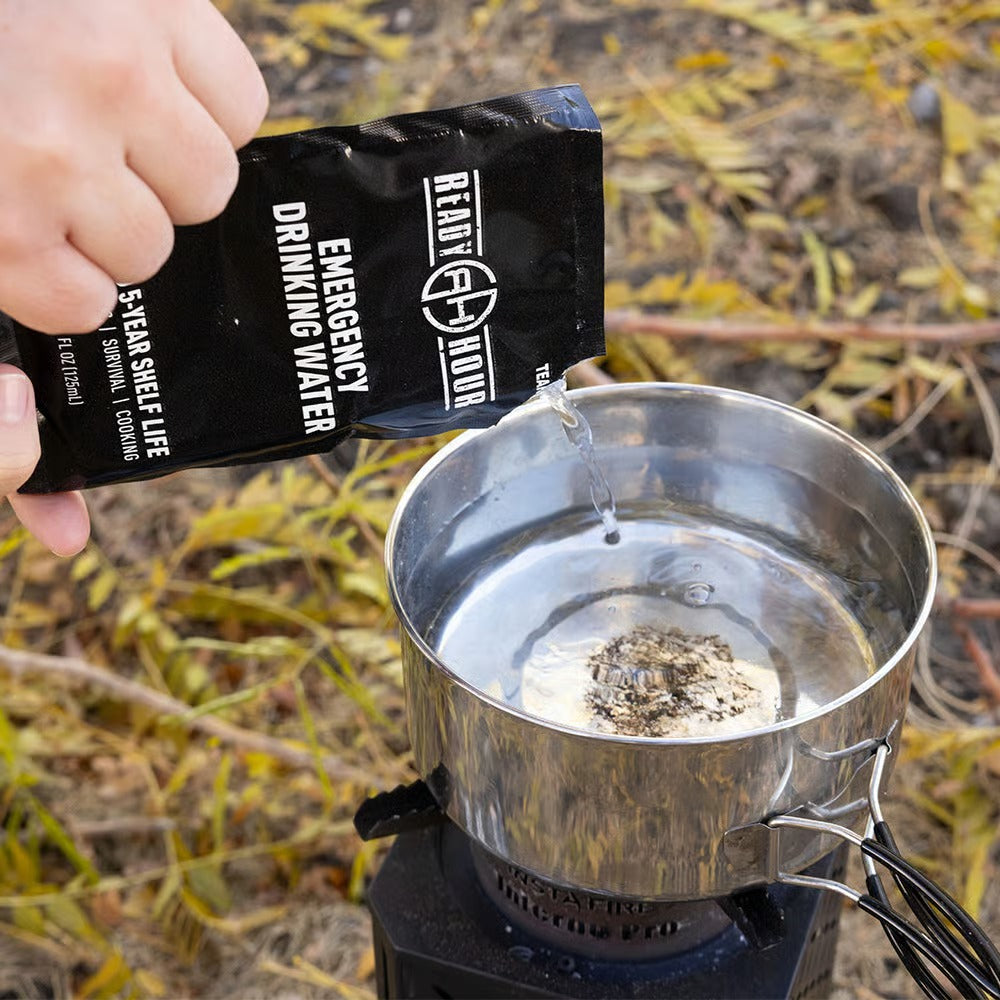
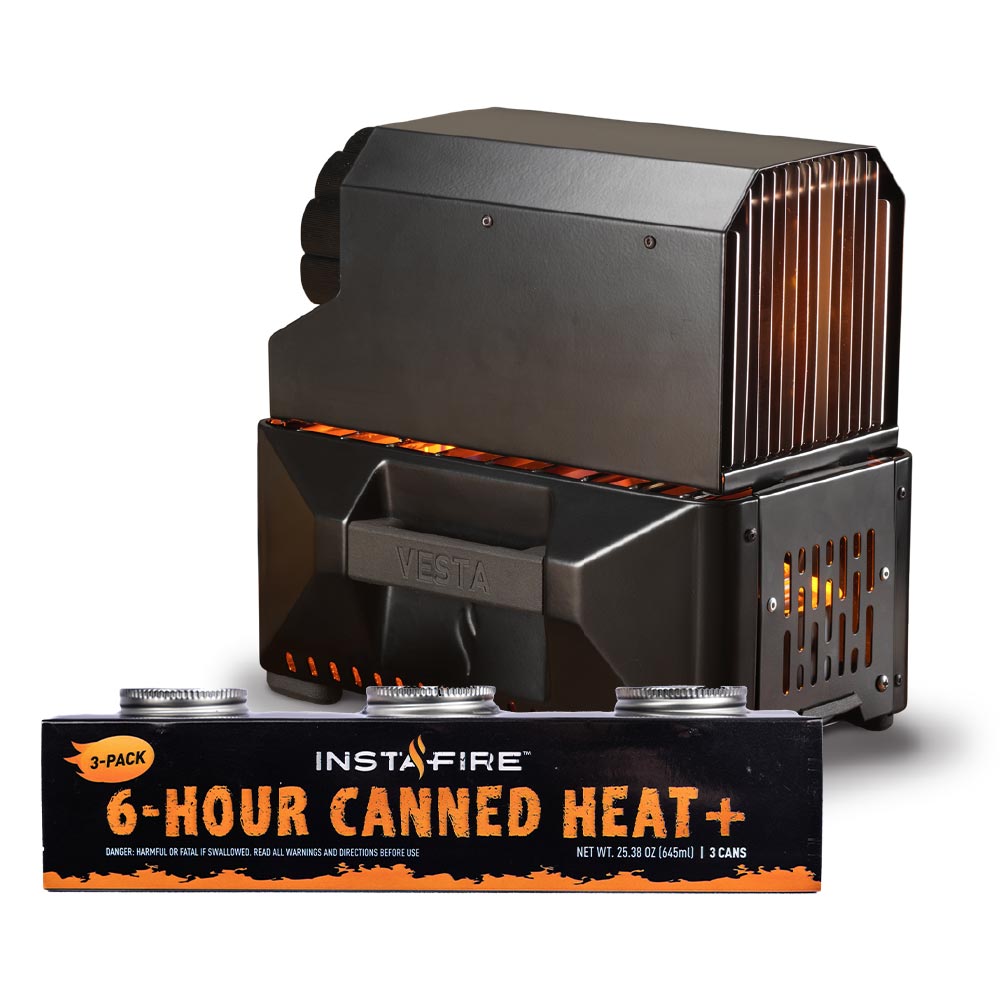
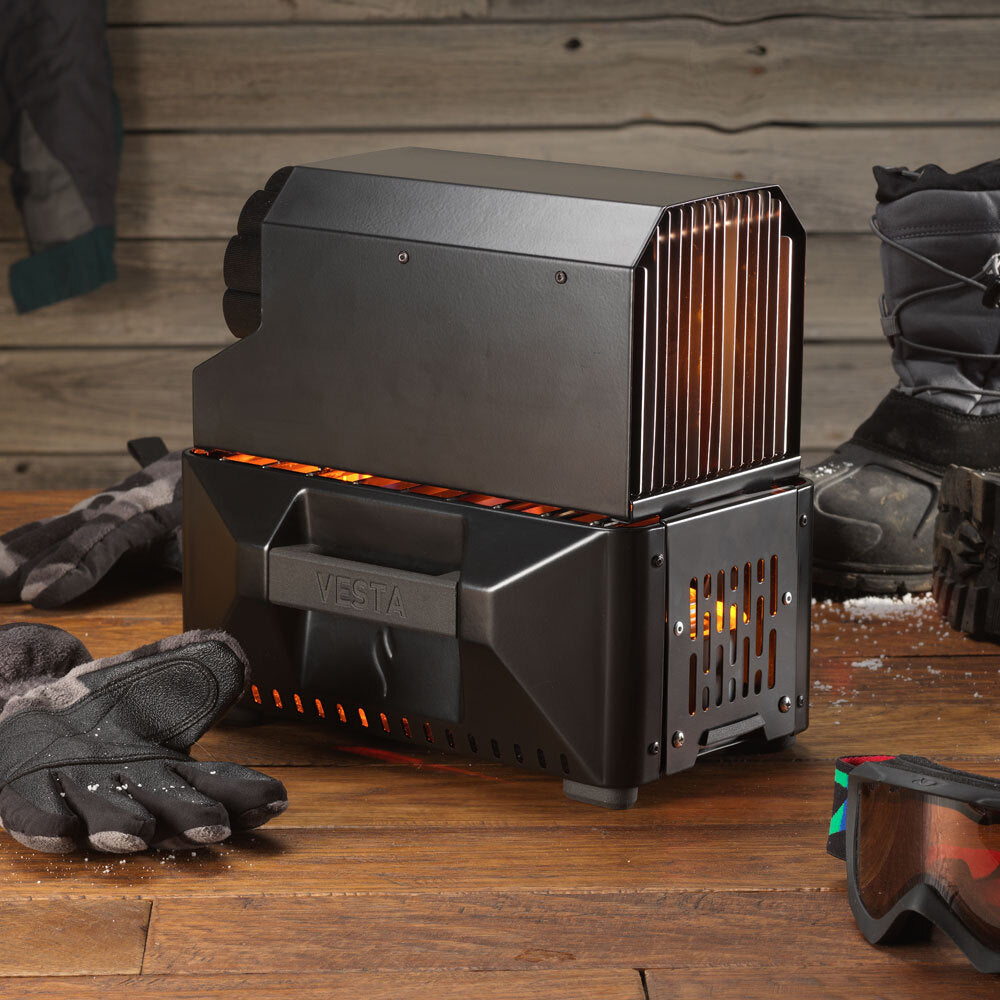
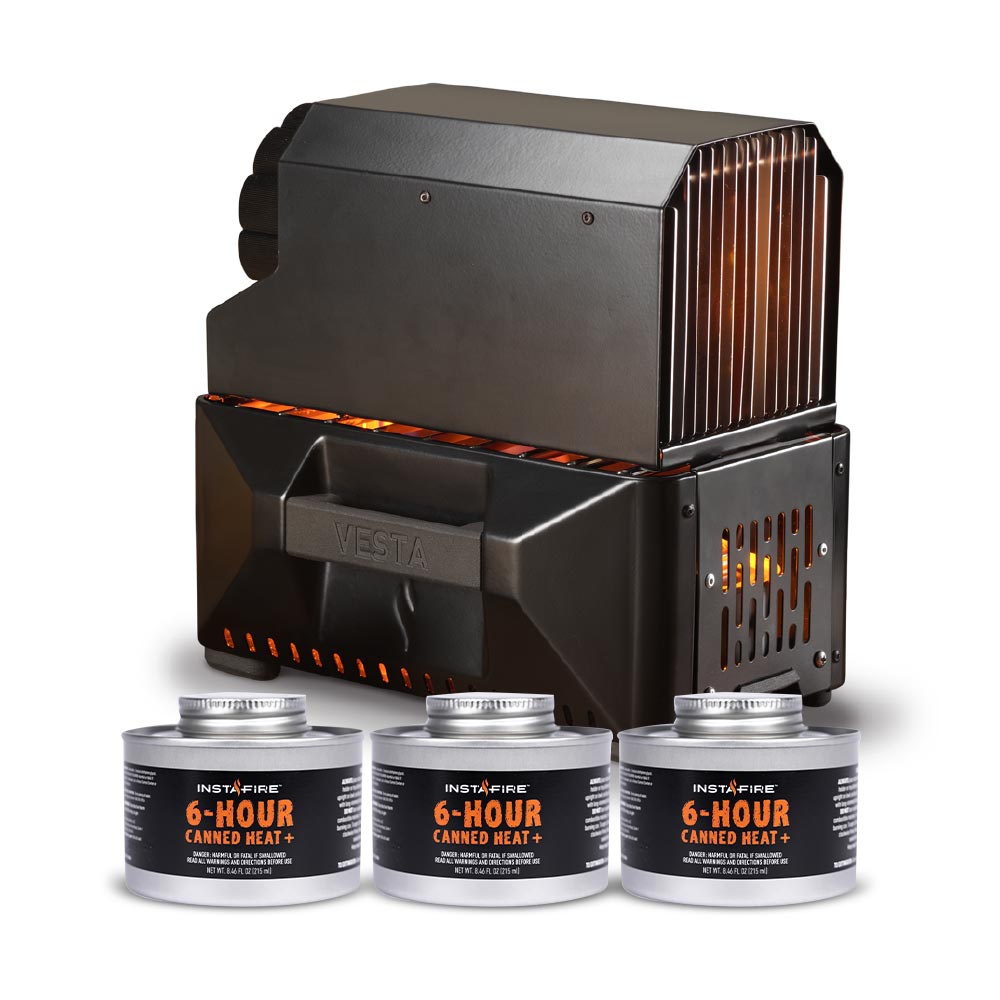
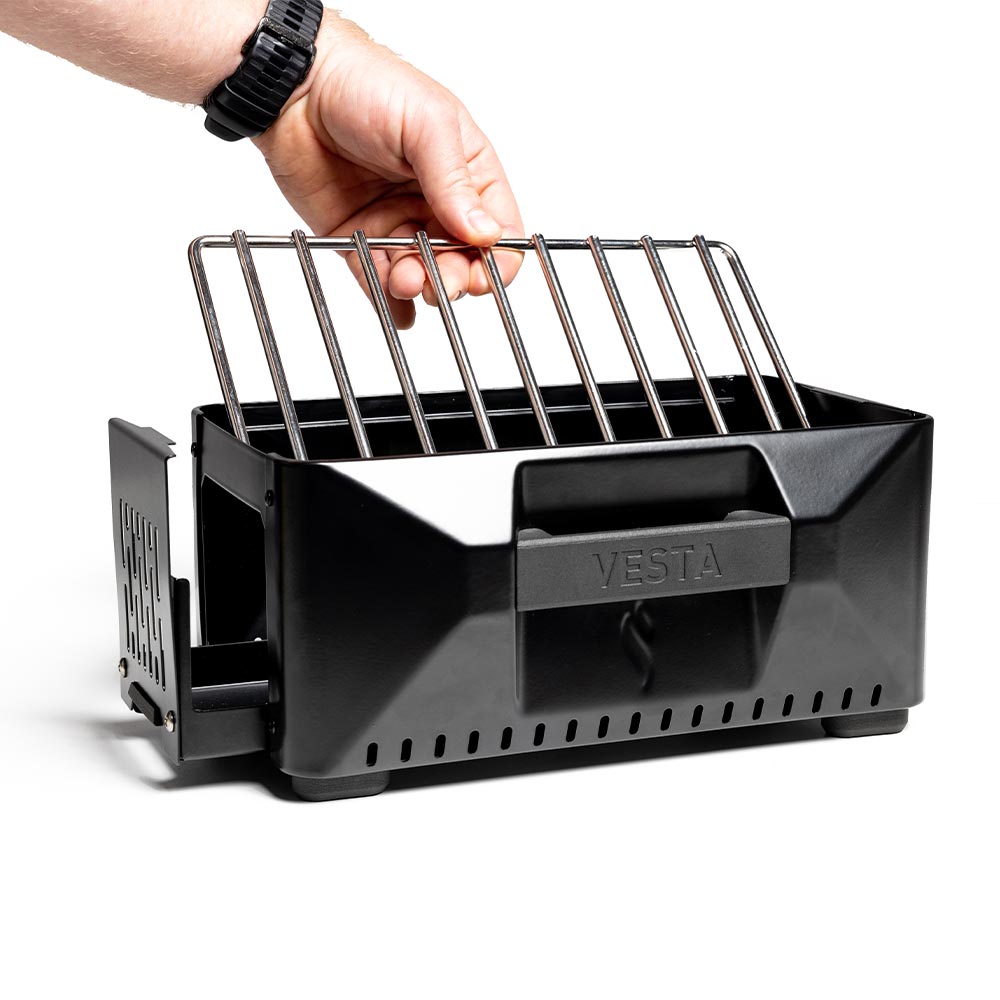
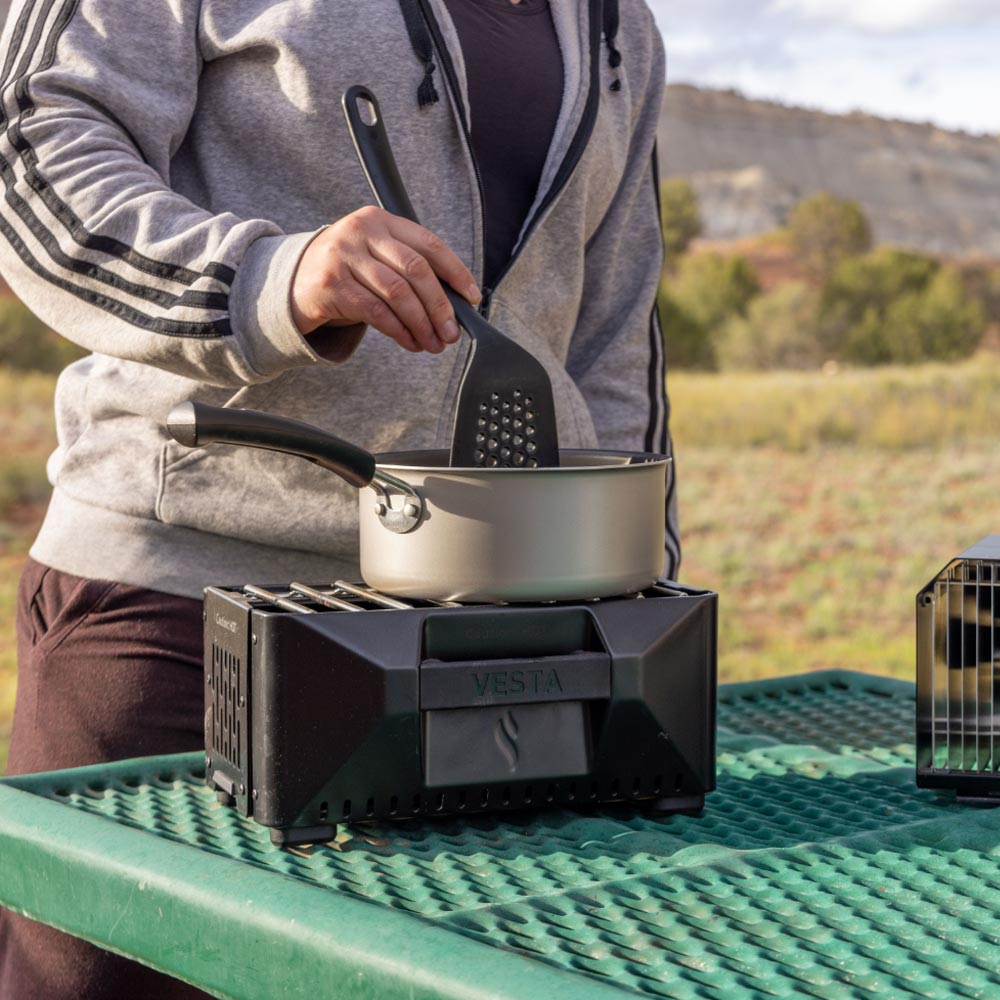
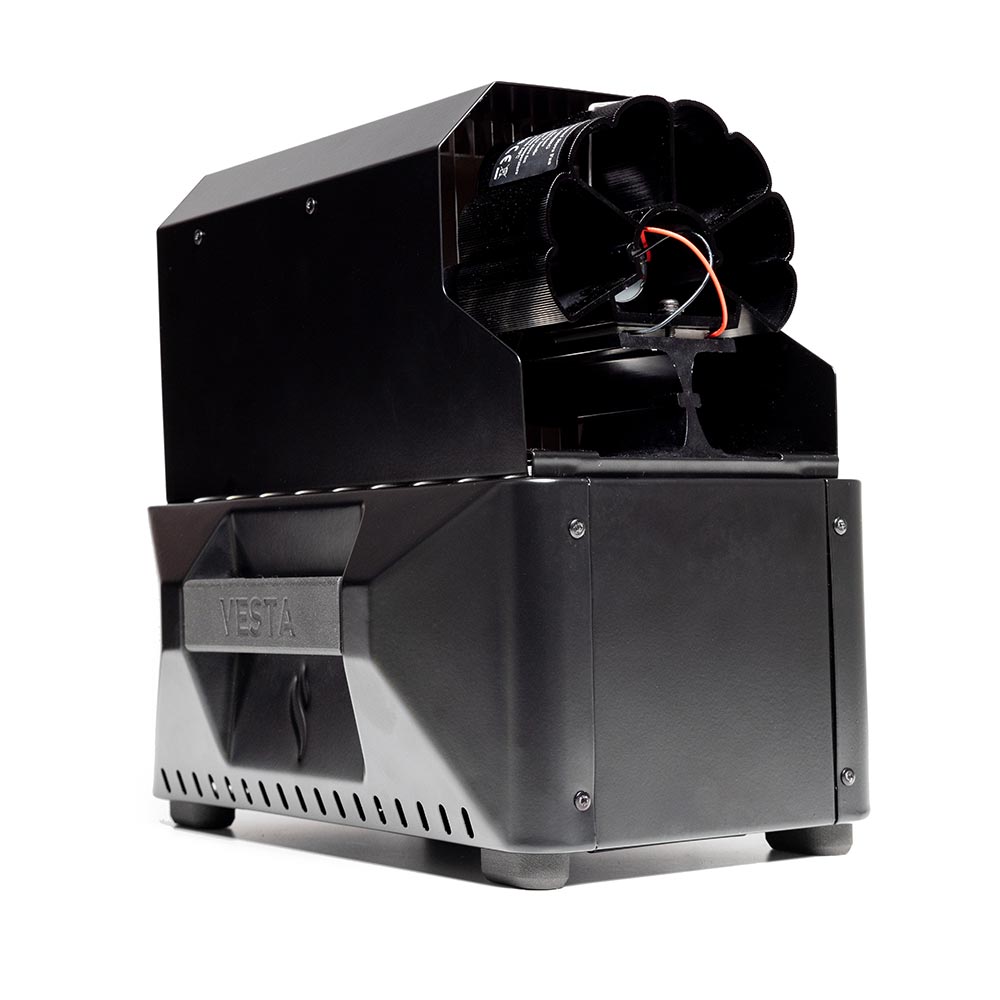
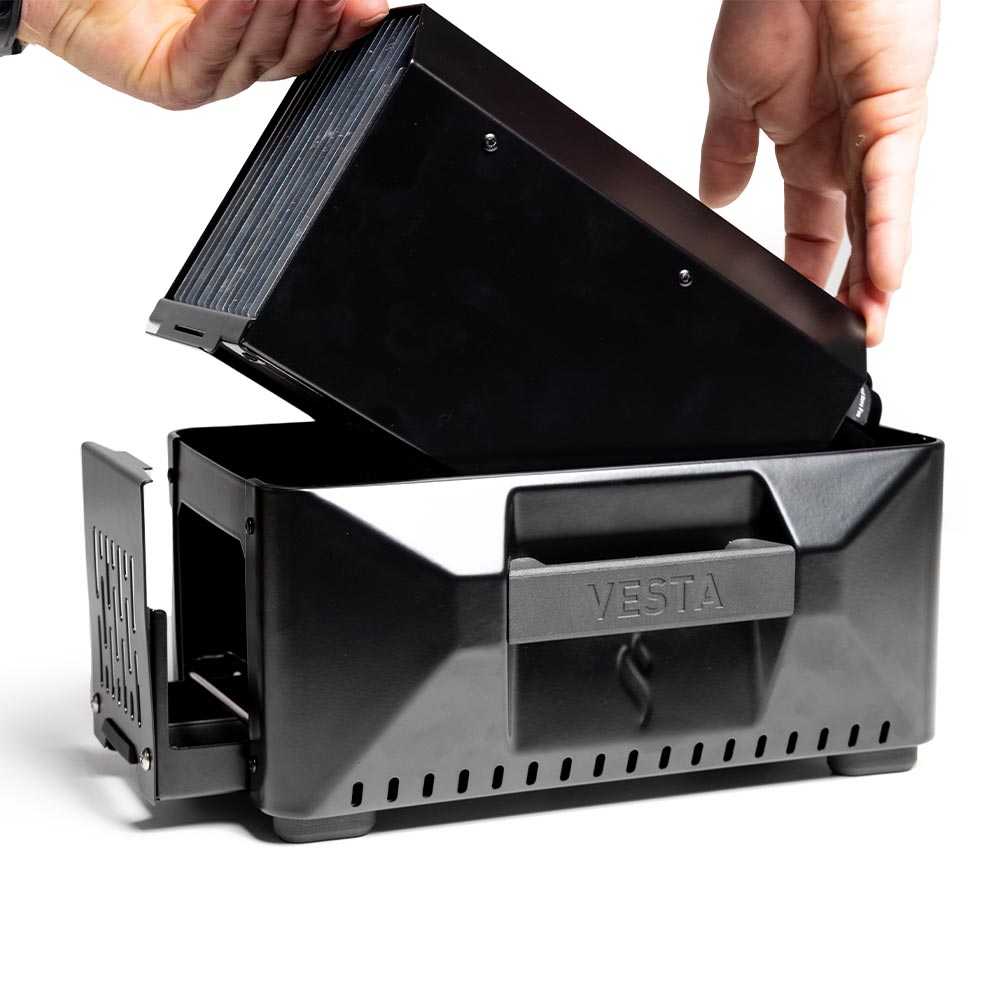
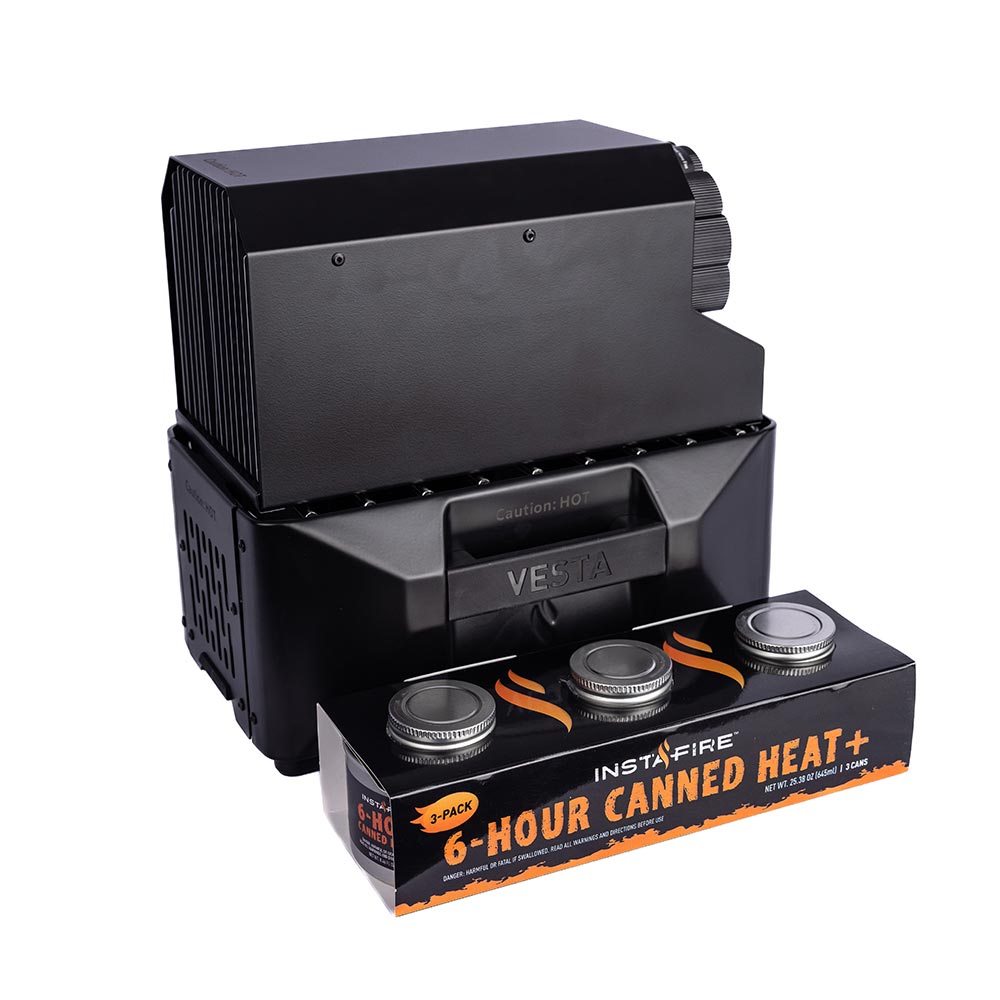
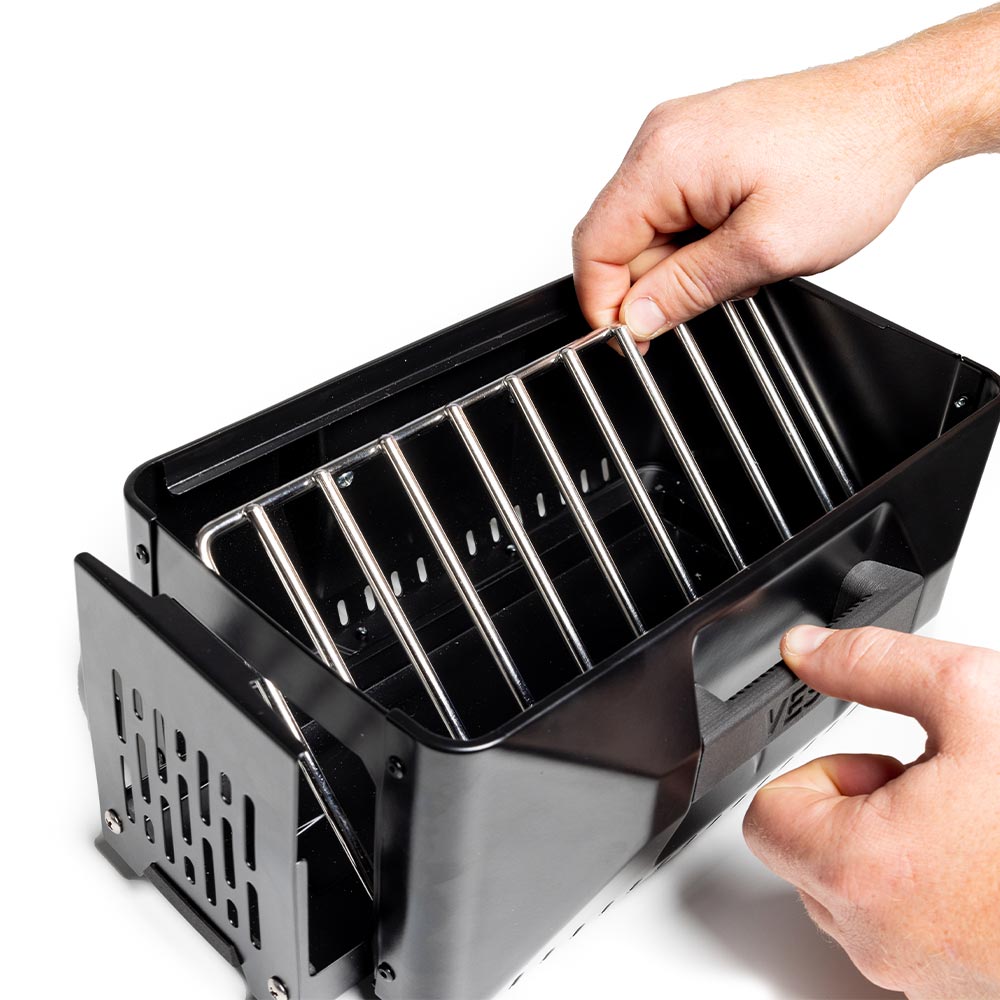
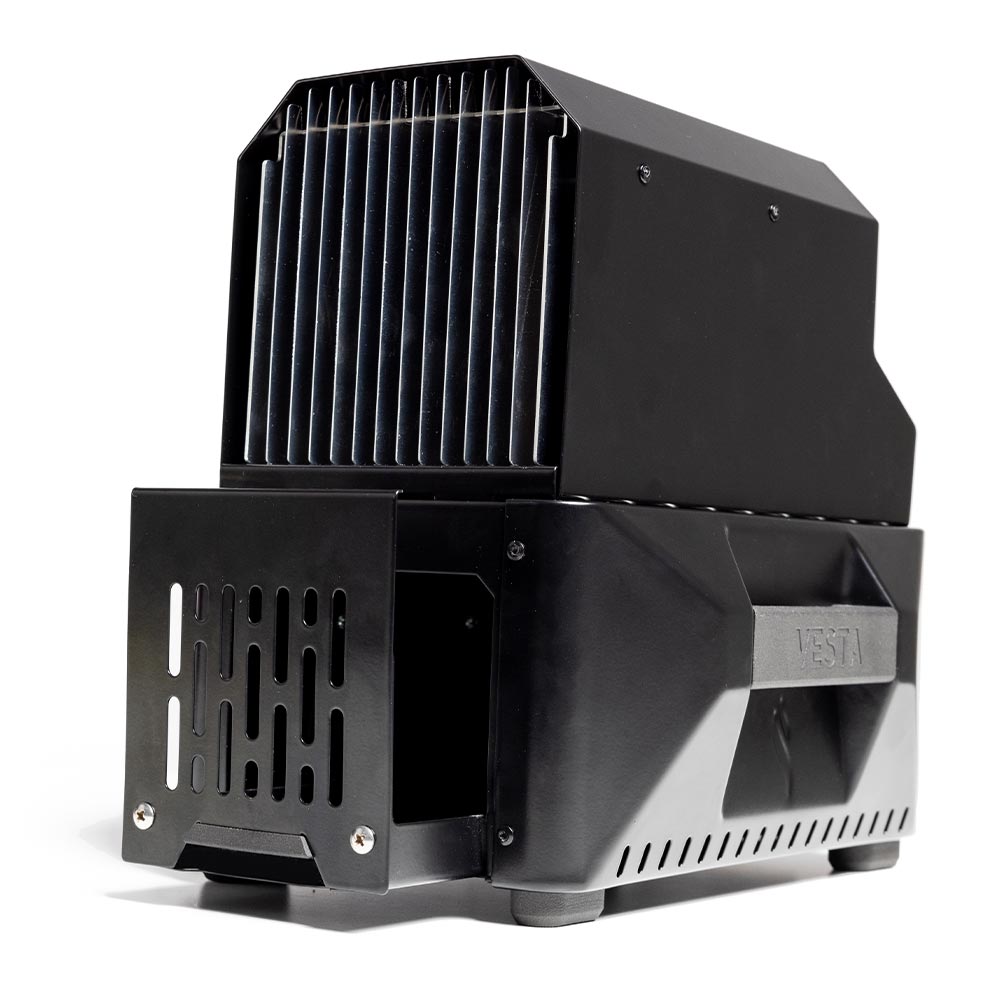
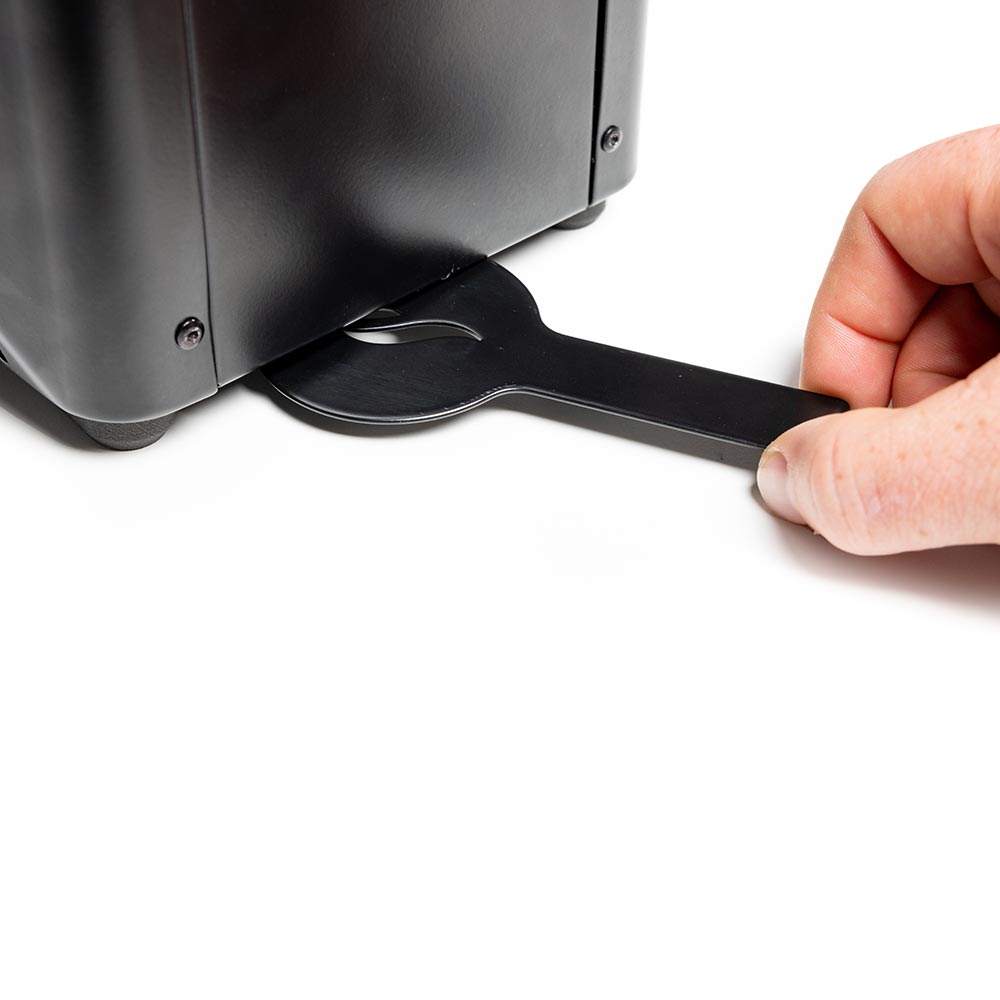
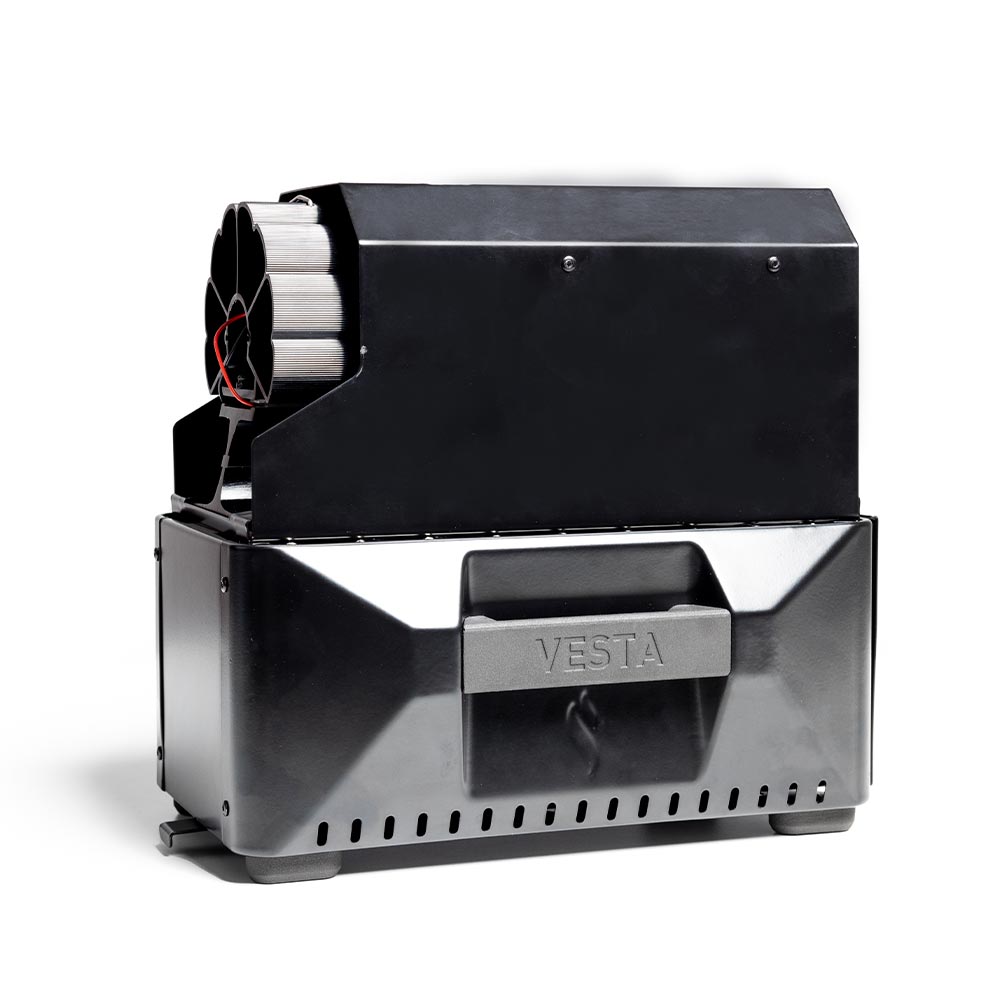
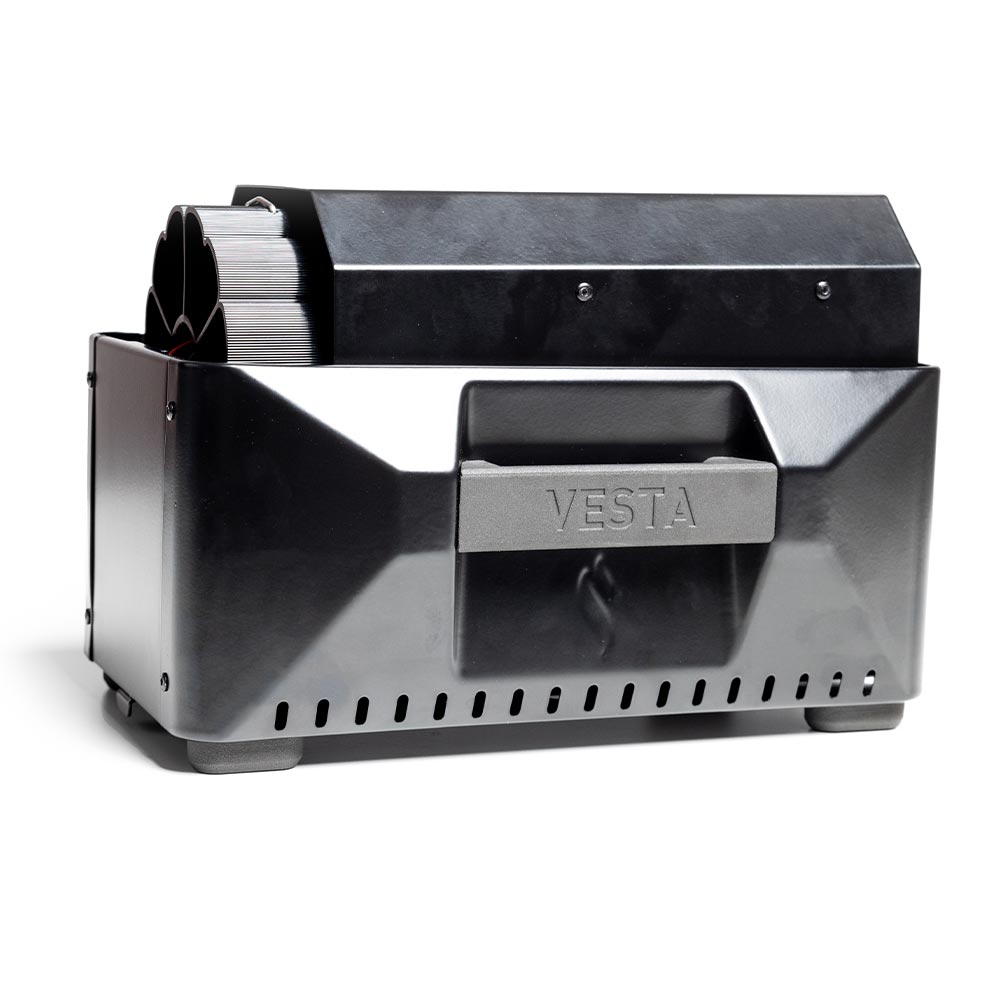
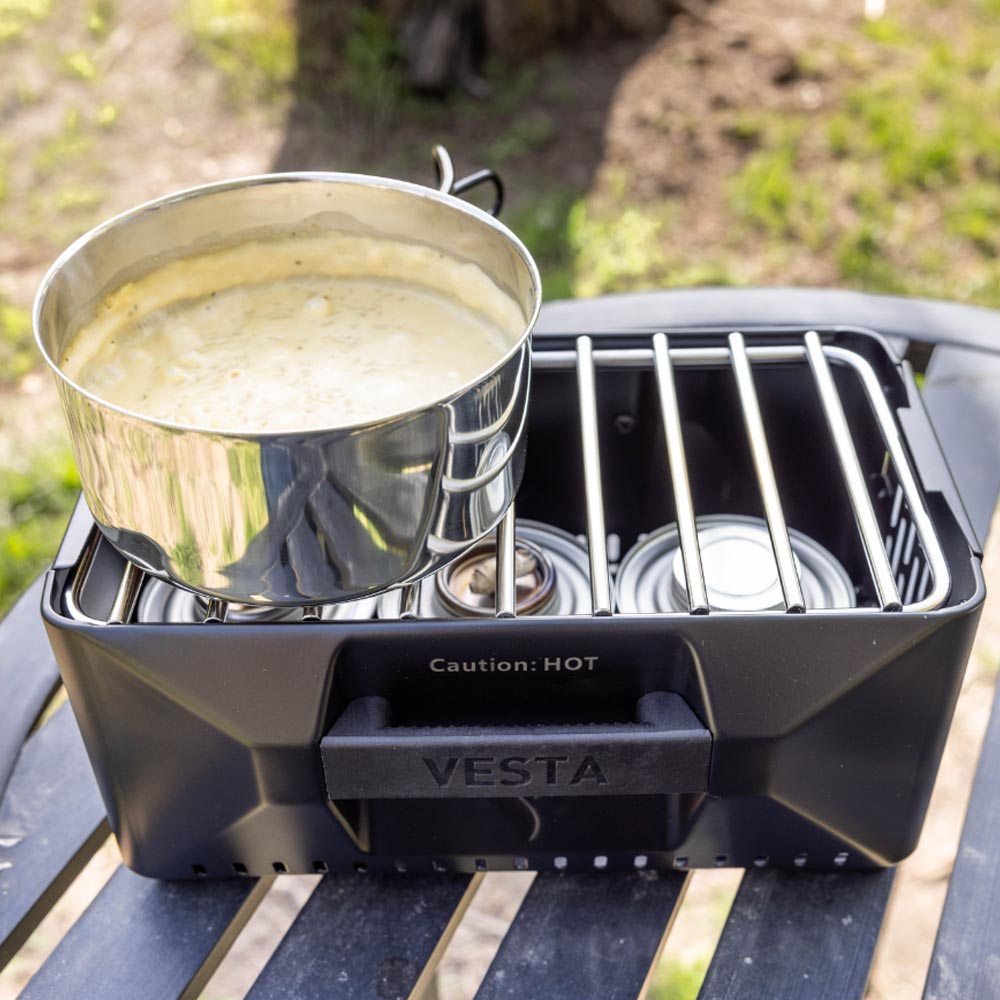
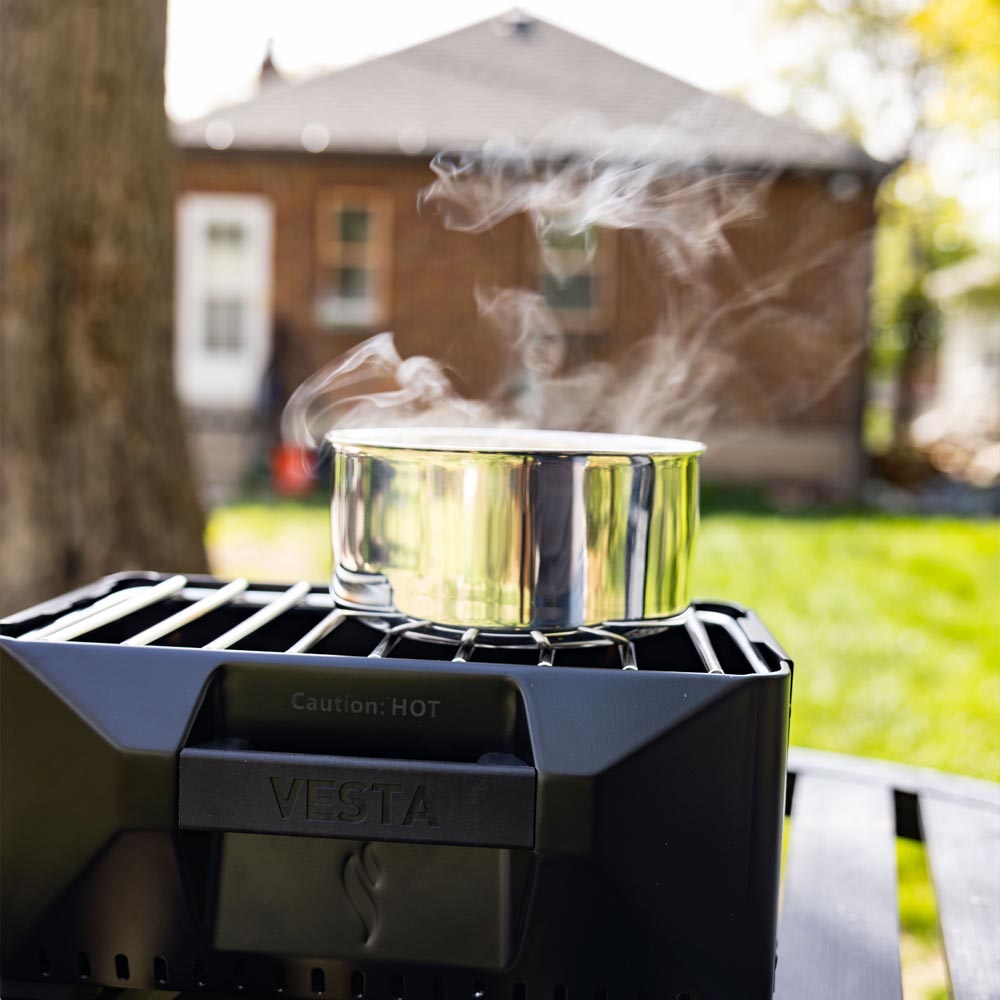
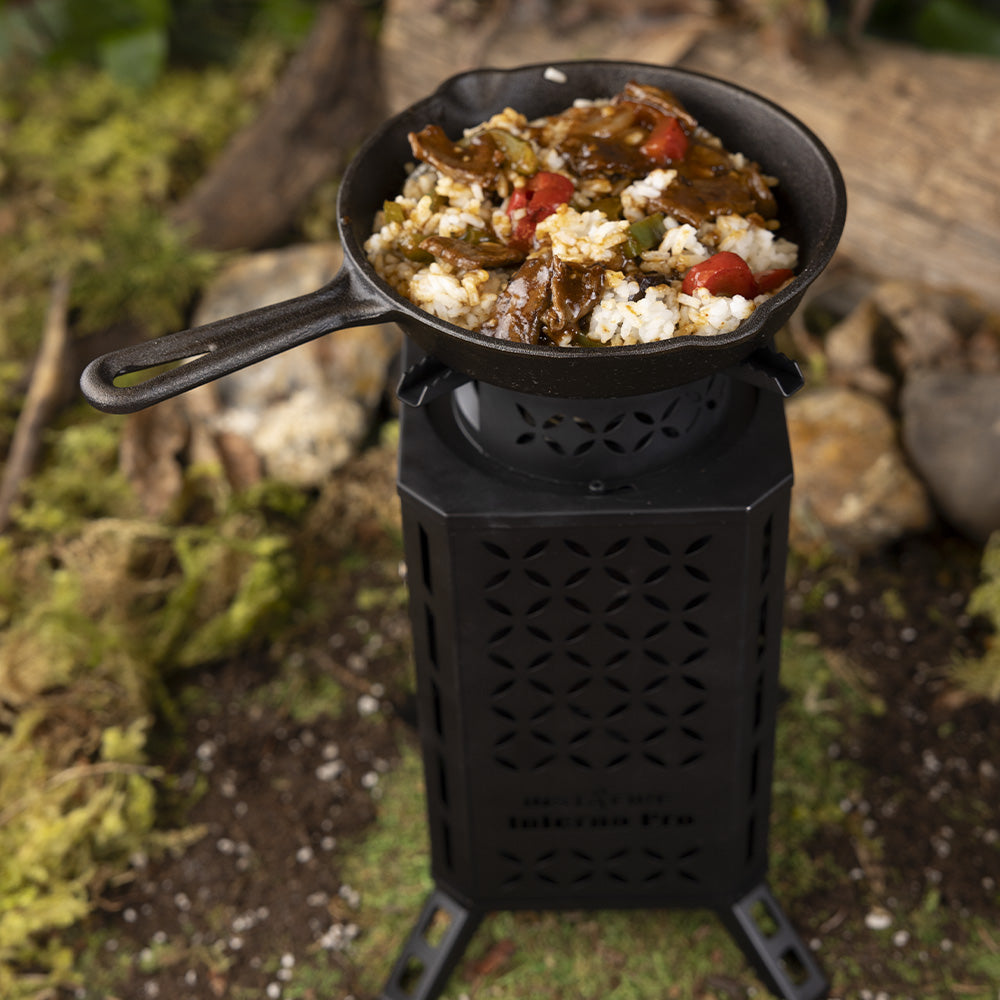
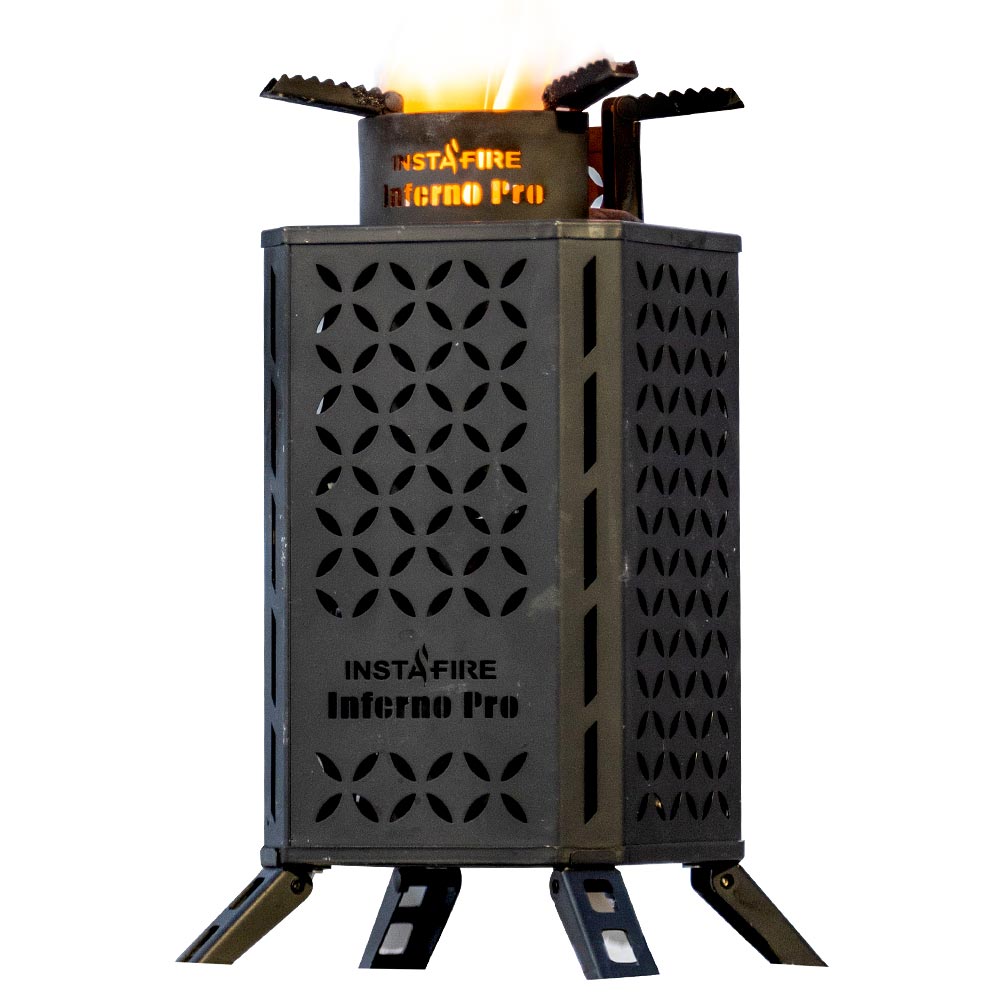
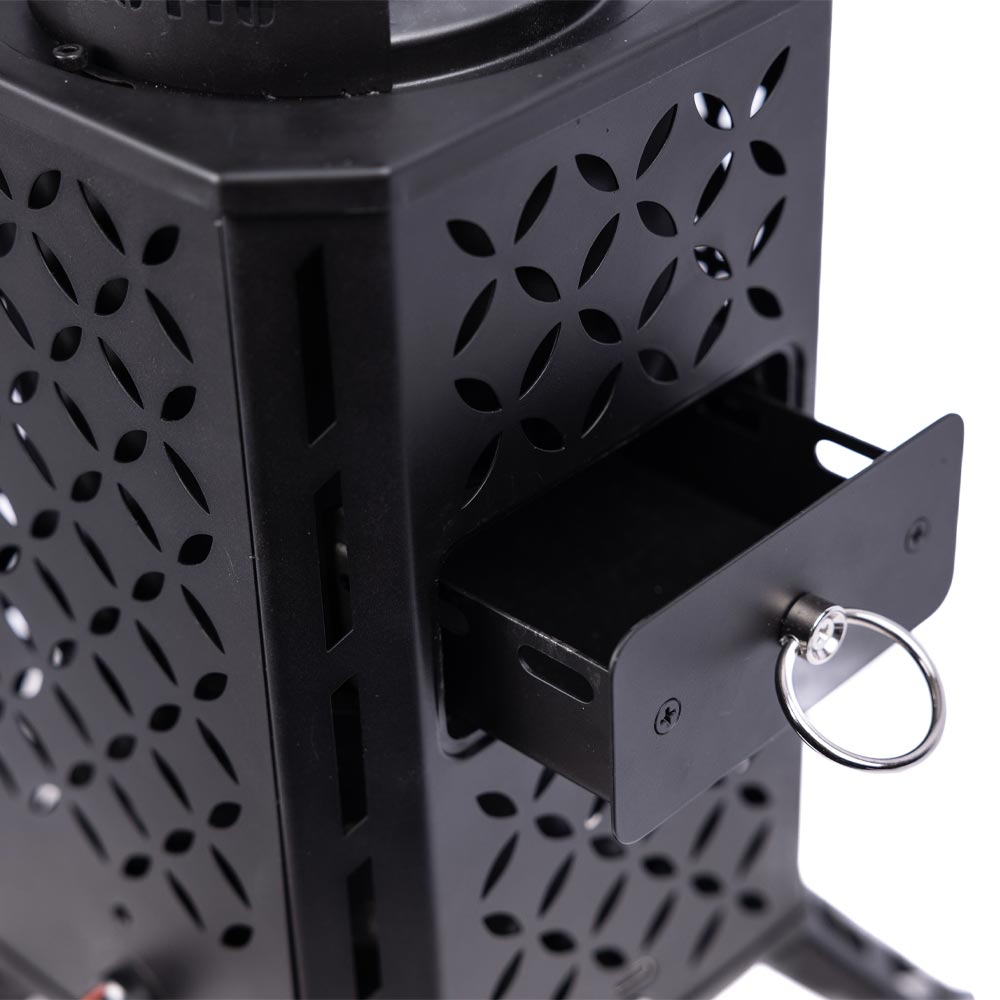
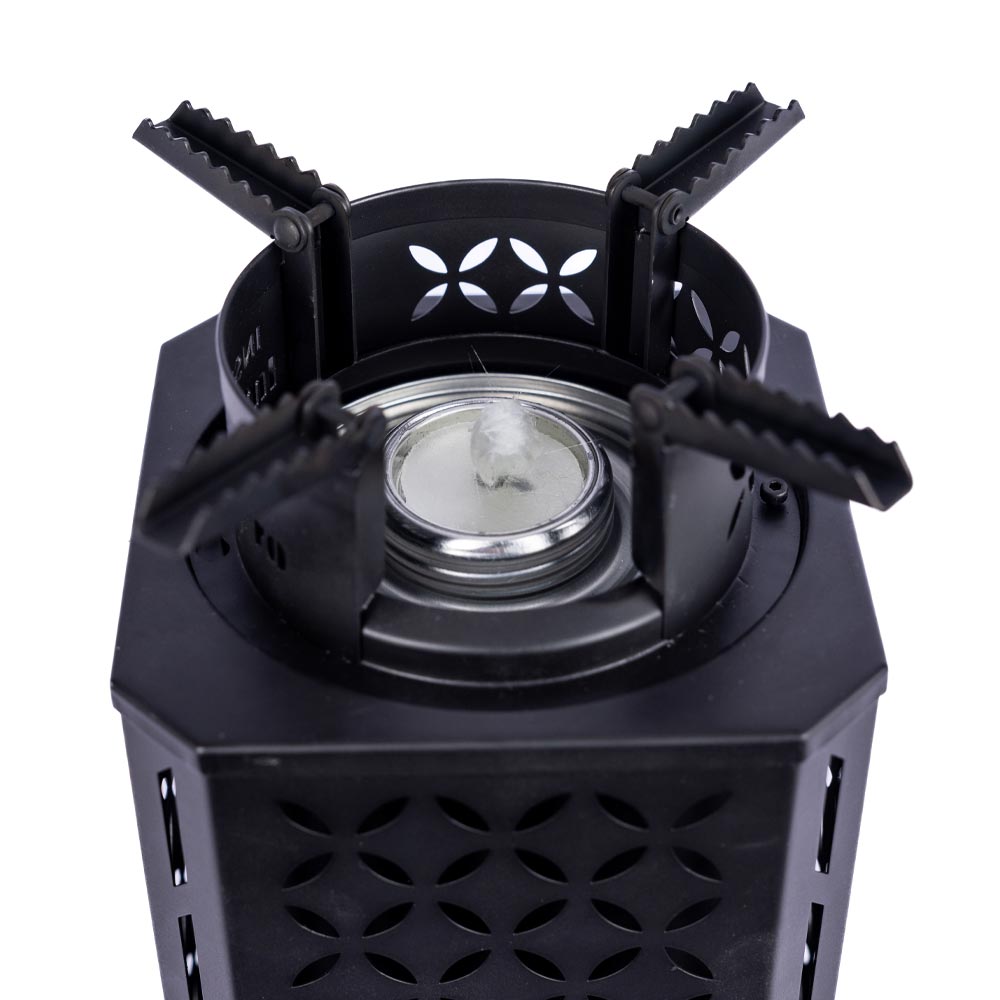
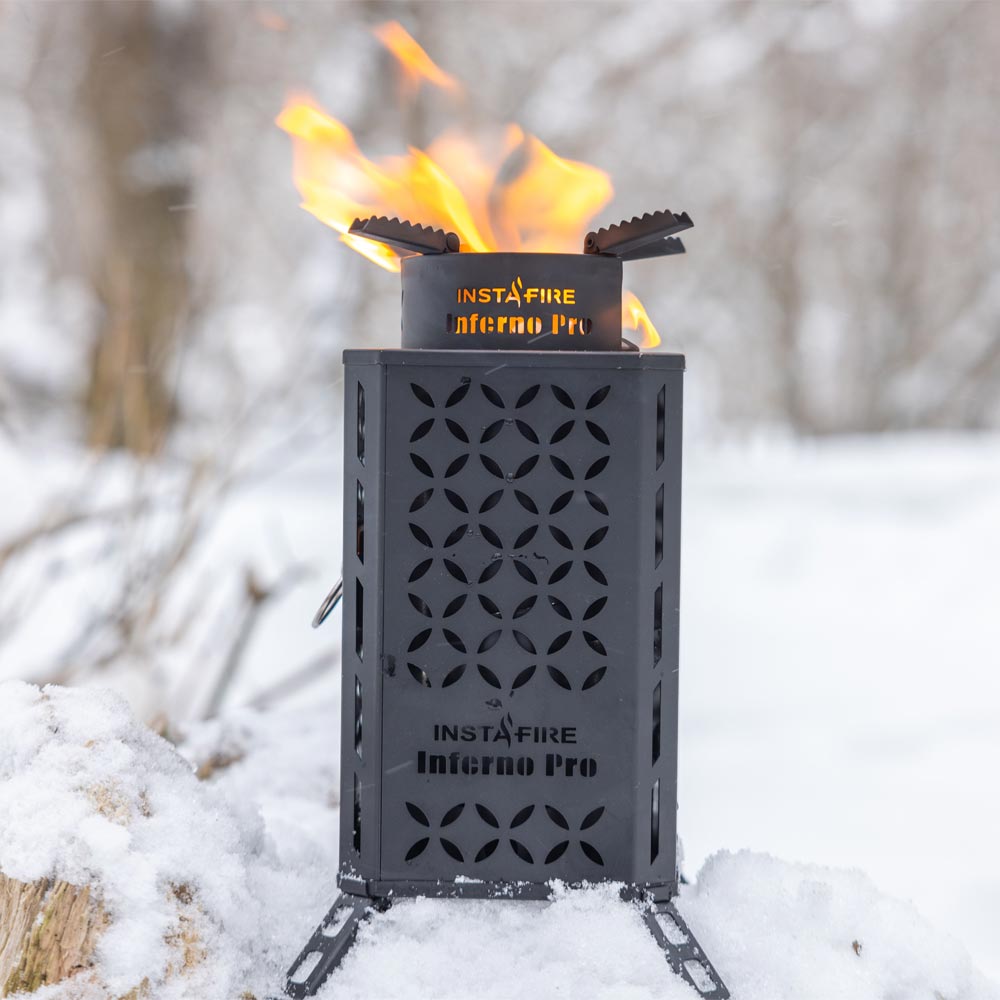
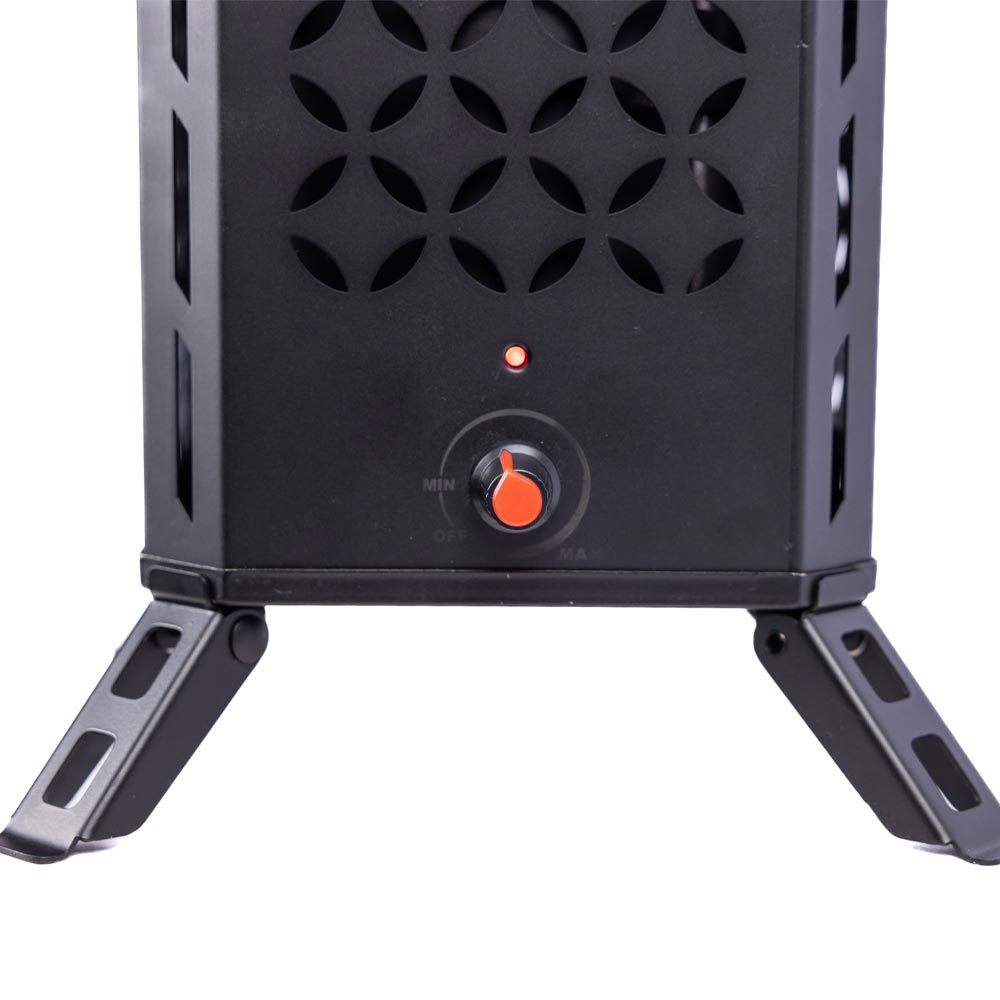
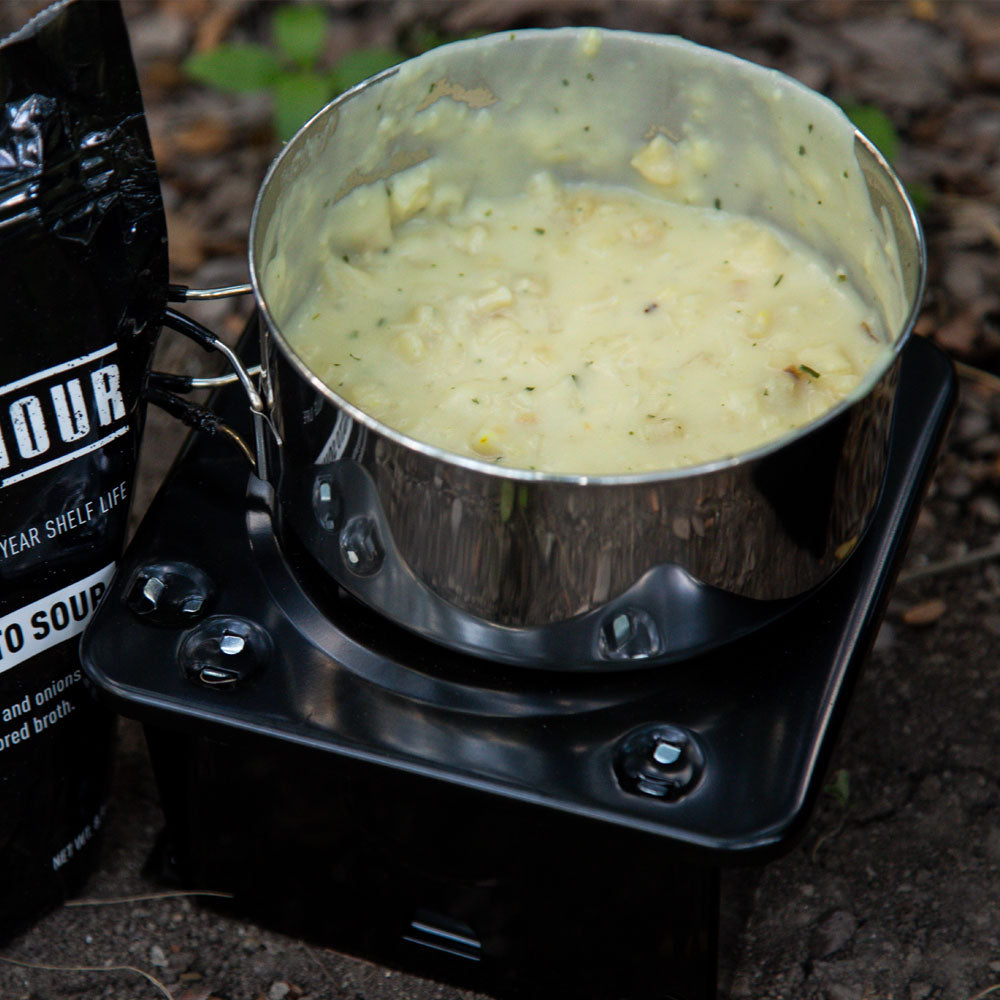
- Not Having a Backup Way to Cook: Power outages can take electric stoves, ovens, and microwaves offline. A backup cooking option like the VESTA Self-Powered Indoor Space Heater & Stove lets you prepare food without electricity while also providing emergency heat.
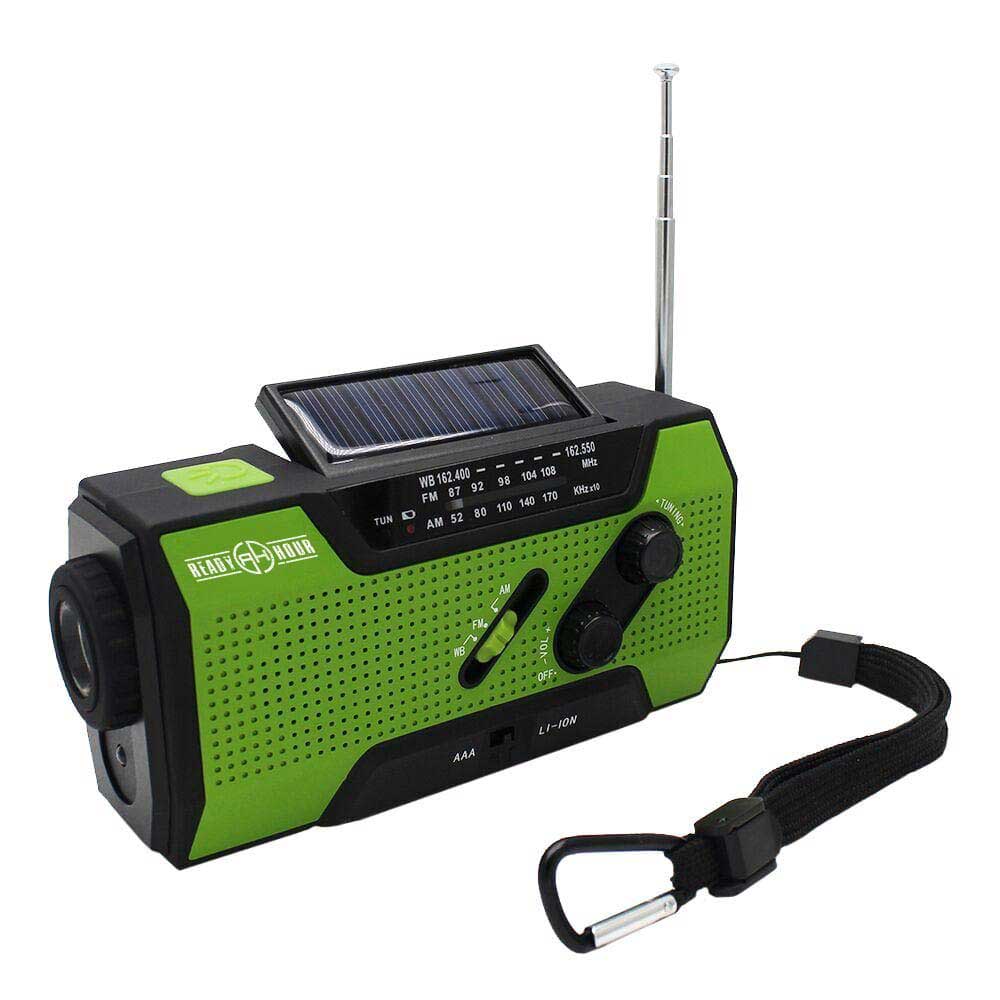
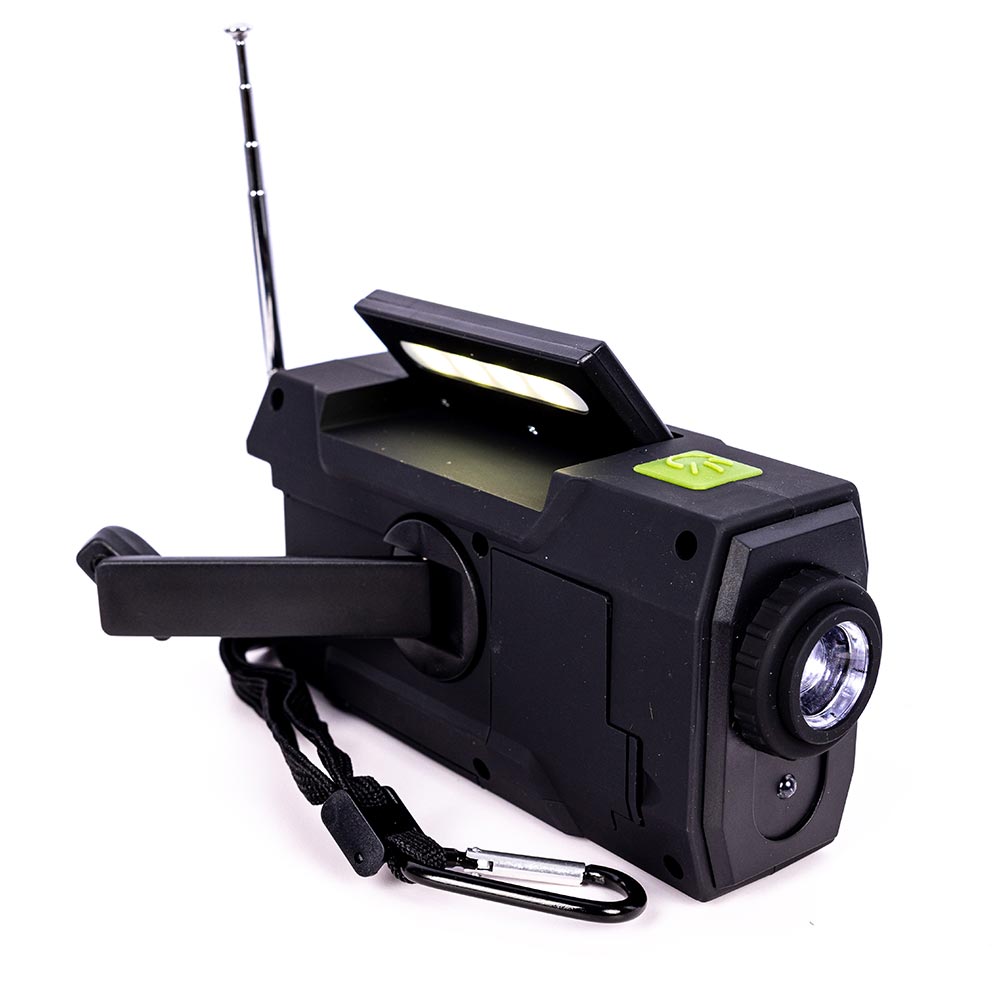
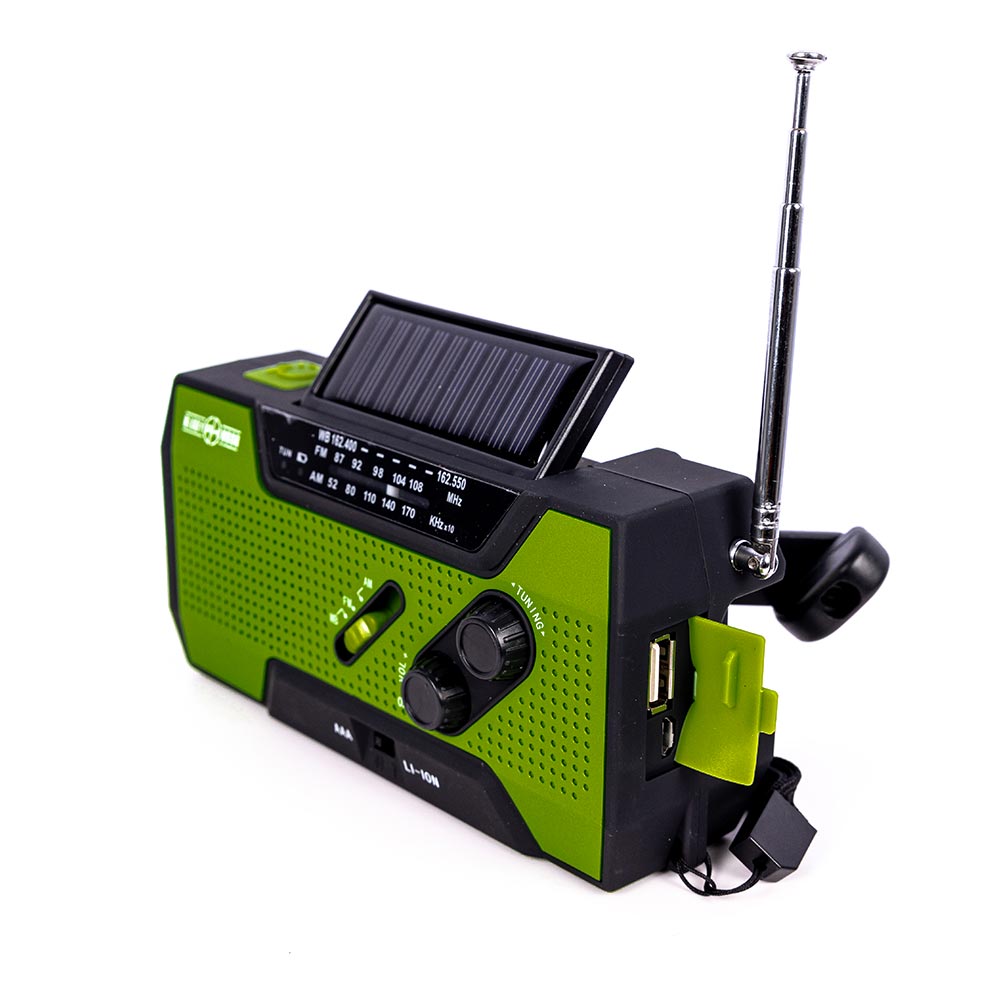
- Relying Only on Your Phone for Information - Power outages and network disruptions can make it harder to receive important updates. An emergency radio gives you another way to stay informed when normal communication channels are unavailable.
- Not Having a Clear Preparedness Plan - Preparedness works best when approached step by step. A clear plan helps you build your supplies efficiently over time.

Build Your Preparedness with Confidence
Preparedness isn’t about expecting the worst. It’s about building resilience into your household so that temporary disruptions don’t turn into major problems. With reliable food, clean water, backup power, and essential gear, you create a system that helps your family remain comfortable and secure no matter what challenges arise. The most important step is simply beginning.
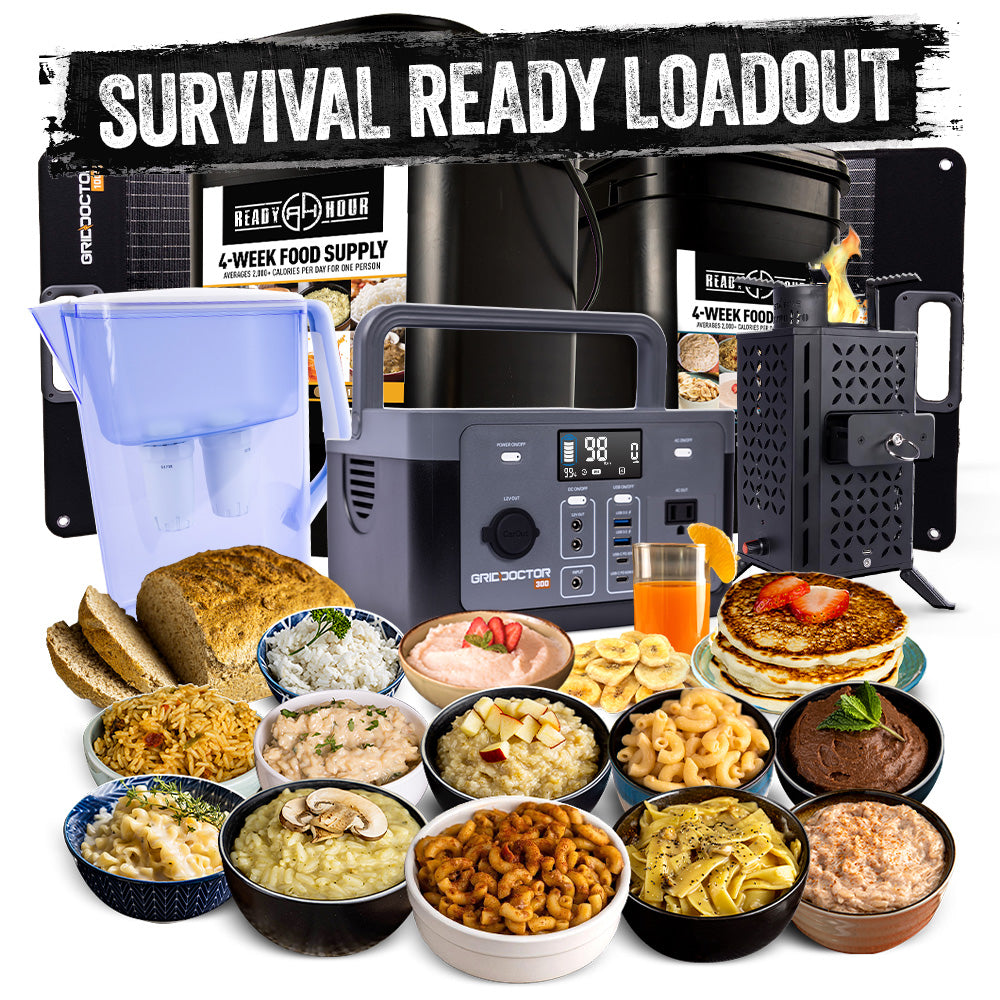
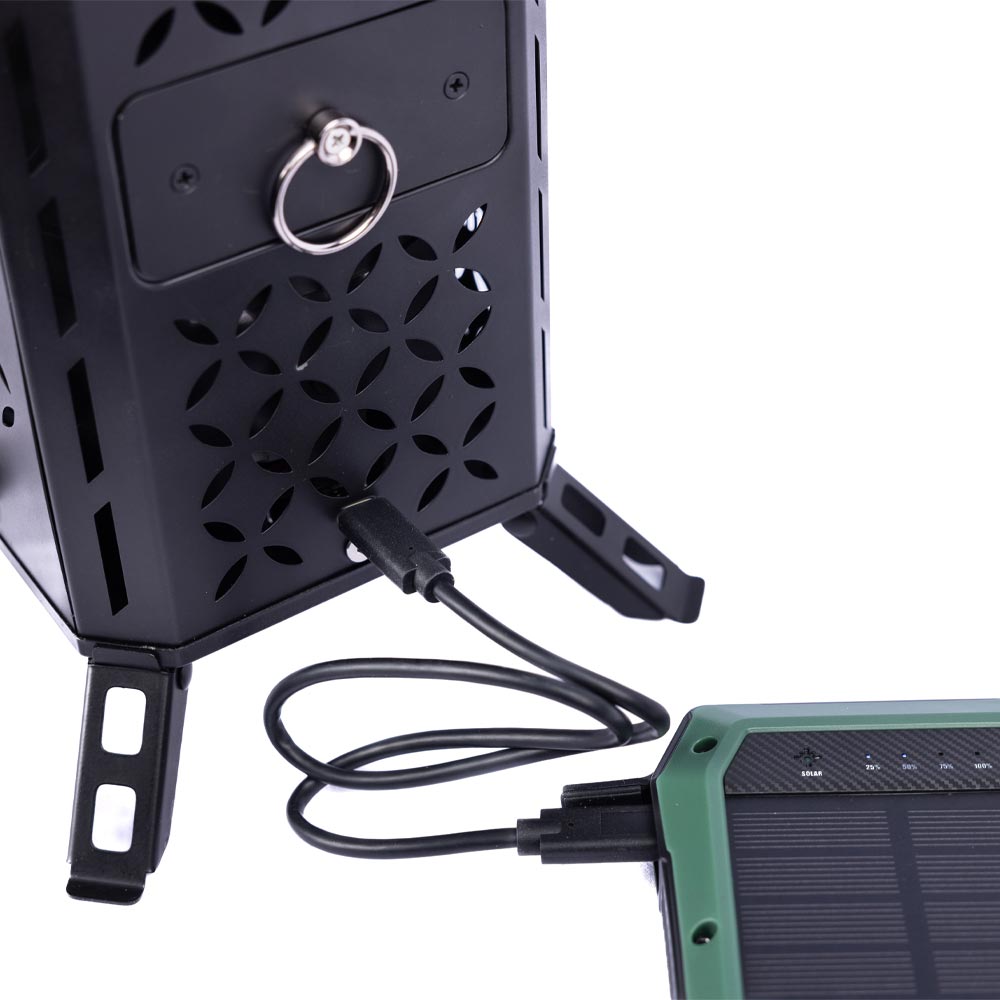
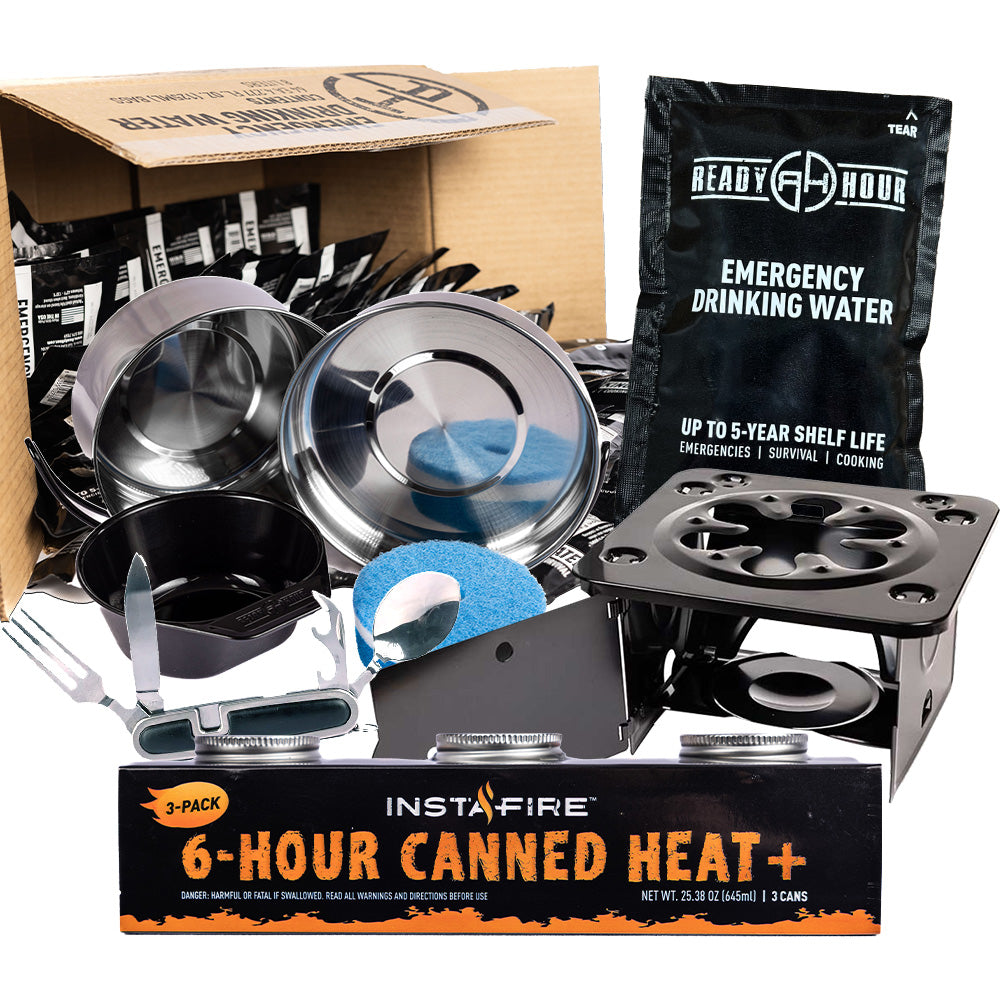
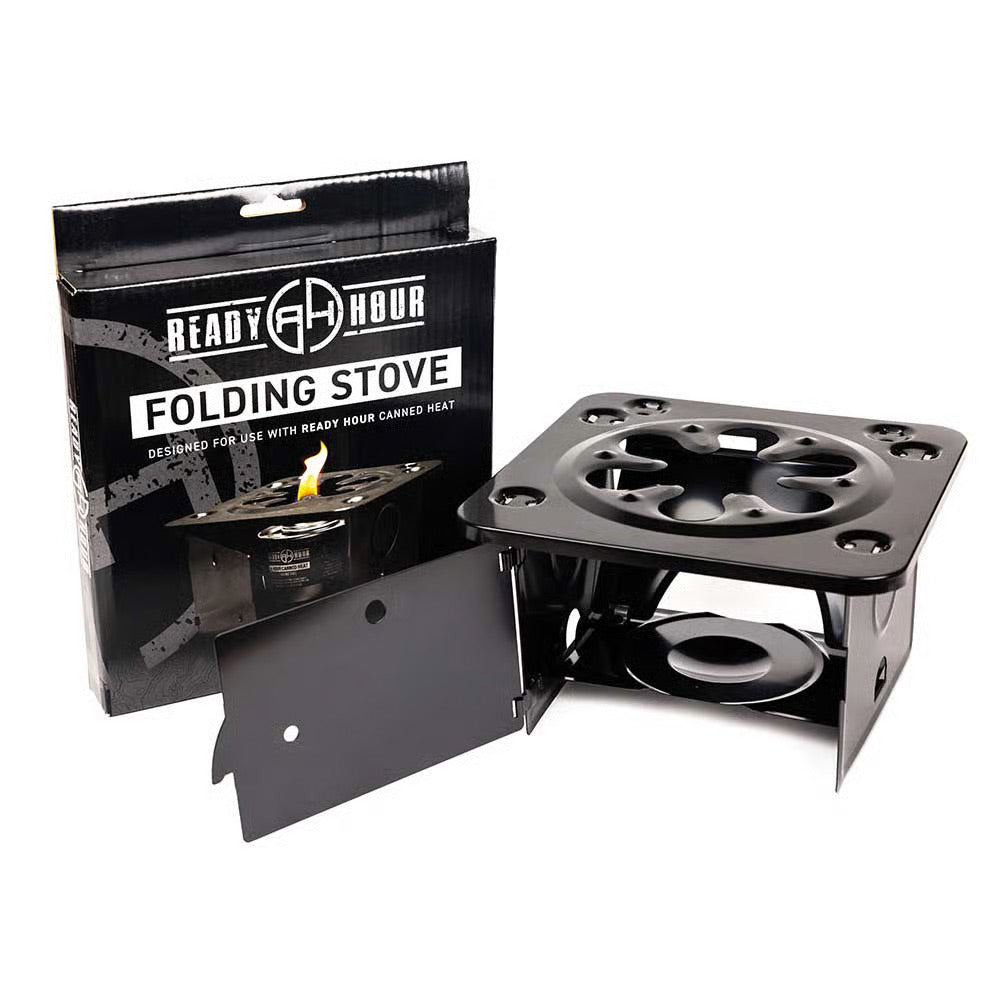
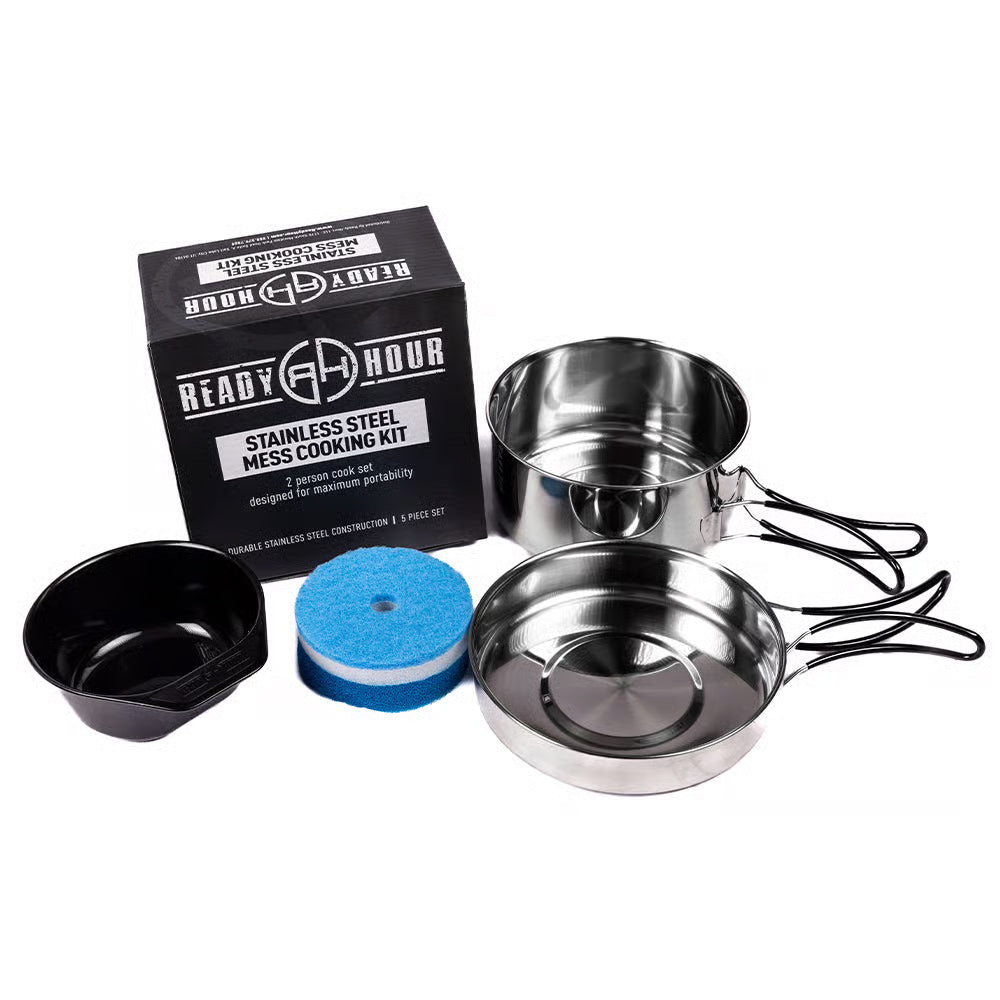
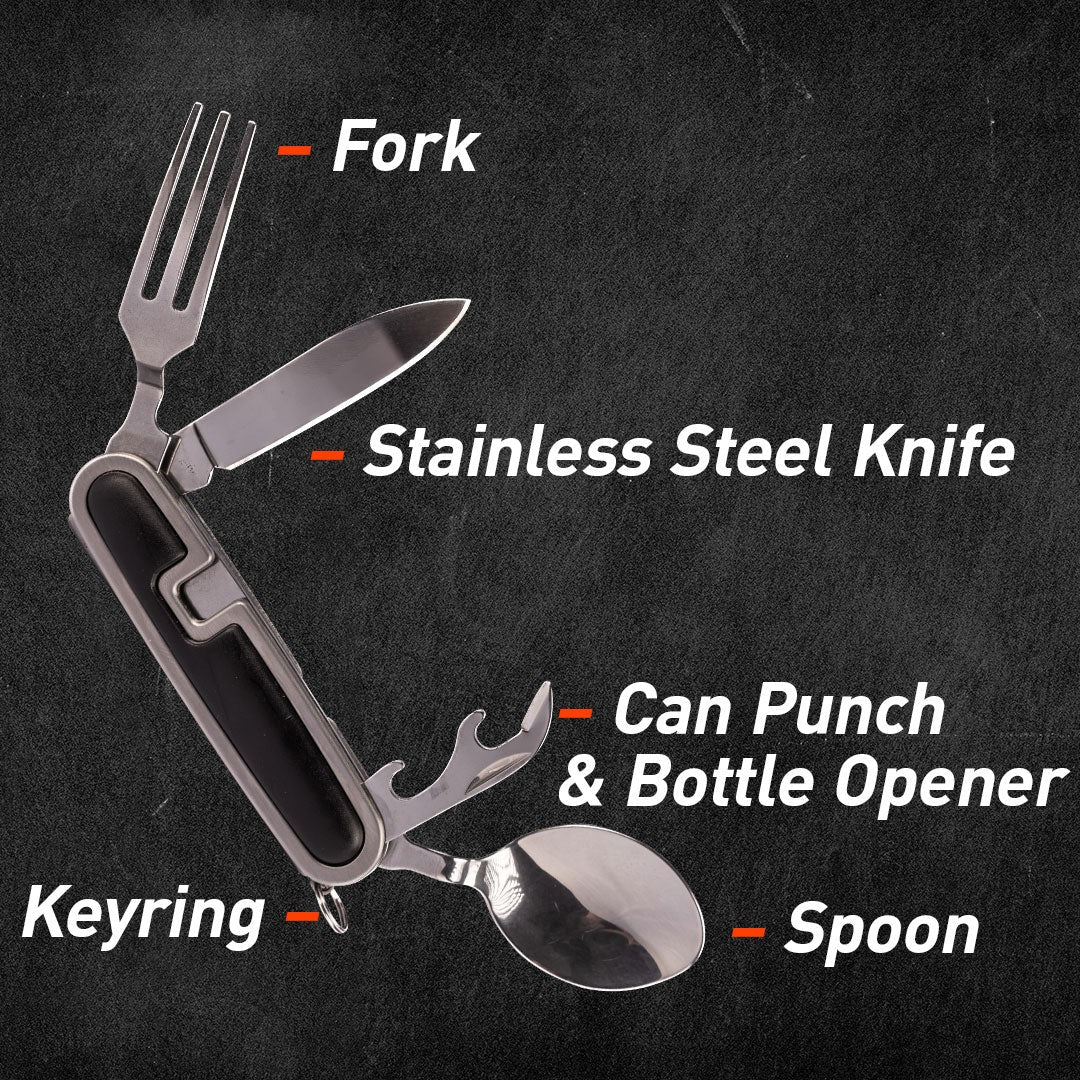
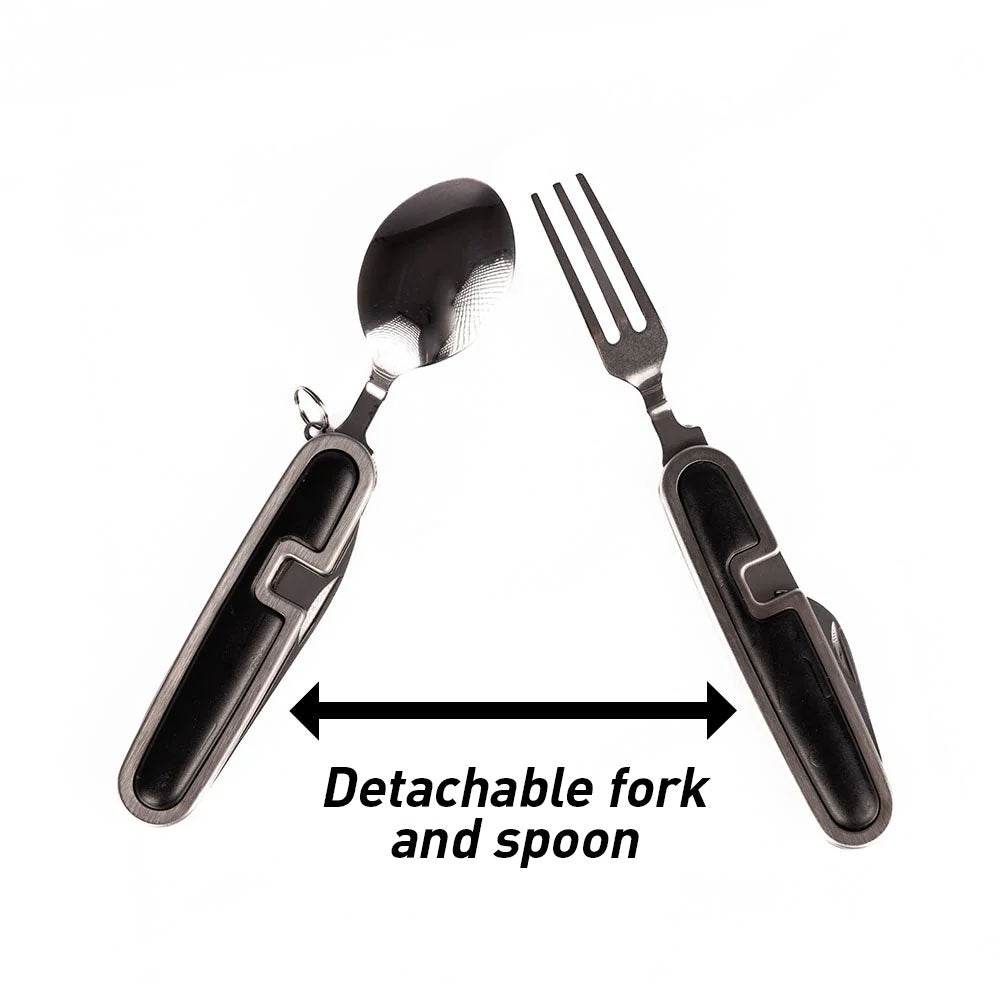
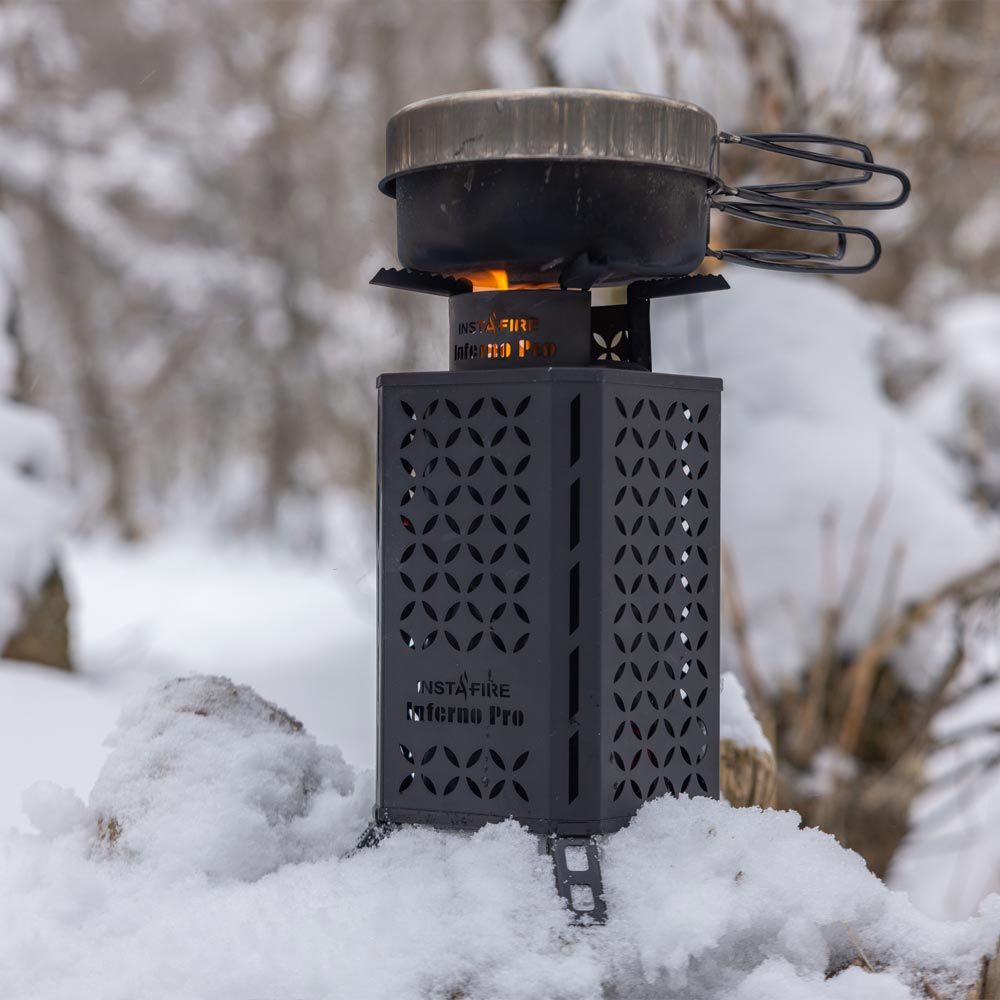
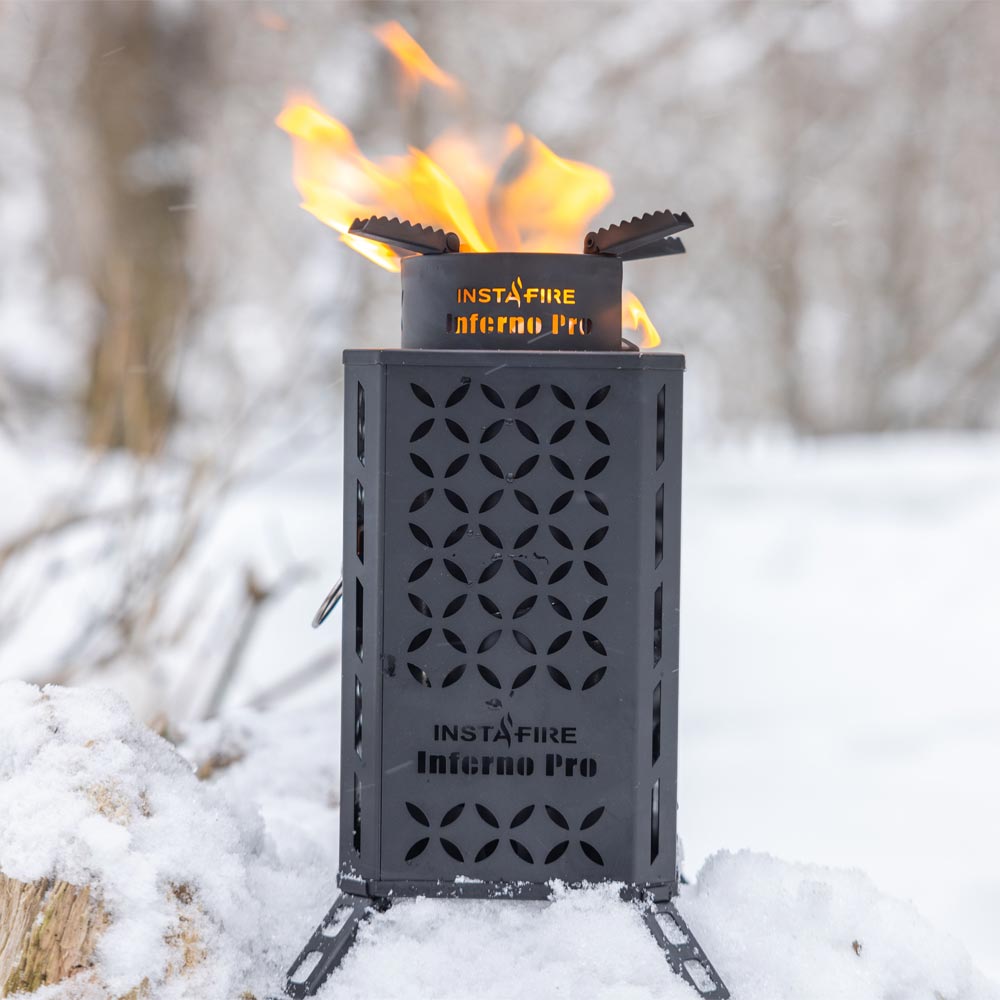
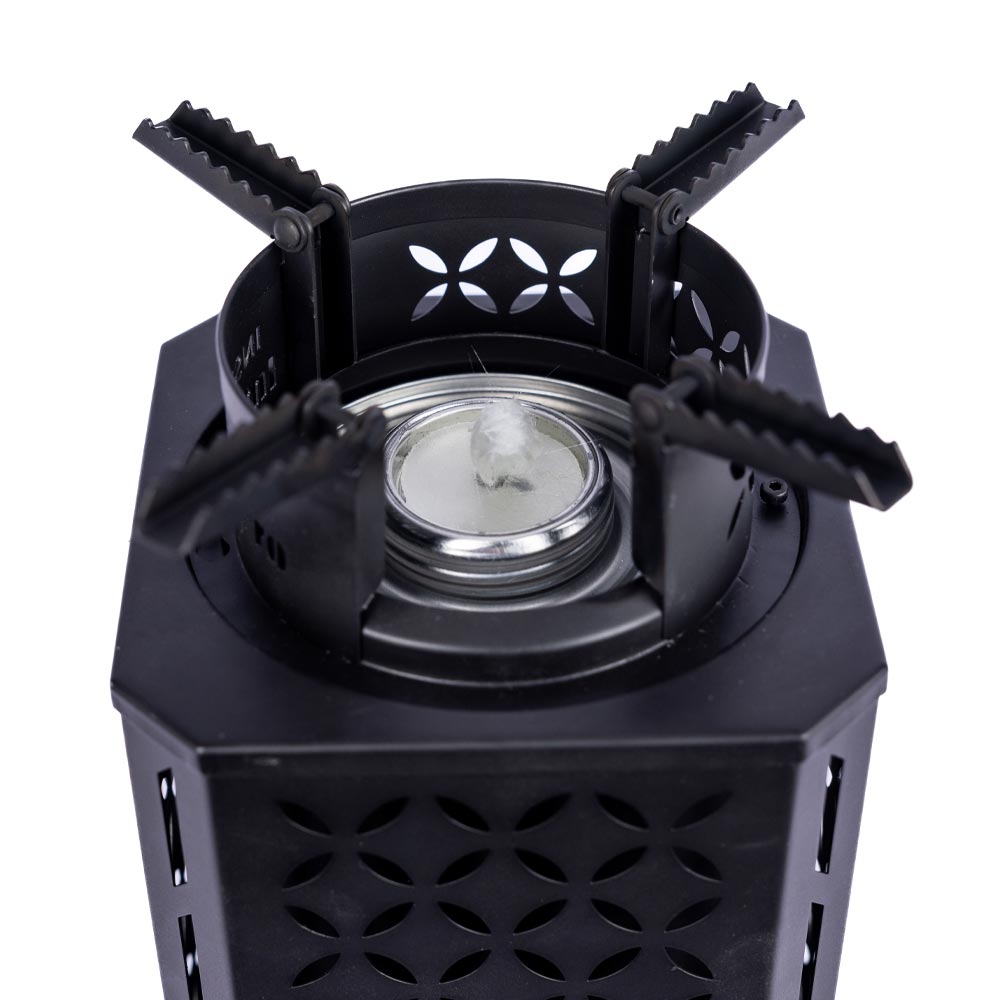
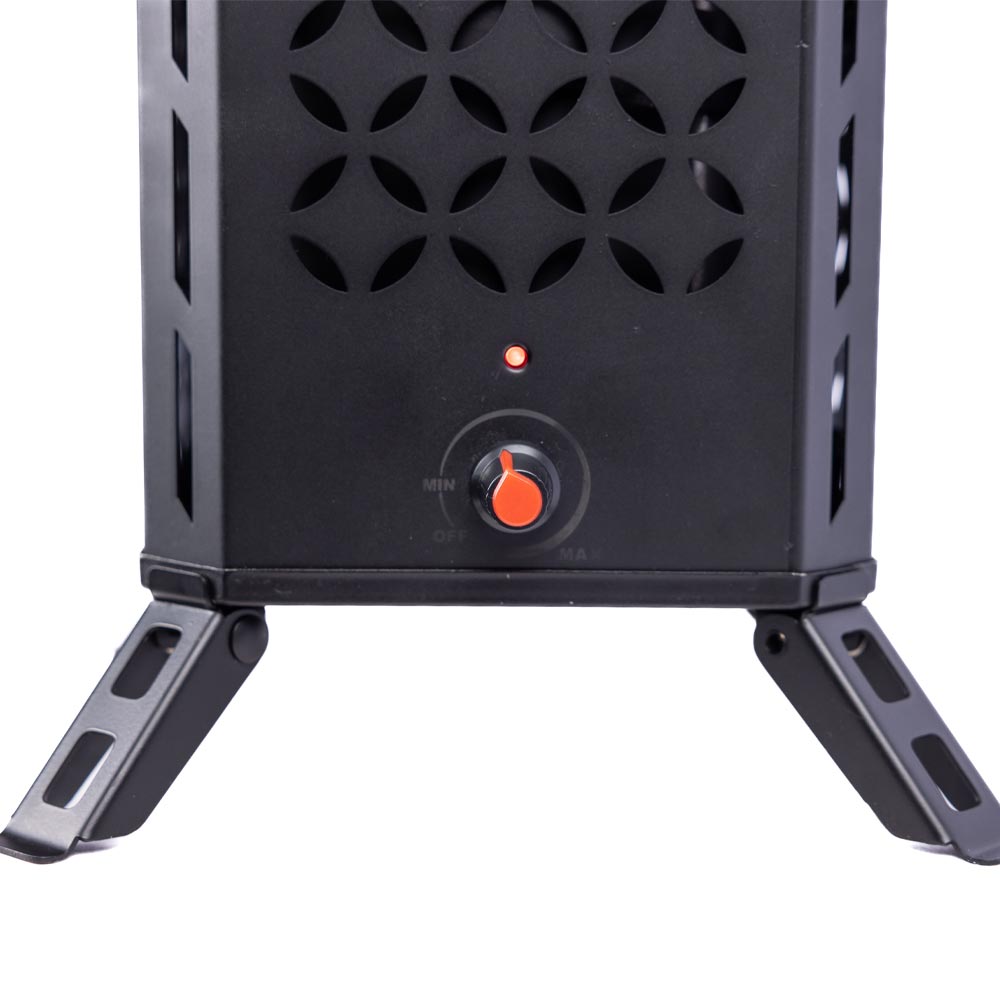
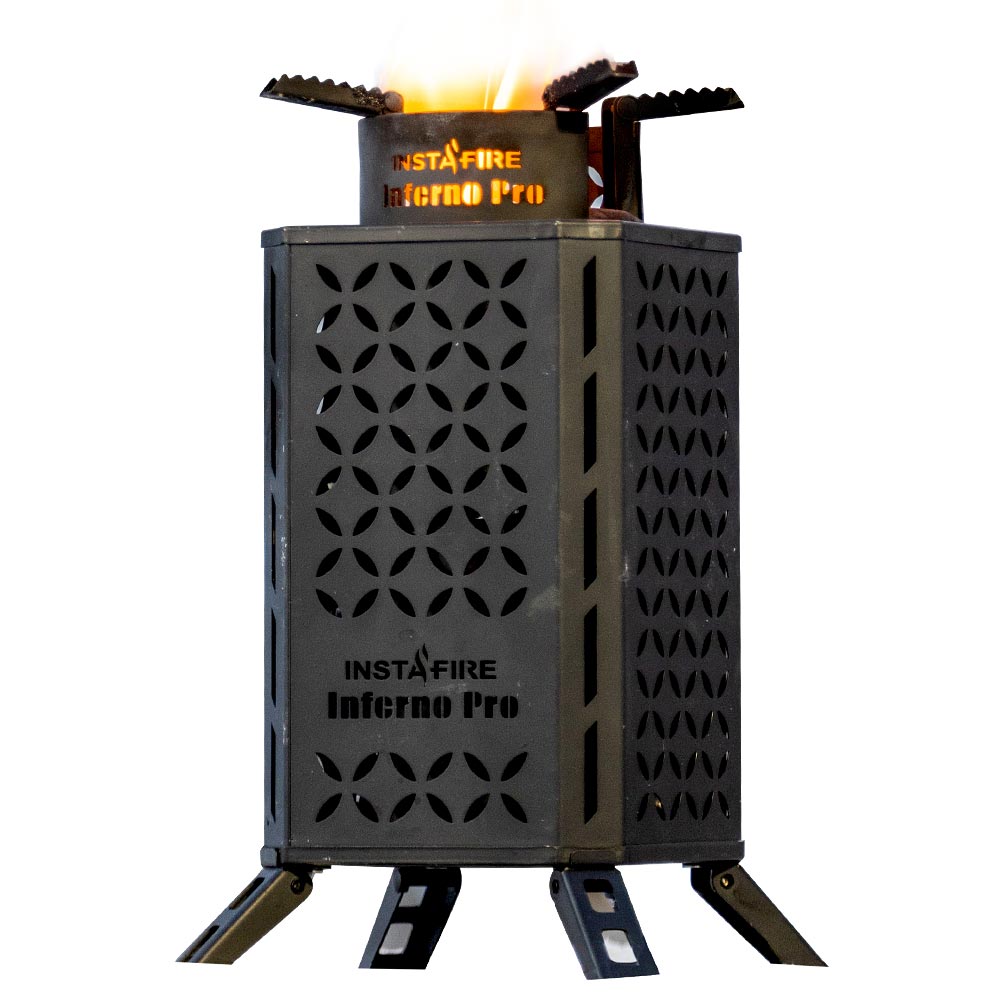
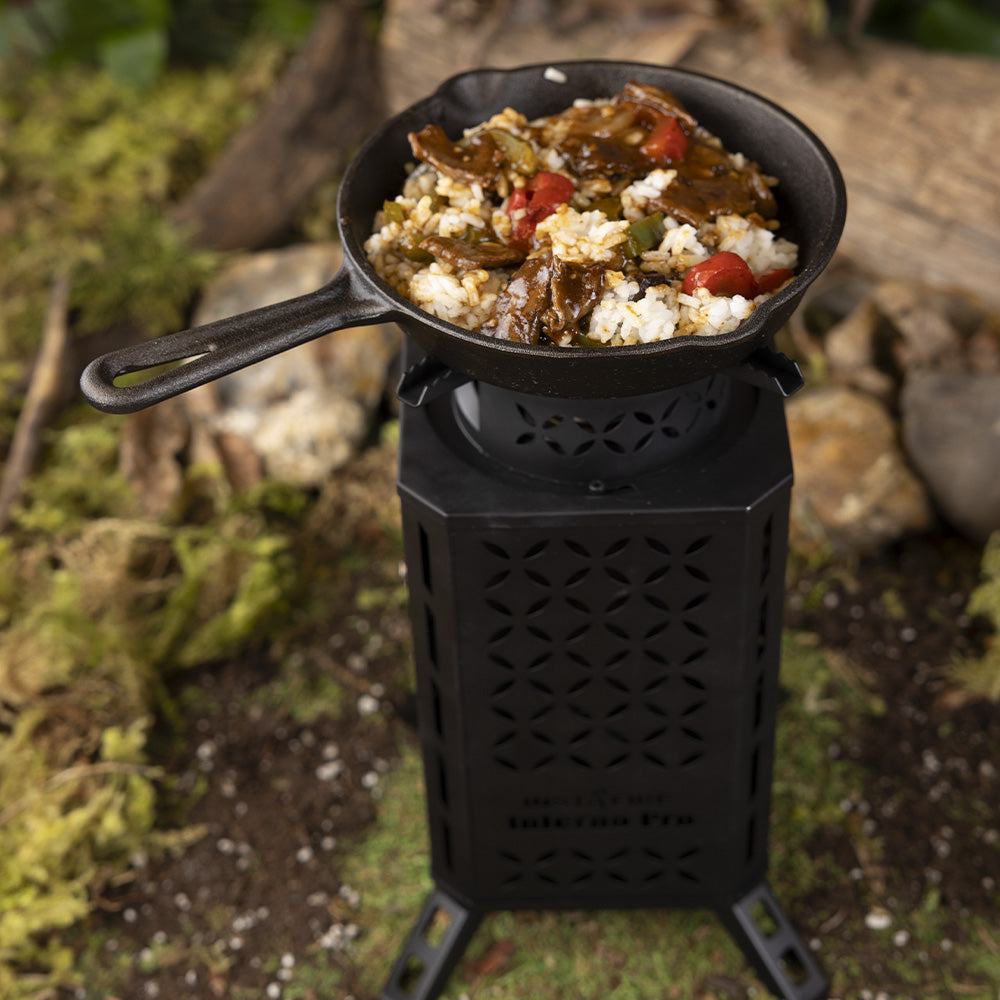
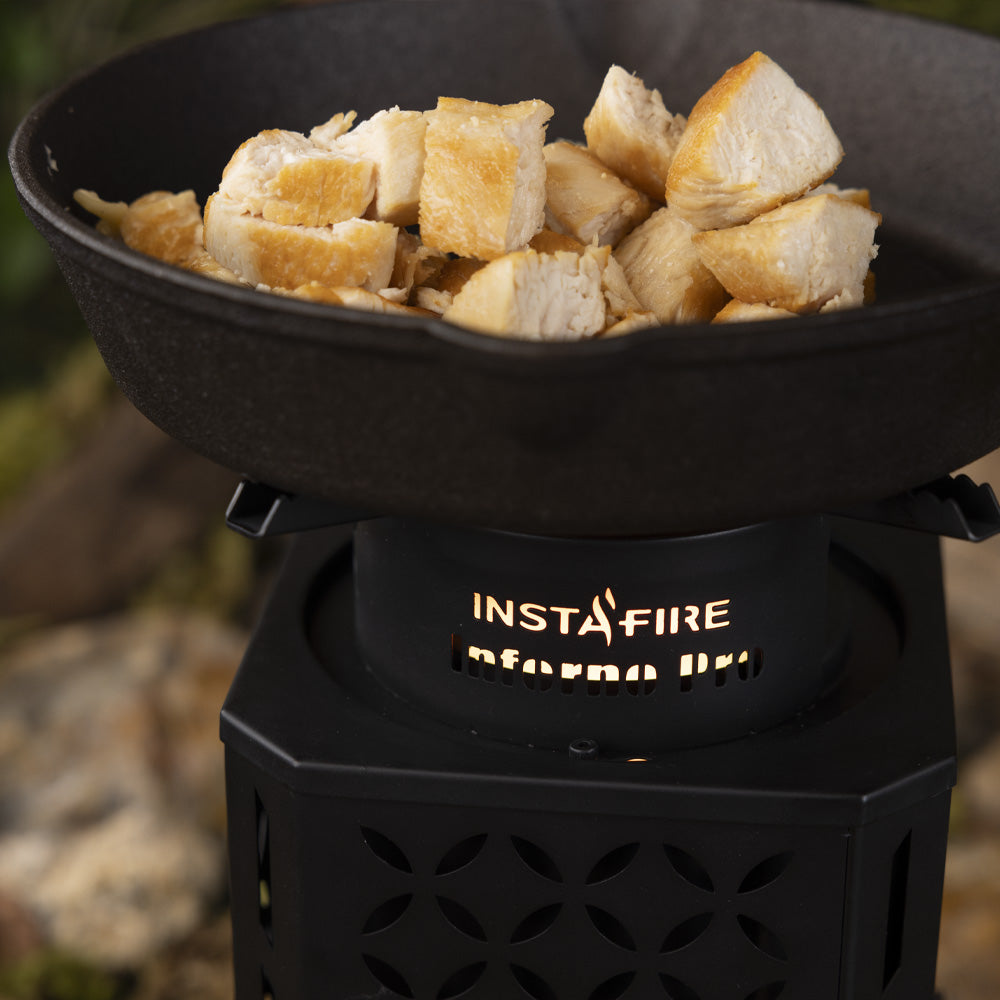
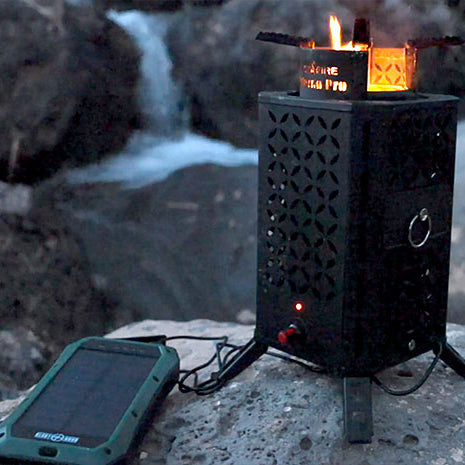
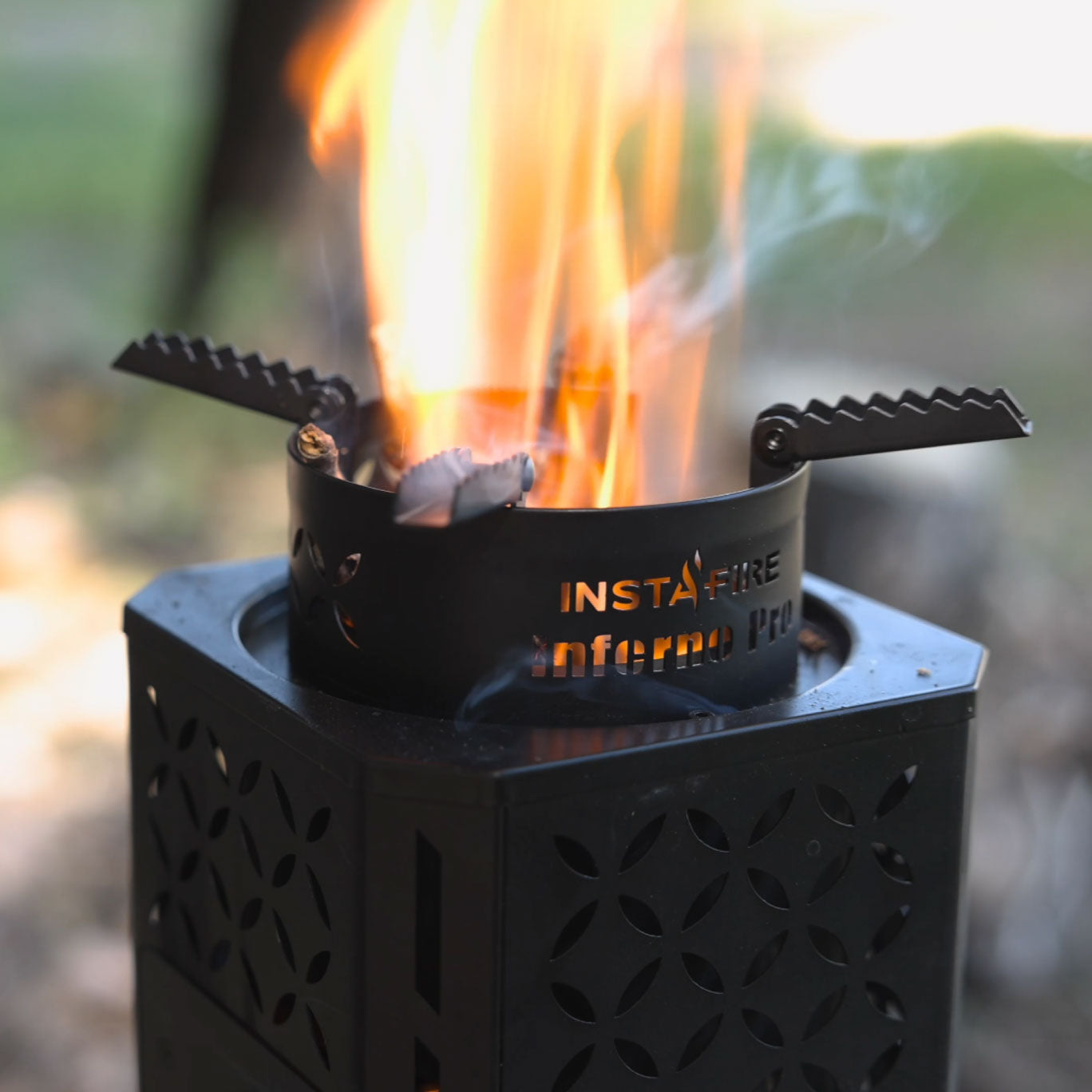
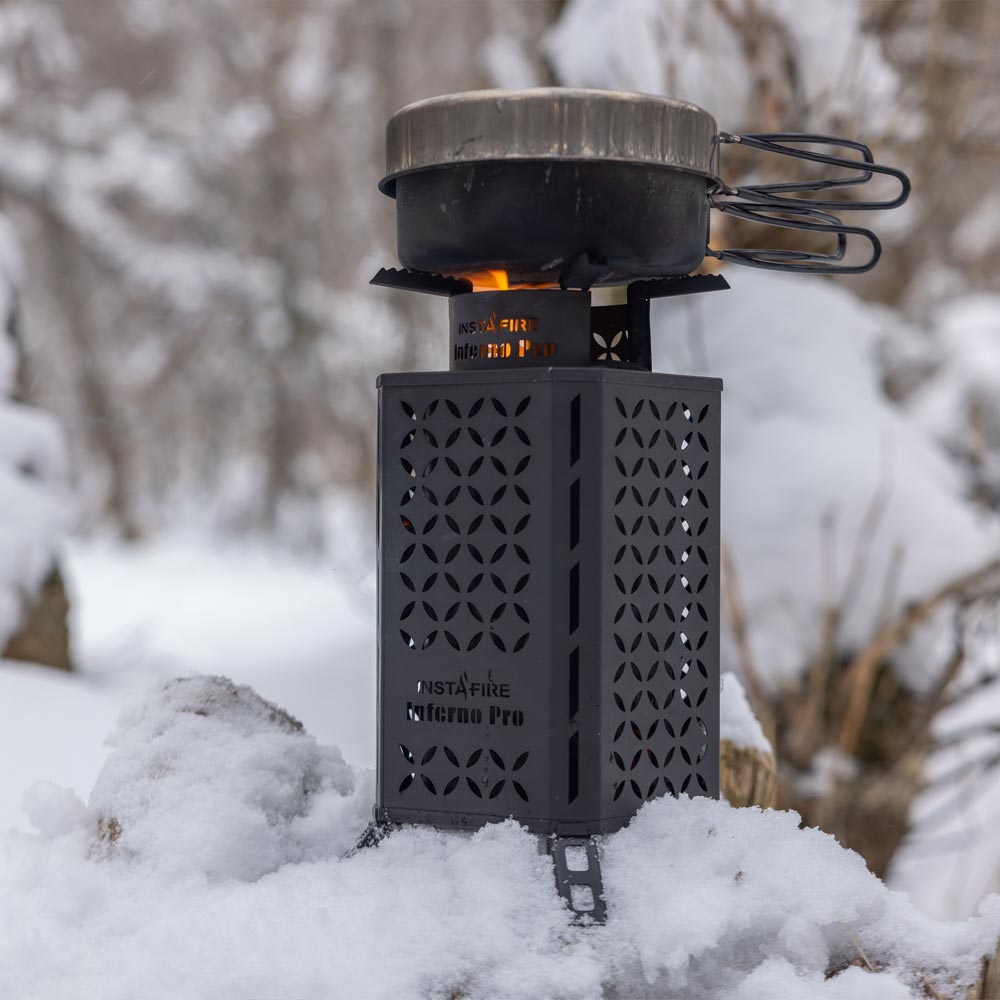
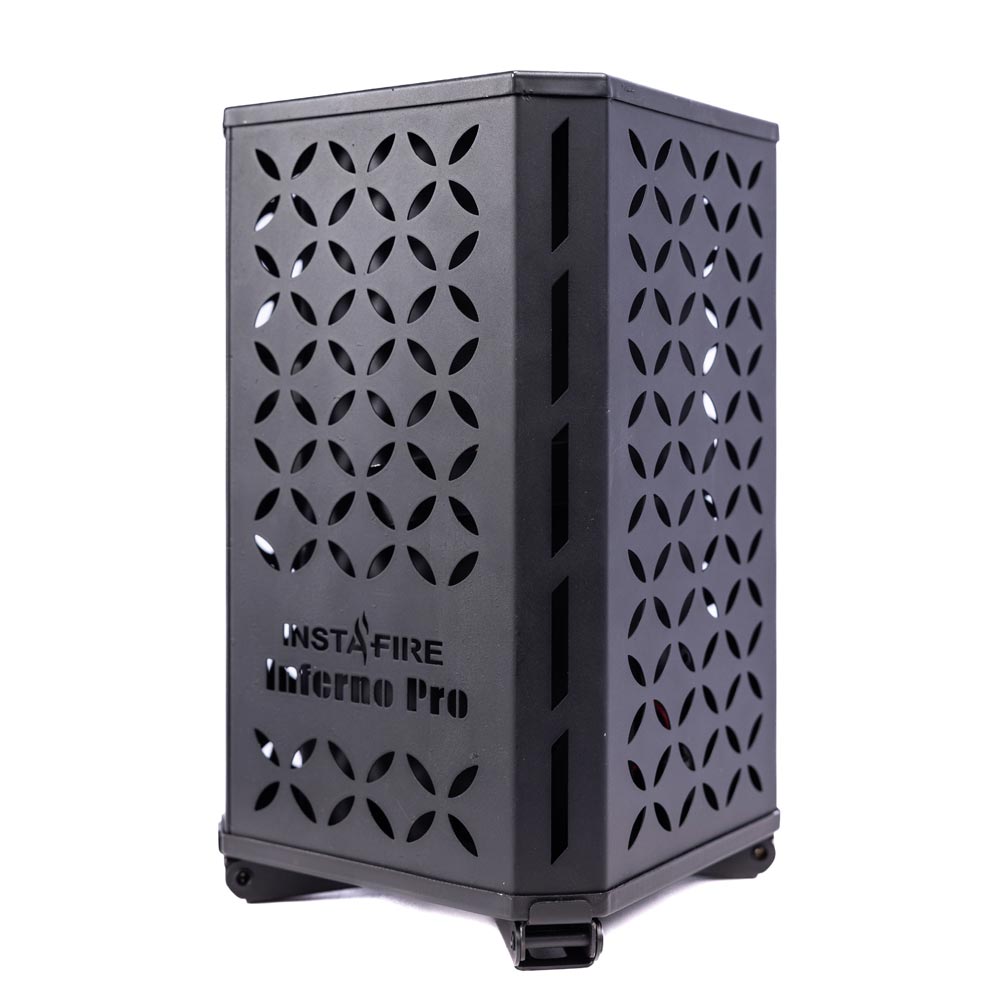
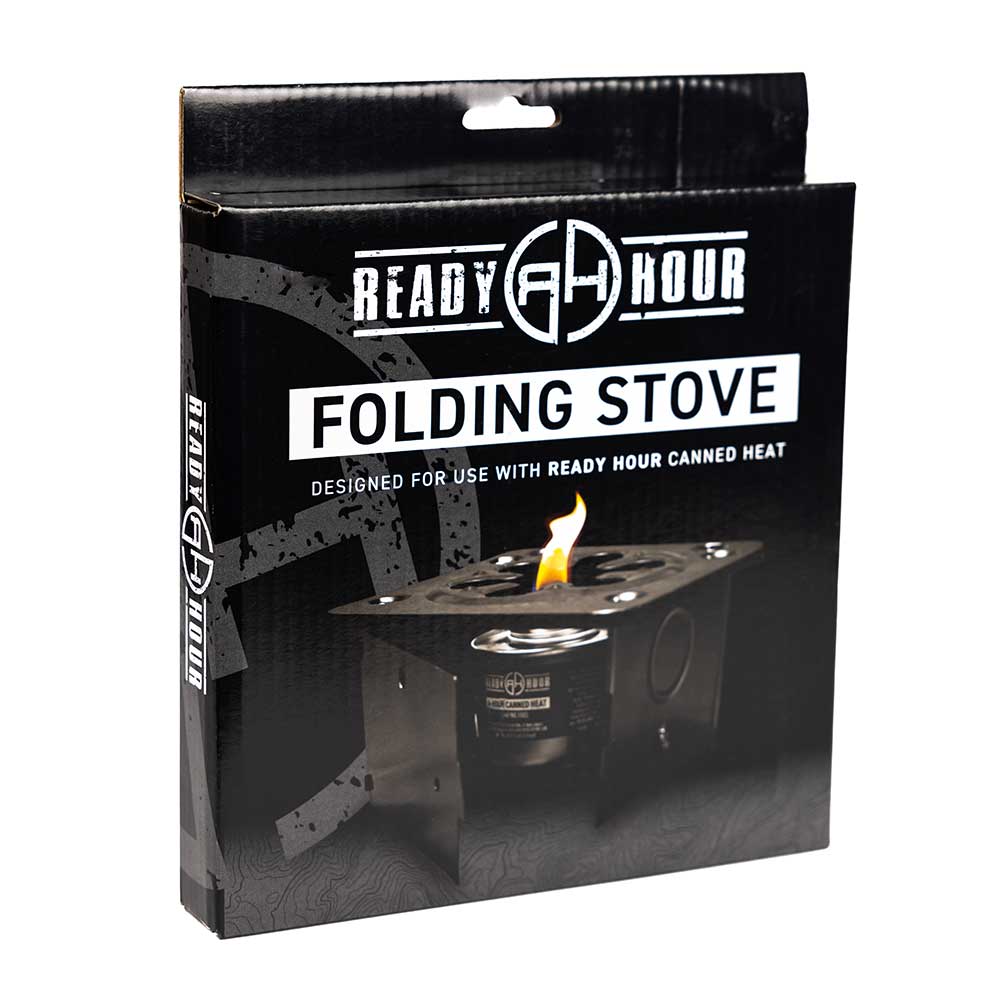
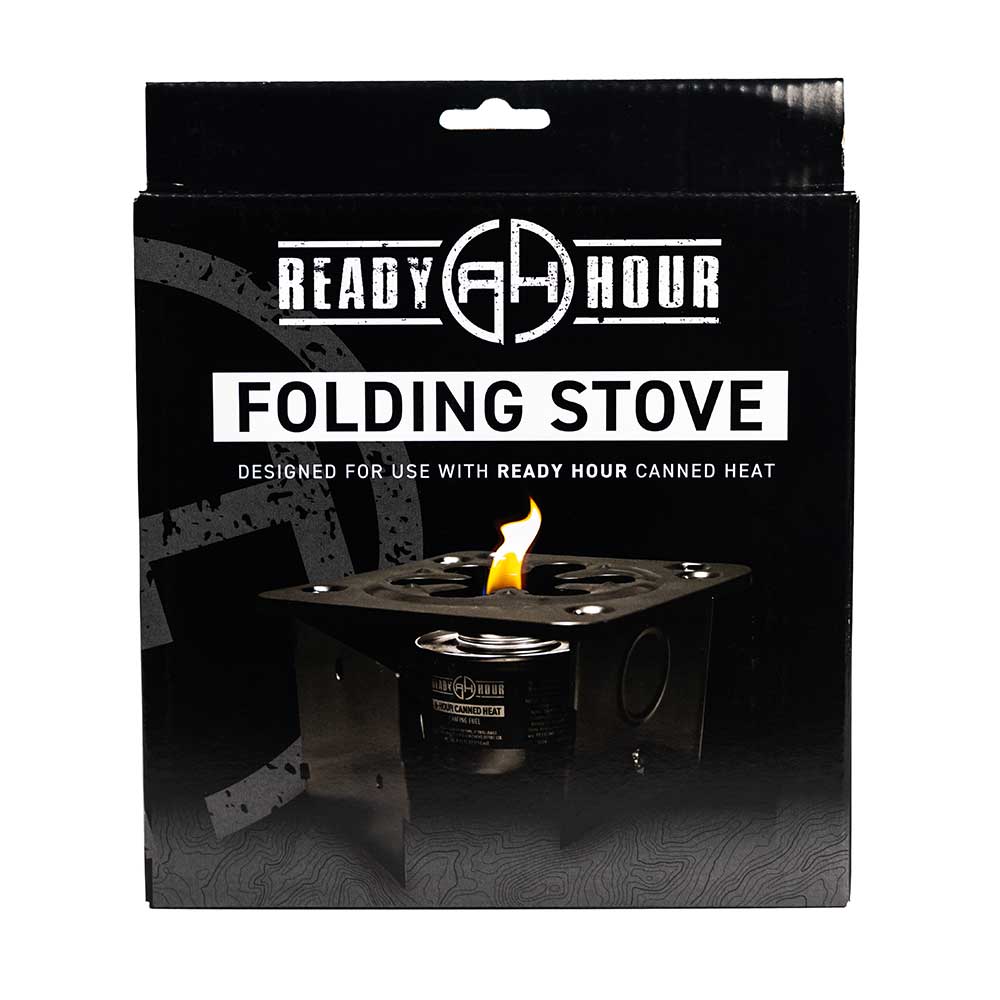
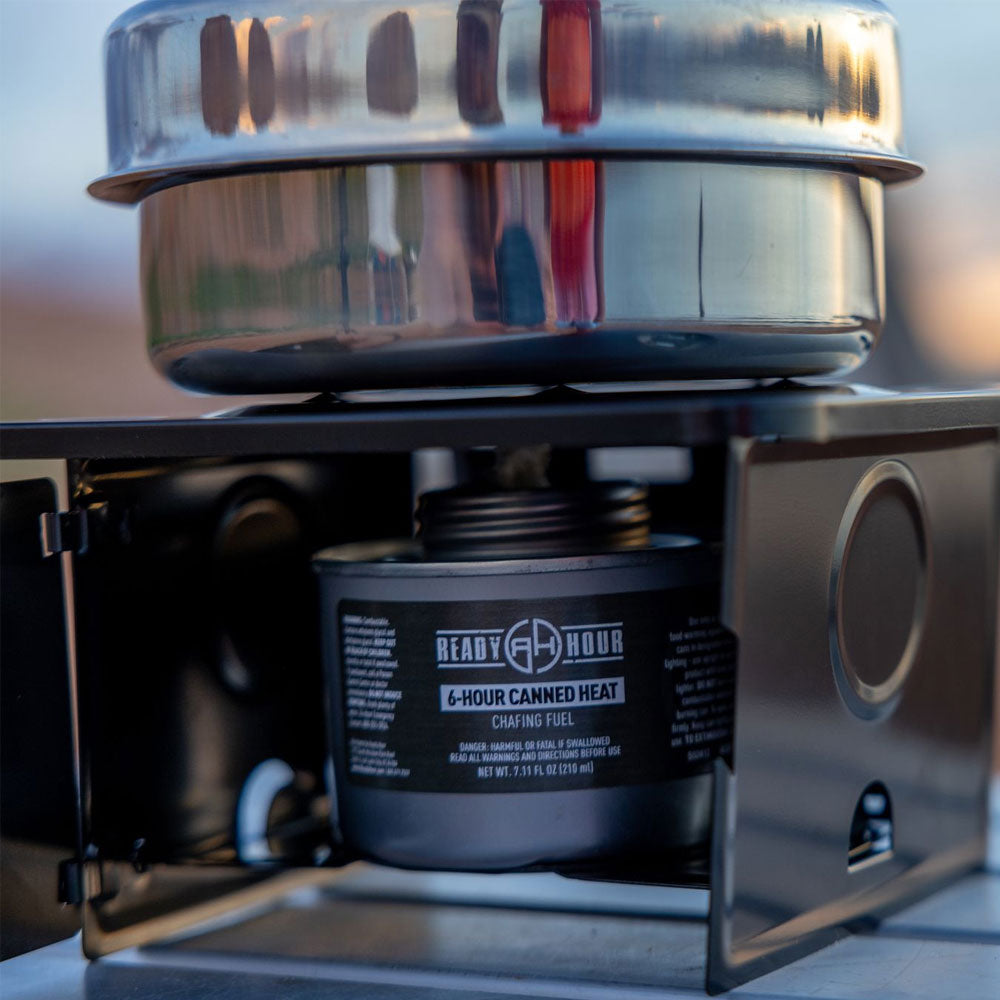
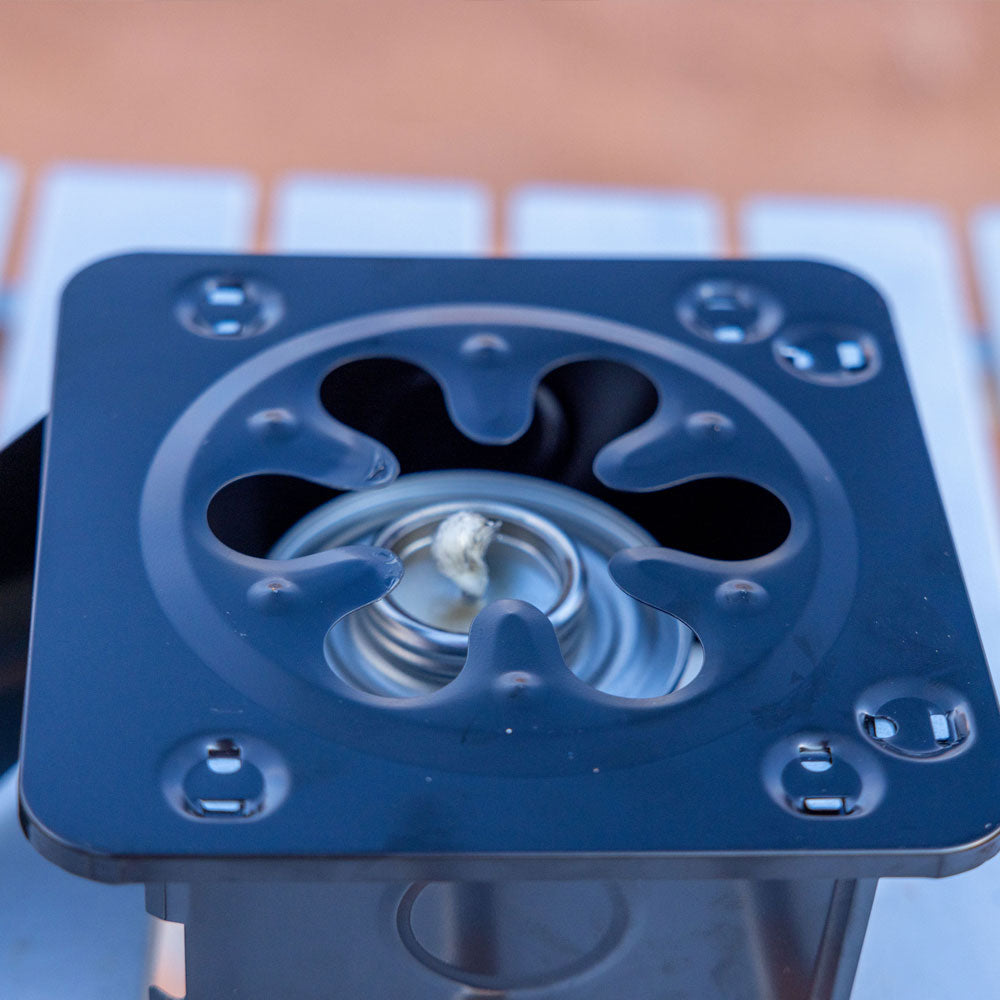
Here is a Kit to Help get you started. The Survival Starter Pack: this all-in-one survival kit gives you the essentials to stay ready when it matters most — clean water on demand, shelf-stable meals, reliable power for your devices, and a compact stove to cook real food — so you’re set for the critical first 72 hours.
- Covers the four essentials for the first 72 hours: water, food, power, and cooking
- Removes guesswork with a curated set of proven preparedness basics
- Designed for real emergencies—when power, stores, and services are unavailable
- Compact, practical, and easy to store until you need it most
- Ideal for first-time preparedness or strengthening an existing plan
This isn’t just preparedness. It’s stability when everything else feels uncertain.

Start Building Your Preparedness Plan Today
When disruptions happen, the hardest part isn’t reacting — it’s realizing what you don’t have. Most families don’t have a clear preparedness plan. And when they try to build one, they don’t know where to start.
The Smart Preparedness Checklist solves that. It gives you a simple, step-by-step path to:
✔ Build your 72-hour foundation
✔ Secure food and water
✔ Prepare for outages
✔ Create a complete plan over time
It takes just a few minutes to get started — and it can make a lasting difference.