When a wildfire jumps the road, floodwater starts rising, or a hurricane shifts toward your town, it’s too late to make a checklist. Evacuation preparedness is about having a plan in place before you need it: know when to leave, where to go, what to bring, and how to get back safely.
Here’s how to build a plan before the emergency is already at your door.

1. Know What Could Force You to Leave
Not every disaster means evacuation. Some emergencies are best handled by sheltering in place. But others can make your home unsafe in minutes.
The big ones to think through are:
- Hurricanes and storm surge
- Wildfires
- Flooding
- Chemical spills or industrial accidents
- Extended utility failures
- Civil unrest or local security threats
- Earthquakes, landslides, or dam failures
Start local. Look at your county emergency management website. Know your flood zone, fire risk, storm surge zone, and primary evacuation routes. APHA recommends learning your community’s risks and creating a plan for each type of disaster ahead of time.
The key question is:
What could make my house unsafe, and how much warning would I have?
Some disasters give you days. Others give you minutes. Knowing what’s most likely in your area is the key to making a plan that works for you.

2. Build a Real Evacuation Plan
A good evacuation plan answers five questions:
Where will we go?
Pick at least three options: a relative’s house, a hotel outside the danger zone, and a public shelter. If you have pets, confirm pet-friendly options ahead of time. APHA specifically recommends identifying places that can accommodate pets or family members with special needs before an evacuation happens.
How will we get there?
Know multiple routes. Main highways can clog fast. Print maps in case cell service fails.
How will we communicate?
Pick an out-of-area contact everyone can check in with. Make sure every family member has important numbers written down, not just stored in a phone.
Where will we meet if separated?
Choose a nearby meeting place and one outside your neighborhood.
What do we do with the house before leaving?
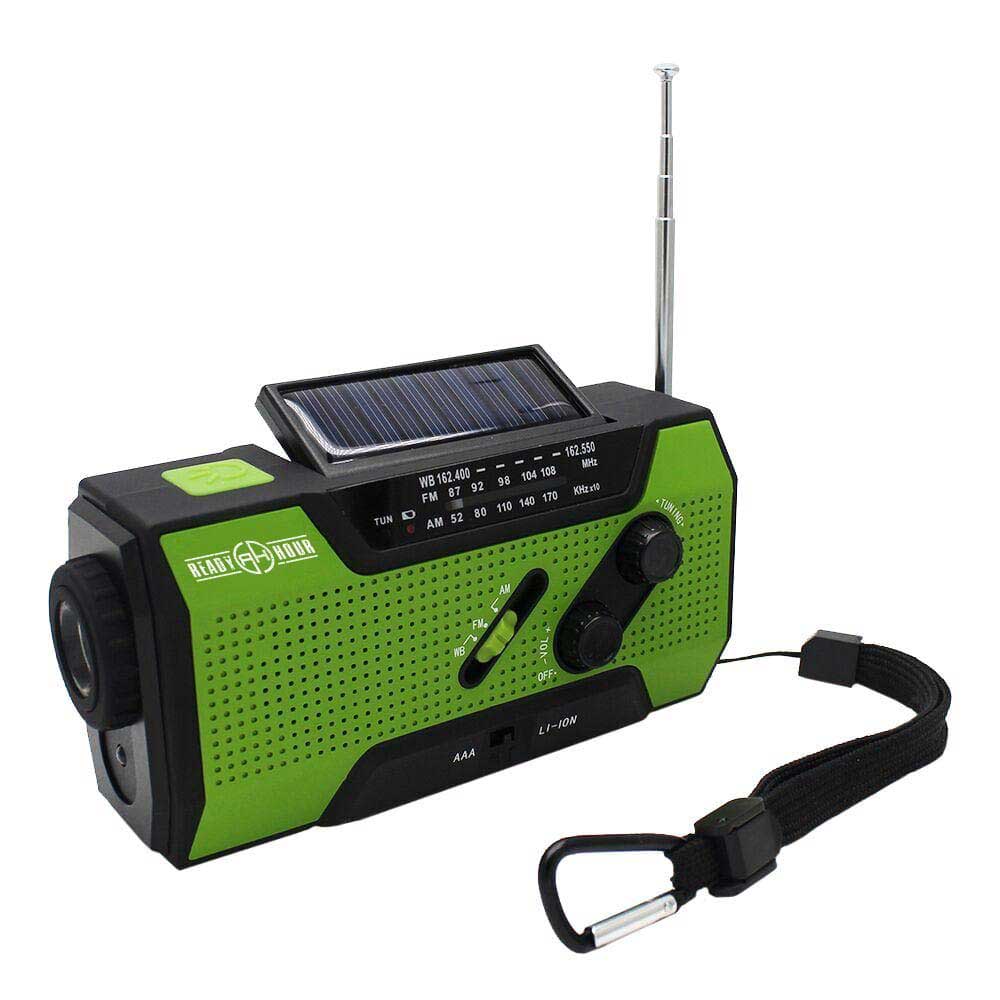
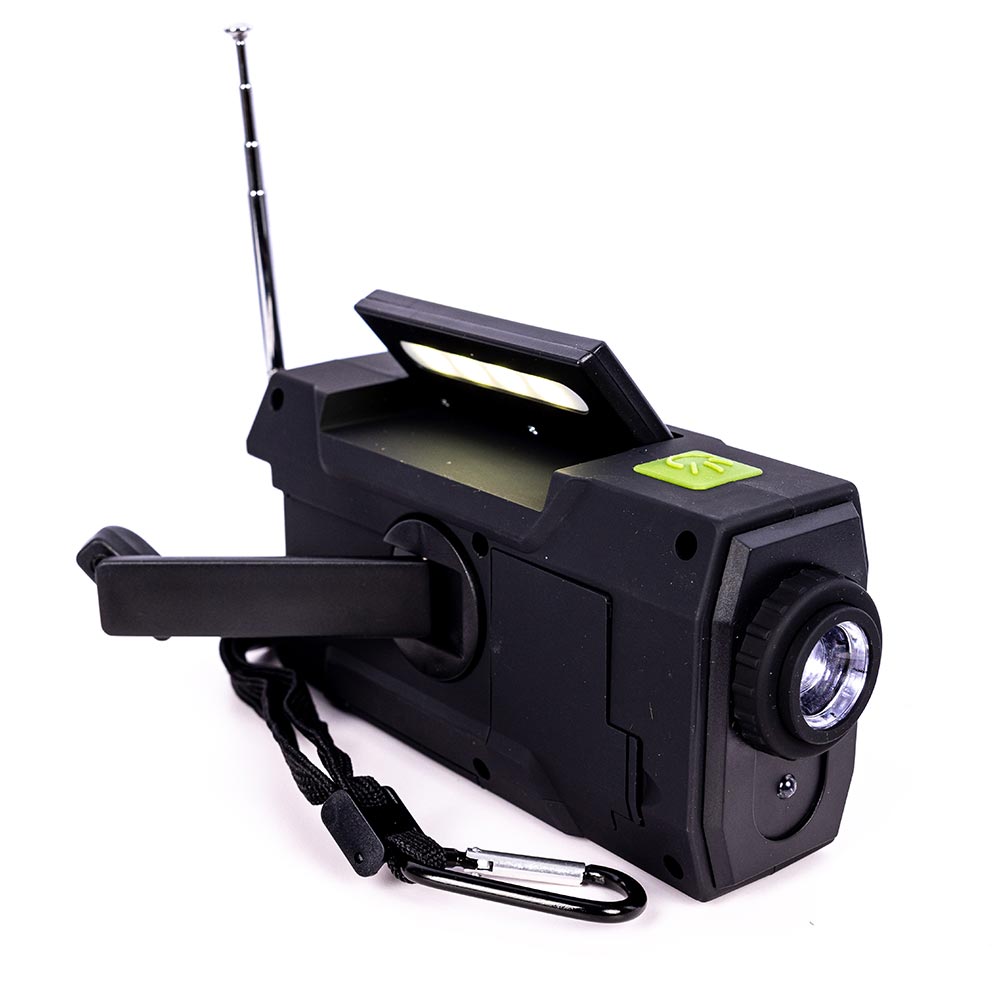
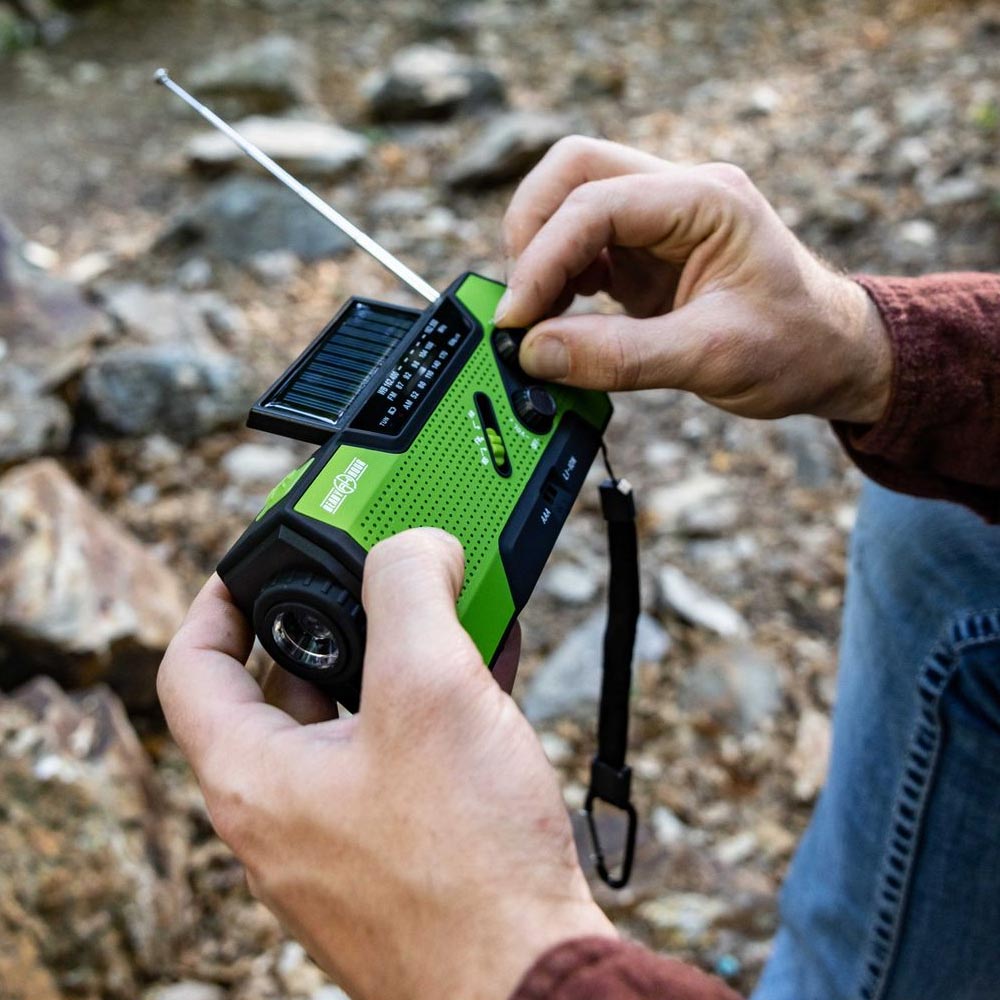
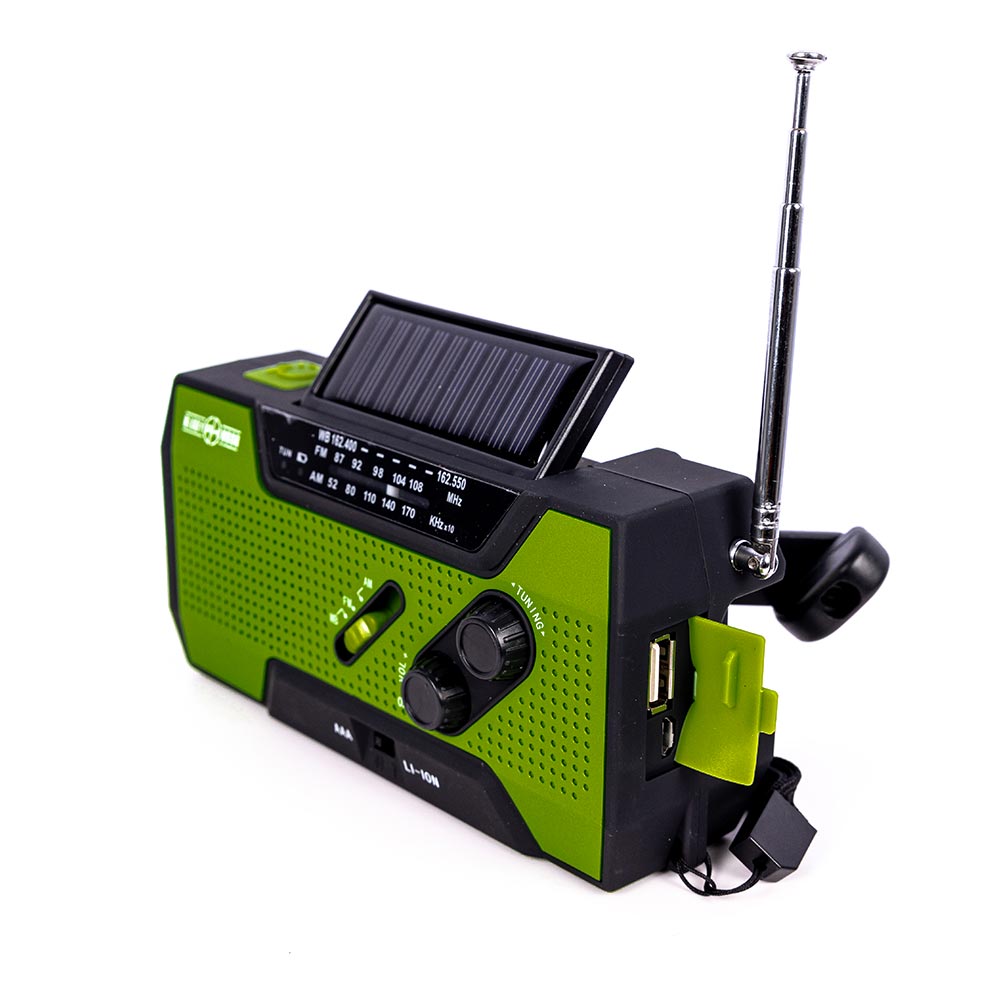
Depending on the situation and official guidance, you may need to unplug appliances, shut off utilities, lock doors, or leave refrigerators/freezers plugged in if flooding is not a risk. An emergency radio is key here: local officials may give specific instructions about water, gas, and electricity before evacuation.

3. Build Your Evacuation Kit
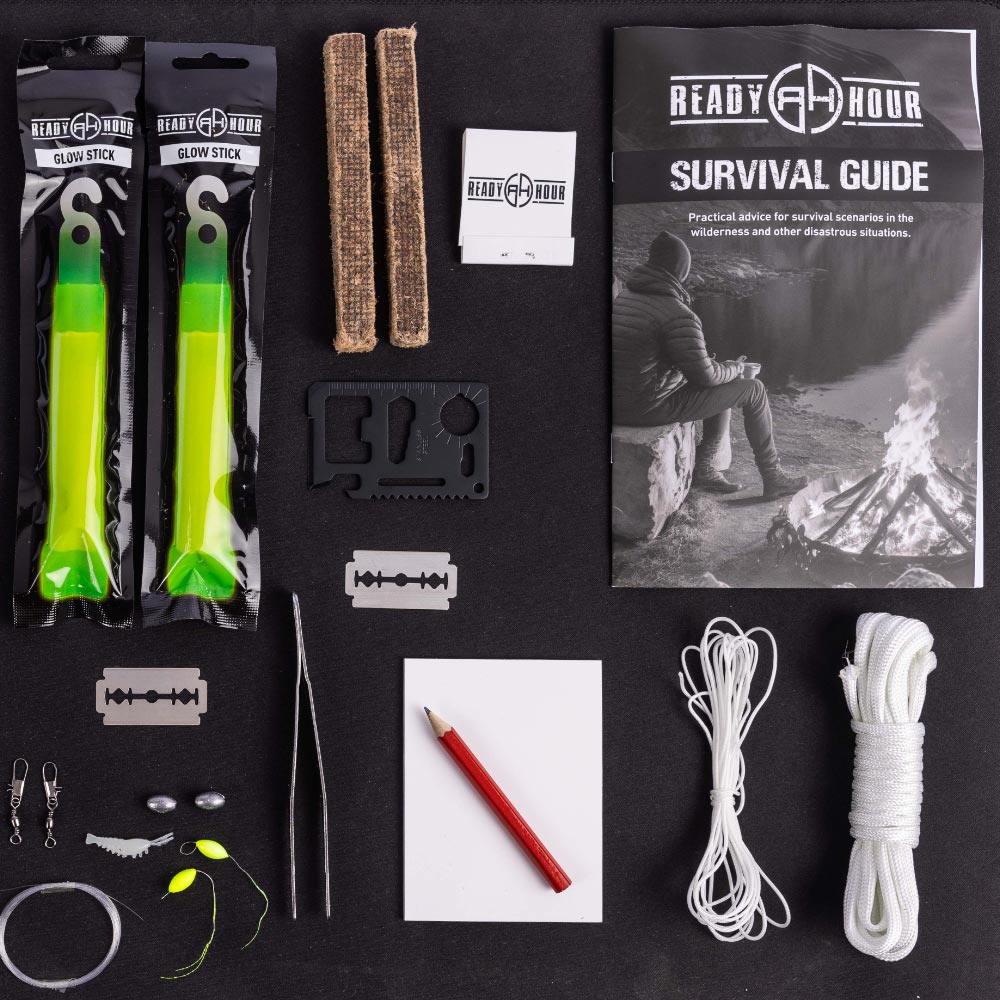
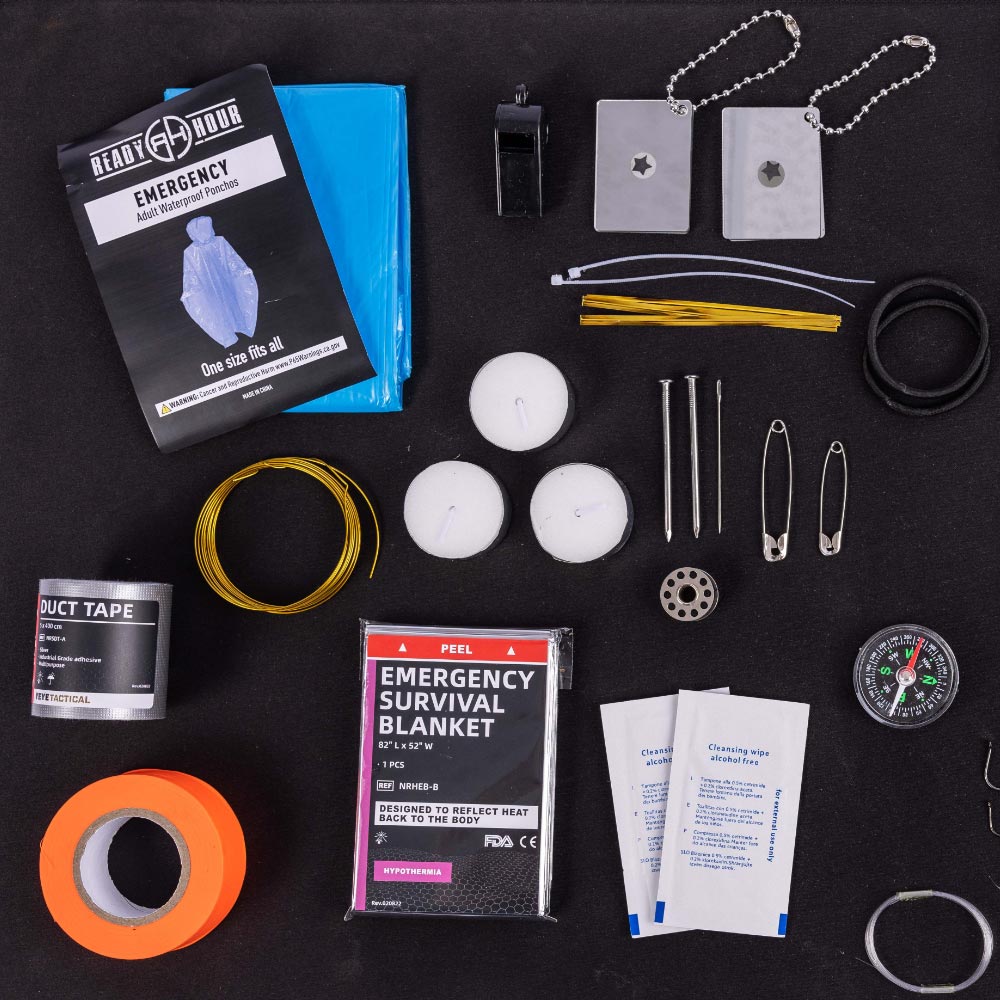
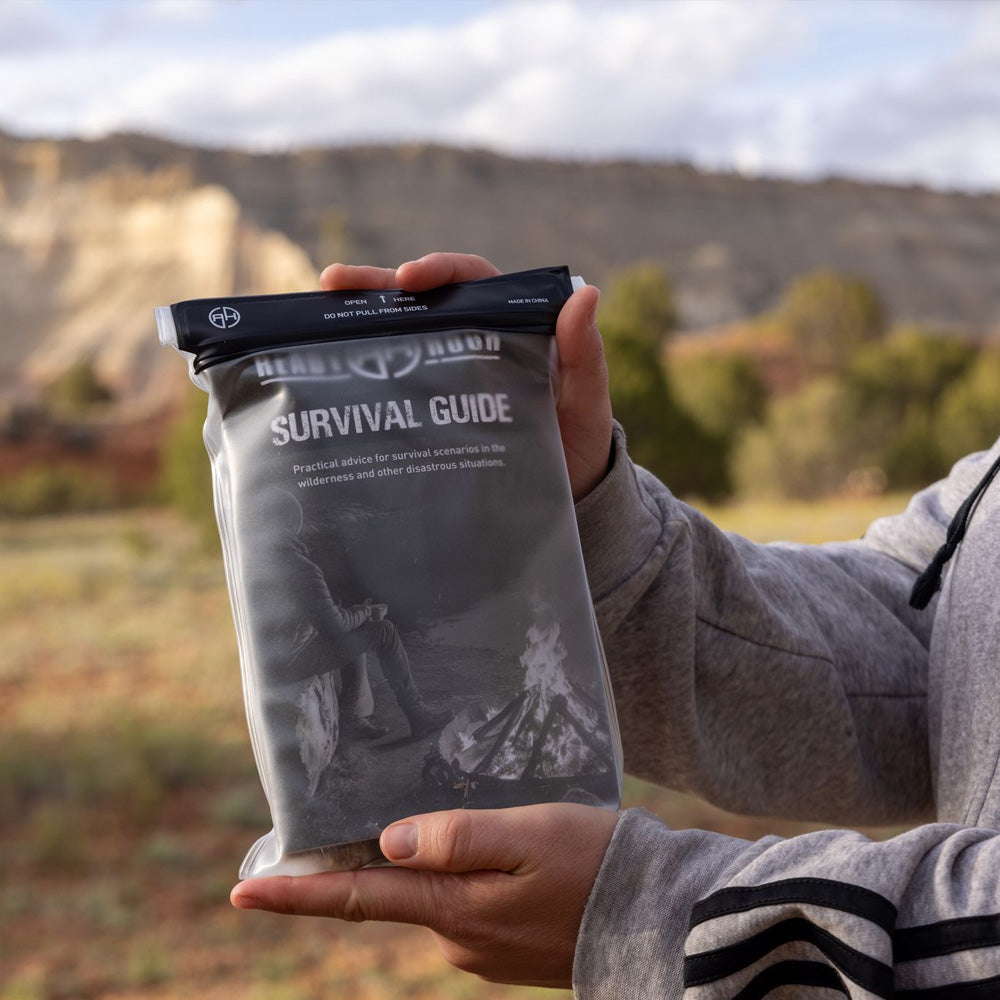
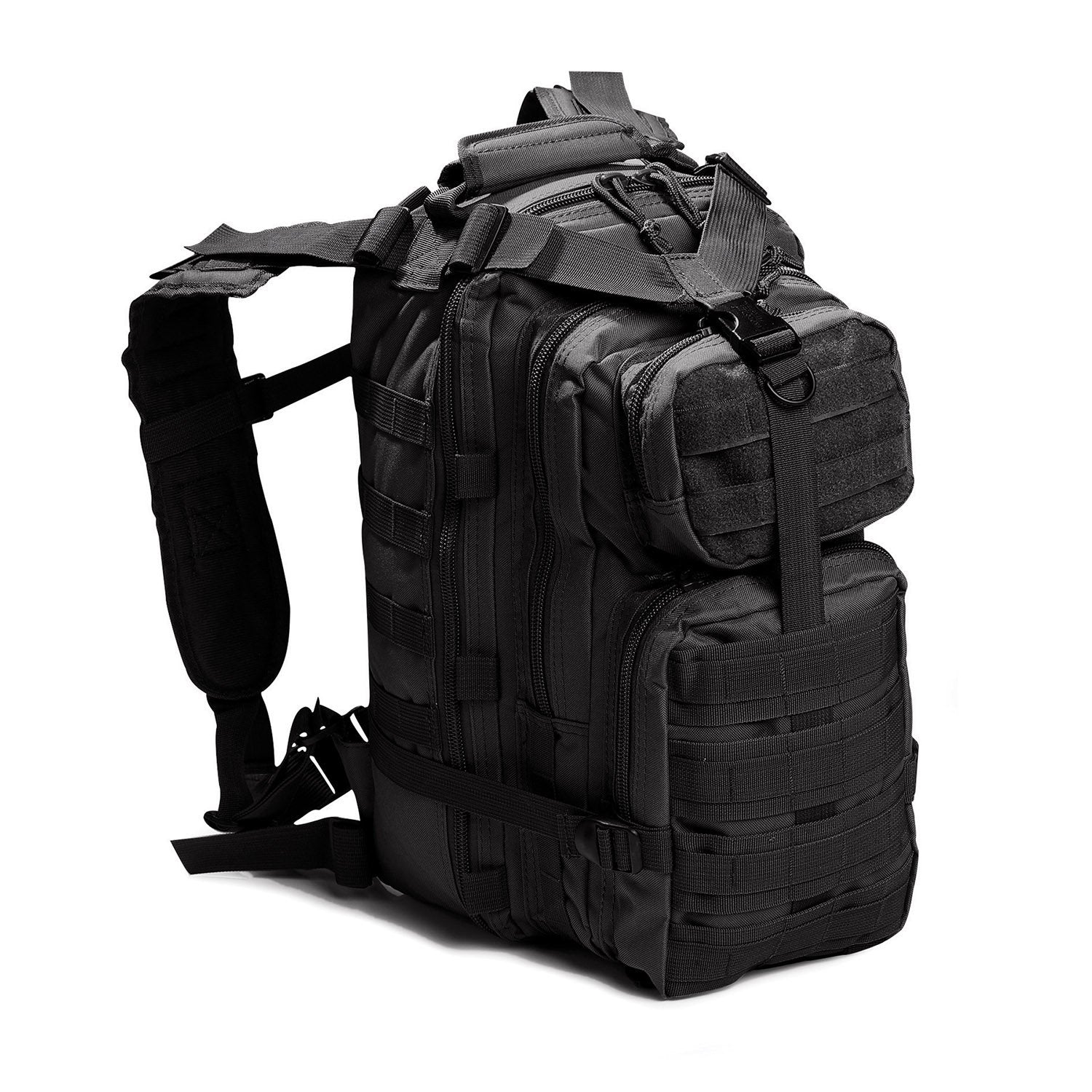
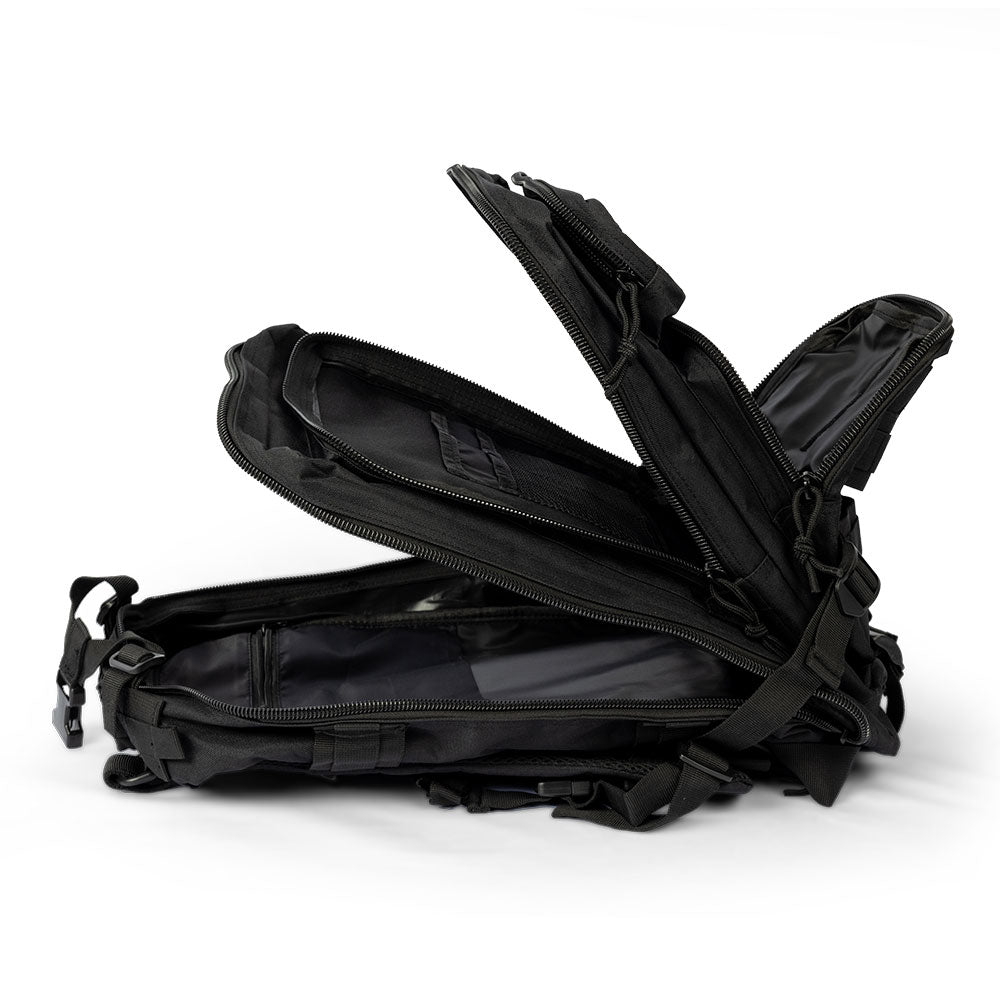
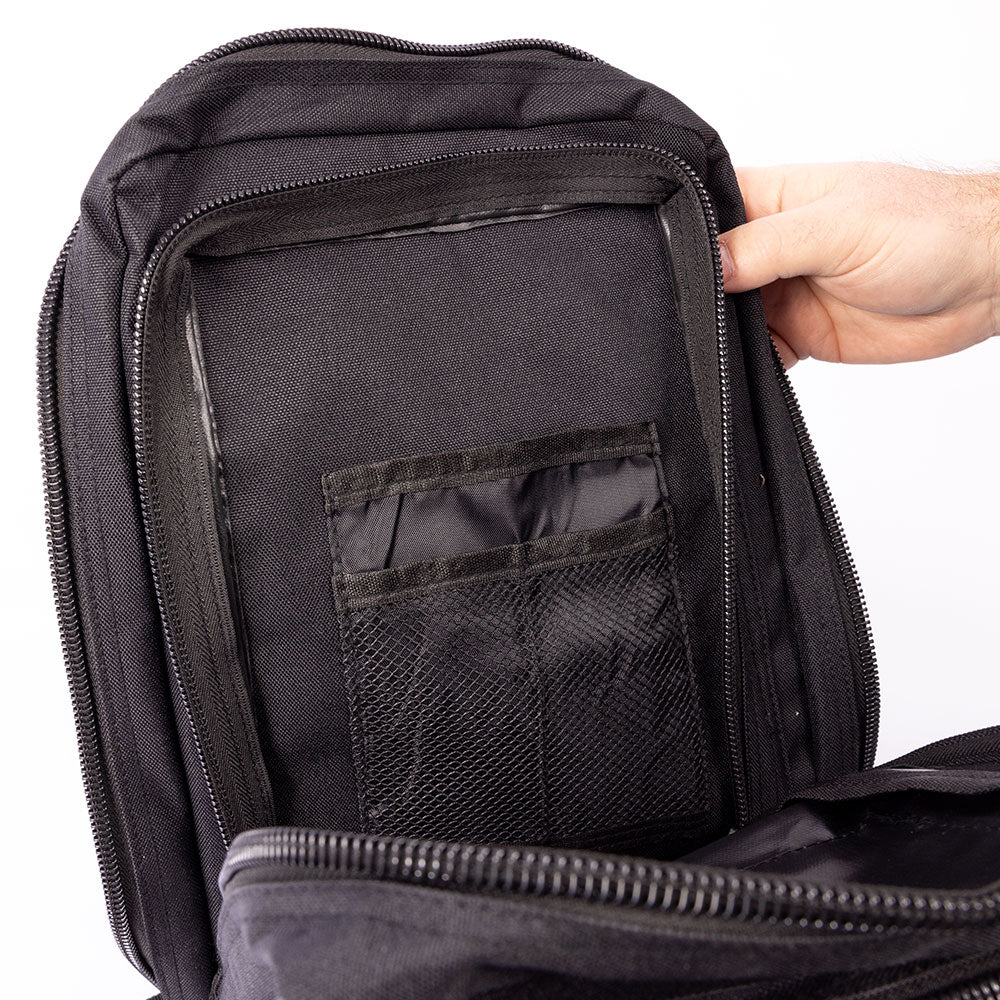
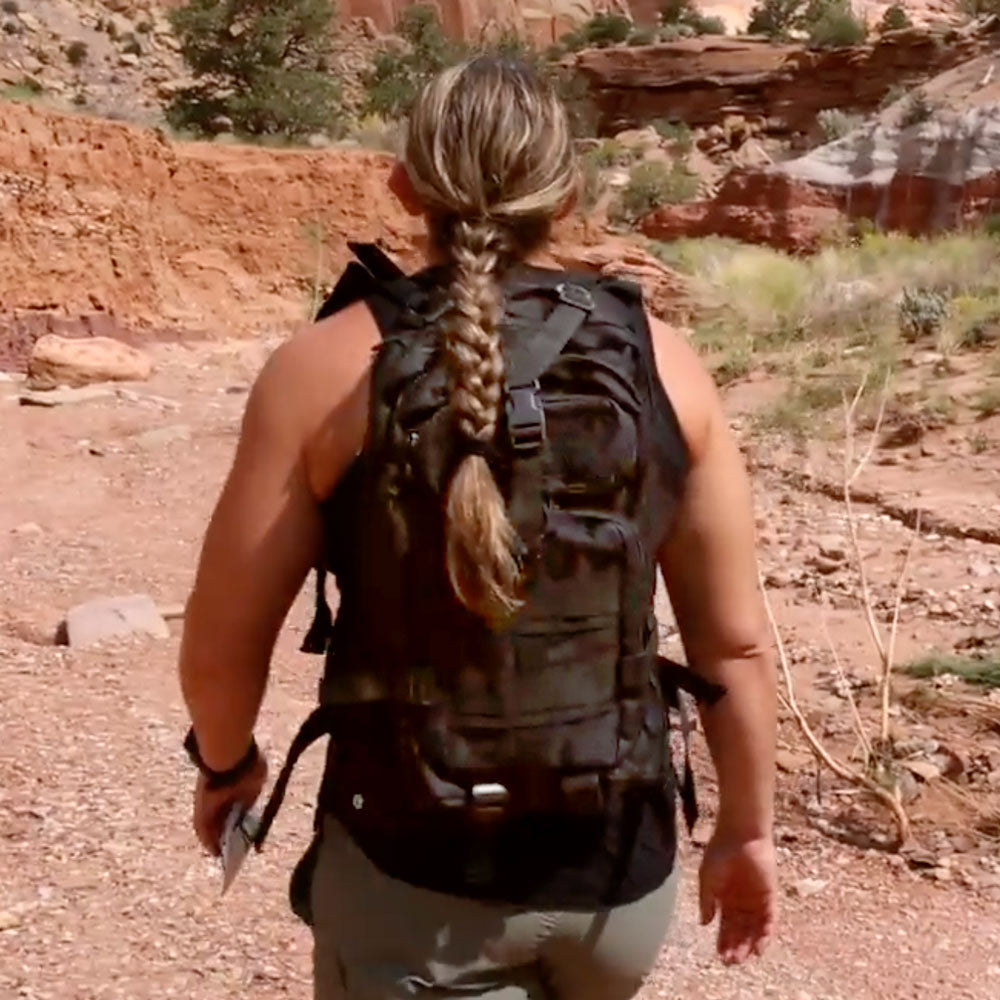
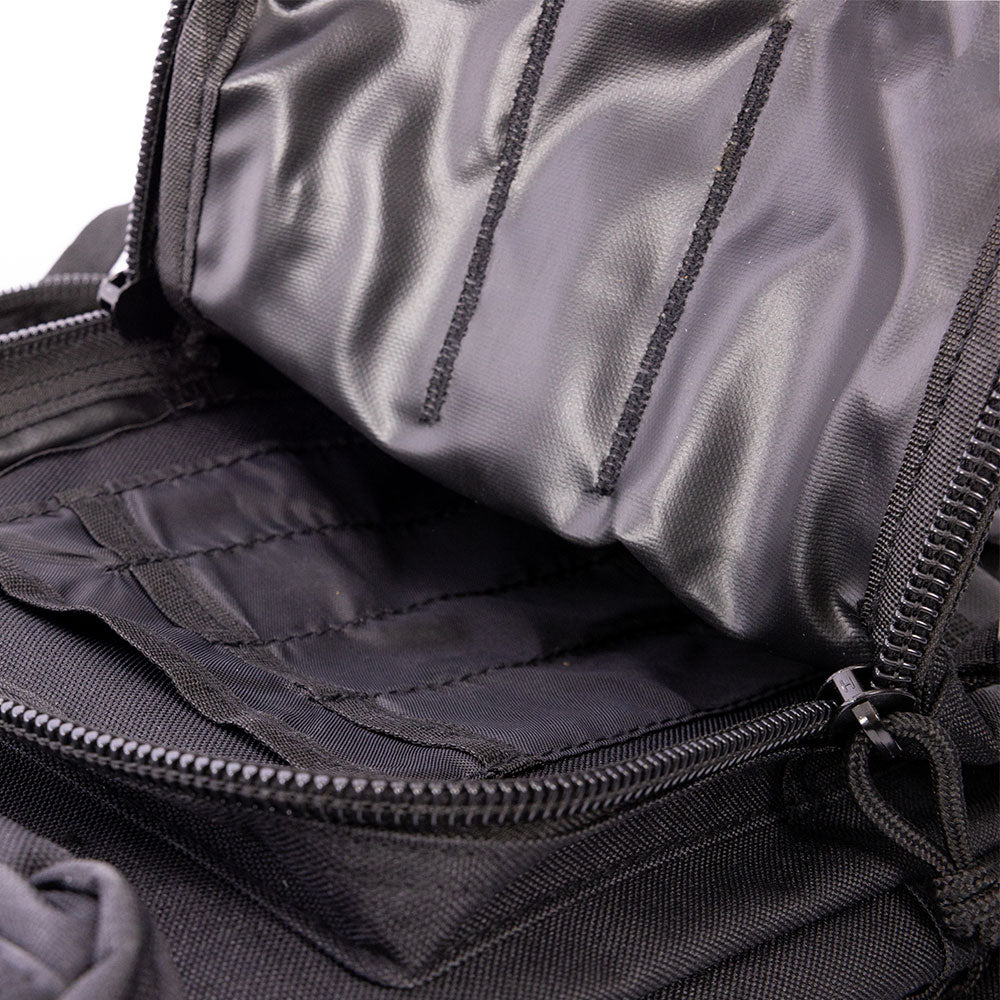
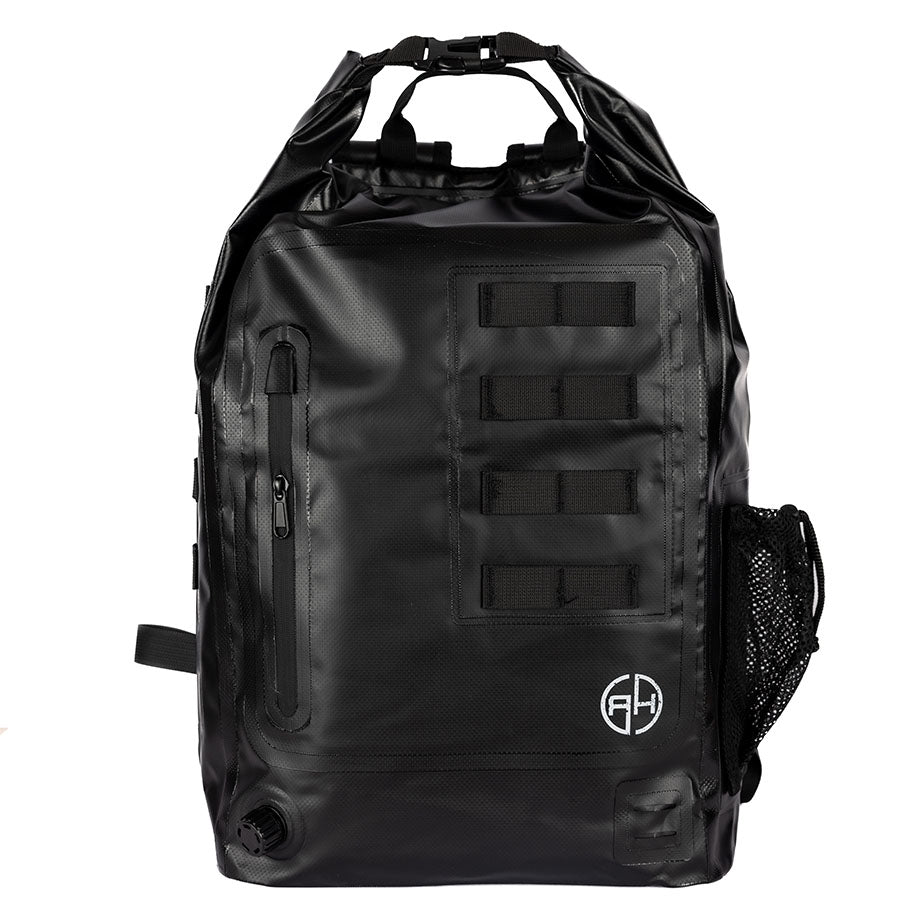
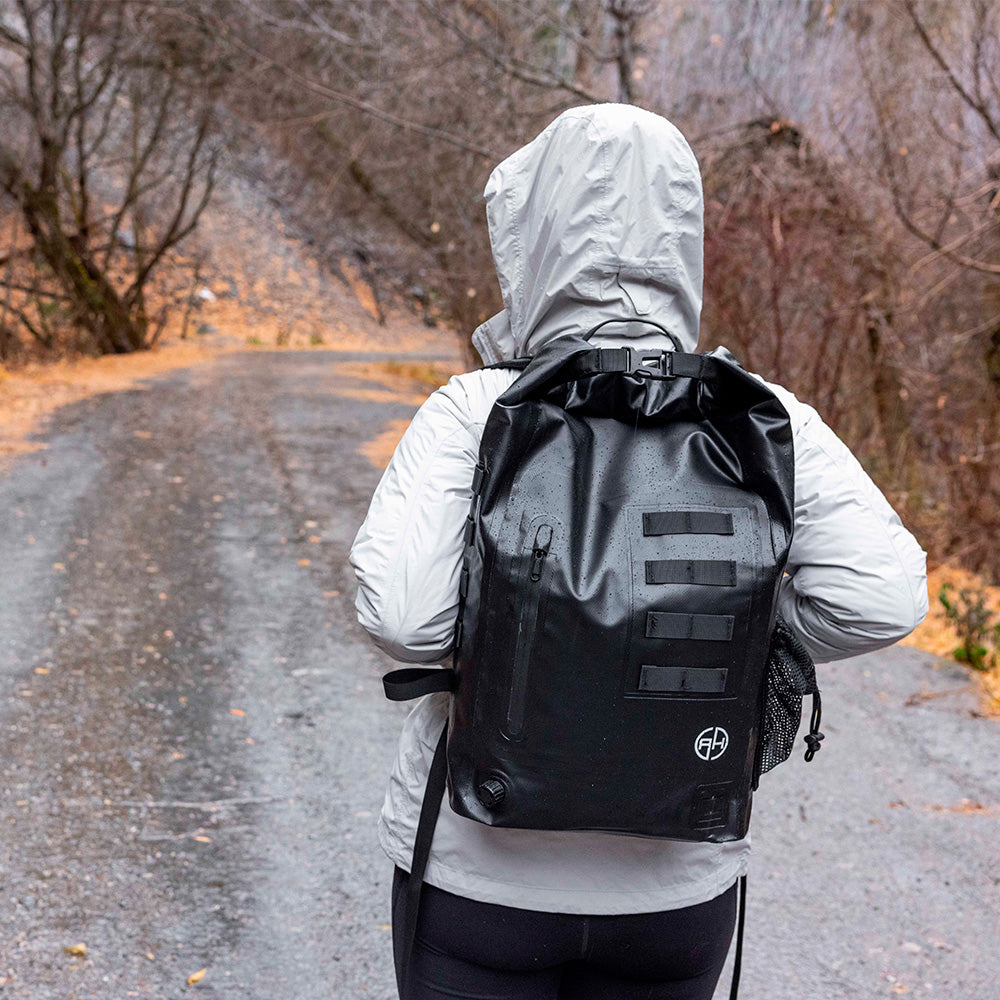
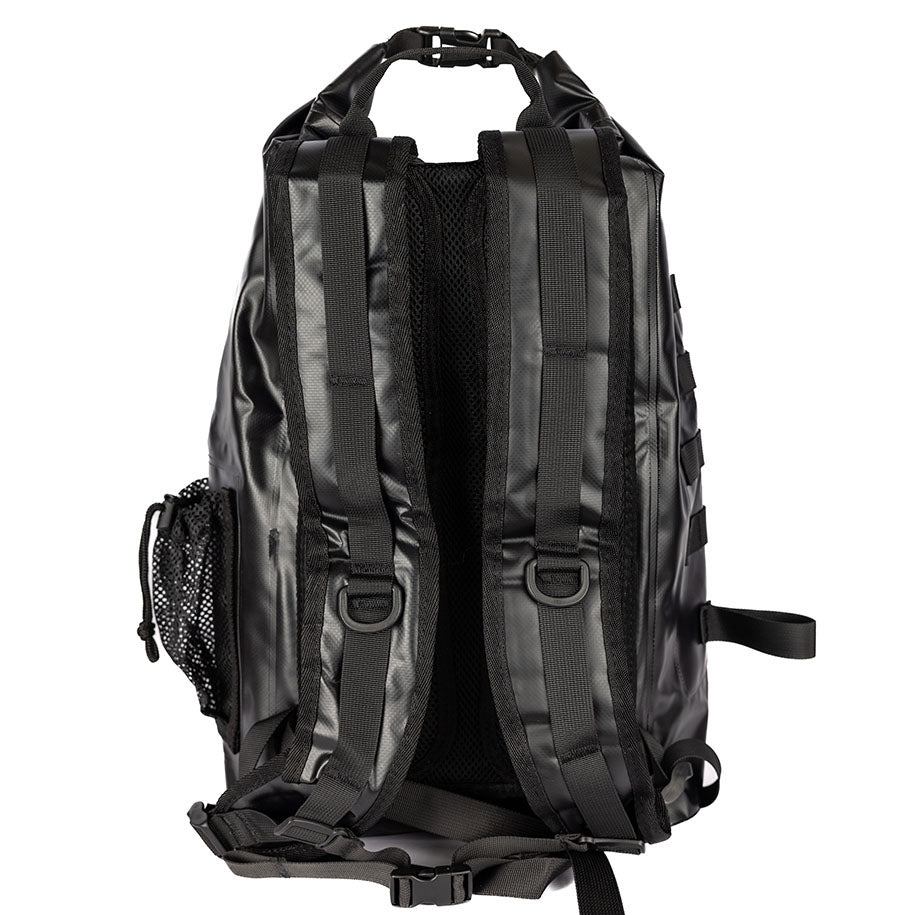
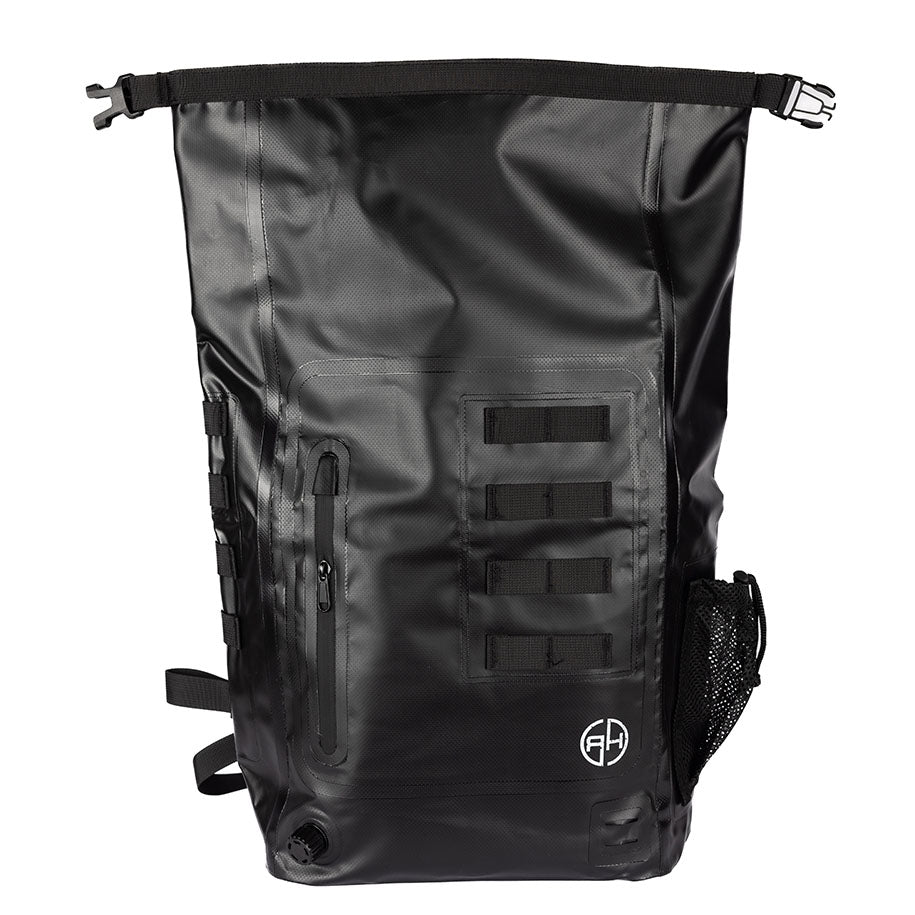
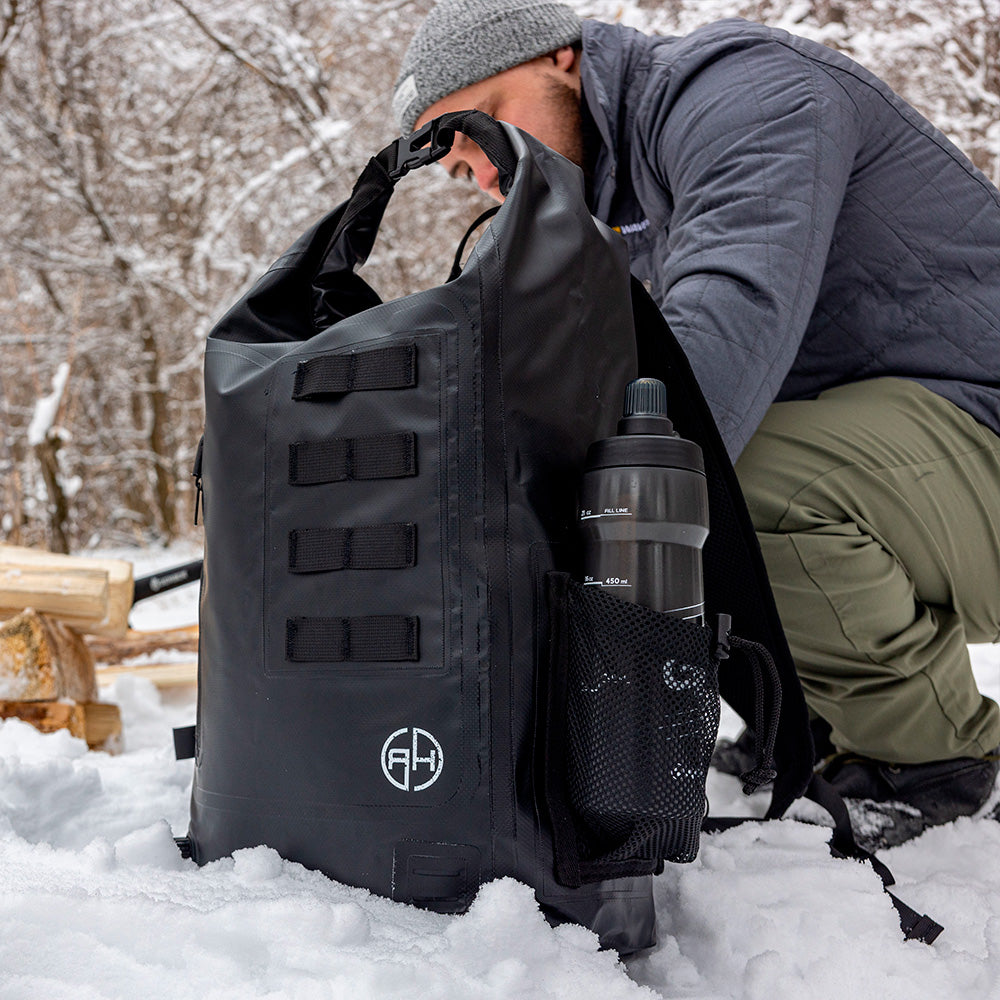
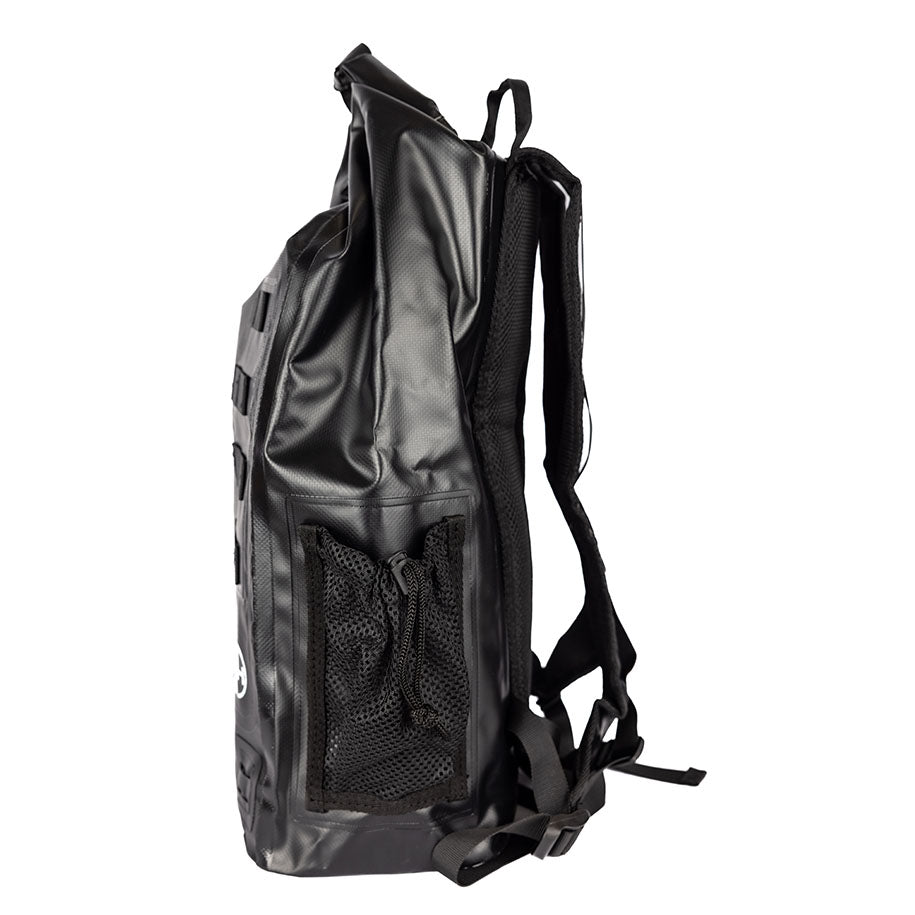
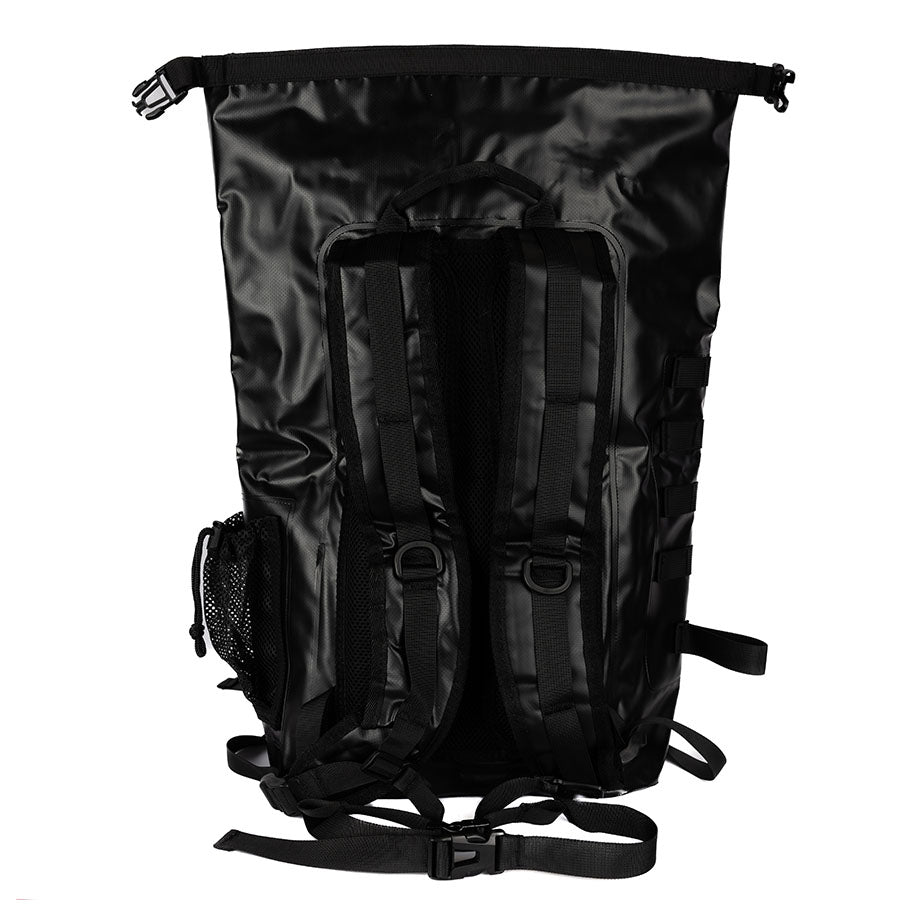
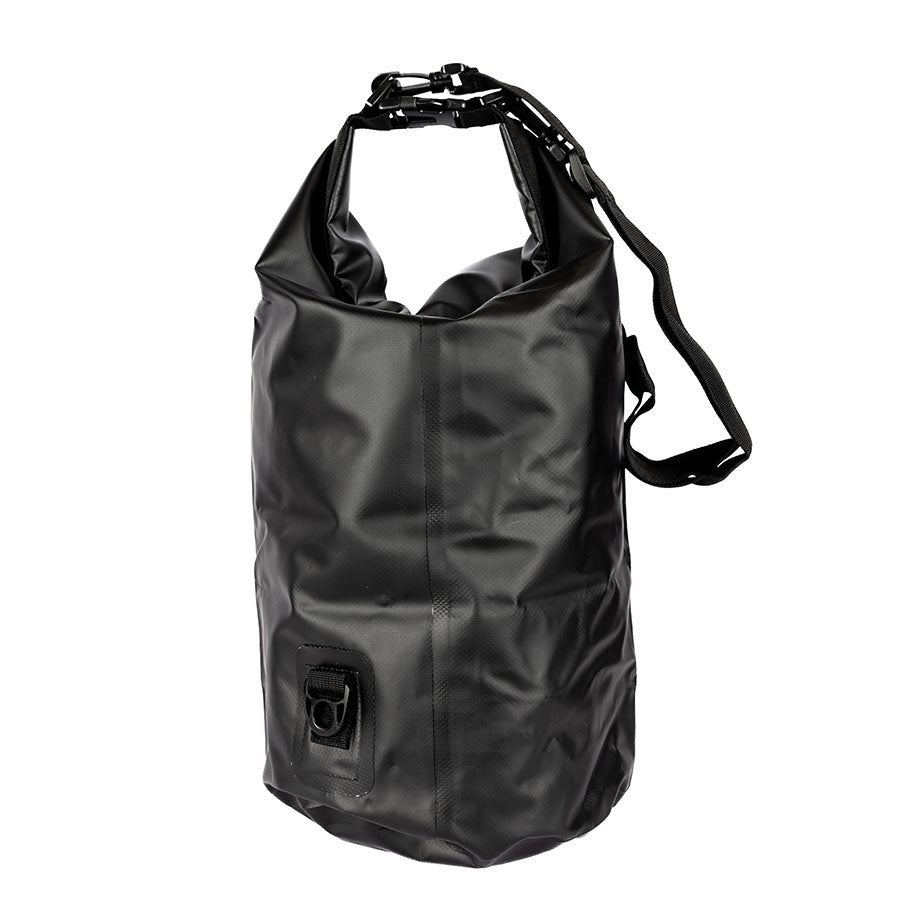
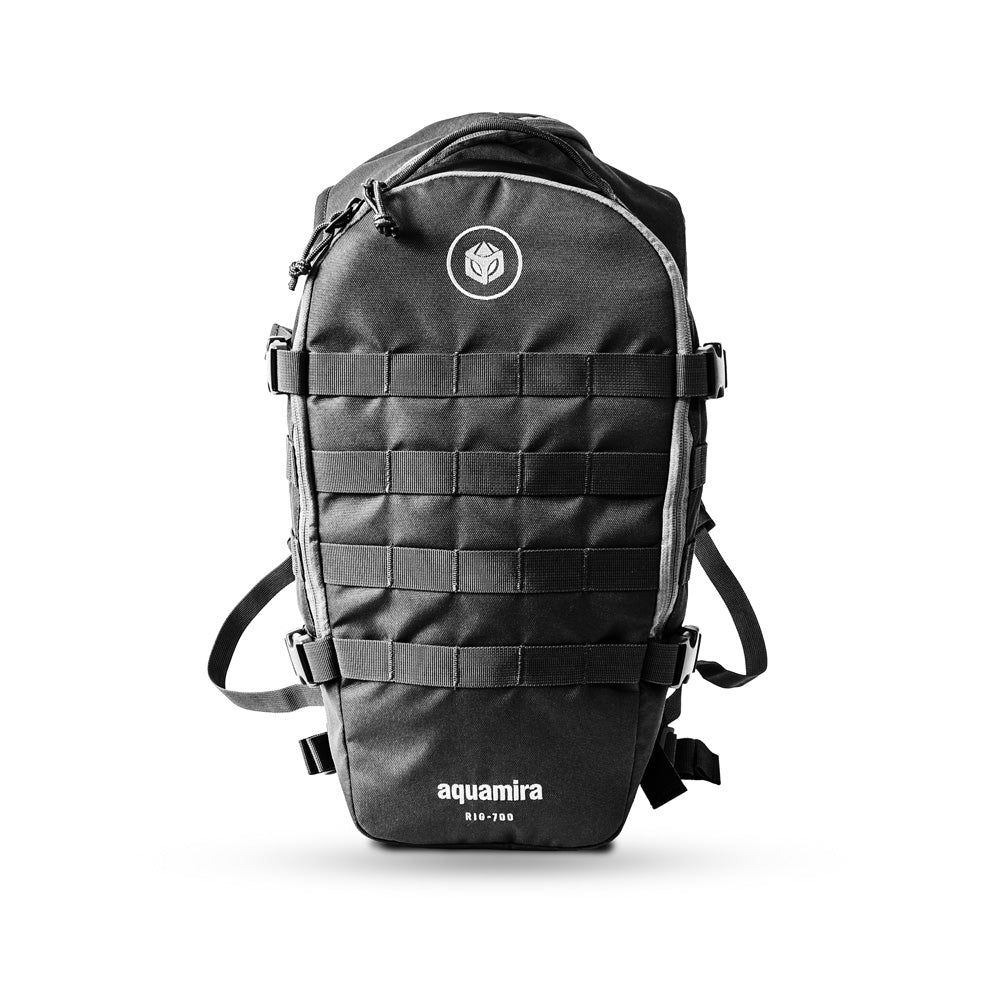
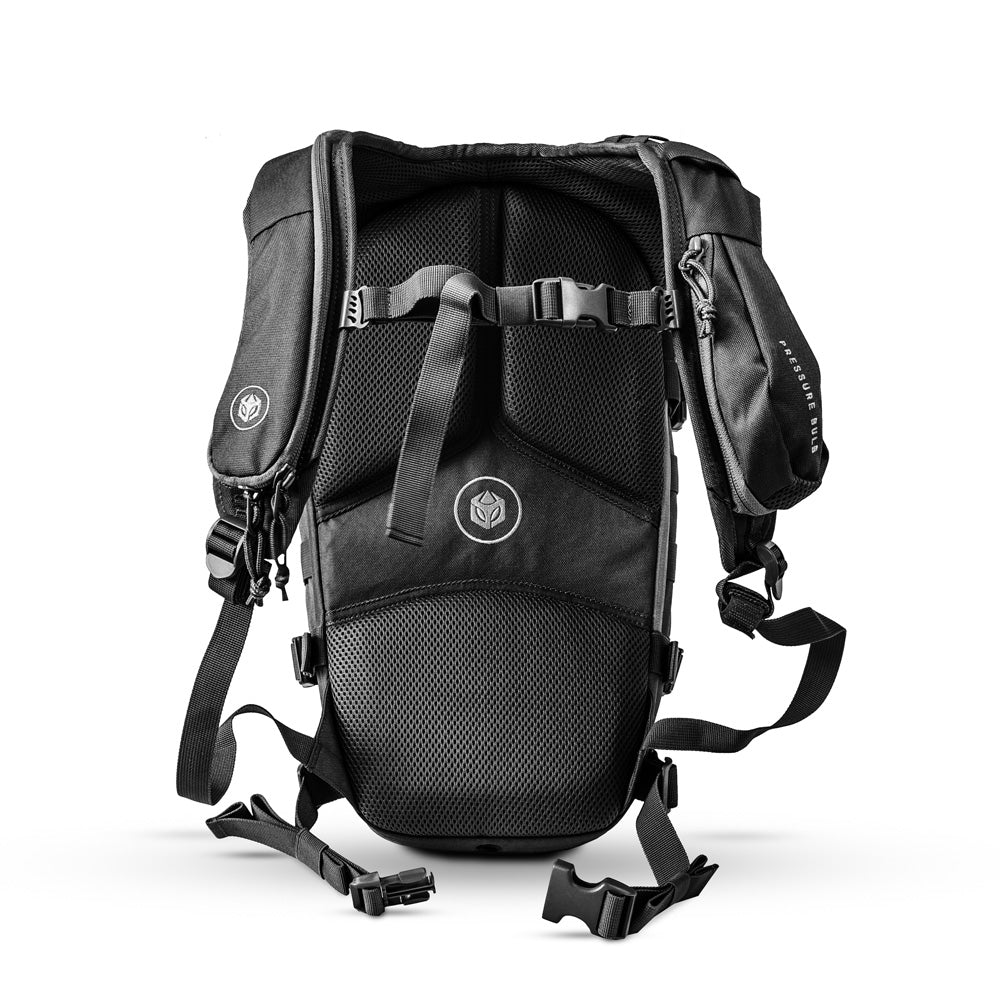
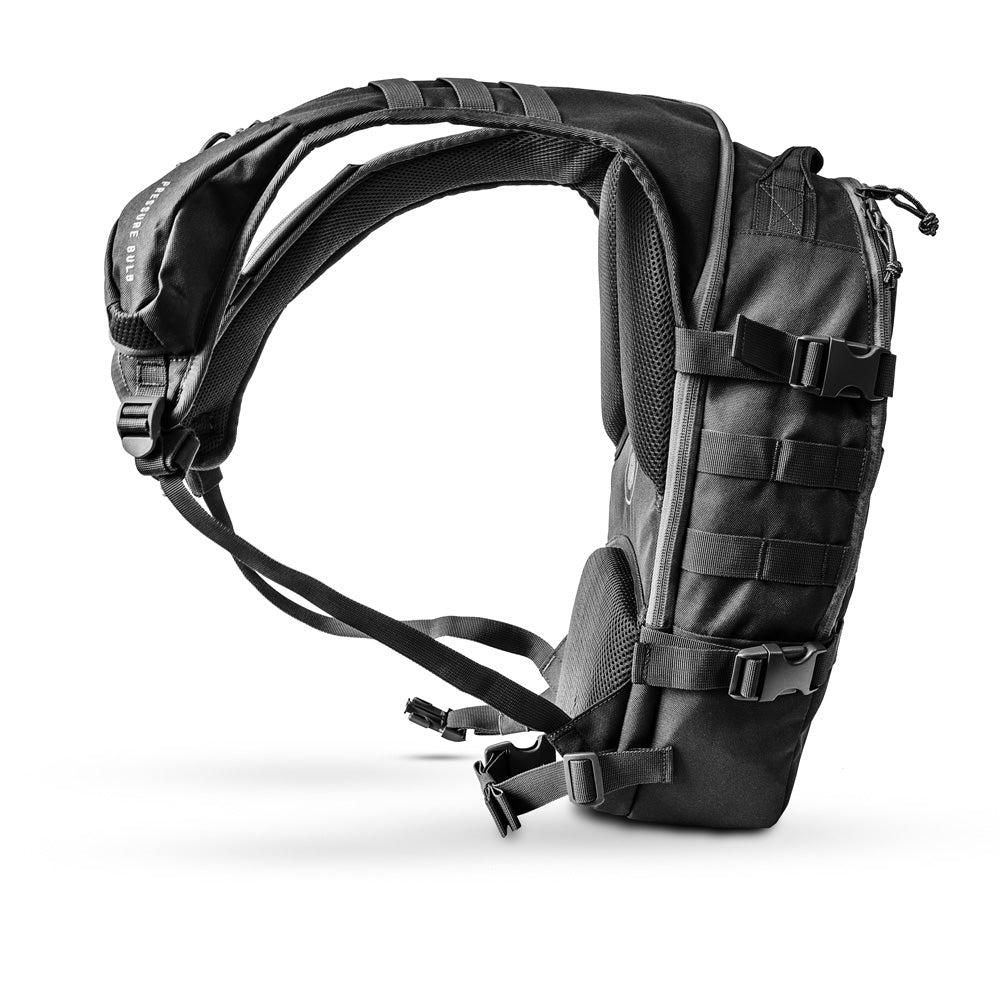
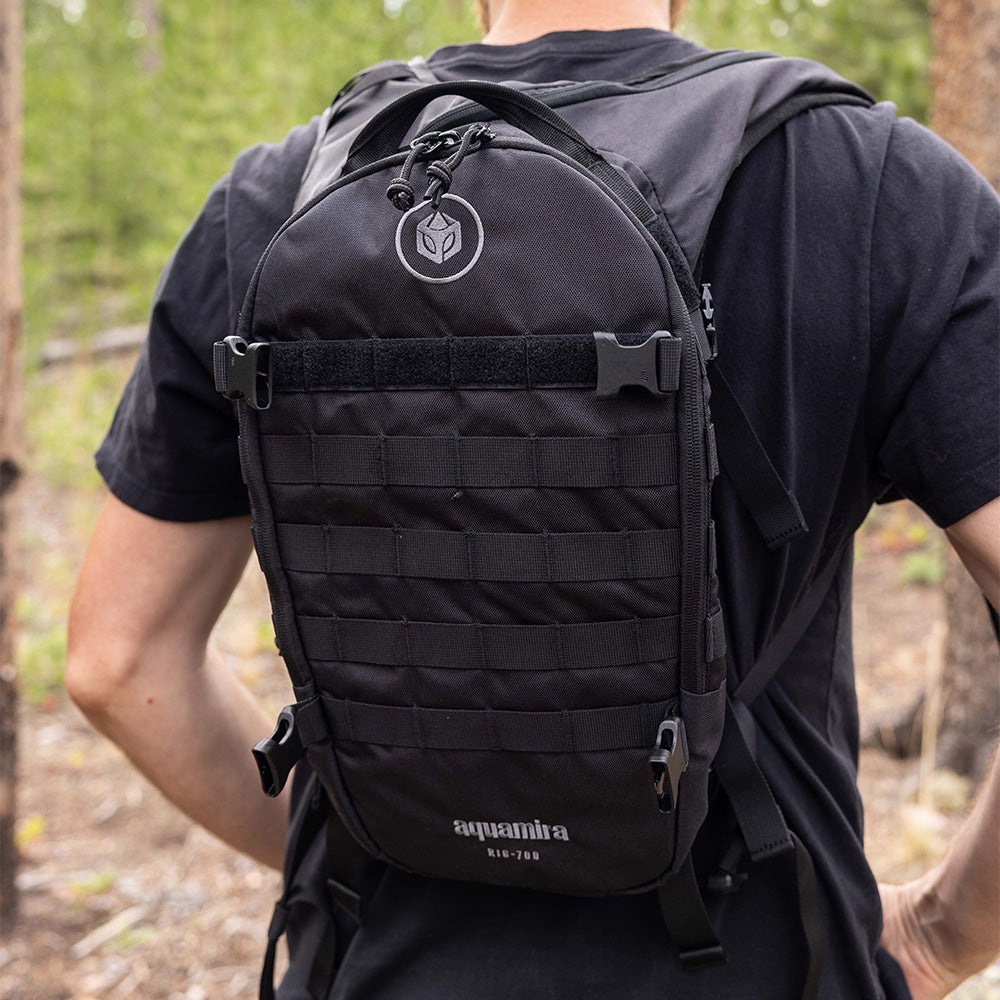
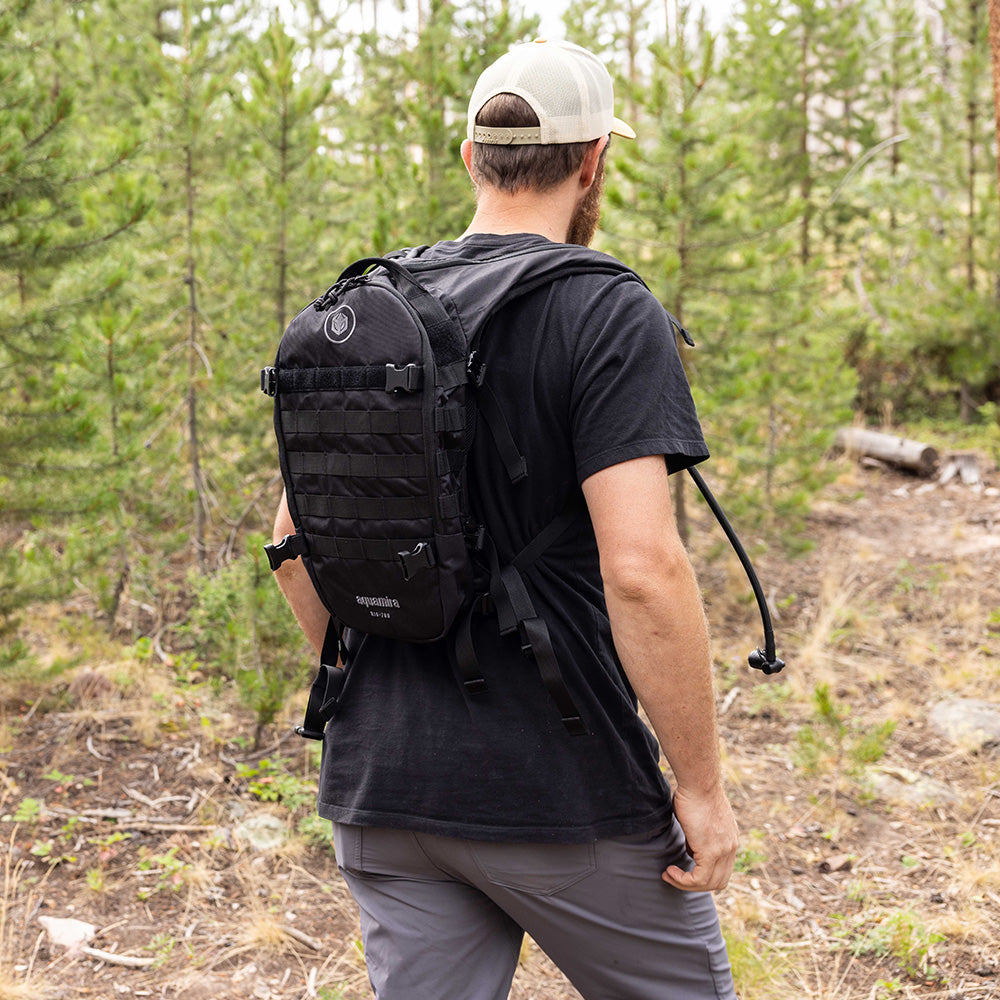
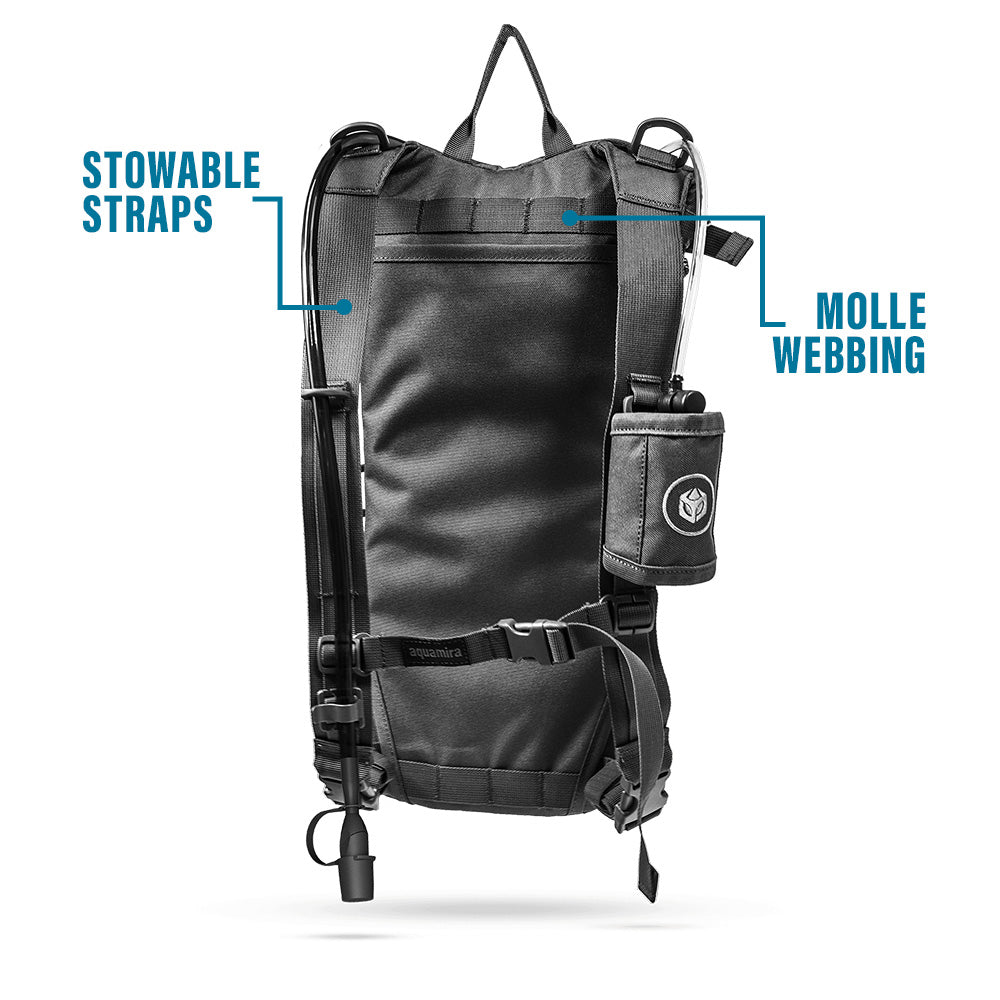
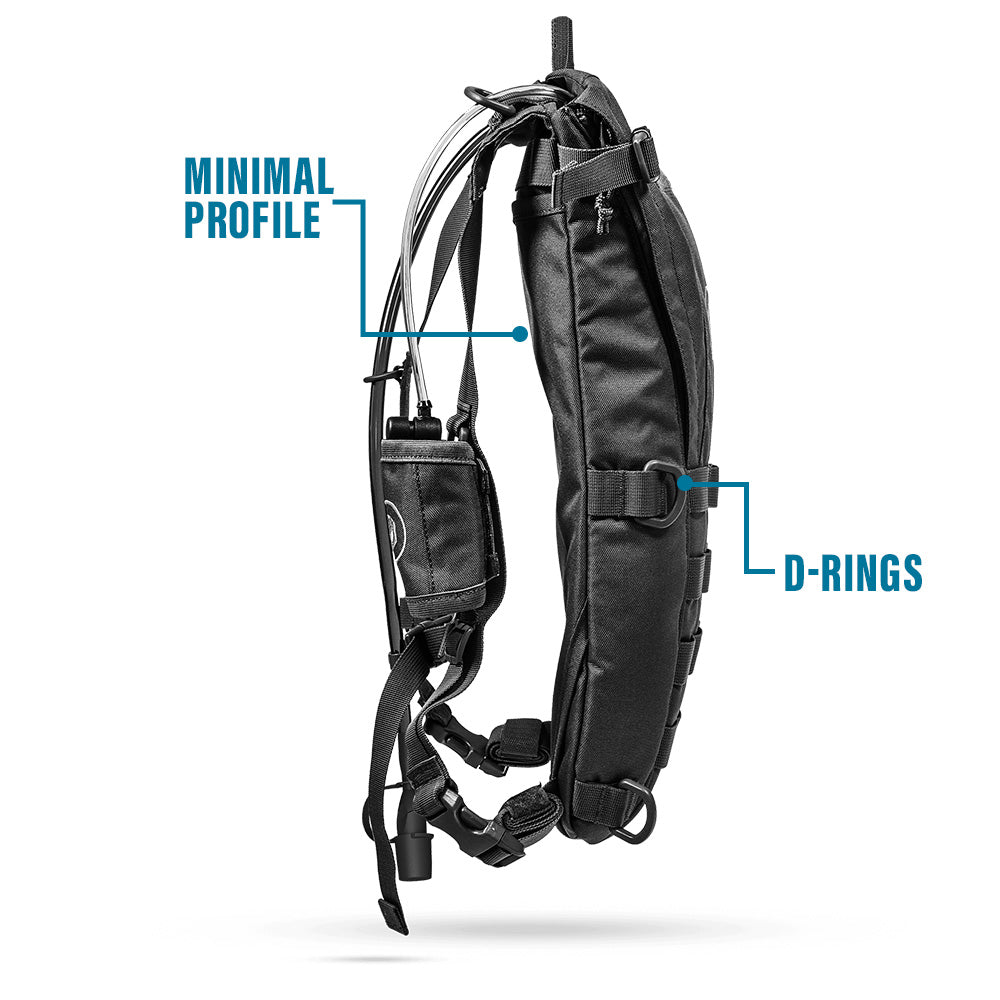
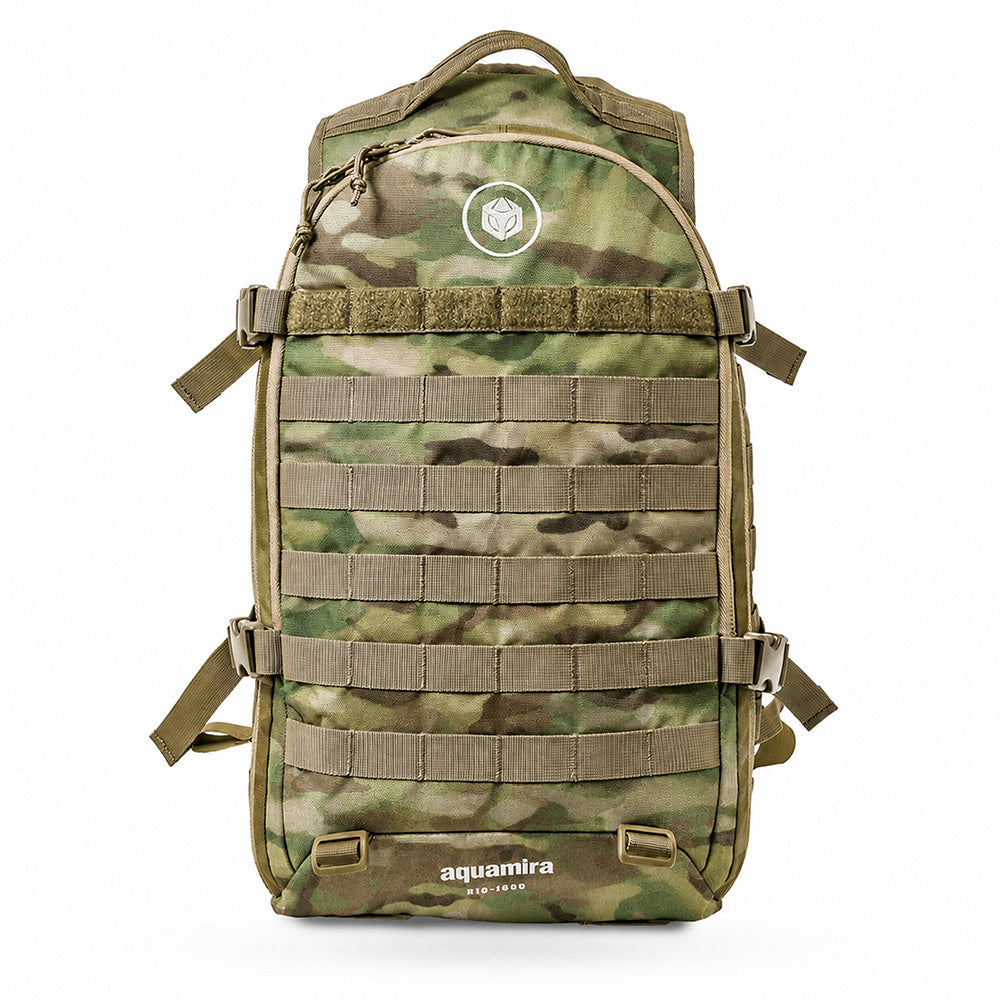
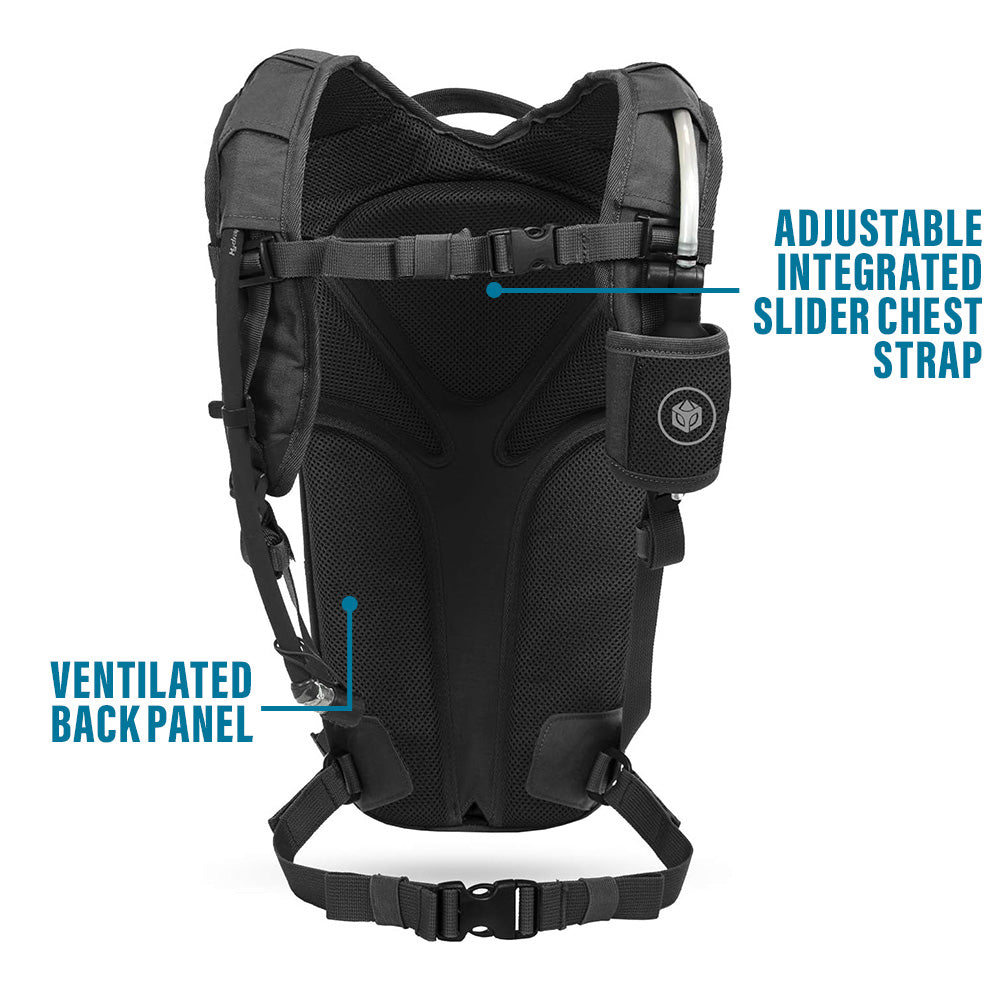
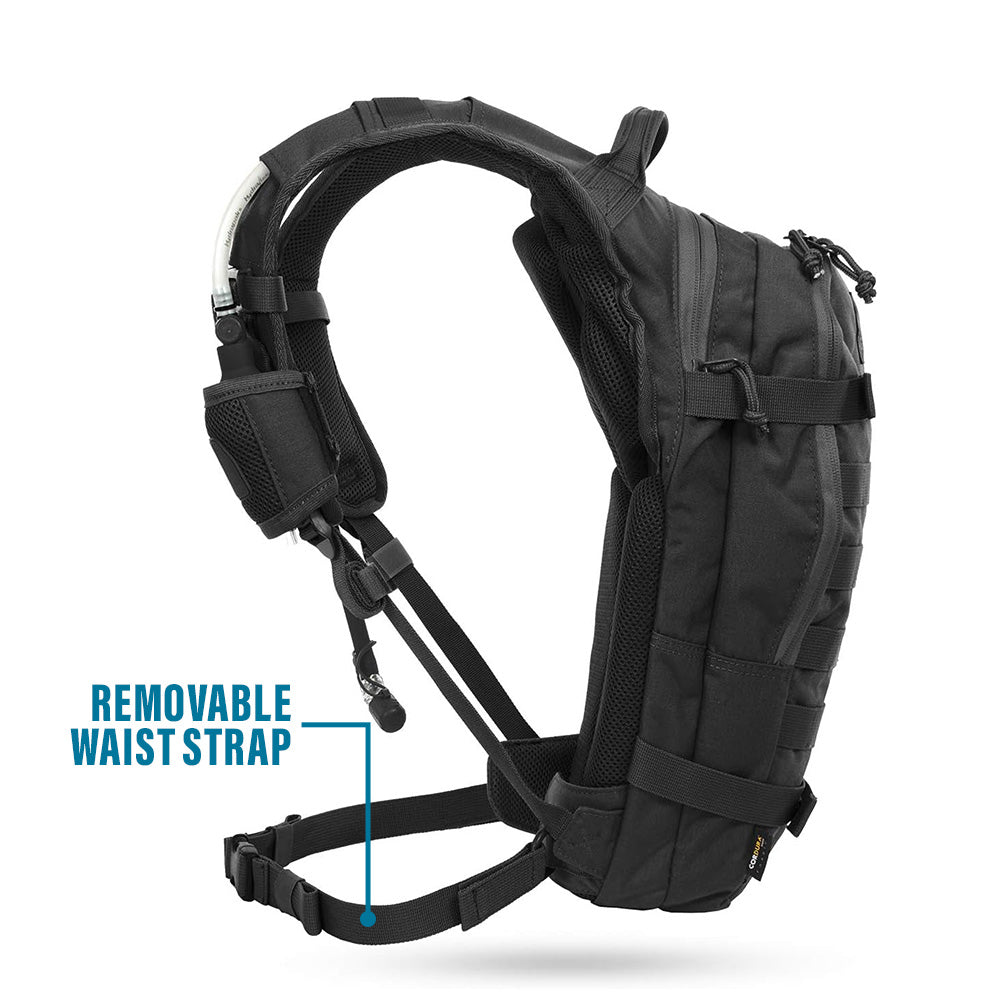
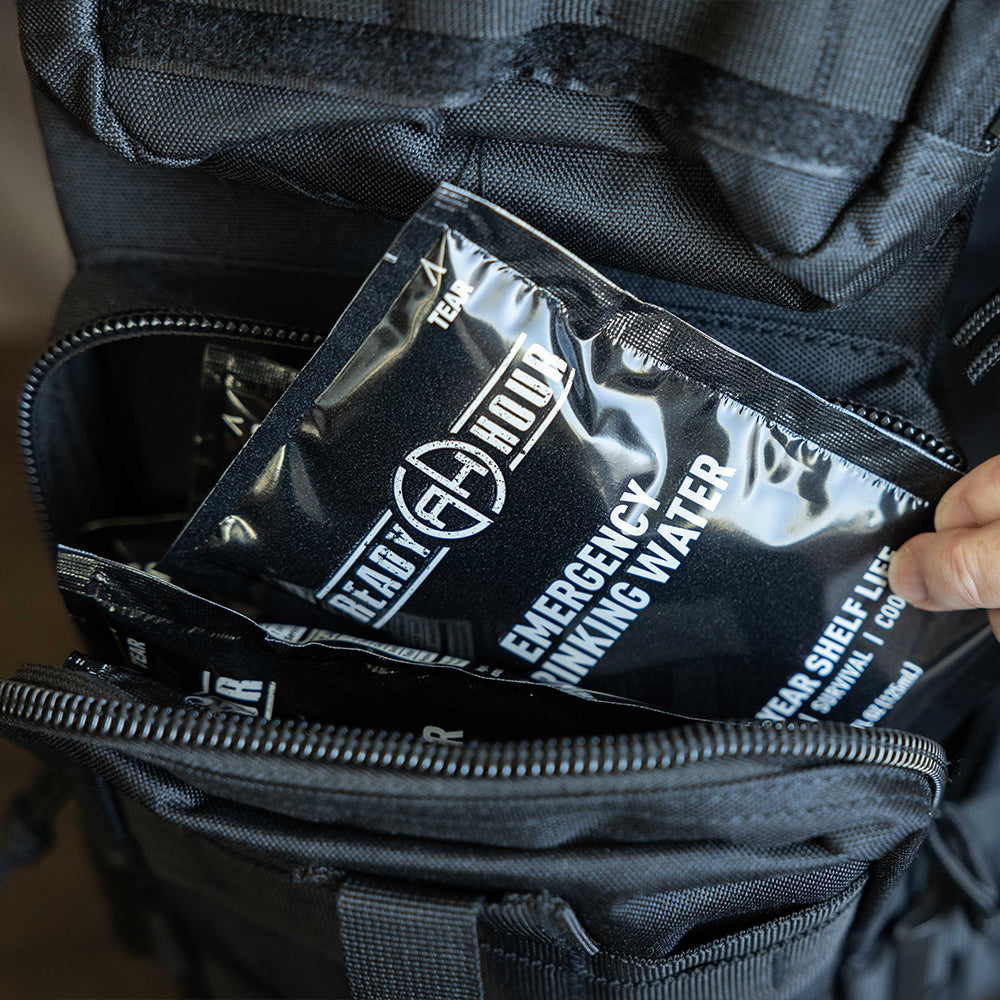
Your evacuation kit should be light enough to carry, but complete enough to keep you functioning for several days.
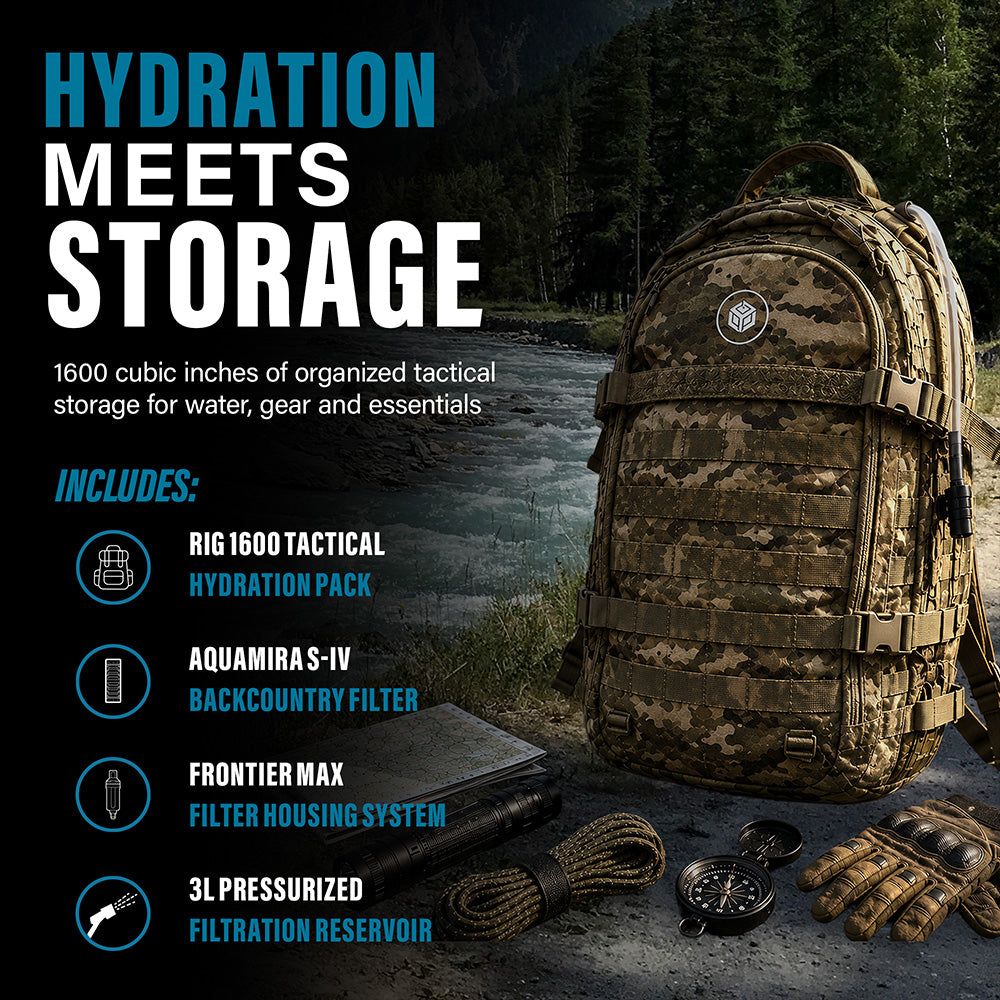
A basic checklist includes:
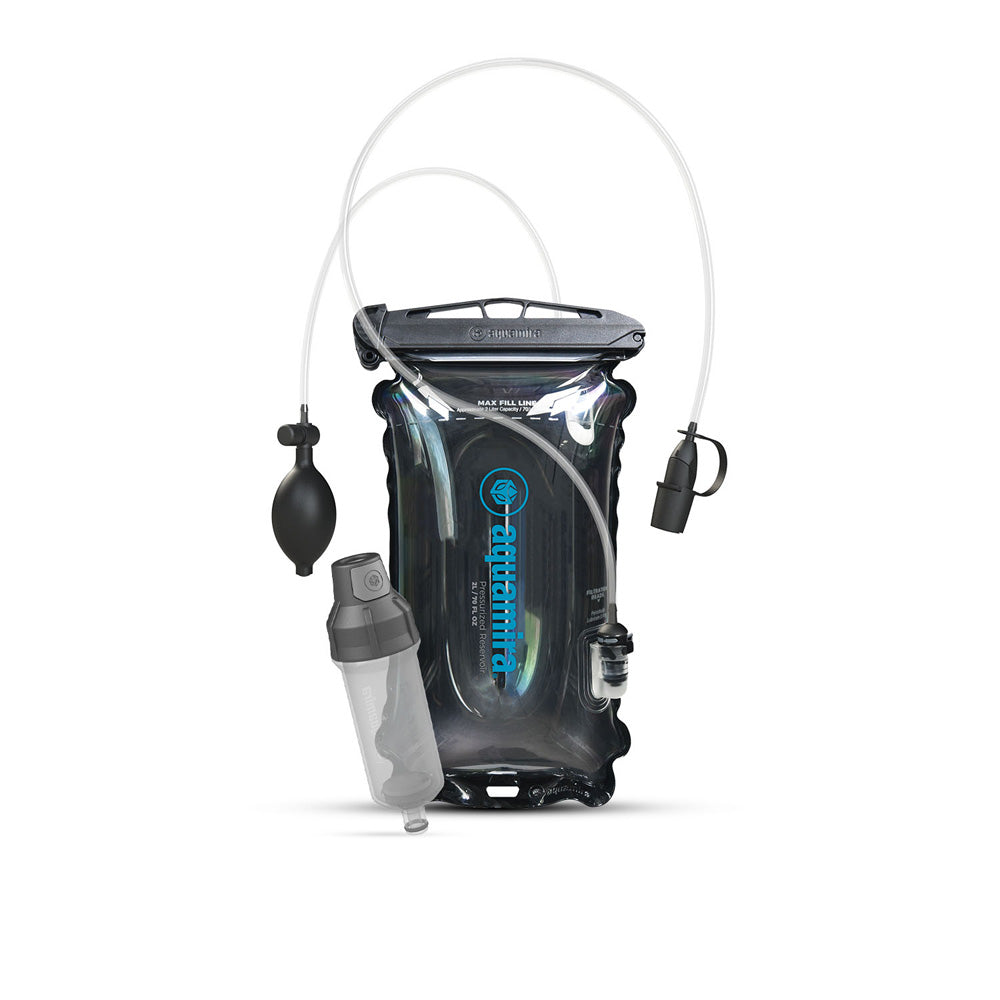
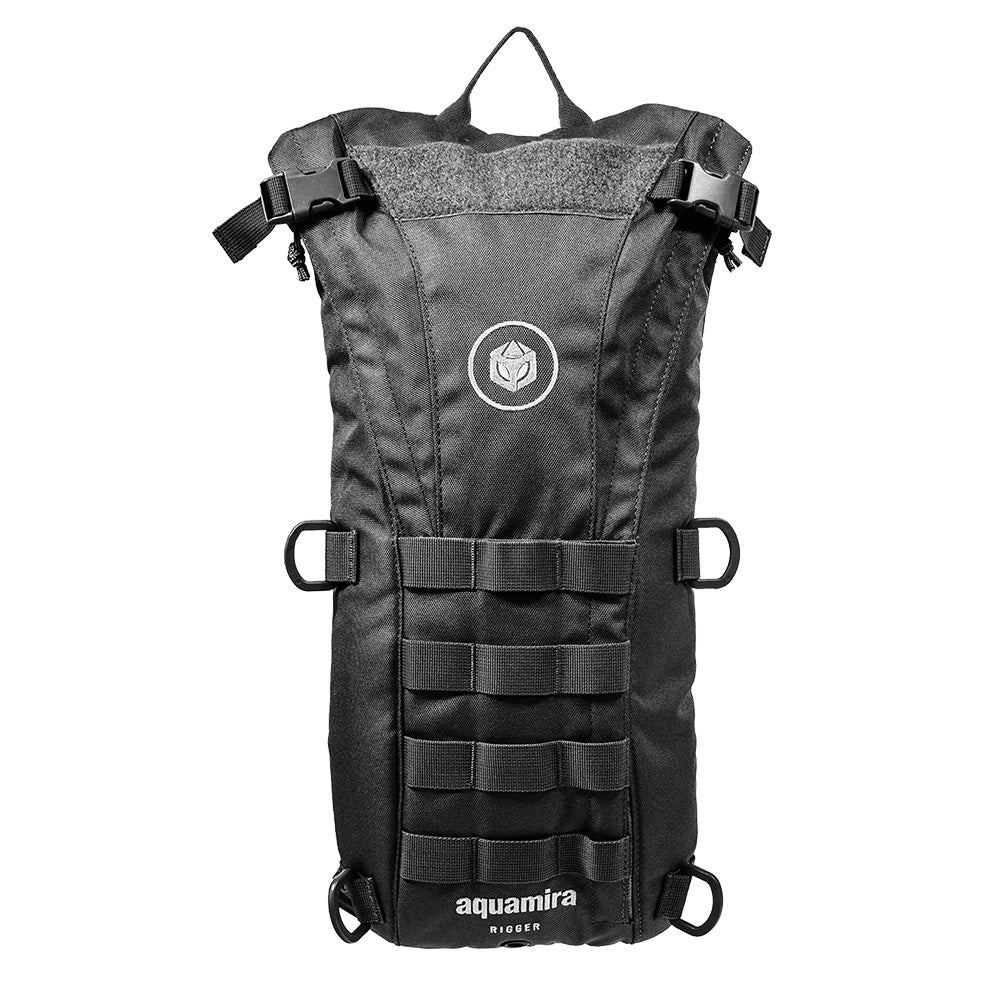
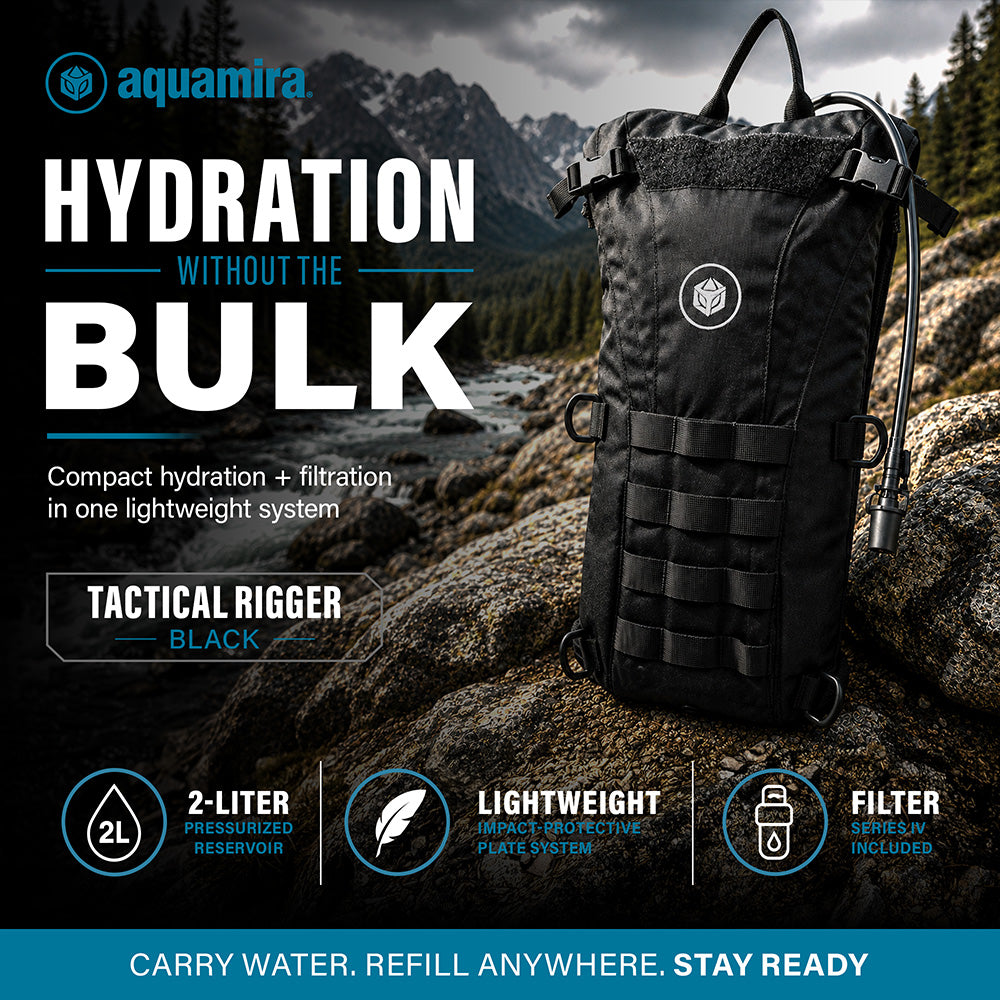
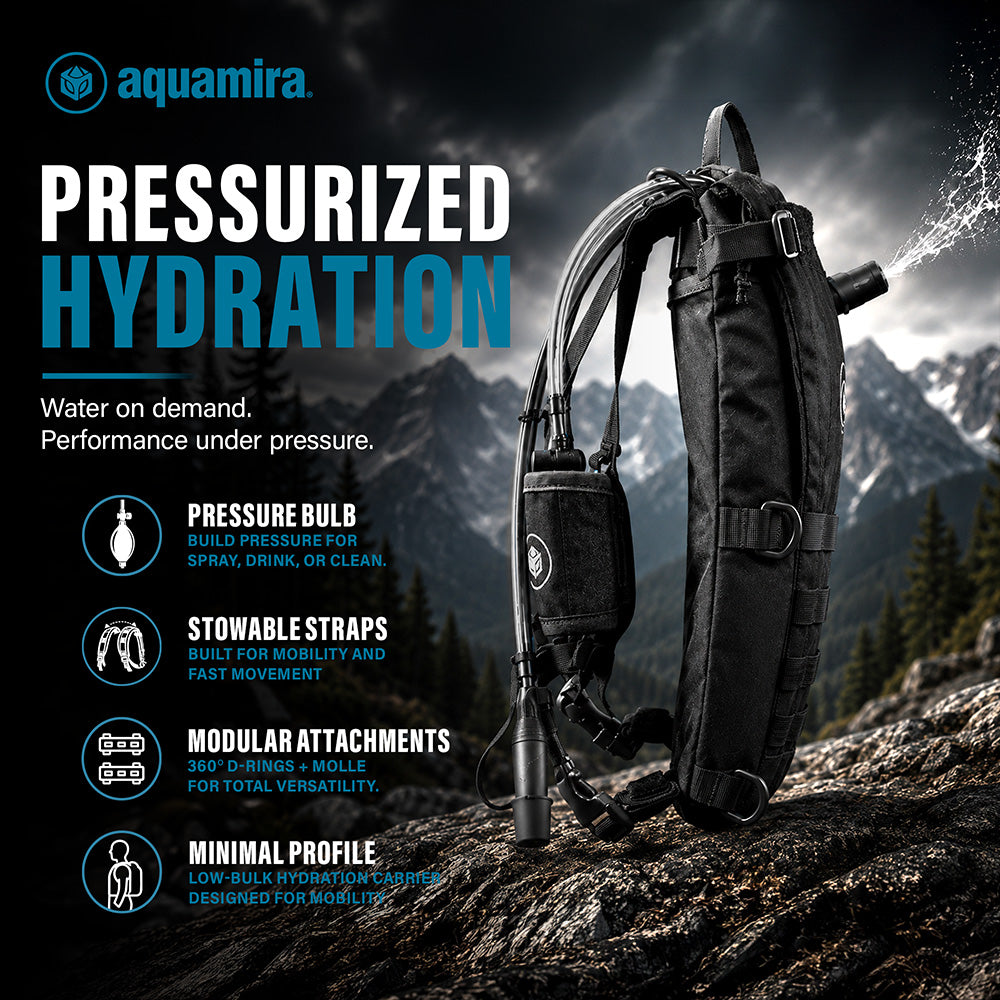
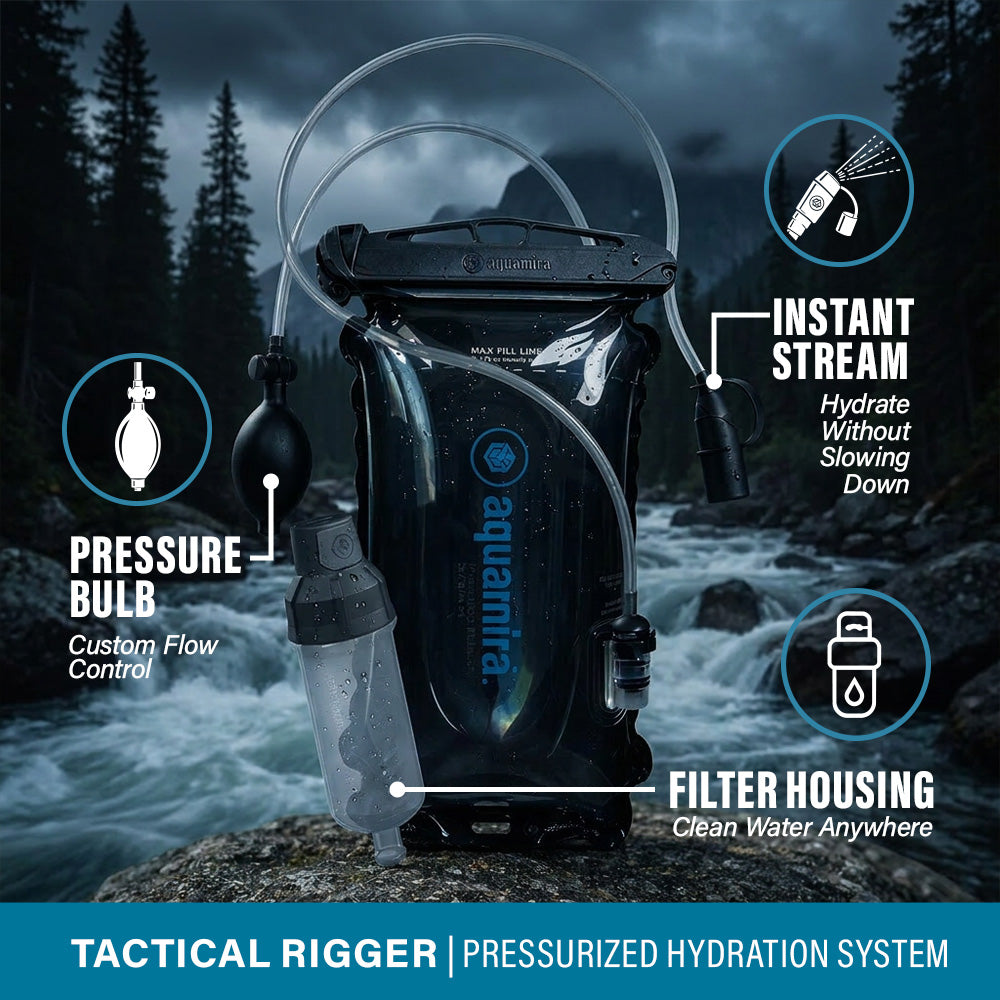
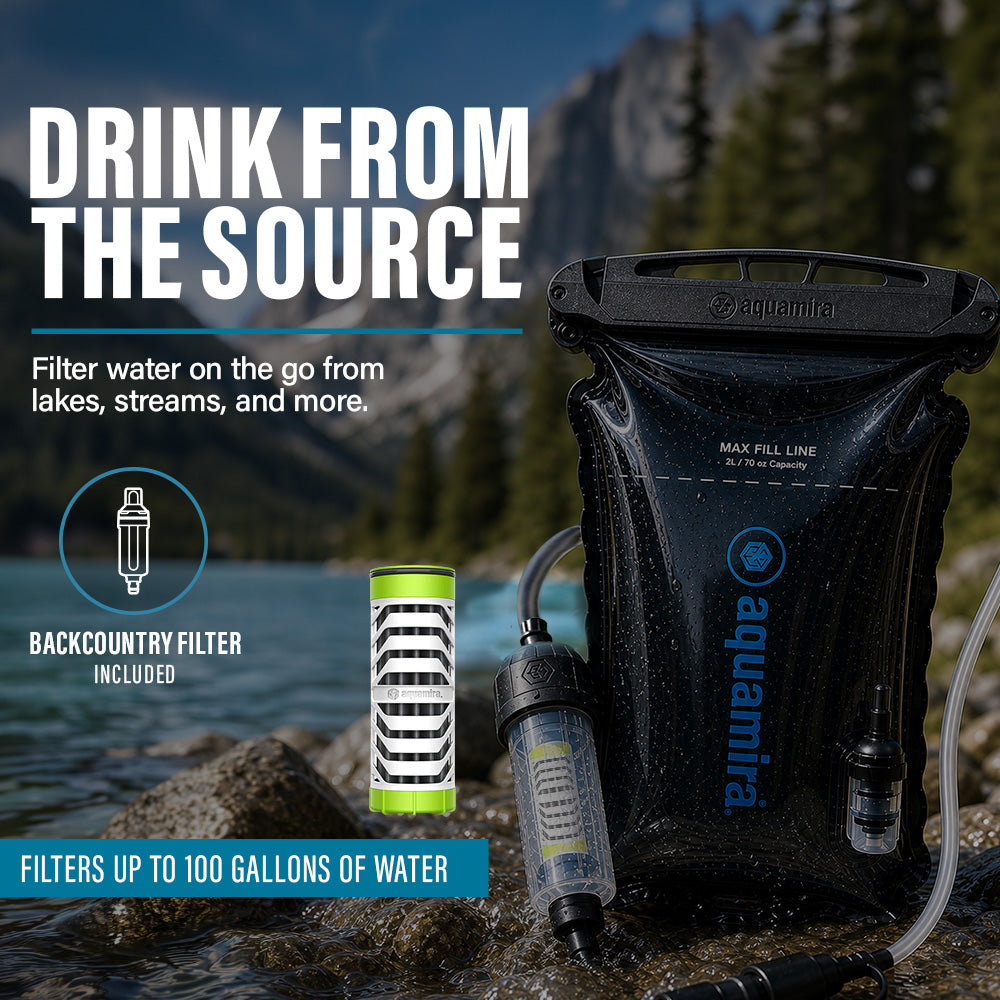
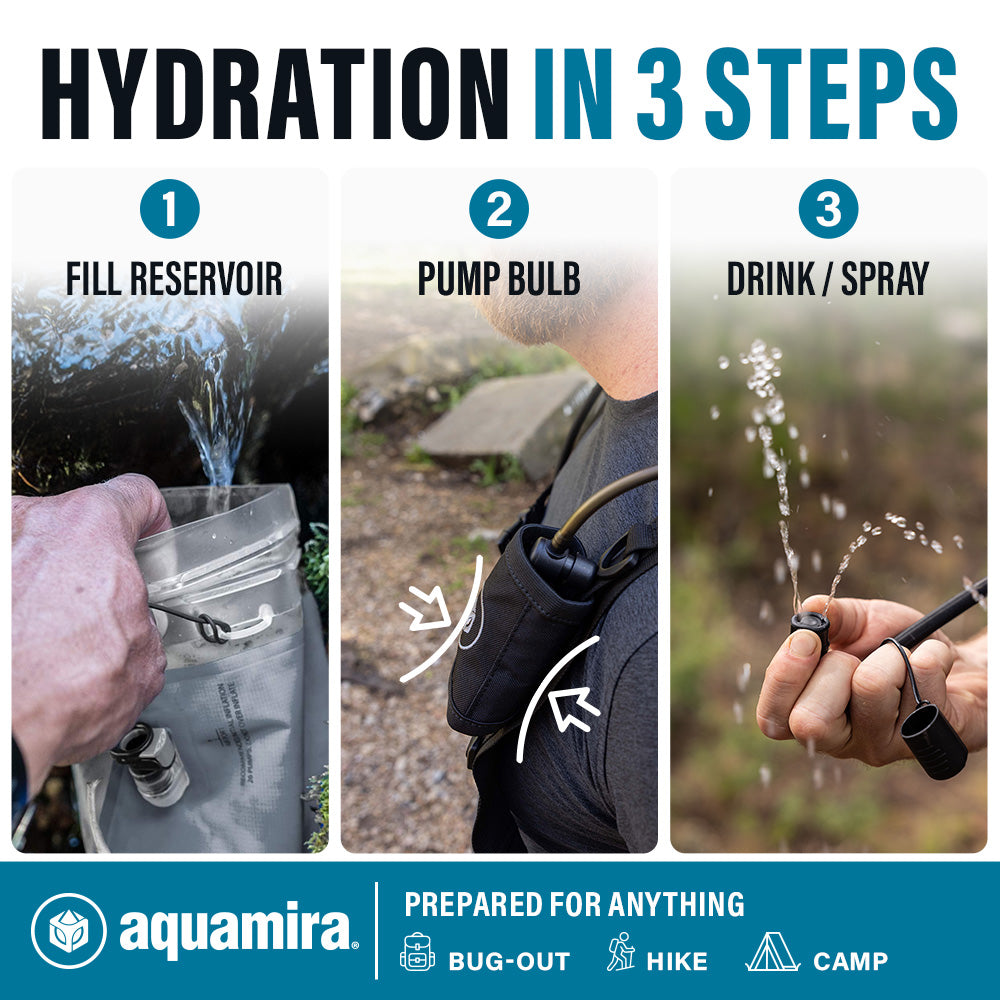
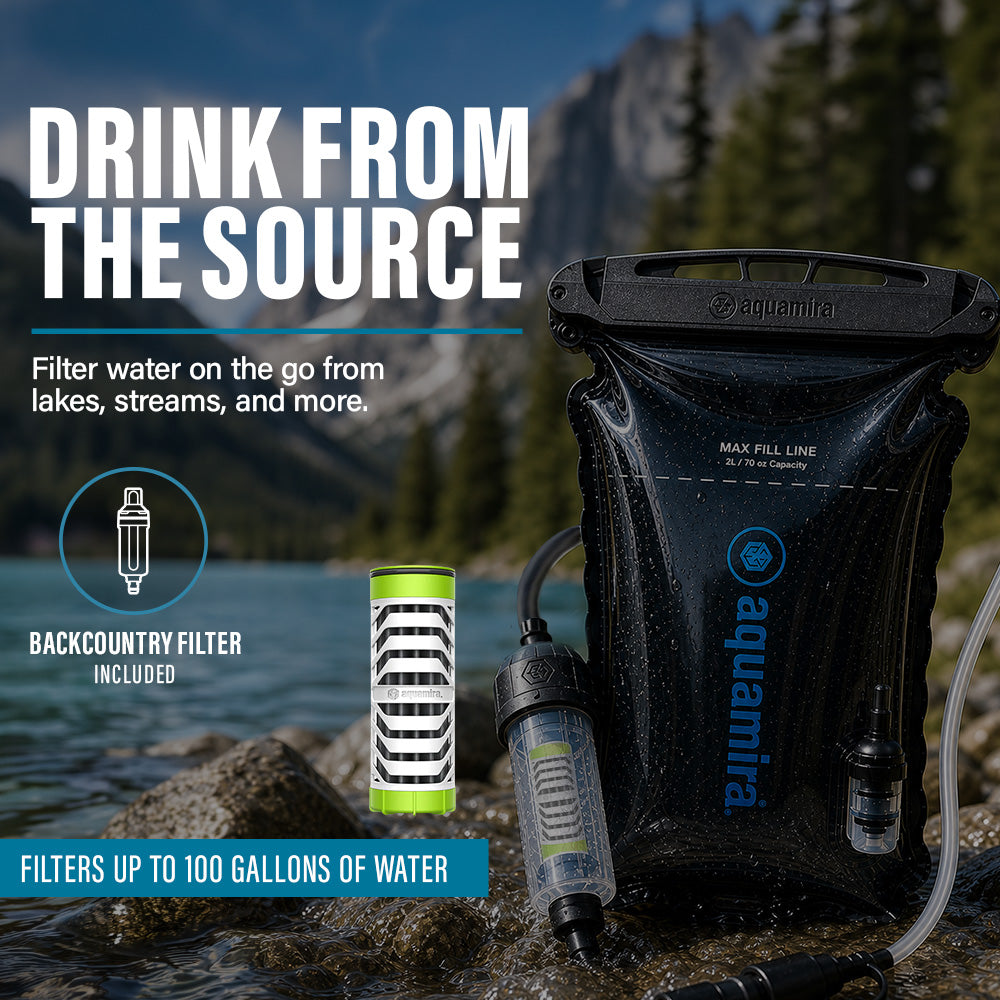
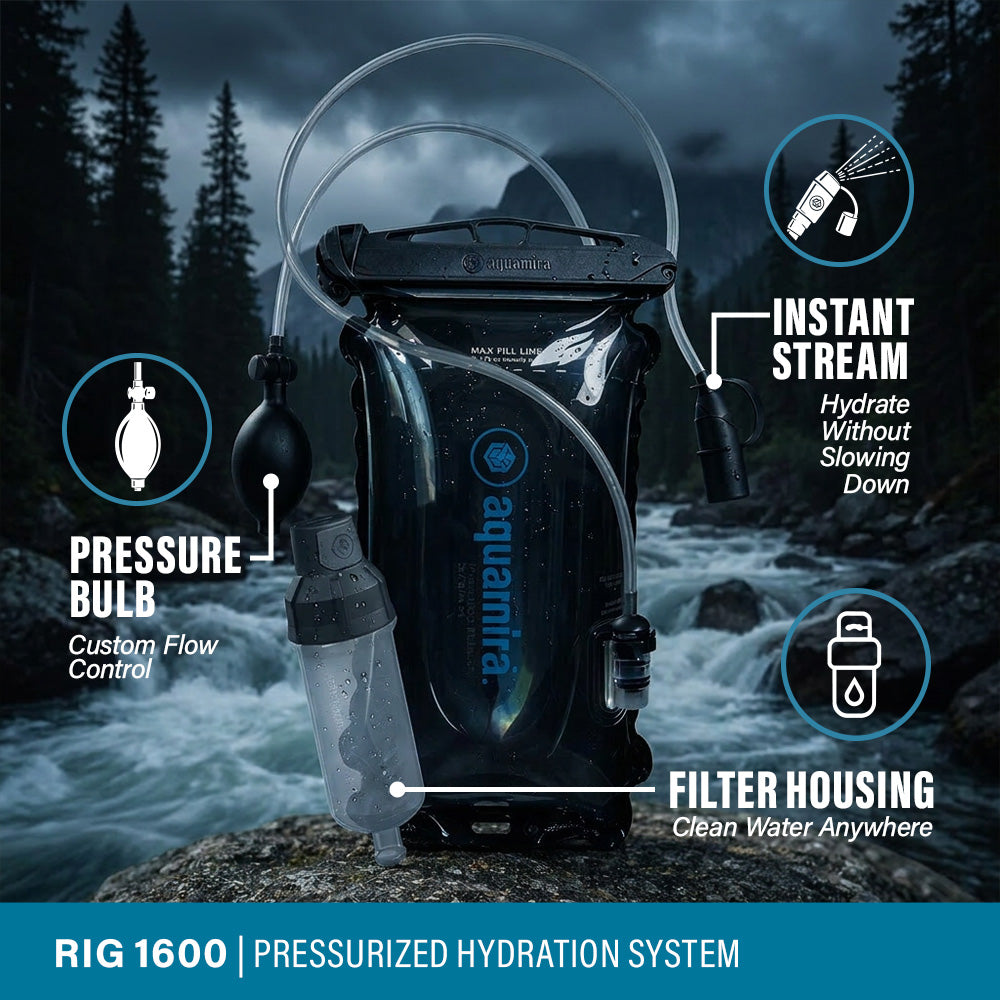
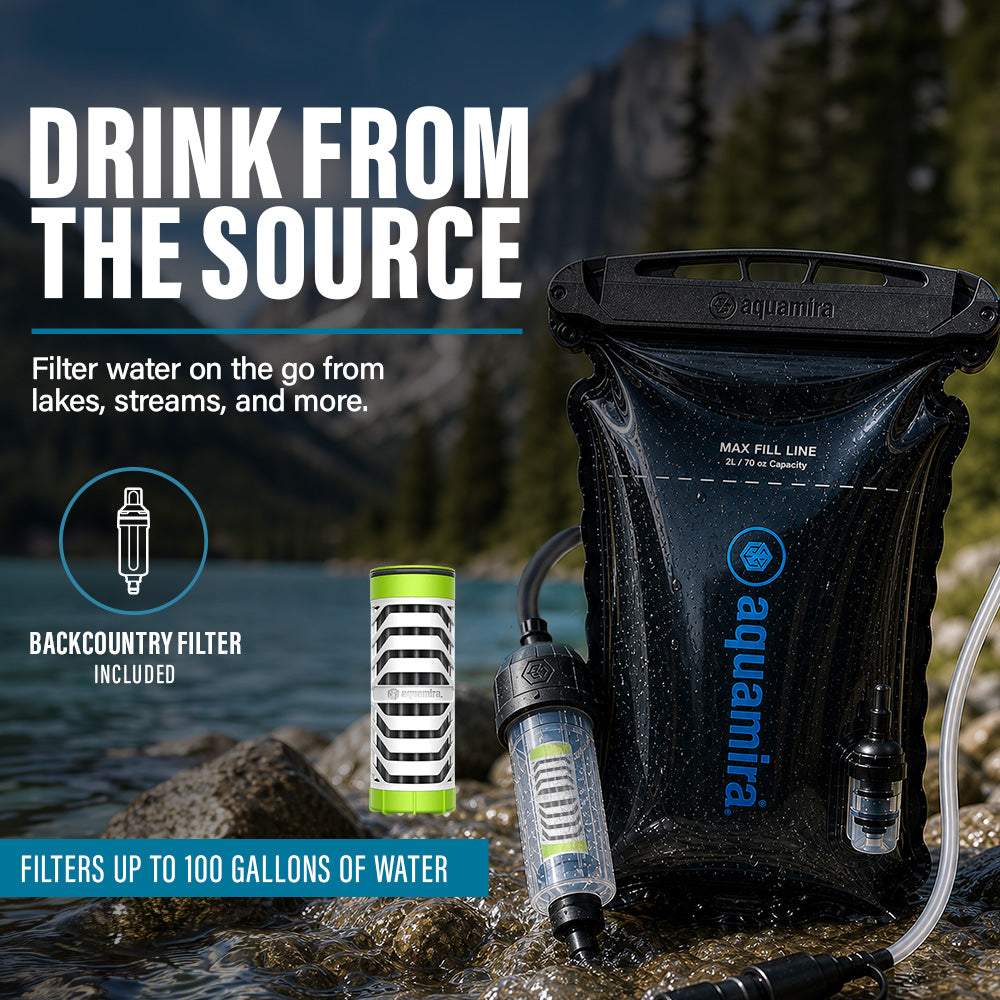
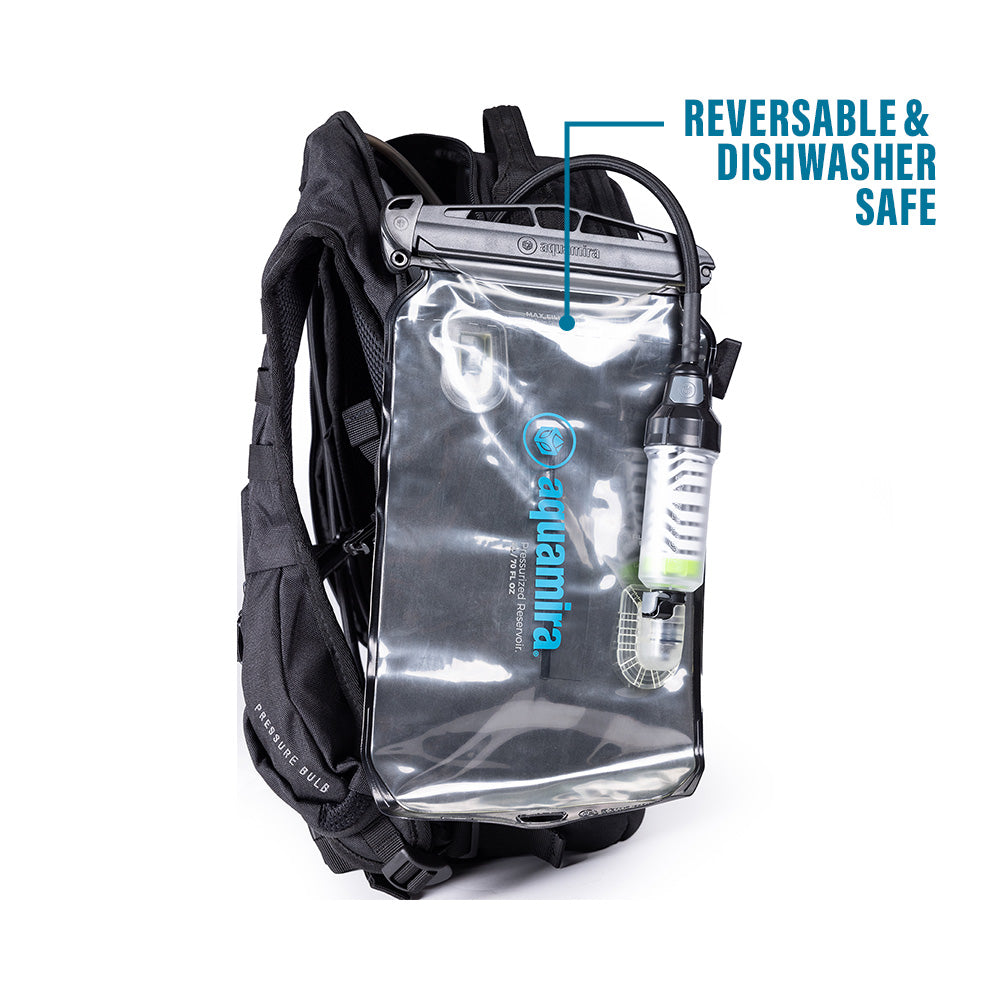
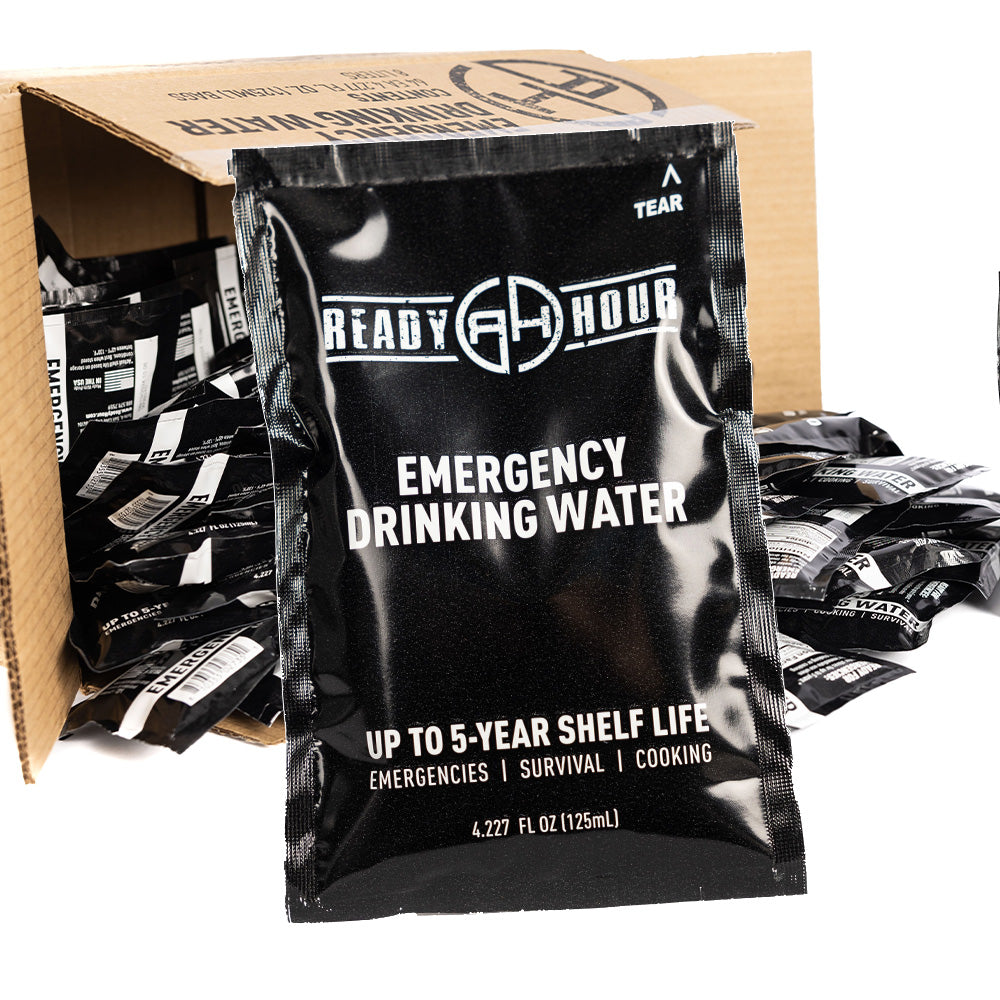
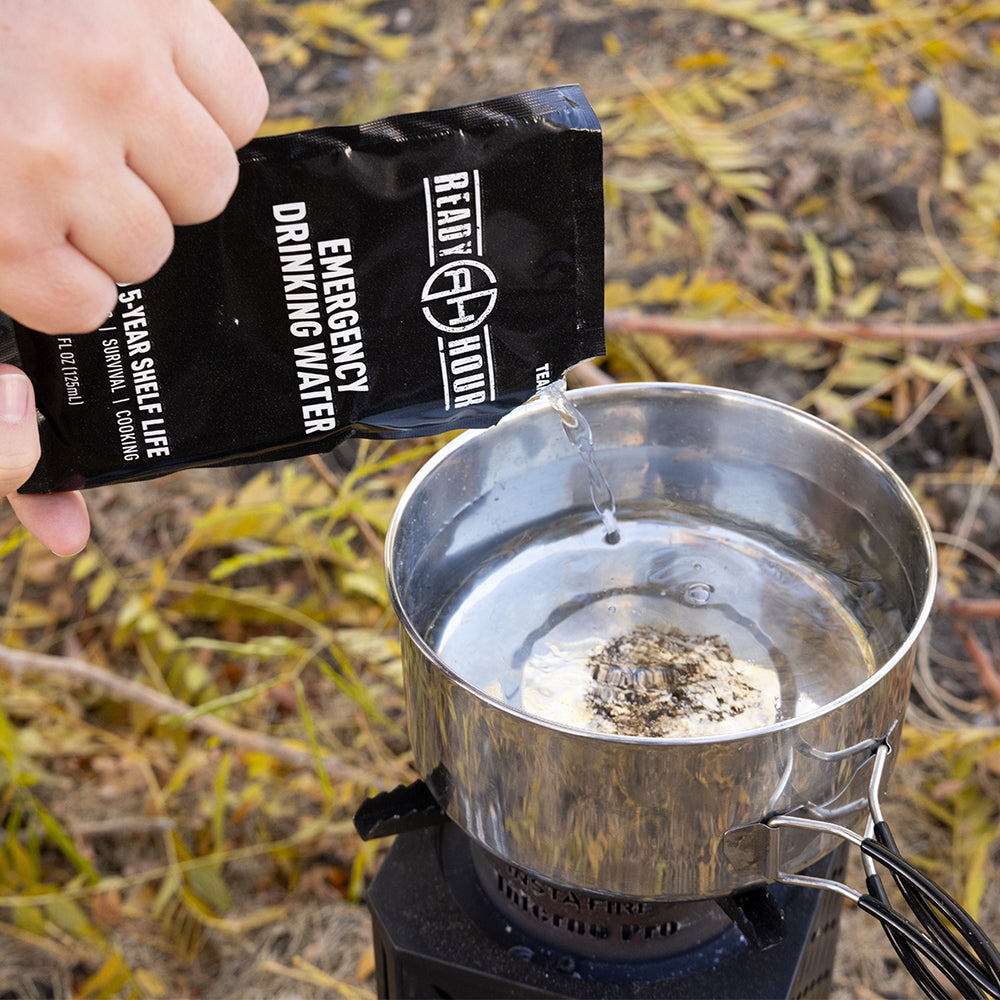
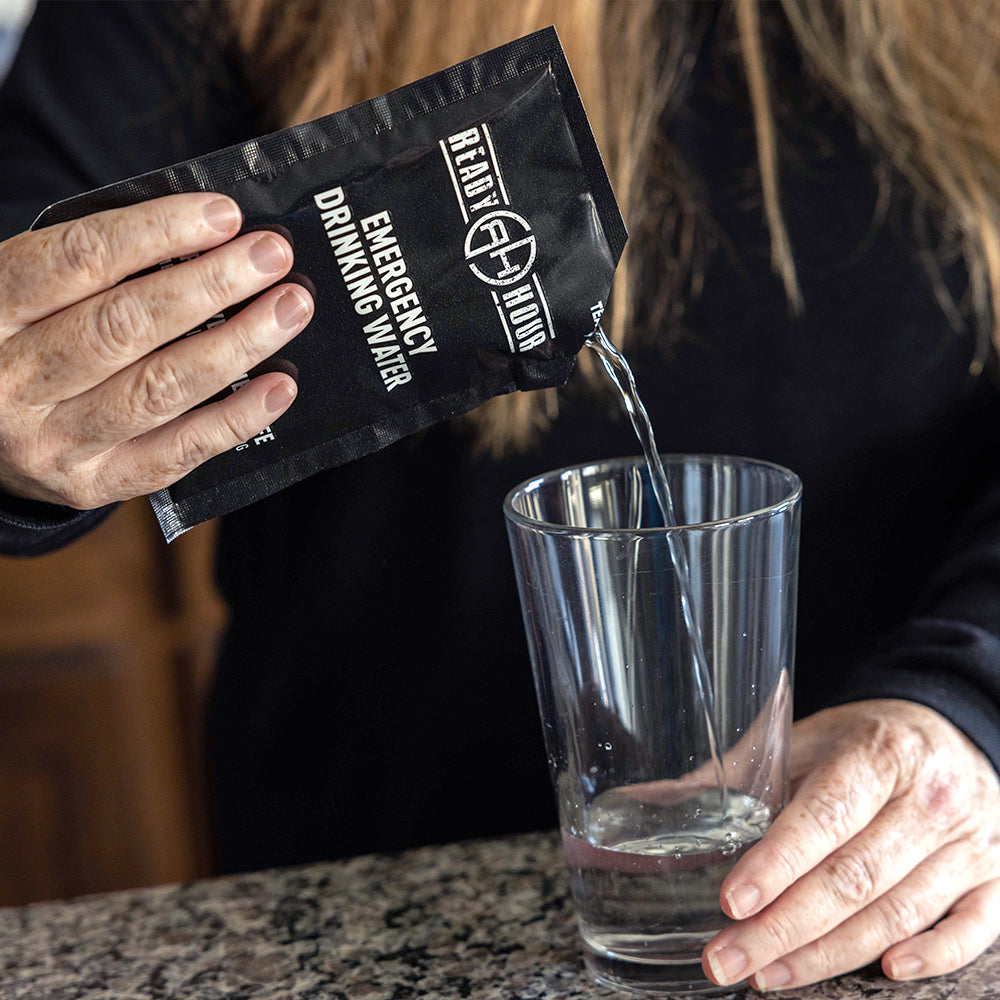
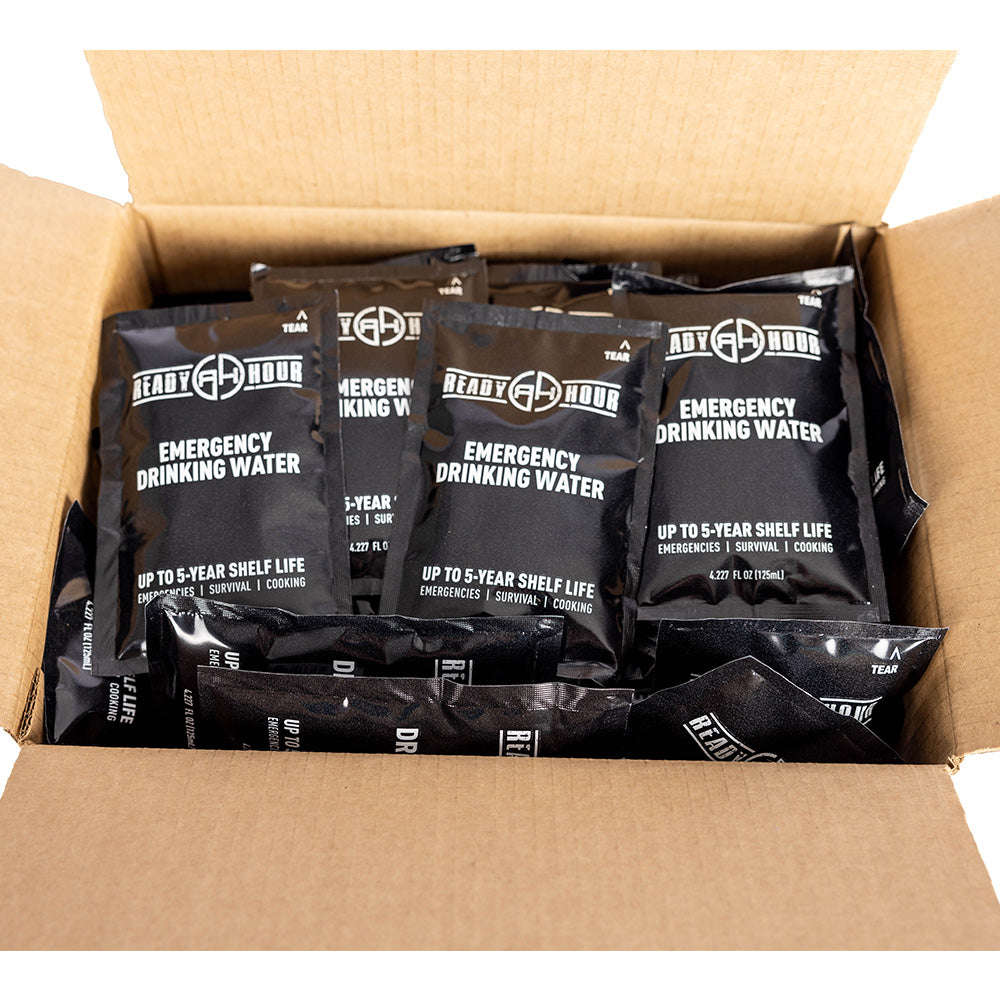
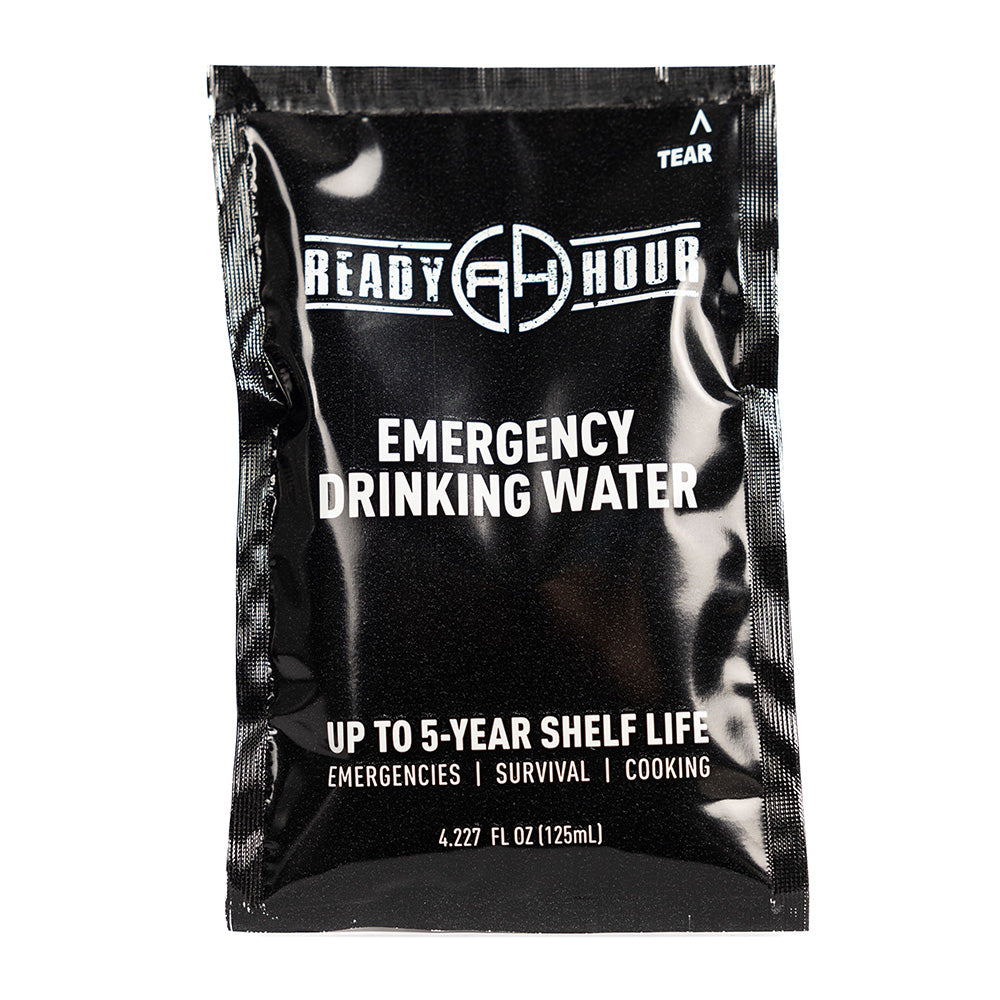
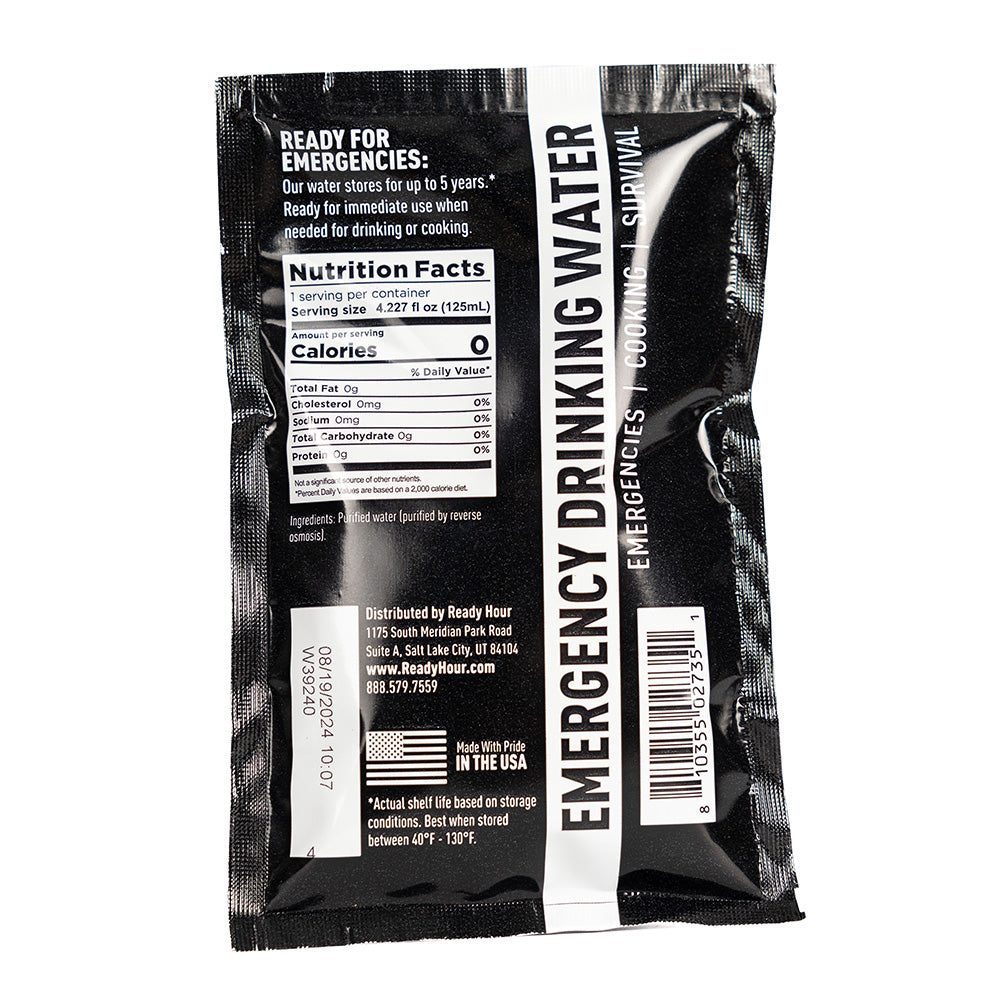
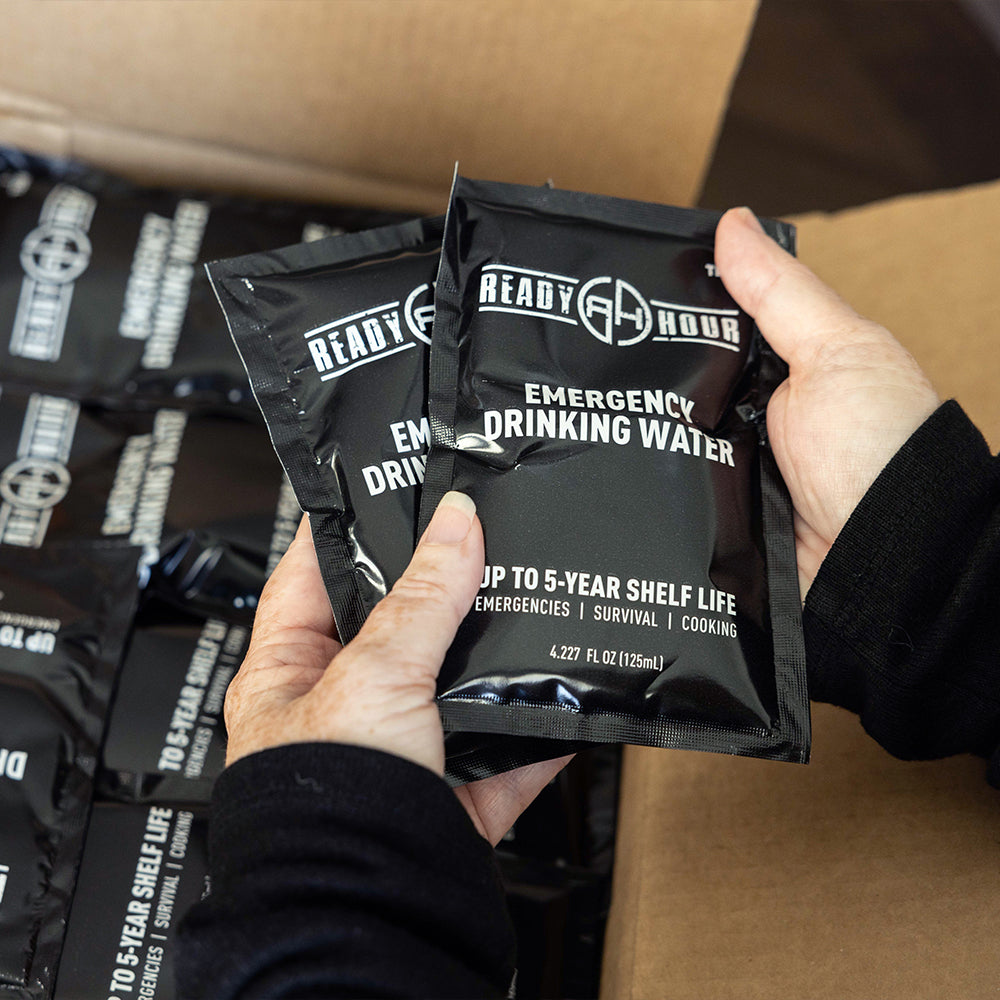
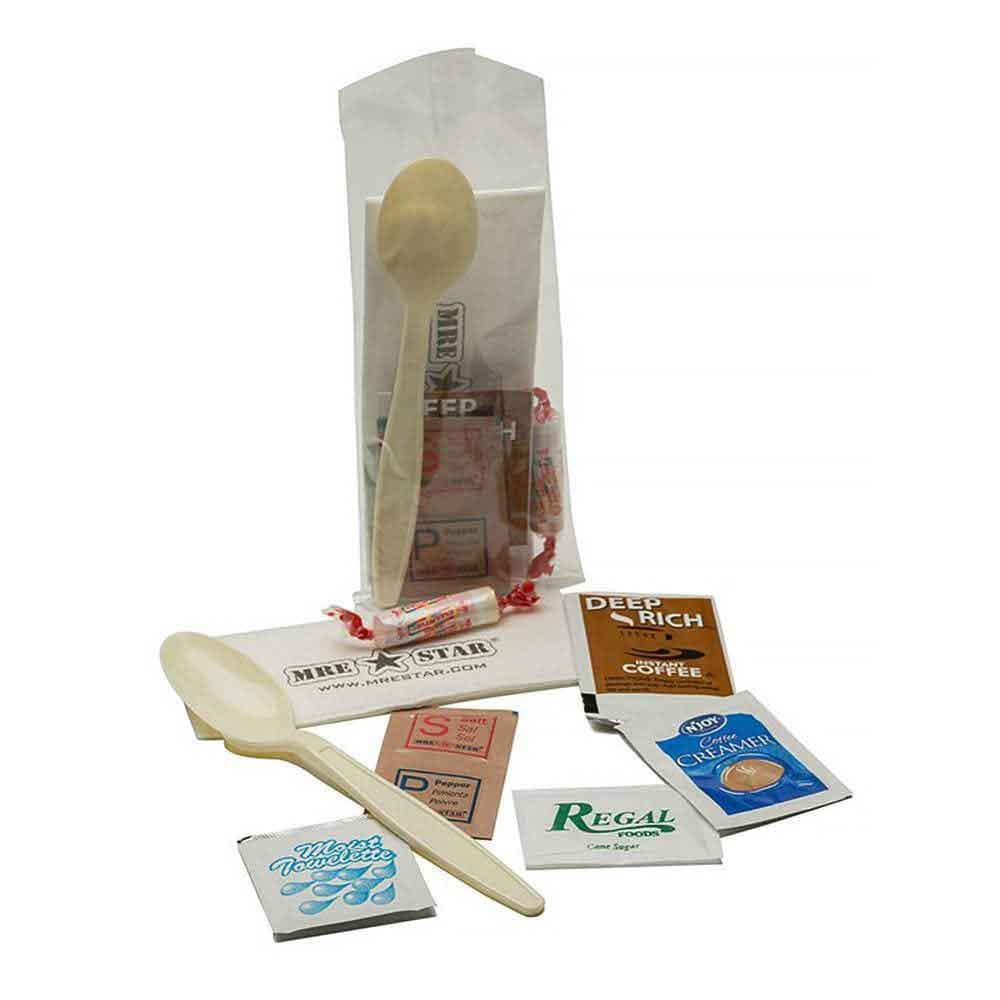
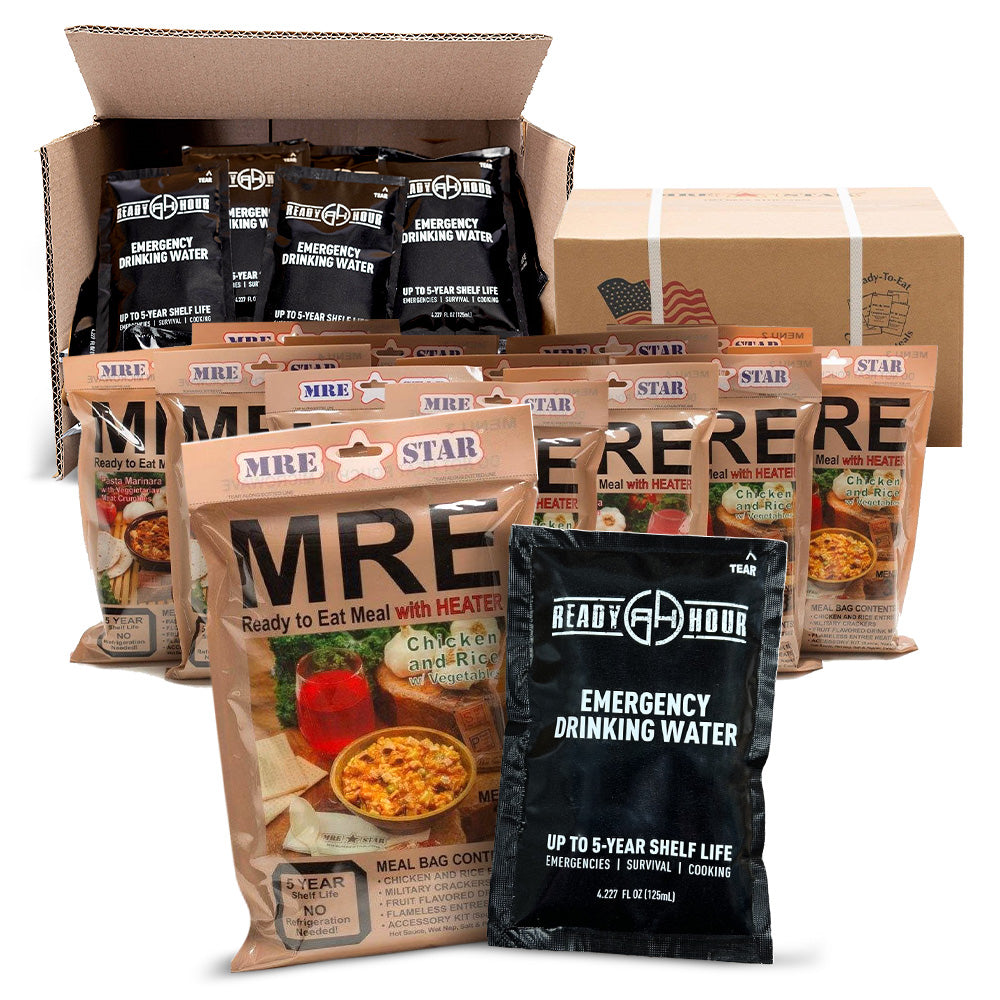
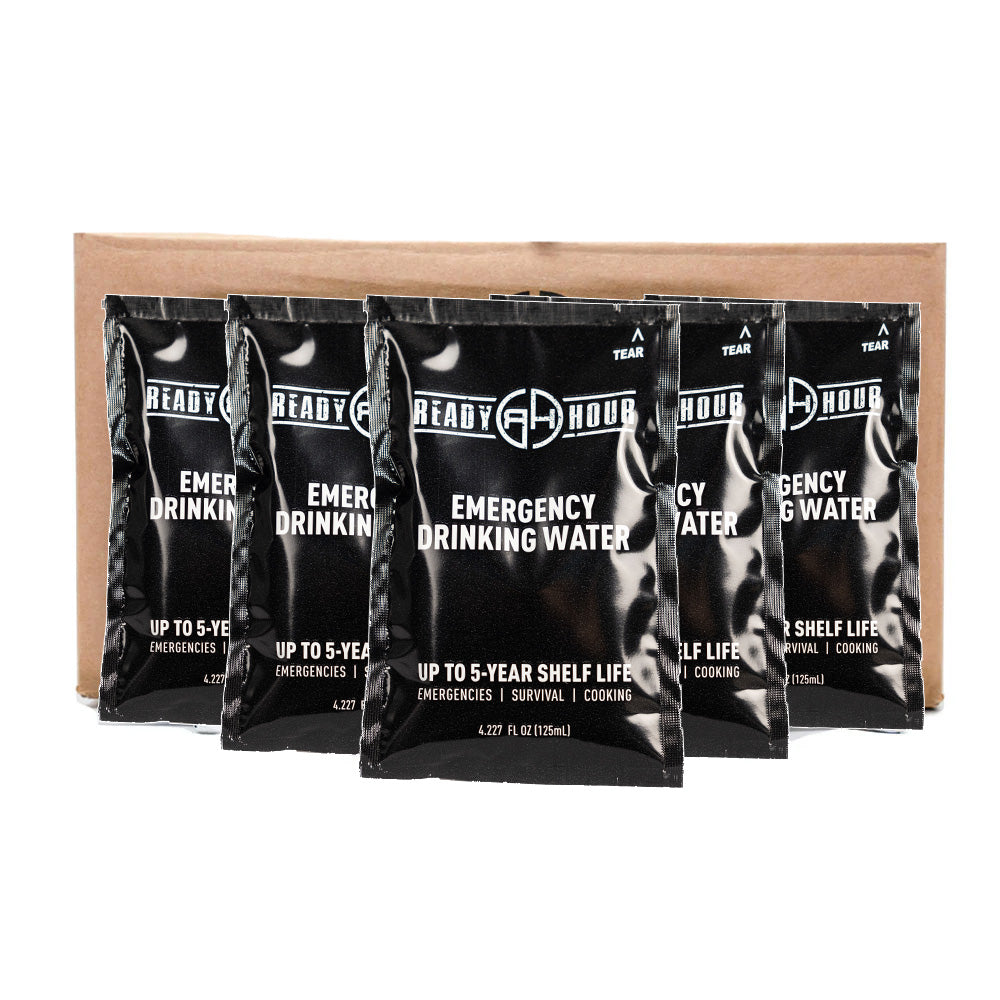
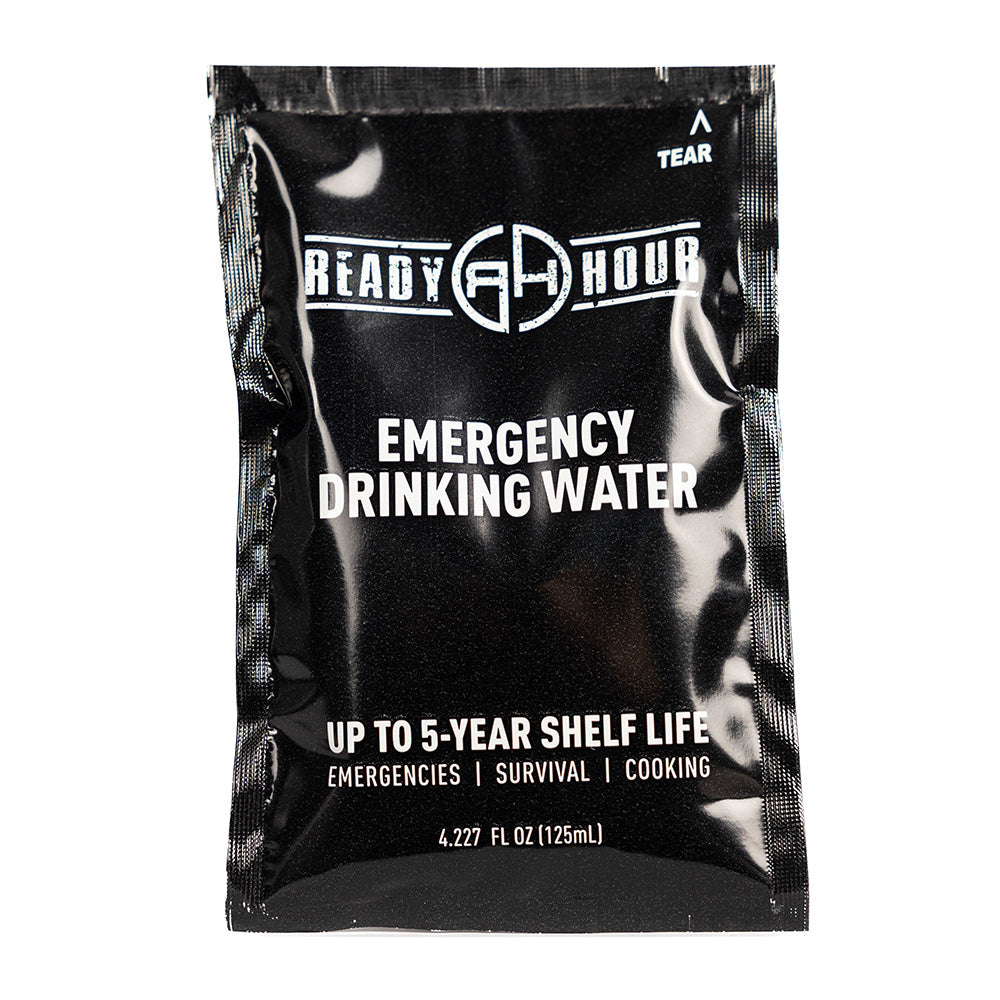
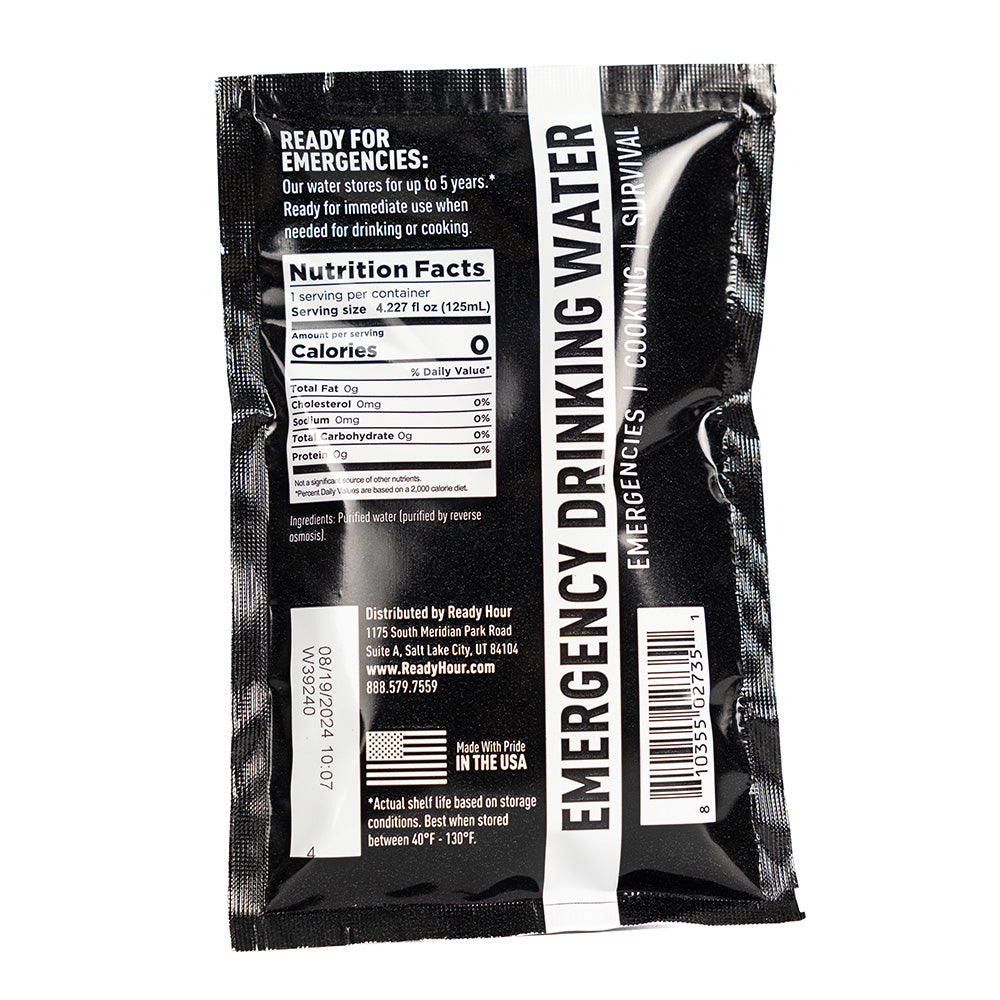
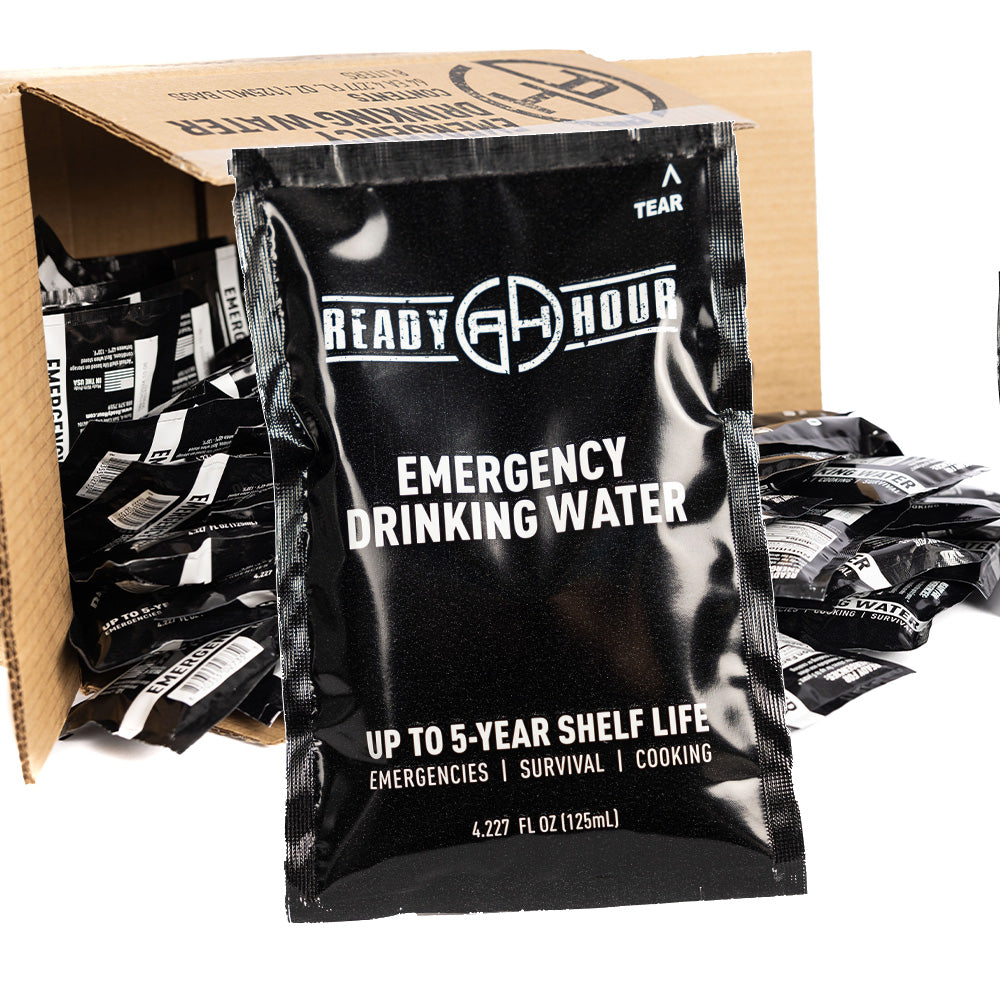
- Water: 1 gallon per person per day
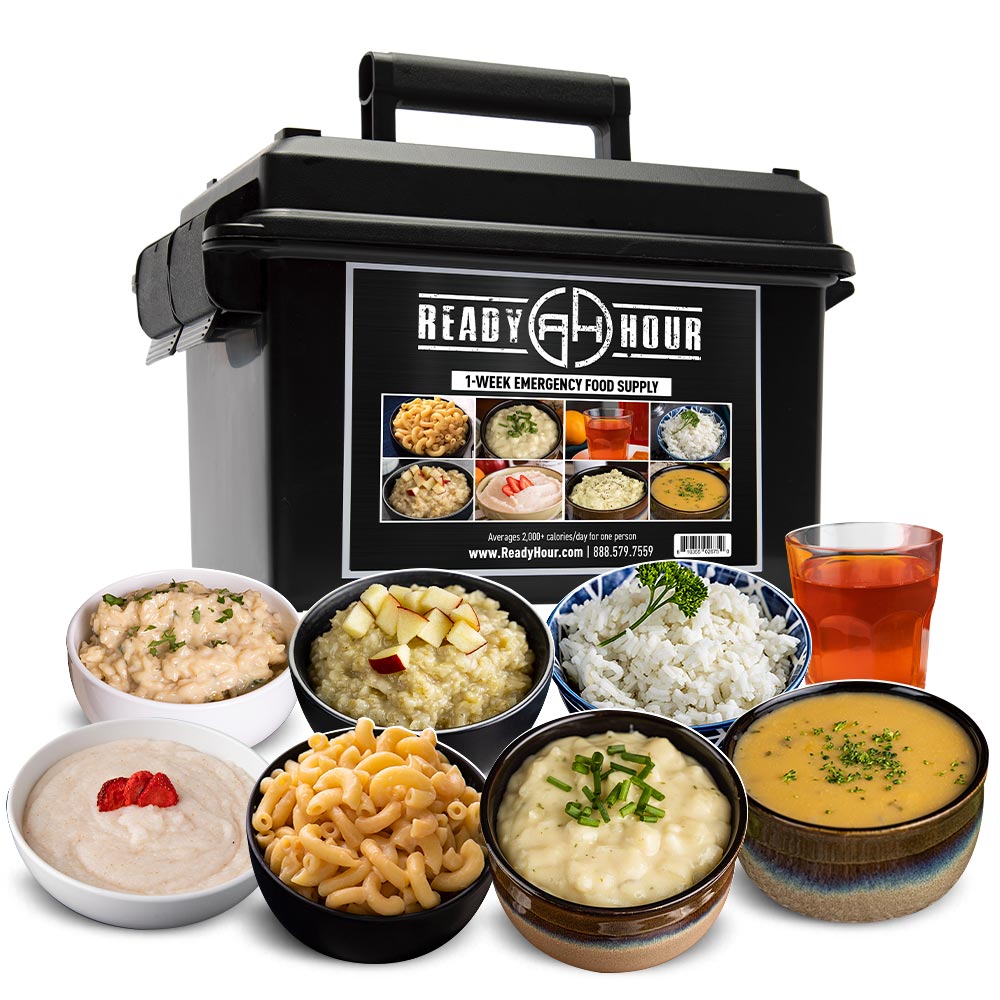
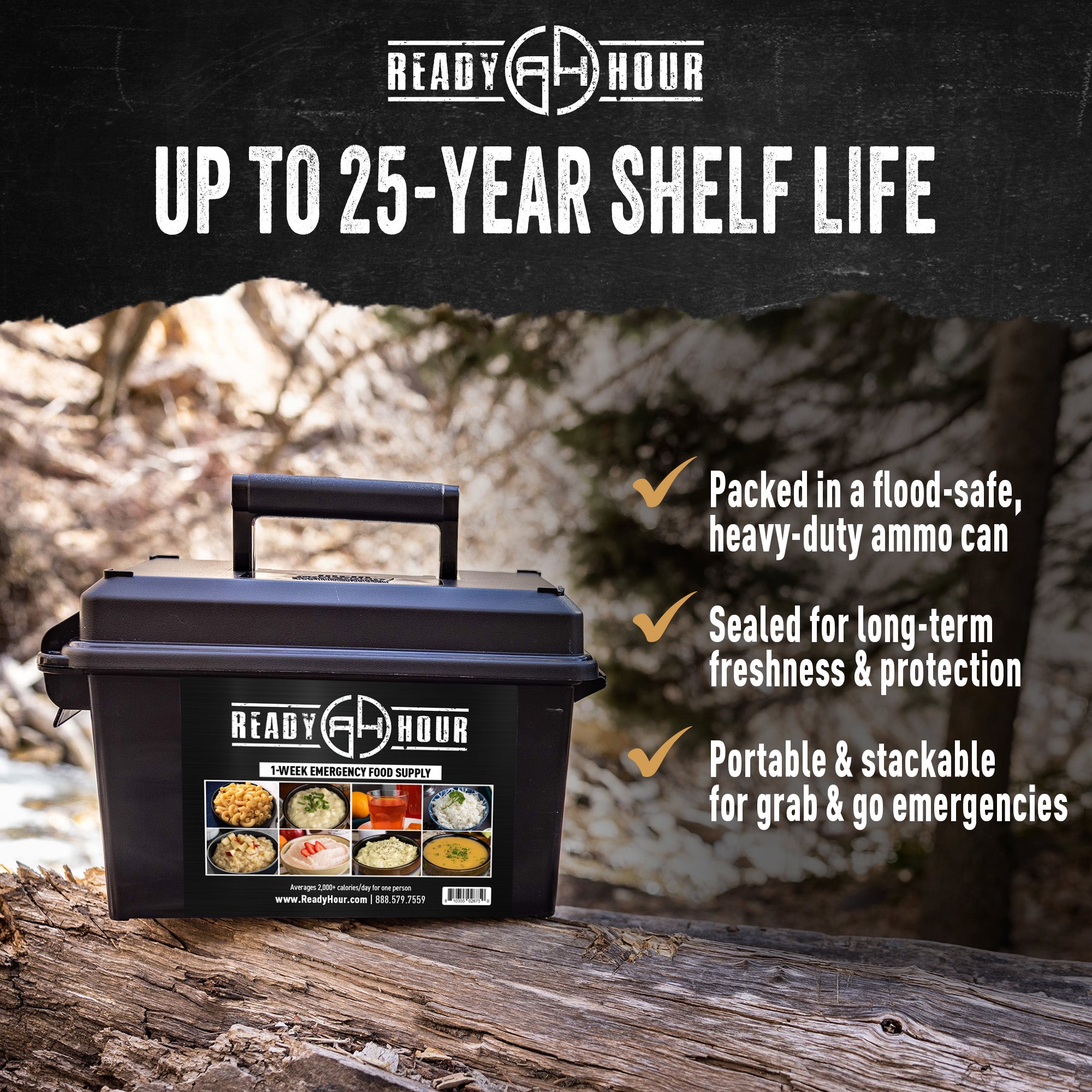
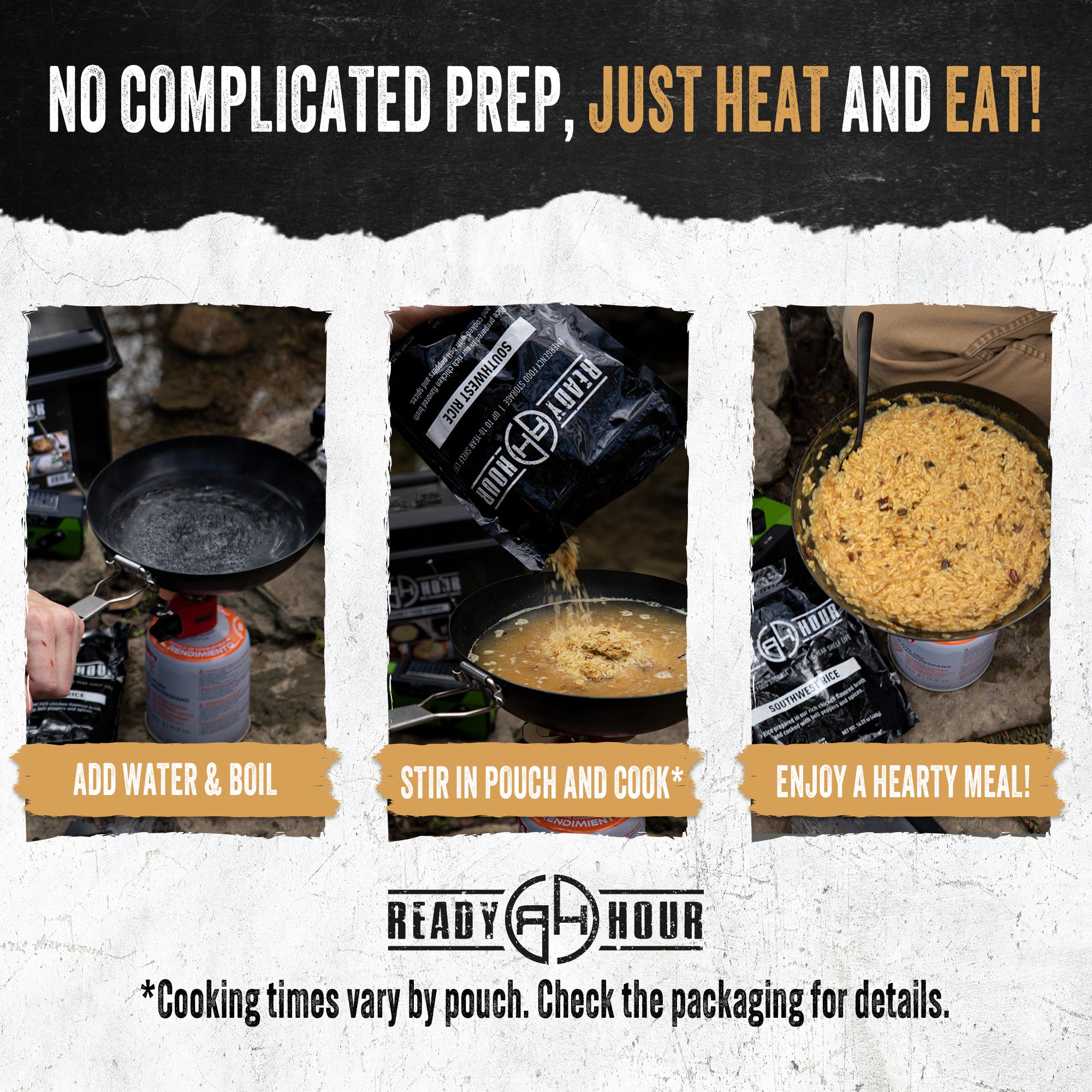
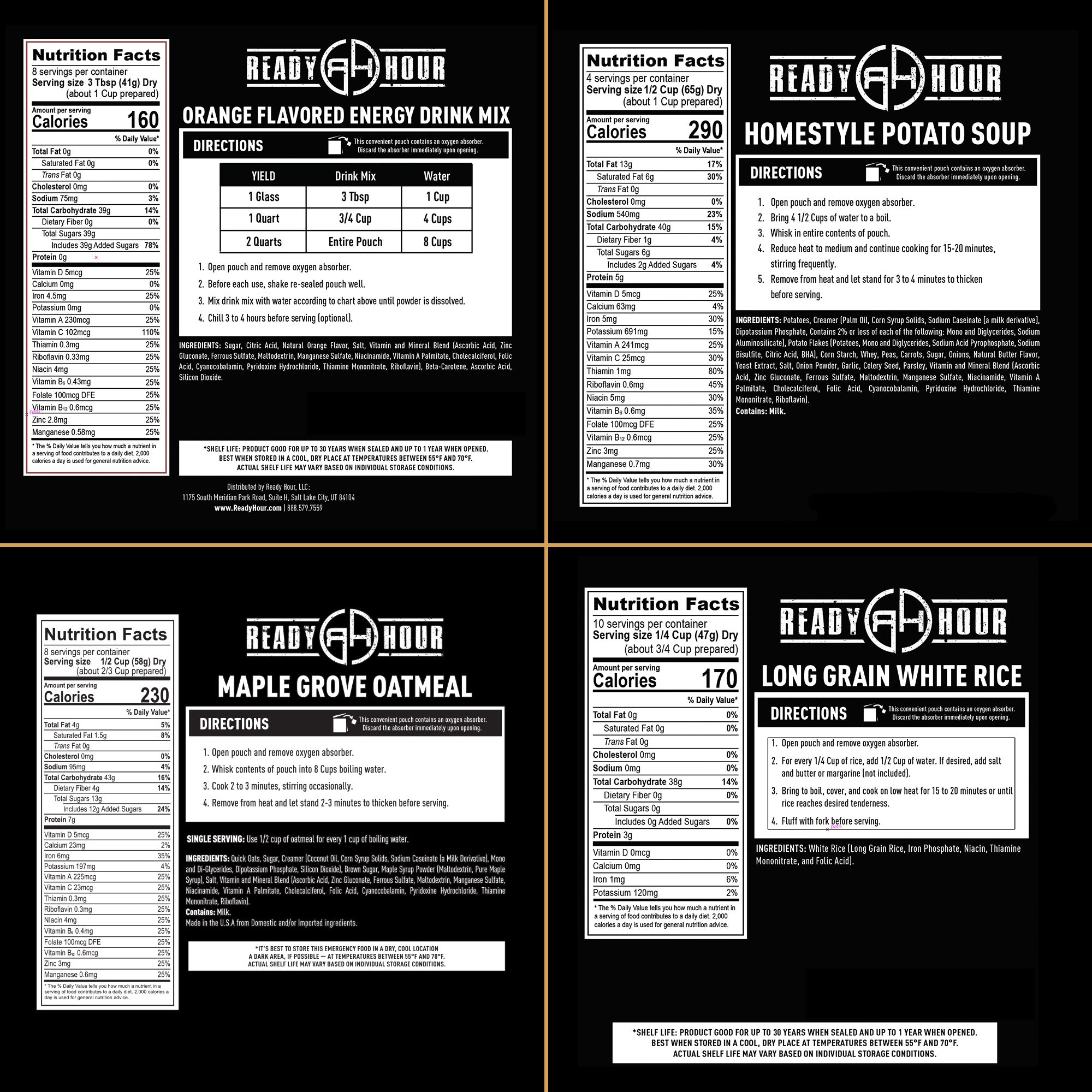
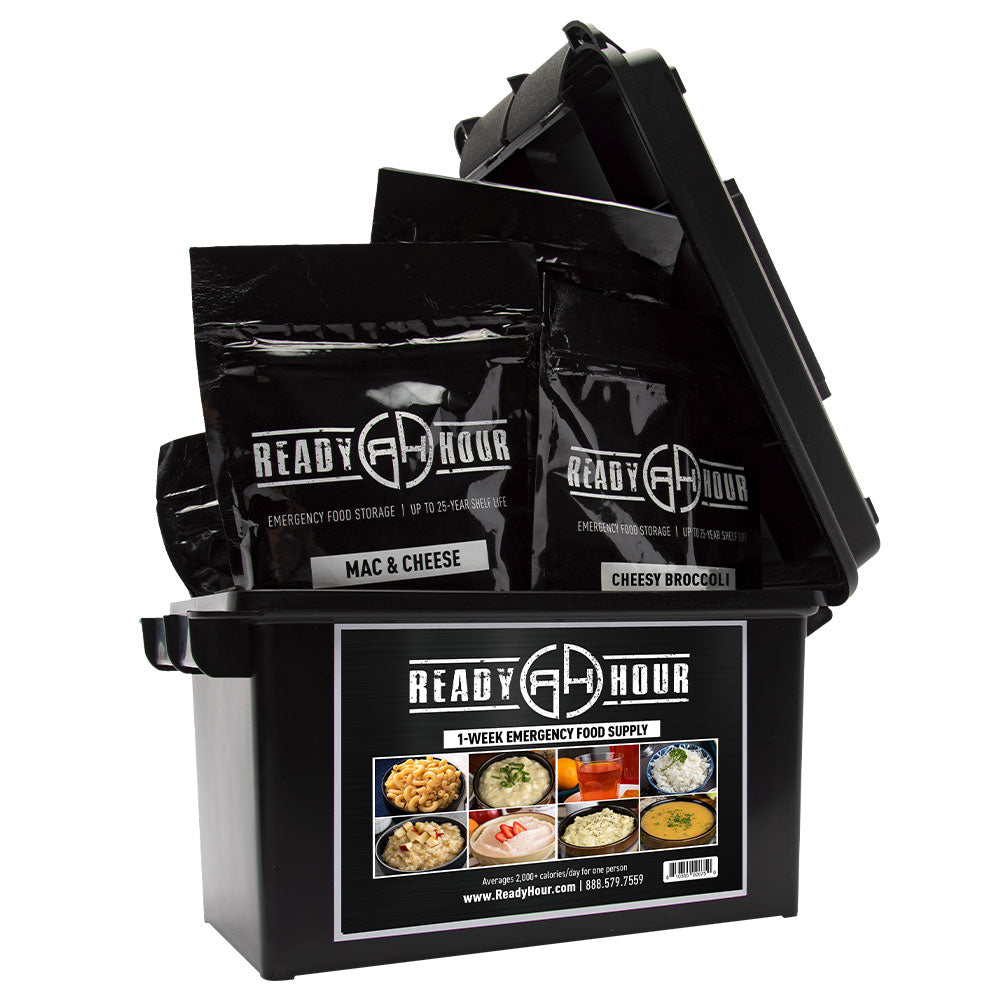
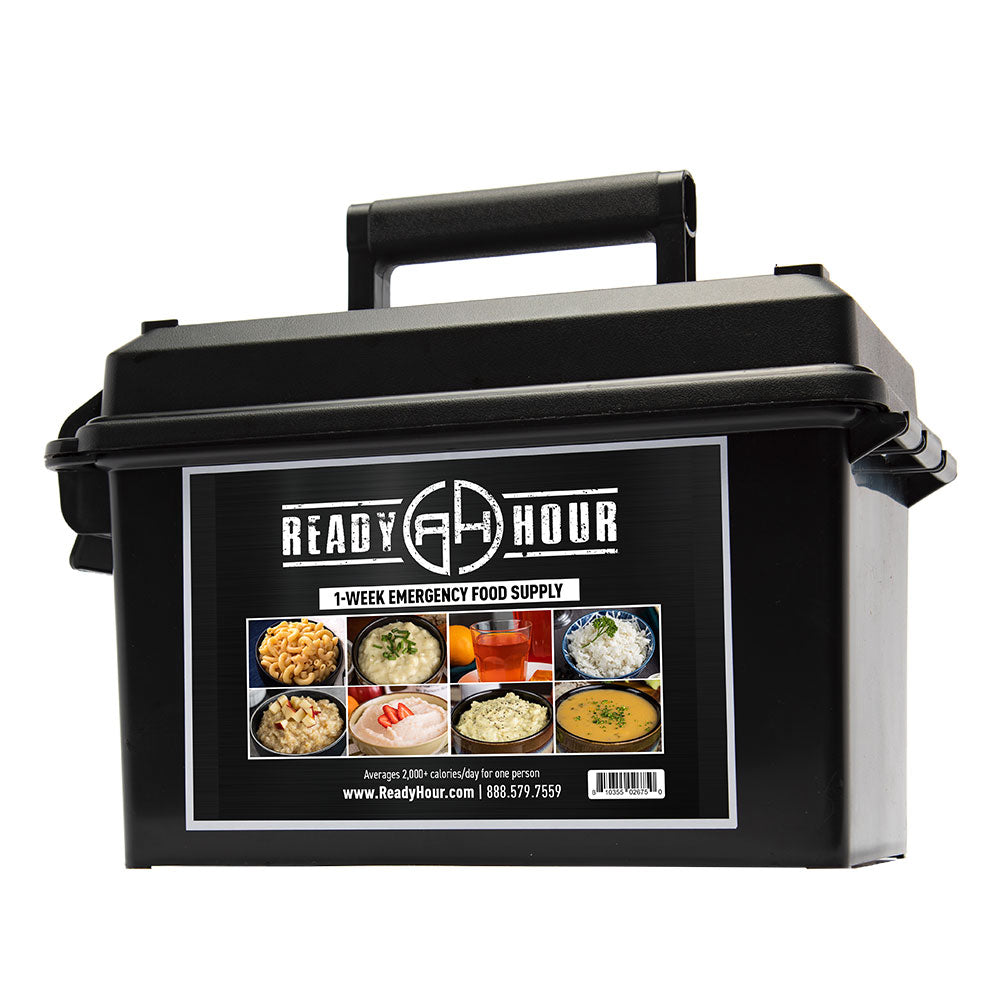
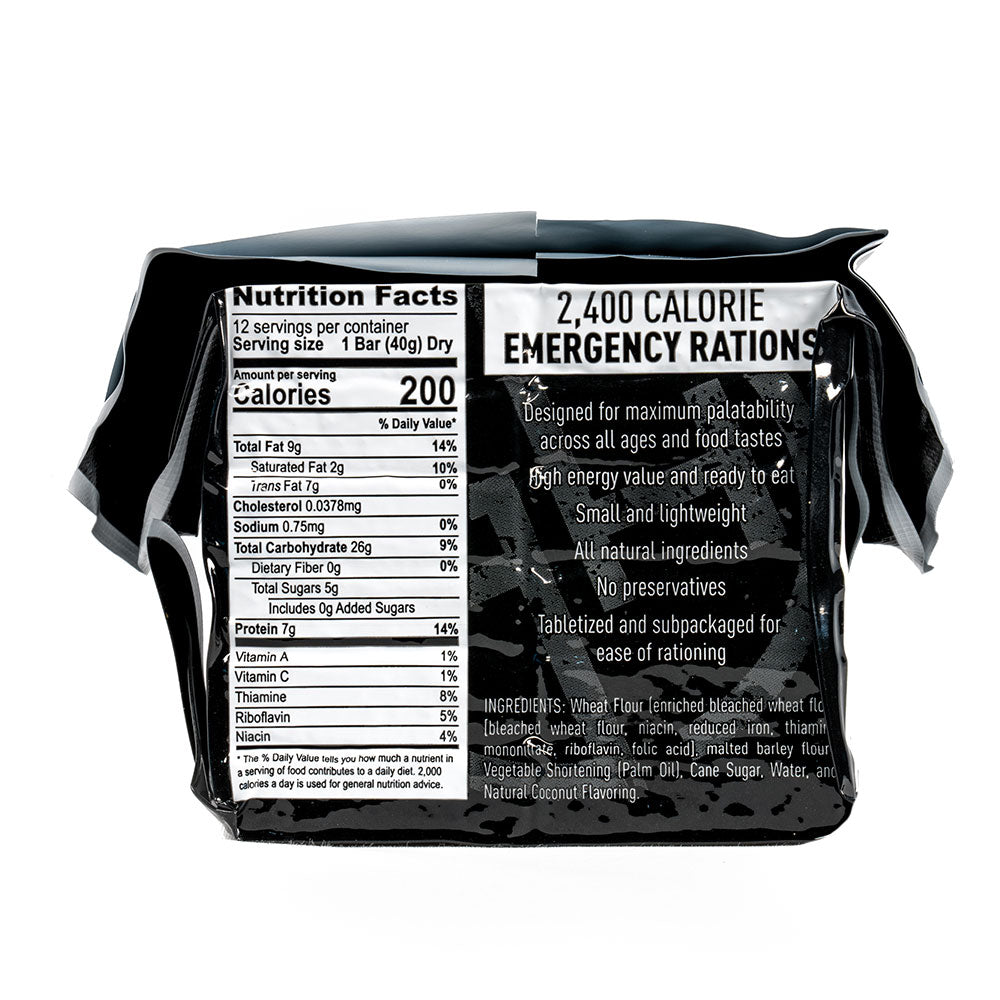
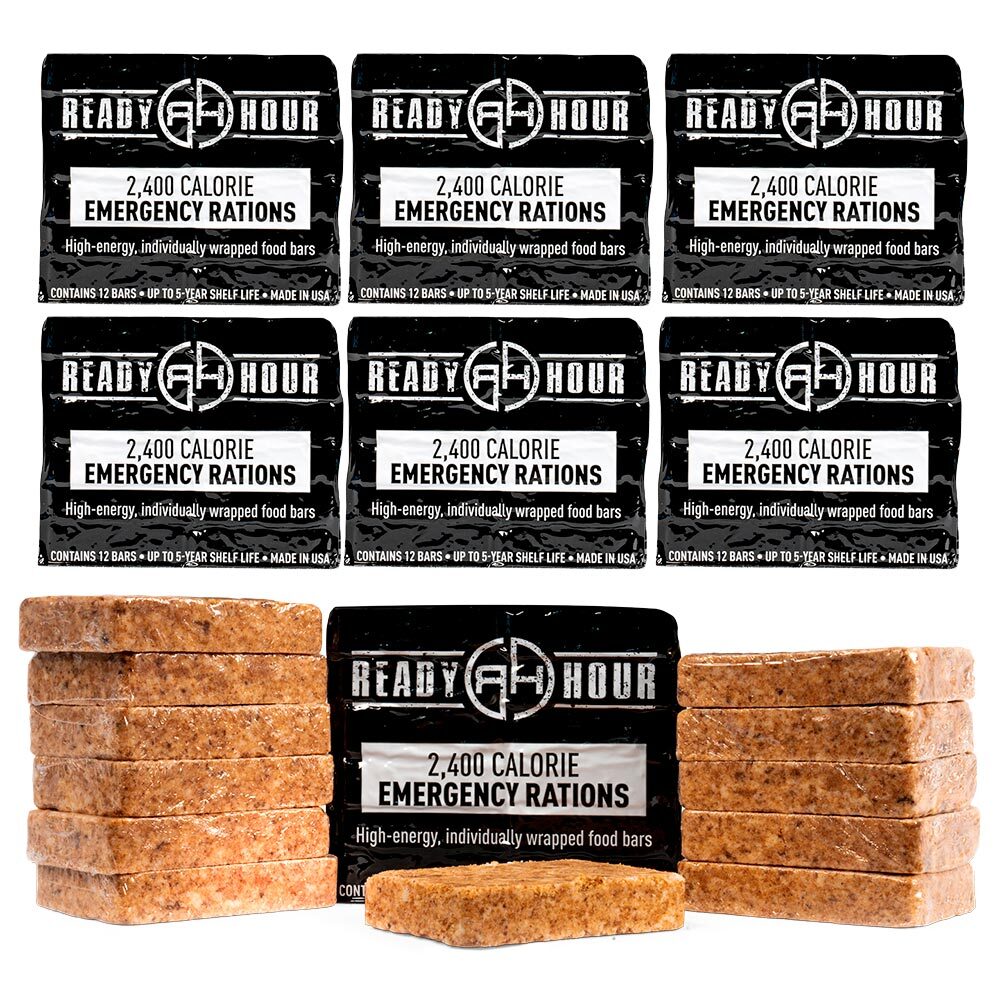
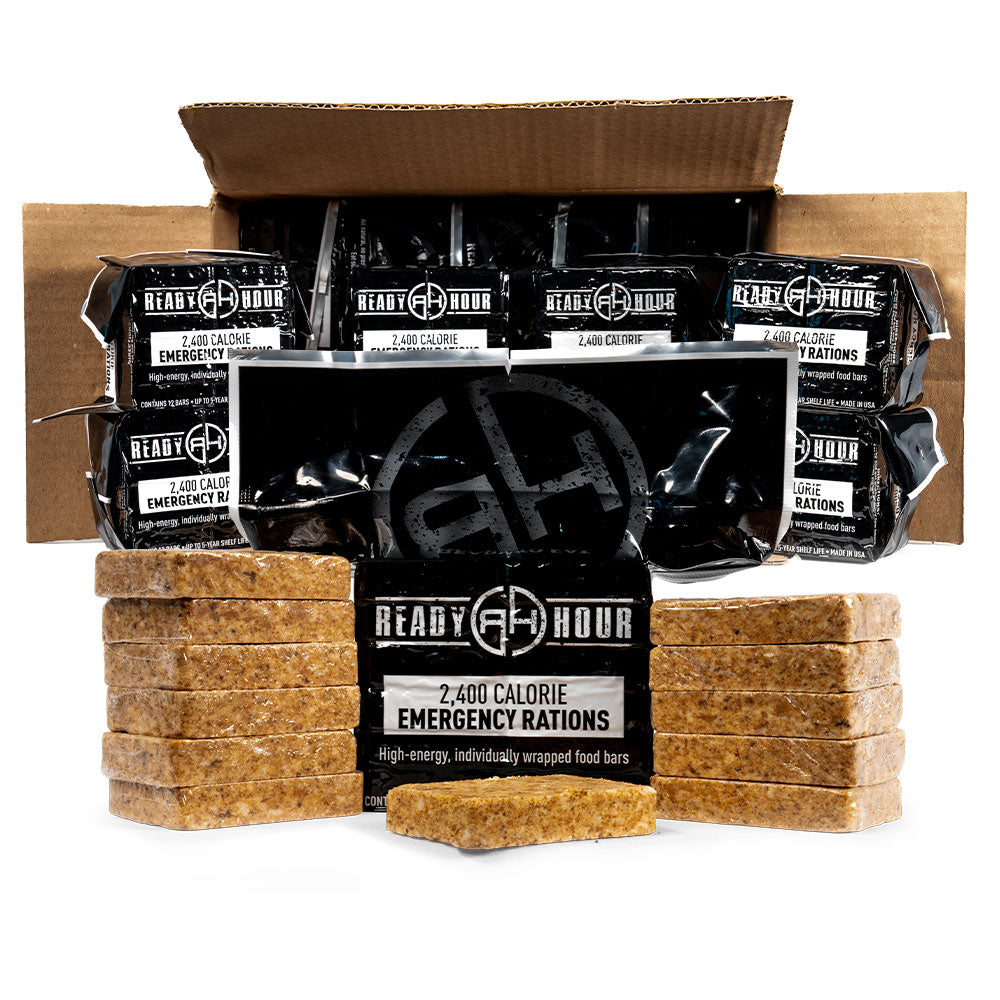
- Non-perishable food for several days
- First aid kit
- Prescription medications
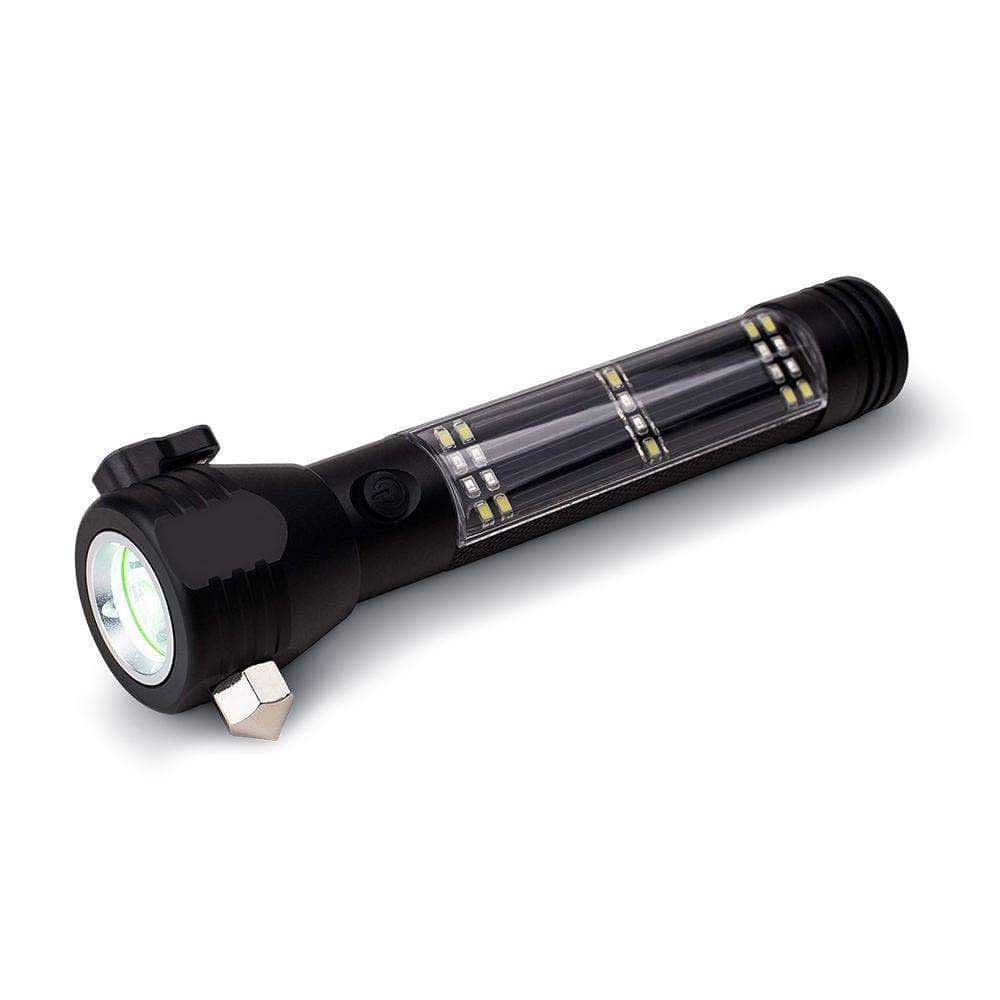
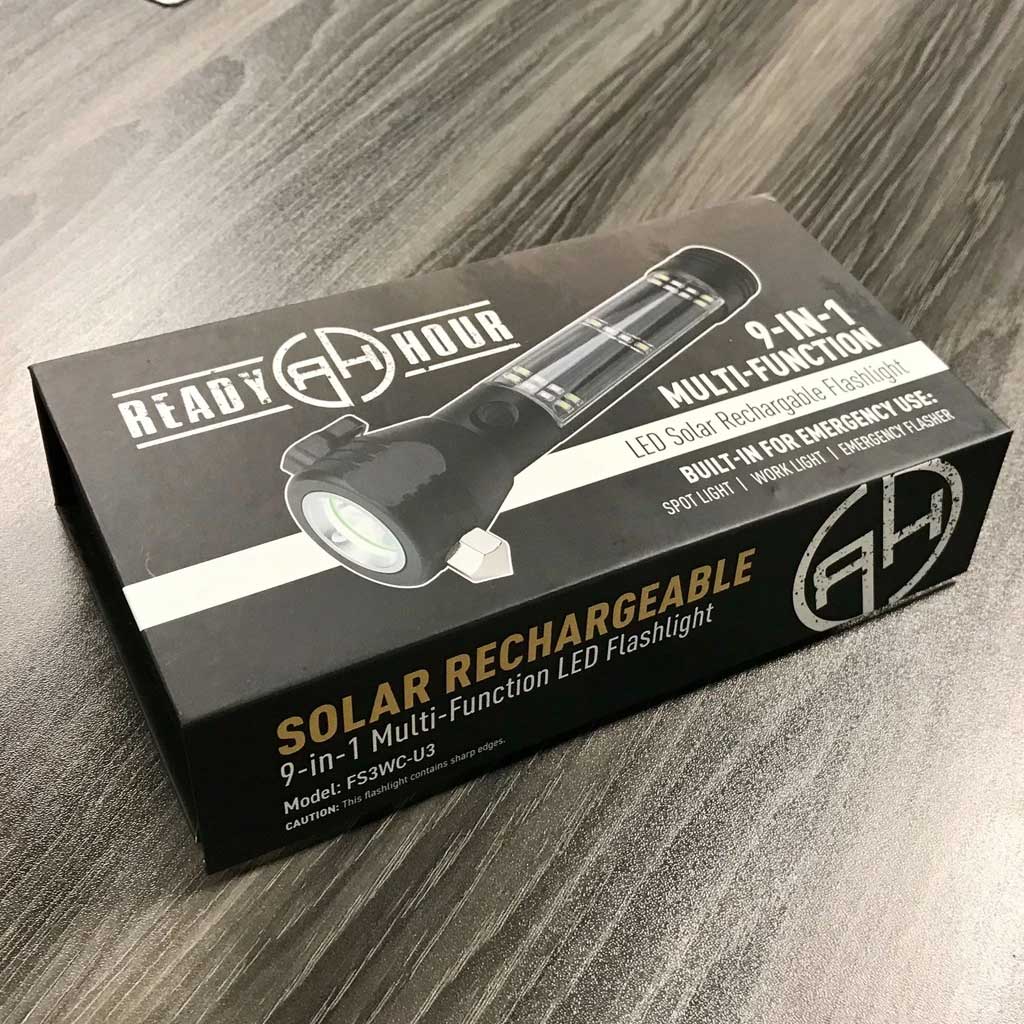
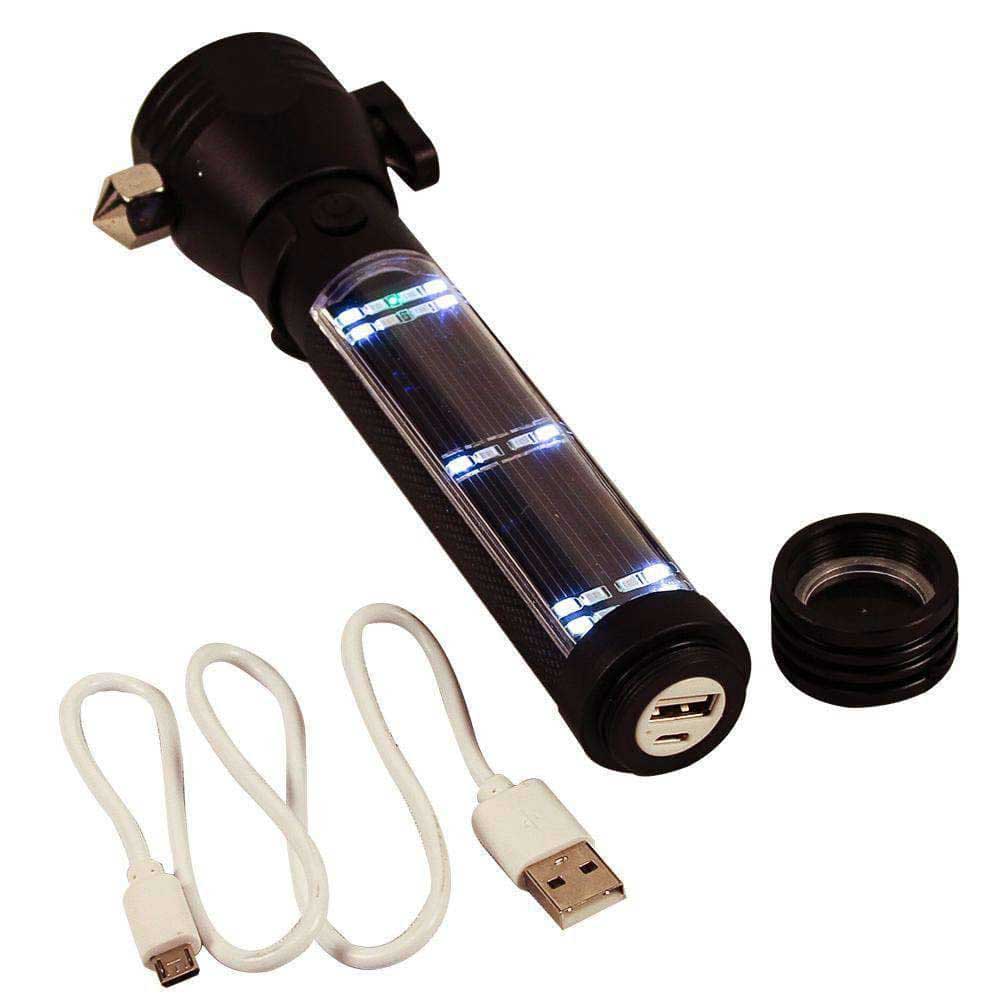
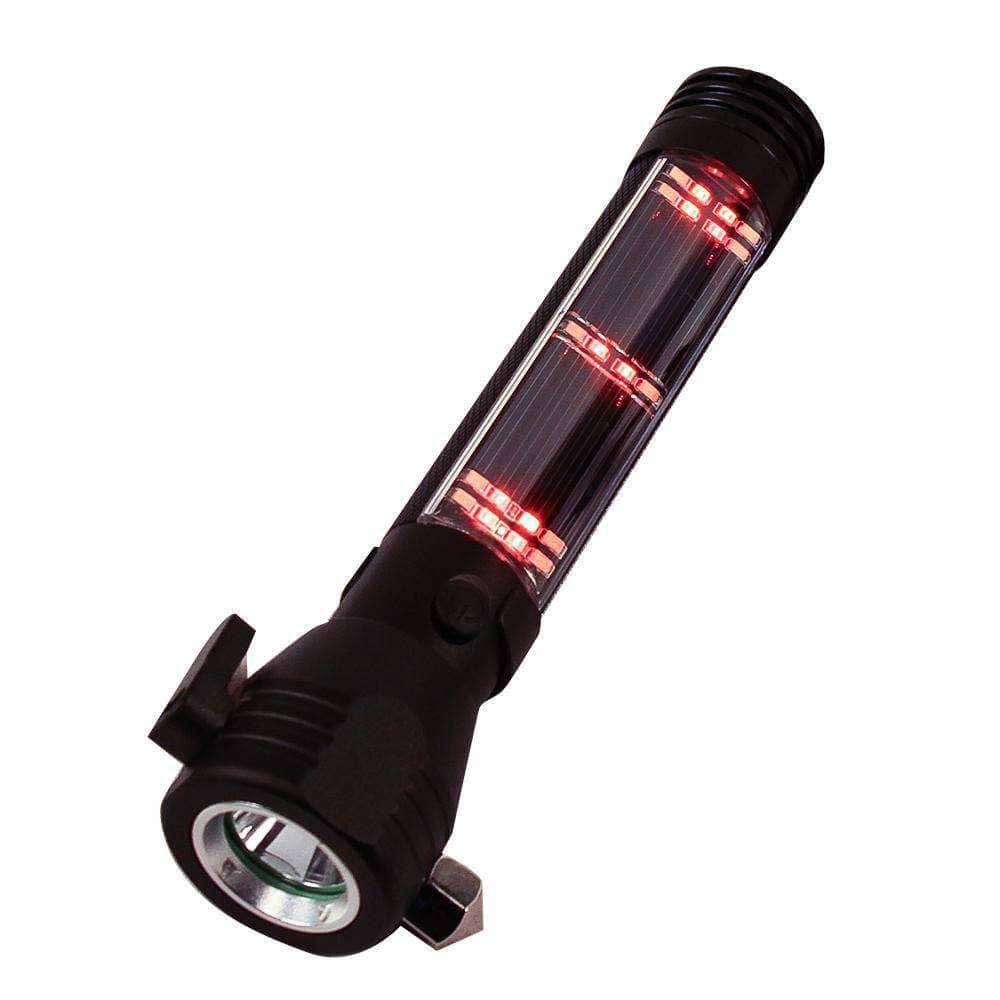
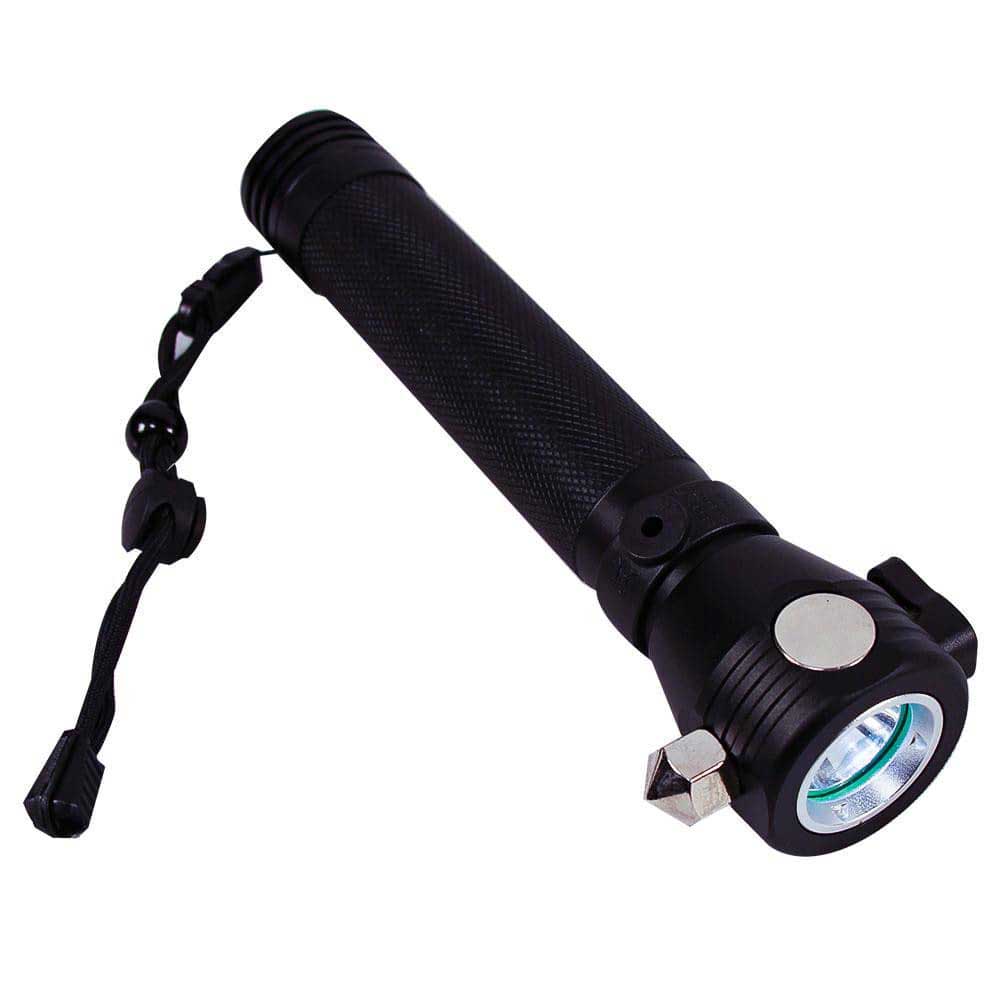
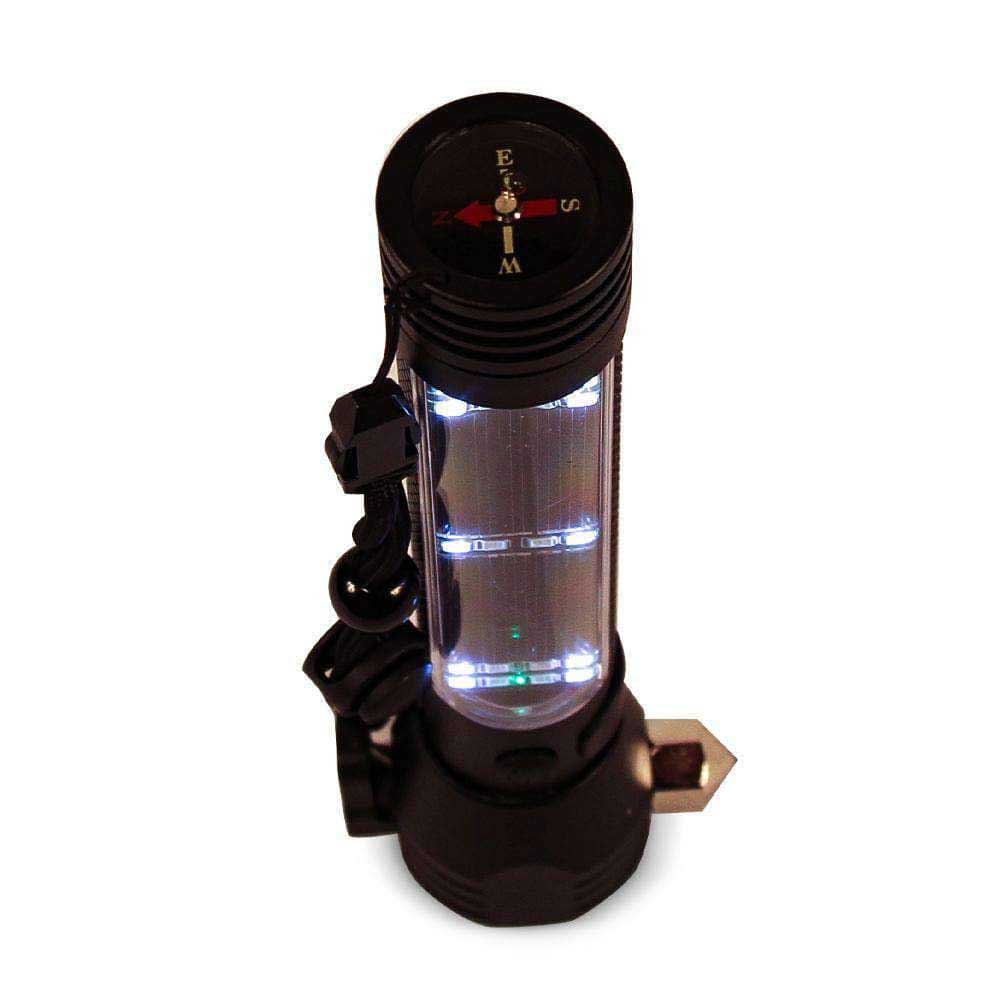
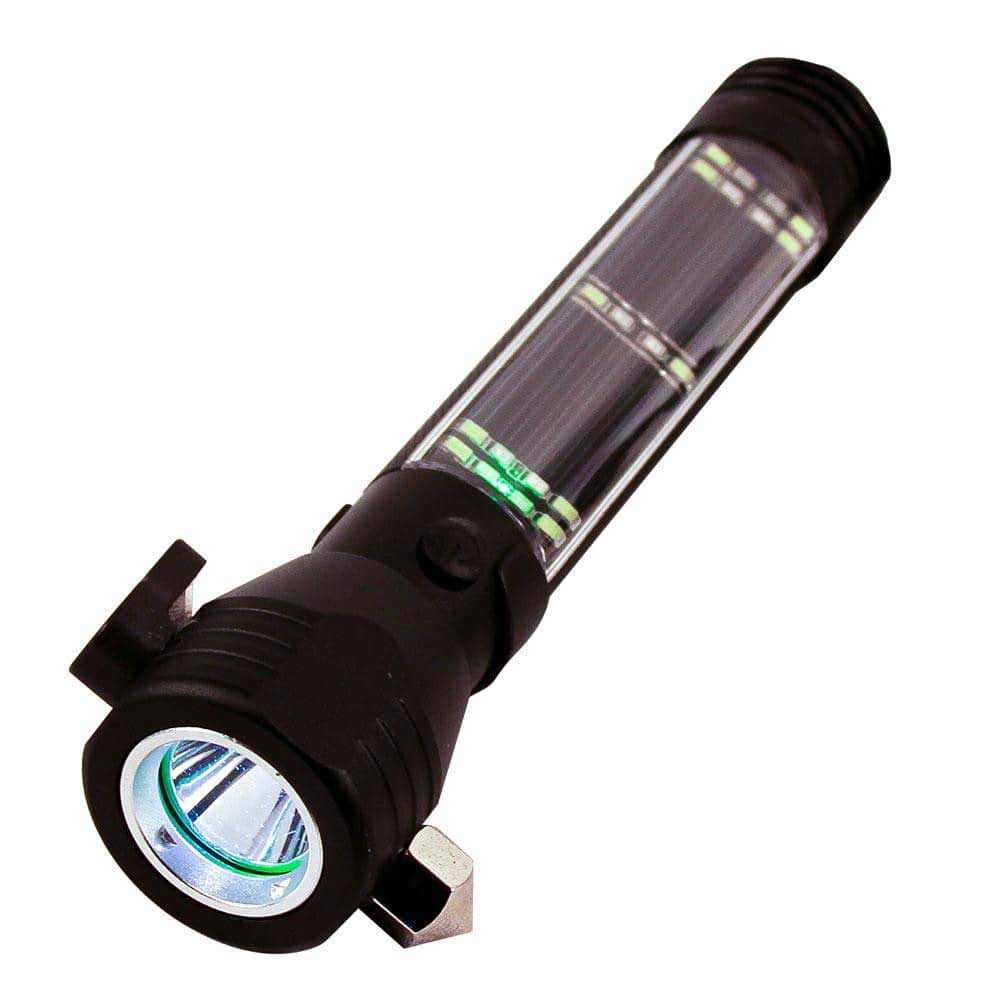
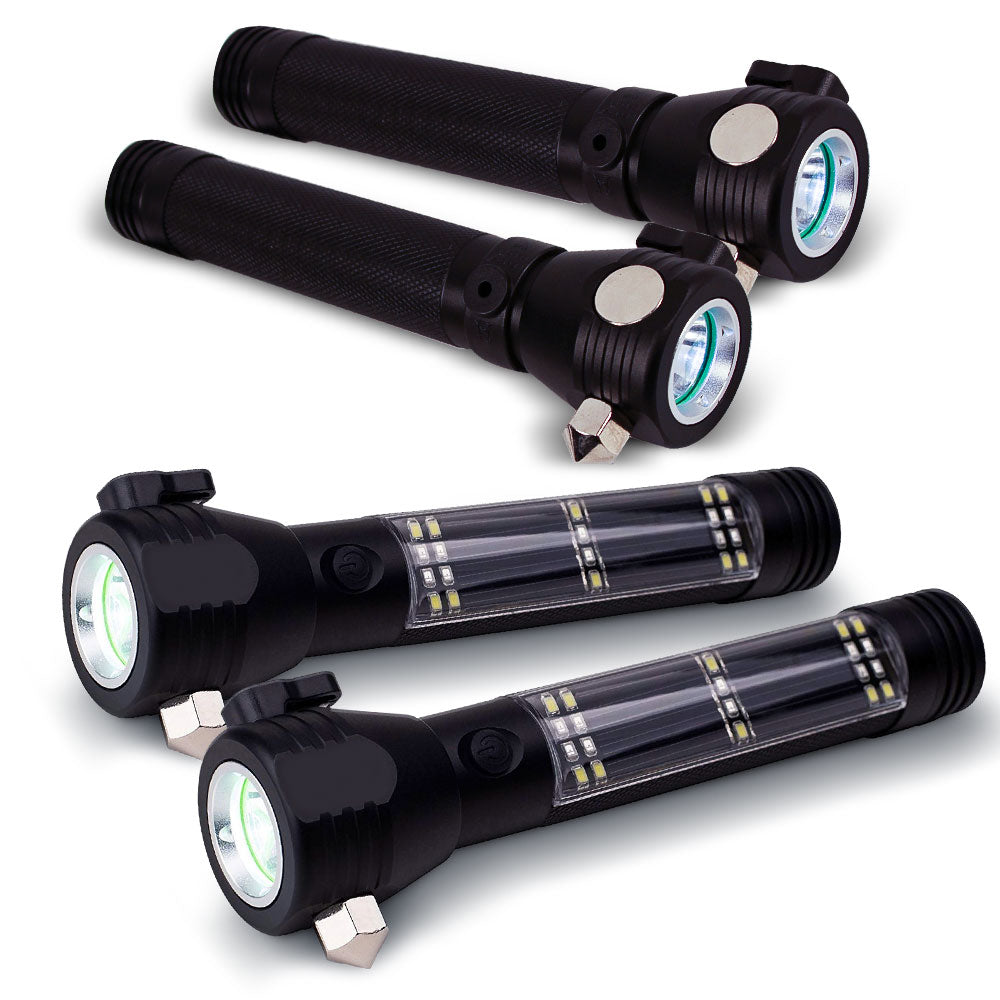
- Flashlights and extra batteries
- Battery-powered or hand-crank radio
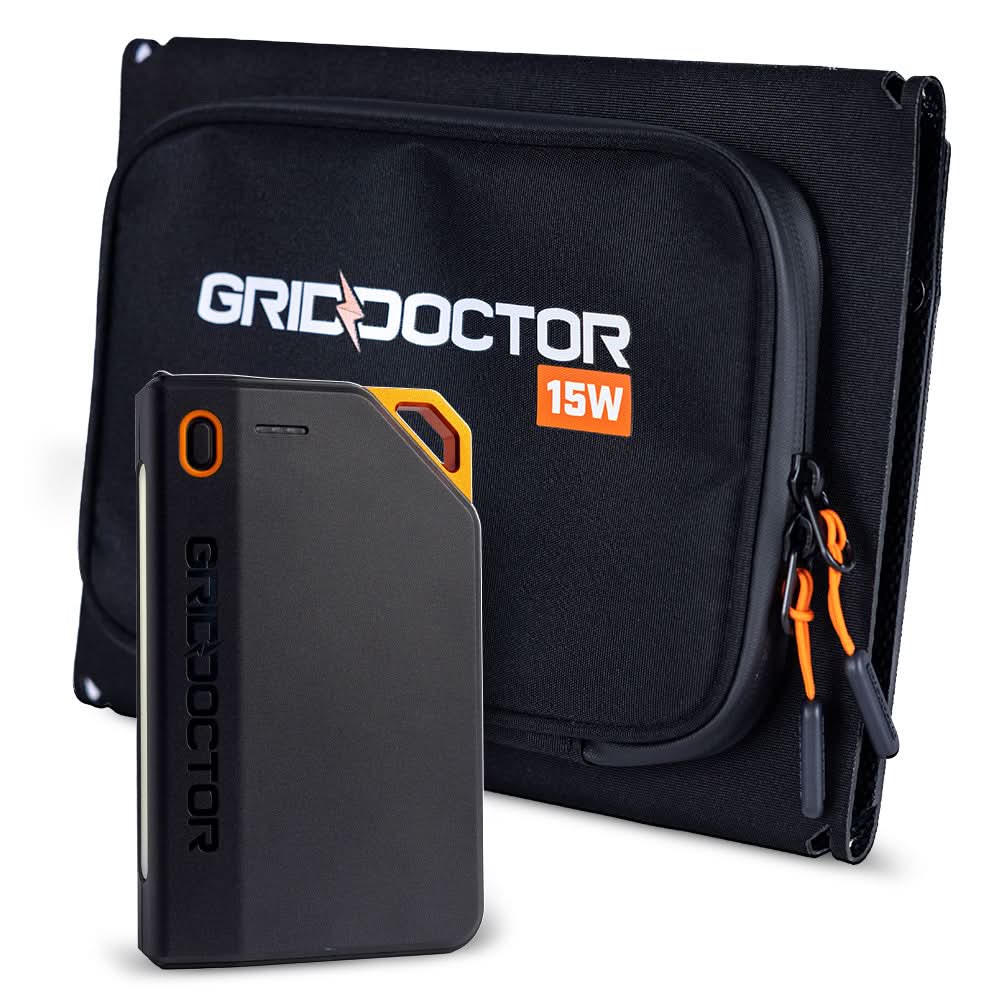
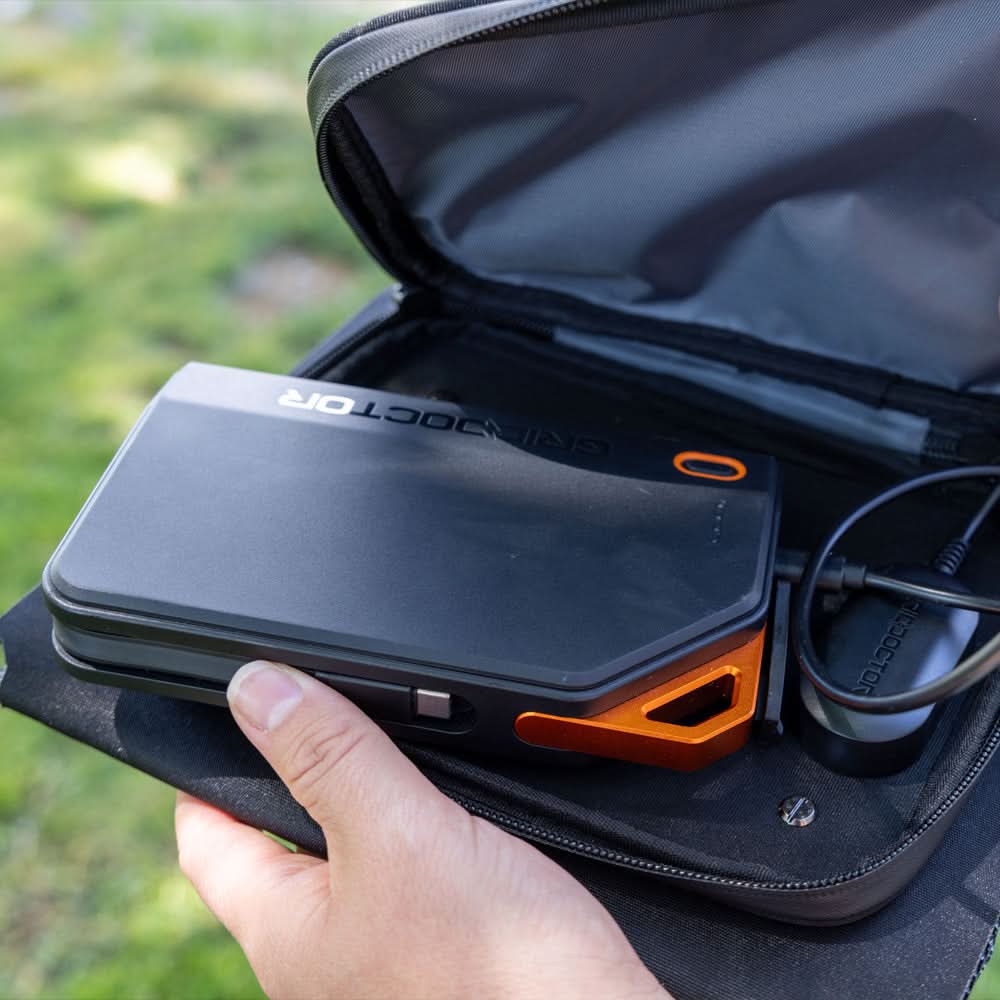
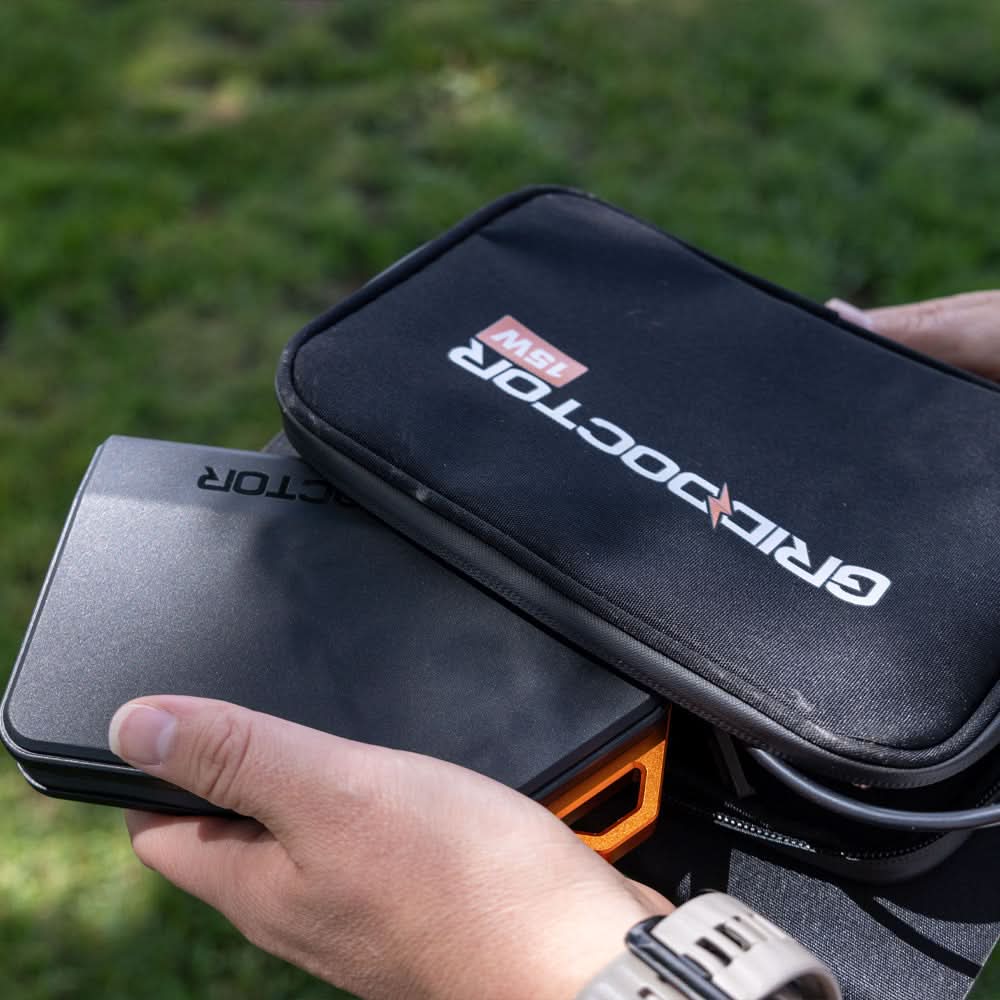
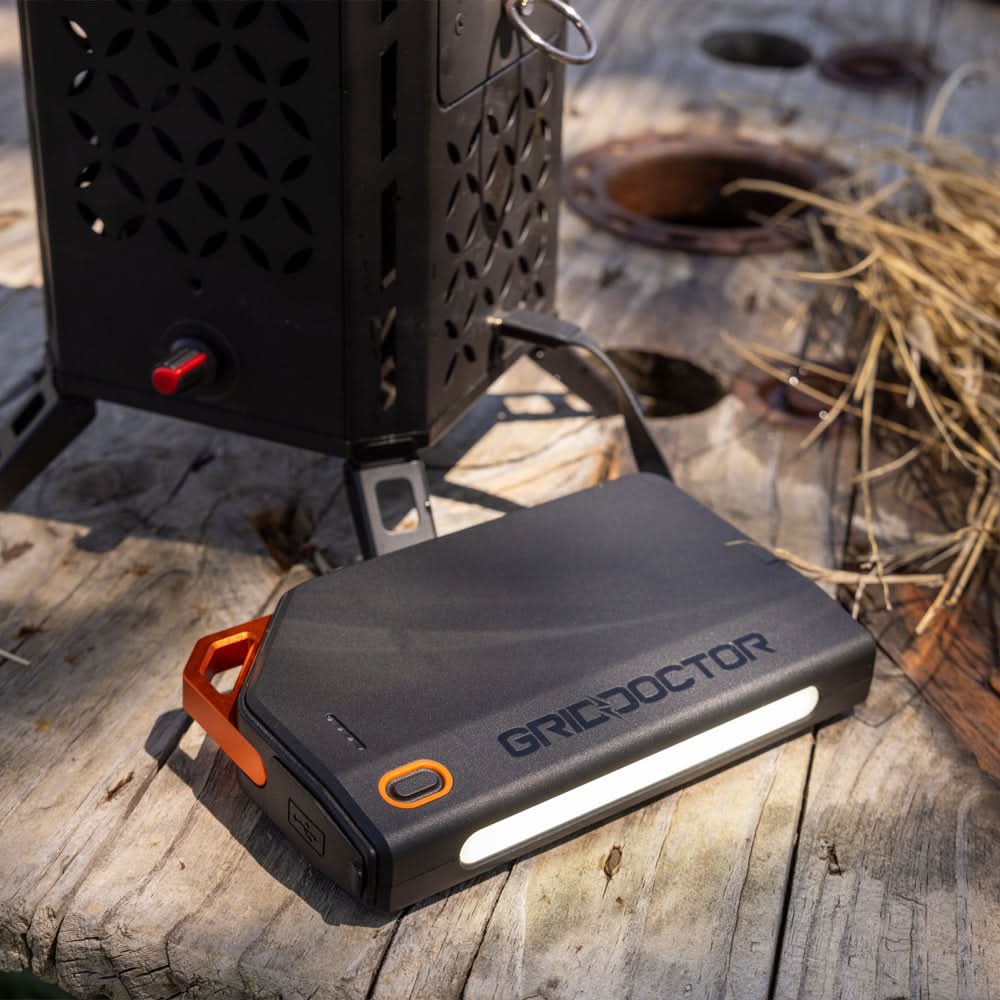
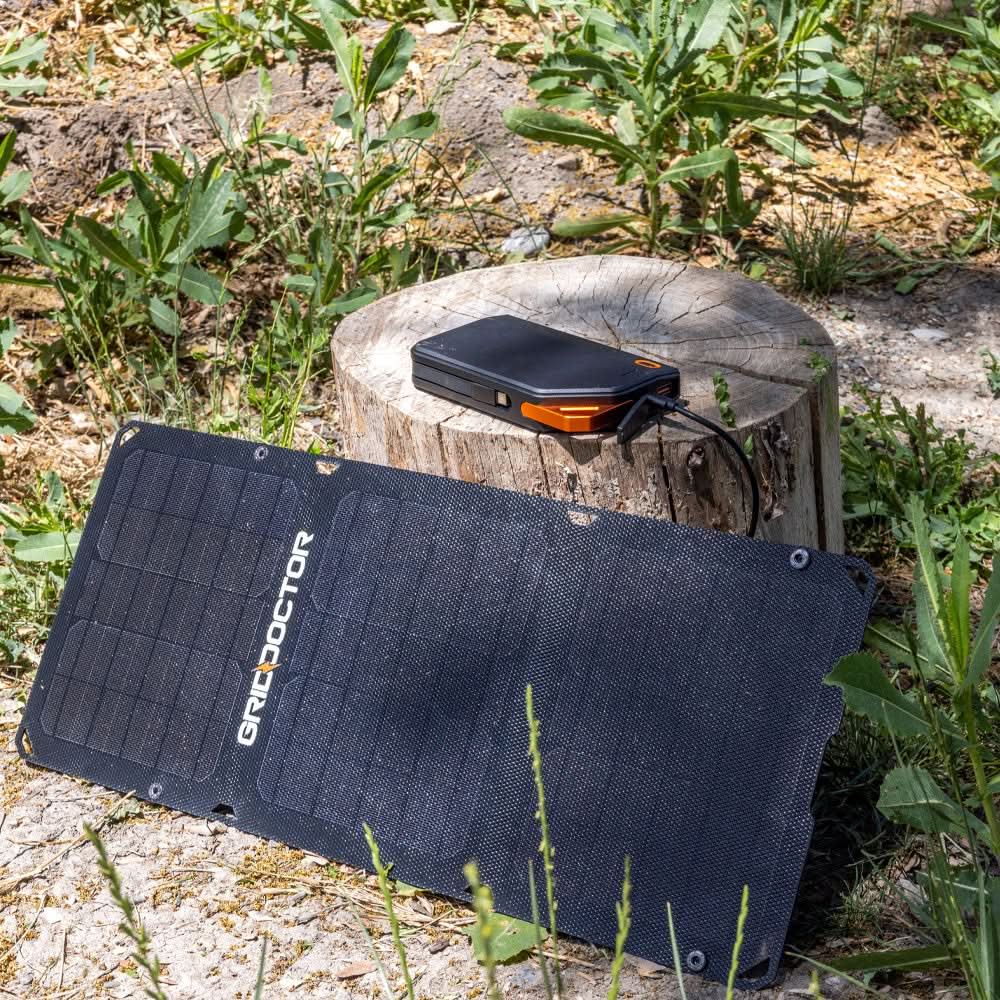
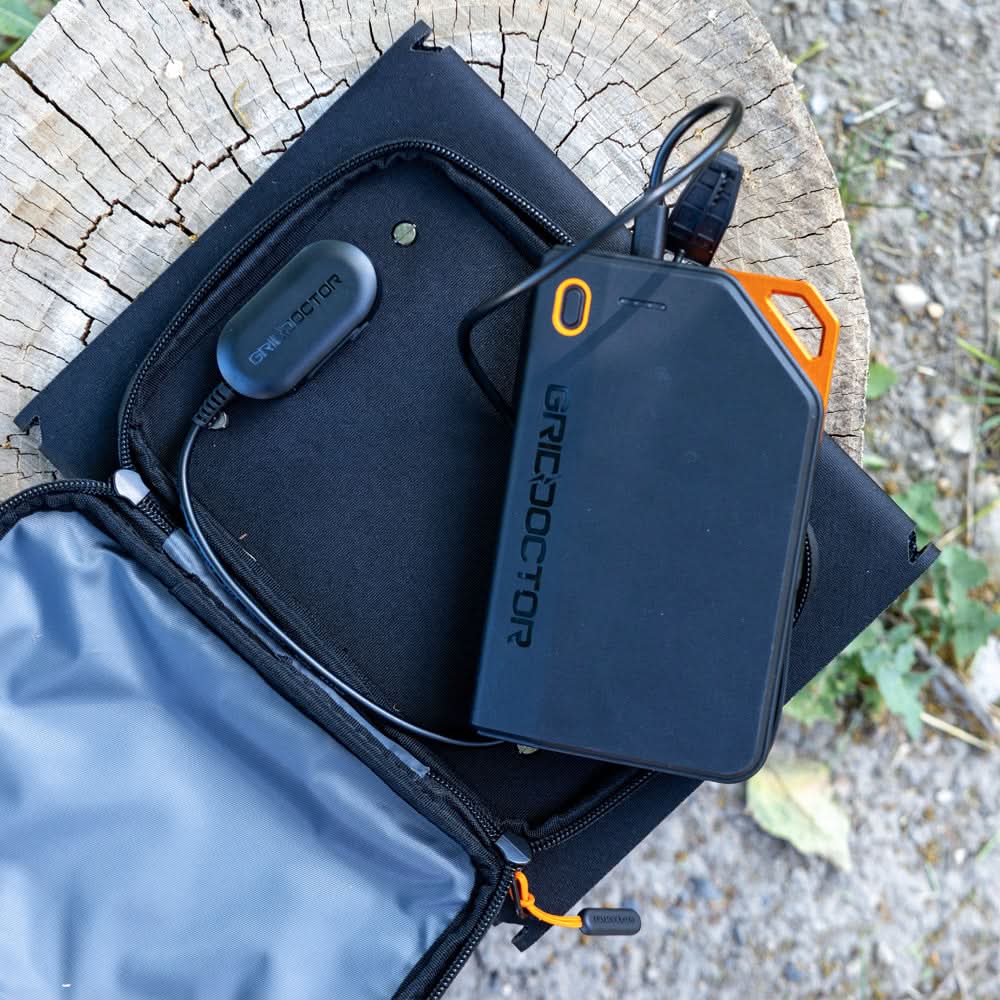
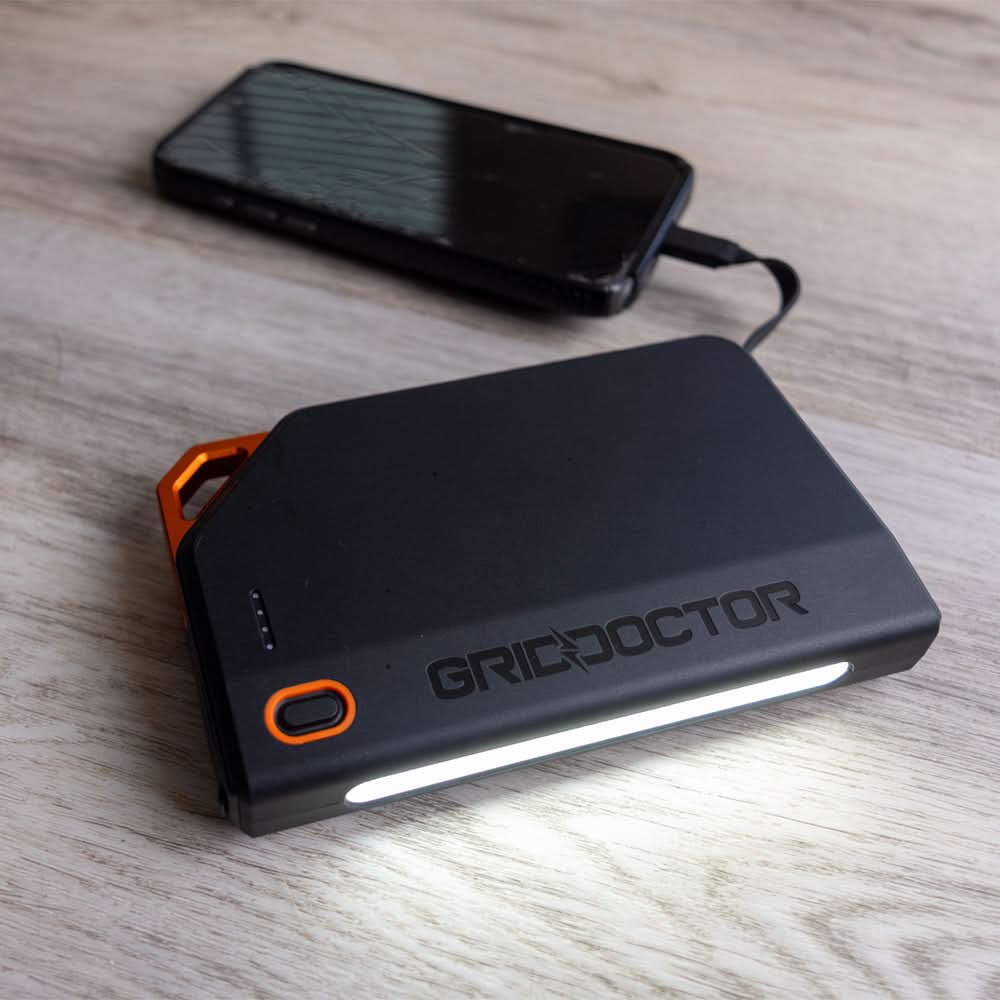
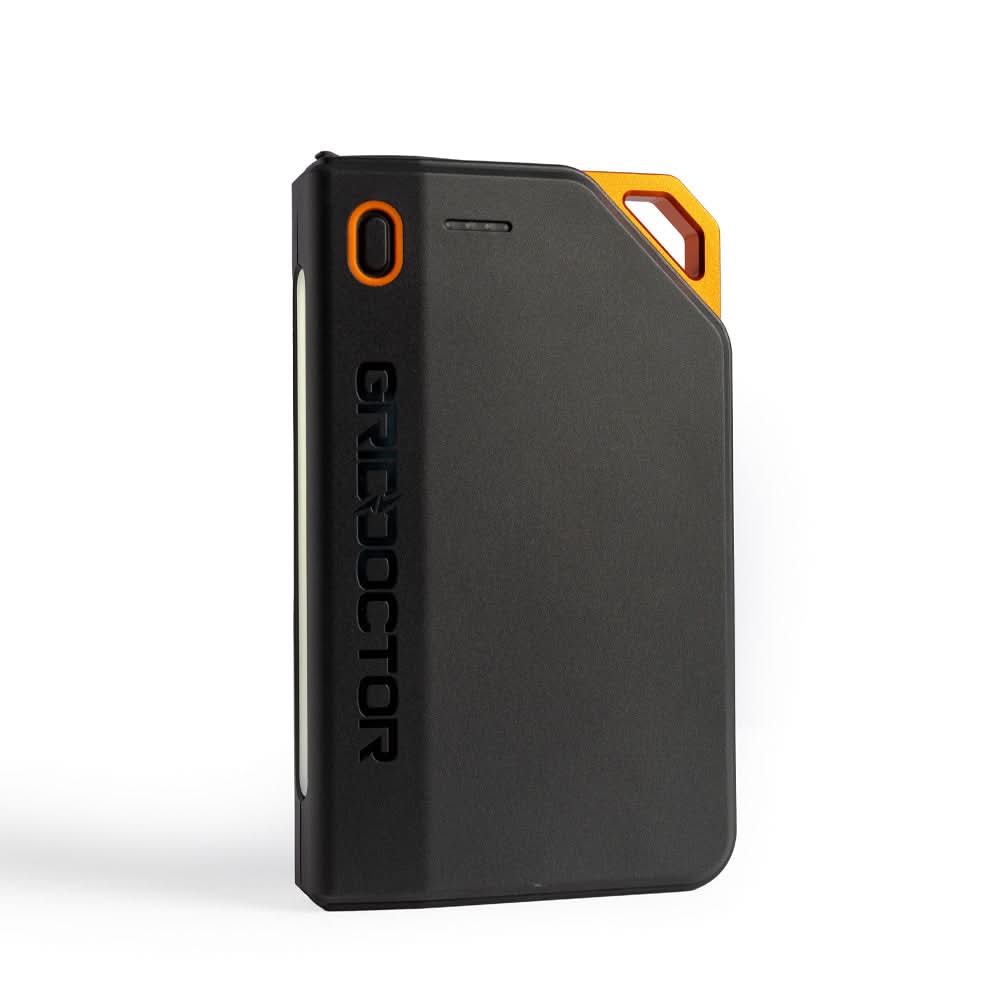
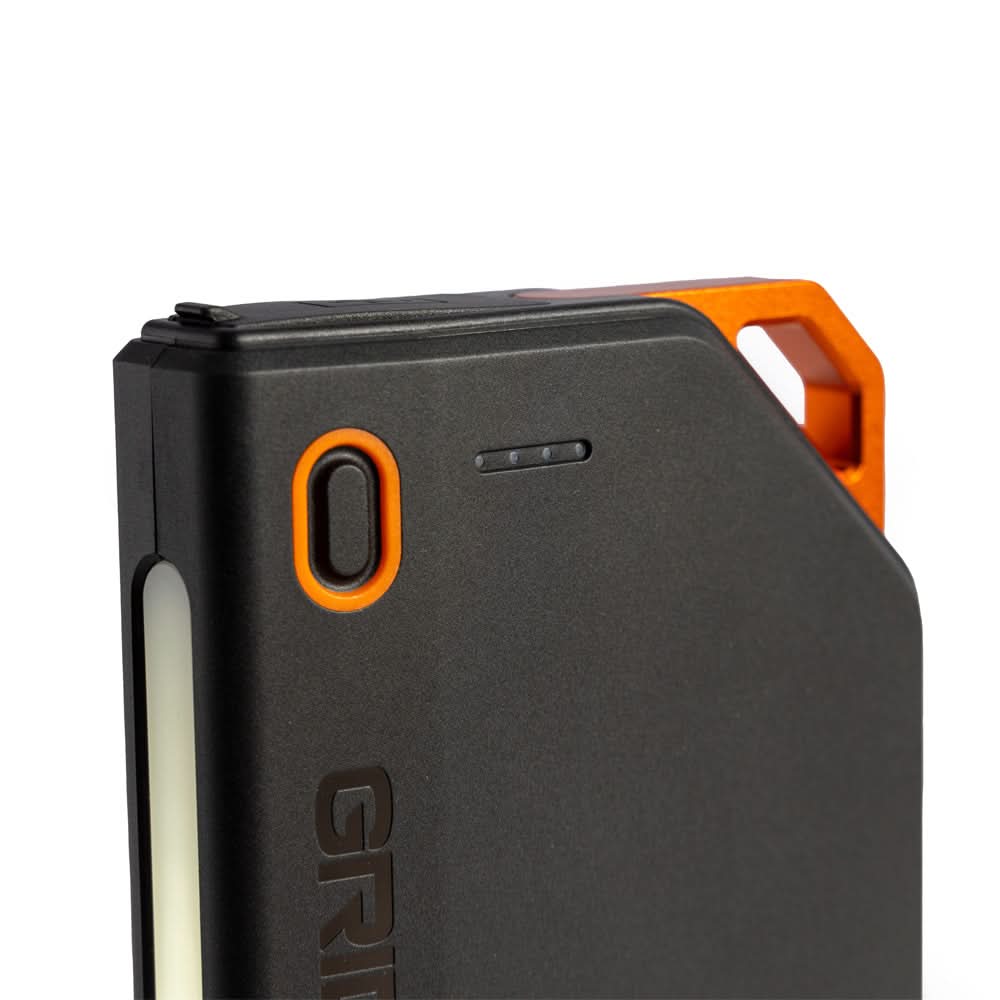
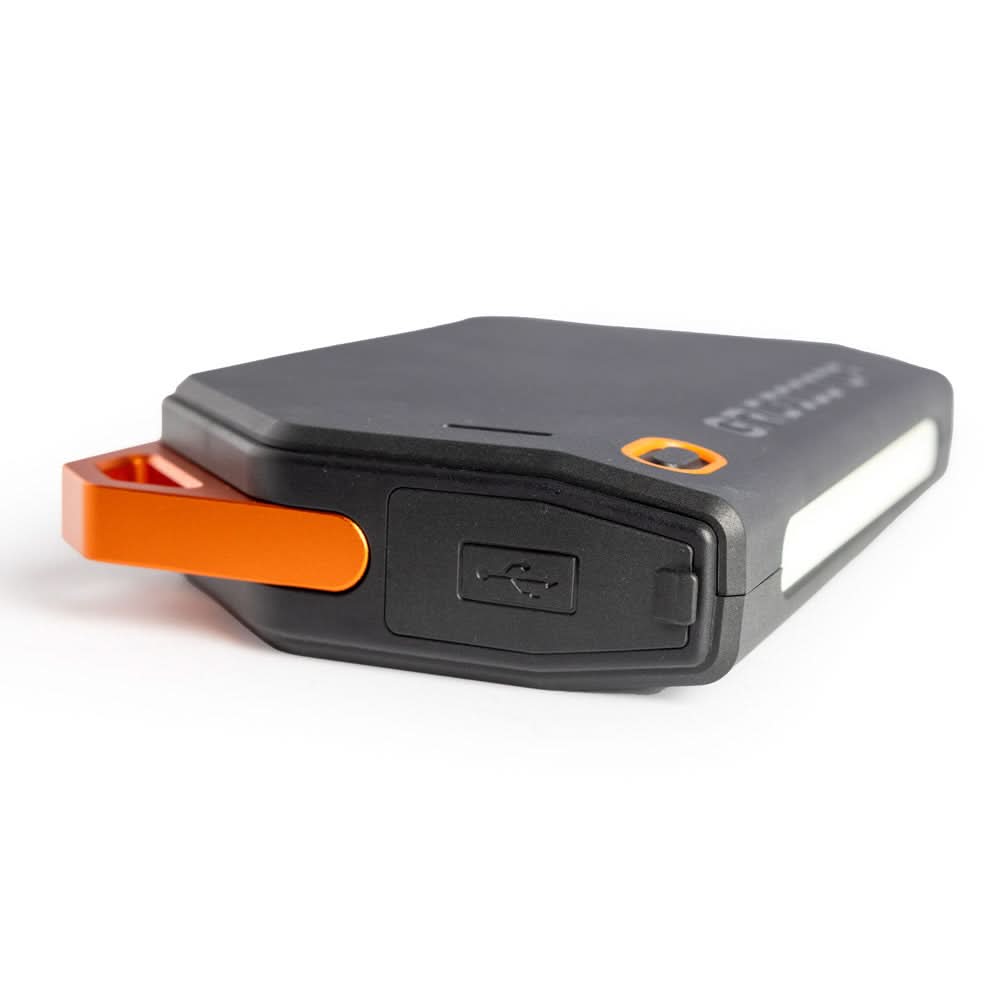
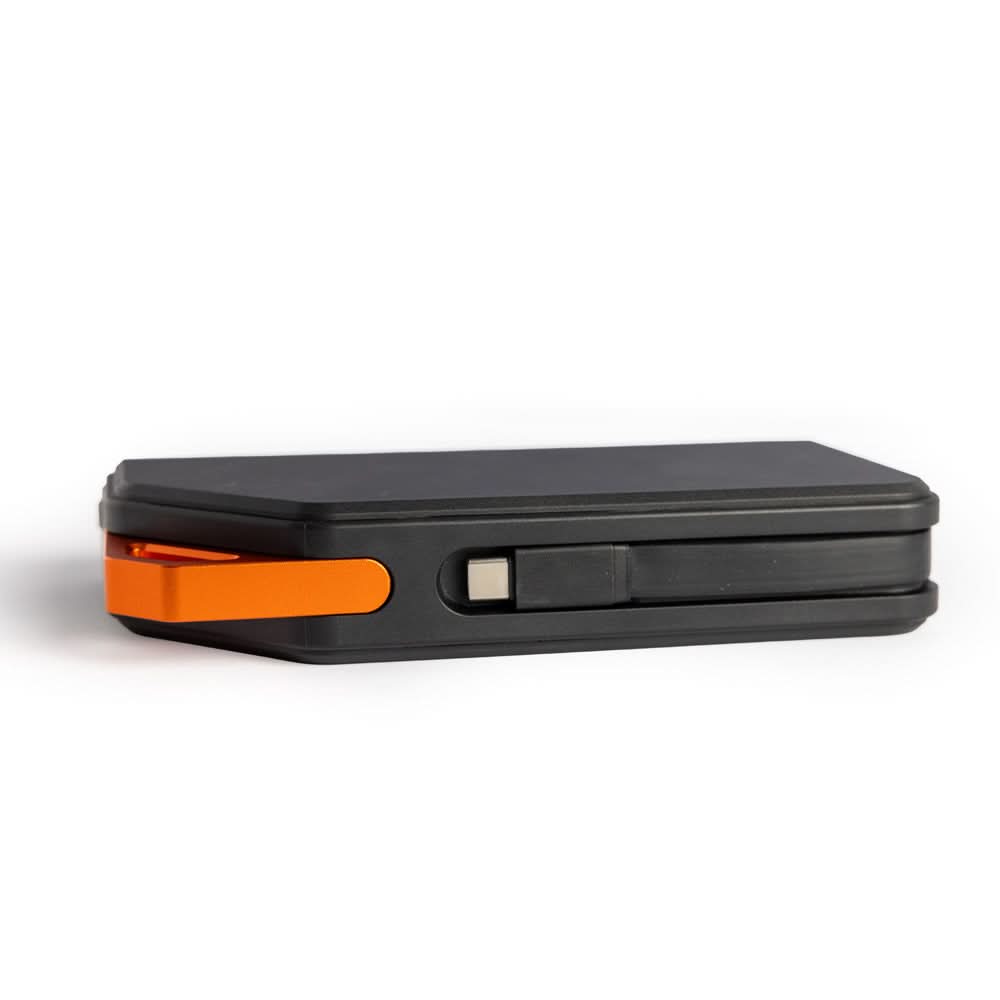
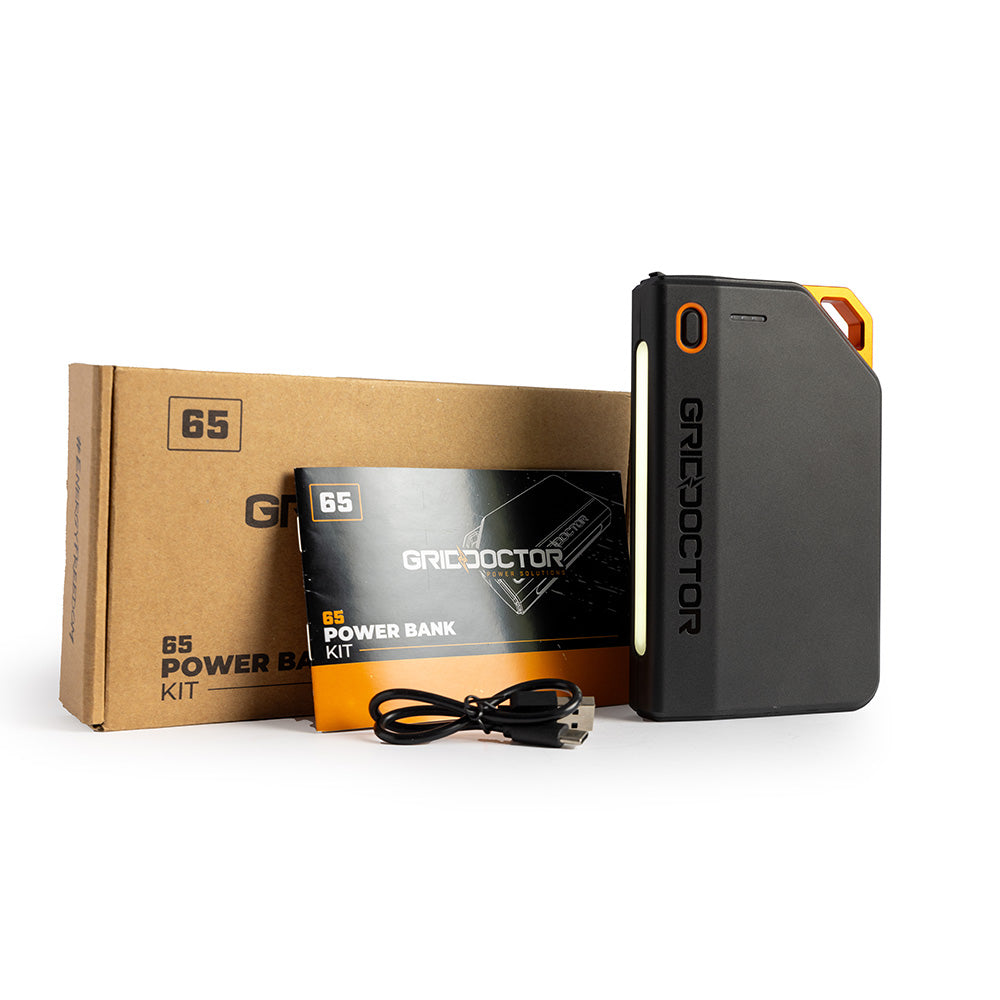
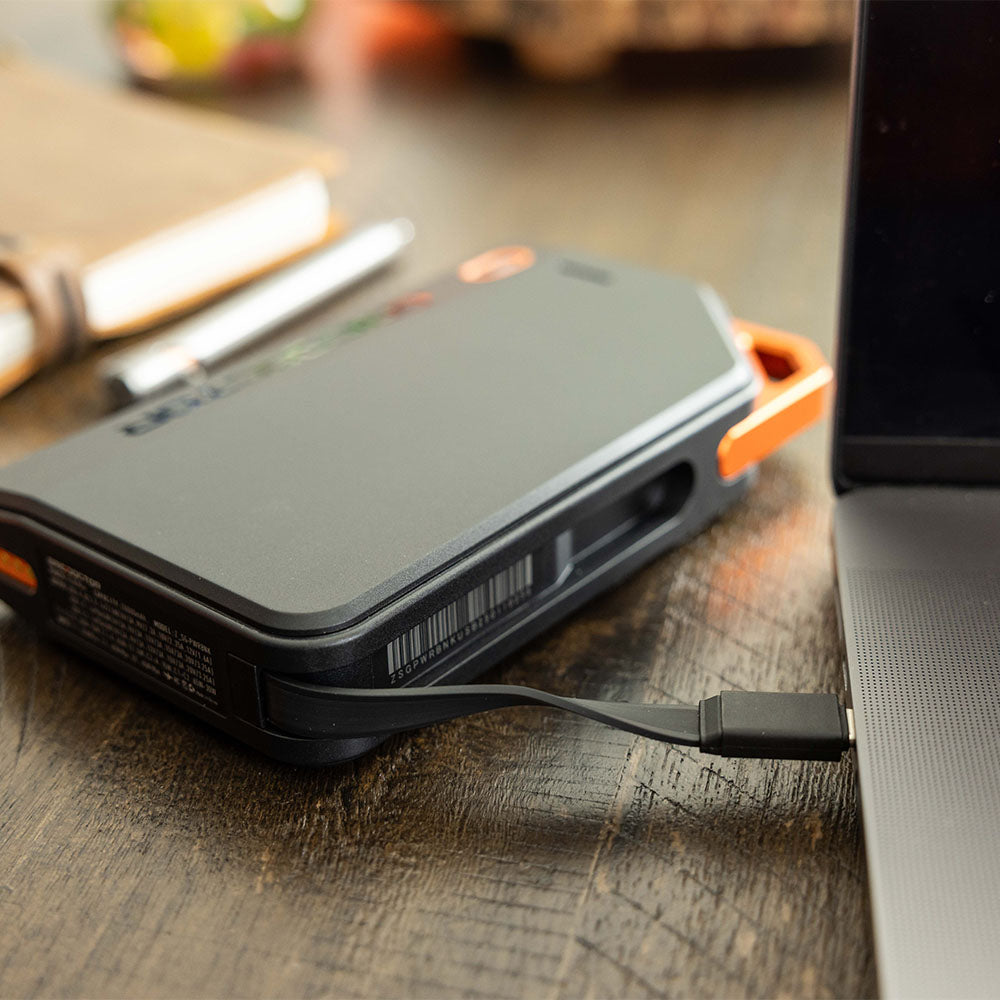
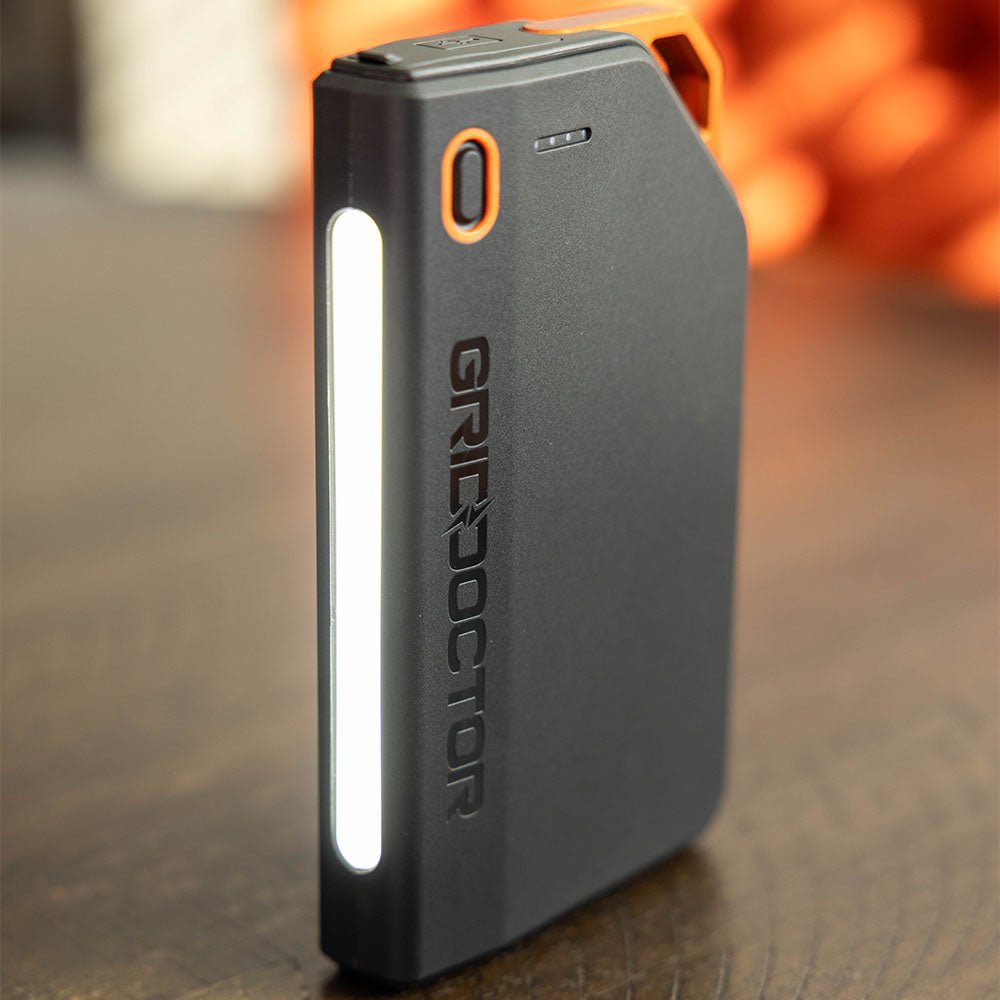
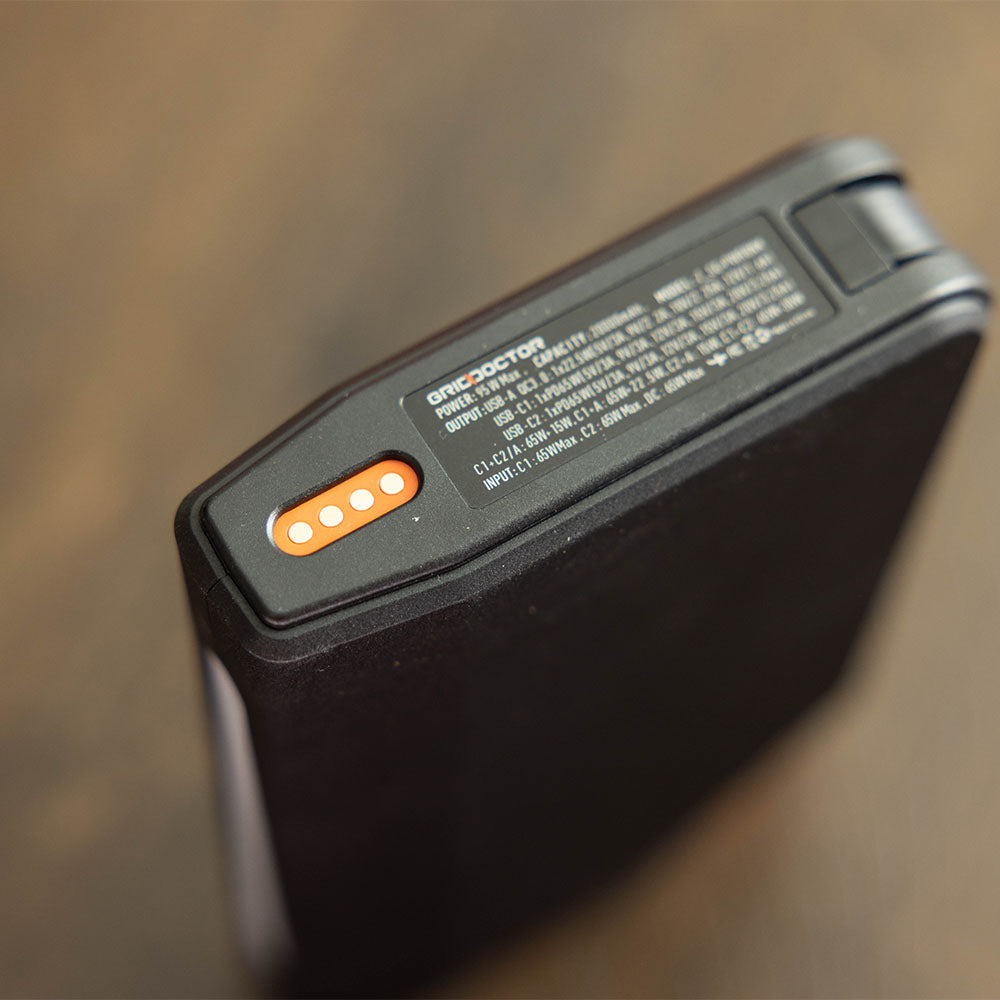
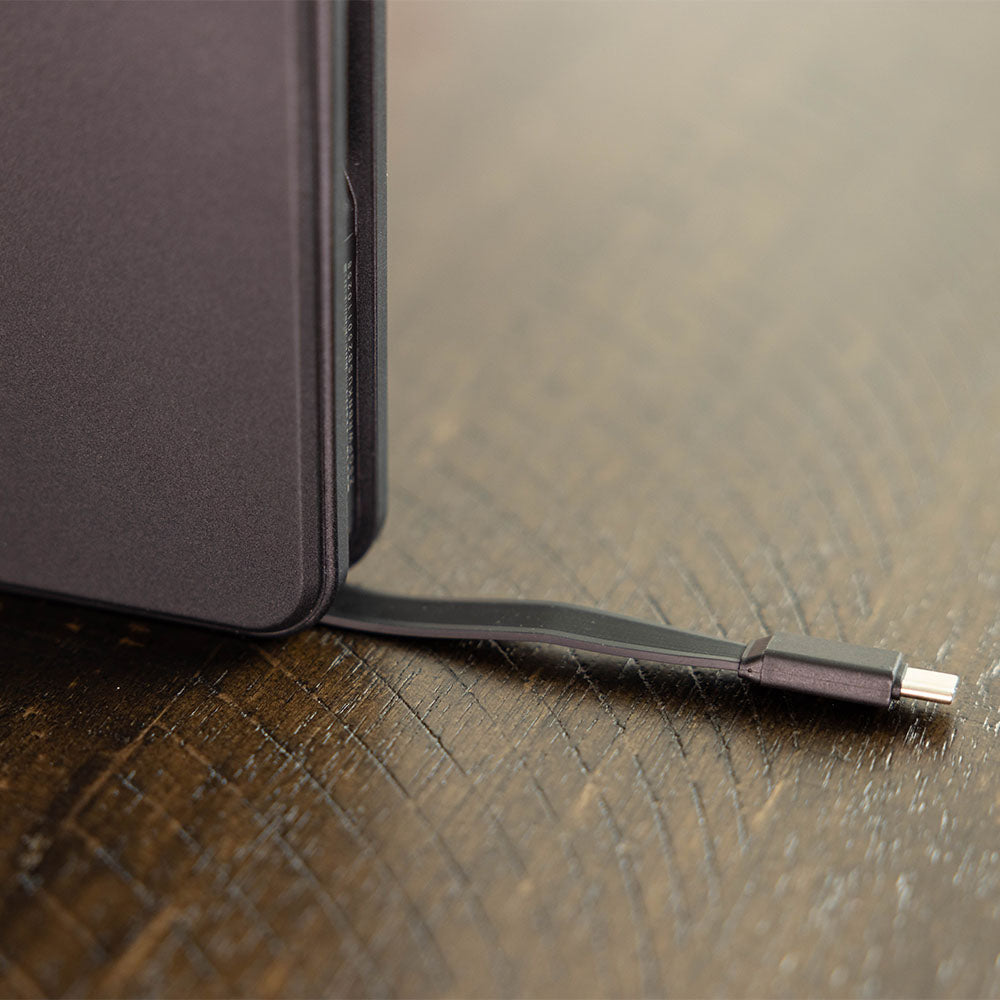
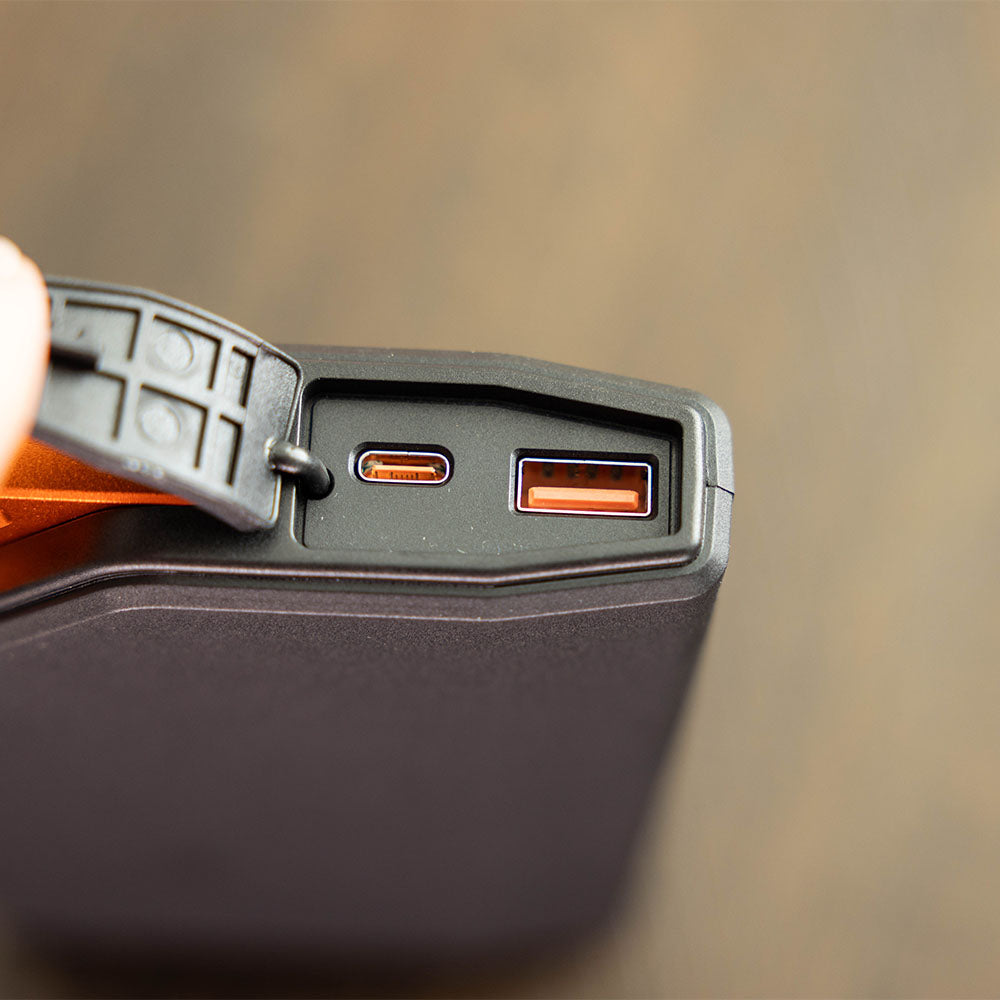
- Phone chargers and power banks
- Copies of IDs, insurance, medical info, and important documents
- Cash in small bills
- Change of clothes and sturdy shoes
- Hygiene items, wipes, toilet paper, trash bags
- N95 masks, gloves, and hand sanitizer
- Local maps
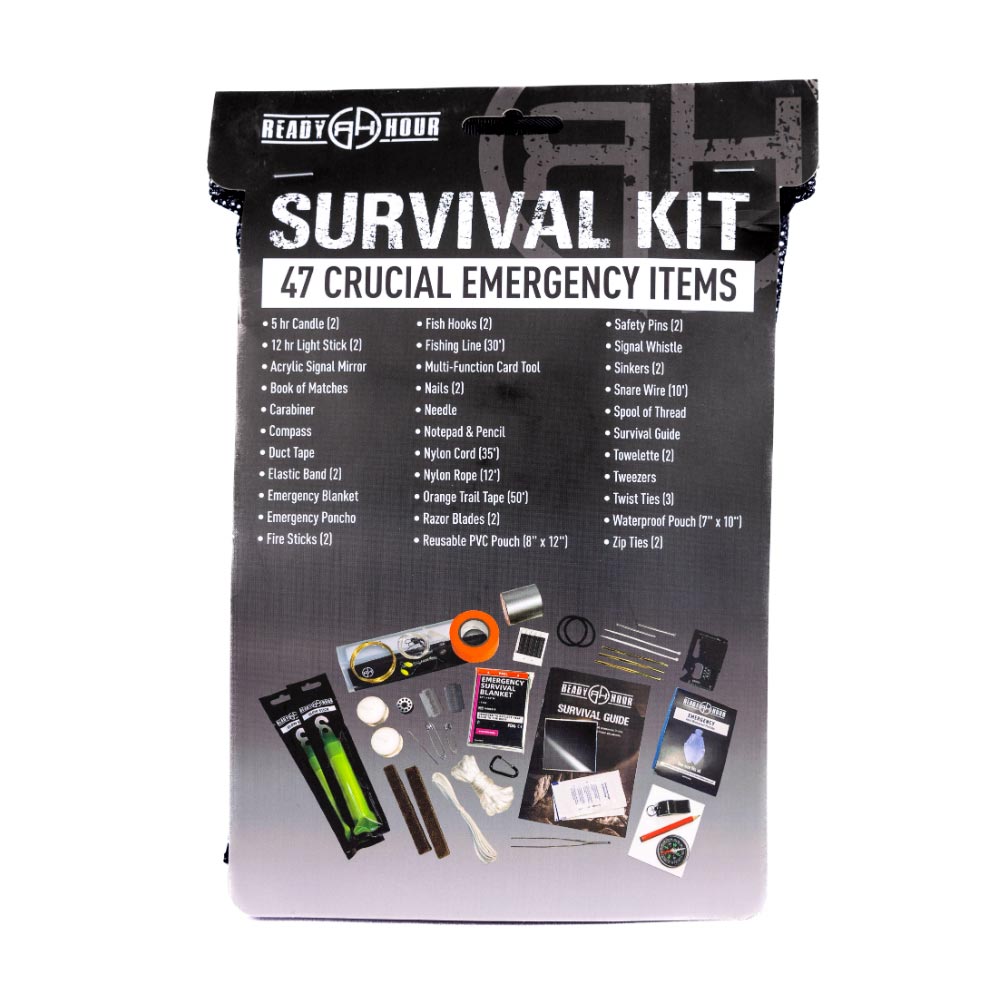
- Multi-tool or basic tools
- Pet food, leashes, carriers, bowls, and vaccination records
- Comfort items for kids
CLICK HERE to download Your FREE Checklist to get your family ready.
FEMA recommends bringing water, non-perishable food, a battery-powered or hand-crank radio, flashlight, first aid supplies, medications, and important family documents when evacuating. The Red Cross also recommends a 3-day evacuation supply of water and food, plus essentials like medications, sanitation items, and a multi-purpose tool.
Pro tip: build kits for home, car, and work. You may not be home when the order comes.

4. Common Evacuation Mistakes to Avoid
Before disaster strikes, it’s important to understand that evacuation mistakes can turn a stressful situation into a dangerous one fast. In an emergency, panic, poor timing, and lack of preparation often create bigger problems than the event itself. The good news? Most evacuation mistakes are preventable with a little planning and awareness ahead of time. Here are some of the most common evacuation mistakes people make — and how to avoid them when every minute matters.
Don't Make these Mistakes...
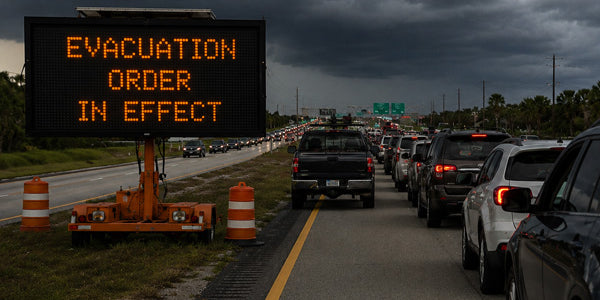
Waiting too long.
This is the big one. If officials say leave, leave. Roads get crowded. Gas disappears. Conditions worsen.
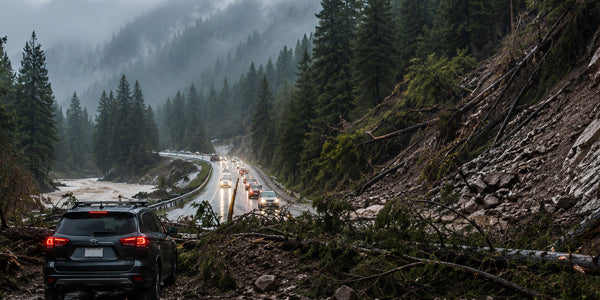
Assume a route will stay open.
Flooding, fire, debris, and downed power lines can block roads fast. Having at least 2 backup evacuation routes could mean the difference between getting out safely and getting stuck in a life-threatening situation.
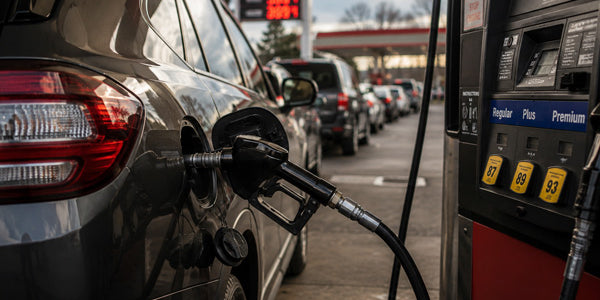
Forgetting the car.
Keep your gas tank at least half full whenever possible. Aim to keep a full or nearly-full tank when evacuation risk is high because working gas stations may be hard to find during a disaster.
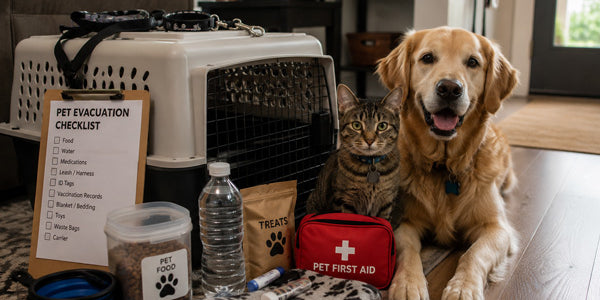
Leaving pets out of the plan.
If it isn’t safe for you, it isn’t safe for them. Have carriers, food, water, meds, and pet-friendly destinations ready.
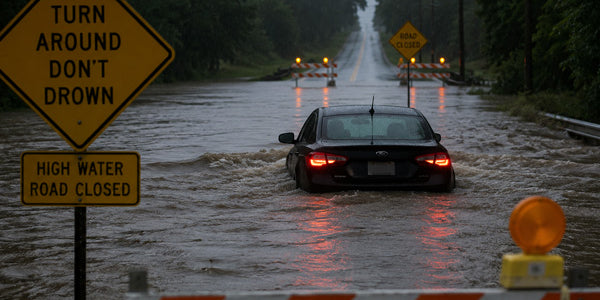
Driving through floodwater.
Don’t do it. It takes less water than most people think to stall or move a vehicle. “Turn around, don’t drown.”
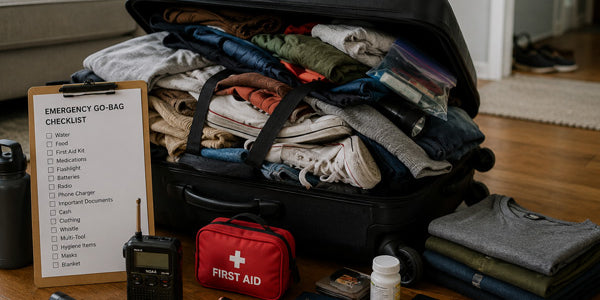
Packing too much.
A go-bag is not a moving truck. Stick to your checklist and bring what keeps you alive, informed, mobile, and medically stable.

5. Returning Home Safely
Going home too soon can be just as dangerous as leaving too late.
Wait until local officials say it’s safe to return. When you arrive, watch for:
- Downed power lines
- Gas leaks
- Flood damage
- Mold
- Contaminated water
- Unstable structures
- Wildlife or pests
- Spoiled food
Take photos before cleanup for insurance. Throw away food exposed to floodwater or unsafe temperatures. If your home smells like gas, leave immediately and call the utility company.
After that, restock your kit. Replace used supplies. Update your plan based on what worked — and what didn’t.
Because evacuation isn’t just about getting out.
It’s about getting out fast, safely, and with what you need to come back strong.
📝 Download Your FREE Checklist to get your family ready!
A rapid evacuation is not the time to figure out what you forgot. When roads are crowded, power is out, or conditions are changing fast, having a ready-to-go checklist can help you move quicker, stay calmer, and avoid critical mistakes under pressure.
Use this Rapid Evacuation Readiness Checklist to help build a practical emergency plan for your household. Print it out, check items off ahead of time, and keep your essentials stored where you can grab them quickly if you ever need to leave in a hurry.
Remember: every family is different. Be sure to customize your checklist based on your location, medical needs, pets, children, and the types of emergencies most likely to affect your area.