A New World screwworm case has been confirmed in a 3-week-old calf in South Texas, marking the first U.S. case in decades. The parasite was once eradicated from the U.S., but it has been moving north through Central America and Mexico, with a recent case detected near the Texas border. New World screwworm larvae burrow into the living tissue of warm-blooded animals, causing serious and sometimes deadly damage to livestock, pets, wildlife, and, in rare cases, people. Officials have set up a quarantine zone, restricted animal movement, increased surveillance, and started sterile fly releases to try to stop the parasite from spreading.
Why This Matters:
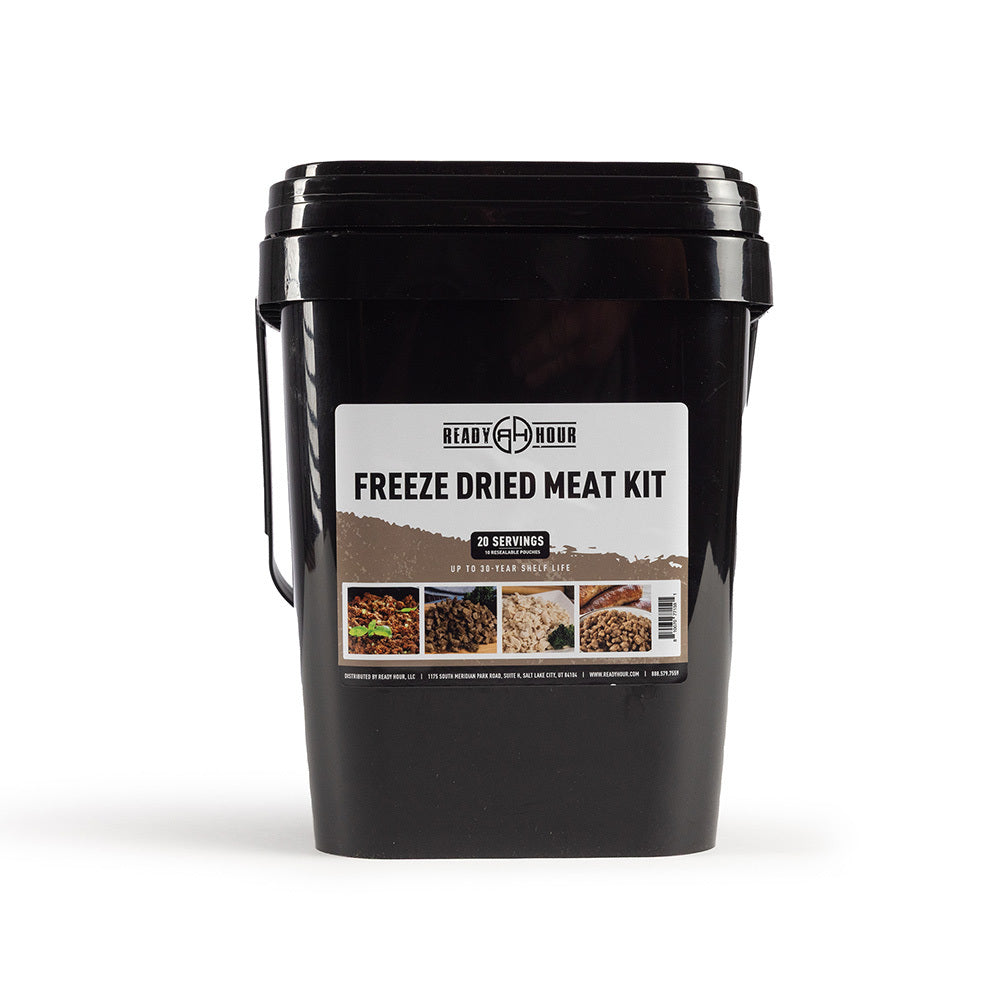
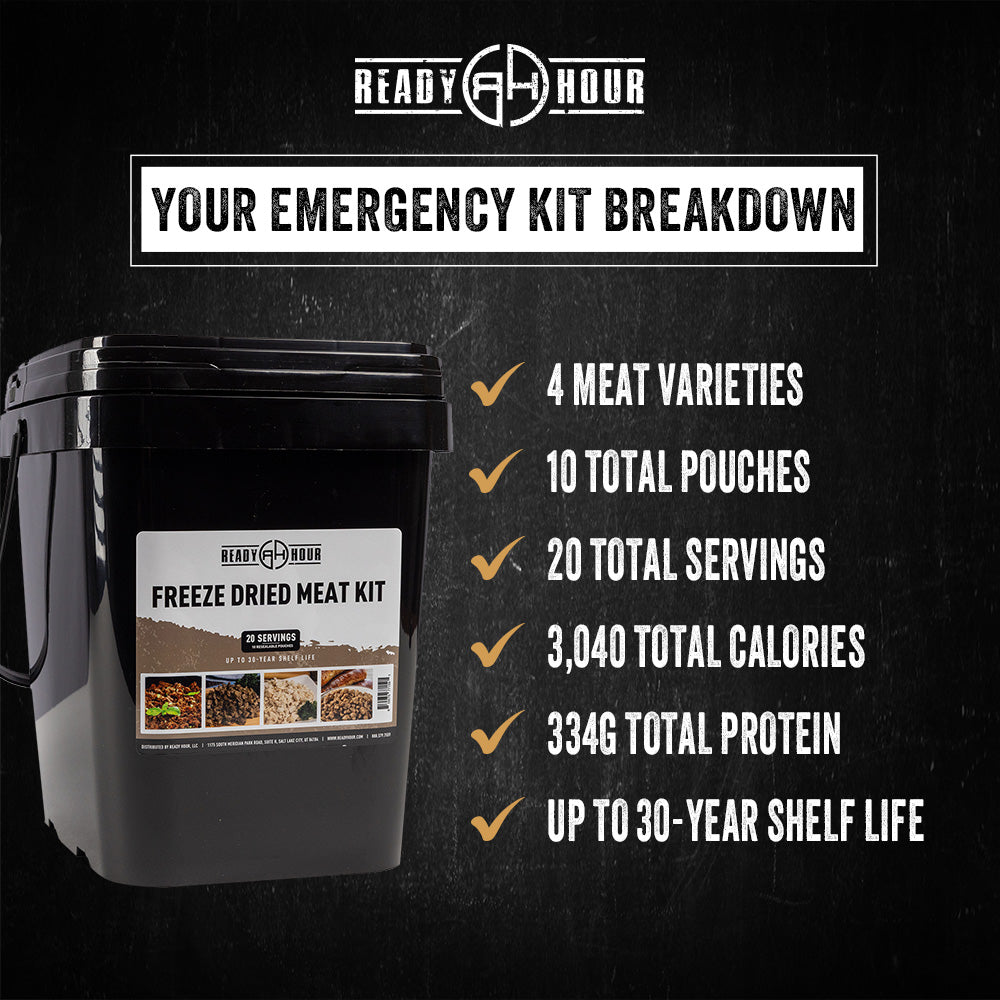
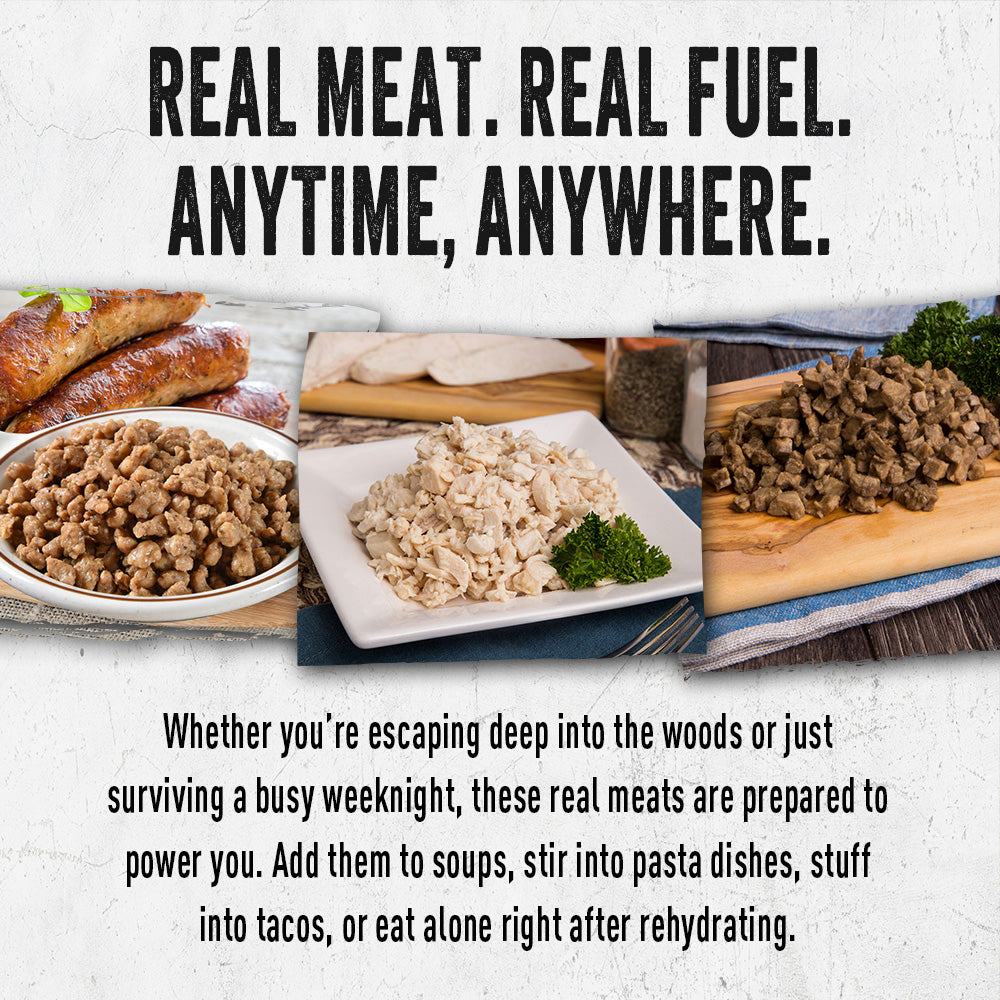
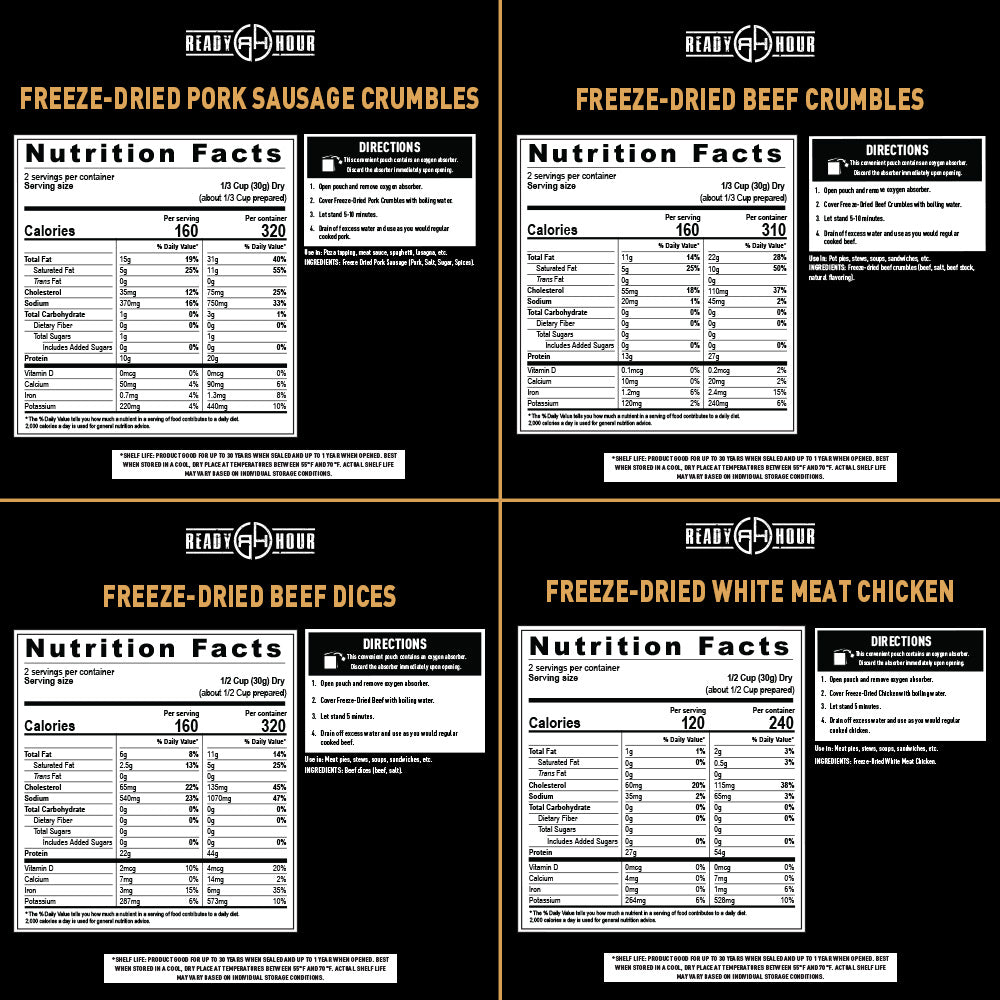
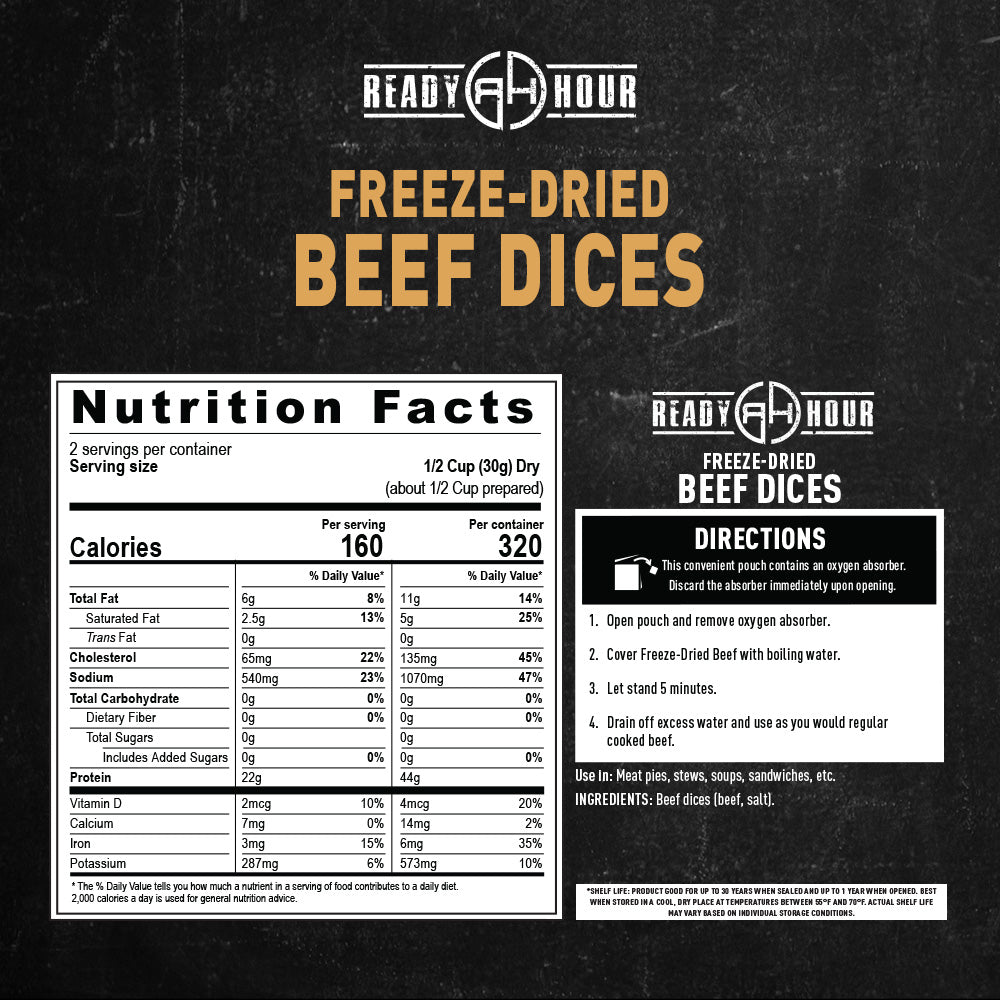
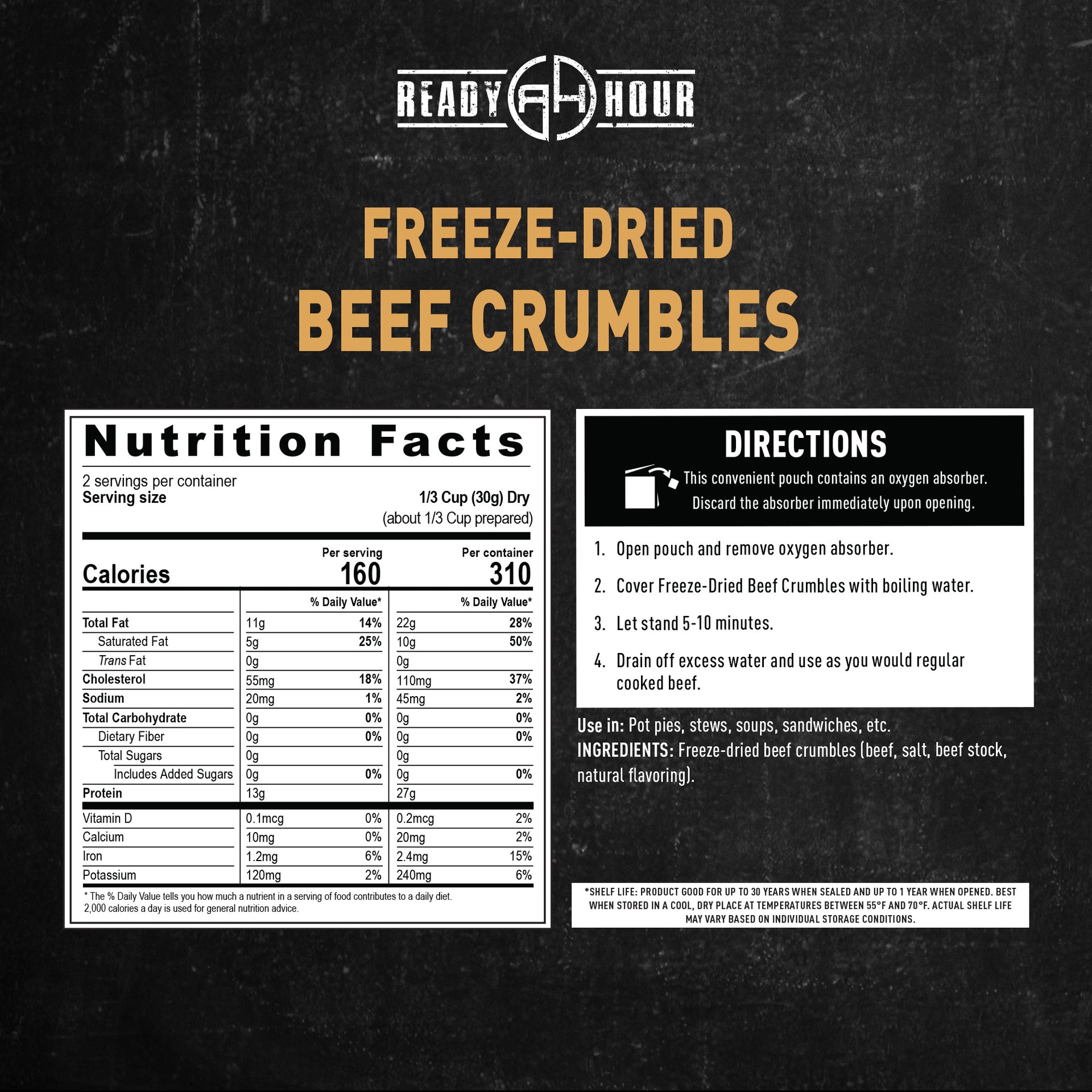
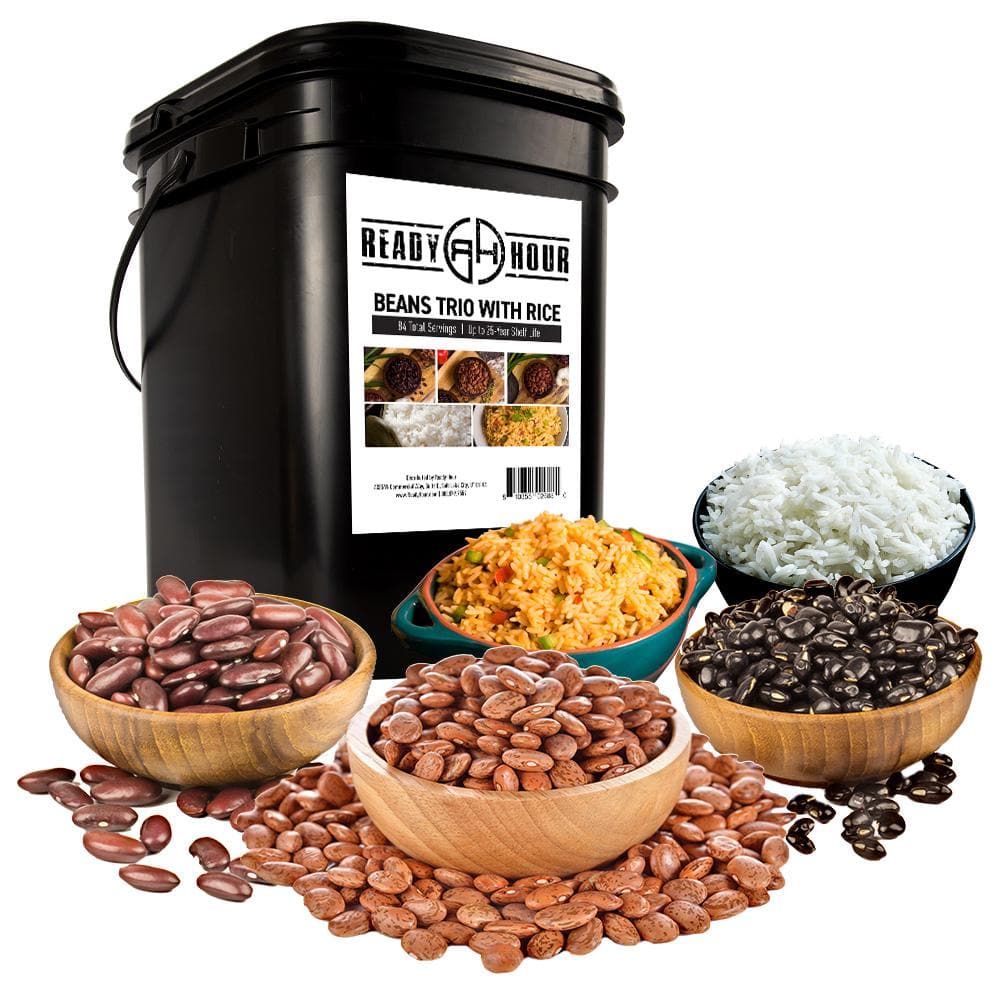
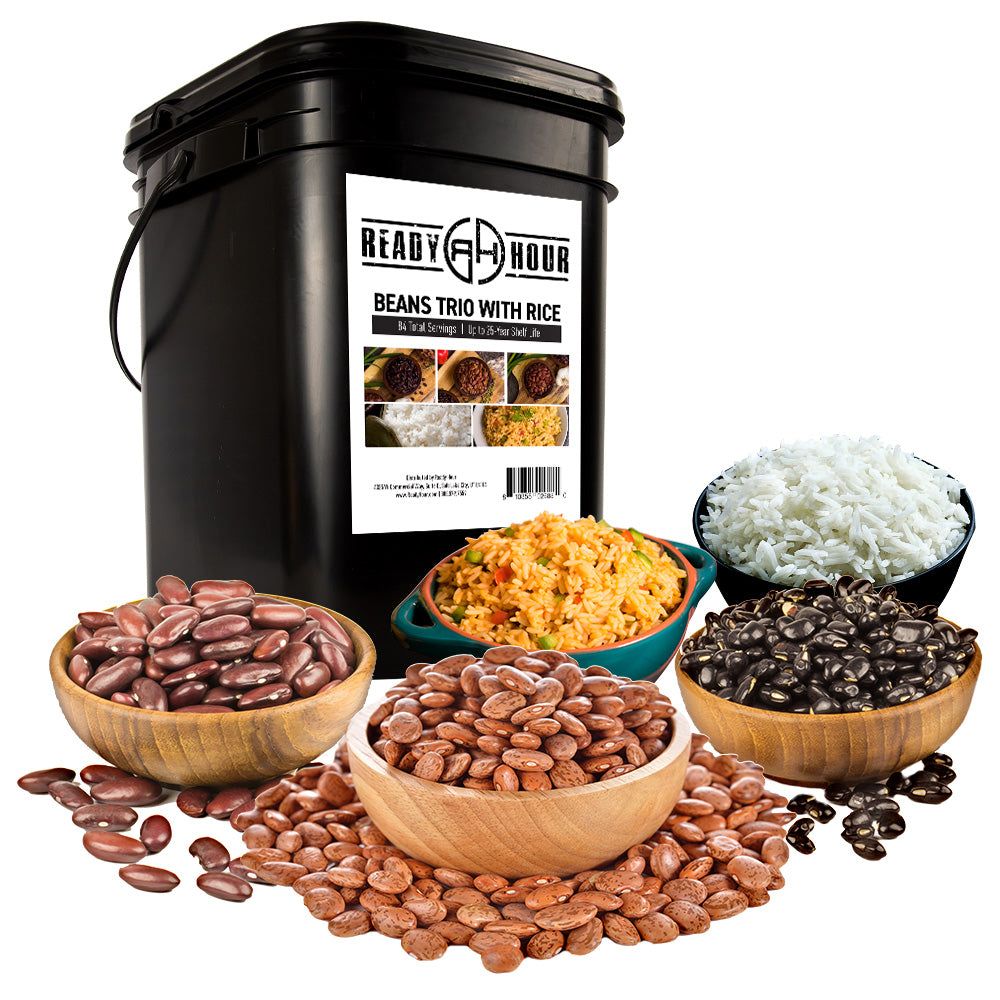
Beef prices are already high, and a threat like New World screwworm could add even more pressure. If the parasite spreads, ranchers could face quarantines, herd losses, higher treatment costs, and disruptions to cattle movement or meat production. That can mean tighter supply, higher prices, and fewer options at the grocery store. For households, it is another reminder that food storage matters before problems reach the shelf. Having long-term food storage in place gives families a backup when pests, disease, drought, or supply chain pressure create uncertainty around everyday food.
Read the full article here.
Source: The New York Times
By: Kevin Draper