The U.S. spent decades fighting New World screwworm, using sterile fly releases to push the flesh-eating parasite out of American livestock herds. Now that effort is being forced back into focus after confirmed cases in Texas. Screwworm larvae feed on the living tissue of warm-blooded animals, making the parasite especially dangerous for cattle, wildlife, pets, and, in rare cases, people. Federal and state officials are responding with animal movement restrictions, surveillance, testing, and sterile fly releases, but the return of a pest once considered eradicated raises new concerns for ranchers and the cattle industry.
Why This Matters:
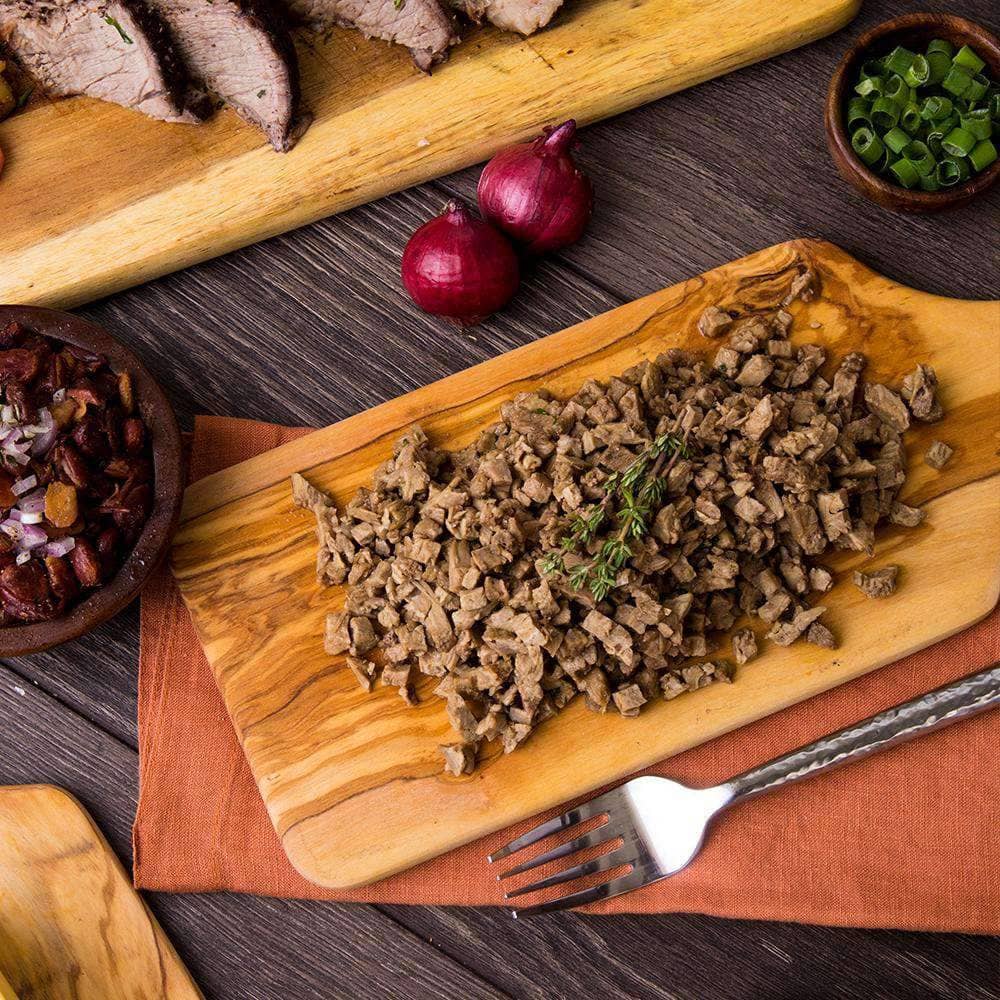
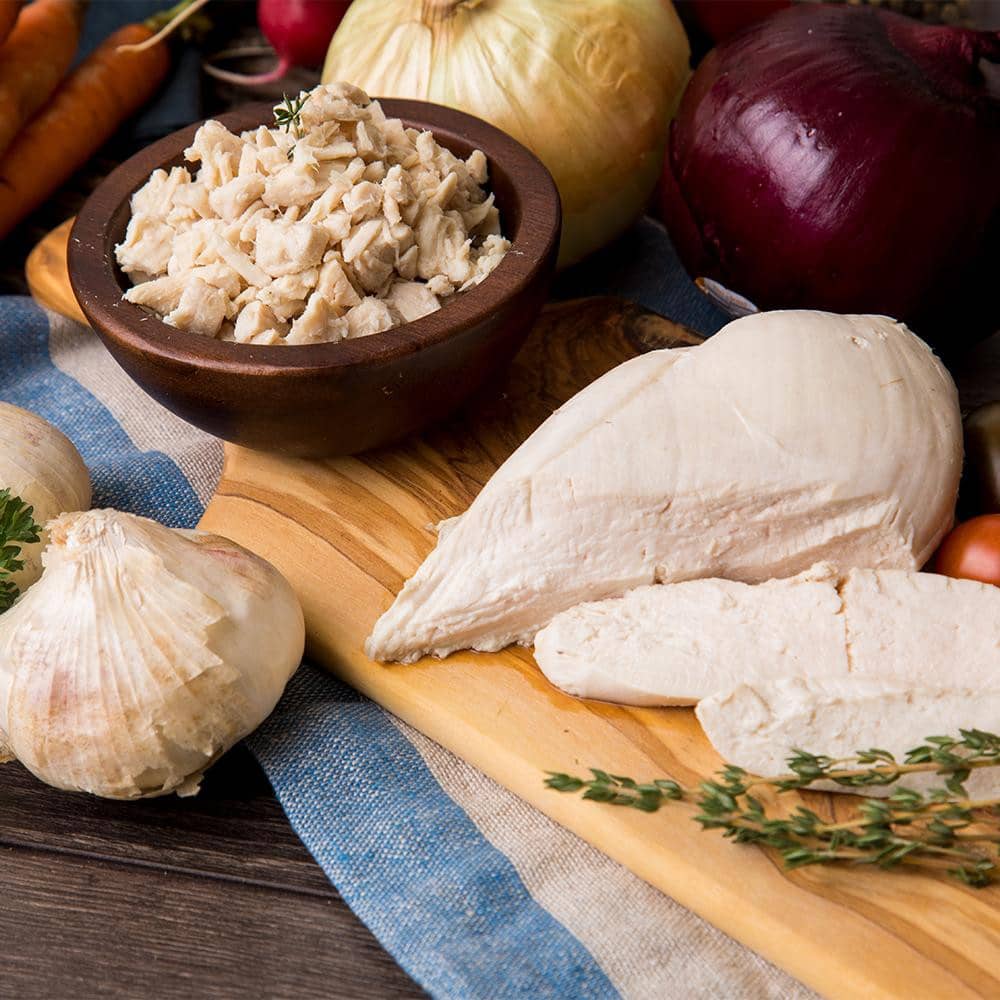
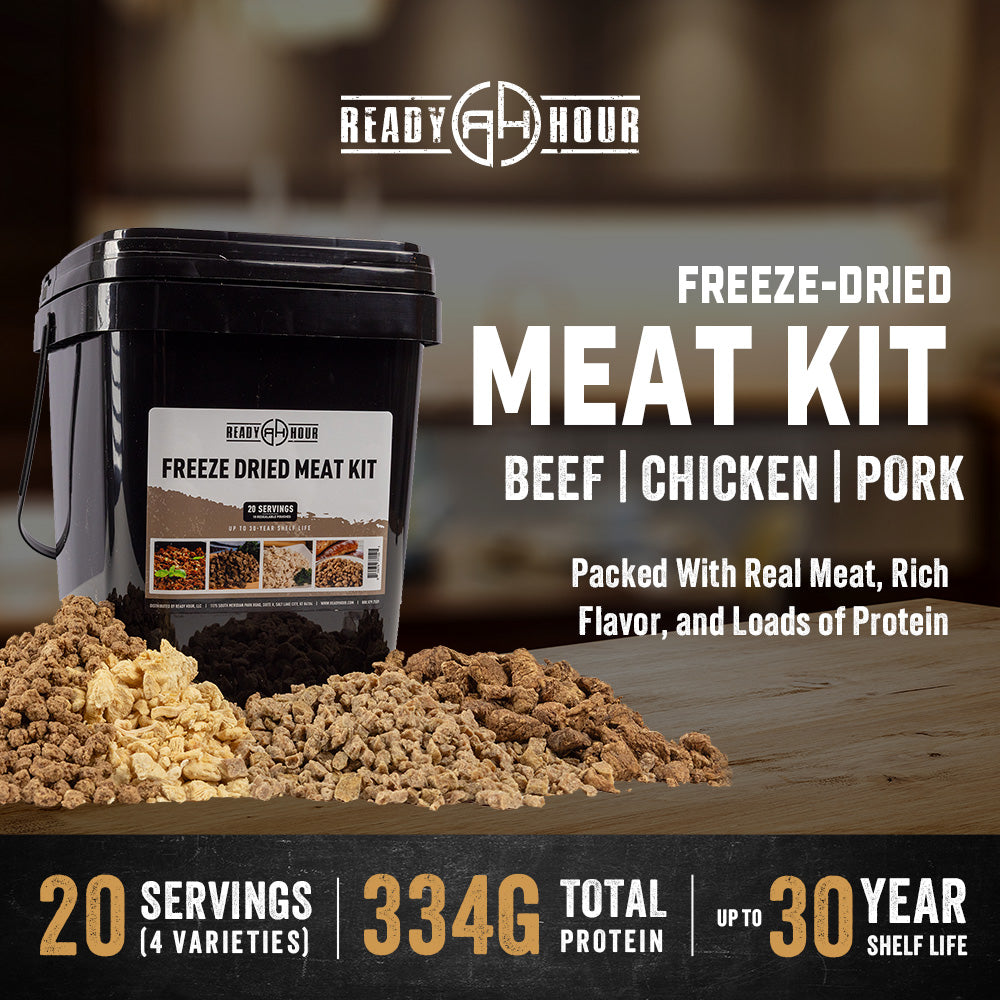
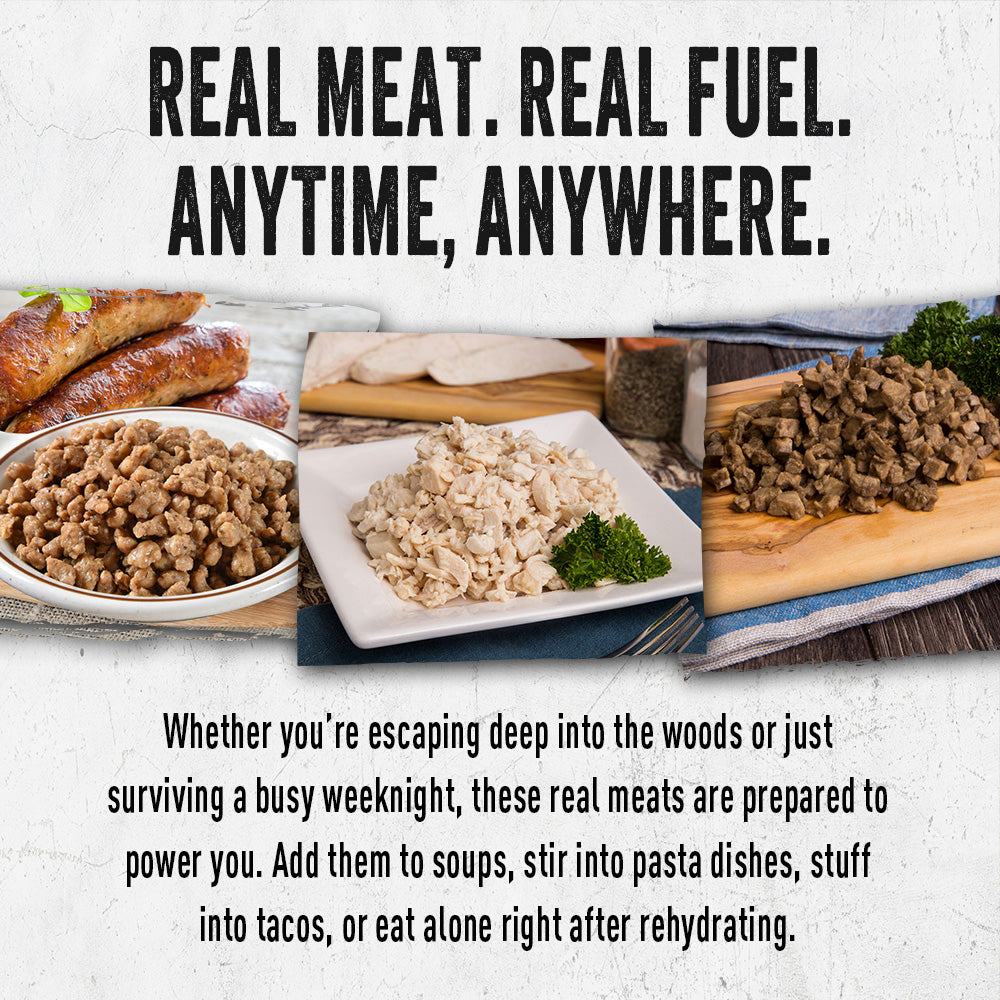
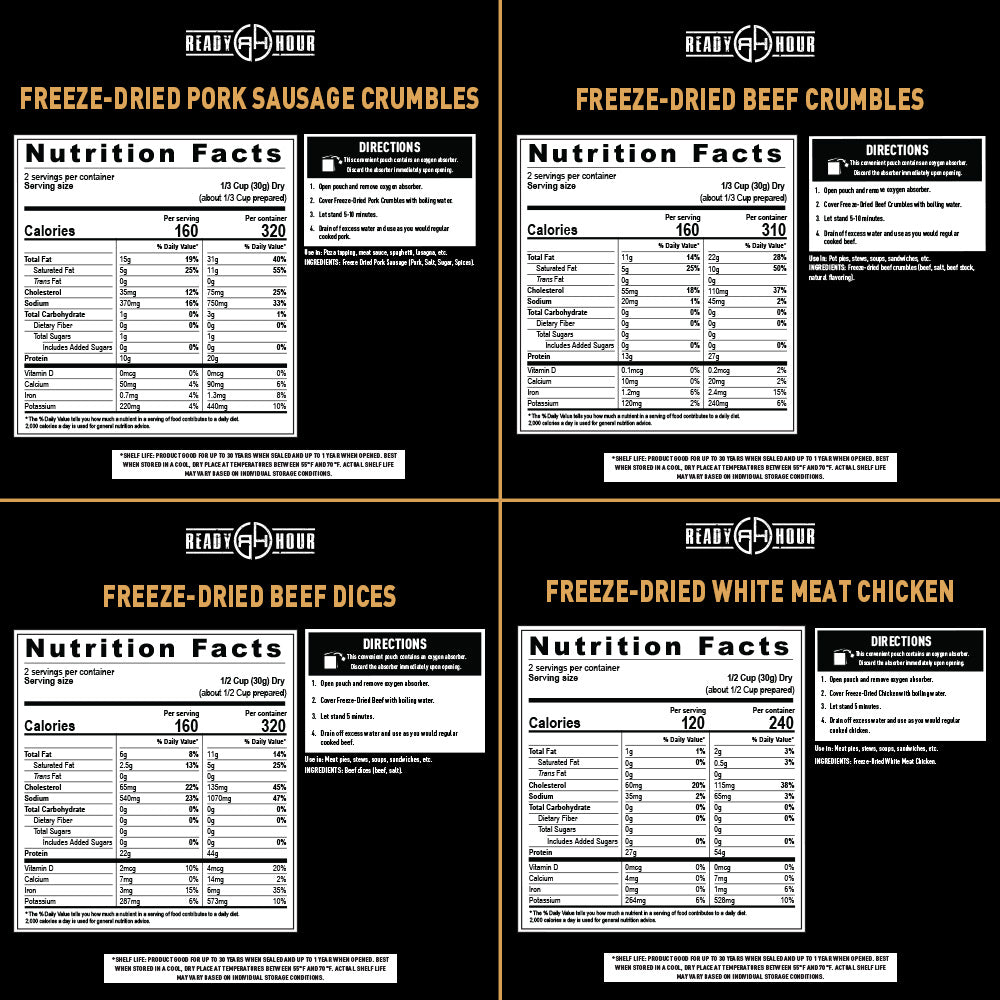
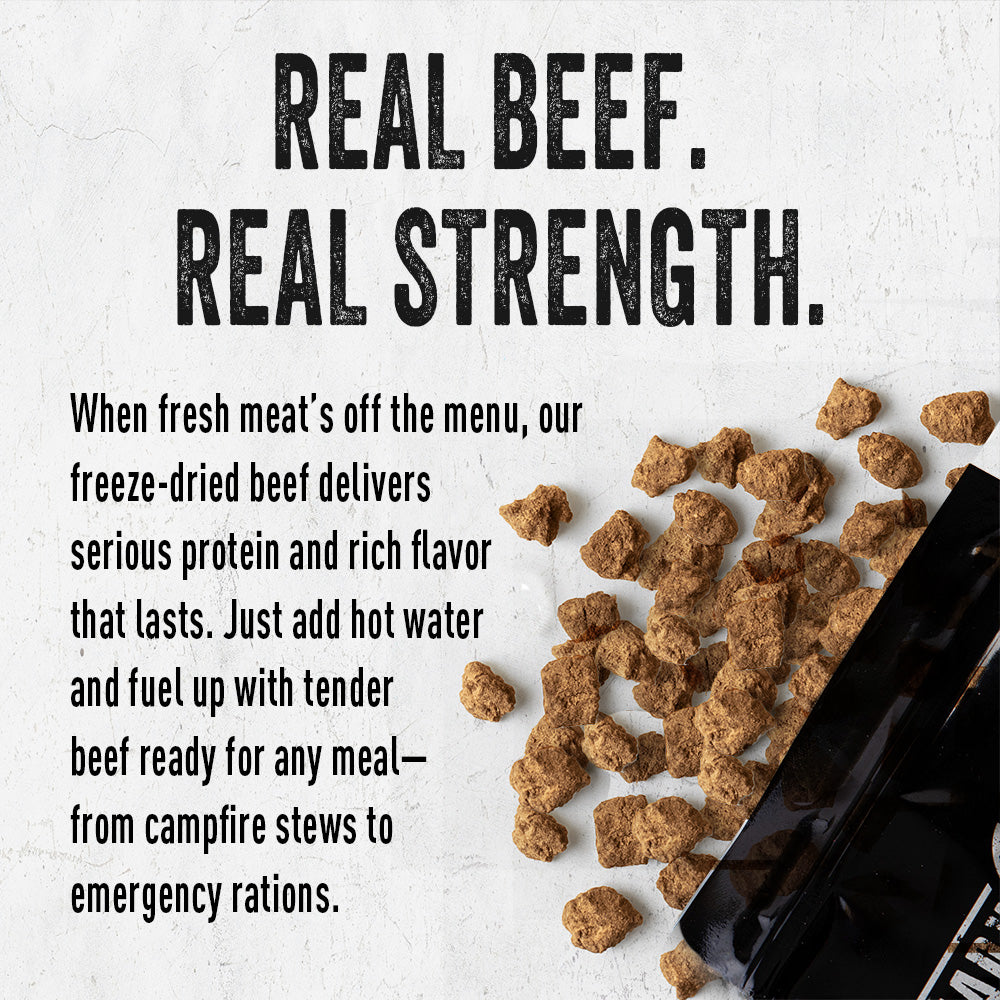
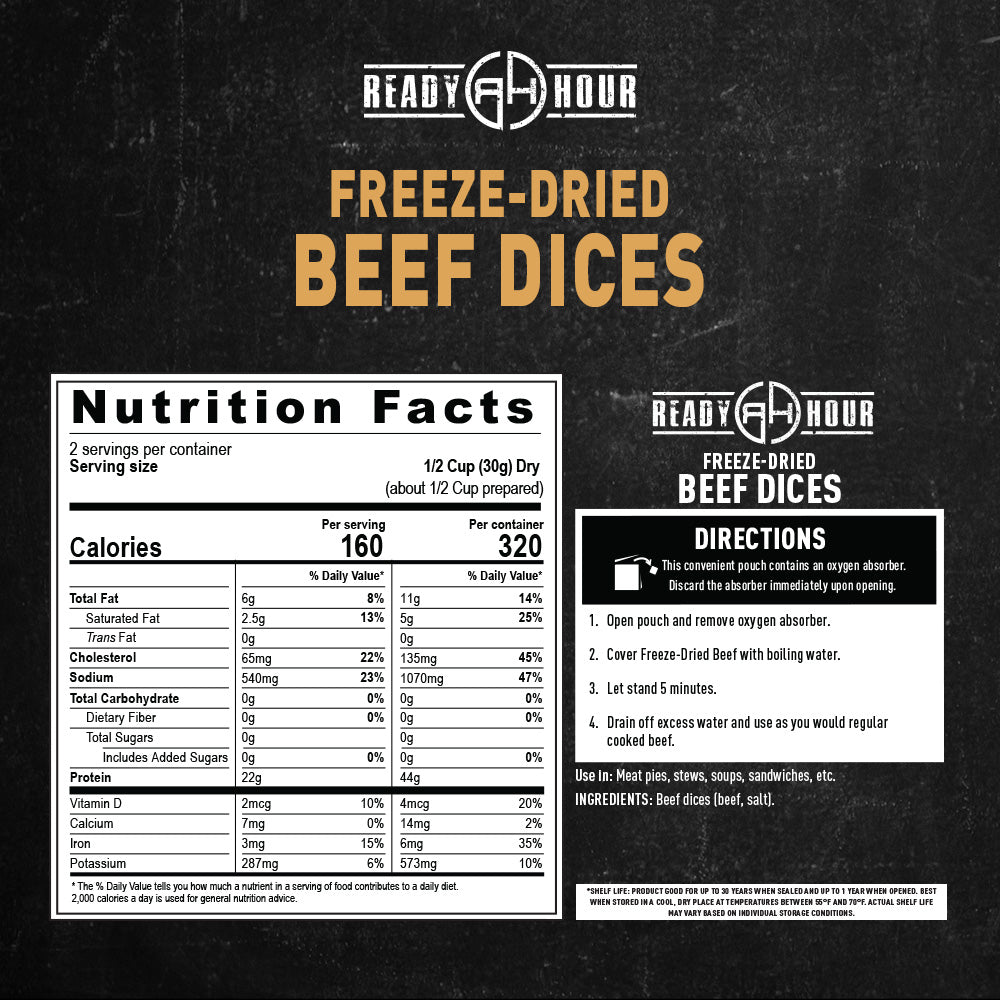
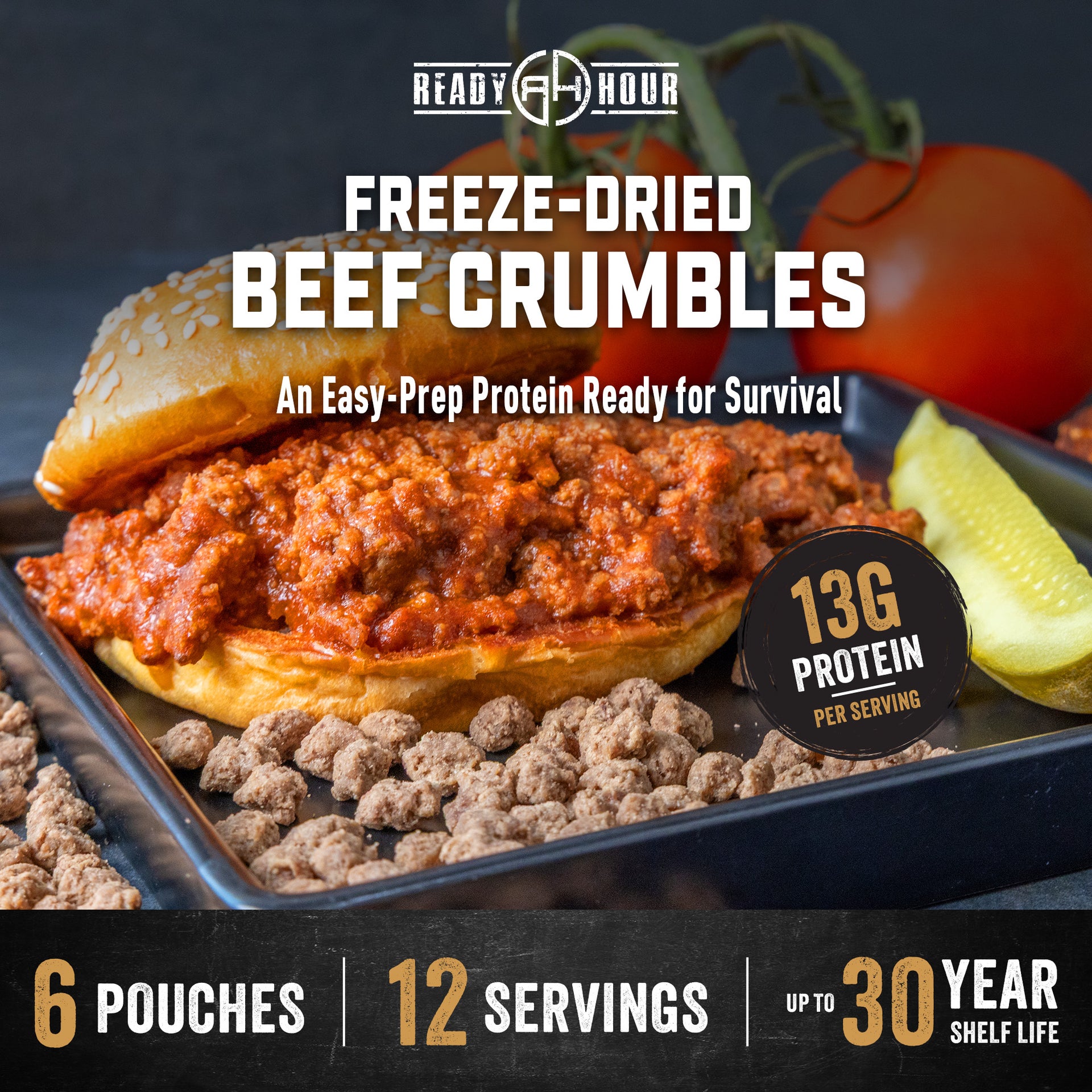
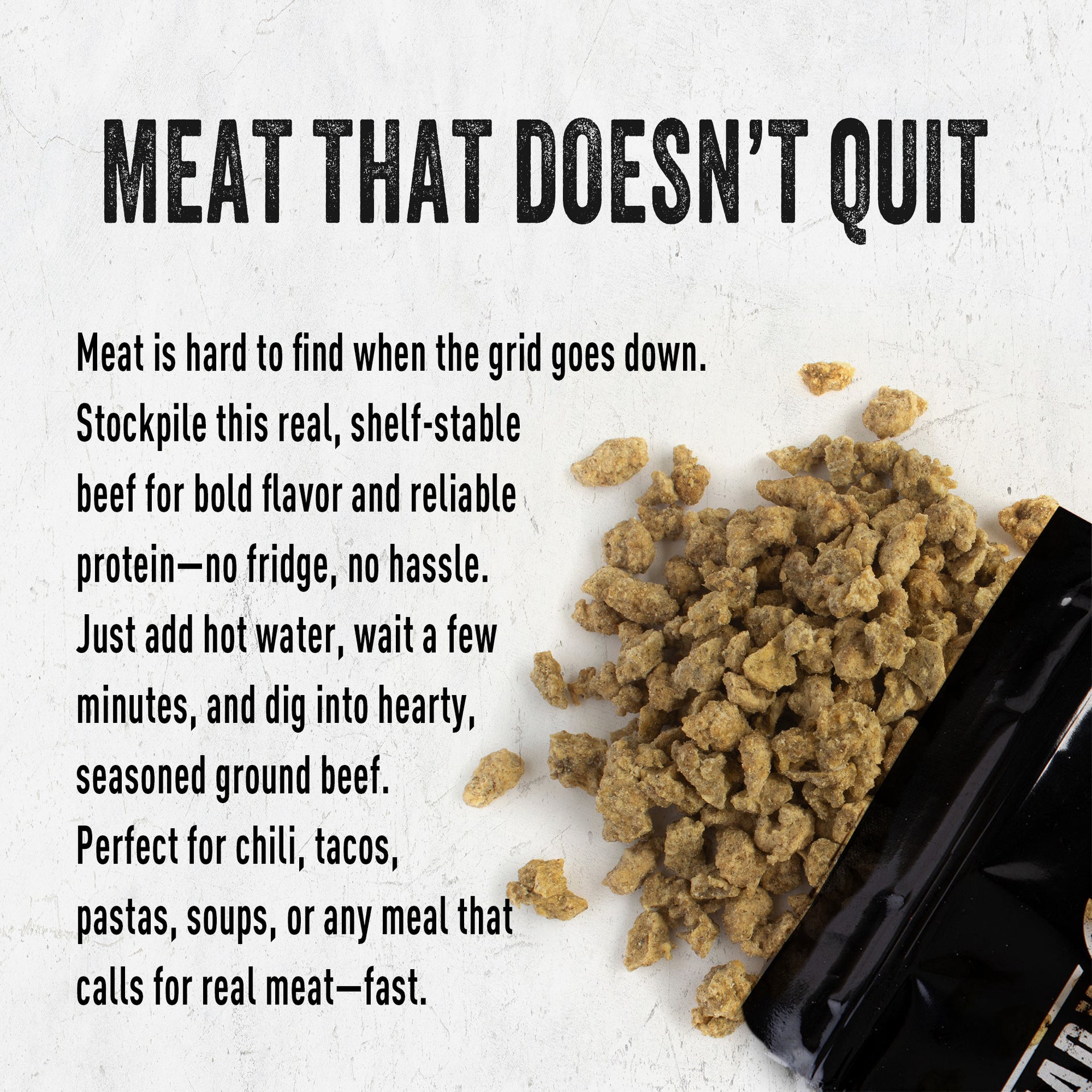
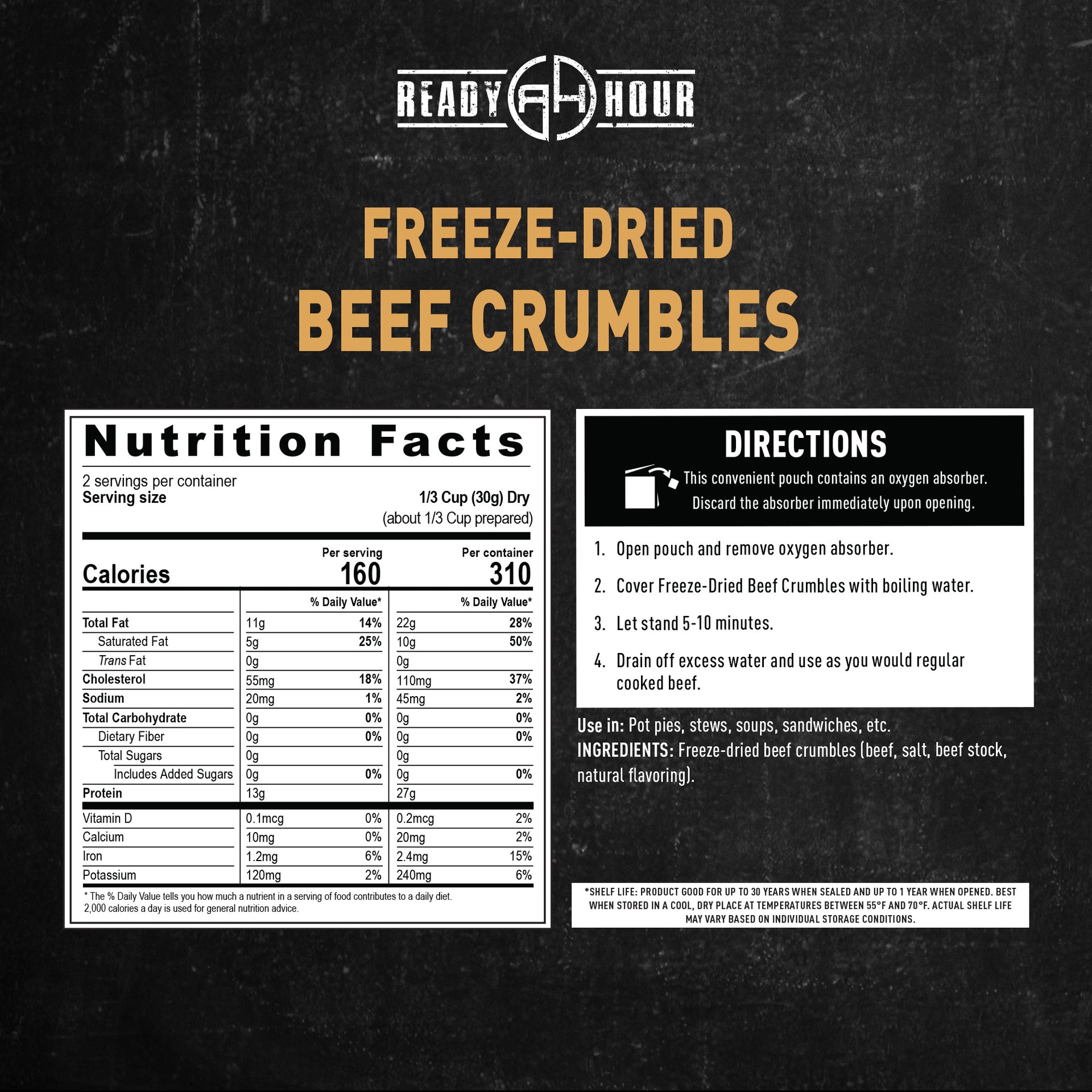
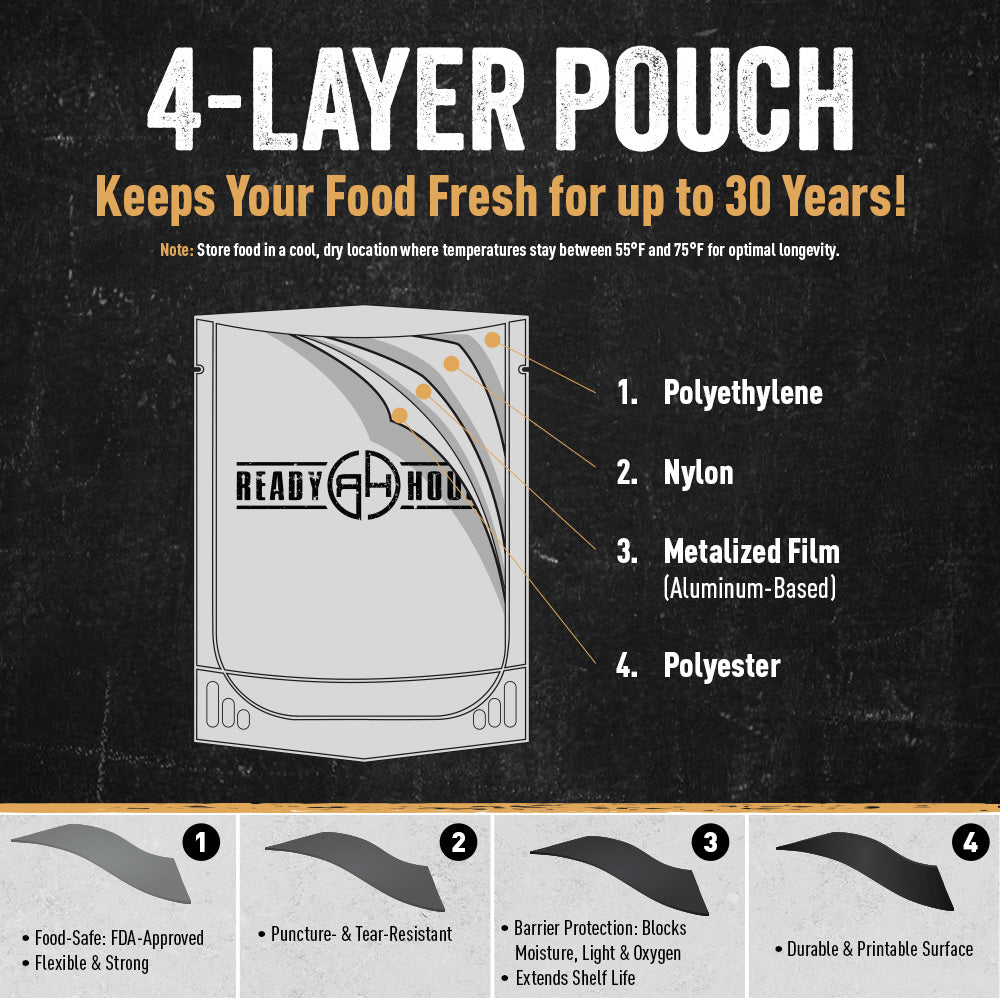
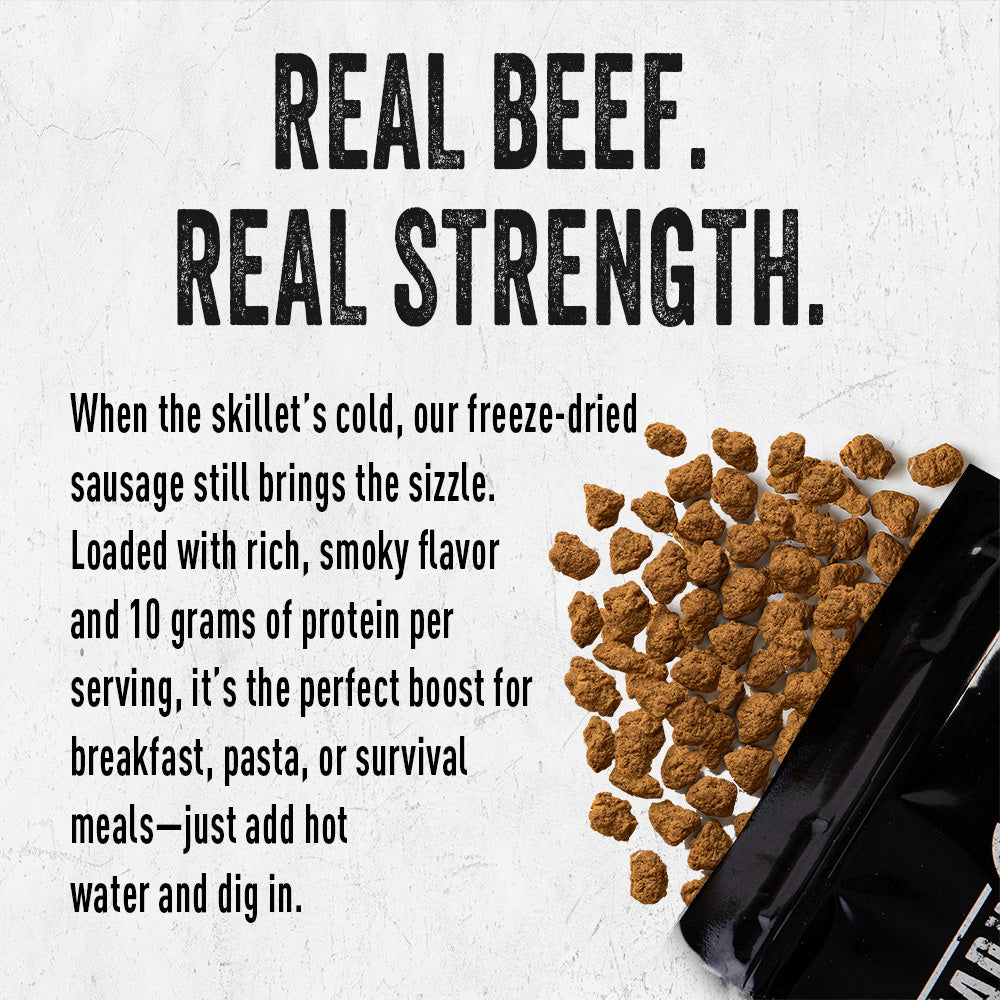
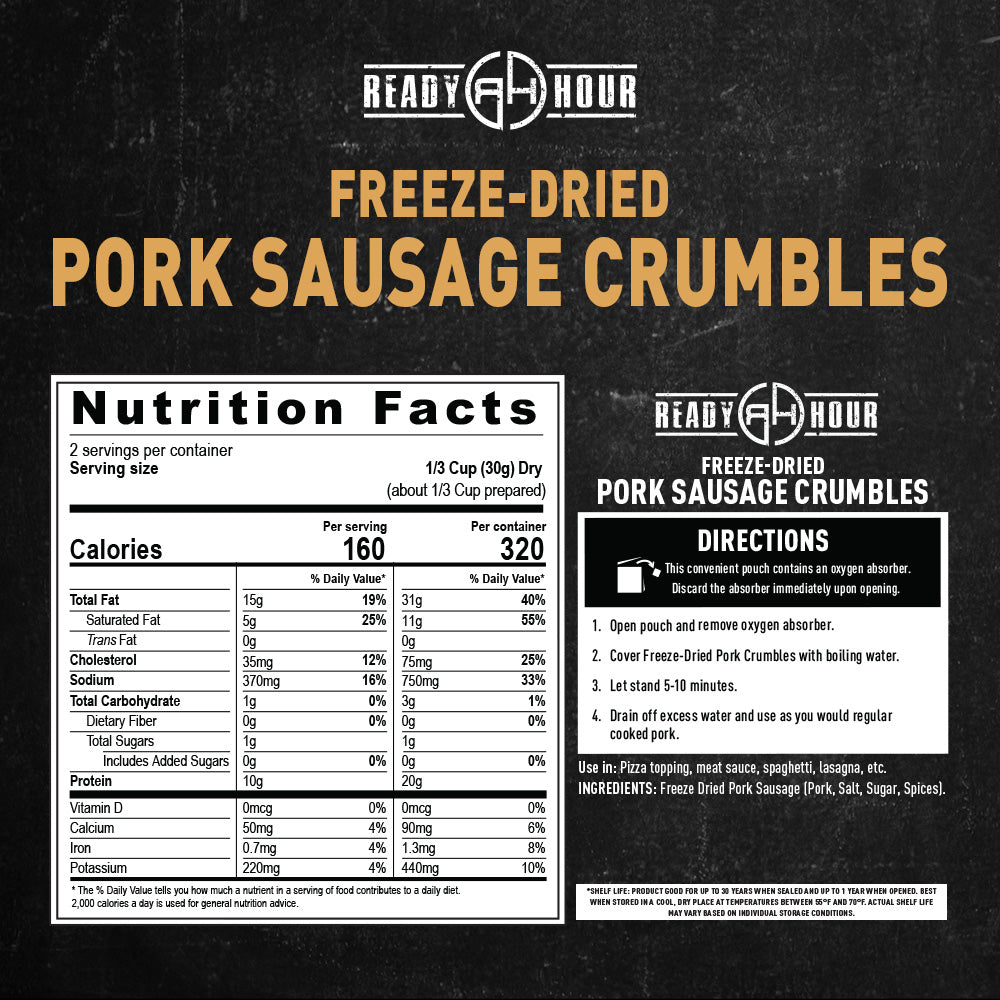
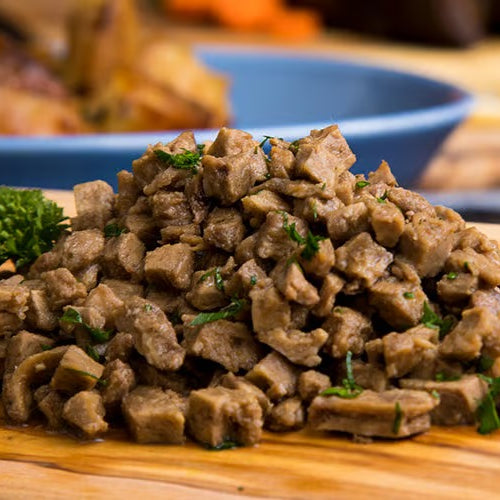
New World screwworm is not a simple pest problem. The U.S. spent decades and millions of dollars driving it out of the country, and its return means ranchers and officials may be facing a long, costly fight all over again. If containment fails, the effects could reach cattle movement, treatment costs, herd health, beef production, and grocery prices. For households, it is another reminder that food supply problems can build long before they show up on store shelves. Having long-term food storage in place, including freeze-dried beef dices and beef crumbles, gives families a backup when pests, disease, drought, or supply chain pressure create uncertainty around everyday food.
Read the full article here.
Source: NBC News
By: Evan Bush