Week of June 8, 2026
A quick read on the readiness-relevant stories we are following this week. Some have been building for months, and a couple are new. Each item links out to the full reporting if you want to go deeper.
Still Tracking
Beef supply pressure
The first U.S. New World screwworm case in nearly a decade was confirmed in a calf in South Texas in early June, a parasite that causes severe tissue damage in livestock. It lands on top of a cattle herd already at a 75-year low and a year-long halt on cattle imports tied to the pest's spread. Federal officials say the beef supply is secure and that this is not a food-safety concern, but analysts warn it could push already-record beef prices higher and disrupt production timelines. If beef anchors your protein, building depth in shelf-stable options like freeze-dried meats, canned fish, and legumes is worth doing while prices hold.
Read more: Flesh-eating screwworm raises new concerns for U.S. beef production (Food Trade News) and Texas screwworm case raises risks for U.S. cattle supply (Bloomberg).
Energy chokepoint
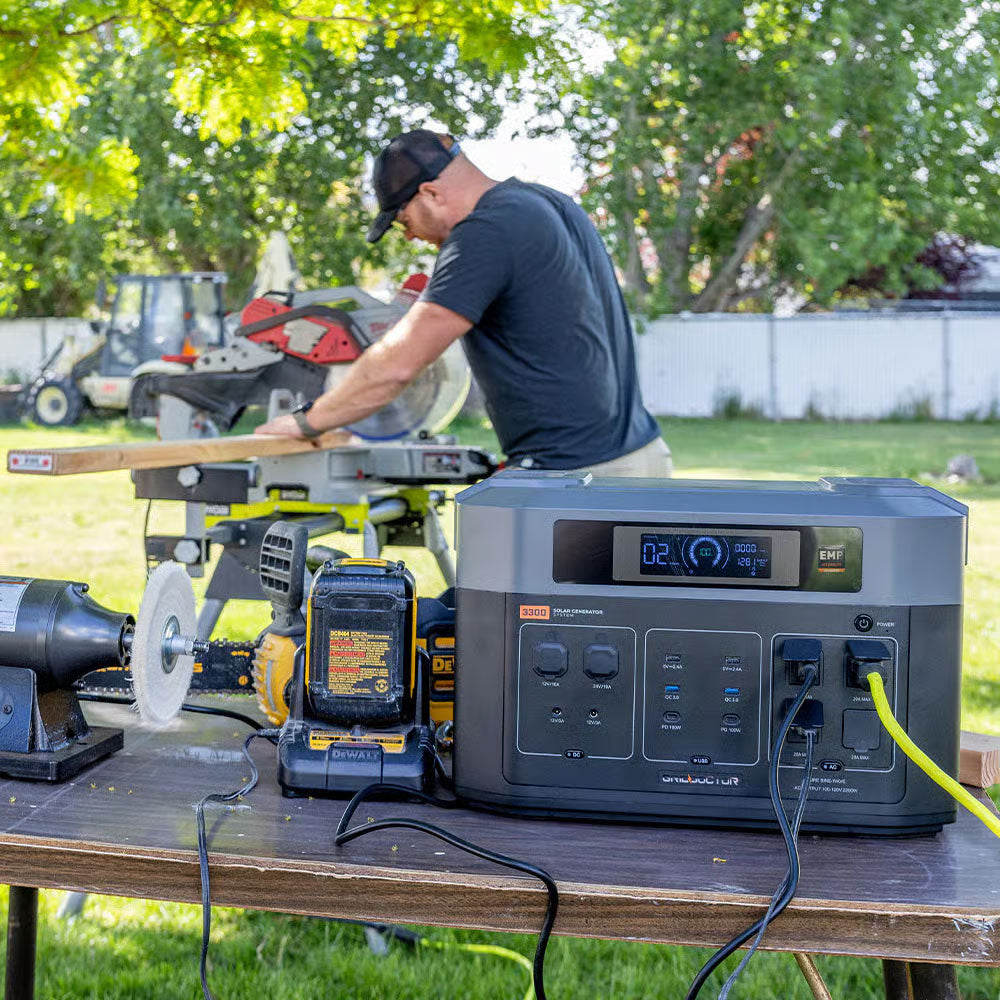
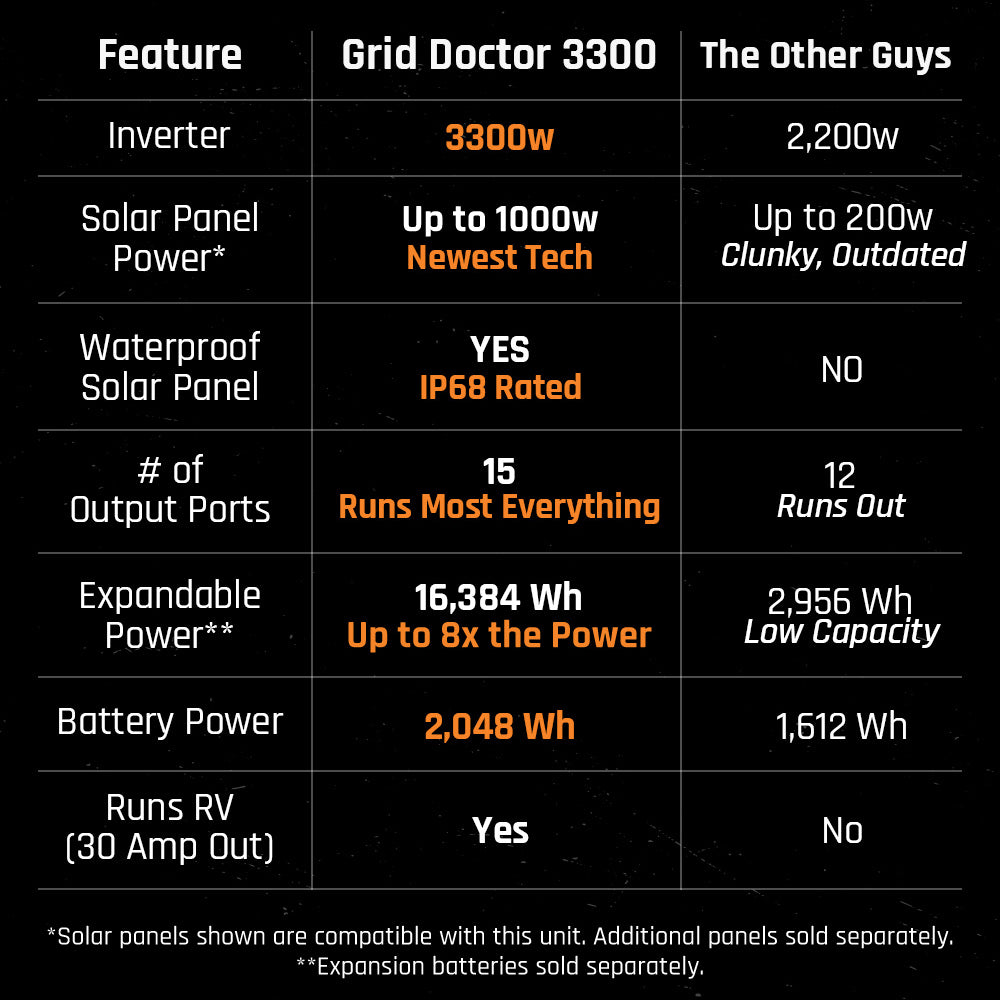
The Gulf shipping route that carries roughly a fifth of the world's oil and liquefied natural gas remains effectively closed, now past three months, with traffic down to a handful of vessels a day against a normal of about 95. Tentative reopening has stalled: a cargo ship was struck by a projectile in early June, war-risk insurance has jumped to several times pre-crisis levels, and shipping firms are holding back until a durable peace is in place. Last month's early signs of easing have reversed. Keeping fuel storage topped off and a tested backup power plan ready stays sensible while the route is unsettled.
Read more: 94 days of paralysis: the Strait of Hormuz remains choked off (CNN) and Strait of Hormuz remains a ghost route (Gulf News).
Winter wheat shortfall
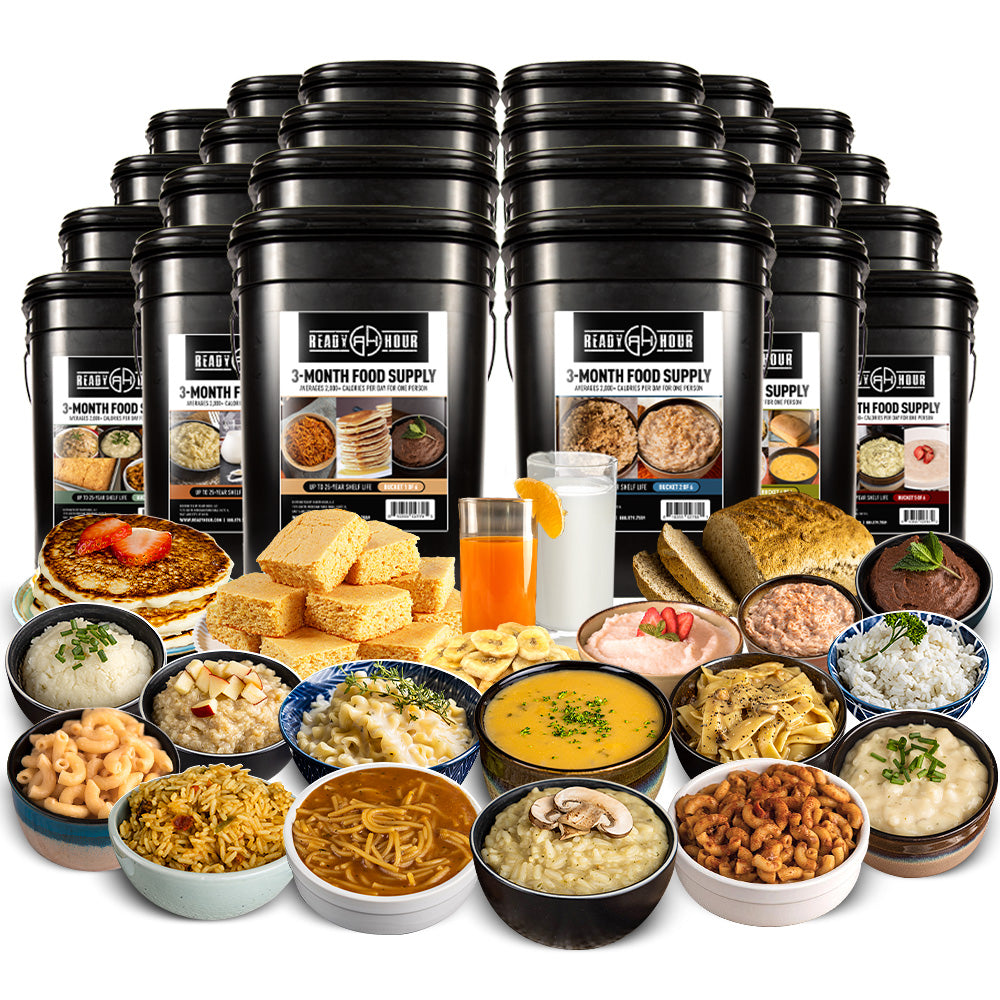
Winter wheat is holding at its weakest in about sixty years. Only 15 percent of the crop is rated good to excellent nationally, and Hard Red Winter production is forecast down 36 percent, with overall winter wheat the lowest since the mid-1960s. Drought across the Plains is the driver, and harvest is approaching. Wheat is the backbone of long-term food storage, so topping off grains, flour, and pasta while supply is steady is a practical hedge against firmer prices.
Read more: Winter wheat crop progress, June 8 (RFD-TV) and Bread prices set to rise as wheat production lags (The Cool Down).
New This Week
Grocery and fuel costs climbing
Diesel has climbed to around $5.64 a gallon, roughly 62 percent higher than a year ago, and that feeds straight into the cost of moving food. Grocery prices were up 2.9 percent year over year as of April, and economists expect another step up later this year as fuel, fertilizer, and shipping costs reach the shelf. The next inflation reading lands June 10. The cost of building food storage tends to track grocery inflation, so stocking staples earlier generally costs less than waiting.
Read more: Diesel, trucking, food prices and inflation (RSM US) and Grocery prices are about to go the way of gas prices (Newsweek).
Listeria outbreak tied to soft cheese
The FDA and CDC are investigating a multistate Listeria outbreak linked to requeson, a soft cheese similar to ricotta. Eight people across three states have been infected, with seven hospitalizations and one death, and the producer issued a voluntary recall on June 3. Listeria is especially dangerous for pregnant people, older adults, and anyone with a weakened immune system. Check refrigerated soft cheeses against the recall and favor traceable sources for dairy.
Read more: Outbreak investigation of Listeria monocytogenes: soft cheese, June 2026 (FDA).
Also on the Radar
Summer grid season opens
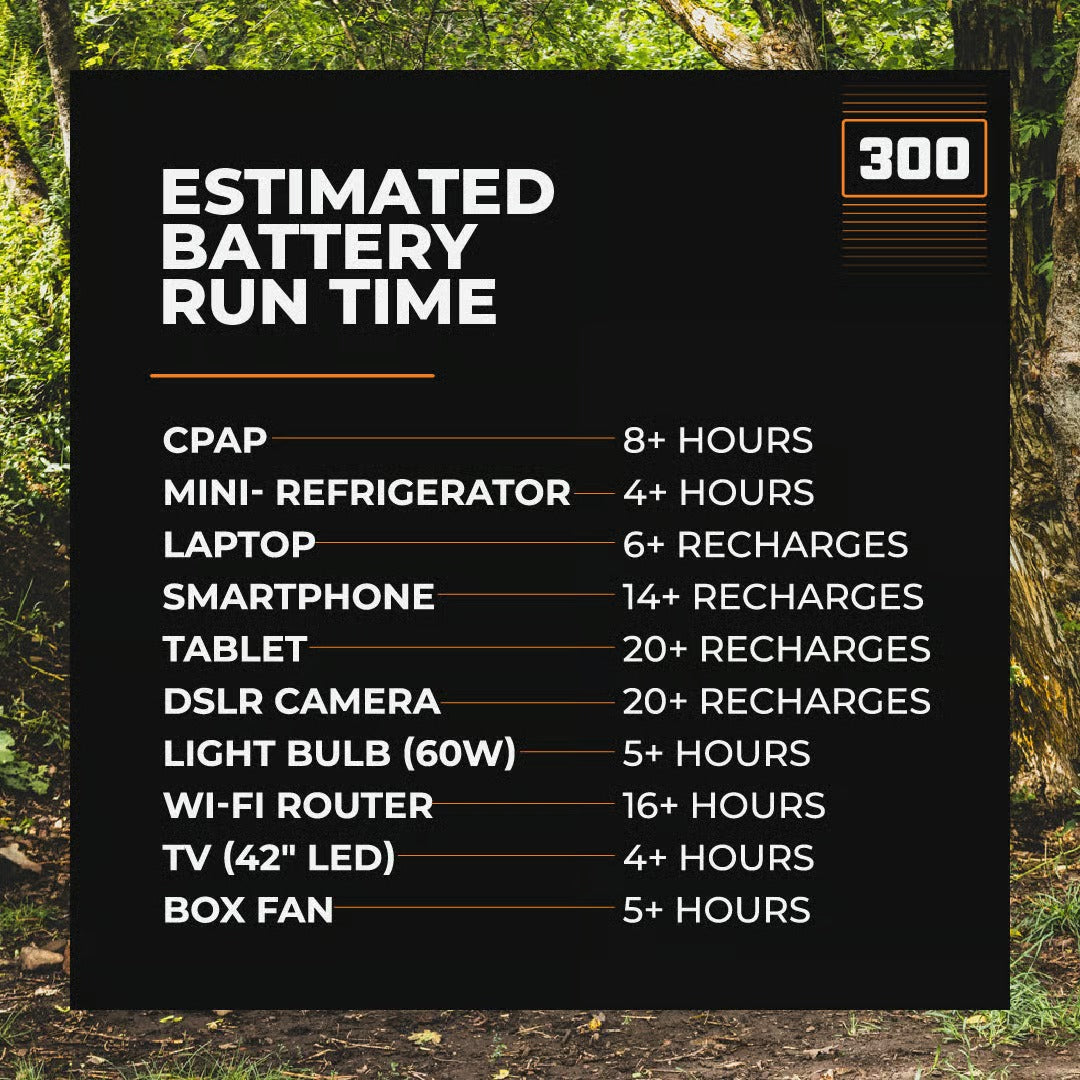
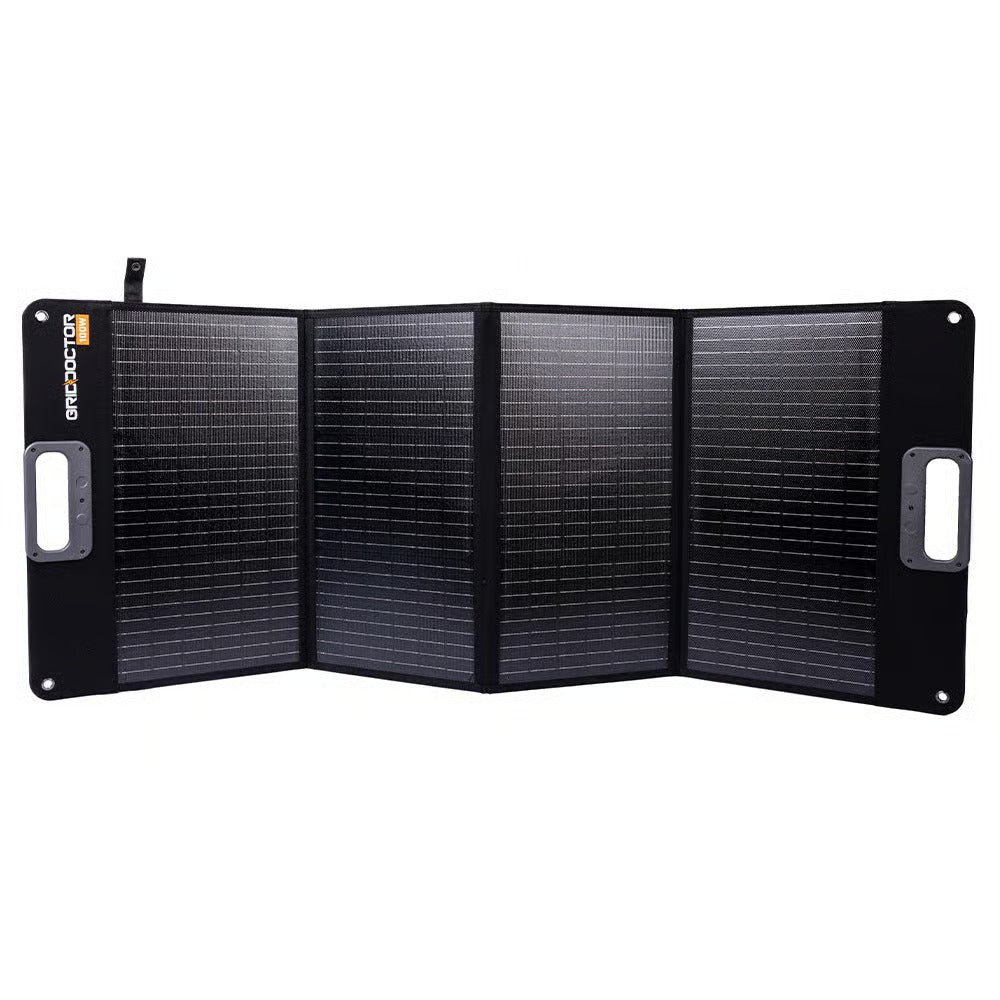
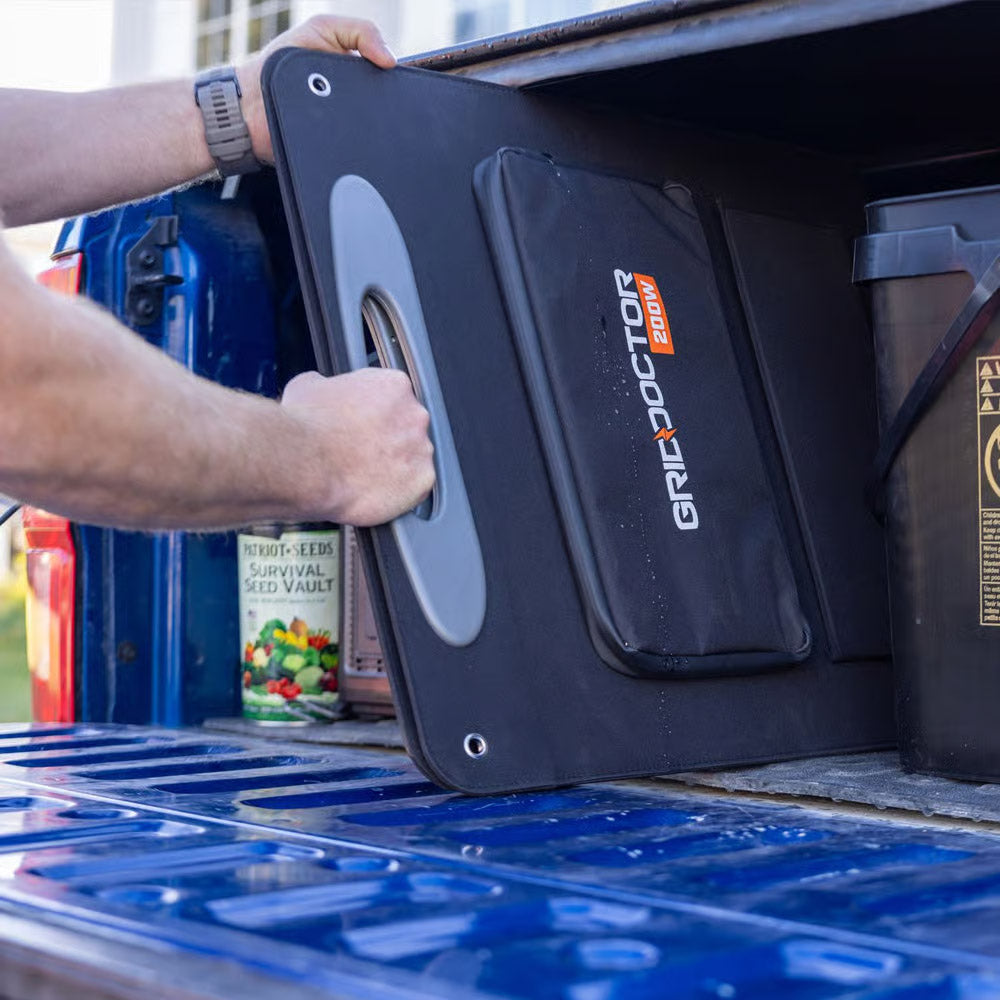
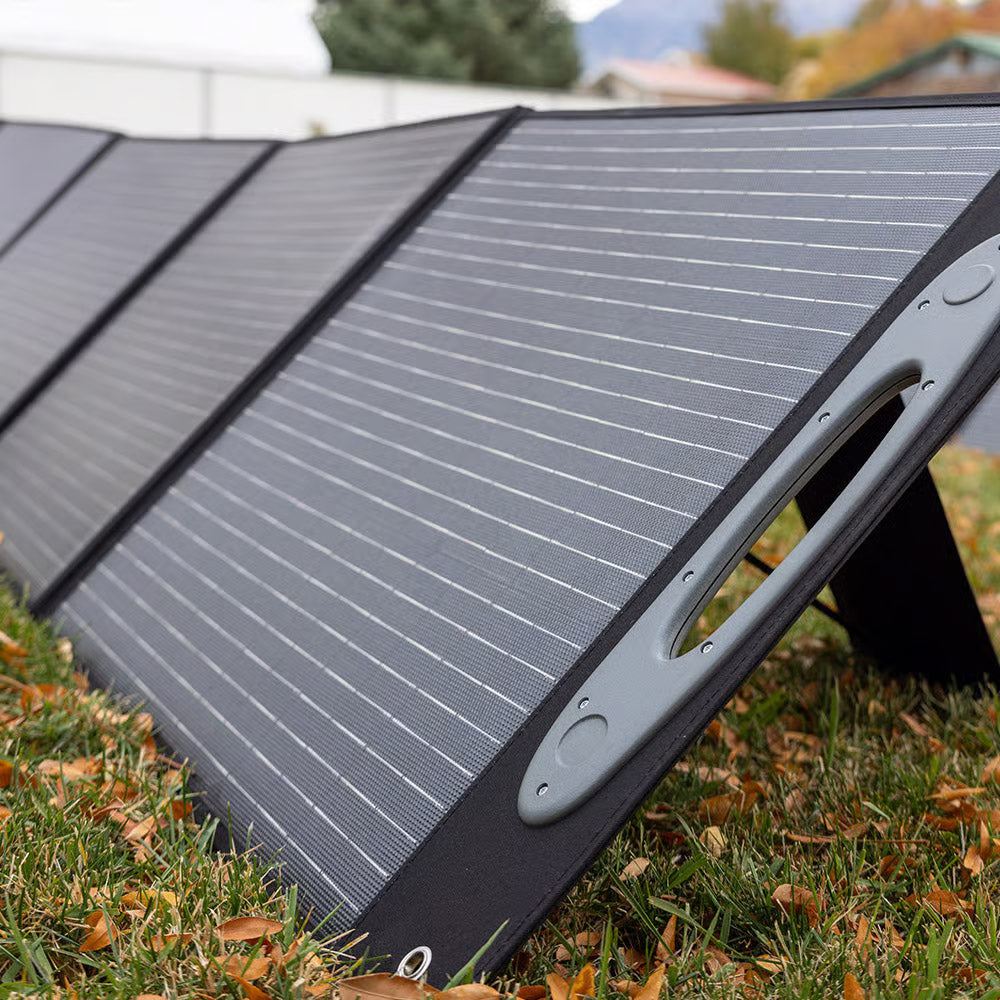
Grid operators expect enough power for normal summer demand, but reliability assessments flag several regions at elevated risk of shortfalls during extreme heat, and fast-growing data-center load adds uncertainty. No acute emergency has hit so far this season. A tested backup power source and a plan to keep food and medication cold are worth confirming before the first heat wave.
Read more: NERC summer reliability outlook (Daily Energy Insider).
Hurricane season underway
The Atlantic hurricane season began June 1, with NOAA+ forecasting a below-normal season of 8 to 14 named storms. No organized systems have formed yet, with dry Saharan air holding early activity back. A quiet forecast still takes only one landfall to matter. This calmer stretch is the time to confirm water, food, and power supplies before peak activity in late summer.
Read more: NOAA predicts a below-normal 2026 Atlantic hurricane season (NOAA).
The throughline this week is steady pressure on food and energy, with the cost now showing up at the register. The most useful response is the familiar one: take one practical step on whatever gap is closest to home.