Week of June 22, 2026
A quick read on the week's readiness-relevant stories. Some have been building for weeks, some are new this week, and each item links to the full reporting.
STILL TRACKING
Gulf shipping route reopens, then stalls again
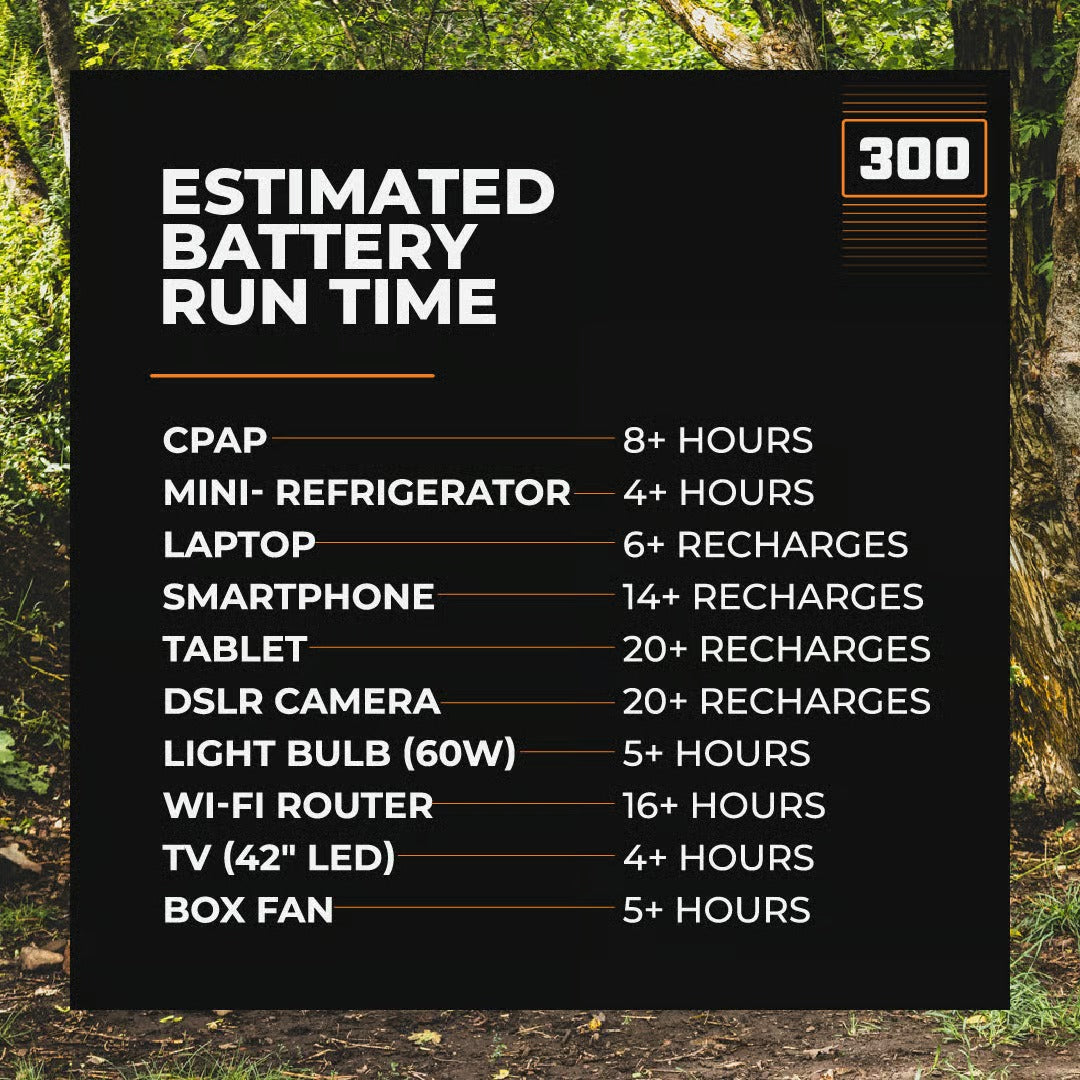
After more than three months of disrupted traffic, the Gulf's key oil shipping corridor reopened June 18 under a new 60-day agreement, and tanker transits jumped to roughly 20 in a single day, the most in weeks. Within days the recovery hit a snag, with conflicting reports over the weekend about whether the waterway was open or closed, though independent maritime trackers found commercial traffic still moving. Federal energy forecasters expect diesel and jet fuel wholesale prices to run sharply higher through 2026 and full traffic recovery not before early 2027. The practical bridge is fuel and power: this is the single biggest lever on diesel, gasoline, heating, and the delivered cost of nearly everything, which argues for topped-off fuel storage and a tested backup power plan.
Read more: Tanker traffic jumps after the sea lane reopens (CNBC) and Shipping stalls again after closure claims (CNBC) and June Short-Term Energy Outlook (EIA)
Record heat wave strains the grid
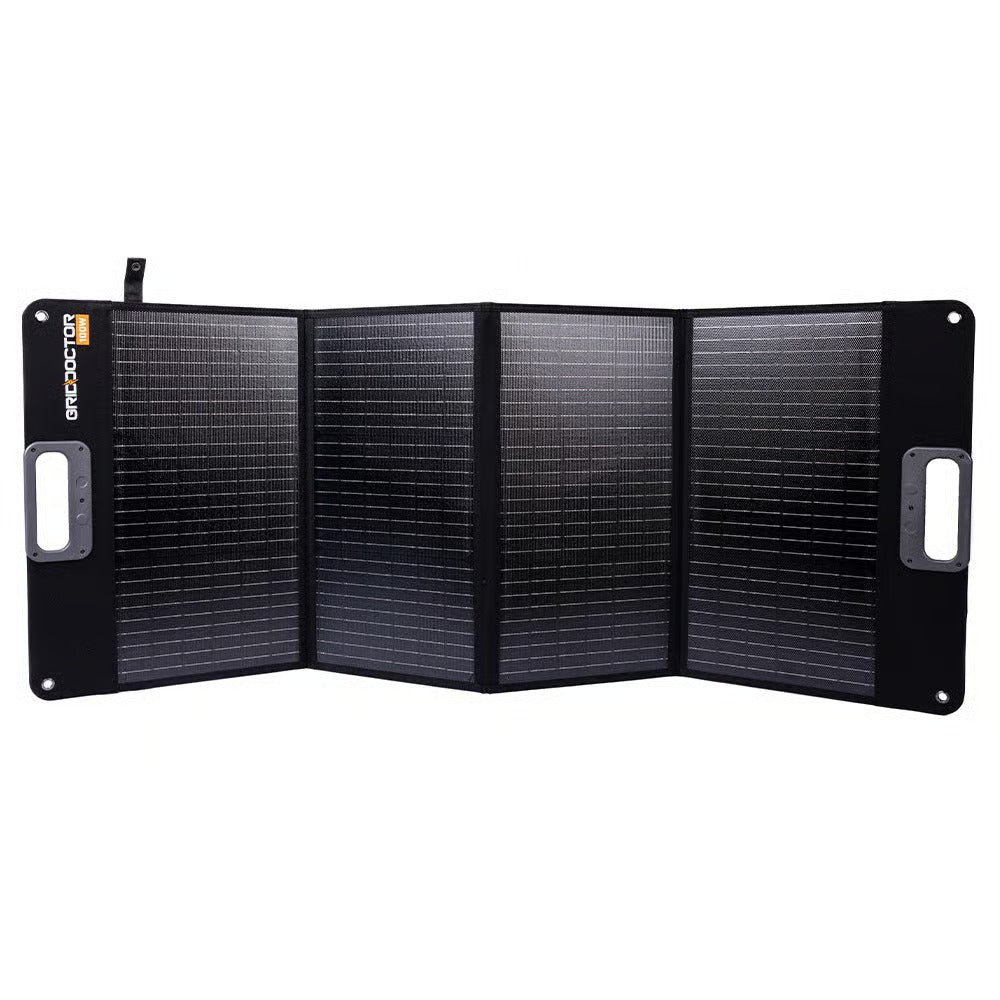
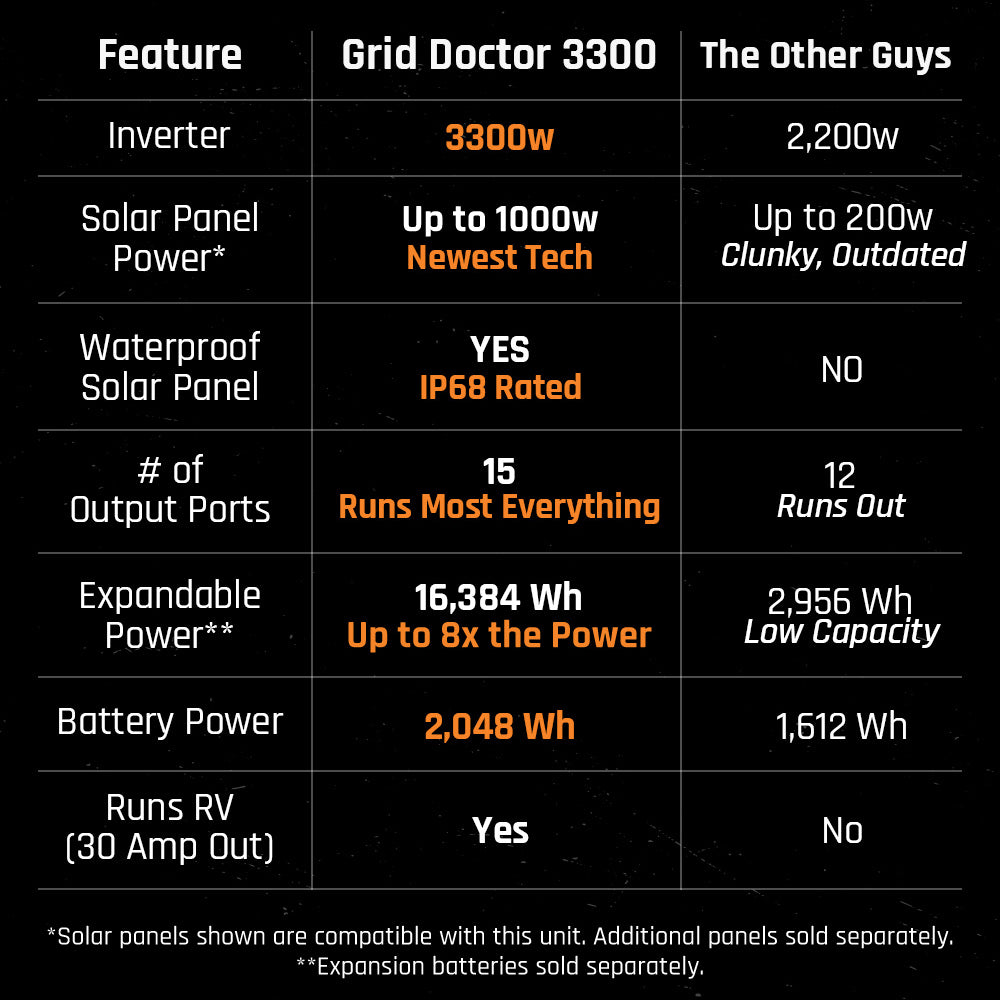
A dangerous heat wave covering roughly 170 million people pushed electricity demand across the Eastern United States to its highest June level on record. Demand on the Eastern Interconnection peaked at 502,670 megawatts in a single hour on June 21, well above the 2023 June peak, and grid operator PJM kept alerts and warnings in effect from June 17 through June 26 so operators could head off instability. Cities from Maine to the mid-Atlantic broke long-standing temperature records. The bridge is power: heat of this scale drives demand to seasonal peaks and thins grid margins, which argues for a tested backup power plan and grid-independent cooling.
Read more: Eastern U.S. electricity demand surged from the heat wave (EIA)
Winter wheat crop is the smallest in decades
The June USDA outlook confirmed a winter wheat crop down about 27% from 2025, the smallest overall since the mid-1960s and the smallest Hard Red Winter crop since the late 1950s. Harvest is moving fast under heat, about 11% complete by June 7, but 63% of U.S. winter wheat production sits in drought-stricken areas, compared with 15% a year ago. Early results are confirming the season's damage rather than easing it. The bridge is food: wheat is the backbone of long-term storage in the form of flour, pasta, and whole grains, and one of the smallest crops in decades points to firmer prices and tighter availability.
Read more: Winter wheat down 27% from 2025 (IndexBox) and June Wheat Outlook (USDA ERS) and Crop Progress, June 8 (USDA NASS)
NEW THIS WEEK
Drought now covers more than half the country
As of early June, about 56% of the Lower 48 was in drought, with two-thirds of the West and most of the Southeast affected after a record-low winter snowpack across eight Western states. Water managers in several states are already signaling that some rights holders will receive less than their full allotment this year, and Lake Powell is forecast to drop below the minimum level for hydroelectric generation by December, which would cut power that serves customers across seven states. Fire forecasters show above-normal wildfire risk spreading across the Four Corners region through July. The bridge spans water, power, and fuel: this one story touches stored water, grid-independent power, and a longer fire season all at once.
Read more: Record drought sparks water, wildfire, and food-price concerns (CBS News) and Record Western snow drought (Climate Central) and National drought status (Drought.gov)
Soft cheese recall expands nationwide
A Maryland dairy expanded its recall on June 18 to cover all cheese products made at its facility, after federal investigators tied a multi-year Listeria outbreak to its requeson, a soft cheese similar to ricotta. The outbreak has sickened nine people across three states, with eight hospitalized and one death, and genetic testing matched the bacteria in the cheese to the bacteria in the patients. The bridge is food safety: fresh dairy is one of the more perishable, contamination-prone items in any kitchen, which is part of why shelf-stable and long-storage staples earn their place in a pantry.
Read more: Soft cheese Listeria outbreak investigation (FDA) and Outbreak update (CDC)
Beef prices stay high as a livestock pest spreads slowly
The New World screwworm has now been confirmed in nine U.S. animals across two states, including cattle, a goat, and a dog. Agriculture officials continue to stress that the meat supply and food safety are not affected and that eradication work is underway. Retail beef did ease slightly, with the May all-fresh price at $9.52 a pound, down from a record $9.64, though prices remain up double digits year over year against the lowest cattle herd in decades. The bridge is food: with beef a primary protein anchor, shelf-stable proteins like freeze-dried meats, canned fish, and legumes are worth keeping in the rotation.
Read more: What screwworm means for beef prices (CNN) and Cattle market update on screwworm, drought, and prices (Beef Magazine)
Bird flu holds across a dozen states
H5N1 remains confirmed in commercial poultry across 12 states, spanning laying-hen, broiler, and turkey operations in the Midwest and South. Each detection triggers depopulation of the affected flock, adding to a cumulative toll well over 100 million birds since the current cycle began and renewing pressure on egg and poultry supply and prices. Properly cooked poultry and pasteurized eggs remain safe to eat. The bridge is food: eggs and poultry are everyday protein, which is why shelf-stable protein and powdered egg alternatives are a sensible backstop.
Read more: H5N1 confirmed in poultry across 12 states (Medical Daily) and Current bird flu situation (CDC)
Grocery inflation cools, but the produce aisle climbs
The May Consumer Price Index showed overall food up 3.1% year over year and grocery prices up 2.7%, a continued cooling, with dairy and cheese actually falling month over month. The pressure has shifted to specific categories: fruits and vegetables ran the hottest at 6.1%, and analysts warn higher fertilizer costs could feed back into crop prices later in the year. The bridge is food budgeting: an uneven grocery aisle rewards a deep, varied pantry built around long-storage staples that hold their value when fresh categories spike.
Read more: May CPI report (BLS) and U.S. food inflation rises 3.1% (Grocery Trade News)
The throughline this week is energy and weather doing the heavy lifting: a fuel corridor that opened and stumbled, a record heat wave on the grid, and a drought wide enough to pull on water, power, and the next harvest at once. The single most practical next step is the one that quiets the most noise at once, topping off fuel storage and confirming a backup power plan you have actually tested.