


Survival Scout Tips
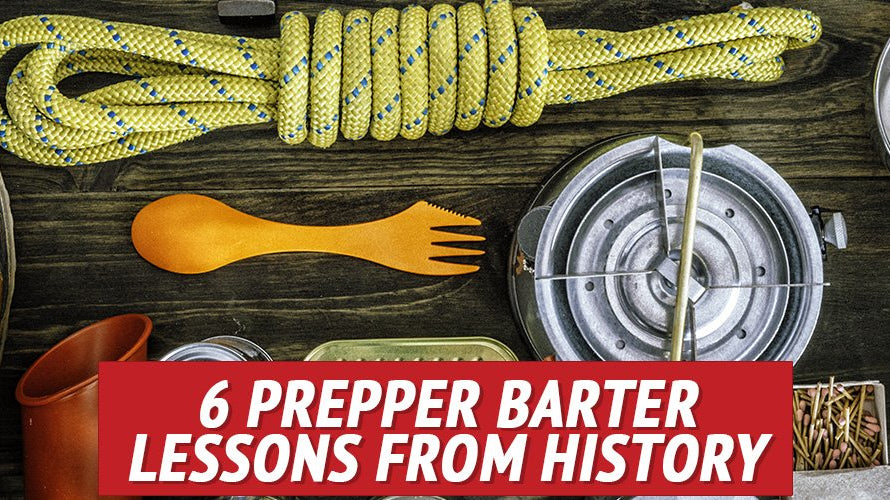
6 Prepper Barter Lessons from History
Barter lessons will prepare any family or individual to survive and thrive during times of crisis. After all, what would you do without access to a credit card or an ATM? Here are 6 barter tips to get you started.
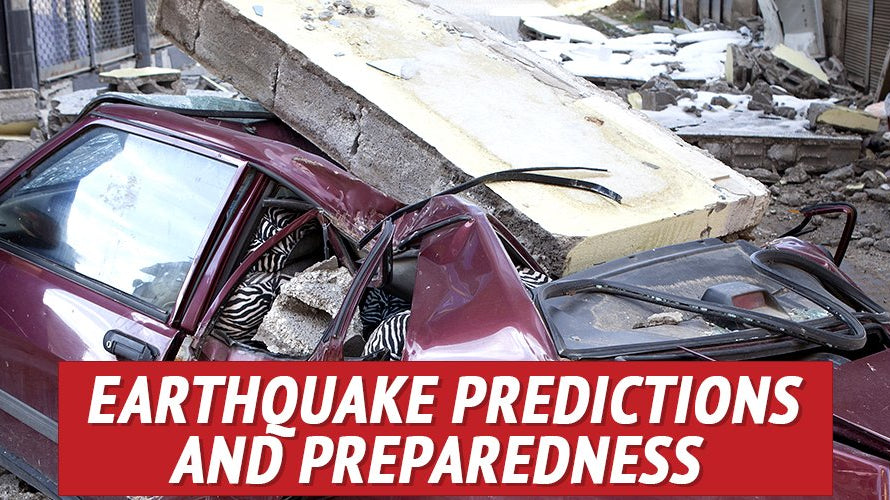
Earthquake Predictions and Preparedness
206 years ago, the Midwest was nearly swallowed by an earthquake. Here is what the heart of the U.S. needs to know in the event we experience another seismic catastrophe.
3 Cases Where Christmas Had to Fight to Survive
Unfortunately, from public schools to retail stores, Christmas as a concept and uttering "Merry Christmas" have struggled to survive. In the interest of being politically correct, our ability to spread holiday cheer and express our views and beliefs is often compromised. Read about three circumstances in which Christmas has had to fight for its right to survive. Learn why we see it as our right to express the holiday our way.
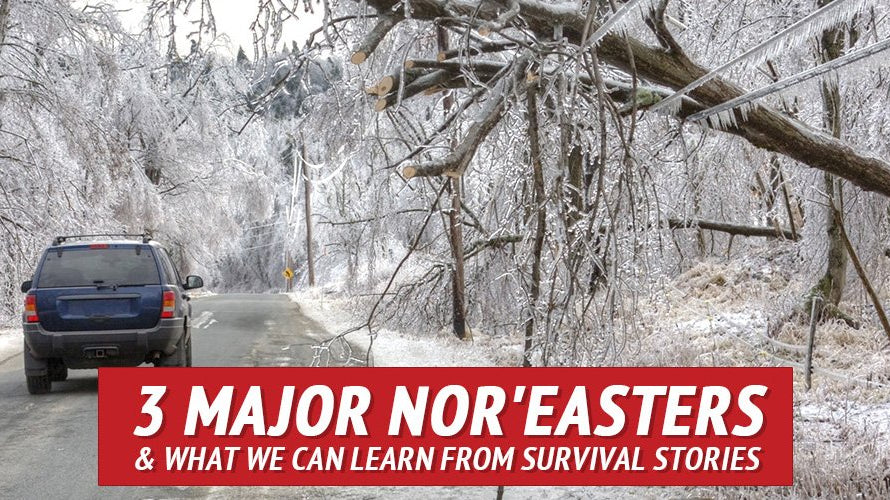
3 Major Nor'easters & What We Can Learn
These massive storms knock out power and keep people off the roads for days on end. Here are three major recent nor’easters and survival tips for future preparedness.
2018 Disasters in Review, How to Prepare for 2019
In 2018, we saw everything from widespread wildfires in California to a major volcanic eruption in Hawaii to devastating hurricanes on the East Coast and Gulf of the United States. Let's reflect on what we saw these last 12 months and learn how to prepare for 2019.
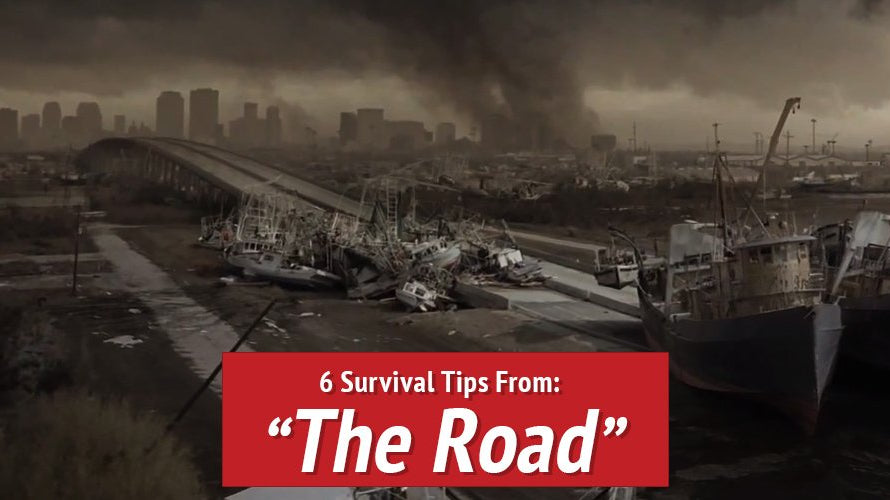
6 Survival Tips from The Road
Imagine waking up to find most people you know are now dead. Stores closed. Basic food supplies not available. Electricity out--indefinitely. This movie takes us there. Here are some survival lessons to take away from this 2009 movie.

Giving the Gift of Preparedness & Self-Reliance
If you have a few folks into preparedness or that might need a nudge to be a bit more self-reliant, let us simplify your holiday shopping list with these 5 ideas.
Survival Lessons from Squanto & the Pilgrims
The story of the first Thanksgiving is ripe with lessons of survival--from sharing resources to learning how to hunt and fish. Discover more about what the Pilgrims and Native Americans did to stay alive.
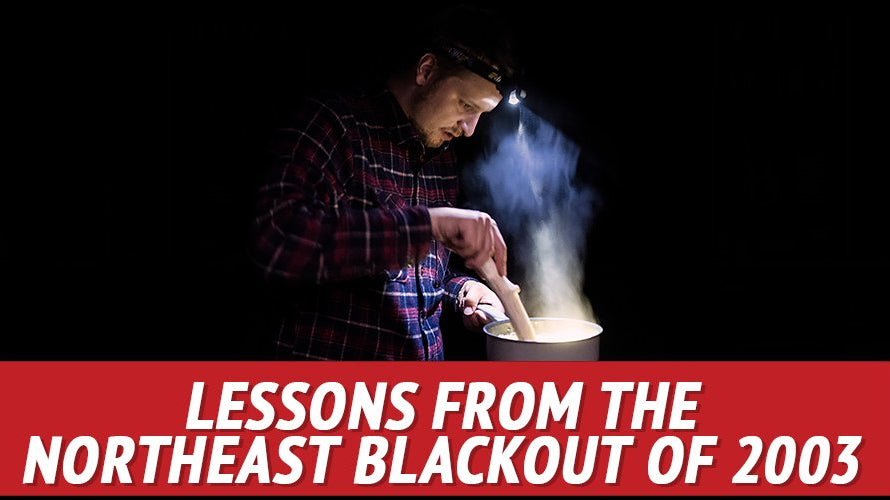
Lessons from the Northeast Blackout of 2003
At its peak, 50 million people were without power for as long as four days. It was one of the largest blackouts to date. Here are a few lessons we can use to prepare for future blackouts.

Cybersecurity Threats You Should Be Aware Of
From identity theft to larger breaches of national security, cyberattacks are a real threat. Learn more about recent attacks and how to prepare yourself and your family.
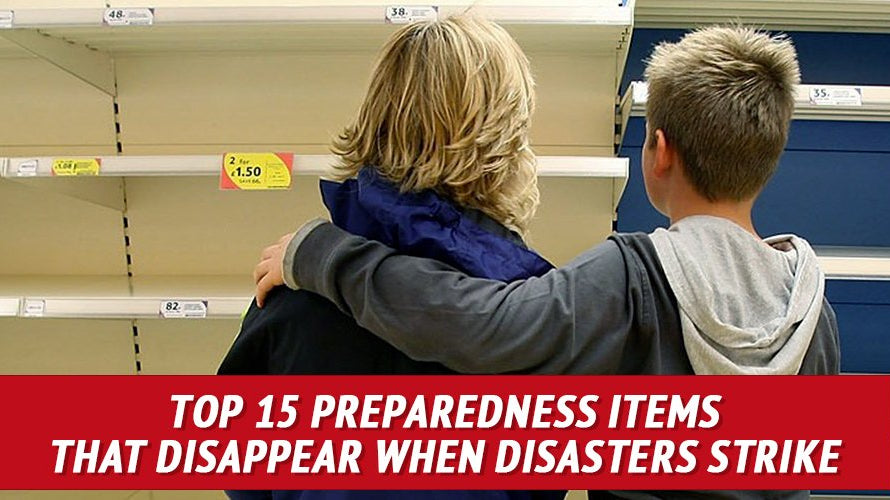
Top 15 Preparedness Items That Disappear When Disasters Strike
When there’s a disaster, many popular items sell out and become unavailable. Here are 15 preparedness items that tend to disappear rapidly and would be great for barter.
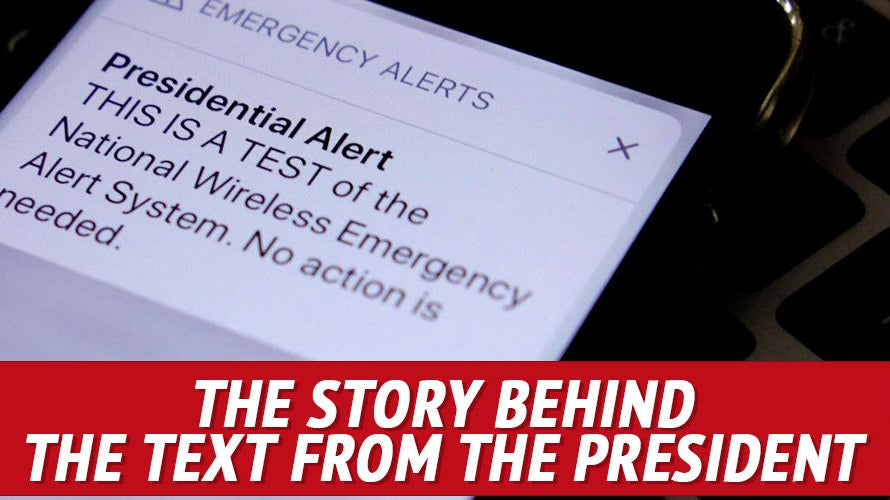
The Story Behind the Text from the President
On Wednesday, October 3, over 100 million Americans received a presidential emergency text alert around 2:18 PM ET on their cell phones. For most, getting this alert was nothing more...
