


Hurricane season runs from June through November, and once a storm is named, time runs out fast. Stores empty. Supply chains stall. And essentials become harder to find when you need them most. Preparedness isn’t about panic—it’s about control. When you prepare early, you avoid last-minute decisions and put yourself in a position of strength.
What to do Before Hurricane: (Actionable Checklist)
☑️ Build an Emergency Kit
Have enough supplies to last at least 3–7 days without outside help.
☑️ Create a Family Plan
• Where you’ll go
• How you’ll communicate
• What you’ll do if separated
☑️ Know Your Evacuation Route
Plan ahead—don’t wait until an order is issued.
☑️ Protect Your Home
• Secure outdoor items
• Clean gutters
• Install shutters if needed
☑️ Review Insurance & Documents
Keep copies in waterproof storage and backed up digitally.
The 4 Pillars of Hurricane Preparedness
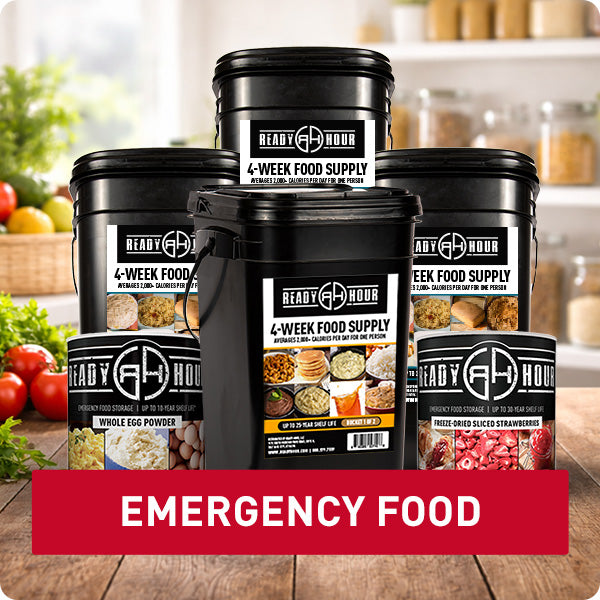
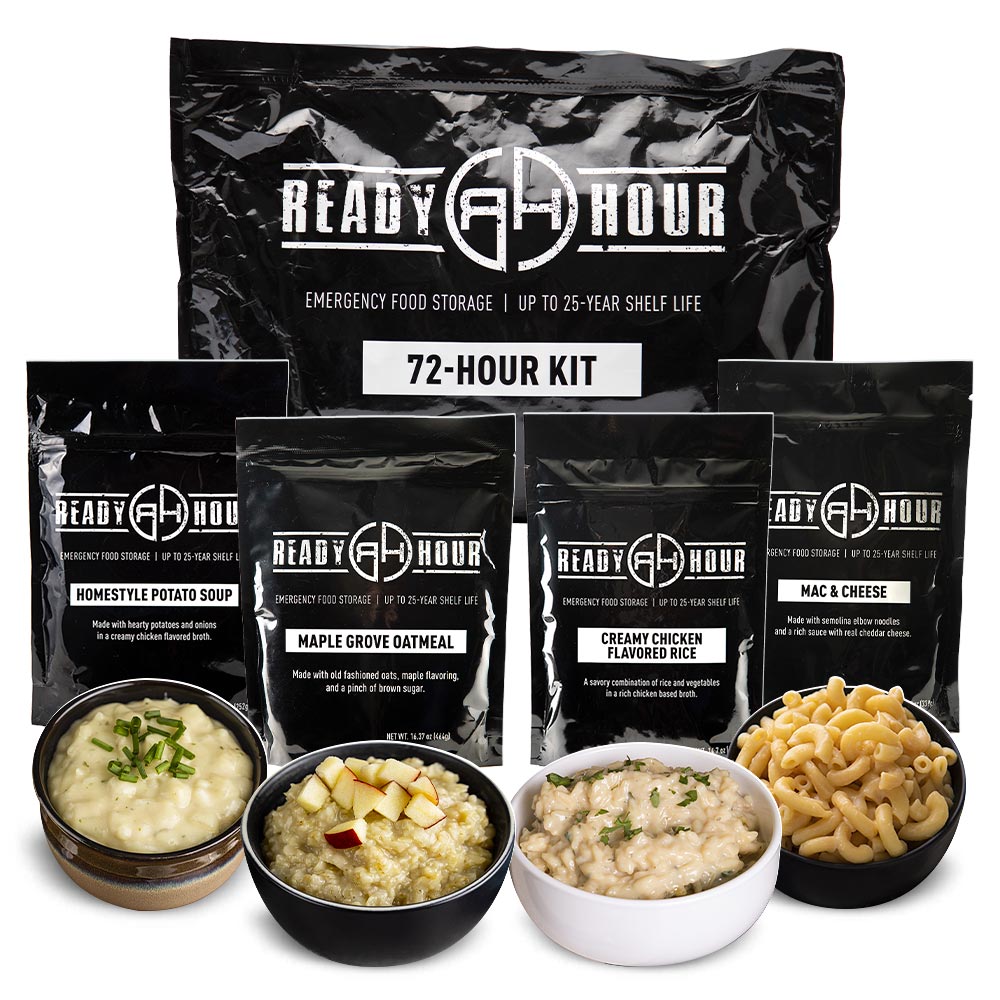
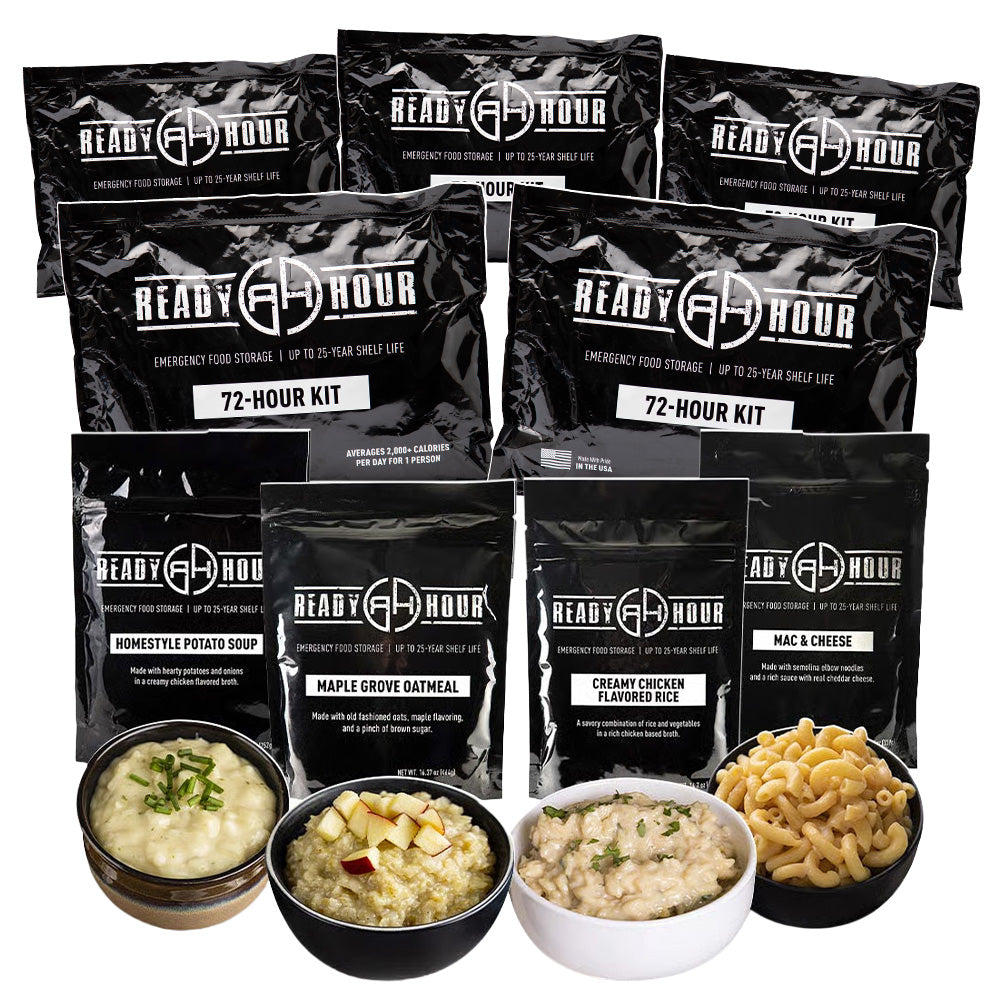
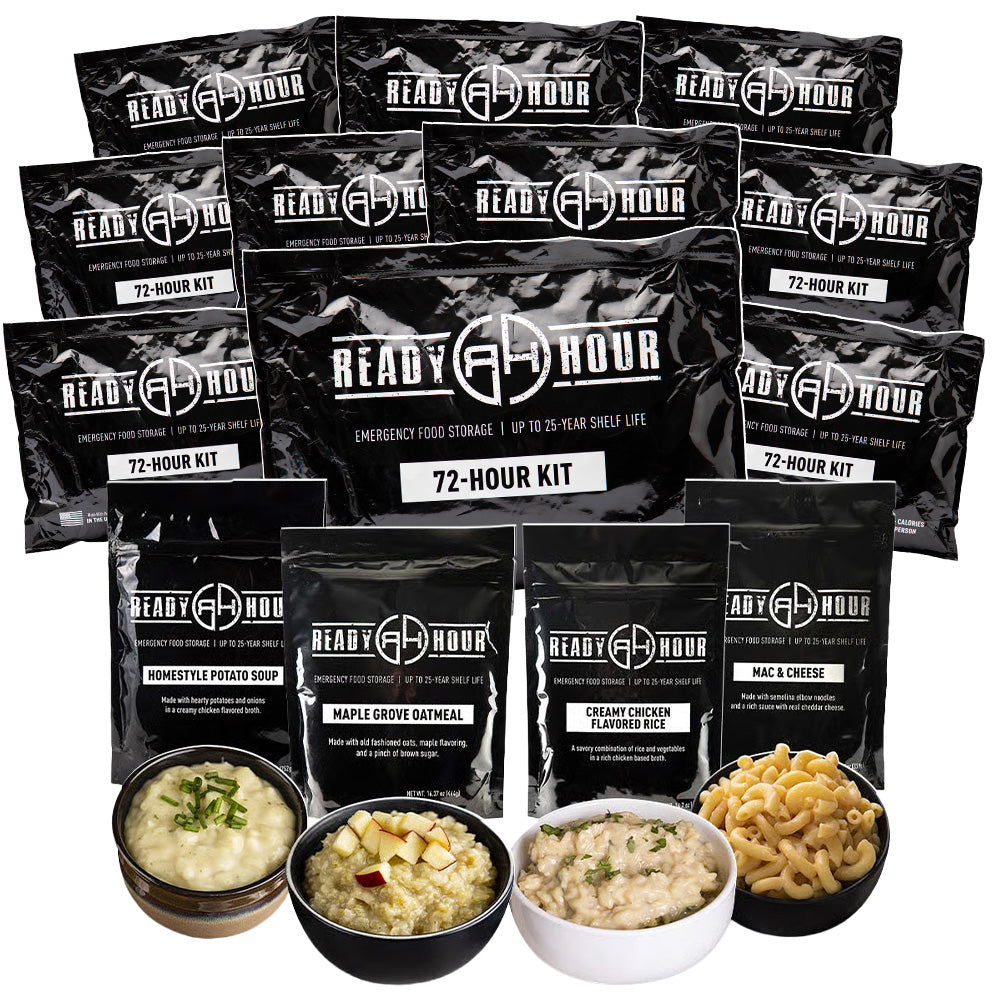
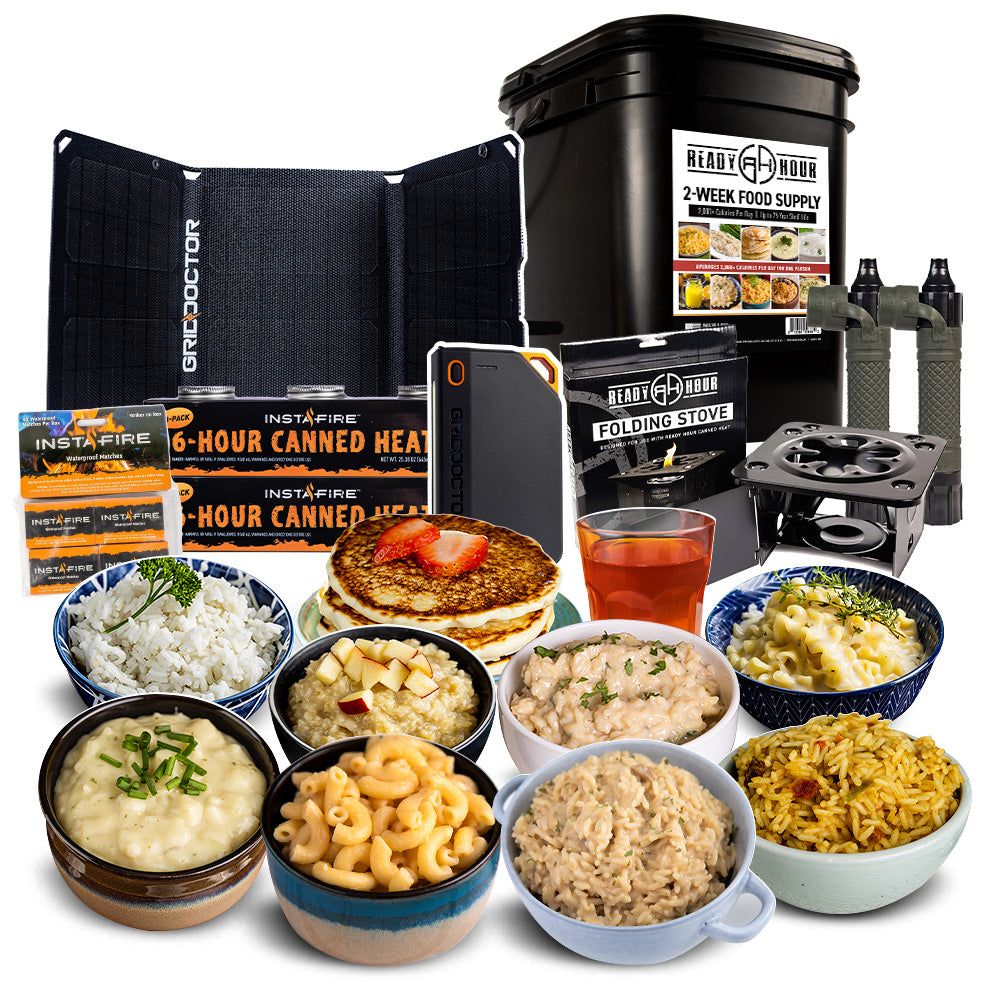
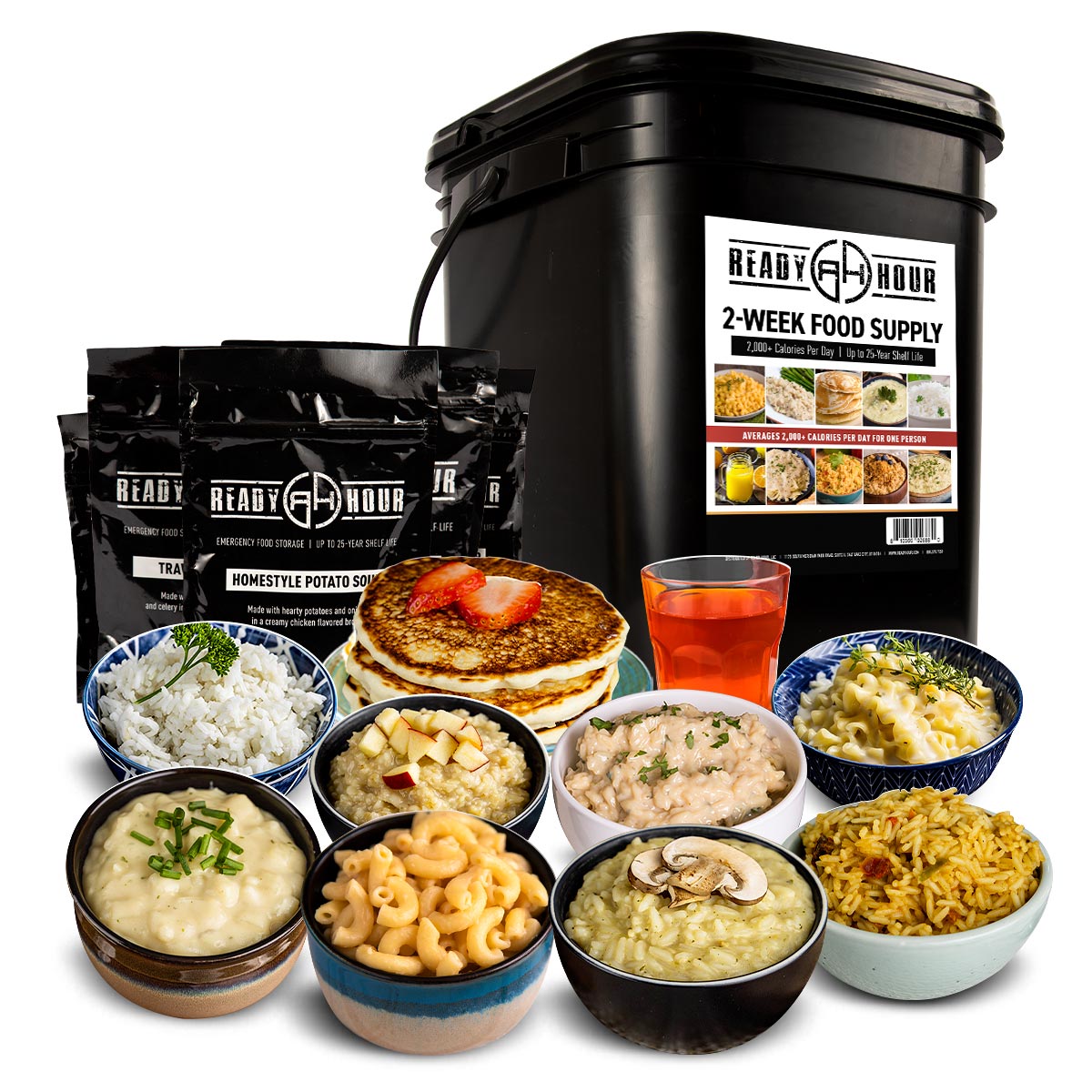
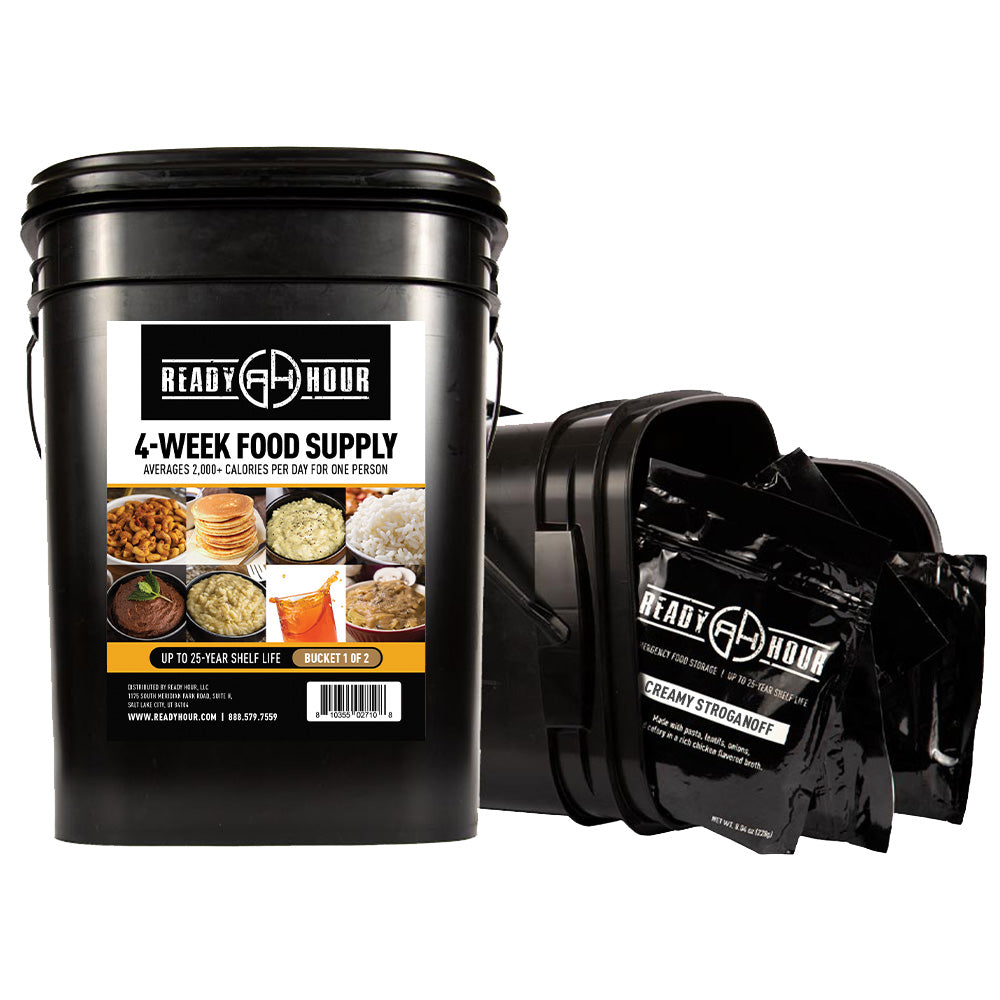
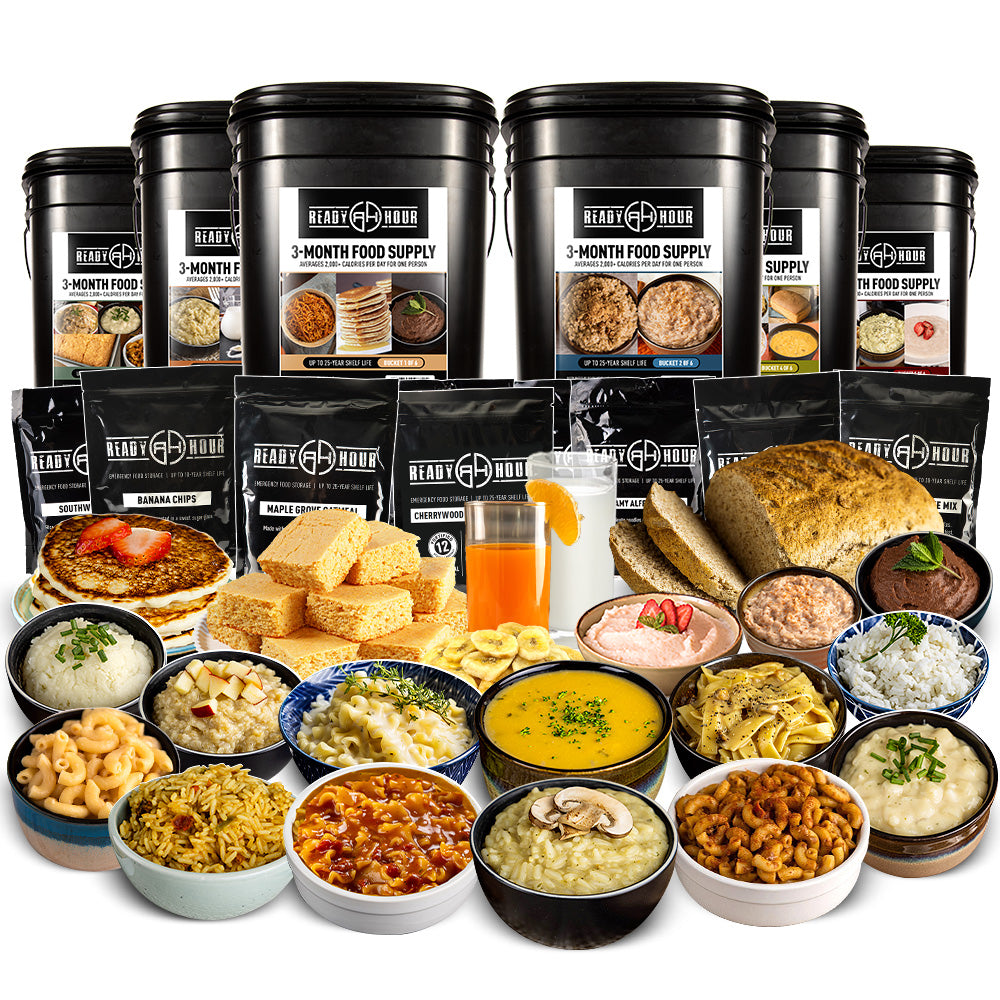
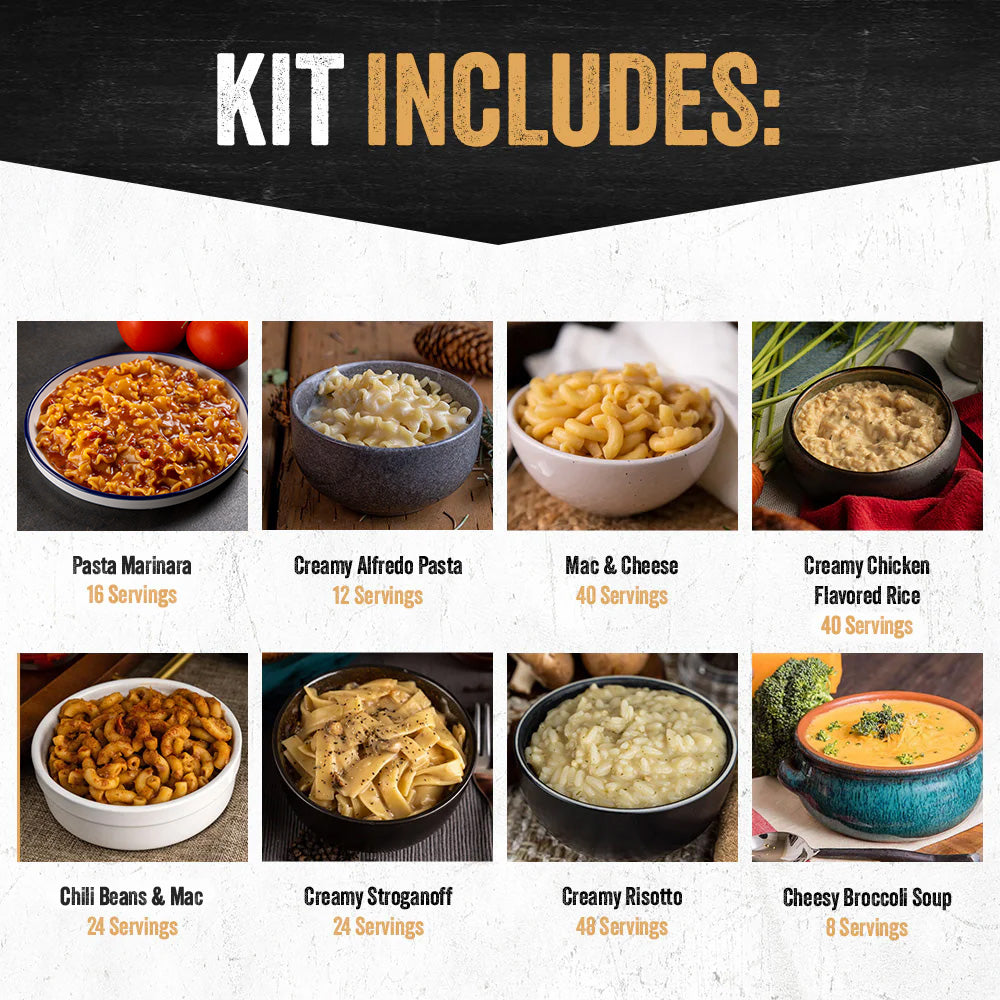
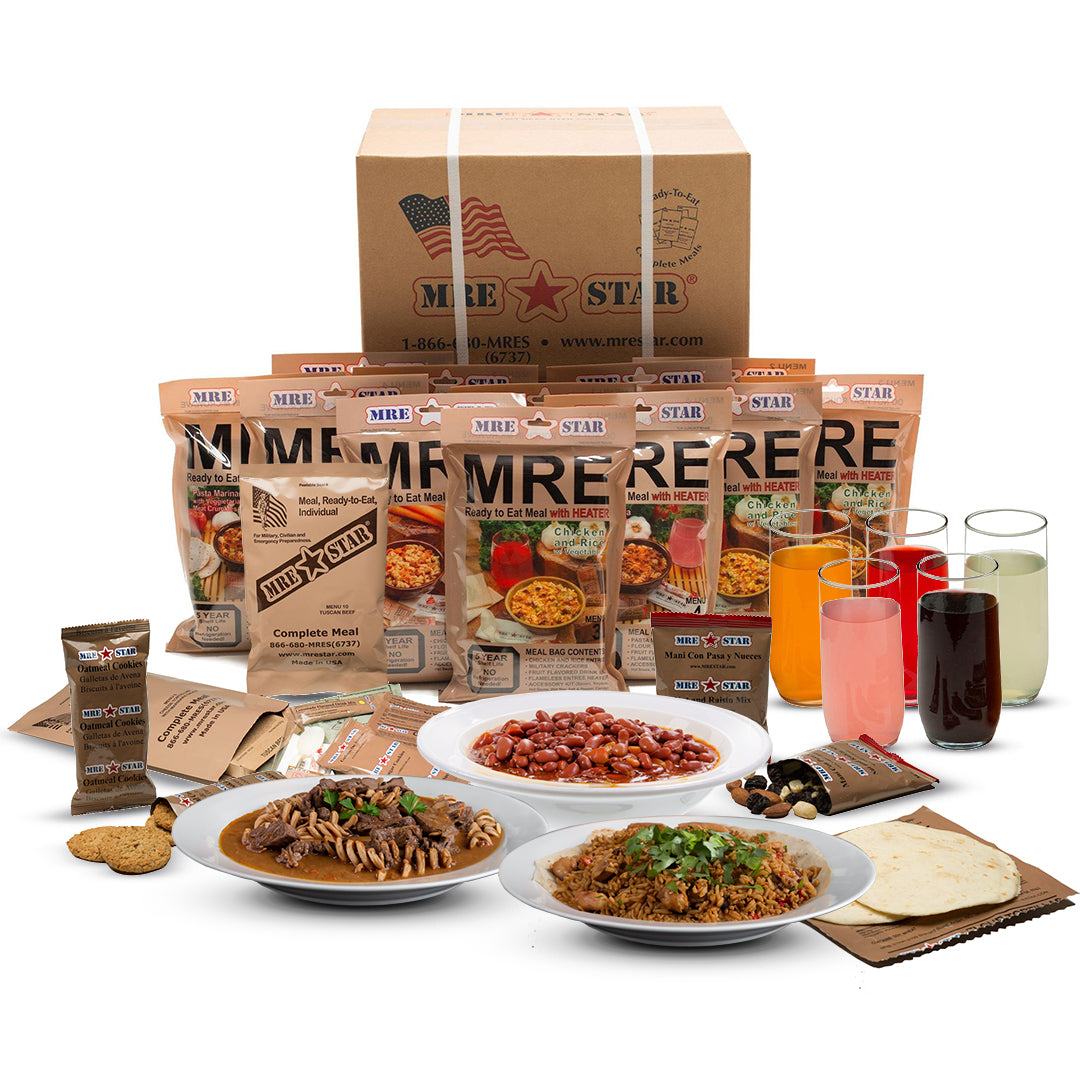
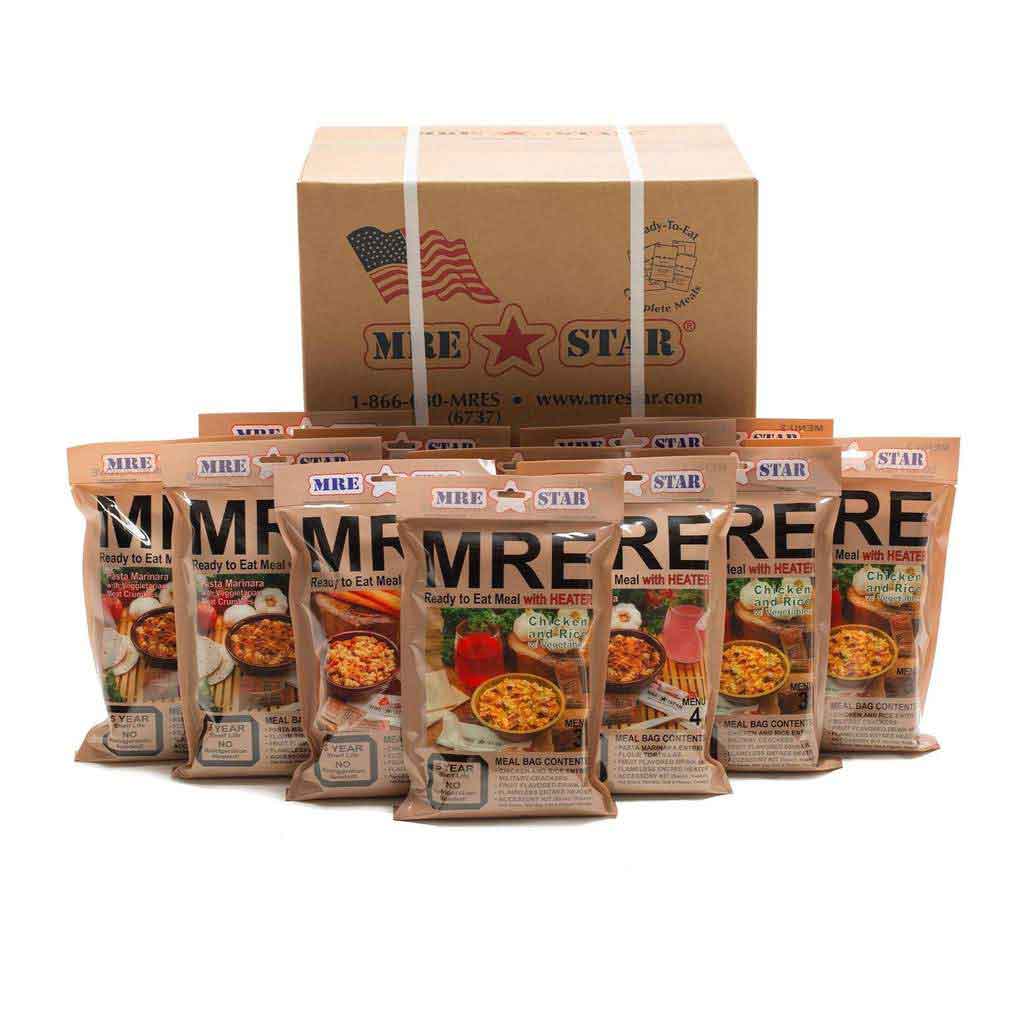
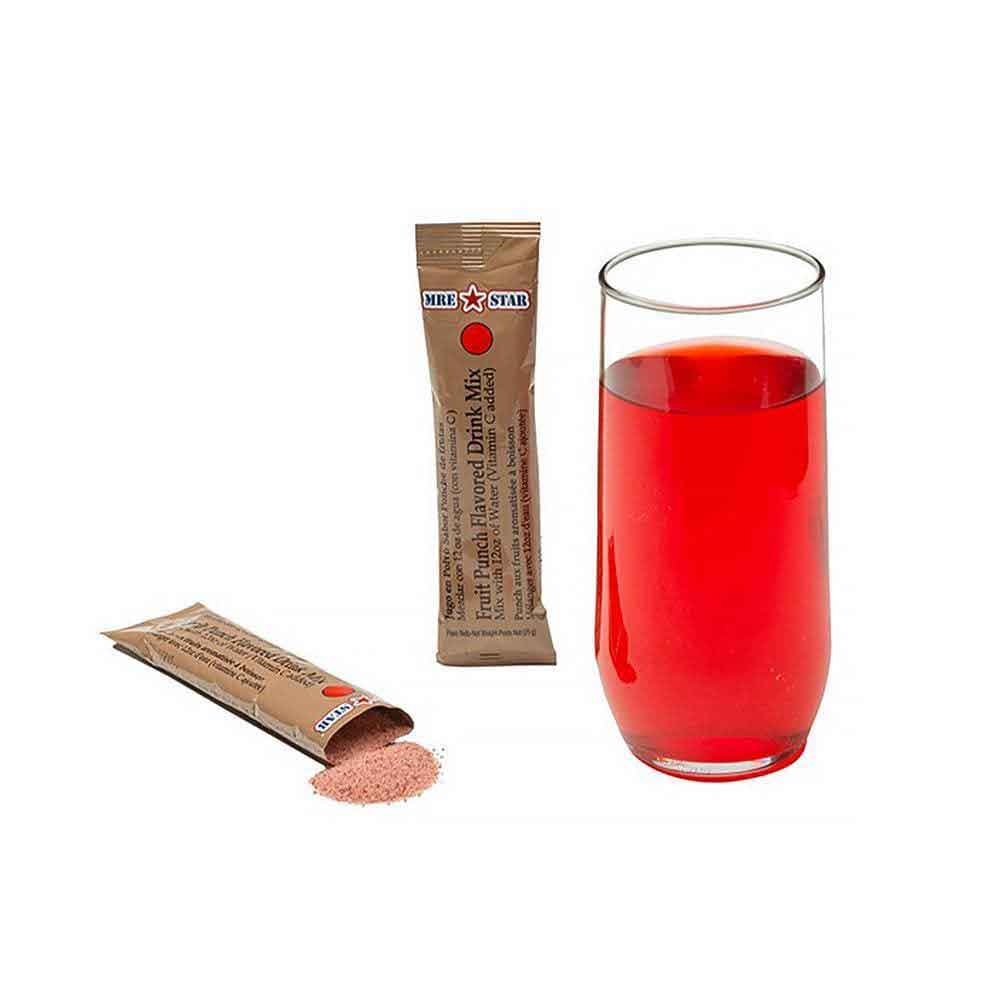
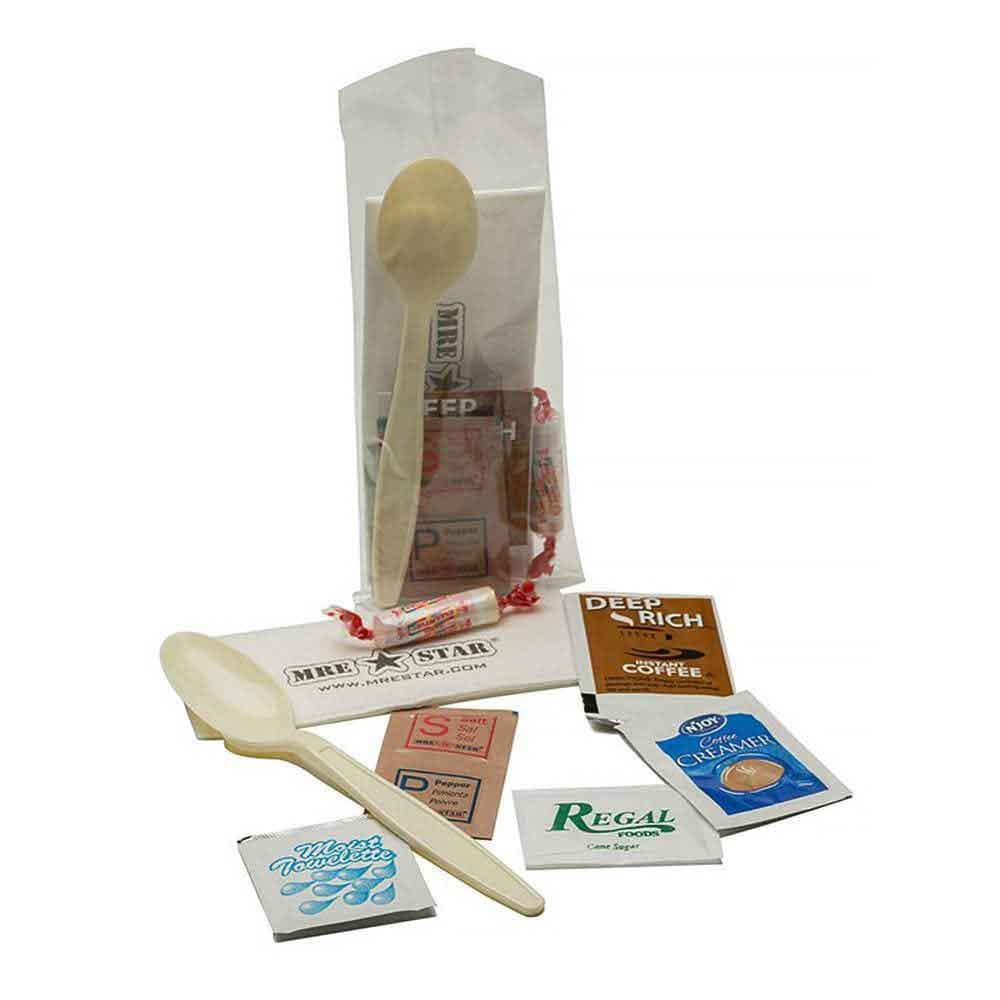
When power goes out and stores close, having non-perishable, ready-to-eat food is essential.
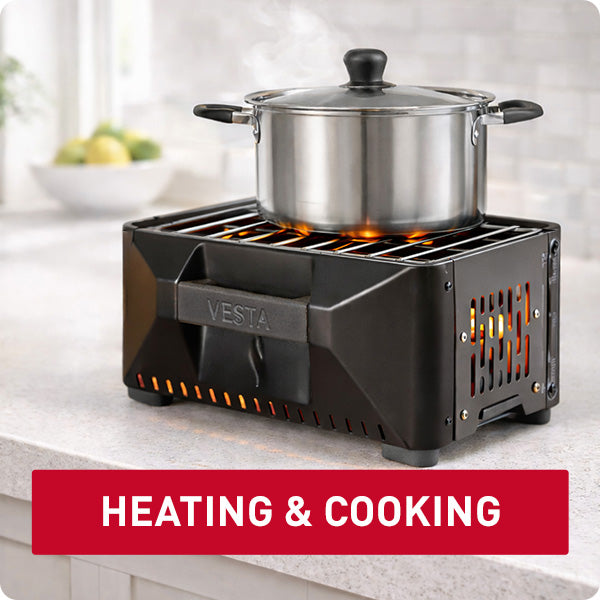
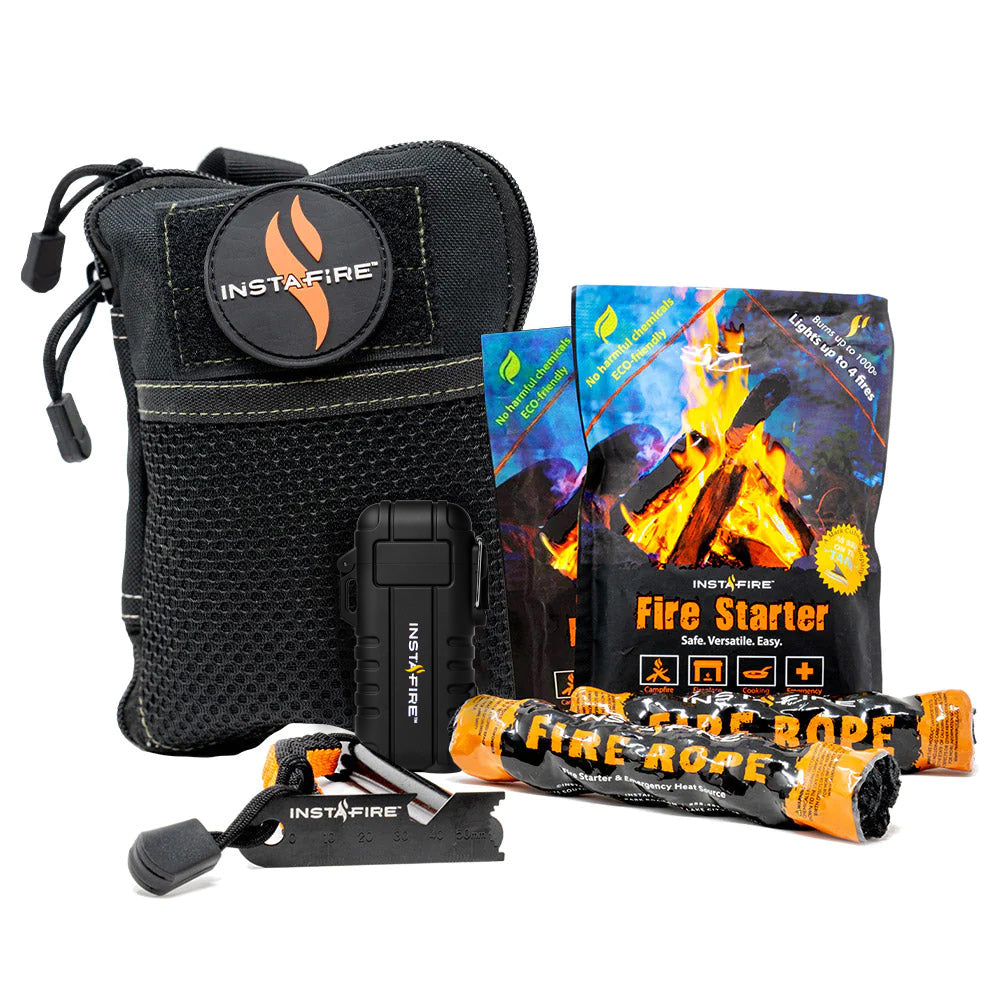
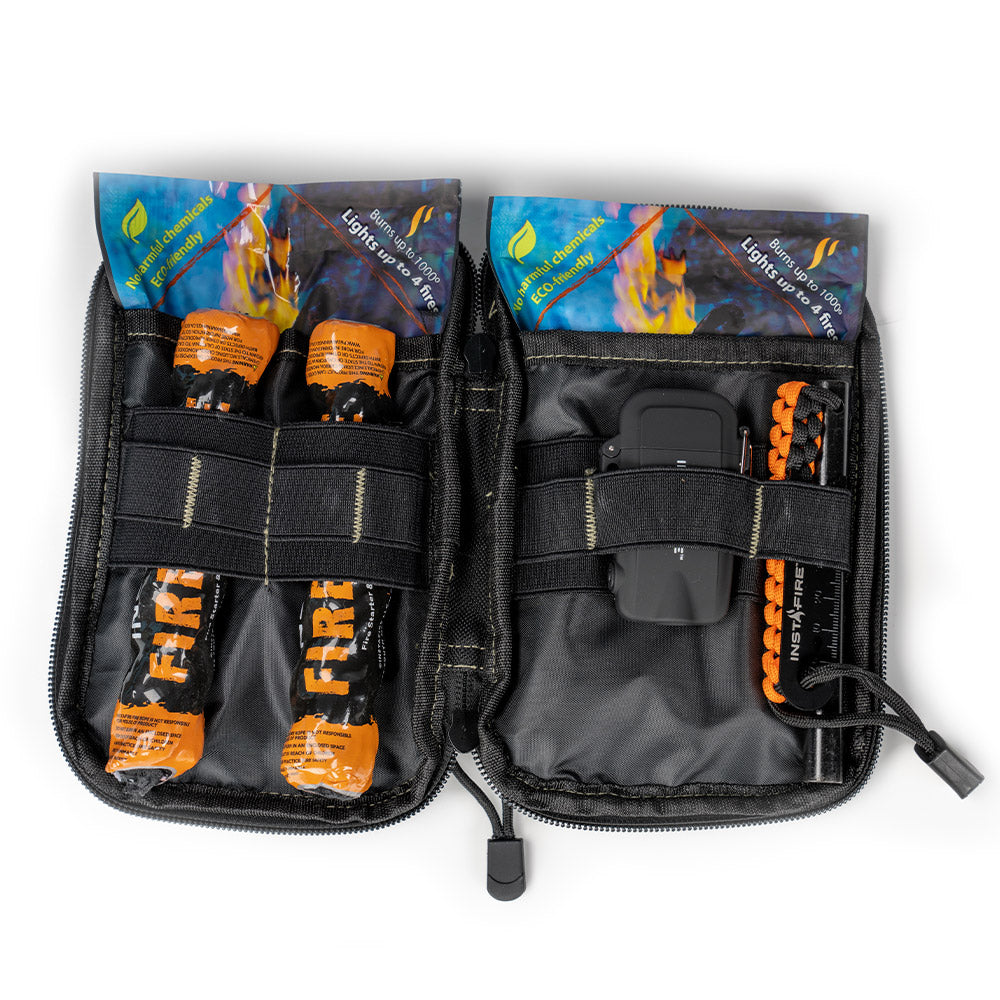
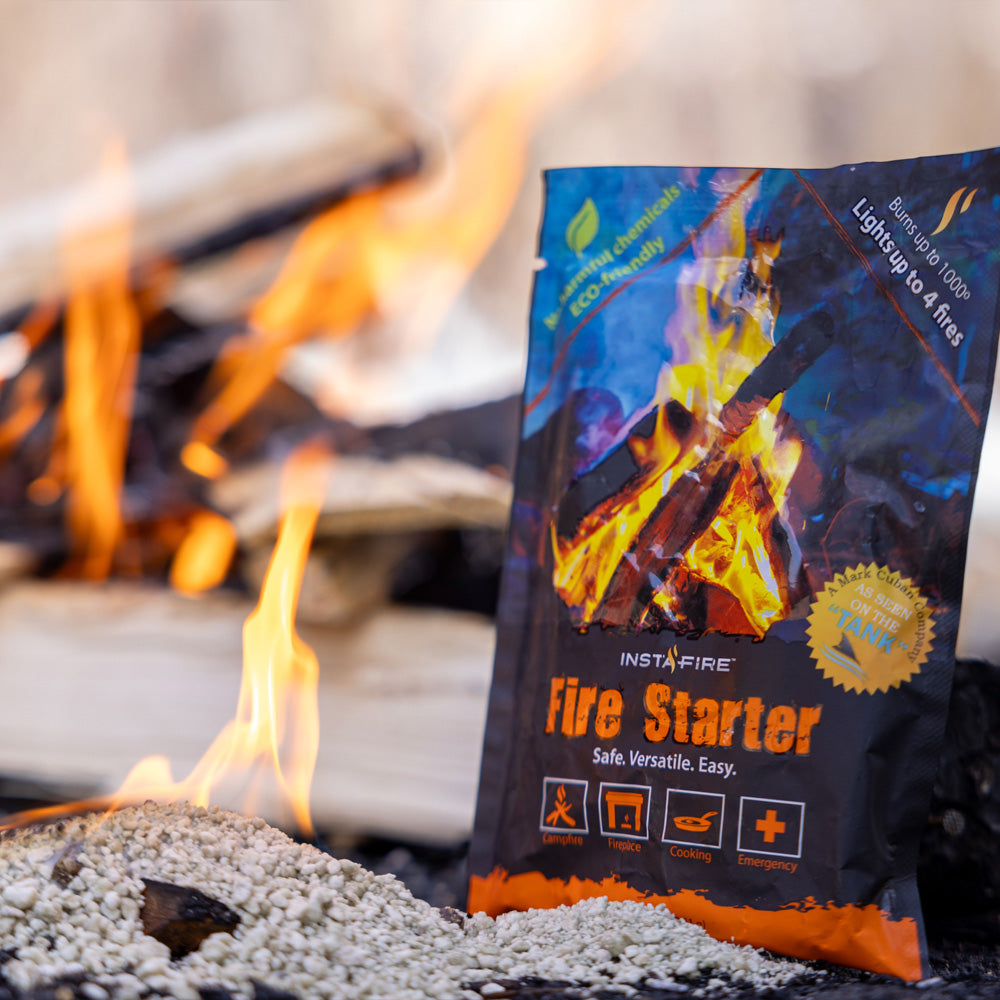
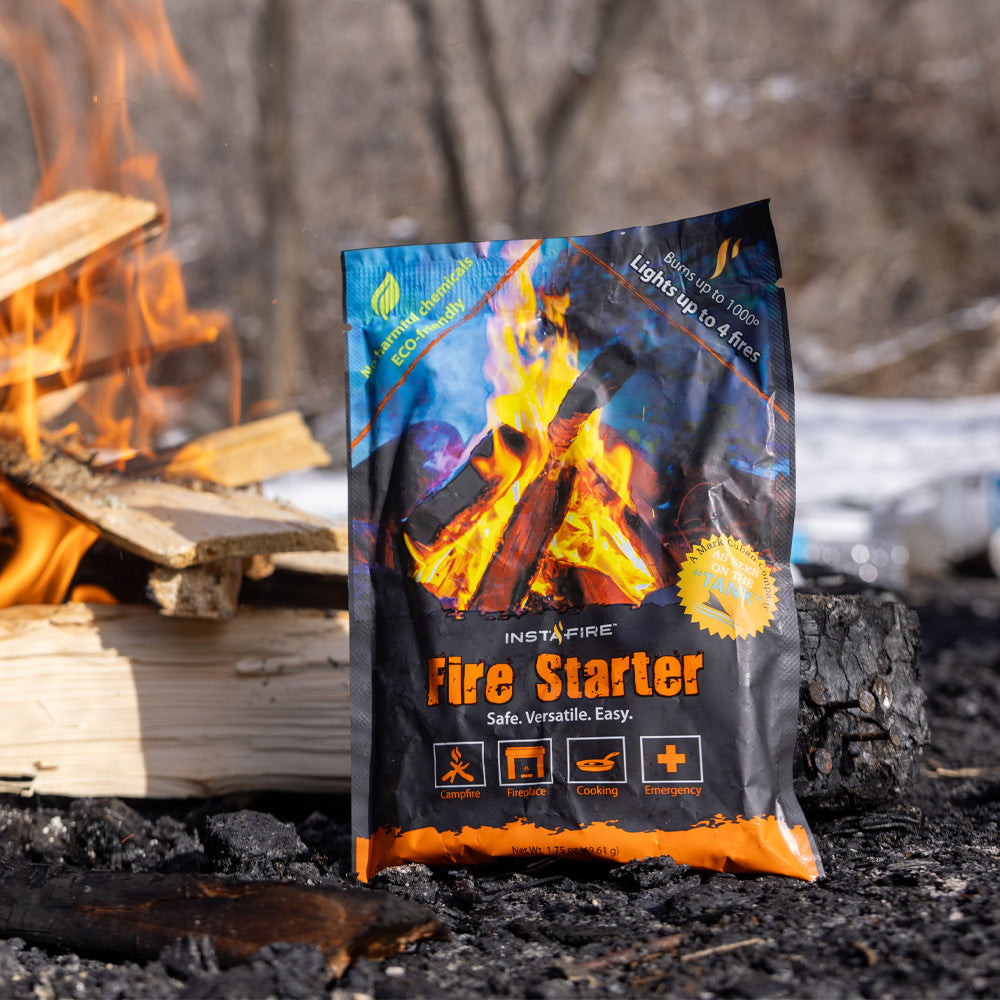
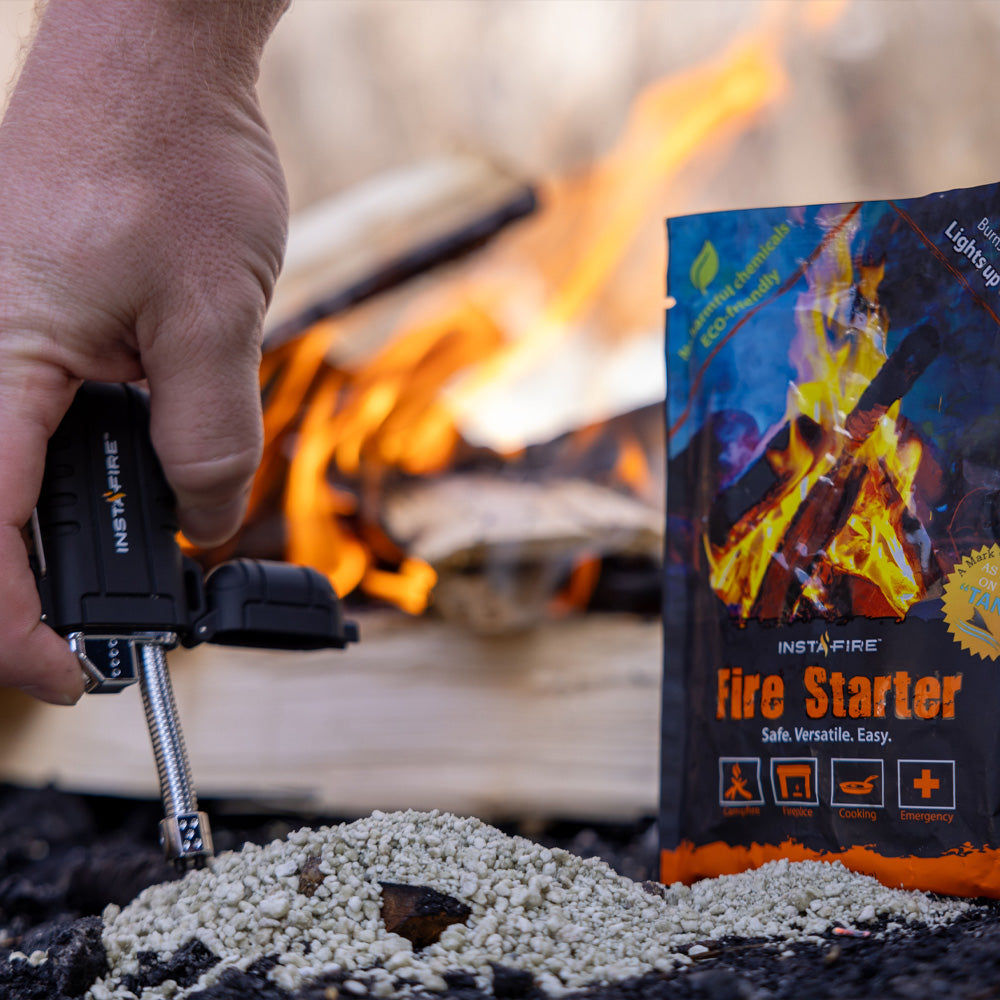
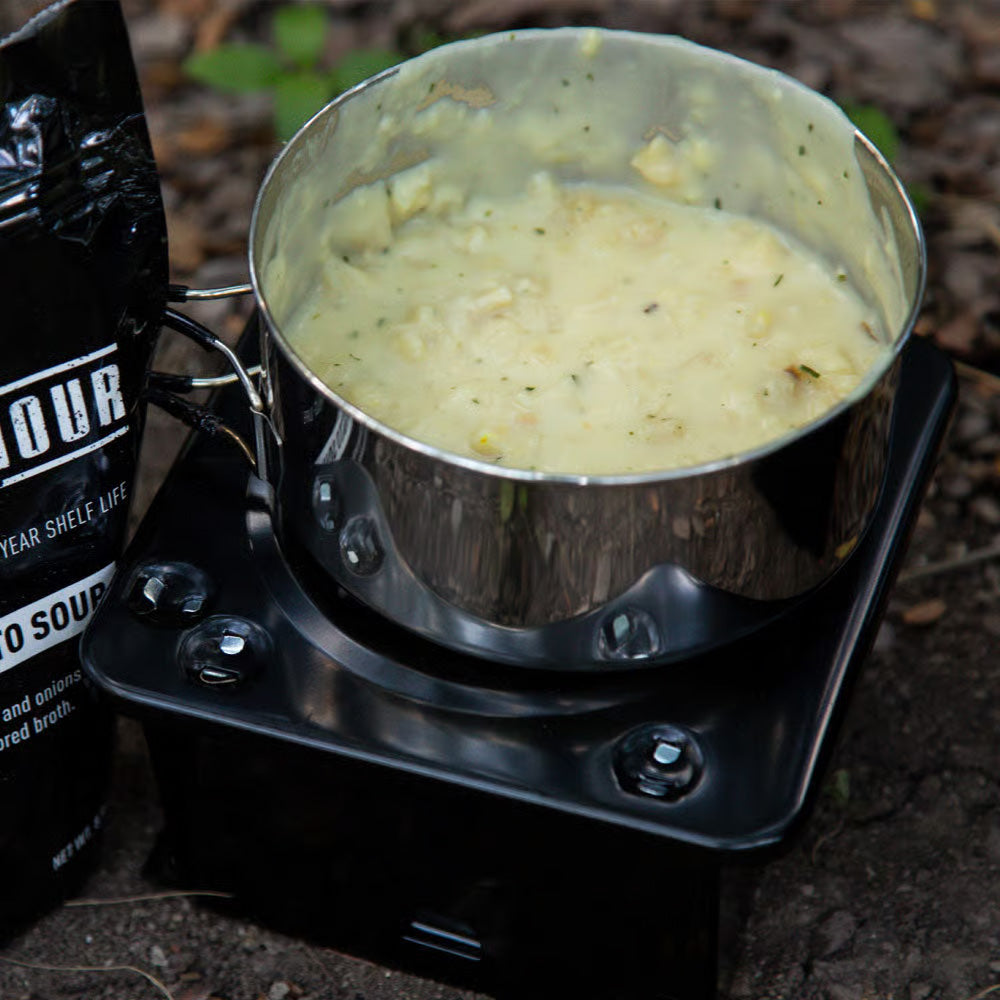
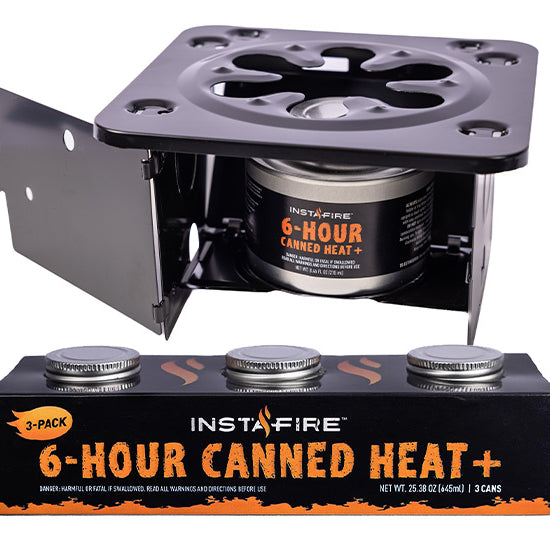
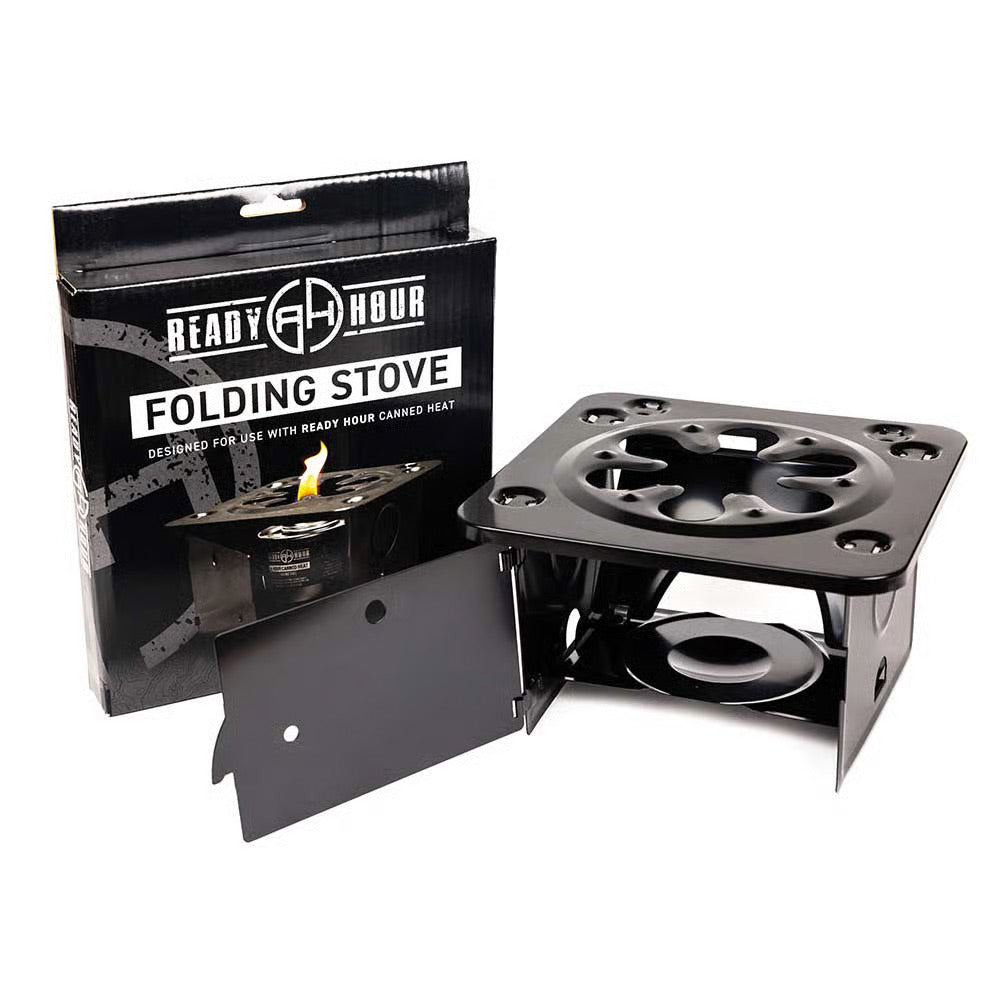
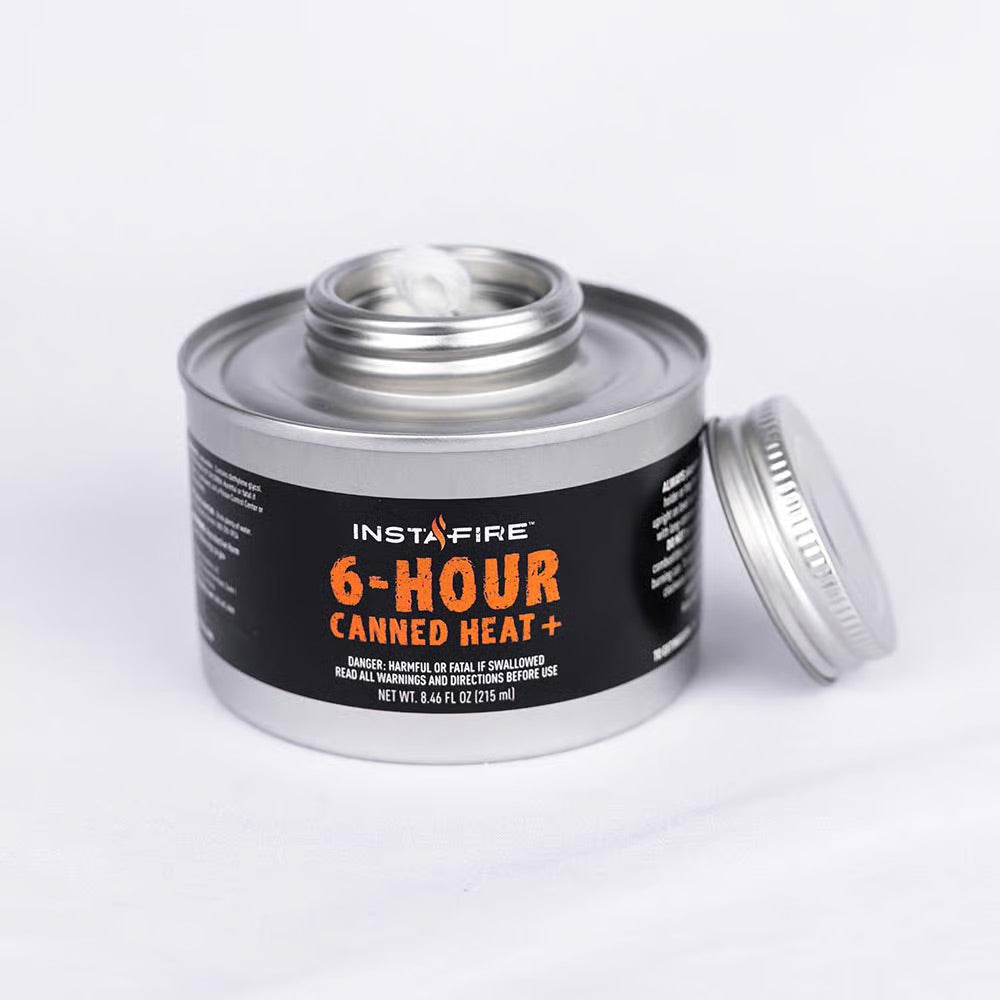
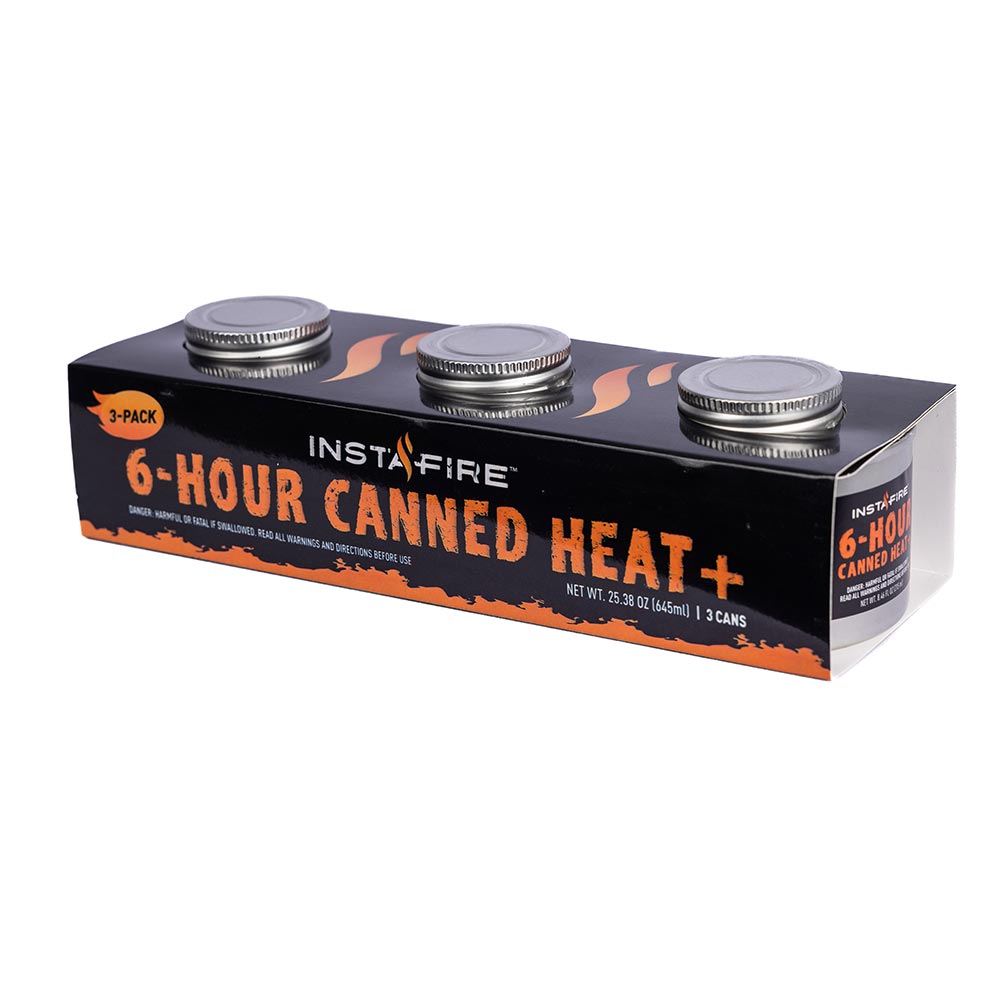
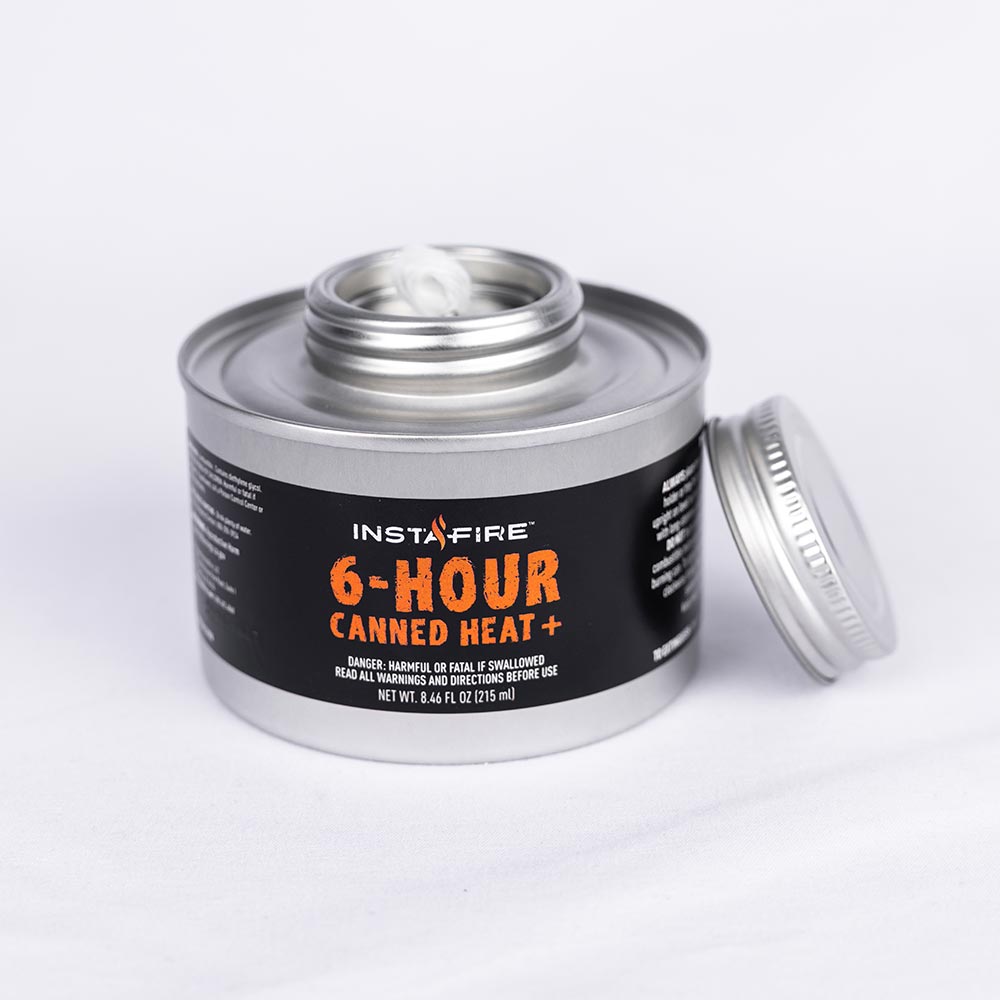
Even simple tasks like heating food or staying warm can become a challenge.
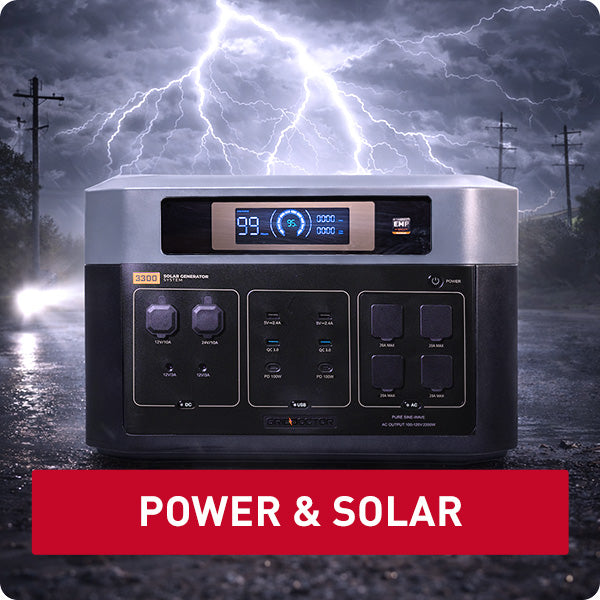
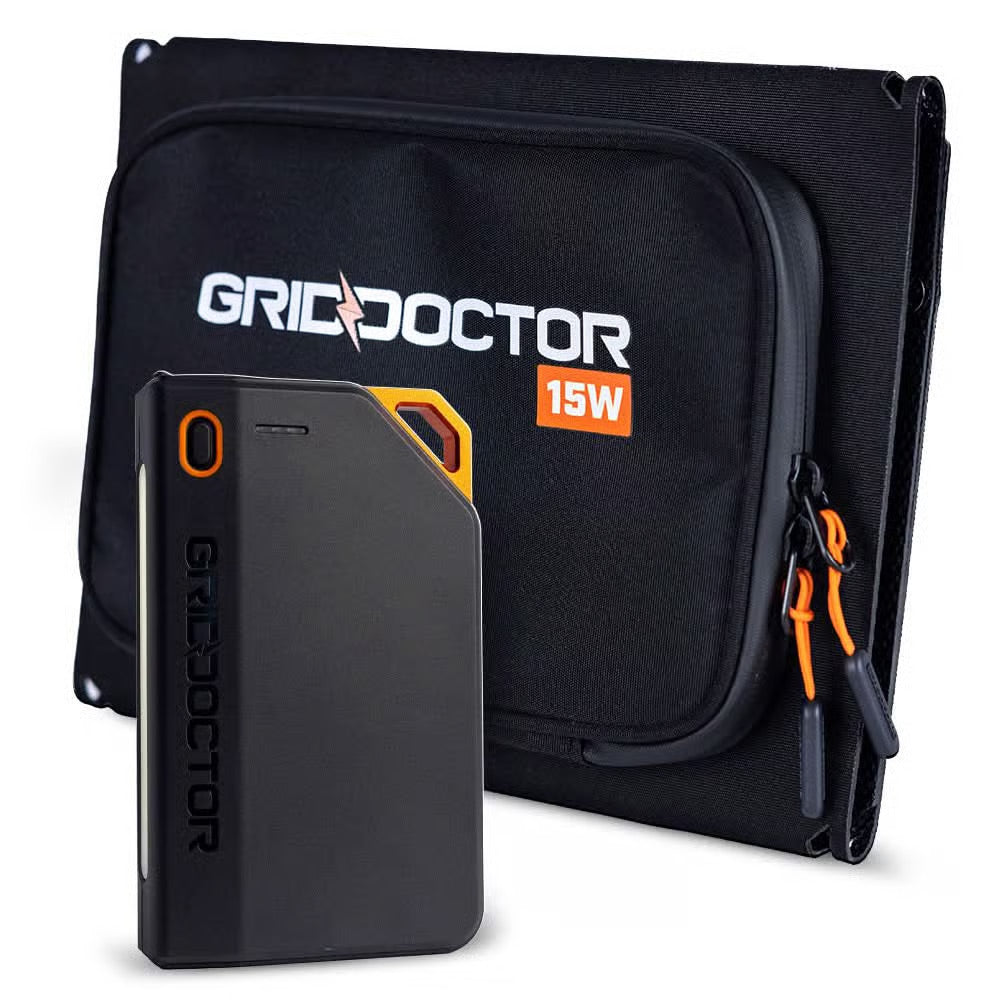
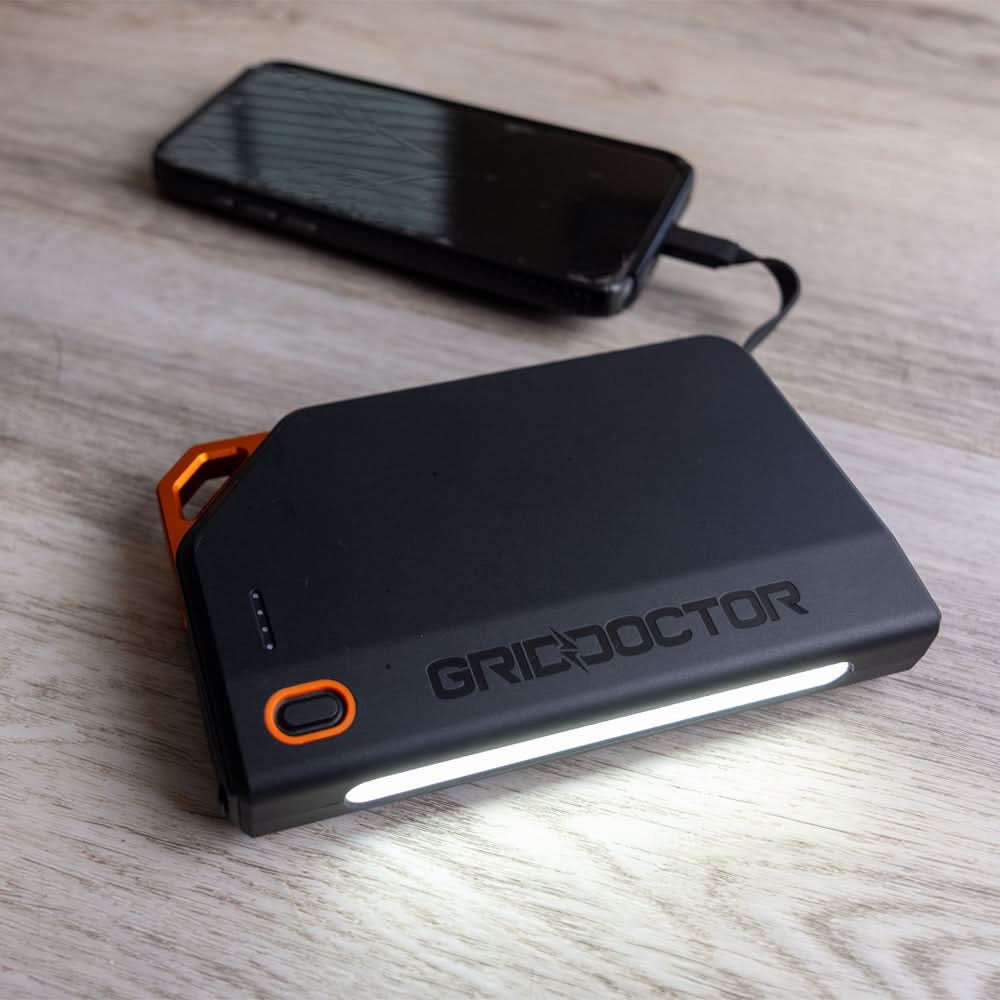
Power outages can last days—or longer. Without backup power, basic functions stop.
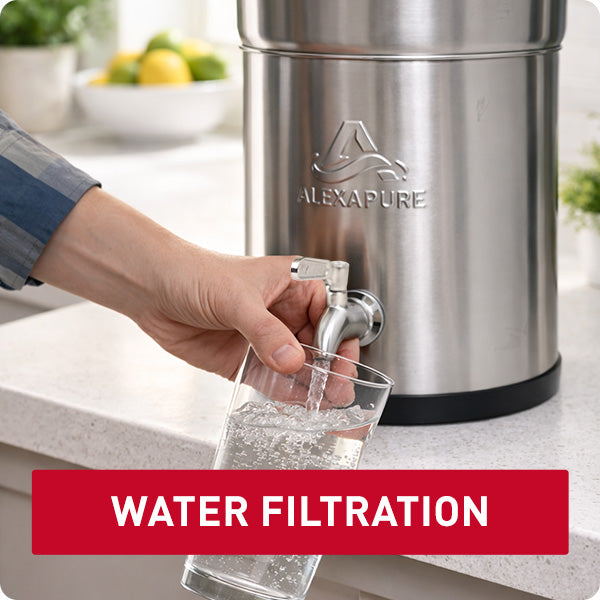
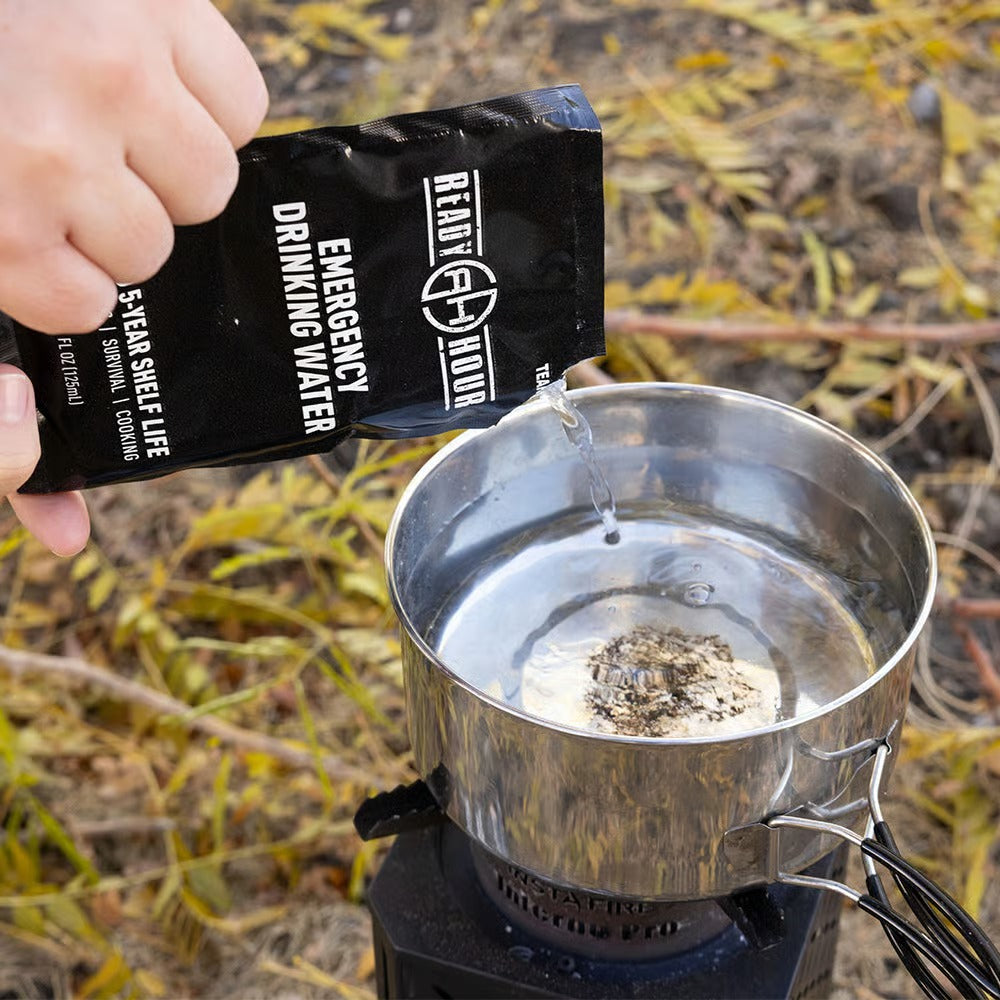
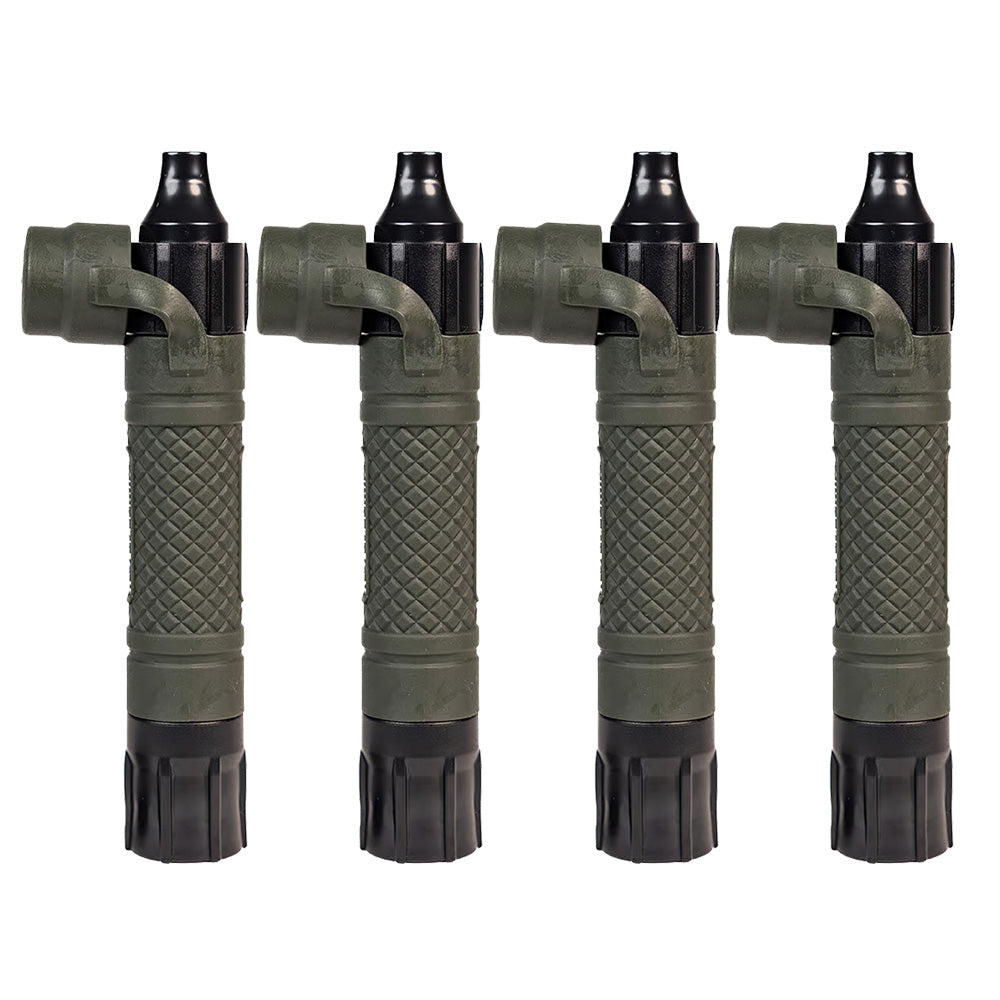
You need at least 1 gallon of water per person per day—and access can be disrupted quickly.

Build Your Hurricane Kit
A well-prepared kit should cover your needs for multiple days without outside support.
Core Essentials:
- Water (1 gallon per person per day)
- Non-perishable food
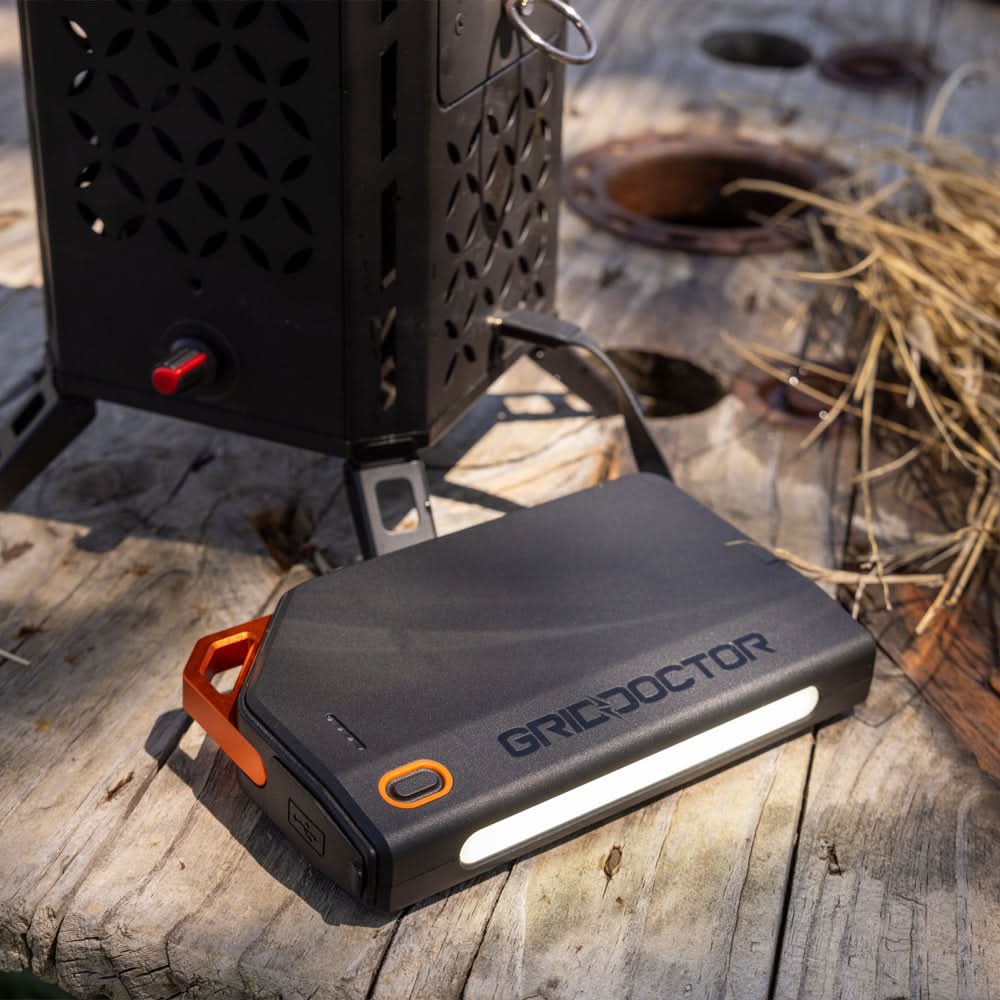
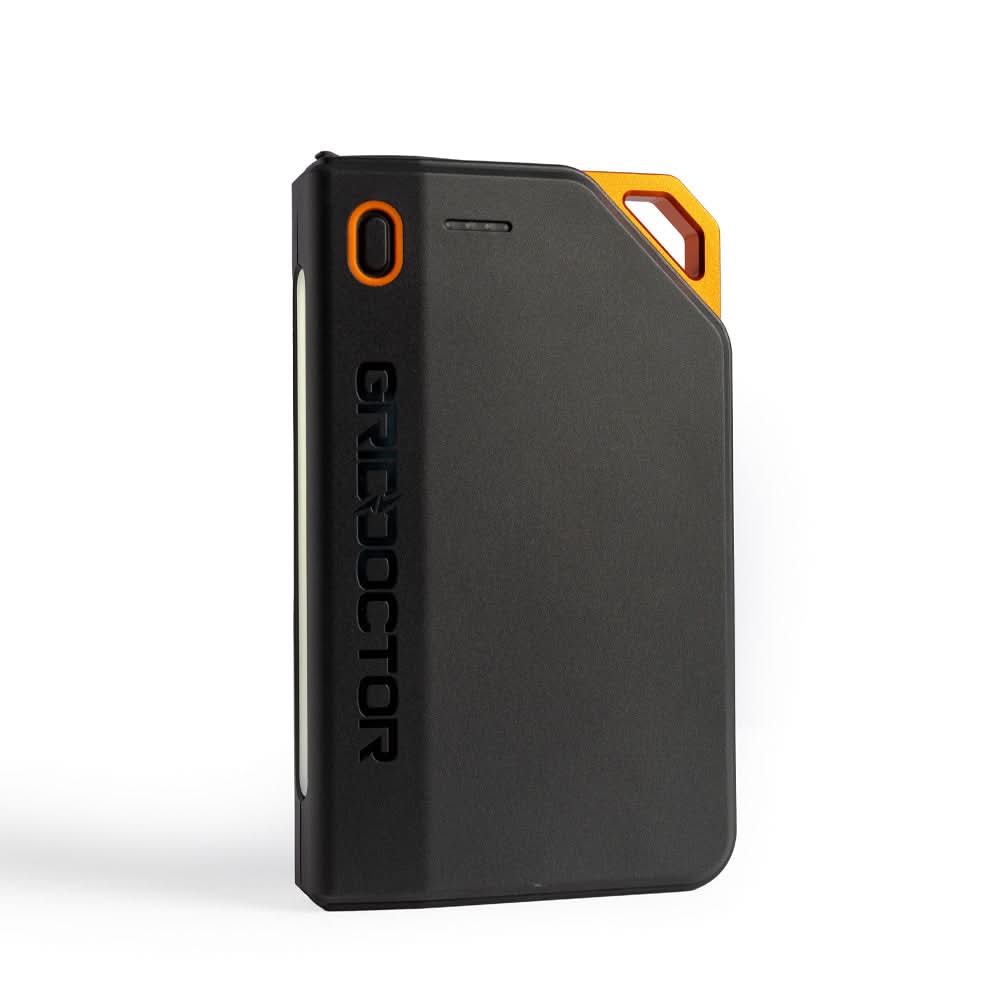
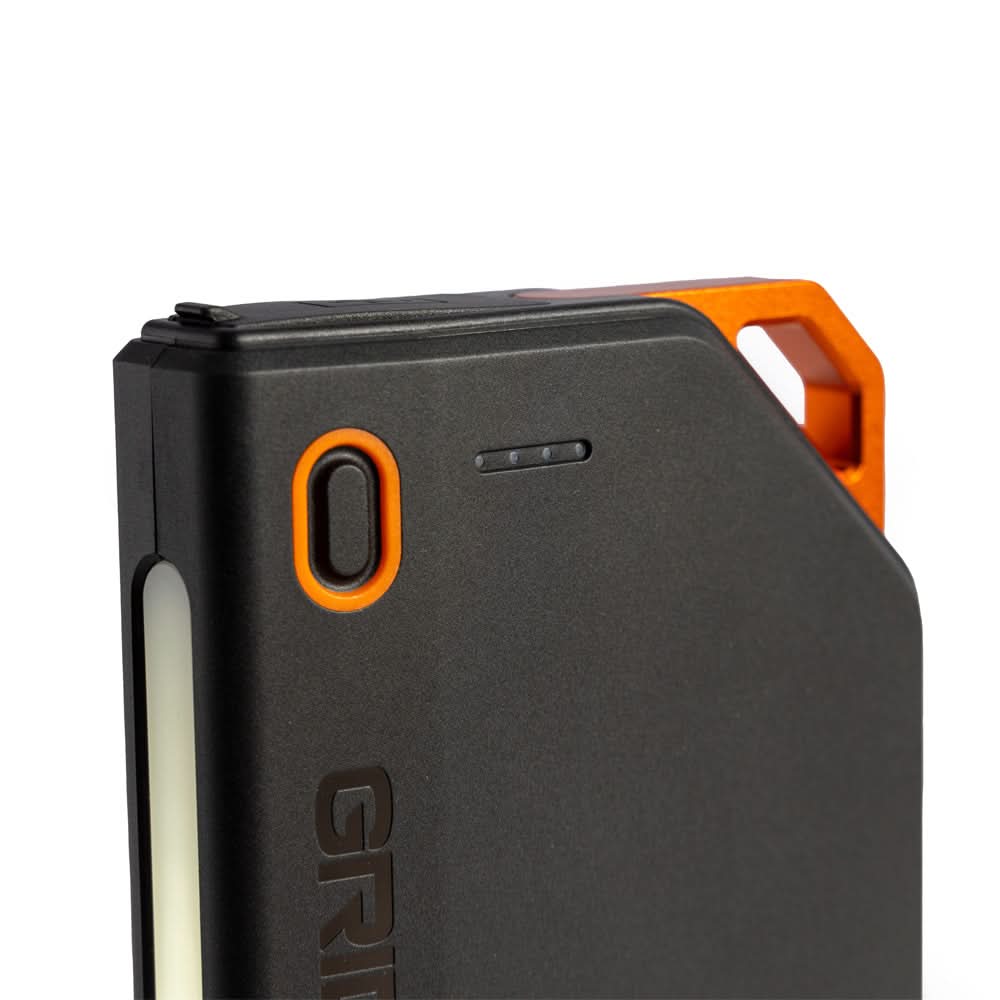
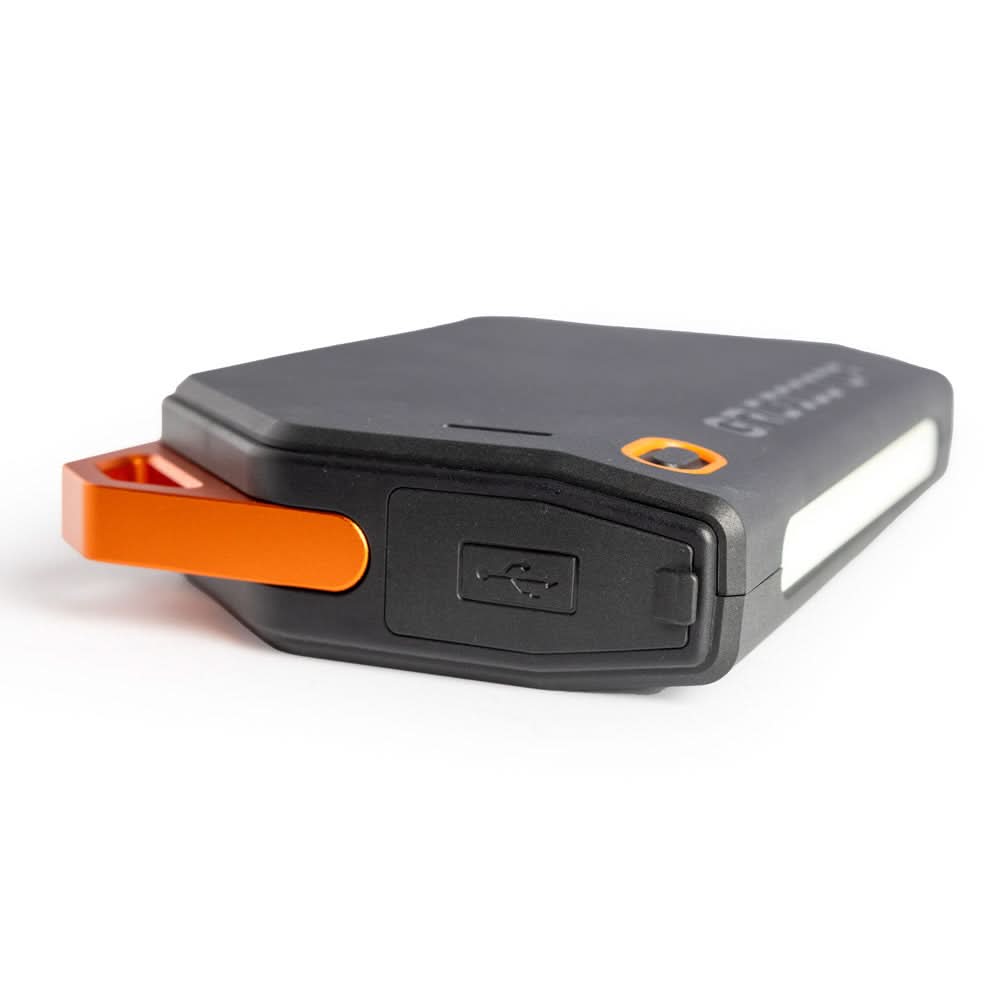
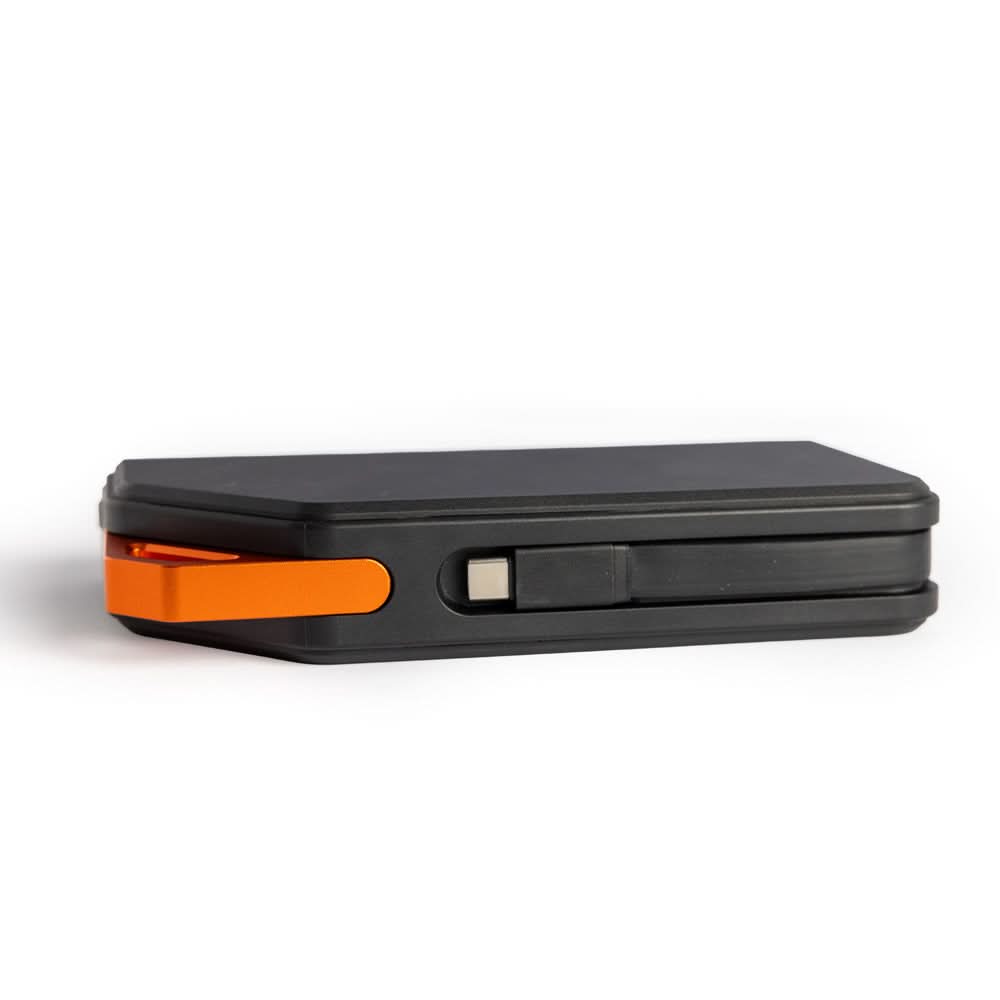
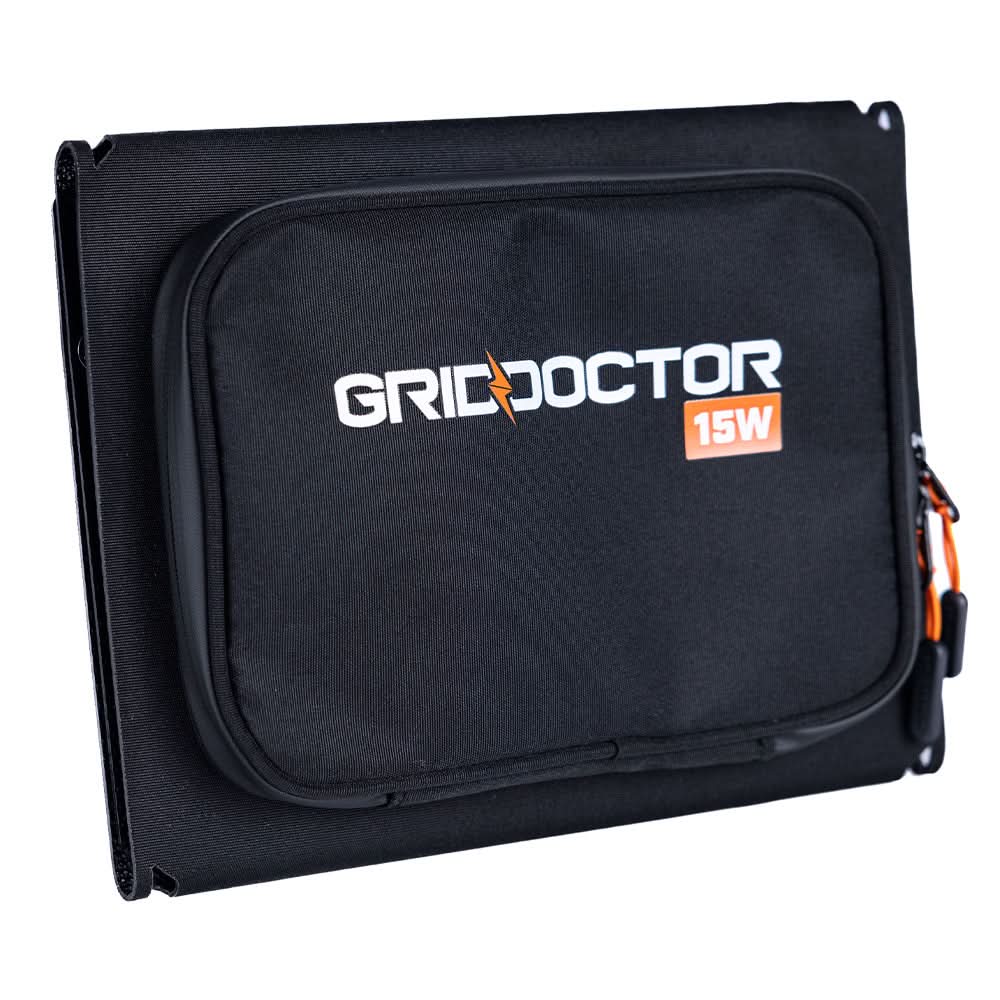
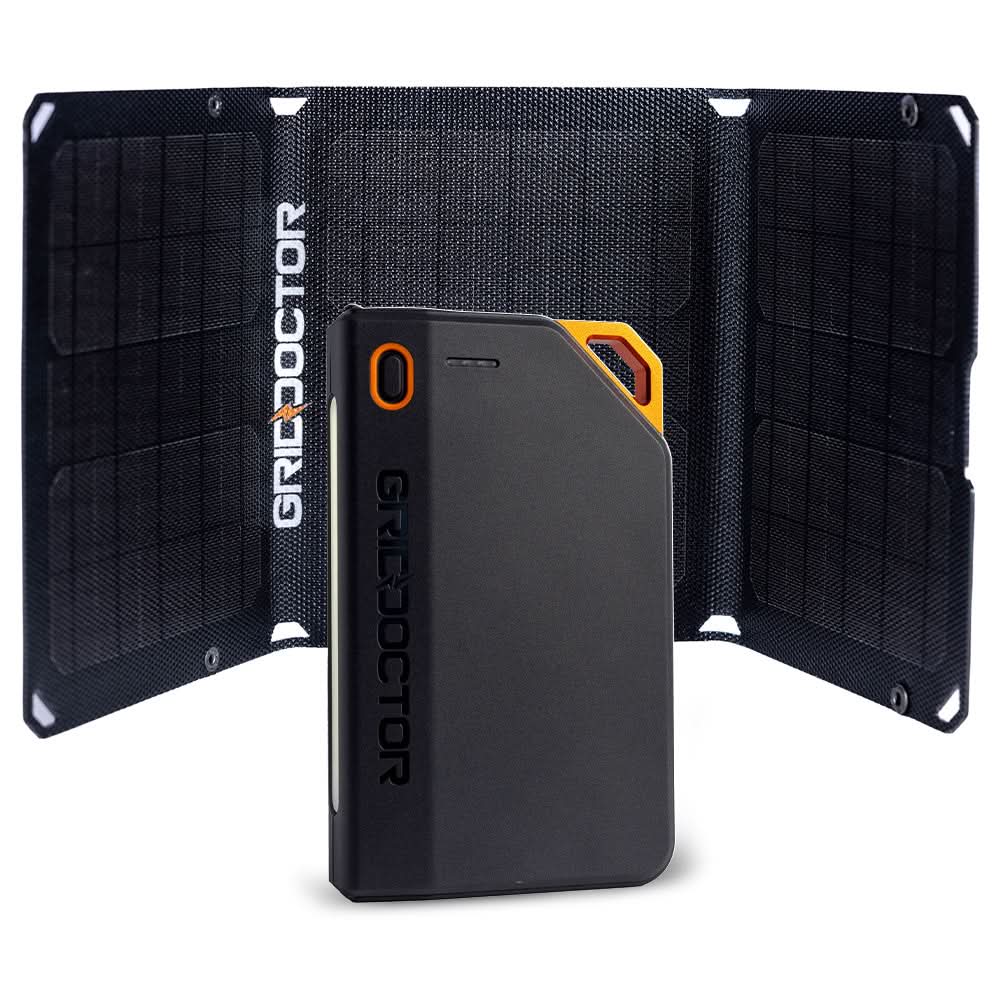
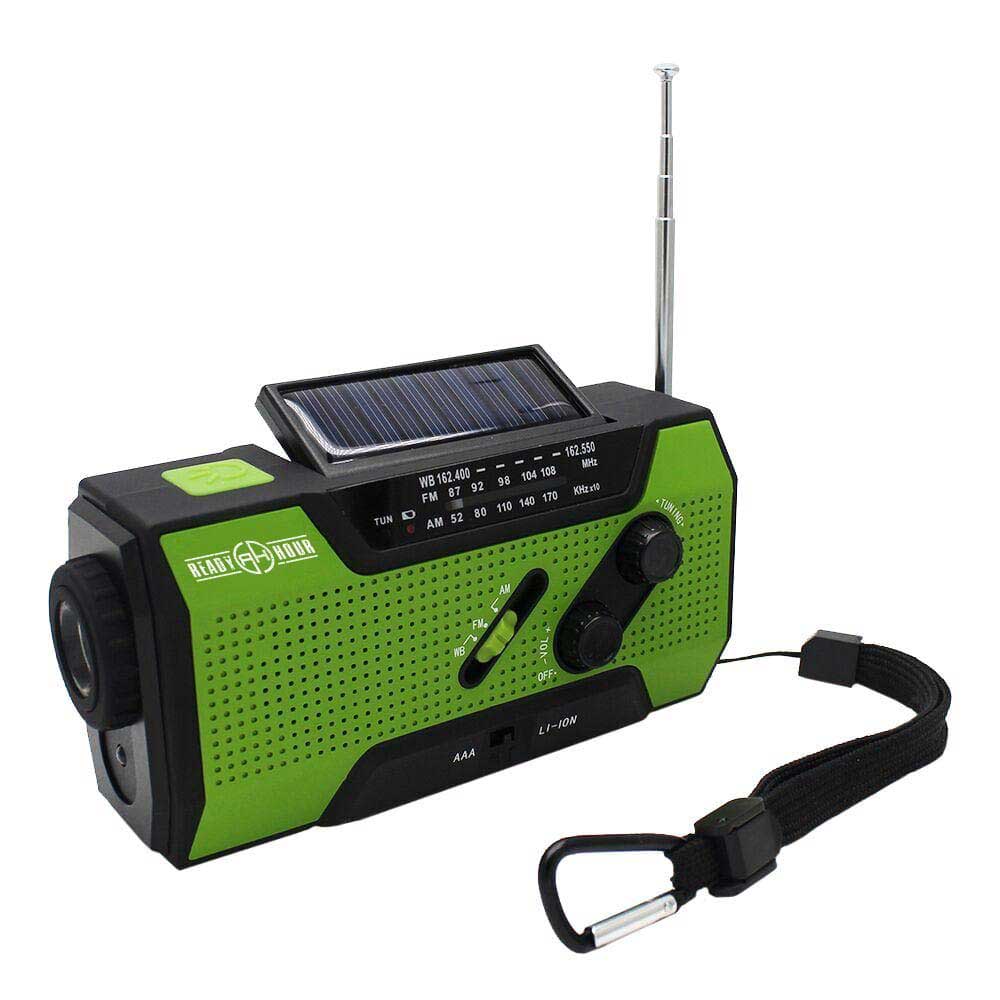
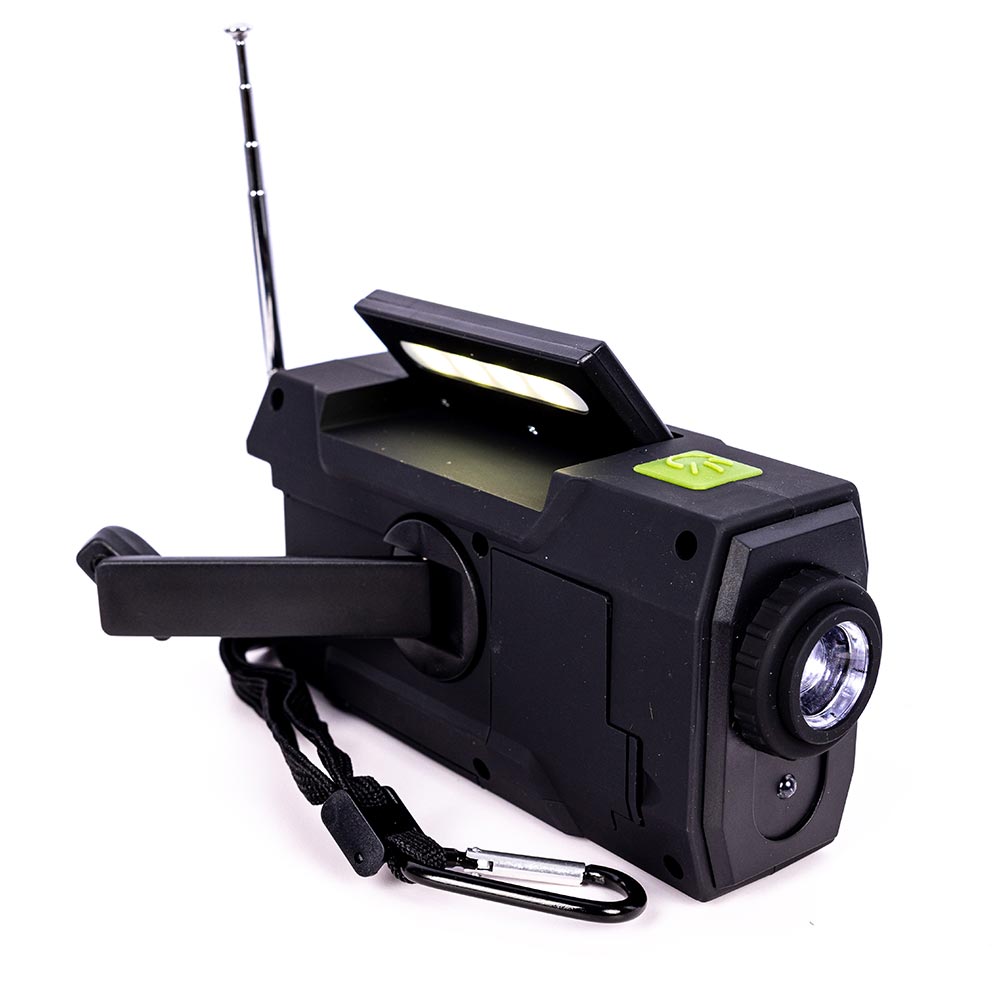
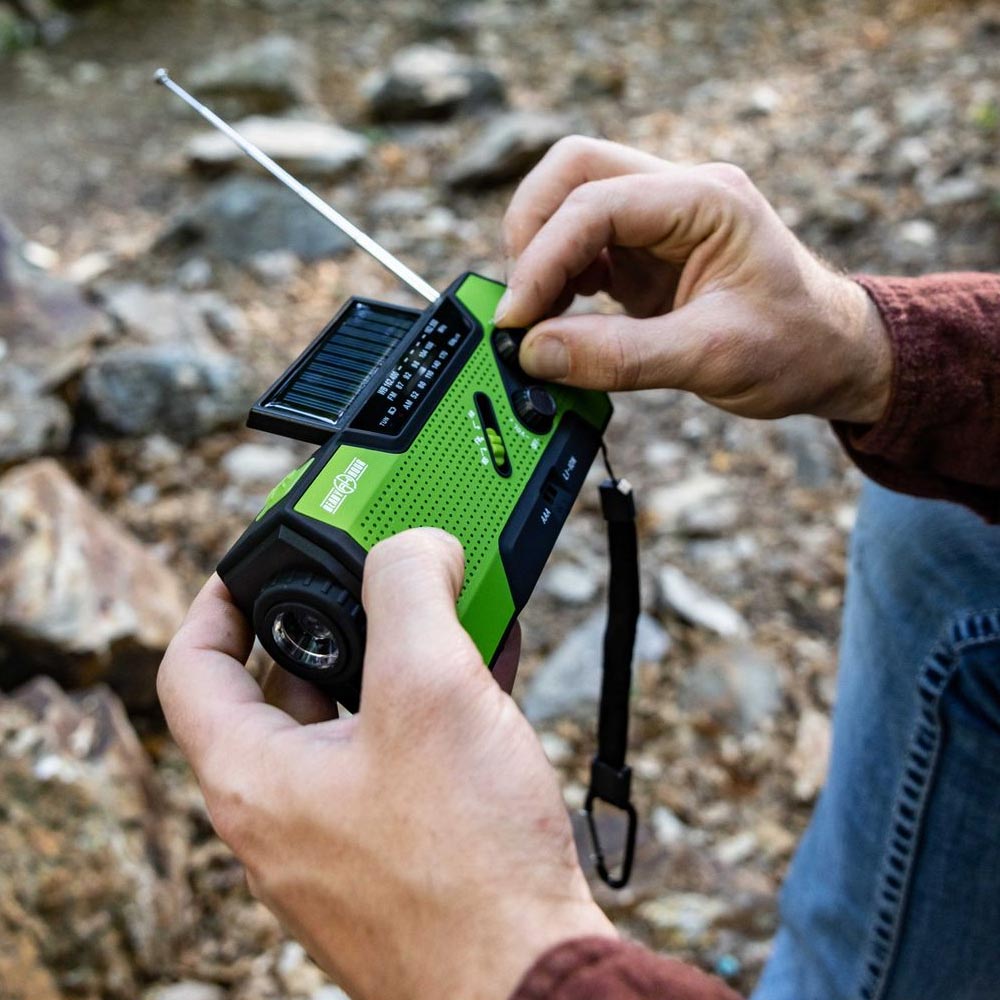
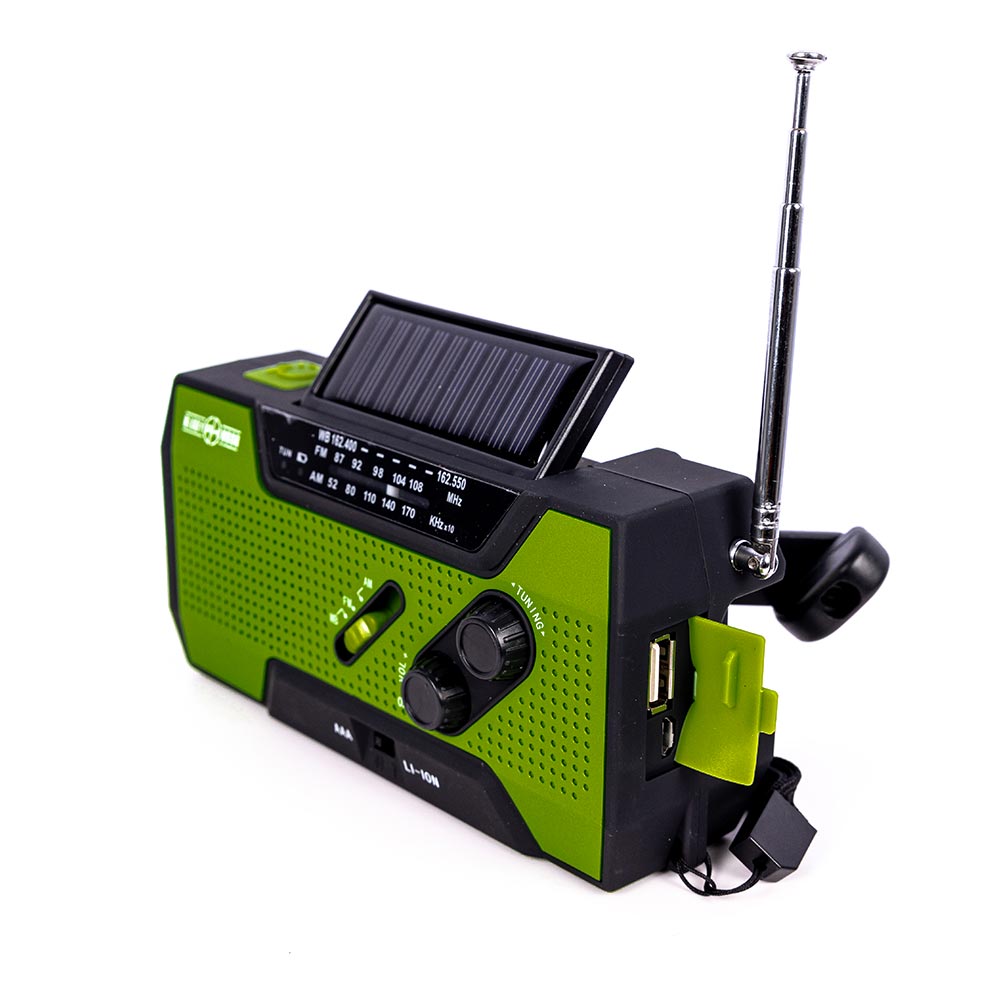
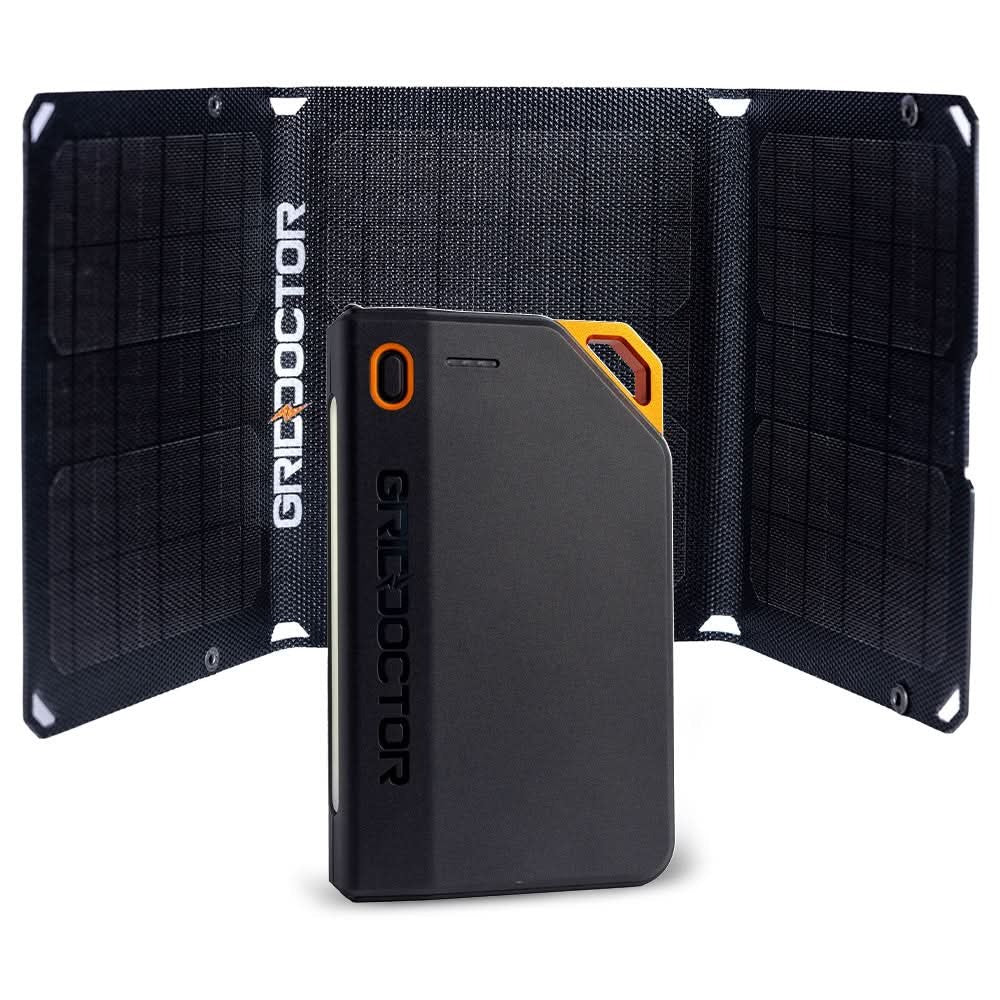
- Backup power sources
- Flashlights + batteries
- First aid kit
- Medications
Recommended Add-Ons:
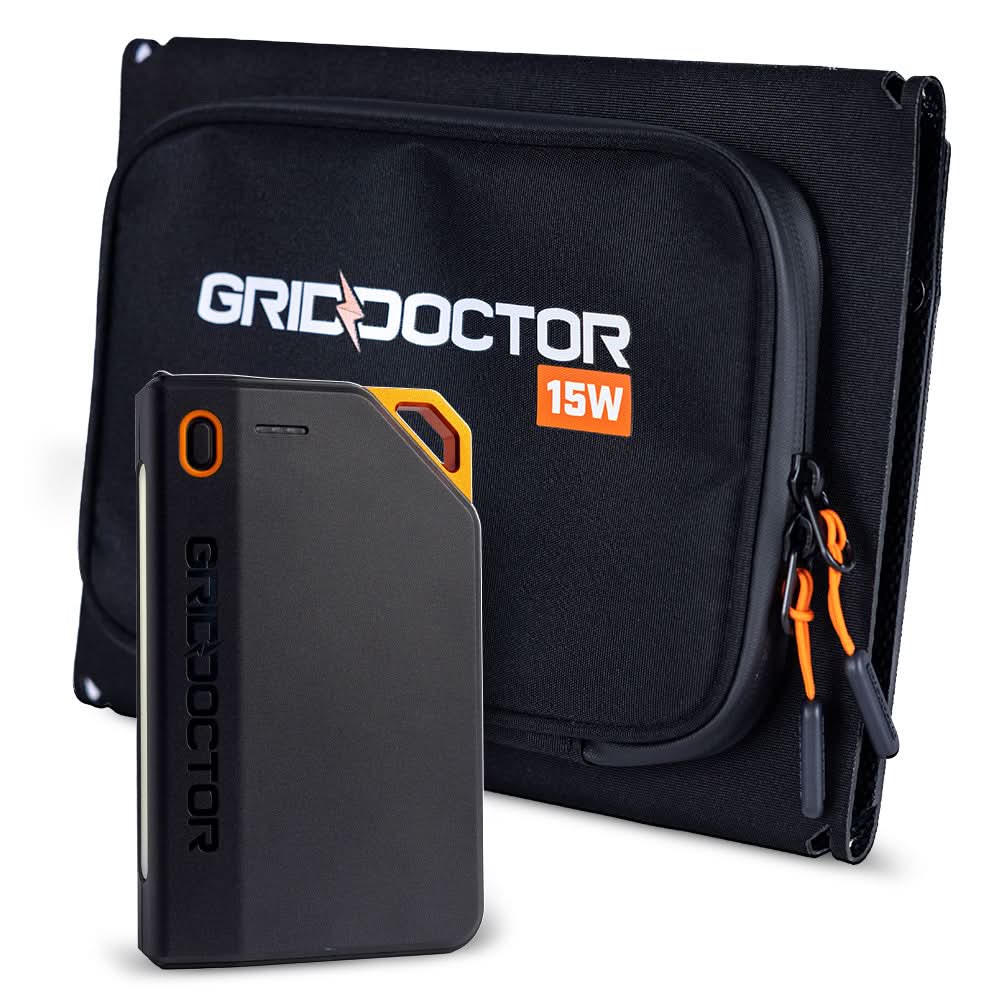
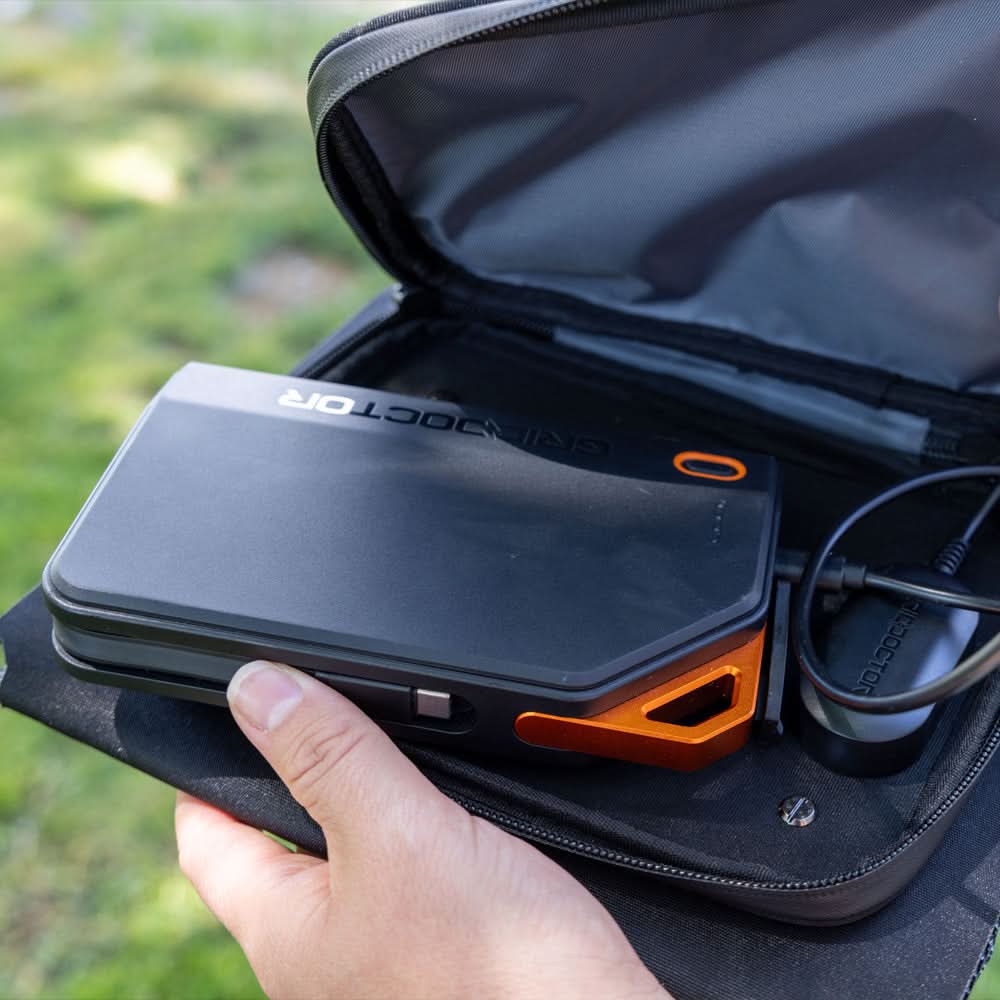
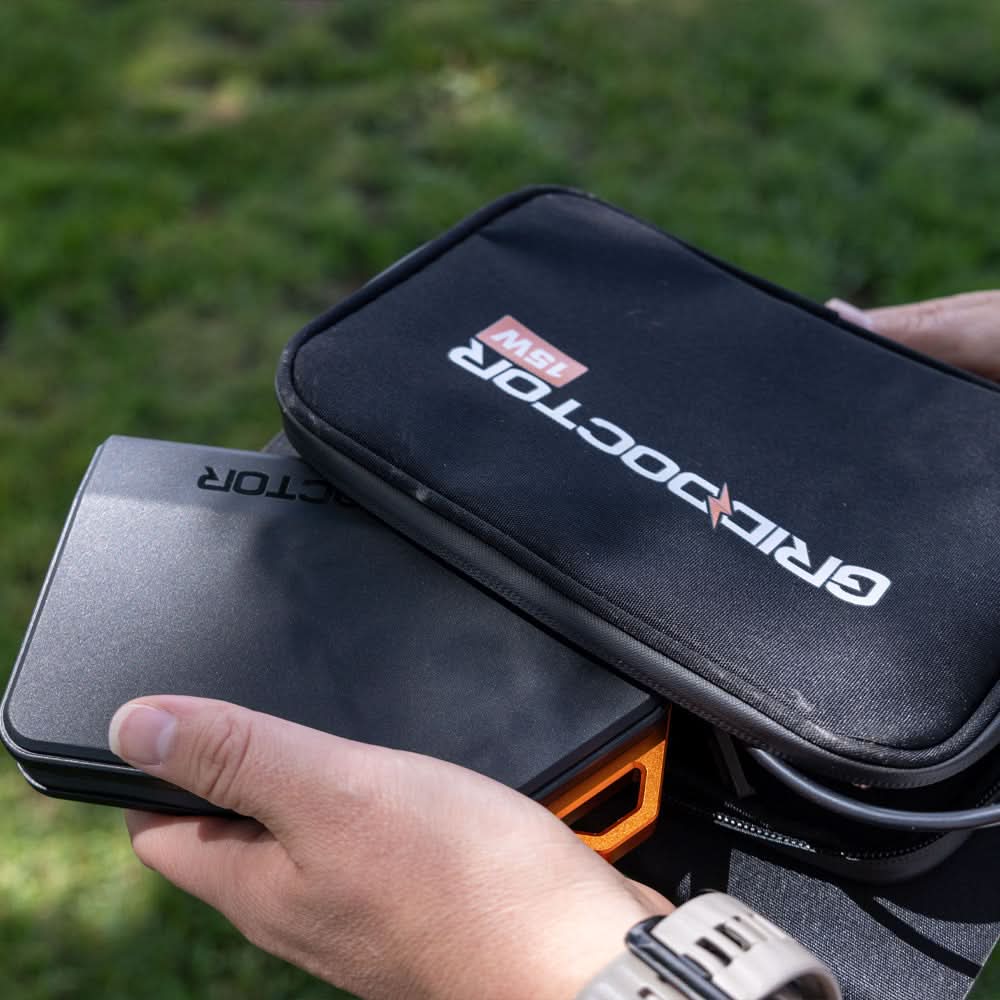
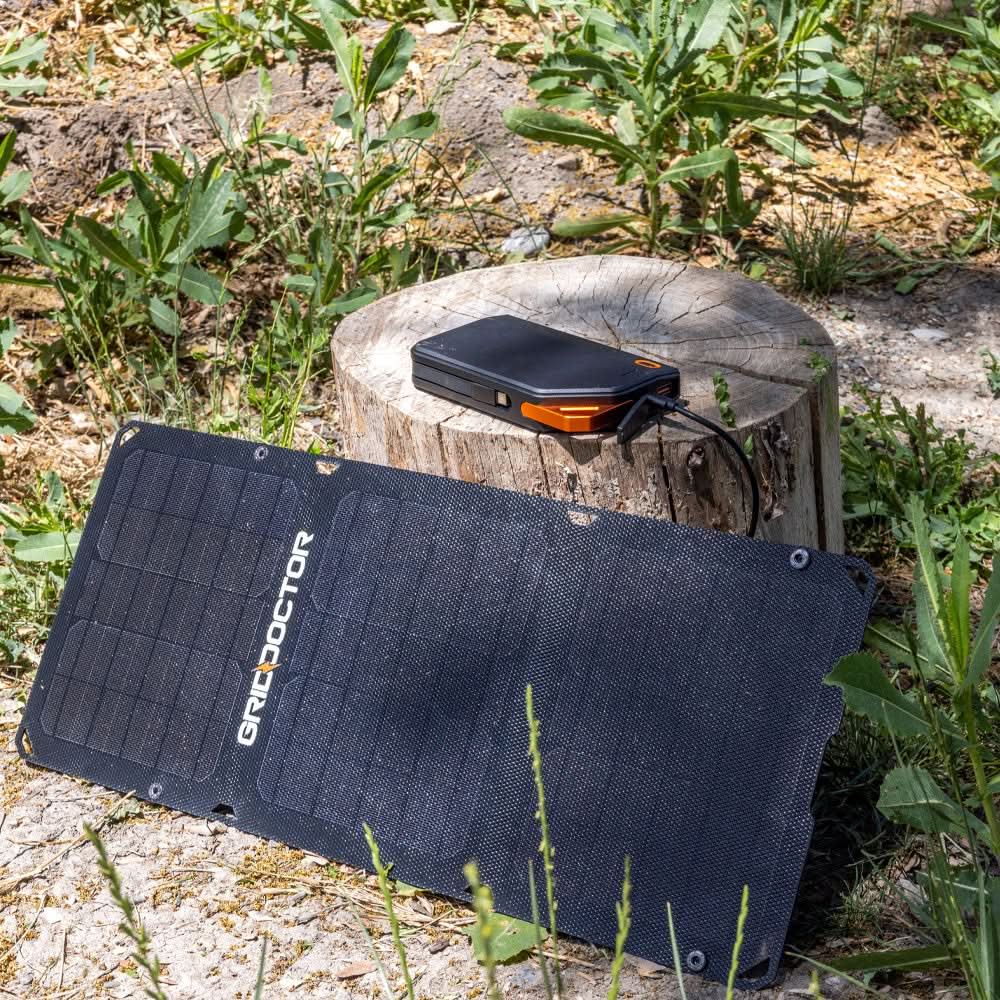
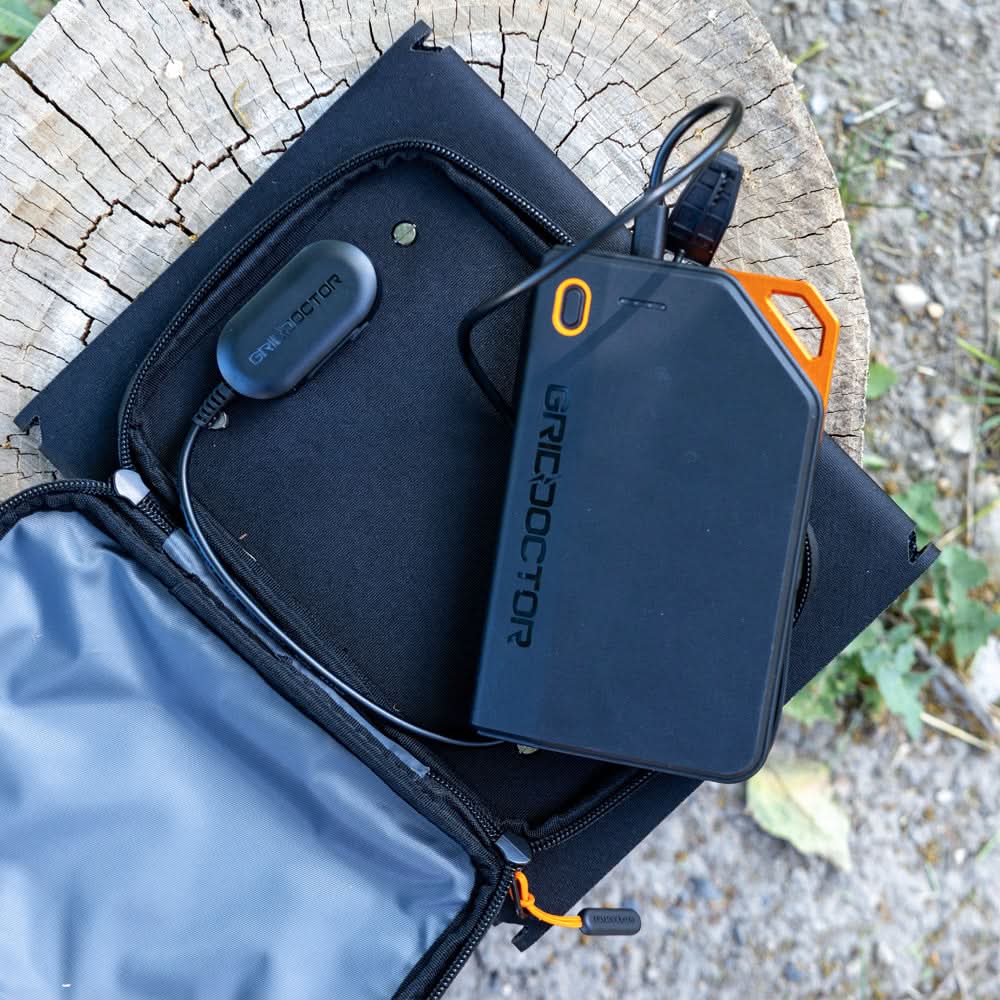
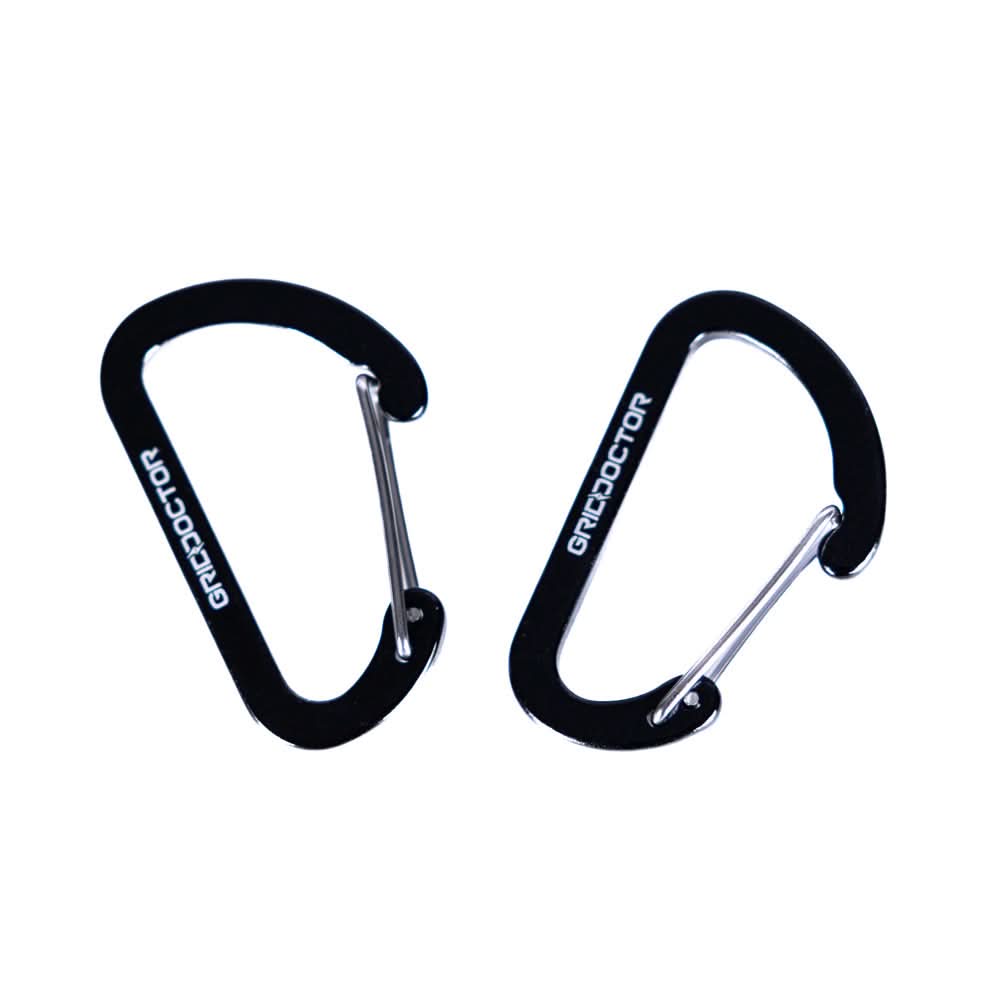
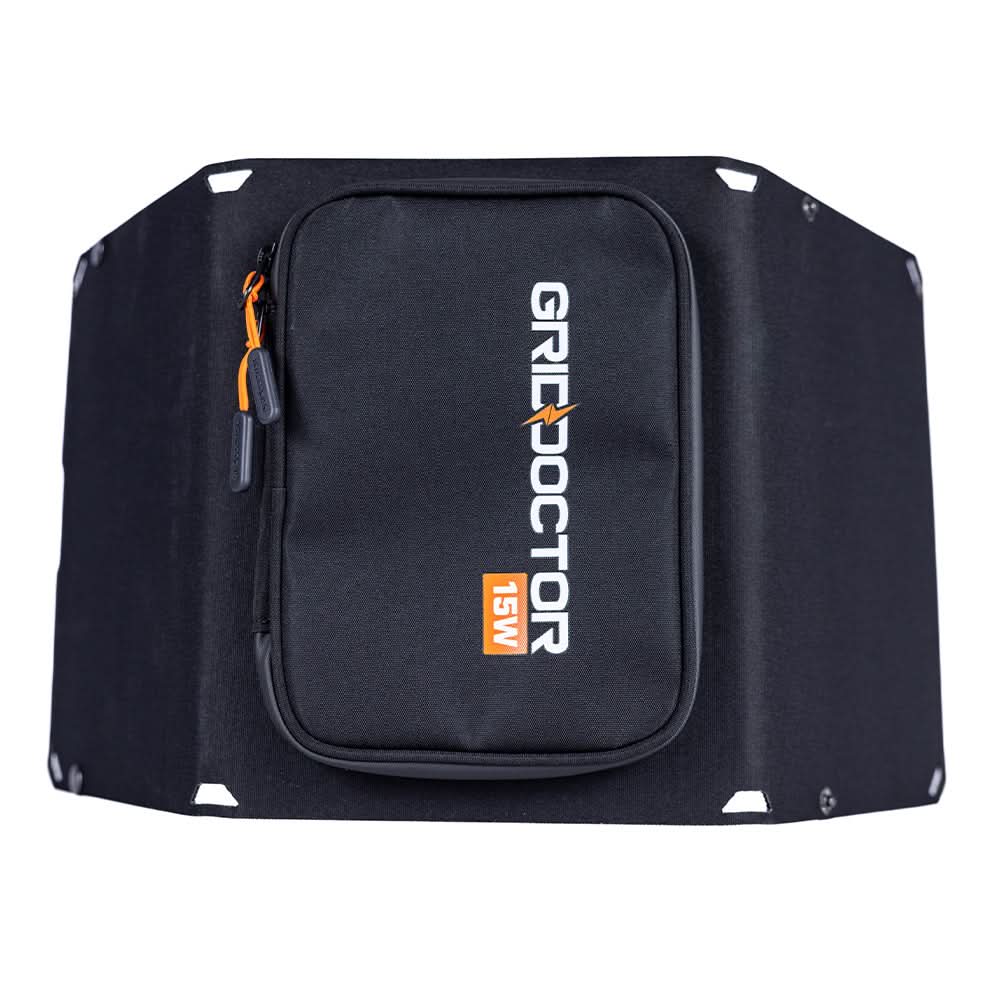
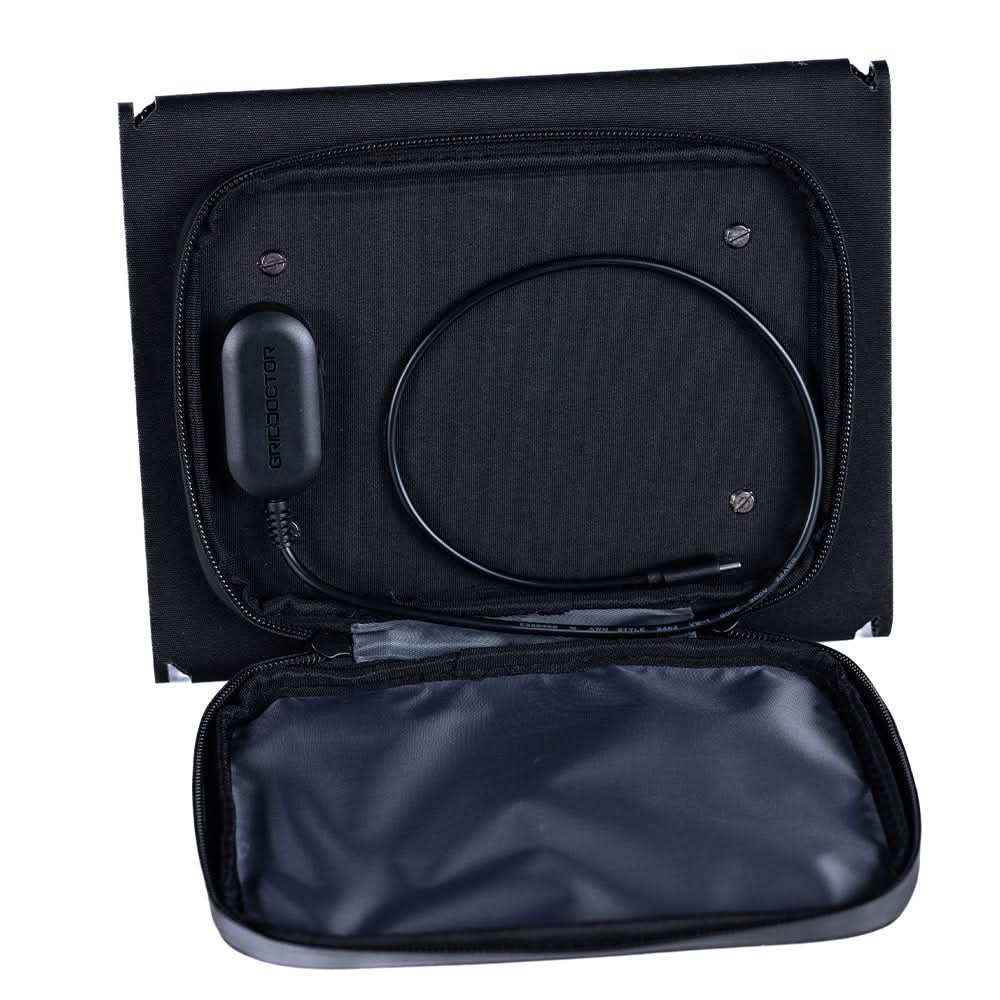
- Solar chargers or generators
- Hygiene supplies
- Warm blankets or sleeping gear
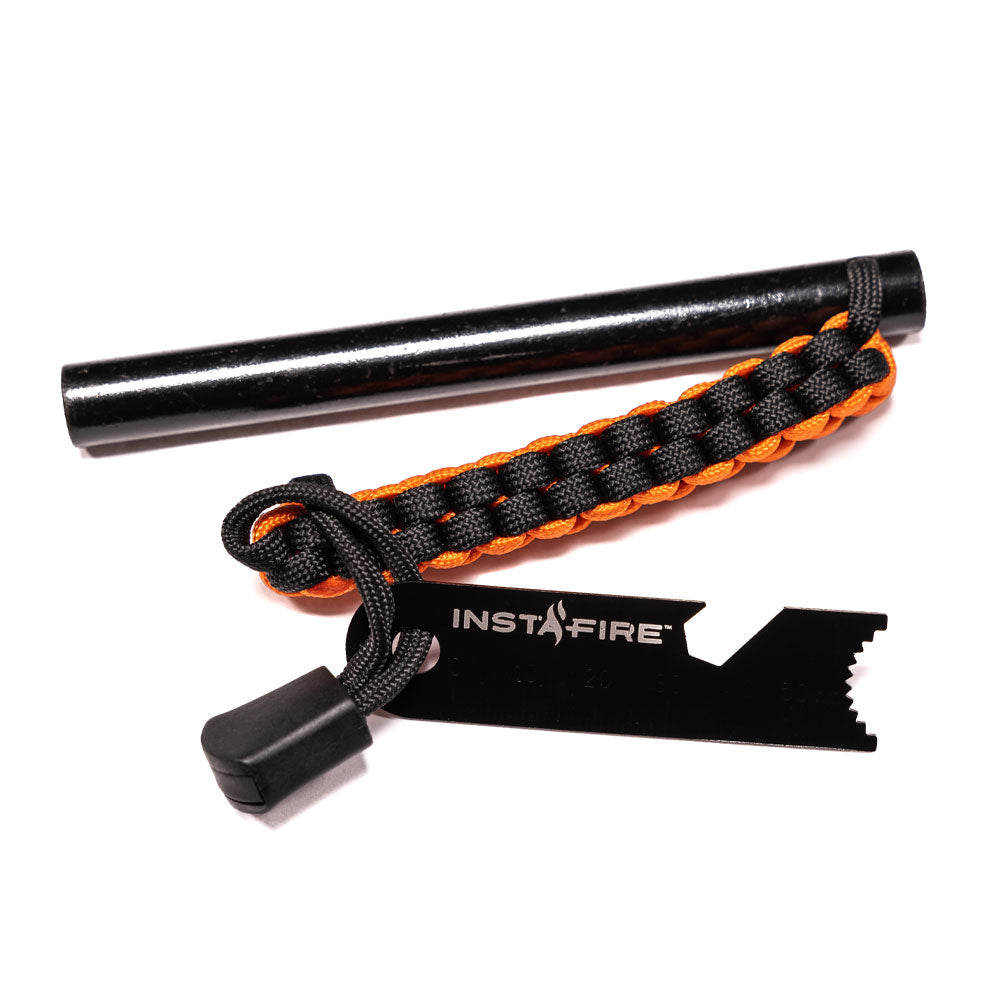
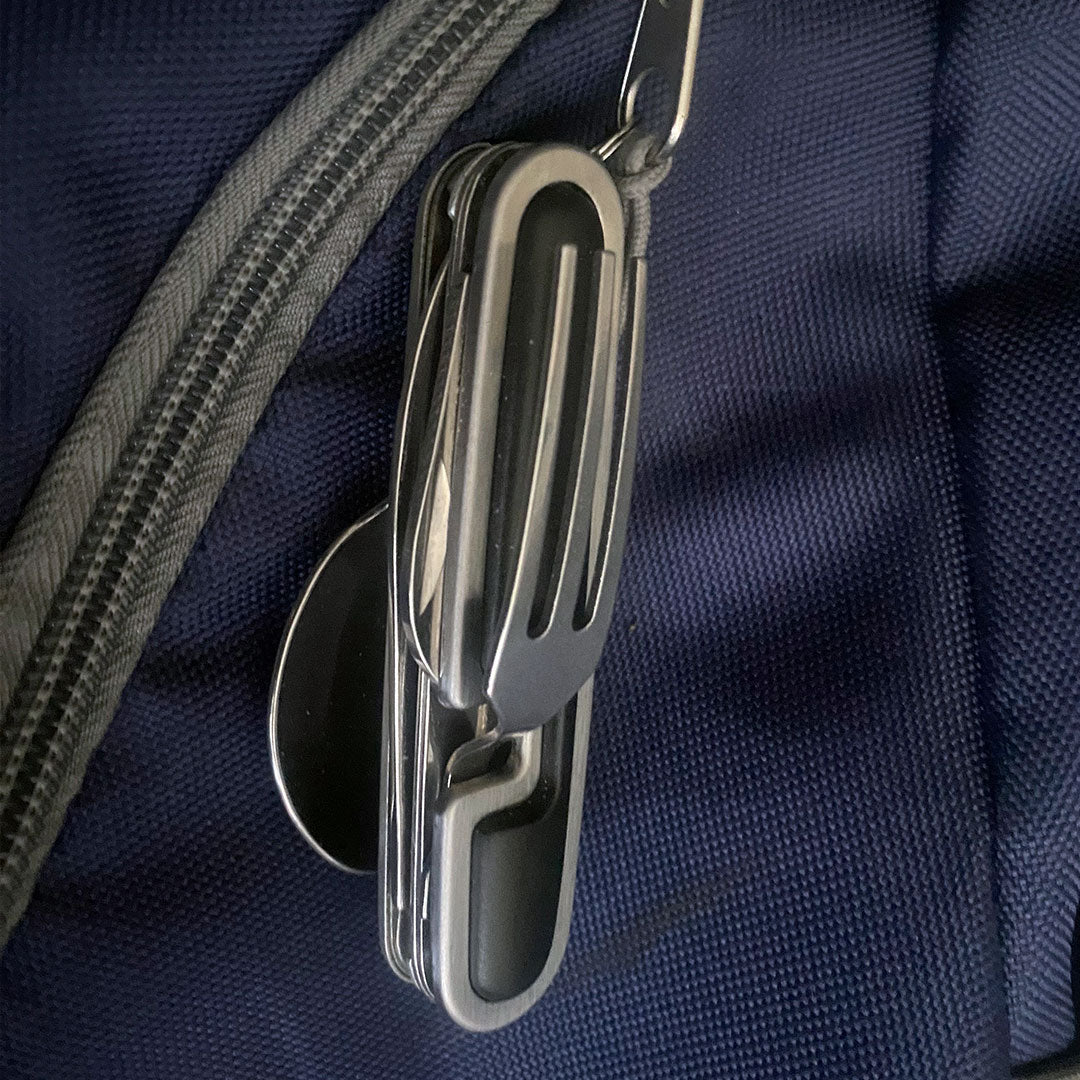
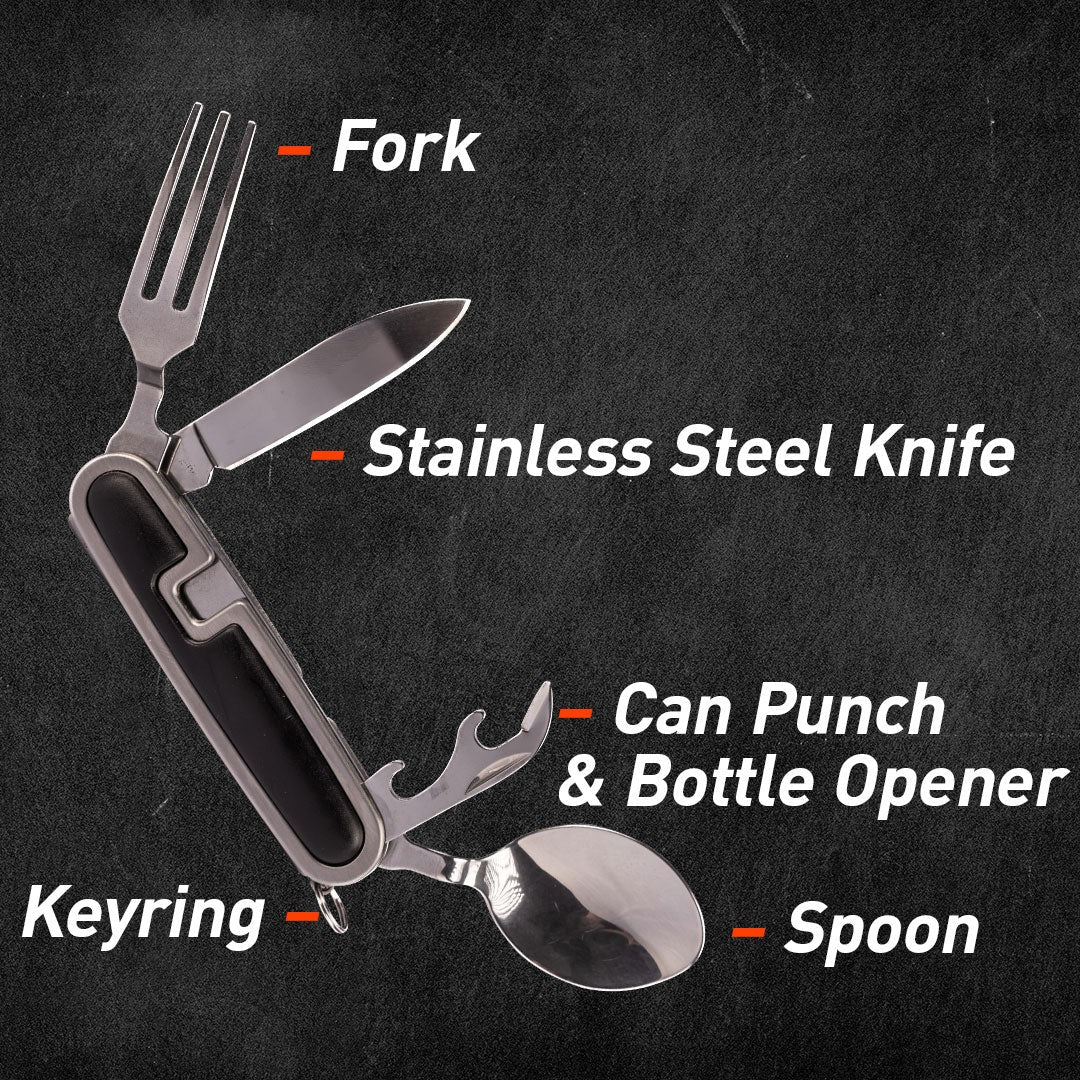
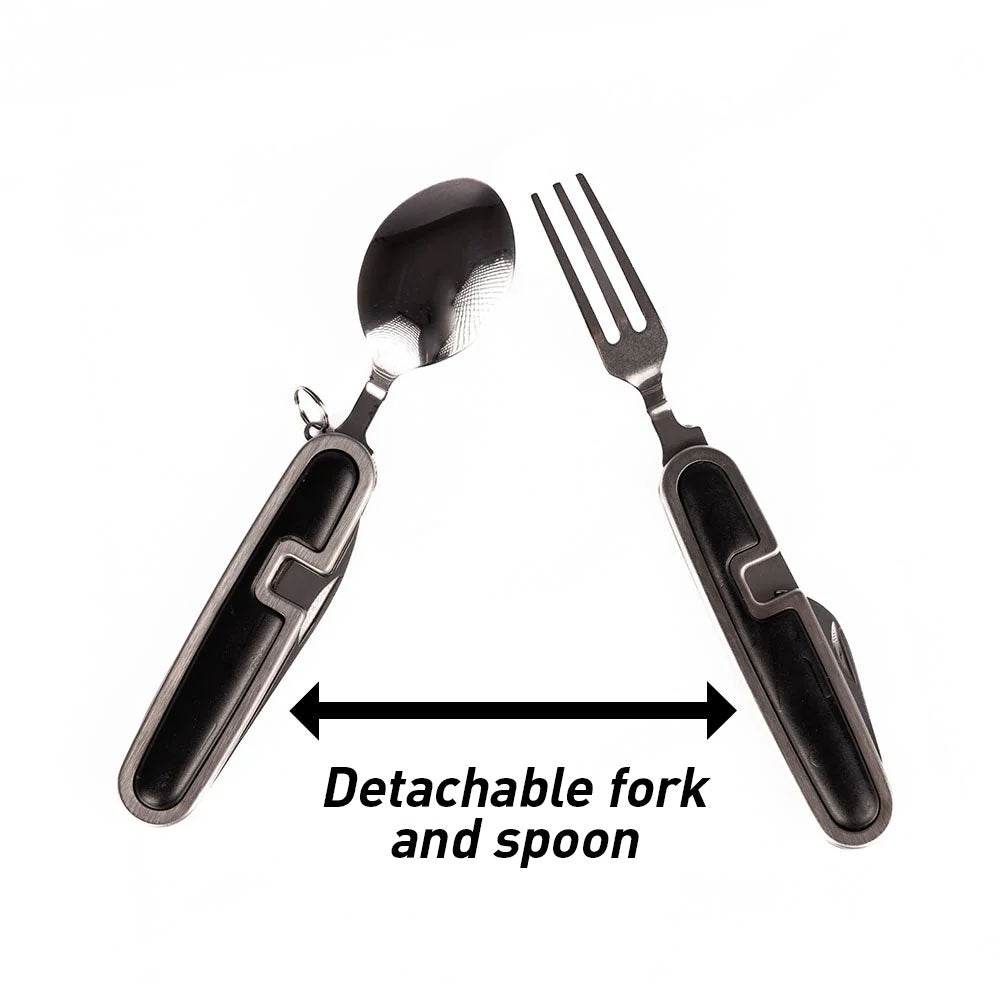
- Multi-tools and repair items
Having supplies ready ahead of time helps avoid shortages and crowded stores when storms approach.

What to Do When a Storm is Coming
- Stay informed with weather alerts
- Charge all devices
- Fill fuel tanks
- Bring outdoor items inside
- Follow evacuation orders immediately if issued
If authorities say leave—leave. Your safety matters more than anything else.

After the Storm (Often Overlooked)
Even after the storm passes, risks remain:
- Avoid flooded roads and downed power lines
- Use generators outdoors only (carbon monoxide risk)
- Return home only when cleared by officials
Preparedness doesn’t end at landfall—it carries through recovery.
Learn More here with Why Most Hurricane Prep Fails after Landfall (And What to Do Instead)
Hurricane Preparedness Questions—Answered
How much food should I store?
At minimum, plan for 3–7 days. Longer-term storage provides more security if disruptions last longer.
What foods are best for hurricane preparedness?
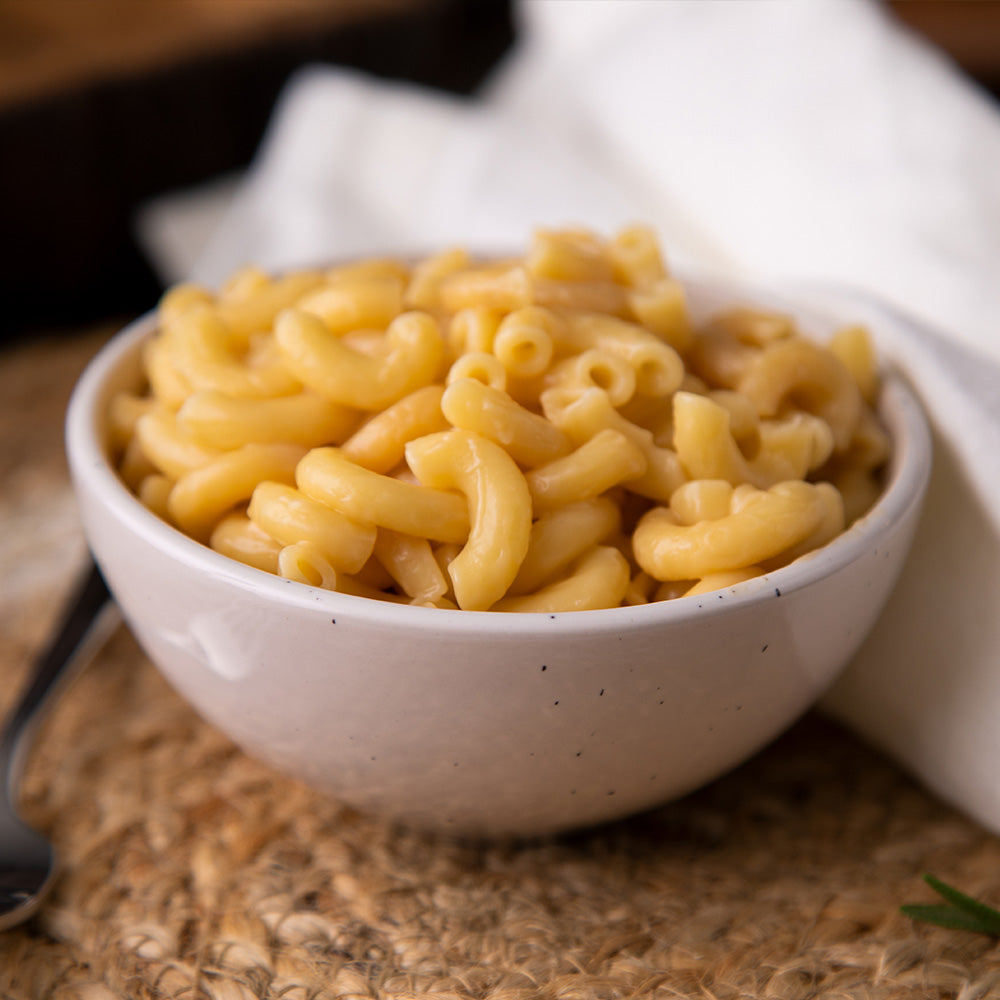
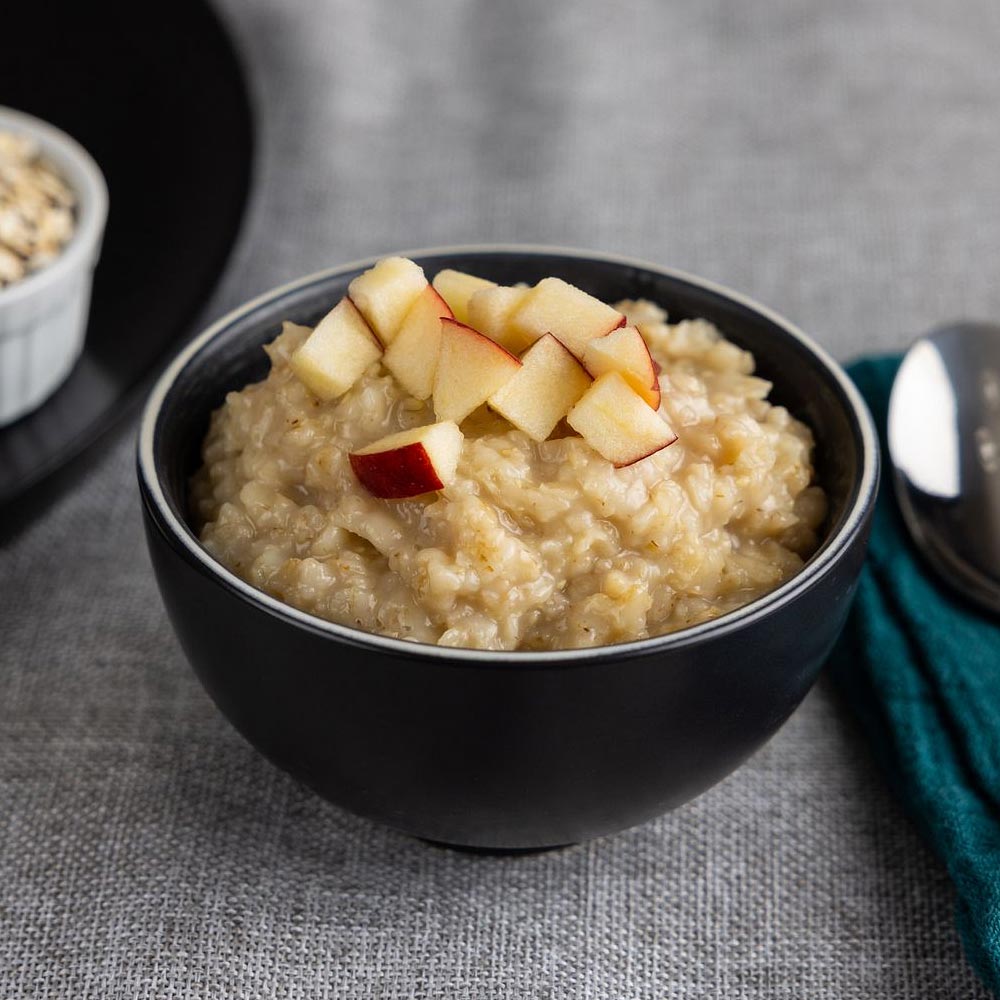
Non-perishable foods that require little to no cooking—like freeze-dried meals, ready-to-eat items, and shelf-stable protein—are the most reliable.
How much water do I need?
At least 1 gallon per person per day for drinking and sanitation.
What if the power goes out?
Backup power and lighting are essential. Plan for multiple days without electricity.
How long should I be prepared to be without power?
Plan for at least 3–7 days, but outages can last longer depending on storm severity and infrastructure damage.
What kind of backup power should I have?
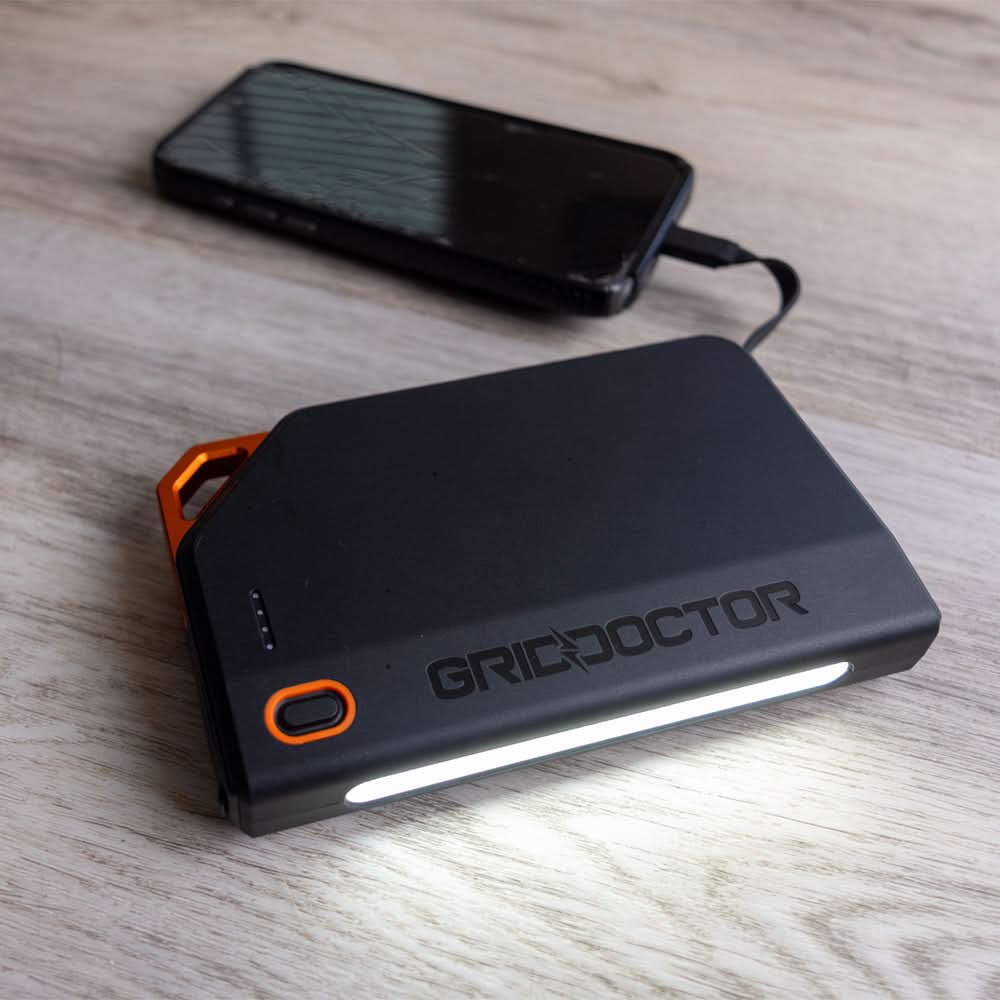
It depends on your needs, but even a small power source can keep phones charged, lights on, and critical devices running during an outage.
When should I start preparing?
Before hurricane season begins. Waiting until a storm is forecast often means limited supplies and higher prices.
What foods are best for hurricane preparedness?
Non-perishable foods that require little to no cooking—like freeze-dried meals, ready-to-eat items, and shelf-stable protein—are the most reliable.
How can I keep food safe if the power goes out?
Keep refrigerator and freezer doors closed as much as possible. Use backup power or rely on shelf-stable food that doesn’t require refrigeration.
Is bottled water enough, or do I need filtration?
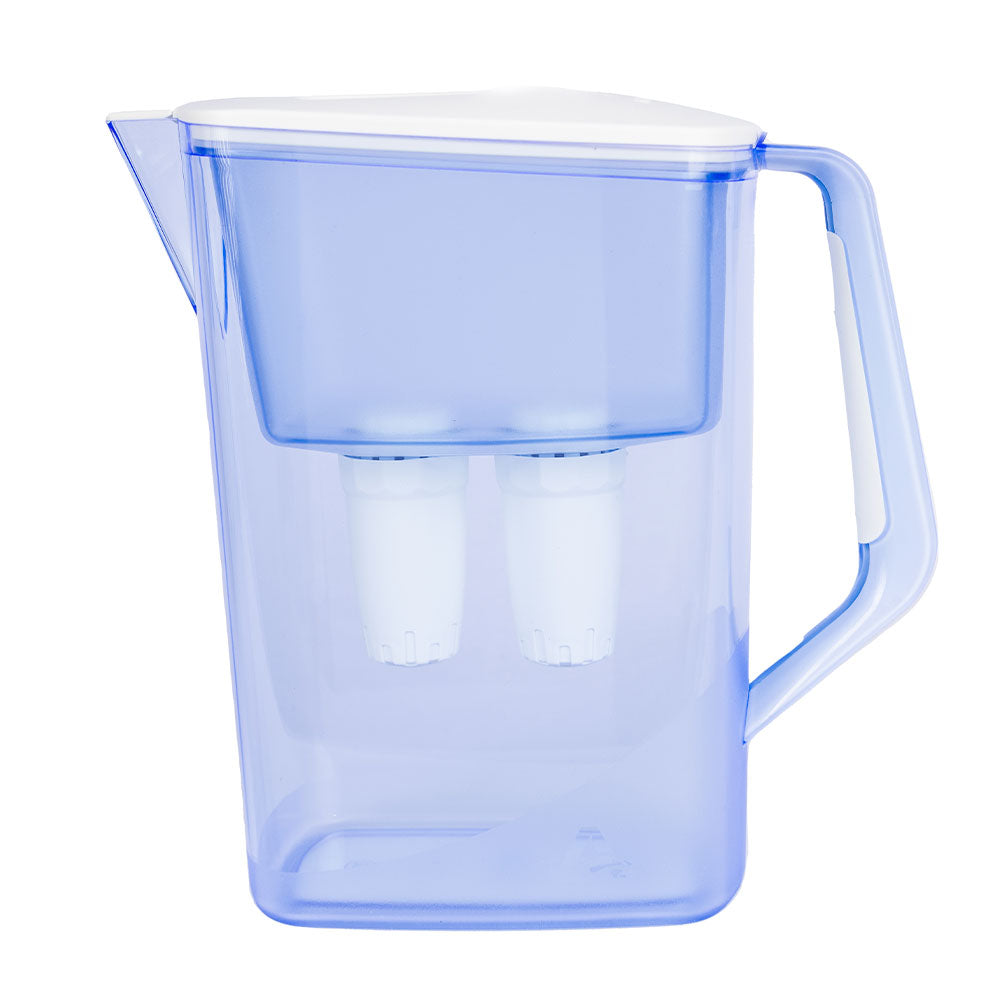
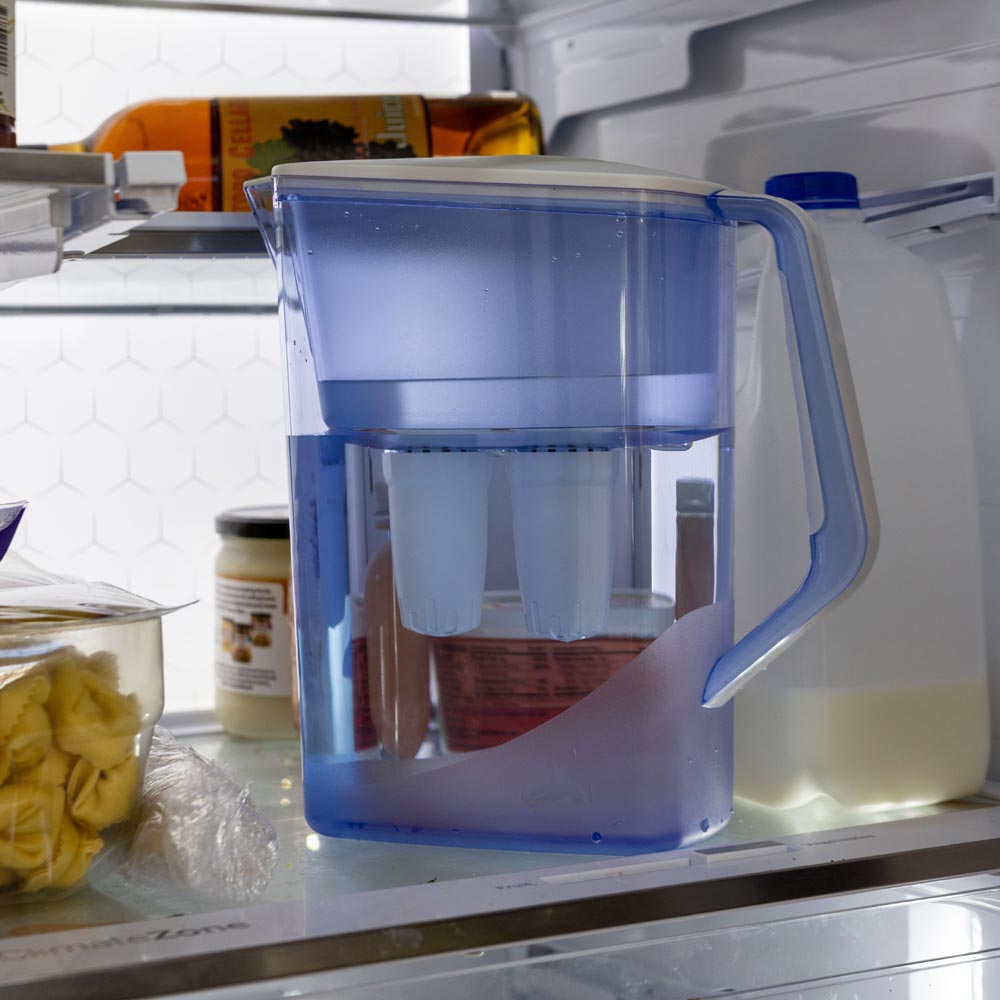
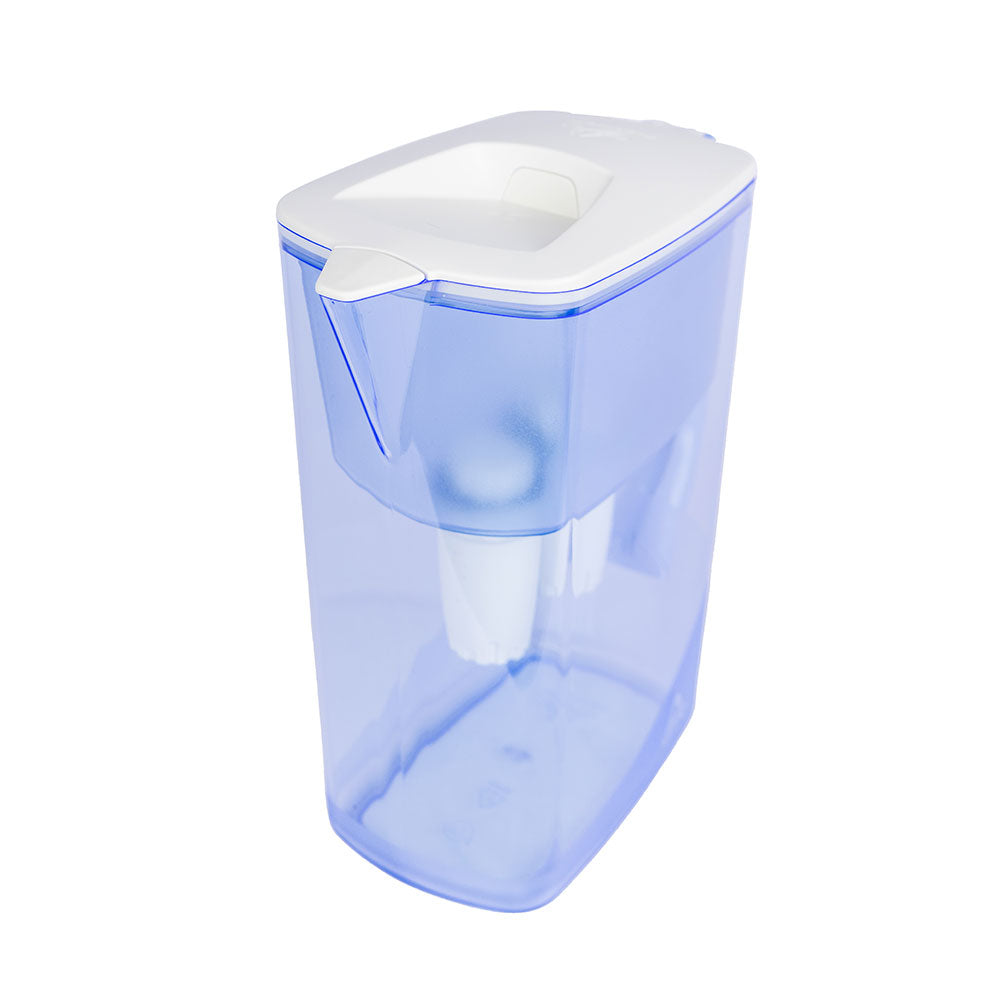
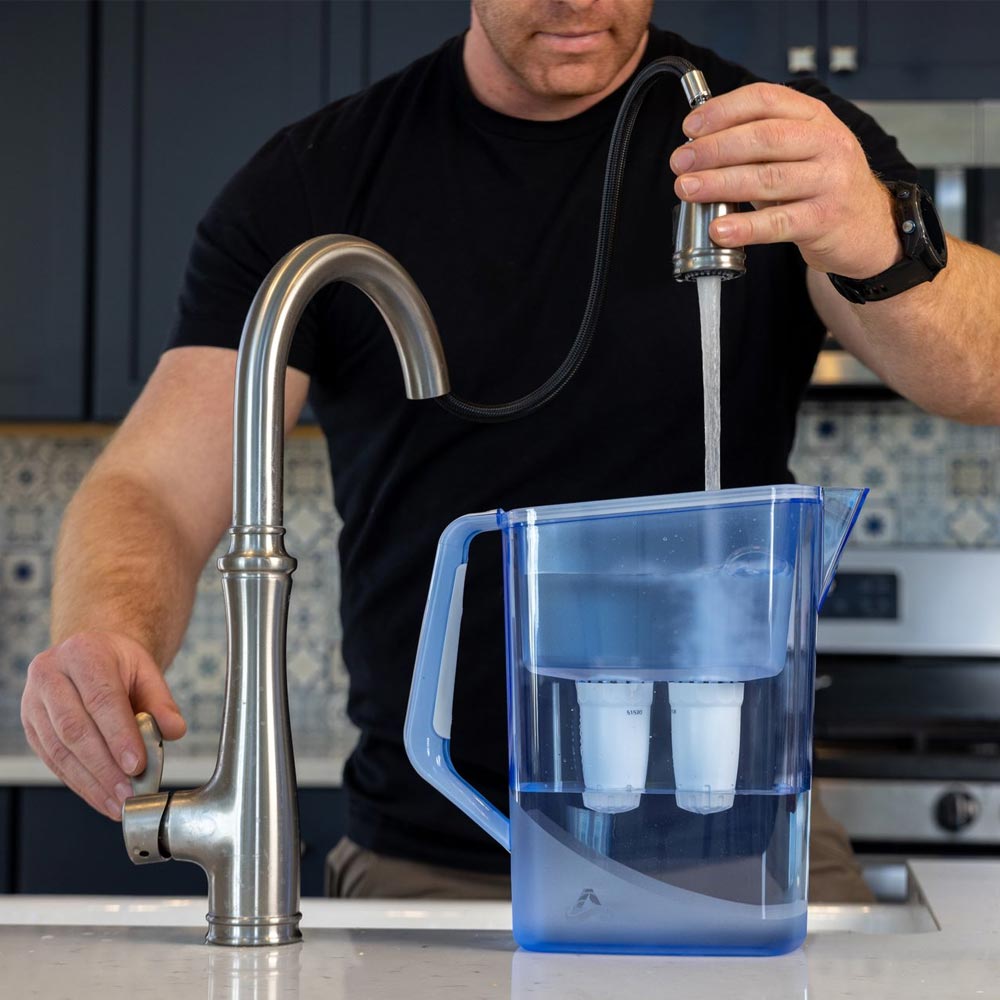
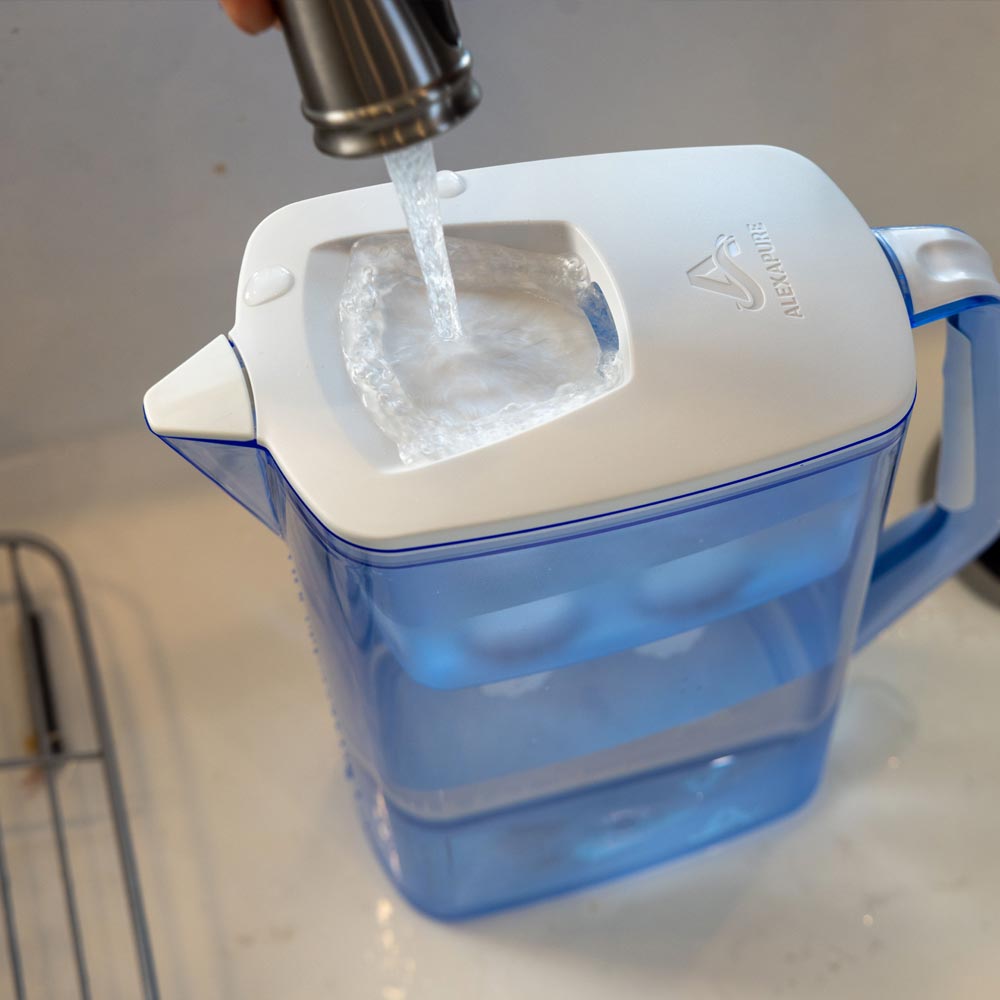
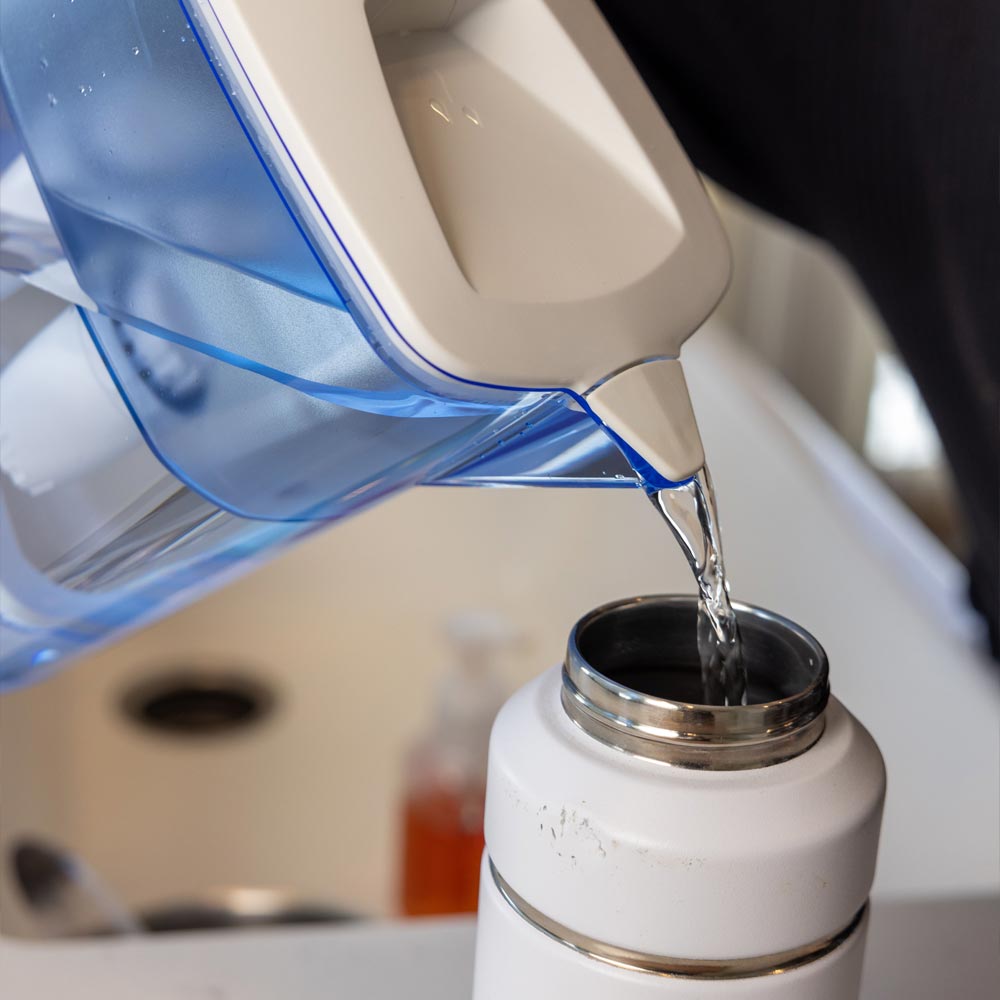
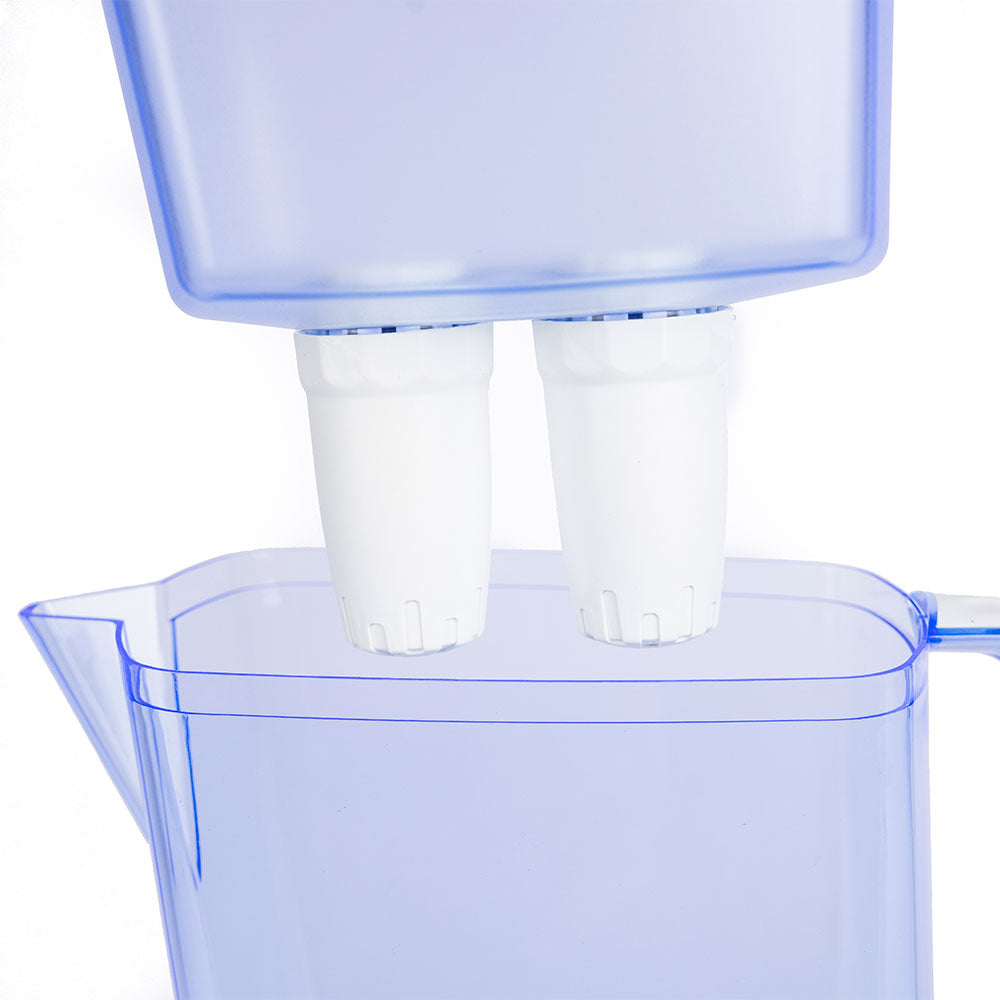
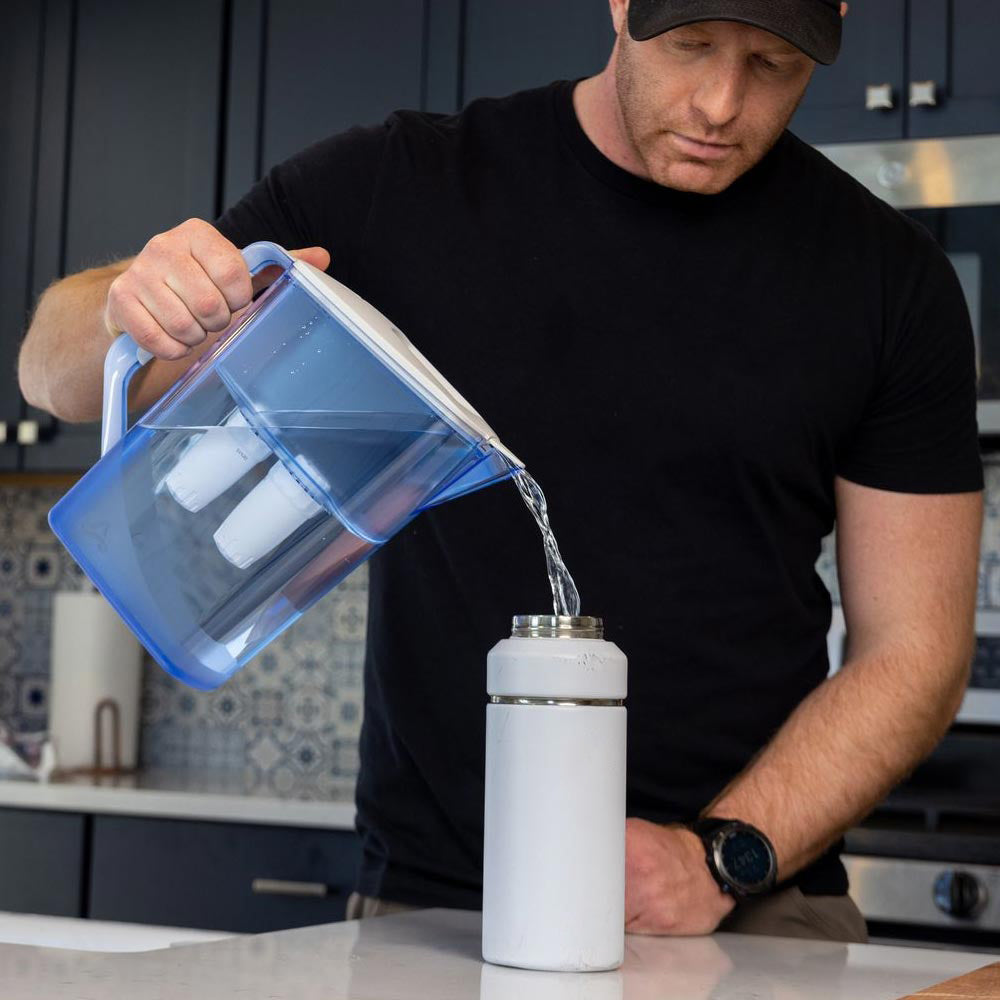
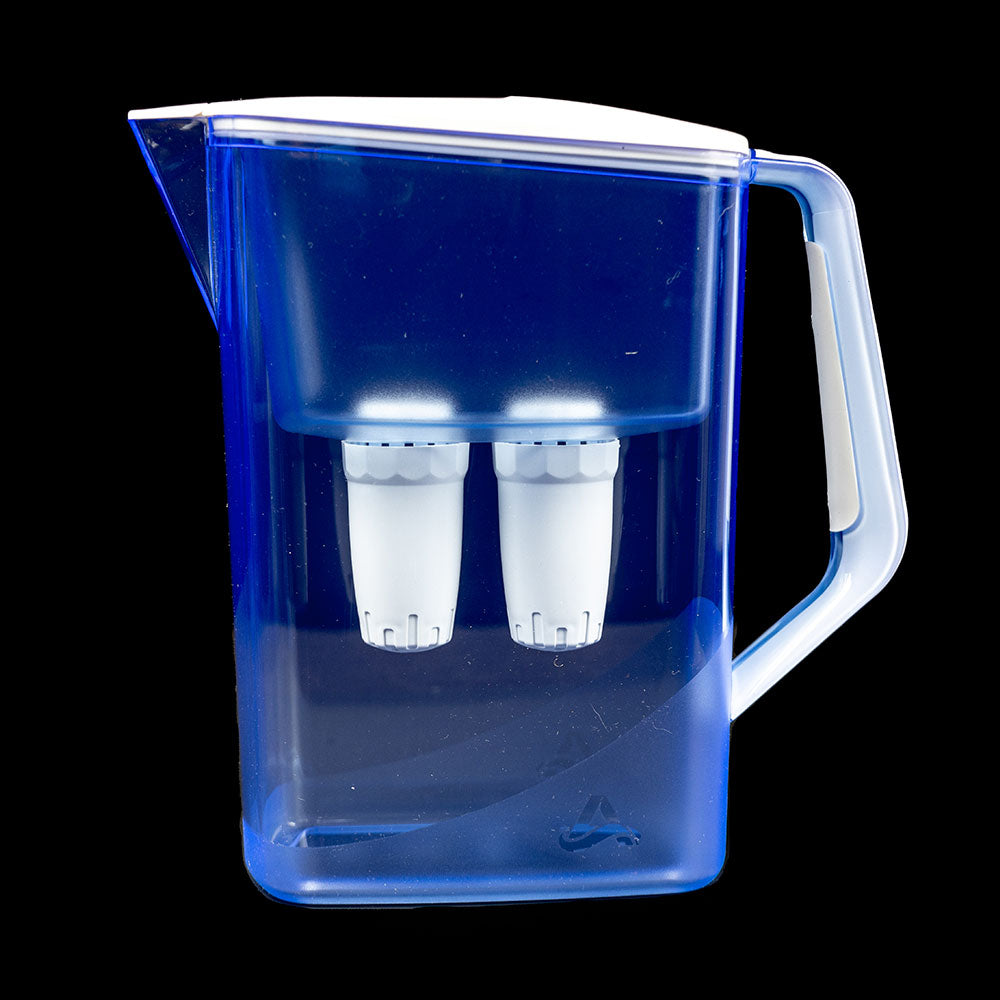
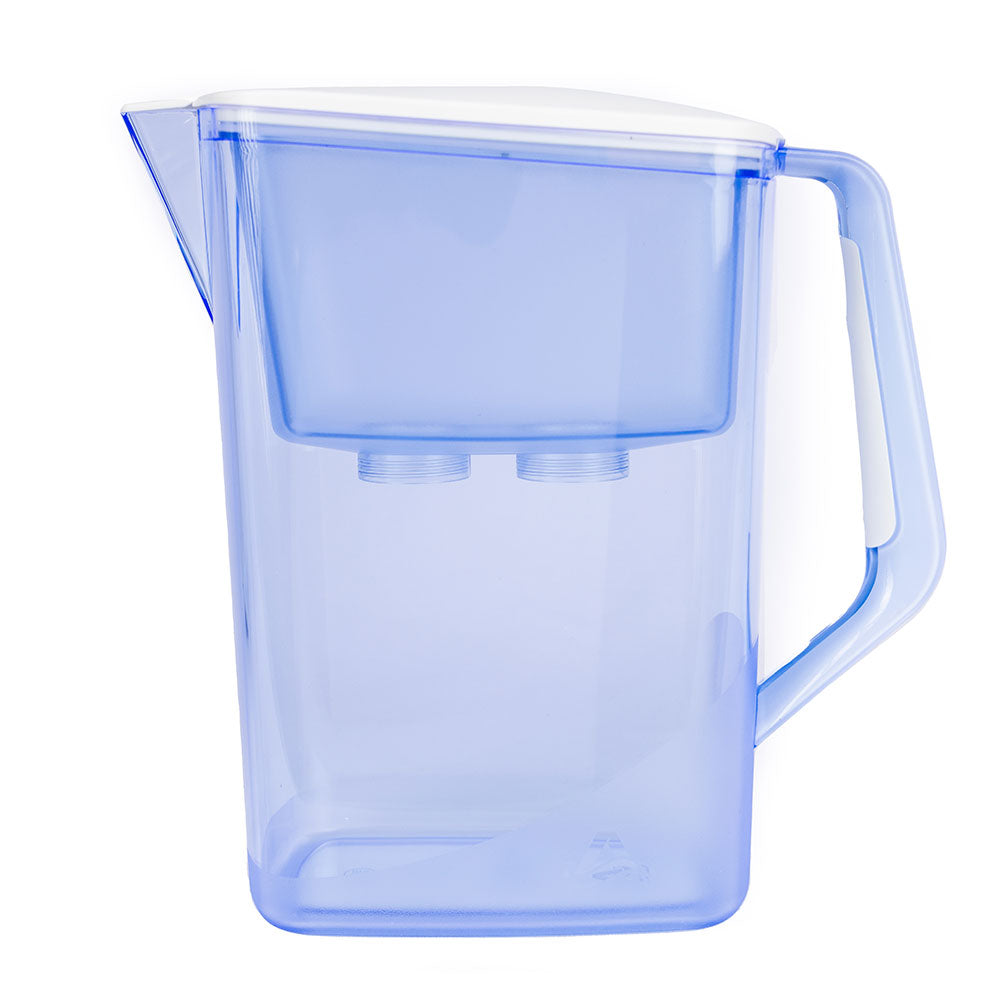
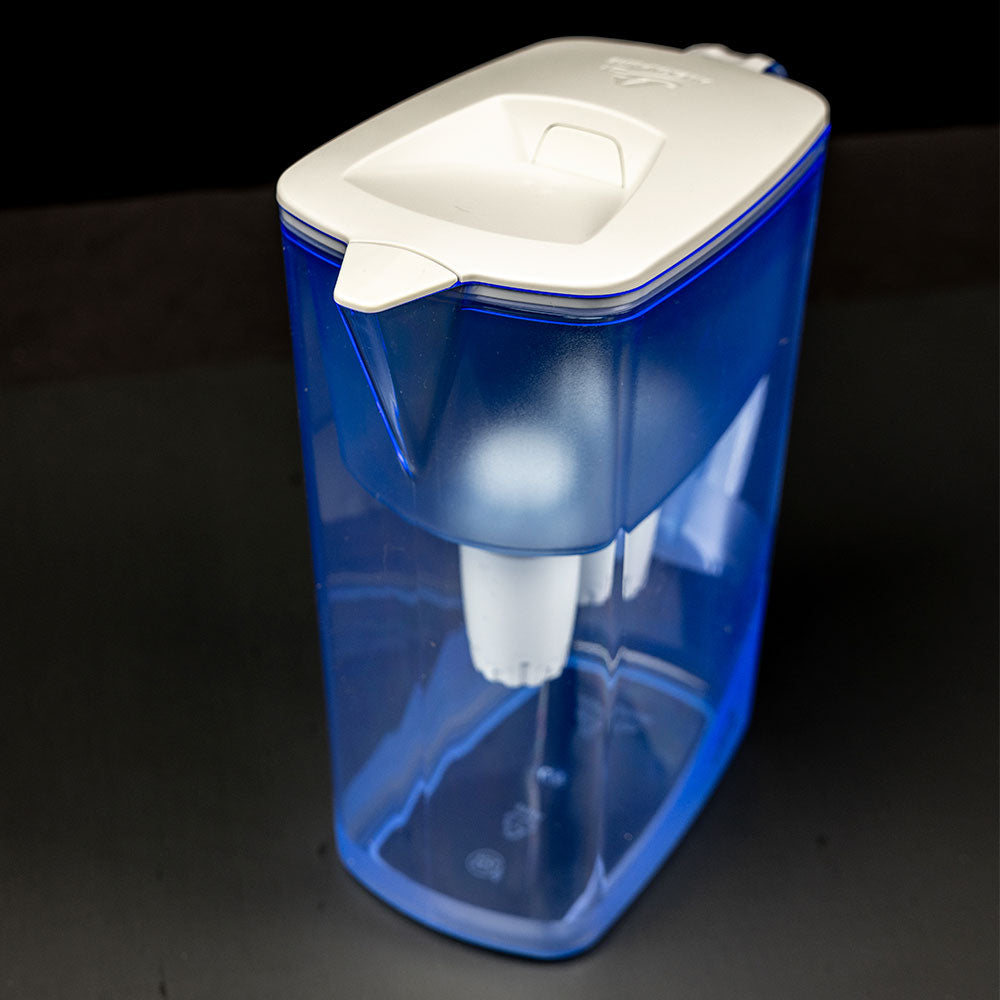
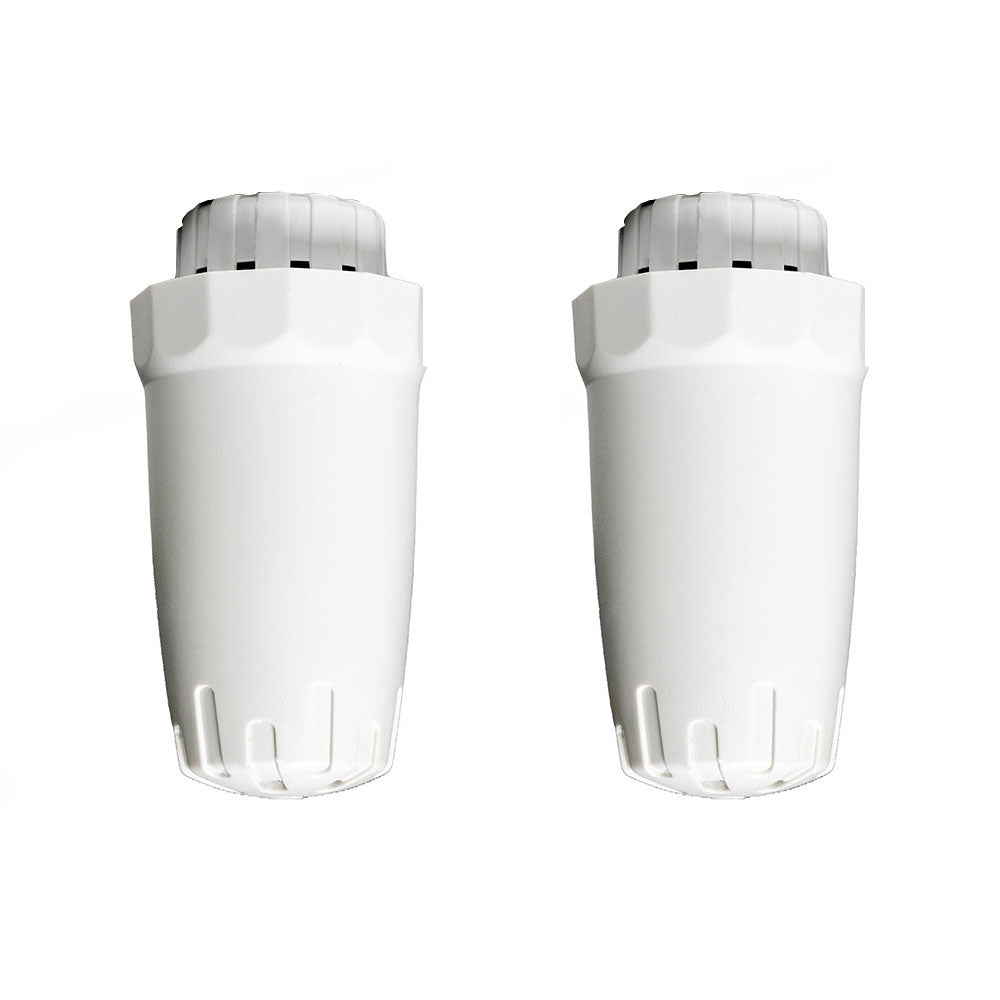
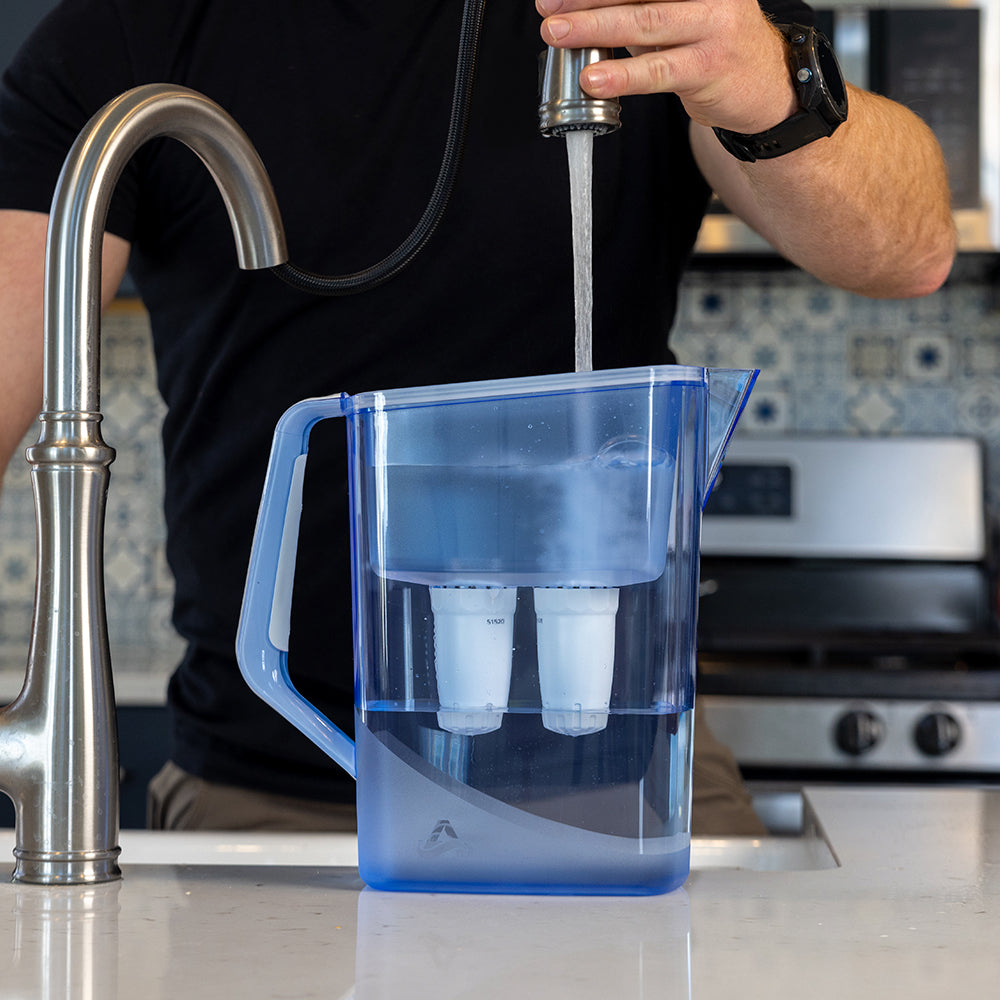
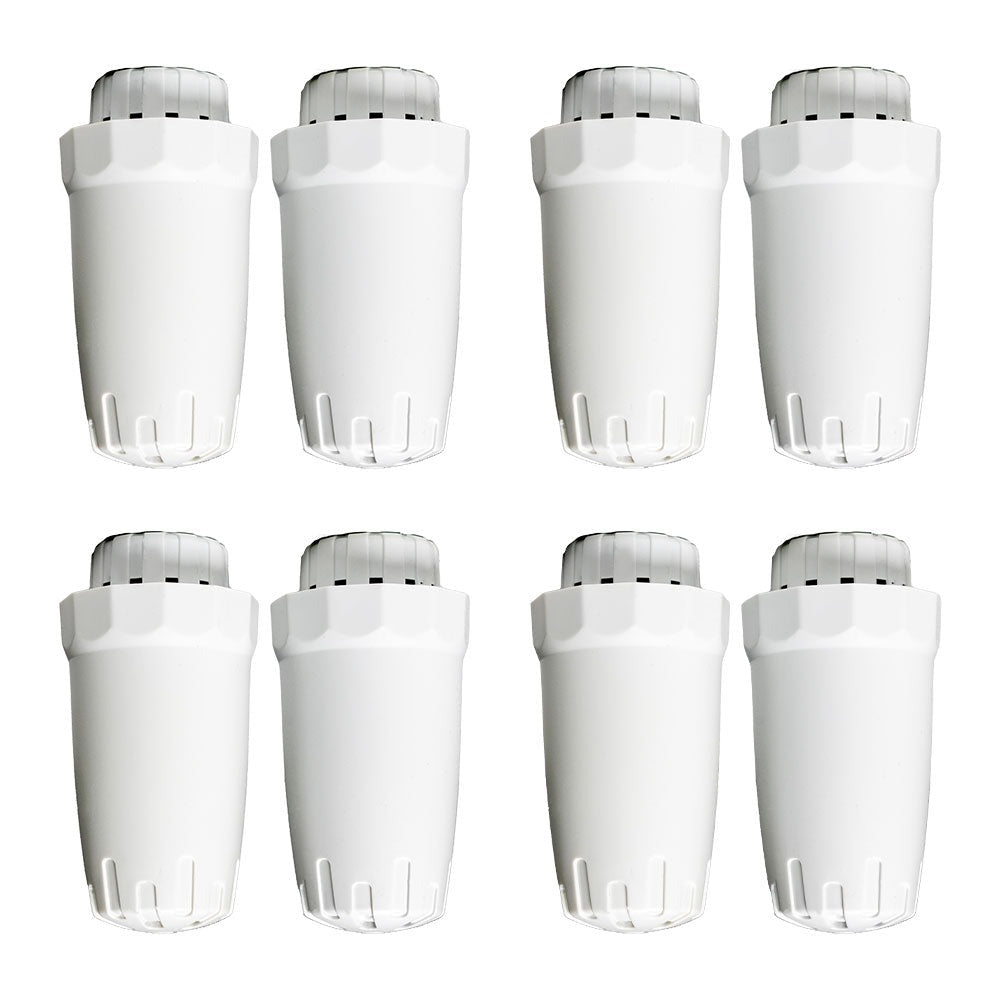
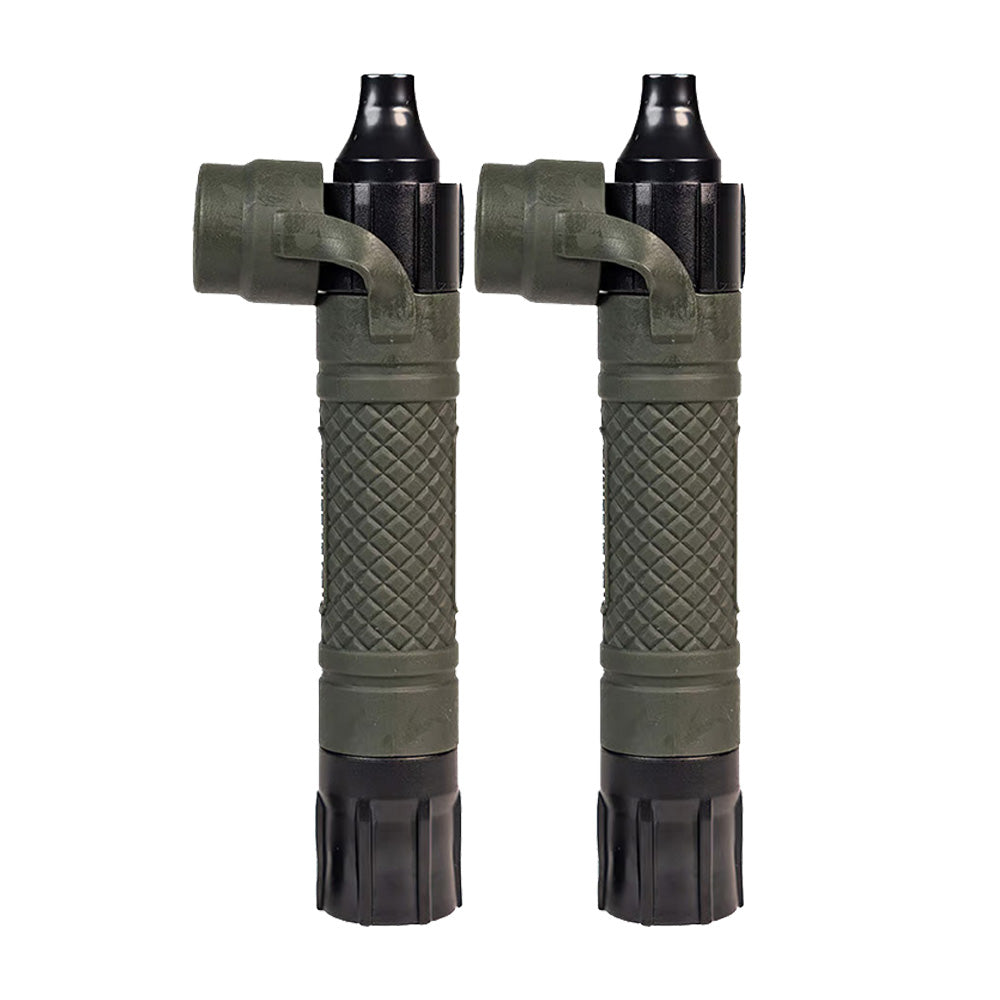
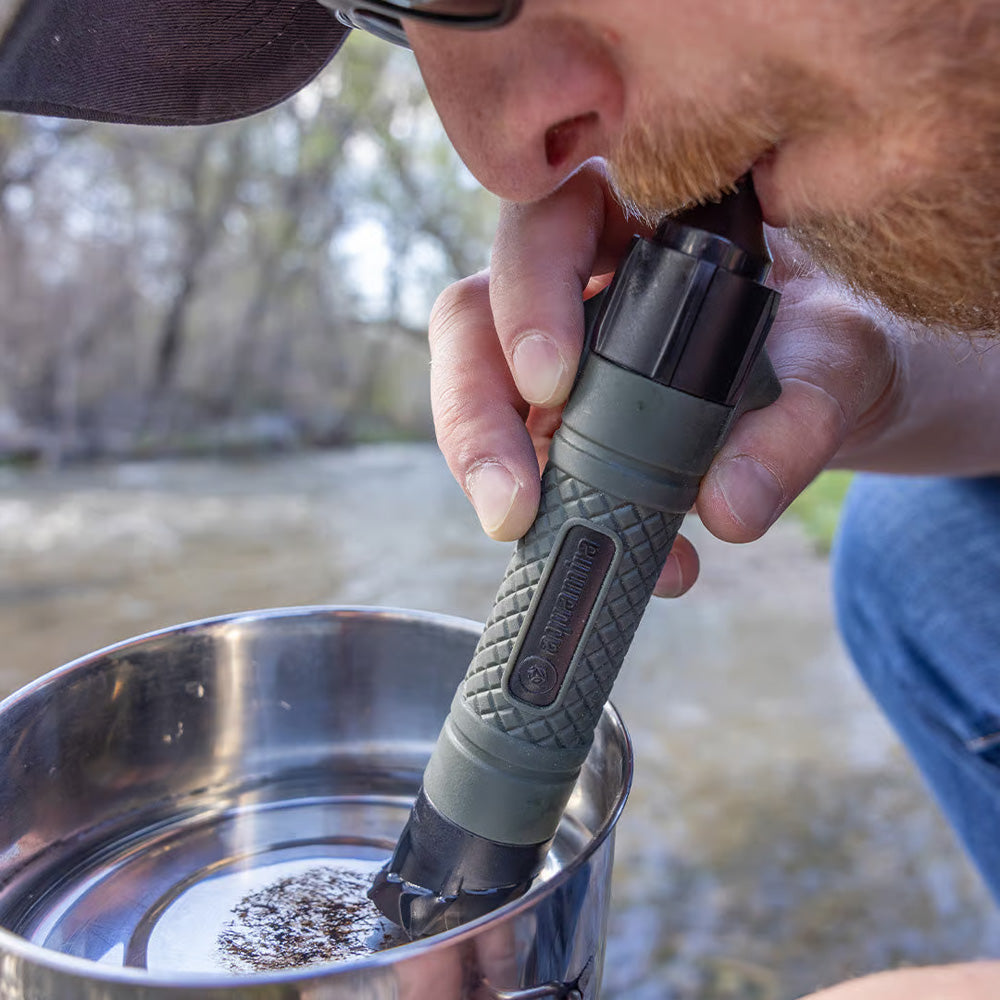
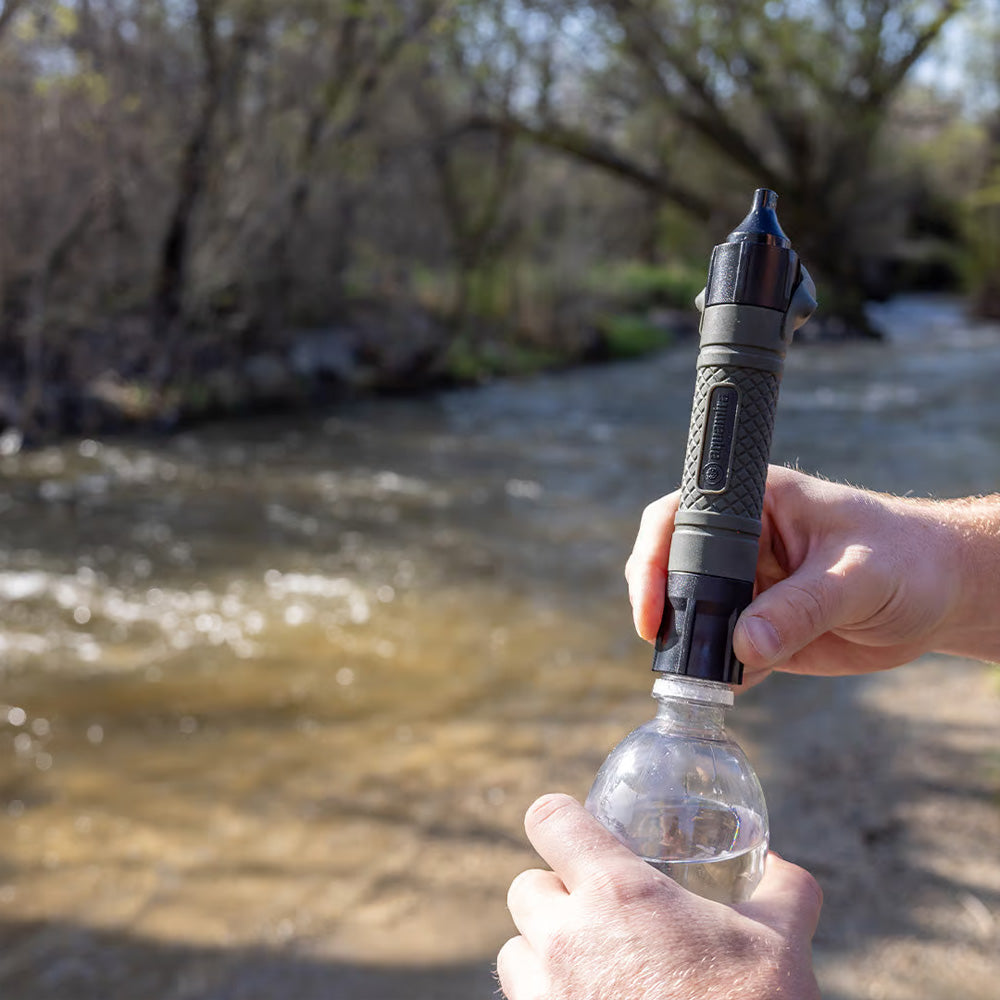
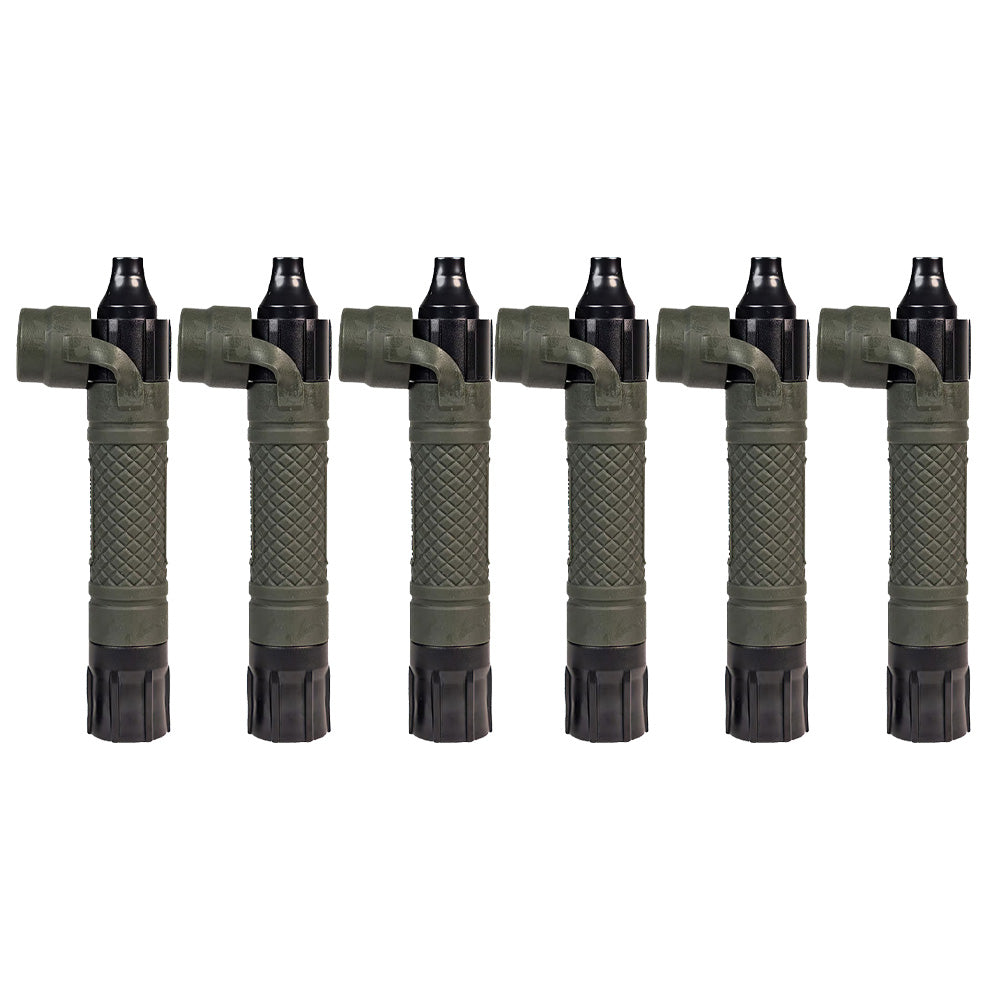
Stored water is essential, but filtration adds a second layer of security in case your supply runs low or becomes contaminated.
Should I prepare differently if I live in an apartment or city?
Yes—space and evacuation limitations matter. Focus on compact supplies, easy-to-carry kits, and a clear evacuation plan.
What should I pack in a go-bag?
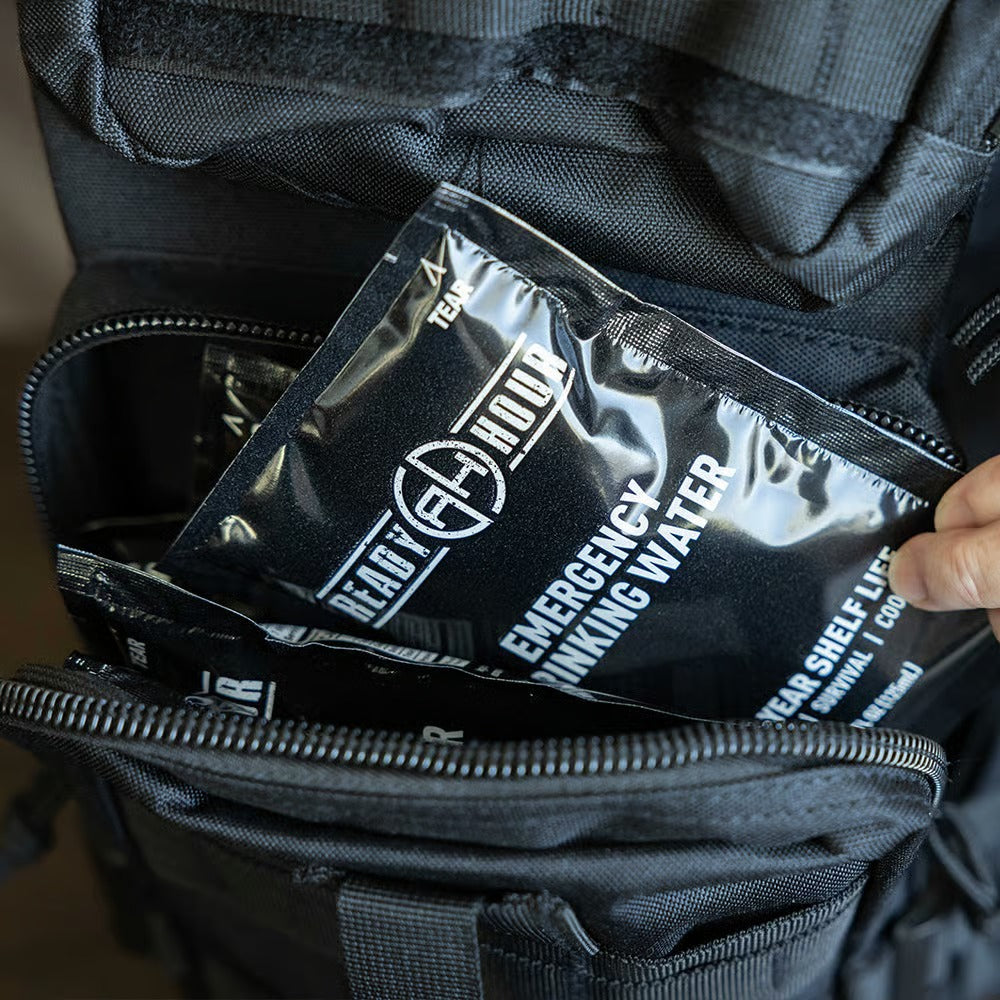
Include water, food, medications, documents, a flashlight, phone charger, and basic survival gear—everything you’d need if you had to leave quickly.
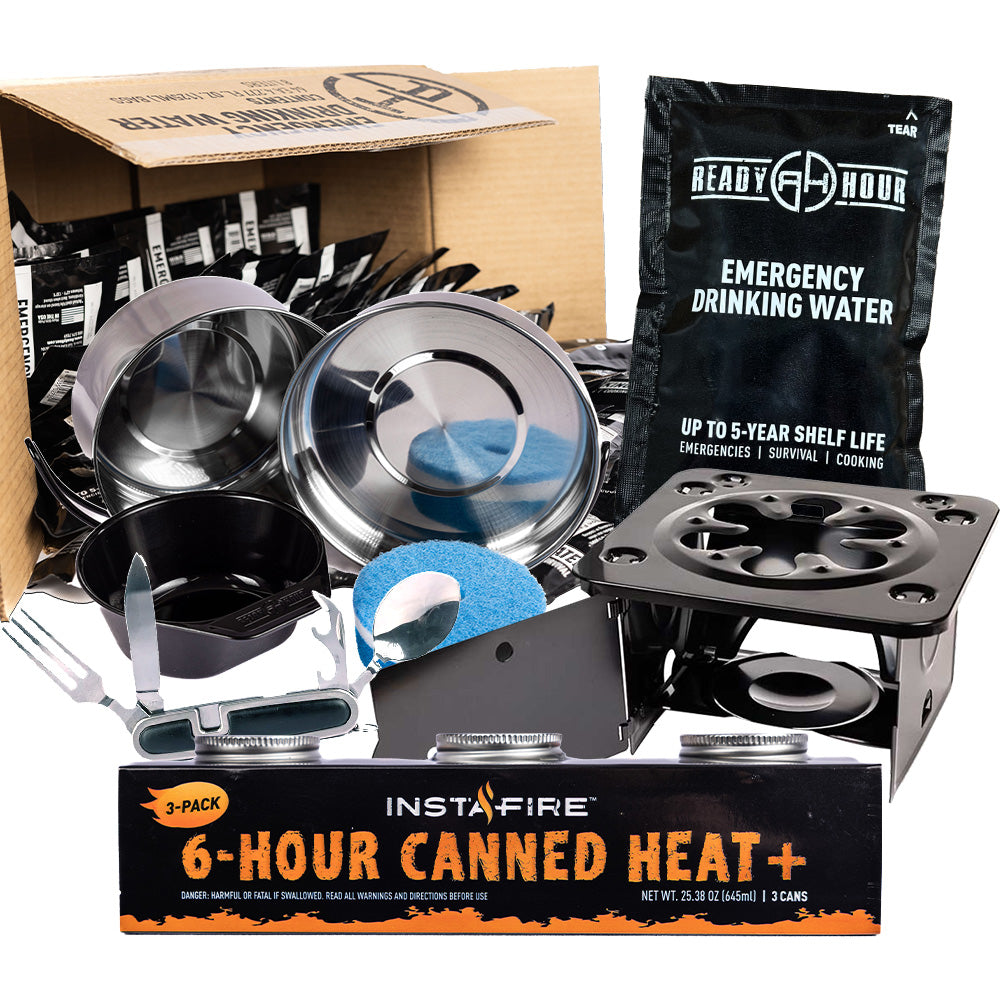
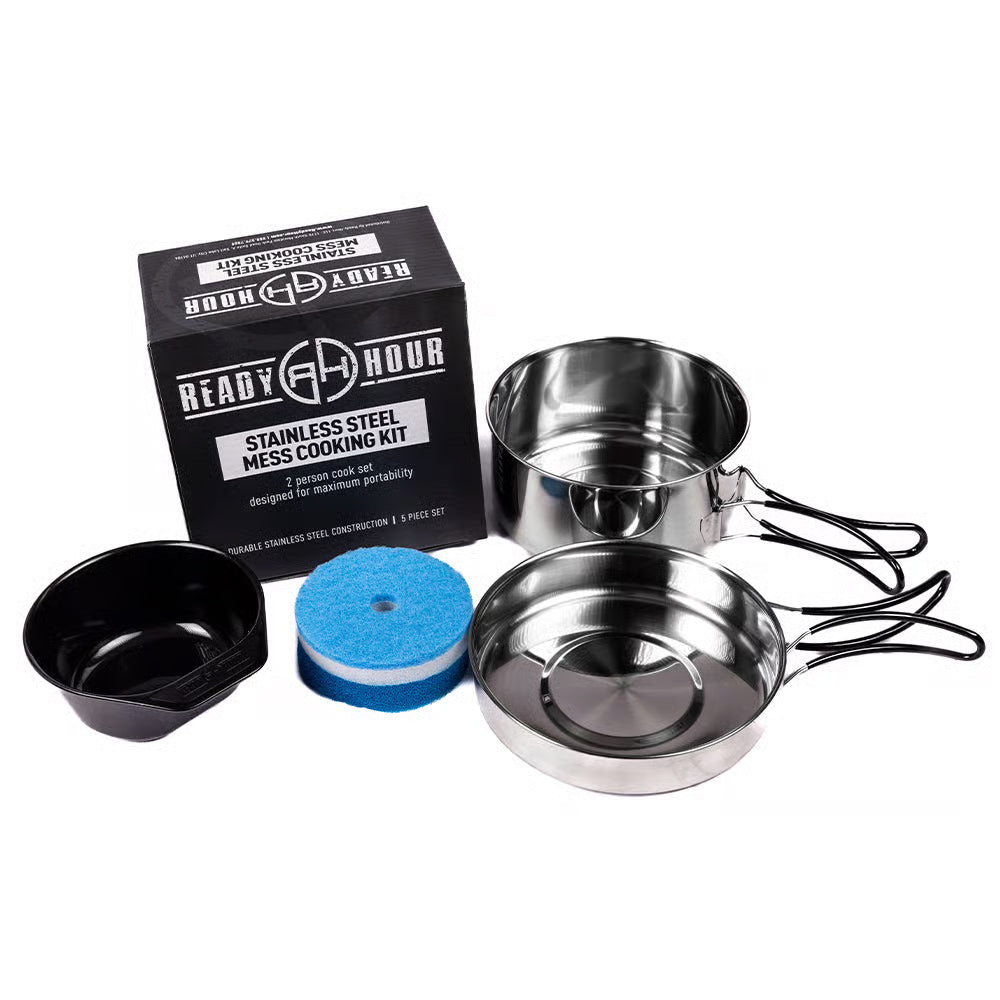
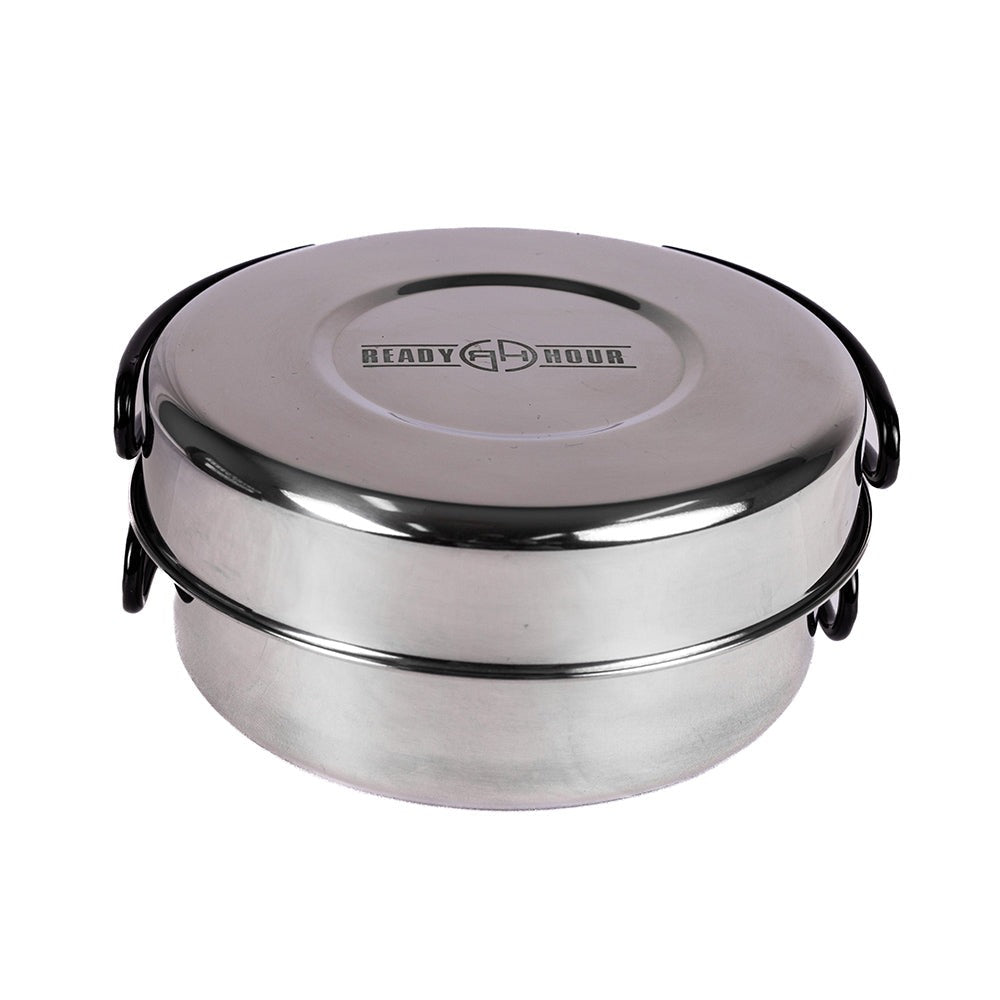
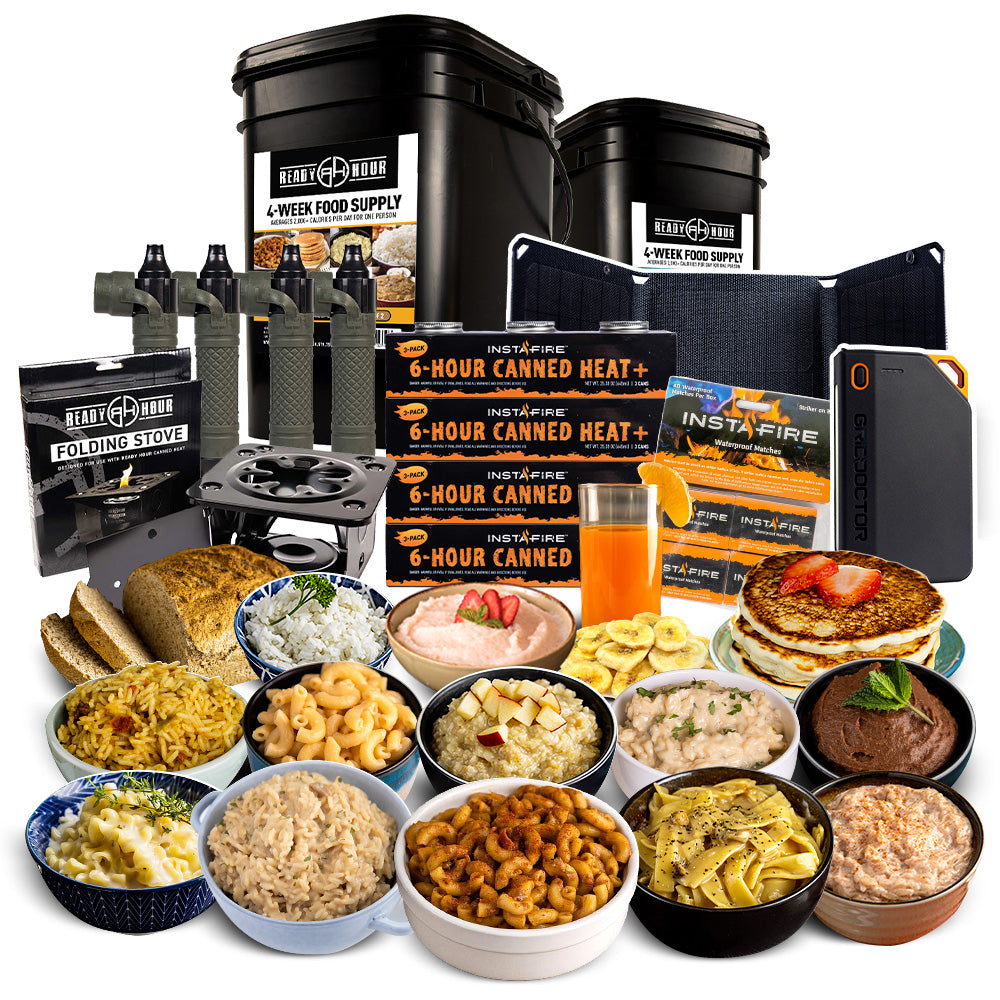
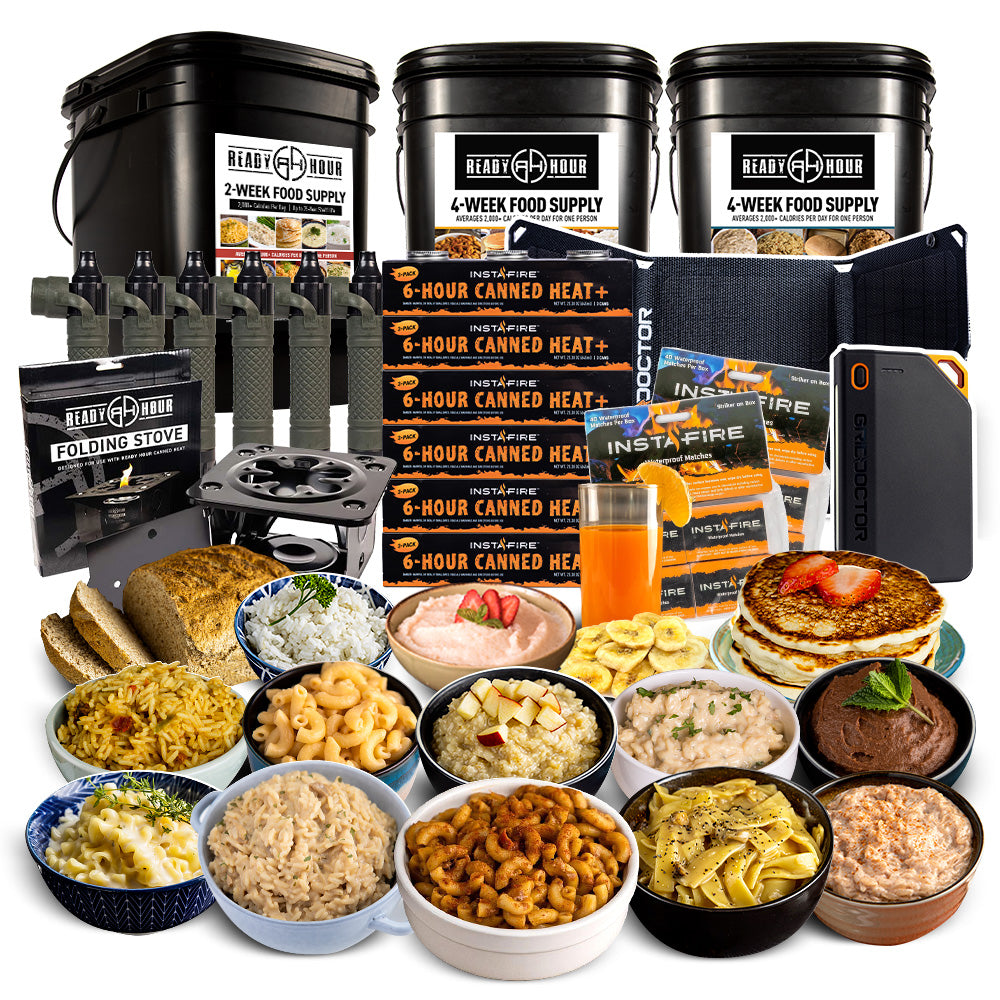
Shop Here for an easy option to get you started.
Start Building Your Storm-Ready Setup
Hurricane preparedness comes down to having the right essentials in place before a storm disrupts daily life. When power, water, and access to stores are uncertain, being prepared means you can stay safe, stable, and self-sufficient for days—or longer. Focus on building a reliable foundation with food, water, backup power, and critical gear so you’re not forced into last-minute decisions. Start with the basics, build over time, and put yourself in control before hurricane season is at its peak.






























Additional Resources:
When hurricane season becomes active, accurate information matters. Below are official preparedness, evacuation, weather tracking, and disaster relief resources recommended to help families stay informed before, during, and after a storm.
Federal & Government Preparedness Resources
- Ready.gov Hurricane Preparedness Guide
FEMA’s official hurricane preparedness resource covering evacuation planning, emergency kits, alerts, sheltering, and recovery guidance. - Ready.gov Build an Emergency Kit
Recommended emergency supply checklist for food, water, power, medical supplies, and essential gear. - Ready.gov Family Emergency Plan
Create evacuation routes, communication plans, and emergency meeting locations for your household. - NOAA Hurricane Preparedness Center
Official hurricane forecasts, preparedness guidance, storm surge information, and hurricane tracking resources. - National Hurricane Center (NHC)
Real-time hurricane tracking, forecast cones, tropical storm advisories, and evacuation information. - National Weather Service Hurricane Safety
Hurricane safety tips before, during, and after a storm from the National Weather Service. - FEMA Hurricane Preparedness & Evacuation Planning
Preparedness and evacuation planning guidance for communities and households.
Disaster Relief & Recovery Assistance
- DisasterAssistance.gov
Apply for federal disaster assistance, housing support, emergency funds, and recovery programs after a declared disaster. - FEMA Assistance Center
Learn about disaster aid eligibility, emergency housing, and recovery programs. - American Red Cross Hurricane Safety & Shelters
Shelter locations, emergency alerts, hurricane checklists, and recovery support resources. - Small Business Administration Disaster Loans
Disaster loans for homeowners, renters, businesses, and nonprofits impacted by hurricanes or flooding. - National Flood Insurance Program (FloodSmart)
Flood insurance information, claims guidance, and flood risk education.
Health & Safety Resources
- CDC Hurricane Safety Information
Health and sanitation guidance for hurricanes, flooding, contaminated water, mold cleanup, generators, and food safety. - Disaster Distress Helpline
24/7 emotional support and crisis counseling for disaster survivors.
Emergency Alerts & Mobile Apps
- FEMA Mobile App
Receive weather alerts, emergency notifications, shelter locations, and preparedness guidance. - Red Cross Emergency App
Real-time emergency alerts, shelter finders, and storm preparedness tools.

