The fertilizer crisis tied to the Strait of Hormuz blockade is deepening, putting more pressure on global supply chains and the food system. About a third of global trade in raw materials for fertilizer passes through the strait, along with 20% of natural gas shipments used to make it. Qatar’s QAFCO, the world’s largest single site for urea exports and supplier of 14% of global urea, has been offline for almost a month, and only a trickle of vessels carrying key fertilizer ingredients is moving through the waterway. Prices have already surged, with Egyptian urea up more than 60% since late February, and the longer this blockade continues, the more pressure it puts on farm costs, crop yields, and food prices worldwide, including here in the U.S.
Why This Matters:
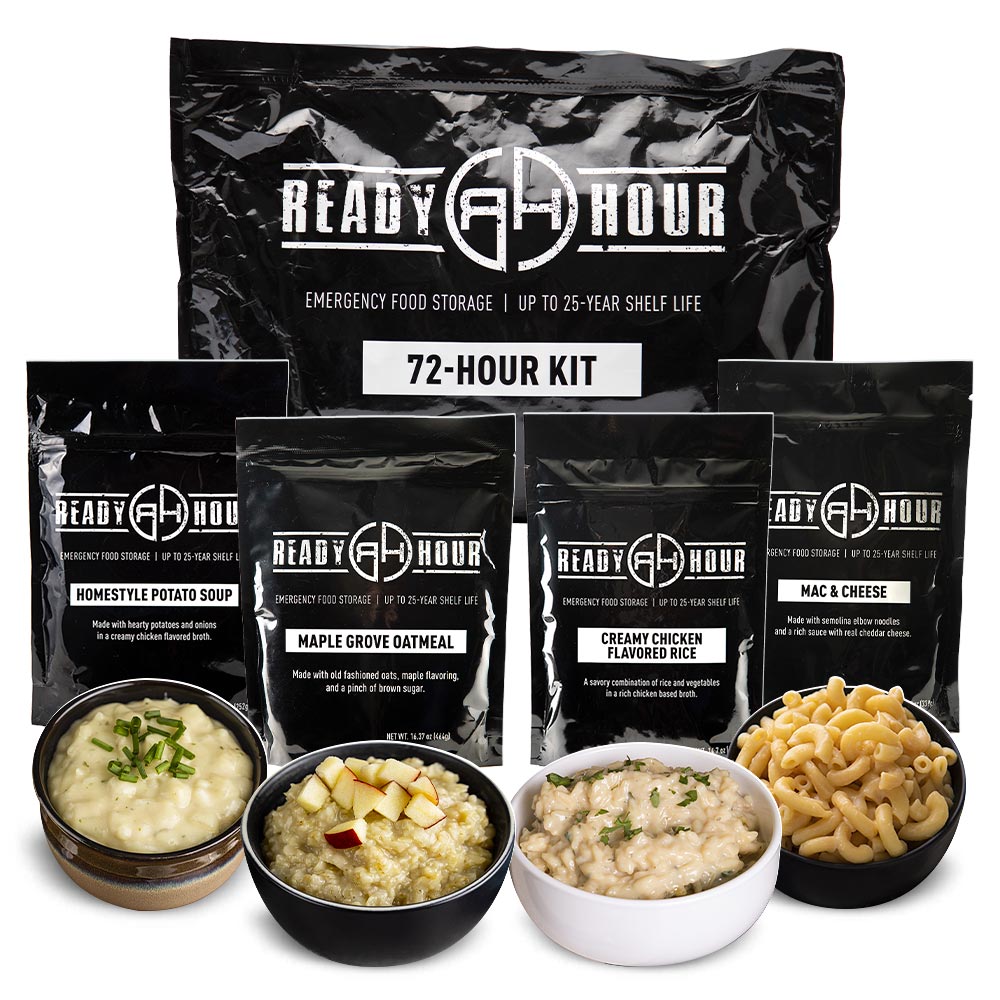
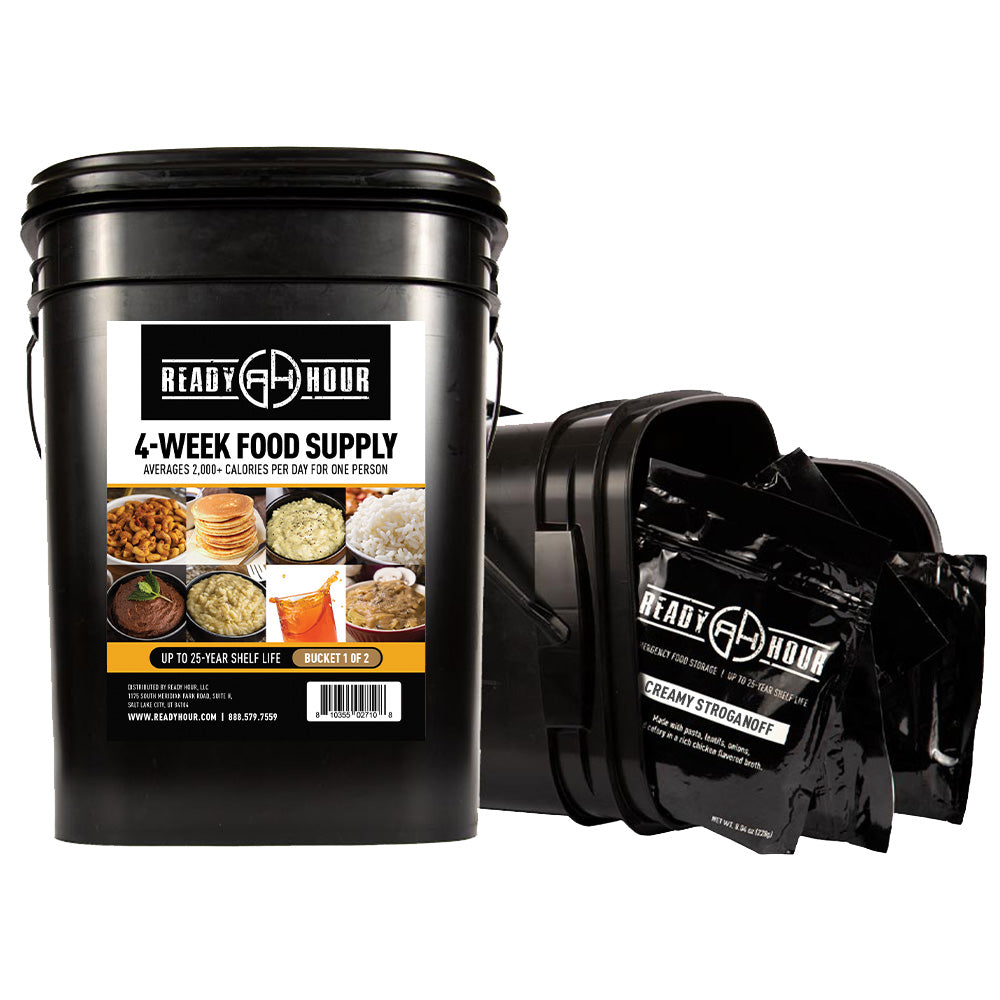
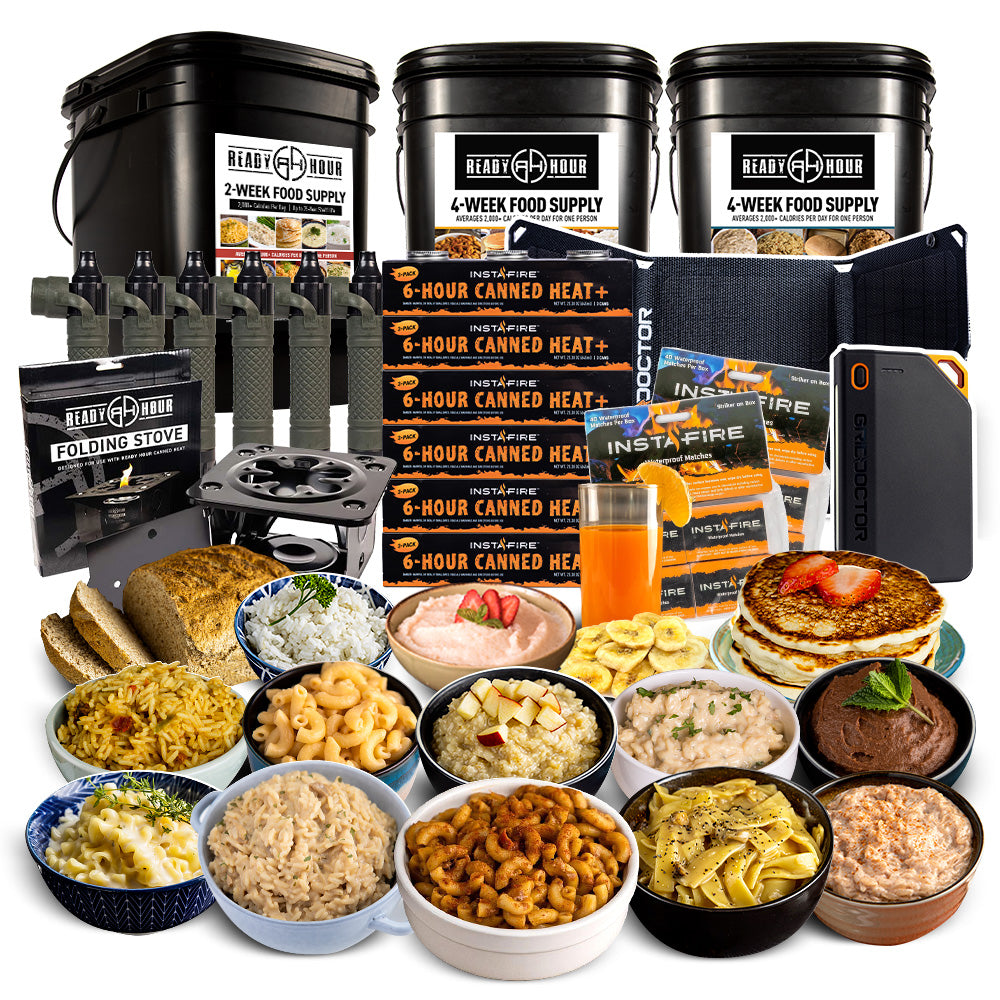
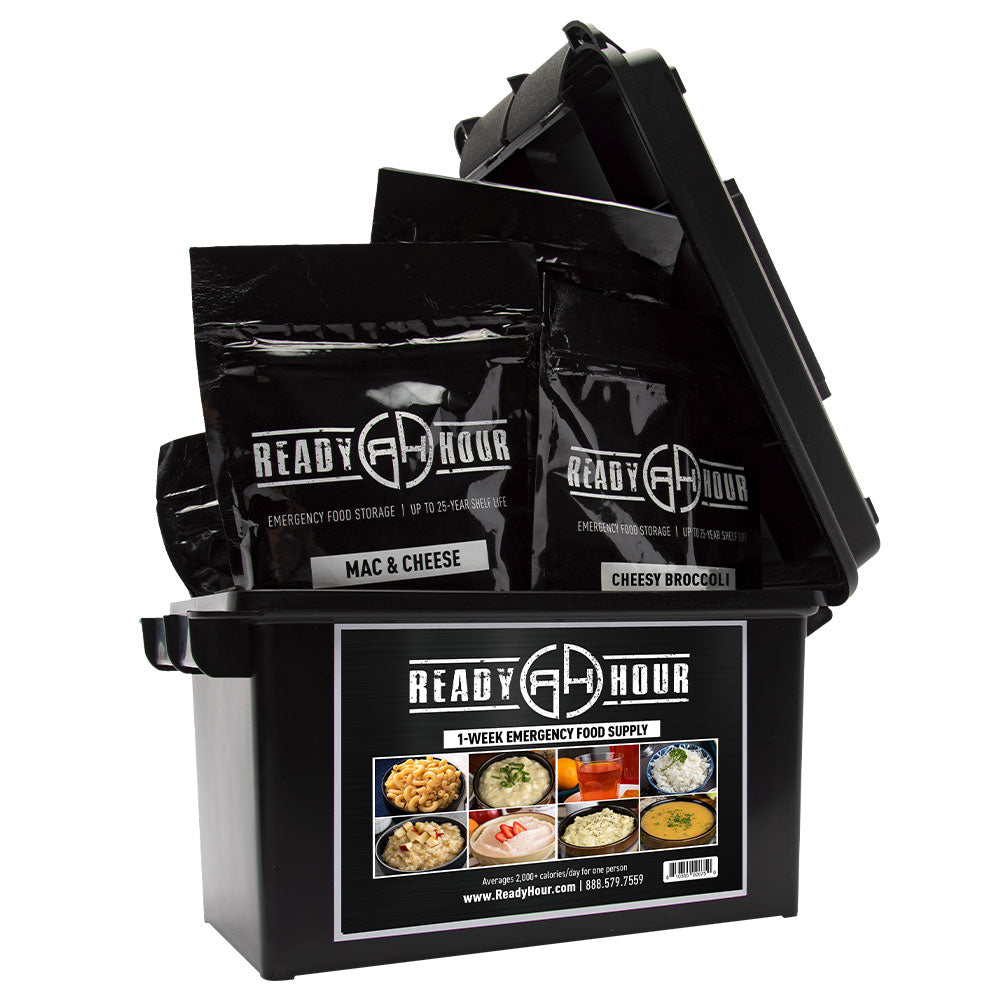
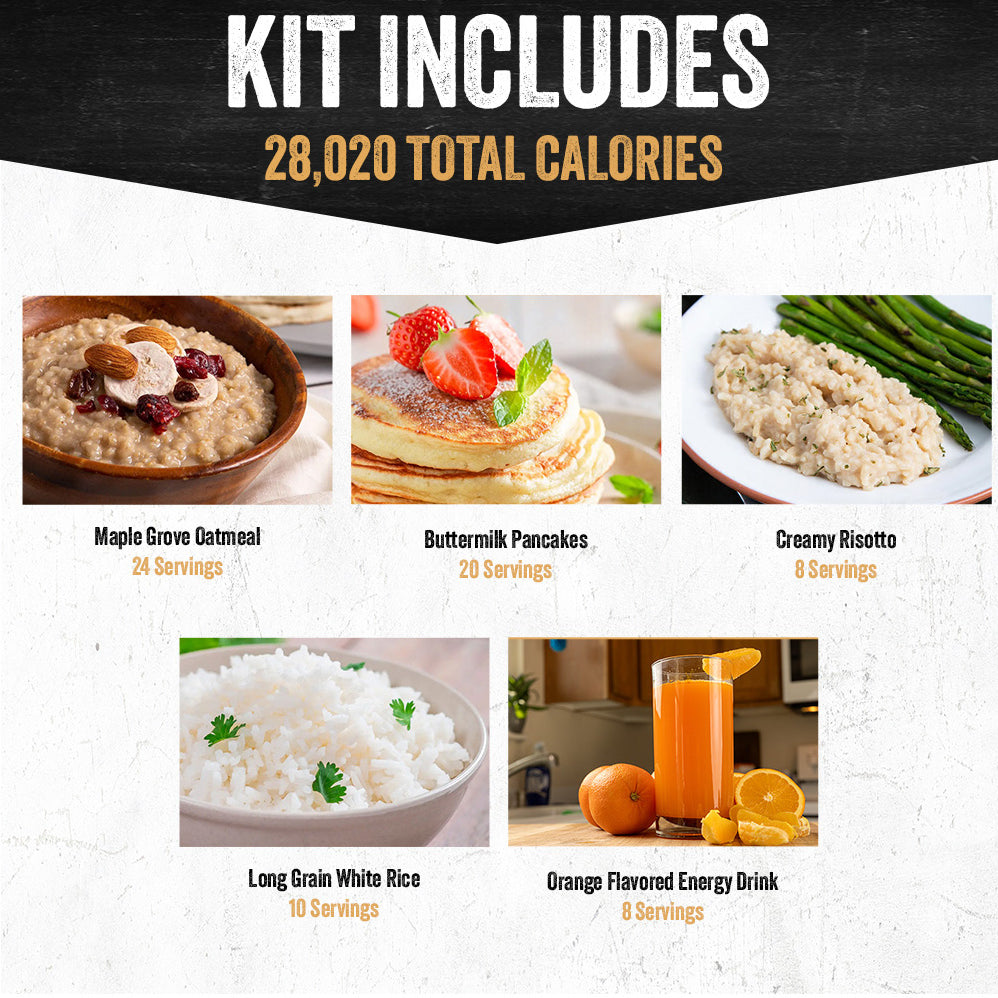
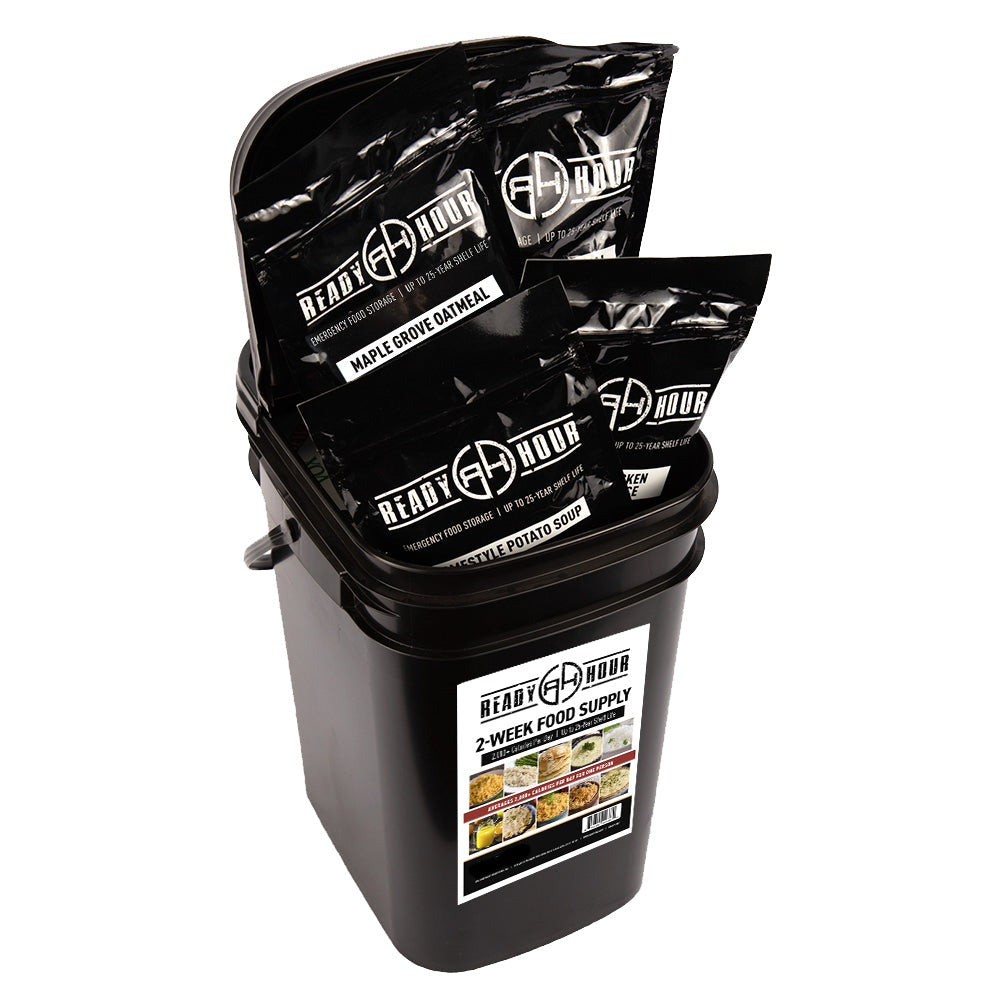
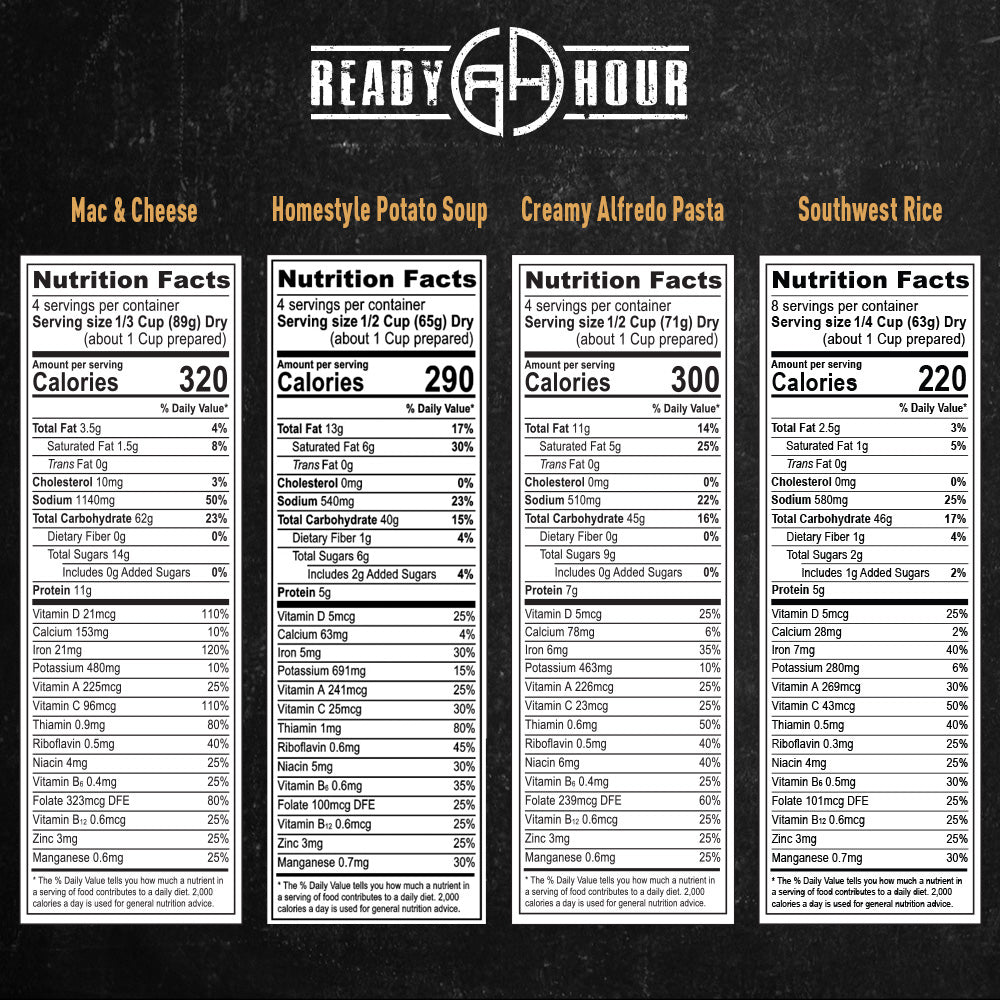
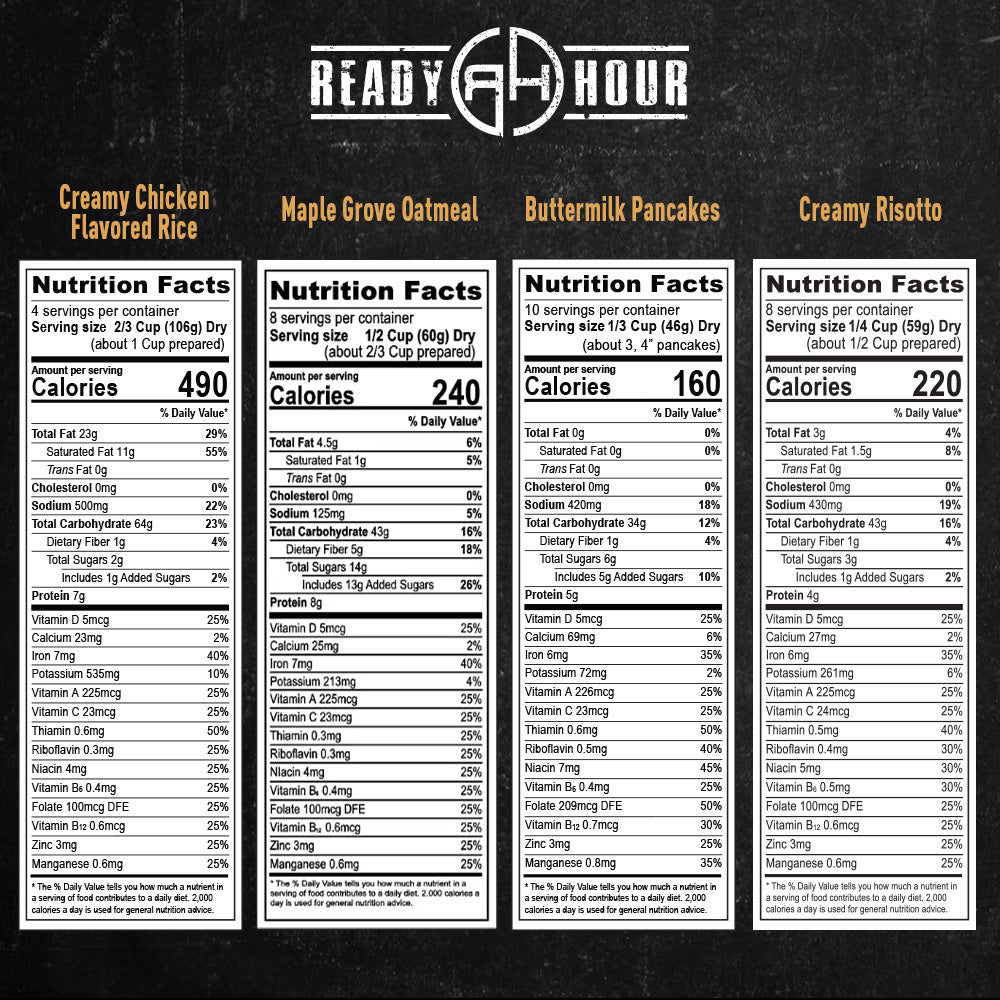
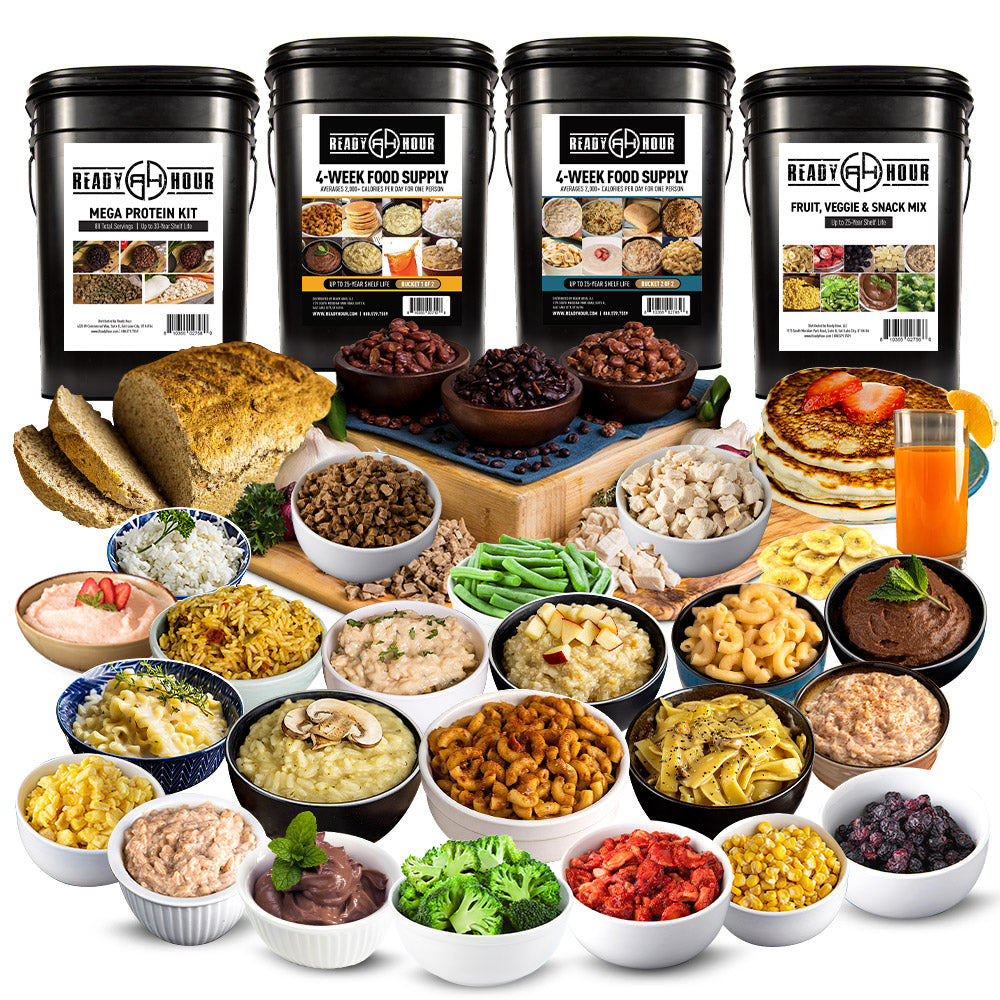
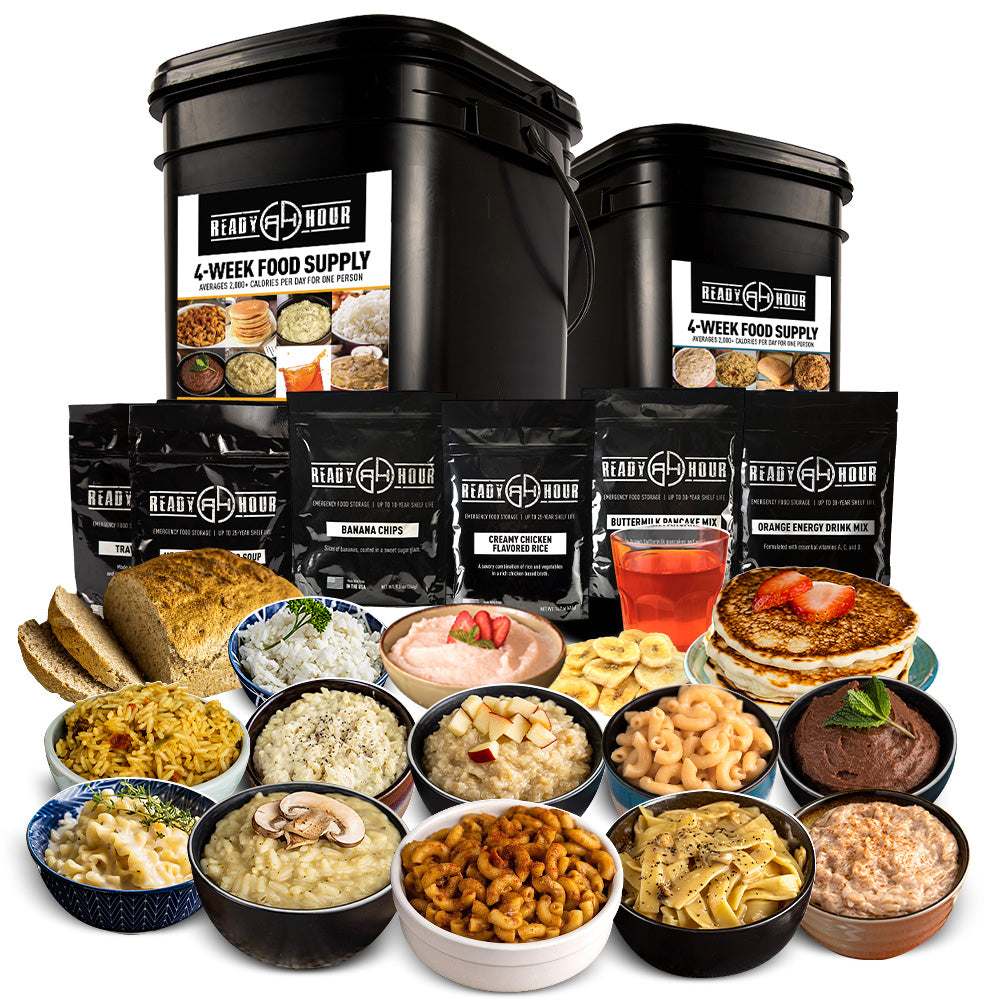
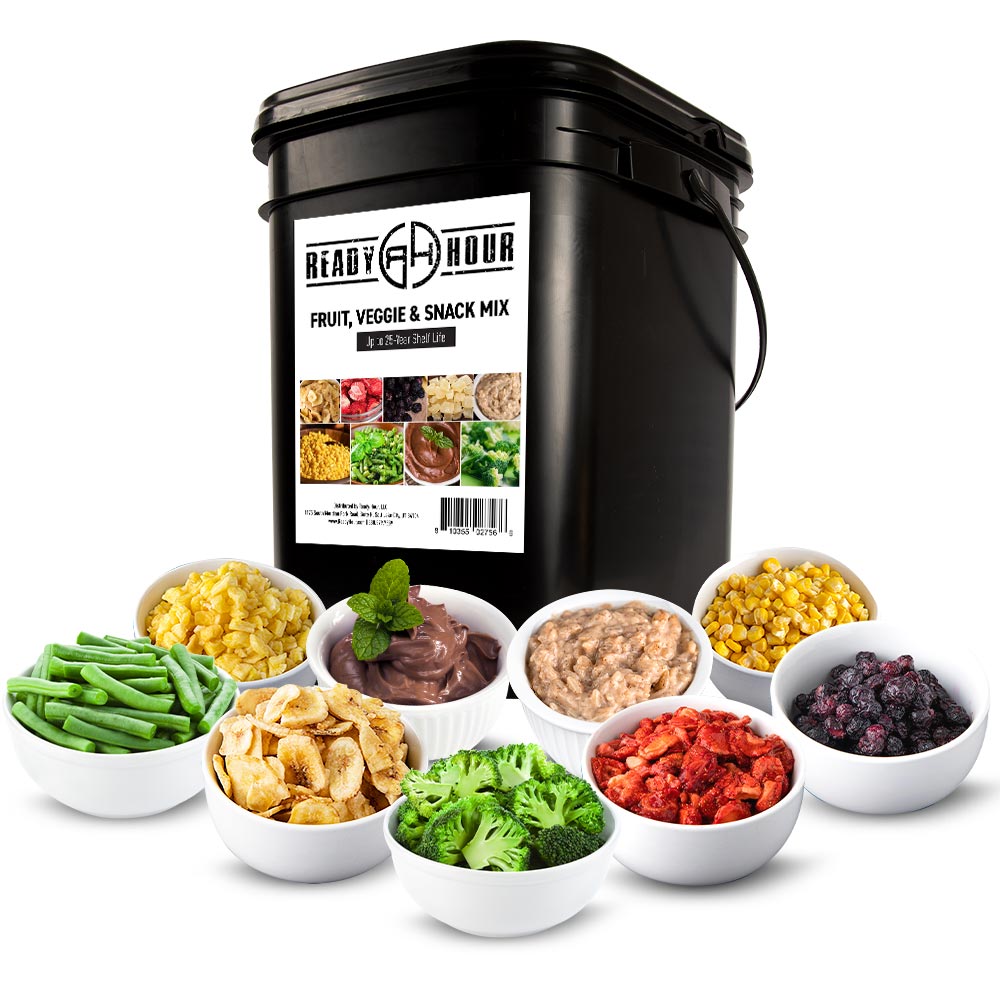
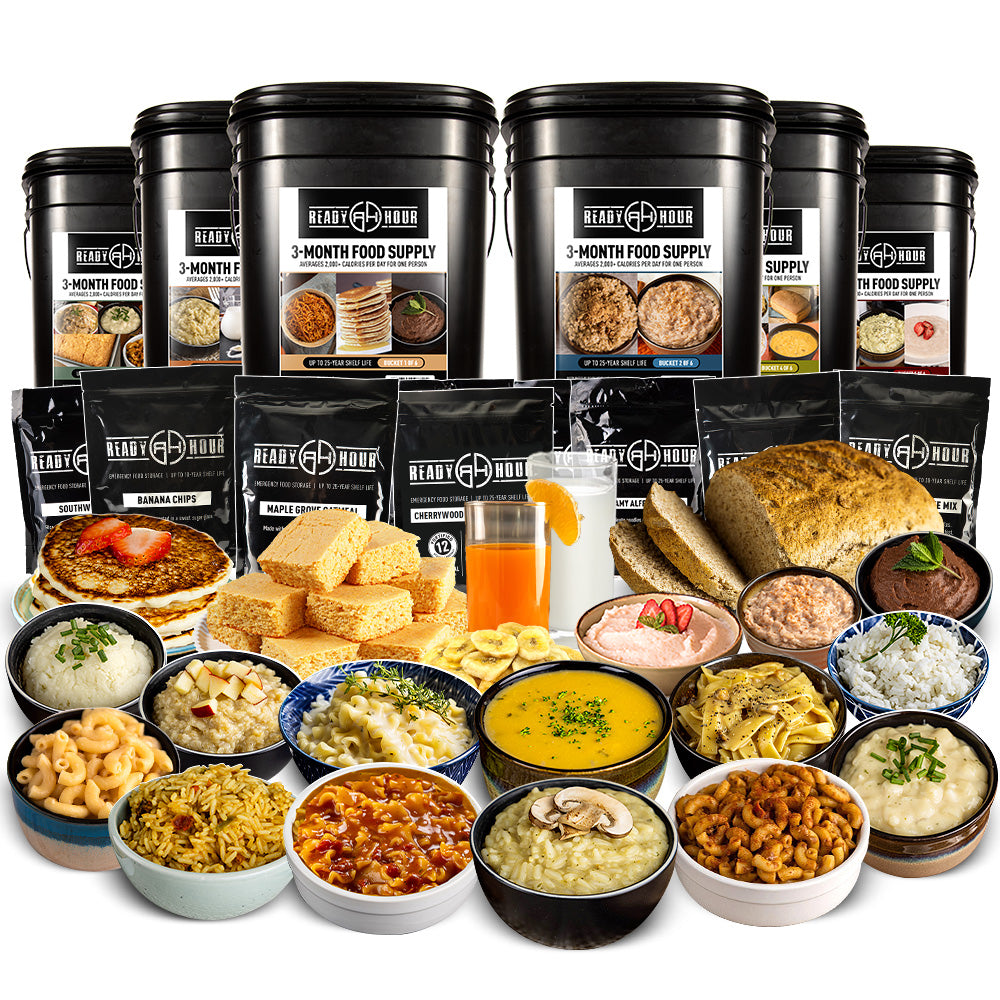
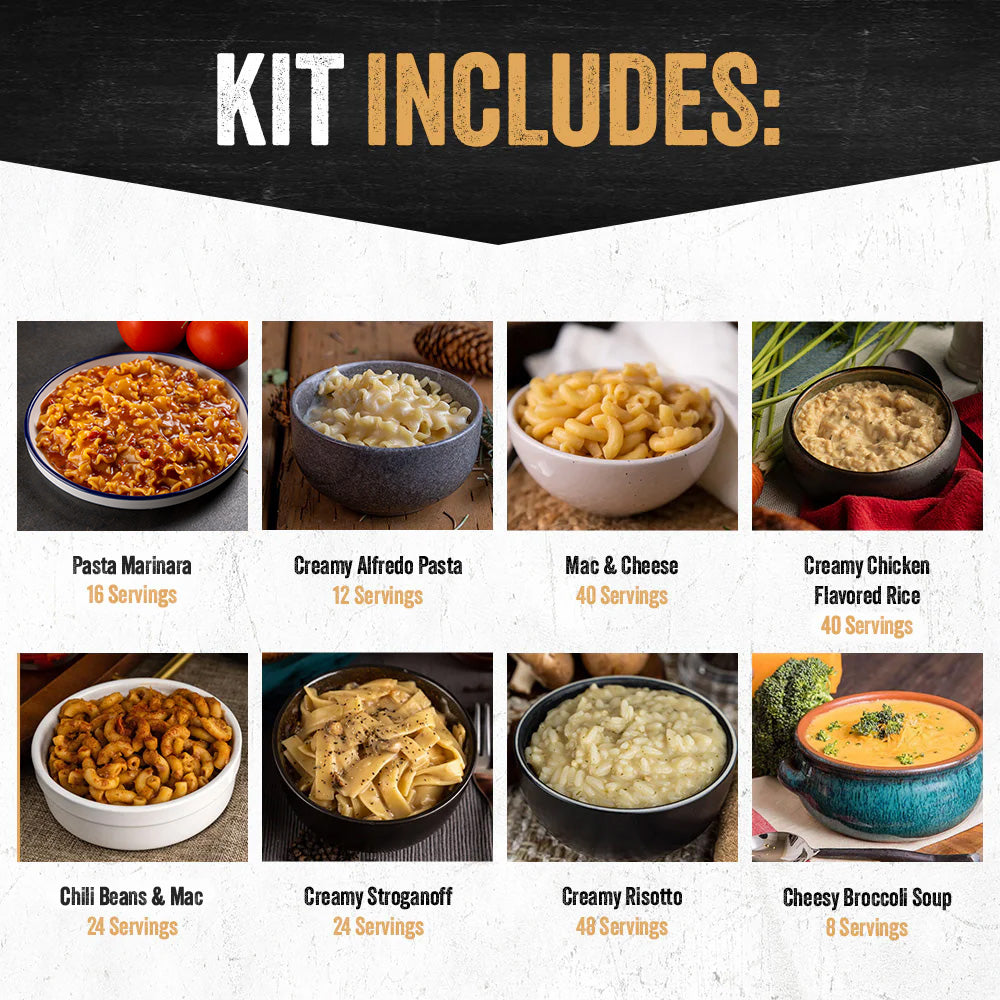
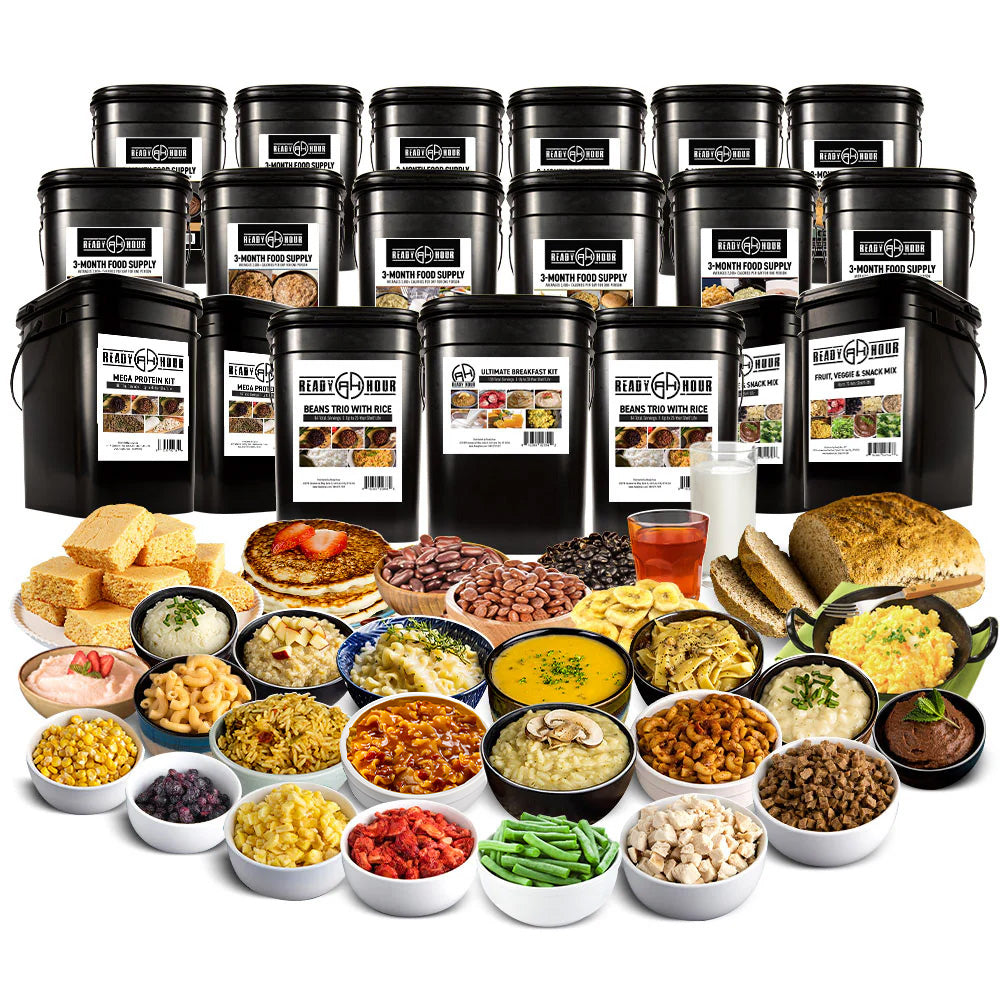
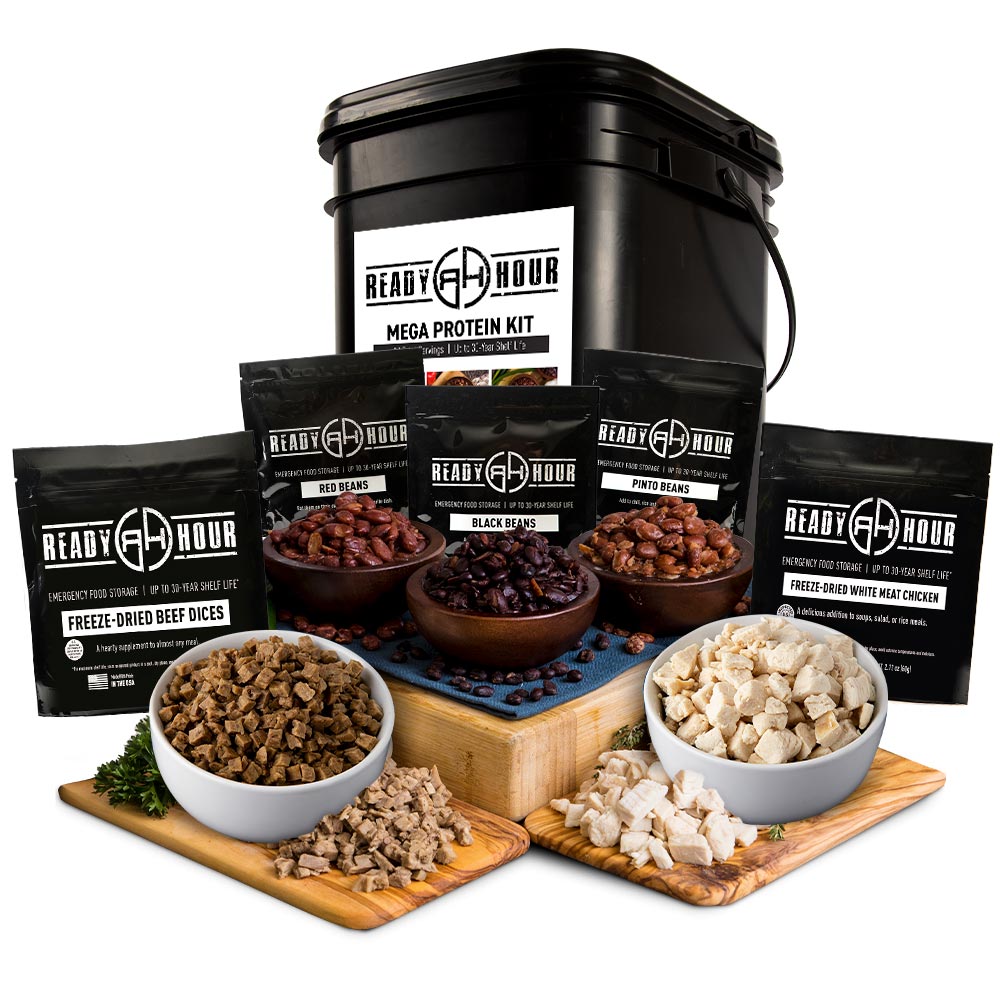
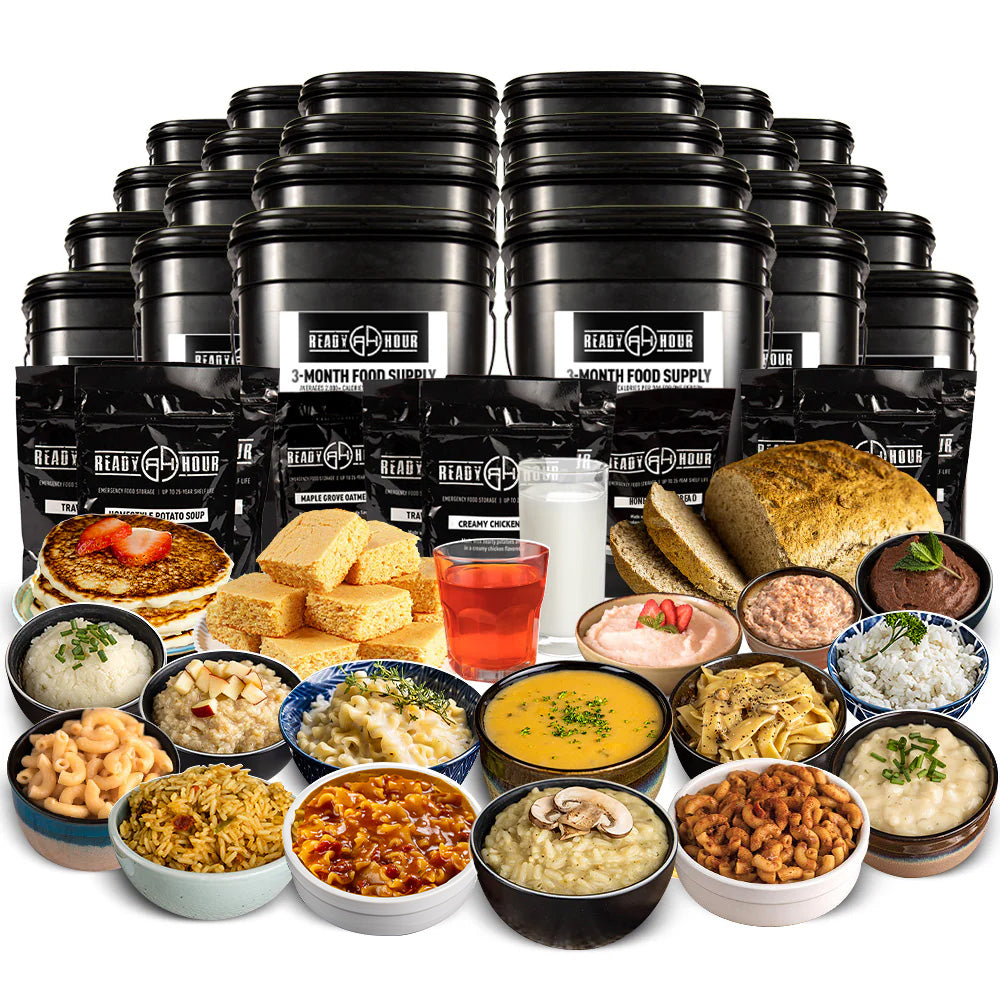
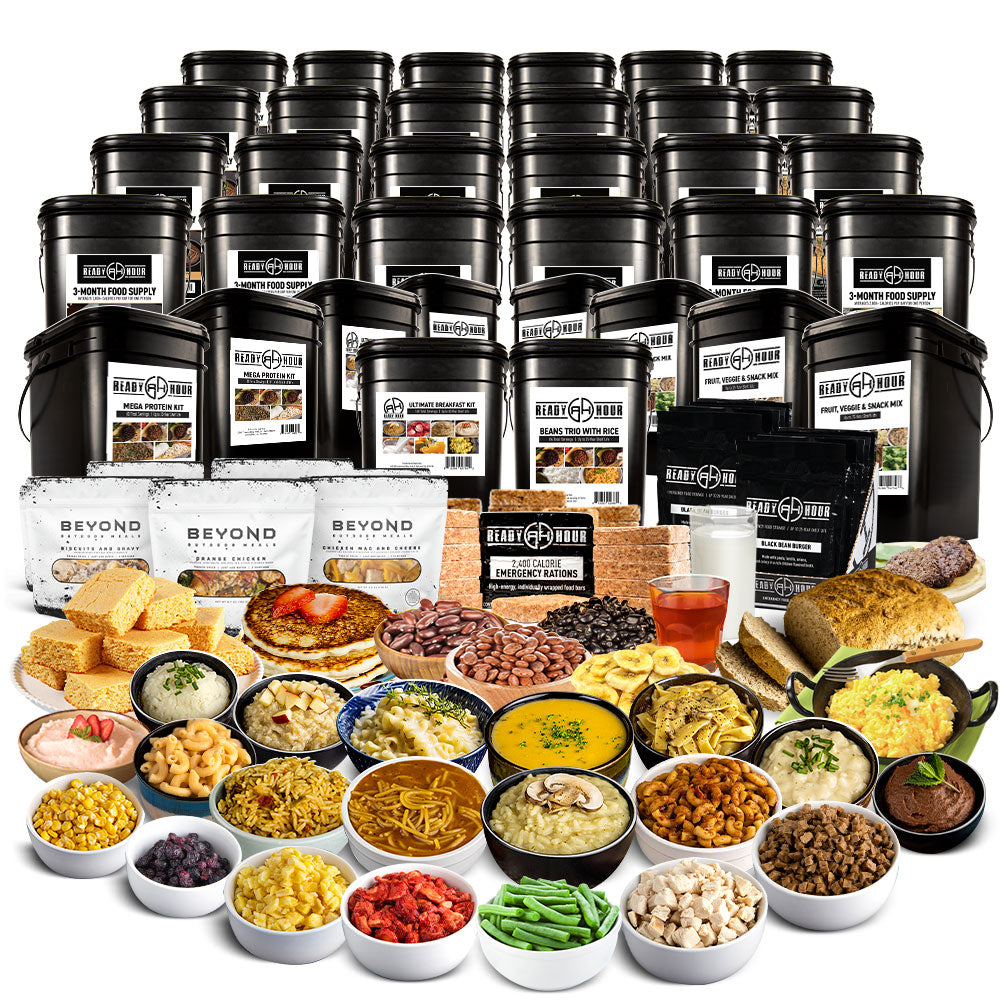
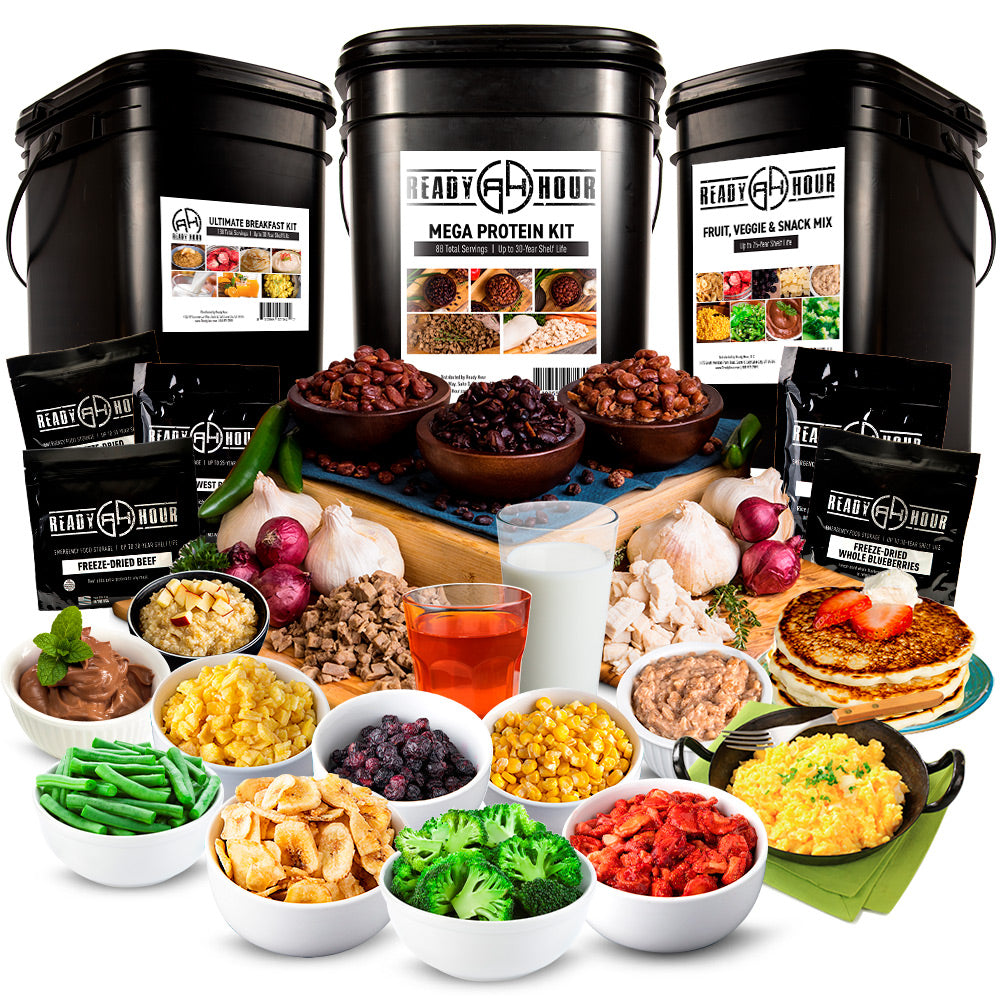
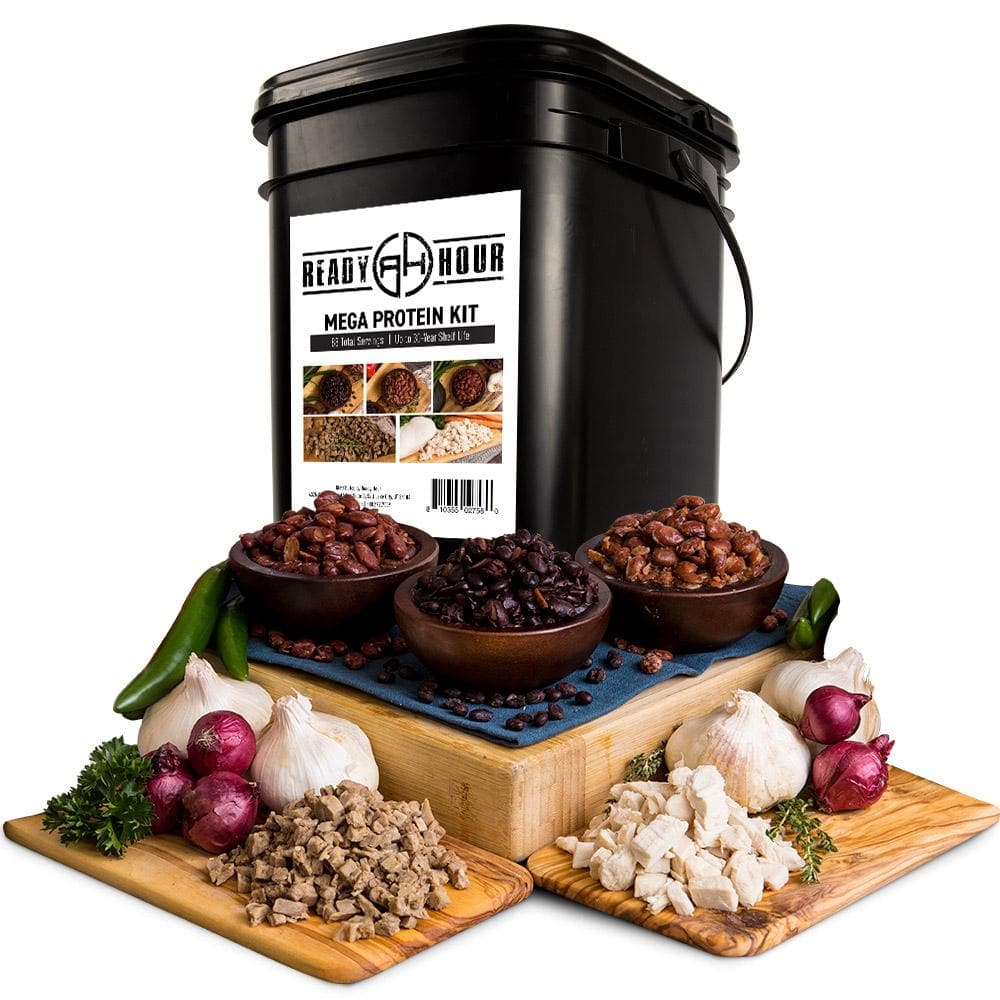
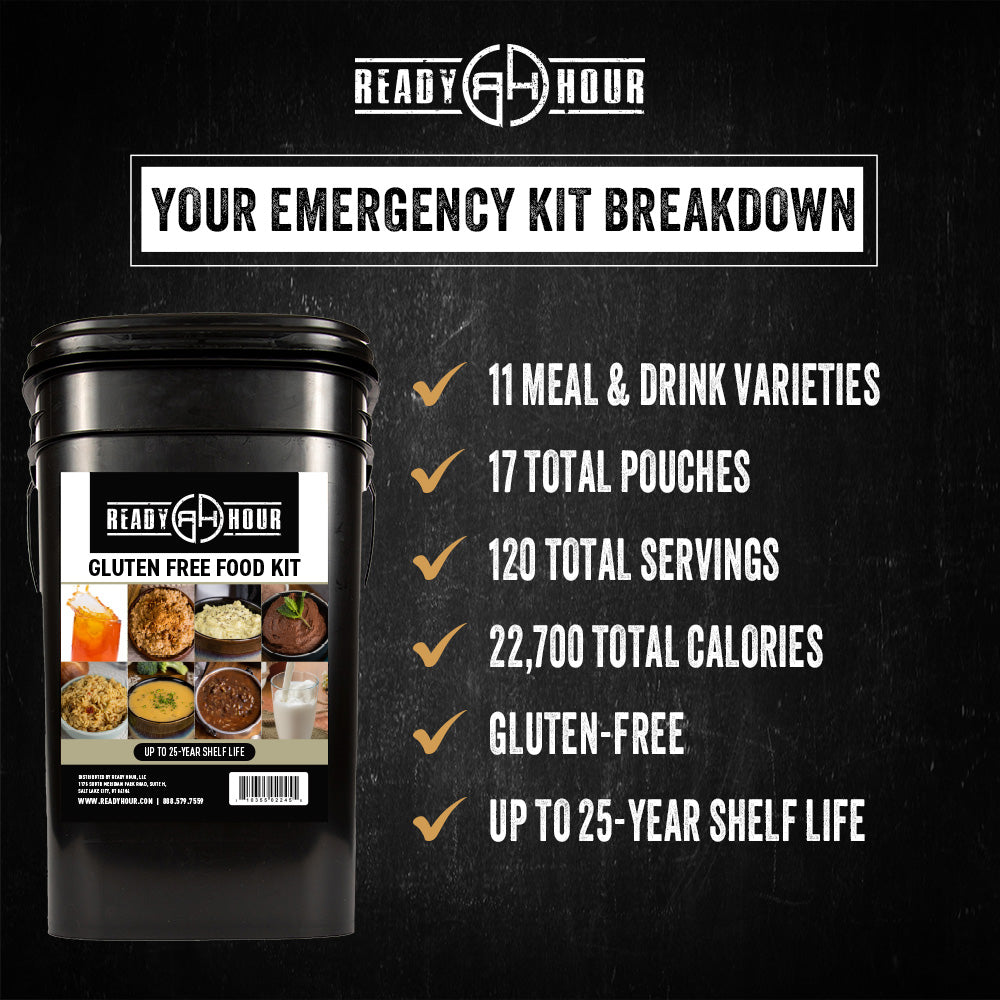
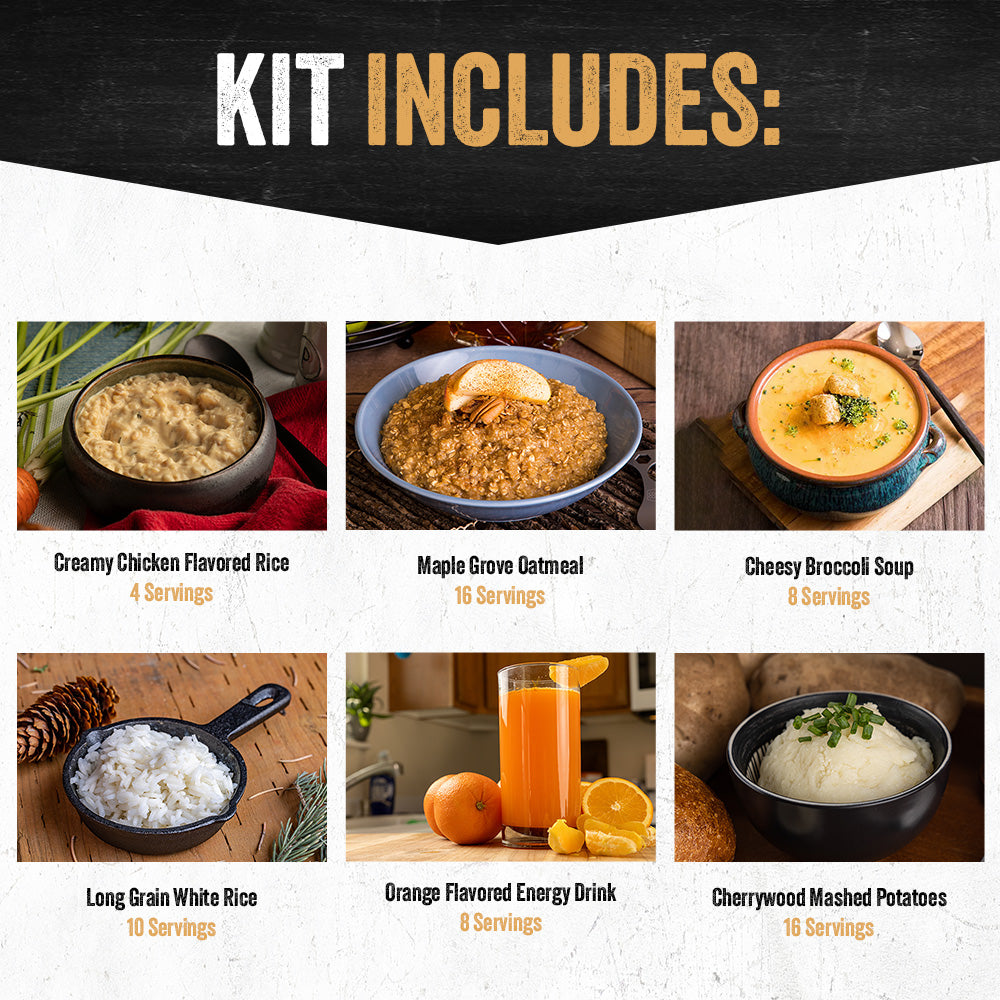
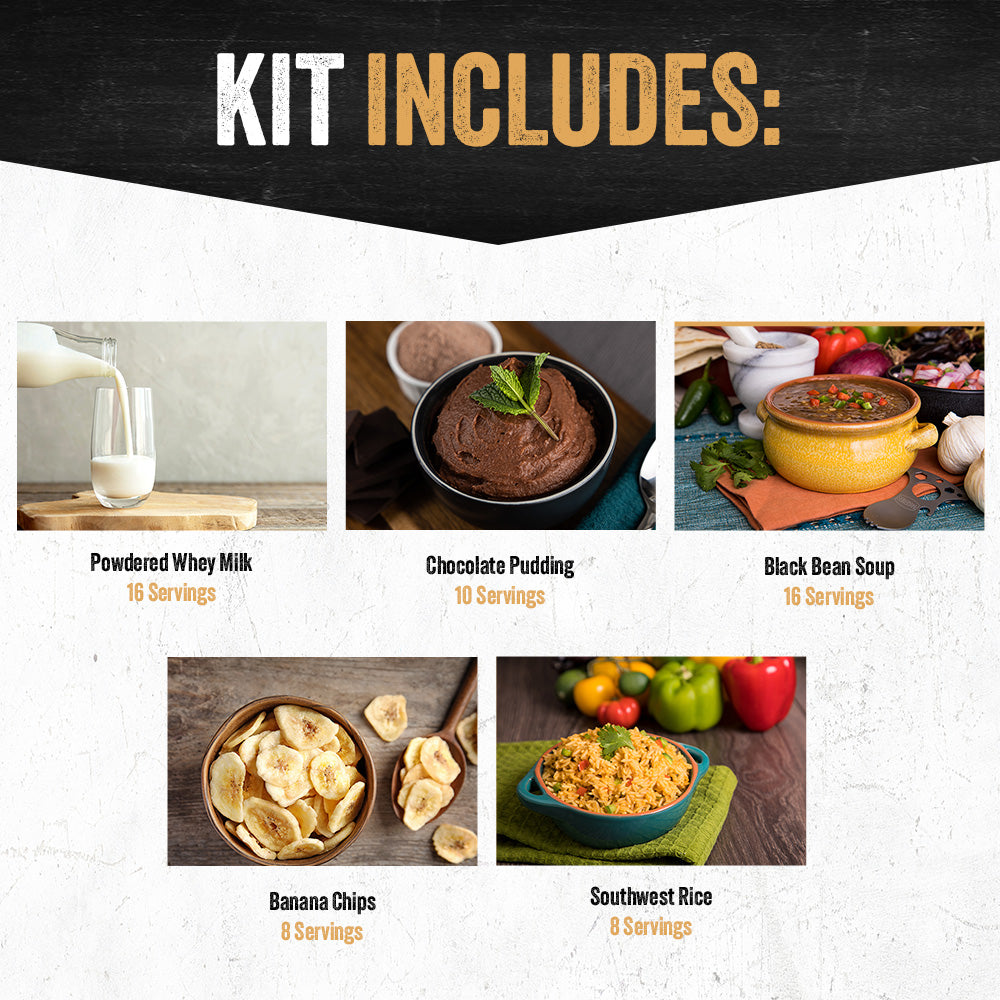
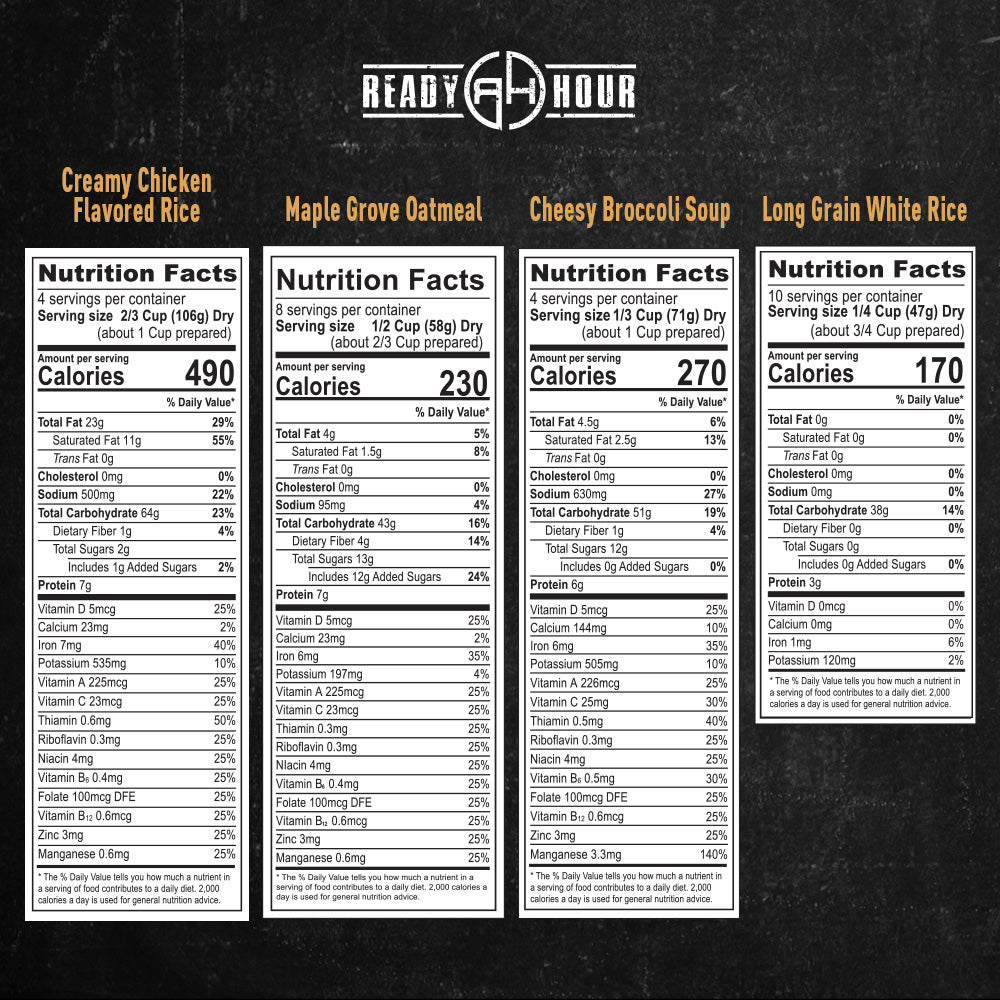
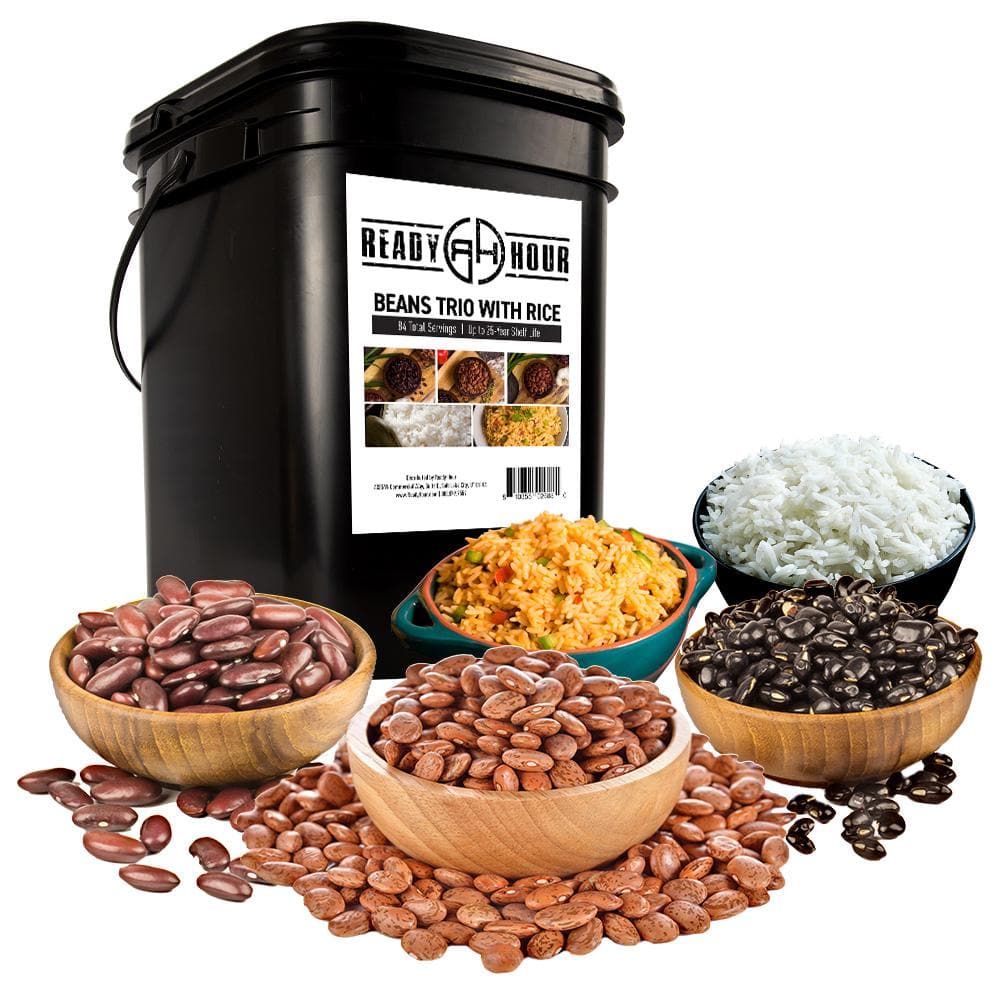
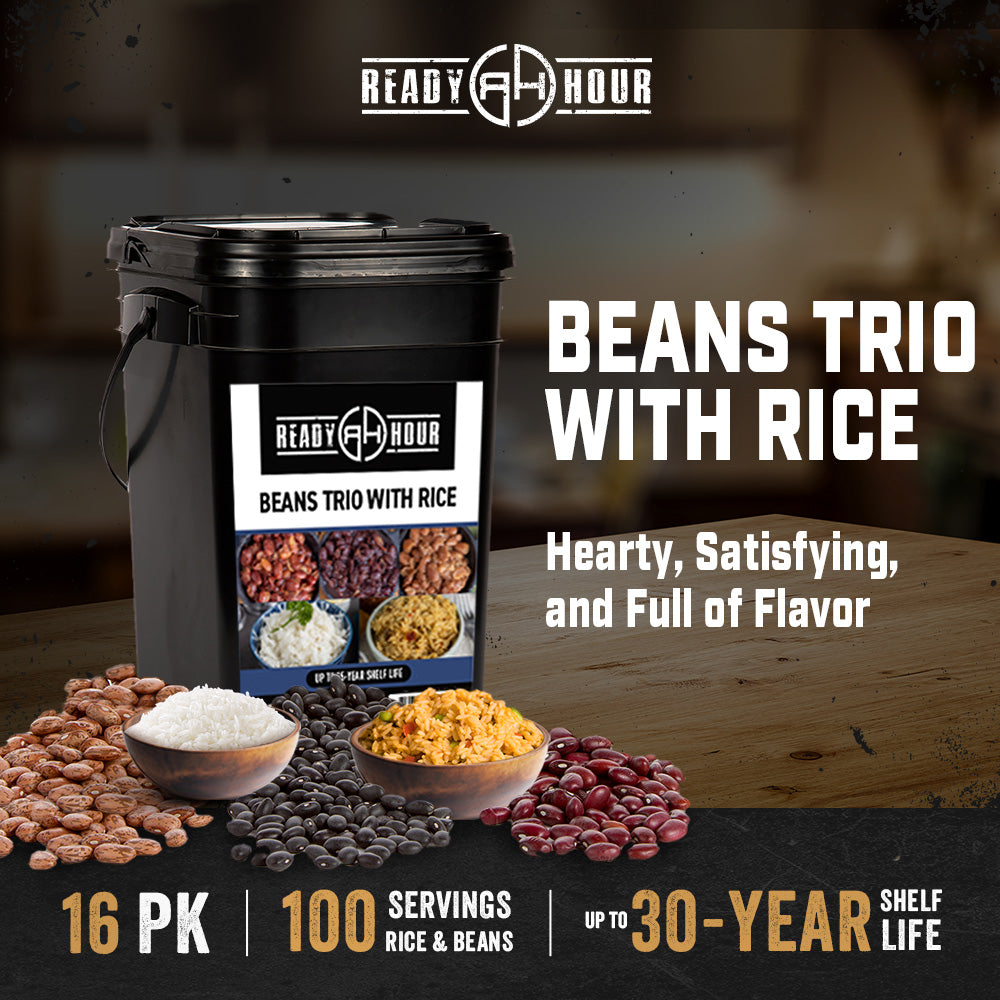
Fertilizer is one of the foundations of modern food production. When a blockade disrupts supply this badly, the damage does not stay in shipping lanes or commodity markets. It moves into farm costs, crop yields, and food prices. This is exactly why food preparedness matters. The longer this continues, the more pressure it puts on the food supply, and the families who prepare before those costs hit harder are the ones in a stronger position.
Read the full article here.
Source: The Guardian
By: Joanna Partridge