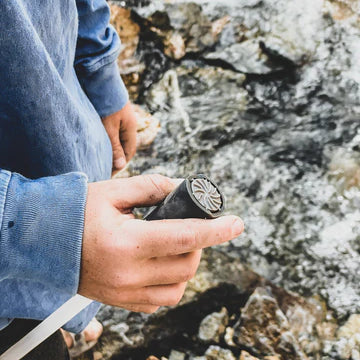
Water is one of the most important—and often overlooked—parts of emergency preparedness. This guide will show you how to build a reliable water plan using the three pillars of water security: storage, treatment, and filtration, so you're ready for outages, emergencies, and unexpected disruptions.
Why Water Security Matters
Clean water is one of life's most essential resources, yet it's often taken for granted until access is disrupted. Severe weather, power outages, aging infrastructure, boil-water advisories, and other unexpected emergencies can all impact the availability or safety of your water supply with little warning.
Building a water security plan before an emergency happens helps ensure your family has reliable access to water when it matters most. A well-rounded plan goes beyond simply storing water—it includes knowing how to treat questionable water, filter available water sources, and build backup solutions that provide greater confidence during both short-term disruptions and extended emergencies.
The strongest water security plans don't rely on a single solution. They combine water storage, treatment, filtration, and redundancy to help keep your family prepared for whatever comes next.
The Three Pillars of Water Security
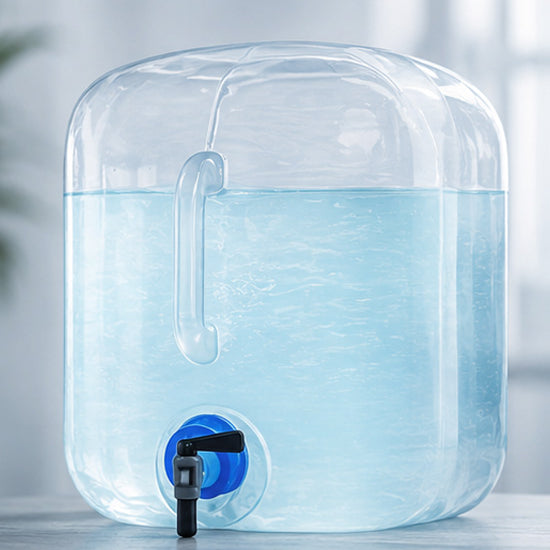
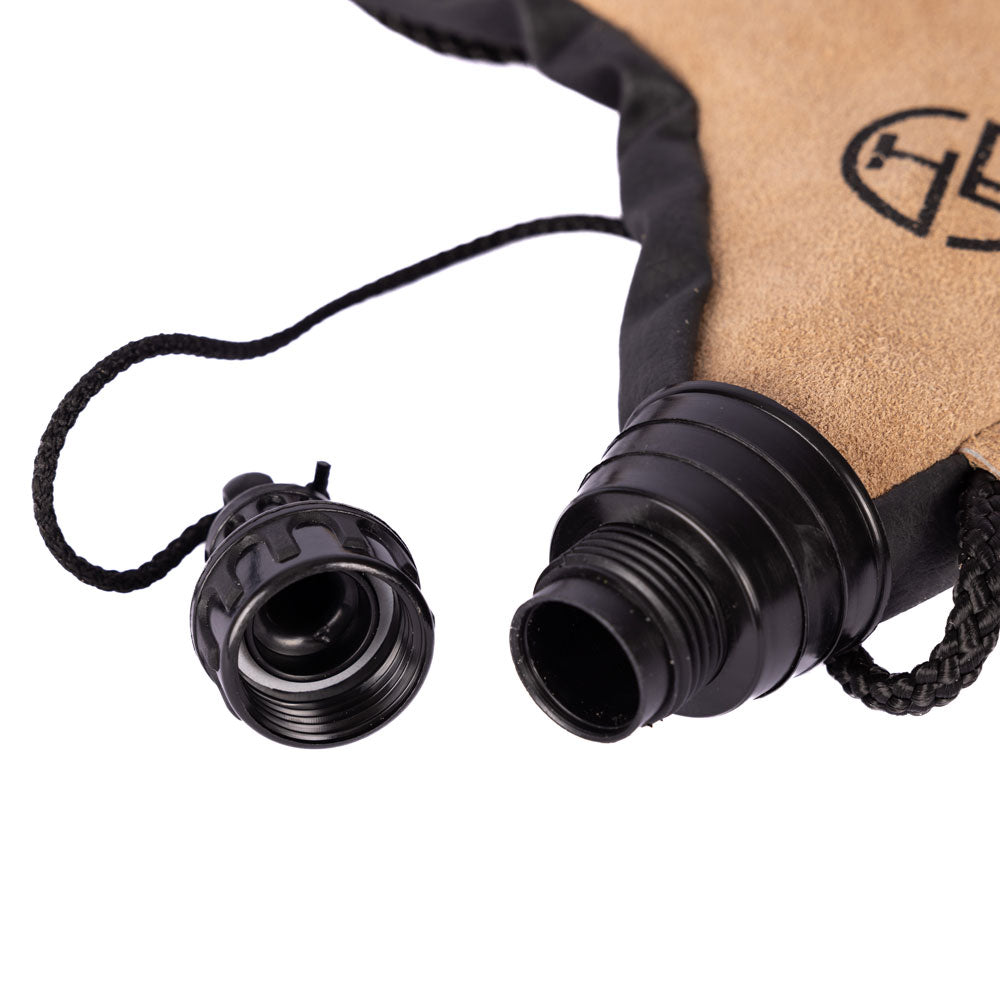
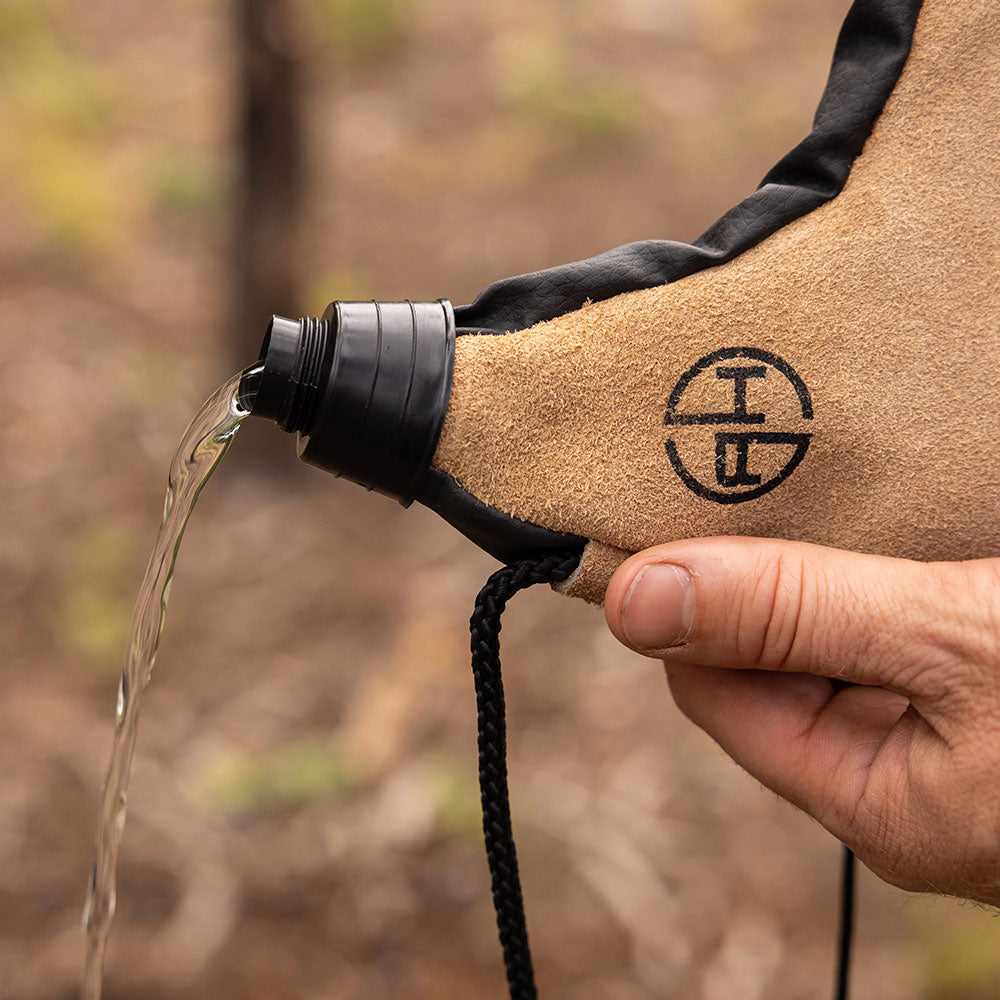
Store Water
Keep an emergency supply on hand before you need it.
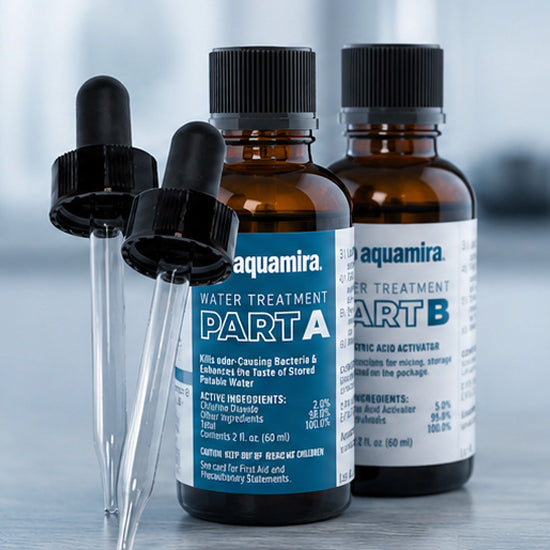
Treat Water
Make questionable water safer to drink when your stored supply runs low.
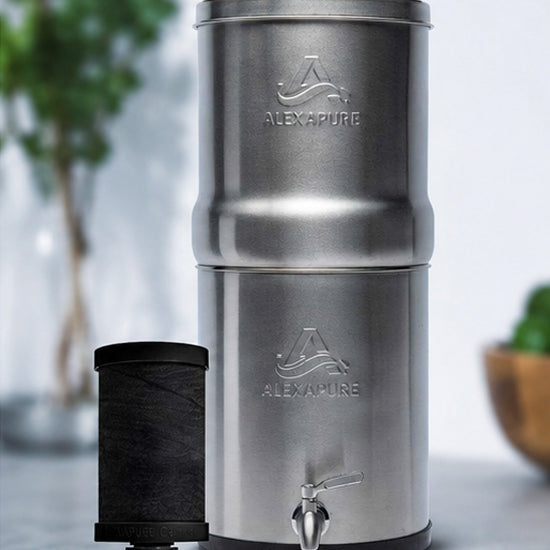
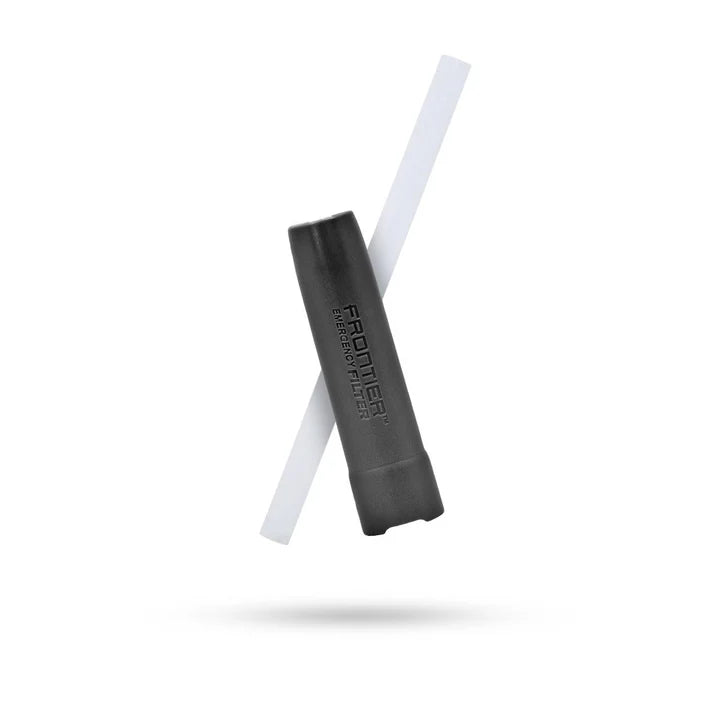
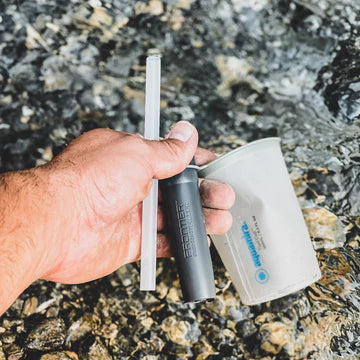
Filter Water
Expand your access to cleaner water from available sources.

Putting the Three Pillars into Practice
A dependable water plan isn't built around a single product—it's built by layering multiple solutions together. Storing water gives you an immediate supply, treatment helps make questionable water safer to drink, filtration expands your options when stored water runs low, and backup solutions ensure you're prepared even if one method isn't available. By combining these four layers, you can create a more resilient water security plan for your family.
Step 1: Store Water
Have water ready before an emergency occurs.
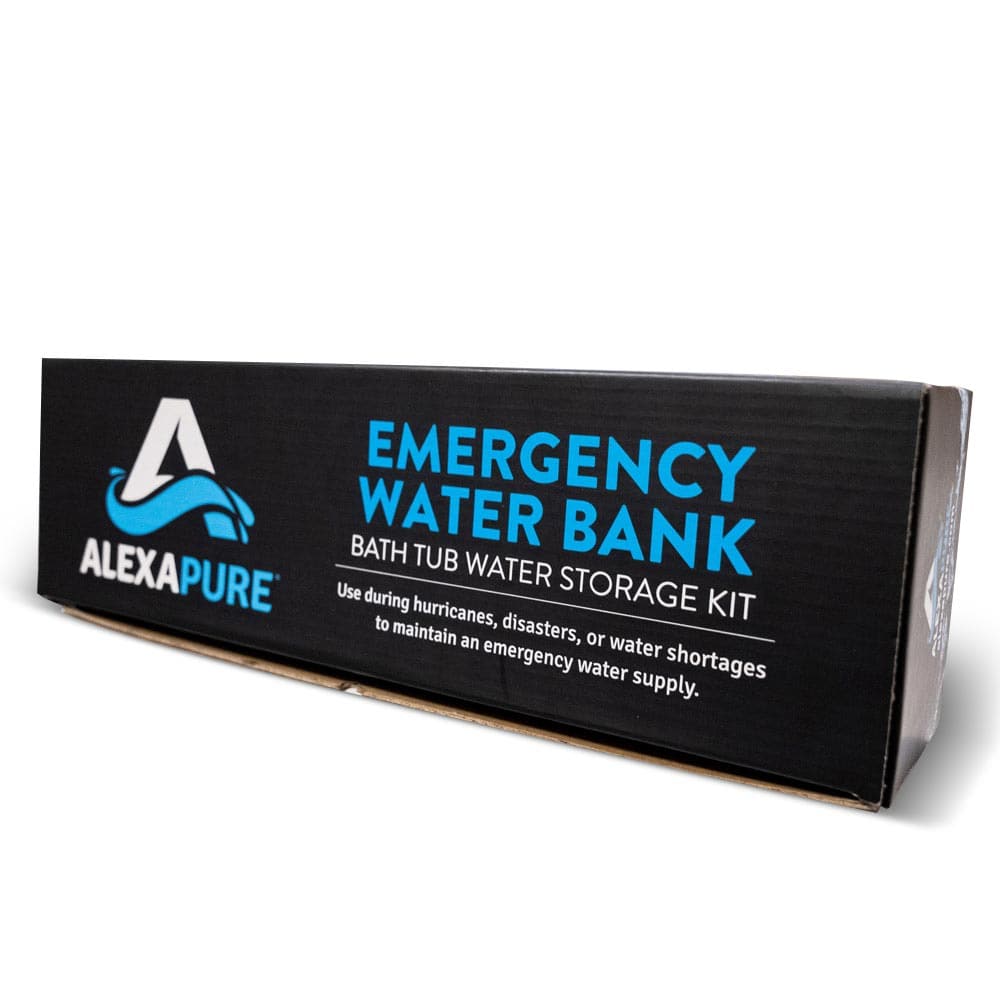
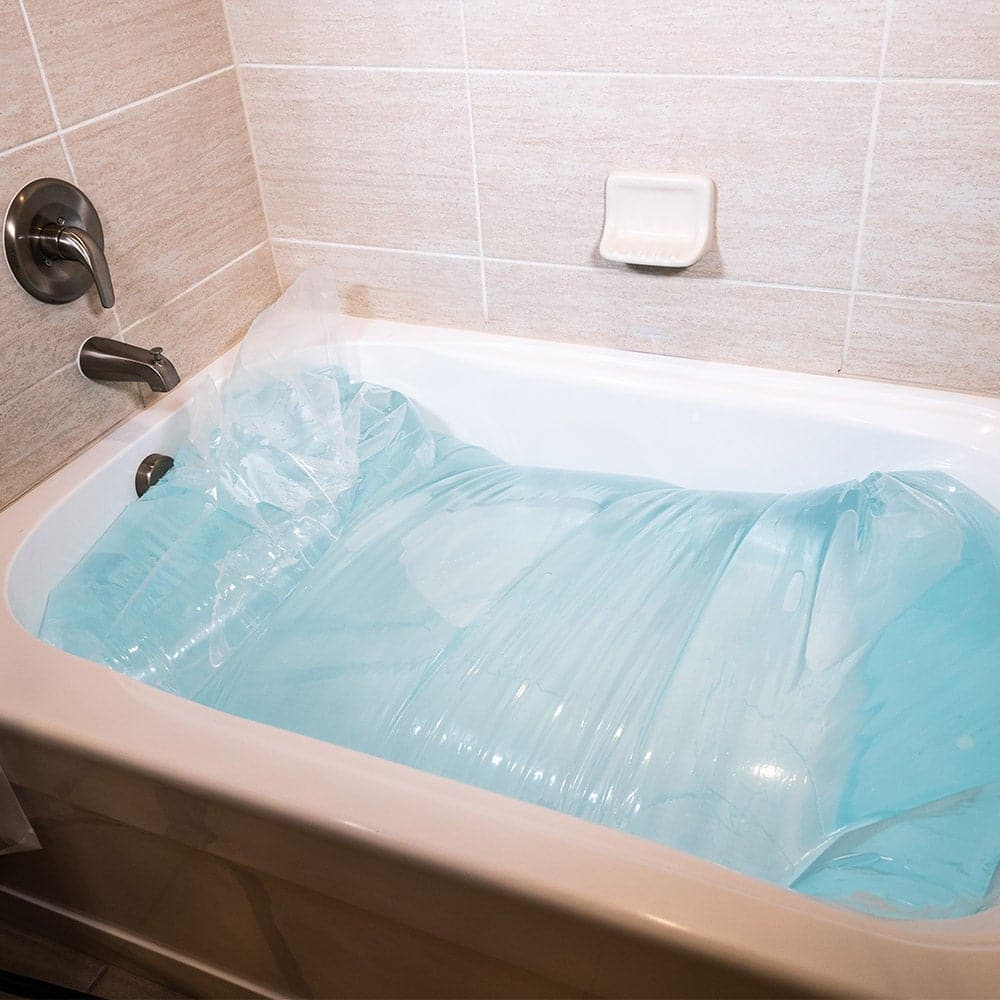
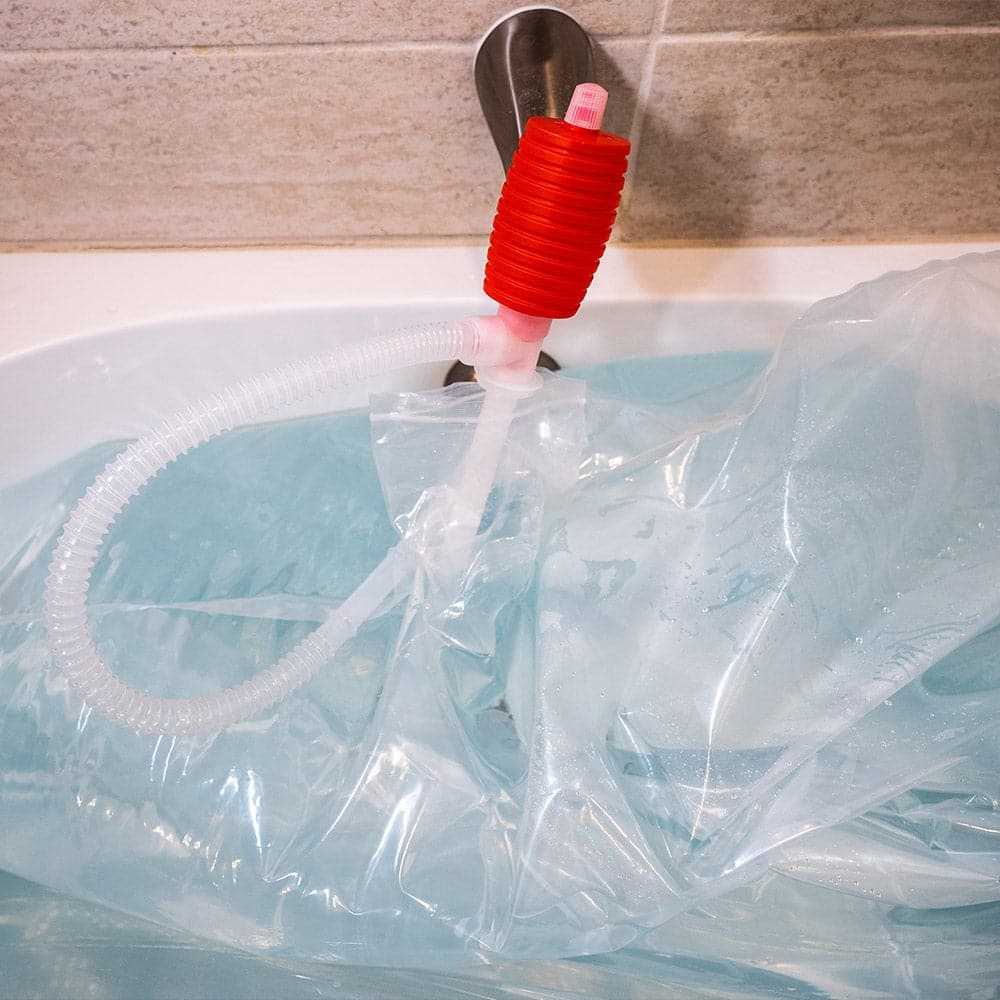
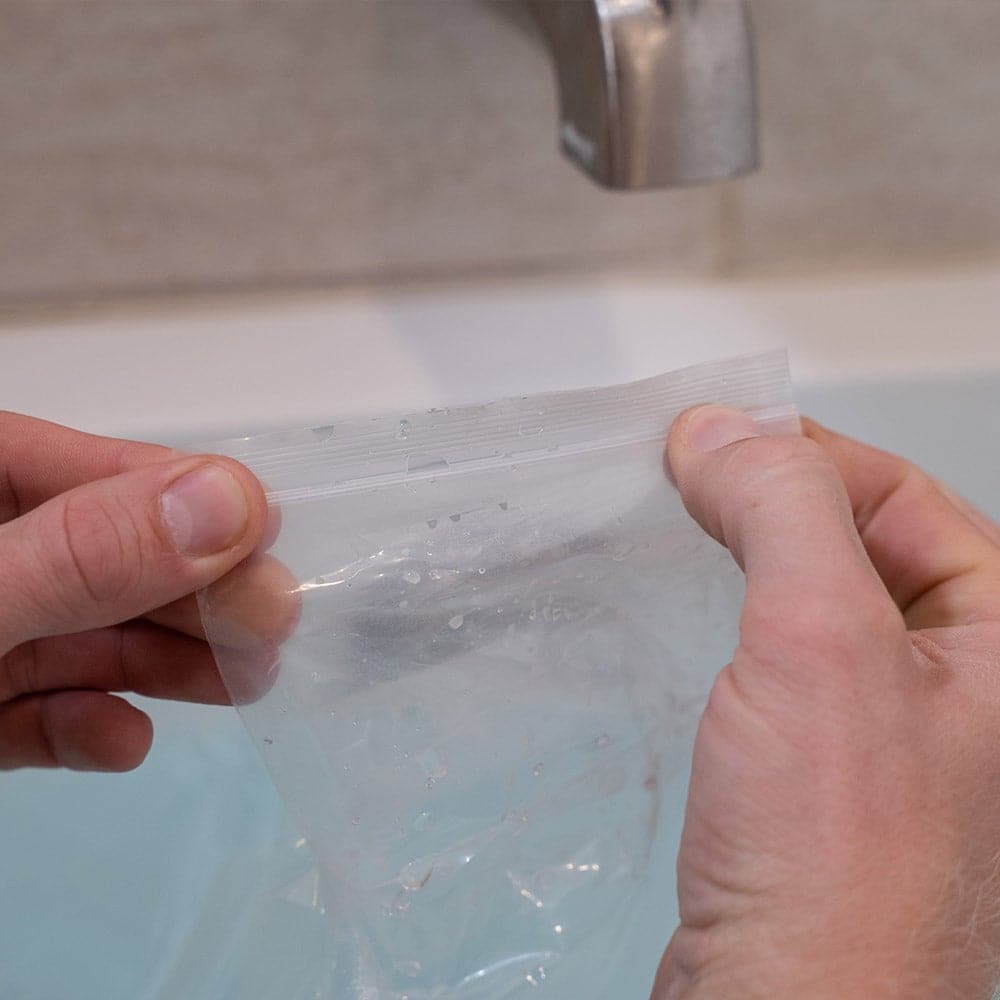
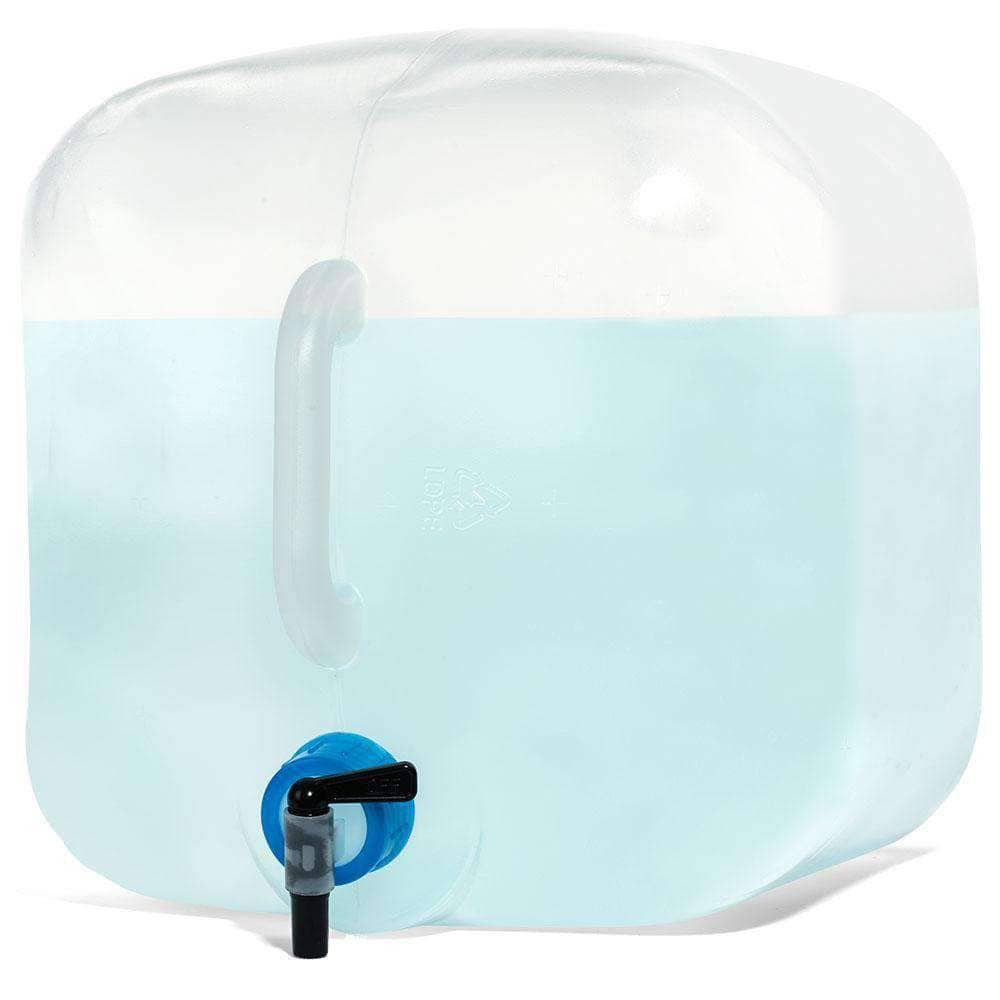
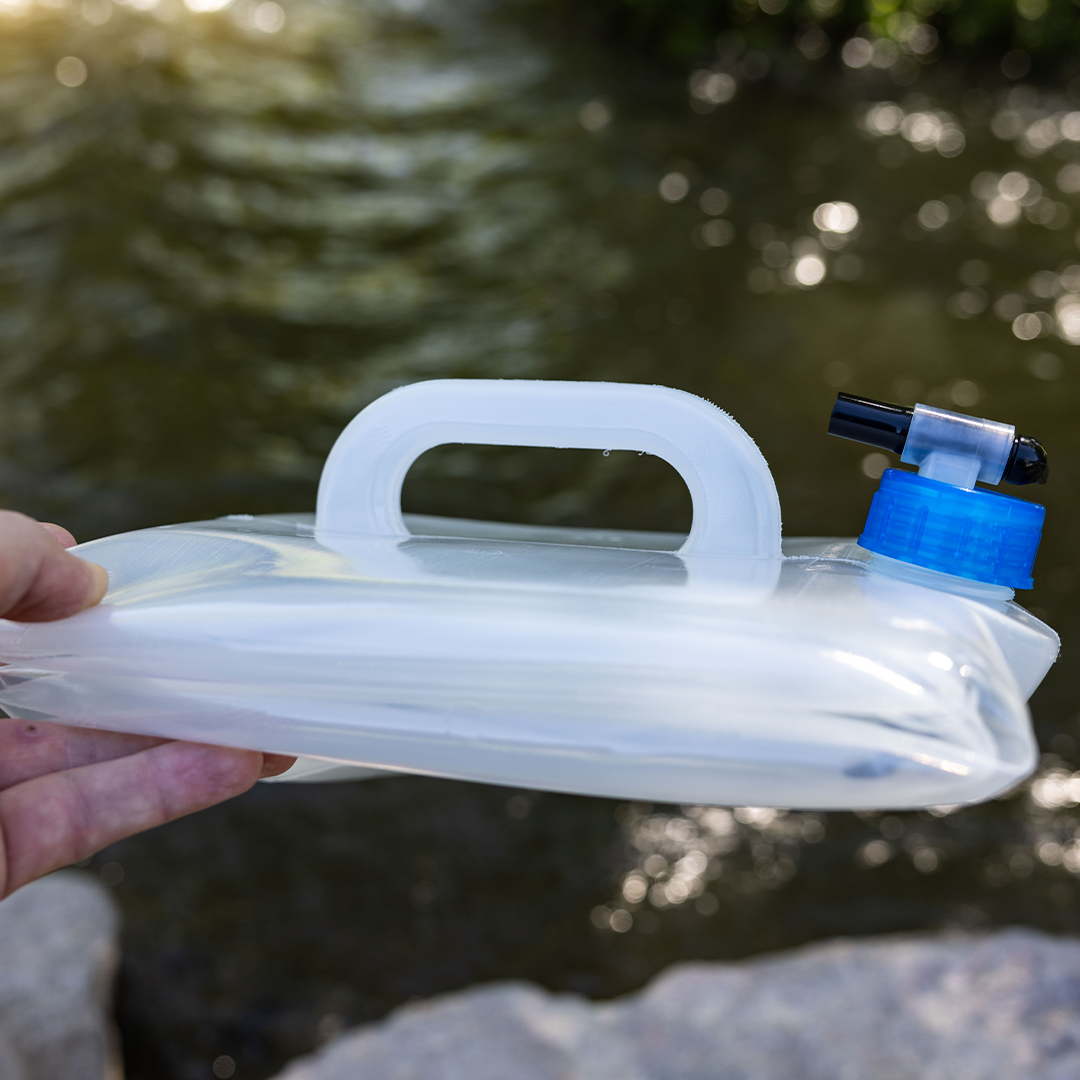
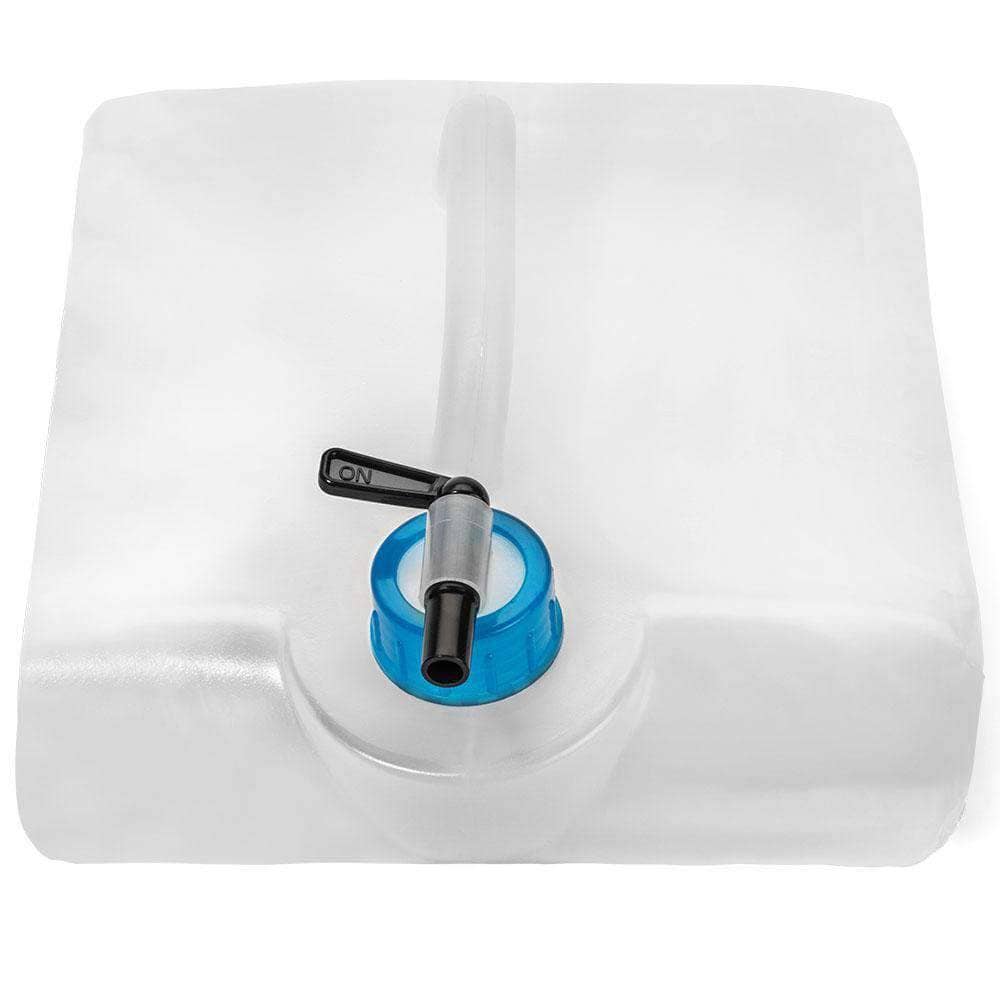
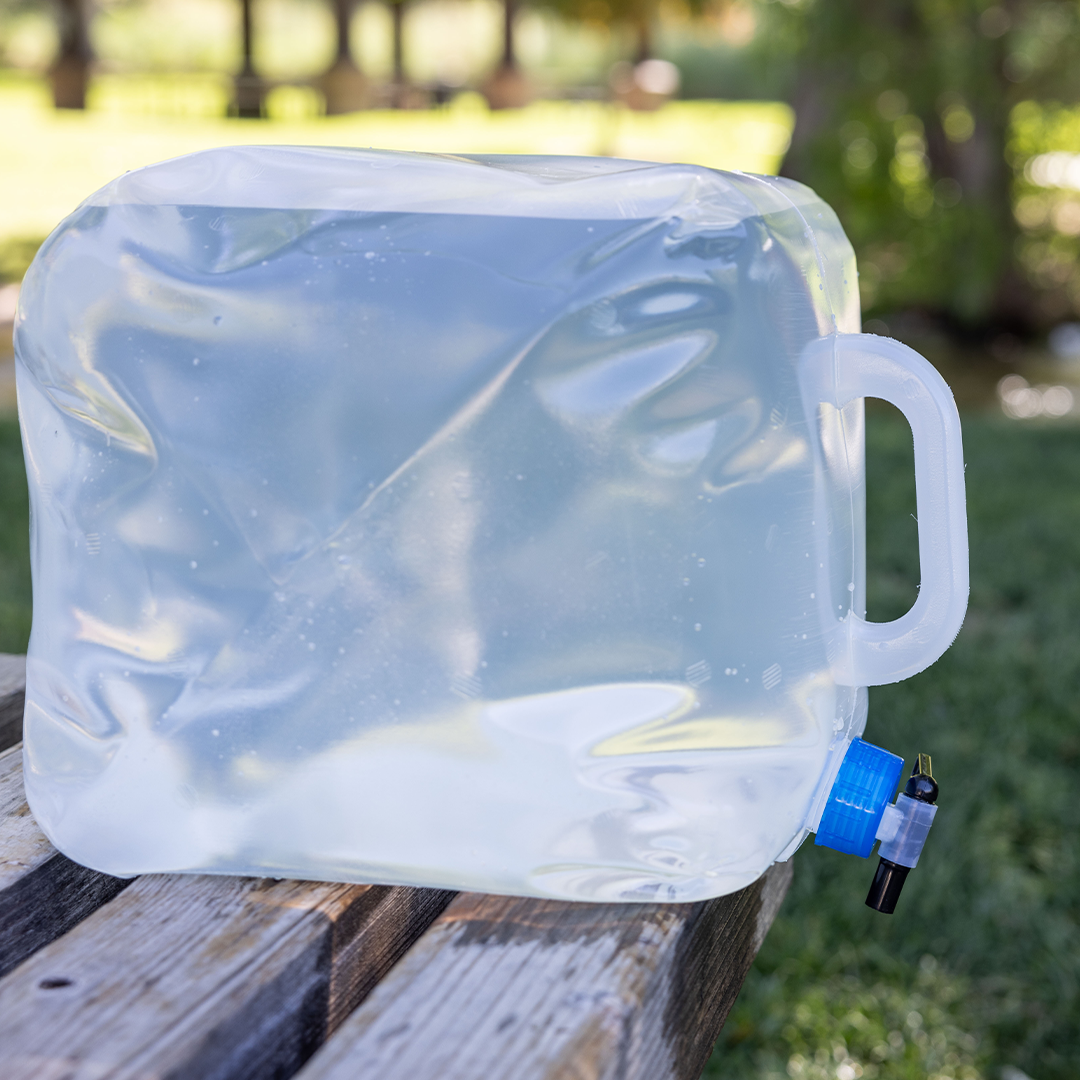
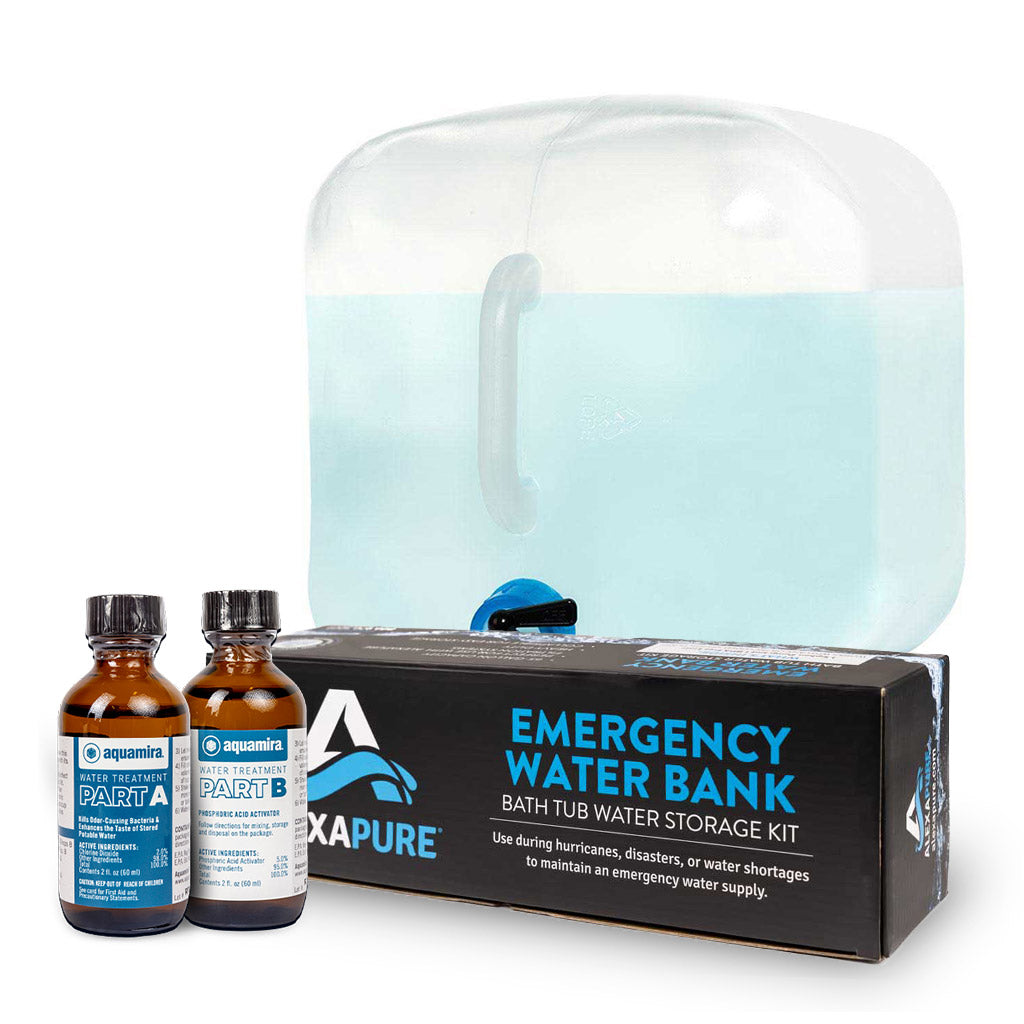
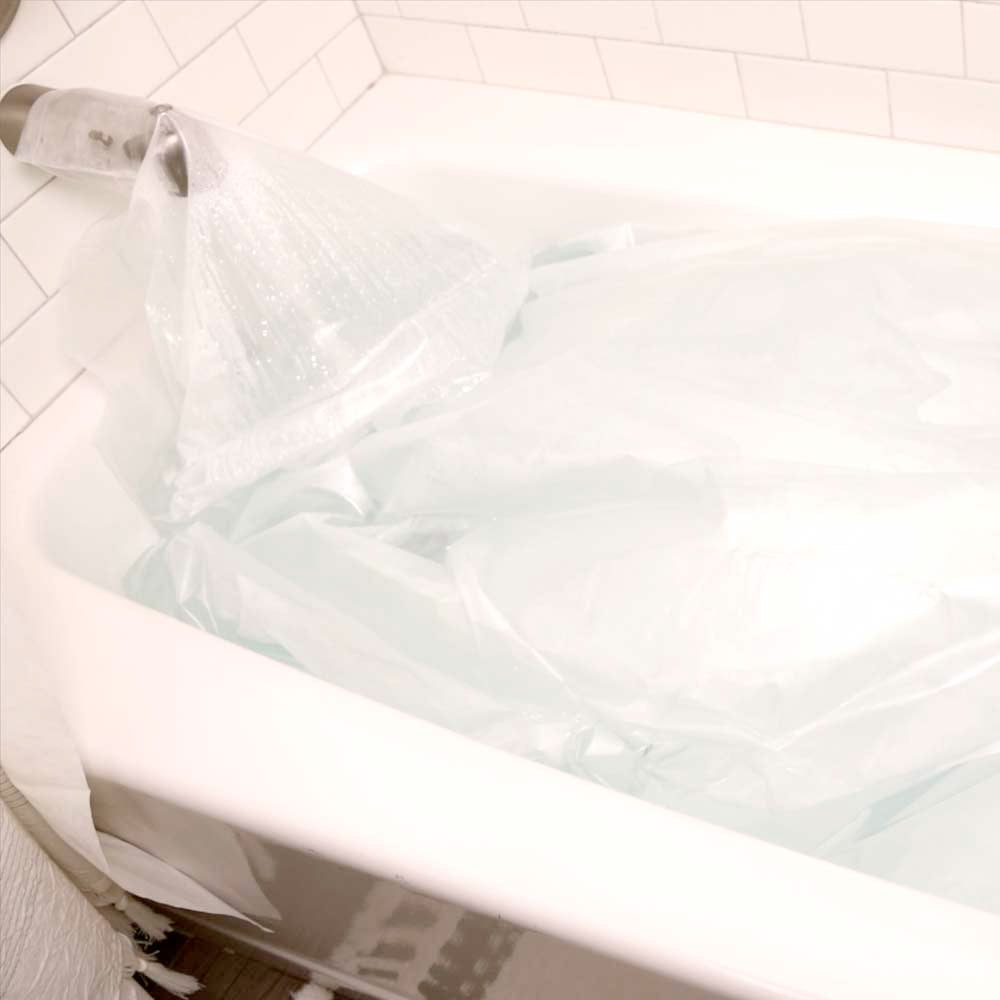
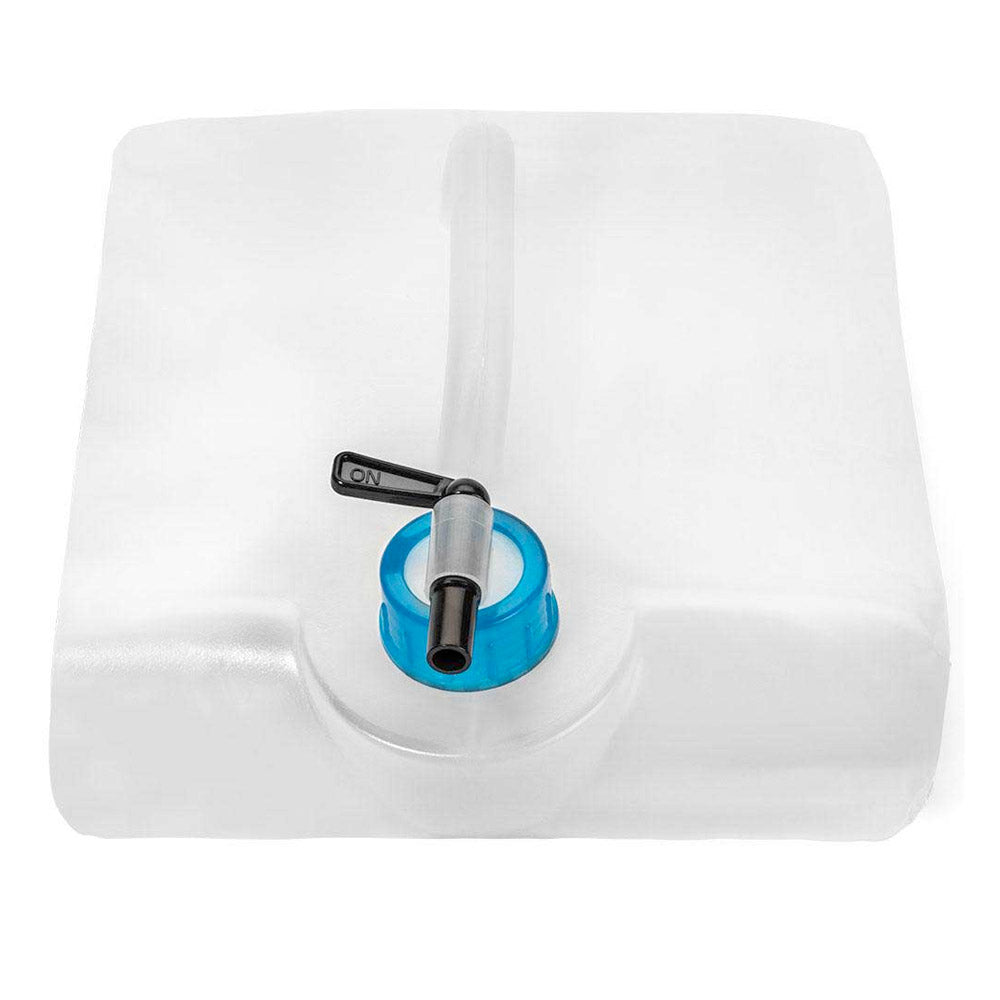
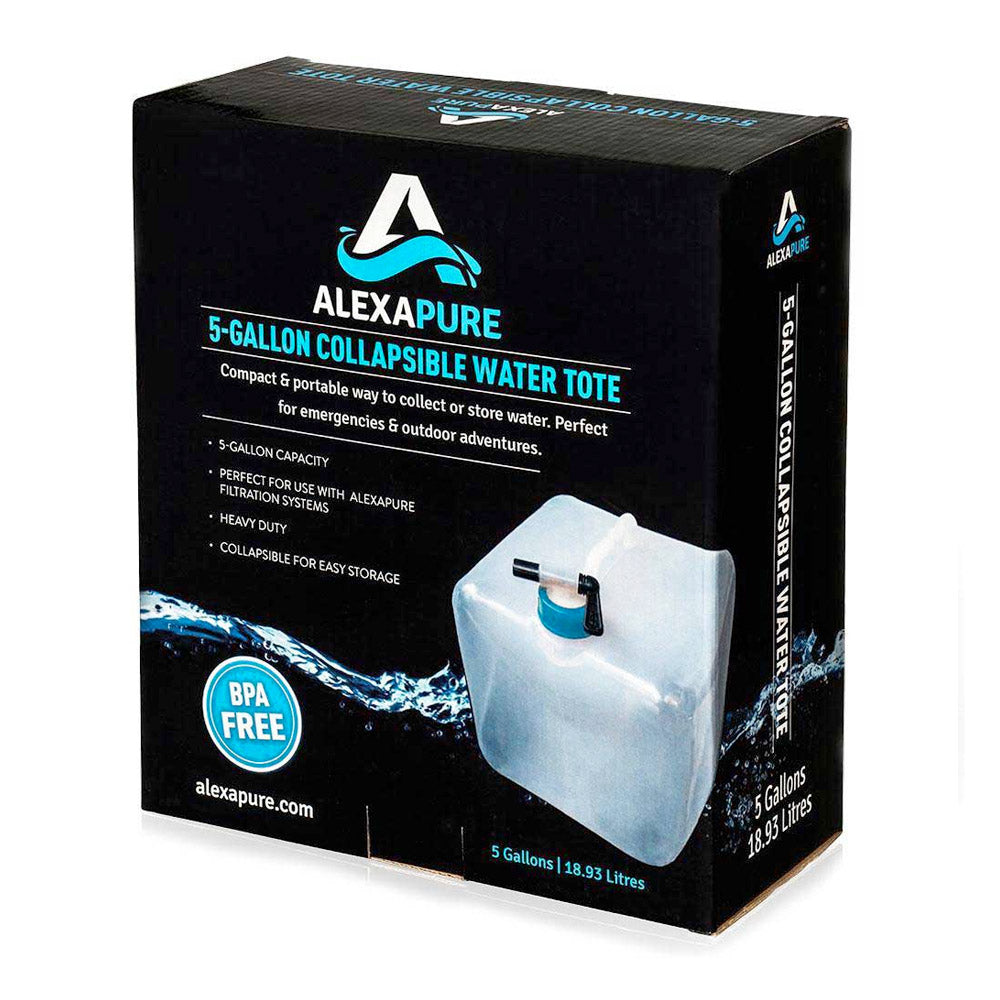
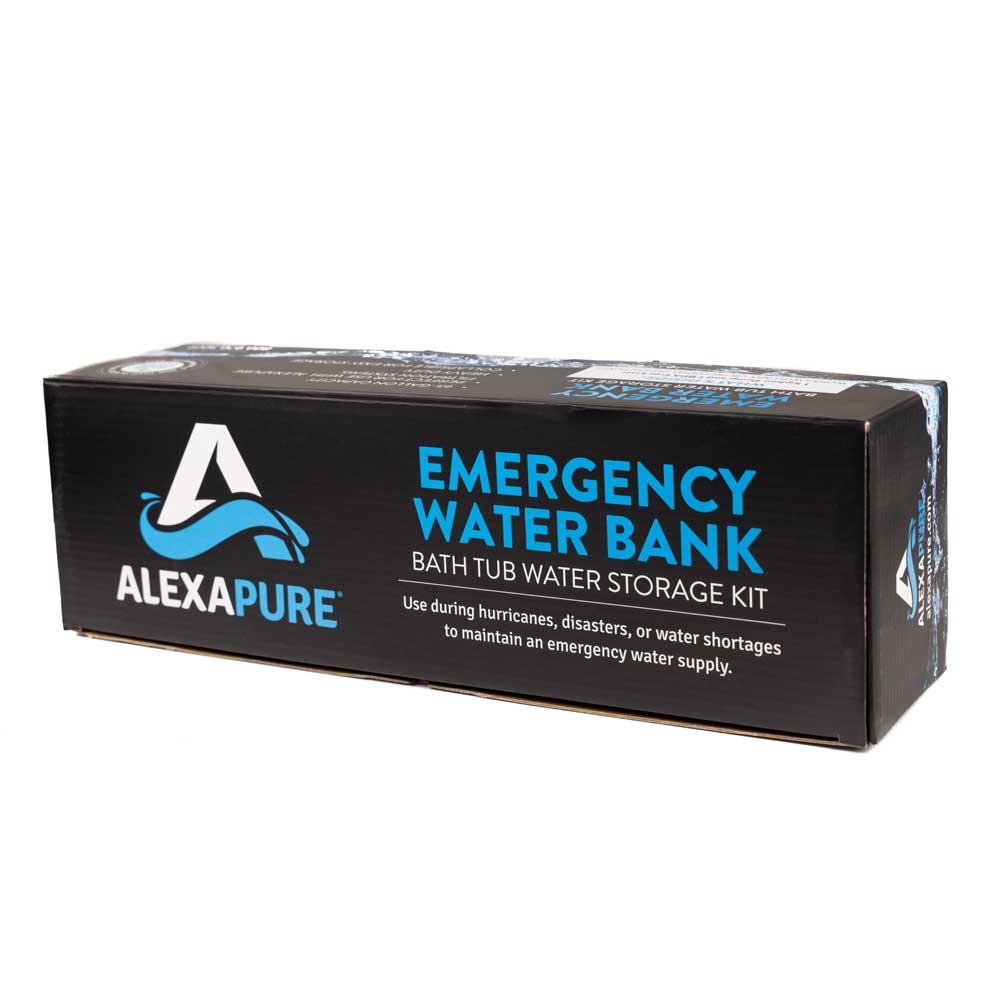
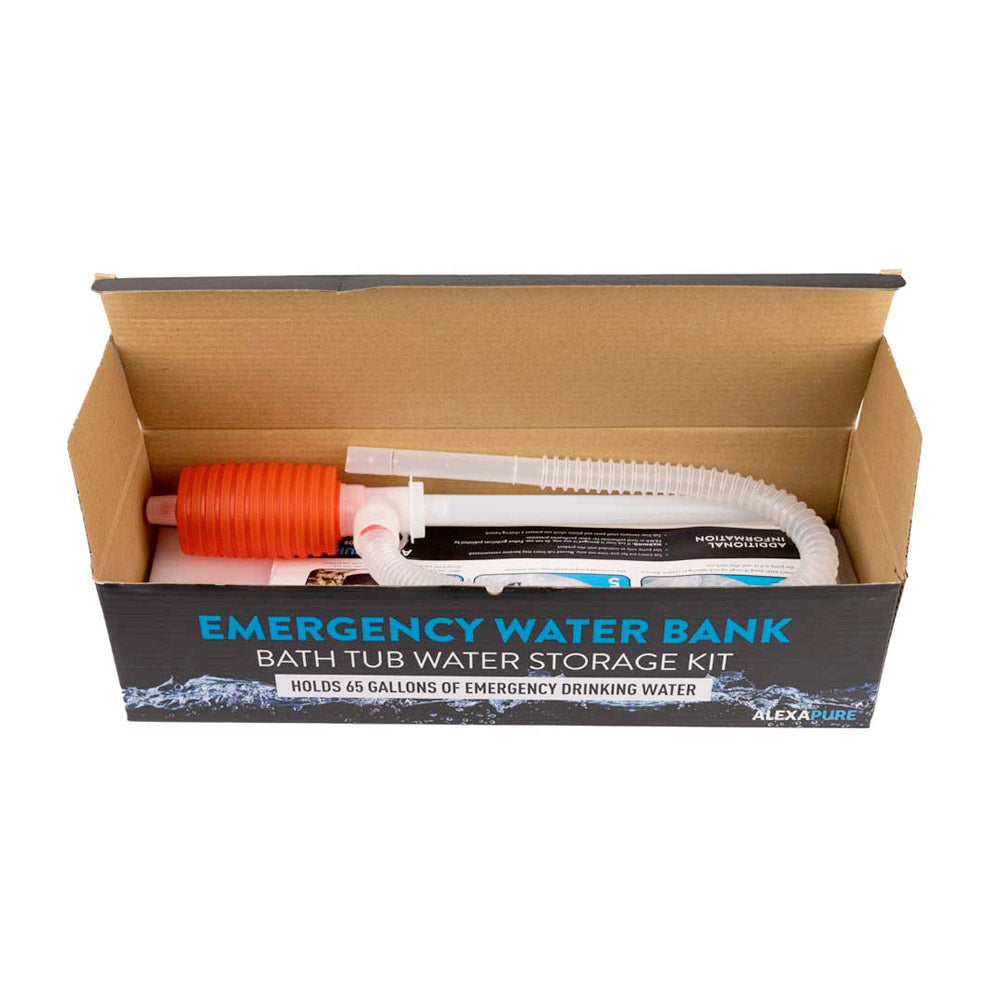
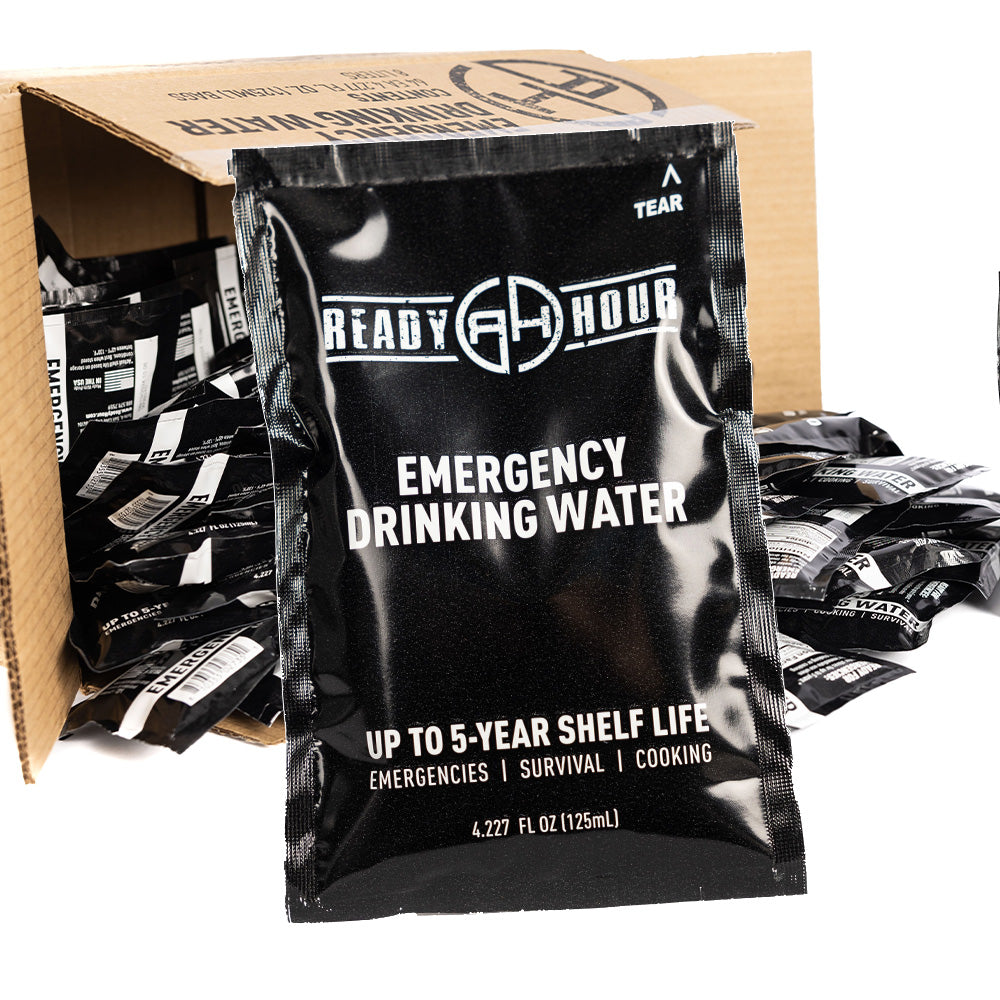
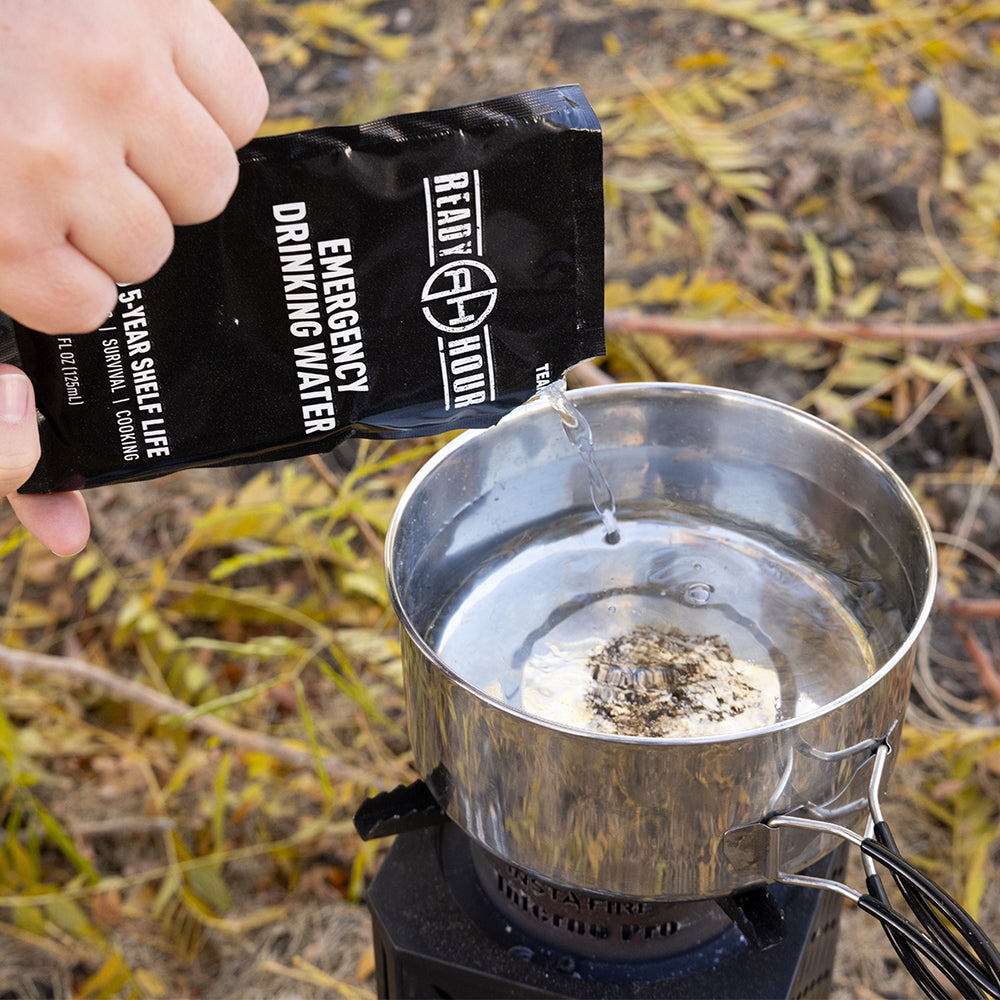
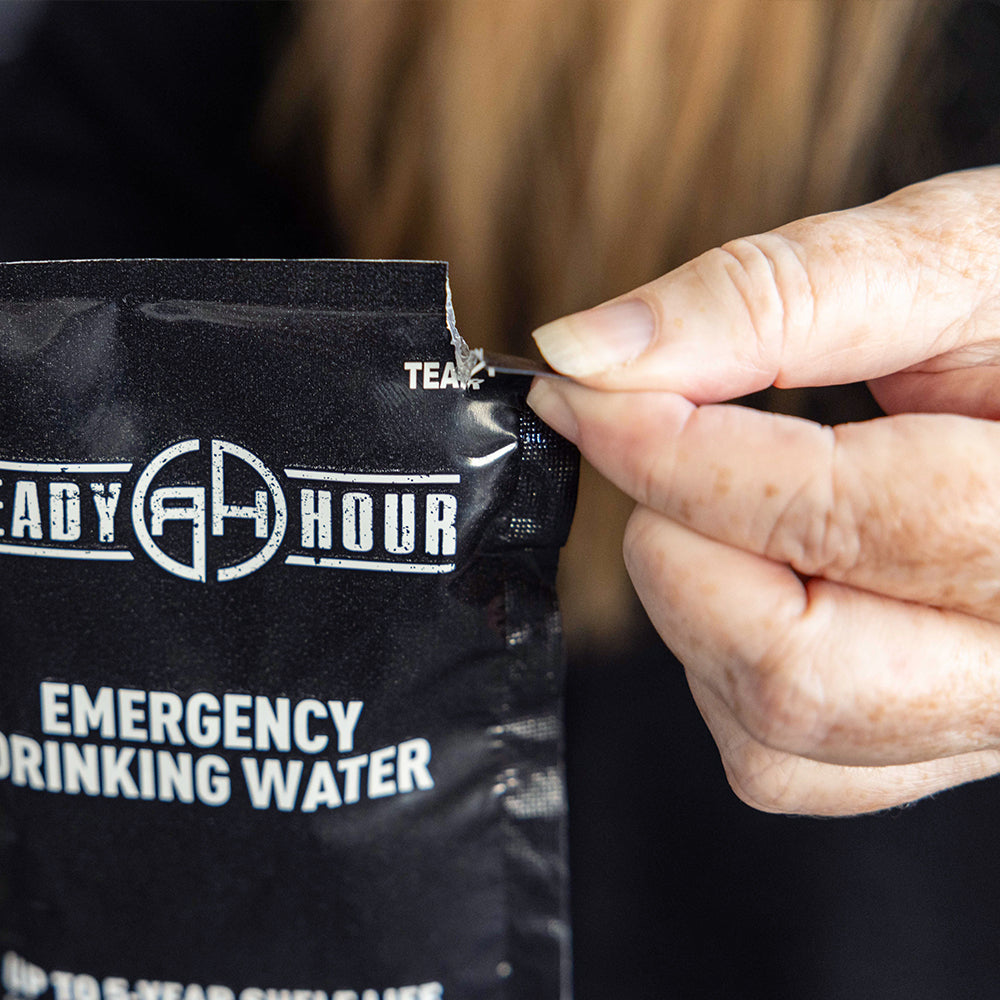
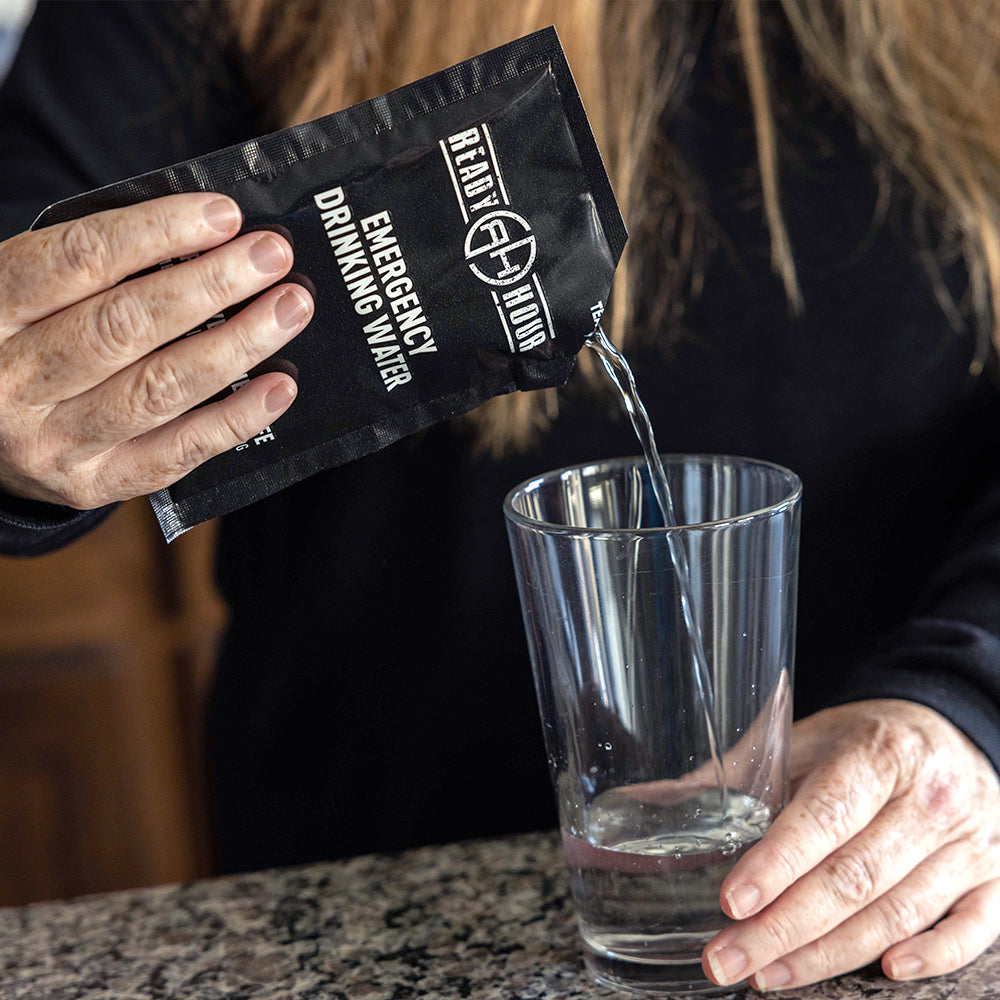
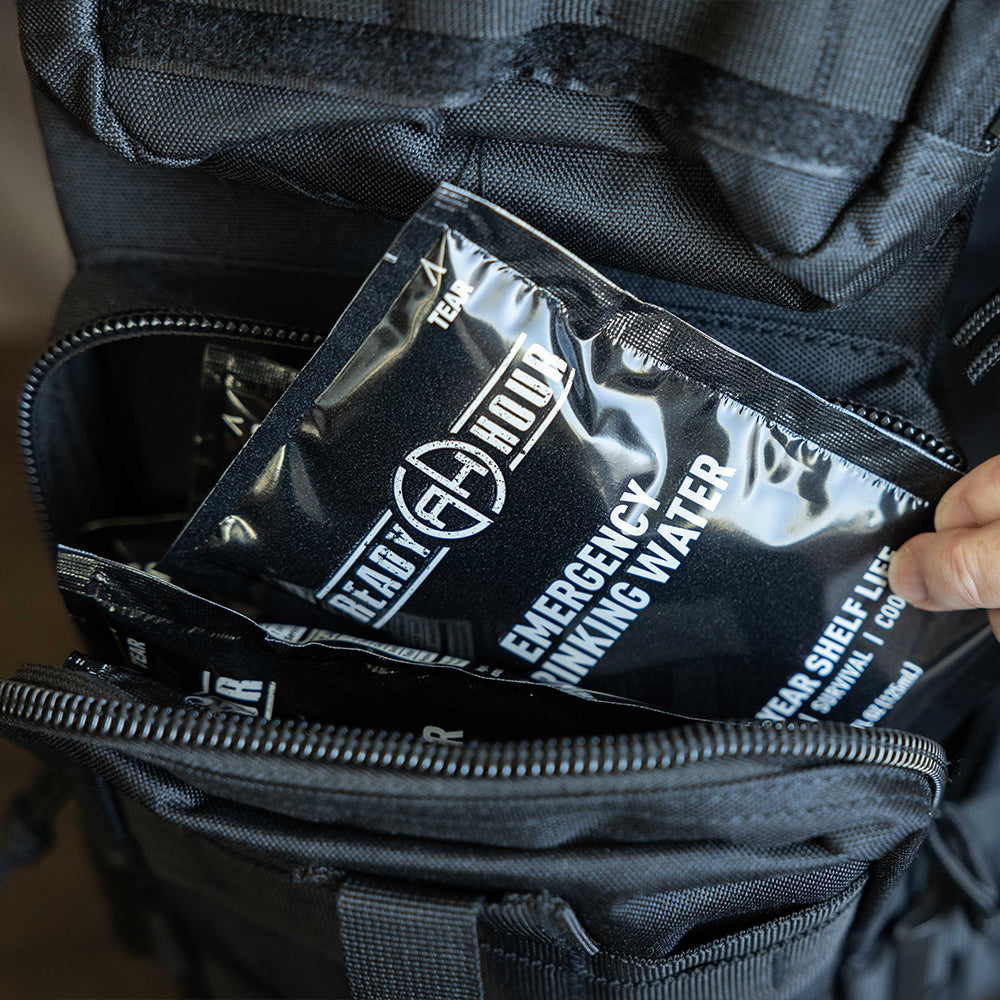
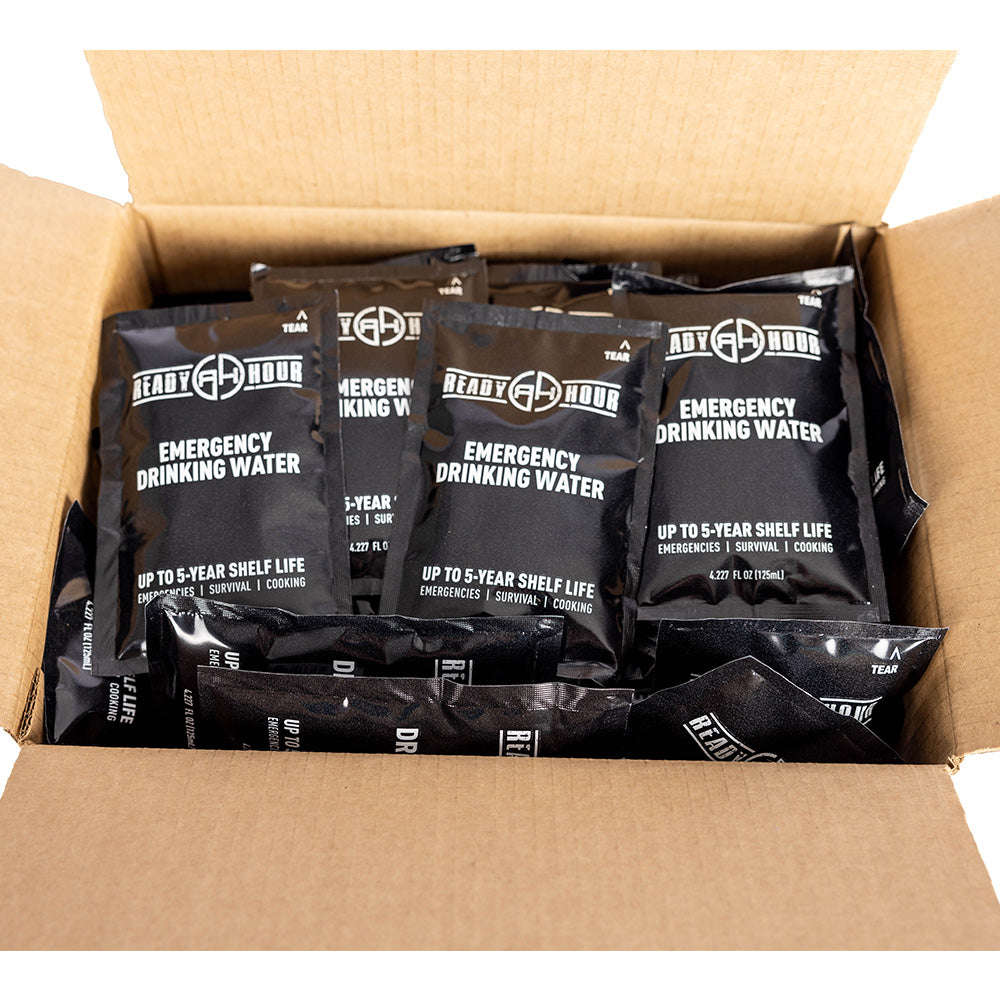
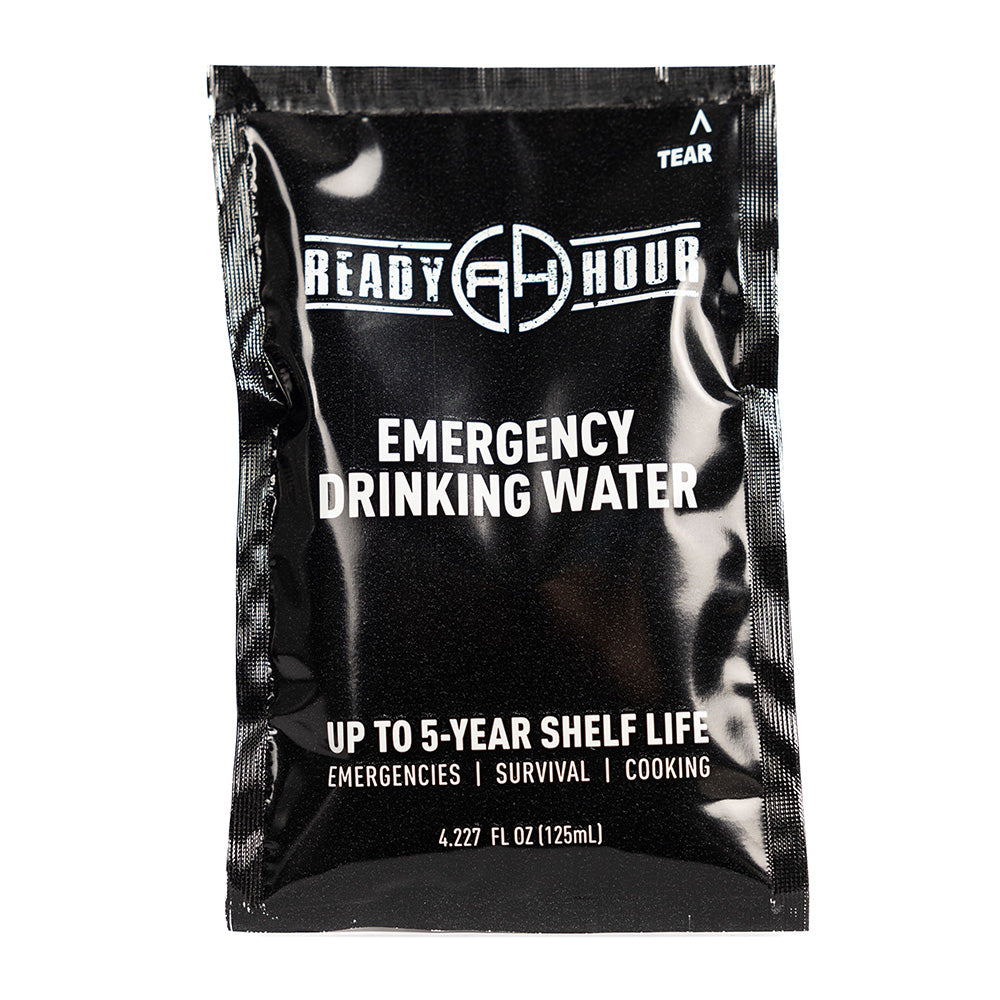
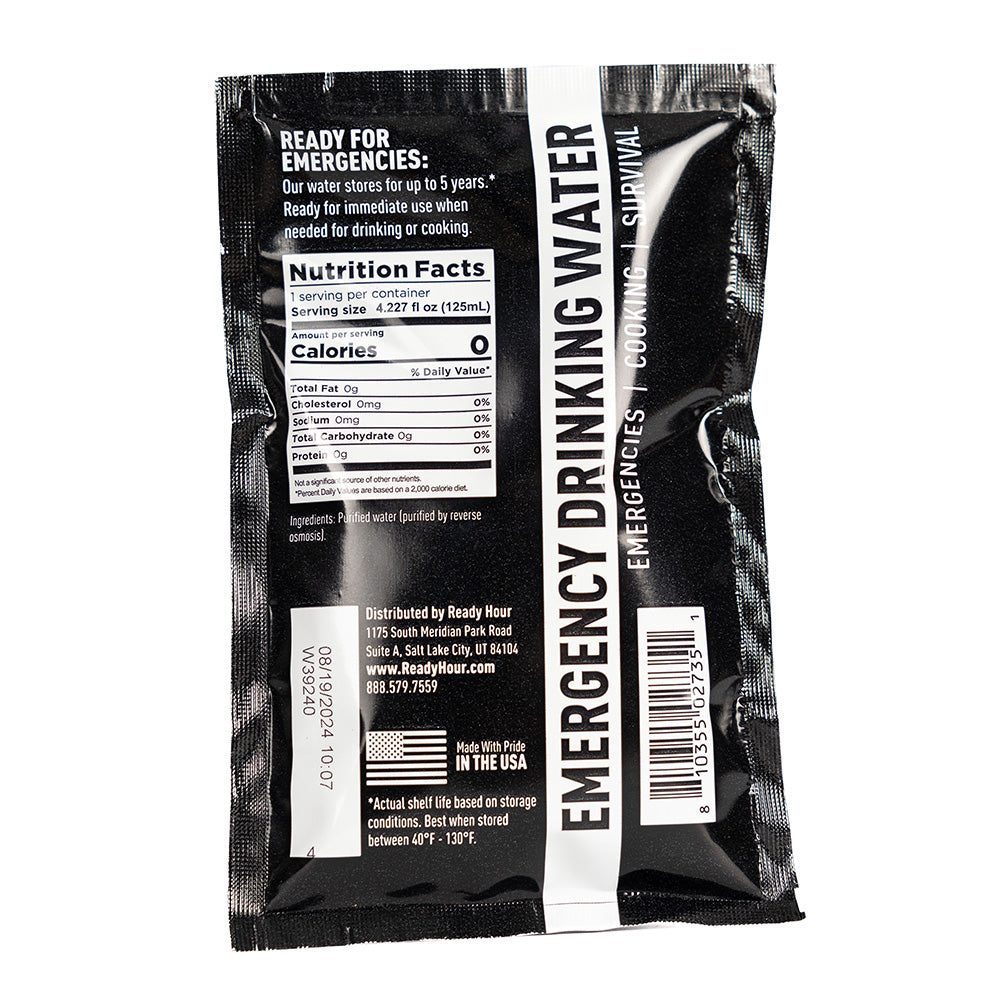
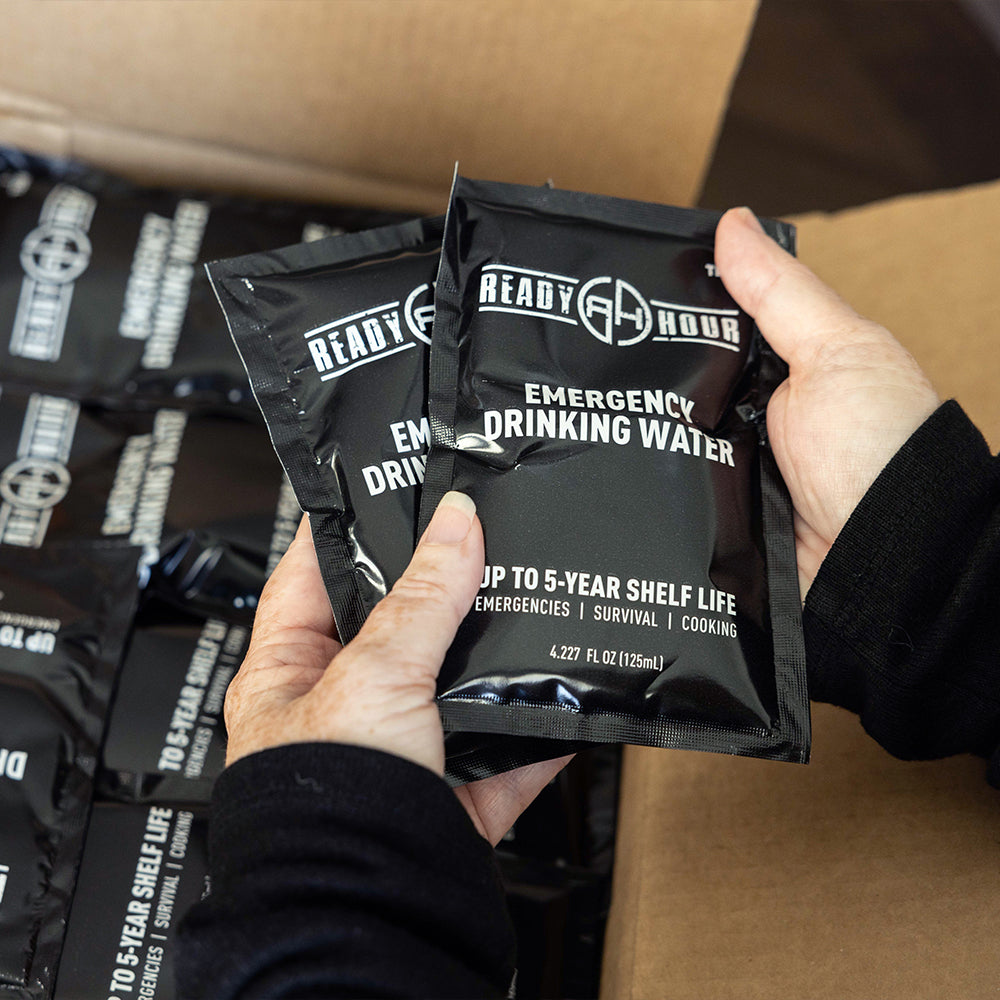
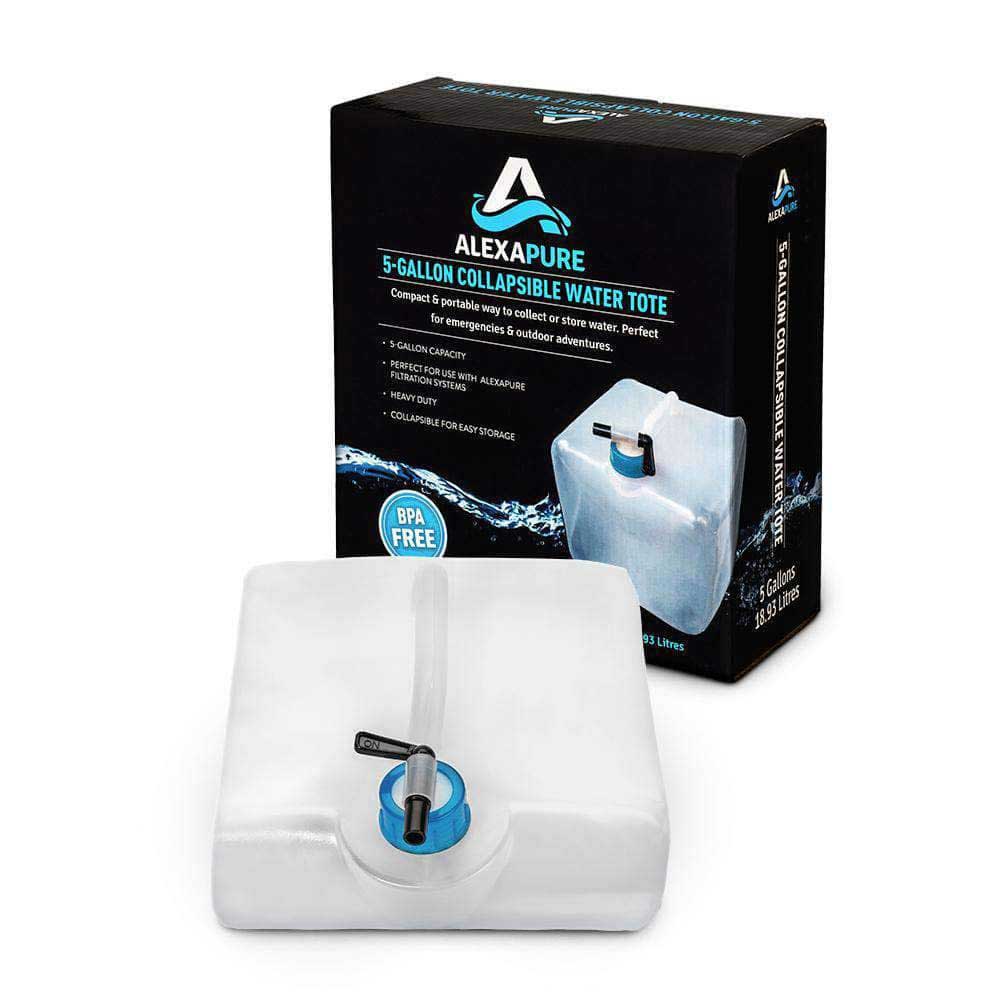
The simplest and most reliable source of emergency water is the water you've already stored. Storms, power outages, infrastructure failures, and boil-water advisories can happen with little warning, making it difficult—or even impossible—to purchase water once an emergency is underway.
Experts generally recommend storing at least one gallon of water per person, per day for drinking and basic sanitation. While a three-day supply is often considered the minimum, extending your reserve whenever possible provides additional peace of mind during longer disruptions.
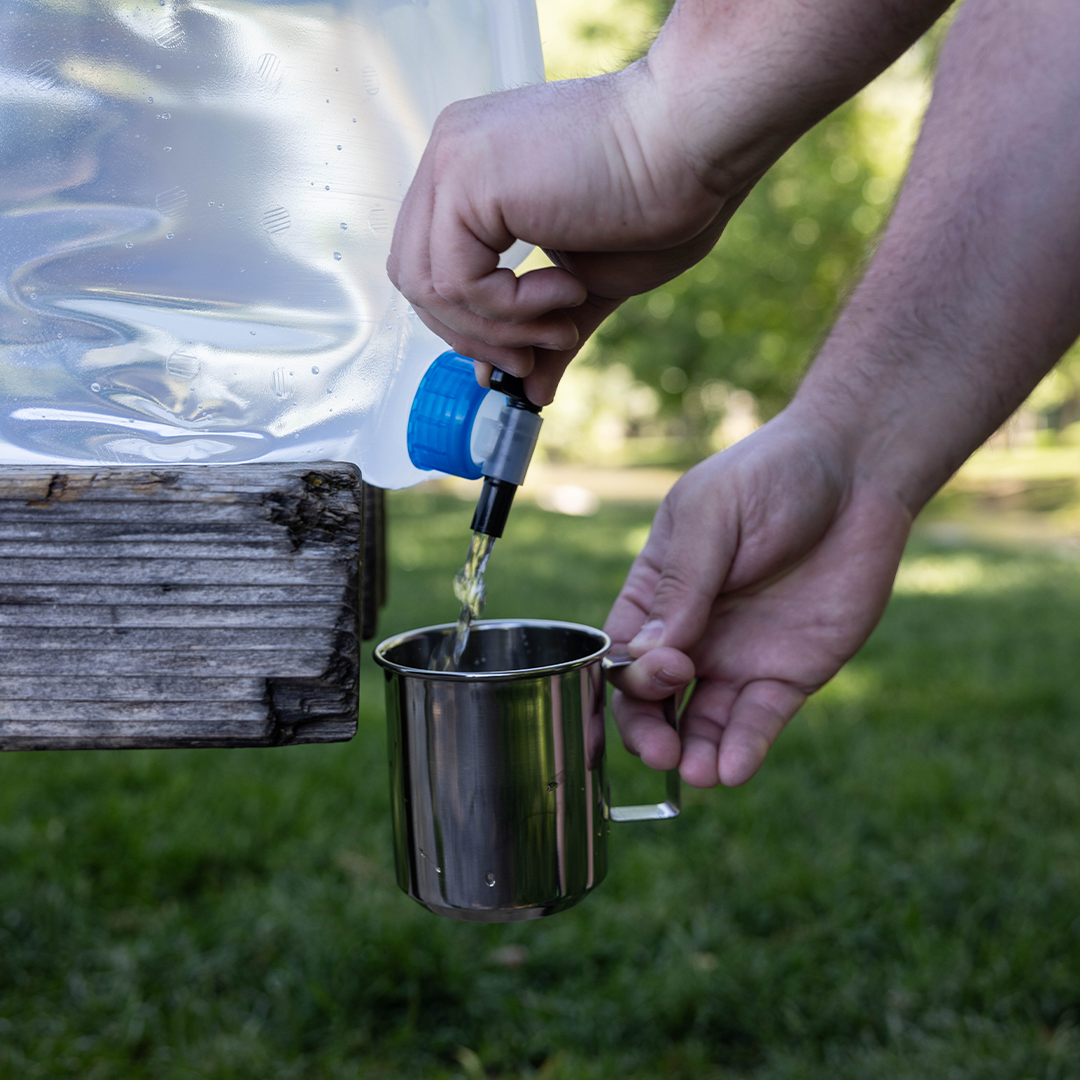
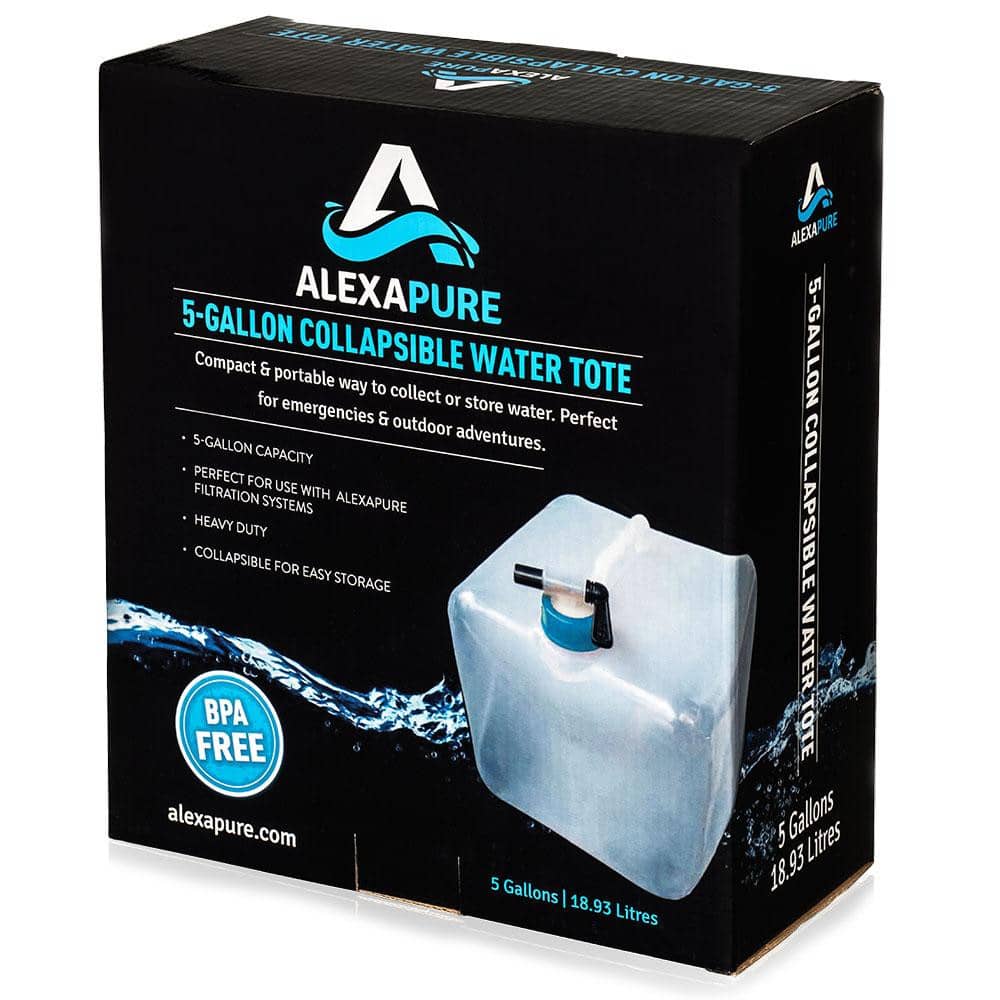
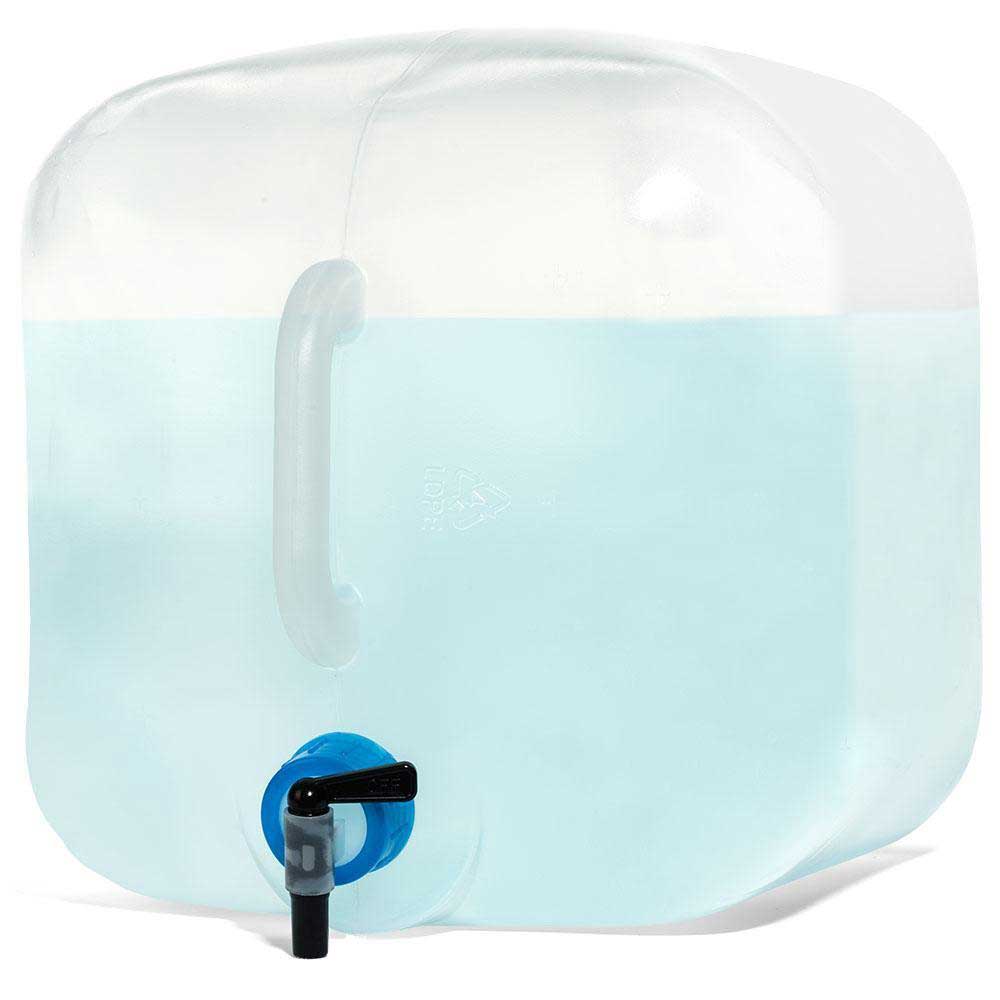
Store water in durable, food-safe containers, keep it in a cool, dry location, and periodically inspect or rotate your supplies according to the manufacturer's recommendations. Building a dependable reserve is the foundation of every water security plan.


Step 2: Treat Water
Keep a way to make questionable water safer to drink.
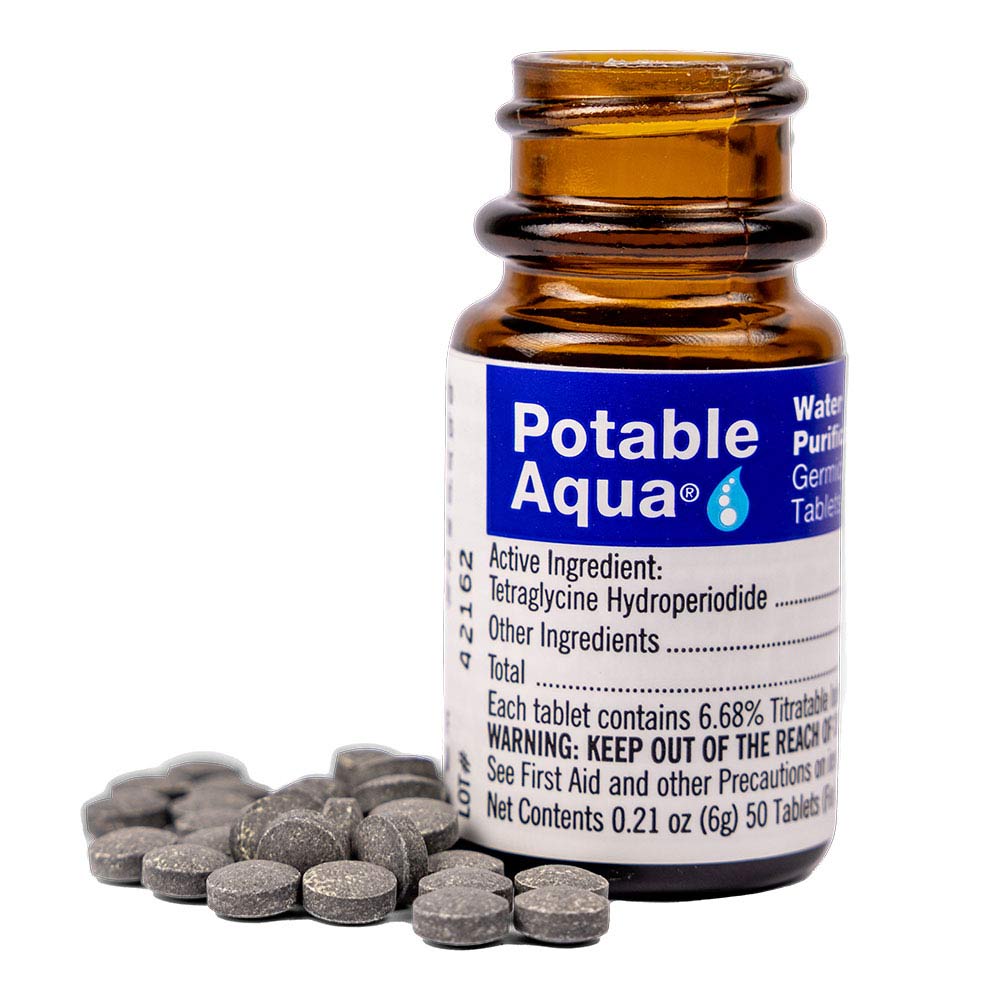
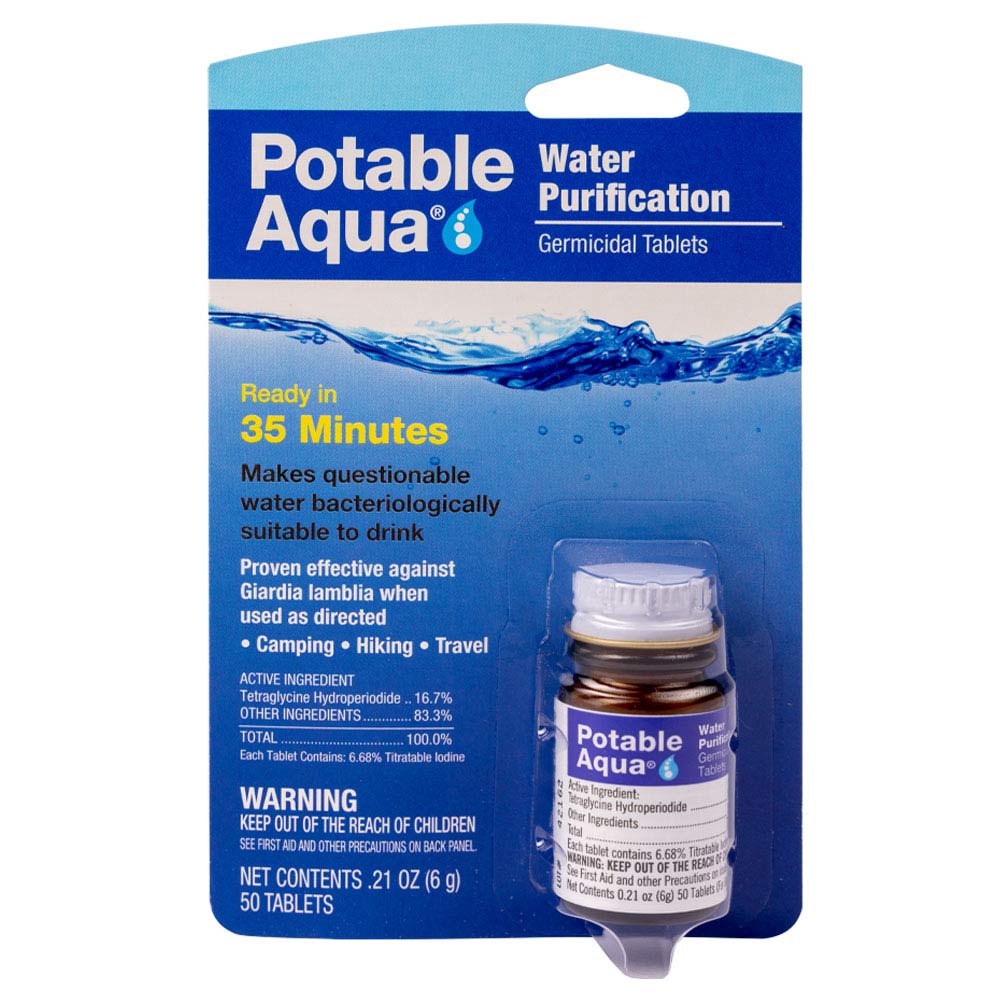
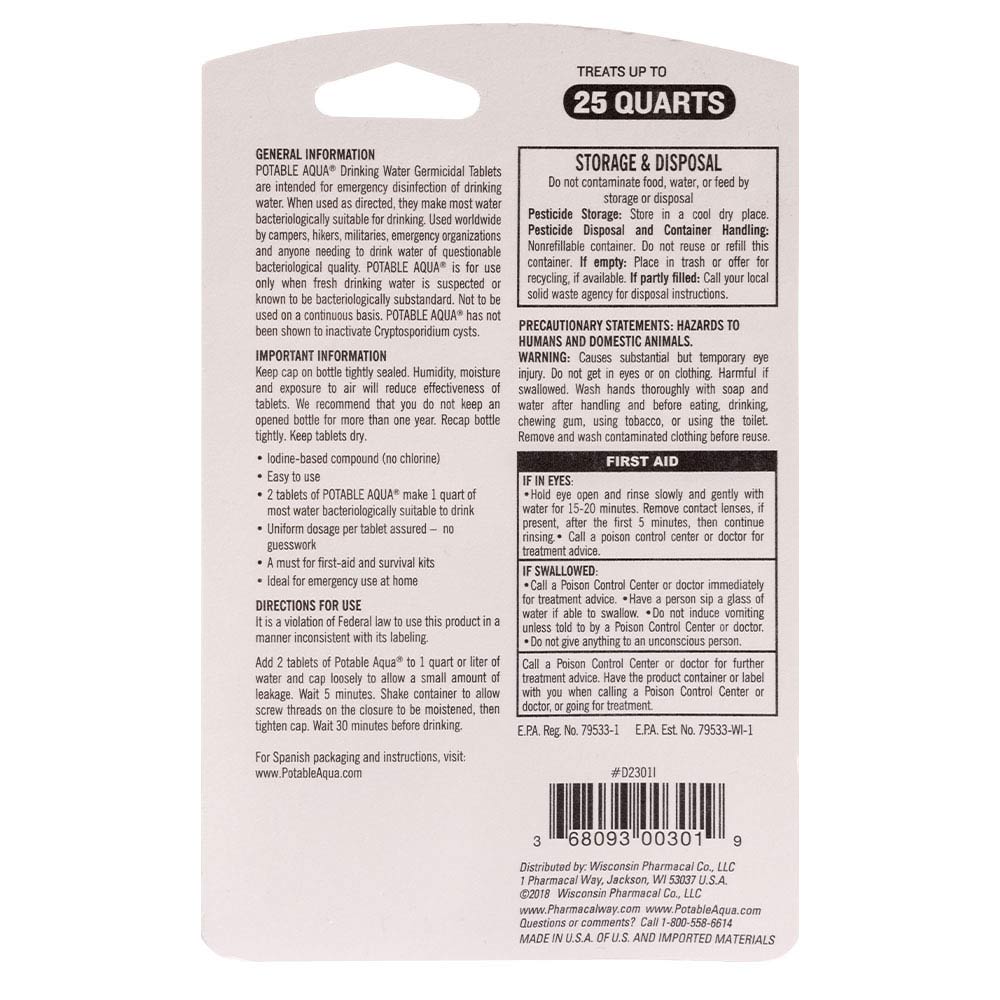
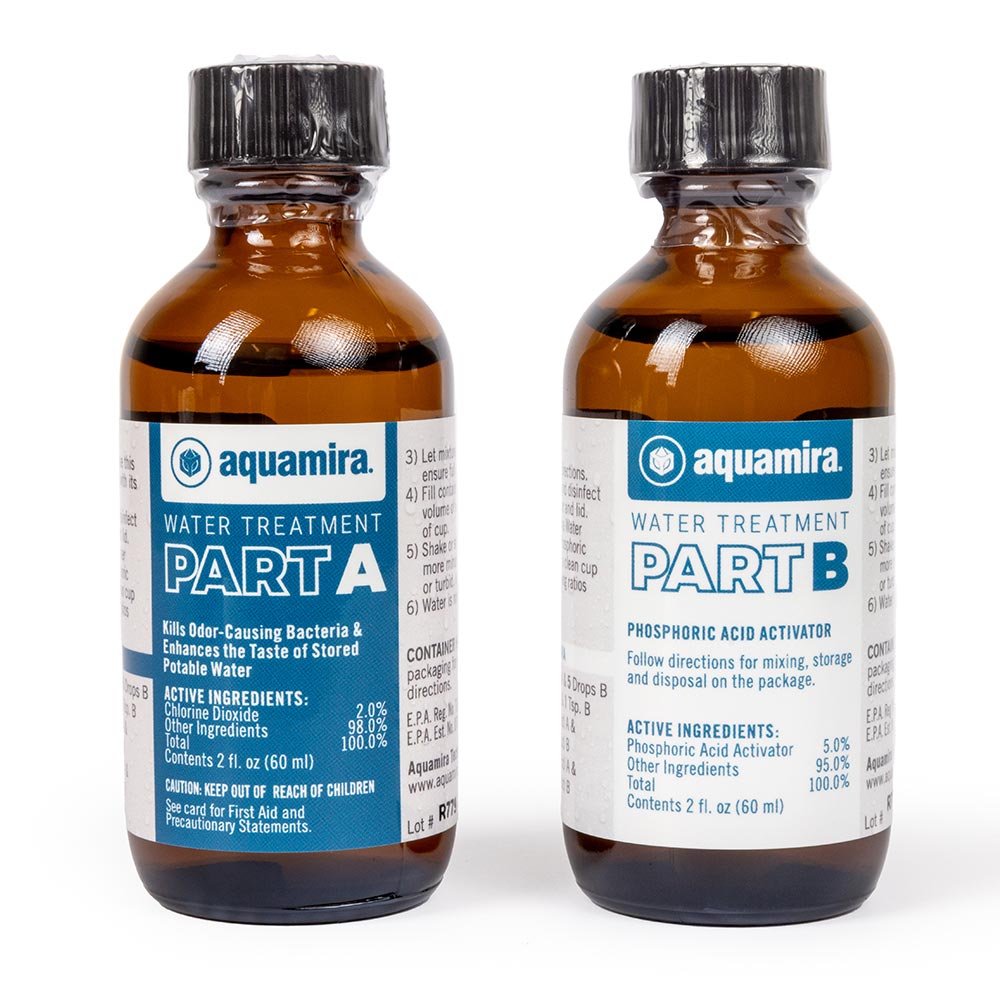
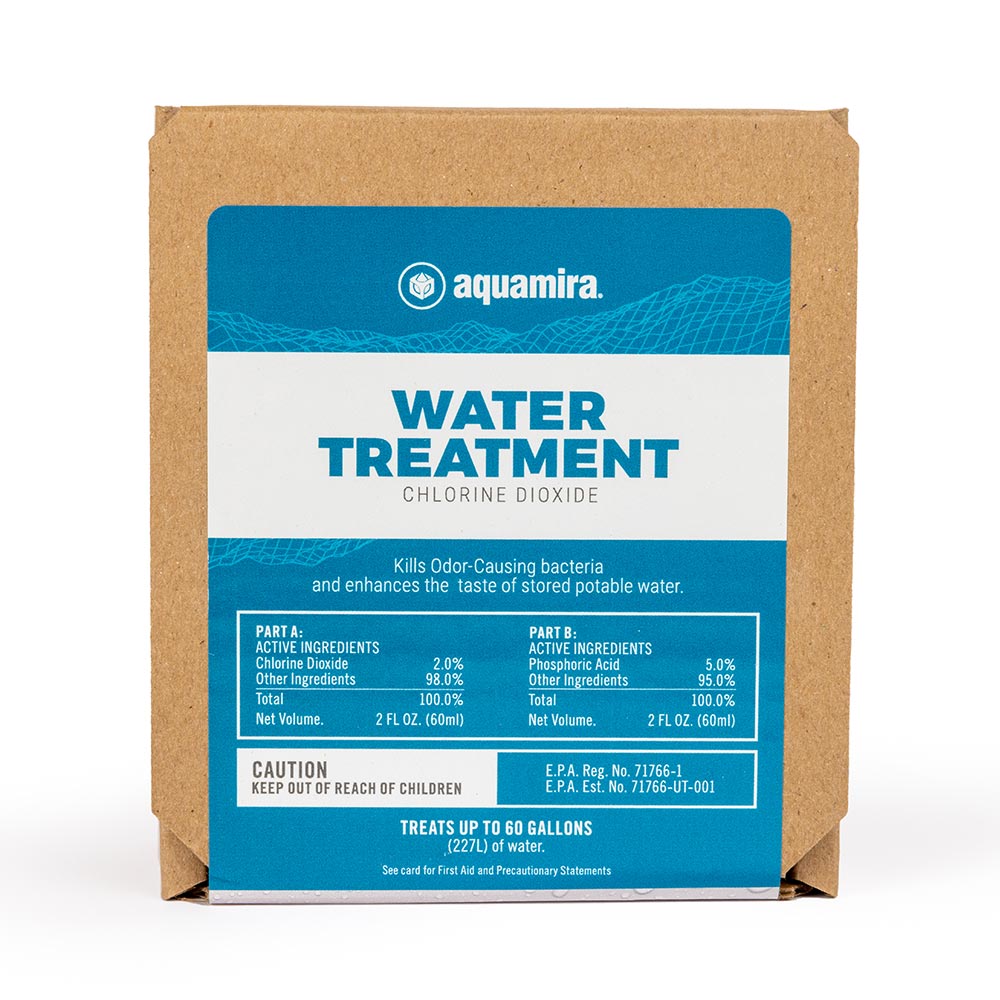
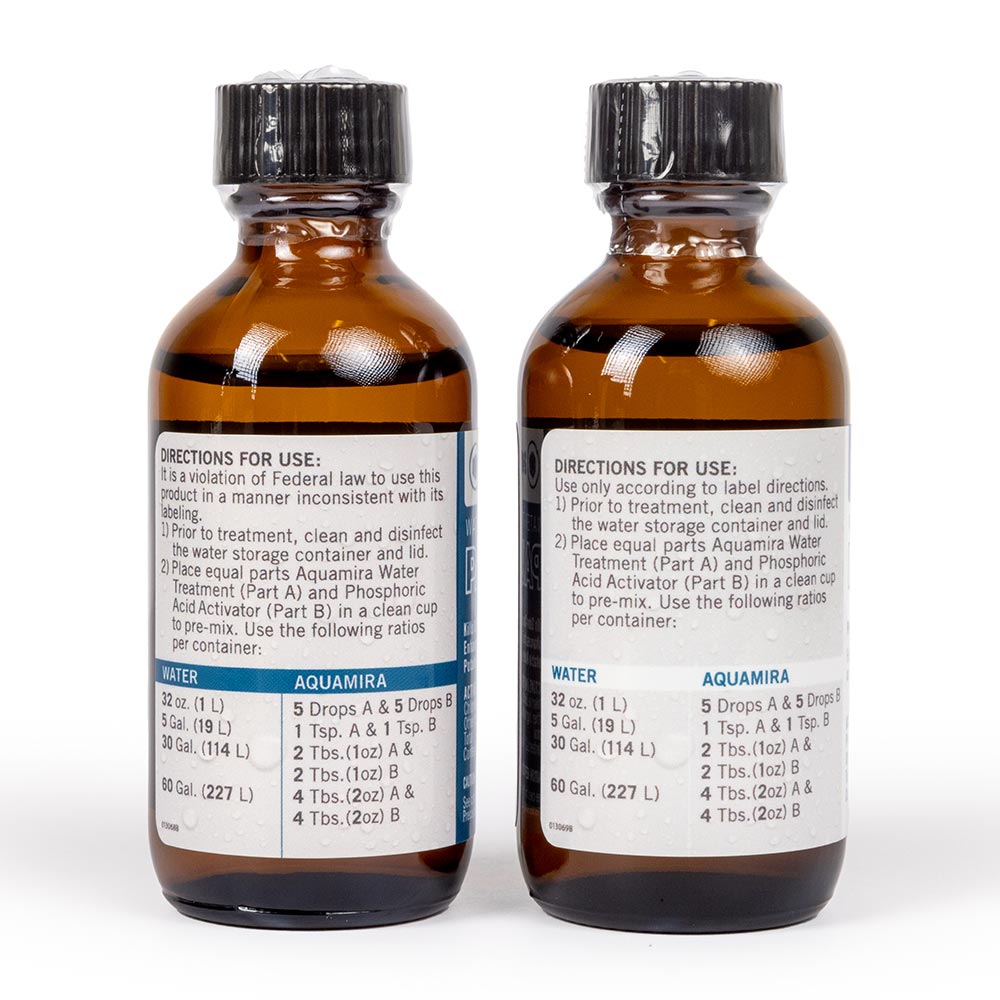
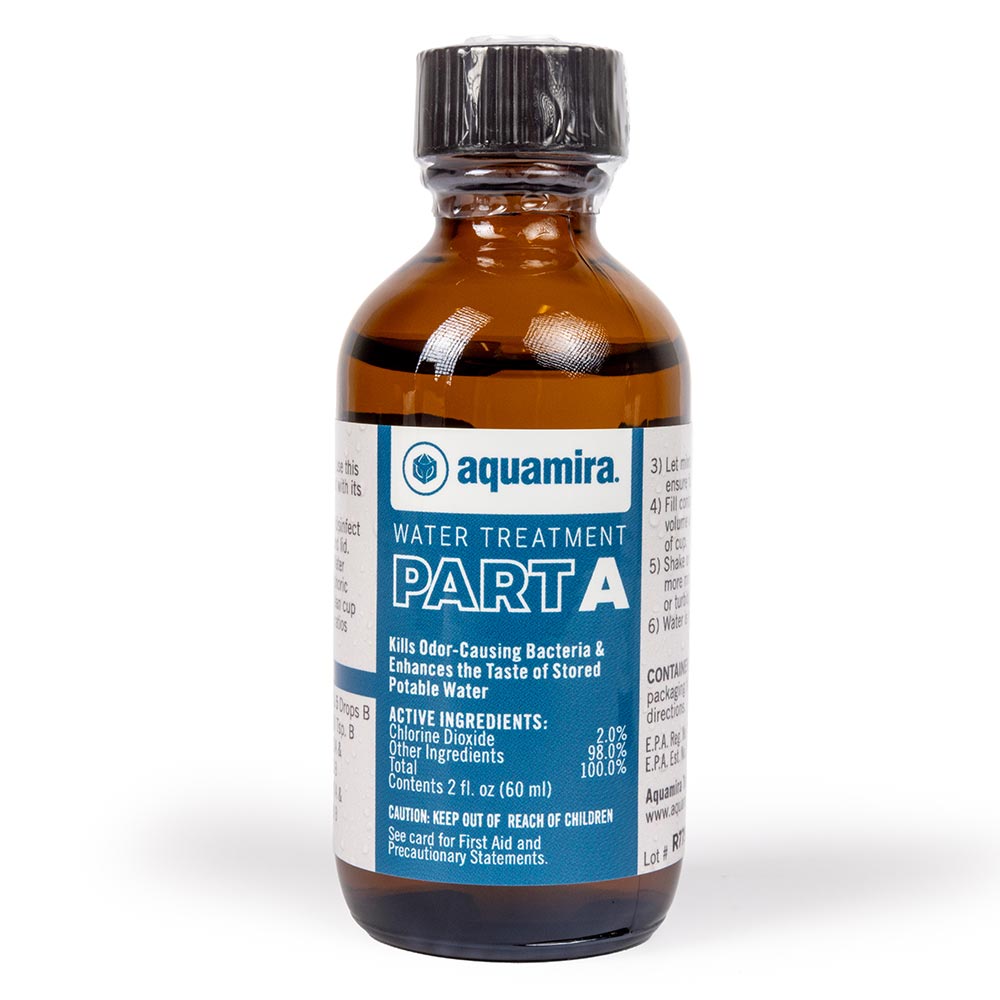
Stored water won't last forever, and in an extended emergency you may need to rely on water from unfamiliar or untreated sources. That's where water treatment becomes an essential layer of preparedness.
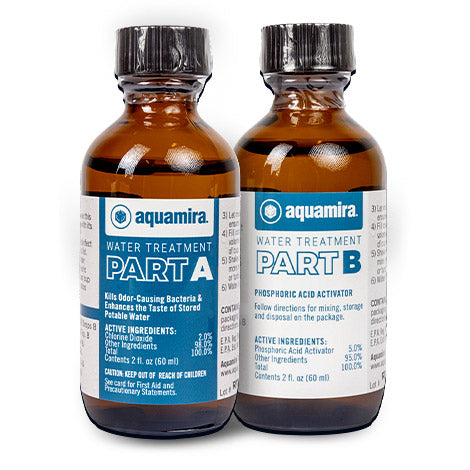
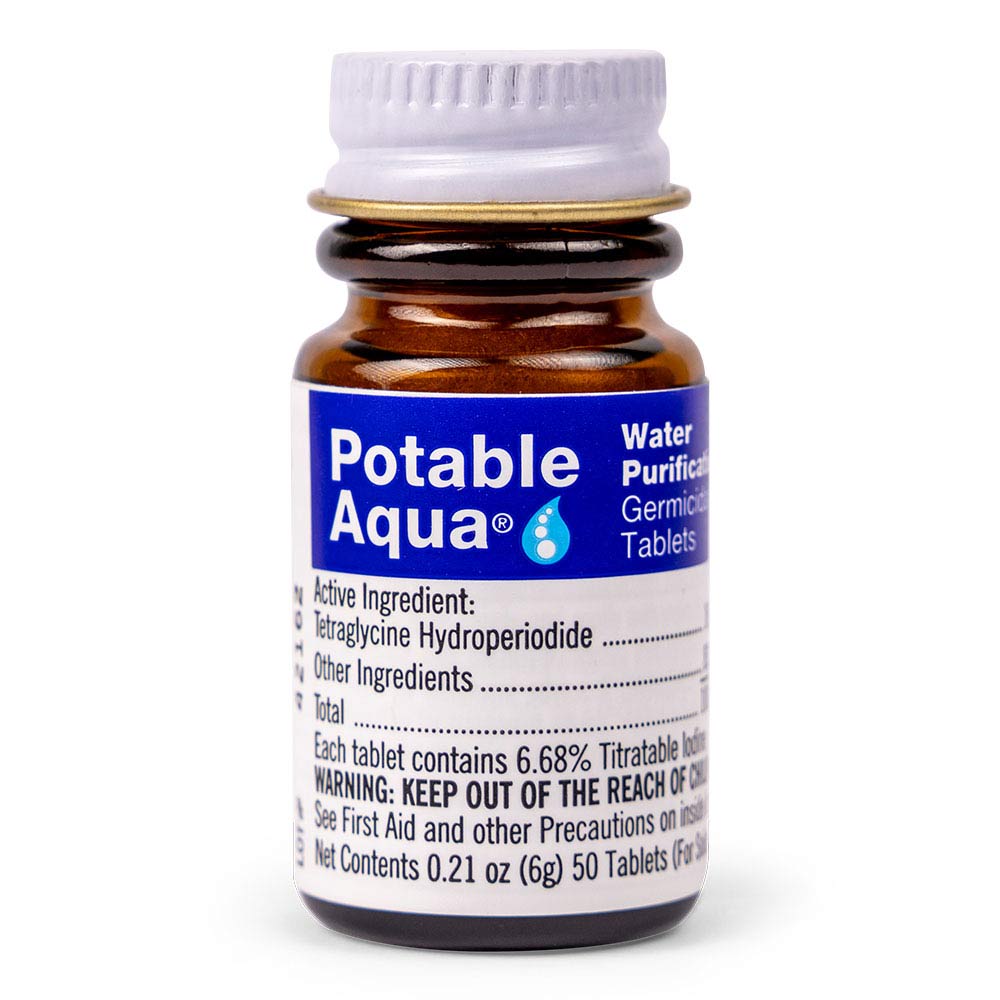
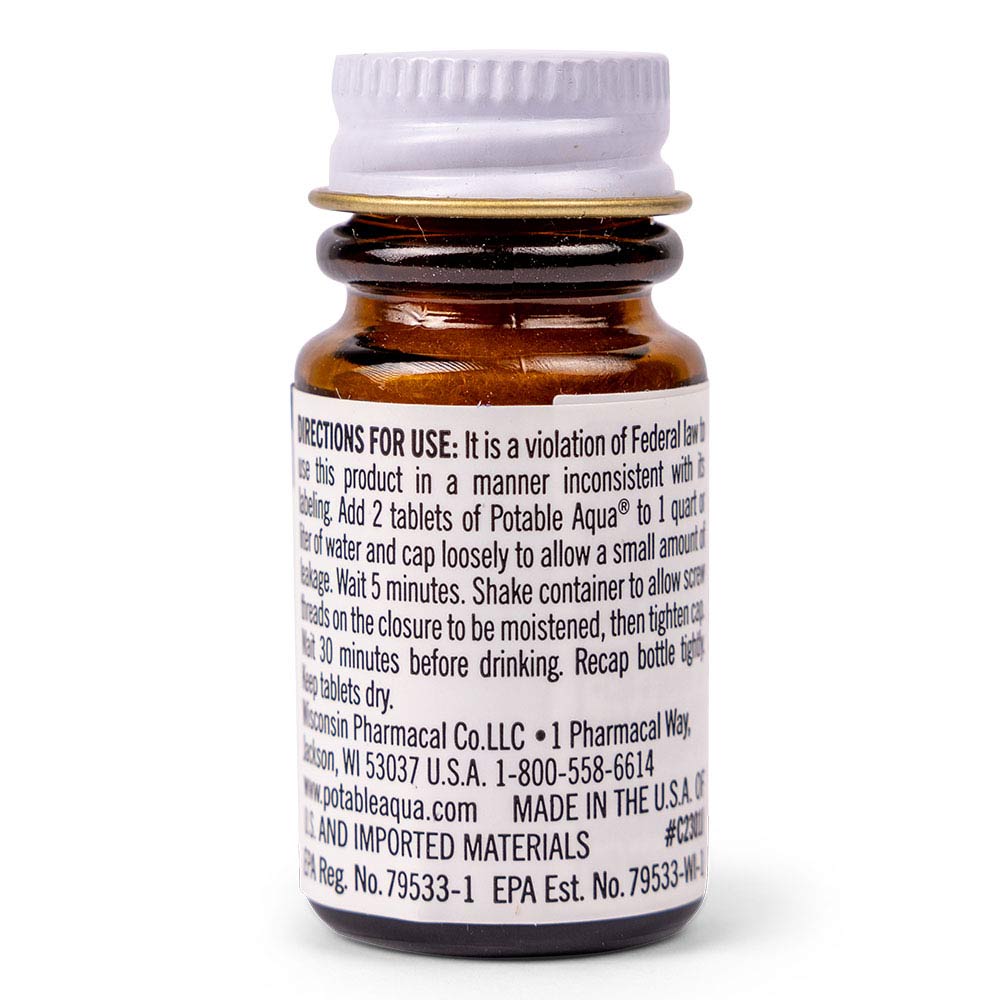
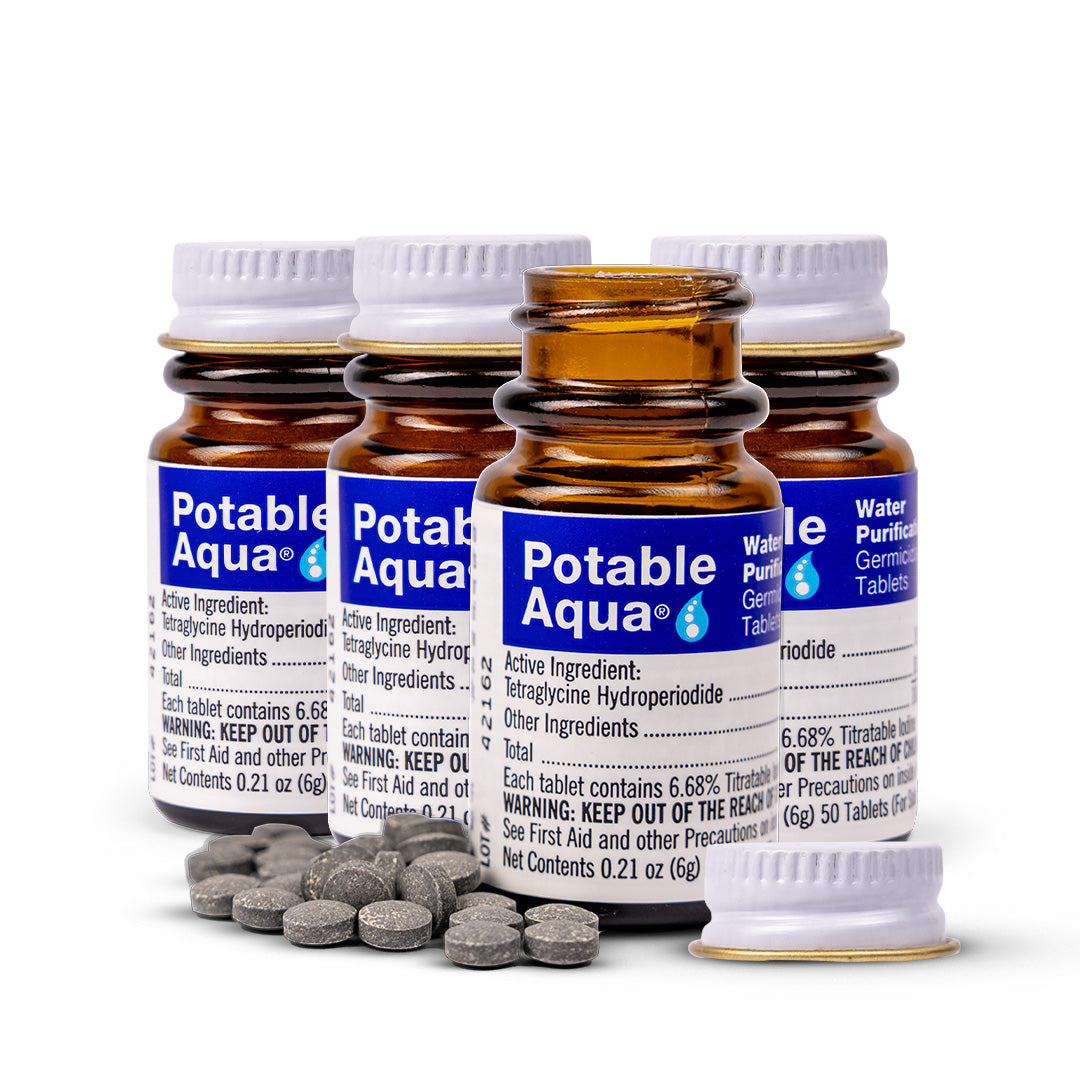
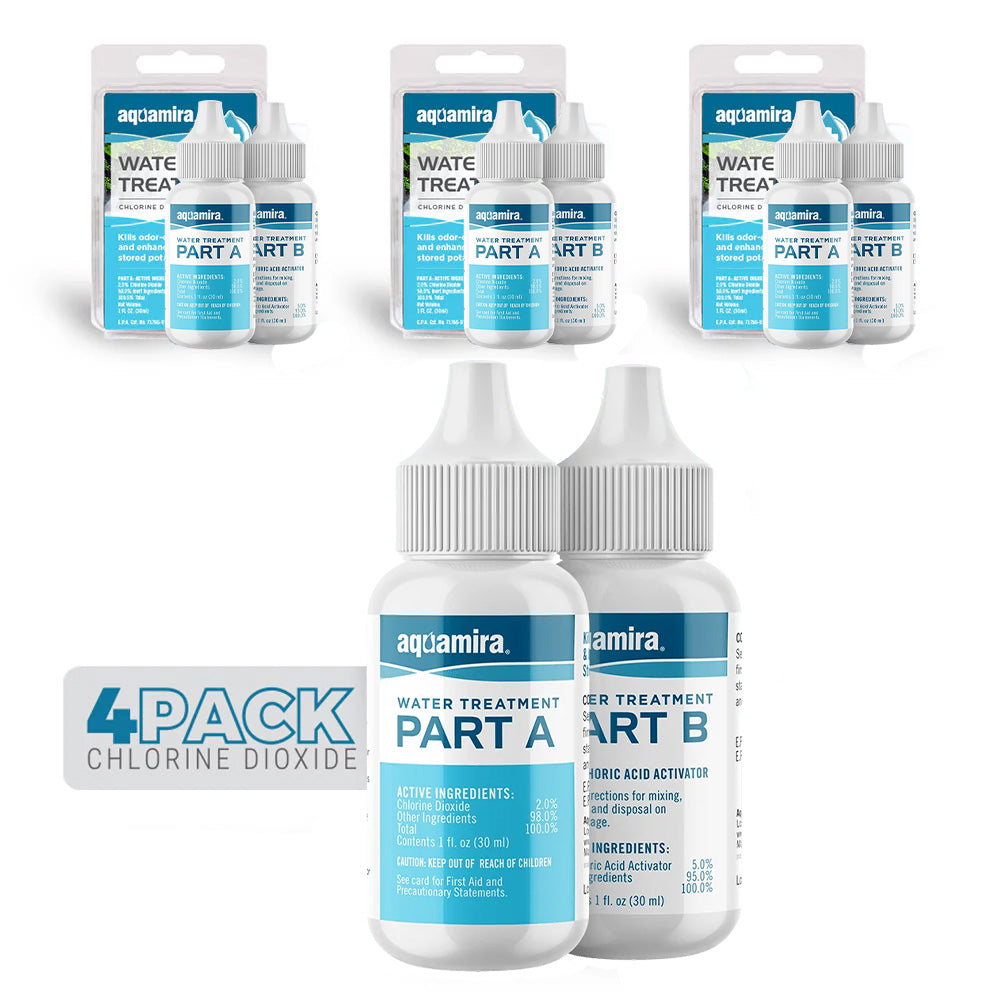
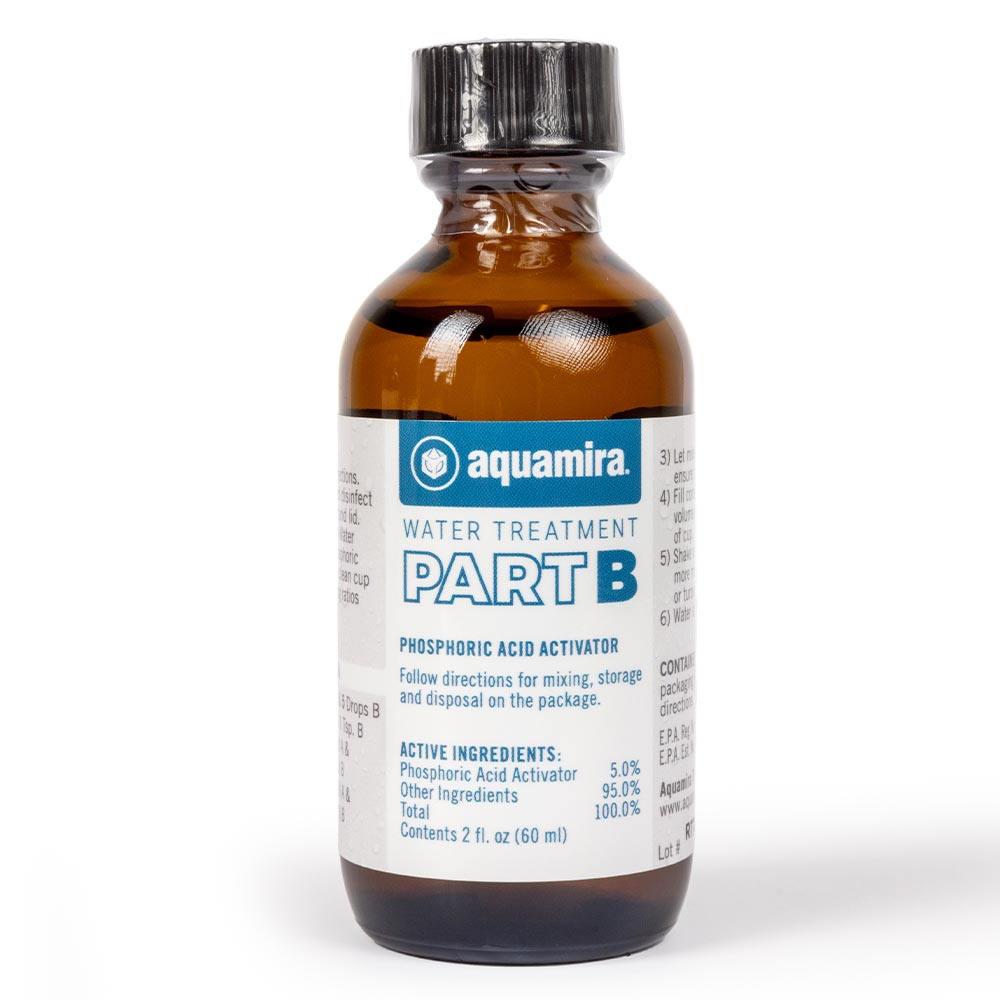
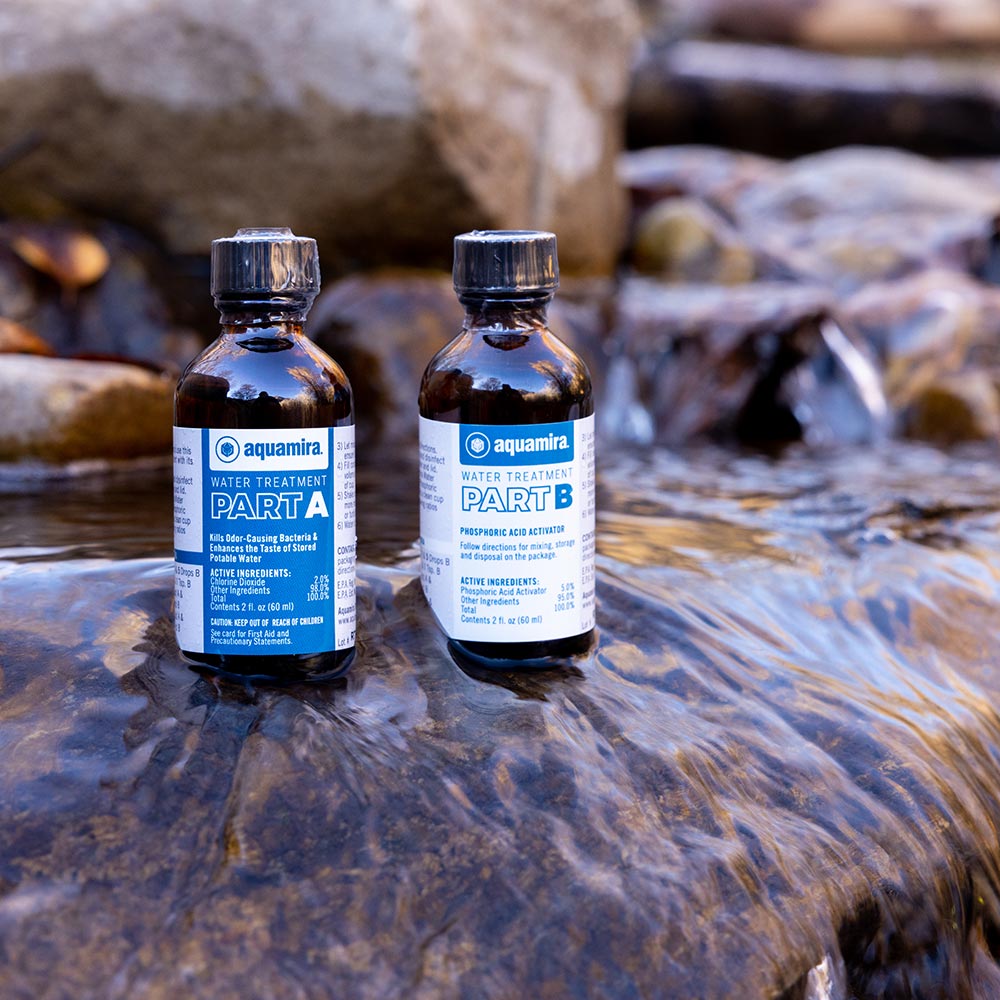
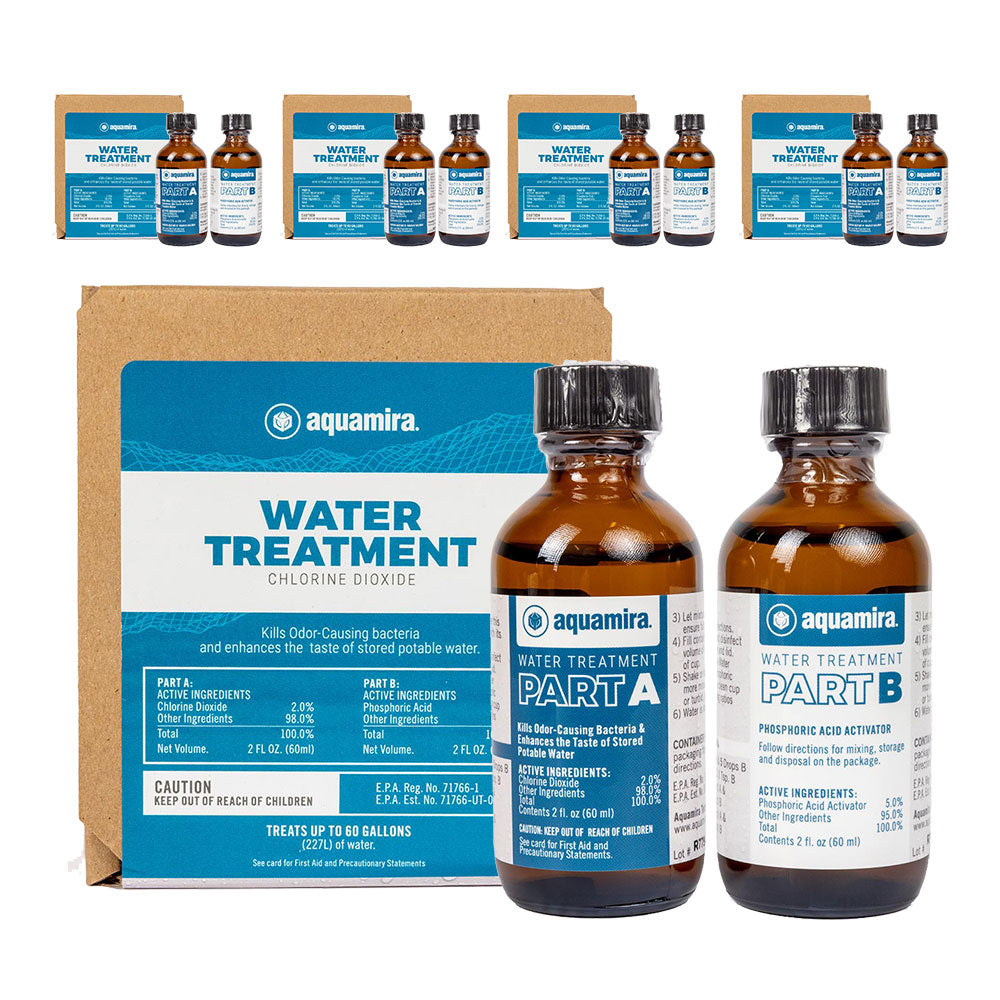
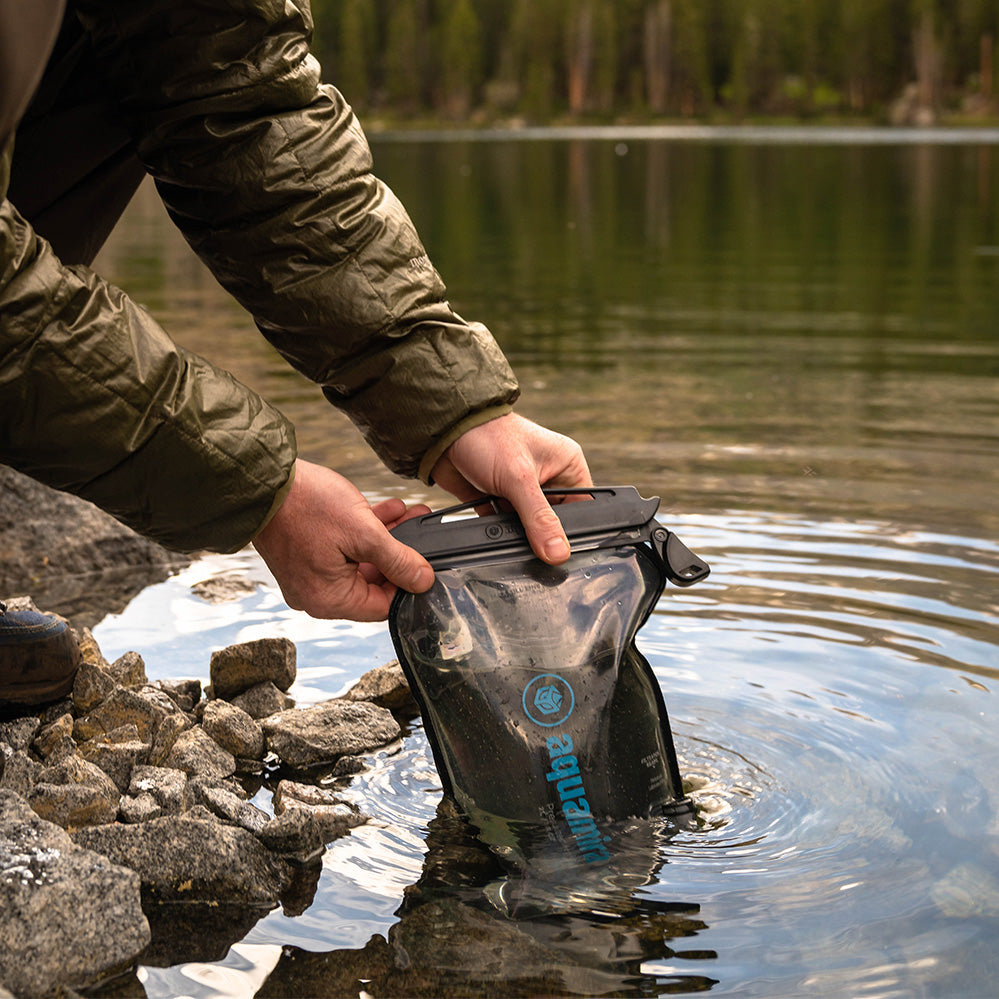
Water treatment solutions are designed to help make questionable water safer by addressing microorganisms that may be present. Whether you're using collected rainwater, water from a nearby lake or stream, or another uncertain source, treatment can provide an important additional level of protection.
Every preparedness plan should include a reliable water treatment option because it's lightweight, easy to store, and serves as an excellent backup when clean water isn't readily available.




Step 3: Filter Water
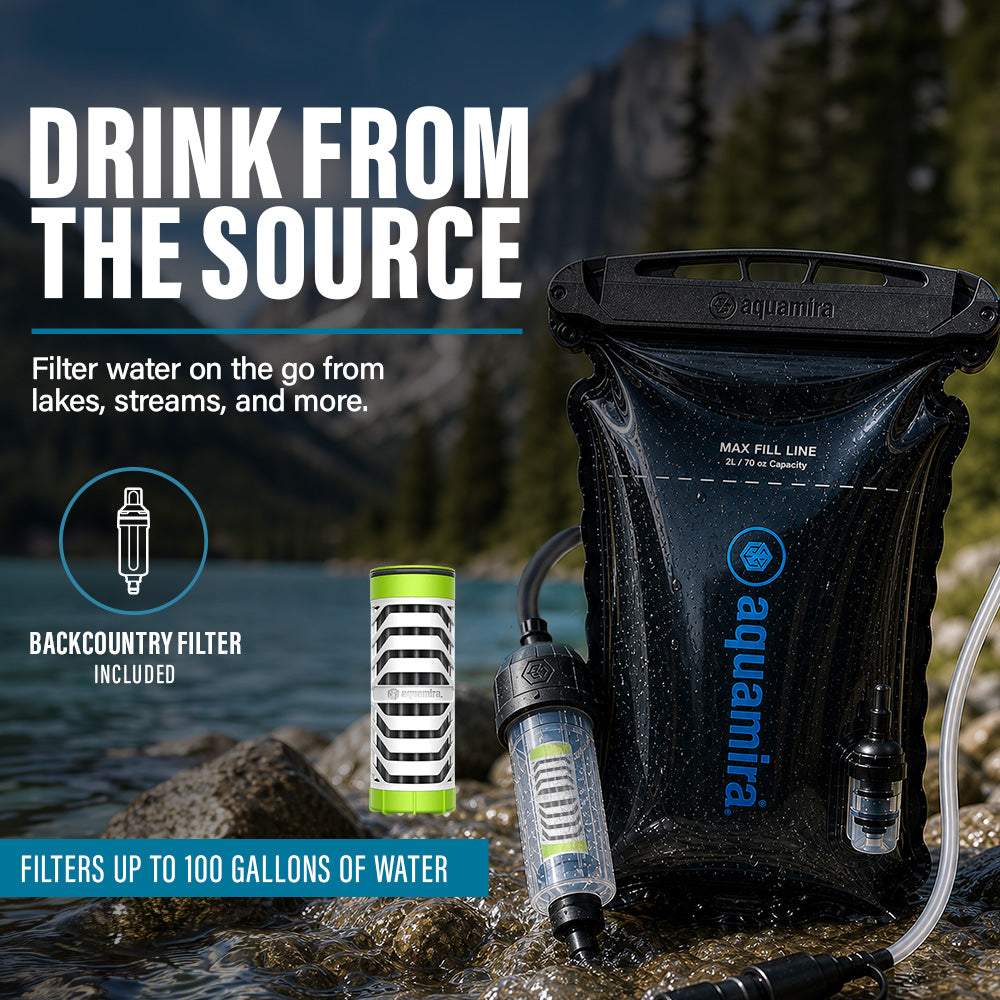
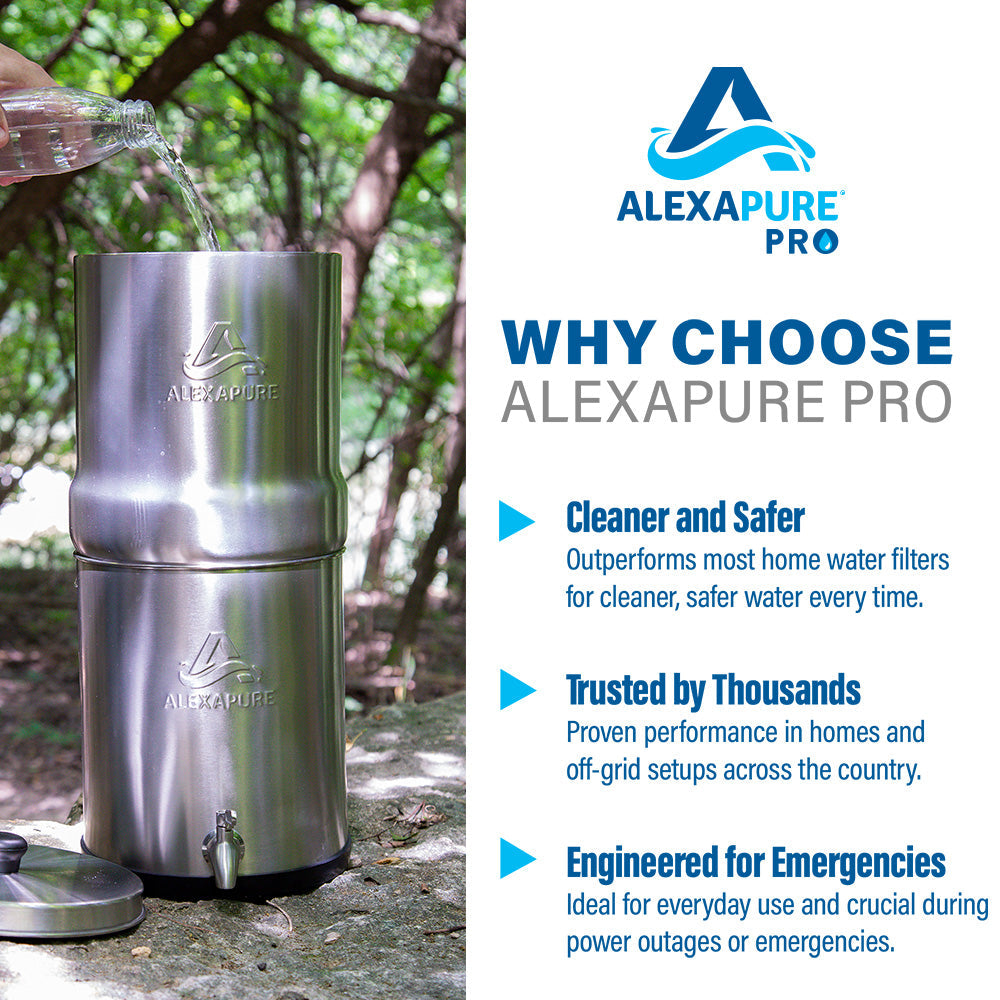
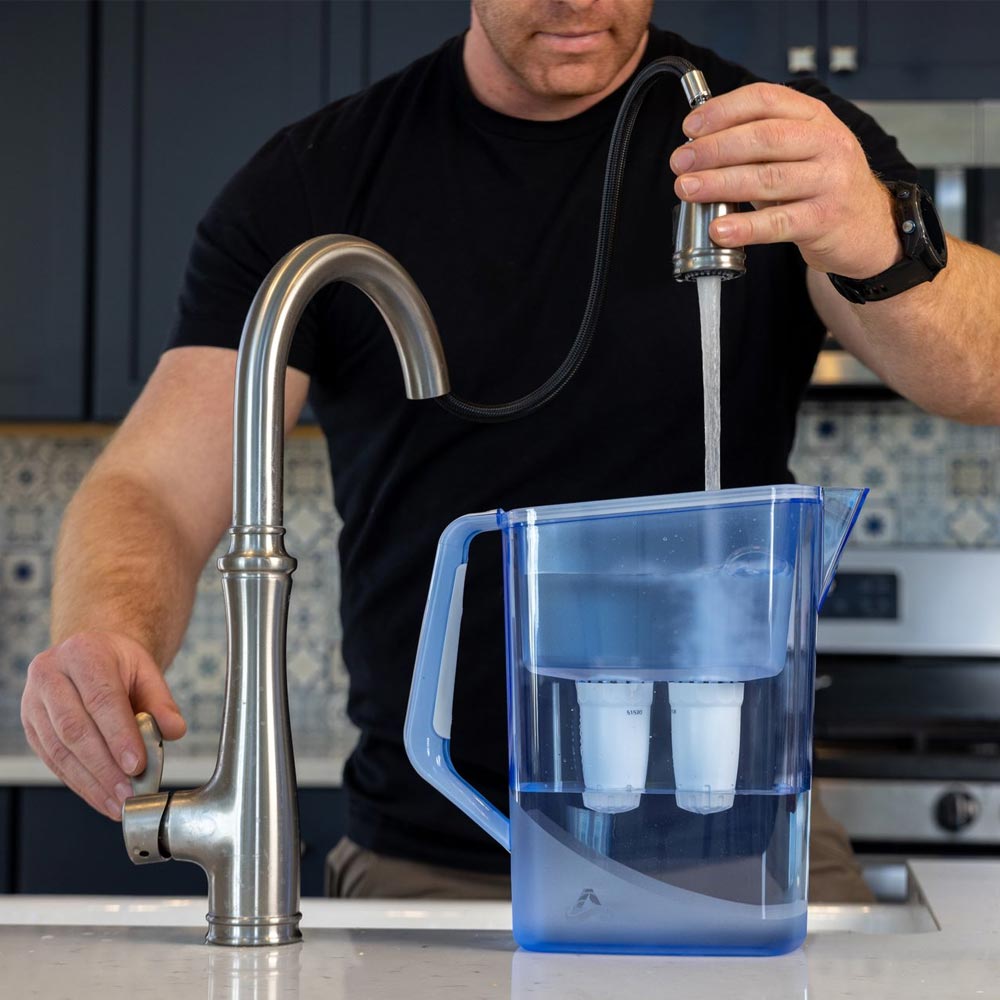
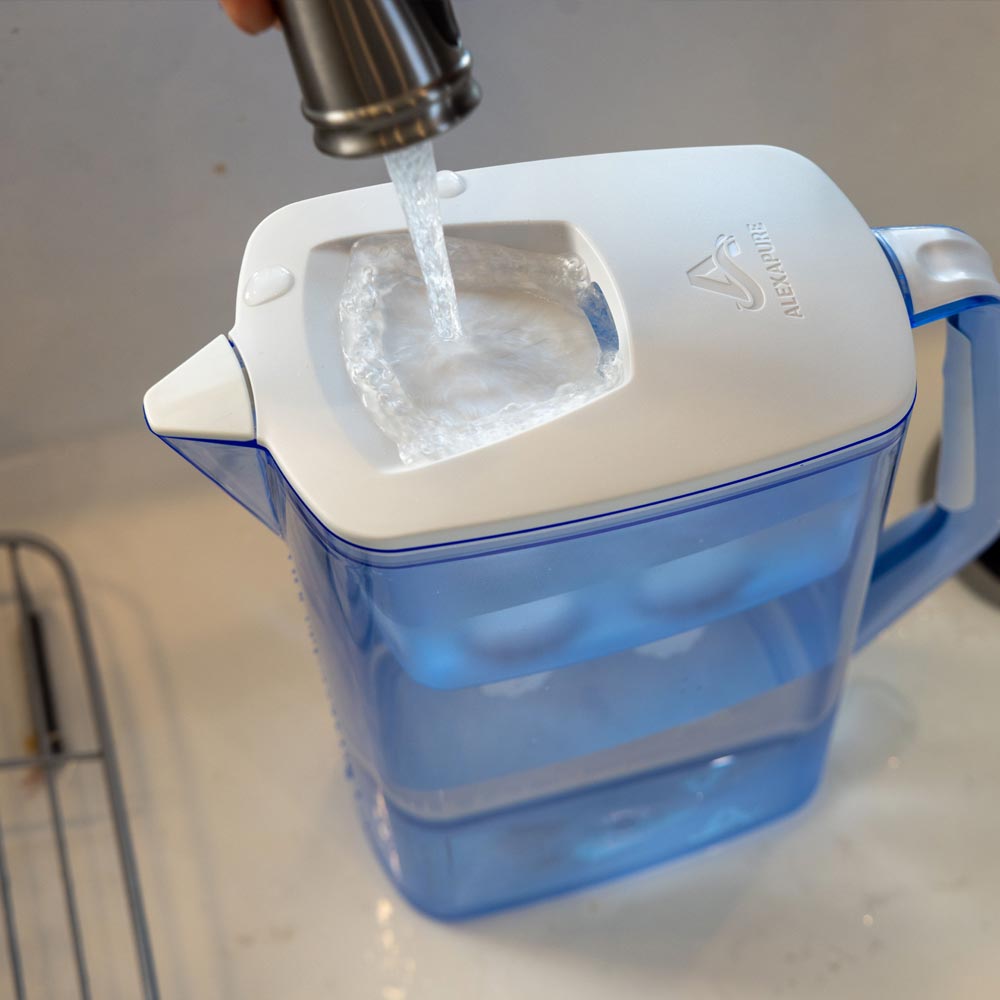
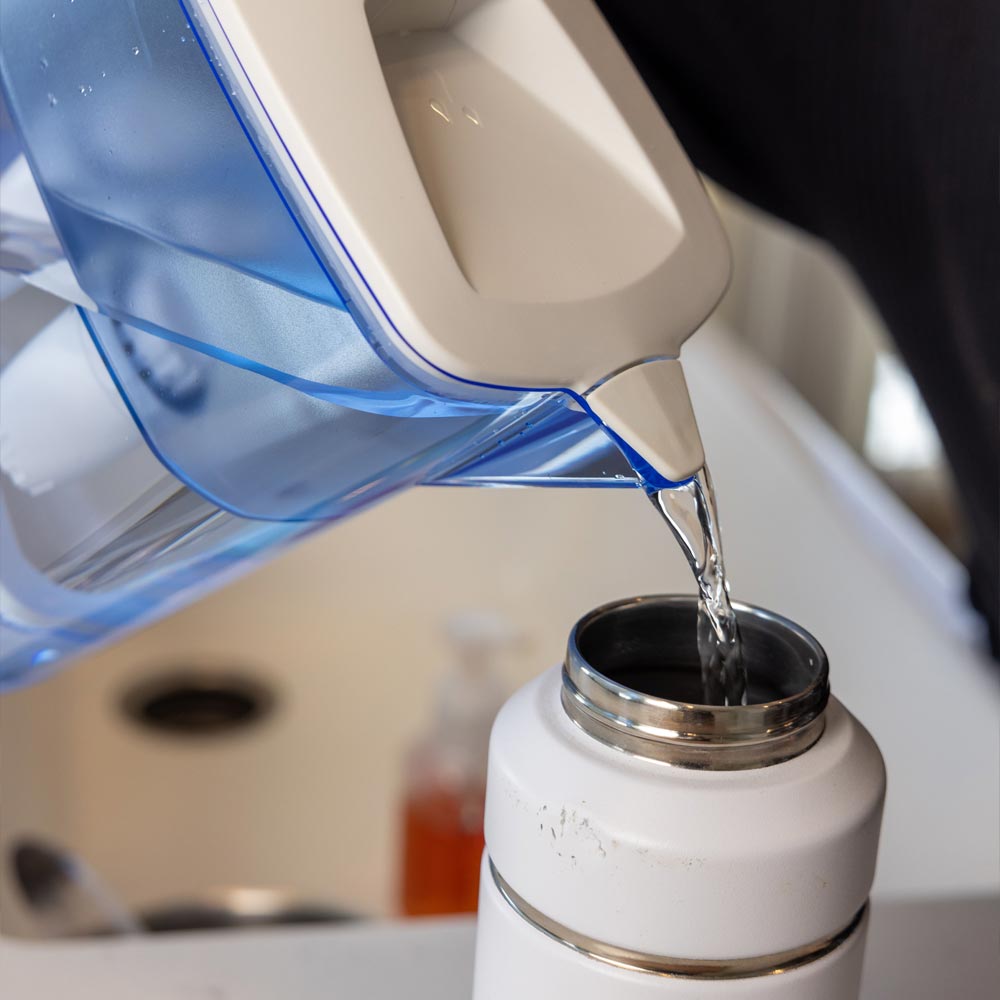
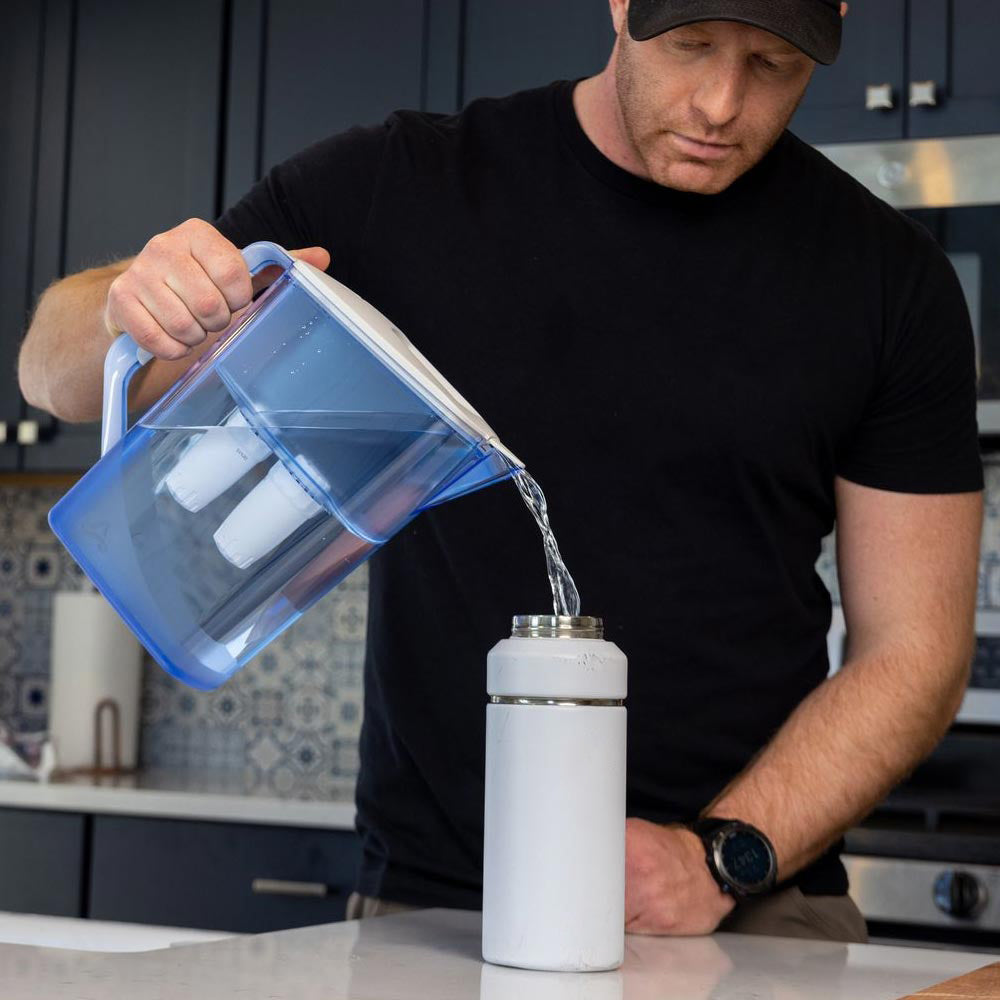
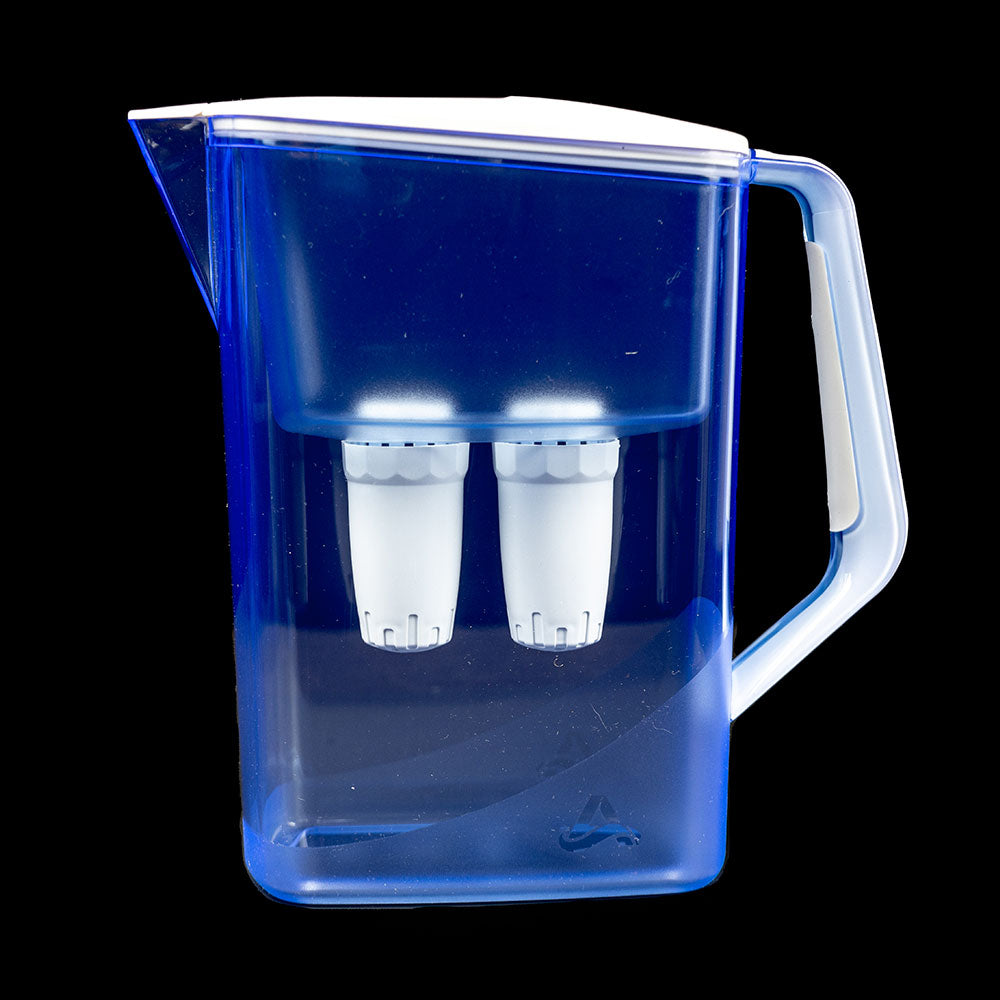
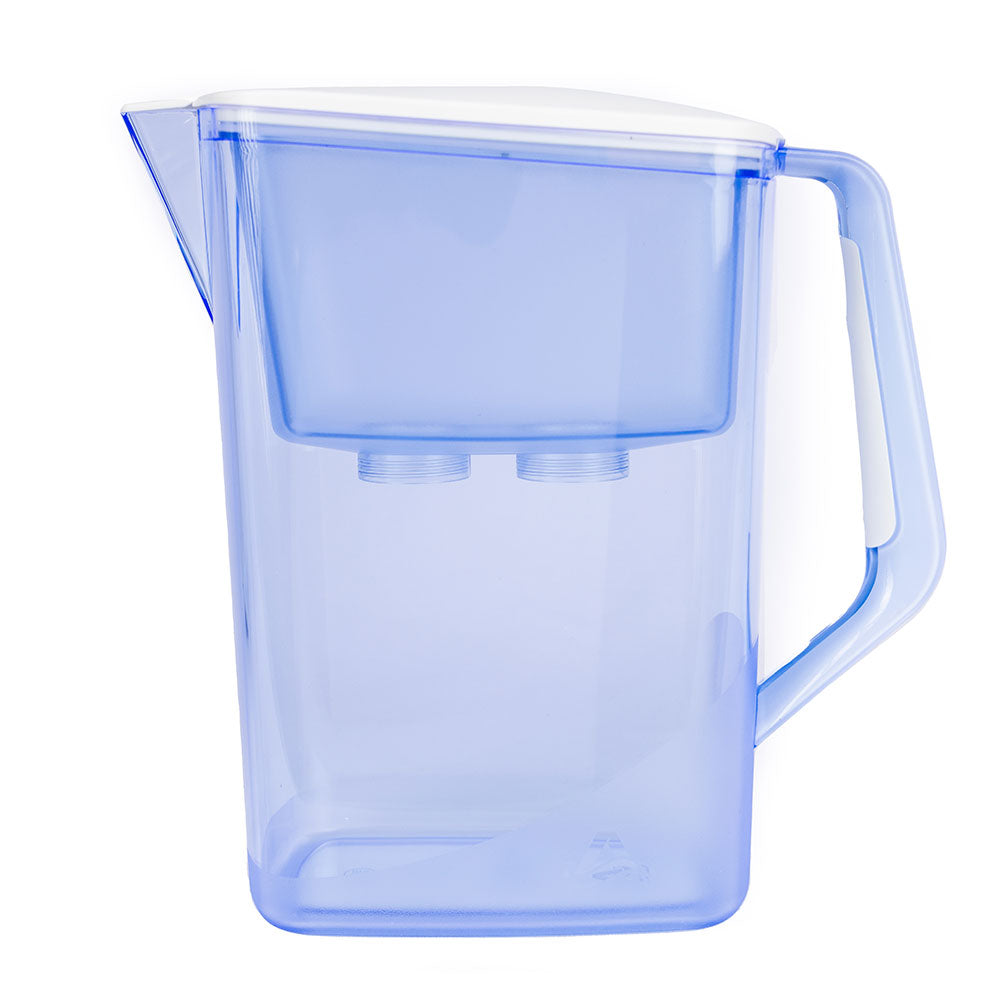
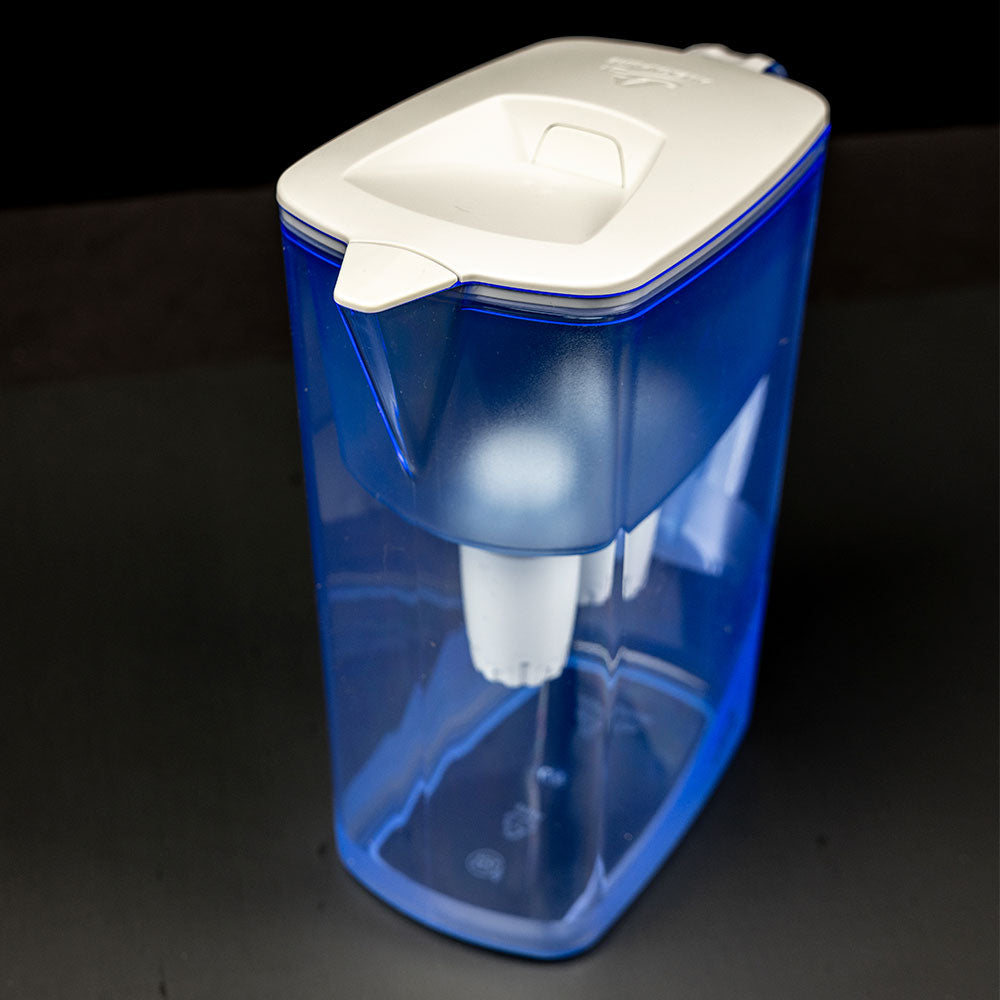
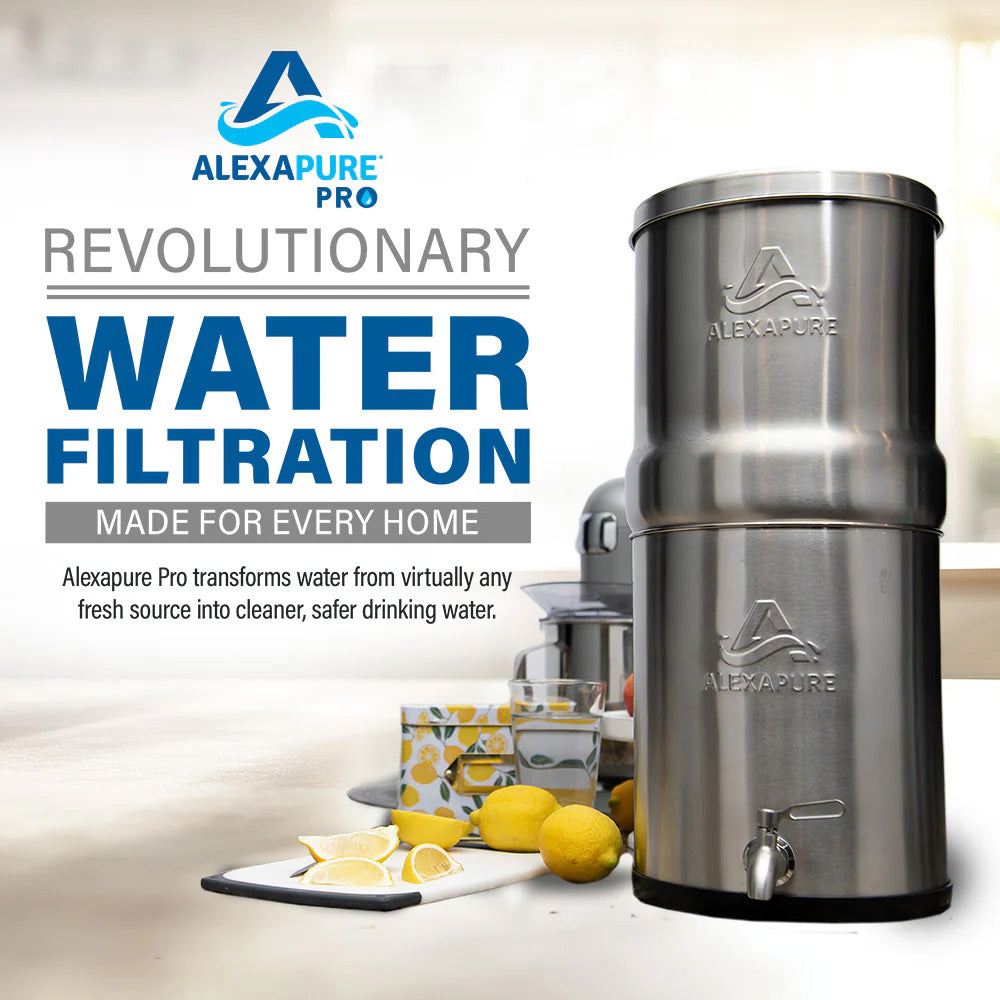
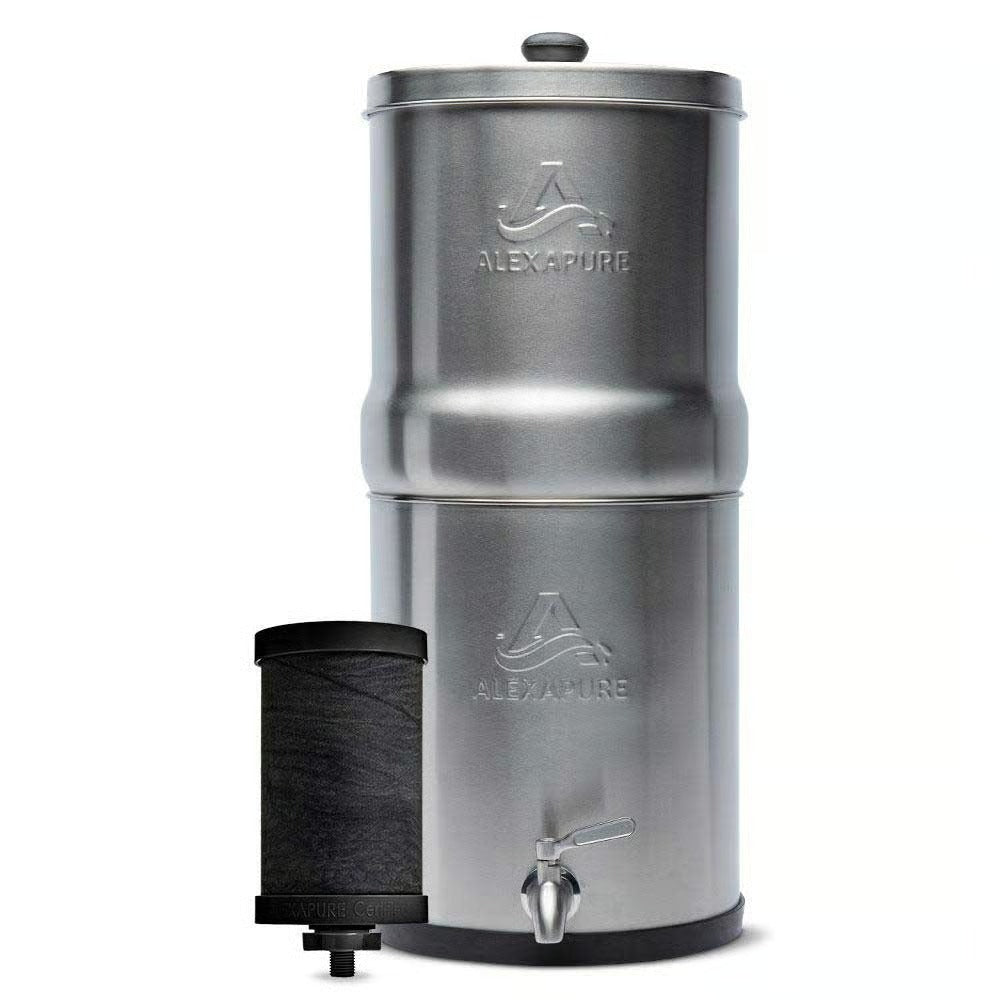
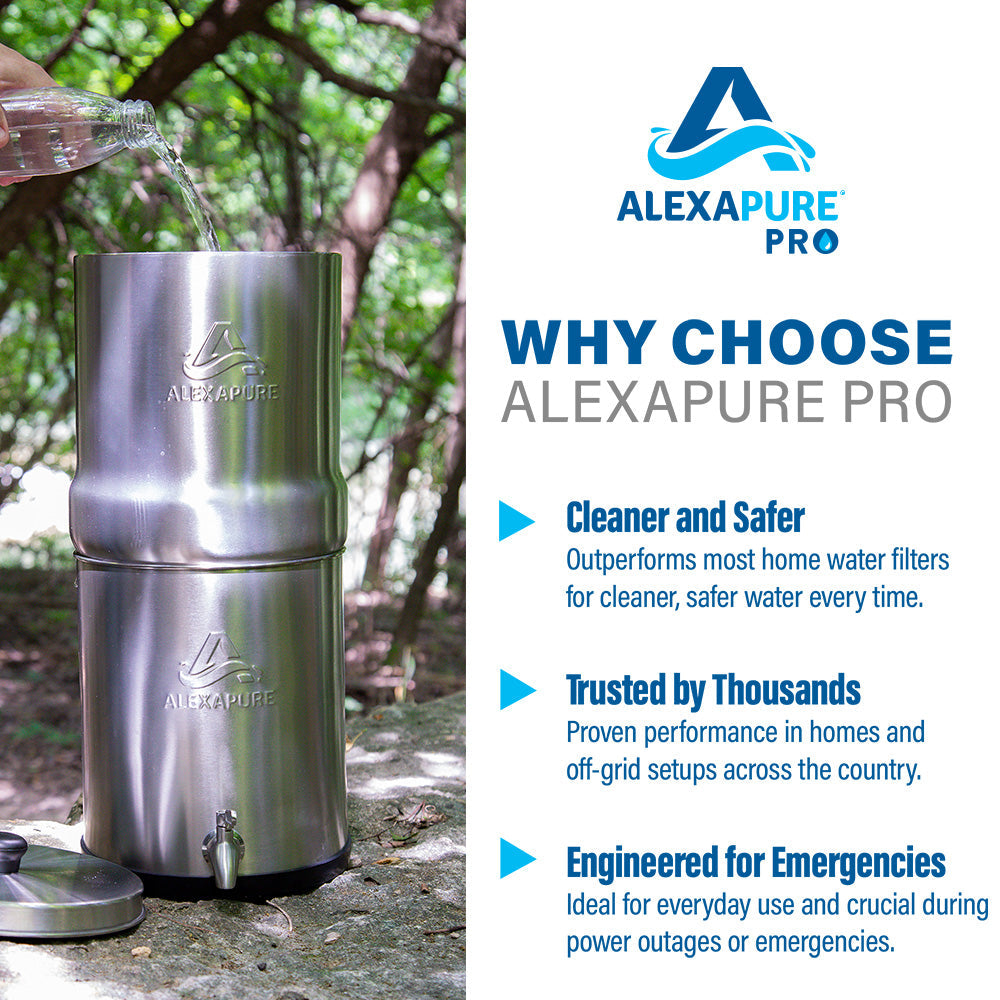
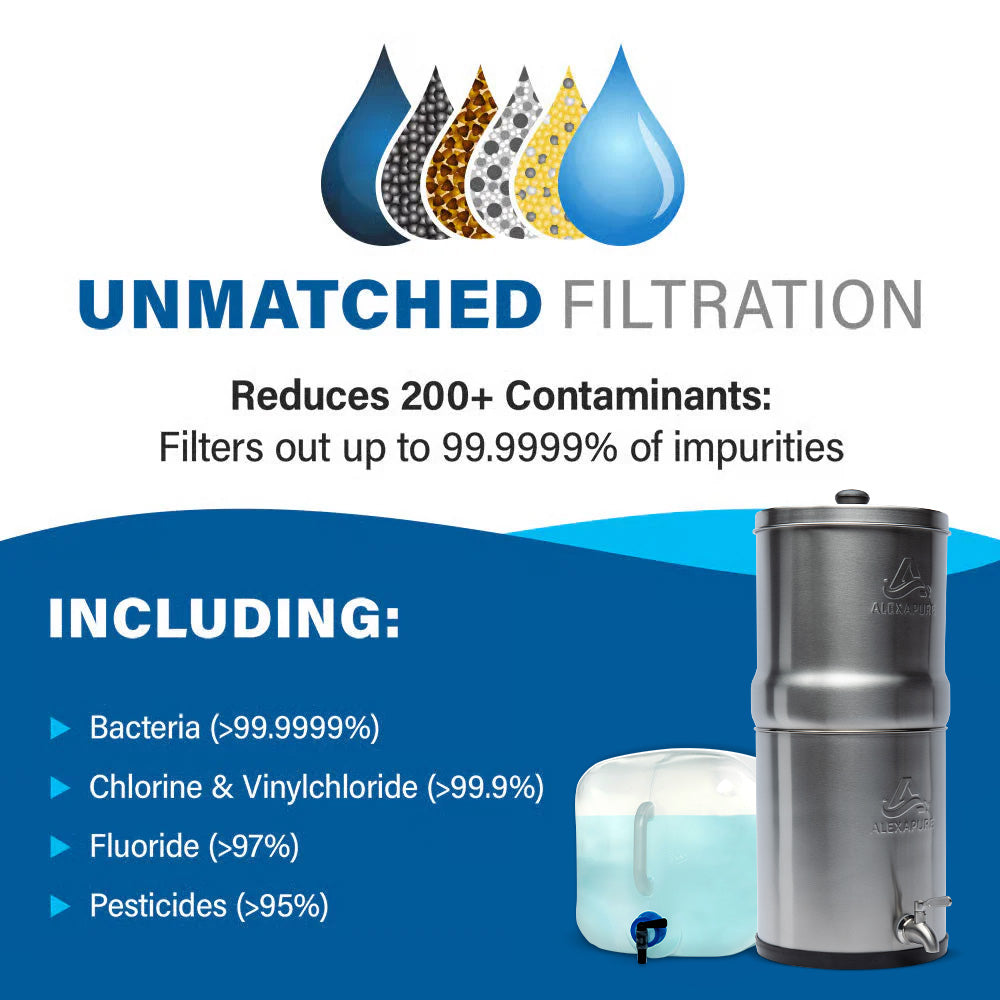
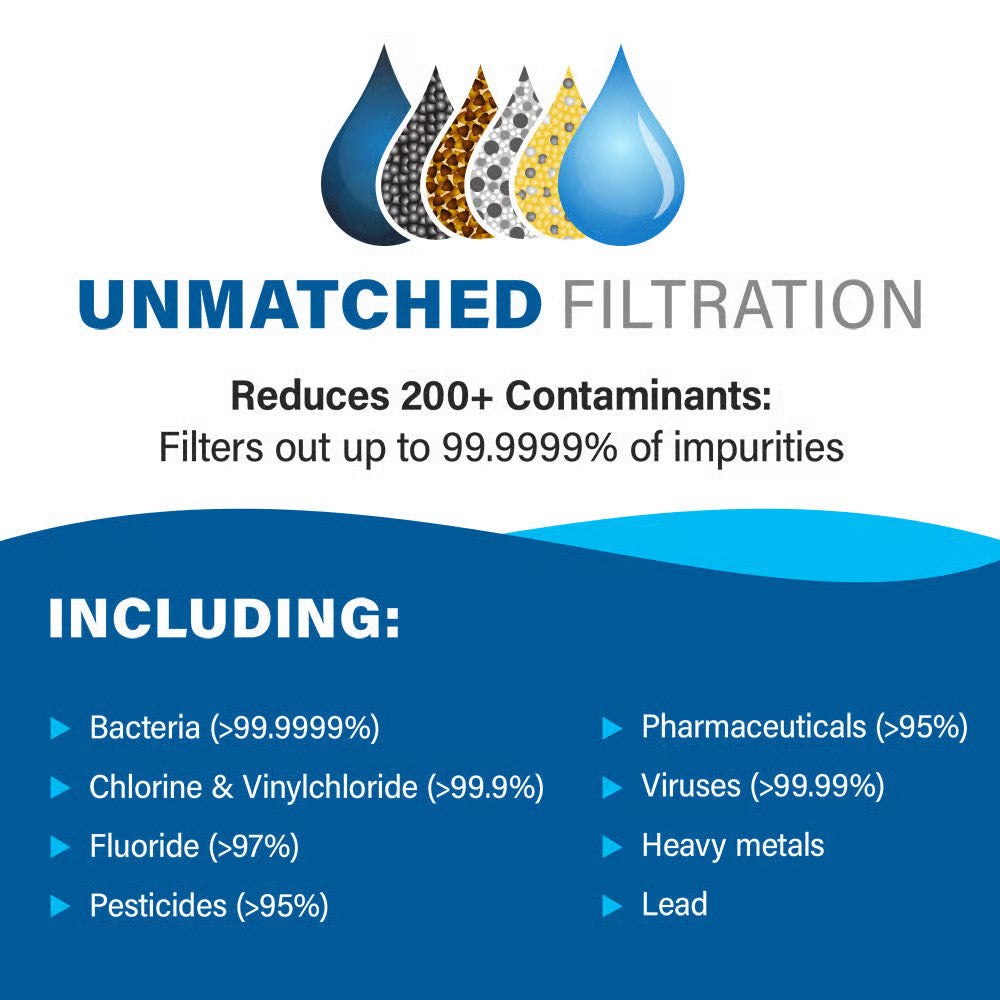
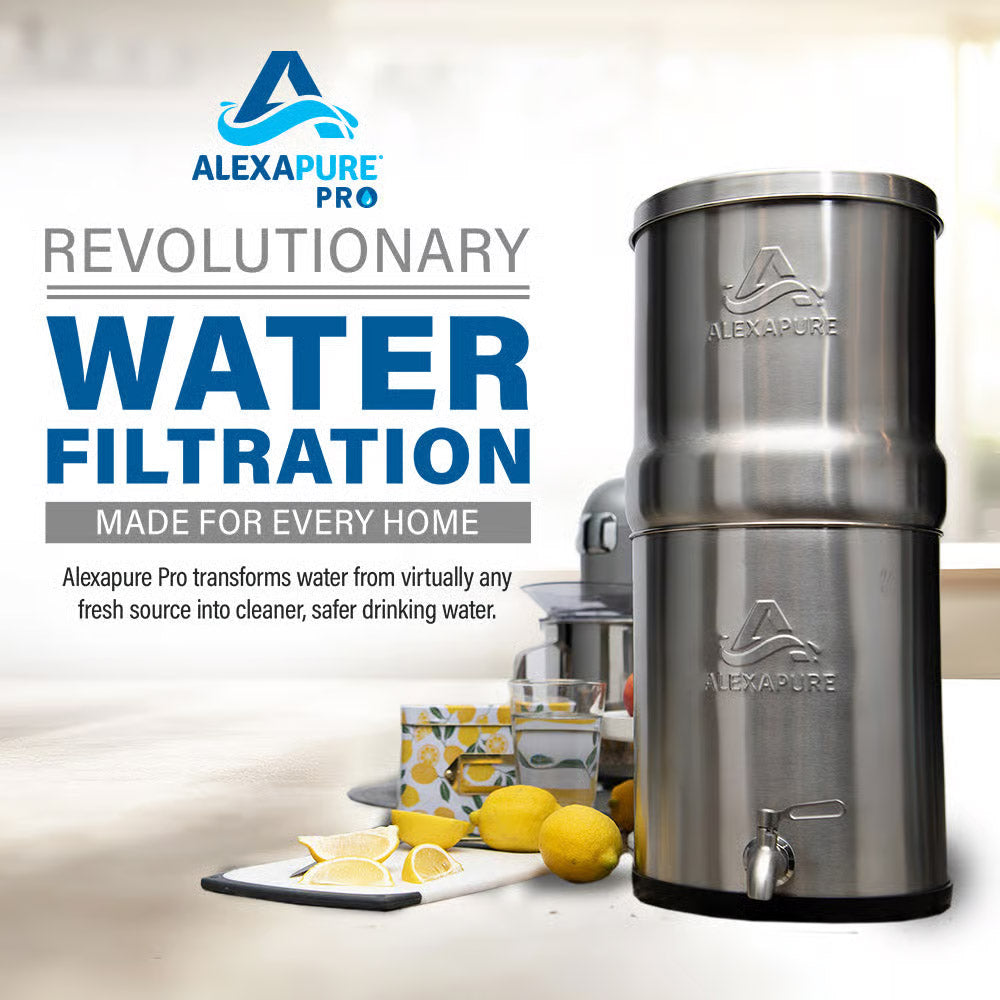
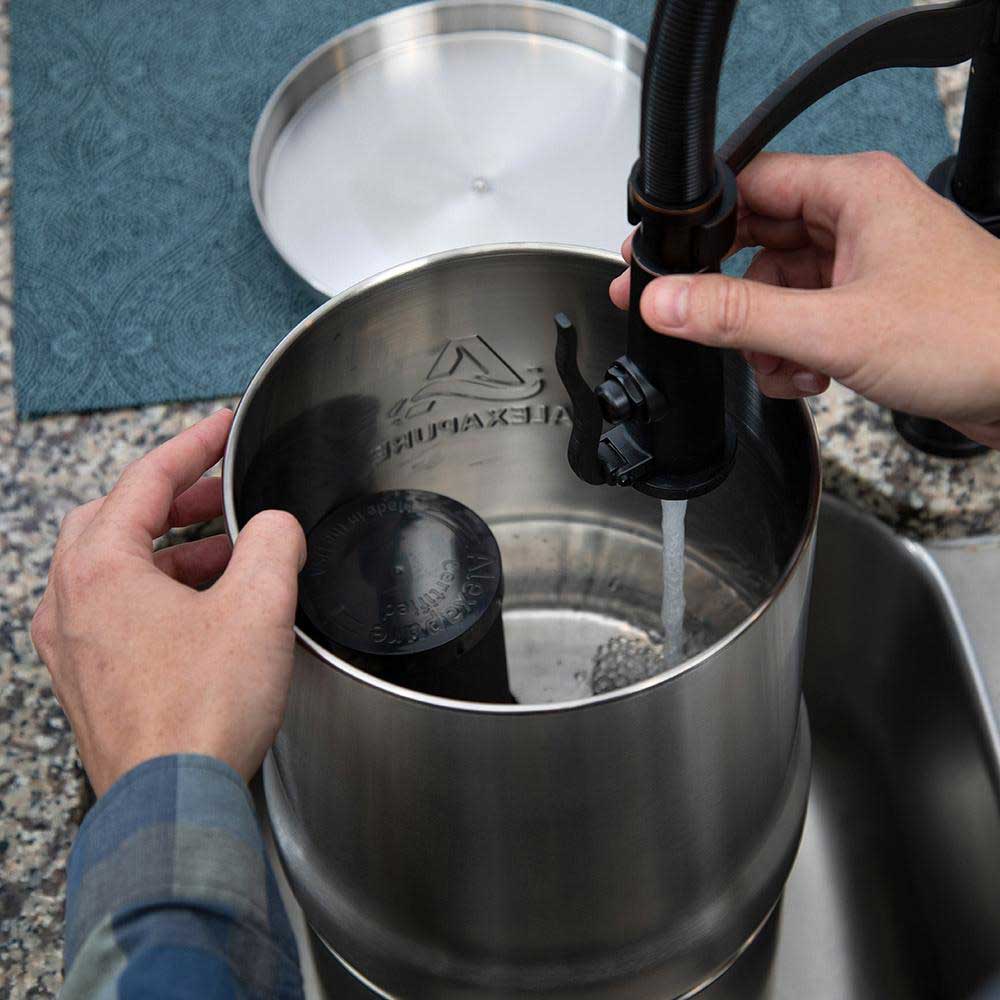
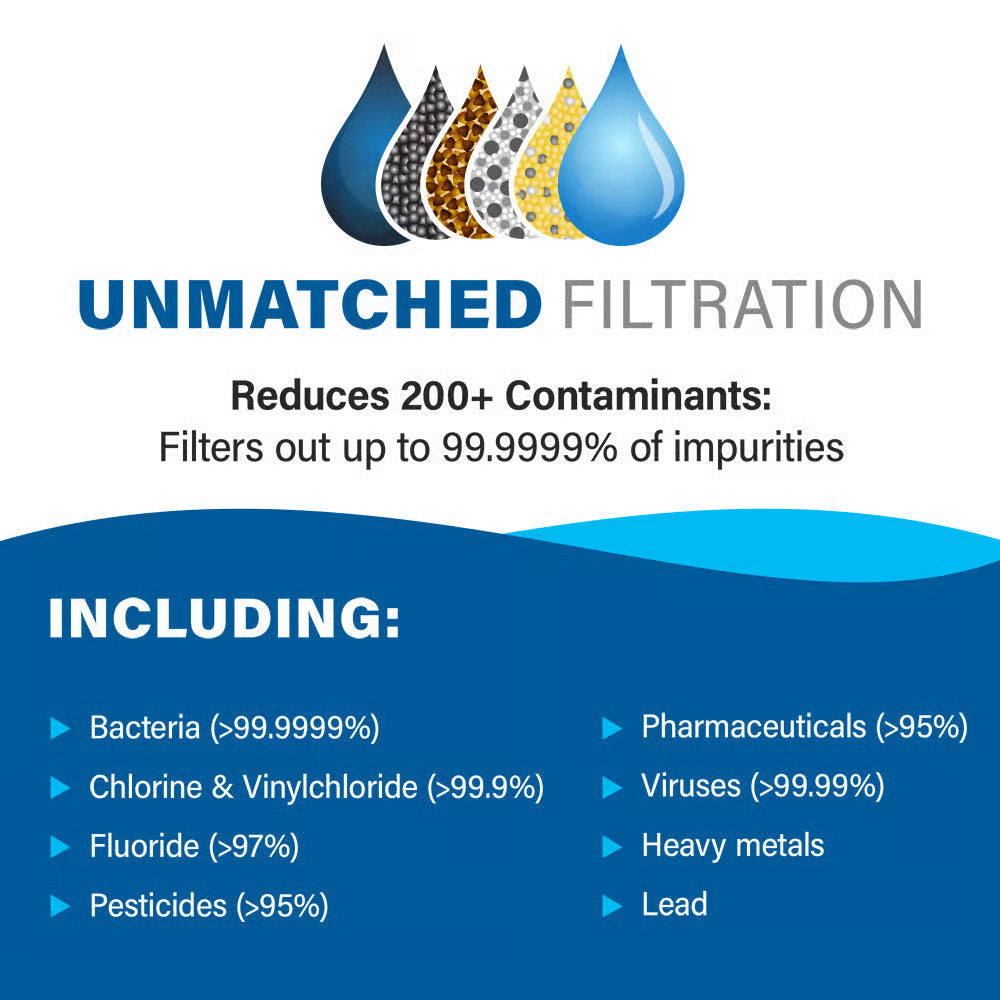
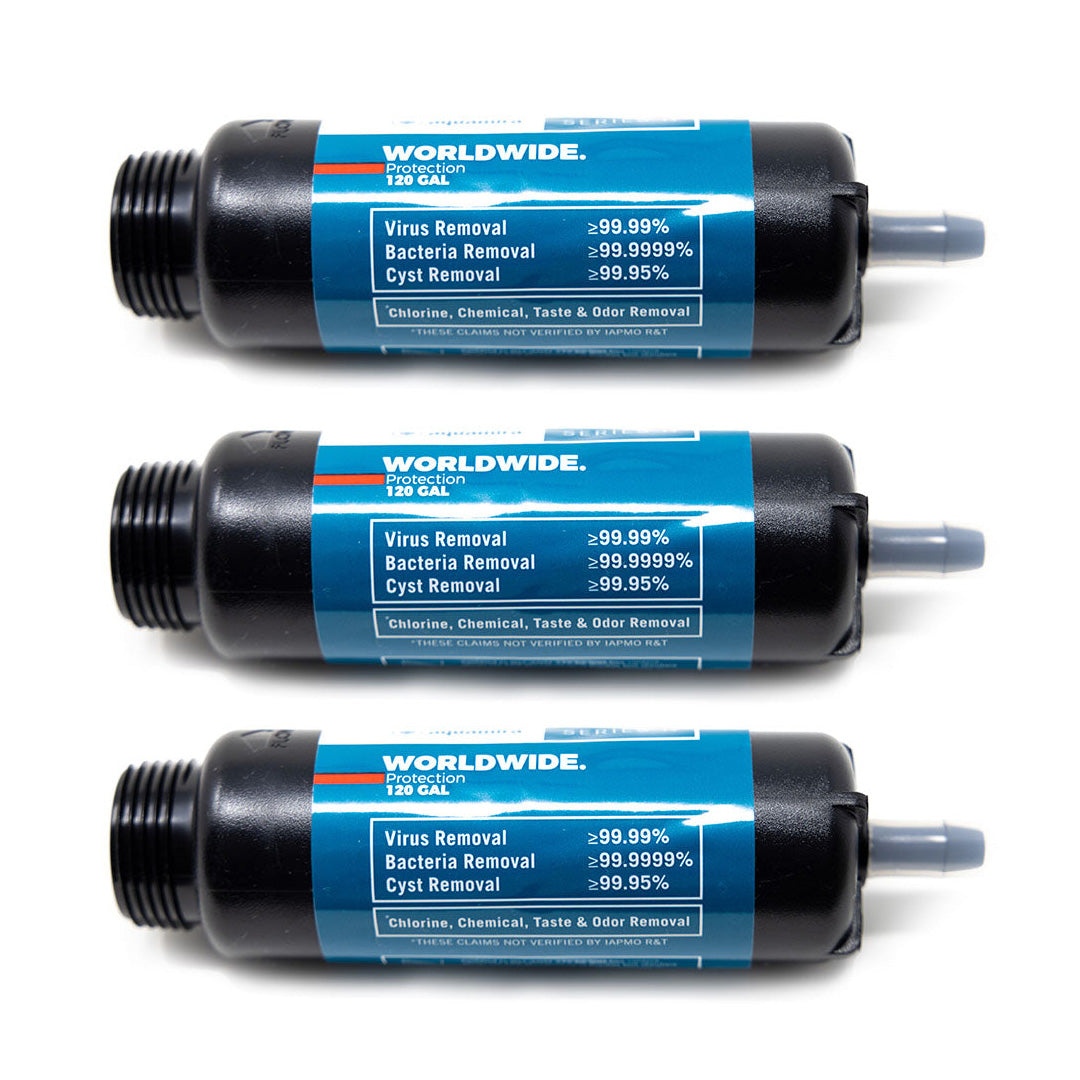
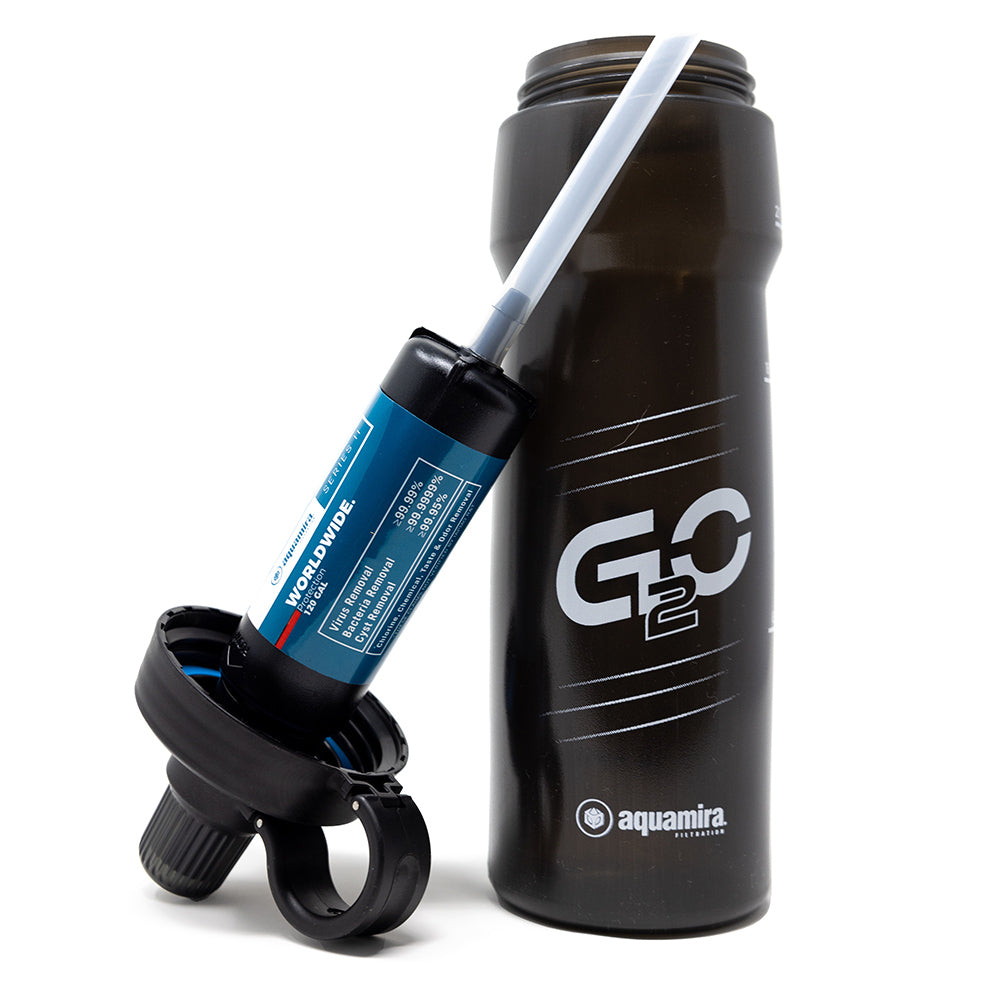
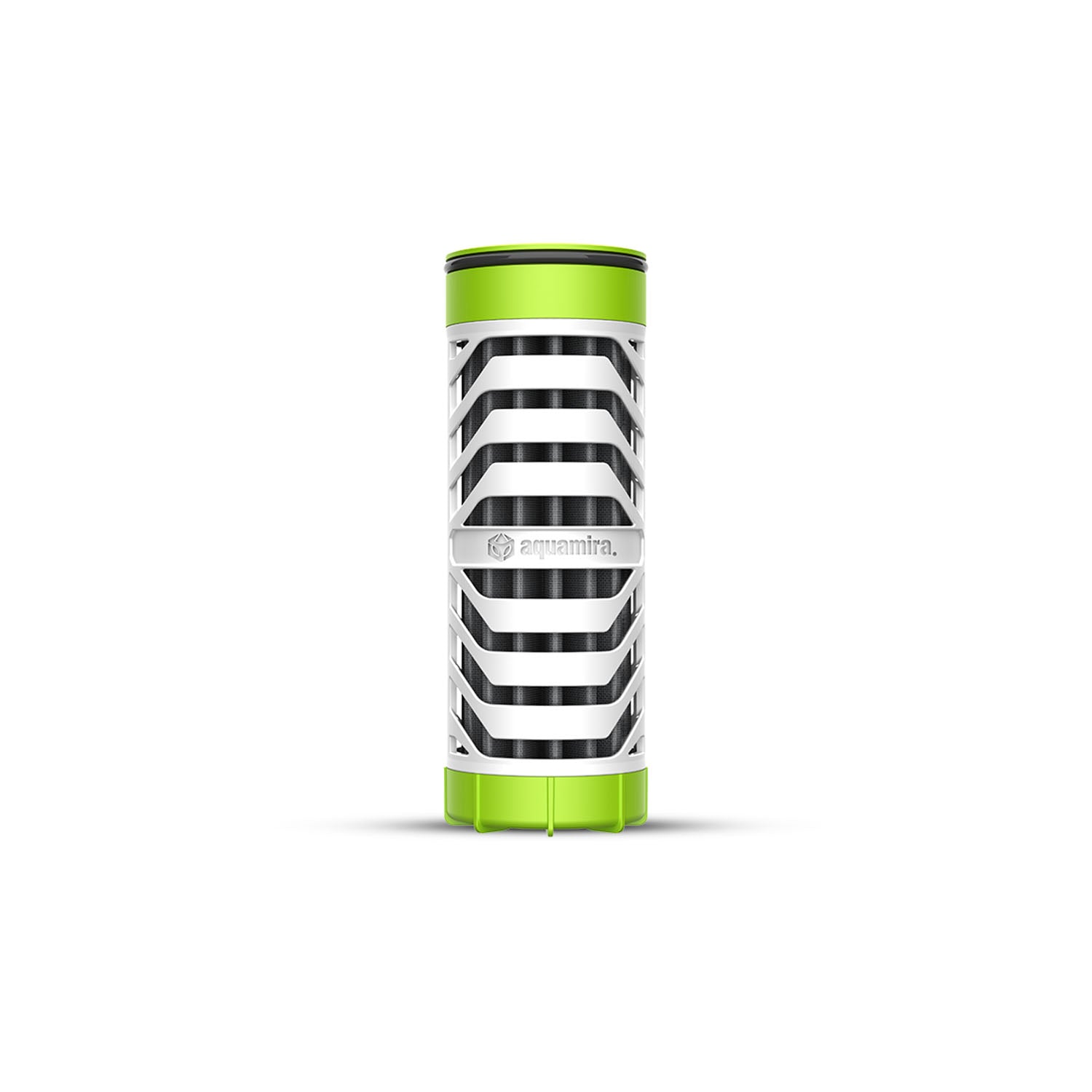
A quality filtration system can greatly expand your access to usable water by helping remove many contaminants from available water sources. Whether you're preparing for a prolonged outage, building long-term resilience, or simply improving your everyday preparedness, filtration provides another critical layer of water security.
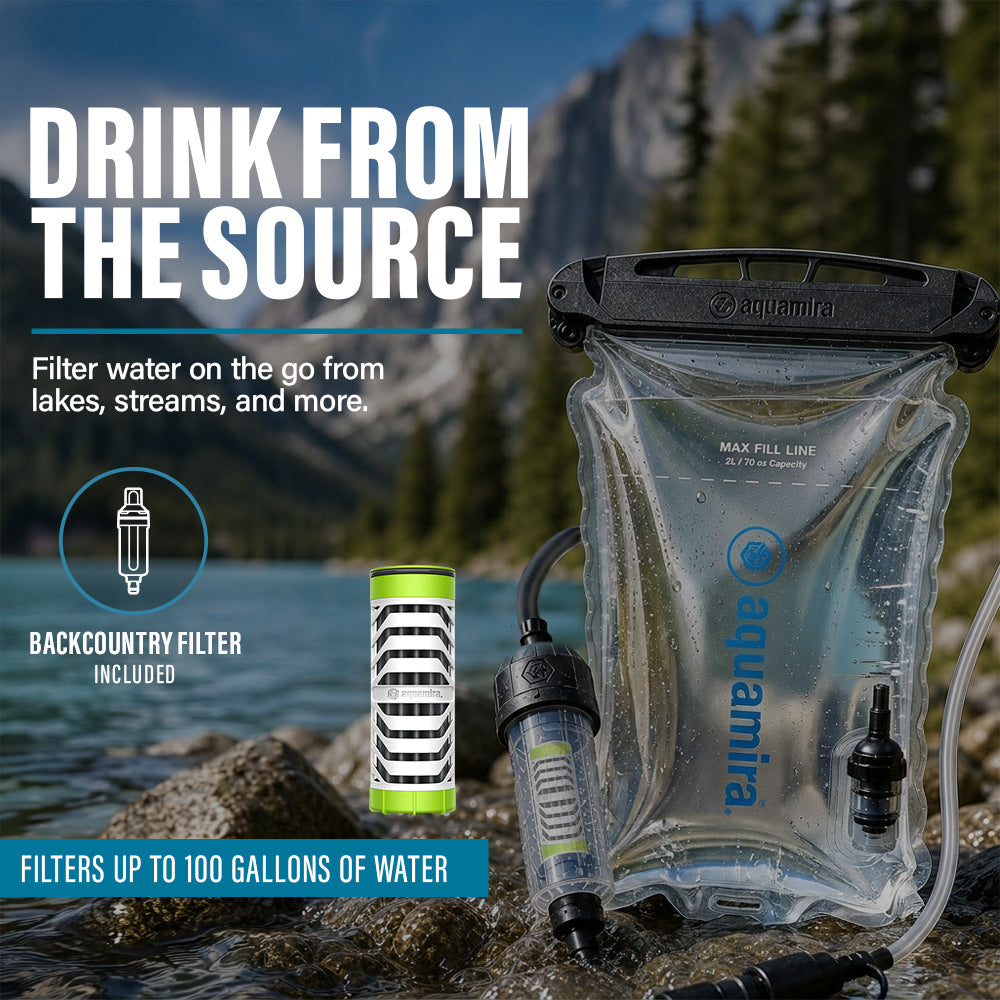
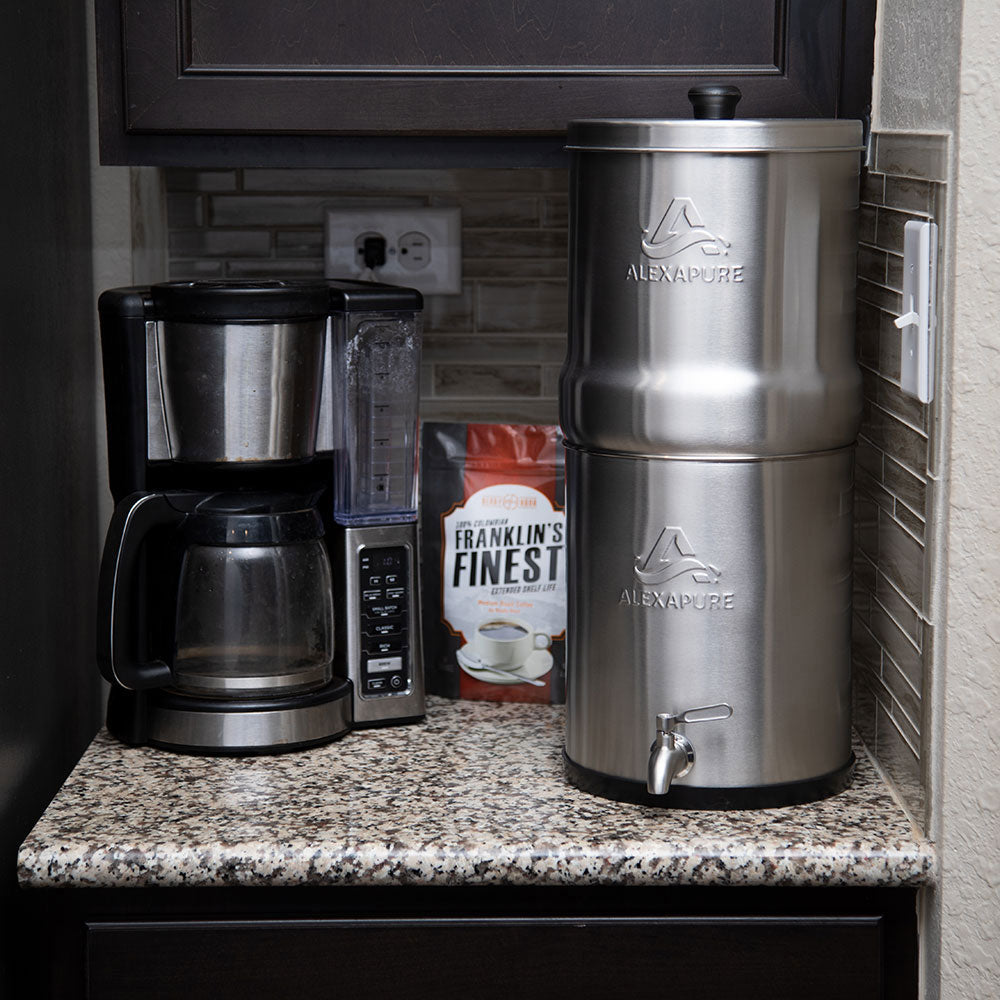
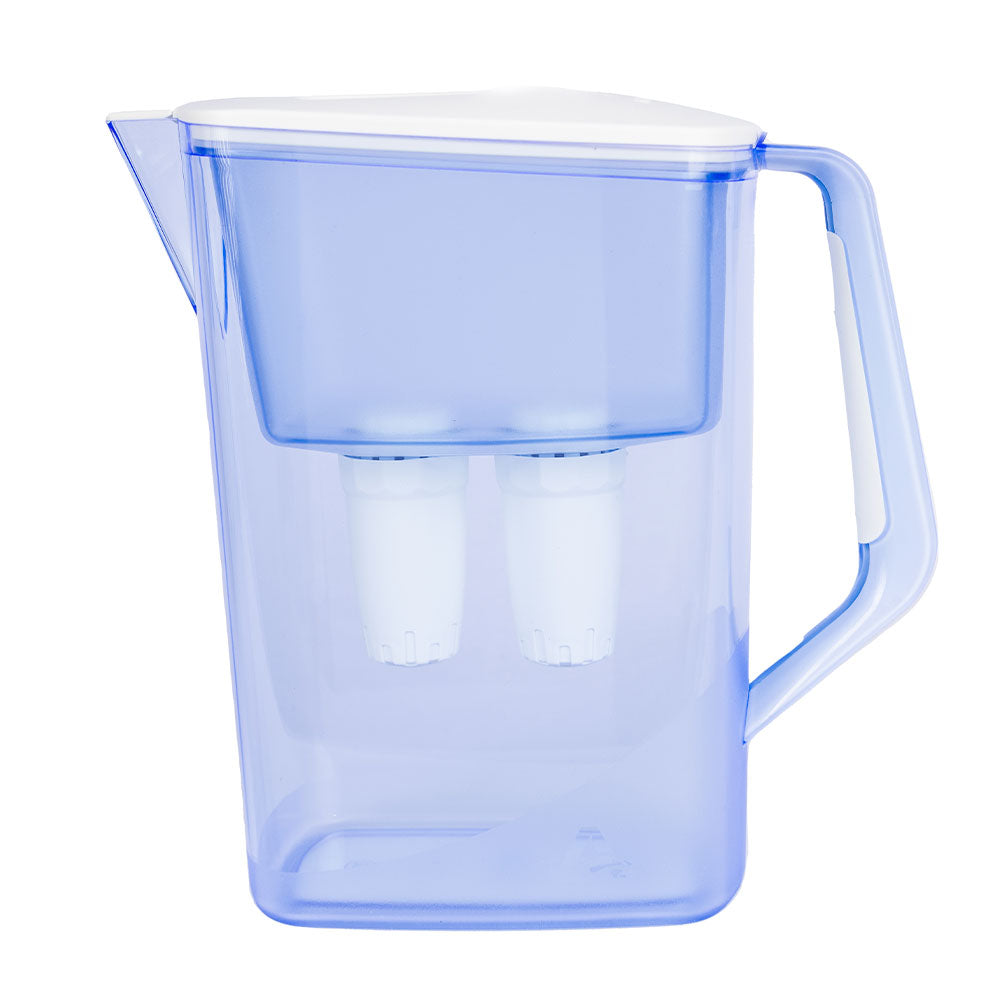
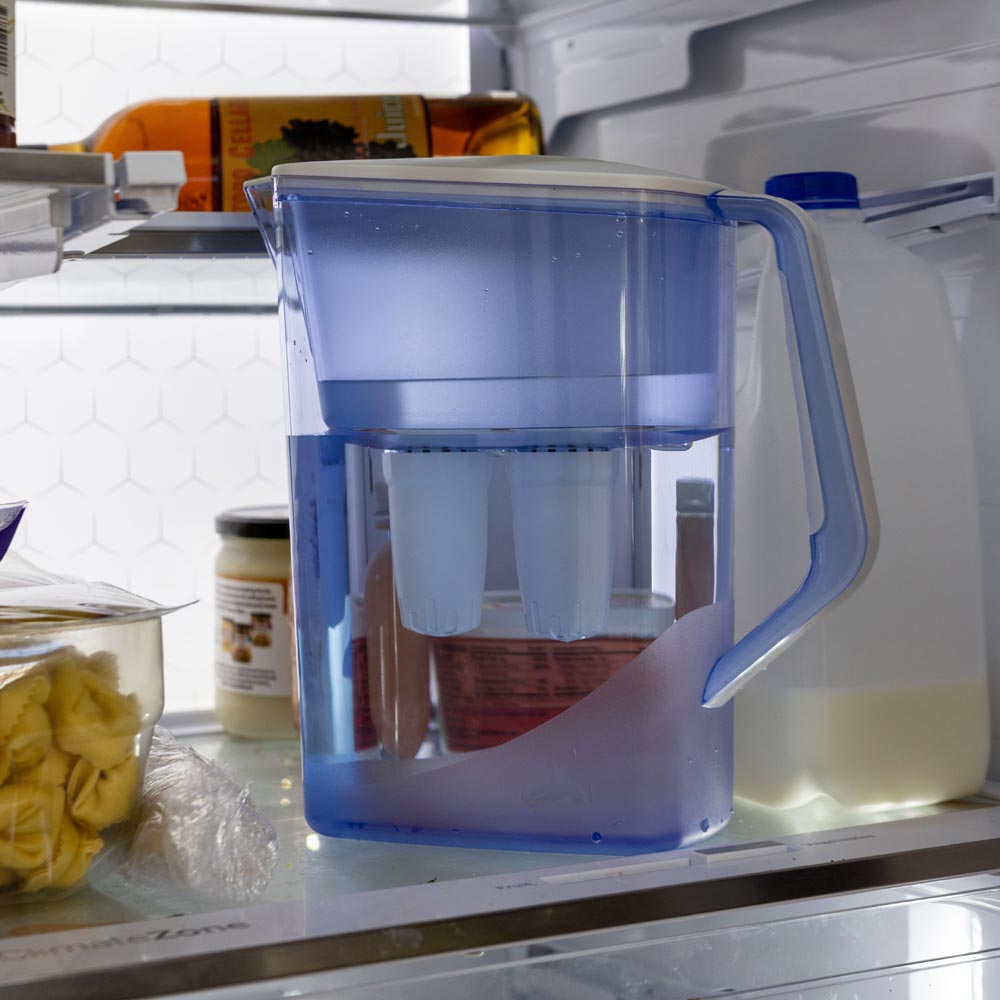
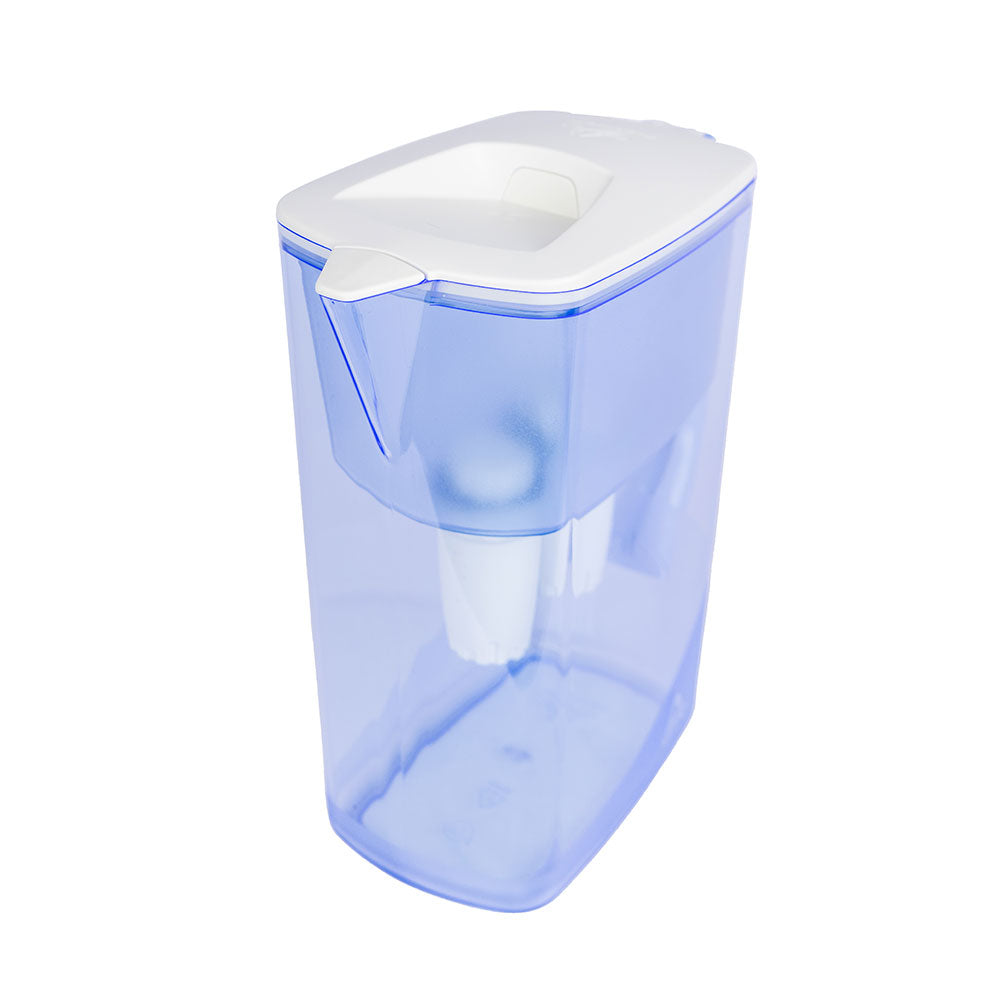
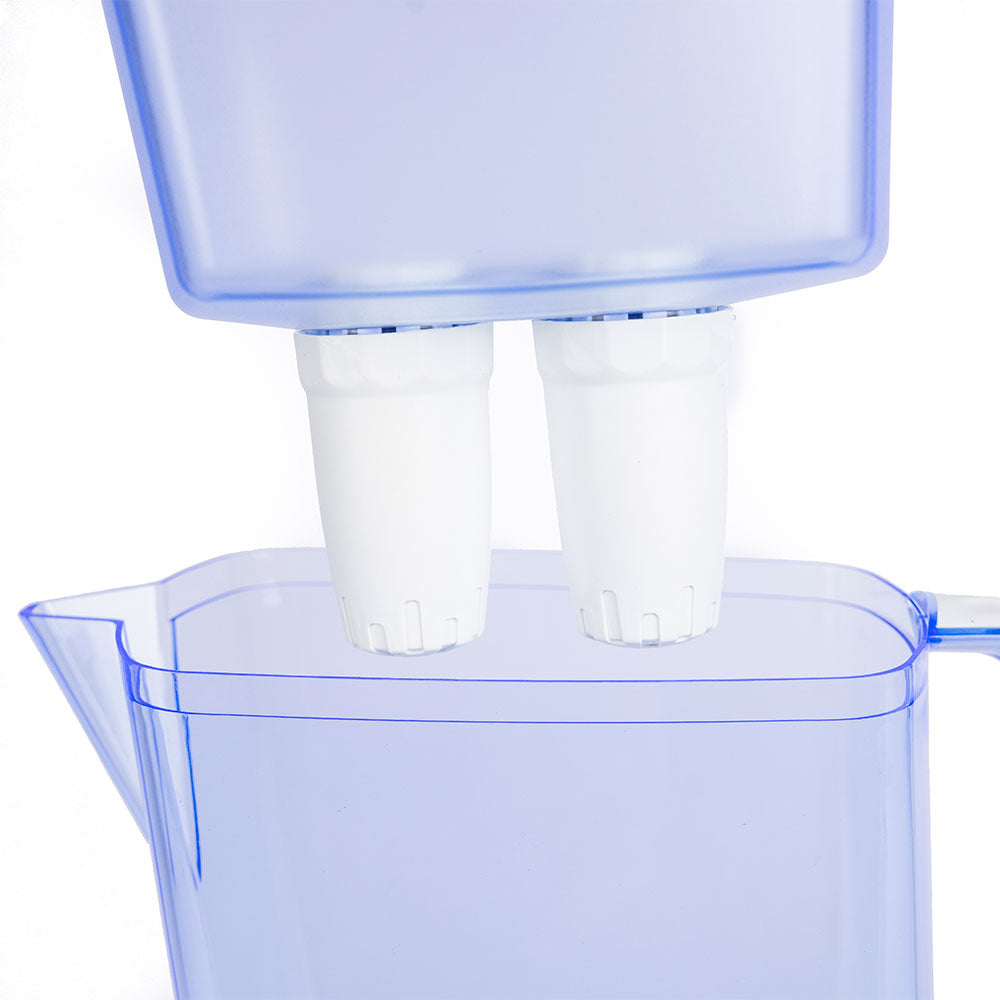
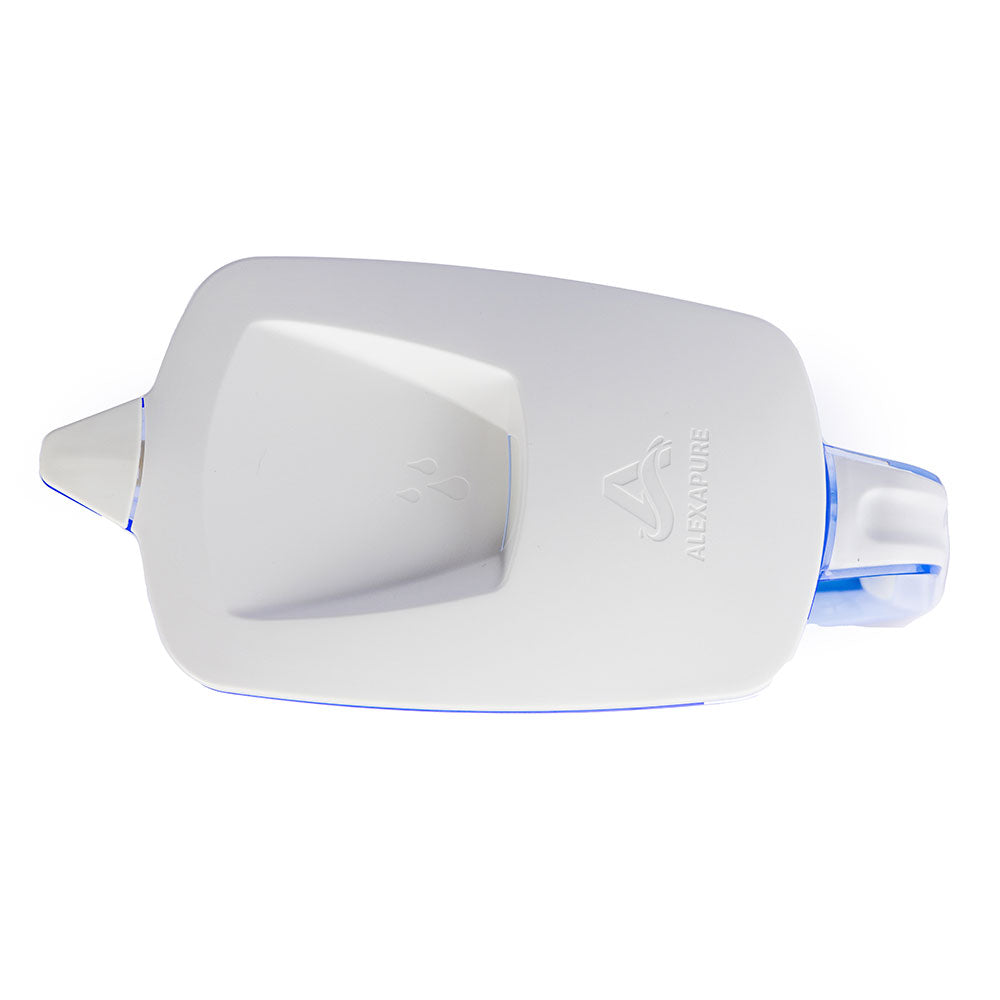
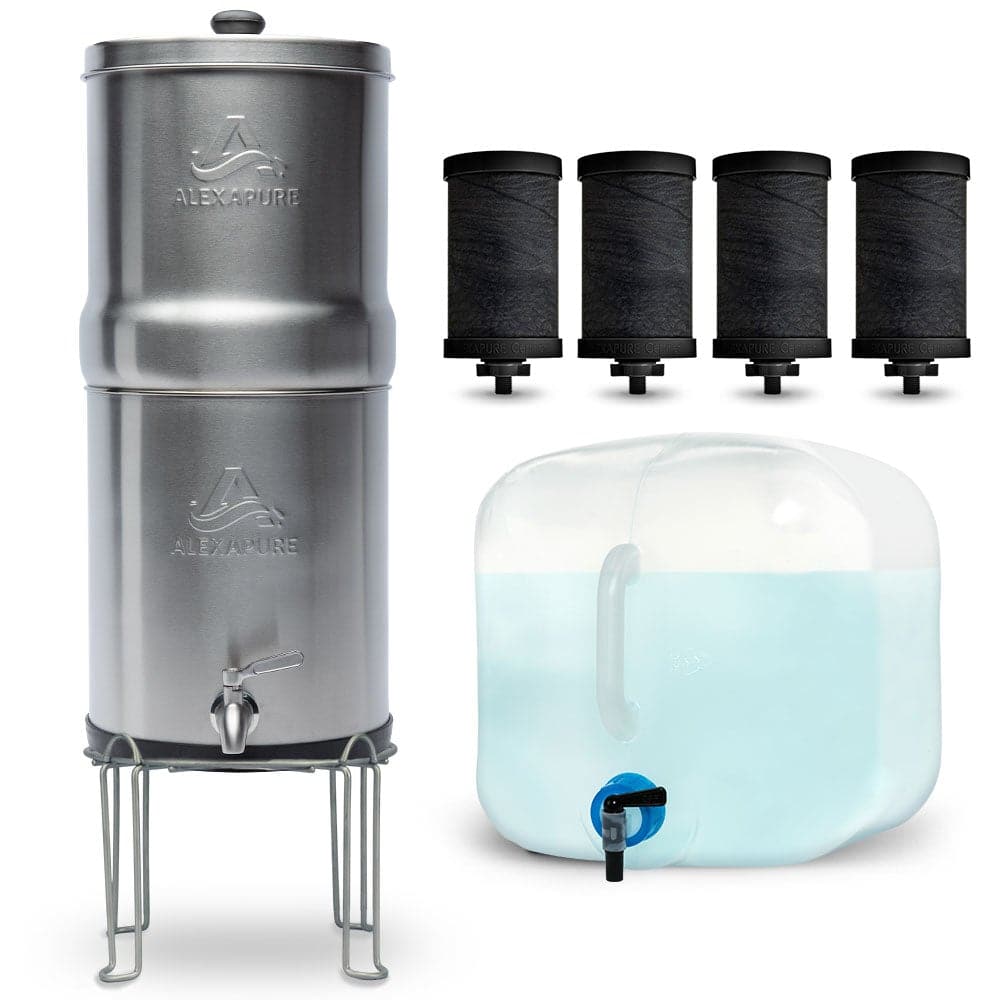
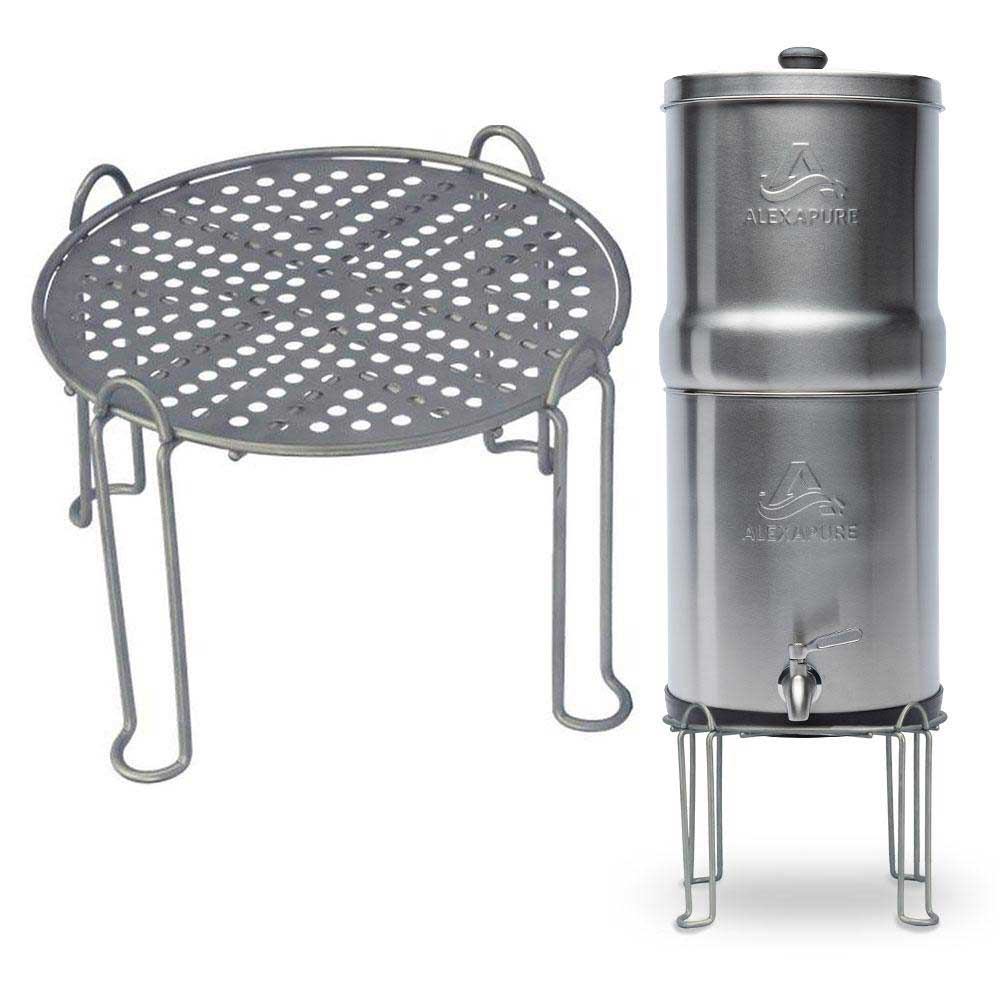
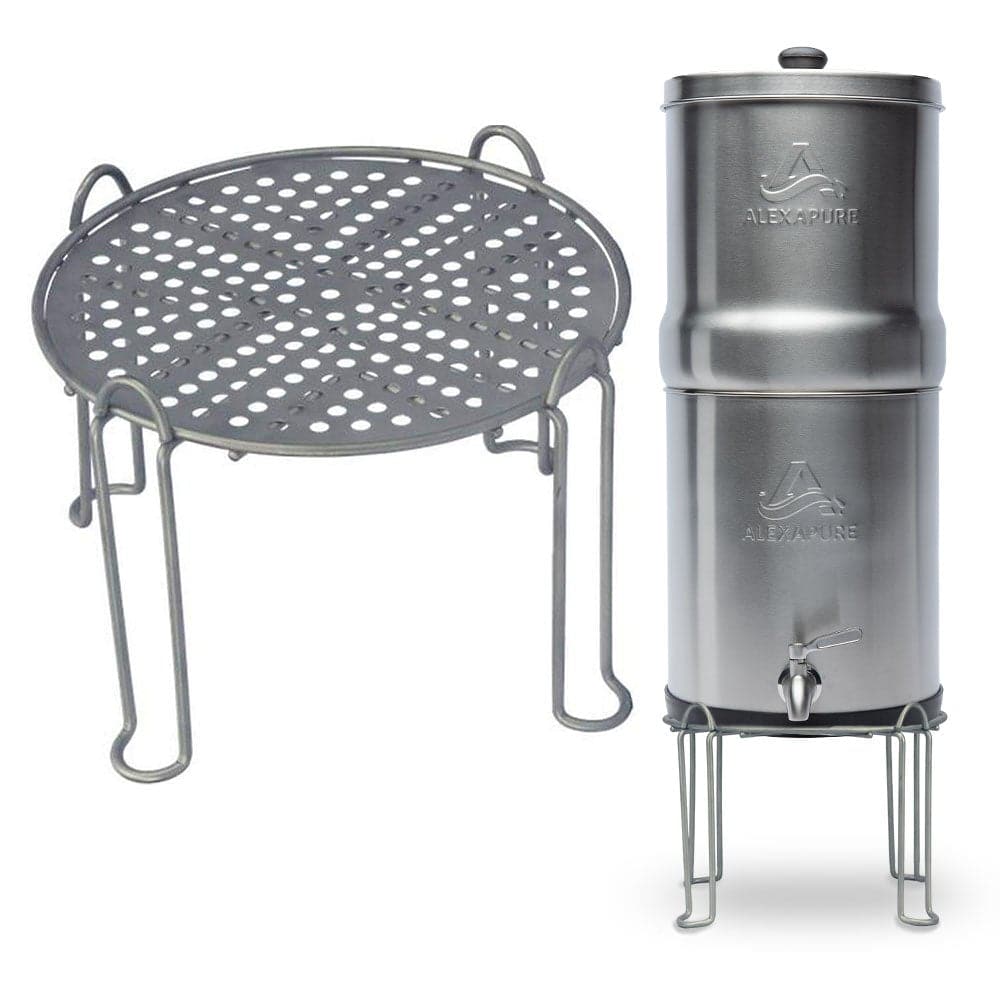
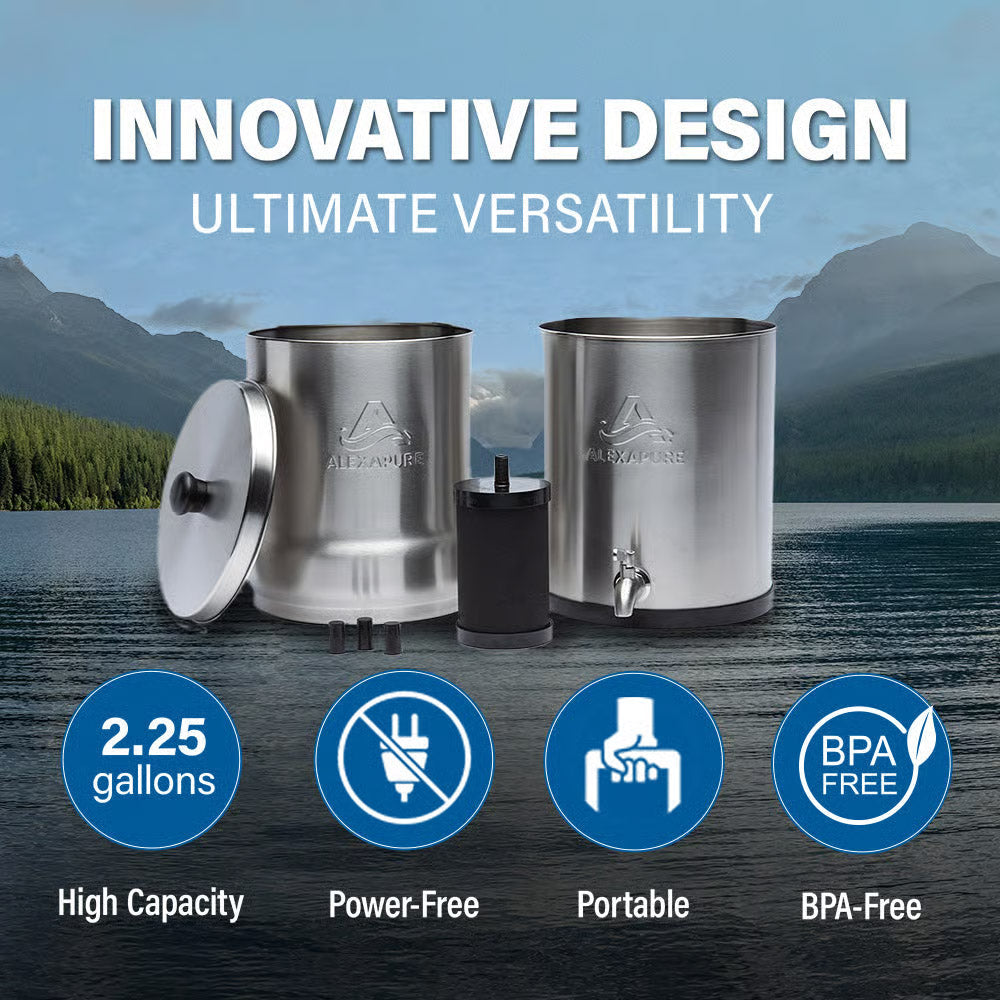
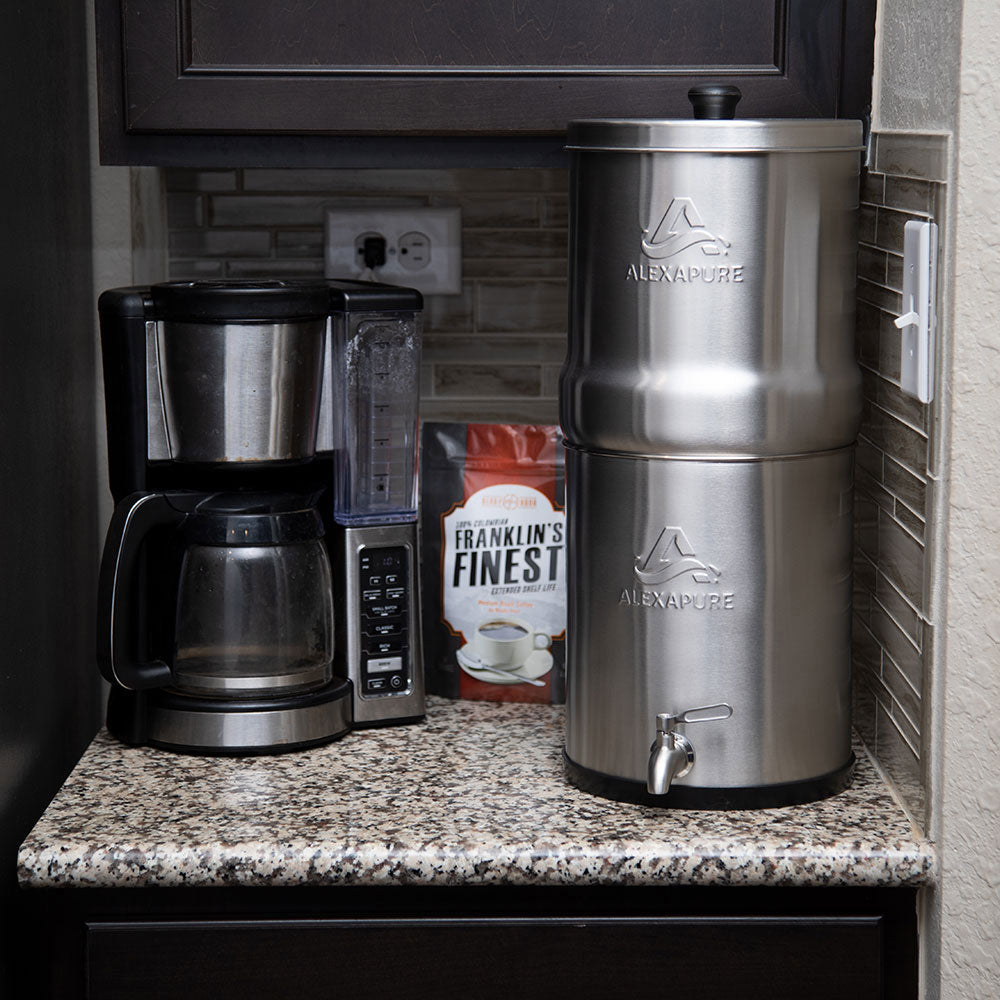
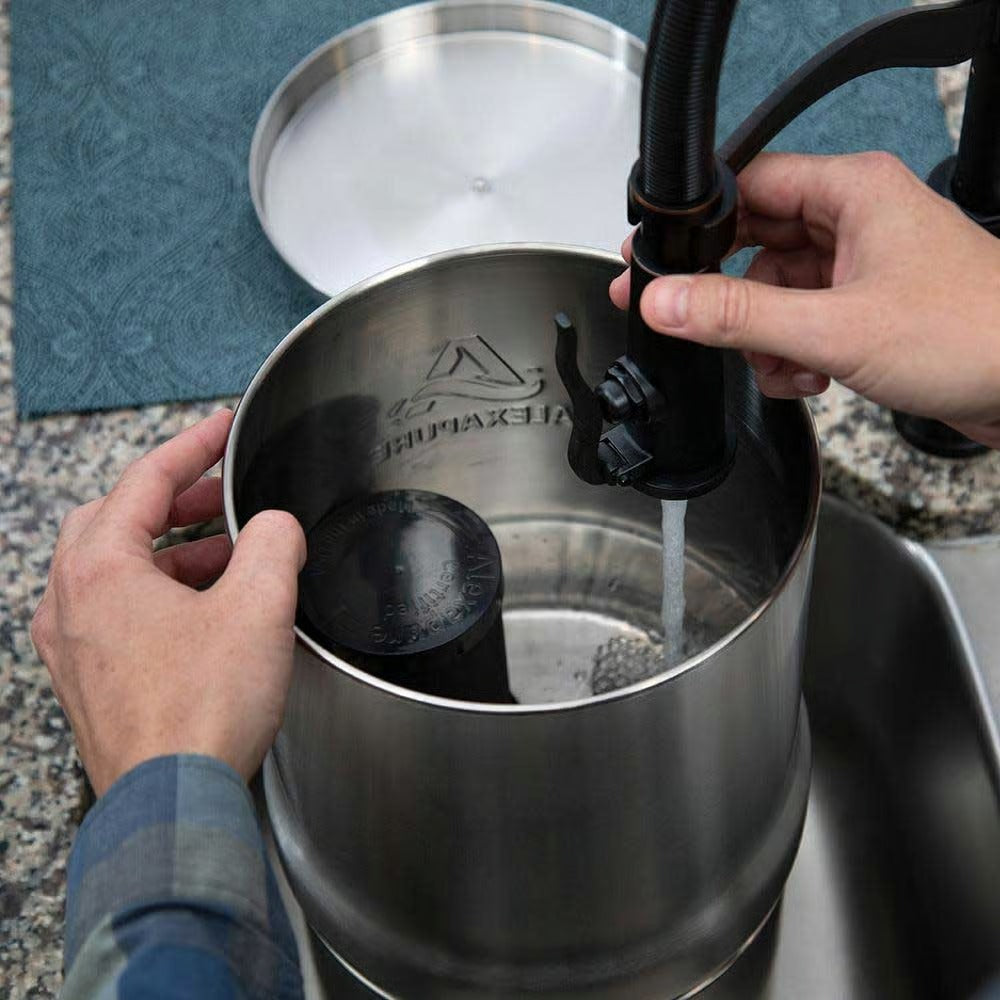
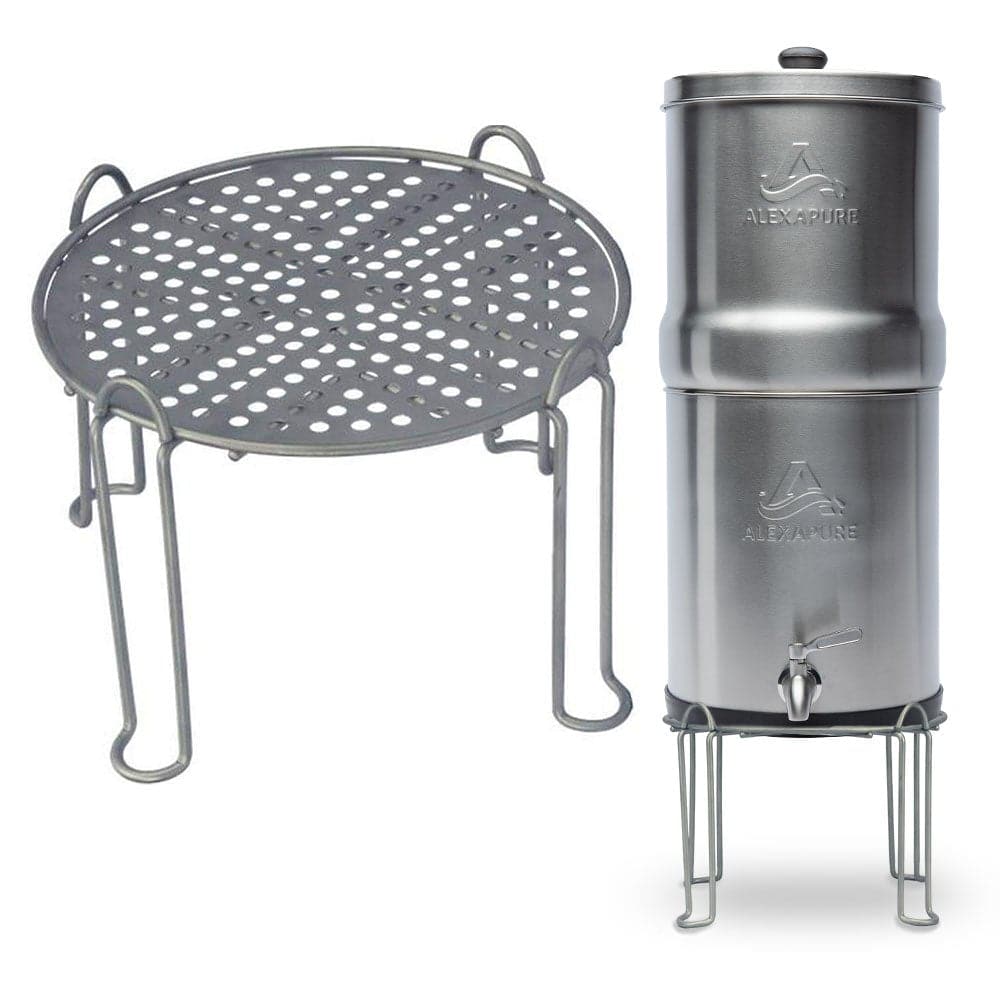
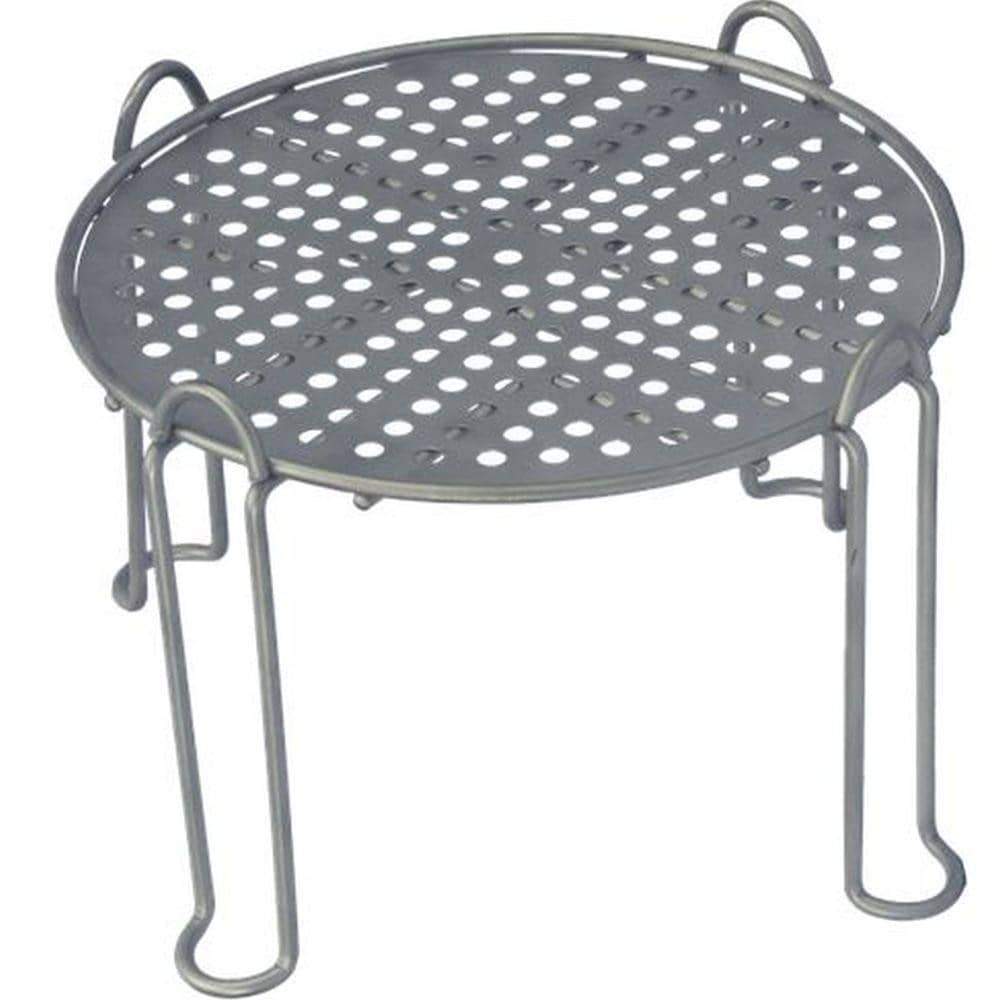
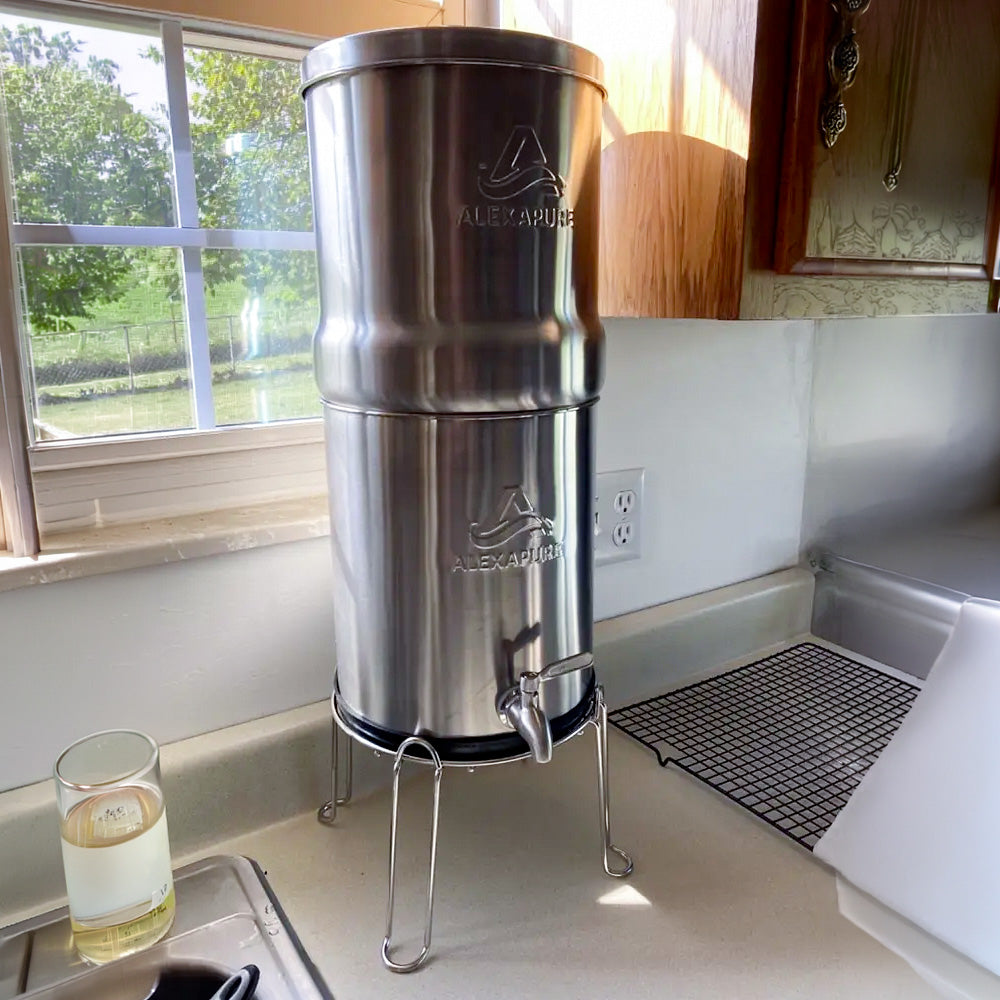
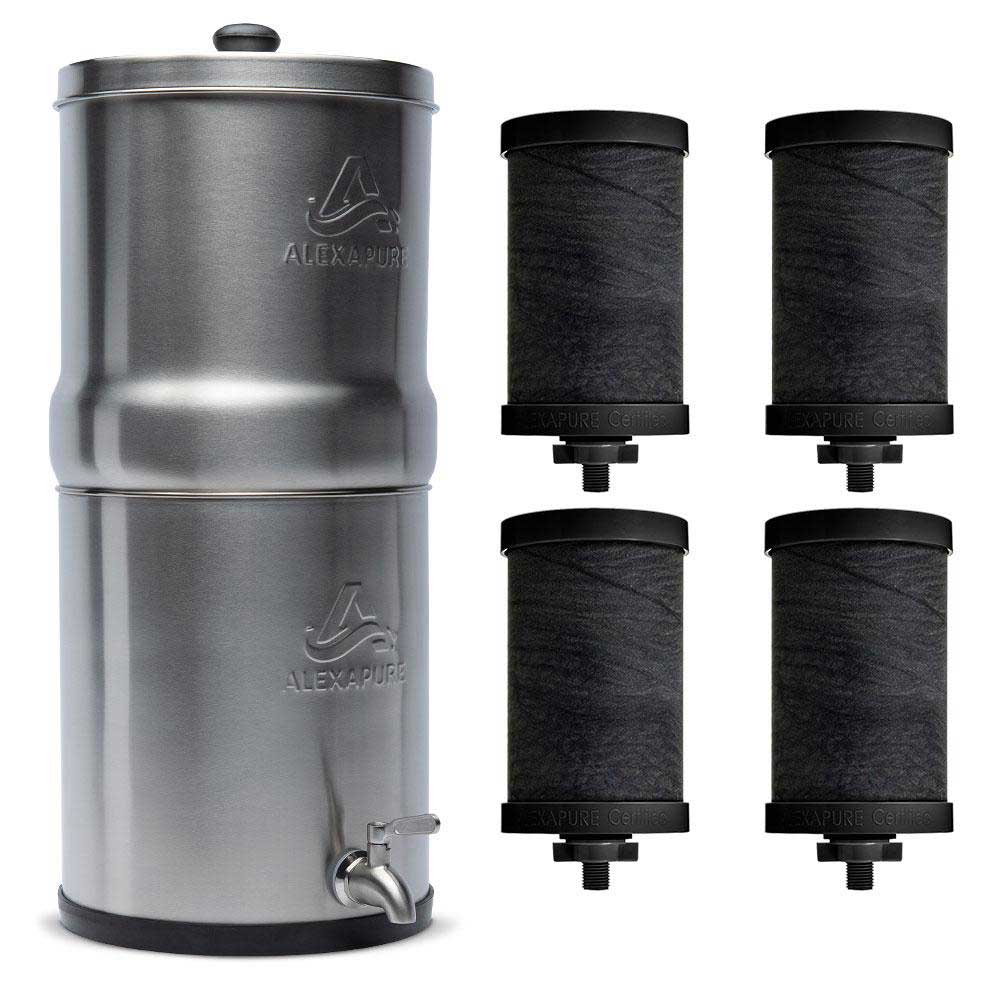
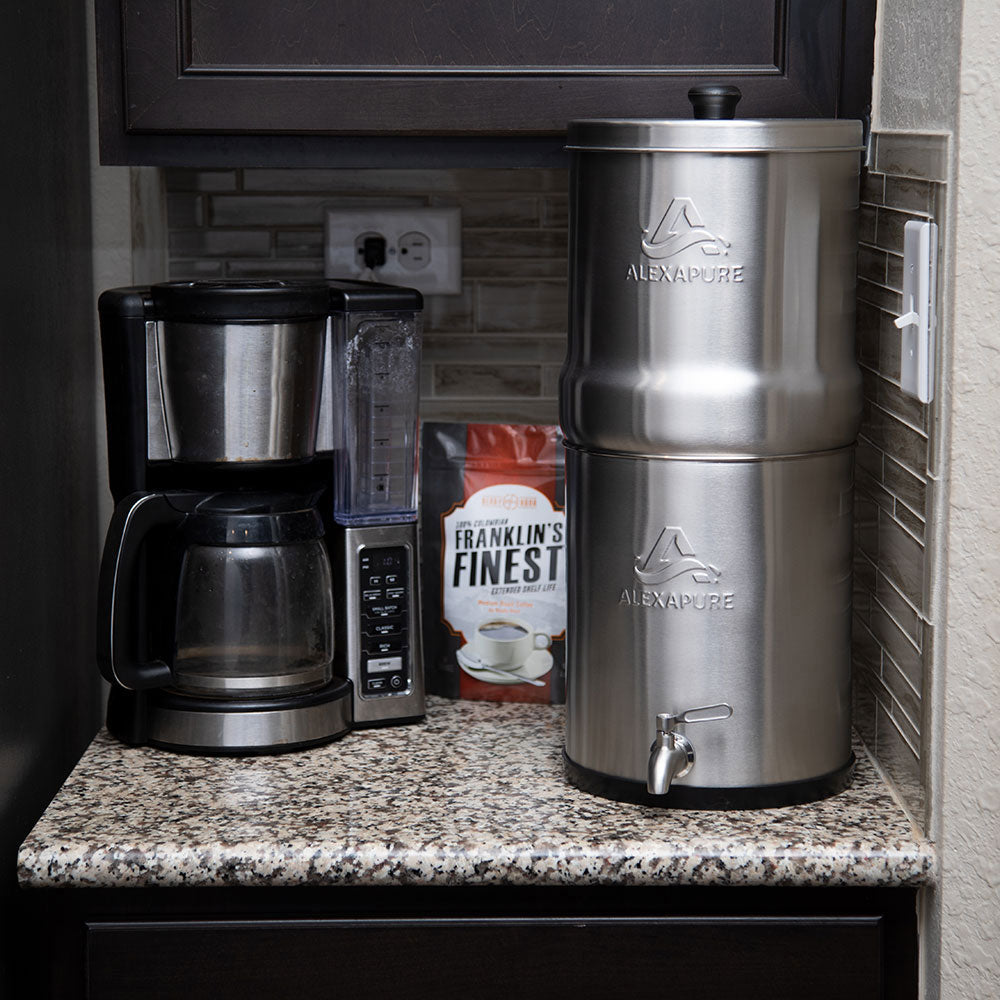
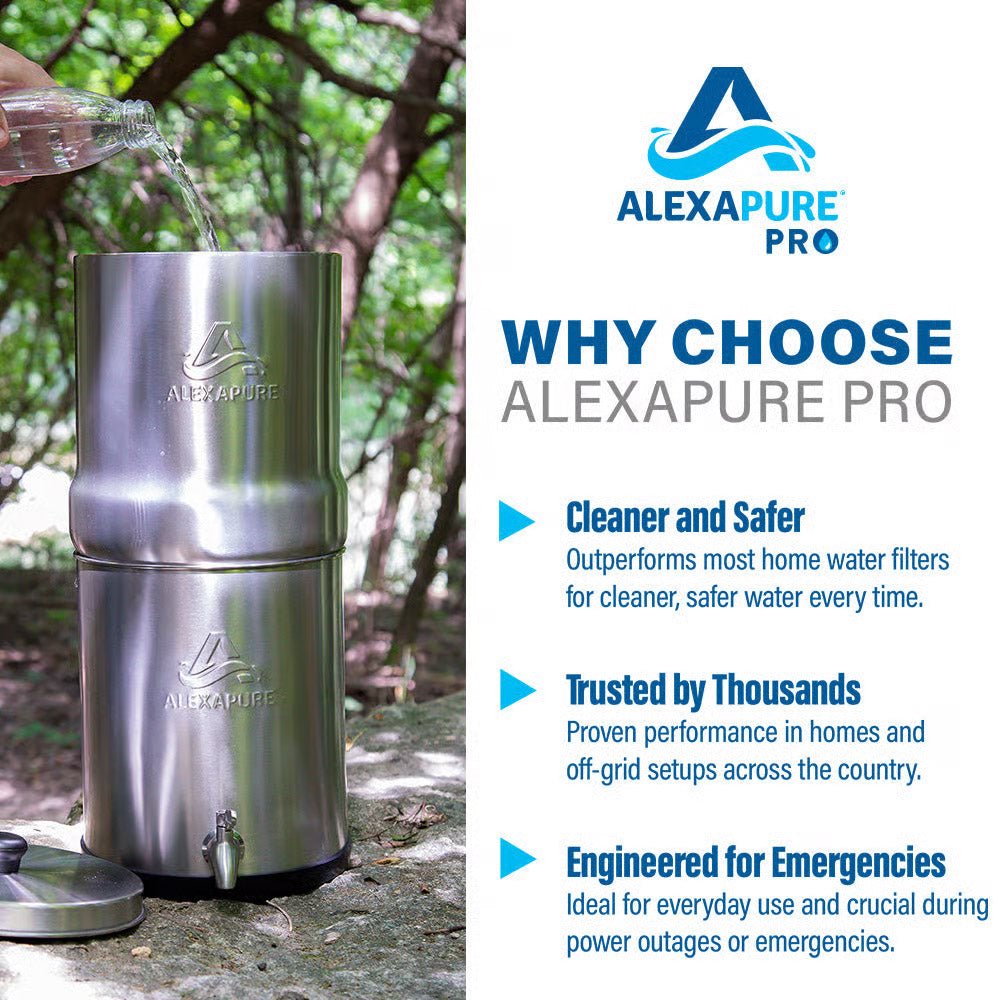
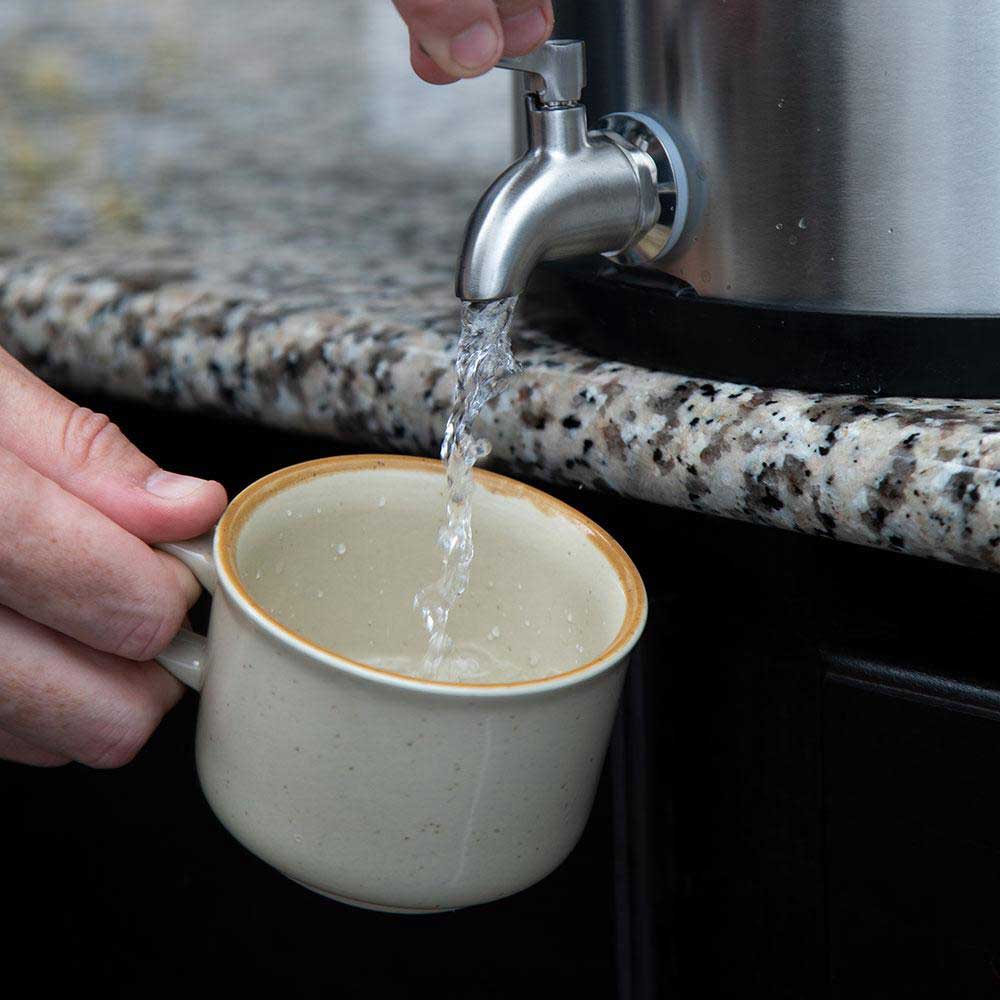
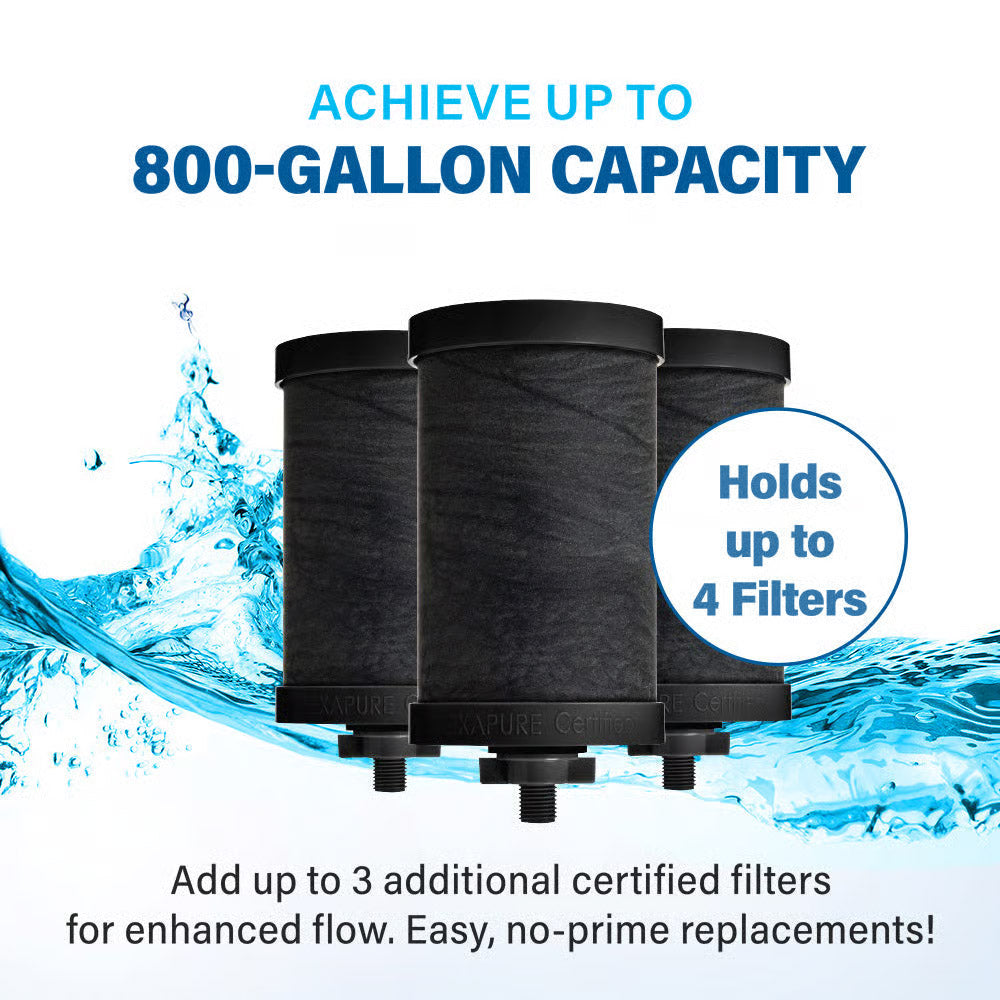
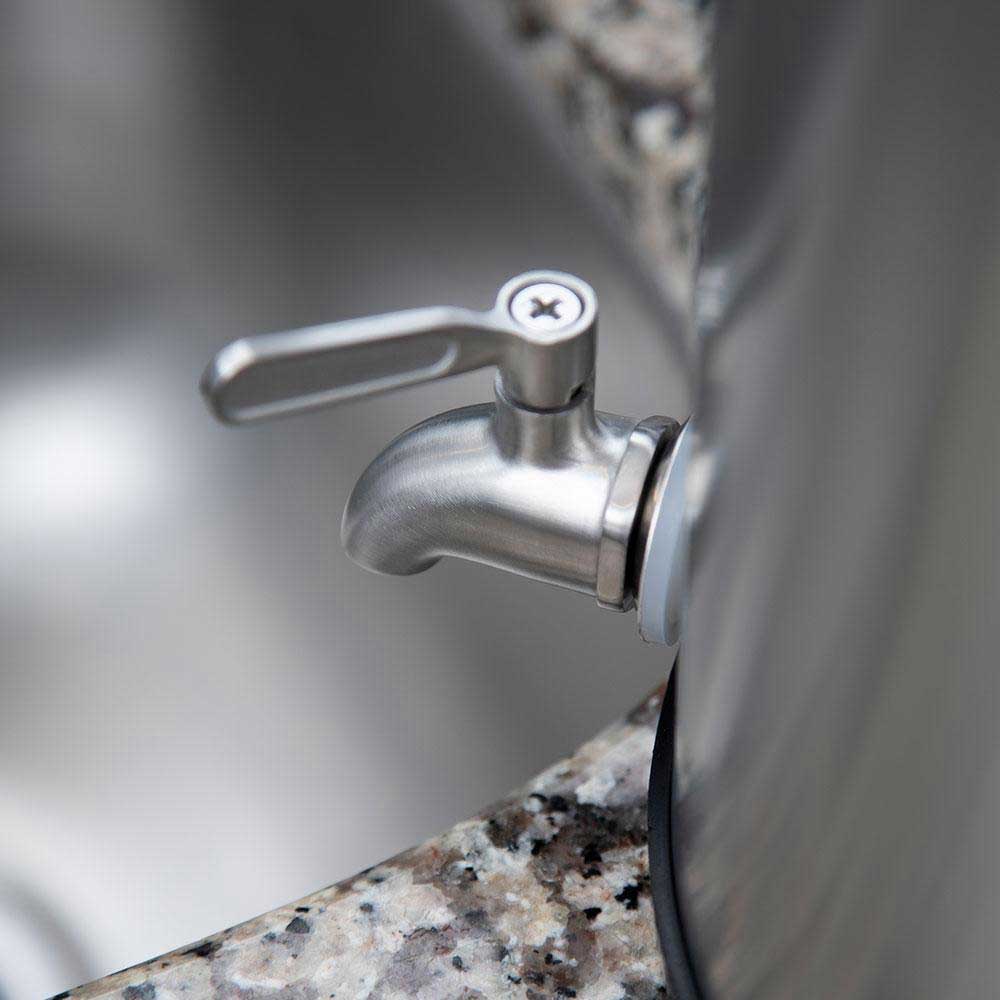
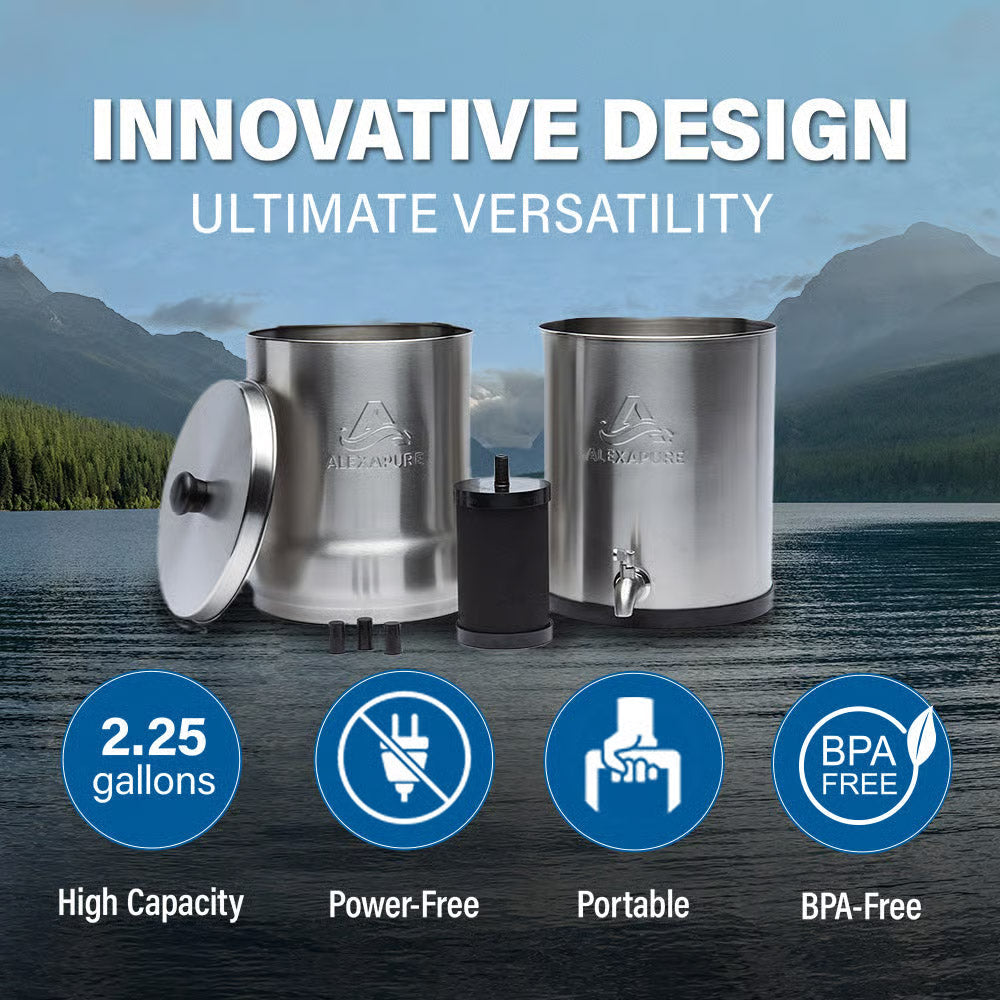
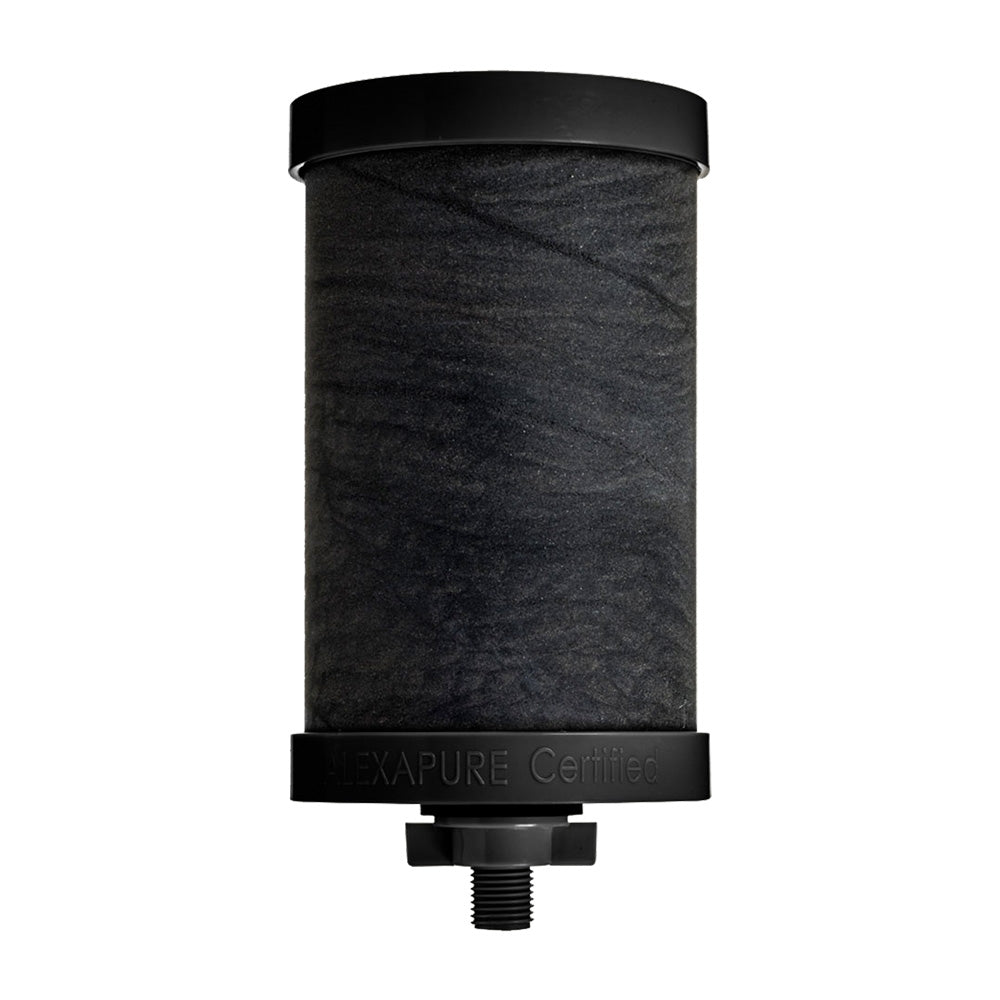
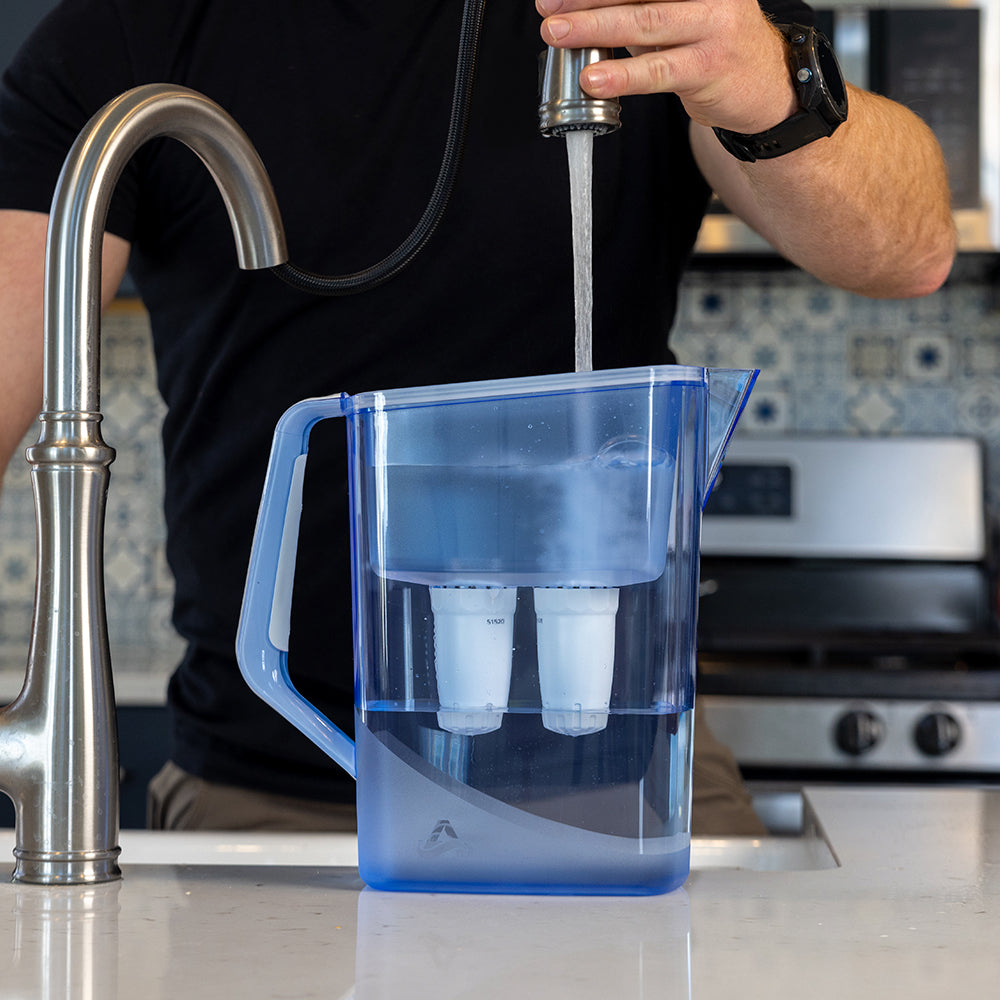
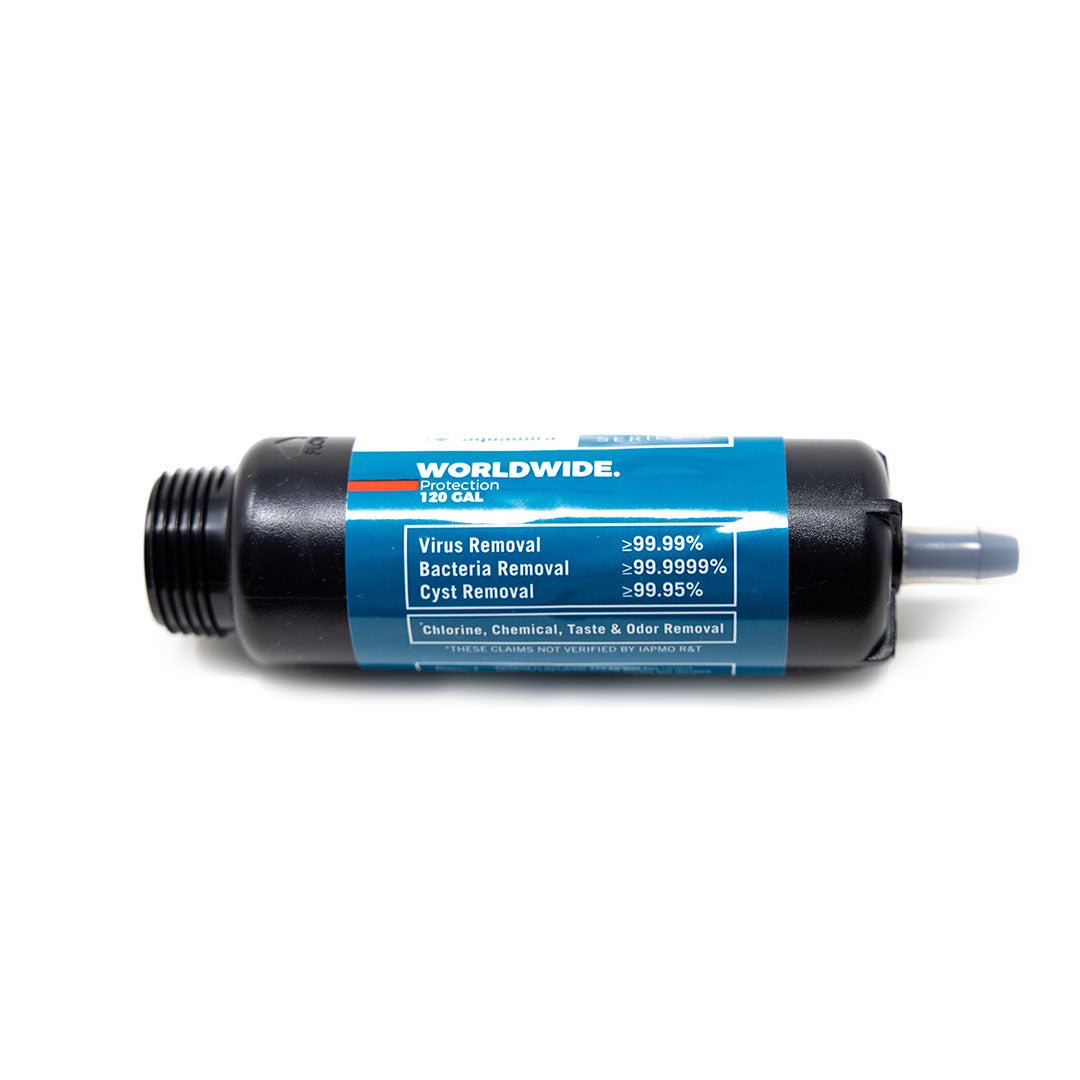
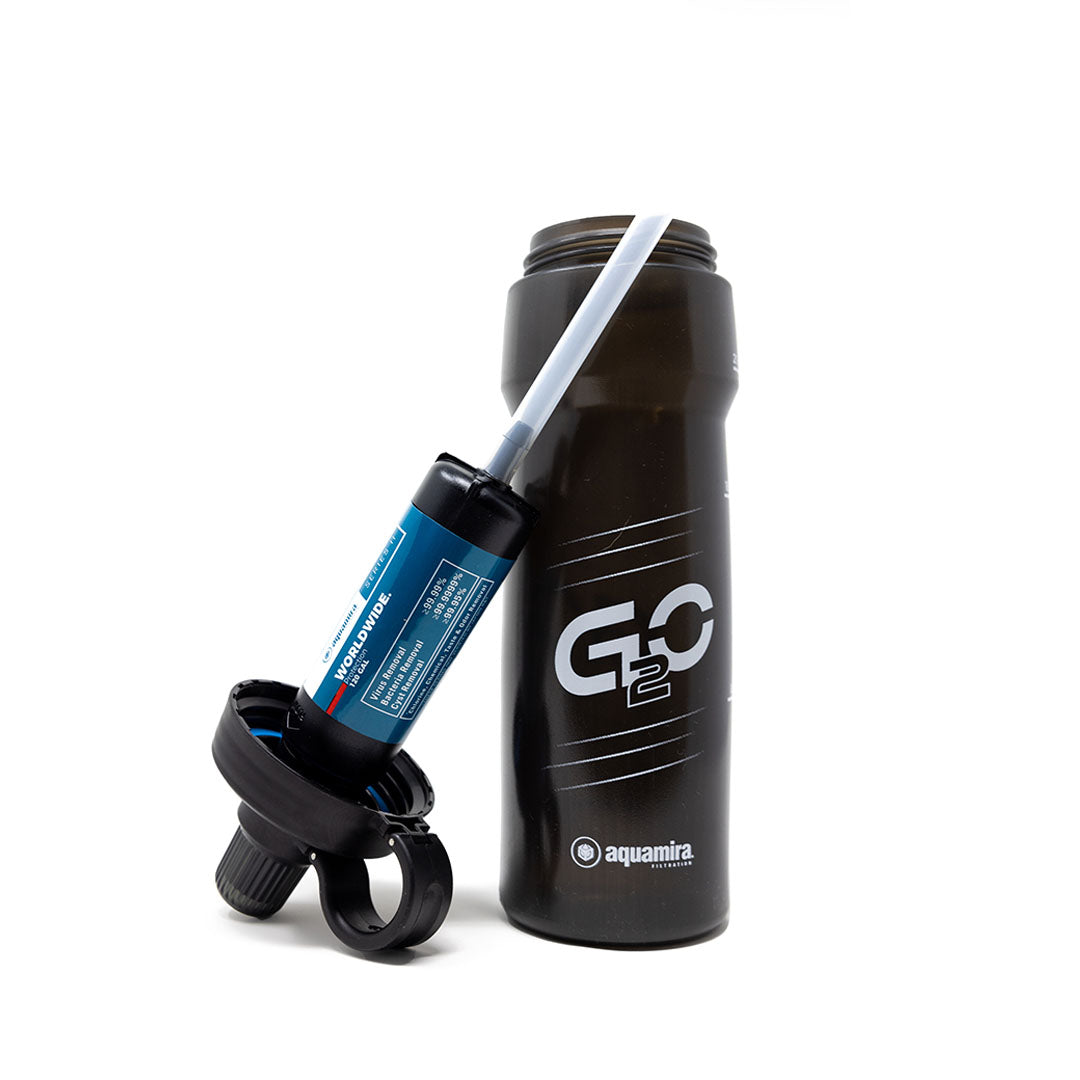
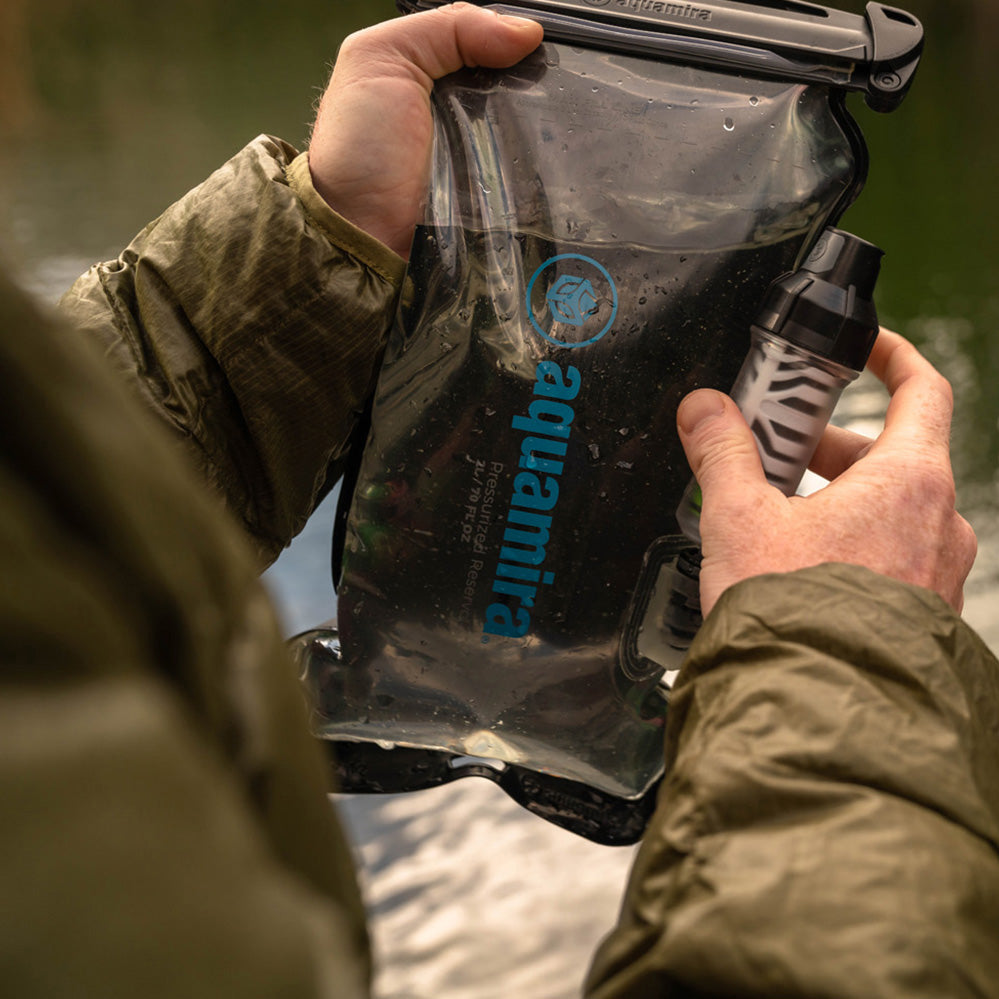
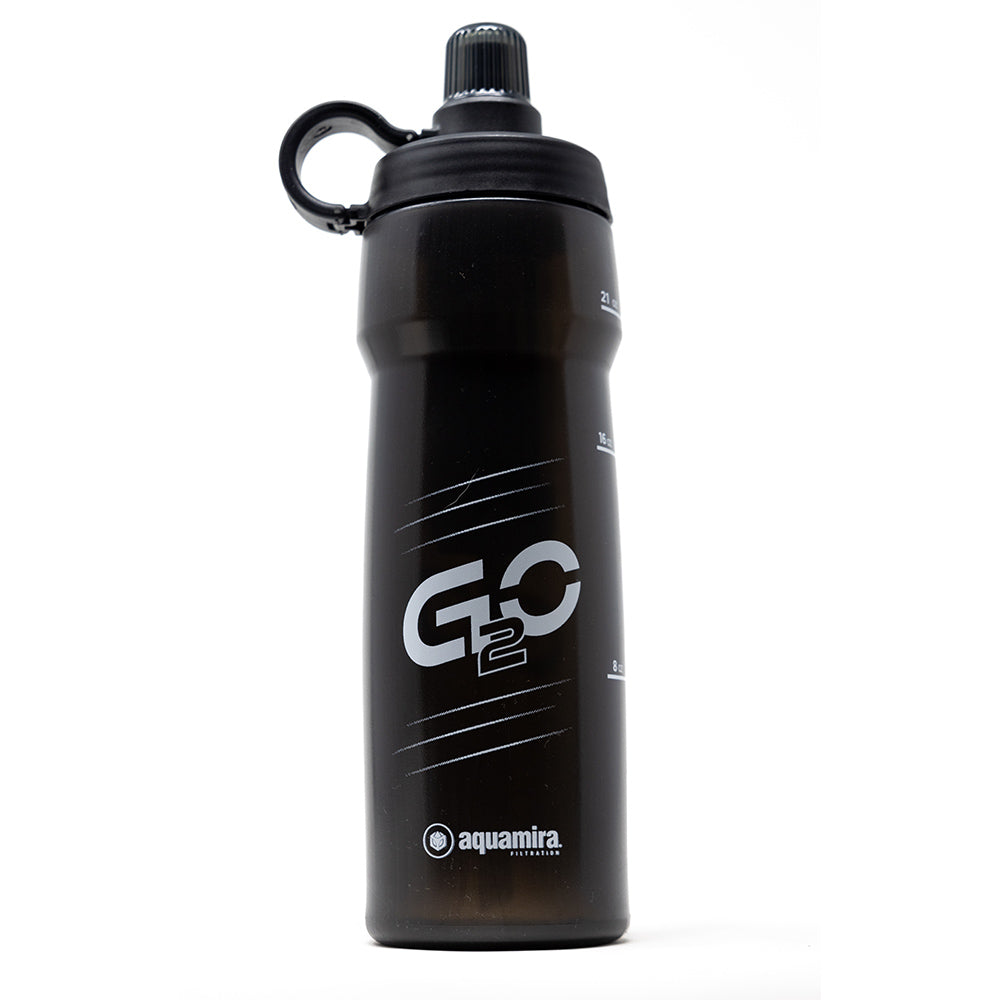
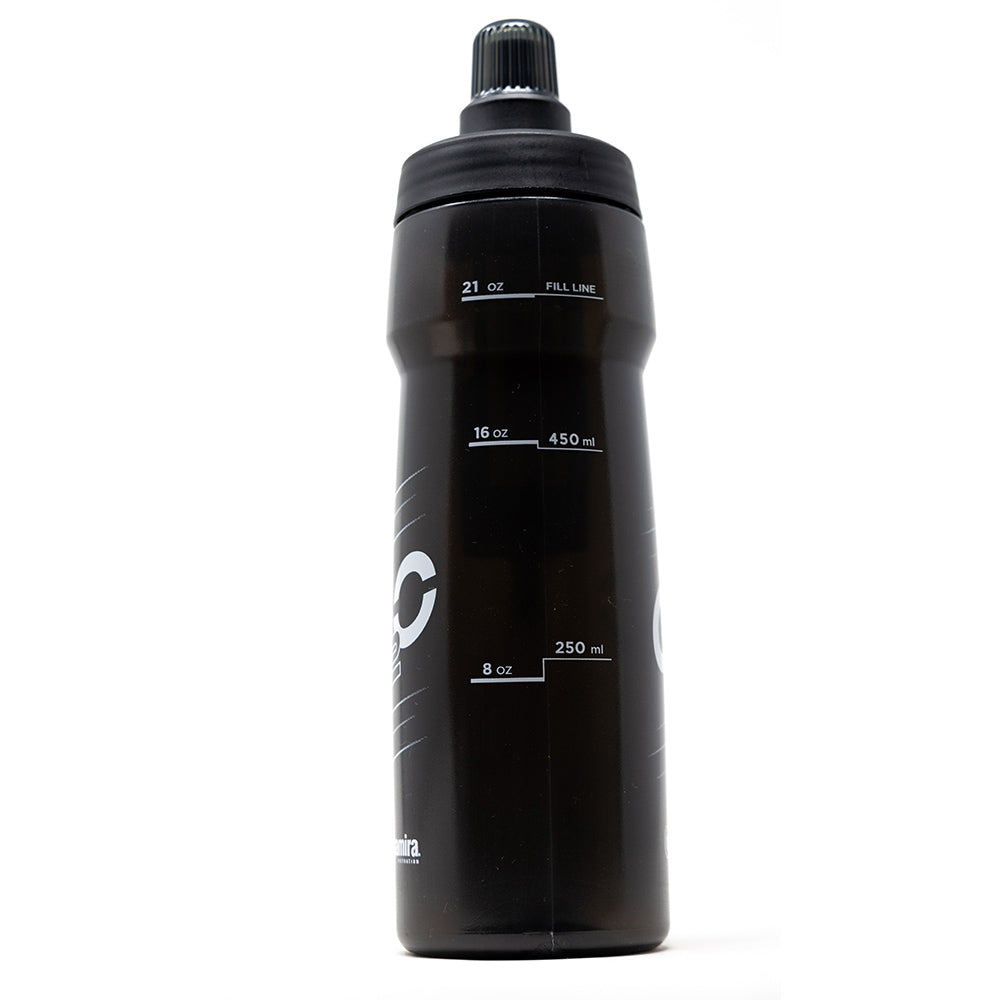
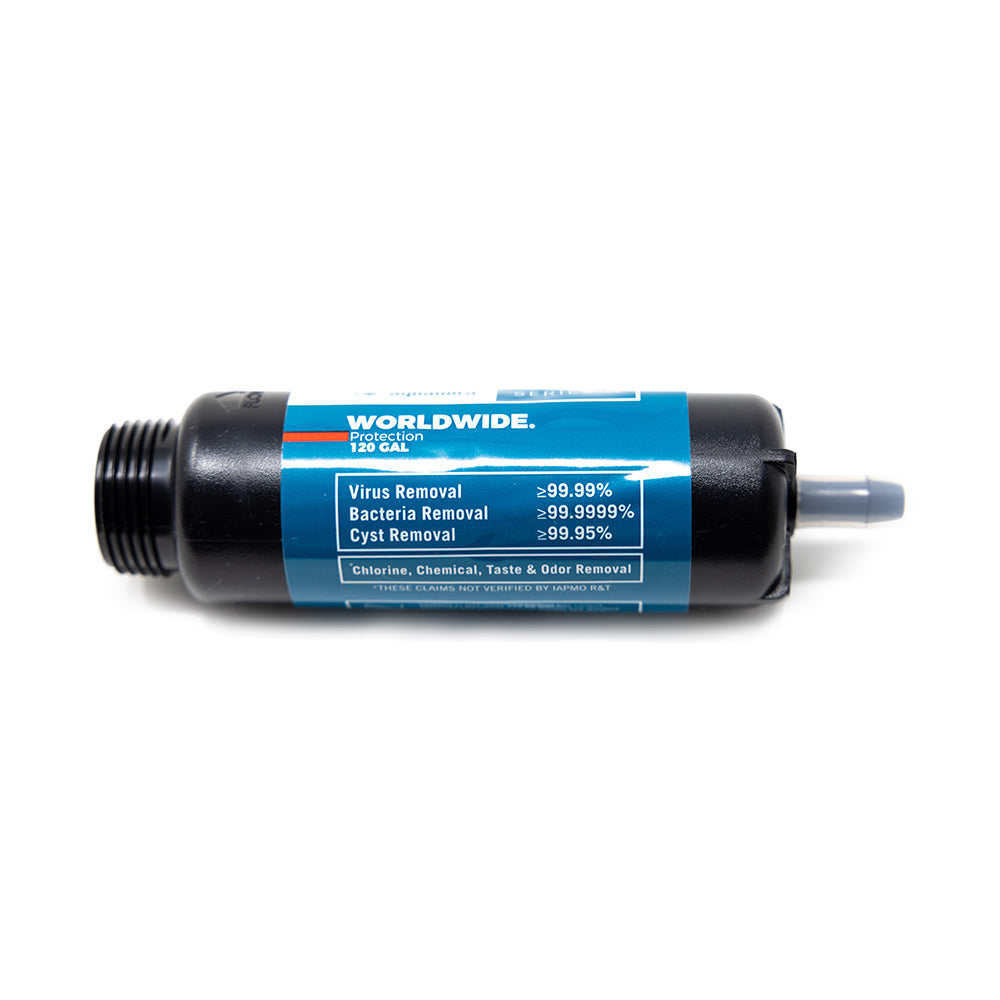
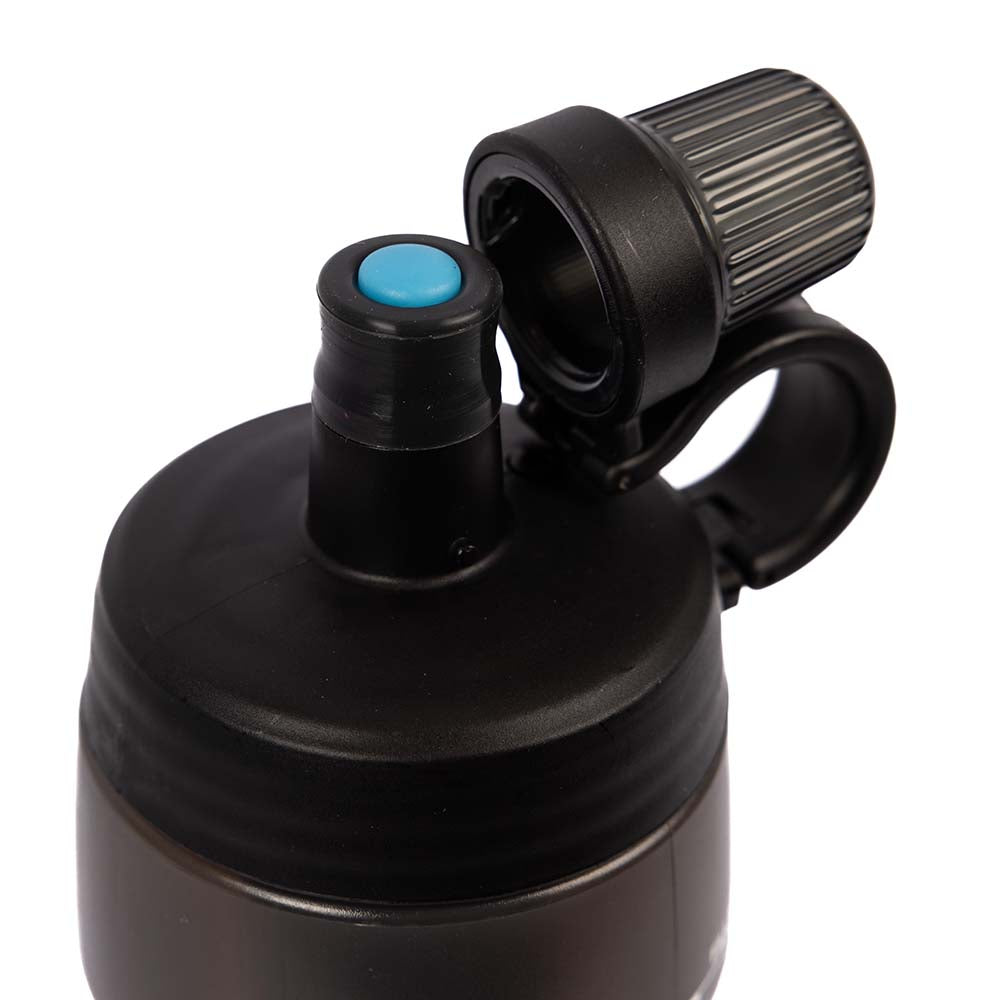
Gravity-fed systems can process larger amounts of water for households without electricity, while portable filtration options are ideal for evacuation kits, travel, and emergency use away from home. Understanding the capabilities of your filtration system—and maintaining it with replacement filters—helps ensure it's ready when you need it most.
Adding a dependable filtration system means you're no longer relying solely on the water you've already stored.
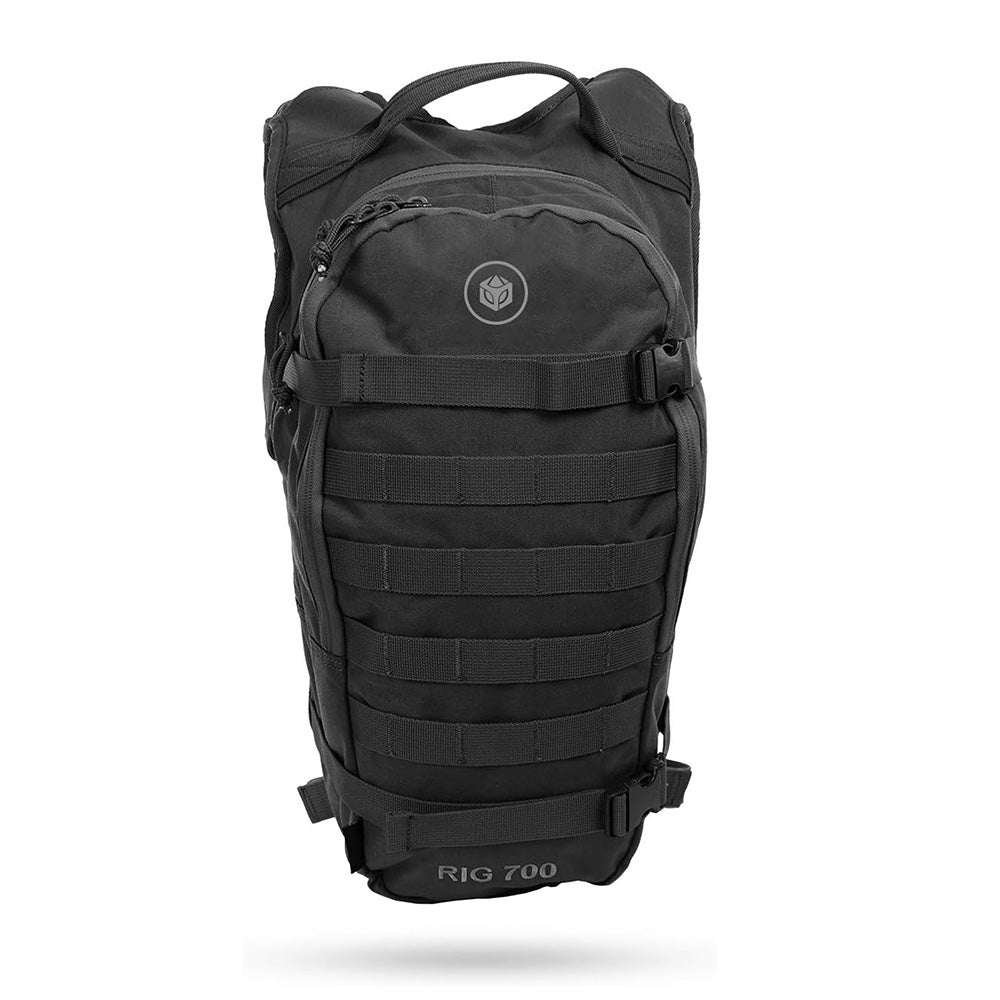
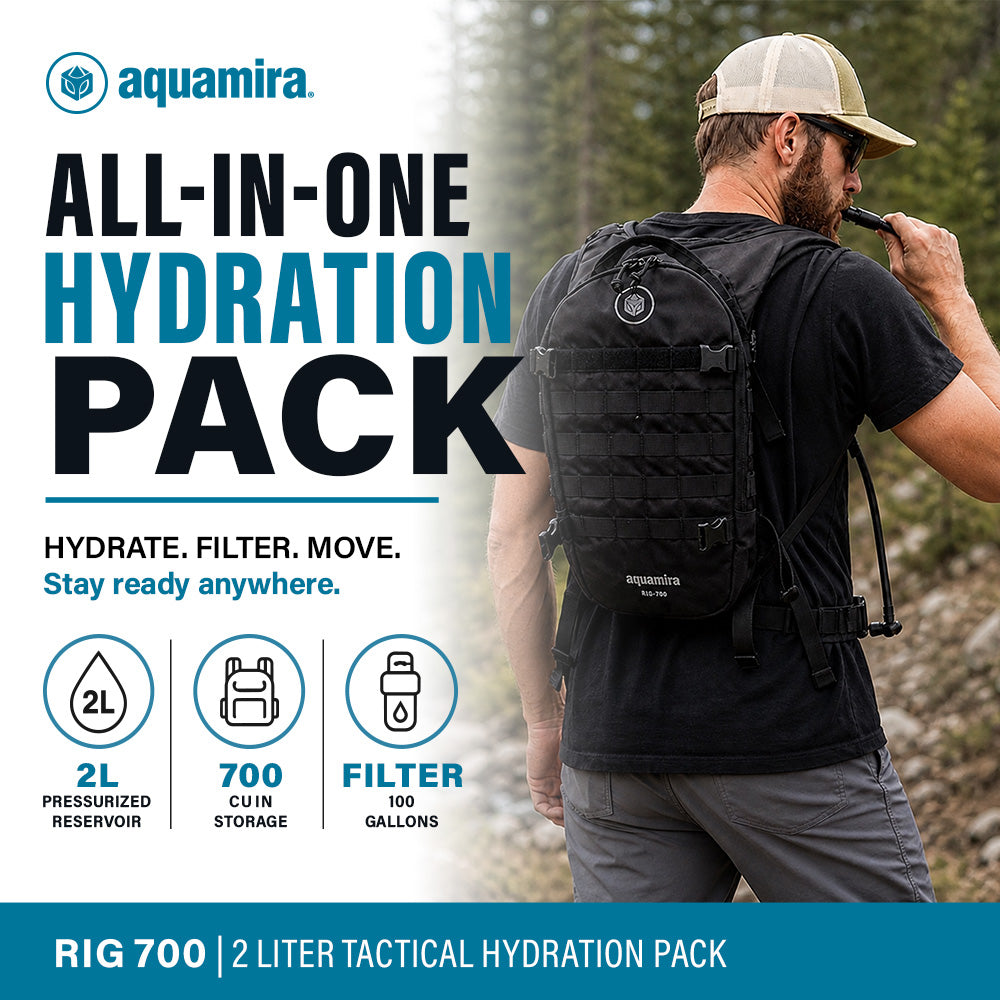
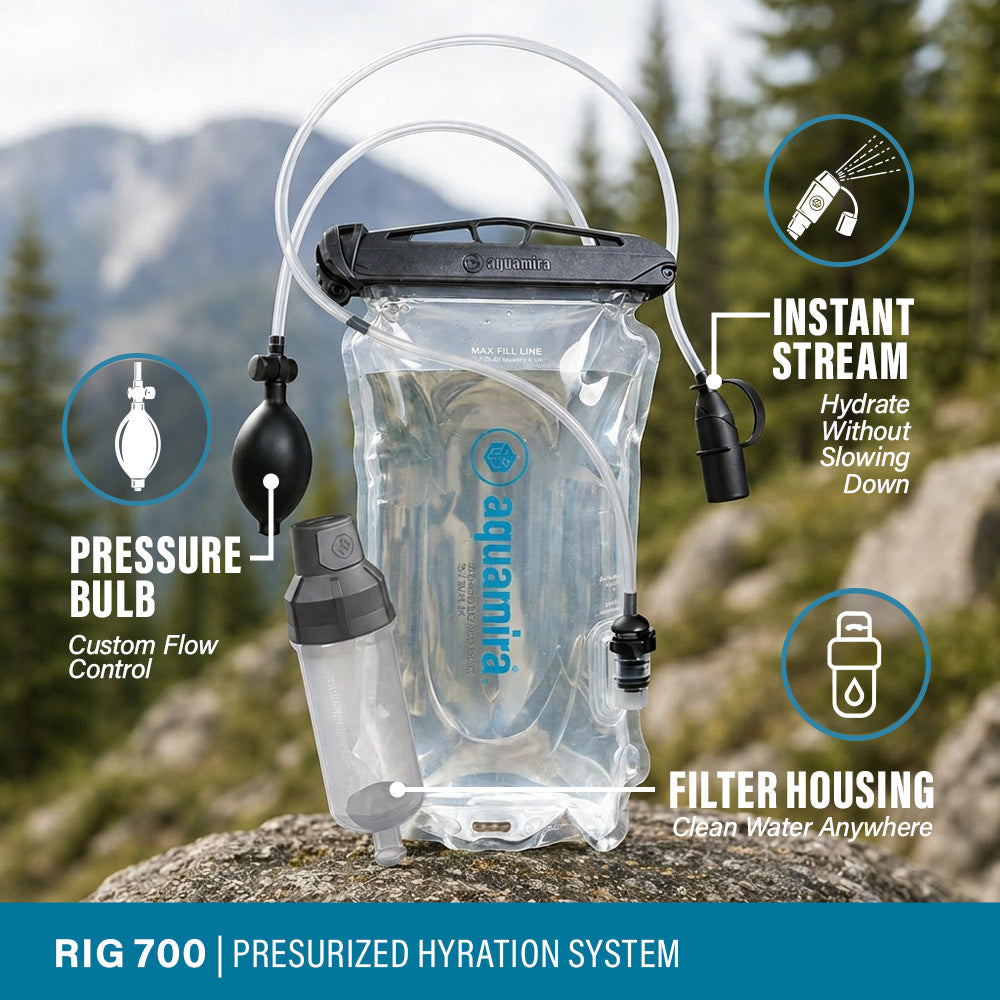
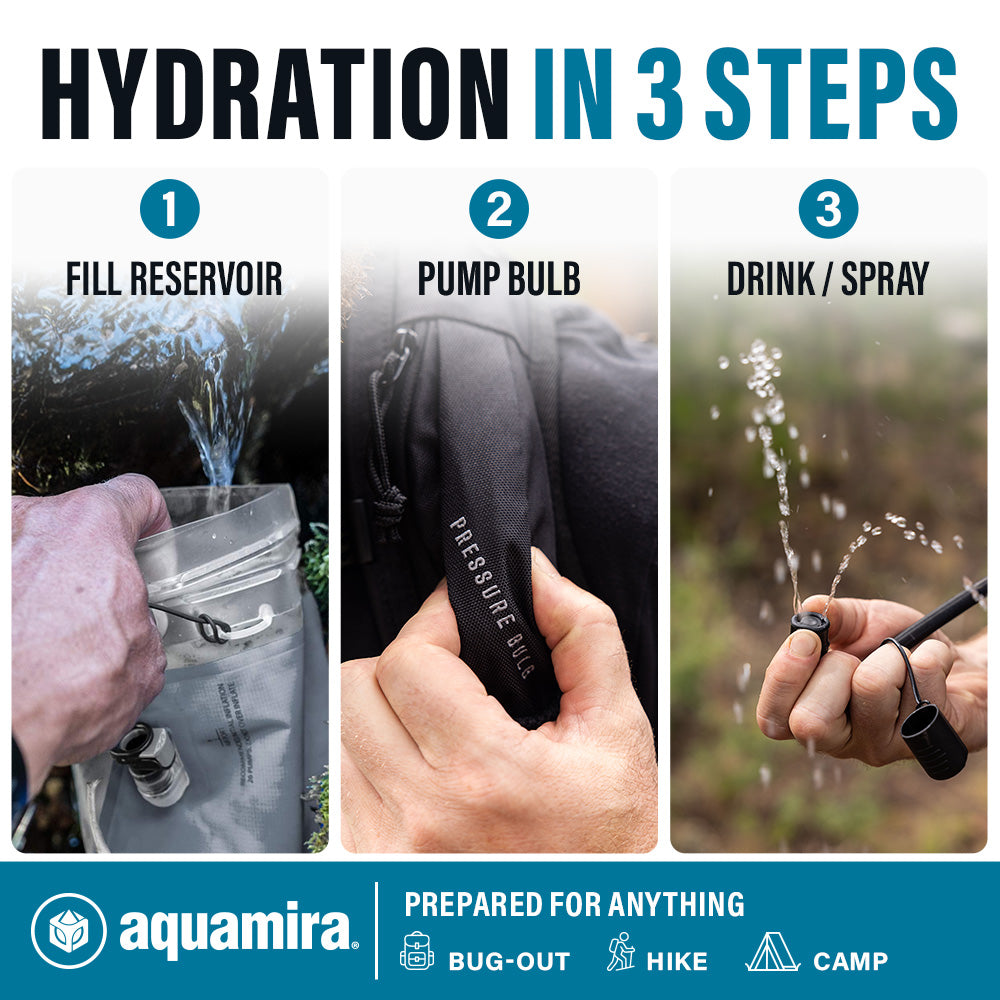
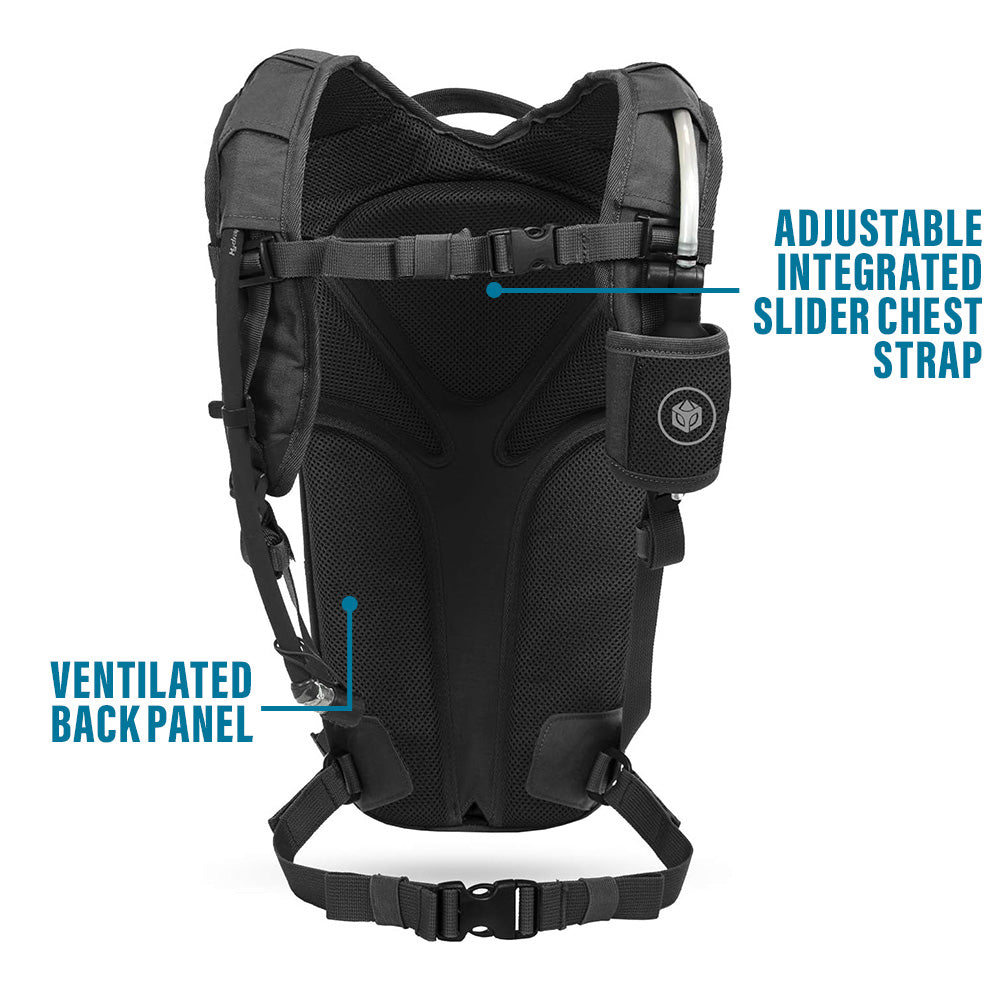
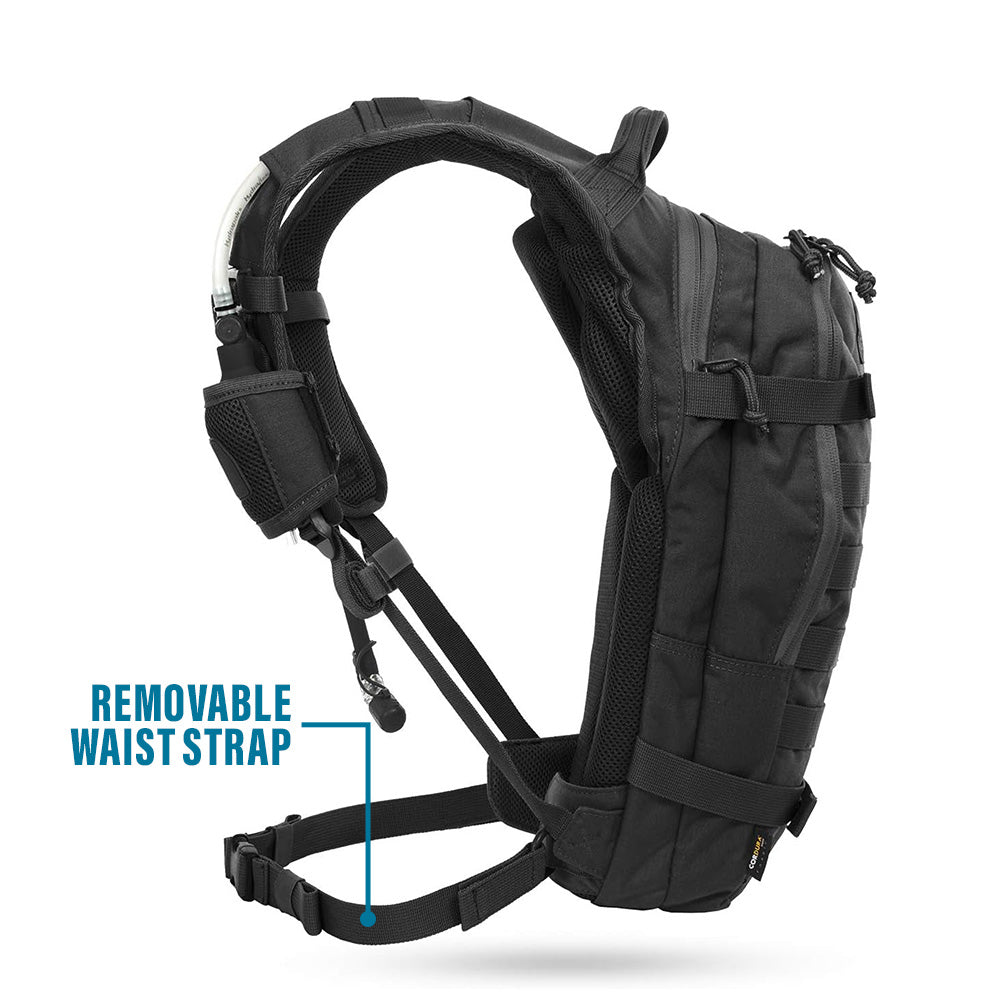
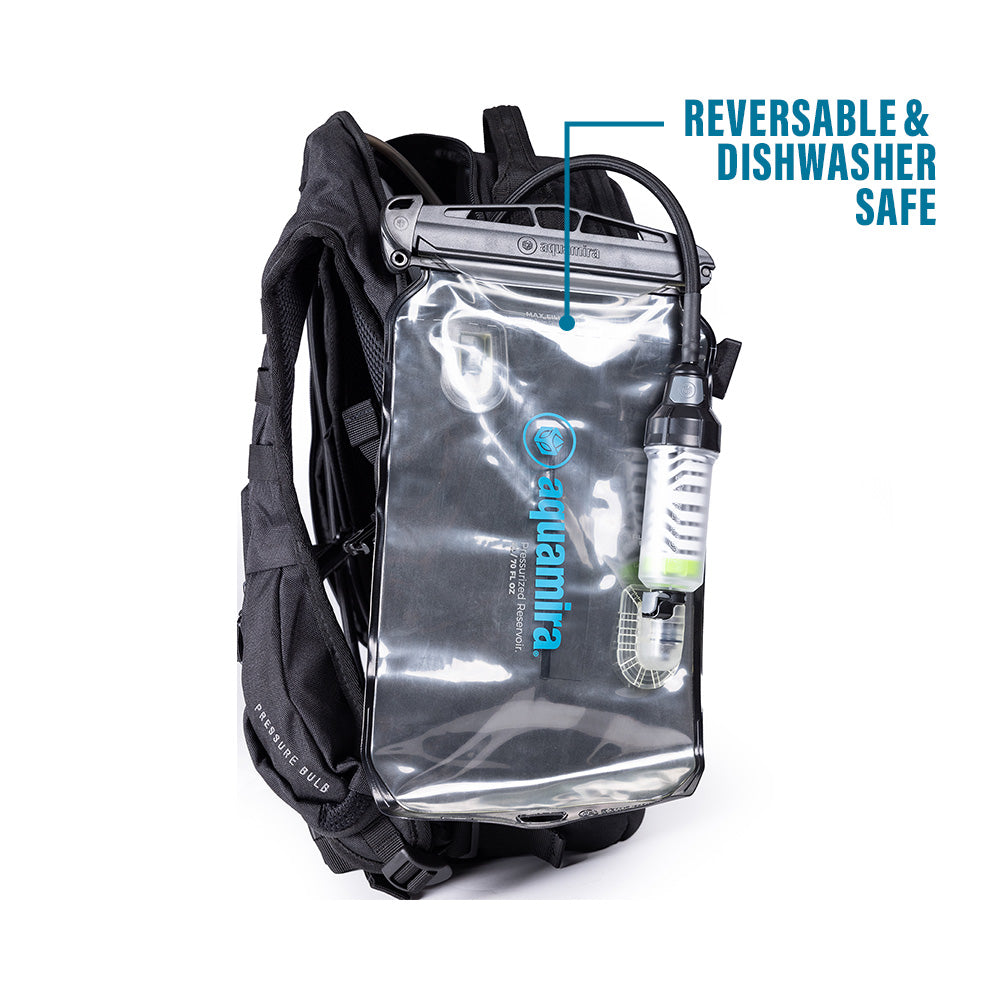
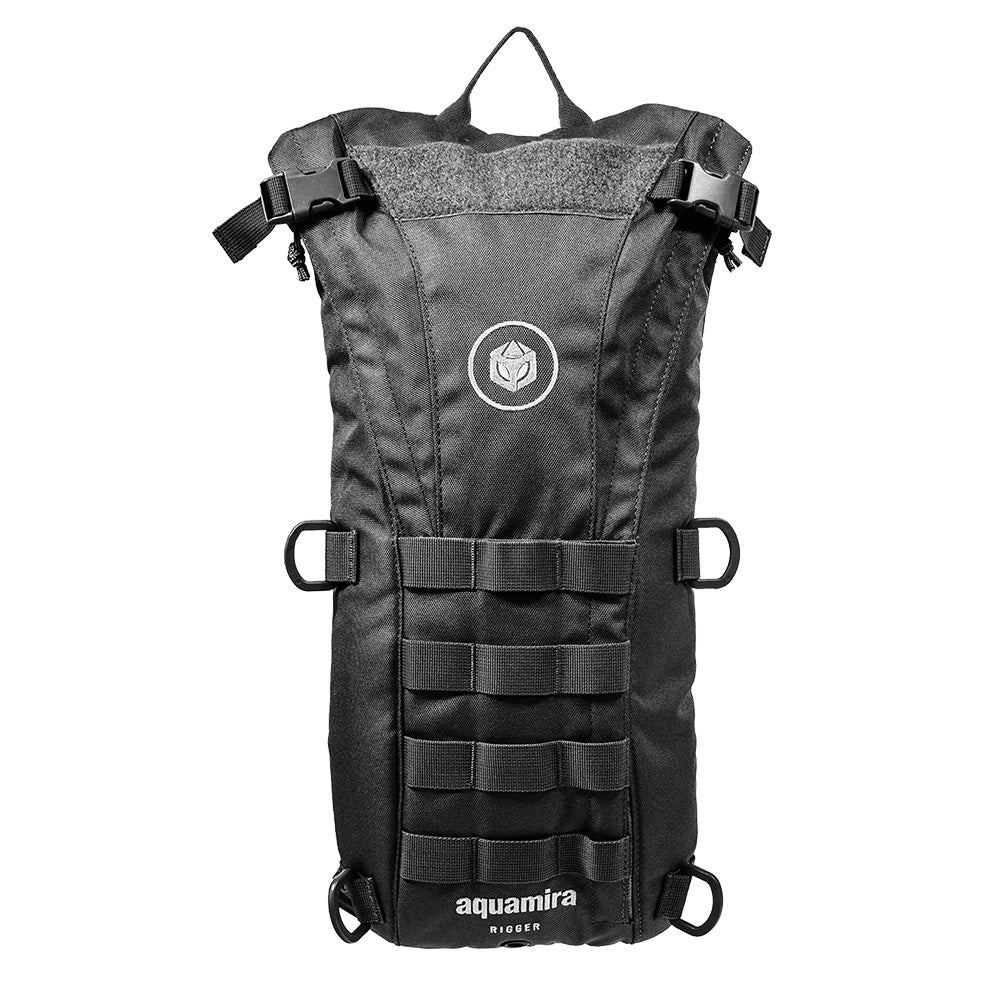
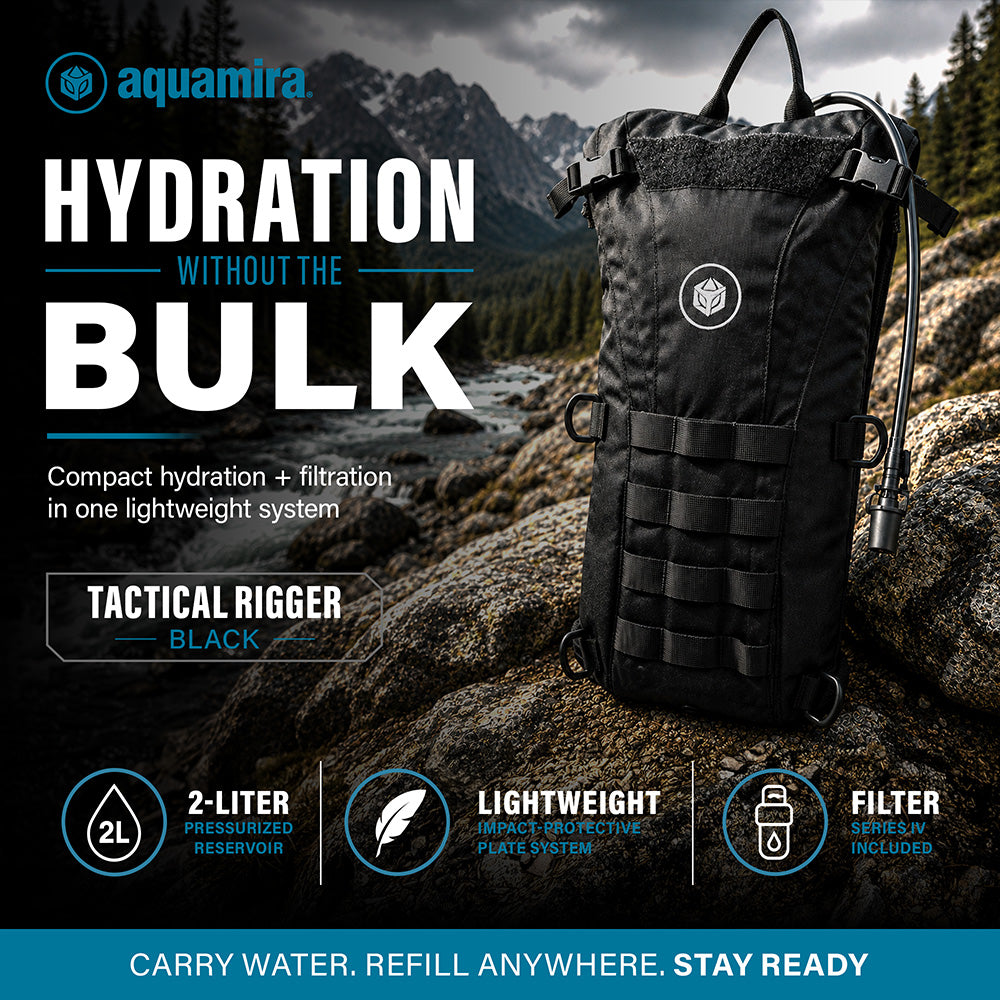
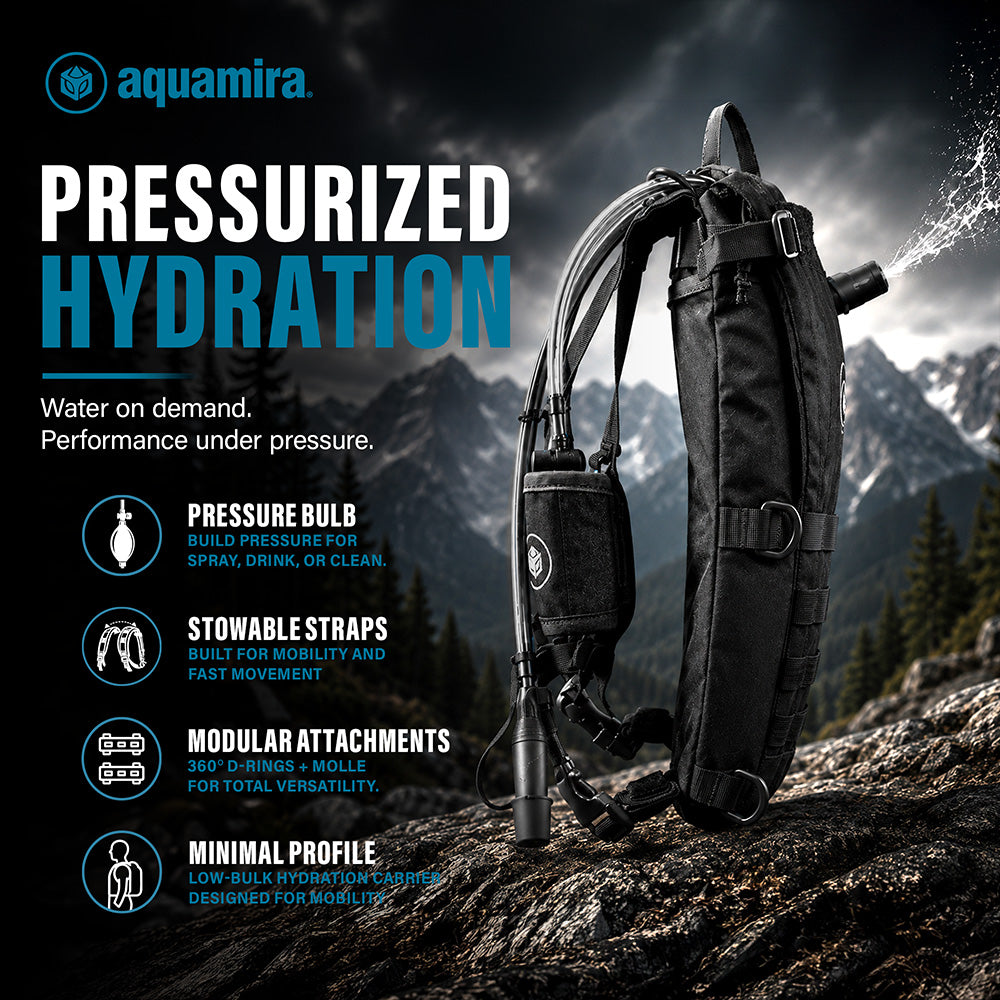
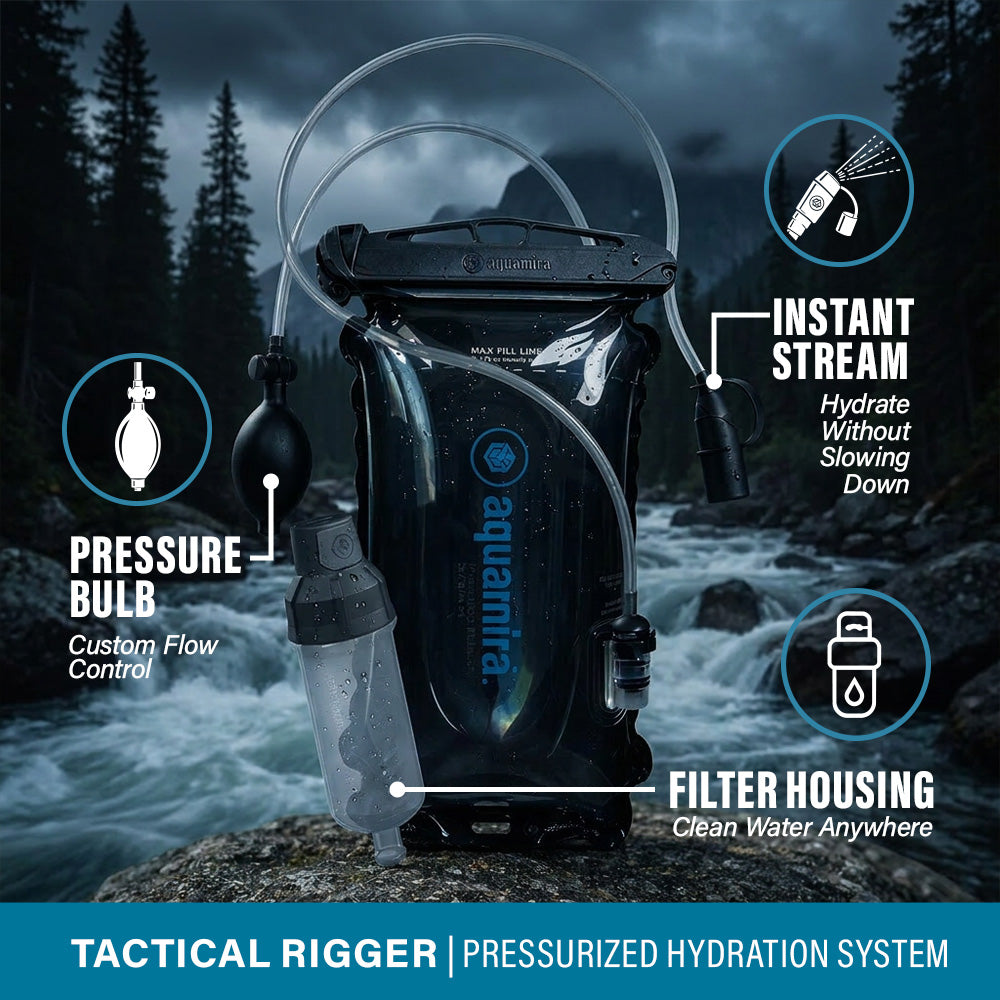
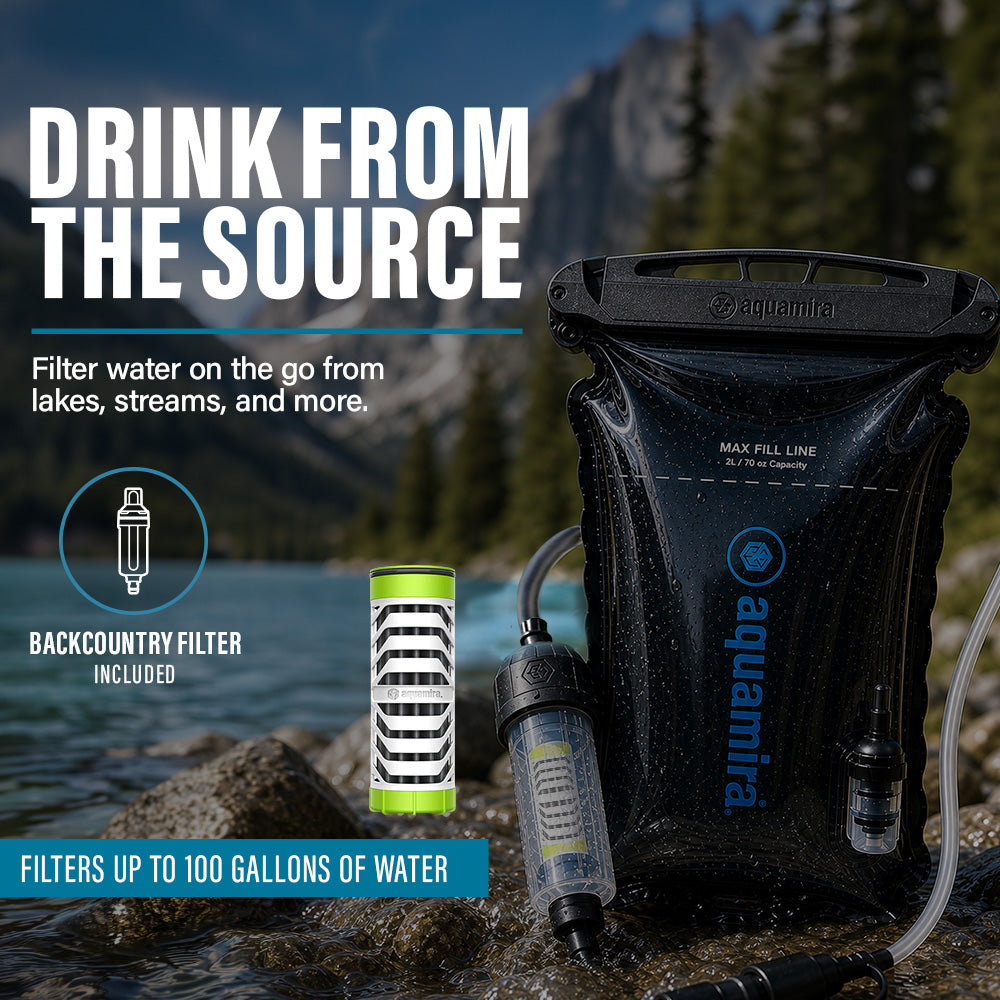
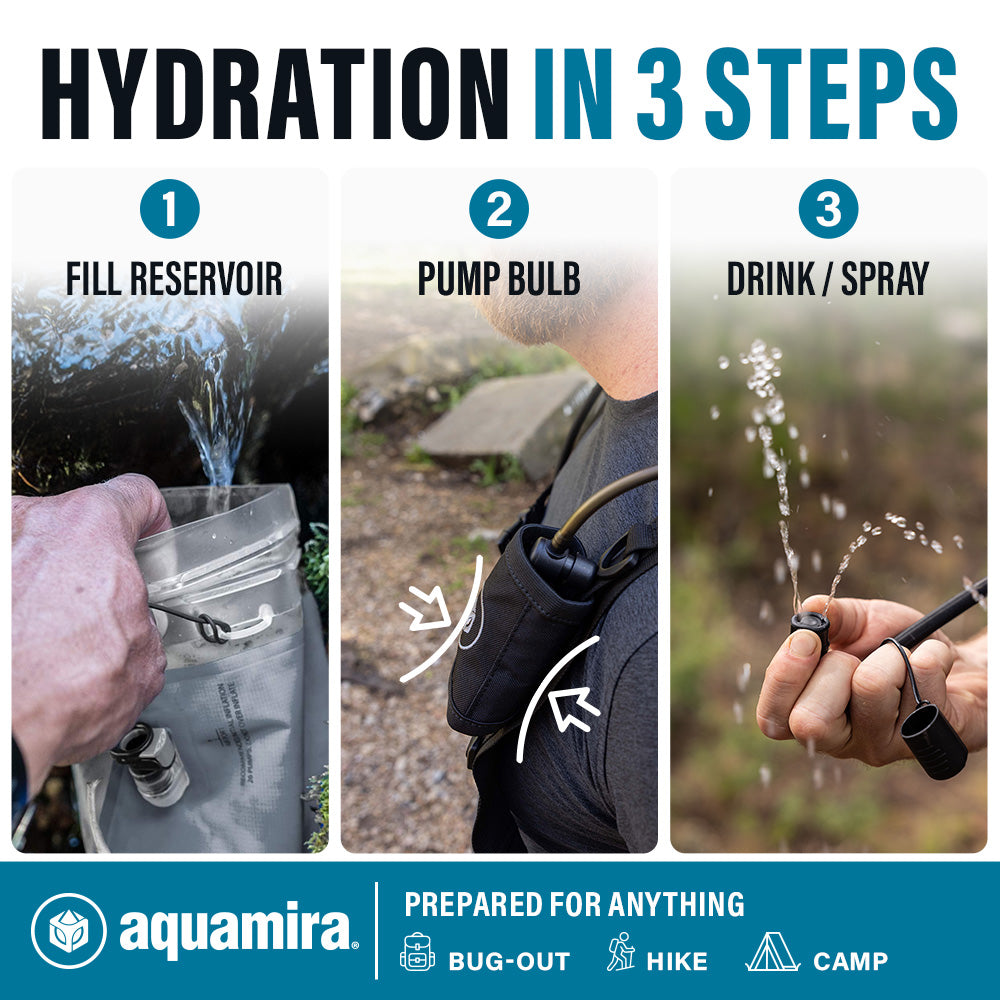
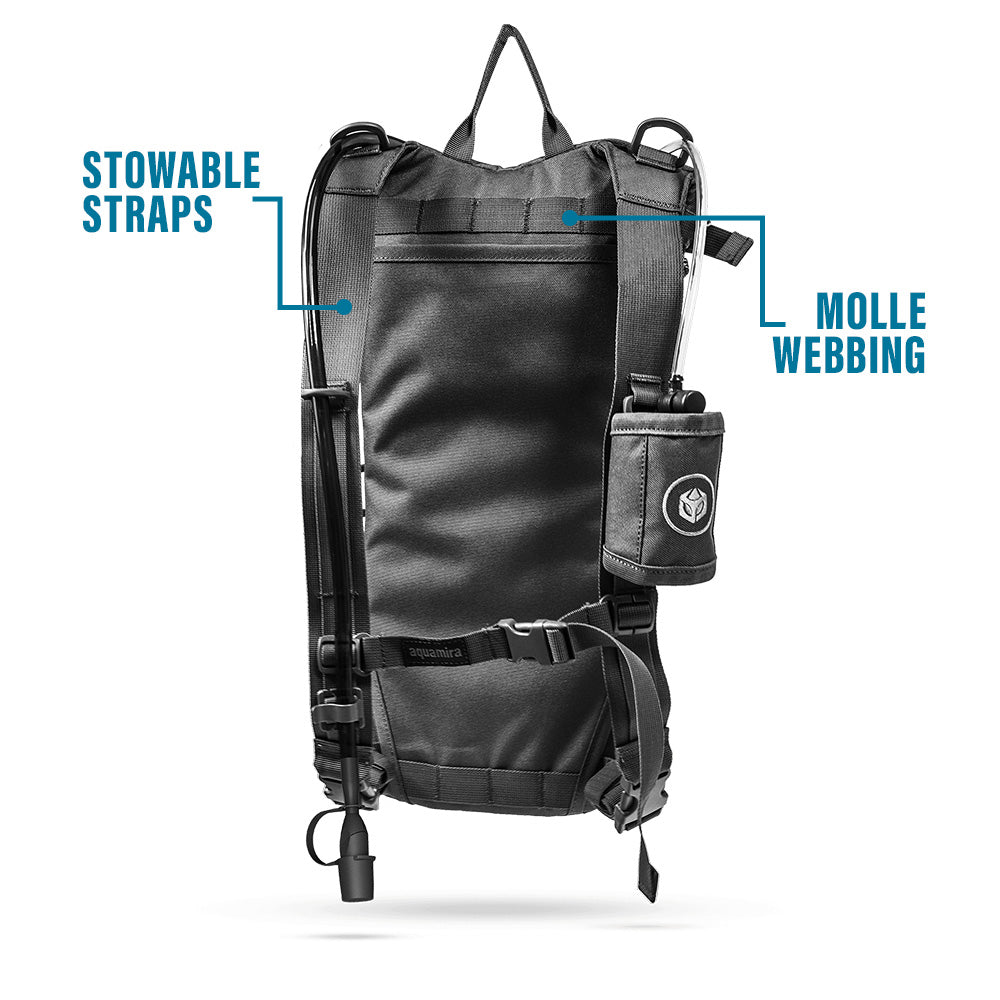
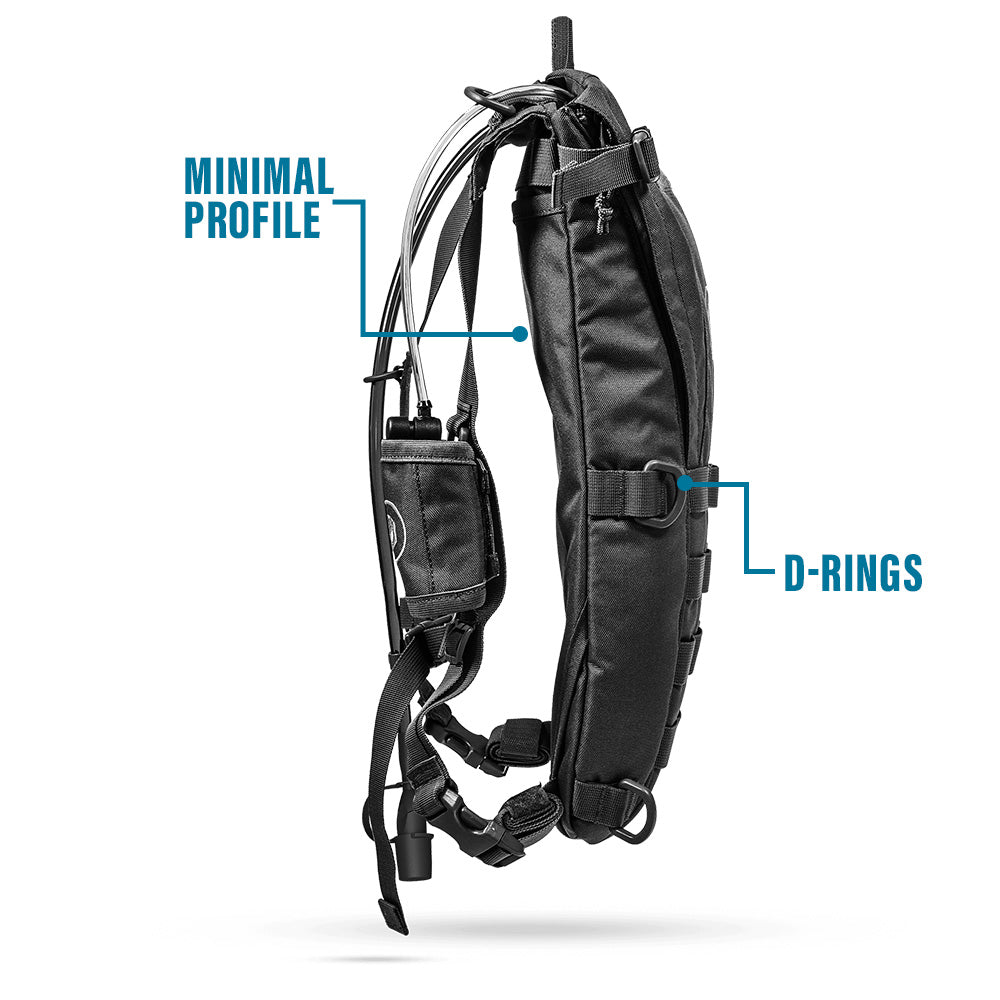
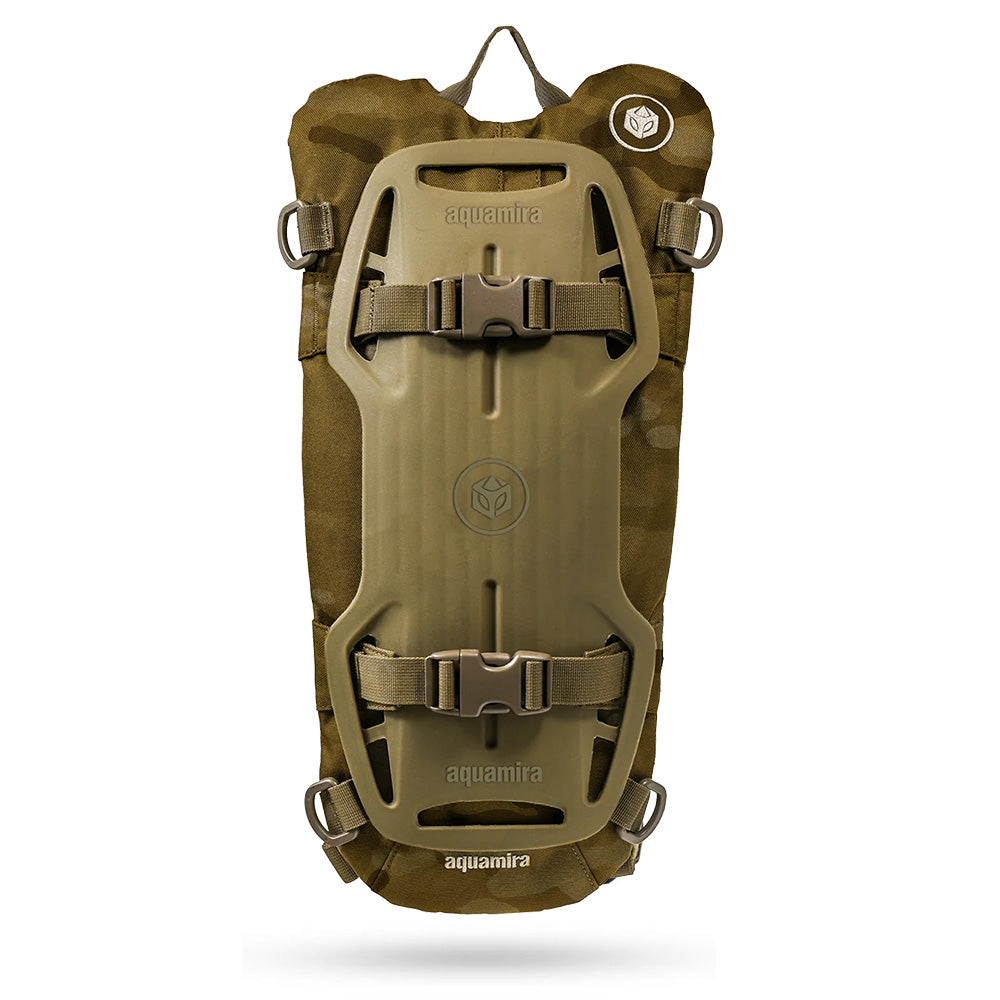
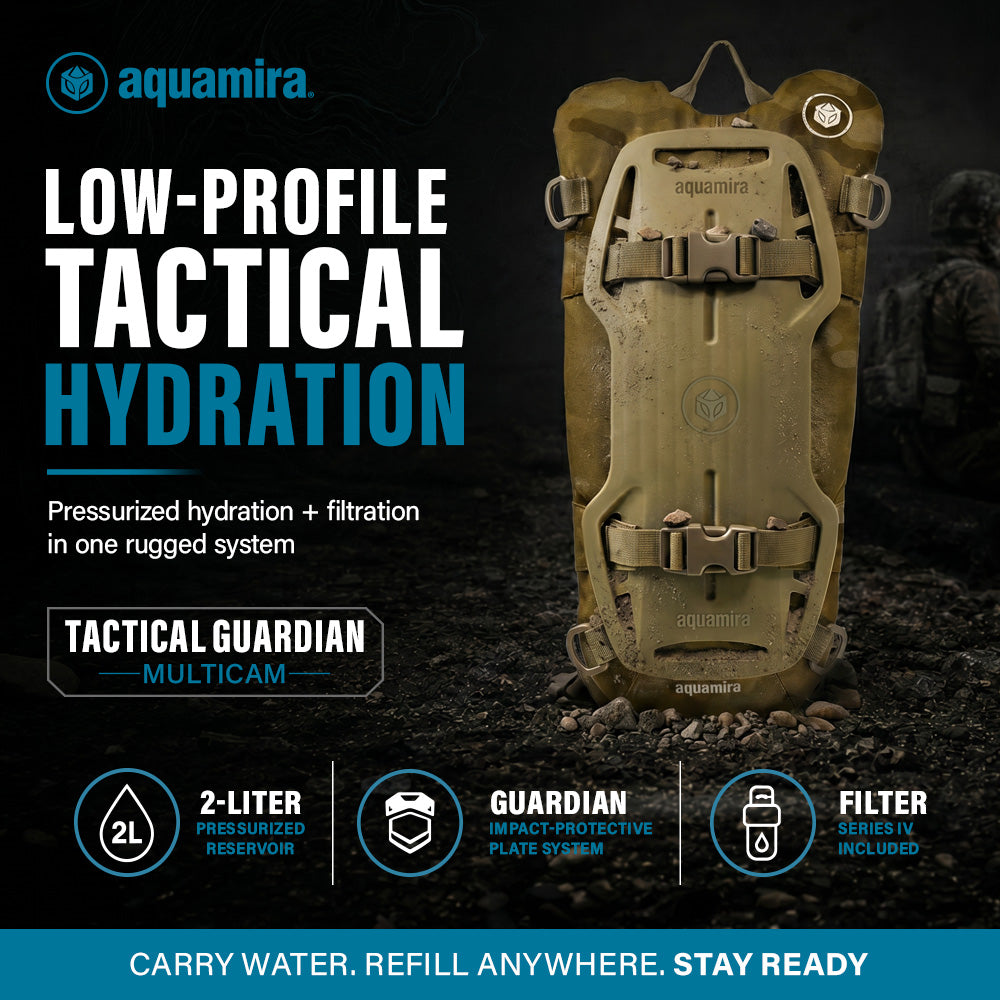
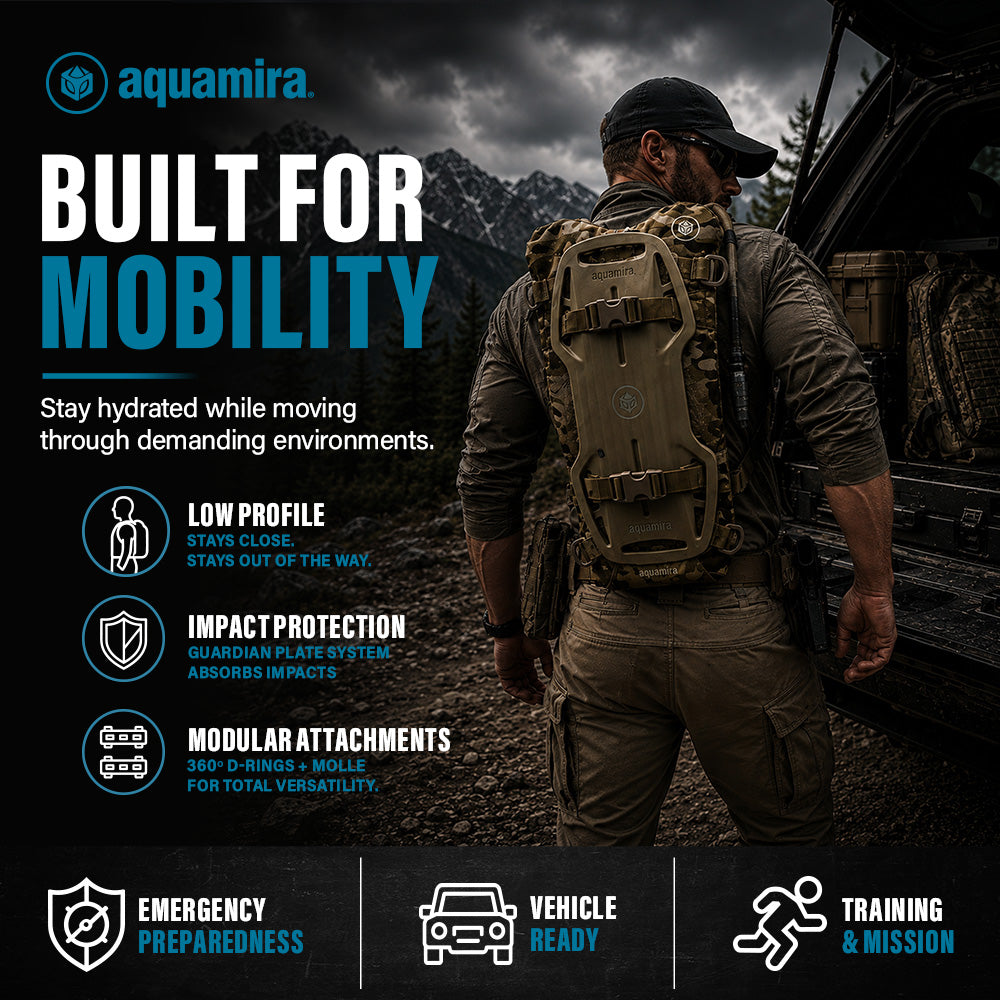
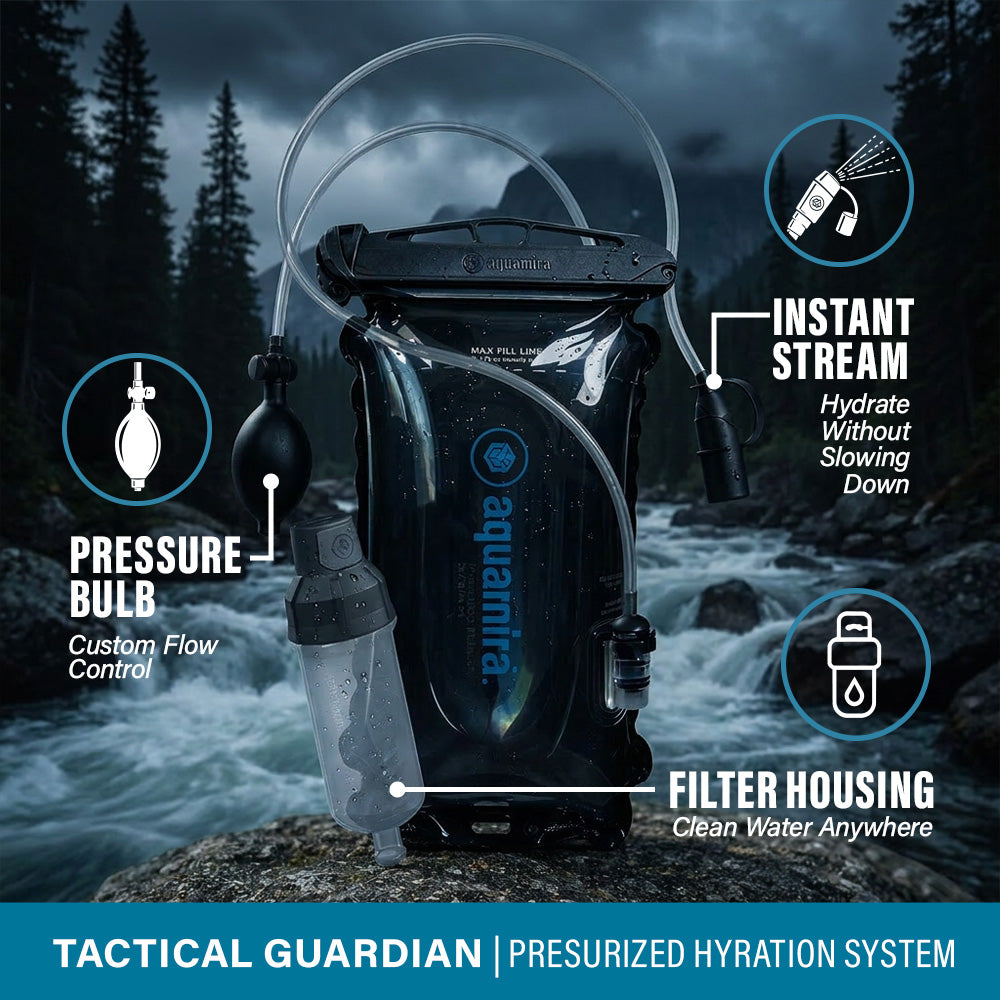
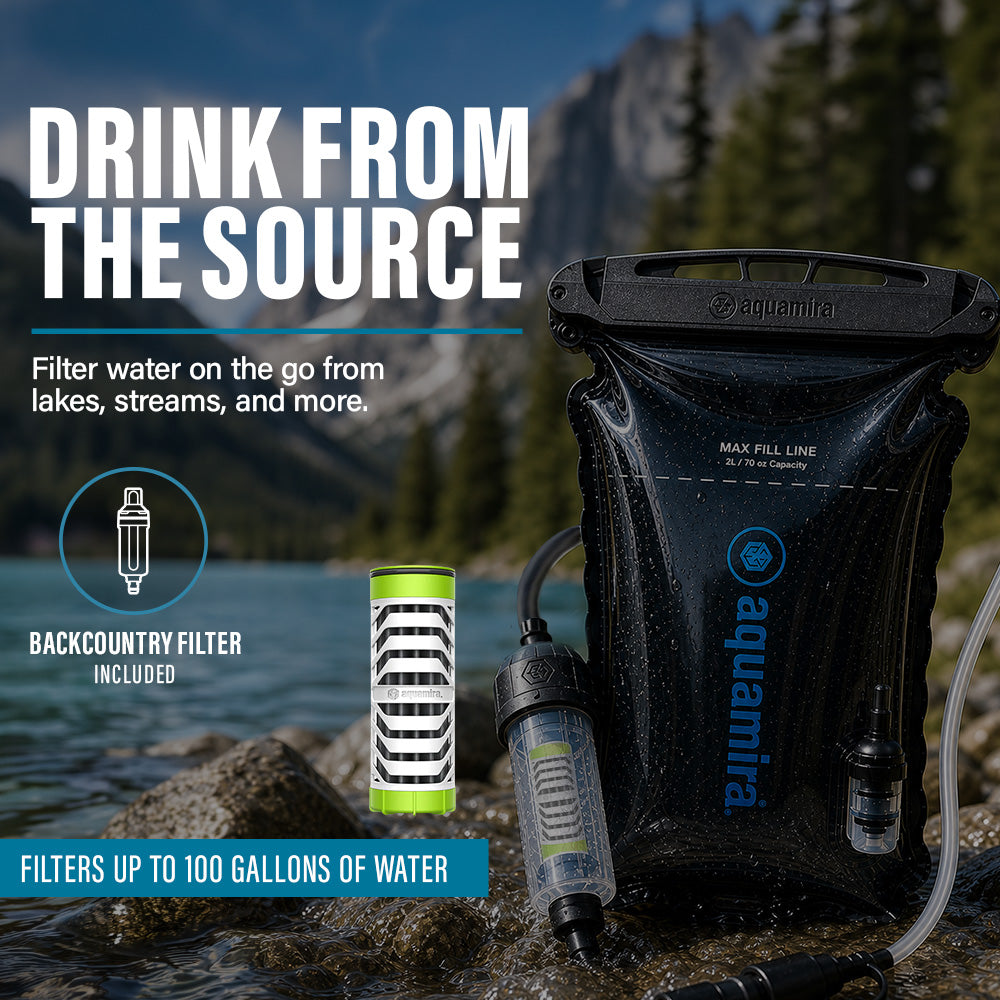
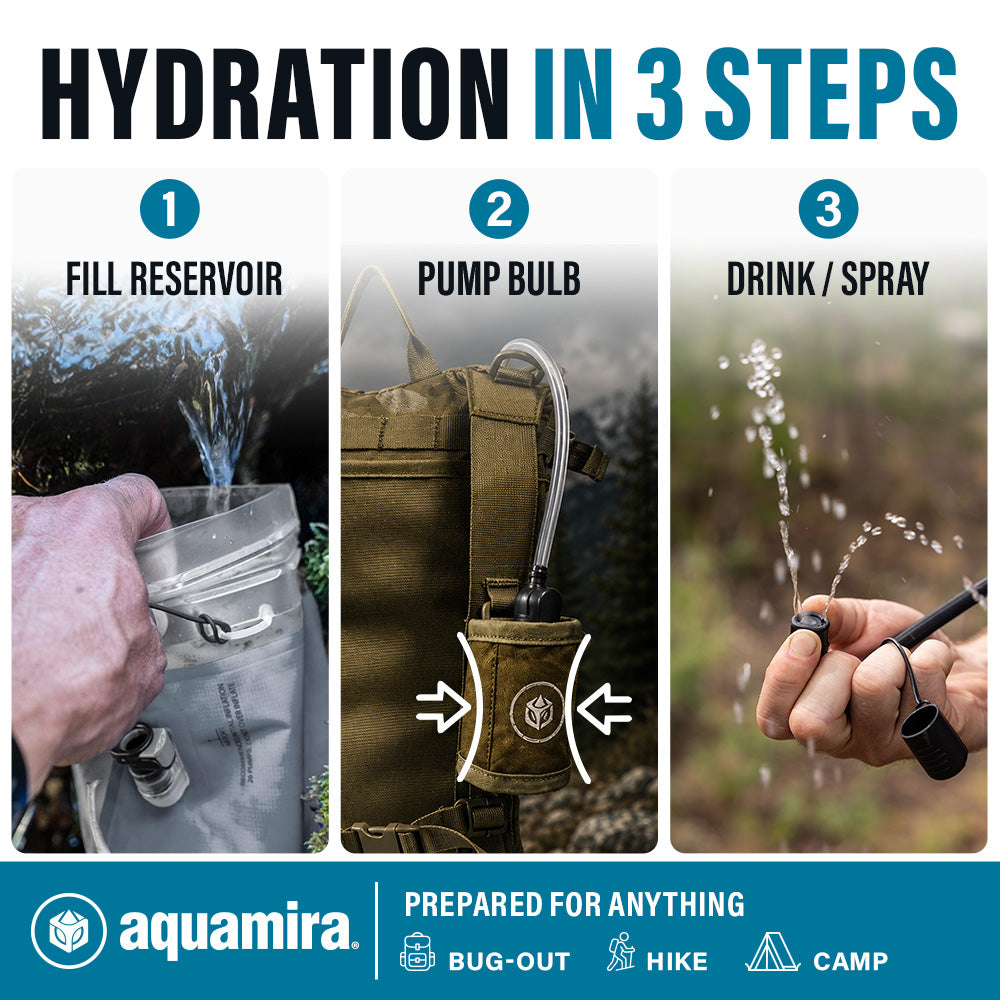
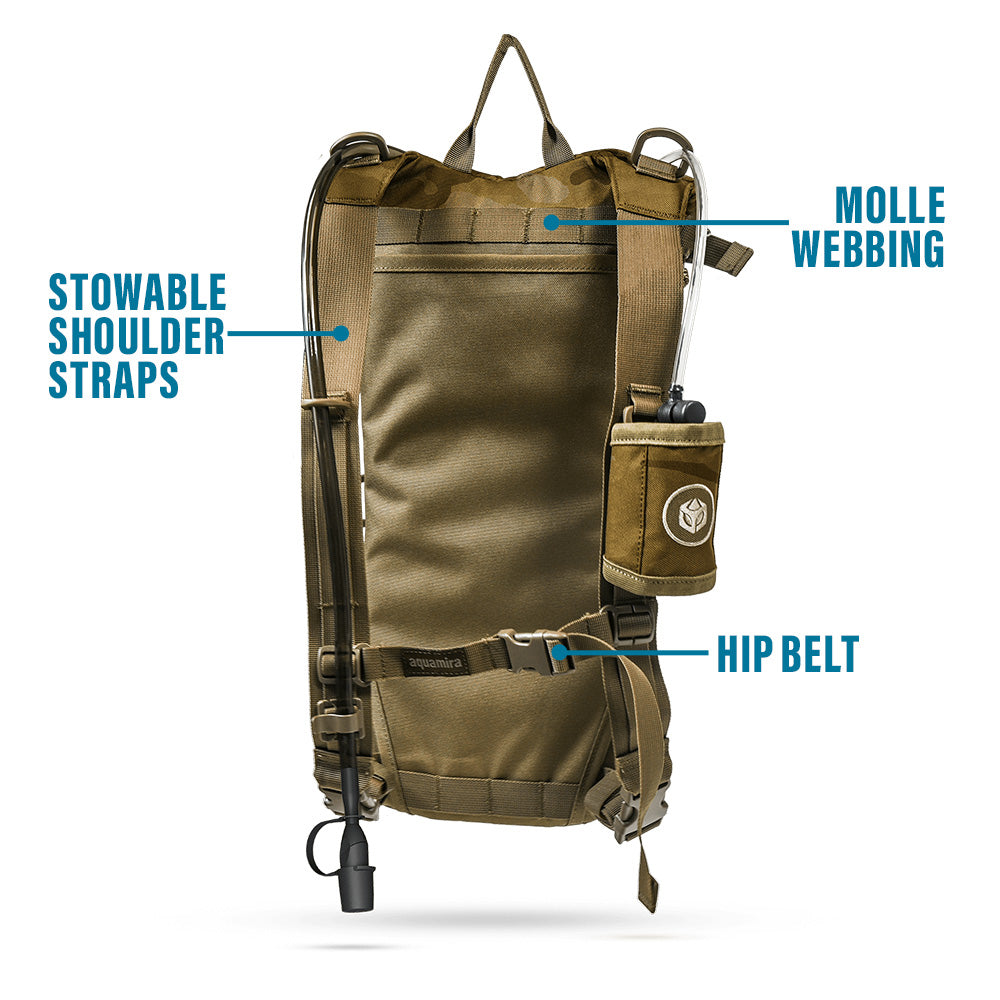
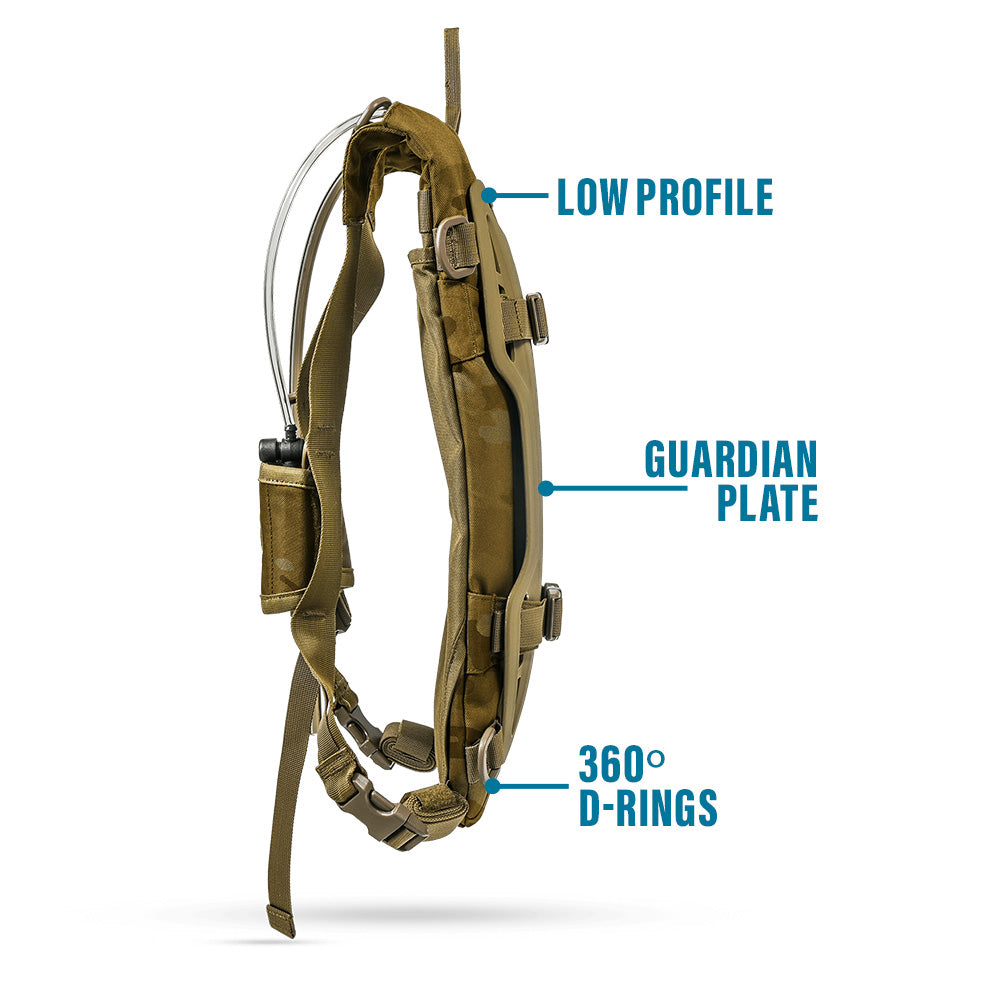
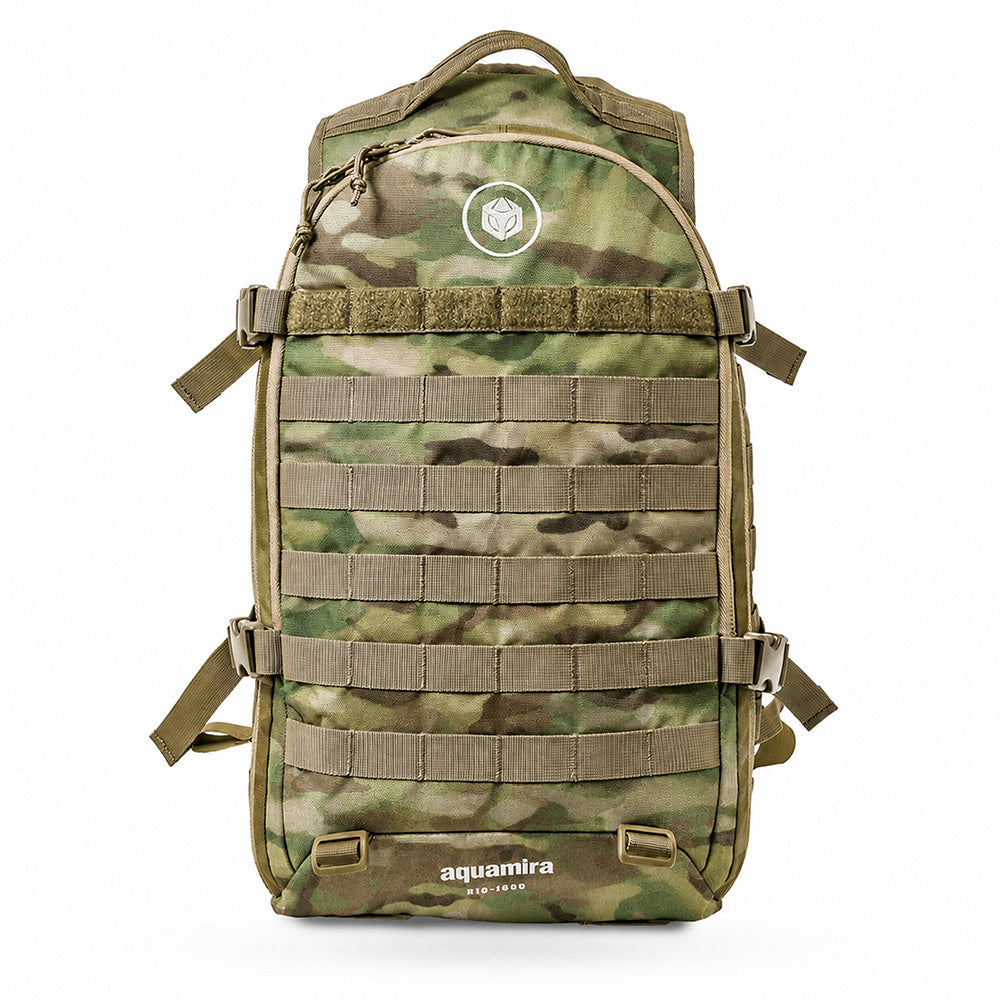
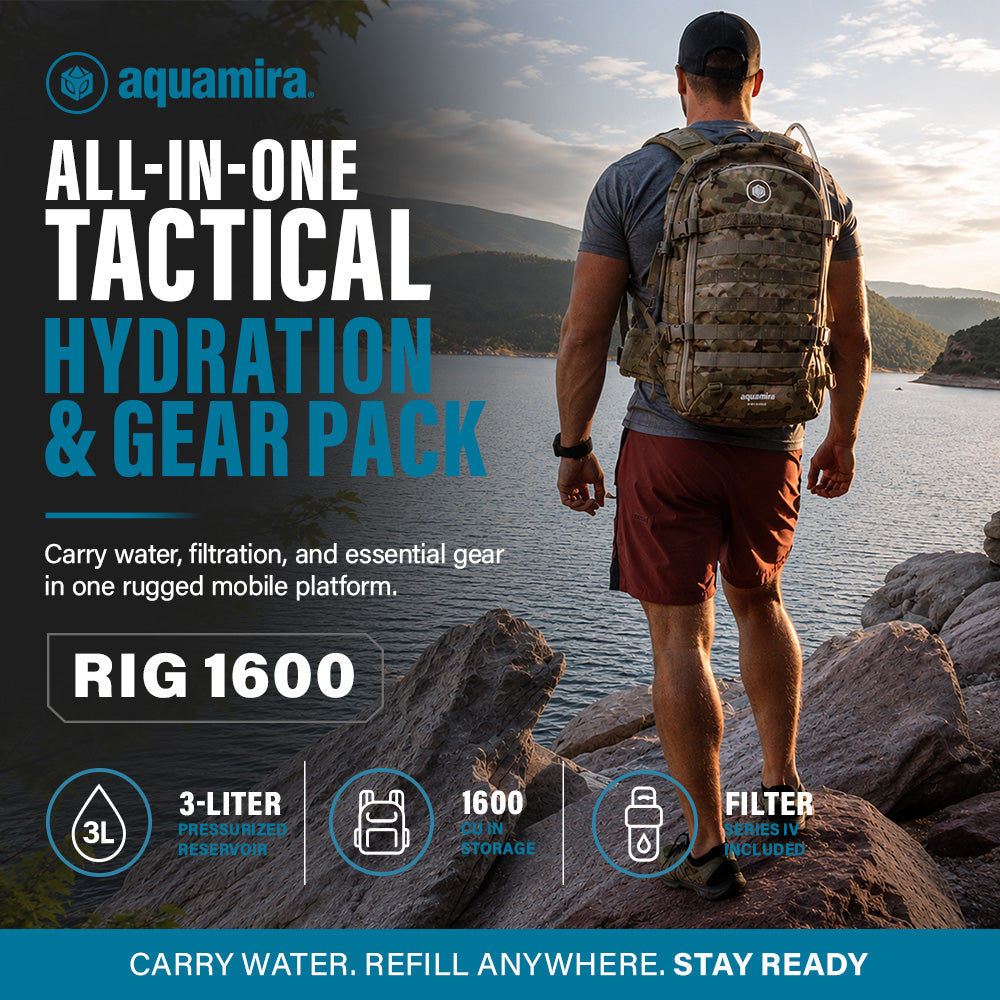
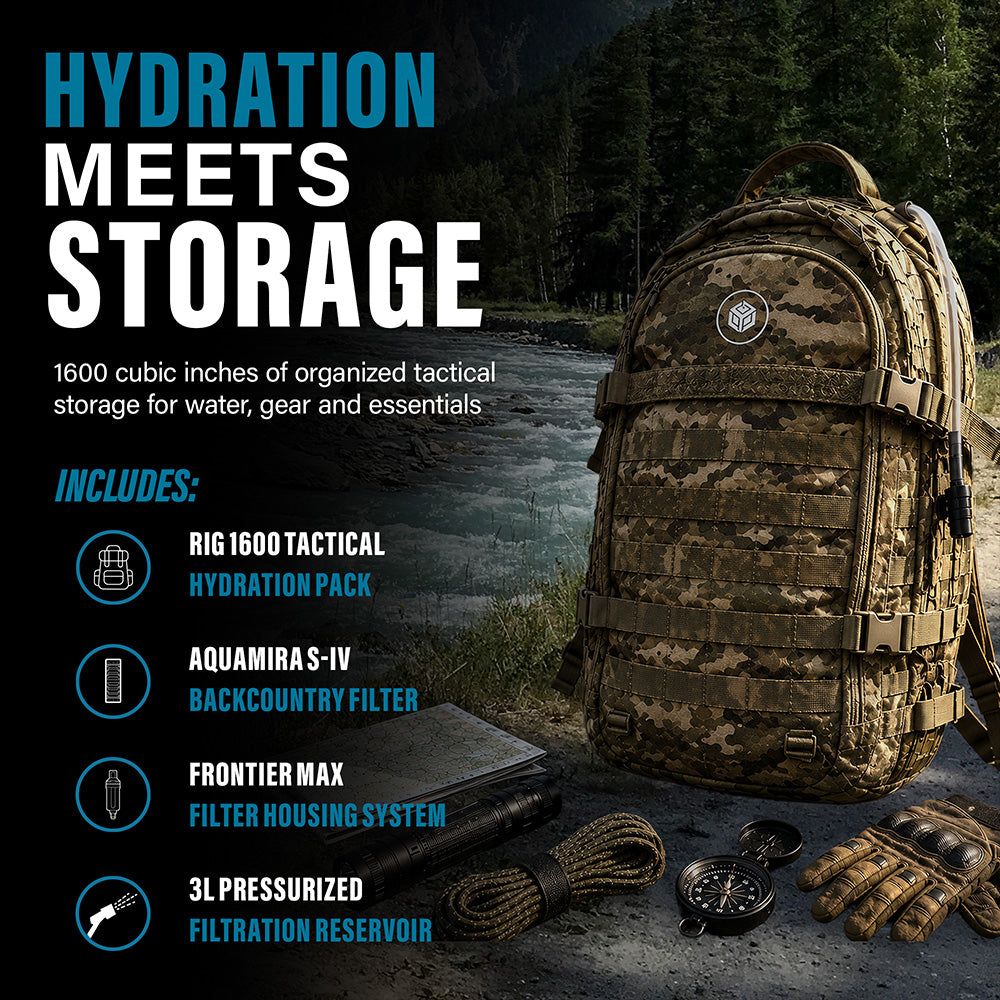
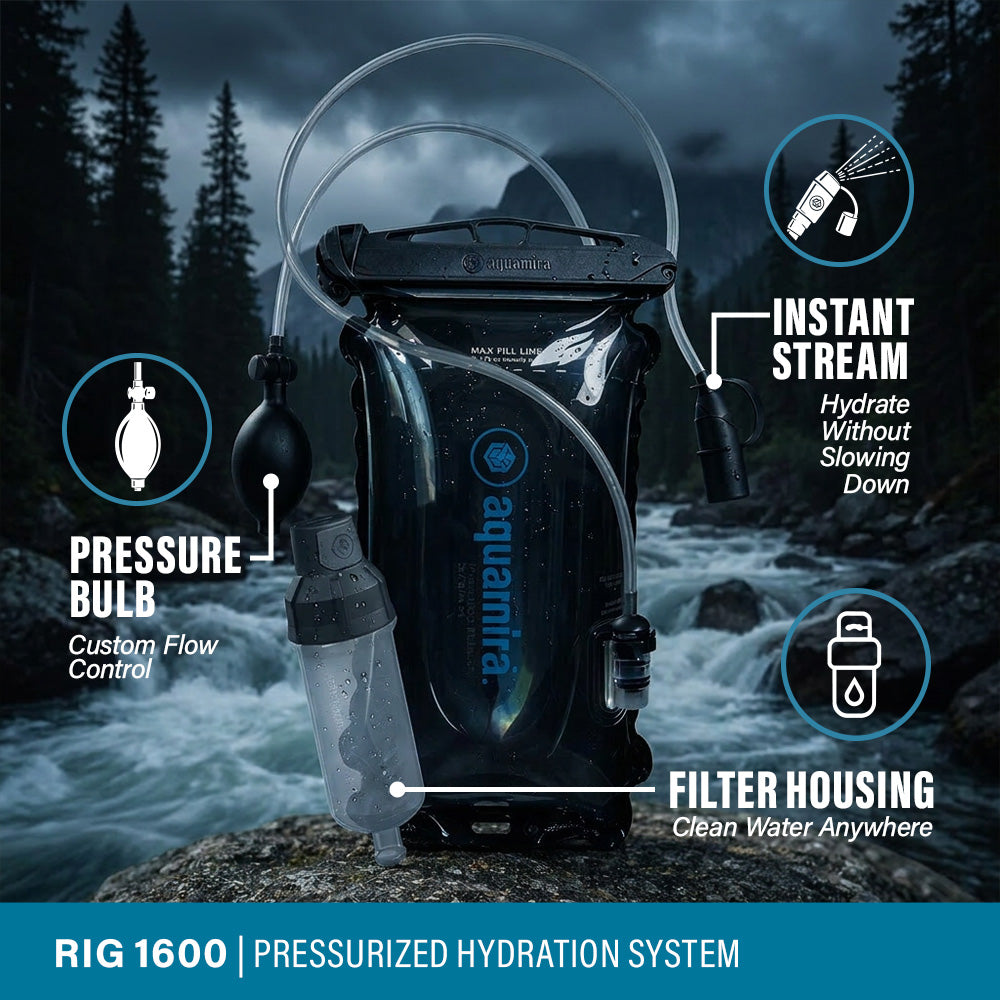
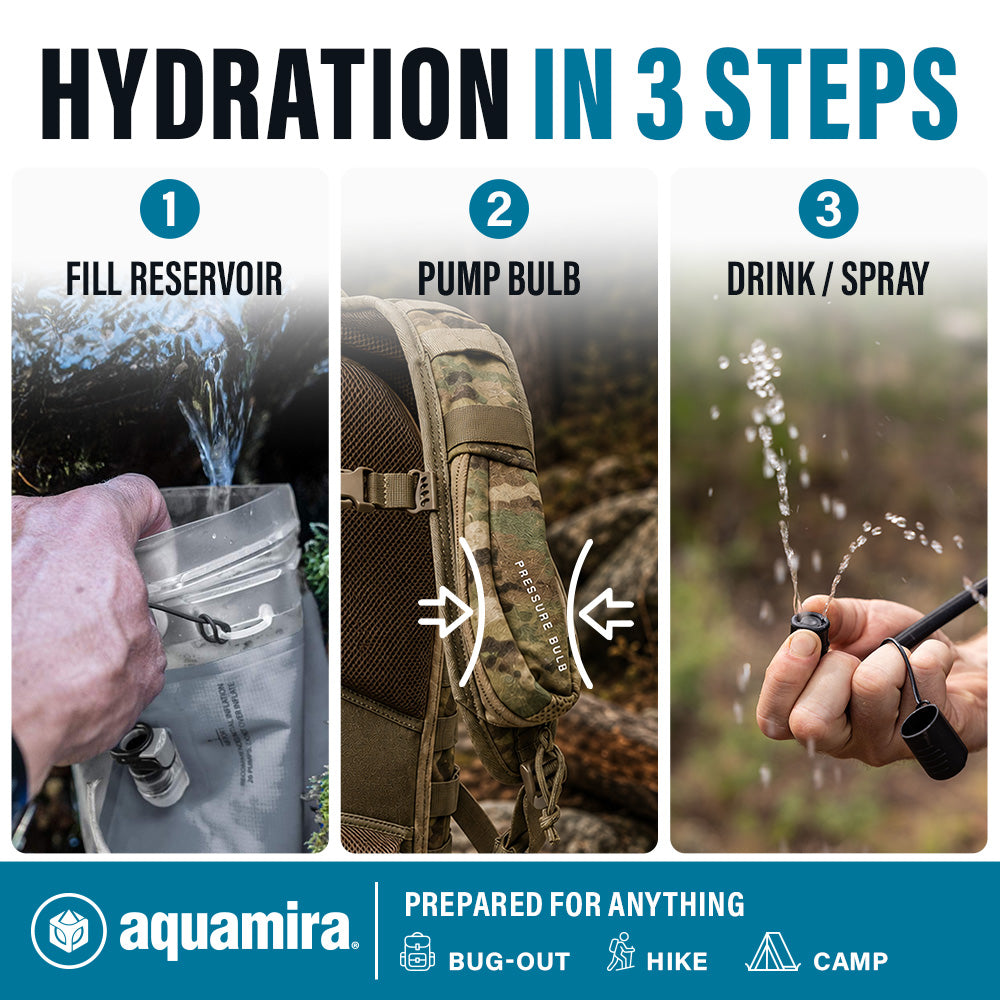
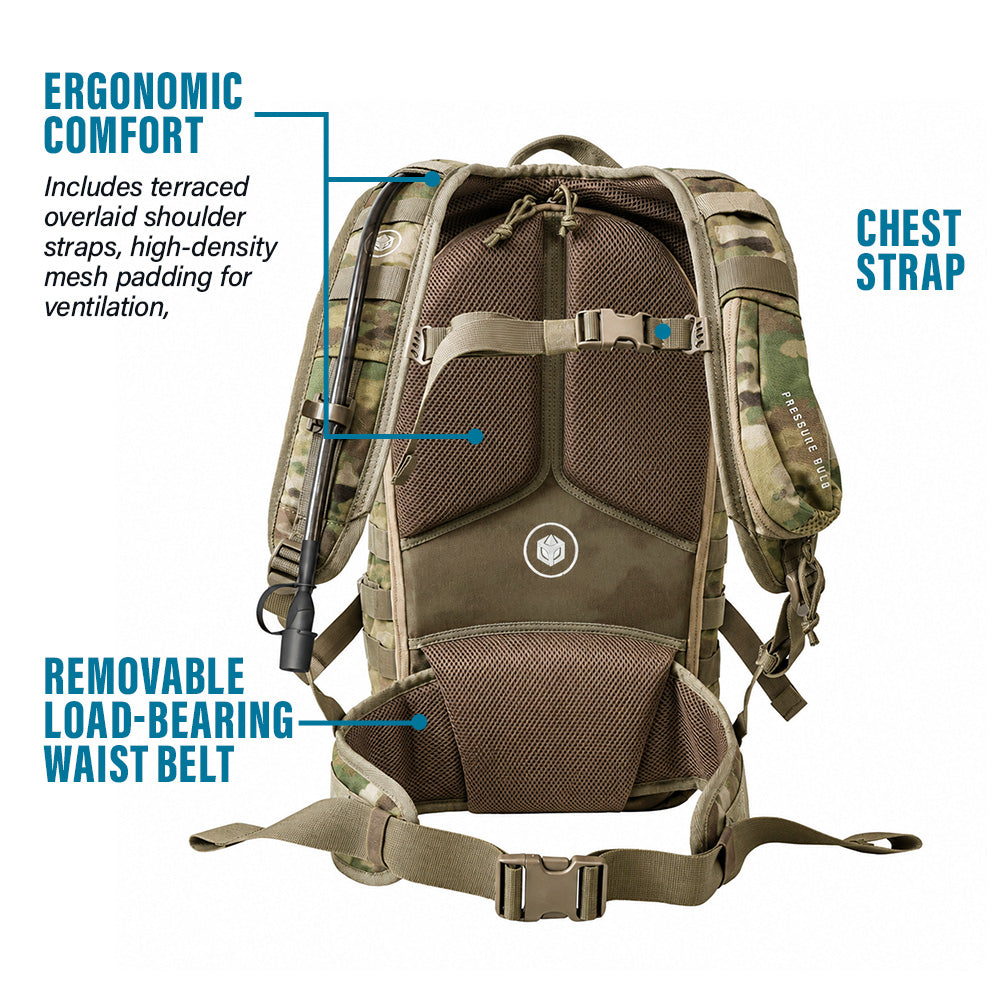
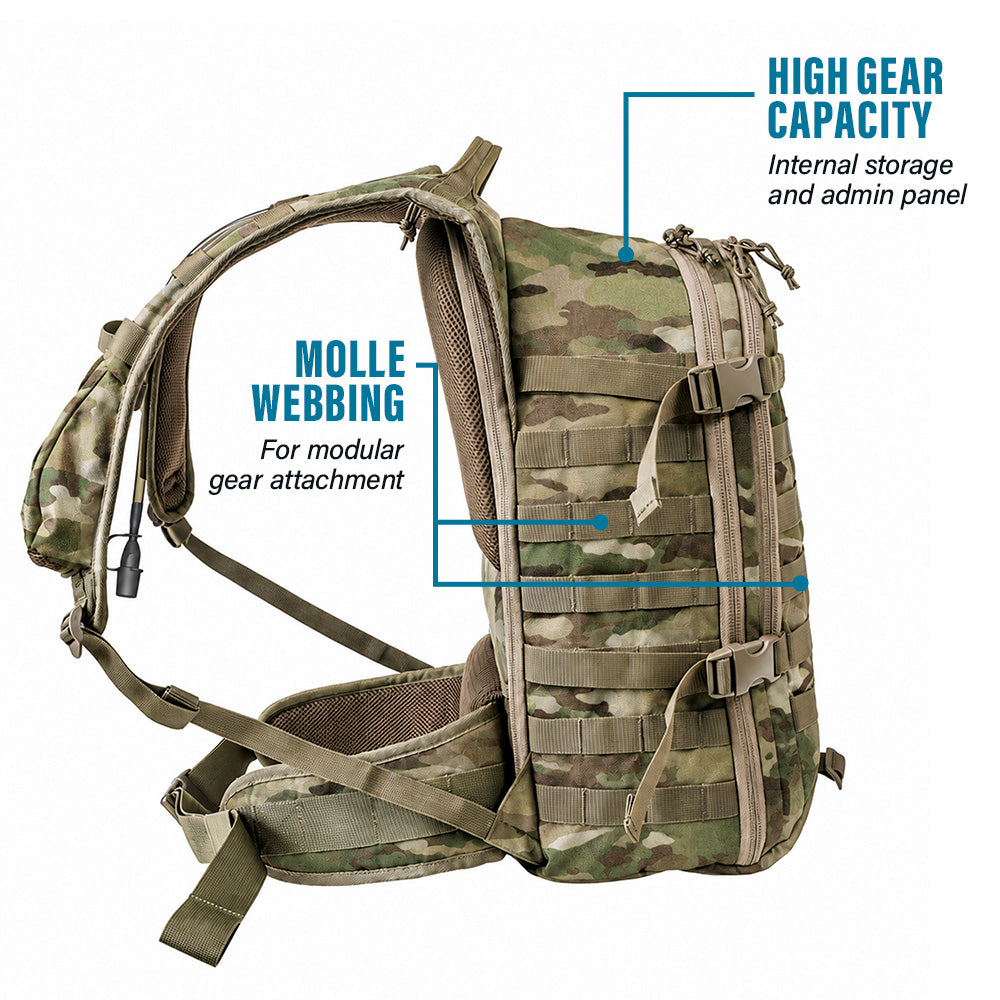
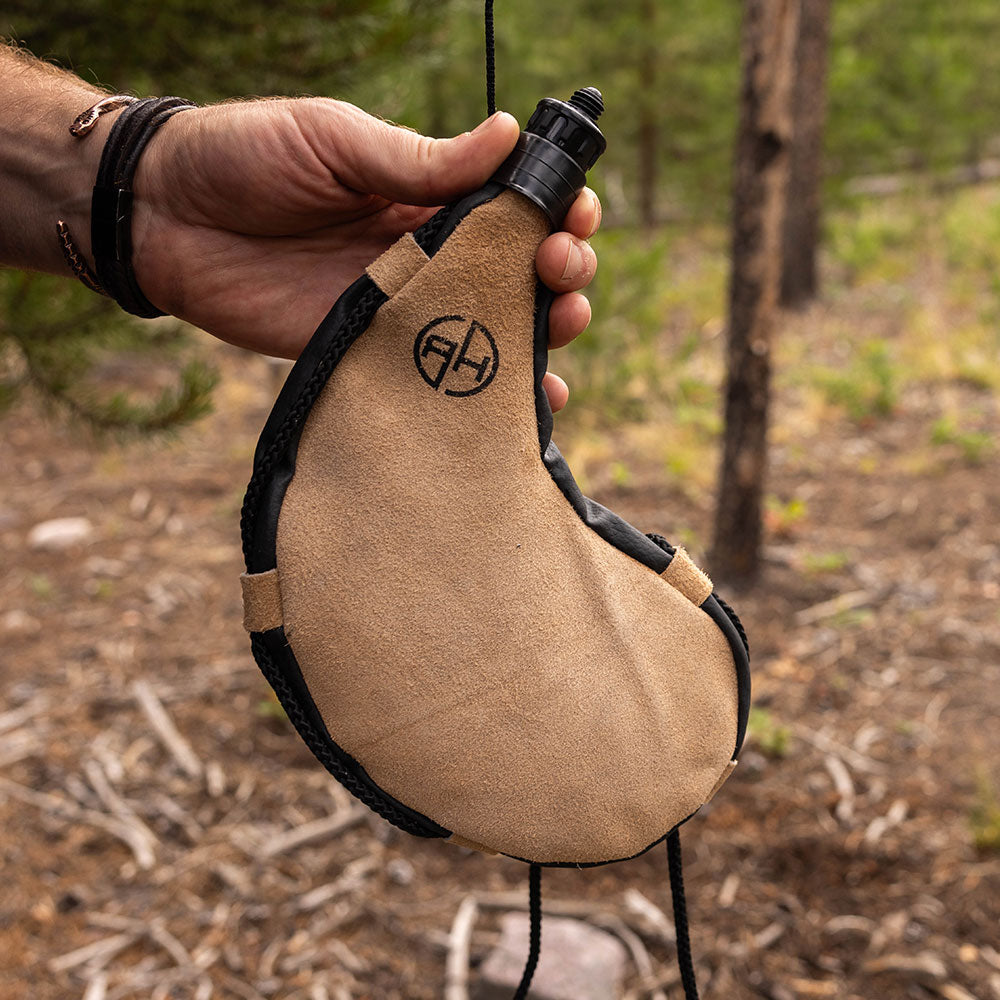
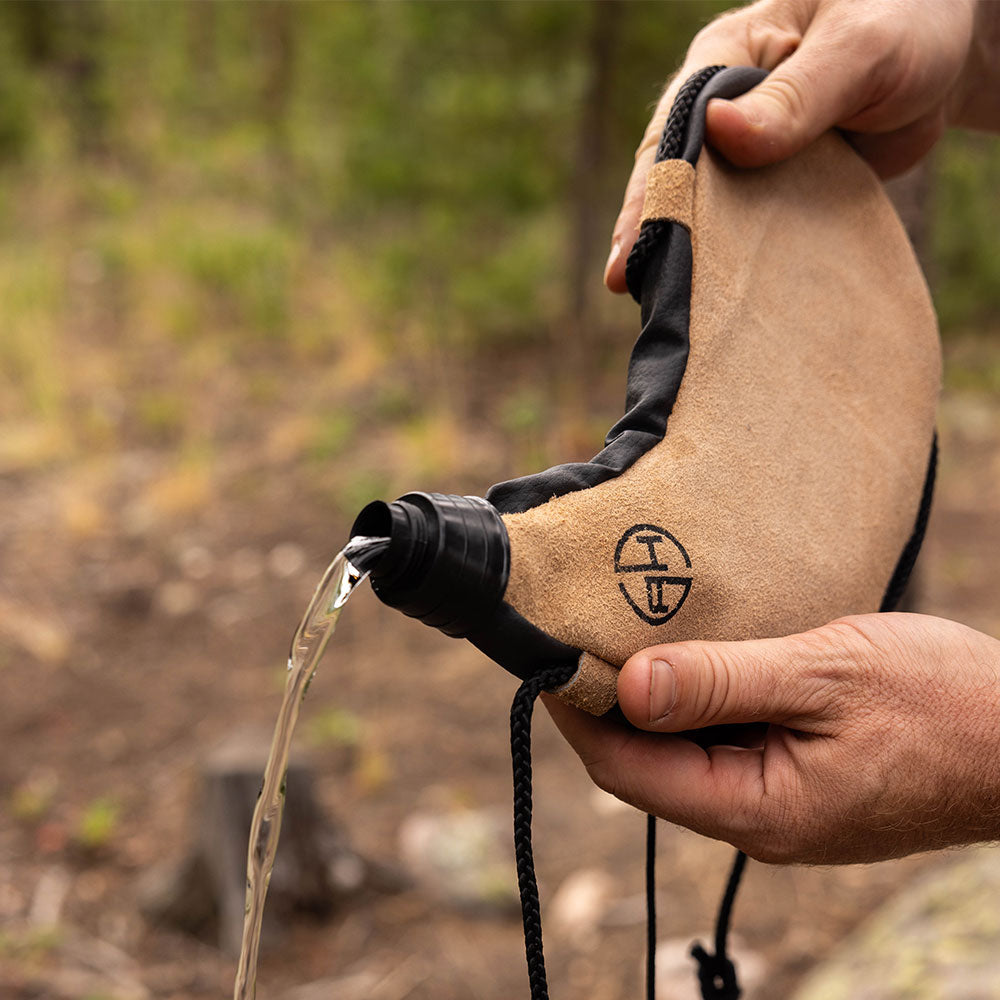
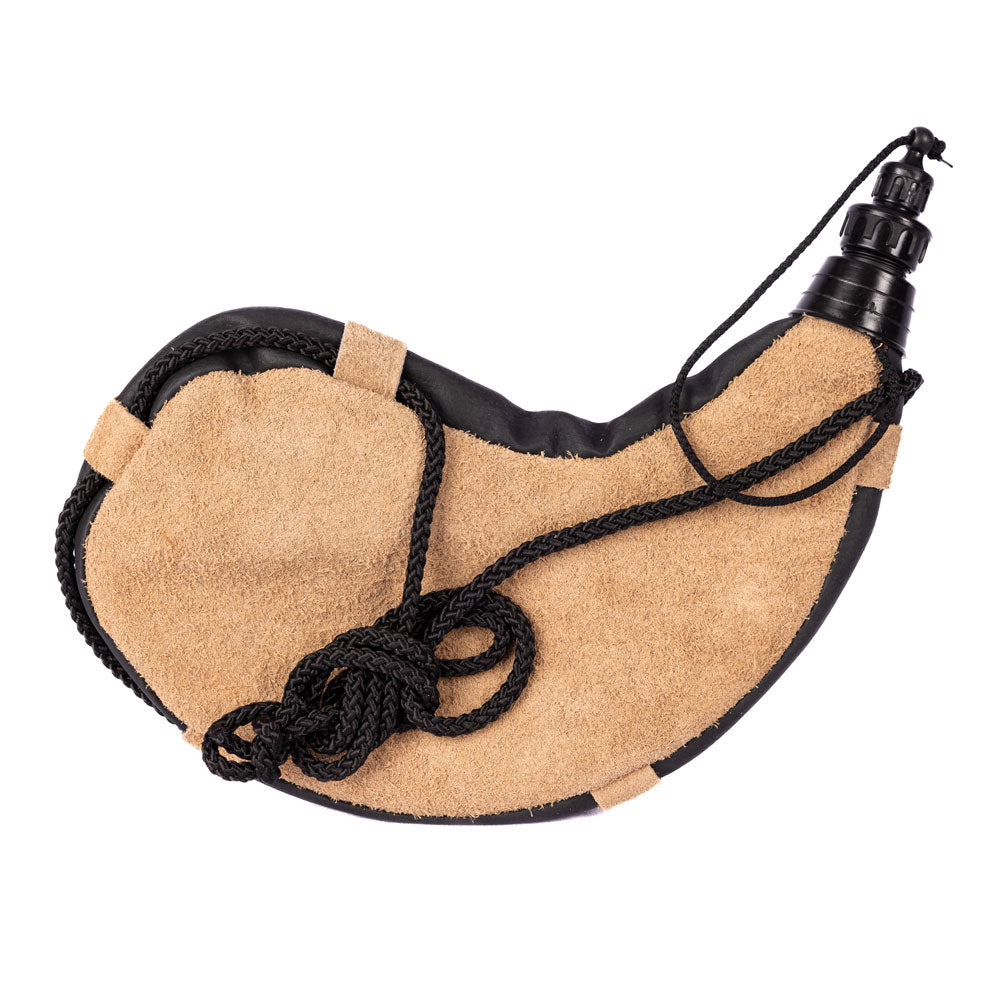
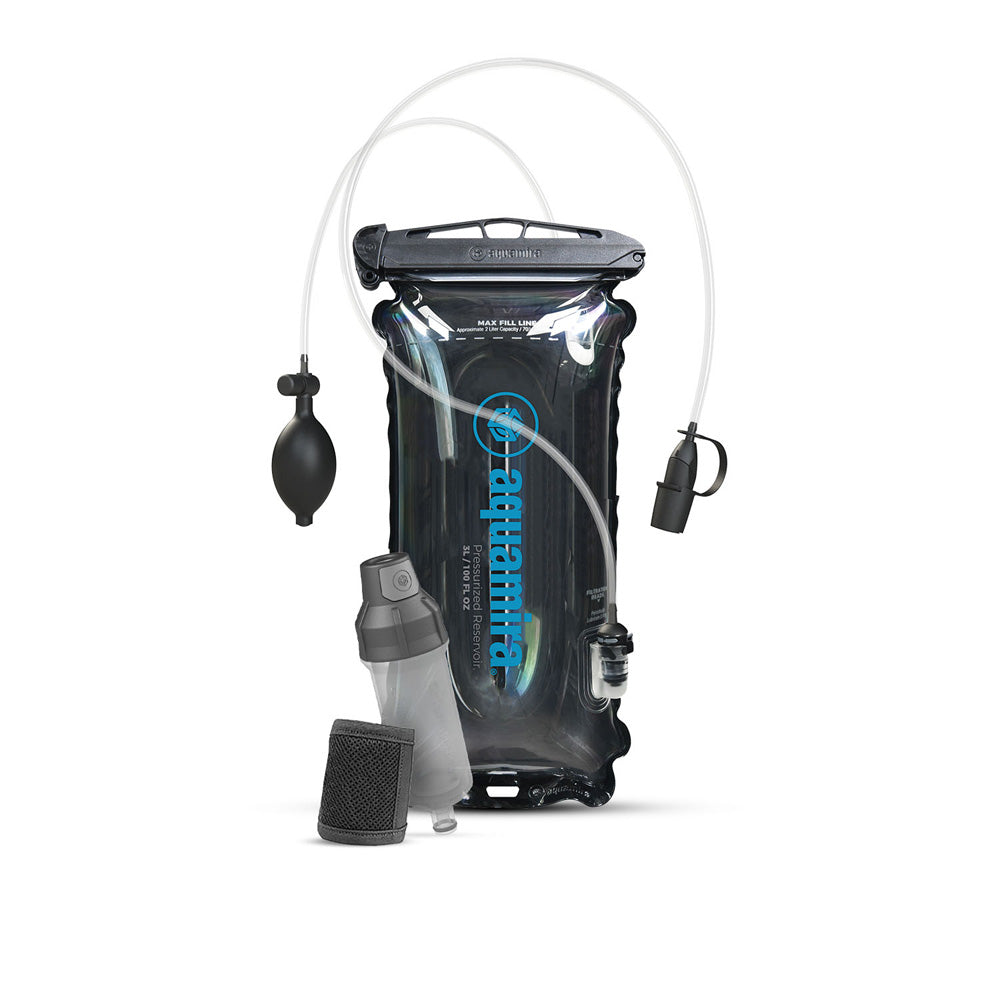
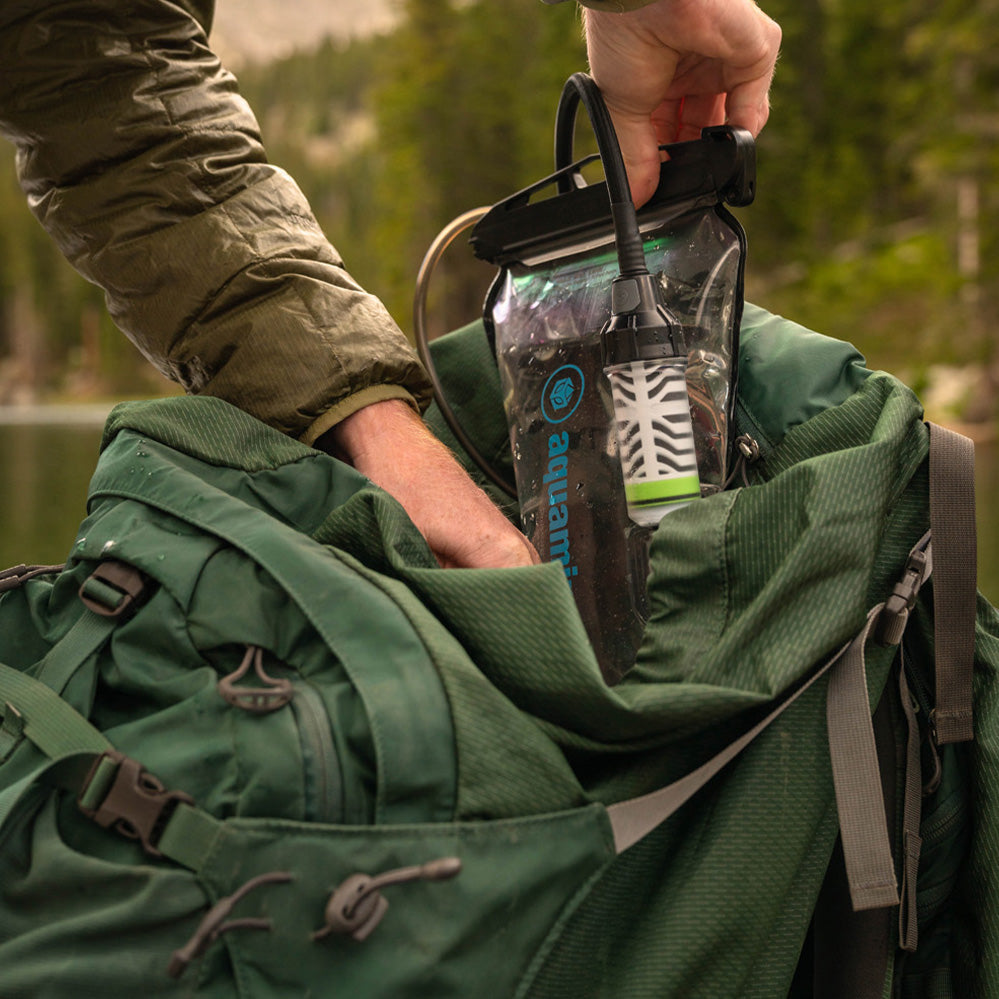
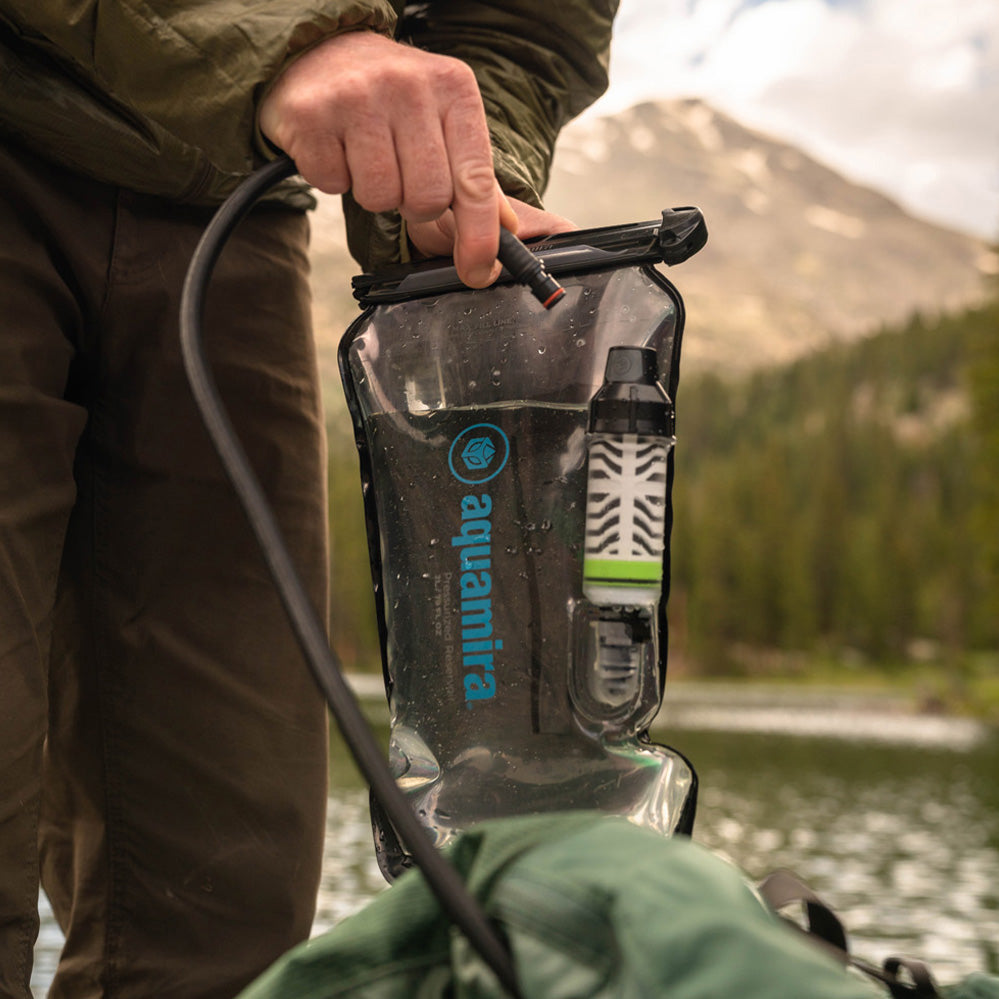
For situations away from home, a hydration pack can also help you carry a personal water supply while keeping it accessible during travel, evacuation, or extended time outdoors.









Step 4: Create Redundancy
Maintain backup treatment options, replacement filters, and additional storage capacity.
One of the most important principles of preparedness is avoiding single points of failure. No single water solution is designed to solve every challenge, which is why experienced preppers build redundancy into their plans.
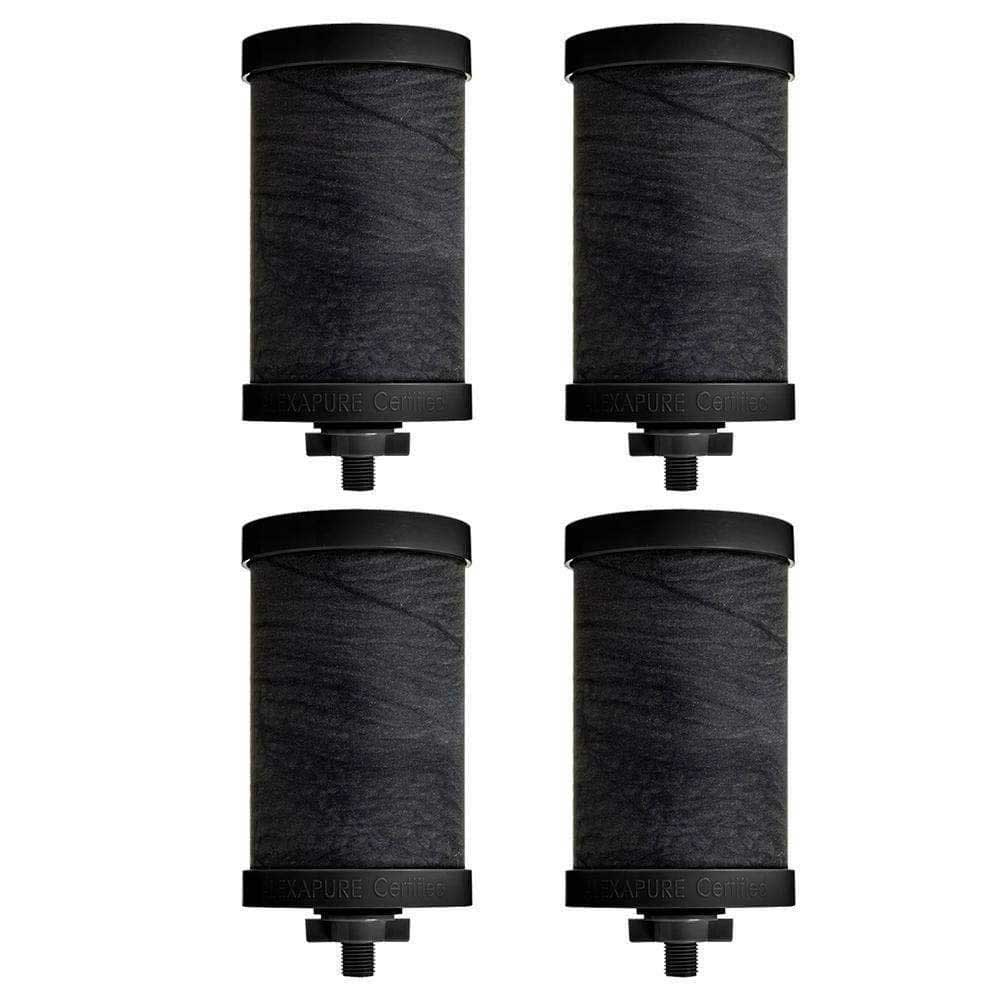
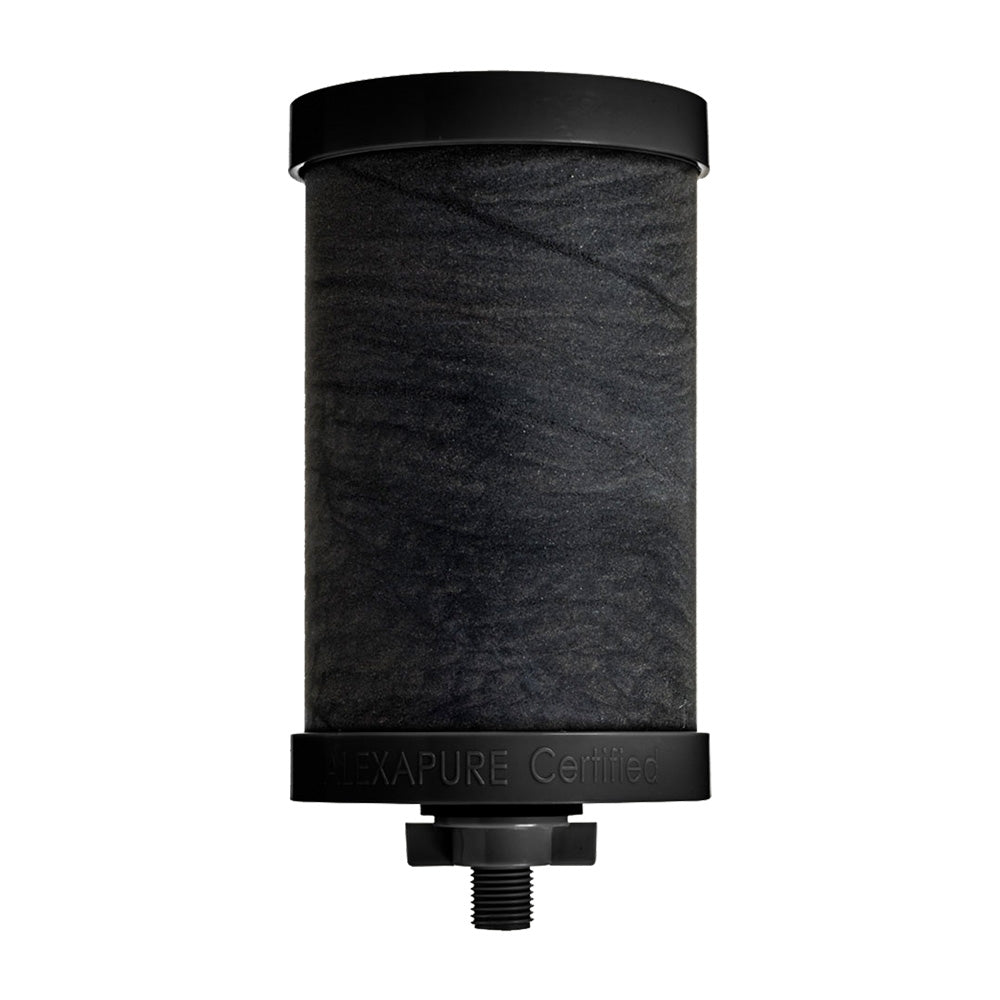
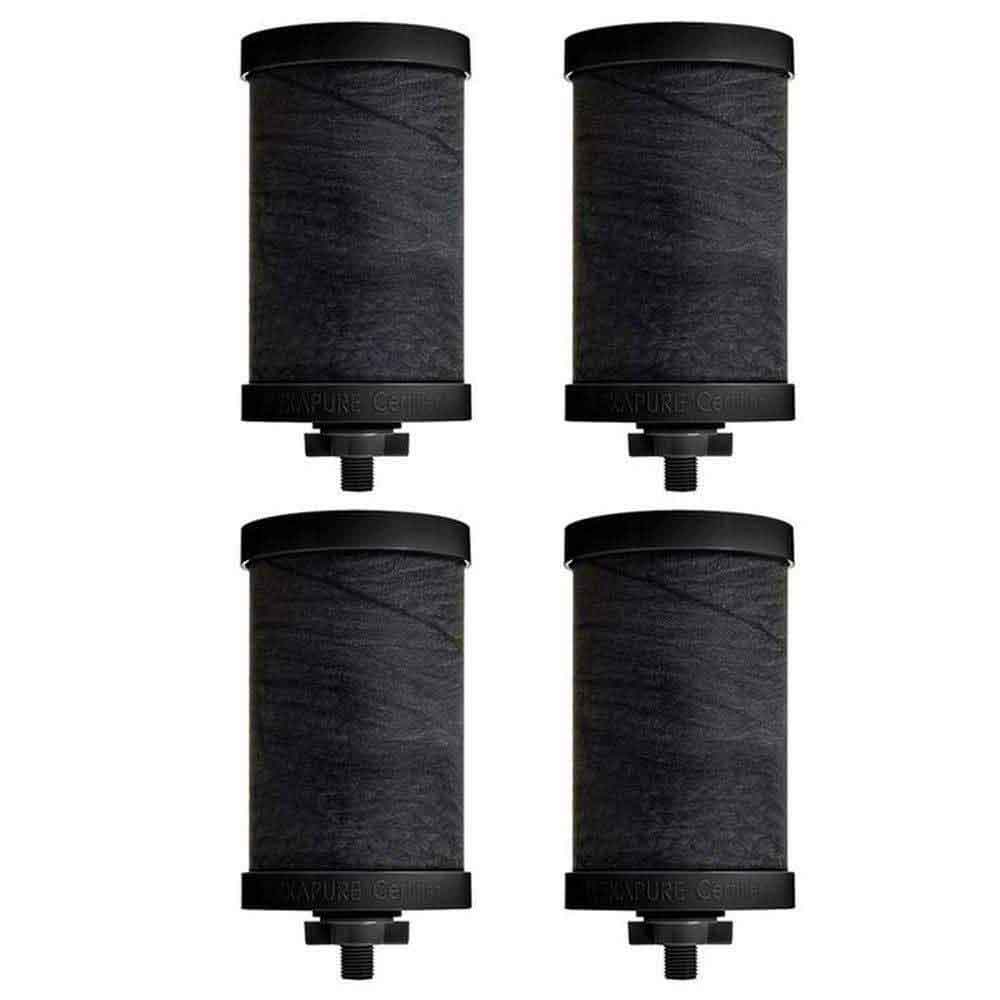
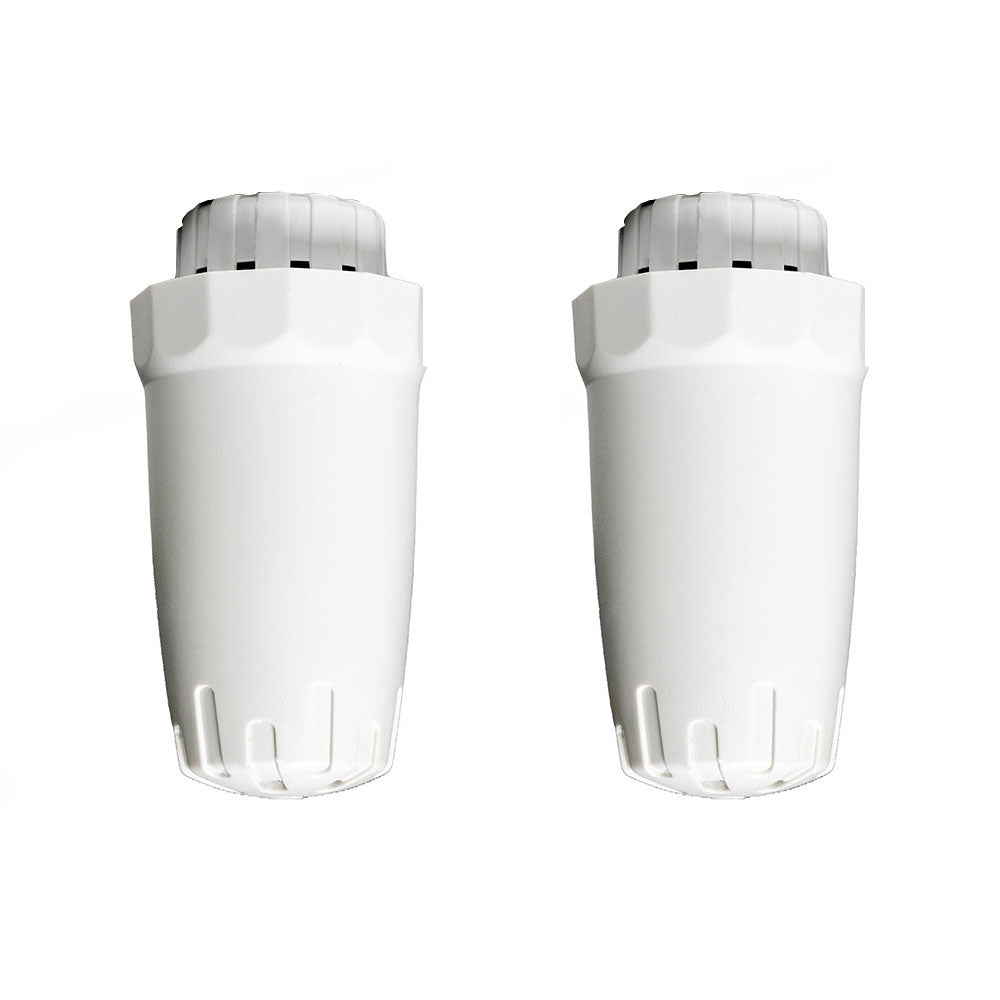
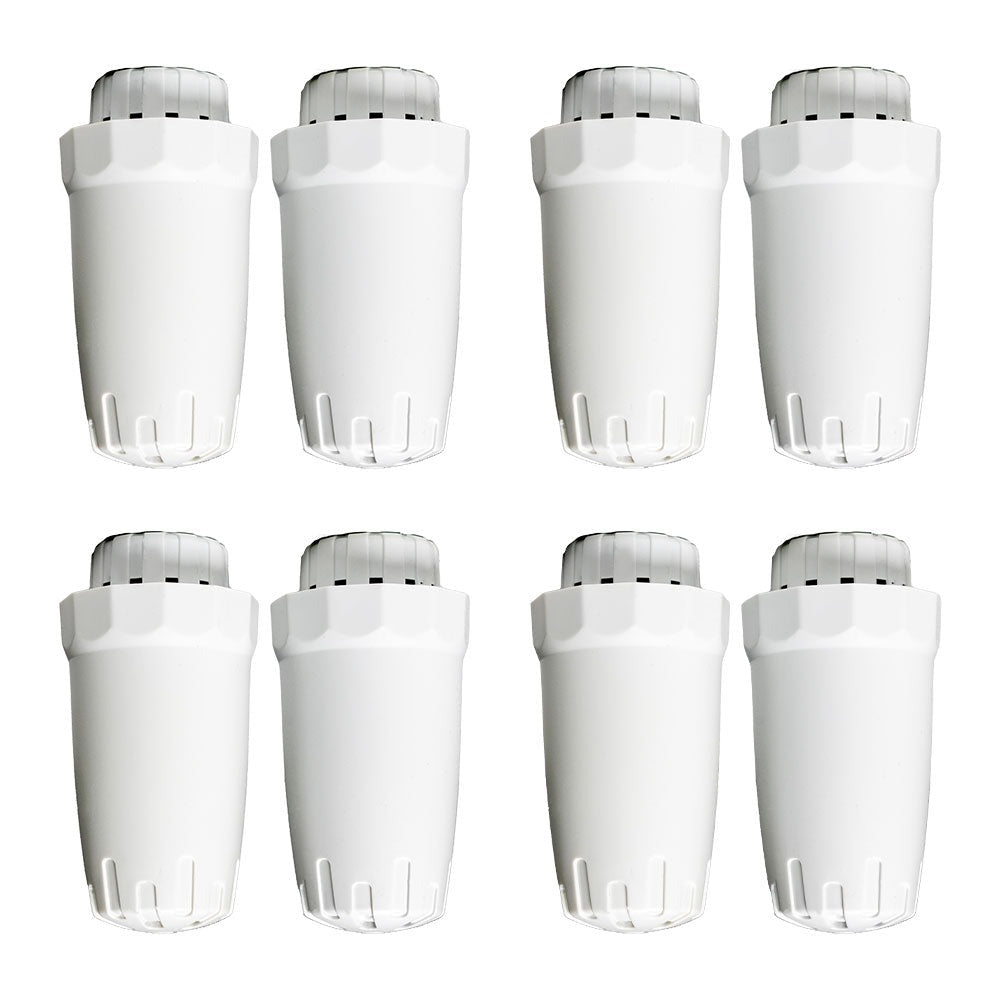
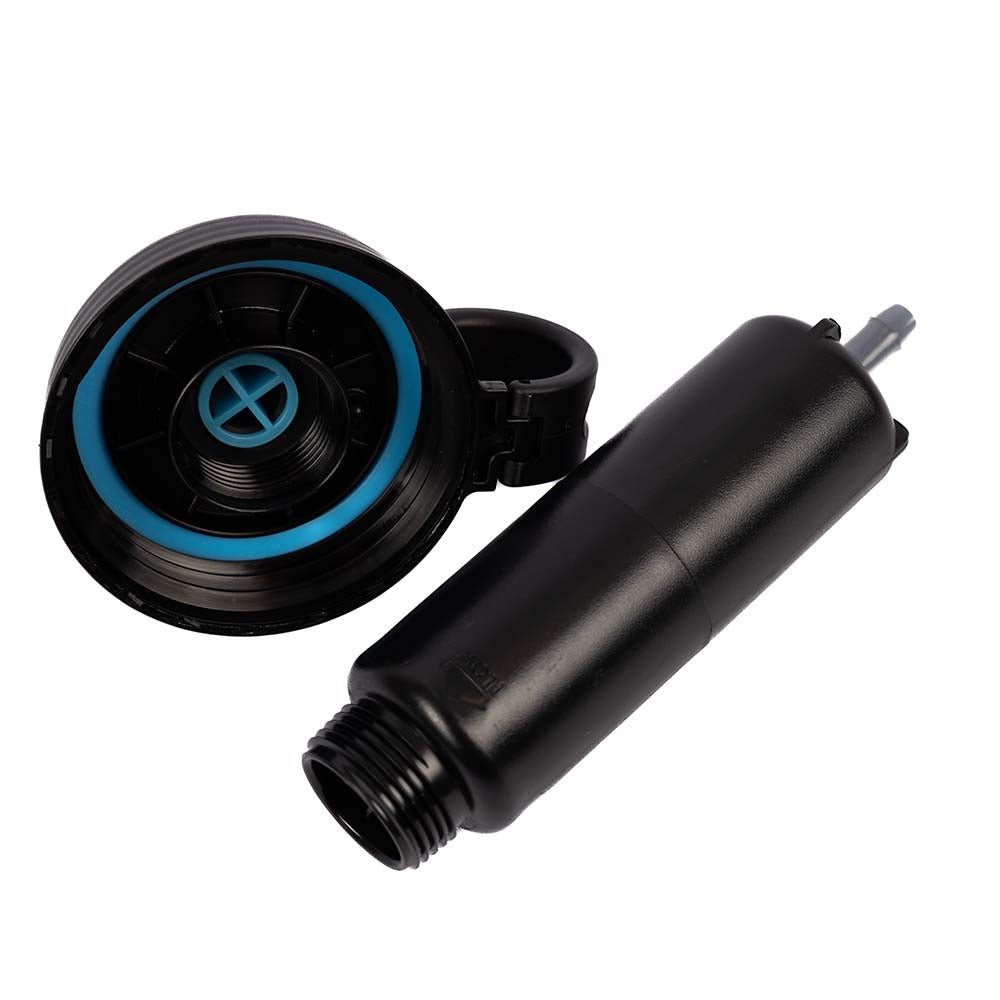
Keep replacement filters available for your filtration system, maintain multiple methods for treating water, and continue expanding your emergency water storage as your family's needs grow. If one solution becomes unavailable, damaged, or depleted, another can take its place.
The goal isn't to own more equipment—it's to ensure you always have another option. A layered, redundant approach provides greater confidence and flexibility during both short-term emergencies and extended disruptions.



How Much Water Does Your Family Need?
One of the most common questions in preparedness is, "How much water should I store?" While every family's needs are different, a widely accepted guideline is to keep at least one gallon of water per person, per day for drinking and basic sanitation. Additional water may be needed for cooking, personal hygiene, pets, hot climates, or other household needs. A portable camp shower can also help make stored water more practical for washing and basic hygiene when normal plumbing is unavailable.
A three-day supply is often recommended as a starting point for emergency preparedness, but many families choose to build a two-week reserve or larger to better prepare for extended power outages, severe weather, or disruptions to municipal water systems.
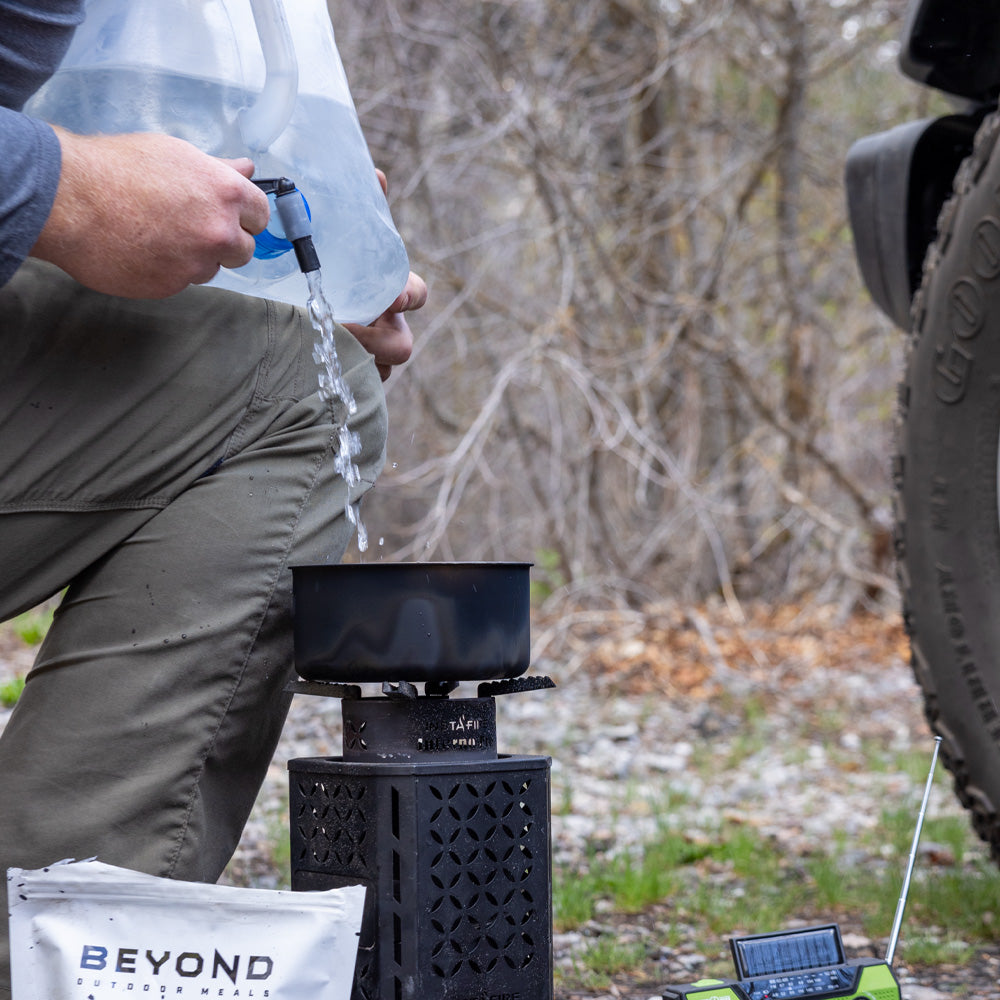
Water also plays an important role in food preparation. Many emergency meals require water and heat, so make sure your plan includes a dependable backup cooking option like the VESTA Self-Powered Indoor Space Heater & Stove for times when normal utilities are unavailable.

If space and budget allow, increasing your emergency water reserve provides greater flexibility during longer disruptions. Pairing stored water with reliable treatment and filtration solutions creates a more complete water security plan and helps ensure your family has access to safe drinking water, even if an emergency lasts longer than expected.
Common Water Security Mistakes
1. Storing Too Little Water: Many families underestimate how much water they actually need. A few bottles in the pantry may only last a day or two.
2. Relying on a Single Water Source: If your only plan is tap water or bottled water, you're vulnerable when supplies run low or access is disrupted.
3. Having Storage but No Way to Purify More Water: Stored water eventually runs out. Without a treatment or filtration solution, additional water sources may not be safe to drink.
4. Assuming Clear Water Is Safe Water: Water can contain harmful bacteria, viruses, or contaminants even when it looks clean.
5. Not Having a Backup Filtration Method: Filters can become damaged, clogged, or depleted. Keep replacement filters on hand and have another filtration option available if your primary system can't be used.
6. Forgetting That Water Can Depend on Power: Homes that rely on electric well pumps or other powered water systems can lose access to water during an outage. A dependable backup power solution can help keep critical systems running when the grid is down.
7. Ignoring Water Treatment Options: Filtration and treatment serve different purposes. Having both creates a more complete water security plan.
8. Waiting Until an Emergency Happens: Demand for water products often spikes during disasters, leading to shortages and delays.
9. Failing to Consider Every Family Member: Children, elderly family members, and pets all increase water requirements.
10. Treating Water Preparedness as a One-Time Task: Water security should be reviewed periodically to ensure supplies remain ready and equipment remains functional.

The Water Security Checklist
✓ Store enough water for your household
✓ Have a way to treat questionable water
✓ Own a reliable filtration system
✓ Keep replacement filters on hand
✓ Maintain backup treatment options
✓ Review and refresh your plan regularly
Secure Your Water Supply Today
Water security isn't about preparing for the worst—it's about ensuring your family has access to one of life's most essential resources when unexpected disruptions occur. Whether you're just starting with emergency water storage or building a comprehensive system that includes treatment and filtration, every step you take today strengthens your preparedness for tomorrow.
The best time to build your water security plan is before you need it. Explore trusted water storage, treatment, and filtration solutions and take the next step toward greater self-reliance and peace of mind.