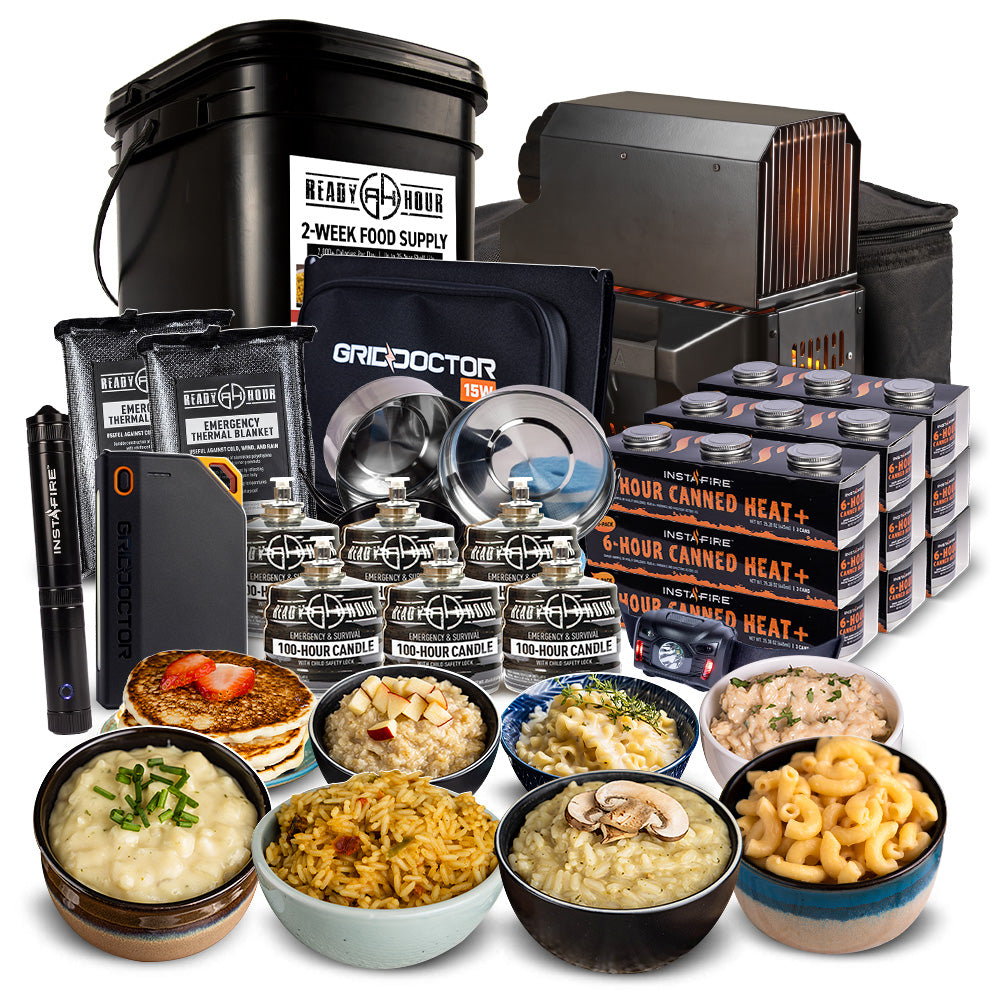
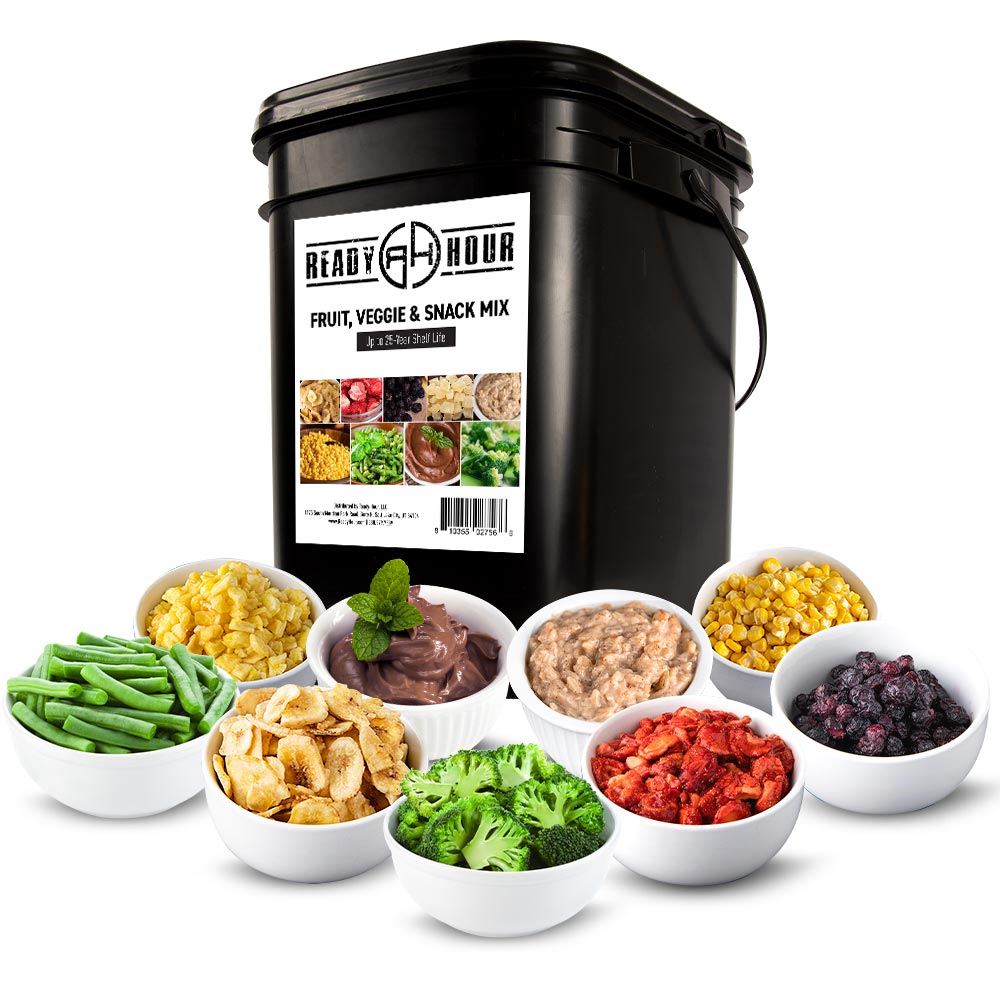
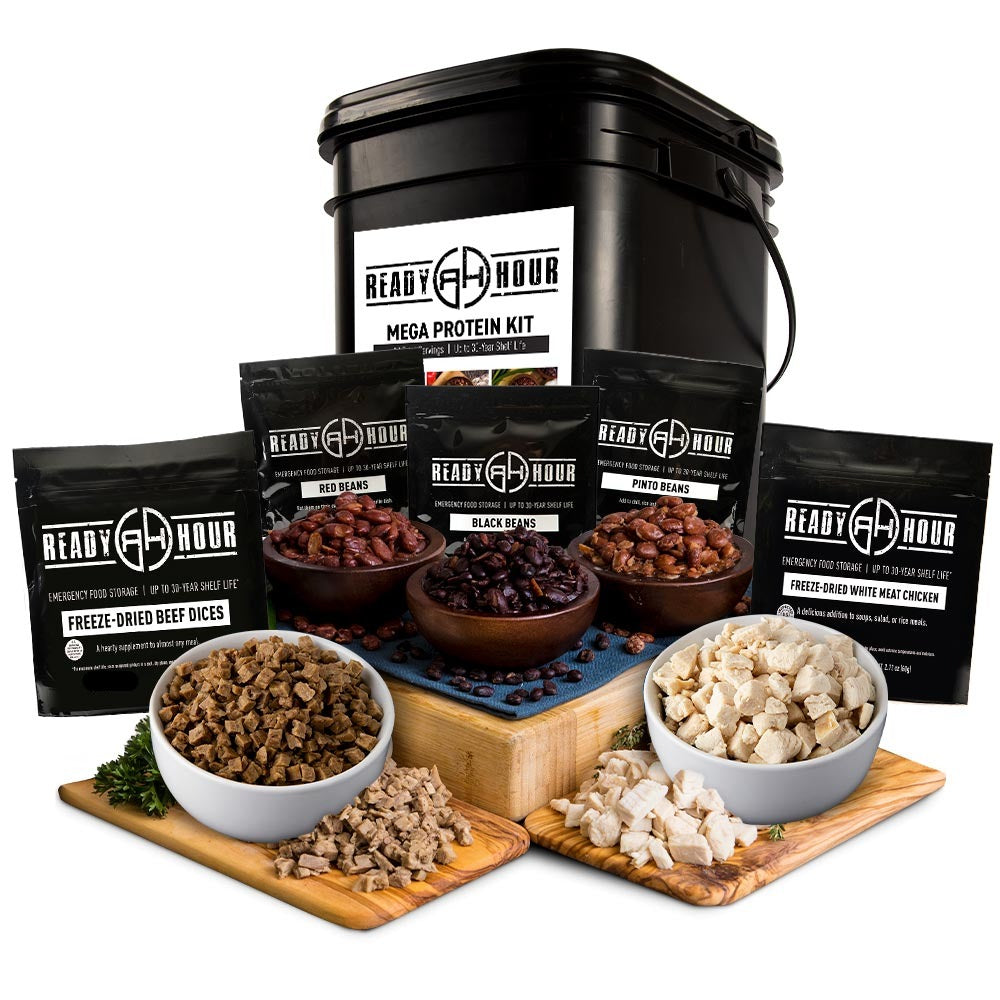
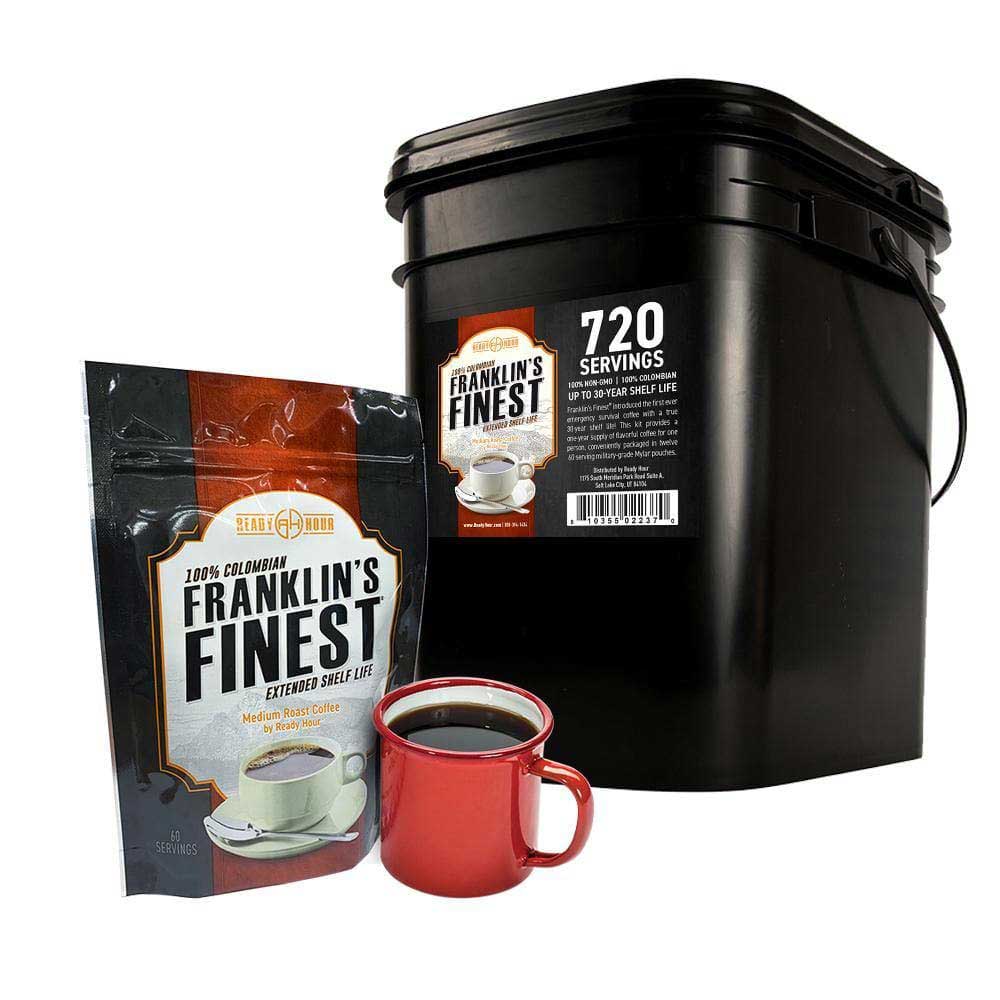
Whether you're just getting started or expanding your emergency pantry, preparedness isn't about buying everything at once. It's about making steady progress. The Preparedness Ladder shows you how to build a dependable food supply over time—from your first 72-hour kit to long-term food security.

Why Build a Preparedness Ladder?
Most people think preparedness means buying everything today. It doesn't.
The strongest emergency plans aren't built overnight. They're built one layer at a time. Every food kit you add gives your family more time, more options, and more peace of mind during unexpected events like severe weather, supply shortages, job loss, or other emergencies. No matter where you're starting, taking the next step today puts you in a better position than waiting for the "perfect" time.


Recommended Preparedness Ladder Steps
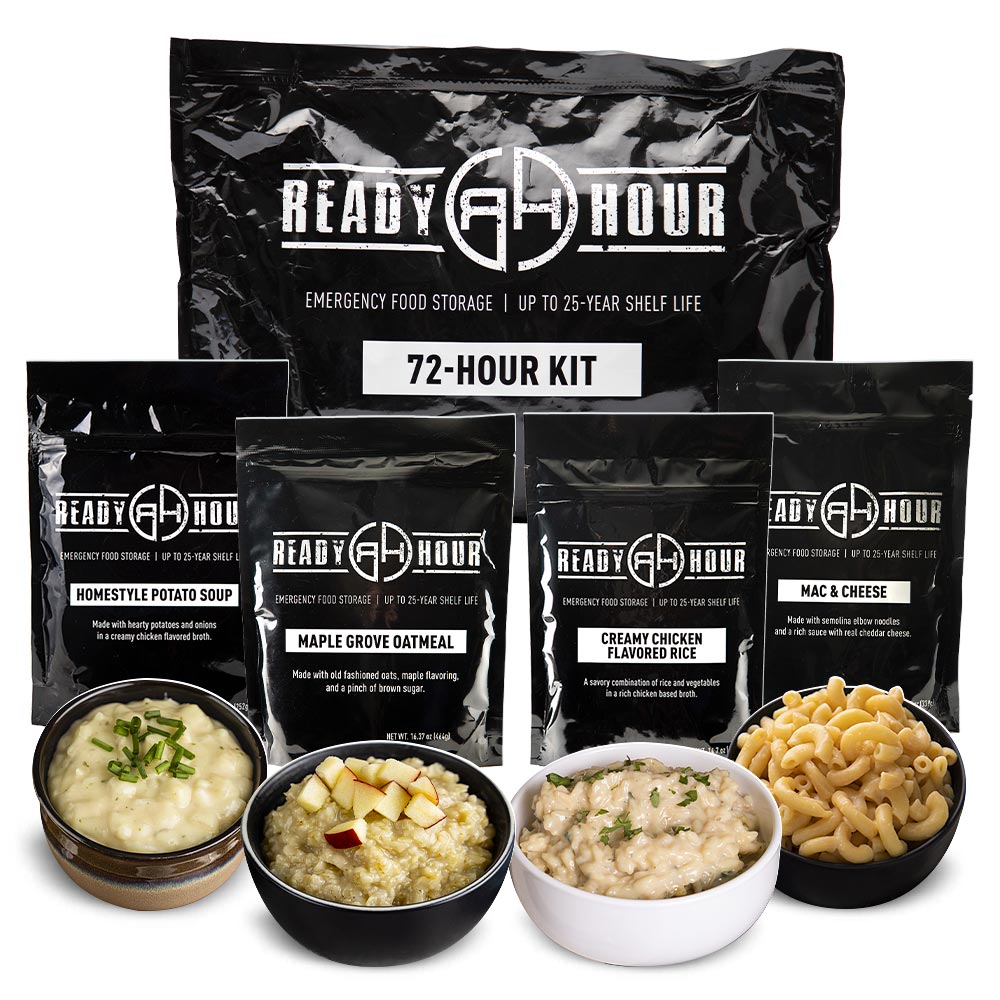
STEP 1 - 72 Hours
Every family should begin with enough food for the first three days.
Great for:
- Power outages
- Winter storms
- Hurricanes
- Emergency evacuations
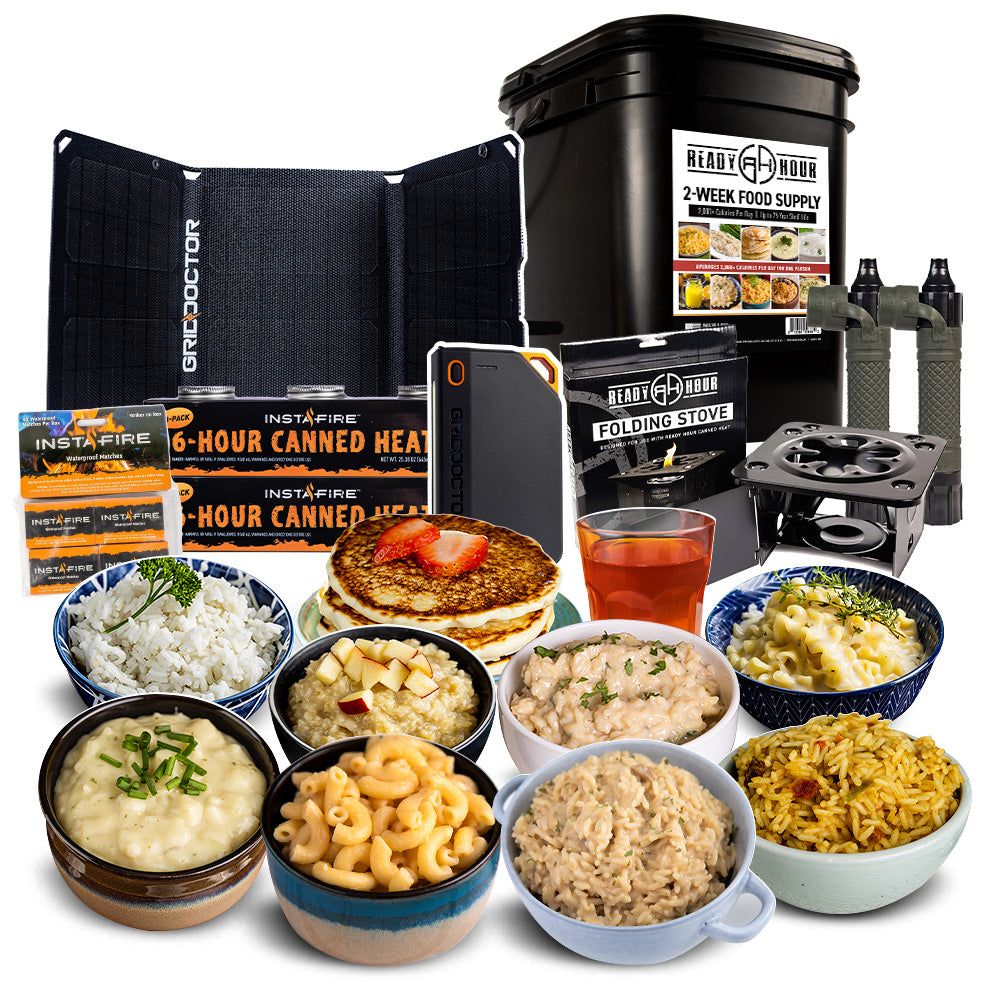
STEP 2 - Cover the First Week
A full week provides breathing room after many common emergencies.
Great for:
- Extended outages
- Natural disasters
- Temporary supply shortages

STEP 3 - Build Pantry: 2–4 Weeks
Now you're moving beyond short-term emergencies. You'll have enough food to avoid rushed grocery trips during disruptions.
Great for:
- Extended power outages
- Supply chain disruptions
- Unexpected financial setbacks
- Reducing emergency grocery trips
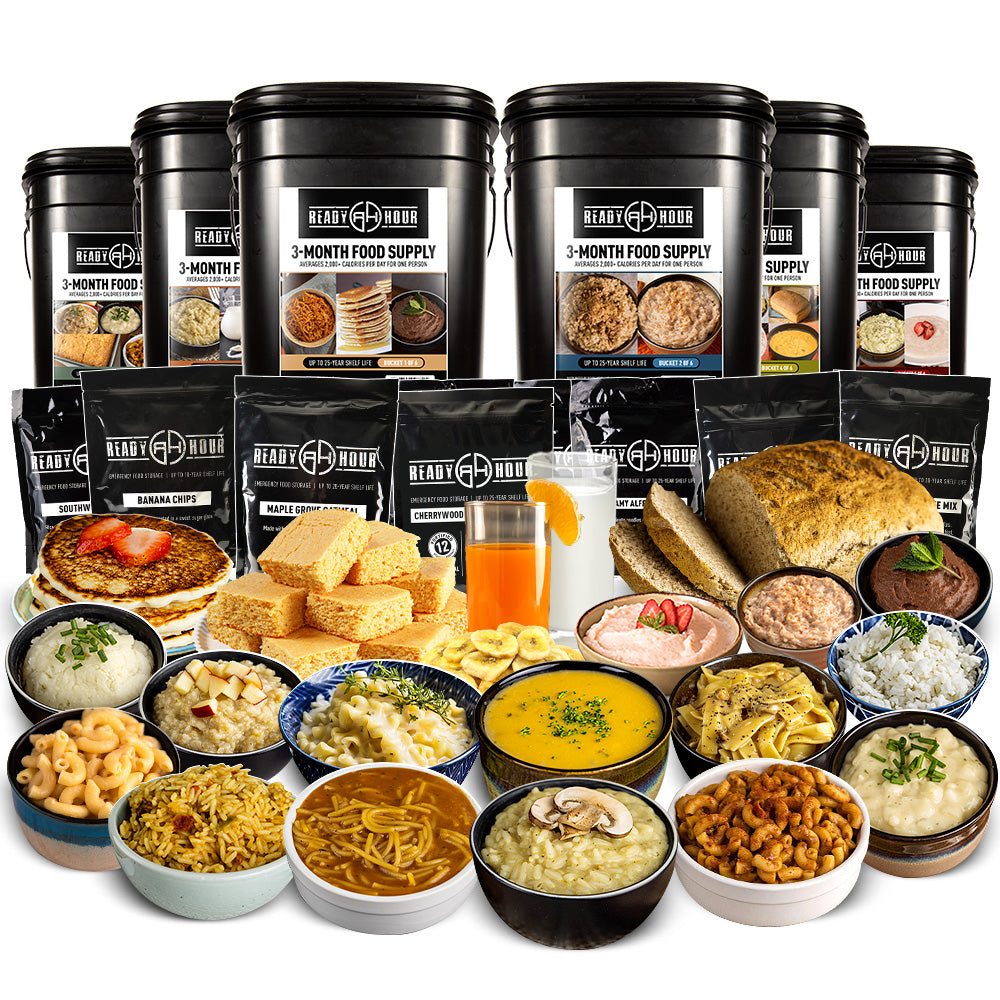
STEP 4 - Food Security: 3-Months
A three-month food supply creates a strong buffer, giving your family the flexibility to navigate longer disruptions and unexpected challenges with greater confidence.
Great for:
- Prolonged emergencies
- Job loss or income interruptions
- Severe weather recovery
- Greater household self-reliance
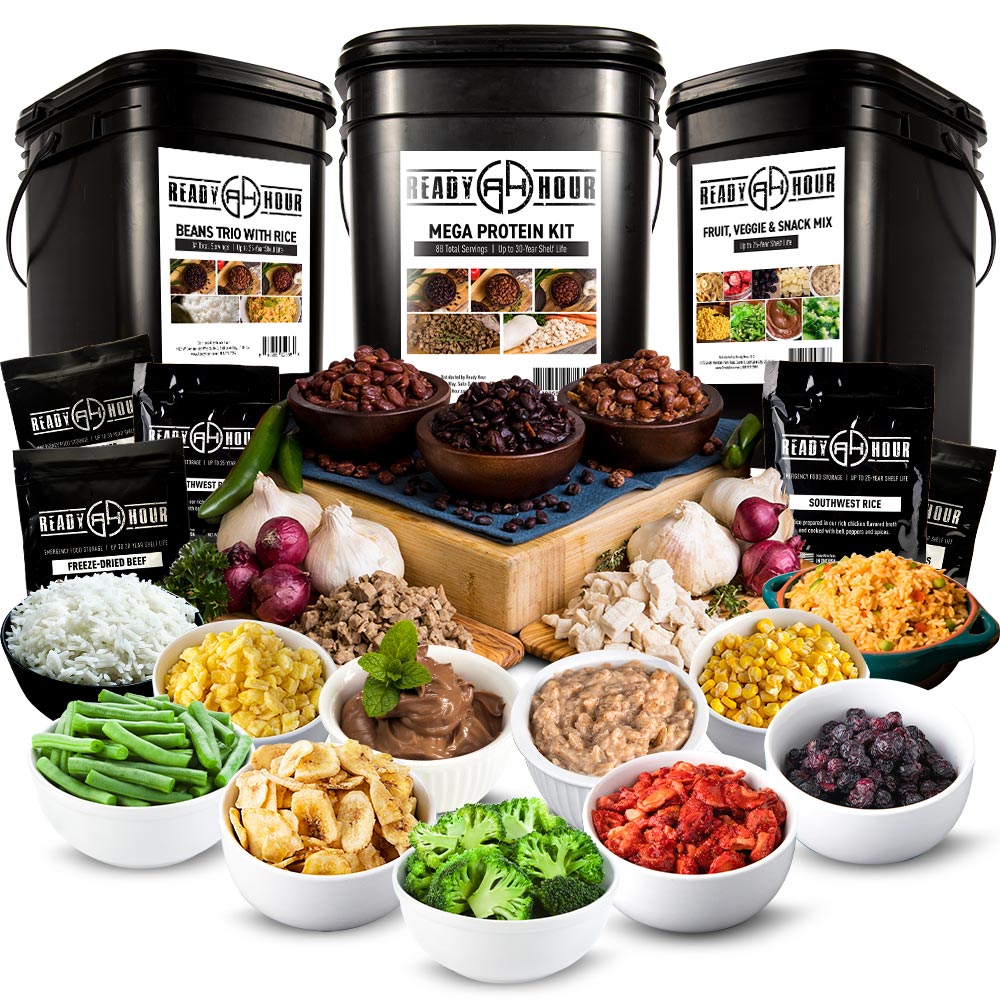
STEP 5 - Expand & Customize
This is where your emergency food supply becomes your family's emergency food supply. Add the foods you'll use most and round out your pantry with more variety.
Great for:
- Adding fruits and vegetables
- Increasing protein options
- Stocking breakfast and comfort foods
- Filling the gaps in your pantry
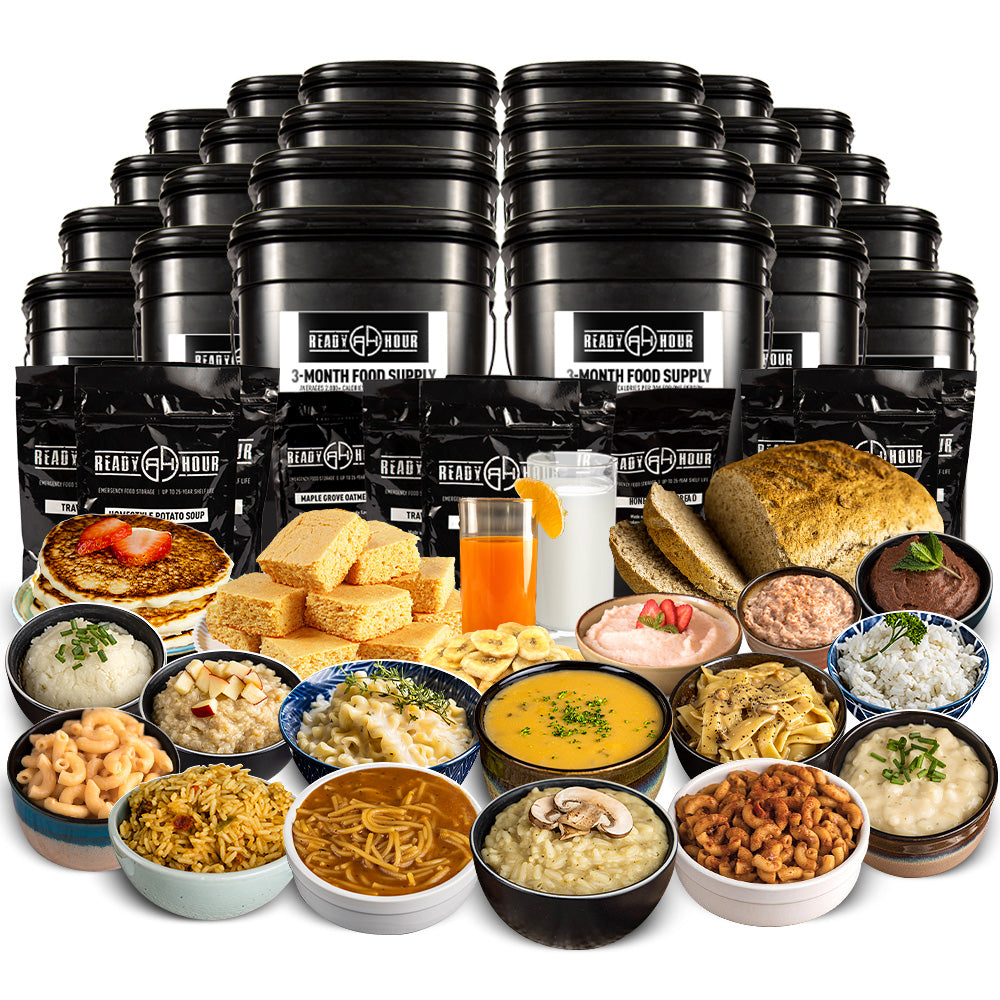
STEP 6 - Long-Term Security 6+ Months
The top of the ladder isn't about fear—it's about confidence. Knowing your family has dependable food no matter what tomorrow brings.
Great for:
- Long-term preparedness goals
- Maximum peace of mind
- Large families or multi-generational households
- Building true food independence

Common Mistakes
❌ Waiting until there's an emergency
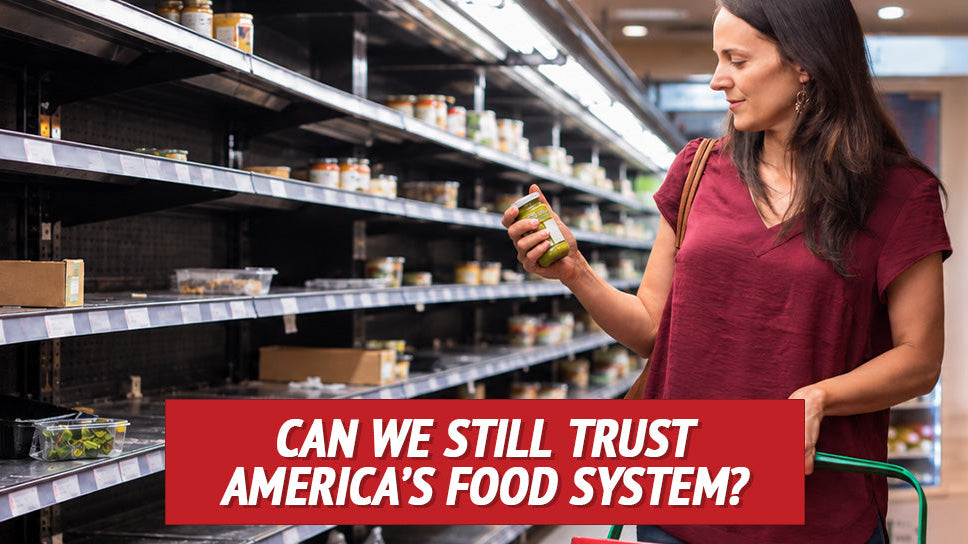
❌ Assuming grocery stores will always be stocked
❌ Trying to buy everything at once
❌ Only storing one type of food
❌ Forgetting about calories and nutrition
❌ Not having enough for everyone in the household
❌ Forgetting how you'll prepare your food
Building your food supply is only part of the plan. Many emergency meals require water and a way to cook, so make sure you also have enough stored water and a dependable backup cooking option like the VESTA for times when normal utilities are unavailable.

Ready for the Next Step?
Whether you're building your first 72-hour kit or working toward a year's worth of food, every rung you climb makes your family more prepared.
Start where you are. Build at your own pace. Just keep climbing.