Week of August 31, 2026
A short read on the week's readiness-relevant stories. Some have been building for months, some arrived in the last few days. Each item links to the full reporting, with a quick line on what it means for your household.
STILL TRACKING
Energy chokepoint, escalating
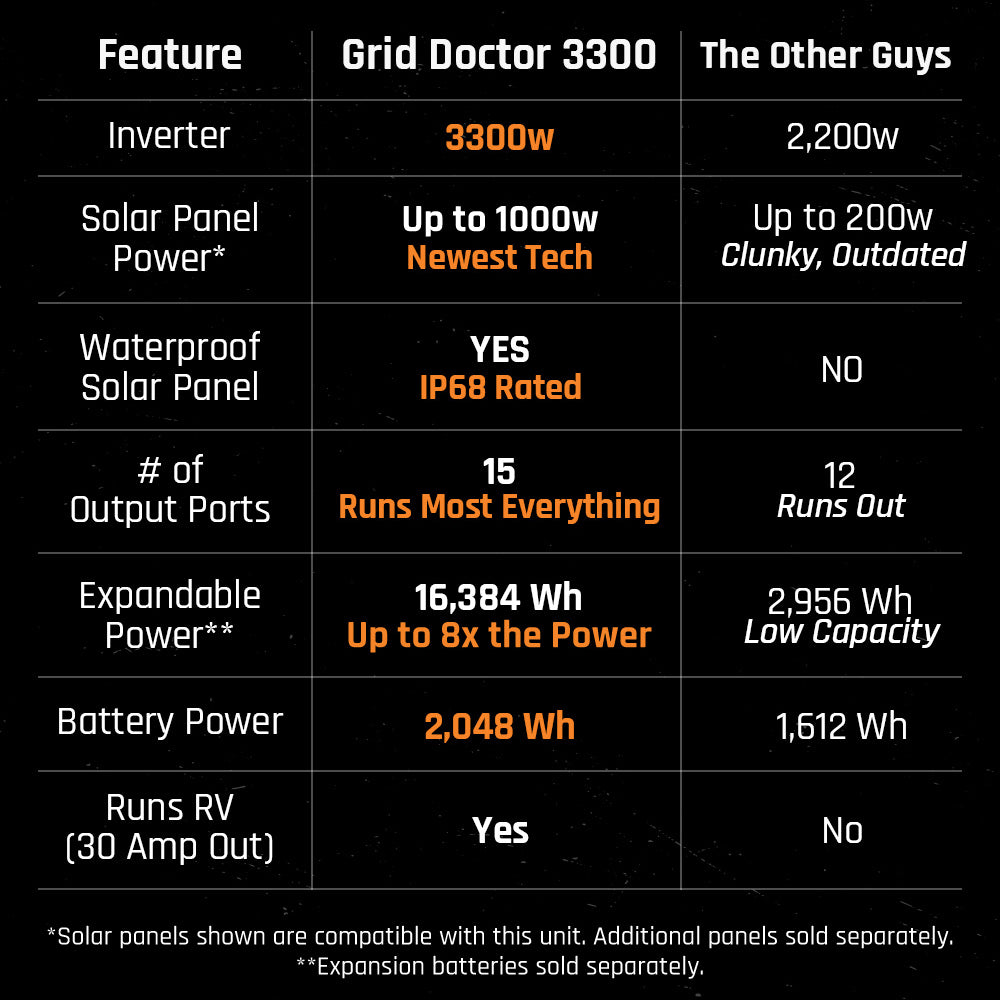
The month closed with a first: the national average for gasoline stayed above $4 a gallon every single day of August, something that has never happened before. Renewed strikes at the end of the week pushed Brent crude up 3.2% to $90.91 on Monday, and the key shipping passage that normally carries about a fifth of the world's oil is still moving a fraction of its pre-crisis volume, with federal forecasters expecting only a slow increase through September. Diesel remains the number that reaches everything else, still near record territory with distillate stocks well below the five-year average. Bridge: fuel and power. Delivered fuel drives heating, transportation, and the price of everything that arrives by truck. Topped-off fuel storage and a tested backup power plan remain the levers.
Read more: Gas topped $4 daily in August for the first time (Fortune) and Short-Term Energy Outlook (EIA).
Colorado River, escalating
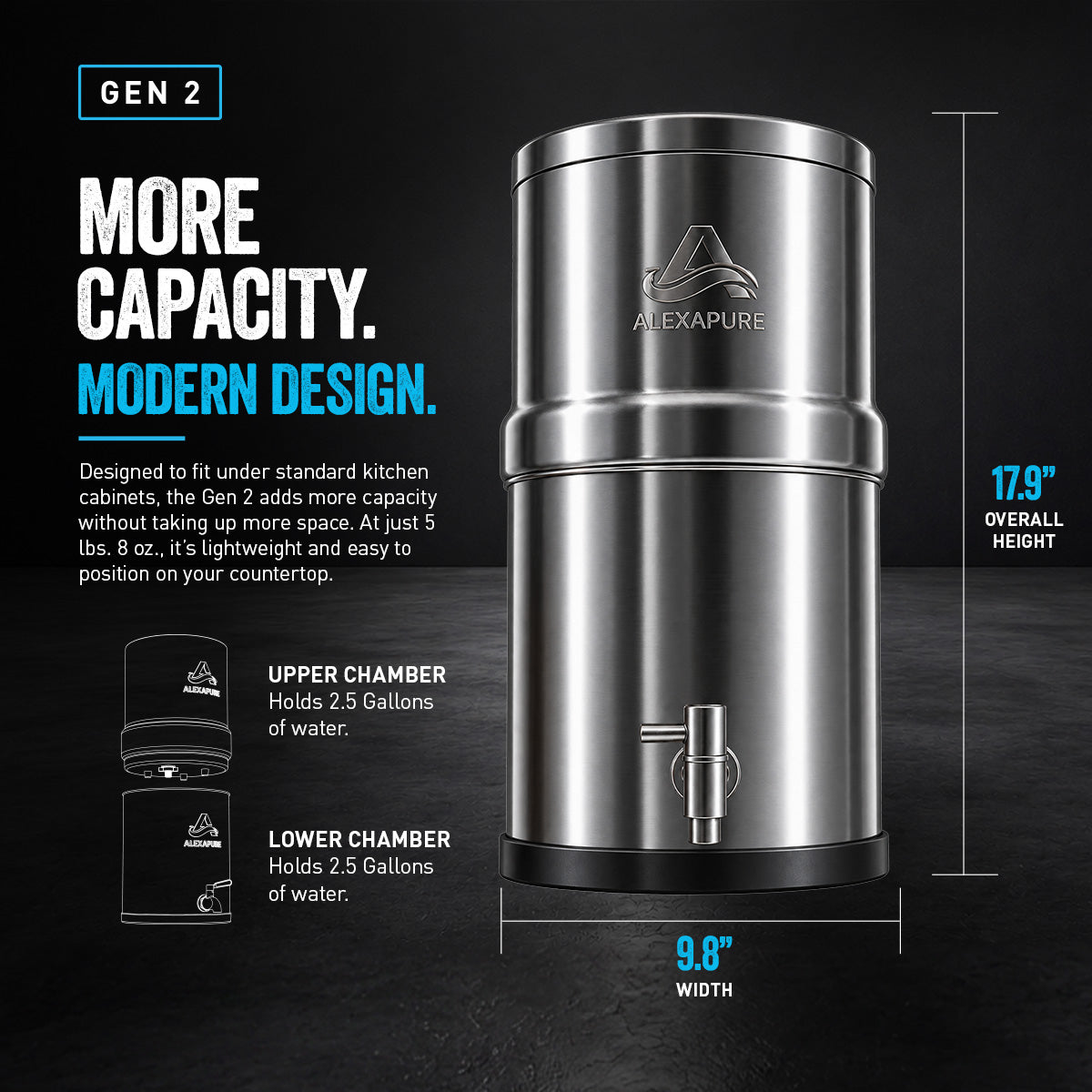
The lawsuit arrived. Nevada, its Colorado River Commission, and the Southern Nevada Water Authority filed the first legal challenge to the federal government's newly finalized operating framework, arguing the state stands to lose as much as 70% of its annual allocation while the Upper Basin states face no mandatory cuts. Lake Mead sits near 1,039 feet, the lowest since the reservoir first filled in the 1930s, and the operating guidelines that have governed the river since 2007 expire at the end of this year. Forty million people and two hydropower dams depend on the system. Bridge: water and power. The margin under the Southwest's water is now being contested in court while it keeps shrinking. Stored water at home is the hedge that does not depend on the outcome.
Read more: Nevada sues to block Colorado River cuts (The Colorado Sun) and How Lake Mead stands as Nevada sues (Newsweek).
Panama Canal, escalating
The transit caps announced two weeks ago take effect now. Daily transits drop to 34 vessels for booking dates from September 4 and to 32 from September 15, and the deeper draft cut scheduled for early September was pushed to October 1 only because the watershed is being managed foot by foot. Rainfall in the canal watershed ran 34% below the historical average from May through August, inflows 44% below, and the El Nino pattern behind it is forecast to persist into next spring. A single transit slot recently auctioned for a record $4.6 million. Bridge: goods supply. Canal constraints reach households as shipping cost and delivery timing rather than empty shelves. Holiday-season freight gets priced now; buying ahead on non-perishables costs nothing extra today.
Read more: Canal adopts additional measures (Panama Canal Authority) and Capacity cuts put US ports on notice (FreightWaves).
NEW THIS WEEK
A major grain corridor is more than 90% offline
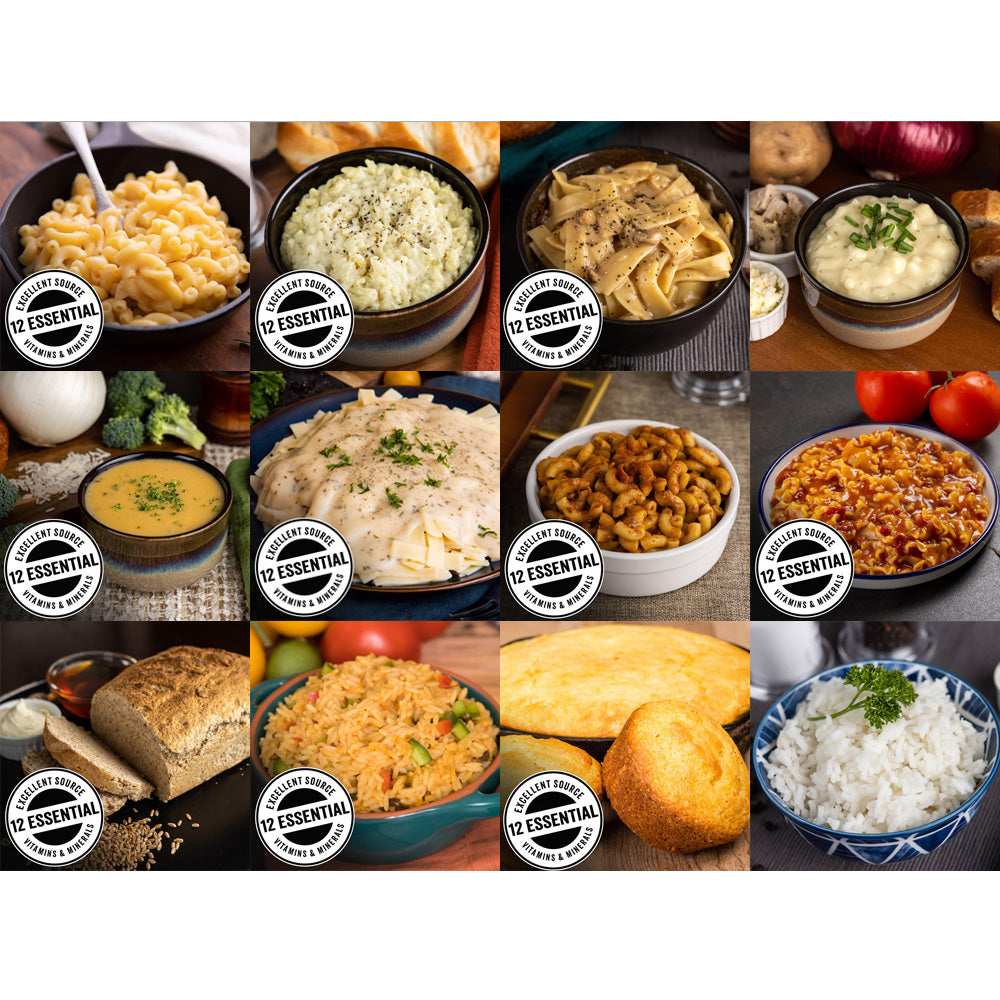
All three grain terminals at Novorossiysk, the largest grain port on the Black Sea, remain suspended after strikes on export infrastructure, taking more than 90% of the export capacity offline in a corridor that shipped 46.3 million tons last season. August exports from the region are projected at their lowest level since 2010, less than half of last August. World prices have absorbed it unevenly so far: wheat sits near its two-year high, and corn futures jumped 2% even against a record U.S. yield, a sign of demand shifting to U.S. origin. Bridge: food. Grain moves through the register months after it moves through ports, in bread, pasta, and feed costs. A steady staples reserve, added to on normal shopping trips, absorbs that lag without drama.
Read more: Grain blockade cuts exports as prices rise (The New Voice of Ukraine) and Black Sea grain exports stall (World Grain).
Flash flood at the bottom of the Grand Canyon
A significant flash flood swept through campgrounds and hiking trails at the bottom of Grand Canyon National Park over the weekend. At least two people died, one recovered from the Colorado River, and the park service reported at least 14 people who may be missing or unaccounted for as air evacuations continued into Sunday. It is the same summer pattern that produced the Missouri and Northeast events in July: slow storms dropping extreme rain on terrain that funnels it. Bridge: water and shelter. In canyon country, floodwater arrives from rain you never saw, and cell coverage is often zero. The lever is a trigger you act on without debate: rain anywhere upstream means move to high ground now, and a weather radio when you recreate beyond coverage.
Read more: At least 2 dead in Grand Canyon flash flooding (ABC News).
ALSO ON THE RADAR
The Federal Reserve says it may have work to do
At the central bank's annual Jackson Hole symposium, its chair said leaders have "work to do" if inflation is not clearly moving toward 2% at sufficient speed, the plainest signal yet that rate increases are on the table rather than cuts. July's meeting minutes already showed three dissents in favor of a hike. Bridge: household runway. Higher rates alongside elevated fuel and food costs squeeze from two directions. The practical response is runway math: knowing how many months your household could absorb higher costs, and widening that margin where you can.
Read more: Fed chair signals inflation may require rate hikes (PBS).
Water utilities: quiet on the wire, busy on the defense
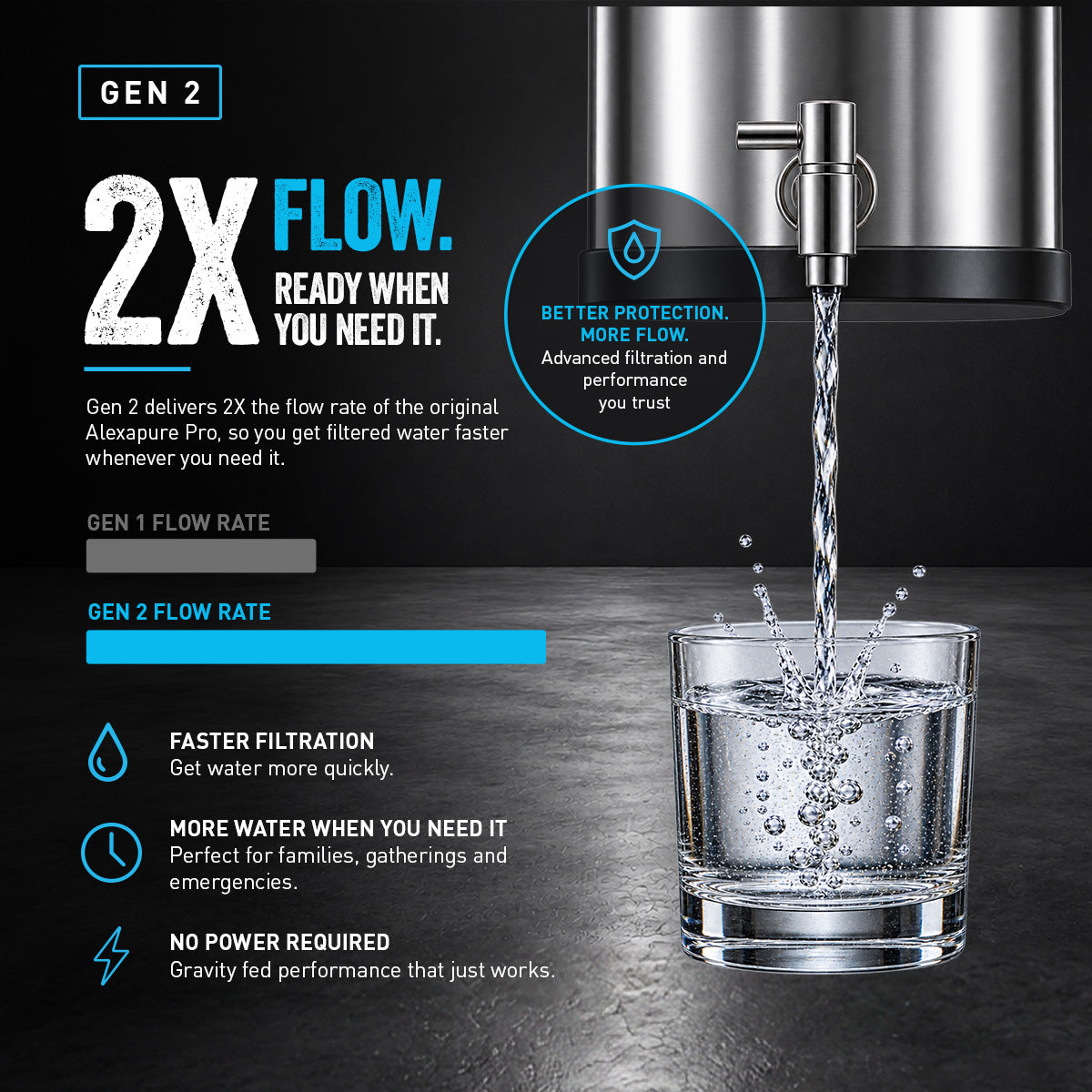
No new intrusions, states, or named utilities were reported this week in the water-sector cyber campaign, the third quiet week running, and there is still no confirmed contamination anywhere. The federal posture stays active: agencies continue urging utilities to pull control systems off the public internet and rehearse manual operations. Bridge: water. The household answer is unchanged and unglamorous: stored water and a filtration option that does not depend on the tap.
Read more: FBI alert on water and wastewater systems.
Beef, the border, and a parasite across the river
The Douglas, Arizona port reopened to Mexican cattle on August 24 with about 700 head on day one, and futures fell on the news before whipsawing back. The complication arrived the same week: a screwworm case was confirmed in Ciudad Juarez, directly across the border from El Paso and near the New Mexico ports slated for the next phase of reopening. Wholesale beef remains high at around $382 per hundredweight for Choice. Bridge: food. The structural herd shortage is unchanged, and the reopening now carries real biological risk on its flank. Shelf-stable protein remains the hedge bought on your terms.
Read more: Cattle futures fall on border reopening (The Cattle Site) and Juarez screwworm case threatens cattle trade (AGDAILY).
The good-news line: eggs
Wholesale eggs fell to about 39 cents a dozen by August 28, down roughly two-thirds in a month, as the national laying flock hit 308 million hens and oversupply deepened. No new commercial bird-flu detection surfaced in the window. Retail follows wholesale with a lag, so the grocery-store price has room to keep easing. A reminder that these signals move in both directions.
Read more: Retail egg prices fall with wholesale (USDA ERS).
The throughline this week is movement. The corridor that carries oil, the canal that carries goods, and one of the corridors that carries grain all tightened in the same seven days, and the cost of moving things is the cost that finds every household eventually. The Grand Canyon is the sharper reminder: some water arrives faster than any warning. Buy your staples ahead of the freight math, and give your family a flood trigger it acts on without debate.