Power outages can happen without warning—and last longer than expected. A strong backup power plan helps keep your food cold, your devices charged, your lights on, and the essentials your family depends on running.
Whether you're preparing for a few hours without electricity or a longer grid-down emergency, this guide will help you understand your power needs, explore the benefits of solar backup power, and build a system that's ready when you need it.

We rely on electricity for far more than keeping the lights on. It keeps food cold, phones charged, medical devices running, homes comfortable, security systems active, and critical information within reach. When the grid goes down, those everyday essentials can quickly become bigger concerns.
A backup power plan gives you another option. Instead of simply waiting for the electricity to come back, you can keep the things that matter most running and maintain a greater level of safety, comfort, and control until the grid is restored.
A Few Hours → A Full Day → Several Days → Extended Grid Down
The longer an outage lasts, the more important backup power becomes. You don't need to power everything—you need a plan to power the right things.
What Would You Need to Keep Running?
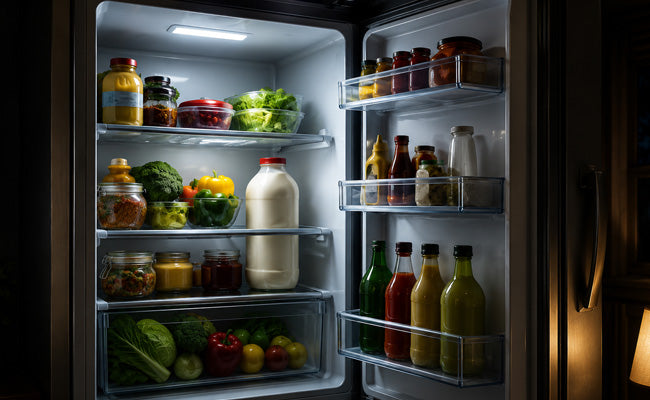
Food & Refrigeration
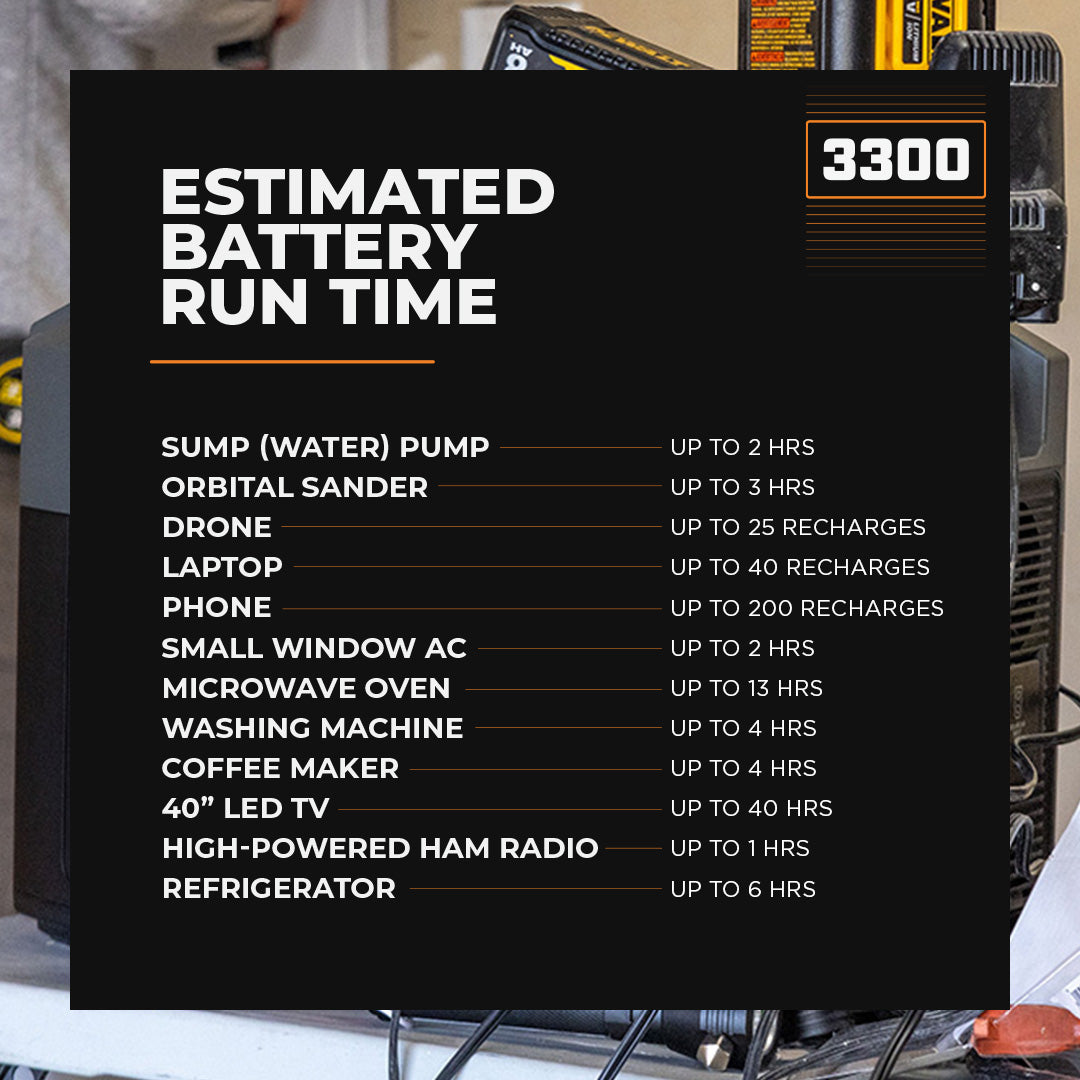
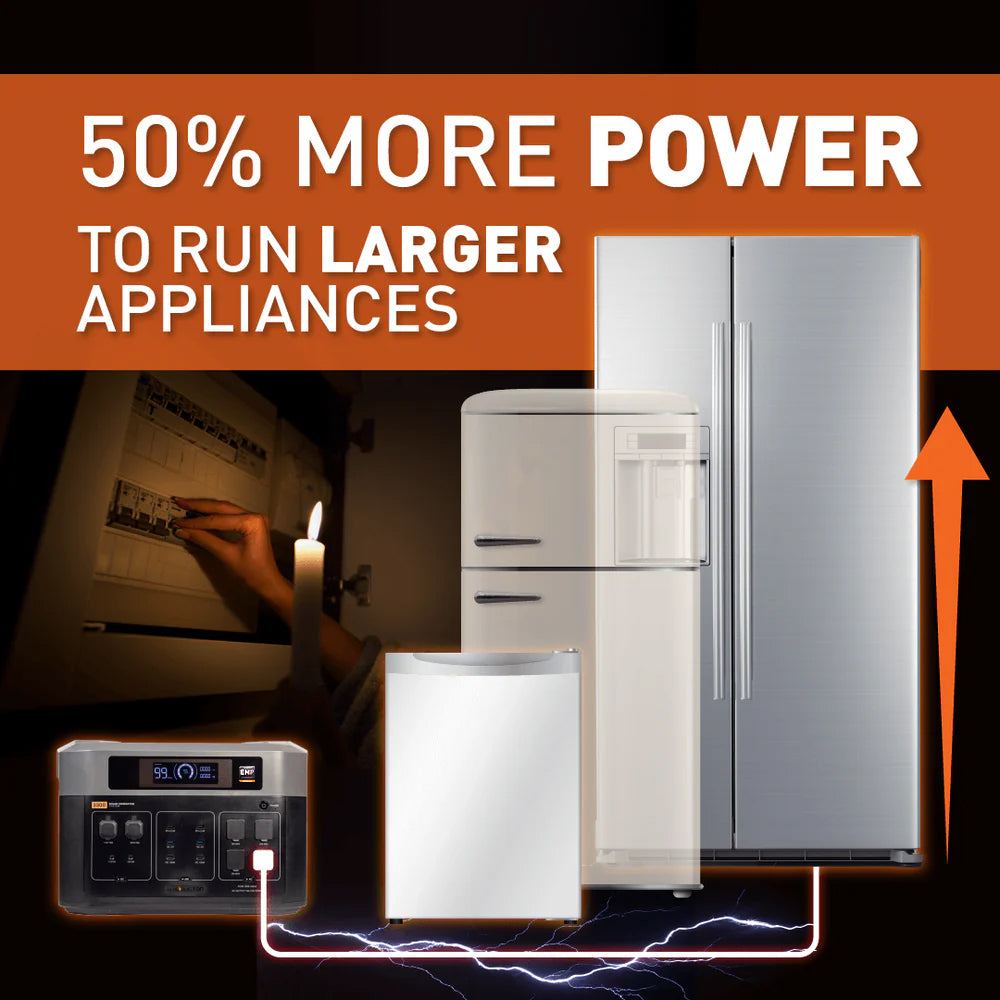
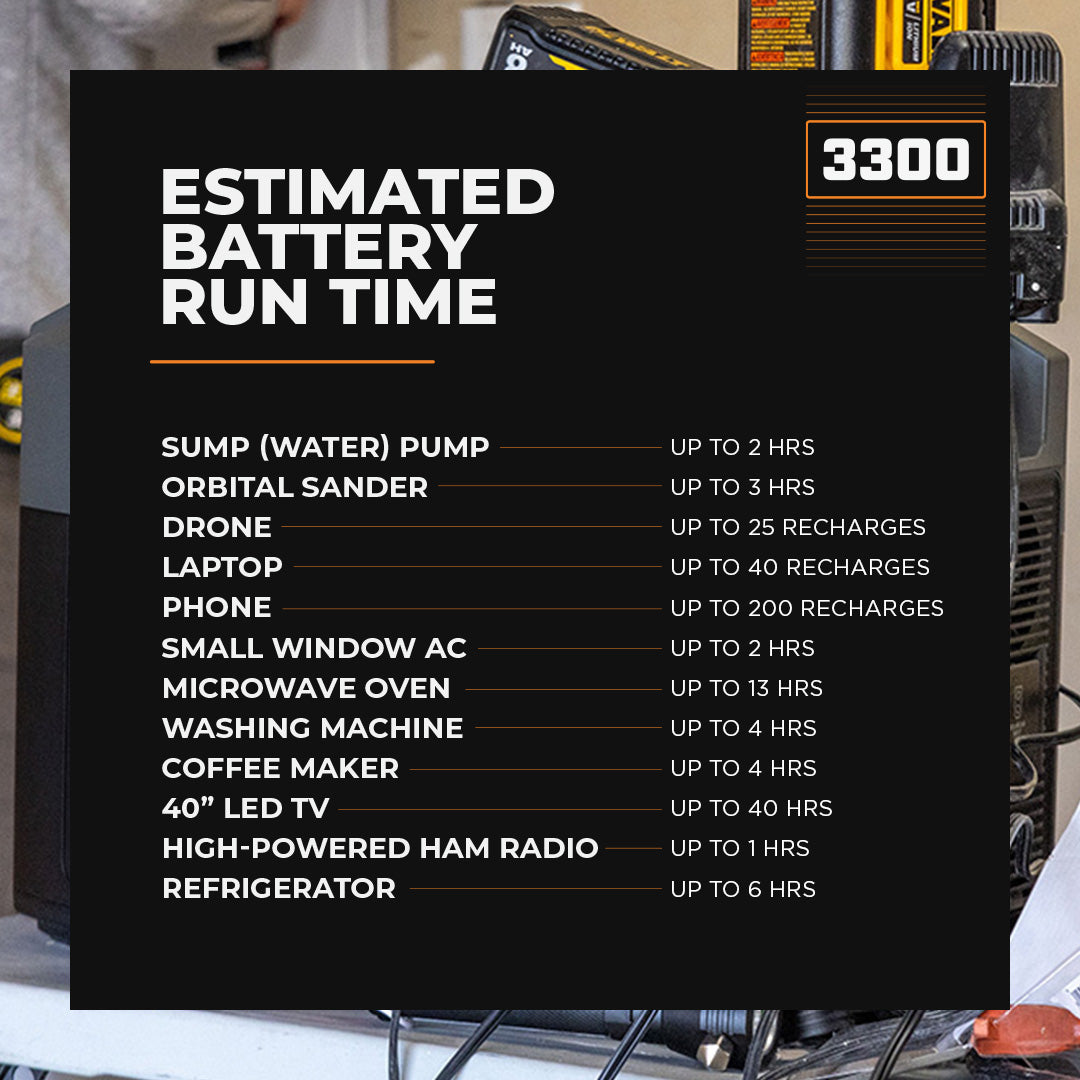
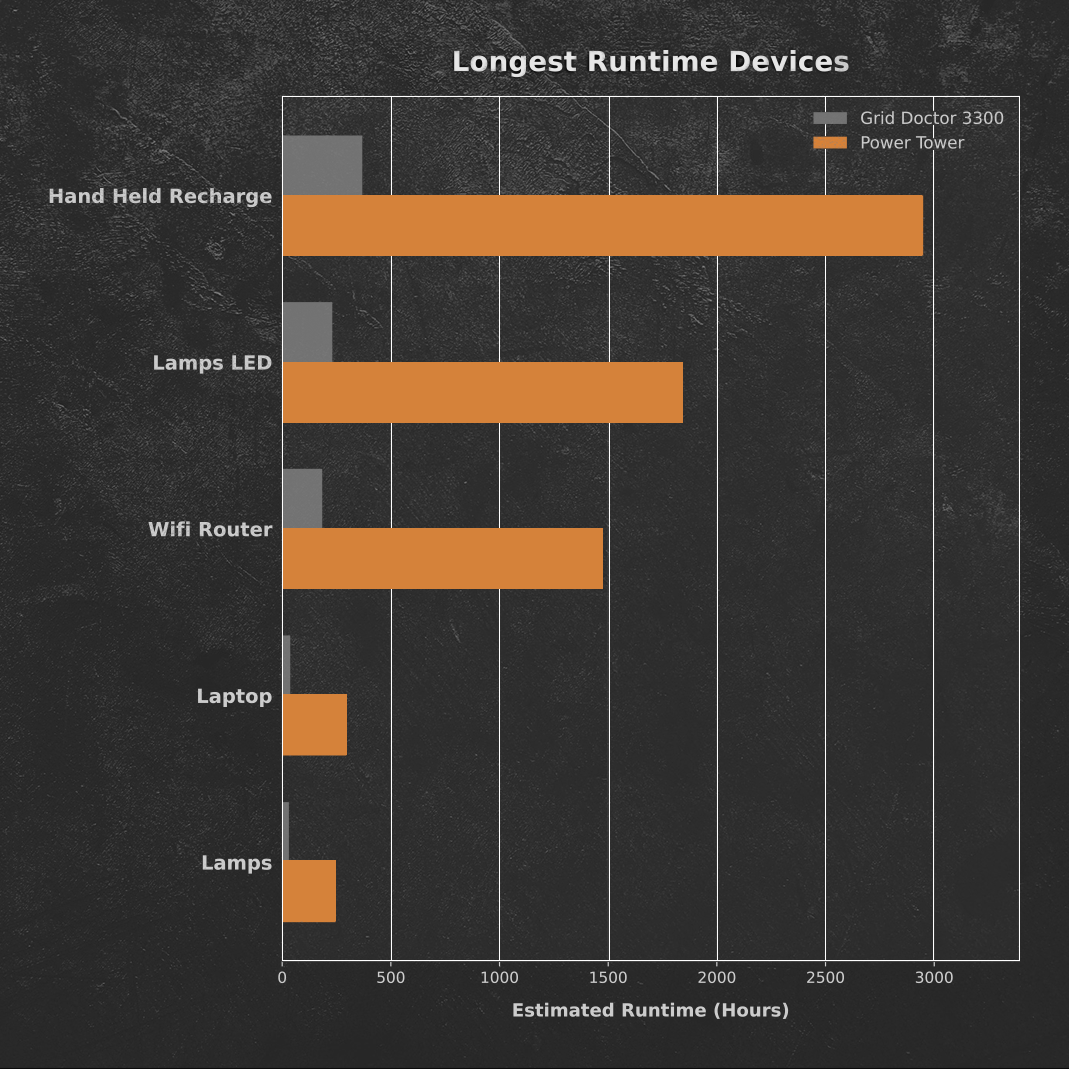
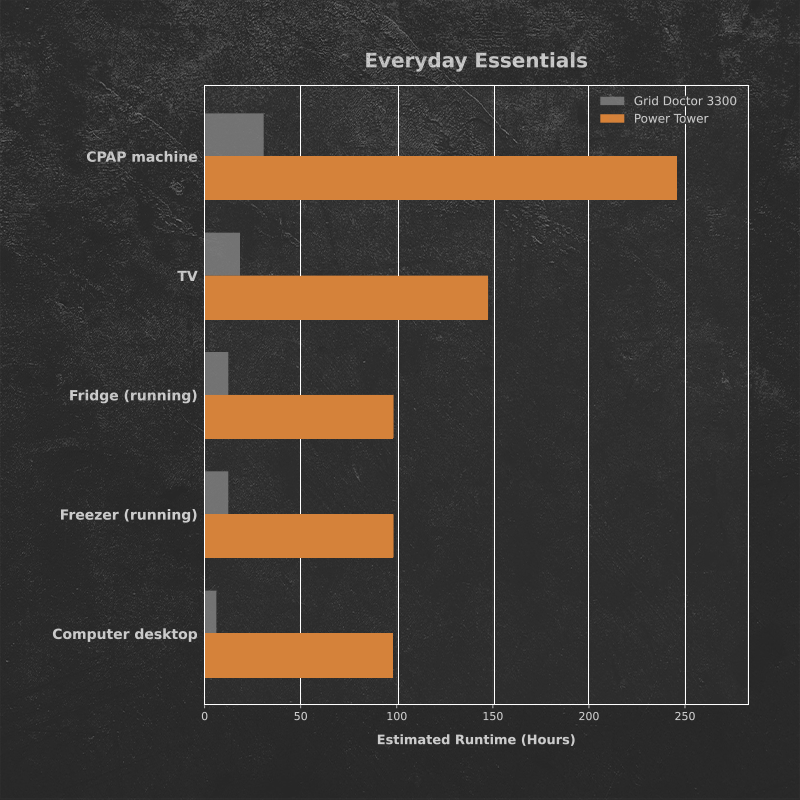
Keep refrigerators and freezers running to help protect the food you've already stored.
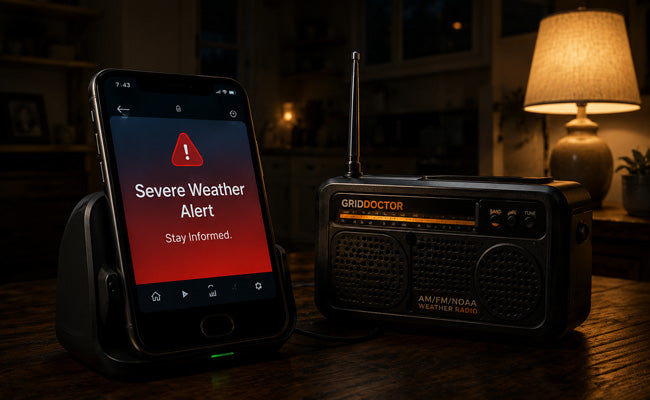
Communication
Keep phones, radios, and other devices charged so you can stay connected and informed.
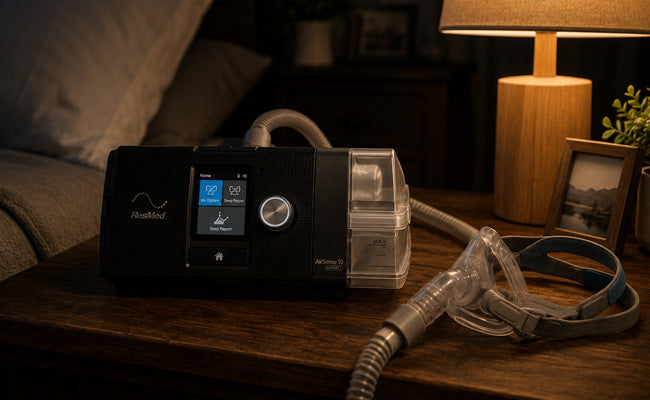
Medical & Health Needs
Maintain power for compatible CPAP machines and other essential medical equipment.
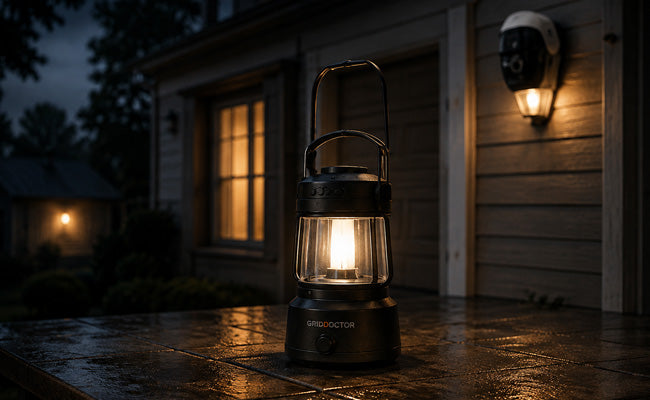
Lighting & Safety
Keep critical areas illuminated and essential security equipment operating after dark.
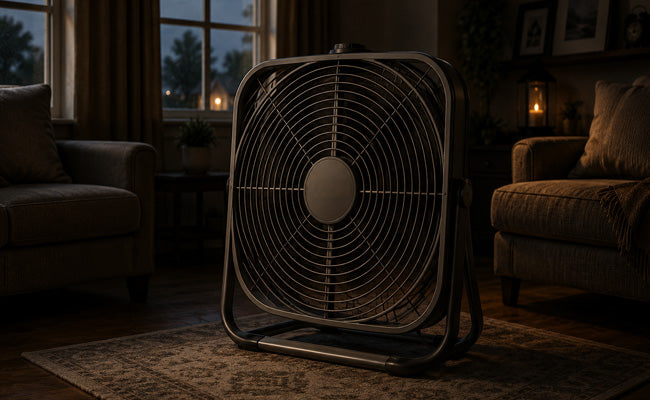
Heating & Cooling
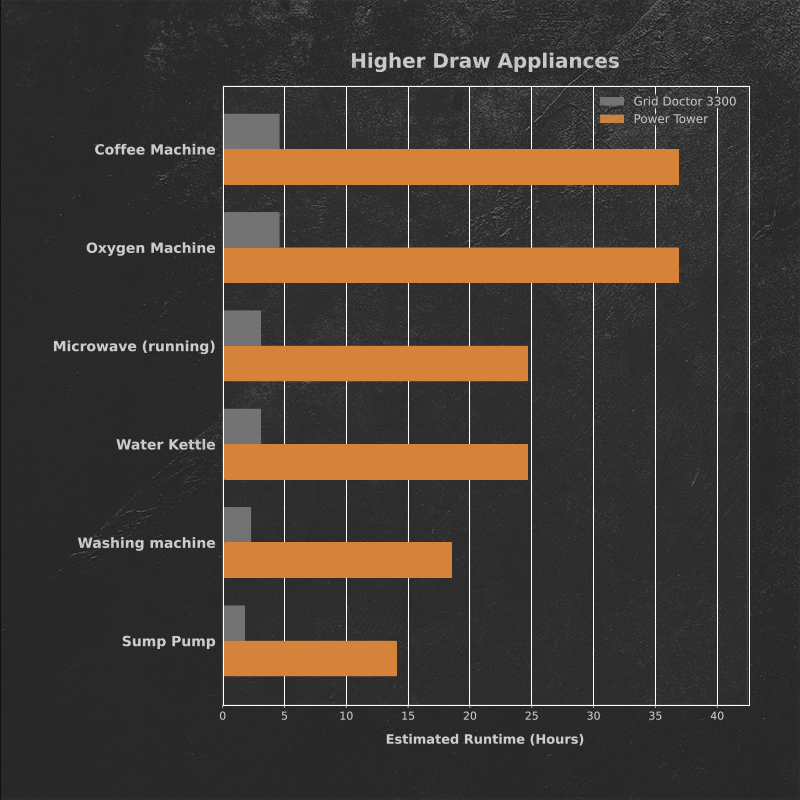
Power compatible fans, heating equipment, or other devices that can help make extreme temperatures more manageable.
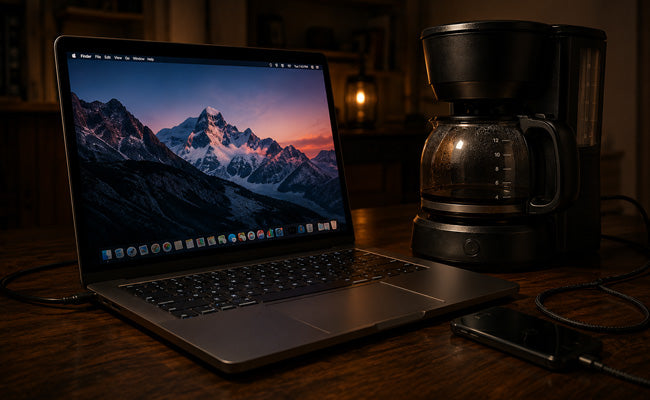
Everyday Essentials
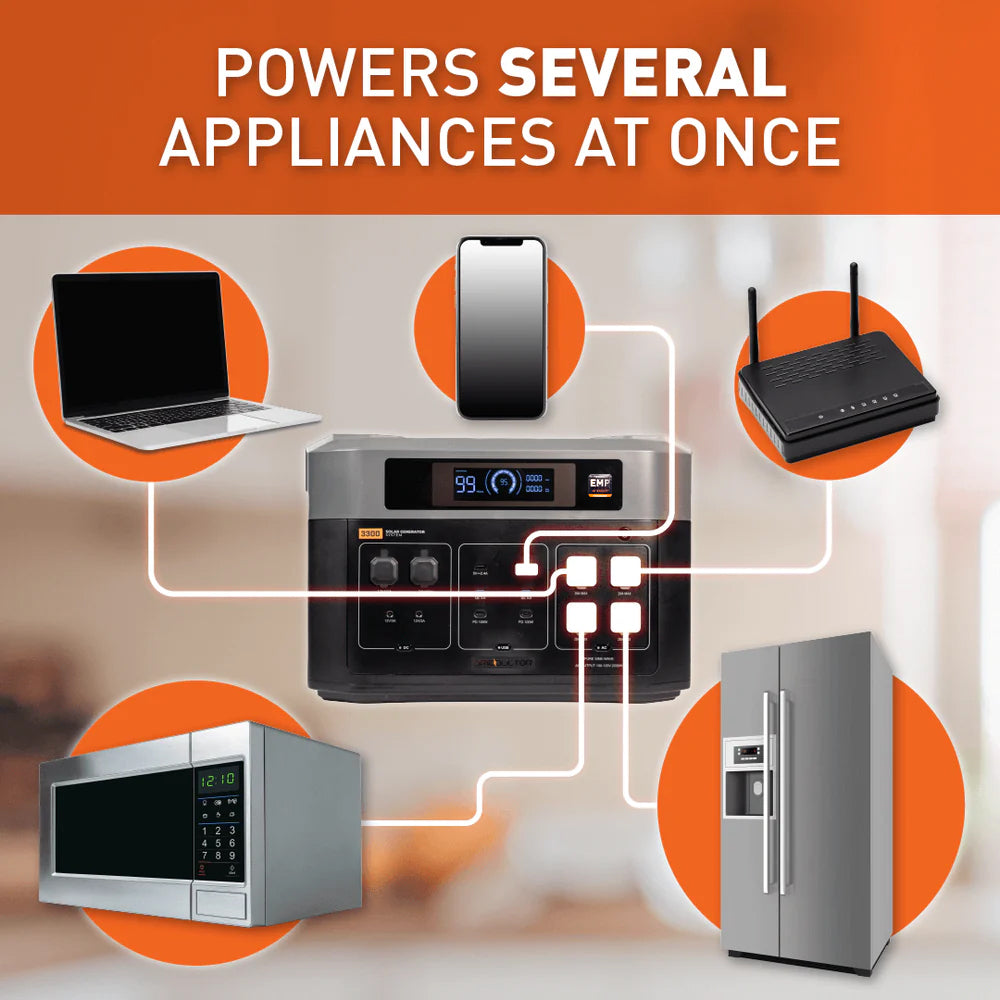
Keep internet equipment, small appliances, and other important devices available when normal power isn't.

The grid faces physical, operational, and digital risks. Severe weather can damage infrastructure, equipment can fail, extreme demand can strain capacity, and cyber incidents can disrupt utility operations. Some outages last minutes. Others can continue for hours or days.
- Severe Weather: Storms, high winds, extreme heat, ice, and snow can damage or strain the grid.
- Grid & Equipment Failures: A failed transformer, damaged power line, or overloaded system can be enough to cut the power.
- Natural Disasters: Wildfires, floods, earthquakes, and other disasters can damage infrastructure or force utilities to shut off power.
- Cyber Threats: The systems supporting the power grid are potential targets. A significant cyber incident could disrupt utility operations and complicate restoration efforts.
No matter what causes the outage, staying informed matters. An emergency weather radio gives you another way to receive important updates and alerts when power, internet, or cell service is disrupted.
You Can't Control the Grid. You Can Control How Prepared You Are Without It.


Gas Generator vs. Solar Generator: What's the Difference?
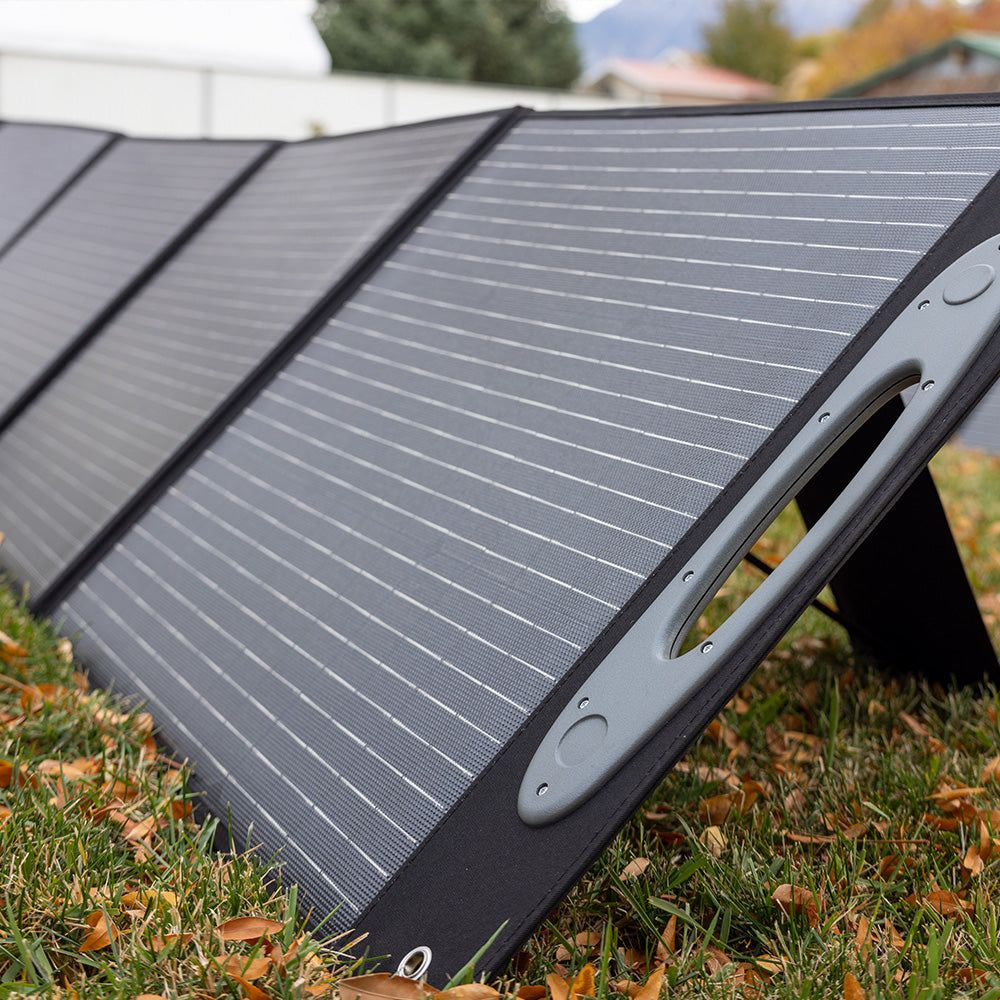
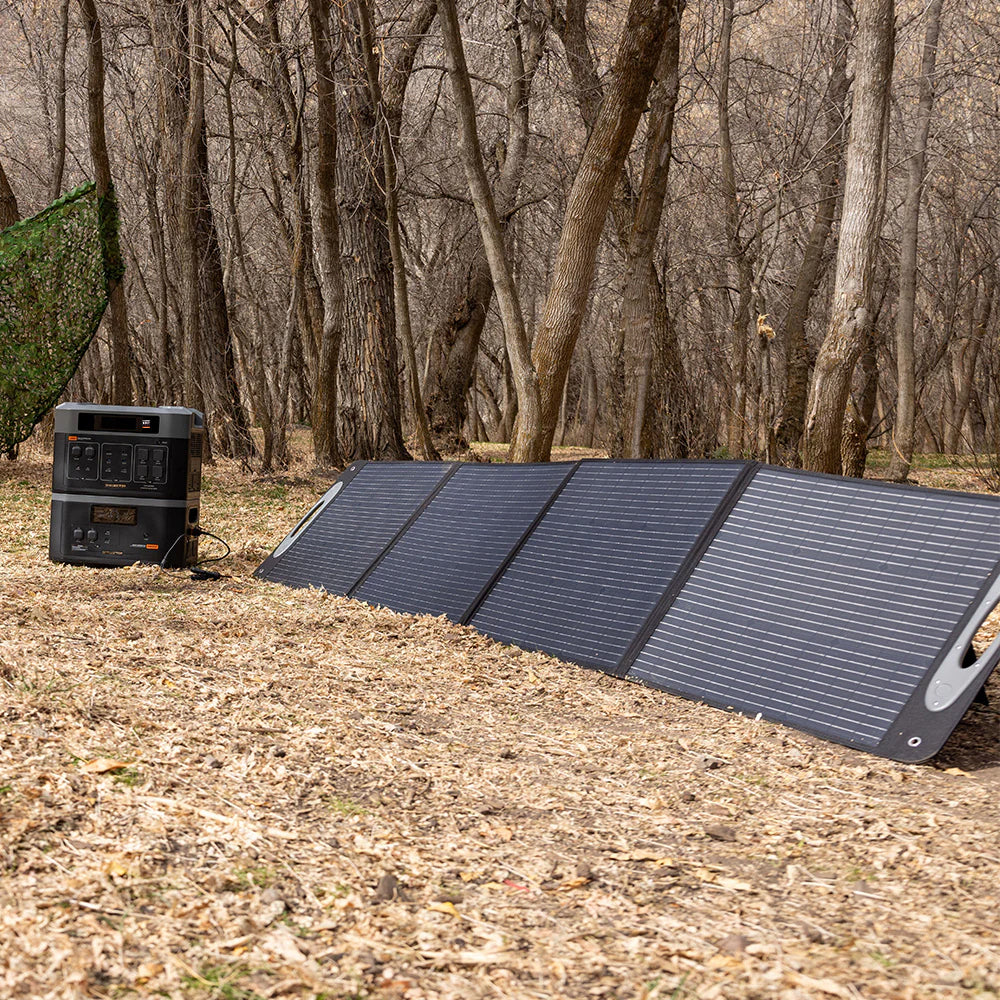
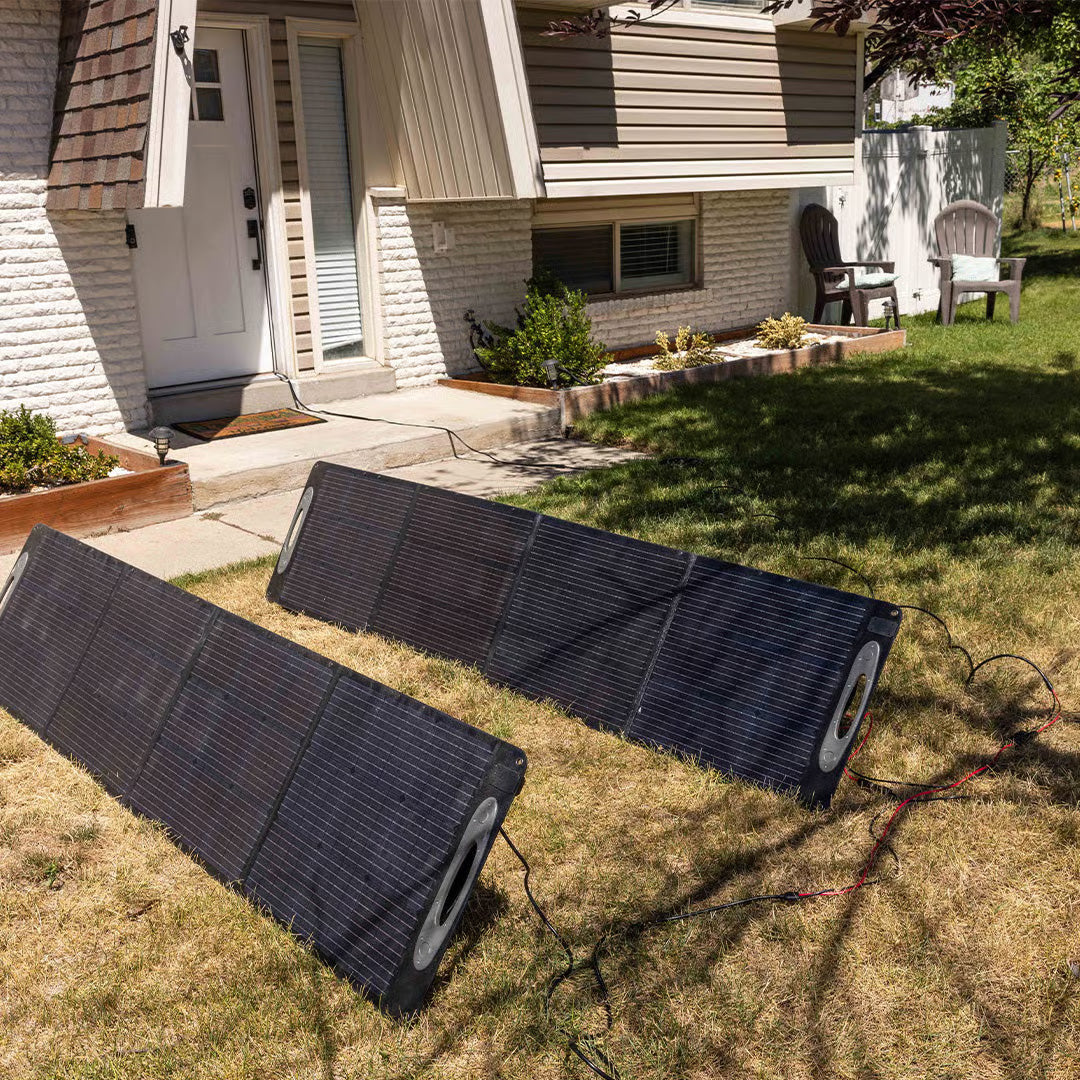
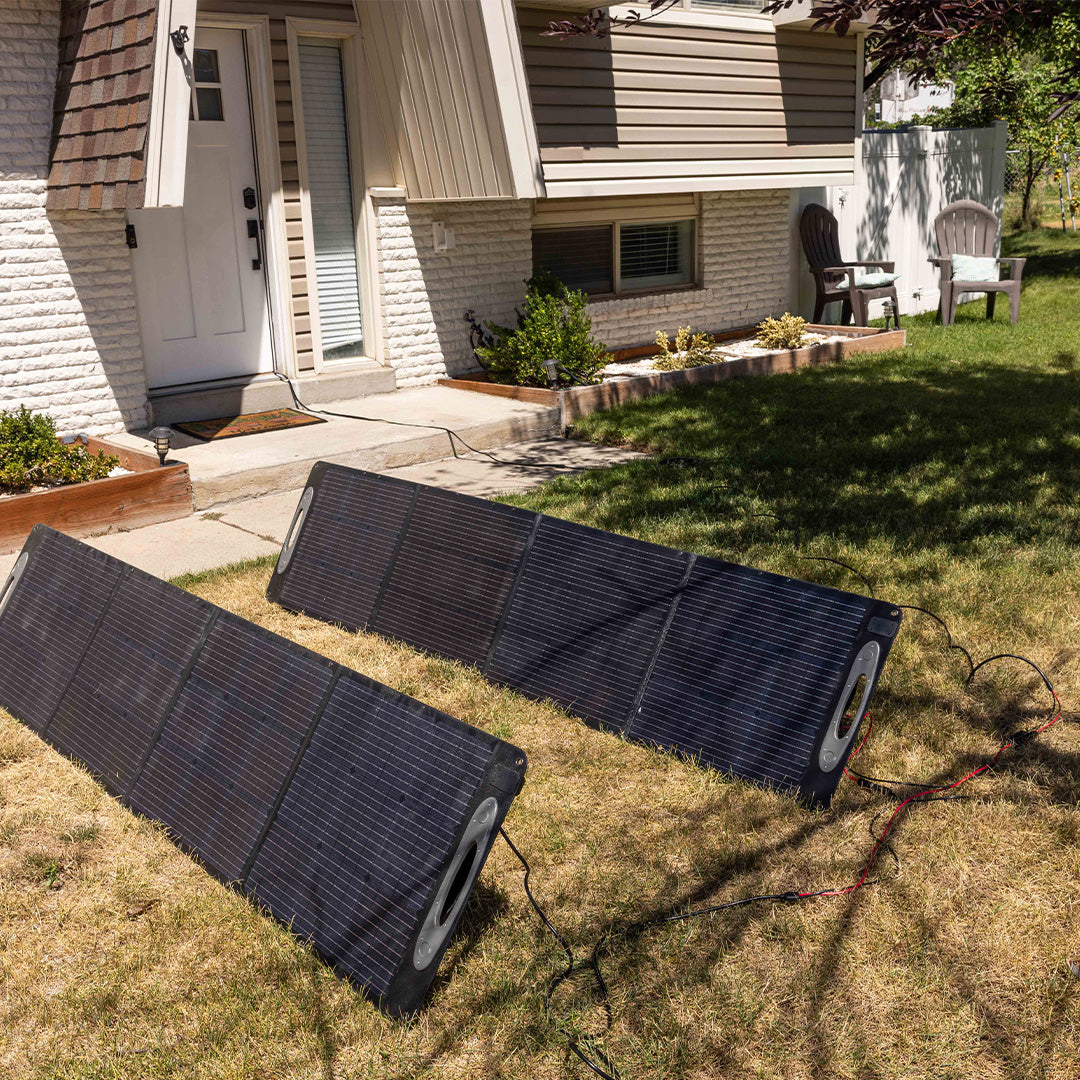
Gas generators and solar generators can both provide backup power during an outage, but they work very differently. Solar generators don't require gasoline, produce no combustion exhaust while operating, run much more quietly, require less routine maintenance, and can be recharged using solar panels. Understanding these differences can help you choose the right backup power solution for your home and emergency plan.

Understanding Watts, Watt-Hours and Surge Power
When choosing a solar generator or backup power station, three numbers can help you understand what the system can do: watts, watt-hours and surge watts. Watts help determine what you can power, watt-hours help determine how long you can power it, and surge capacity tells you whether the system can handle the temporary increase in power some appliances need when they start.

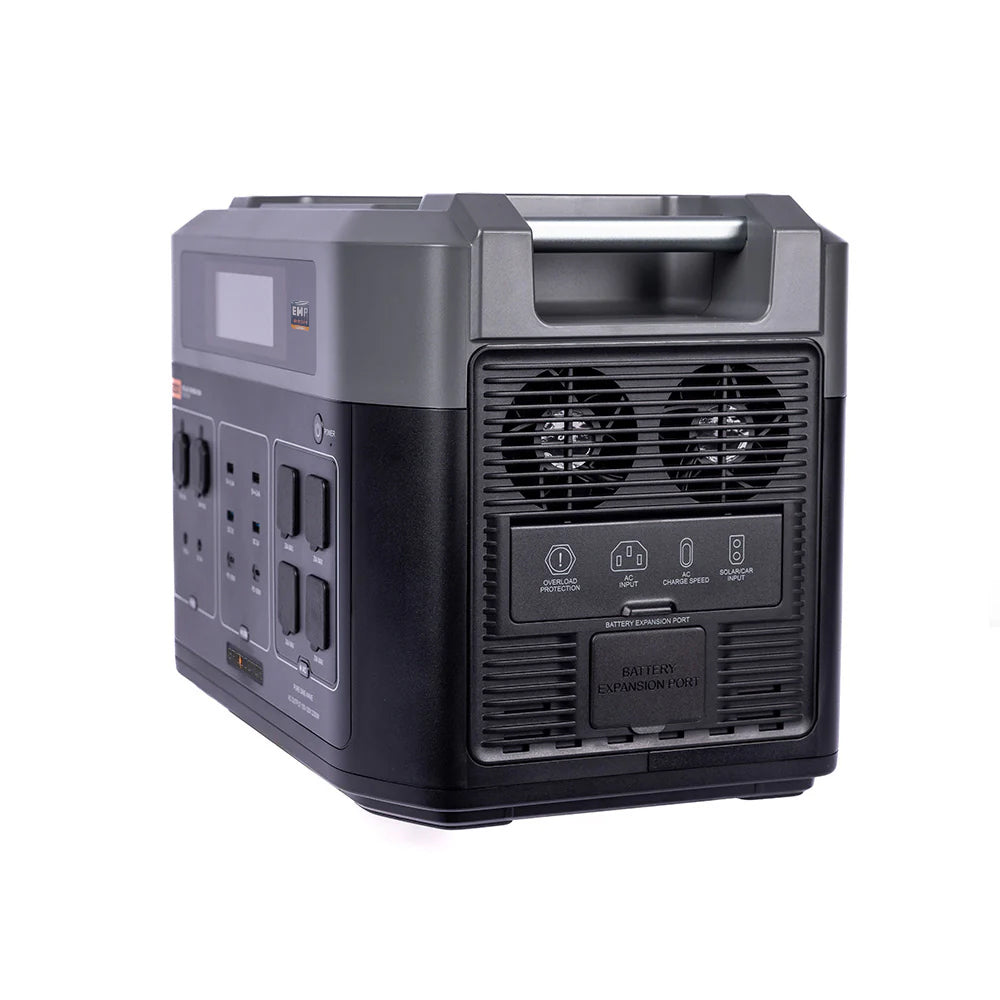
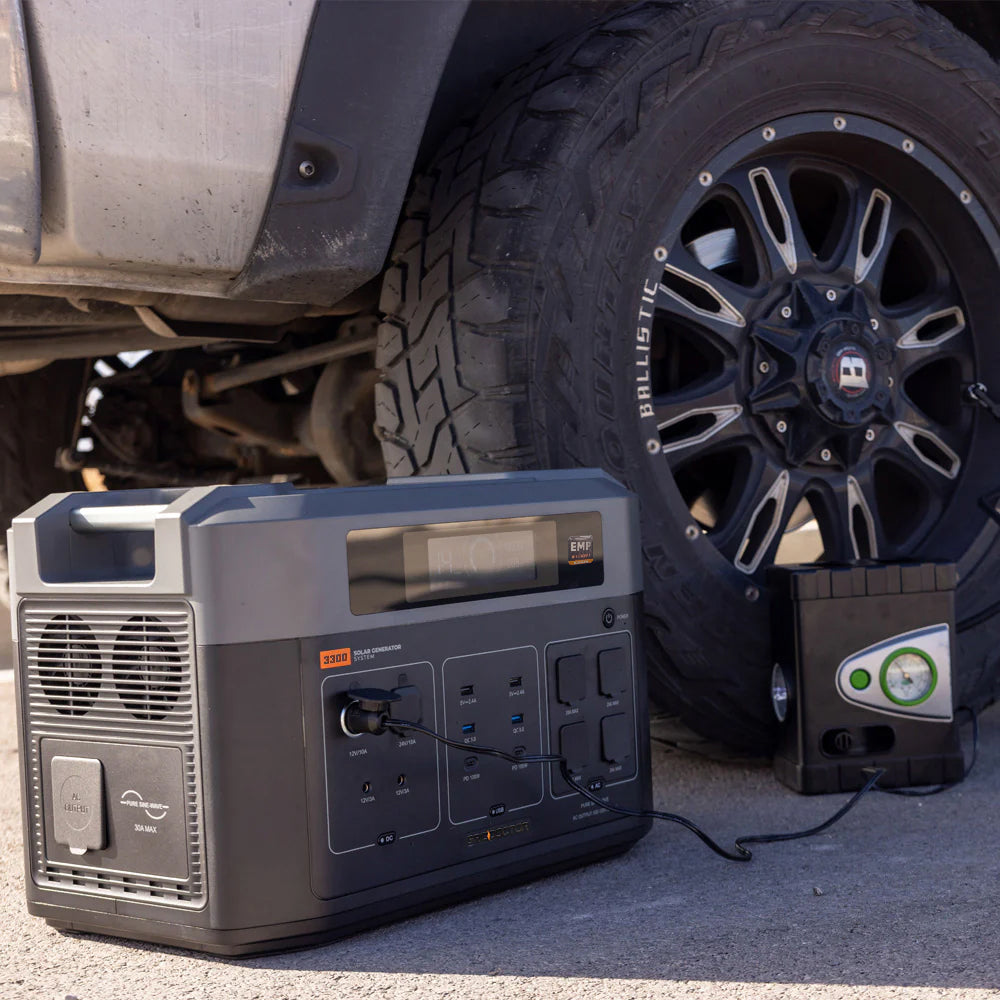
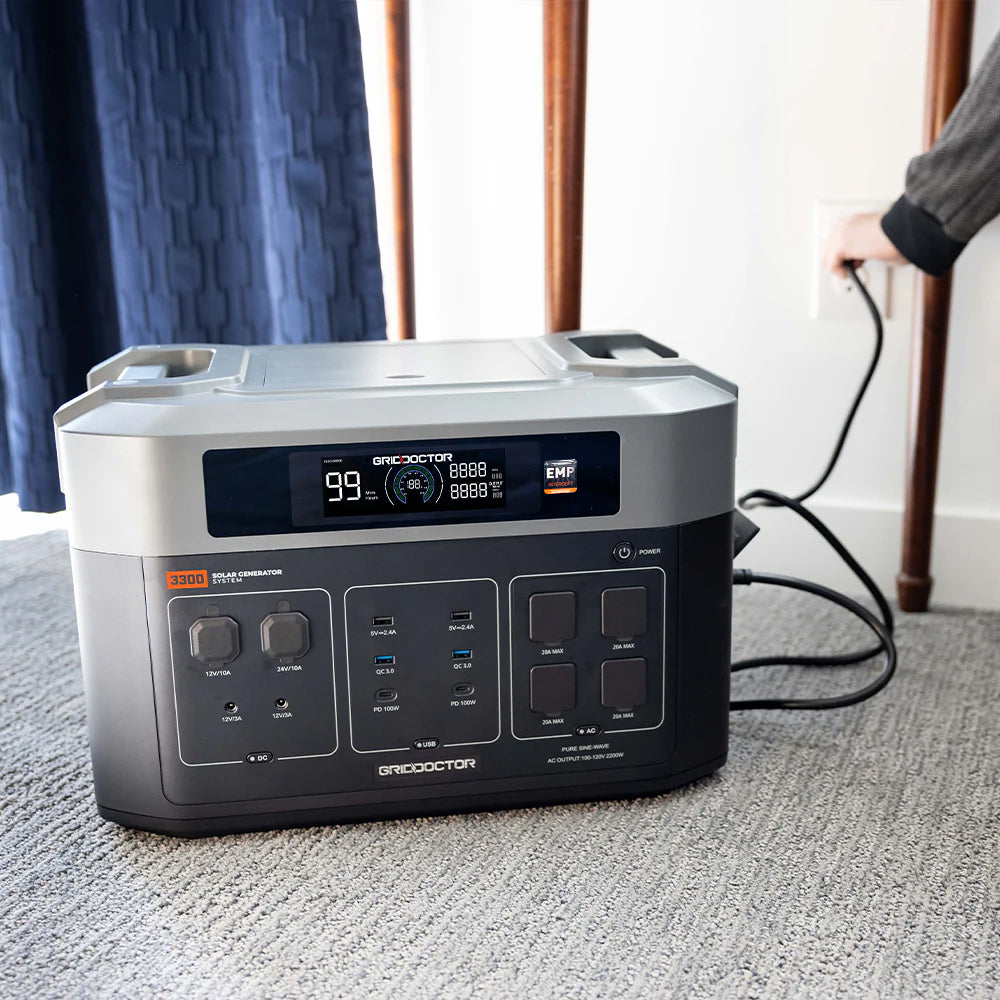
Meet the Grid Doctor 3300 Solar Generator
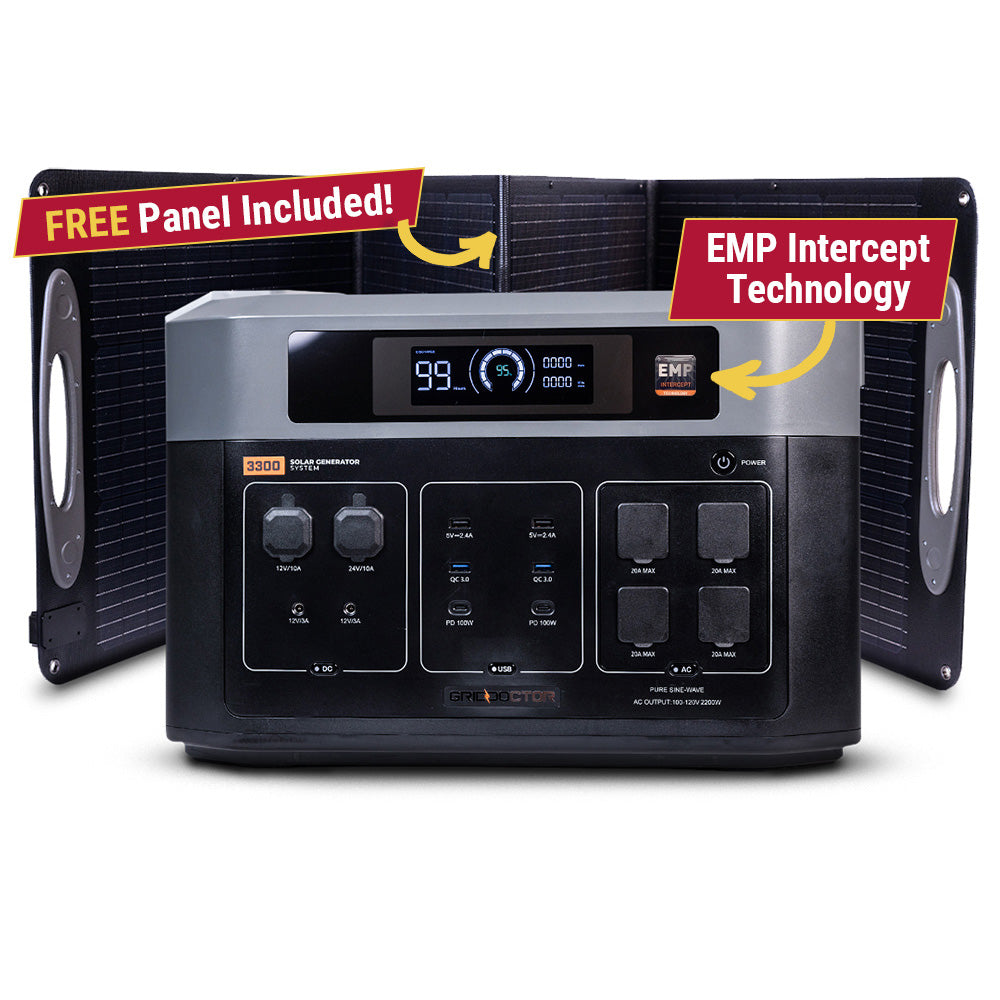
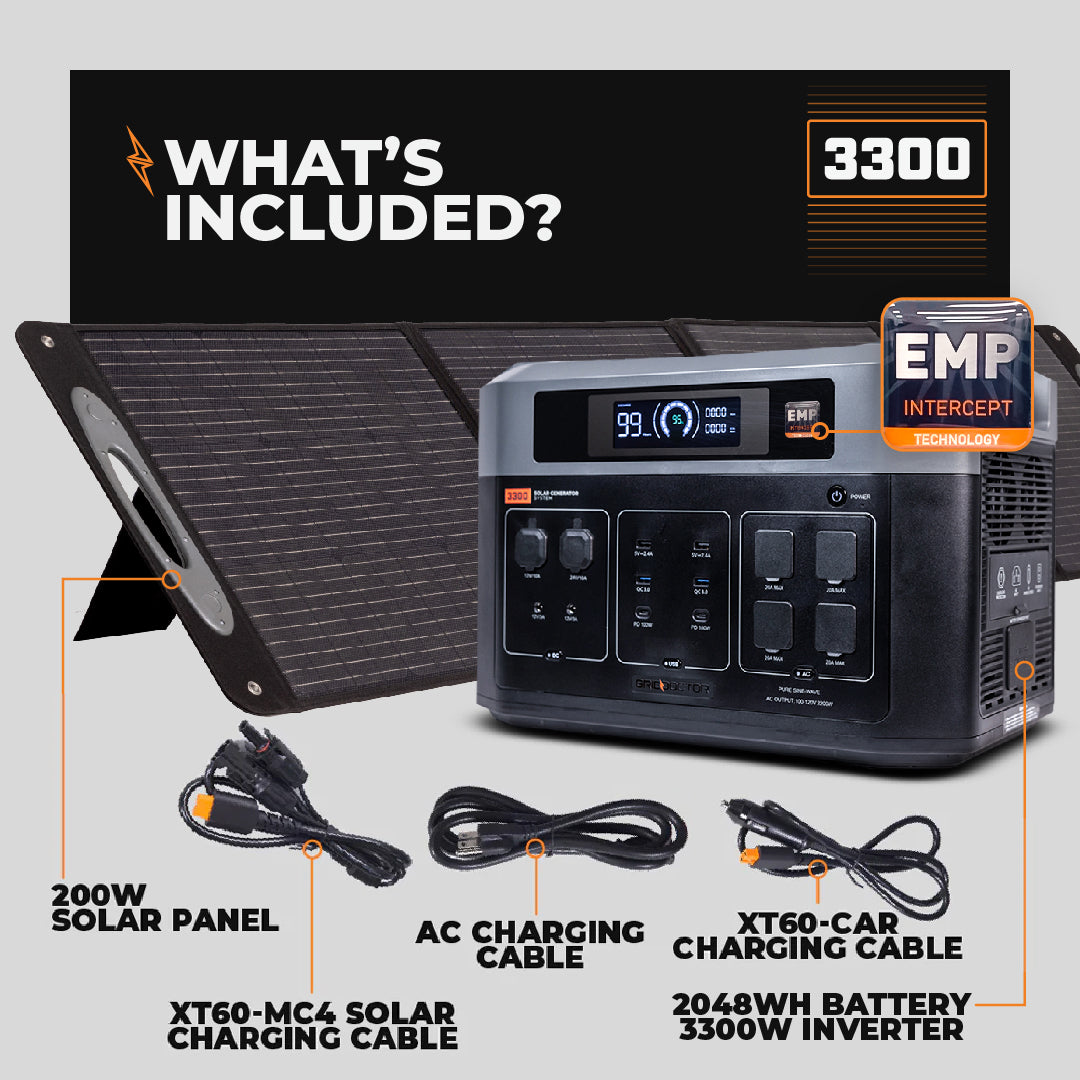
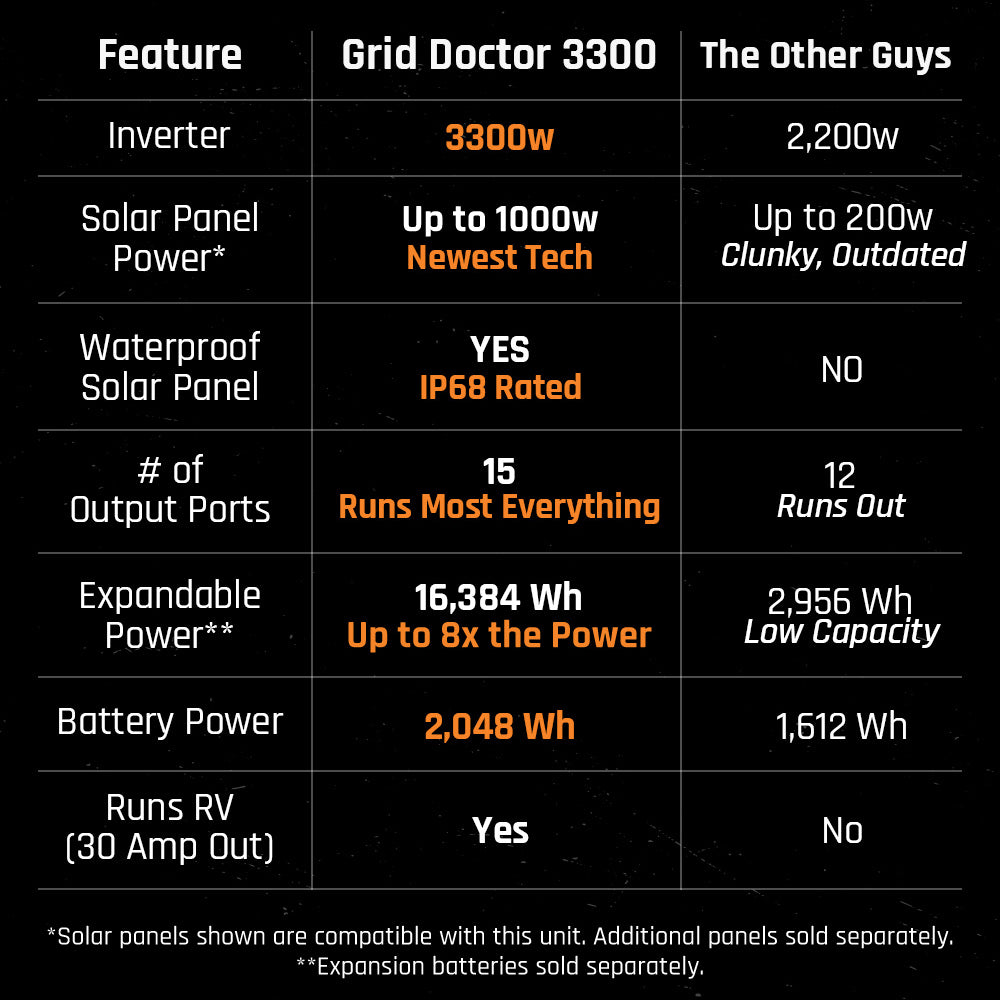
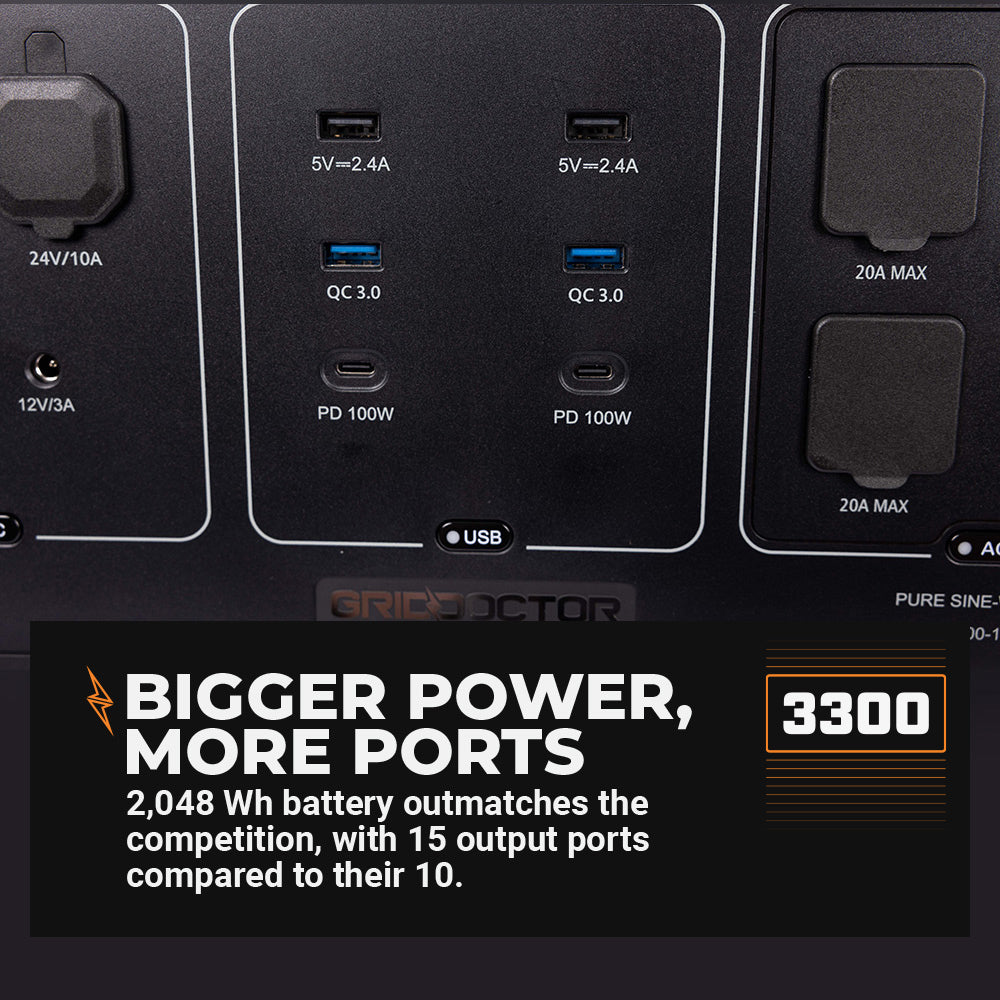
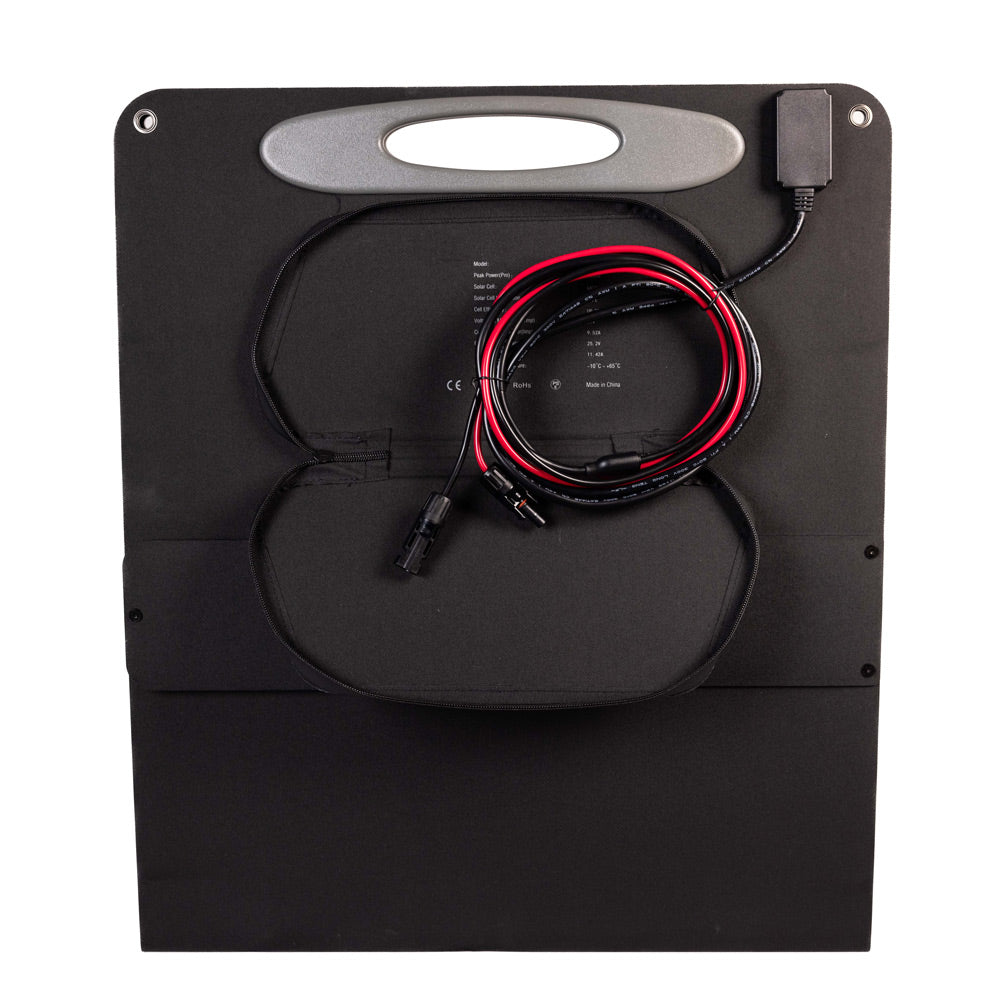
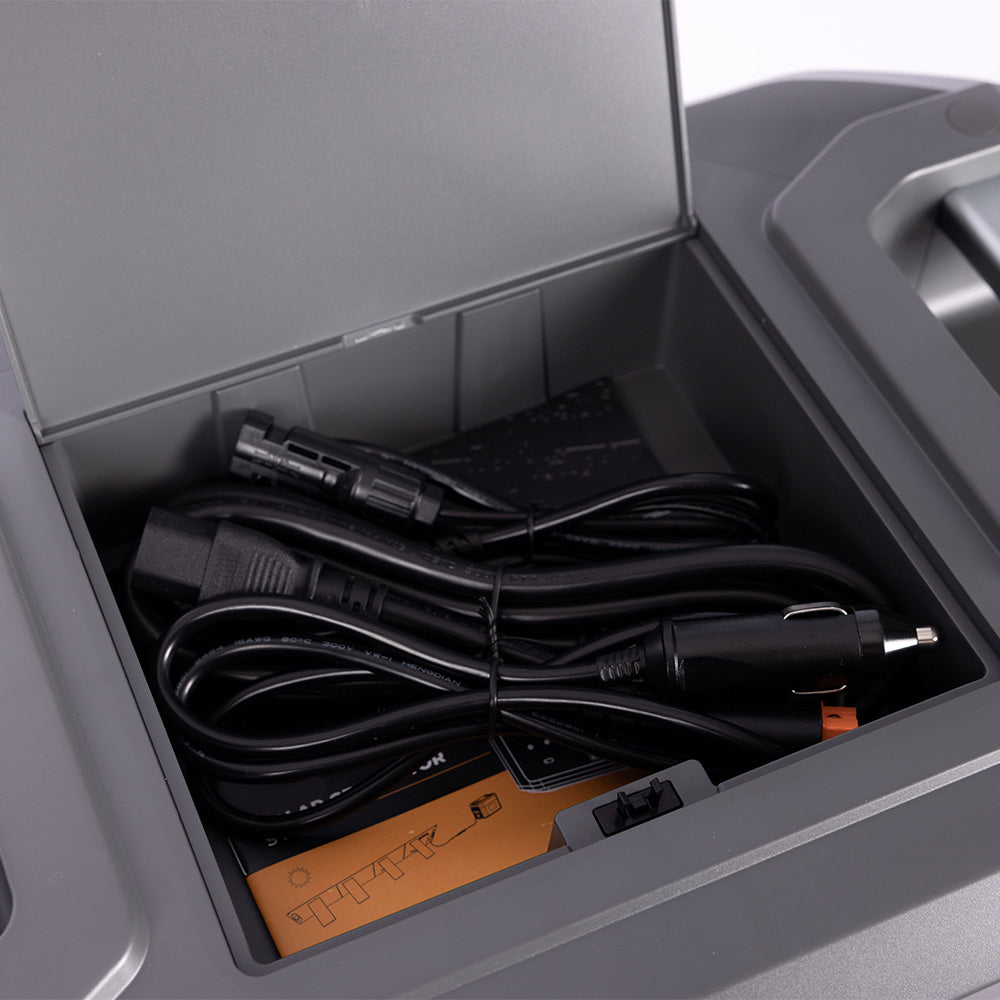
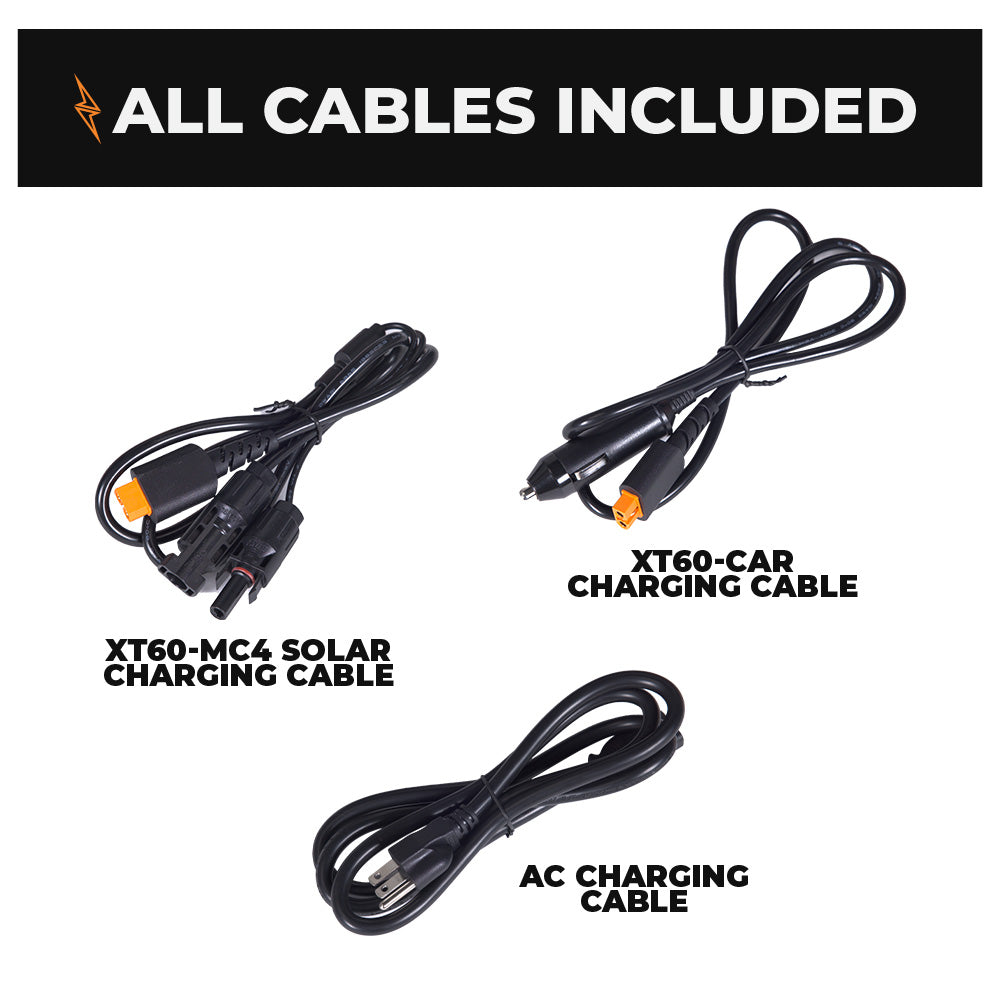
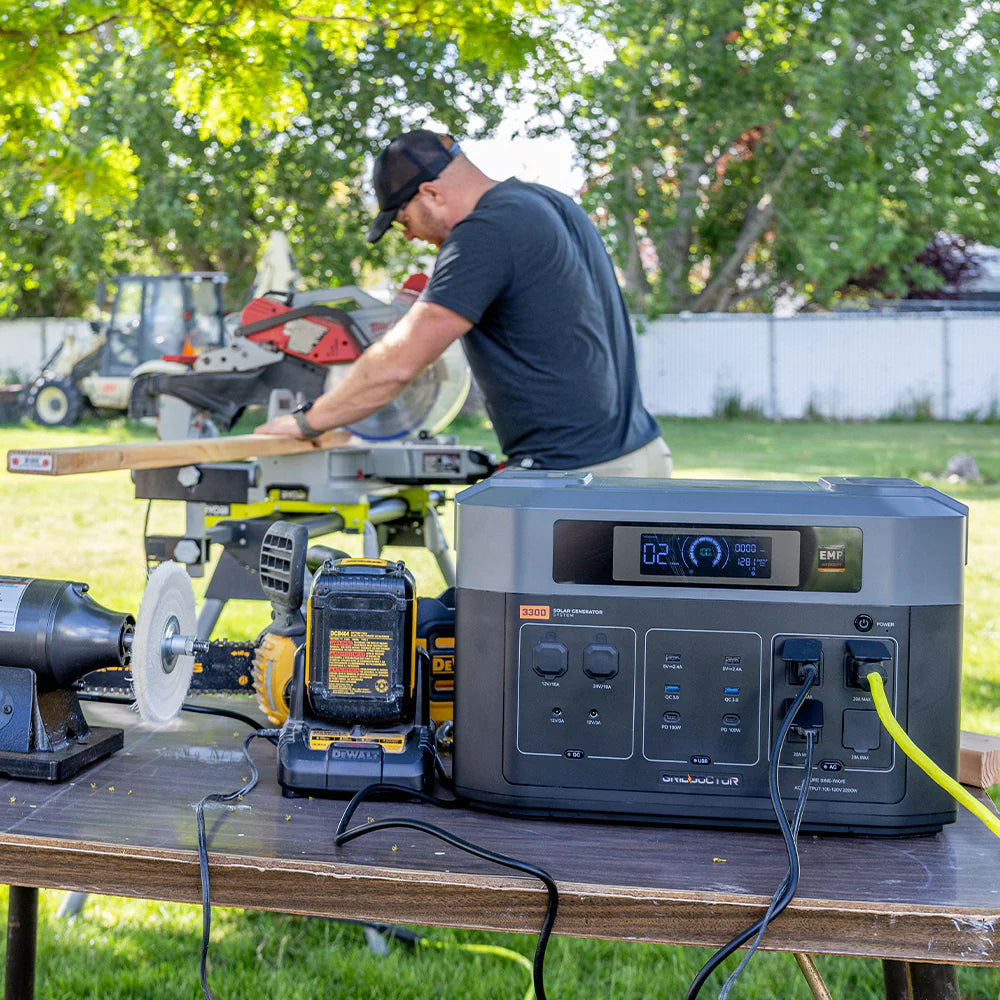
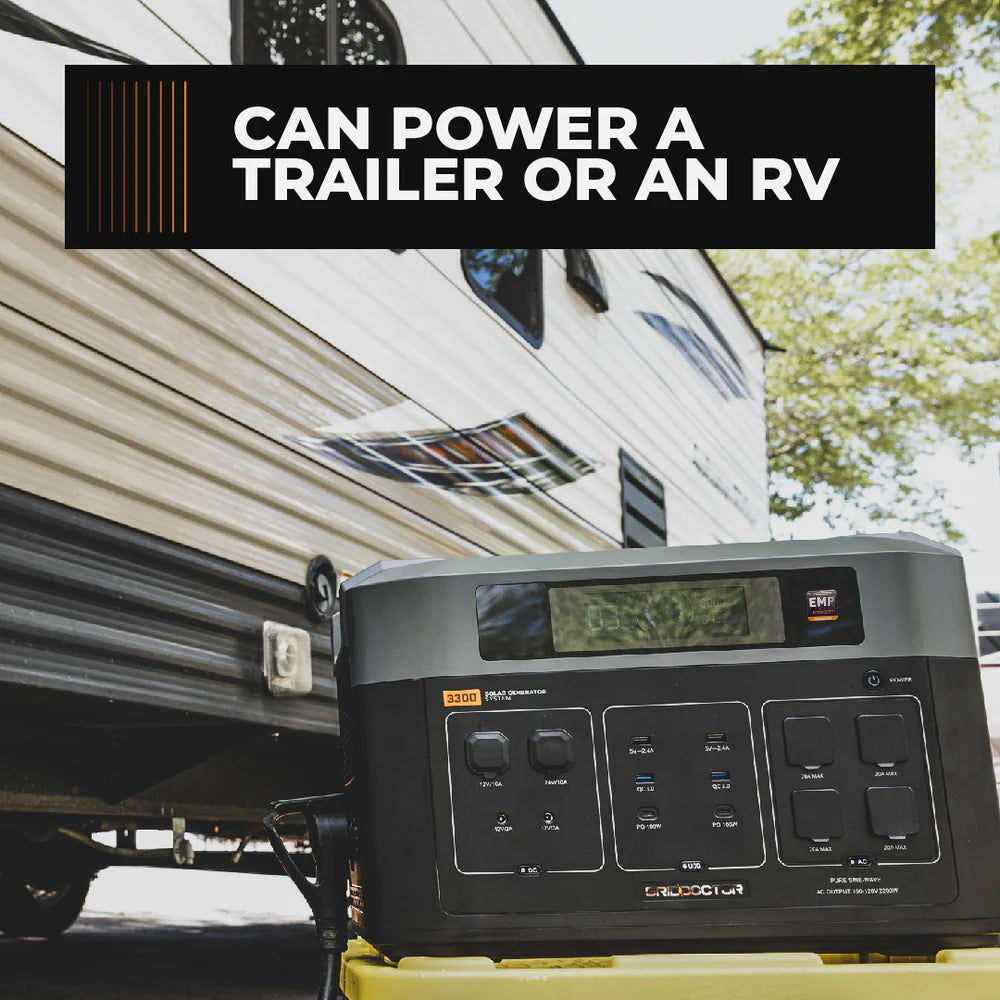
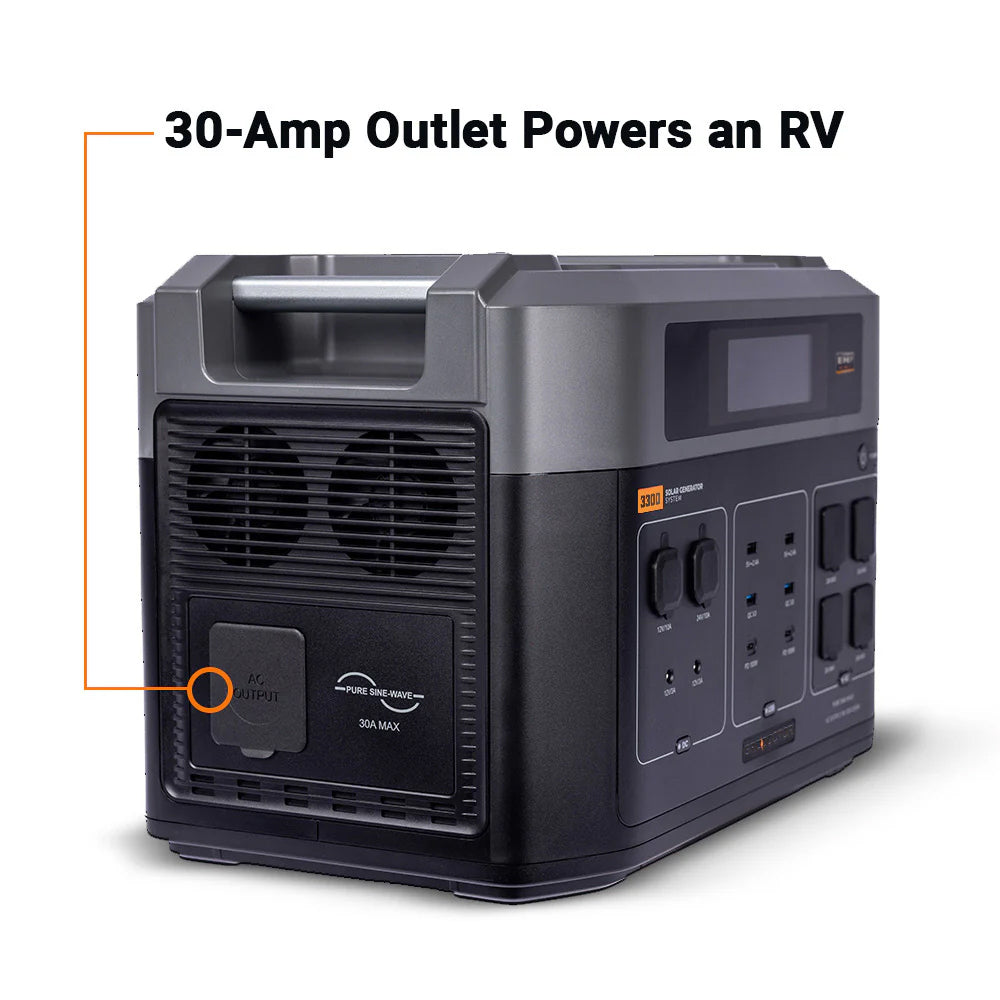
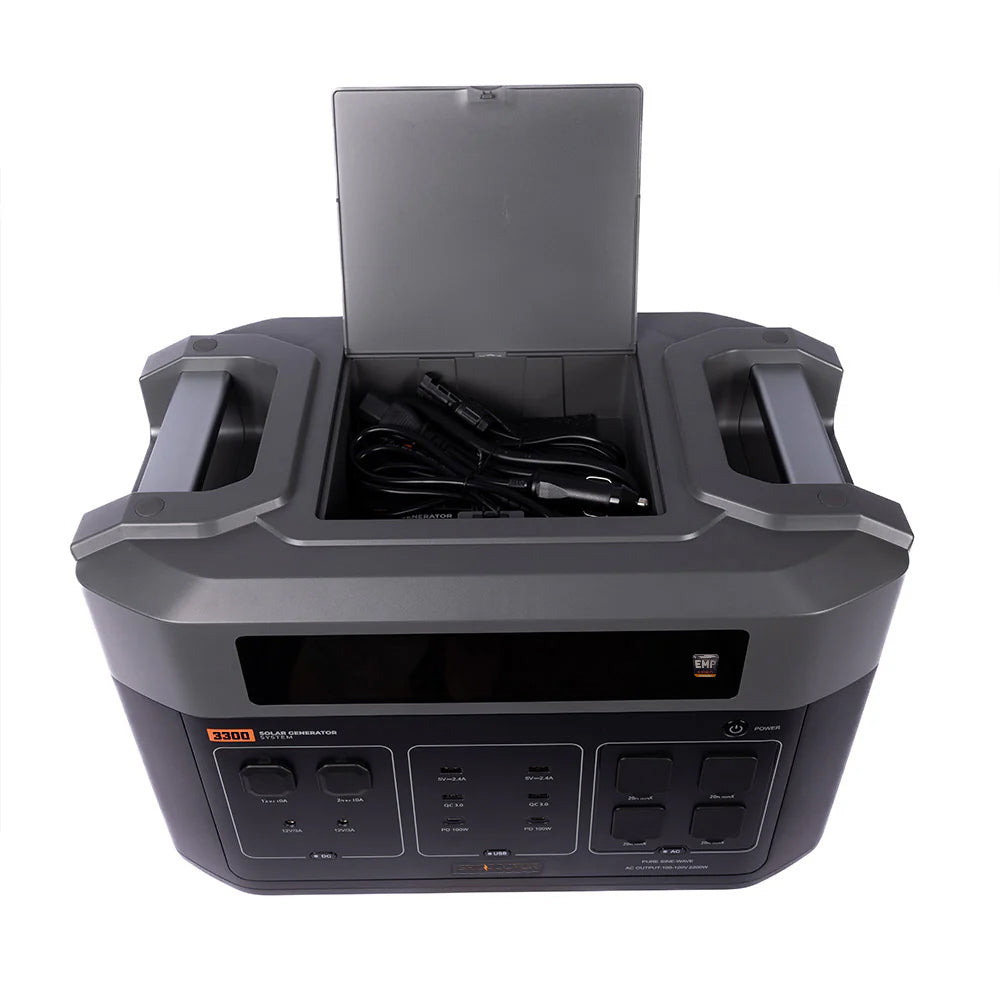
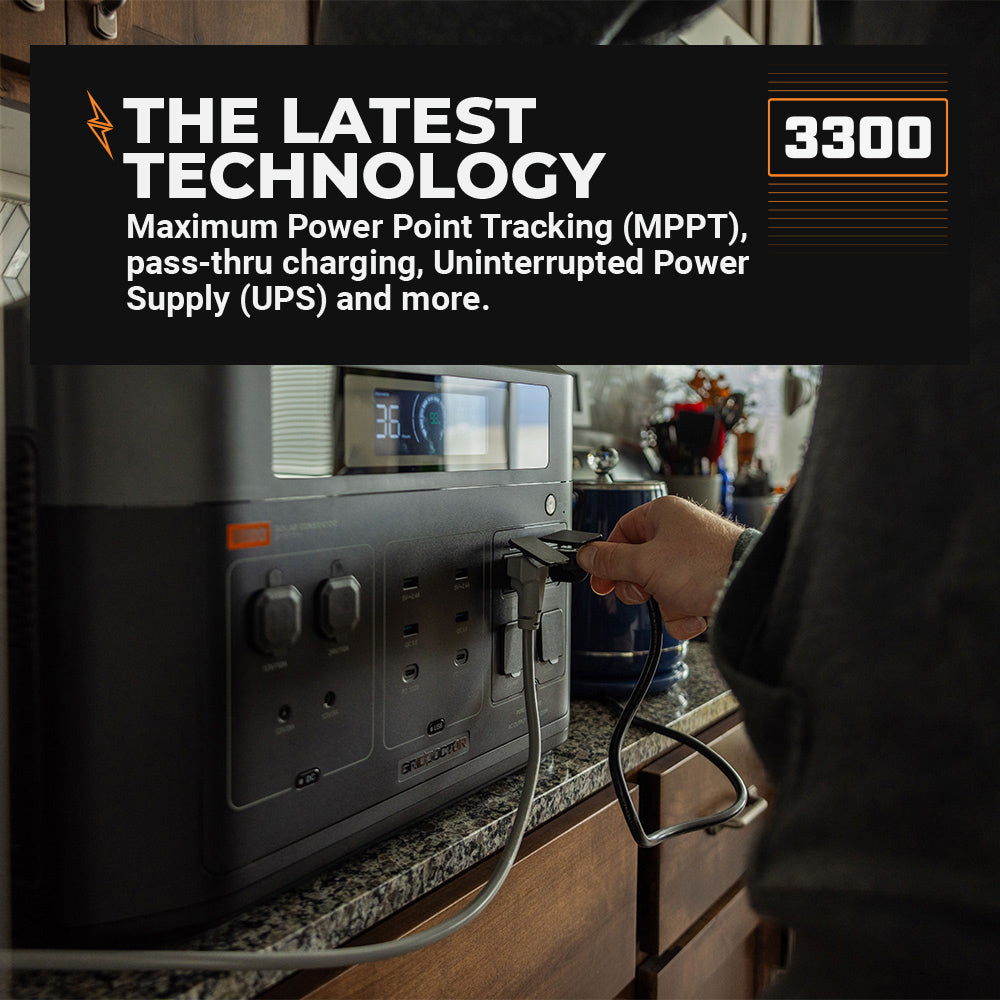
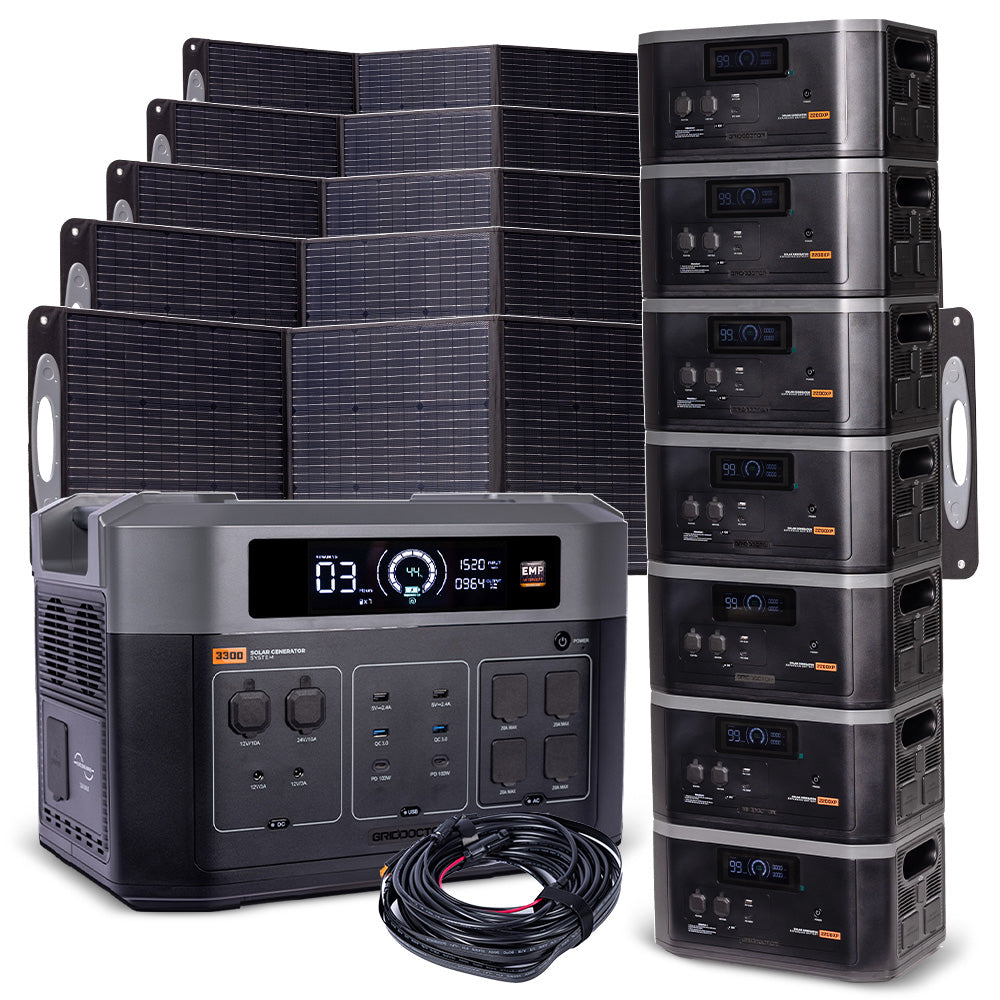
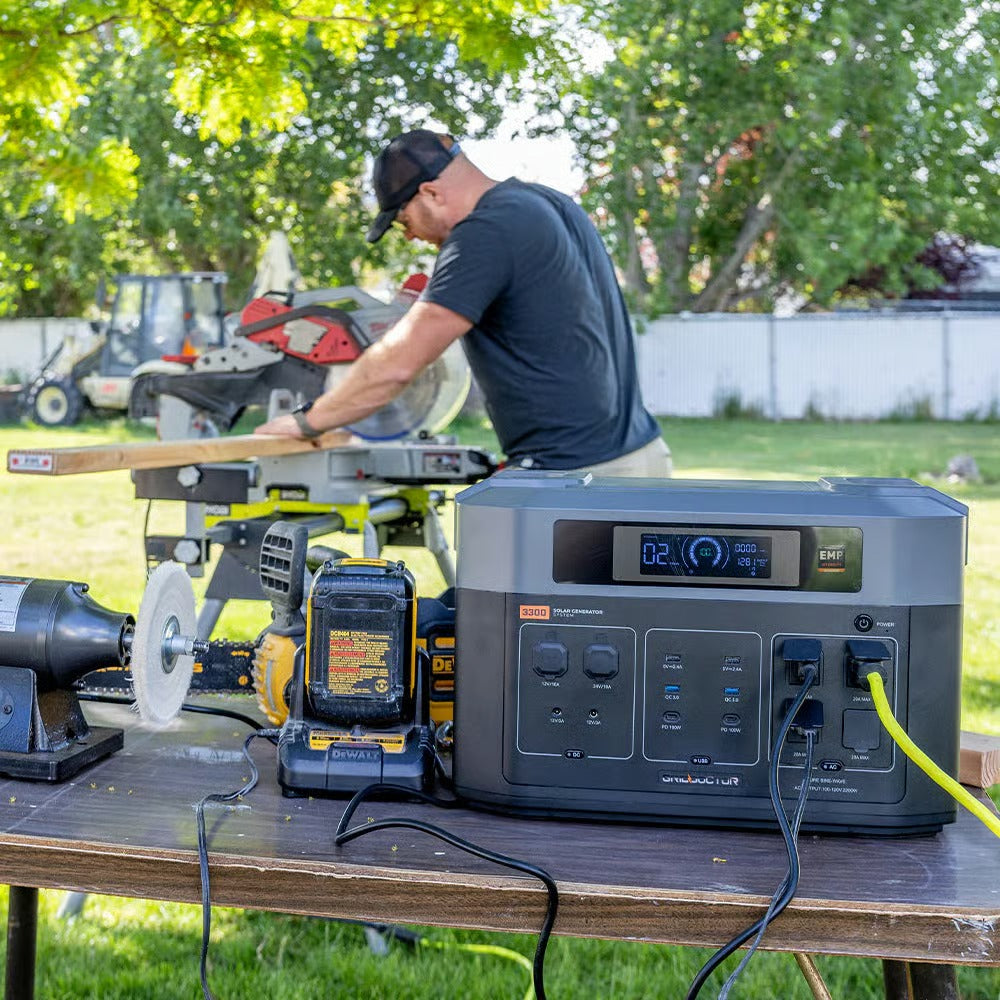
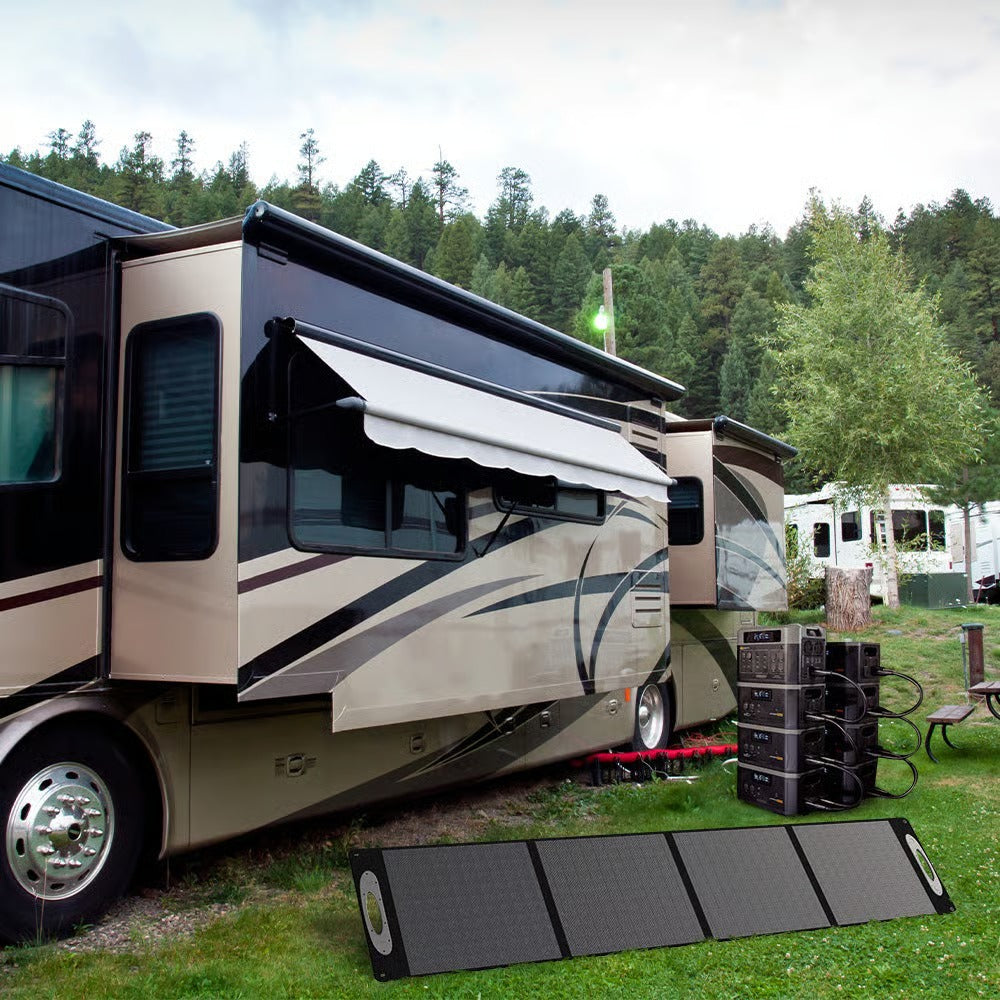
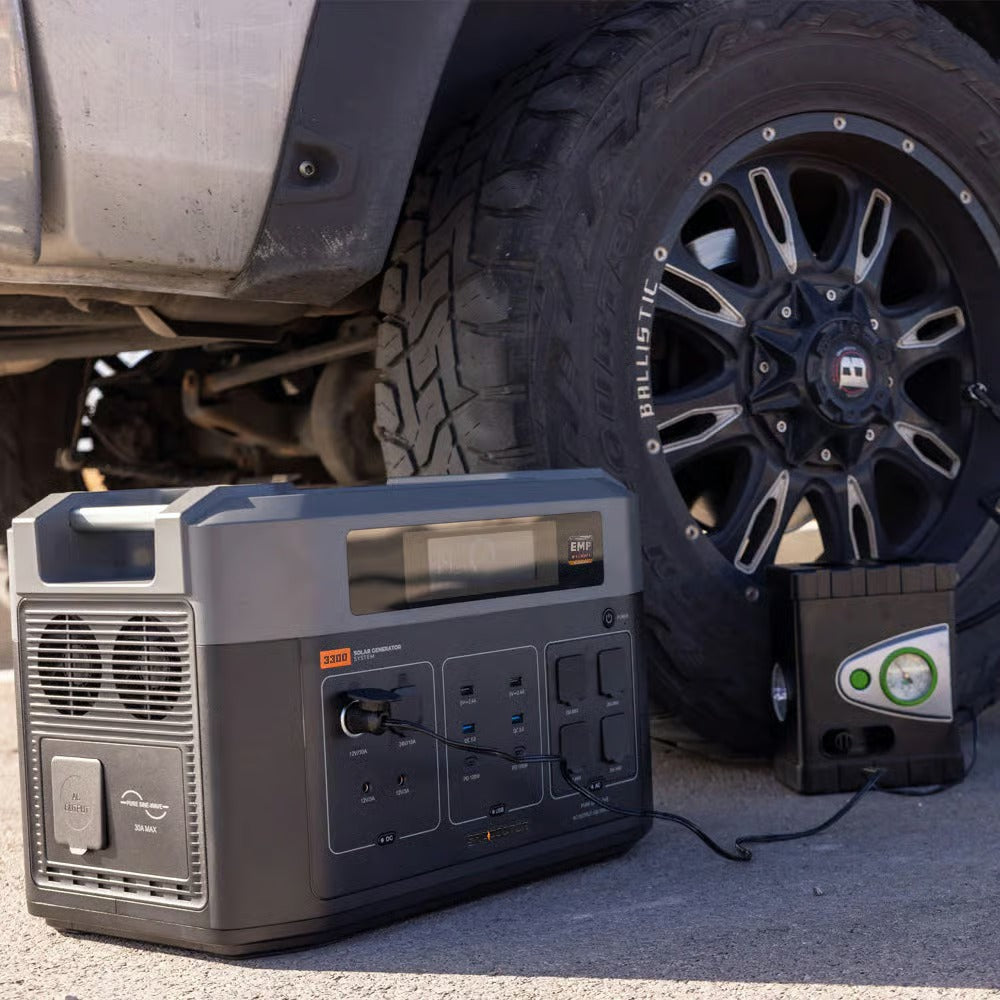
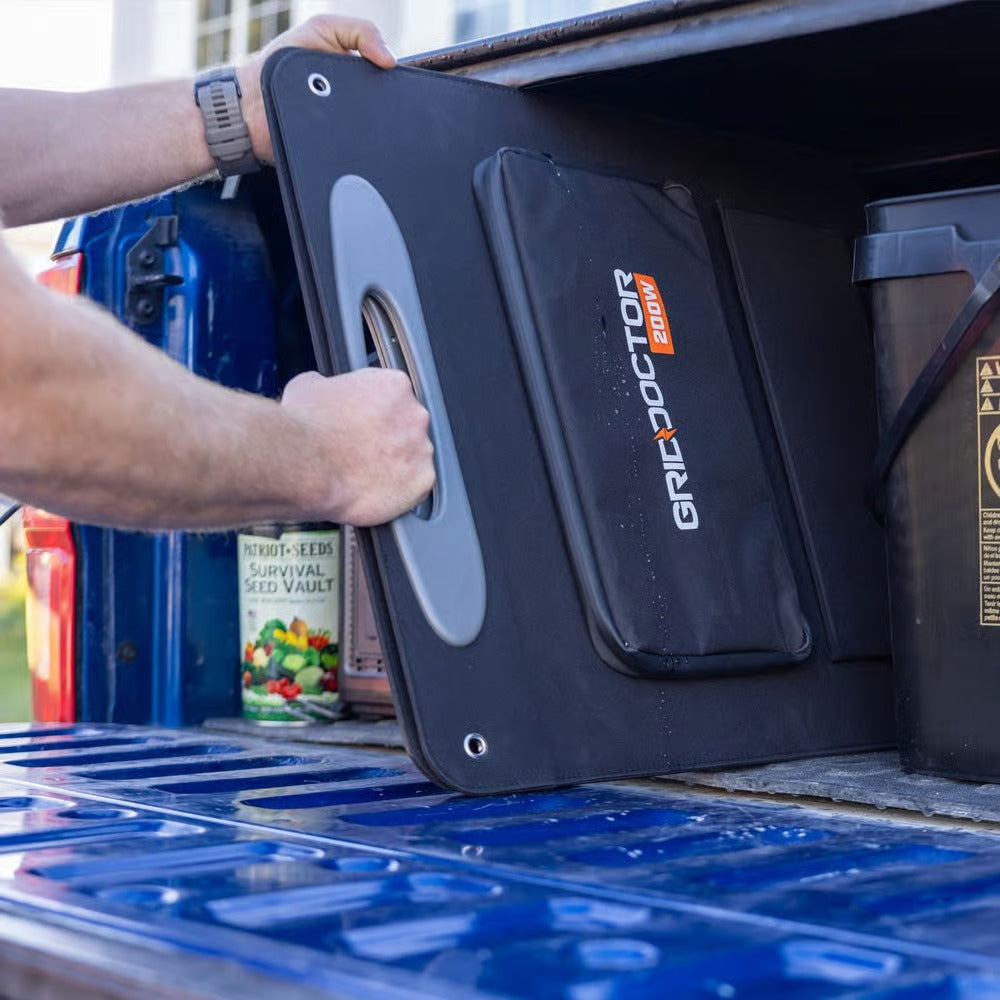
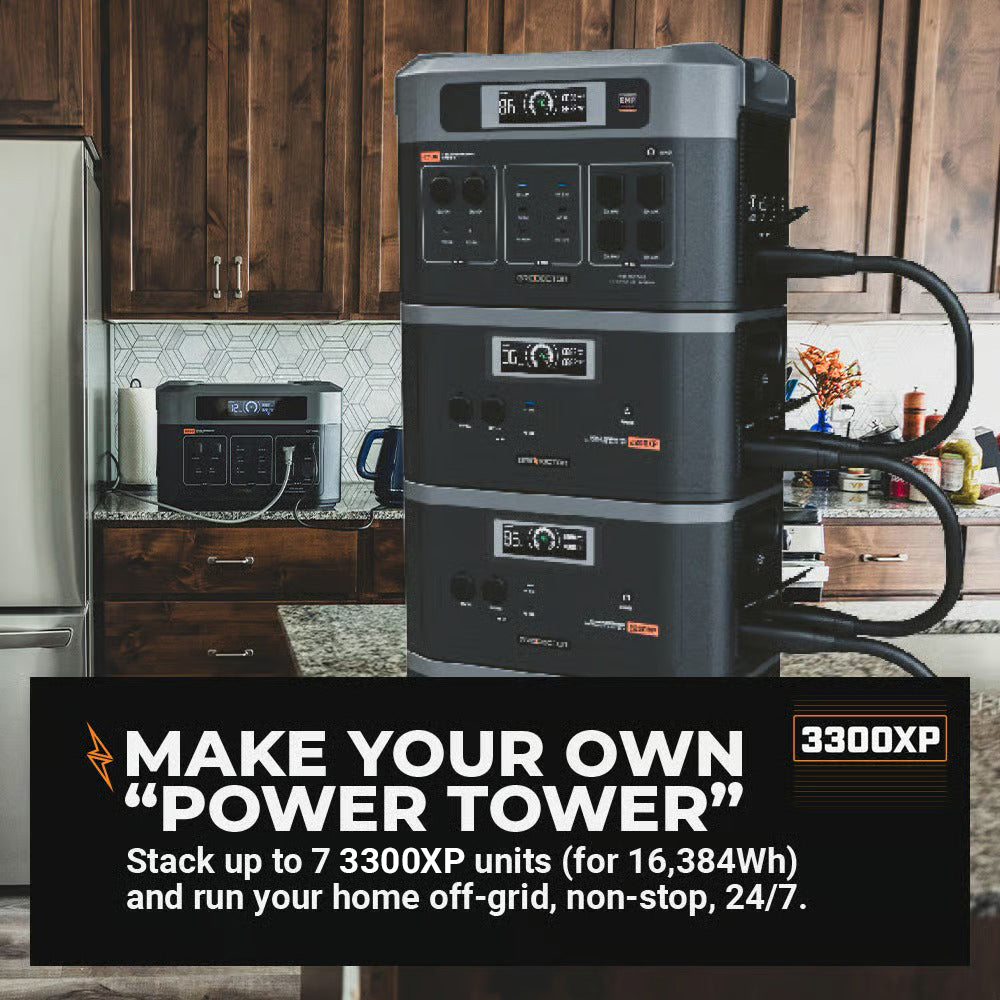
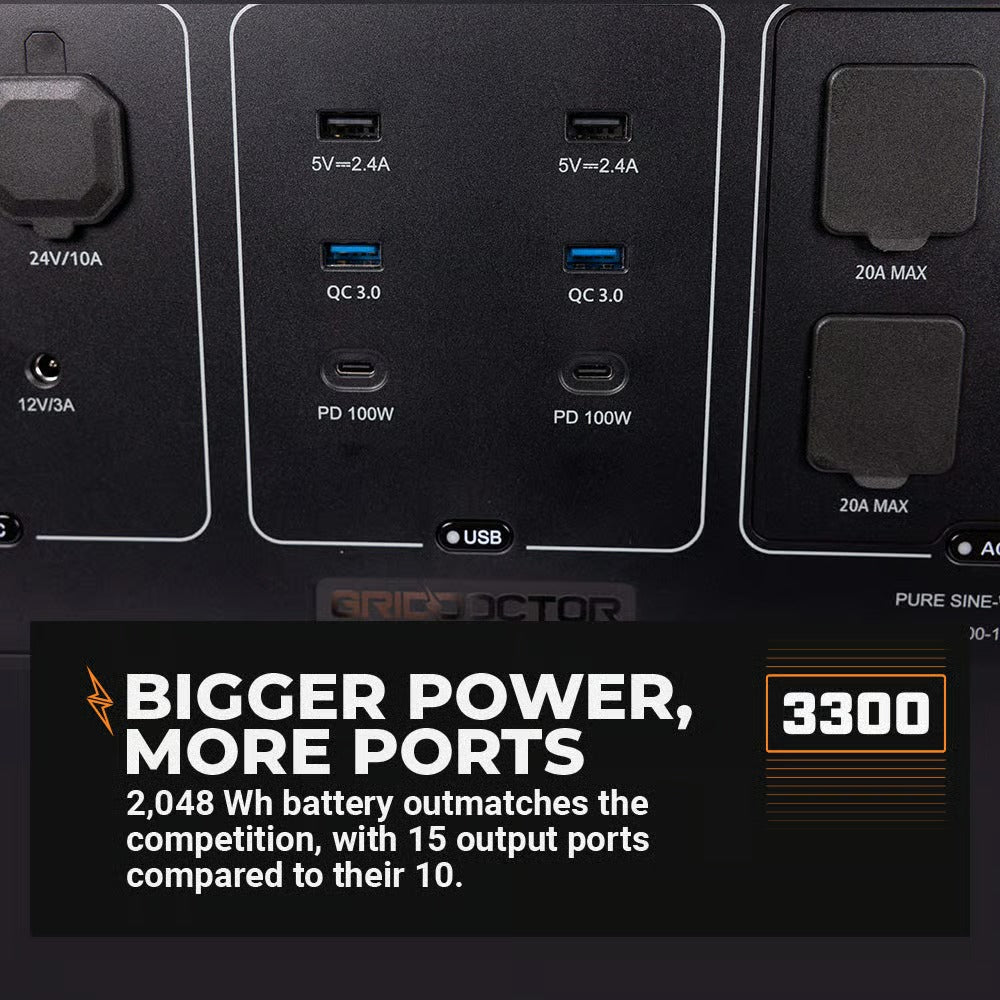
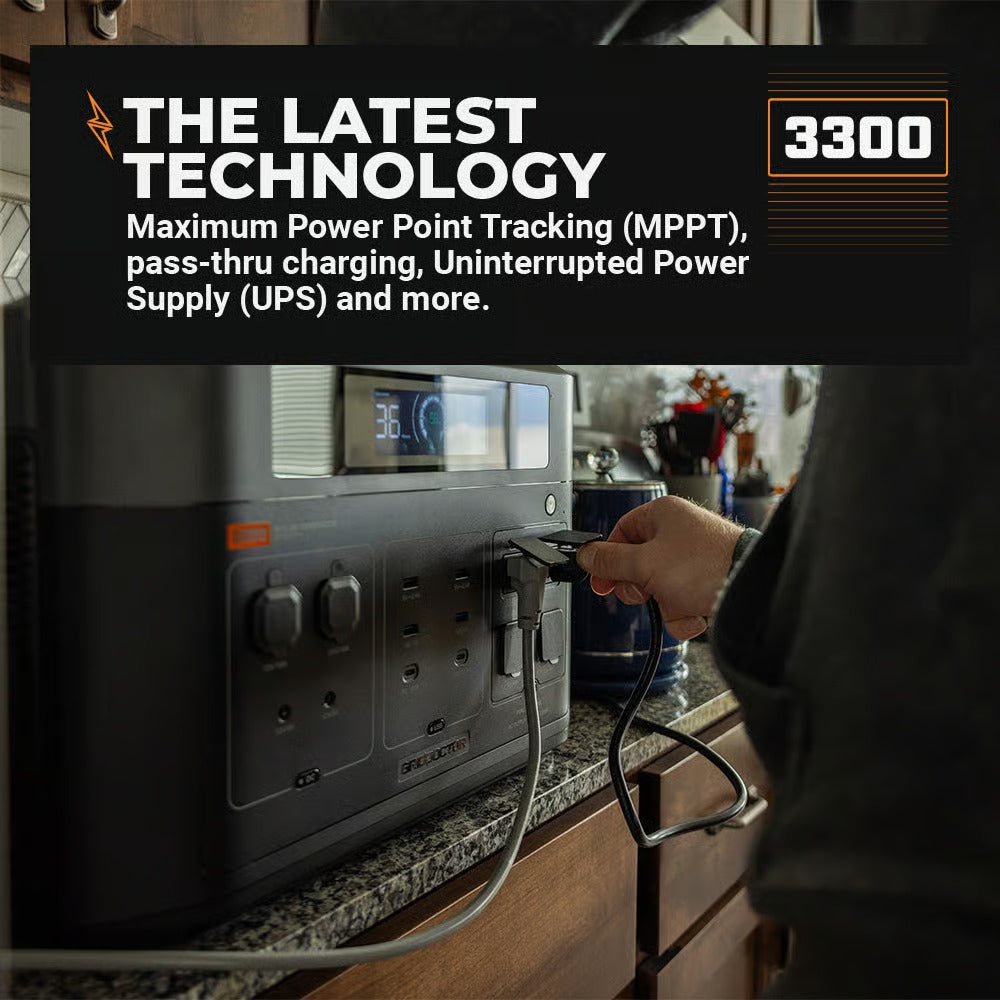
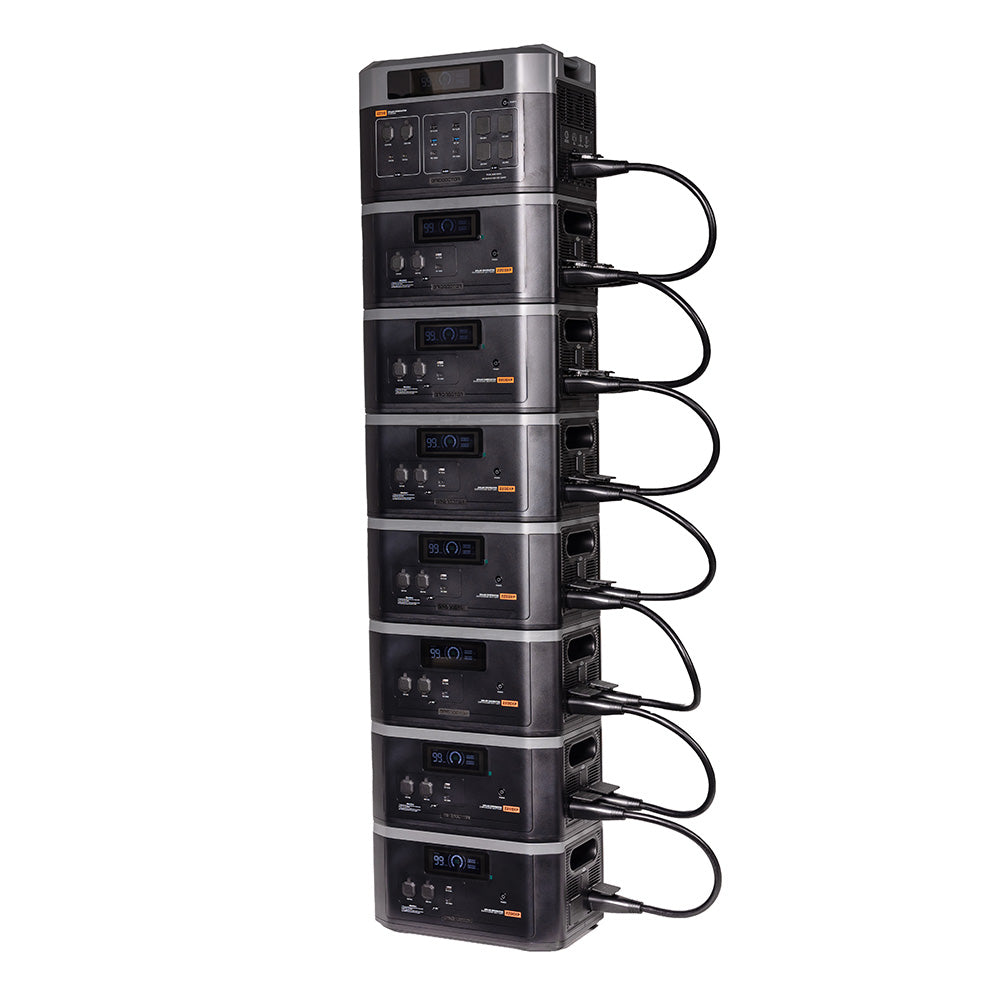
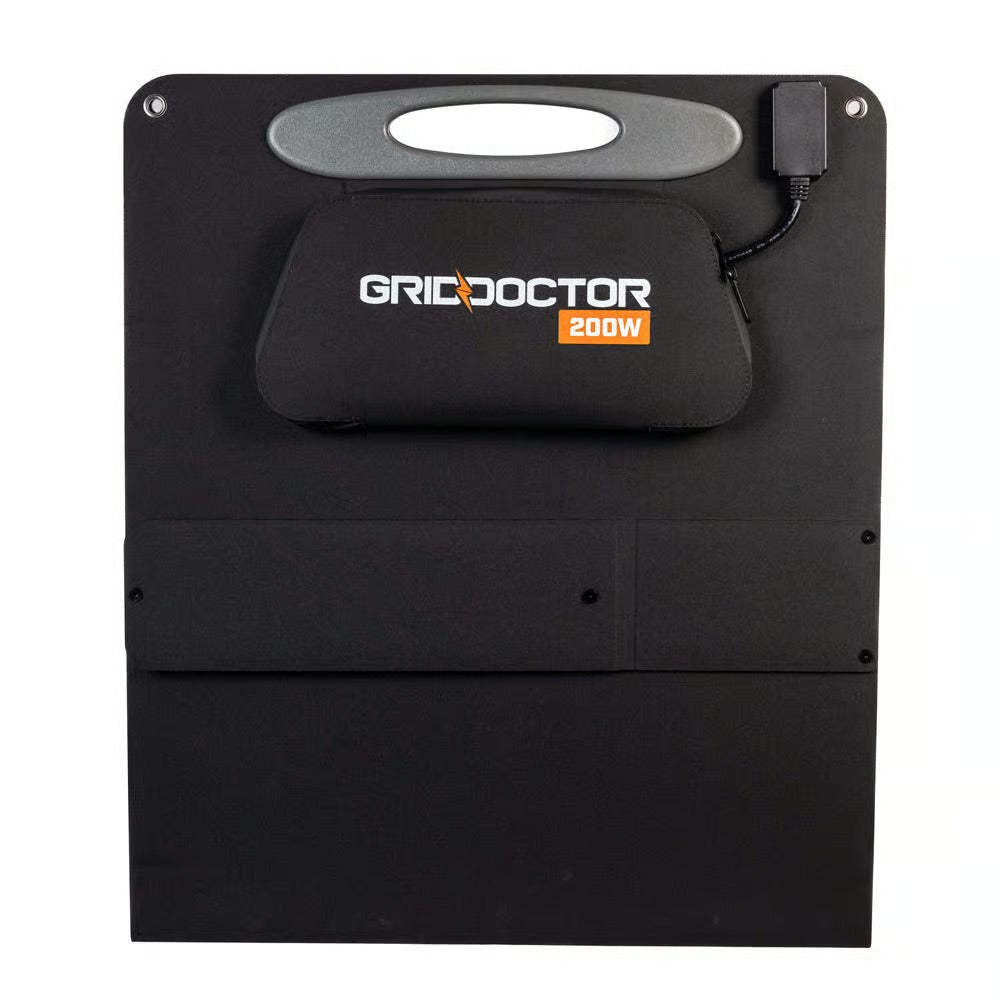
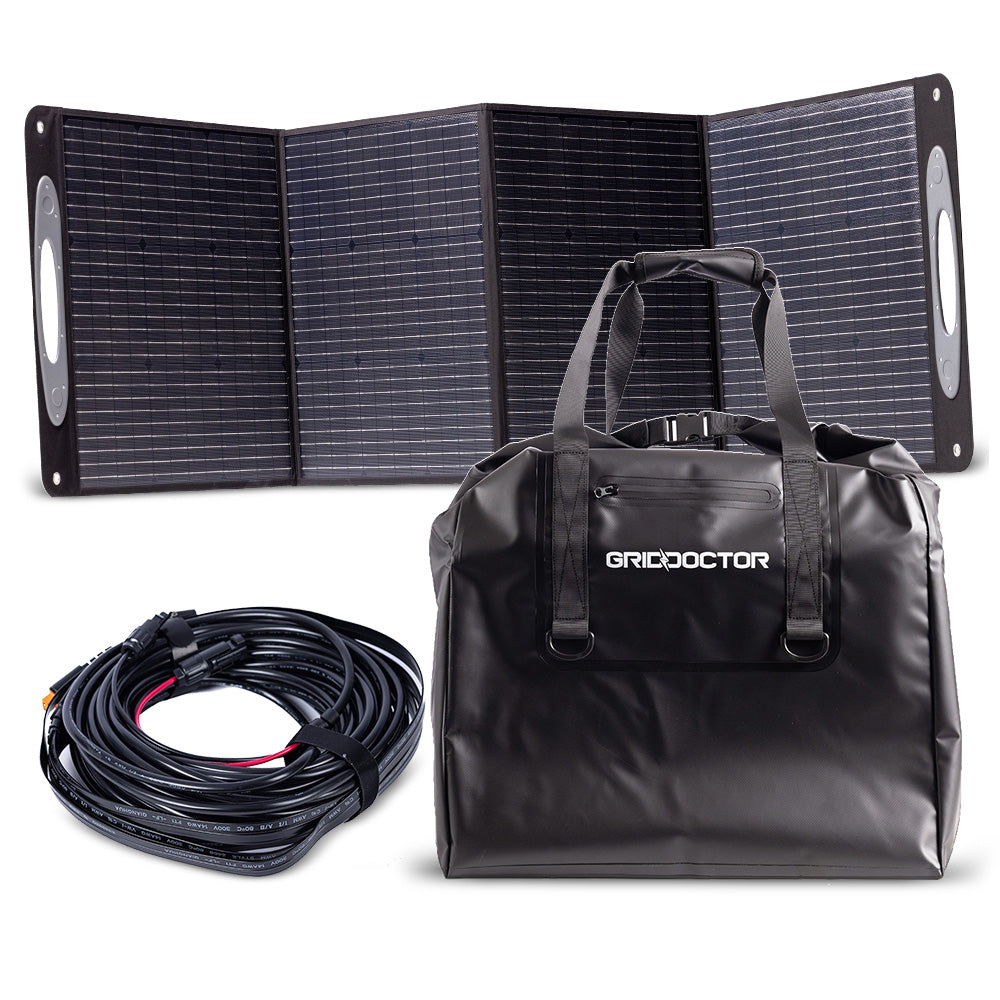
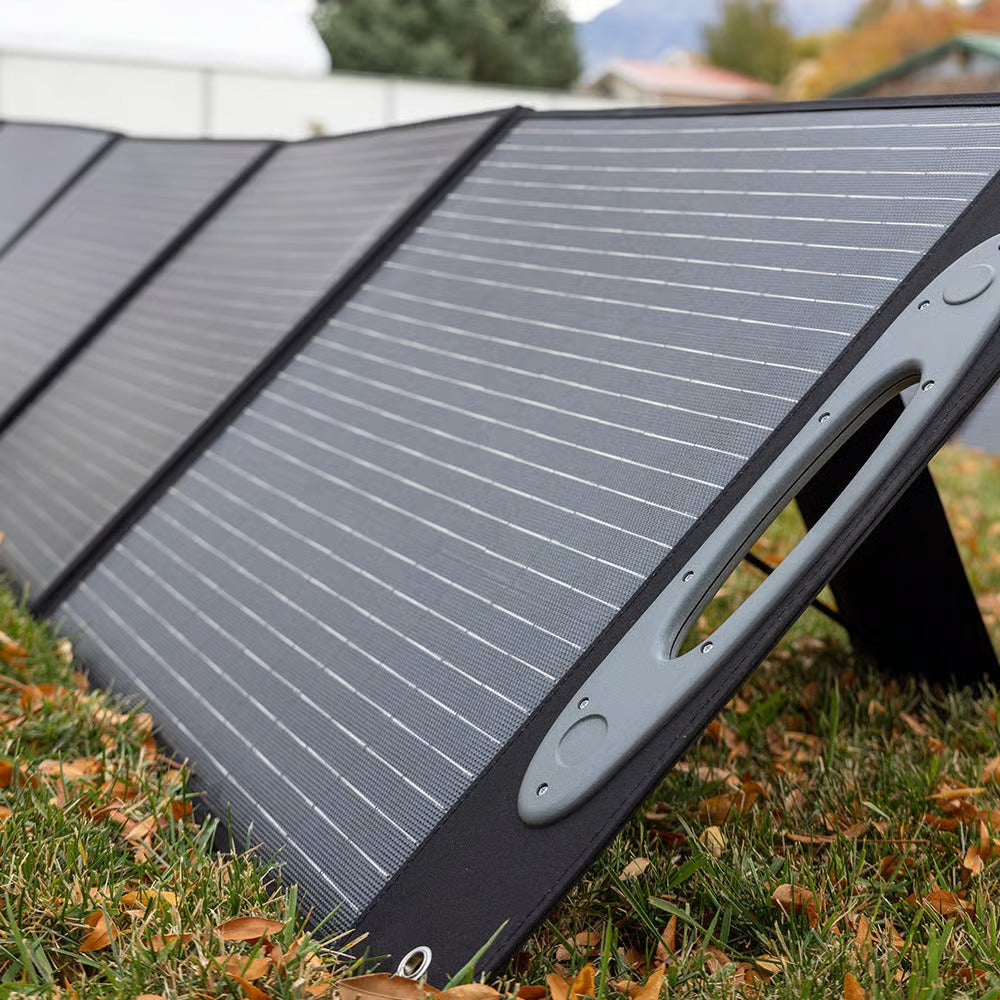
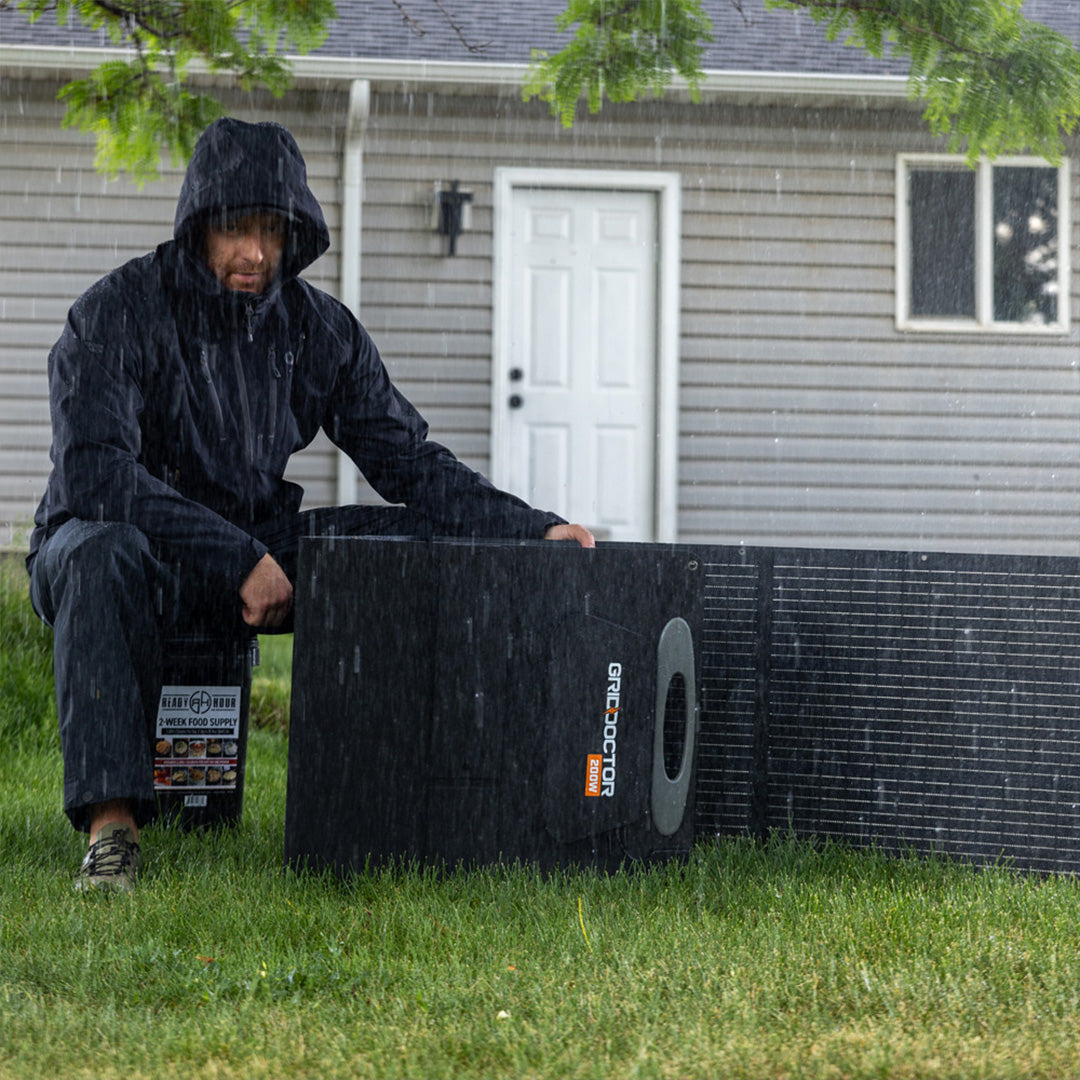
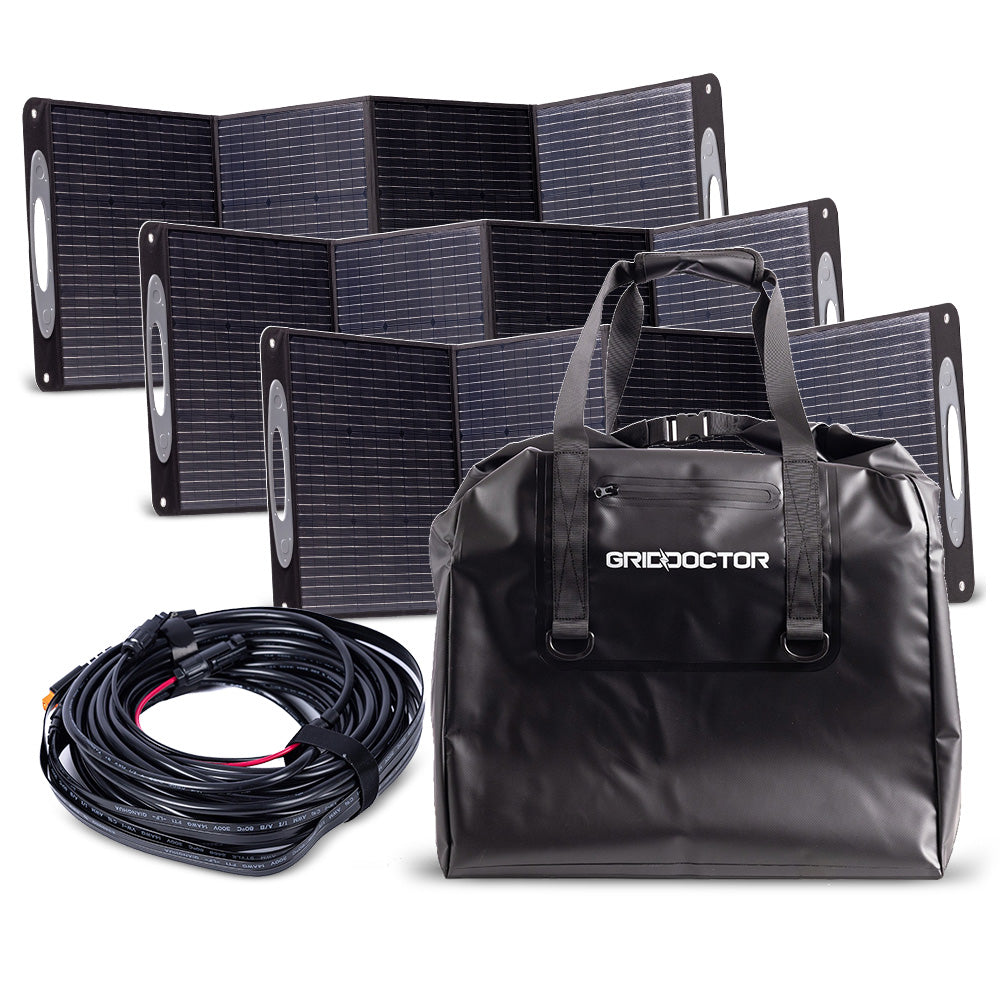
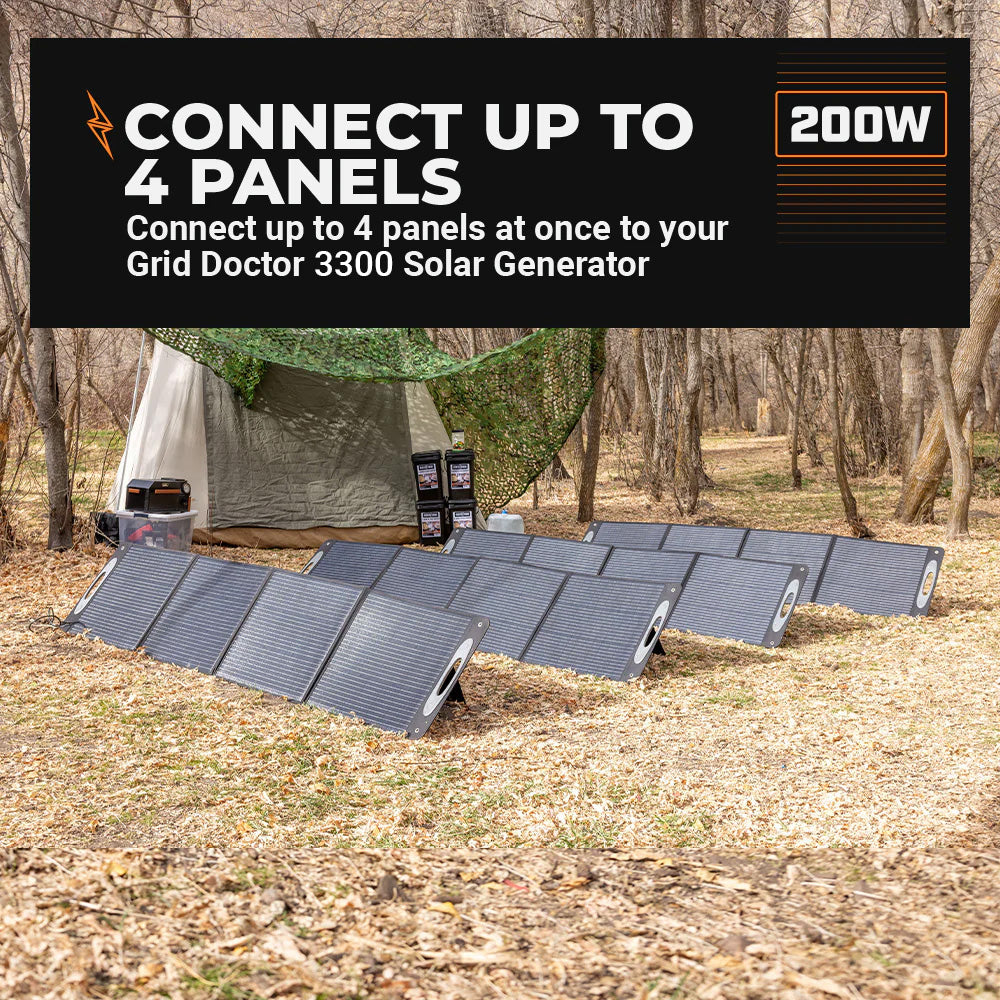
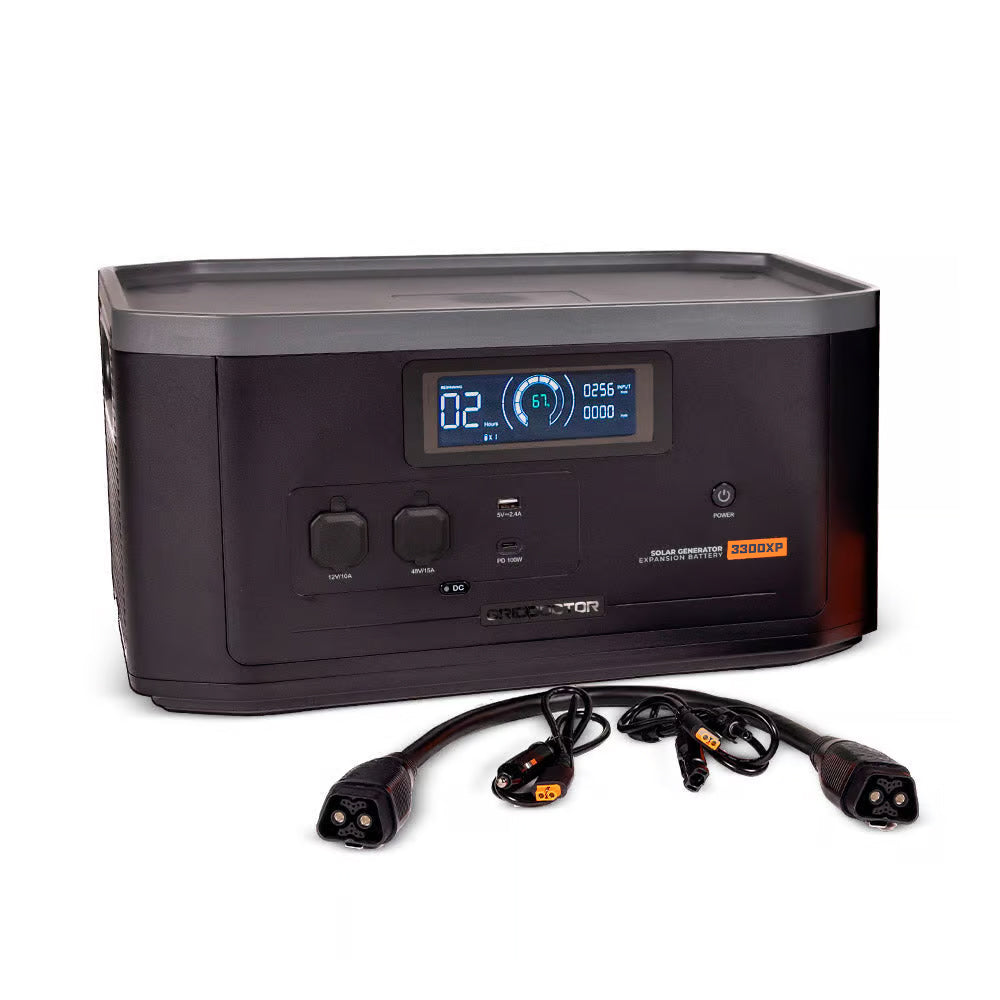
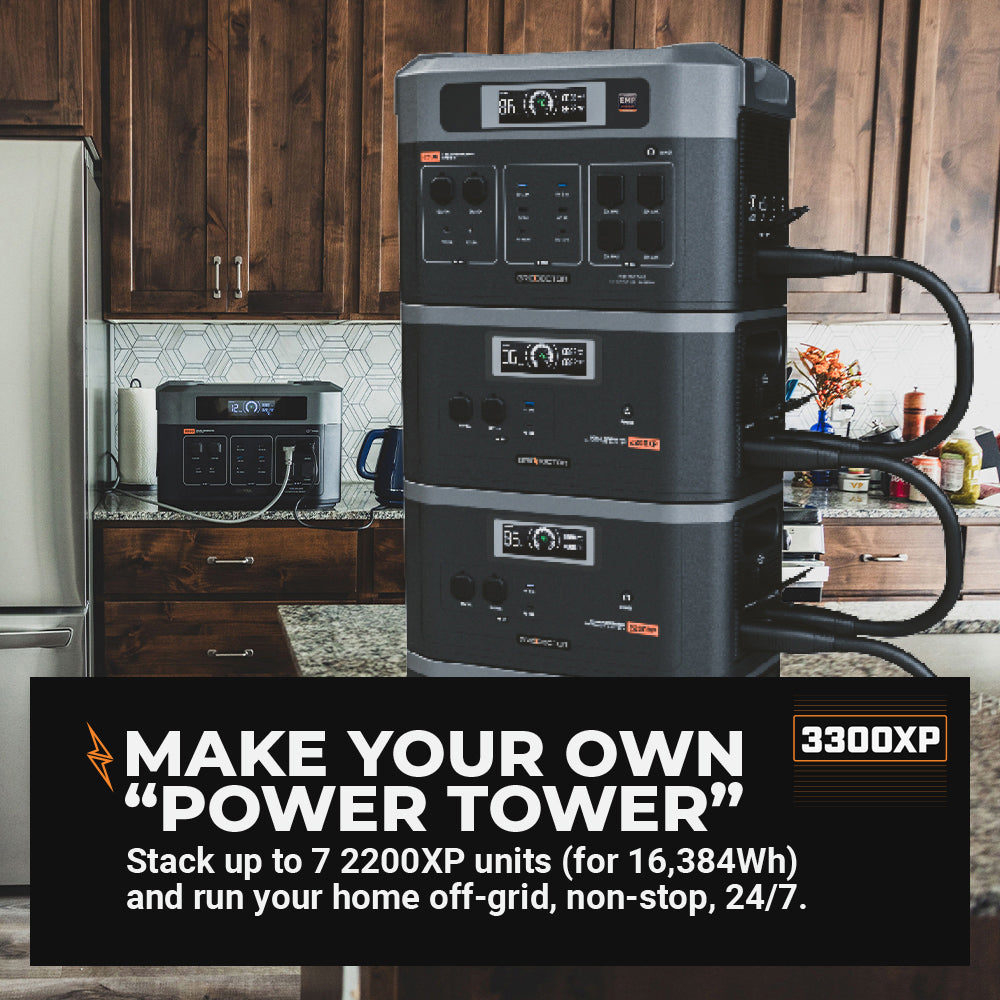
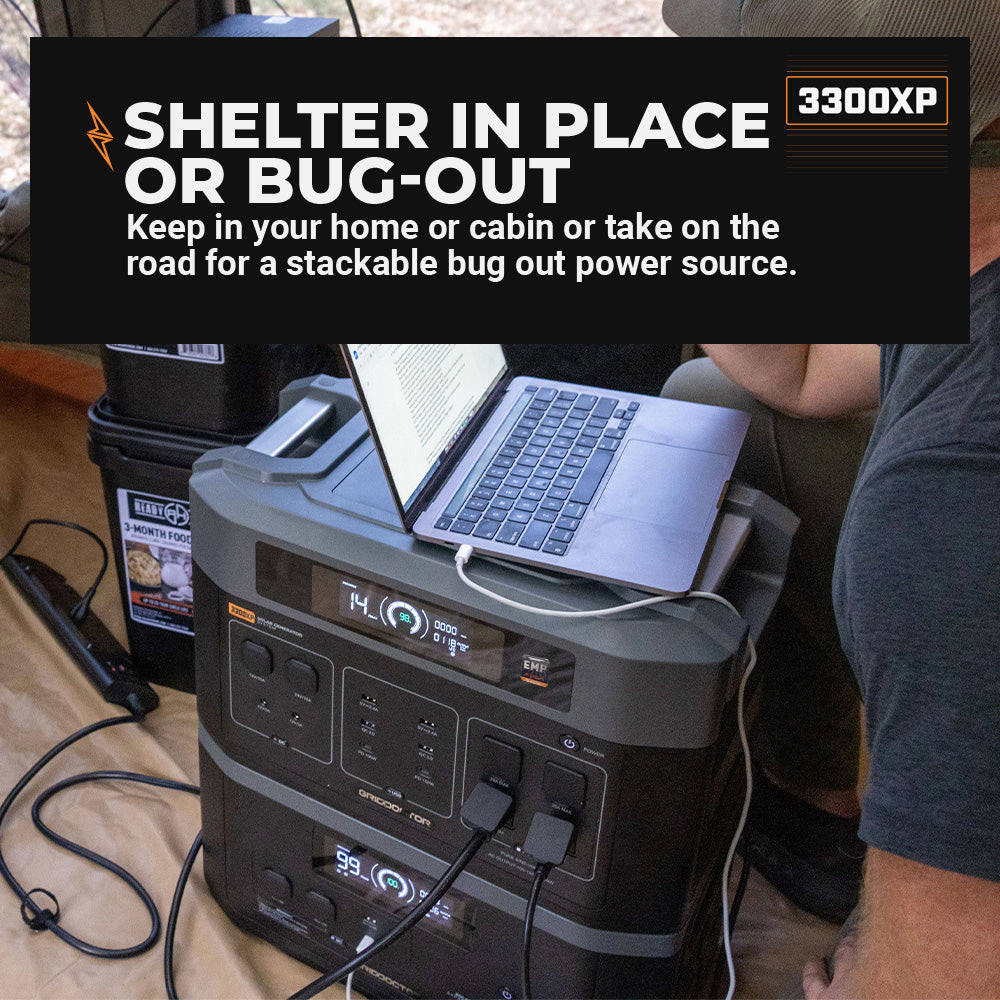
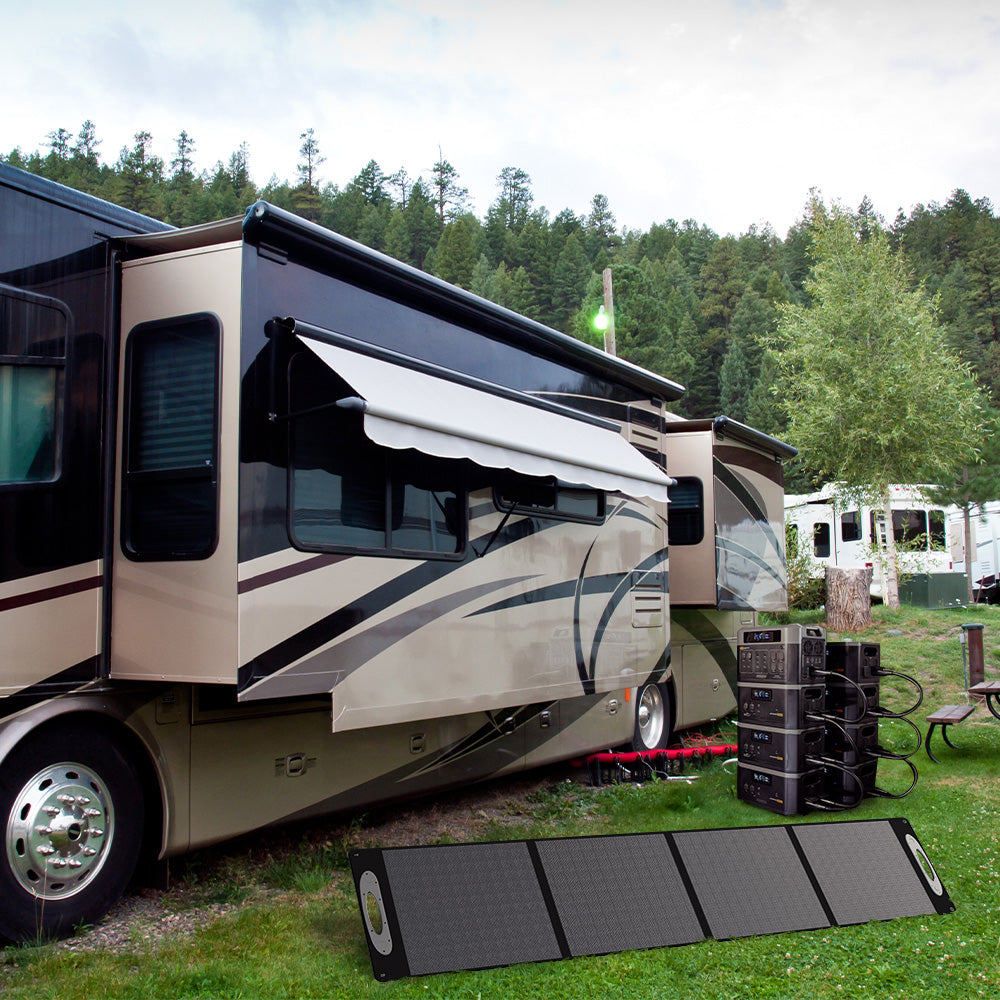
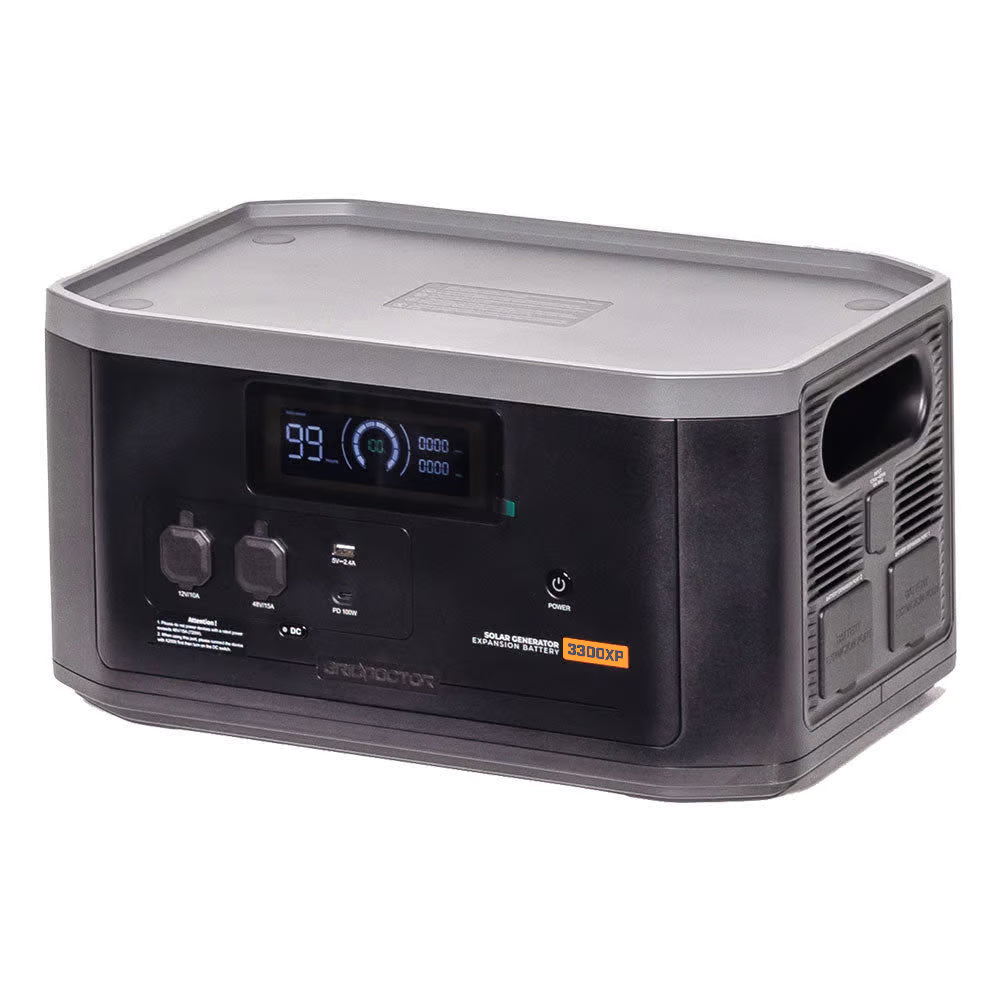
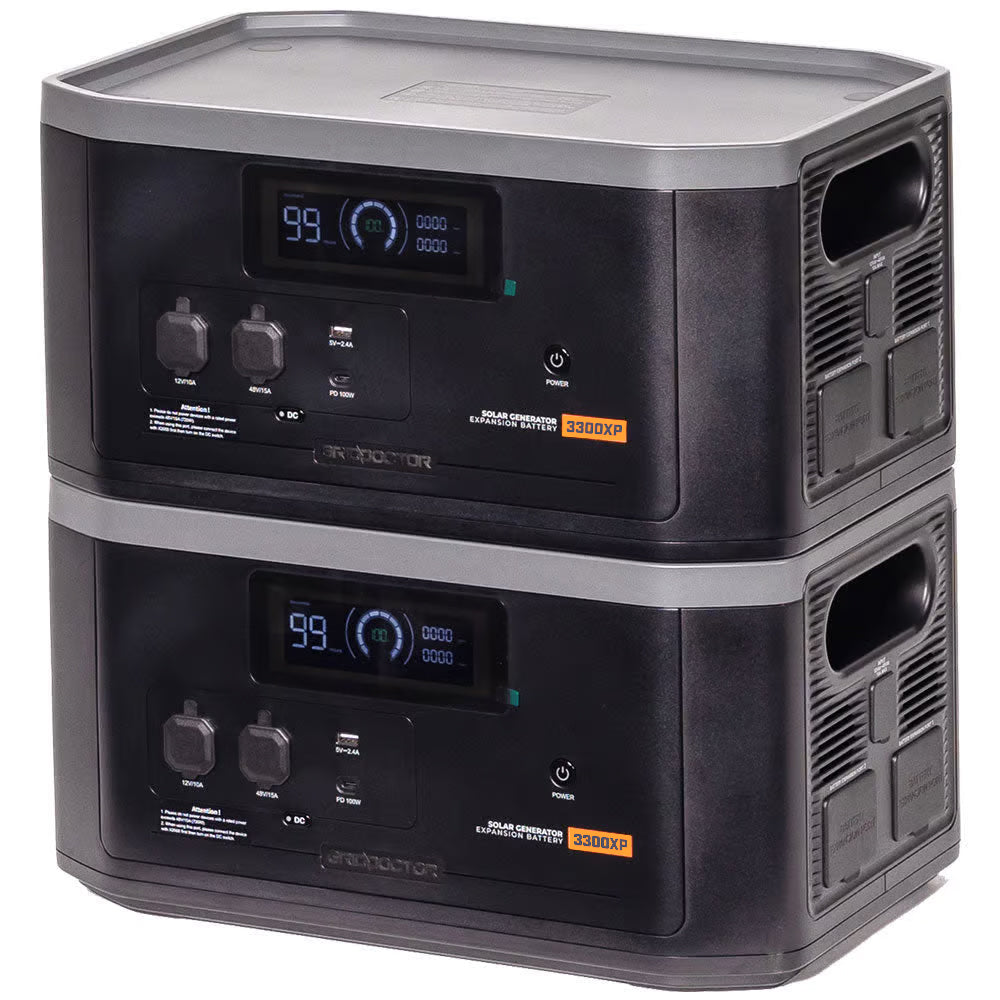
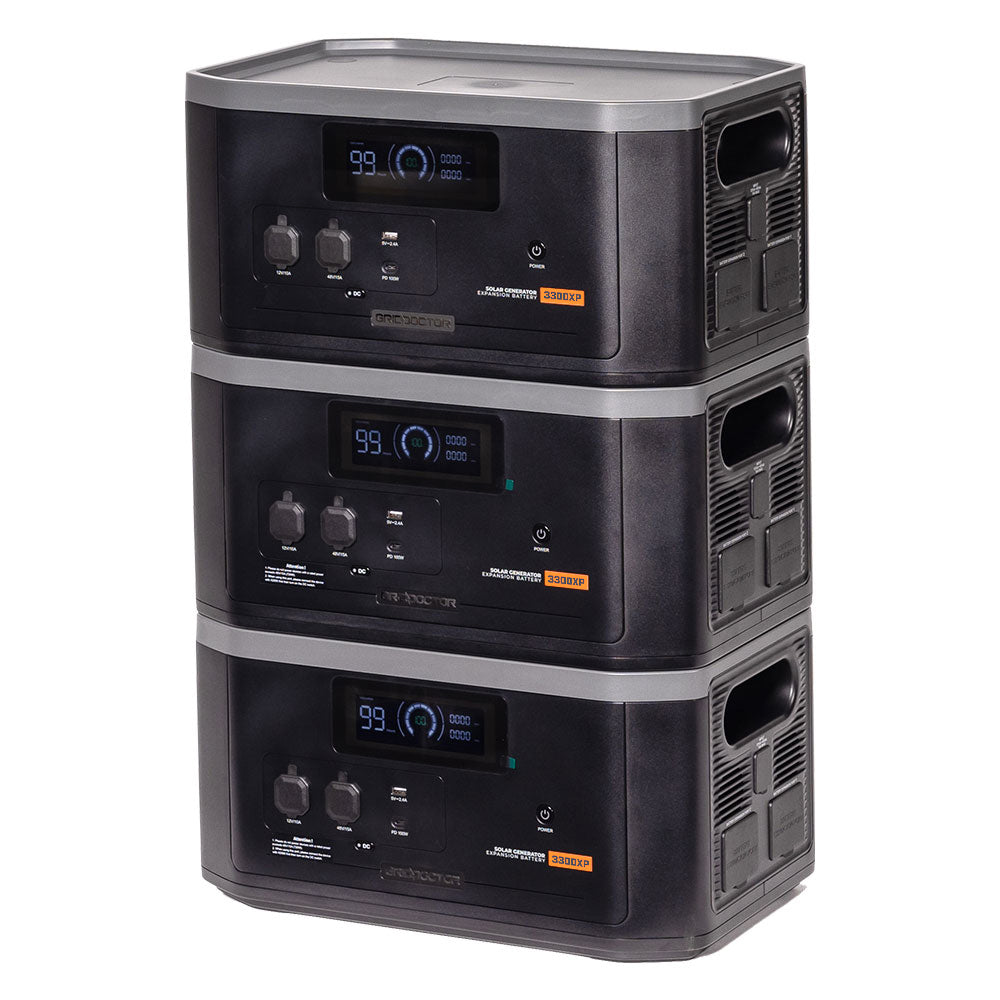
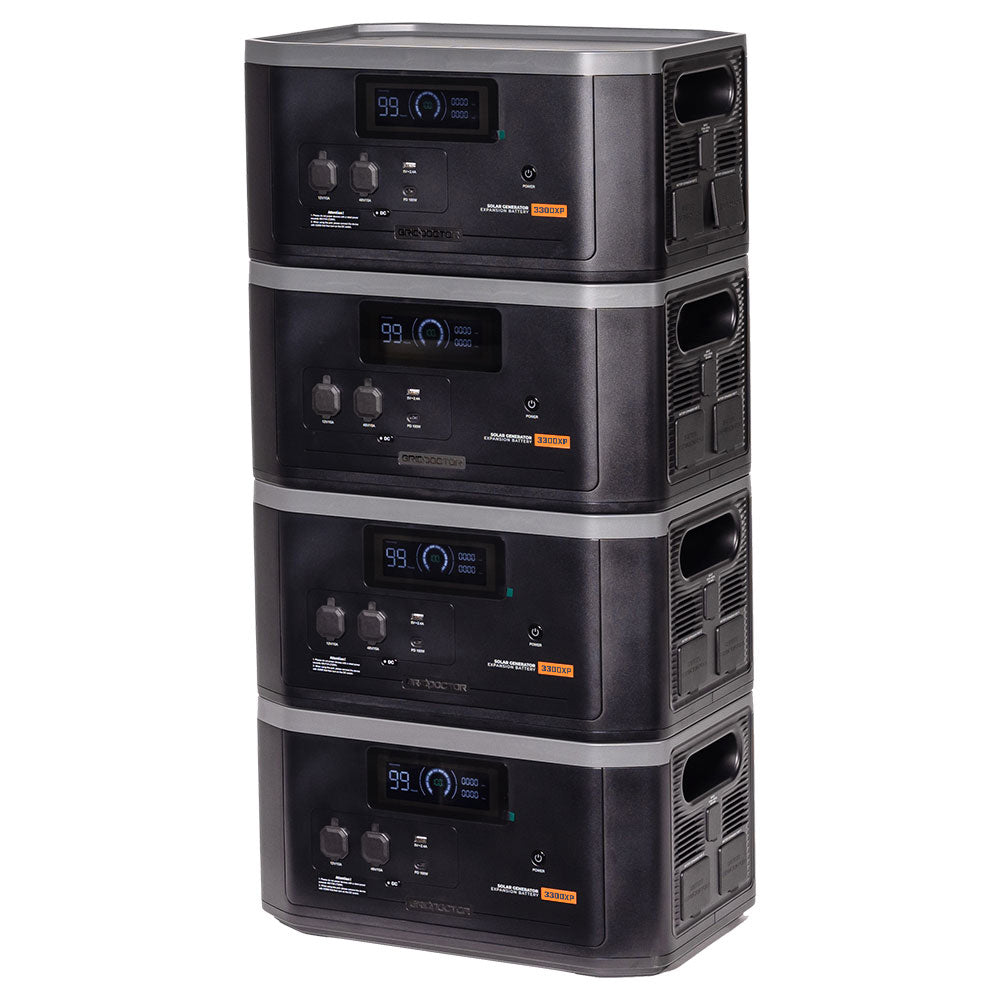
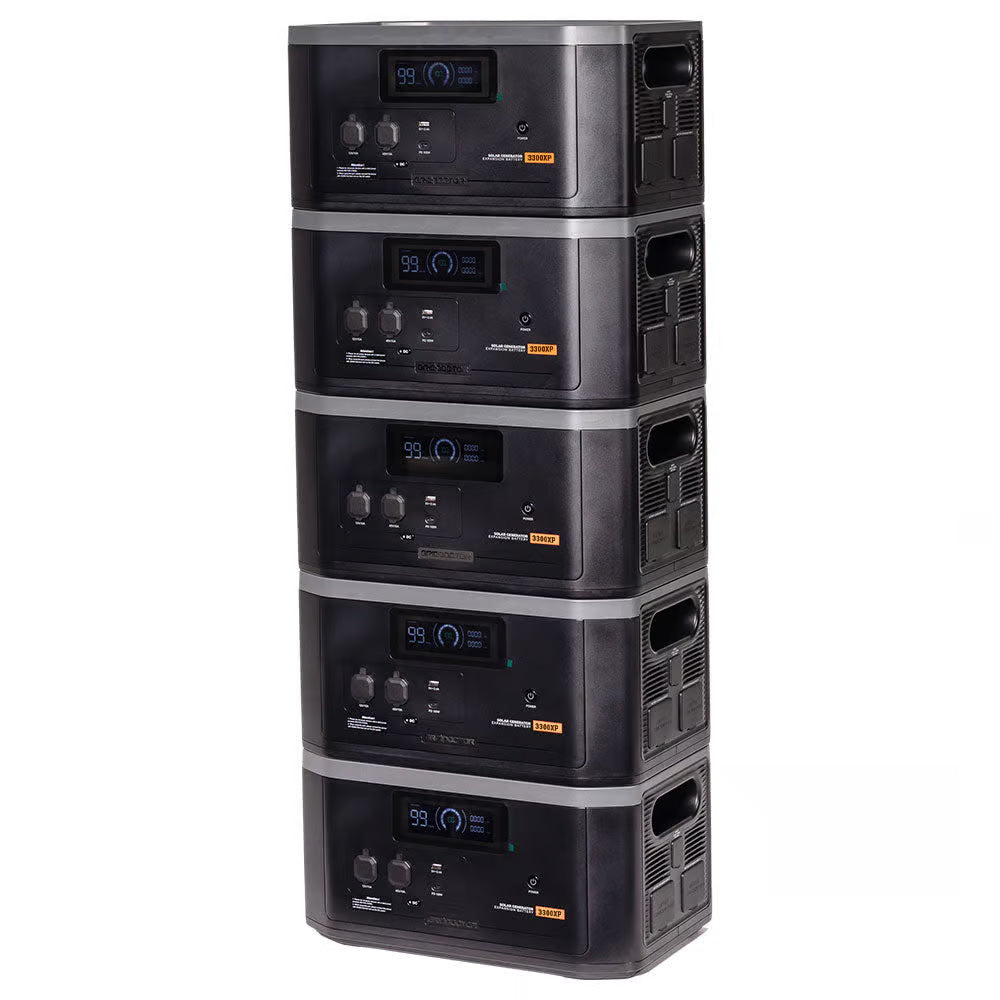
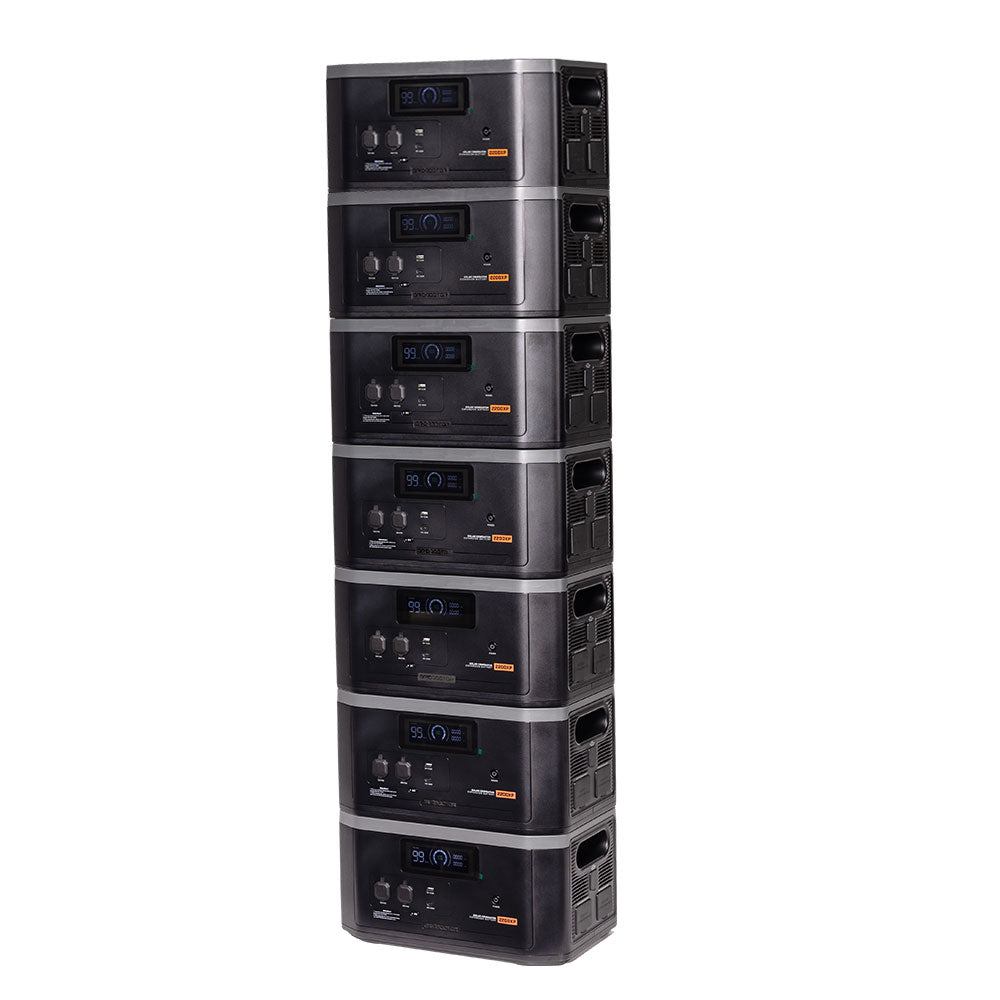
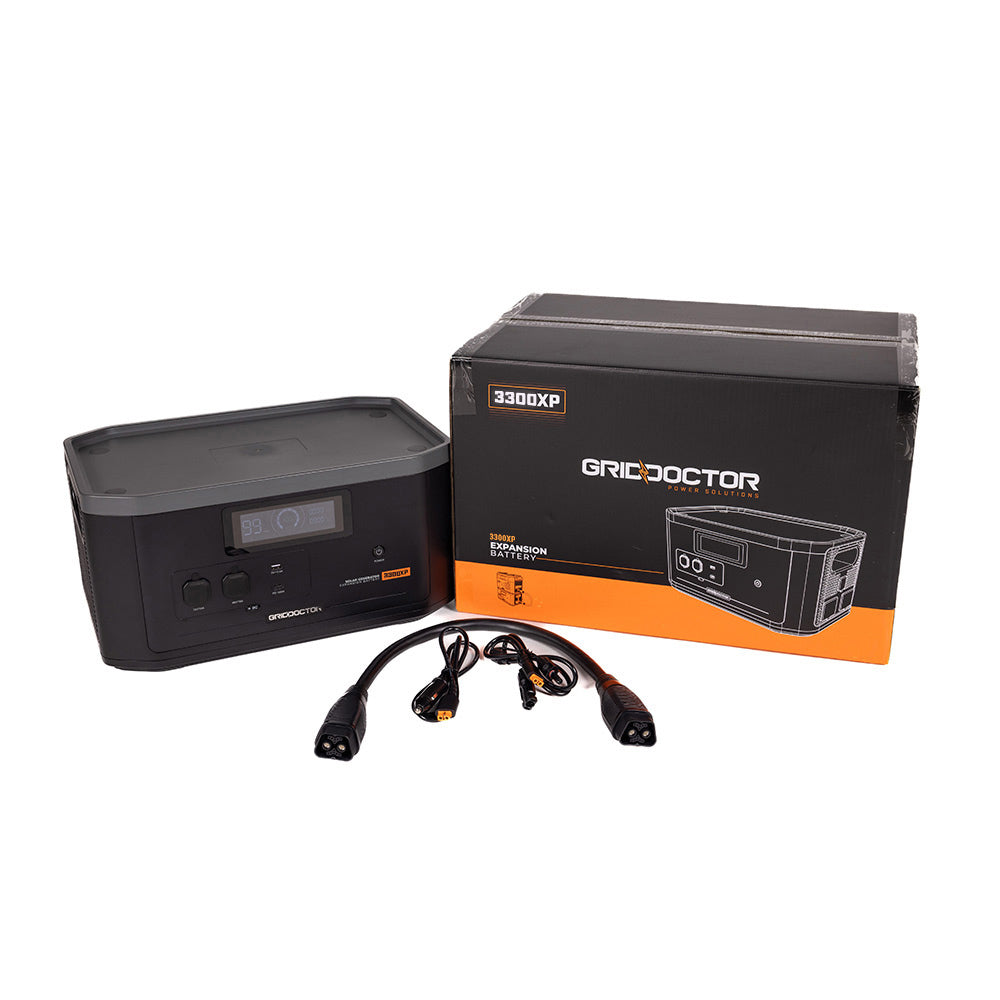
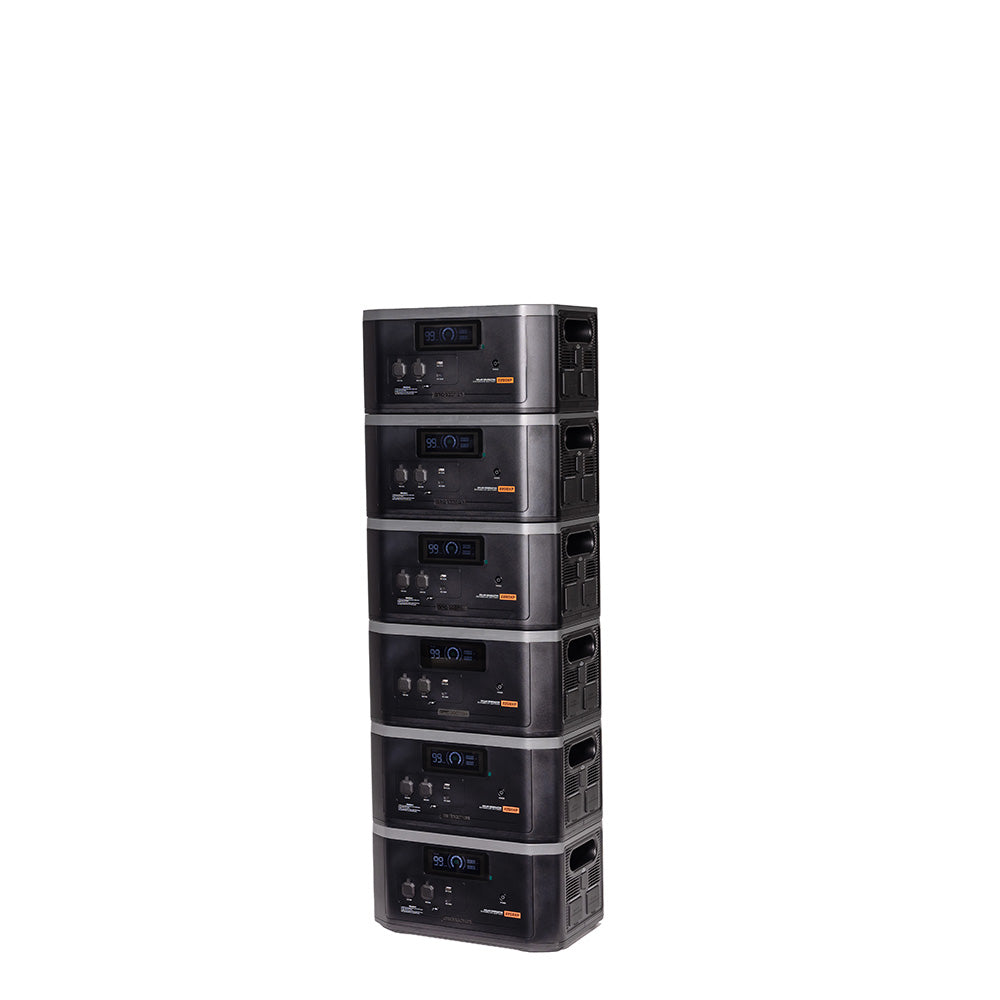
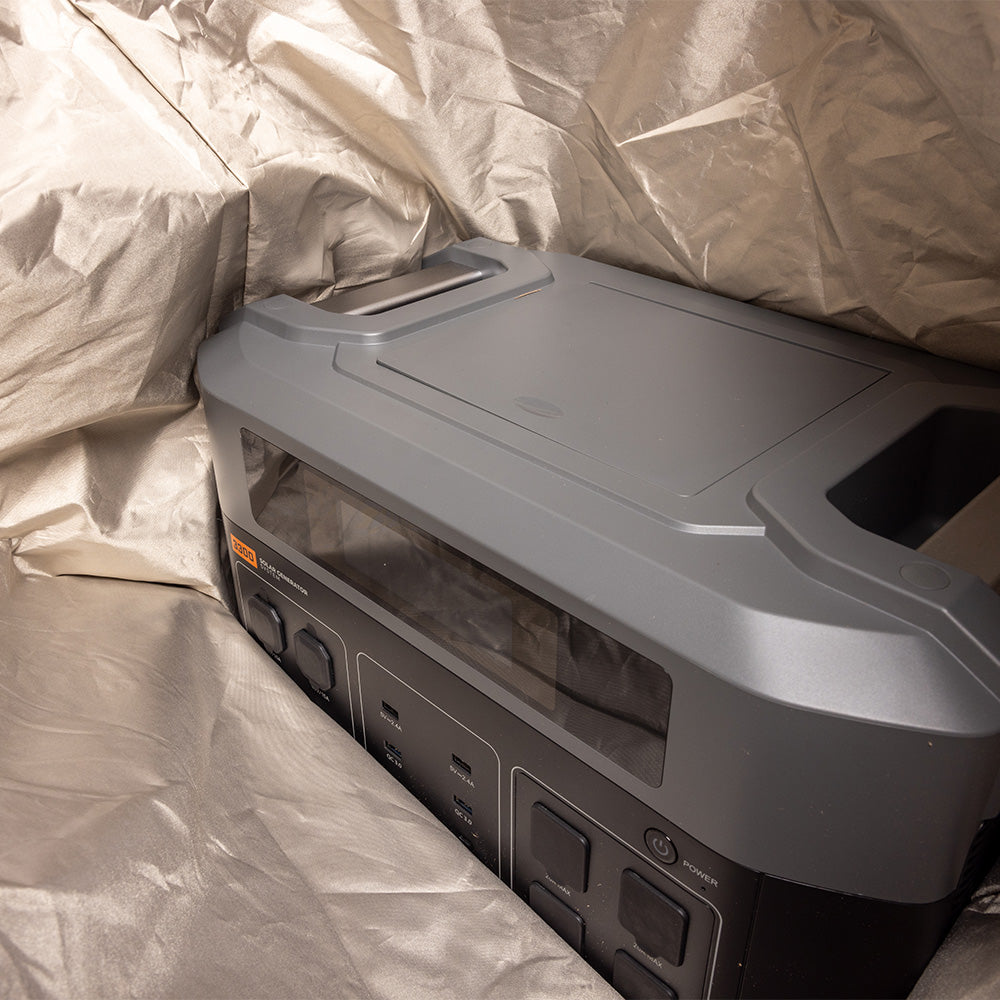
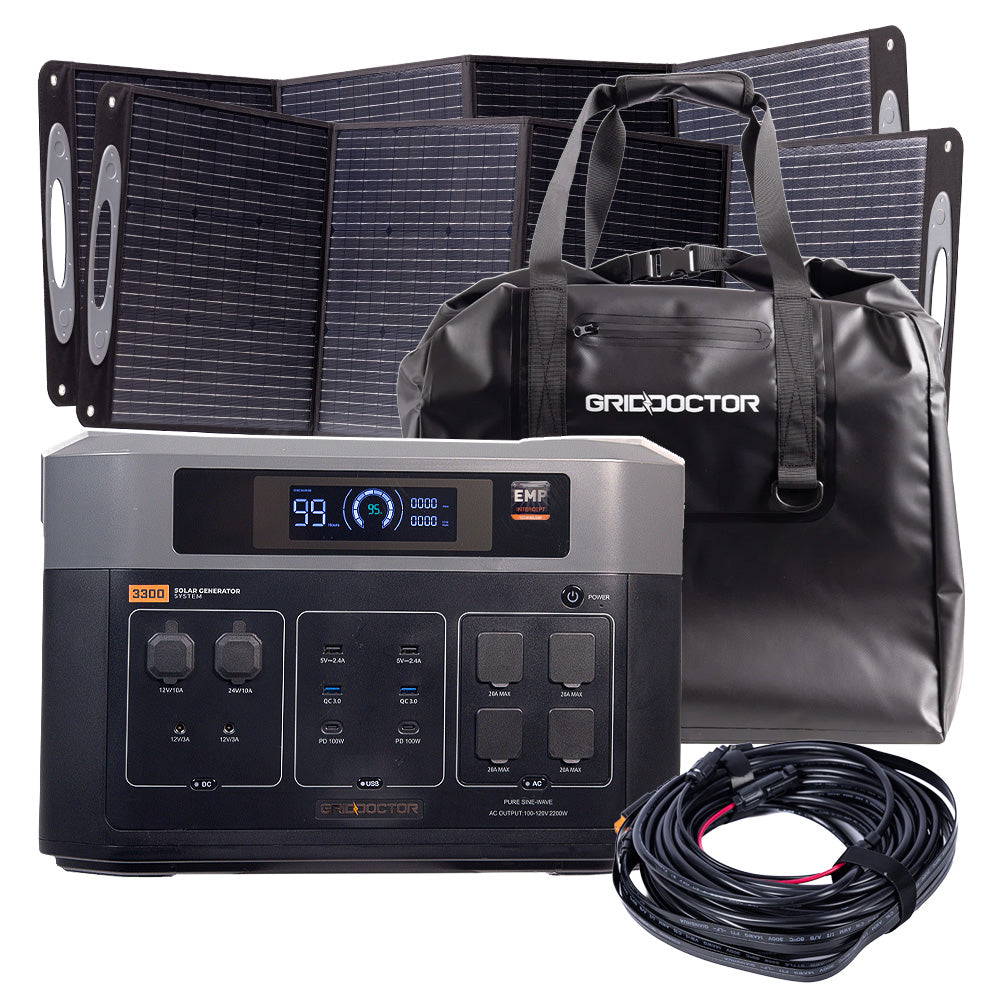
The Grid Doctor 3300 combines high-capacity battery storage, powerful output, solar charging, and expandable energy in one system designed for outages ranging from local equipment failures to wider grid disruptions. It's built to keep the things that matter most running—from refrigerators and freezers to medical devices, communication, lights, tools, and other household essentials.
And because it runs on stored electricity instead of gasoline, there's no fuel to store, no combustion exhaust, and no constant roar of a gas engine.