Week of September 7, 2026
A short read on the week's readiness-relevant stories. Some have been building for months, one lands tomorrow. Each item links to the full reporting, with a quick line on what it means for your household.
STILL TRACKING
Energy chokepoint, escalating
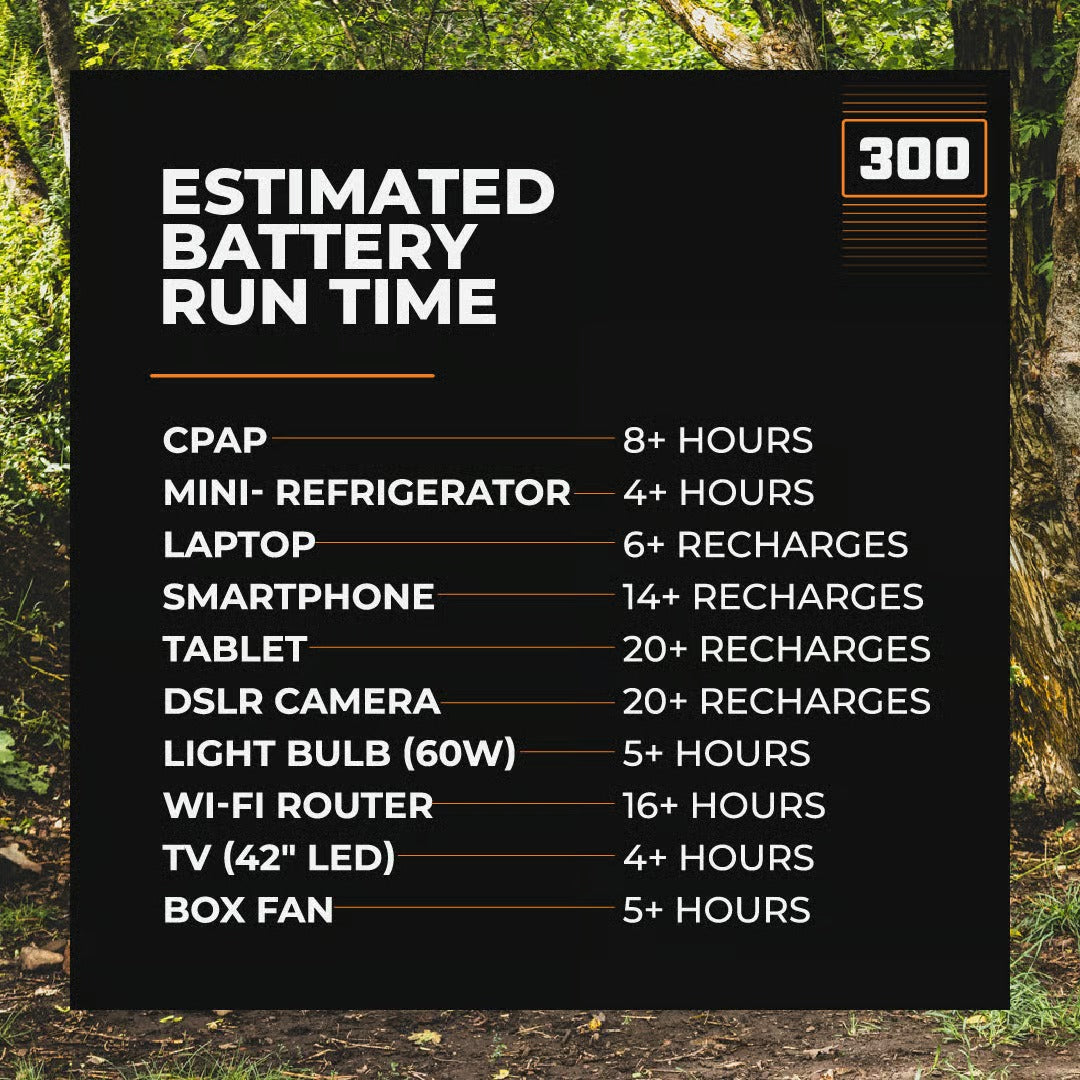
The corridor's fifteenth week on this list was one of its worst. Fresh strikes at the start of the week brought retaliation against regional bases and against vessels in the strait, and commodity transits fell to six on Wednesday, down from eleven the day before and a ten-day average near thirteen. Crude climbed about 9% on the week to trade near $91, and U.S. diesel reached its highest level since mid-2022. Federal forecasters expect softening global demand to limit how much further prices climb, but also expect refinery damage in the region to keep fuel prices elevated into next year. Bridge: fuel and power. Diesel is the price that reaches everything moved by truck. Topped-off fuel storage and a tested backup power plan remain the levers.
Read more: Oil rockets amid the tanker squeeze (Gulf News) and EIA expects demand drop to limit price increases (EIA).
Colorado River, escalating
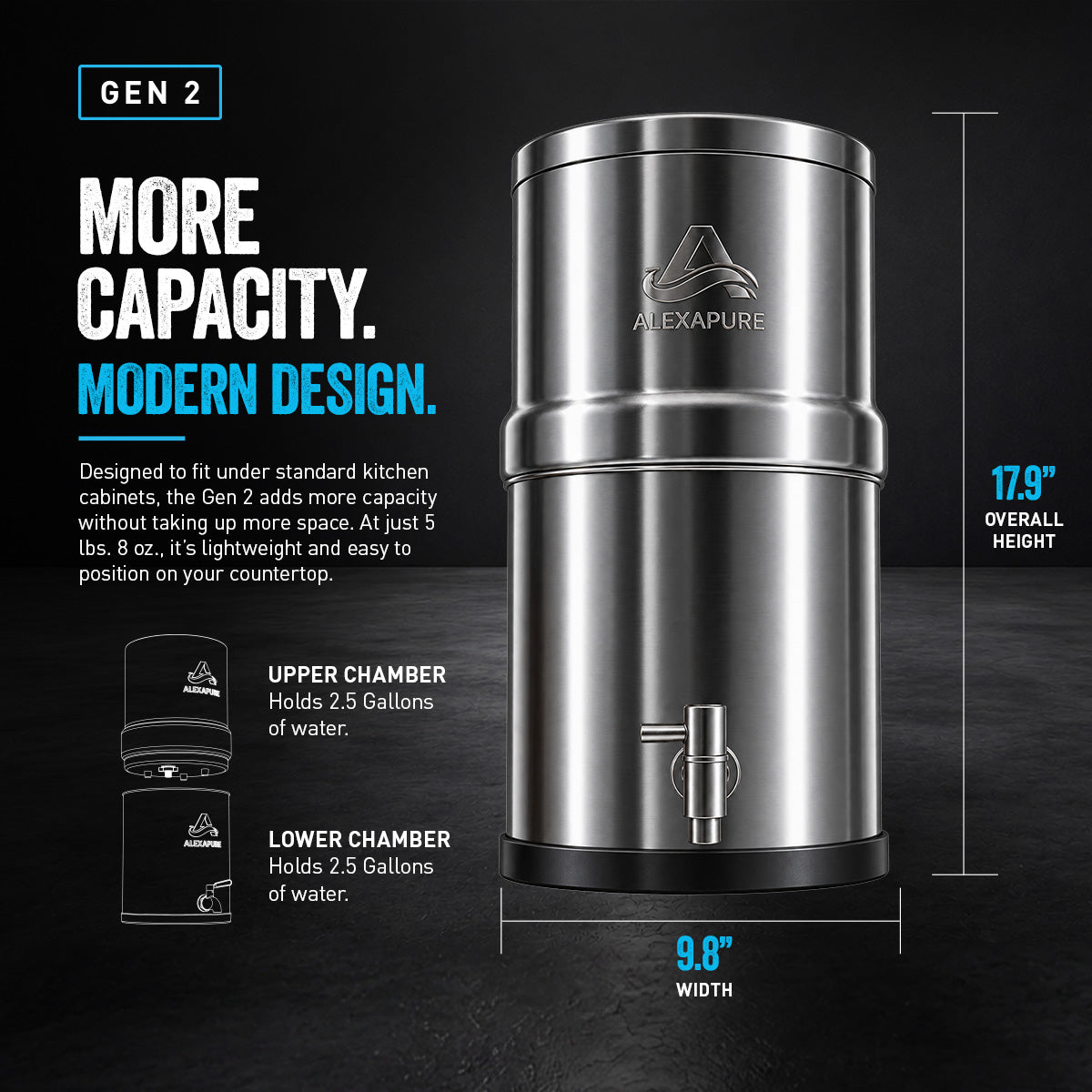
The second record fell. Lake Powell dropped to 3,519.91 feet, below its April 2023 all-time low, one week after Lake Mead set its own record. The two reservoirs now hold their lowest combined storage in nearly seven decades, and Powell sits more than 20 feet lower than it began the year. The legal fight over the new federal framework is widening: Nevada's suit stands, other states remain defiant, and the Lower Basin's 2027-28 cuts land while the Upper Basin faces no mandatory reductions. Forty million people and two hydropower dams sit on this margin. Bridge: water and power. Stored water at home is the hedge that does not depend on a courtroom or a snowpack.
Read more: Lake Powell hits record low (PBS News) and Feds spare the Upper Basin as pressure builds (Maven's Notebook).
Panama Canal, escalating
The caps are no longer a schedule, they are a queue. With daily transits held to 34 since September 4 and dropping to 32 on September 15, roughly 36 vessels are waiting, transit delays run 7.7 to 8.5 days, and slot auctions have gone vertical: one ship paid a record $5.3 million to jump the line on September 1. The squeeze is compounding the shipping disruption from the closed Middle East corridor, since rerouted traffic has fewer good options left. The El Nino behind the low water is forecast to become one of the strongest on record. Bridge: goods supply. This reaches households as delivery timing and prices on imported goods into the holiday season. Staples bought on normal trips now ride cheaper freight than December's.
Read more: Canal restricts traffic amid the chokepoint crisis (Al Jazeera) and Transits cut to 34 a day as drought tightens shipping (The Rio Times).
NEW THIS WEEK
The trade fight reaches the dairy aisle tomorrow
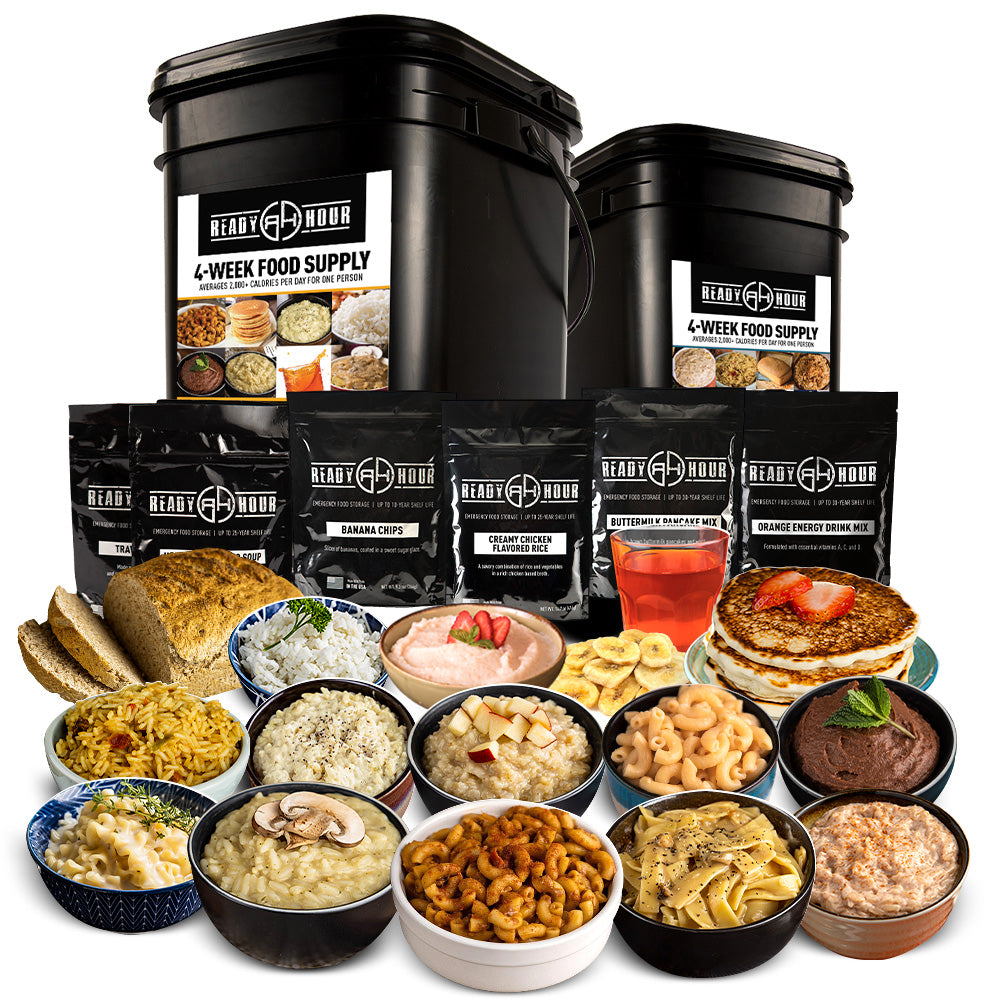
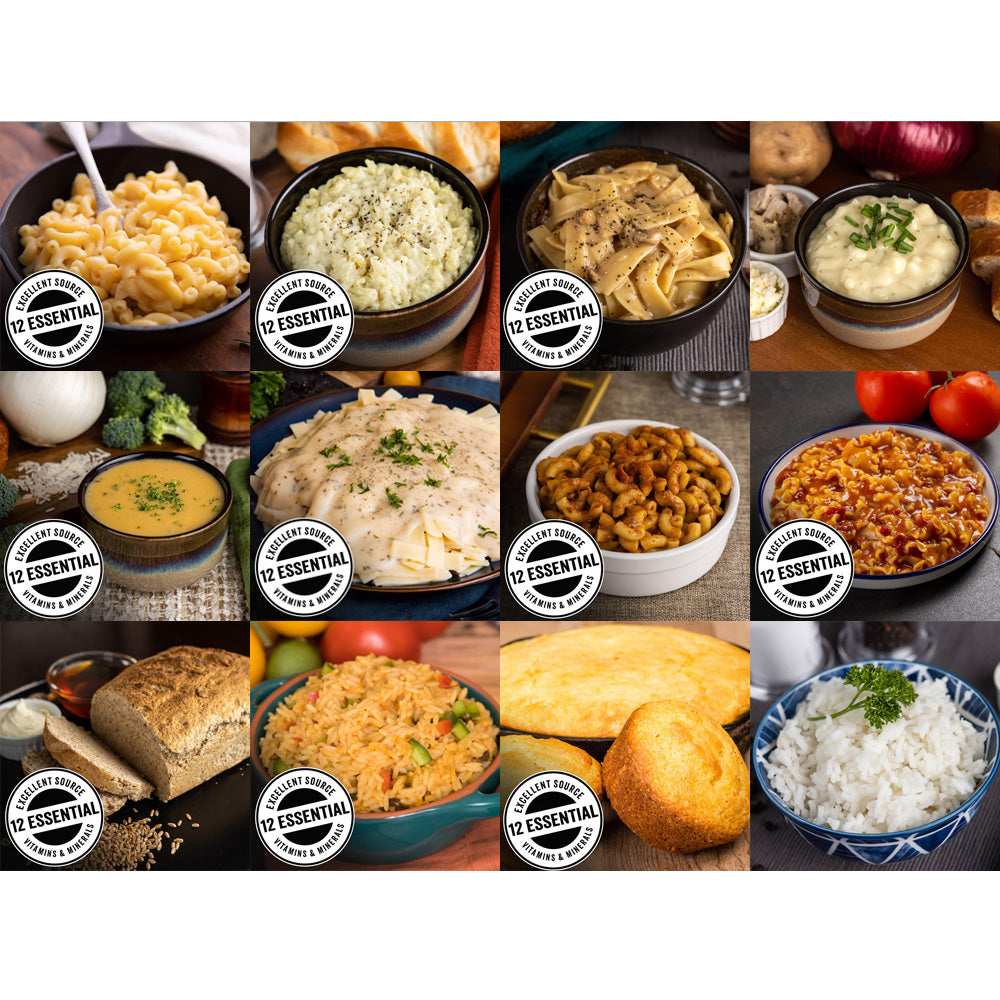
Canada's counter-tariffs take effect September 8 after last-ditch negotiations collapsed: duties of 15% to 50% on more than 700 American products, matching the U.S. tariffs dollar for dollar. Dairy is hit hardest on the list, with 50% duties on milk, cream, and milk powders, 50% on whey and casein, and 25% on a range of cheeses, alongside steel, appliances, agricultural equipment, and electronics. For U.S. dairy producers that ship north, the export market tightens overnight, and trade disruptions in farm goods have a way of showing up at domestic registers in both directions over the following months. Bridge: food. If dairy is a staple in your house, shelf-stable forms like powdered milk carry no expiration panic and no tariff timing. A steady reserve smooths whatever the trade fight does next.
Read more: Canada retaliates Sept. 8 as talks collapse (ABC7), Counter-tariffs on U.S. dairy effective Sept. 8 (Cheese Reporter), and The complete counter-tariff list (Canada Department of Finance).
ALSO ON THE RADAR
Grand Canyon: the toll clarifies, and the waterline is broken
Last week's flash flood resolved far better than the first reports suggested: at least 80 people were rescued, and the 14-plus initially unaccounted for came down to two confirmed deaths, John Giusti and Brent Rosenkranz of Granbury, Texas, with one hiker still missing. The lasting damage is infrastructure: the flood tore up the inner canyon, including the Transcanyon Waterline that supplies the park's water, forcing cancelled overnight stays and park-wide water conservation. Bridge: water. A single line supplied a whole park; when it broke, conservation orders followed within hours. Households run on the same math.
Read more: Two dead, one still missing (CBS News) and 80 rescued after the flood (The Washington Post).
Water utilities: the campaign goes quiet enough to shelve
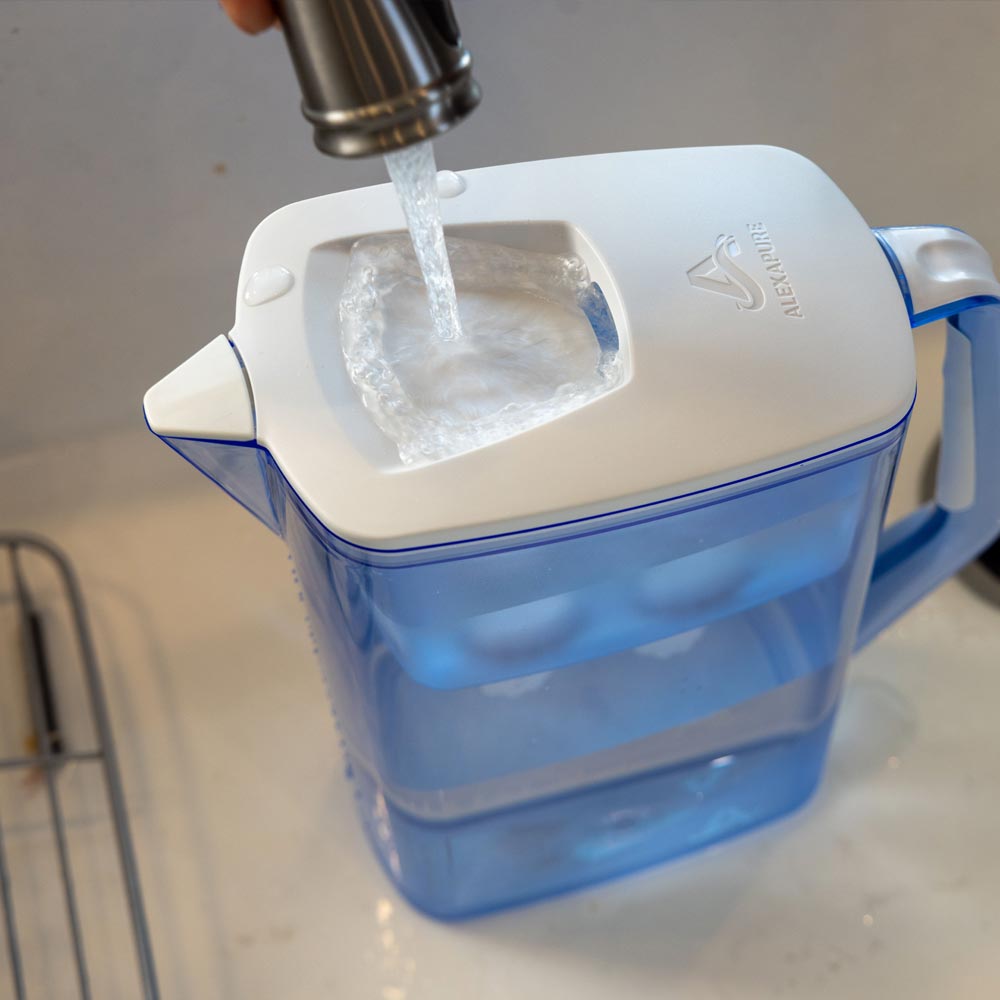
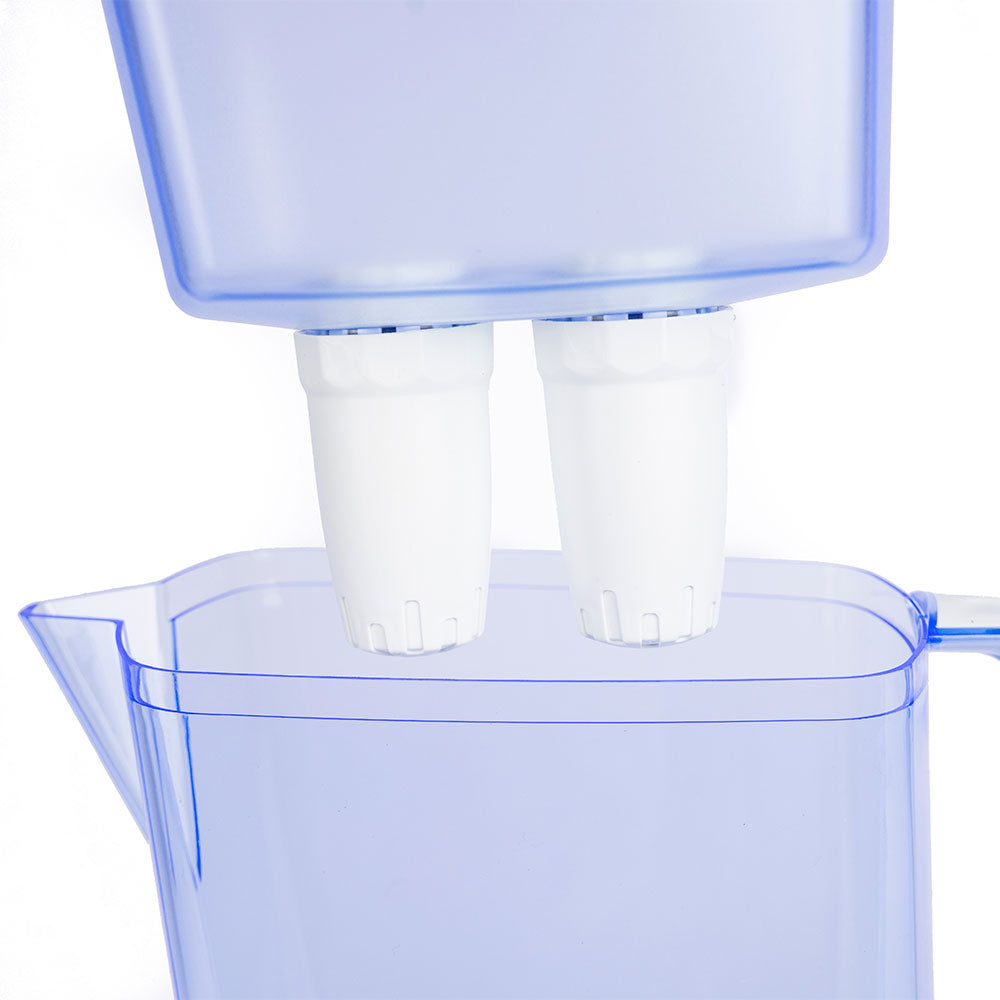
A fourth straight week passed with no new intrusion, no new state, and no confirmed contamination in the water-sector cyber campaign, so we are moving it off the active board this week. The federal guidance stands, utilities keep hardening, and the file reopens the moment something moves. The household lesson outlasts the story: stored water and tap-independent filtration answer a disruption regardless of its cause.
Read more: Federal guidance for water operators (Foley Hoag).
Two quieter notes from the food counter
Cargill's Fort Morgan beef plant resumes harvesting today at roughly 4,700 head a day, restoring a buyer and some competition to a tight cattle market after an 89-day lockout. And the Atlantic stays merciful: no named storm threatens the U.S., with the developing El Nino, on track to be among the strongest recorded, suppressing the season even as it starves the Panama Canal of rain. The same weather pattern gives with one hand and takes with the other.
Read more: Fort Morgan restart boosts competition (Brownfield) and NOAA holds its below-normal outlook (NOAA).
The throughline this week is corridors. The oil lane is nearly empty, the canal has a week-long line, the northern trade border adds a toll tomorrow, and a park lost its one waterline to a single storm. Every household depends on corridors it does not control; the readiness move is making your own supply lines shorter. One practical step: if dairy is a staple in your house, add its shelf-stable form to this week's normal shopping trip.