The U.S. is reopening its largest livestock inspection port along the Mexican border after restricting cattle imports for more than a year because of New World screwworm. The Santa Teresa, New Mexico, crossing previously handled about 43% of Mexican cattle imports and is expected to begin processing between 750 and 1,600 cattle per day under additional treatment protocols. But the renewed supply is unlikely to bring quick relief to shoppers. U.S. cattle inventories have fallen to 86.2 million head, the lowest level in 75 years, and experts say imported cattle typically need another five to eight months before they are ready for slaughter. Ground beef prices reached a record near $7 per pound last month.
Why This Matters:
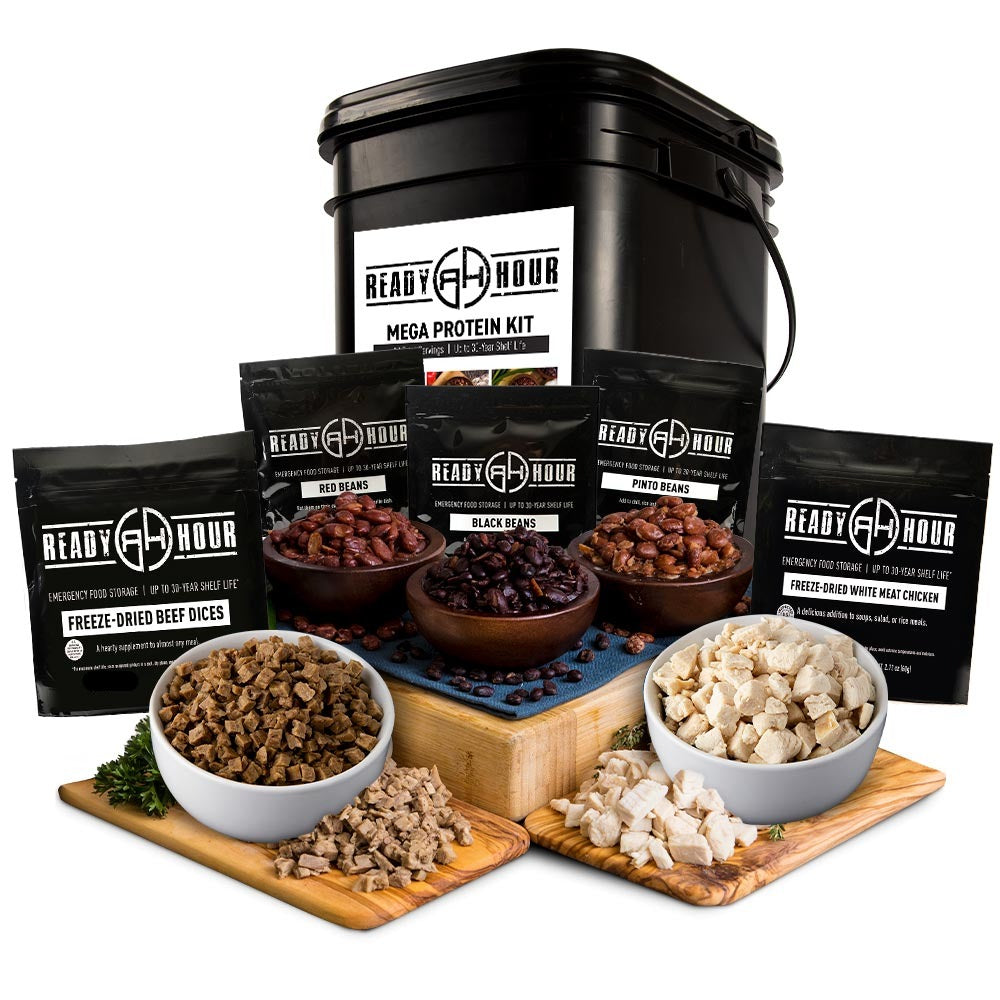
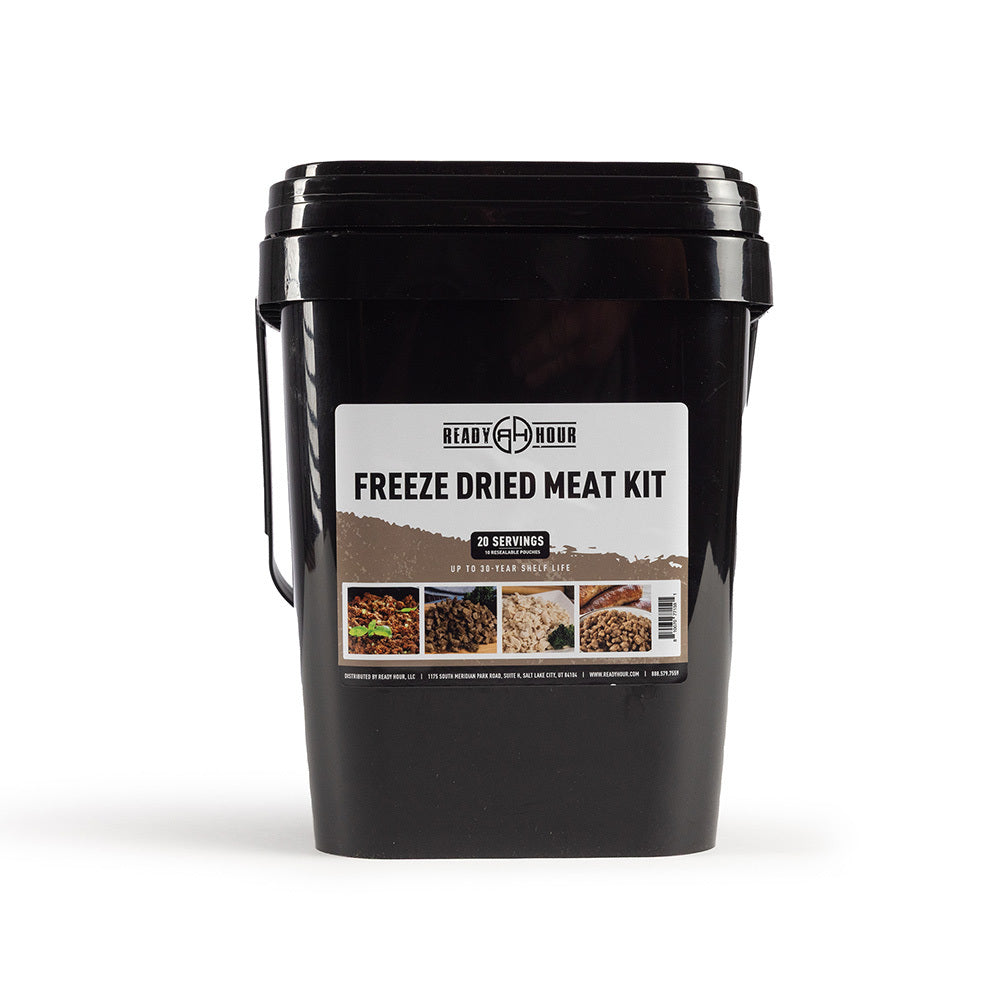
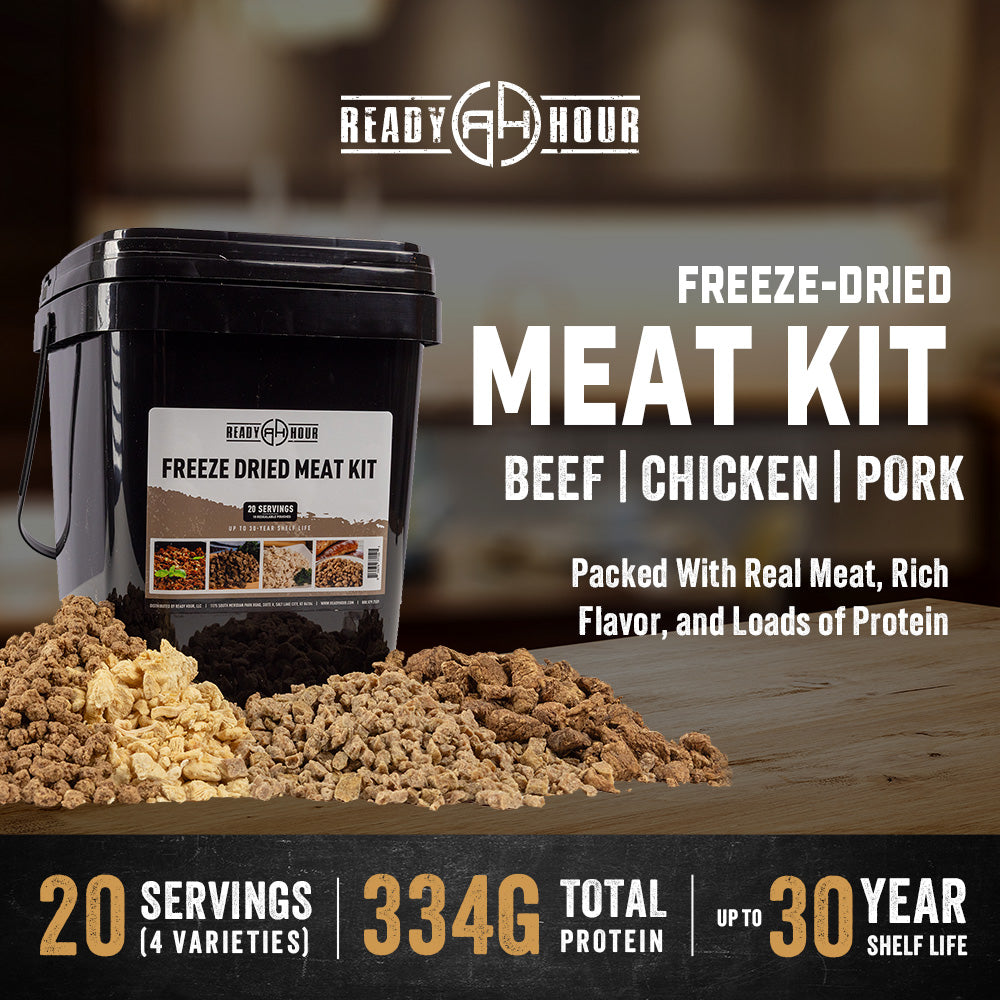
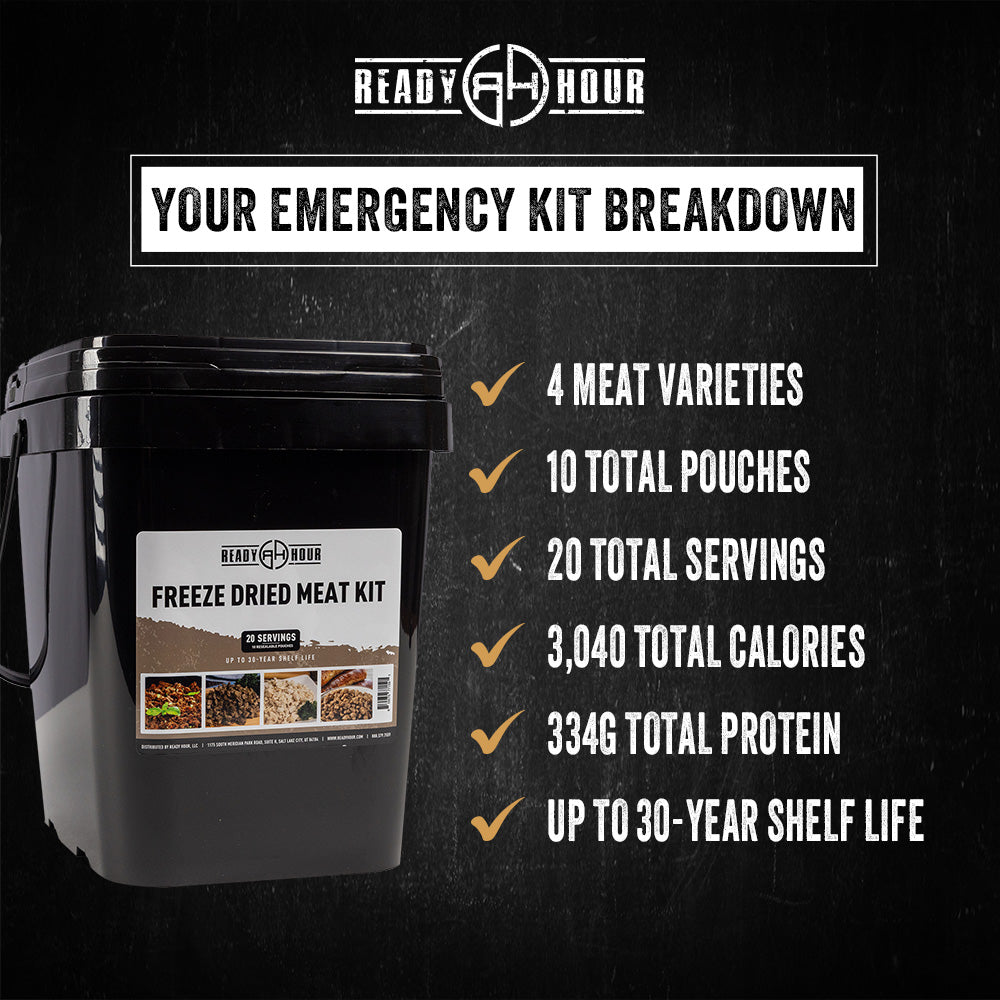
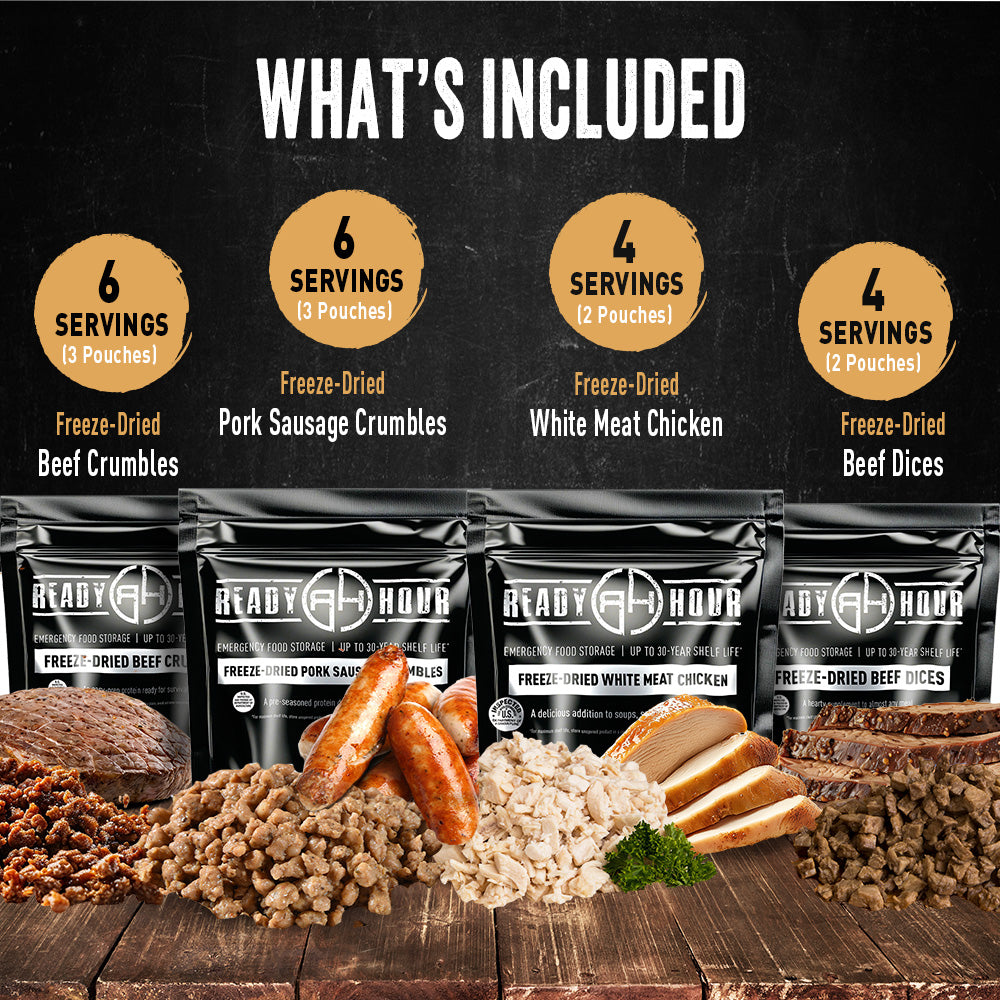
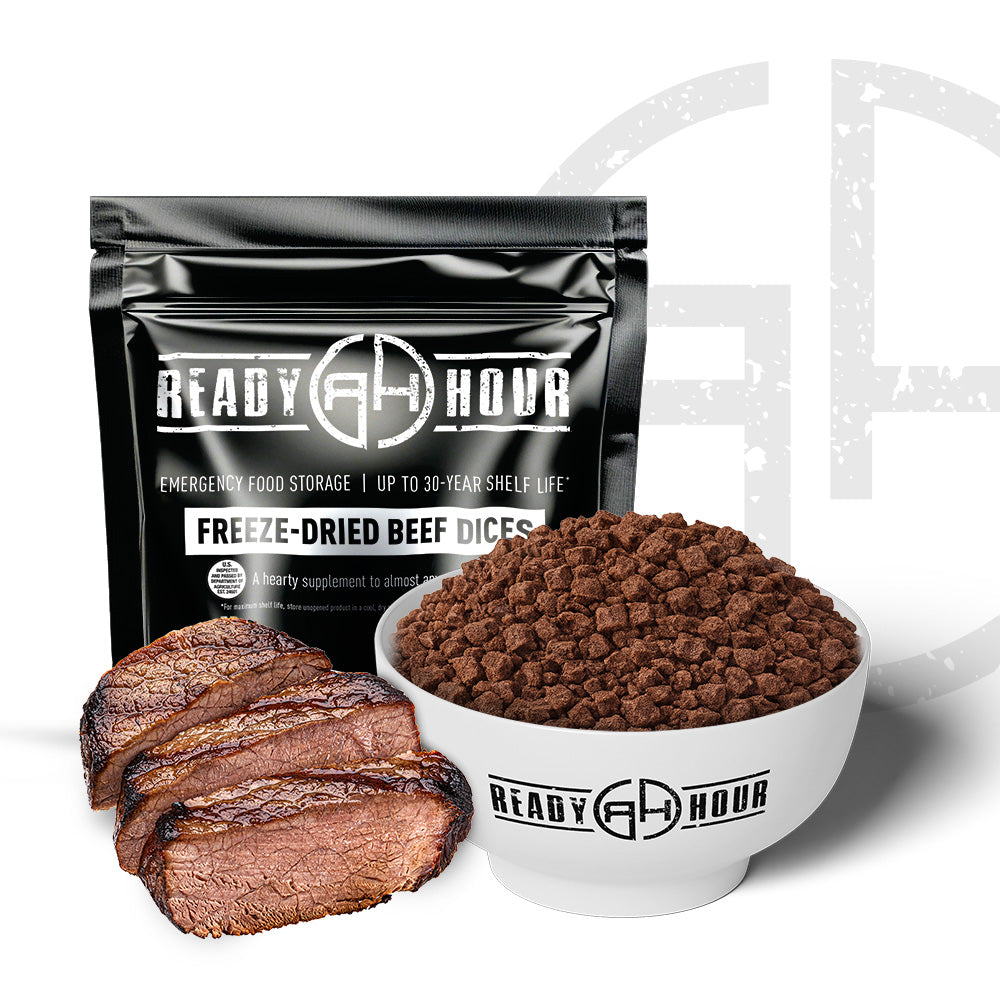
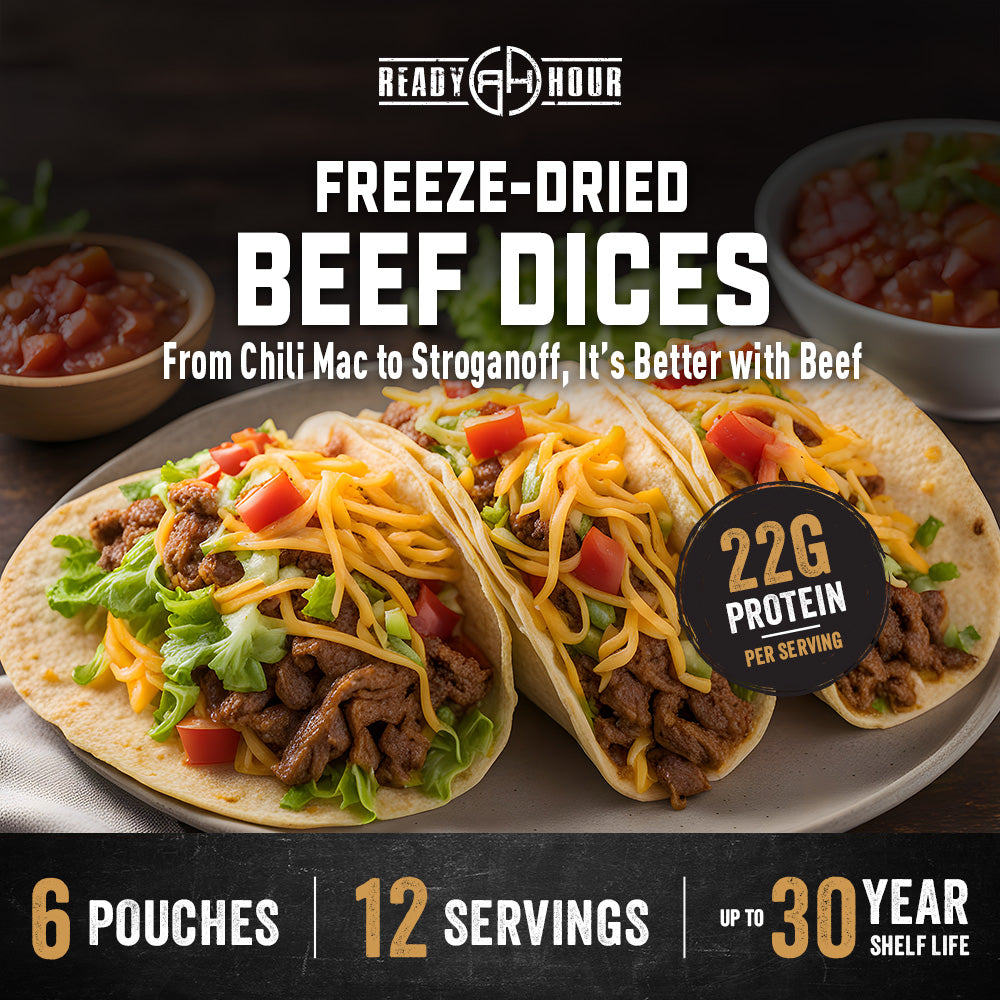
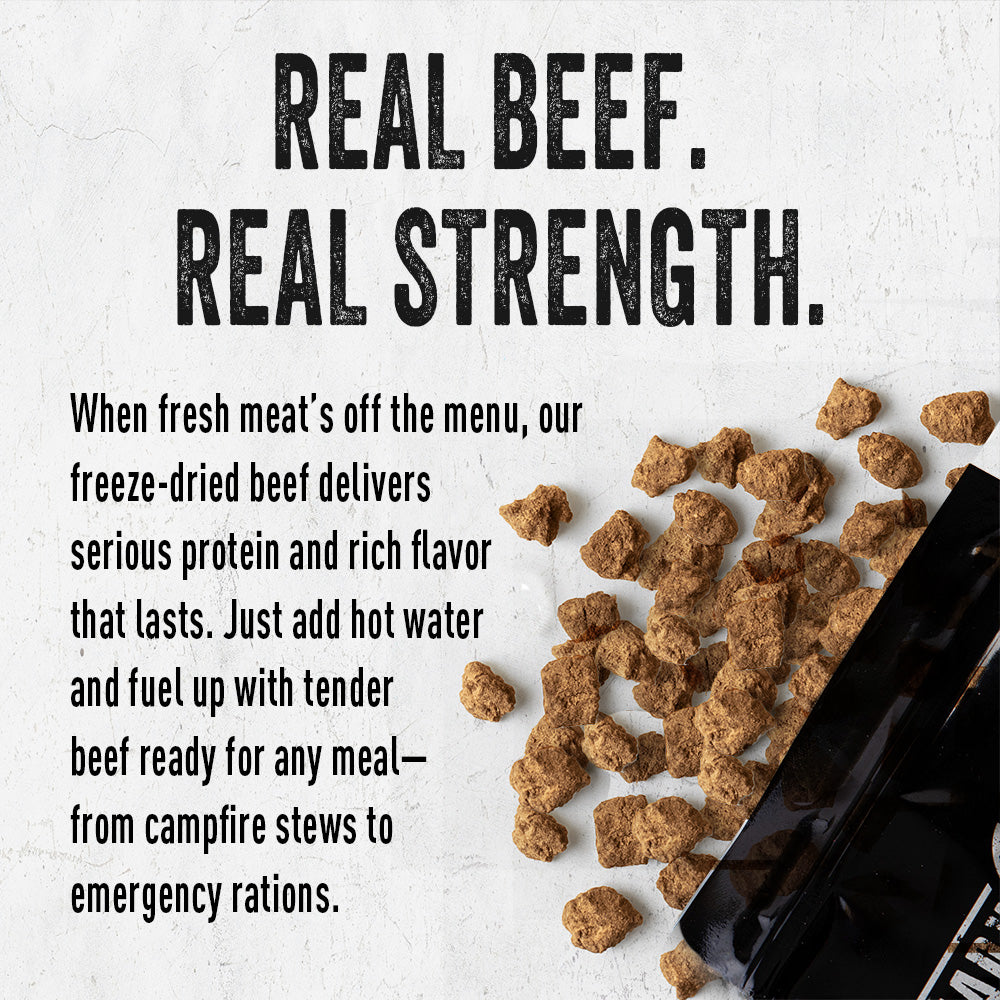
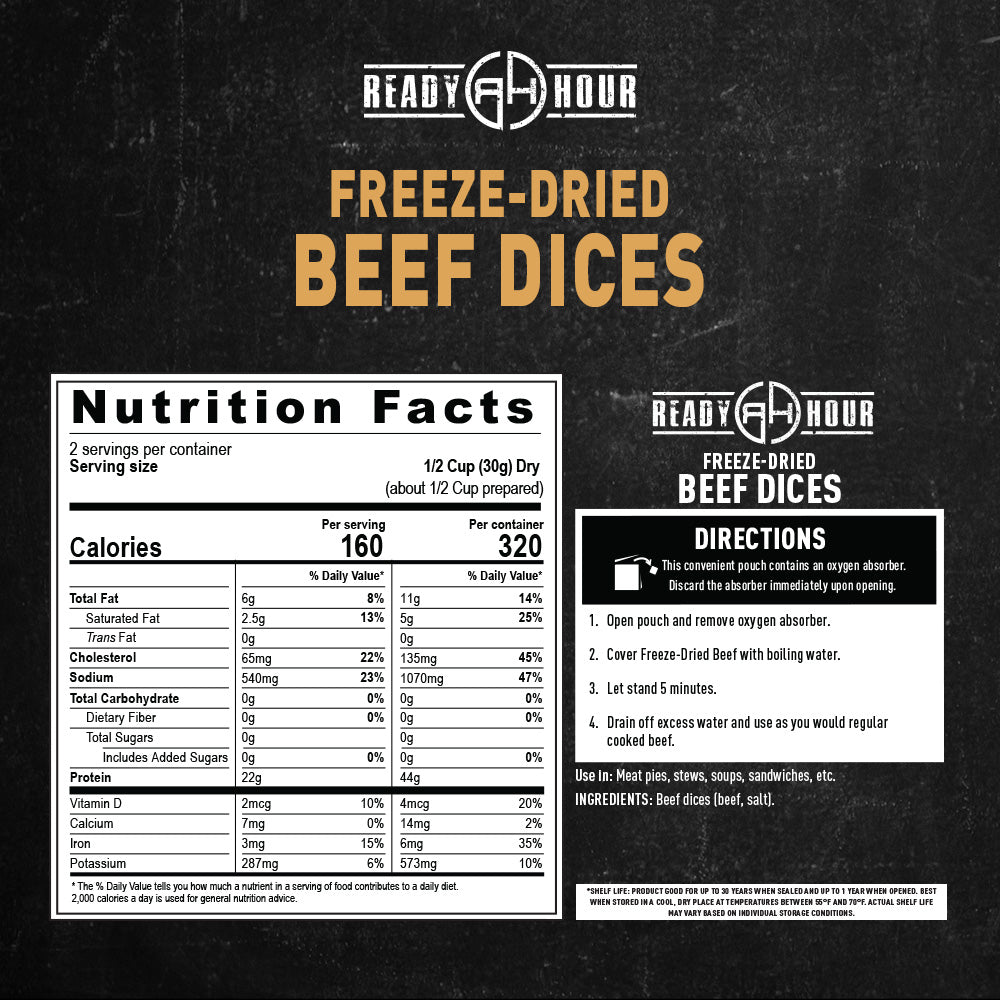
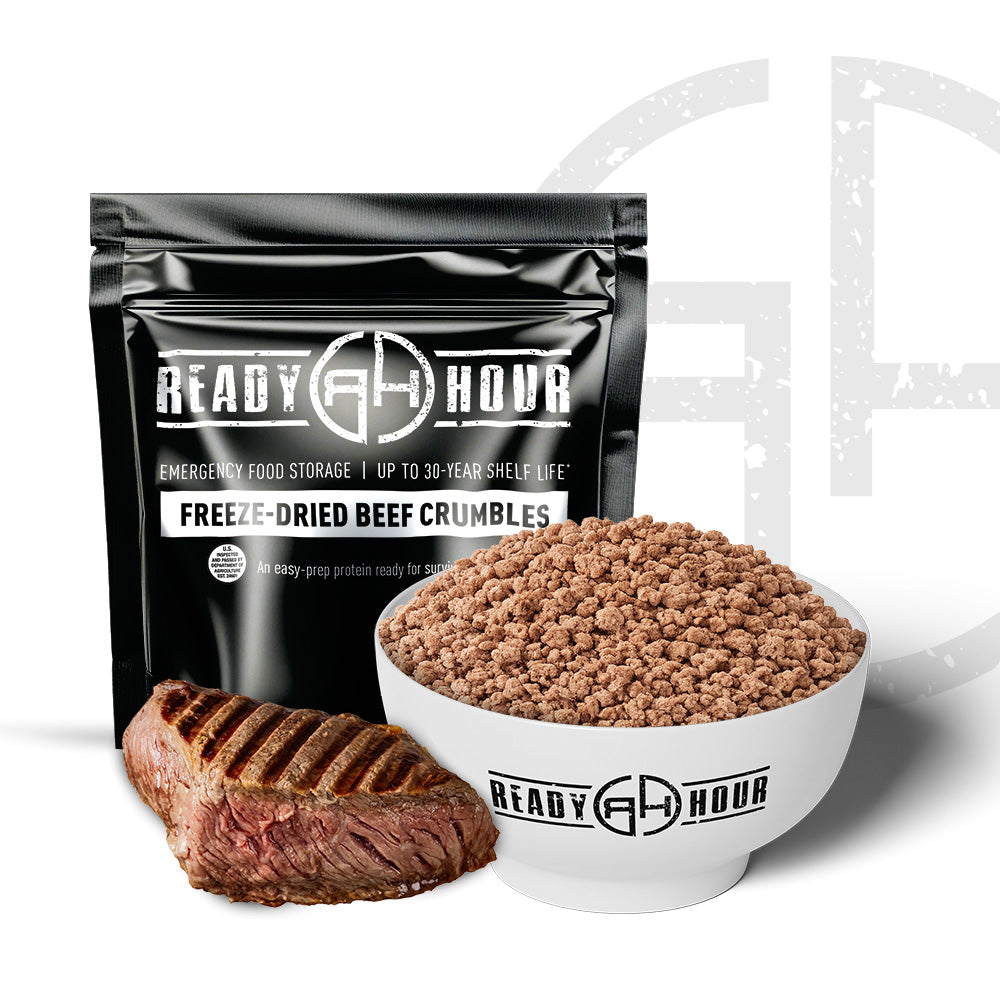
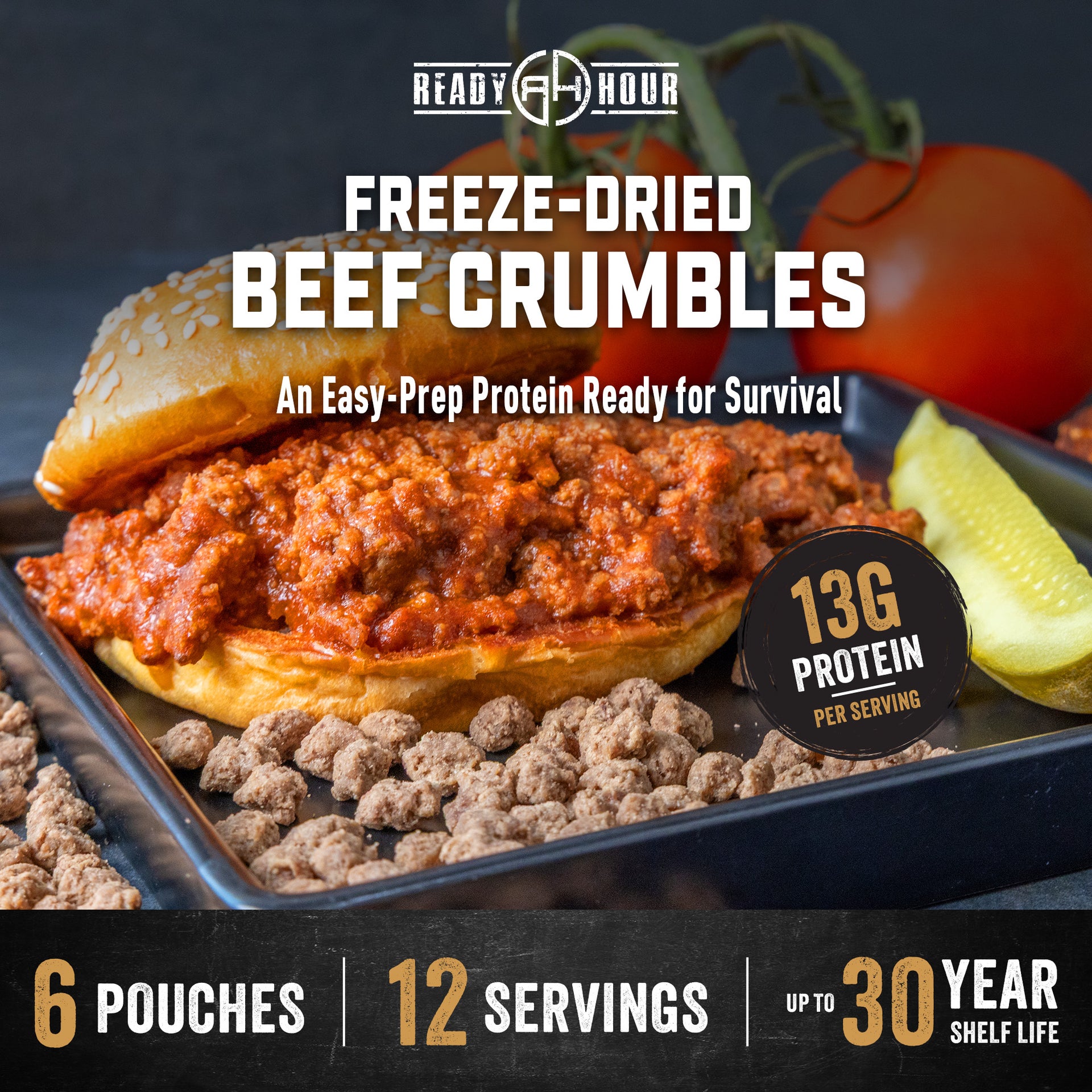
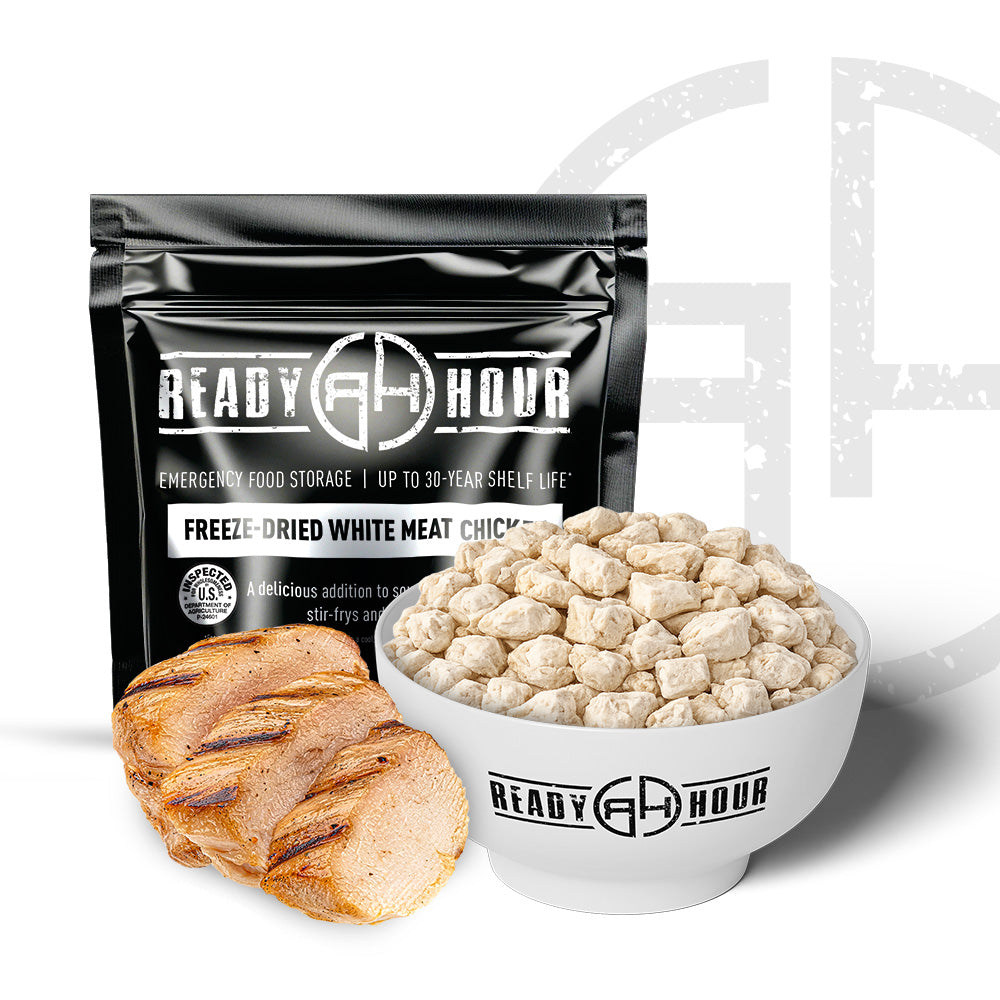
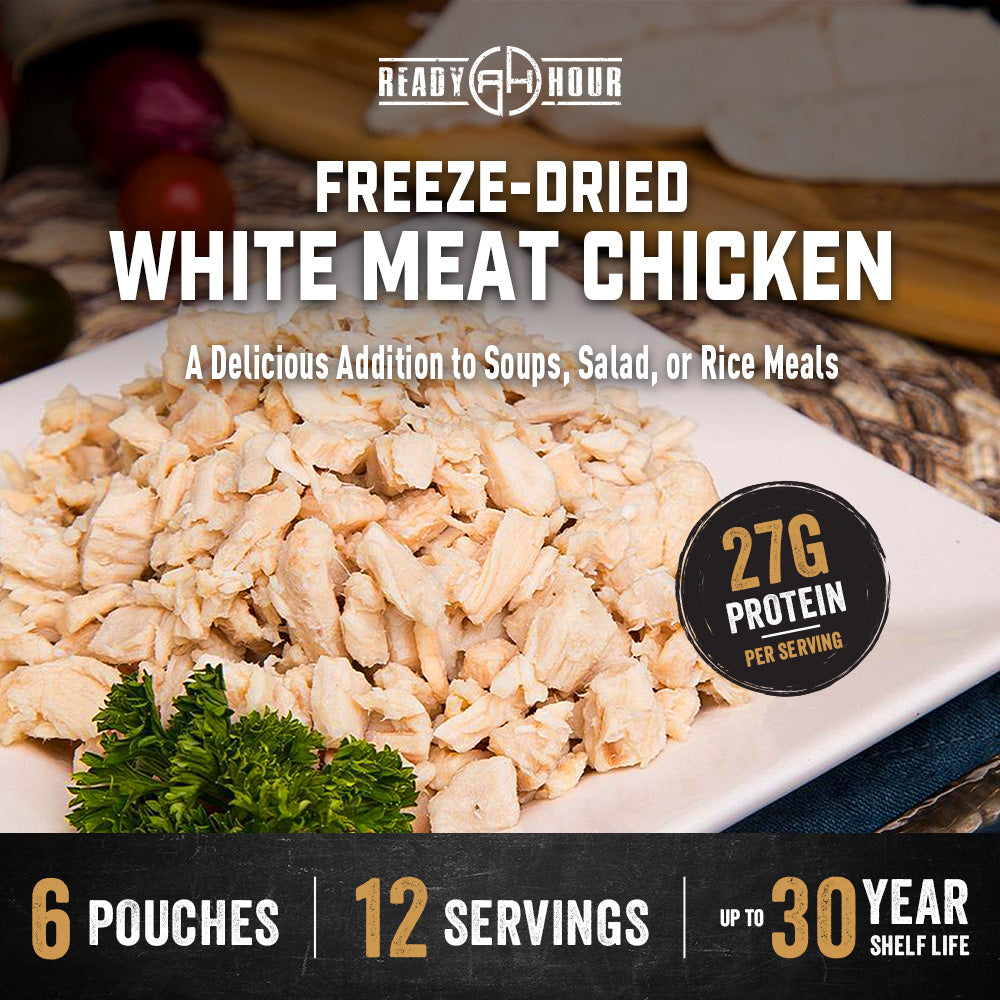
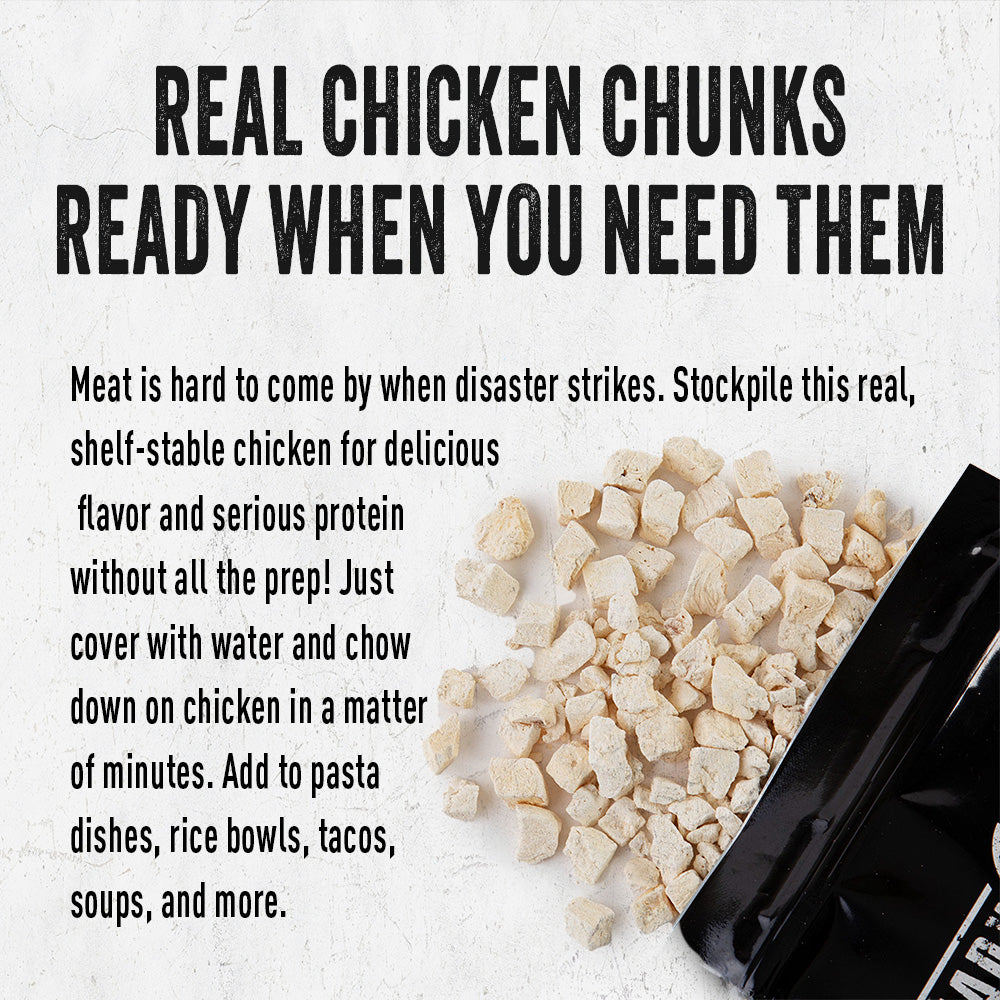
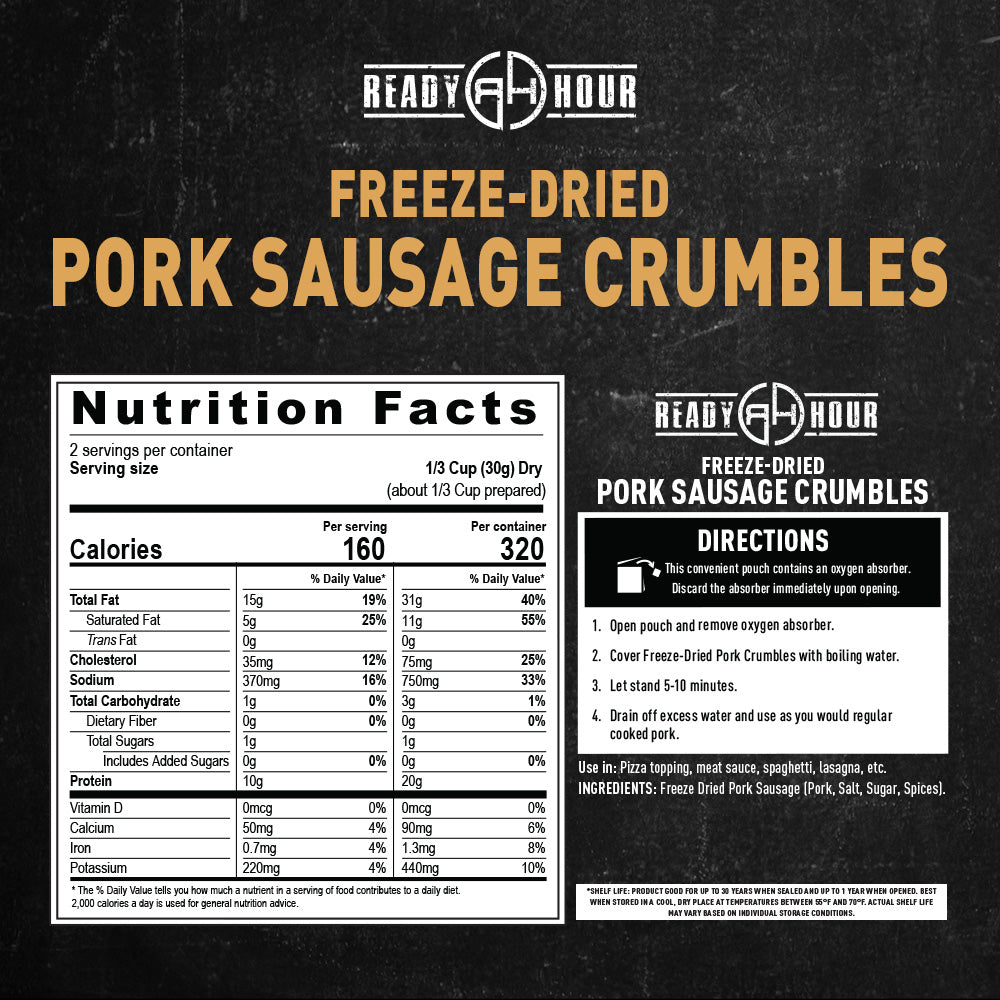
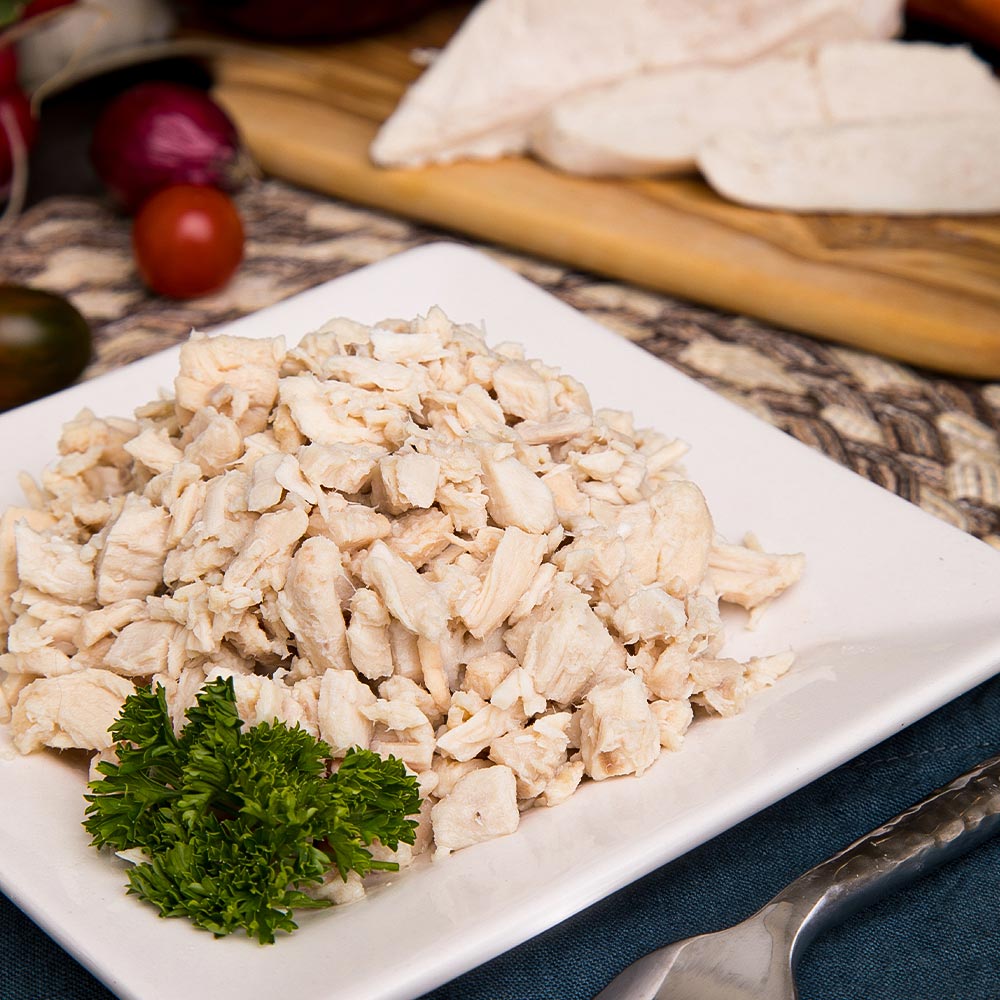
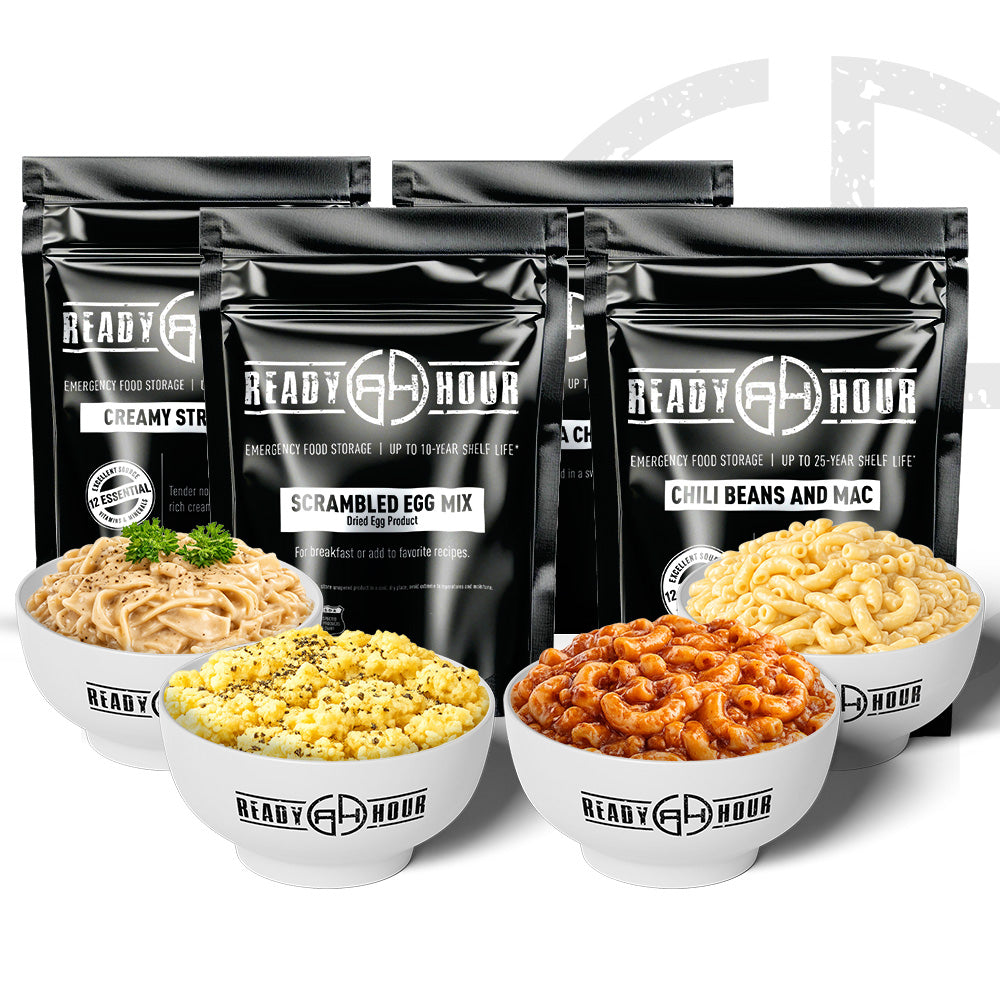
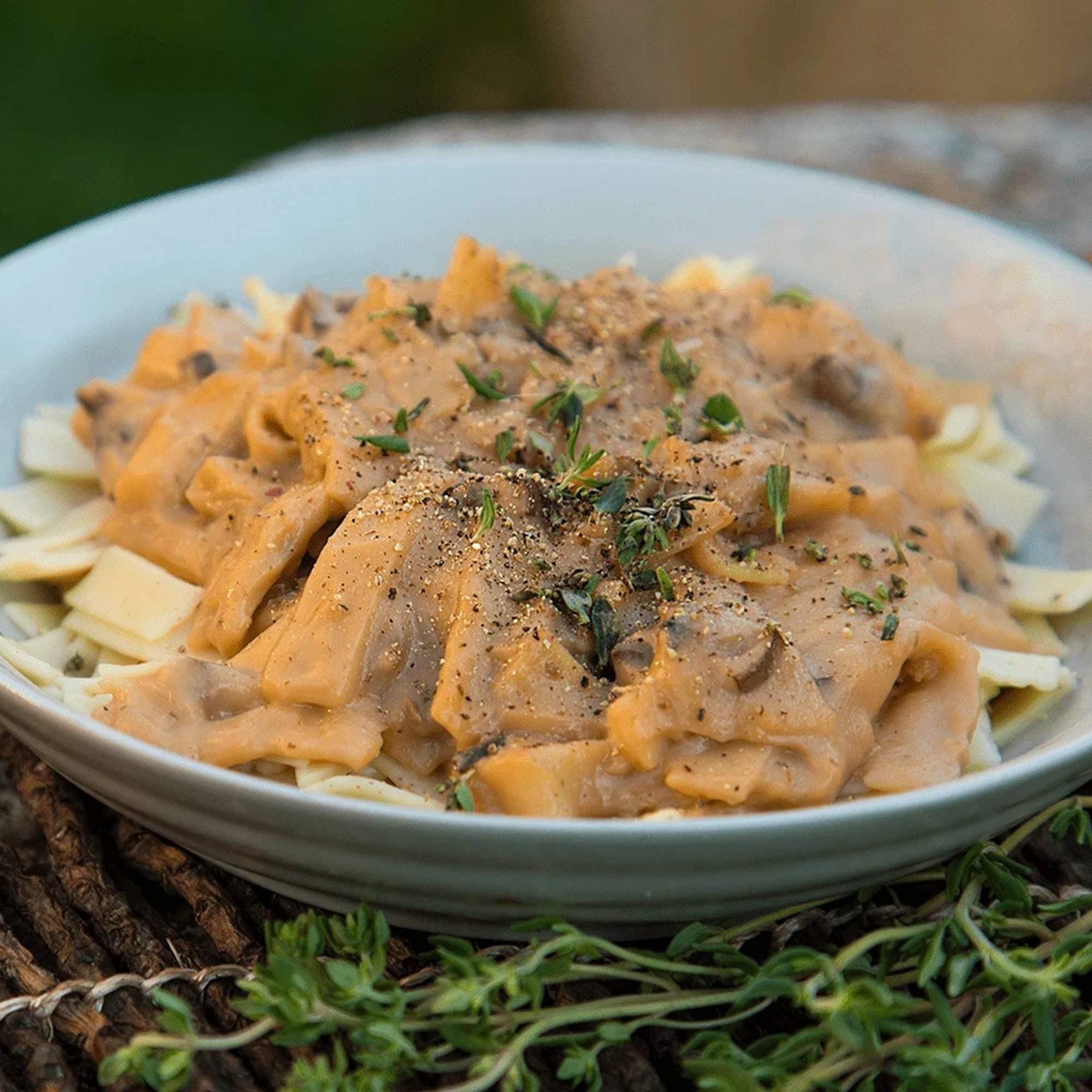
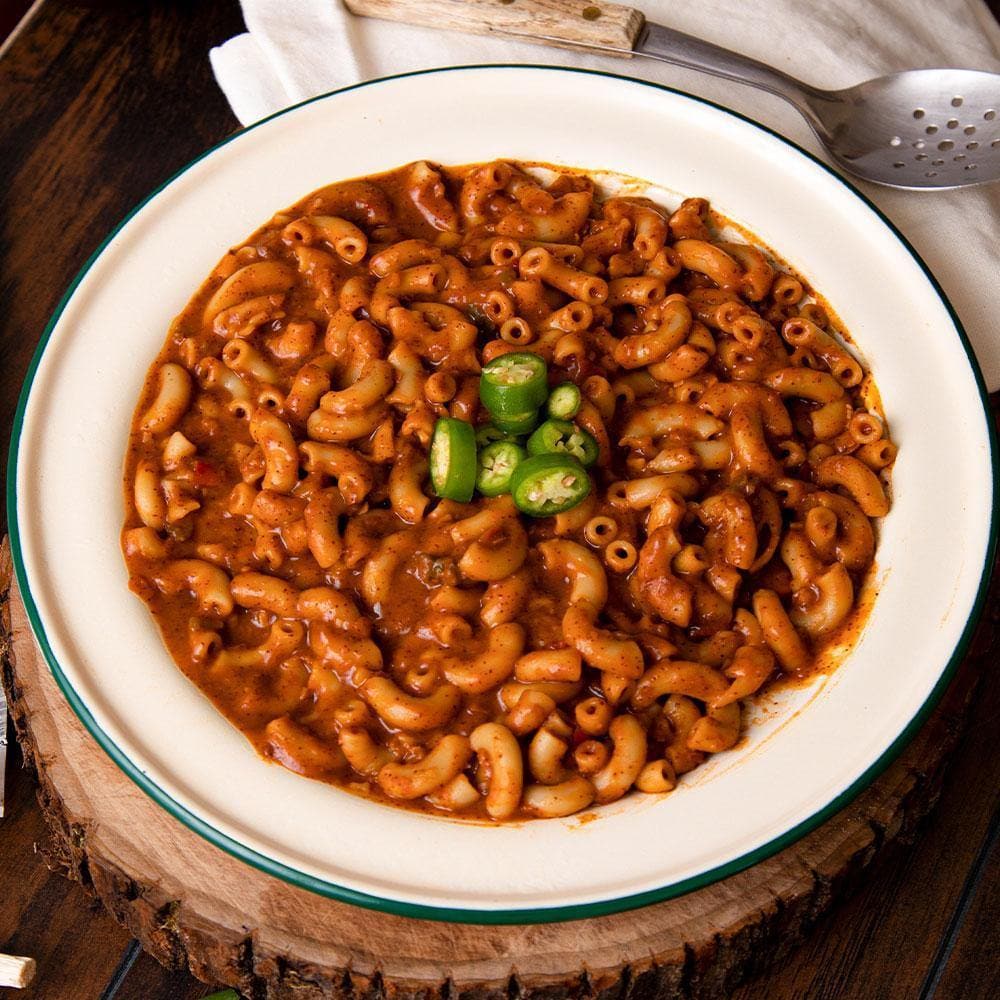
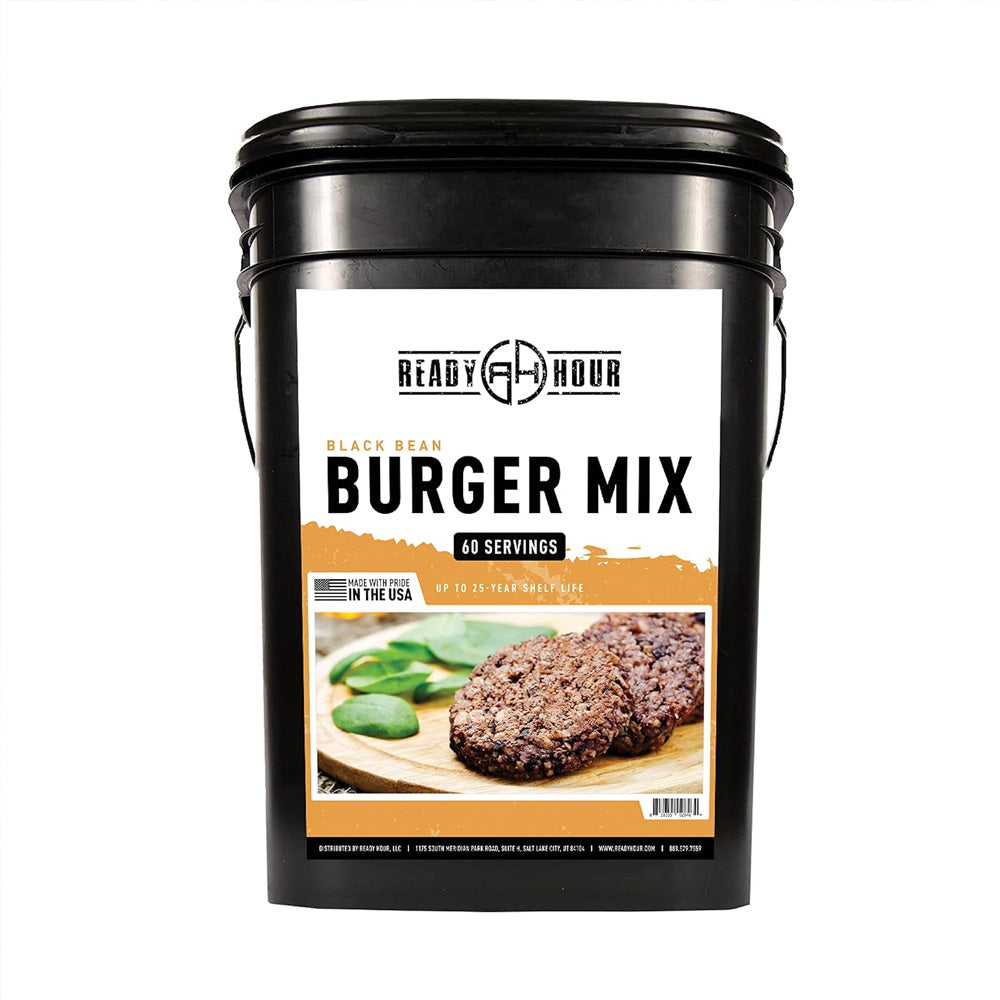
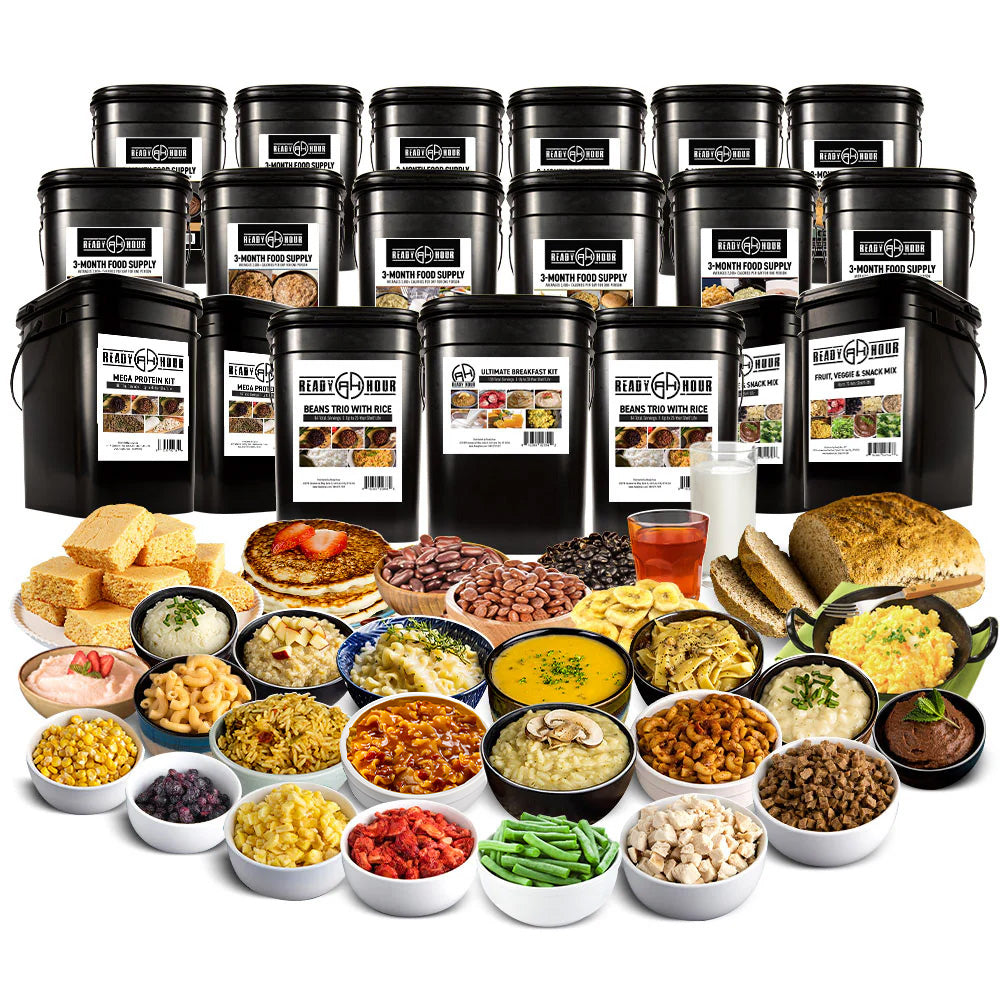
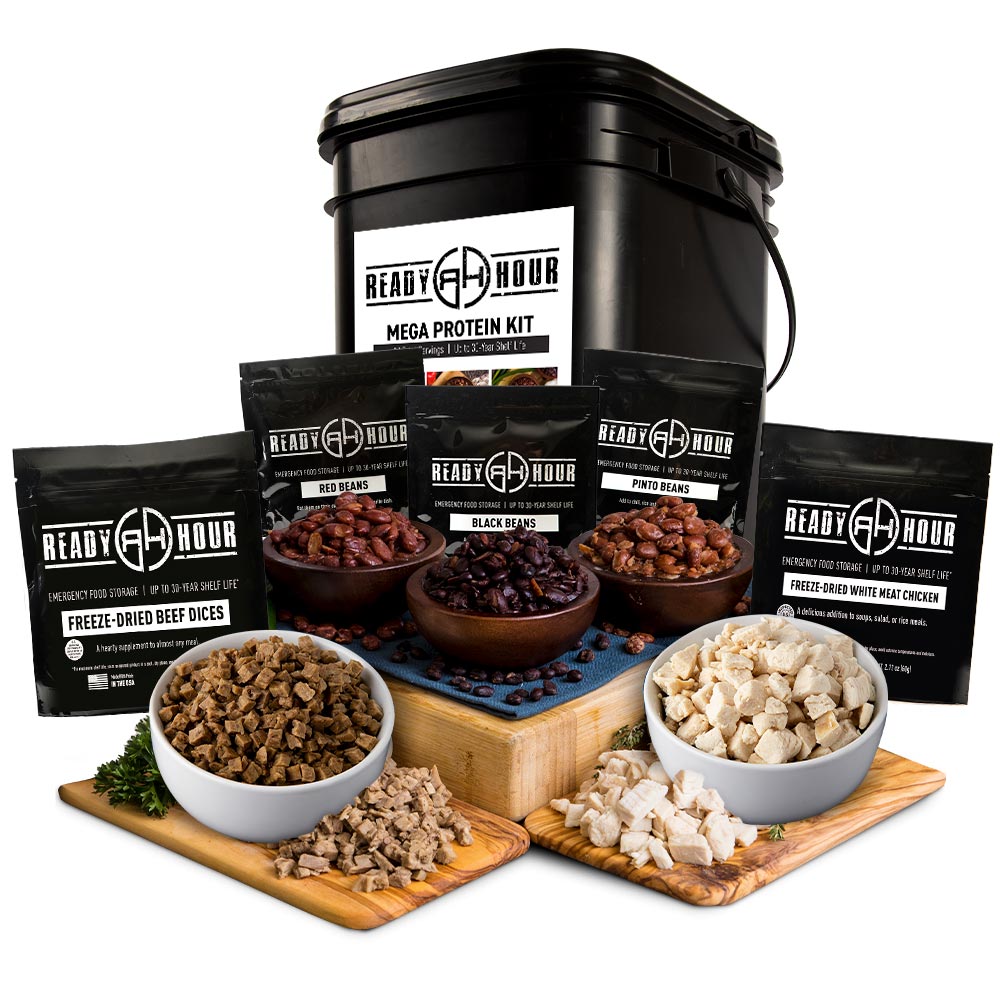
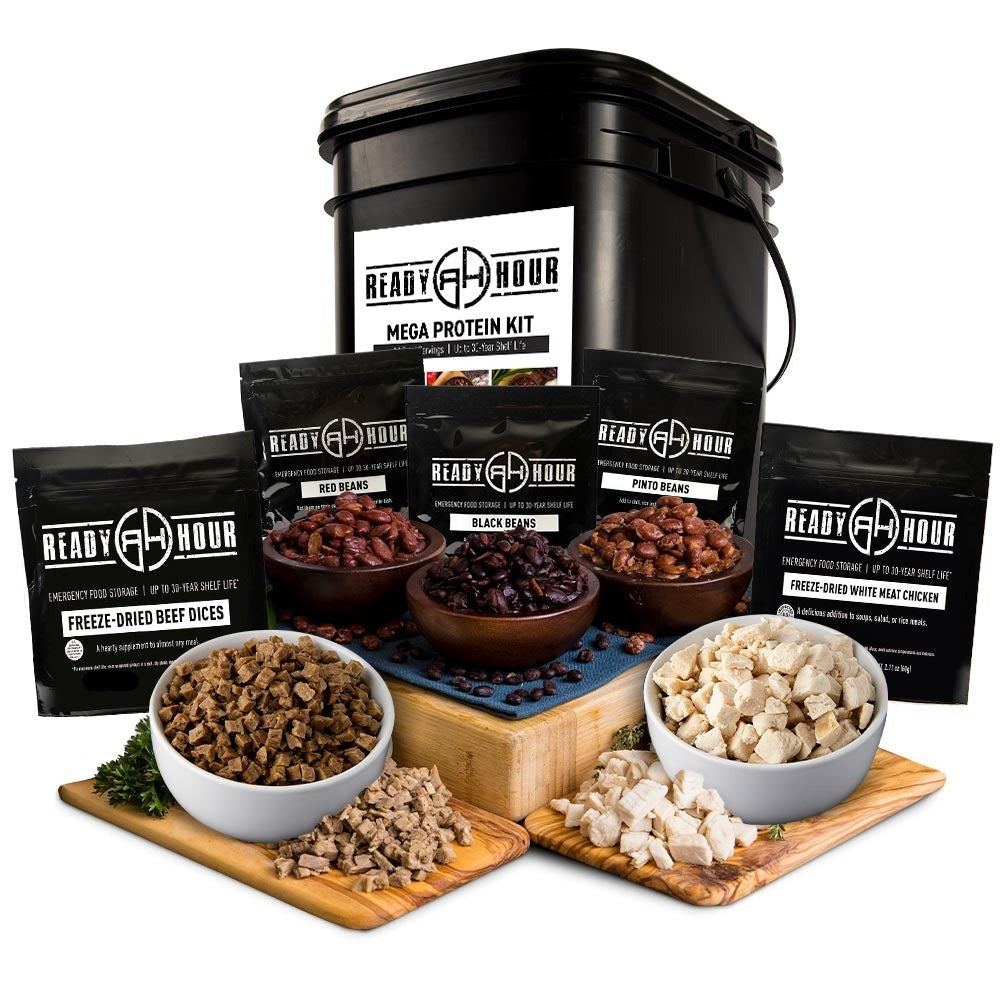
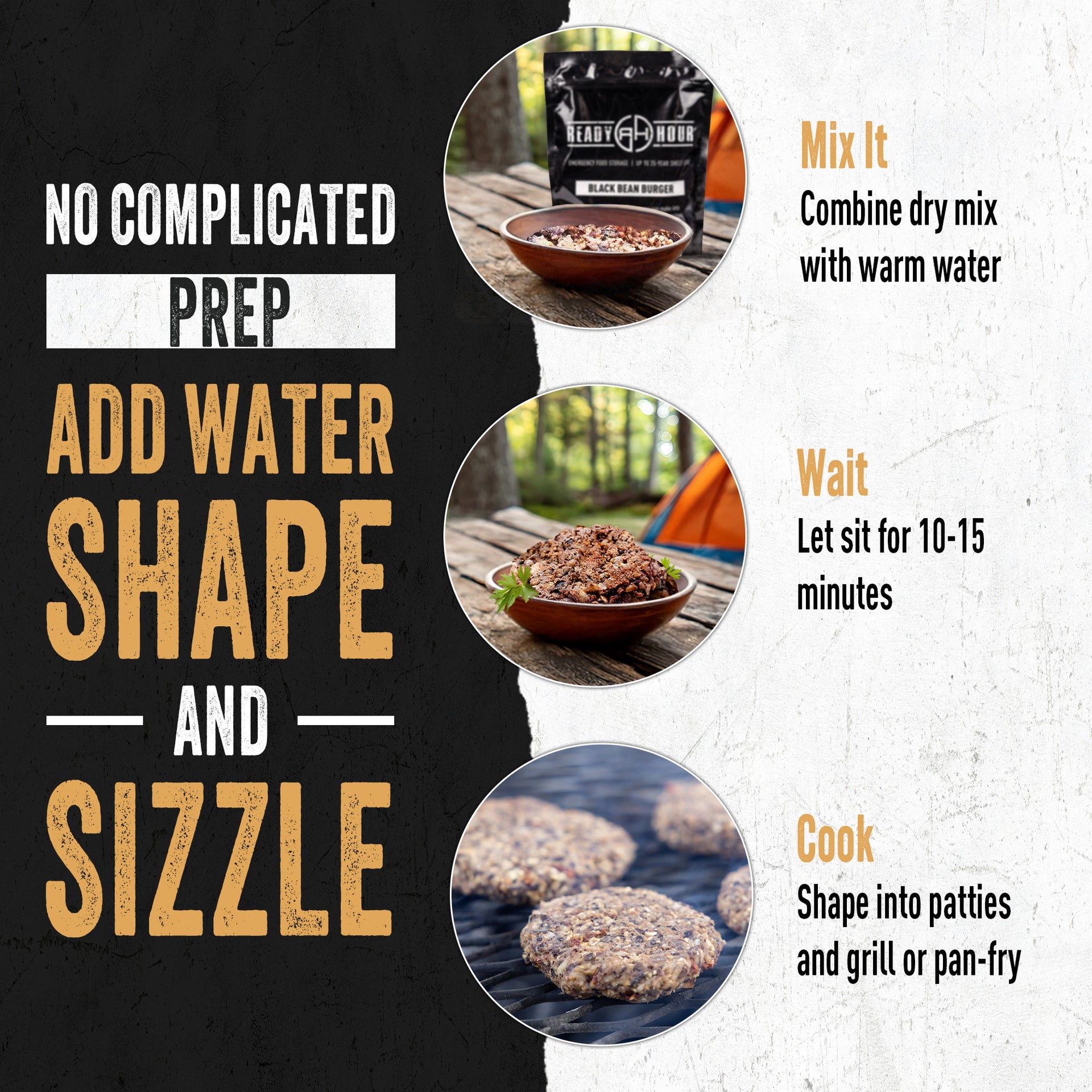
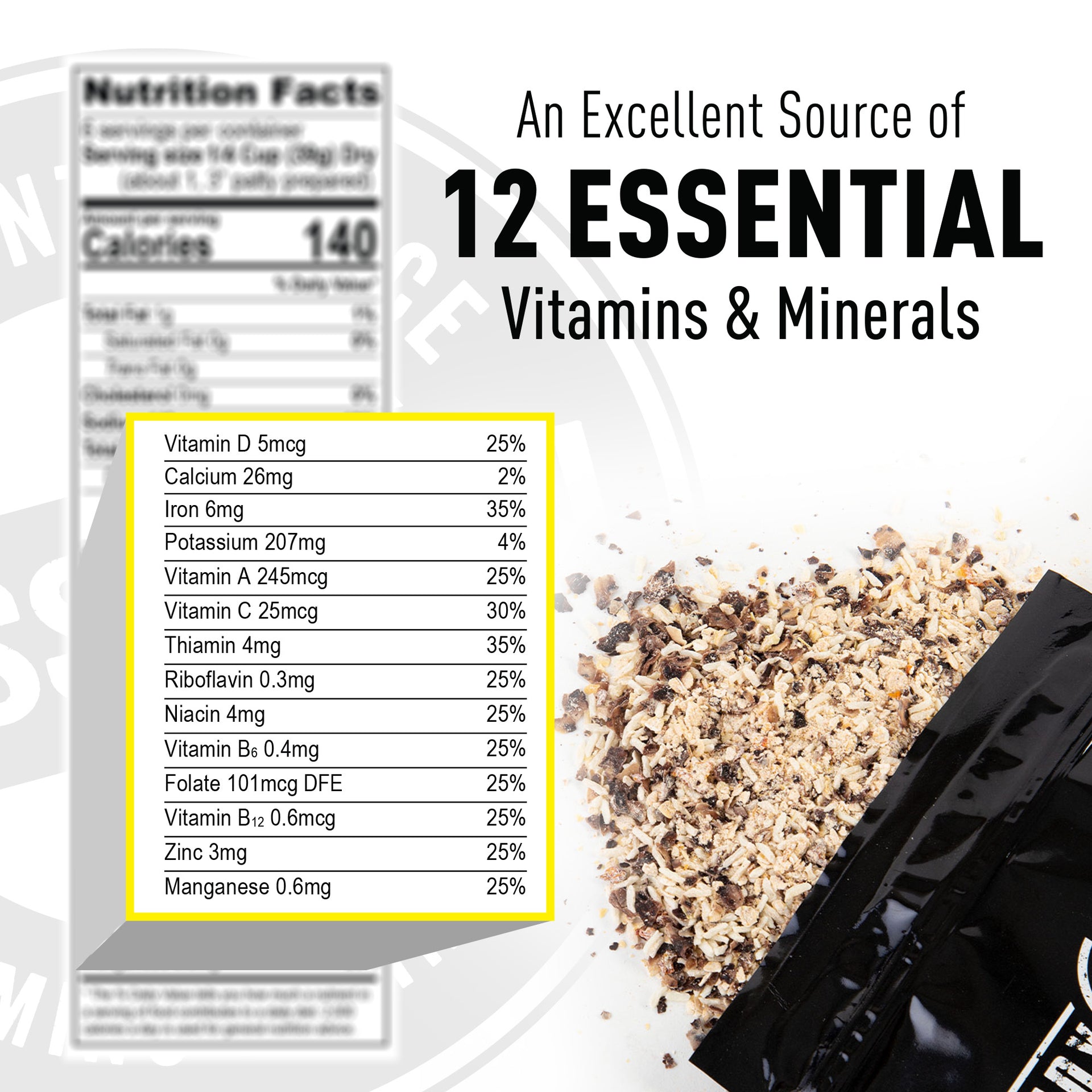
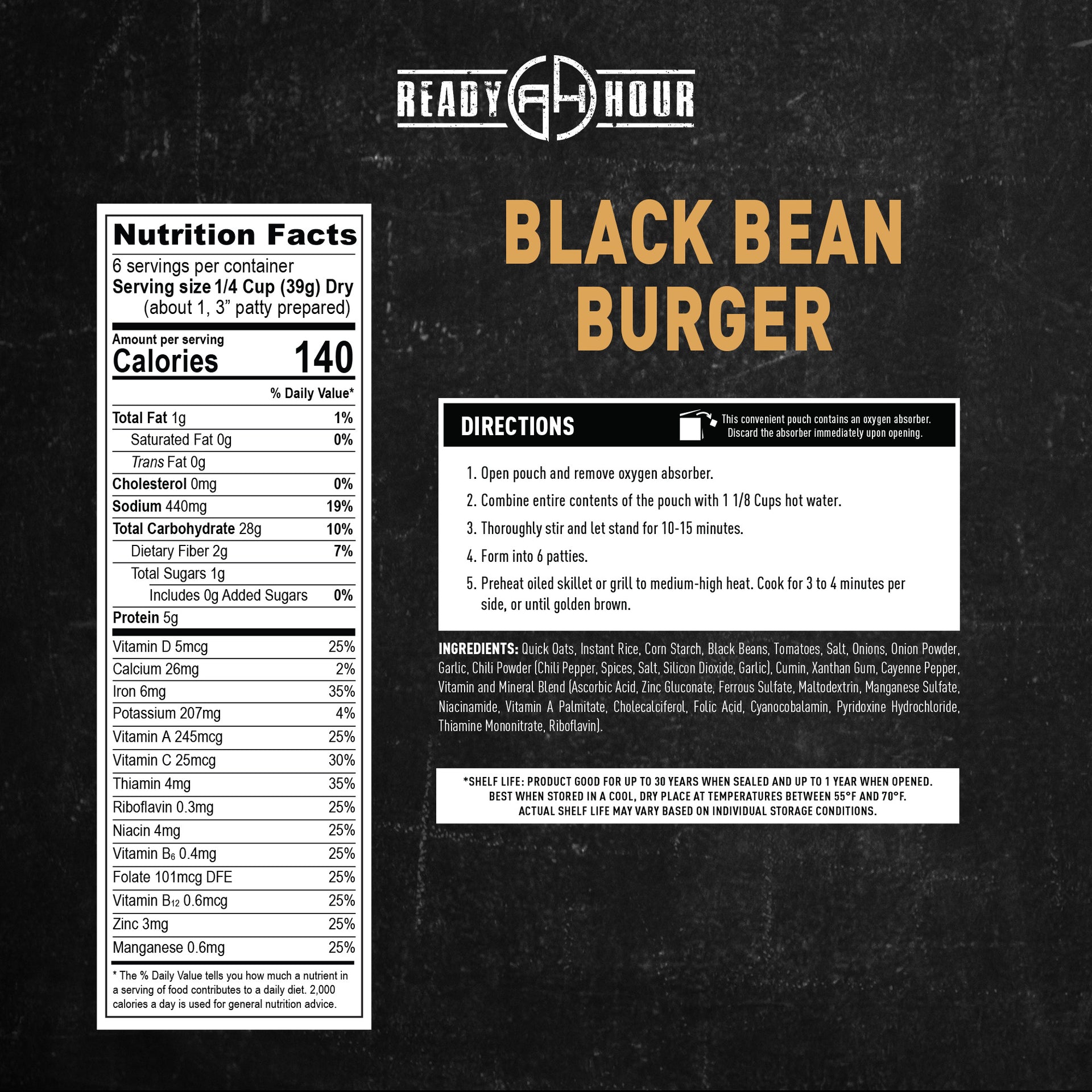
Reopening cattle imports may ease some pressure on U.S. feedlots, but it does not solve the larger supply problem behind record beef prices. Years of drought and shrinking herds have pushed U.S. cattle numbers to a 75-year low, while the screwworm threat adds another risk to an already tight market. Even with Mexican cattle moving across the border again, it will take months before those animals add to the beef supply. Stocking dependable meat and protein options gives families more control when livestock disease, drought, and shrinking herds put added pressure on beef prices and grocery availability.
Read the full article here.
Source: Reuters
By: Tom Polansek