At least seven people have died after days of severe storms and historic flooding devastated parts of Indiana. Storms began on August 11, bringing destructive winds up to 90–100 mph, followed by torrential rain that caused life-threatening flash flooding across central and northern Indiana. The White River crested near 25 feet in Anderson and Noblesville, surpassing a record set in 1913, while more than 11 inches of rain fell in parts of central Indiana over two days. Gov. Mike Braun declared a state of emergency as hundreds of structures were impacted, evacuations continued, roads and bridges were damaged, and recovery efforts moved forward across hard-hit communities.
Why This Matters:
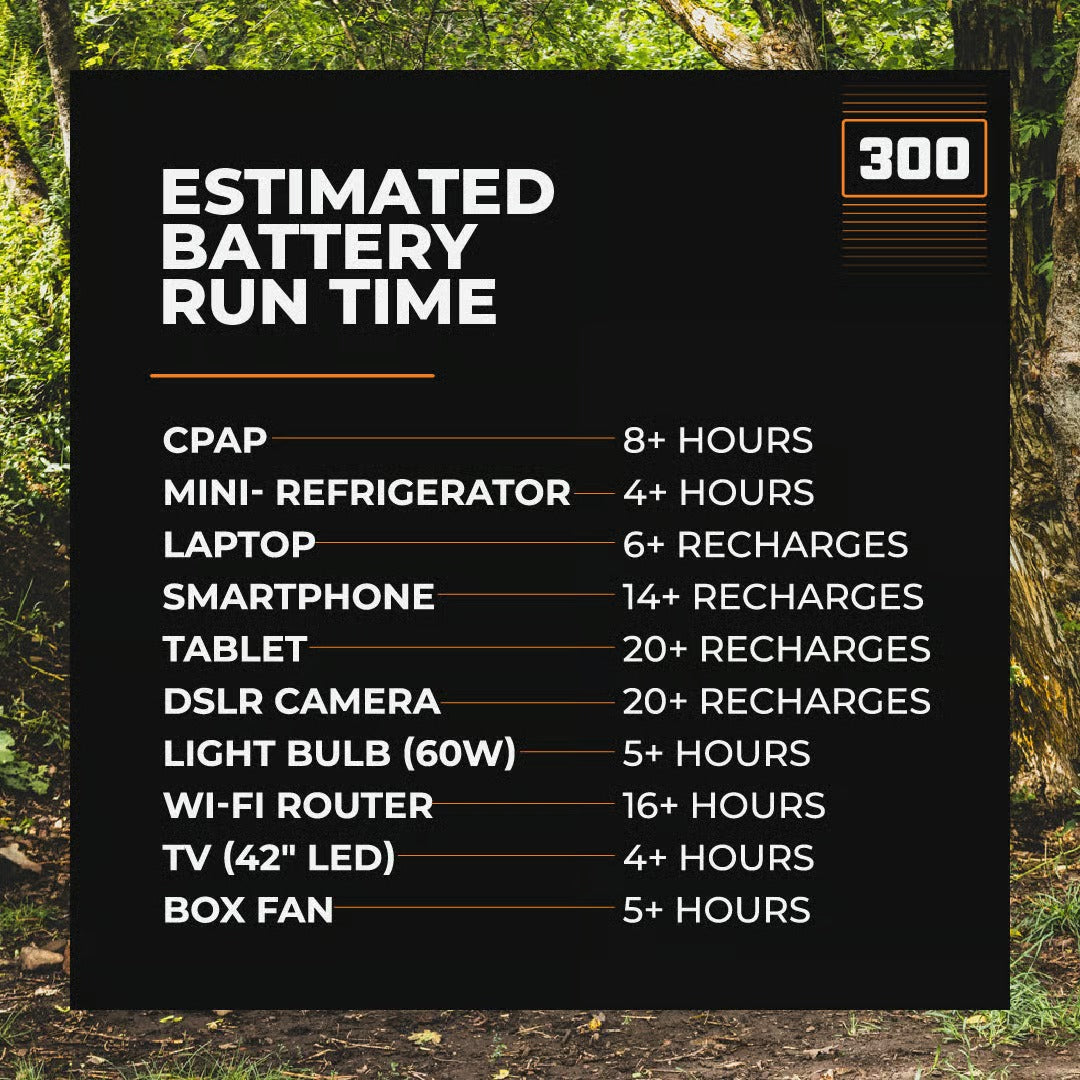
Flooding on this scale can reshape daily life long after the rain stops. Roads collapse, bridges fail, homes are damaged, power goes out, and families can be forced to evacuate with little warning. When a storm breaks records that stood for more than a century, it is a reminder that past experience is not always enough to measure today’s risk. For households, emergency supplies, safe water, backup power, and a go-bag should be ready before the next warning comes.
Read the full article here.
Source: FOX Weather
By: Olivia Stephens