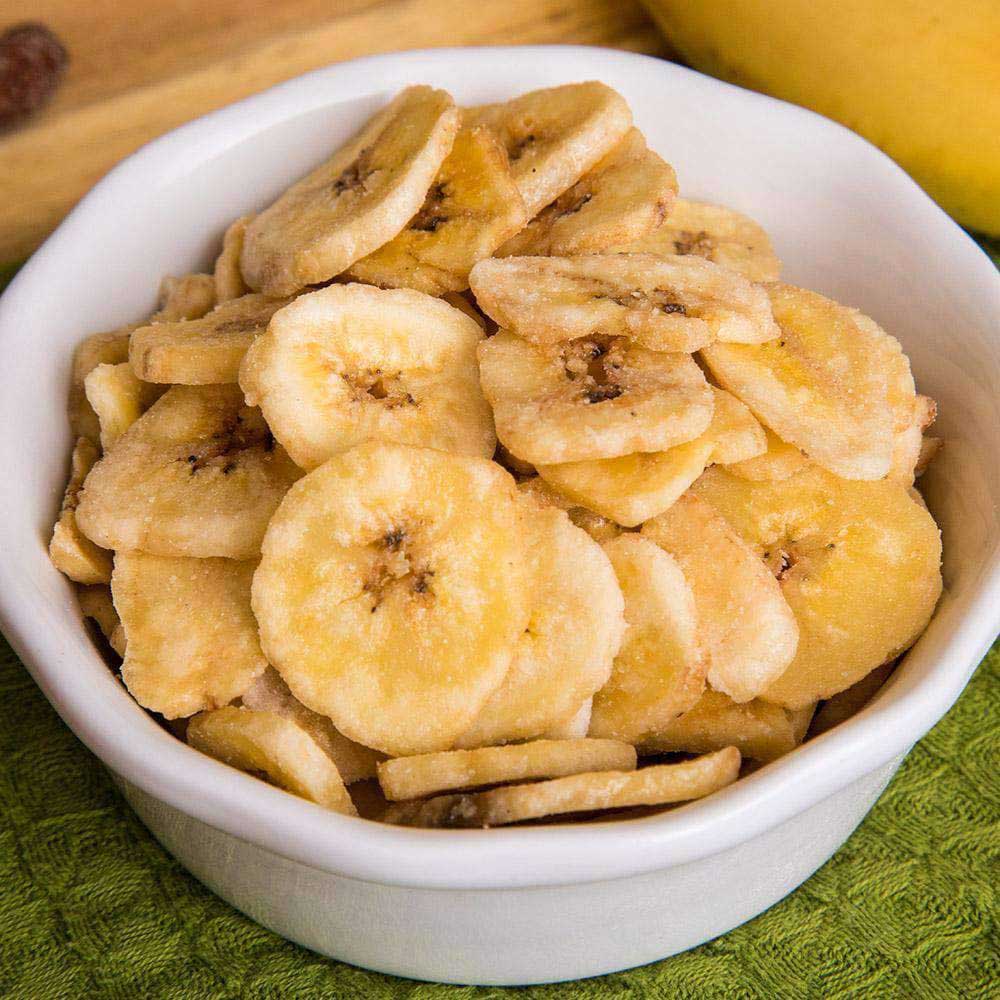
Gene-edited bananas designed to resist browning are moving closer to supermarket shelves in England after receiving a key government approval. UK-based Tropic Biosciences used CRISPR-Cas9 technology to alter three genes responsible for producing the enzyme that causes bananas to brown. The company says the bananas can remain fresh for up to 24 hours after being peeled or cut, potentially reducing food waste and damage during transportation. The fruit still requires food safety approval before it can be sold, but once approved, it will not have to carry a label identifying it as gene-edited.
Why This Matters:
Gene editing is beginning to change the foods consumers may find in everyday grocery stores. Supporters see the technology as a way to reduce waste, improve crop resilience, and extend shelf life, while its growing use also raises questions about transparency and how much consumers will know about changes made to the food they buy. In England, these bananas could eventually be sold without any label identifying them as gene-edited. As new technologies become a larger part of food production, keeping a dependable emergency food supply at home gives families more control over the foods they have available when the broader food system changes.
Read the full article here.
Source: AOL / The Telegraph
By: Joe Pinkstone