The U.S. Strategic Petroleum Reserve has fallen to its lowest level in more than four decades as oil continues to be released in response to disruptions from the Iran war. The reserve held more than 415 million barrels in March, but has since fallen below 285 million, a decline of roughly 30%. Experts have also raised concerns that lower inventory levels and repeated rapid drawdowns could reduce how quickly oil can be removed from the underground salt caverns and increase stress on the aging system.
Why This Matters:
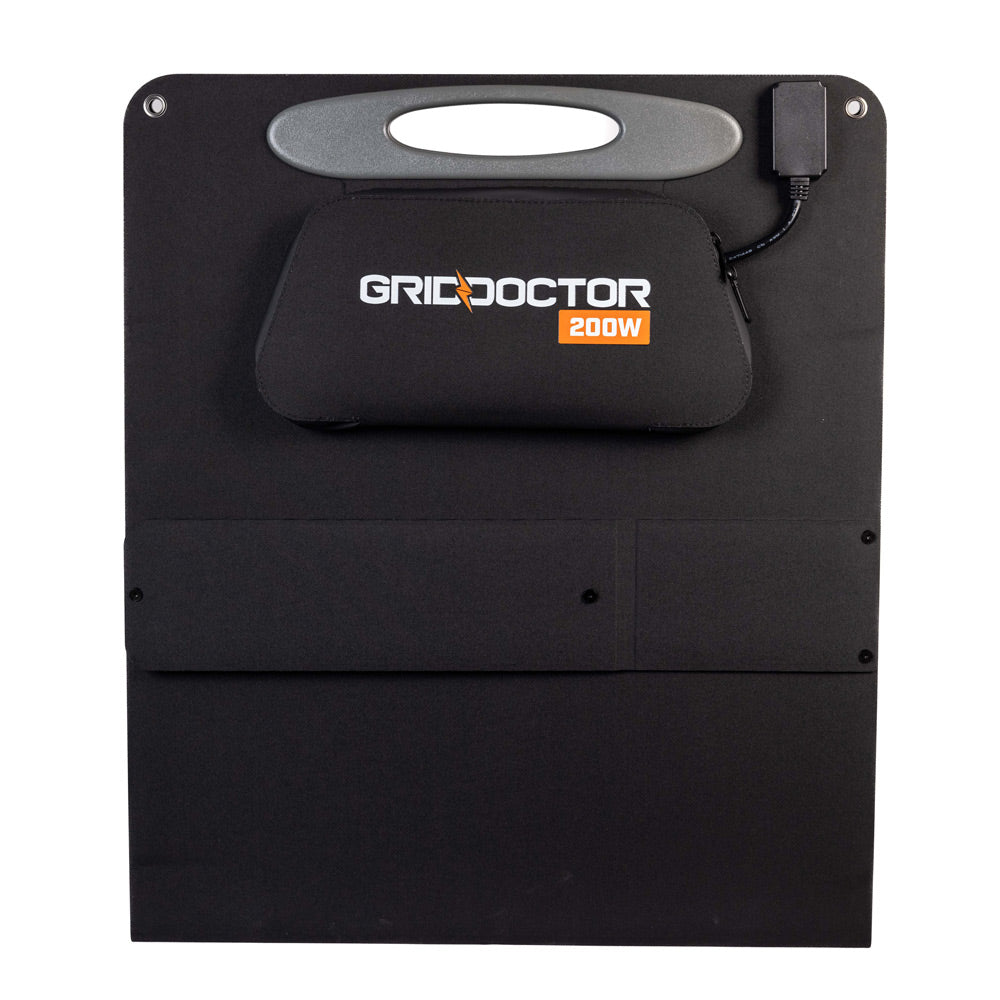
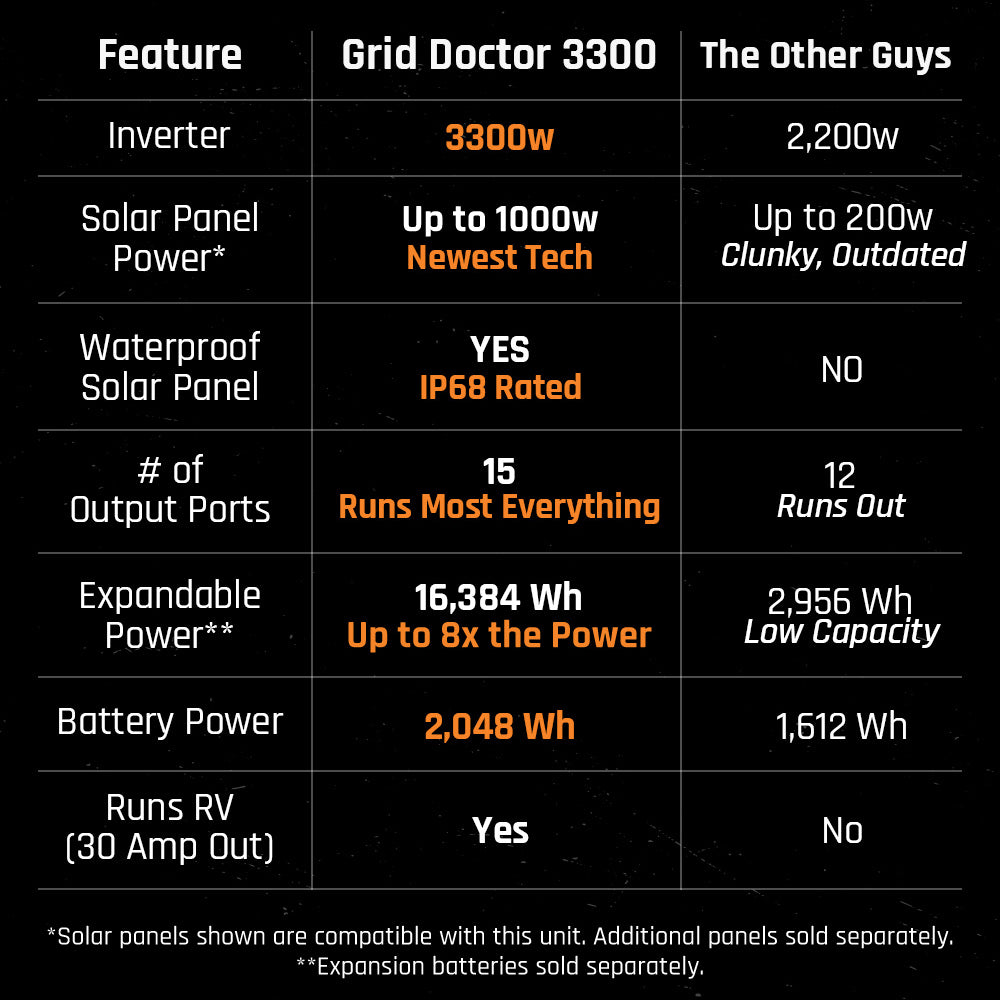
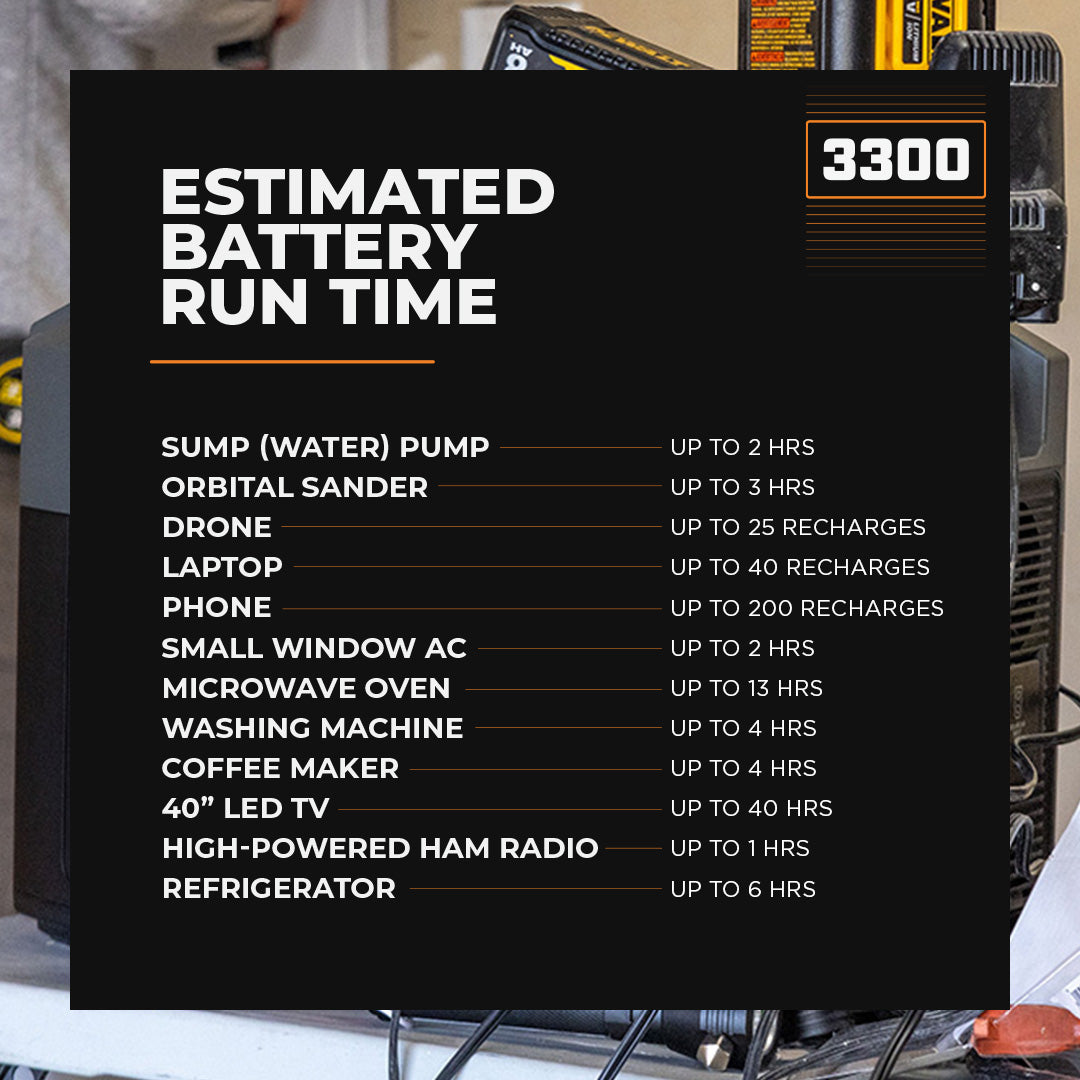
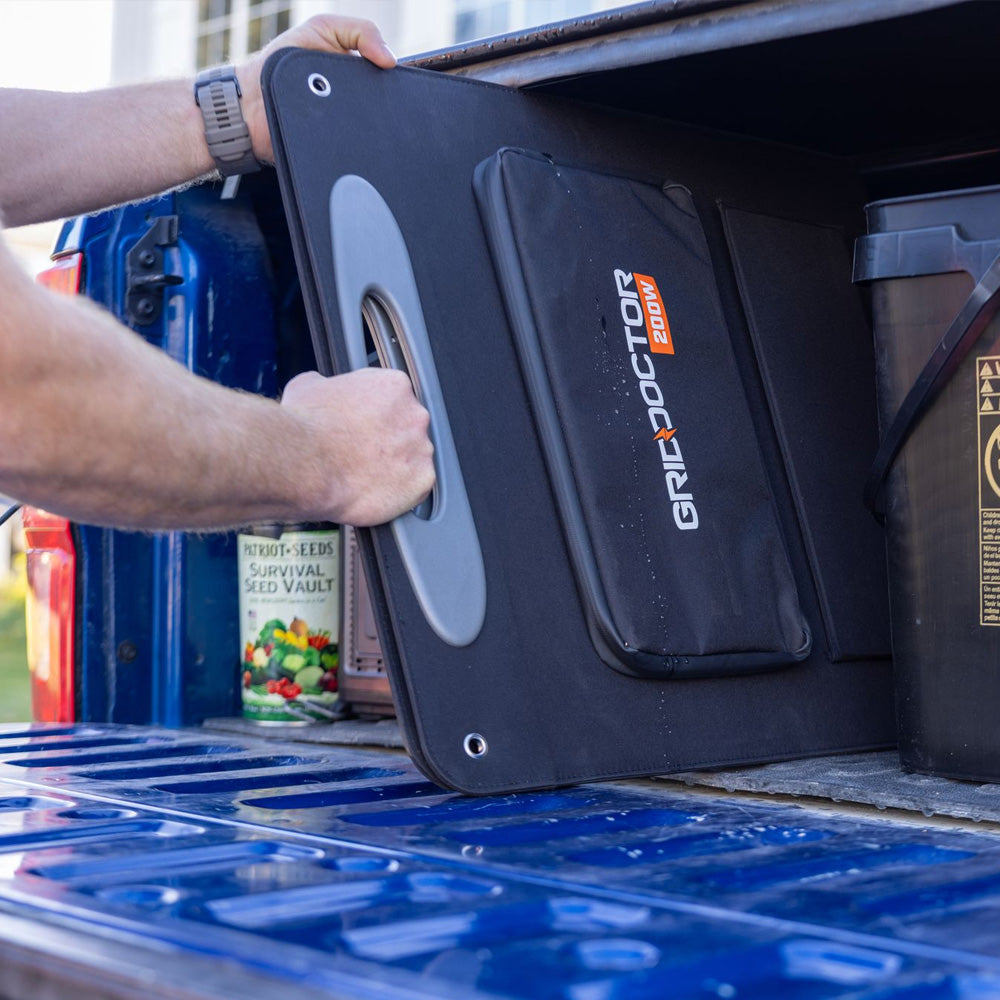
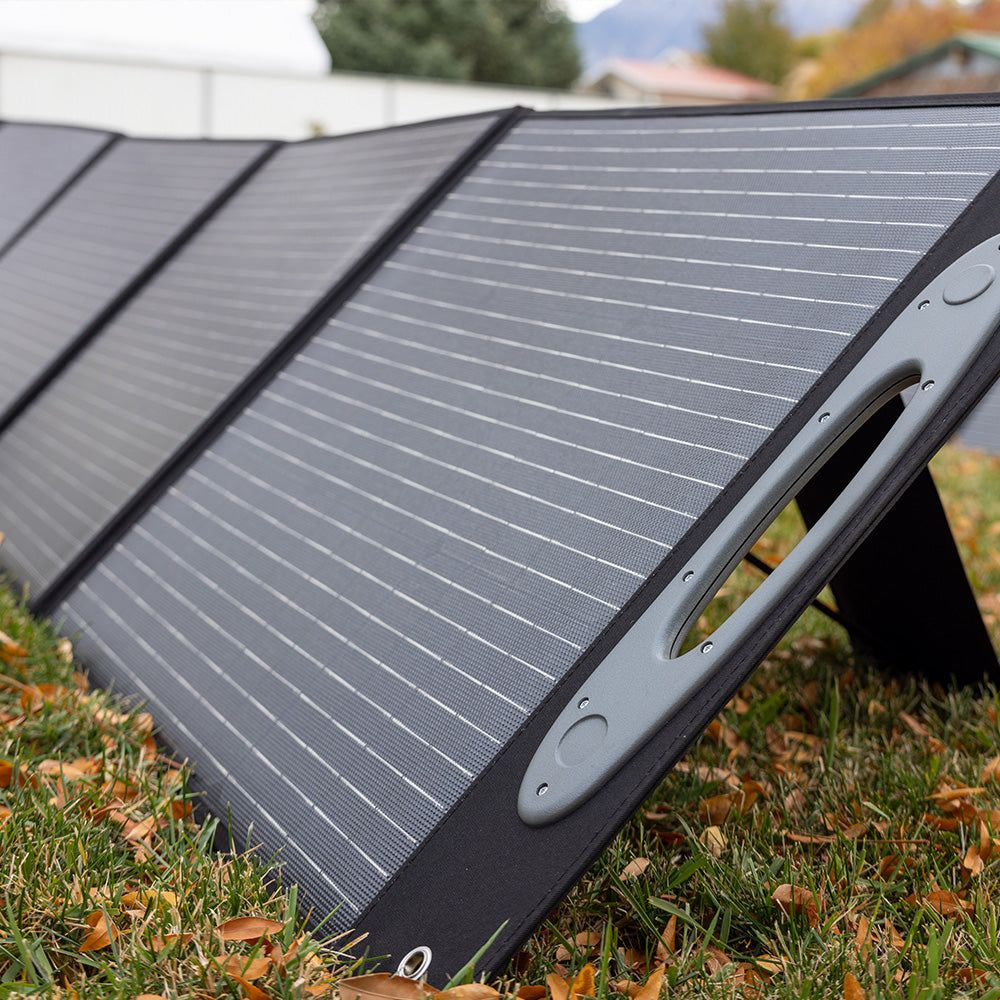
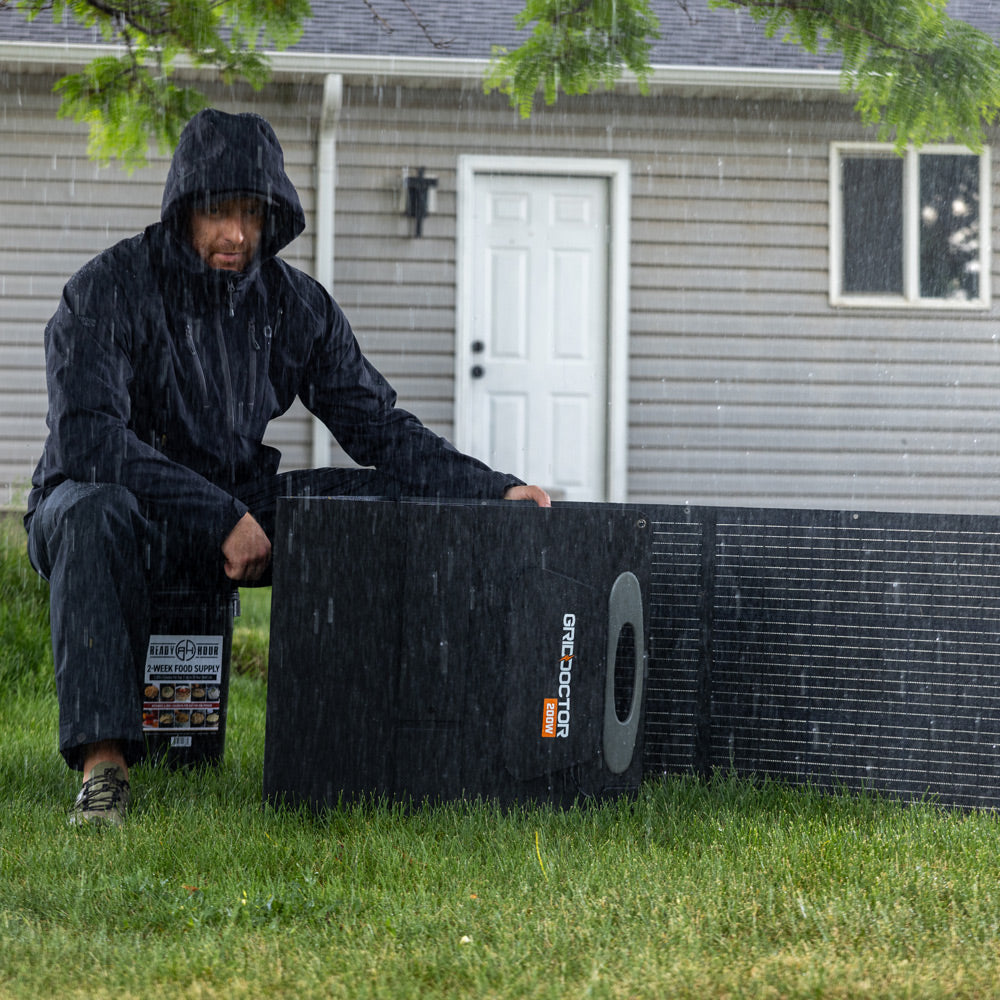
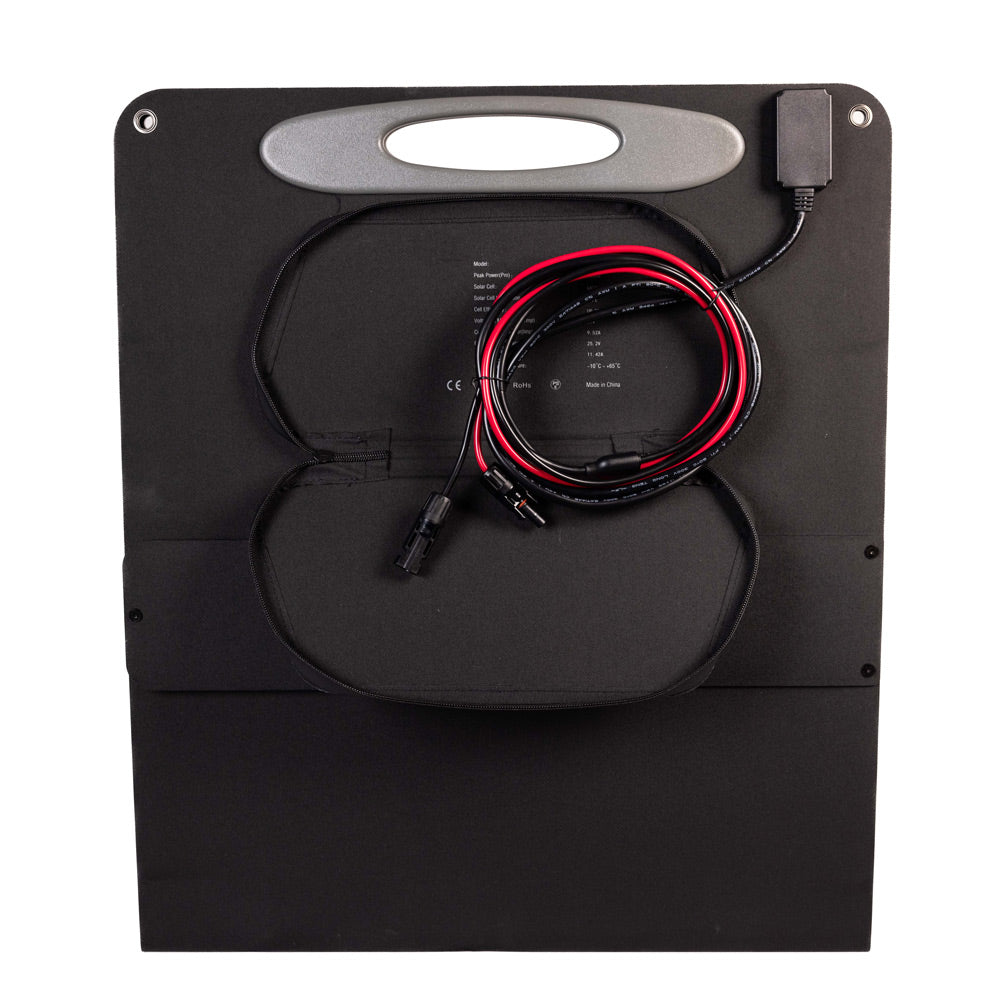
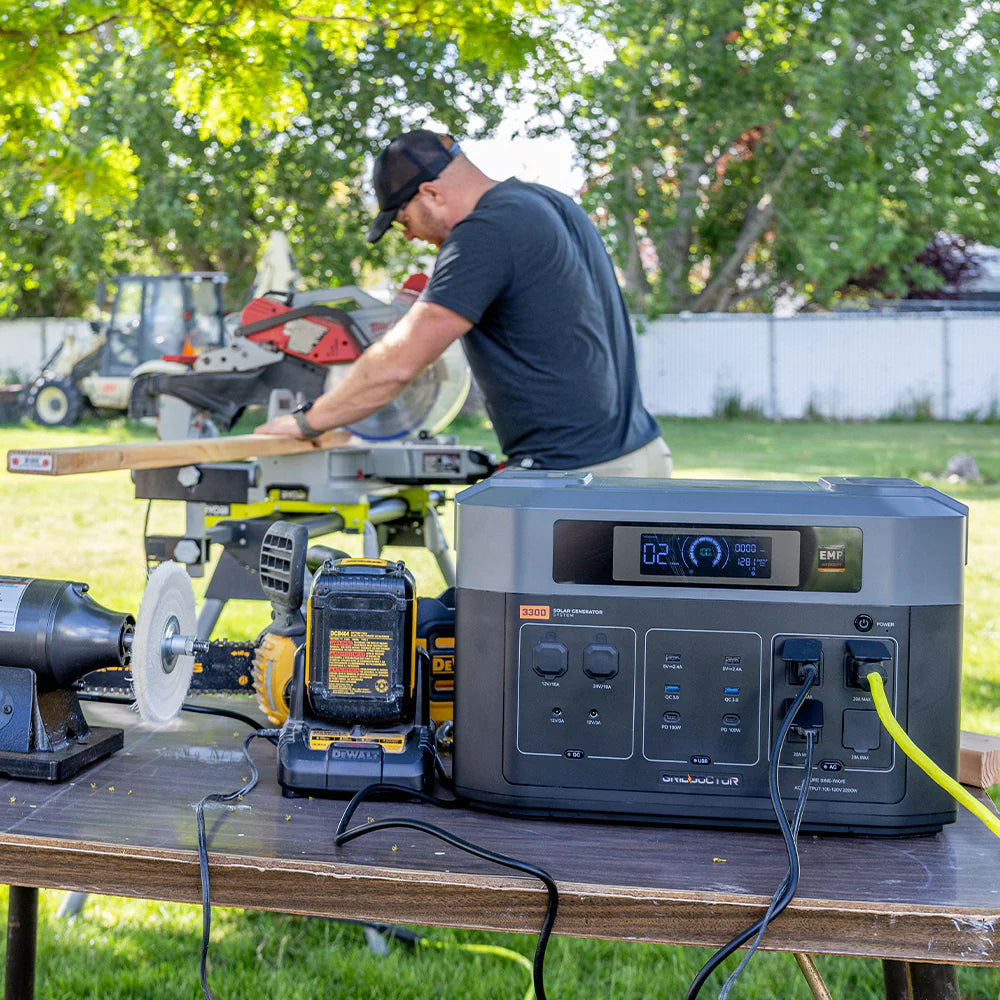
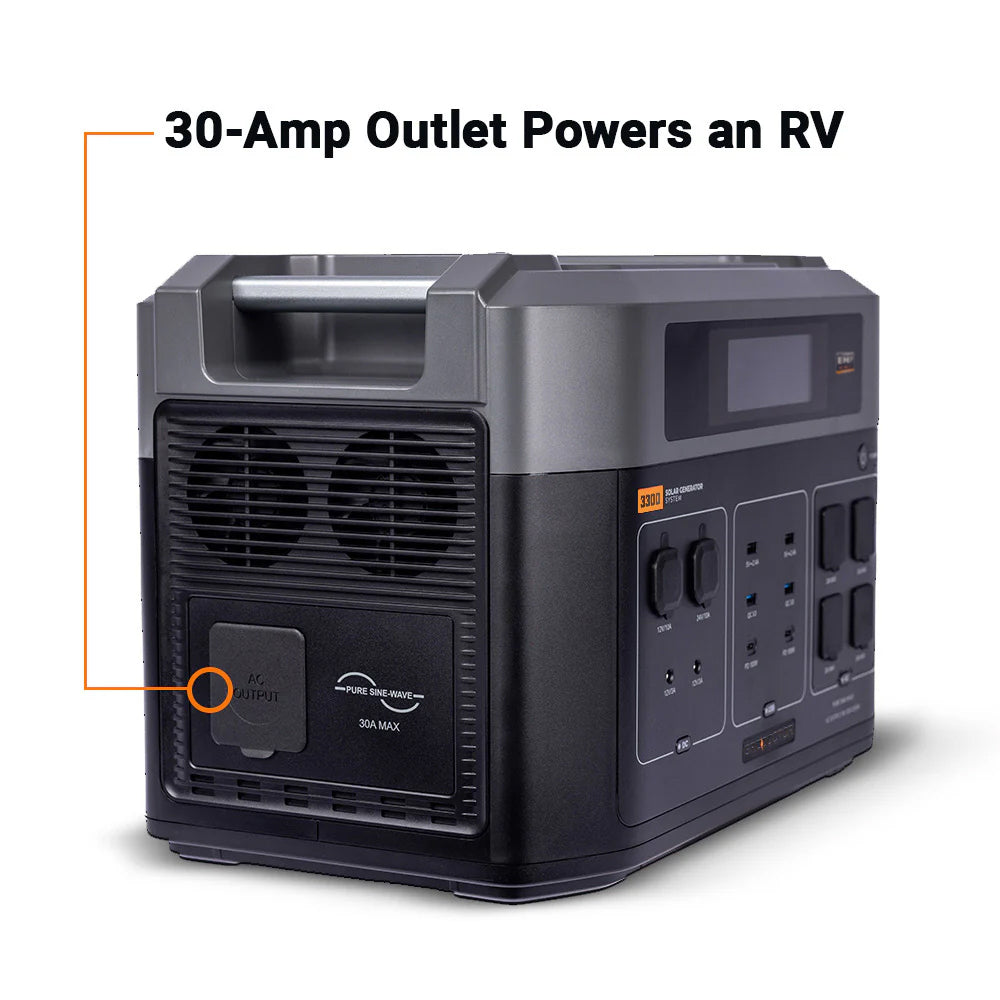
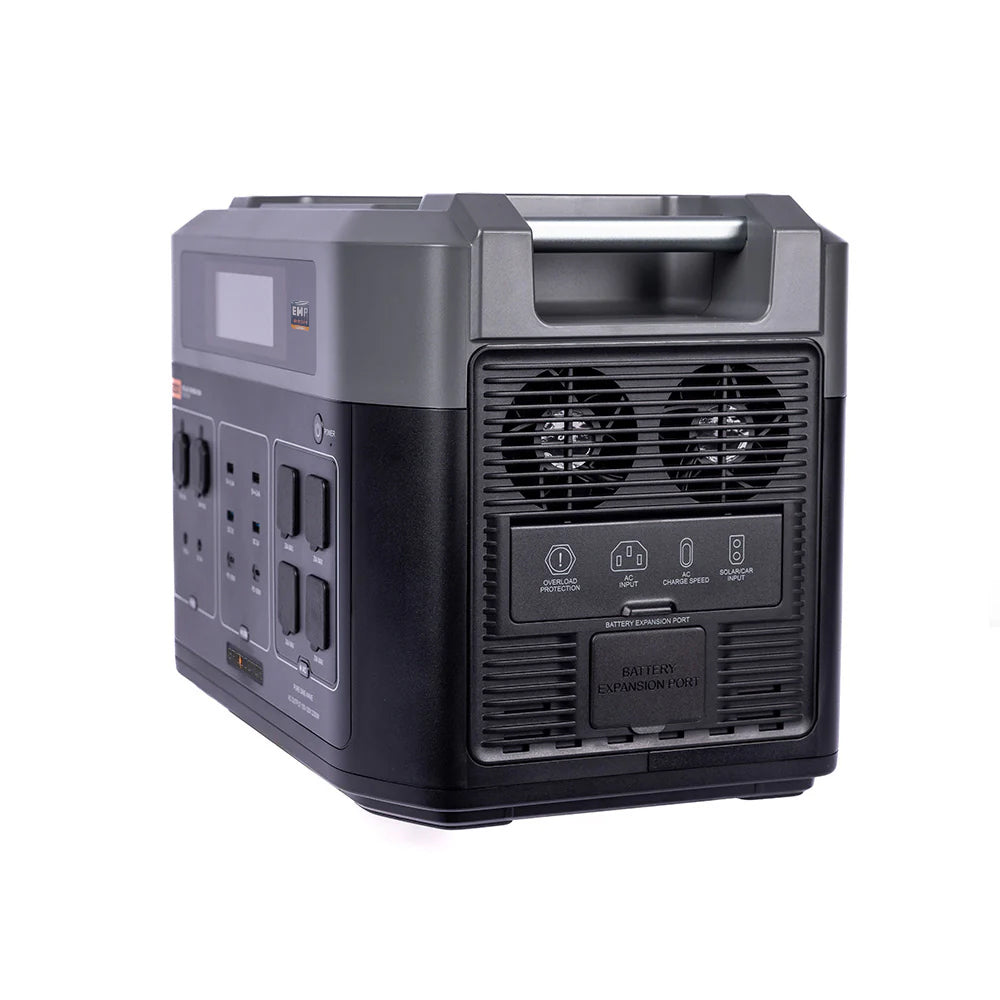
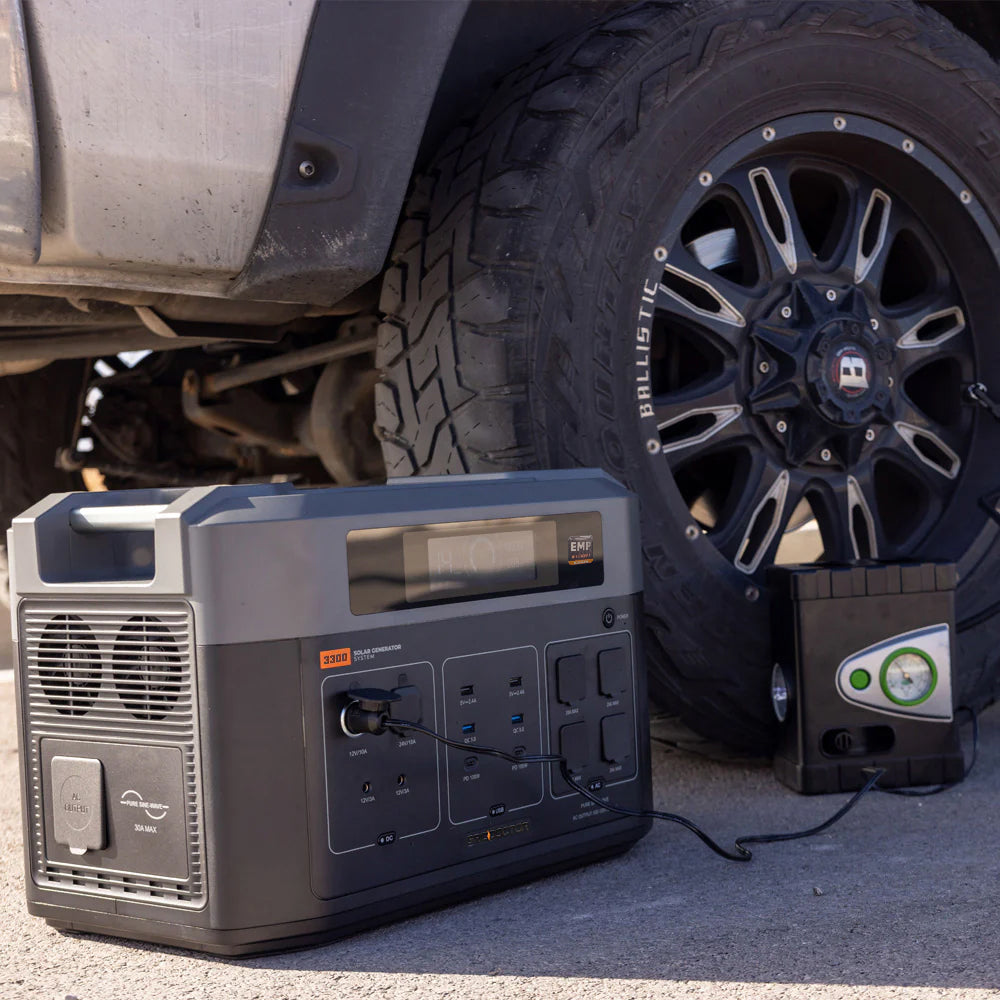
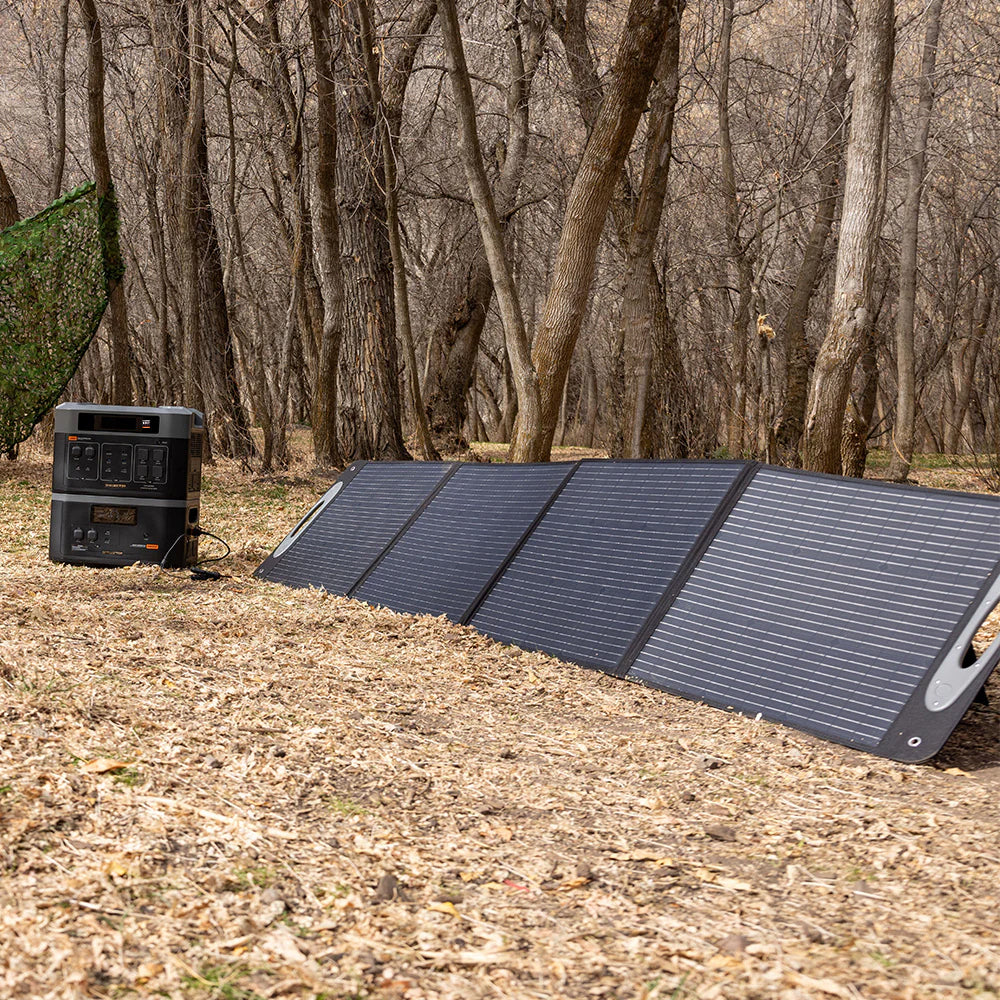
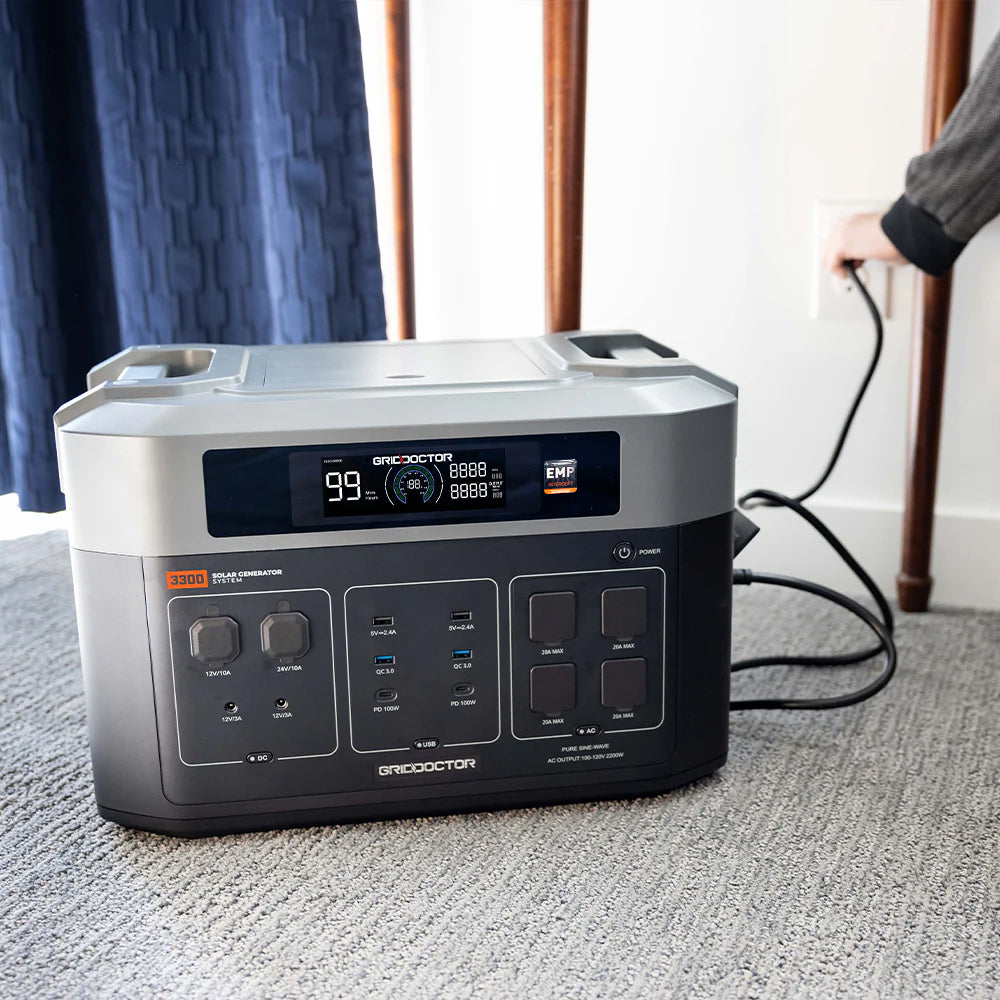
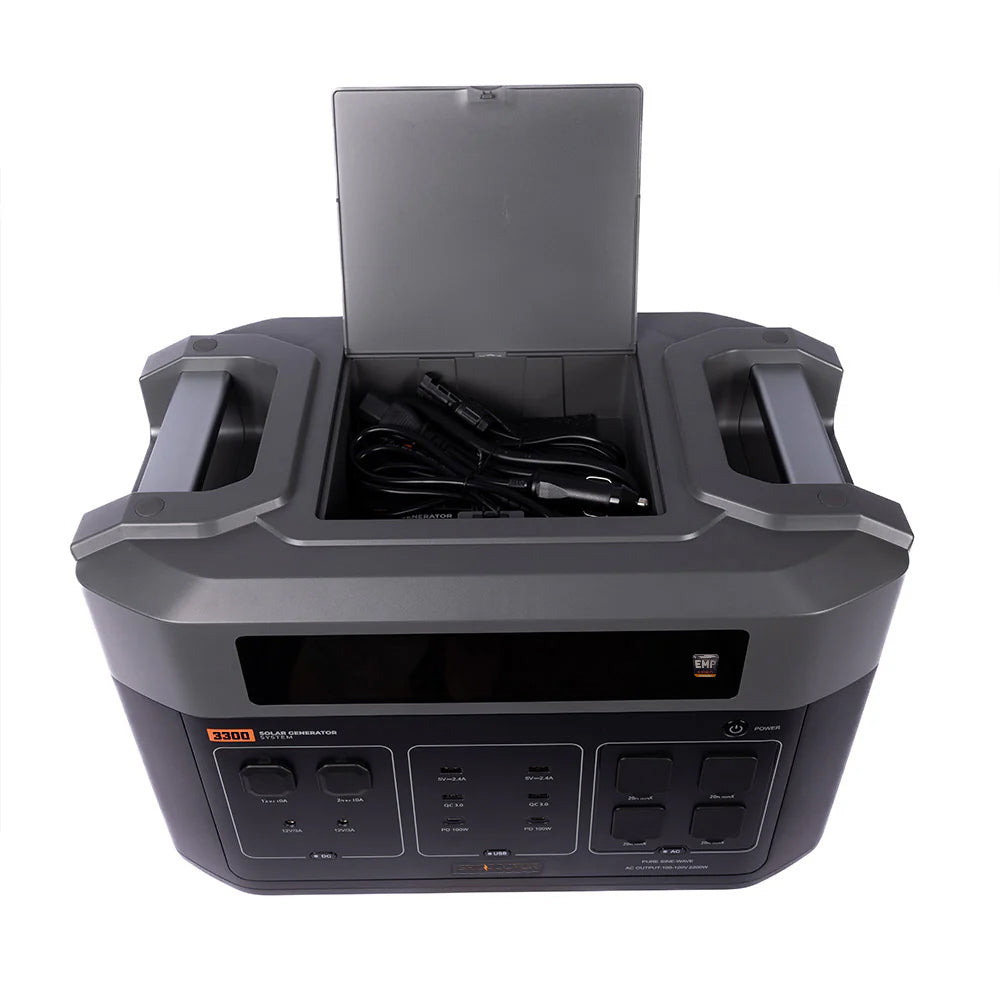
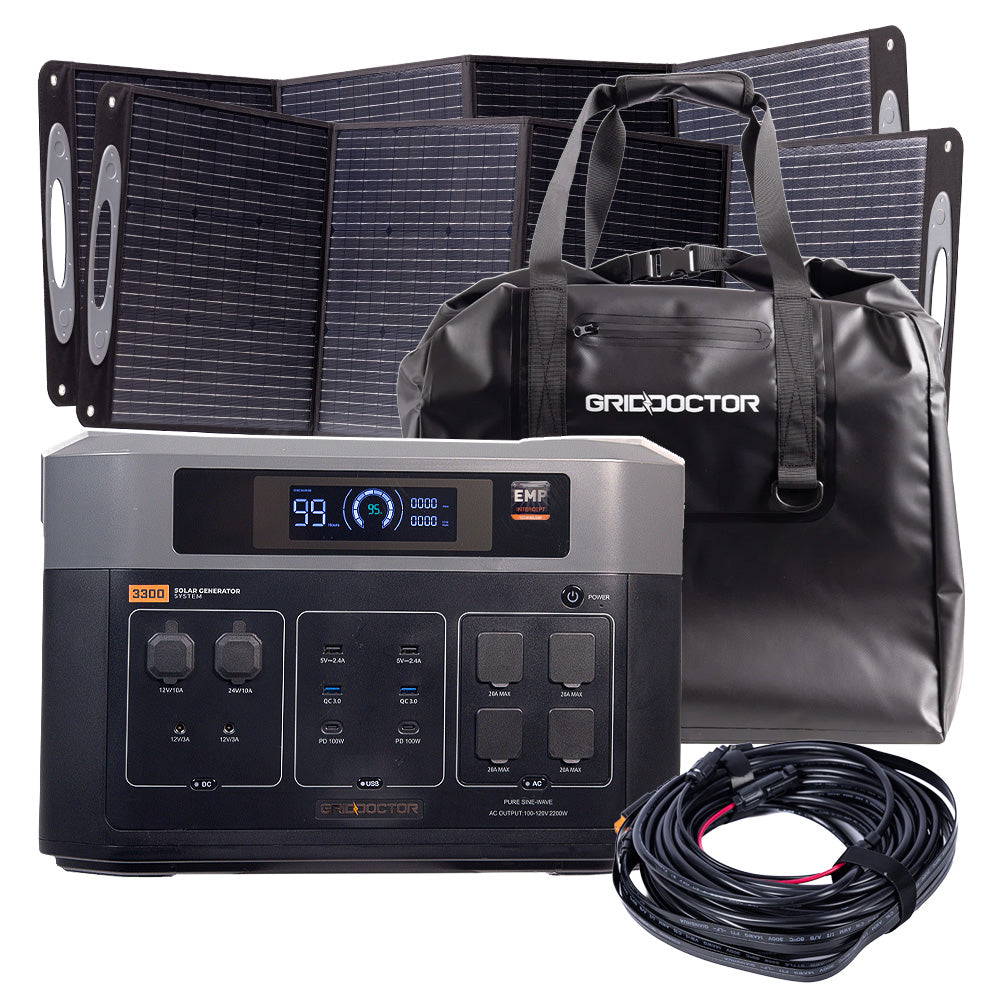
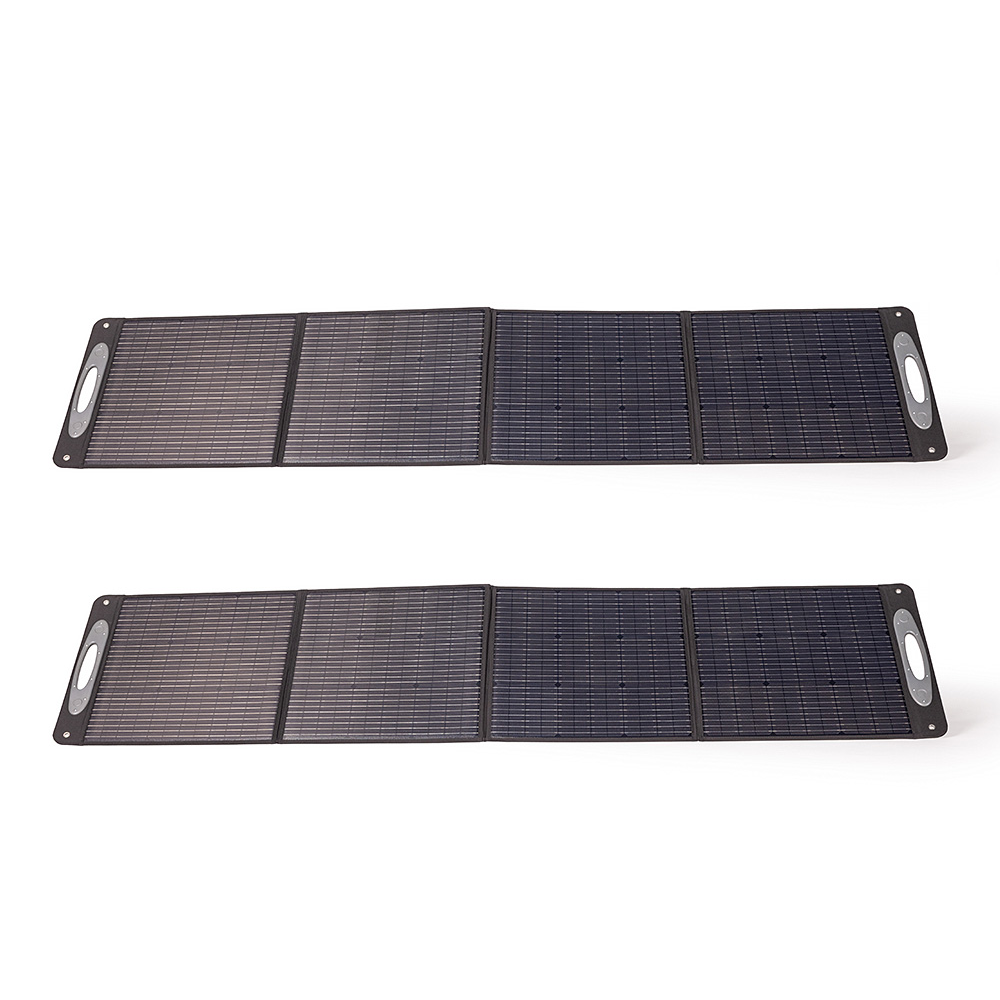
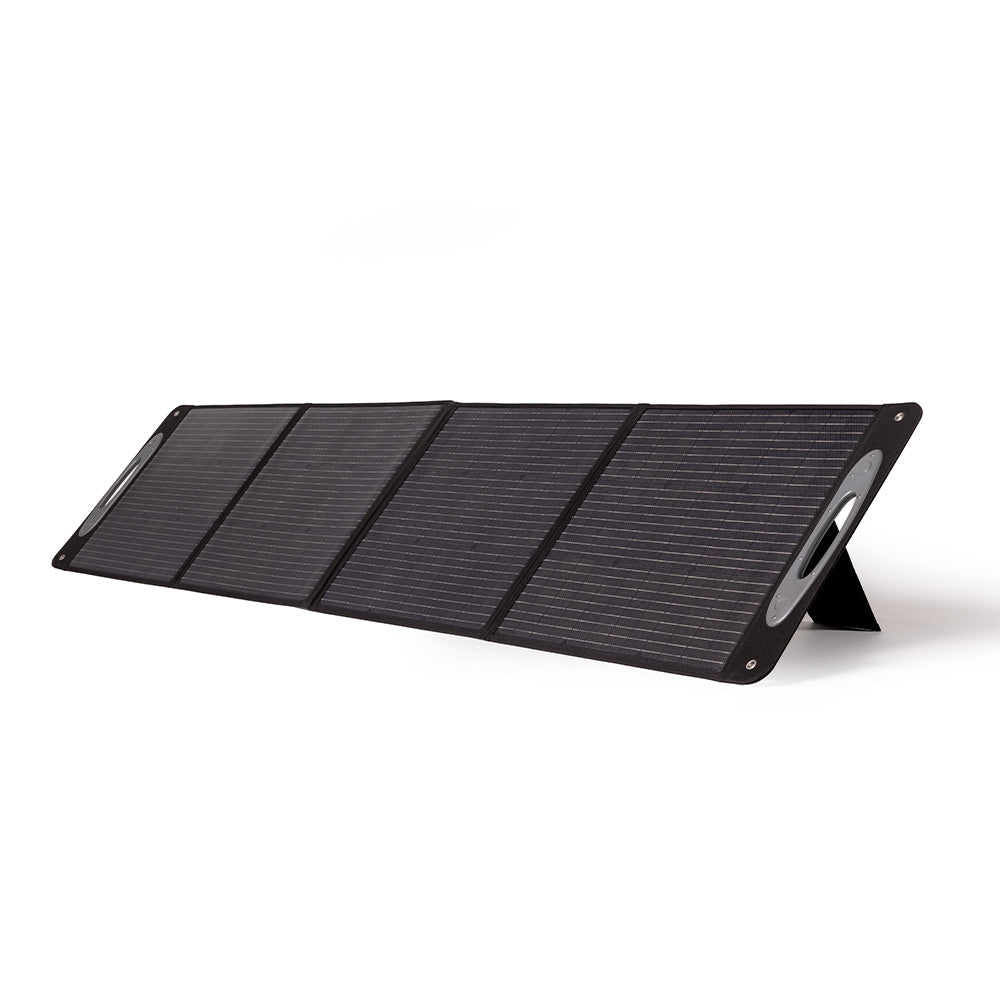
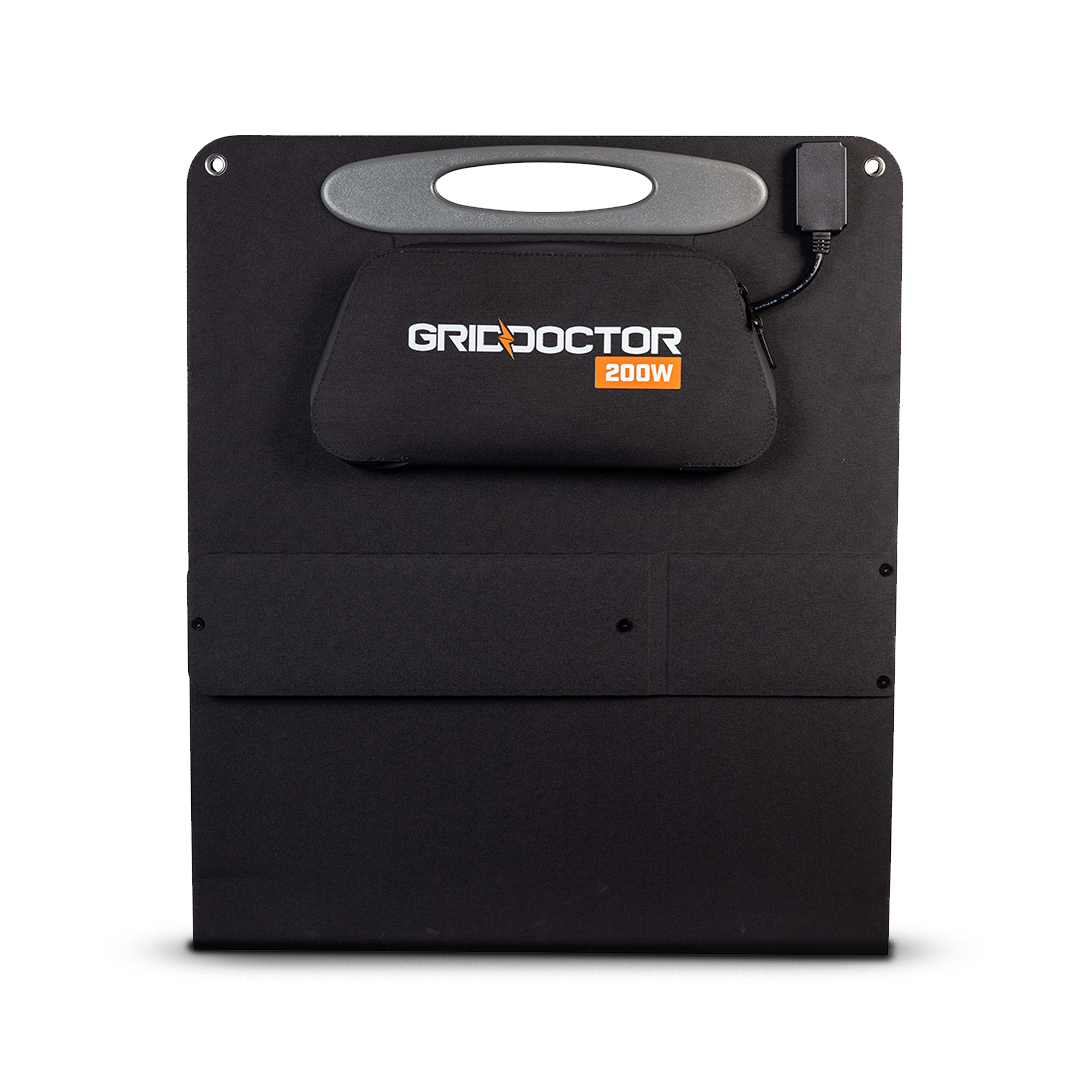
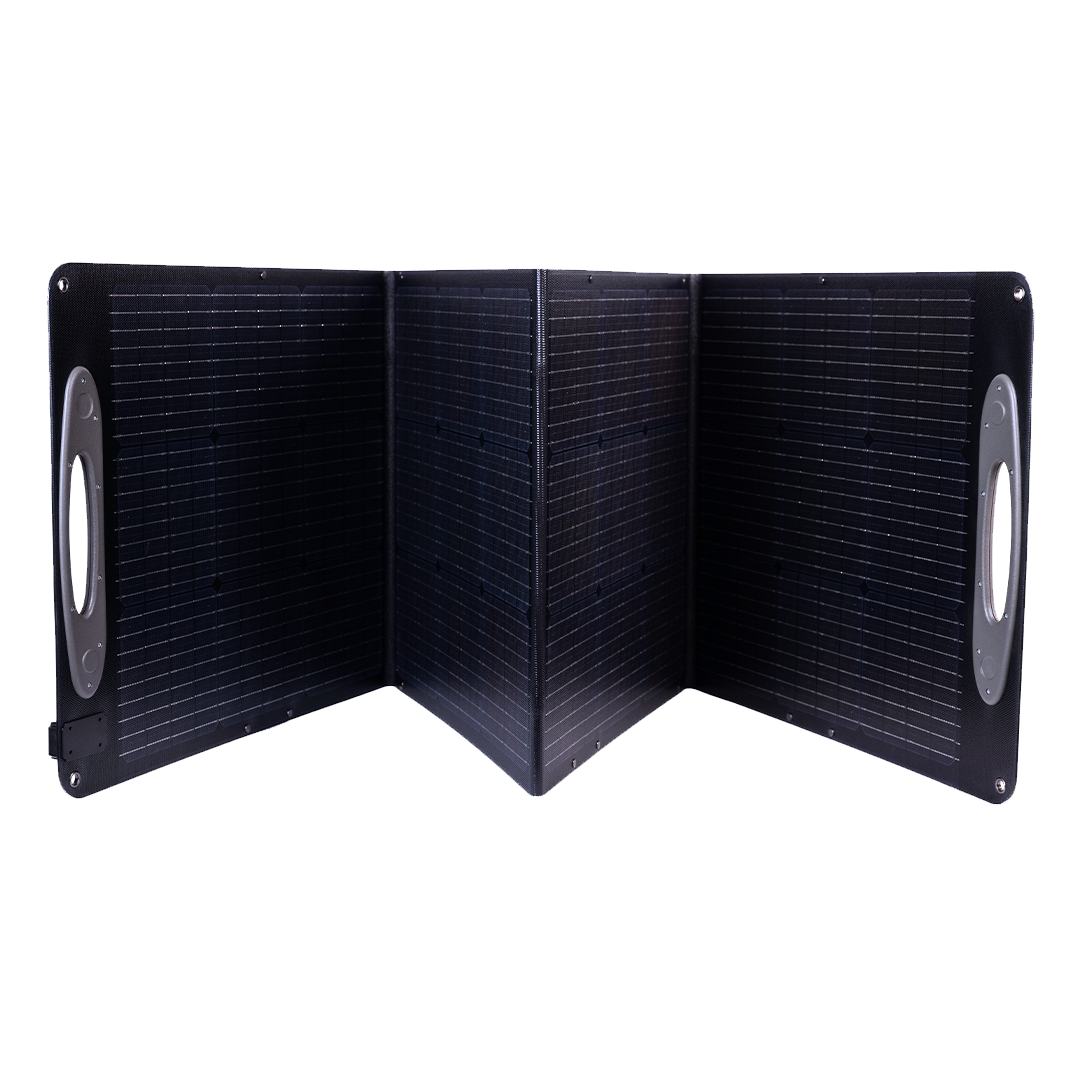
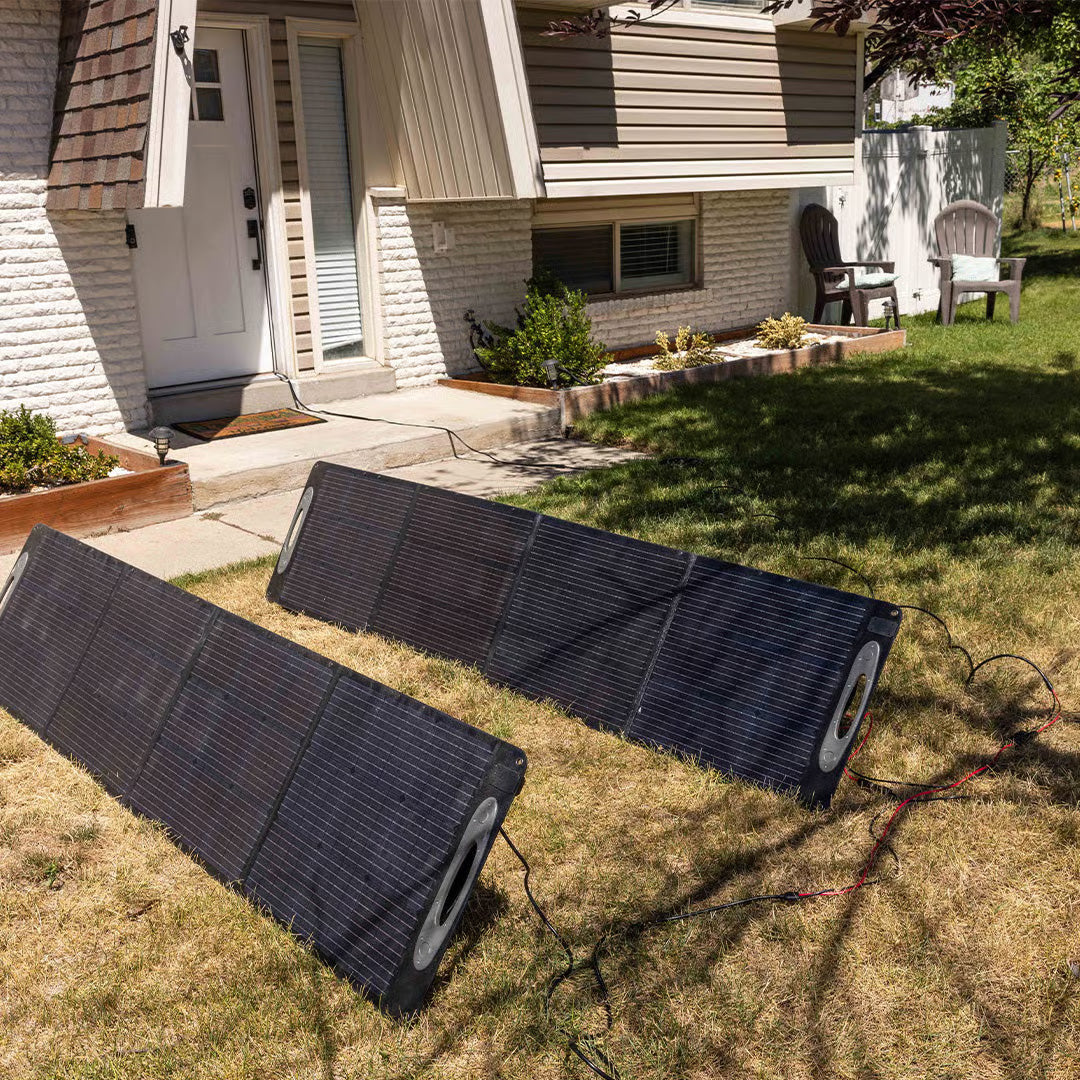
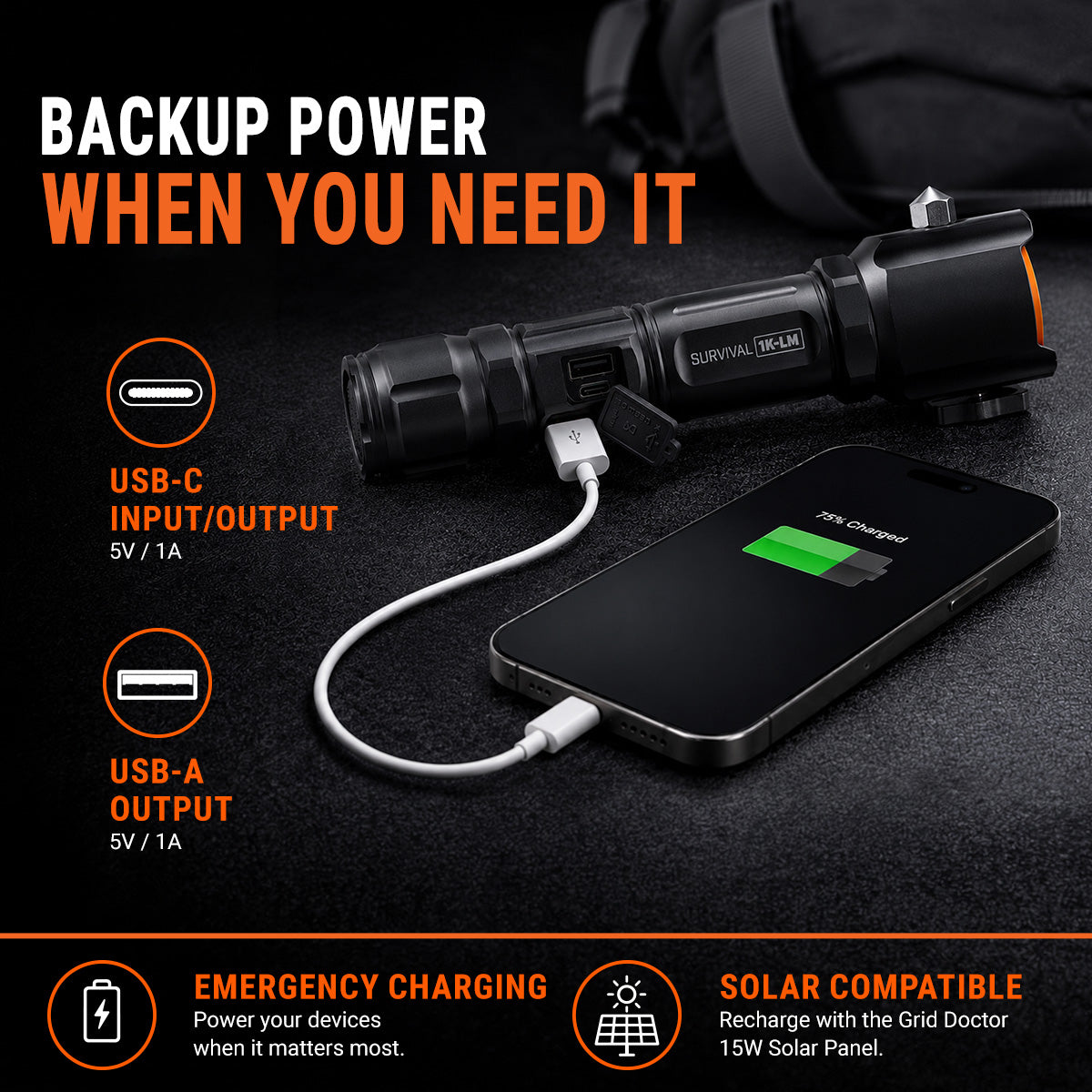
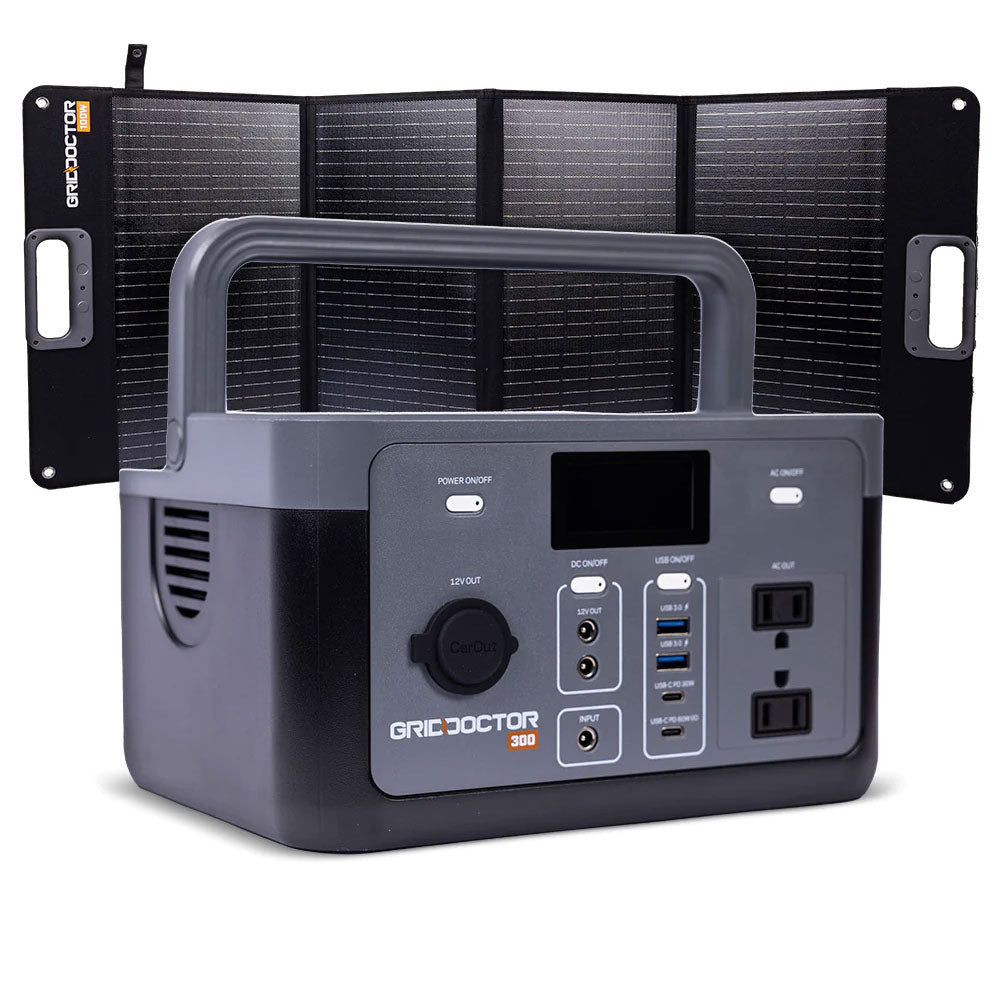
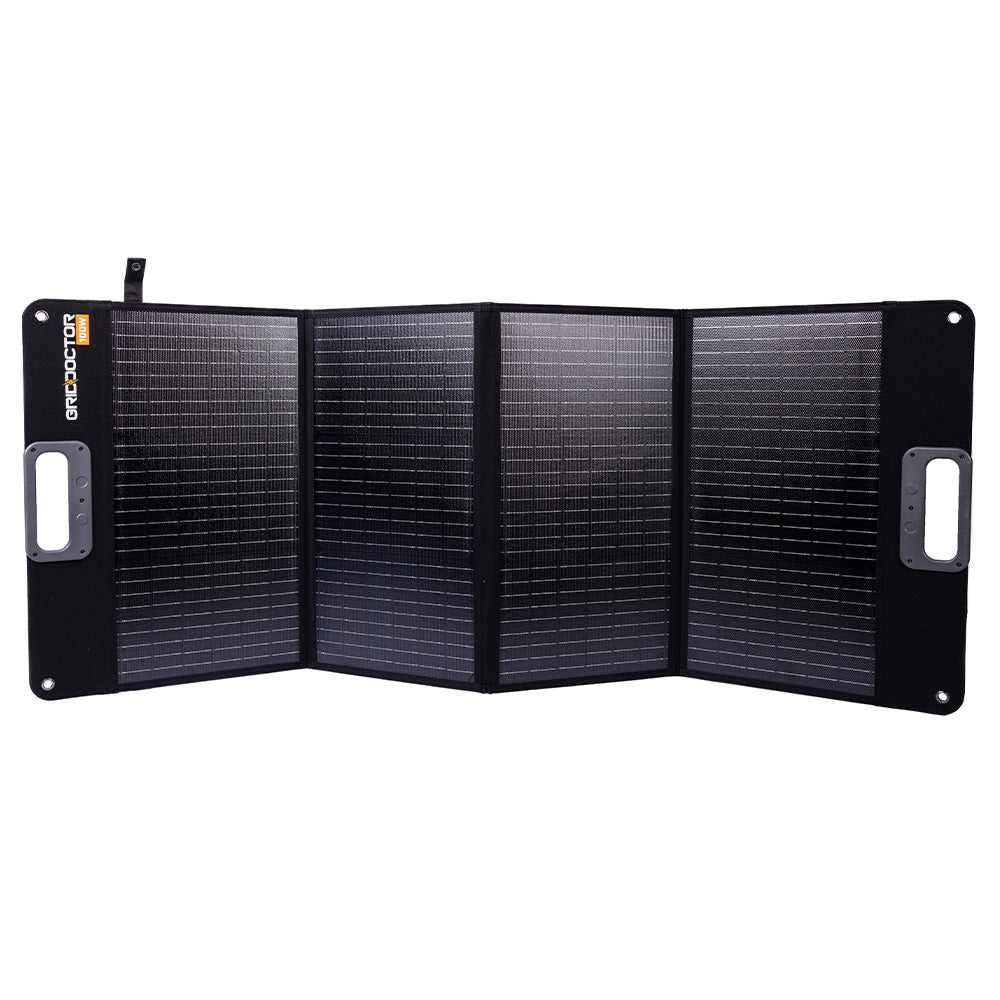
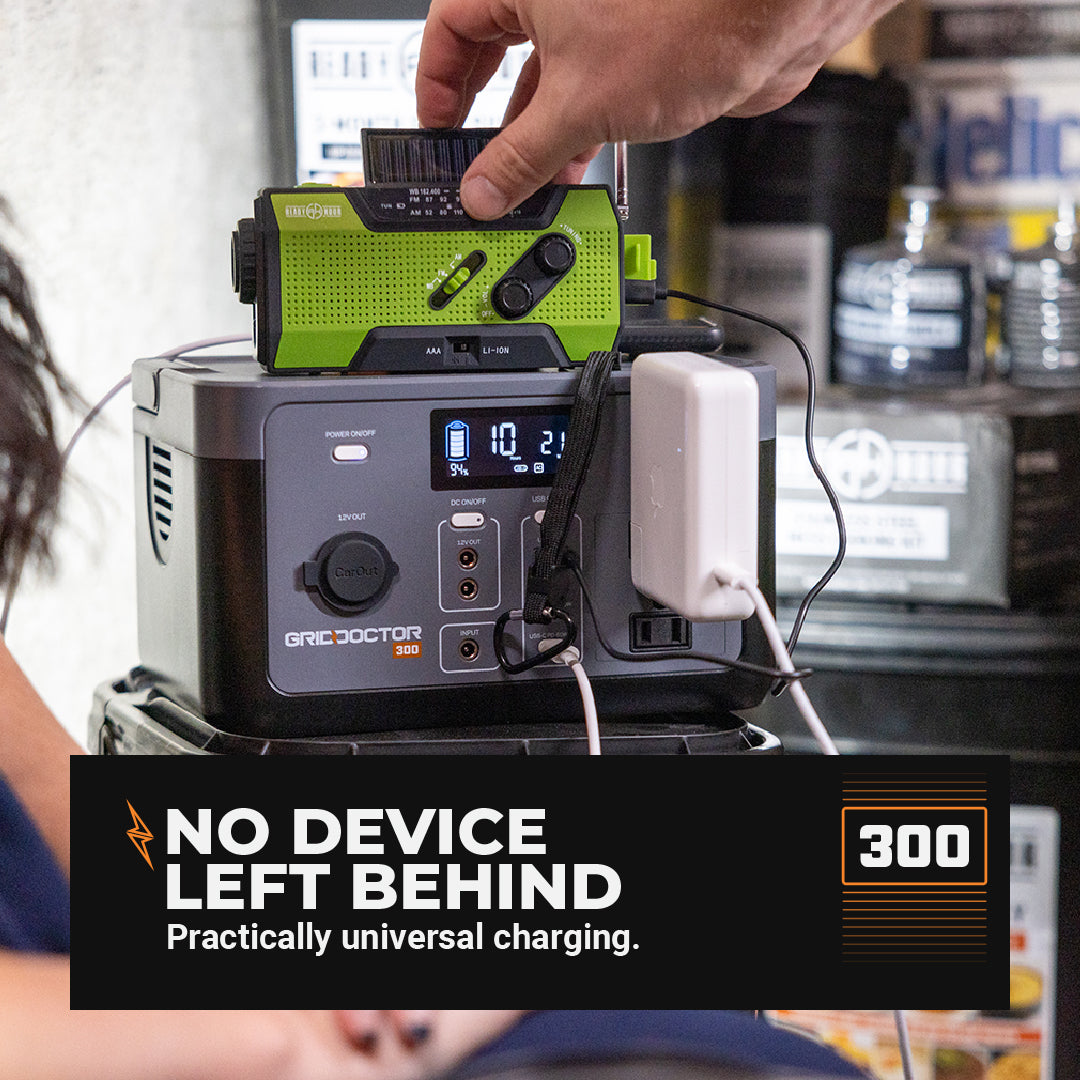
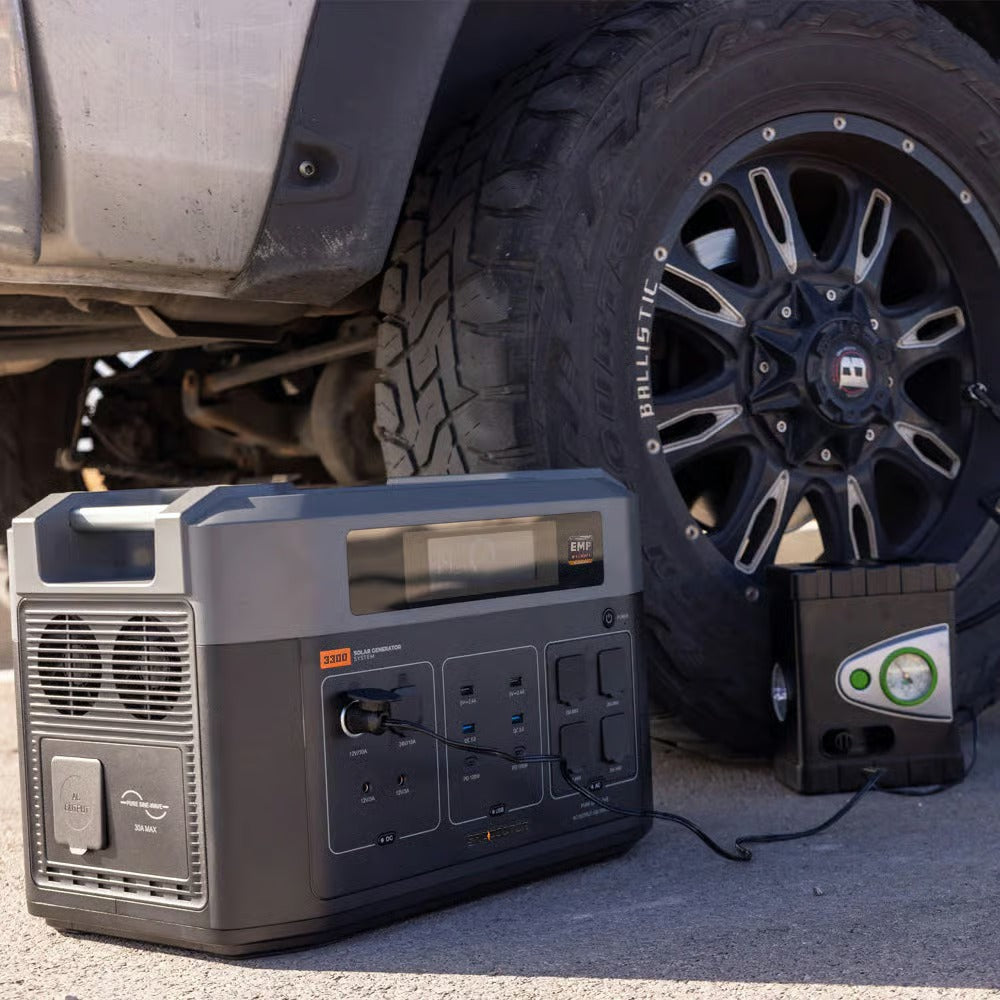
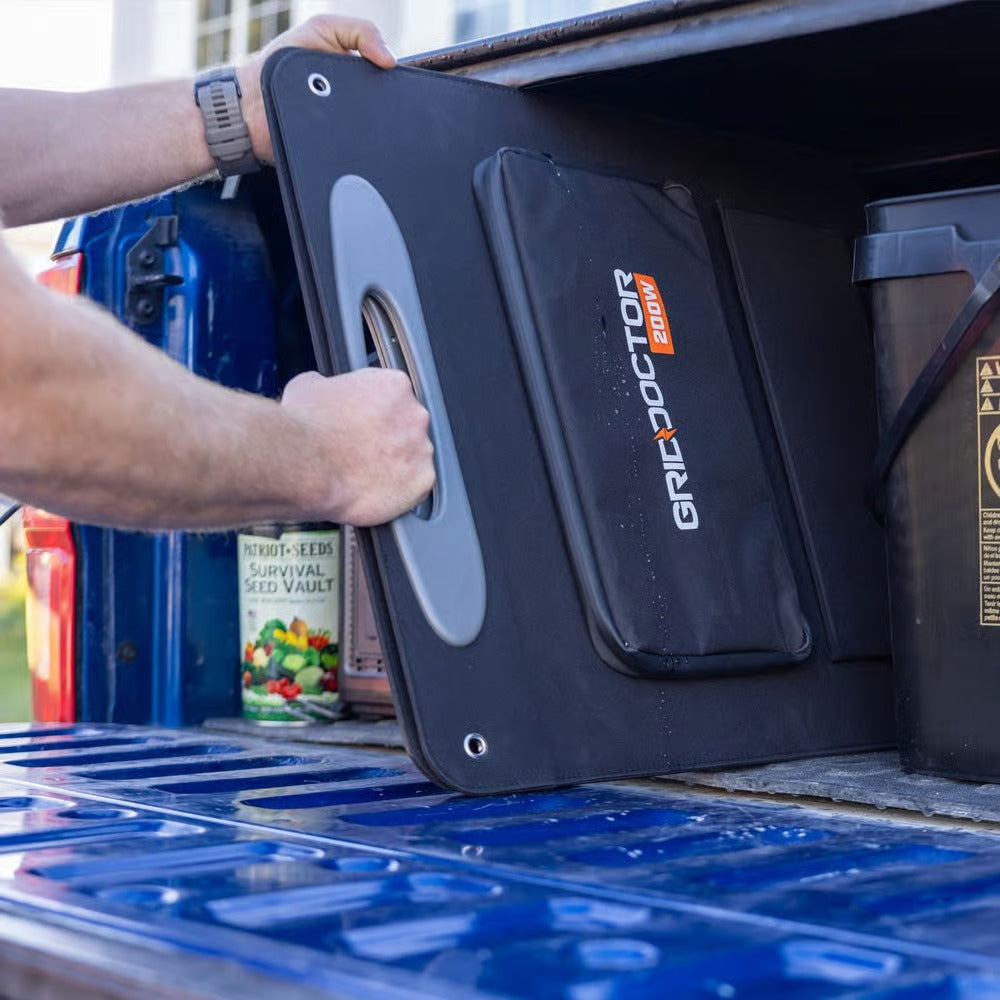
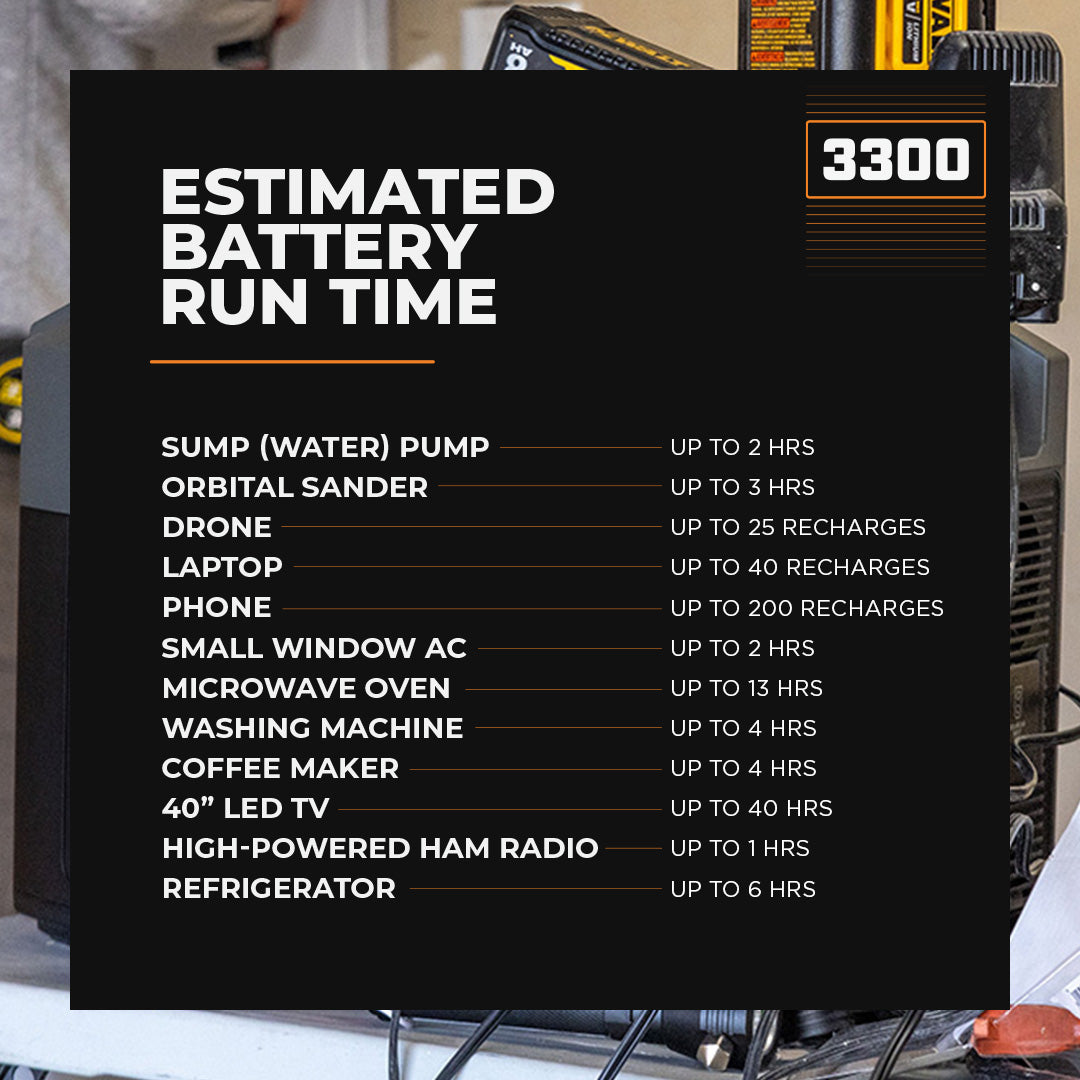
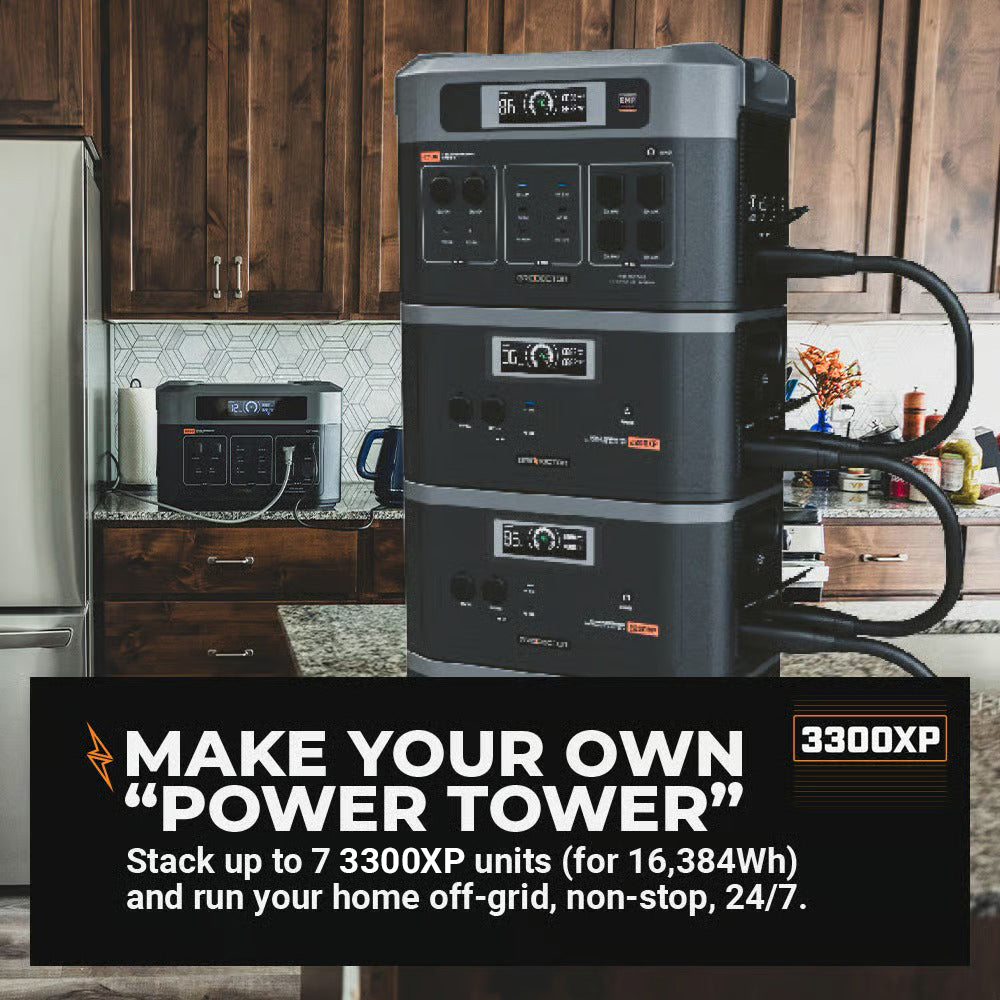
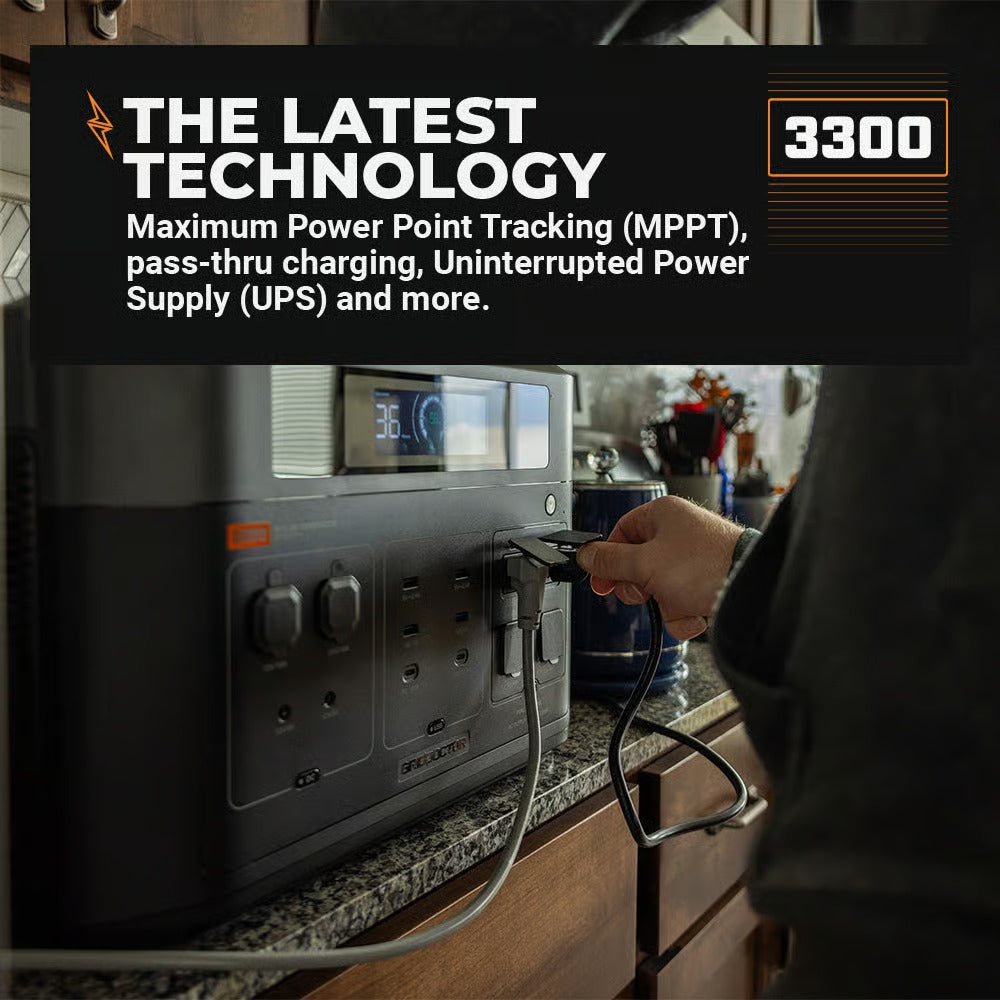
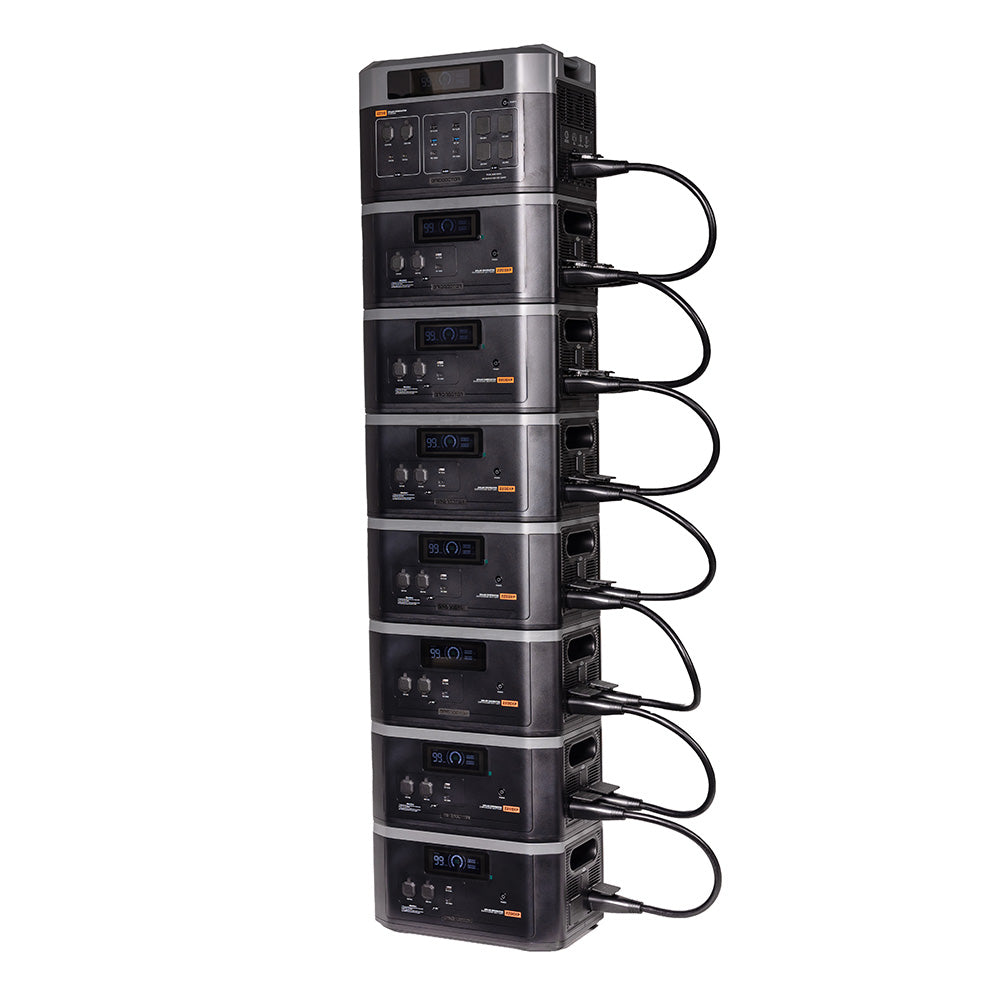
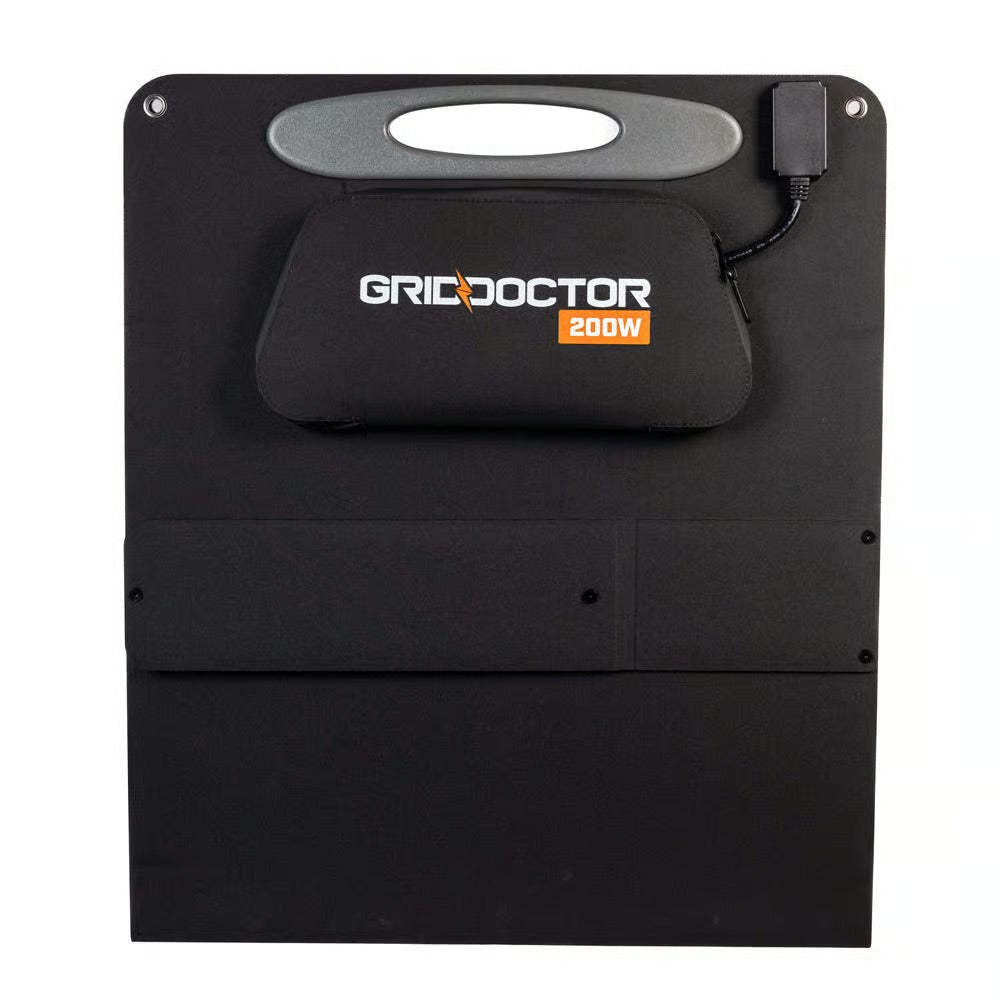
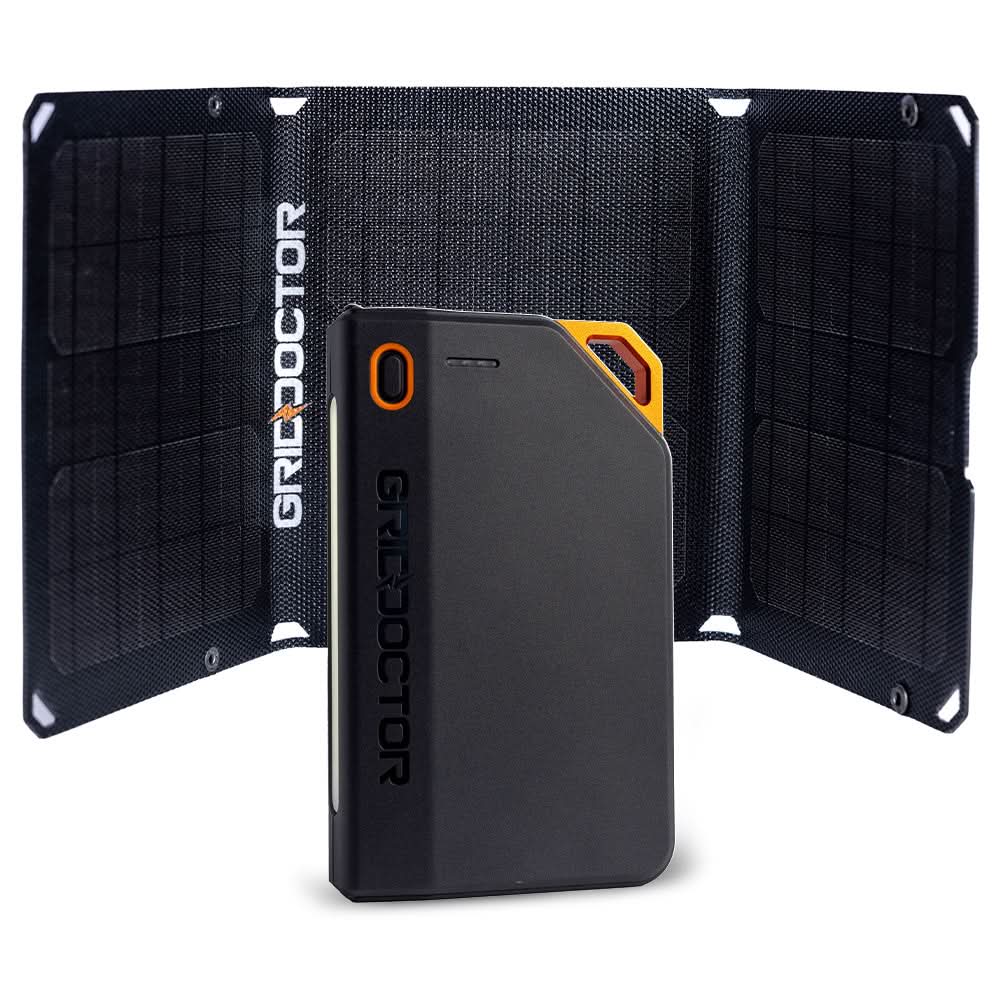
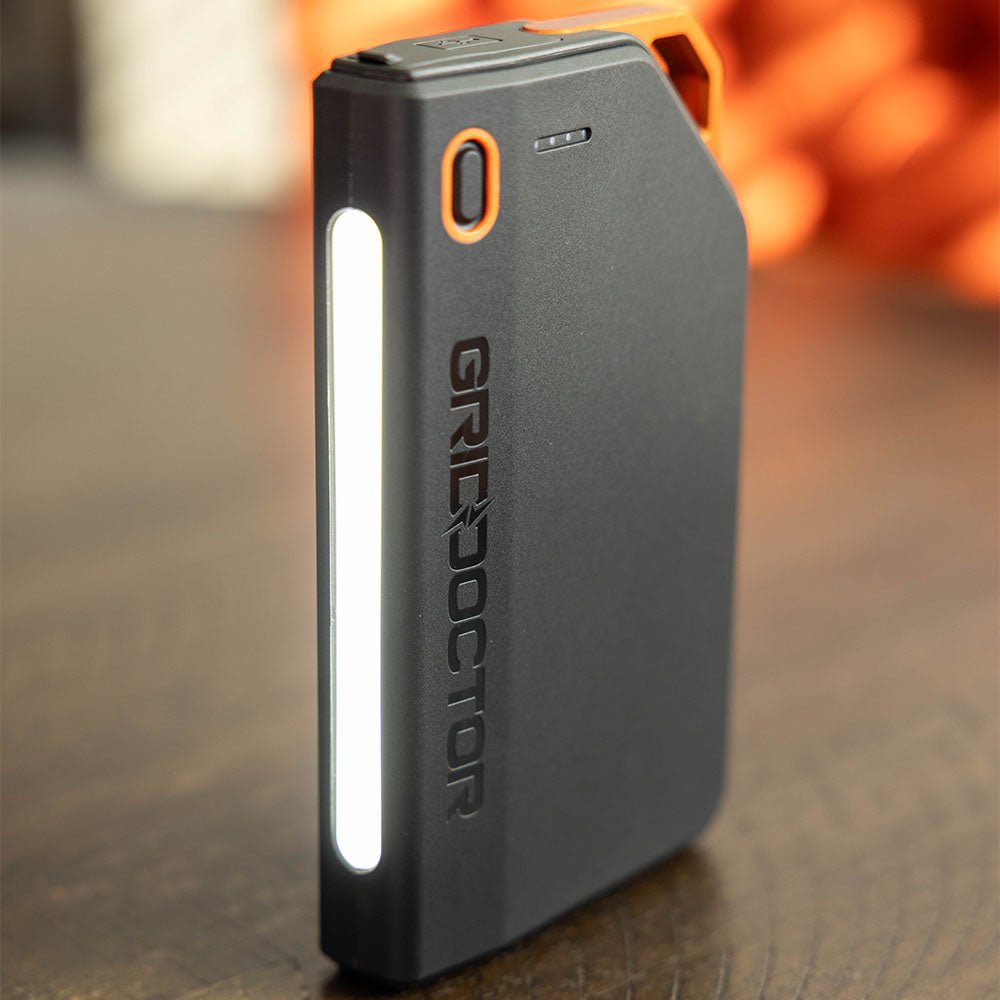
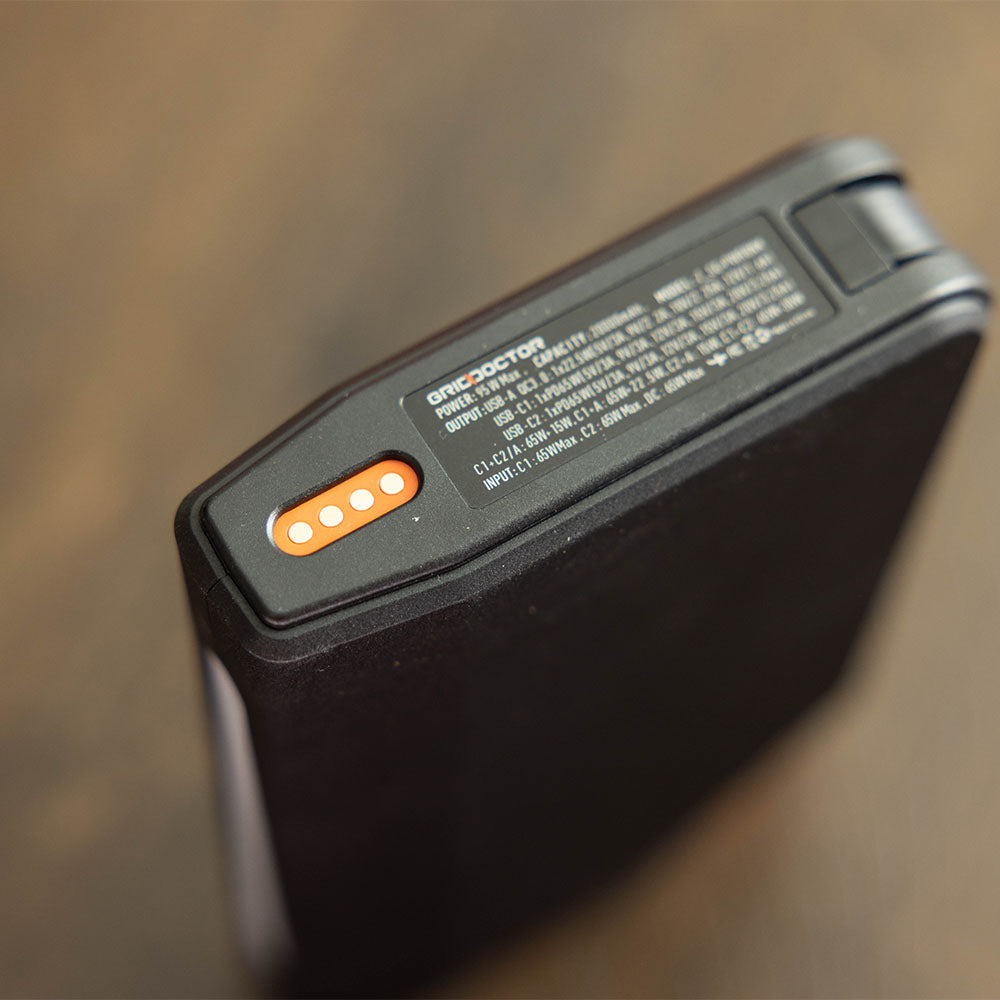
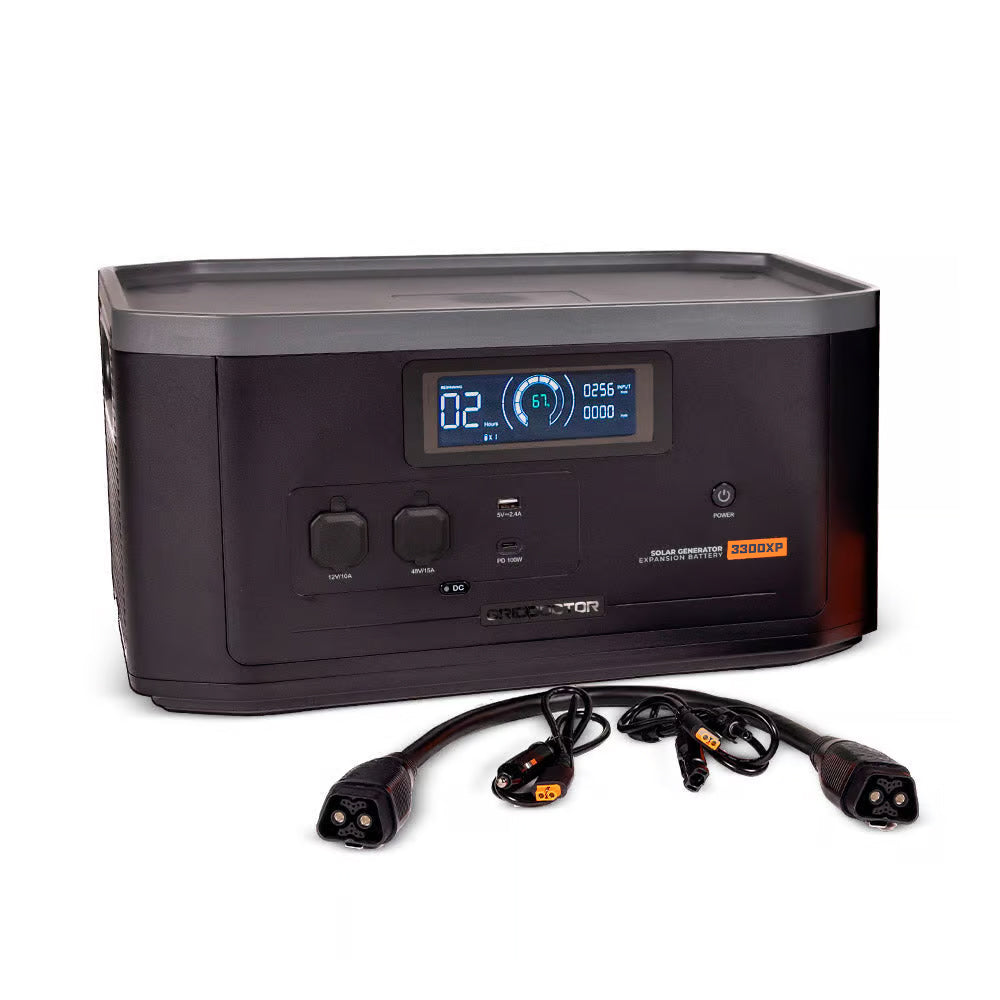
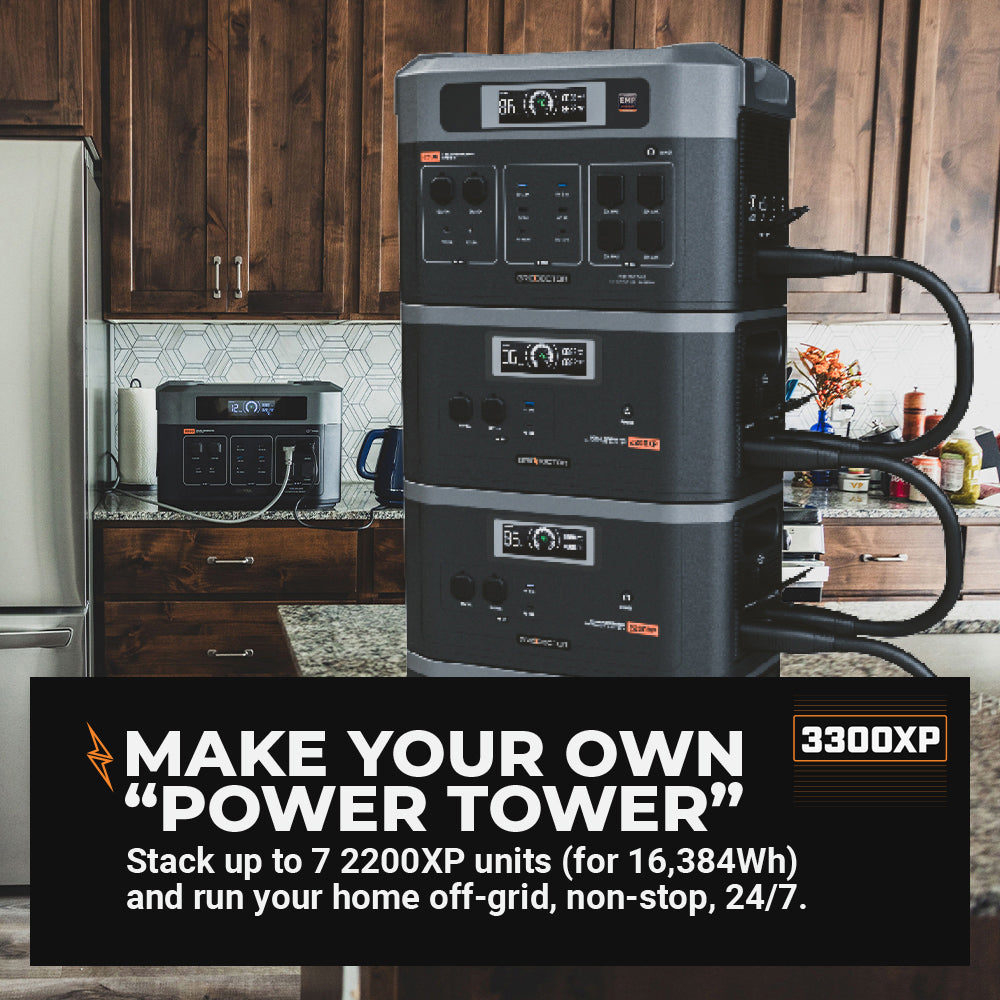
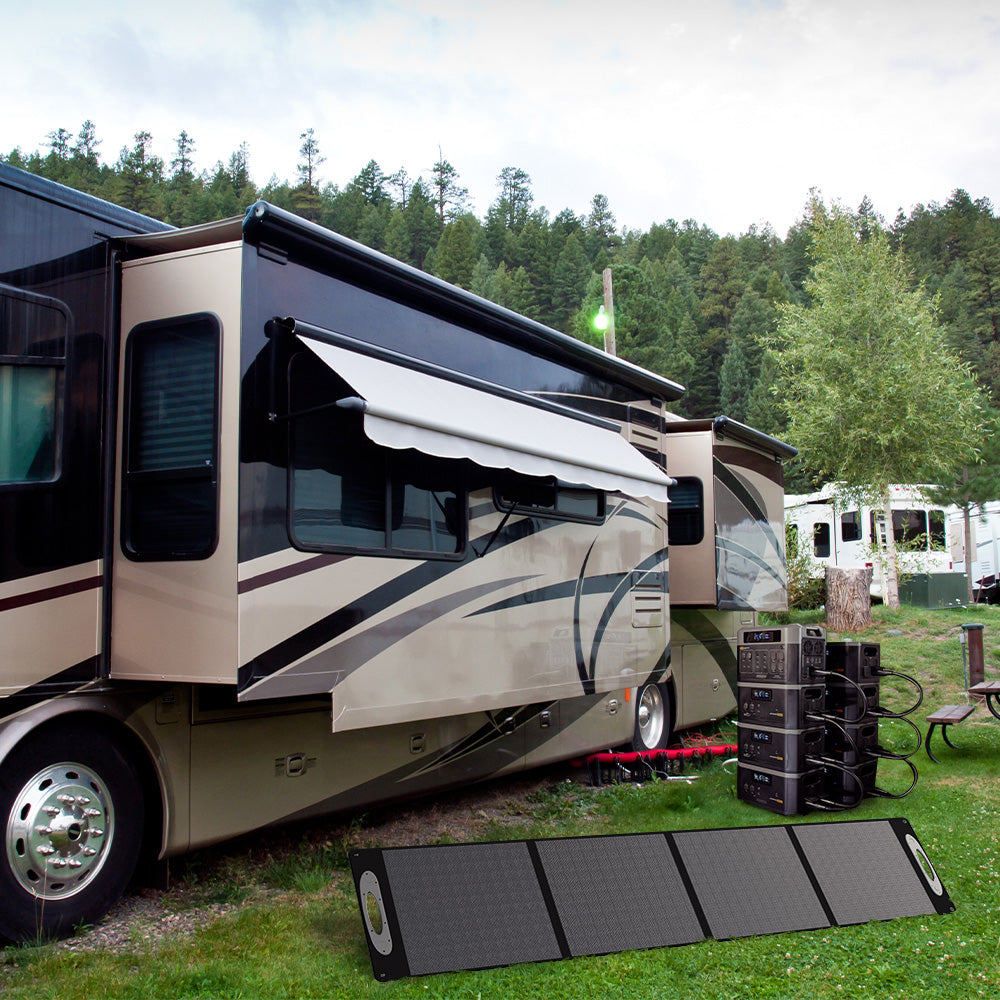
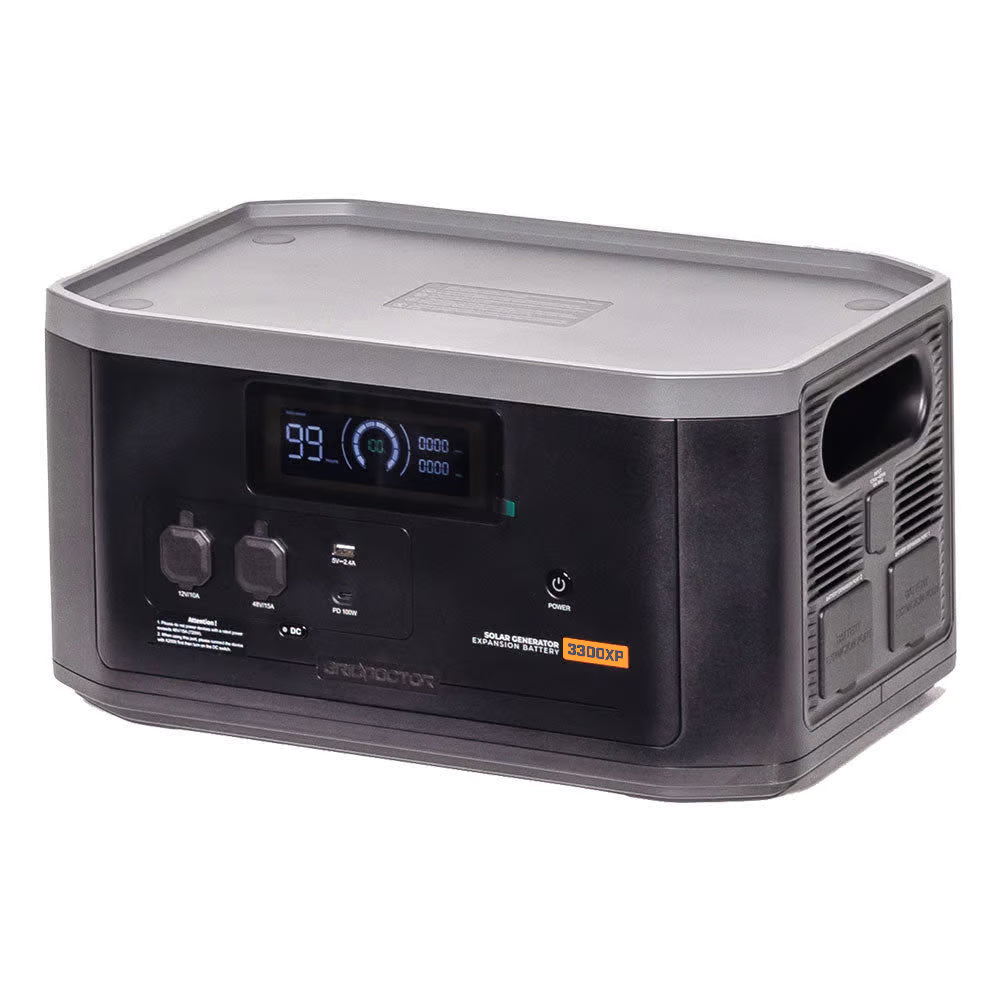
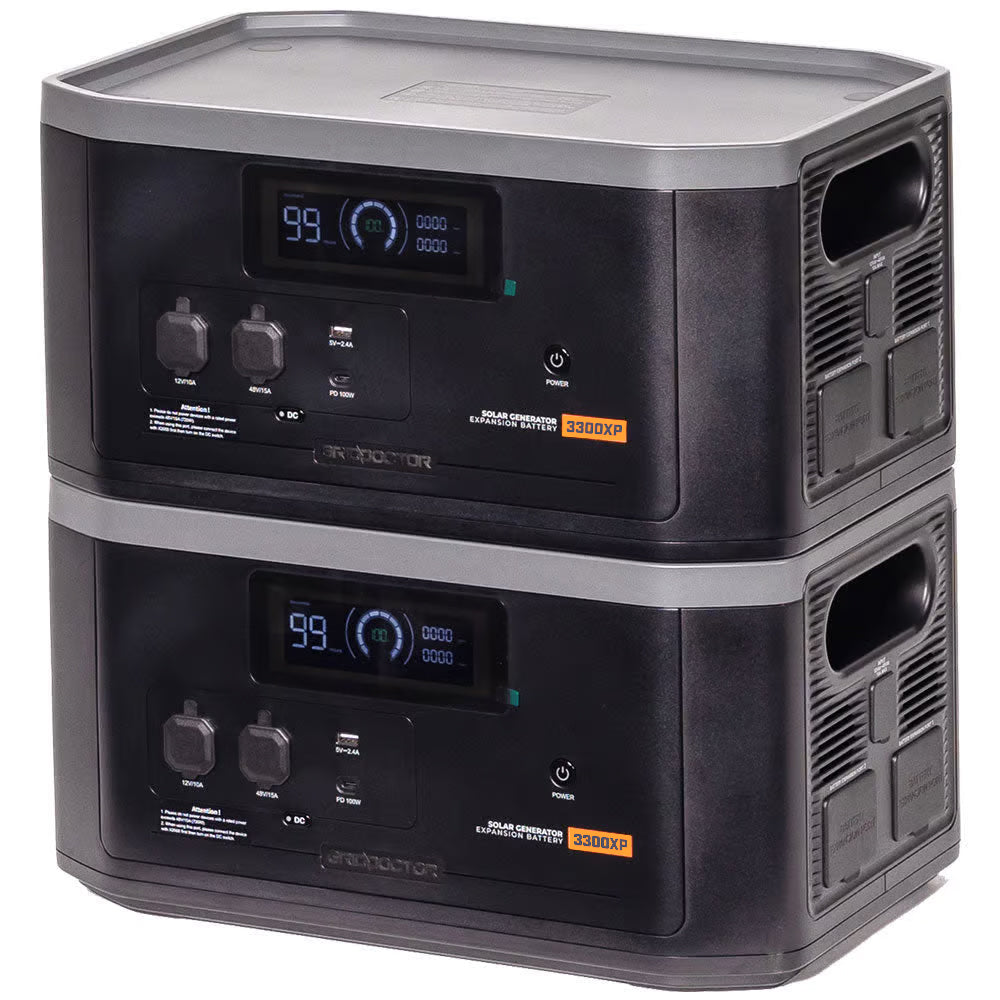
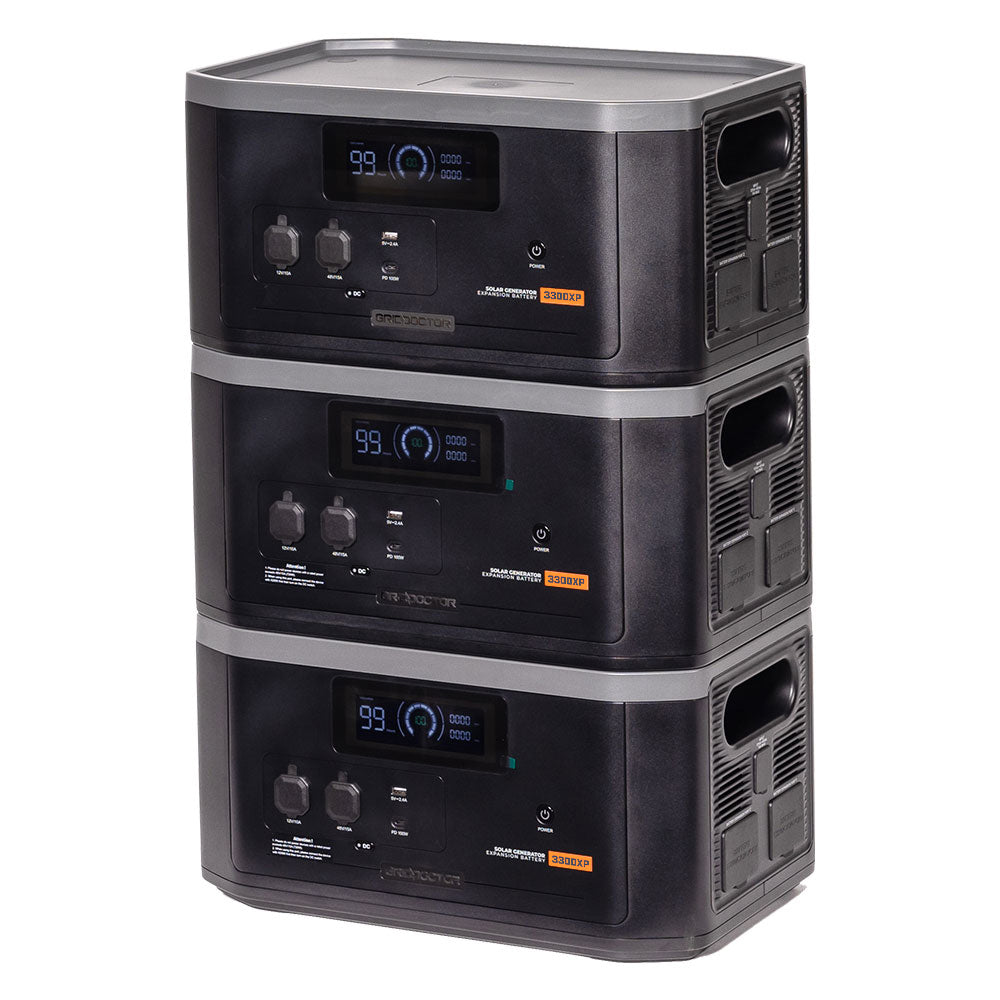
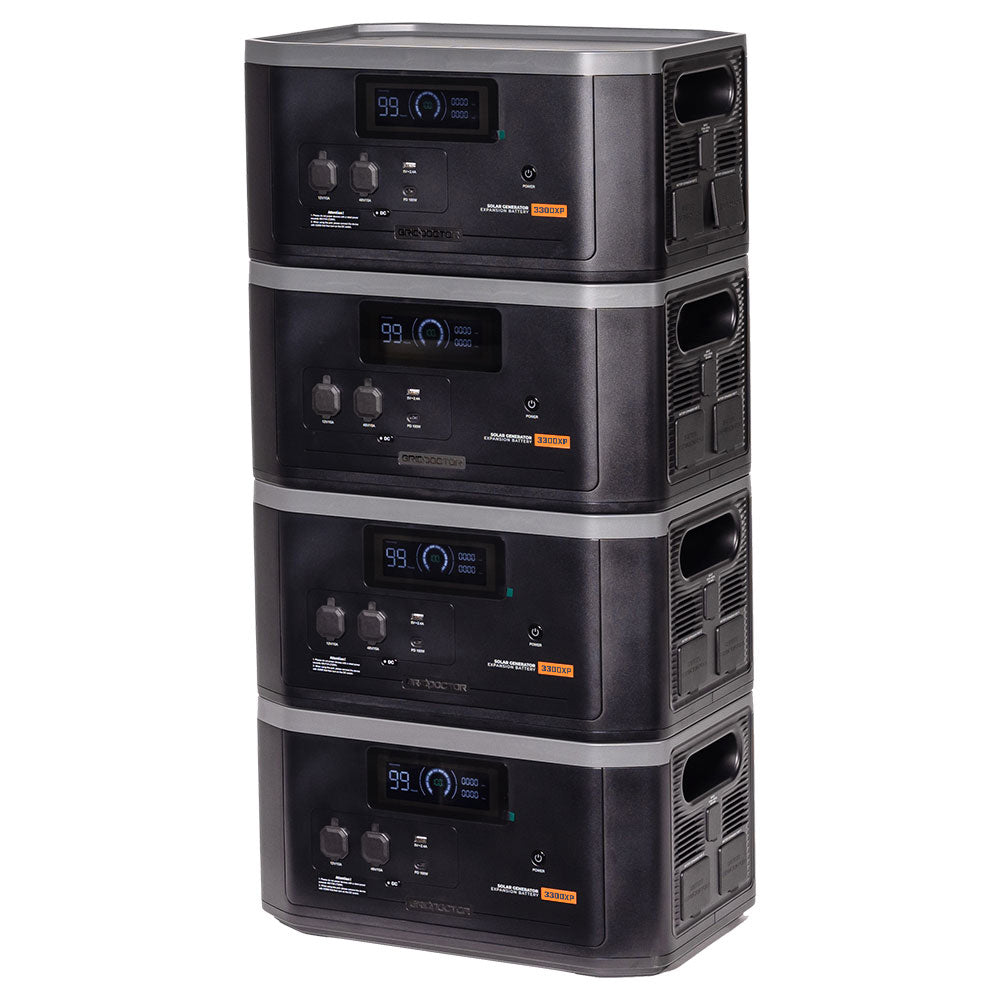
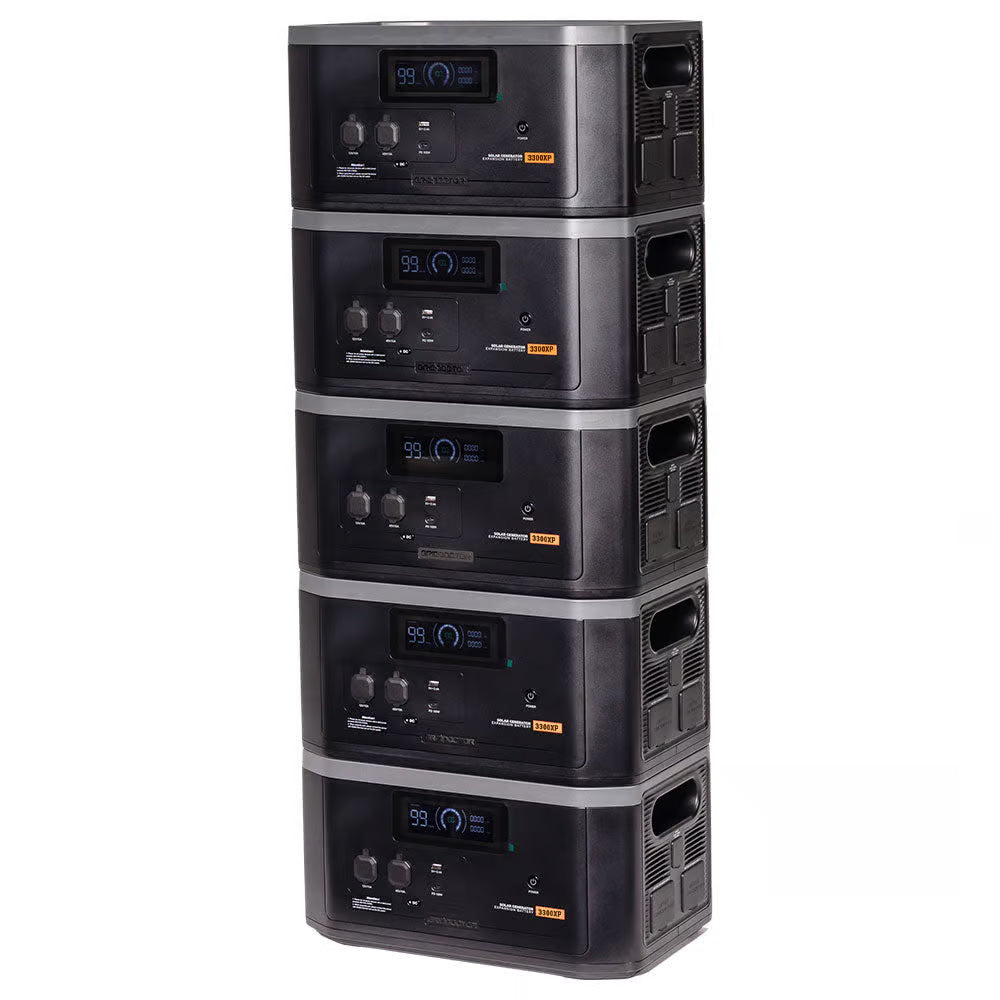
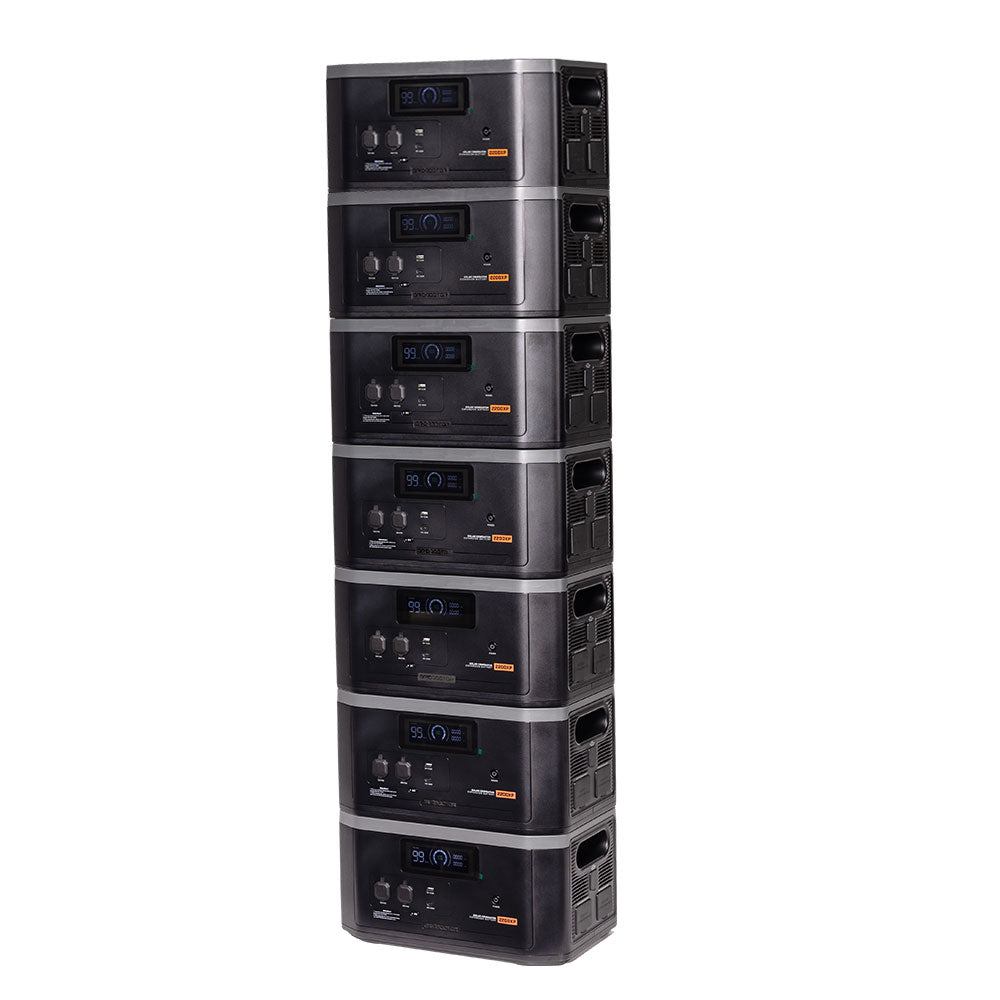
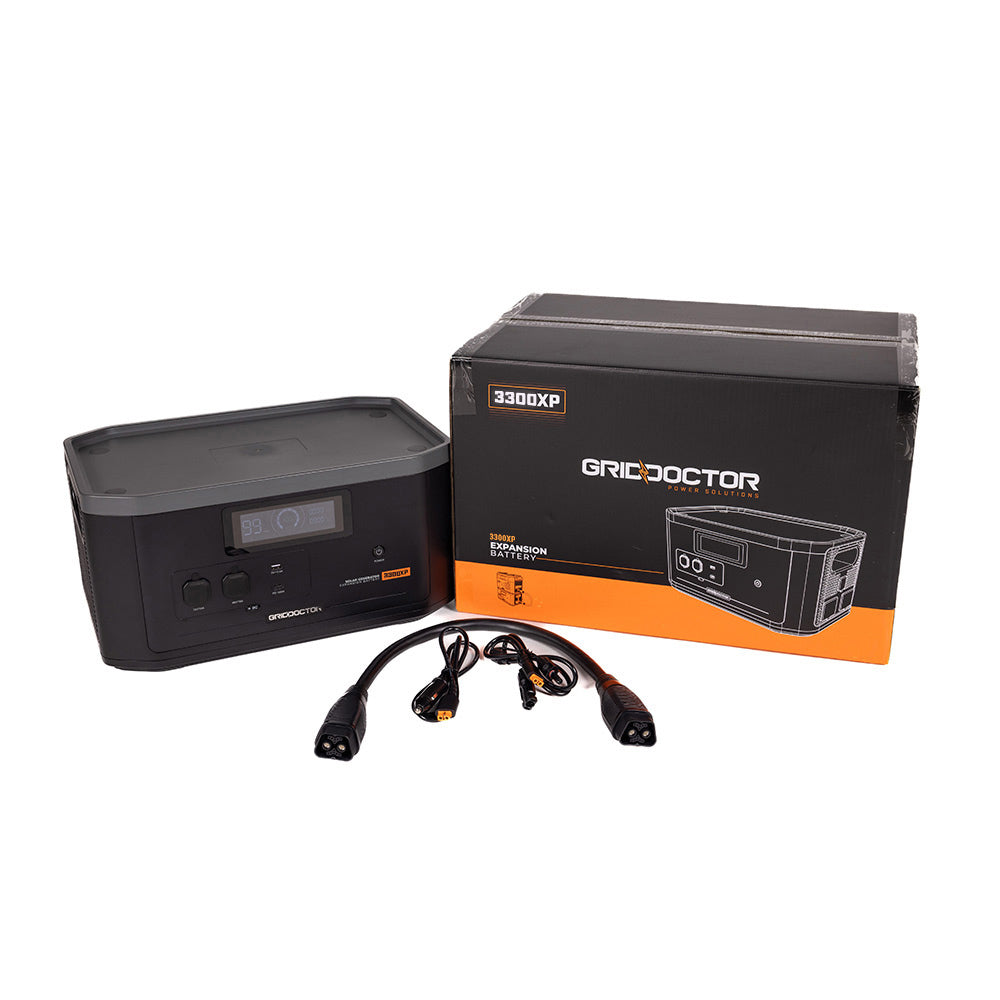
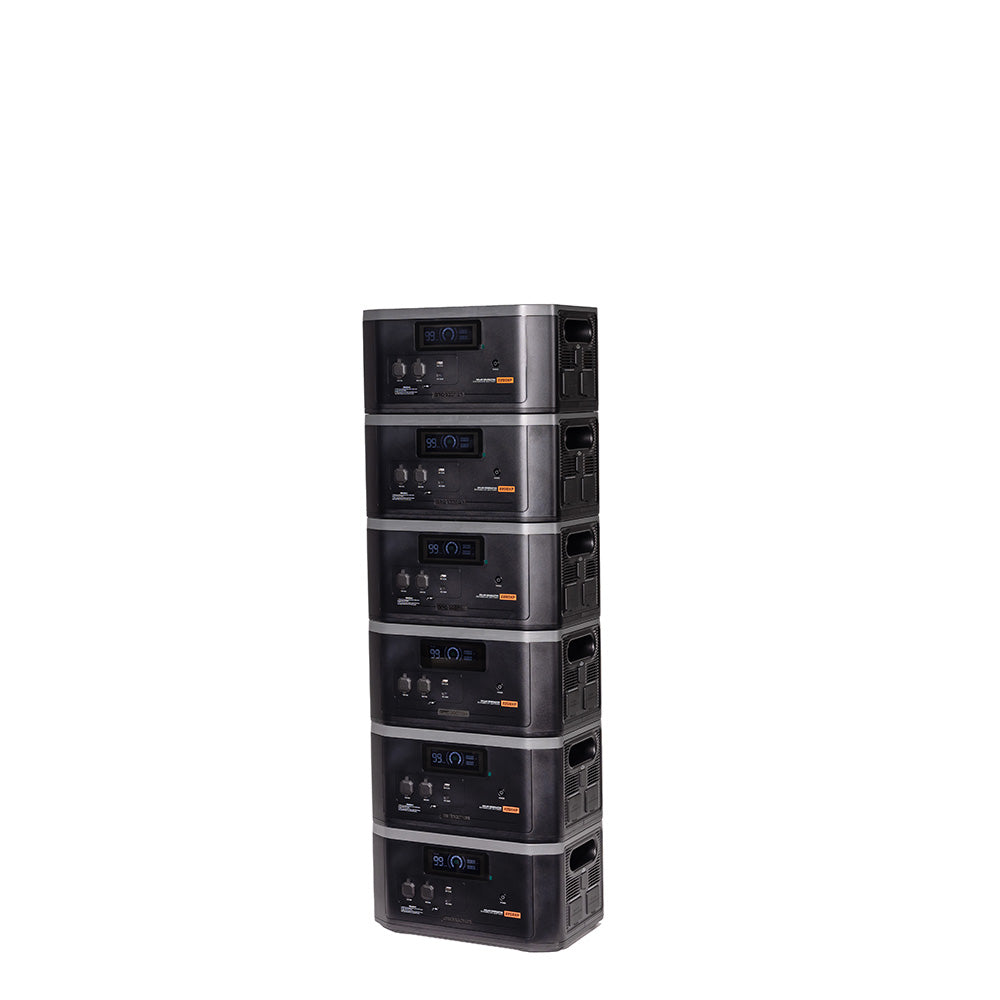
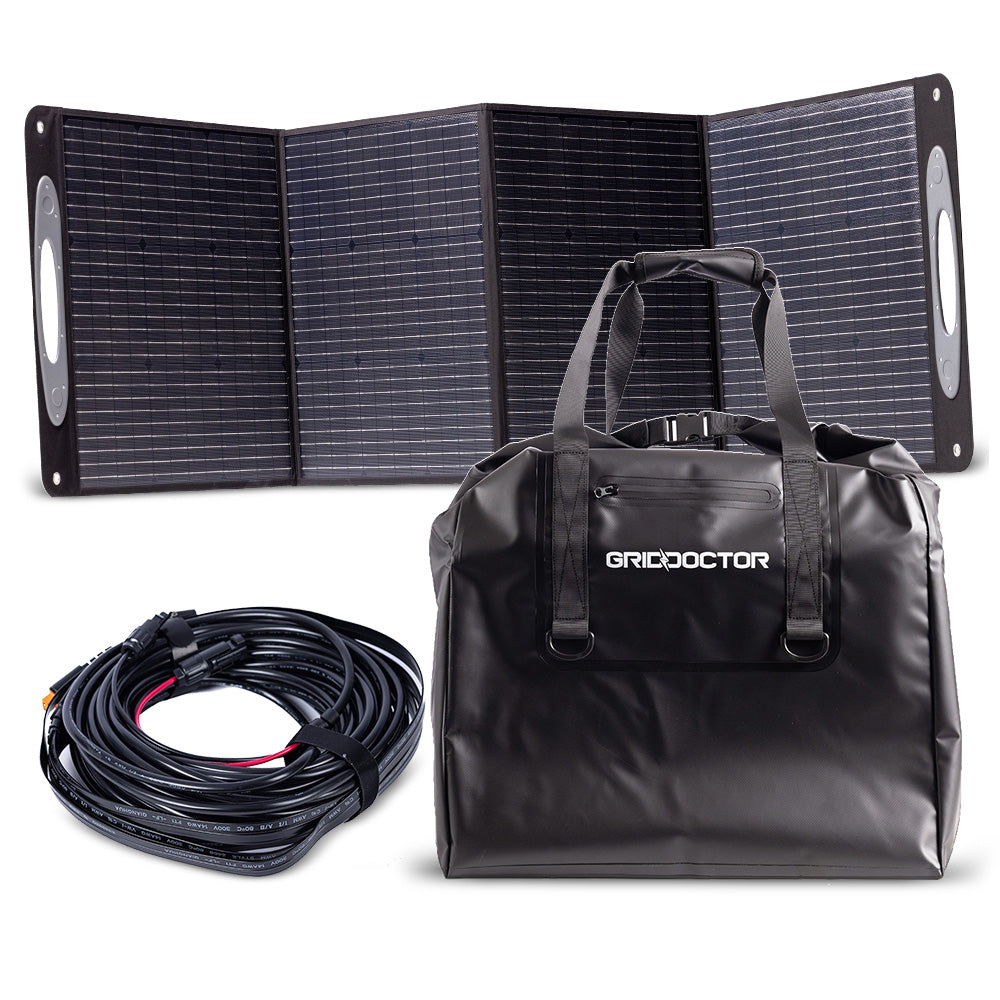
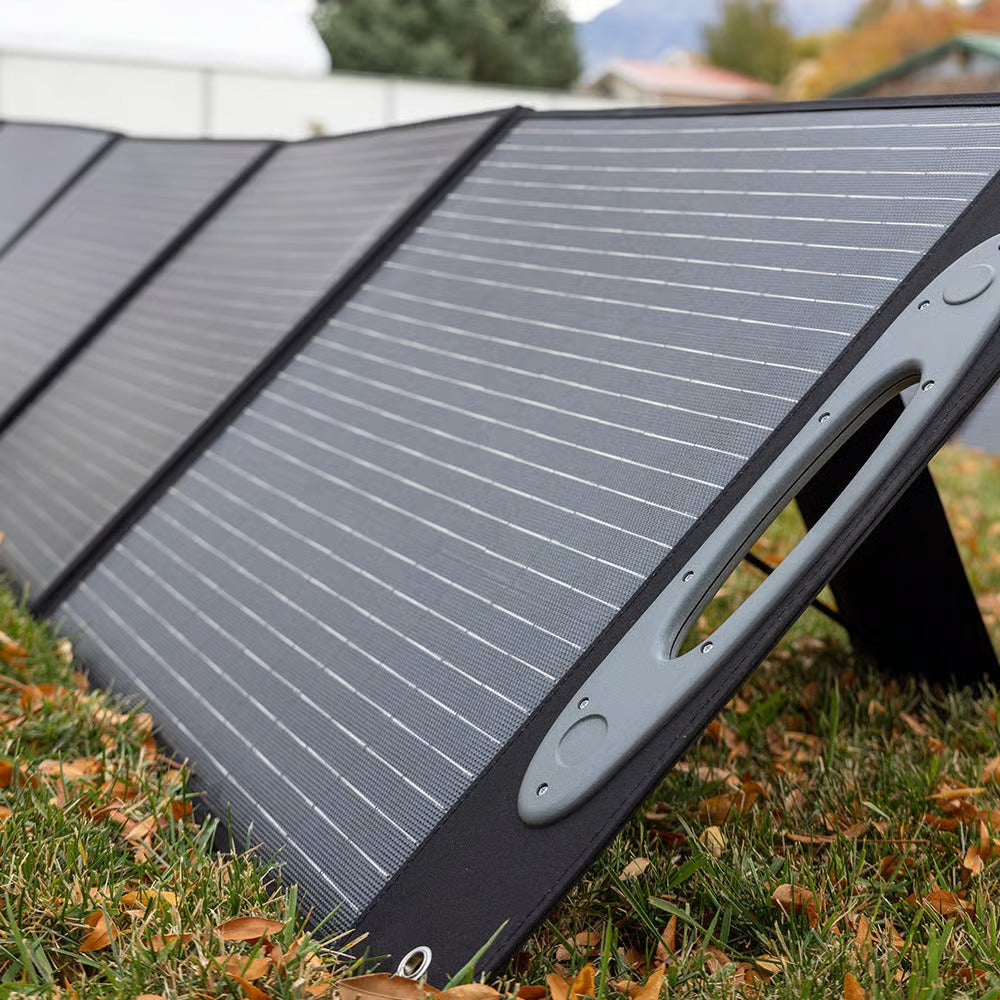
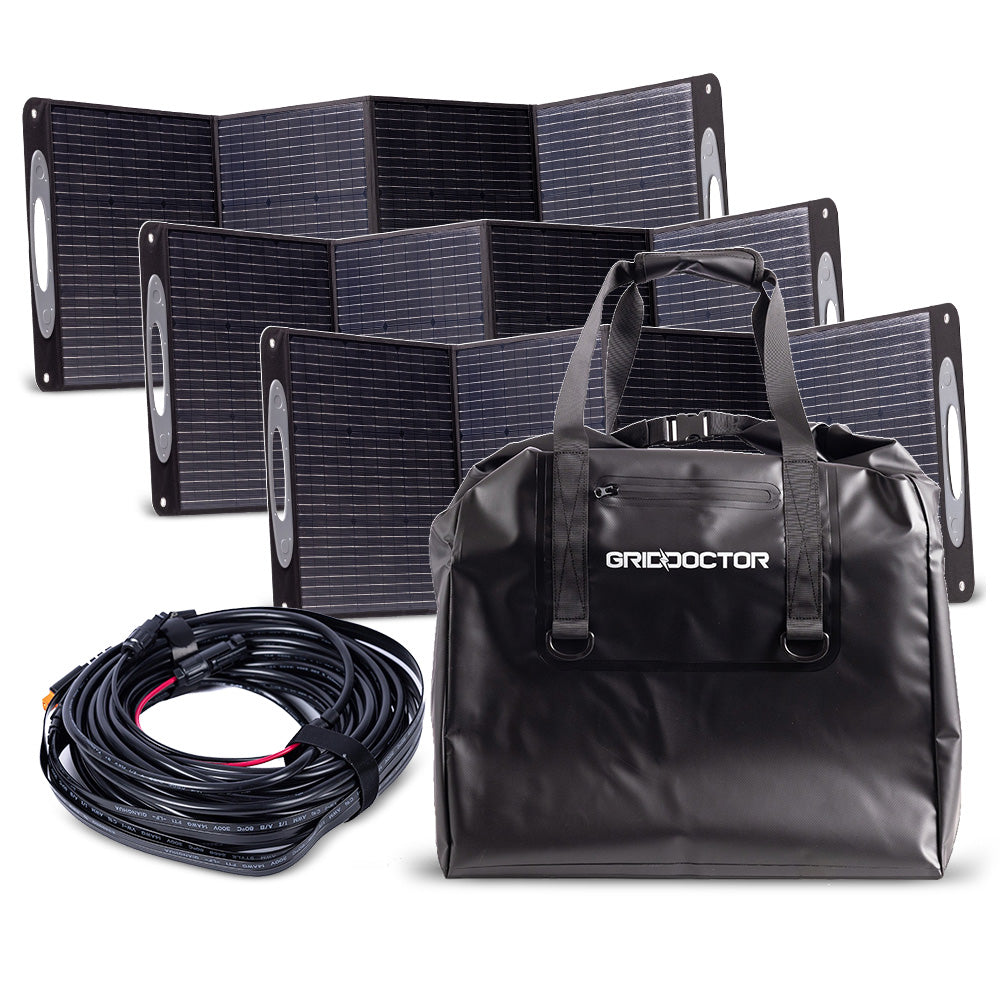
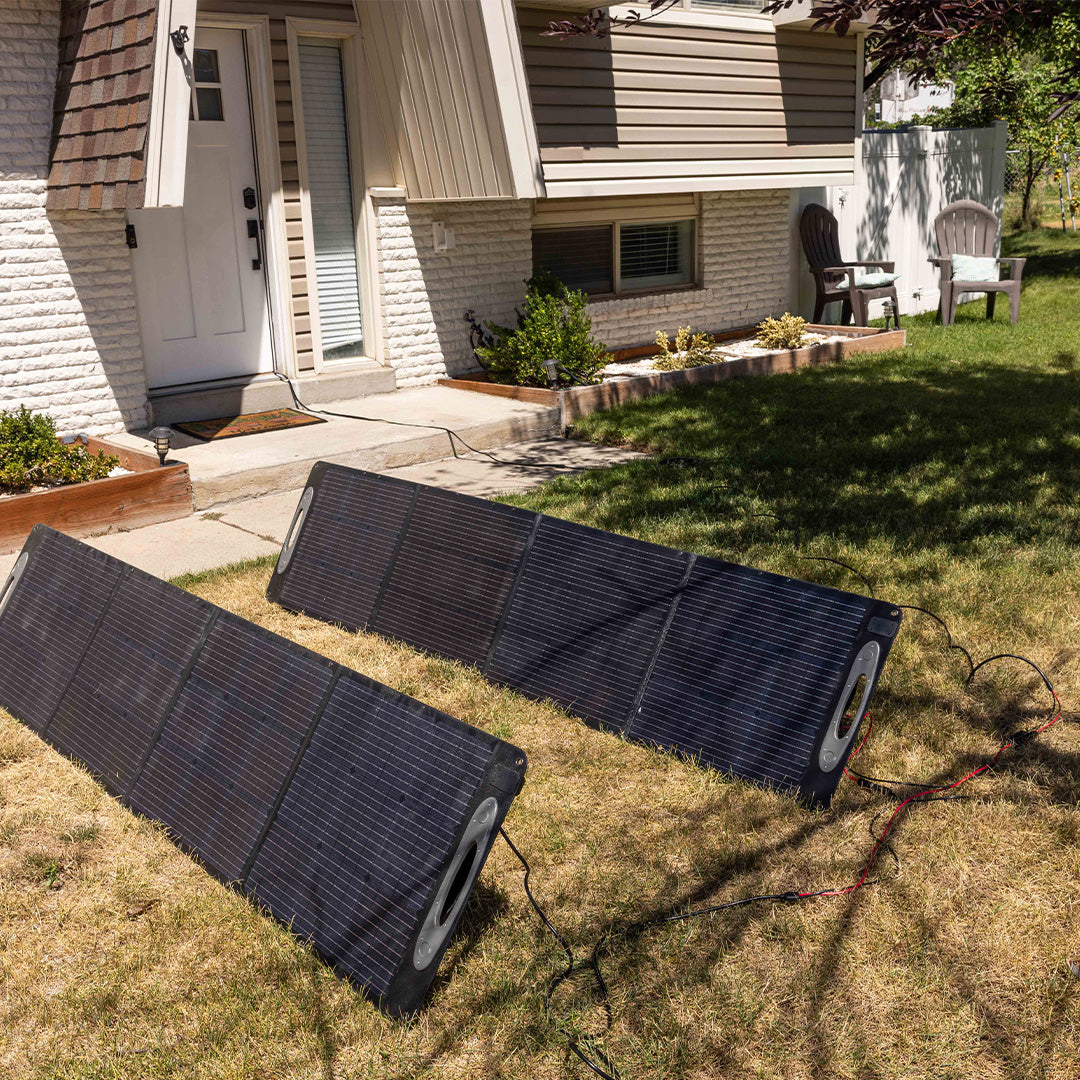
The Strategic Petroleum Reserve is designed to give the country an emergency buffer when normal oil supplies are disrupted, but that buffer has shrunk dramatically in just months. The reserve has fallen from more than 415 million barrels in March to less than 285 million today, and it is already below levels where experts warn its full designed drawdown rate becomes harder to maintain. An even more important threshold sits at 252.4 million barrels. Below that level, federal law no longer allows the routine limited drawdowns that can be used to respond to significant supply shortages, leaving larger emergency releases subject to stricter conditions. With the country moving closer to that threshold, another major oil disruption could leave fewer options for cushioning the impact of shortages and rising fuel costs. Solar generators give households a way to maintain backup power without relying on a continuing supply of gasoline or diesel.
Read the full article here.
Source: CNBC
By: Spencer Kimball