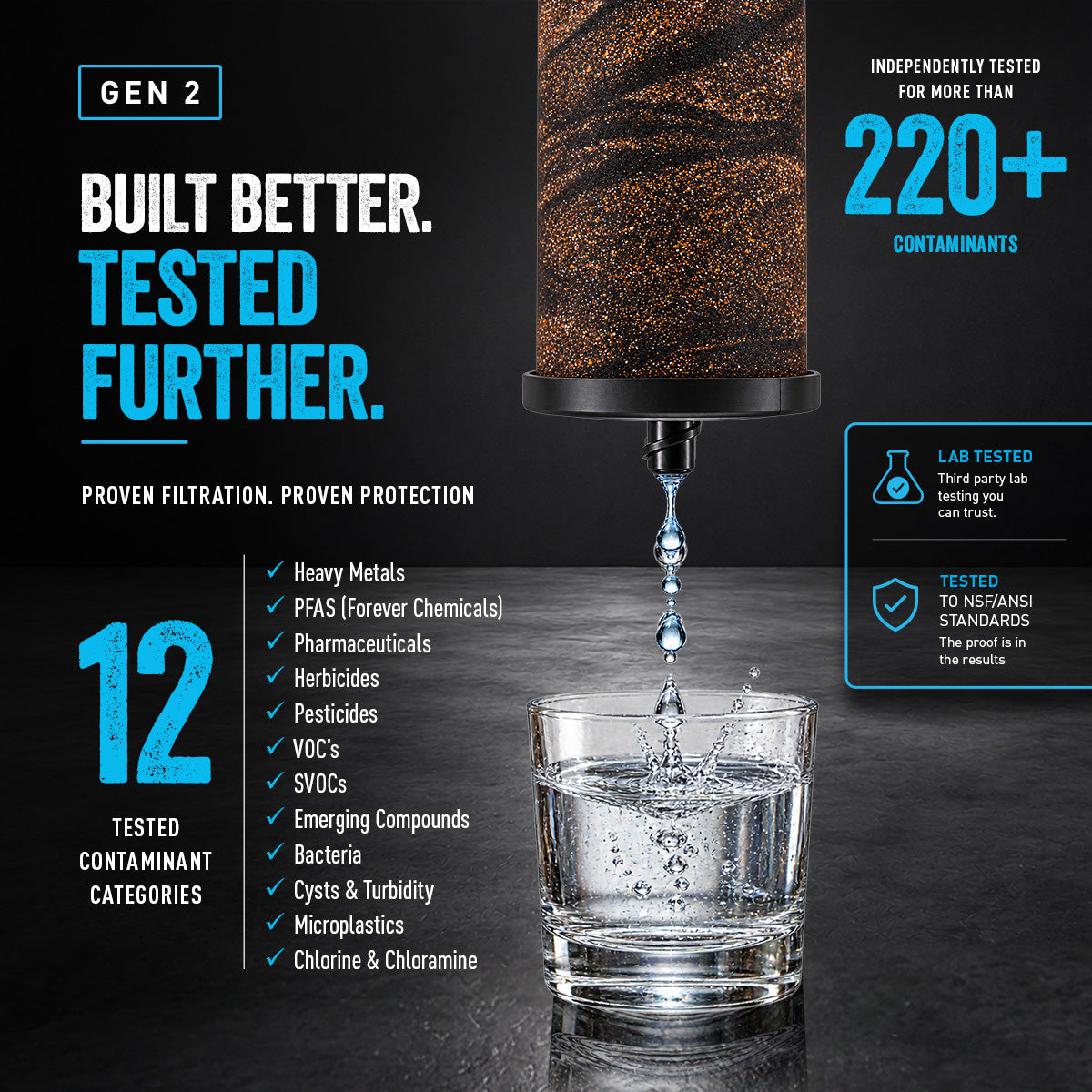
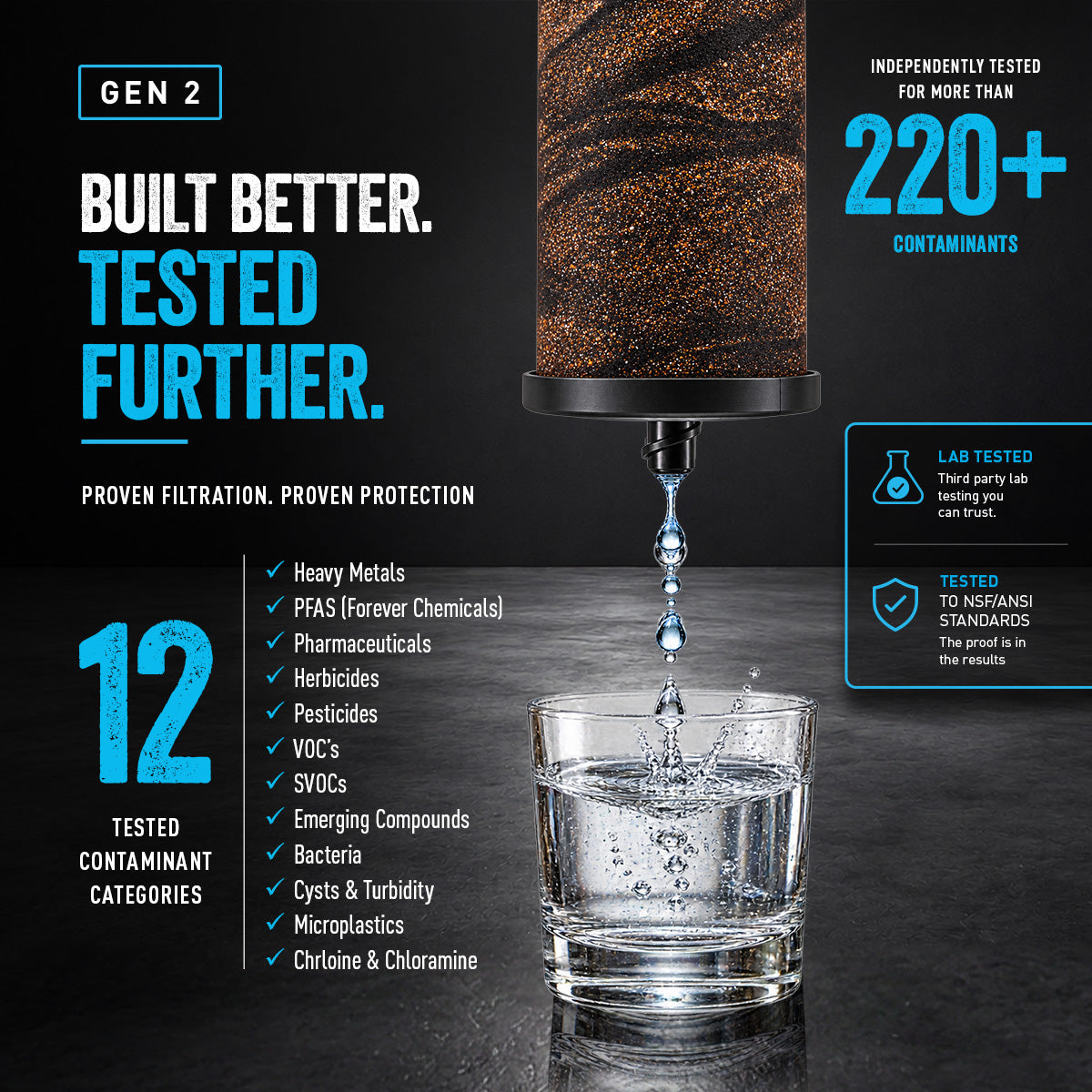
New research is showing why some “forever chemicals” are harder to remove from drinking water than others. Researchers reviewed how different PFAS chemicals behave in the environment and found that long-chain PFAS tend to bind more easily to sediment, organic matter, and biological tissue, while short-chain PFAS stay more soluble in water and can travel farther through rivers, groundwater, and drinking water systems. That matters because many short-chain PFAS were introduced as replacements for older long-chain chemicals, even though they can be harder to capture with common treatment methods like activated carbon, ion exchange, and membrane filtration.
Why This Matters:
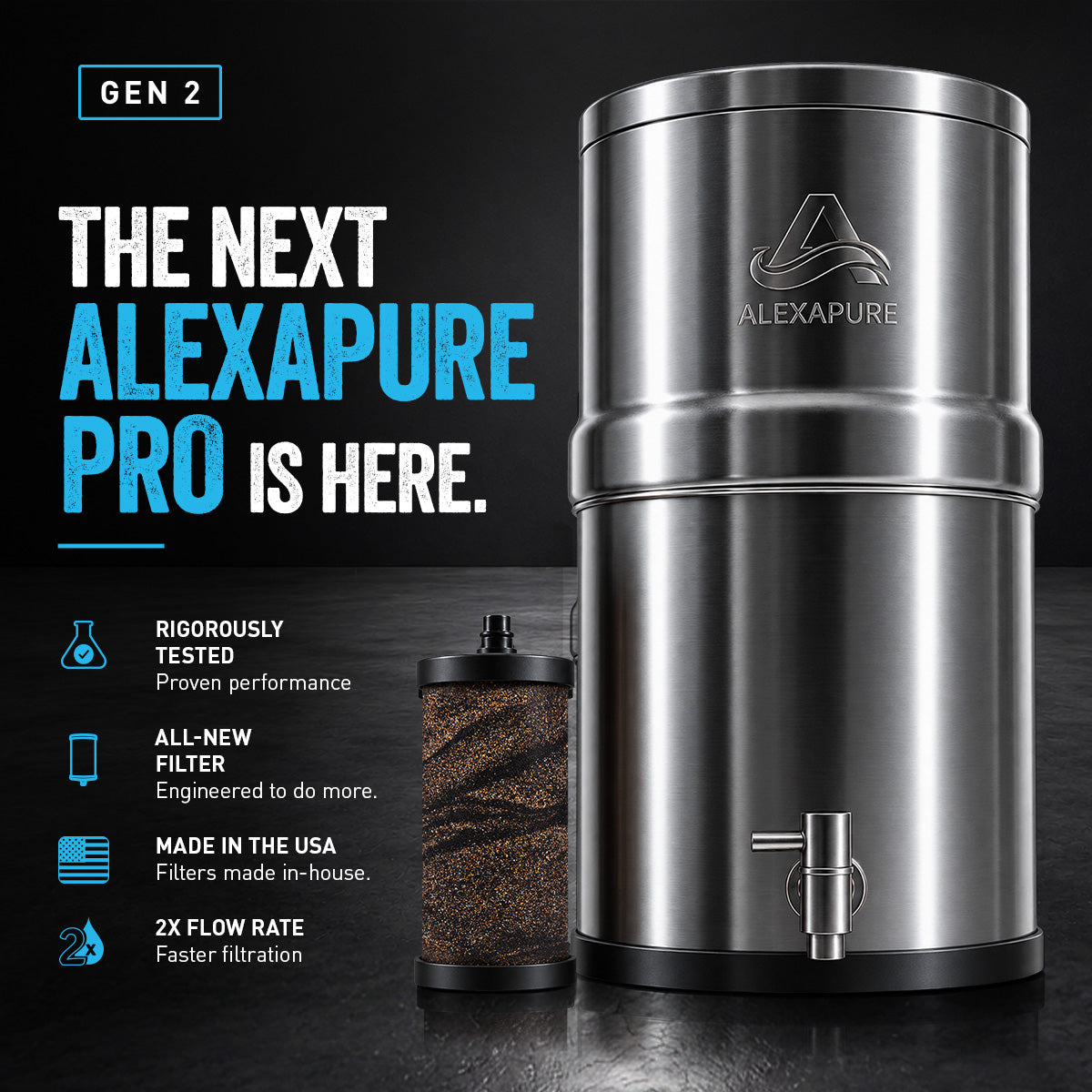
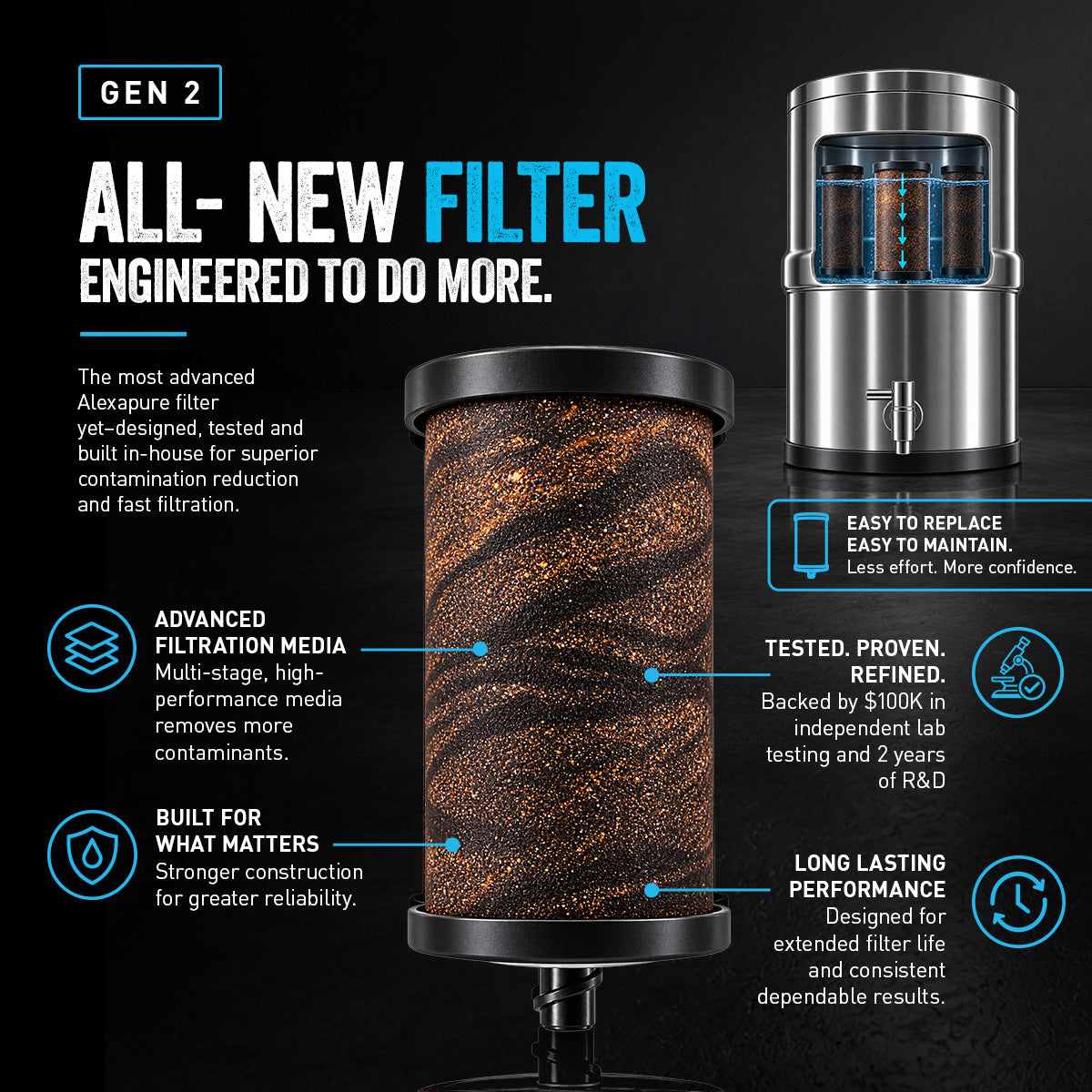
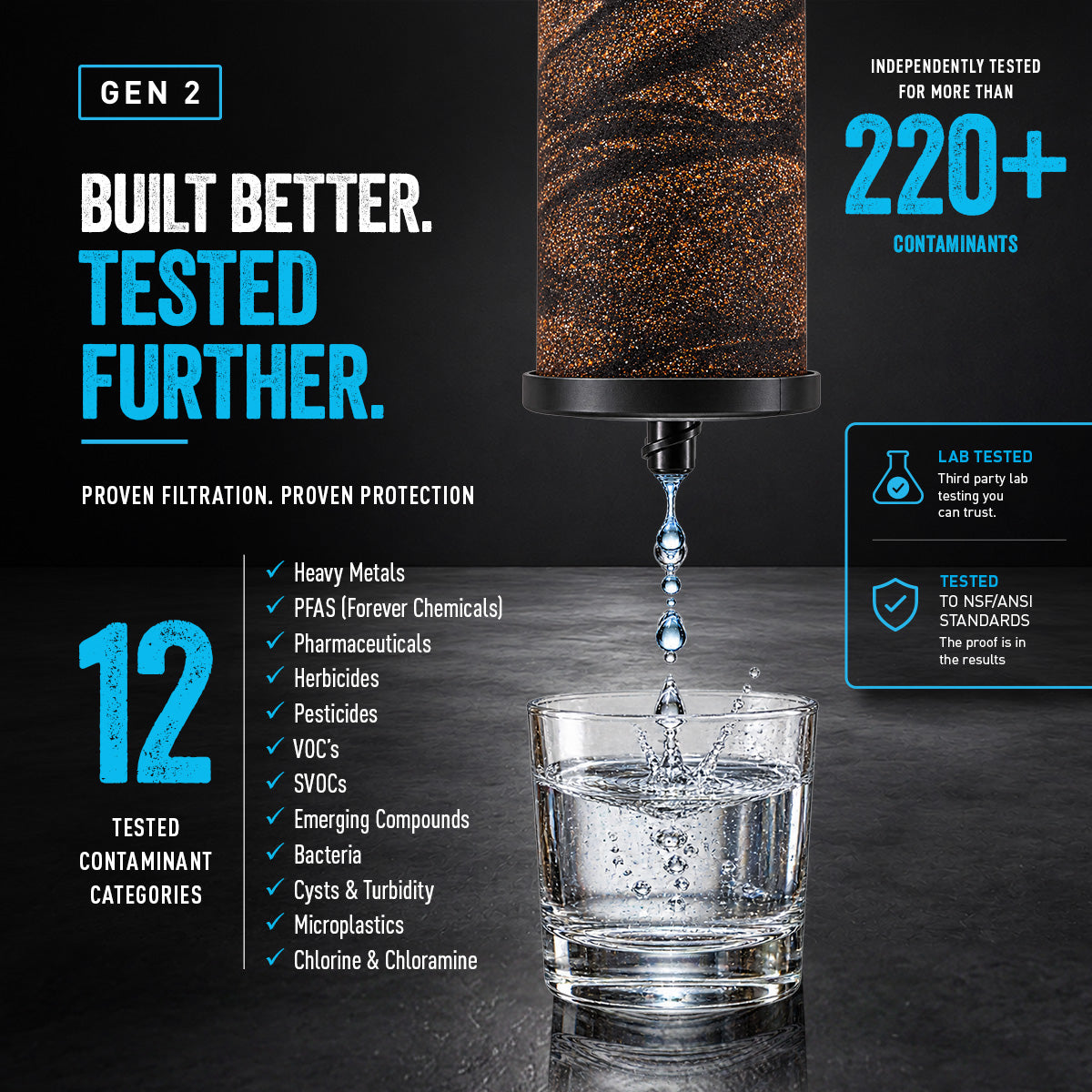
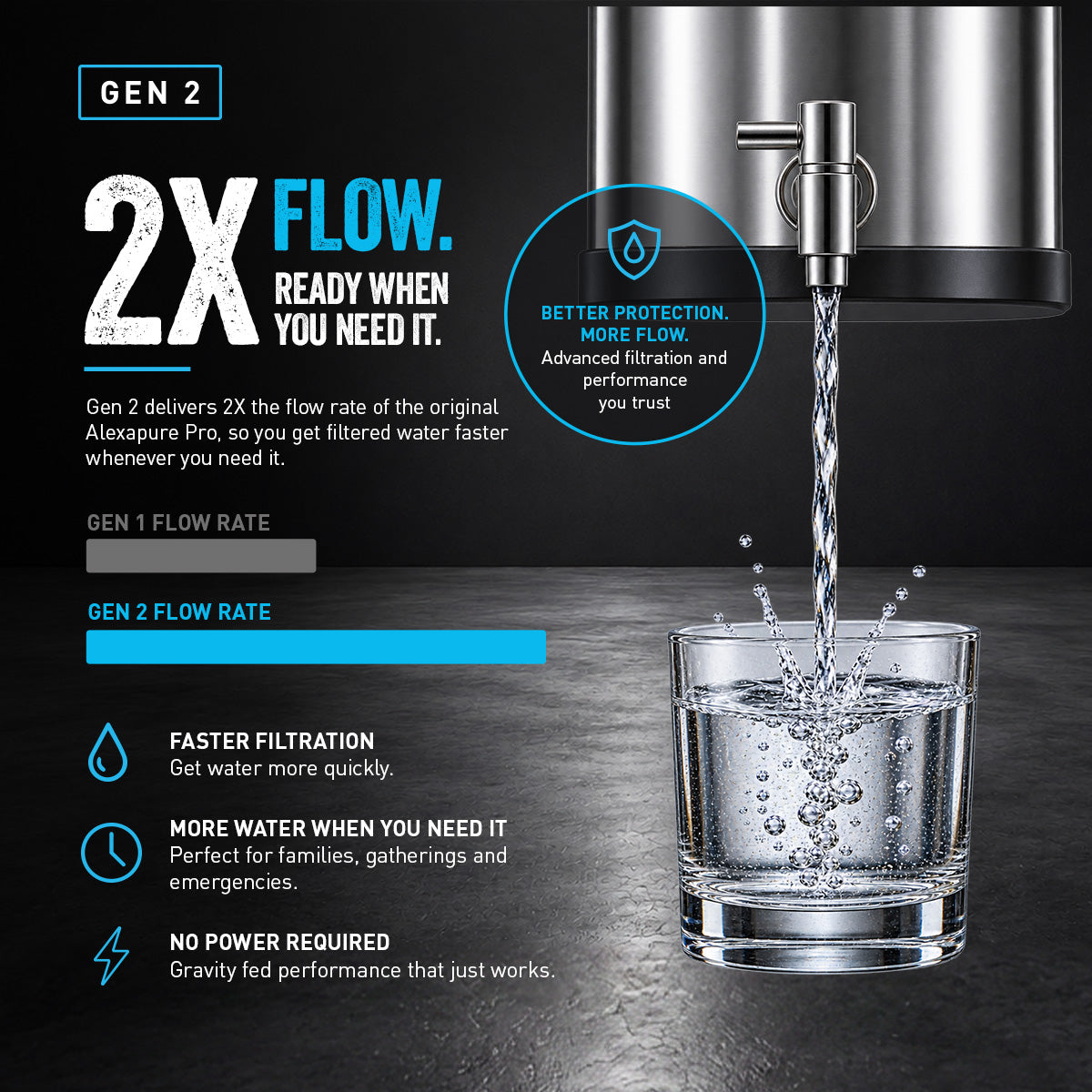
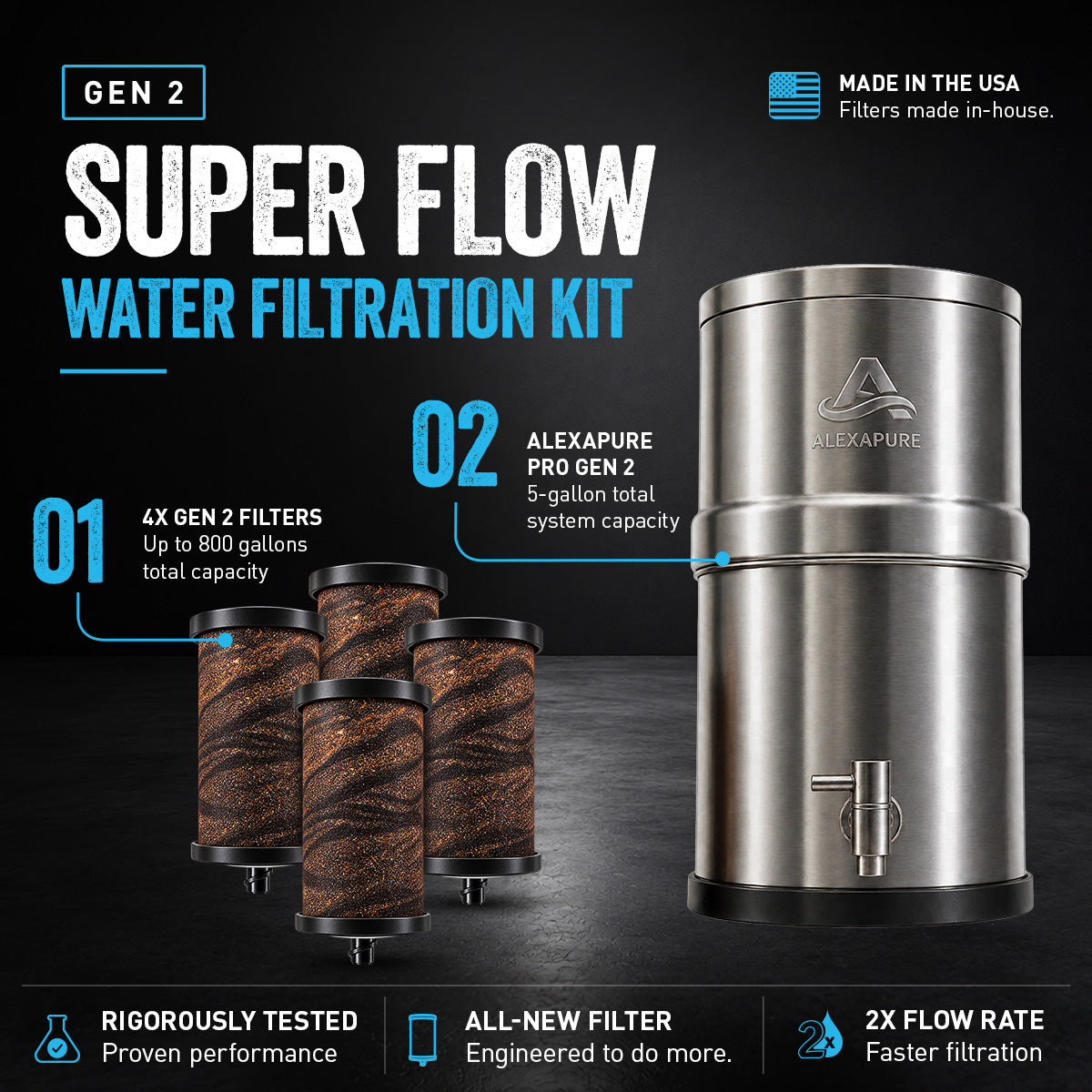
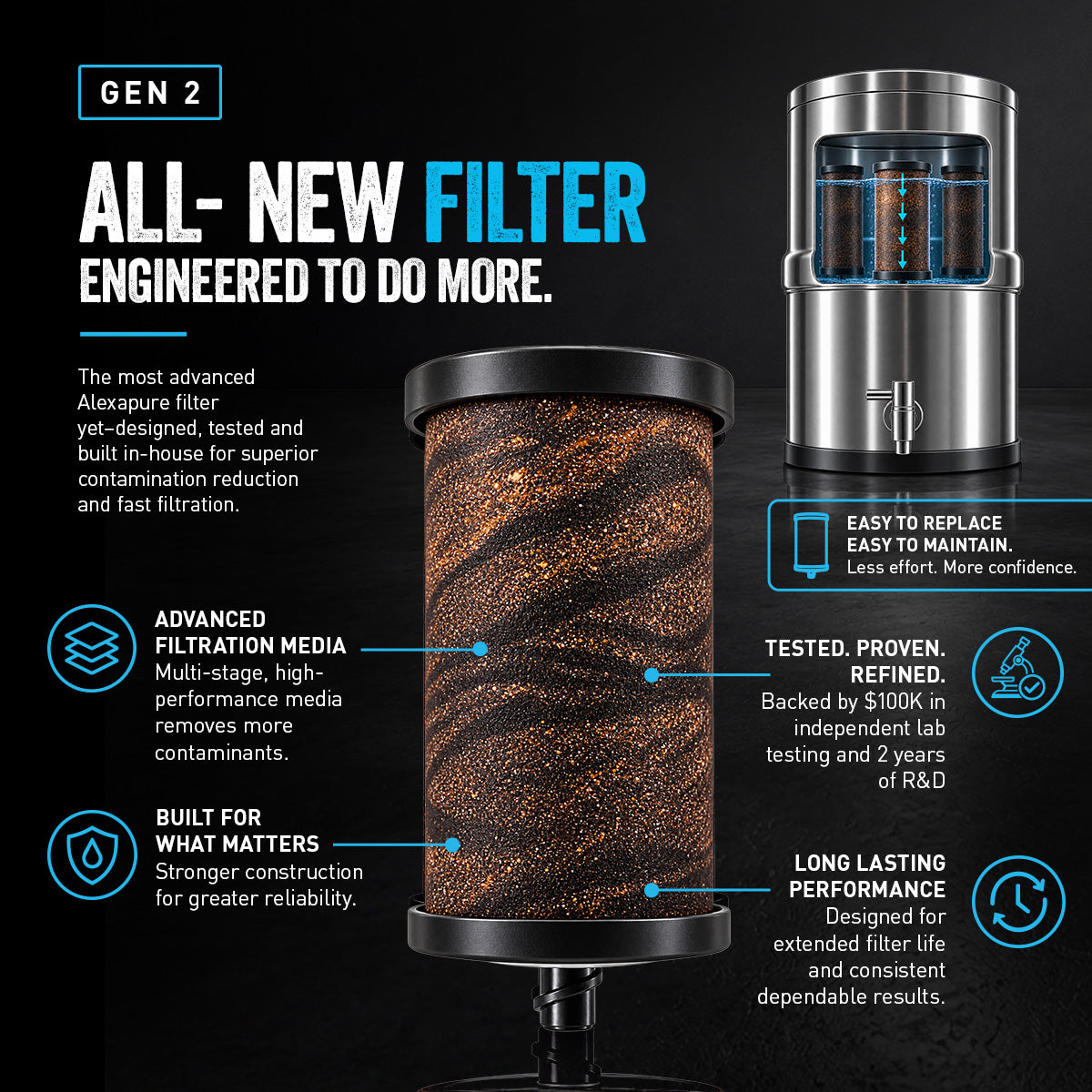
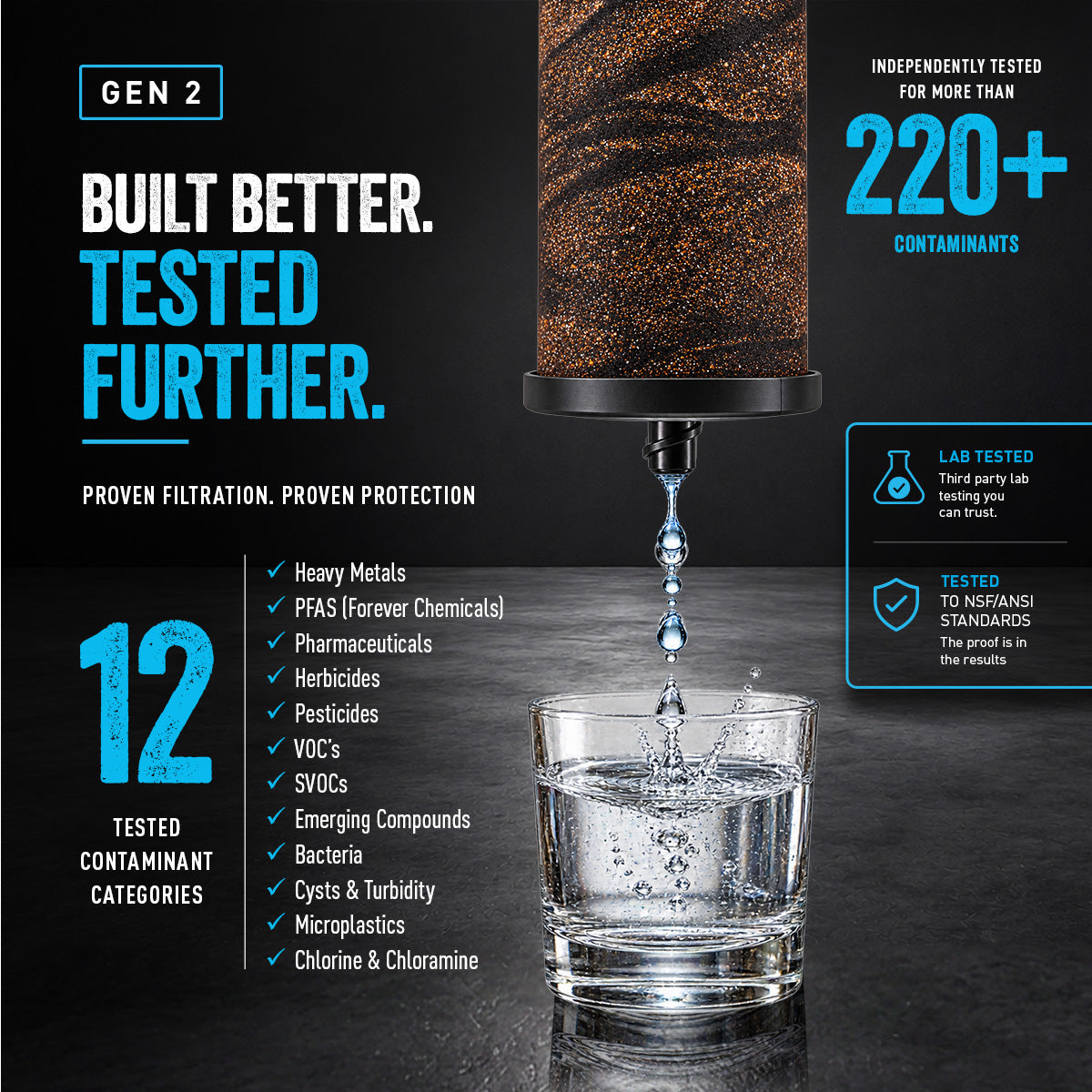
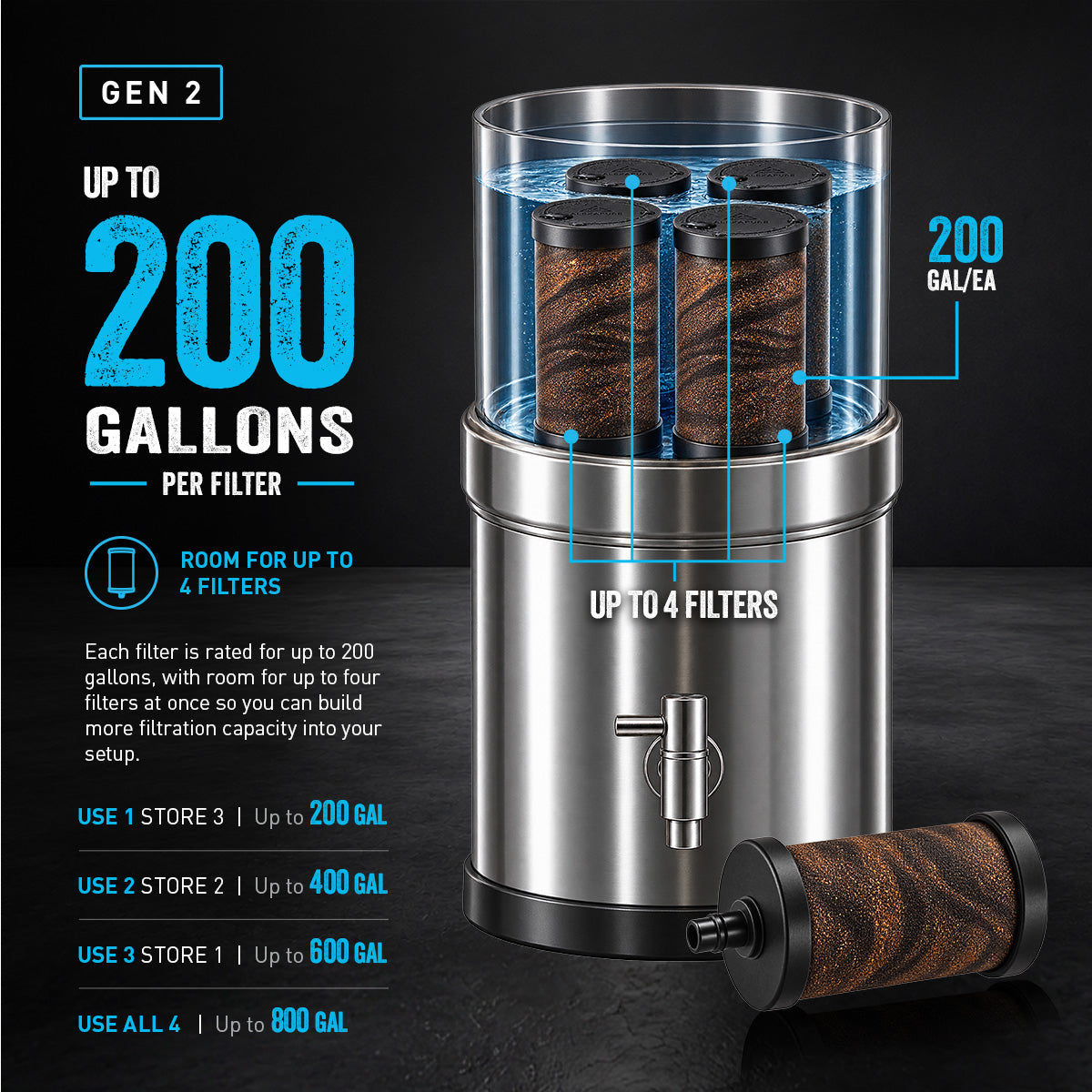
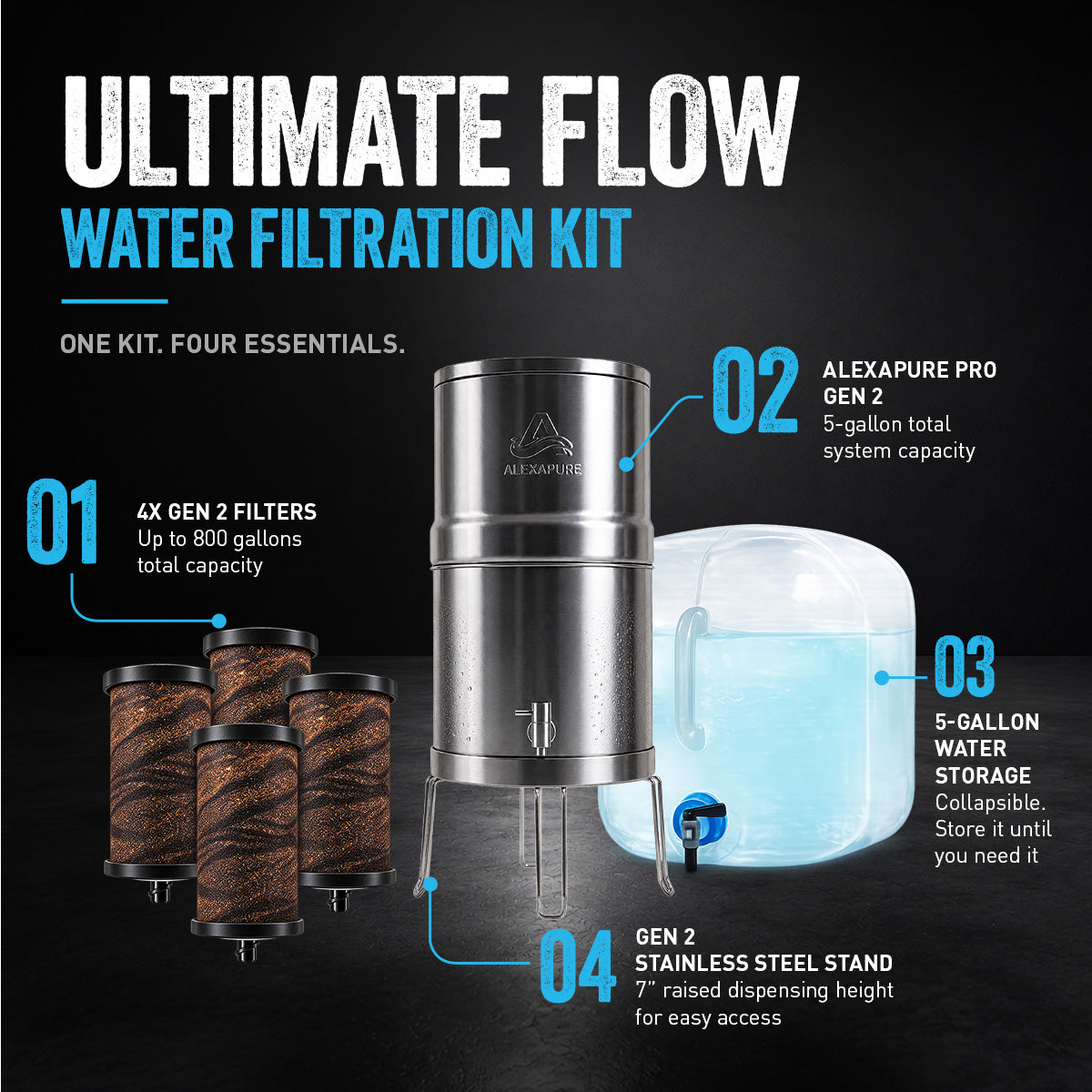
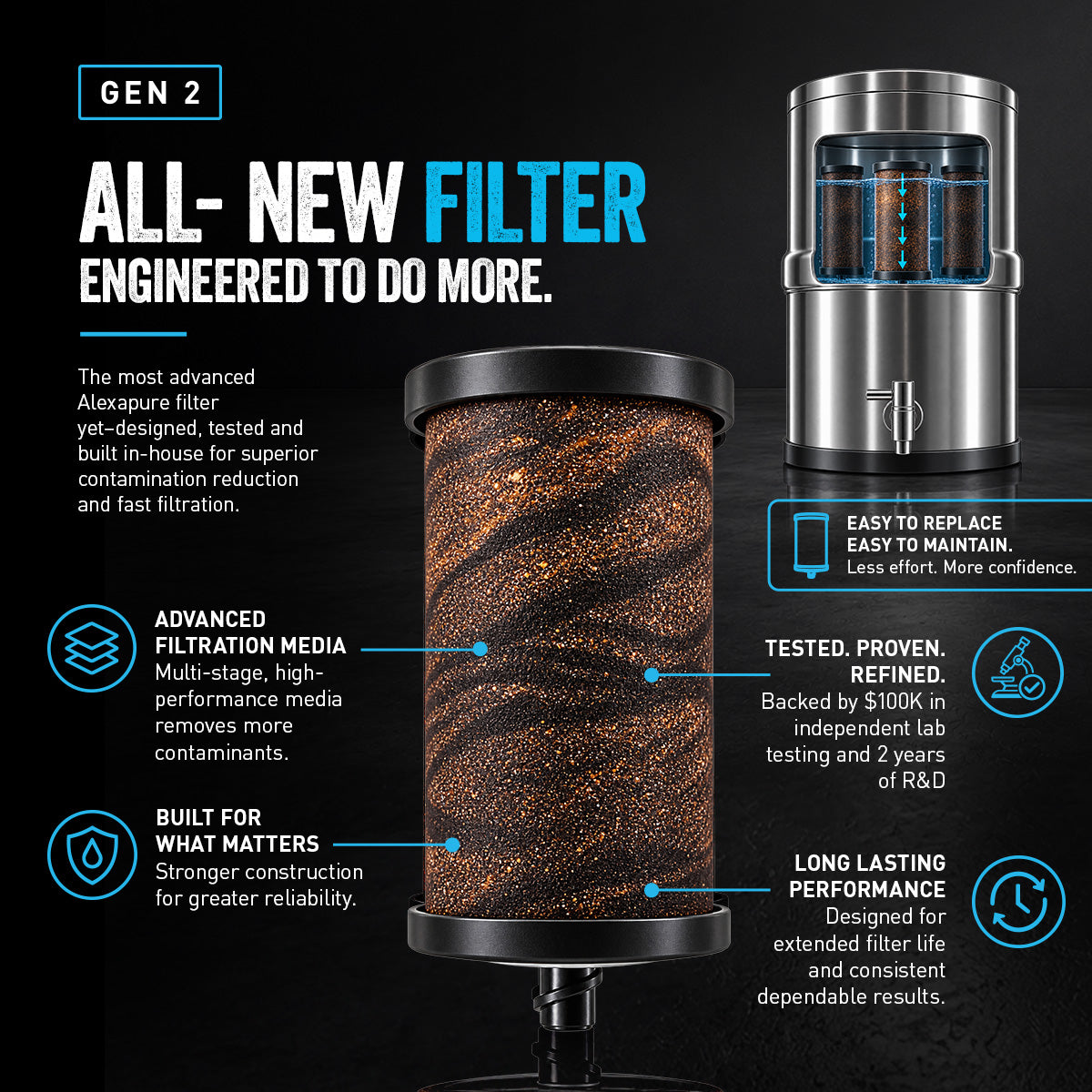
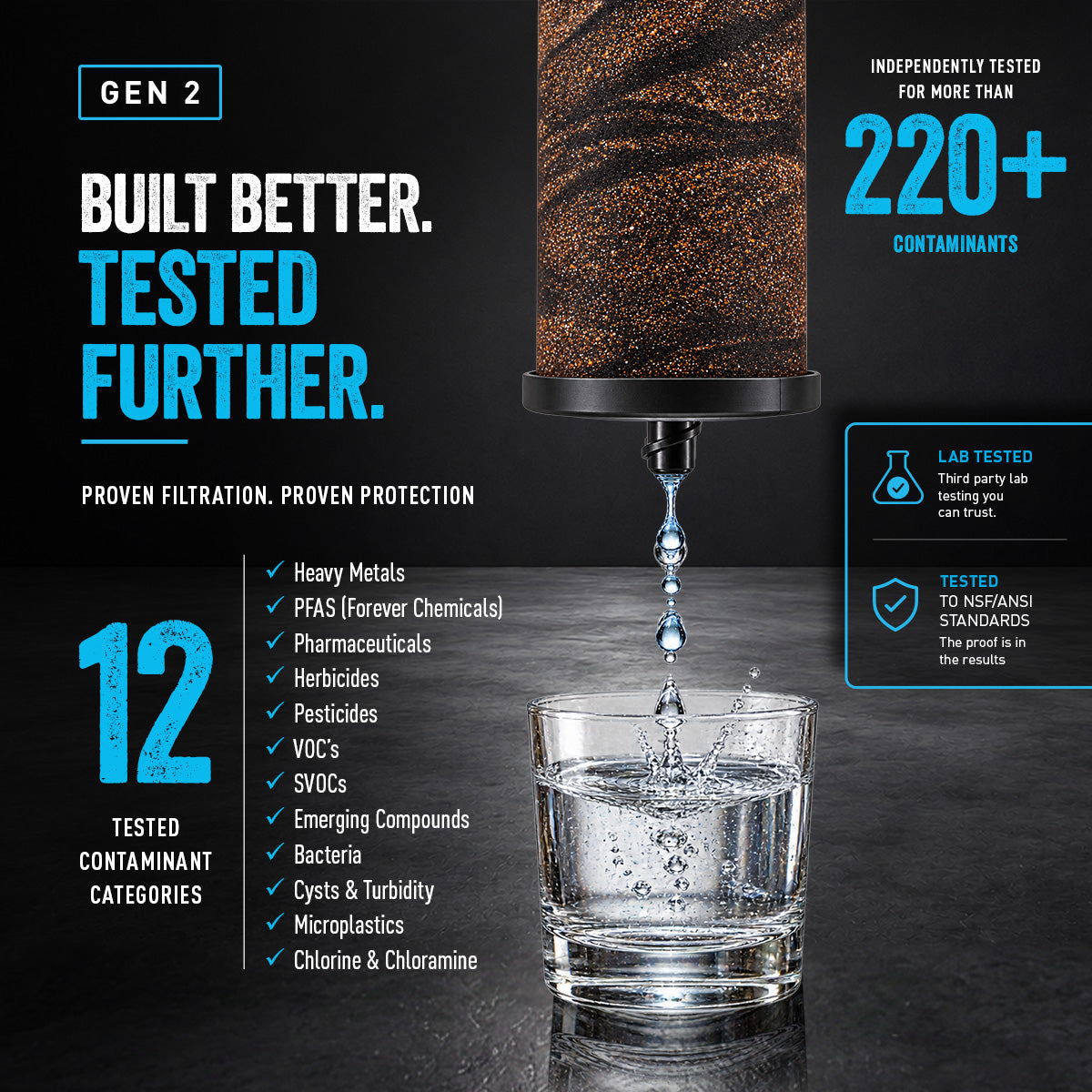
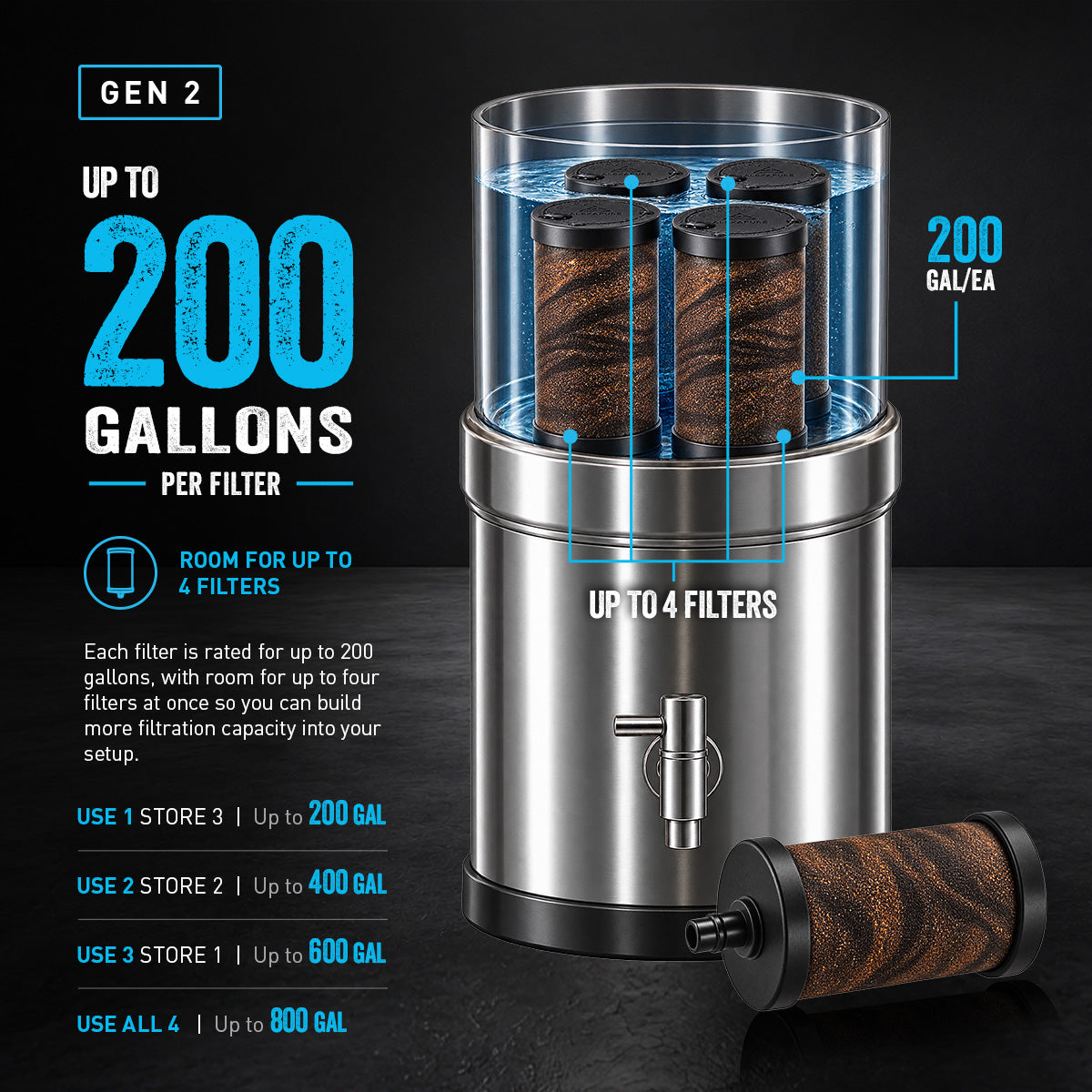
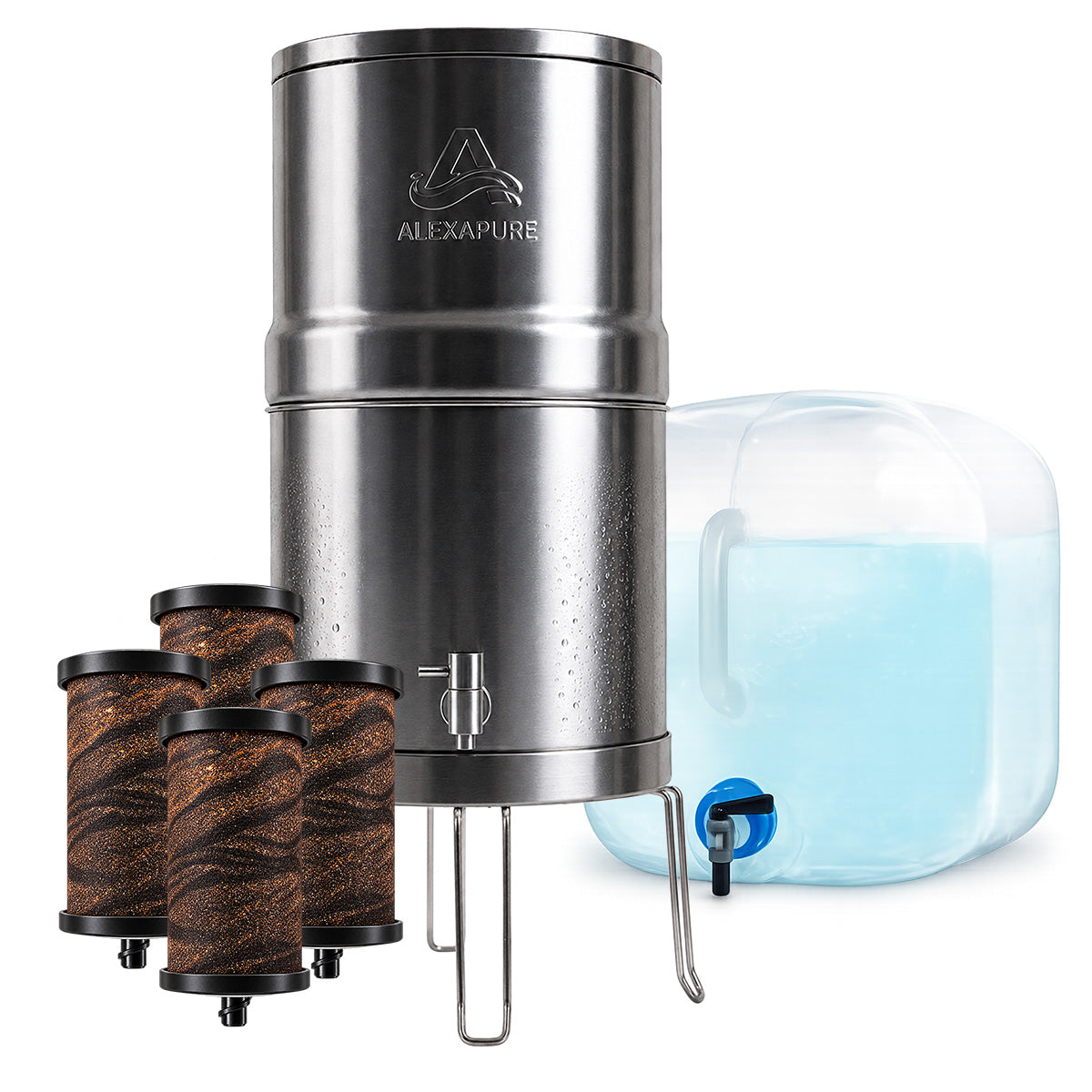
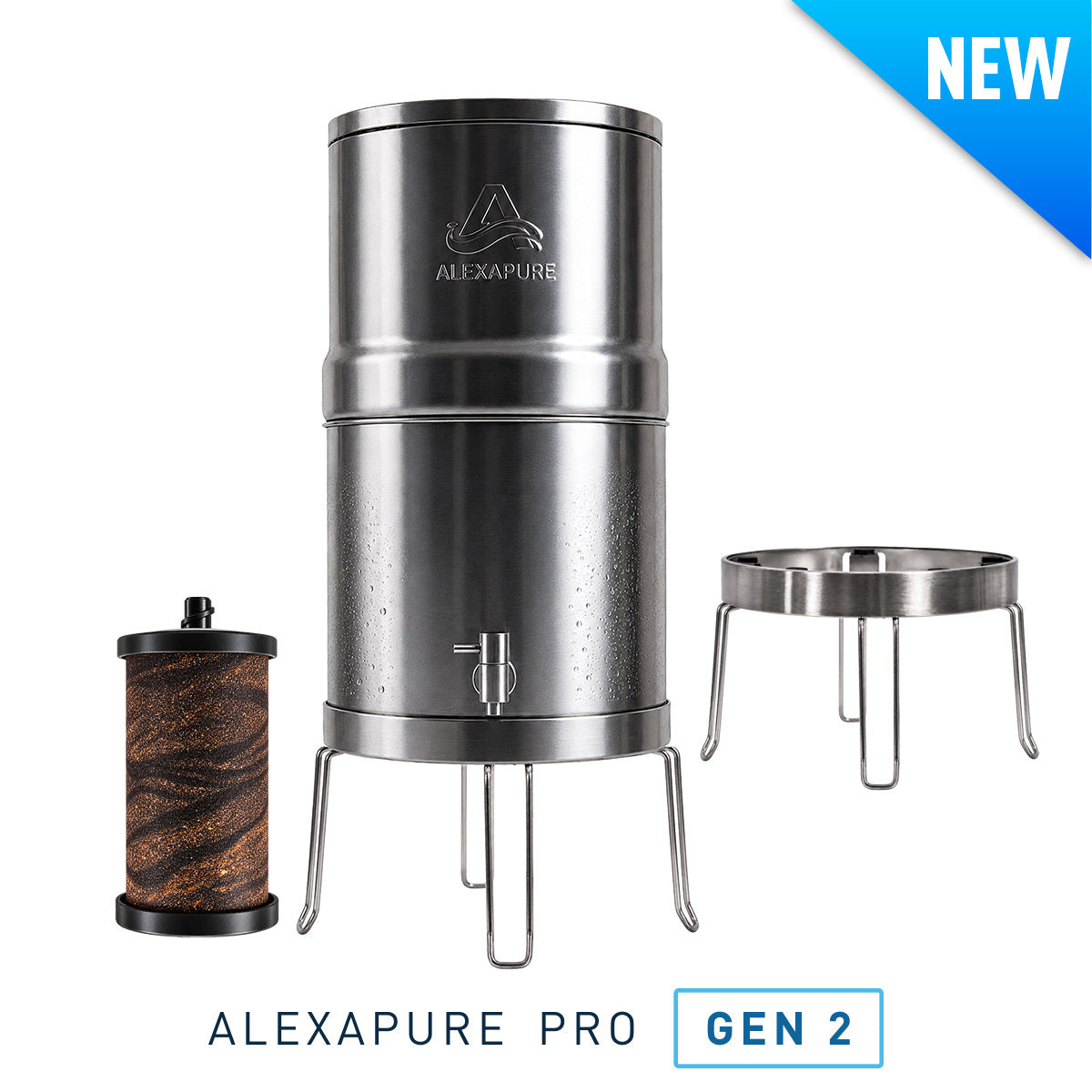
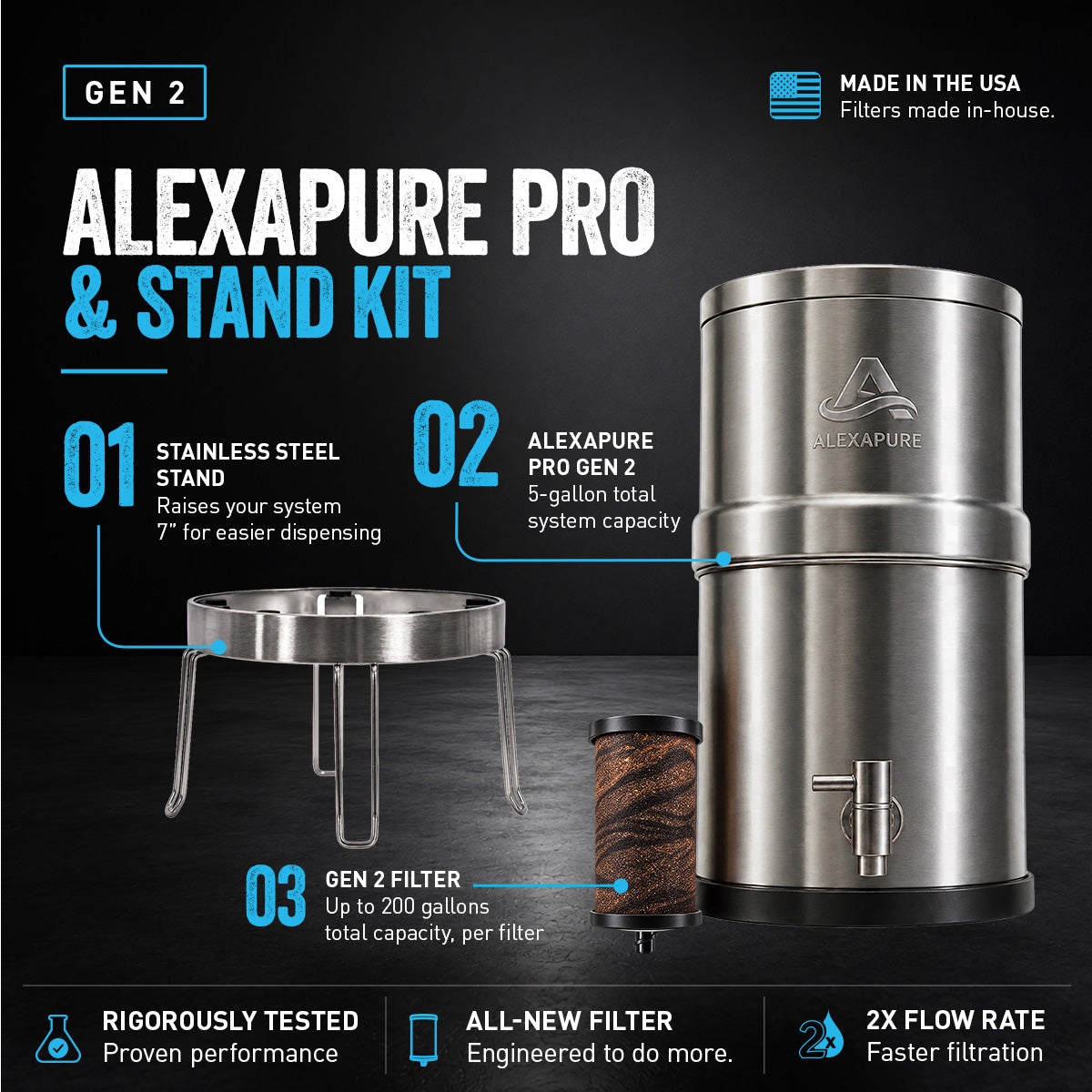
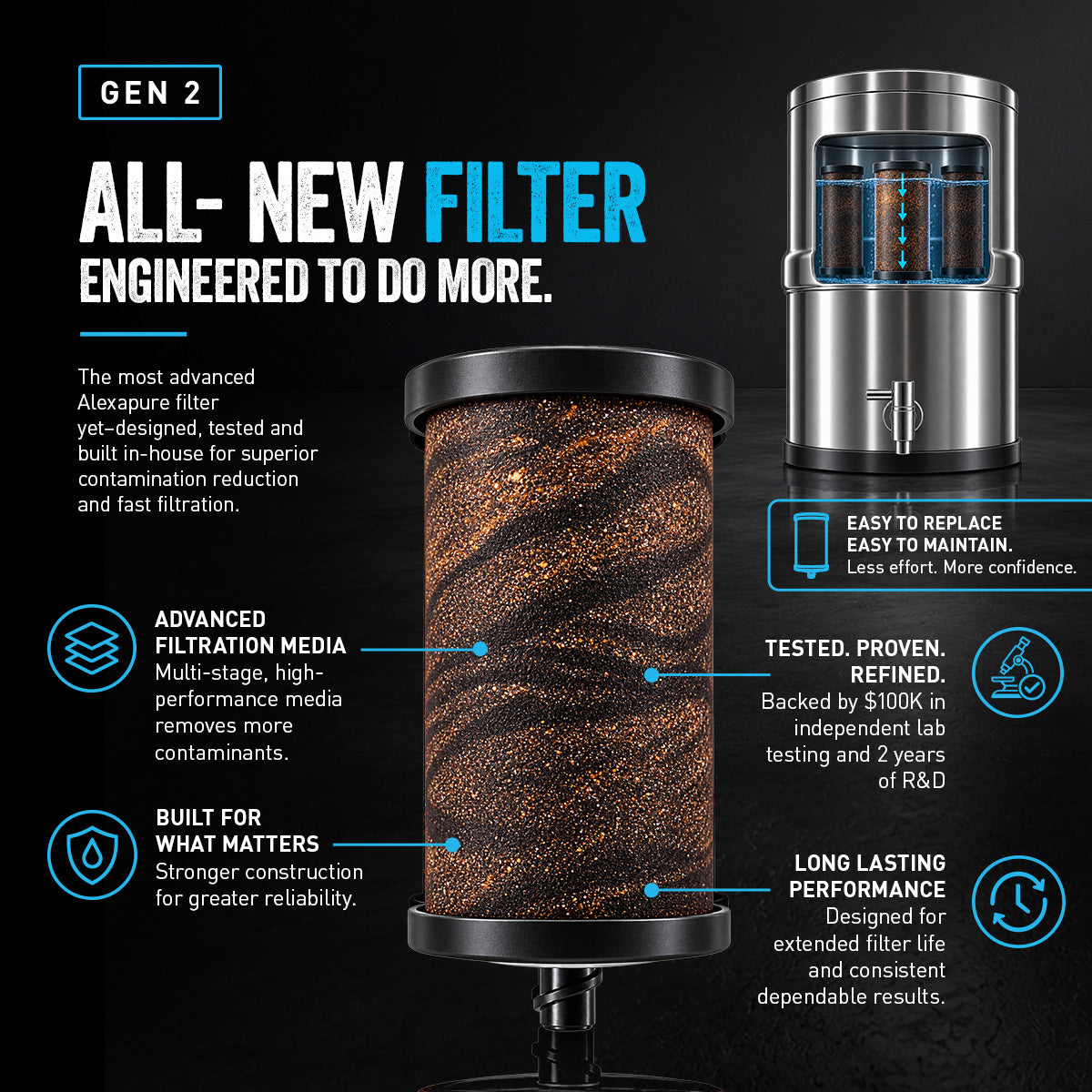
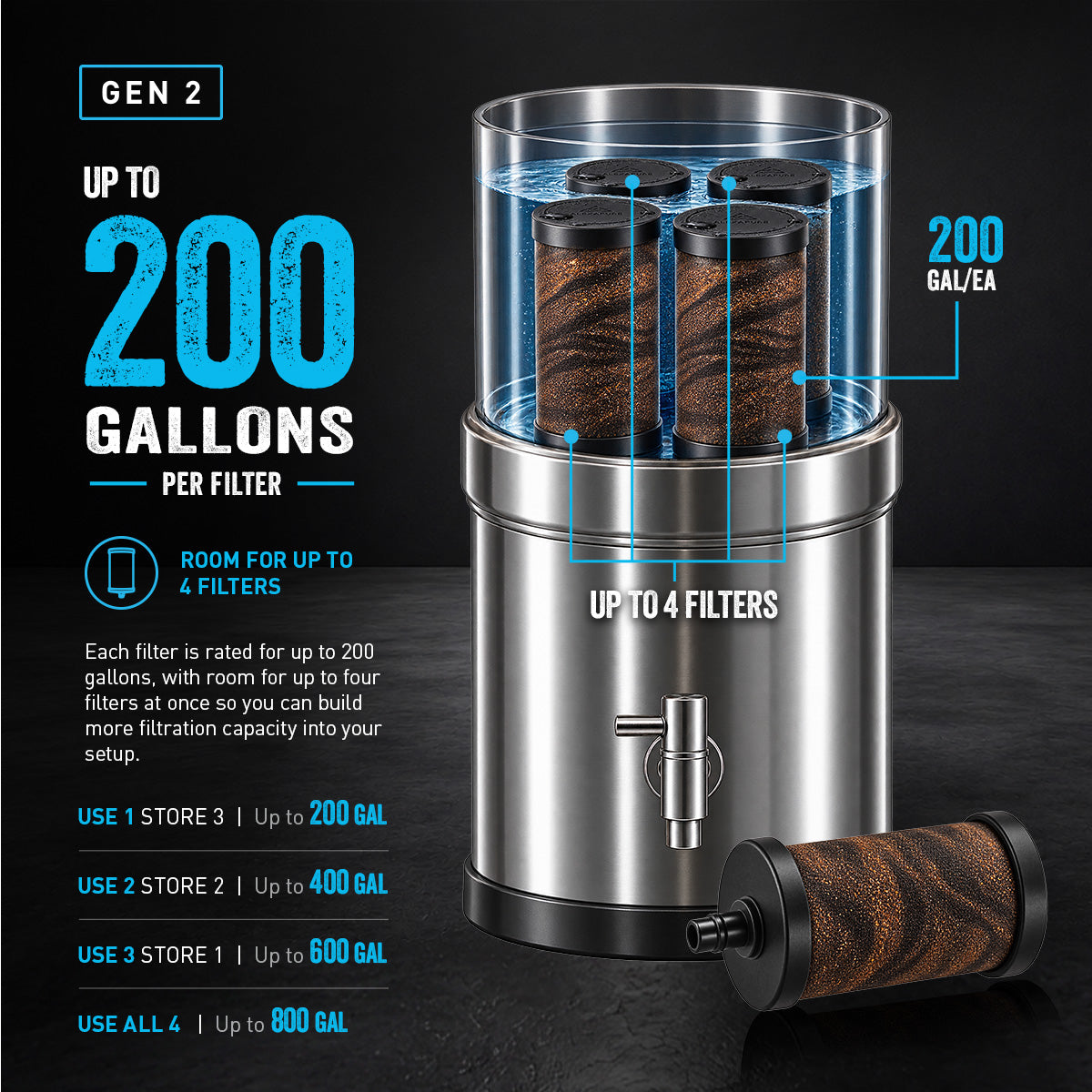
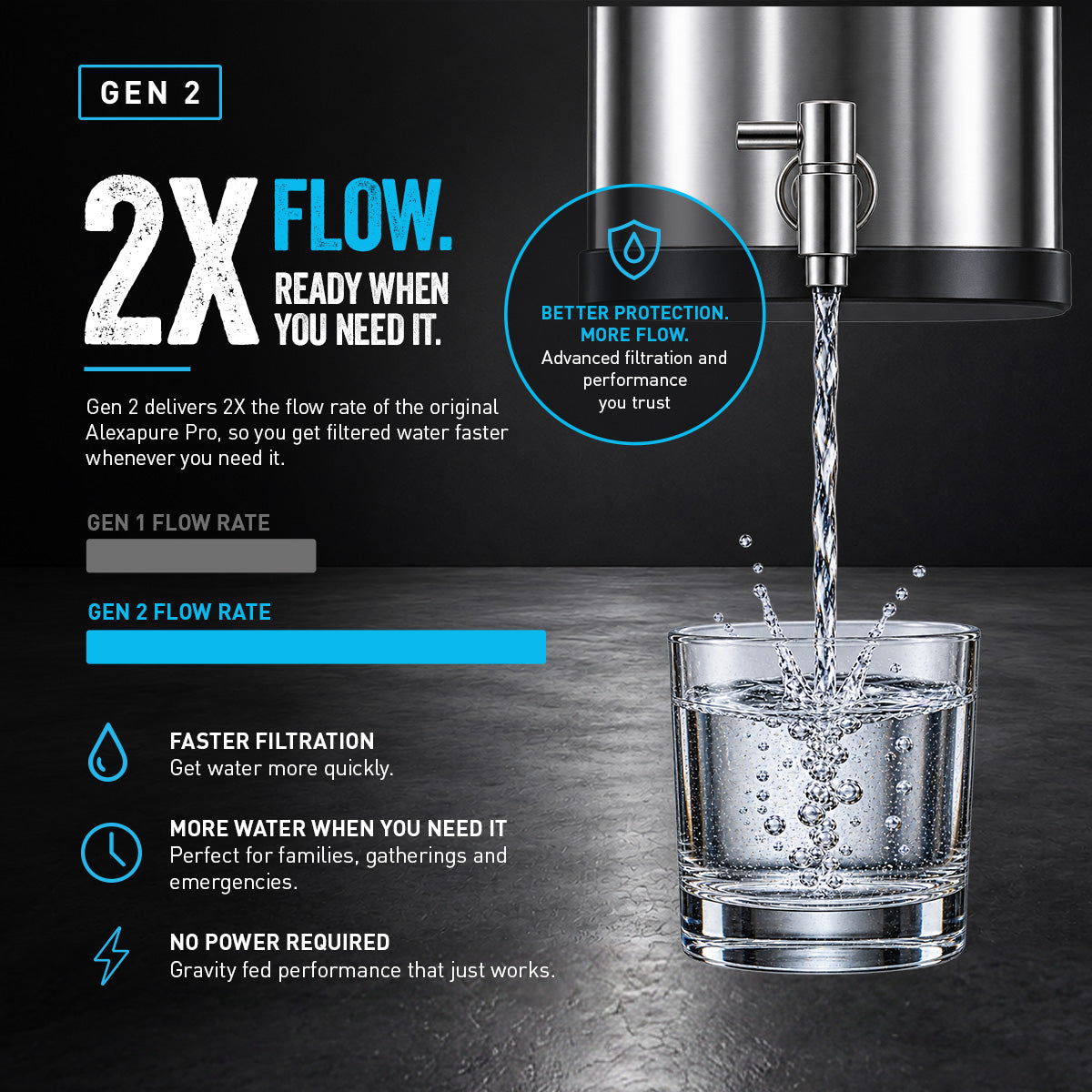
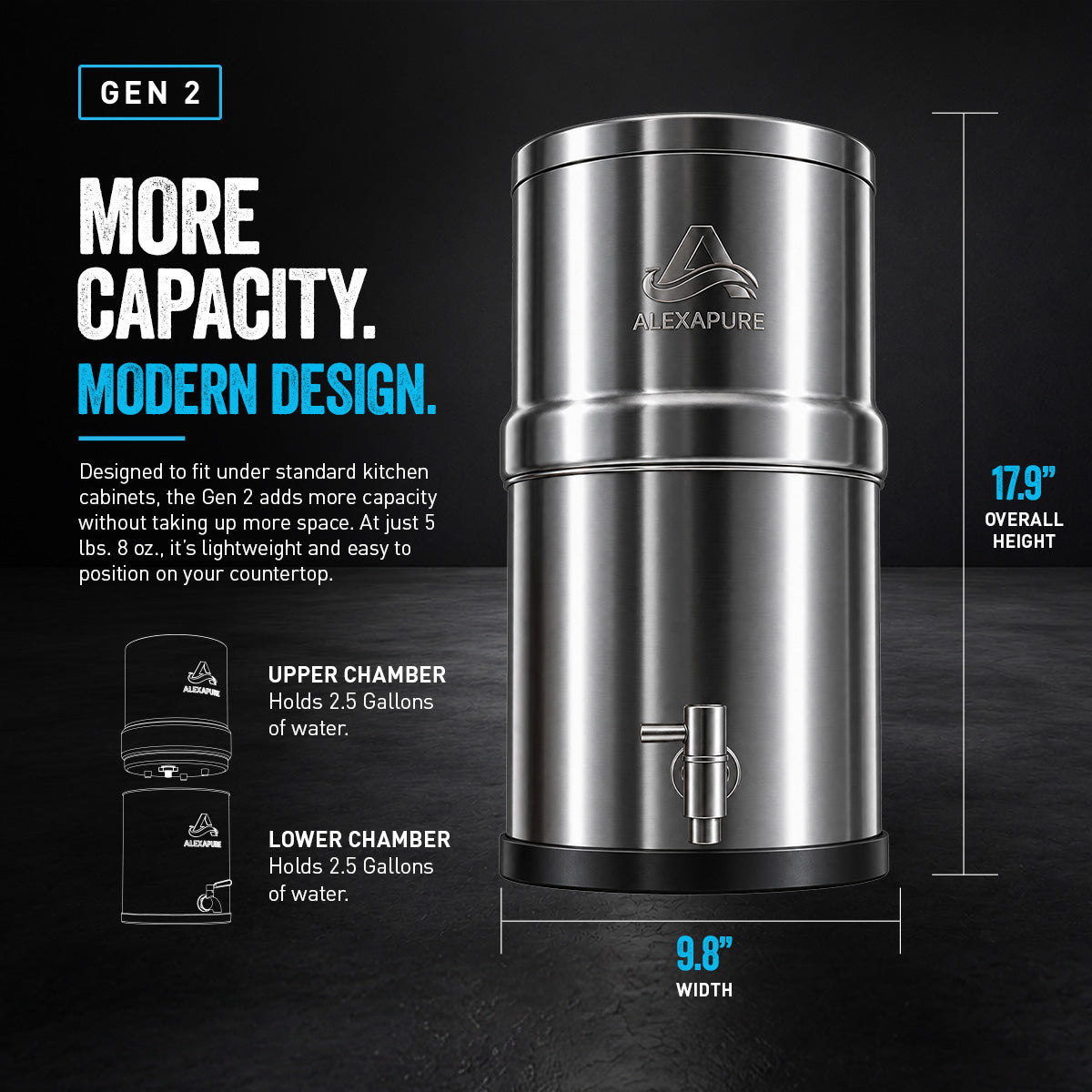
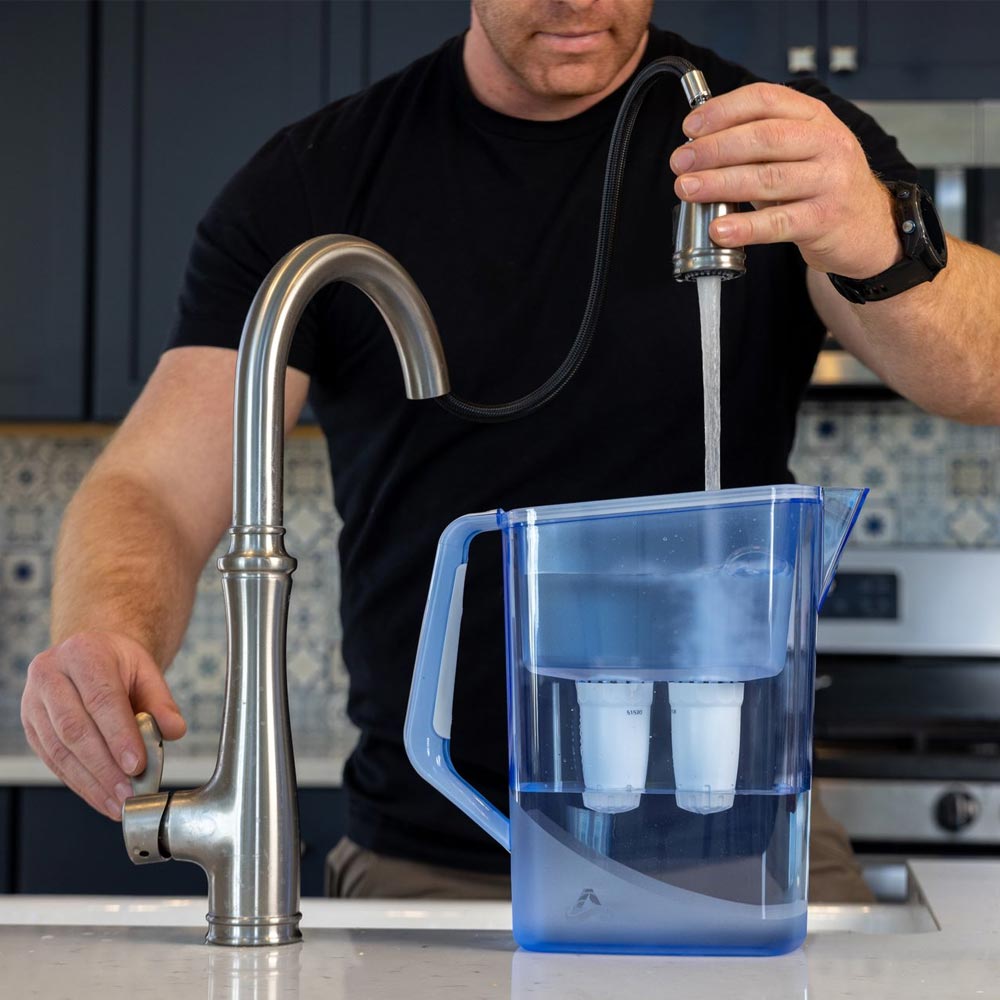
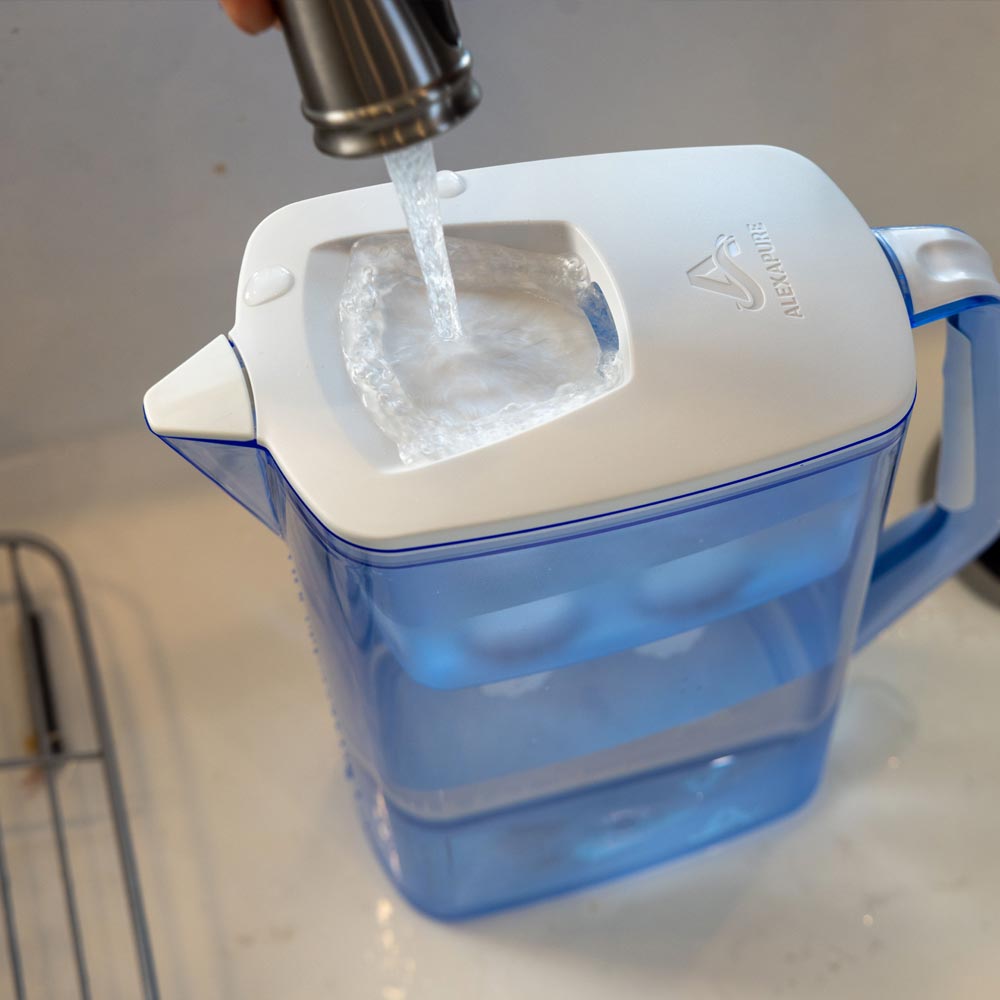
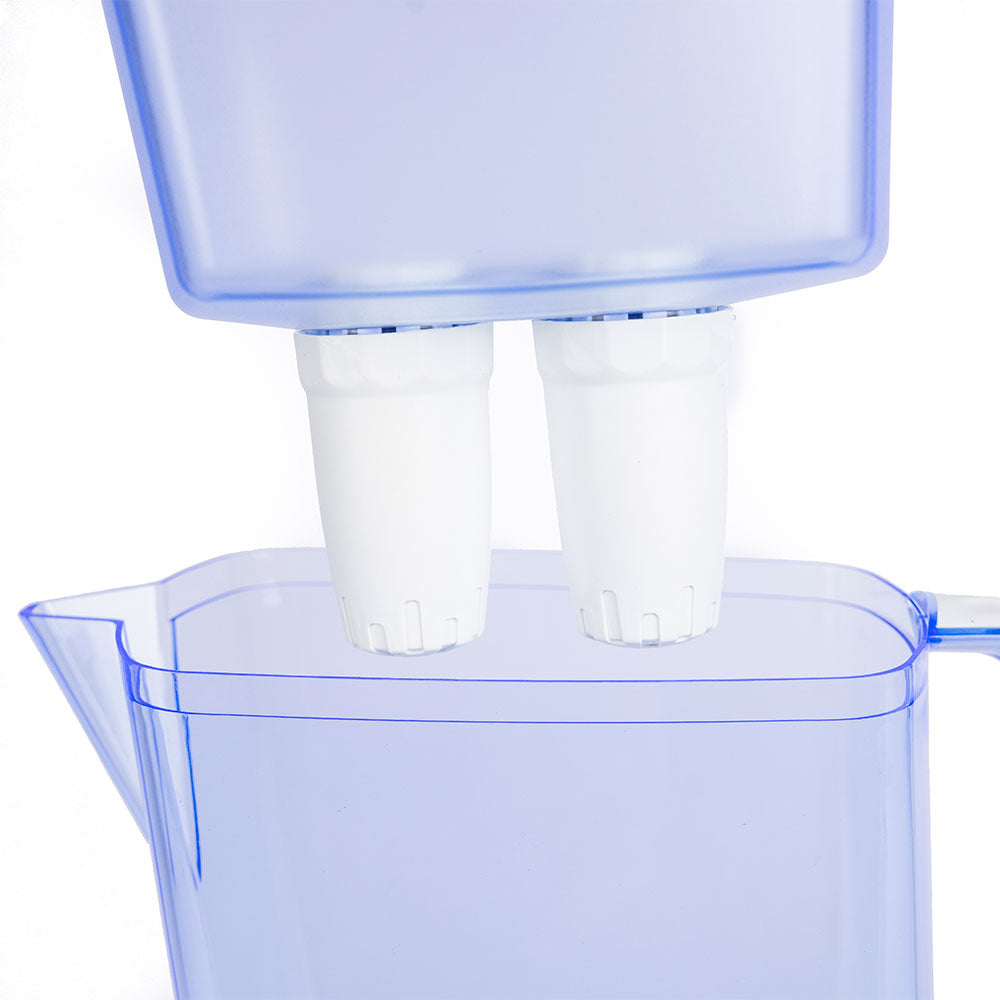
Not all PFAS are the same, and removing them from drinking water is not as simple as flipping a switch at the treatment plant. If newer, short-chain PFAS move farther through water systems and are harder to filter out, families may have less visibility into what is coming from the tap. It is another reminder that water safety can change long before people see, smell, or taste a problem, and having reliable water filtration at home adds an extra layer of protection when official treatment systems are still catching up.
Read the full article here.
Source: Food Safety Magazine