Week of July 13, 2026
A quick read on the week's readiness-relevant stories. Some have been building for weeks and some are new, and each item links to the full reporting.
STILL TRACKING
Gulf shipping stalls and crude climbs again
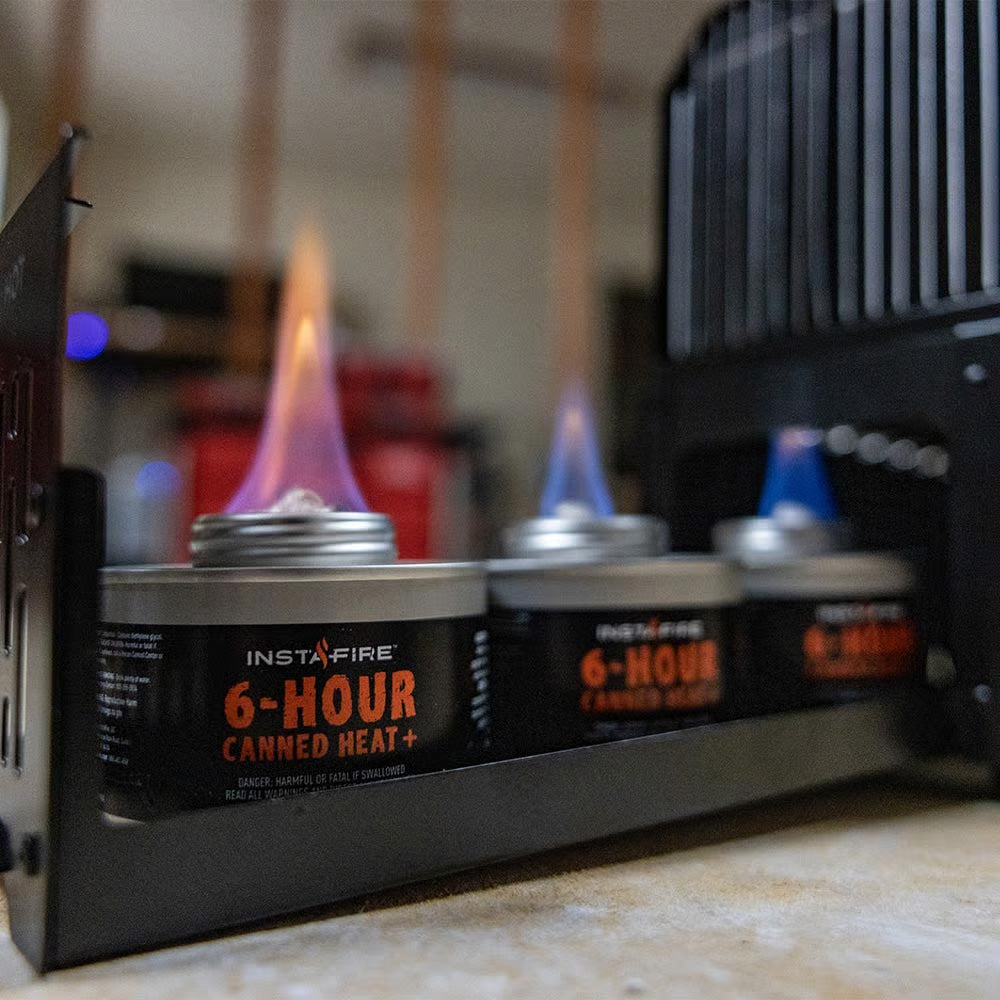
Traffic through the Strait of Hormuz has fallen close to a standstill after renewed strikes on commercial tankers, including a gas carrier that caught fire and had to be evacuated. Only a handful of large vessels crossed the corridor midweek, down from more than a hundred a day before the conflict, and a formal closure was announced on July 12. Brent crude has moved back toward the high seventies, with analysts flagging further upside as inventories draw down. This corridor sets the direction for delivered fuel, heating, and the cost of trucked goods, so a topped-off fuel supply and a tested backup power plan matter more this week than last.
Read more: Strait of Hormuz traffic plunges as fighting resumes (Al Jazeera) and Fresh strikes follow the strait closure (The Hill)
Western wildfires keep spreading
The Western fire season is holding at a high level. Crews gained ground on Utah's Cottonwood Fire and Colorado's Aspen Acres Fire, but the Babylon Fire in southern Utah pushed past 100,000 acres to become the nation's largest active wildfire, and structure losses on the Aspen Acres Fire climbed past 260. Roughly three dozen large fires are burning nationally on more than 3.4 million acres so far this year, well above the ten-year average, and a fresh heat dome is settling over the same terrain. Evacuations can come on short notice and smoke travels far downwind, which argues for a packed go bag, a respirator within reach, and a known route out.
Read more: Babylon Fire tops 100,000 acres as nation's largest wildfire (Emergency Management Network) and Nation's new largest active fire is also in Utah (KSL)
Heat returns to the grid
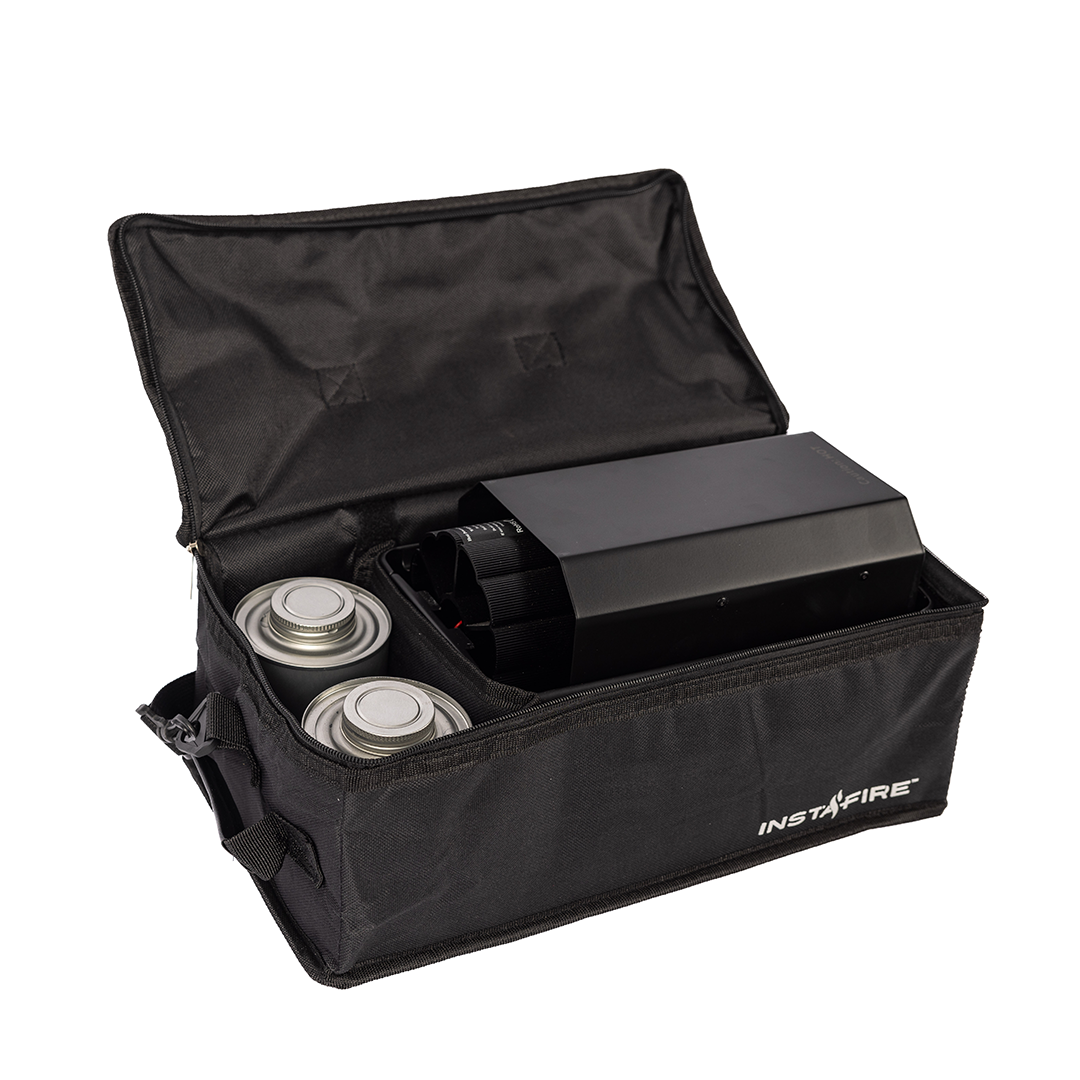
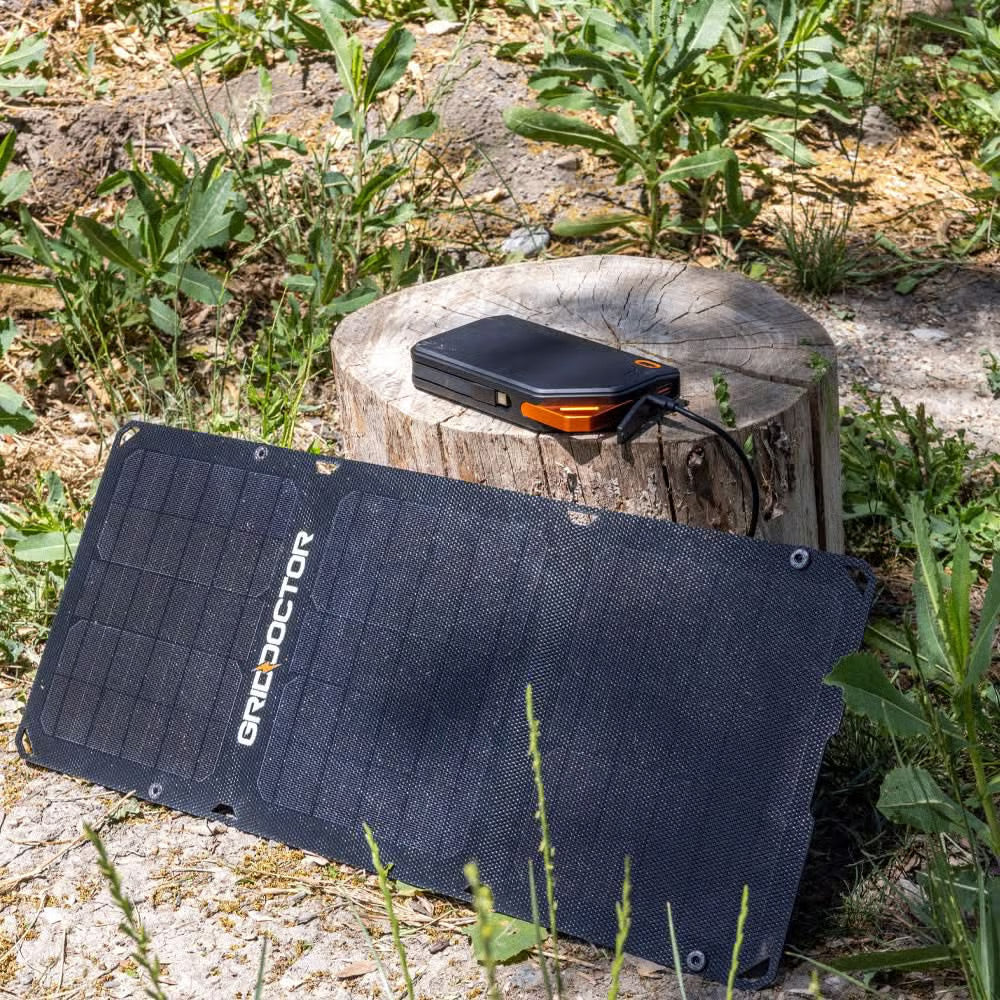
The early-July heat that drove the largest U.S. grid to record demand eased for a few days, then a second and larger dome began building over roughly two-thirds of the country. Forecasters expect readings 15 to 25 degrees above normal across the Southwest, Plains, and Intermountain West, spreading east through midweek. The first round pushed grid operators to emergency measures before conditions moderated, and the second round shifts the strain west. Record demand thins the grid's margin exactly when cooling matters most, which makes the case for grid-independent cooling and a backup power plan you have actually tested.
Read more: Dangerous heat wave building across much of the U.S. (AP via Washington Times) and Grid operator anticipates record demand (Utility Dive)
NEW THIS WEEK
Violent flooding hits the Heartland
A slow-moving storm dropped more than a foot of rain on southeastern Missouri in under a day, triggering what forecasters called a one-in-1,000-year event. More than 350 water rescues were reported, roughly 200 children were airlifted from a summer camp by National Guard helicopters, a campground building collapsed, and at least one death was confirmed, with additional deaths reported in linked Kentucky flooding. The threat was shifting south into the weekend. Flooding remains the fastest-moving natural hazard, which is why stored water, a charged way to receive alerts, and an evacuation plan for low-lying ground are worth confirming now rather than during the next warning.
Read more: Over 350 rescues as flash flooding tears through Missouri (Fox Weather) and Missouri campground building collapses in floodwaters (ABC News)
Winter wheat comes in the smallest in decades
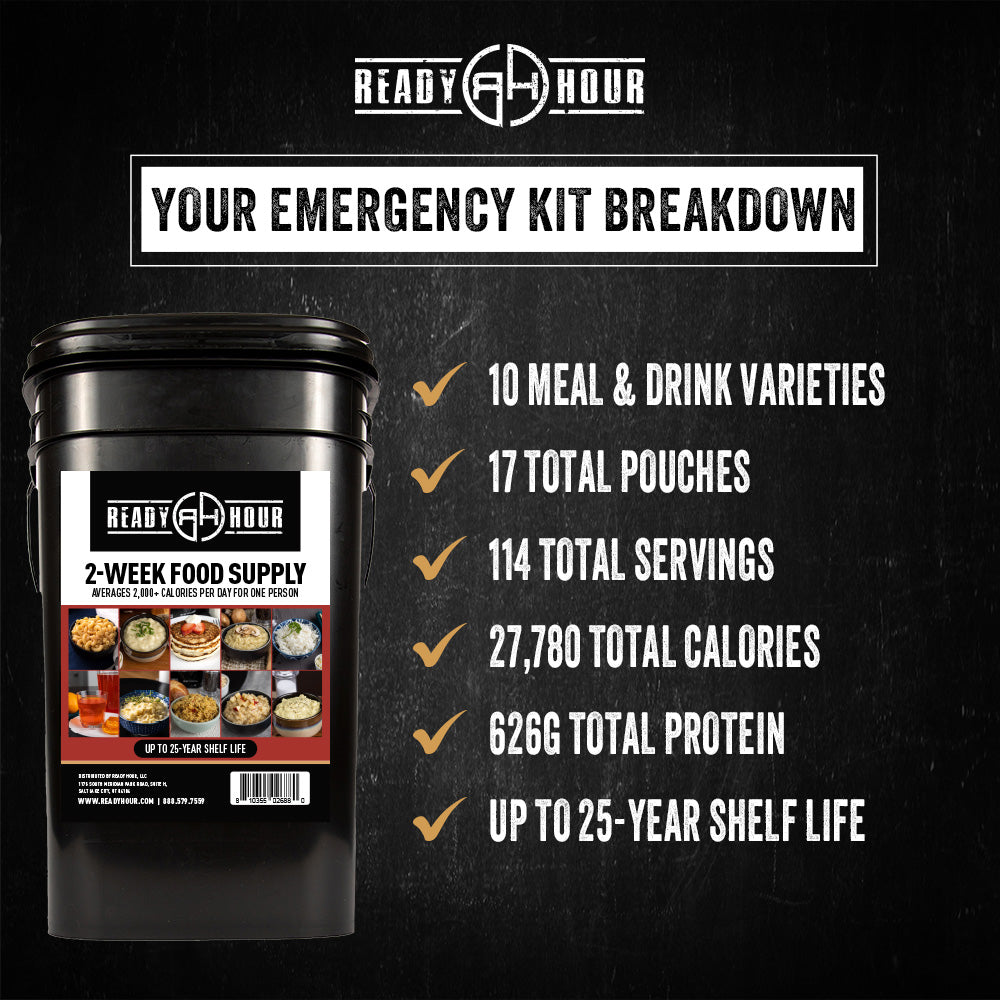
The July 10 USDA supply report confirmed this season's winter wheat harvest as the smallest U.S. crop since the early 1970s, with Hard Red Winter output the lowest since the late 1950s. Great Plains drought drove both weaker yields and more abandoned acreage, and ending stocks fell more than 20 percent from a year ago. The effect on grocery shelves is gradual, but a tighter grain balance sets the direction for bread, flour, and pasta pricing over the coming season. A modest, rotated store of shelf-stable staples is the practical hedge.
Read more: July WASDE signals historic wheat decline (RFD-TV) and USDA releases July 2026 WASDE report (American Ag Network)
Beef prices reach a record
Live-cattle futures settled at a record in early July as the U.S. cattle herd shrank to its smallest since 1951. Ground beef is holding near seven dollars a pound and steak is up roughly 16 percent from a year ago. This is a supply and price story rather than a safety one, and it is likely to persist while the herd rebuilds. If beef is a protein anchor in your household, shelf-stable and alternative proteins are worth a look while prices stay elevated.
Read more: Beef prices near record highs as the herd shrinks (Natural News) and Americans pay record prices for steak (CNBC)
A full-brand cheese recall after a death
A Maryland producer expanded a recall to cover all of its brand's cheese after products tested positive for the strain behind a multi-state Listeria outbreak now counting 12 illnesses, 10 hospitalizations, and one death. The affected soft cheeses were distributed across the Mid-Atlantic under several additional labels. Soft cheeses carry a known Listeria risk, so checking the fridge against the recall notice and clearing anything uncertain is a five-minute safeguard.
Read more: Clover Hill Dairy expands recall to all brand cheese (FDA) and Listeria outbreak leaves one dead and ten hospitalized (Parade)
A diesel supply squeeze abroad
A major diesel exporter halted all exports through the end of July after strikes cut a large share of its refining capacity, pushing global diesel prices to multi-year highs. Diesel moves food, freight, and farm equipment and runs most standby generators, so a squeeze overseas eventually reaches domestic freight and pump costs. U.S. retail diesel has ticked up only modestly so far, which makes this a watch-and-position item rather than an alarm.
Read more: Major exporter bans diesel exports after refinery strikes (OilPrice)
The throughline this week is energy and weather arriving together, a Gulf shipping shock on one side and heat, fire, and flood on the other. The practical next step is the least glamorous one: confirm your water, fuel, and backup power are actually in place, not just on the list.