Week of July 27, 2026
A short read on the week's readiness-relevant stories. Some have been building over weeks, some are new. Each item links to the original reporting, with a quick line on what it means for your household.
STILL TRACKING
Energy chokepoint, escalating
The Gulf shipping corridor moved from restricted to nearly shut. Weekly transits fell to about 25 vessels against a normal flow near 88 per day, several tankers were struck in a single 24-hour span on July 20, and U.S. forces and Iran traded further strikes as diplomats floated a ceasefire that has not landed. Crude briefly crossed $100 a barrel on July 23 for the first time in two months, attacks spread to the workaround shipping lane to the south, and the pass-through is now fully at the pump: the national average hit $4.00 for regular gasoline and $5.13 for diesel, up 34 cents in a single week. Federal fuel waivers were extended into August to keep supply moving. Bridge: fuel and power. Delivered fuel drives heating, transportation, and the price of everything that moves by truck. Topped-off fuel storage and a tested backup power plan remain the levers while the lane stays shut.
Read more: Strait traffic brief for July 21 (Lloyd's List Intelligence), Oil tops $100 a barrel as the crisis widens (CNN), and U.S. gasoline and diesel price update (EIA)
Heat and the grid, escalating
The second heat dome delivered actual grid emergencies this week. The Southwest Power Pool declared an energy emergency alert July 20 and the Department of Energy issued a Federal Power Act emergency order directing extra generation onto the grid, while the Midwest grid operator ran maximum-generation procedures as demand hit 122 gigawatts. By midweek roughly 100 million Americans were under extreme heat alerts, and forecasters expect the dome to restrengthen over the Plains through the weekend, spreading 100-degree heat from Texas to the Dakotas before any real relief arrives late next week. Bridge: power. Emergency orders are the grid telling you its margin is thin. A tested backup power plan and a way to stay cool through an outage are the moves.
Read more: Energy Department secures the grid during extreme heat (DOE), and New heat dome to spread 100-degree heat from Texas to the Dakotas (AccuWeather)
Western wildfires, escalating
The national wildfire system is now at Preparedness Level 5, its maximum, for the first time since October 2024. A lightning outbreak sparked more than 25 new fires in Central Oregon, where the Rowe Creek Complex raced past 149,000 acres to become the largest fire in the country, while the Utah fires that defined early summer wound down with Cottonwood at 90 percent containment and Babylon at 95. Roughly 4 million acres have burned year to date, well above the ten-year average, and smoke advisories stretched from Boise to the Denver Front Range. The new wrinkle: monsoon rain is falling on fresh burn scars, and a debris flow into Beaver, Utah closed I-15 in both directions and prompted a three-county state of emergency. Bridge: shelter and medical. Evacuations move fast in fire country, and flood risk now follows the burn. A packed go bag, a respirator within reach, and a known route stay worth confirming.
Read more: Wildfire officials max out the national preparedness level (Capital Press), Rowe Creek Complex becomes the nation's largest fire (Central Oregon Daily), and Flooding forces I-15 closure and urgent water notice in Beaver (KSL)
NEW THIS WEEK
The emergency oil reserve is at a 43-year low
The Strategic Petroleum Reserve fell to 311 million barrels as of mid-July, its lowest level since March 1983. More than 133 million barrels of the 172-million-barrel emergency release announced in March are already contracted out, which means the flow that has been cushioning fuel prices is close to spent, and no follow-on release was announced even as crude touched $100. The reserve exists as the national fuel buffer for genuine emergencies, and it is thinner than it has been in four decades at exactly the moment the supply picture is tightening. Bridge: fuel. A national buffer running low is a good argument for a household one: stored fuel with stabilizer, and a plan for using less of it.
Read more: Strategic Petroleum Reserve hits its lowest level since 1983 (Quartz), and Reserve at its lowest point in 43 years (Oklahoma Energy Today)
A 27-state lettuce recall tied to a 1,600-case outbreak
Taylor Farms recalled all iceberg lettuce from its central Mexico operation on July 17 after being named the likely source of a cyclosporiasis outbreak linked to shredded lettuce served at a national fast-food chain. The outbreak stands at 1,644 illnesses and 94 hospitalizations, with recalled product shipped to 27 states between June 29 and July 16. The FDA acknowledged one earlier lab result was a false positive but says the epidemiological evidence is overwhelming and the recall stands. Bridge: food safety. Fresh produce is the fastest-moving recall category, and washing does not remove cyclospora. Check bagged and shredded iceberg at home and discard anything recalled.
Read more: Taylor Farms recalls iceberg lettuce in 27 states (CNBC), FDA outbreak investigation page (FDA), and Recall stands despite a retracted test result (NPR)
ALSO ON THE RADAR
Flash floods hit record territory in two directions
West Virginia took a catastrophic flash flood July 21: more than 7 inches of rain in about six hours pushed Sand Run past a crest record that had stood since 1985, killed two people, forced more than 85 water rescues, and put all 55 counties under a state of emergency. The same week, Utah's burn-scar flooding put a neighborhood in Beaver under evacuation and a do-not-drink notice. Nationally, 32 flash flood emergencies have been issued this year, roughly half of them in July alone. Bridge: water and shelter. Flash floods give minutes, not hours. A go bag, a known route to high ground, and stored drinking water are the hedges.
Read more: Two dead after catastrophic West Virginia flooding (FOX Weather), and July is now the season of the flash flood emergency (CNN via KEYT)
Measles passes last year's total with five months to spare
The U.S. measles count reached 2,295 confirmed cases by July 22, passing 2025's full-year total and setting a 35-year high with five months still to run. Cases span 44 jurisdictions with 34 active outbreaks, and the largest active cluster is in Utah. Bridge: medical. A stocked home medical kit and a plan for care matter more when clinics and emergency rooms are busy with an outbreak.
Read more: Measles cases set a 35-year U.S. record (U.S. News), and Case count surges past last year's total (Axios)
Beef steps off the board, still worth watching
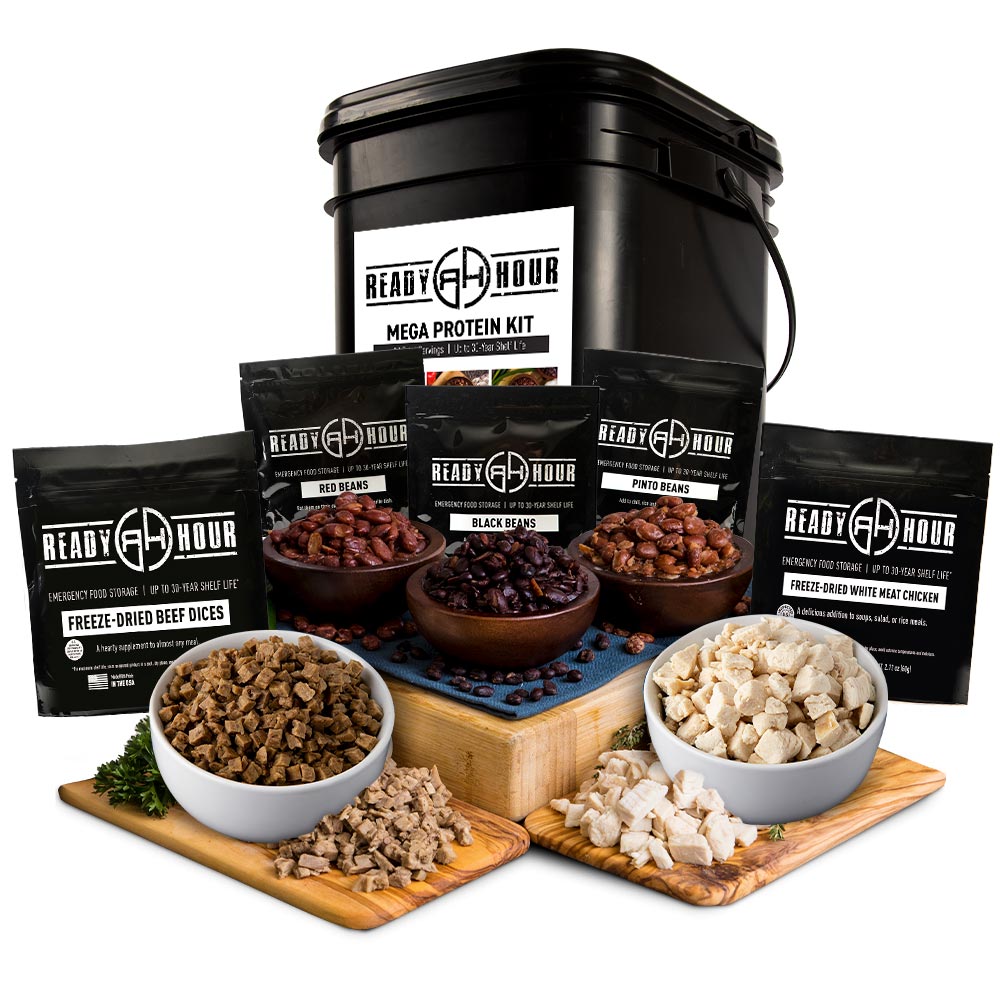
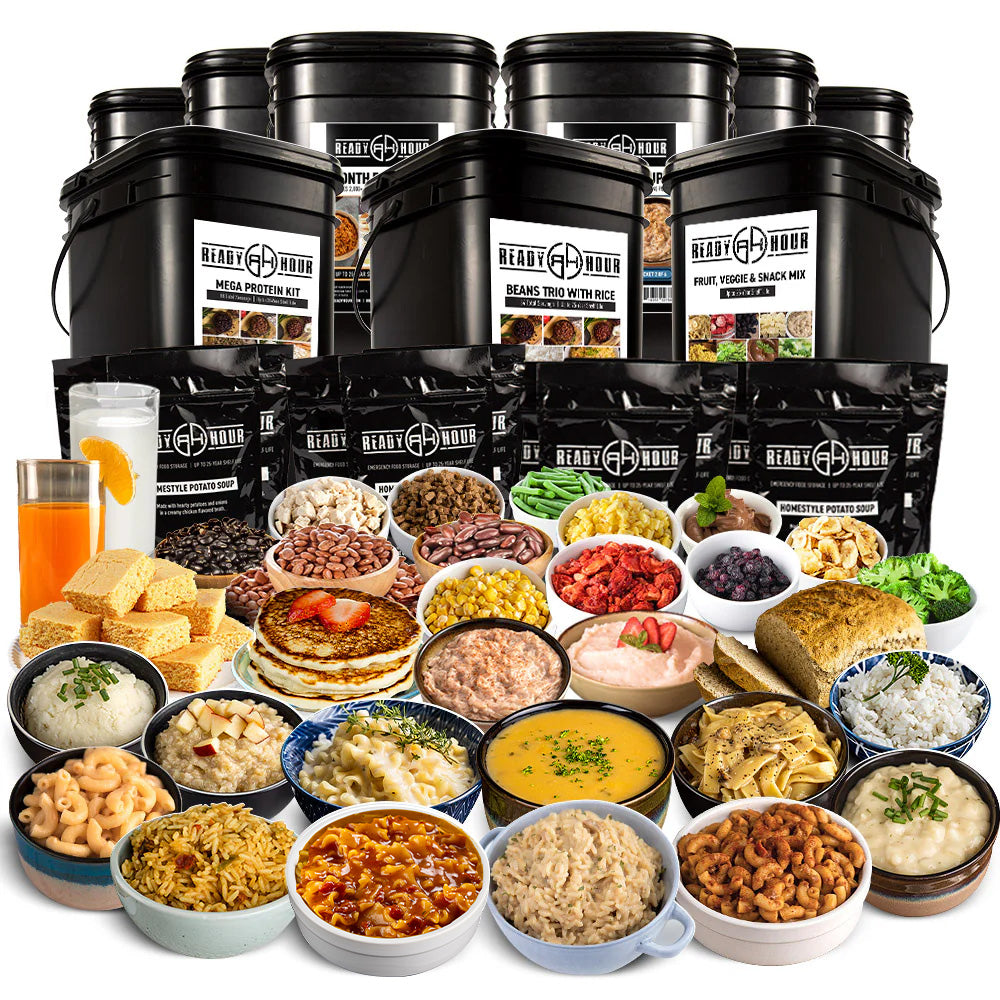
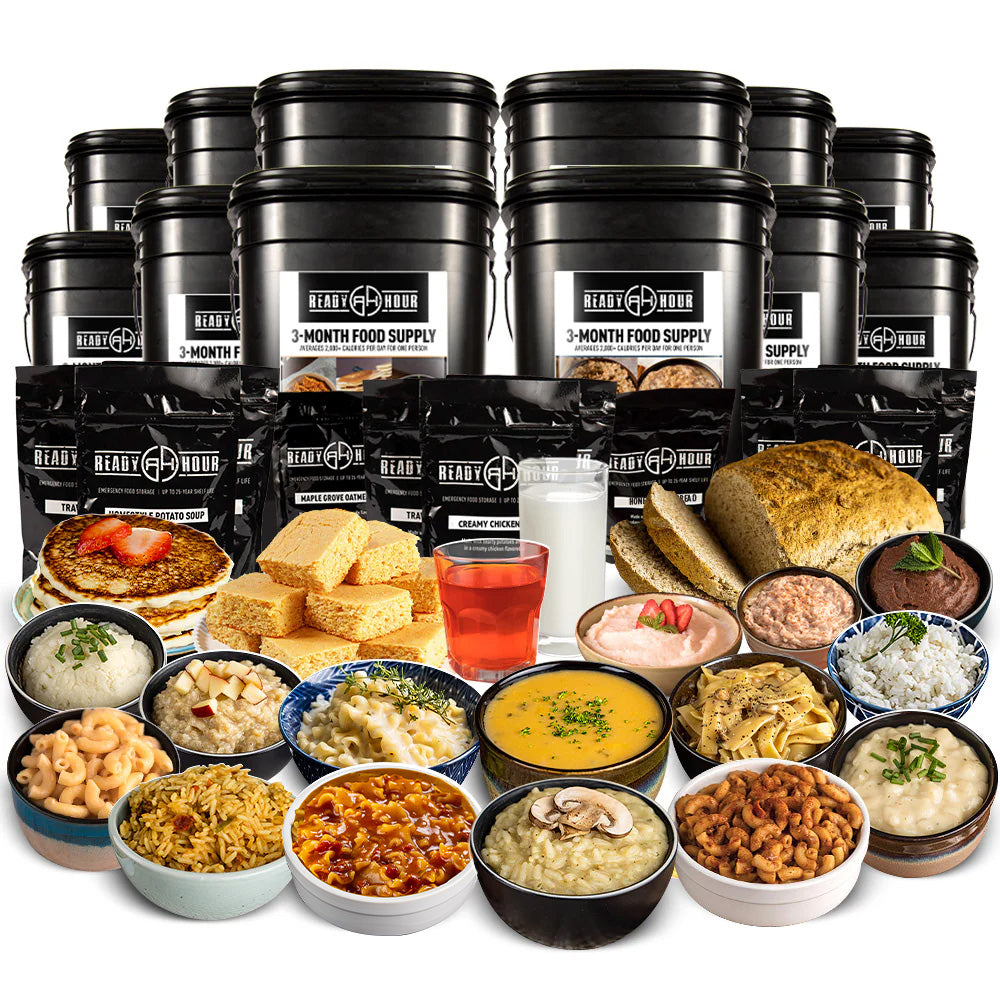
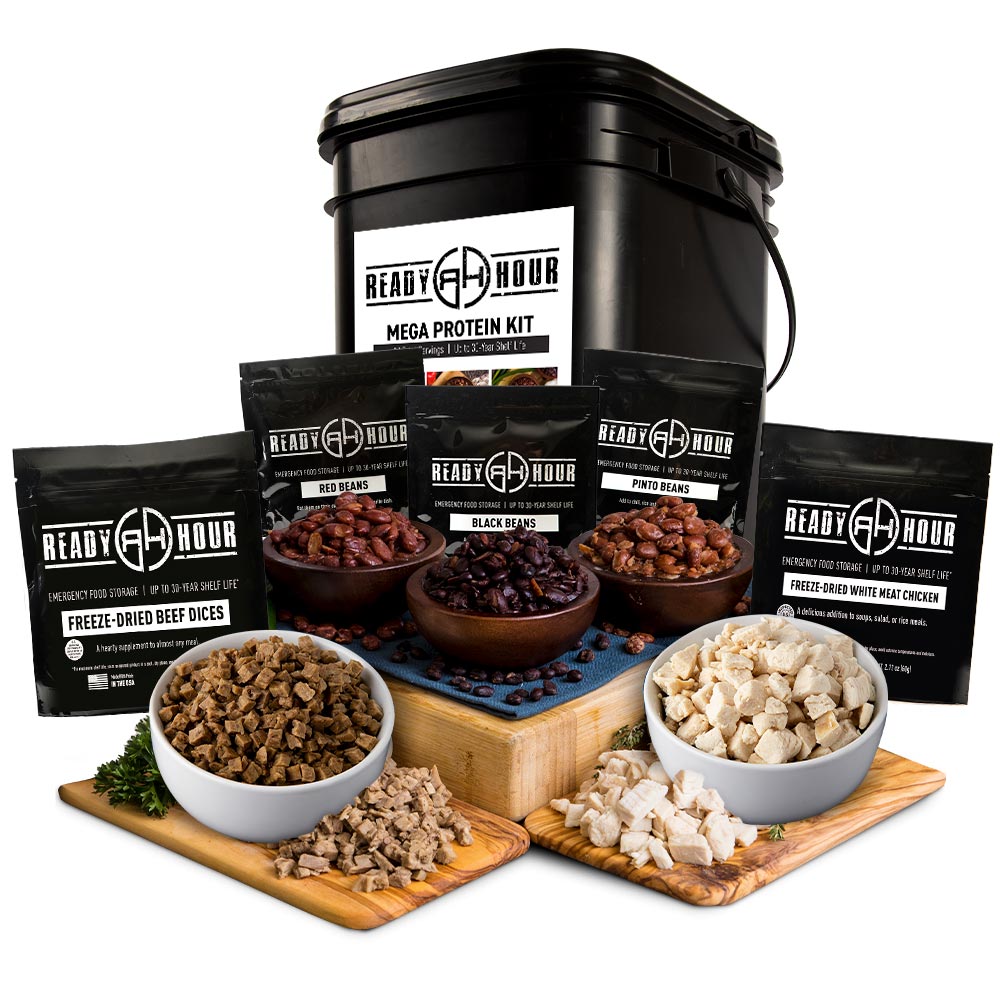
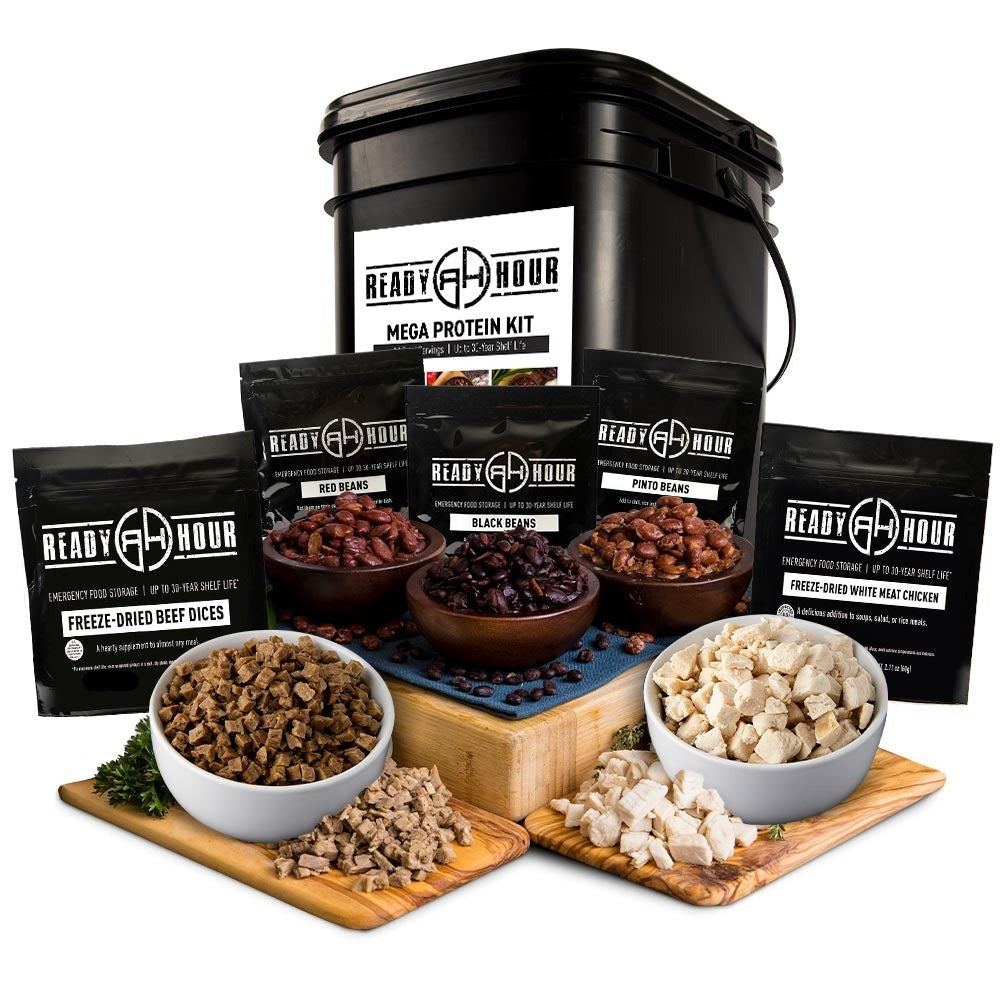
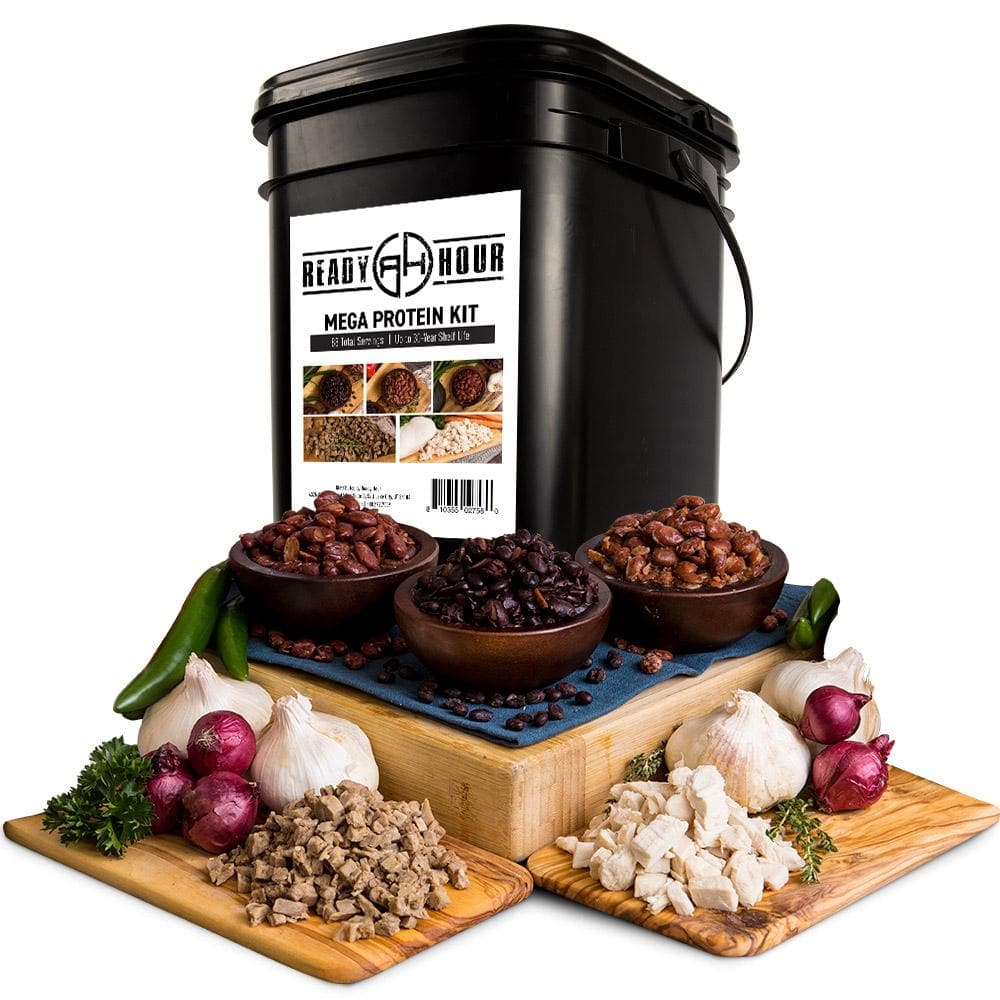
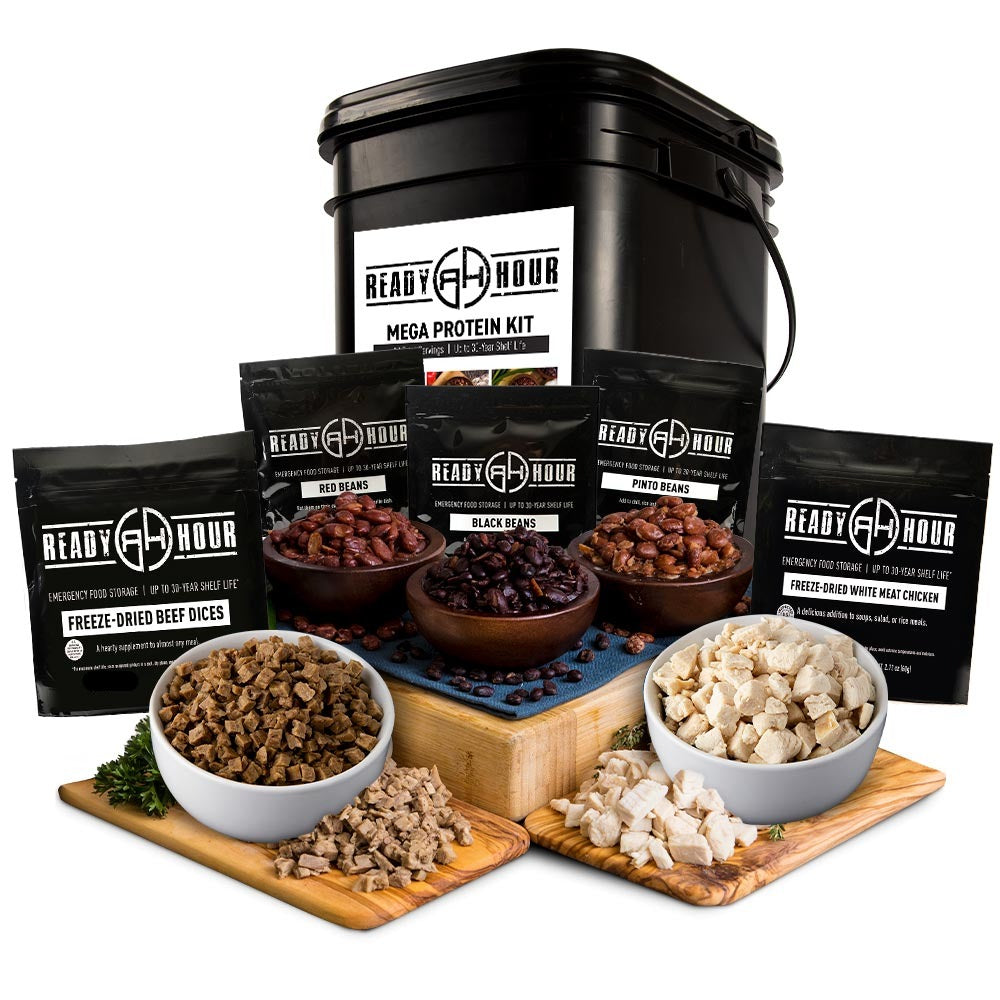
Cattle futures cracked from their early-July record, falling a record 15 straight sessions before steadying, and USDA's semiannual herd count arrived July 24 with analysts expecting a roughly flat herd near 93.9 million head and still no clear rebuild signal. The screwworm outbreak pressuring Texas cattle country grew to 42 confirmed cases, and a South Texas county signed a disaster declaration after its first detection. Retail beef remains near record highs, and herd rebuilding takes years once it starts. Bridge: food. The protein guidance from prior issues stands: a shelf-stable protein reserve holds its value while fresh cuts stay expensive.
Read more: What the mid-year herd count could signal (Farmdoc Daily), and Starr County signs a disaster declaration after its first screwworm case (Texas Public Radio)
The throughline this week is thinning buffers. The shipping lane is still shut and the national oil reserve behind it is at a four-decade low, the grid is running on emergency orders, and fire crews are at maximum national deployment. None of that is in your control. Your margin at home is. The single most useful move right now is the fuel one: top off what you store, add stabilizer, and test the backup power plan while the price at the pump is the only emergency in your driveway.