Week of August 10, 2026
A short read on the week's readiness-relevant stories. Some have been building over weeks, some are new. Each item links to the original reporting, with a quick line on what it means for your household.
STILL TRACKING
ENERGY CHOKEPOINT, STEADY
The deal that looked close two weeks ago is now in limbo. Iran says the strait stays shut until the U.S. lifts its naval blockade; Washington says it will only accept unrestricted navigation with no tolls or gatekeeping. An Iran-Oman framework for managing reopened traffic is reportedly in its final stages, but nothing has been signed, and oil climbed again on the doubt, with Brent back near $85. At the pump, the damage already done is holding: diesel remains above $5.30 a gallon after setting records in late July, and regular gasoline sits above $4.
Bridge: fuel and power. This corridor still sets the direction for delivered fuel, which drives heating, transportation, and the price of everything moved by truck. Topped-off fuel storage and a tested backup power plan remain the levers.
Read more: Oil climbs as doubts grow over reopening (UPI), Iranian demands cloud the outlook (Al Jazeera) and Iran-Oman deal reportedly close (CBS News)
COLORADO RIVER HITS ITS ALL-TIME LOW, ESCALATING
The record everyone watched for finally fell. Lake Mead dropped to 1,040.5 feet on August 7, below the 2022 mark and the lowest level since the lake began filling in the 1930s. Lake Powell sits around 22% full and is expected to break its own record within weeks. Together the two reservoirs hold less water than at any point since 1957, before Lake Powell existed. A federal proposal would require Arizona, California, and Nevada to cut river use roughly 20% in 2027 and 2028. Roughly 40 million people and the hydropower from both dams depend on this system.
Bridge: water and power. Municipal supplies do not fail overnight, but the margin under the entire Southwest is the thinnest it has ever been. Stored water at home is the hedge that costs the least and covers the most.
Read more: Lake Mead hits lowest level on record (CNN), A new record low, and only the beginning (Las Vegas Review-Journal) and Both reservoirs at historic lows (WRRC, University of Arizona)
WATER SYSTEMS UNDER CYBERATTACK, ESCALATING
The attack campaign on municipal water utilities has spread from 7 states to at least 12. What began with more than 30 Minnesota systems in late July now includes confirmed incidents in Michigan, South Dakota, and Georgia, with federal investigators pointing to Iranian-affiliated actors. The attackers lock operators out of internet-exposed control systems, change device passwords, and disable alarms; several utilities reverted to manual operation and some issued boil-water notices. No widespread contamination has occurred, and officials stress drinking water remains safe. The exploited vulnerability has no software patch, so small utilities will be closing it slowly.
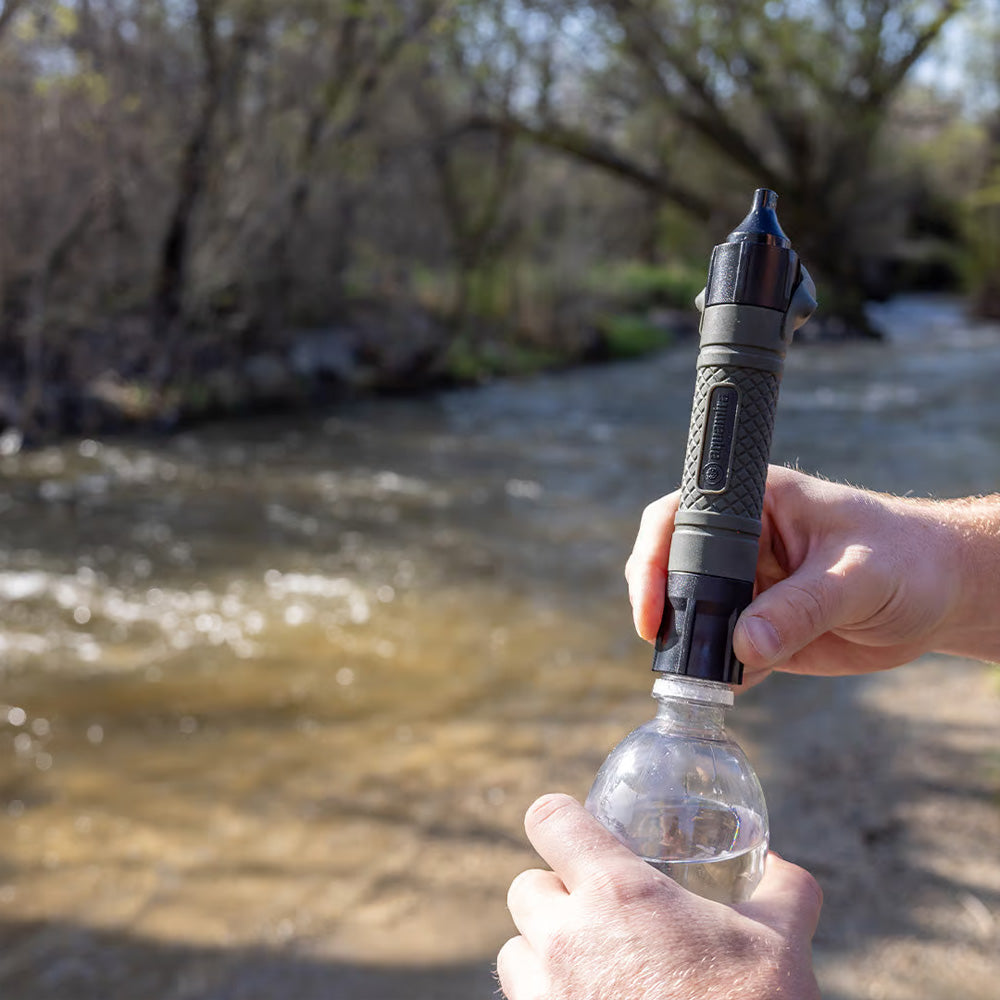
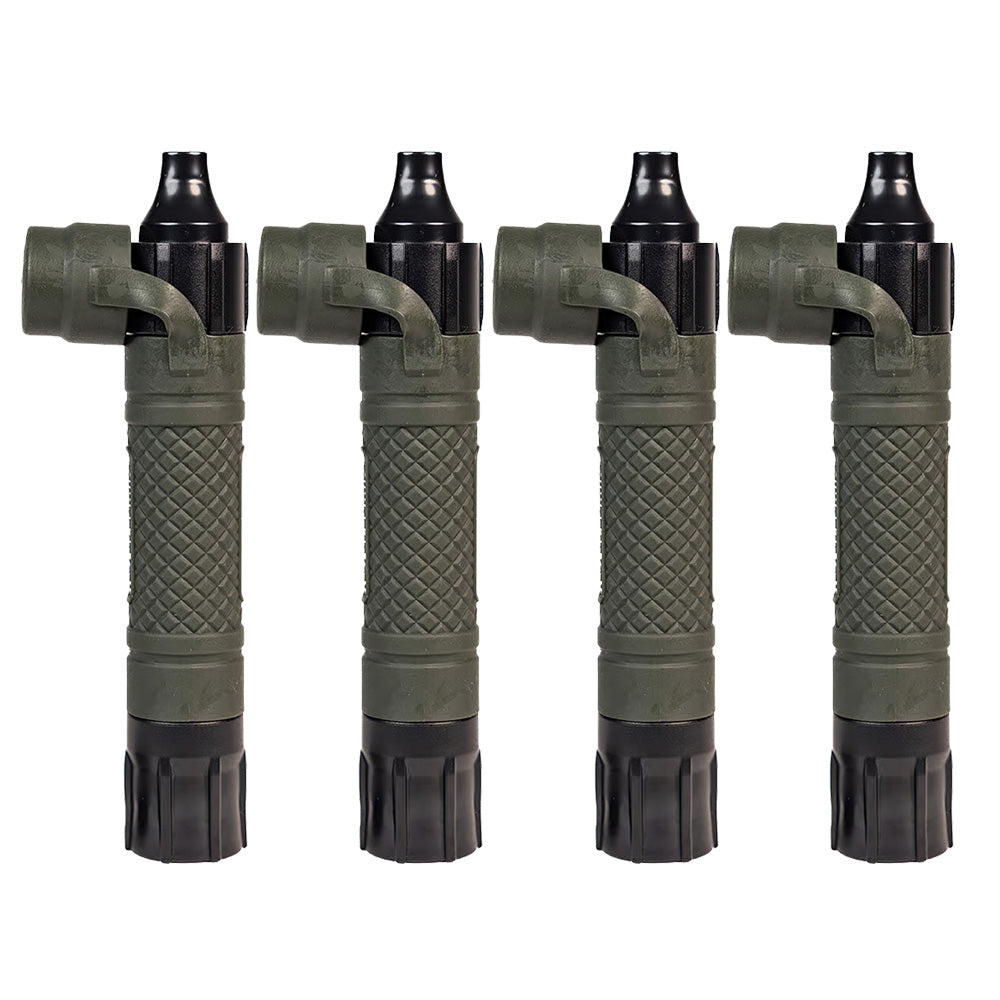
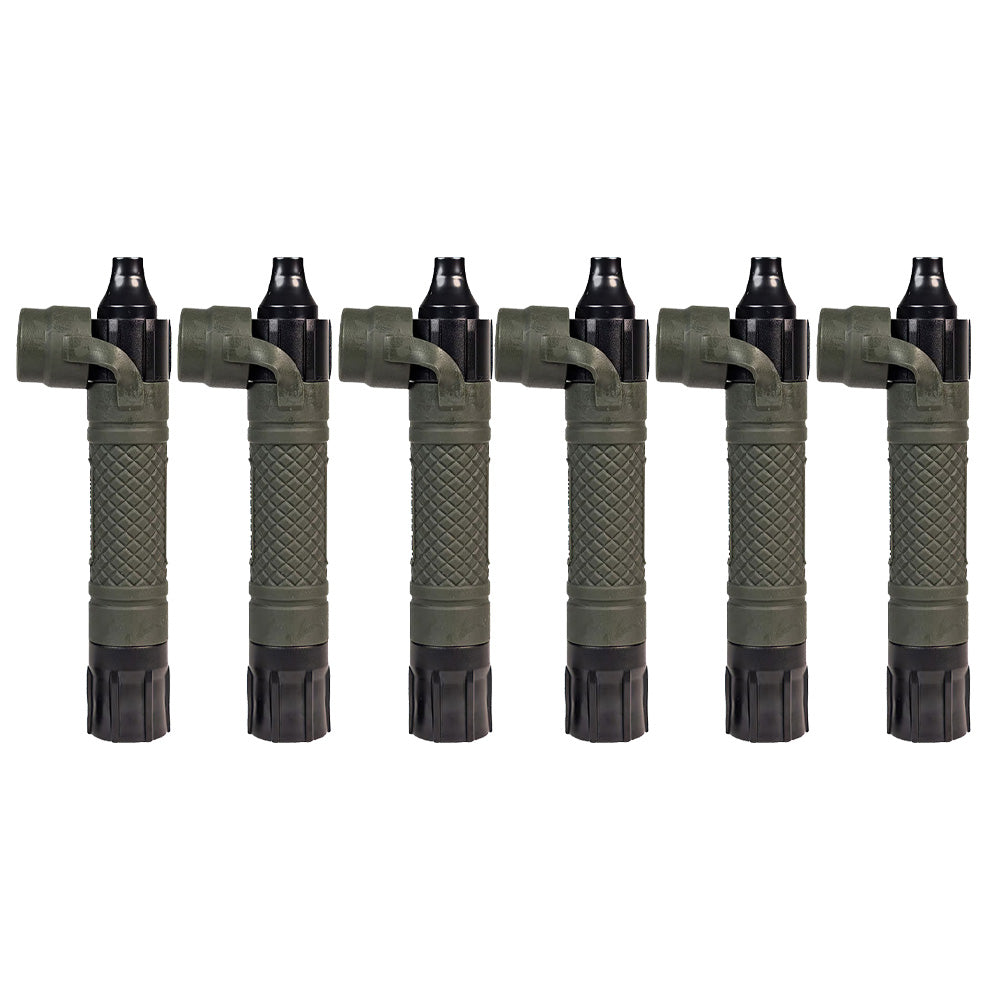
Bridge: water. The lesson is not panic, it is redundancy. A utility can be secure and still have a bad week. Stored water and a filtration option that does not depend on the tap cover the gap.
Read more: At least 12 states hit (ABC News), Spy agencies suspect Iran (The Washington Post) and FBI public service announcement
NEW THIS WEEK
EGG PRICES ARE TURNING BACK UP
The bill from July's bird flu losses is arriving on schedule. USDA's own data says flock losses show up at the register six to eight weeks later, which puts the July 6 Cache County cull of 1.2 million hens squarely in the mid-August window. Wholesale benchmark prices have already moved hard off the spring glut bottom, roughly quadrupling in about a month, and producers have destroyed about 12.4 million laying hens in 2026 so far, more than double the second half of 2025. Retail still reflects the oversupply era at around $2.19 a dozen as of May; the wholesale move says that number has a climb ahead.
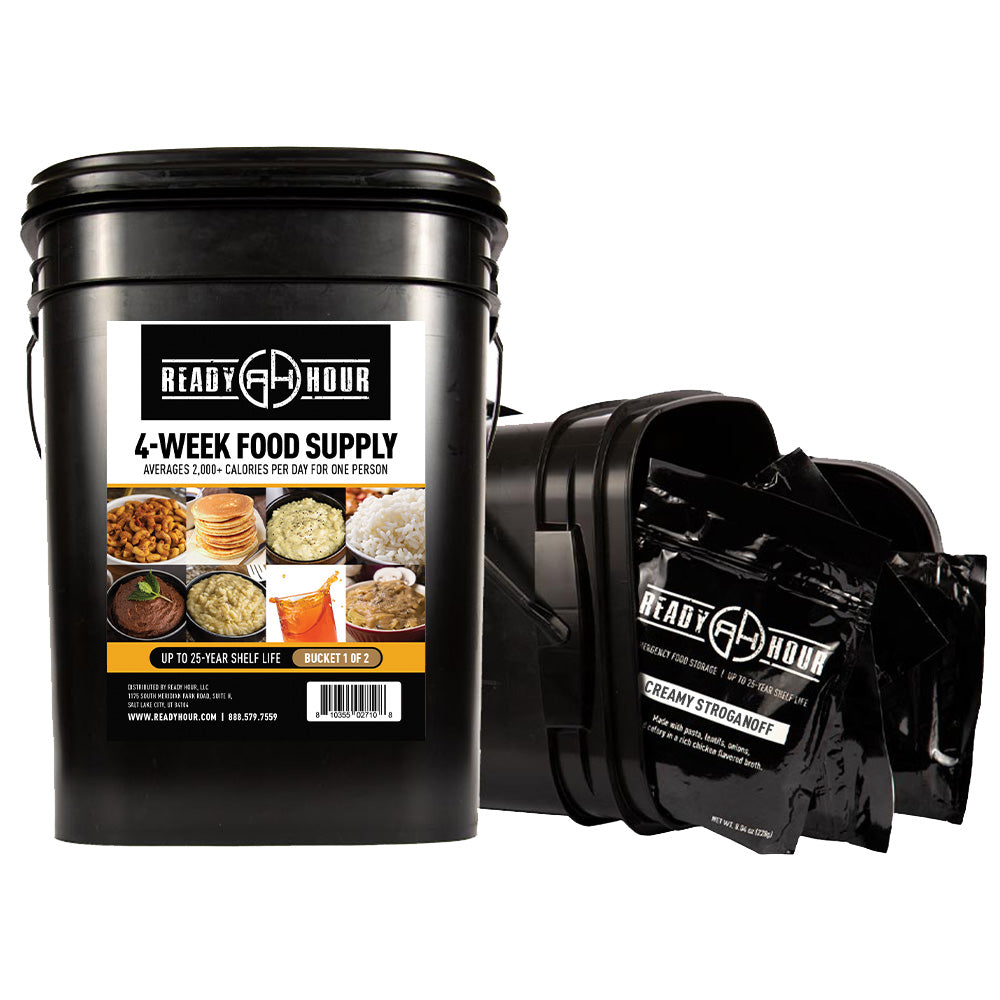
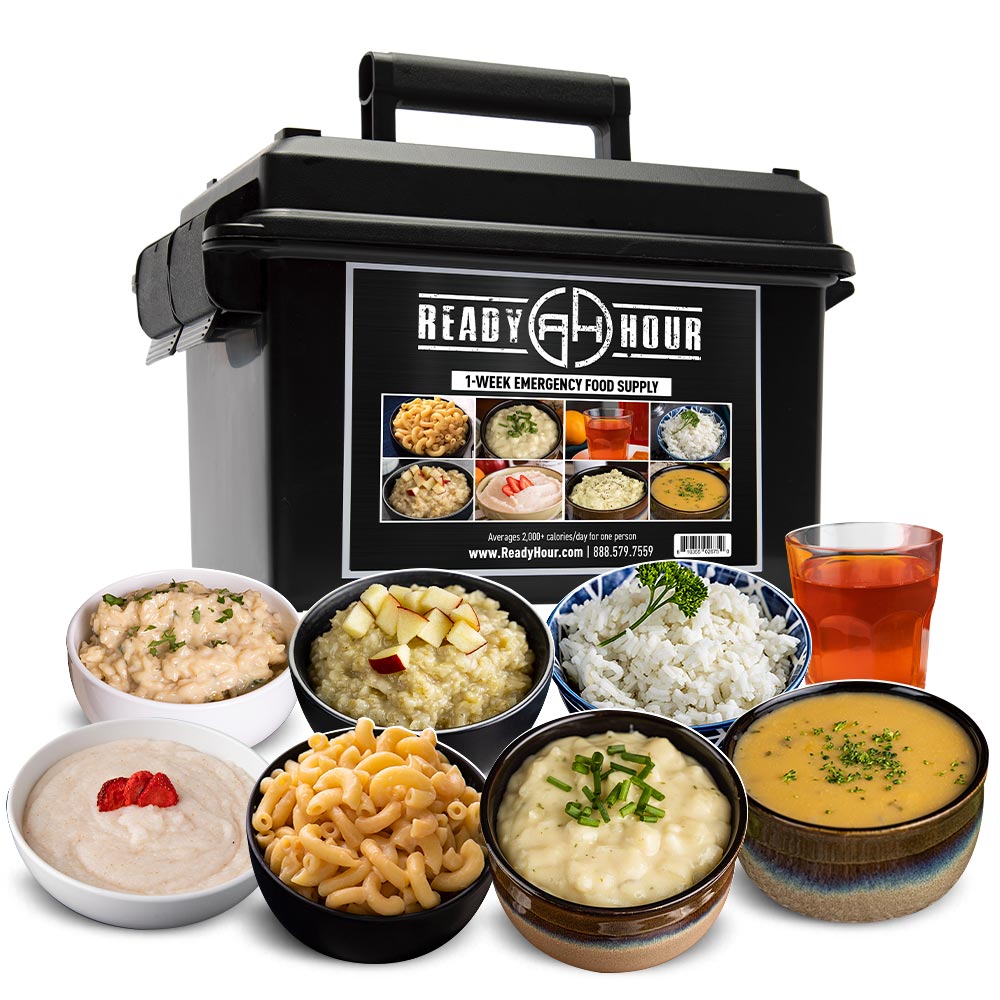
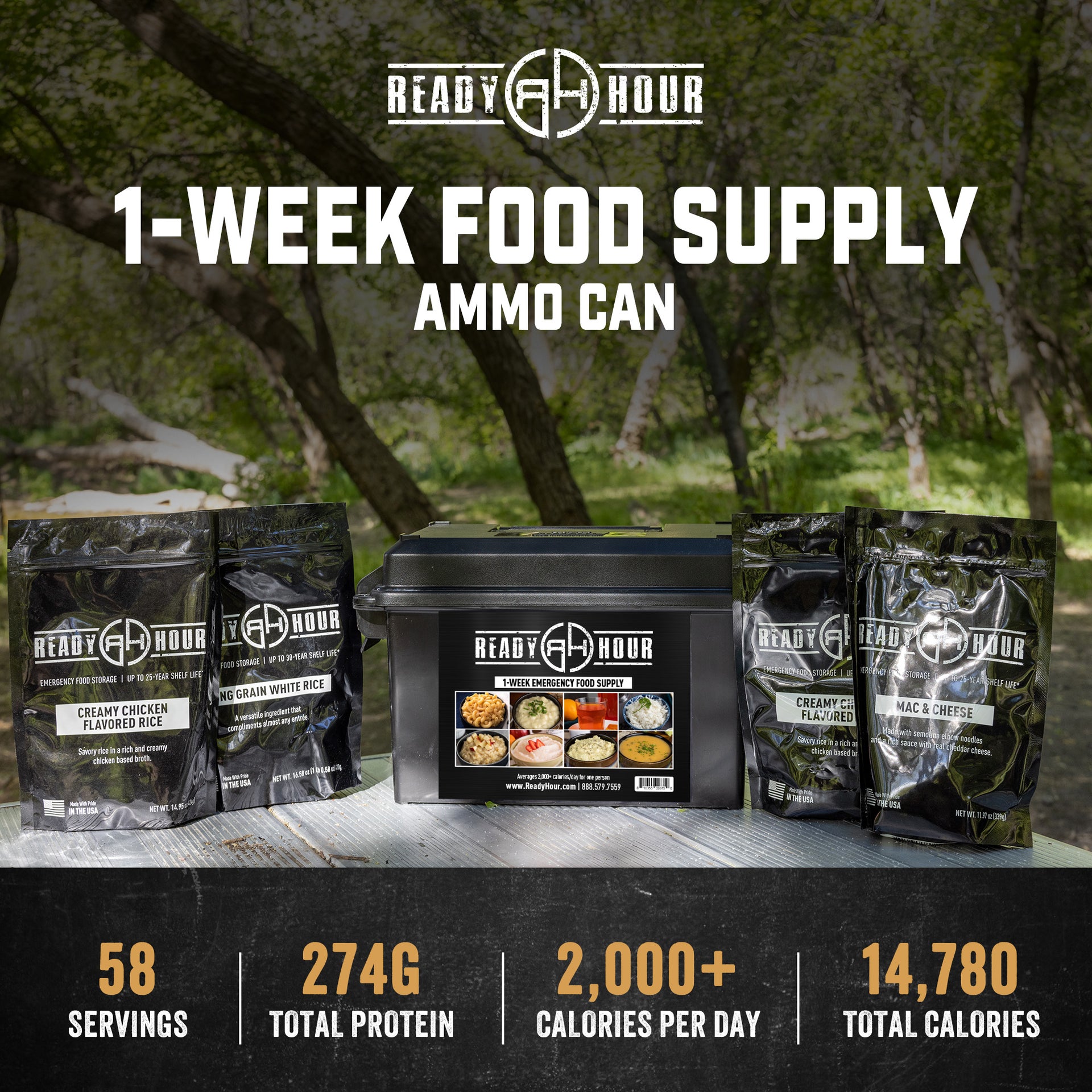
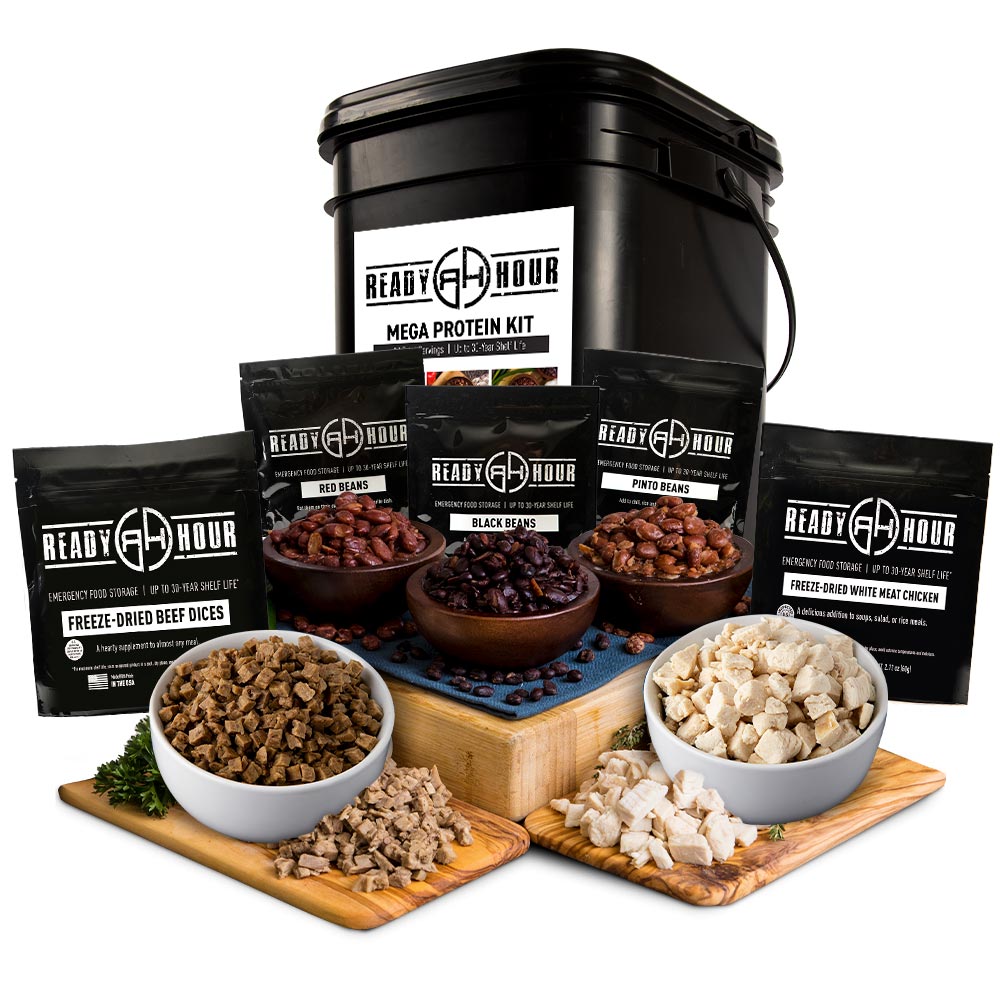
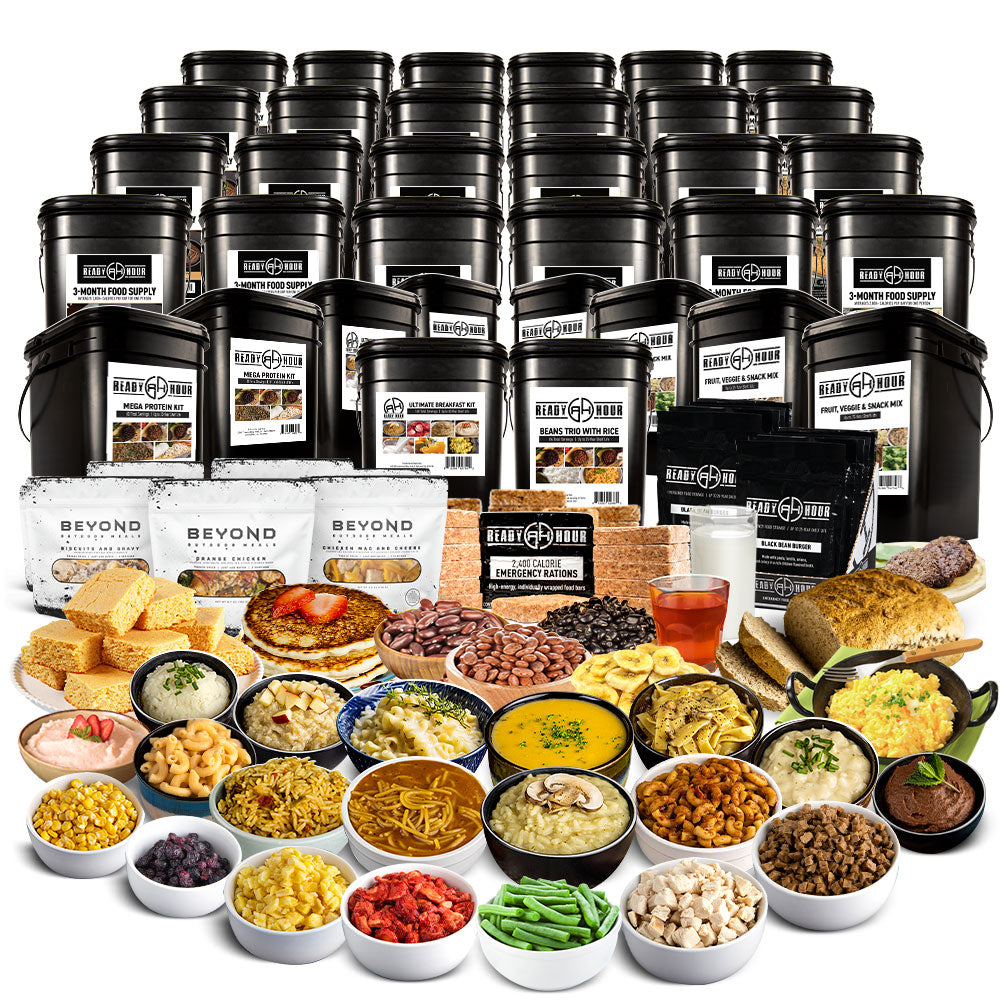
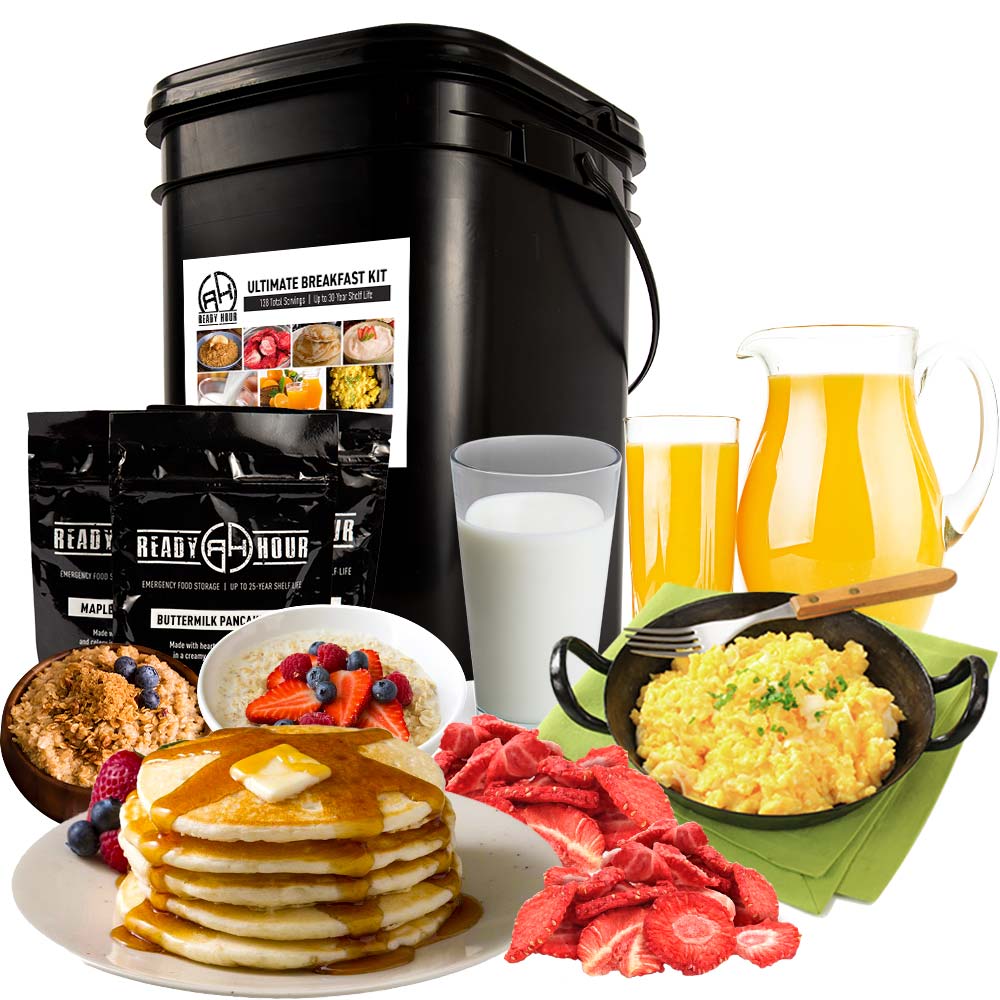
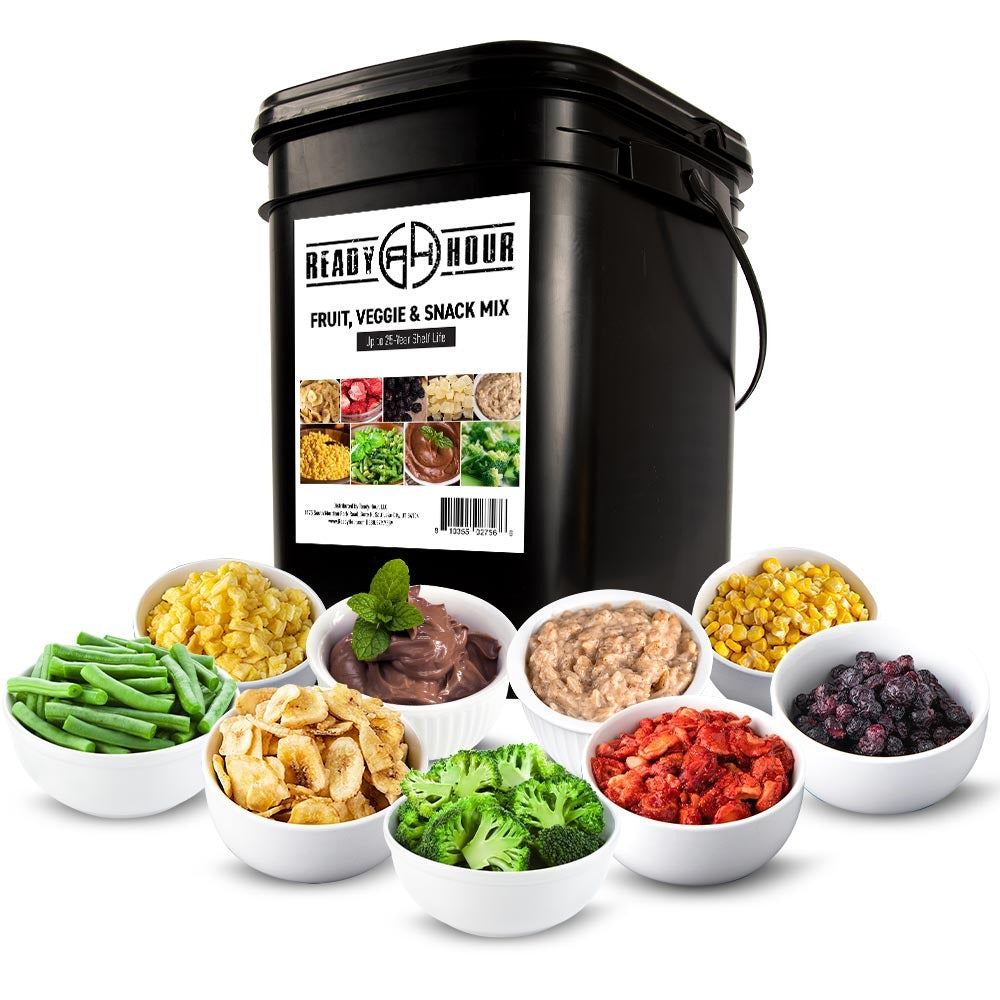
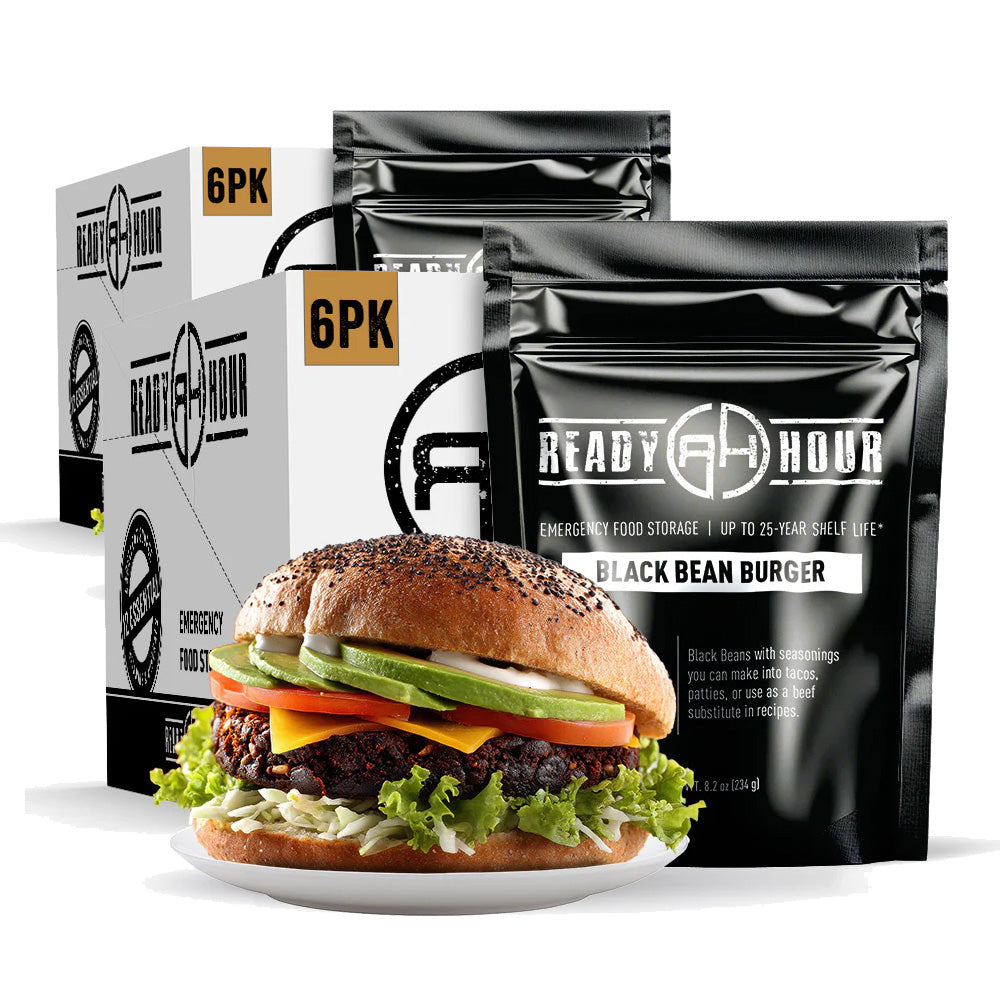
Bridge: food. Eggs are the cheapest protein in most kitchens until suddenly they are not. Powdered eggs and other shelf-stable proteins hold their price while the fresh case swings.
Read more: Wholesale prices firming off the bottom (Trading Economics) and The outbreak threatening the recovery (Farm Progress)
THE CATTLE BORDER REOPENS AUGUST 24
A rare piece of relief on the beef counter. USDA will begin a phased reopening of the southern border to Mexican feeder cattle starting August 24 at Douglas, Arizona, ending more than a year of screwworm-driven restrictions, with up to 80,000 head per month eventually expected. Markets moved early: choice boxed beef has already slid about $39 from its late-June peak. Every imported animal gets a full inspection, and the nearest active screwworm case sits about 325 miles from the port. The domestic squeeze has not gone anywhere, though: the 2026 calf crop is the smallest since 1941, and genuine herd rebuilding is still years out.
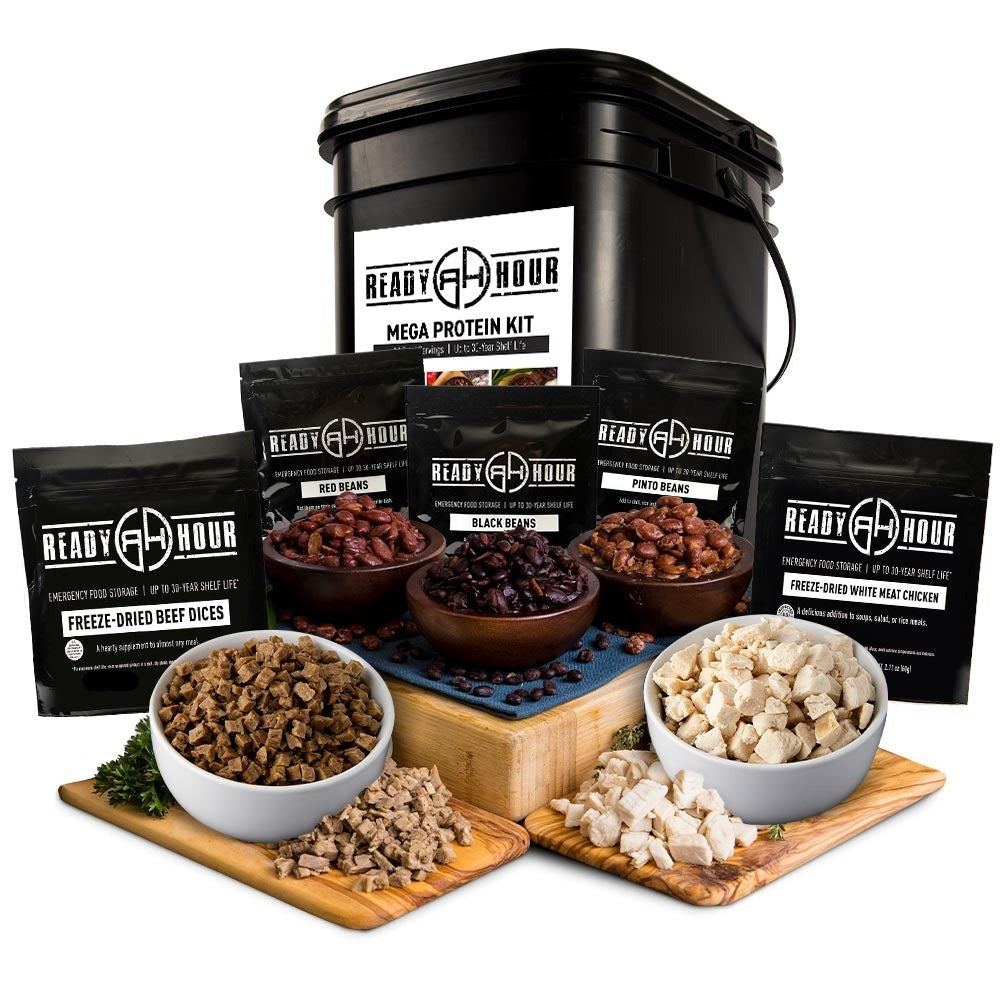
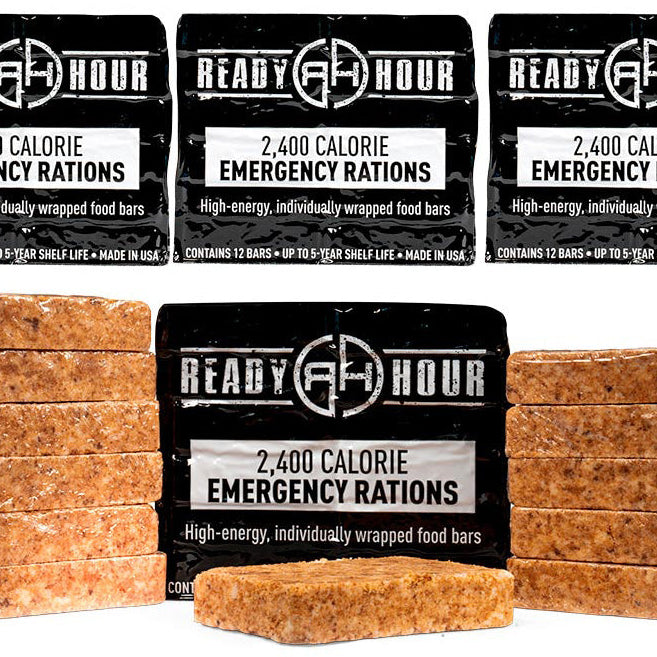
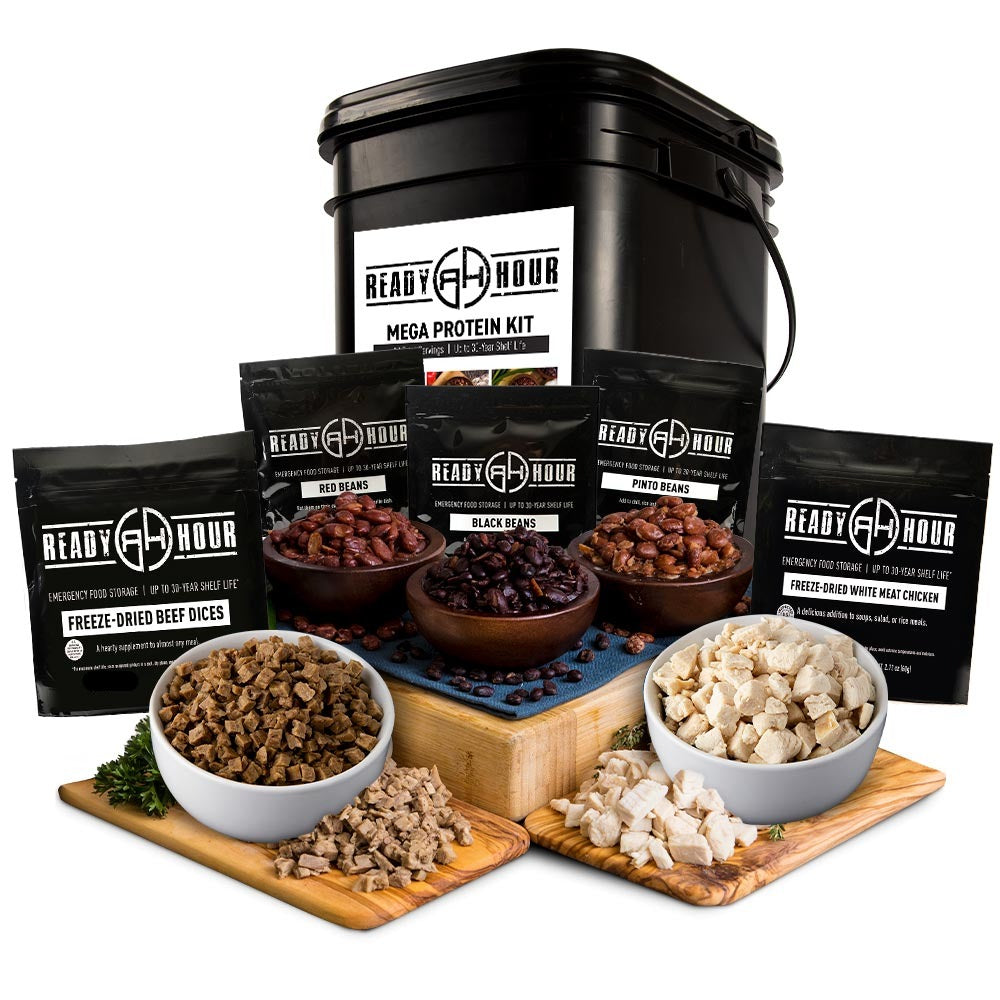
Bridge: food. Prices may breathe, but the structural shortage underneath is a slow fix. A protein reserve built while prices ease is bought on your terms, not the market's.
Read more: Phased reopening starts in Arizona (KJZZ) and Boxed beef slides as imports return (Agrolatam)
ALSO ON THE RADAR
FIRE AND HEAT STEP BACK, BUT STAY LIVE
The Spokane fires are contained enough that the story has shifted to recovery: 921 homes and structures confirmed lost, a federal Fire Management Assistance Grant approved, and Washington preparing a Major Disaster Declaration request. The national picture remains at Preparedness Level 5 with the season running well above average, and the summer's heat domes keep cycling, but no new grid emergency was declared this week and containment is climbing across the Northwest complexes.
Bridge: shelter and power. If you are in fire country, the go bag stays packed; this is a lull, not an ending.
Read more: Ferguson to seek federal help for Spokane residents (KOMO)
THE ATLANTIC WAKES UP
The season's first real system is likely this week: Cristobal is expected to form east of the islands, though models show only marginal strengthening and no current mainland threat. El Nino is still suppressing the season overall. Worth a glance, not a plan change.
Read more: The Atlantic looks to break its silence (Local 10)
JULY INFLATION LANDS WEDNESDAY
The July CPI releases August 12. Forecasts expect further cooling in the headline number, but the late-July fuel spike and the egg-price turn are exactly the kind of items that arrive in the data a month late. The grocery line is the one to read.
Read more: What to expect from the July CPI (Kiplinger)
The throughline this week is water. The system that supplies 40 million people just set an all-time low, and the utilities that treat and deliver water in a dozen states are fending off a coordinated attack on their controls. Neither one changes what comes out of your tap today. Both are reasons the oldest advice in preparedness is suddenly the most current: store water before you need it. One gallon per person per day, two weeks if you can. It covers the failure you can see coming and the one you cannot.