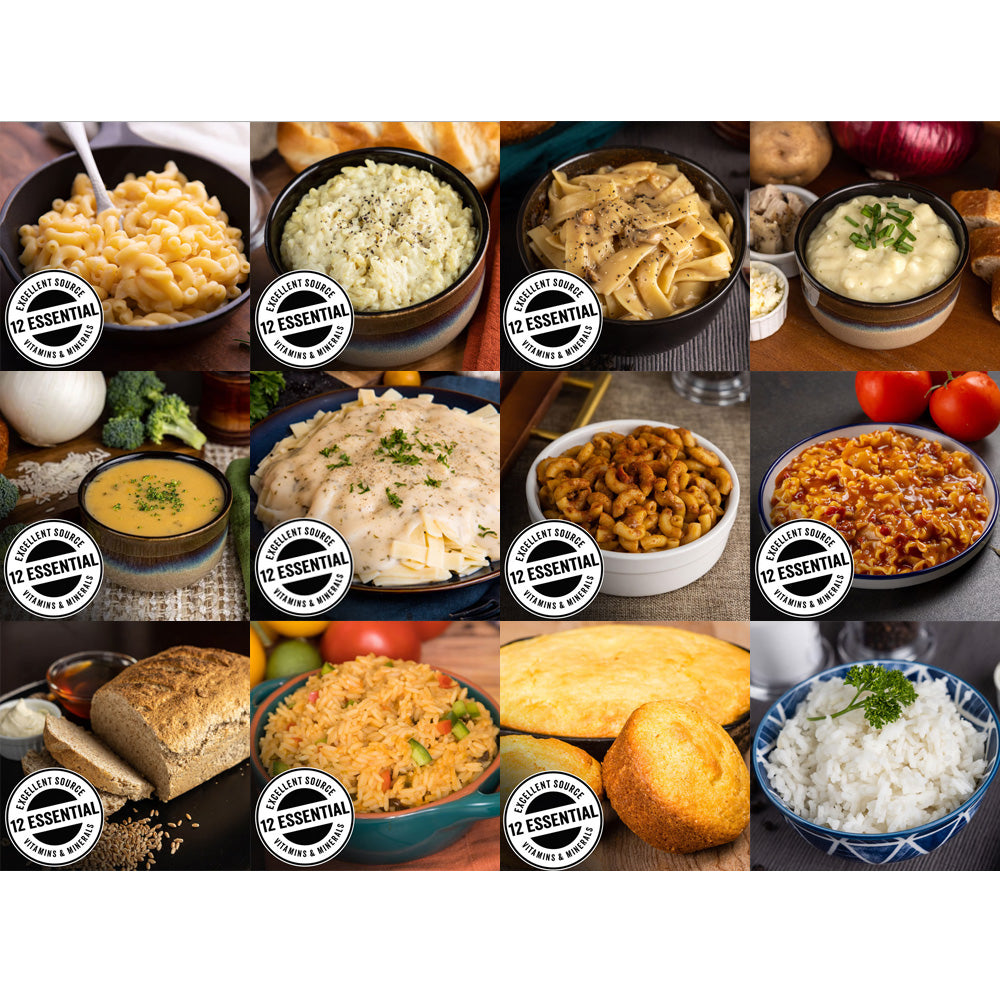
A difficult growing season is putting major pressure on the U.S. wheat crop, with drought, sharp temperature swings, rising fertilizer and diesel costs, and crop viruses all hitting farmers at once. Hard Red Winter wheat, the most widely produced wheat class in the U.S., is currently forecast at 515 million bushels, which would be the lowest level since 1957. Overall, the USDA projects the smallest U.S. wheat crop since 1972, with production down 21% from last year. Because wheat is used in so many everyday foods, from bread and cereal to pasta, flour, baked goods, and pantry staples, the effects could soon show up at the grocery store.
Why This Matters:
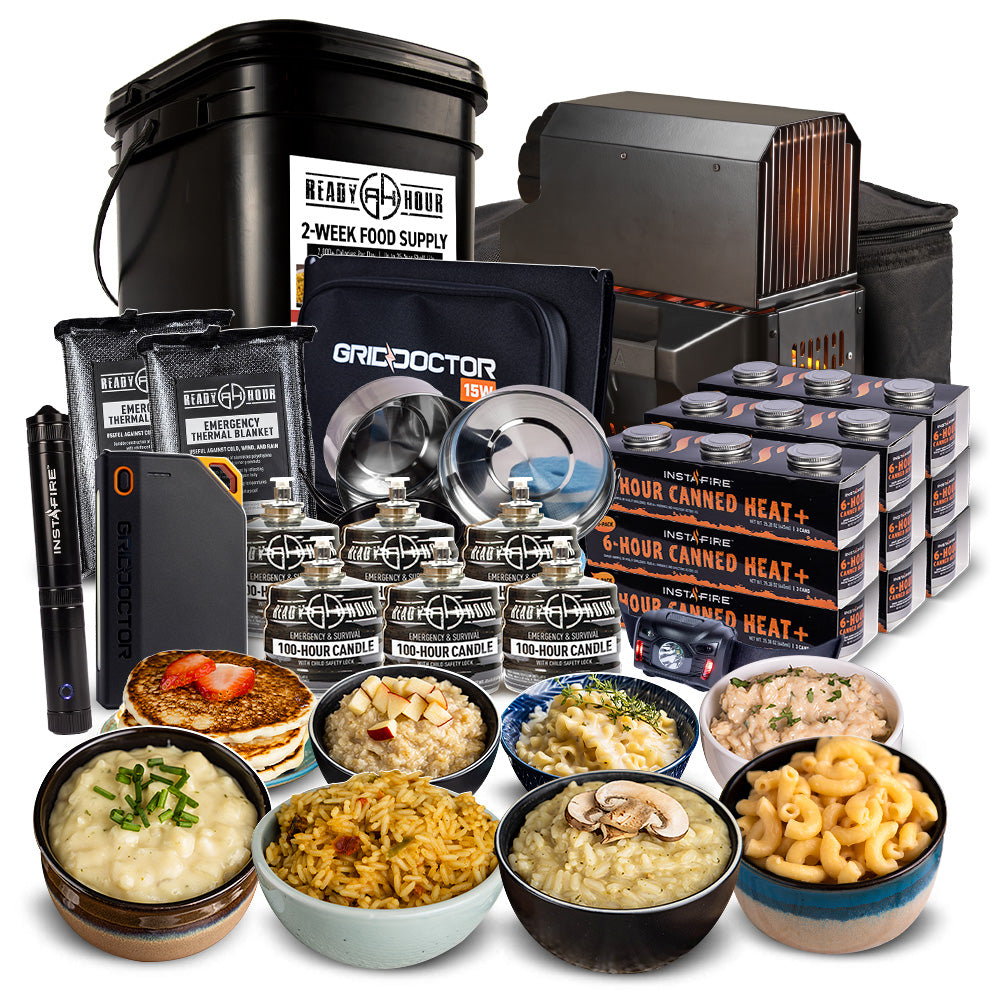
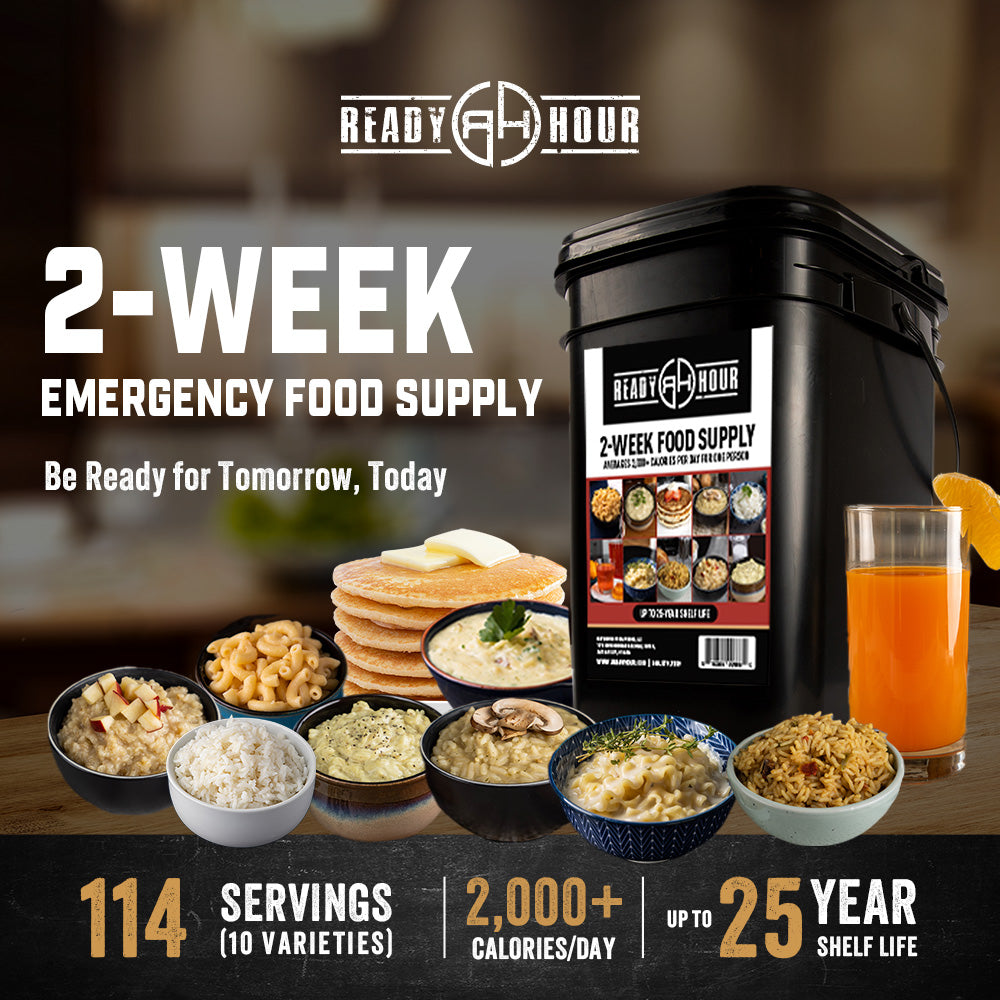
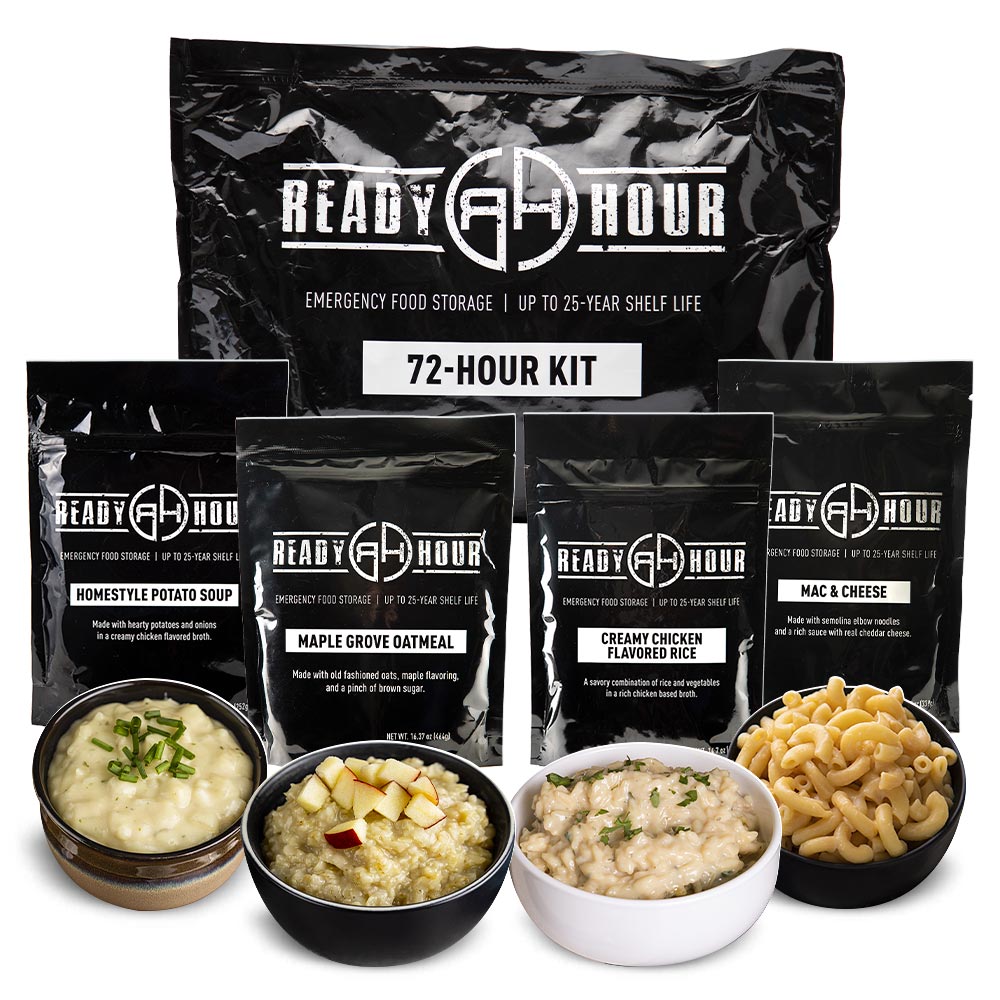
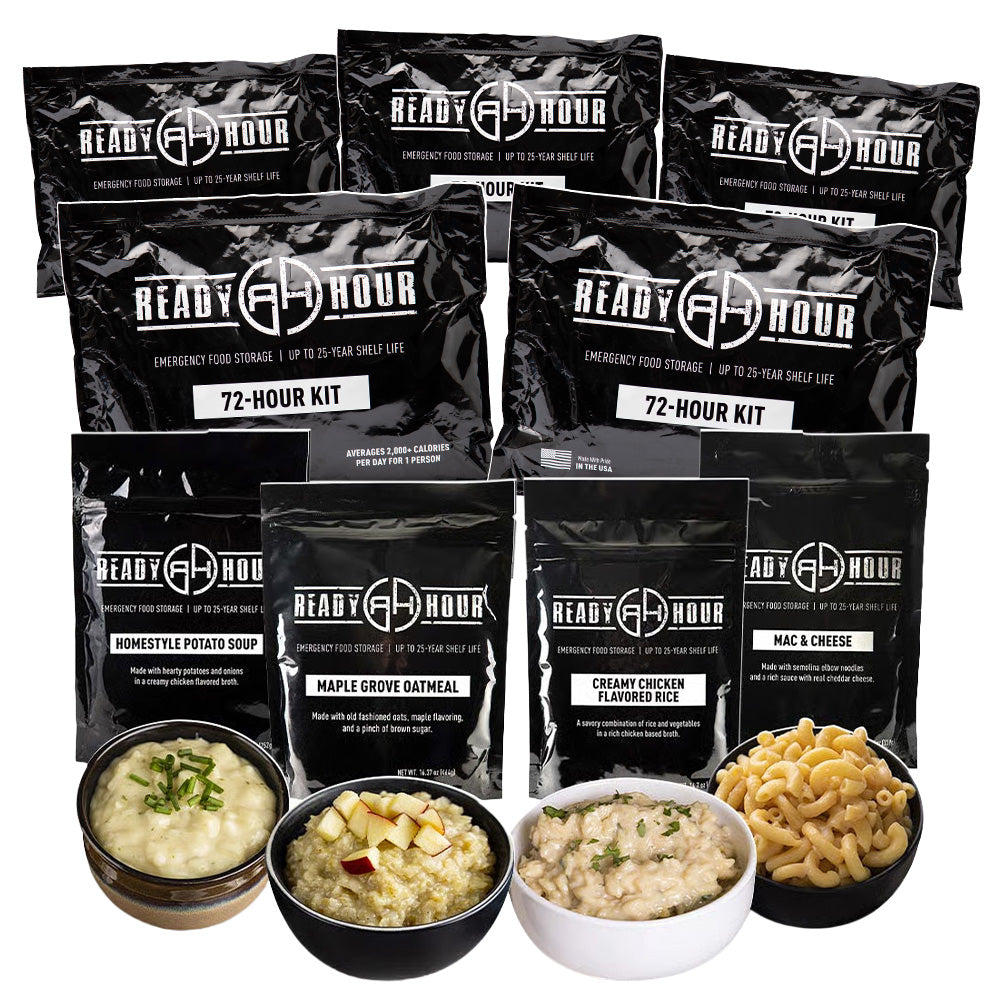
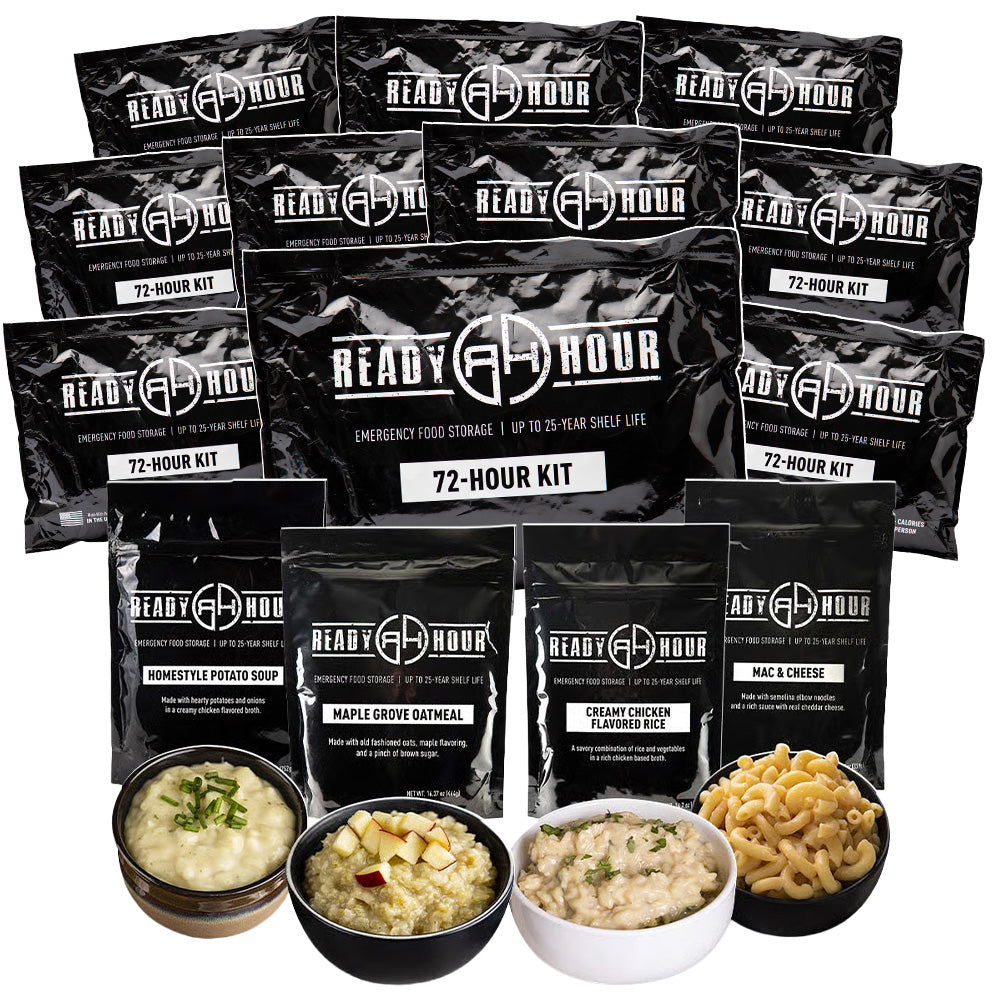
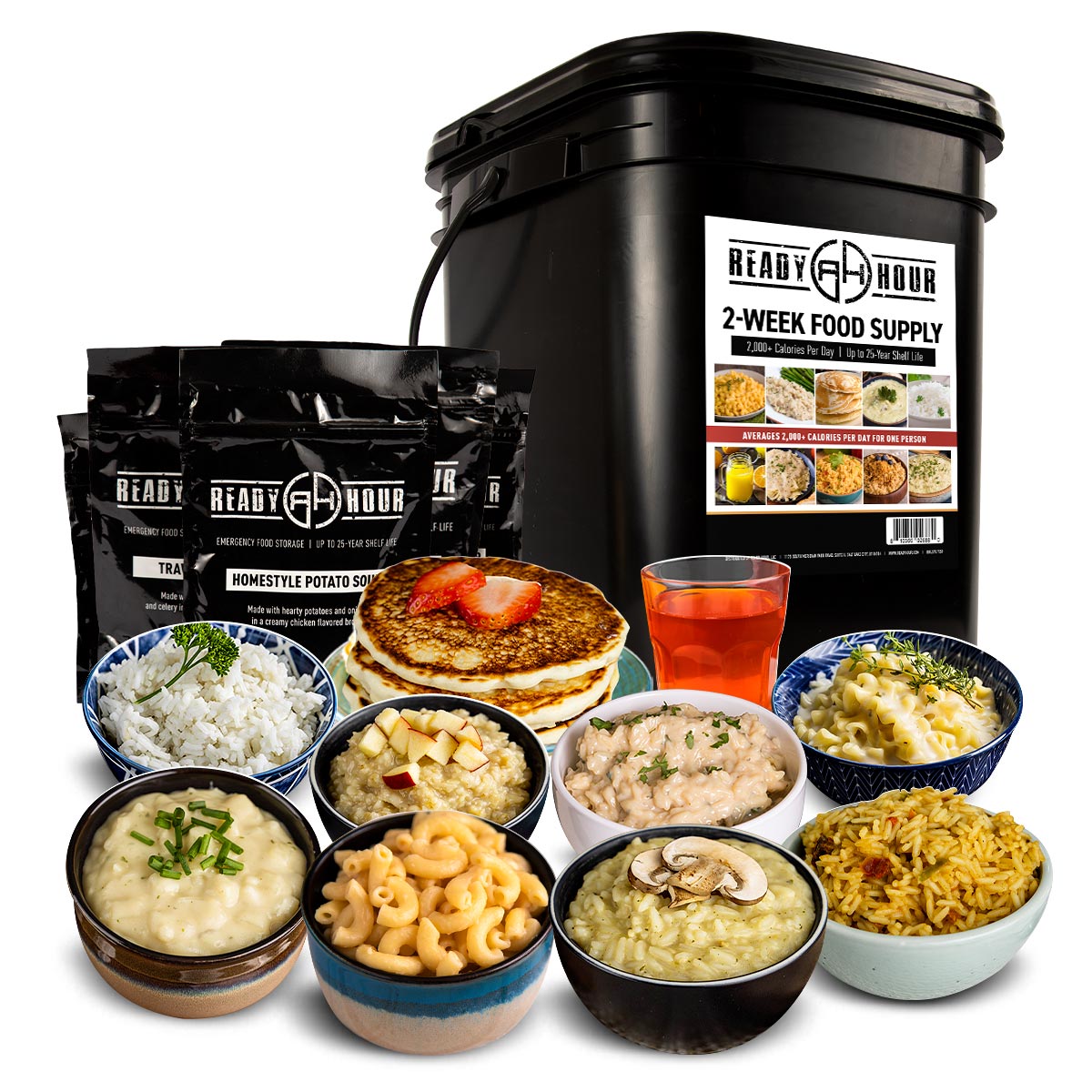
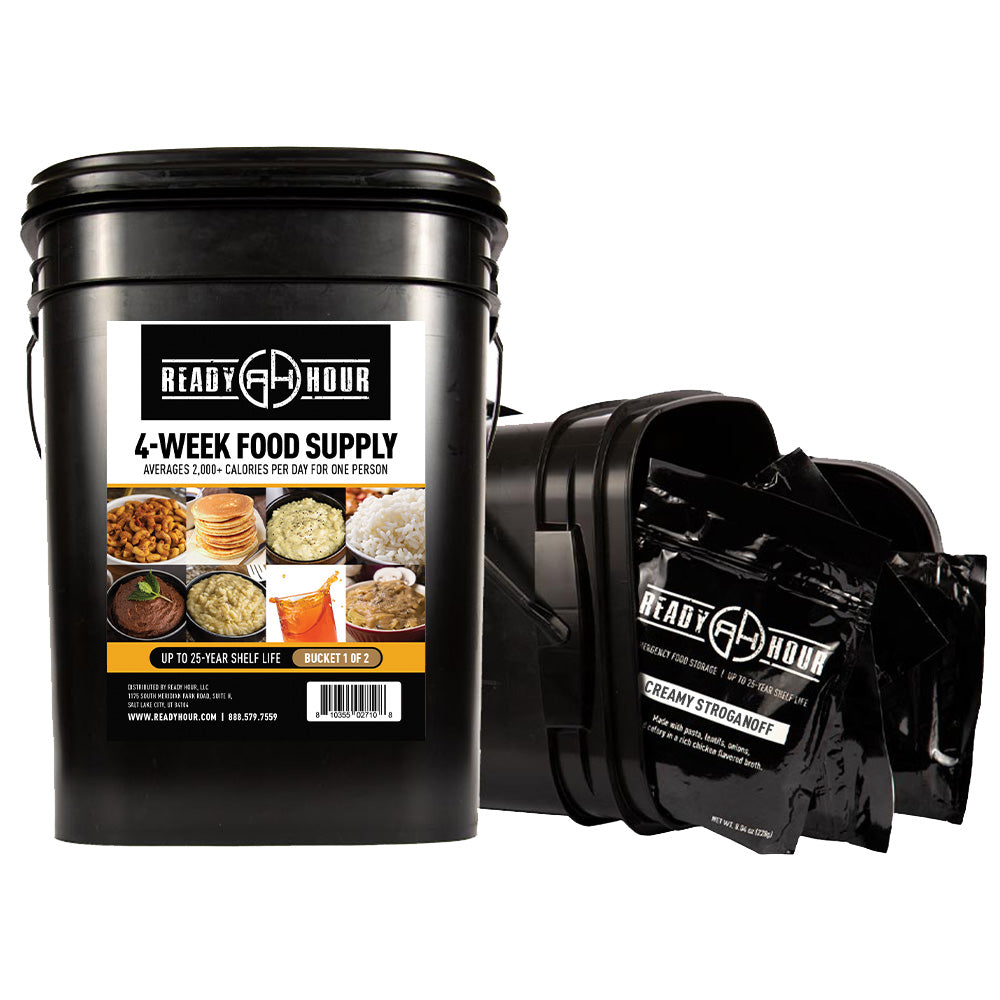
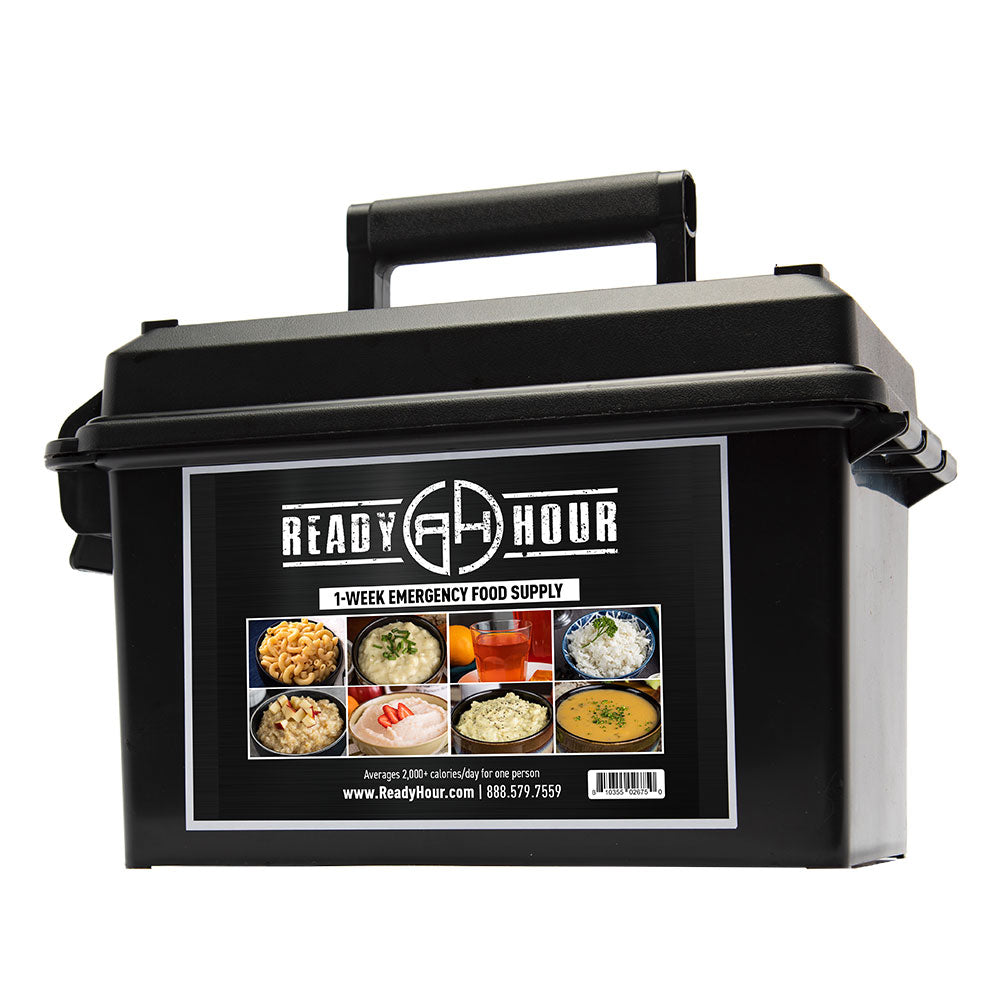
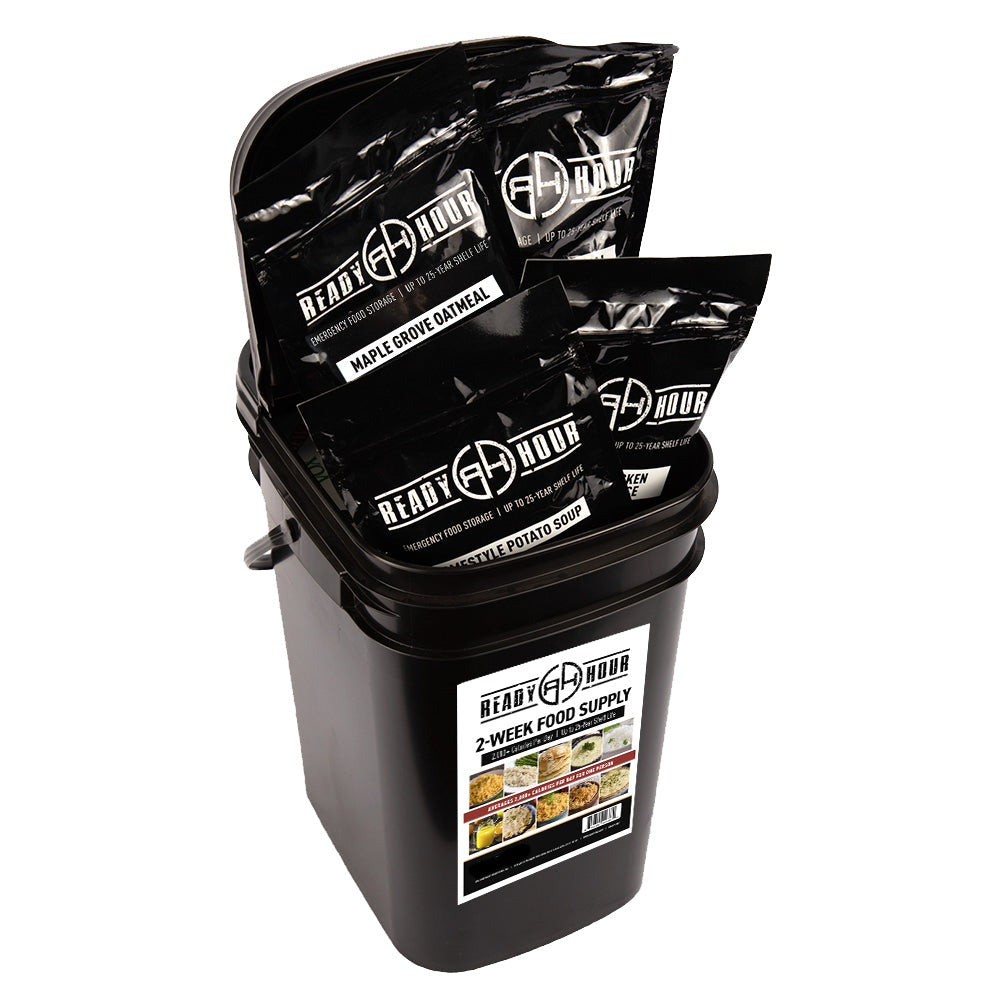
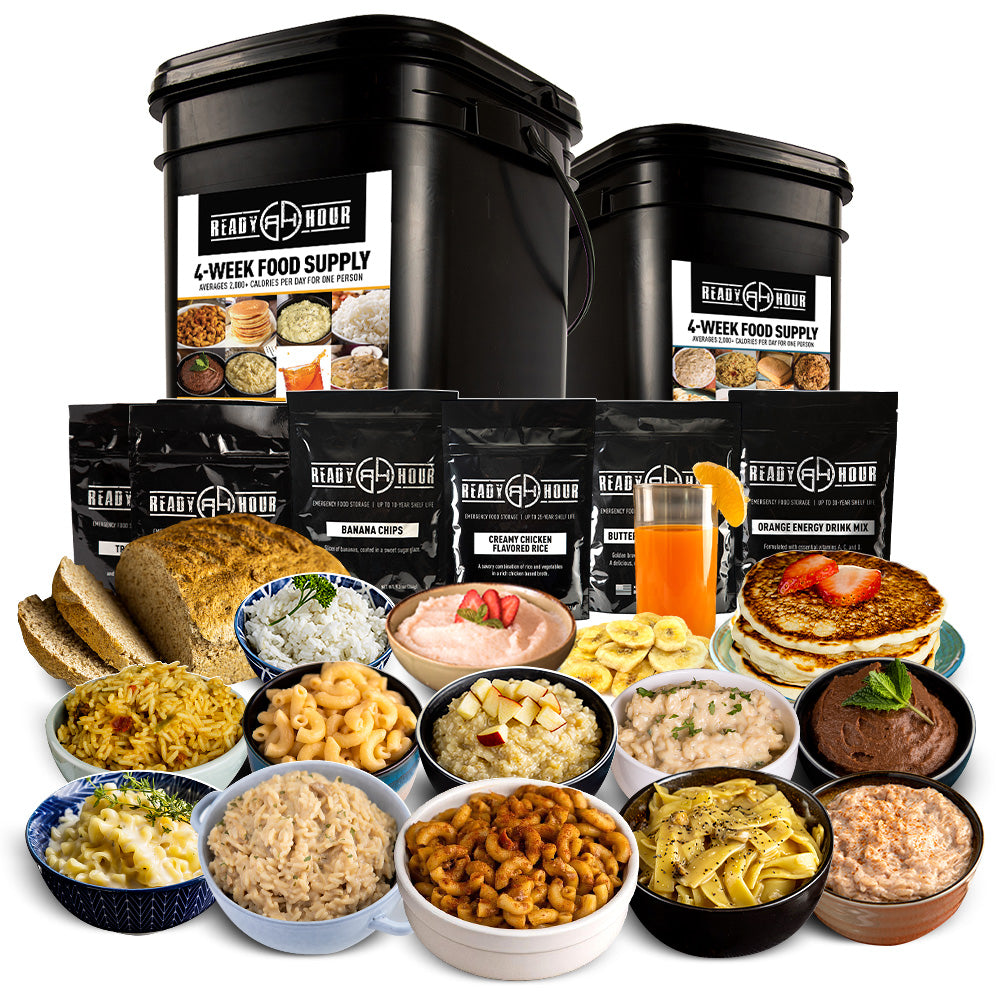
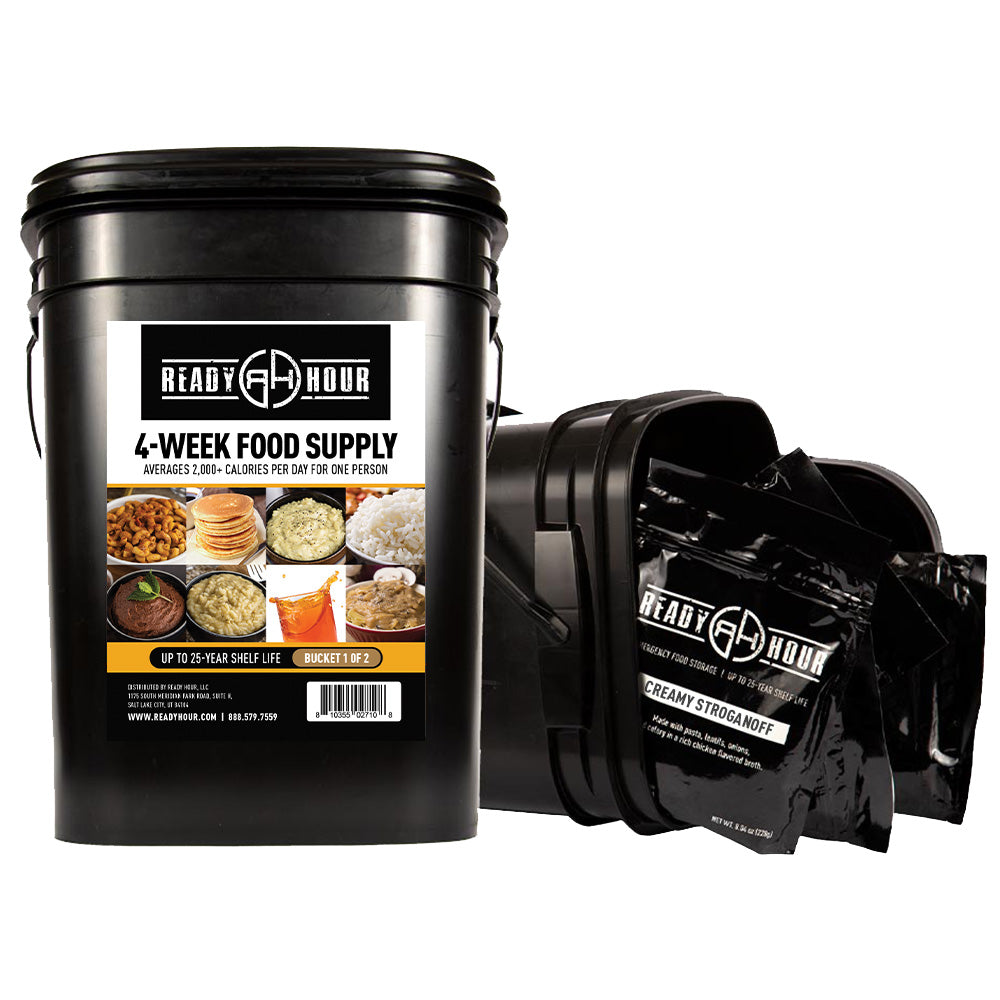
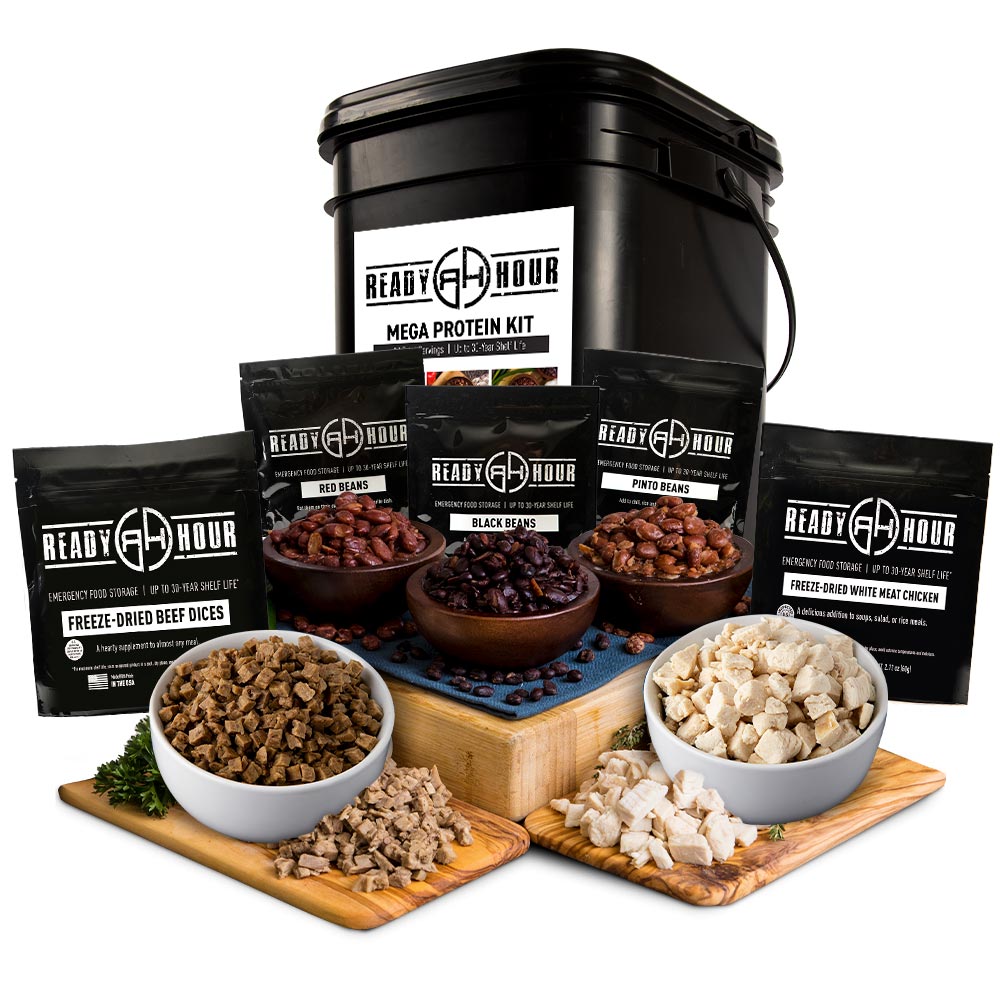
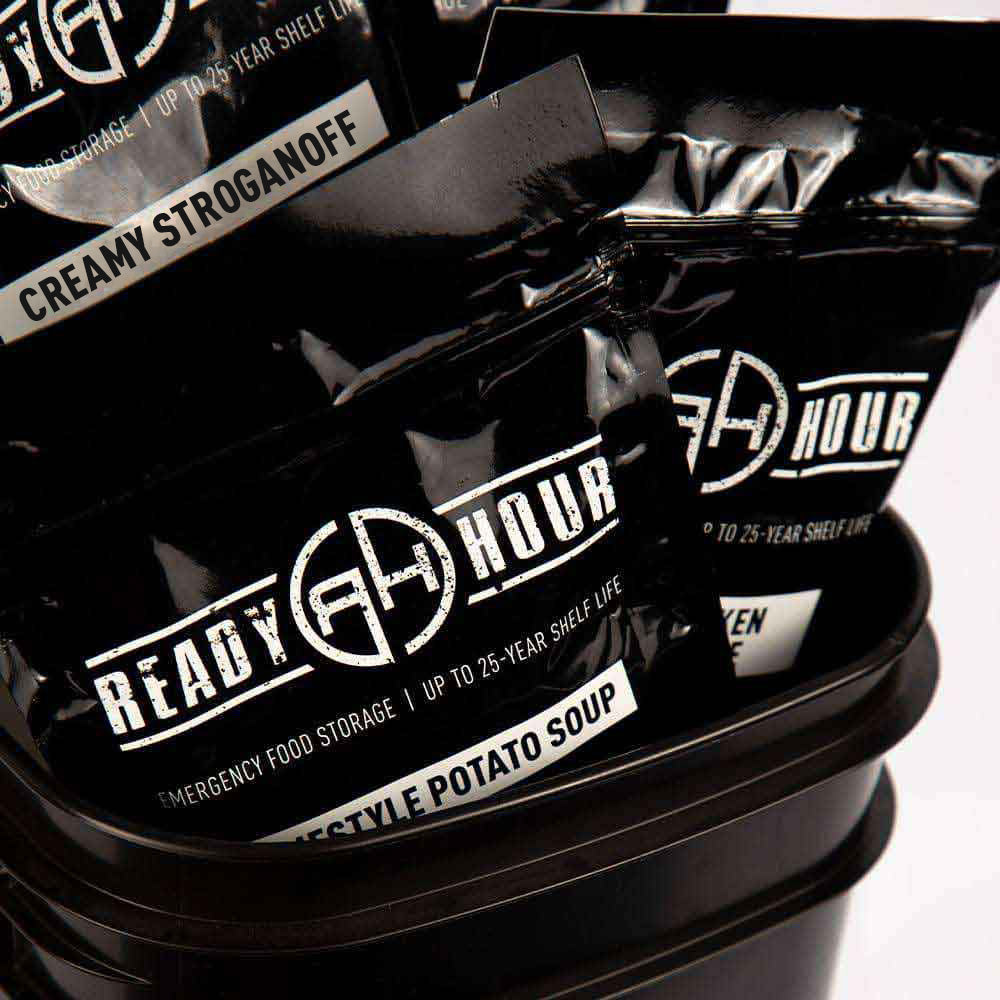
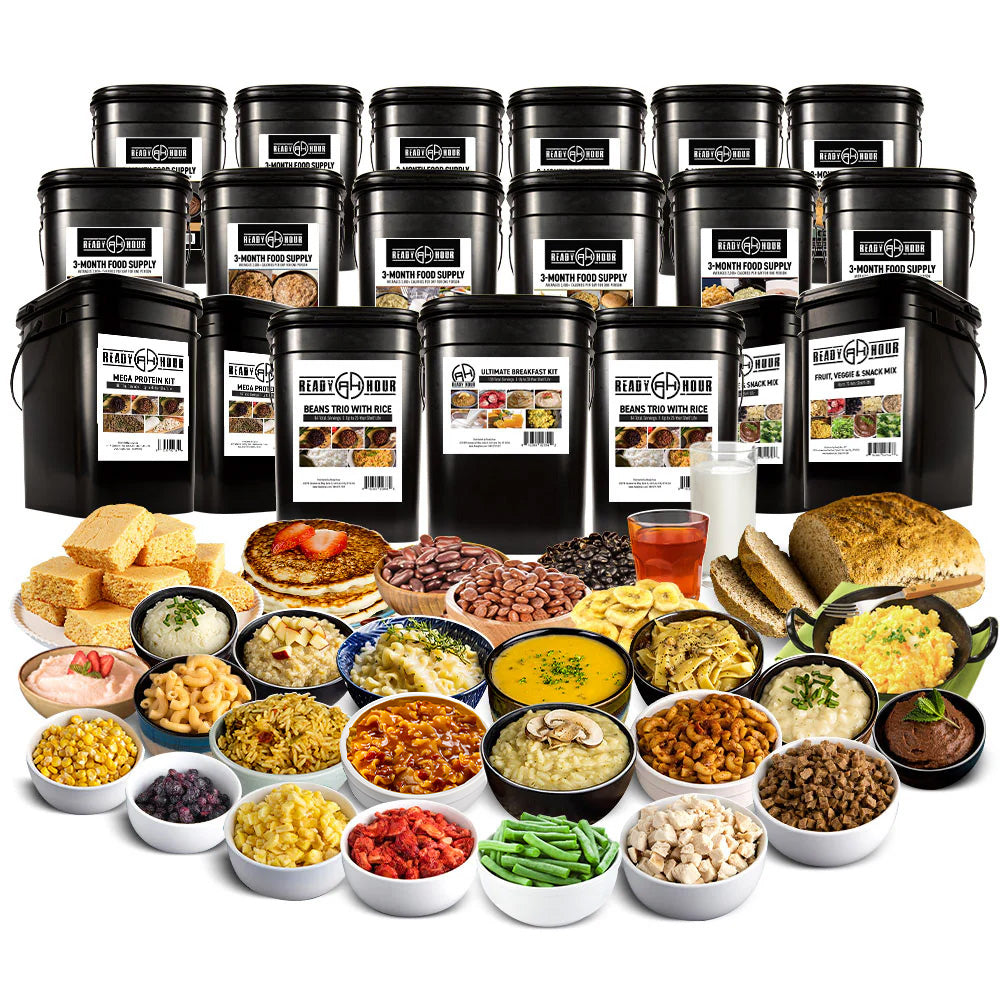
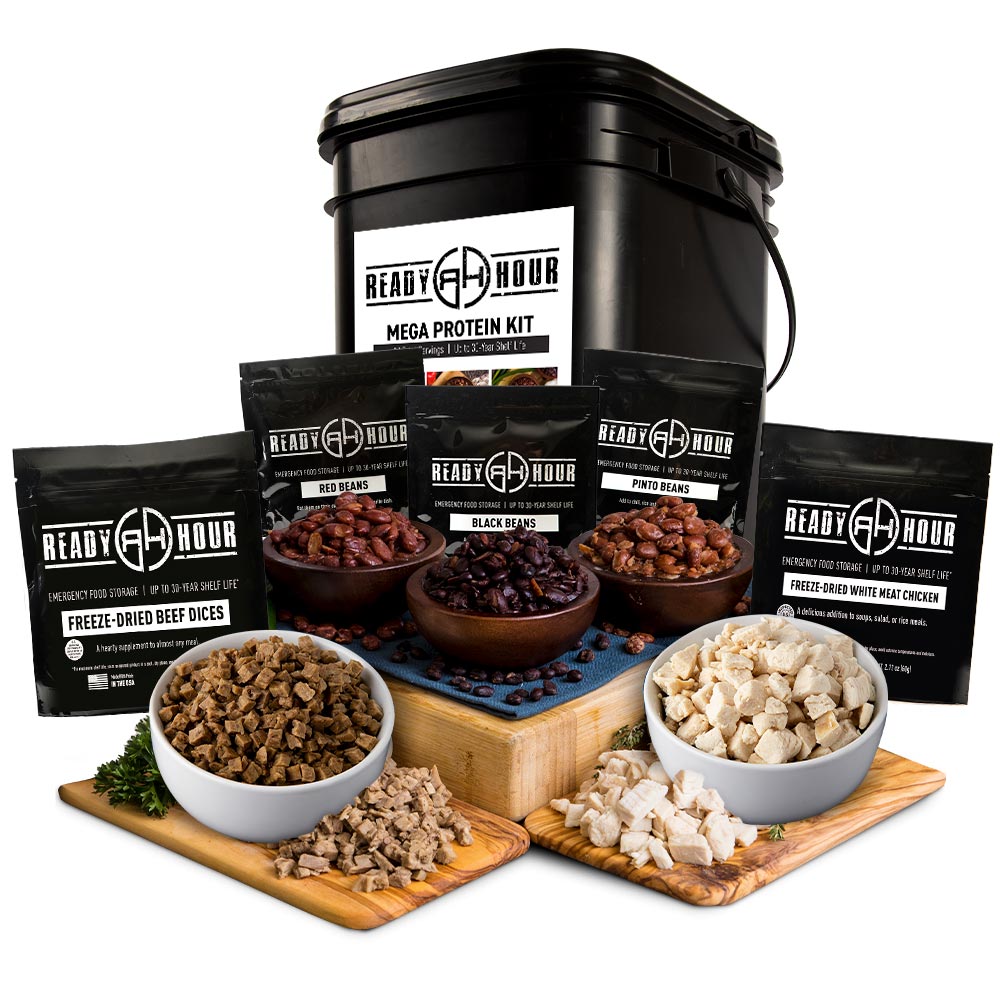
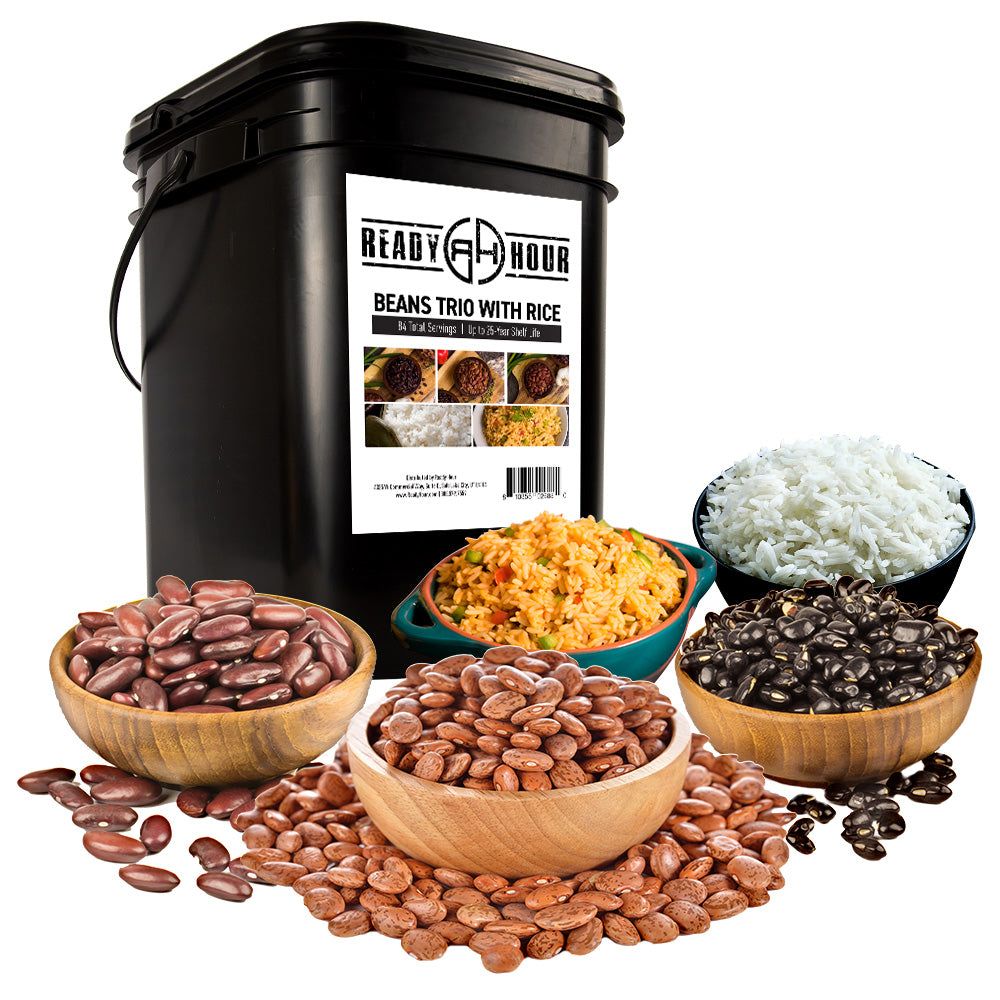
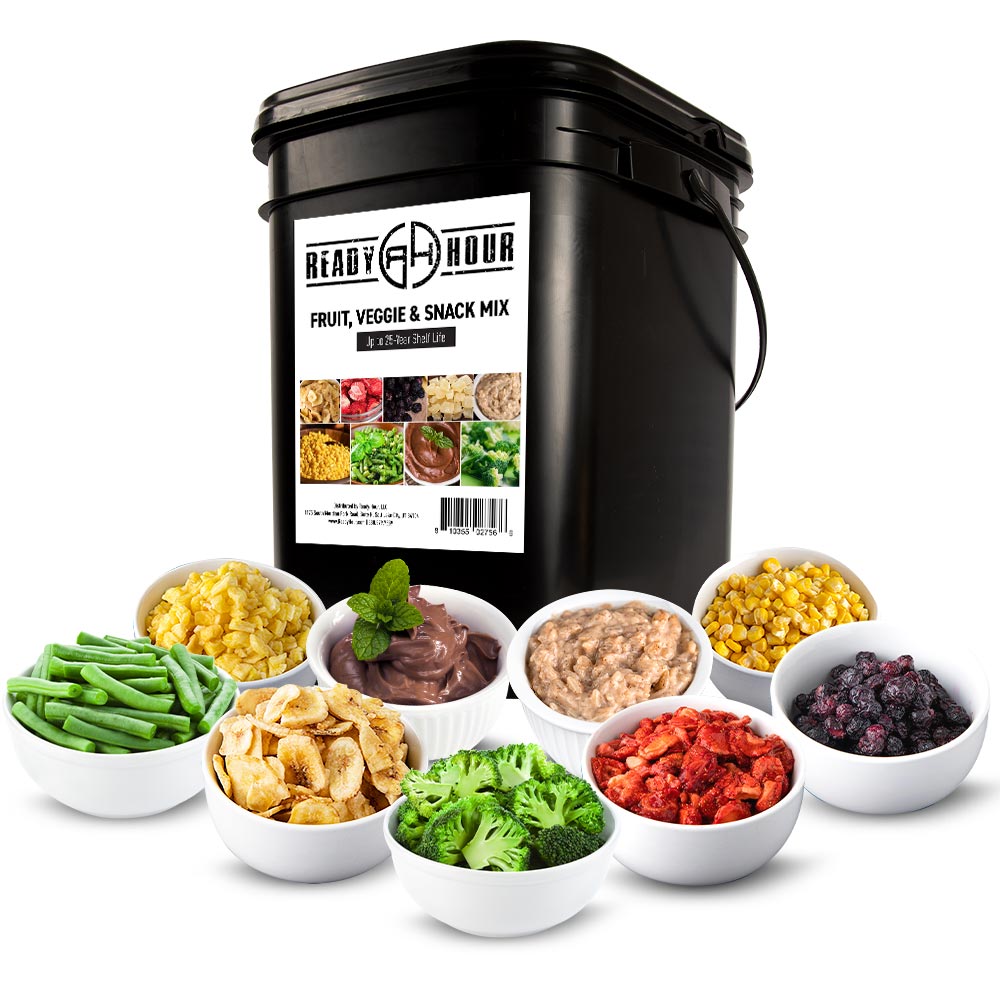
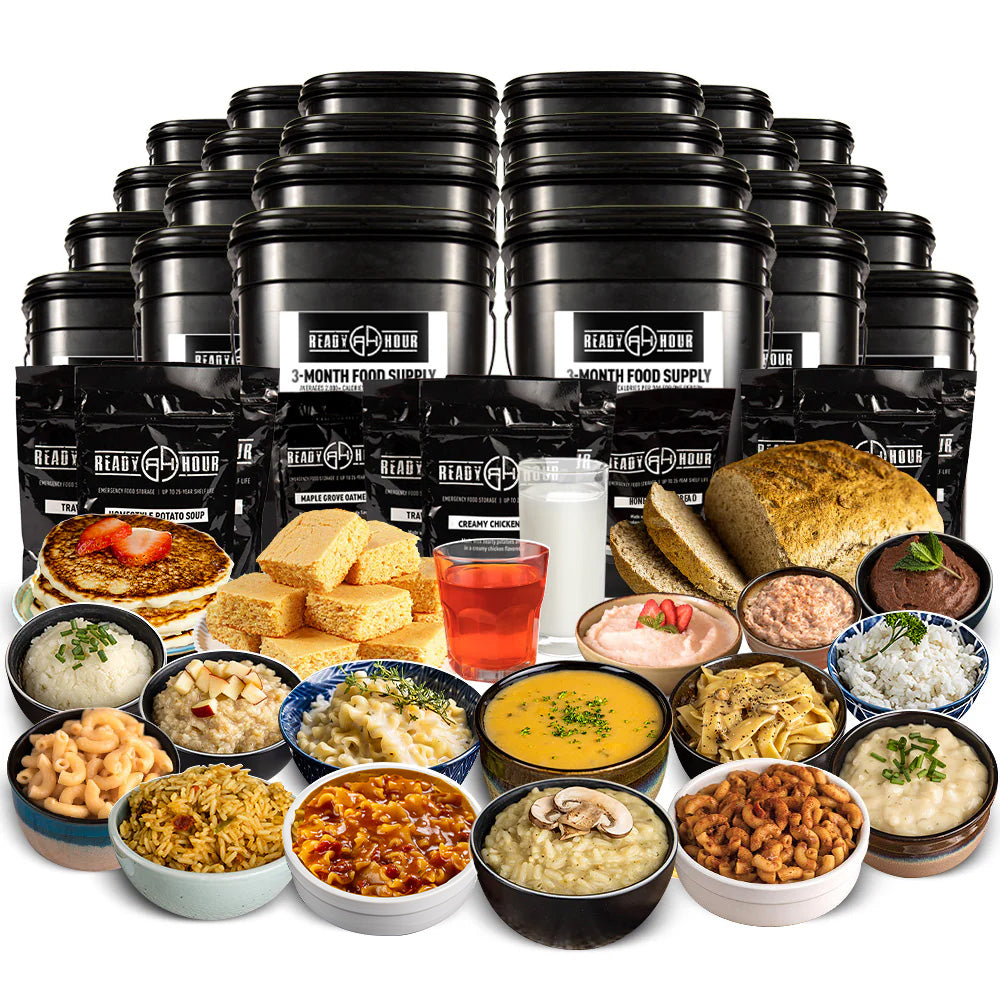
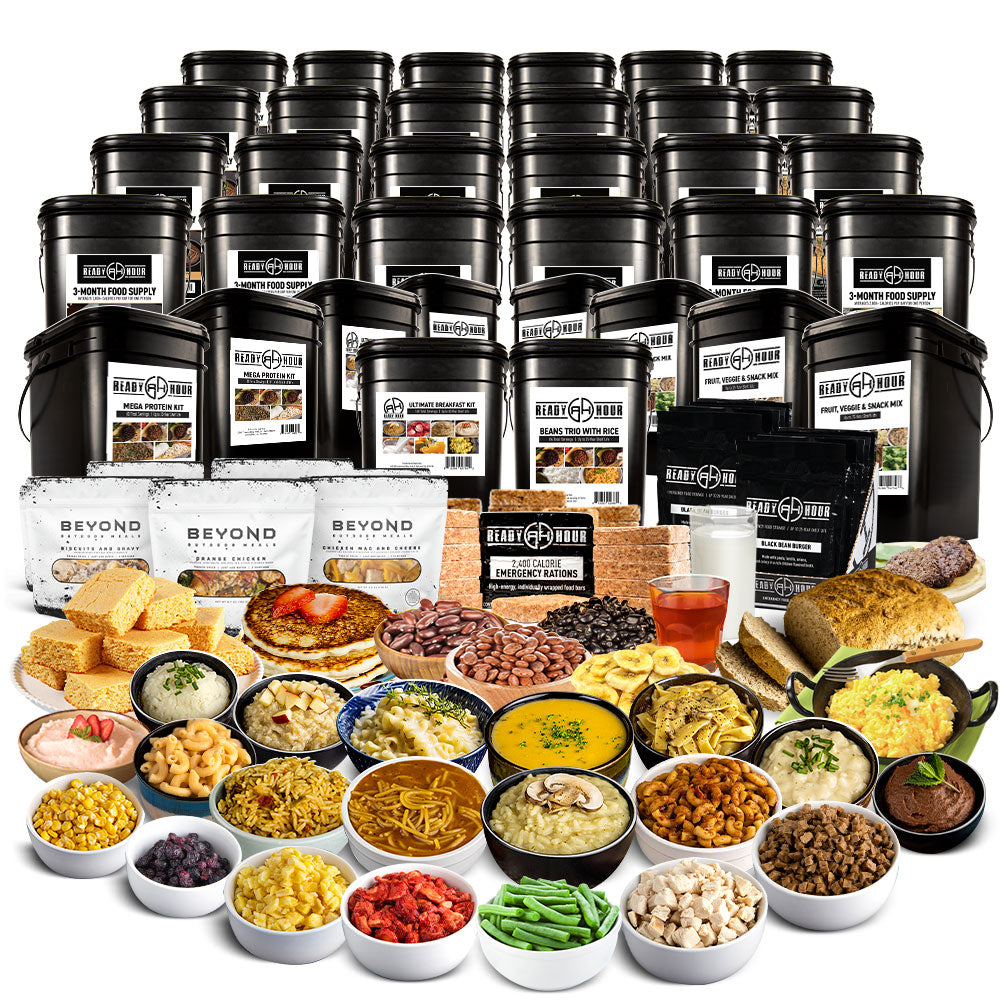
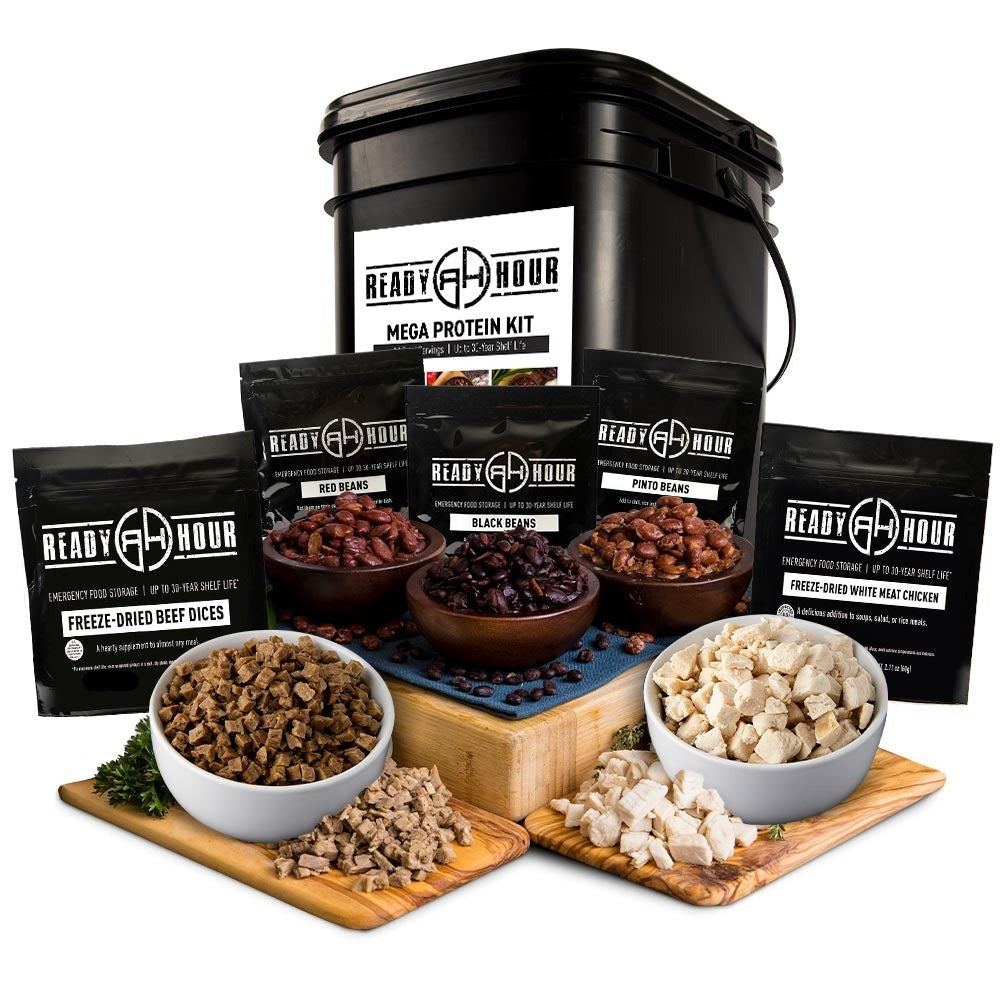
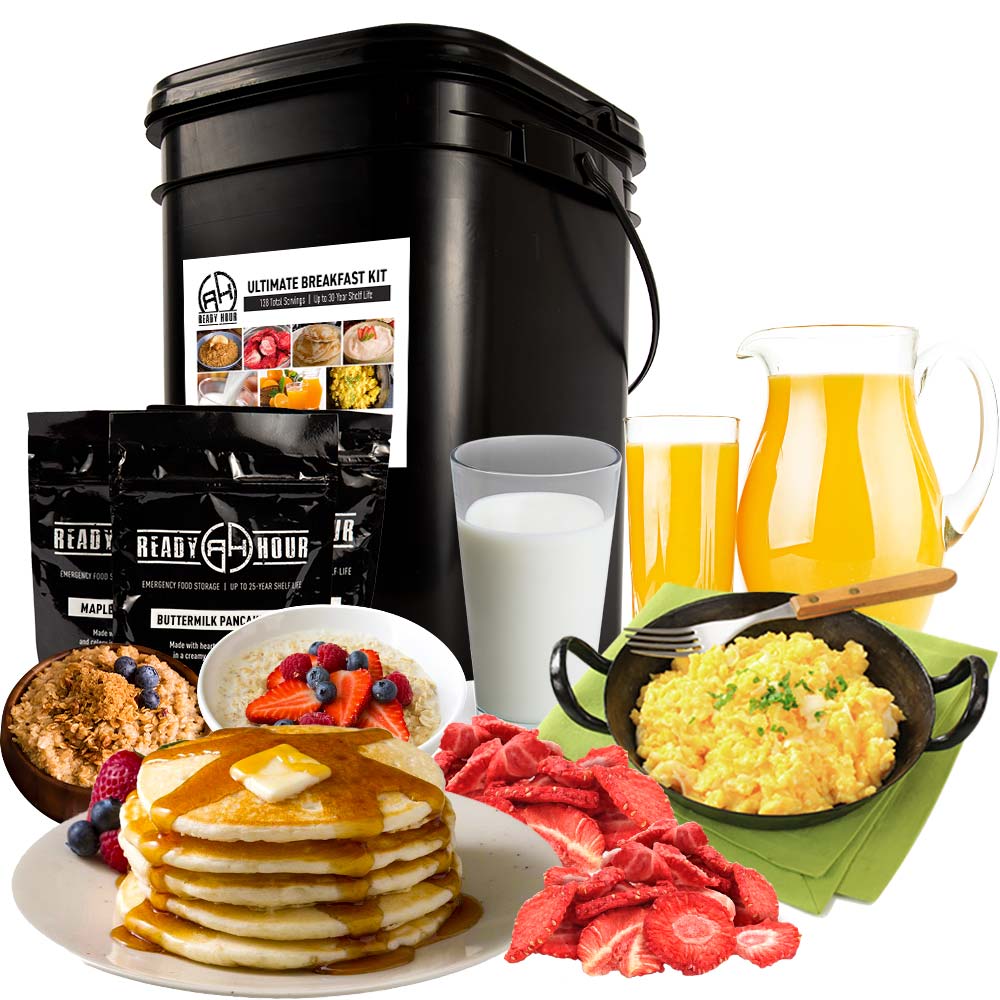
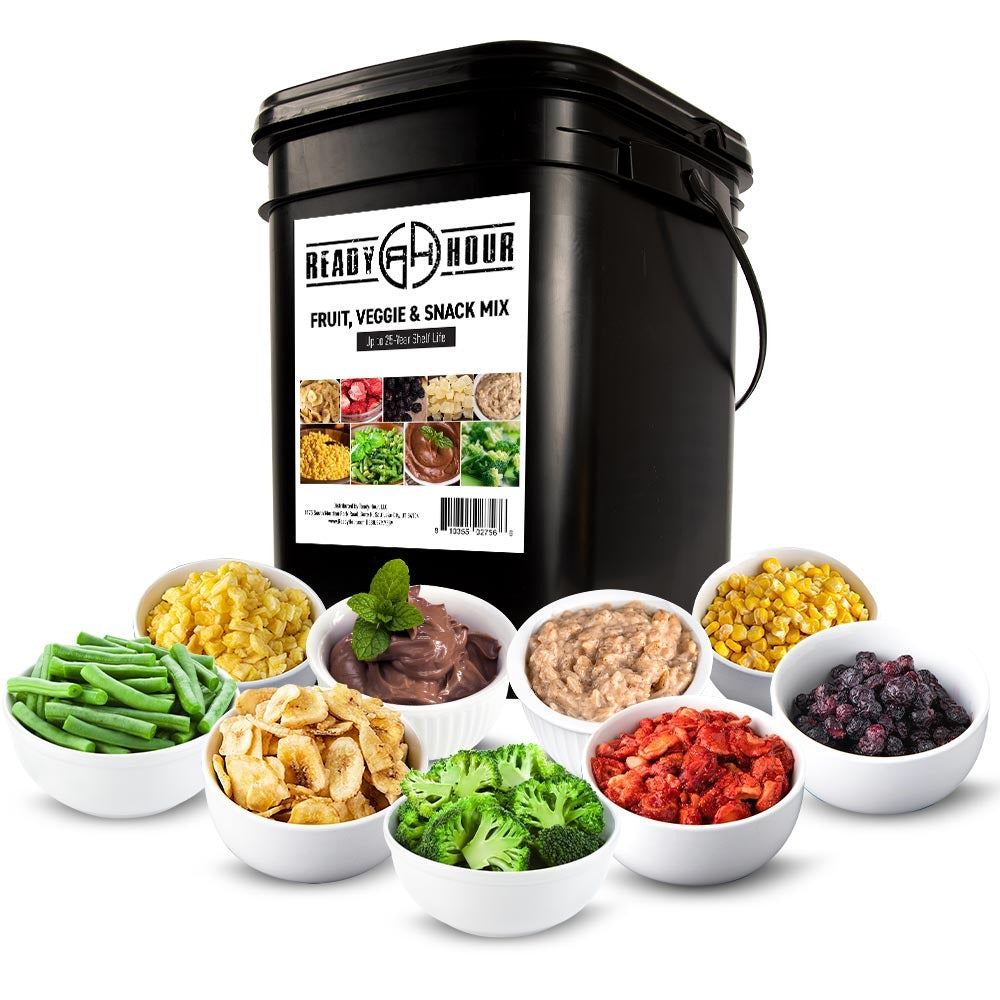
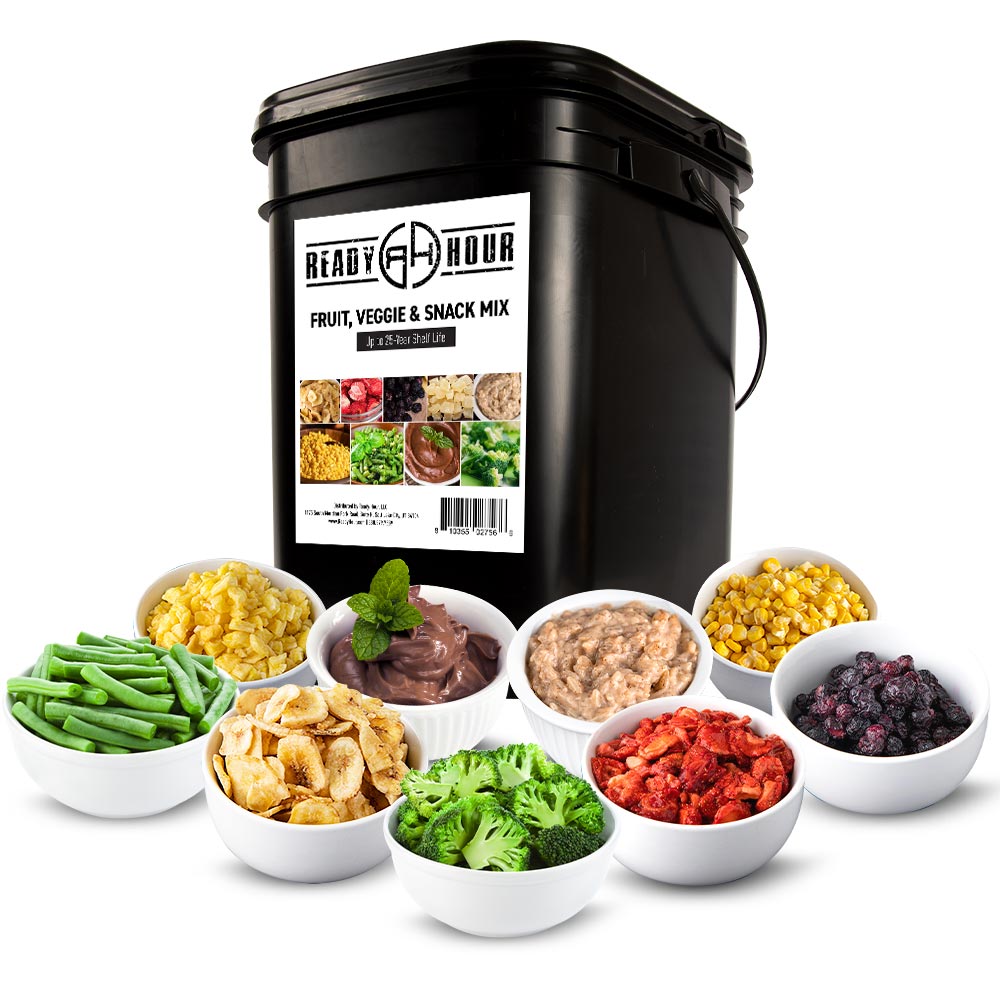
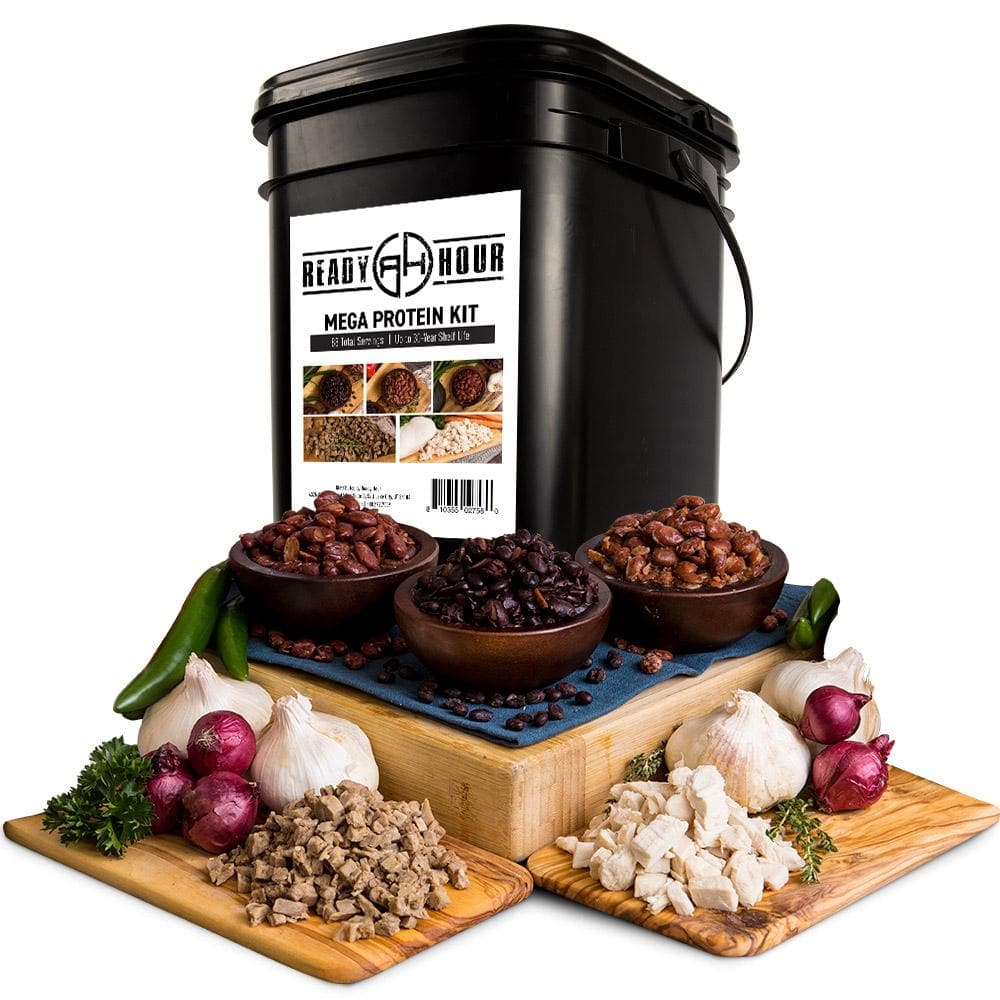
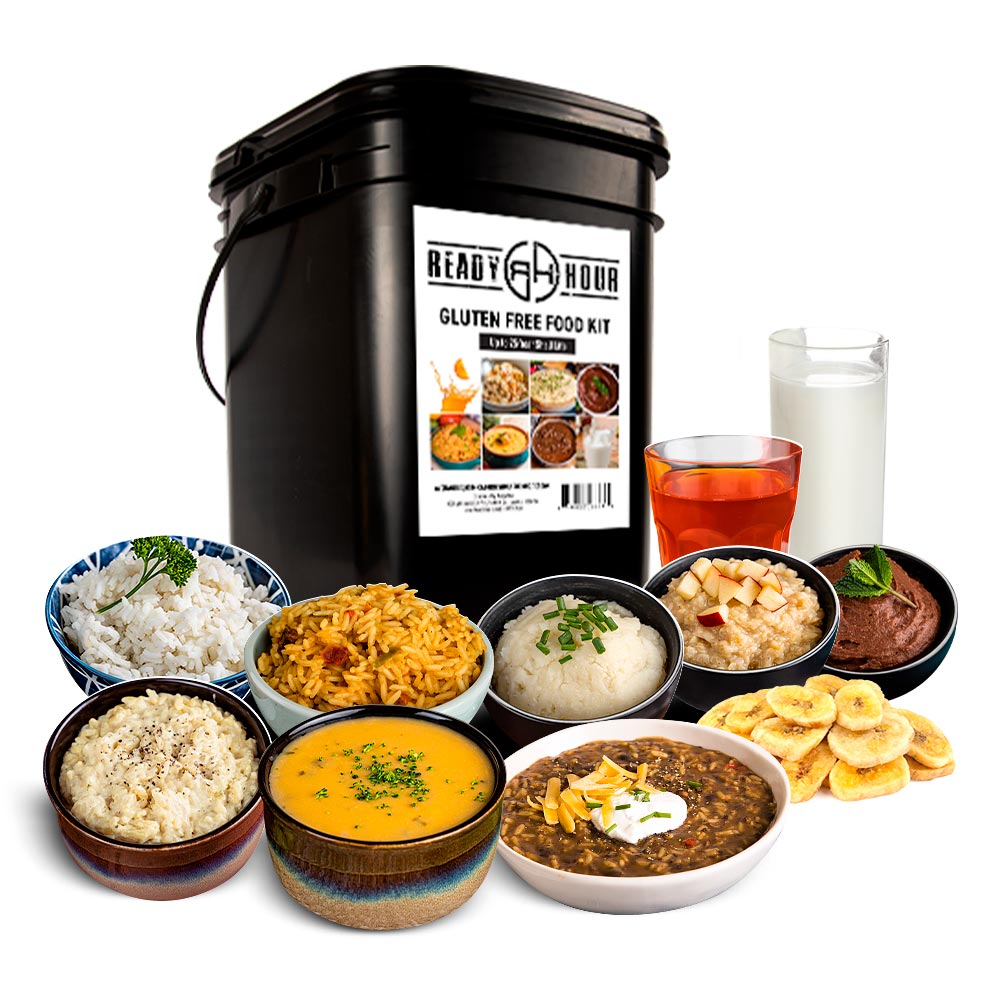
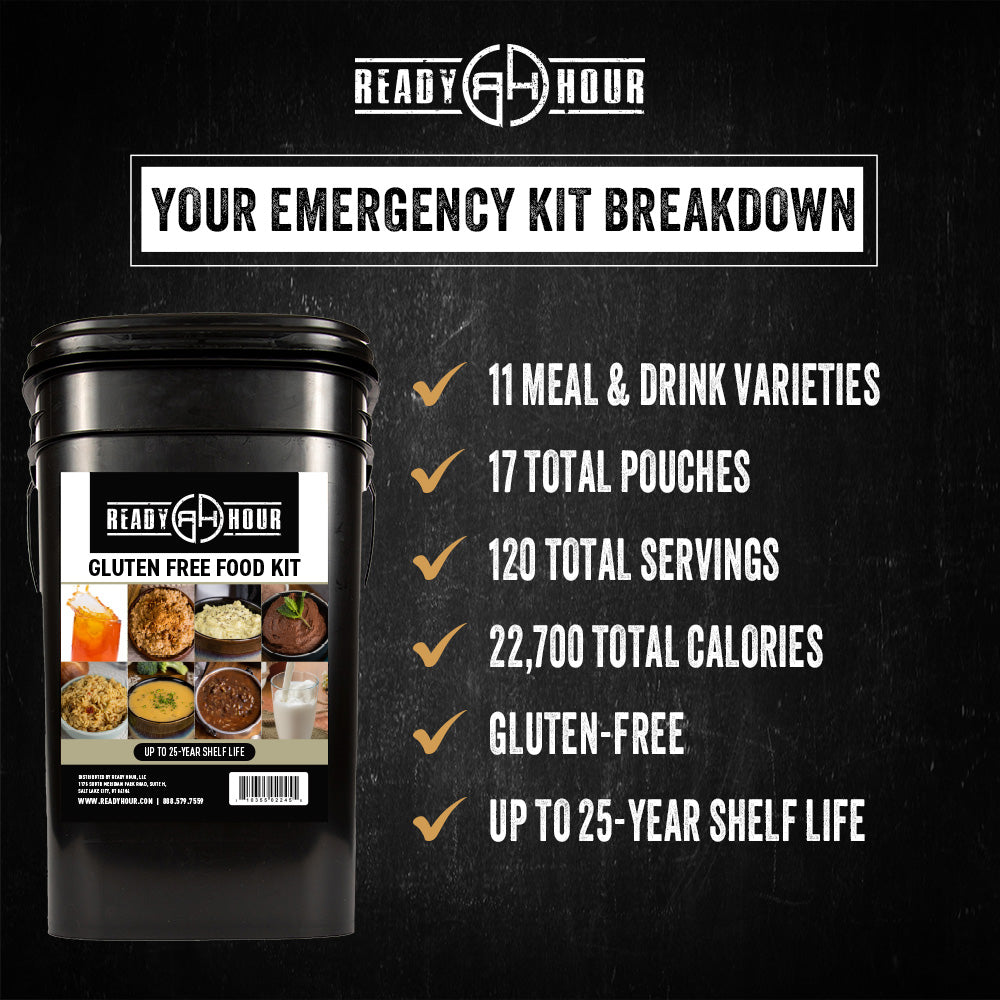
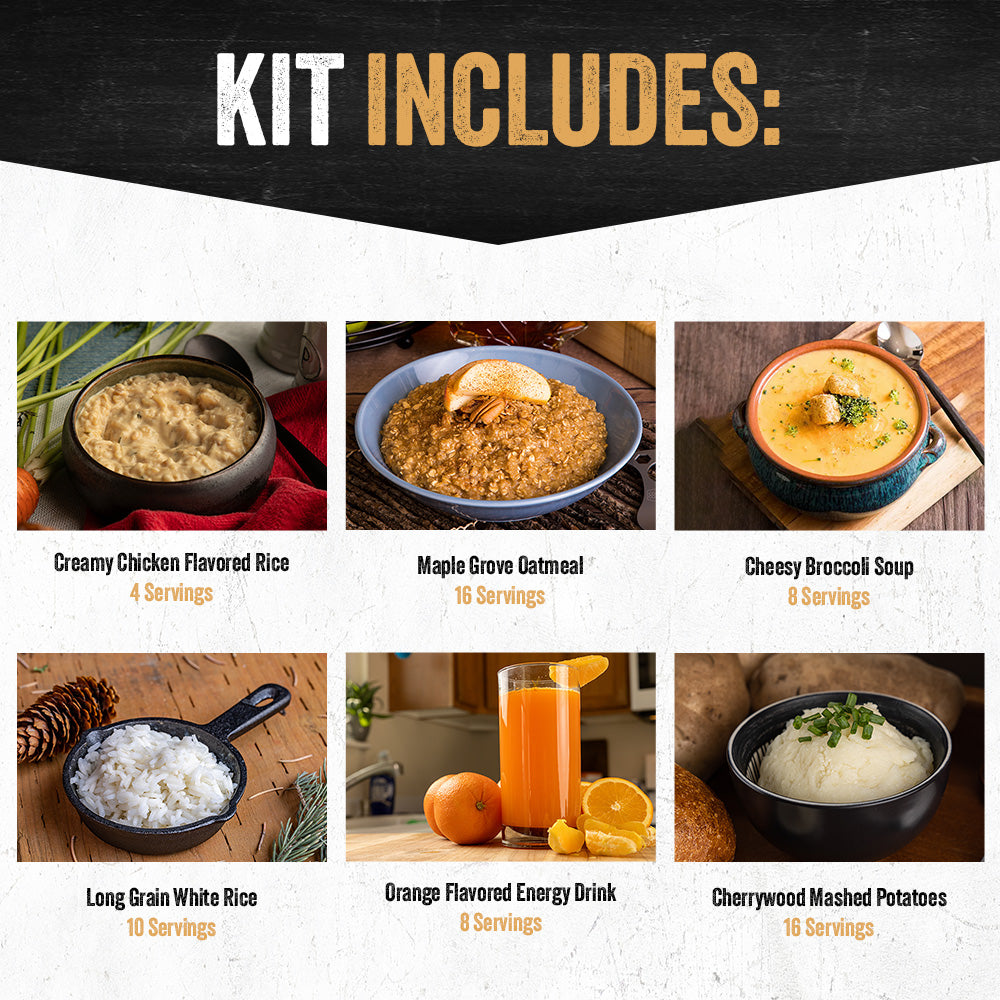
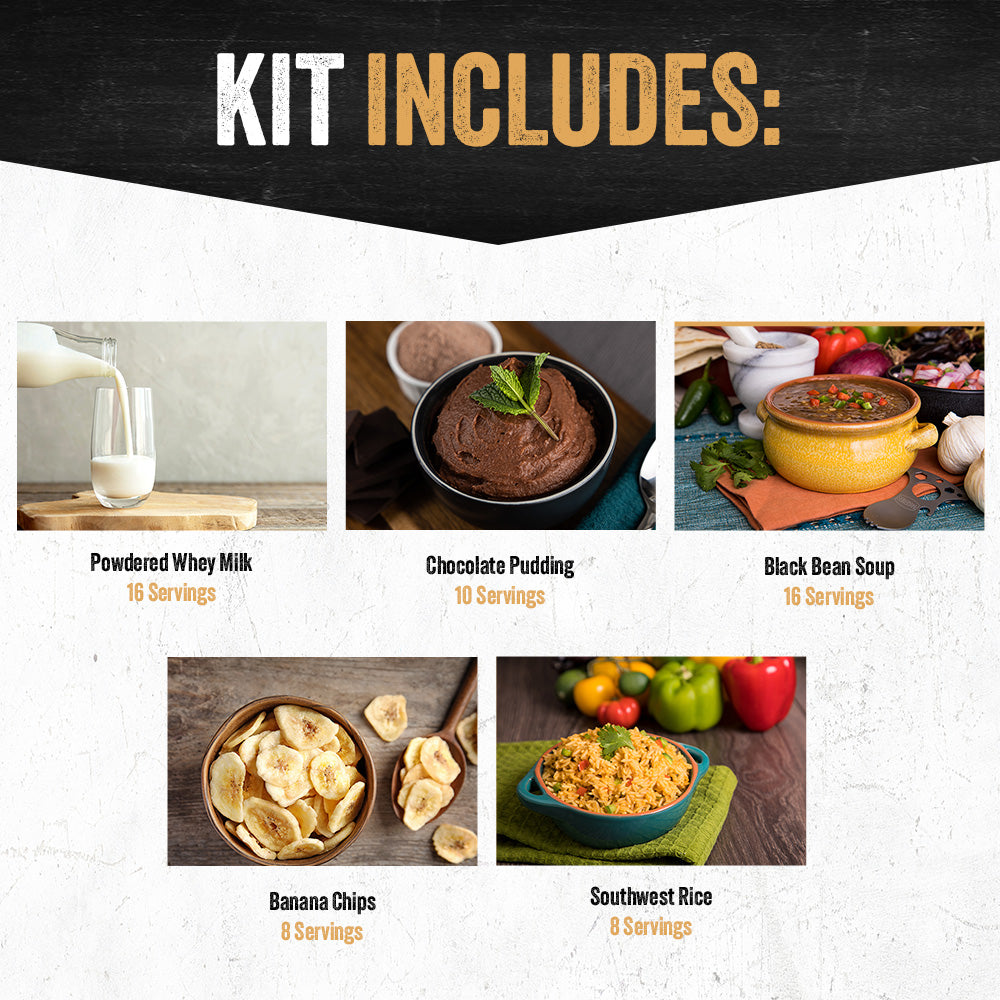
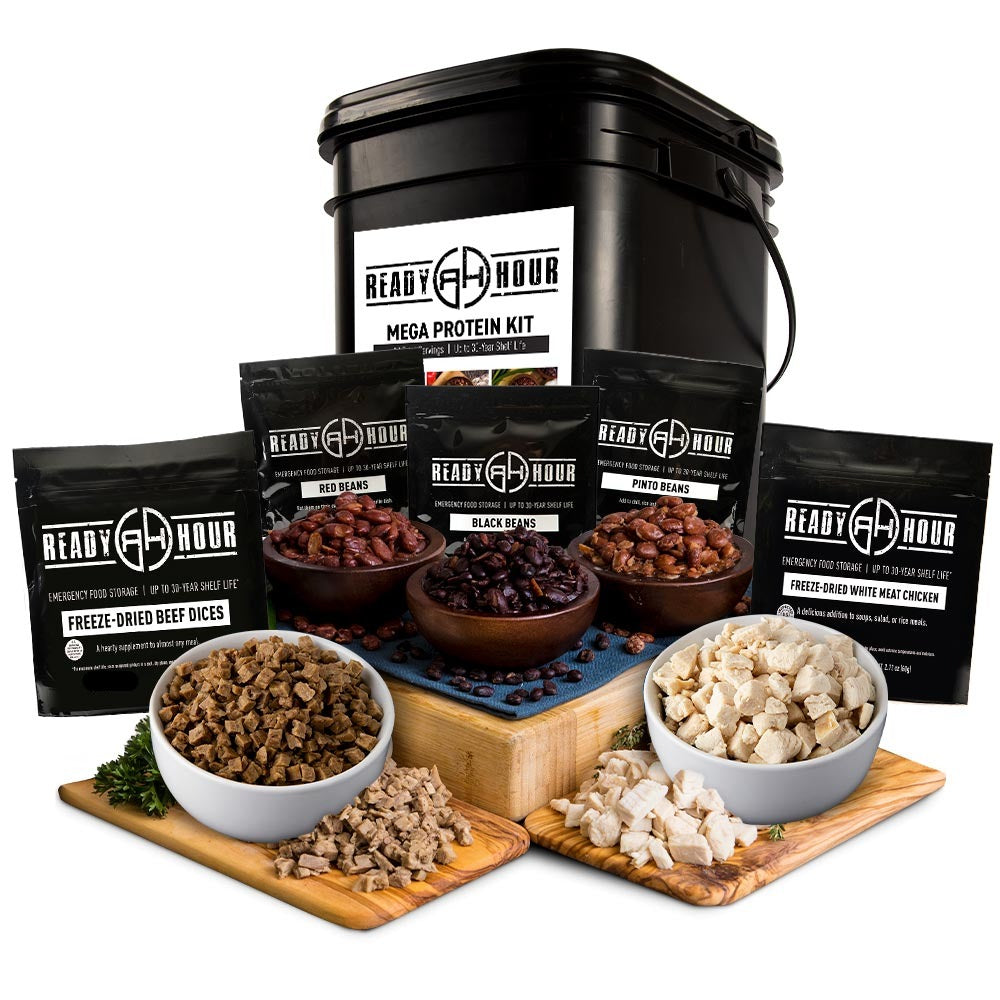
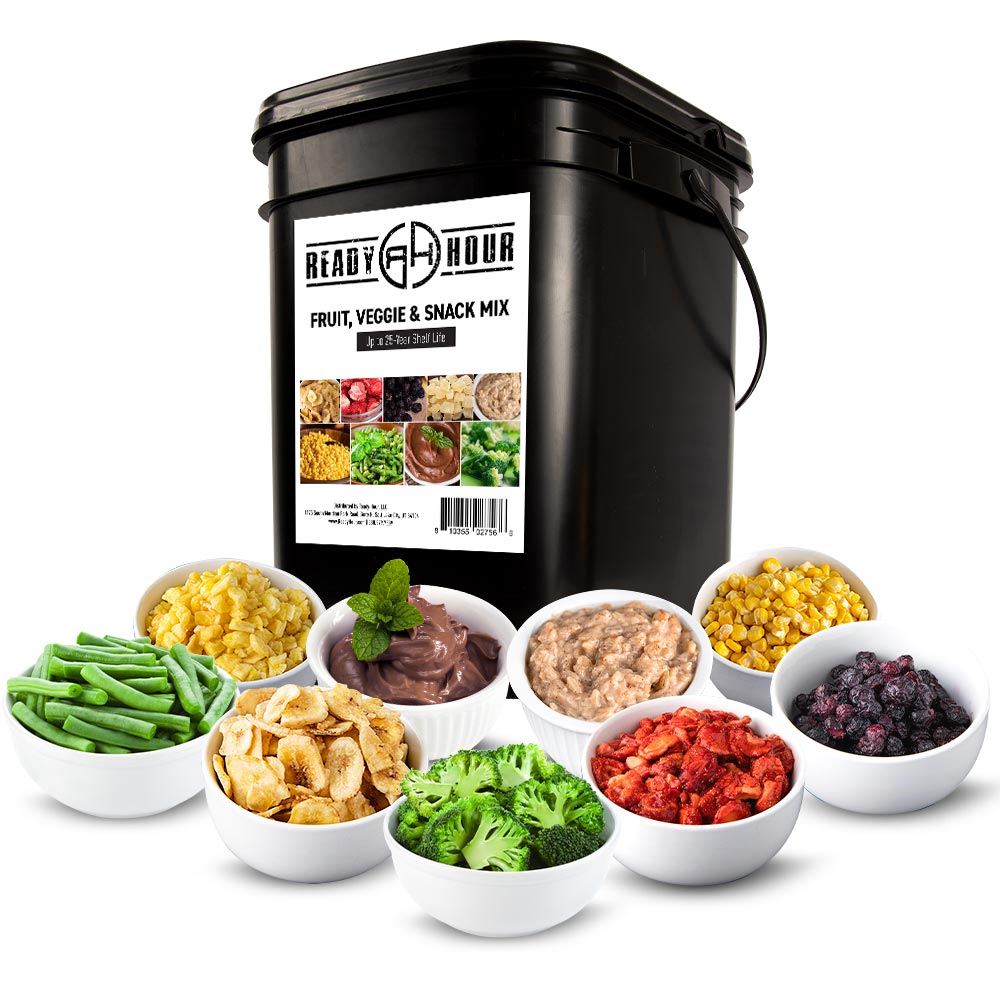
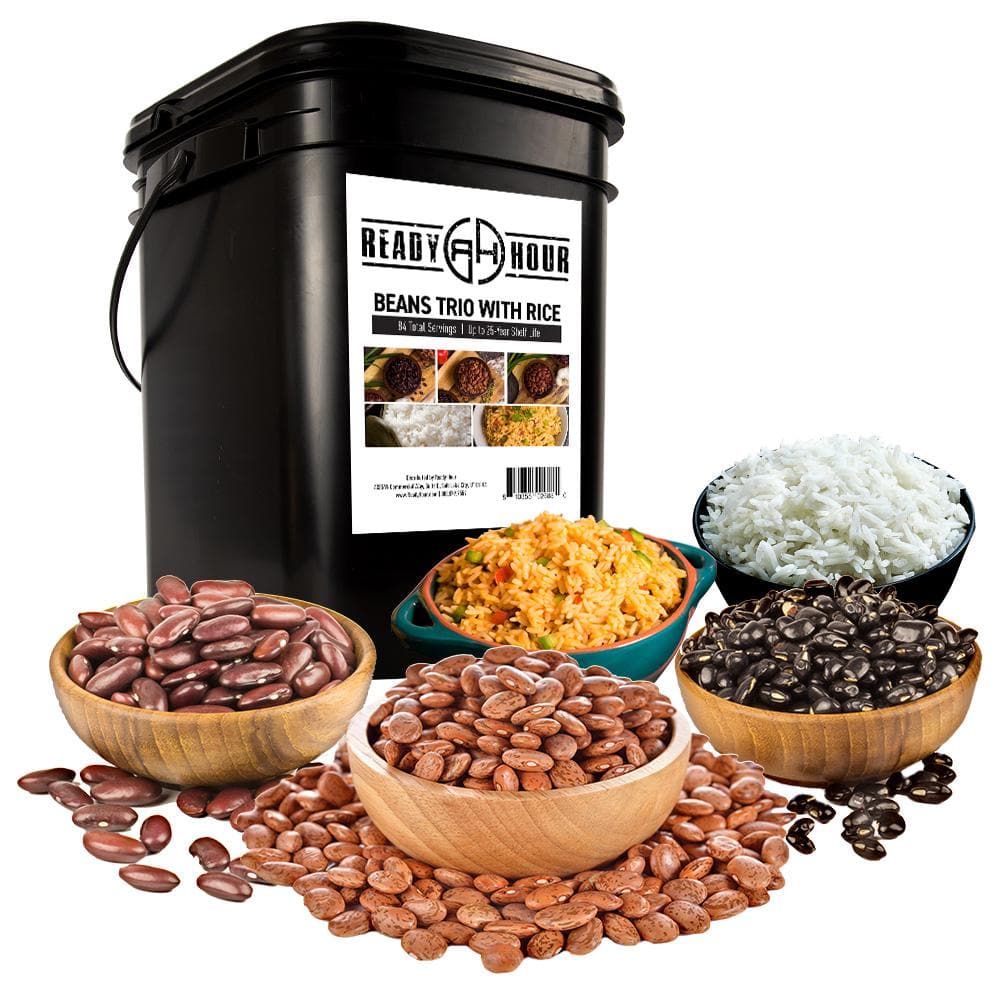
When a staple crop like wheat takes a major hit, the impact does not stop with farmers. Lower production, higher fertilizer costs, and higher fuel costs can ripple through milling, baking, packaging, transportation, and store shelves. For households, that can mean higher prices and fewer options for everyday foods families rely on. It is another reminder that food security starts long before products reach the grocery store, and having a backup food supply in place helps families stay prepared when crop losses and supply pressure start affecting daily life.
Read the full article here.
Source: ABC4 Utah
By: Alix Martichoux