Week of June 1, 2026
A quick read on the readiness-relevant stories we are following this week. A few have been building for a while, and a couple are new. Each item links out to the full reporting if you want to go deeper
Still Tracking
Beef supply pressure
The U.S. cattle herd has fallen to its lowest level in 75 years, sitting near 86.2 million head as of January. A border closure tied to the spread of New World screwworm has cut off a major source of imported feeder cattle, and fed-cattle bids ran in record territory in late May. Forecasters expect beef prices to keep climbing into 2027. If beef is a main protein in your home, this is a good stretch to build depth in shelf-stable options like freeze-dried meats, canned fish, and protein-rich legumes.
Read more: Why the U.S. cattle herd is at a 75-year low (NPR) and USDA lowers 2026 beef production (Brownfield Ag News).
Winter wheat shortfall
The first survey-based 2026/27 winter wheat forecast came in about 25 percent below last year, driven by sharp losses in Hard Red Winter wheat. Drought now covers roughly 63 percent of the lower 48 states, close to the levels seen in 2012, and field scouts are reporting thin stands across key wheat country. Wheat is the backbone of long-term food storage, so topping off grains, flour, and pasta while supply holds steady is a practical hedge.
Read more: Winter wheat conditions deteriorate as USDA resumes crop ratings (Pro Farmer) and Drought headlines the 2026 Wheat Quality Council tour (Farm Progress).
Energy chokepoint
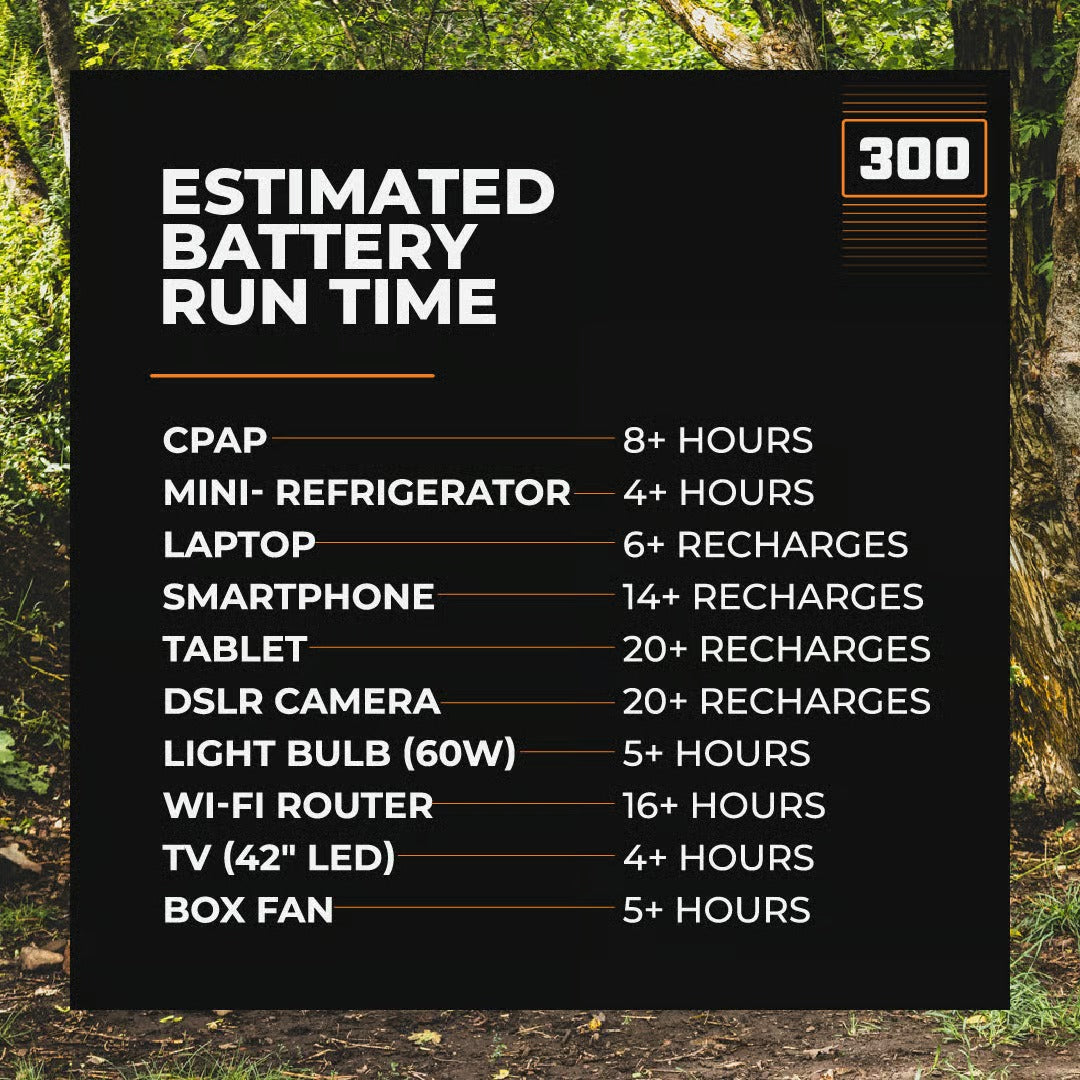
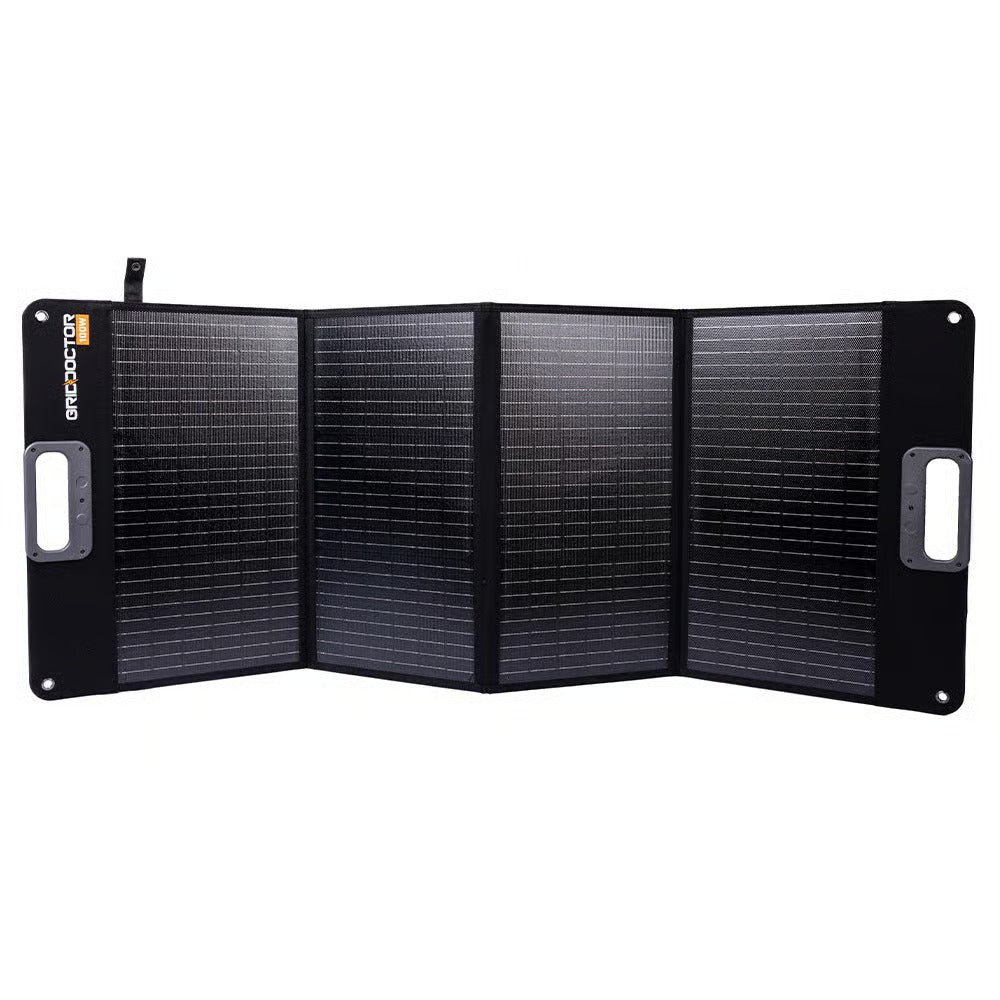
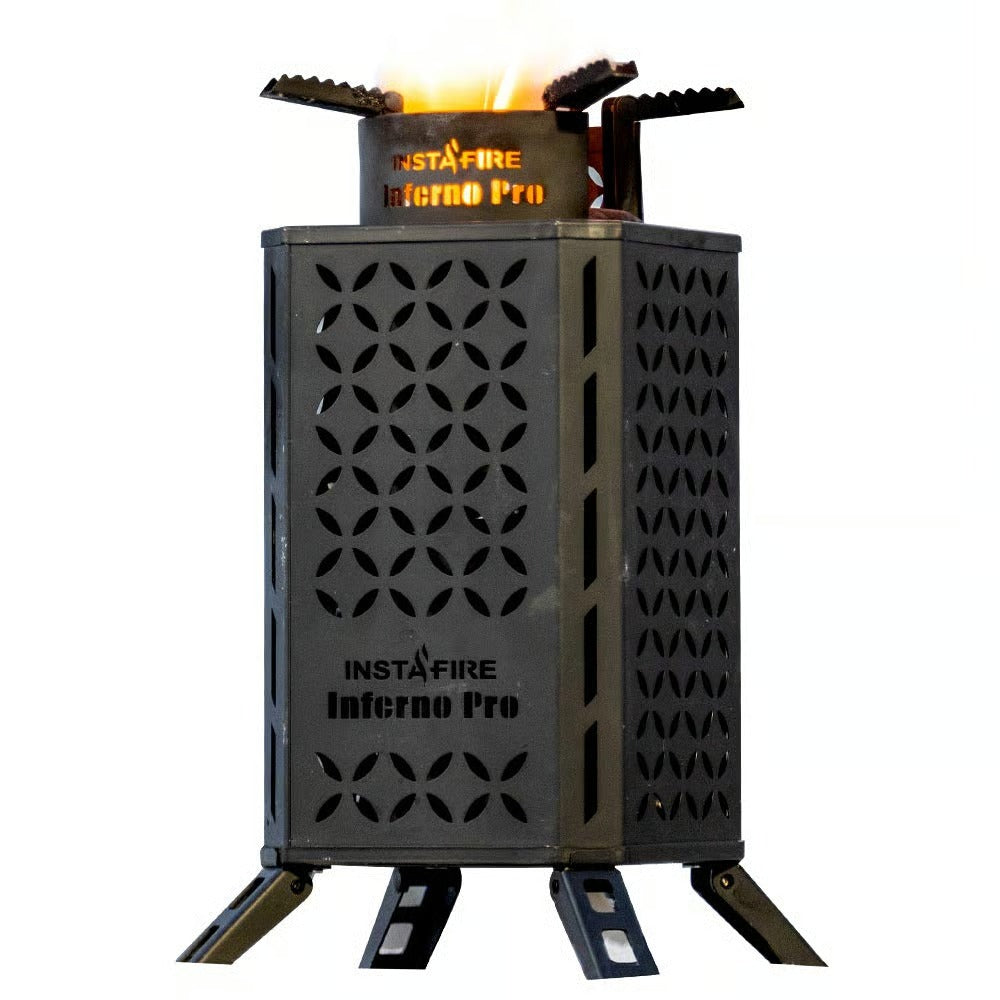
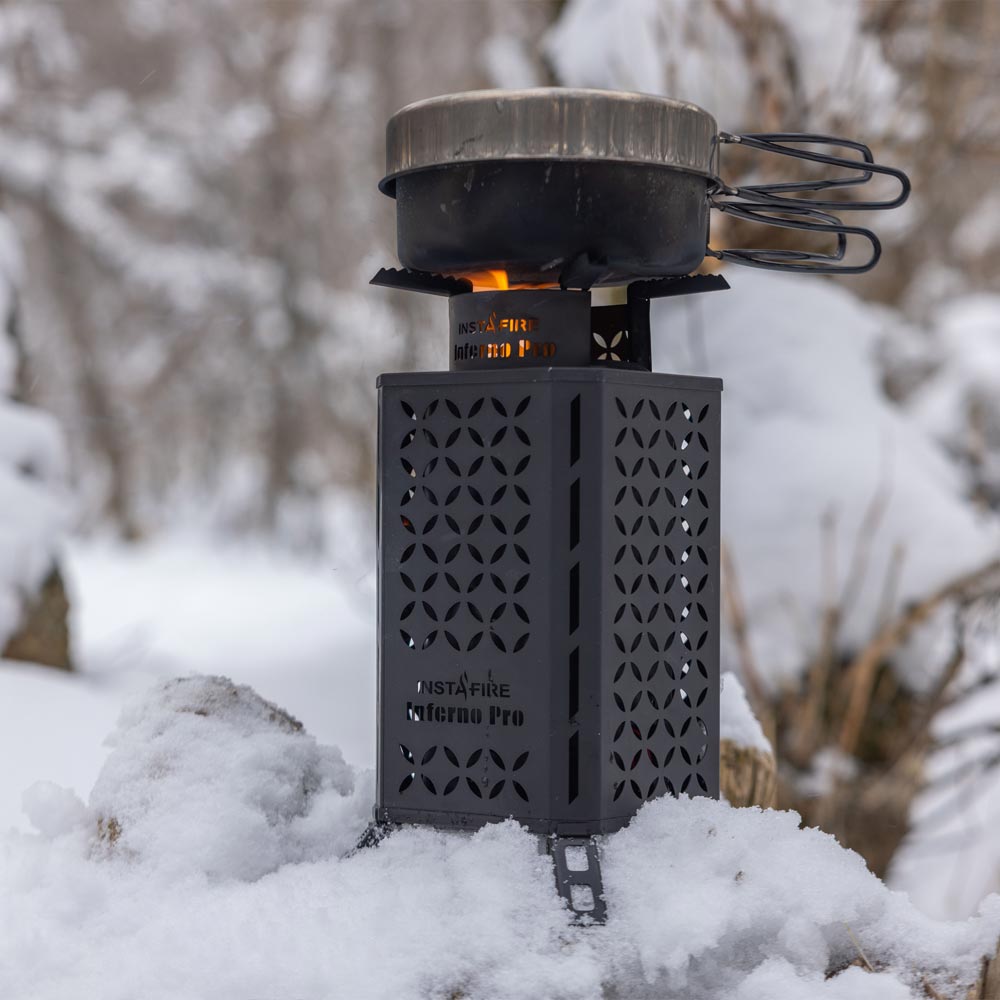
A Gulf shipping route that carries roughly 20 percent of the world's oil and liquefied natural gas has been effectively closed since late February. Limited tanker traffic is finally starting to move again, with more than two dozen trapped vessels making it out, but officials warn that clearing the route fully could take months and that normal flows may not return before 2027. Crude stayed elevated through late May, and natural gas climbed to its highest level since March. Keeping fuel storage topped off and a backup power plan ready makes sense while energy markets stay unsettled.
Read more: Tankers begin exiting the Gulf chokepoint (The National), Limited oil and LNG traffic resumes (Gulf News), and Natural gas market indicators, May 28 (American Gas Association).
New This Week
Grocery inflation rising
Food-at-home prices rose 2.9 percent over the past year as of April, the sharpest annual grocery inflation since 2023, with notable jumps in fresh vegetables, beef, and coffee. Economists warn a steeper wave could follow later in the year as higher fertilizer, fuel, packaging, and tariff costs reach the shelf. The cost of building food storage tends to track grocery inflation, so stocking staples earlier usually costs less than waiting. The next inflation reading lands June 10.
Read more: Grocery inflation accelerates as food prices rise (Conduit Street) and A new wave of food inflation is building (FoodNavigator-USA).
Bird flu watch
Health officials report 71 human H5N1 cases in the U.S. since 2024, and the virus remains widespread in poultry and dairy herds, with more than 180 million birds affected. Public health risk is still rated low, but continued poultry losses keep pressure on egg and chicken supply and prices. A modest stock of shelf-stable protein and a basic medical kit covers both supply gaps and the chance of needing to stay home.
Read more: A(H5) bird flu current situation (CDC).
Summer grid outlook
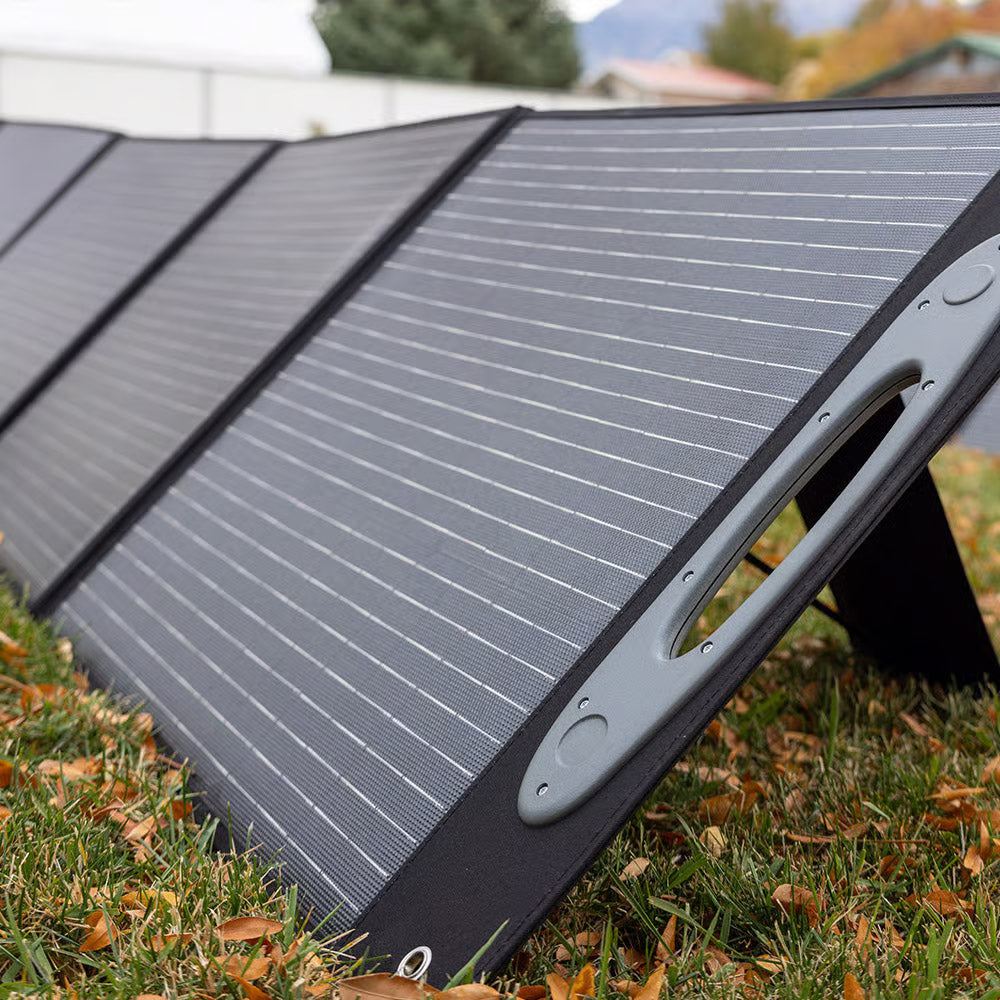
The North American grid is expected to have enough power for normal summer demand, helped by new capacity added over the past year. Several regions still face elevated blackout risk during extreme heat, and fast-growing large loads like data centers add uncertainty. A tested backup power source and a plan to keep food and medication cold are worth confirming before the first heat wave.
Read more: Summer power looks solid but elevated risks remain (Daily Energy Insider).
Food ingredient recall cascade
A recall of more than two million pounds of powdered milk over potential Salmonella contamination has rippled into a string of downstream recalls of seasonings and other products that used the powder, several flagged at the FDA's highest risk level. It is a reminder to check lot numbers on stored items against active recalls and to favor traceable sources for long-term food storage.
Read more: Powdered milk recall and associated products (FDA)
That is the landscape for the week. The throughline is steady pressure on food and energy, and the most useful response is a familiar one: take one practical step on whatever gap is closest to home.