


Flooding can happen quickly, and the impact can last long after the water recedes. Roads can close, power can fail, drinking water can become unsafe, and homes can be difficult to reach or return to.
This guide will help you understand your flood risk, recognize the warnings, prepare your household, know what to do when flooding begins, and safely navigate what comes after.
The Water Is Only the Beginning
Flood damage isn’t limited to what gets wet. A serious flood can disrupt the systems your household depends on every day, sometimes for days or weeks after the water goes down.
What Flooding Can Disrupt
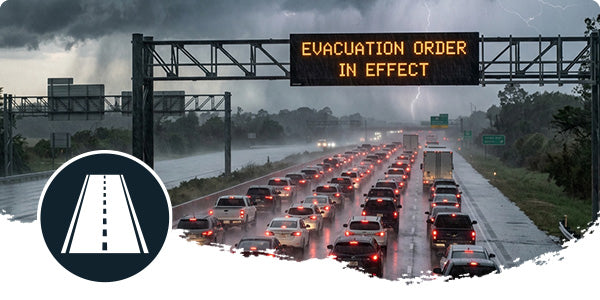
Roads & Transportation
Flooded roads, damaged bridges, and debris can make it difficult or impossible to leave home, reach supplies, or return after an evacuation.

Drinking Water
Flooding can contaminate wells, damage water systems, and lead to boil-water notices or temporary loss of service.
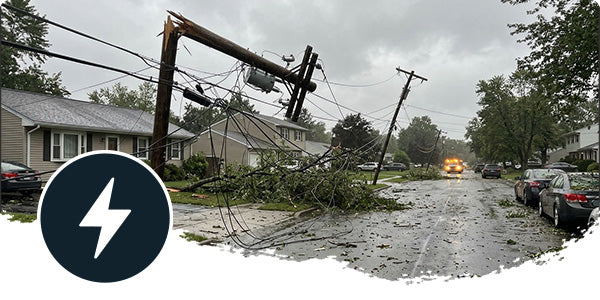
Power & Utilities
Electrical systems, substations, and other utilities can be damaged or shut down, leaving homes without power, heat, or other essential services.
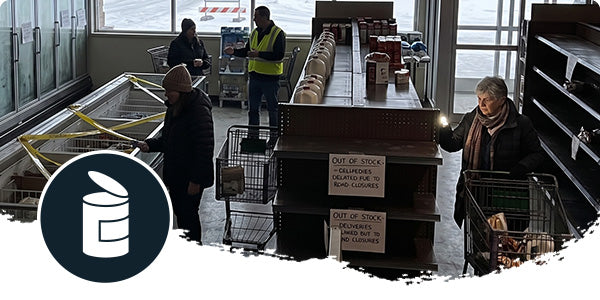
Food & Supplies
Closed roads, power outages, and delayed deliveries can affect grocery stores, refrigeration, and access to everyday necessities.
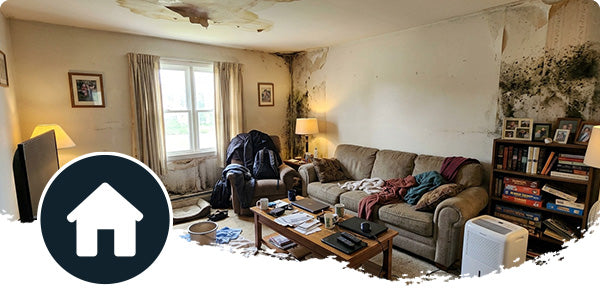
Homes & Property
Even after the water recedes, homes may face structural damage, electrical hazards, sewage contamination, and mold.
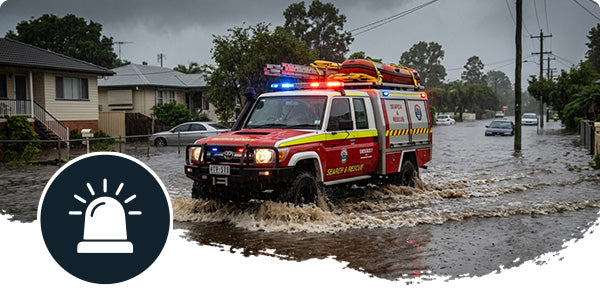
Emergency Response
Flooded or damaged roads can make it harder for emergency crews, utility workers, and repair teams to reach affected areas.
Know Your Warning
Flood alerts are not interchangeable. Knowing the difference between a watch, warning, and emergency can help you understand when to prepare and when to act.
Flood Watch
Be Ready
Flooding is possible. Stay alert, monitor local conditions, and make sure your household is prepared in case conditions worsen.
Flood Warning
Take Action
Flooding is happening or expected soon. Follow local instructions and move to a safer location if needed.
Flash Flood Warning
Act Quickly
Dangerous flash flooding is happening or expected soon. Flash floods can develop rapidly, so do not wait to see rising water before taking action.
Flash Flood Emergency
Extreme Danger
This is issued for exceptionally dangerous flash flooding that poses a severe threat to life and property. Follow emergency instructions immediately.

Where to Get Flood Alerts
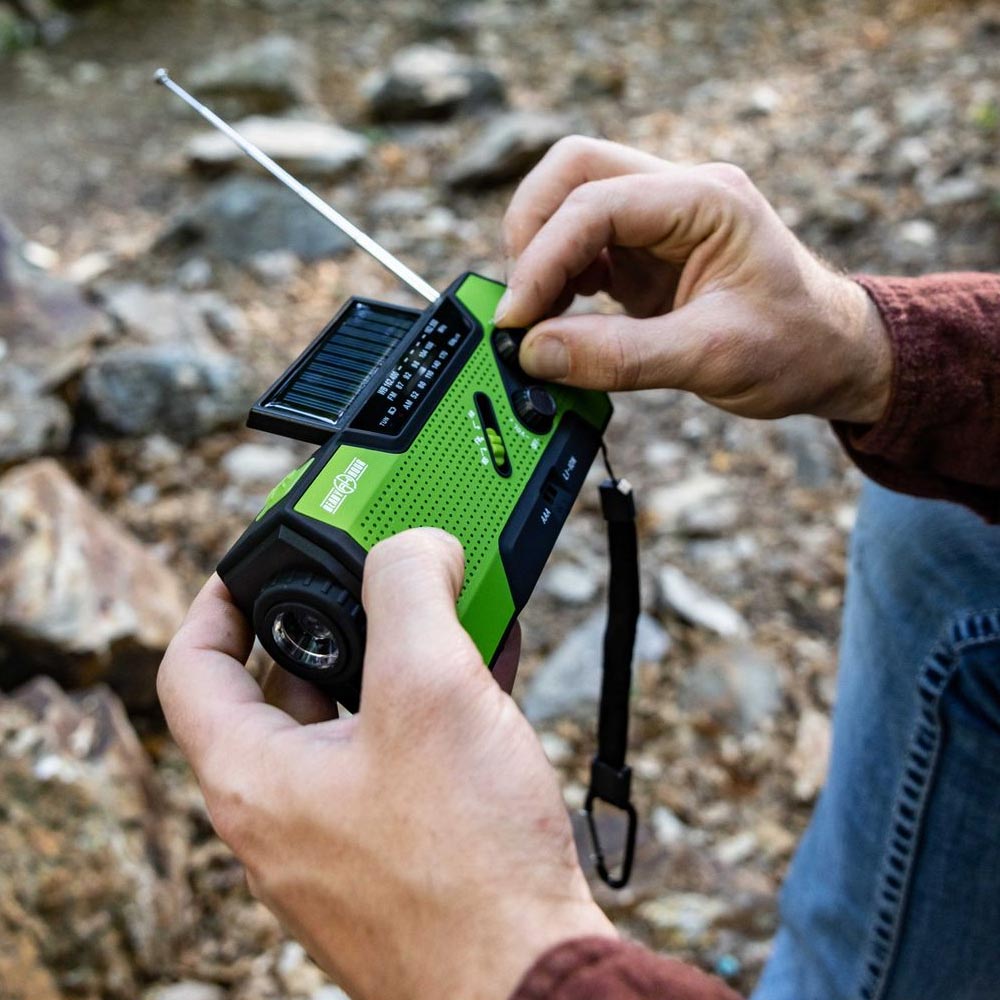
Wireless Emergency Alerts, local emergency notifications, the National Weather Service, NOAA Weather Radio, and local news can all help you stay informed as conditions change.
What Recent Floods Teach Us
Floods don’t all unfold the same way. Recent events across the country show how quickly conditions can change, how different landscapes create different risks, and why the effects can continue long after the water begins to fall.
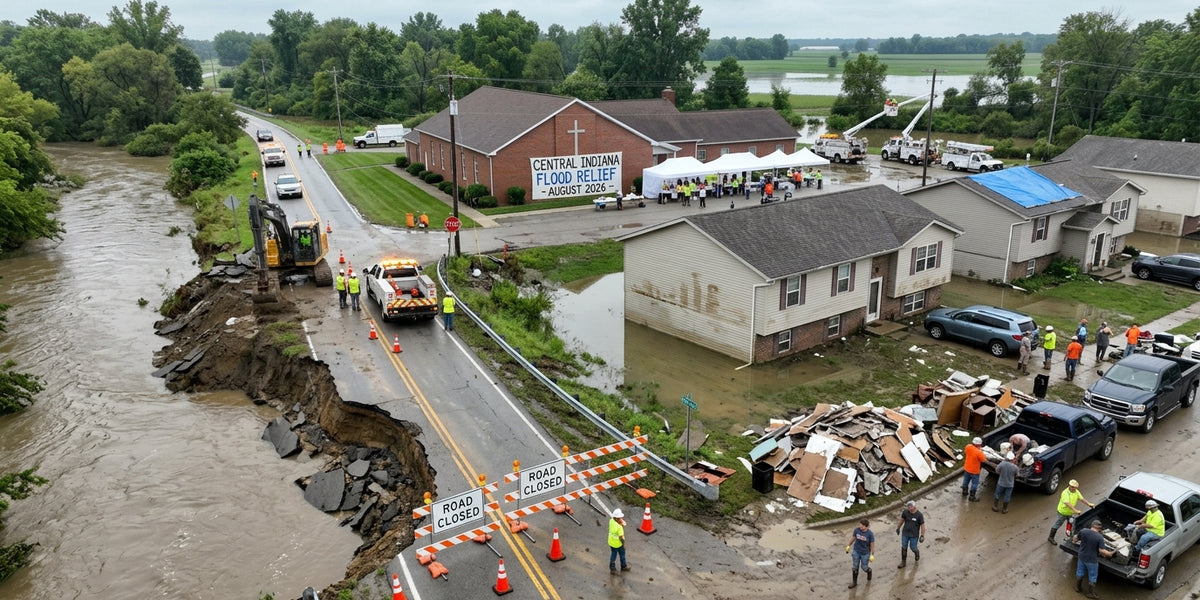
Central Indiana | August 2026
Repeated rounds of storms dropped more than a foot of rain in some areas of central Indiana. Rivers reached levels not seen in more than a century, roads washed out, homes were damaged, and communities were still working through recovery weeks later.
The lesson: A flood doesn’t always come from one extreme storm. Repeated rainfall can build into a much larger emergency.
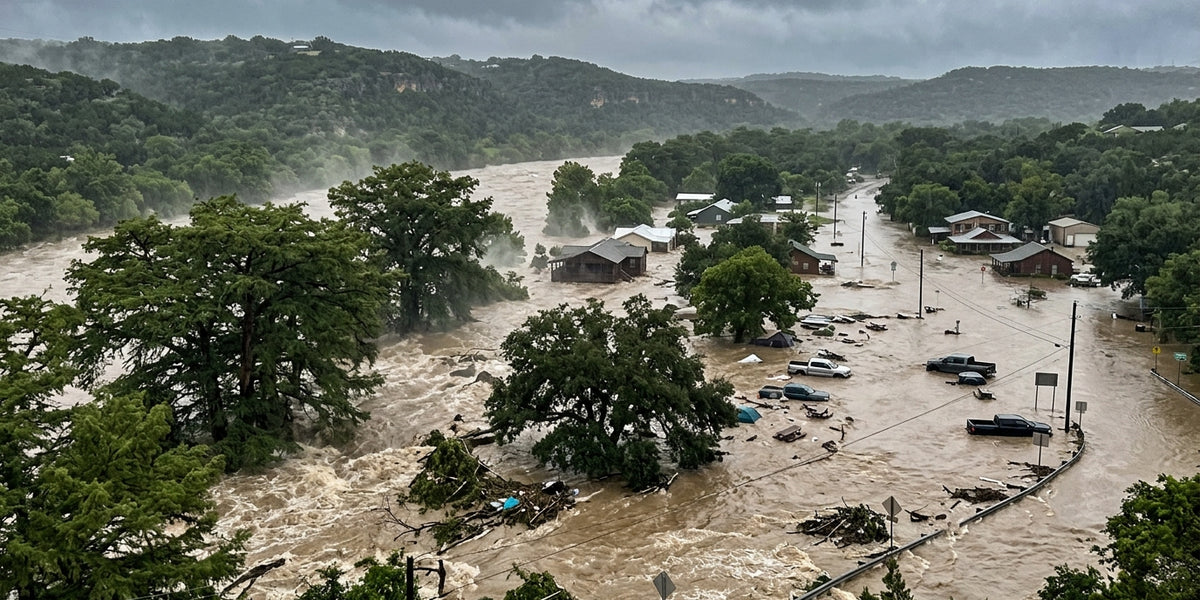
Texas Hill Country | July 2025
During the July 4 floods, the Guadalupe River in hard-hit Kerr County rose more than 26 feet in just 45 minutes. Homes, roads, vehicles, and camps along the river were caught in rapidly rising water with very little time to react.
The lesson: Flash floods can turn dangerous incredibly fast. Warning time may be measured in minutes, not hours.
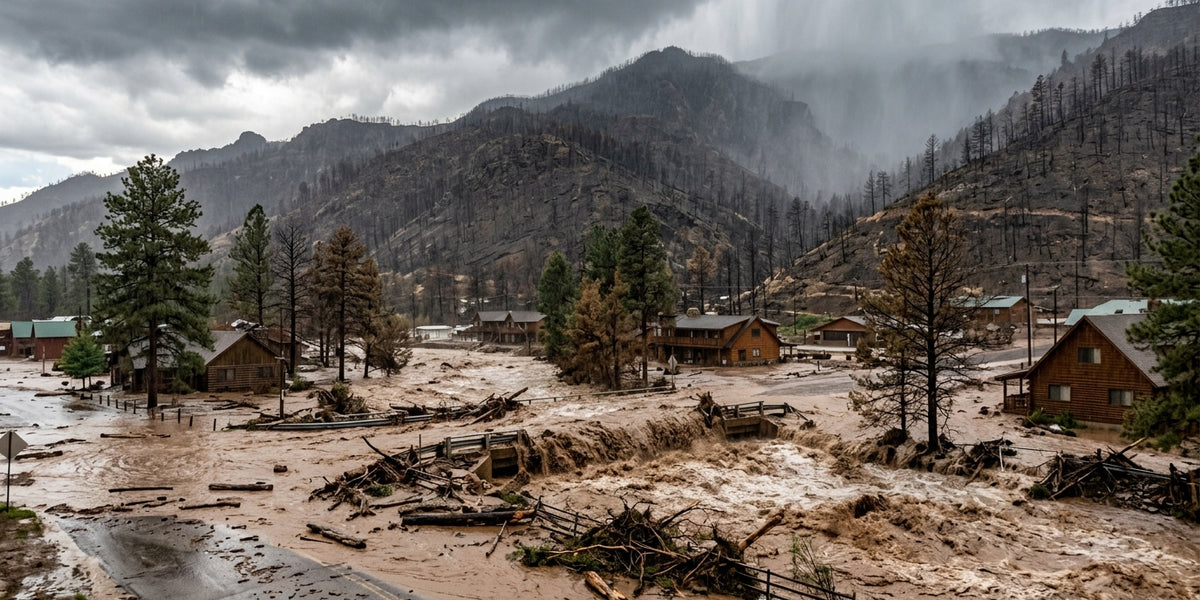
Ruidoso, New Mexico | July 2025
Heavy rain fell over wildfire burn scars near Ruidoso, sending water, mud, and debris rushing into the community. The Rio Ruidoso rose from around 1.4 feet to more than 18 feet in roughly 35 minutes, setting a new record.
The lesson: Your flood risk can change after a wildfire. Burned ground absorbs less water, allowing heavy rain to run off much faster.
Build Your Household Flood Plan
A flood plan should answer the important questions before rising water forces you to make decisions quickly. Know where you’ll go, how you’ll get there, and what needs to come with you.

1. Know Where You’ll Go
Identify a safer location on higher ground and decide where your household will meet if you become separated. Have more than one evacuation route in case your usual roads are flooded or closed.

2. Protect What Matters
Keep identification, insurance information, property records, emergency contacts, and other important documents together in waterproof protection. Digital copies can provide an additional backup.

3. Plan for Everyone
Make sure your plan accounts for children, older family members, anyone with mobility or medical needs, and pets. Keep medications, pet carriers, identification, and other essentials somewhere you can access quickly.

4. Know Your Home
Learn how to safely shut off electricity, gas, and water if local officials or utility providers tell you to do so. Move valuable or difficult-to-replace items away from basements and other areas more likely to take on water.

5. Review Your Insurance
Standard homeowners insurance generally does not cover flood damage. Review your current coverage before flood conditions are in the forecast and understand what additional flood protection may be available.
Build a Flood-Ready Supply Plan
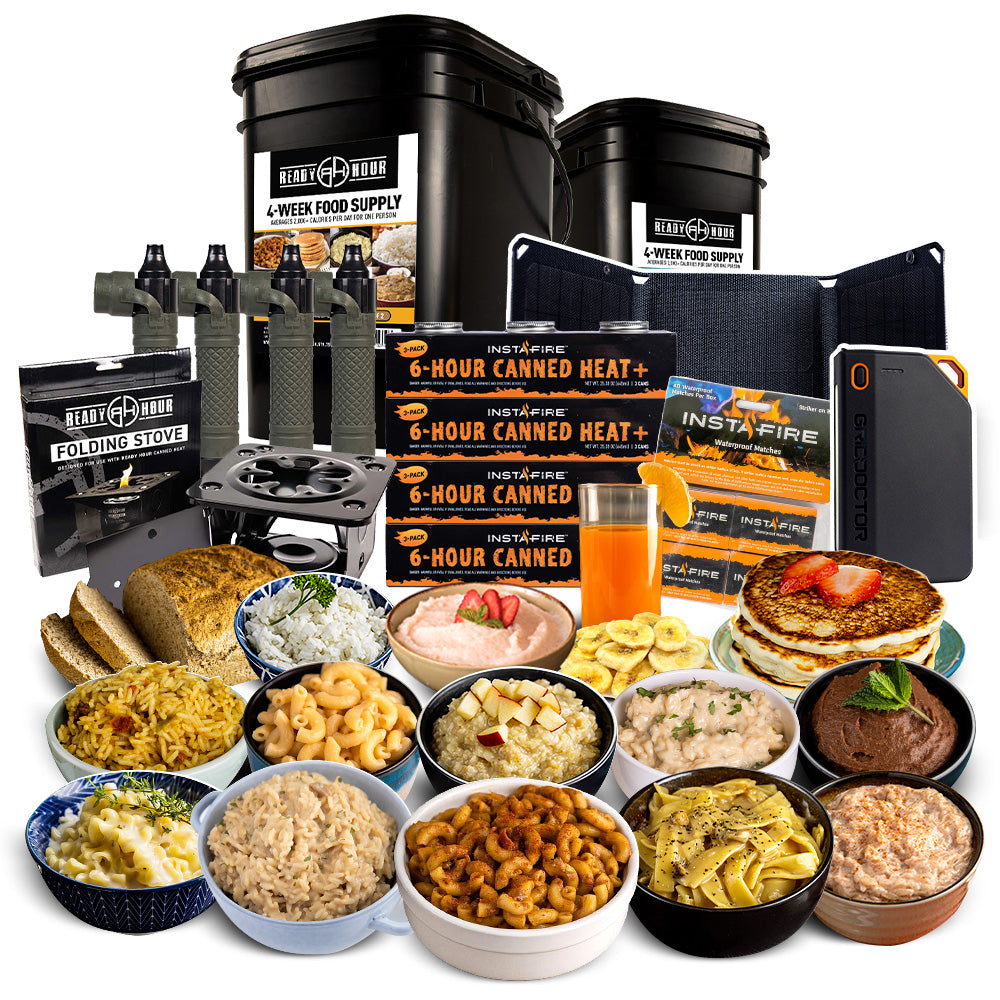
Flooding can interrupt the everyday systems you normally rely on. Stores may be harder to reach, tap water may become unsafe, power can go out, and roads may close with little notice.
Build your supplies around the essentials your household would still need if normal access suddenly changed.
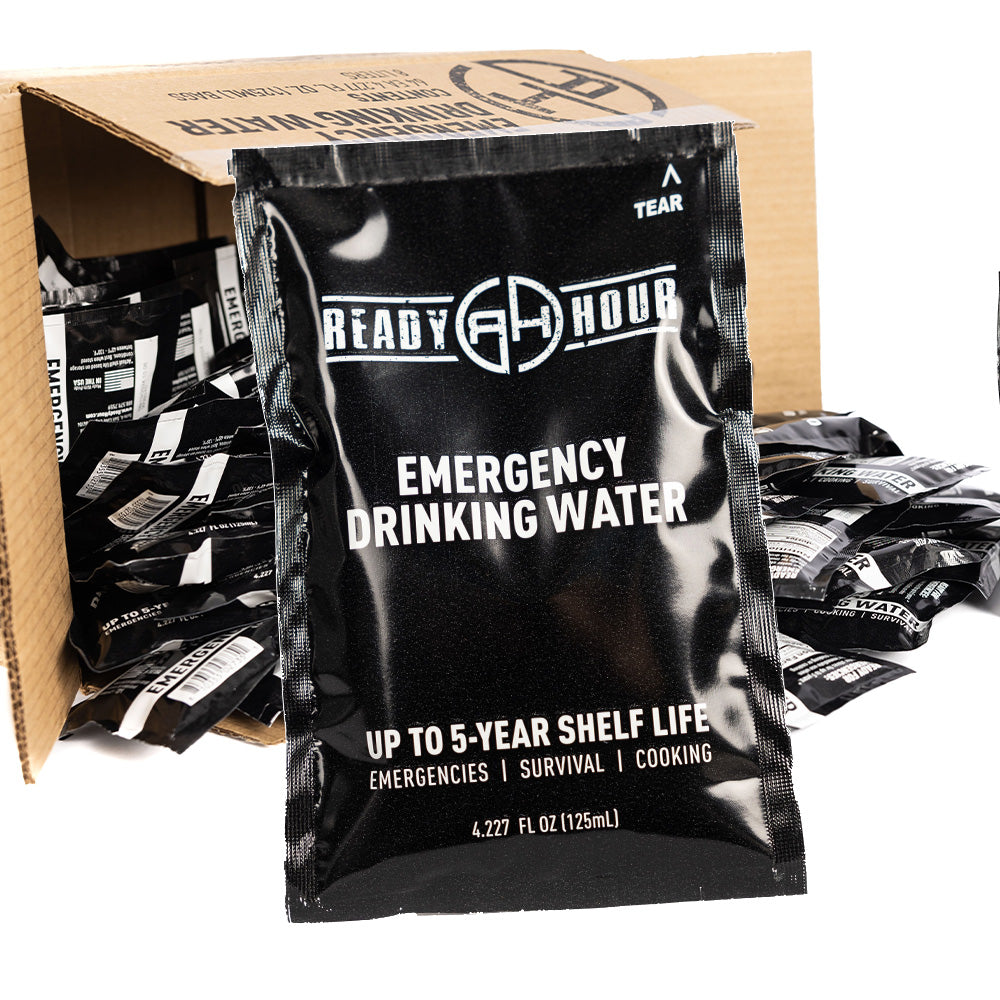
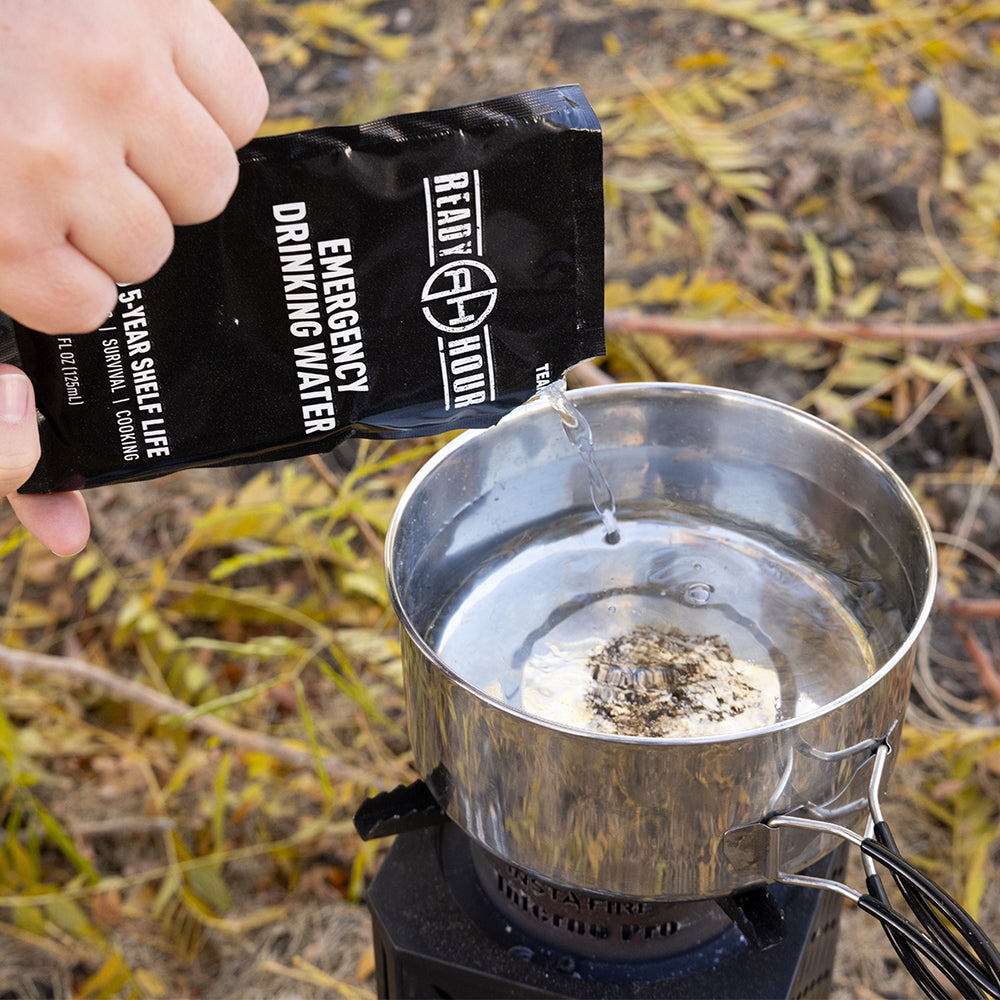
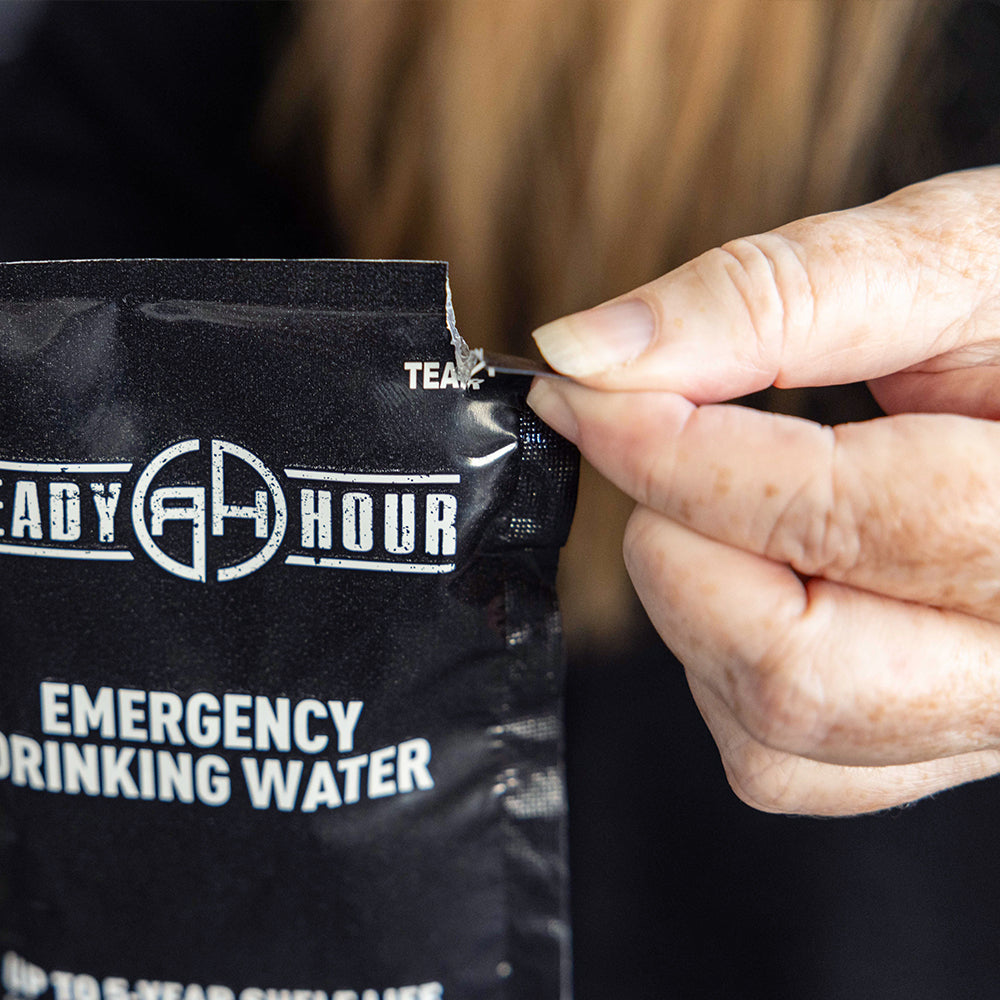
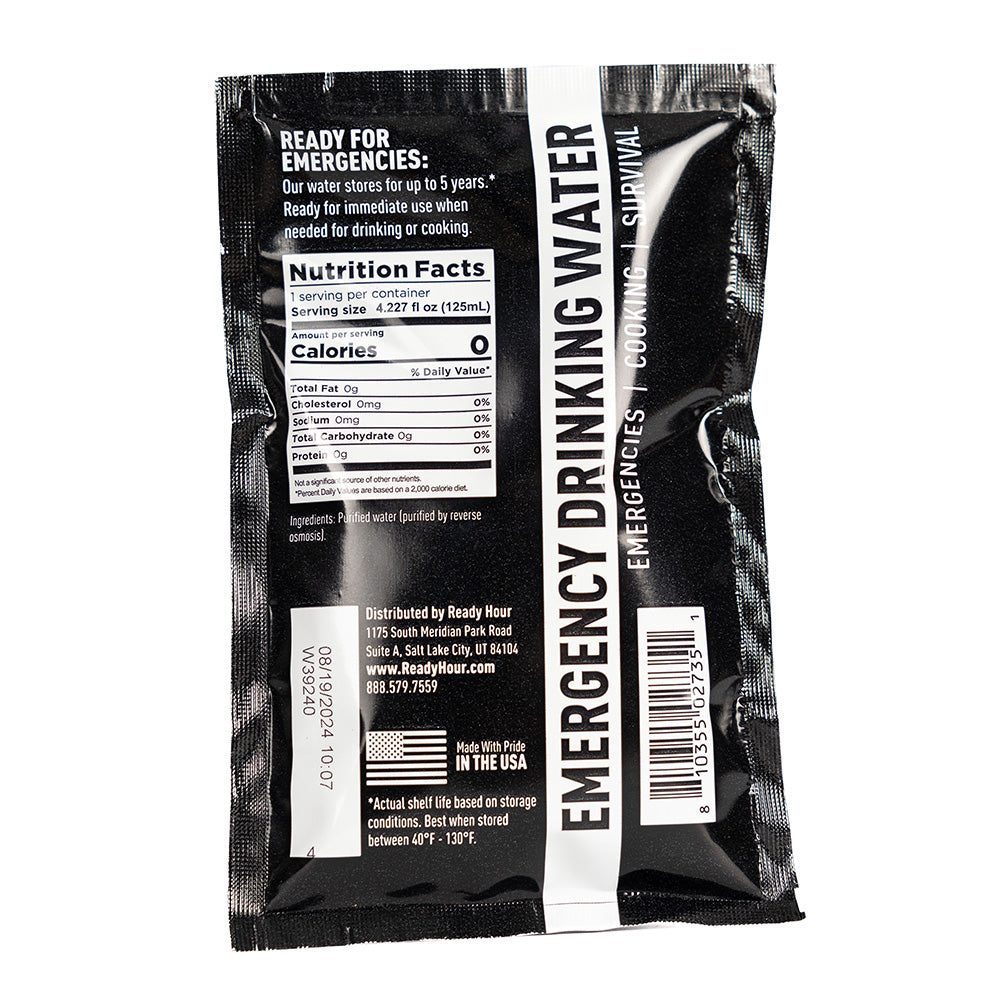
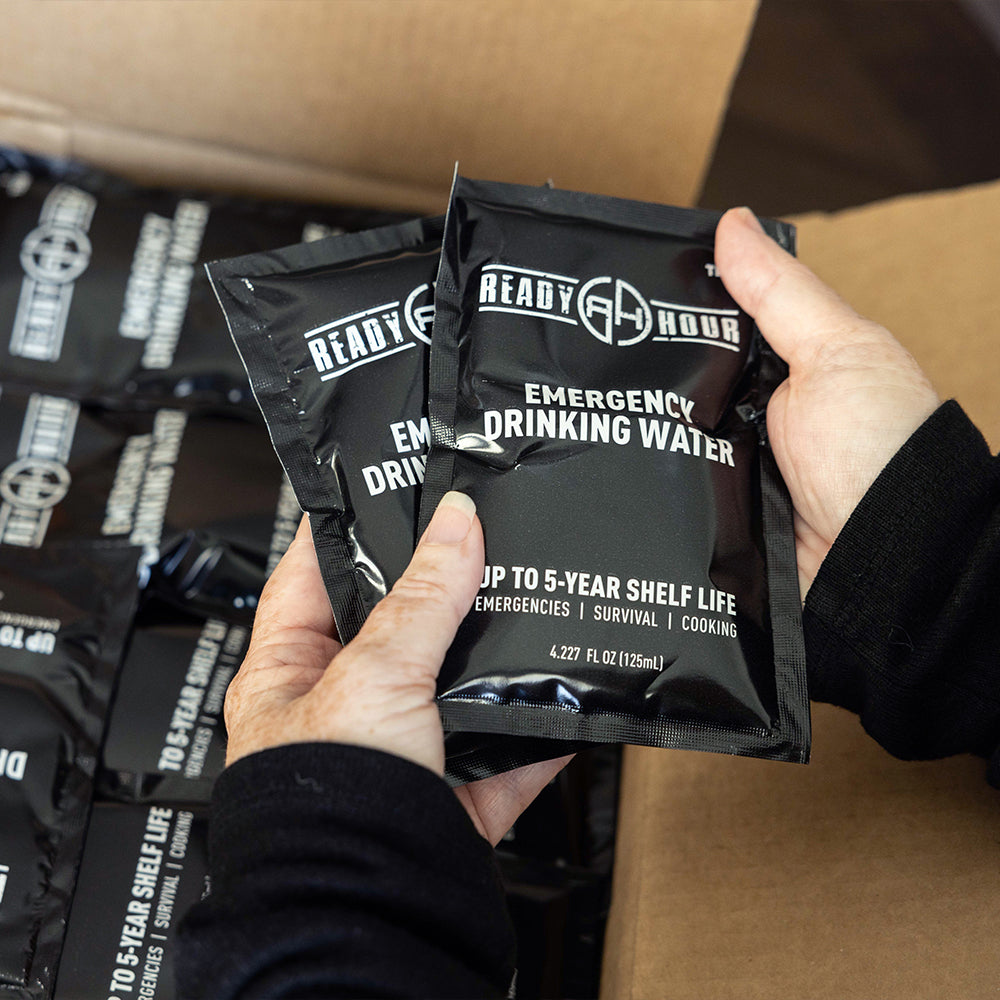

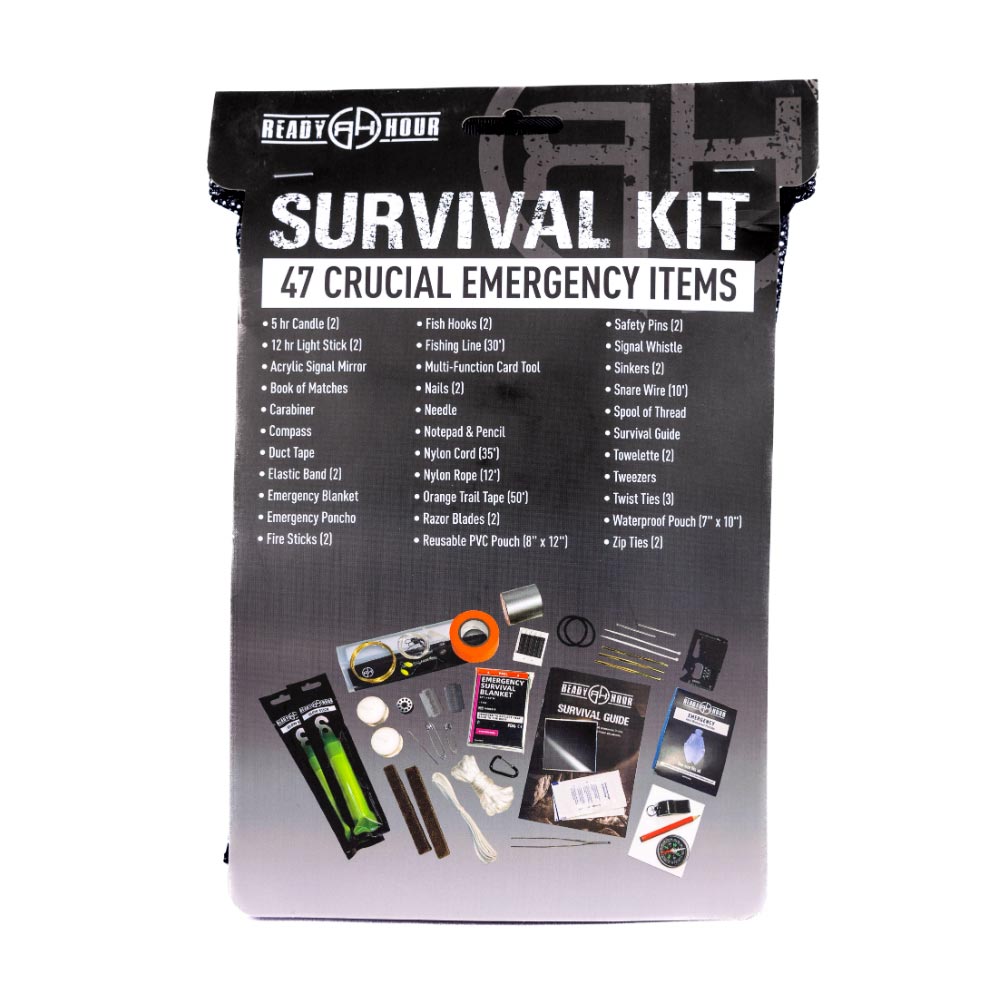
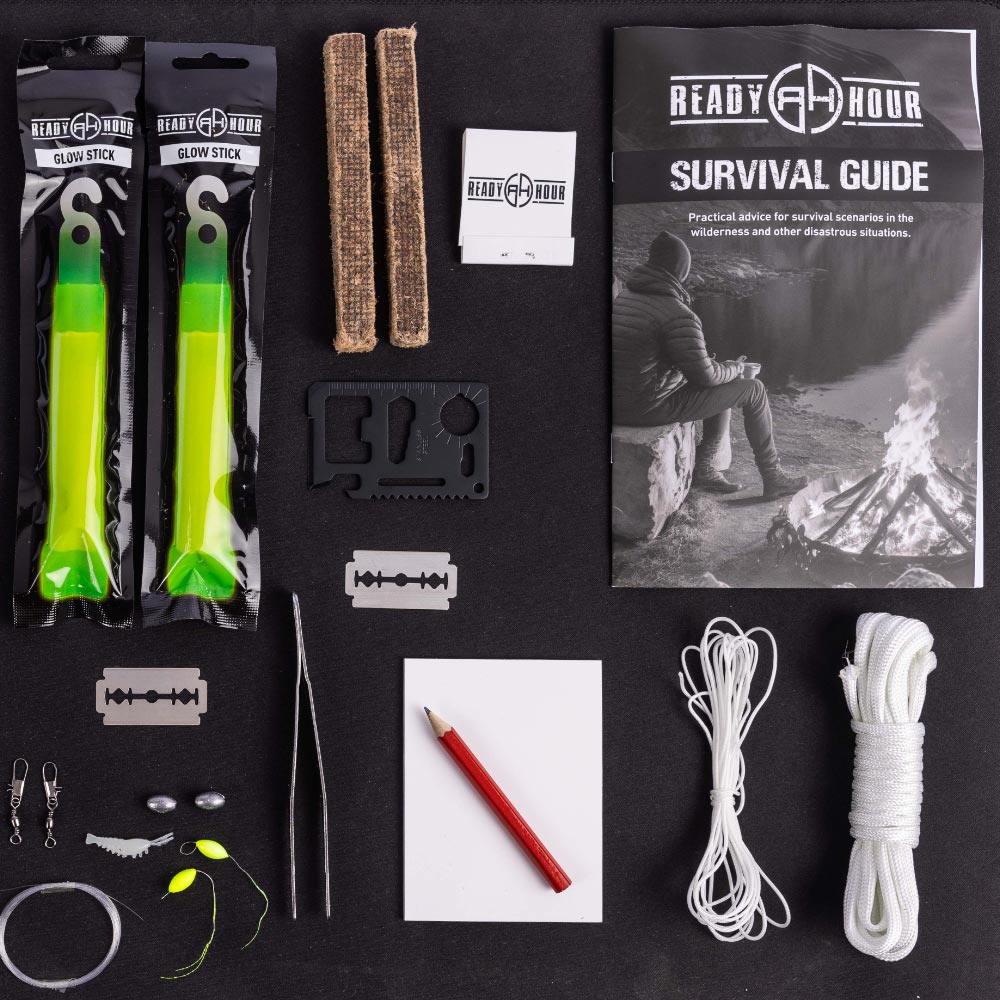
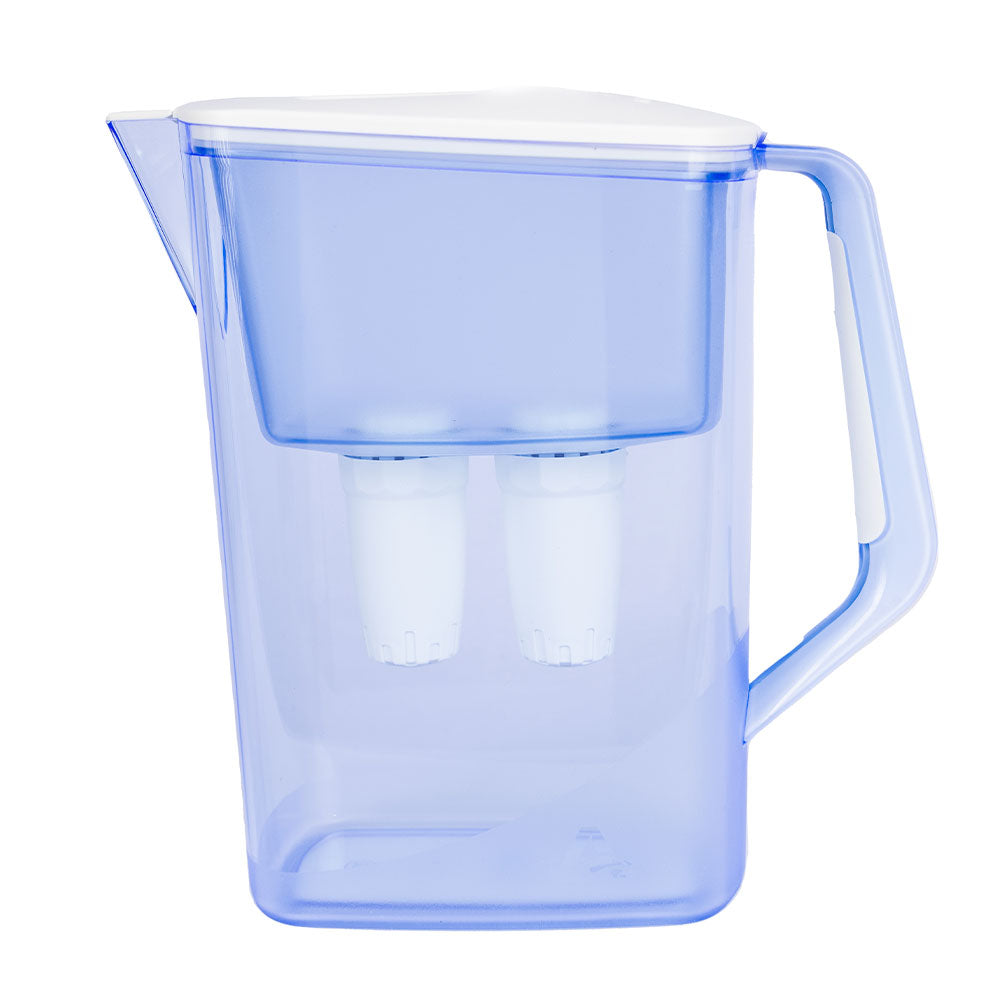
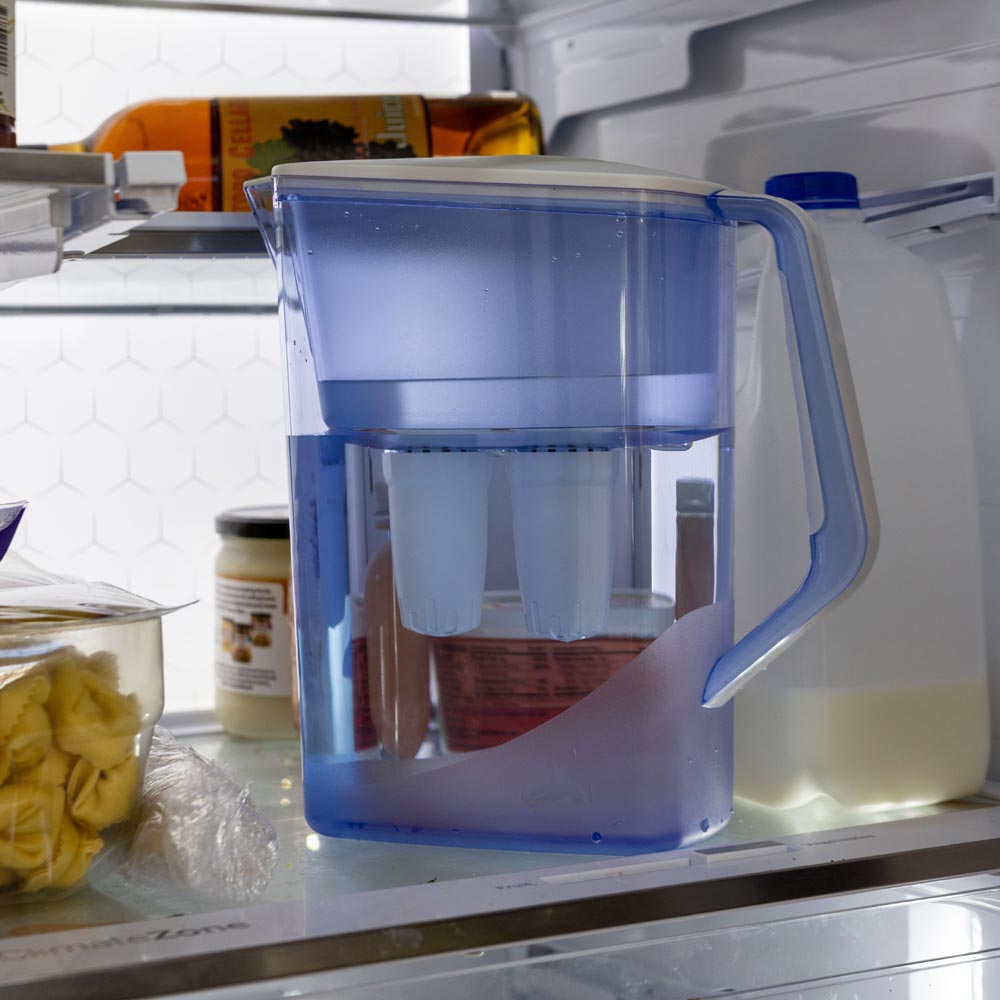
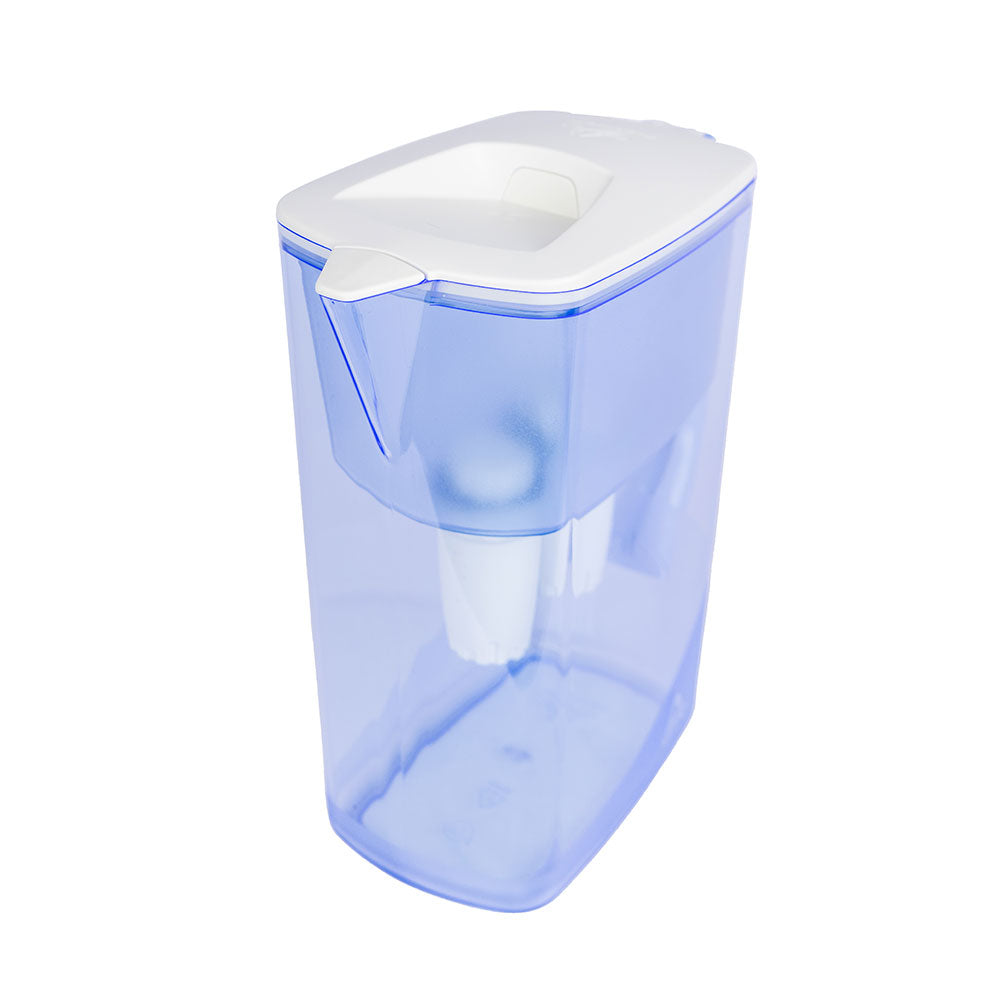
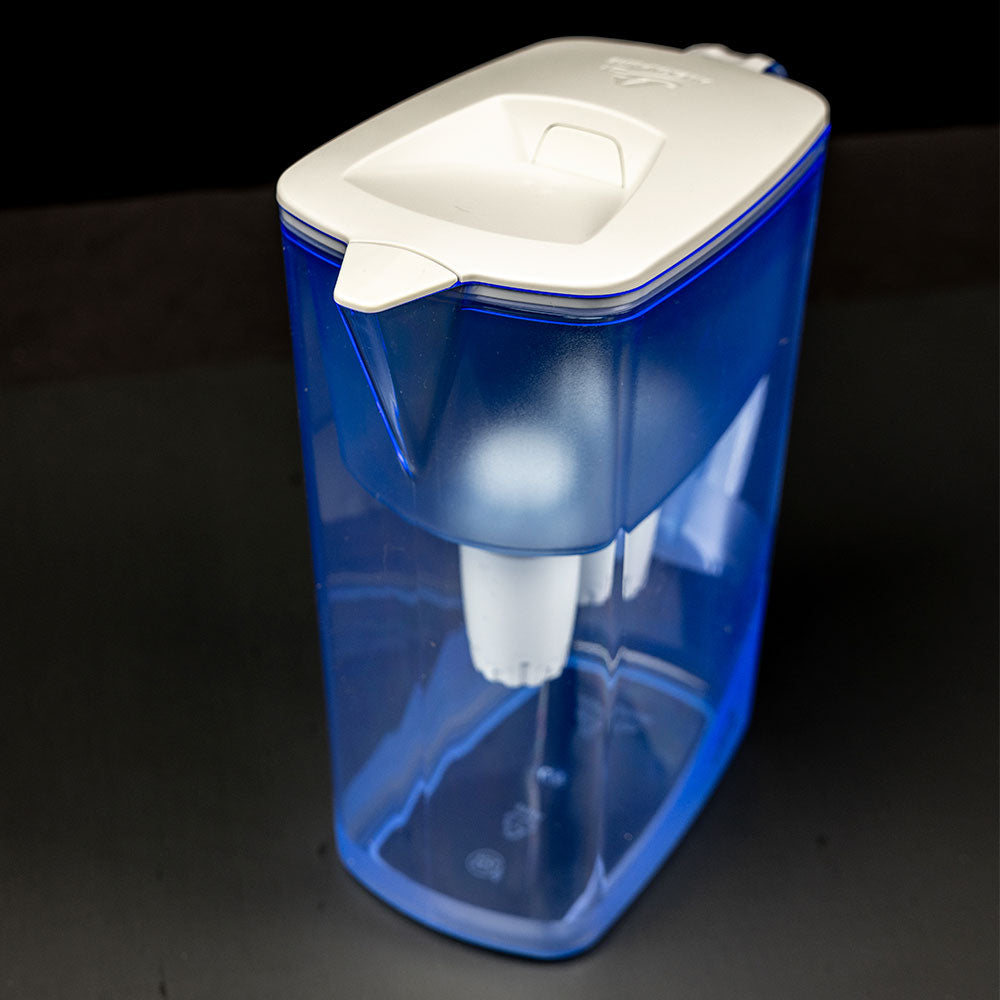



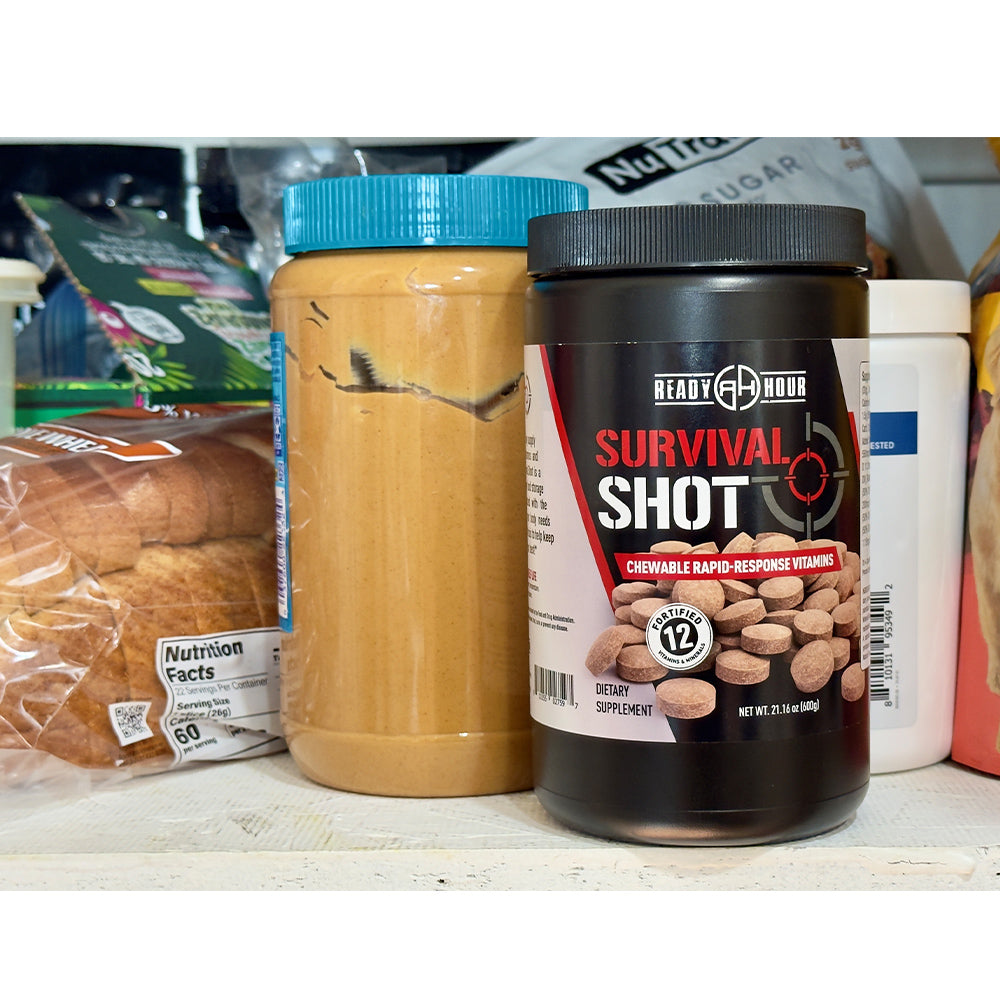




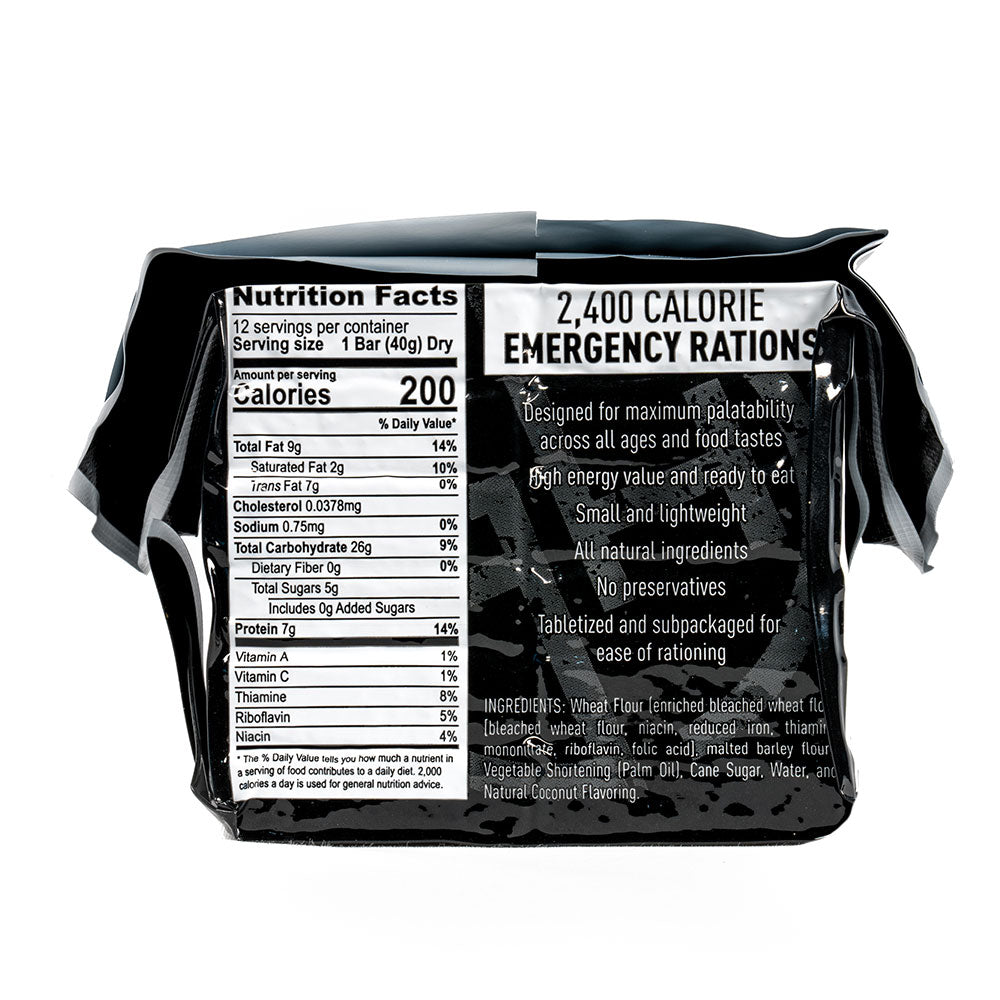
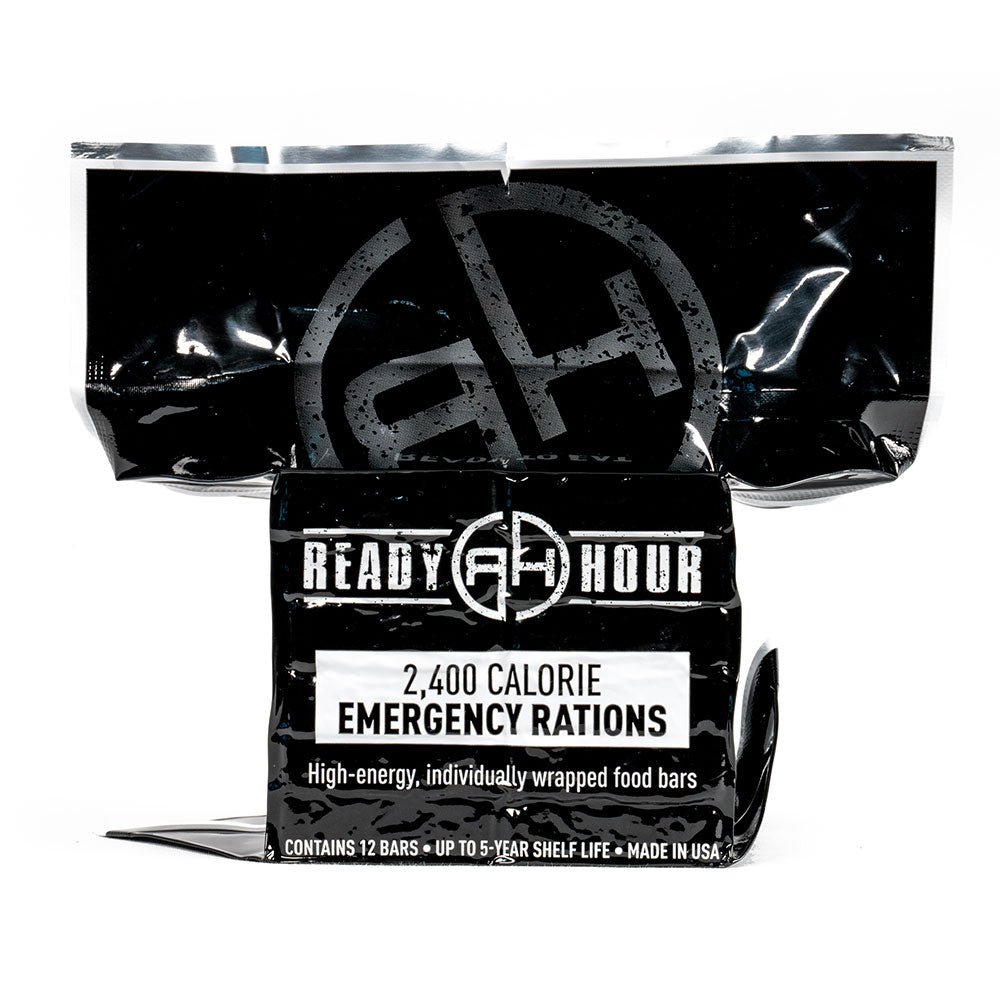
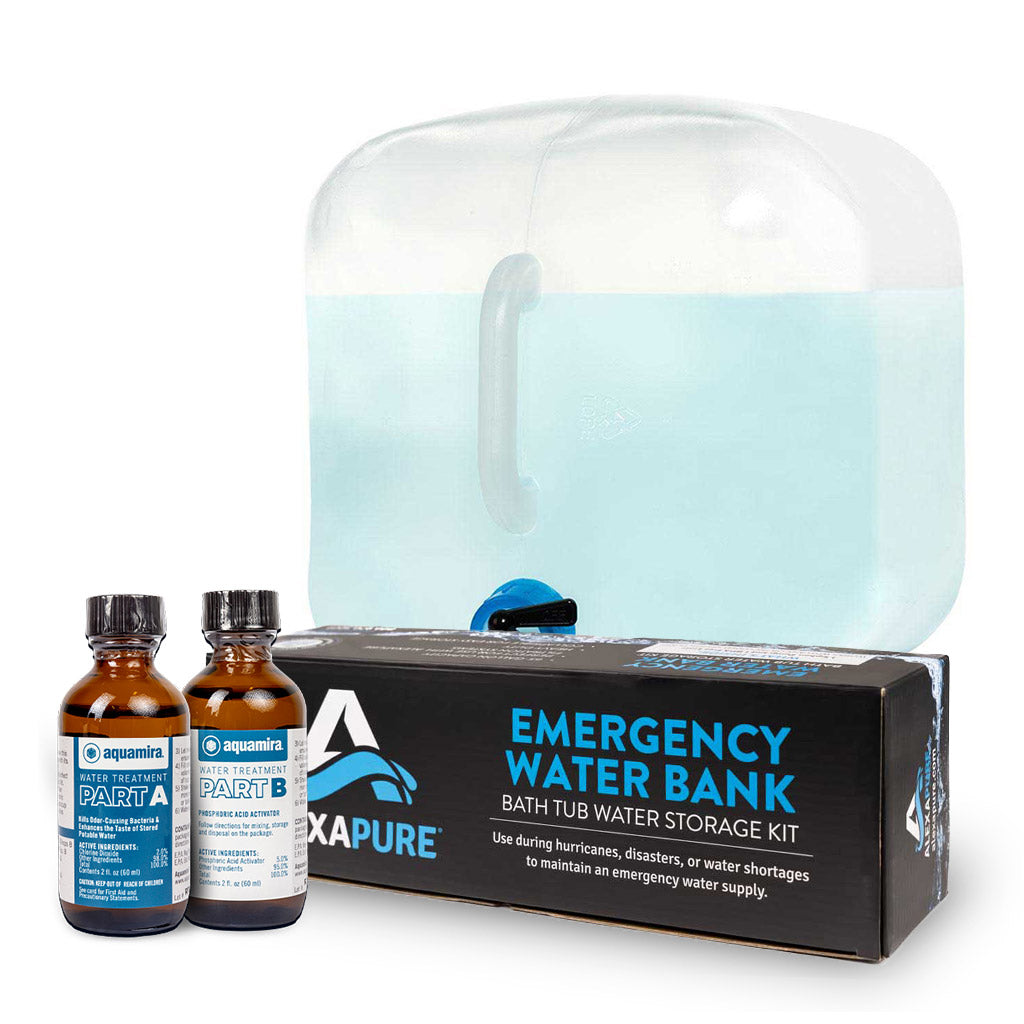
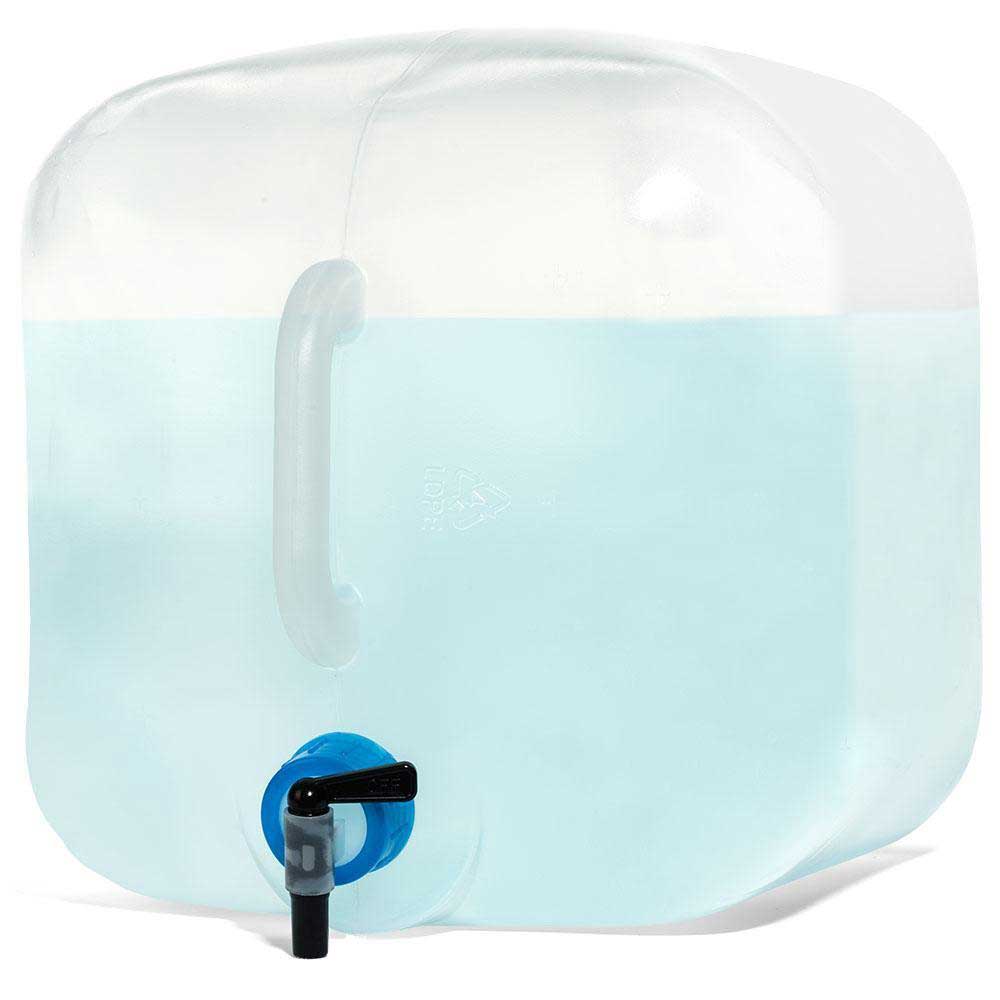
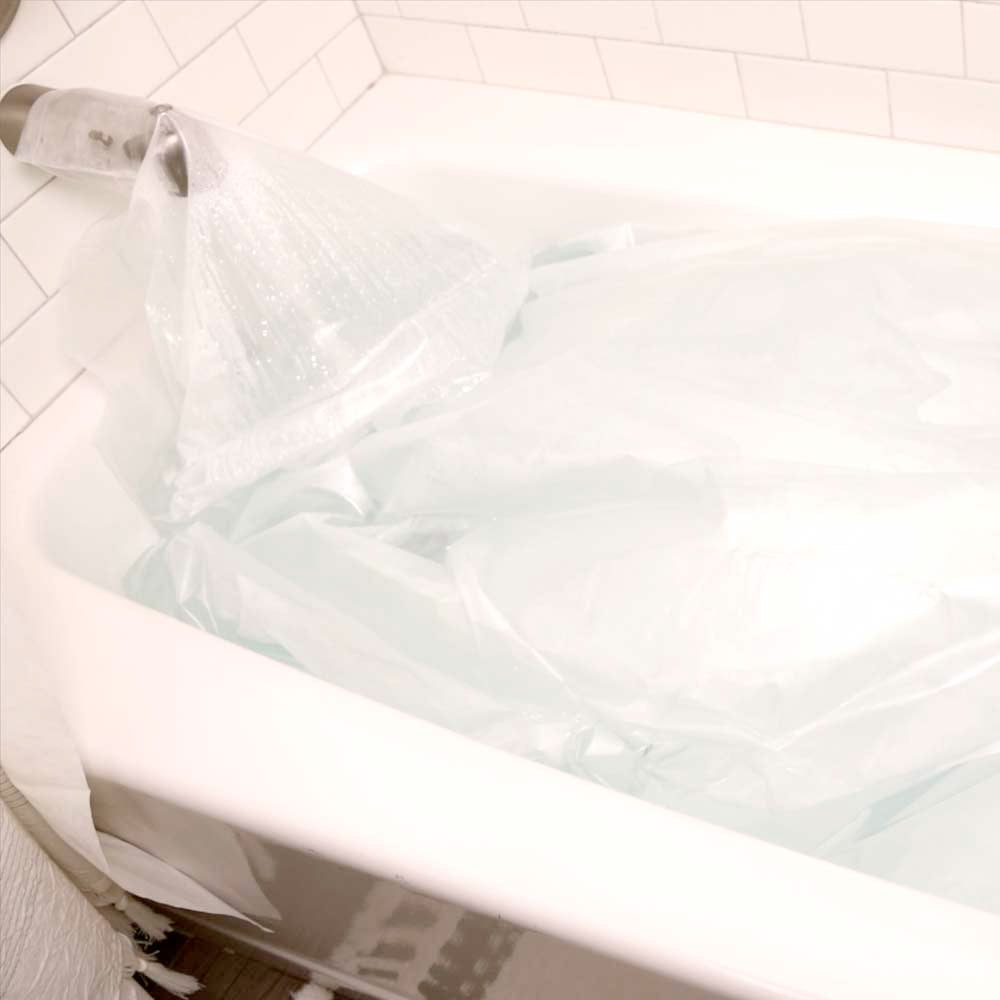
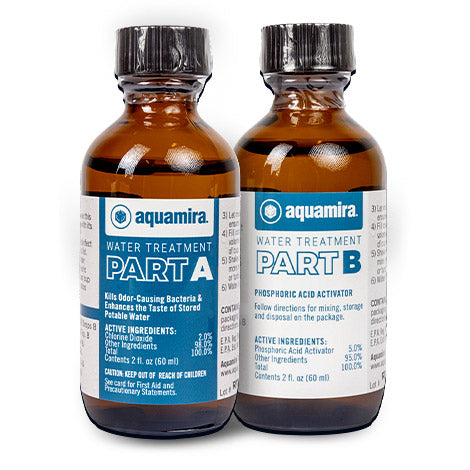
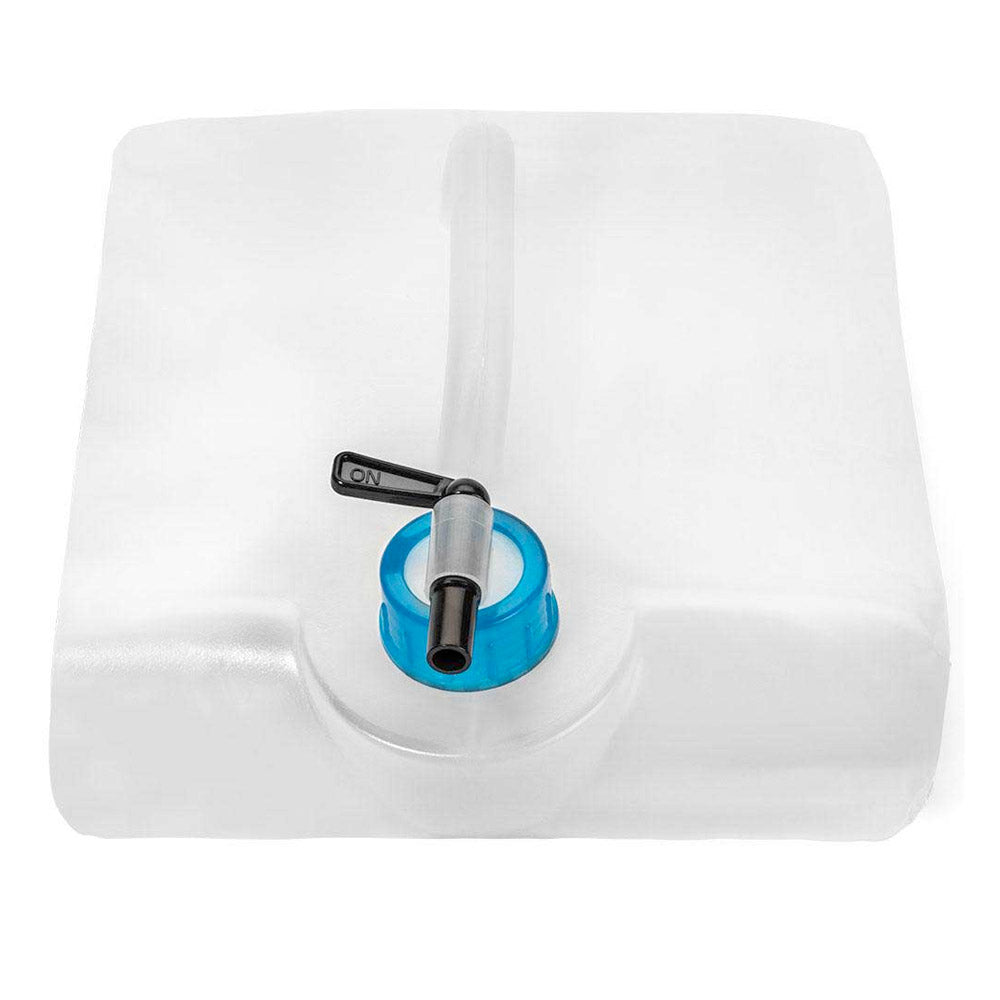
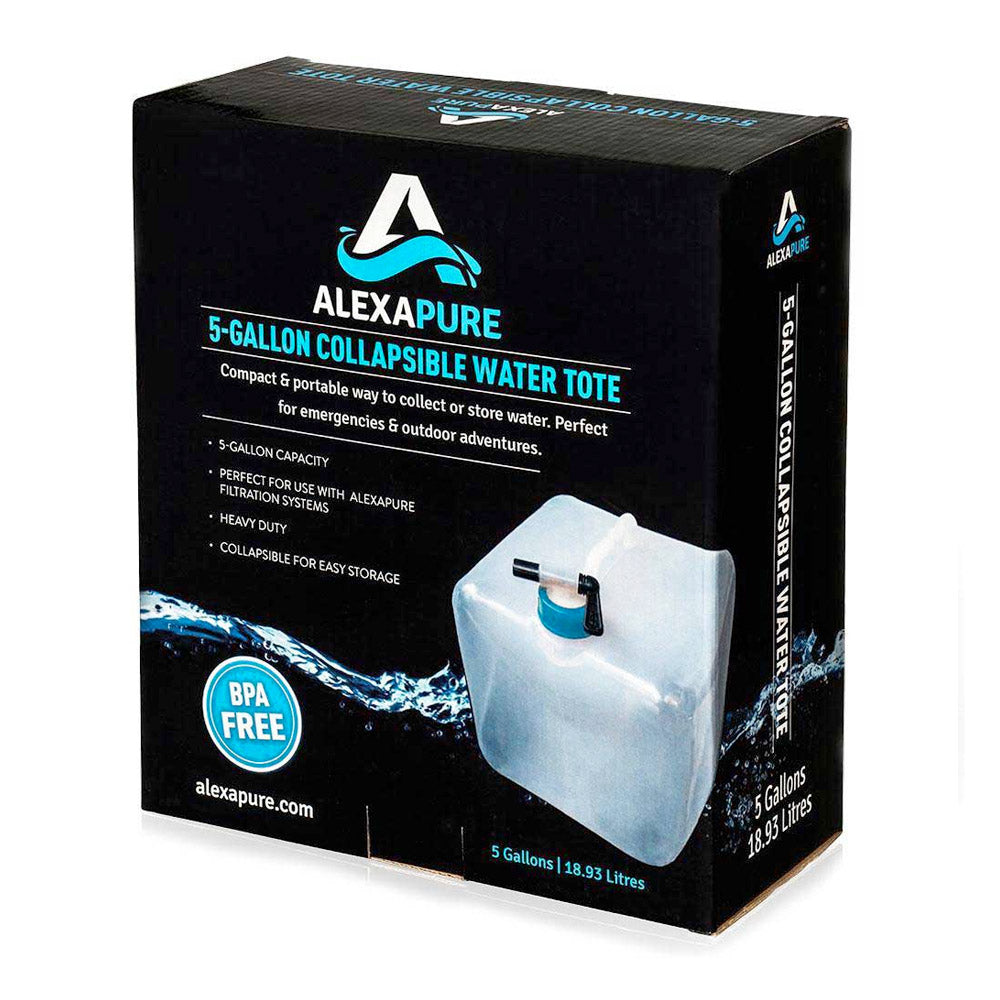





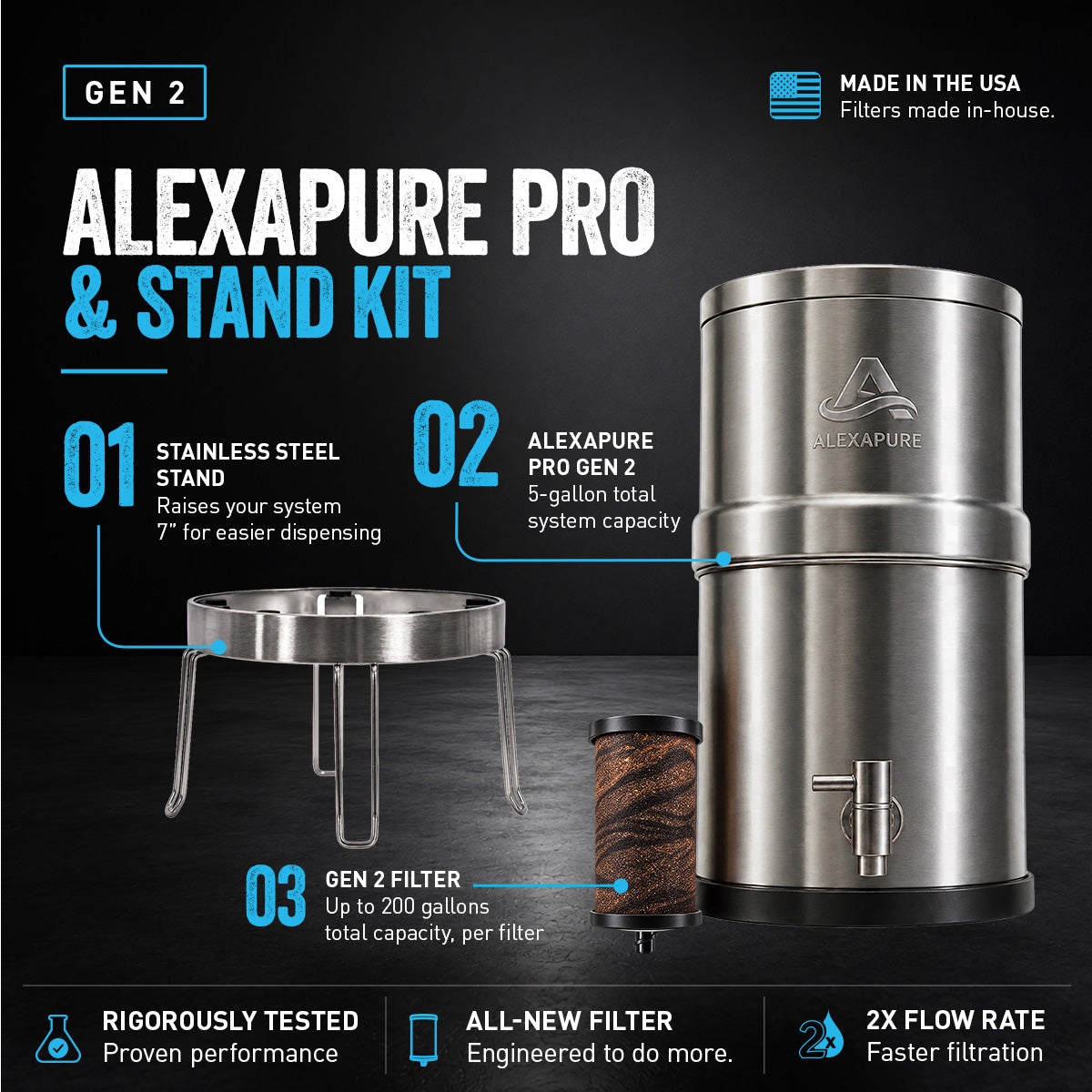


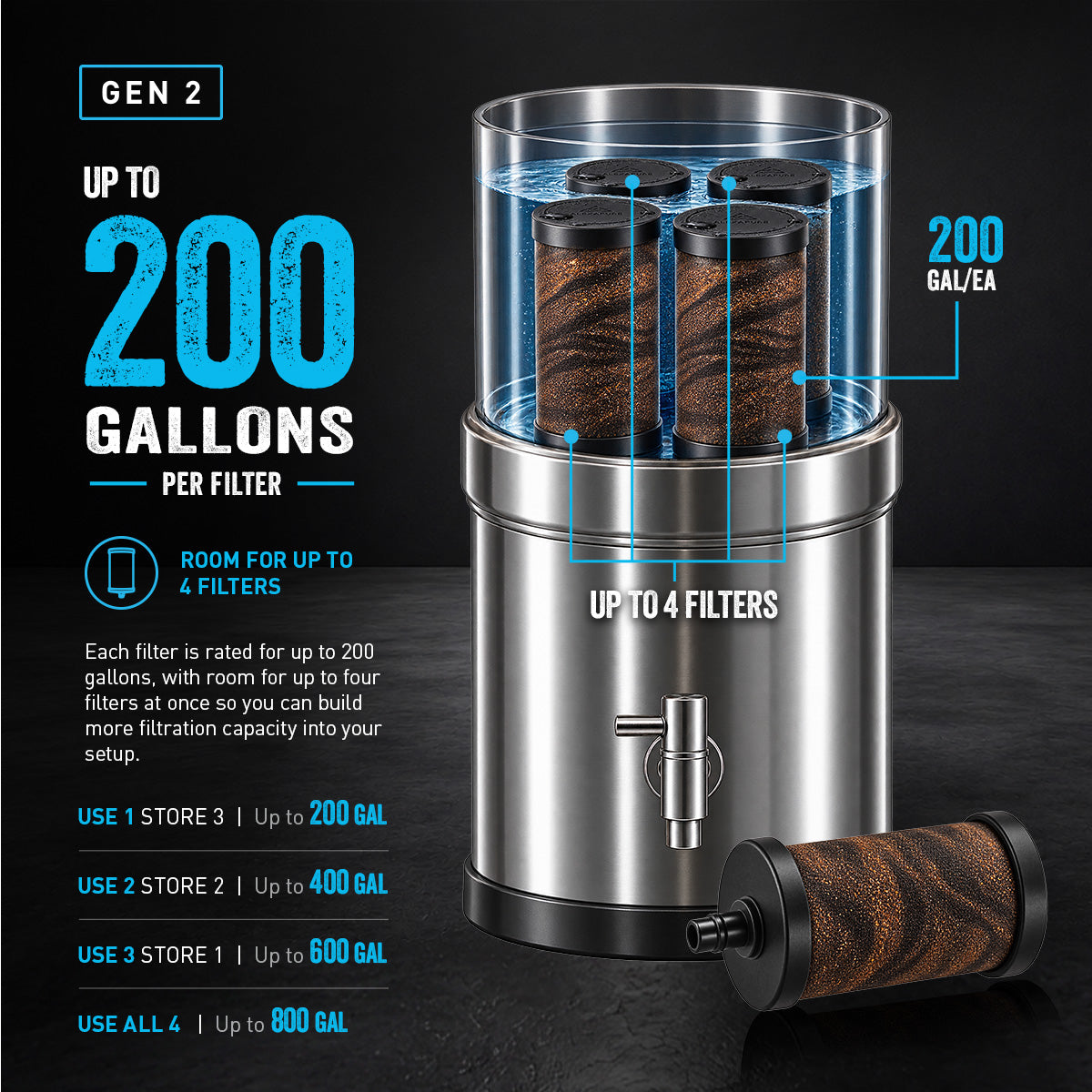
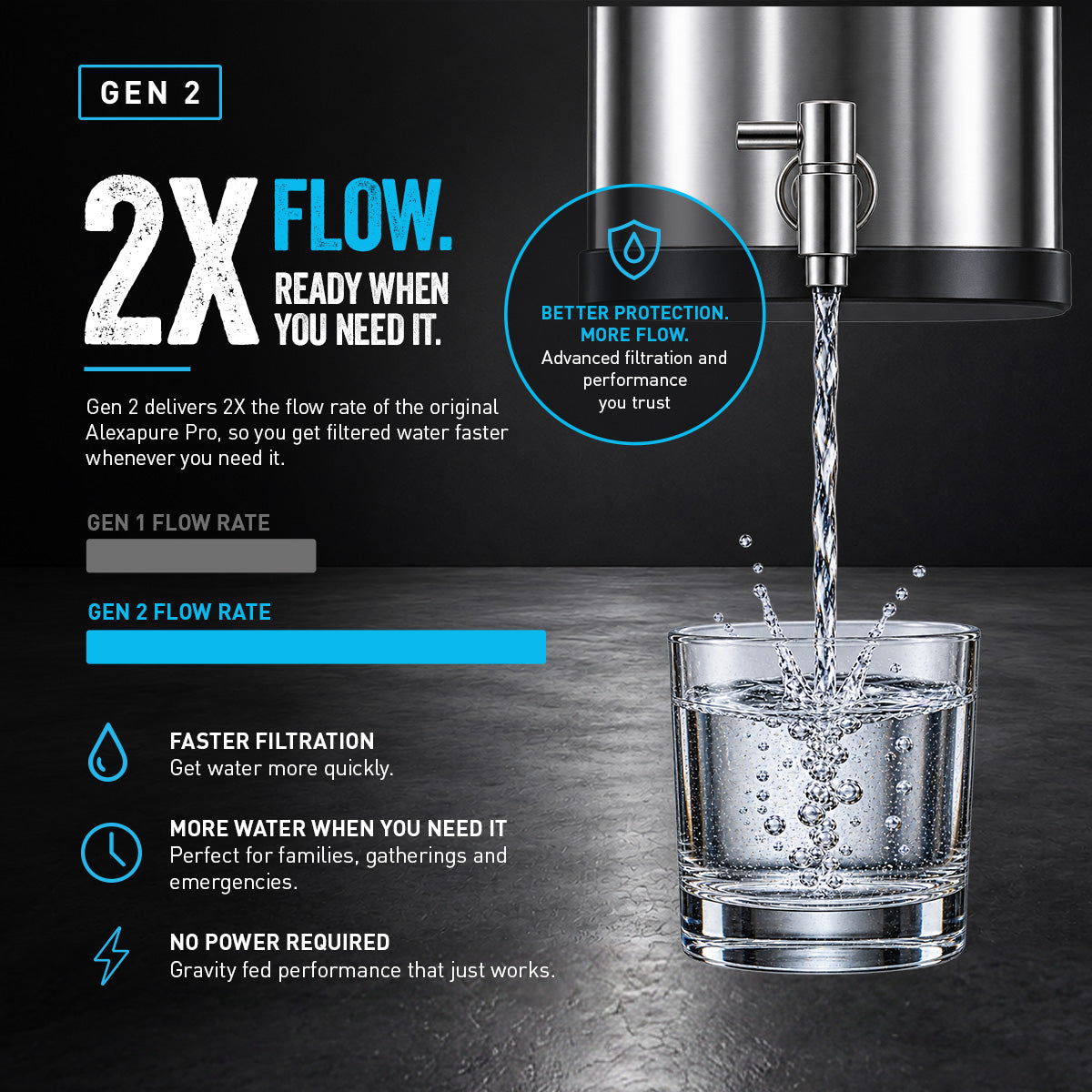
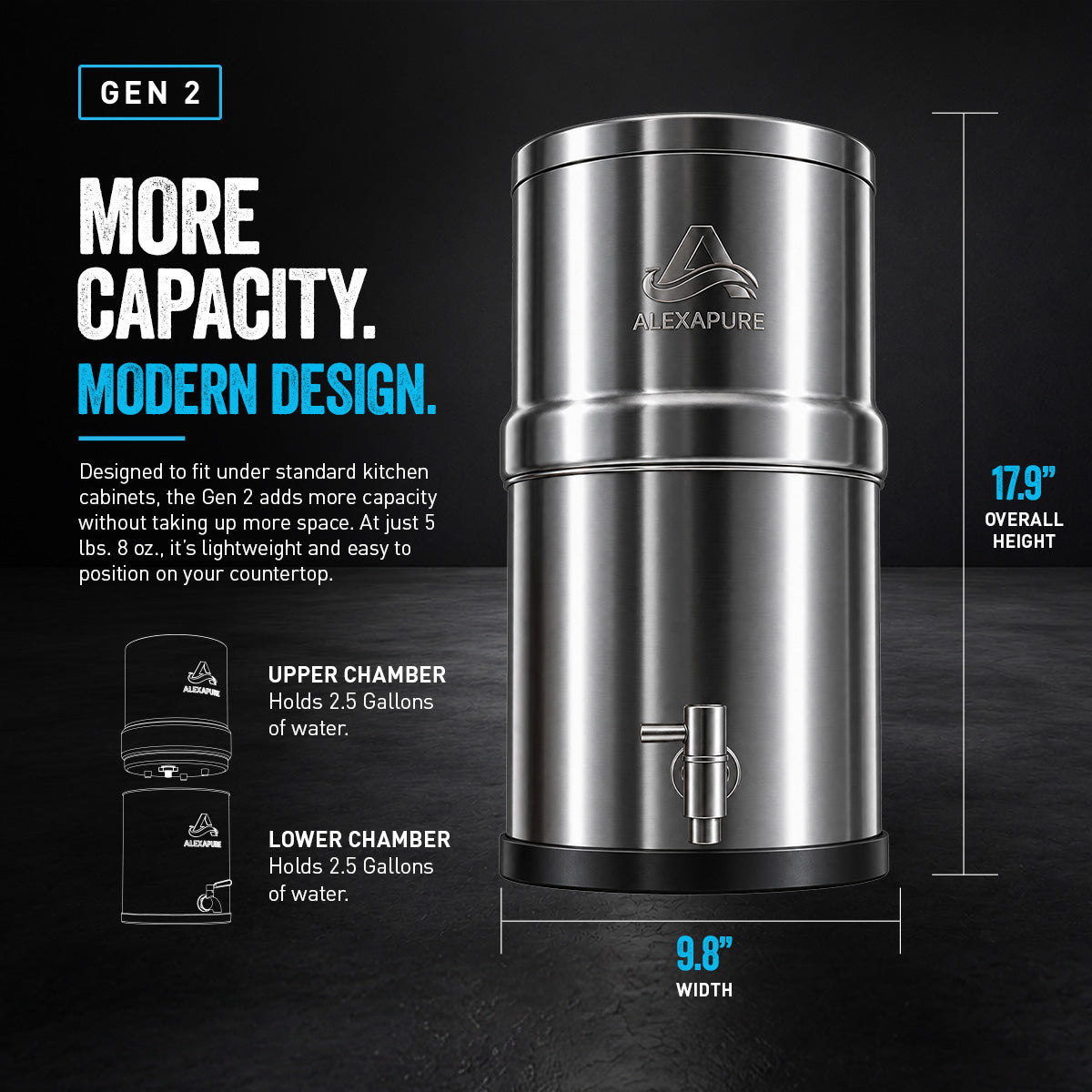
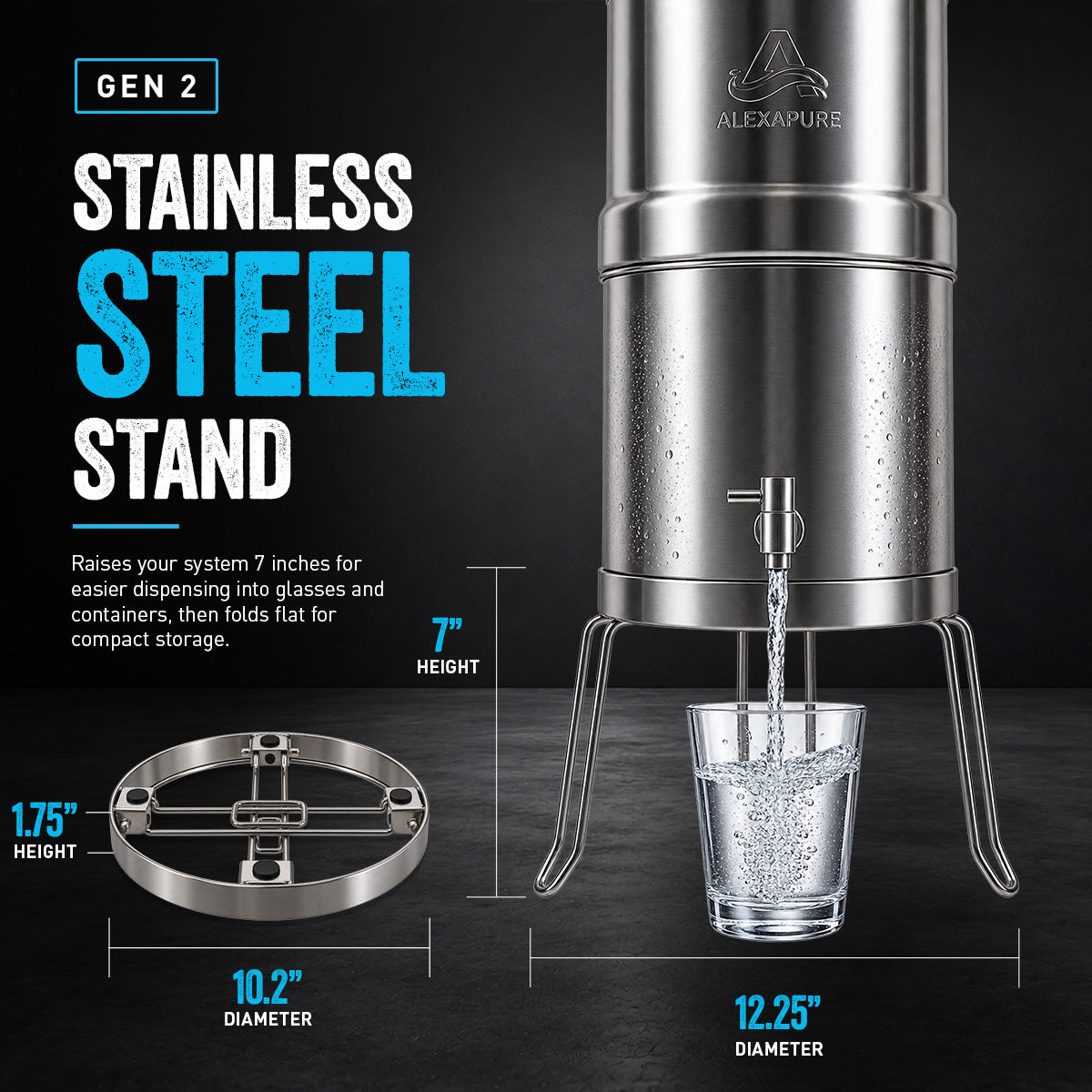
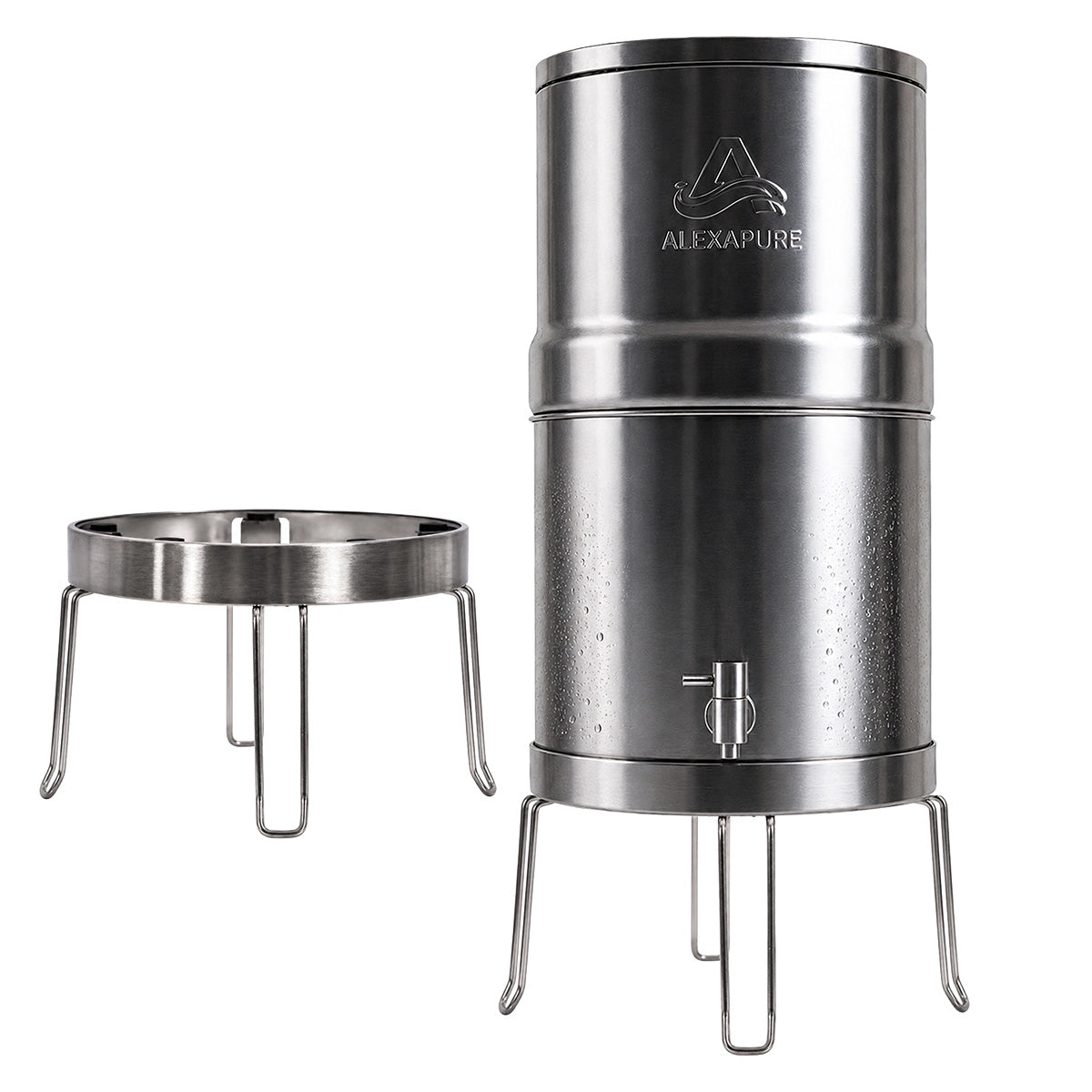
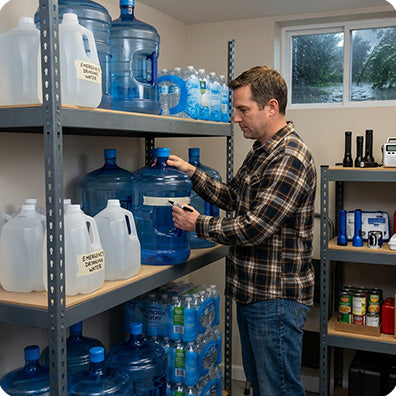
Water
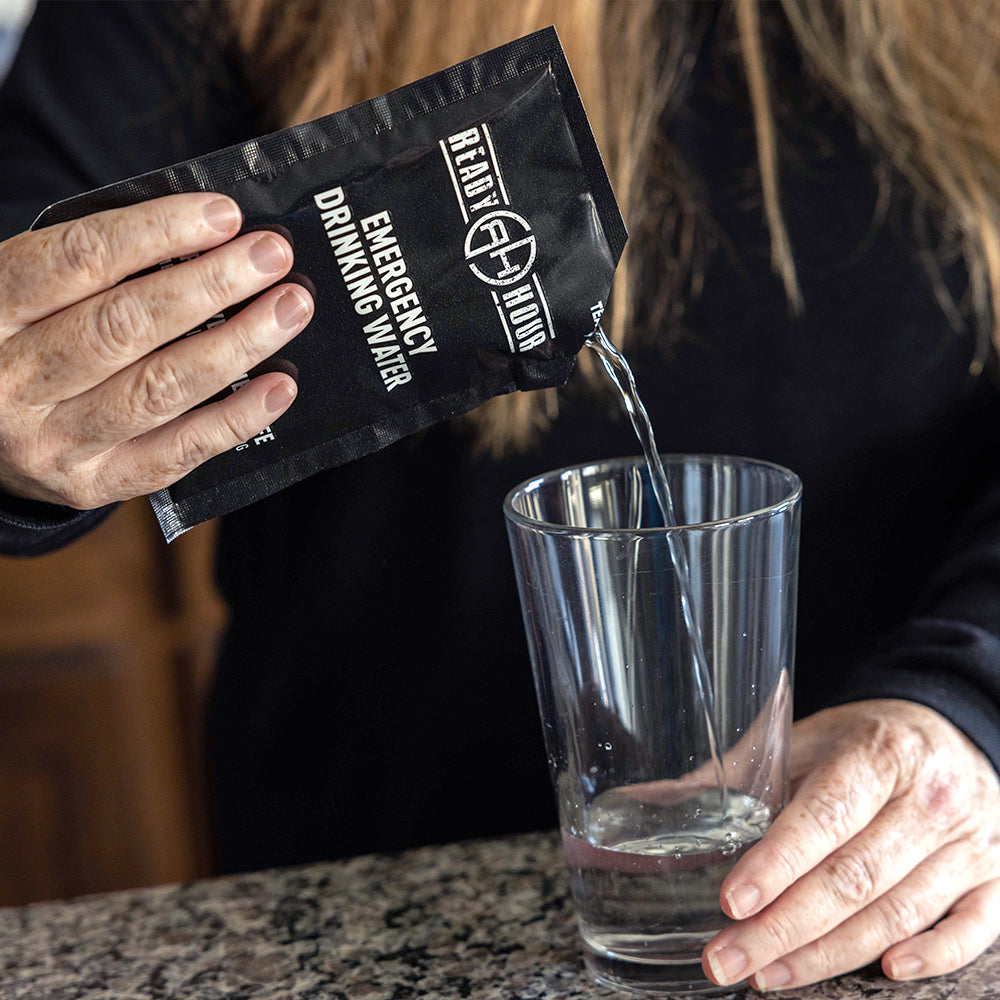
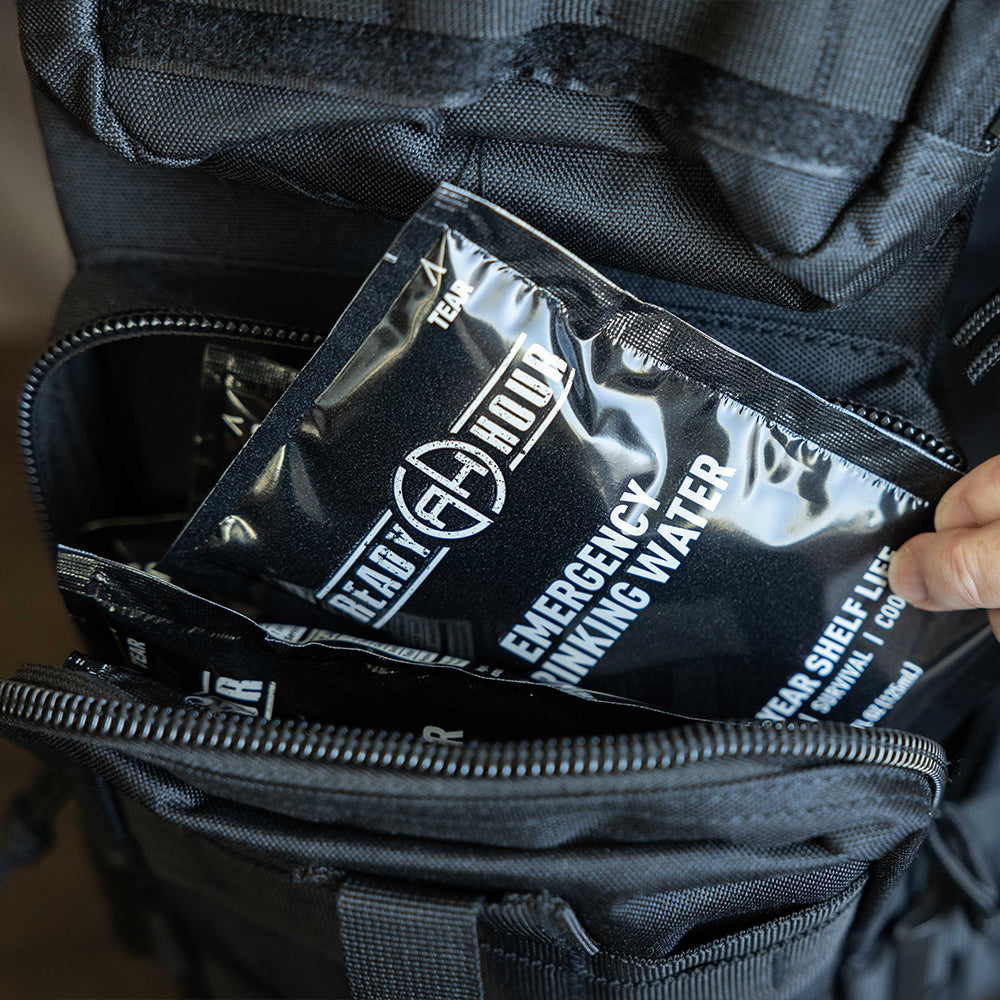
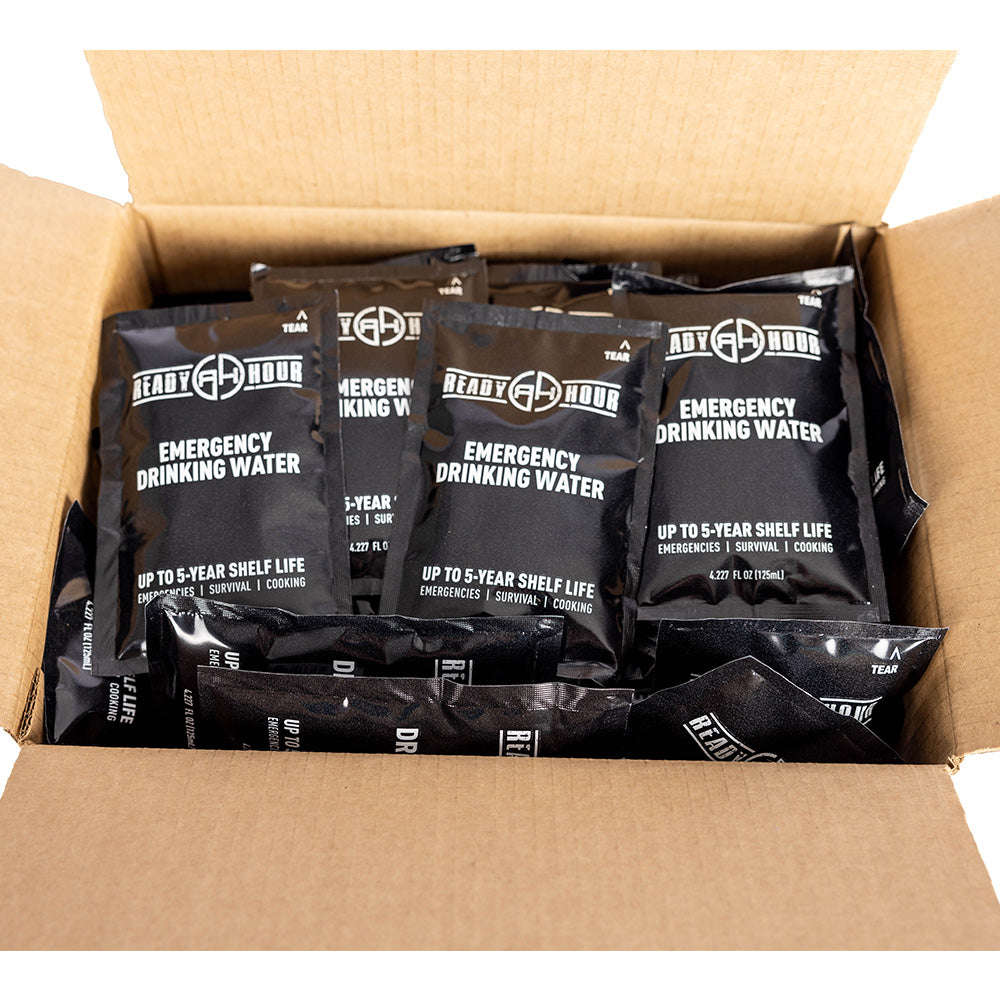
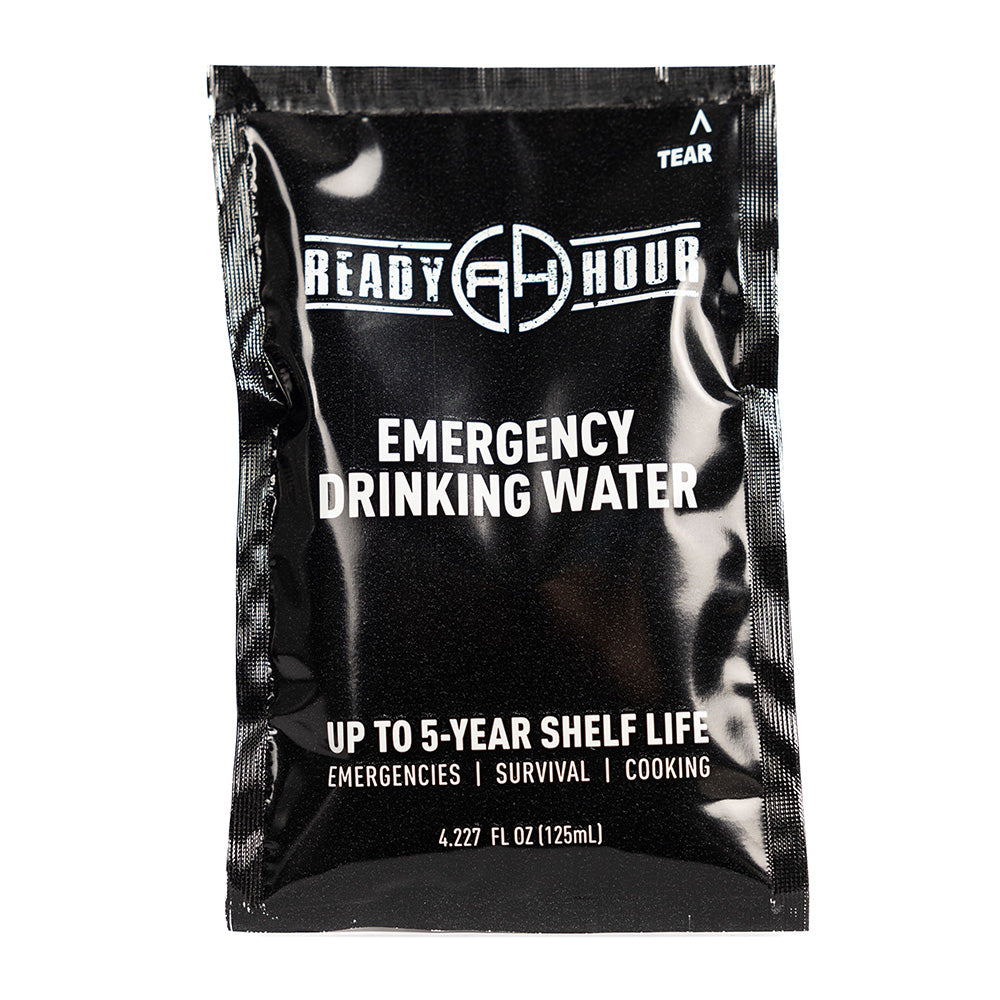
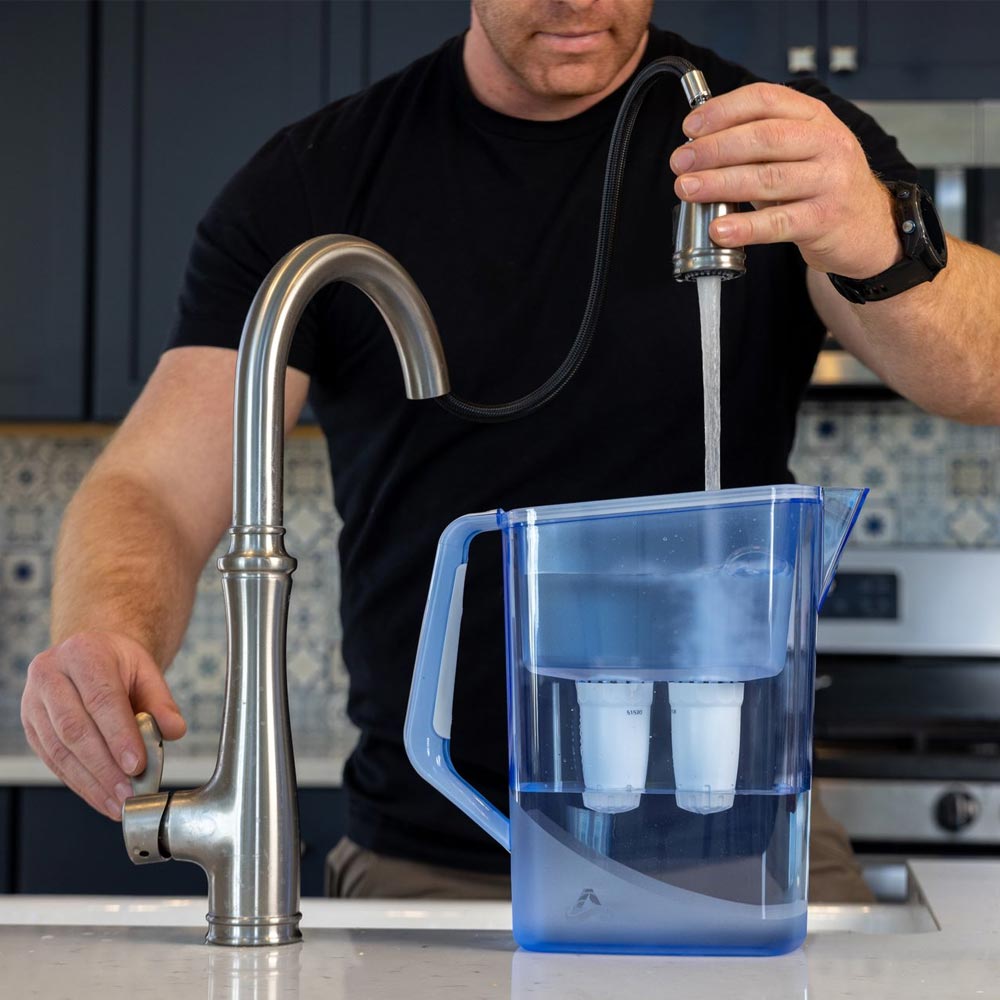
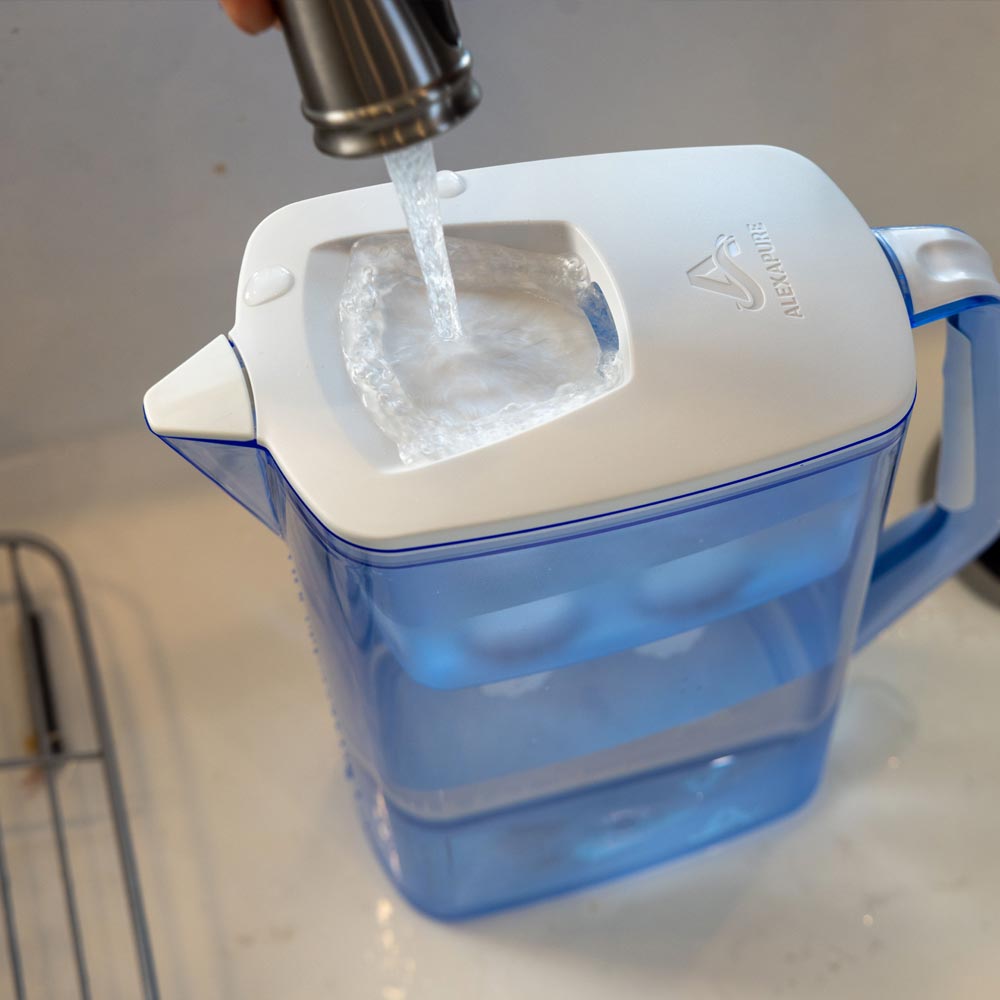
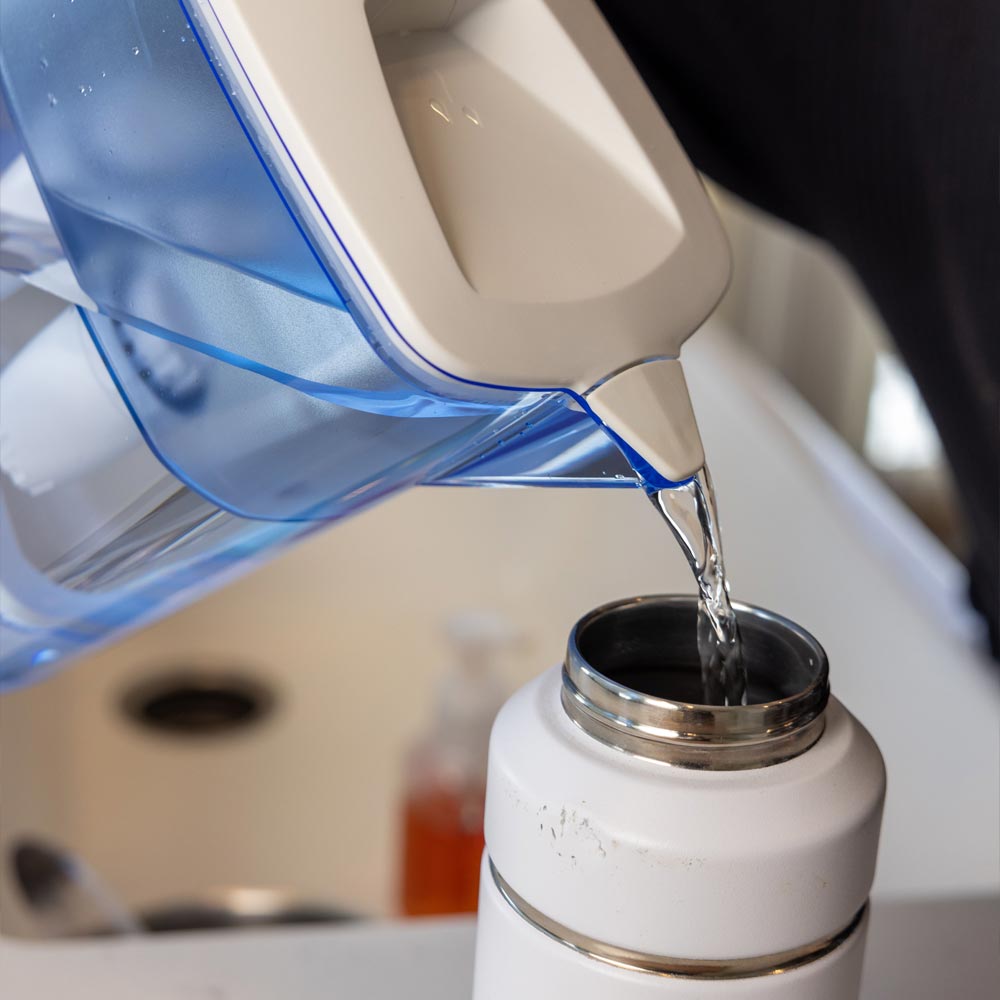
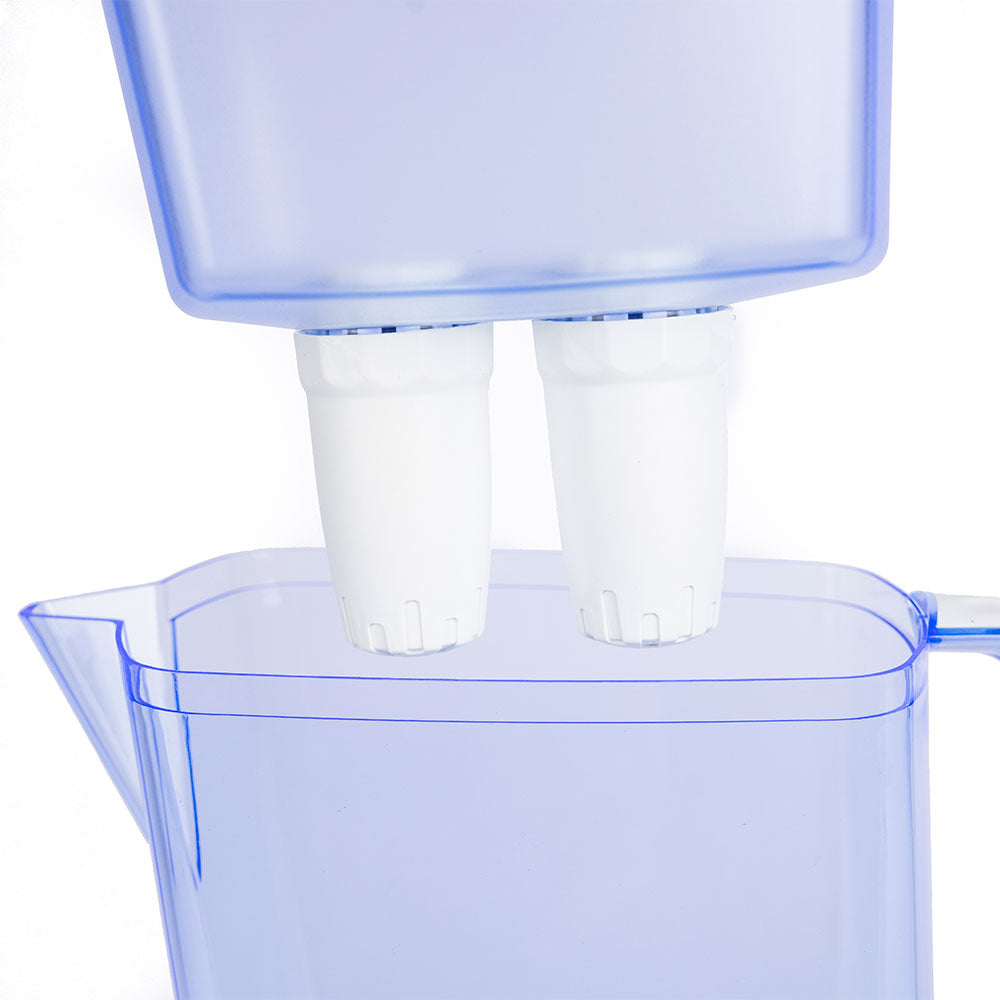
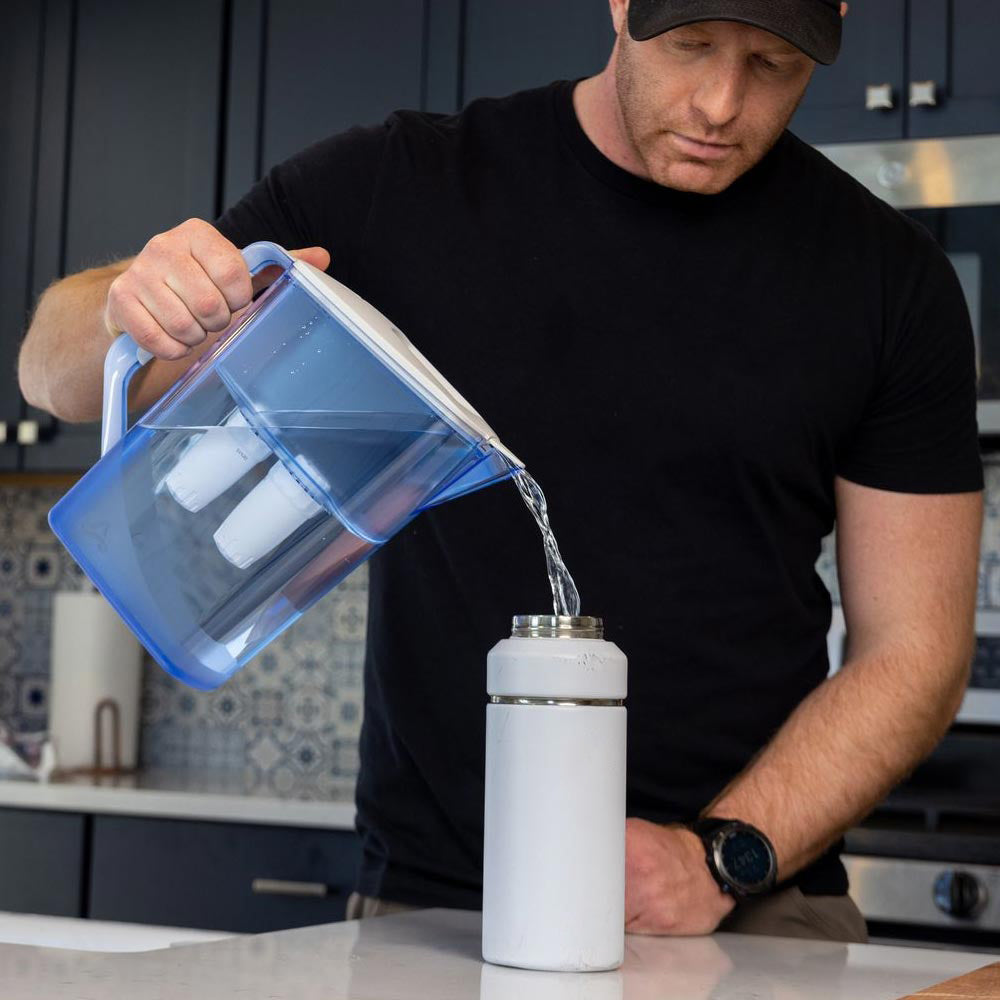
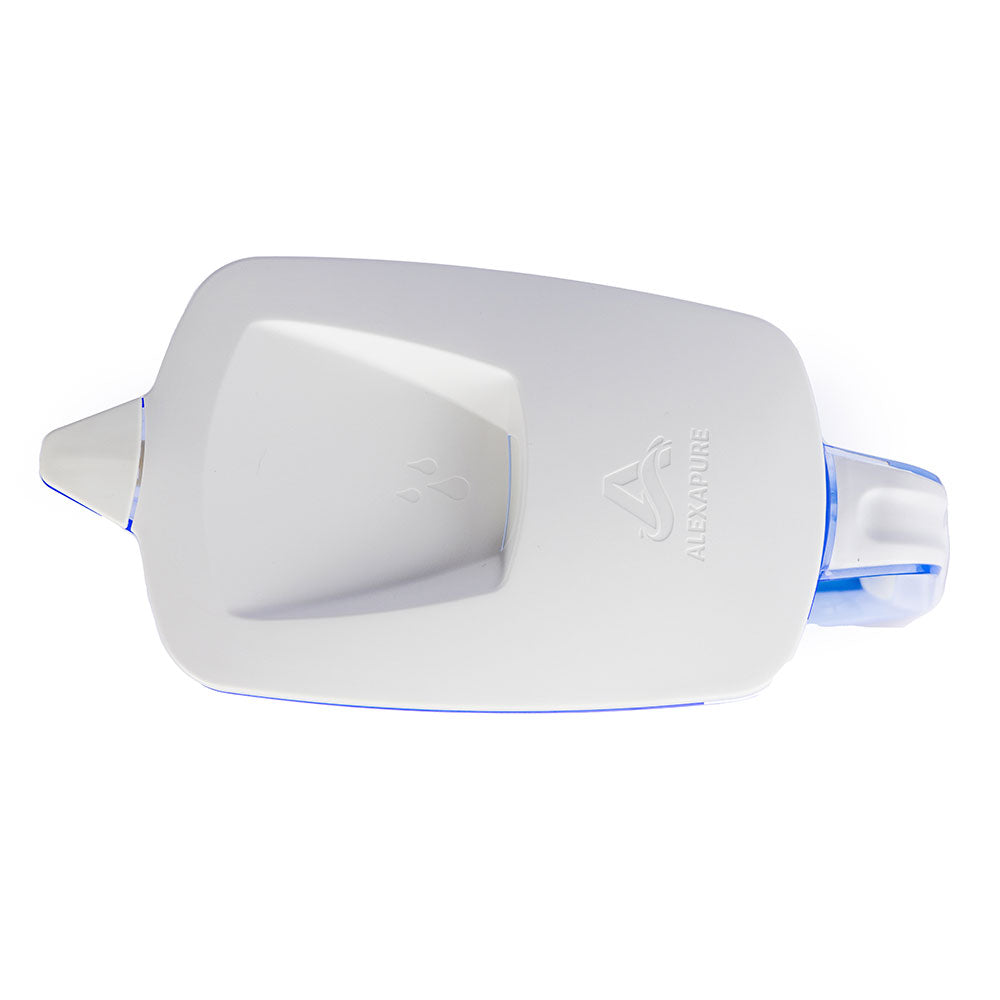
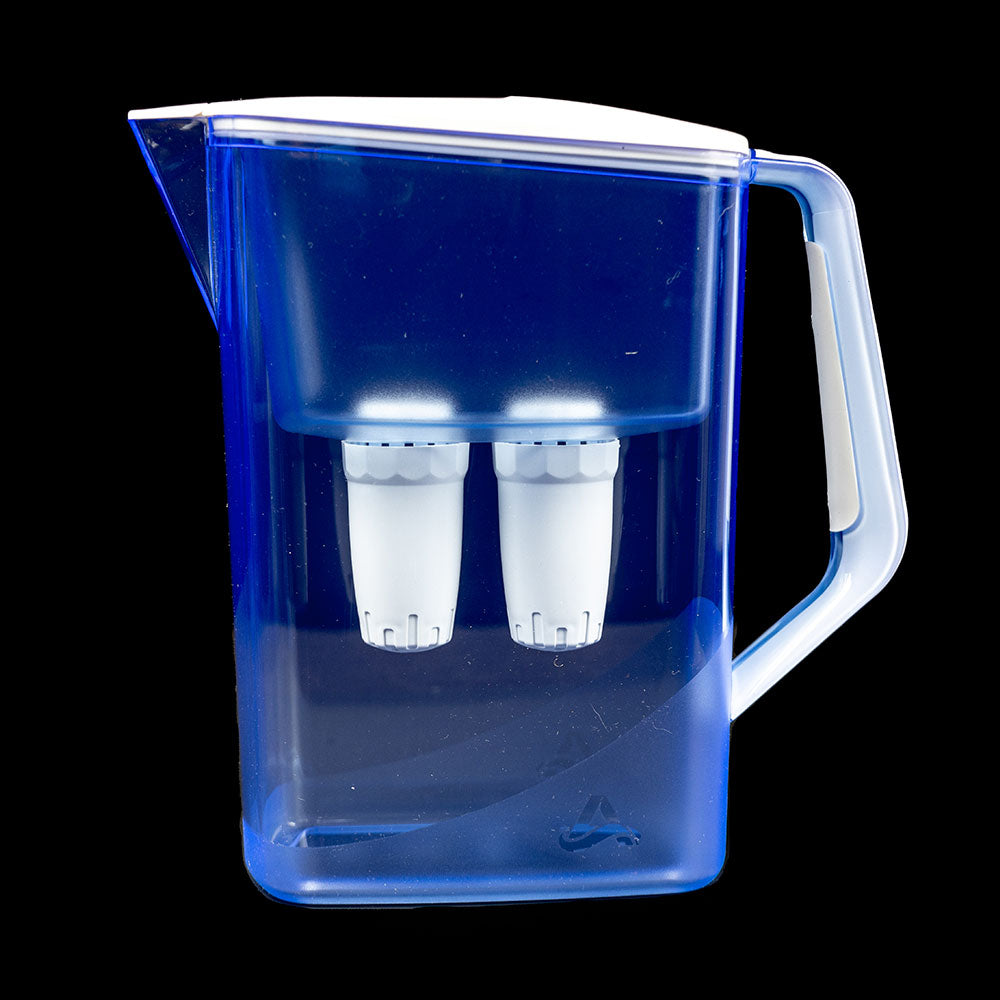
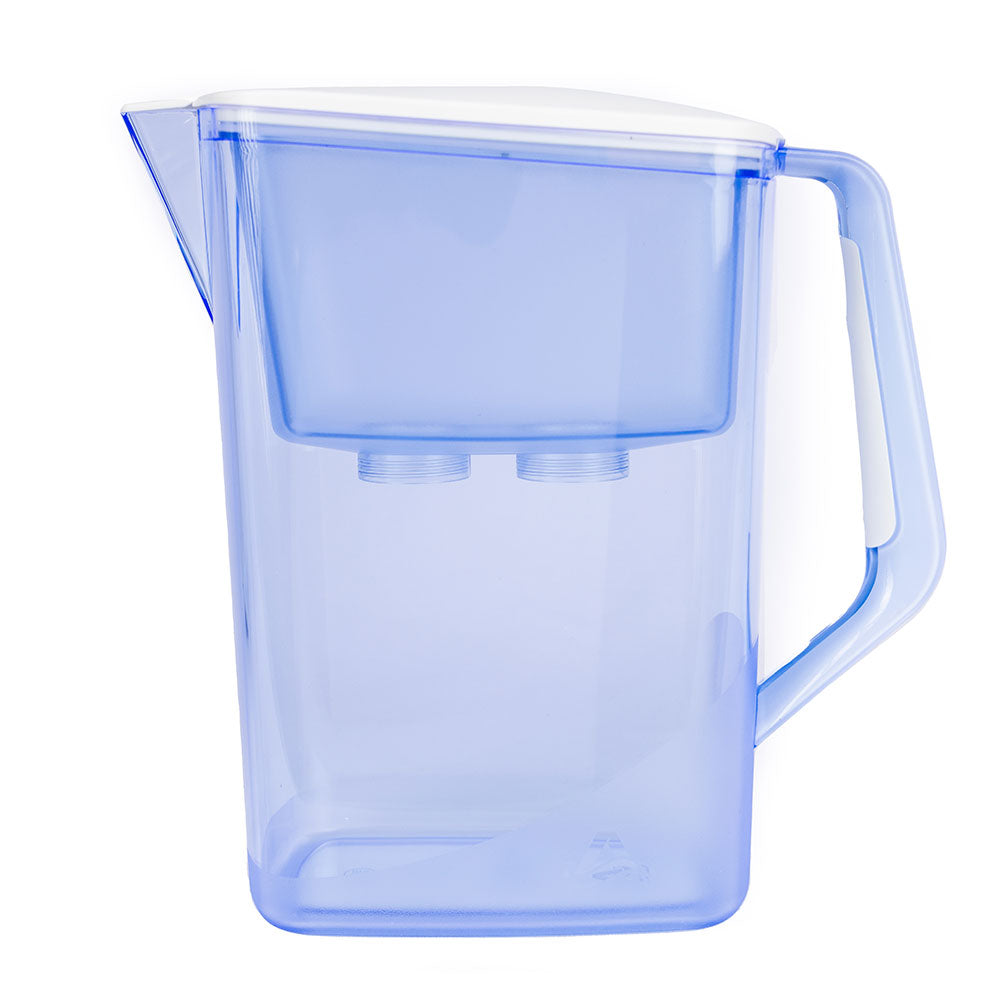
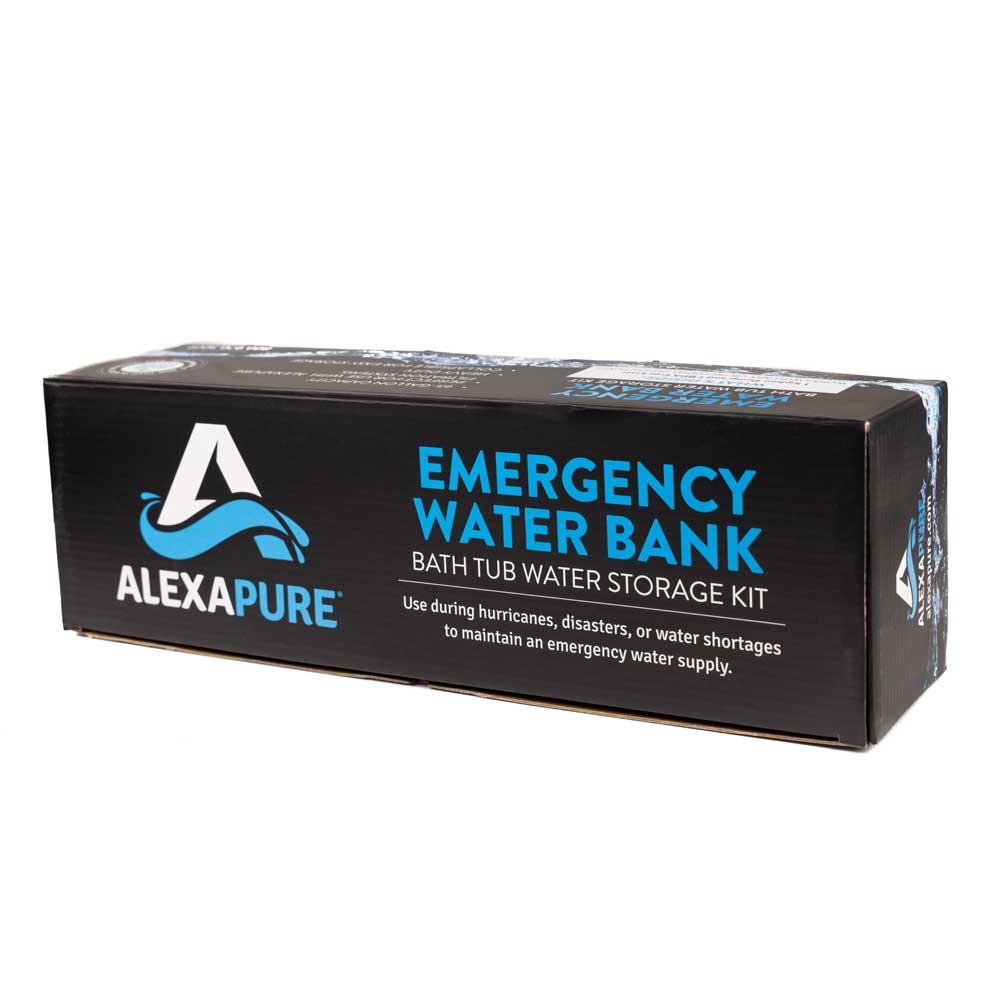
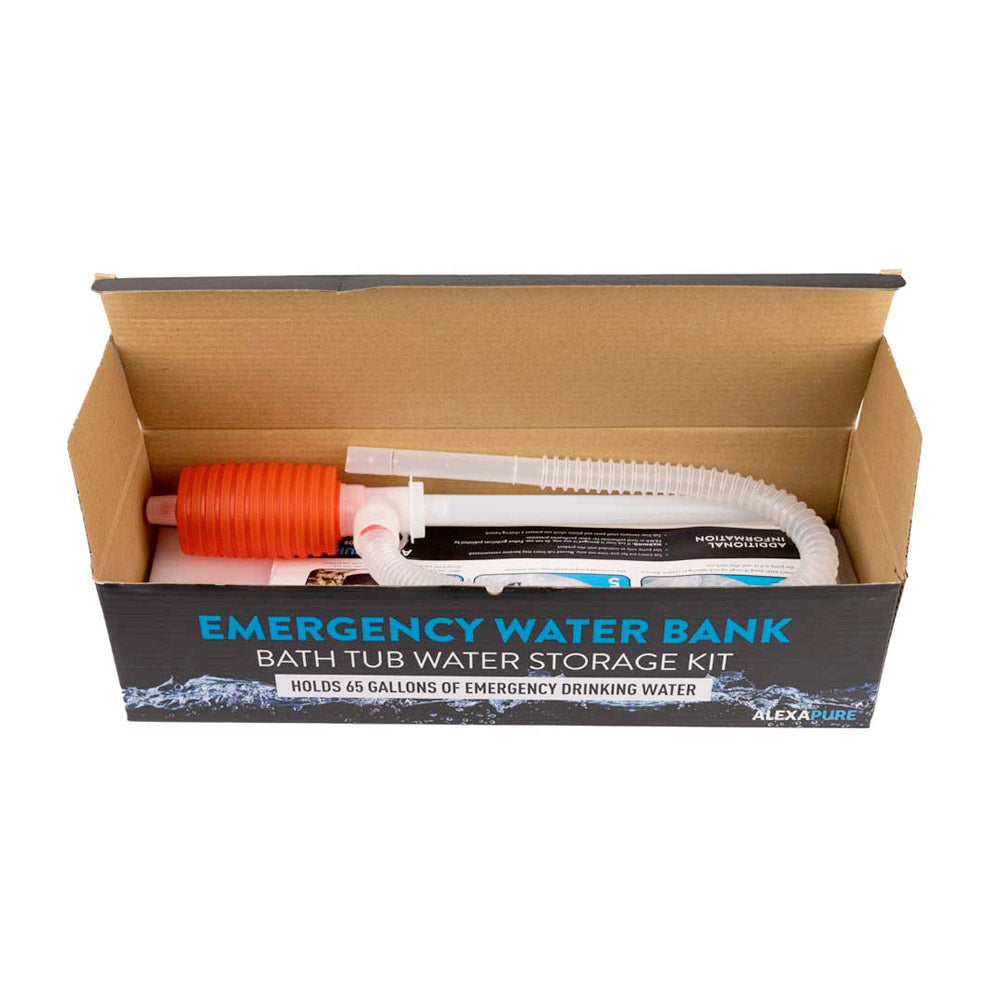
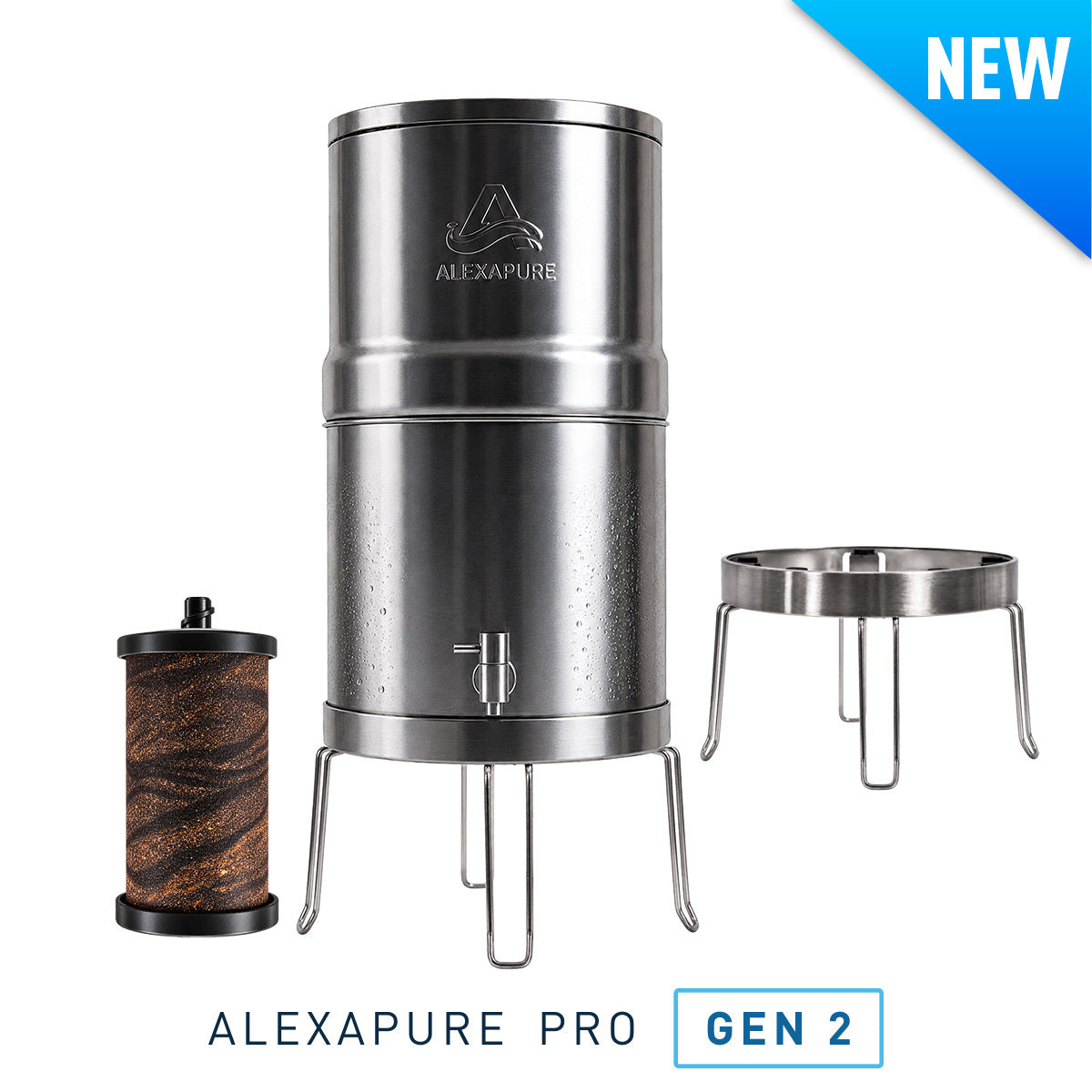
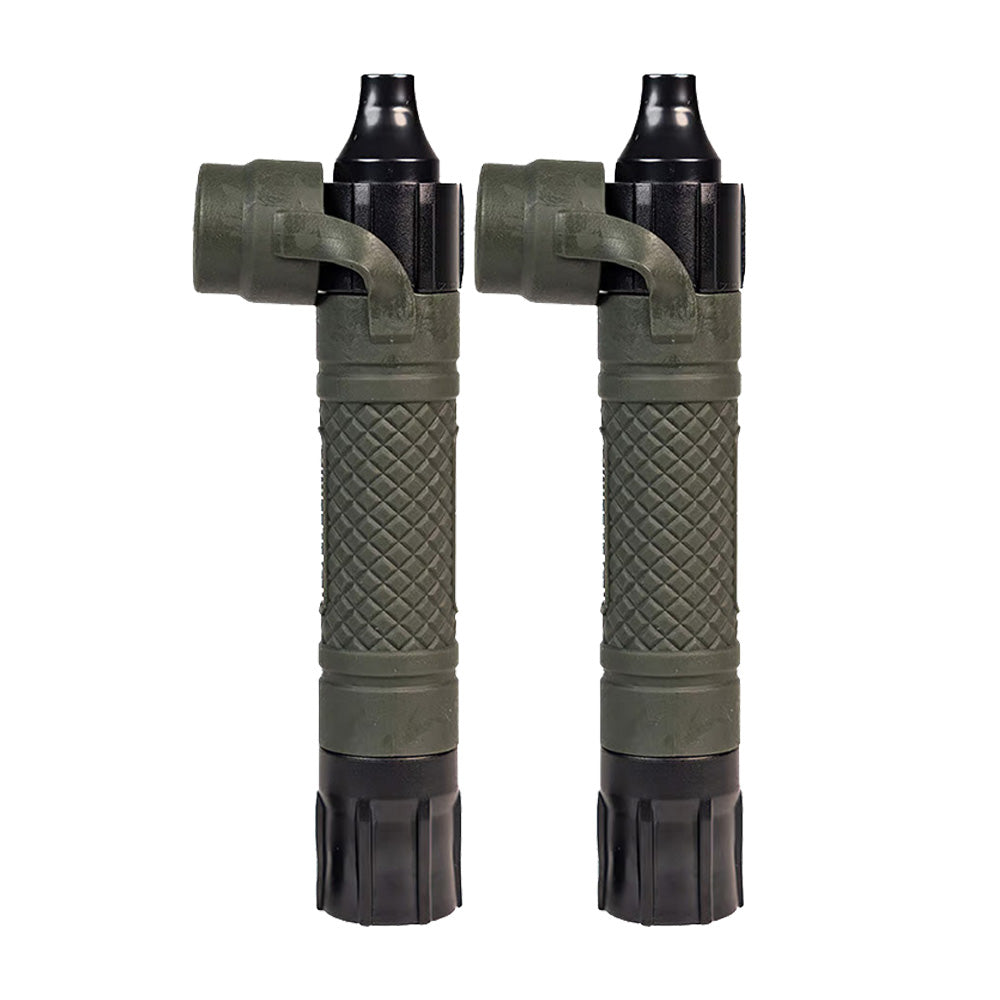
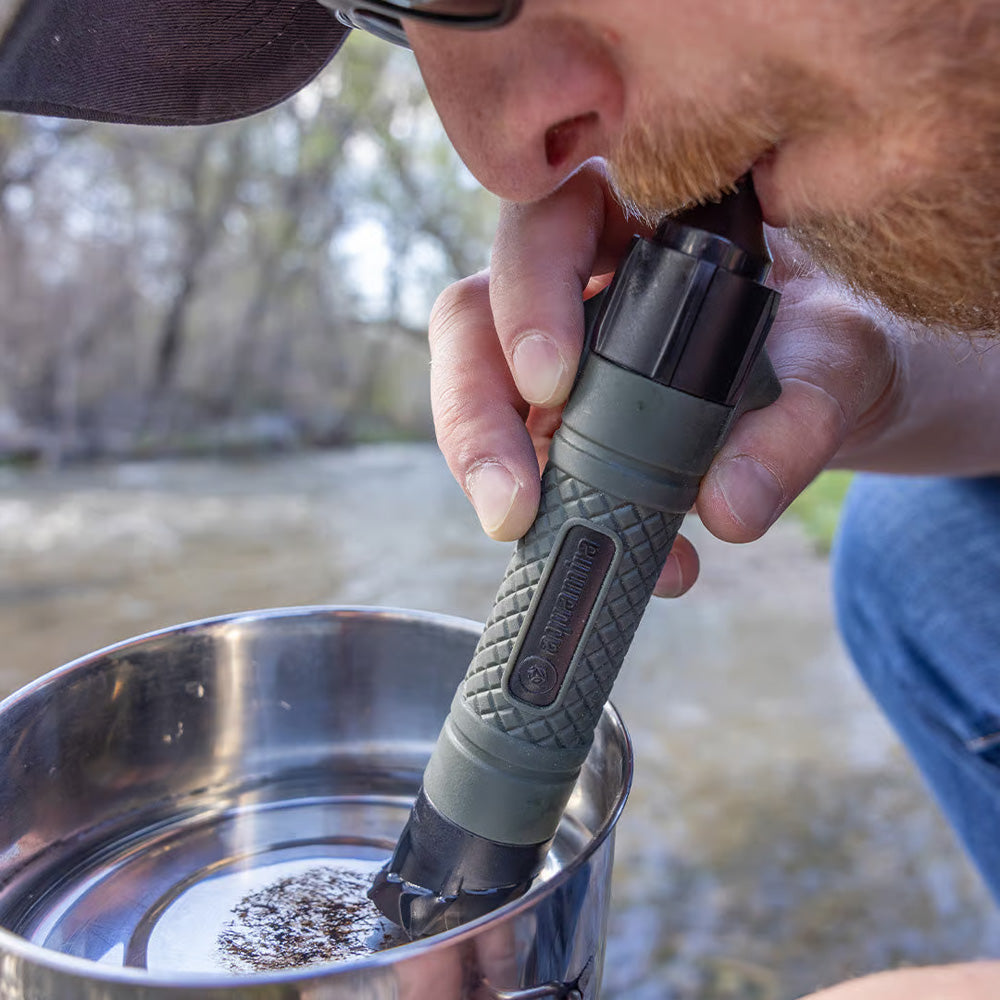
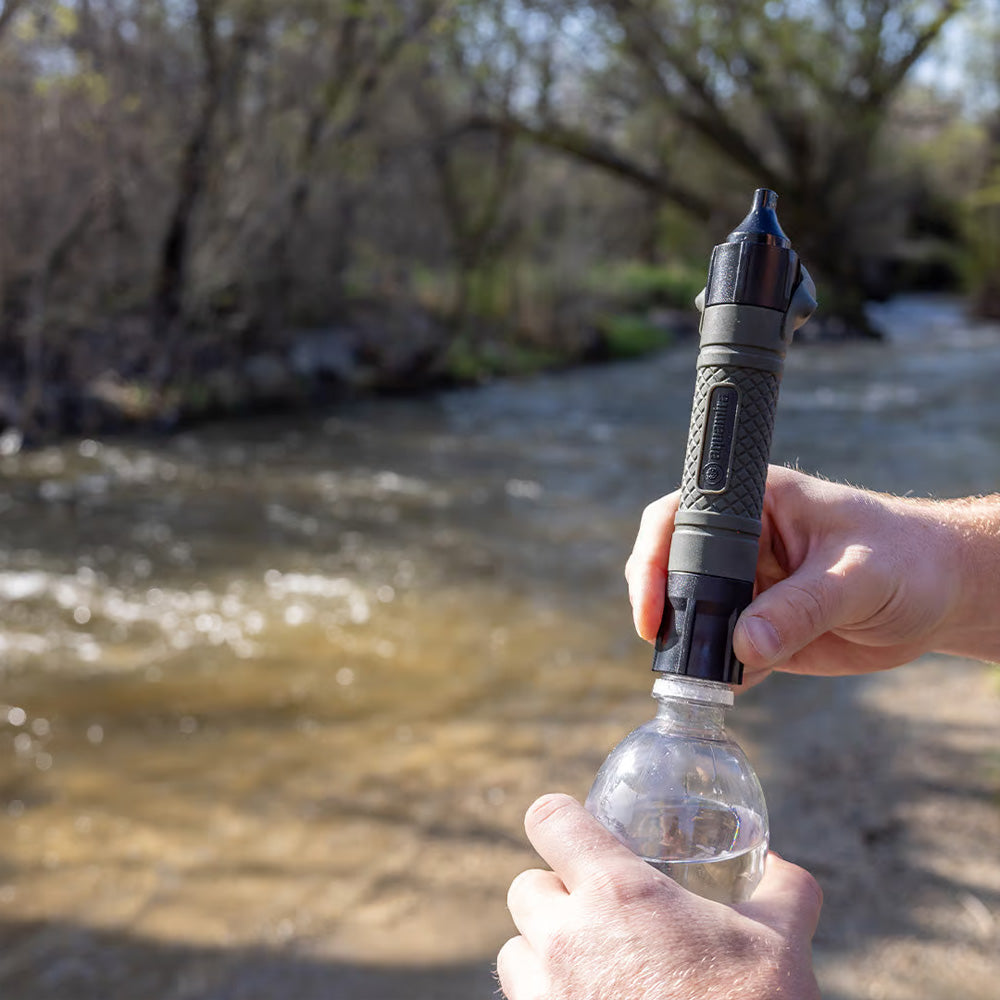
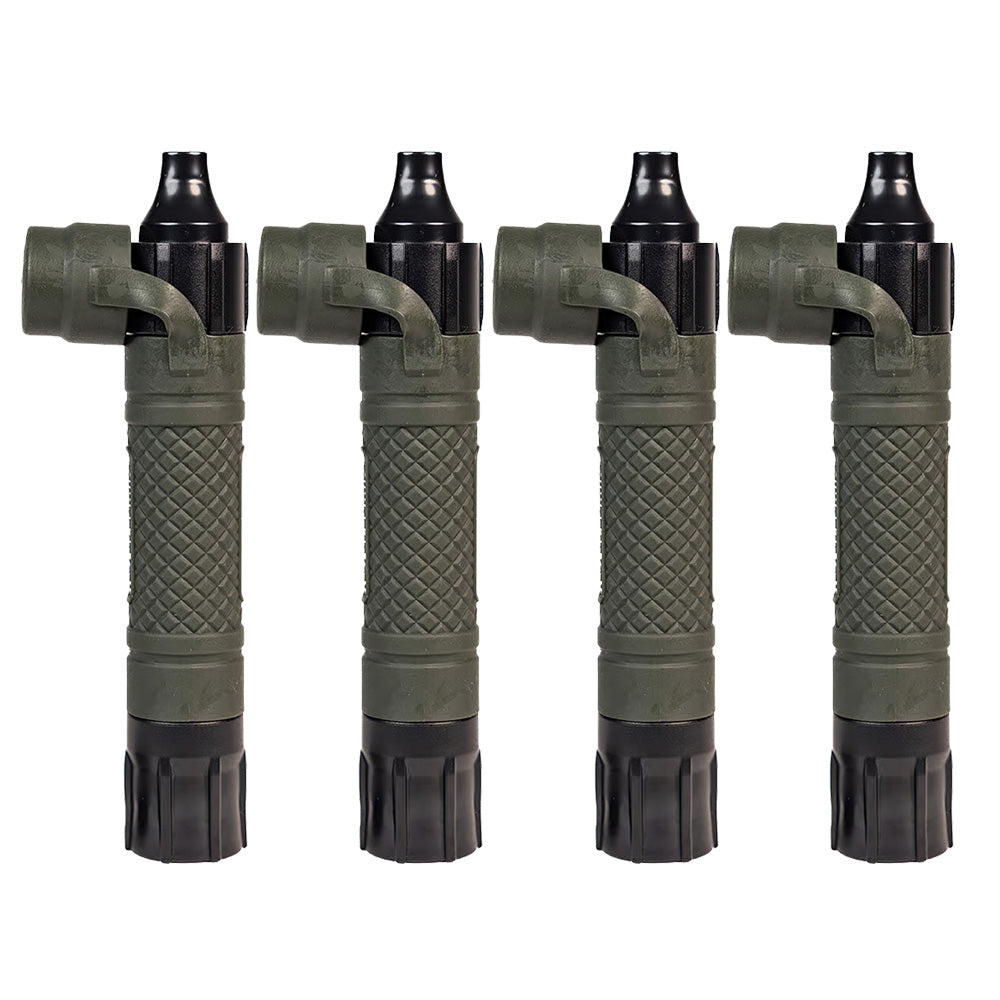
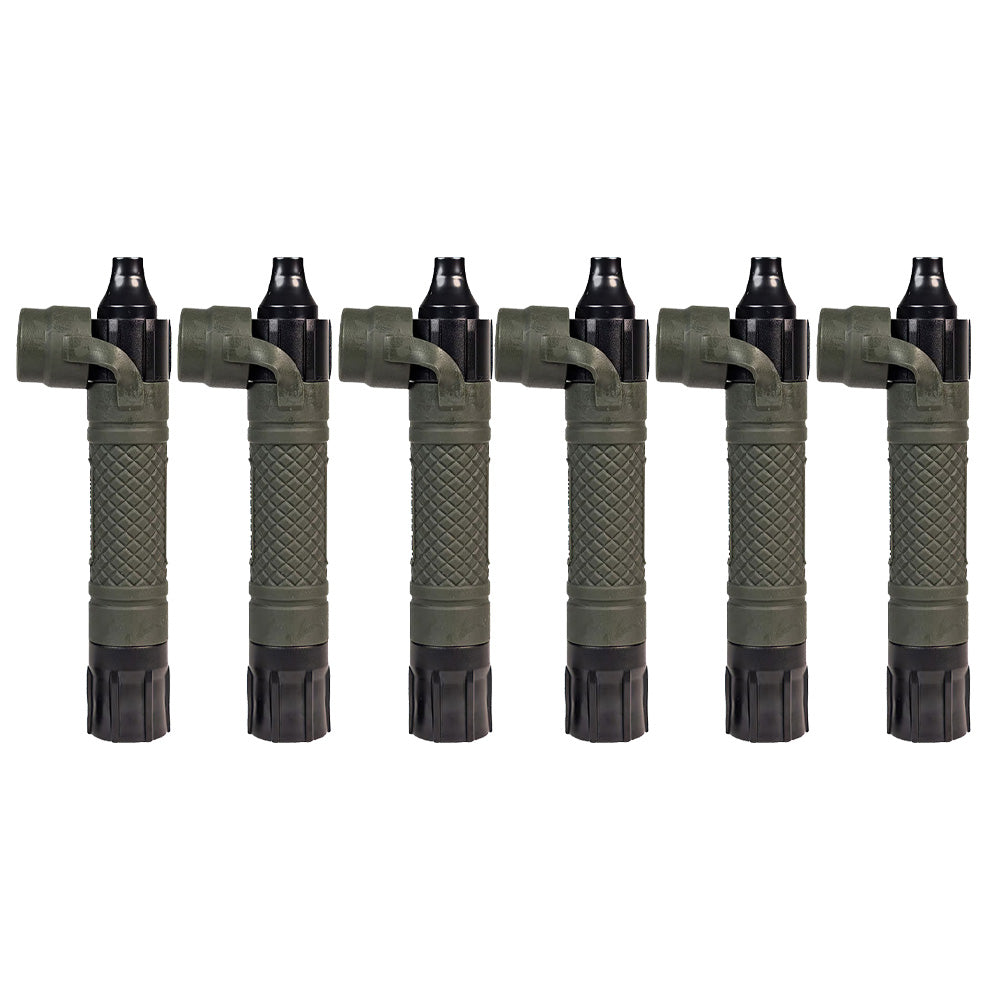
Store clean drinking water before you need it. Flooding can affect local water systems and wells, making stored water an important backup.
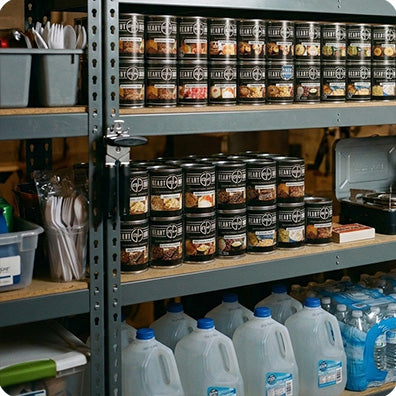
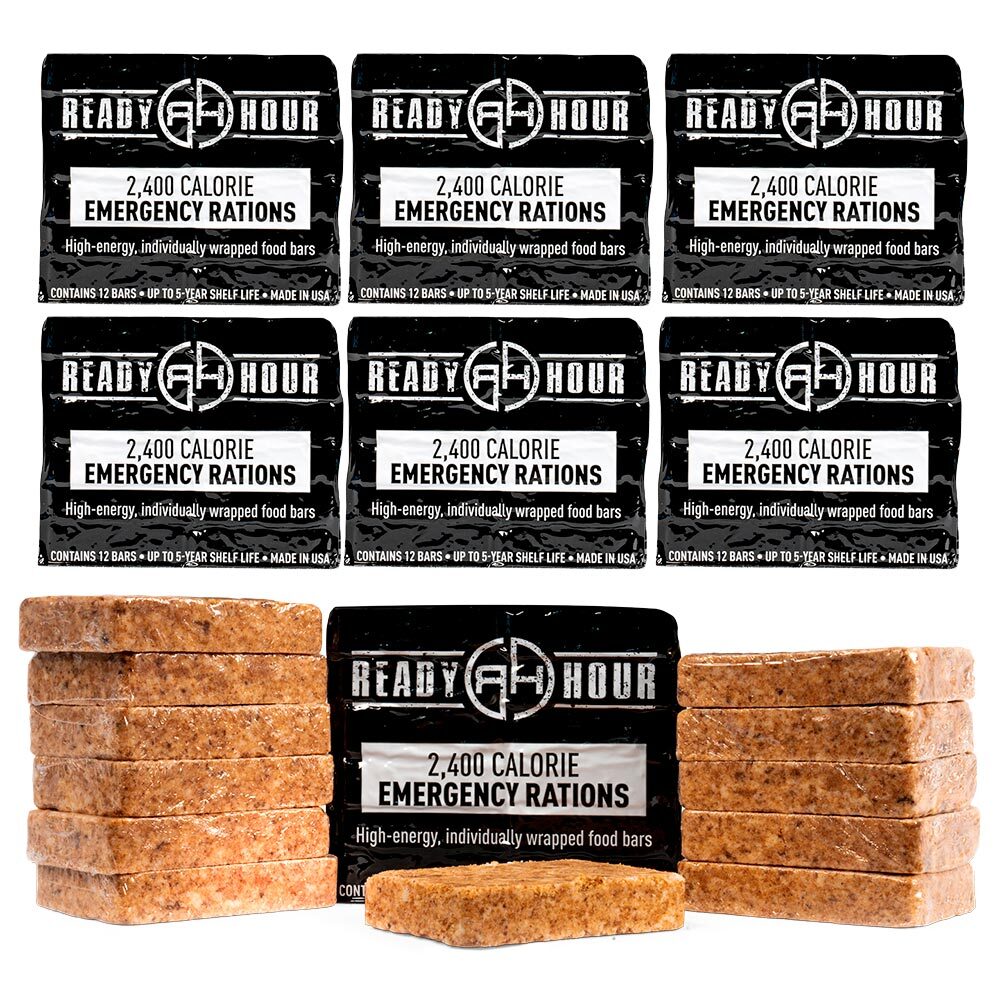
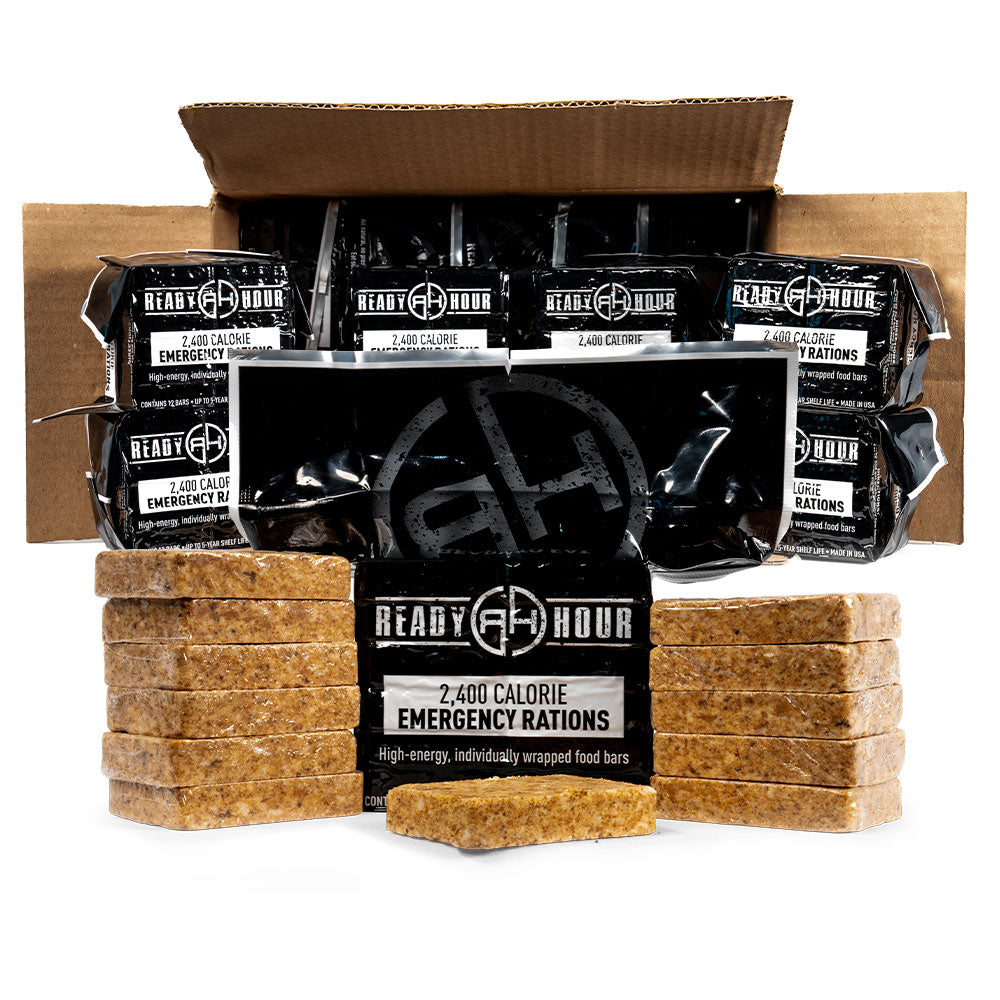
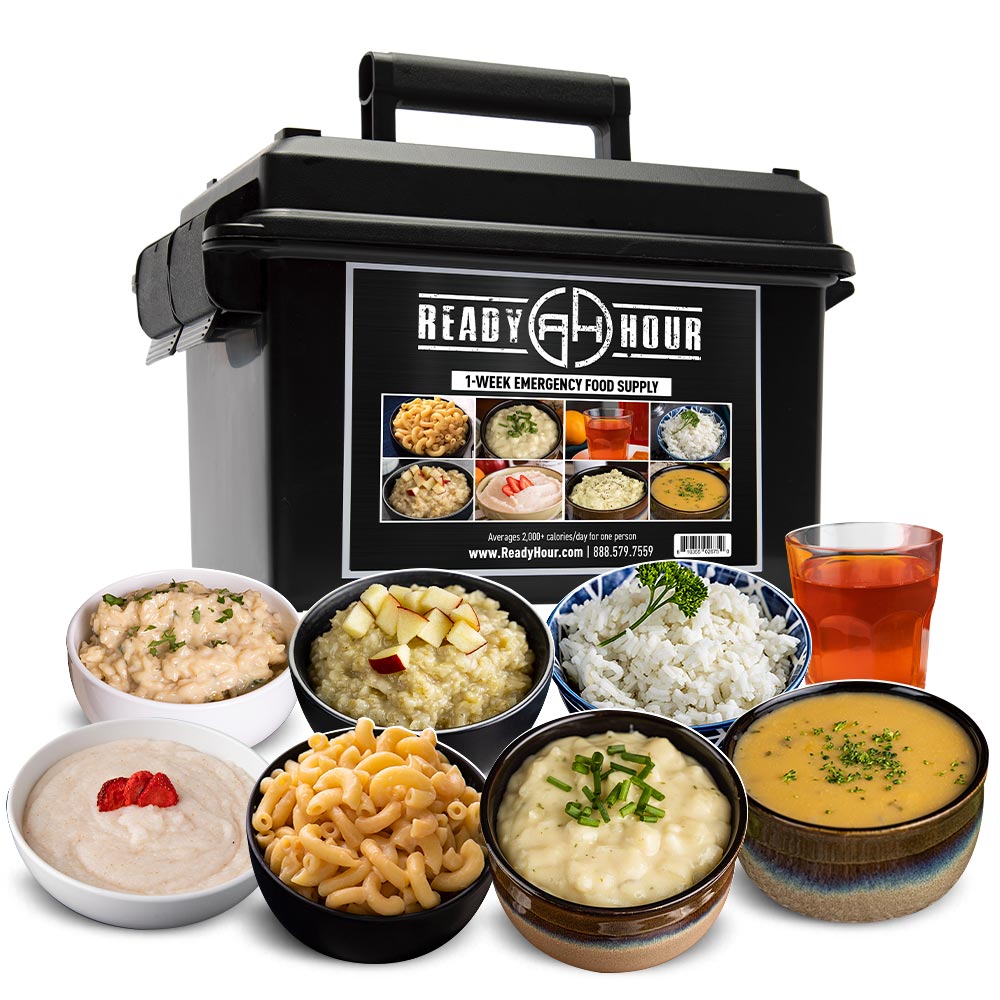
Food
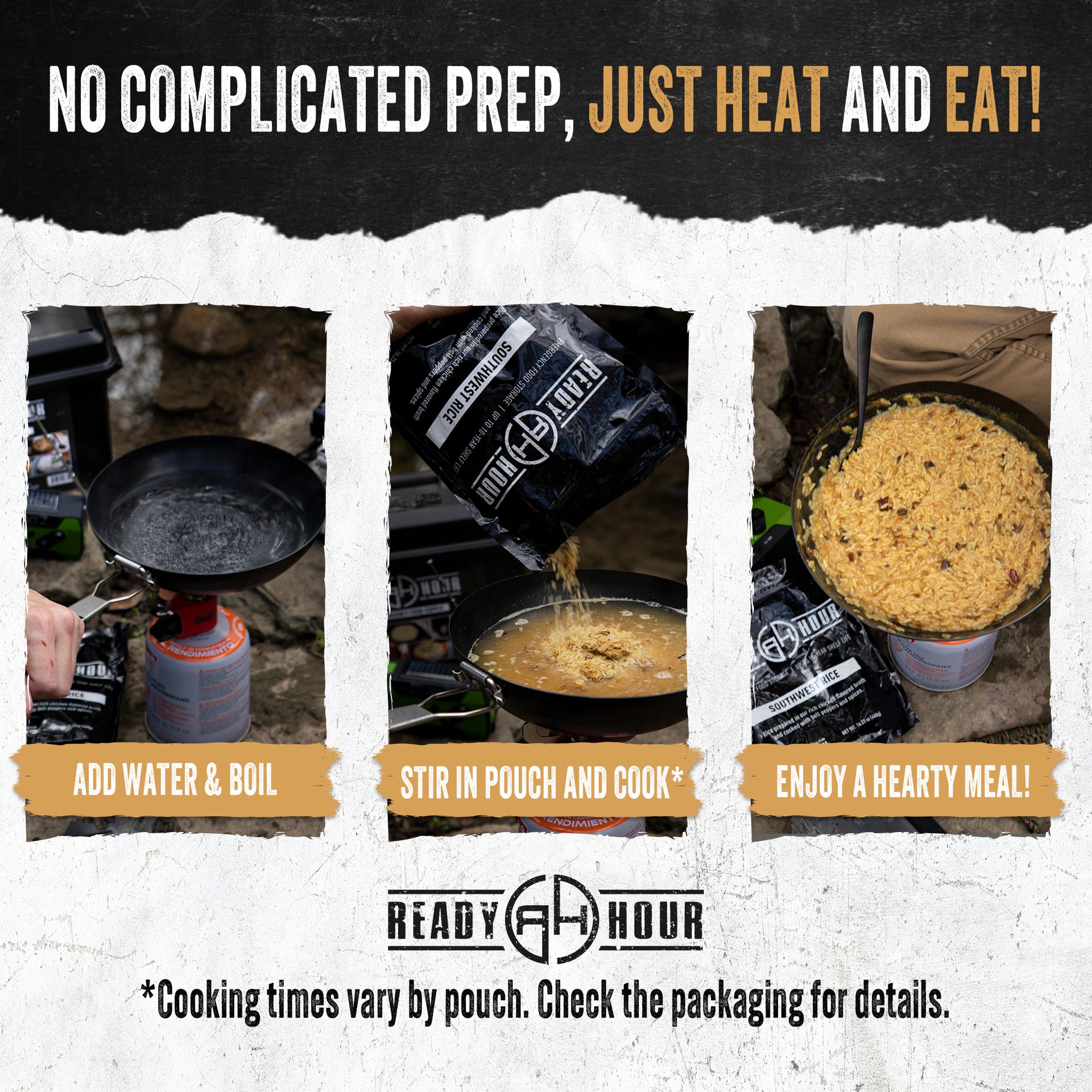
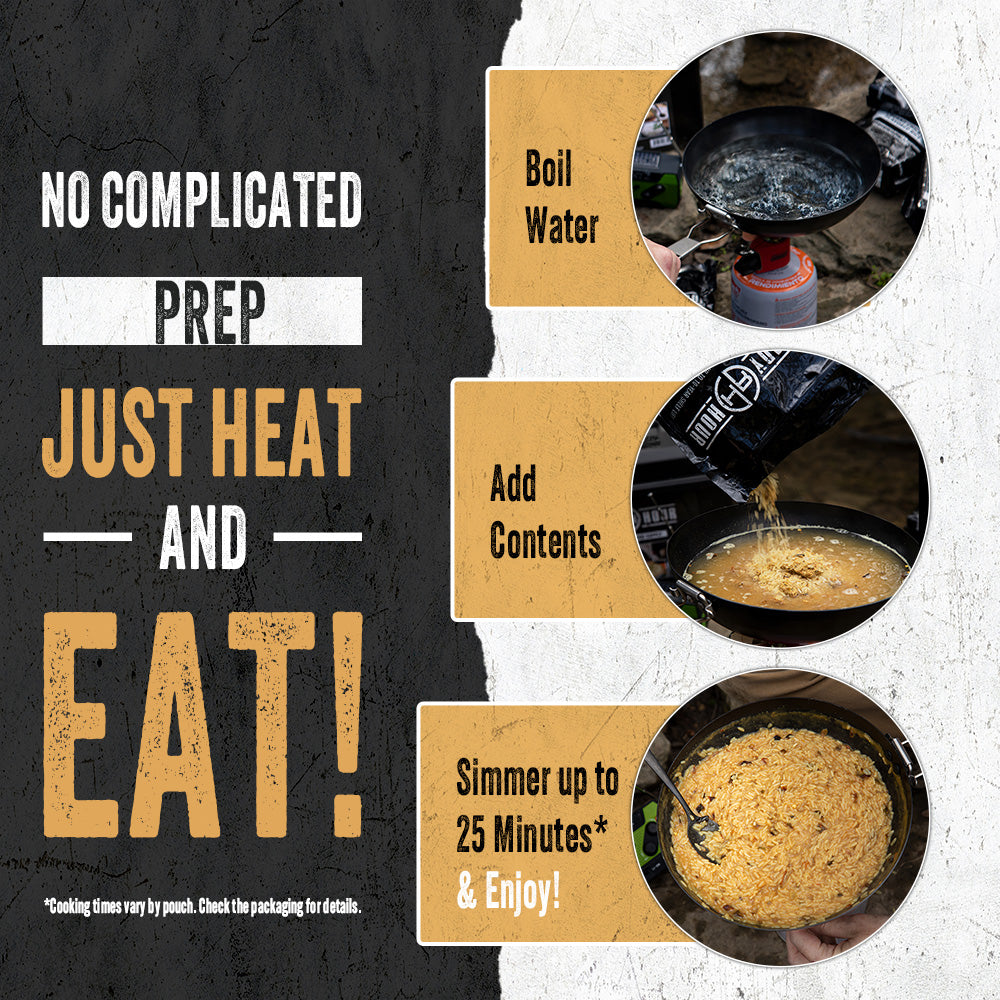
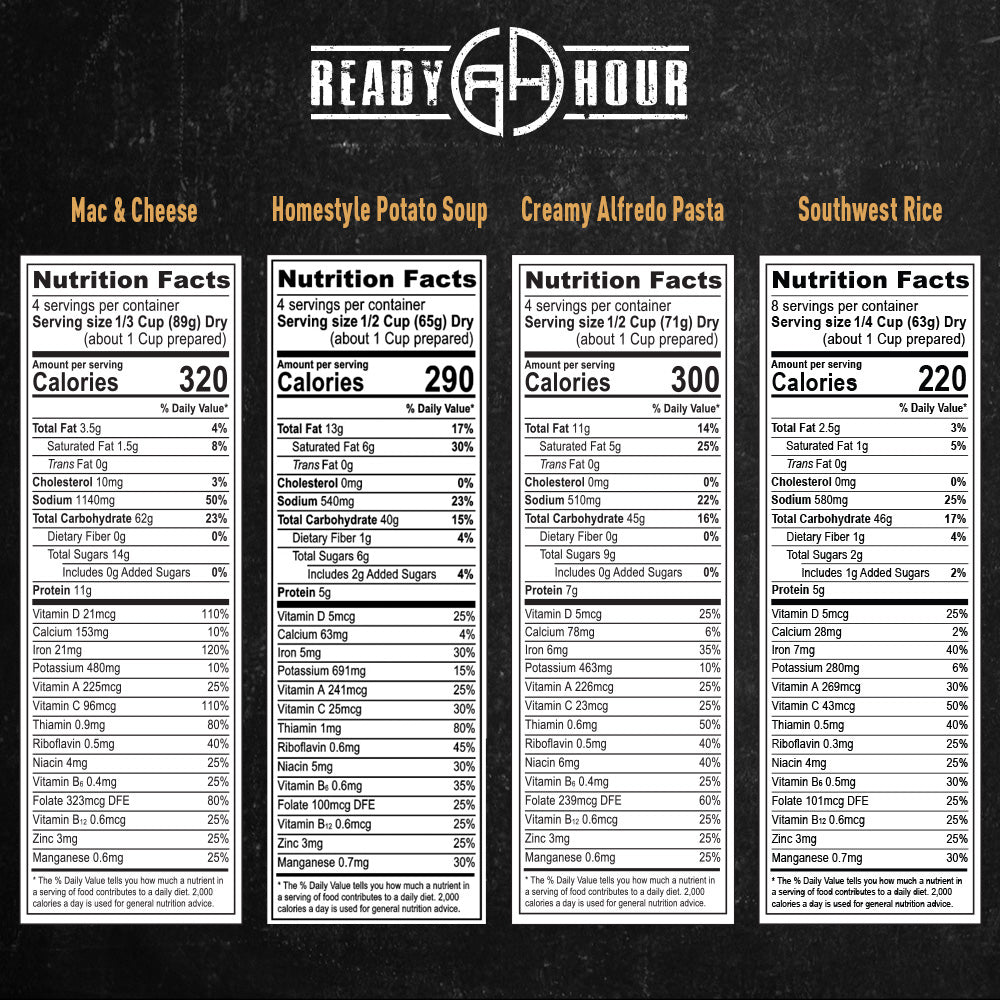
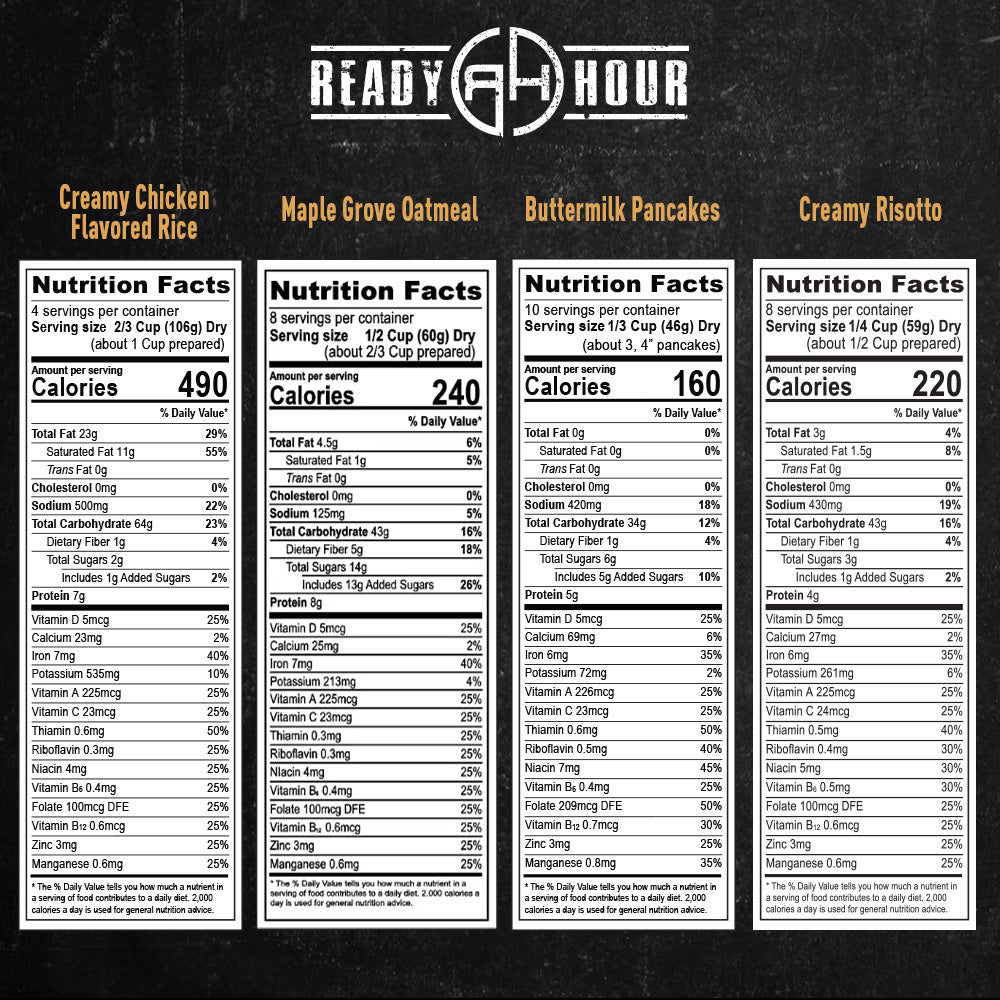
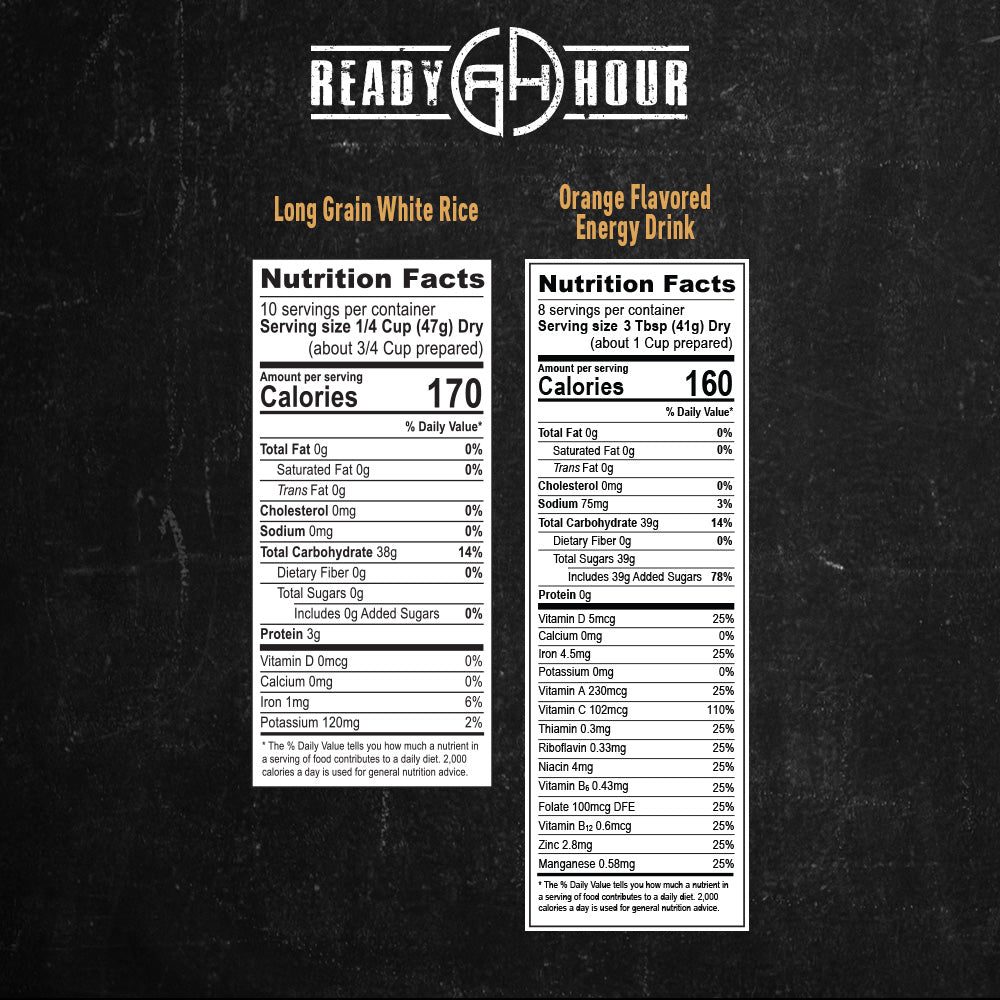
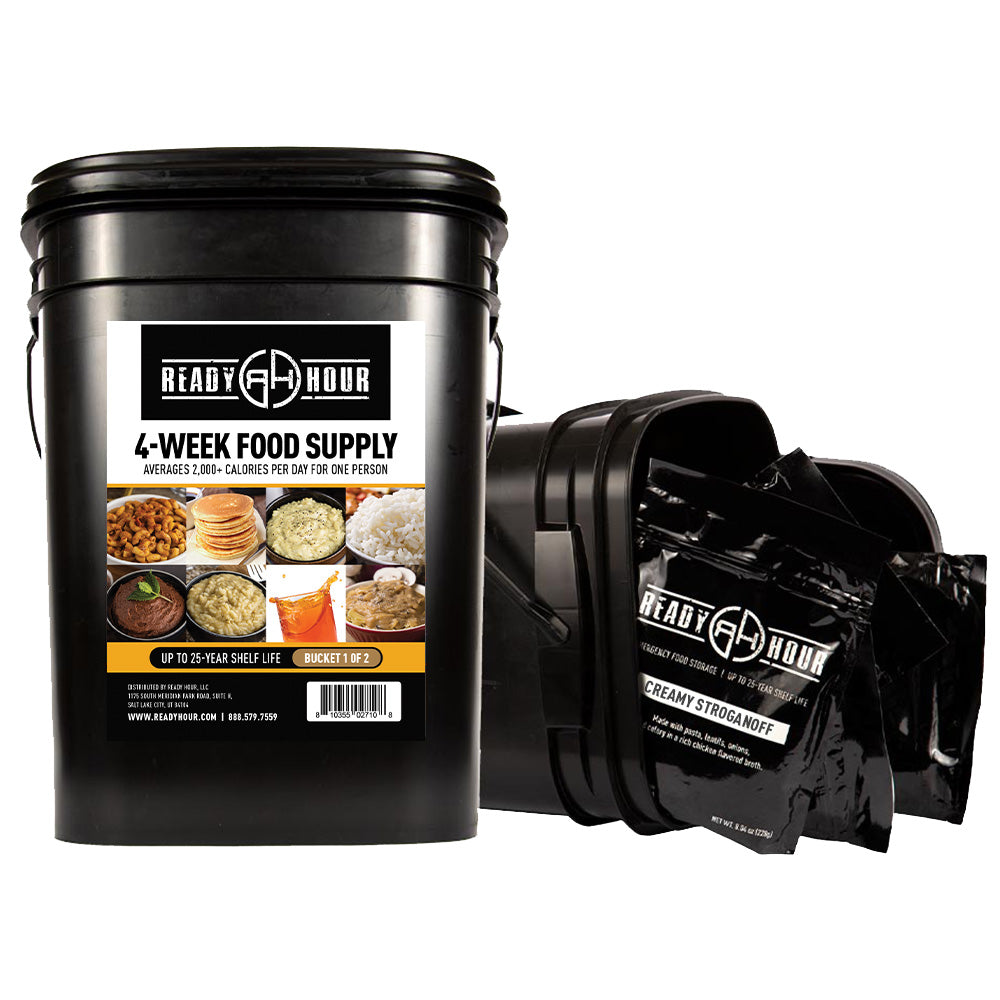
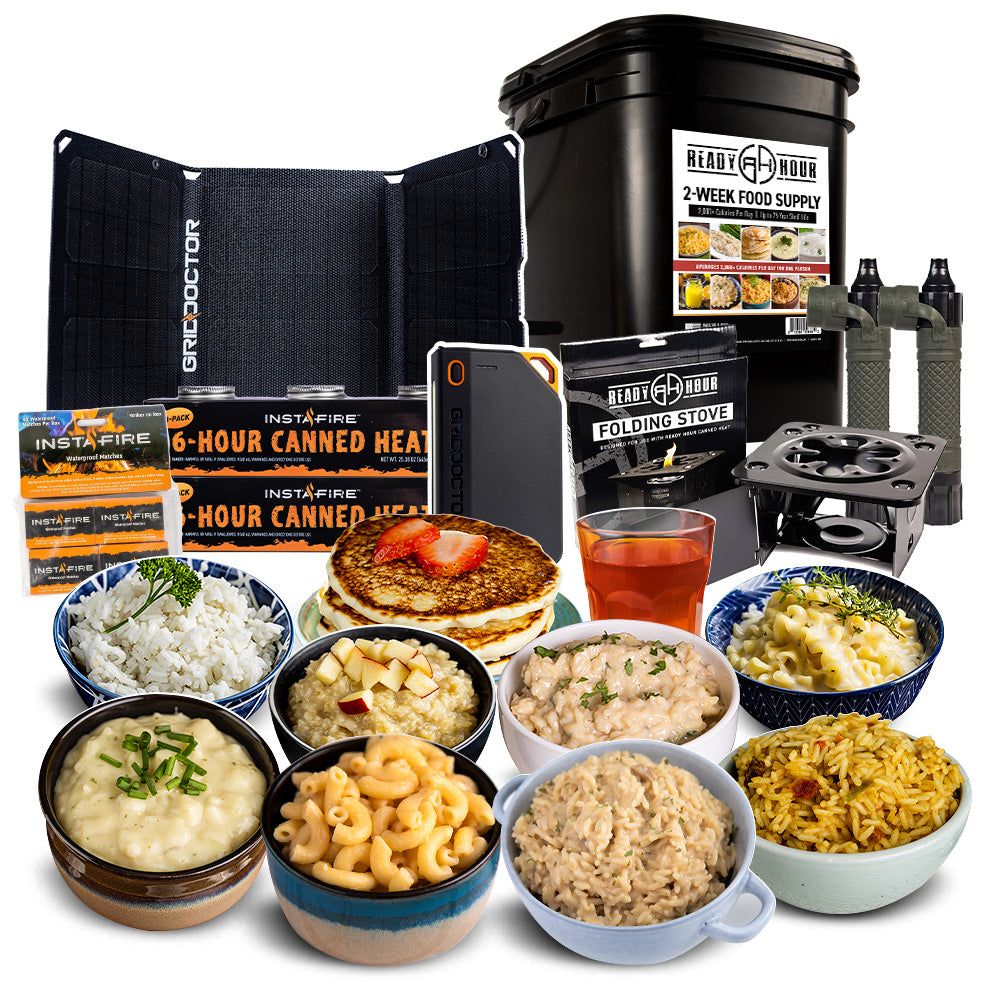
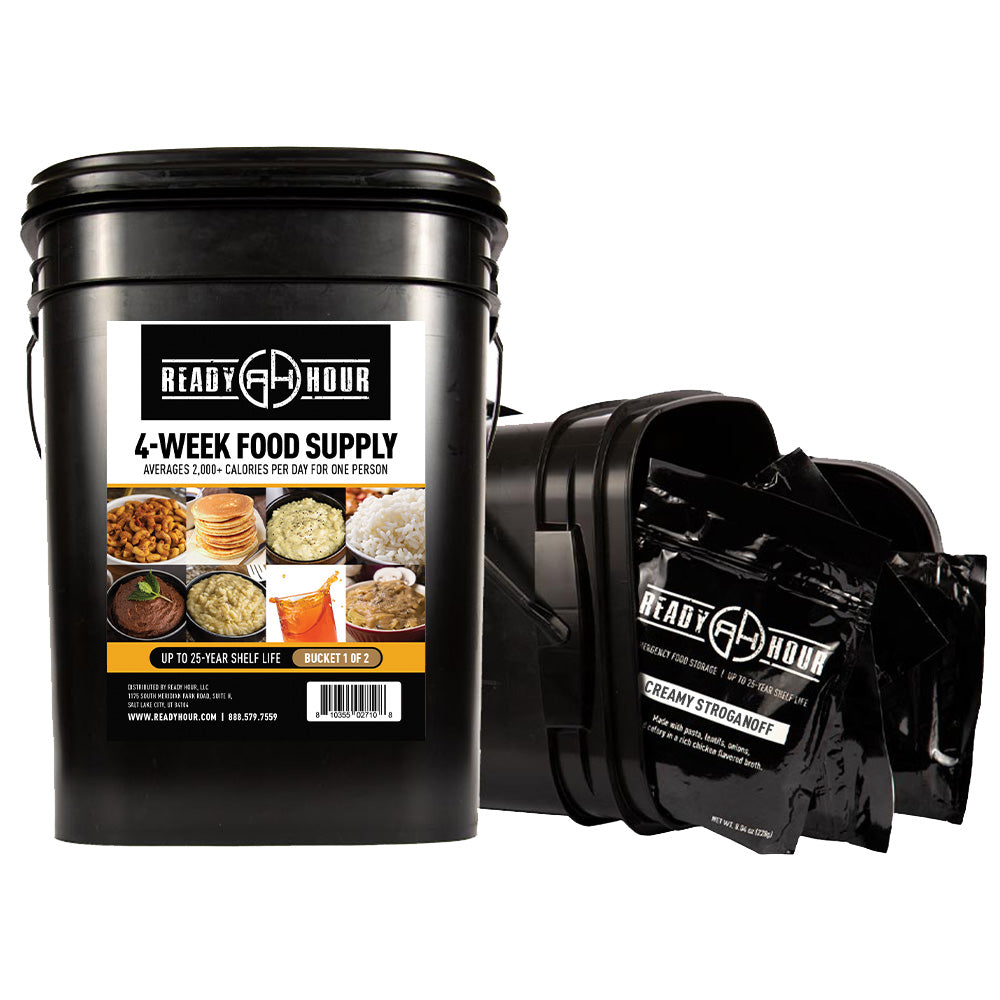
Keep shelf-stable food that does not depend on refrigeration and can be prepared with limited utilities.
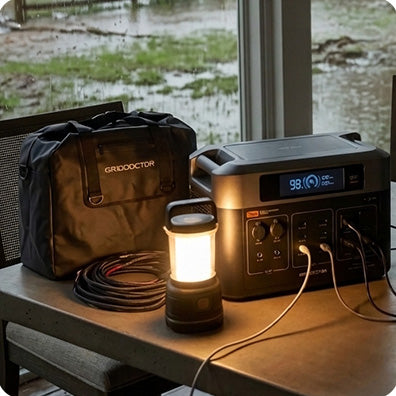
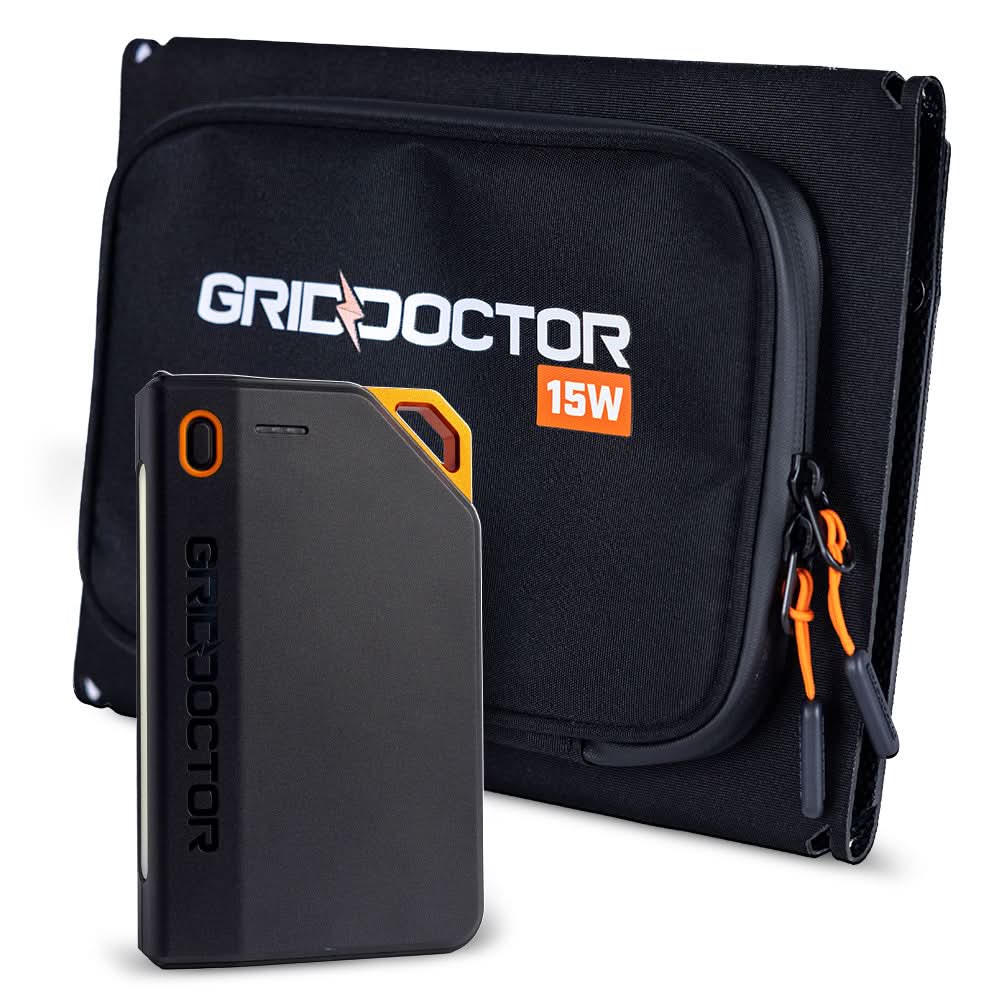
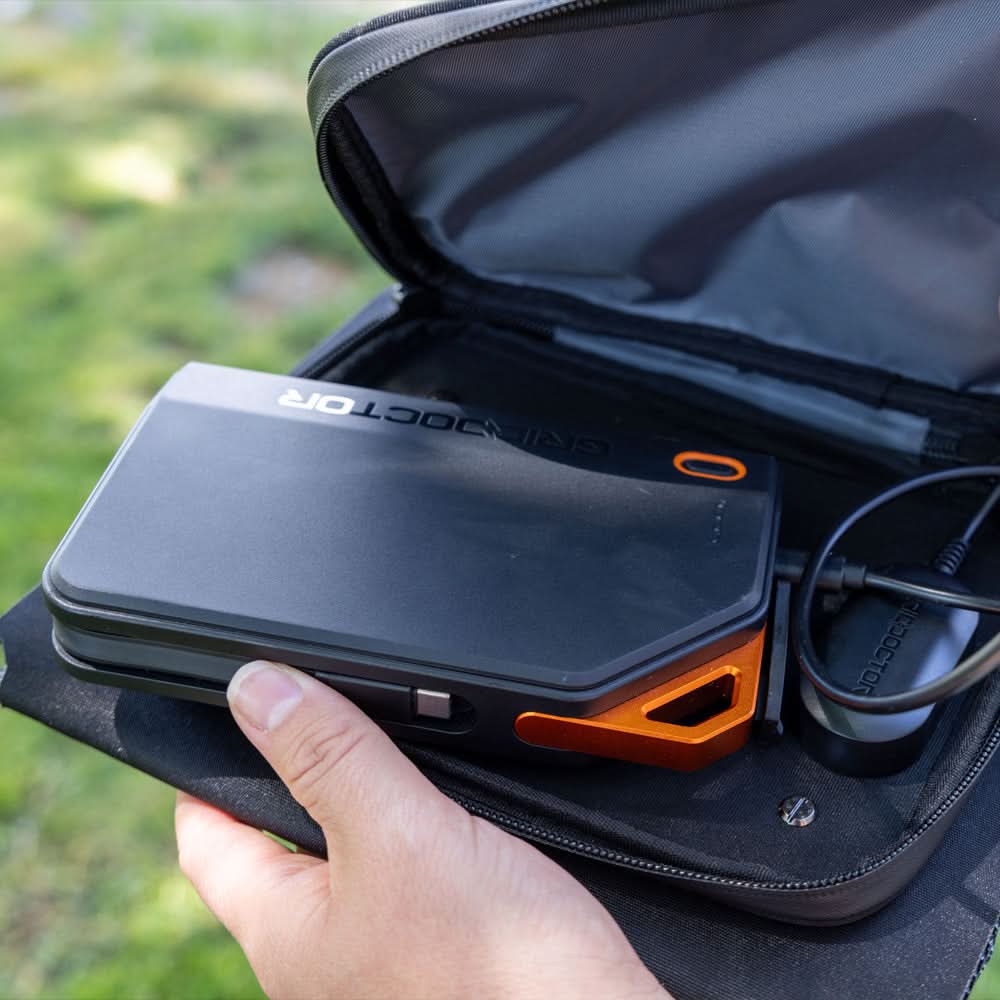
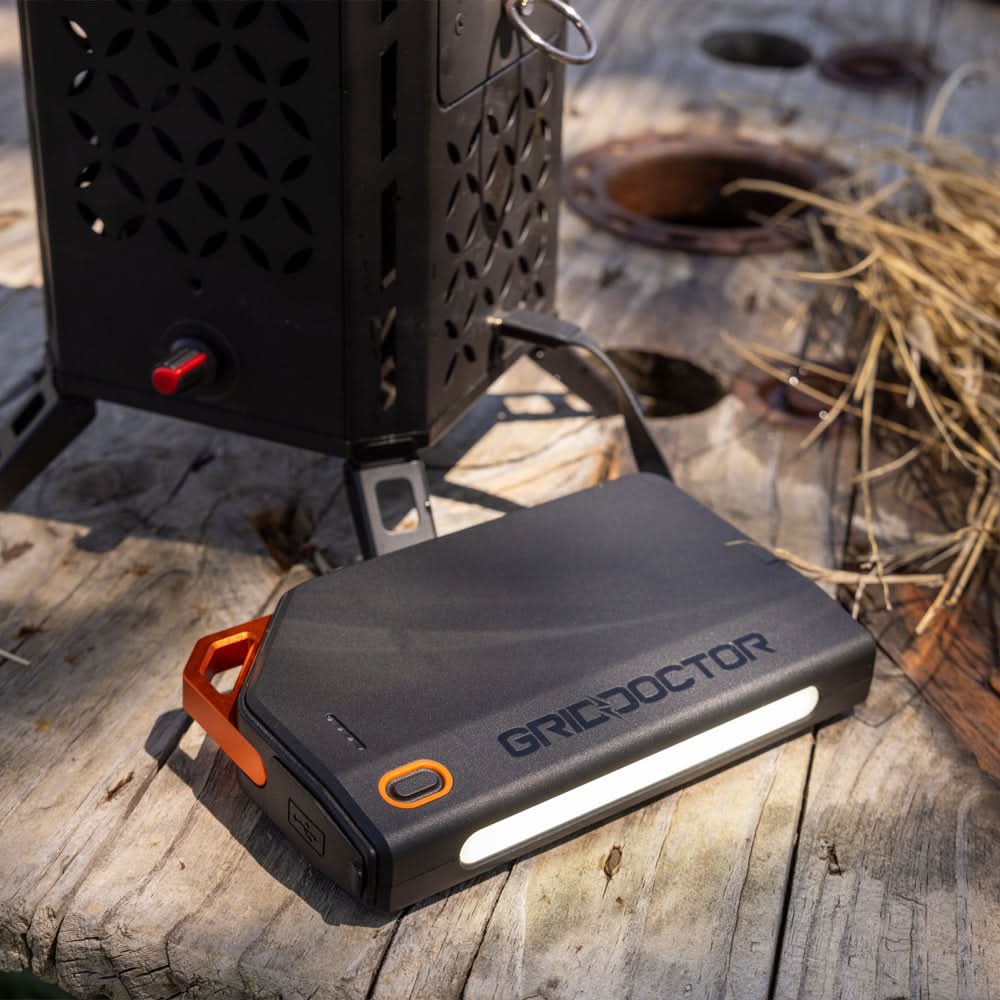
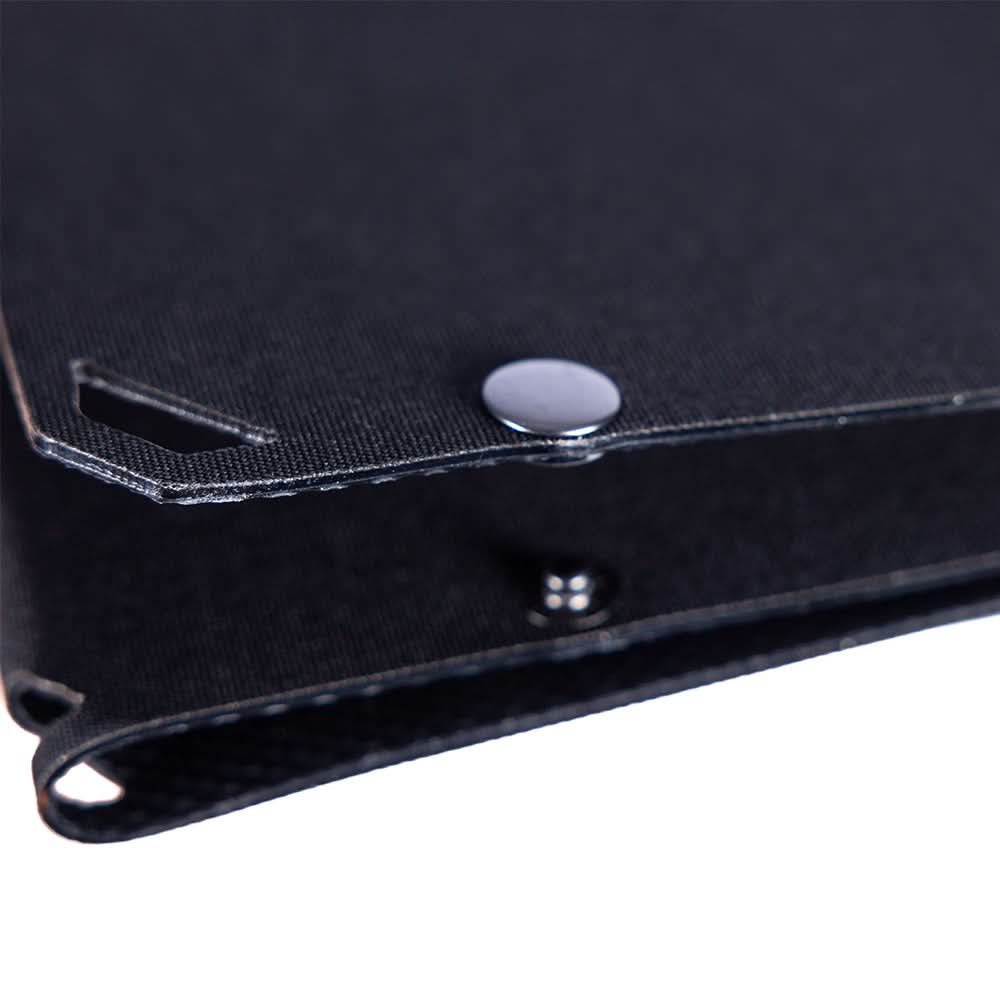
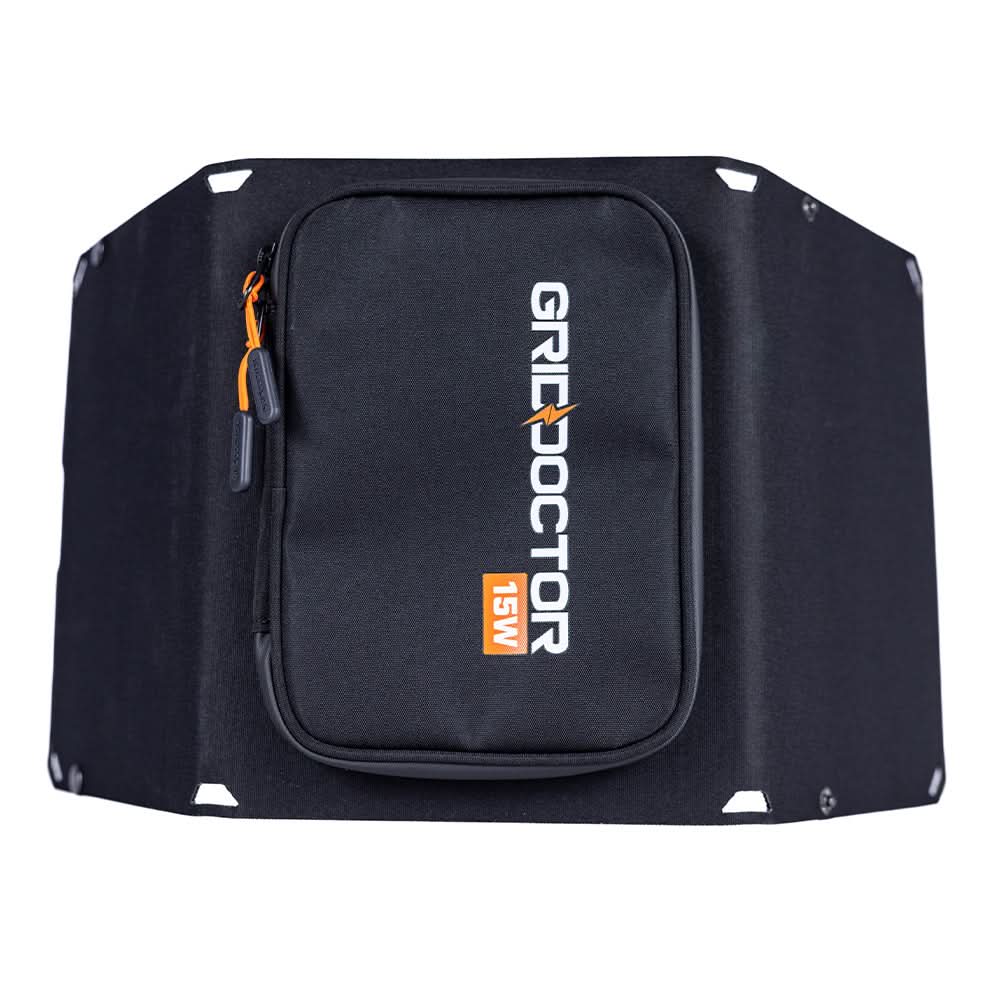
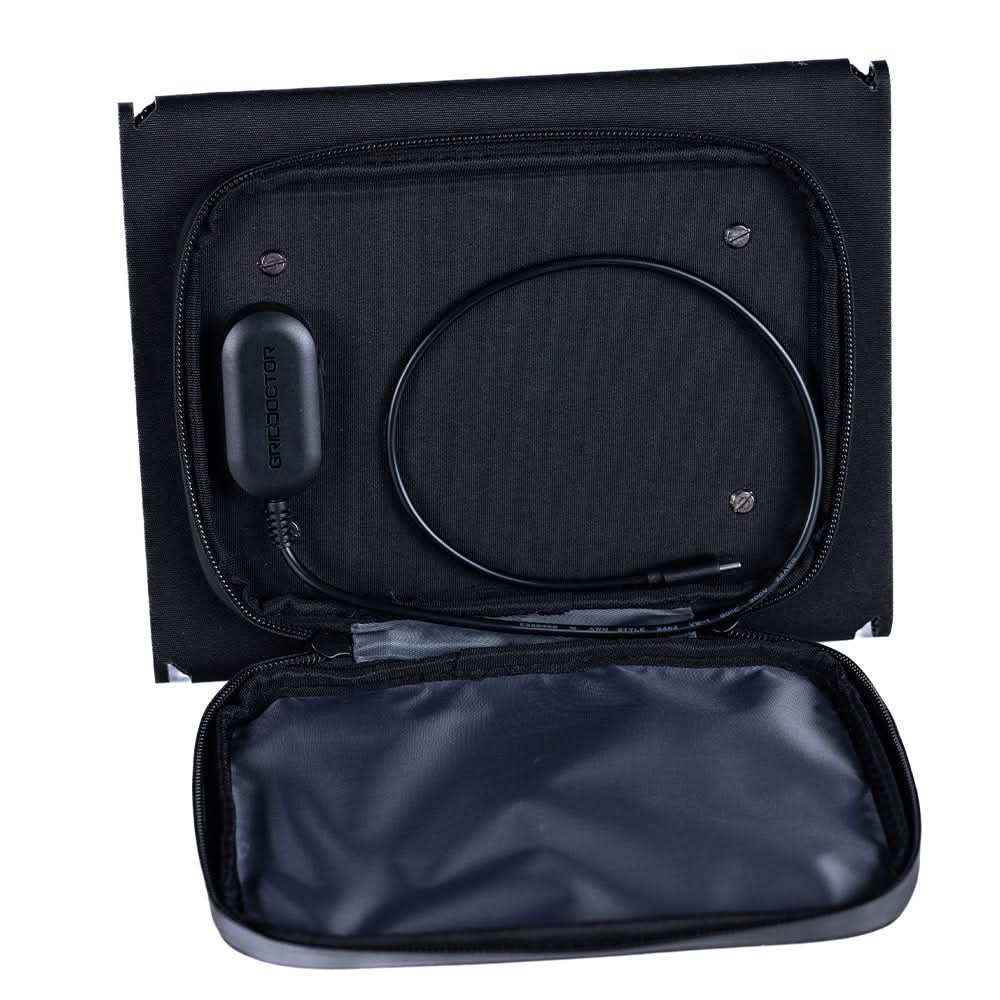
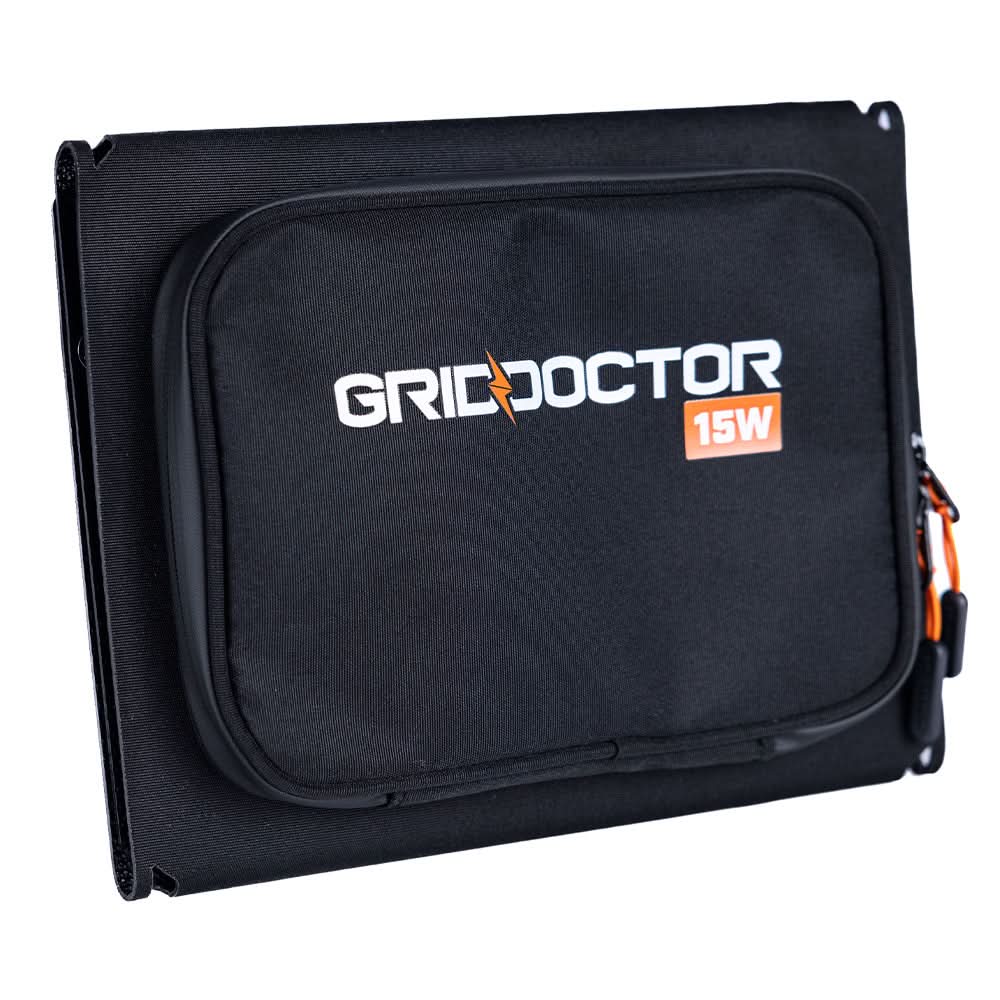
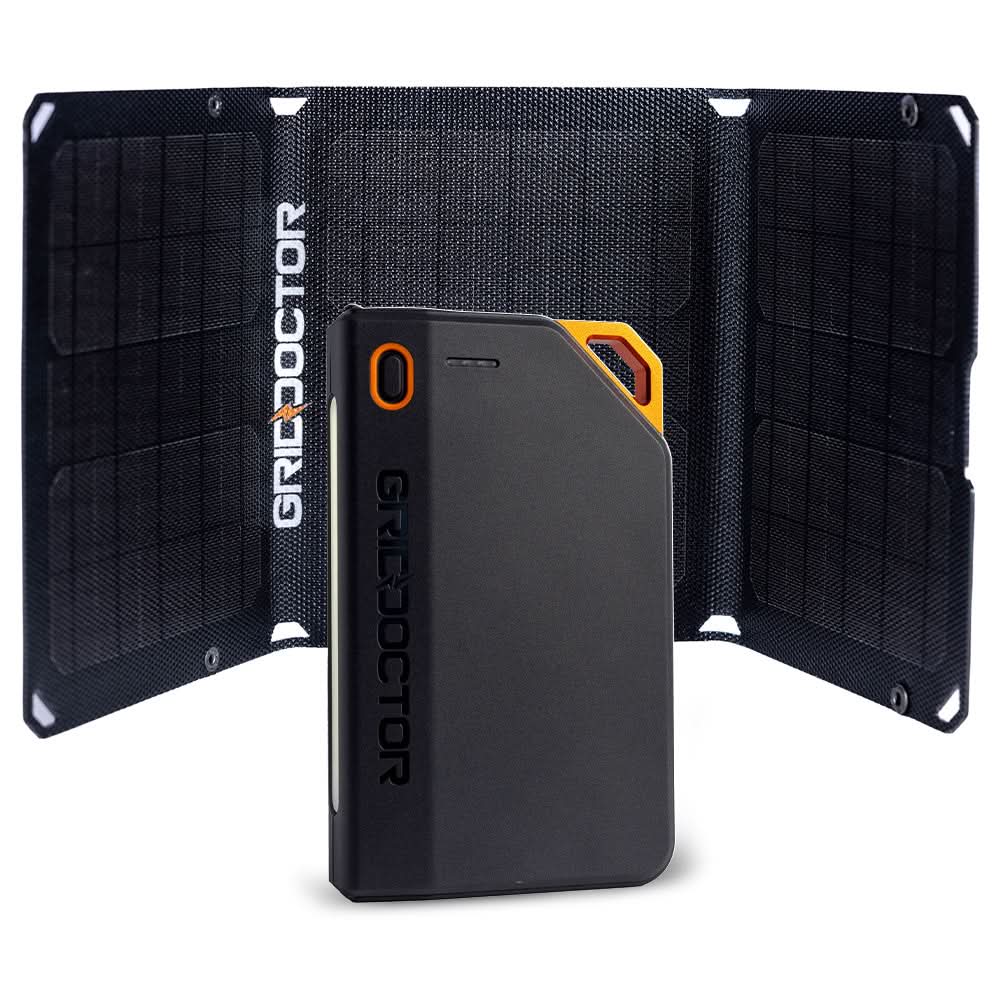
Power
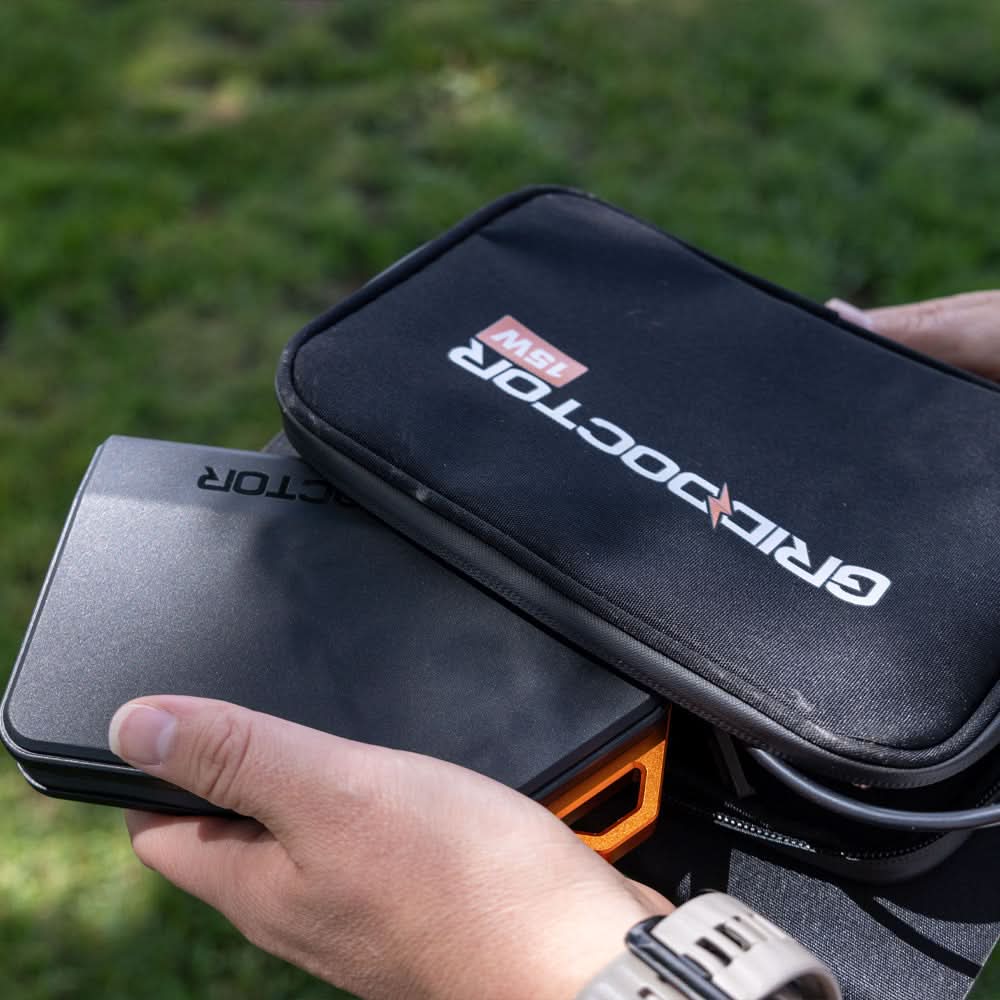
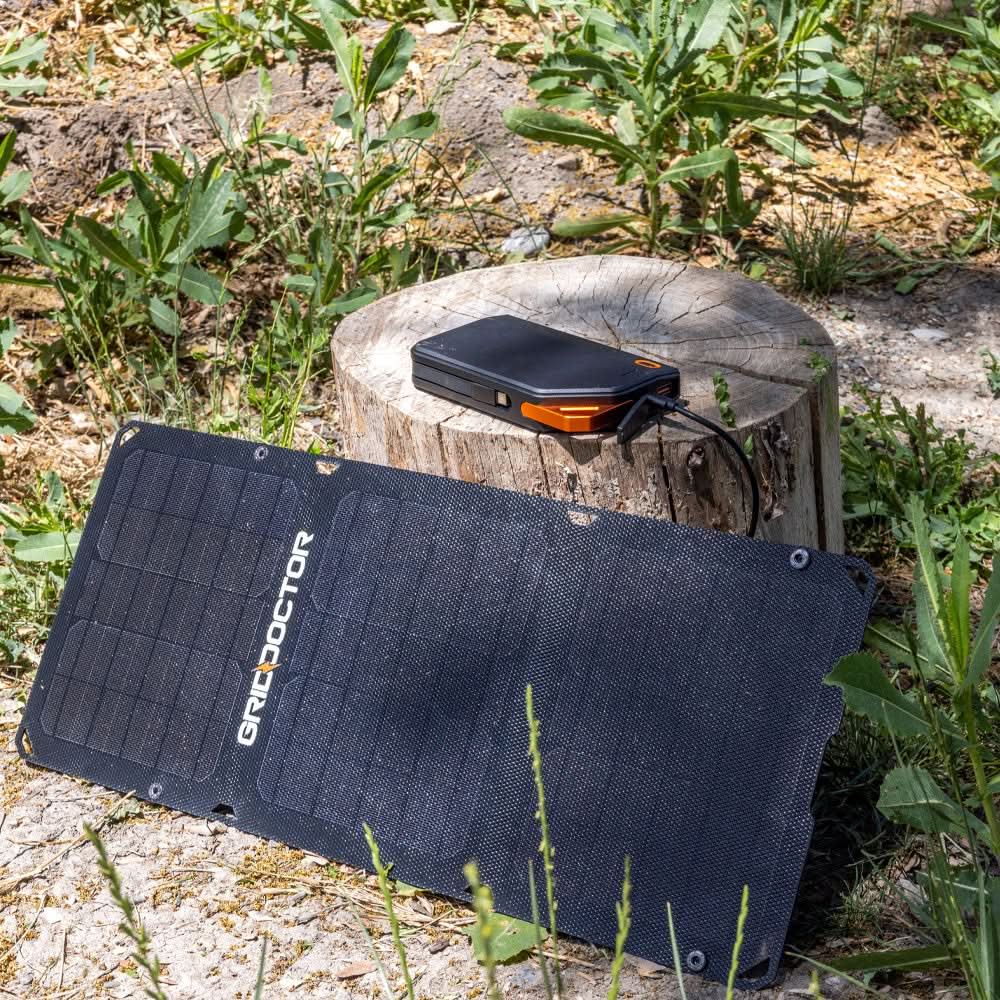
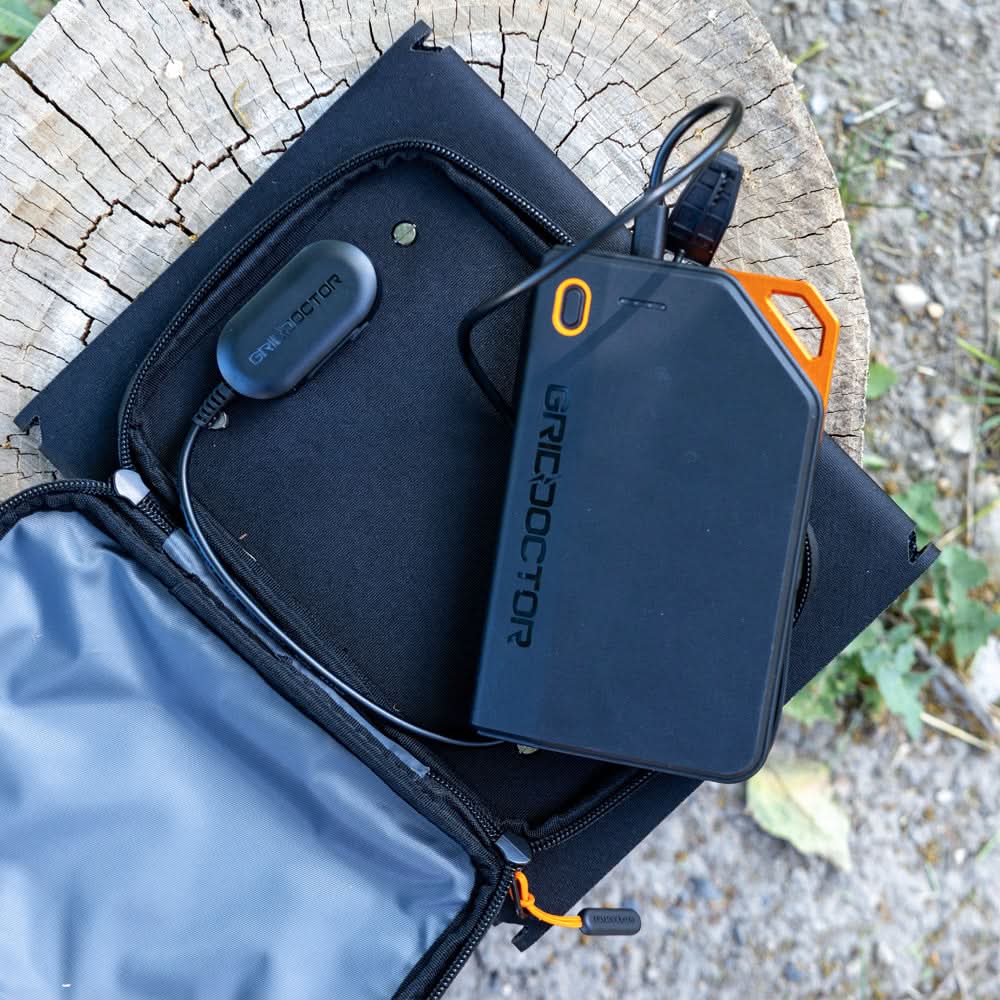
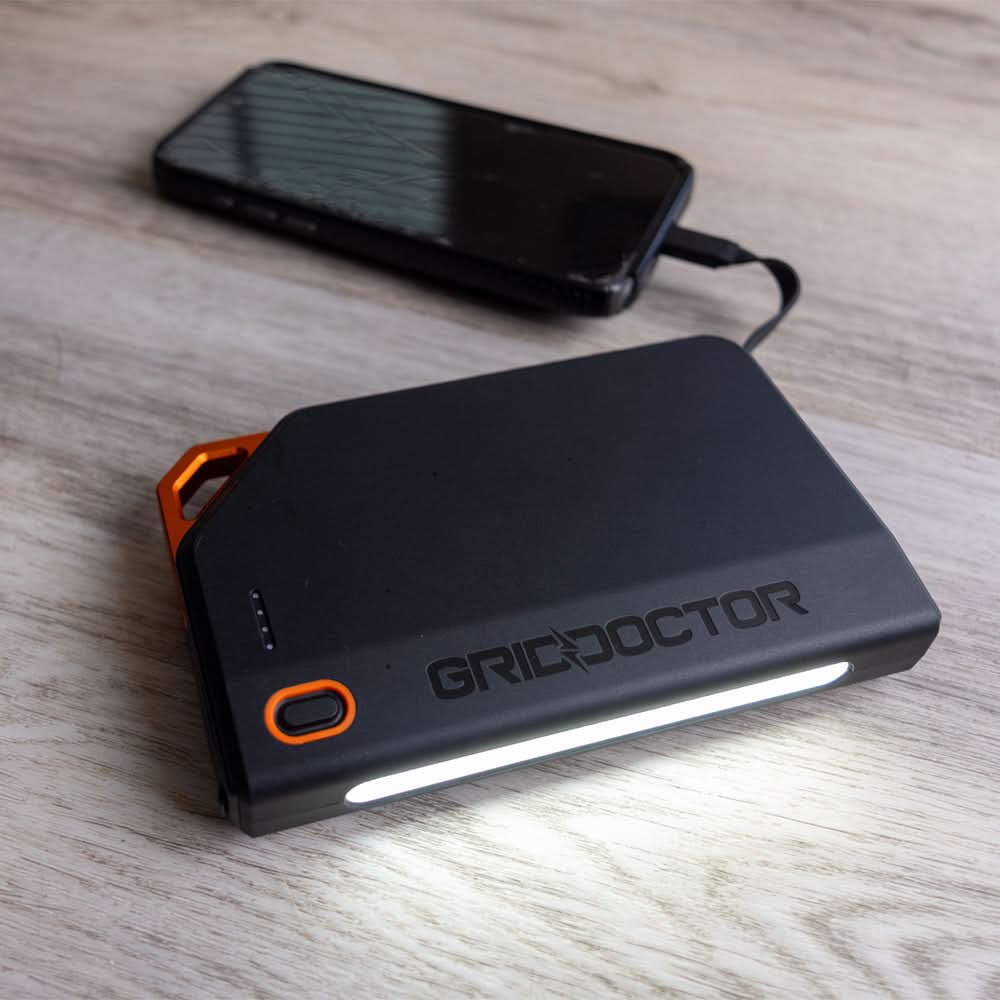
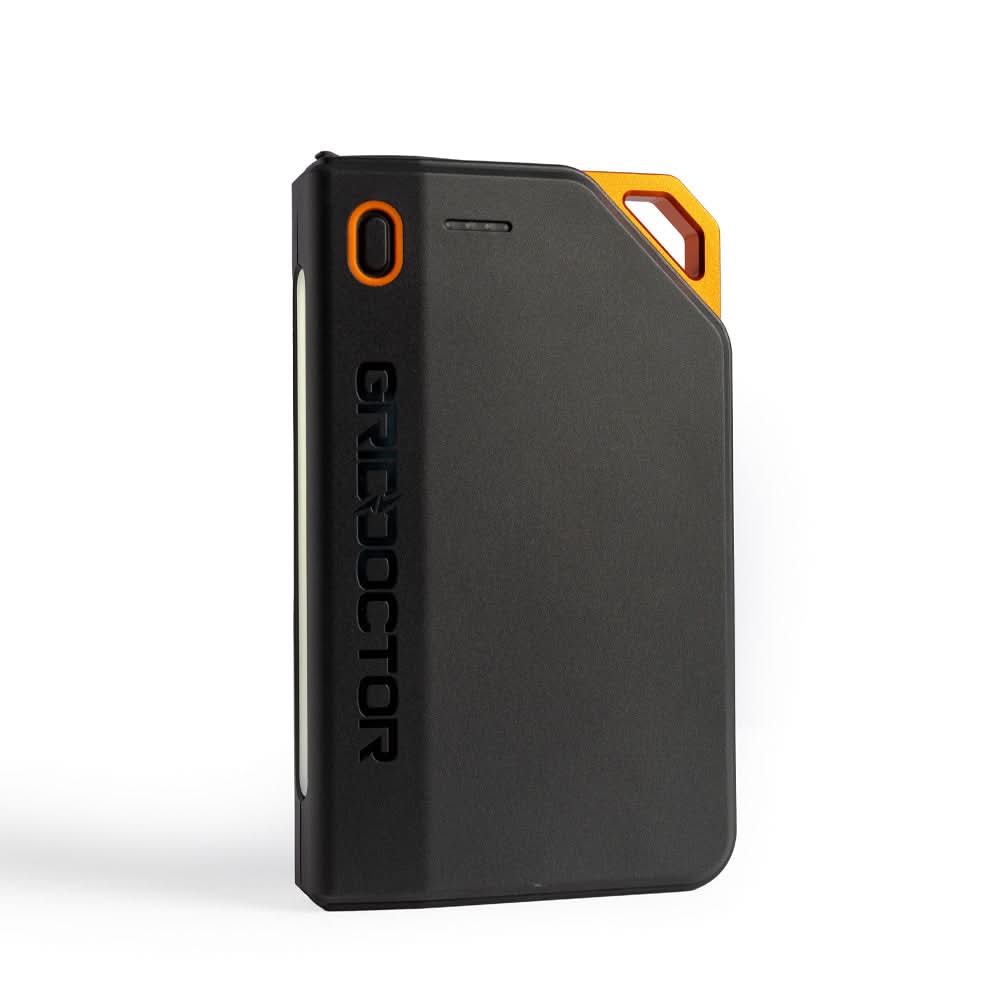
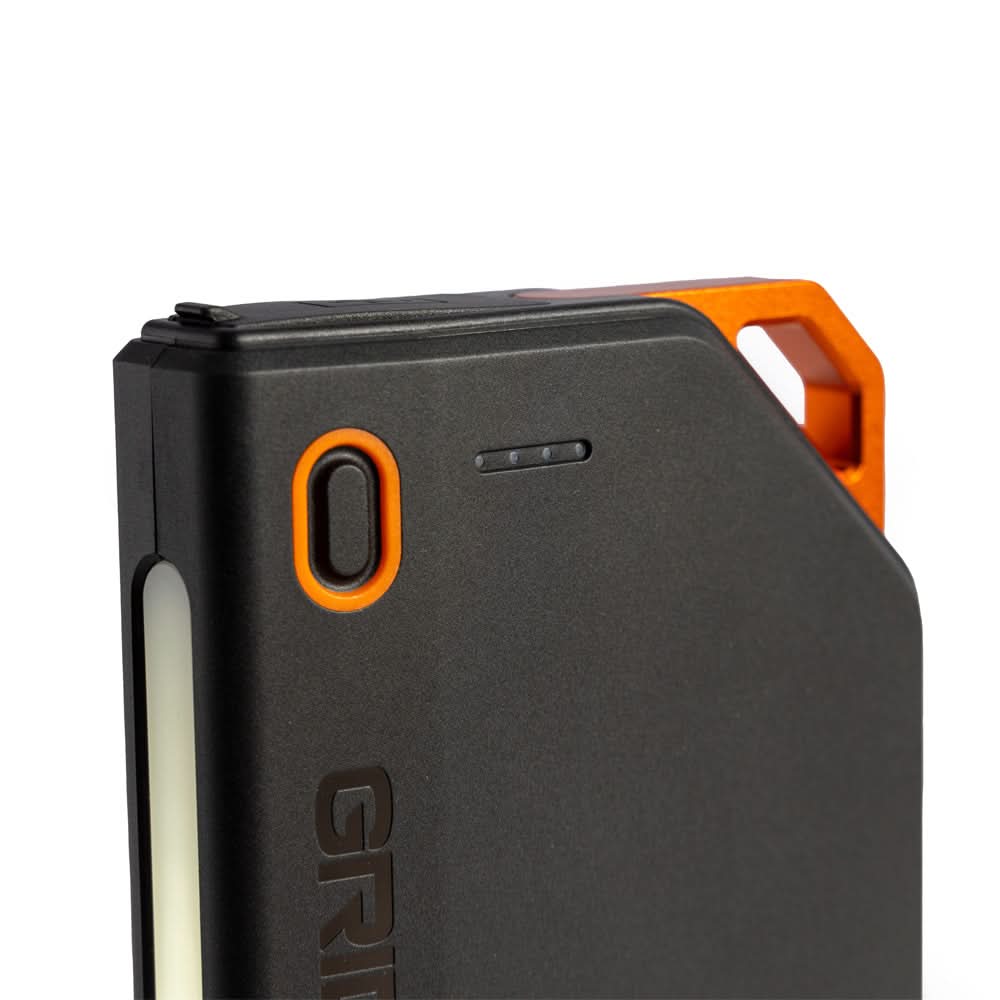
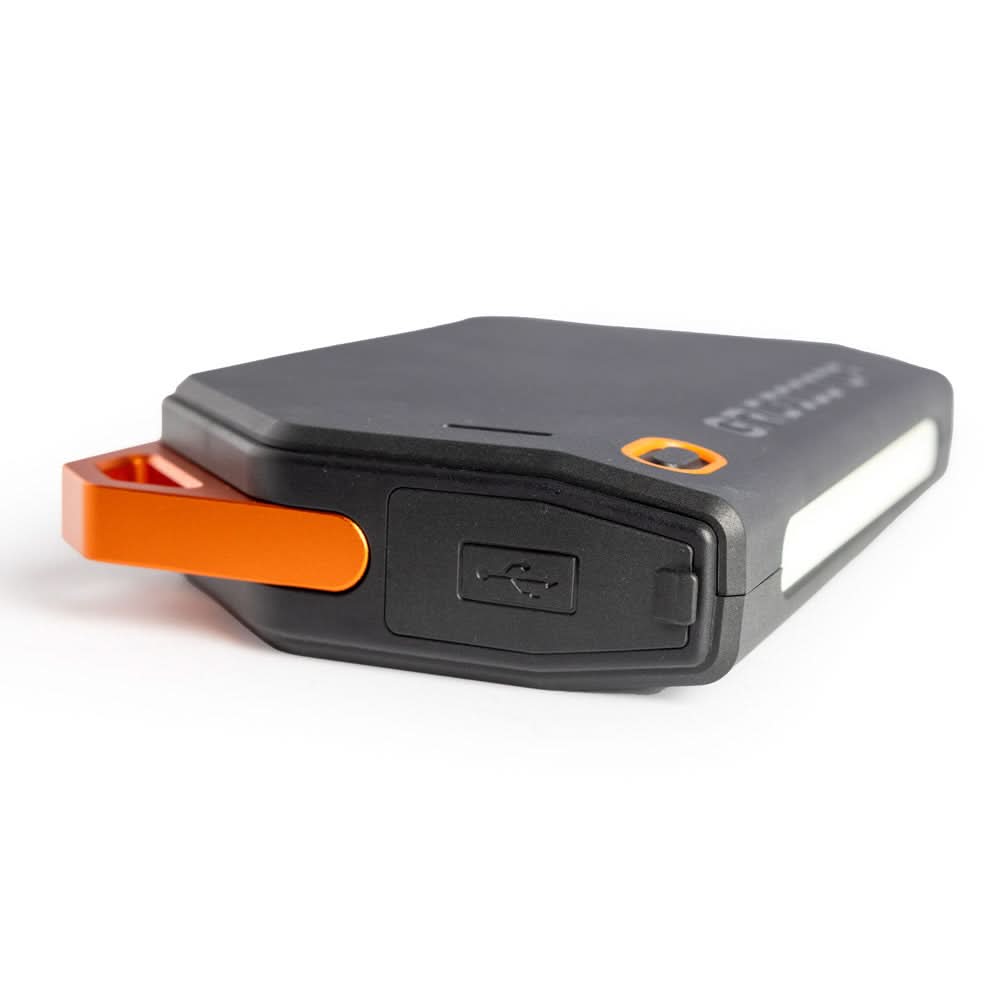
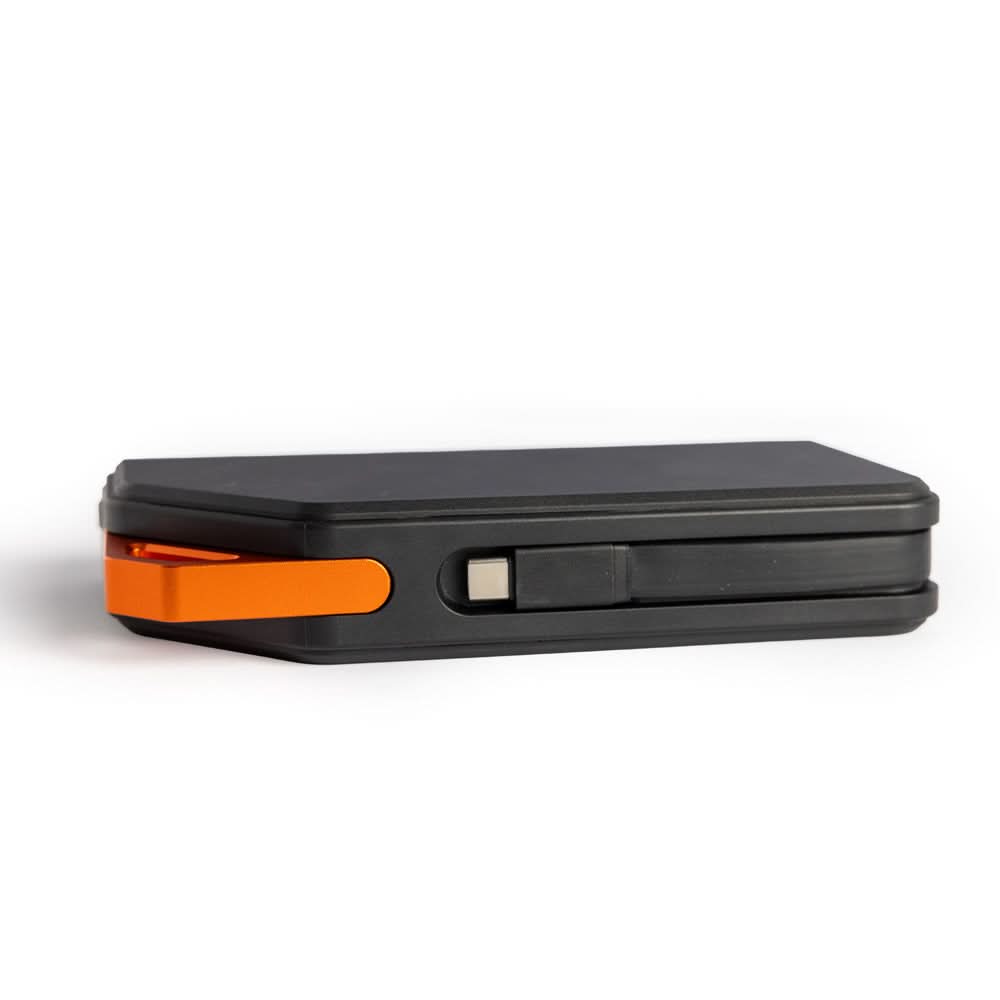
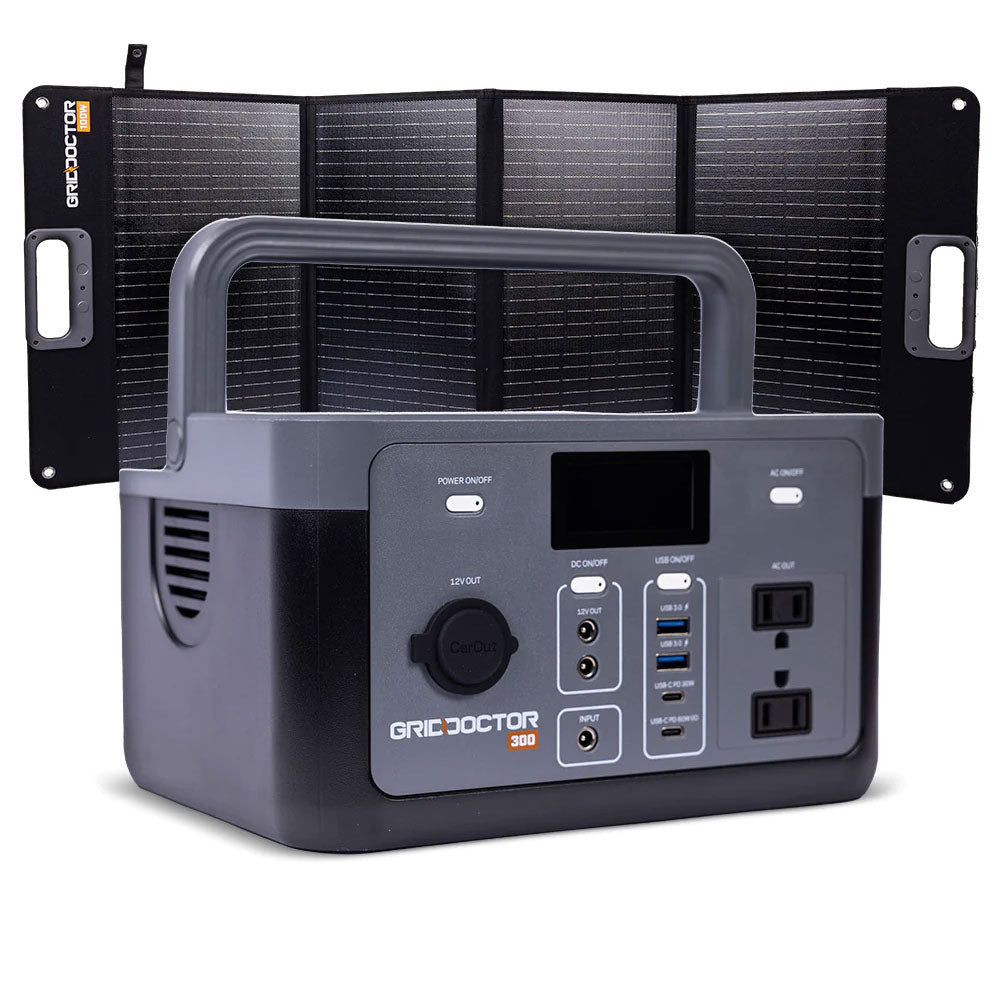
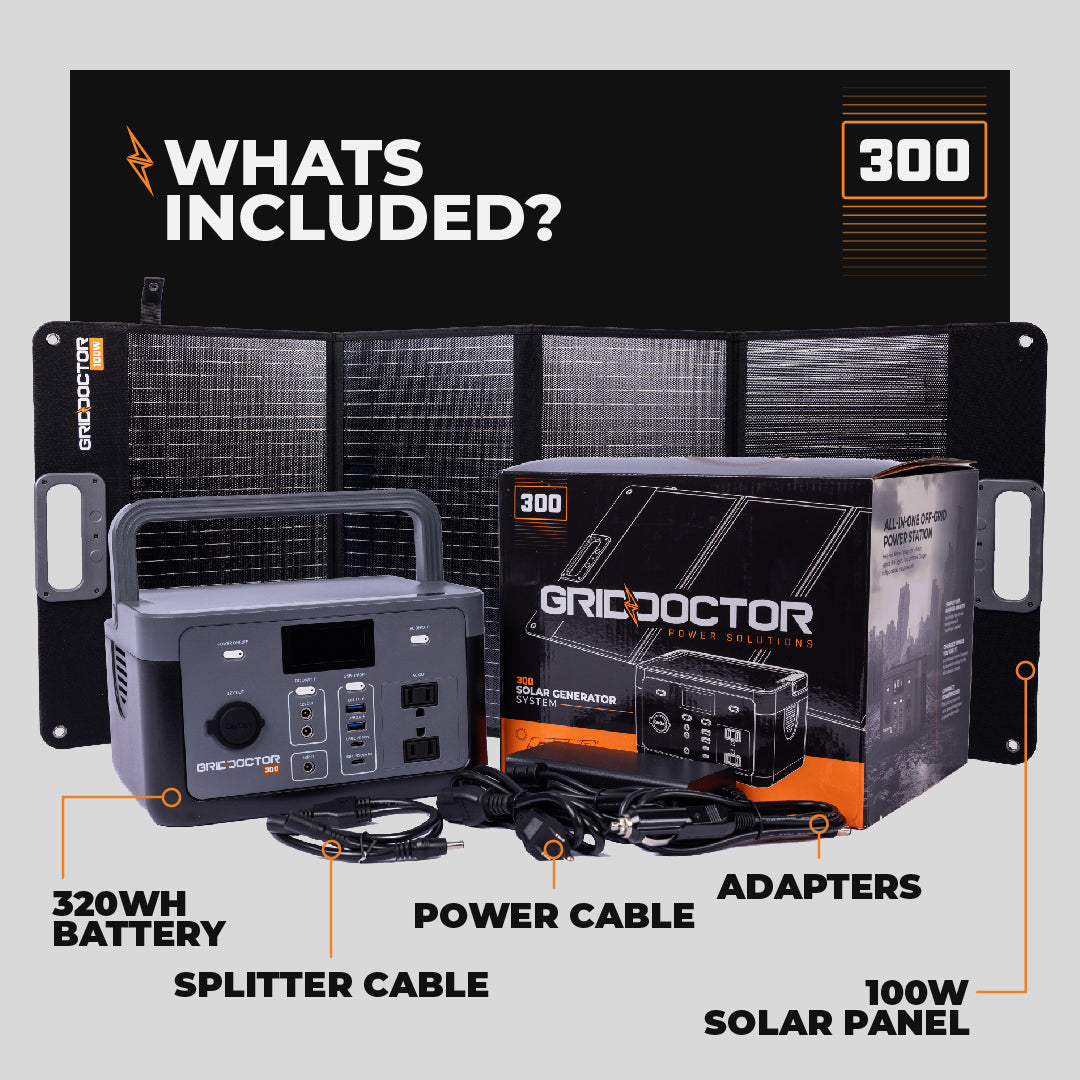
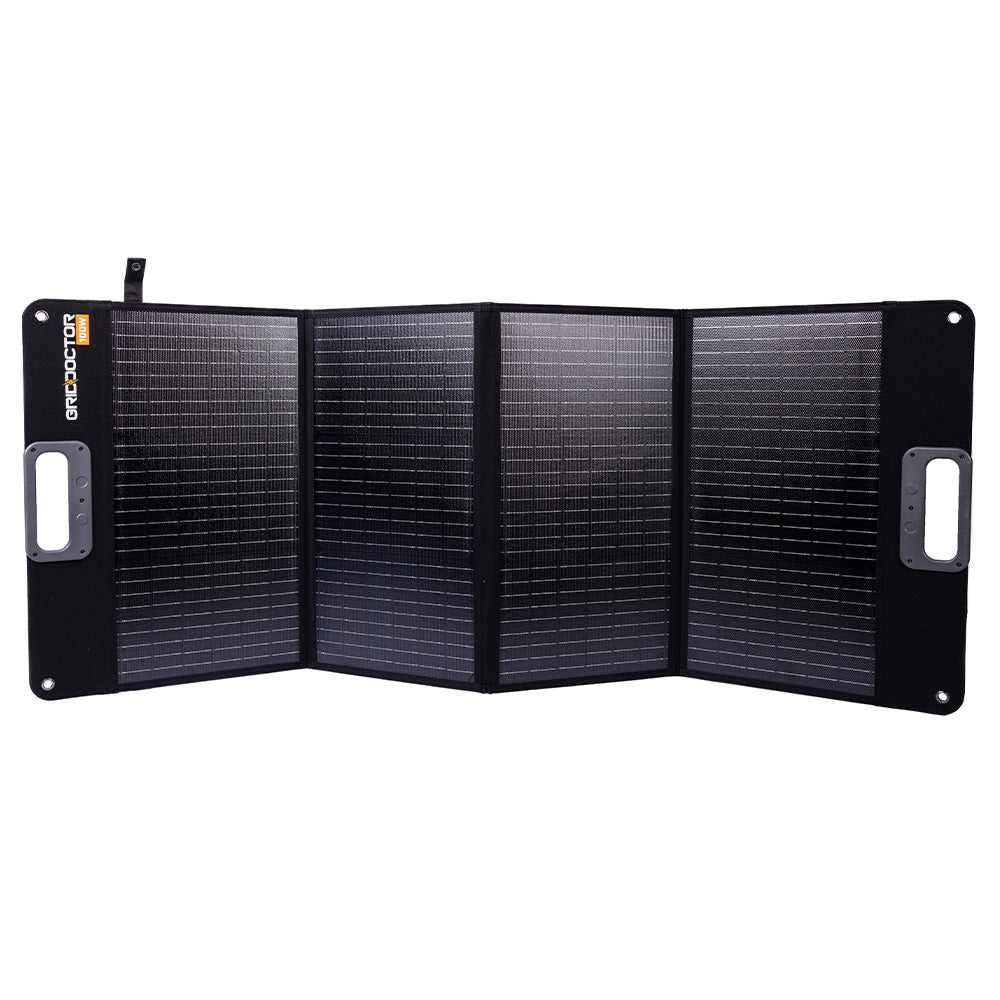
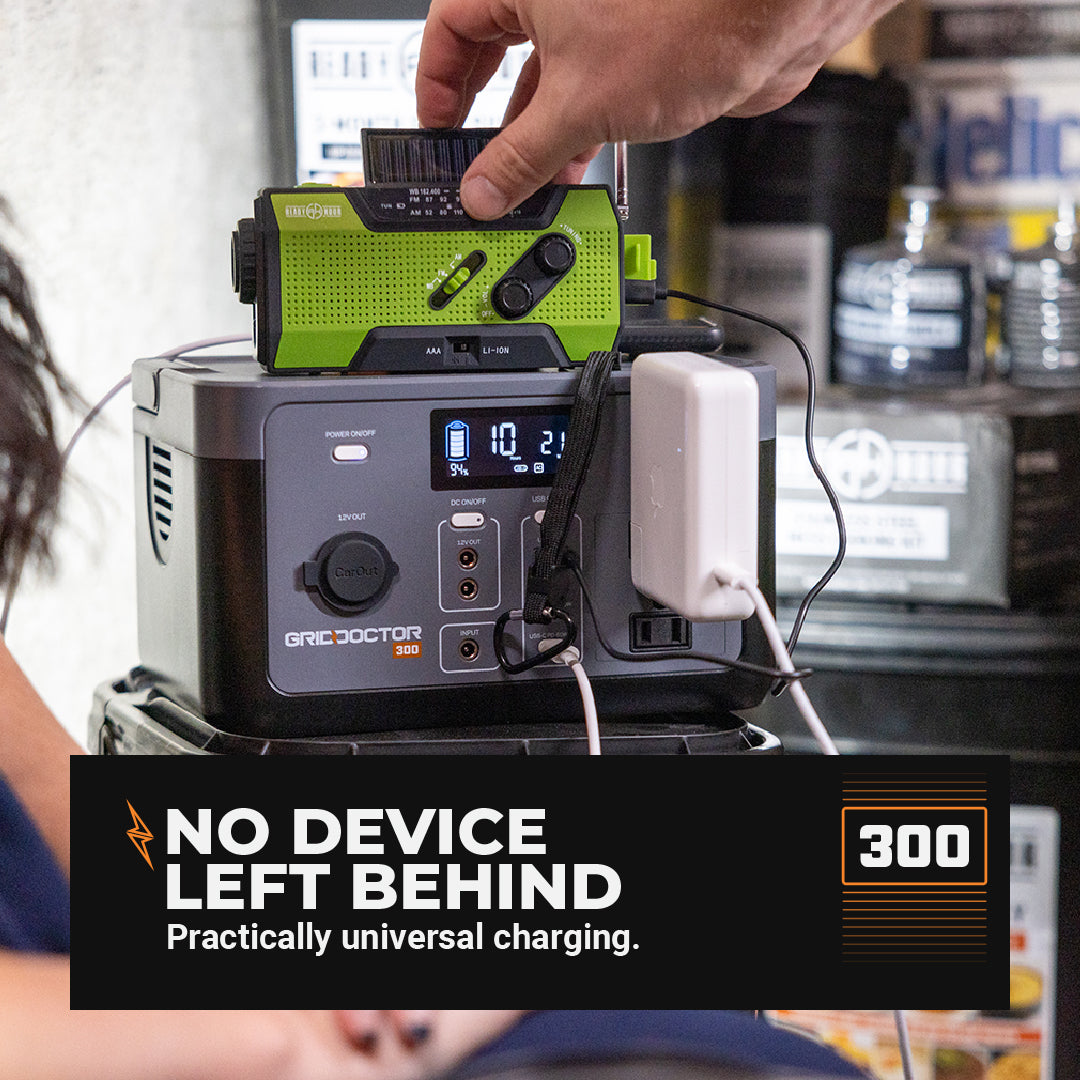
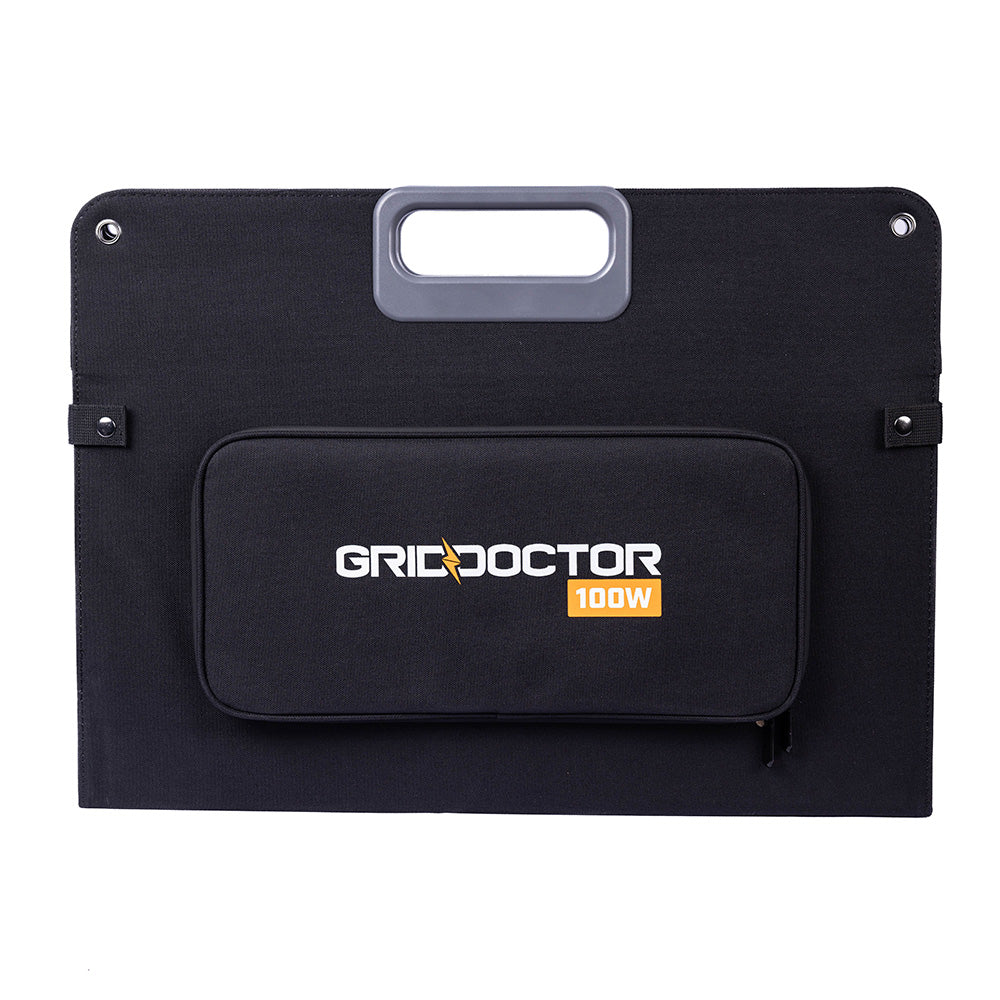
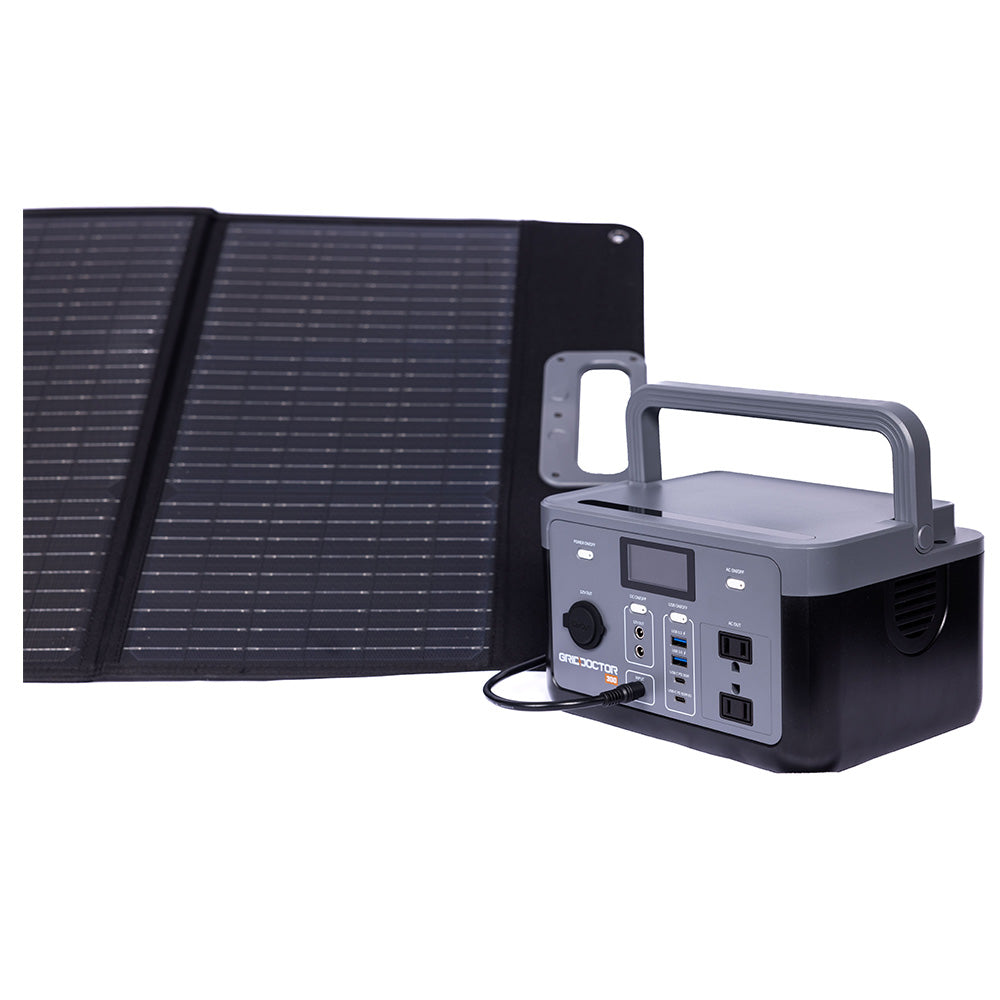
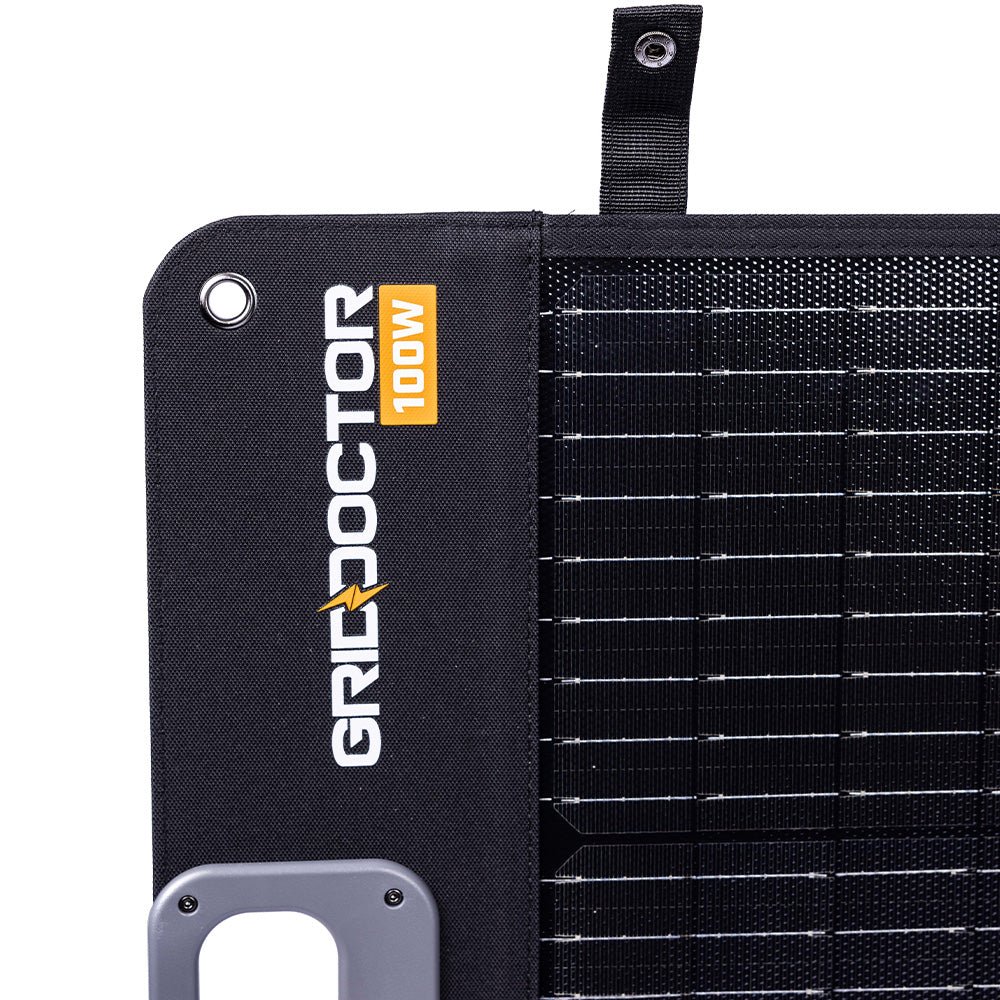
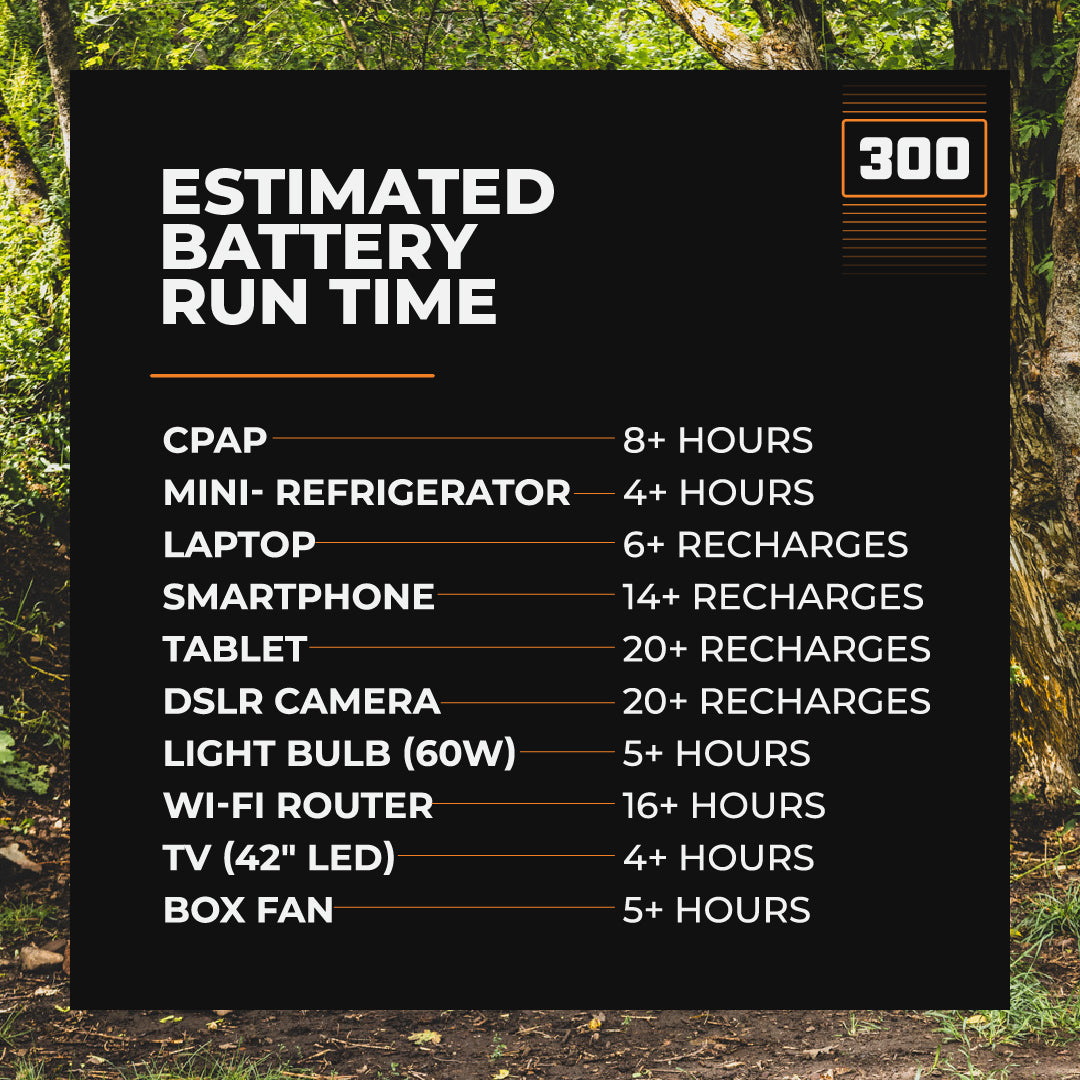
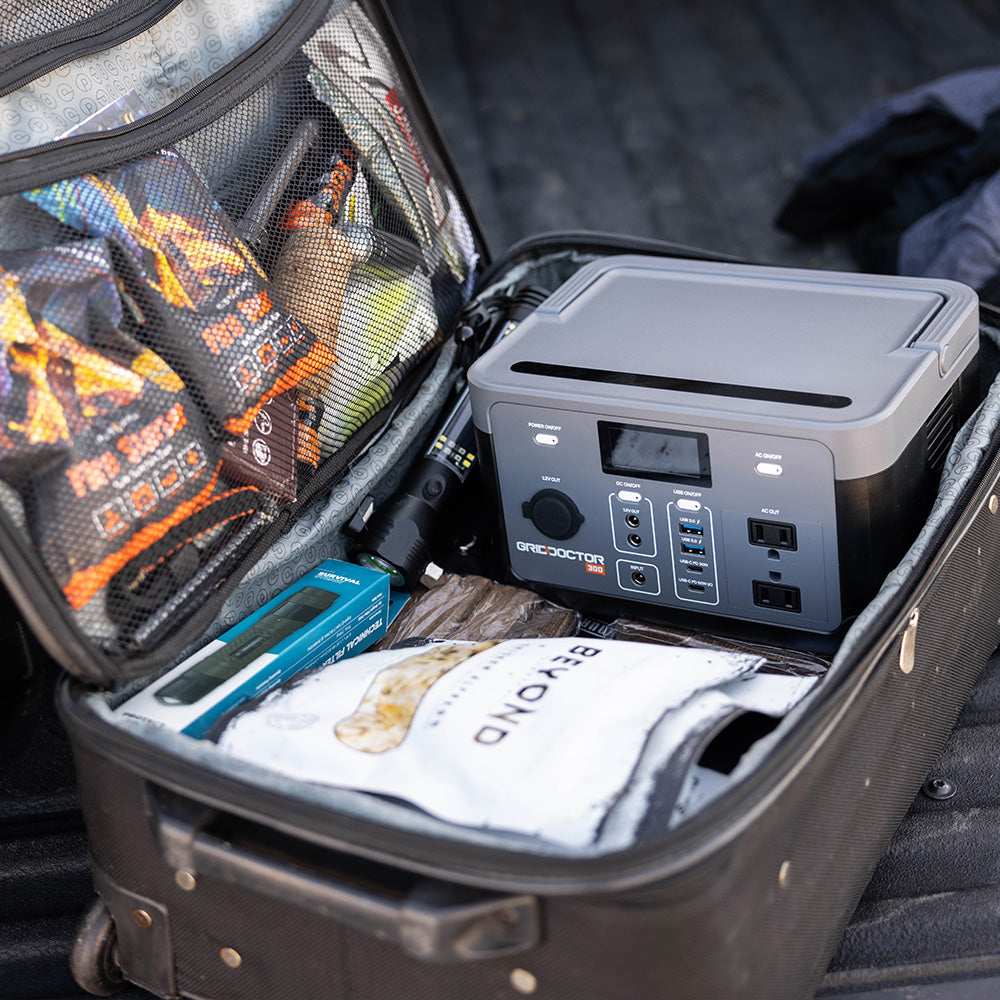
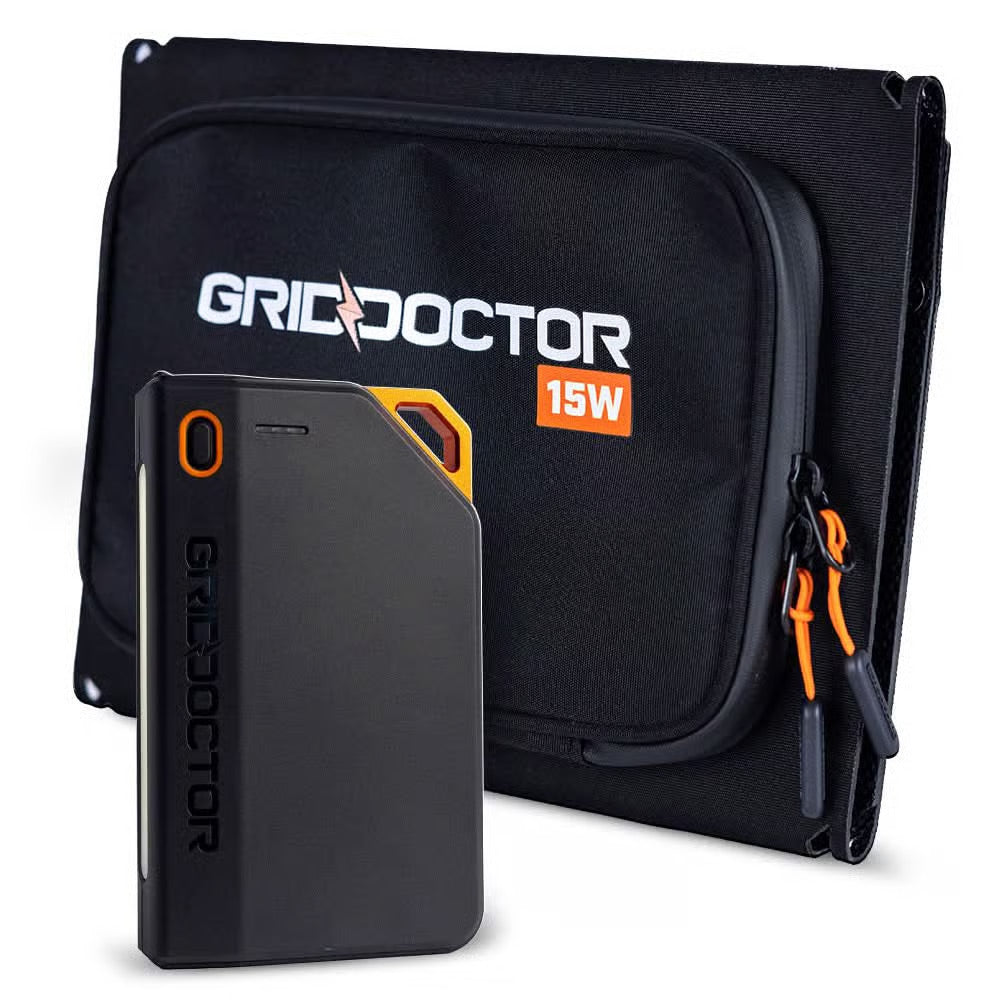
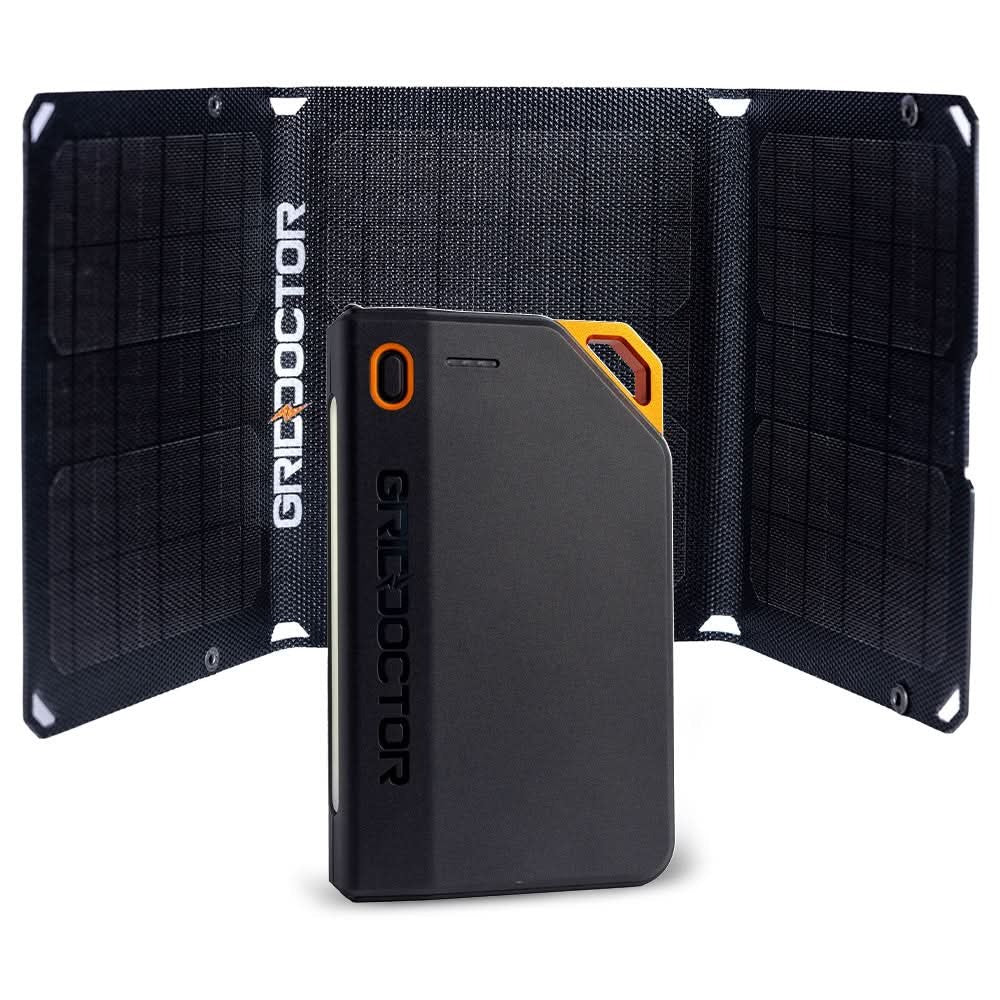
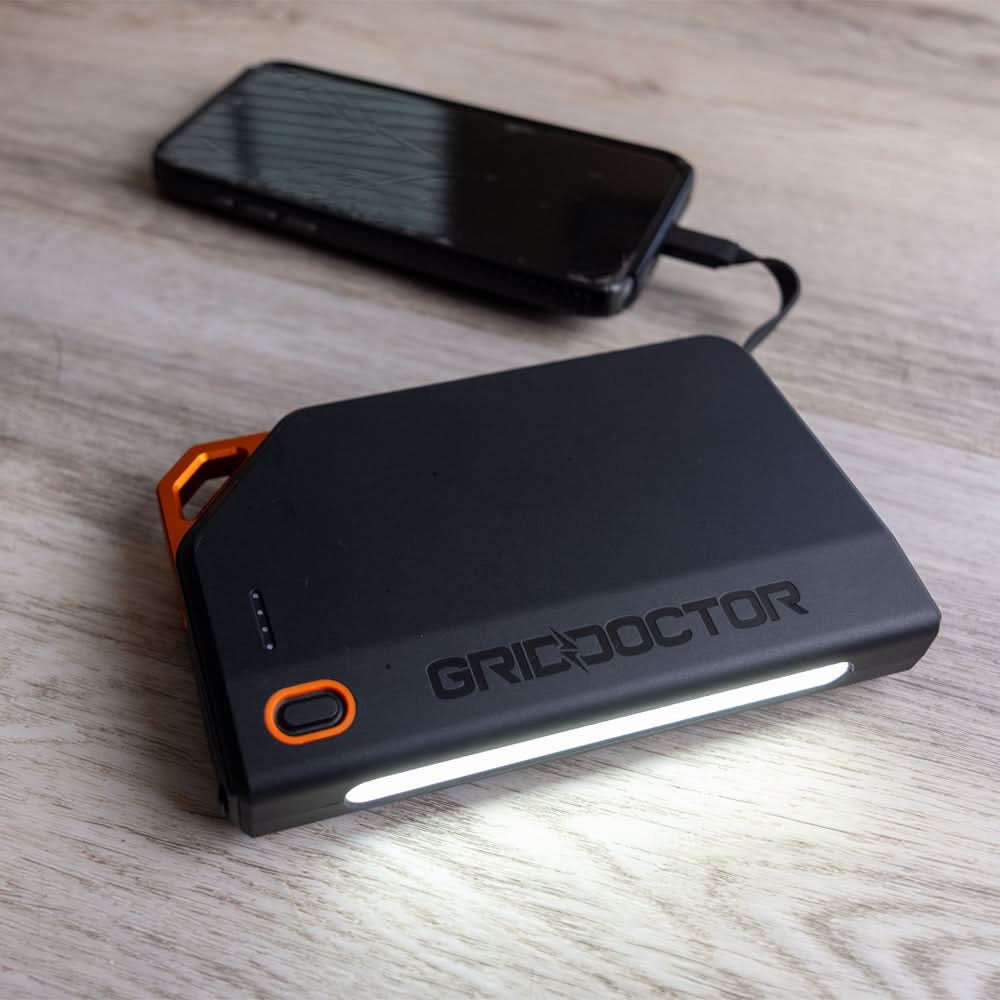
Backup power can help keep phones, lights, radios, and other essential devices running if flooding causes an outage or disrupts utilities.
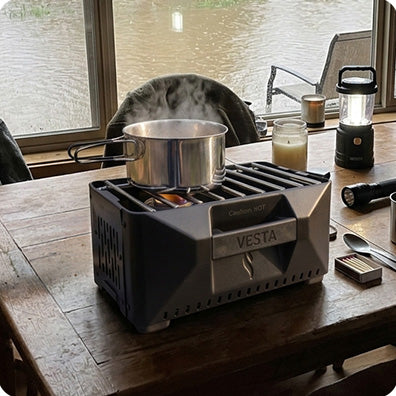
Cooking
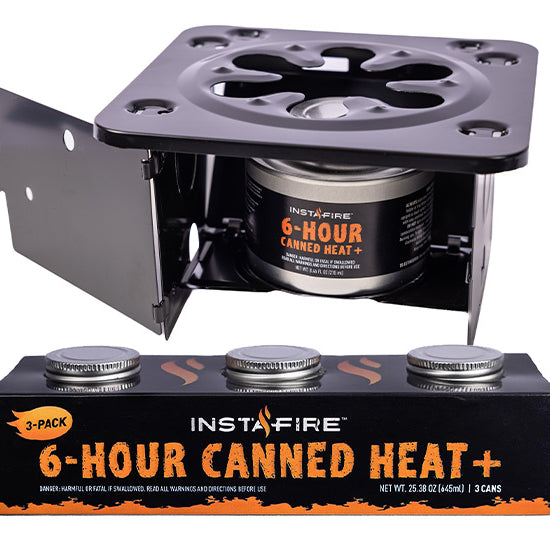
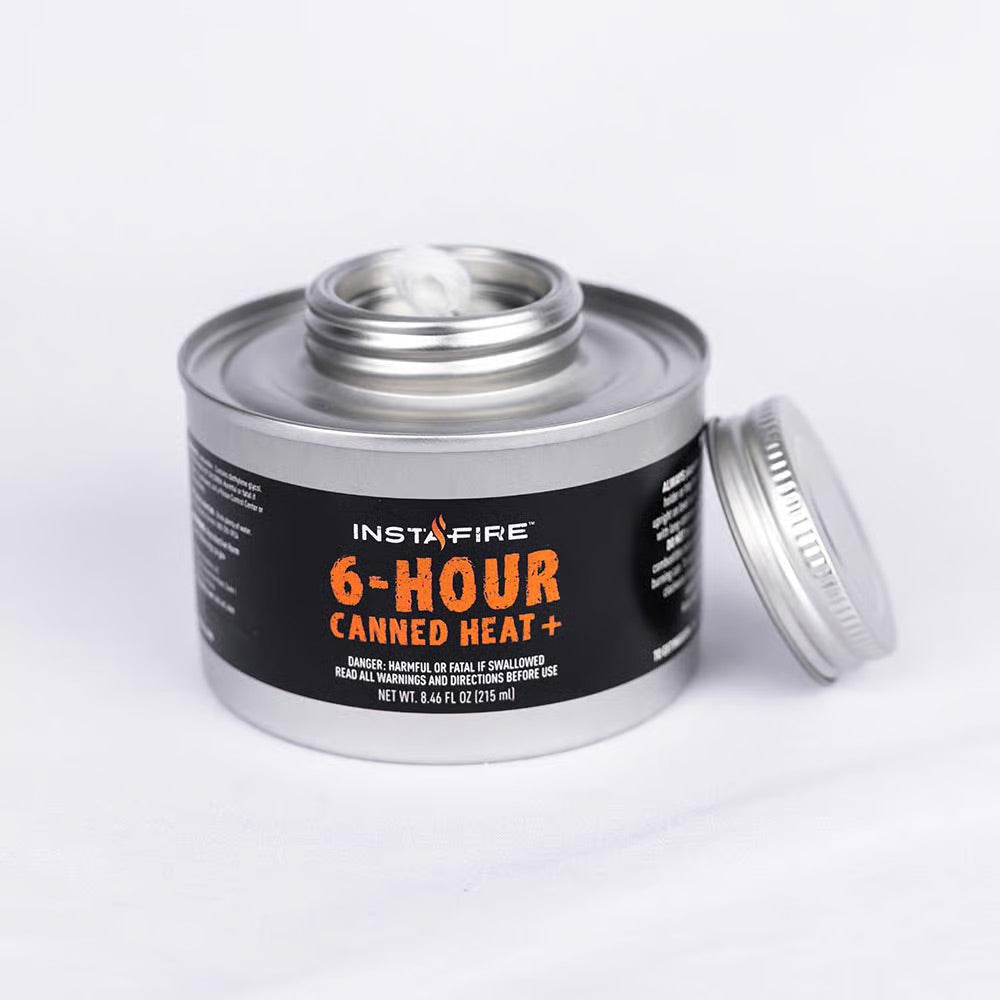
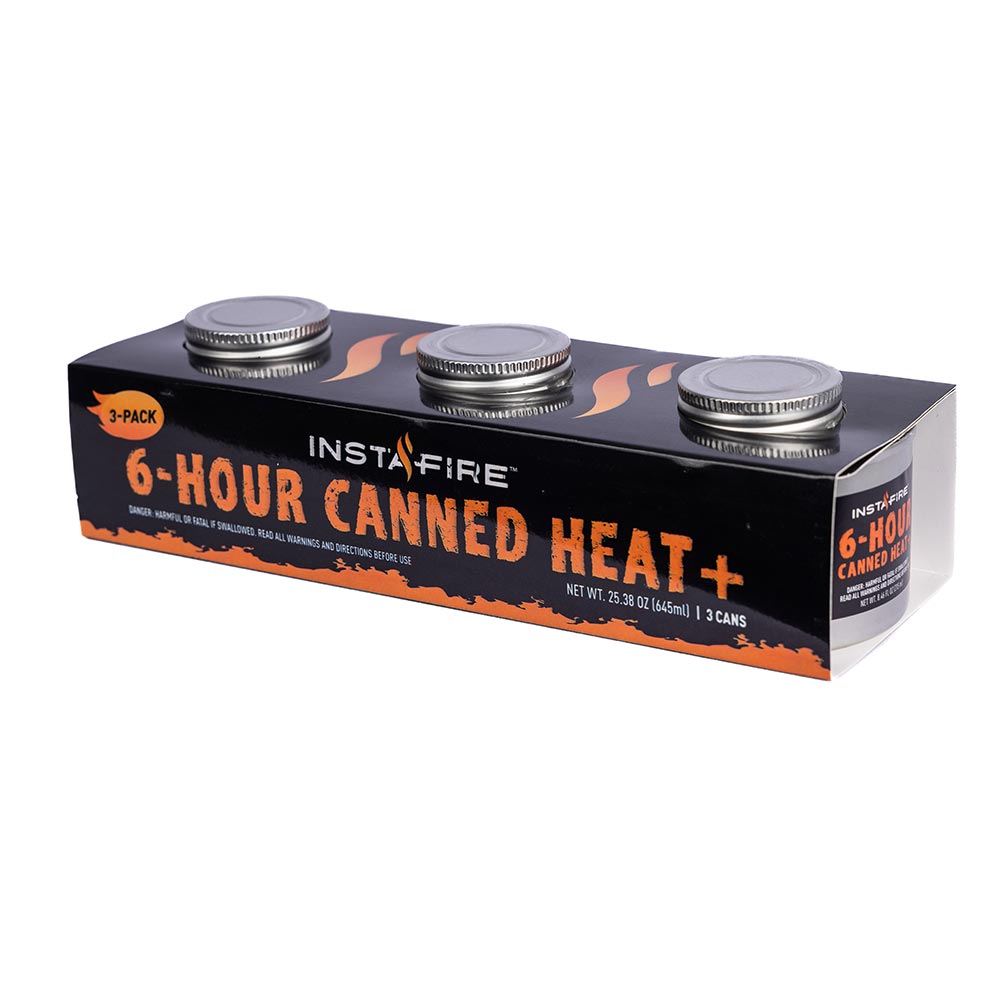
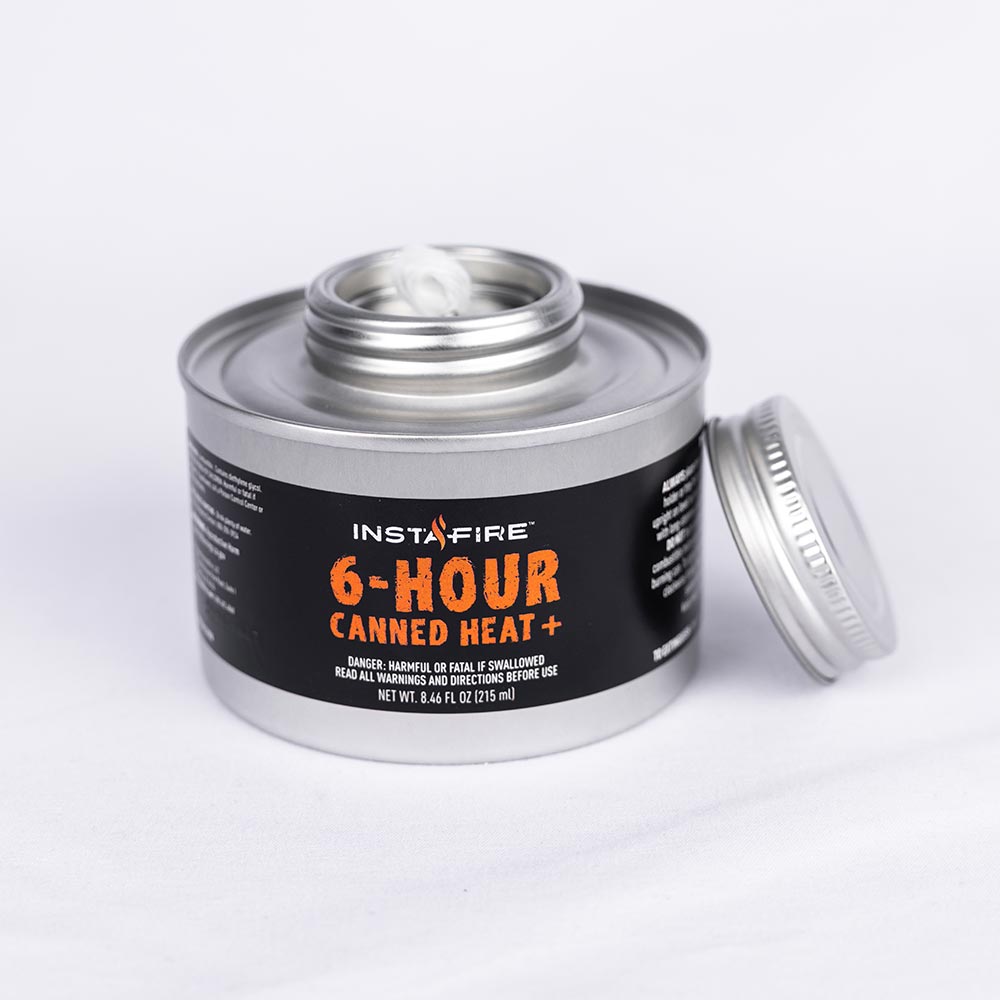
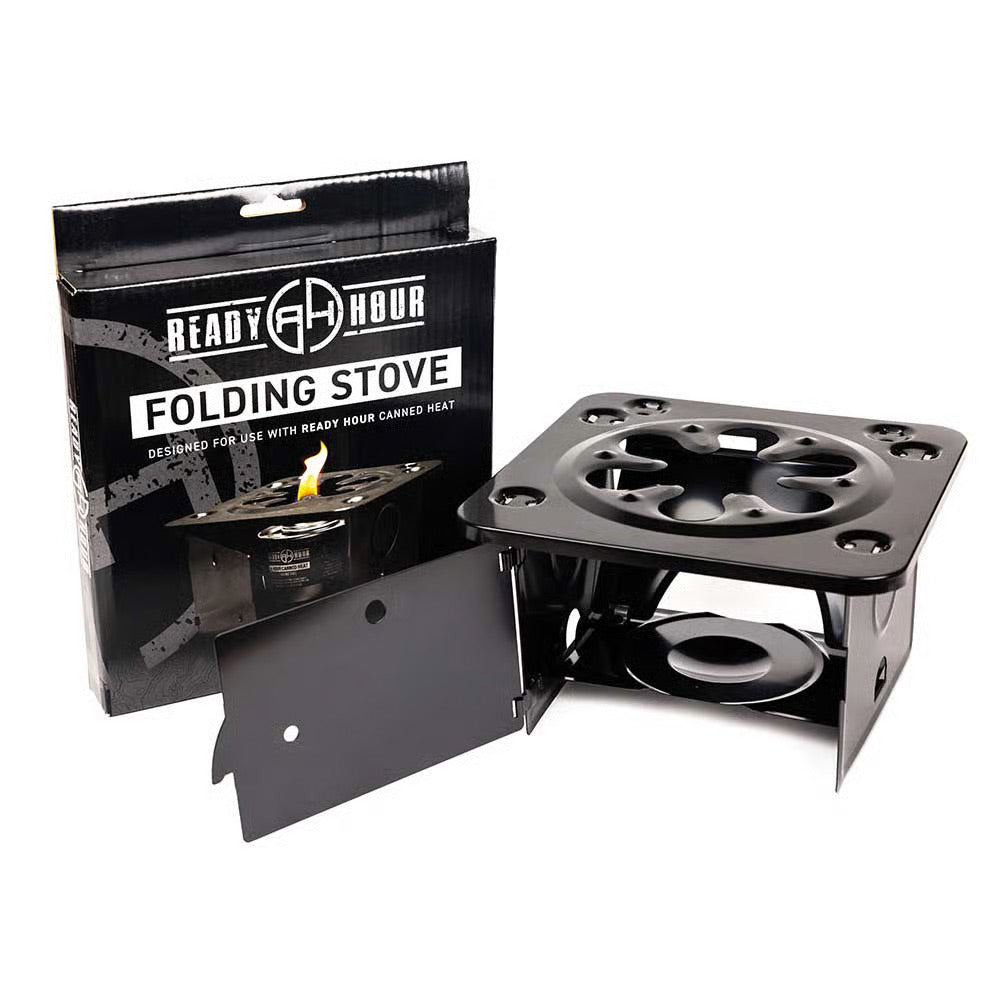
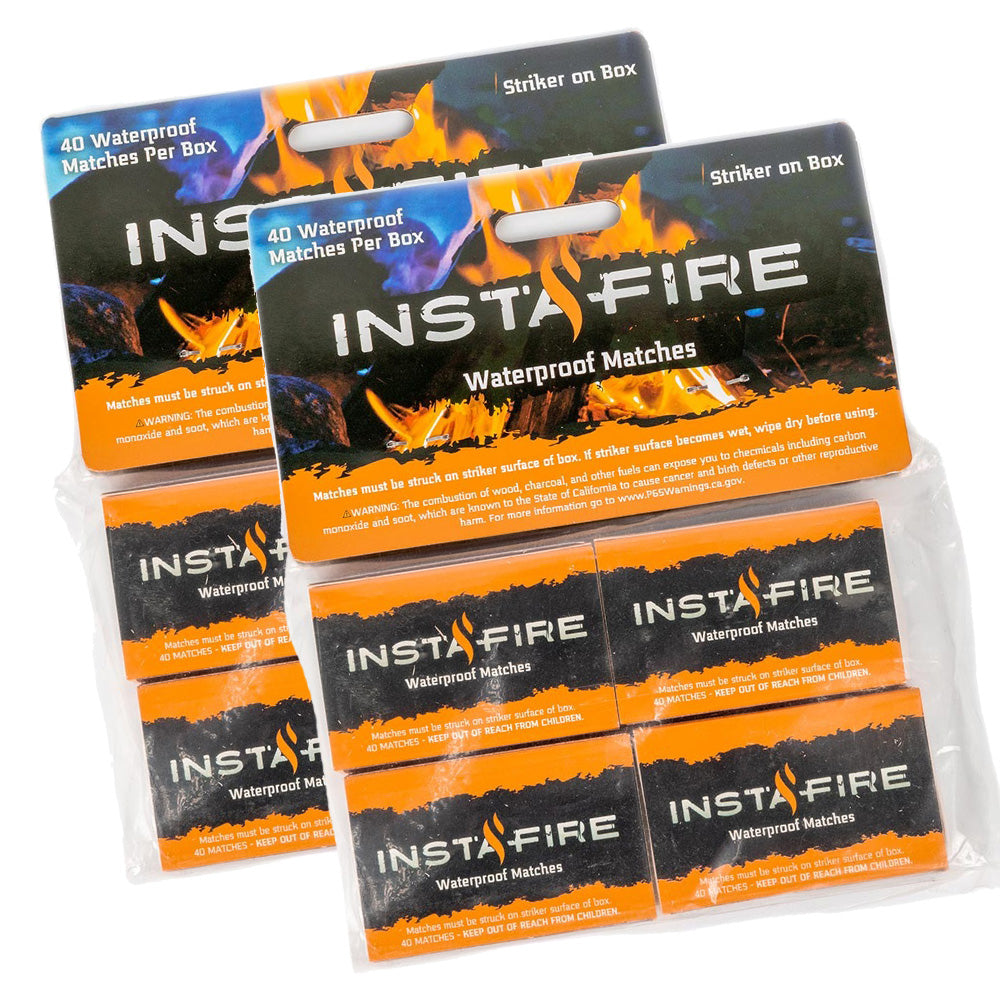
Have a safe backup way to prepare food if electricity or gas service is unavailable, especially during a prolonged outage.
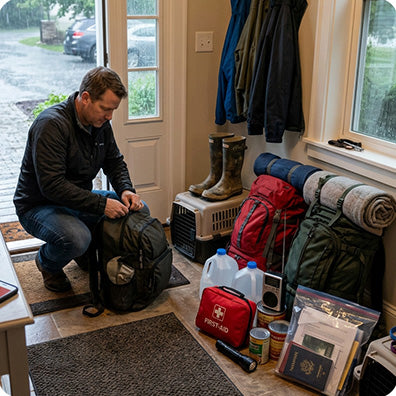
Evacuation
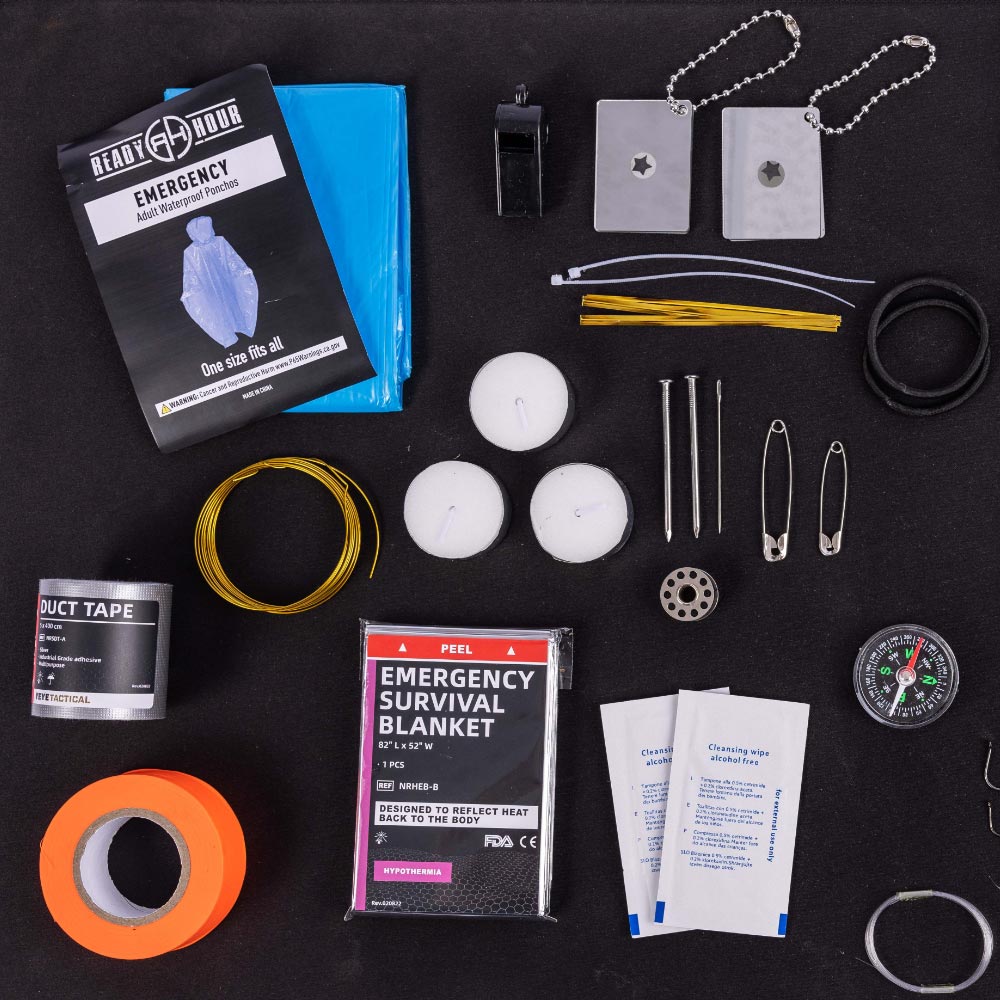
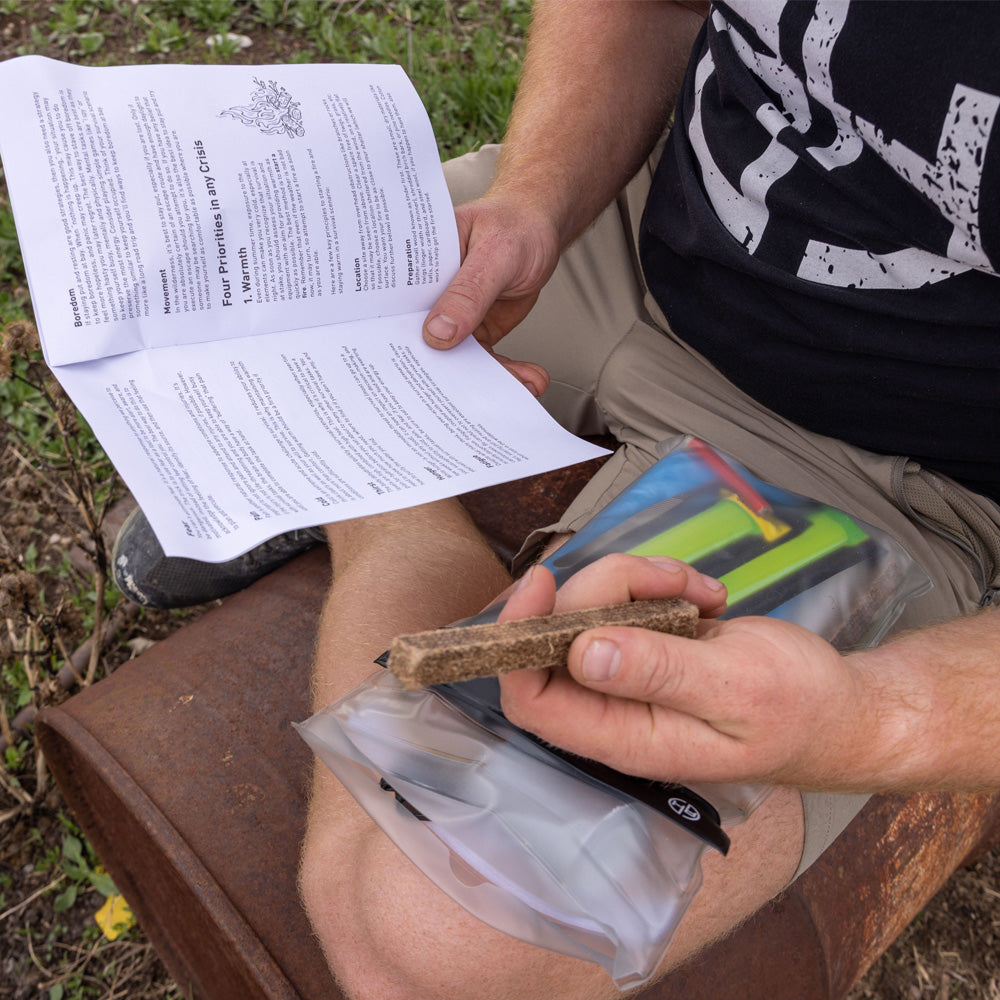
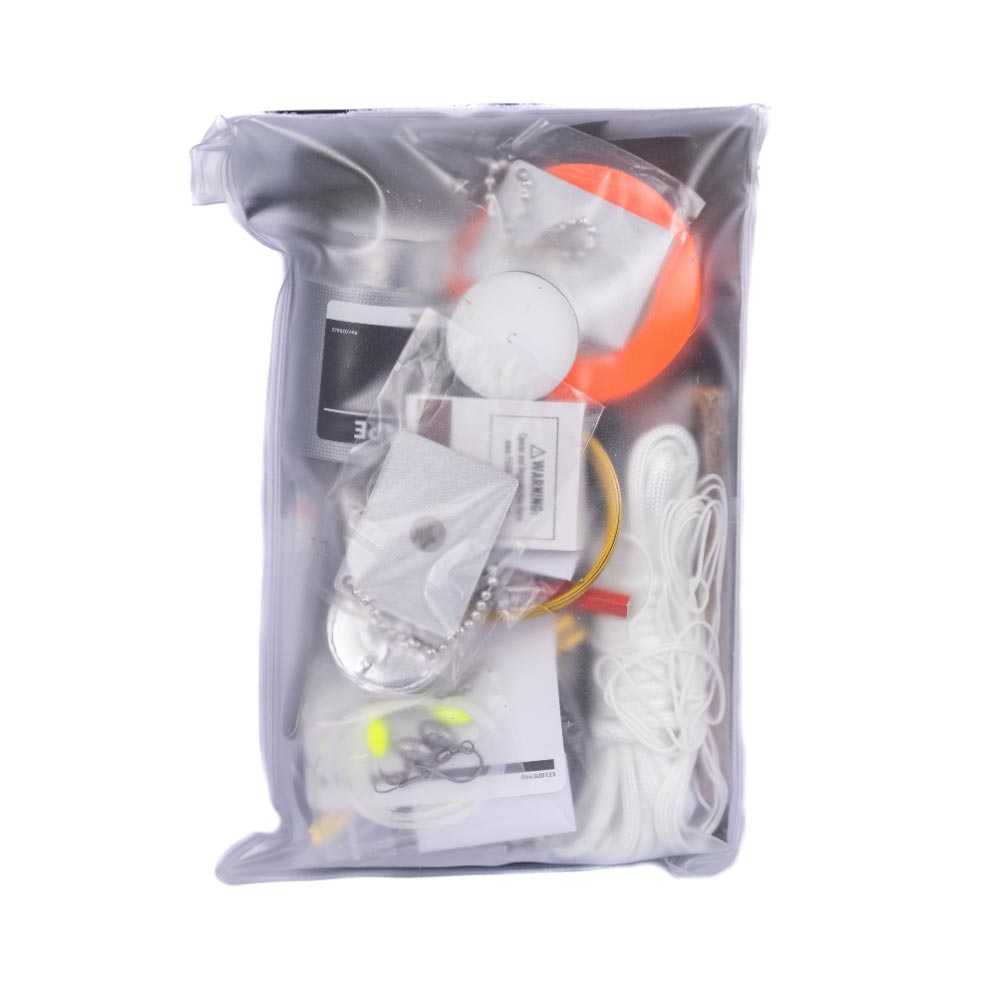
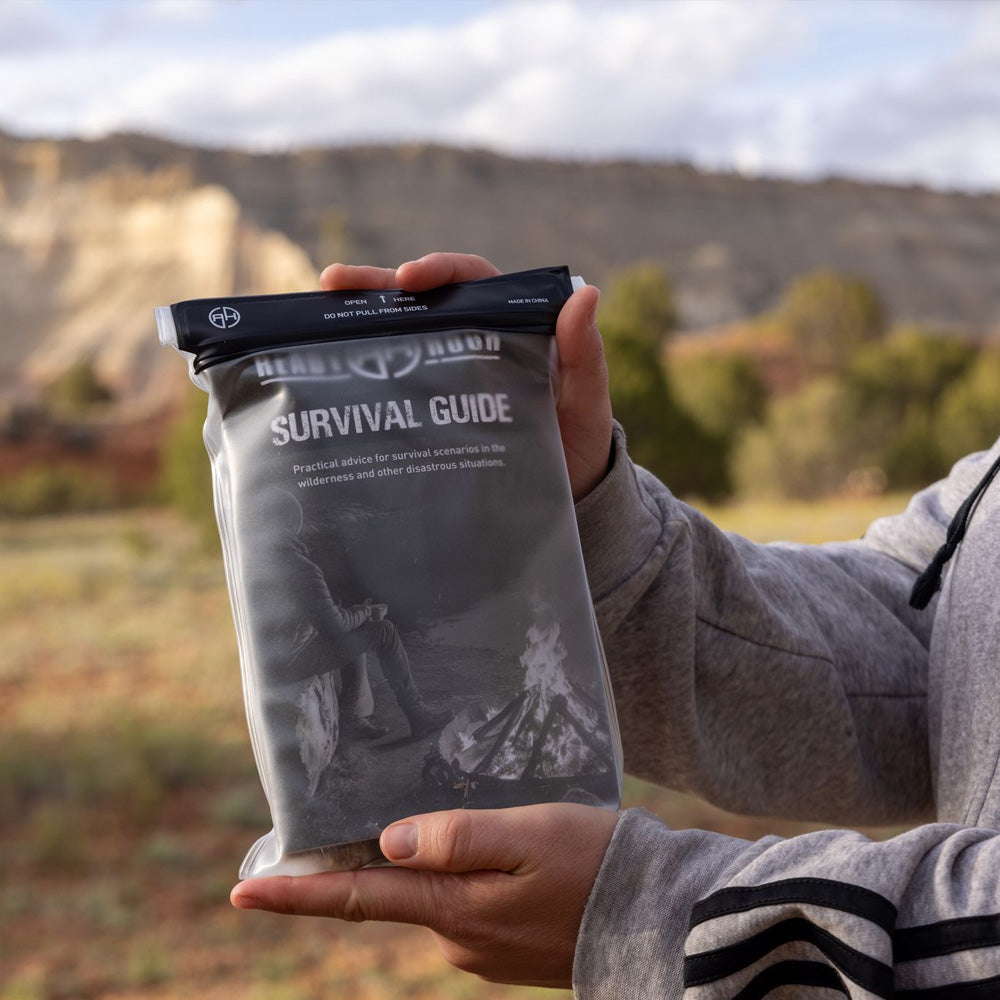
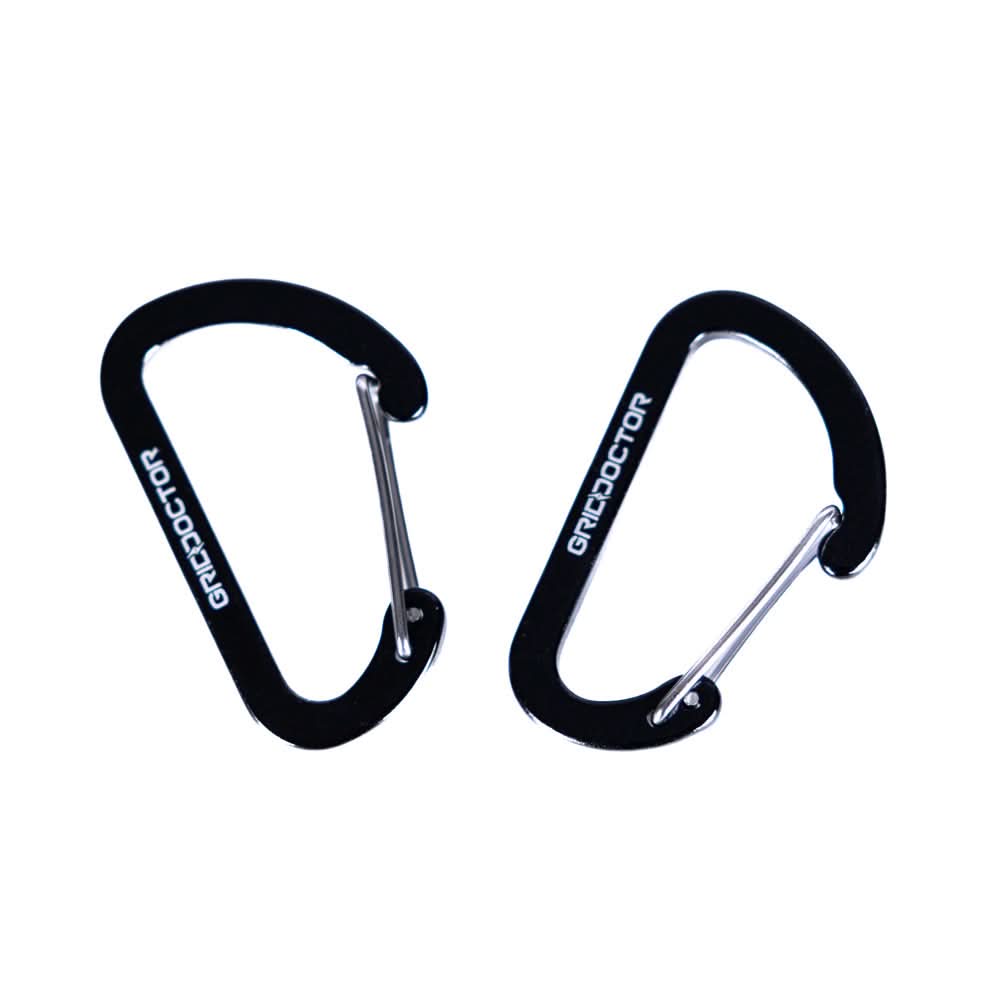
Keep essential supplies together and ready to grab so you can leave quickly if rising water or local officials force an evacuation.
Protect Your Emergency Food Supply
Where you keep emergency food matters during a flood. Store it off the floor and above areas that could take on water, especially in basements, garages, and other low-lying spaces.
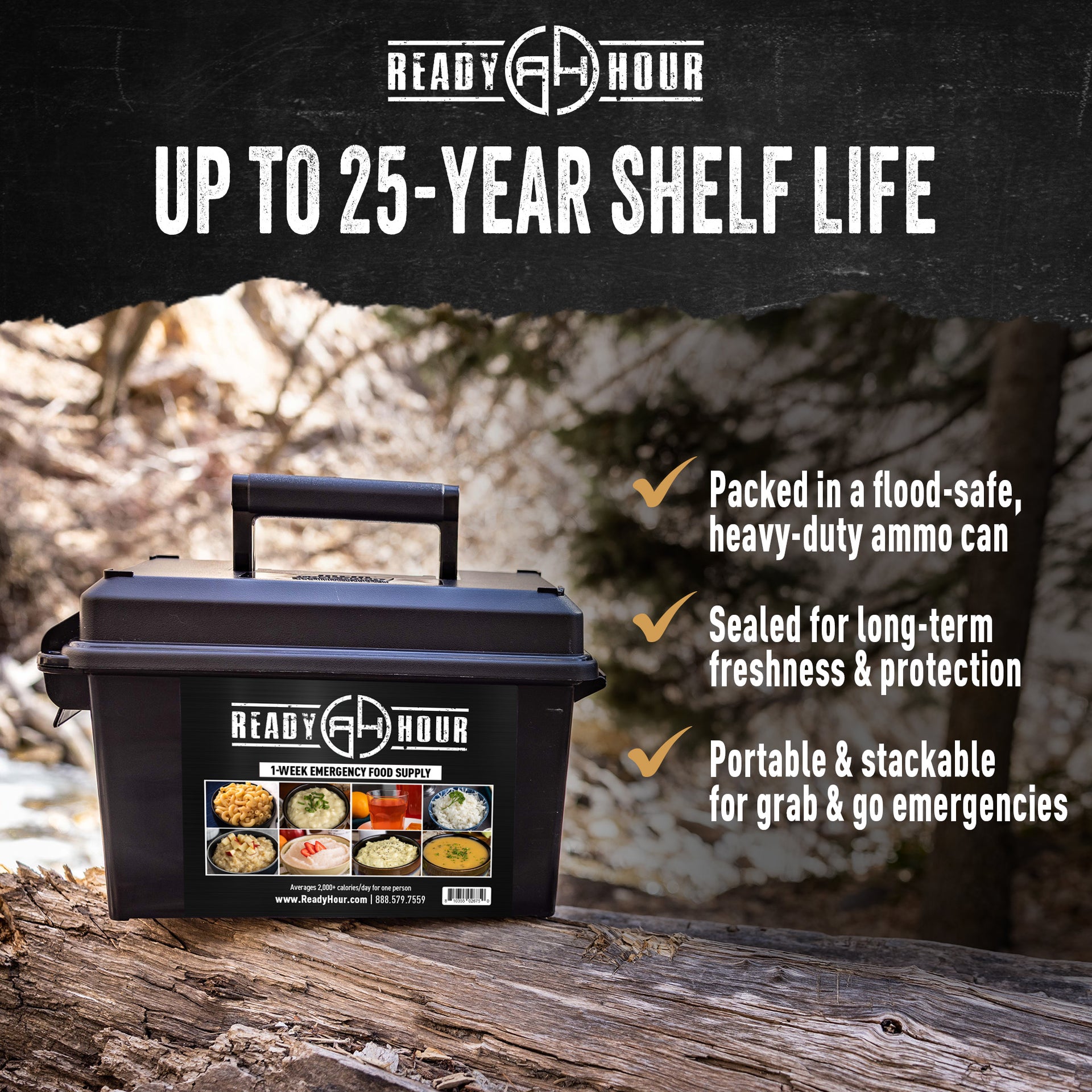
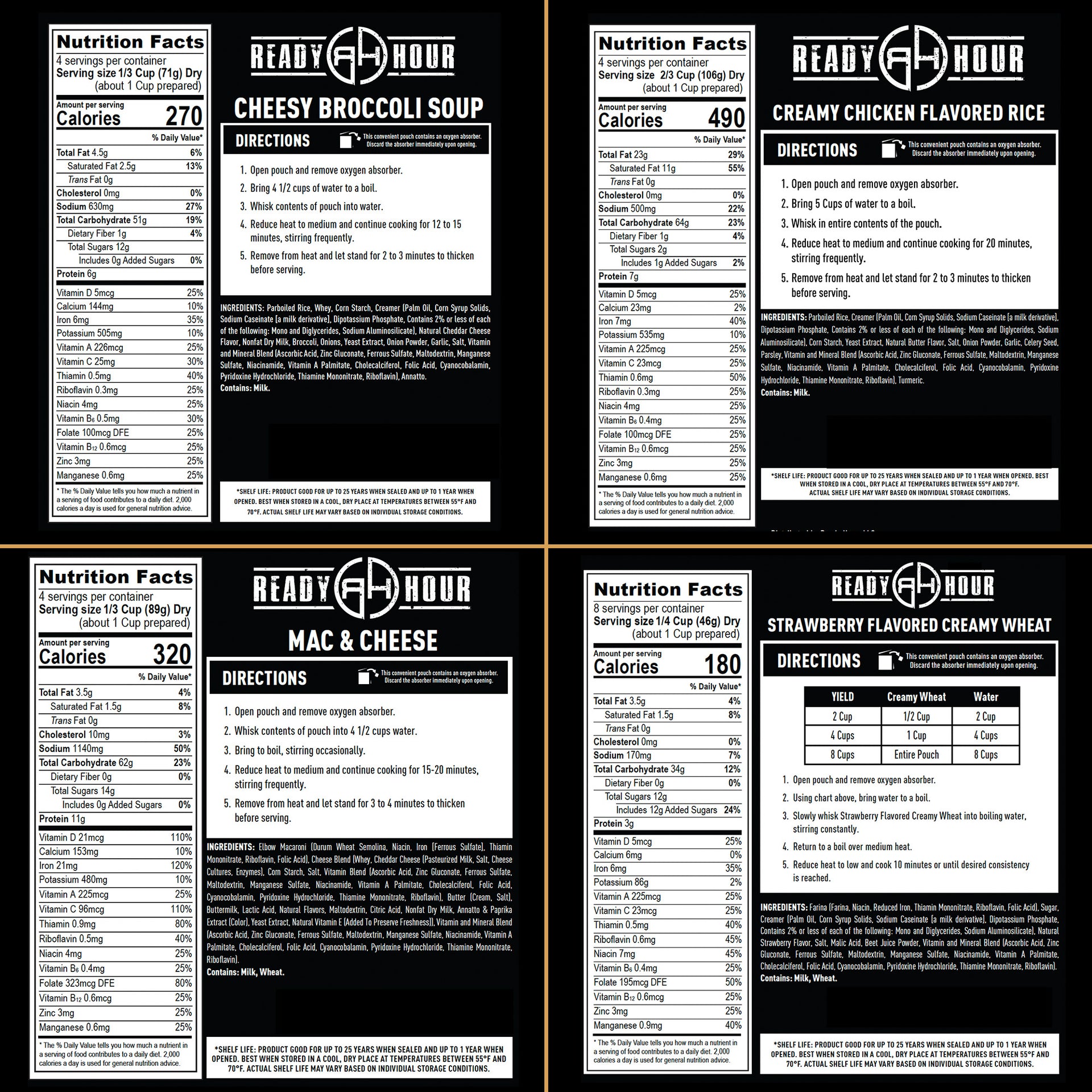
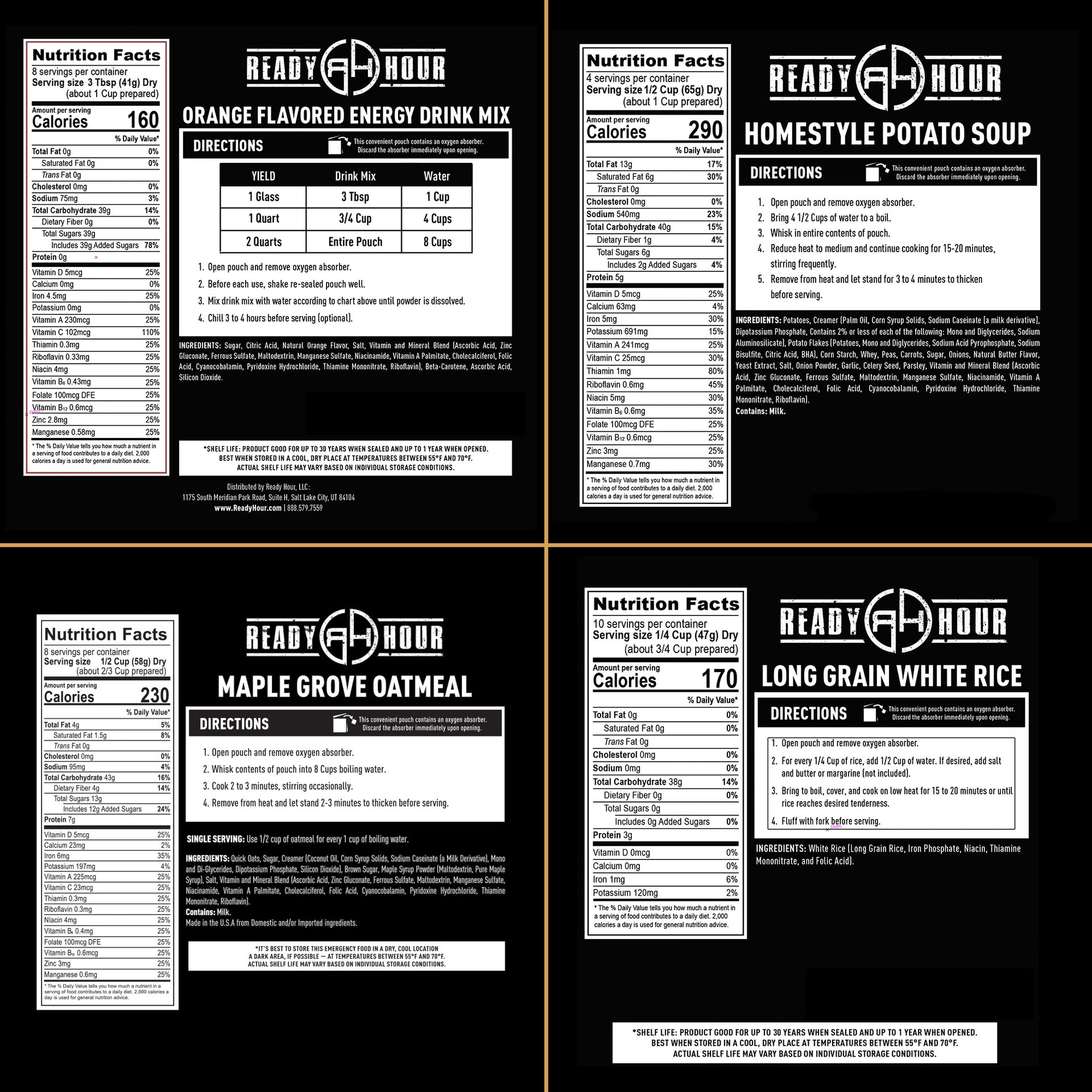
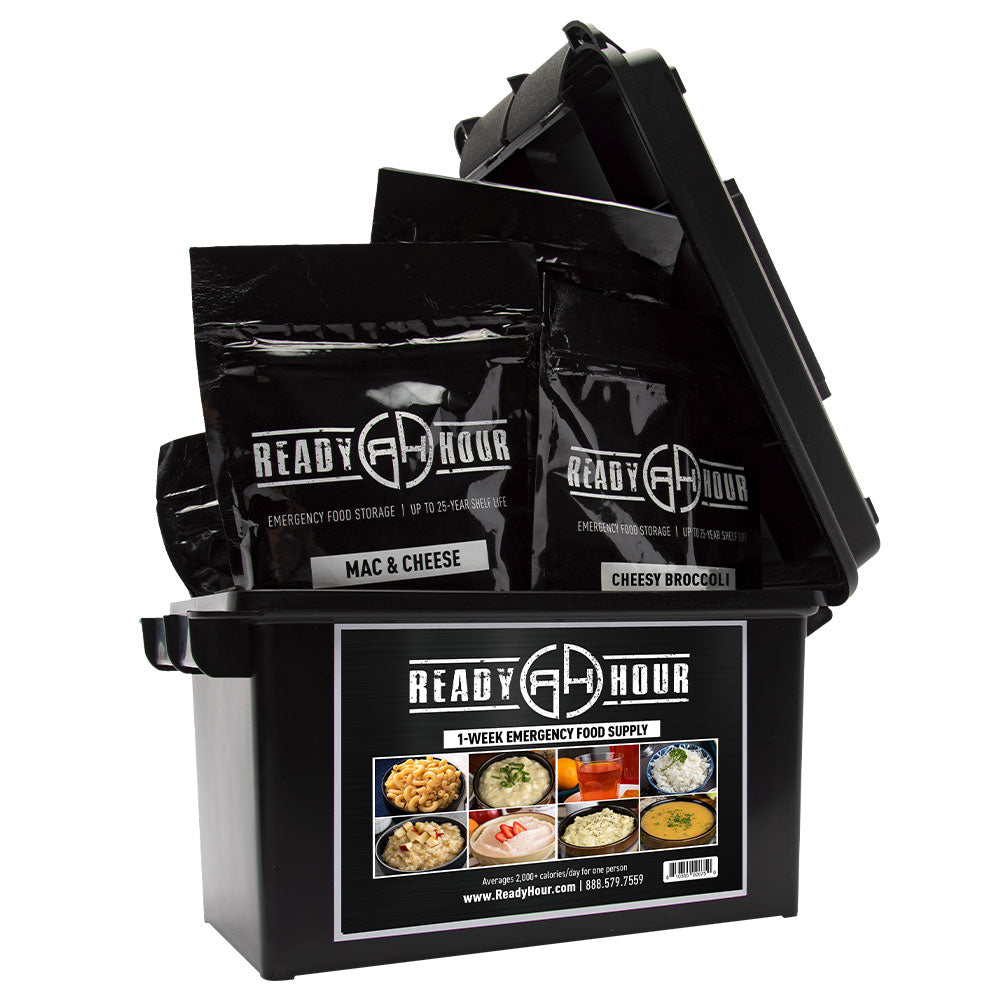
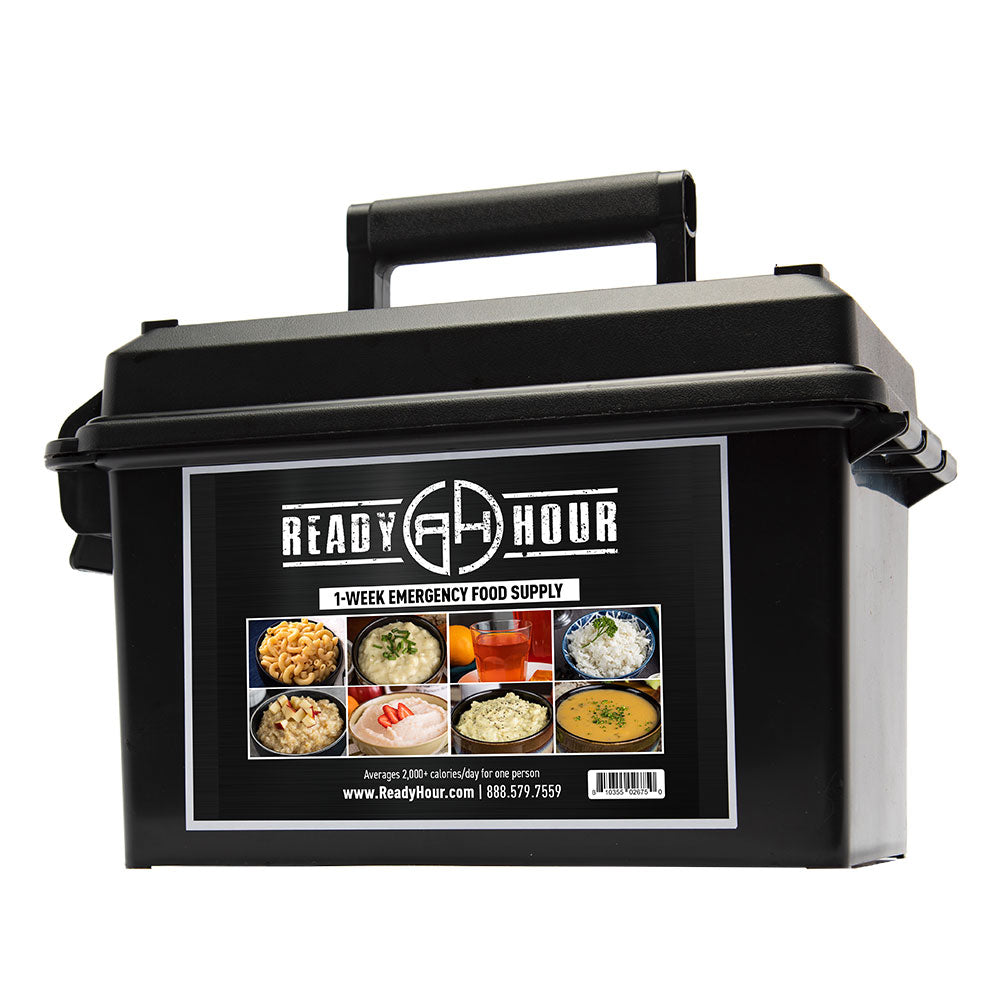
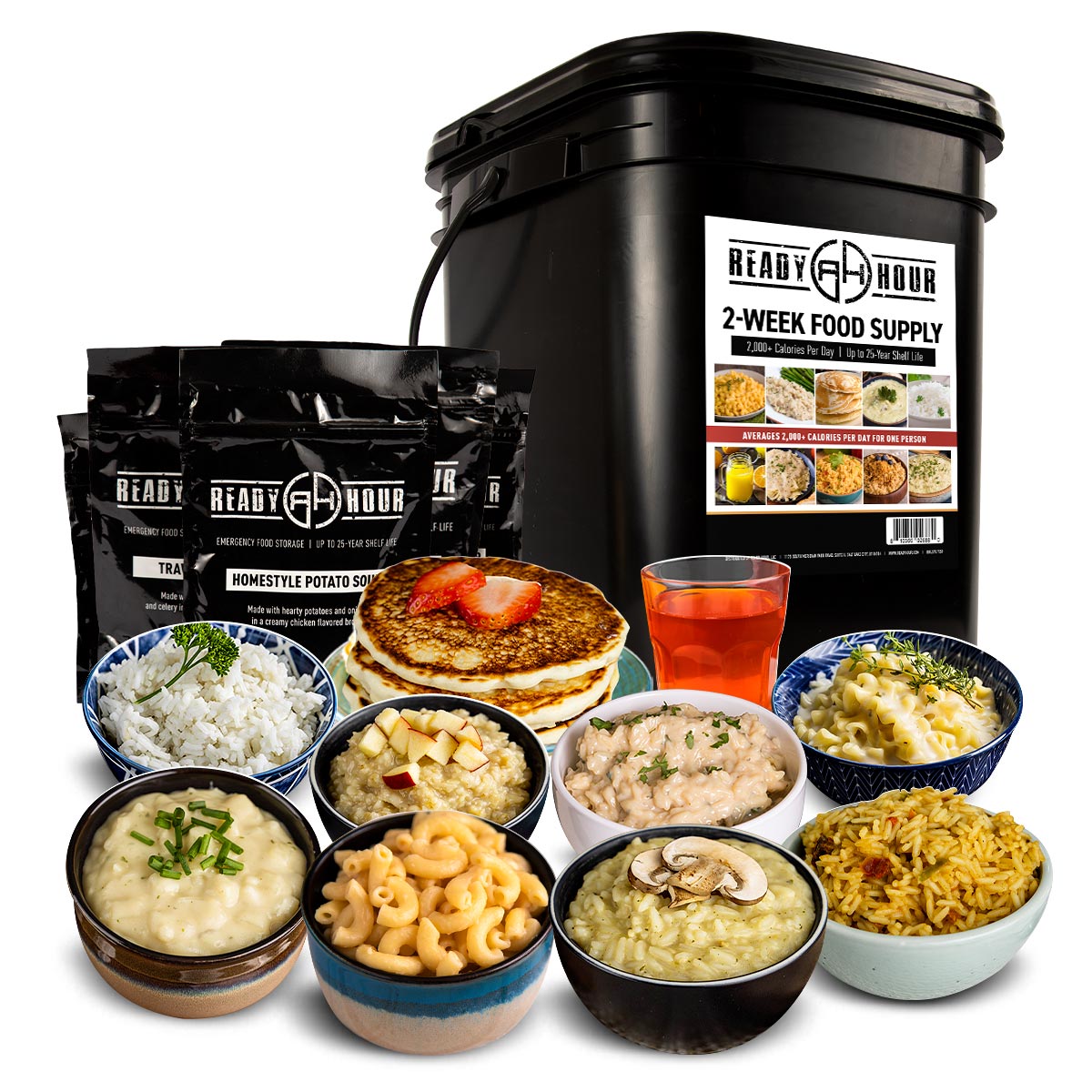
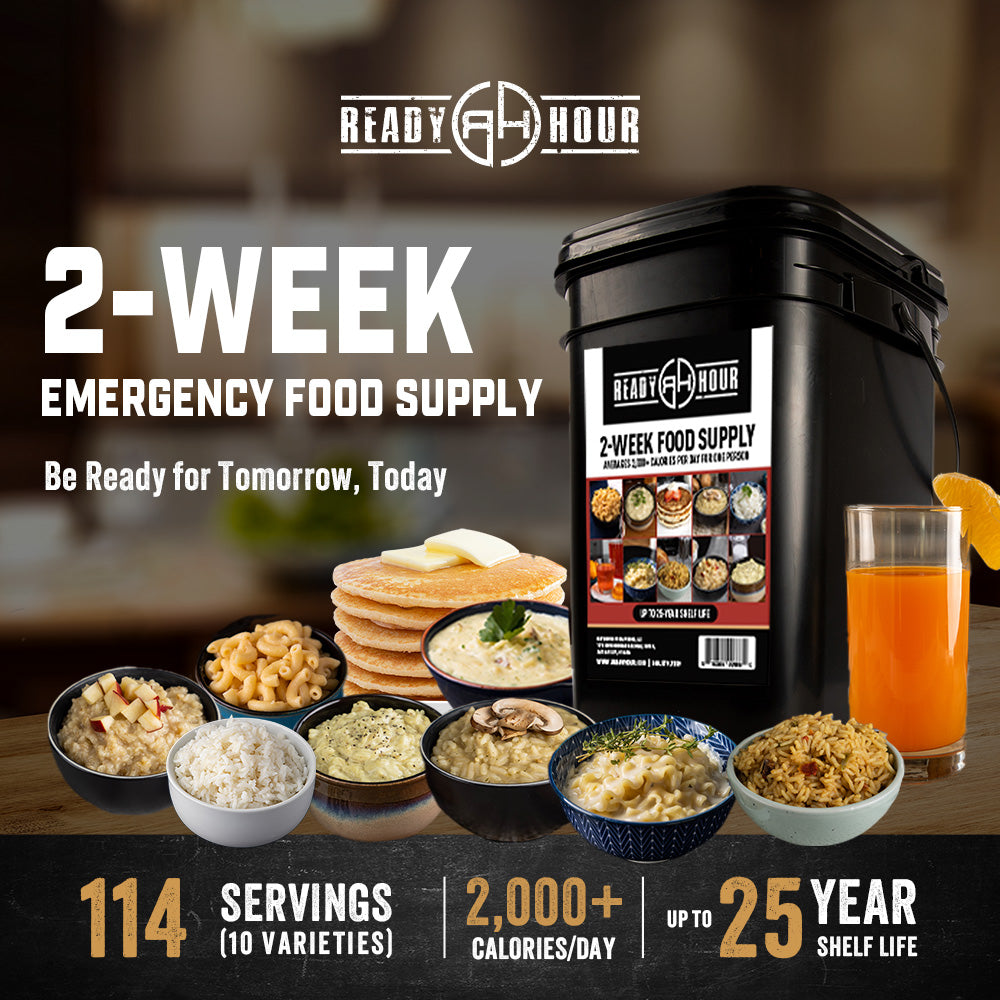
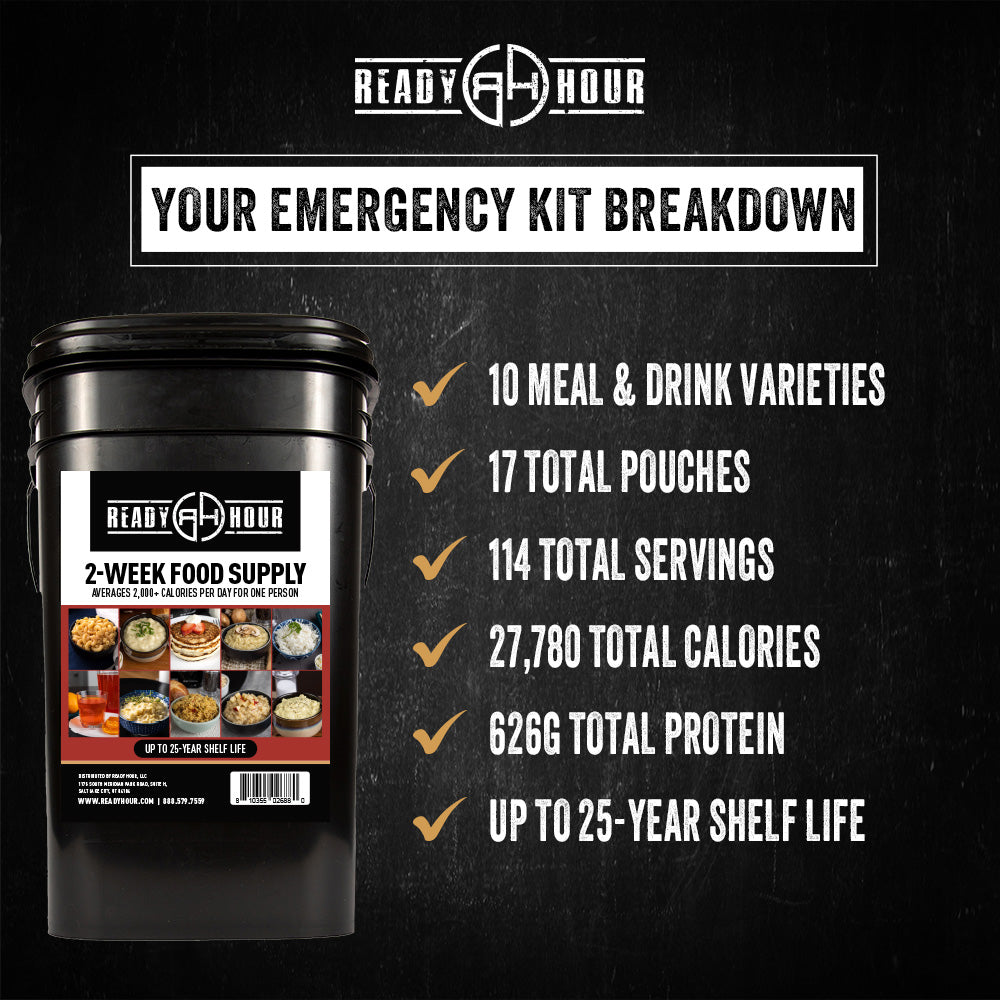
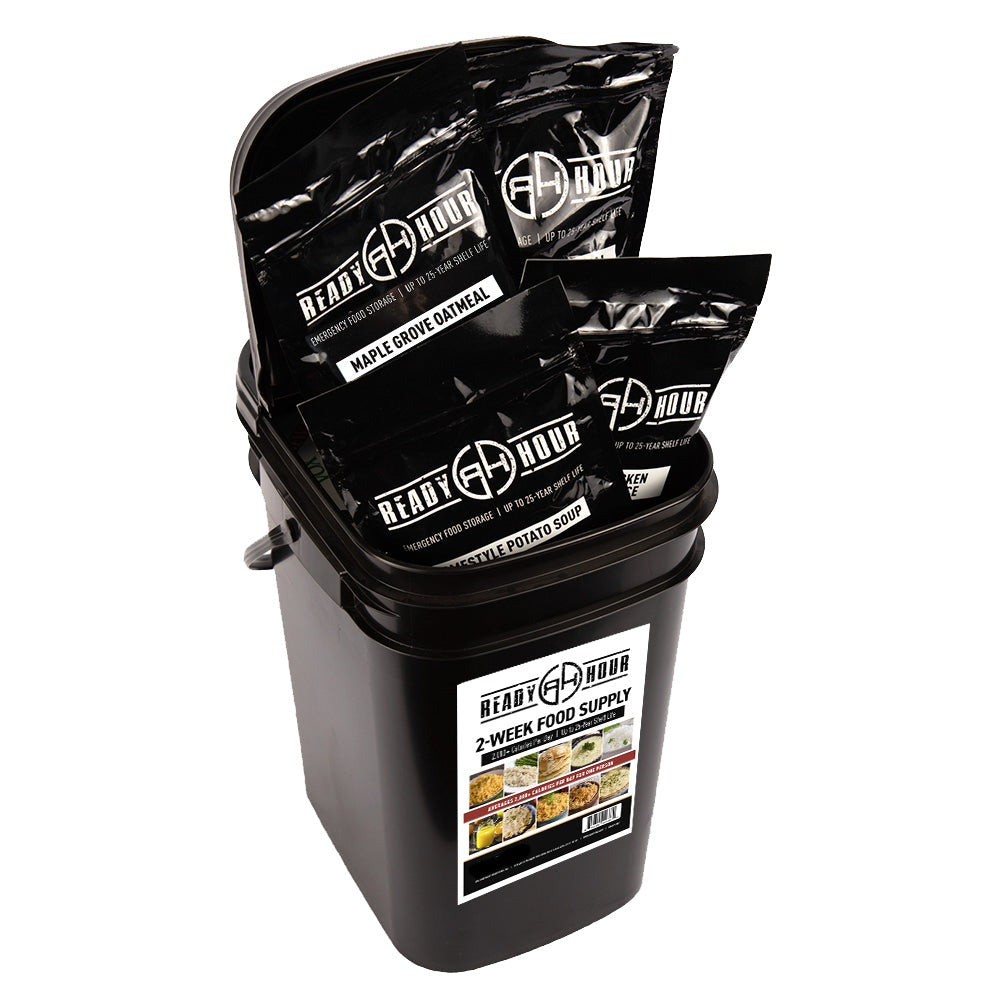
My Patriot Supply foods are sealed in protective pouches, with many kits also packed inside durable plastic buckets for an added layer of protection during storage. Even with protective packaging, emergency food should still be kept elevated and out of the path of floodwater whenever possible.
My Patriot Supply offers America's first disaster replacement warranty completely free. So if your supplies are ruin in a flood, we're replace them. See here for more details and how to protect your My Patriot Supply order



































The Flood Is Over. The Risks Aren’t.
The danger doesn’t always end when floodwater recedes. Damaged utilities, contaminated water, unstable structures, spoiled food, and mold can all create new risks during recovery.
6 Steps for a Safer Recovery
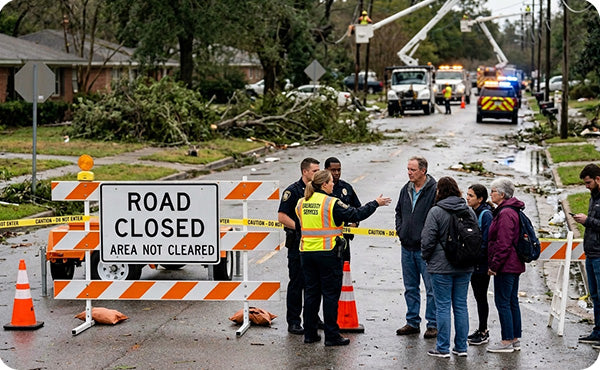
1. Wait Until It’s Safe to Return
Follow local guidance and do not enter areas that have not been cleared.
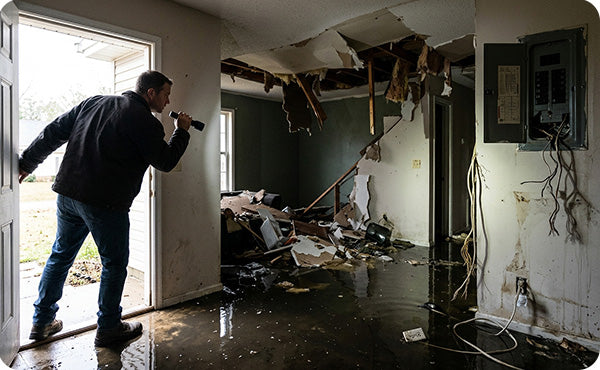
2. Check for Electrical & Structural Hazards
Stay away from damaged electrical equipment, standing water near power sources, and areas of the home that appear unstable.
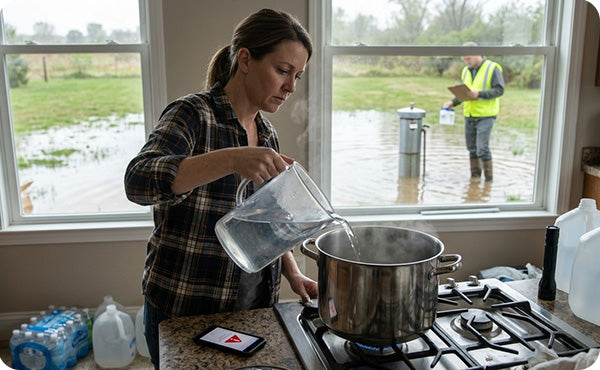
3. Make Sure Your Water Is Safe
Follow local boil-water or drinking-water advisories. If a private well was flooded, do not use the water until it has been properly inspected and tested.
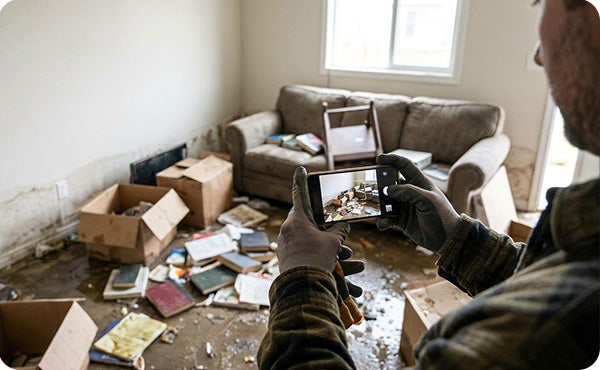
4. Document the Damage
Take photos or video before removing damaged belongings or beginning major cleanup, when it is safe to do so.
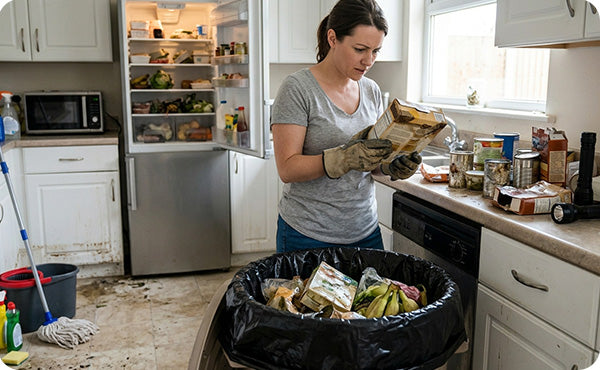
5. Check Food Before Keeping It
Discard food that came into contact with floodwater or was not kept at a safe temperature during an extended power outage.
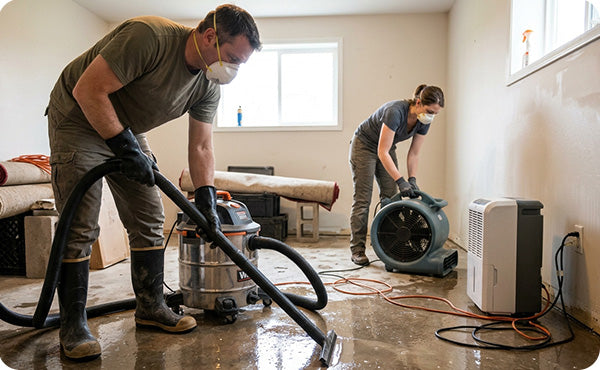
6. Start Drying Things Out Quickly
Remove standing water and begin drying wet areas as soon as it is safe. Mold can begin developing quickly, so aim to dry flooded areas within 24–48 hours when possible.
Know Your Flood Risk
Knowing where flooding could happen around you gives you more time to plan before conditions change. Start with your address, then look beyond your property line.
FEMA’s Flood Map Service Center lets you search your address and see the mapped flood risk in your area.

Trusted Flood Resources
Keep these official resources handy for flood risk, warnings, current conditions, insurance, and recovery guidance.
- FEMA Flood Map Service Center - Check flood maps and search your address.
- National Weather Service Flood Safety - Watches, warnings, and flood safety guidance.
- USGS National Water Dashboard - Real-time river, streamflow, and water-level conditions.
- FloodSmart.gov - Flood risk and National Flood Insurance Program information.
- EPA: What to Do With Your Private Well After a Flood - Guidance for flooded wells and water safety.
