Winter weather can be unpredictable, and even a single storm can disrupt daily life in ways you may not expect. When temperatures drop and conditions turn dangerous, the steps you take ahead of time can make all the difference in keeping your household safe, comfortable, and prepared. Whether you're facing a brief winter storm or an extended emergency, having the right supplies, a reliable plan, and the confidence to handle unexpected challenges can help you stay ready for whatever the season brings.
Winter Threats Go Beyond Snow and Ice
Winter doesn't look the same across the country, but every region faces its own risks. Heavy rainfall and flooding can threaten communities in warmer states, while snow, ice, and freezing temperatures can create dangerous conditions farther north. Even areas that rarely experience severe winter weather can face unexpected disruptions.
And the impact doesn't always end when the storm passes. Damaged infrastructure can leave households without power or running water. Closed highways can delay deliveries of food, fuel, and other necessities. A major storm hundreds of miles away can affect the supplies and services your community depends on.
You don't have to live in a snowbelt to need a winter preparedness plan. Having essential supplies, backup power, and reliable ways to stay warm and prepare meals gives your household more control when weather conditions interrupt everyday life.
3 Ways Winter Weather Can Disrupt Your Household
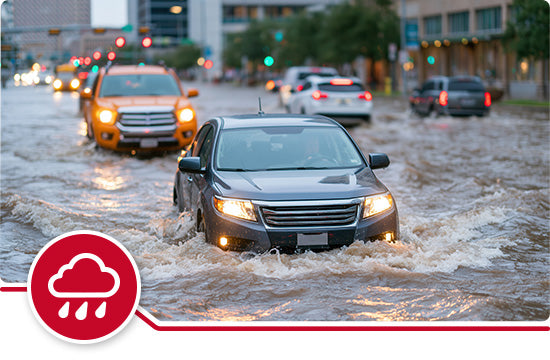
1. Heavy Rain & Flooding
Winter storms can bring heavy rainfall and flooding to regions that rarely see snow, washing out roads, damaging homes, and disrupting essential infrastructure.
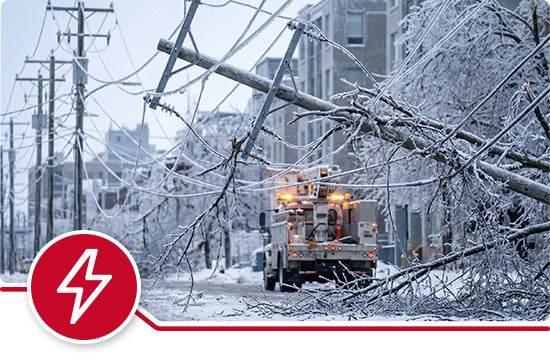
2. Winter Storms & Power Outages
Heavy snow, ice, and damaging winds can bring down power lines and leave entire neighborhoods without electricity, sometimes for days while repairs are underway.
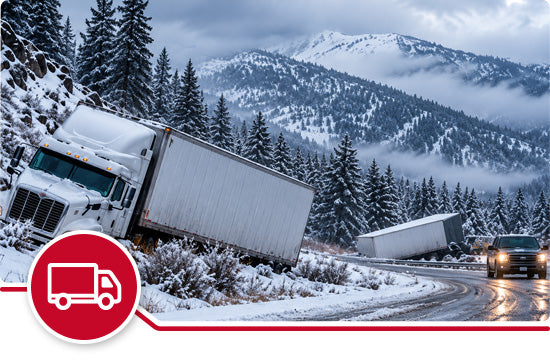
3. Travel & Supply Disruptions
Severe weather can shut down major transportation routes, delaying deliveries of food, fuel, and everyday necessities even in communities outside the storm's path.
Prepare Before Winter Weather Hits
Winter storms can leave households without access to the services and supplies they rely on, sometimes for days at a time. Once roads become impassable, stores close, or the power goes out, your options become limited.
The time to prepare is before the next storm hits. Having the right supplies and backup options in place helps your household stay safe, comfortable, and self-reliant when winter weather disrupts daily life.
5 Essentials for Winter Readiness
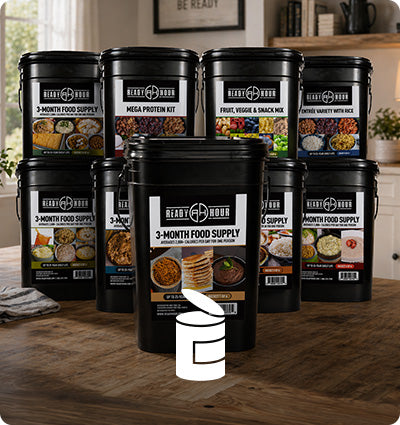
Food
Keep shelf-stable food on hand for the days when snow, ice, or outages make getting to the store difficult.
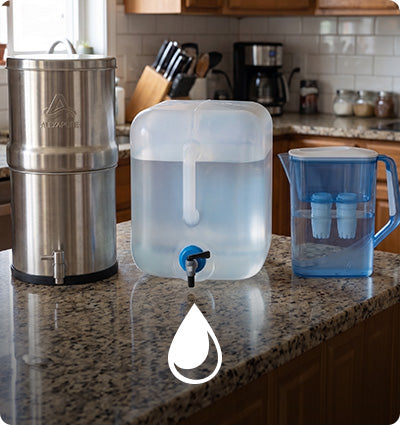
Water
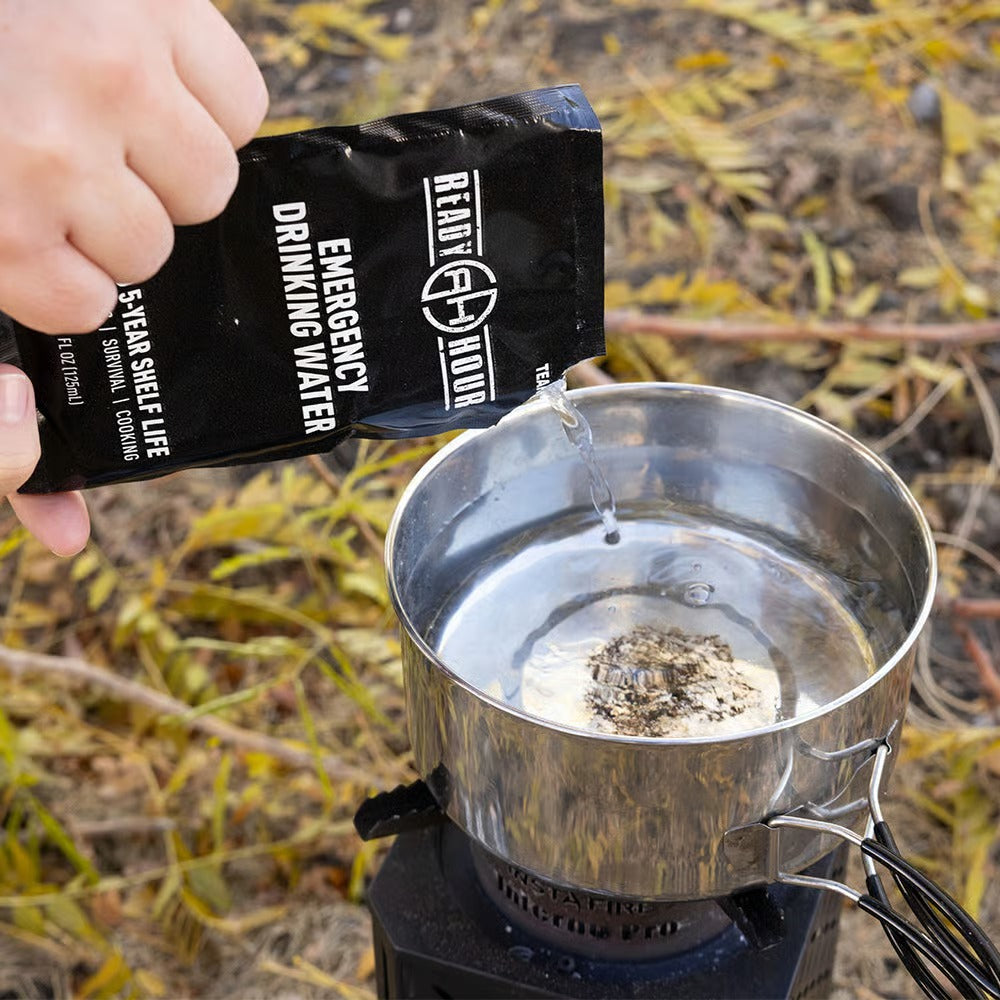
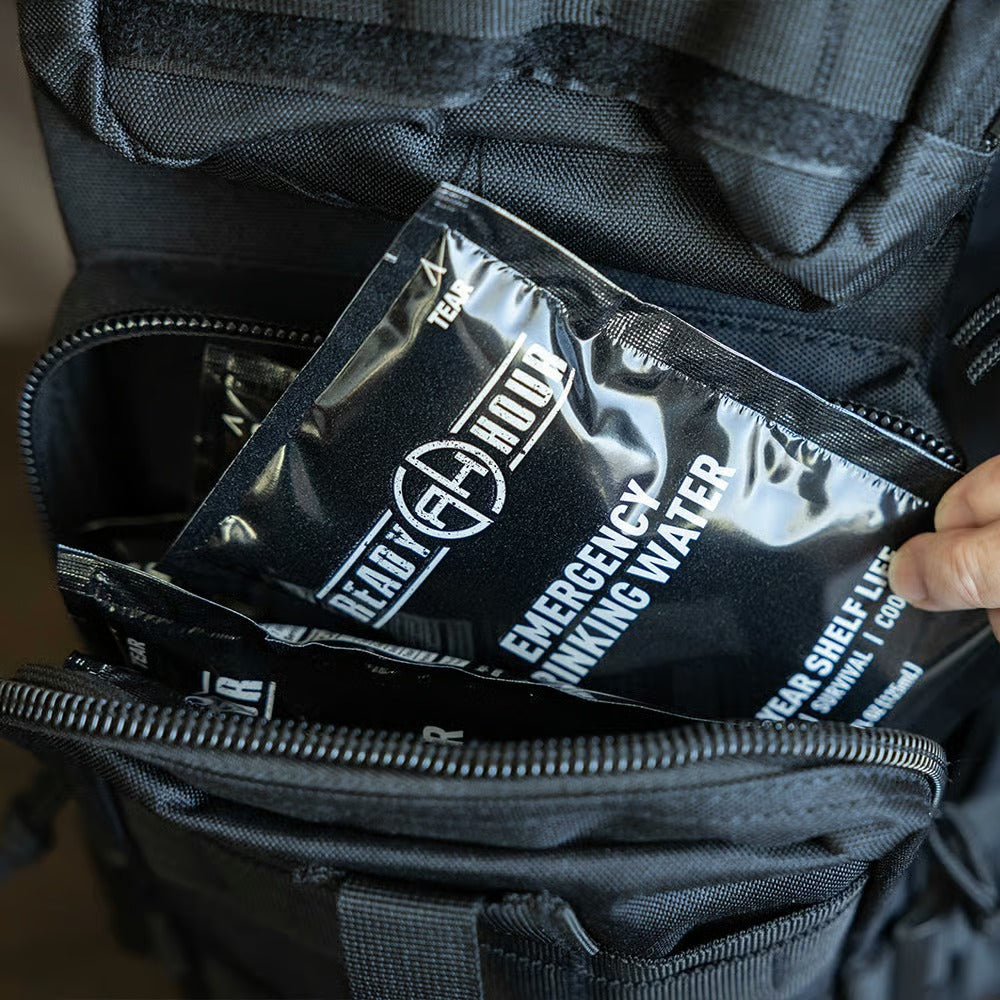
Store drinking water and have a backup plan in case frozen pipes or other disruptions affect your supply.
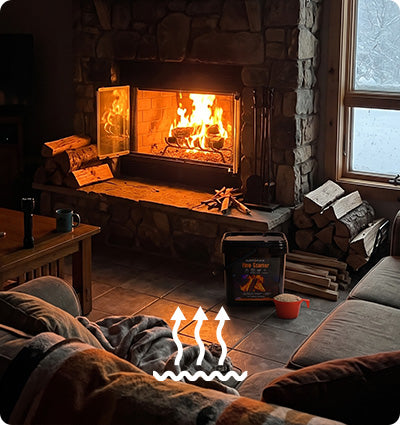
Heat
Have a safe backup source of heat ready if the power goes out.
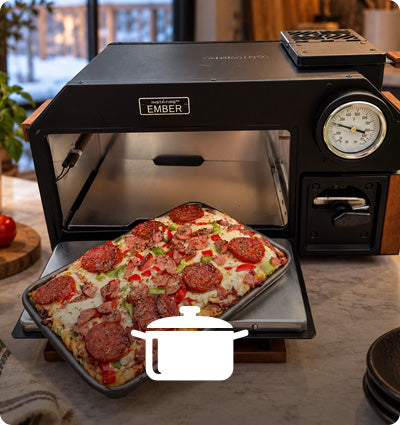
Cooking
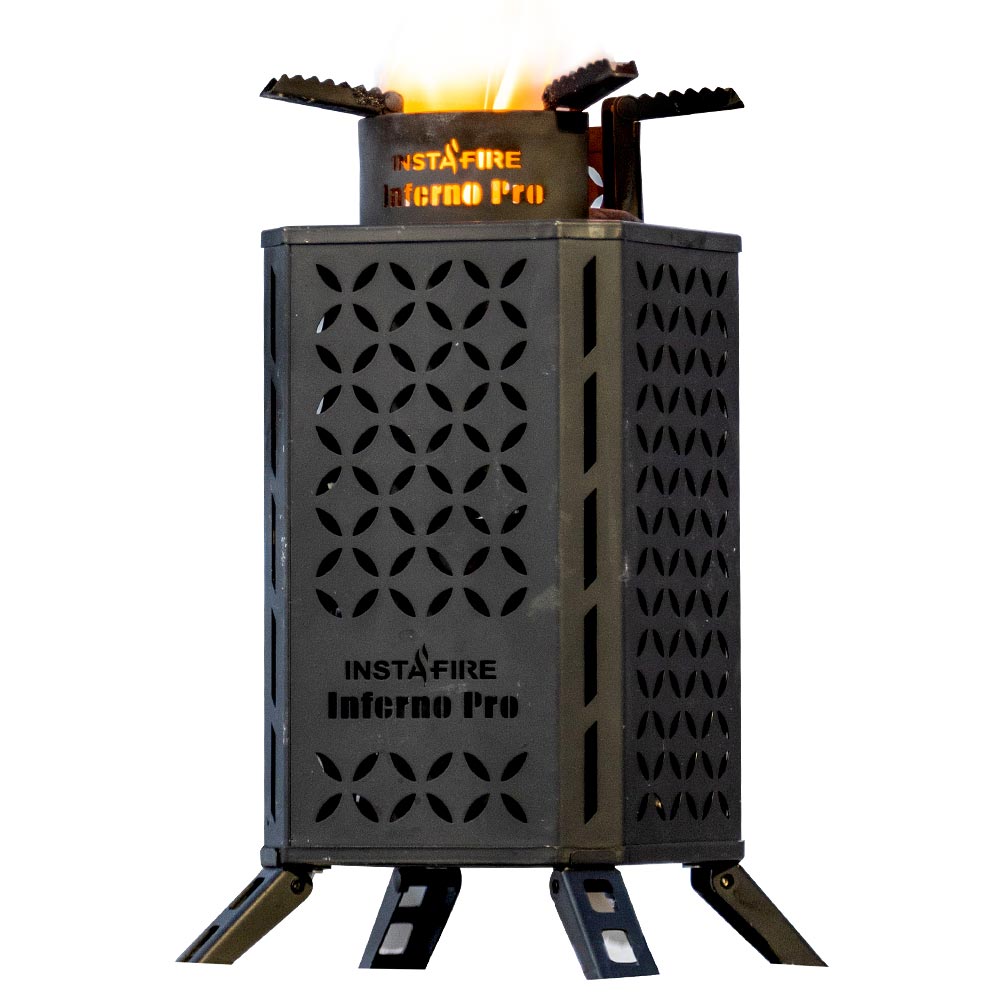
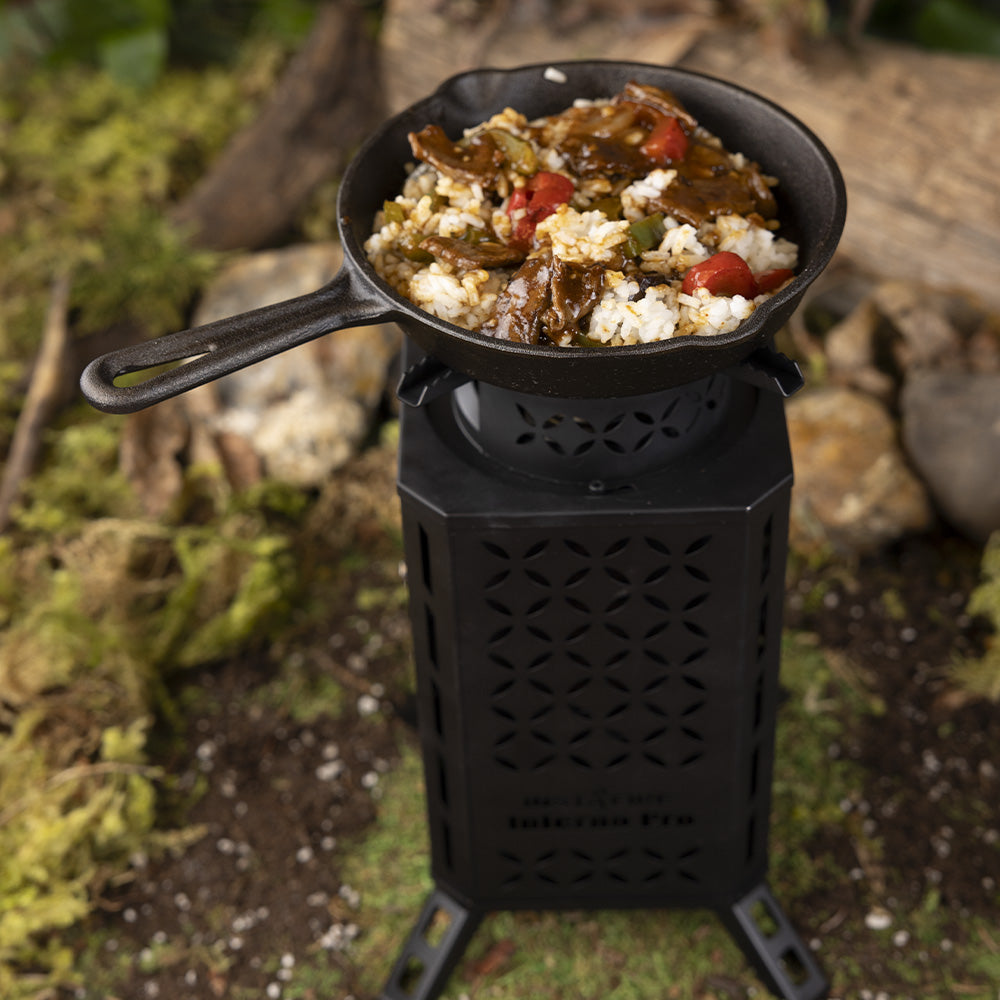
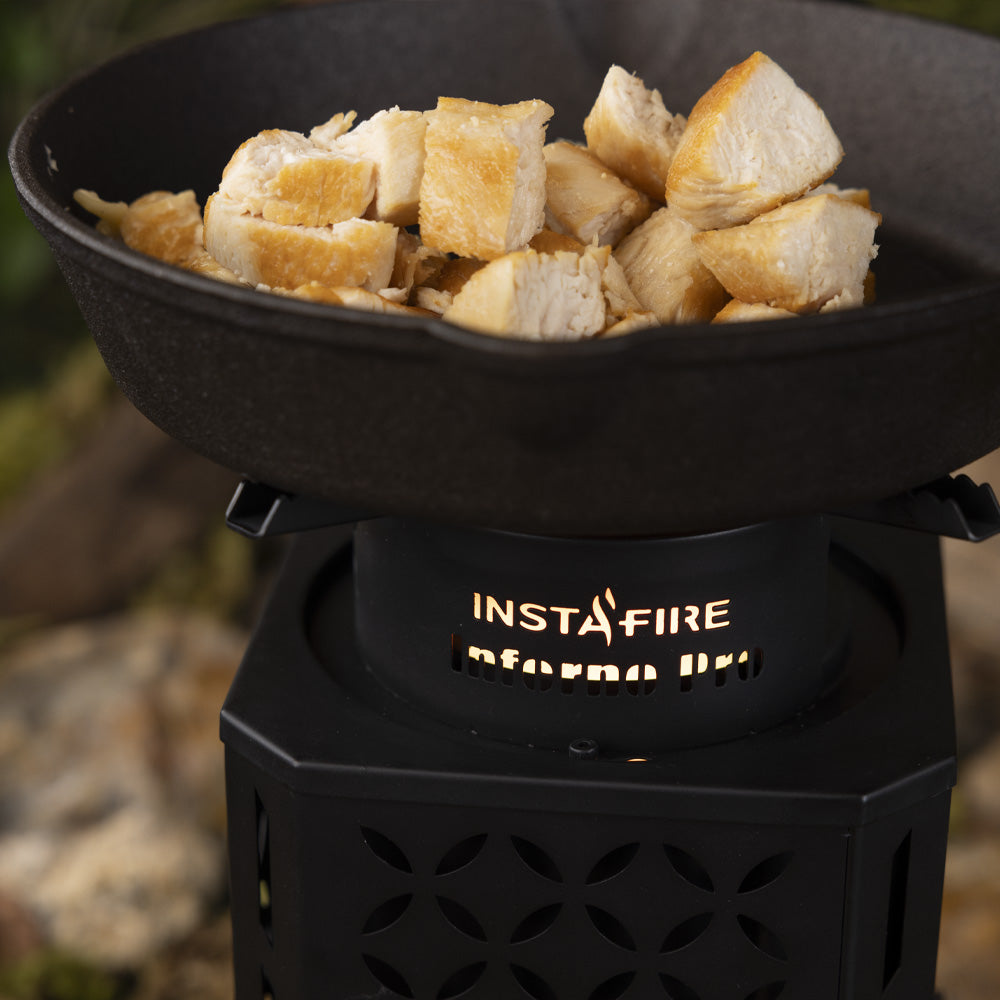
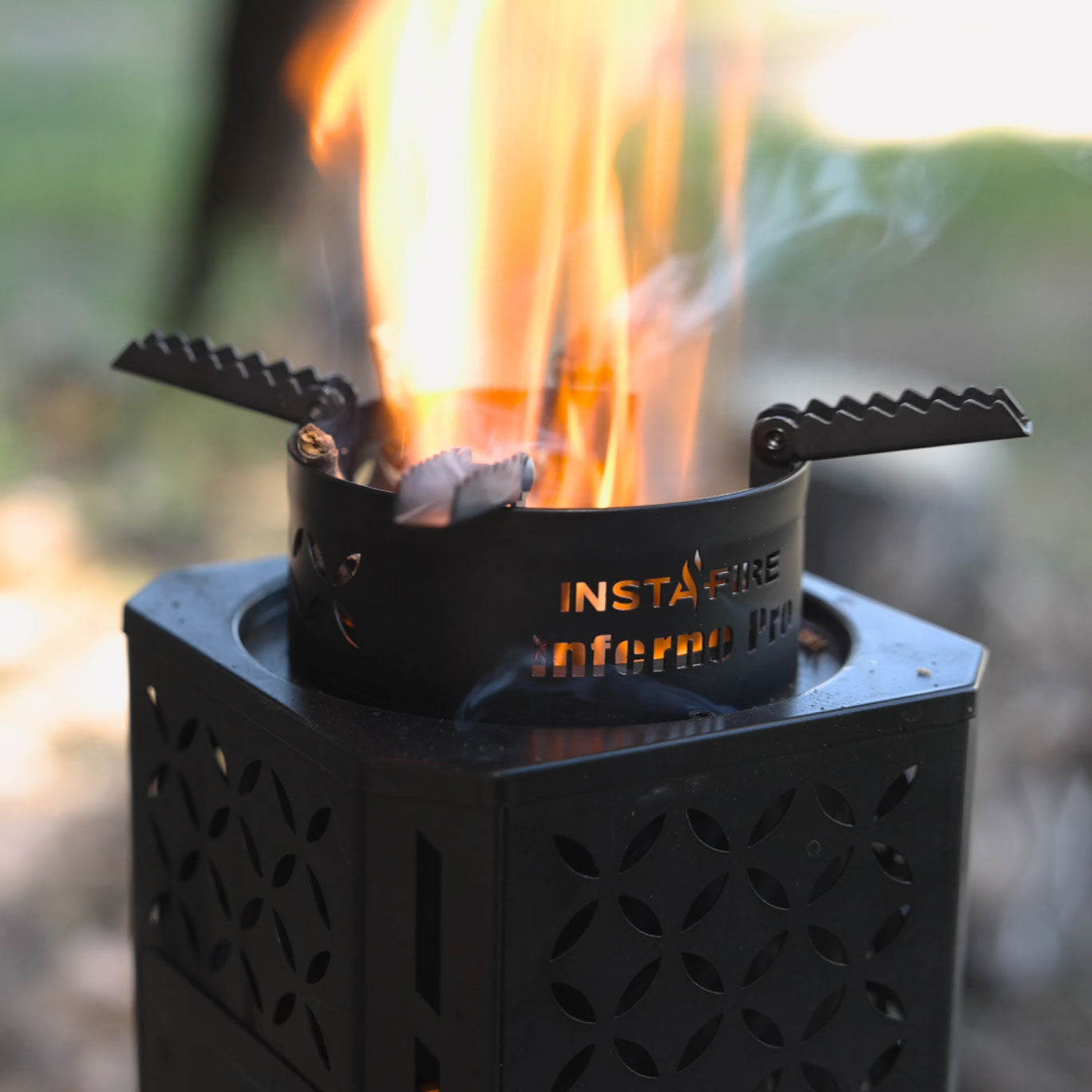
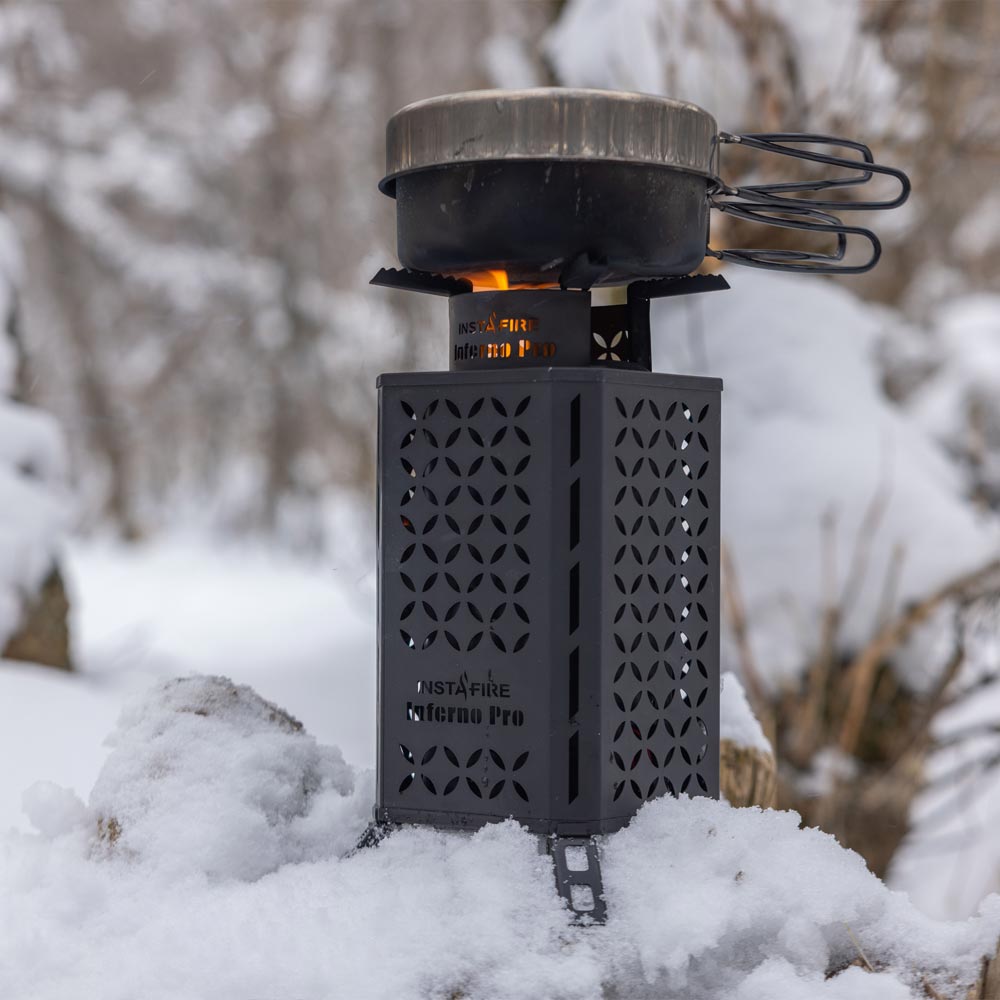
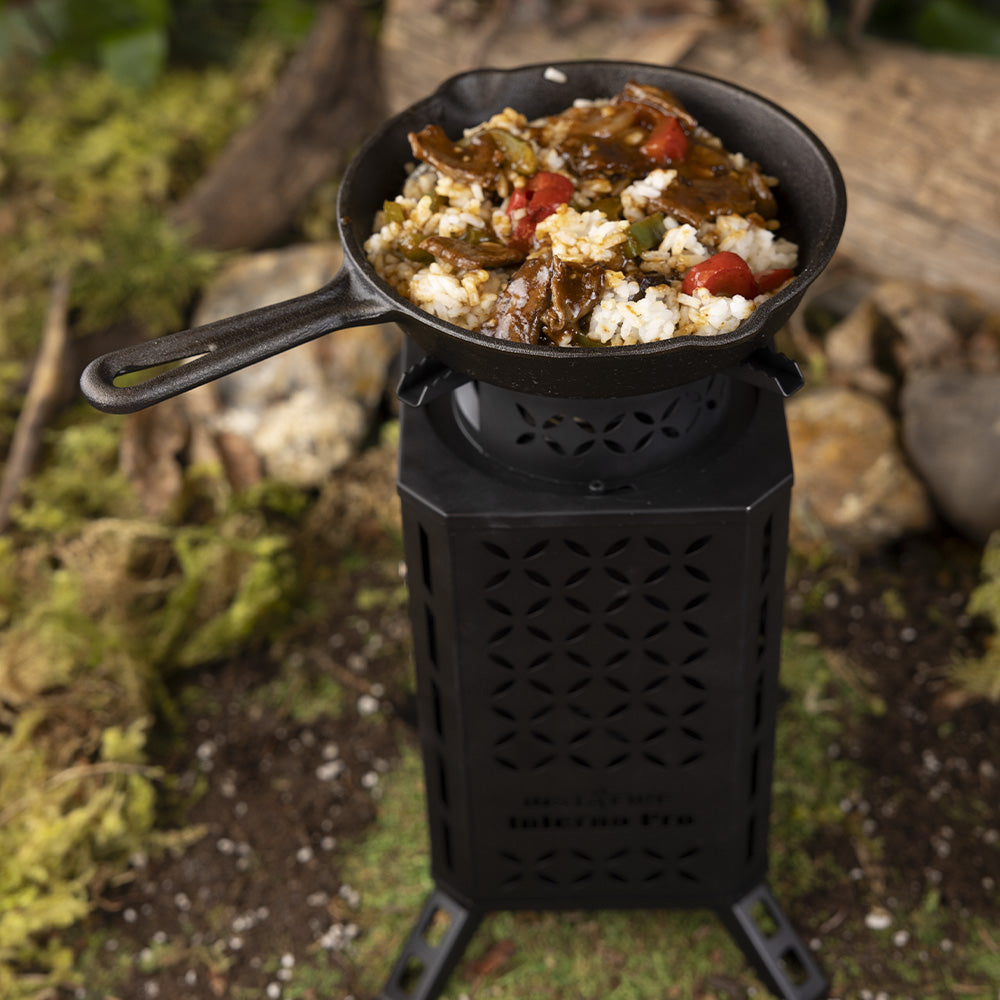
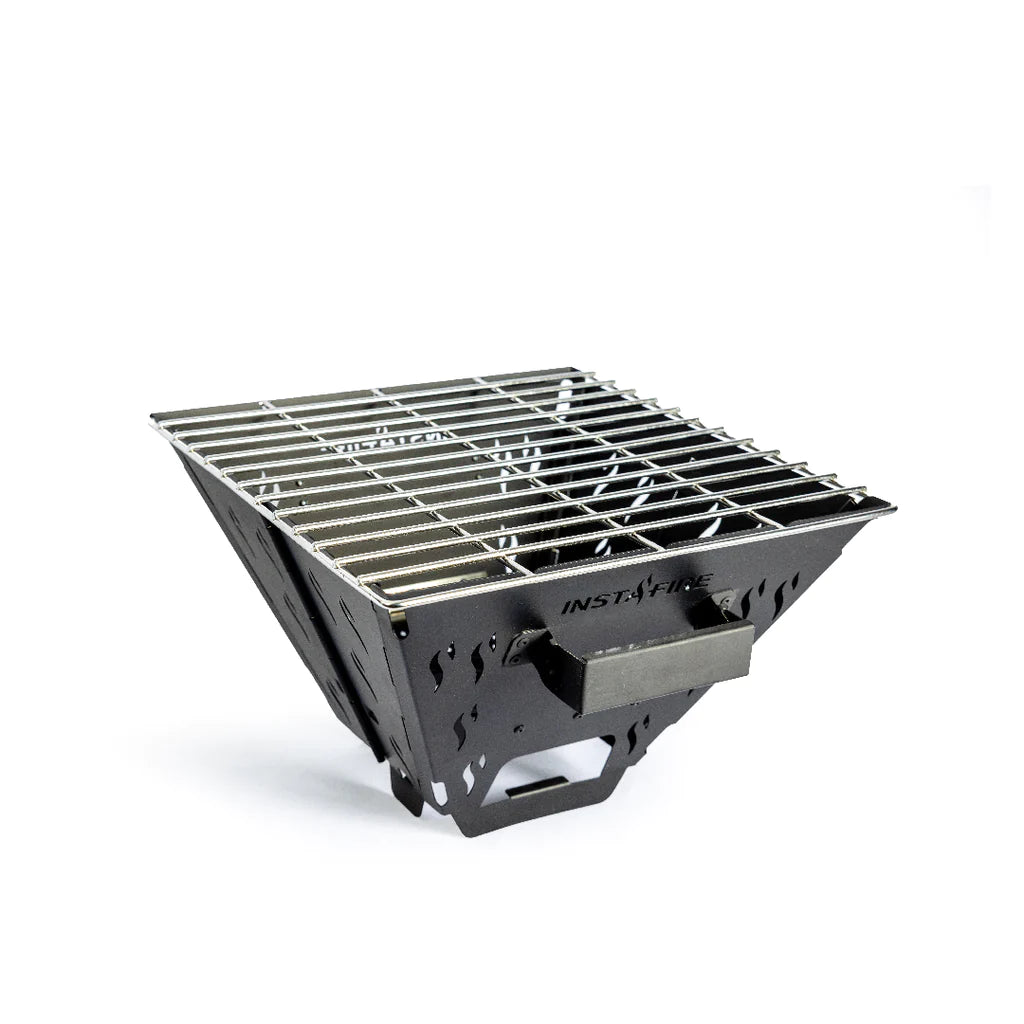
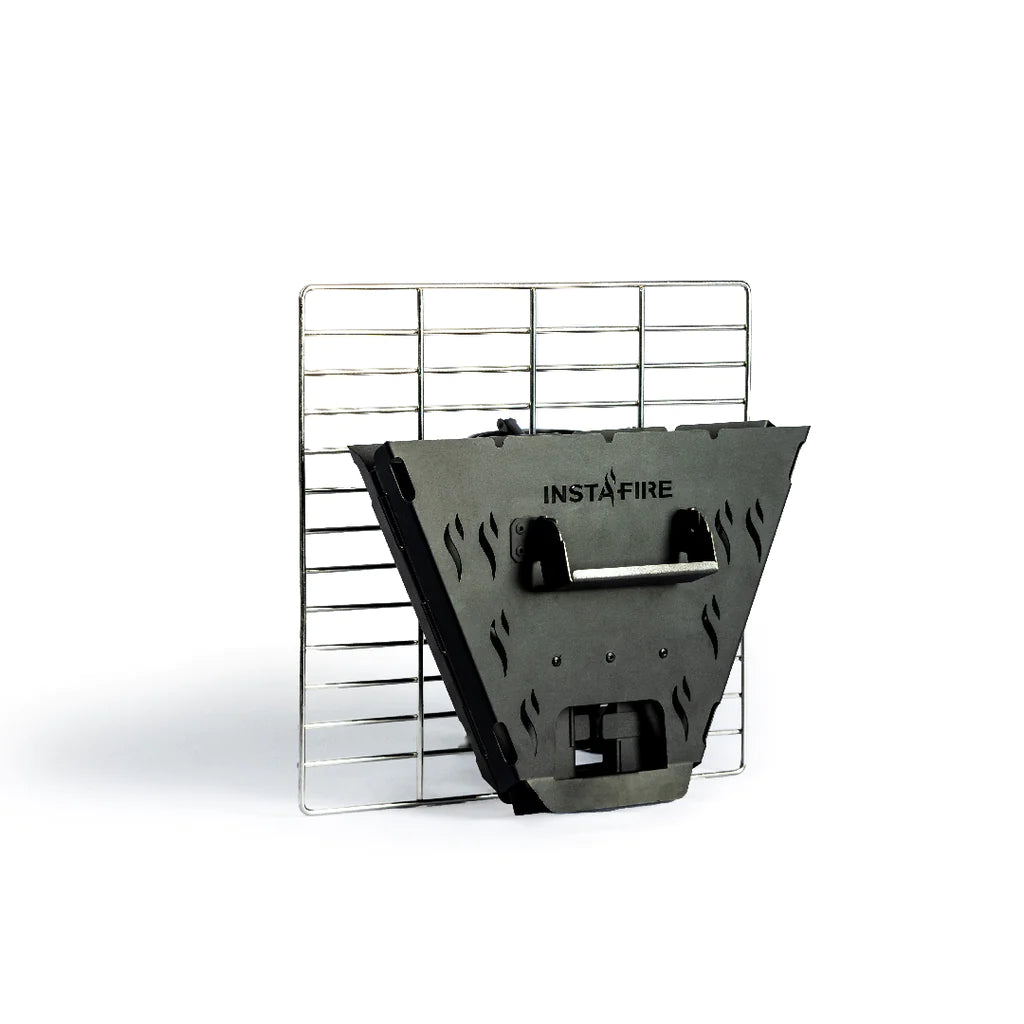
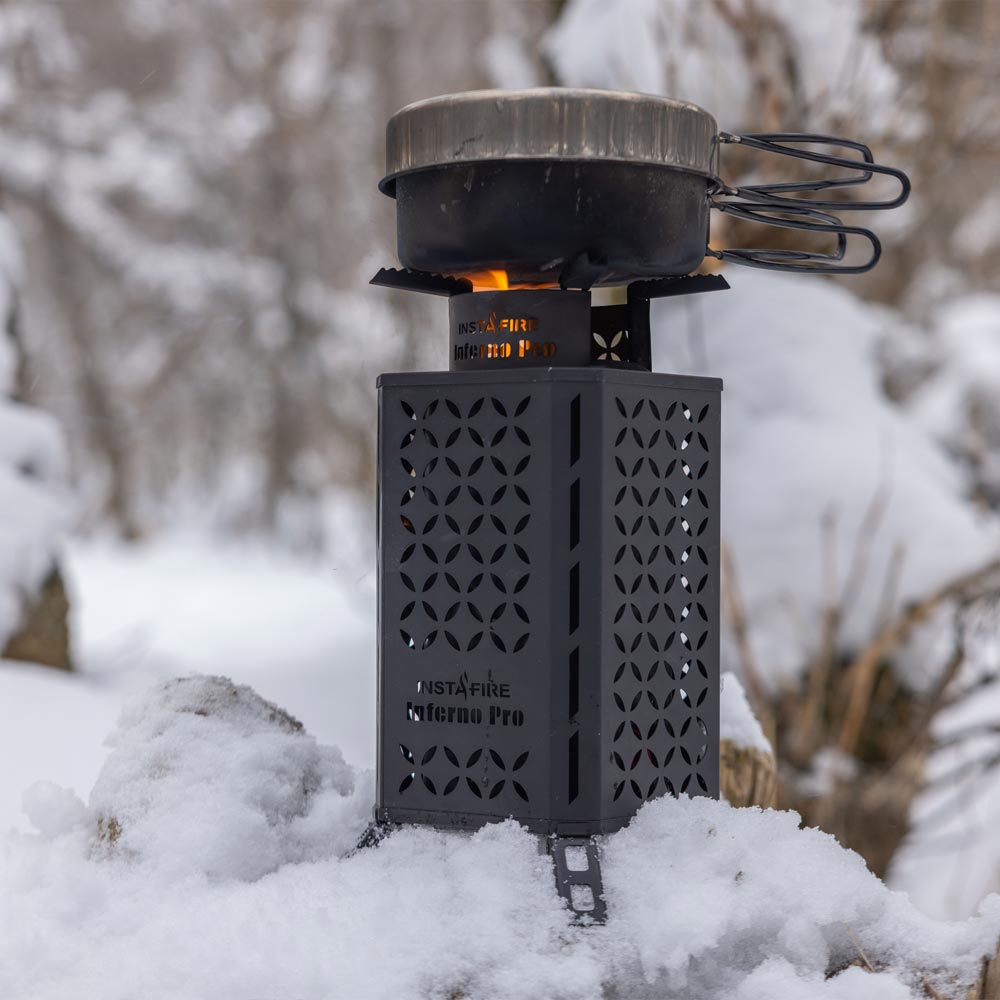
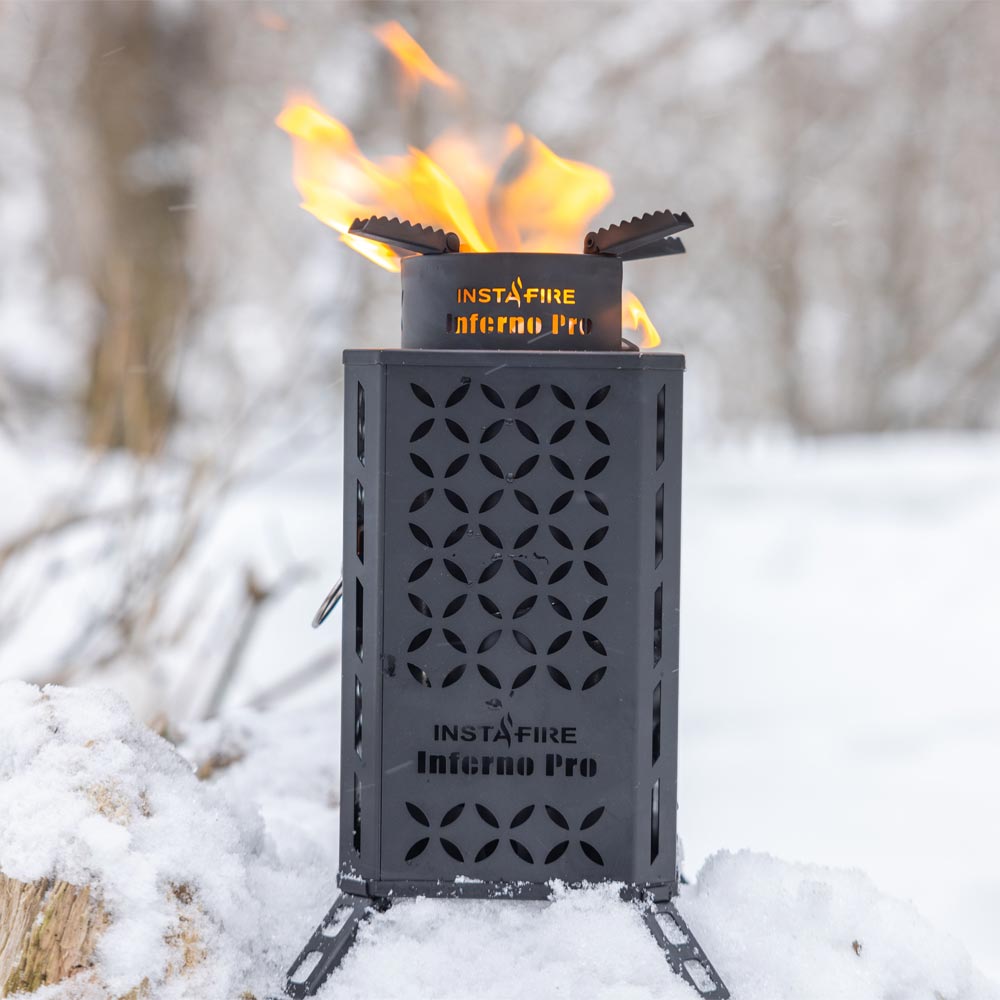
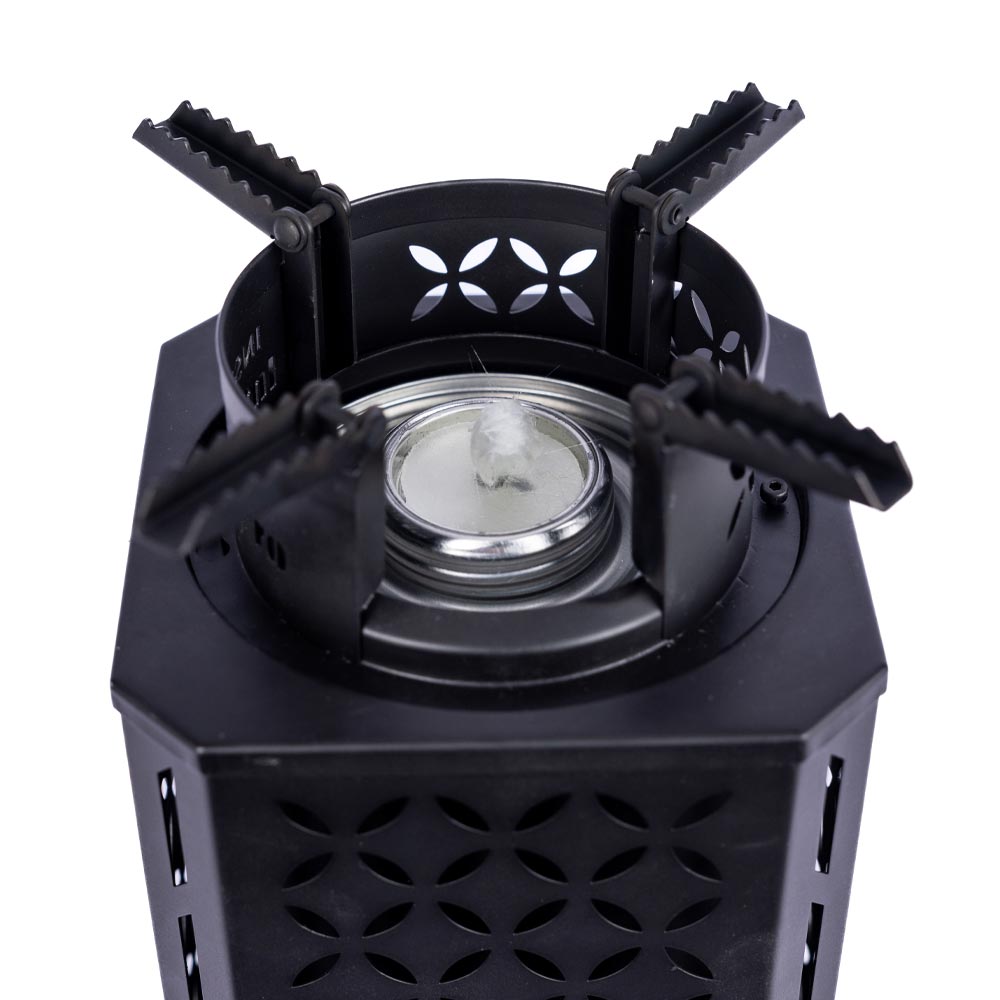
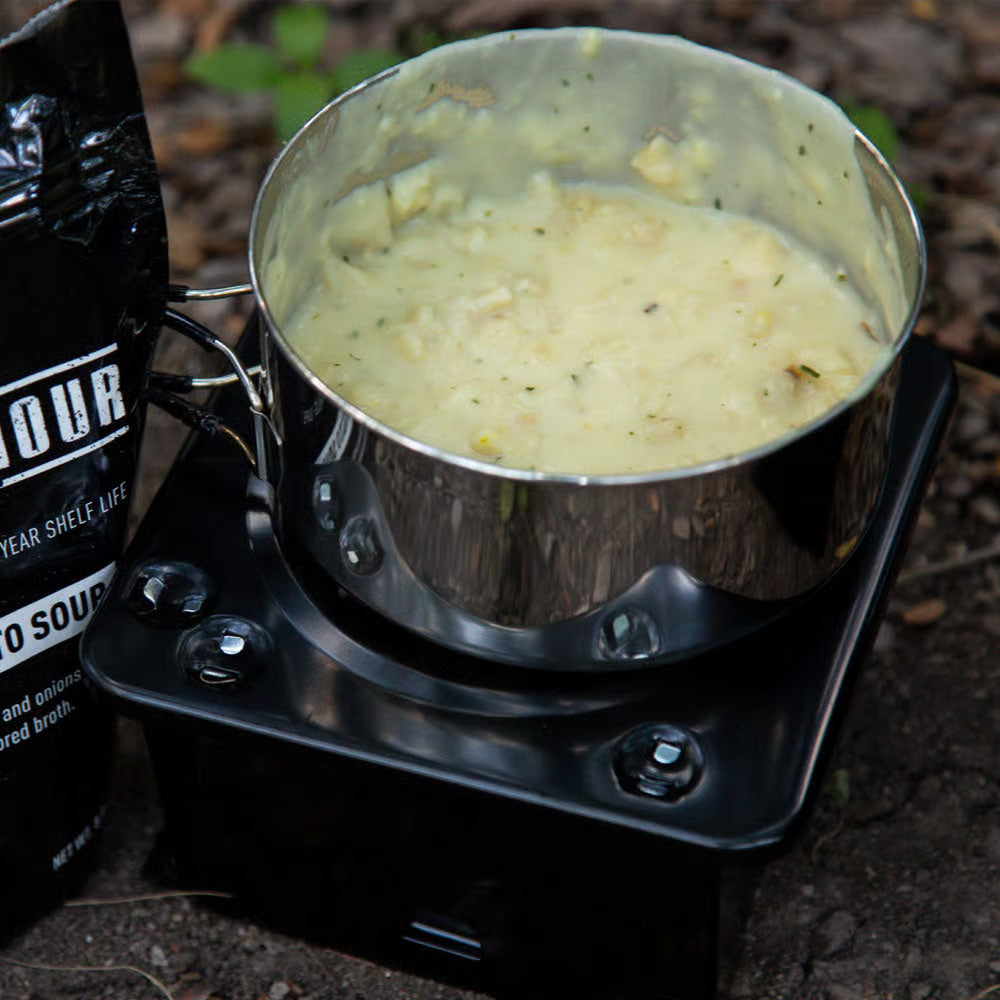
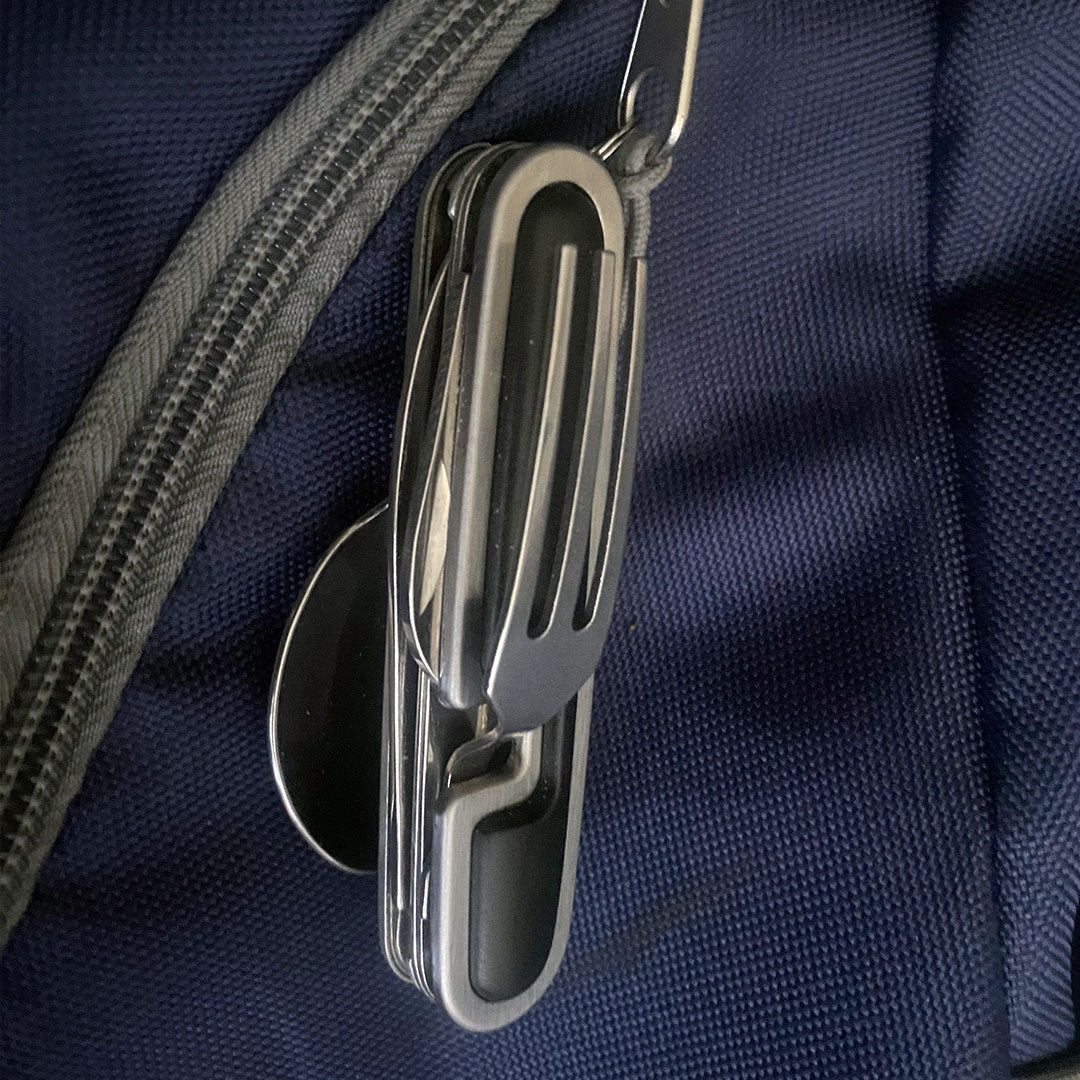
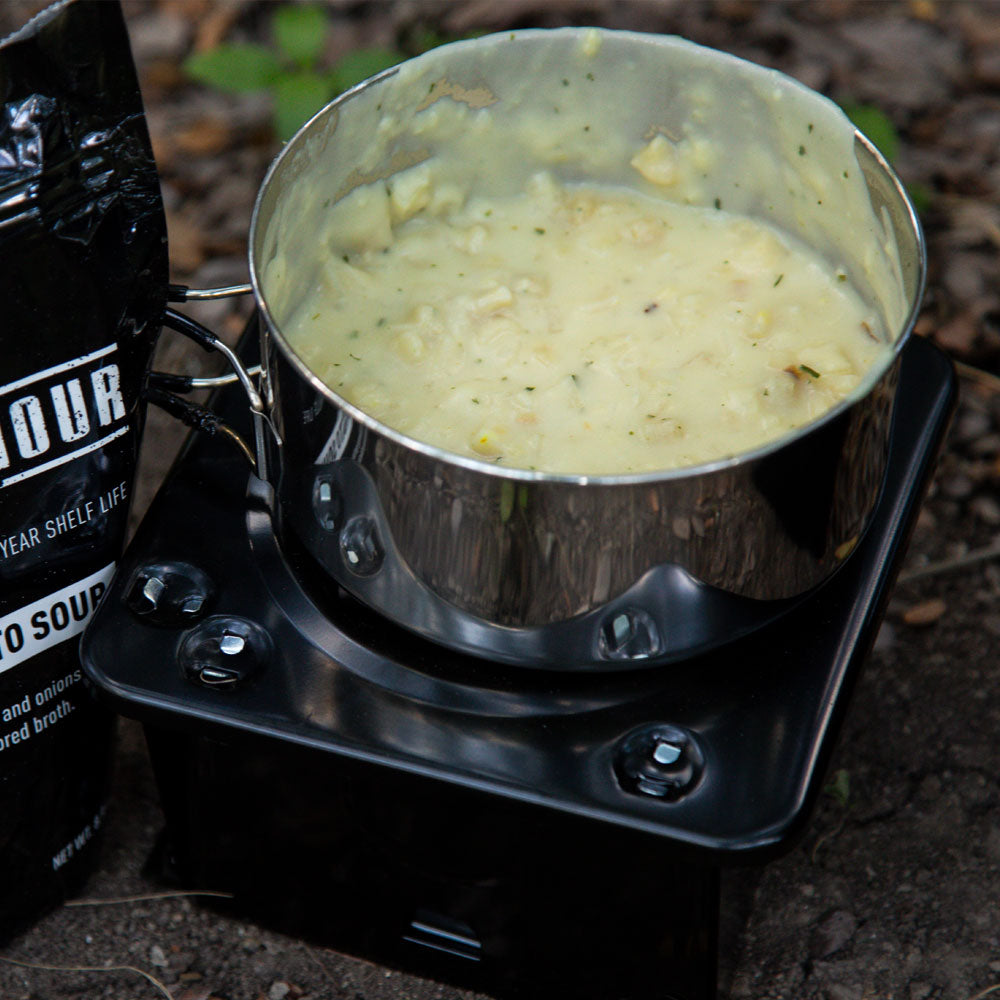
Keep a way to prepare hot meals when your usual appliances aren't available.
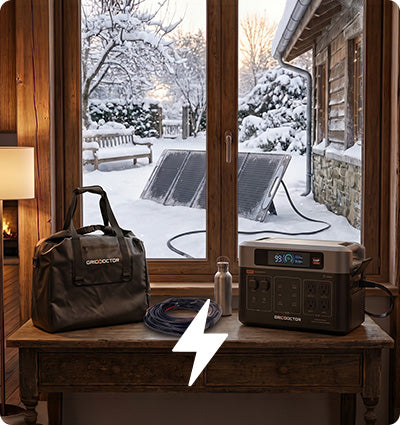
Power
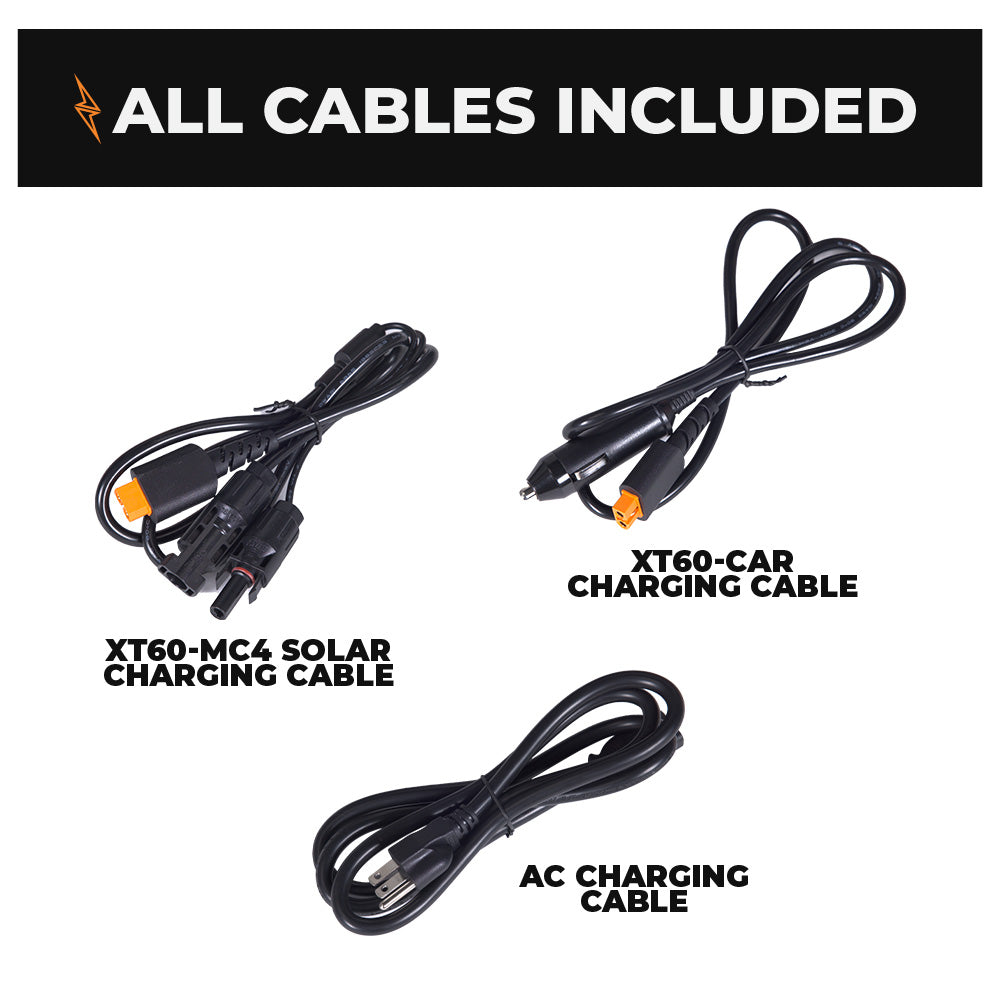
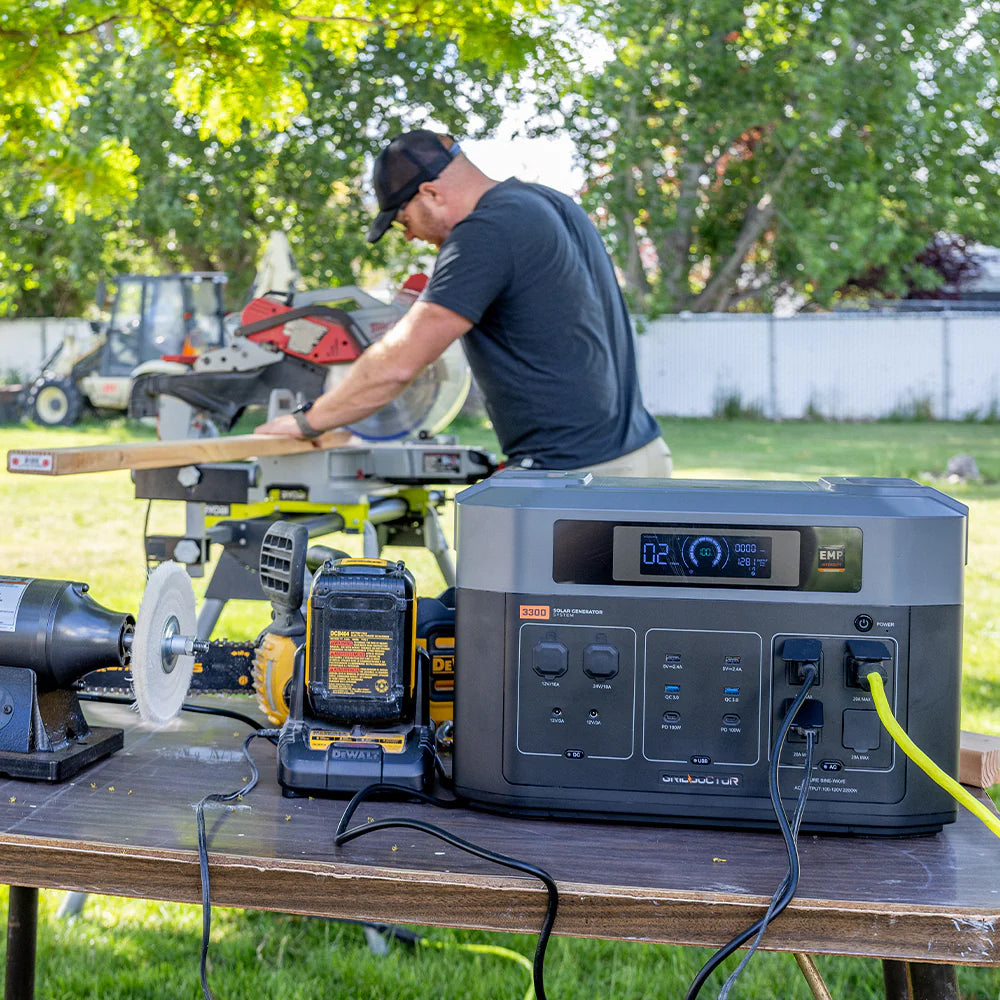
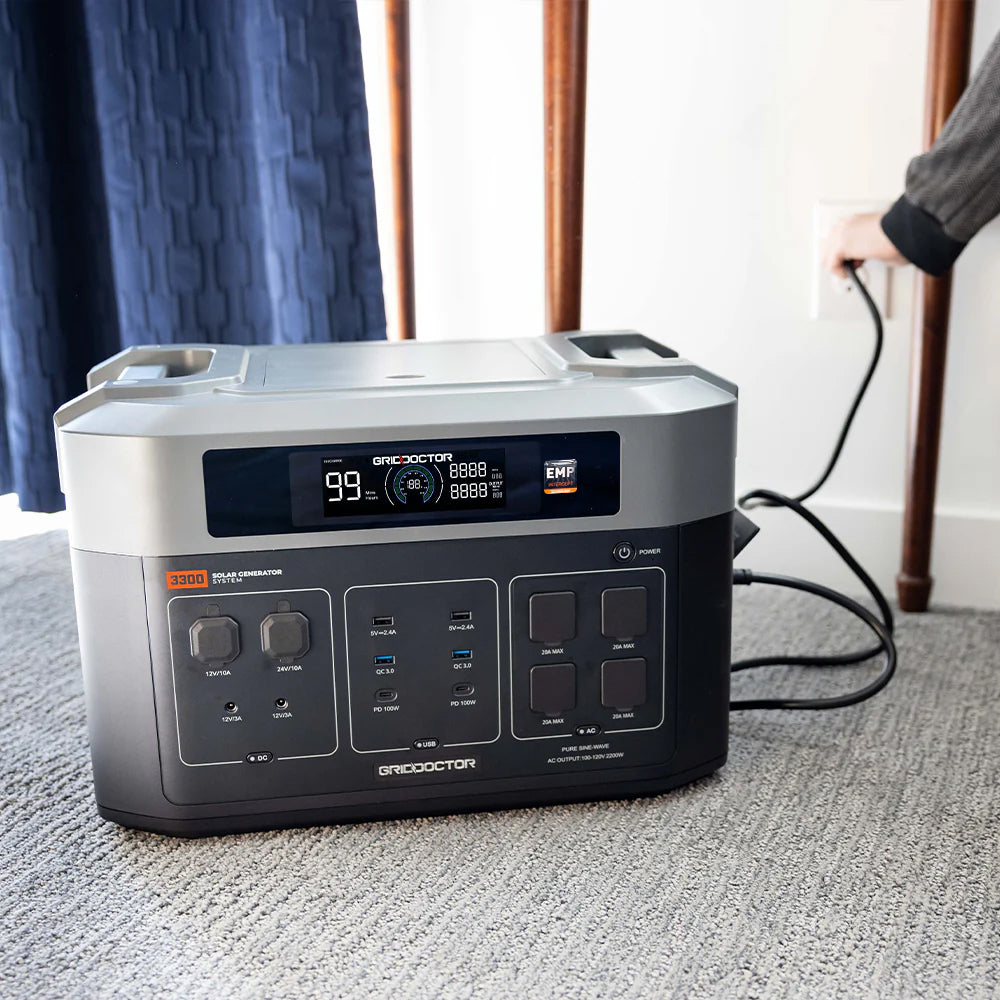
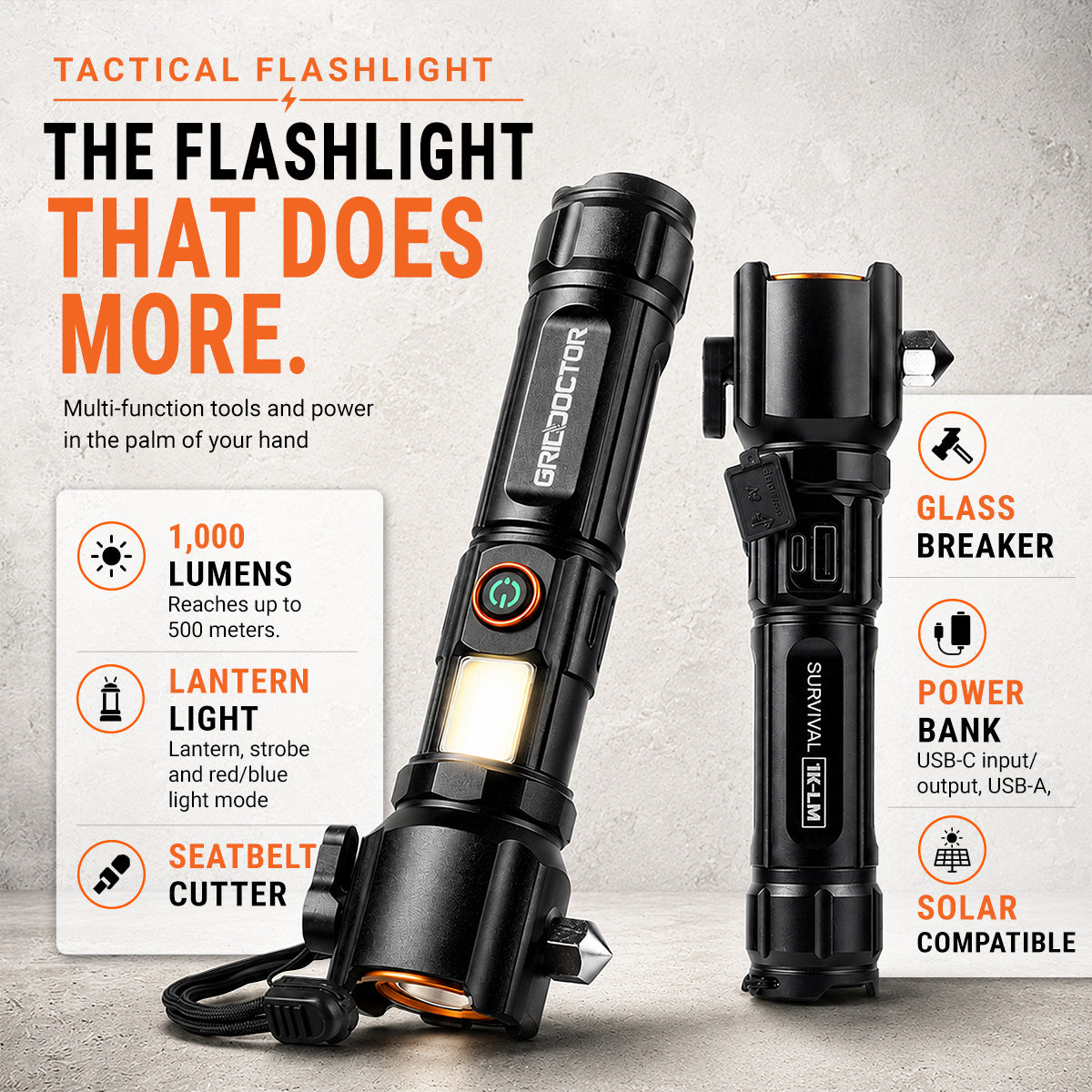
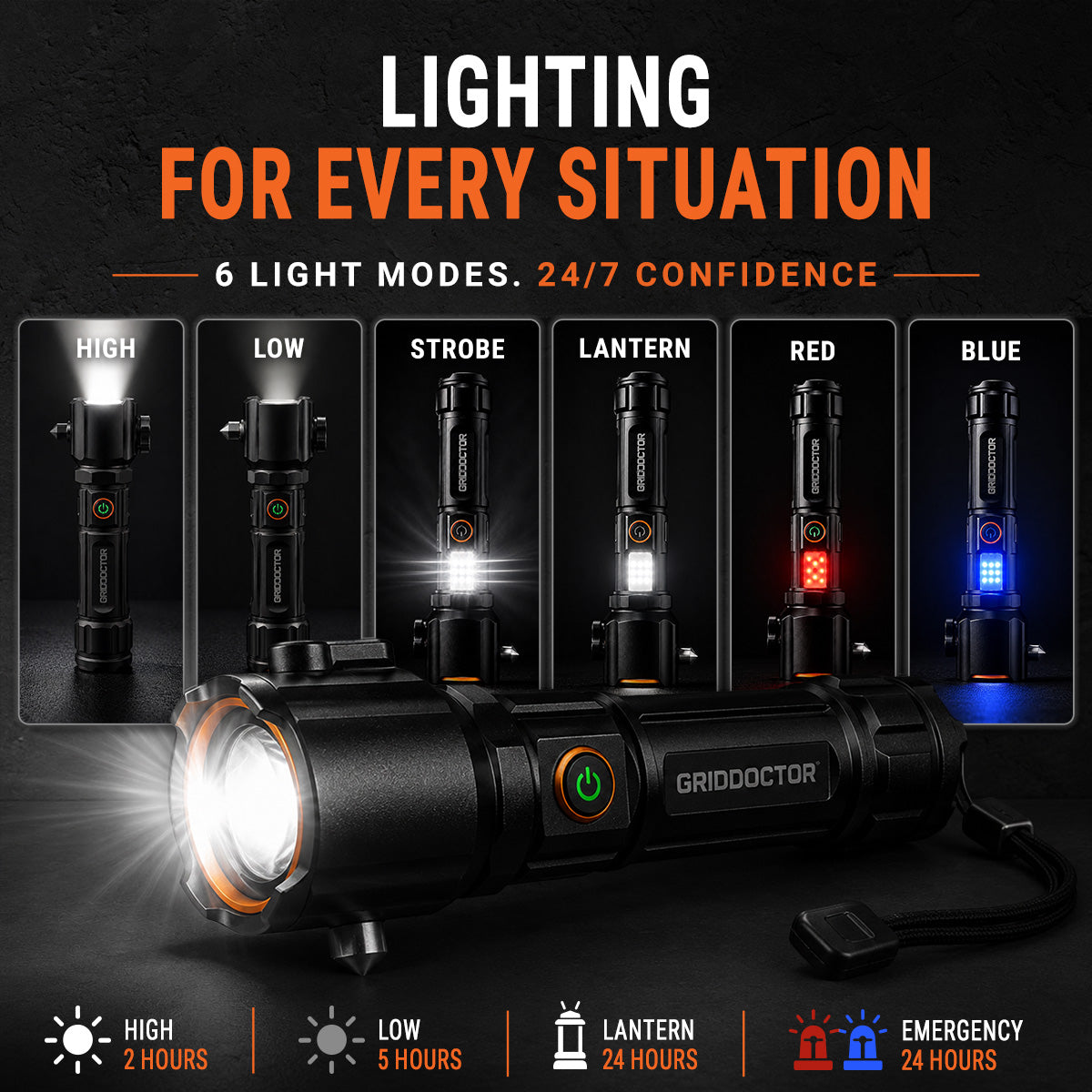
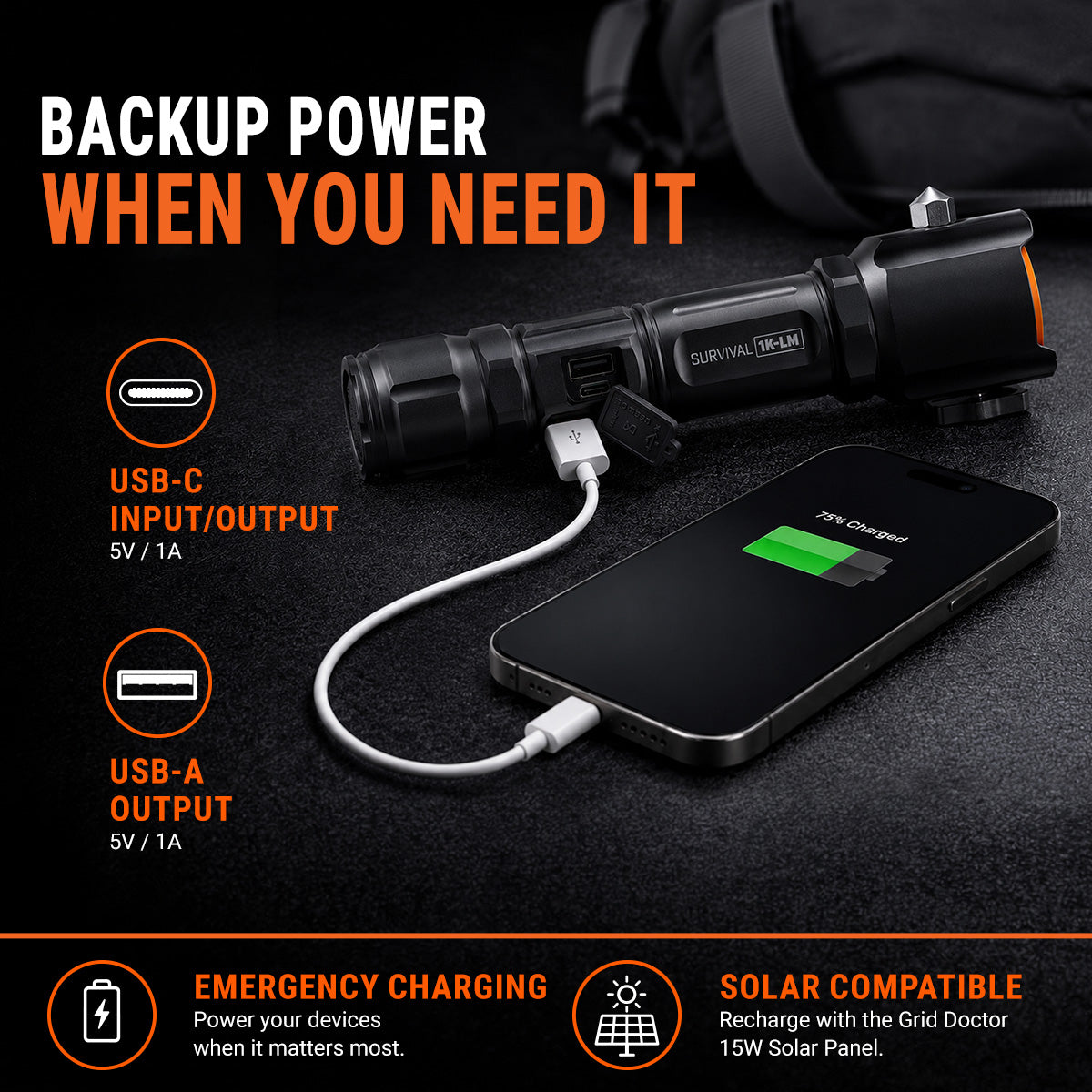
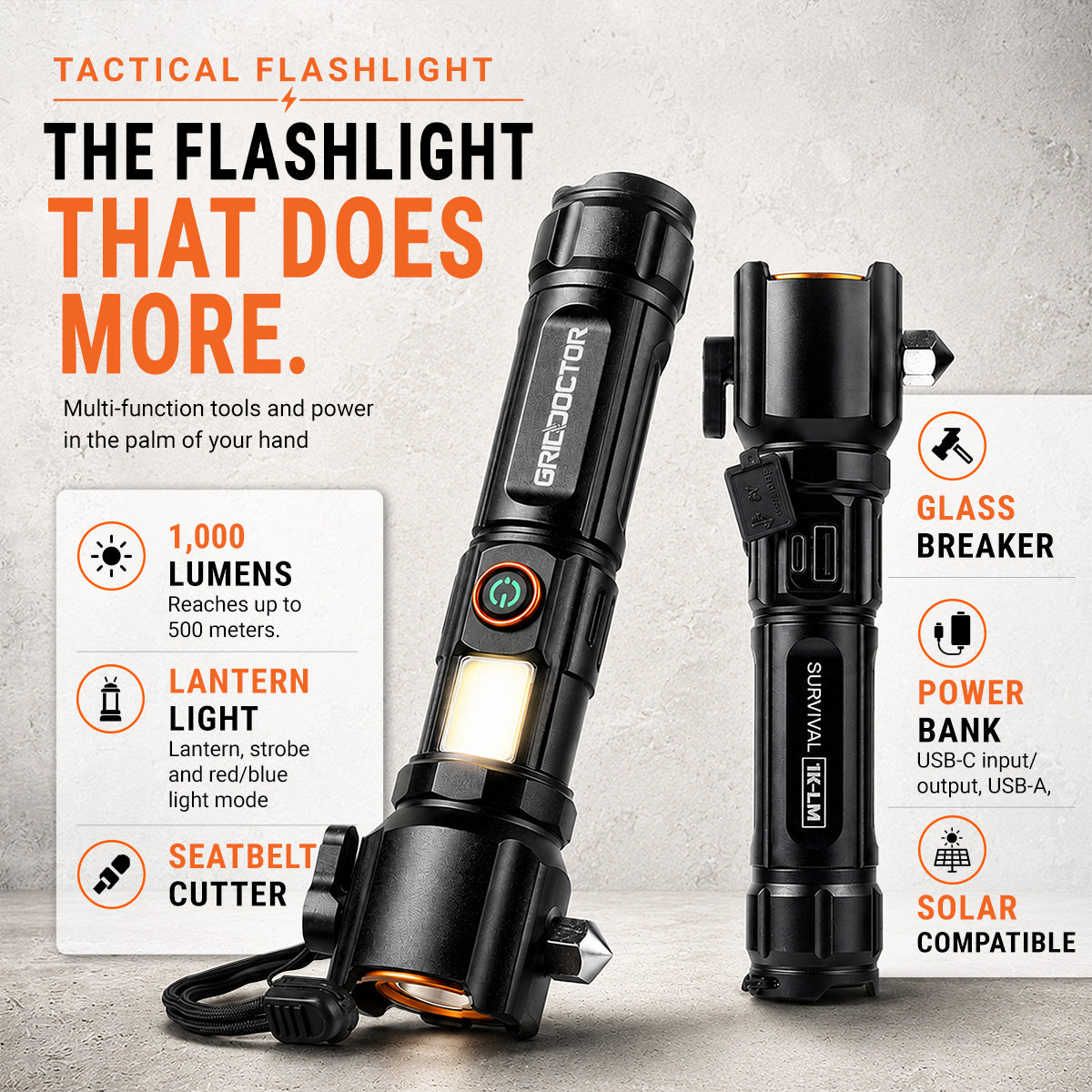
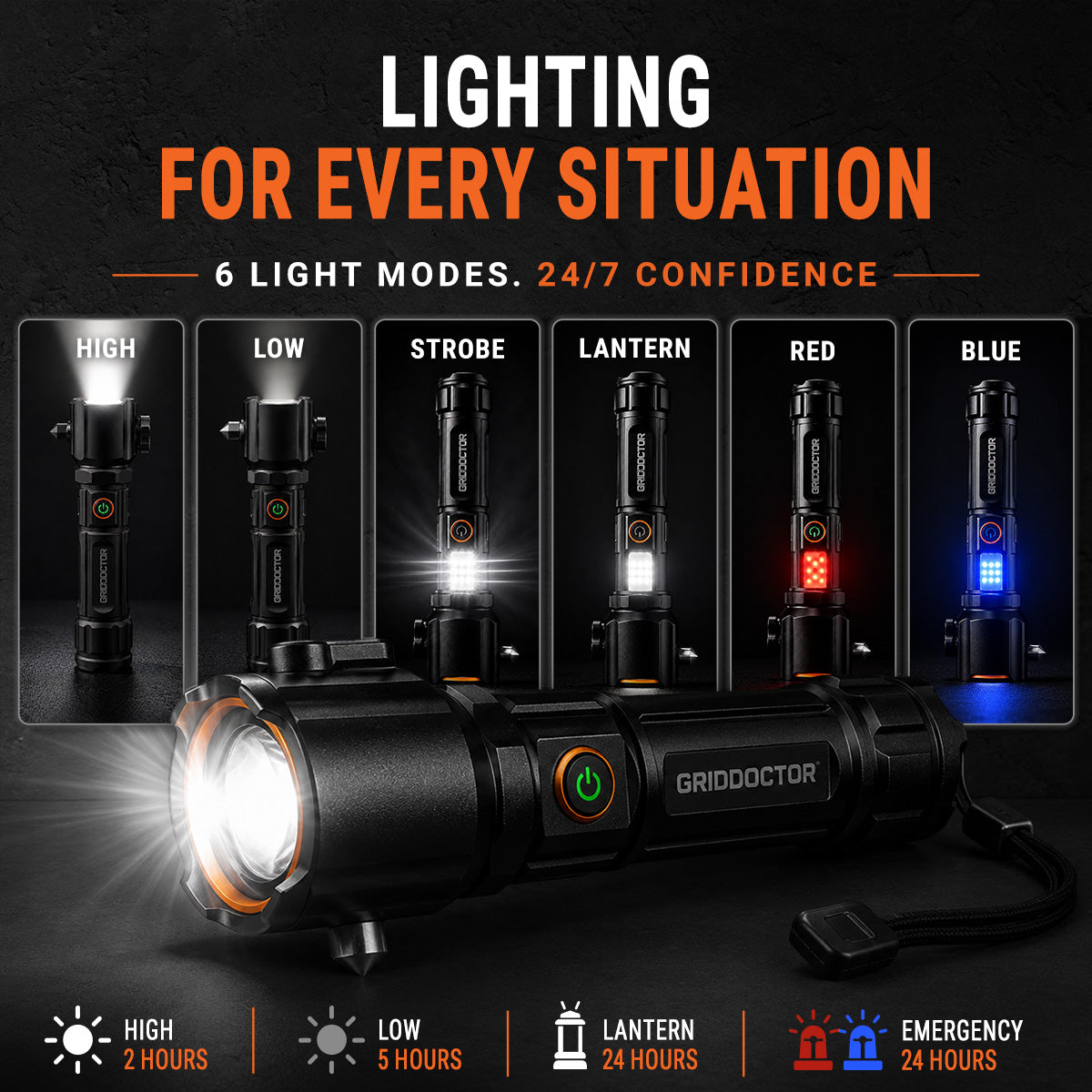
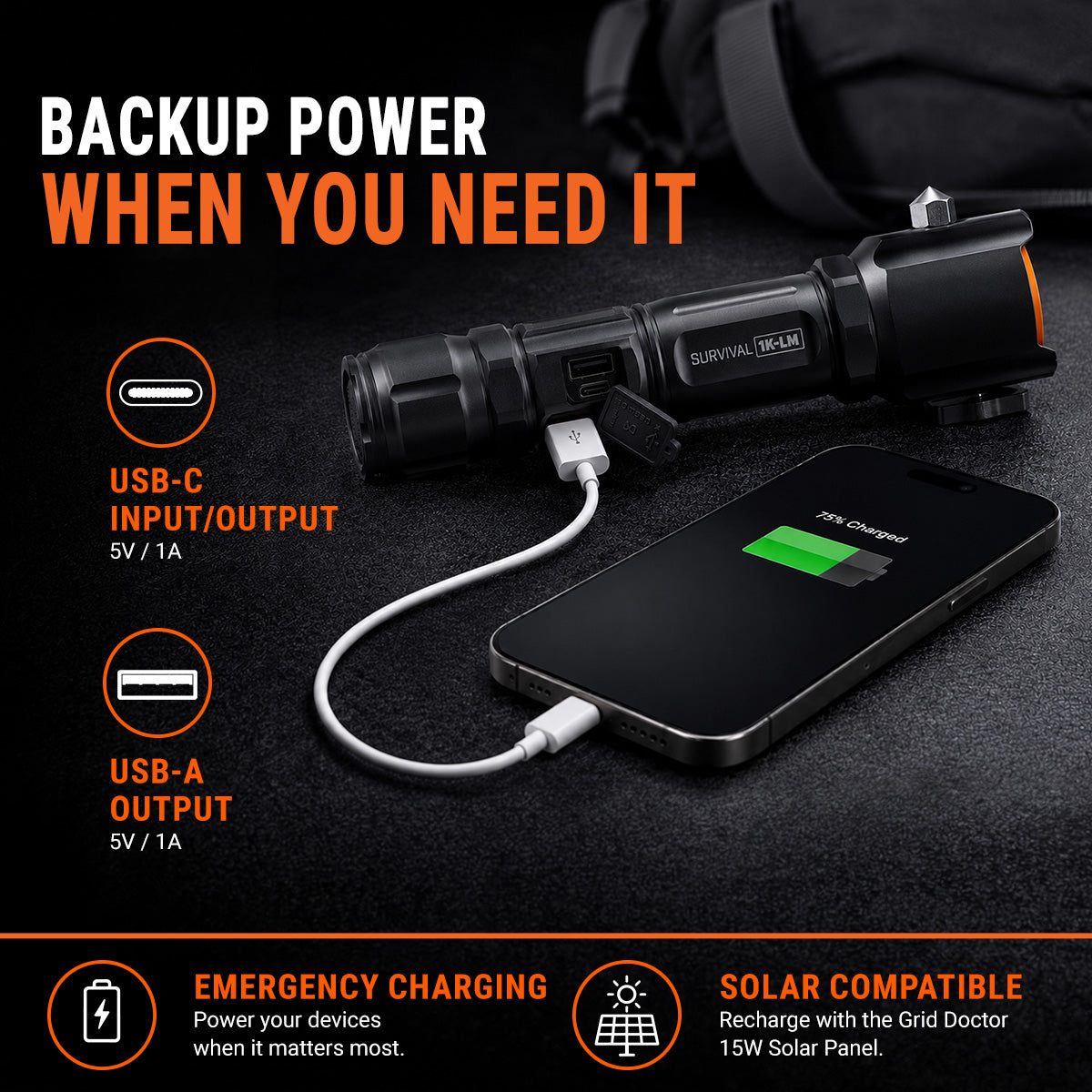
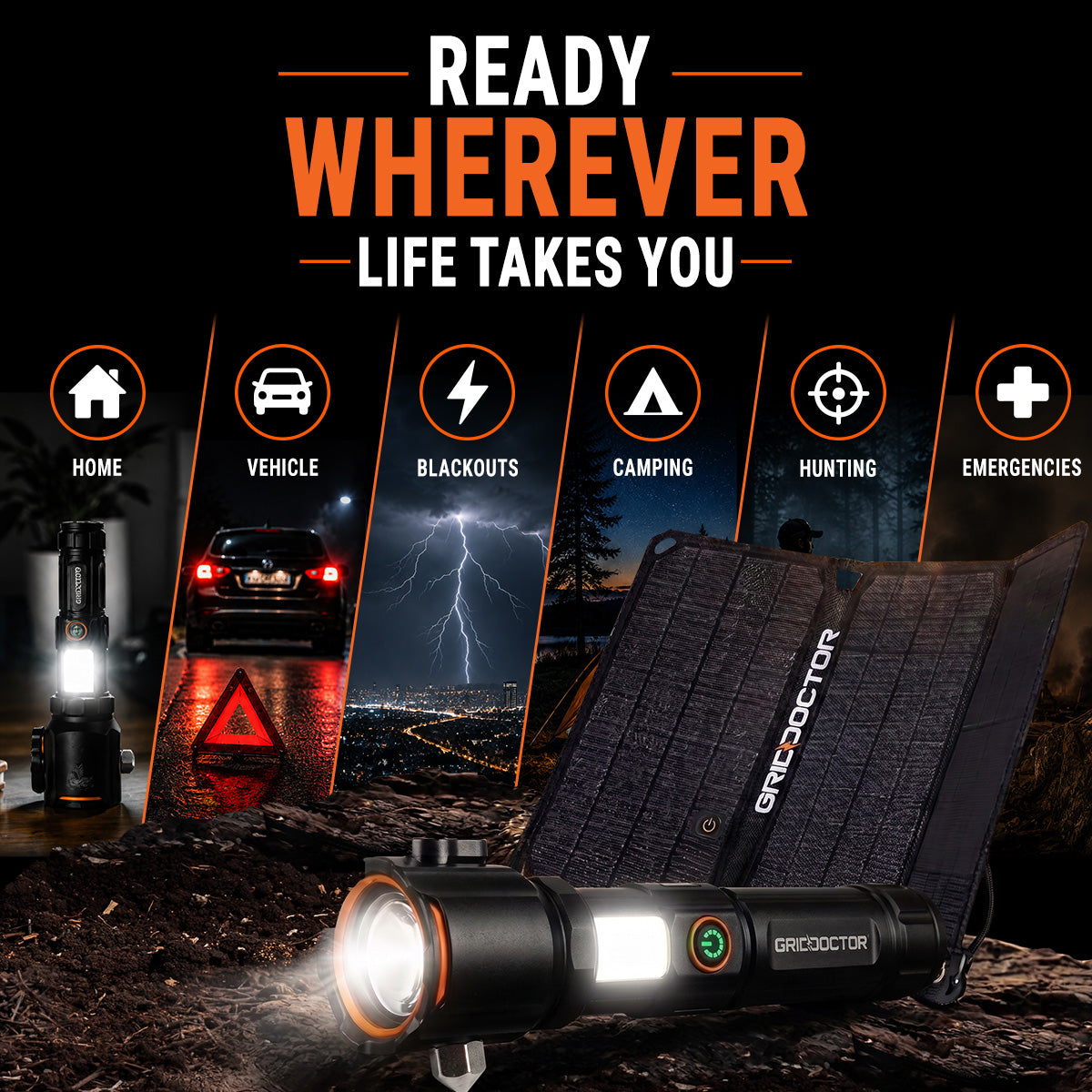
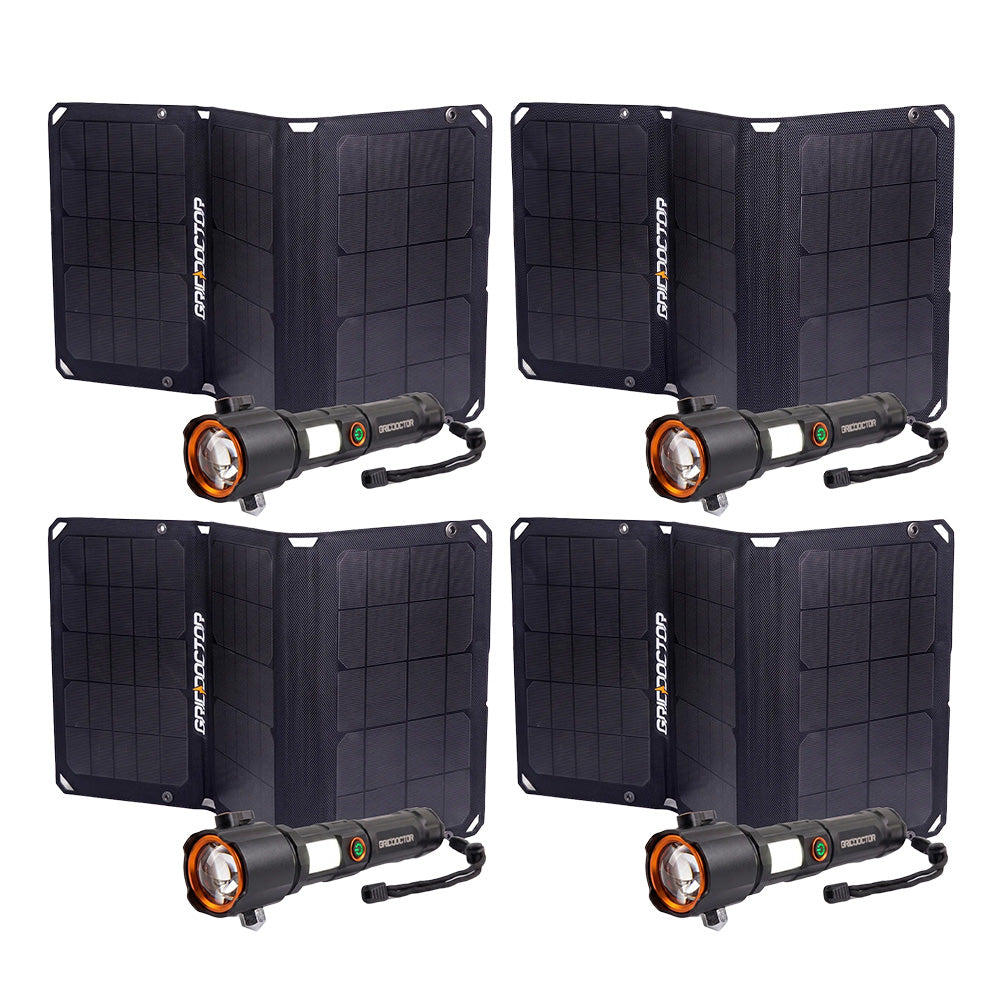
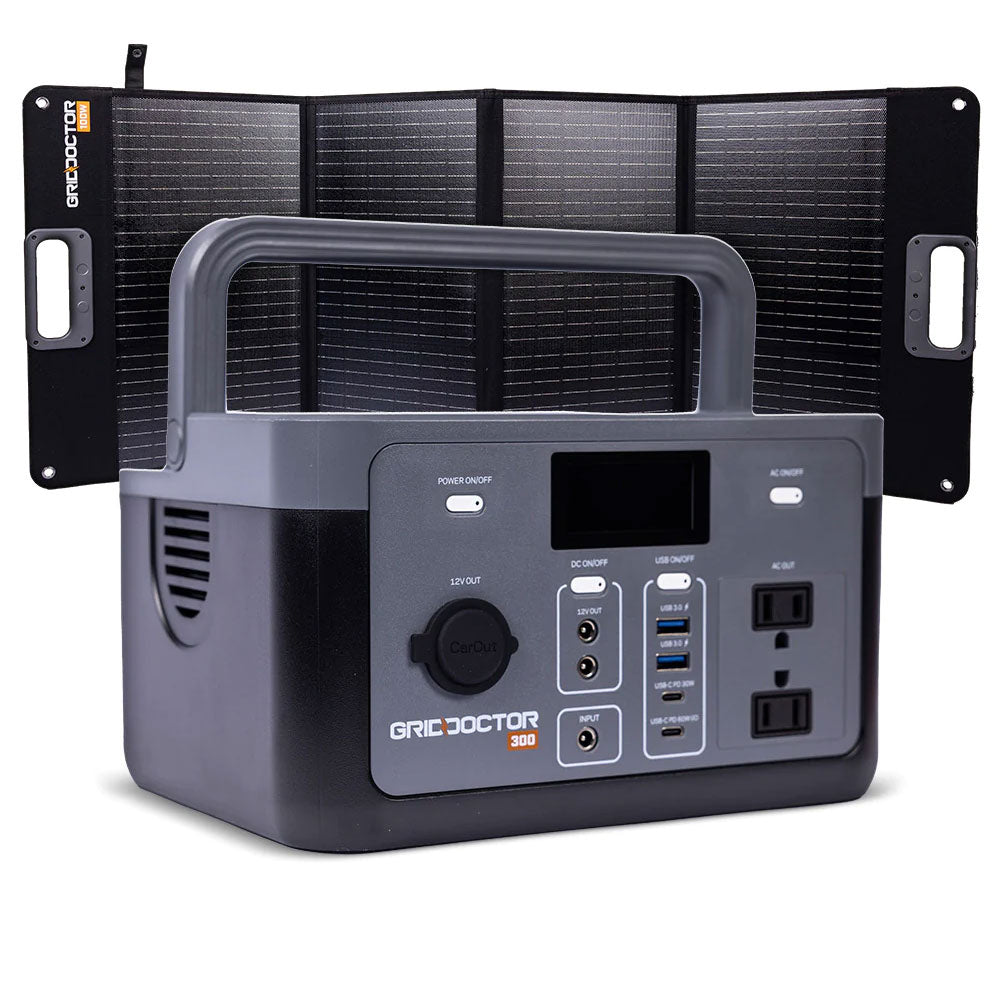
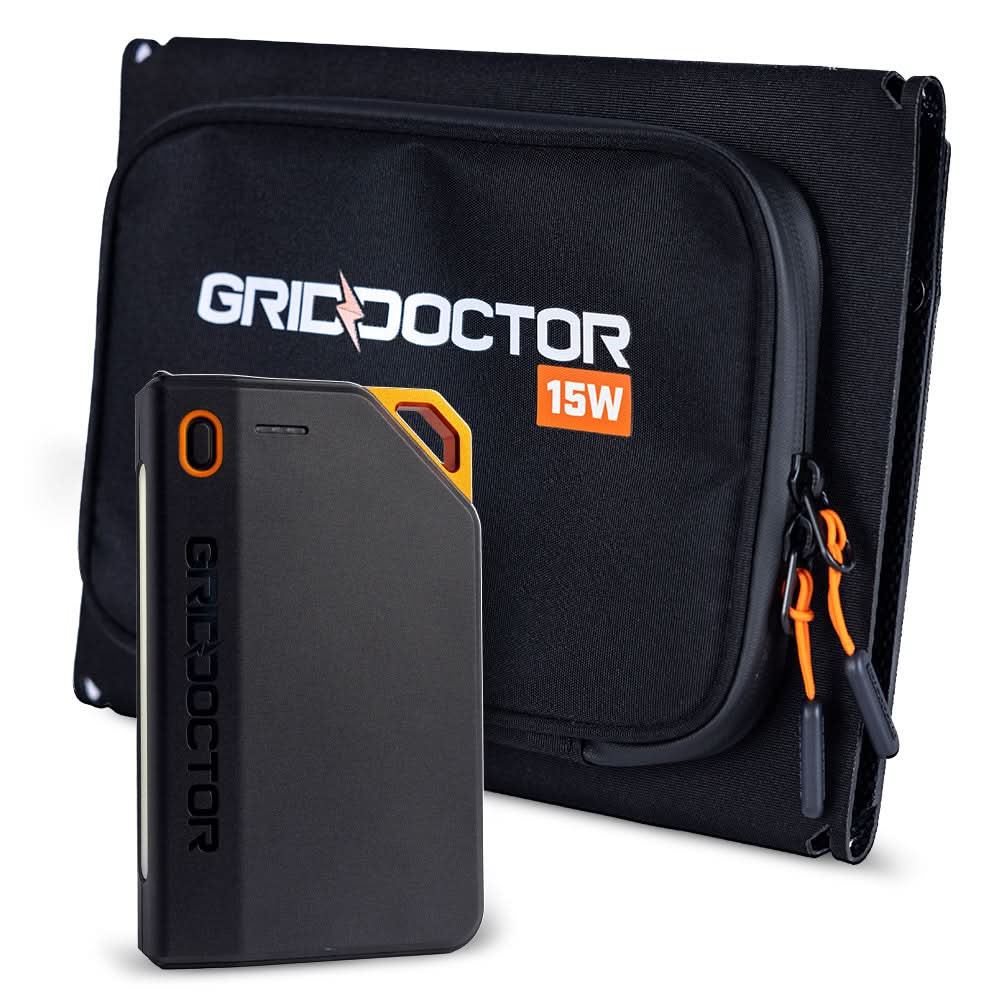
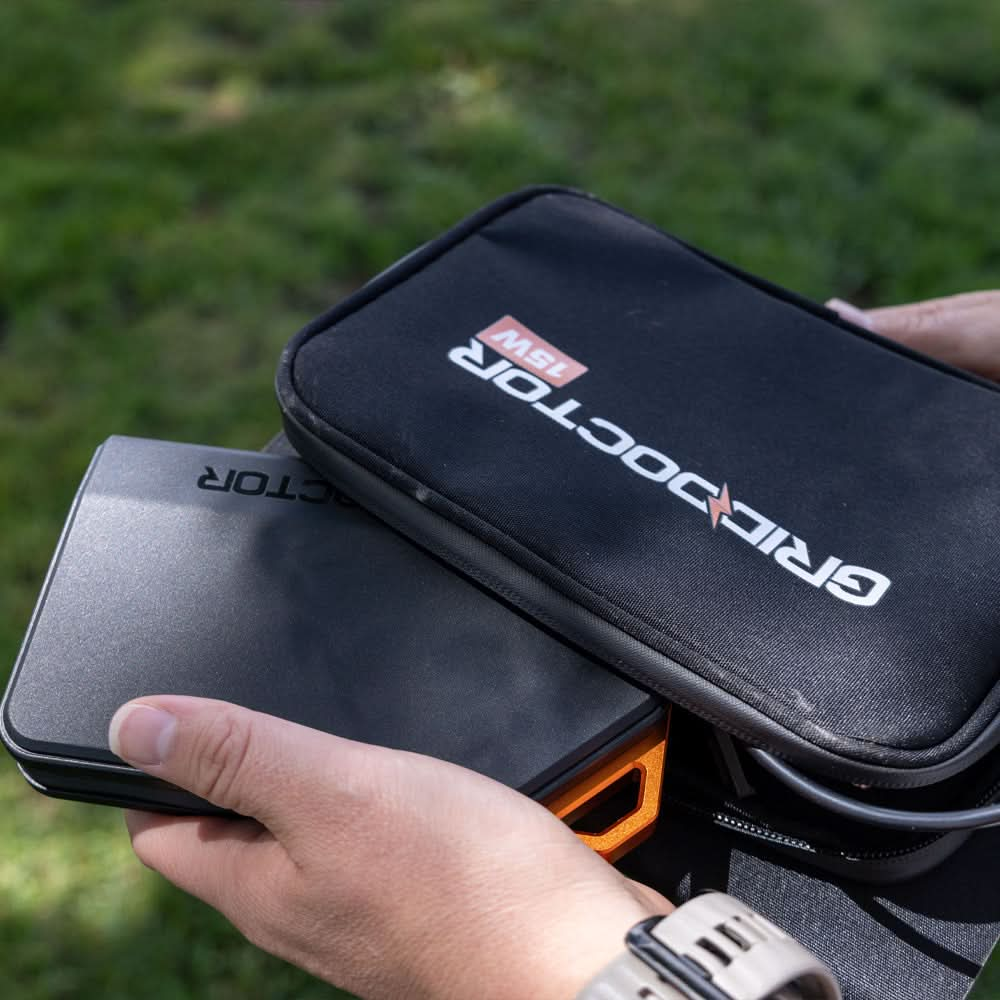
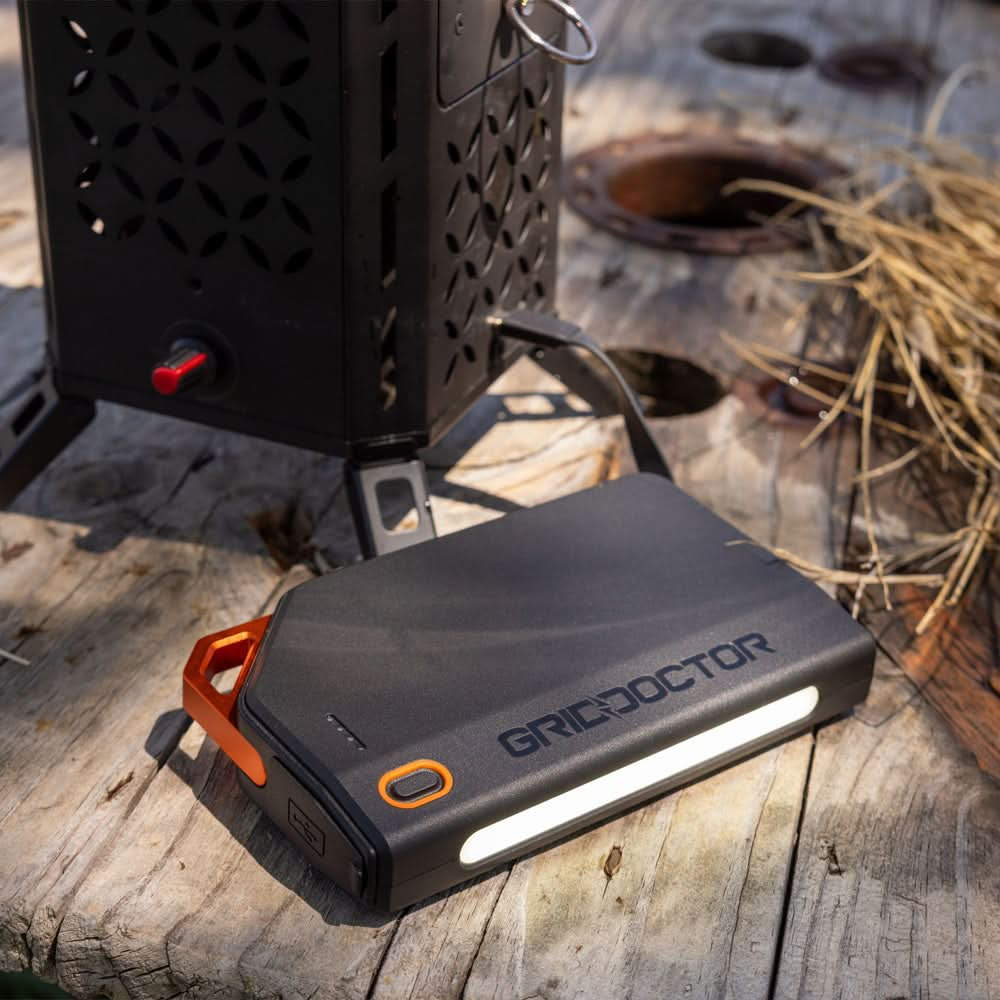
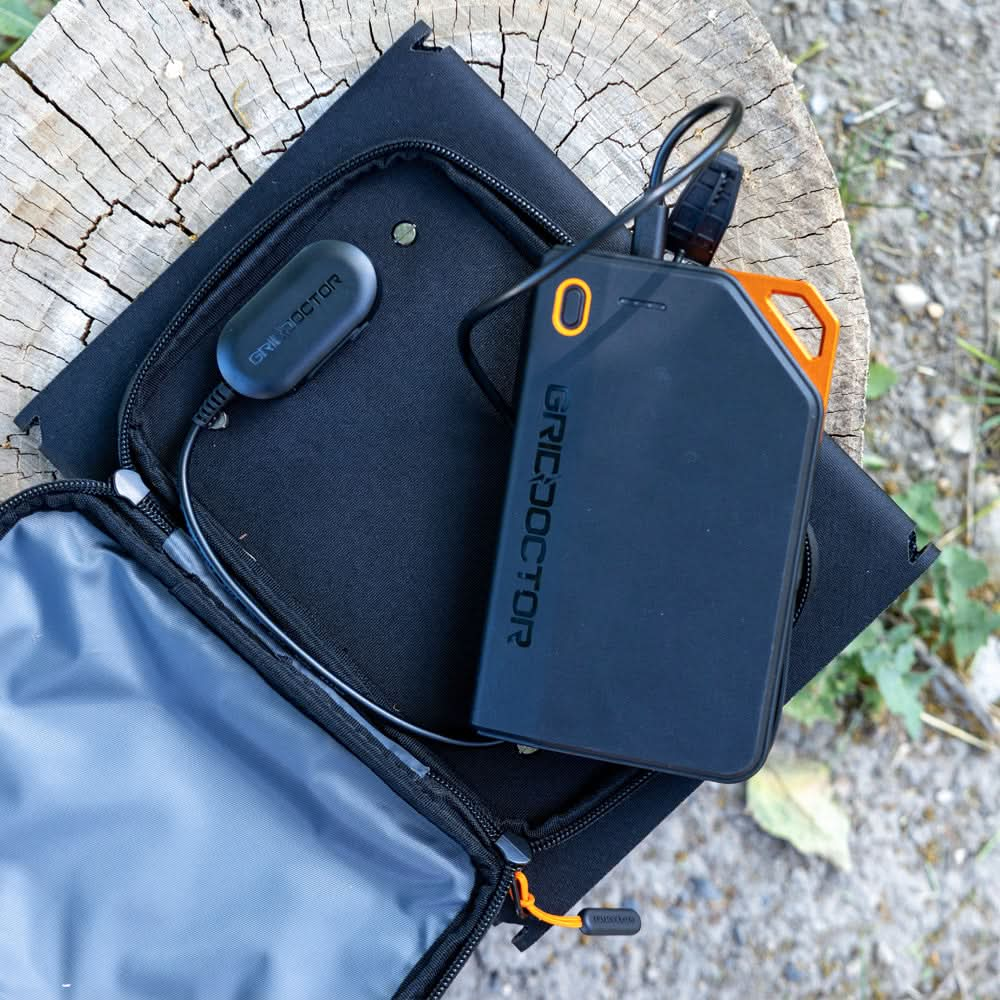
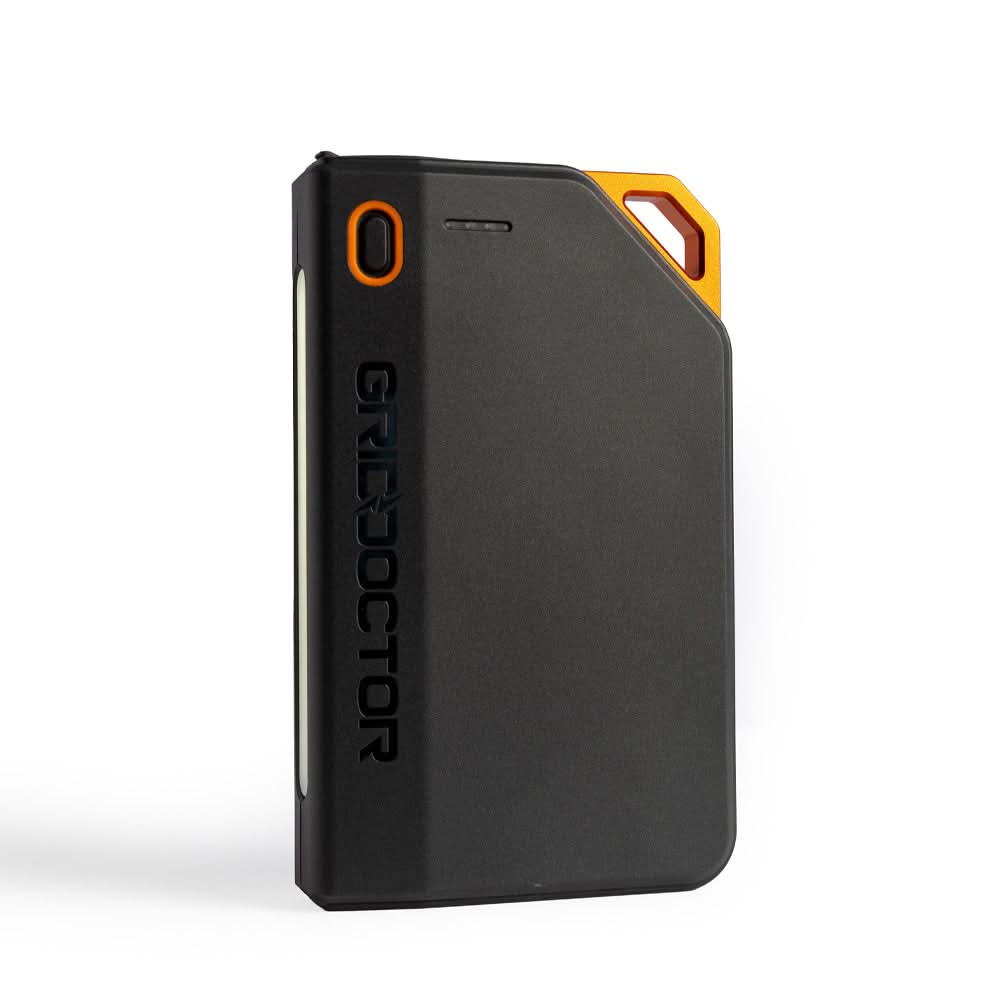
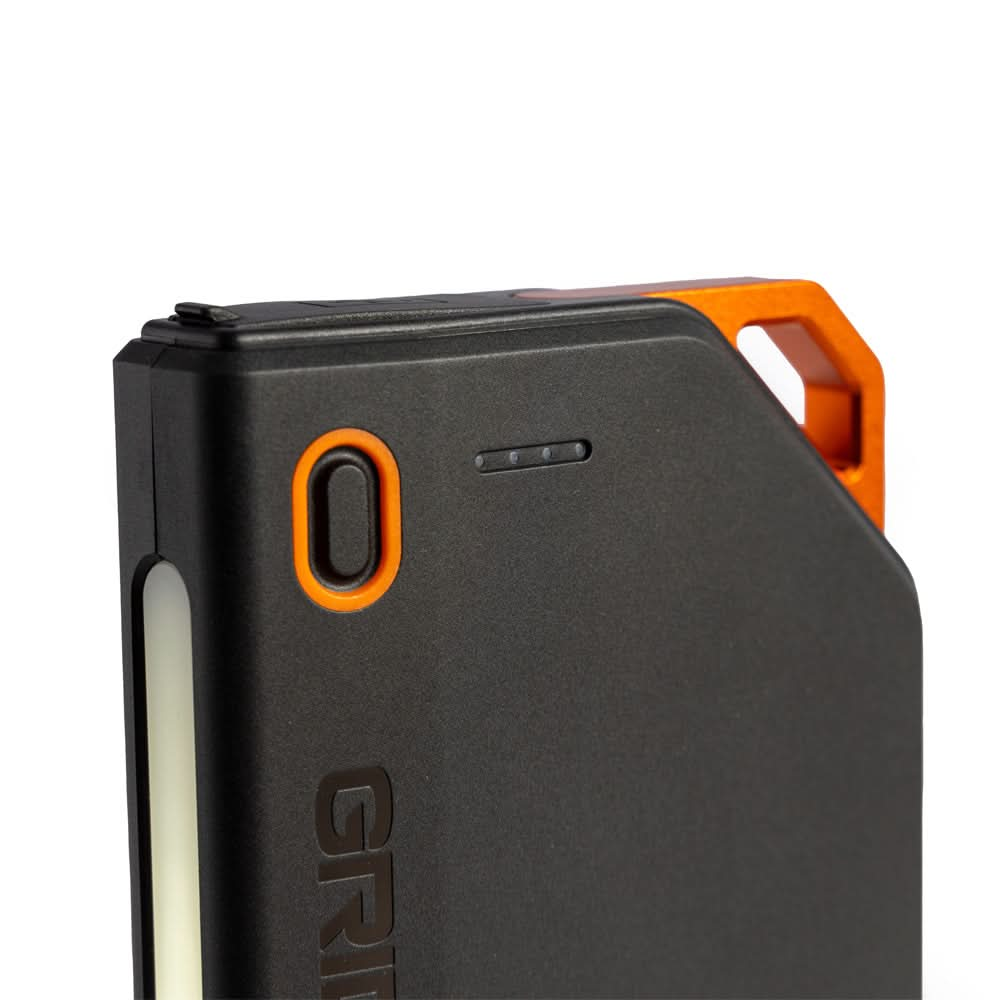
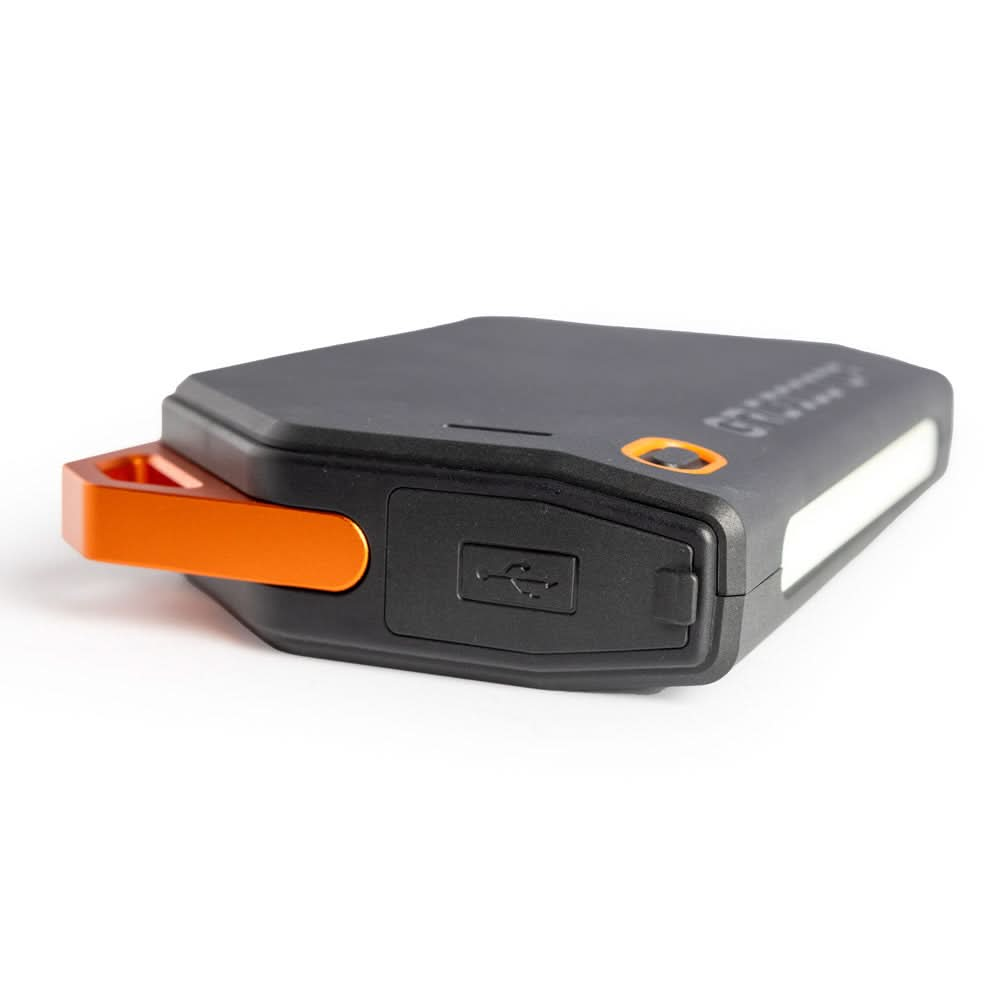
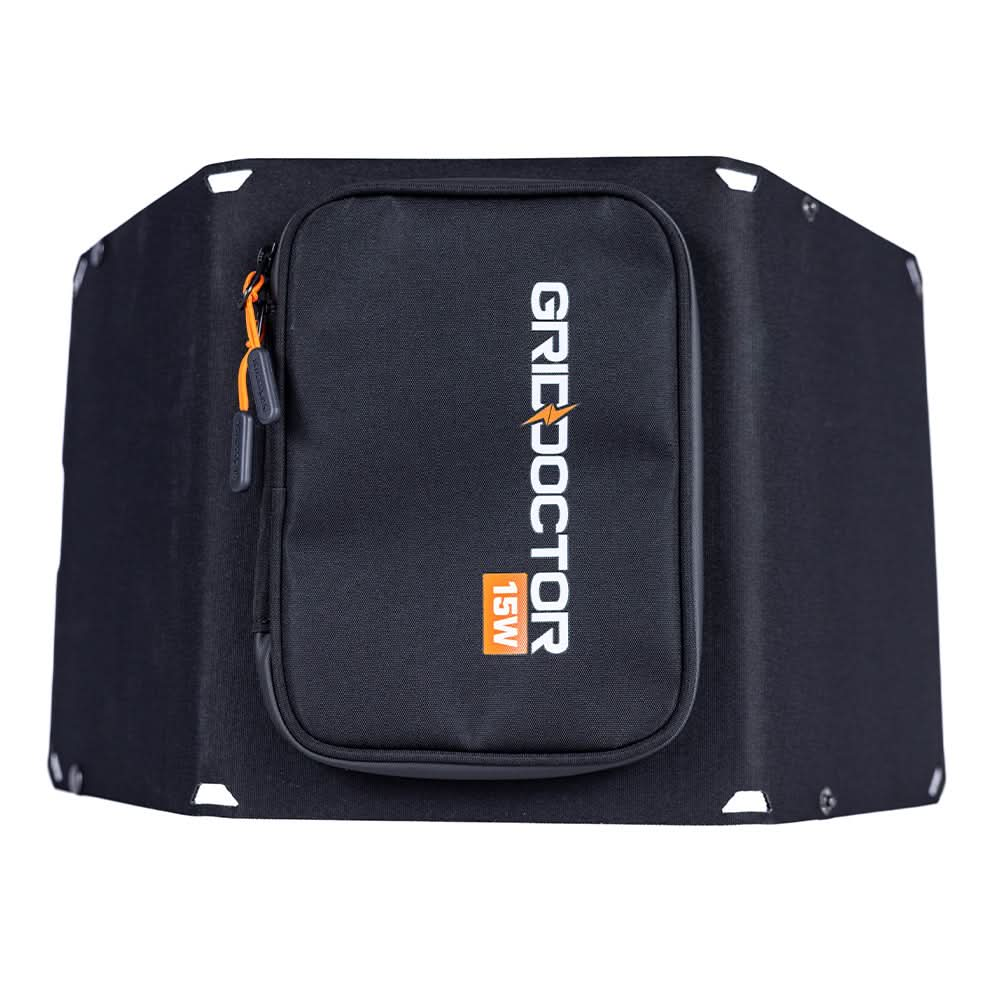
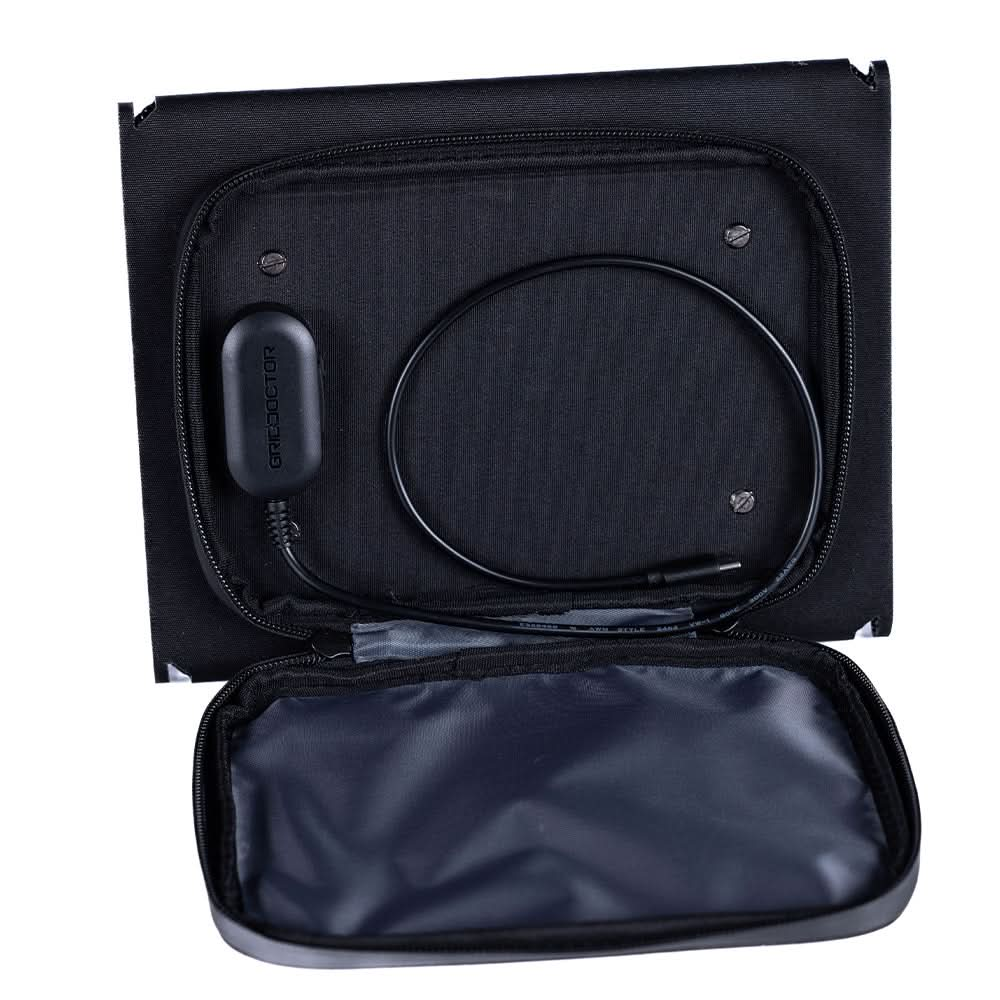
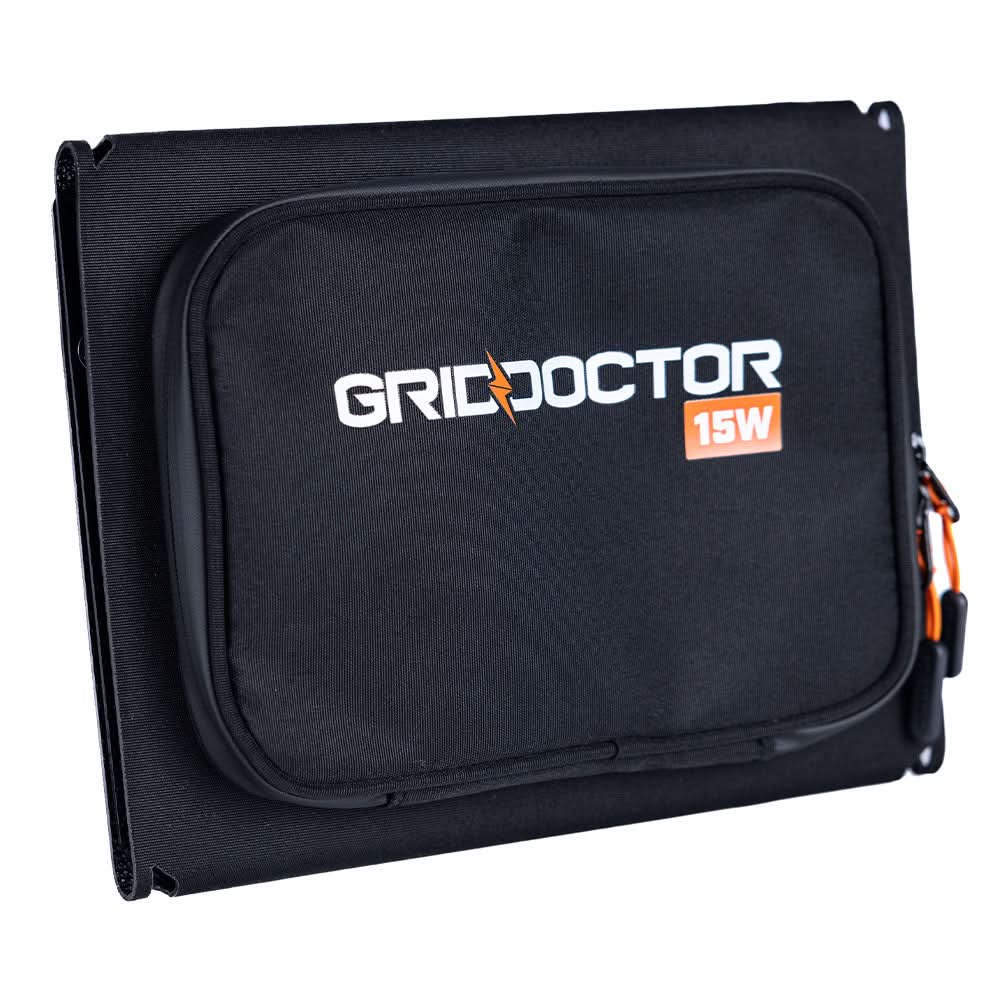
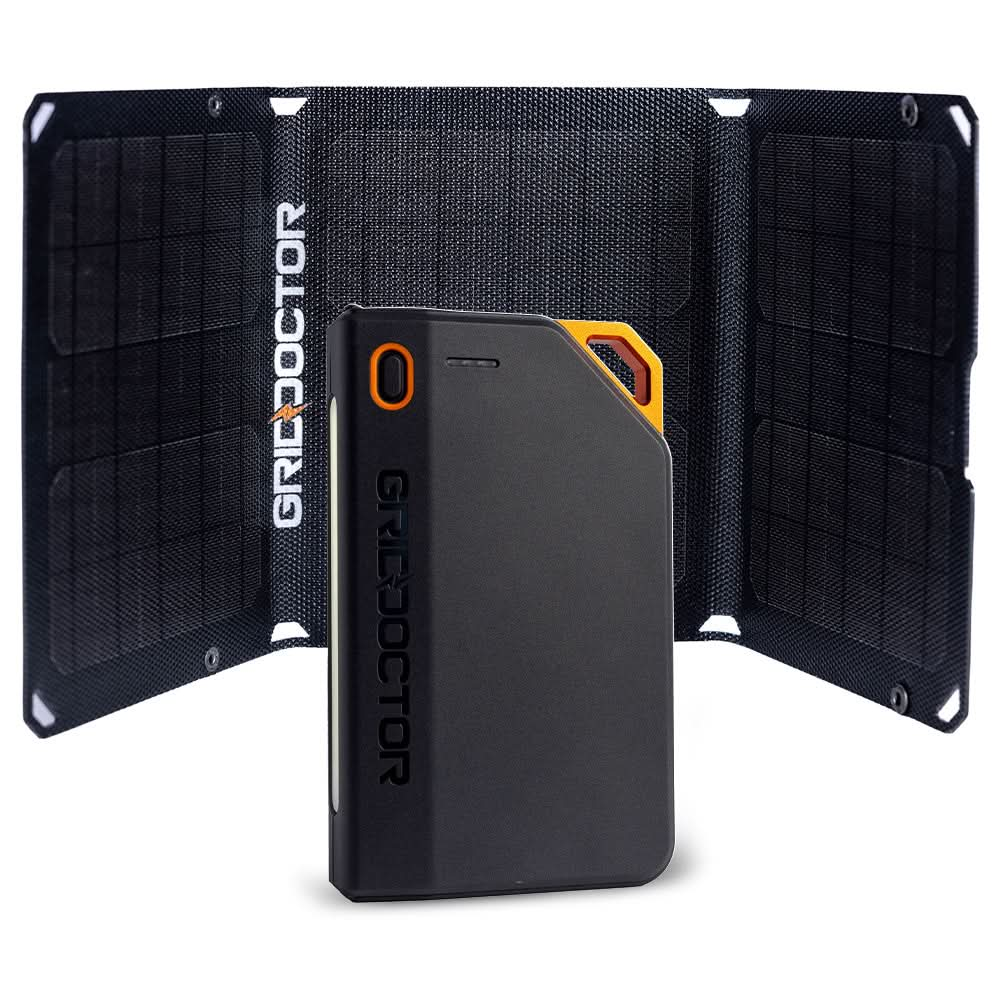
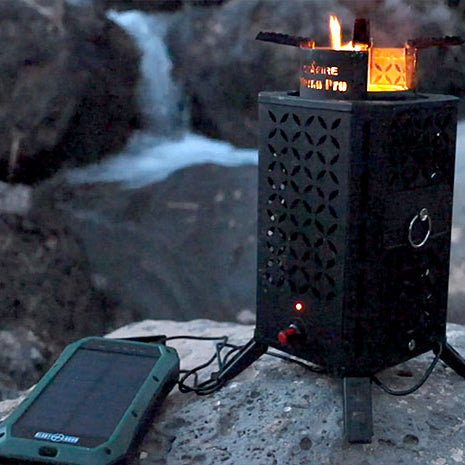
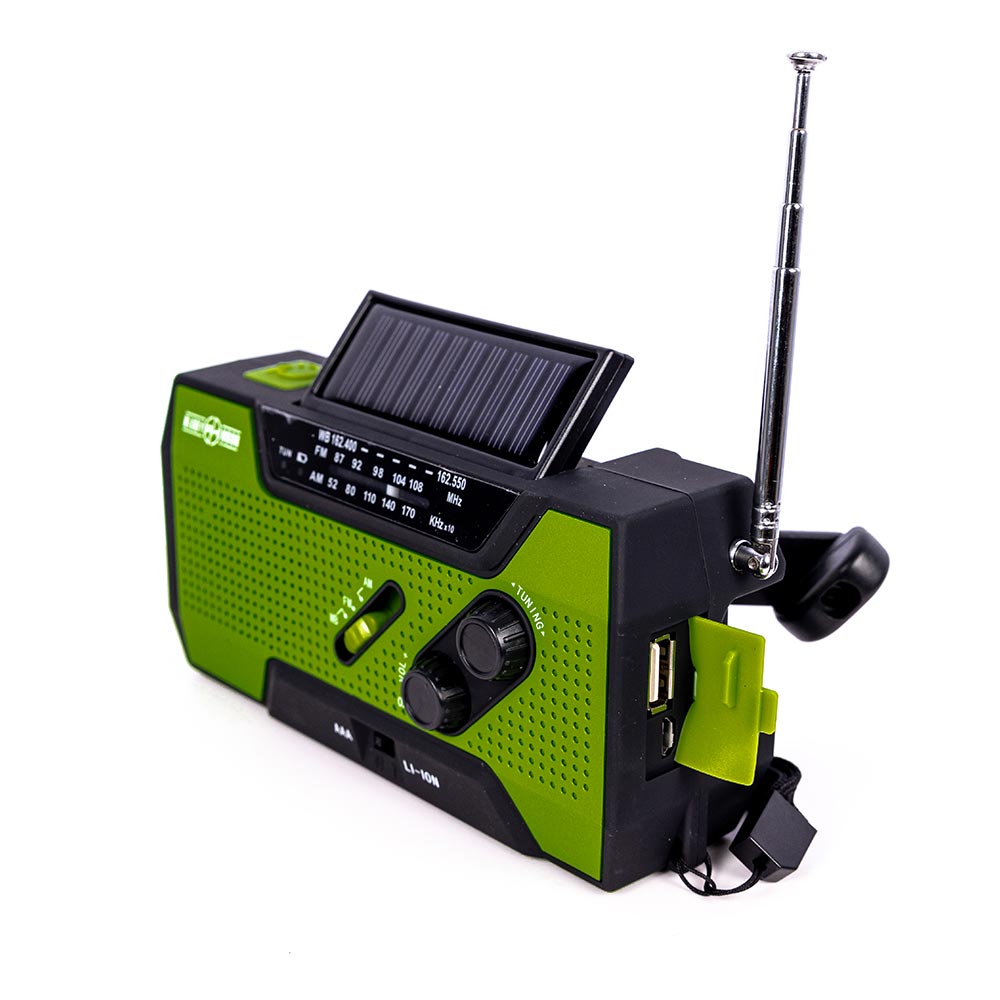
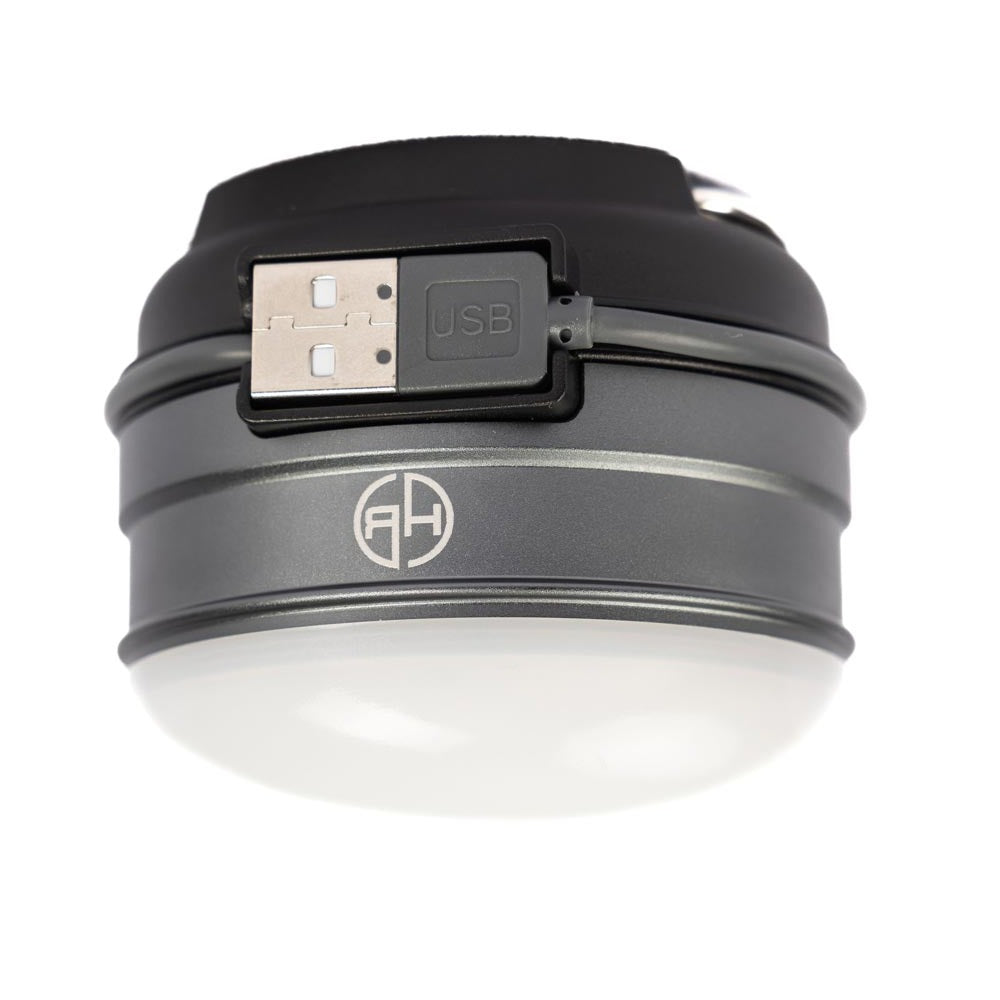
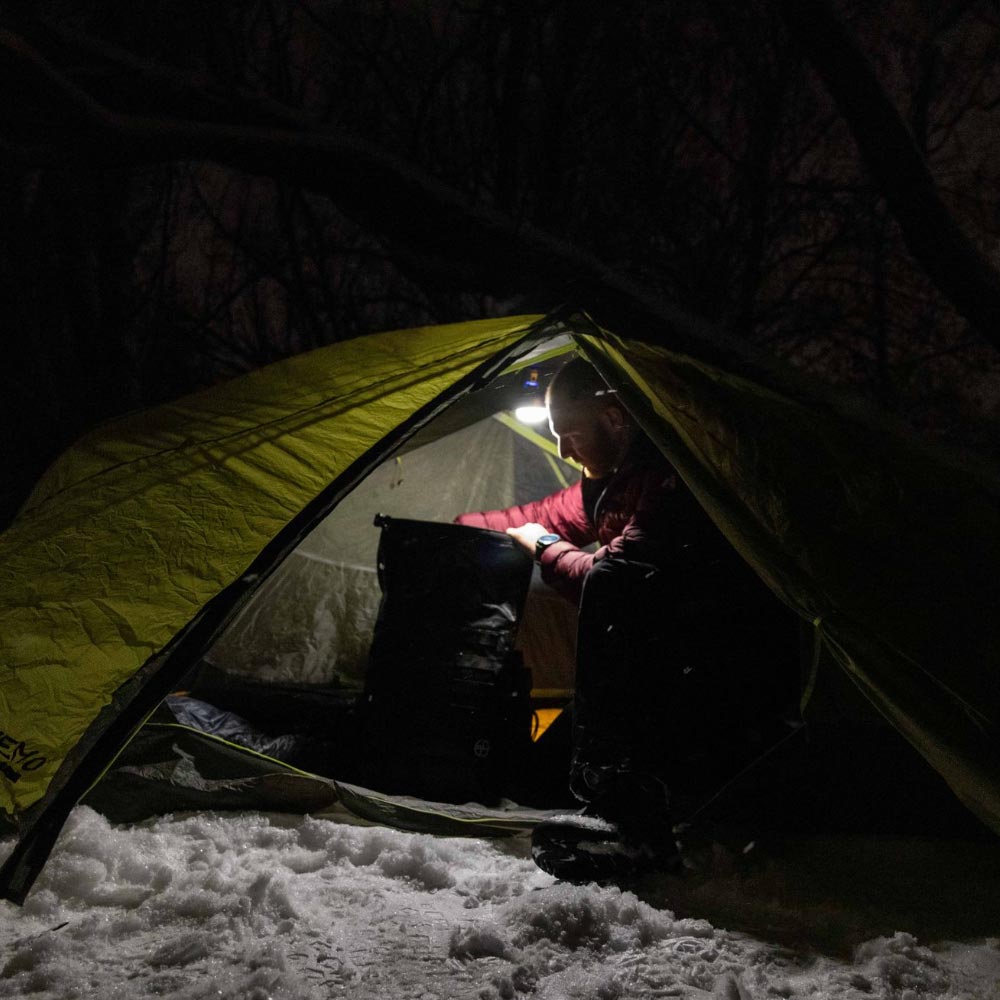
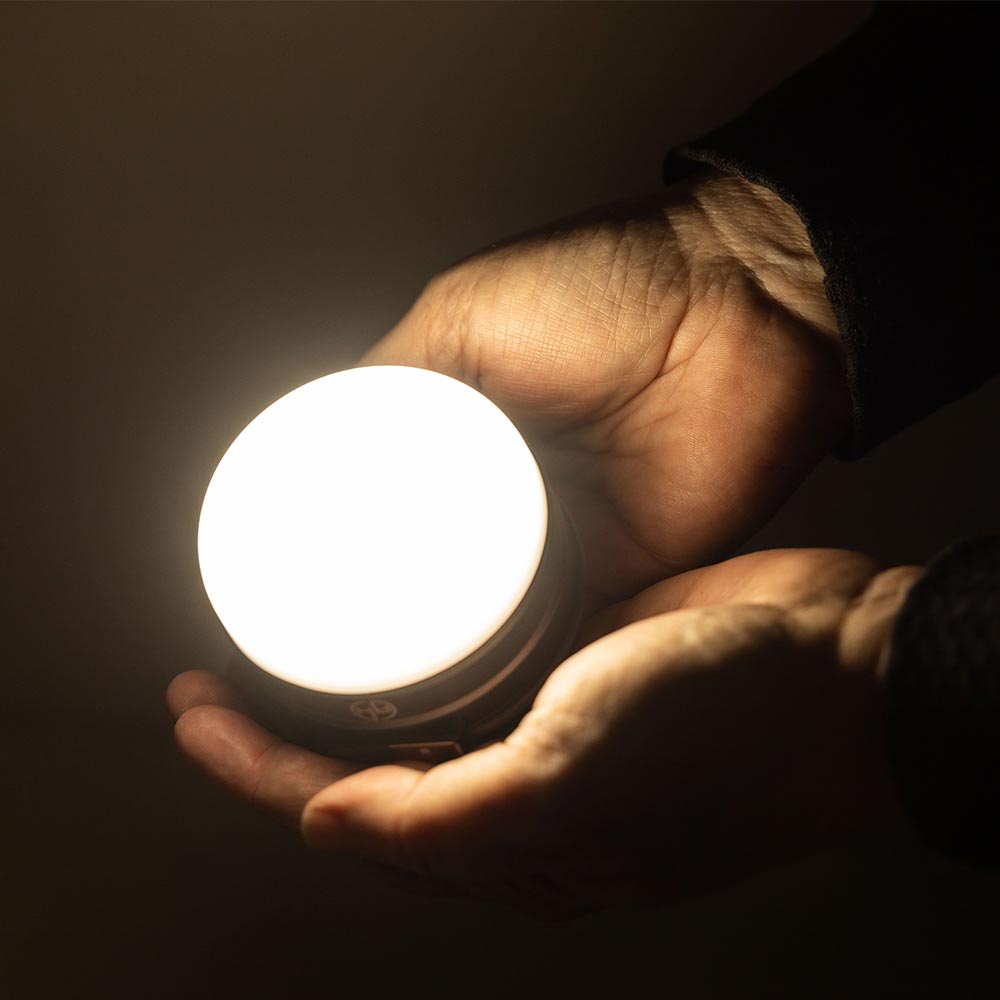
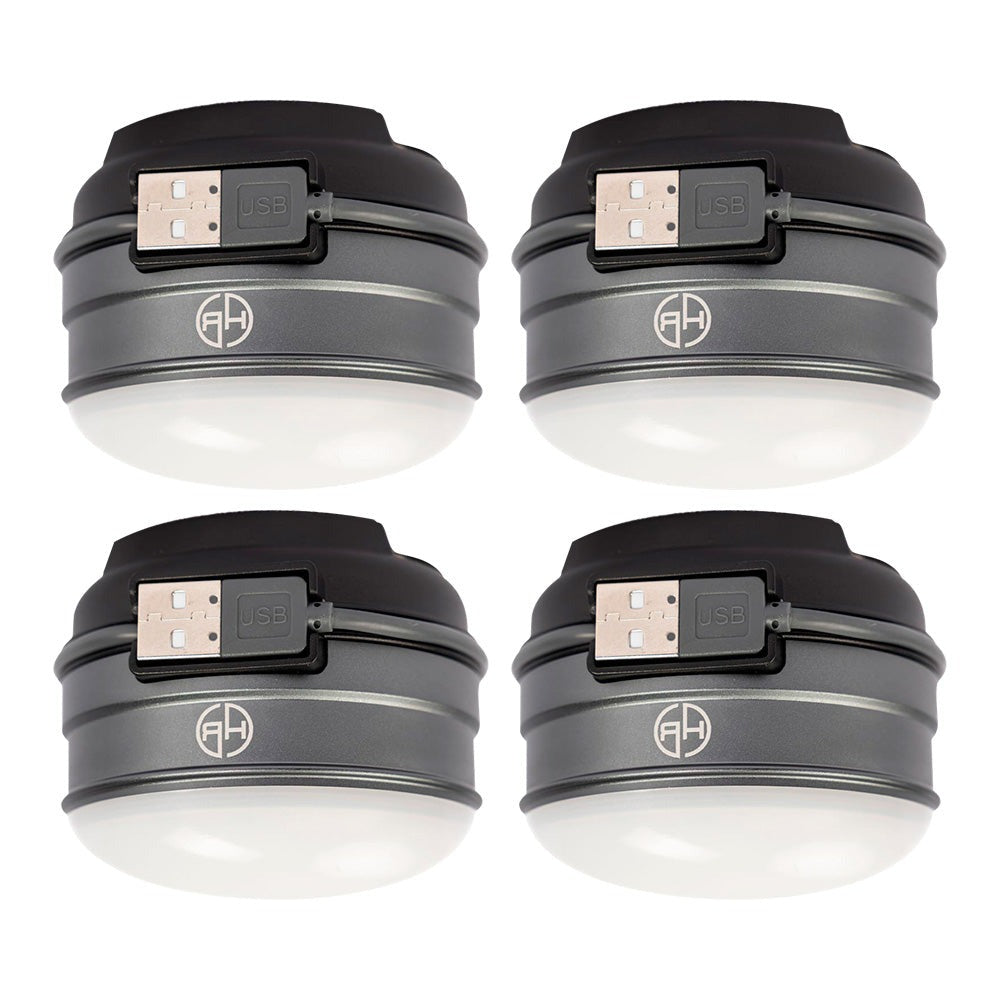
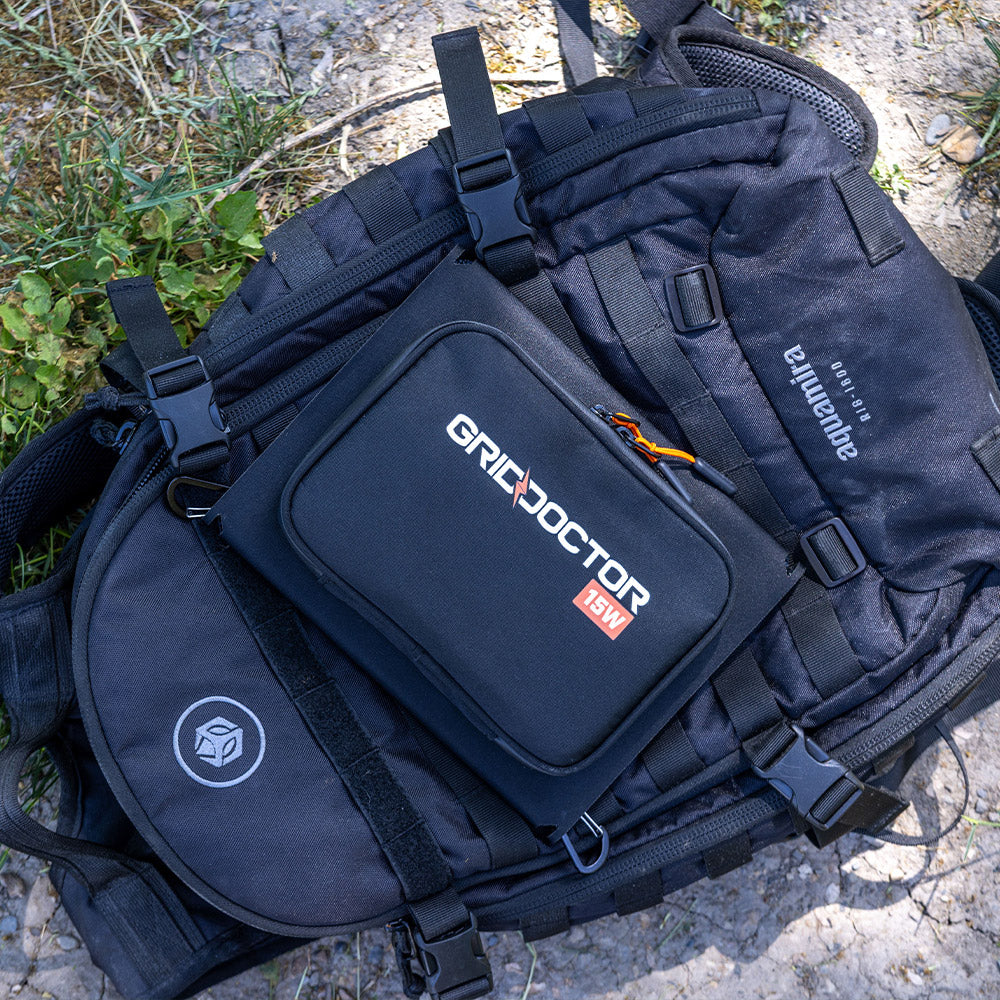
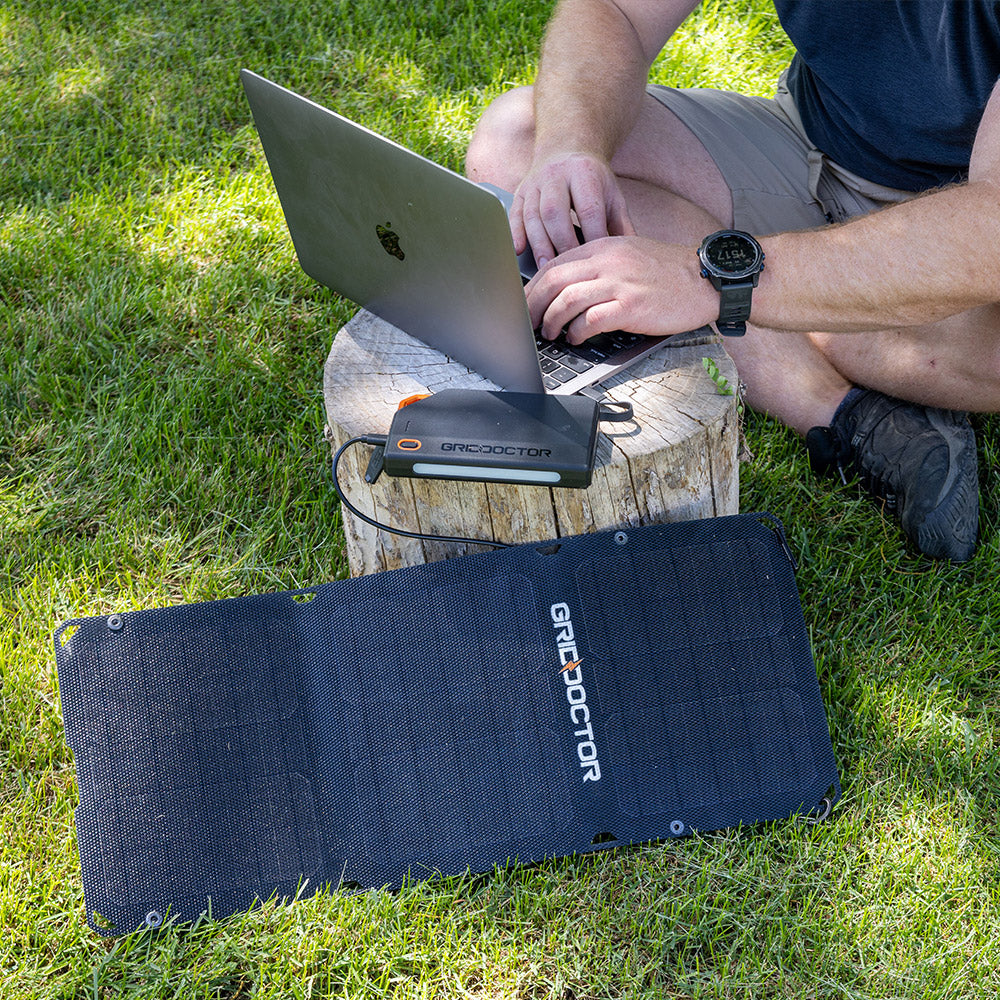
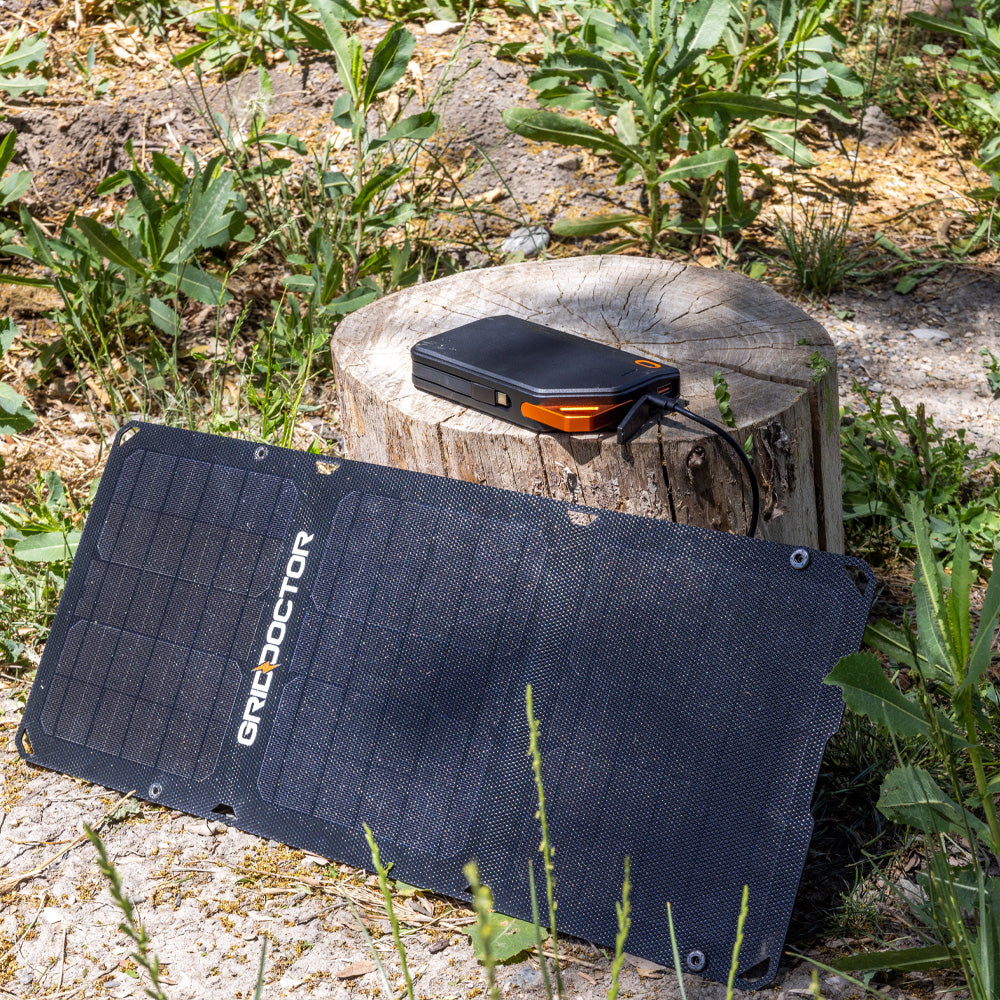
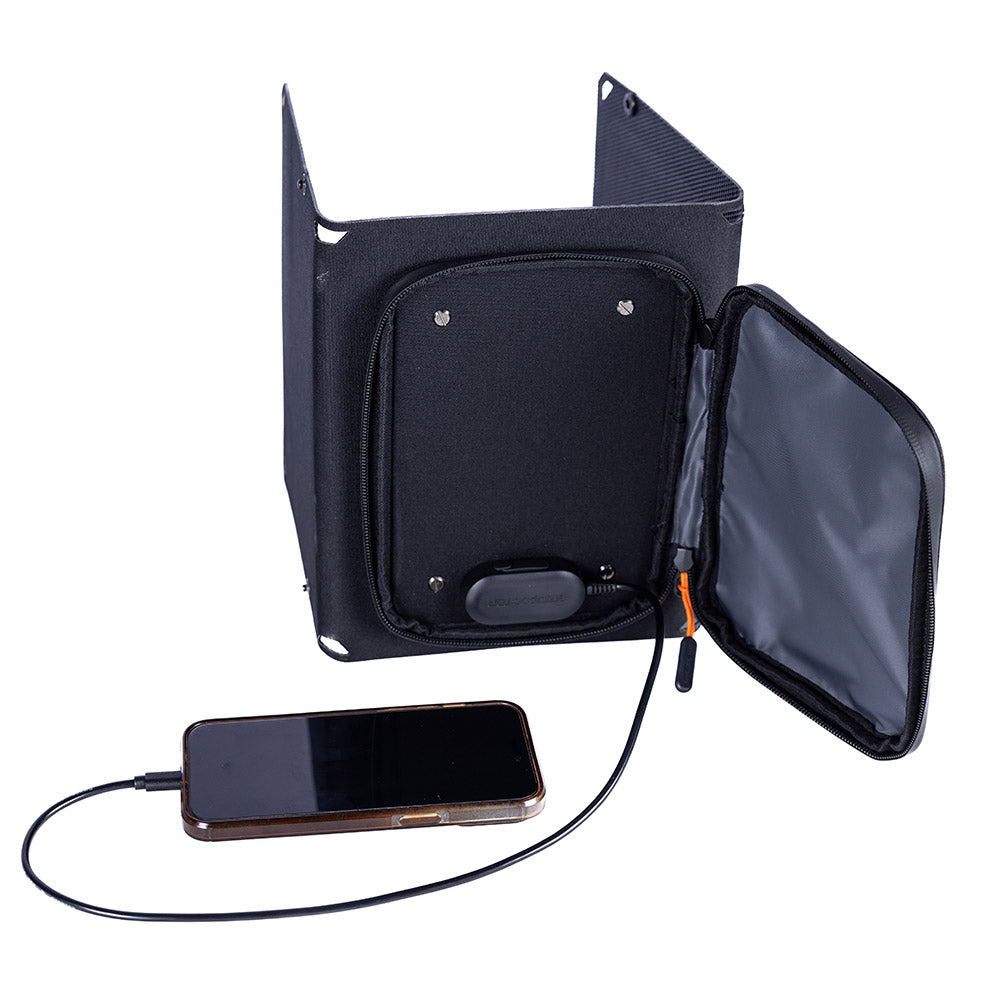
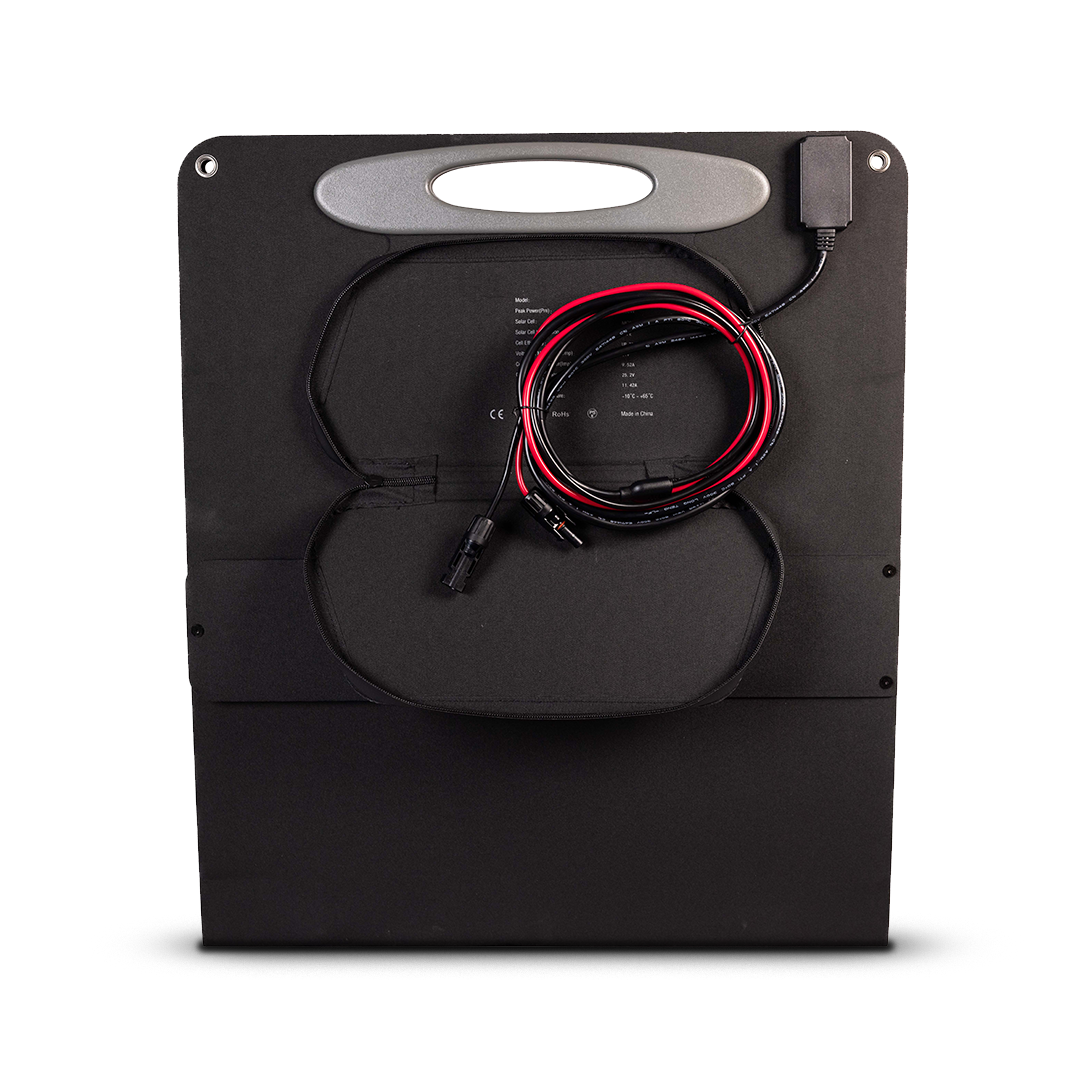
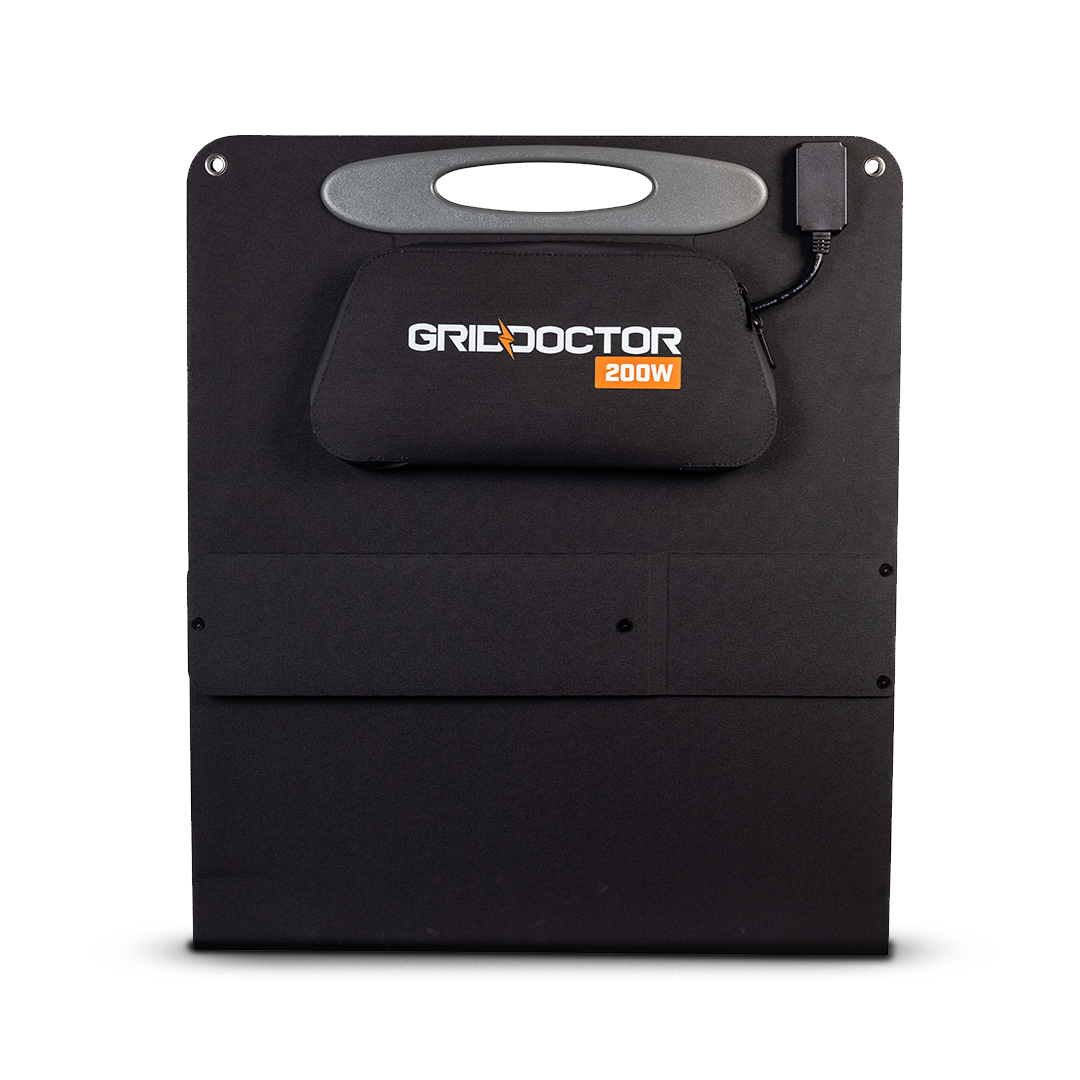
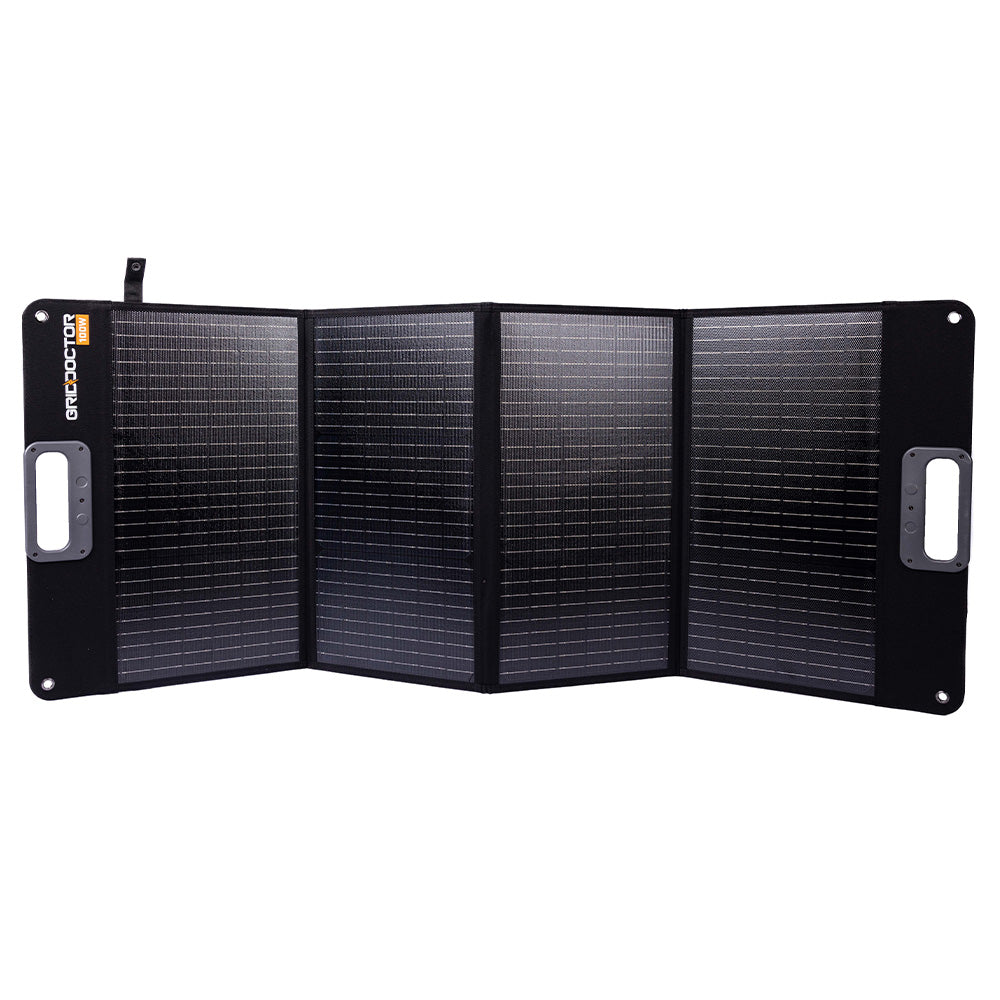
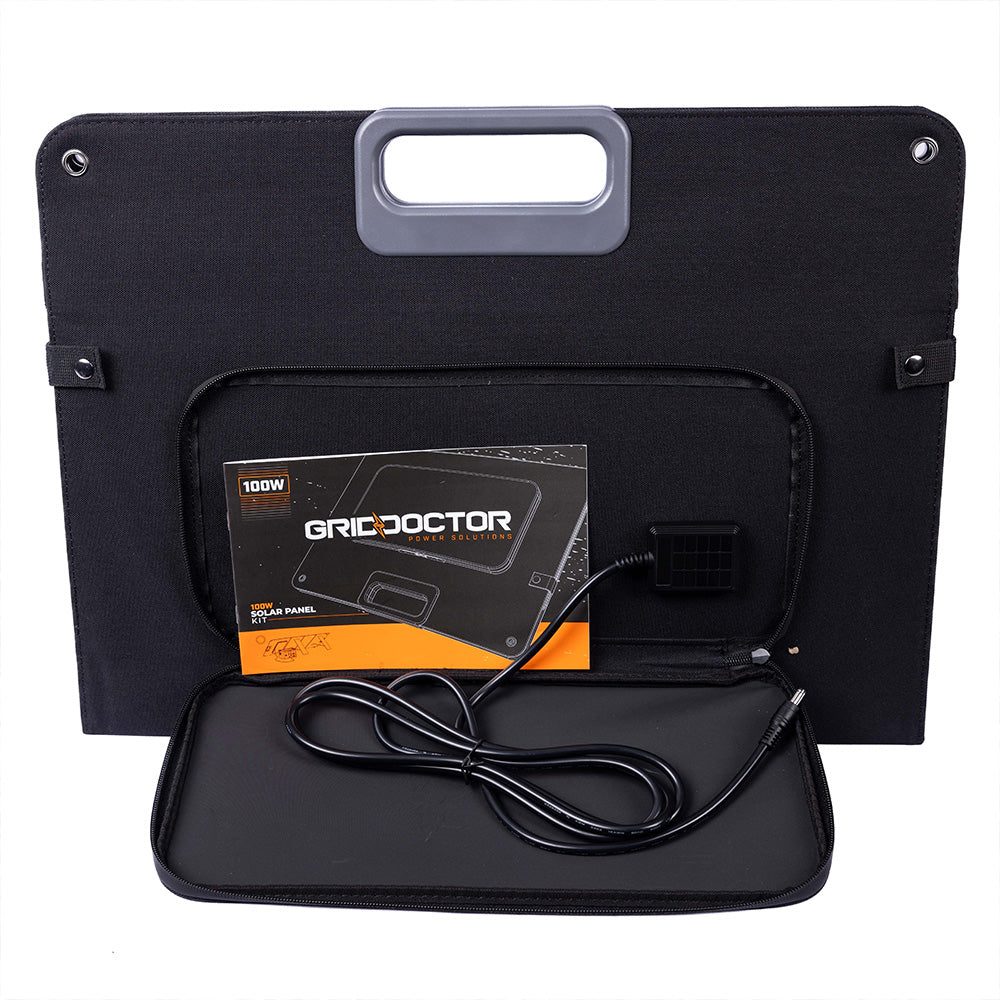
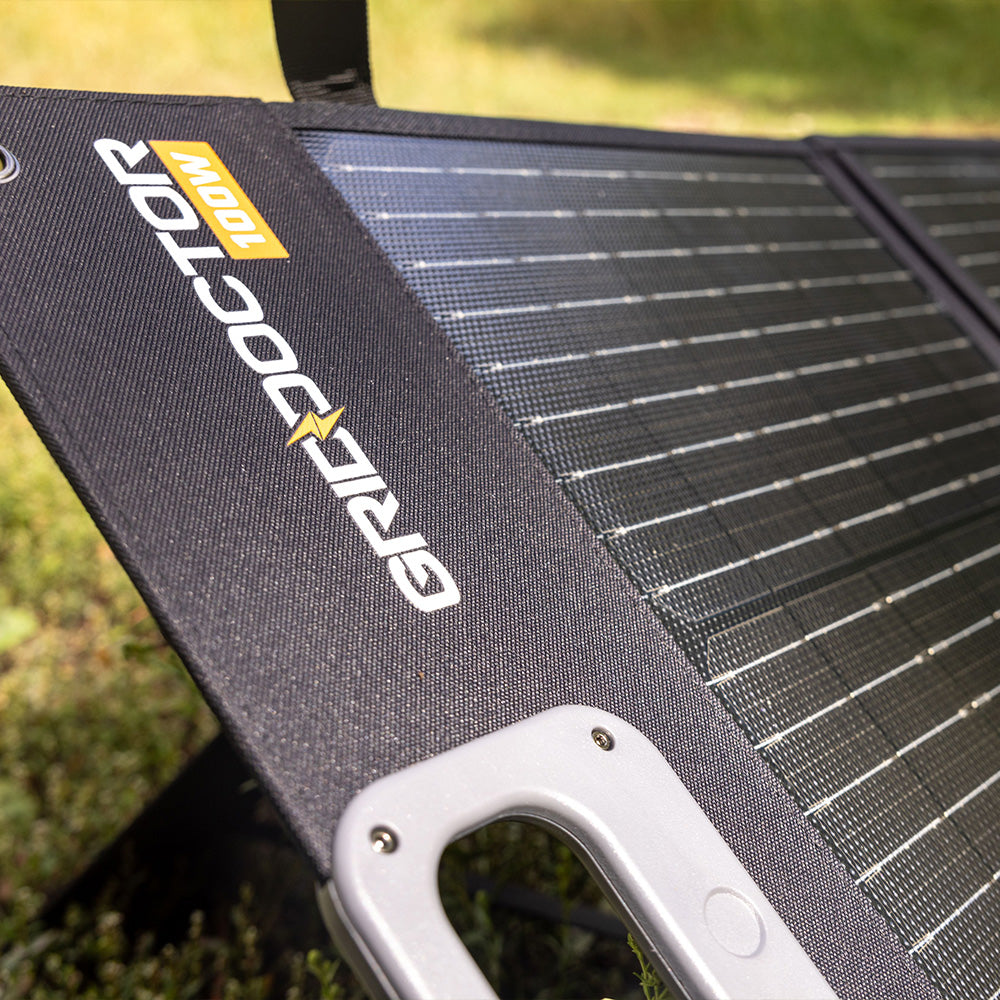
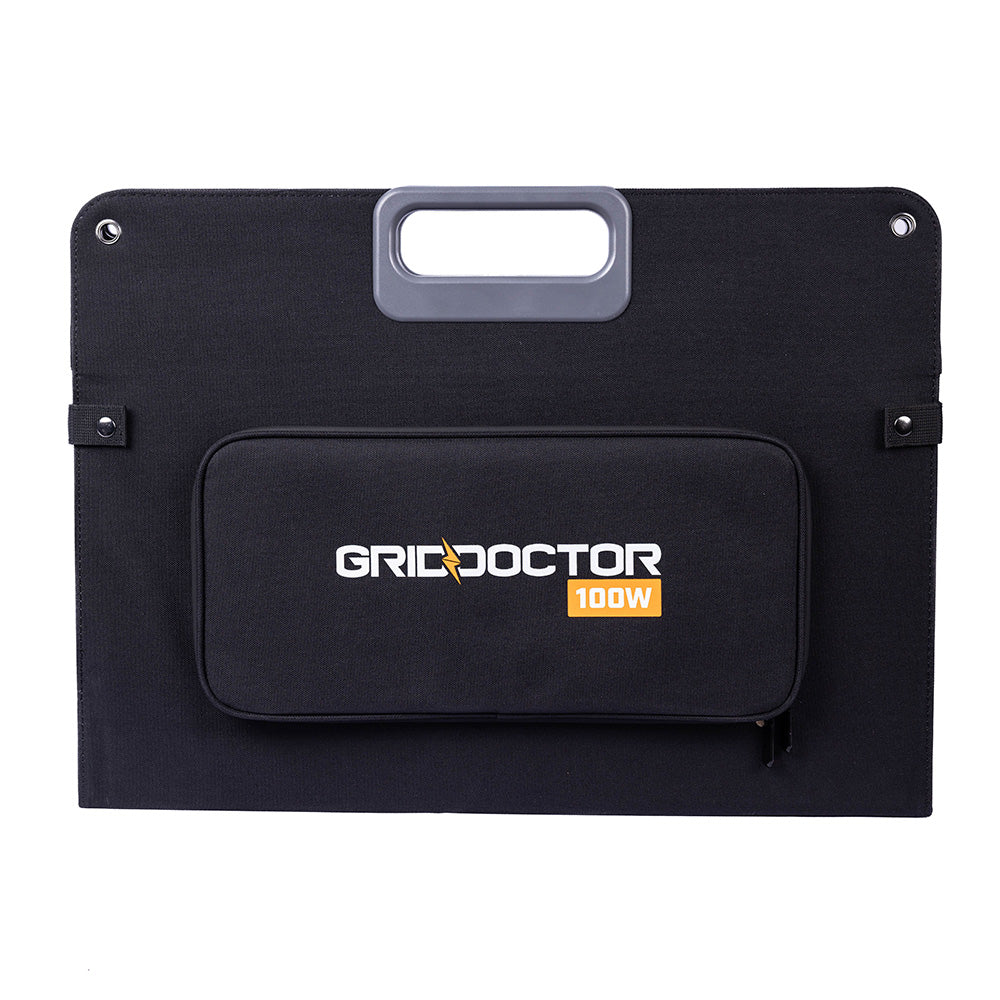
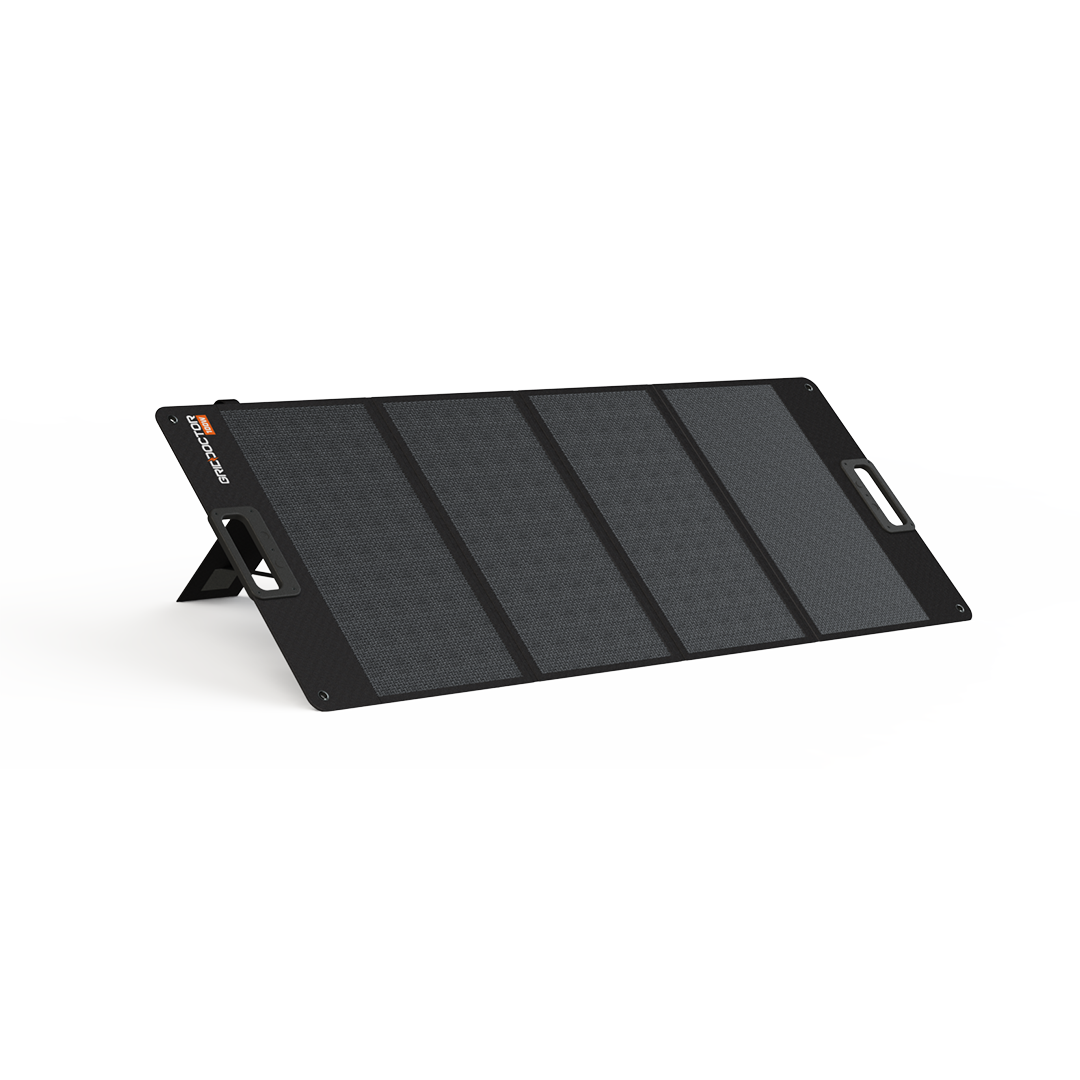
Keep backup power ready for lights, devices, and other household essentials.

1. Food: Stock Up Before the Storm
Winter storms can close roads, shut down grocery stores, and delay food deliveries for days. Even if your home isn't directly affected, disruptions to transportation and supply chains can make everyday essentials harder to find.
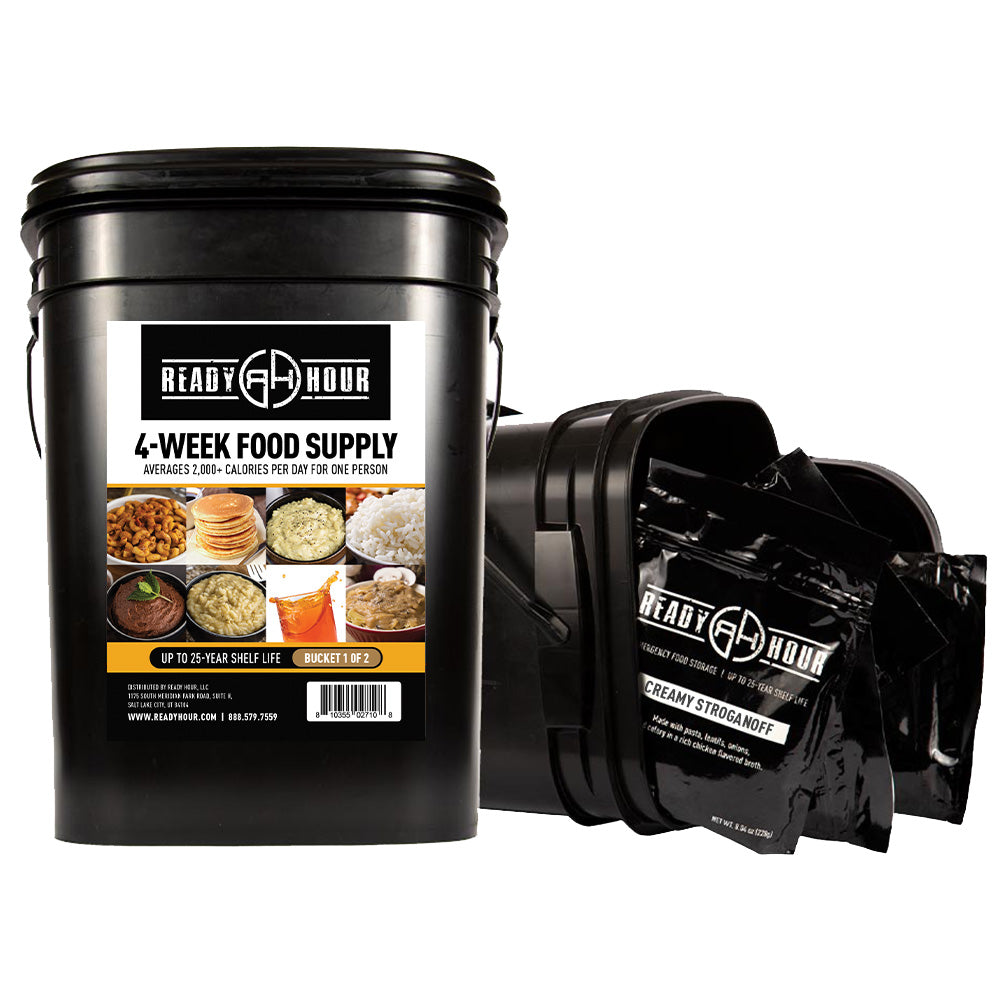
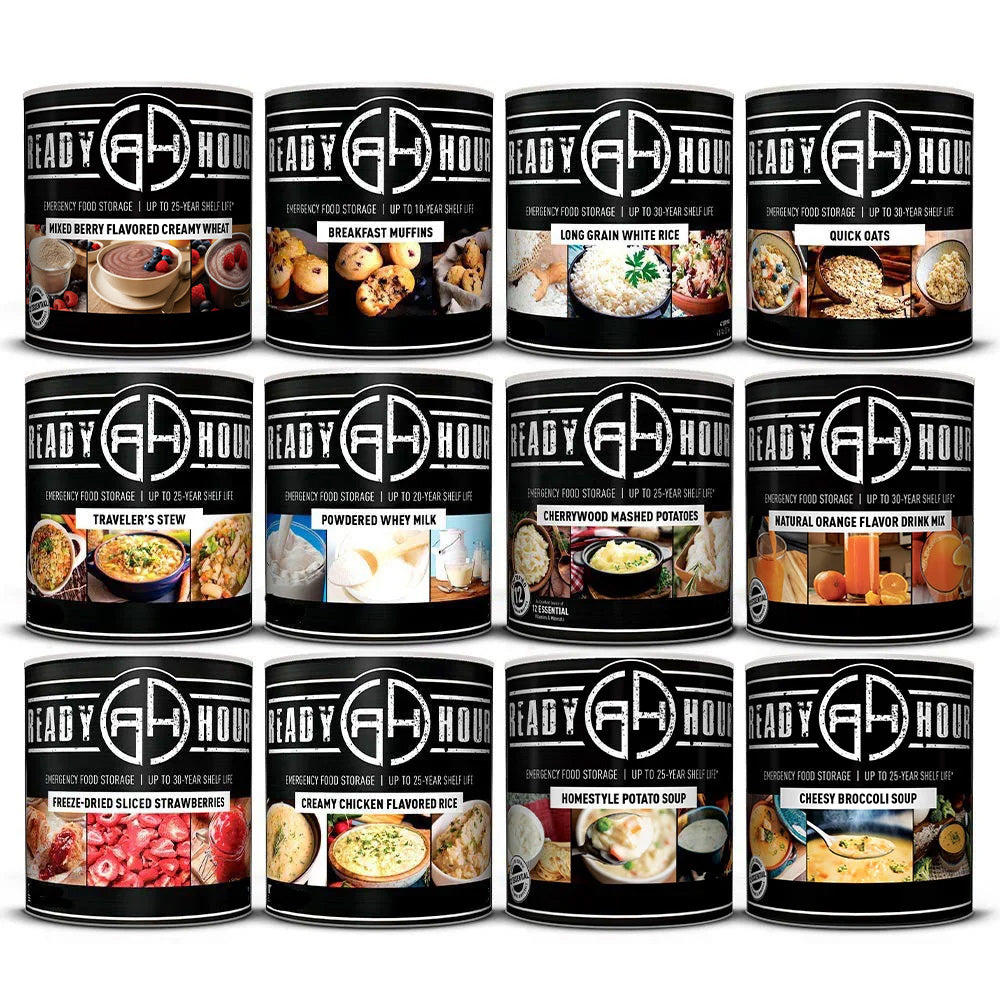
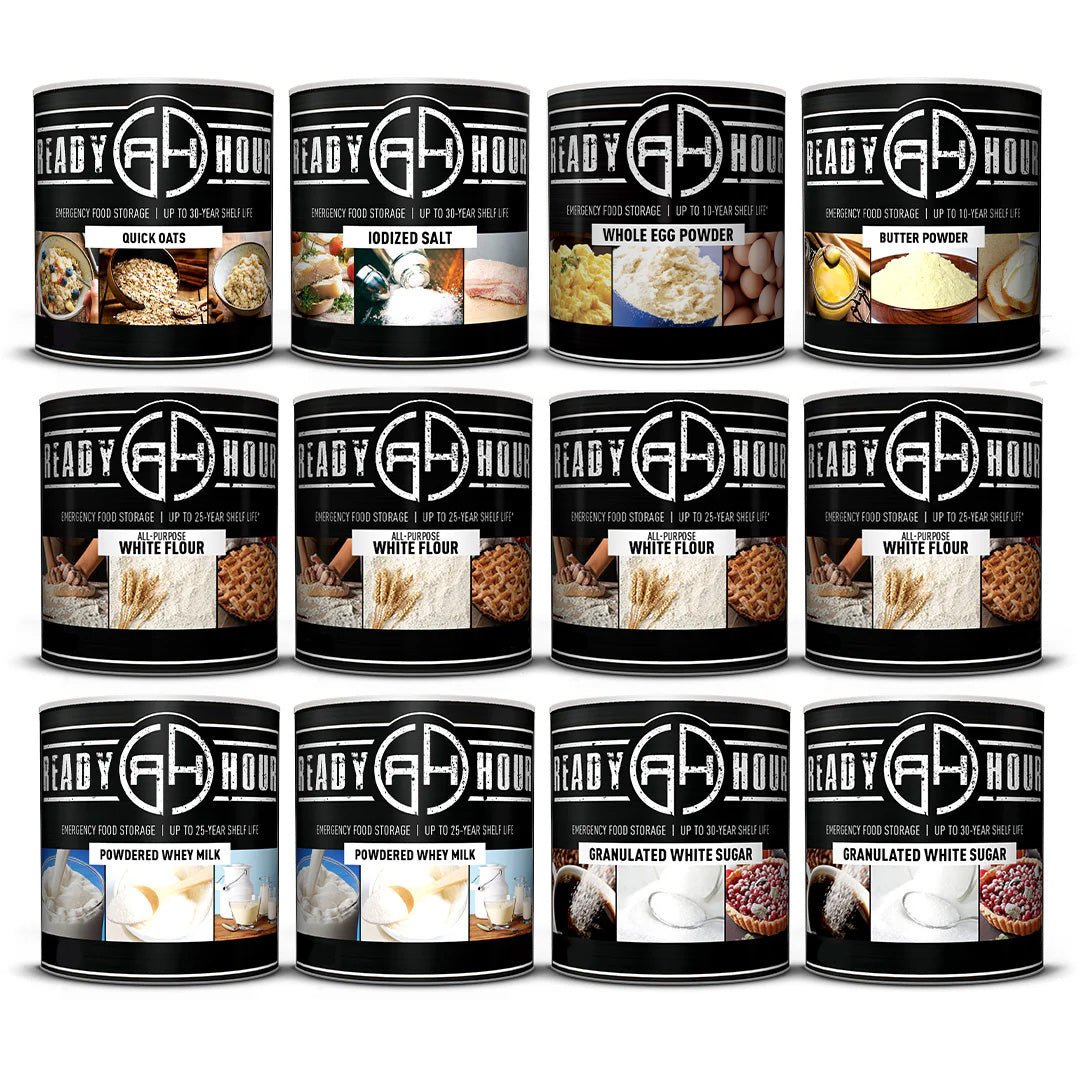
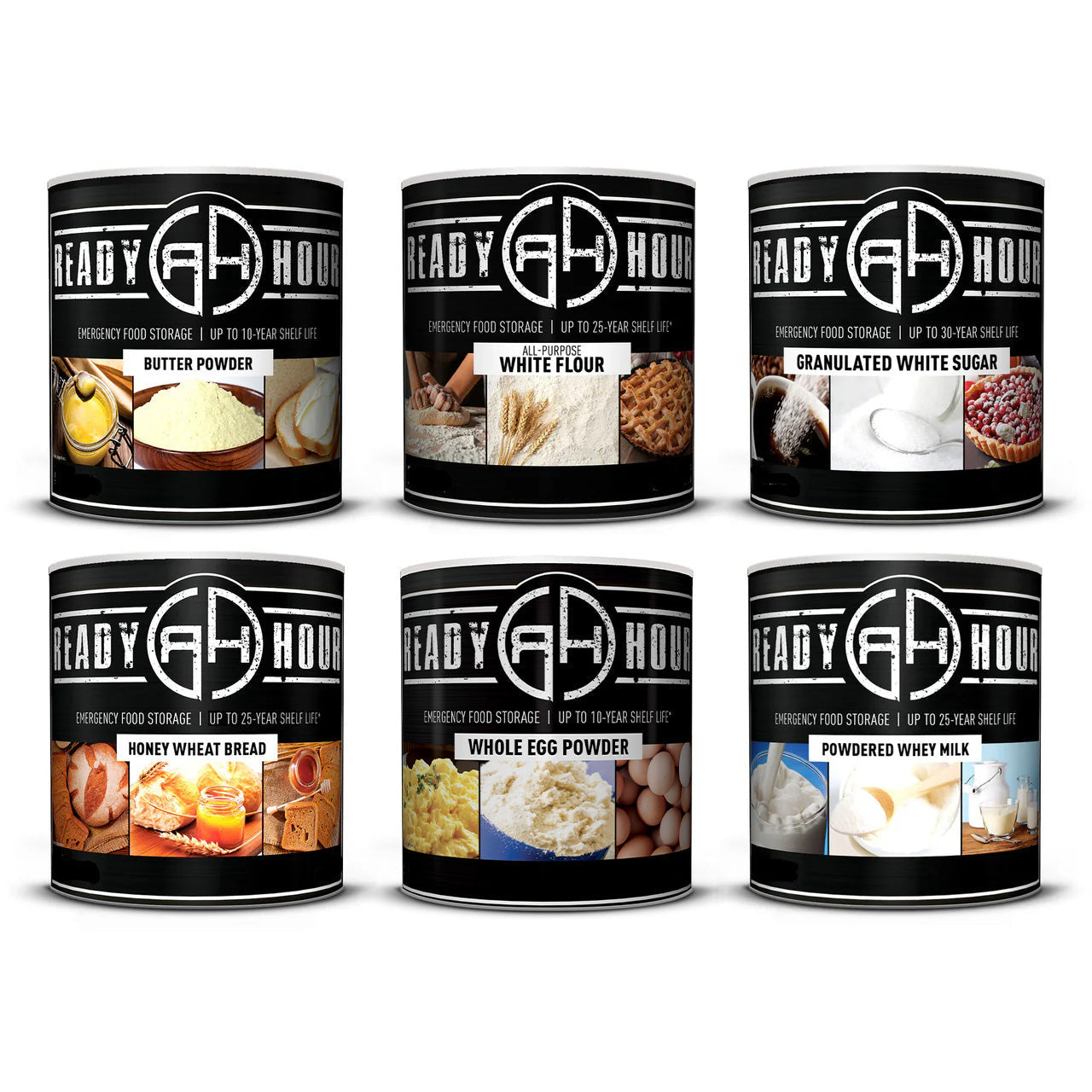
Don't wait until shelves are empty to think about your food supply. Keep a reserve of shelf-stable meals and pantry staples that don't require refrigeration, including ready-to-eat options for situations when cooking isn't possible. Make sure you also have the water and a backup cooking method needed to prepare your stored meals.





































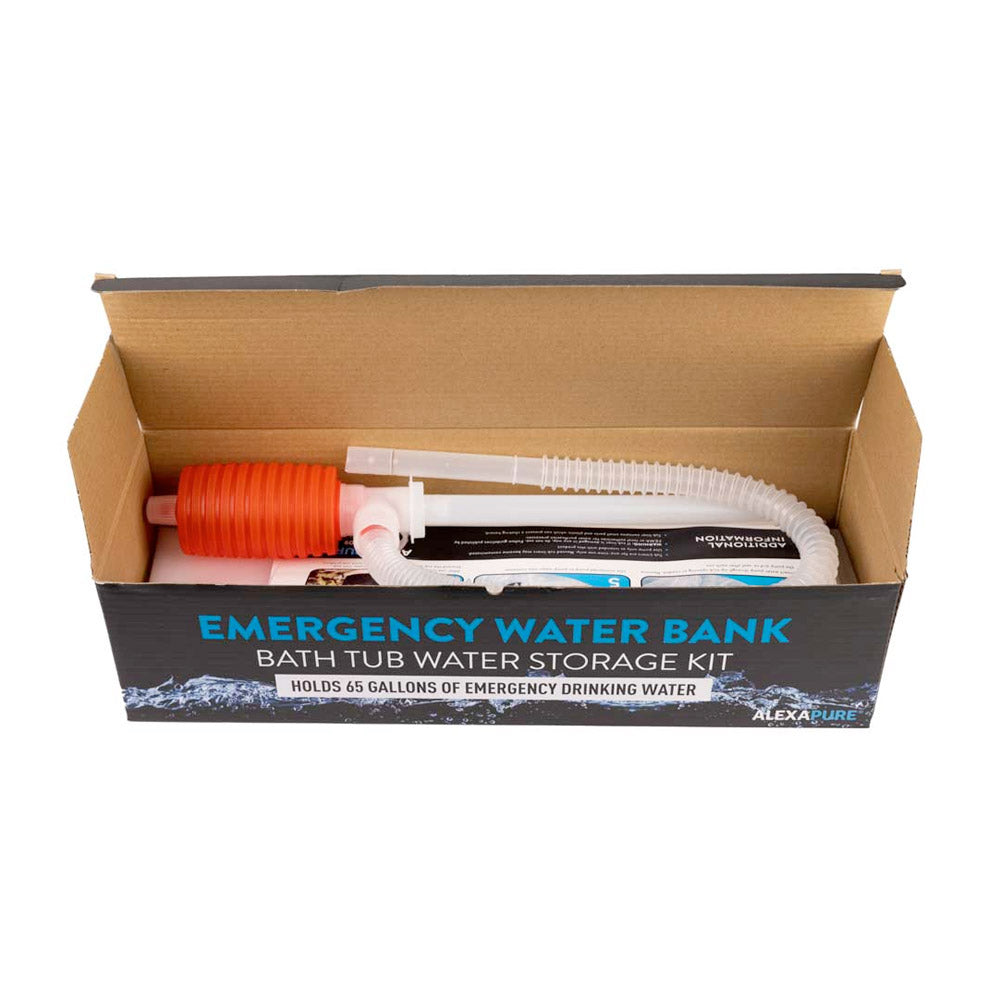
2. Water: Prepare for Frozen Pipes & Water Outages
Freezing temperatures can cause pipes to burst, water mains to break, and municipal water systems to experience disruptions. The threat doesn’t end when temperatures rise. Pipes and water mains damaged by freezing and pressure buildup can begin leaking as they thaw, causing water outages long after the freeze has passed. Even a temporary interruption can leave your household without water for drinking, cooking, cleaning, and basic sanitation.
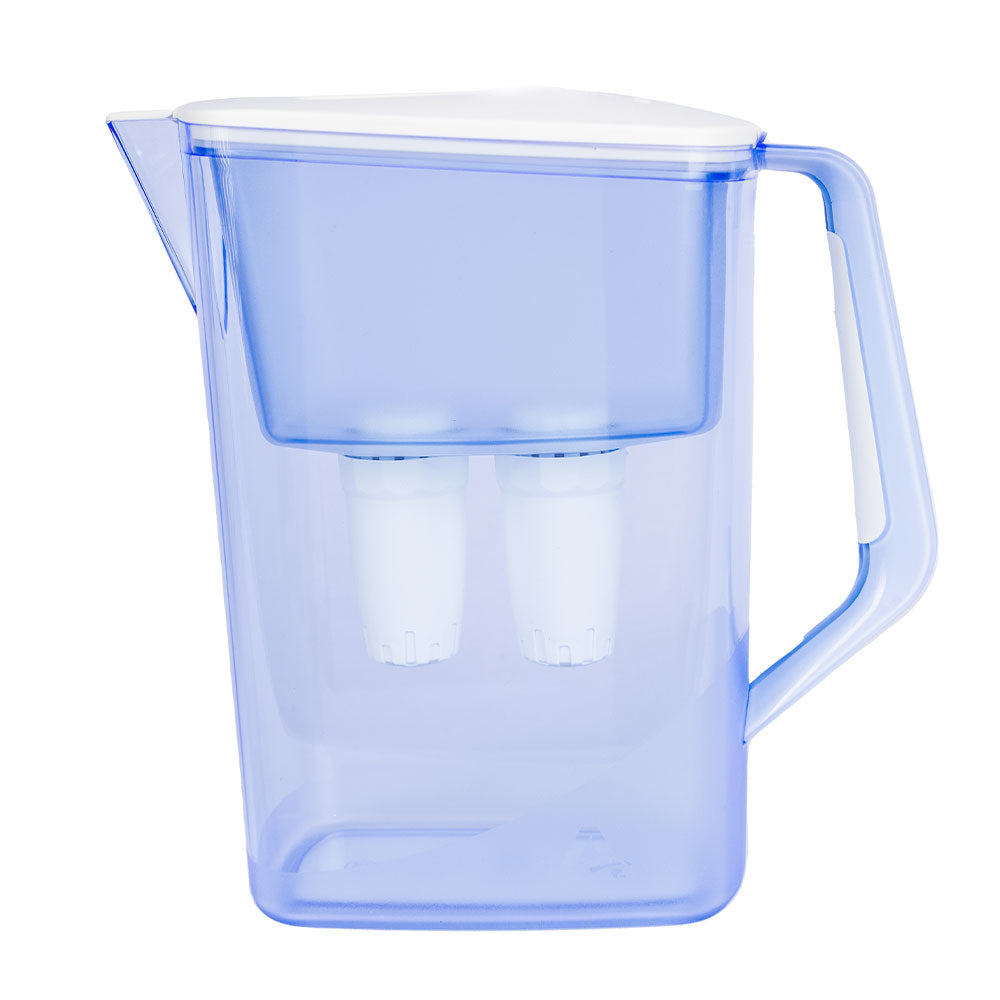
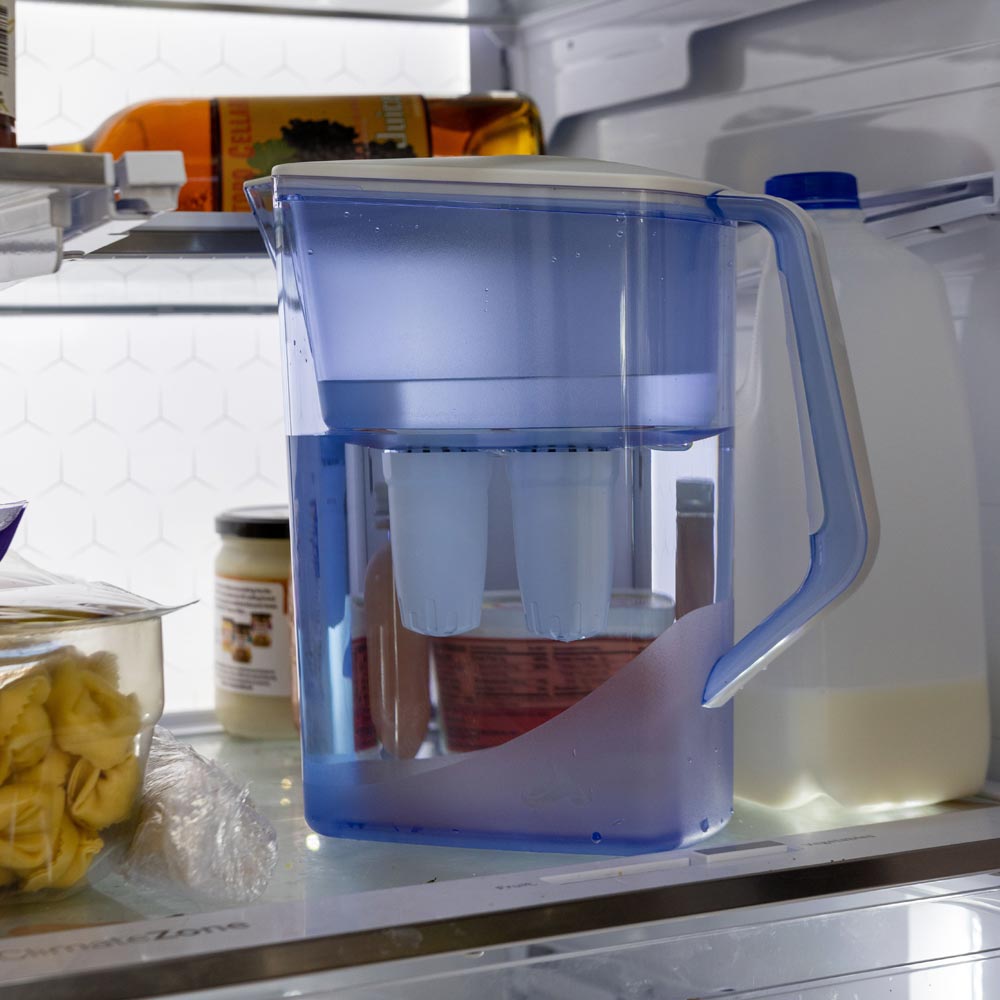
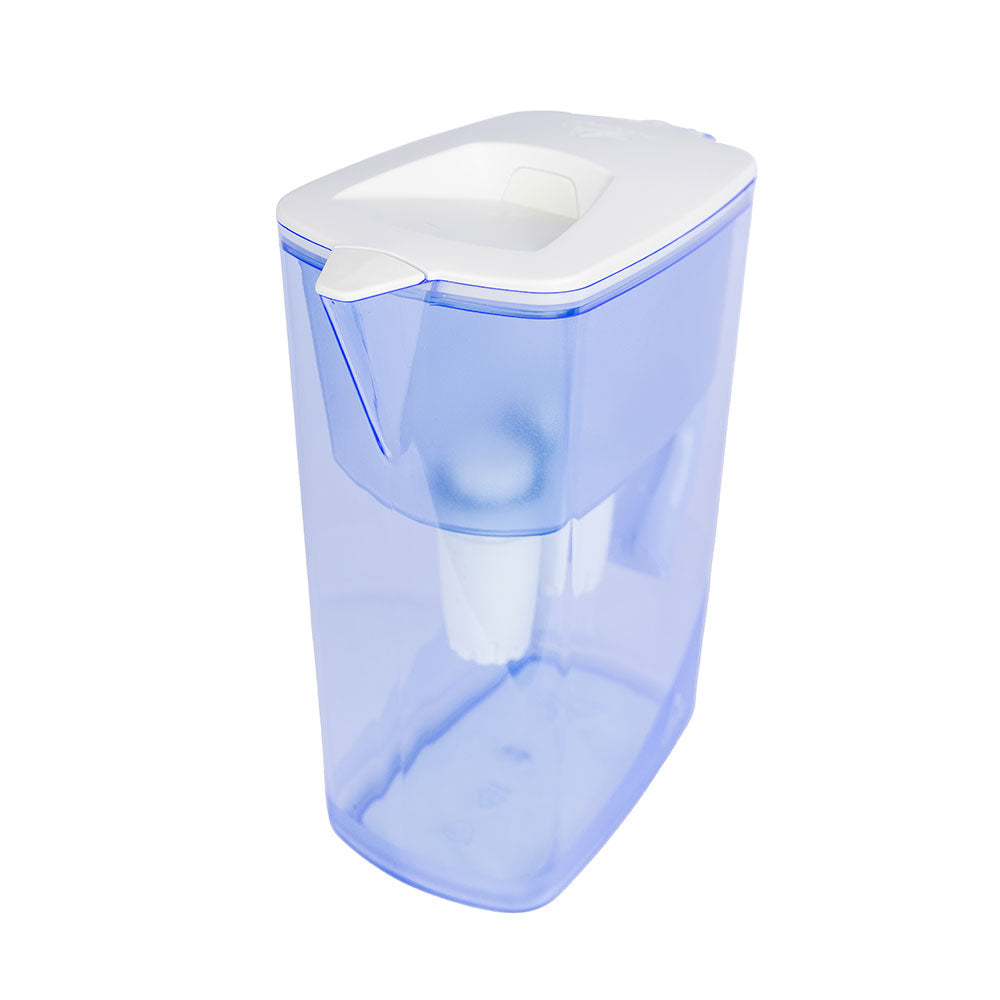
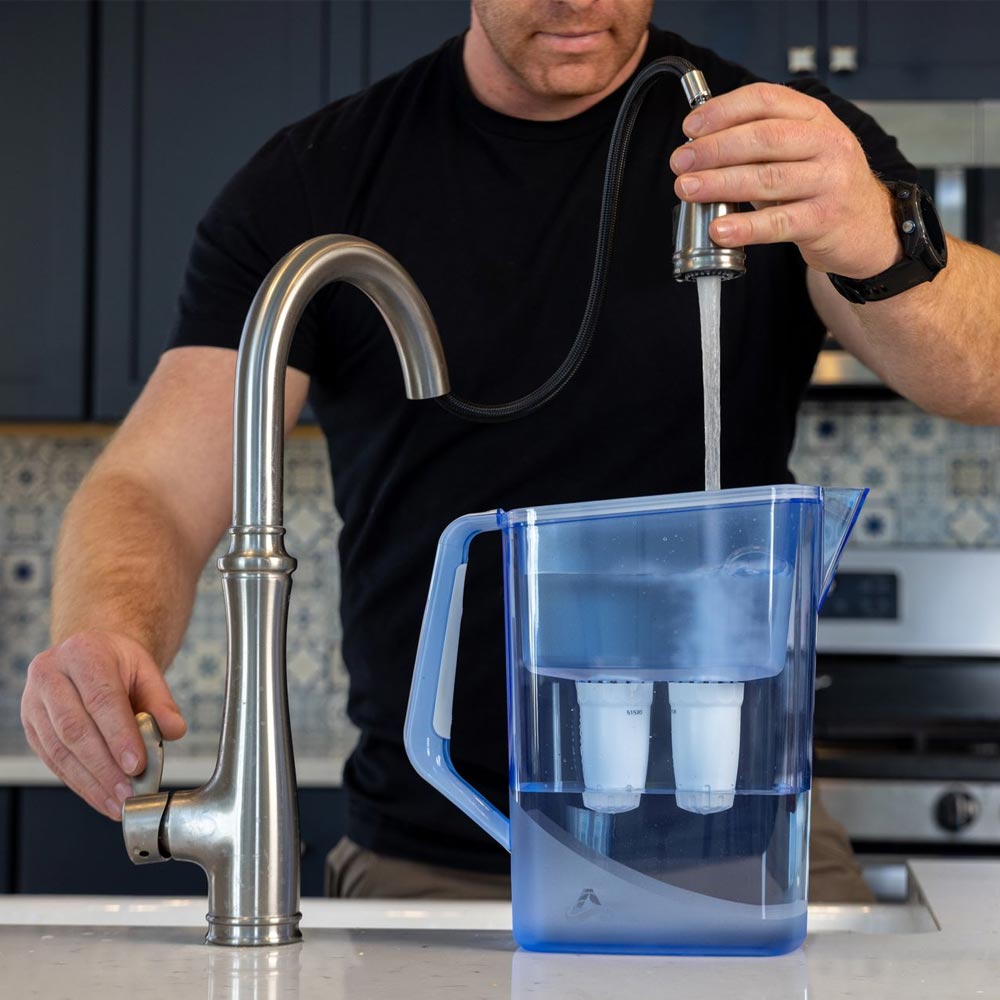
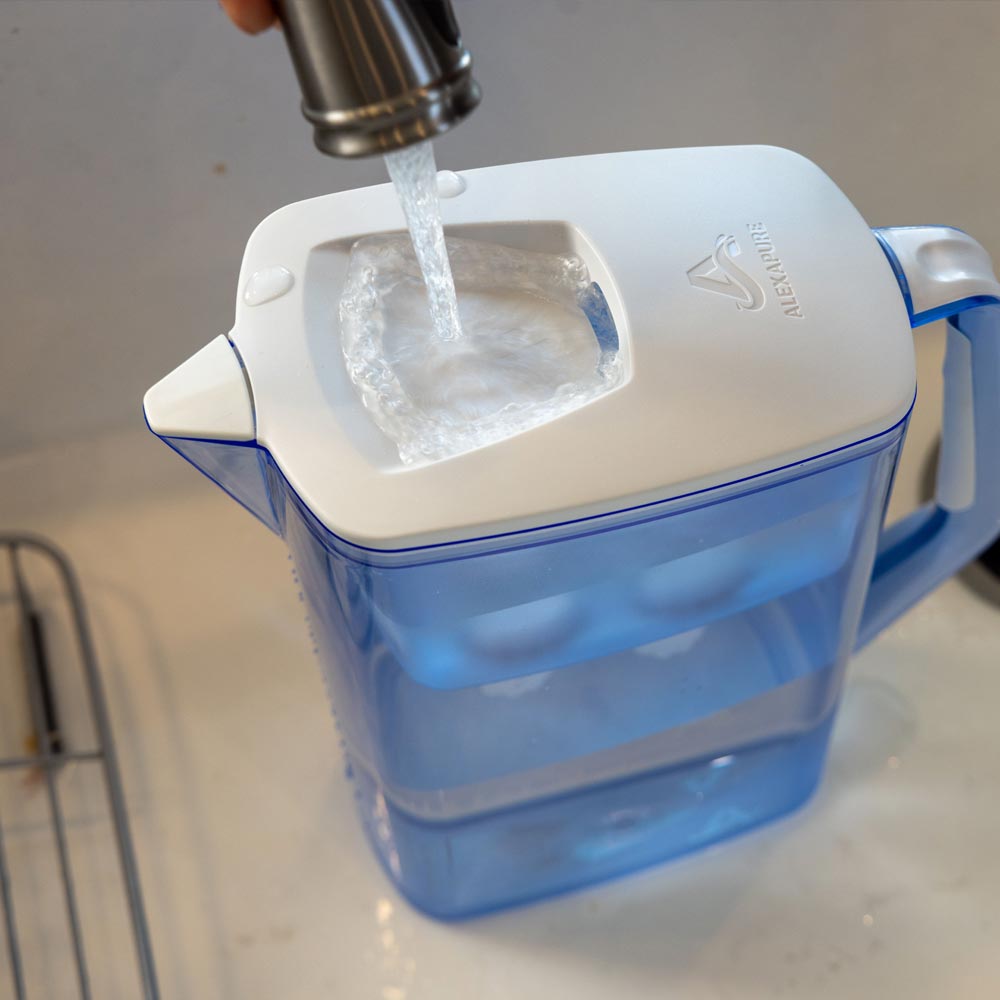
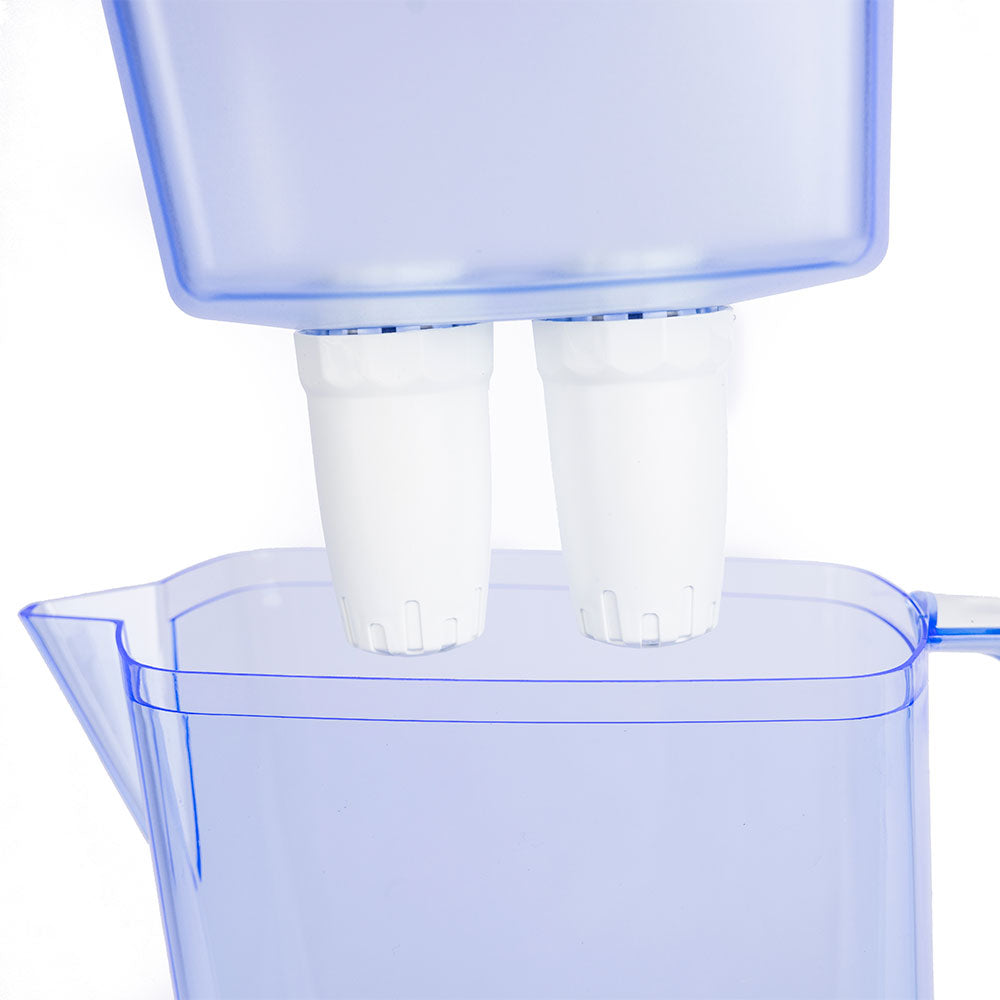
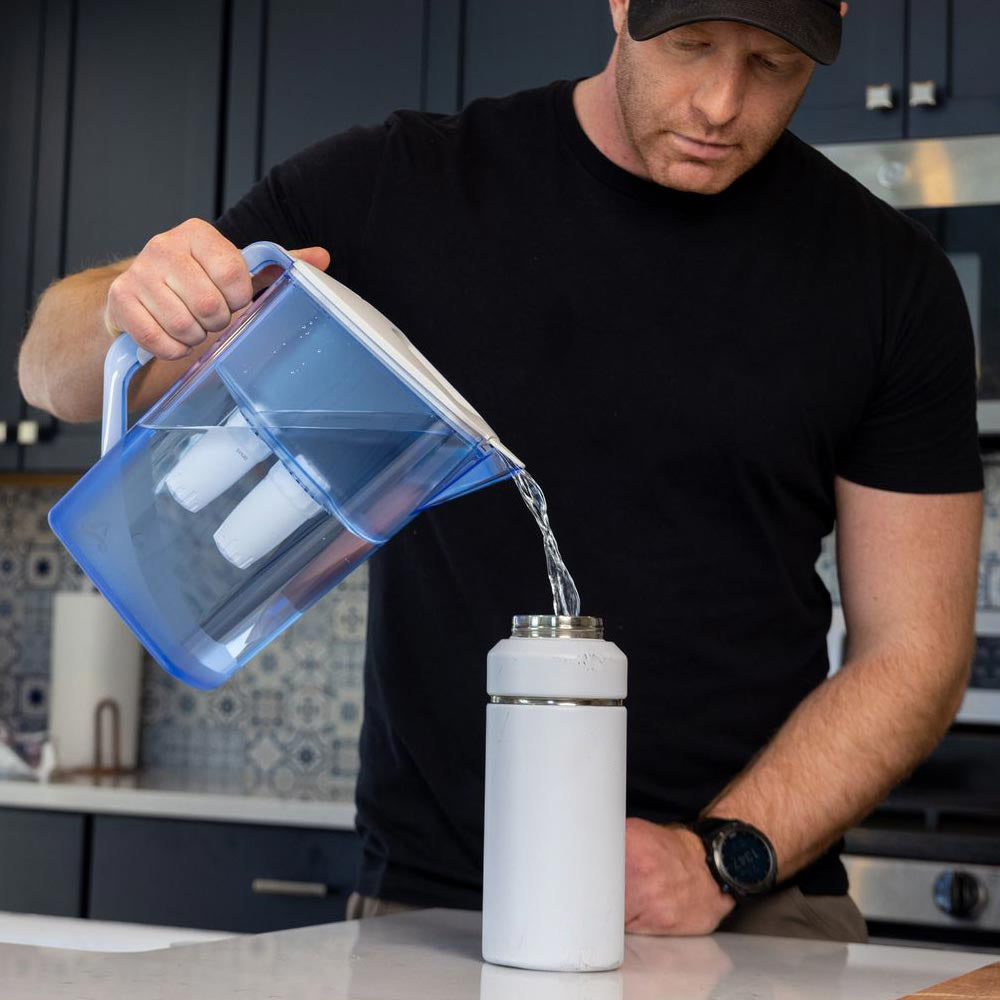
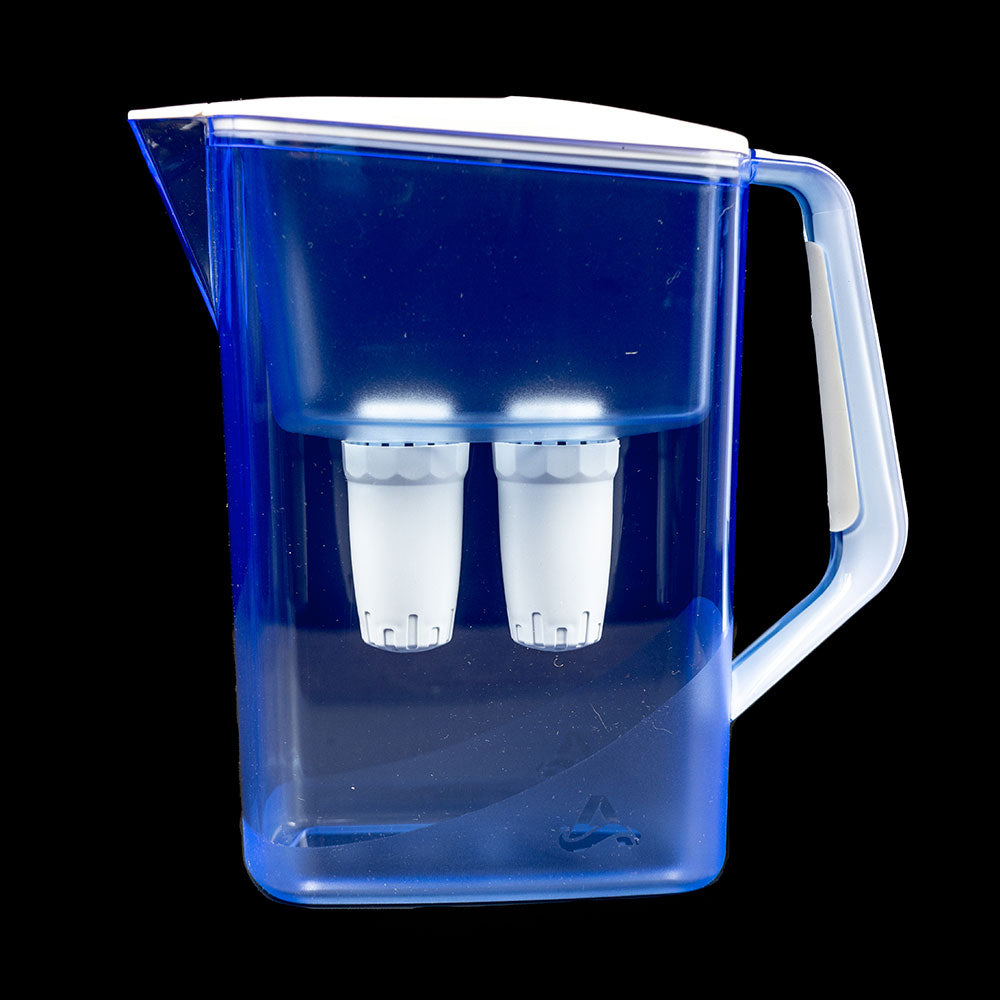
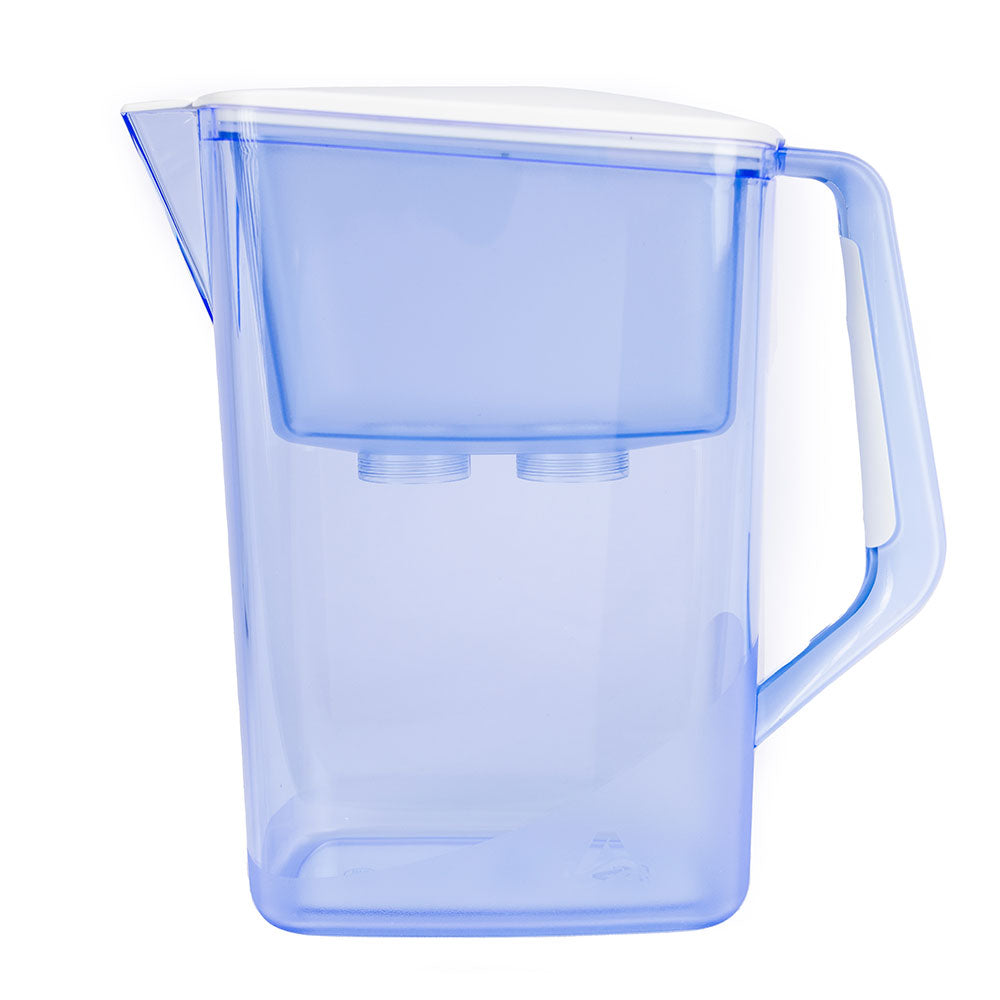
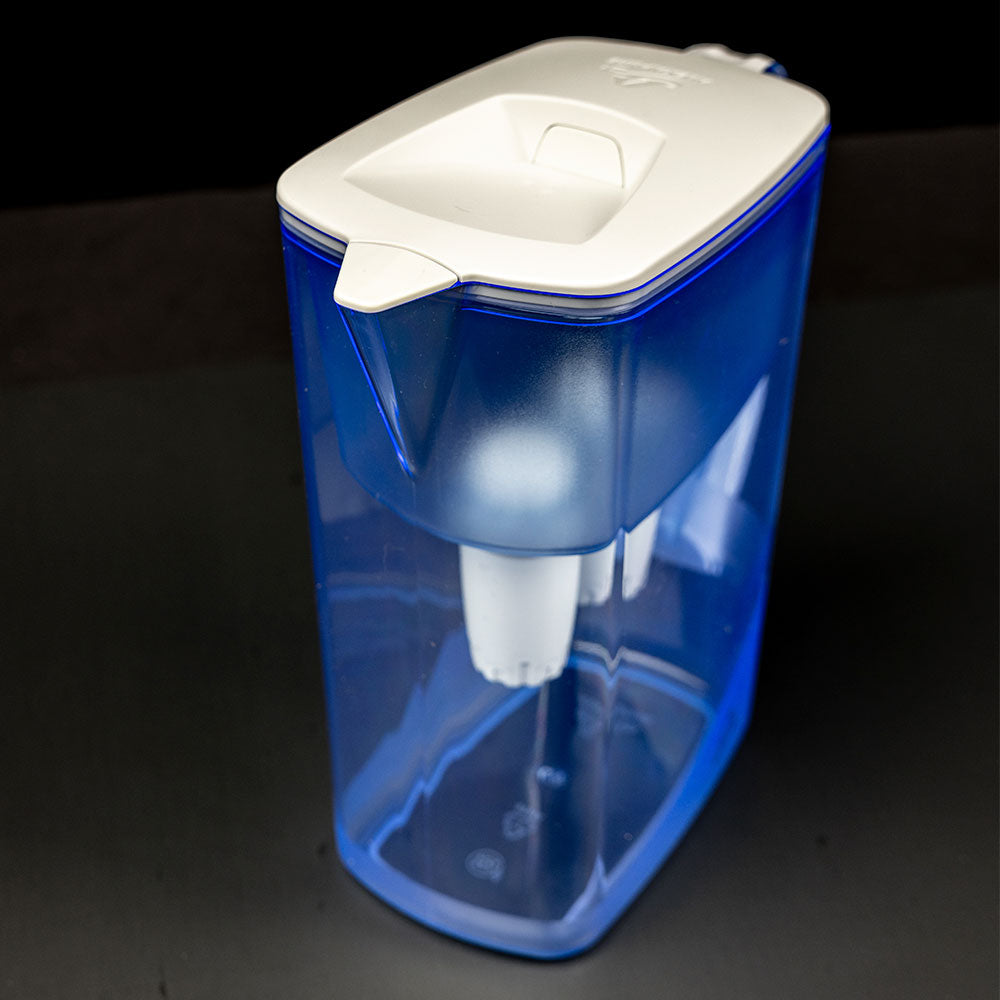
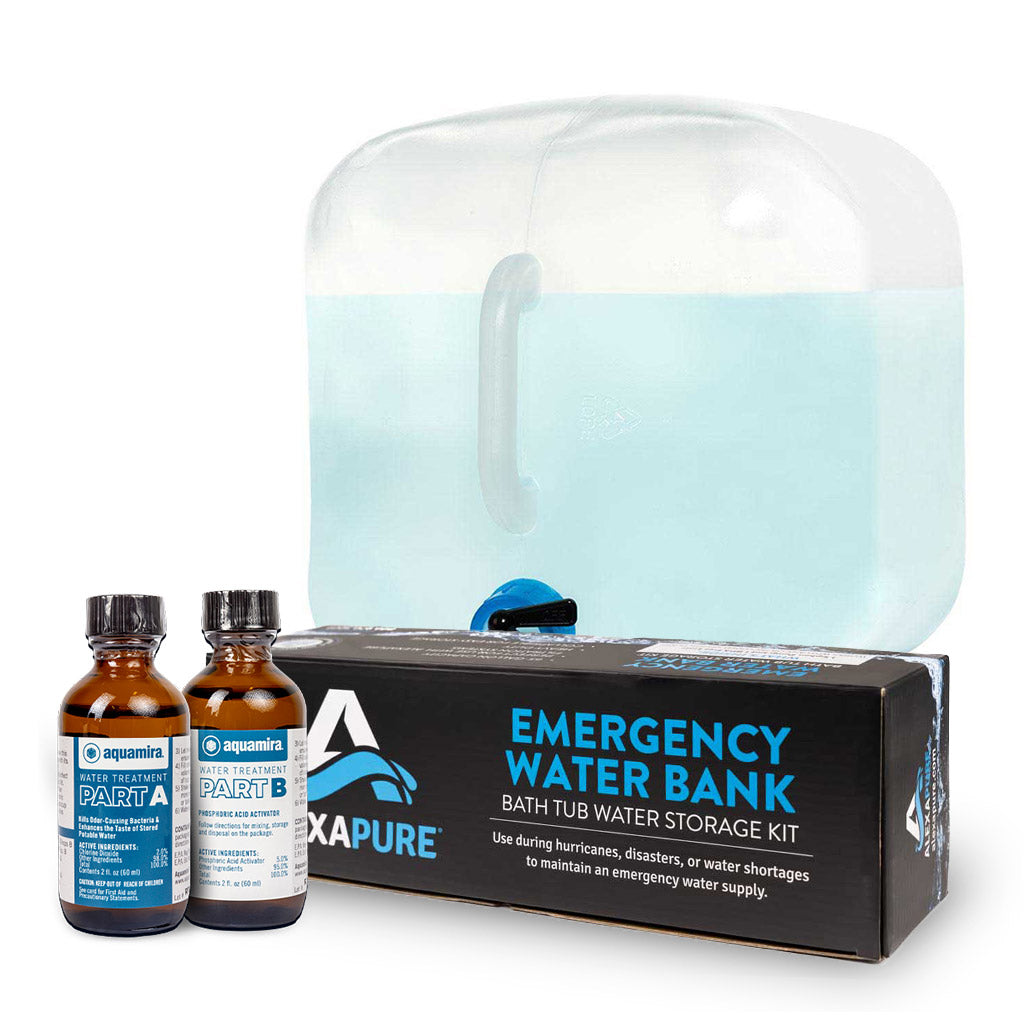
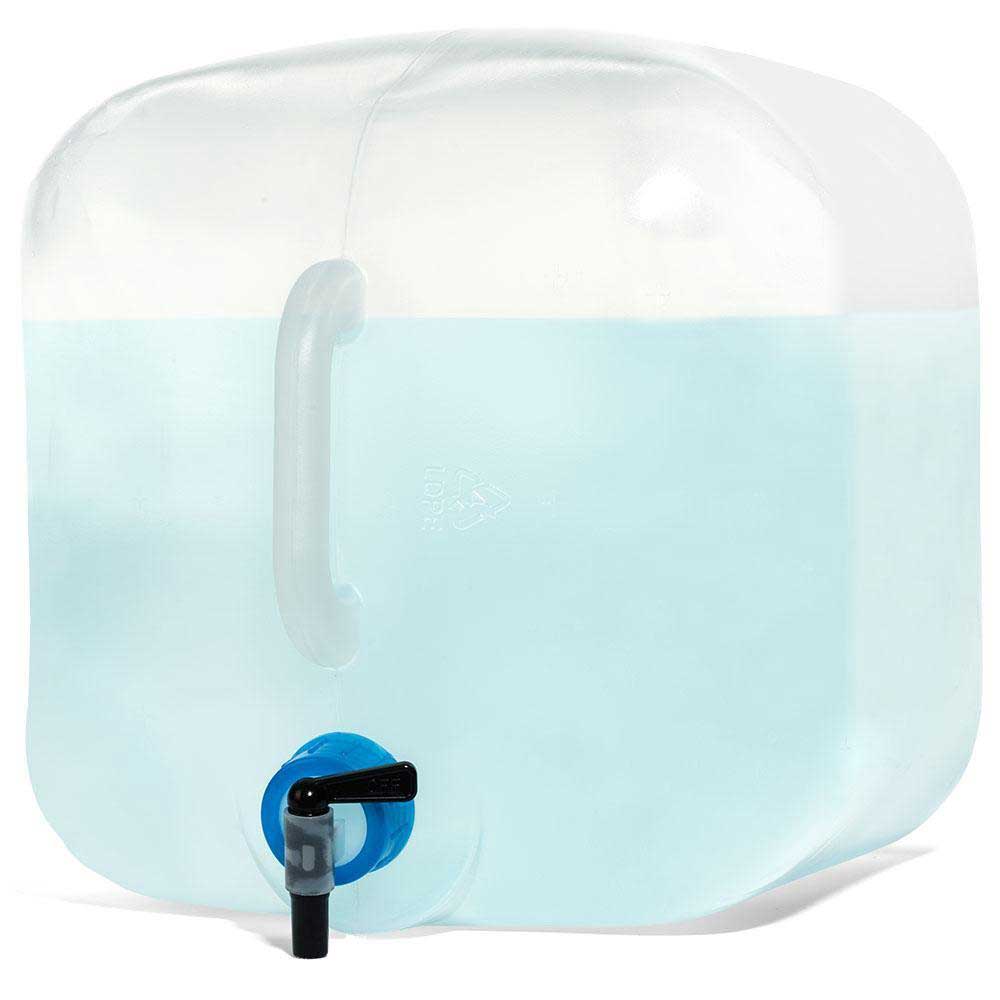
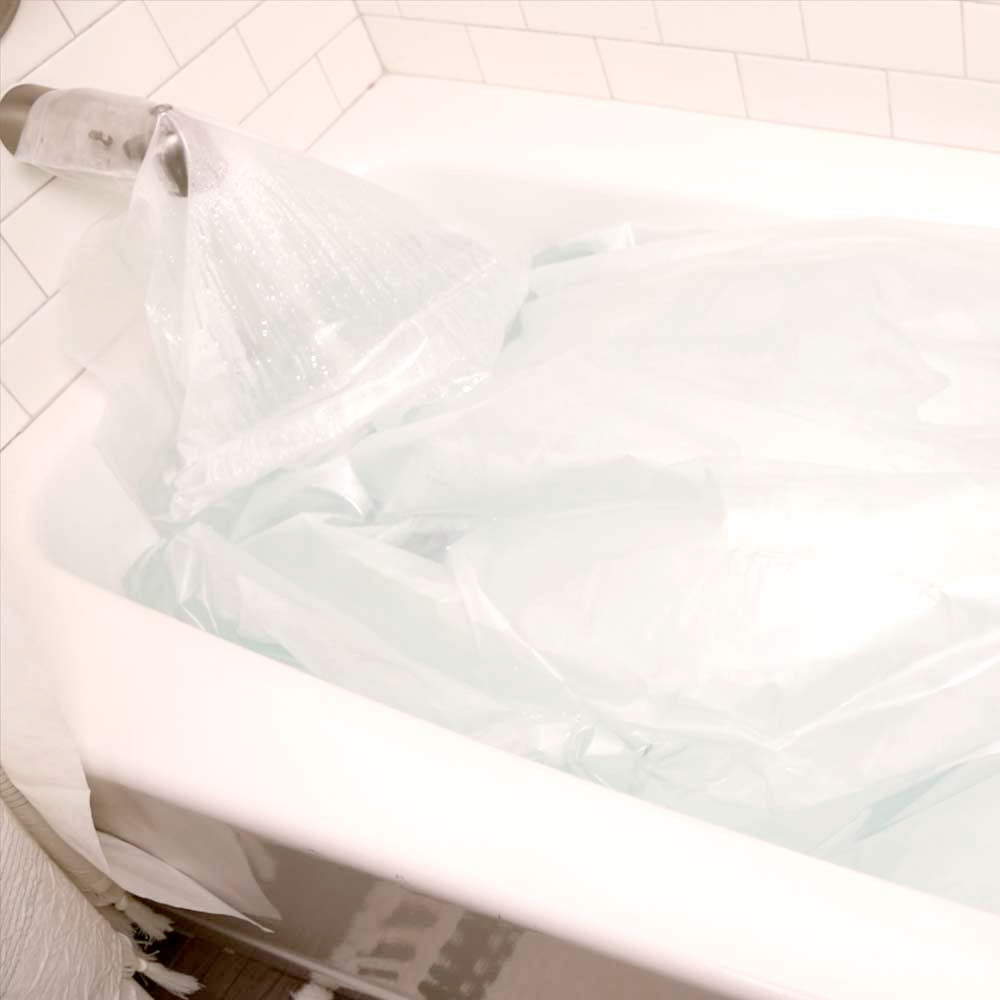
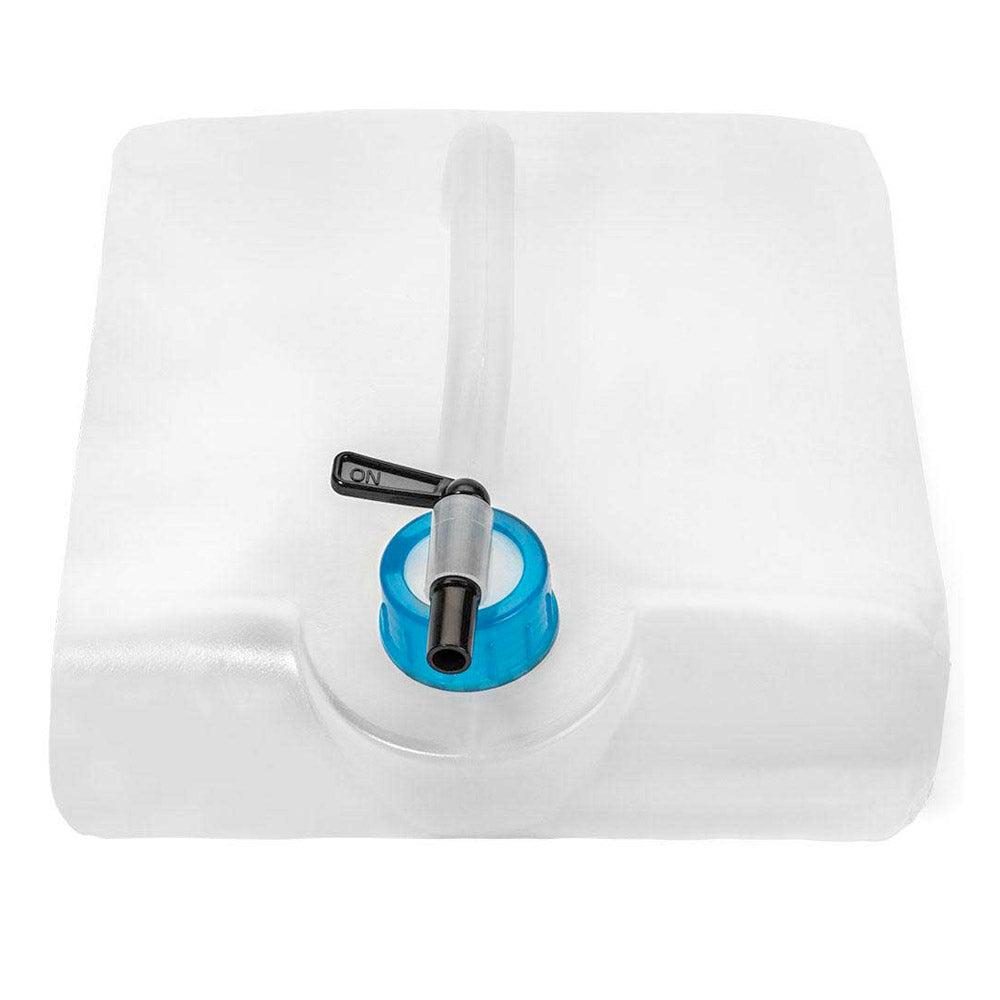
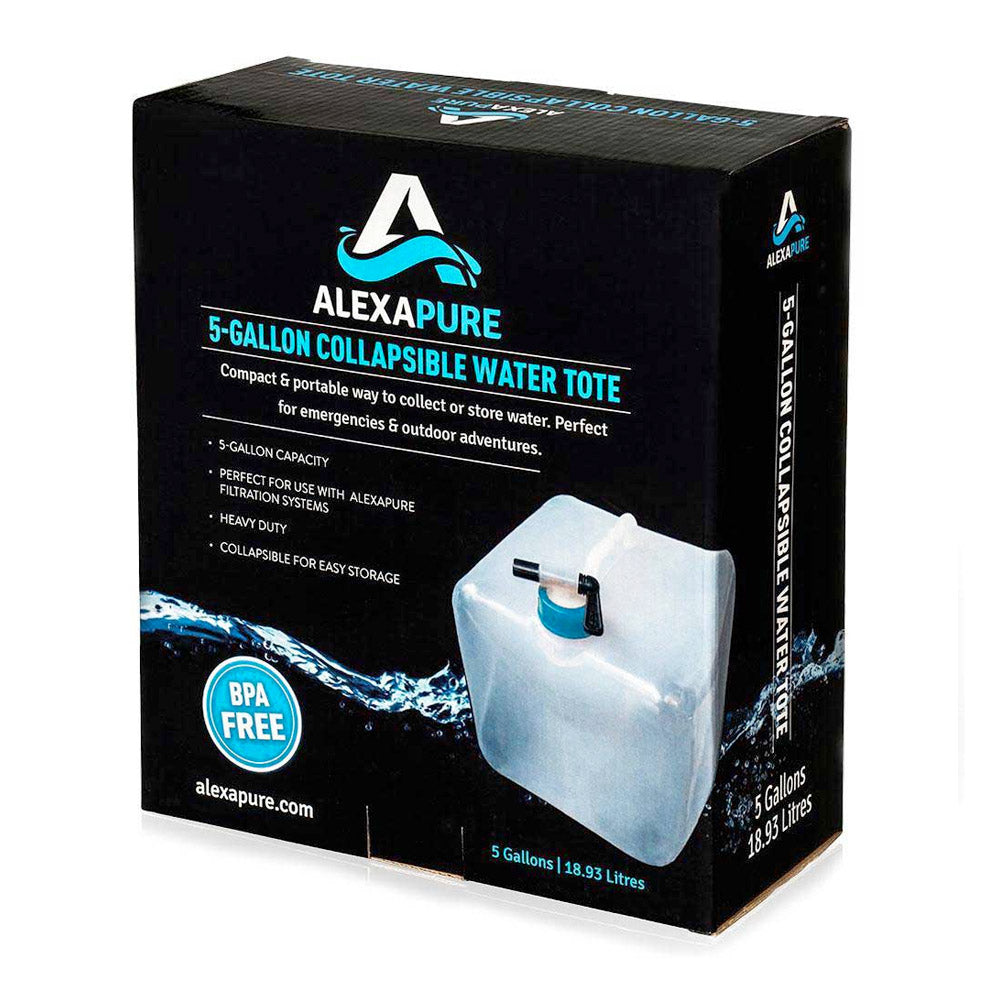
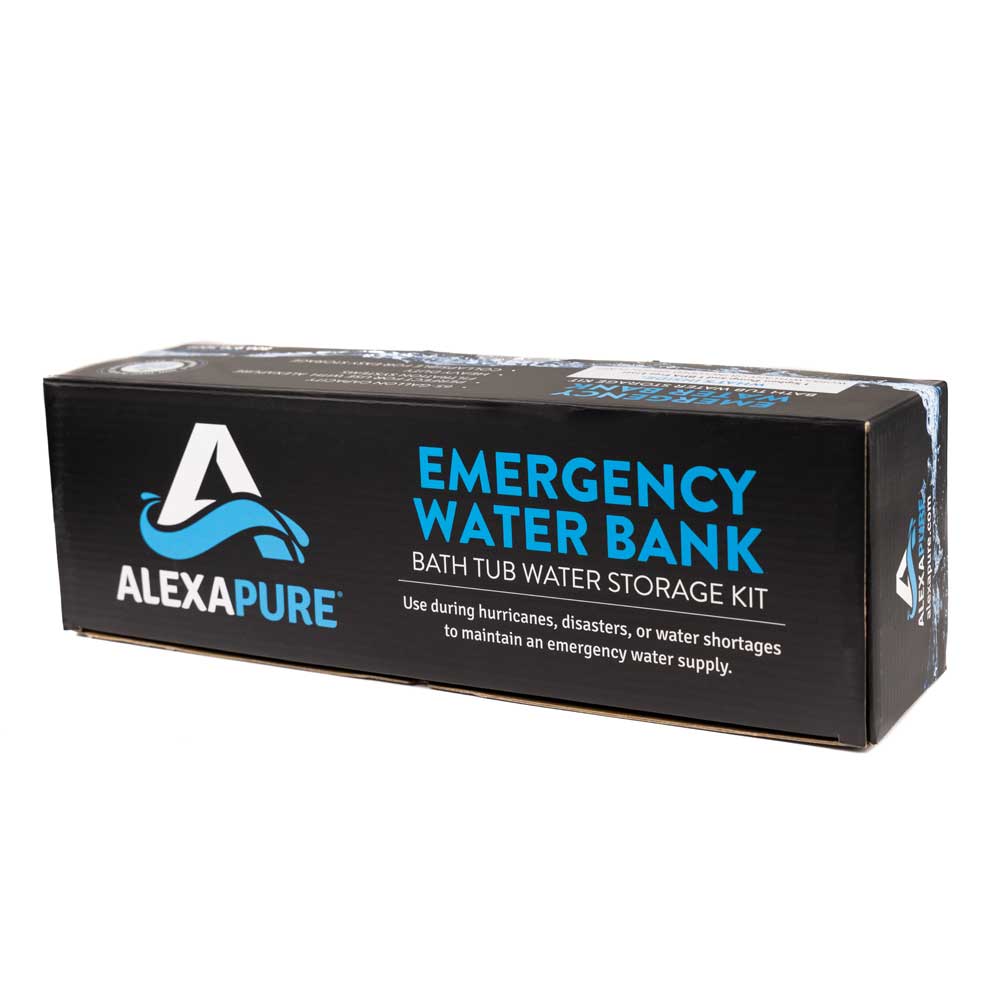
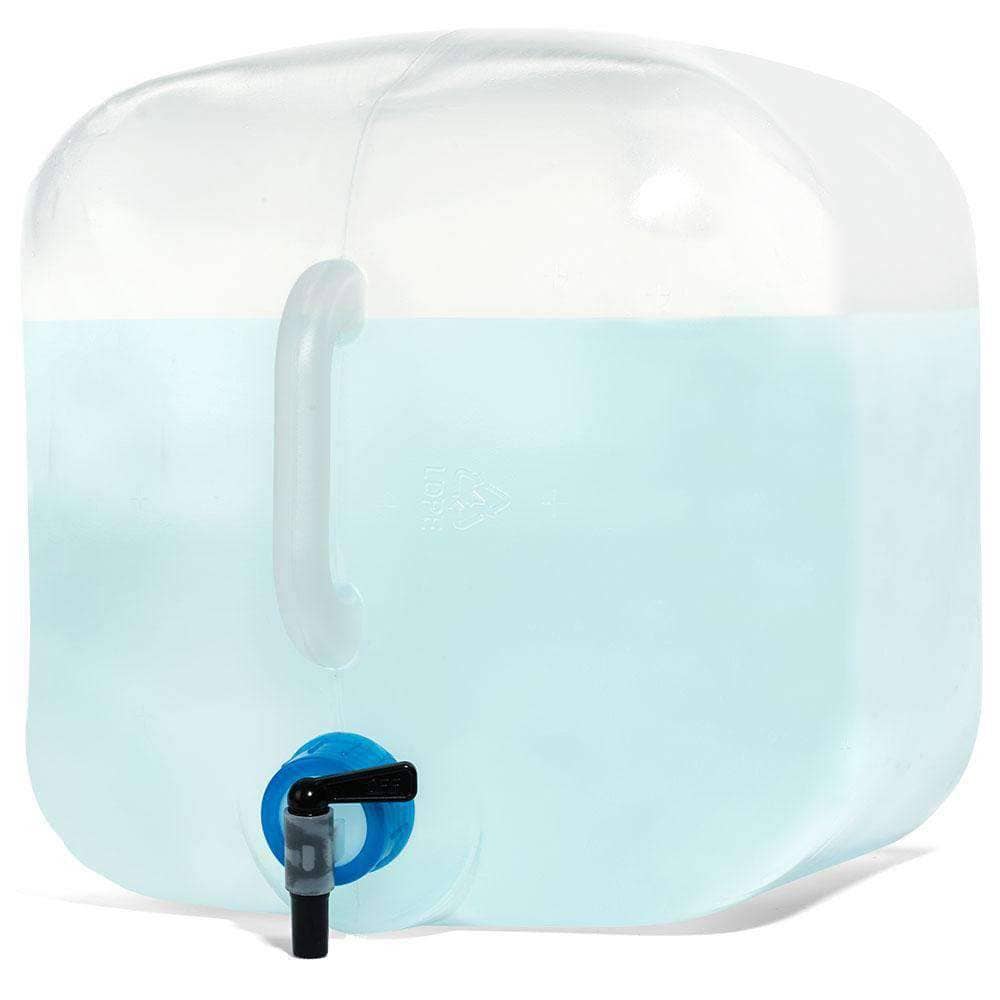
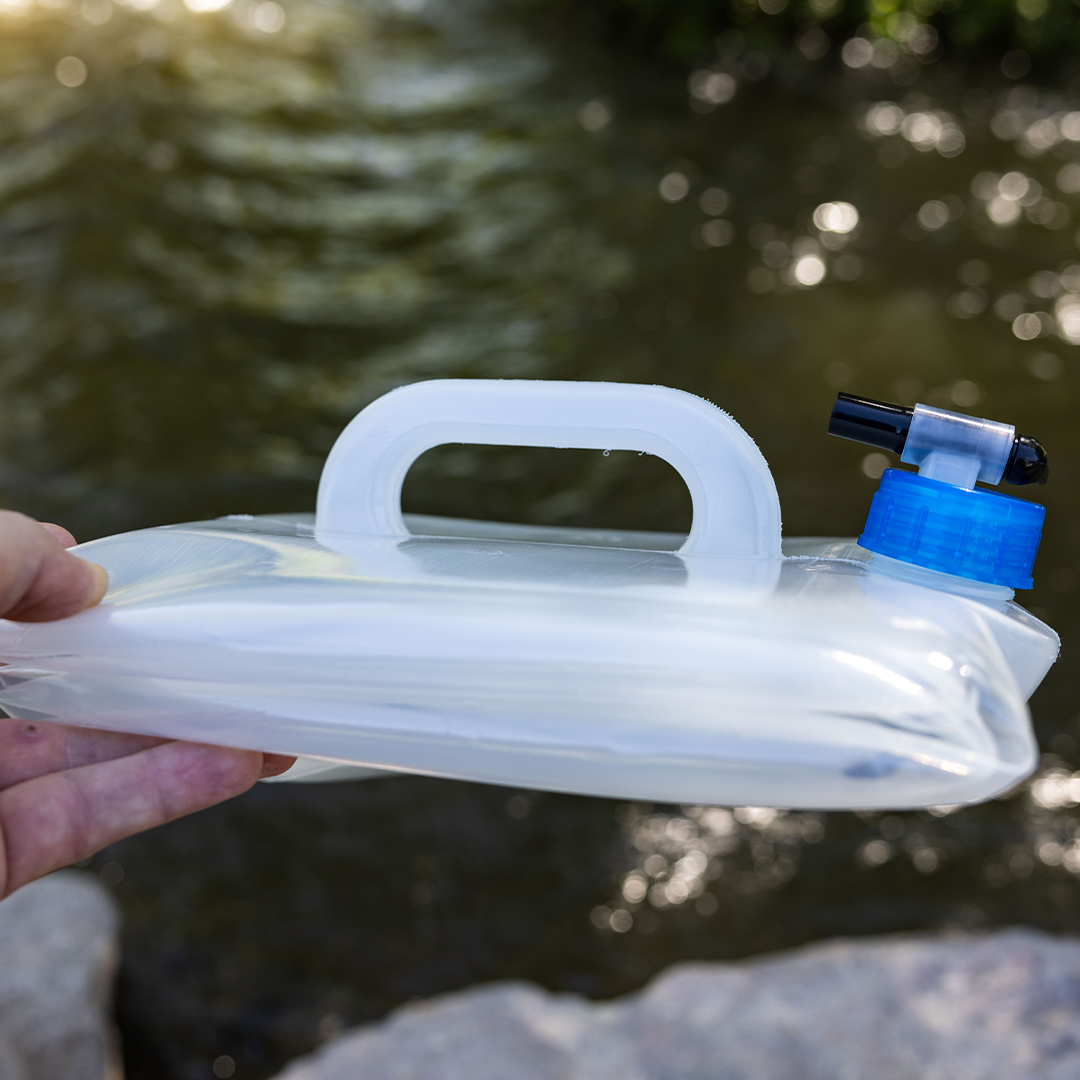
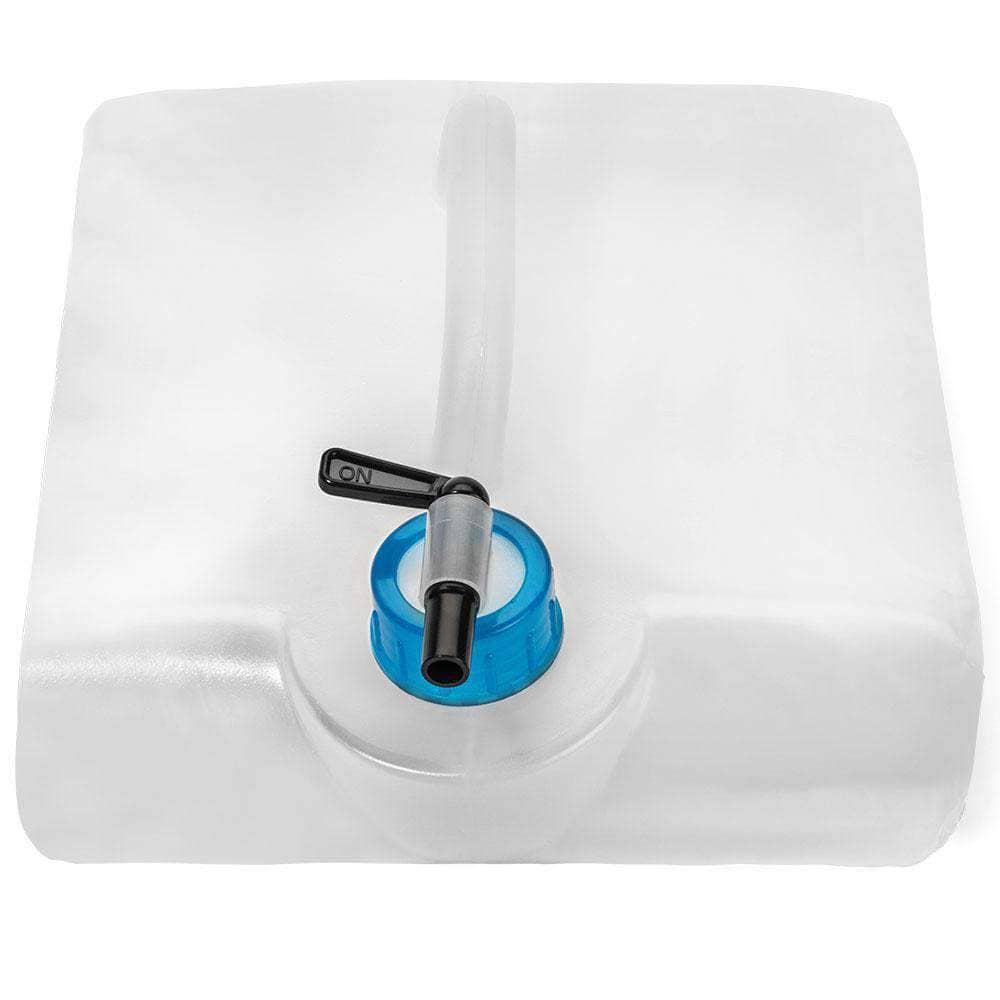
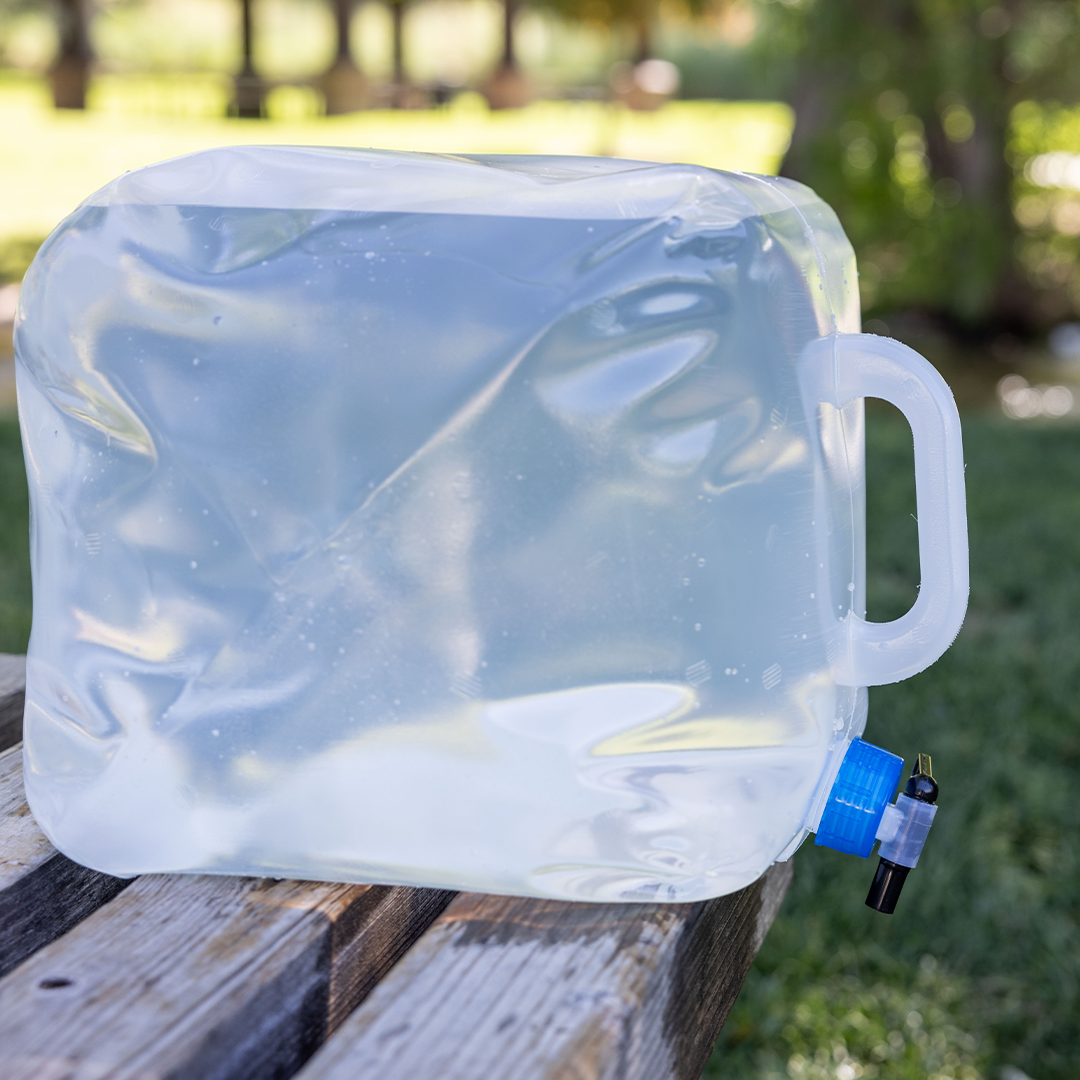
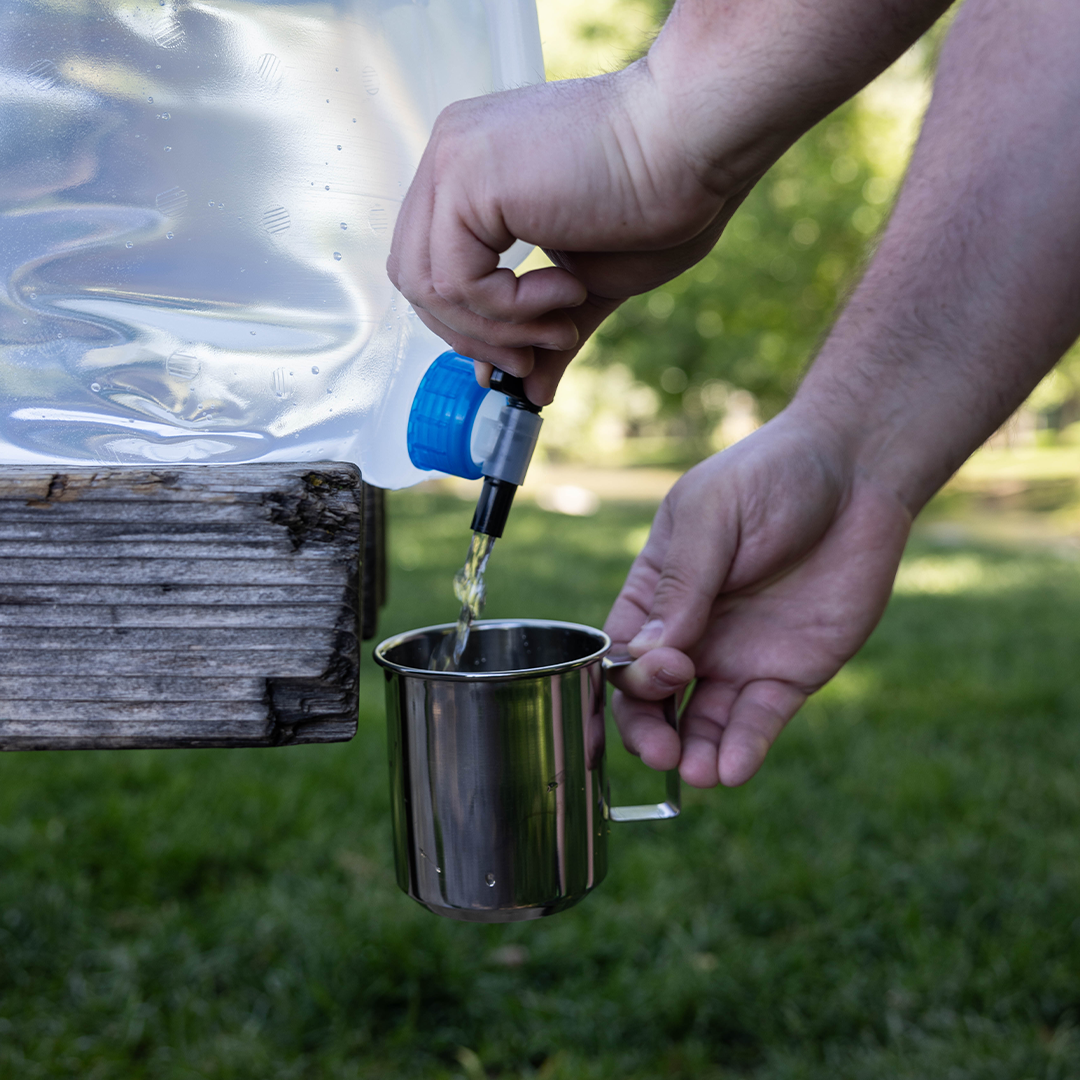
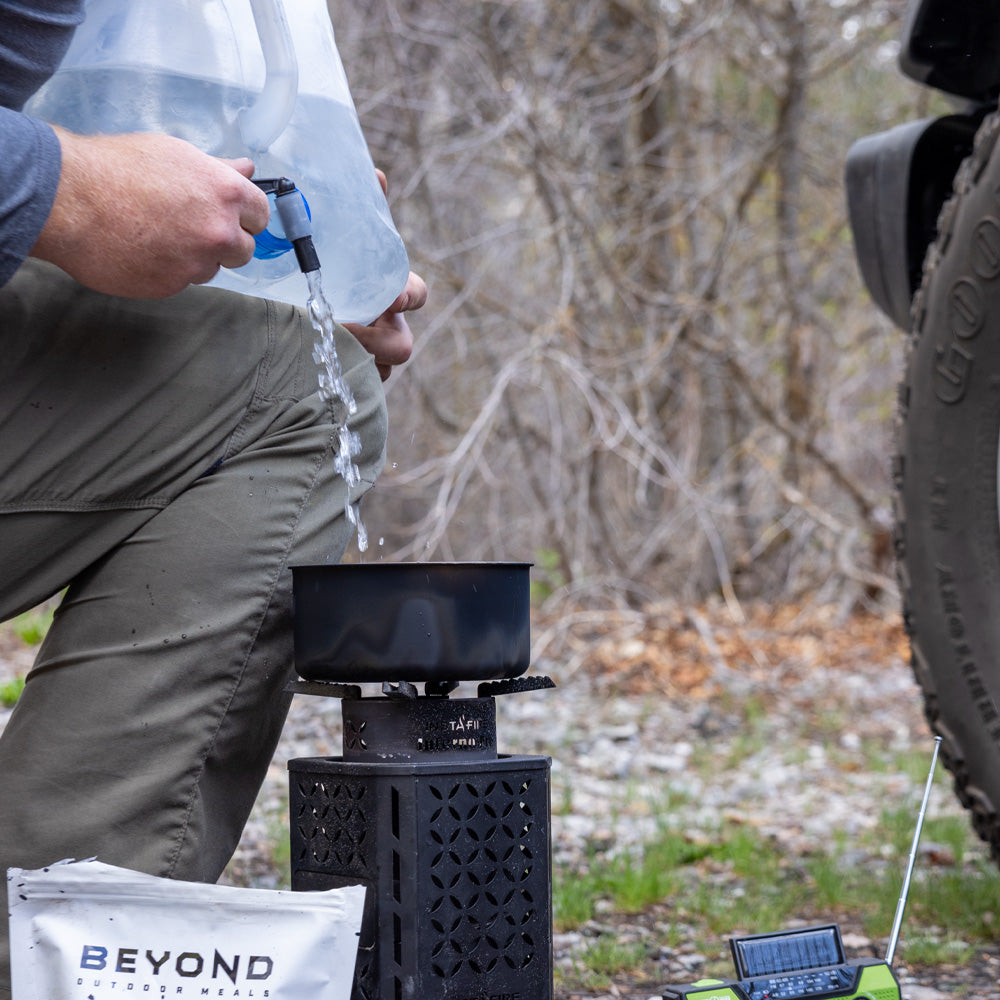
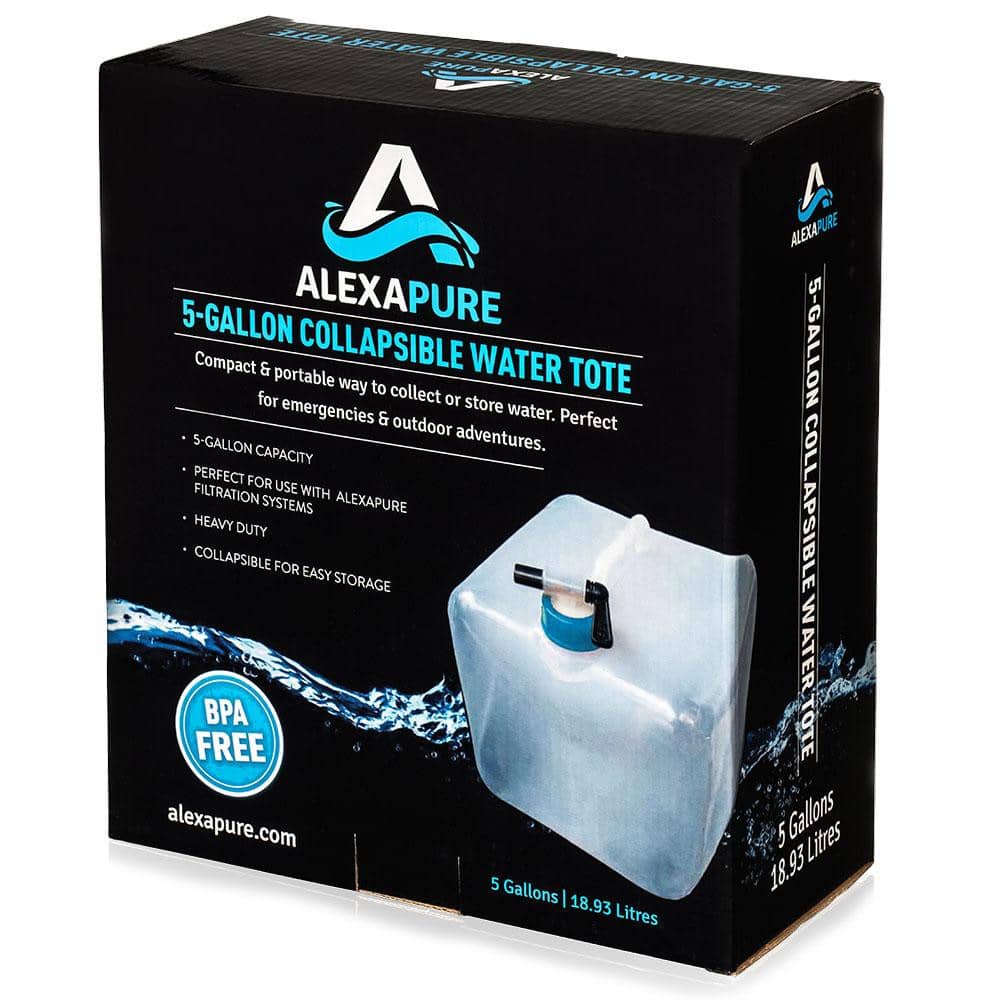
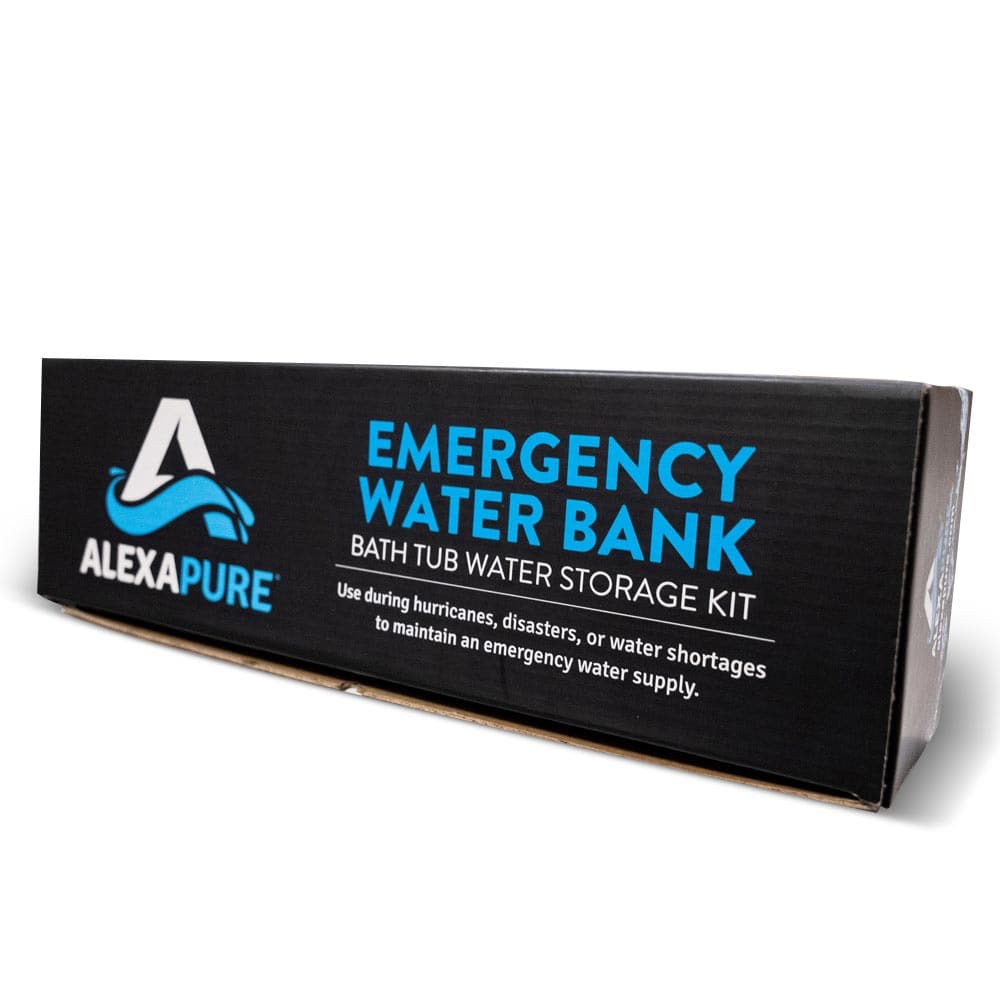
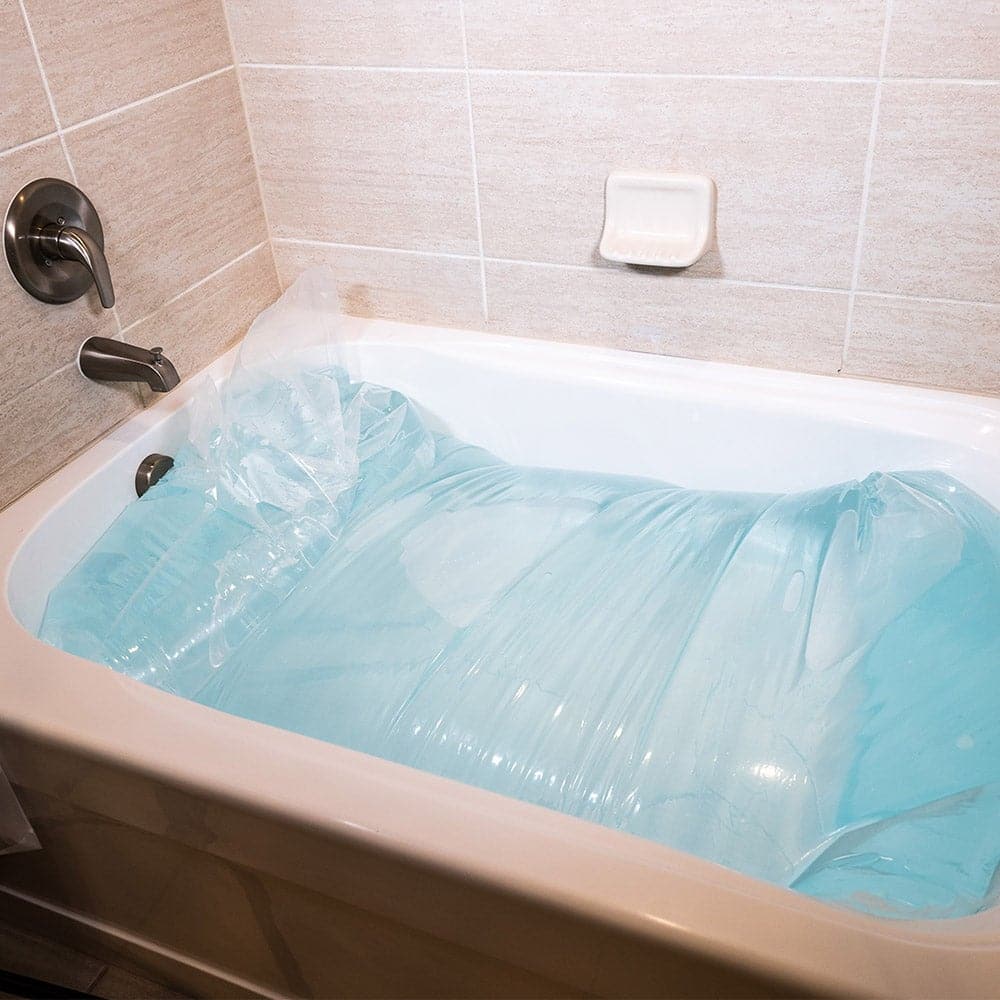
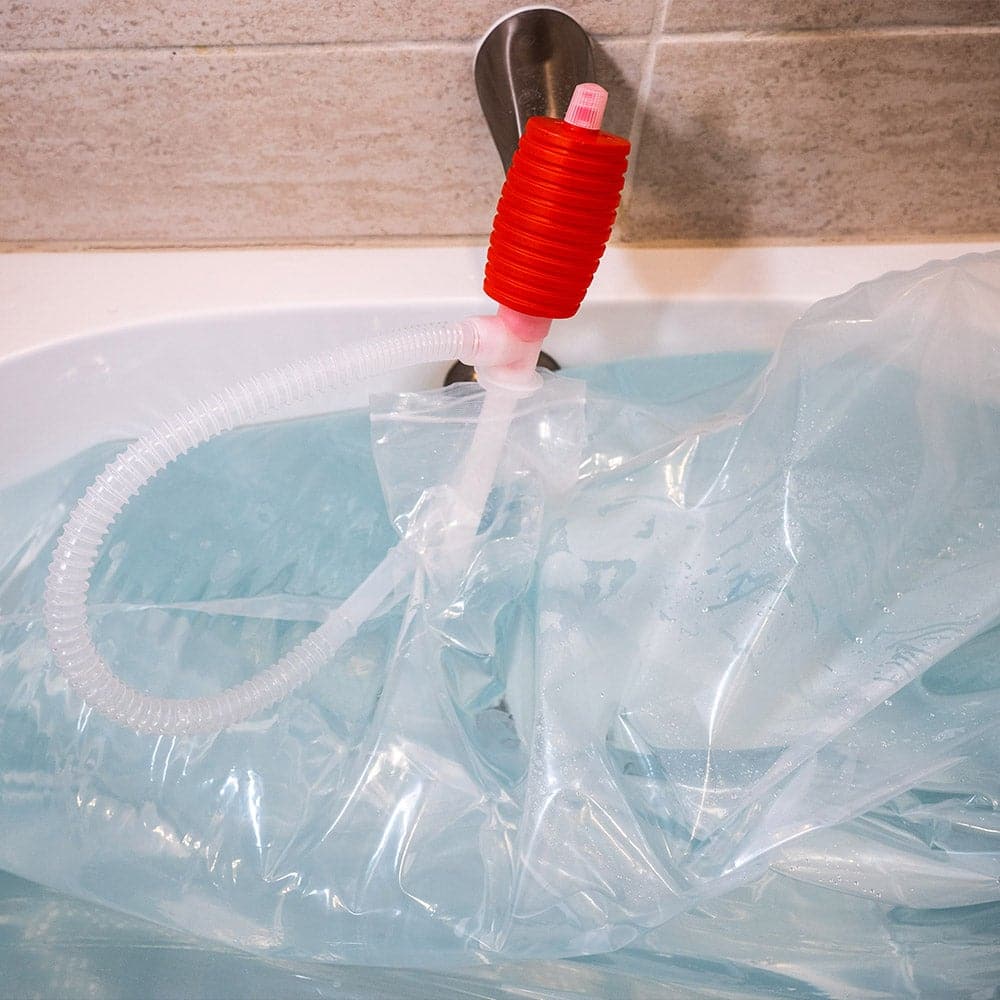
Don't assume you'll always have access to running water. Store enough drinking water to cover your household for several days, and keep it somewhere protected from freezing. A reliable water filtration system can provide an additional backup when a suitable water source is available, helping you prepare for situations where your normal water supply is interrupted.




3. Heat: Don't Let an Outage Leave You in the Cold
A winter power outage can leave your home without heat when you need it most. As indoor temperatures drop, staying warm becomes a safety concern, especially for children, older adults, and anyone sensitive to the cold.
Don't rely on your home's heating system as your only option. Preparing ahead with warm clothing, insulated blankets, and alternative heating solutions can help keep your household safe and comfortable when temperatures fall. Closing off unused rooms, sealing drafts, and conserving warmth can also make a big difference.
Having a plan for staying warm without electricity is an essential part of winter readiness. Taking steps now to prepare for unexpected outages can help protect your family and provide greater peace of mind when winter weather strikes.

4. Cooking: Make Sure Your Food Supply Is Ready for an Outage
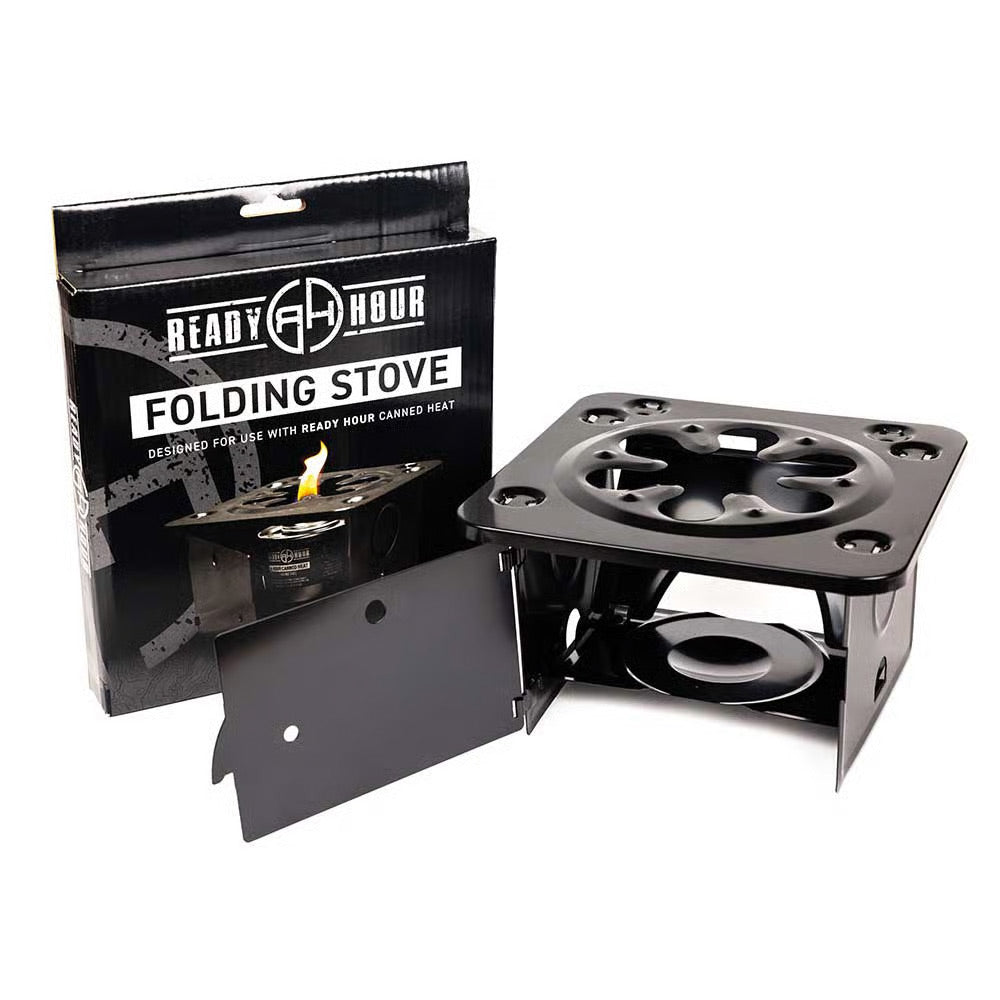
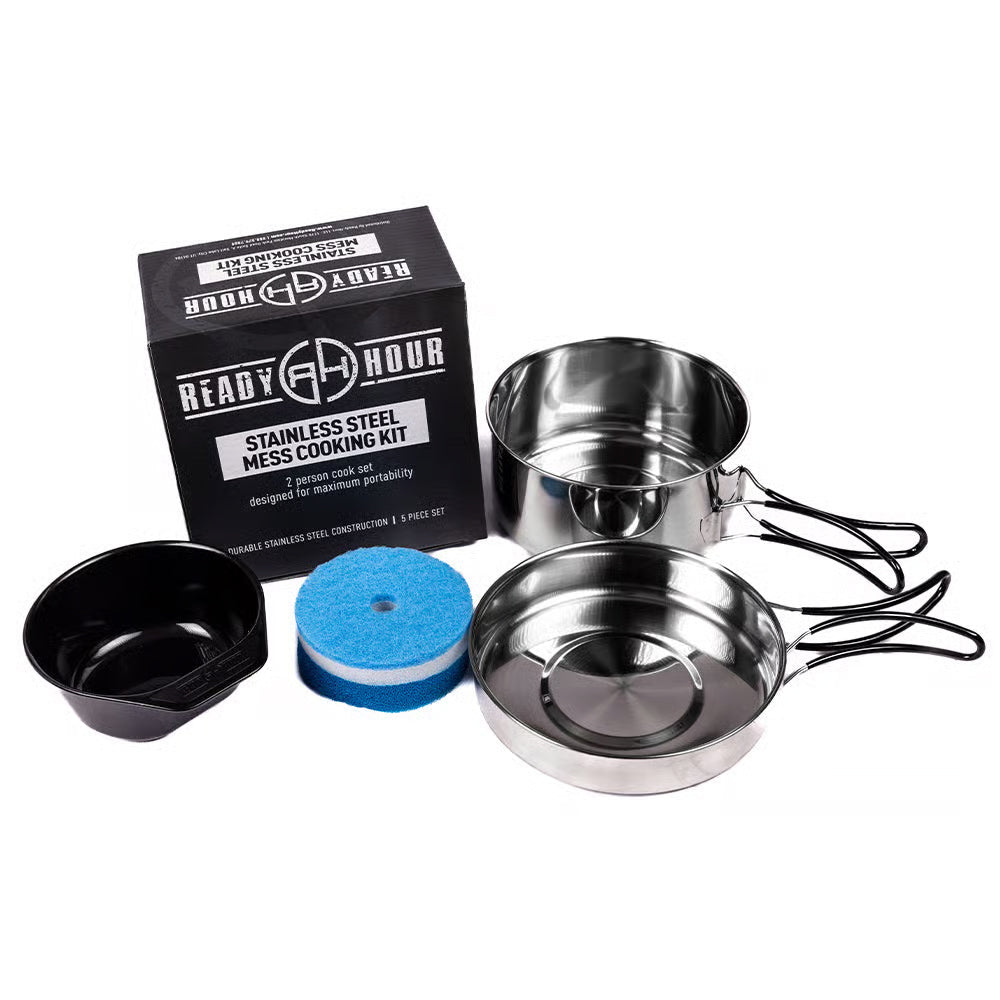
A stocked pantry won't do much good if you have no way to prepare your food. Winter power outages can leave electric stoves, microwaves, and other kitchen appliances unusable, making it harder to prepare meals or heat water when your family needs them.
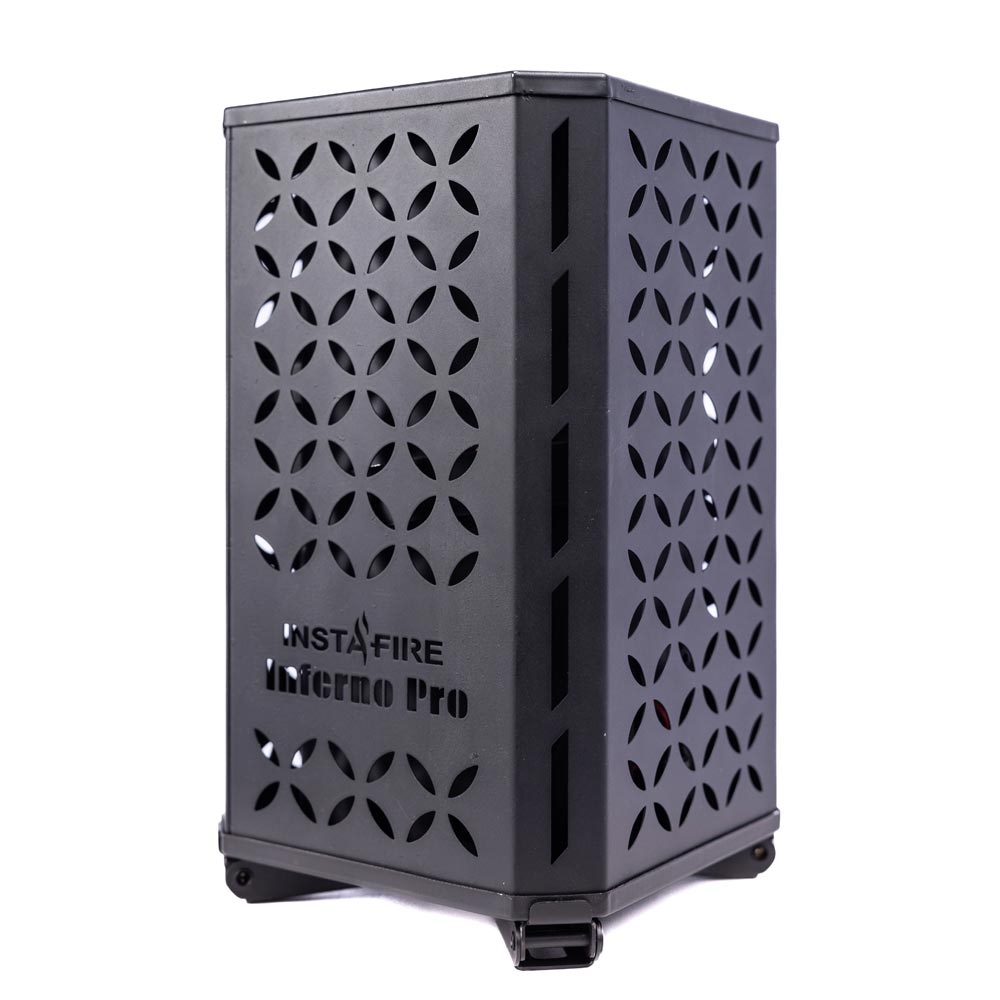
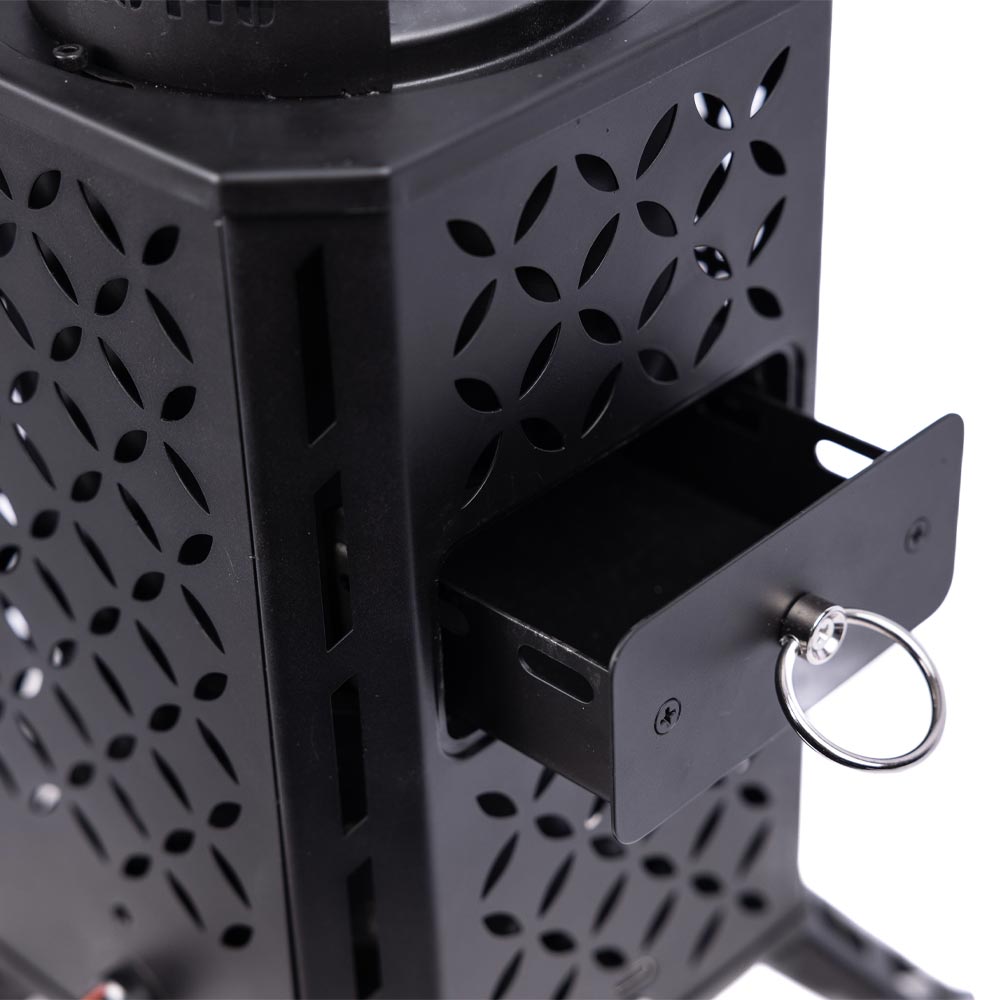
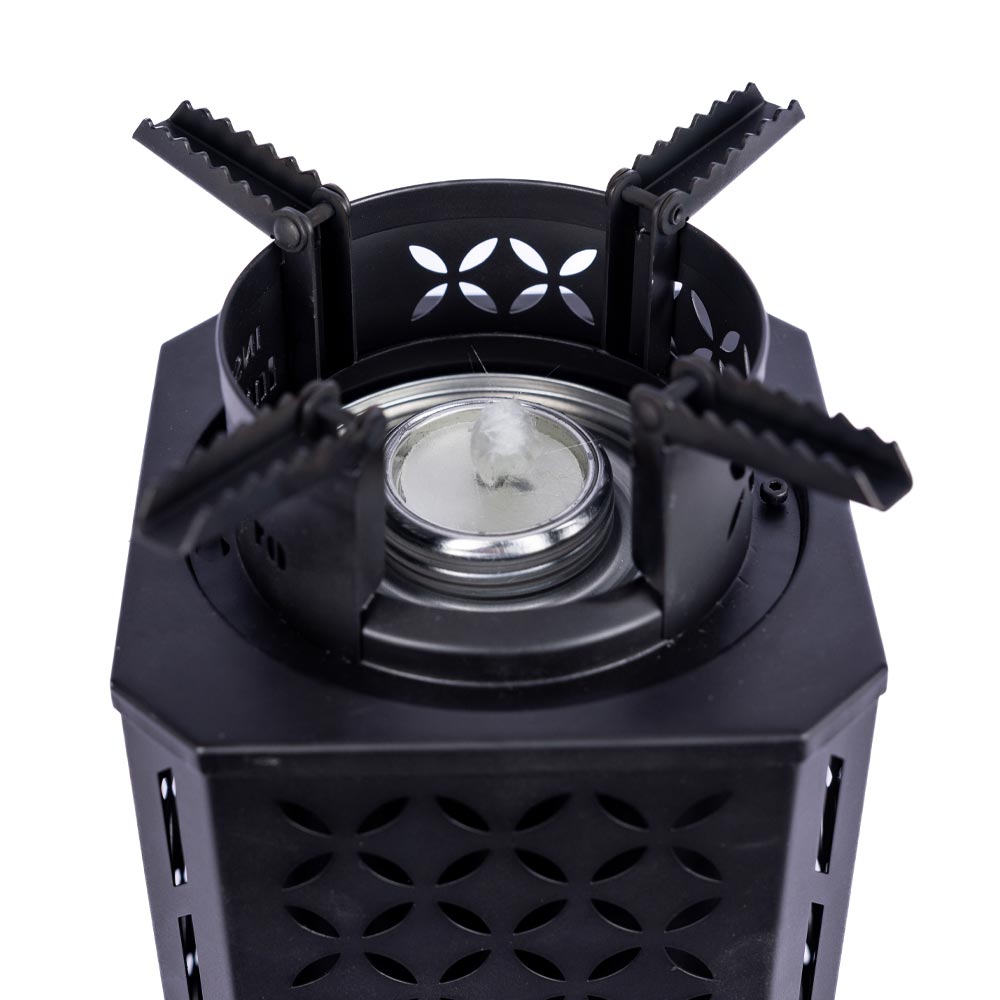
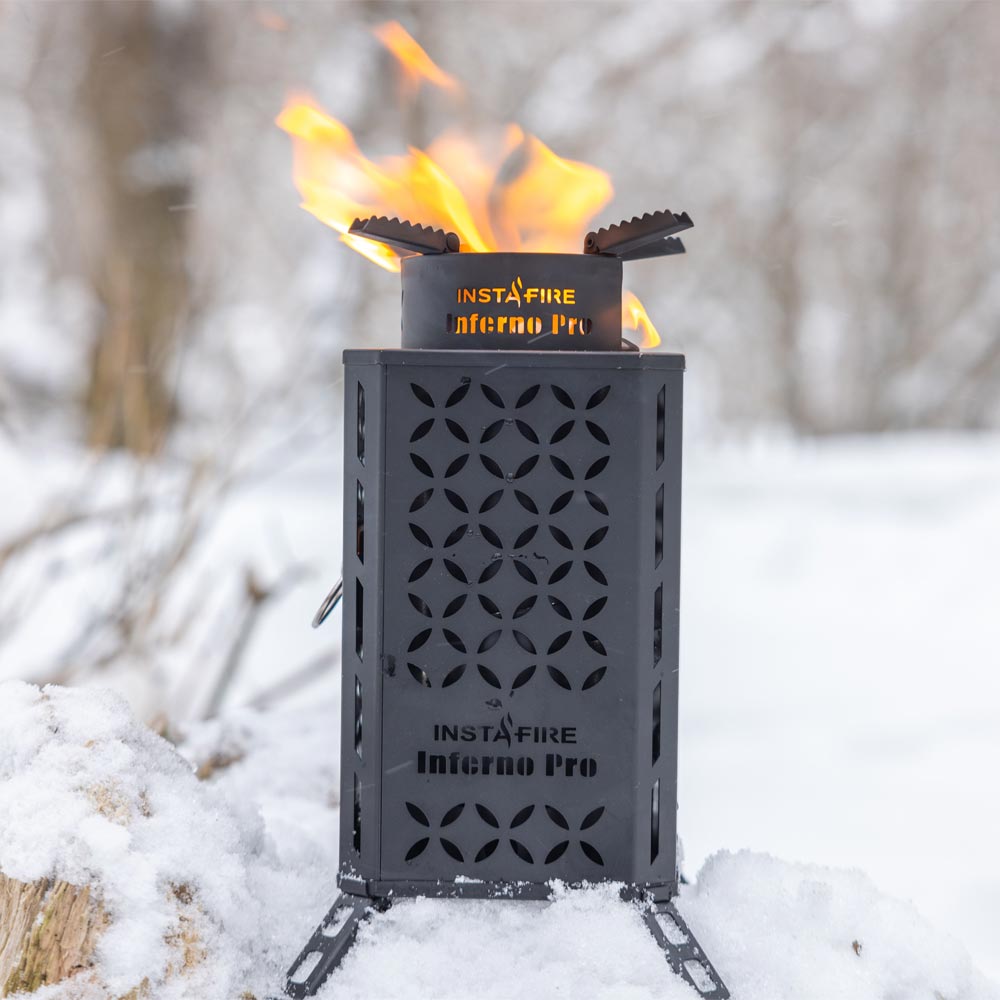
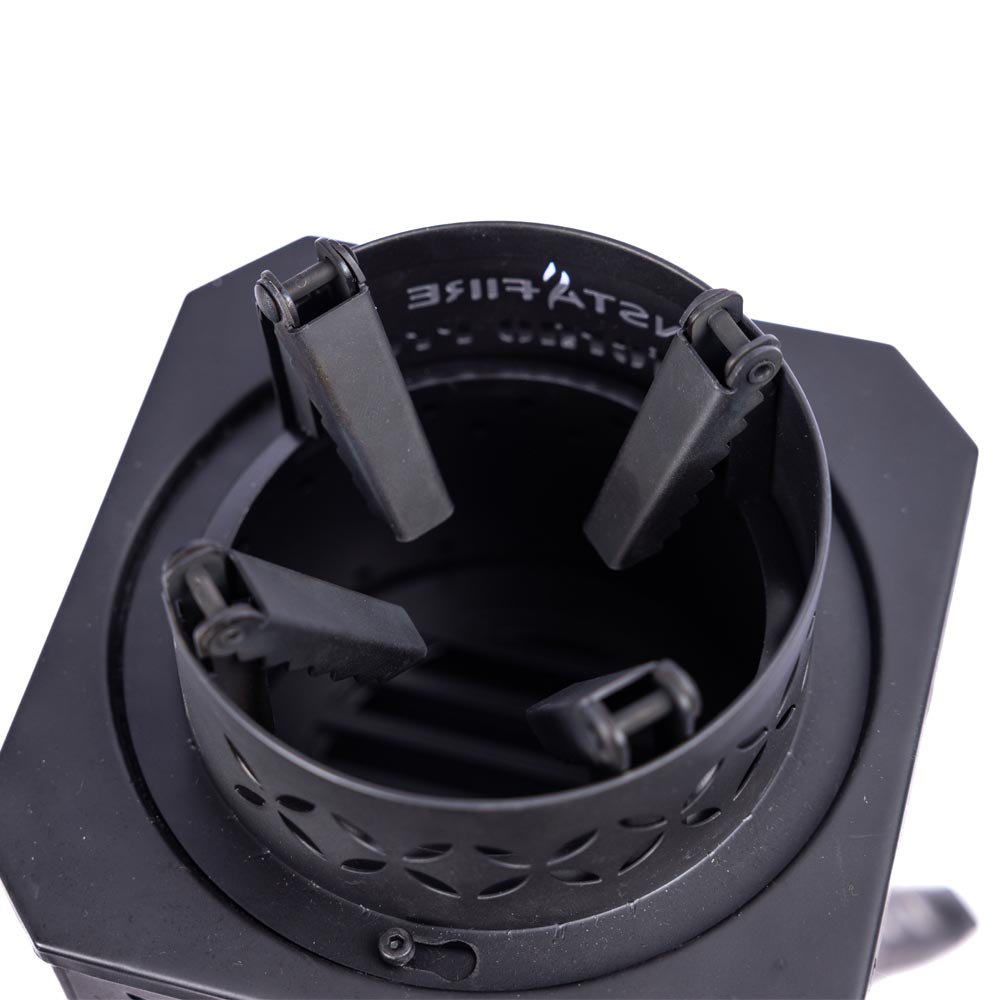
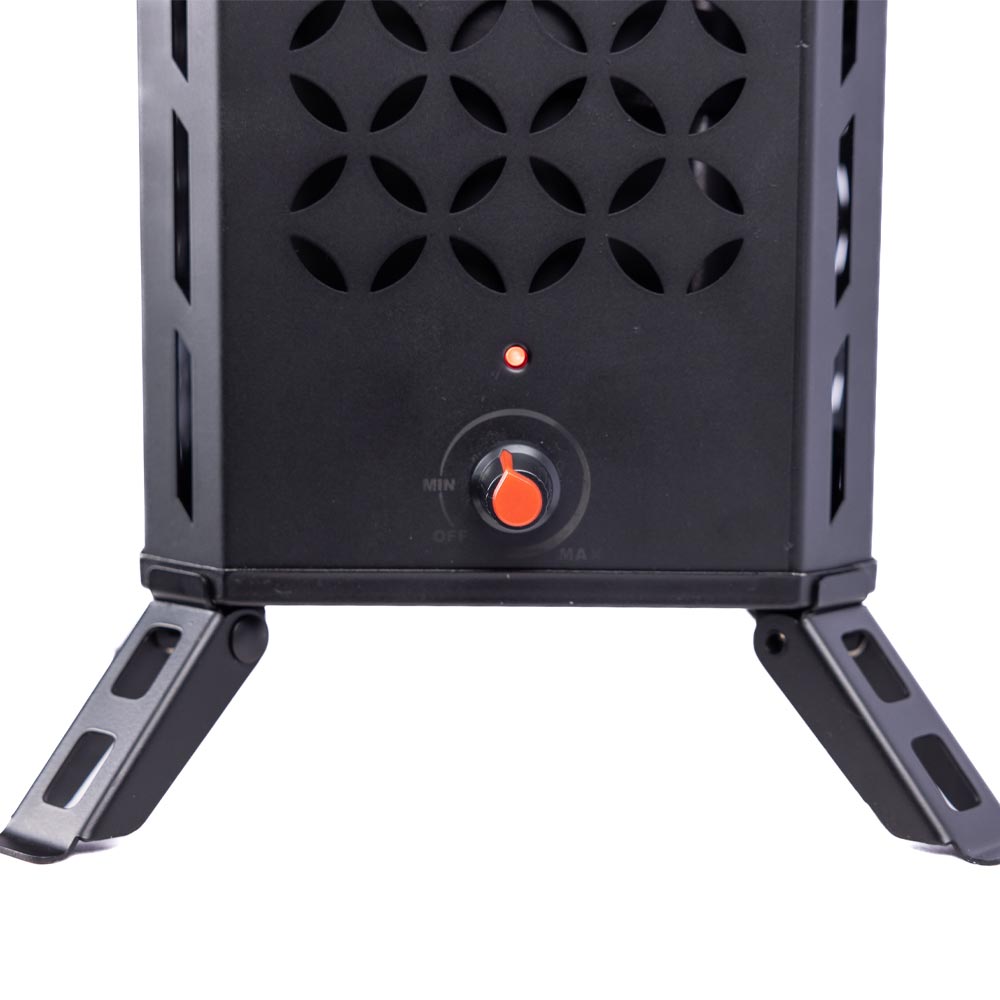
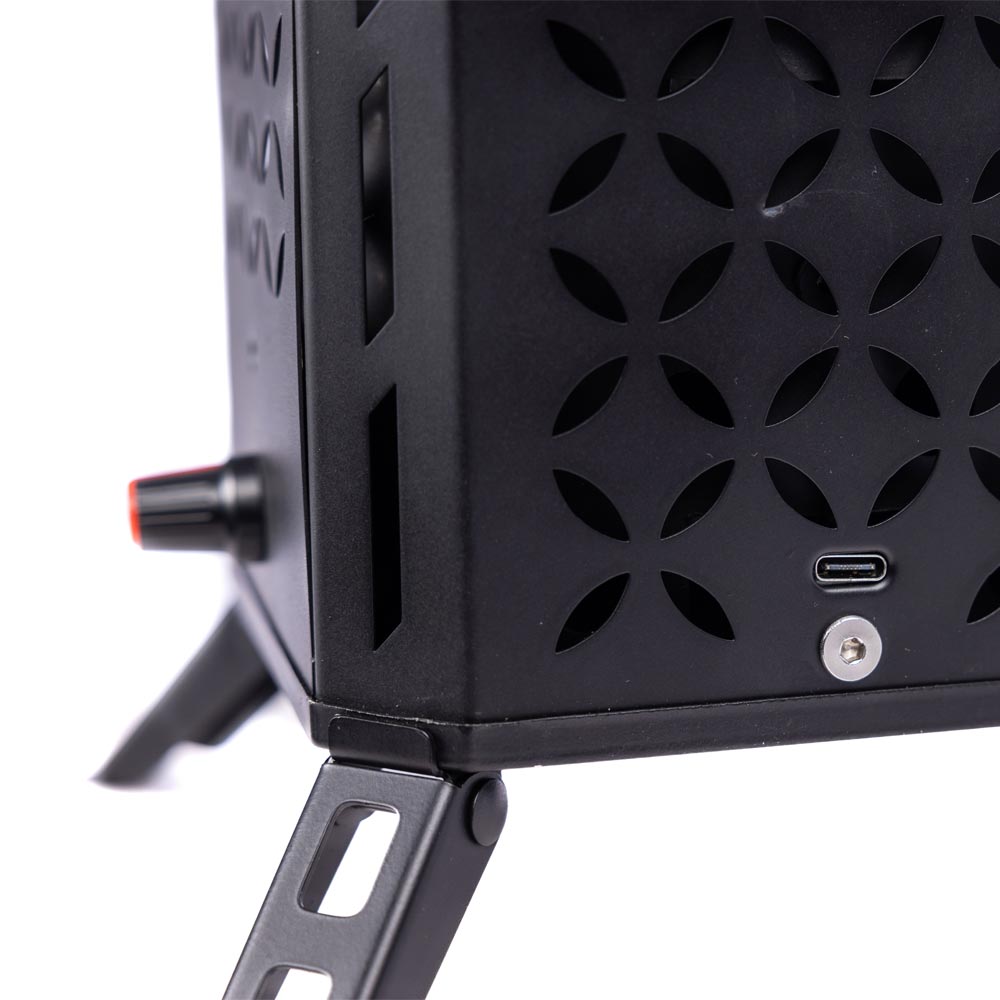
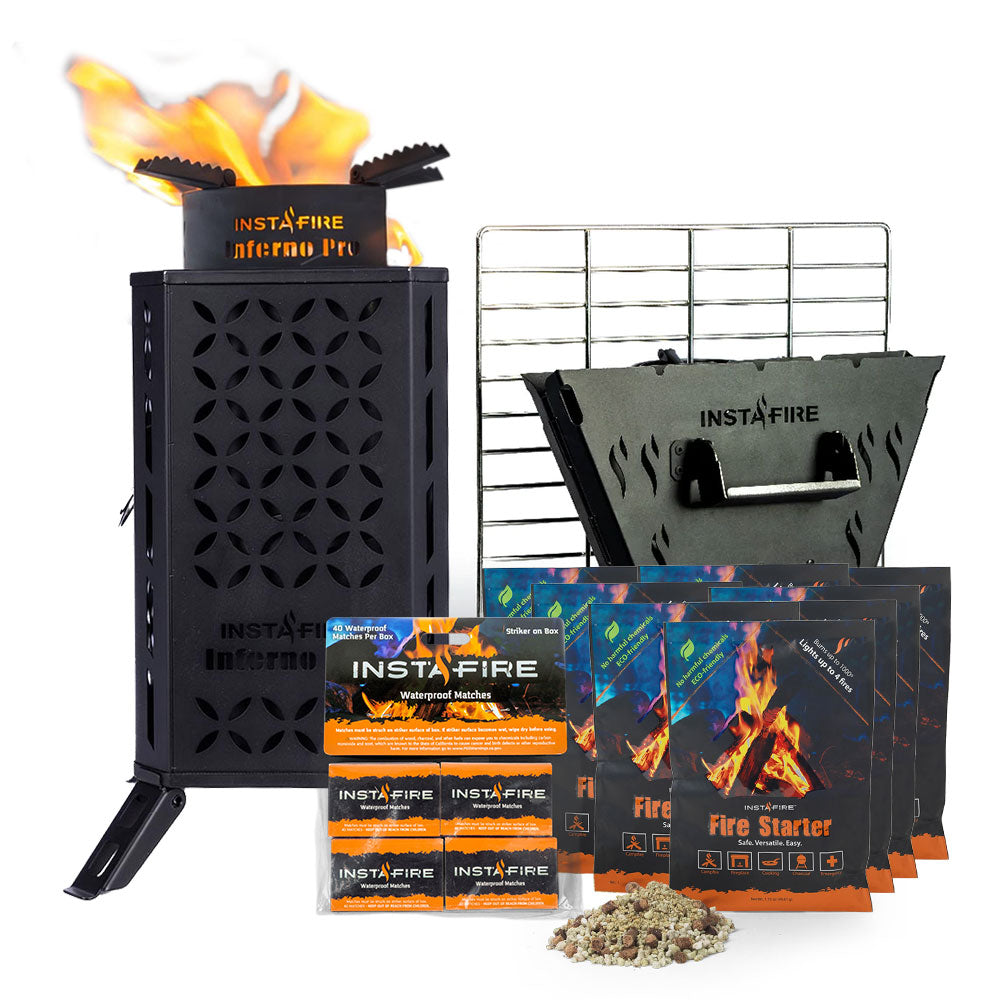
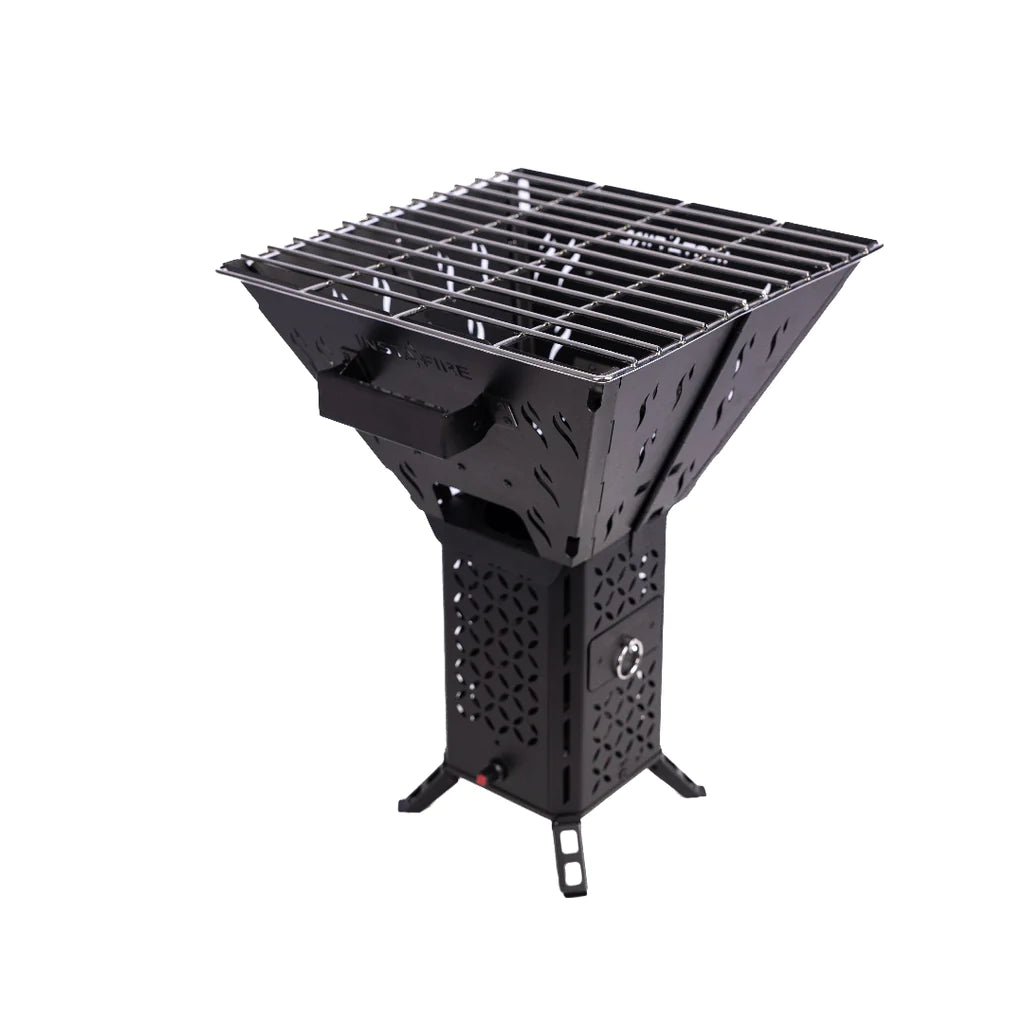
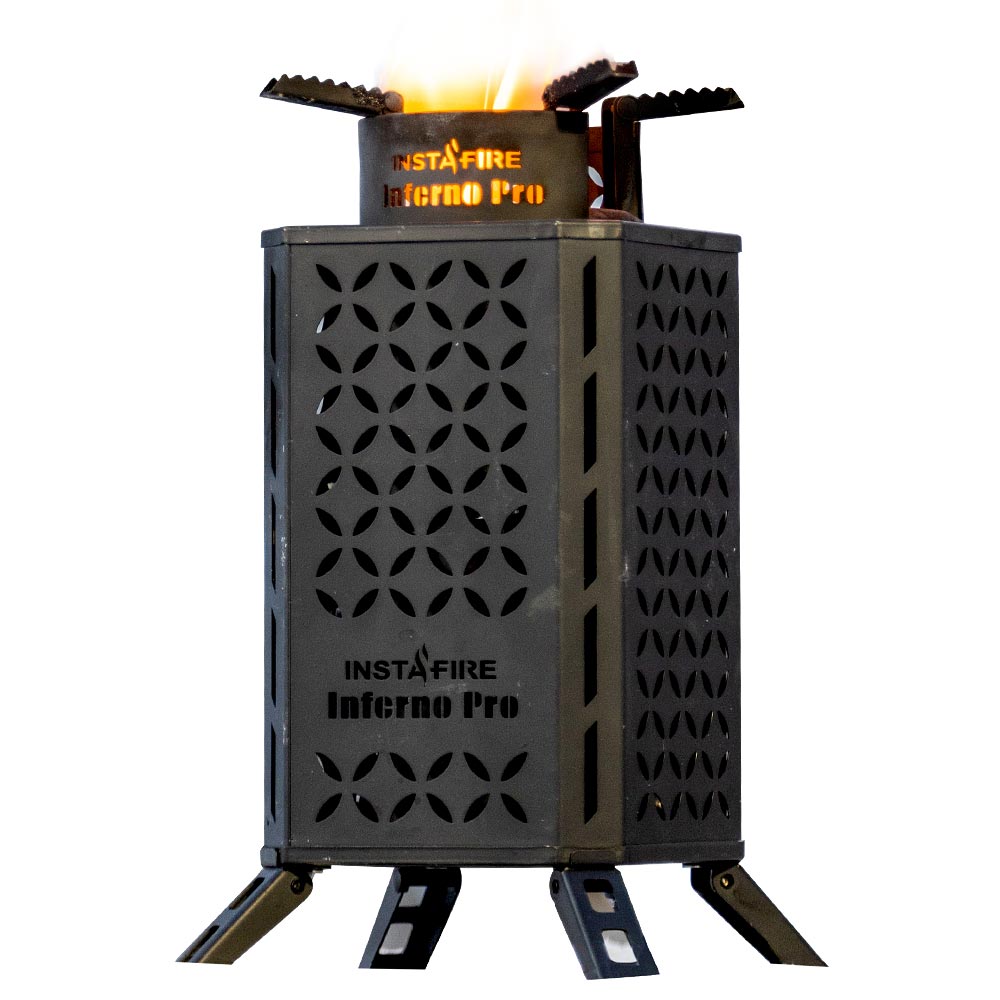
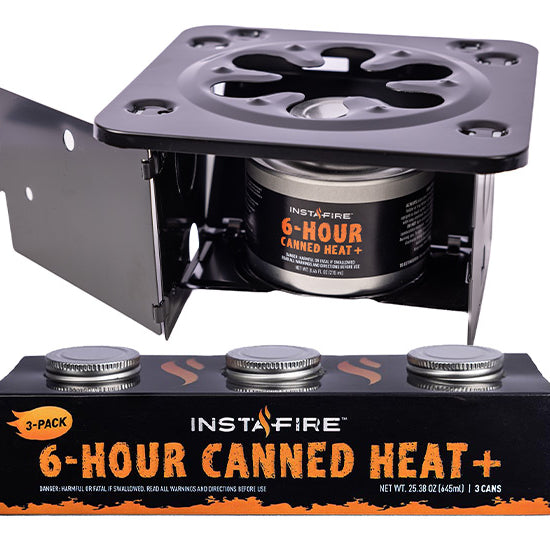
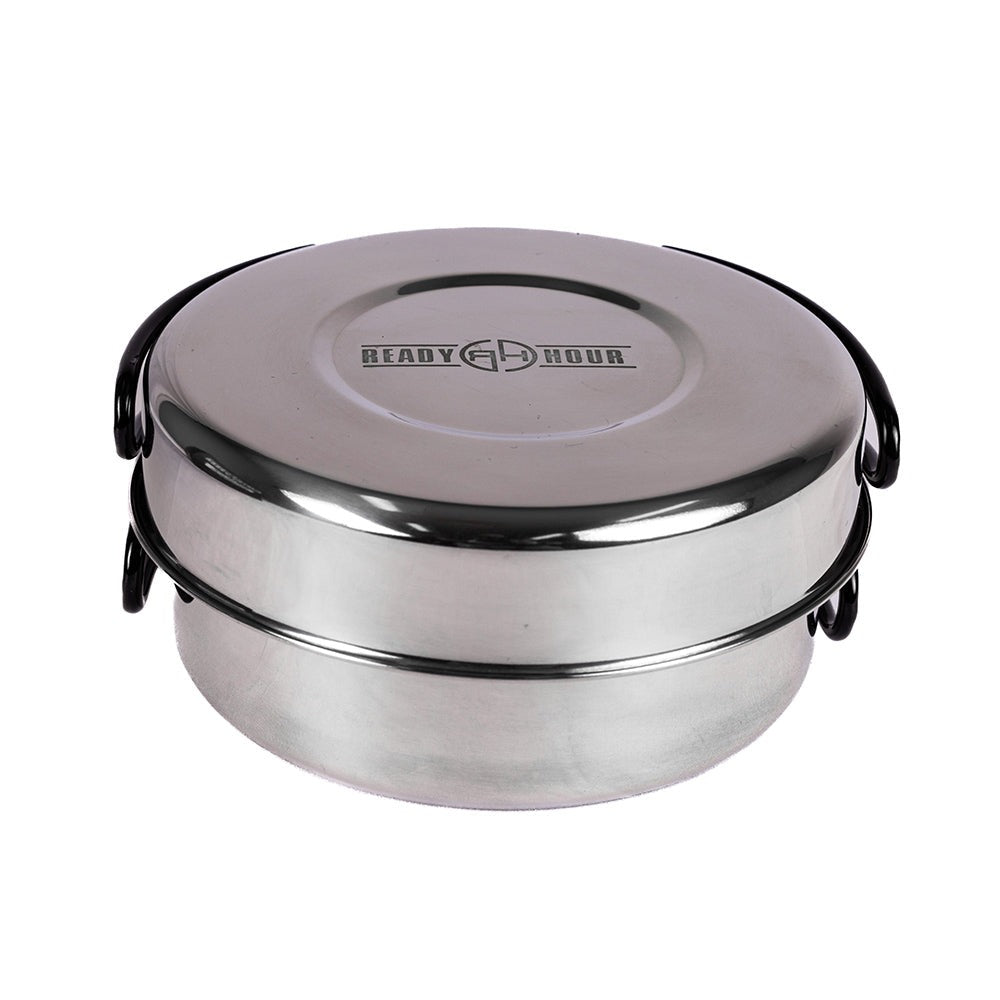
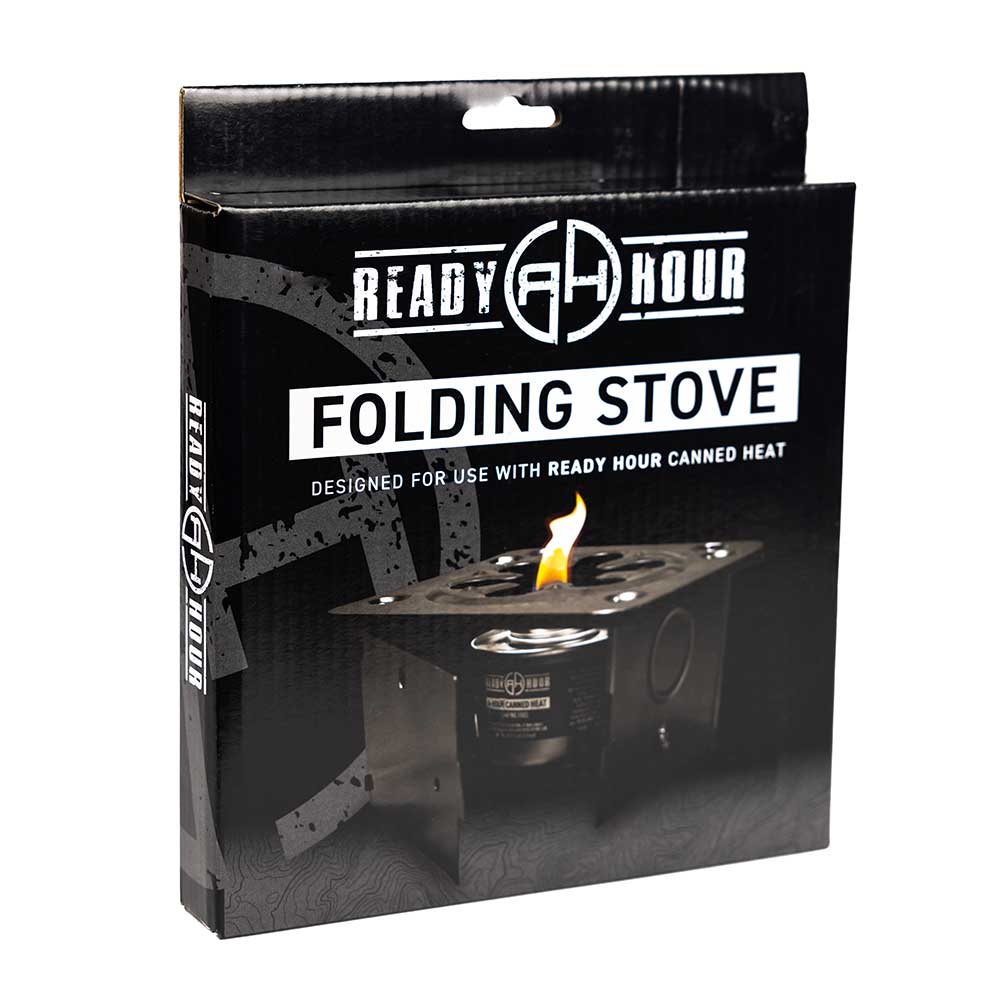
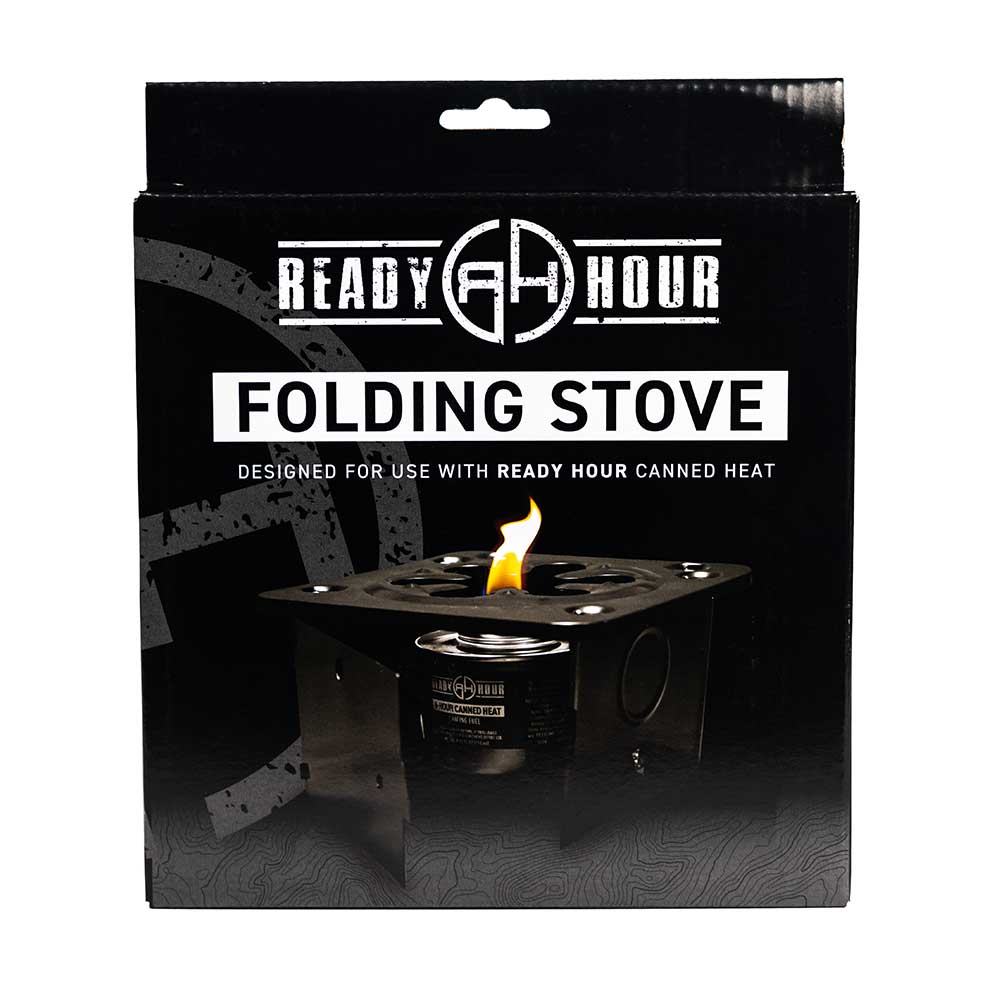
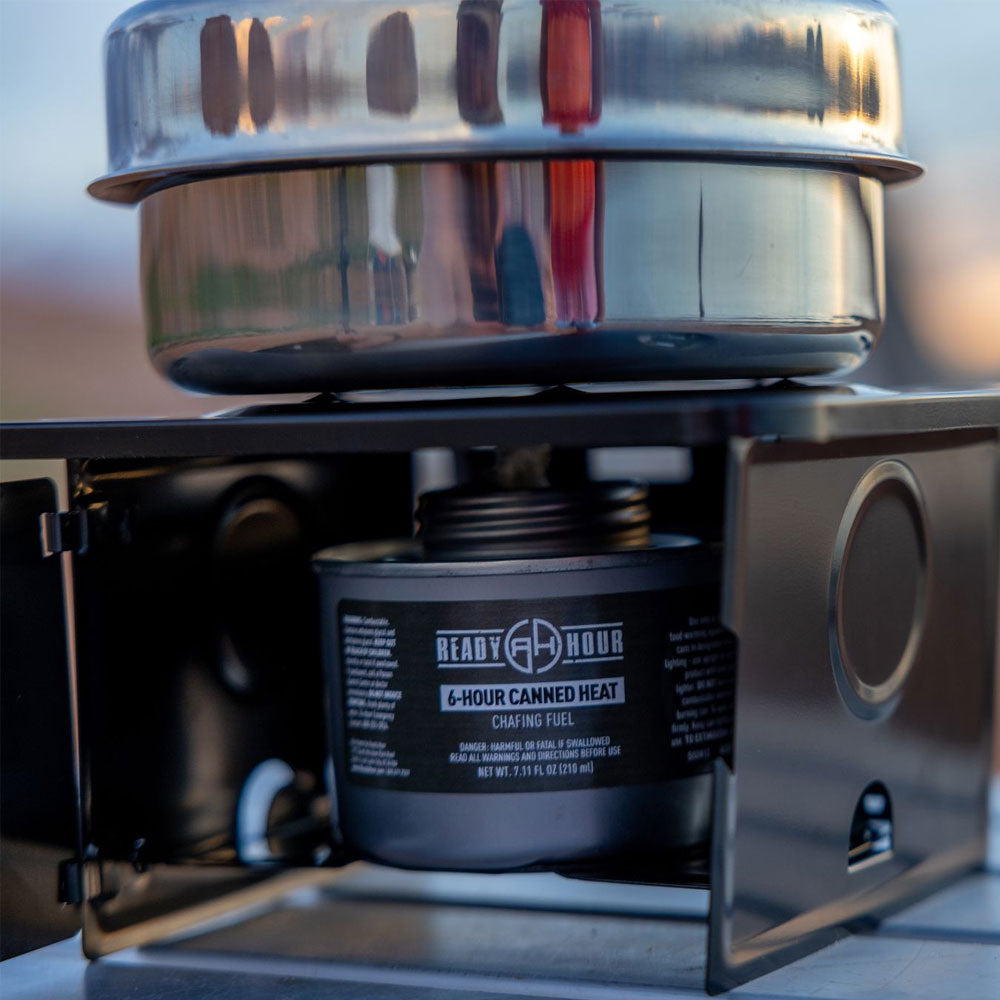
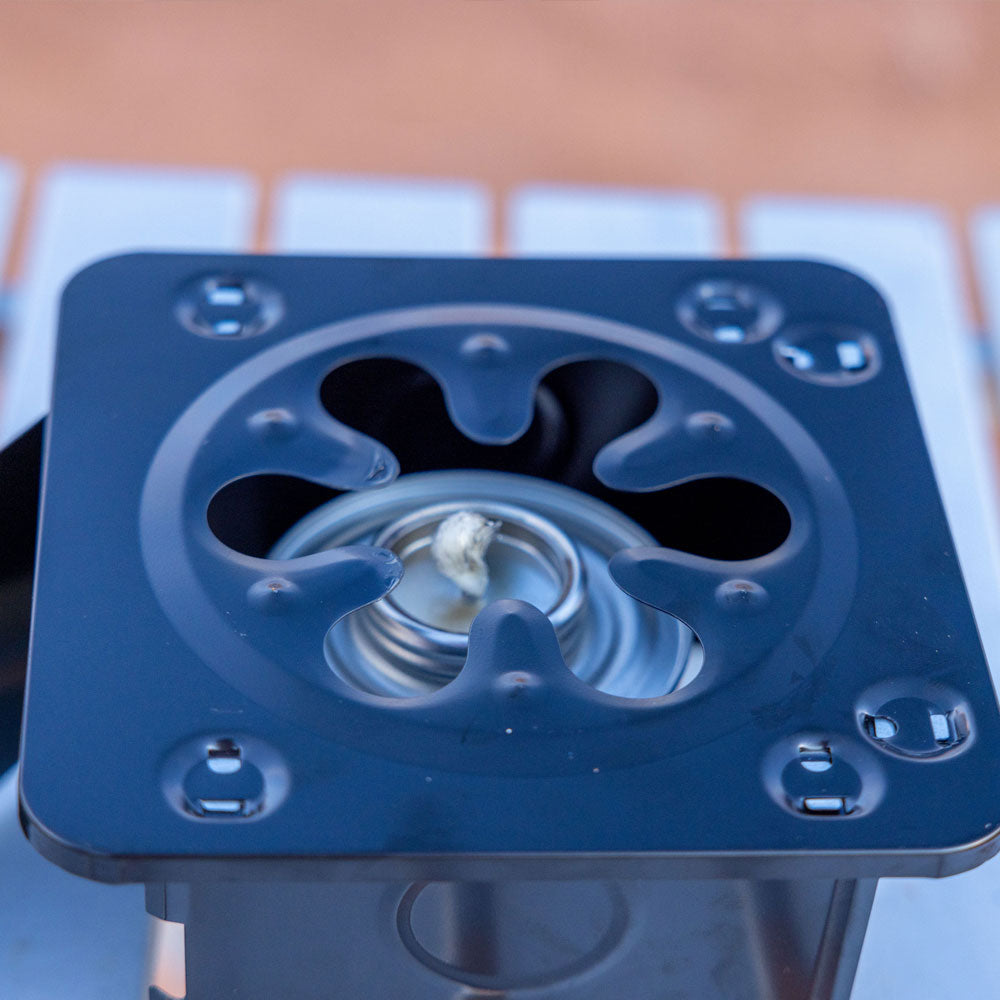
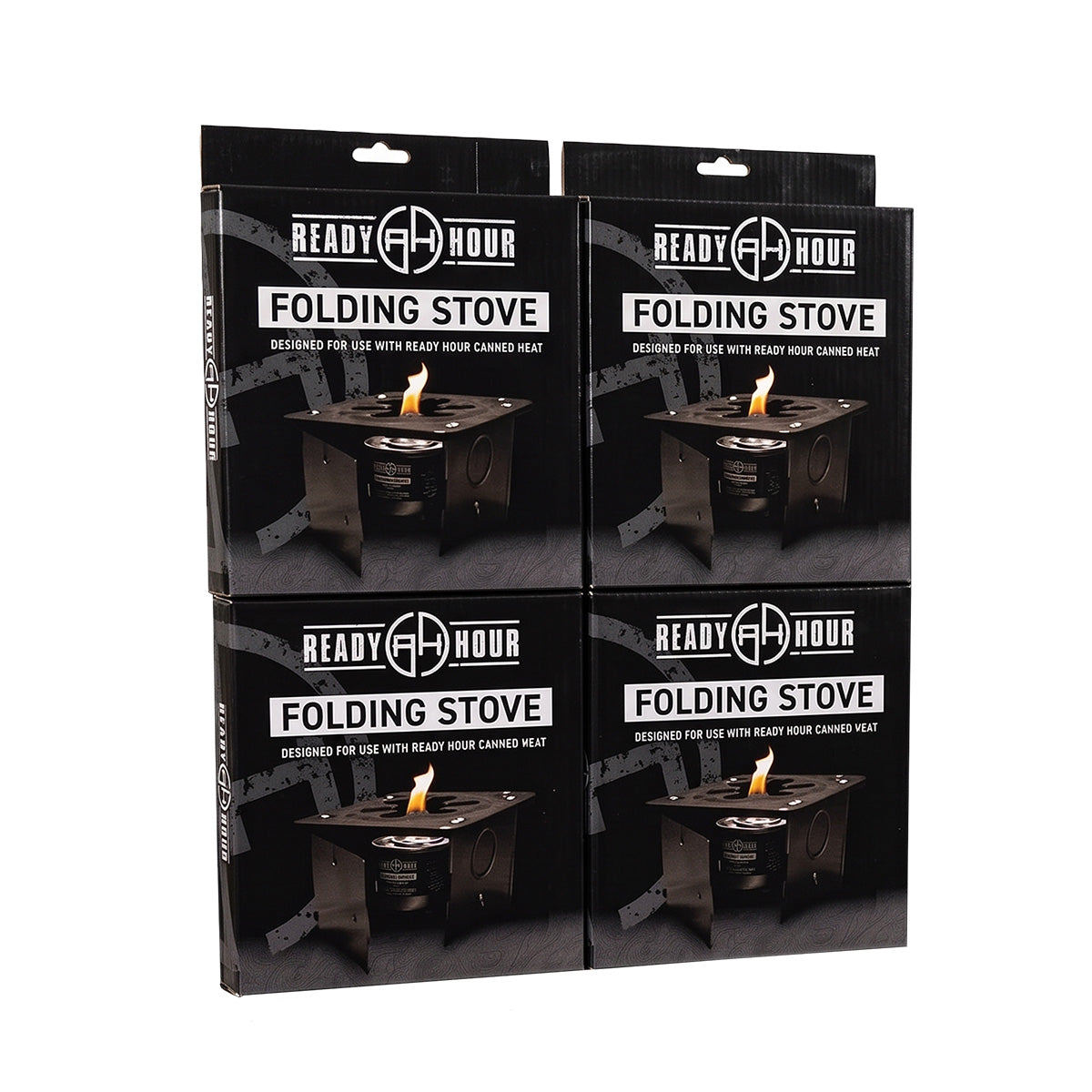
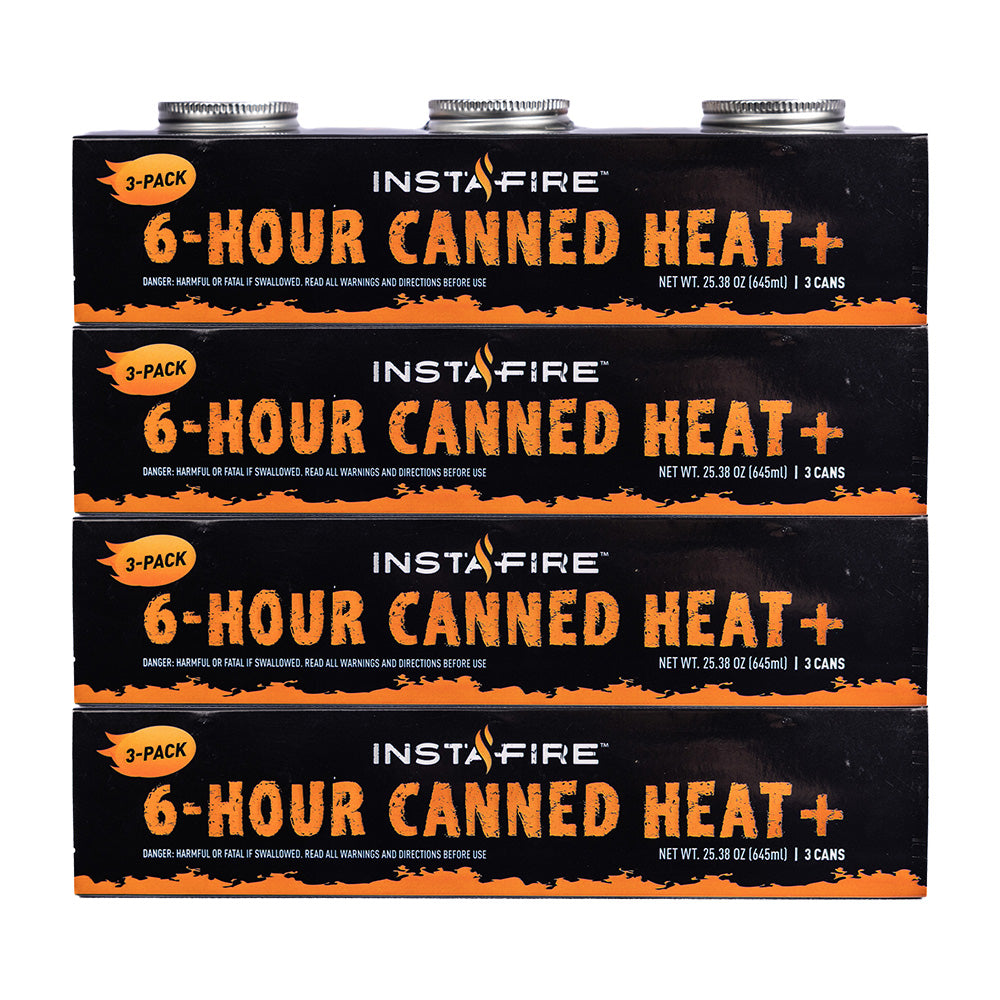
Make sure your backup food supply includes a way to cook it. Keep a reliable emergency stove and enough compatible fuel on hand, along with meals that are easy to prepare. Choose equipment designed for the environment where you'll use it, and never bring outdoor-only cooking equipment inside your home.




5. Power: Keep the Essentials Running
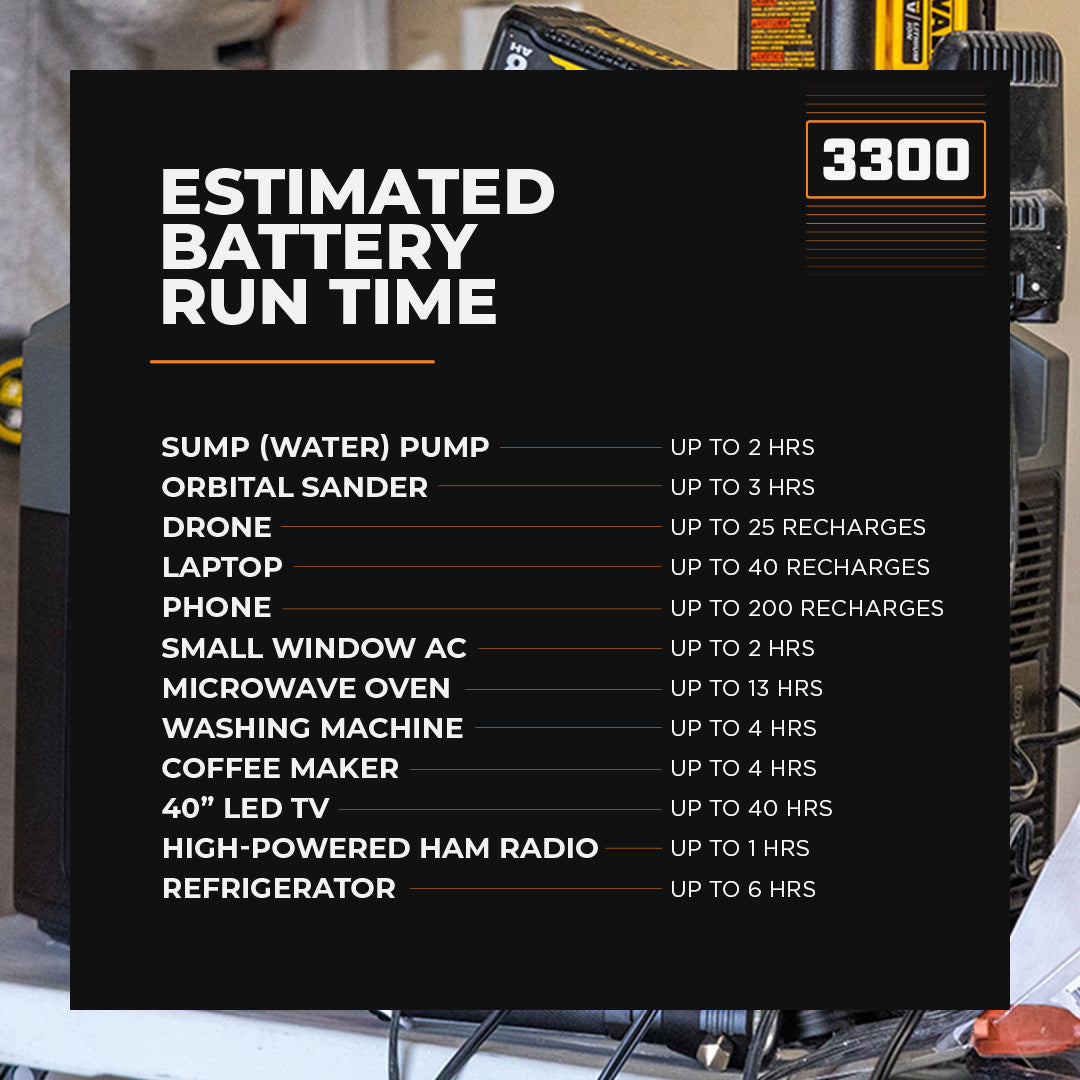
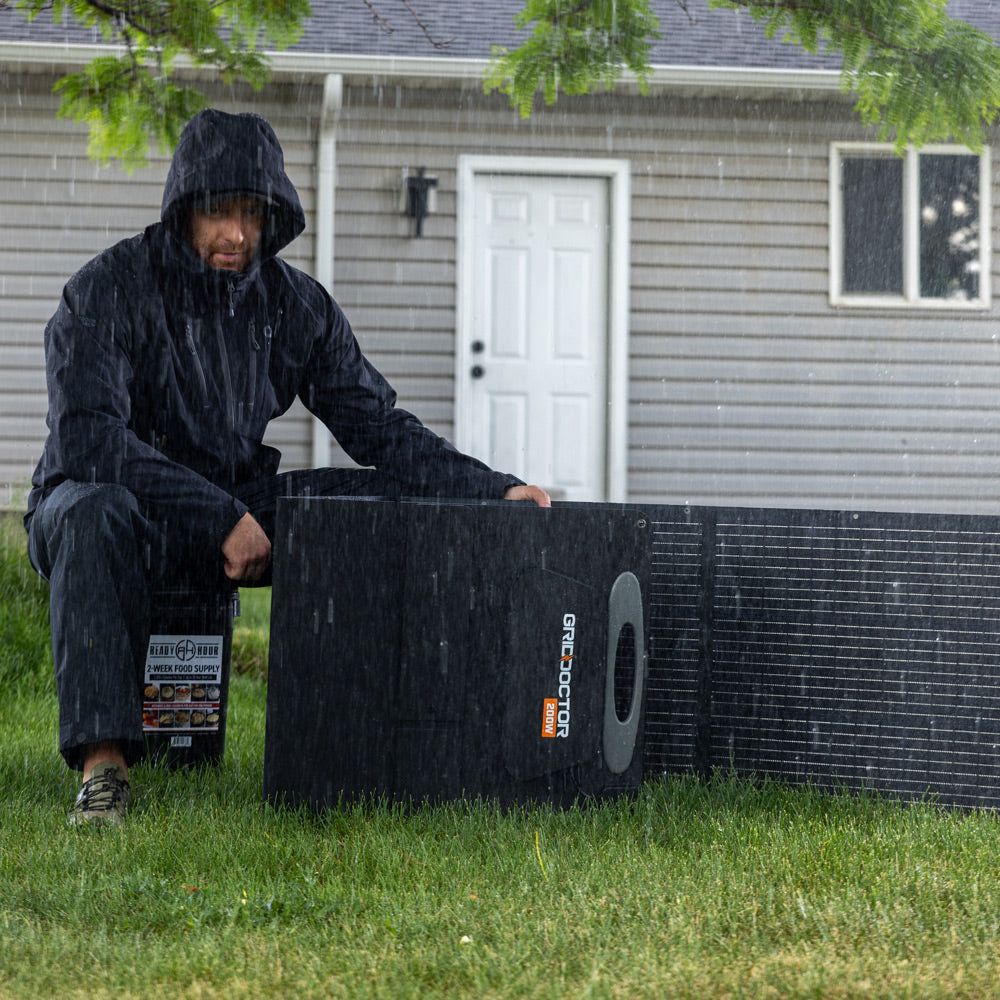
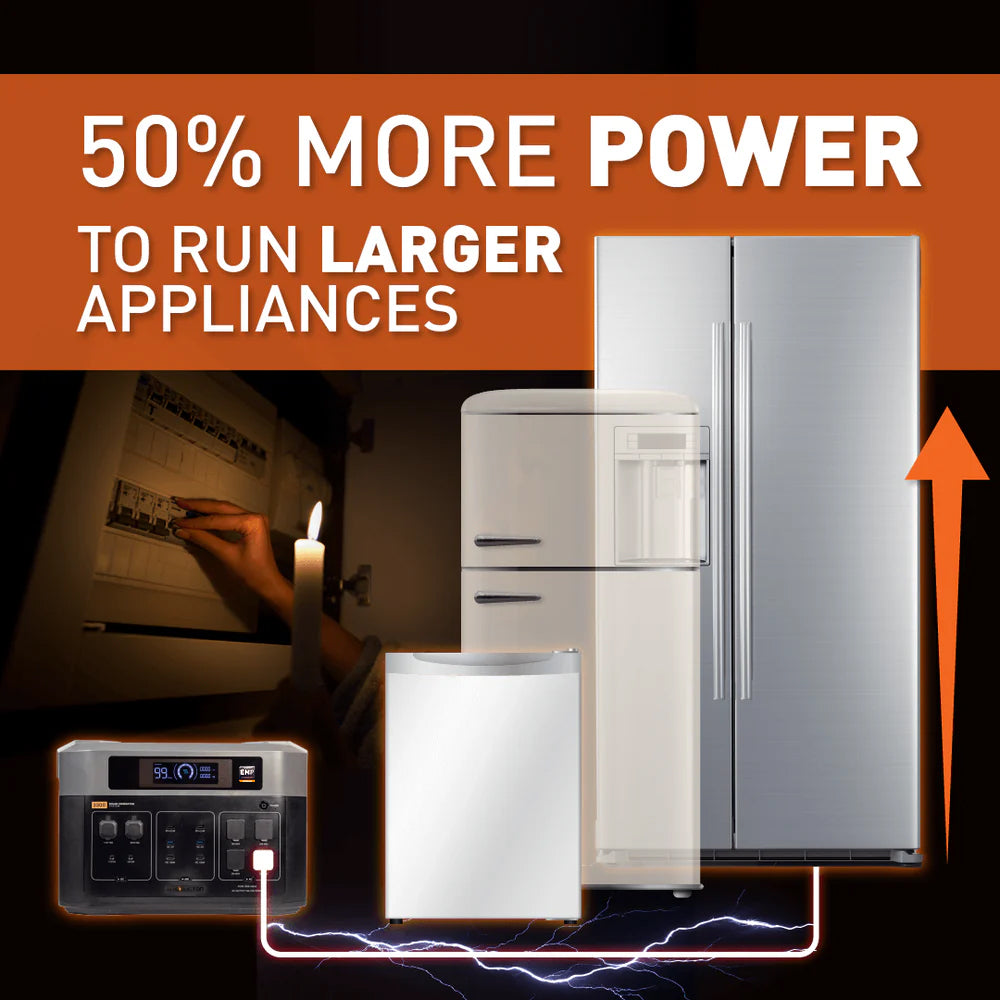
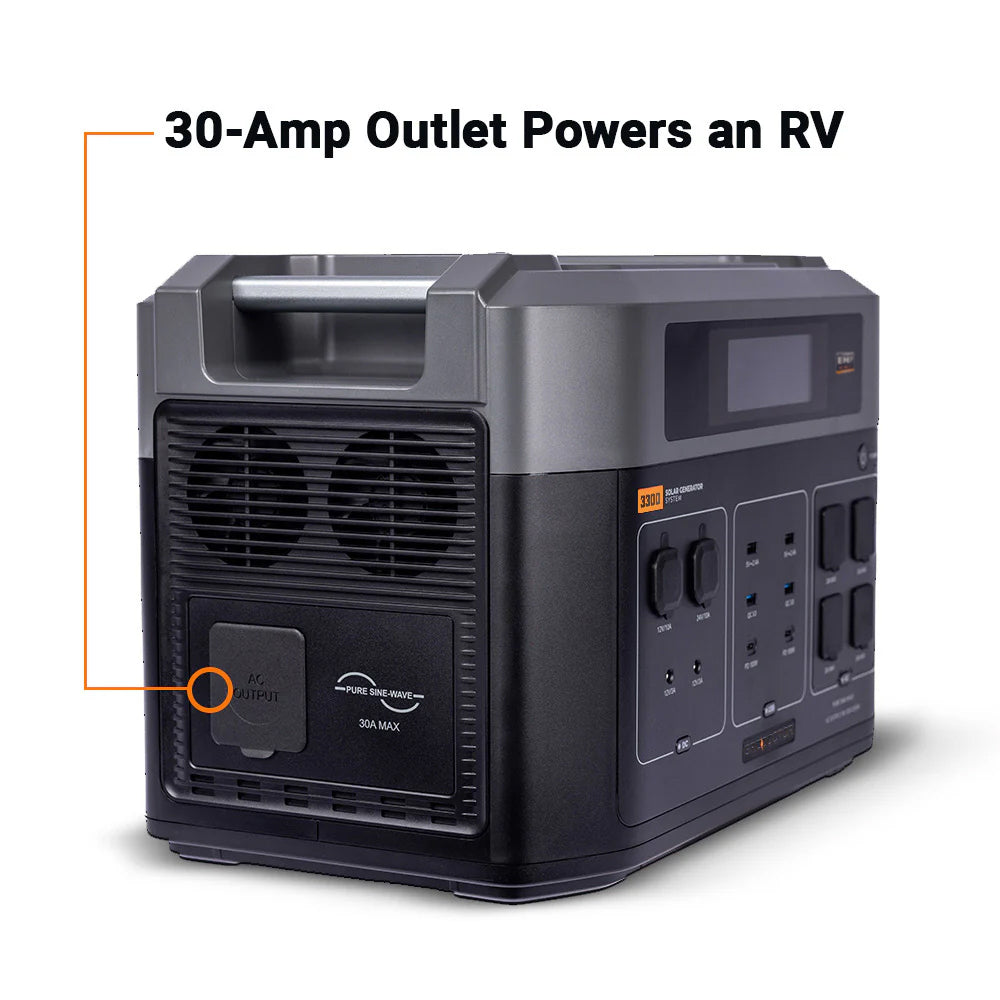
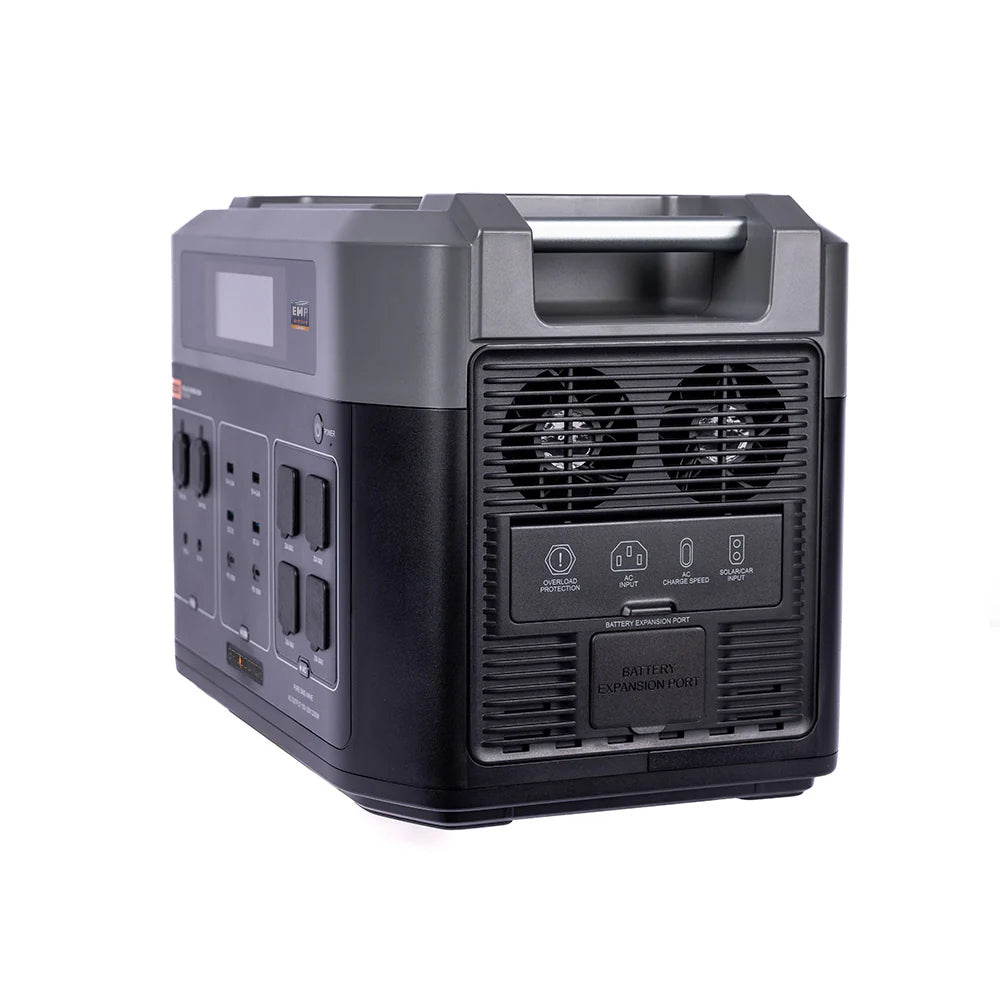
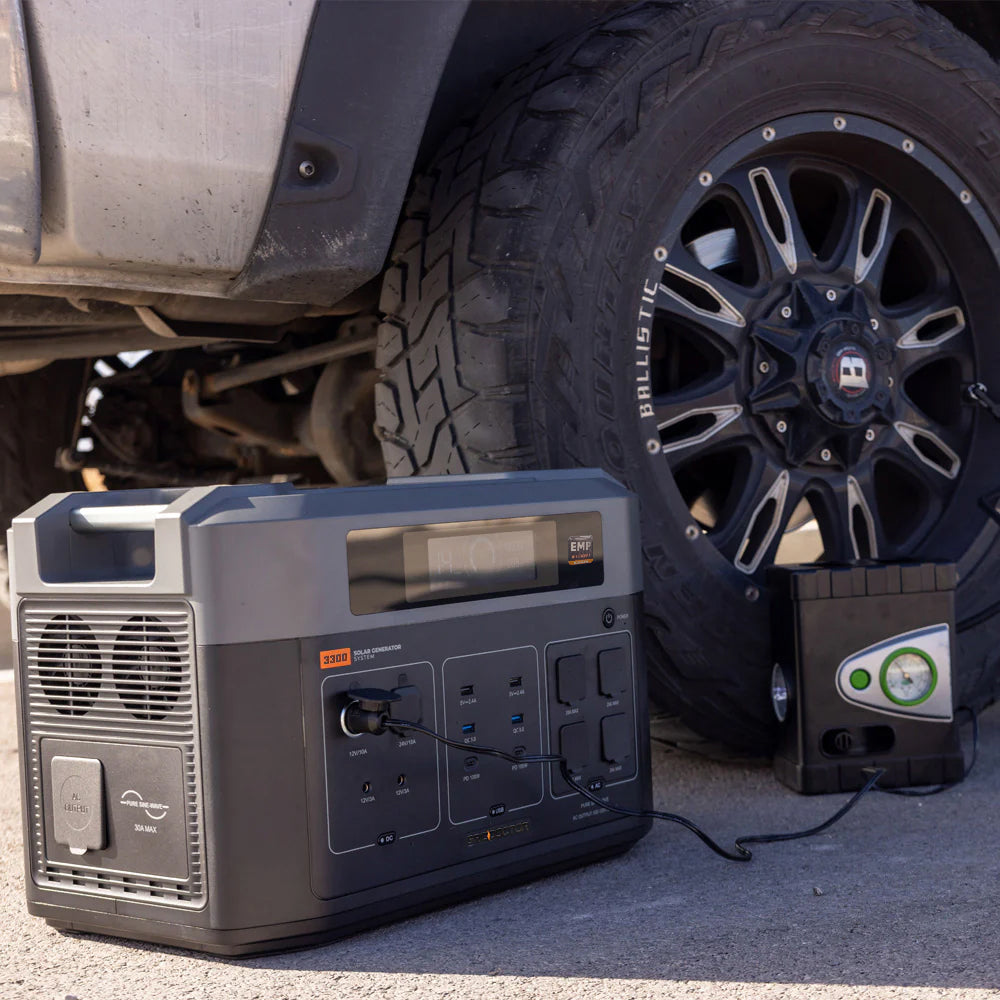
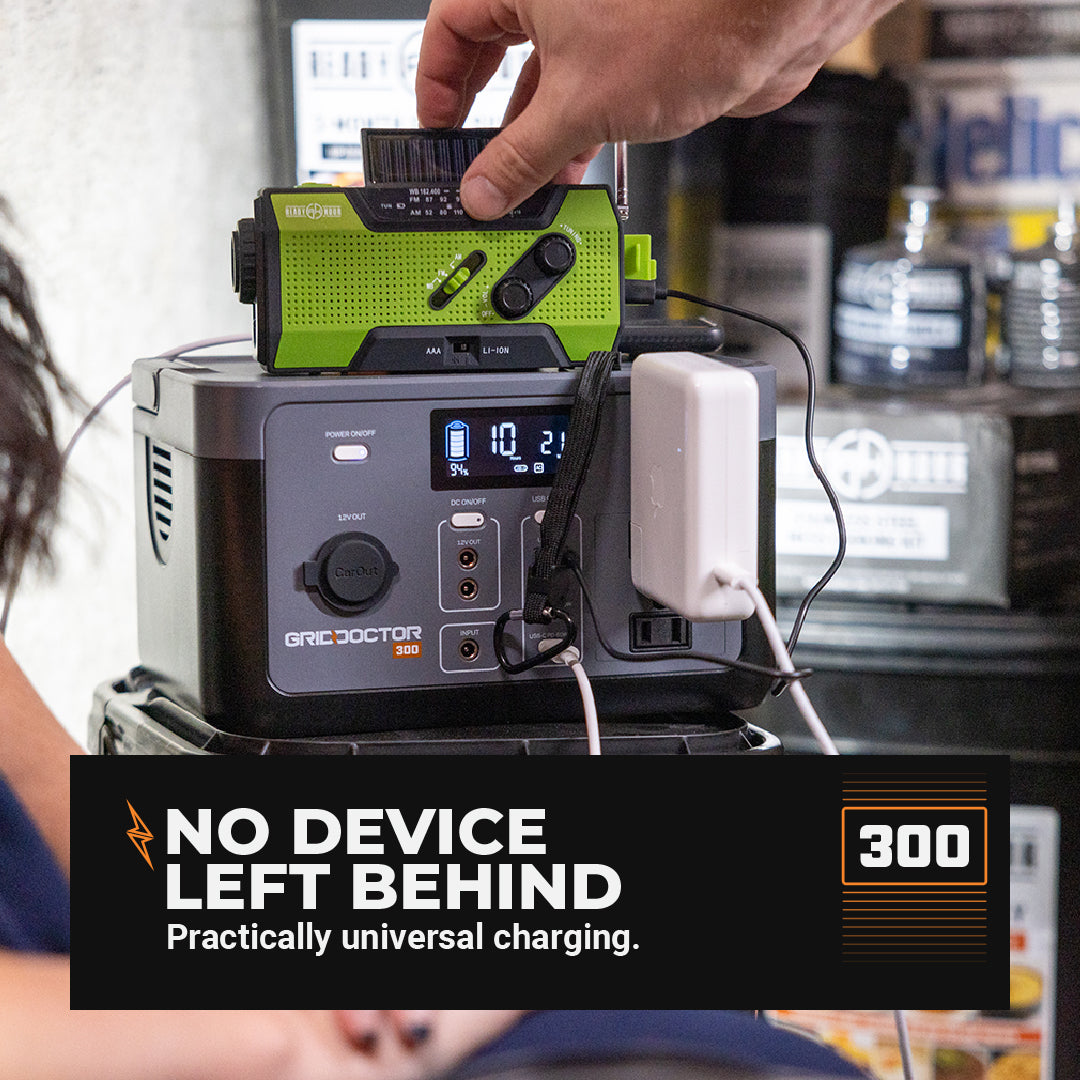
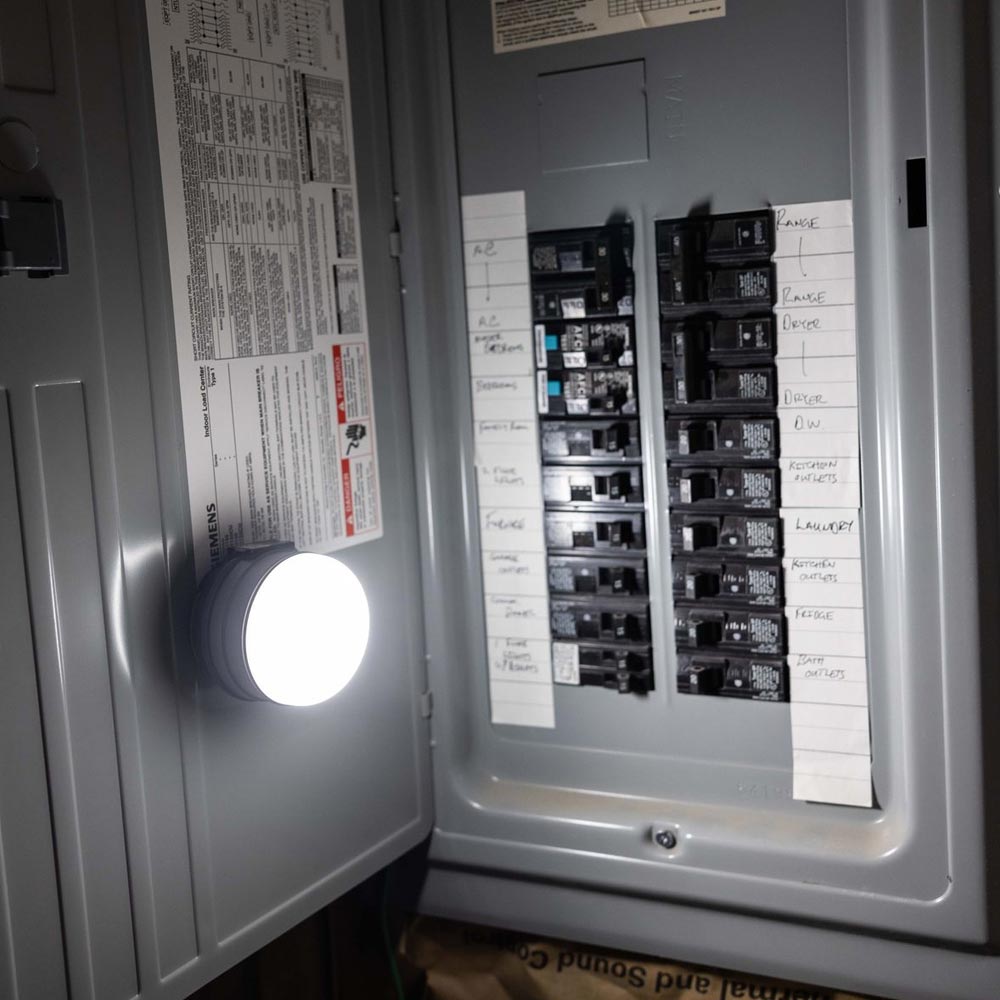
Winter storms can damage power lines and leave homes without electricity for hours or even days. Beyond losing lights and the ability to charge devices, an extended outage can affect refrigerators, freezers, communication equipment, and other household essentials.
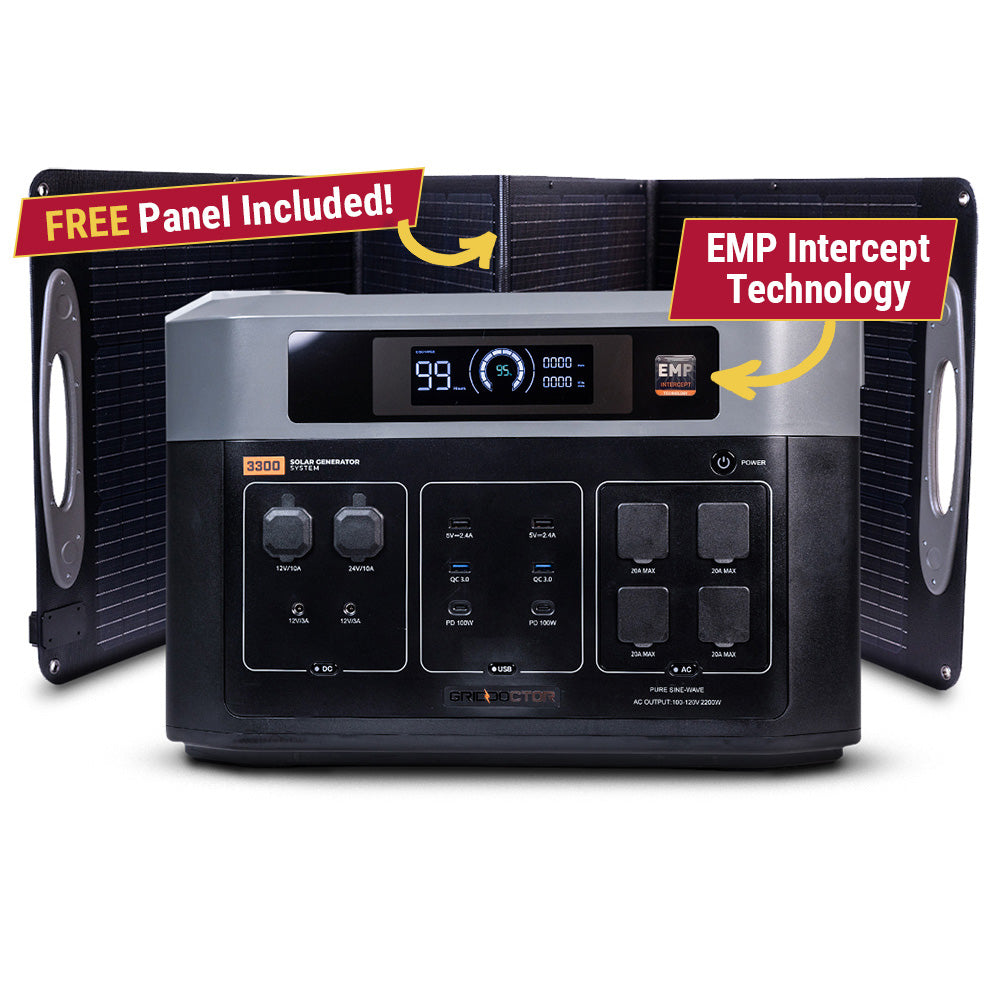
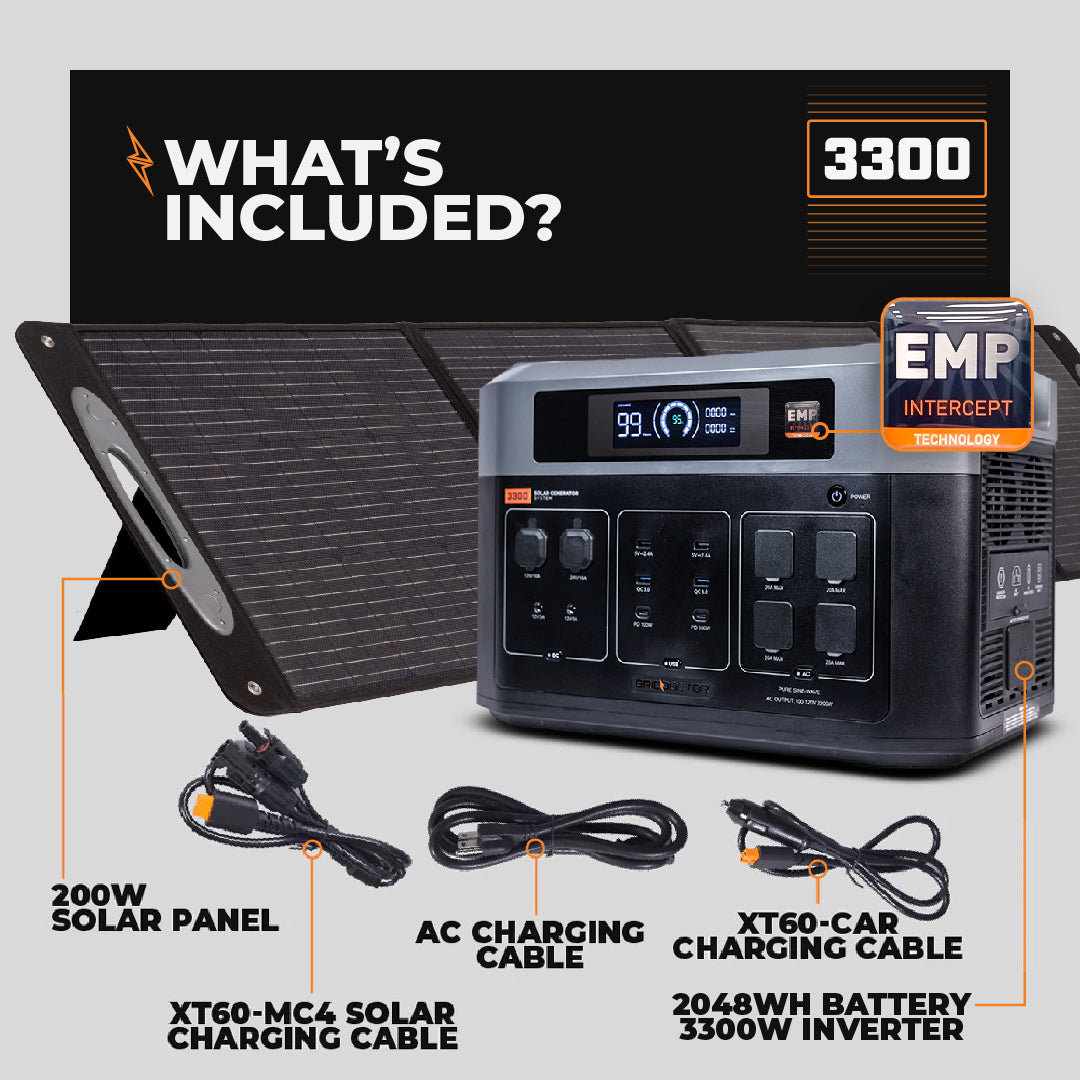
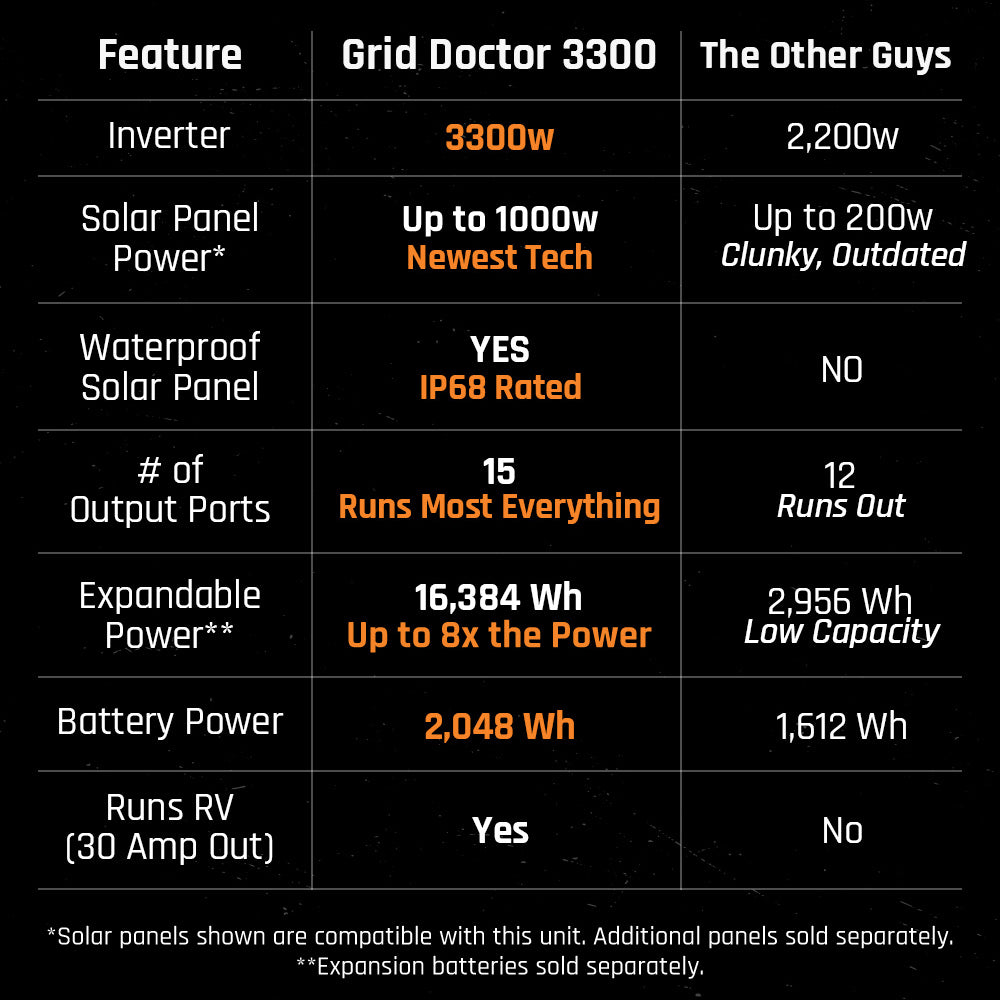
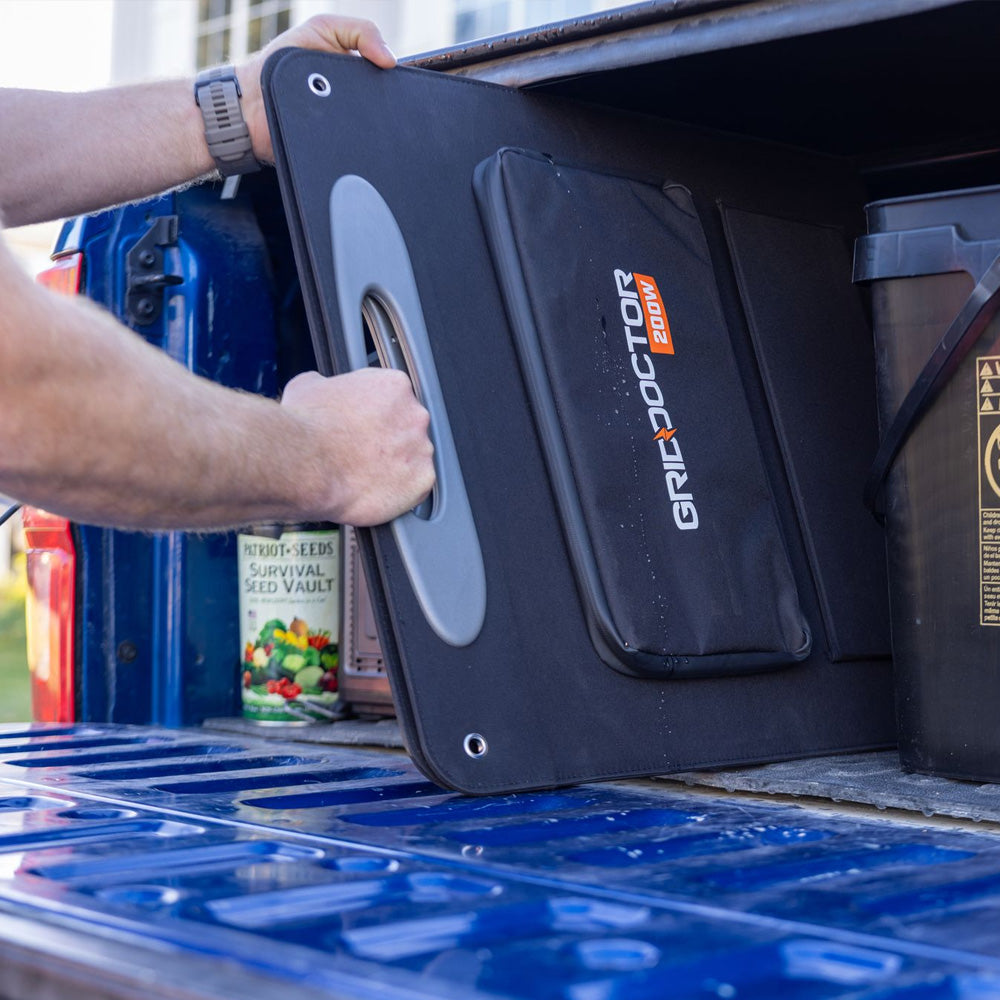
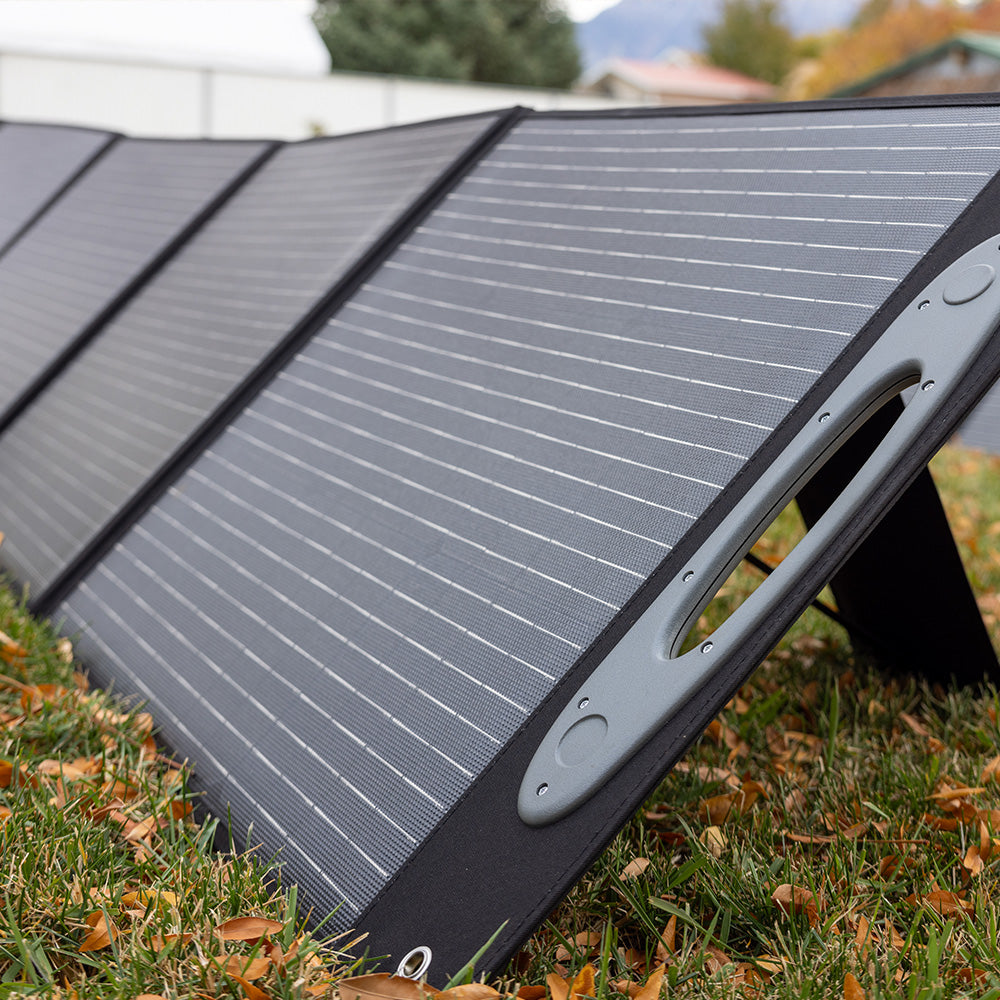
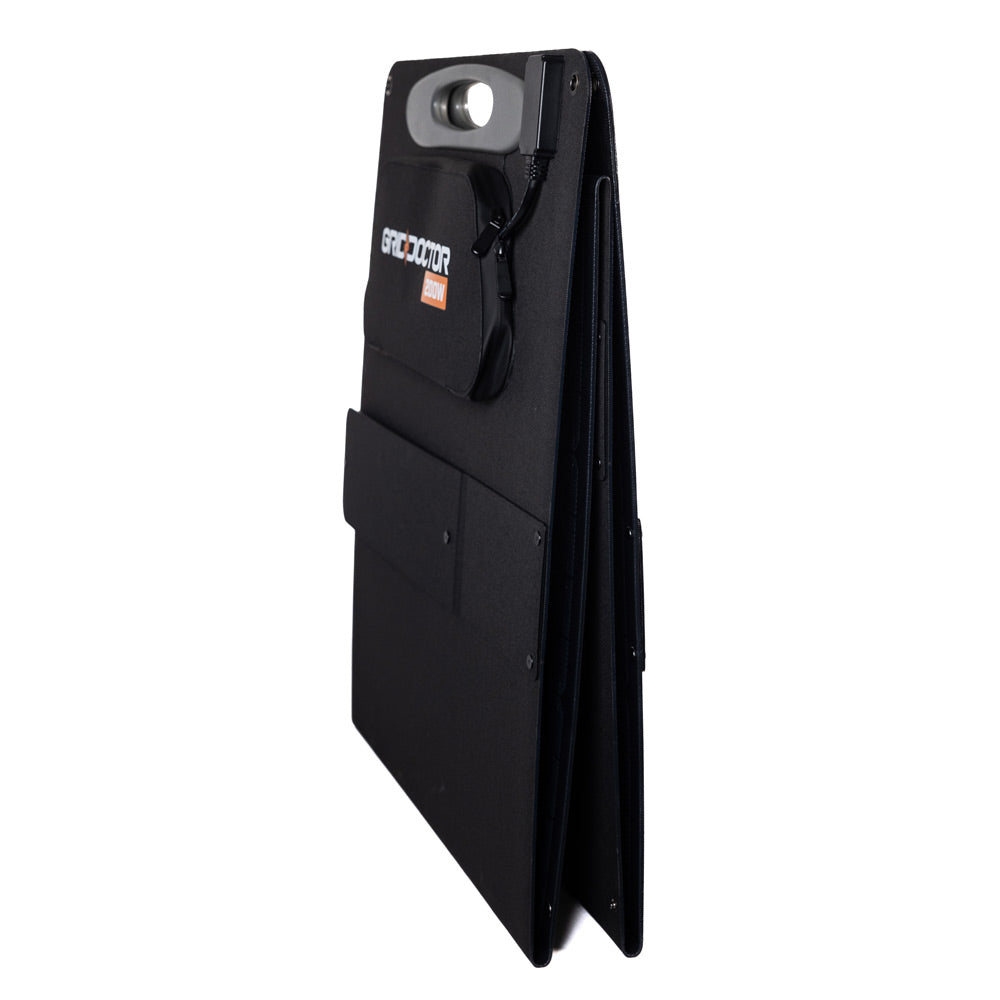
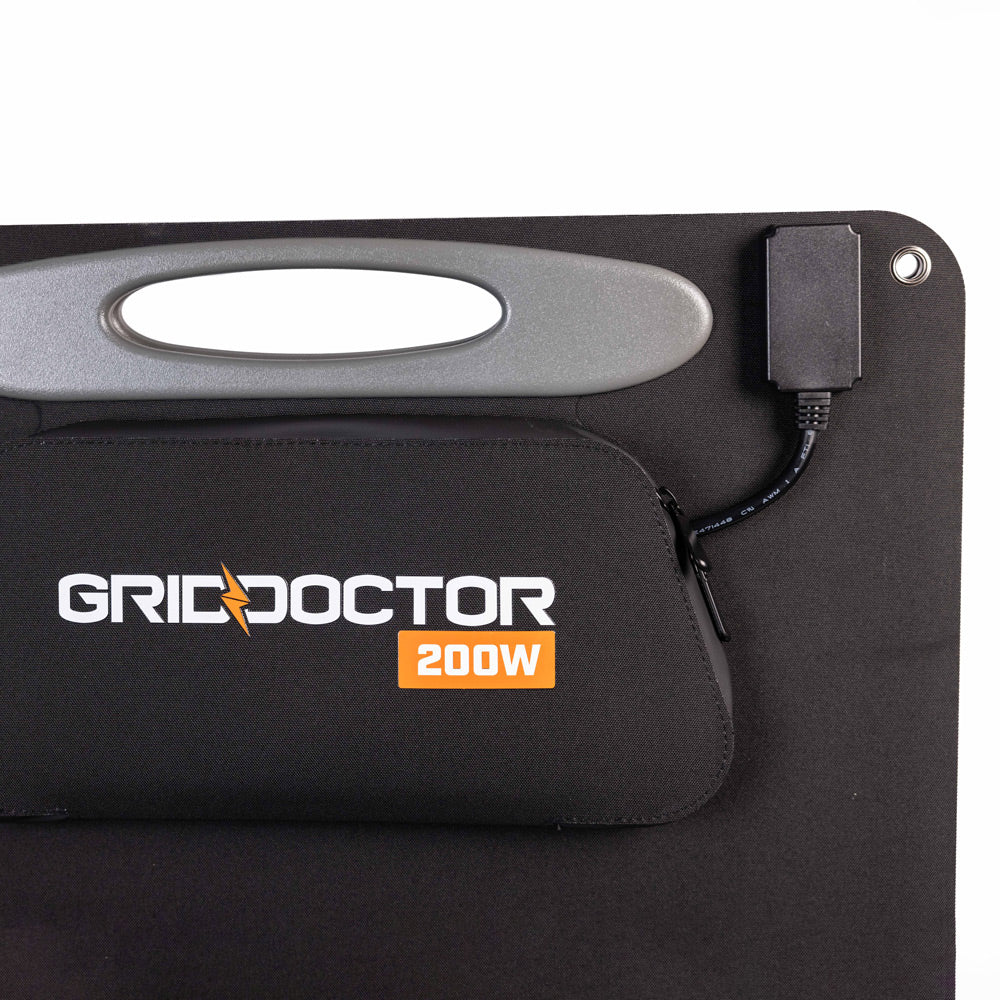
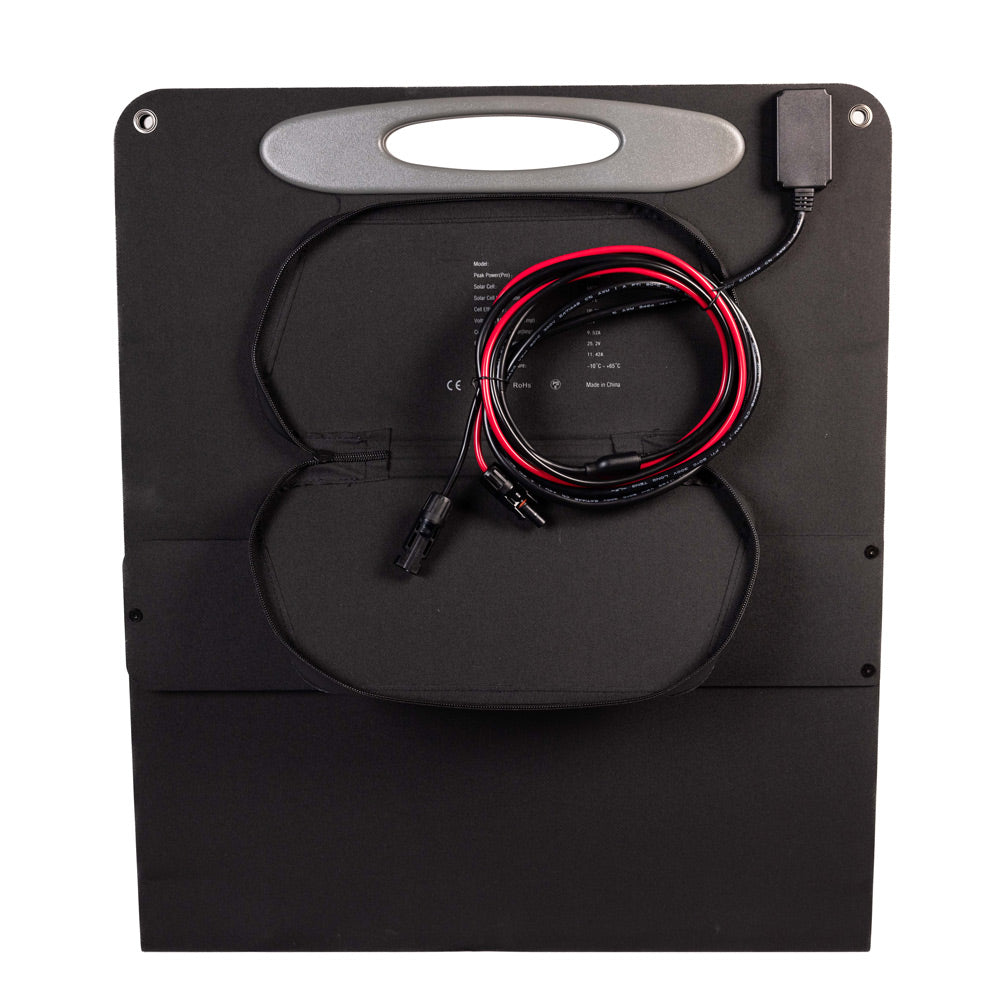
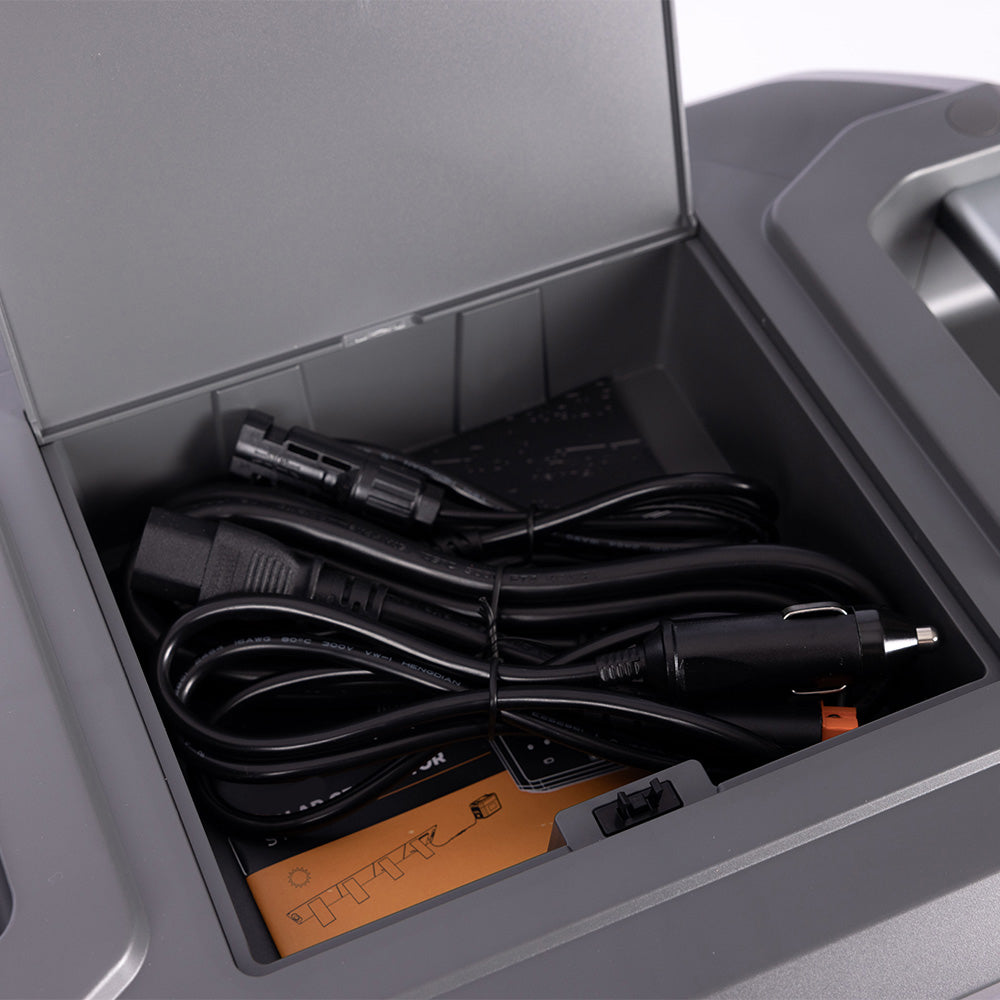
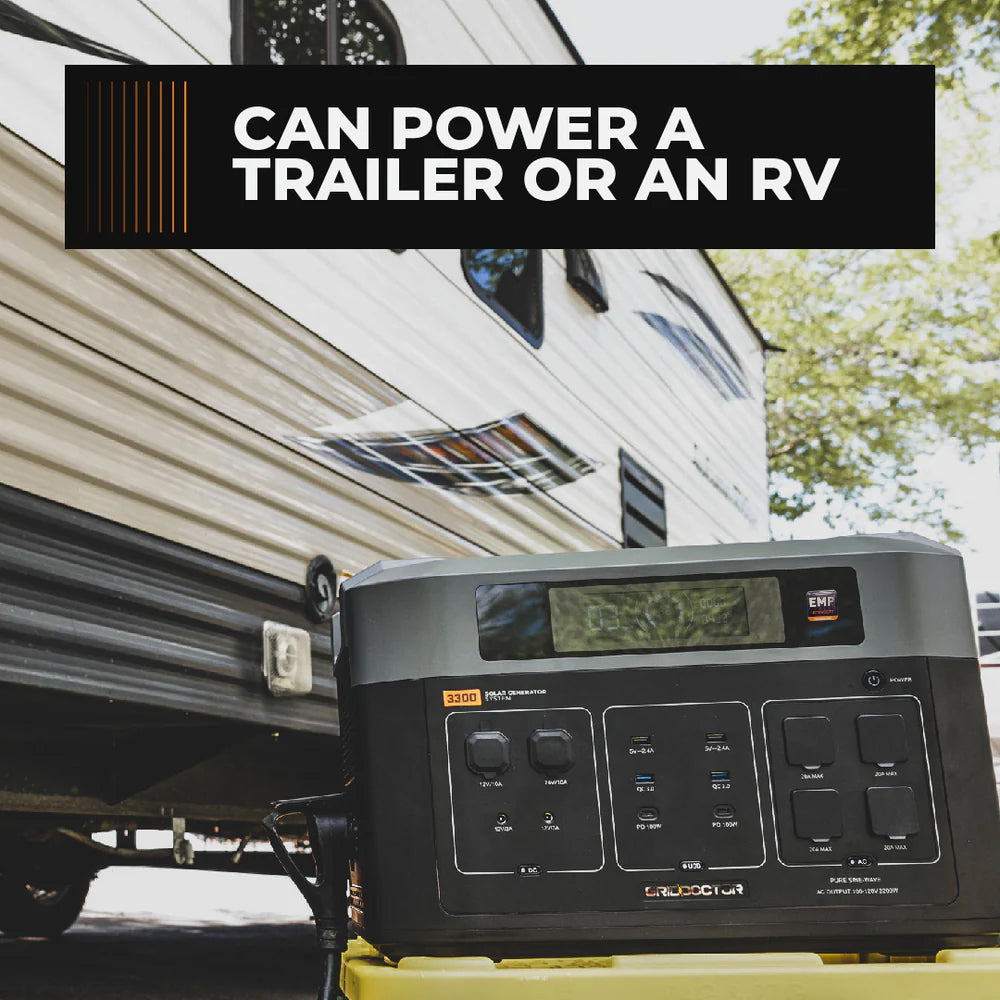
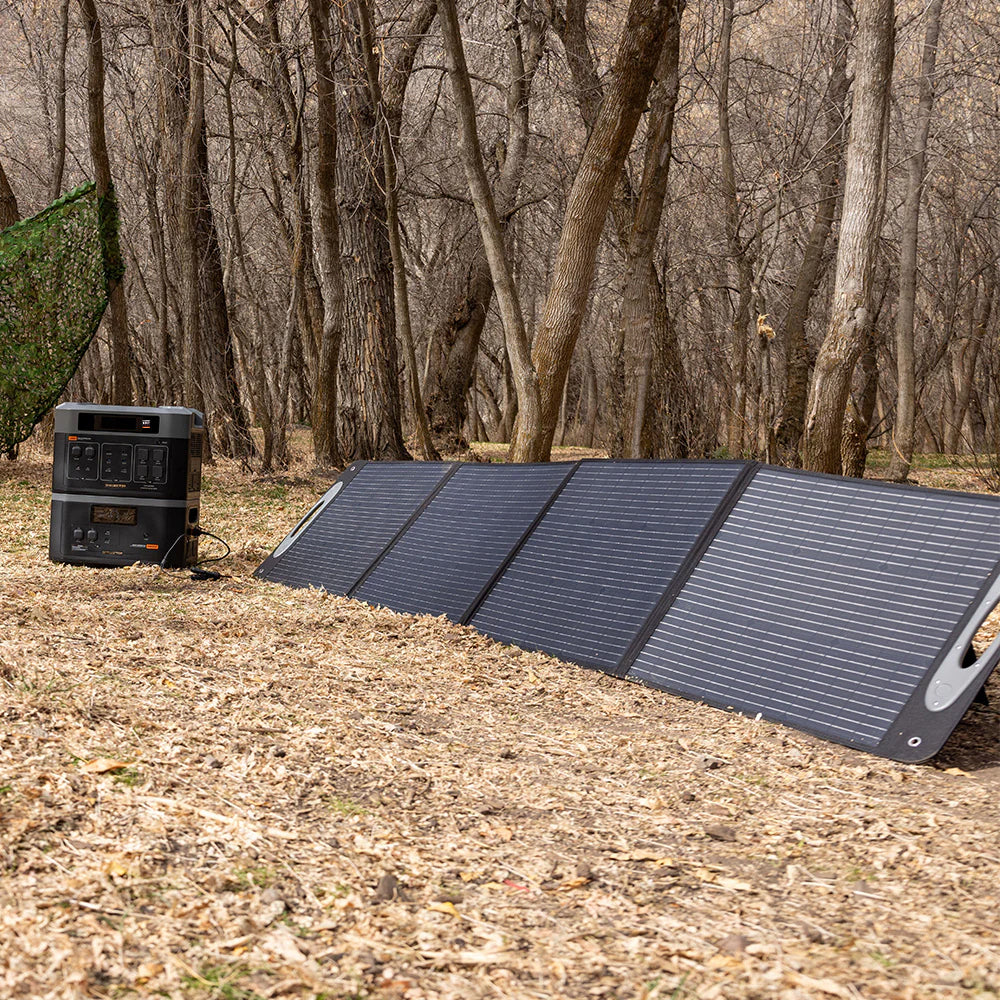
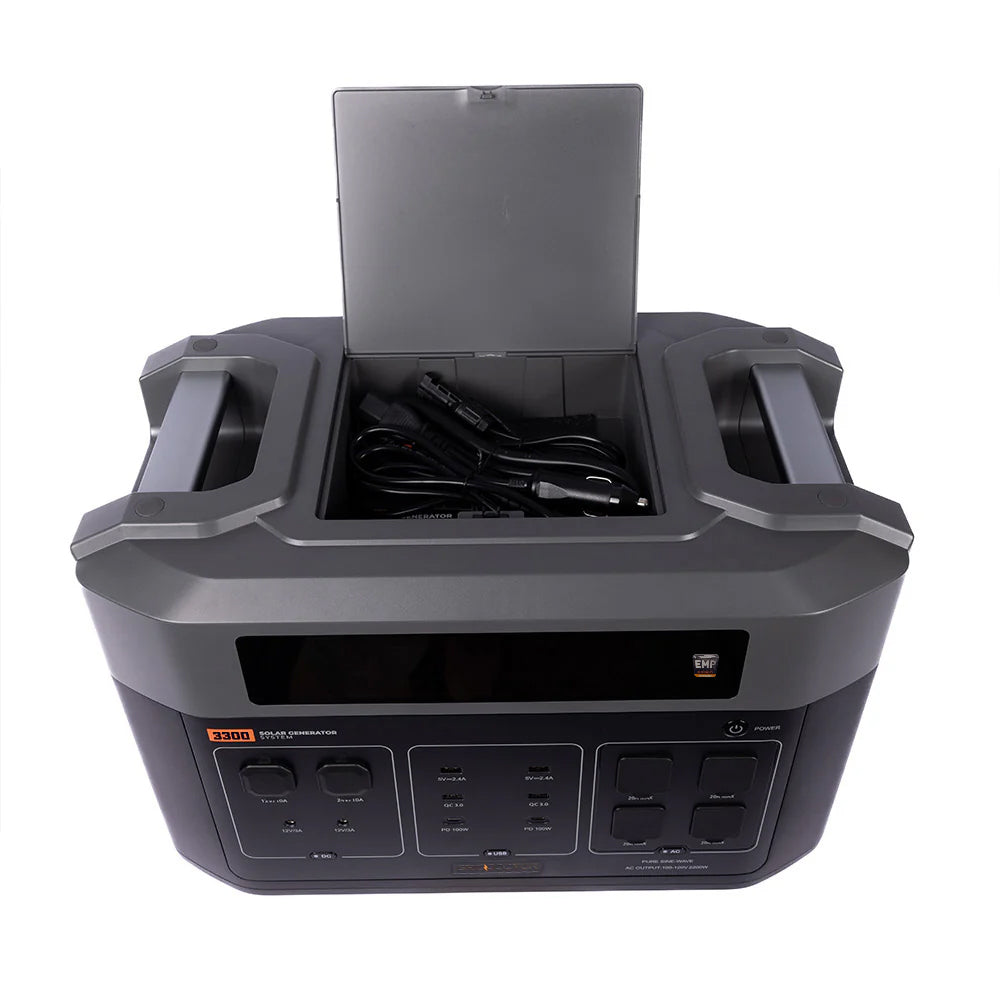
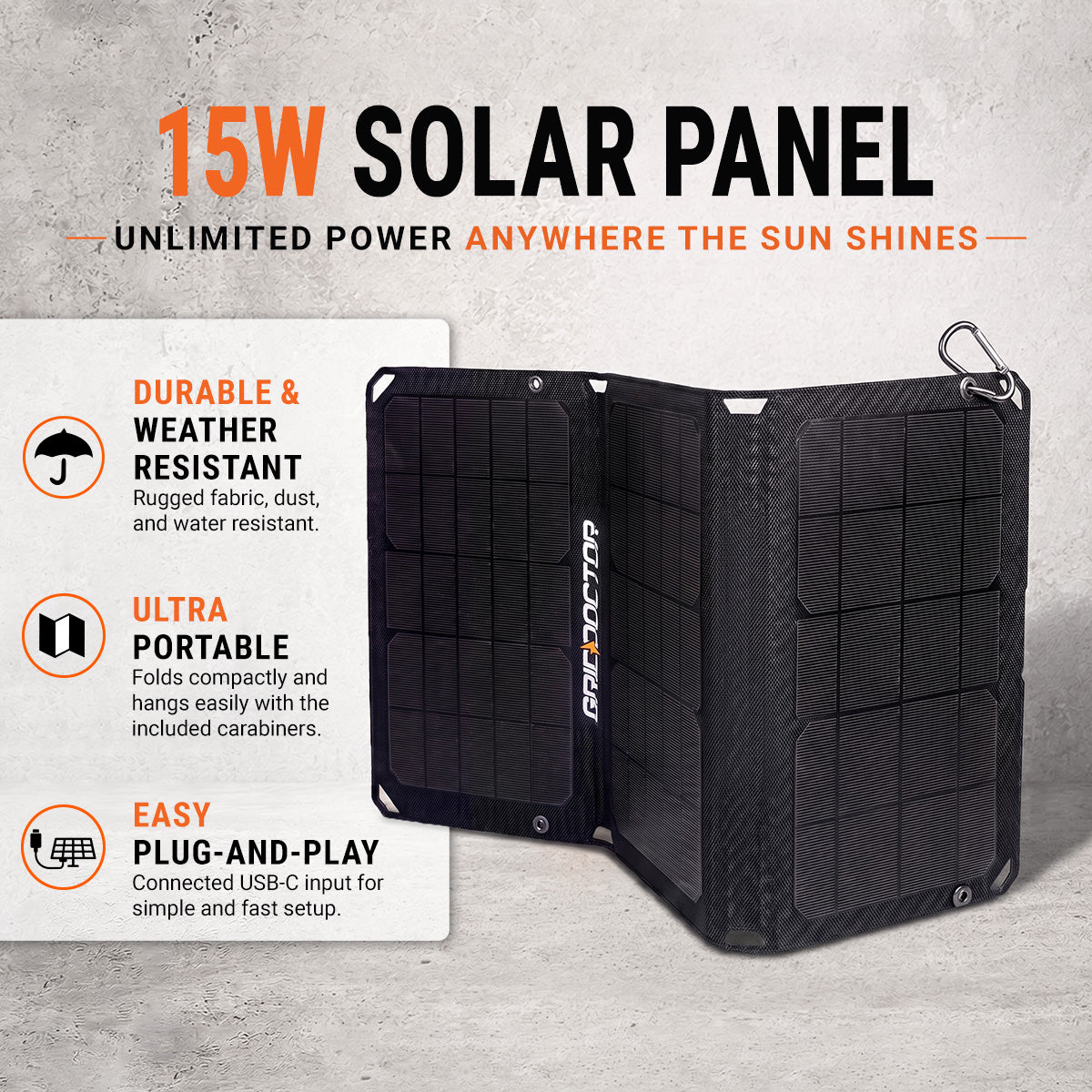
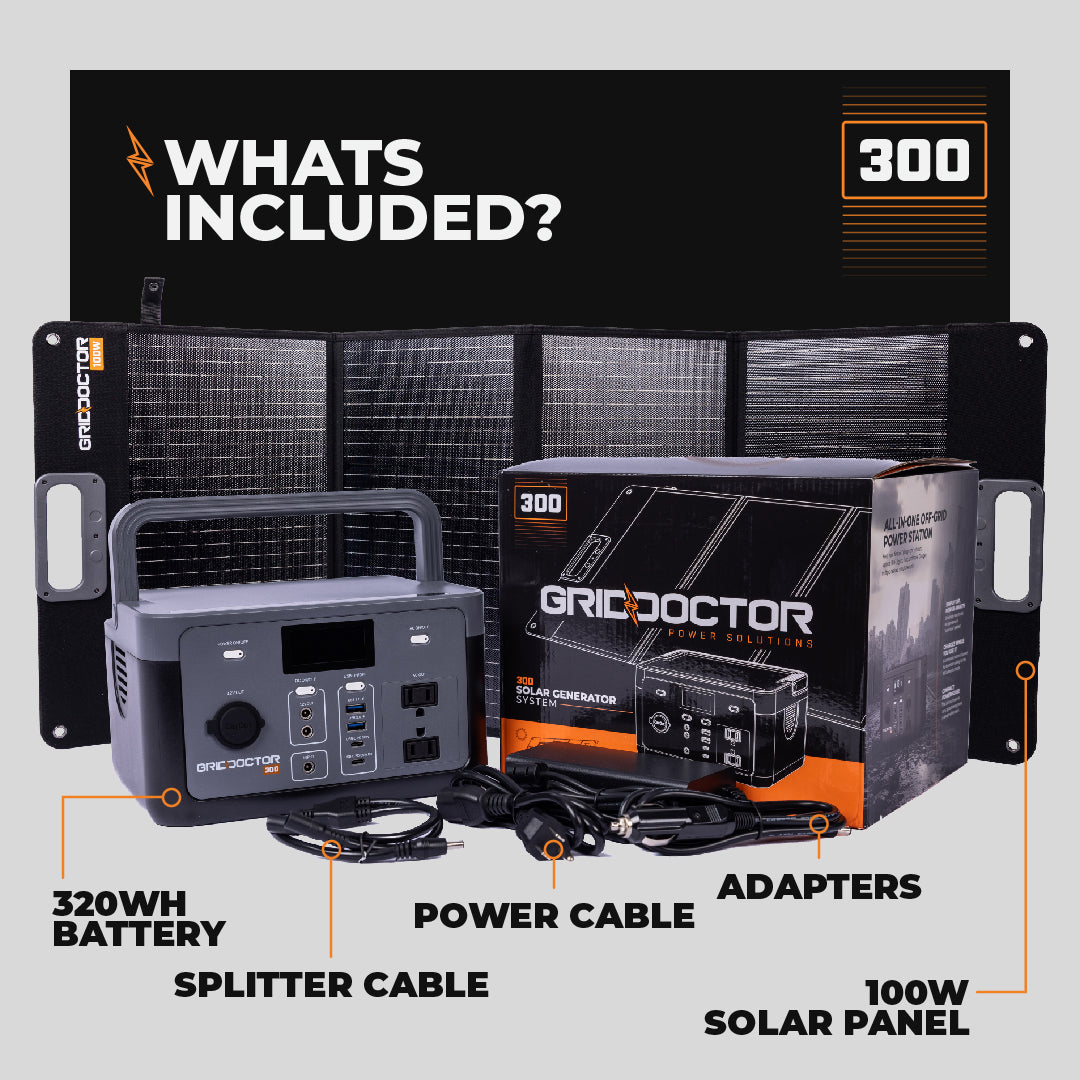
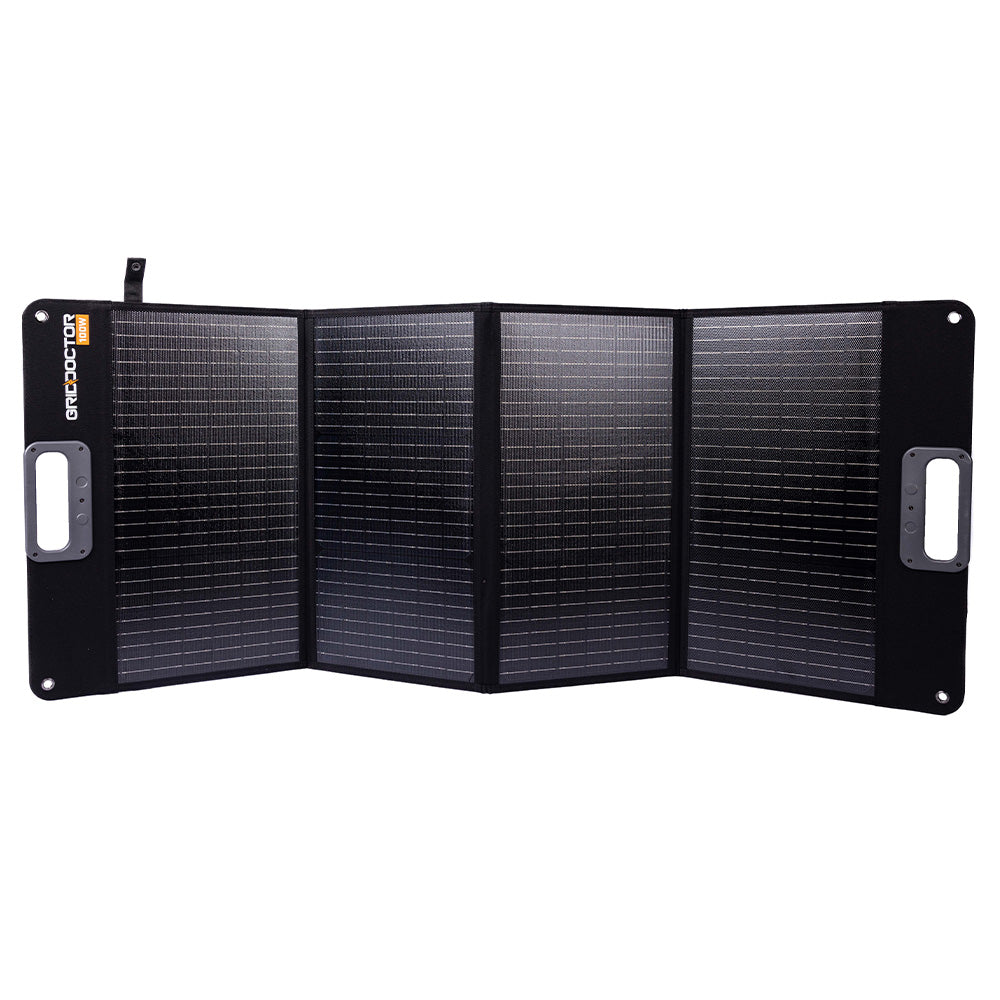
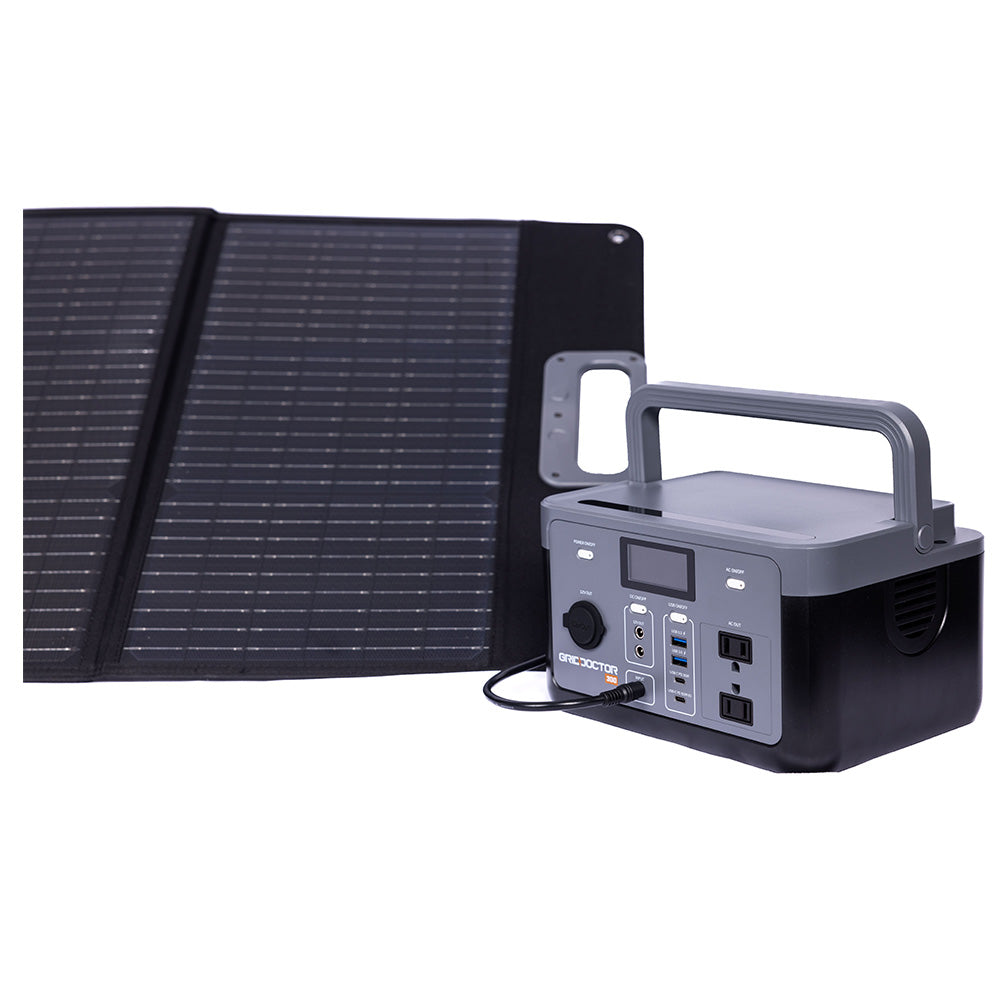
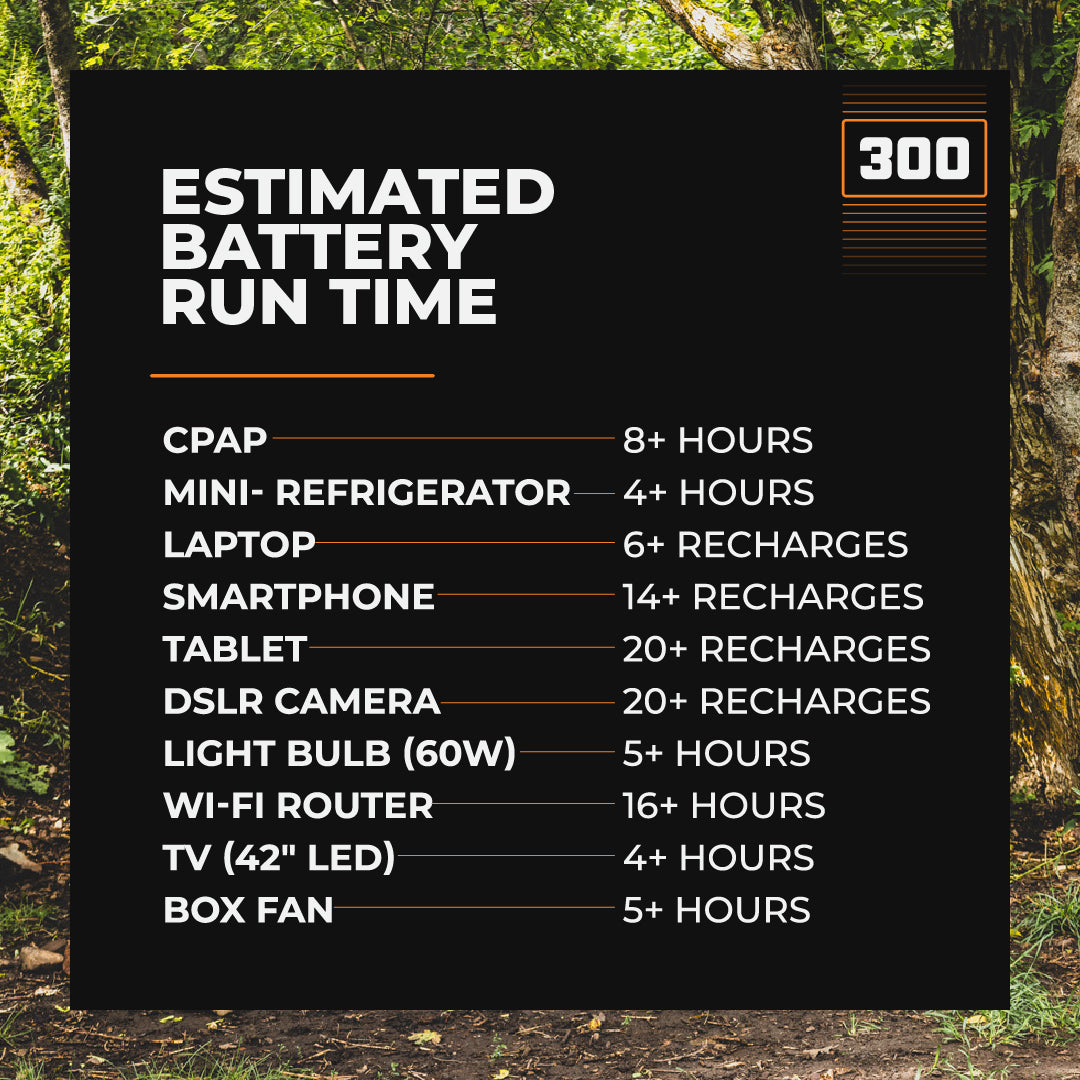
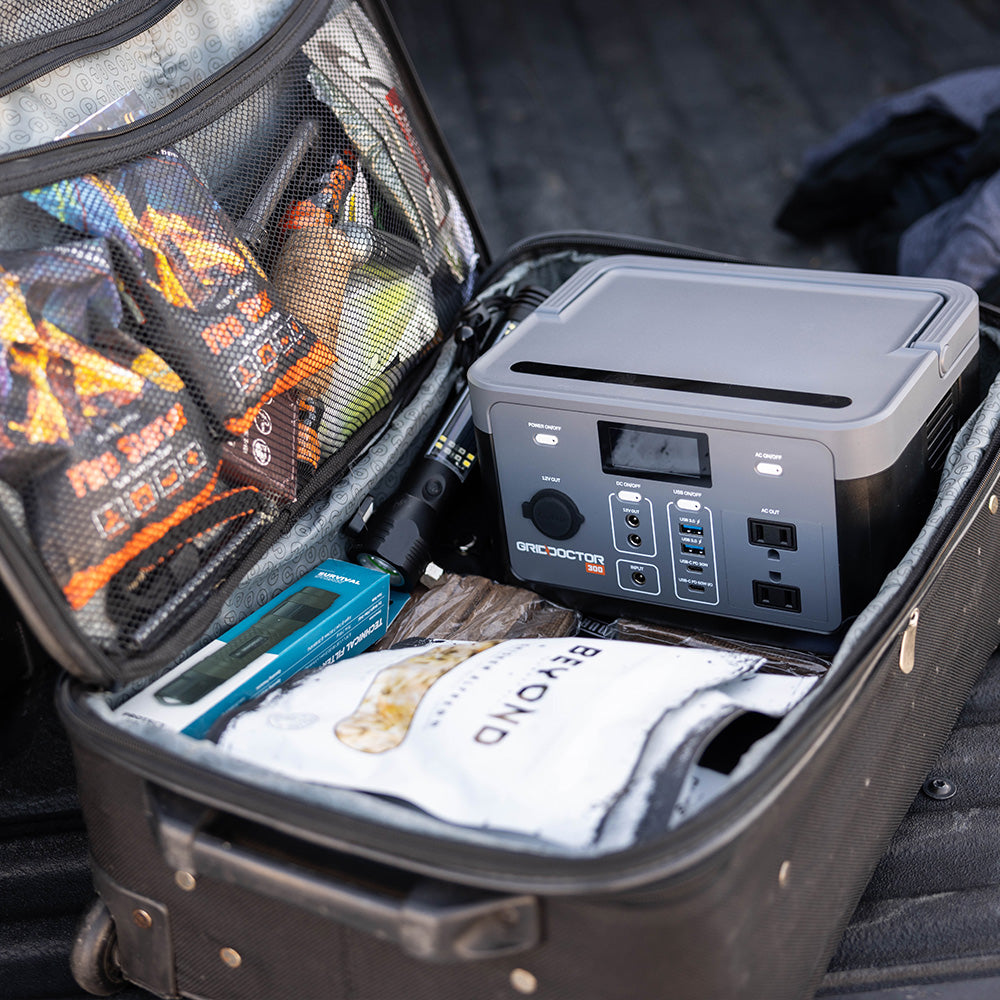
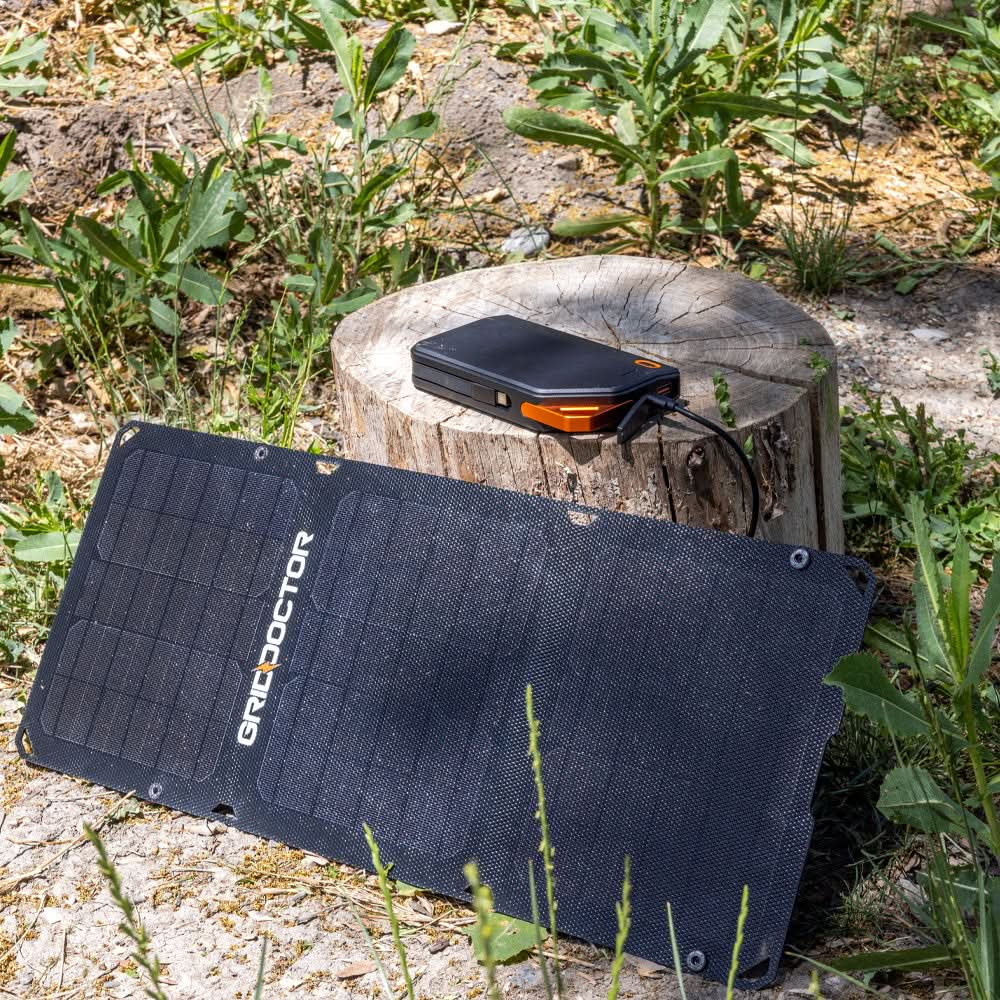
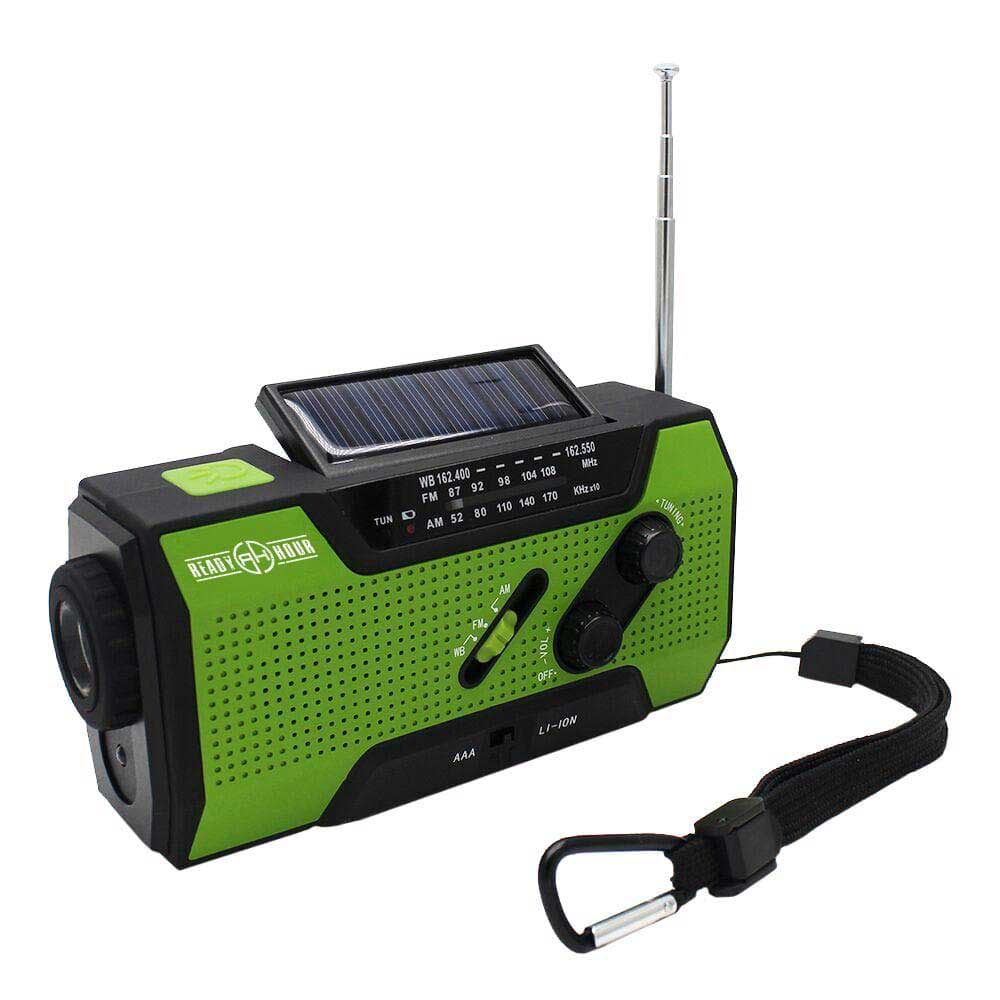
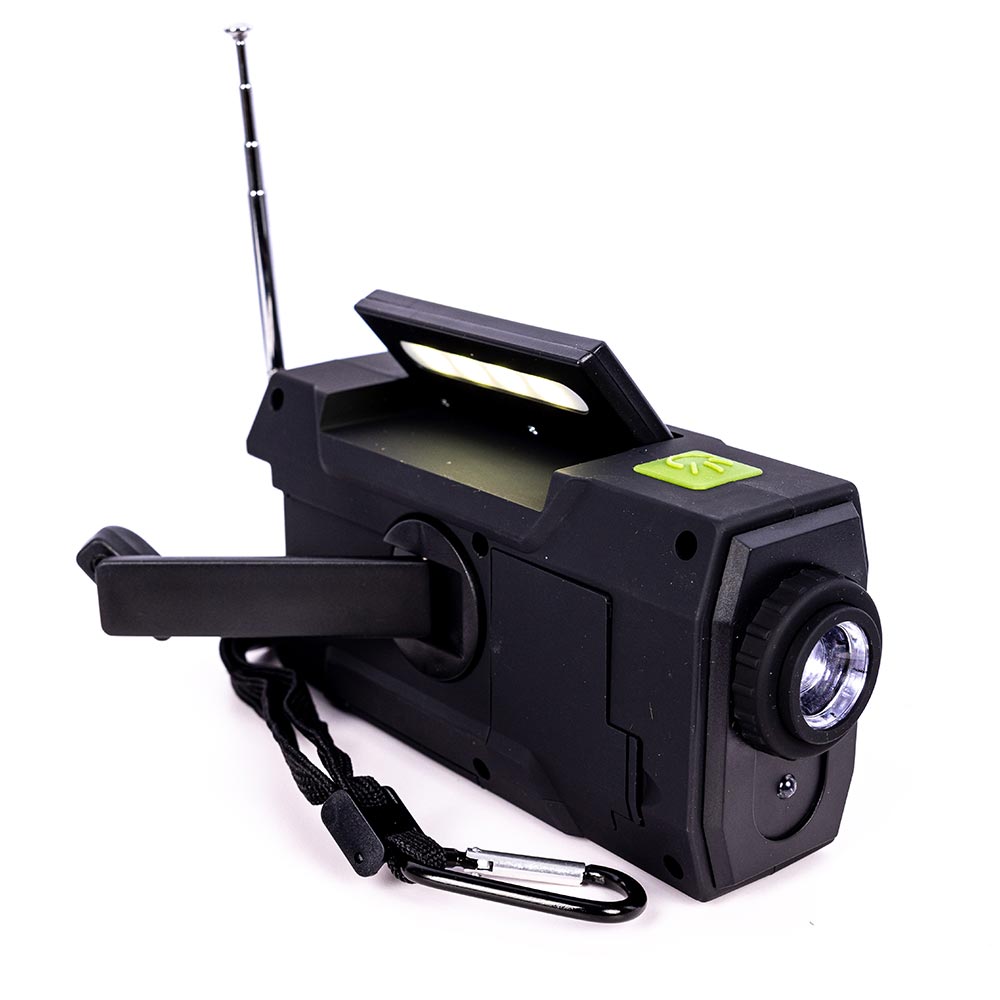
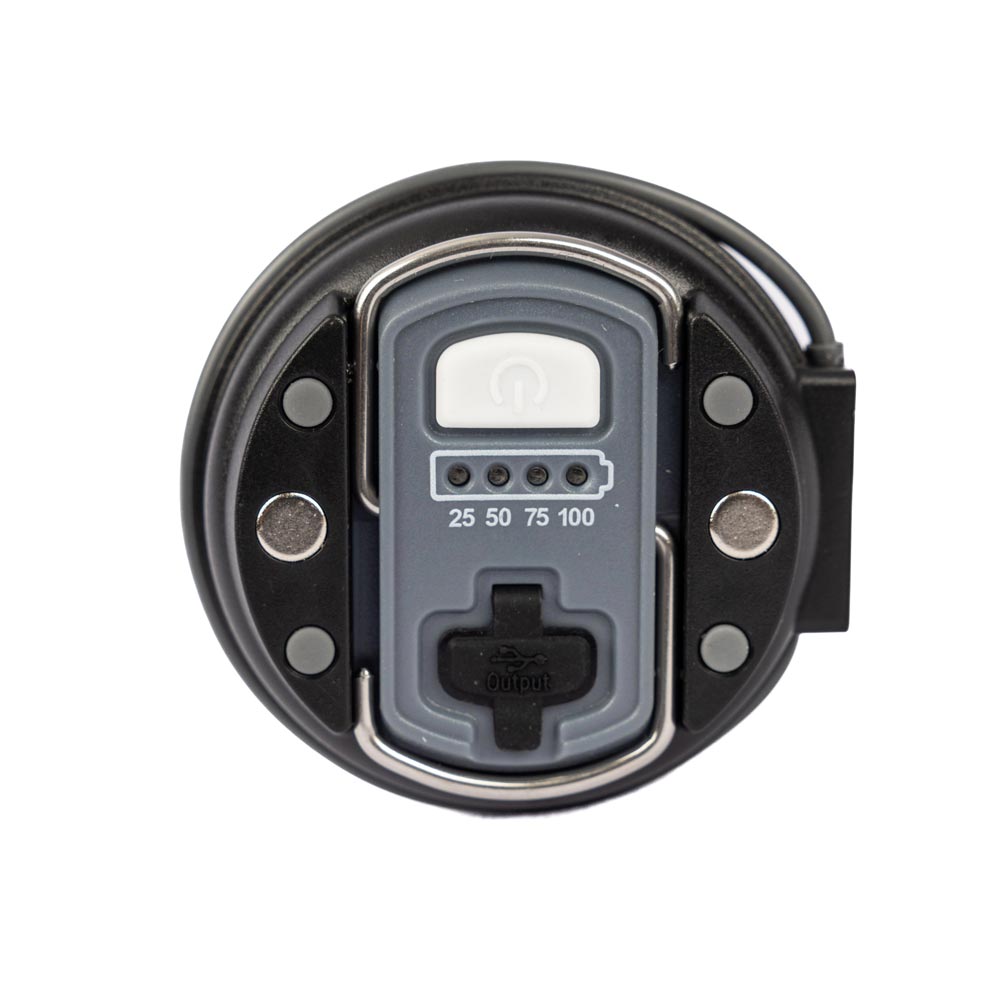
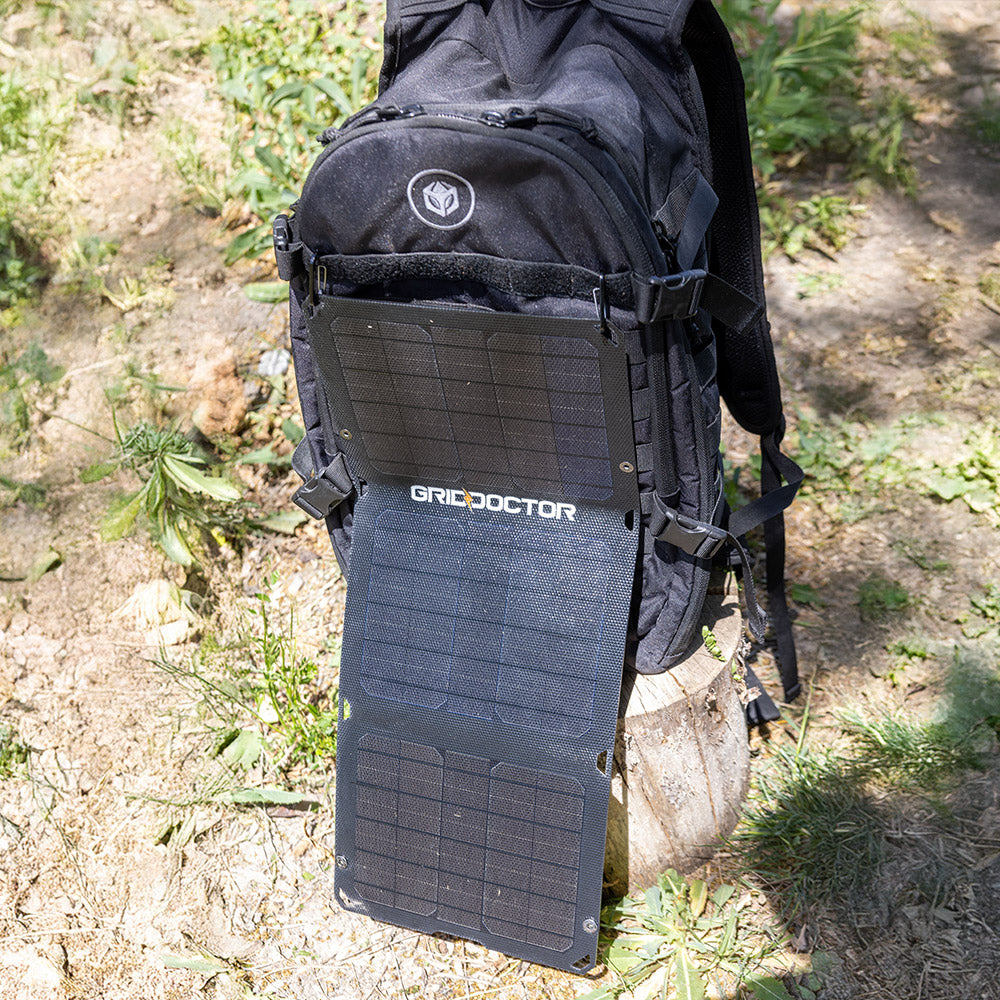
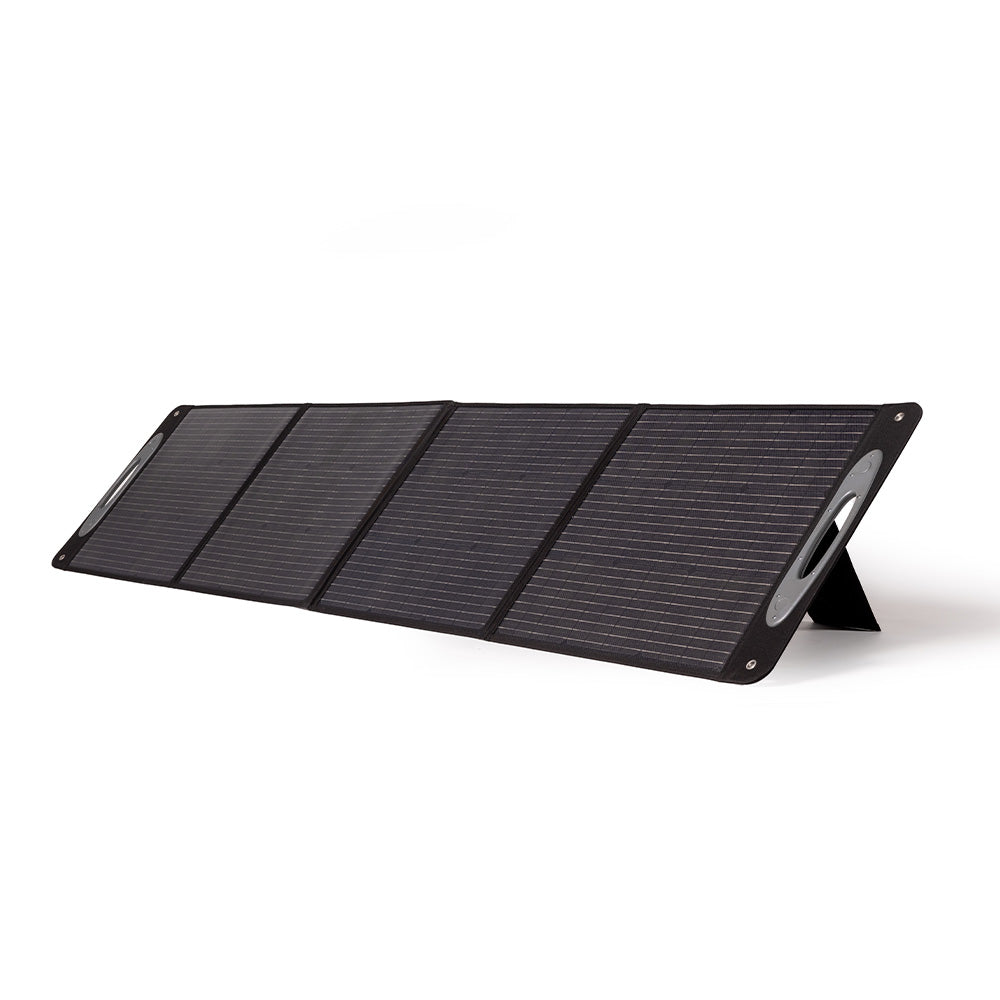
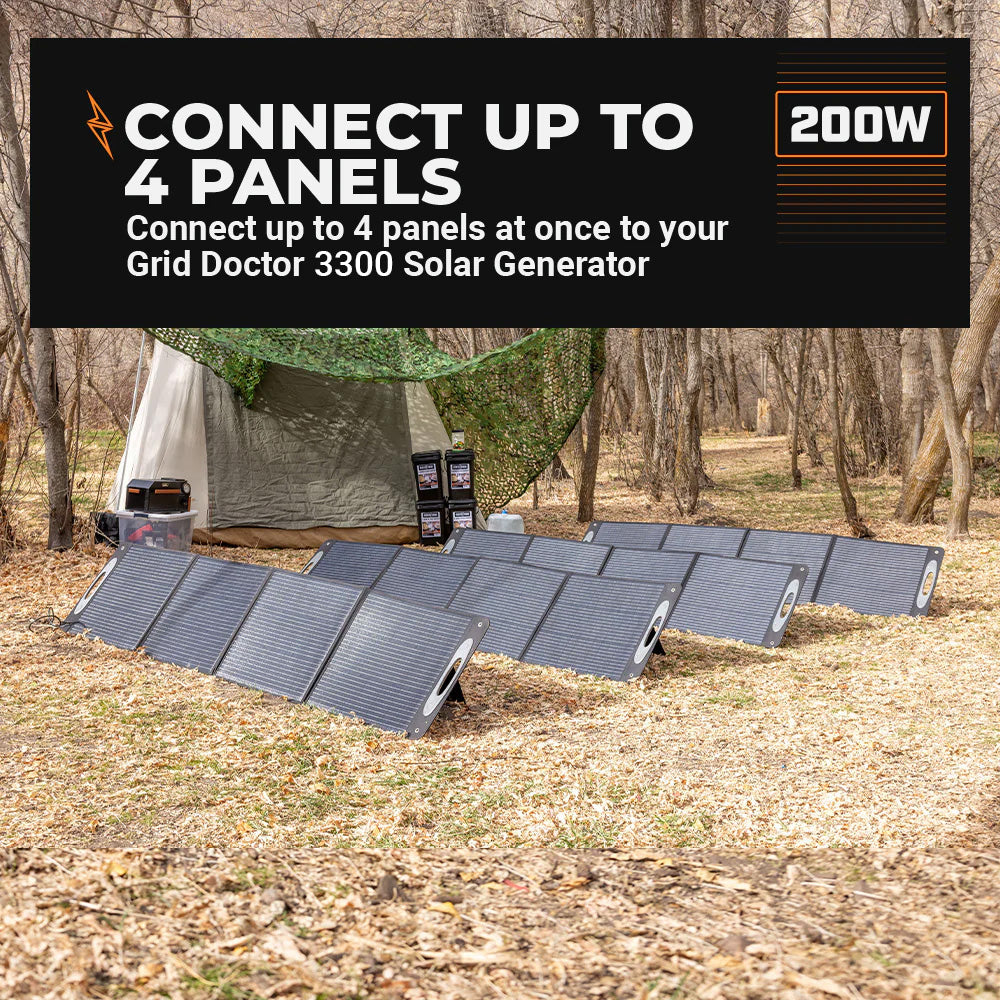
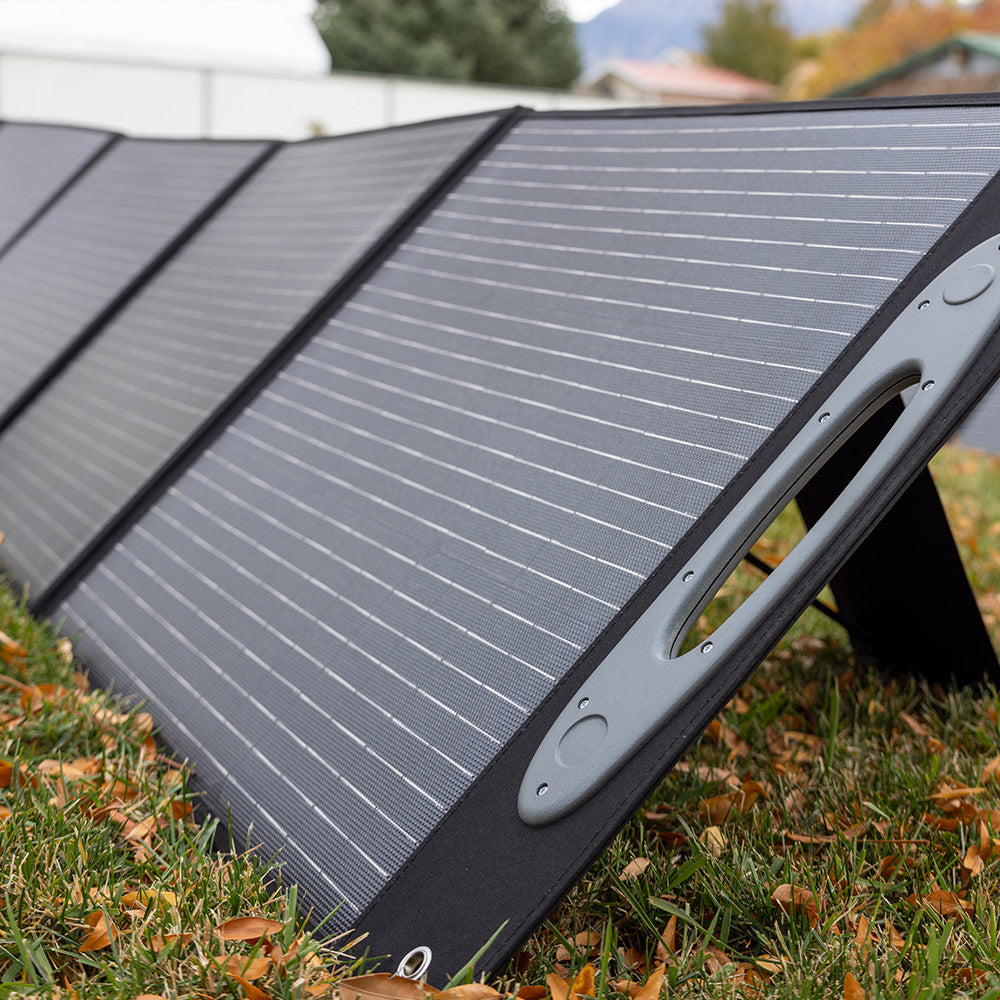
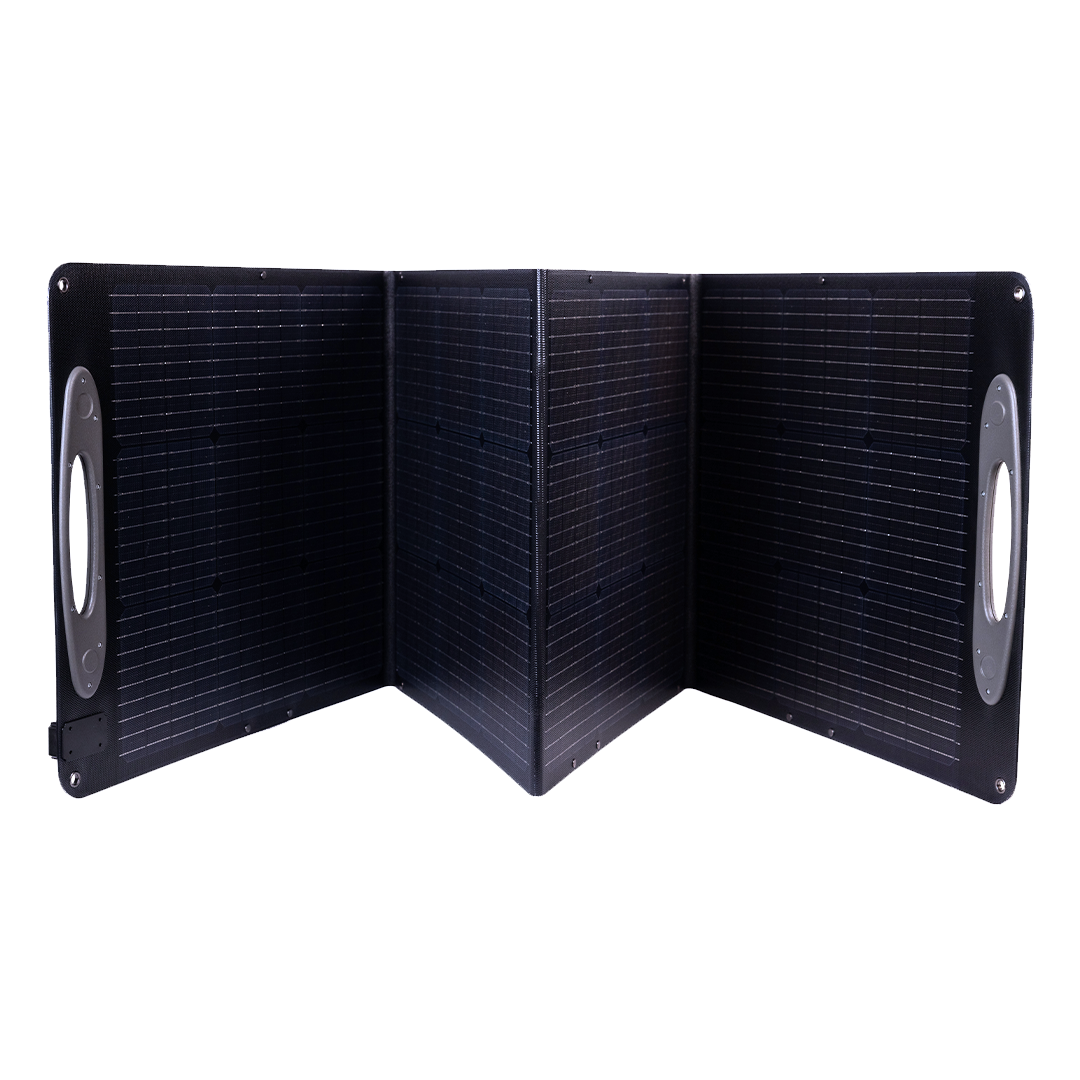
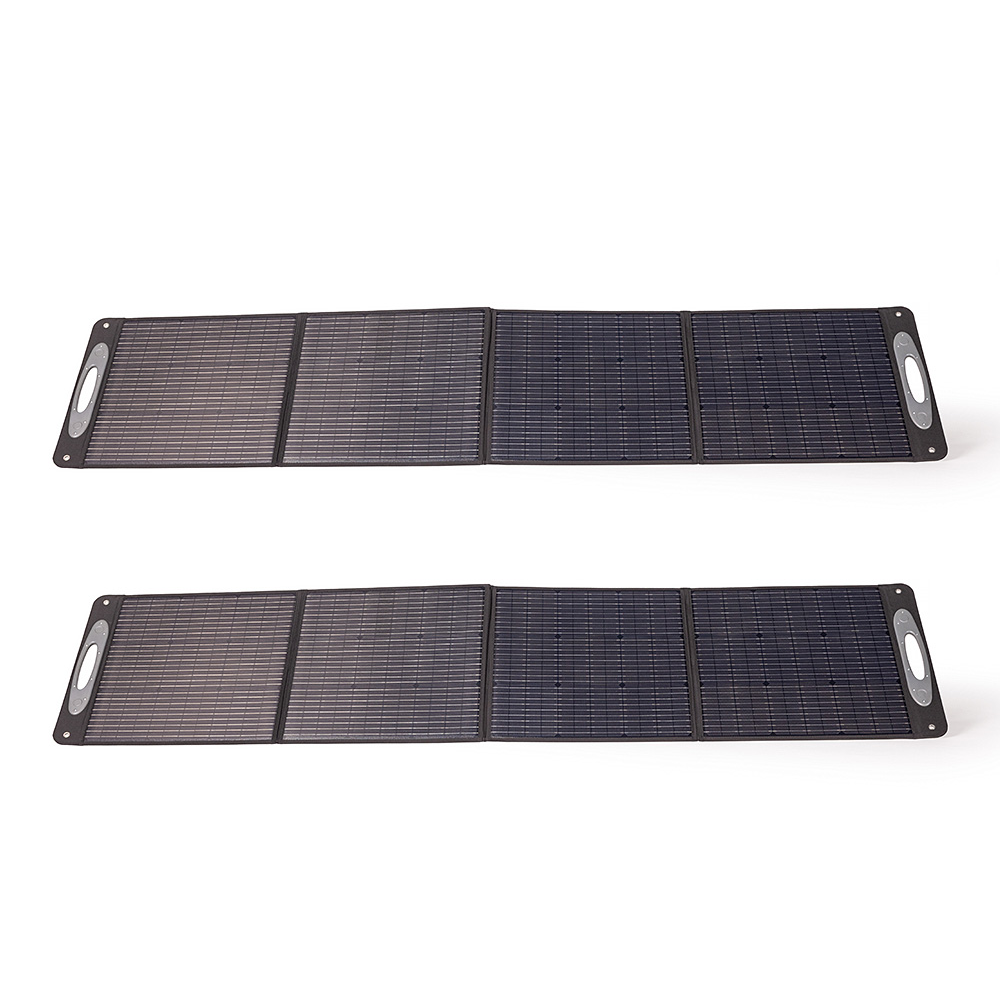
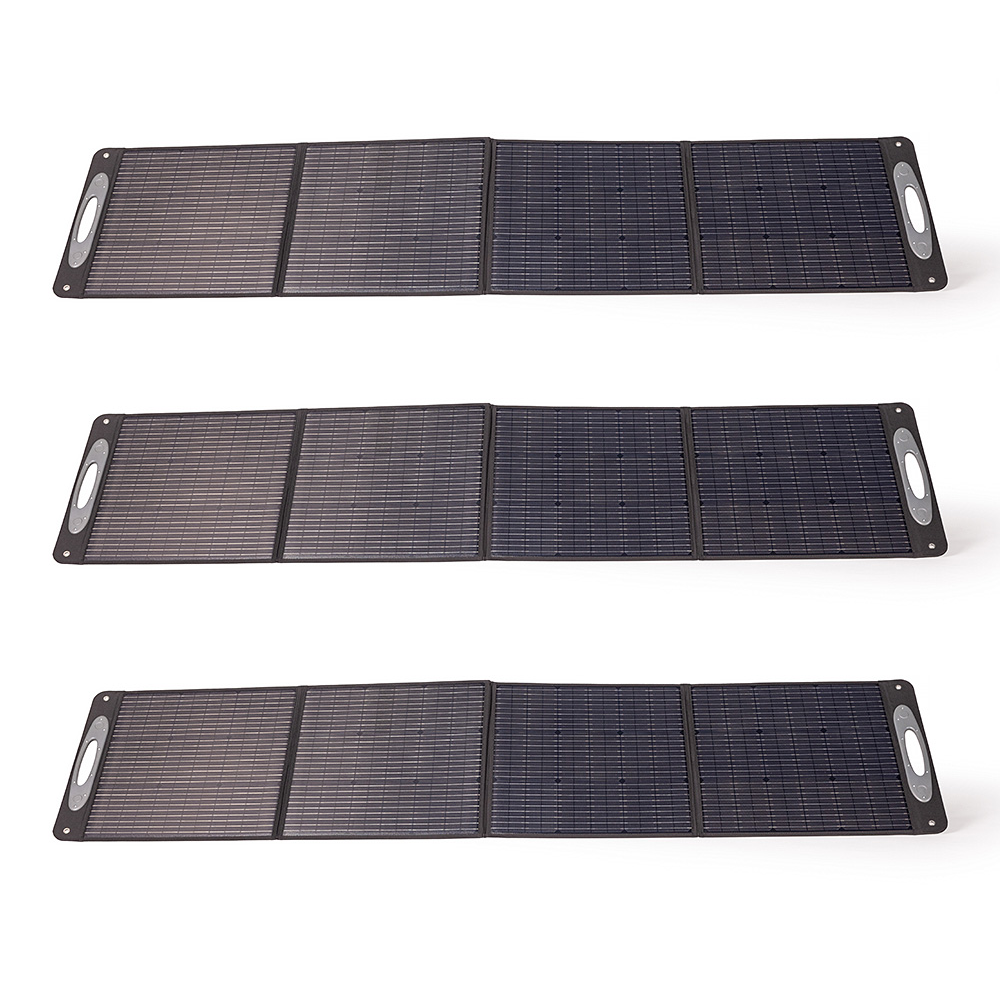
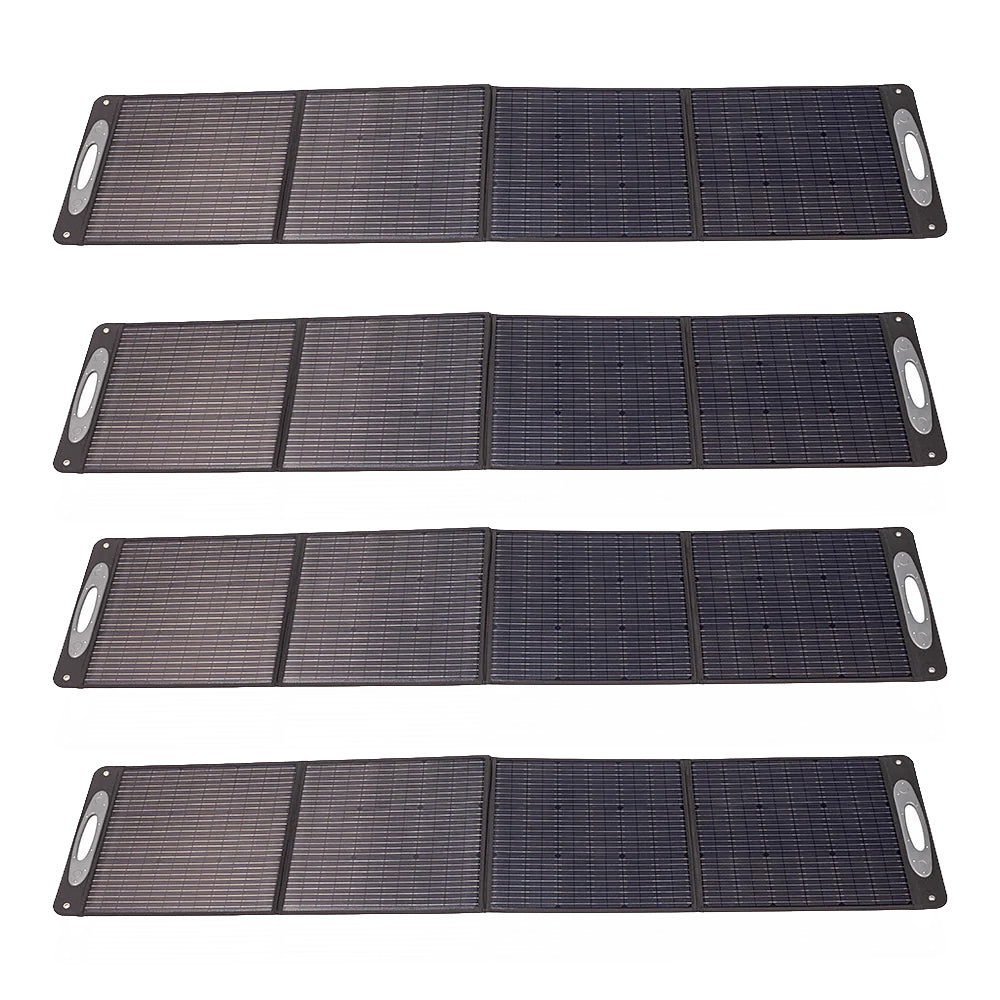
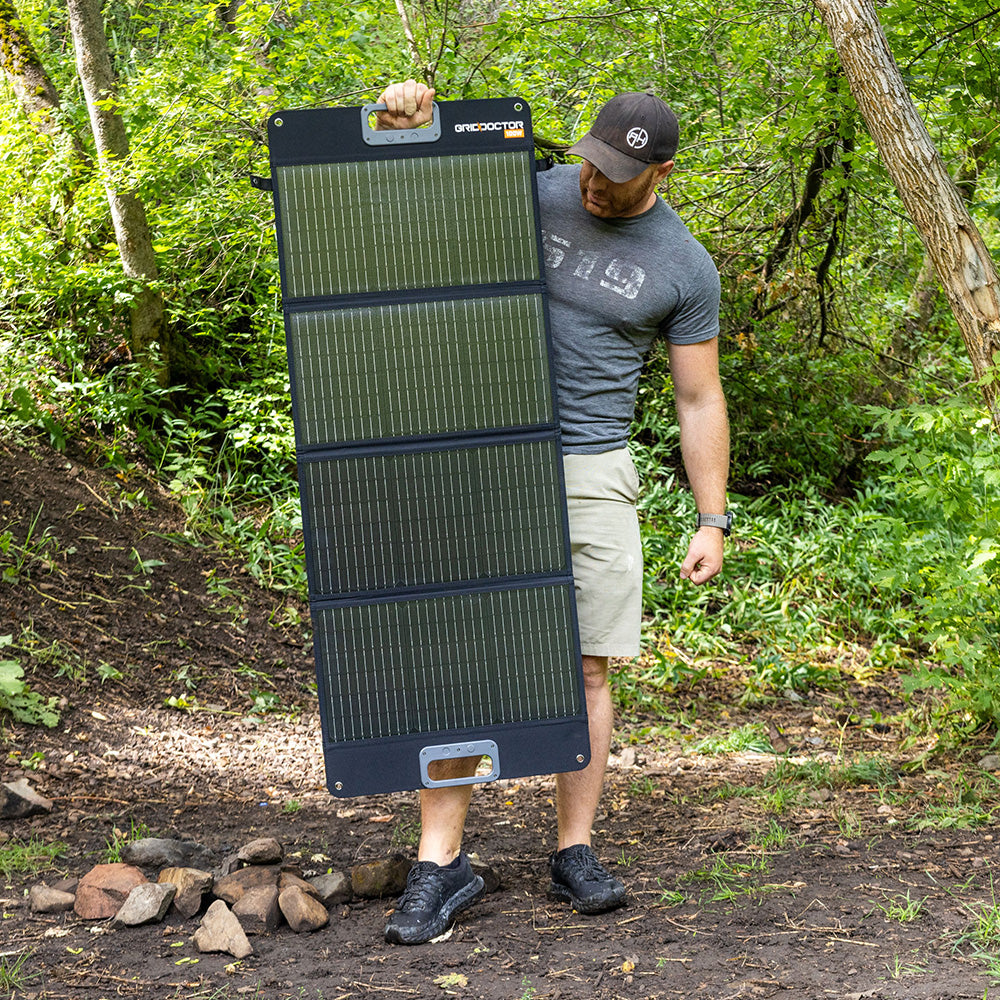
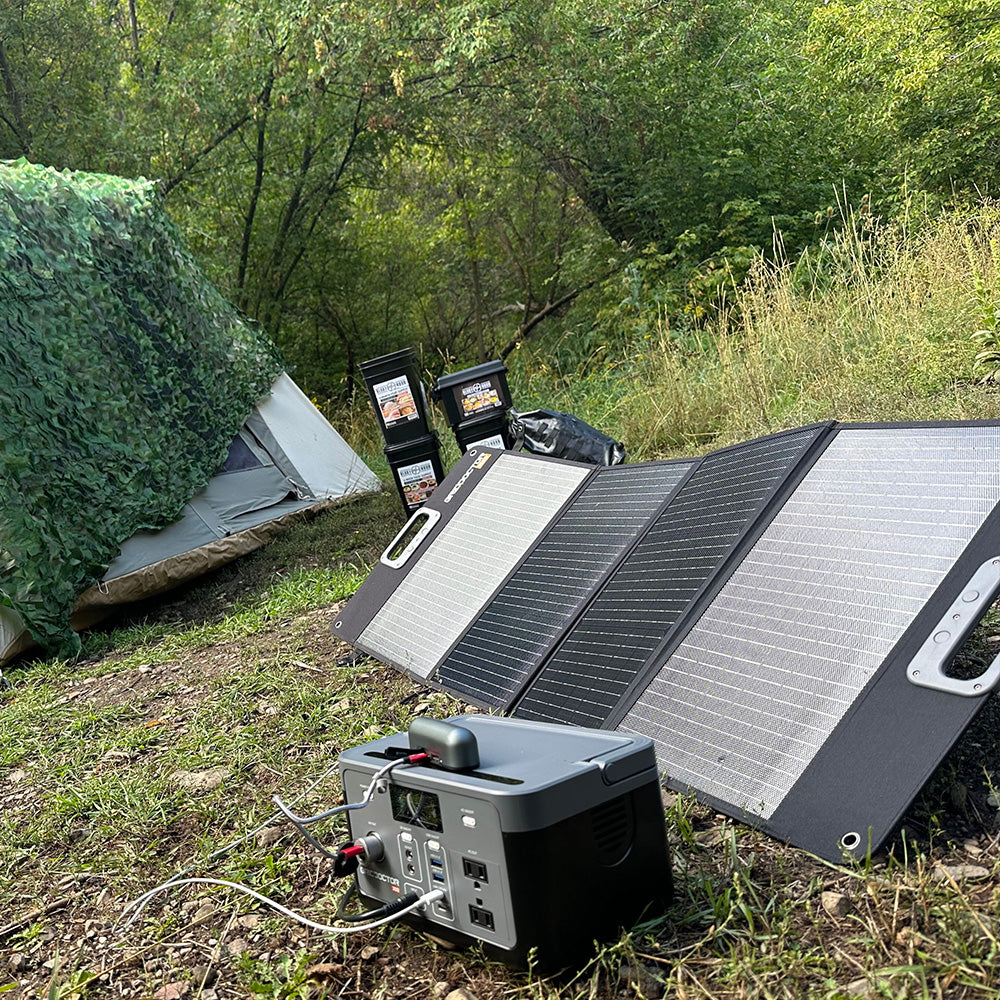
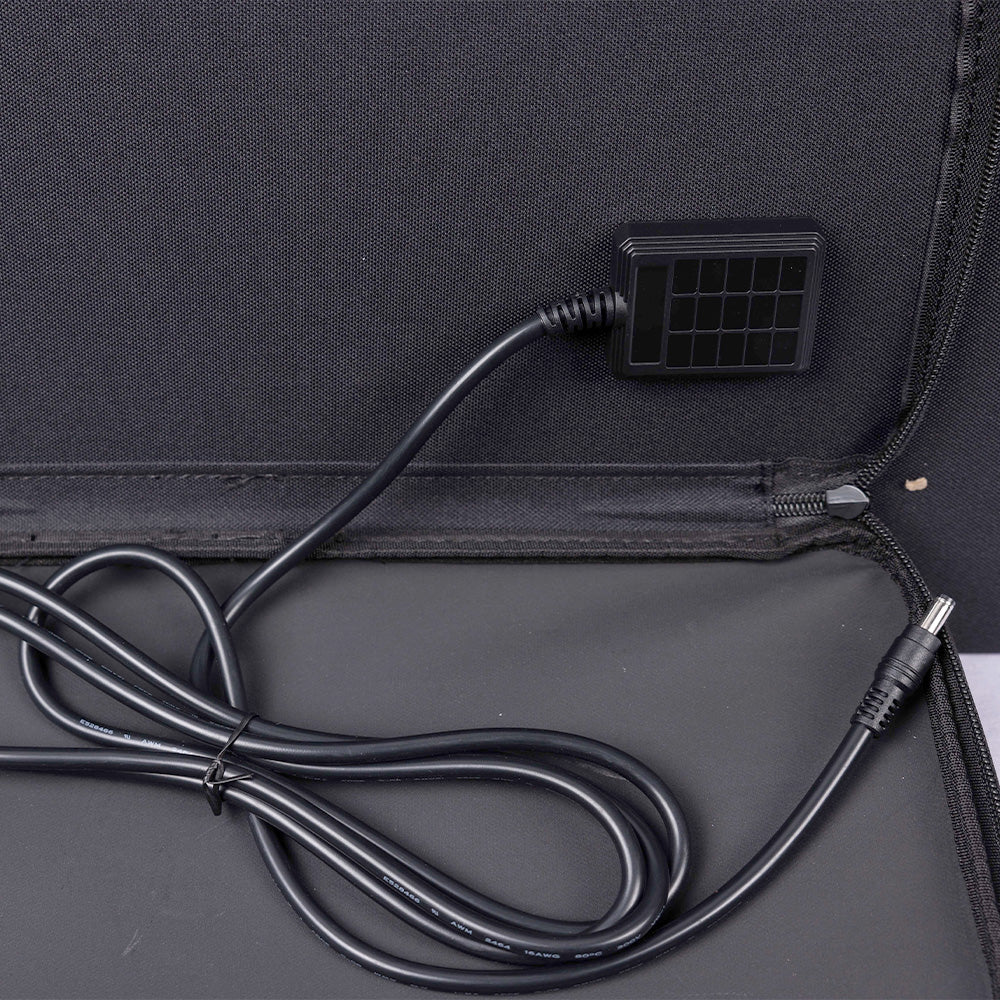
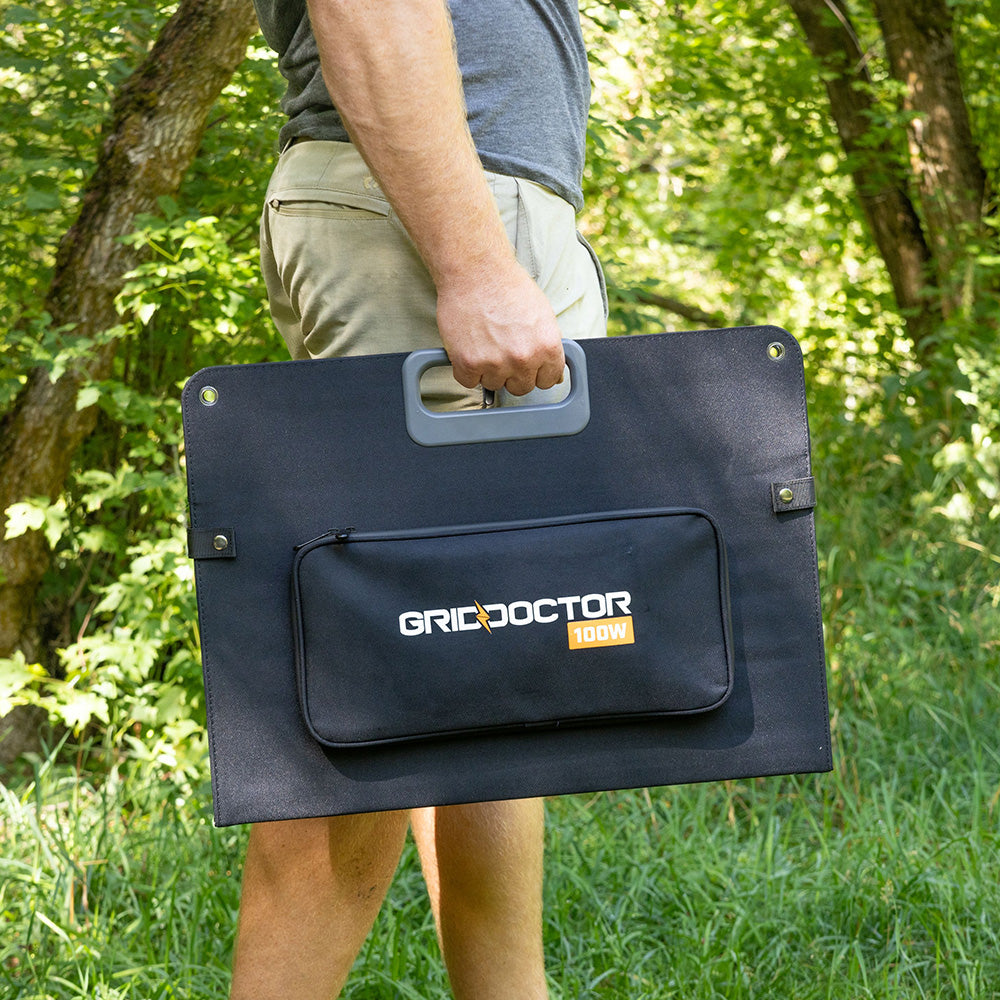
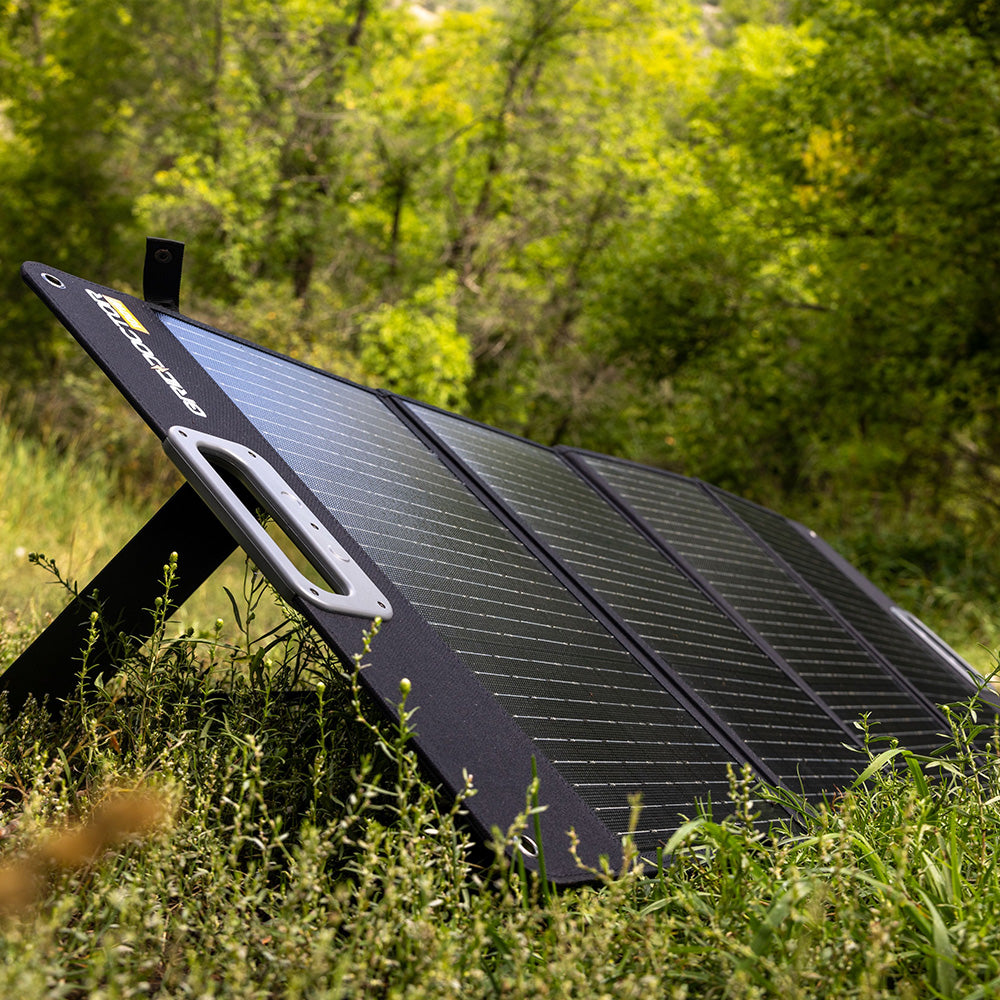
Know what you need to keep running before the power goes out. Make a list of your most important devices and appliances, then choose a backup power system with enough output and battery capacity to support them. Consider how you'll recharge it if an outage lasts longer than expected. Having the right backup power in place can make a significant difference when the grid is down.