The Pentagon is moving to make U.S. military bases less dependent on the civilian power grid as concerns grow around cyberattacks, grid failures, extreme weather, and wartime disruption. Under the FORTRESS initiative, energy independence is one of five priorities aimed at keeping military installations operating when outside systems fail. Separately, the Army’s Janus program will place nuclear microreactors at five bases, including Fort Bragg, Fort Campbell, Fort Hood, Fort Benning, and Fort Drum. The first reactor is expected to be operational by September 2028, with the systems designed to provide reliable power during major grid outages and other emergencies.
Why This Matters:
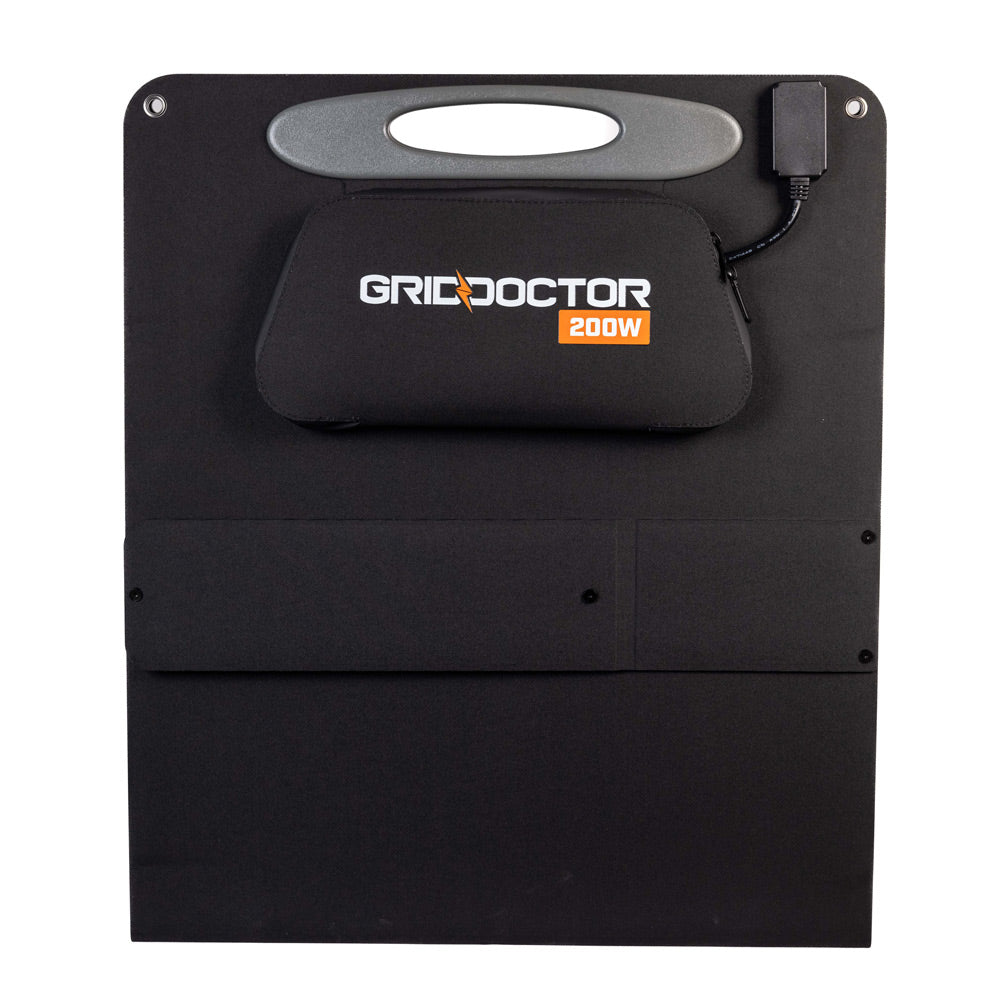
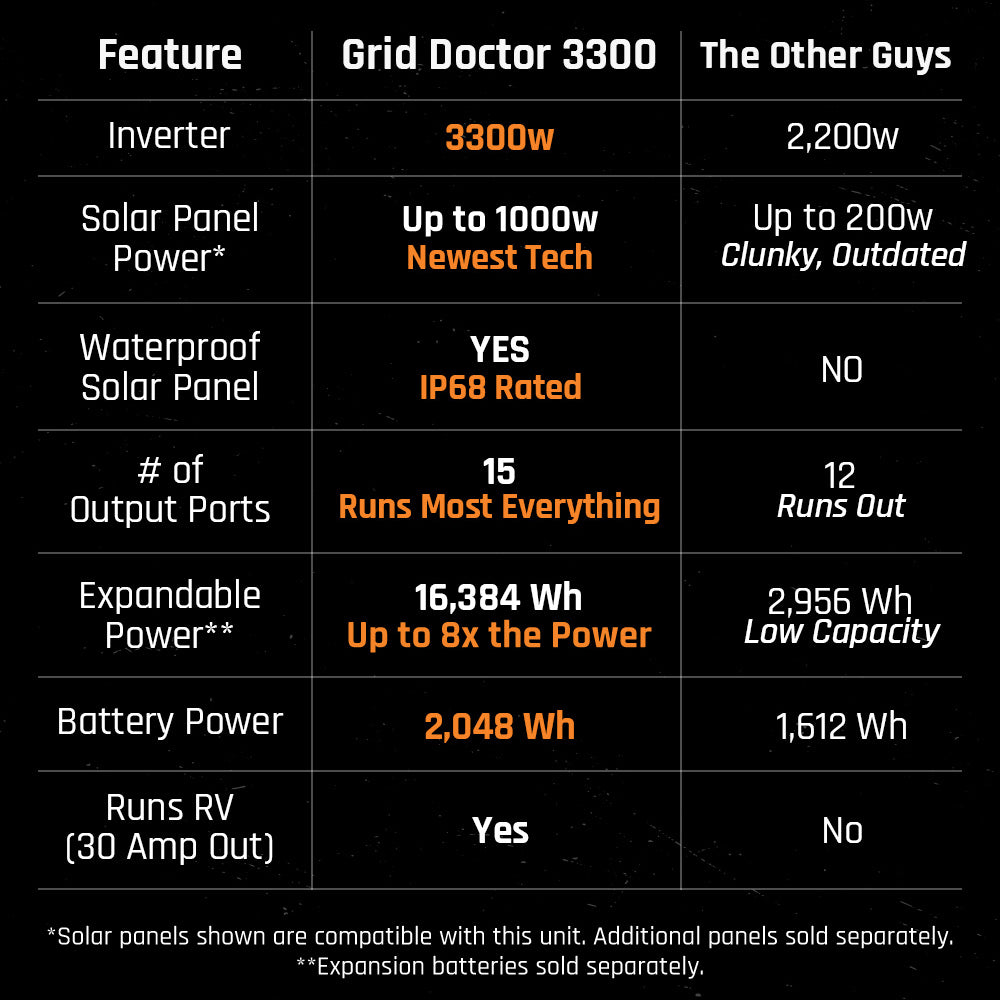
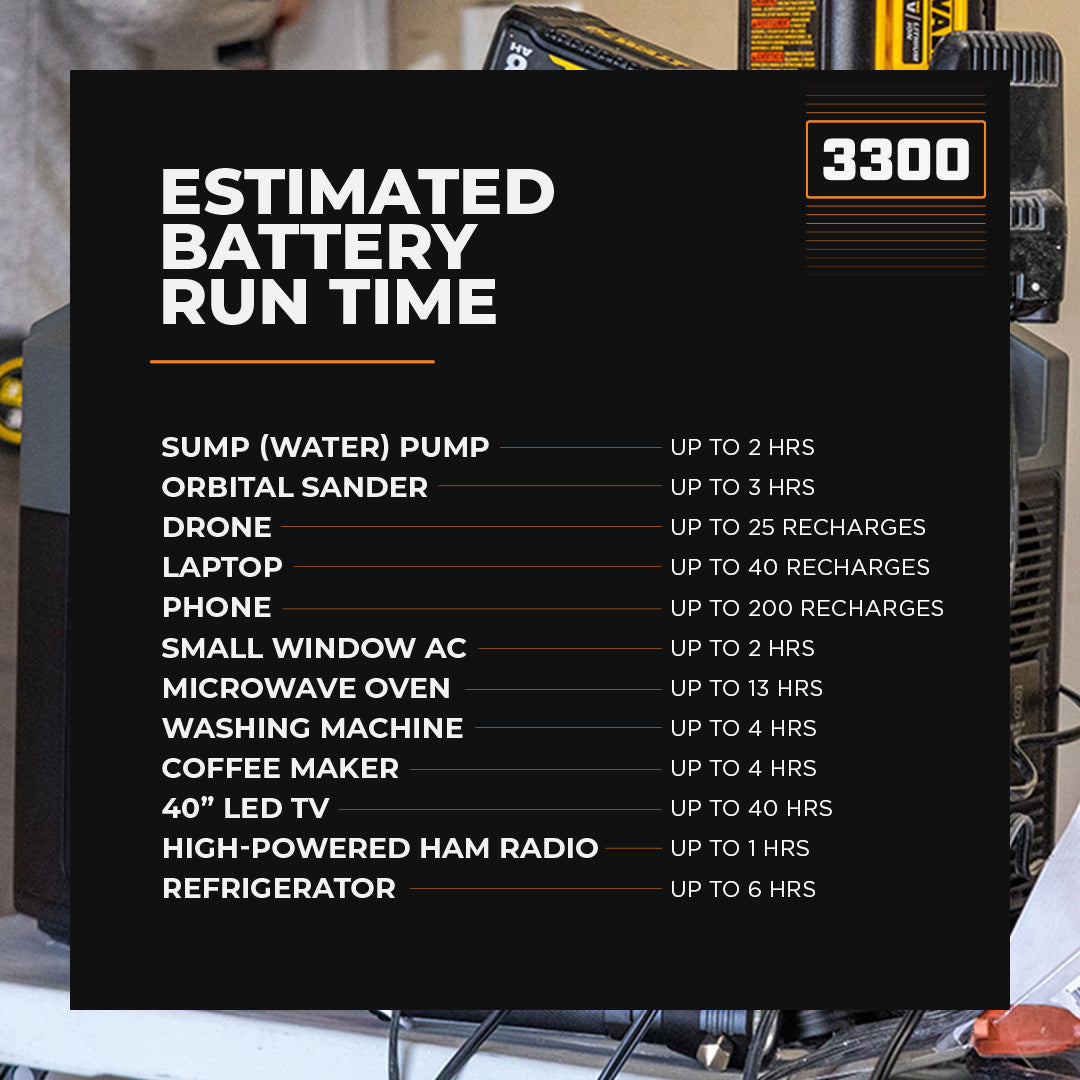
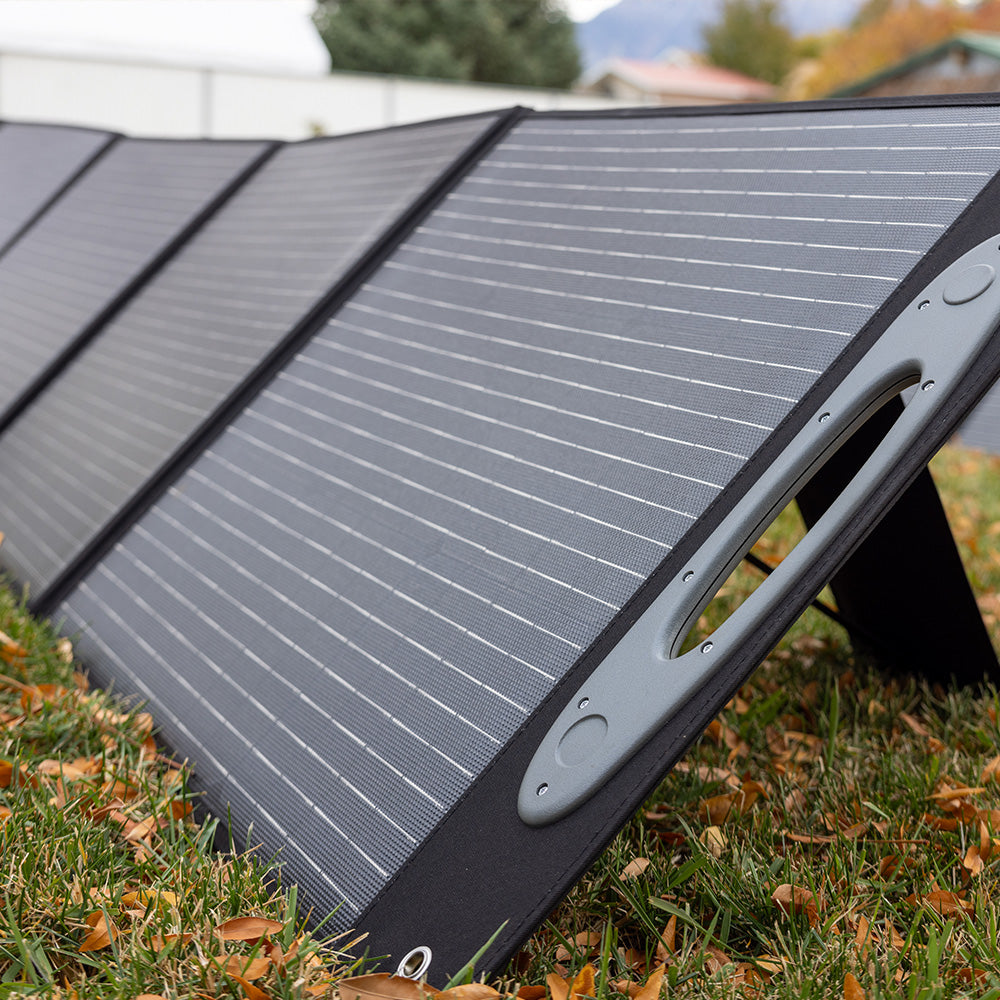
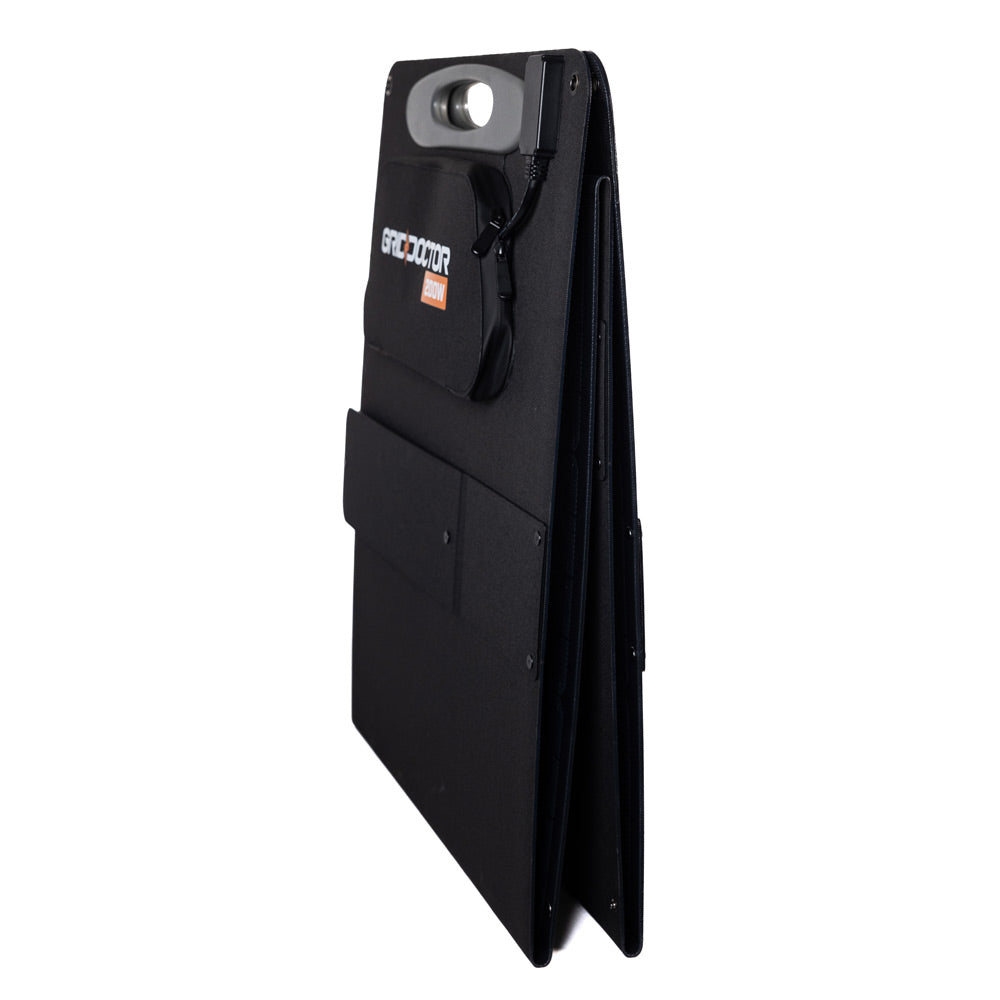
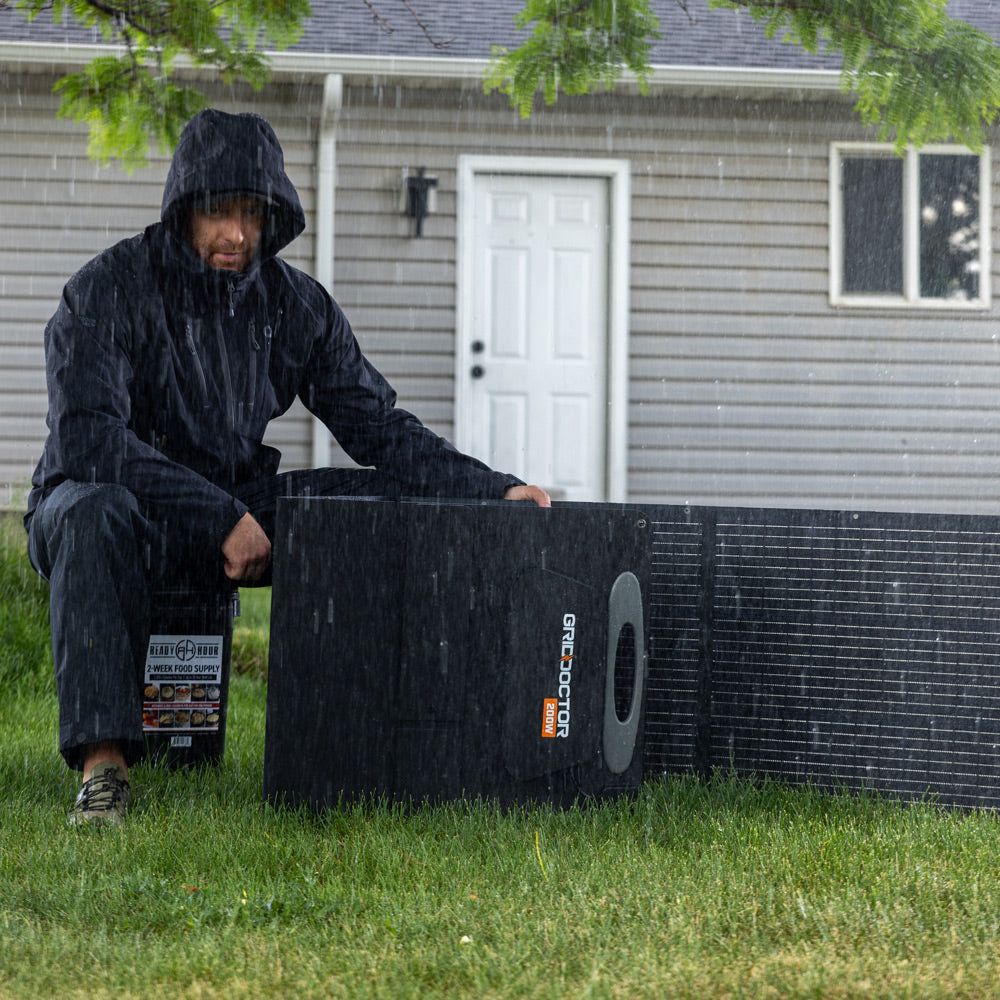
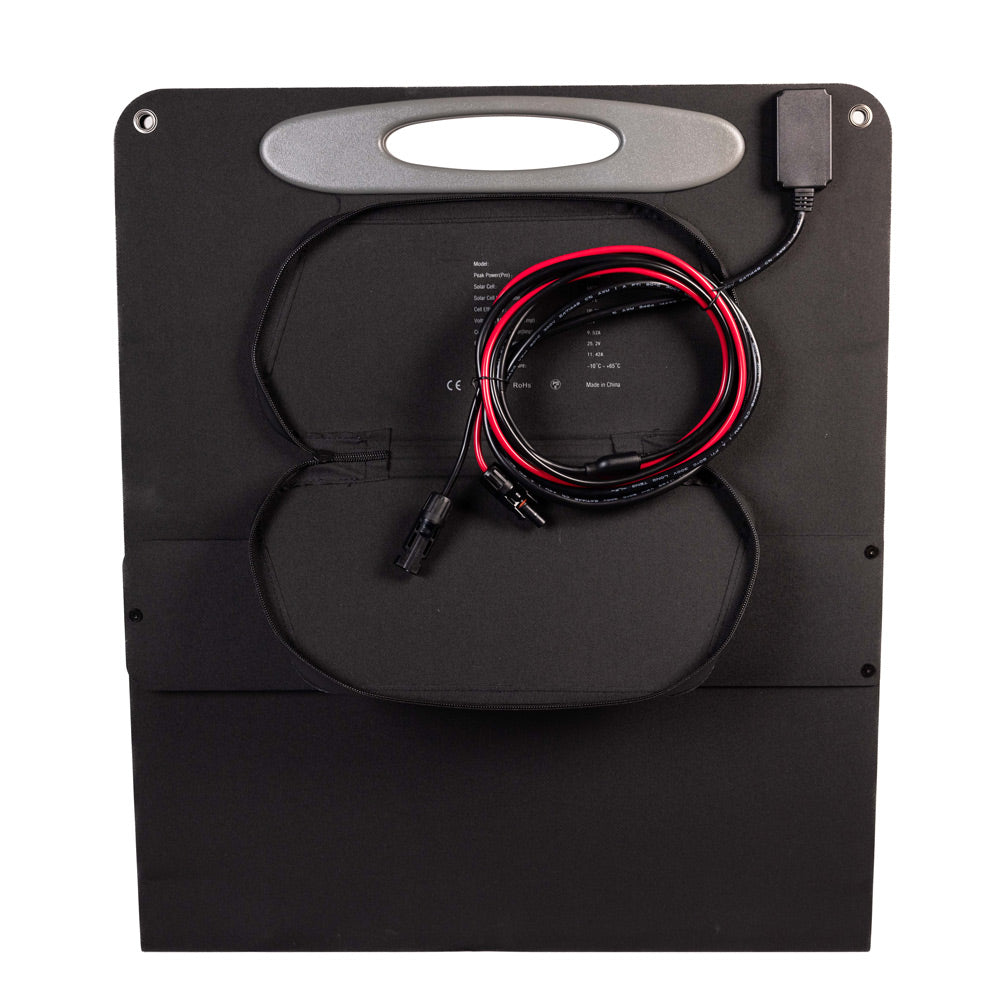
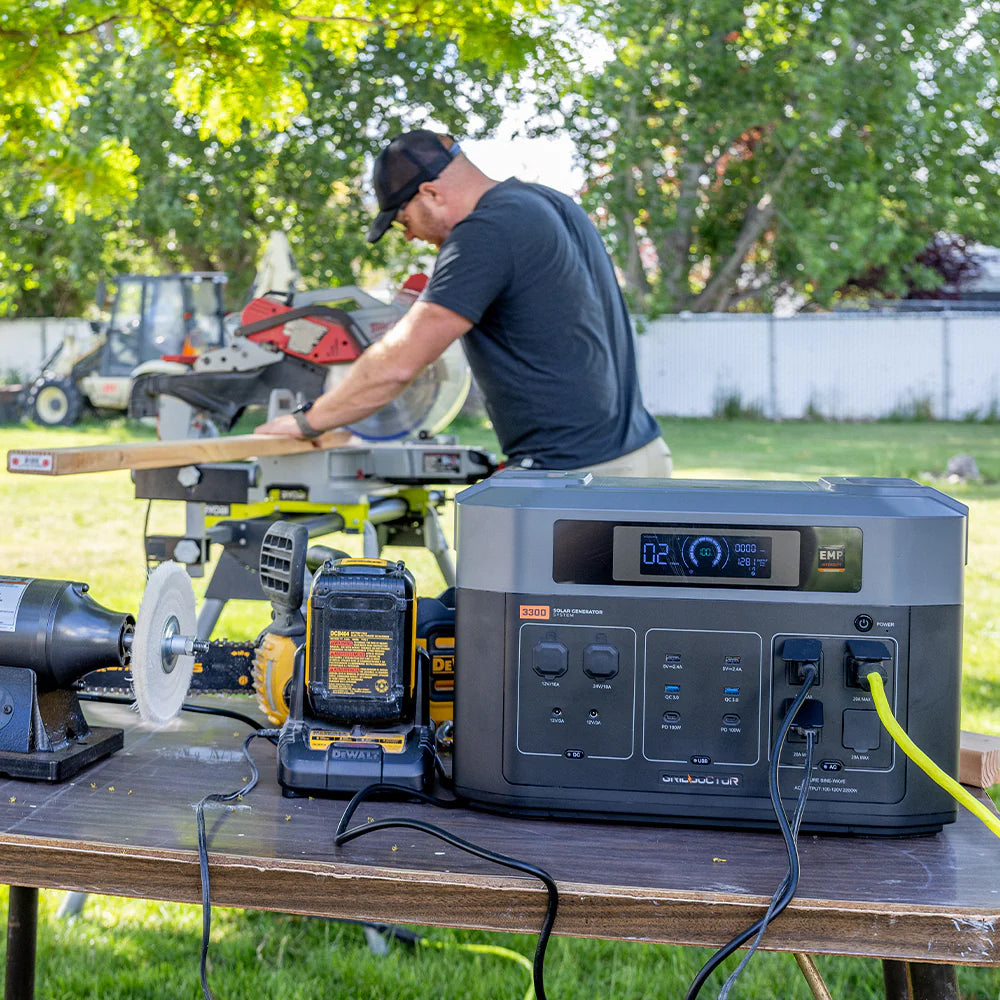
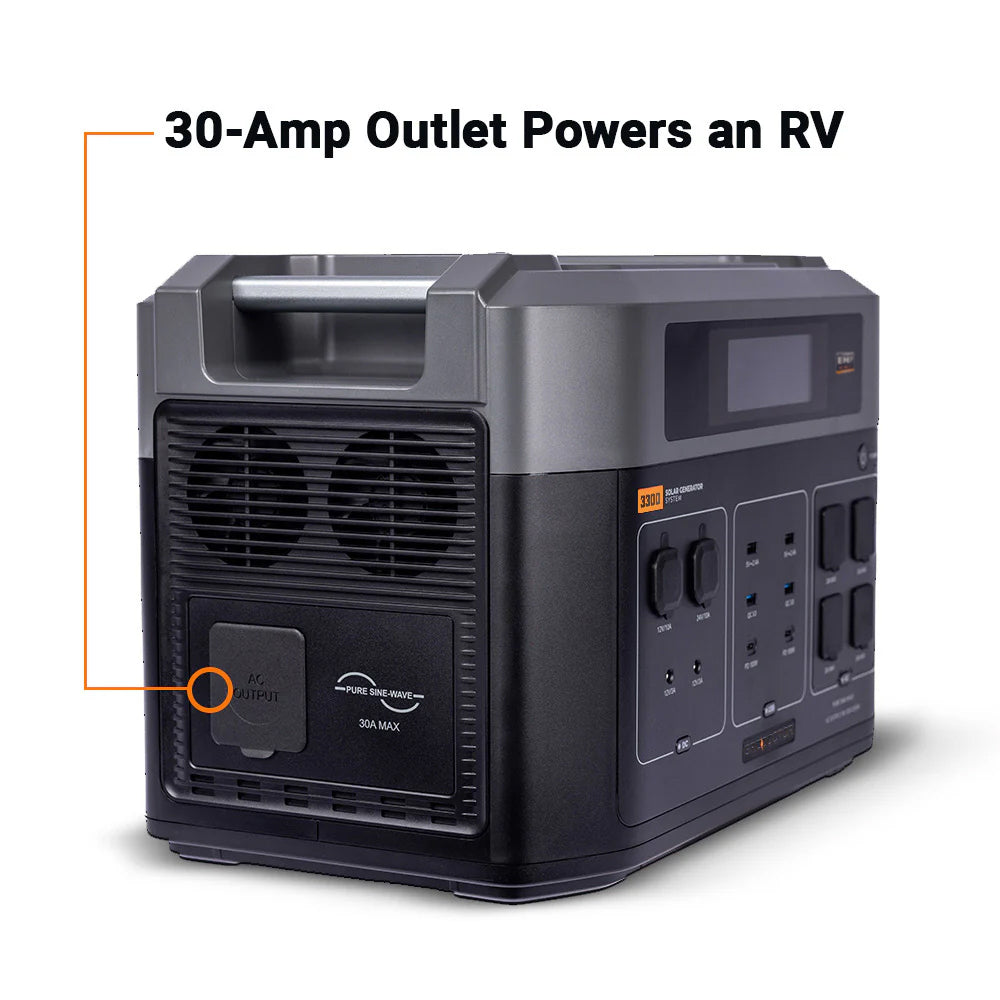
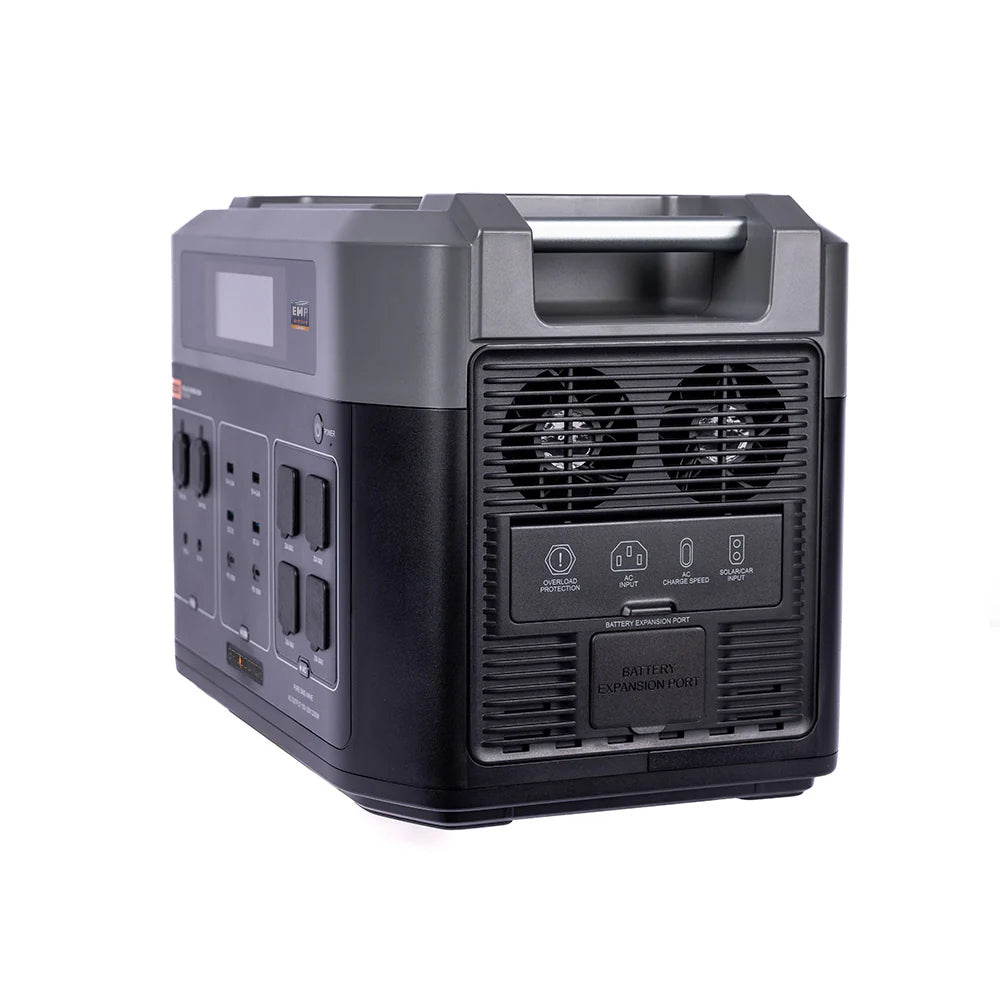
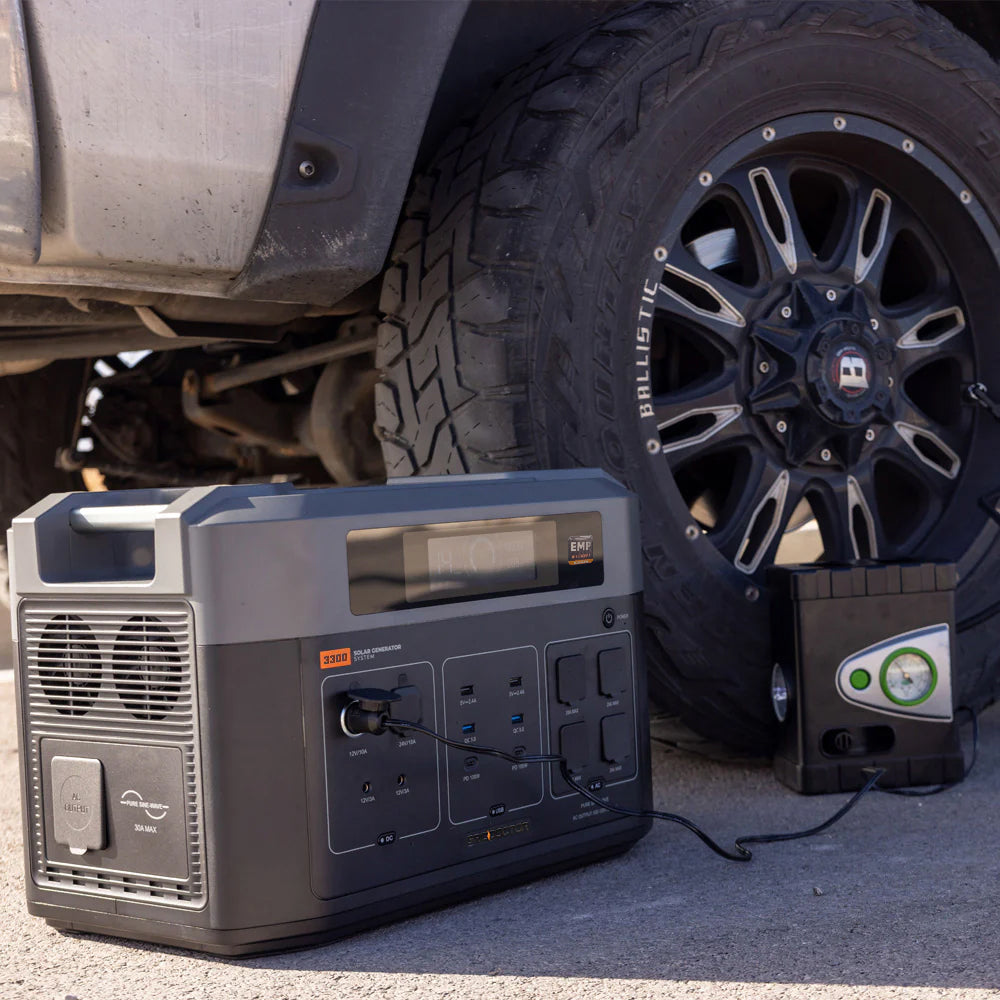
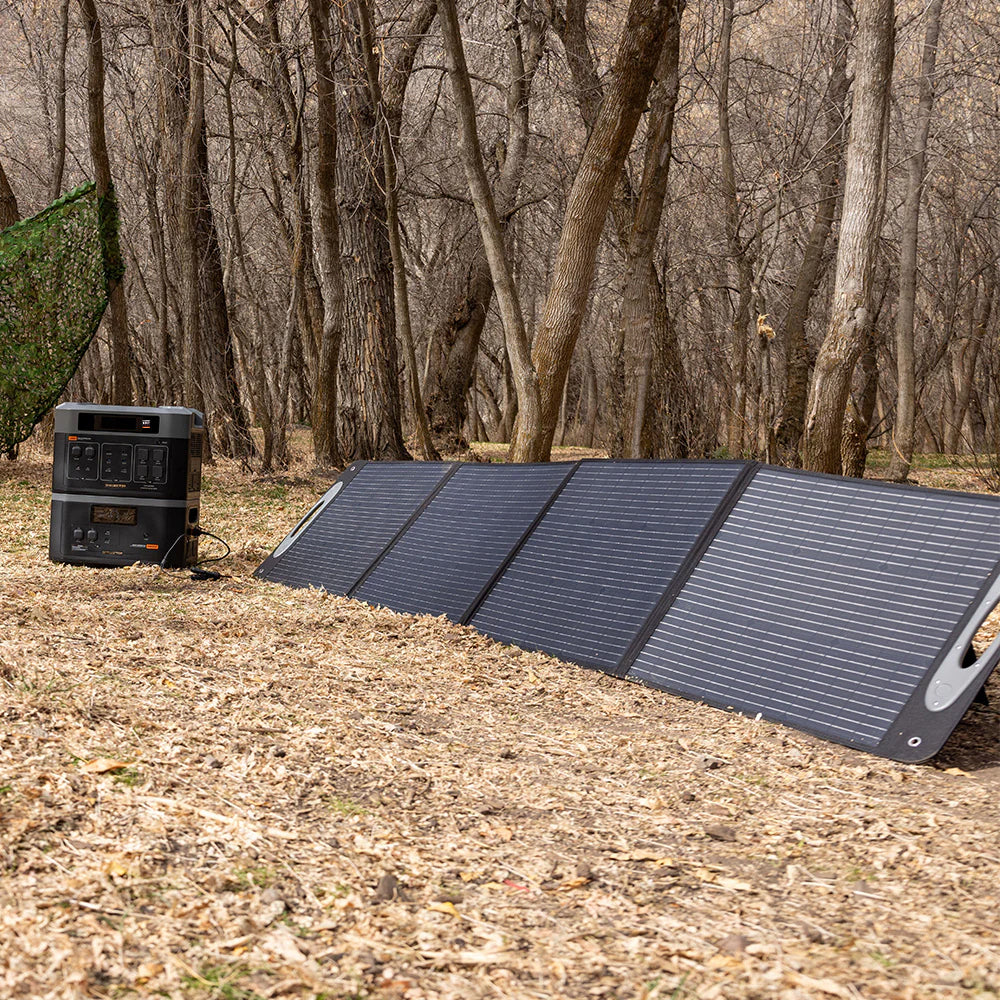
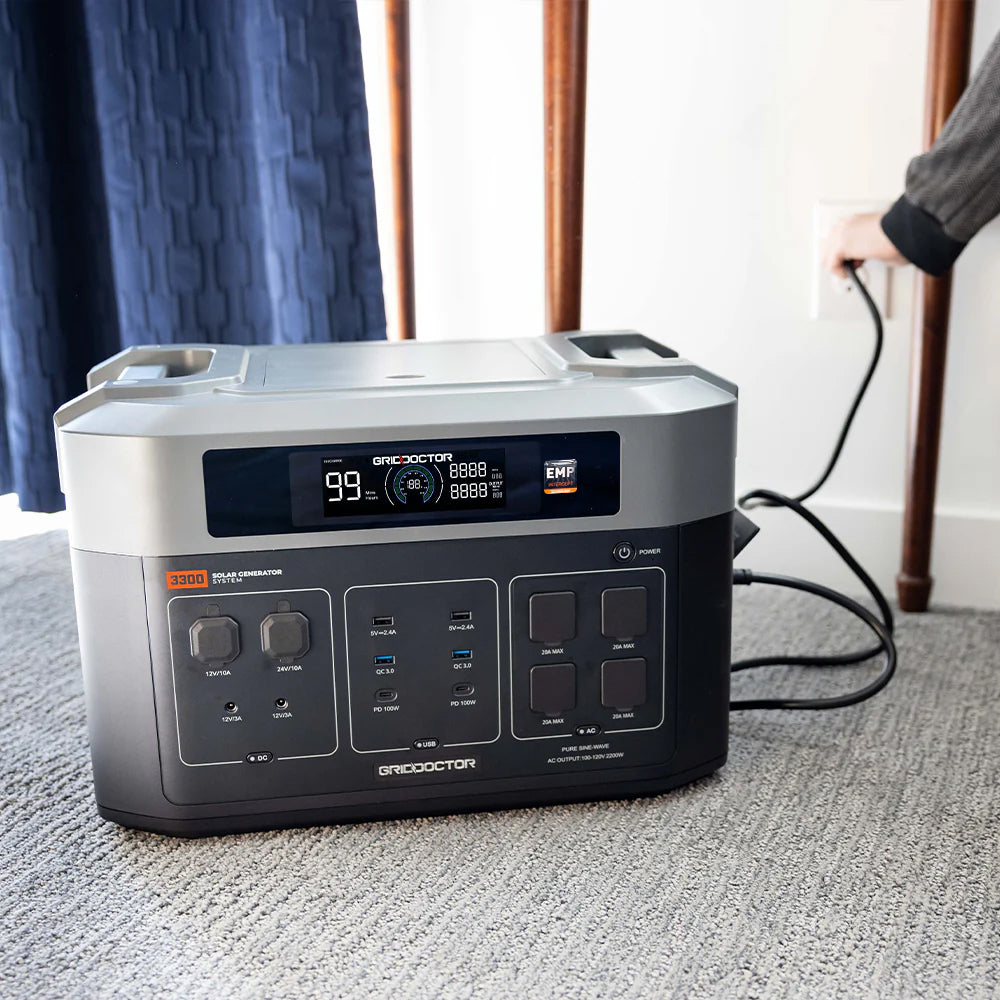
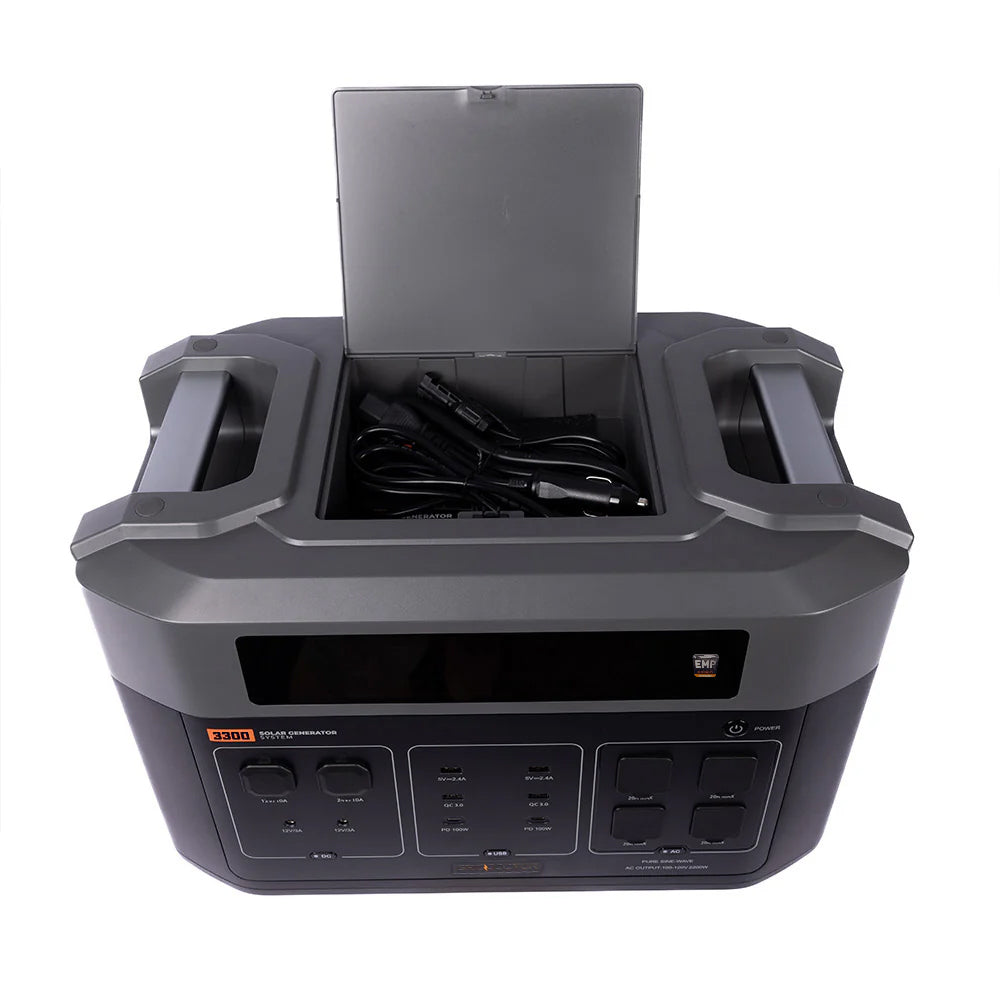
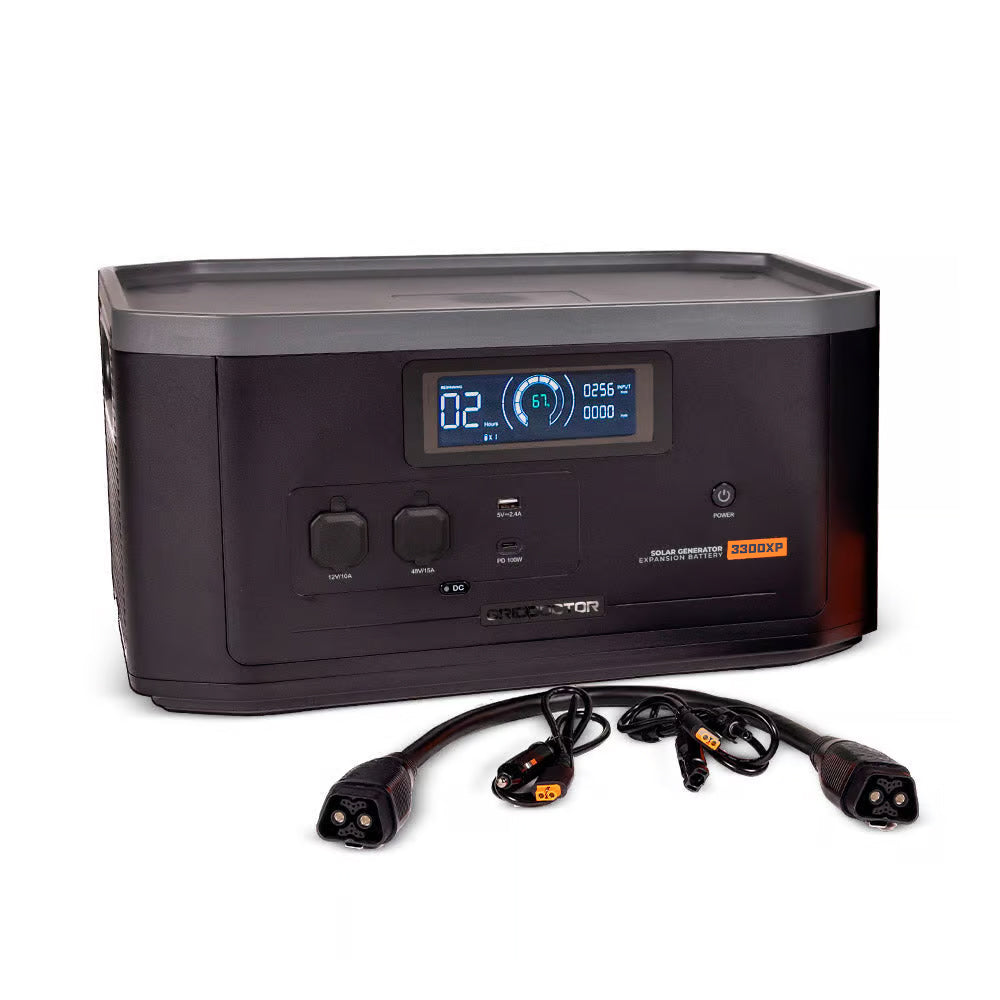
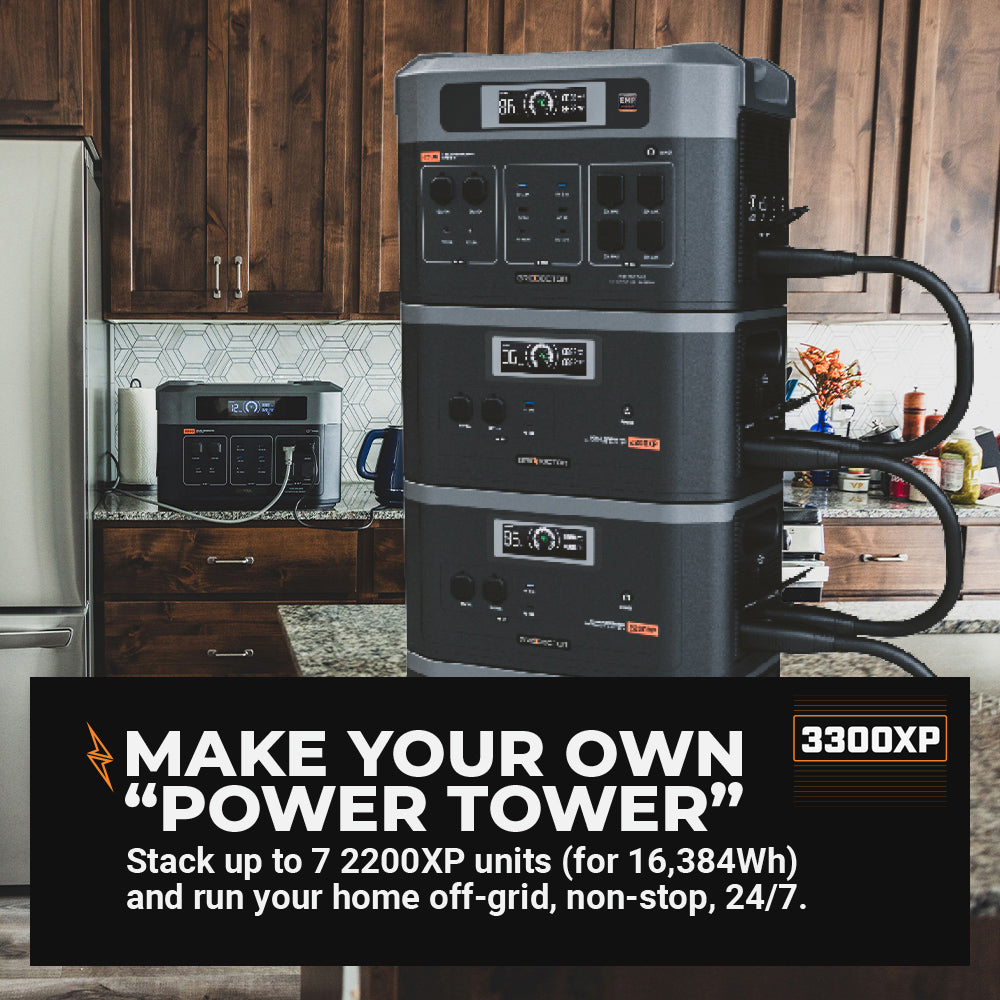
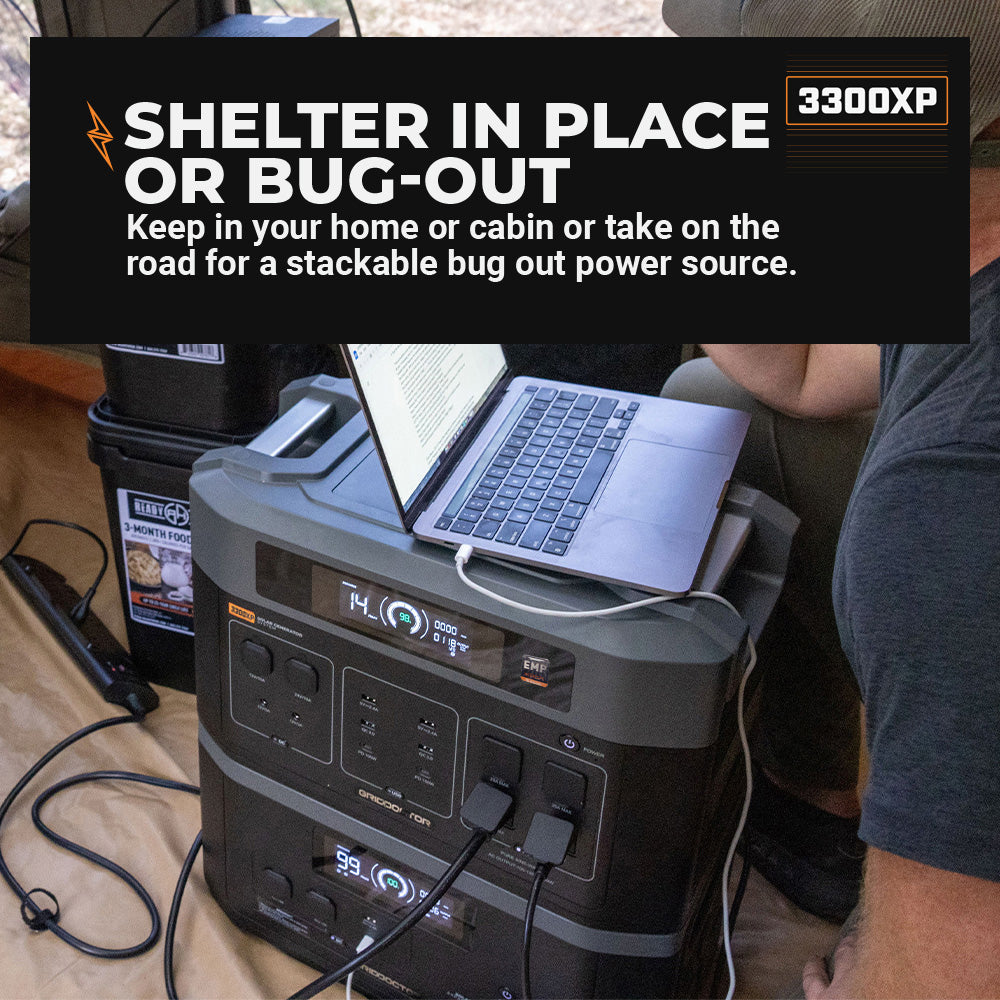
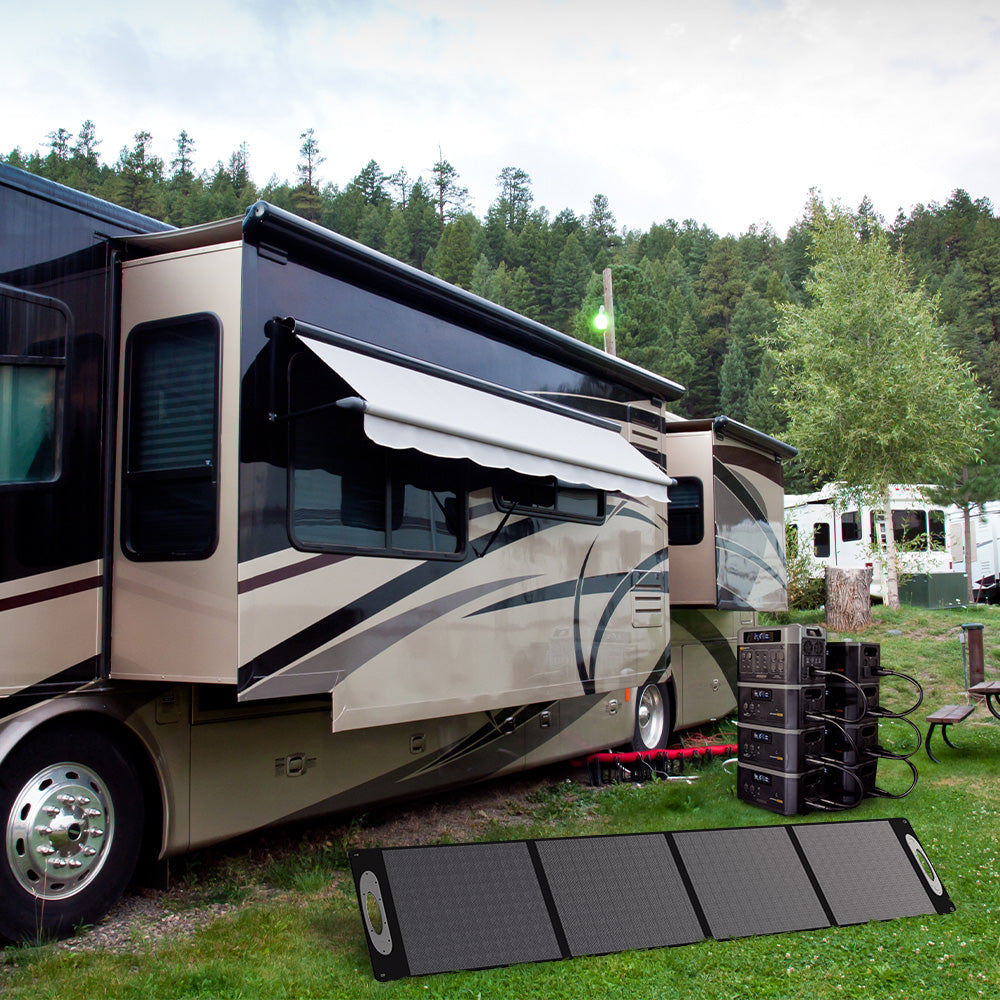
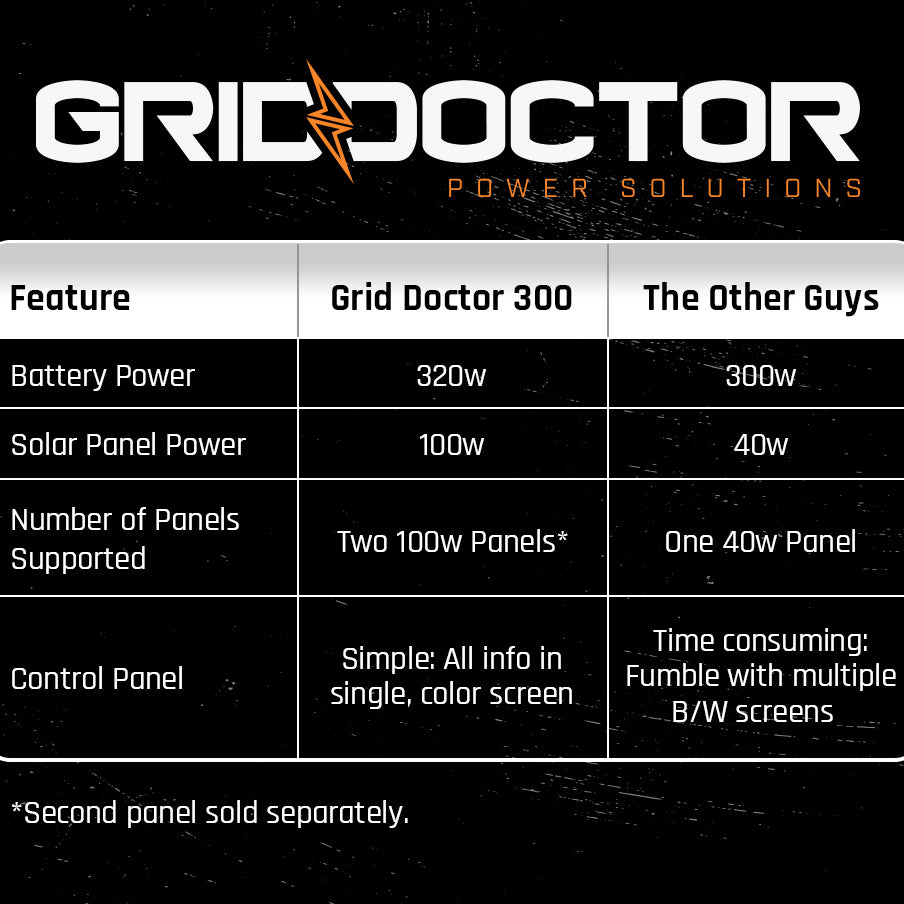
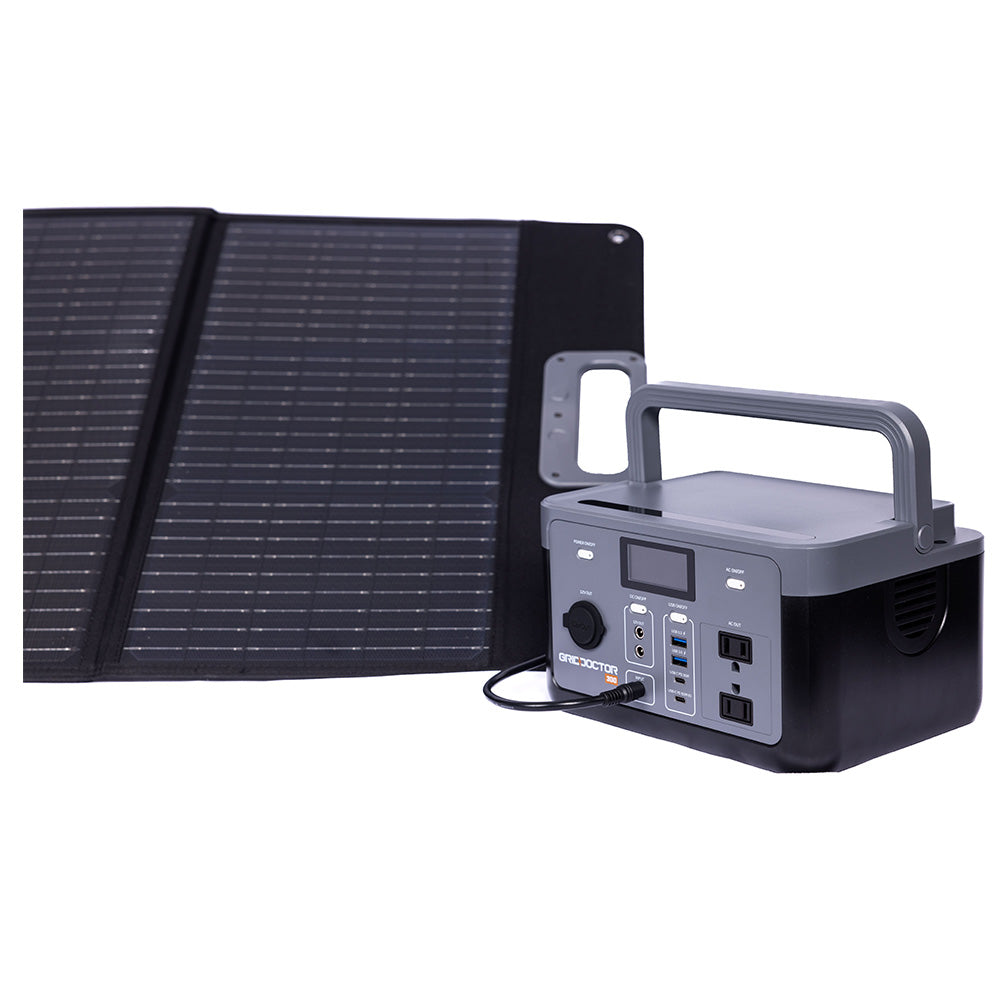
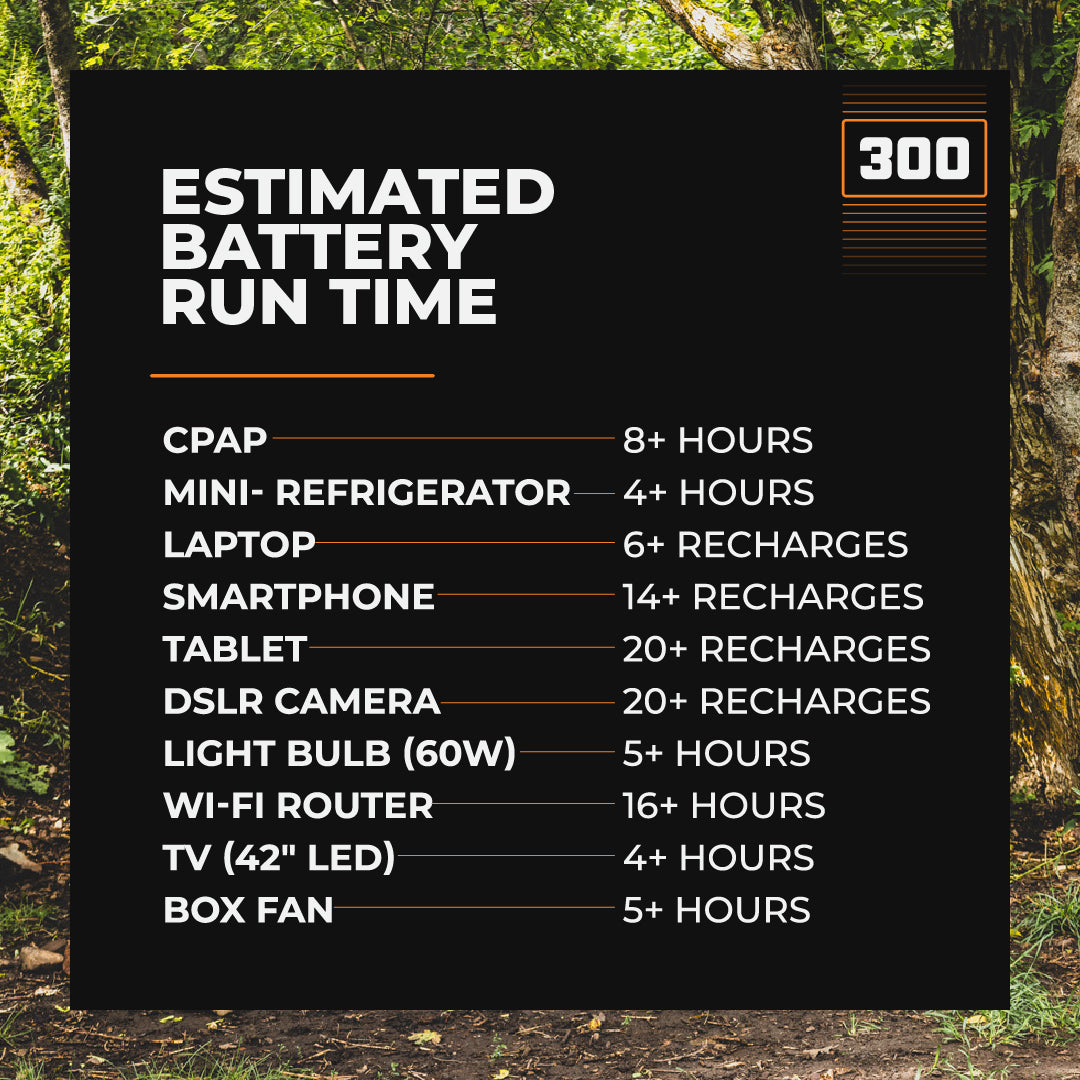
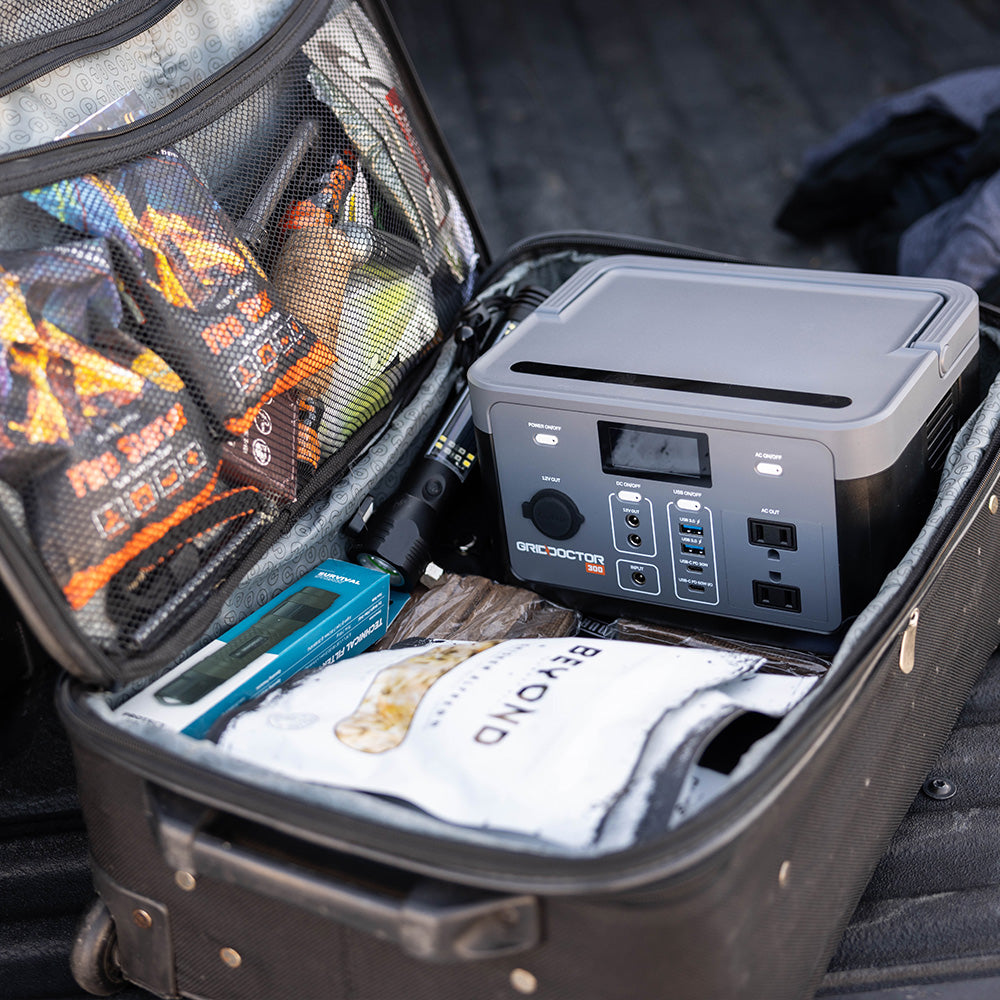
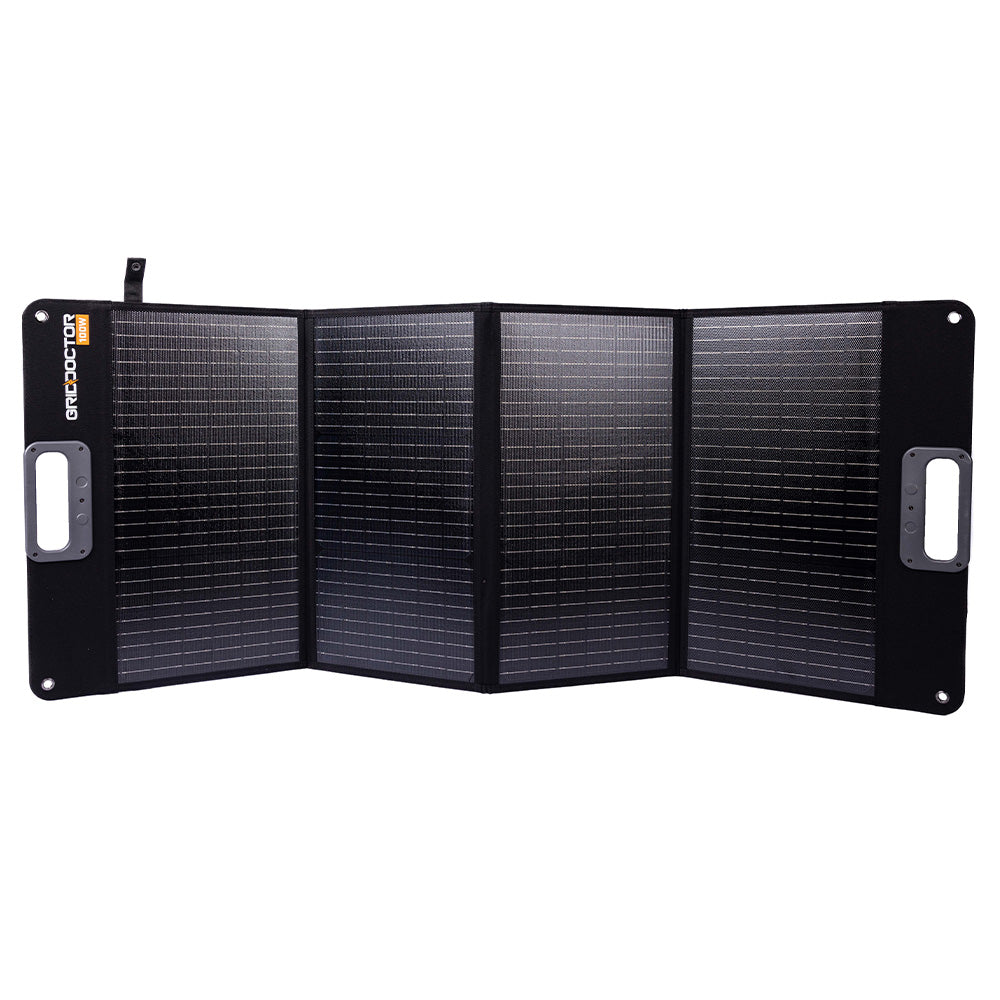
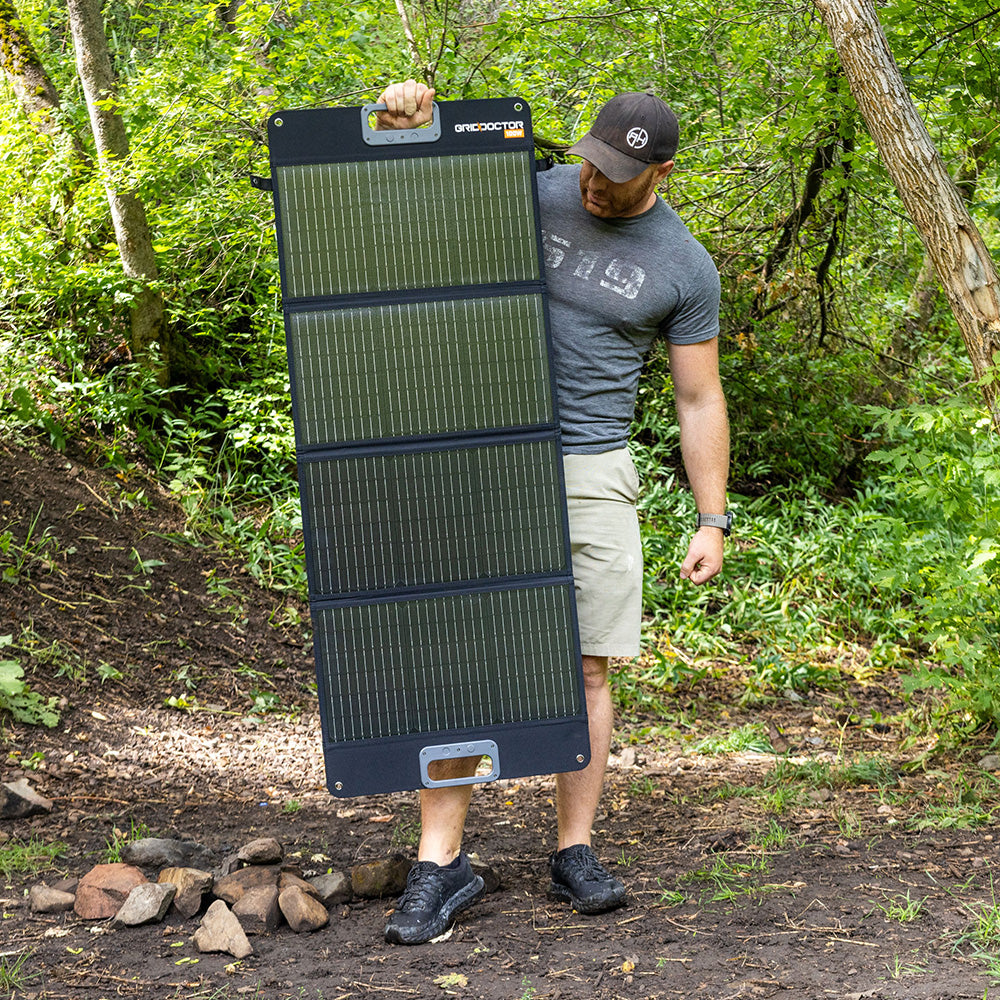
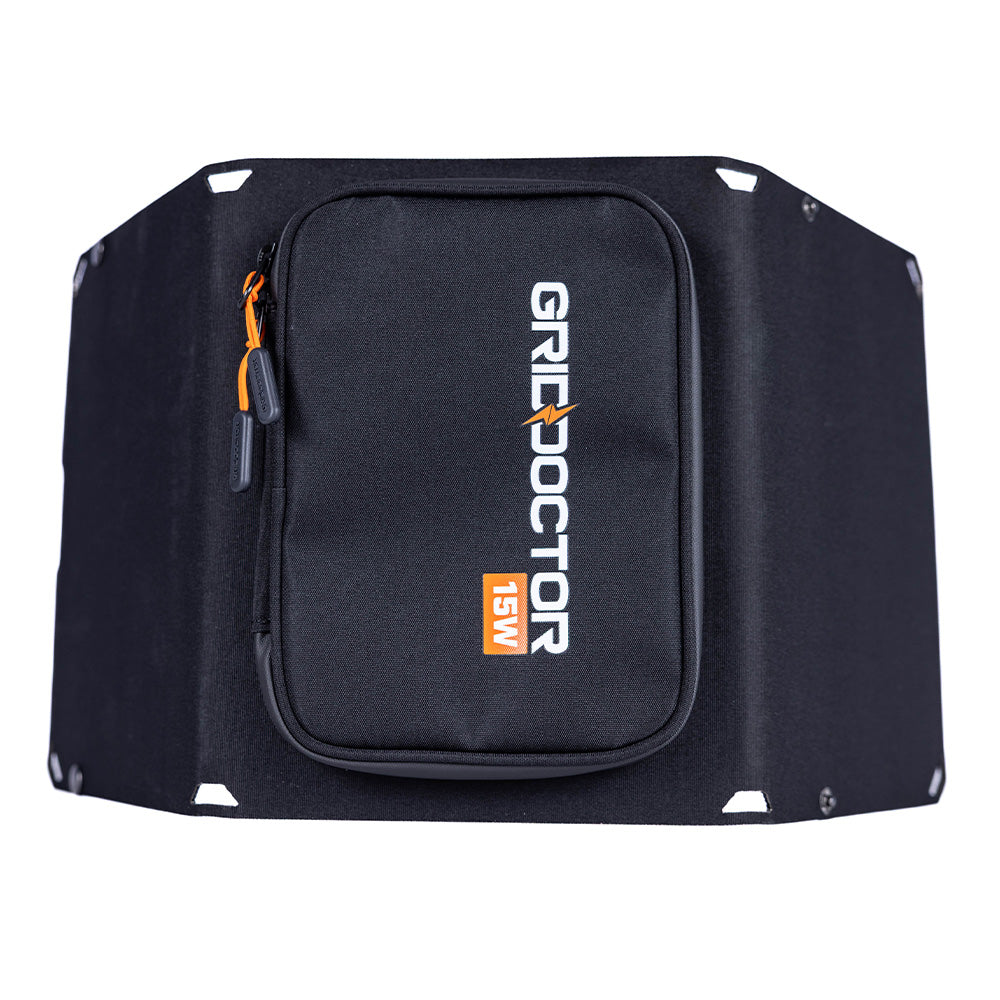
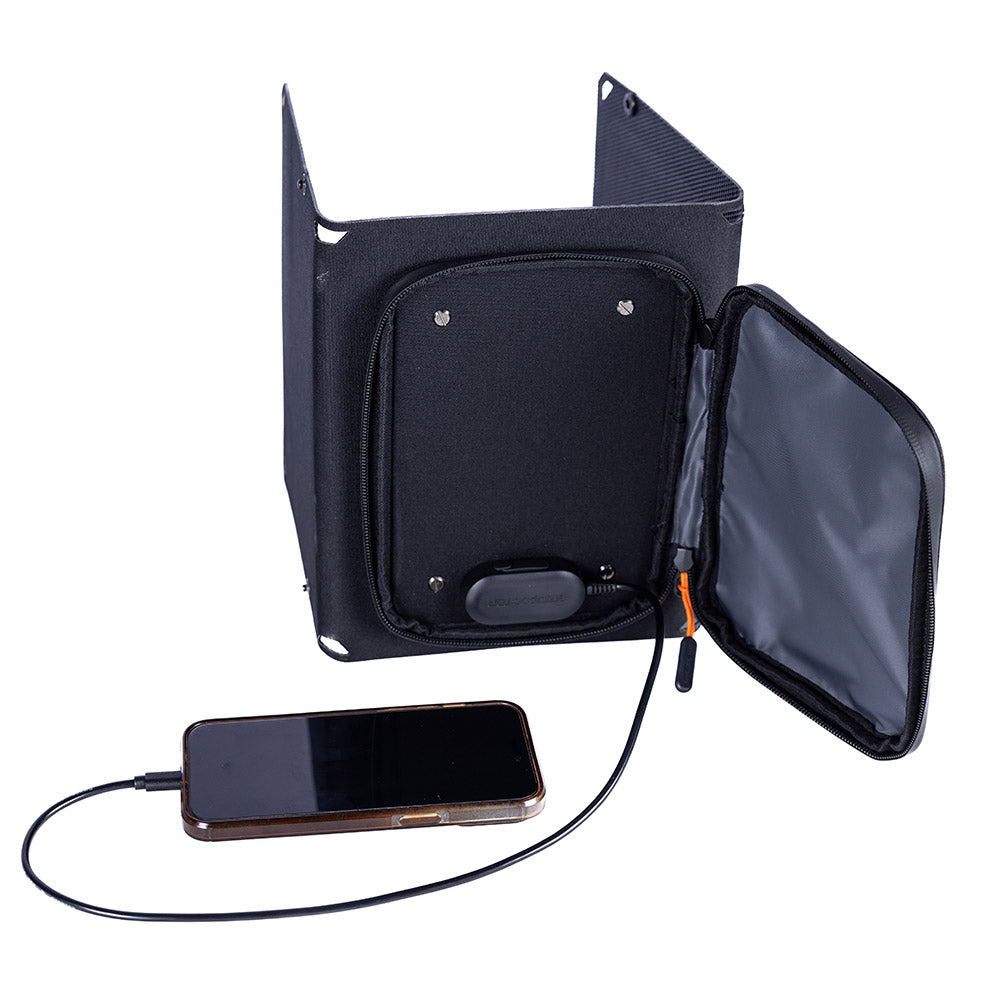
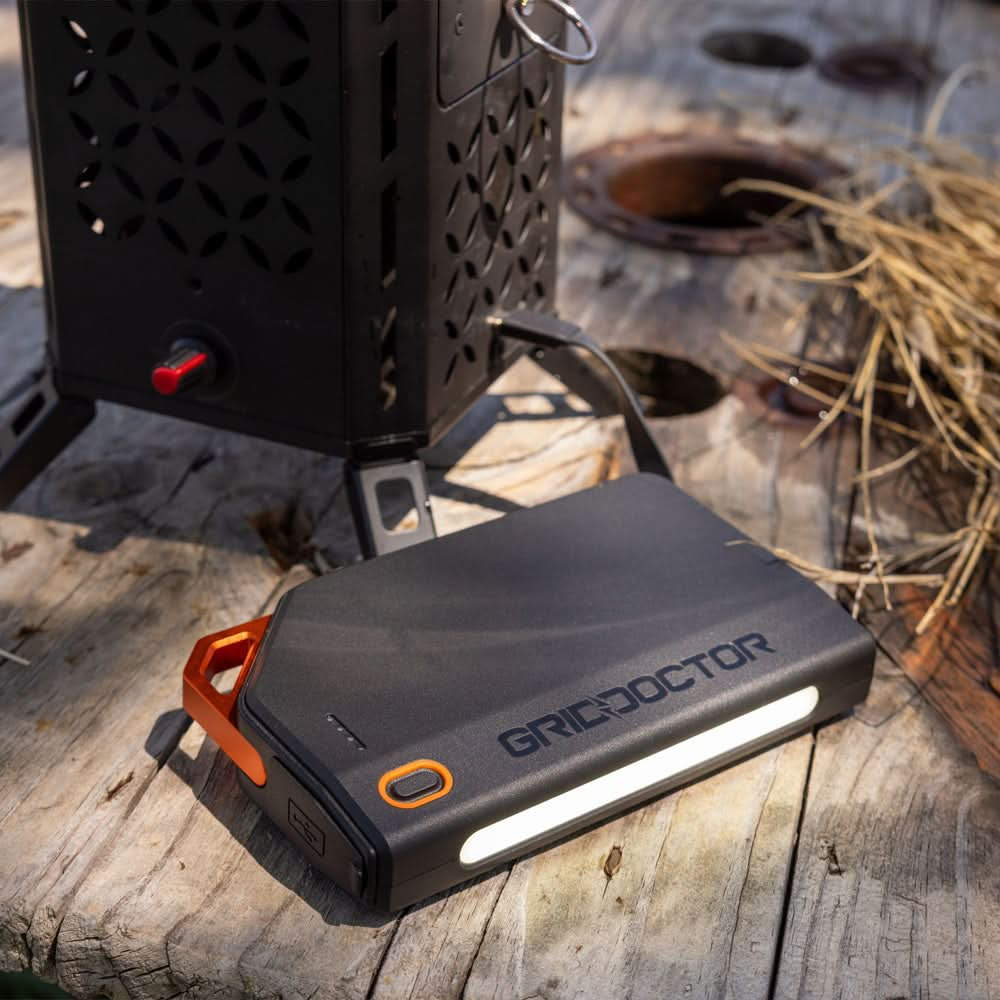
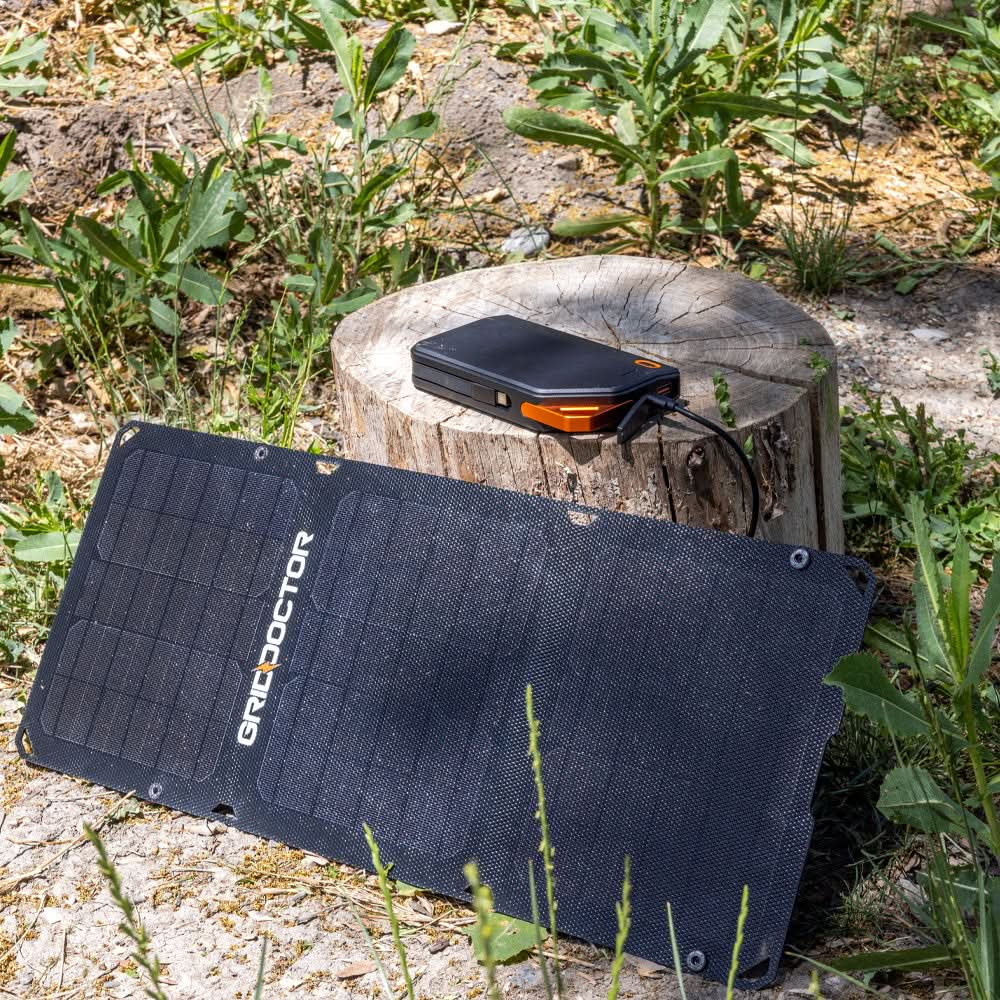
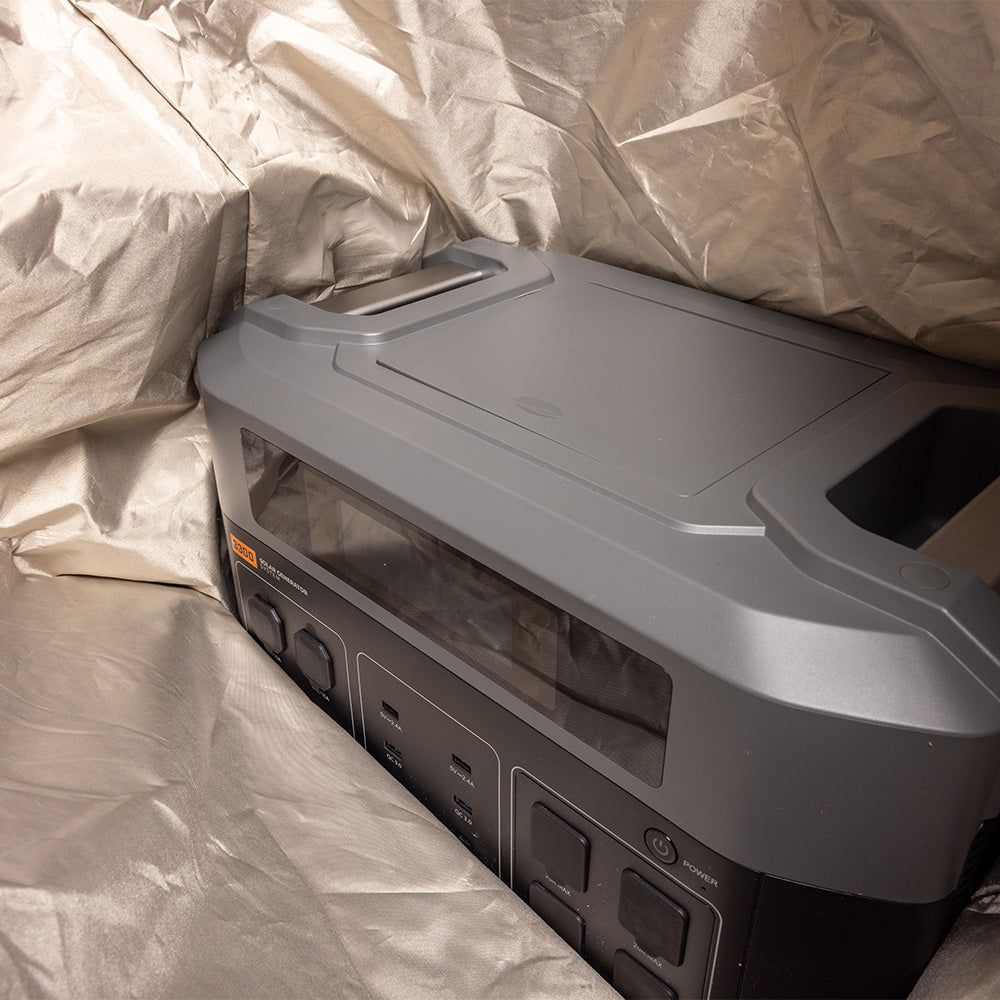
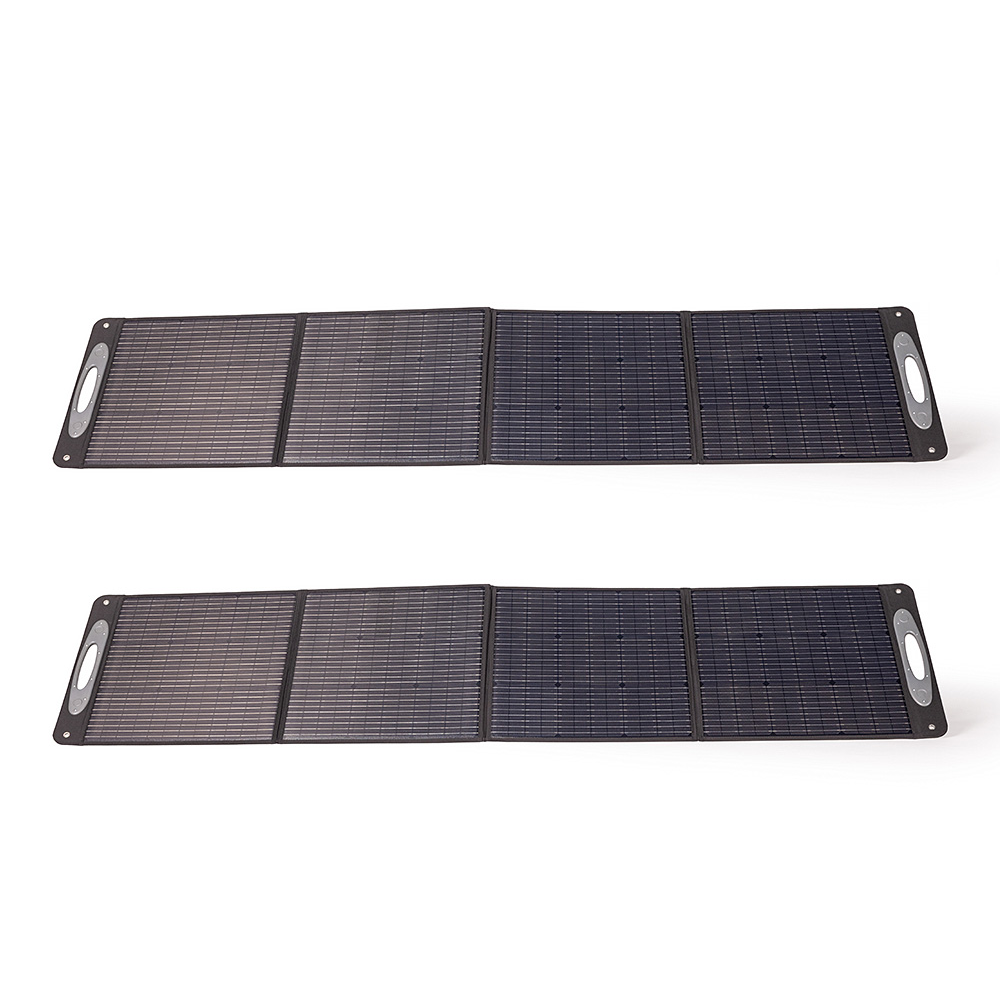
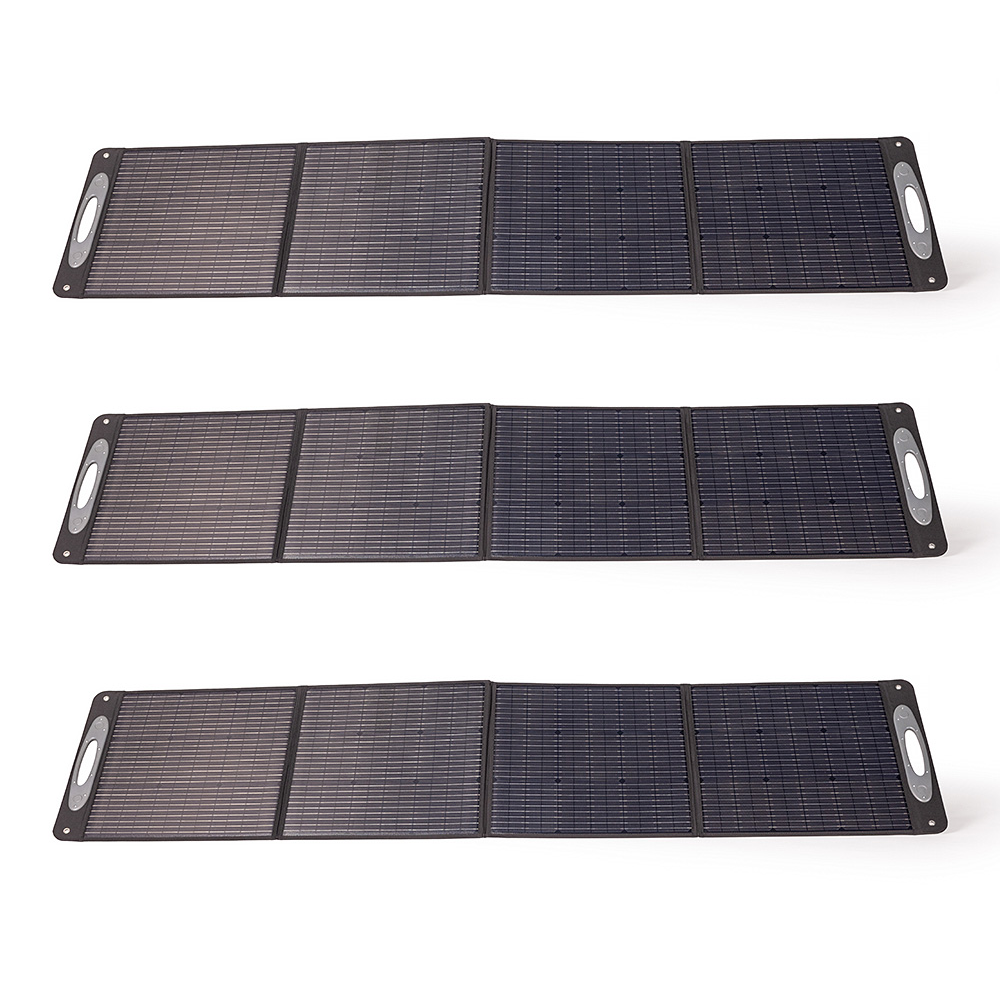
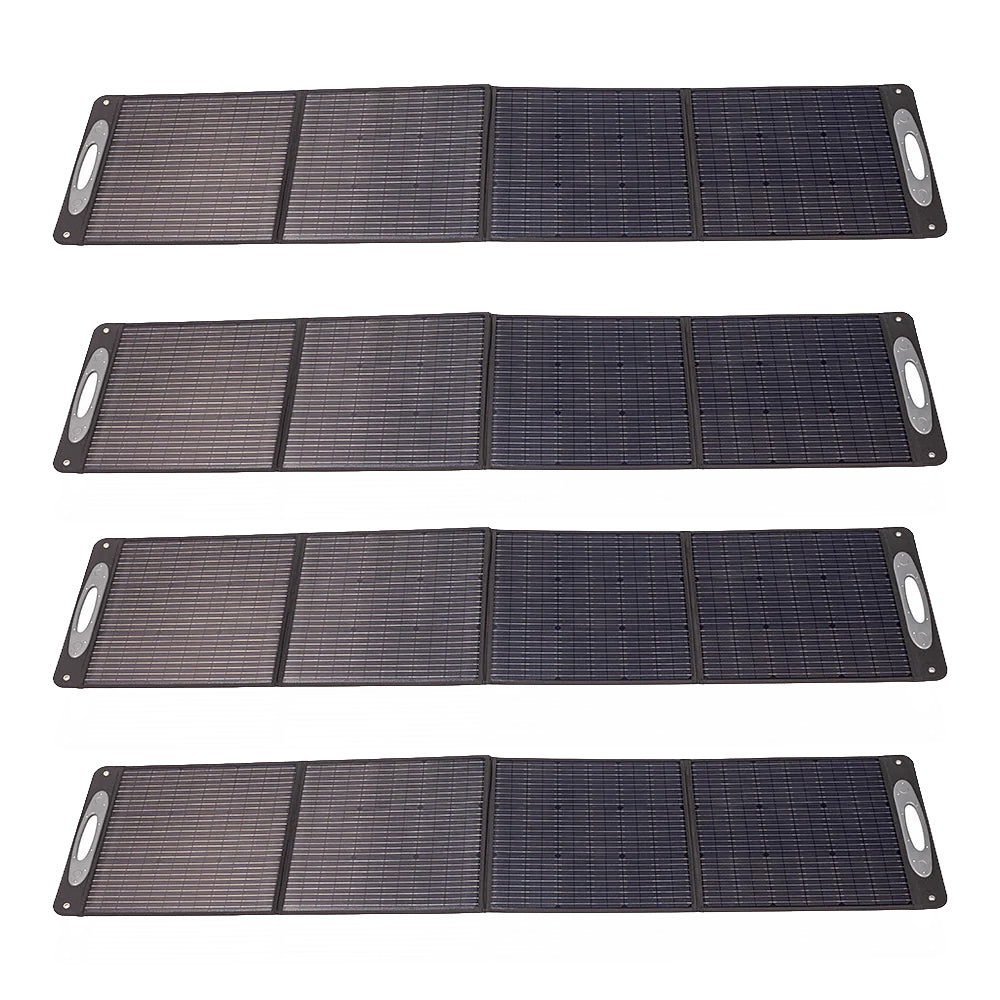
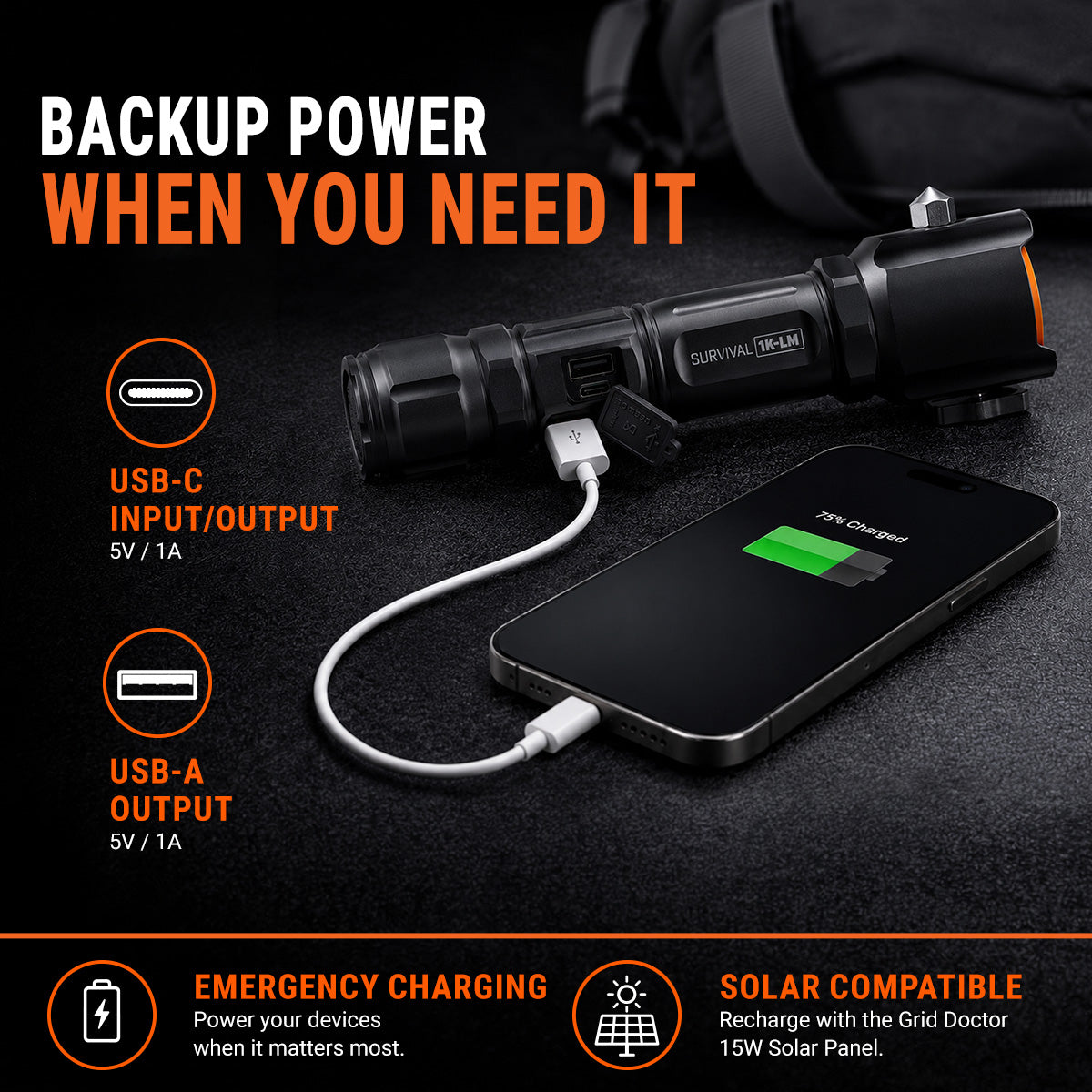
The military is investing in independent power because relying entirely on the civilian grid creates a serious vulnerability during a major disruption. FORTRESS is built around keeping bases operational when electricity, communications, supply chains, and other critical systems are unavailable. Households may not have military-scale infrastructure, but the principle is the same. Having dependable backup power ready before the grid goes down can help keep lighting, communications, refrigeration, and other essentials running when utility power is unavailable.
Read the full article here.
Source: Newsweek
By: Anna Skinner