


When emergencies happen, your pets are counting on you. From severe storms and power outages to wildfires and unexpected evacuations, emergencies can disrupt your household with little warning. And while you're making plans to protect your family, it's important to remember the four-legged members who depend on you, too.
Unlike people, pets can't pack their own supplies, find a safe place to shelter, or understand what's happening when their routine suddenly changes. Their safety depends on the steps you take before an emergency strikes.
A little preparation today can make all the difference tomorrow. Whether you're sheltering at home or evacuating to safety, having the right supplies and a clear plan can help keep your pets safe, healthy, and comfortable when it matters most.
This guide will walk you through the essentials of pet emergency preparedness, from building a pet emergency kit and storing food and water to planning for evacuations, extreme weather, and unexpected disruptions.
Pet Safety Essentials: Do's & Don'ts
A few simple precautions can make a big difference in an emergency.
When disaster strikes, everyday situations can quickly become dangerous for pets. From contaminated water and unsafe foods to extreme temperatures and unexpected evacuations, knowing what to do—and what to avoid—can help protect the animals who depend on you.
Before building your pet emergency kit, start with these essential safety guidelines.
1. Food Safety
DO: Keep an extra supply of your pet's regular food and rotate it to maintain freshness. Familiar foods help maintain consistent nutrition and reduce the risk of digestive upset during stressful situations.
DON'T: Assume human food is automatically safe for pets. Certain ingredients can be harmful or toxic, and even foods that are safe in small amounts may not provide the nutrition pets need.
2. Water Safety
DO: Make sure your pets always have access to clean drinking water. Store additional water for emergencies and use a safe water source if your regular supply becomes unavailable.
DON'T: Let pets drink from floodwater, standing water, or potentially contaminated sources. These may contain harmful bacteria, chemicals, or other dangerous substances.
3. Extreme Temperatures
DO: Have a plan to keep pets safe during extreme heat or cold, especially if your home's heating or air conditioning stops working. Pay special attention to puppies, kittens, senior pets, and animals with medical conditions.
DON'T: Leave pets in parked vehicles or expose them to dangerous temperatures. Never use outdoor heaters, grills, or fuel-burning generators indoors to provide warmth.
4. Evacuation & Identification
DO: Keep collars, ID tags, and microchip information up to date. Identify pet-friendly evacuation destinations ahead of time and have a secure carrier, crate, or leash ready.
DON'T: Leave pets behind during an evacuation or assume they'll find their way home. Even well-trained animals can become frightened, disoriented, or separated from their families.
5. Medications & First Aid
DO: Keep essential medications, veterinary records, and a pet-specific first-aid kit readily accessible. Know where to find emergency veterinary care if your regular veterinarian is unavailable.
DON'T: Give pets human medications or attempt unfamiliar treatments without veterinary guidance. Many common household medications can be toxic to animals.
6. Stress & Emergency Hazards
DO: Keep pets safely secured and provide familiar bedding, toys, or comfort items to help them feel more at ease. Check your surroundings for debris, damaged structures, and other hazards before allowing pets outside.
DON'T: Assume your pet will behave normally during an emergency. Loud noises, unfamiliar environments, and sudden disruptions can cause even calm, well-trained animals to panic or attempt to escape.
Preparedness Starts With the Basics.
Understanding these essential safety precautions is the first step toward protecting your pets. Next, we'll explore how to plan for their nutritional needs, including emergency food storage, safe supplemental options, and long-term preparedness.
Stock Up on Their Regular Food
The best emergency food for your pet is the food they already eat.
Sudden changes in diet can cause digestive upset, especially during stressful situations. That's why it's important to maintain an extra supply of your pet's regular food rather than waiting until an emergency to find an alternative.
Aim to keep at least two weeks of food on hand for each pet, accounting for their normal portions and any special dietary needs. Store food in a cool, dry place, check expiration dates, and rotate your supply regularly to maintain freshness. If your pet requires prescription food or follows a medically restricted diet, work with your veterinarian to develop an appropriate backup plan.
But what happens when their regular food supply runs low? During extended emergencies, having additional shelf-stable food options can provide another layer of preparedness.
Emergency Food & Nutrition for Pets
In an emergency, access to pet food can become just as uncertain as access to groceries. Severe weather, supply chain disruptions, and extended power outages can make it difficult to find the food your pets rely on every day.
Having a dependable food supply for your pets is an important part of household preparedness. And while their regular food should always be your first choice, knowing which shelf-stable foods may be safe for them can give you additional options when supplies are limited.
Planning for Extended Emergencies
What happens if your pet's regular food becomes unavailable? During prolonged emergencies, even a well-stocked supply can eventually run low. That's when having a backup plan becomes especially important. Certain shelf-stable human foods may provide temporary supplemental options for dogs and cats. Plain meats, select vegetables, and some fruits can be appropriate when prepared correctly, but not every food that is safe for people is safe for pets.
These alternatives can help provide some flexibility during an emergency, but they should not be considered a complete replacement for commercially formulated pet food. Dogs and cats have specific nutritional requirements that human foods alone may not meet.
Know Which Human Foods Are Pet-Safe
Some everyday foods can be shared with pets in moderation, while others can cause serious illness. Knowing the difference is an important part of emergency planning.
Foods That May Be Safe in Moderation
- Plain, cooked chicken or beef: Supplemental protein for dogs and cats when free from bones, seasonings, and unsafe additives.
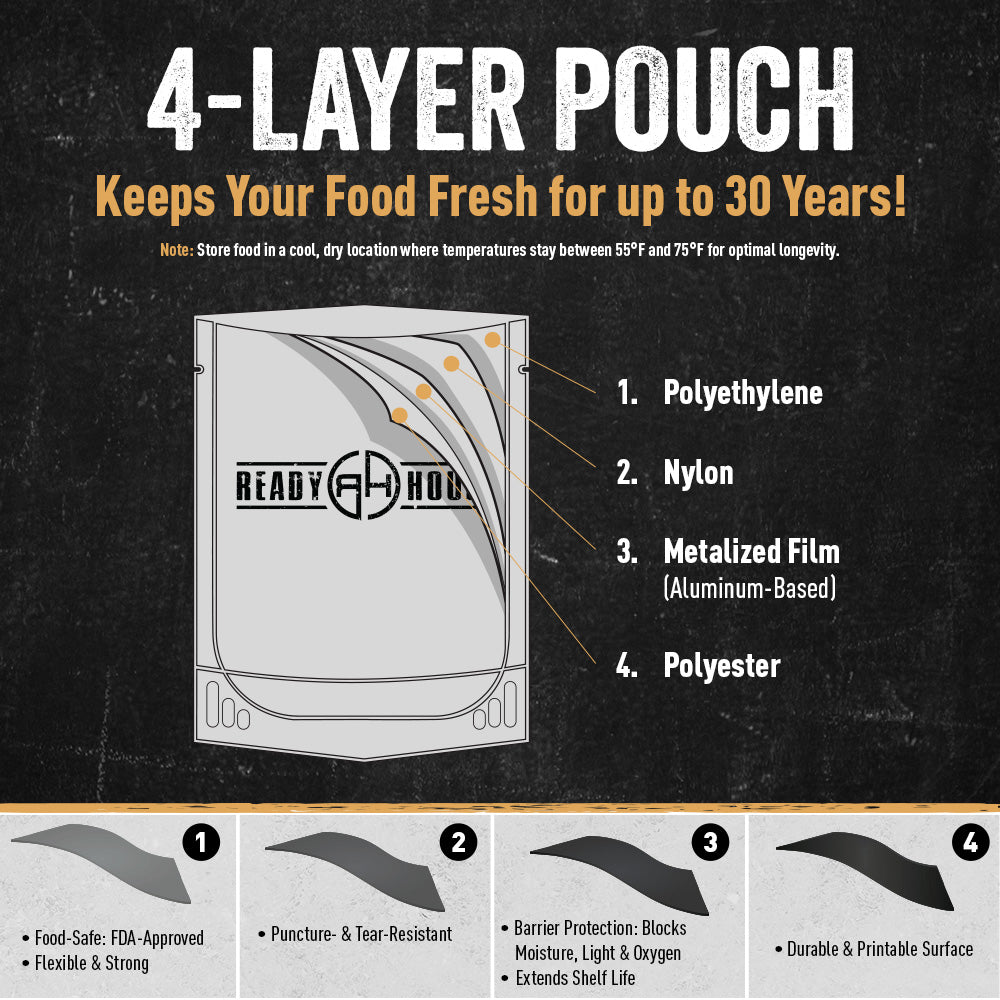
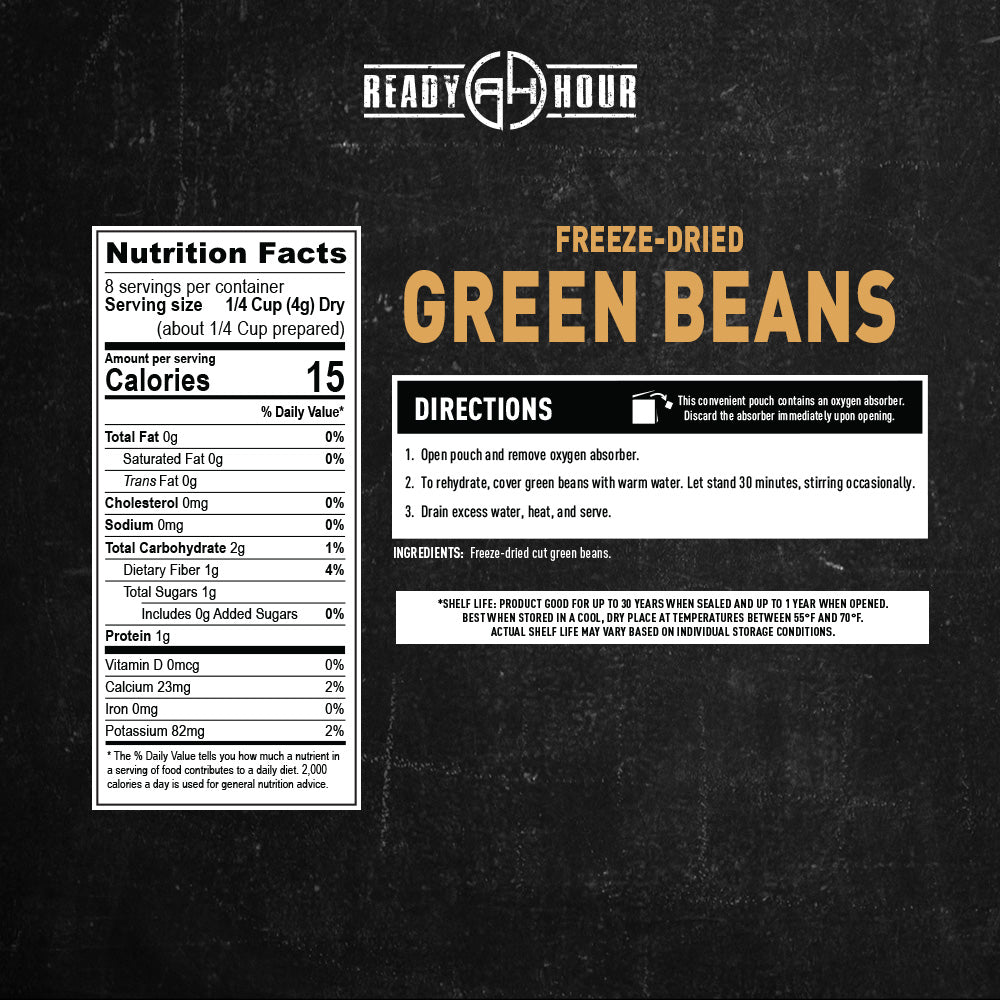
- Green beans: A low-calorie supplemental food for dogs when served plain.
- Carrots: A dog-friendly vegetable when served plain and cut into appropriately sized pieces.
- Blueberries and strawberries: Occasional treats for dogs in small amounts.
- Plain, fully cooked rice: A temporary supplemental carbohydrate option for some dogs.
Foods to Avoid
- Chocolate and caffeine
- Grapes and raisins
- Onions, garlic, chives, and related ingredients
- Products containing xylitol, sometimes labeled birch sugar
- Alcohol and raw yeast dough
- Cooked bones and heavily seasoned foods
Important: Food tolerance varies by species and individual pet. Cats have different nutritional requirements than dogs, and some pets have allergies or medical conditions that require stricter diets. Always check ingredients and consult your veterinarian when unsure.
























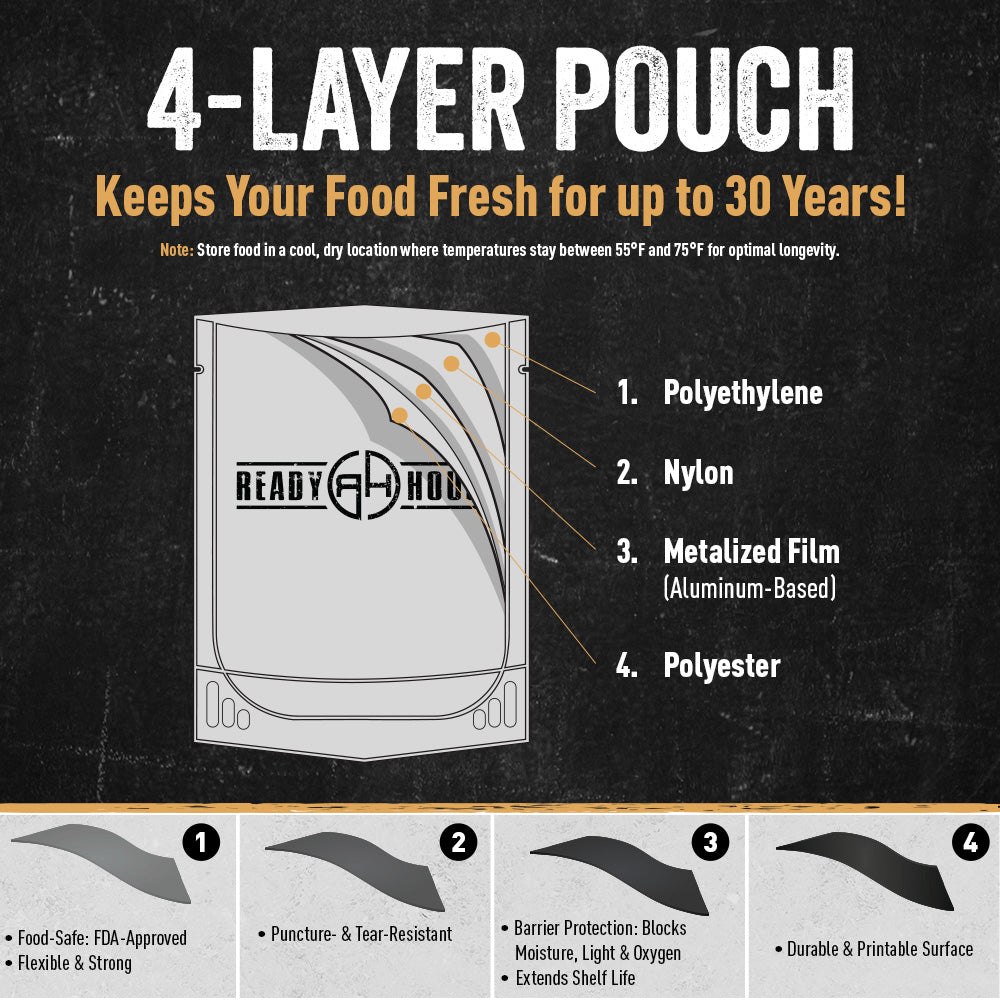






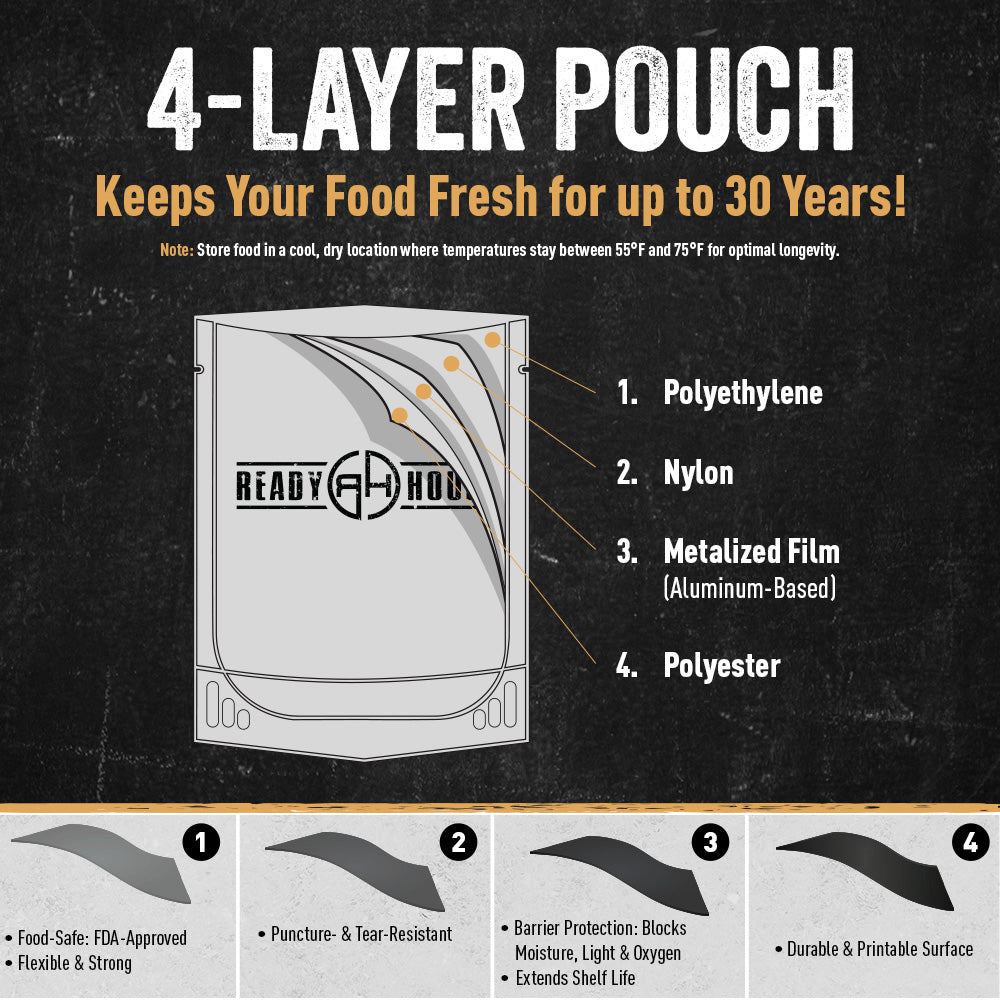





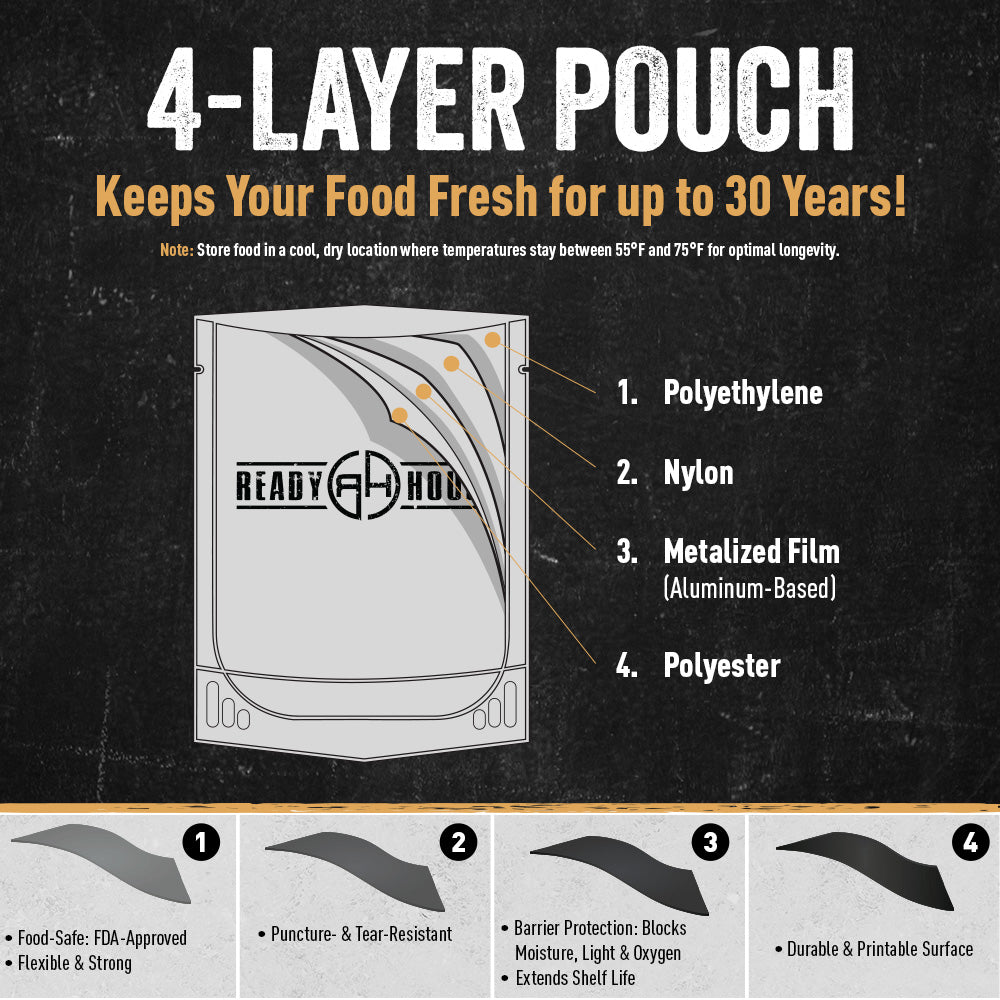









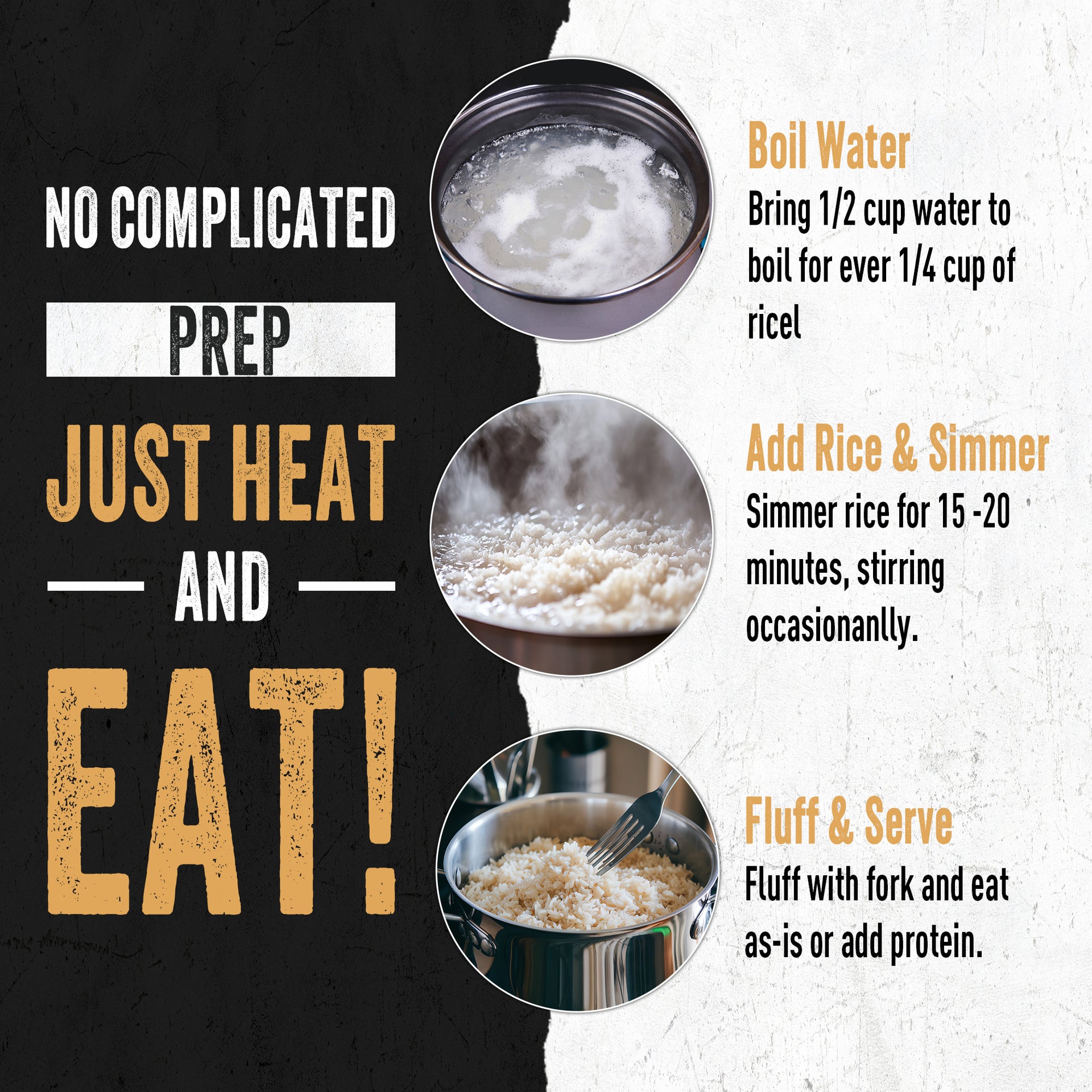


Important Pet Food Safety Note
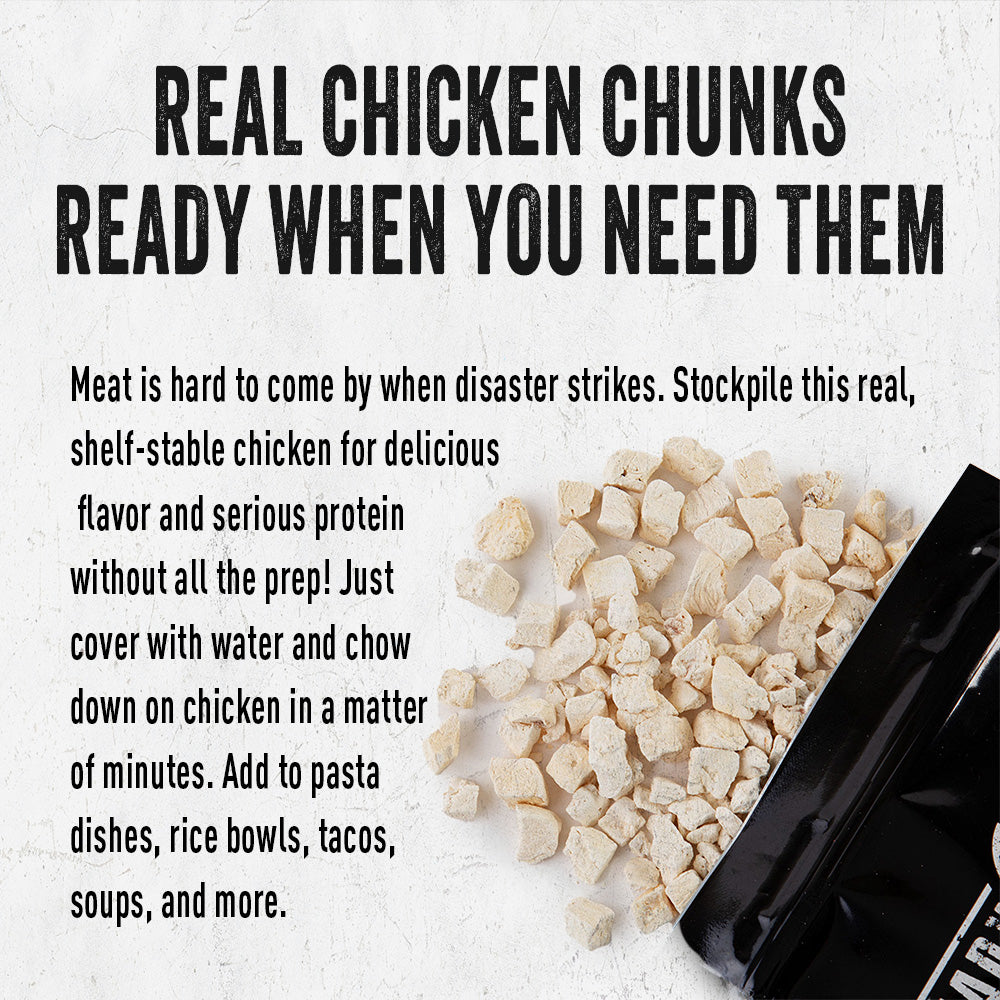
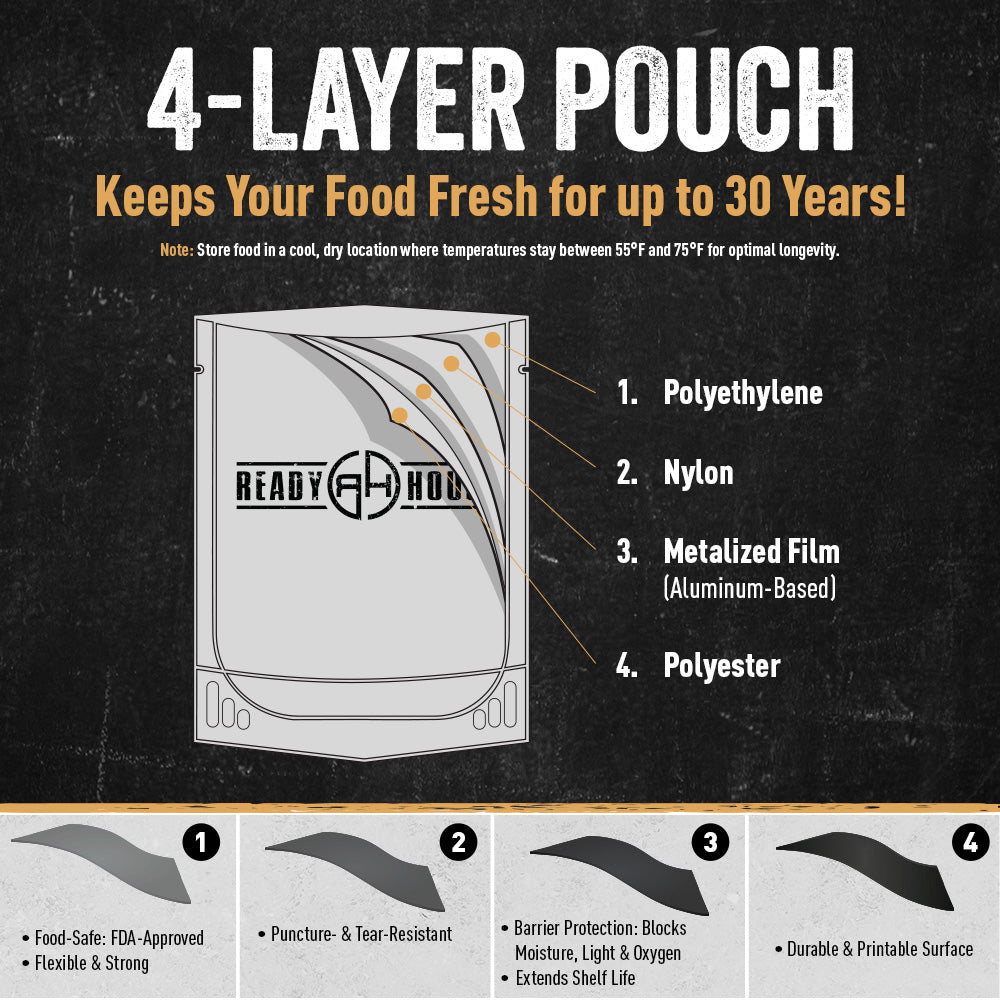
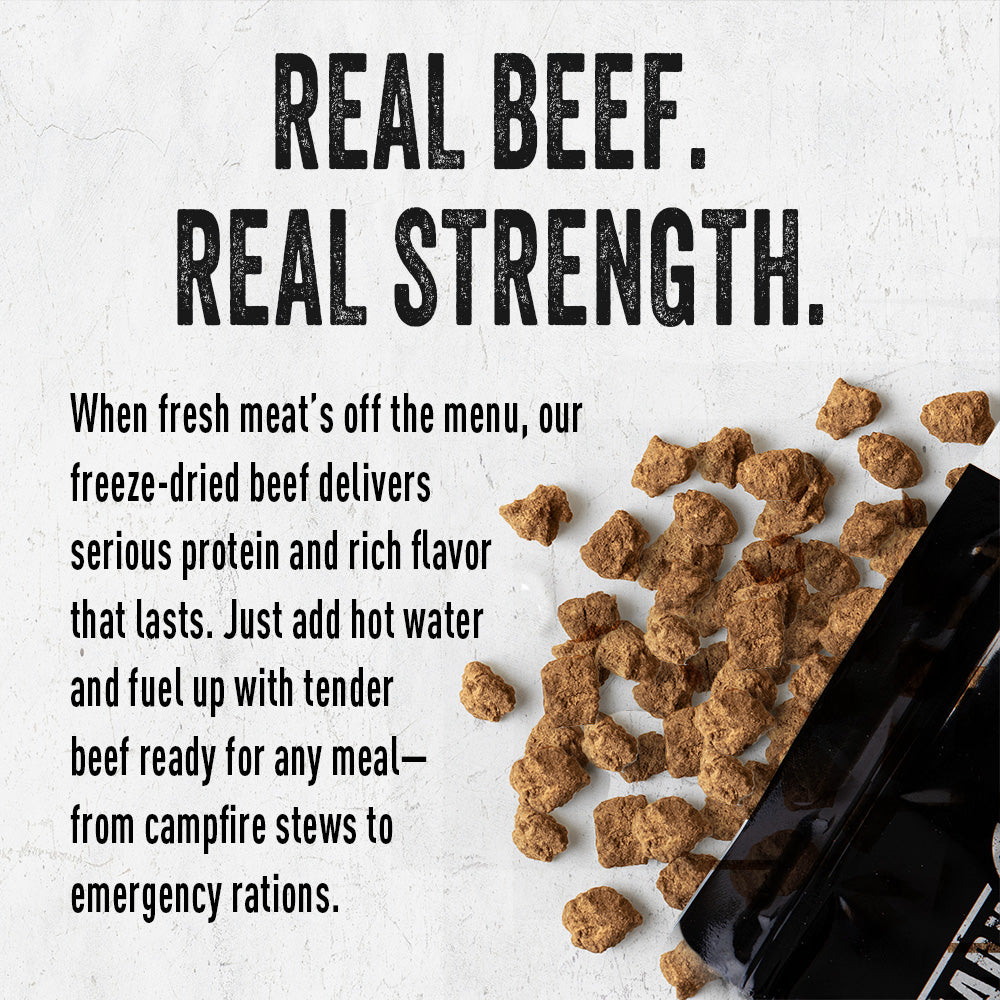
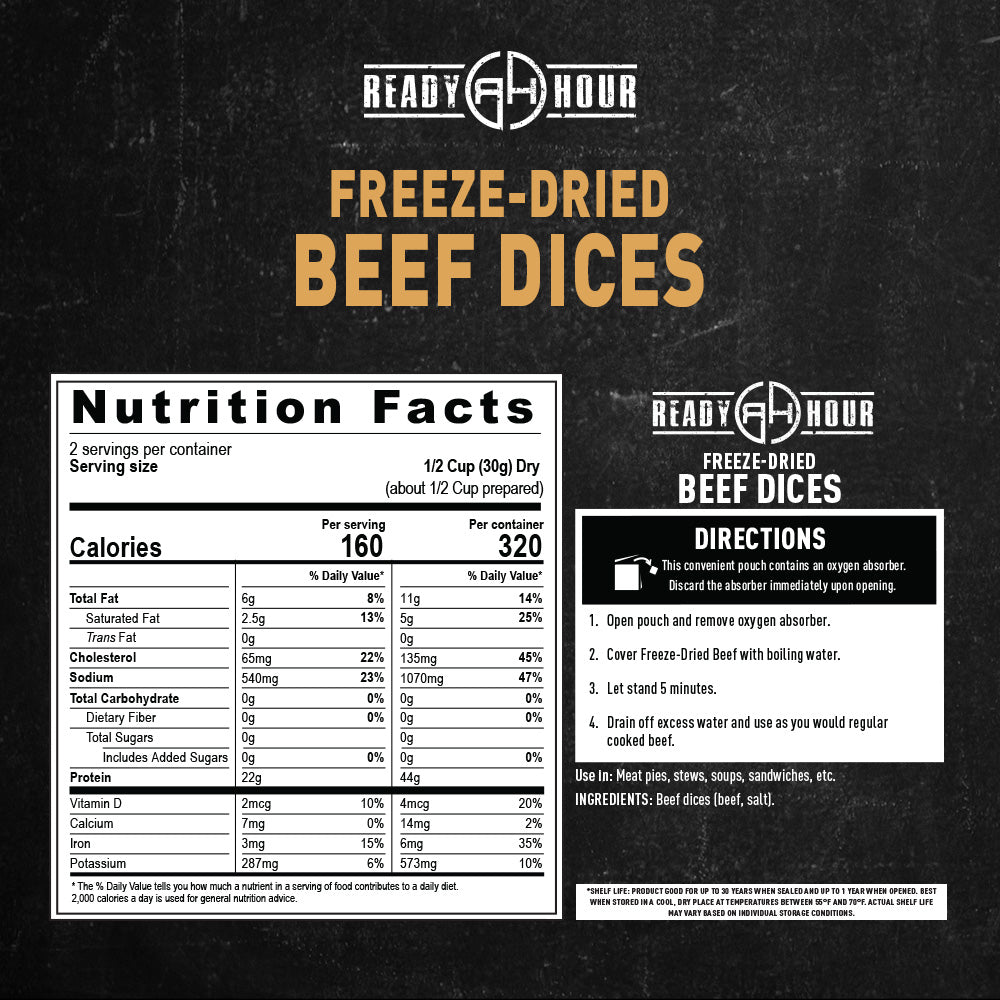
My Patriot Supply food products are formulated for human consumption and are not intended to serve as complete or balanced nutrition for pets. Any products identified as potentially pet-friendly should be used only as occasional supplements or temporary emergency feeding options, alongside your pet's regular, nutritionally complete diet whenever possible.
These products should not be used as a long-term replacement for commercially formulated pet food. Always review ingredient labels, follow appropriate preparation and portion guidelines, and consult your veterinarian before introducing unfamiliar foods, particularly if your pet has allergies, medical conditions, or special dietary needs. Individual pets may respond differently to certain ingredients.
Build Your Pet Emergency Kit
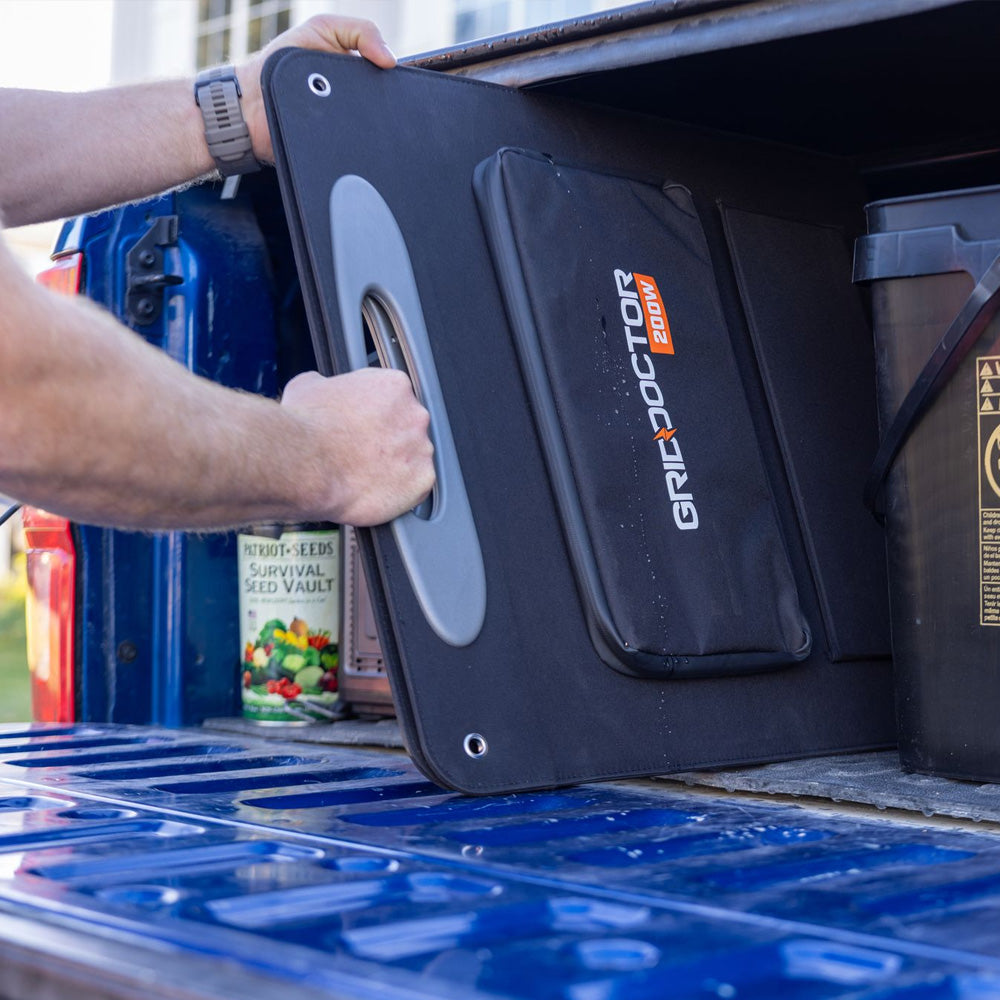
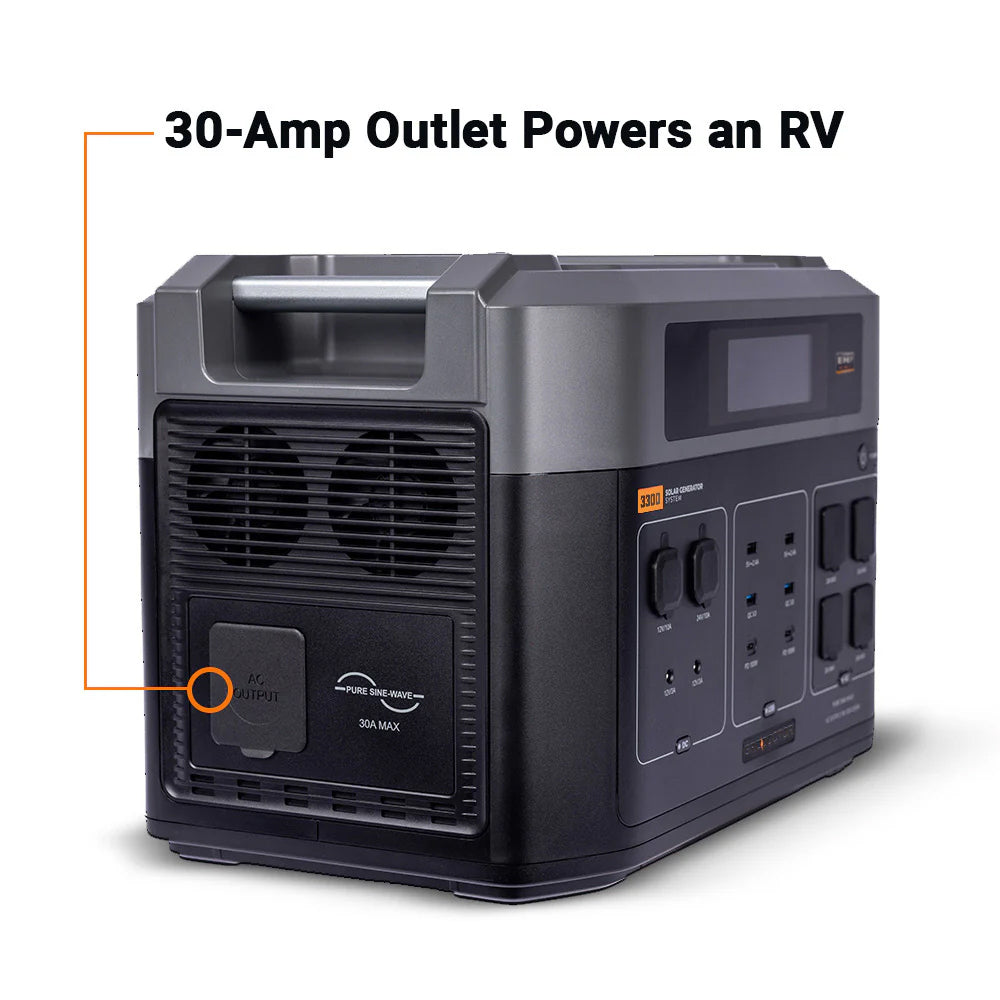
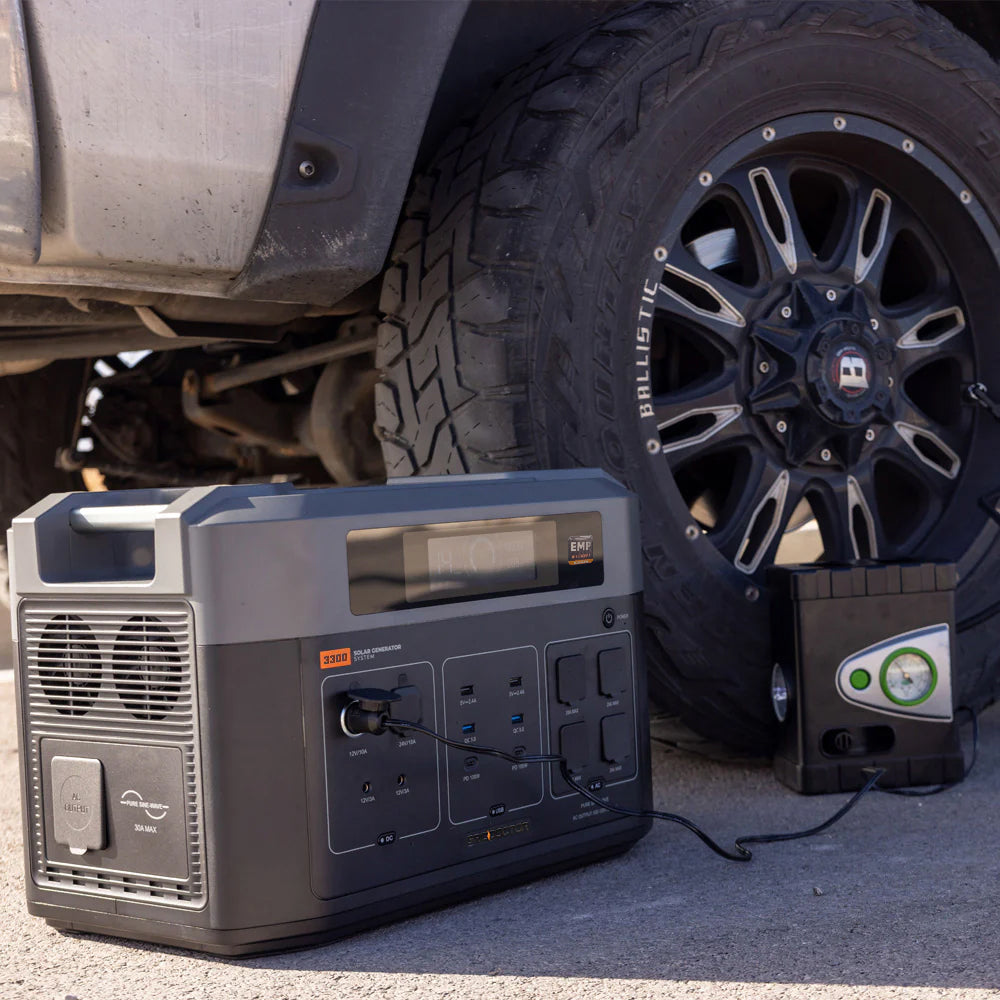
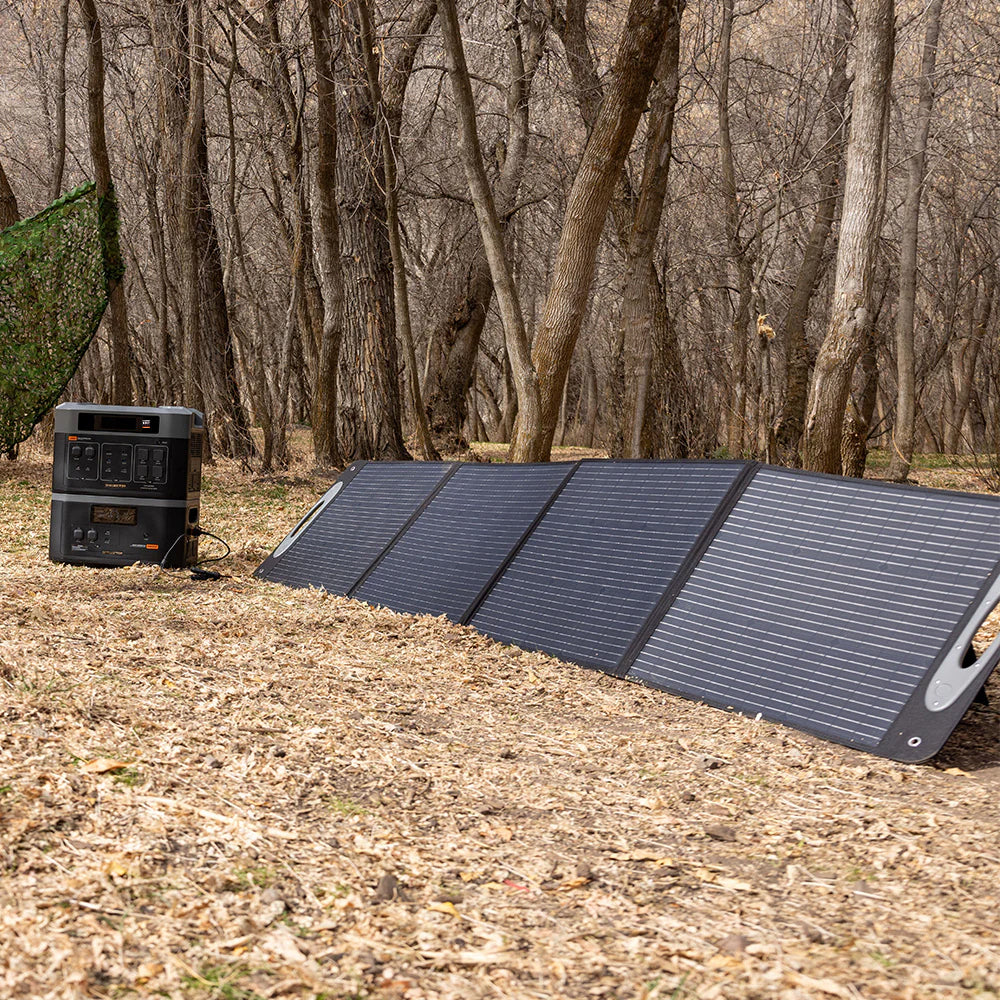
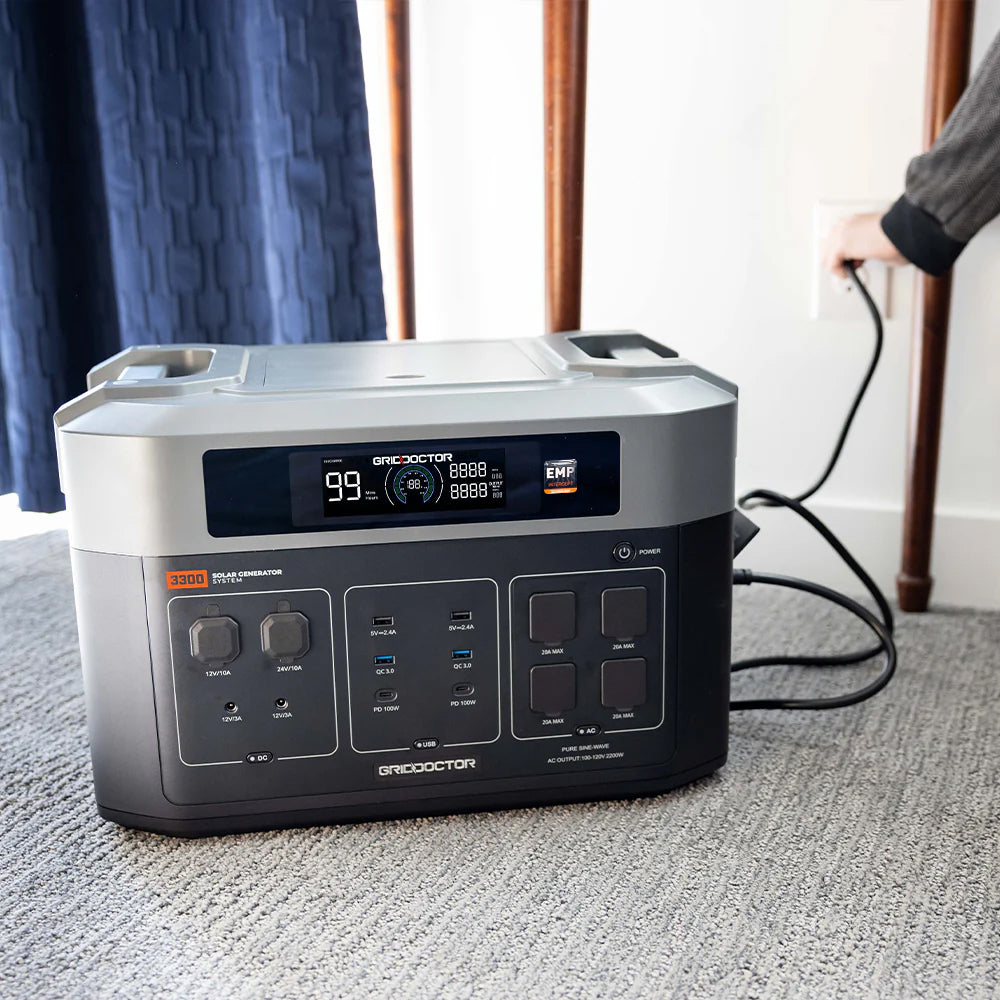
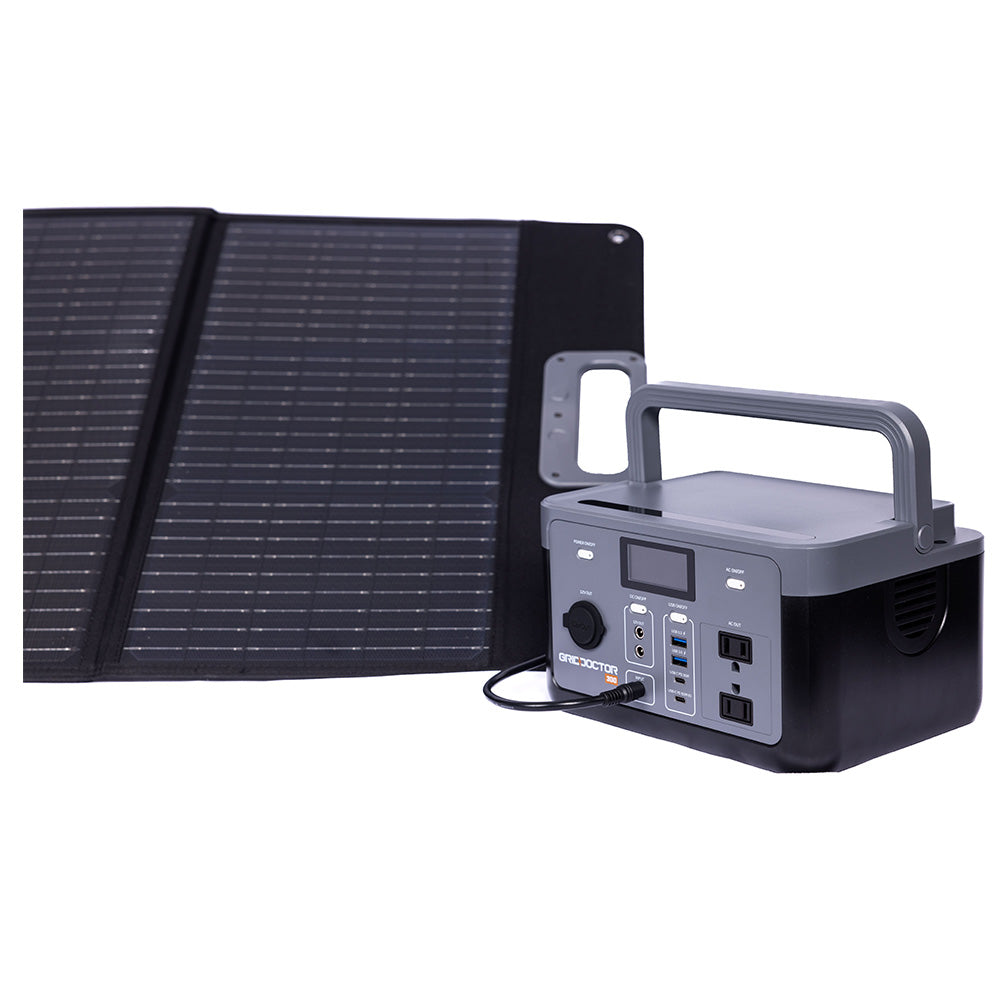
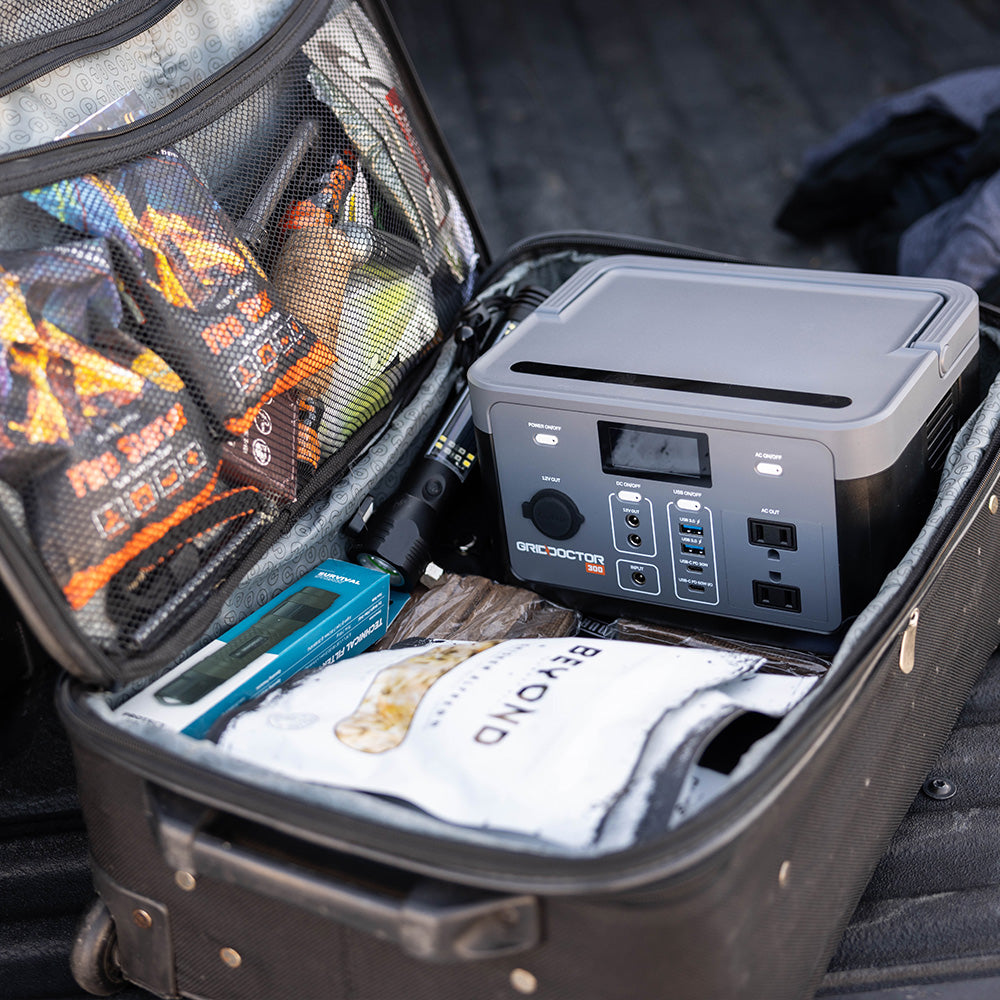
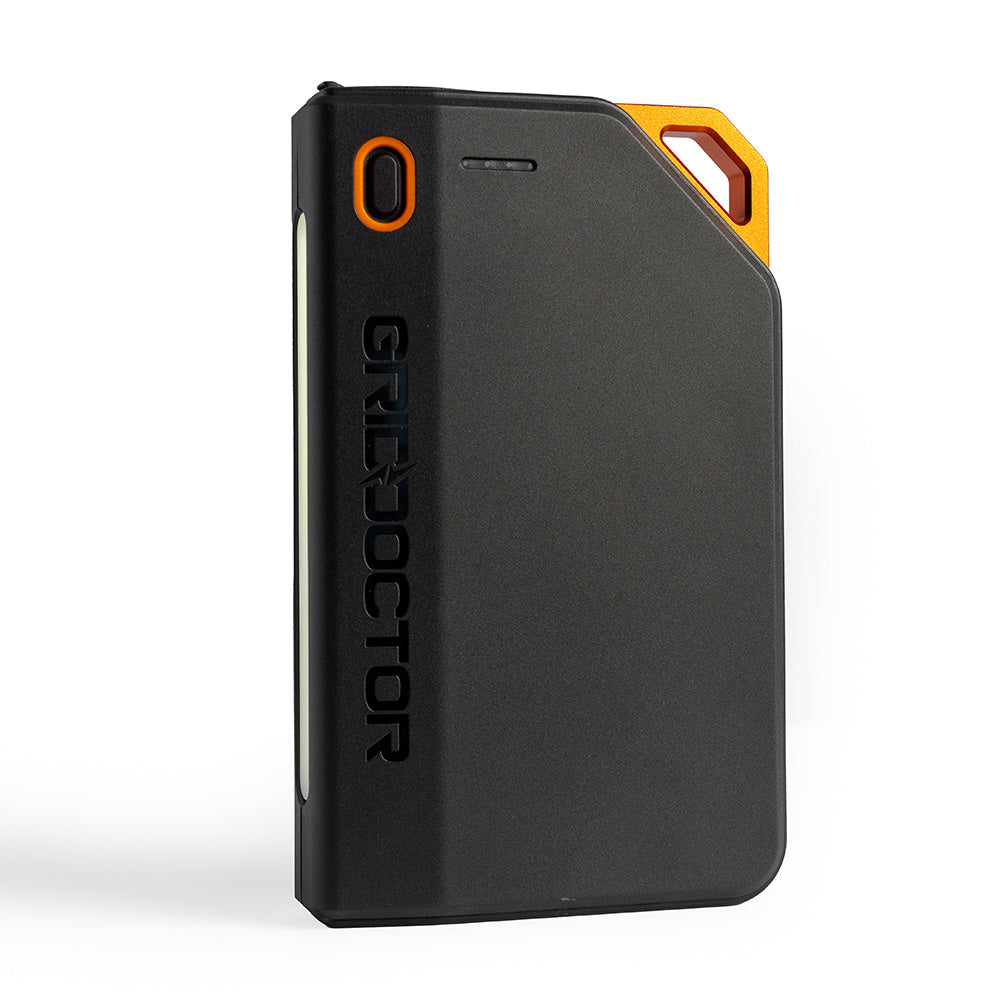
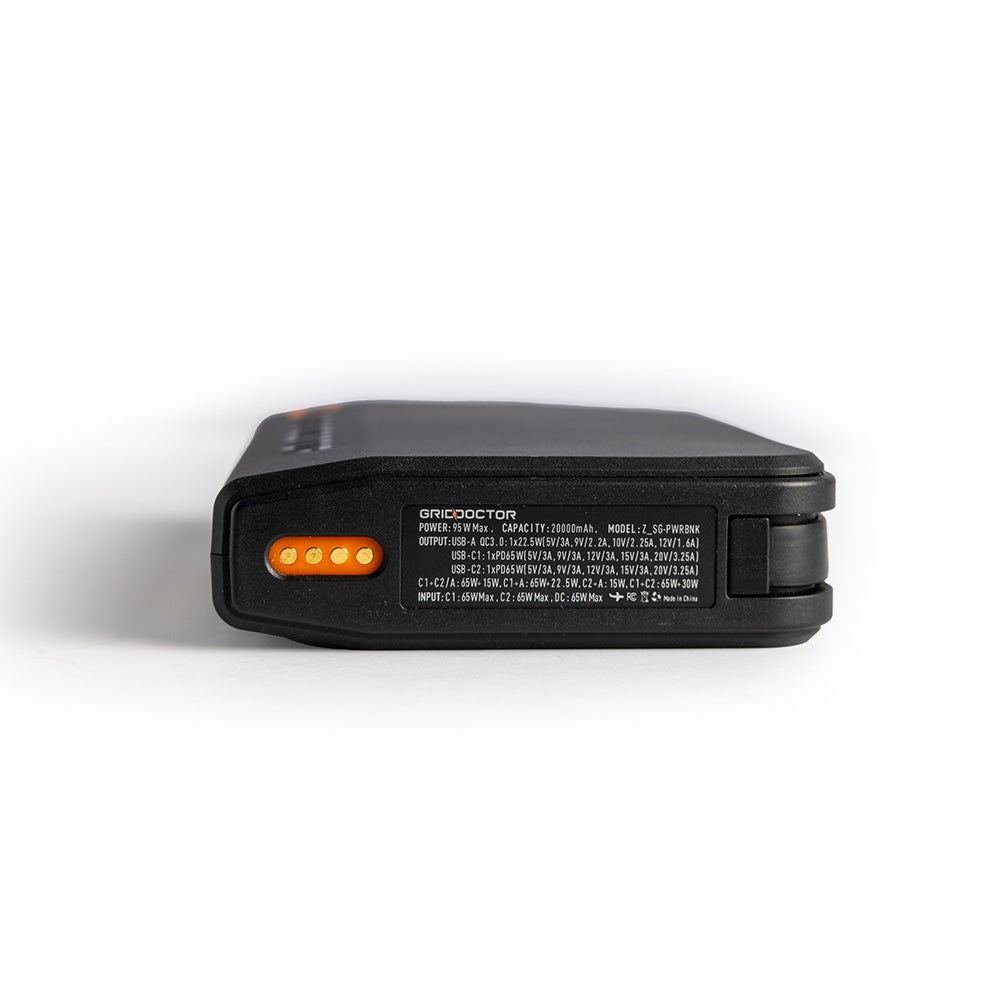
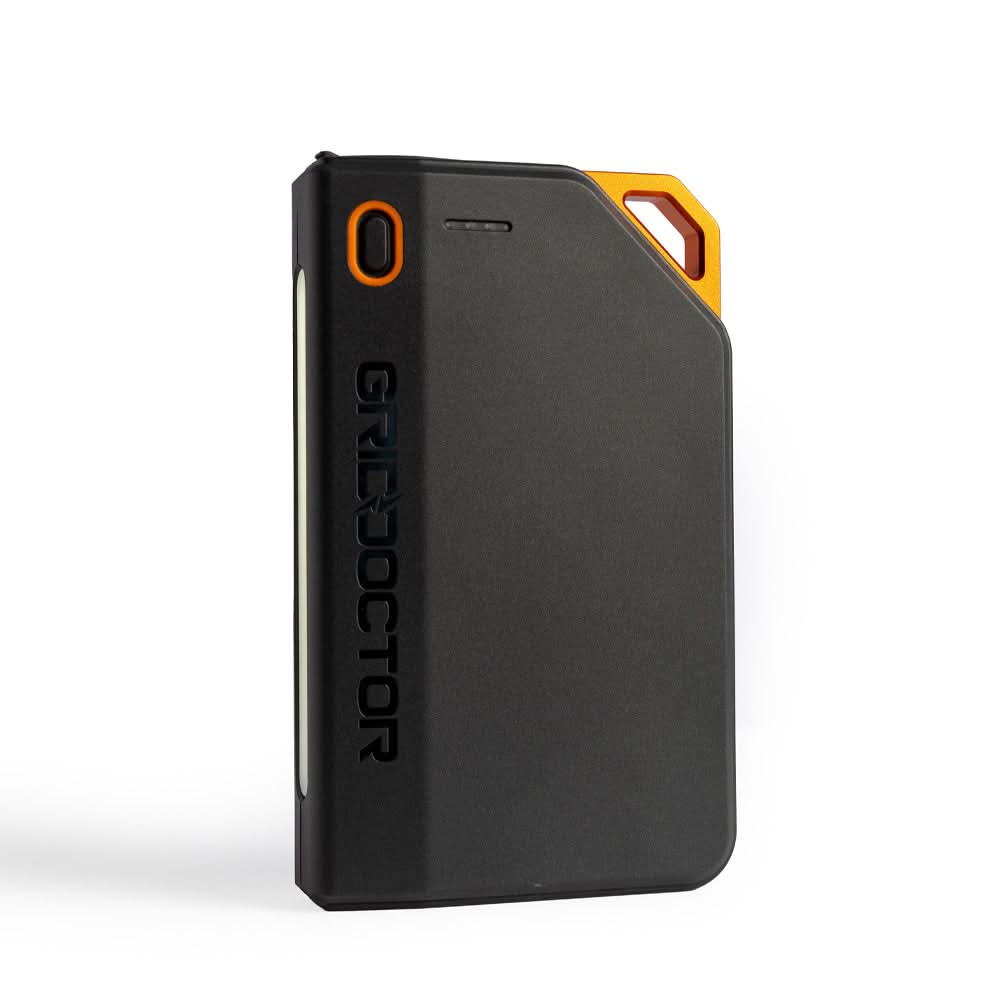
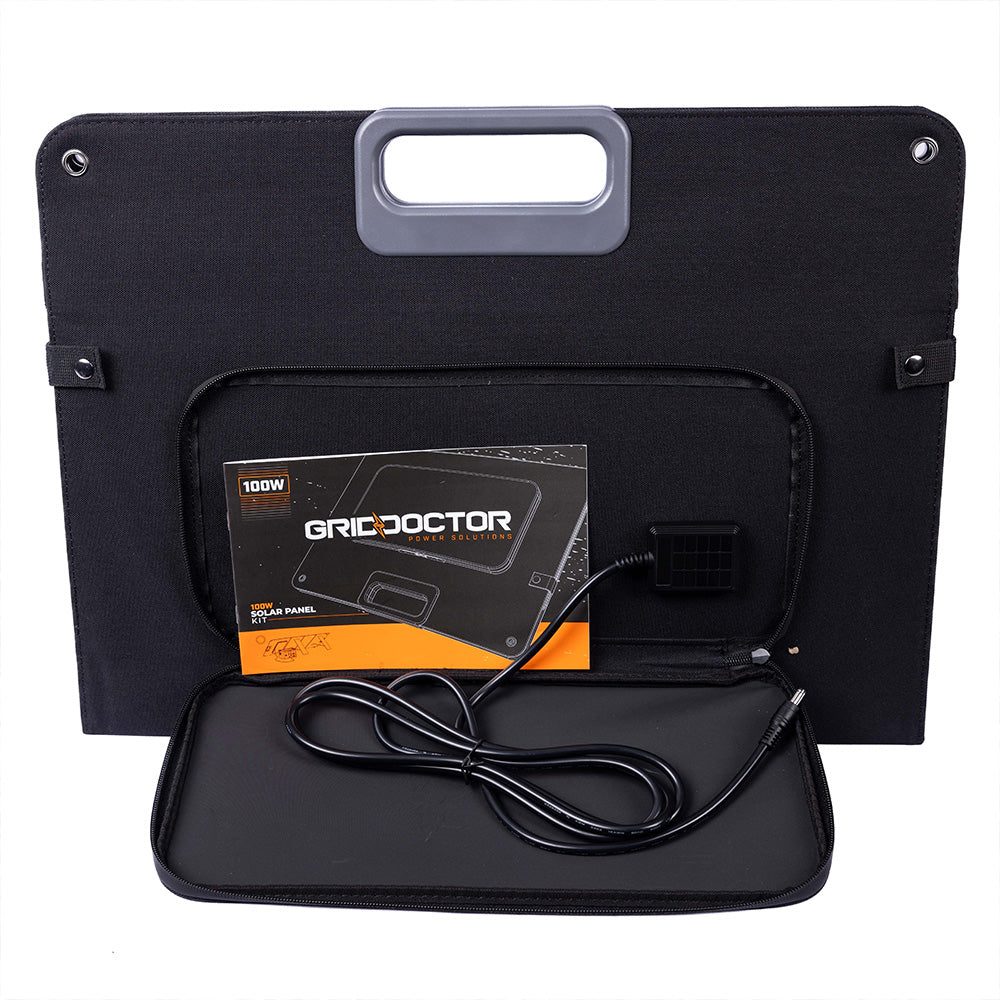
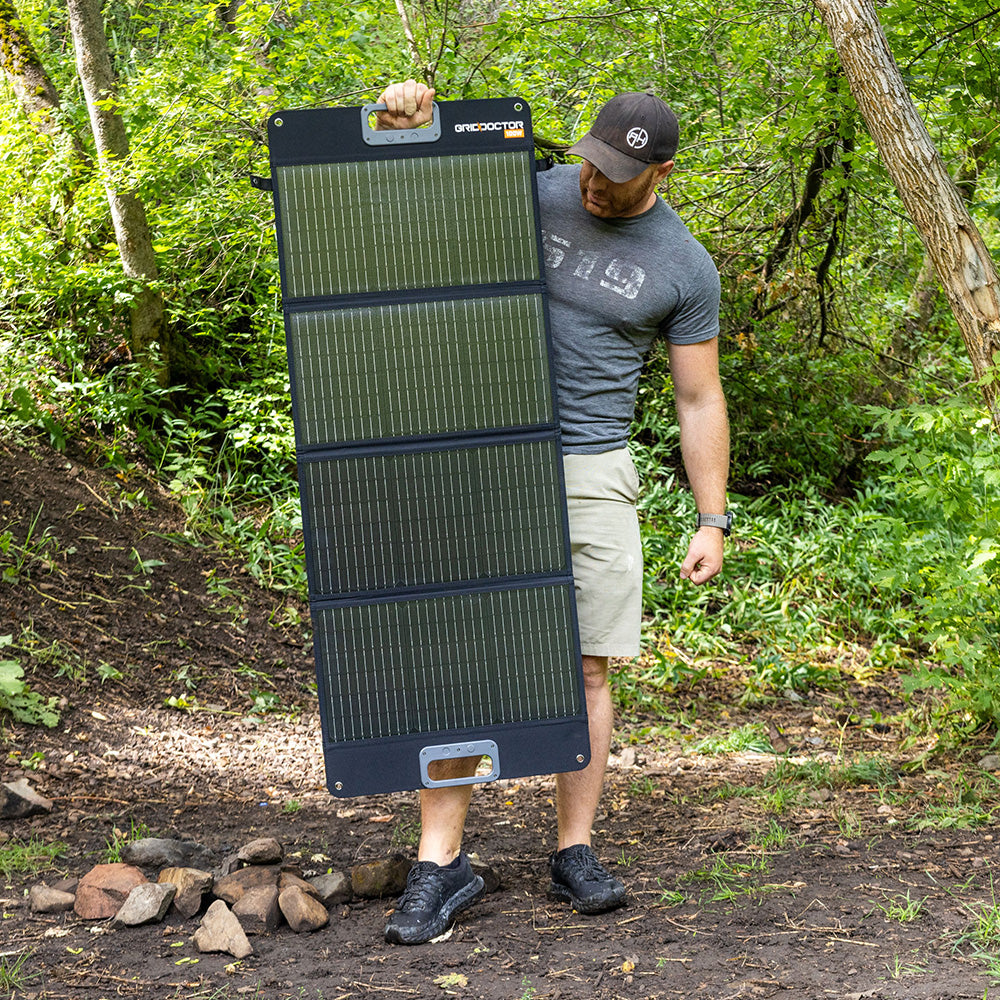
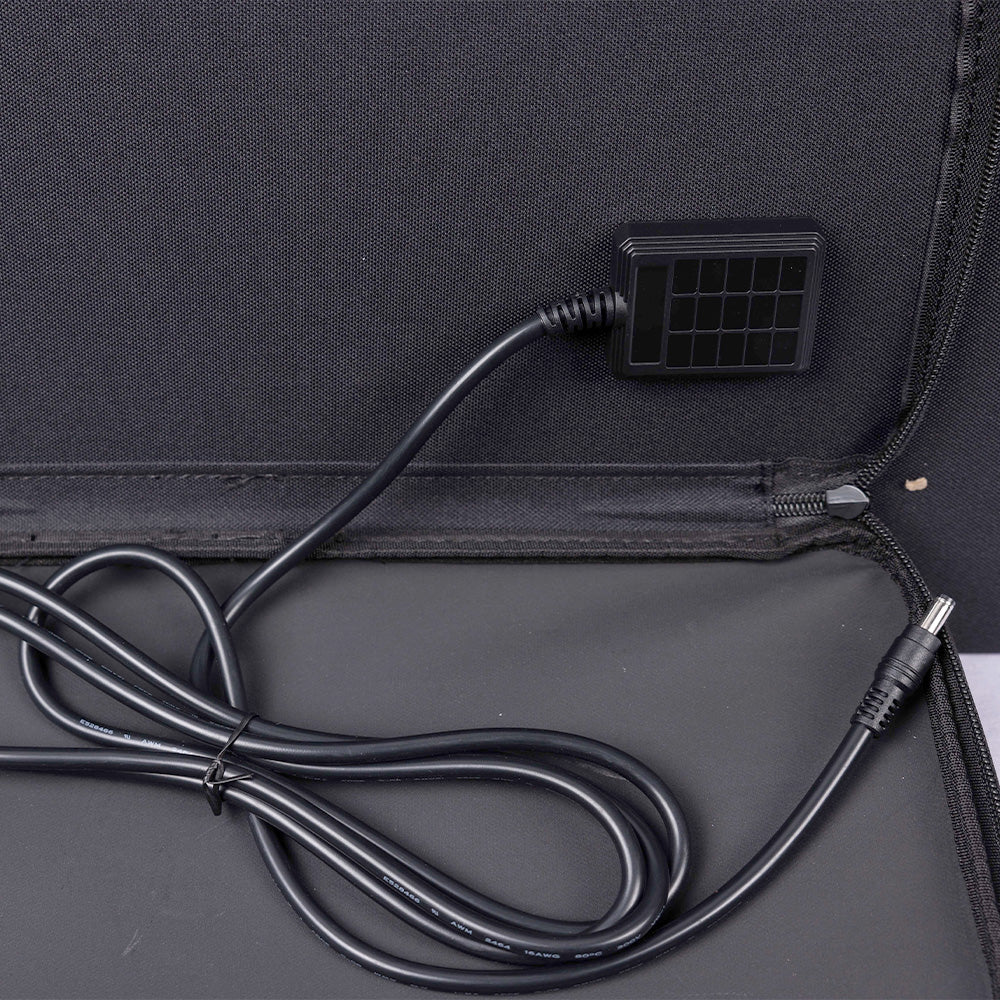
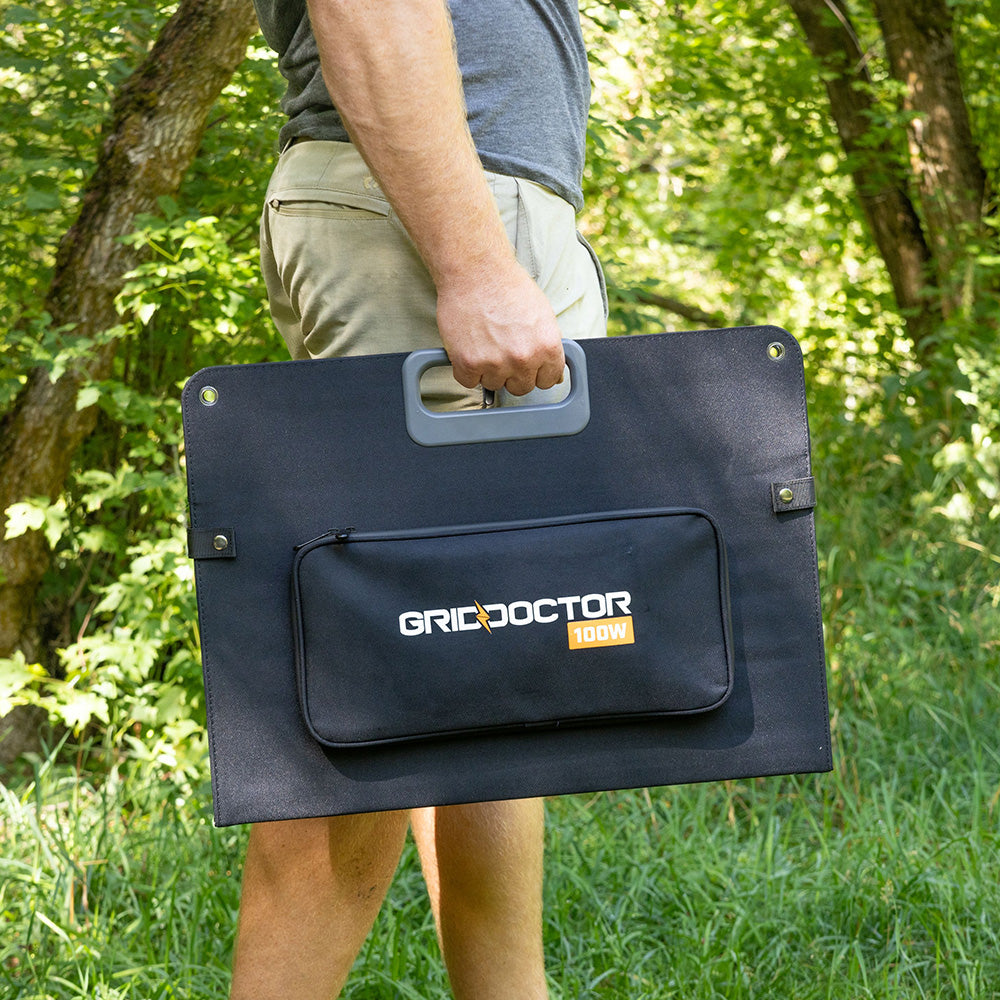
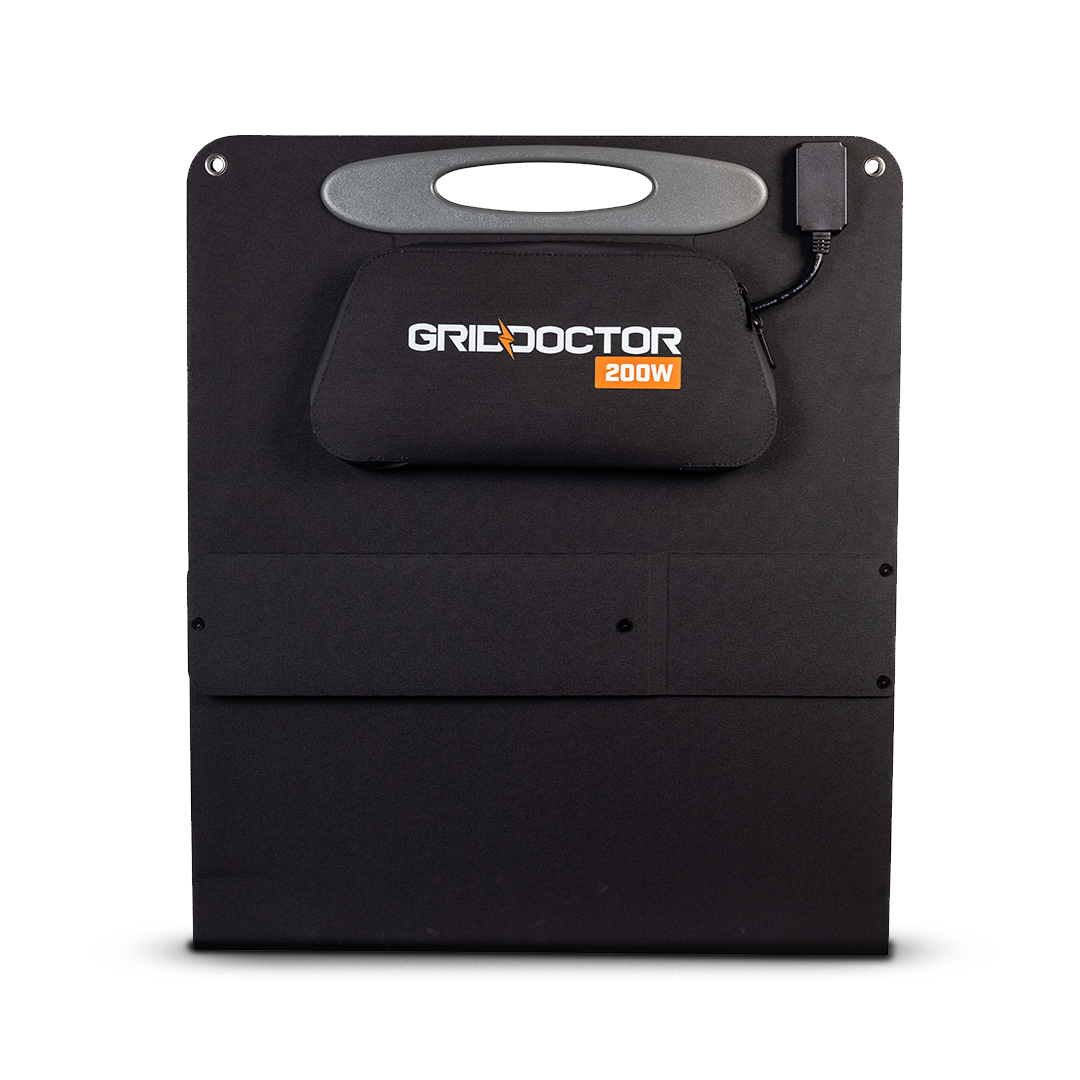
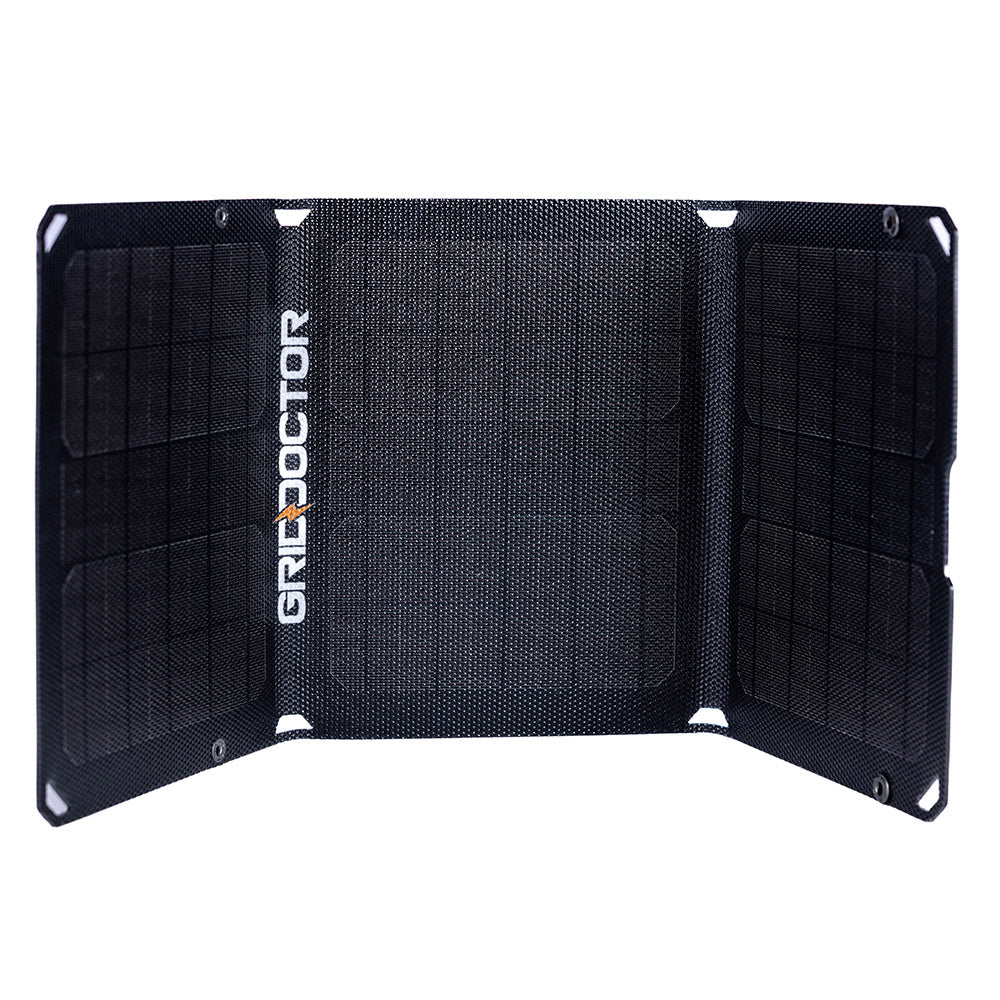
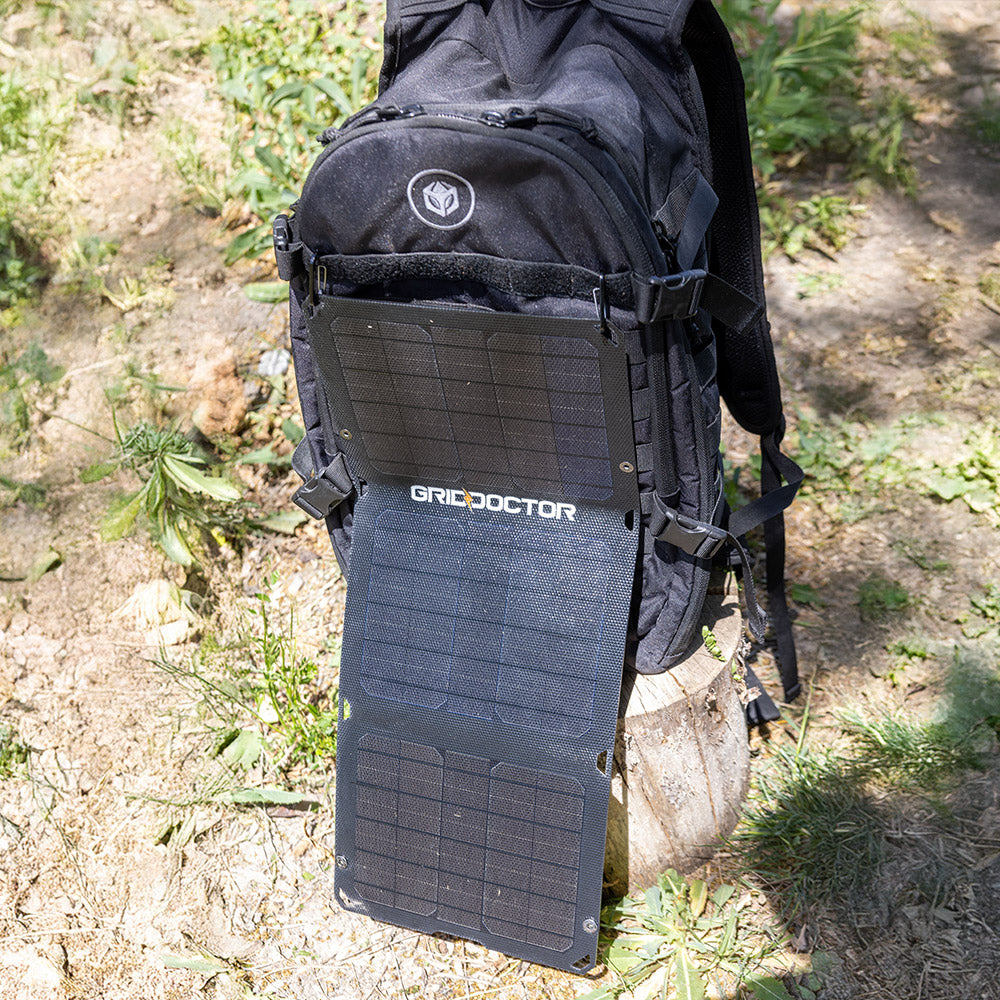
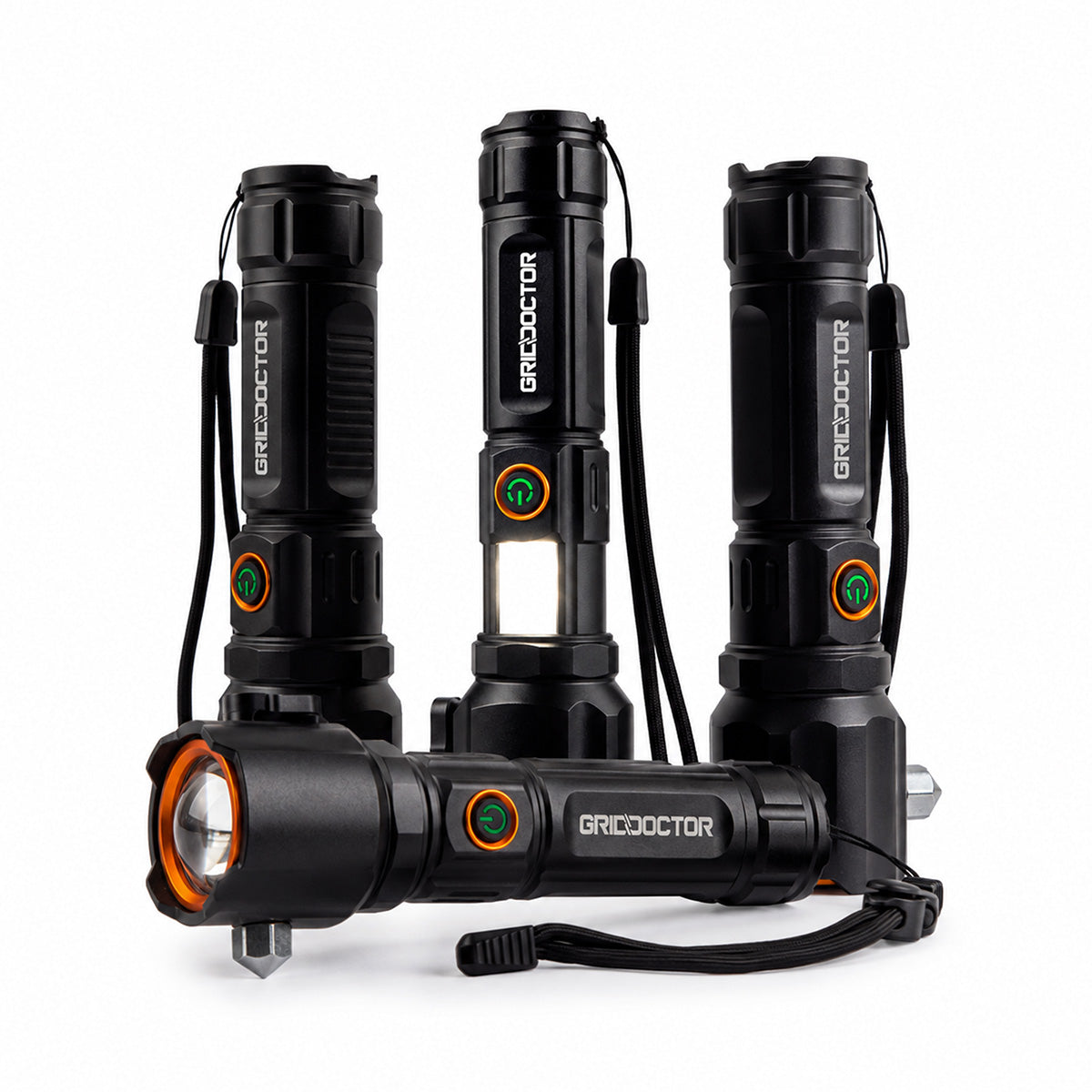
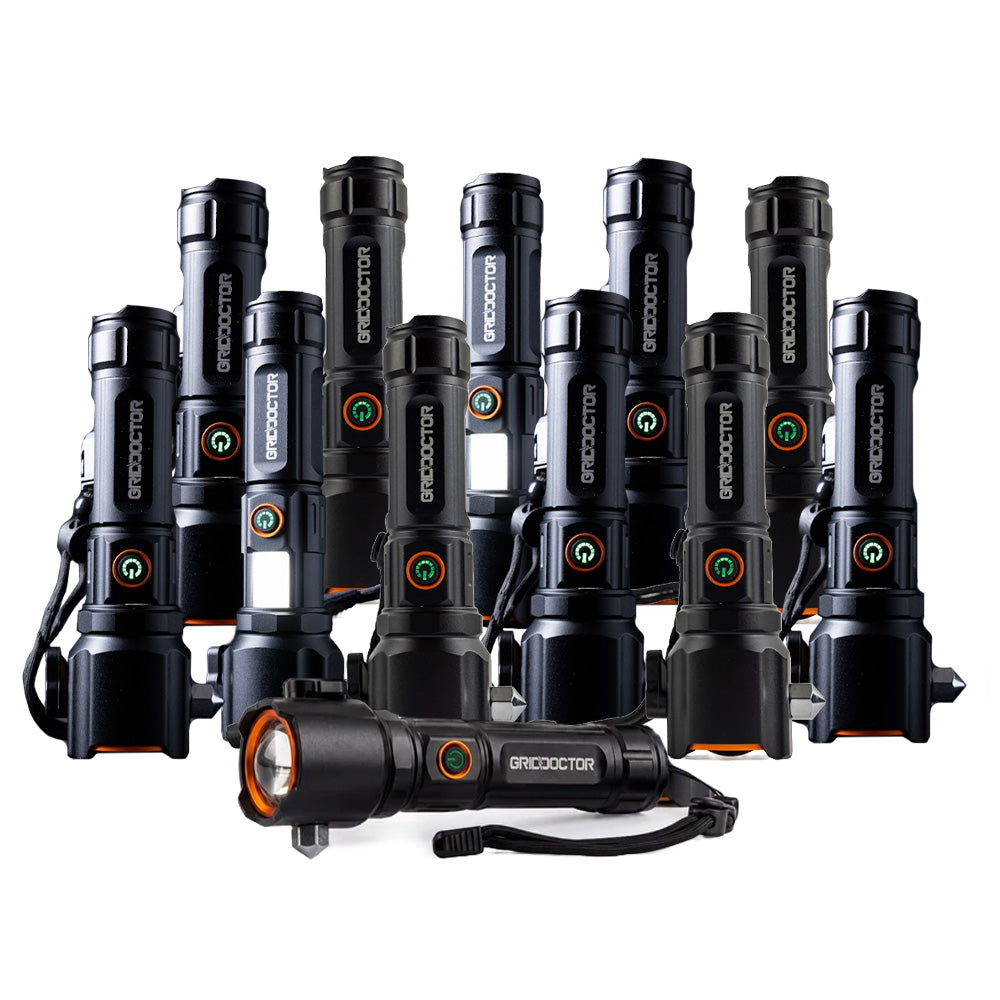
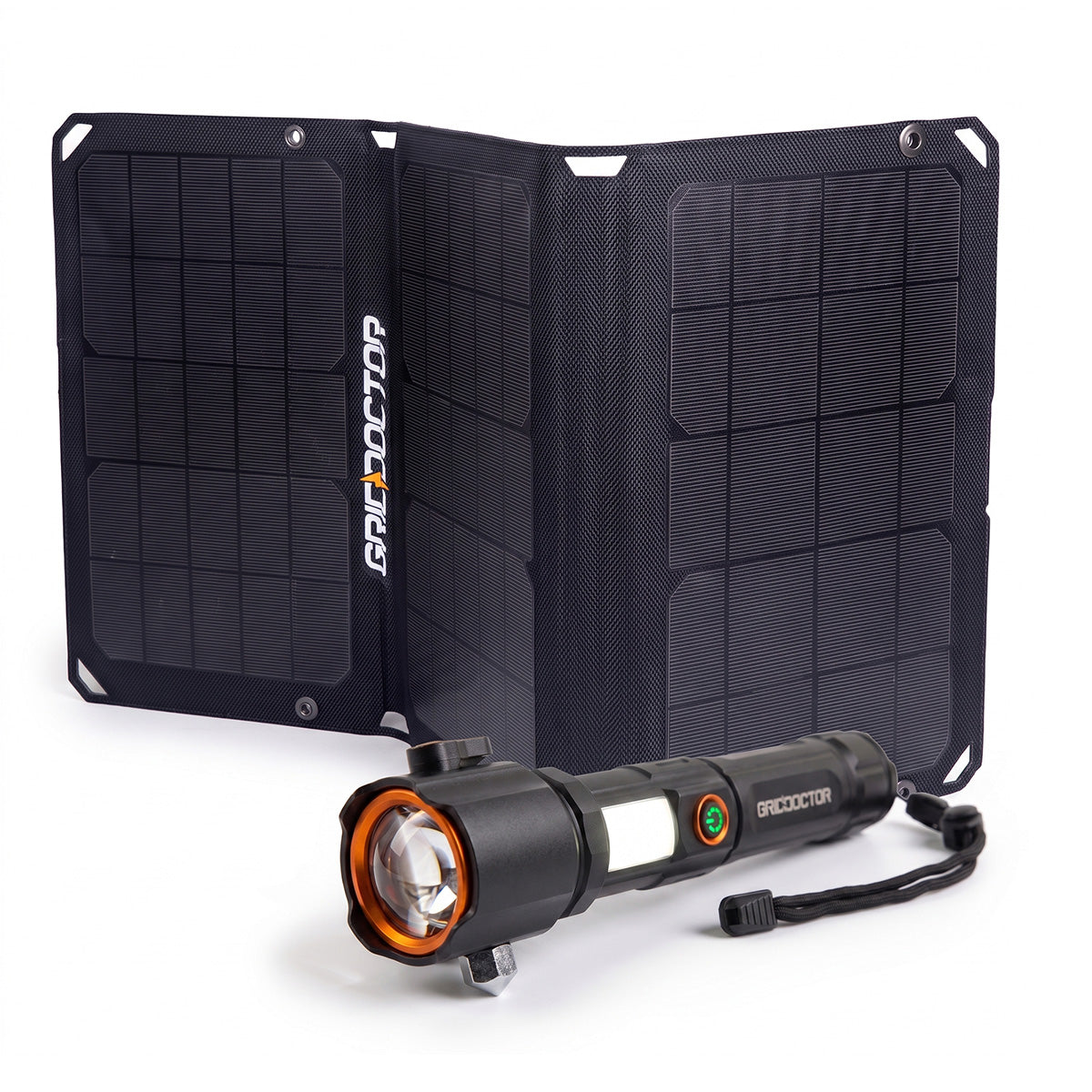
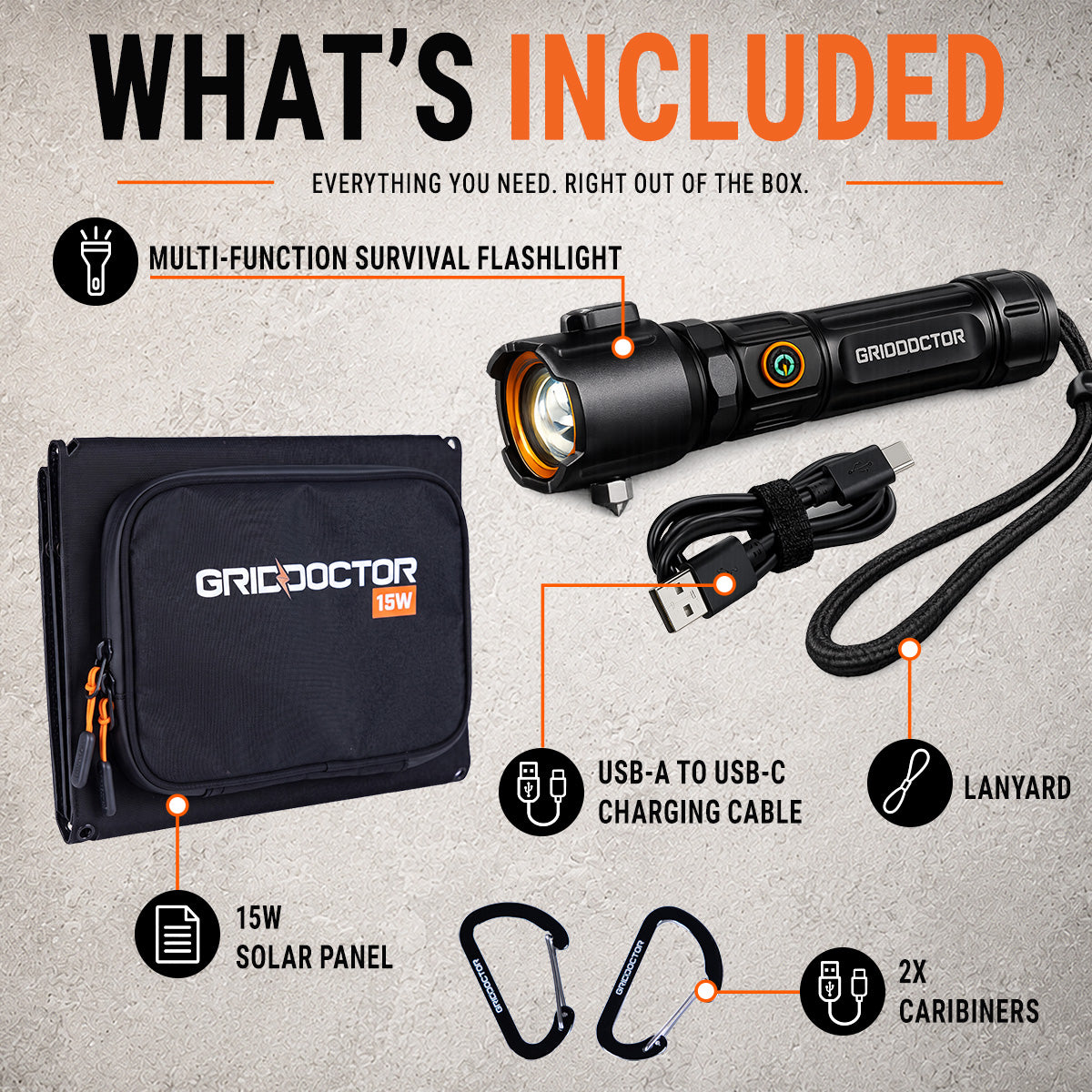
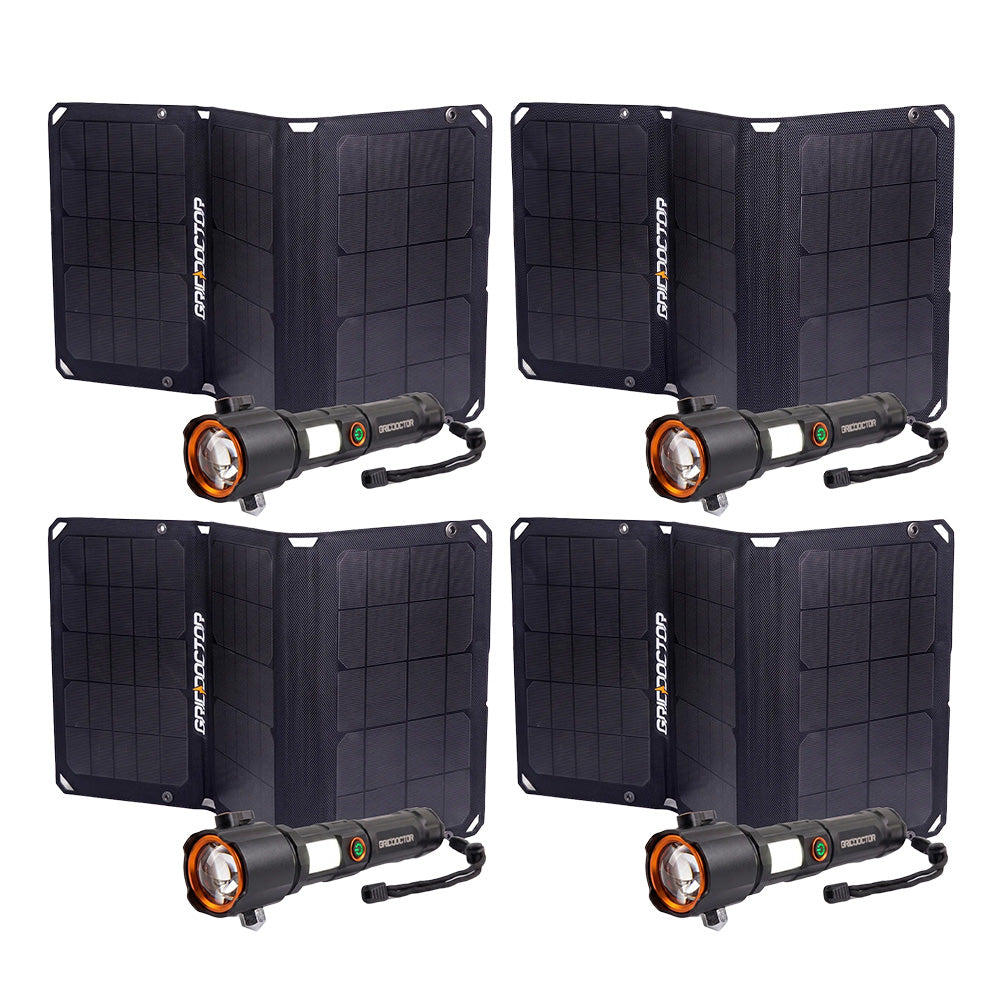
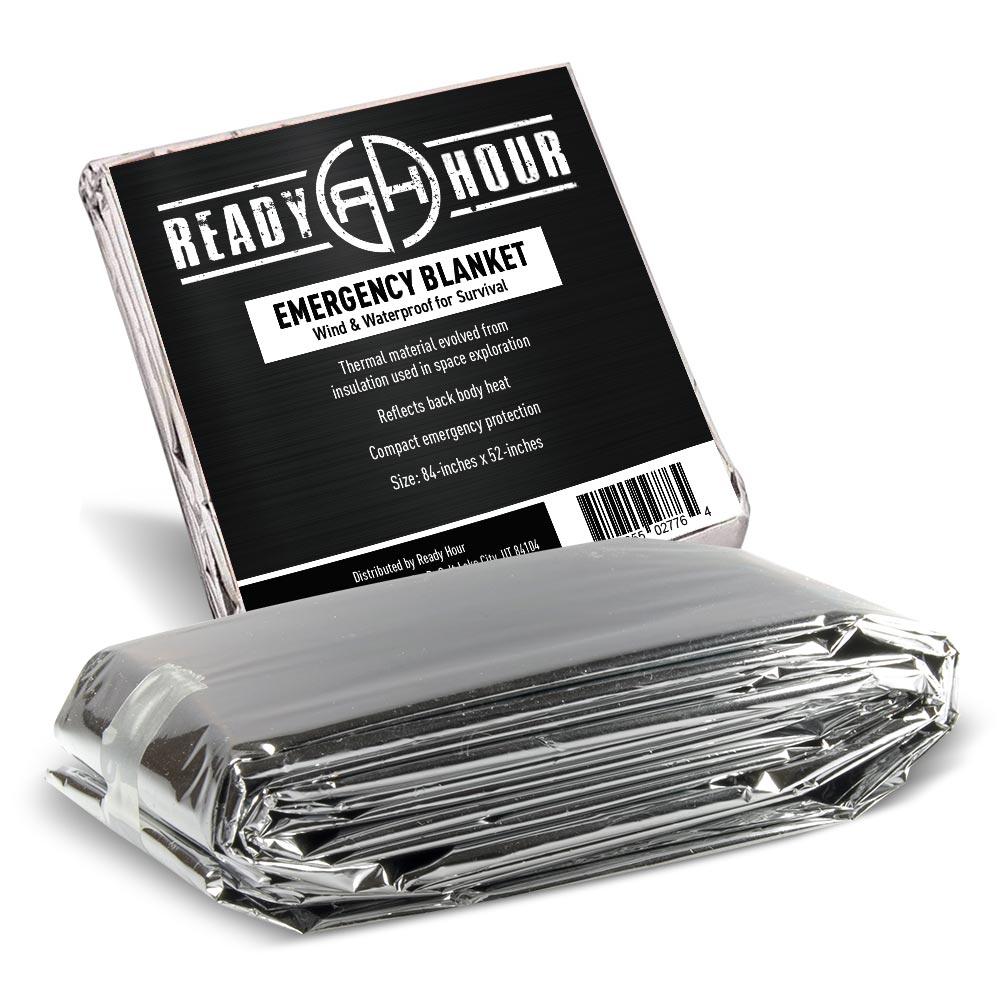
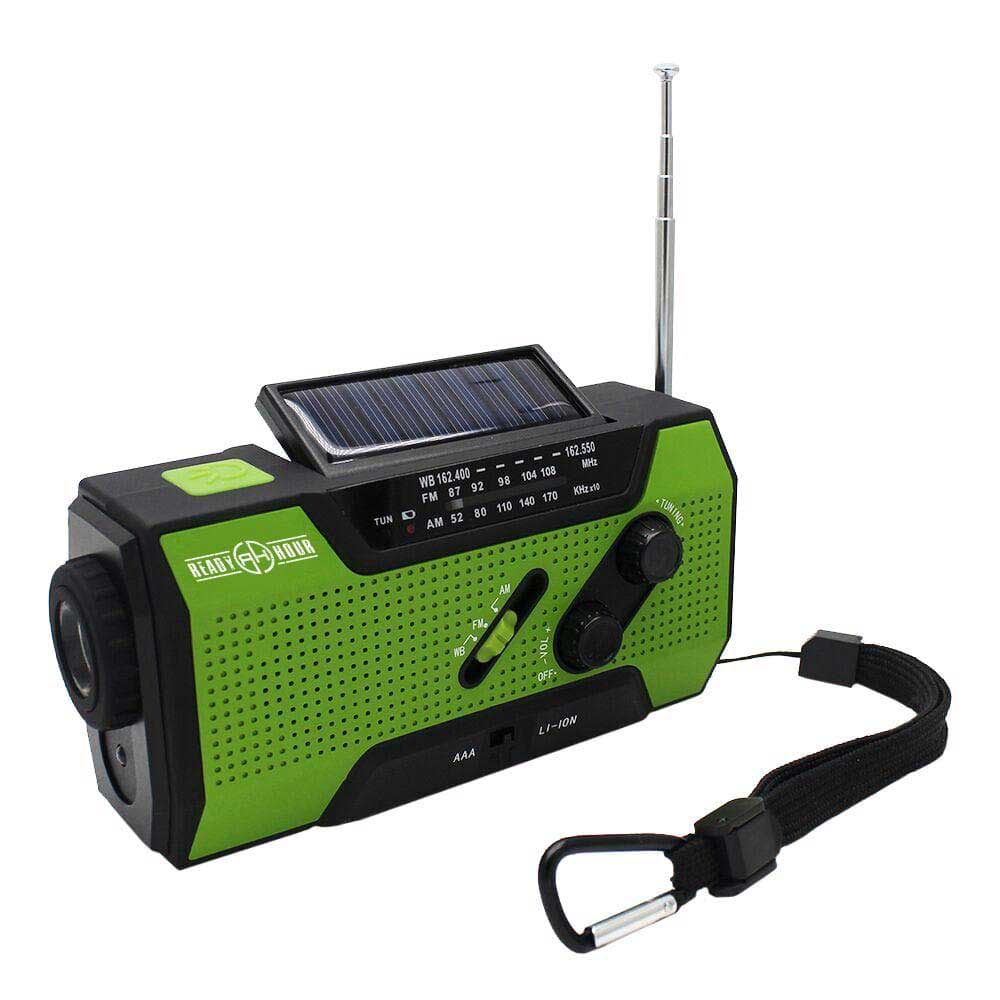
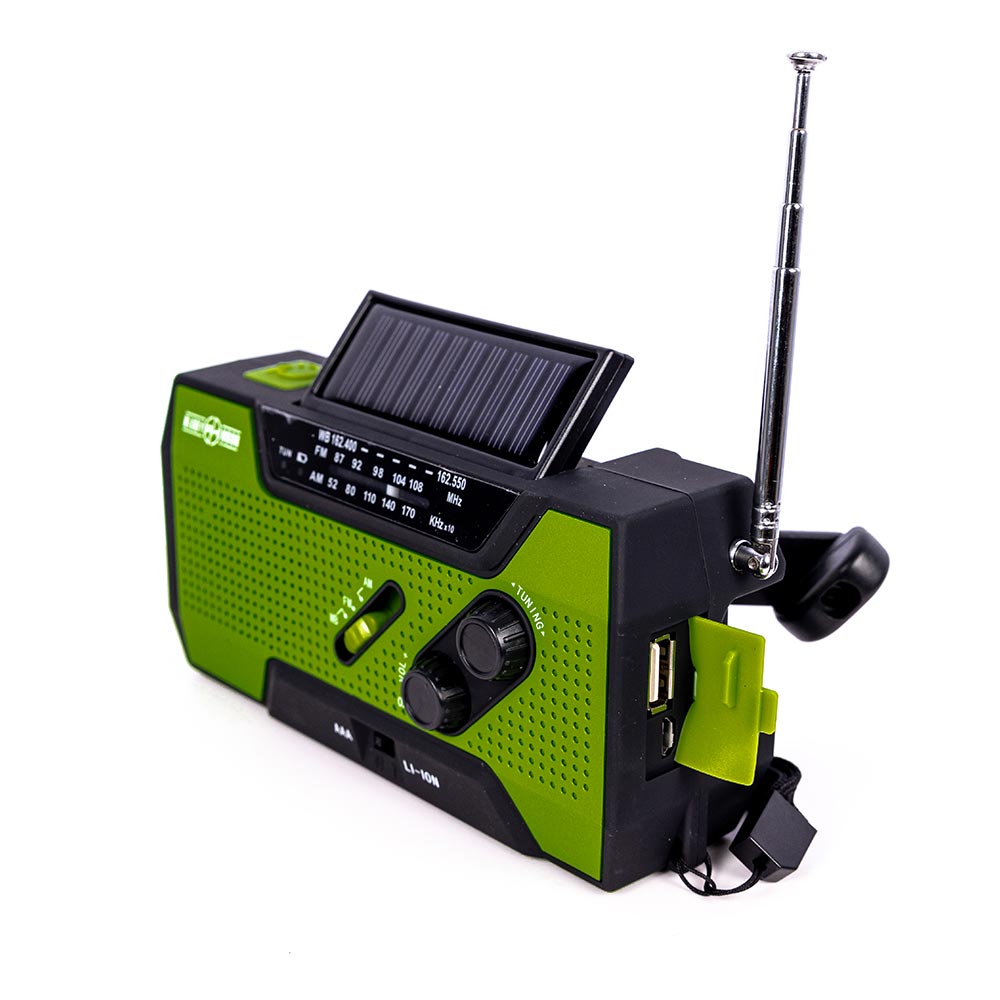
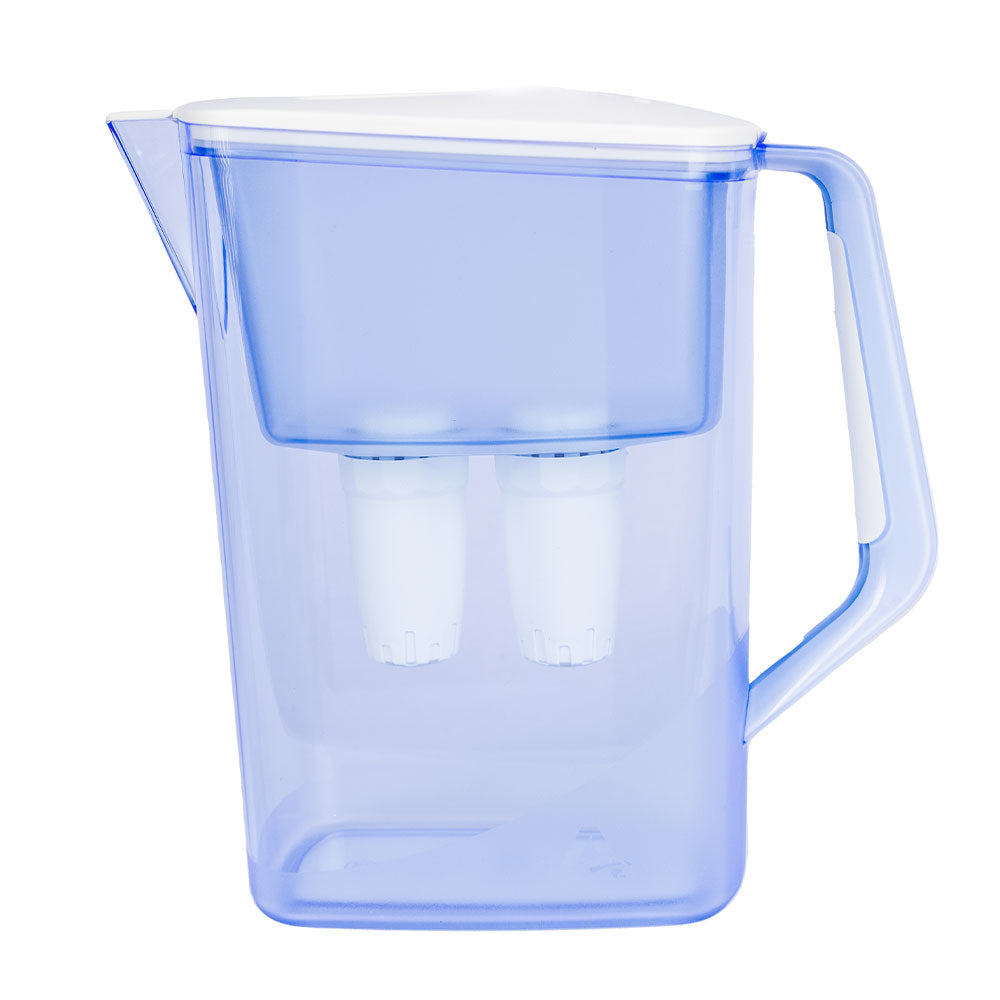
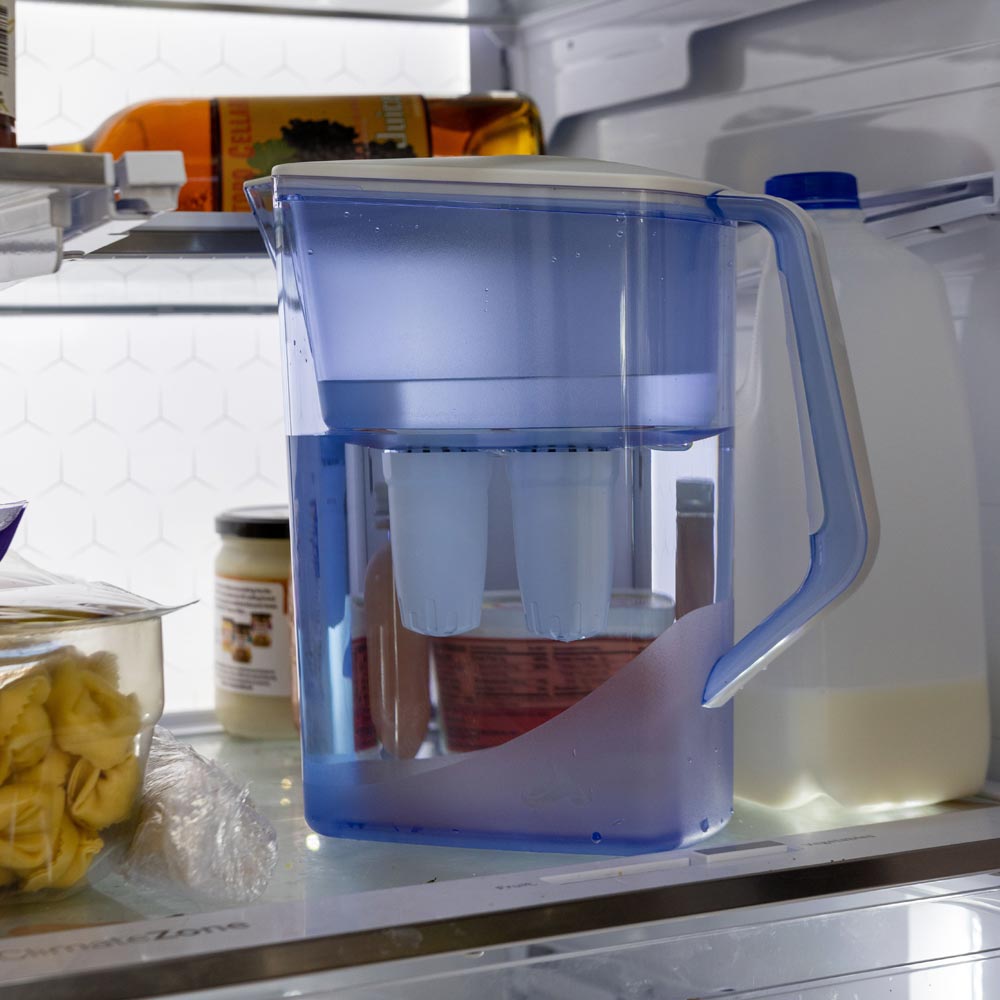
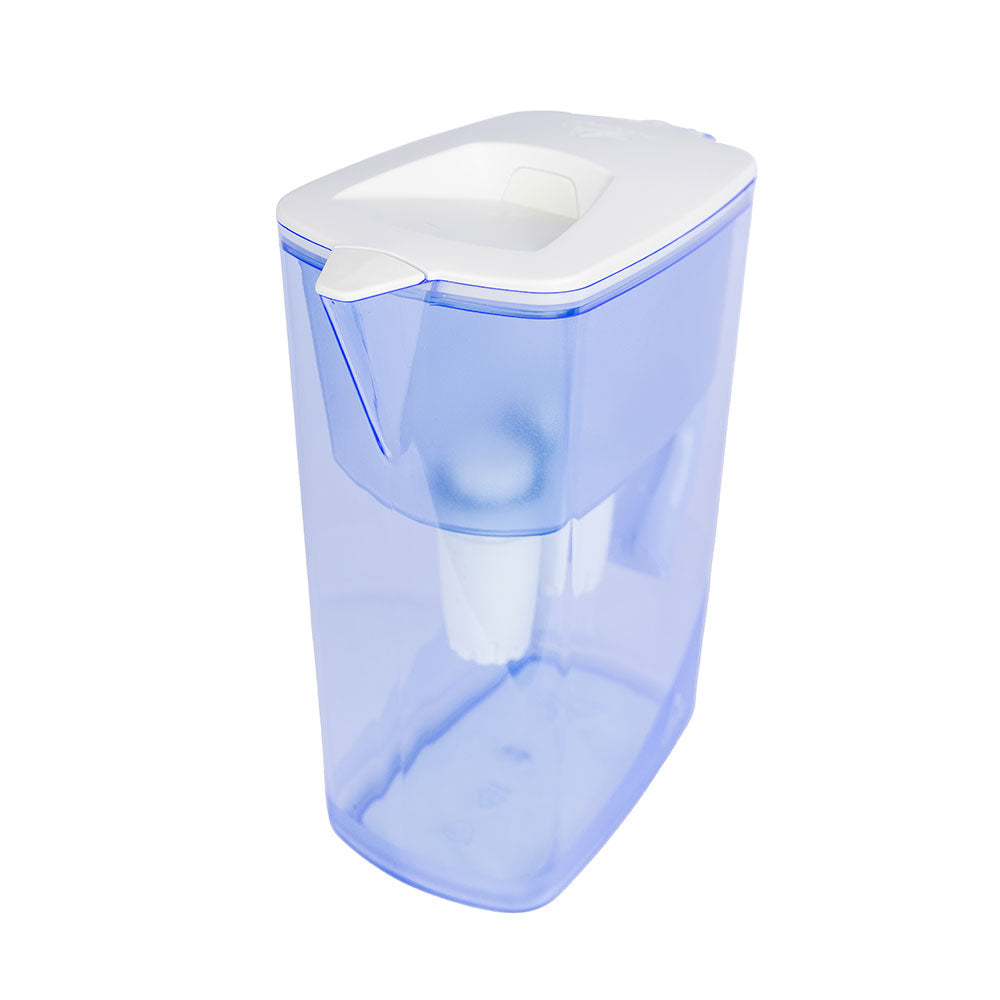
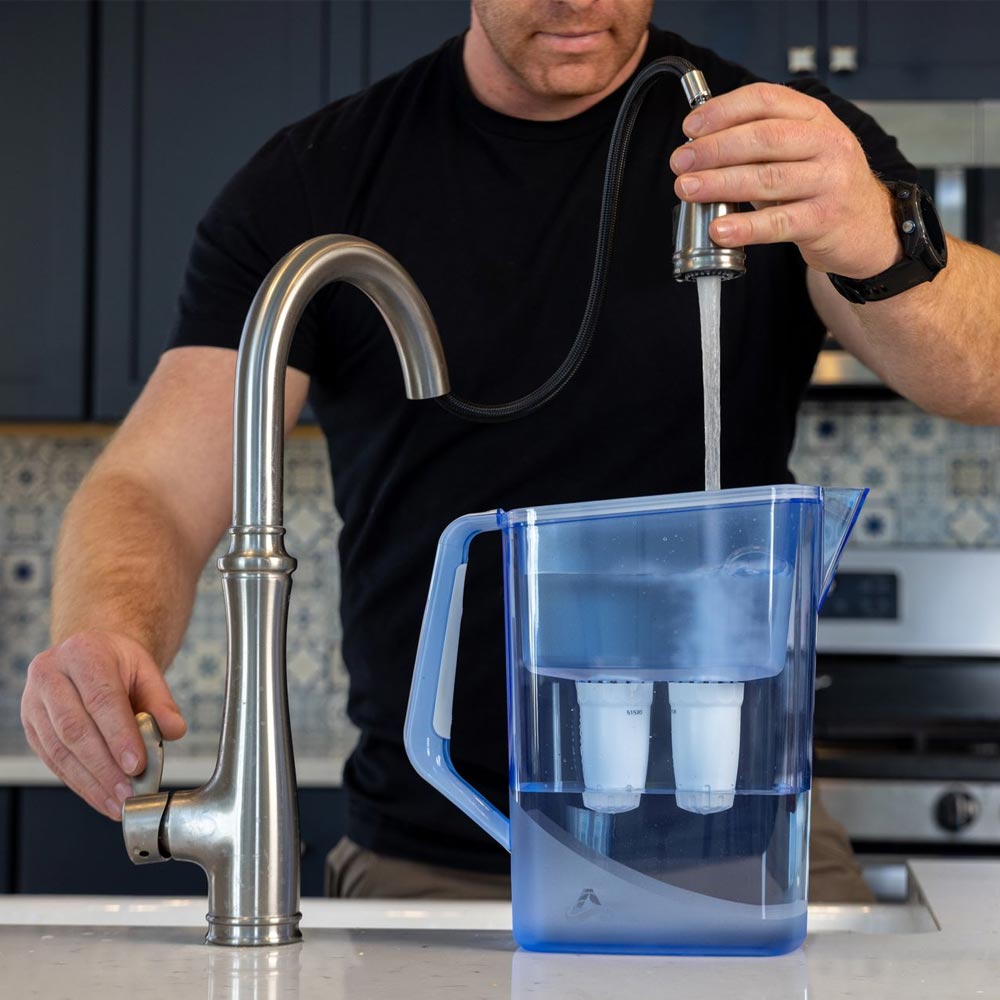
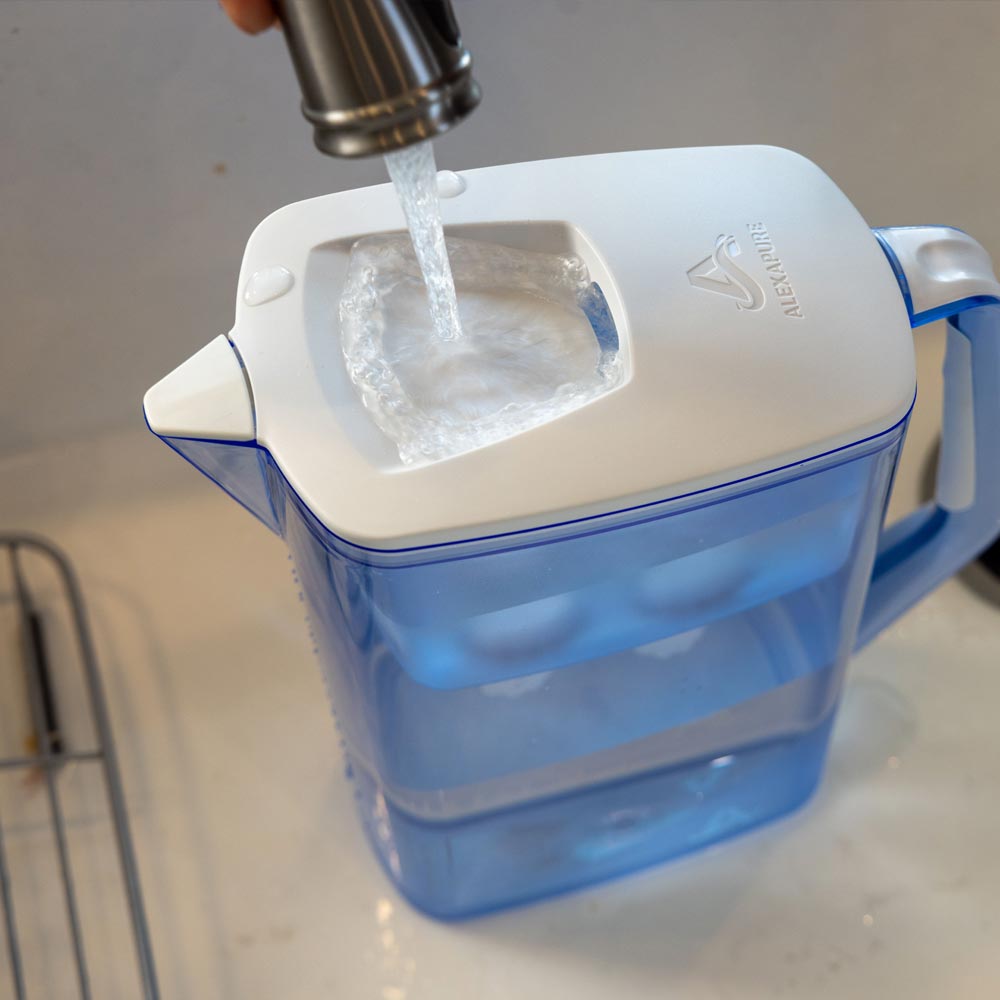
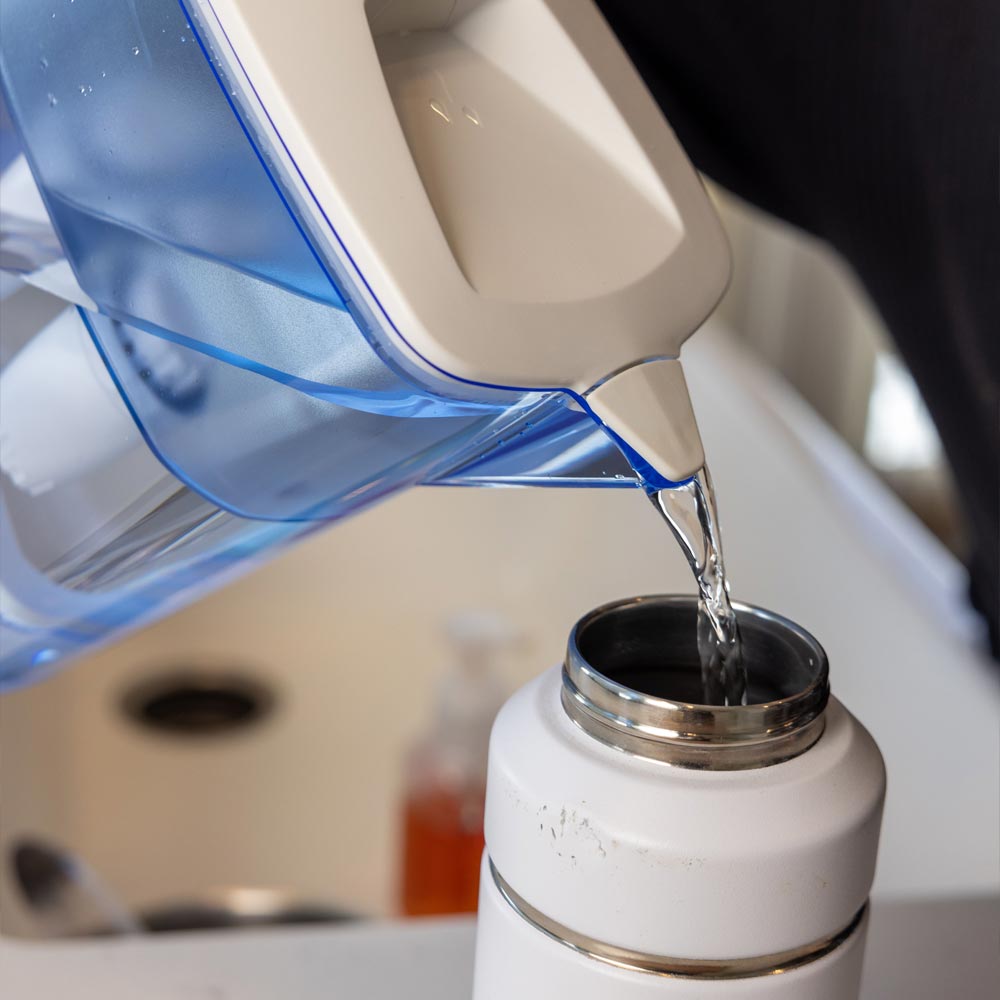
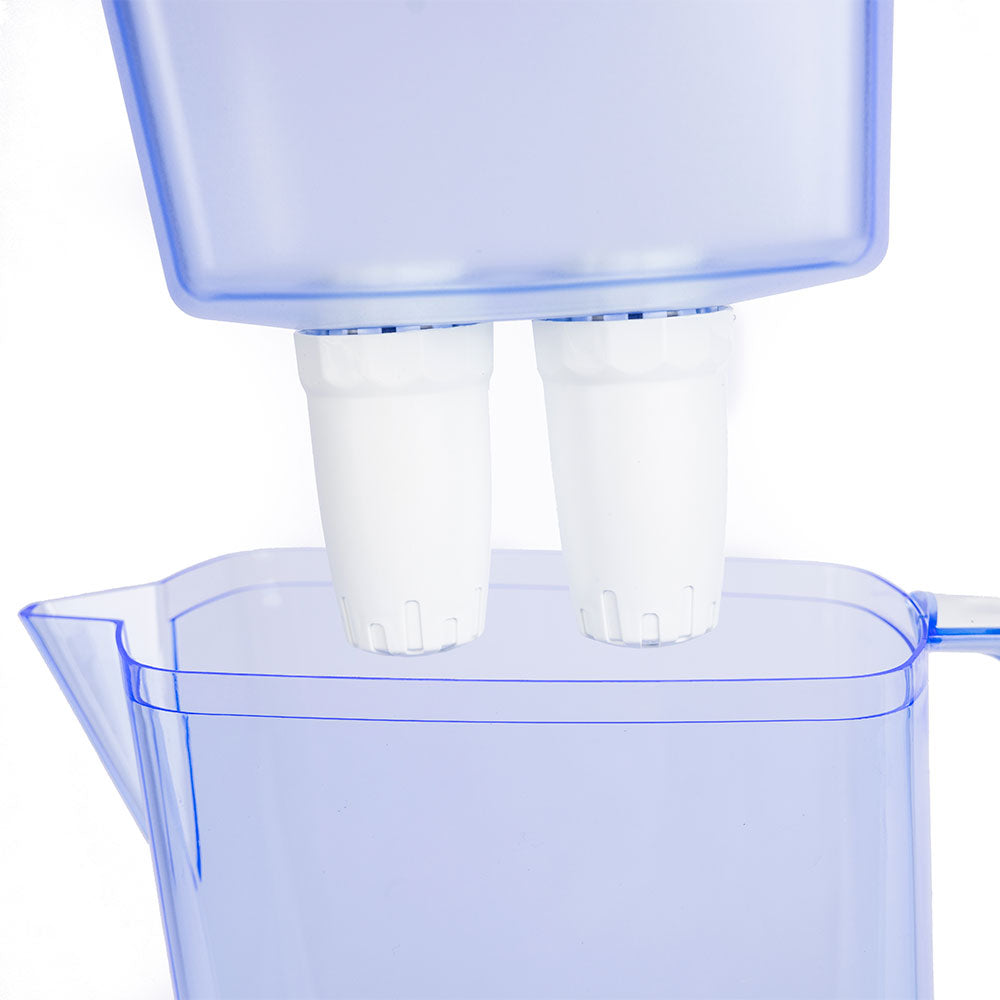
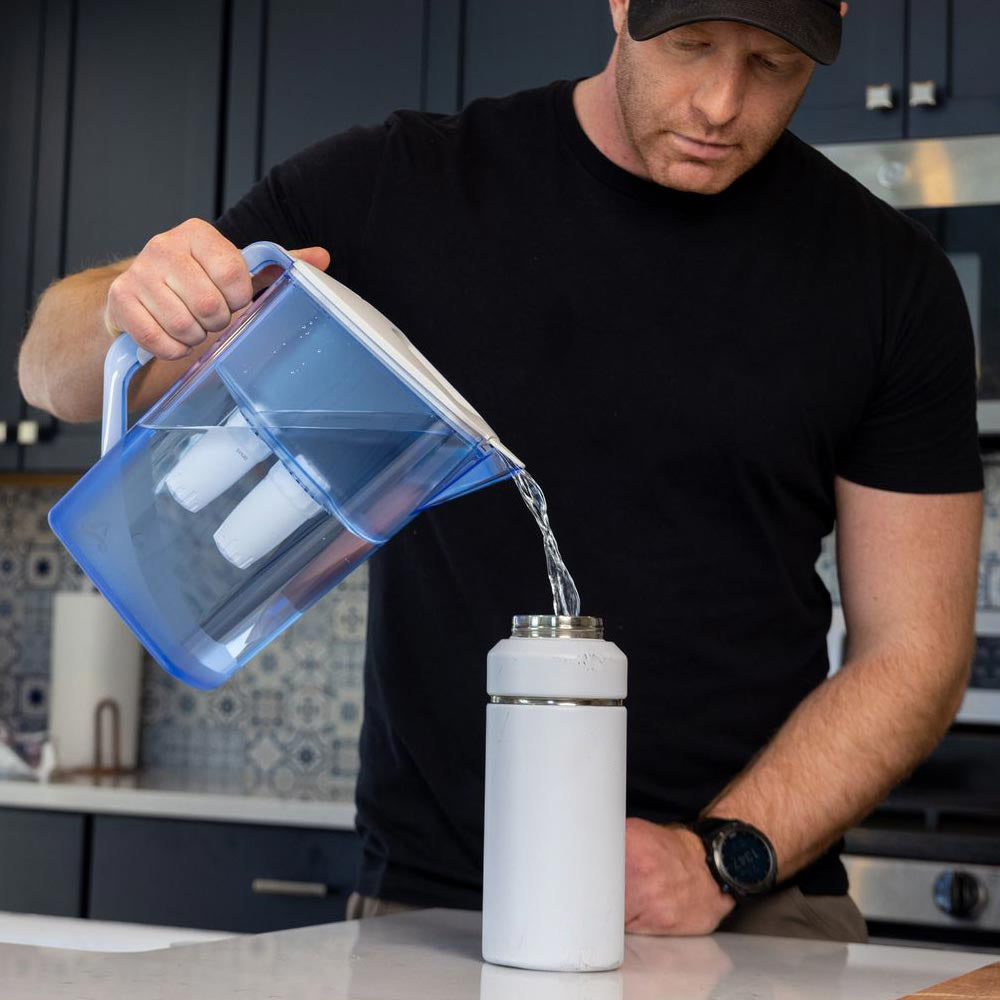
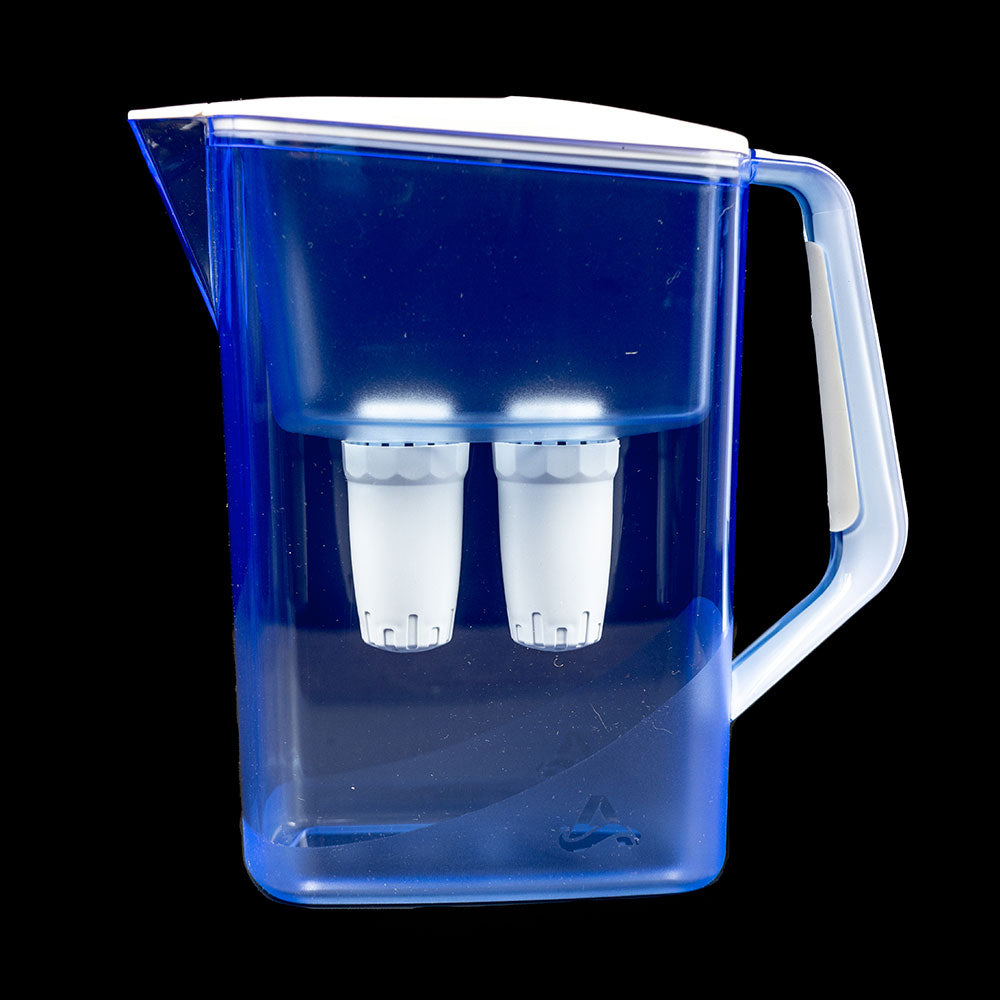
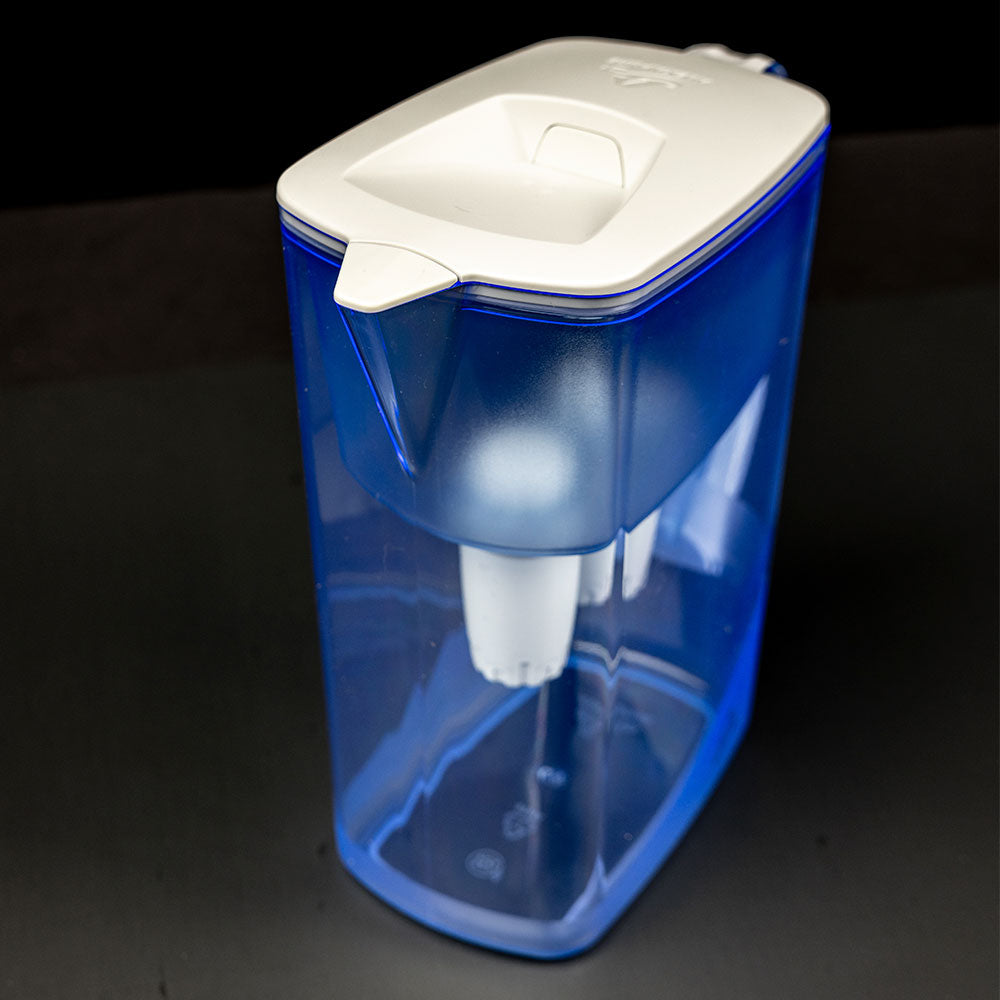
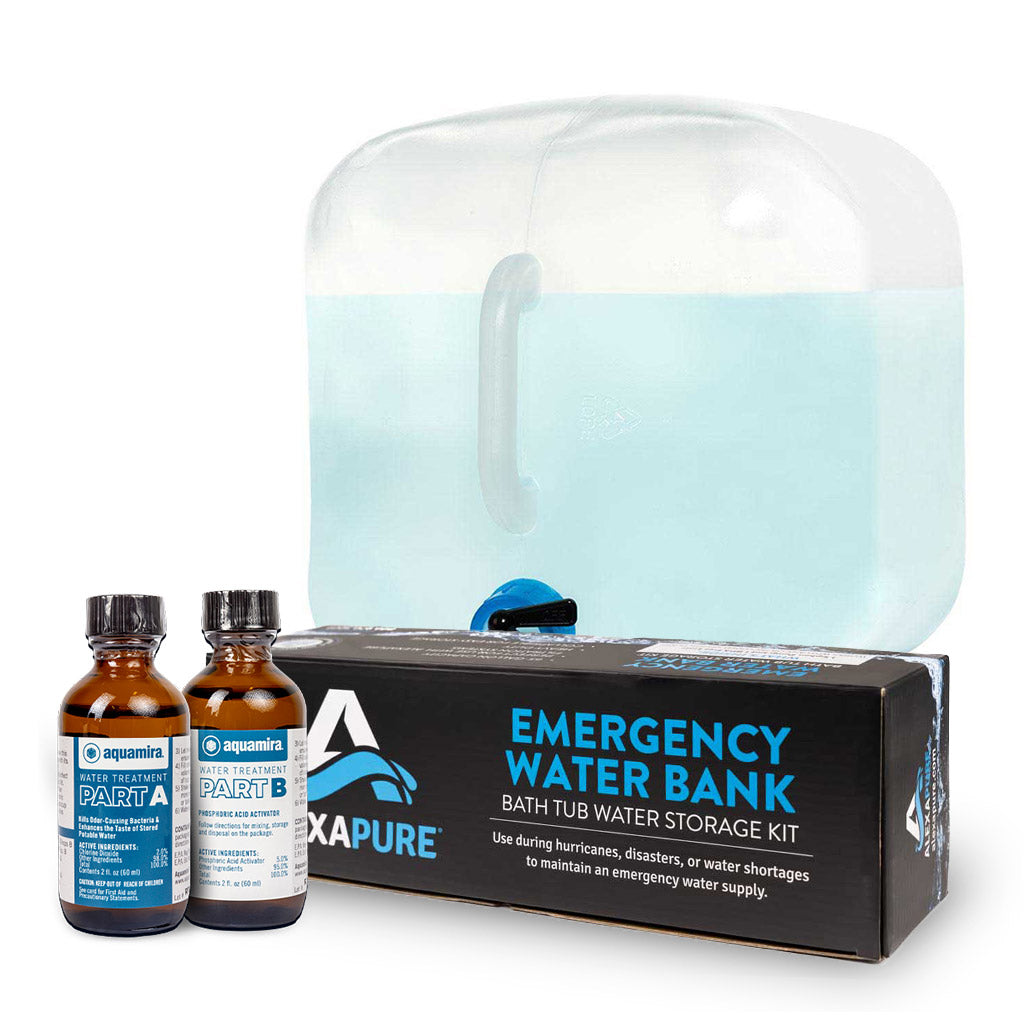
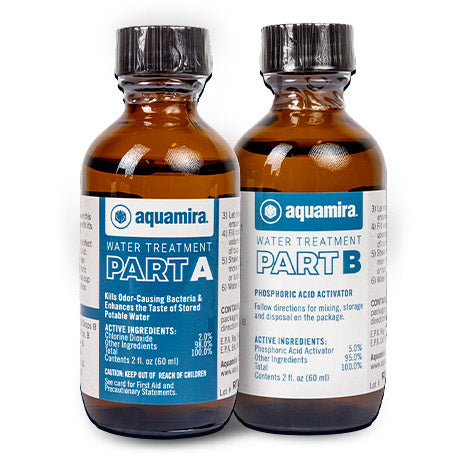
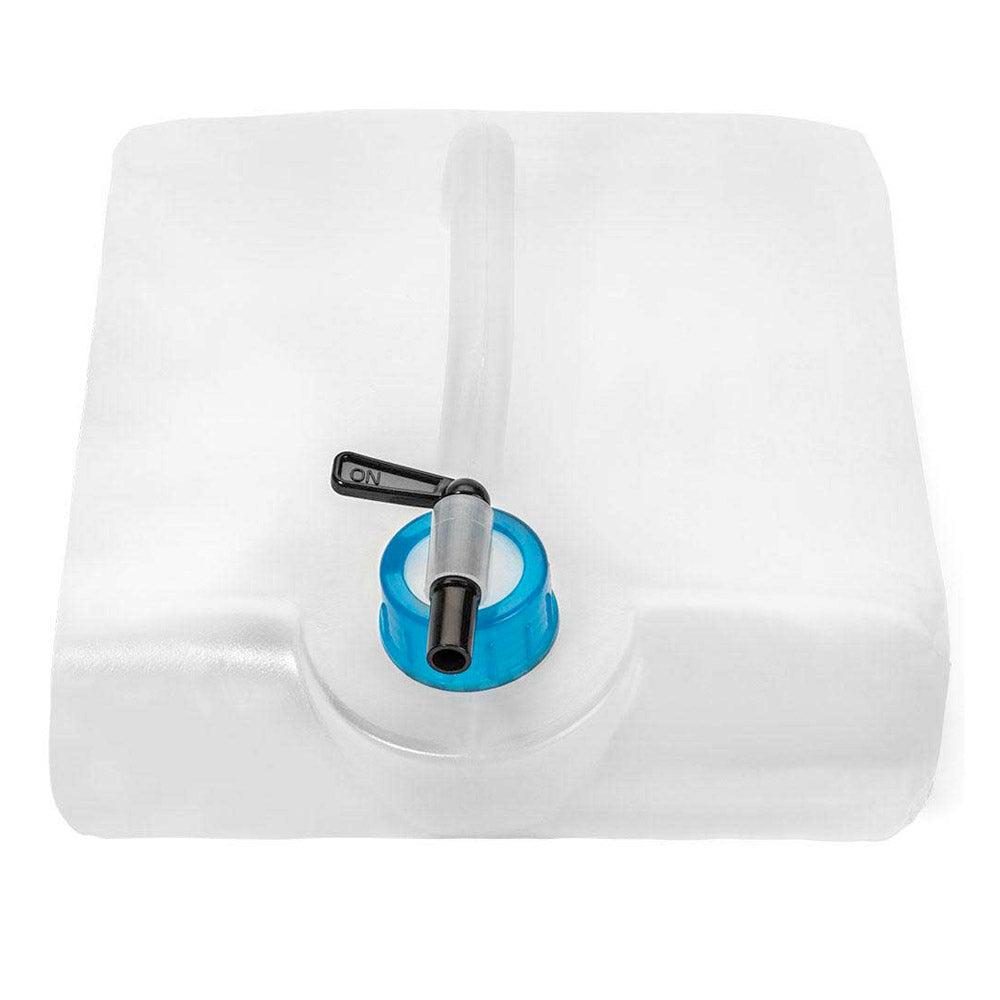
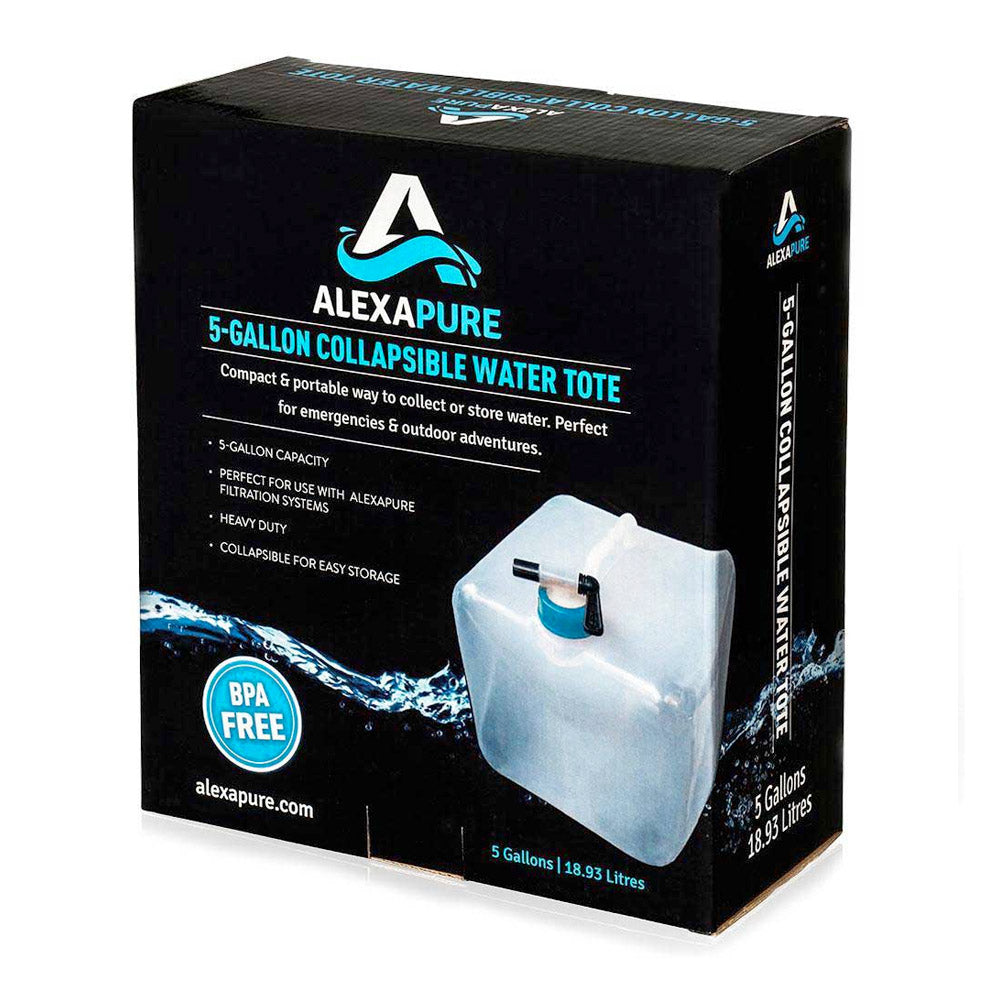
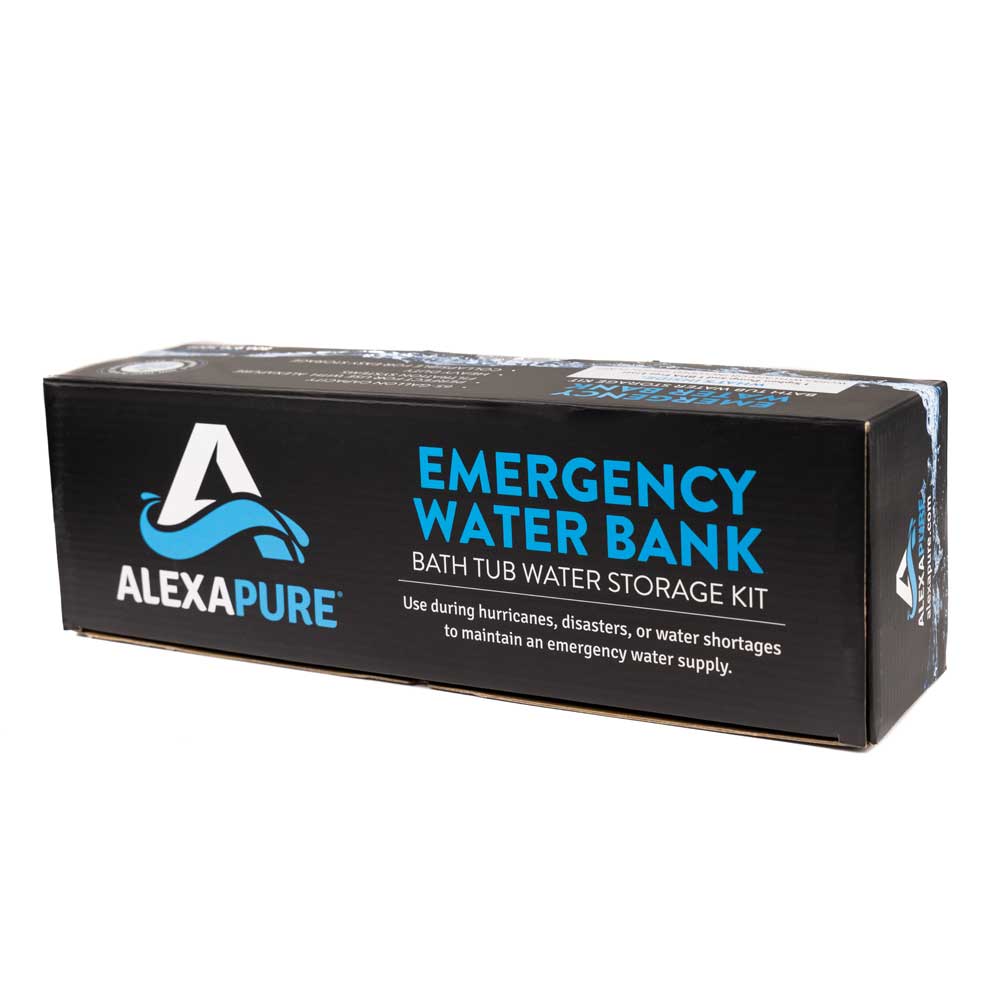
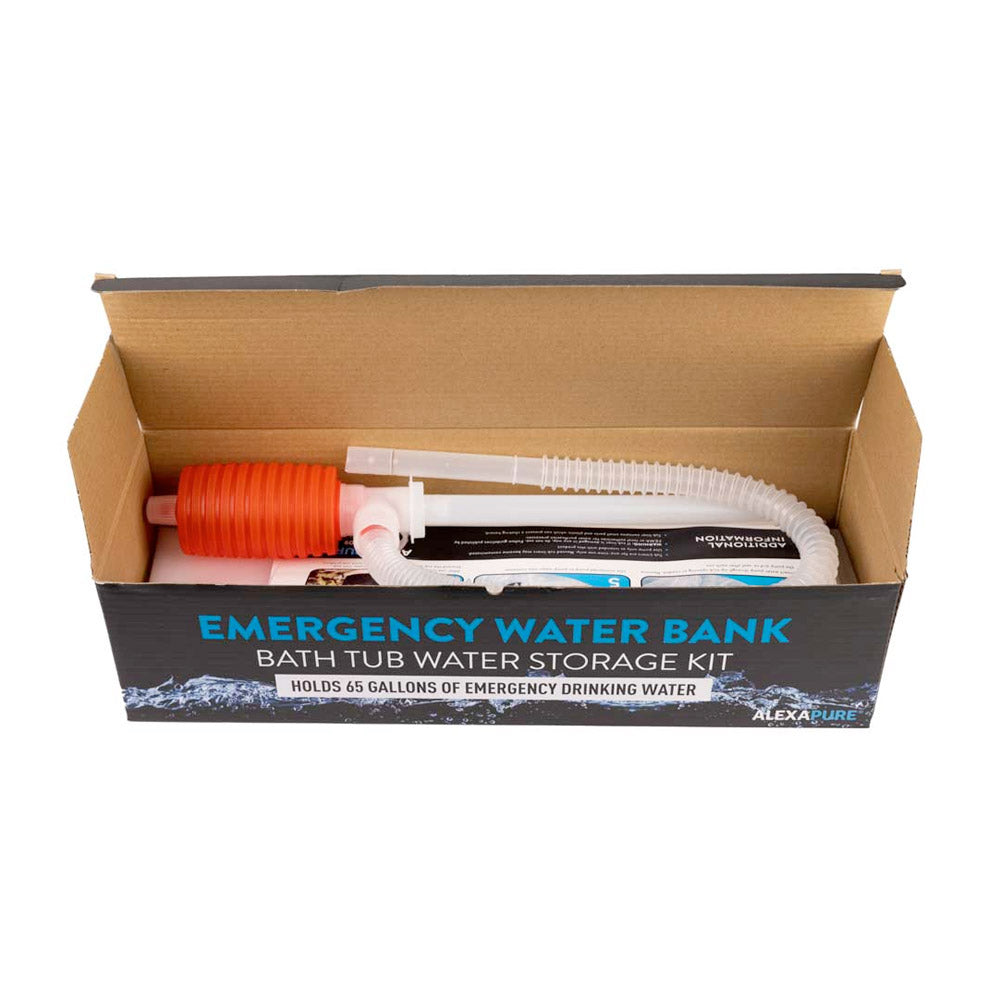
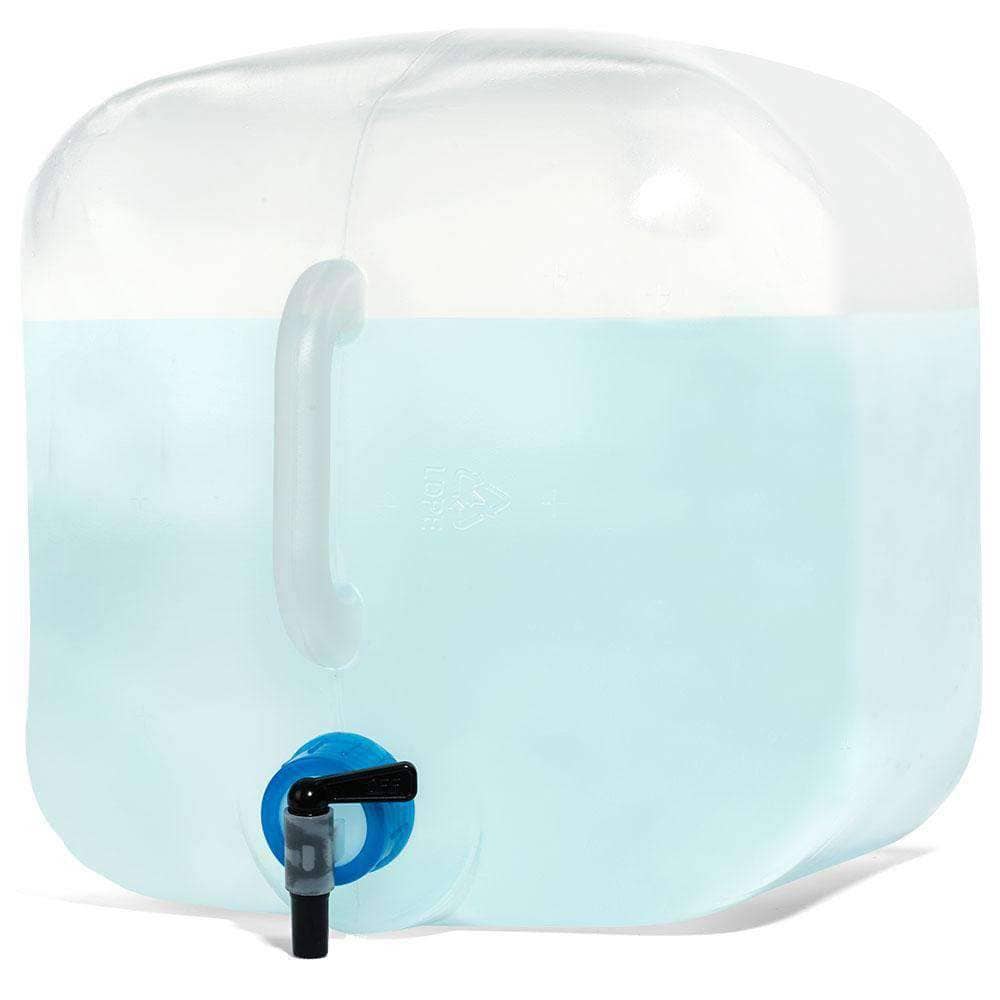
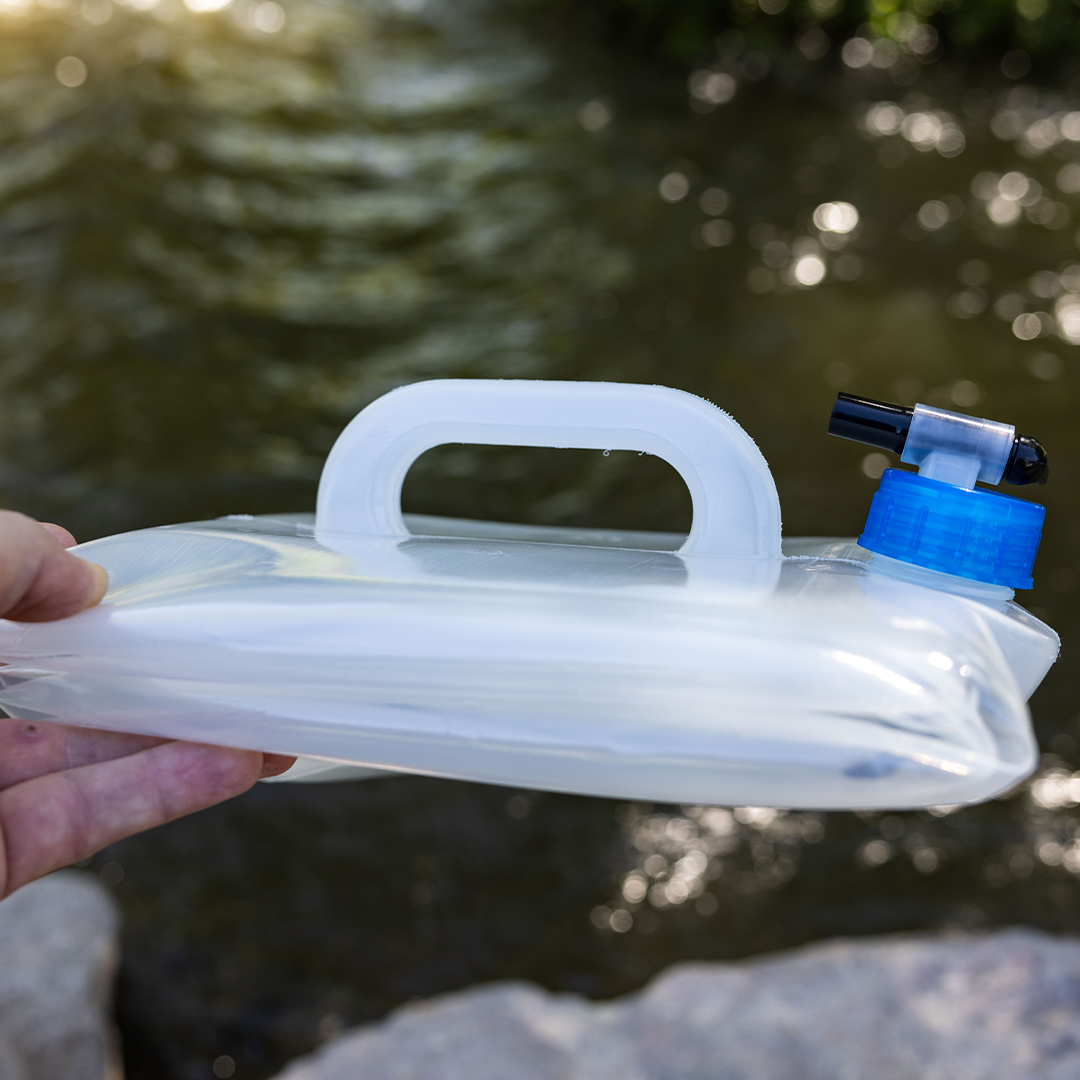
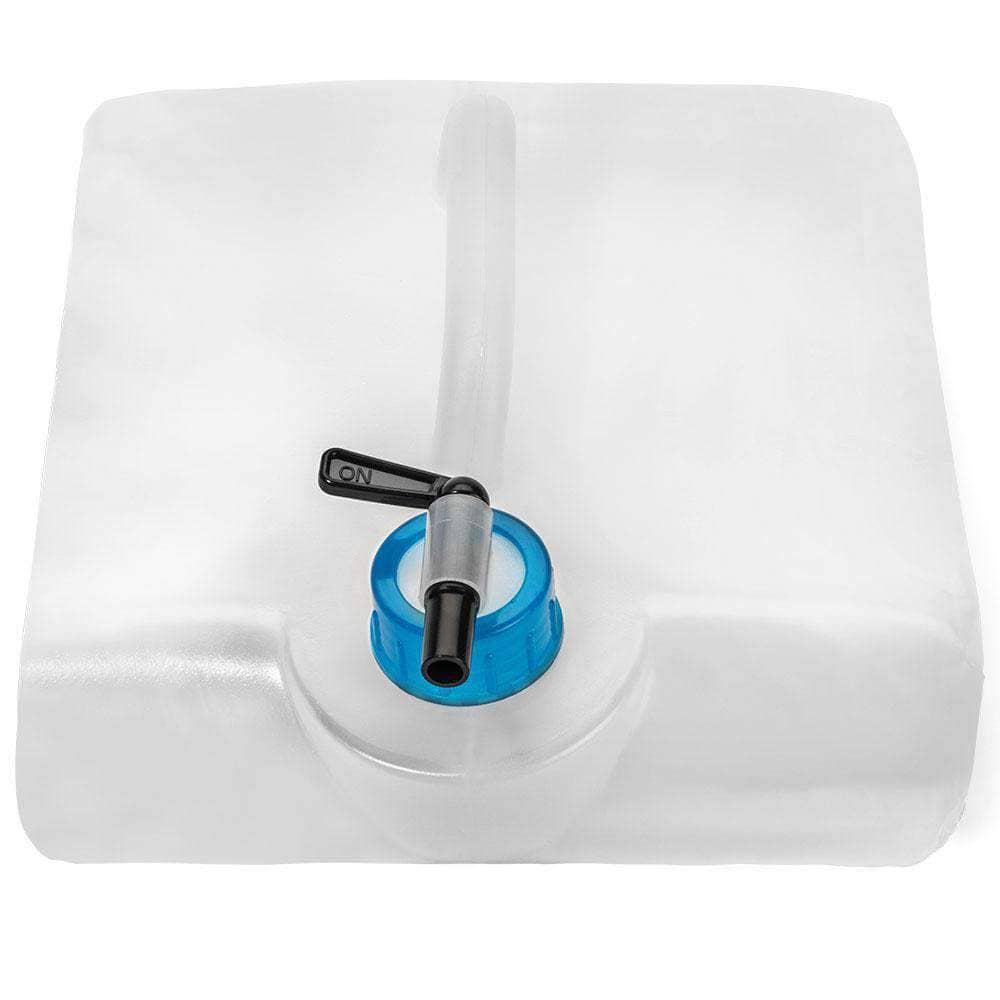
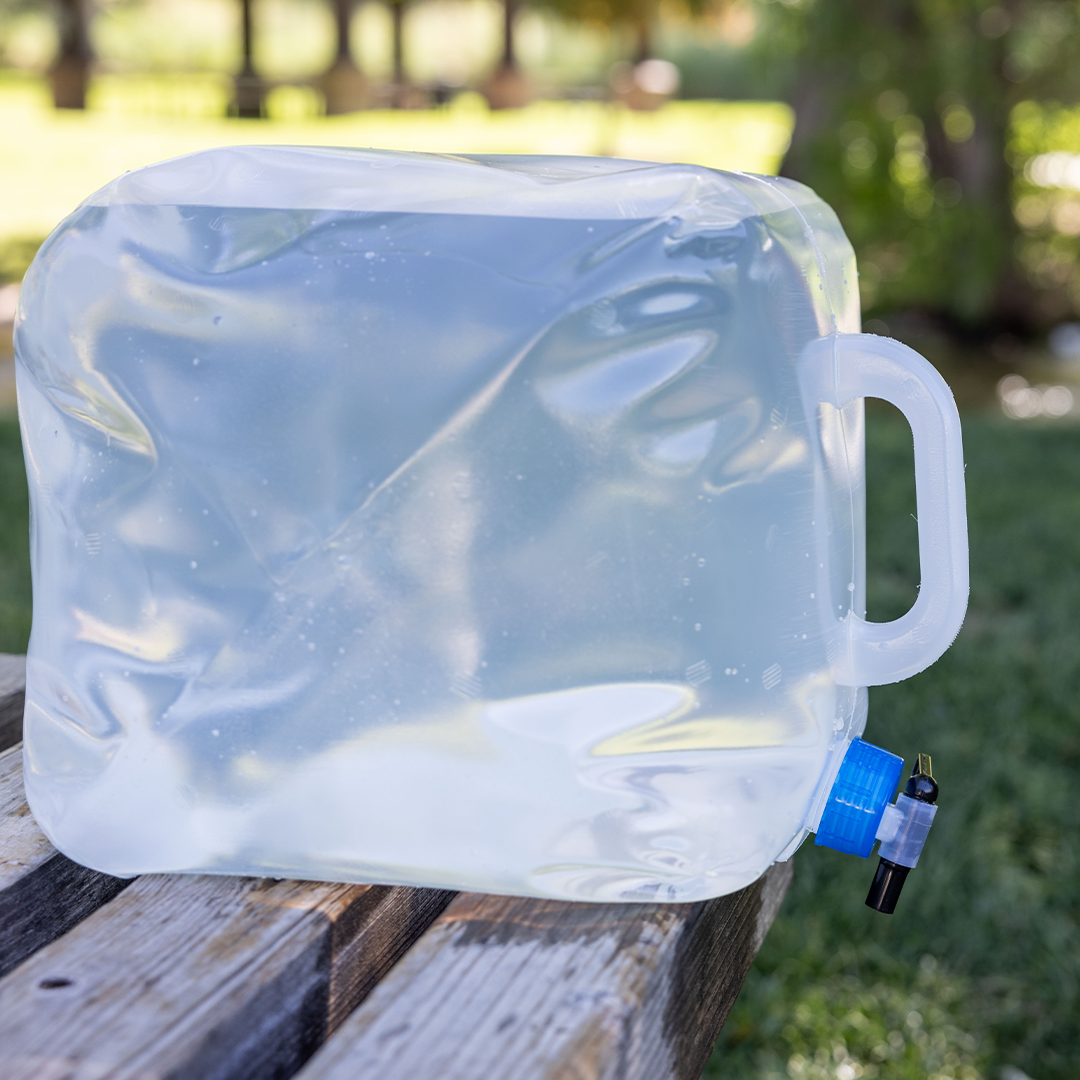
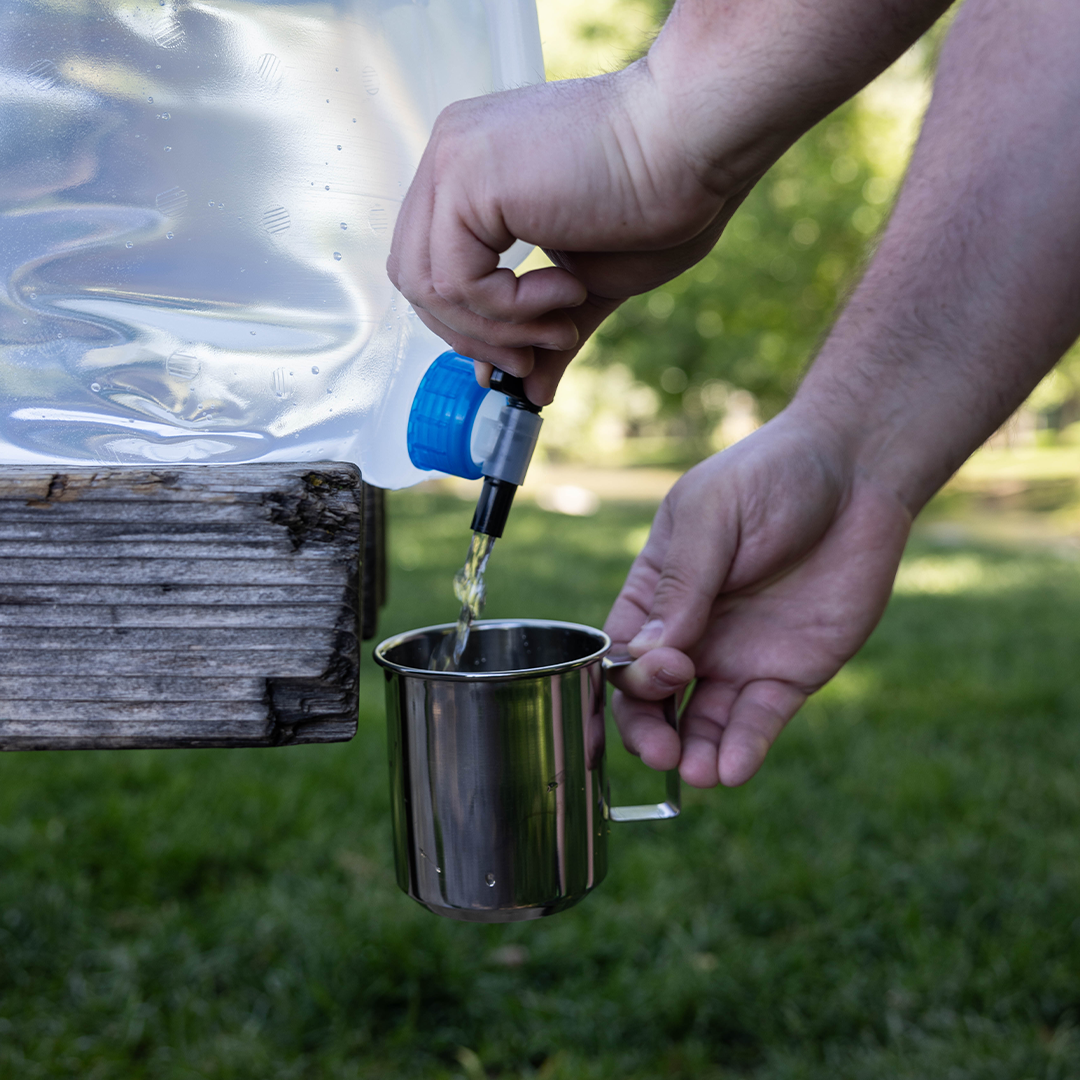
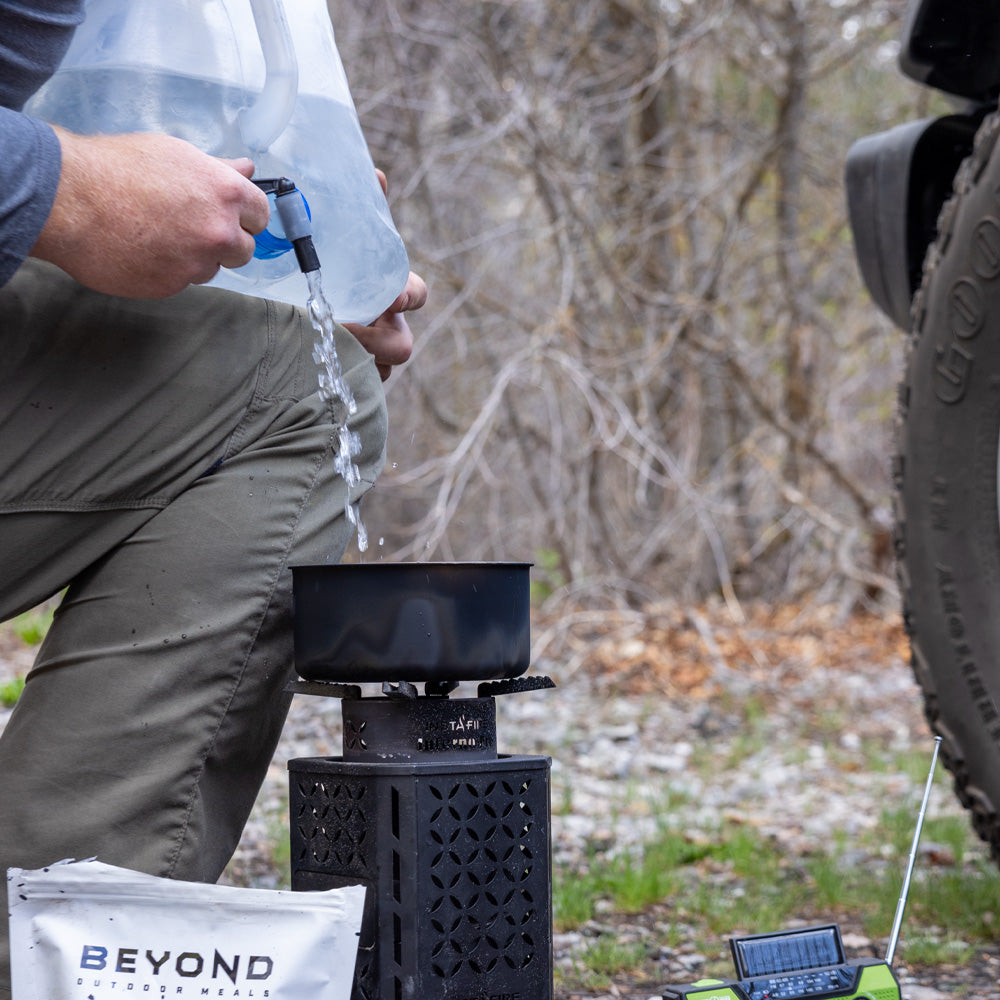
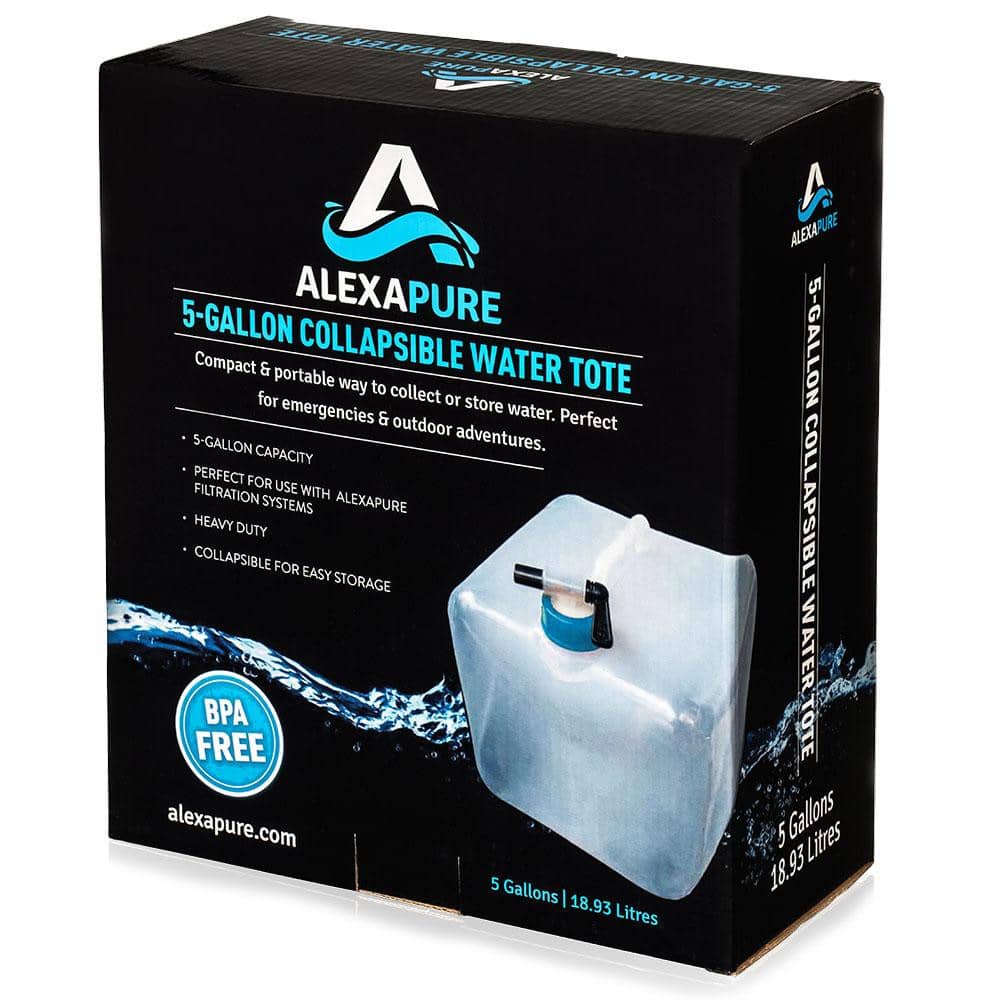
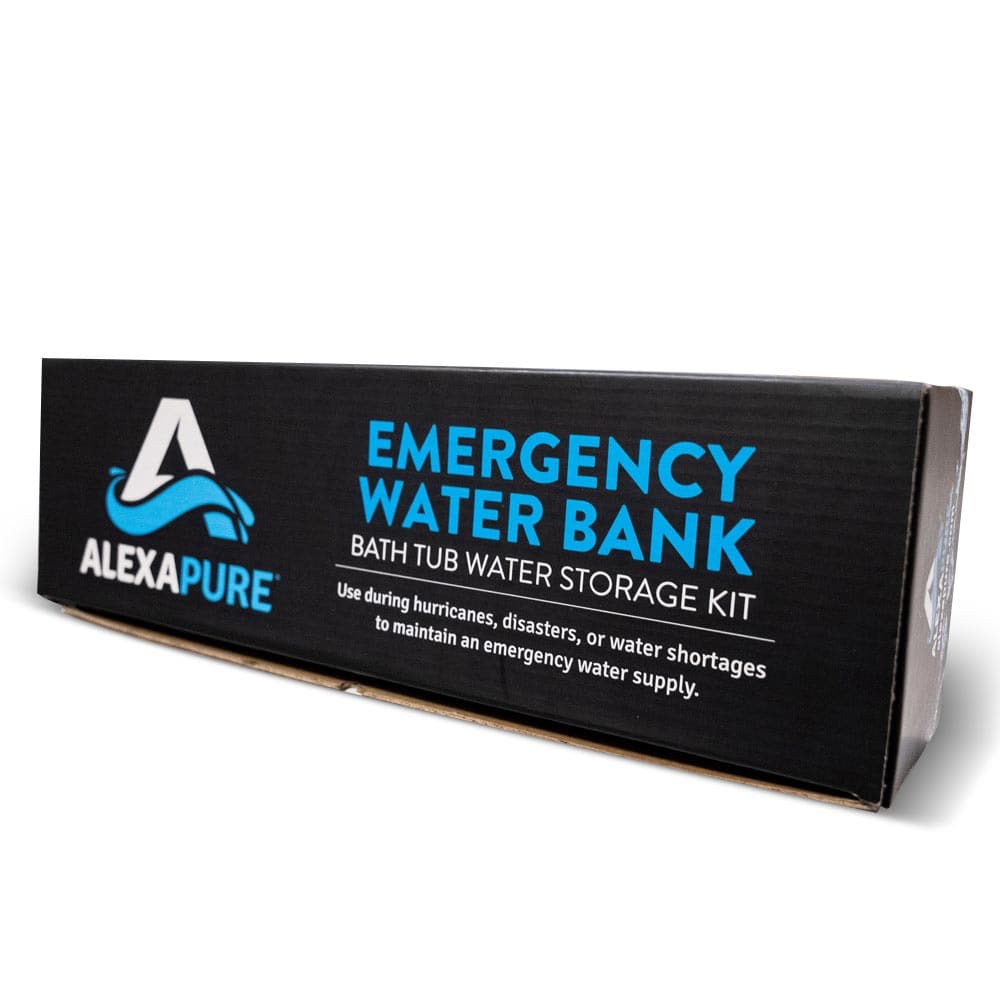
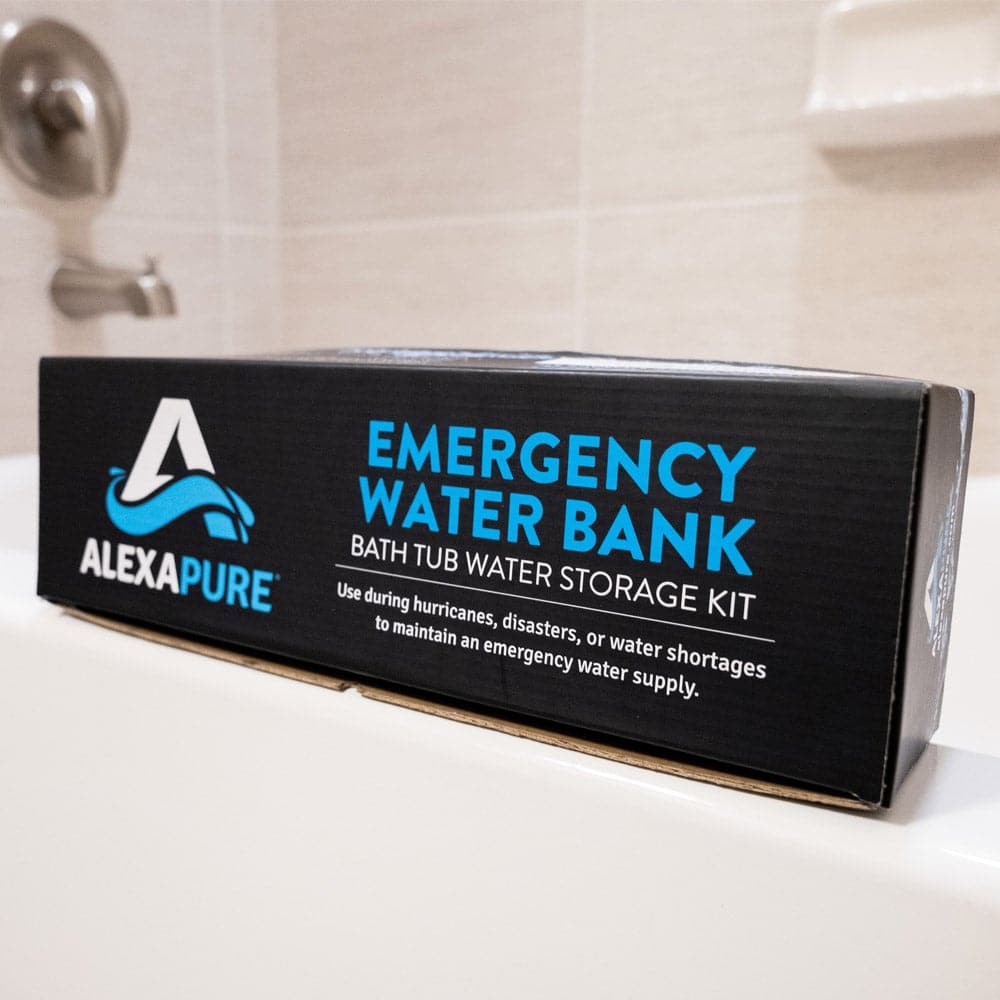
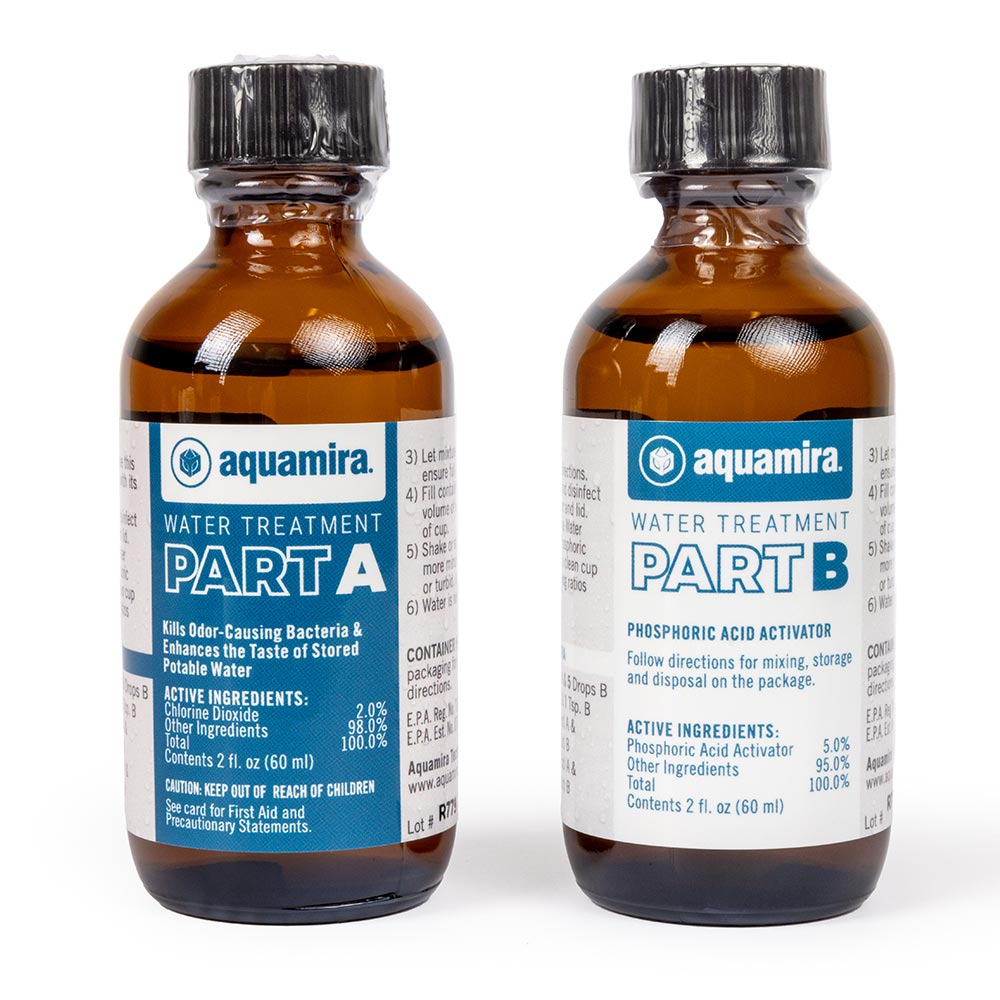
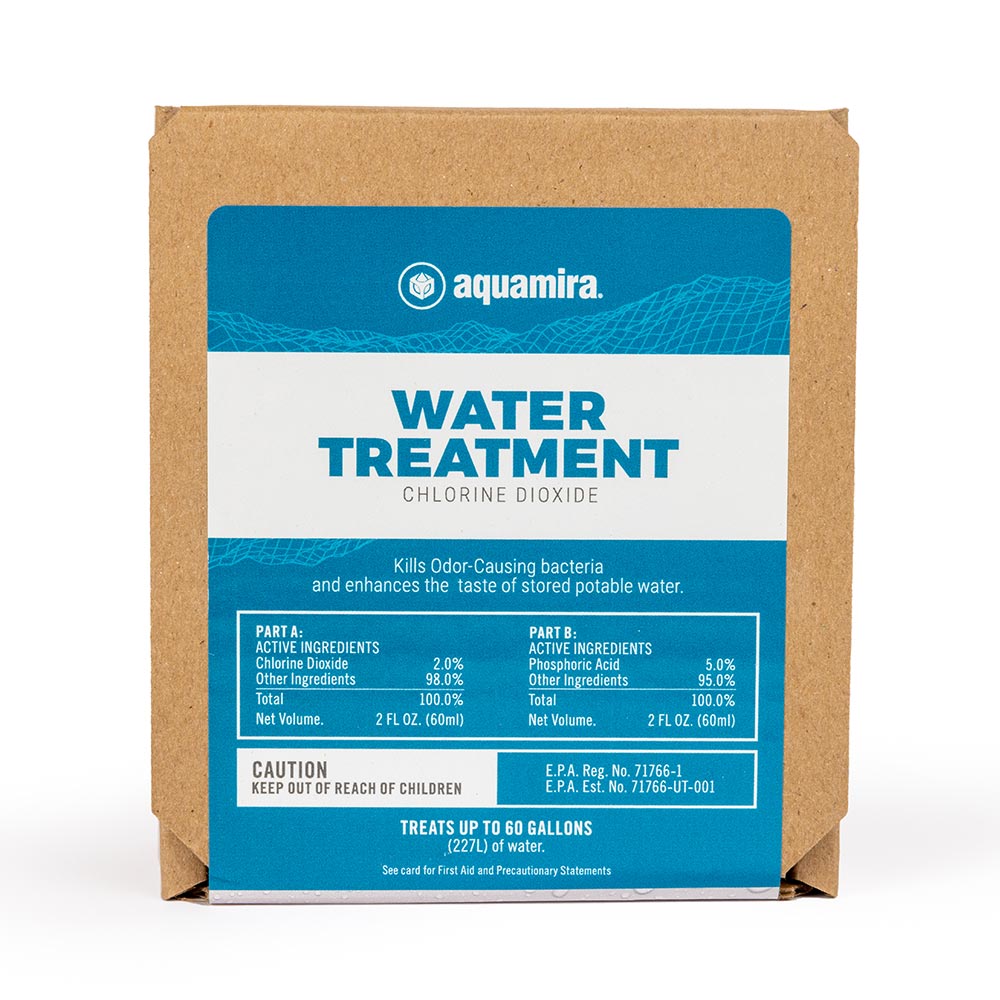
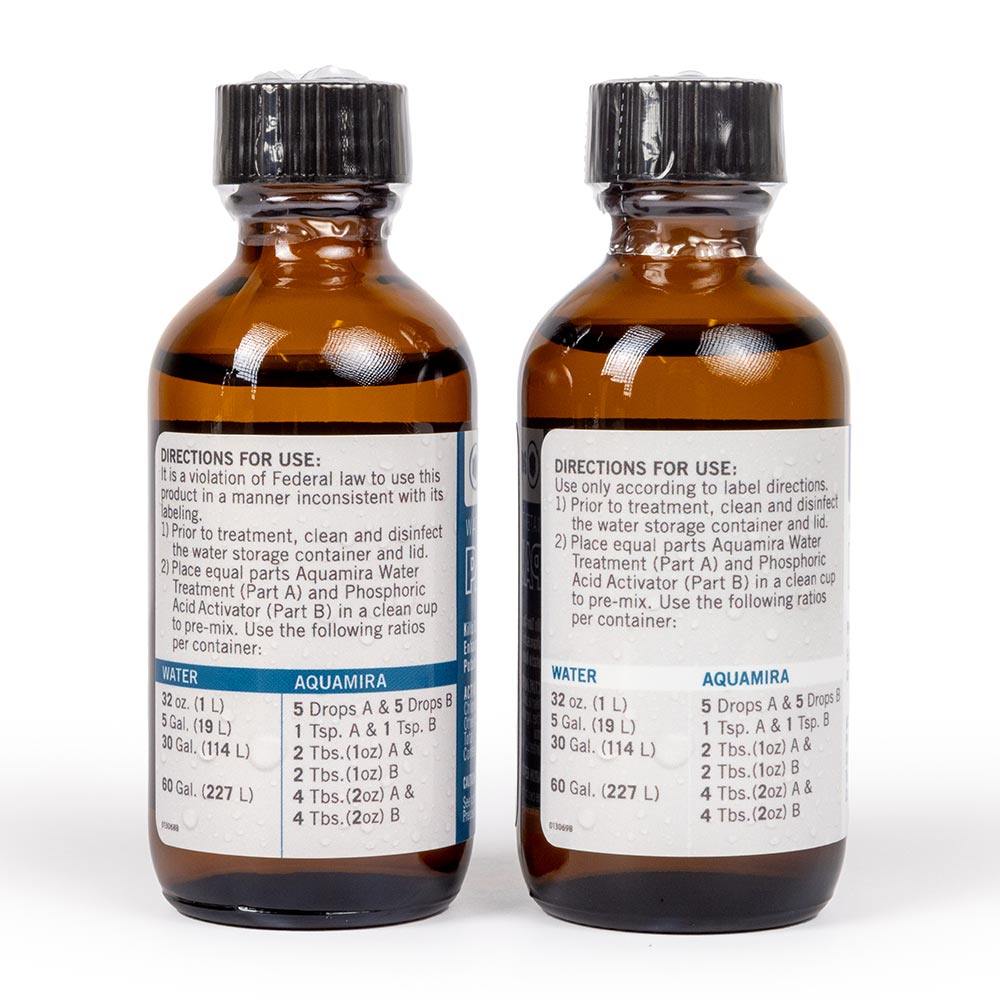
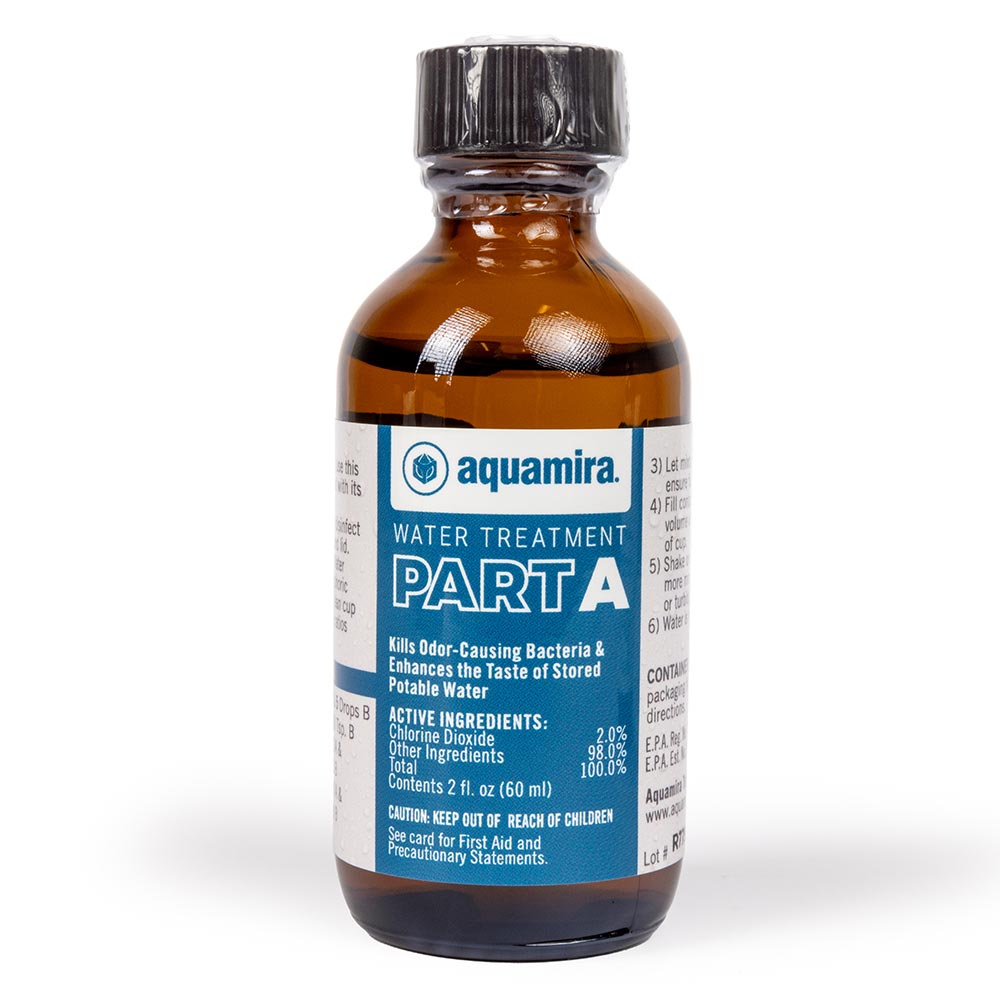
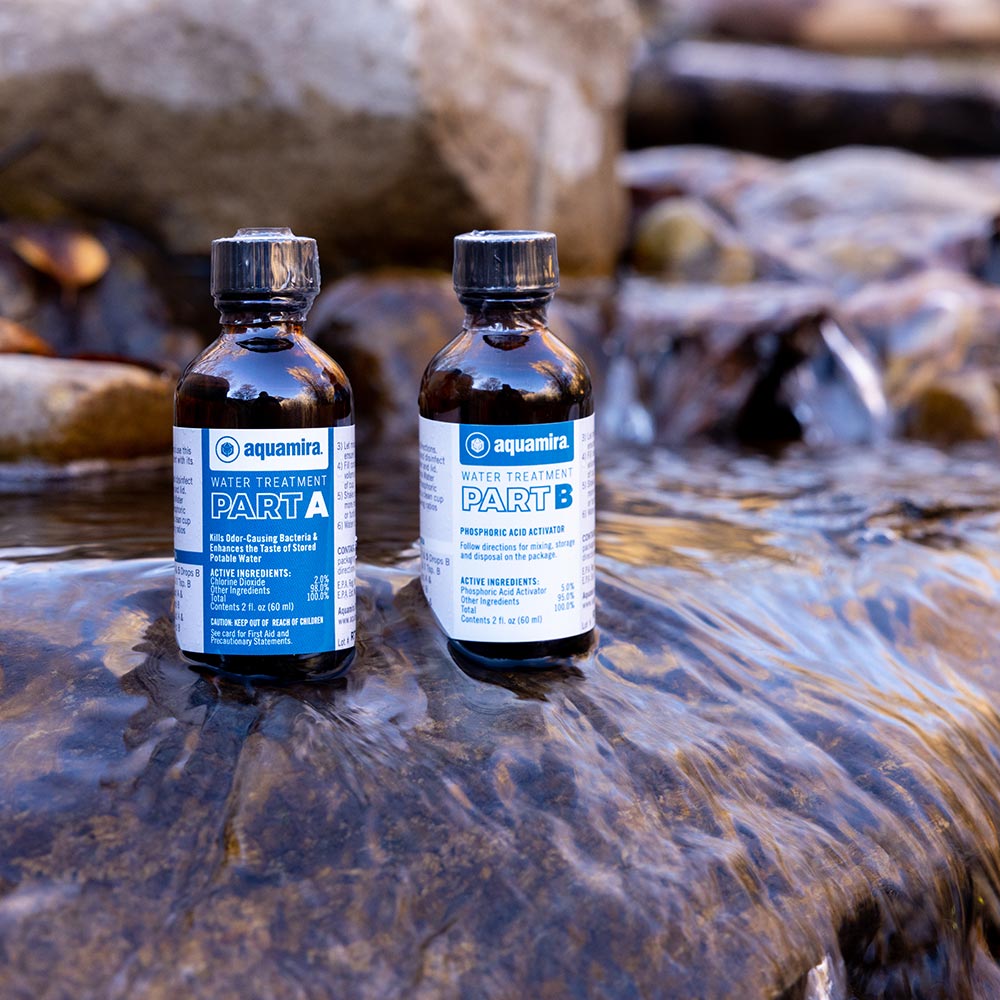
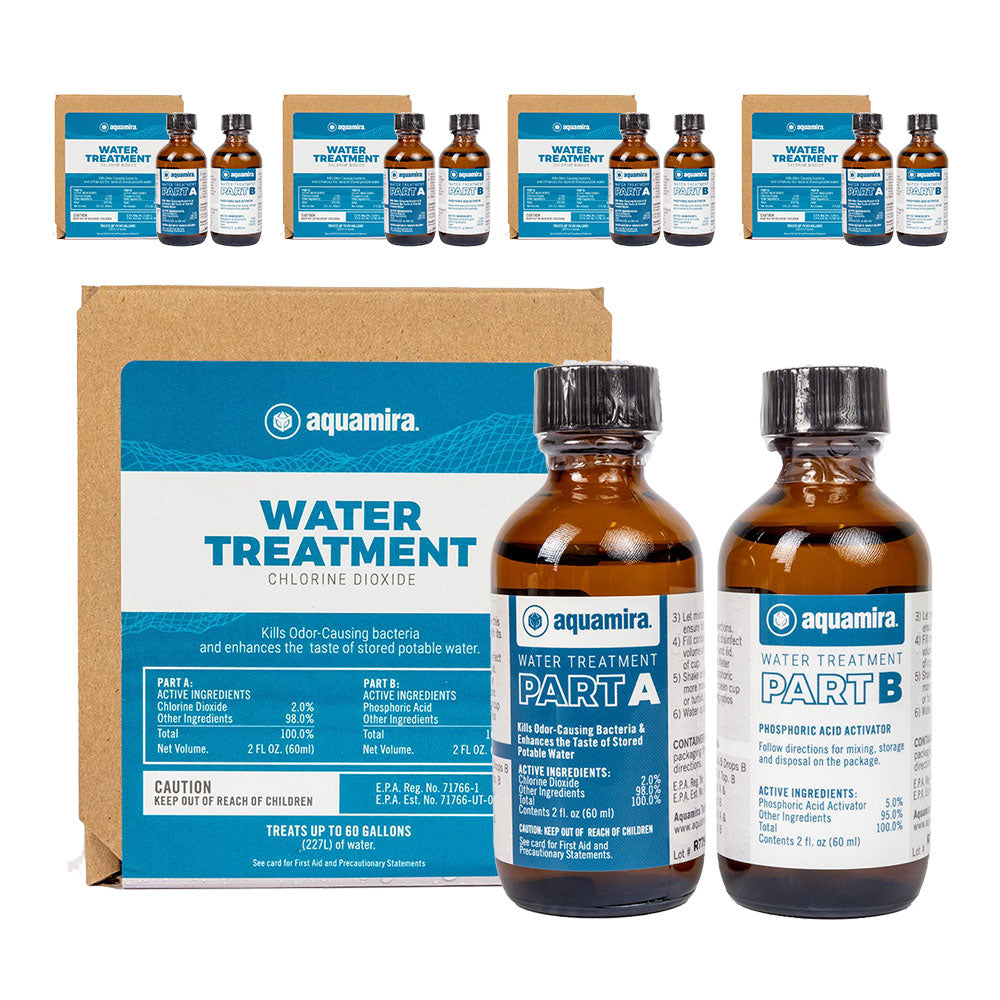
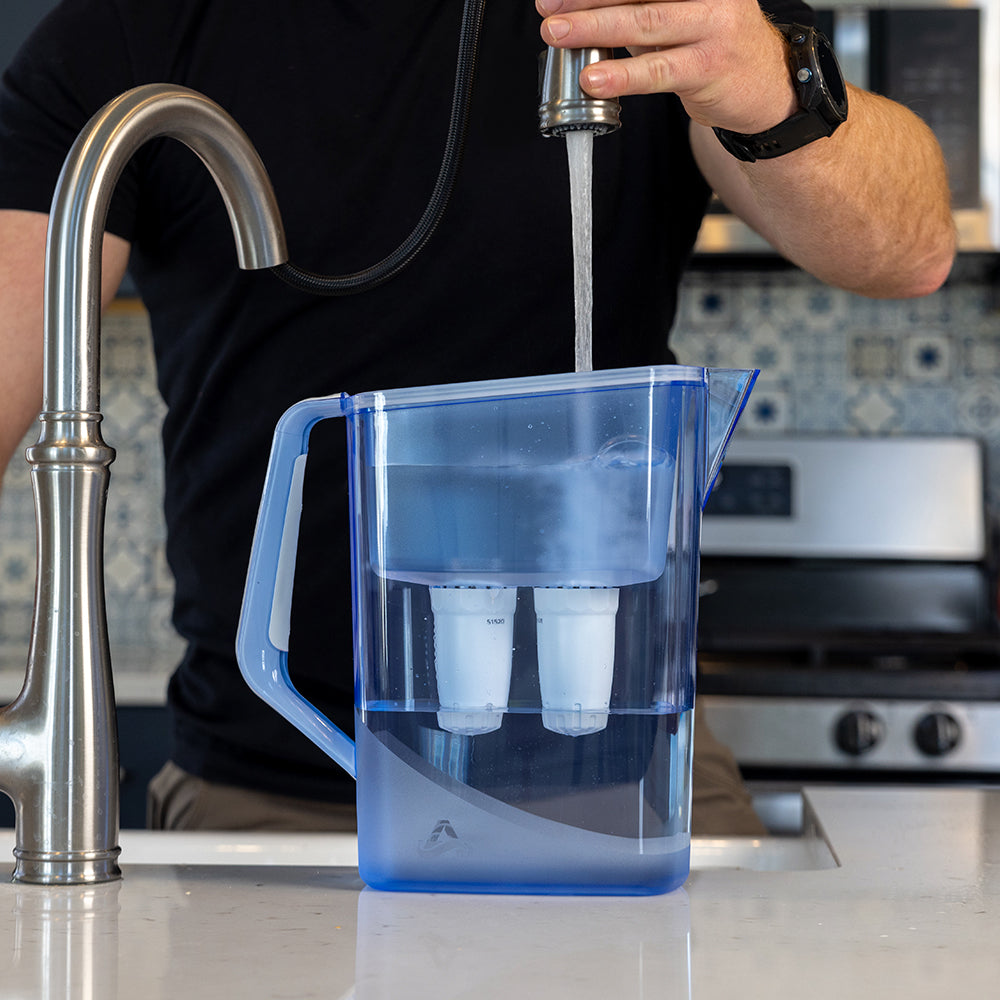
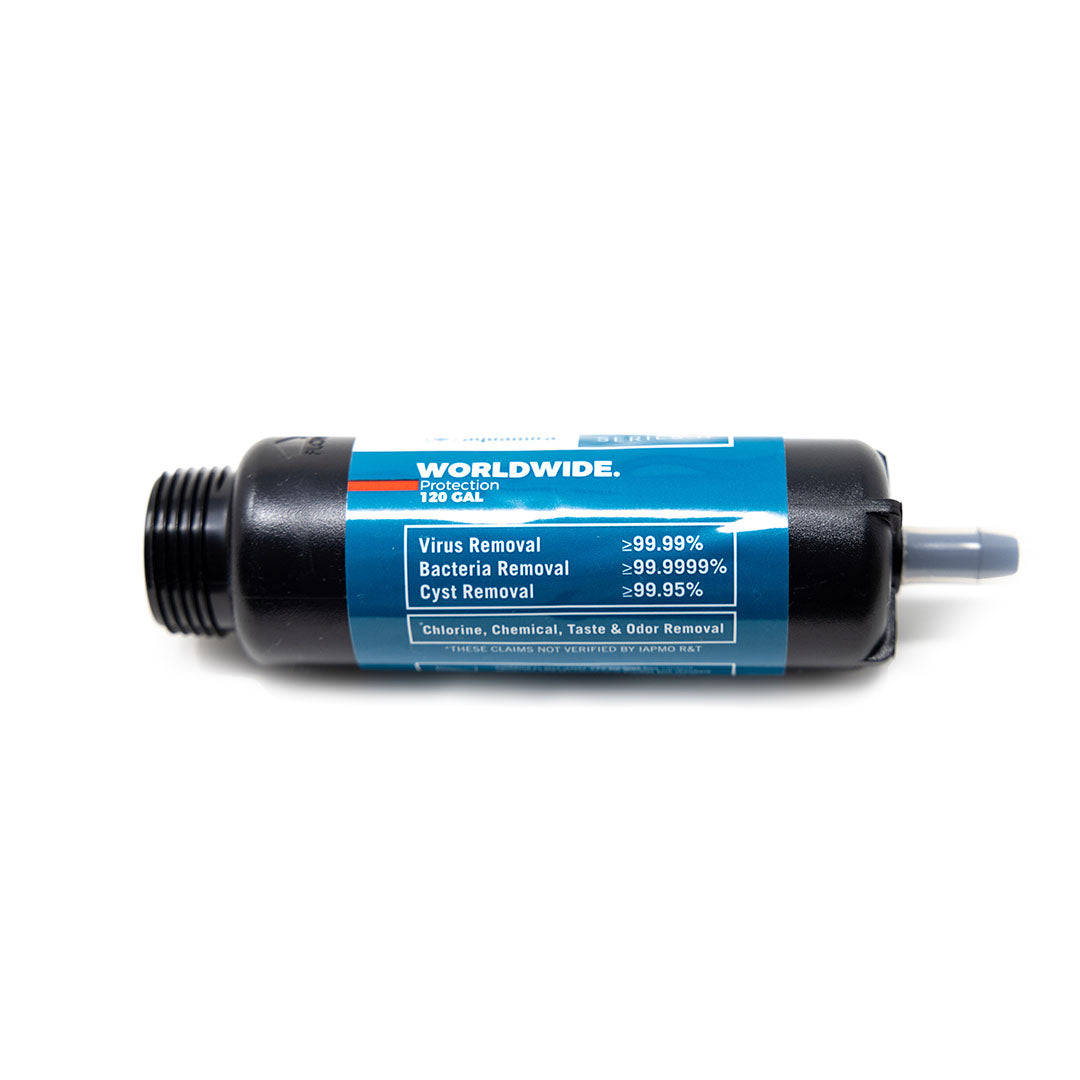
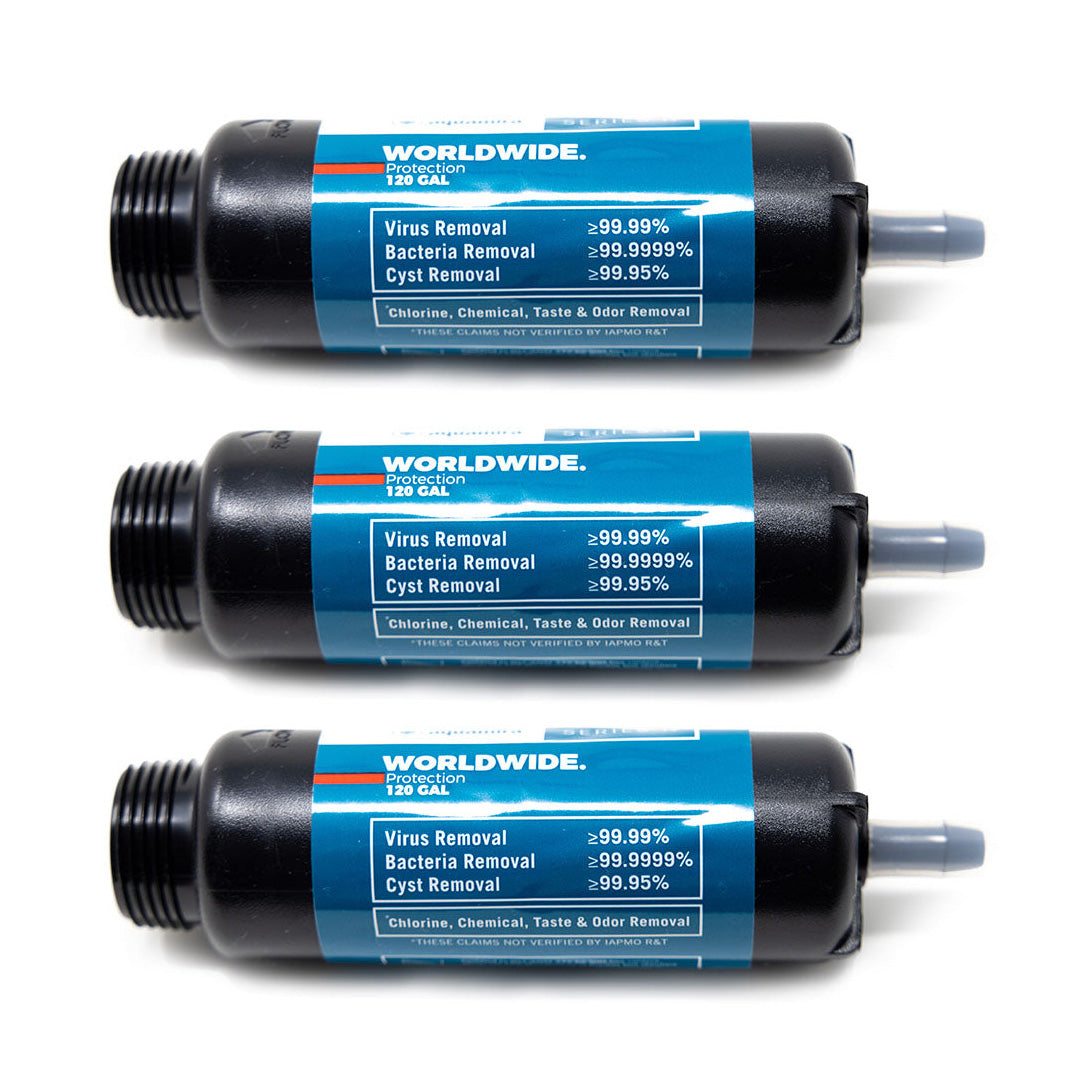
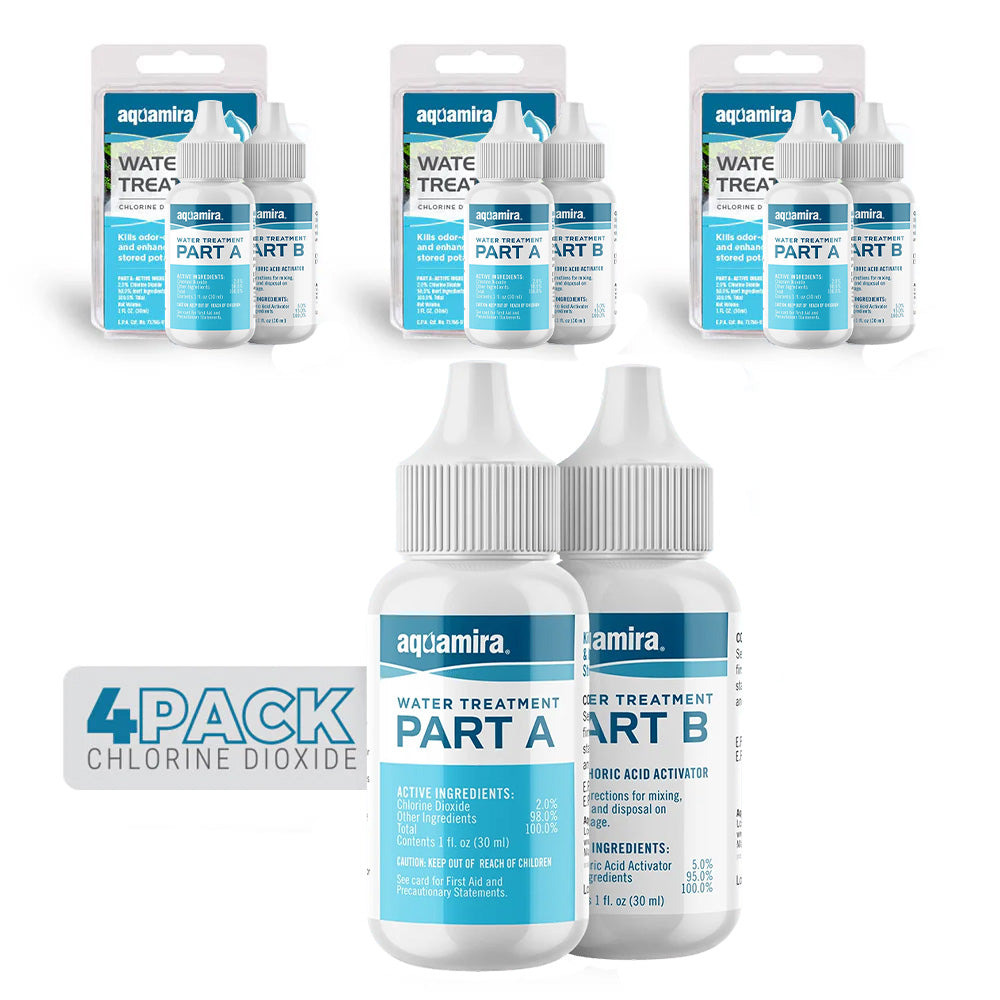
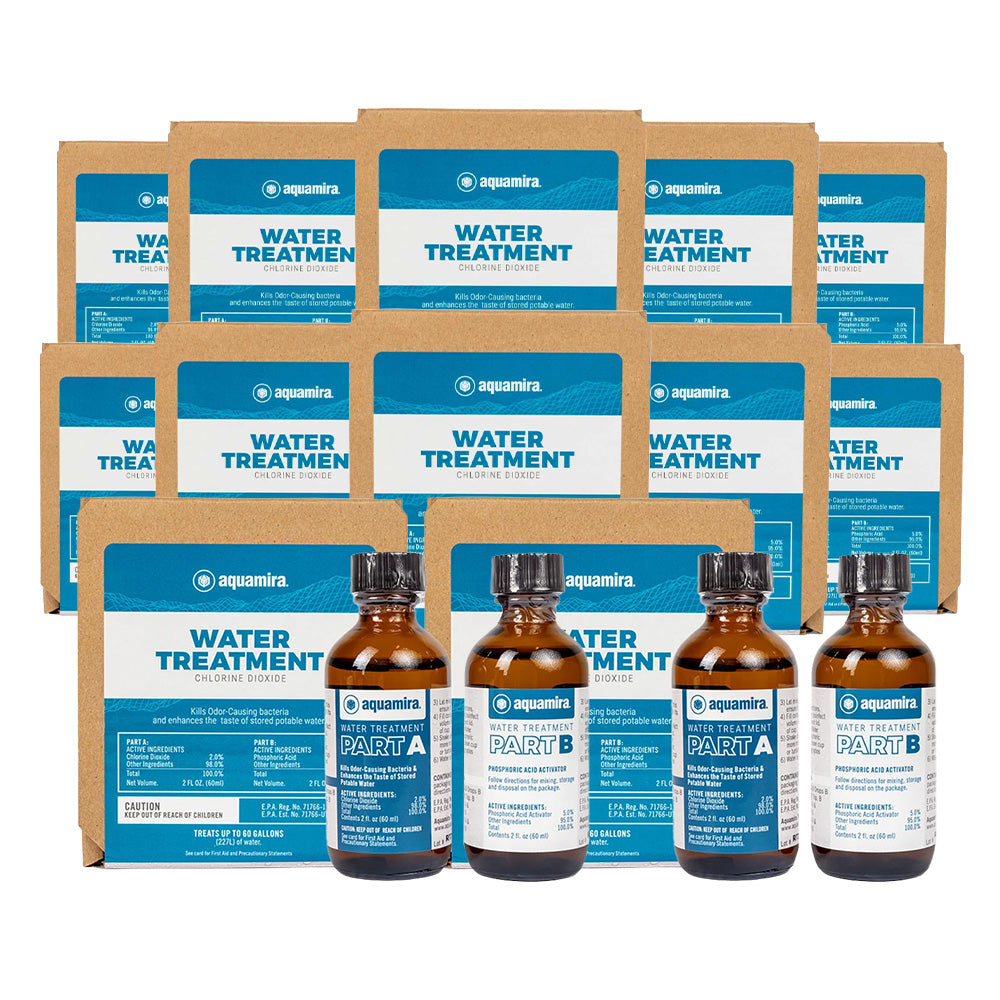
A little preparation today can make all the difference when an emergency strikes. Beyond food and water, keep essential pet supplies like medications, veterinary records, identification, leashes, carriers, sanitation supplies, and comfort items readily accessible. Whether you're sheltering at home or evacuating, having the right supplies can help keep your pets safe and comfortable. Don't forget the essentials your entire household depends on, too. From backup power and heating to clean drinking water and sanitation, being prepared for unexpected disruptions means making sure every member of your family is covered—including your pets.

































































































































































Have a Pet Evacuation & Emergency Plan
When it's time to leave, make sure your pets are part of the plan. Emergencies can require you to evacuate with little warning, so knowing where you'll go and how you'll safely transport your pets is essential. Identify pet-friendly shelters, hotels, or trusted friends and family ahead of time, and keep carriers, leashes, and transportation supplies ready. Make sure your pets have updated ID tags and registered microchips with current contact information, and keep recent photos and emergency contacts accessible in case you become separated. Before returning home, check for hazards like debris, damaged structures, and contaminated water to ensure it's safe for your pets.
Download Your FREE Pet Emergency Checklist
Don't Wait for an Emergency to Get Your Pets Ready.
From food and water to medications, evacuation plans, and emergency contacts, there's a lot to consider when preparing for your pets. We've made it easy with a FREE printable Pet Emergency Checklist and Action Plan to help you organize essential supplies, identify what you might be missing, and keep important information in one convenient place. Download your copy today so you're ready to protect every member of your family when the unexpected happens.
PET EMERGENCY PREPAREDNESS CHECKLIST
Because Every Member of Your Family Deserves to Be Prepared.
When emergencies strike, your pets depend on you. Use this checklist to make sure you have the essential supplies ready, whether you're sheltering at home or evacuating to safety.
BE PREPARED. STAY READY. KEEP THEM SAFE.
FOOD & WATER
- At least 2 weeks of your pet's regular food
- At least 2 weeks of safe drinking water for each pet
- Portable food and water bowls
- Manual can opener, if needed
- Approved treats or supplemental food options
- Airtight, waterproof food storage containers
MEDICATIONS & HEALTH
- Supply of necessary prescription medications
- Pet-specific first-aid kit
- Copies of vaccination and medical records
- Veterinarian and emergency animal hospital contact information
- Flea, tick, and other preventive treatments, as appropriate
- Written medication and feeding instructions
IDENTIFICATION & DOCUMENTS
- Collar with updated identification tags
- Microchip registration and contact information verified
- Recent photos of each pet
- Proof of ownership or adoption records
- Emergency contact and backup caregiver information
- Waterproof document storage
EVACUATION & TRANSPORTATION
- Secure carrier or appropriately sized crate for each pet
- Extra leash, harness, or collar
- Pet-friendly evacuation destinations identified
- Transportation plan for every pet
- Portable grab-and-go emergency bag
- Backup evacuation route
SANITATION & COMFORT
- Waste bags and disposal supplies
- Portable litter box and litter, if needed
- Paper towels, disposable gloves, and pet-safe cleaning supplies
- Familiar blanket, bedding, or favorite toy
- Towels and grooming essentials
- Pet-safe cleaning and disinfecting supplies
HOUSEHOLD EMERGENCY ESSENTIALS
- Emergency drinking water storage
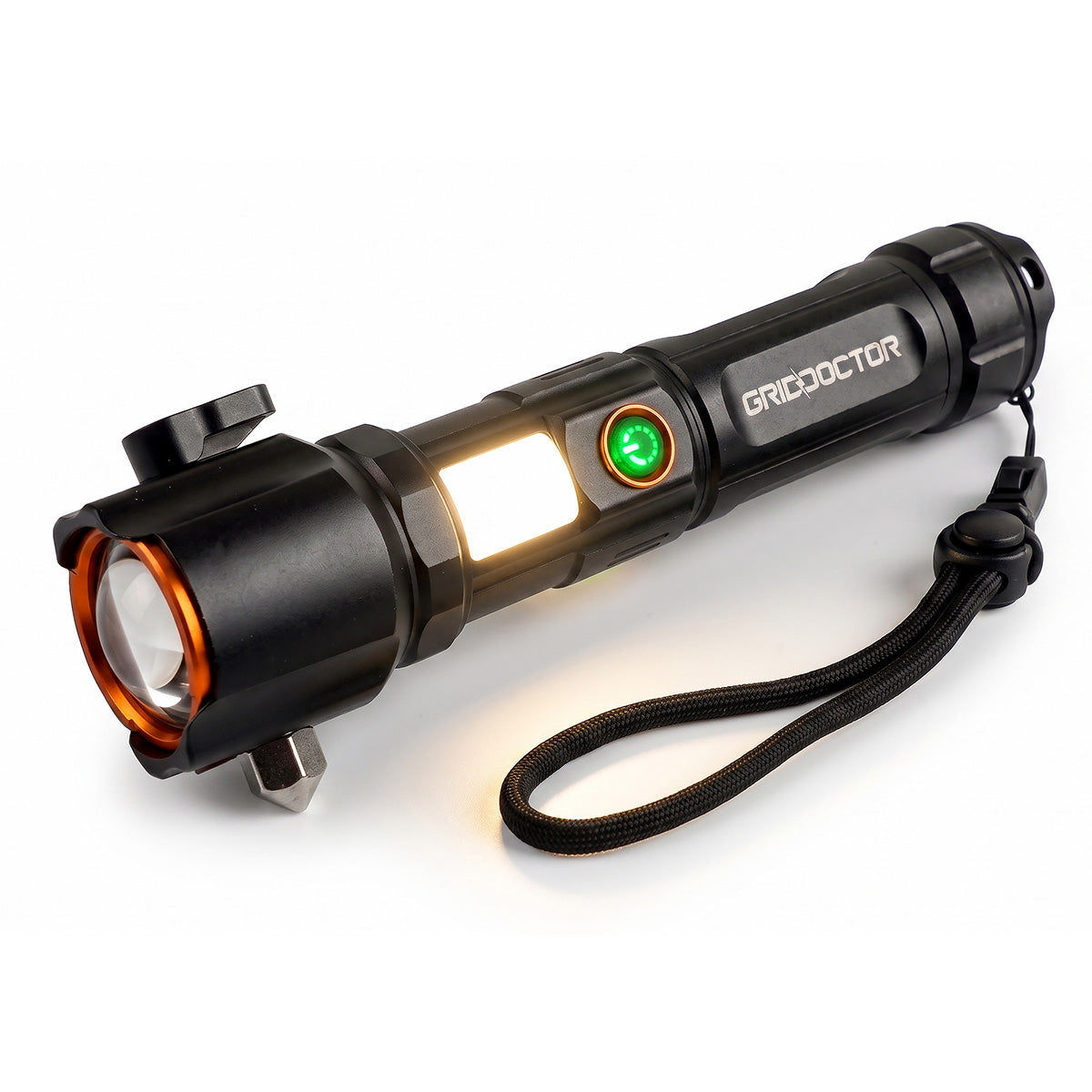
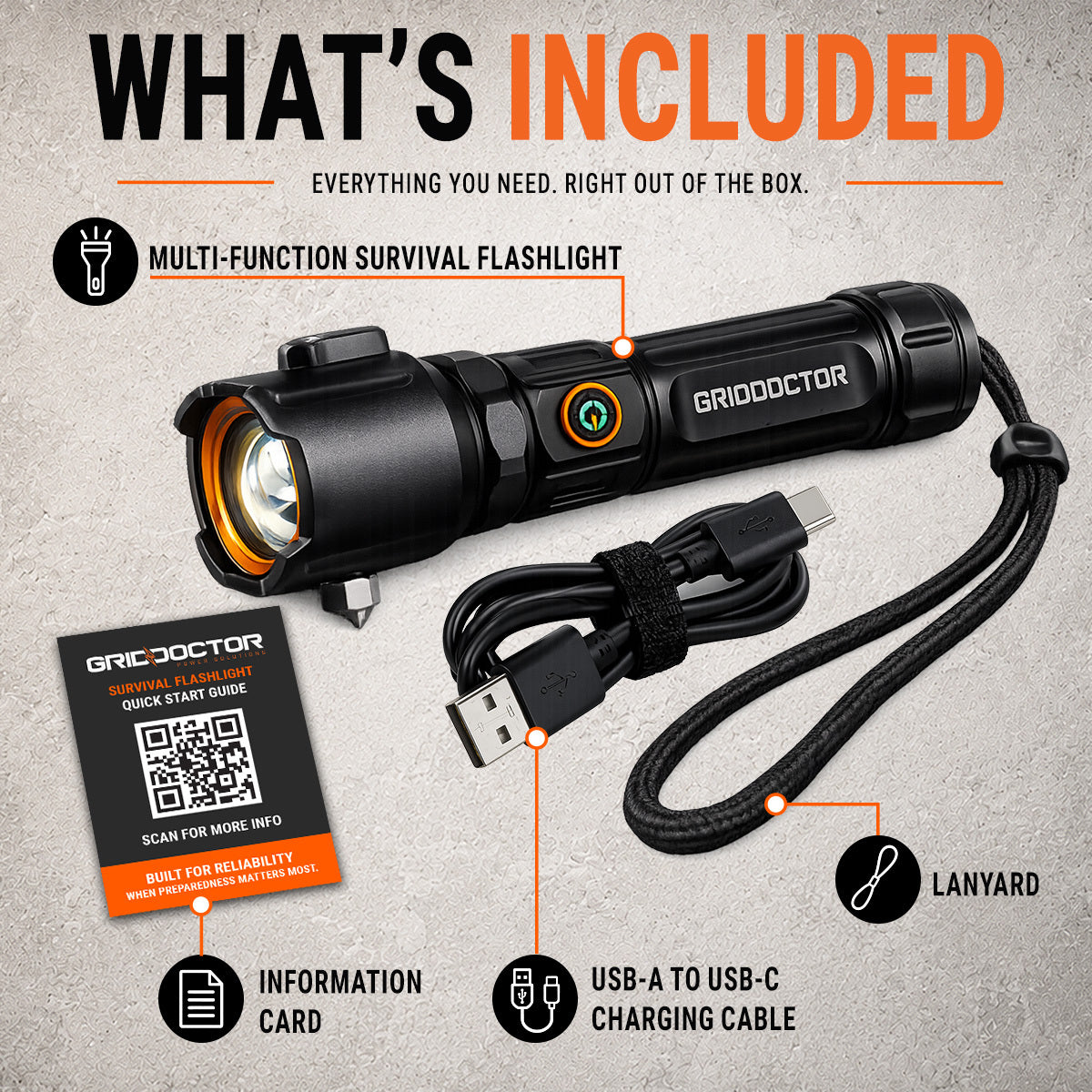
- Flashlights or portable lanterns
- Charged power banks and charging cables
- Backup power for essential equipment, if needed
- Weather radio or reliable emergency alert access
- Emergency supplies stored in an accessible location
PREPAREDNESS TIP: Keep a portable evacuation kit ready to grab and a larger supply of essentials at home. Check your supplies regularly, rotate food and water, and update medications and contact information as needed.
My Patriot Supply | Helping Families Prepare for the Unexpected
mypatriotsupply.com
(Page 2)
MY PET EMERGENCY ACTION PLAN
A little planning today can make a big difference tomorrow.
Complete this page for each pet and keep a copy with your emergency supplies. Having important information in one place can help you respond quickly during an evacuation or unexpected emergency.
MY PET'S INFORMATION
Pet's Name: __________________________________
Species / Breed: _______________________________
Age / Weight: __________________________________
Color / Identifying Features: _______________________
Microchip Number: _____________________________
Microchip Registry / Phone: _______________________
Special Needs / Medical Conditions:
VETERINARY & MEDICAL INFORMATION
Primary Veterinarian: ___________________________
Phone Number: _______________________________
Emergency Animal Hospital: _____________________
Phone Number: _______________________________
Current Medications & Dosages:
Allergies / Dietary Restrictions:
EMERGENCY CONTACTS
Primary Emergency Contact: _____________________
Phone Number: _______________________________
Backup Pet Caregiver: __________________________
Phone Number: _______________________________
Alternate Contact: _____________________________
Phone Number: _______________________________
EVACUATION PLAN
Primary Pet-Friendly Destination:
Address / Phone:
Backup Evacuation Destination:
Address / Phone:
Transportation Arrangements:
Location of Pet Emergency Kit:
DAILY FOOD & WATER NEEDS
Regular Food / Brand: __________________________
Daily Food Amount: ____________________________
Feeding Schedule: _____________________________
Daily Water Needs: ____________________________
Approved Supplemental Foods:
Foods / Ingredients to Avoid:
FINAL READINESS CHECK
- Emergency supplies are stocked and accessible.
- Identification and microchip information are current.
- Medications and veterinary records are up to date.
- Evacuation destinations and transportation are confirmed.
- Backup caregiver knows the emergency plan.
- Every pet in the household has an emergency plan.
Last Updated: _________________________________
Review your plan every six months and whenever your pet's needs change.
READY FOR WHATEVER COMES NEXT.
Emergencies are unpredictable. Your preparedness doesn't have to be.
MyPatriotSupply.com
Important Pet Safety Information: This checklist provides general preparedness guidance and is not a substitute for professional veterinary advice. Emergency supplies and dietary needs vary by pet. Human emergency foods are not formulated as complete pet diets and should only be used as appropriate supplemental or temporary options after reviewing ingredients and consulting your veterinarian.
Additional Pet Safety & Preparedness Resources
Expert Guidance to Help Keep Your Pets Safe.
Preparedness goes beyond having the right supplies. We've gathered trusted resources from leading veterinary and animal welfare organizations to help you make informed decisions about your pets' safety, health, and emergency needs.
- American Veterinary Medical Association (AVMA) – Pets & Disasters
Veterinary guidance on emergency planning, evacuation, and essential pet supplies. - CDC – Pet Safety in Emergencies
Practical advice for protecting pets before, during, and after a disaster. - ASPCA – Disaster Preparedness for Pets
Tips for building emergency kits, preparing for evacuation, and keeping pets safe. - ASPCA – People Foods to Avoid Feeding Your Pets
Important information about common foods and ingredients that can be harmful to pets. - CDC – Build a Pet Disaster Preparedness Kit
A checklist of essential food, water, medications, identification, and emergency supplies.
Emergency Pet Poison Control
If you suspect your pet has ingested something toxic, contact your veterinarian or the ASPCA Animal Poison Control Center at (888) 426-4435, available 24/7. Consultation fees may apply.
