Week of November 2, 2026
A short read on the week's readiness-relevant stories, in the order we'd read them.
Each item links to the full reporting, with a line on what it means for your household.
Start Here
Governments asking households to get ready
Britain launched a public campaign on October 22 asking households to be ready for three days of disruption, and Ireland ran its own campaign this fall. Several European governments already recommend three to ten days of supplies.
Japan's new disaster agency opened Monday and asked households for at least three days of water and food, ideally a week. Ready.gov, the U.S. site, says several days.
These are general requests, not warnings of a specific event. Britain calls them small, simple steps, and its defense minister said the government wants people "alert but not alarmed."
Separately, documents reviewed by Fox News Digital describe a Pentagon standard for major U.S. bases to run essential operations for at least 90 days on their own power, water, fuel, and communications. No cost or timeline has been released, and a senior official said full compliance could take decades. The 90 days applies to bases, not to families.
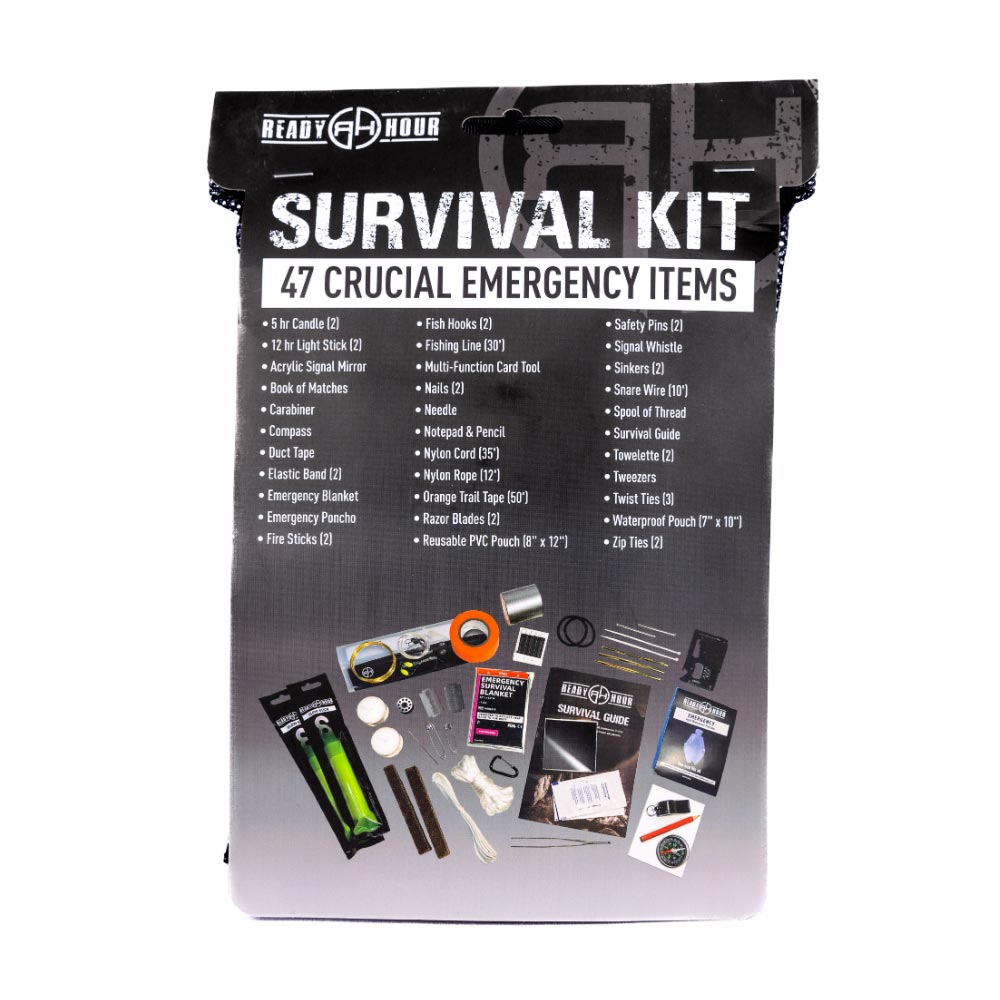
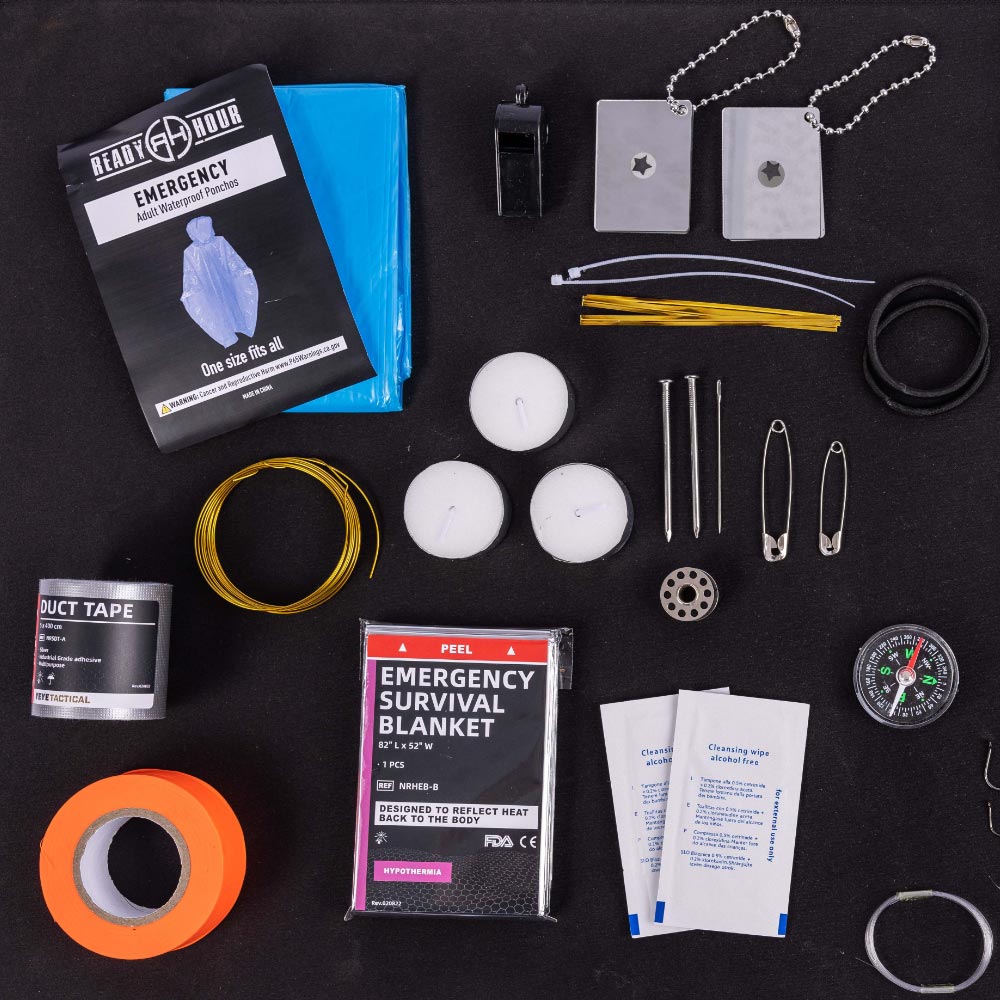
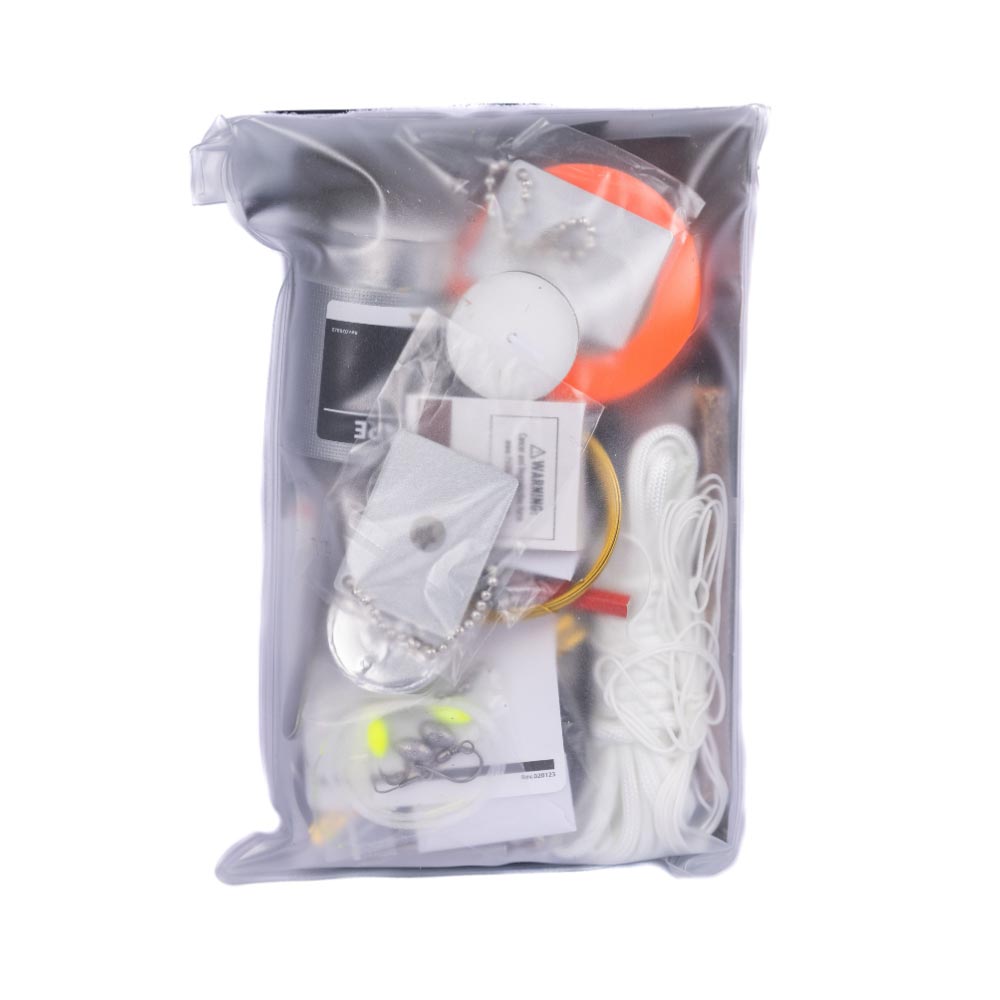
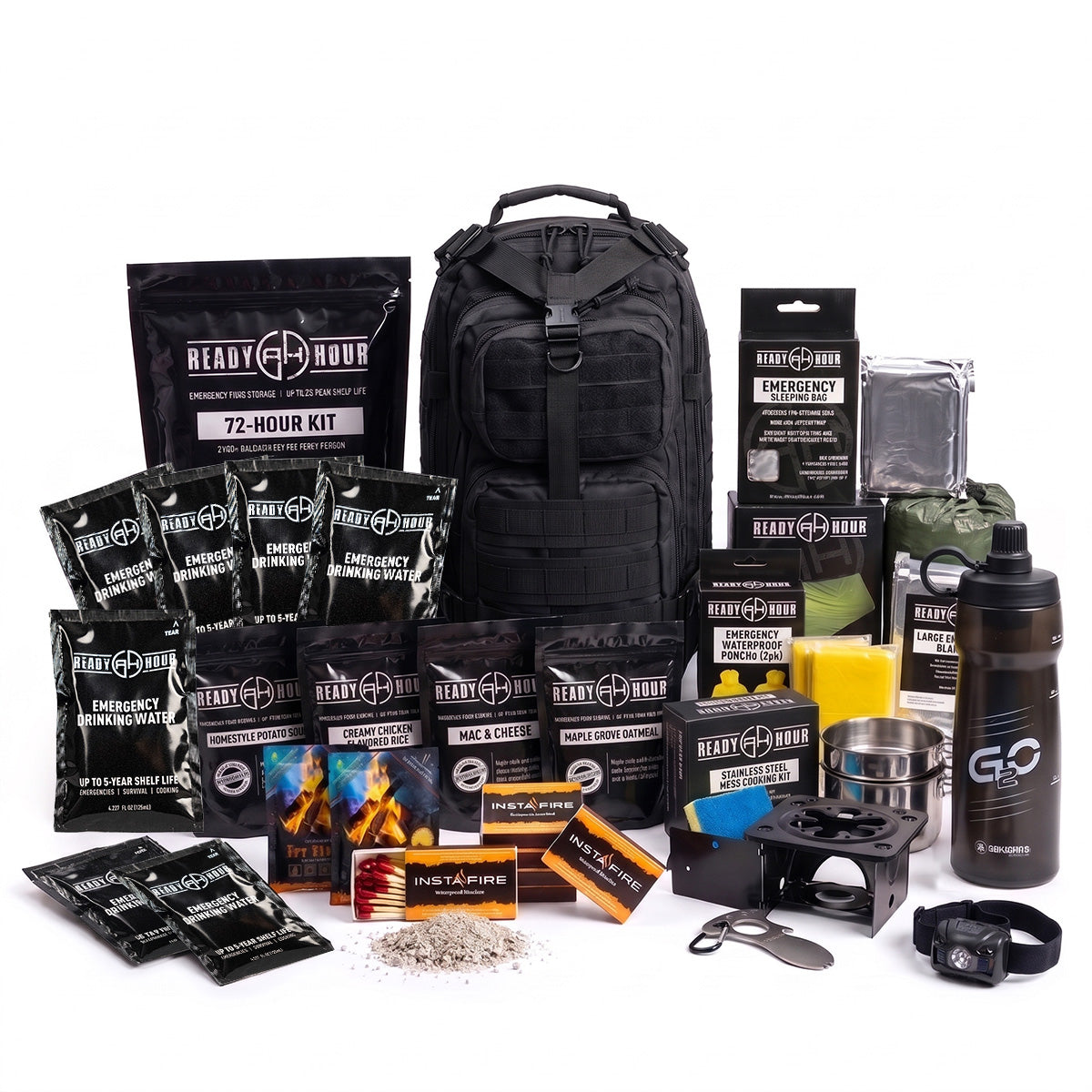
For your household: see what's already in the house for three days without power or water: drinking water, food that needs no cooking, medications, and a way to charge a phone.
Read more: Britain's Be Ready campaign (GOV.UK), Japan's request as the agency launched (Jiji via Nippon.com, in Japanese), What countries recommend (Newsweek via Yahoo), The 90-day base plan (Fortune), and Build a kit (Ready.gov).
Still Tracking
Energy chokepoint, attacks beyond the strait
Attacks on commercial ships continued through the weekend and reached past the strait itself. A tanker in the Persian Gulf was hit by two projectiles late on November 1, and an LNG carrier was struck October 30, both outside the strait. The maritime security center counted 18 confirmed attacks in the strait since October 6 and rates the threat severe.
Oil swung with the headlines. Brent reached $117 in Asian trading on October 30, then fell to around $106 to $109 on Monday on reports of a draft proposal for further talks. Nothing has been signed.
At the pump, diesel was $6.35 in the federal survey for October 26, and AAA had it at $6.29 on Monday, down about 6 cents on the week. U.S. distillate stocks sit about 10% below their five-year average.
For your household: diesel runs freight, farm equipment, and heating oil, so its price reaches other bills with a lag. Prices are moving on headlines this week, and a budget built on a week-old number may not hold.
Read more: New wave of attacks on tankers and an LNG carrier (gCaptain), Oil falls as a draft proposal circulates (Oilprice), Weekly retail gasoline and diesel prices (U.S. Energy Information Administration), and Weekly petroleum status report (EIA).
Power grid, an emergency order this fall
The Energy Department issued an emergency order for the PJM region, covering all or parts of 13 states and D.C., in effect October 13 to 16. It let the grid operator call on backup generation as a last resort, and the department cited elevated demand during the fall maintenance season, when many plants and lines are out for planned work.
The order was preventive, and we found no report of customers losing power under it. NERC's annual winter assessment is not out yet. Last year's came November 18 and found enough resources for normal winter peaks, with possible shortfalls in extreme weather across a wide area.
For your household: know what stops in your house when the power does, starting with heat, medical equipment, and phone charging.
Read more: Emergency order for 13 states (Virginia Business) and Last winter's assessment (POWER).
New This Week
Supermarket refrigeration, suspected attacks across Europe
Food retailers in at least six European countries reported refrigeration failures overnight into Monday, three weeks after hackers took control of cooling units at French supermarkets. France's finance minister put the October count at about 700 of the country's 10,000 stores.
Some retailers and officials are calling Monday's incidents cyberattacks, and others say the cause is unconfirmed. Stores threw out chilled and frozen stock, and some have already returned to normal. Nobody has claimed responsibility, and the EU's agriculture commissioner said food security is not currently at risk.
For your household: USDA's guidance for a power cut is the useful reference. A closed refrigerator keeps food safely cold for about four hours, and a full freezer holds for about 48 with the door closed.
Read more: New fridge attacks across Europe (NBC News), Stores affected in Belgium and beyond (Euronews), and French government's count (AP via KSAT).
Four Corners, a second flood in ten days
The San Juan River at Pagosa Springs, Colorado, appeared to crest at 16.81 feet Sunday night, about two feet above its October peak and below a forecast of up to 22 feet. About 1,000 homes in Archuleta County were under evacuation orders.
In Durango, floodwater entered a skilled nursing facility and residents were evacuated. In Arizona, more than 100 homes were evacuated in the Sedona area, and crews in Flagstaff were searching for a man swept into floodwater Sunday.
Officials said it could take days to survey the damage. Downstream in New Mexico, the river was still rising Monday.
For your household: the first hours of an order go better with documents, medications, and a phone charger already in one bag.
Read more: San Juan crests below the forecast (Colorado Sun), Oak Creek flooding near Sedona (KNAU), and Search continues in Flagstaff (Arizona's Family).
Winter heating bills
Residential heating oil averaged $6.23 a gallon in the federal survey for October 26, about $2.64 above a year earlier. Propane was $2.73, up about 30 cents.
Natural gas is the calmer line, with storage about 1% above its five-year average. NOAA's winter outlook calls for a very strong El Nino, with wetter conditions in the southern tier and East Coast and a warmer North and Midwest.
For your household: if you heat with oil or propane, check your tank level and your supplier's delivery time now. If the bill is the problem, your state's LIHEAP office is the place to ask.
Read more: Heating oil and propane update (EIA), Weekly natural gas storage (EIA), and Winter outlook (NOAA).
A West Coast port deadline on Wednesday
A contract extension for about 250 ILWU Local 26 watchmen at Los Angeles and Long Beach runs through 5 p.m. Pacific on November 4. Federal mediators are involved, and the sides have not disclosed the issues.
The employers' association says the terminals involved handle roughly 85% of cargo at Long Beach and 33% at Los Angeles, and warns that other union members could honor a picket line.
For your household: nothing to do yet. If a strike starts, the signal to read is how long it lasts, since a brief stoppage and a long one are different stories for imported goods.
Read more: Strike deadline days away as talks continue (FreightWaves).
Also Watching
Ebola
The CDC counted 10,498 confirmed cases as of October 31, nearly all in the Democratic Republic of the Congo, and reports no U.S. cases. From November 3 through December 18, passengers boarding international flights to the U.S. sign a statement that they have not been in the DRC in the previous 21 days.
Read more: Situation summary (CDC) and The new travel rule (CIDRAP).
Bird flu
Reports of H5N1 in Washington dairy herds went from 9 to 27 in a week, and 18 of USDA's 29 poultry confirmations in the past 30 days were backyard flocks. If you keep birds, keep them away from wild waterfowl and call your state veterinarian about sudden deaths.
Read more: Washington herds triple (CIDRAP) and Poultry confirmations (CIDRAP).
The week's thread is systems most people never see, from a shipping lane to a store's cooling controls to the grid a military base is planning to run without.
The one practical move this week is the simplest: see what's already in your house for three days without power or water.