


Preparing for the unexpected doesn't have to feel overwhelming. Our emergency preparedness guide walks you through the essentials of protecting your household, from building an emergency food supply and securing clean drinking water to preparing for power outages, heating needs, and other emergencies. Whether you're just beginning or expanding your existing supplies, discover practical tips, essential resources, and step-by-step guidance to help you build a preparedness plan with confidence.
The Four Essentials of Emergency Preparedness
Building a reliable emergency supply starts with four basic necessities: food, water, power, and heat. These essentials help your household stay nourished, hydrated, and comfortable when everyday resources become unavailable. Whether you're preparing for a short-term power outage, severe weather, or a longer-term emergency, focusing on these four areas is a practical first step toward self-reliance.
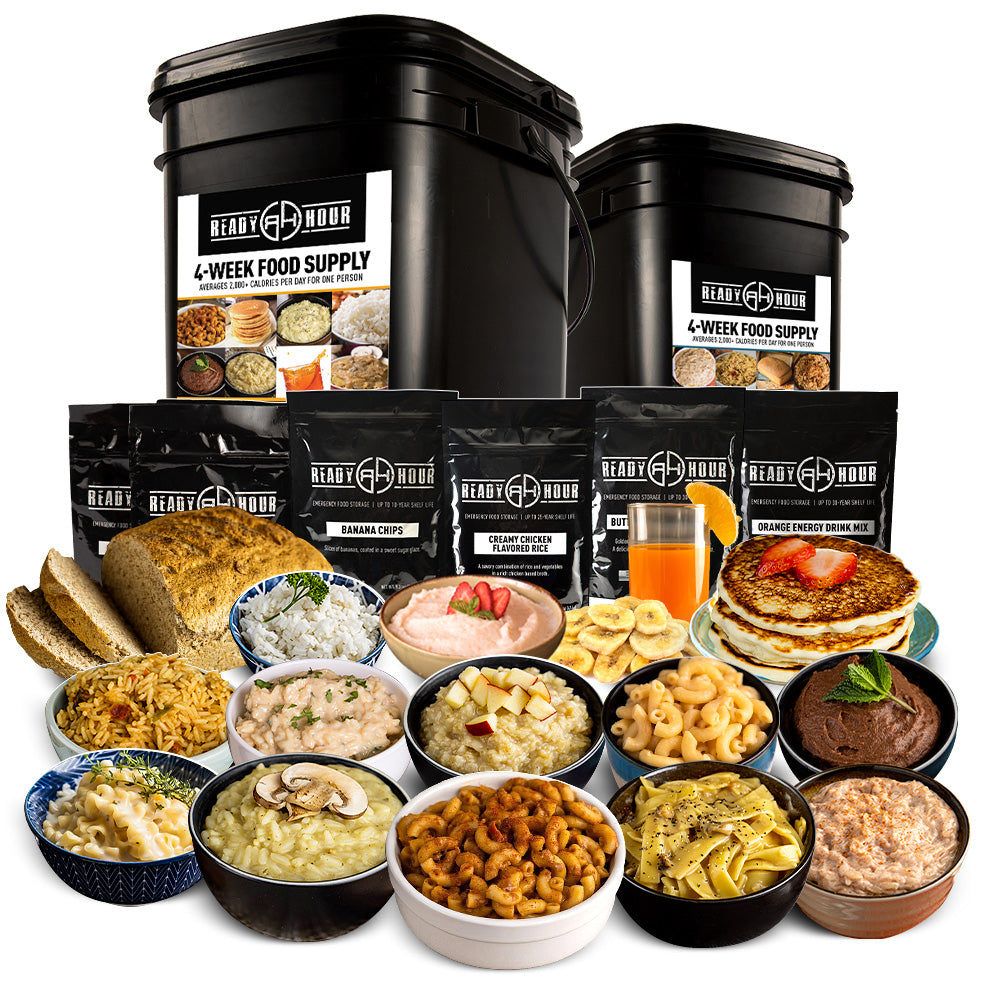
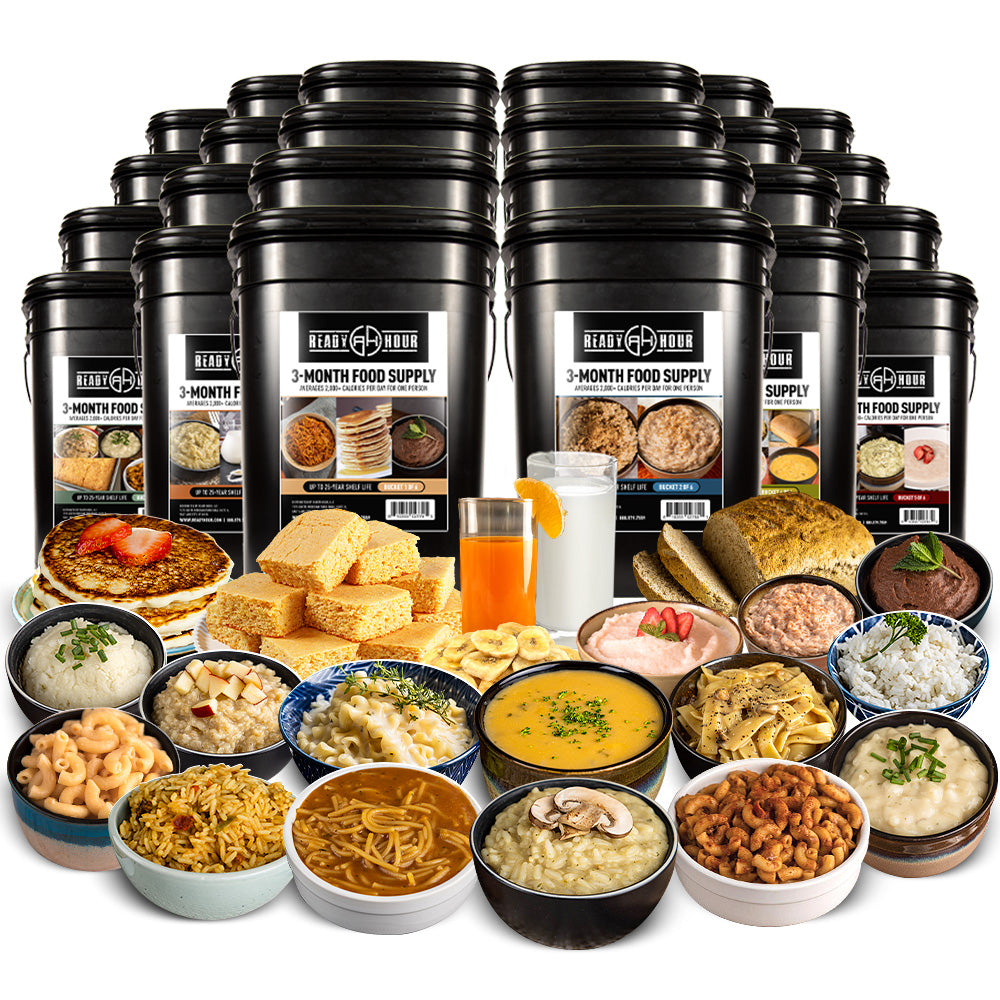
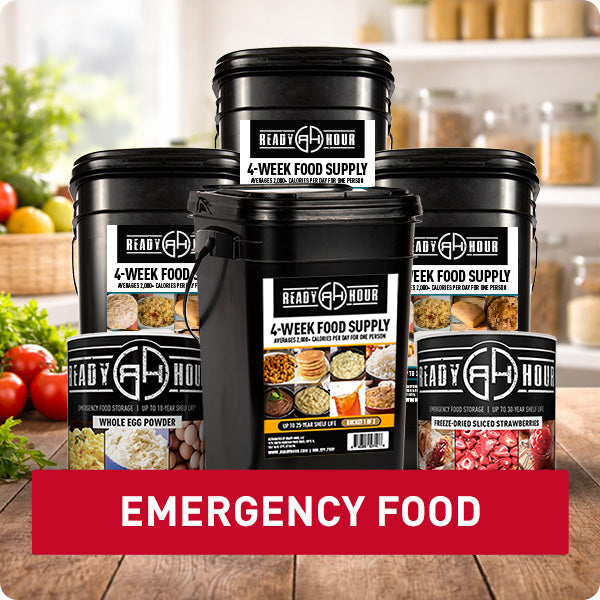
A dependable emergency food supply helps ensure your family has access to nourishing meals when shopping isn't possible. Consider shelf-stable foods, freeze-dried meals, and long-term food storage options that are easy to prepare and store.
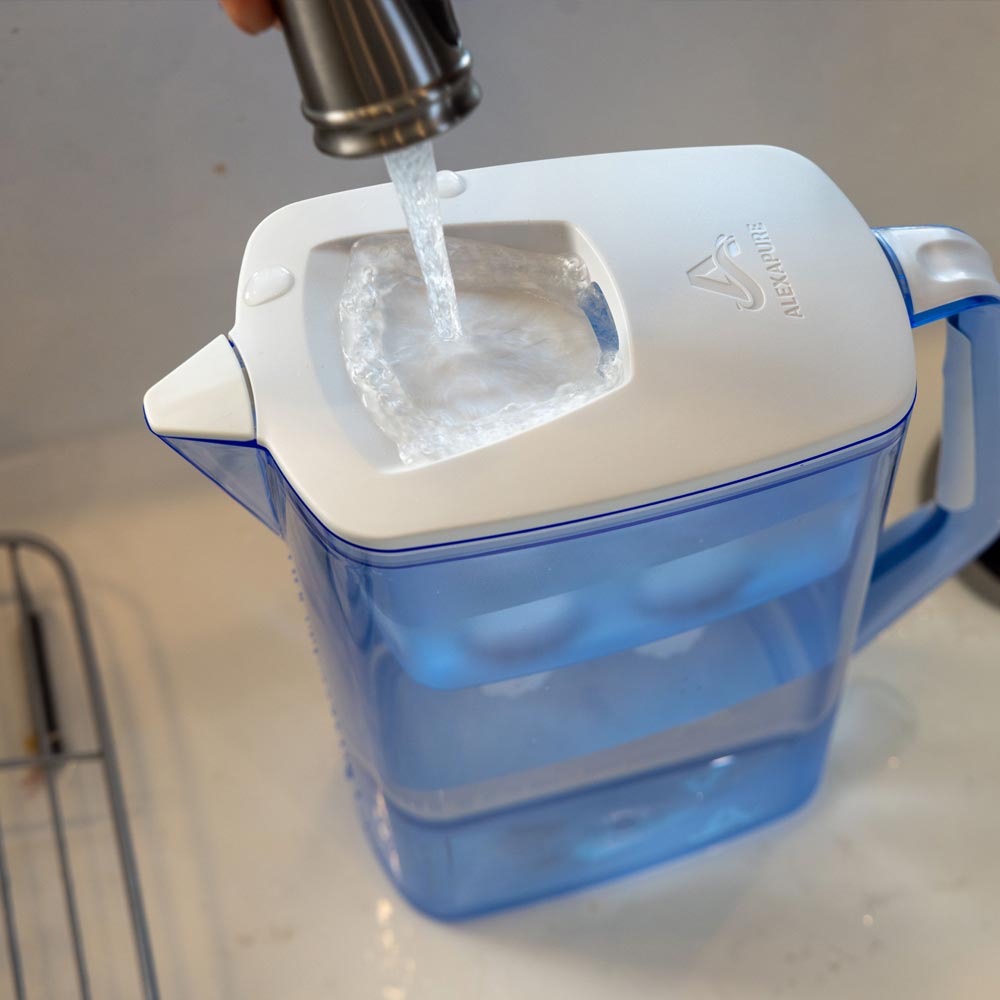
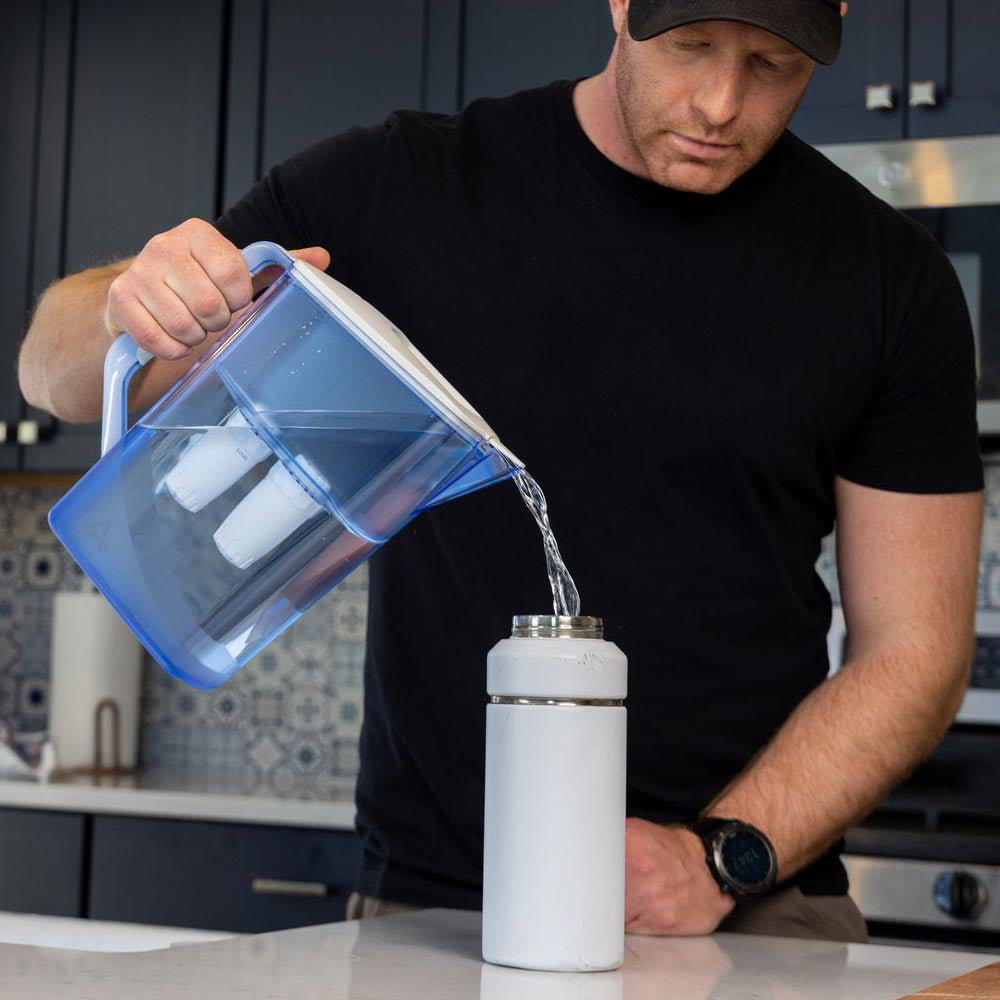
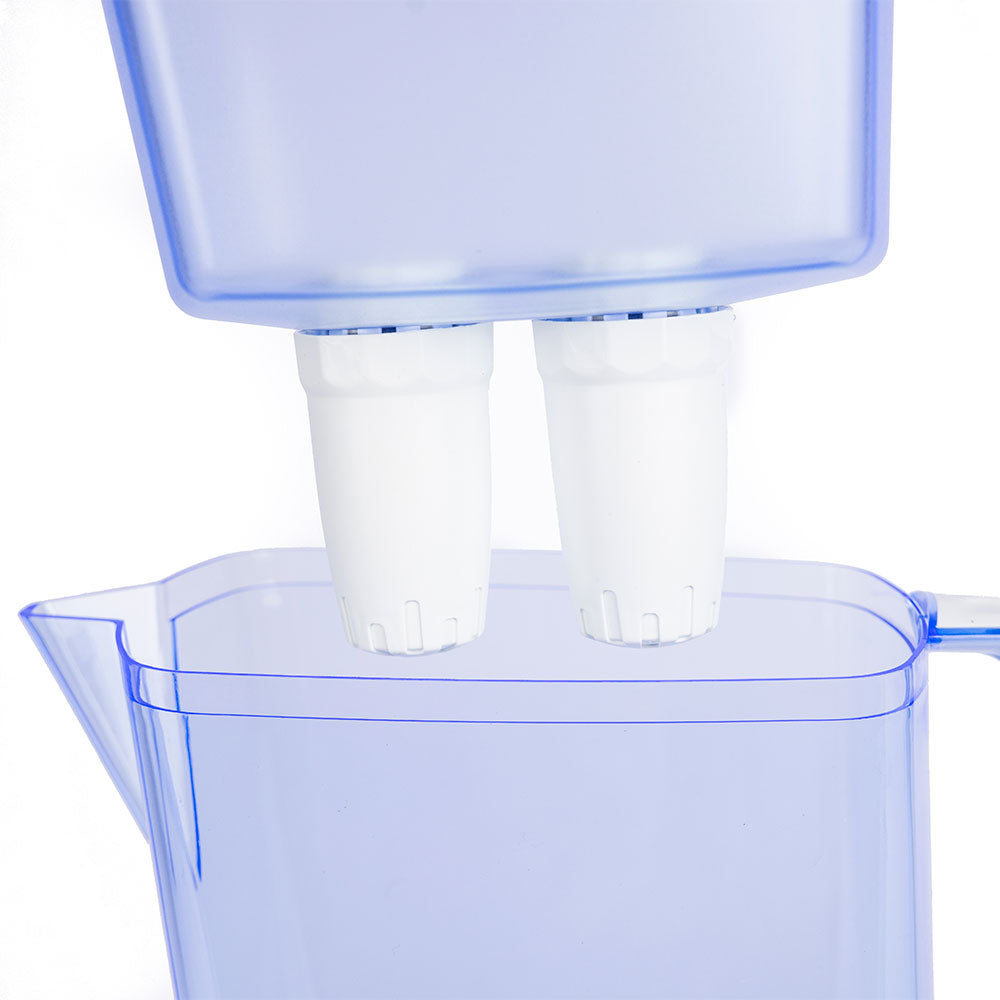
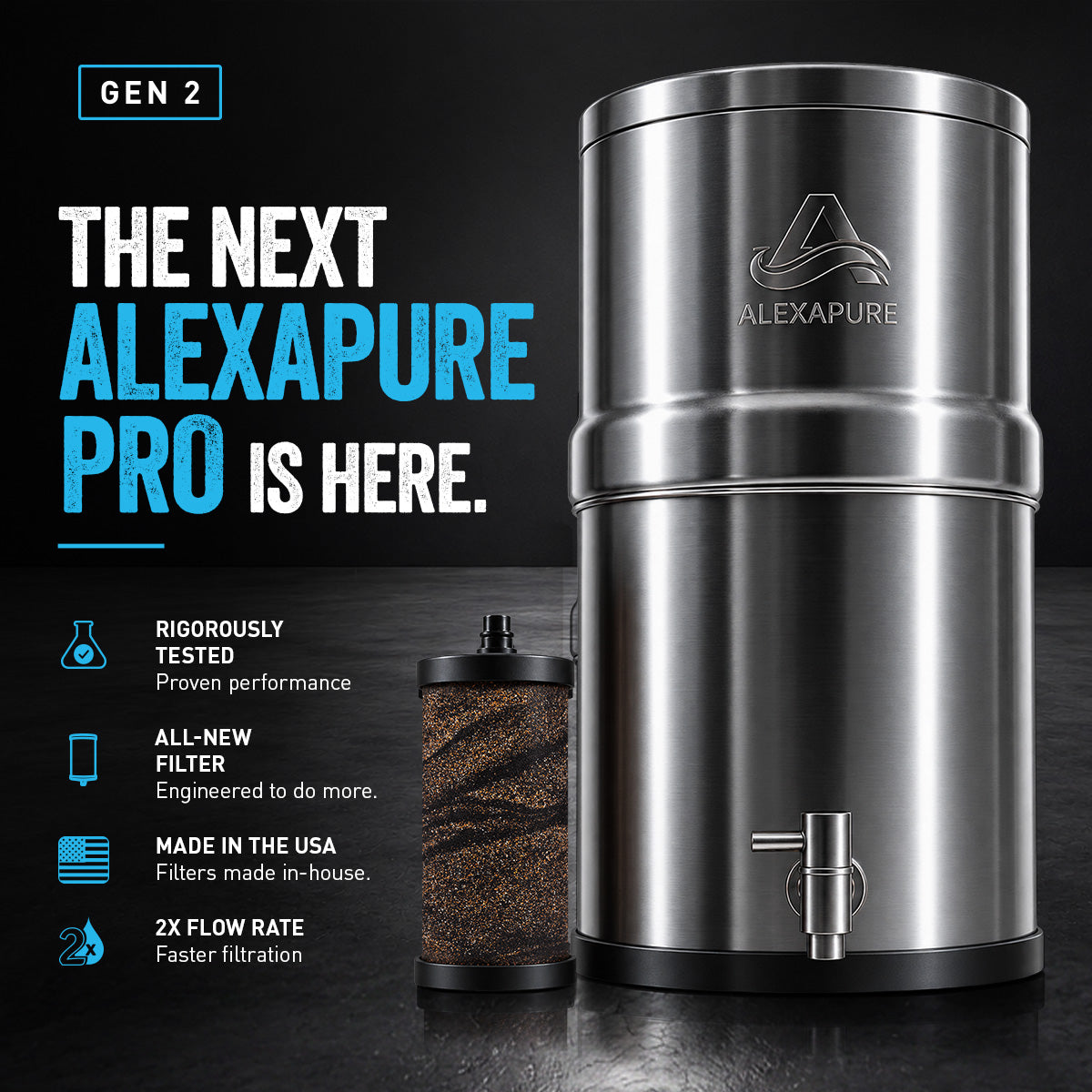
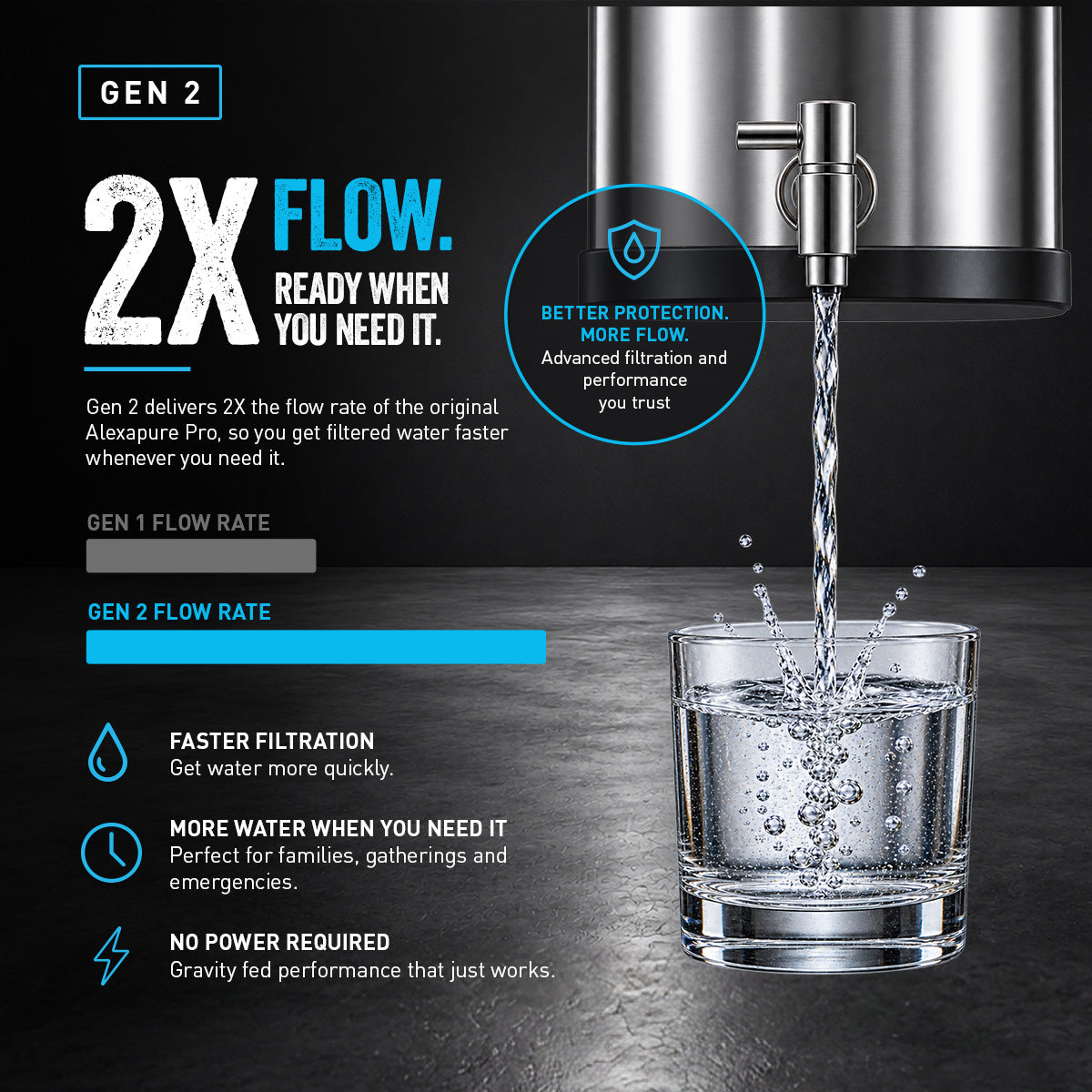
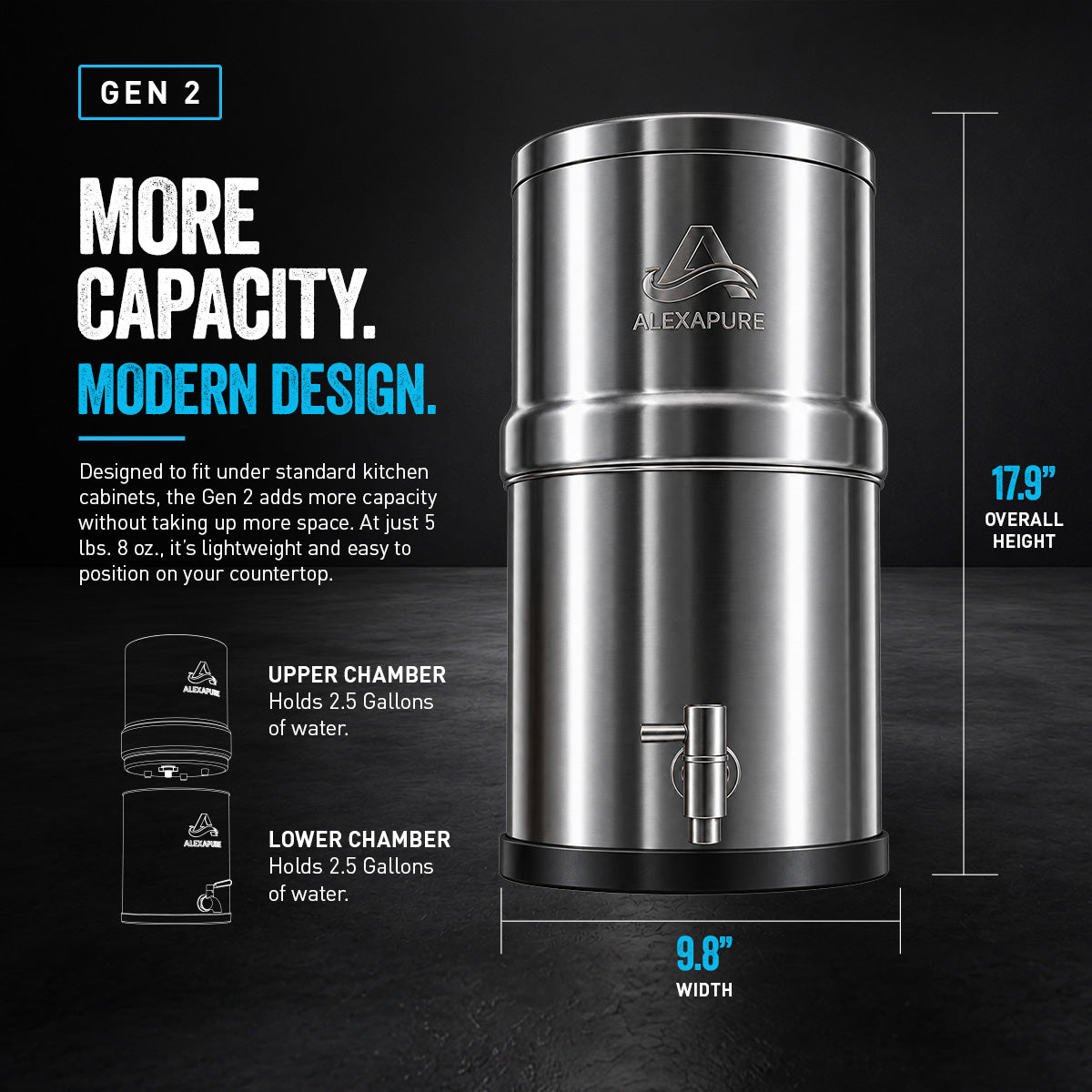
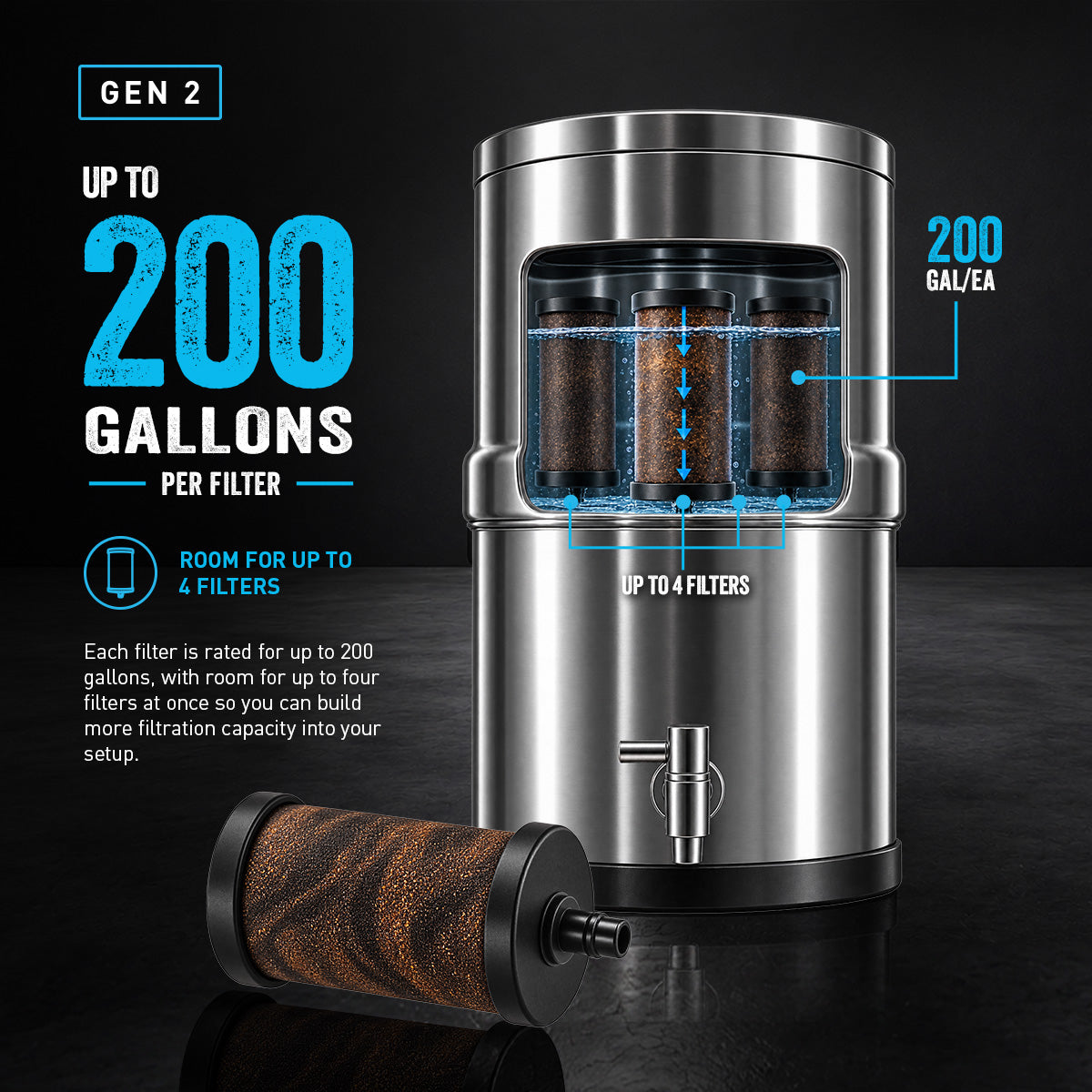
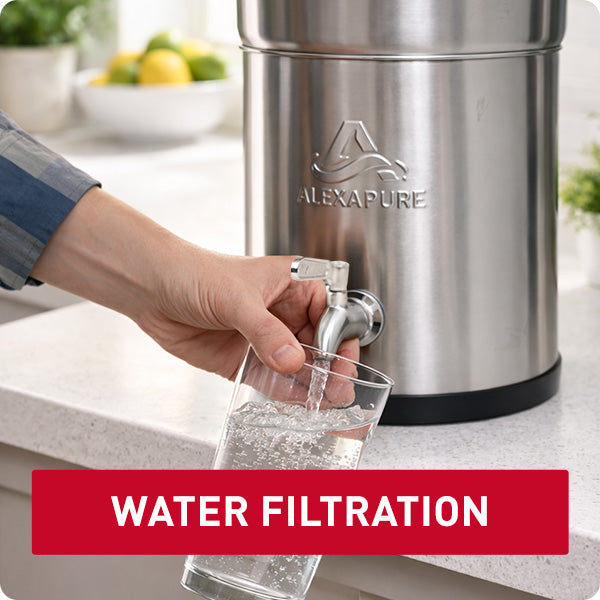
Clean drinking water is one of the most important emergency supplies. Store enough water for your household and consider water filtration and purification solutions that can help provide access to safe water when normal sources become unavailable.
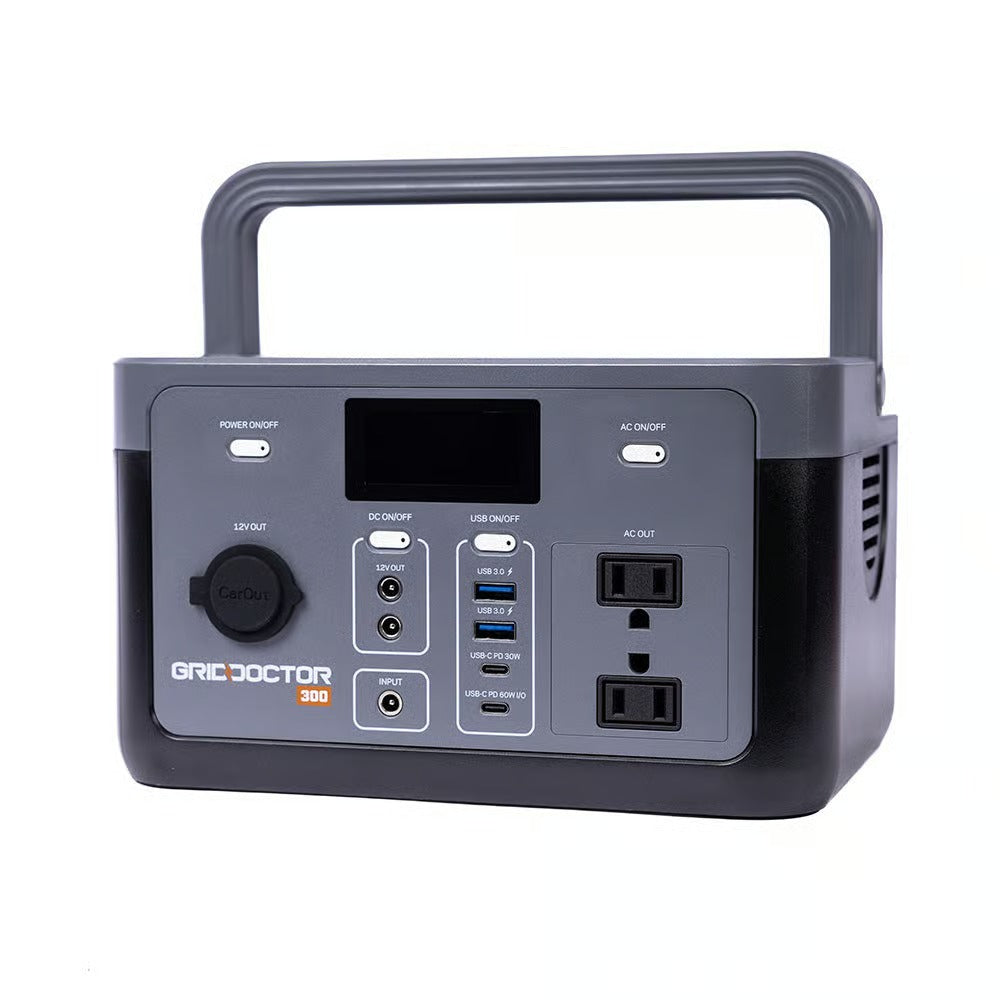
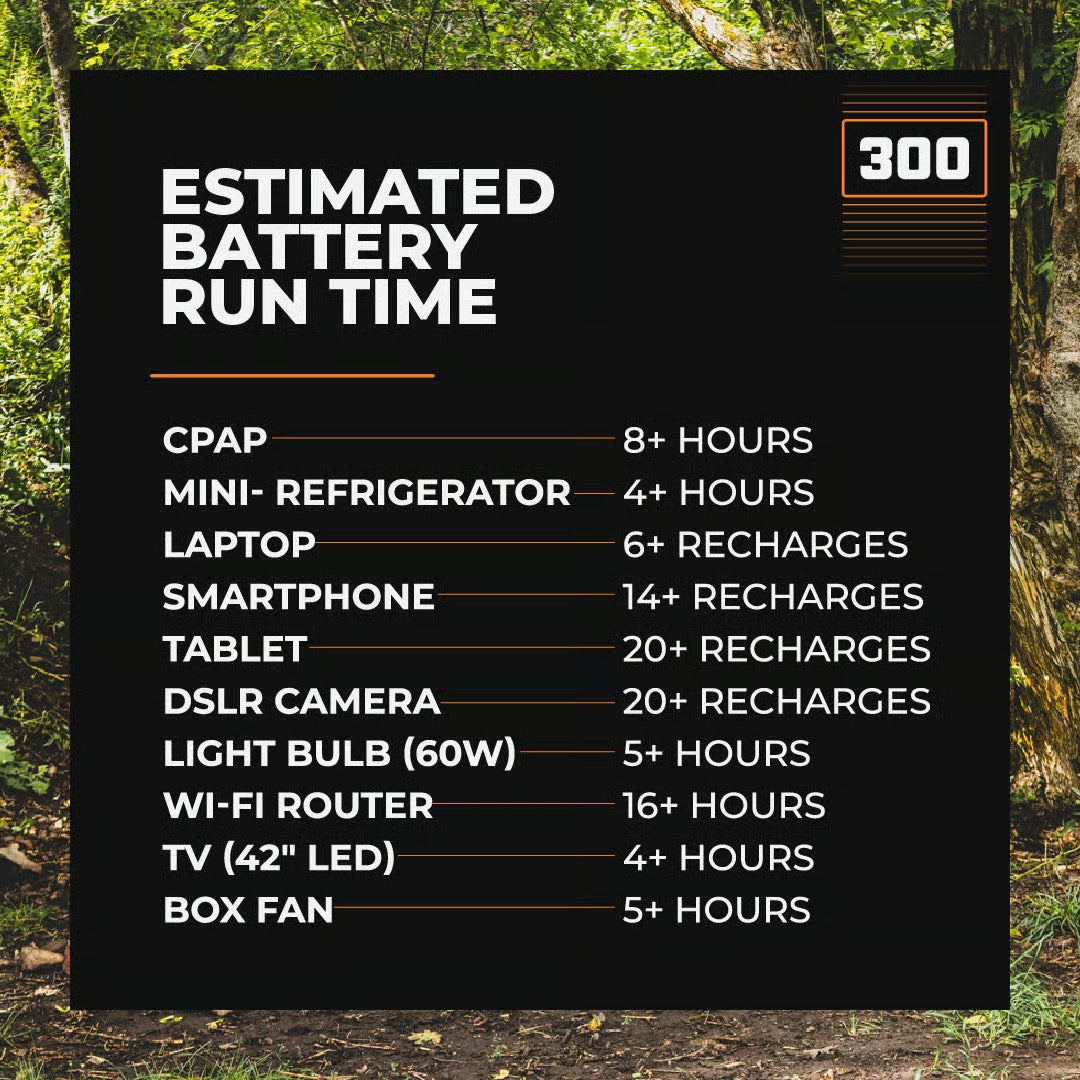
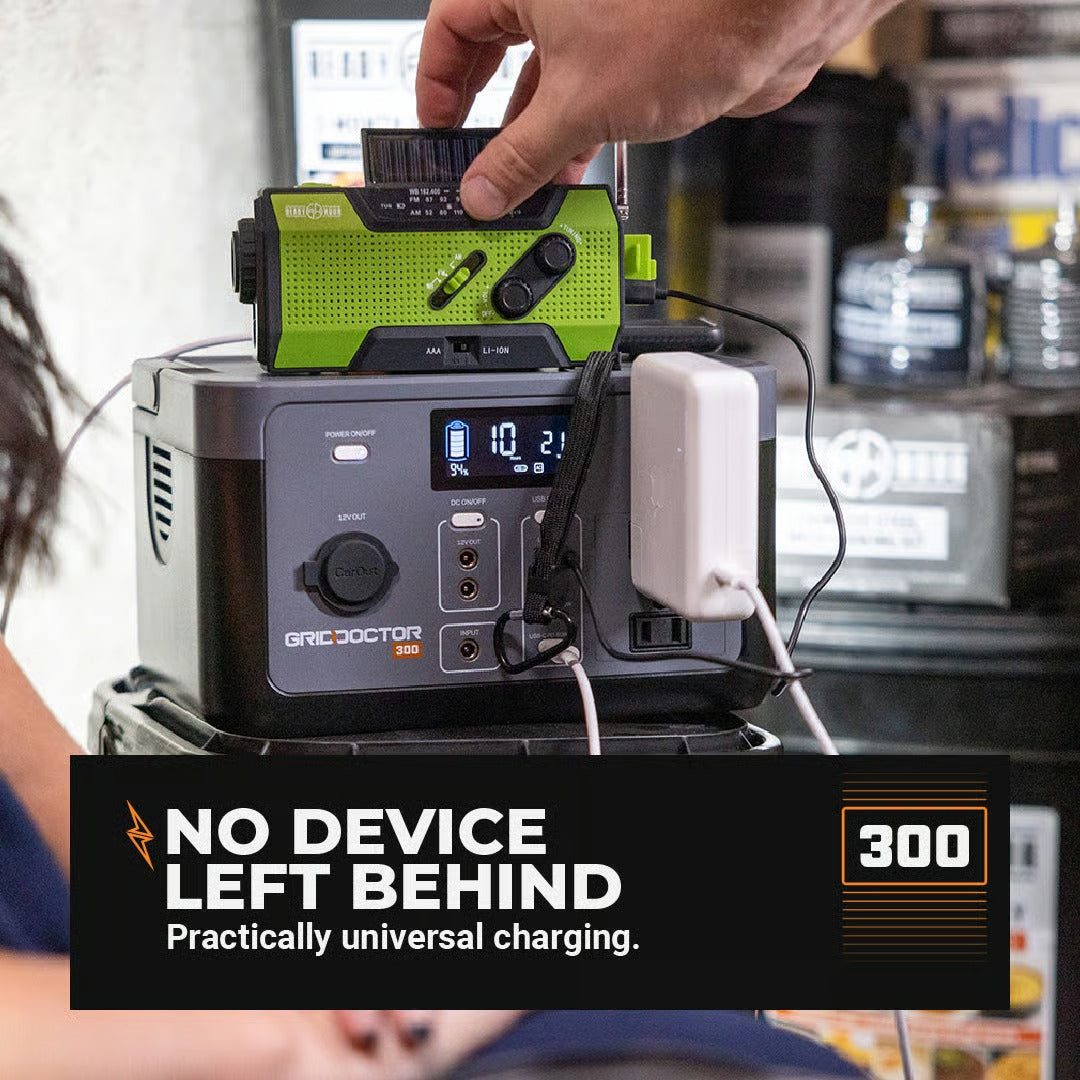
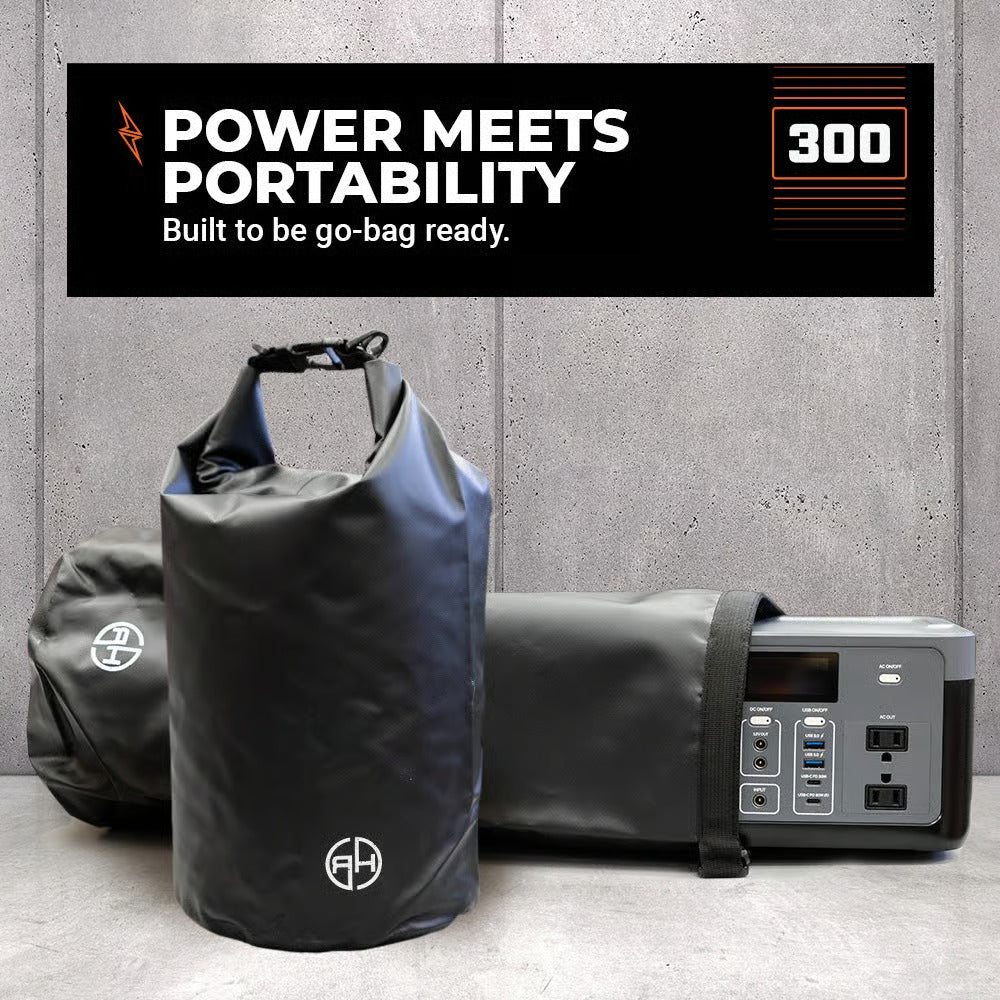
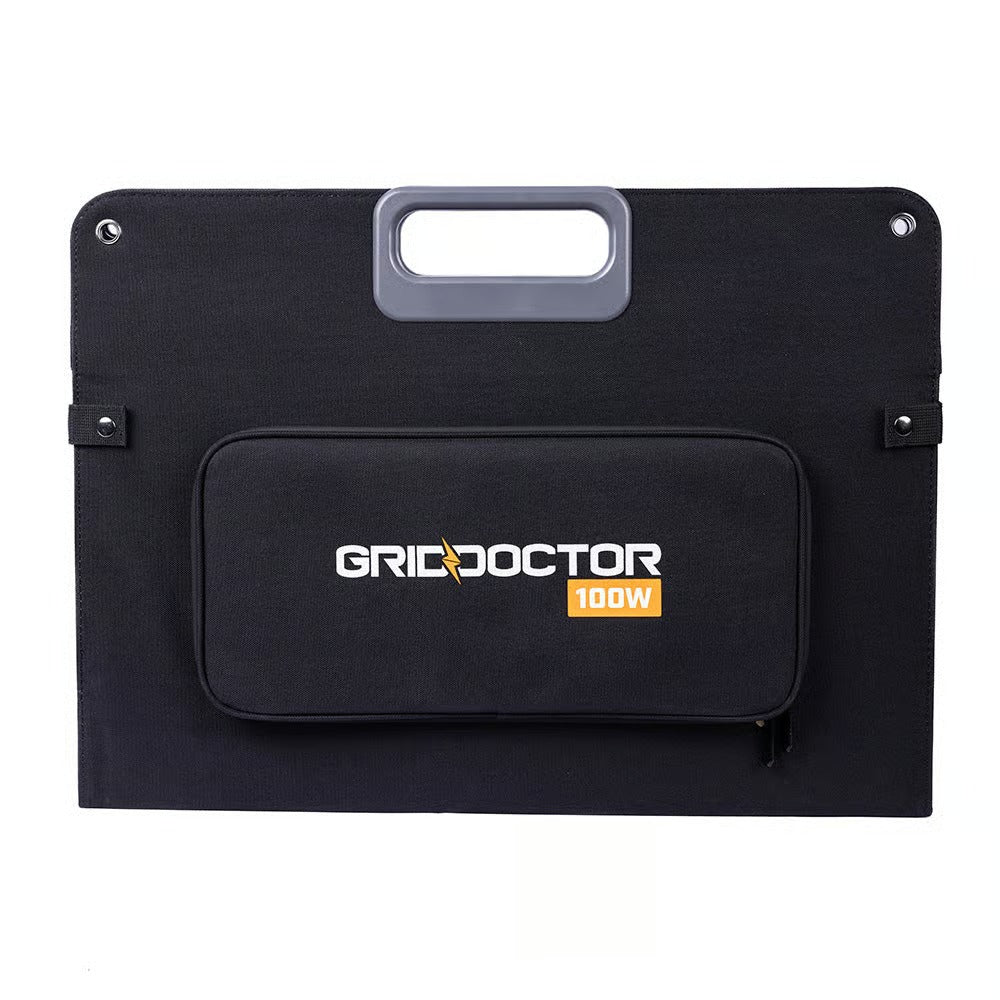
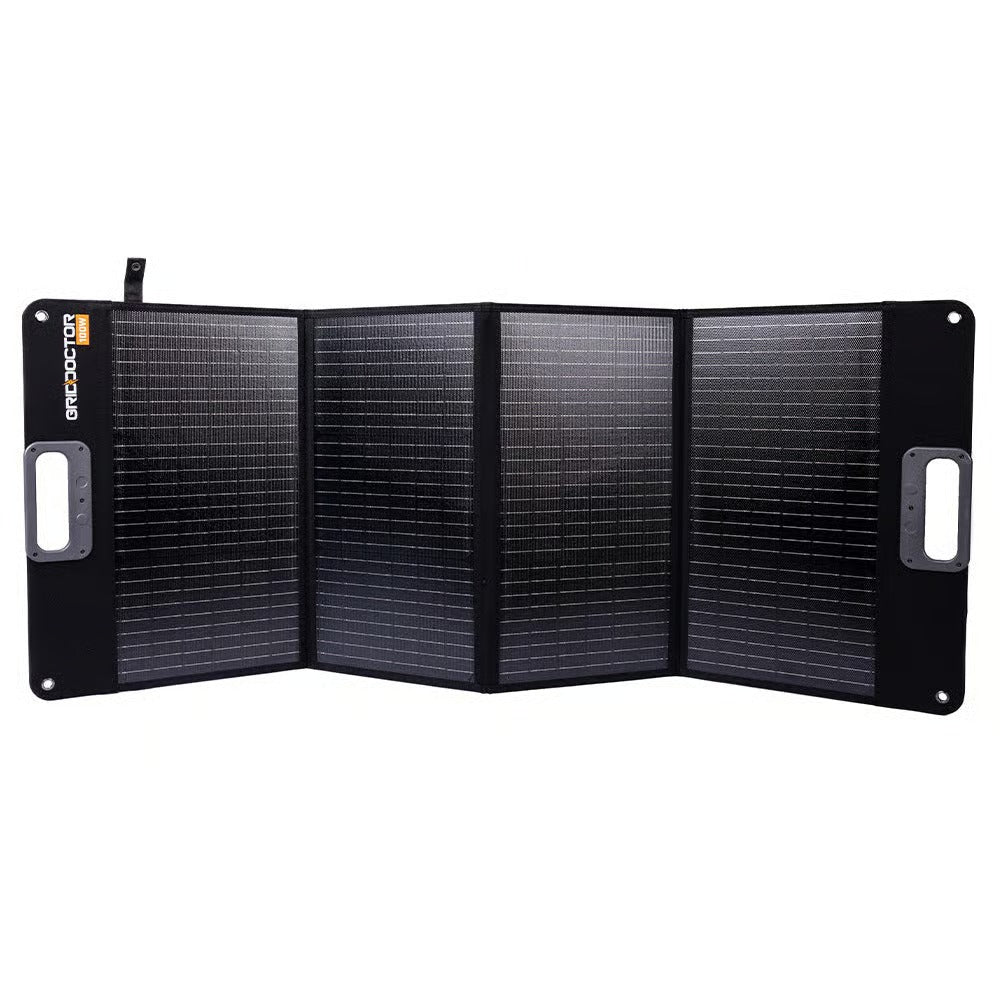
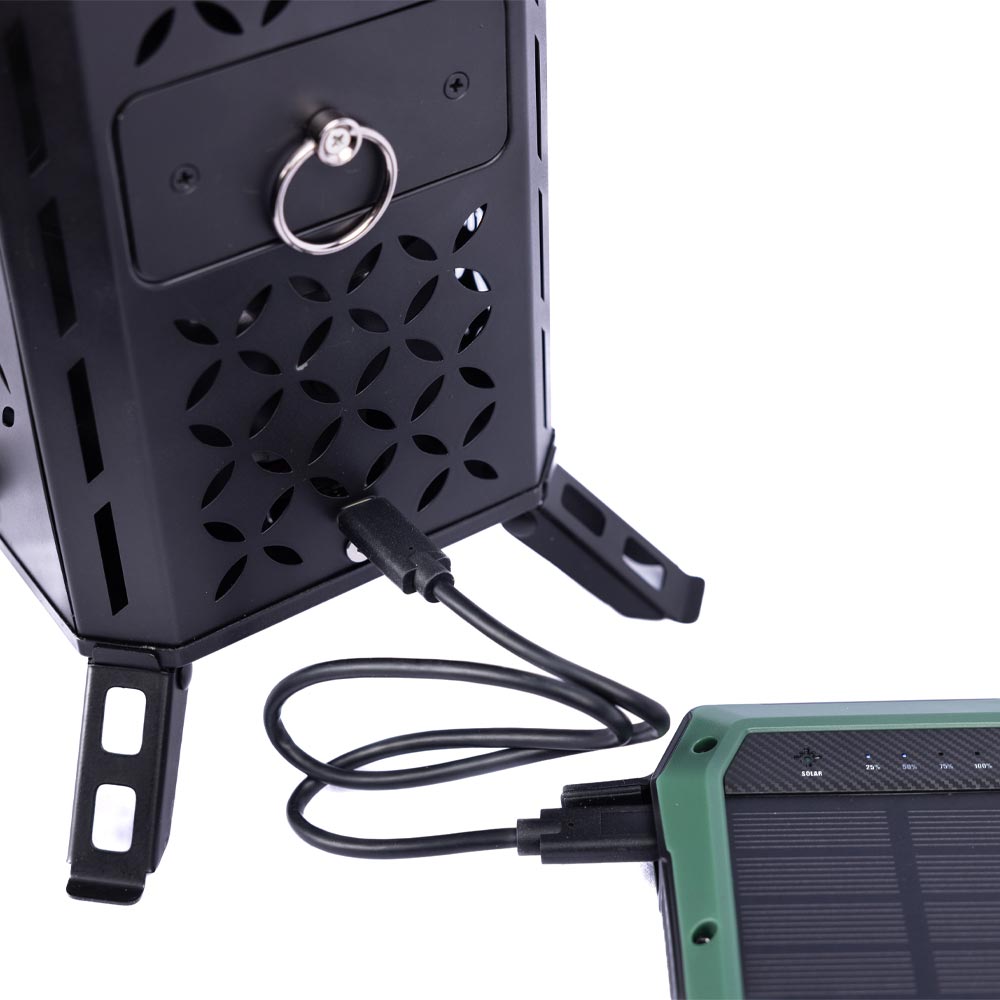
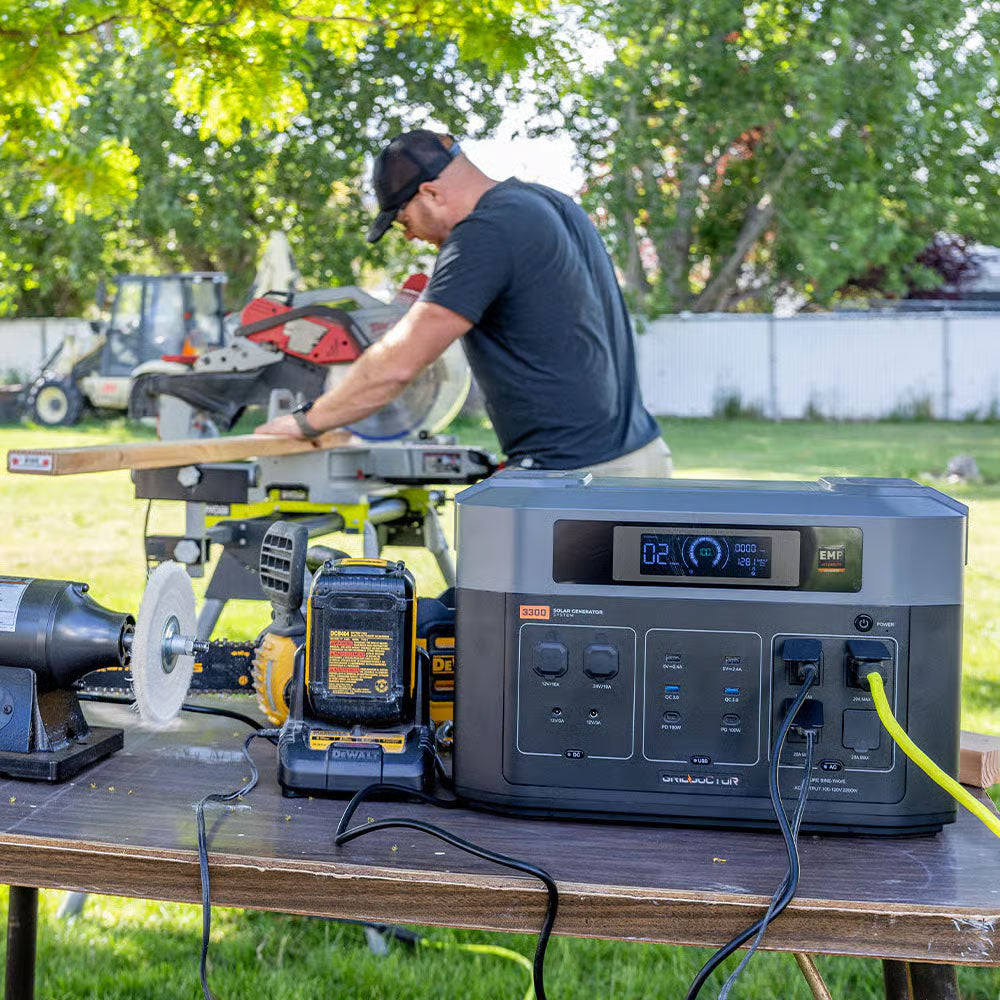
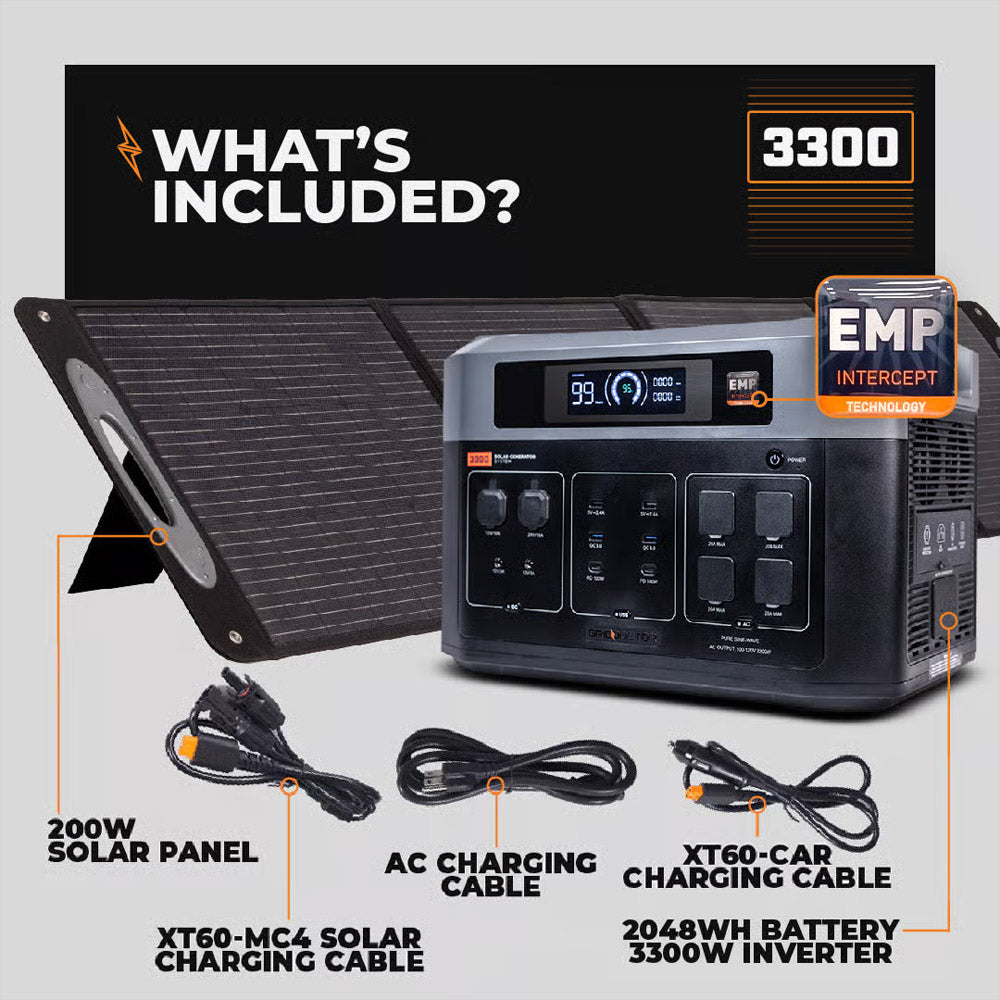
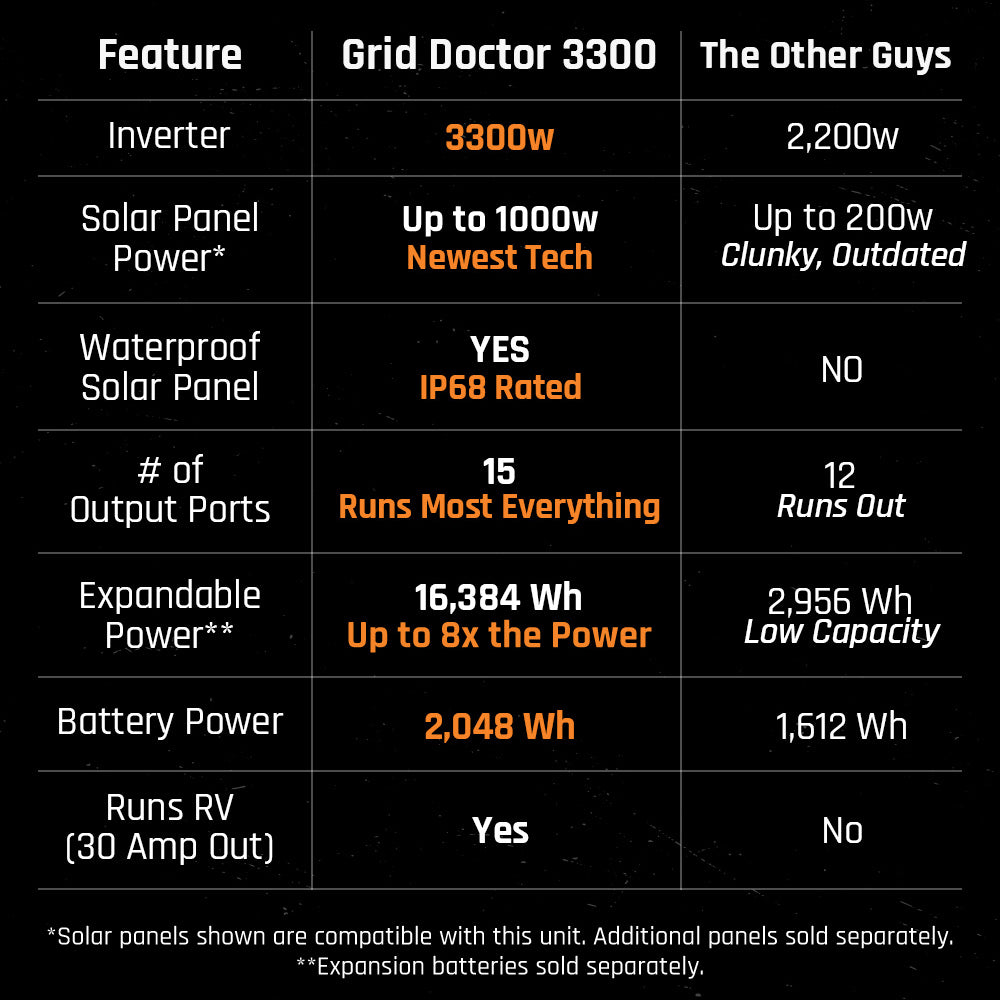
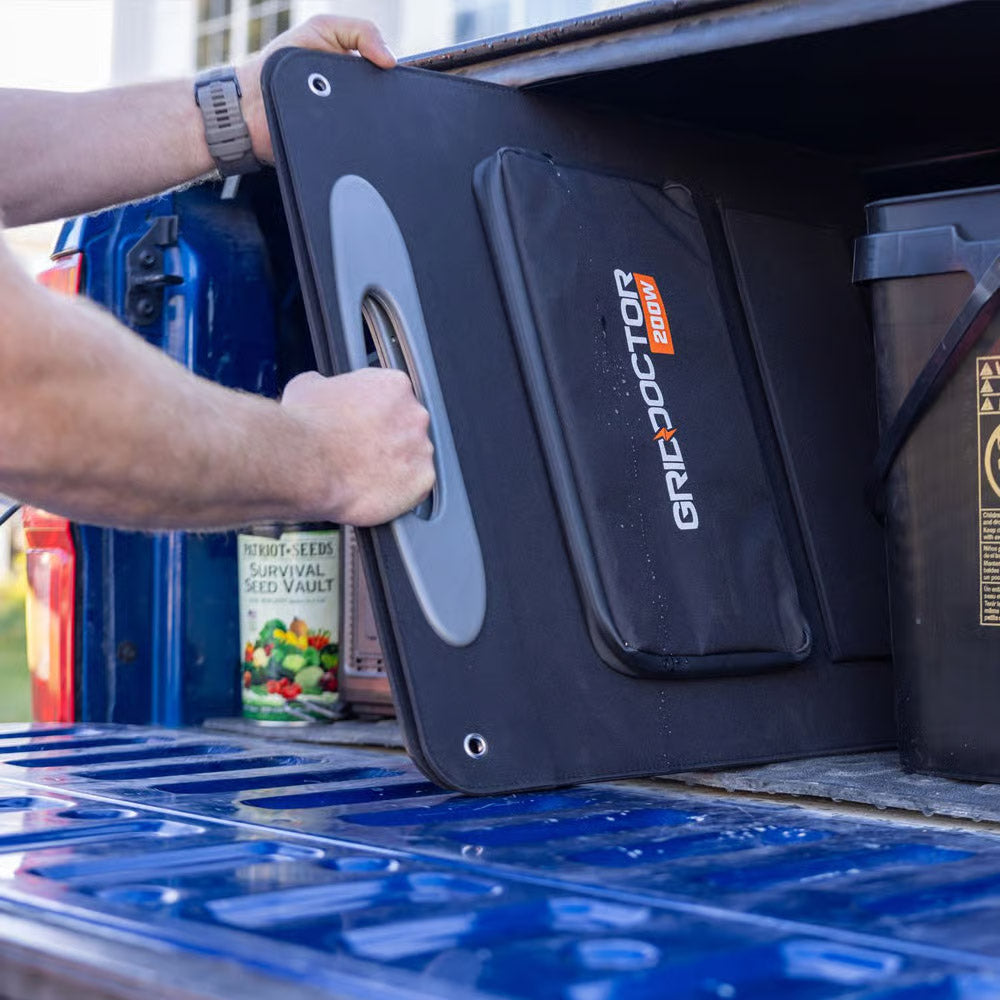
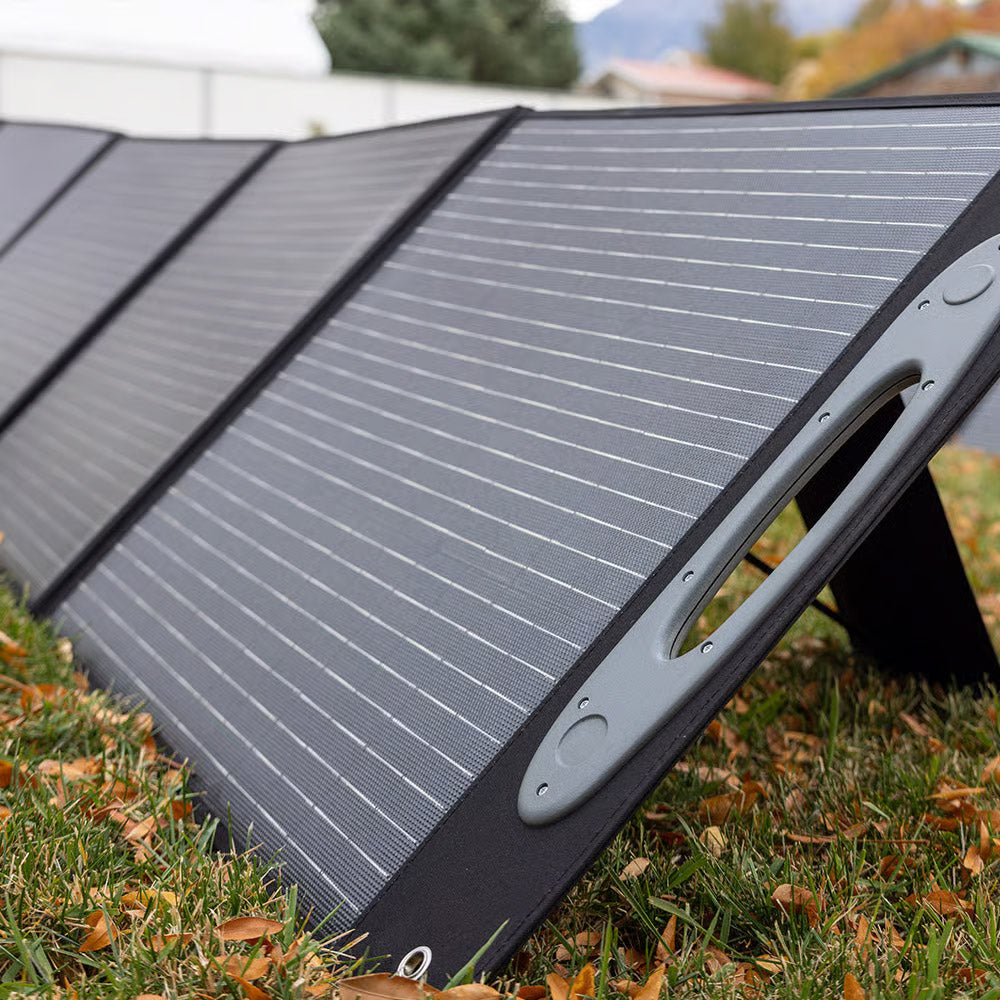
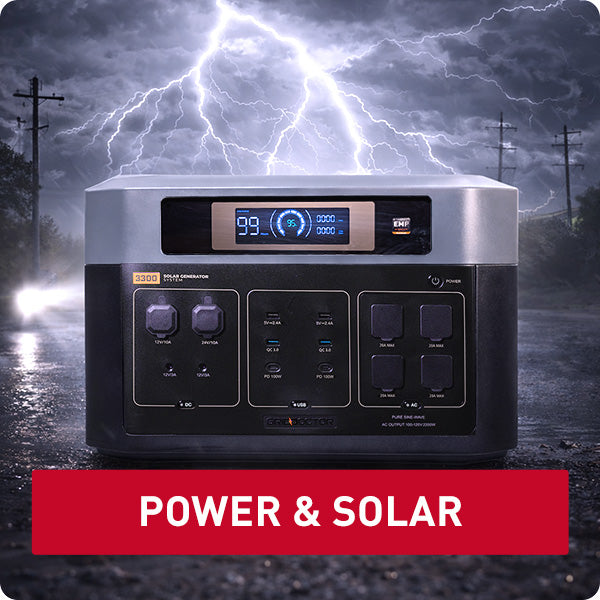
Power outages can disrupt communication, refrigeration, lighting, and other everyday necessities. Backup power solutions, solar generators, and portable power stations can help keep essential devices operating when the electrical grid is unavailable.
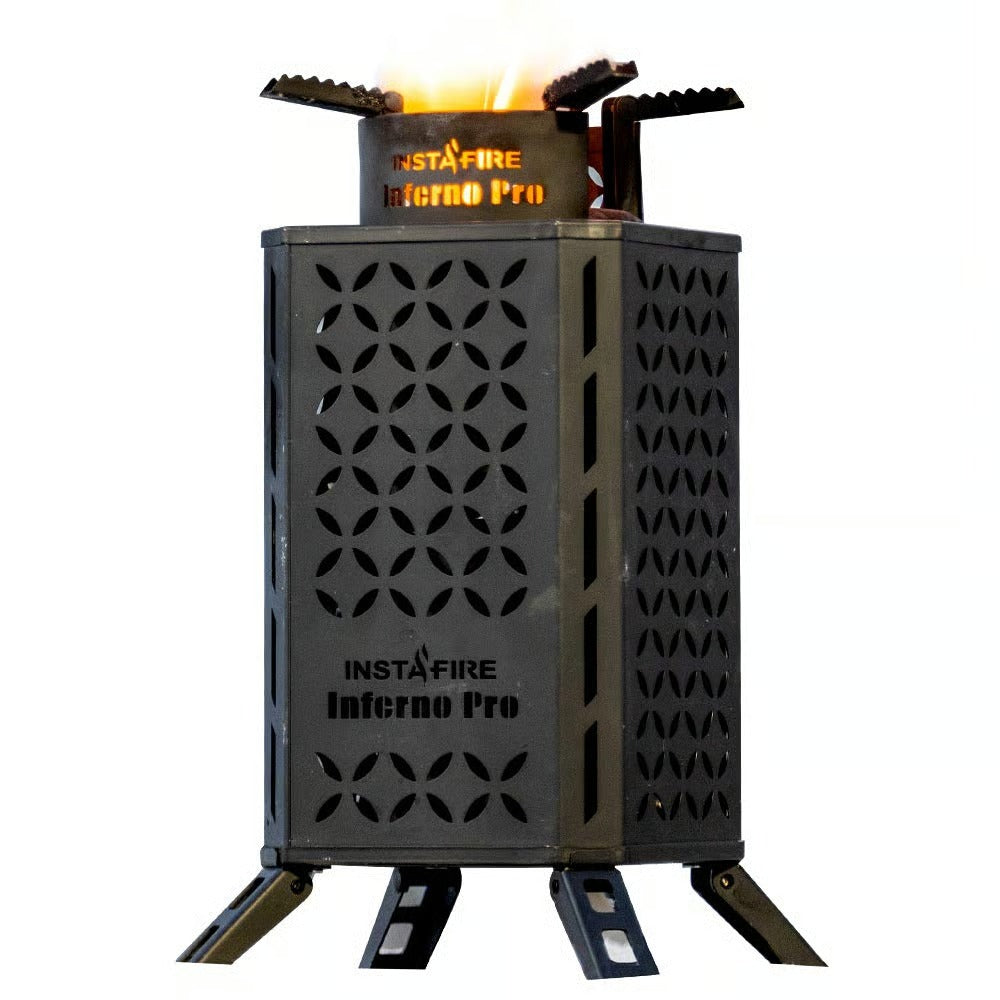
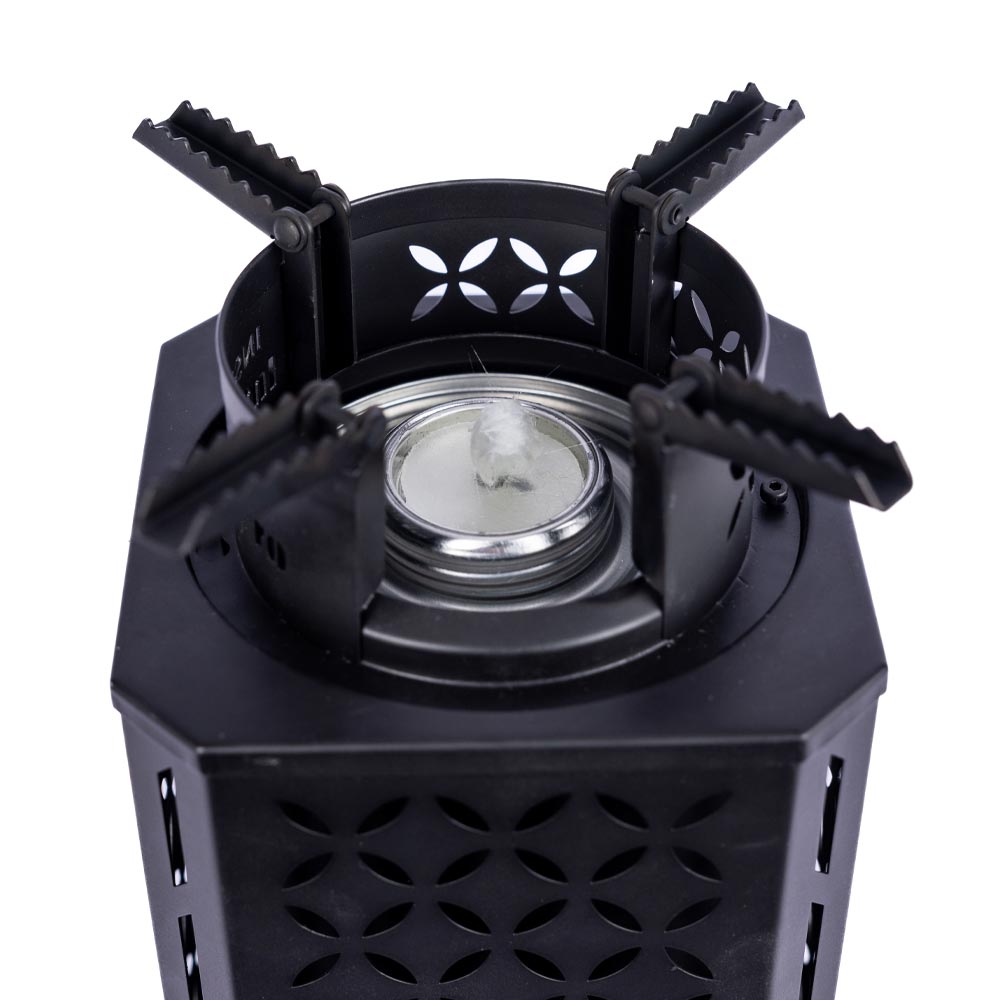
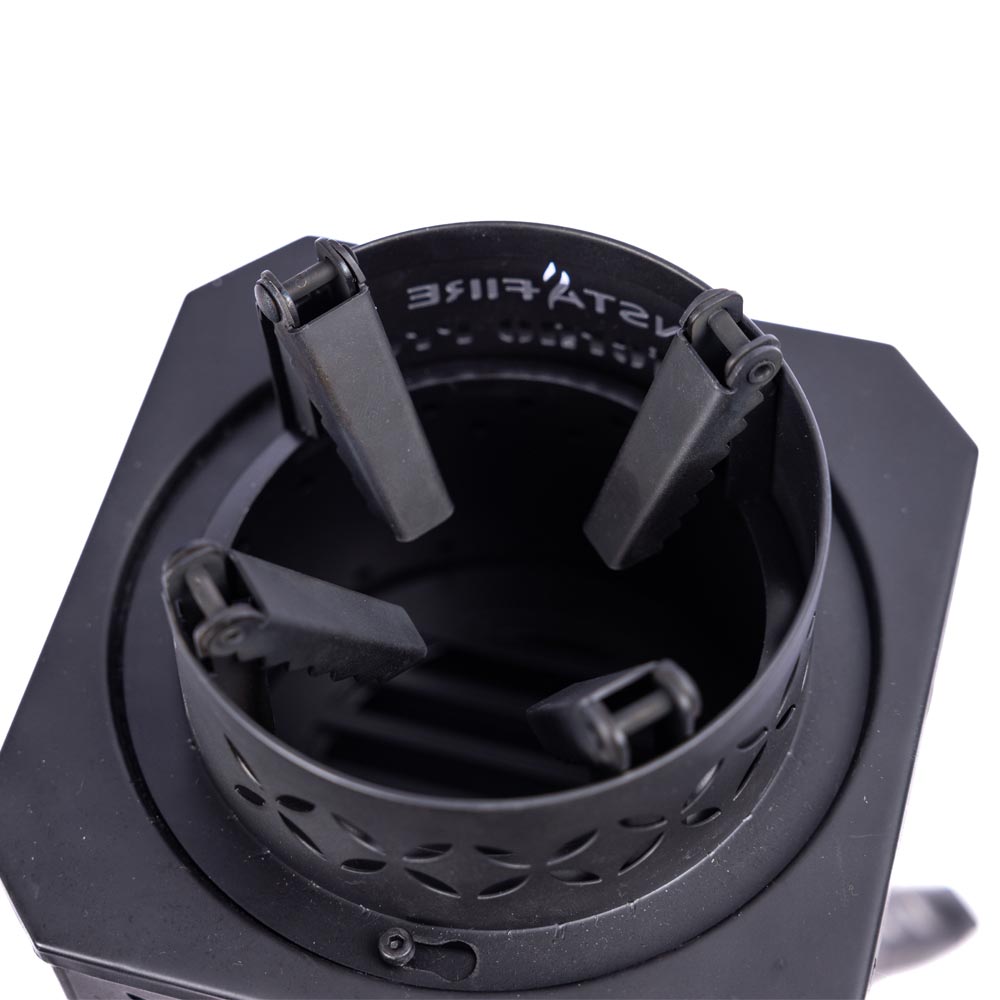
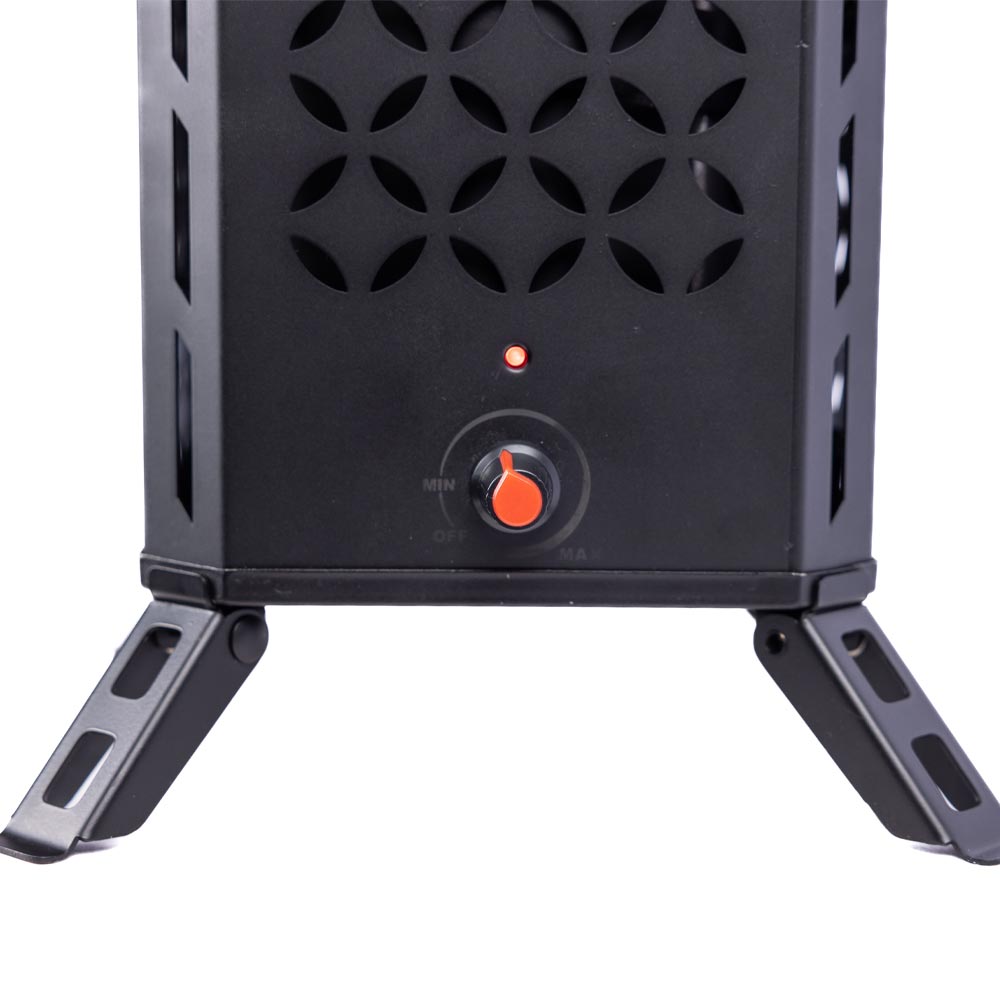
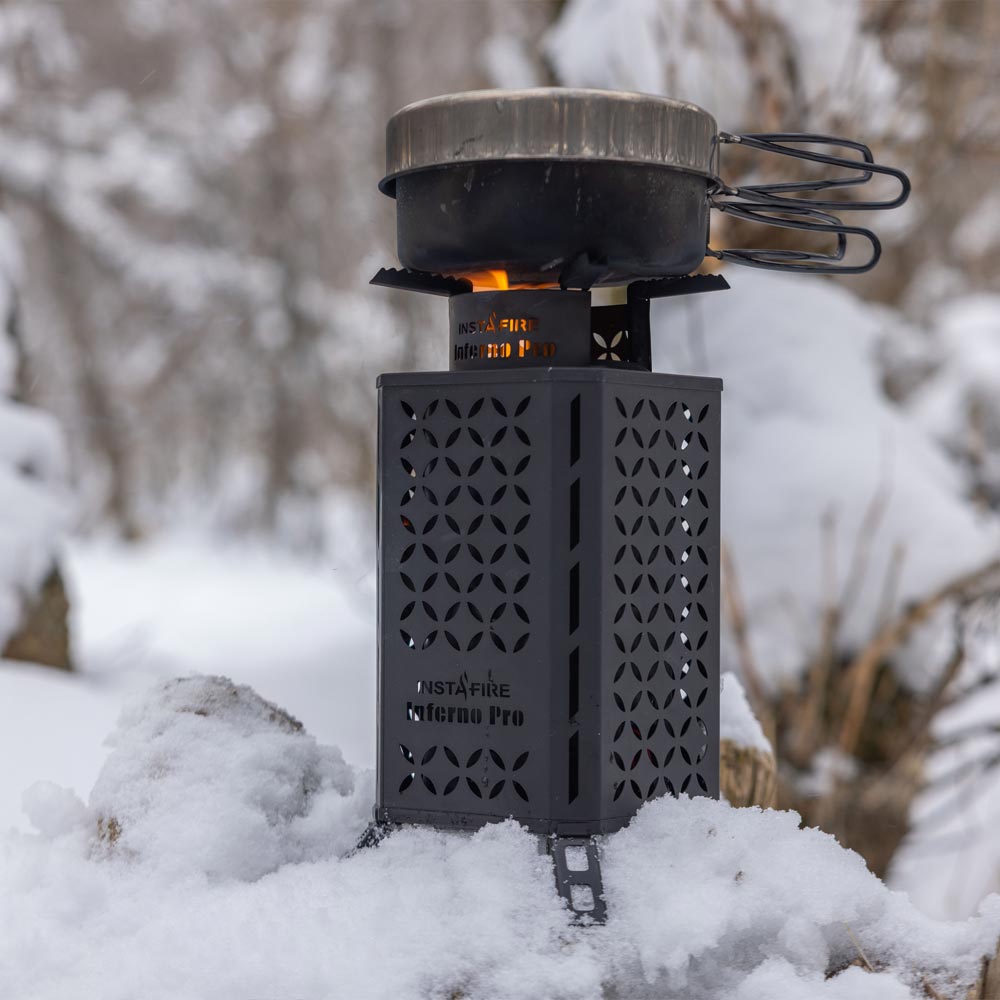
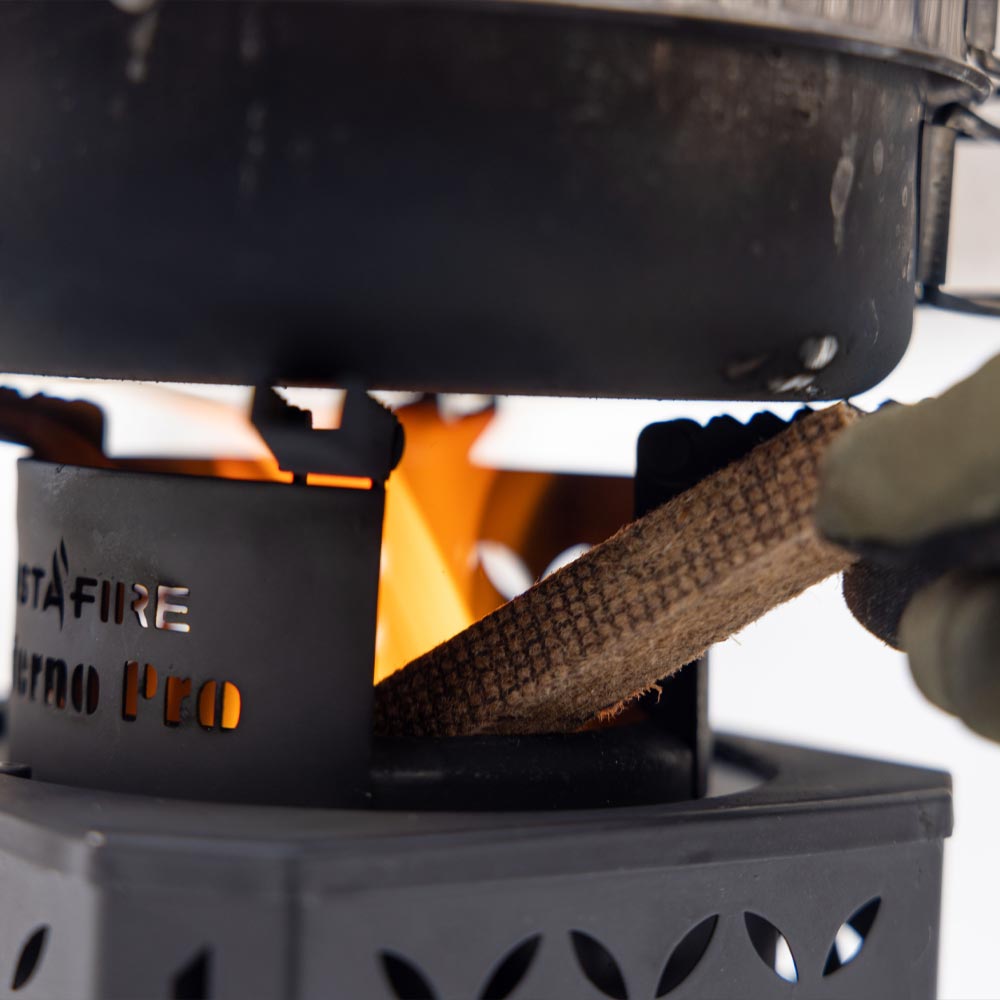
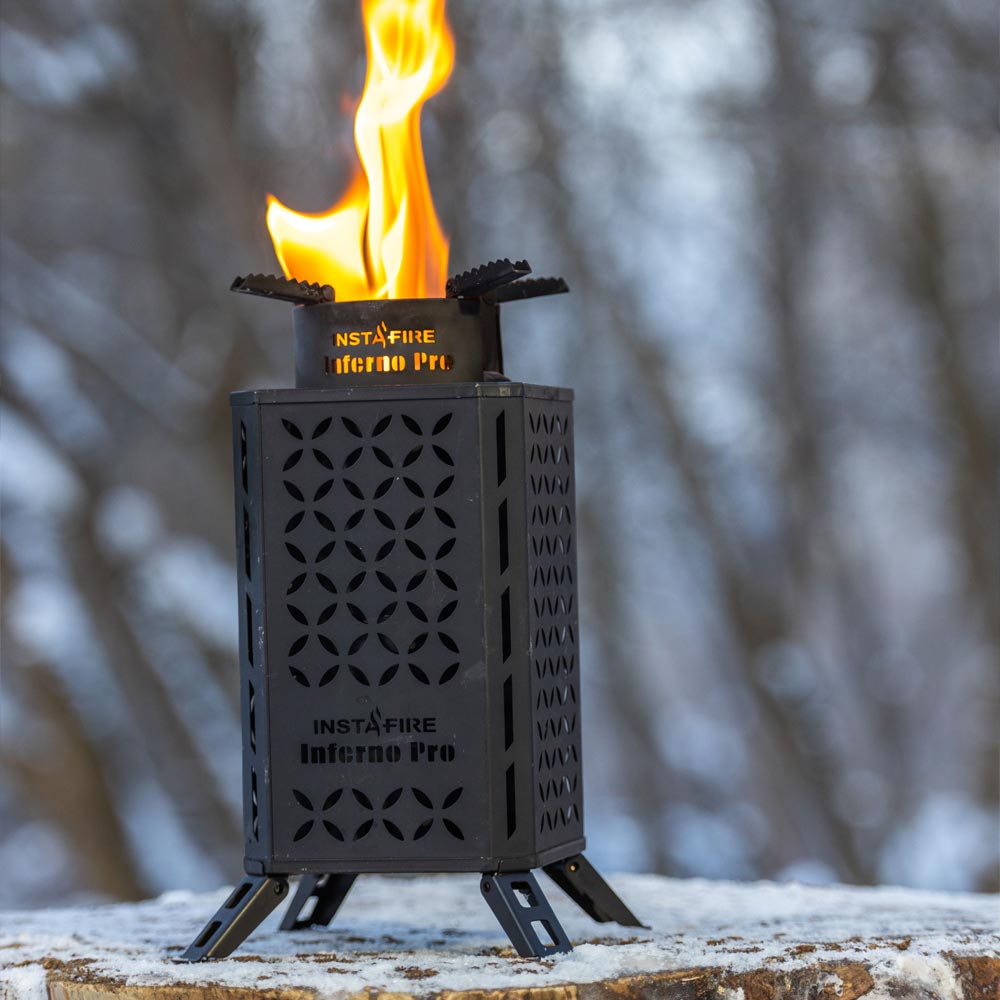
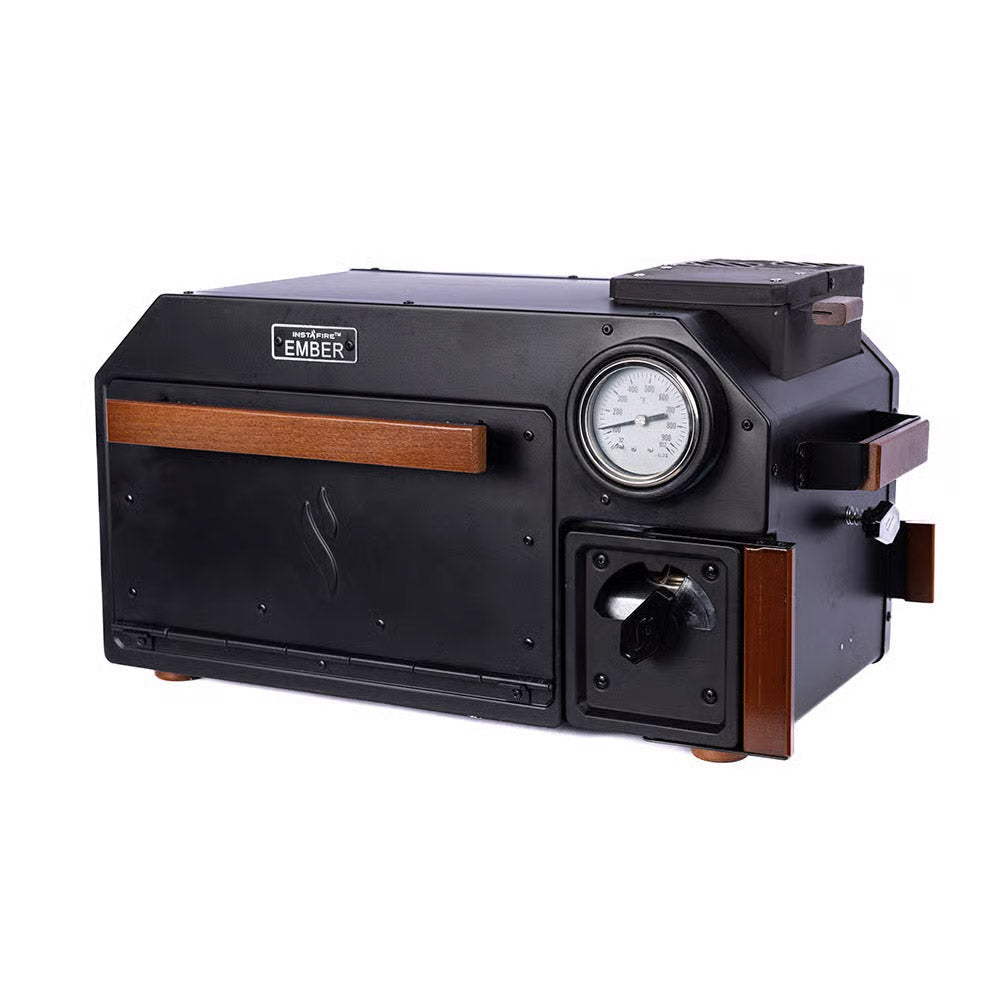
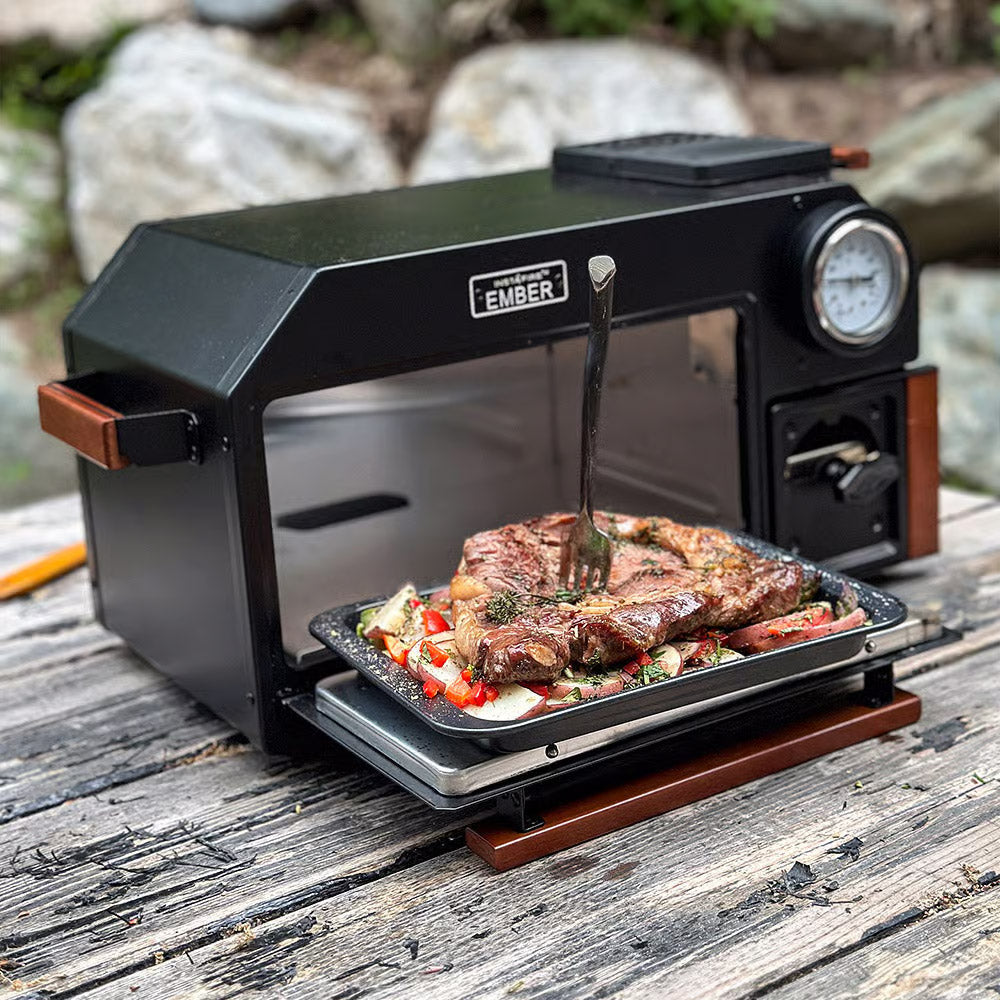
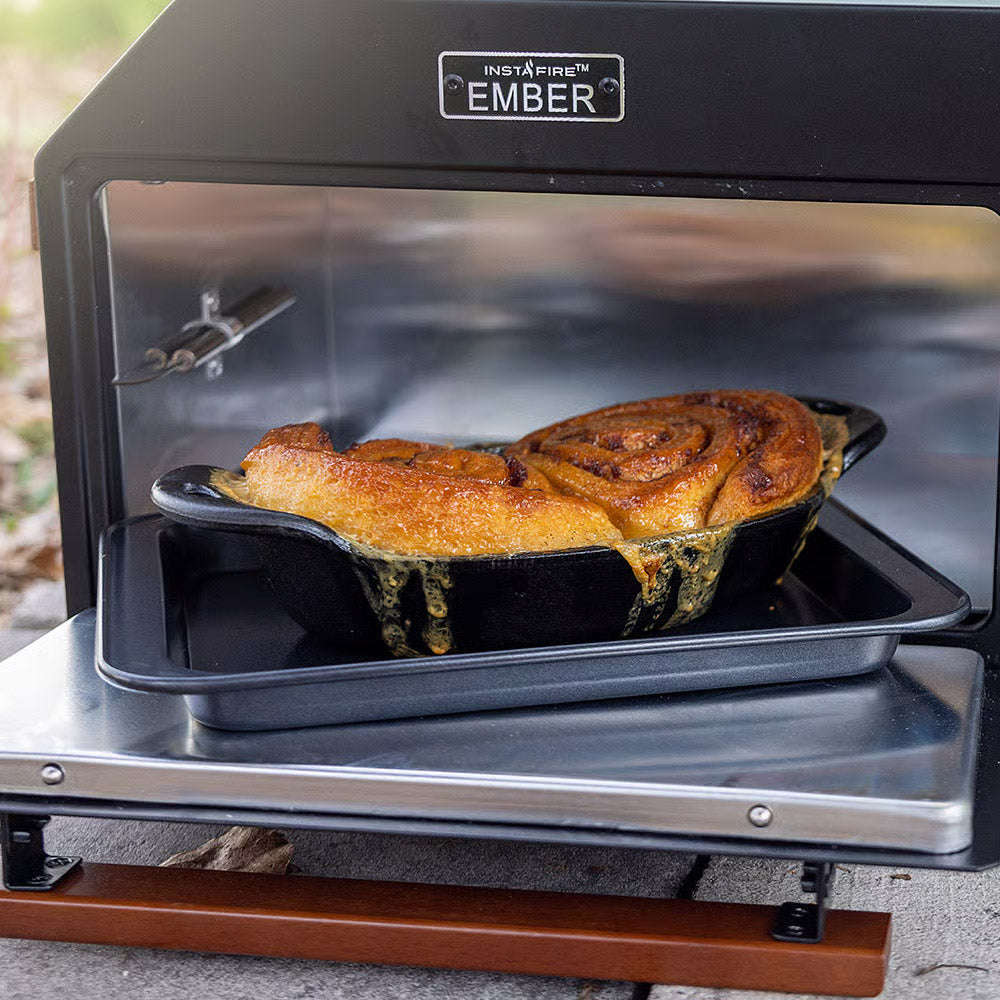
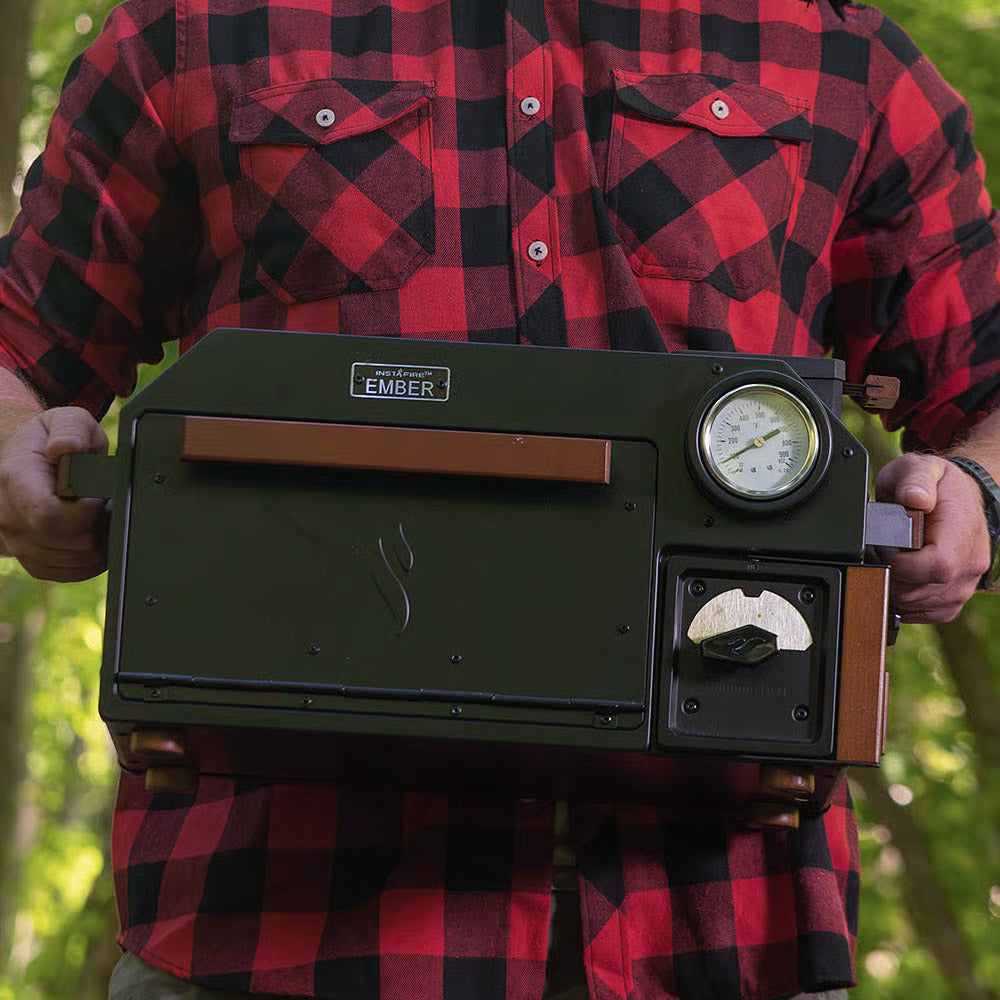
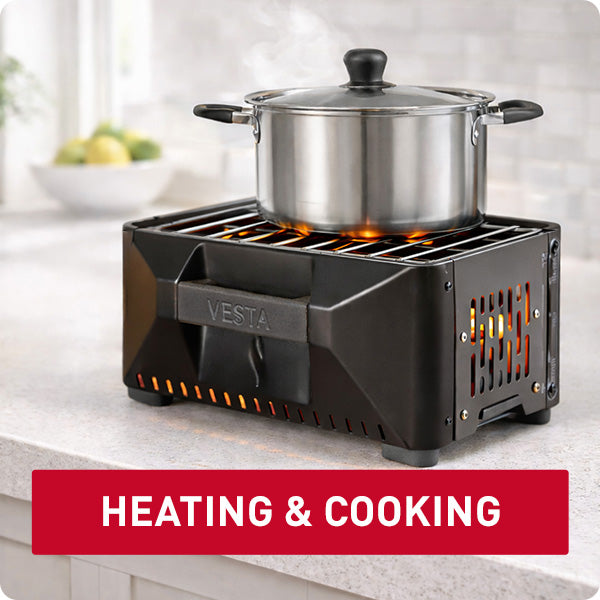
Having alternative ways to heat your space and prepare food can make a major difference during an emergency. Portable cooking equipment, alternative heating solutions, and appropriate fuel supplies can help your household remain more comfortable and self-reliant.
Build Your Preparedness One Step at a Time
Getting prepared doesn't have to happen all at once. The best approach is to start with what matters most to your household and gradually build a more complete emergency supply. Whether you're preparing for your first power outage or working toward long-term self-reliance, having a plan makes it easier to know what to prioritize.
Assess Your Household's Needs
Consider how many people you're preparing for, where you live, potential emergencies in your area, and any special household needs.
Identify What You Already Have
Take inventory of your existing emergency supplies. You may already have some of the essentials, so identify what's missing before purchasing more.
Prioritize Your Supplies
Start with your most immediate needs, including food, drinking water, backup power, and alternative cooking and heating options. Focus on filling the biggest gaps first.
Keep Building and Improving
Preparedness is an ongoing process. Regularly review your supplies, replace items as needed, and expand your emergency reserves as your needs change.
Make Preparedness Simple with All-in-One Solutions
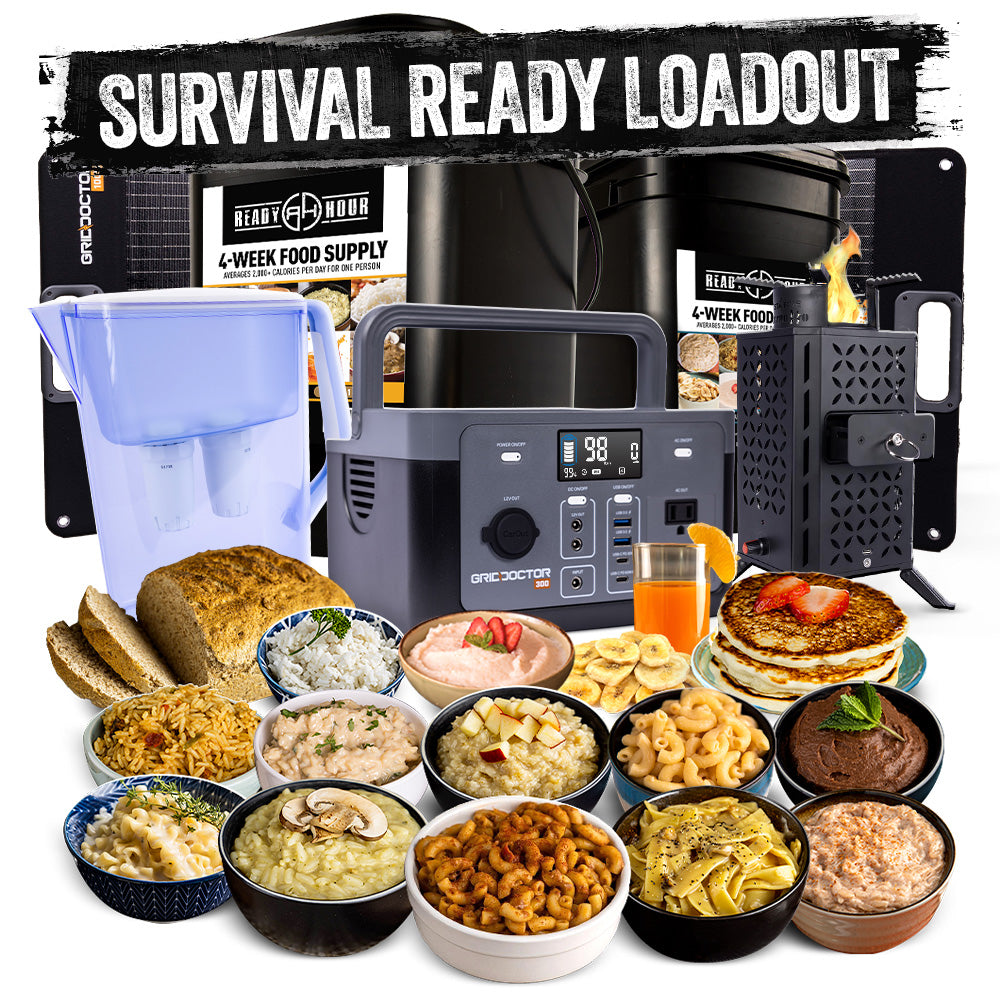
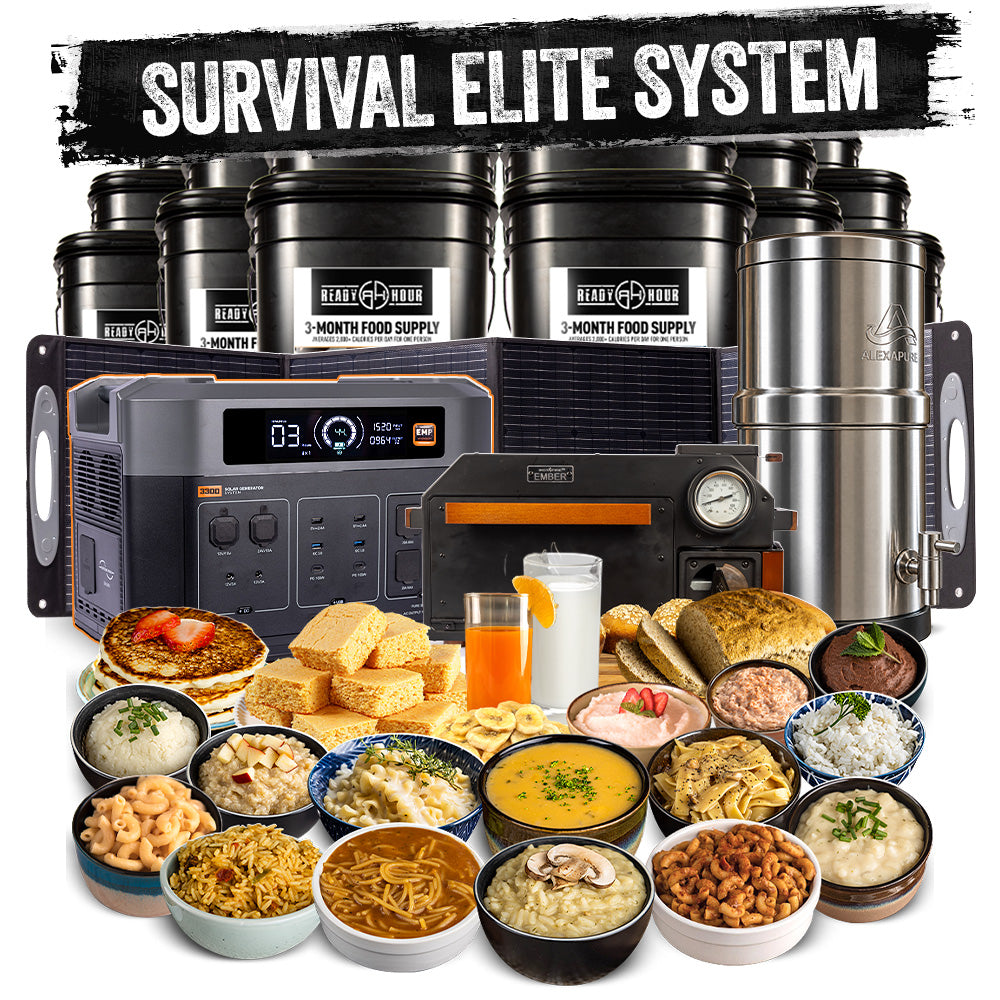
Not sure where to start or what supplies you need? Our all-in-one survival bundles take the guesswork out of getting prepared. Designed to help you build a more complete emergency supply, these convenient solutions bring essential preparedness items together in one package. Whether you're just starting your preparedness journey or looking to expand your existing supplies, there's a solution to help you take the next step.










Knowledge Is an Essential Part of Preparedness
Having the right emergency supplies is important, but knowing how to use them and prepare for different situations is just as essential. Explore our preparedness guides for practical advice, helpful tips, and step-by-step information on building a more resilient household. From preparing for power outages to securing your water supply, these resources can help you make informed decisions and feel more confident about your next steps.


Your Preparedness Journey Starts Here.
Whether you're taking your first steps or expanding your emergency supplies, My Patriot Supply is here to help you prepare for the unexpected. Explore our supplies, learn new skills, and build a plan that gives your household greater confidence for whatever comes next.



Frequently Asked Questions
I'm new to preparedness. Where should I start?
Preparedness starts with covering the essentials your household depends on when normal systems are disrupted. Focus first on food, water, power, and heating & cooking.
From there, build based on your household size, storage space, budget, and the situations you want to be ready for. Our Getting Started page lays out the main categories and helps you choose the right next step.
What should I buy first when preparing for an emergency?
Start with the basics: emergency food, drinking water, backup power, and alternative heating and cooking options. These essentials help your household meet its most important needs during unexpected disruptions. Once you have the basics covered, gradually expand your supplies to include first aid, emergency lighting, communication tools, and sanitation supplies.
How much emergency food and water should I keep at home?
Start with enough emergency food and water for at least 72 hours, then build from there based on your household size, location, and preparedness goals. A three-day supply can help you get through short-term disruptions like storms, power outages, winter weather, road closures, or boil water notices.
From there, continue building your supply over time. Many families work toward one week, then 2–4 weeks, then longer-term food security as their budget and storage space allow. Our Preparedness Ladder is a simple way to see what each stage looks like and choose the next step for your household.
What should I have on hand for the first 72 hours of an emergency?
For the first 72 hours of an emergency, focus on the basics your household would need during a short-term disruption like a storm, power outage, winter weather event, boil water notice, road closure, or evacuation warning. That includes emergency food, clean water or water filtration, a way to cook without power, backup lighting or power, first aid supplies, medications, hygiene items, important documents, and supplies for kids, pets, or elderly family members.
Start with the Survival Starter Pack for food, water filtration, backup power, solar charging, and off-grid cooking tools in one small-scale emergency setup. You can also visit our First 72 Hours page for a step-by-step look at what to prioritize first.
What should I include in an emergency preparedness kit?
An emergency preparedness kit should include the supplies your household needs to stay safe and meet basic needs during a disruption. Start with drinking water, emergency food, a first aid kit, flashlights, extra batteries, a battery-powered or hand-crank radio, medications, hygiene supplies, and essential tools. You may also need backup power, emergency cooking equipment, warm clothing, important documents, and supplies for children or pets.
How much water should I store for emergencies?
A general preparedness guideline is to store at least one gallon of water per person per day for drinking and basic sanitation. Start with a three-day supply and work toward having enough for two weeks or longer. Remember to account for additional water needs during hot weather, illness, pregnancy, or other special circumstances. Water filtration and purification supplies can also provide additional options when stored water runs low.
How do I prepare my home for a power outage?
Start by identifying the essential items in your home that rely on electricity, including lighting, communication devices, refrigeration, and medical equipment. Keep flashlights, extra batteries, and a battery-powered radio accessible. Consider investing in a backup power solution, such as a portable power station or solar generator, to help keep essential devices running. You should also have alternative ways to prepare meals and stay warm safely.
How do I build an emergency supply over time?
Start small and build one layer at a time. You do not need to buy everything at once. Begin with enough food and water for the first 72 hours, then work toward one week, 2–4 weeks, three months, and longer-term food security as your budget, space, and household needs allow.
Focus first on the essentials: emergency food, water filtration or storage, backup power, cooking supplies, first aid, and basic evacuation gear. From there, add more variety, protein, fruits and vegetables, and the items your family will actually use.
Use our Build Your Preparedness Ladder page to see what each stage of preparedness looks like and choose the next step for your household.
What should I keep in my car for emergencies?
Keep a small emergency kit in your vehicle in case you get stuck, stranded, delayed, or need to leave home quickly. Start with shelf-stable food, water, a water filter, flashlight or lantern, backup phone charger, first aid supplies, jumper cables, basic tools, a blanket, extra clothing, gloves, hygiene items, and any medications your household may need.
The Survival Car Kit is a simple way to cover many of these basics in one vehicle-ready kit, with emergency supplies designed to help you stay prepared on the road. It is also smart to add weather-specific items like hand warmers, an ice scraper, rain gear, or extra water depending on your location and season. Check your car kit a few times a year so food, water, batteries, and personal items stay ready when you need them.
How do I prepare for an evacuation?
Prepare ahead of time so you can leave quickly if an evacuation warning is issued. Know where you would go, how you would get there, and how your household would communicate if you were separated. Keep a go-bag ready with emergency food, water or water filtration, first aid supplies, medications, hygiene items, backup power, a flashlight, important documents, cash, and supplies for kids, pets, or elderly family members.
You can use our Rapid Evacuation Preparedness page to build a practical plan before an emergency is at your door, including what to pack, what mistakes to avoid, and how to return home safely.
How many people are the kits built for?
Most emergency food kits are built for one person for the amount of time listed on the product, based on the daily calories included in that kit. For example, a 4-week kit is designed to feed one person for 28 days, or two people for about 14 days.
If you are preparing for multiple people, multiply the kit size by your household. A family of four would need four times the food to cover the same amount of time. My Patriot Supply also offers select family-sized options, like Family Starter Packs for 2, 4, or 6 people.
How can I start preparing for long-term emergencies?
Long-term preparedness starts with building a reliable supply of essential resources over time. Begin by establishing an emergency food and water supply, then expand your preparations to include backup power, alternative heating and cooking, first aid, sanitation, and other household necessities. Create a preparedness plan, regularly check your supplies, and gradually work toward maintaining several weeks or months of essential resources.
